The Ultimate Guide to Visiting Major Art Institutions: Tips and Experiences
Discover how to transform a simple museum visit into a profound artistic journey. From quiet rooms to Gaudi's masterpieces, learn the secrets to planning, seeing, and truly experiencing major art institutions.

Visiting Major Art Institutions: From Overwhelming Obligation to Peak Life Experience
The first time I truly saw a major art institution, I was miserable. It wasn't the art's fault. It was mine. I believed a great museum, like the Rijksmuseum, the Van Gogh Museum, or the Louvre, was something to be conquered. I treated it like a treadmill, checking off masterpieces with the grim determination of someone doing their taxes. I left with sore feet, a headache, and the distinct feeling that I had missed the point entirely.
My second visit was different. I was dragged along by a friend who was an artist, someone who saw museums not as temples, but as playgrounds for the mind. We spent three hours in a single wing of the Met. We spent twenty minutes arguing about the expression on the face of a single Greek statue. We sat on a bench and just watched how other people looked at paintings. That day, the museum stopped being a textbook and started being a living, breathing thing. It became one of the most memorable afternoons of my life.
The experience that changed everything for me happened in a quiet room I almost skipped. I was in Barcelona, dutifully trudging through the Picasso Museum, following the crowds. My focus was on the floor plan, on getting to the end. But then I turned a corner into a smaller, quieter gallery. It was filled with his late works, paintings that felt raw and immediate. The paint was thick, almost violent, and the faces were twisted into strange, primal masks. And because the room was empty, I stopped. I really looked. For a few minutes, it was just me and the painting, and I finally understood. A museum isn't a checklist; it's a collection of private conversations waiting to happen.
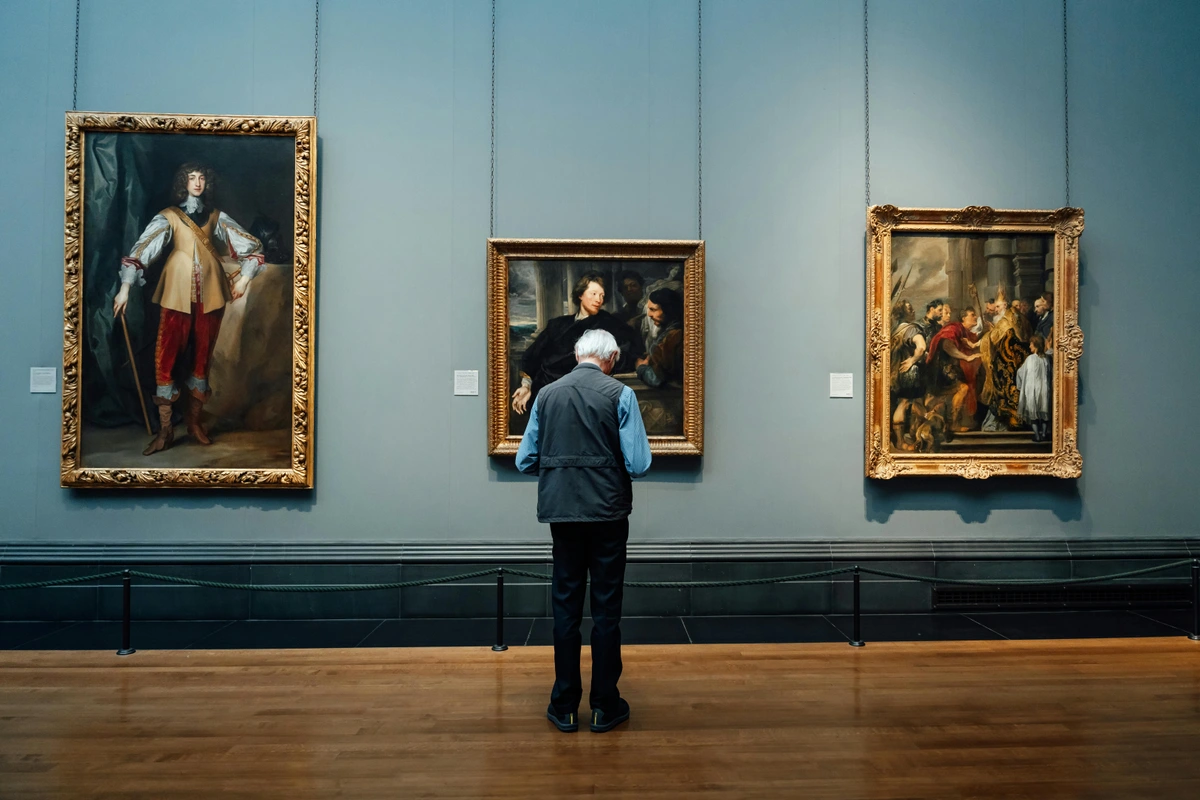
You've probably felt that pressure, too. The sense that you should be having a profound experience but instead you're just shuffling along, trying not to bump into anyone. This article is about tearing up that checklist. It's a guide not just for your eyes and your feet, but for your mind. We'll transform the way you approach these incredible institutions, turning a daunting task into one of the most rewarding journeys you can take.
Why Are We Drawn to These Places? The Secret Life of a Museum
Before we talk about logistics, it’s worth asking a deeper question: what are we even doing there? We could see all of these paintings in higher resolution on our laptops, in perfect silence, with a cup of tea in hand. So why do we travel across cities and continents to stand in front of them? A travel writer might say it's for the “aura” of the original, the magic of the artist's hand. They're not wrong, but it's more than that.
A museum is a physical conversation across centuries. You are standing in the exact same spot, breathing the same air (sort of), that the artist did while they painted. I remember standing in front of a massive Anselm Kiefer work, a landscape of mud and straw and lead. On a screen, it's an image of decay. In person, you can smell the earth, you can feel the weight of the materials, you can sense the sheer physical labour that went into its making. You're not just seeing a picture; you're standing in the presence of an event that happened over years. When you see a painting, you see the texture of the brushstrokes, the way the light catches a thick glob of impasto, a tiny mistake the artist decided to keep. These are details that vanish in reproduction. They are the fingerprints of a human mind, and you have to be in the room with them to feel their presence.
I think of it like the difference between hearing a recording of a symphony and being in the concert hall. One gives you the notes; the other surrounds you with the sound. The museum hall is your concert hall.
The Art of the Visit: A Practical Philosophy
Okay, enough philosophy. Let's get practical, but let's do it with the right mindset. Approaching a major museum is less like a military campaign and more like a stroll through a fascinating new neighborhood. Don't try to see everything. Pick a few streets to explore and allow yourself to get lost. This is where the real discoveries happen—not on the well-trodden path to the most famous works, but in the quiet corners and overlooked galleries. It's about changing your goal from "seeing it all" to "experiencing something deeply."
The best visit I ever had at the Met, I went in with the sole intention of finding paintings that contained dogs. That's it. I found hounds in English hunting scenes, tiny lapdogs in royal portraits, and, in a medieval tapestry, a creature that might have been a dog but looked more like a small, furry dragon. It was absurd, it was focused, and I saw details I would have otherwise completely missed. By giving myself a playful, seemingly silly constraint, I unlocked a new way of seeing. This is the power of a theme. Try it yourself: go looking for paintings with musical instruments, or a specific color, or interesting depictions of hands. You'll be amazed at the stories you start to uncover.

Planning to Be Spontaneous: A Pre-Visit Guide
I used to think preparation was for tourists. I’d show up, grab a map, and just start wandering, convinced this was the ‘authentic’ way to do it. I was an idiot. The biggest mistake people make is trying to wing it. The second biggest mistake is planning every single minute. We're aiming for a middle ground: a flexible structure that creates space for discovery.

Before You Go: Get Your Head in the Game
Let's build your strategy. The following steps are designed to transform you from a passive consumer of culture into an active participant. This isn't about memorizing facts; it's about cultivating curiosity.
- Virtual Scouting & Thematic Inspiration: Most major institutions, like the Metropolitan Museum of Art or the Tate Modern, have excellent online collections. Spend 30 minutes just browsing. Don't study, just browse. Let your eye be caught by something. Is it a specific painting? A period? A strange sculpture? These initial sparks of interest are your compass. This is also the perfect time to identify a potential theme for your visit, as I did with the dogs. Maybe you're drawn to maritime scenes, or portraits of women, or the color blue. Let your intuition guide you.
- The 2+1 Rule: Your Key to Sanity: Before your visit, pick two things you absolutely want to see. That's it. Just two. These are your anchors—the essential "main courses" of your visit. They could be a world-famous masterpiece, a lesser-known work by your favorite artist, or even a specific gallery you've heard about. Then, give yourself permission to find one thing you've never heard of. This simple rule prevents the overwhelm of trying to “do” the whole Louvre and focuses your energy, transforming a marathon into a series of deliberate, meaningful stops.
- Read a Story, Not a Textbook: Instead of reading dry, academic articles, look for the stories behind the paintings or the artist. I once read about the model for Vermeer's
Girl with a Pearl Earringbefore seeing her in The Hague. Knowing that tiny bit of human drama transformed her from an icon into a real person, frozen in a single, luminous moment. I was no longer just looking at a painting; I was meeting someone. Search for the scandals, the rivalries, the love affairs, and the technical innovations. Understanding that many of the Impressionists were considered radical rebels in their time makes their work feel vibrant and revolutionary, not just "pretty."
During Your Visit: The Practice of Seeing
You've arrived. You're inside. The soaring ceilings and hushed whispers are both inspiring and intimidating. This is the moment of transition, where the outside world fades and the world of art opens up. The most important thing you can do right now is take a deep breath and let go of any lingering "shoulds." Here’s how to find your rhythm and truly see what's in front of you.

Your Museum Toolkit: Beyond the Audio Guide
You wouldn't climb a mountain without the right gear, and the same principle applies here. Equip yourself not just for physical comfort, but for mental stamina. A few practical items can make the difference between a fulfilling visit and a slog.
- Comfortable Shoes: This isn't a tip; it's a commandment. Your experience will be dictated by your feet. Period. Blisters are the enemy of transcendence.
- Water and a Snack: Museum cafés are often crowded and overpriced. A granola bar and a bottle of water in your bag is a small act of kindness to your future self, preventing that mid-afternoon energy crash that makes everything look boring.
- A Small Sketchbook and Pencil: Not for drawing the art (which is often forbidden), but for capturing fleeting thoughts, impressions, or even a quick sketch of the architecture. This notebook becomes a tangible record of your journey, far more personal than any postcard.
A Strategy for the Galleries: See Less, Feel More
This is the core philosophy in action. We're trading quantity for quality, hustle for presence. The goal isn't to cover ground, but to go deeper.
- Go Against the Flow: If the museum has a clear, recommended route, consider doing it backward, or starting in the middle. This is the single best way to find a moment of solitude with a famous piece. Everyone else is fighting the crowds at the start; you can have the end to yourself. It's like discovering a city by walking away from the main square—suddenly, you're not a tourist anymore, you're an explorer. At the Musée d'Orsay in Paris, everyone beelines for the top floor where the Impressionists are. I like to start at the ground level, among the incredible sculptures, and work my way up. By the time I get to the top, the initial rush has dissipated, and I can enjoy the Monets and Renoirs in relative peace.
- The 10-Minute Stop: Find a painting that makes you pause. Set a timer on your phone for ten minutes and just... look. Don't analyze. Don't think about what you're supposed to see. Notice the colors, the brushwork, a small detail in the corner. I did this with a Mark Rothko at the Tate, and after five minutes, the painting seemed to vibrate. It was a whole world within a few squares of color. Give a painting ten minutes, and it will start talking back. It's not an exaggeration to say this single practice can rewire how you see everything. Your mind will wander, then come back. You'll notice things you missed in the first minute. This is the practice of deep looking, and it's a skill that pays dividends long after you leave the museum.
- Look Up, Look Down, Look Around: We tend to focus straight ahead. But sometimes the most interesting thing in a room is the ornate ceiling, the maker's mark on a piece of pottery, or the way a statue is positioned to catch the light from a specific window. The room itself is part of the exhibit. I once spent fifteen minutes in the Louvre just looking at the floor mosaics in one quiet hallway, completely ignoring the famous paintings on the walls. It was a moment of pure, unplanned discovery. Treat the museum as a total work of art—its architecture, its benches, its play of light. You'll find beauty and surprise in the most unexpected places.
- Talk to the Guards and Docents: Seriously. The people who work there see these pieces every single day. They notice which paintings make people stop, and they often know fascinating tidbits that aren't on the little card next to the frame. A simple, “That's a beautiful piece, isn't it?” can open up a wonderful conversation. I once had a guard at the Prado tell me which painting in the room he'd take home if he could. His choice wasn't the famous one; it was a small, quiet Goya portrait hanging in the corner. It completely changed the way I viewed the entire collection. These individuals are the unsung heroes of the art world, and a brief chat with them can be one of the most rewarding parts of your visit.
The Postcard and the Masterpiece: Finding Your Way
There's a skill to navigating an institution's layout. Understanding it can save you hours of frustration.
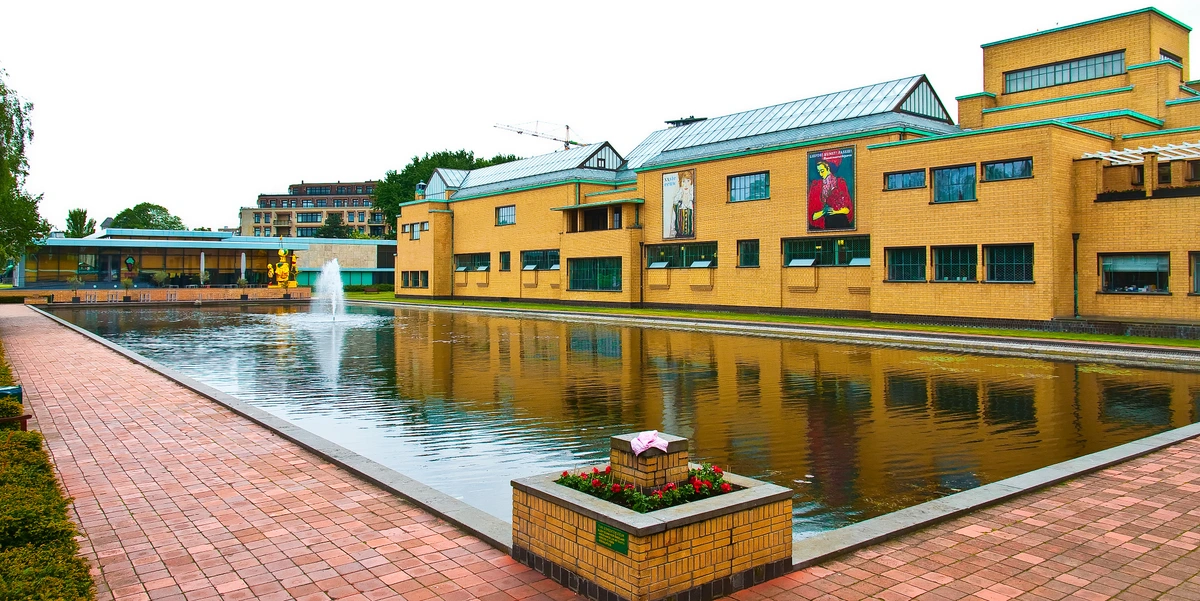
Large museums are often laid out in a few key ways:

Layout Type  | Description | Key to Navigating | Best For |
|---|---|---|---|
| Chronological Loop | The museum tells a story from beginning to end, often starting with ancient artifacts and moving toward the modern era. The Rijksmuseum is a great example. | Go backward. Start with the 20th century and work your way toward the Rijksmuseum’s masterpiece-packed Gallery of Honour. You'll see the climax of the story first, then understand how the art evolved to get there. | Getting a full art history overview. |
| Thematic Wings | The museum is divided into different cultures or styles (e.g., a European Wing, an Asian Art Wing, a Modern Art Wing). The Met or the British Museum are like this. | Pick a wing, not the whole bird. Dedicate a block of time to one theme. Today is a day for Japanese woodblock prints. Forget everything else. It makes the massive space feel manageable. | A deep dive into a specific interest. |
| Icon-First Layout | The museum is designed to guide you toward one or two superstar pieces, with the rest of the collection organized around them. The Louvre, with its clear path to the Mona Lisa, is the master of this. | Visit the icons at 'off-hours.' Try seeing the Mona Lisa in the last hour before closing, or sprint to it the moment the doors open. The rest of the day, let yourself wander the less-traveled halls. You'll find incredible art with no crowds at all. | A pilgrimage to a specific, world-famous work. |
The Viewing Experience: A Closer Look
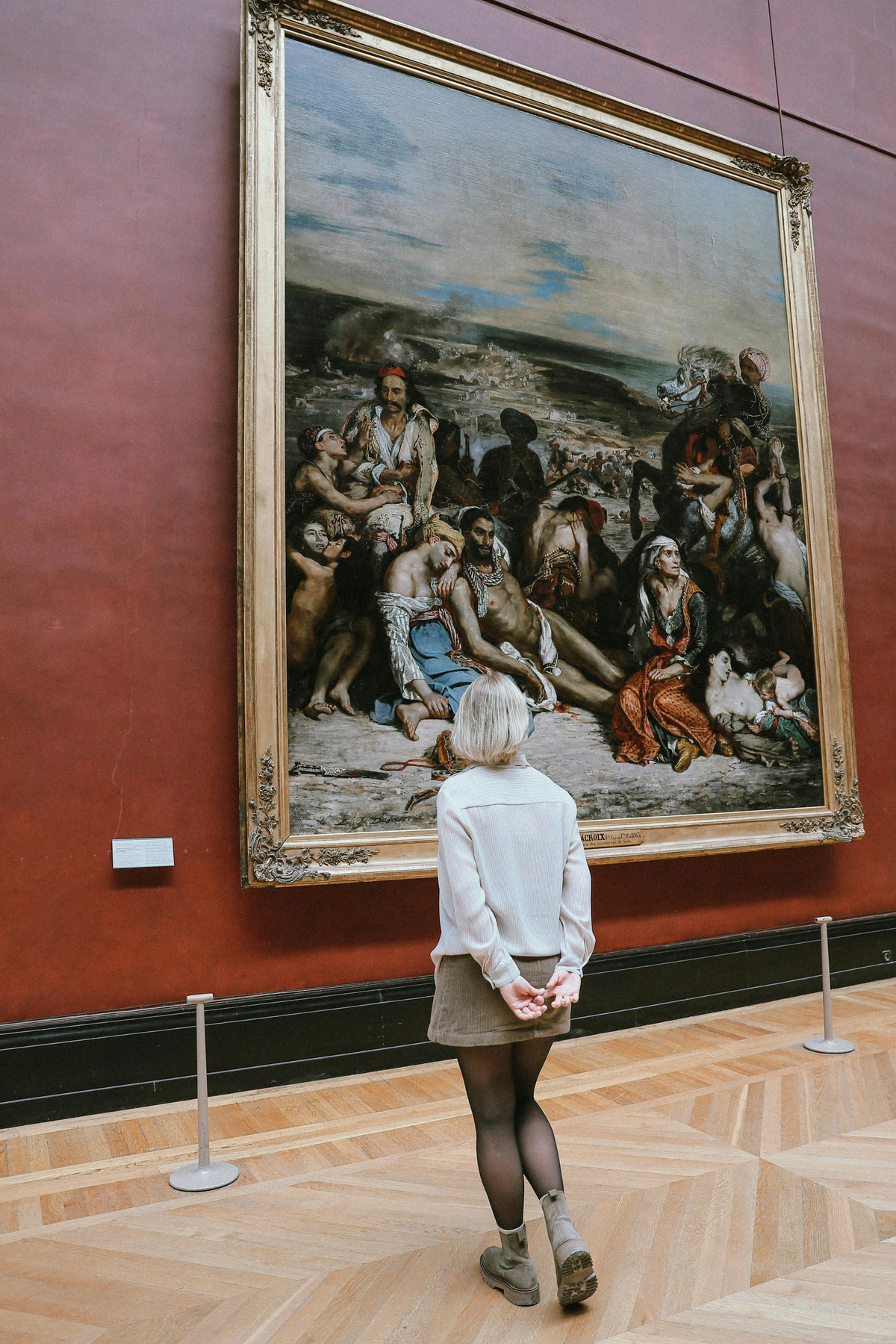
Let's zoom in. You're standing in front of a painting. Now what? How do you move from a quick glance to an actual experience? I think of it as learning a new language. It takes a little practice. This next part is a practical toolkit for your eyes and your mind, a structured way to approach almost any work of art and peel back its layers.
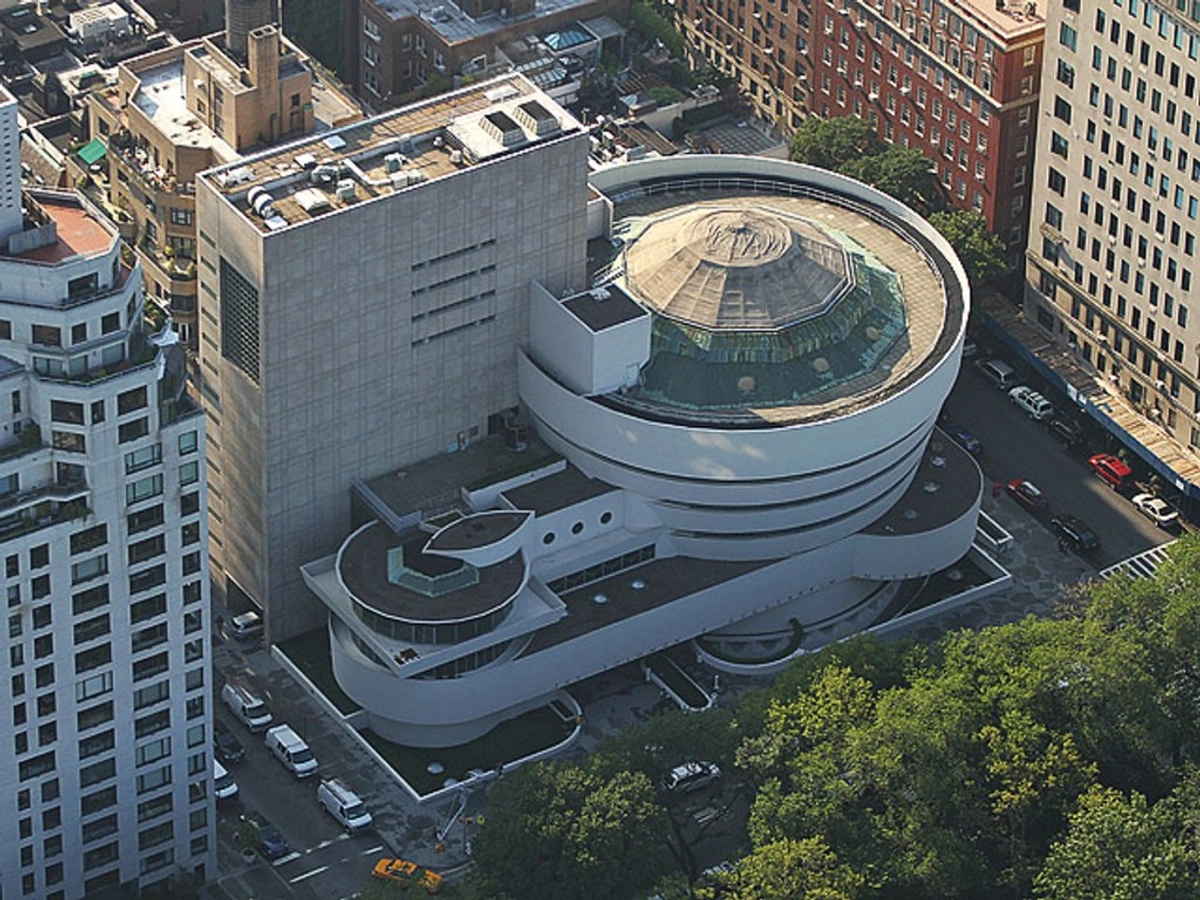
A Practical Exercise: The 4-Step Really Seeing Ritual
This simple exercise is a framework for patient observation. It slows you down and forces you to engage with a work of art from multiple perspectives, revealing a richness that a casual glance can never provide.
- Step 1: First Impression (Look, Don't Think). Stand back at a comfortable distance—maybe ten or fifteen feet. What's the overall mood? Does it feel calm, chaotic, sad, joyful? Don't intellectualize it. Just feel it. Is it loud or quiet? I remember seeing a Jackson Pollock for the first time and my immediate thought was, “This is what noise looks like.” That first gut reaction is your most honest guide. It's the art's first whisper to you. Don't question it, just listen. Don't worry about what the painting is "about" yet; just register its presence and emotional temperature.
- Step 2: Move In (The Details). Now get closer, until you're just a few feet away, close enough to see the surface. Can you see the pencil lines underneath the paint? The texture of the canvas or the weave of the paper? Look at how the paint is applied. In Van Gogh's work, for example, the thick, directional strokes create a rhythm that you can almost feel in your own hand. These details tell you how the artist thought and felt while they were creating. They reveal the speed of the brush, the confidence of the line, the moments of hesitation or correction. It's about finding the fingerprints of their process.
- Step 3: Find the Anchor (The Story's Center). Now, step back to a medium distance. Every good painting has a focal point, a place your eye is naturally drawn to first. It might be a person's face, a splash of bright color, a point of sharpest contrast, or a point where the lines of the composition all converge. Once you find it, you start to understand the story the artist is telling. Why is that the focal point? How does the artist use color, light, and line to pull your gaze there? What are all the other elements doing in relation to it? This is the key to unlocking the painting's internal logic.
- Step 4: Step Back Again (The Context). Now, with the details fresh in your mind, step back to your original starting position. Notice how those tiny brushstrokes you just examined work together from a distance to create a cohesive illusion of light, skin, or fabric. This back-and-forth—far to near—is how you start to understand the magic trick of painting. I remember doing this with Seurat's A Sunday on La Grande Jatte. Up close, it's just thousands of coloured dots. From fifteen feet away, it's a shimmering, sun-drenched afternoon. The magic only happens when you do the dance. It's about appreciating both the raw materiality of the paint and the final, cohesive image it creates.
Connecting with Art That Doesn't "Speak" to You
Not every piece will be your cup of tea. There will be rooms full of paintings that leave you cold. That's fine. In fact, it's better than fine—it's a great opportunity. When you find a piece you don't like, don't just walk away. That's the easy way out. Instead, stand there for a moment. Ask yourself, "What would I need to know to appreciate this?" Sometimes it's historical context. Sometimes it's a technical understanding of the immense skill involved in its creation. Often, it's just not for you, and learning to be okay with that is part of becoming a more confident art viewer. Your taste is your taste. The goal isn't to pretend to love everything, but to figure out why you don't like it. That process of questioning is a form of active, critical viewing that is much more valuable than passive appreciation.
I used to find the work of Caspar David Friedrich impossibly gloomy. All those moody German landscapes just felt like bad weather to me. But then I learned he was part of the Romantic movement, which was all about the awe of nature and the smallness of man. Once I had that piece of the puzzle, I could see the loneliness in his paintings not as sadness, but as a reflection of the sublime. I still might not hang one in my living room, but now I can respect what he was trying to do. It's like meeting someone you don't immediately get along with. Just because you're not friends doesn't mean they're not an interesting person.
Navigating the Big Three: Icon, Crowd, and Clock
Let's be honest. The biggest challenges in a major museum are often the other visitors. You're trying to have a transcendent experience, and someone is having a loud argument about where to get lunch. How do you handle it? It's a universal experience, and learning to navigate it without losing your mind is a key art-viewing skill.
The Iconic Work (a.k.a. The Mona Lisa Problem): The crowd around a masterpiece like the Mona Lisa isn't really looking at the painting. They're looking at a concept: "The Most Famous Painting in the World." My advice? Go ahead and join the scrum. See her, take your selfie, get it out of your system. Acknowledge the cultural icon. But here's the real tip: once you've fulfilled that obligation, you can liberate yourself to find the other, equally stunning but less-crowded da Vincis in the same room. The Louvre is full of them. You'll have them almost to yourself. And you may come to the interesting conclusion that the Mona Lisa is, in fact, not the most interesting painting in that room. The debate is half the fun, and discovering your own "secret" masterpiece is the reward.
The Crowd: The key to crowds is timing and space. Start on the top floor and work your way down. Crowds, like water, tend to pool on the ground level and in the main arteries. The smaller galleries and upper floors are almost always quieter. Mid-week and late afternoons are also your friends. Also, pay attention to cruise ship schedules in port cities, or major convention calendars. A museum can be a ghost town on a Thursday, only to be packed on a Friday when five thousand dentists are in town for a conference. It pays to be a detective about your timing.
The Clock (Dealing with Fatigue): Museum fatigue is real. It's a form of mental and physical exhaustion that sets in after about 90 minutes of intense looking. Your brain just can't process any more. The solution is the 90-Minute Rule. Plan your visit in 90-minute chunks, with a mandatory break in between. Find a bench in a quiet gallery, sit in the museum's atrium, or, even better, leave the building. Get some fresh air, have a coffee, let your mind reset. When you come back, you'll be ready for more. The art will still be there, I promise. It's been there for centuries; it can wait another twenty minutes for you to drink a cappuccino.
Extending the Experience: Before, During, and After
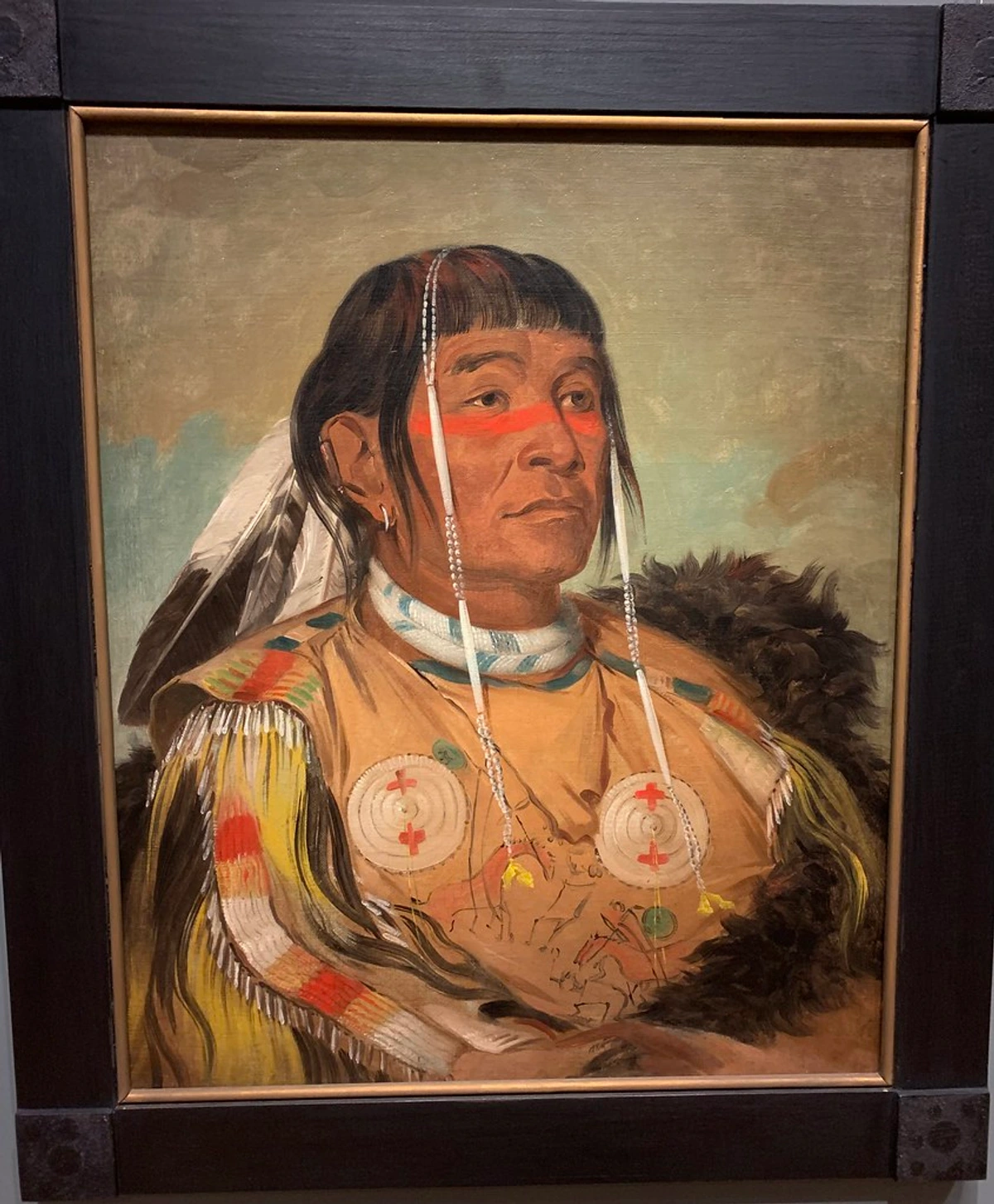
A great museum visit doesn't start when you walk in the door and end when you leave. It's a journey.
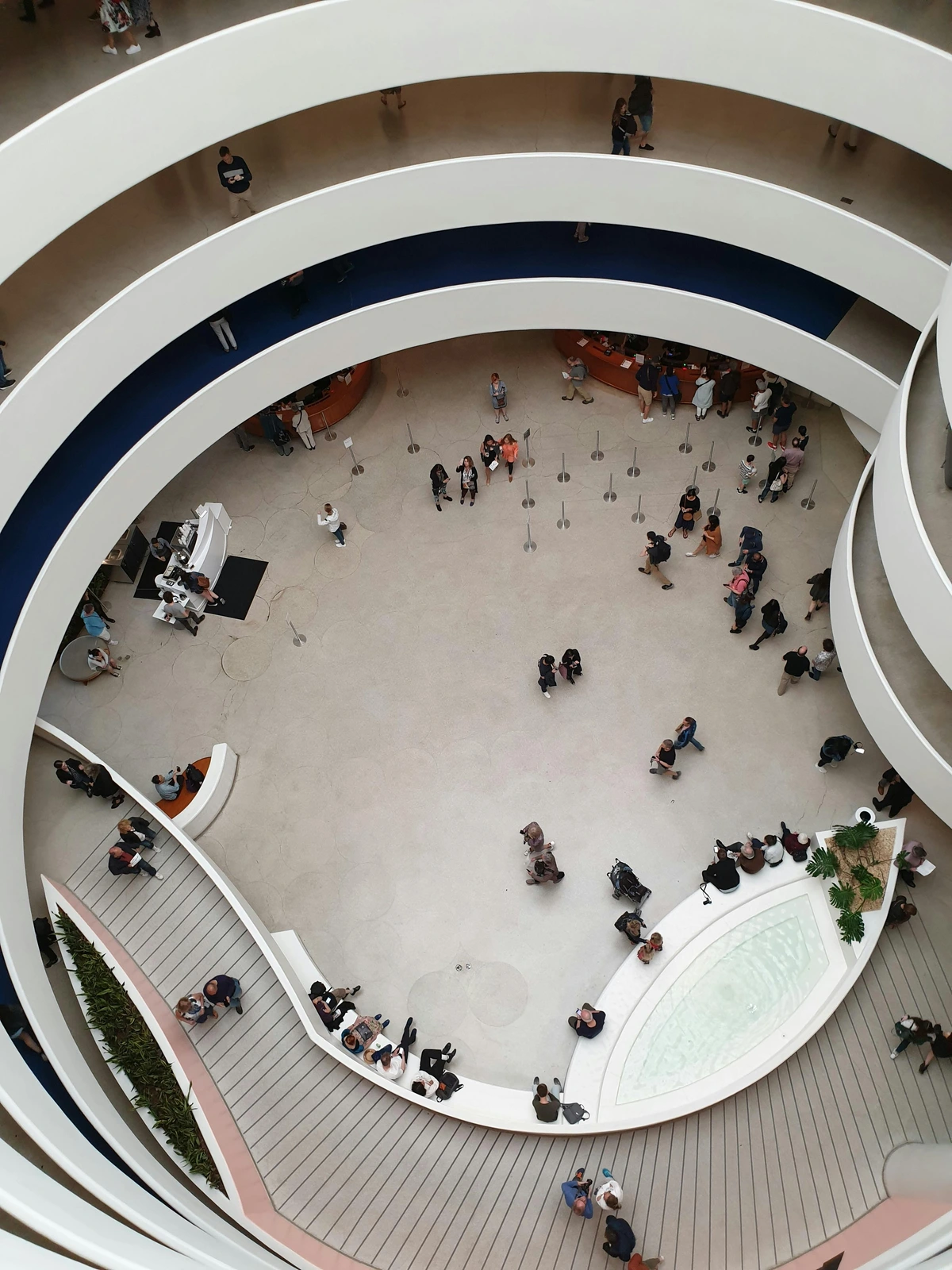
Before your visit, I love to find one piece of music or a novel from the period of the art I'm going to see. Reading Mary Shelley's Frankenstein before diving into the dark, dramatic world of Goya's Black Paintings offers a completely different lens than just showing up cold. Reading a bit of Hemingway before seeing Picasso's early work, or listening to some John Coltrane before walking through the Abstract Expressionist galleries can create a powerful, resonating atmosphere in your mind. It primes your senses and provides a rich emotional and historical context that a dry wall label never could.
During your visit, take a break in the museum's bookstore. Browse the postcards. Find the card for the one painting that really stuck with you. Buy it. That postcard becomes a tangible piece of your experience, a souvenir that's far more personal than a mug with the museum's logo. I have a whole drawer of them at home, and flipping through them instantly brings back the memory of standing in front of that specific work. But here's a better tip: bring a small sketchbook. Not to sketch the art (that's often forbidden), but to sketch a tiny corner of the museum architecture, or just jot down a sentence about the feeling a painting gave you. My sketchbooks from these visits are more precious to me than any guidebook. They are a record of my own seeing, not someone else's.
After your visit, you are in a unique state. Your senses are heightened, and your mind is full of new images and ideas. This is the perfect time to do something creative. Visit my timeline to see how certain museum visits have directly inspired my own work. You might just want to find a quiet café and sketch, or even go home and paint. Don't let the creative energy of the visit simply evaporate. Capture it. I always make it a rule to paint for at least an hour after a major museum visit—sometimes it’s terrible, but sometimes, it’s the best work I do all month. The goal isn't to create a masterpiece, but to process the experience, to let the energy you absorbed find its way out through your own hands. Even just writing a few paragraphs in a journal can solidify the memories and insights.
Frequently Asked Questions on Visiting Art Institutions
Here are some of the most common questions I encounter, with answers designed not just to inform, but to enhance your practical strategy for your next visit. These tips come from years of trial and error, both my own and from fellow art lovers.
What is the best day to visit a museum?
Weekdays are almost always better than weekends. Tuesdays and Thursdays tend to be the quietest. Fridays can be good too, especially if the museum has evening hours, which often draw a different, more local crowd. Avoid public holidays and school vacations if you can. Rainy days are a secret weapon. When everyone else heads to the indoor malls, a rainy Tuesday at the museum can feel like you have the entire collection to yourself. If you can only go on a weekend, aim for the first hour it's open on a Sunday morning, or the last two hours on a Saturday afternoon.
Is an audio guide worth it?
It depends. They can be fantastic for providing context and stories you'd otherwise miss. However, they can also turn you into a passive listener rather than an active observer. My advice is to use one, but sparingly. Pick out 5-7 key pieces and listen to the guide for those. For everything else, trust your own eyes and thoughts. Some museums, like the Stedelijk in Amsterdam, offer fantastic free curator talks you can stream on your own phone, which can be a great alternative. Think of the audio guide as a close friend whispering fascinating secrets in your ear, not a lecturer giving a required course. If your friend is getting boring, it's perfectly polite to just take off the headphones and just look.
How do I appreciate art that seems too abstract or modern?
Don't try to understand it with your head. Try to feel it with your body. What's the energy of the piece? Is it calm or frantic? What do the colors make you feel? Abstract art often isn't about representing a thing; it's about communicating a pure emotion or an idea. Look at it the way you'd listen to an instrumental piece of music. You don't ask what a symphony by Mahler means; you let it wash over you. Do the same with a Mark Rothko or a Jackson Pollock. Stand close and let the painting fill your field of vision. Does it make you feel small? Energized? Peaceful? Let the work act on you, rather than trying to decipher it. Often, the meaning is in the feeling it provokes.
What should I do if I only have one hour to spend at a major museum?
Embrace it! A one-hour visit can be more focused and intense than a whole day. Do your research beforehand. Go straight to the museum's website and find the one single must-see thing for you. See that one thing. Then, spend the rest of your time wandering in the general area. You'll avoid the stress of trying to see everything and can have a deep, if brief, experience. I did this once in St. Petersburg, Russia, with just 45 minutes to spare before the Hermitage closed. I saw nothing but Rembrandt's Return of the Prodigal Son. I can still picture the father's hands on his son's shoulders. It was enough. This "single serving" approach is a powerful way to connect with one masterpiece on a profound level.
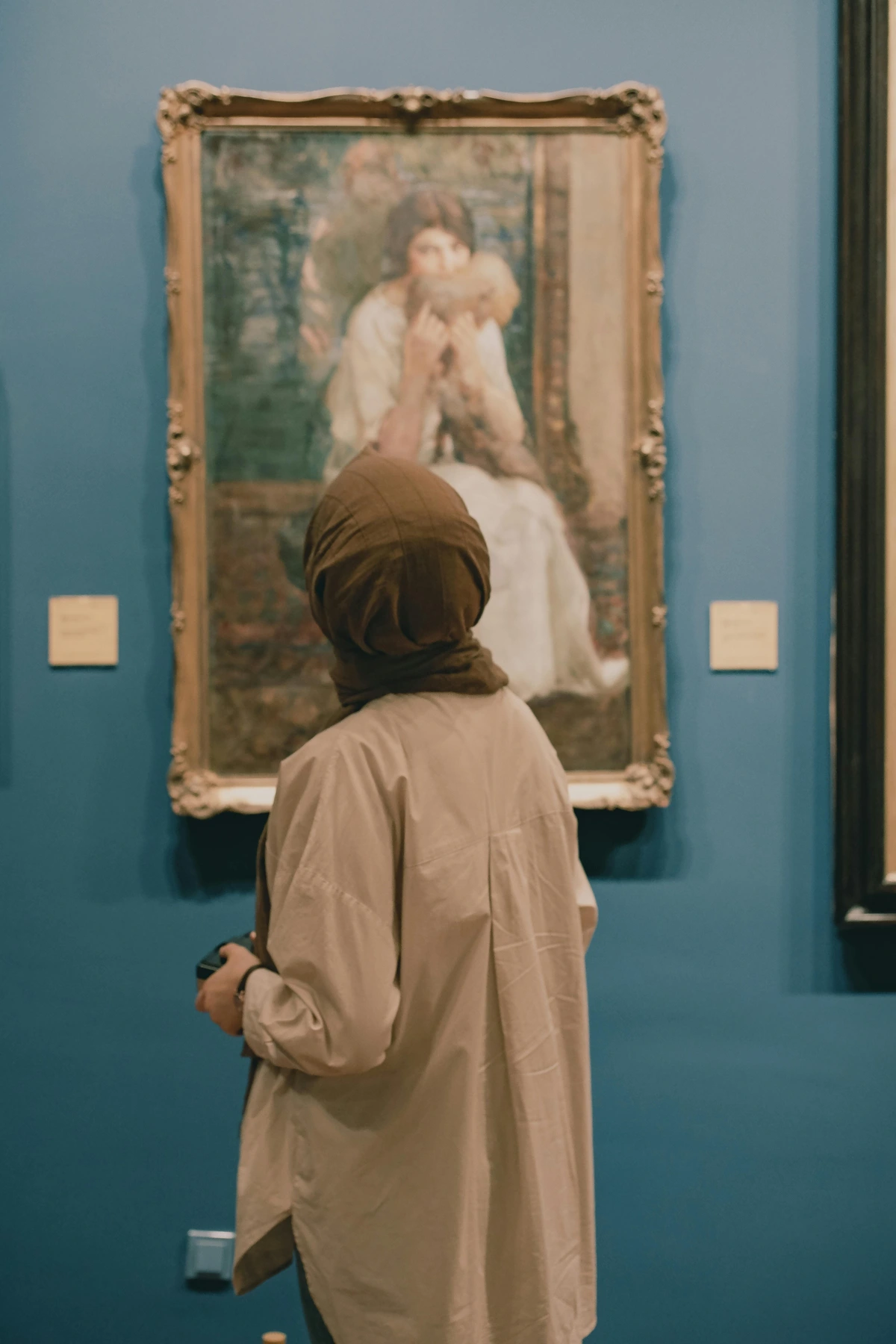
How can I avoid 'museum fatigue'?
Follow the 90-Minute Rule I mentioned earlier. Plan for short, focused bursts of looking, followed by a real break. Eat a good meal beforehand, stay hydrated, and for goodness sake, wear comfortable shoes. Your brain and your feet are a team. A good meal with some protein, staying hydrated with water (not just coffee!), and wearing shoes you've walked miles in before are non-negotiable. Treat your body well, and your mind will be free to soar.
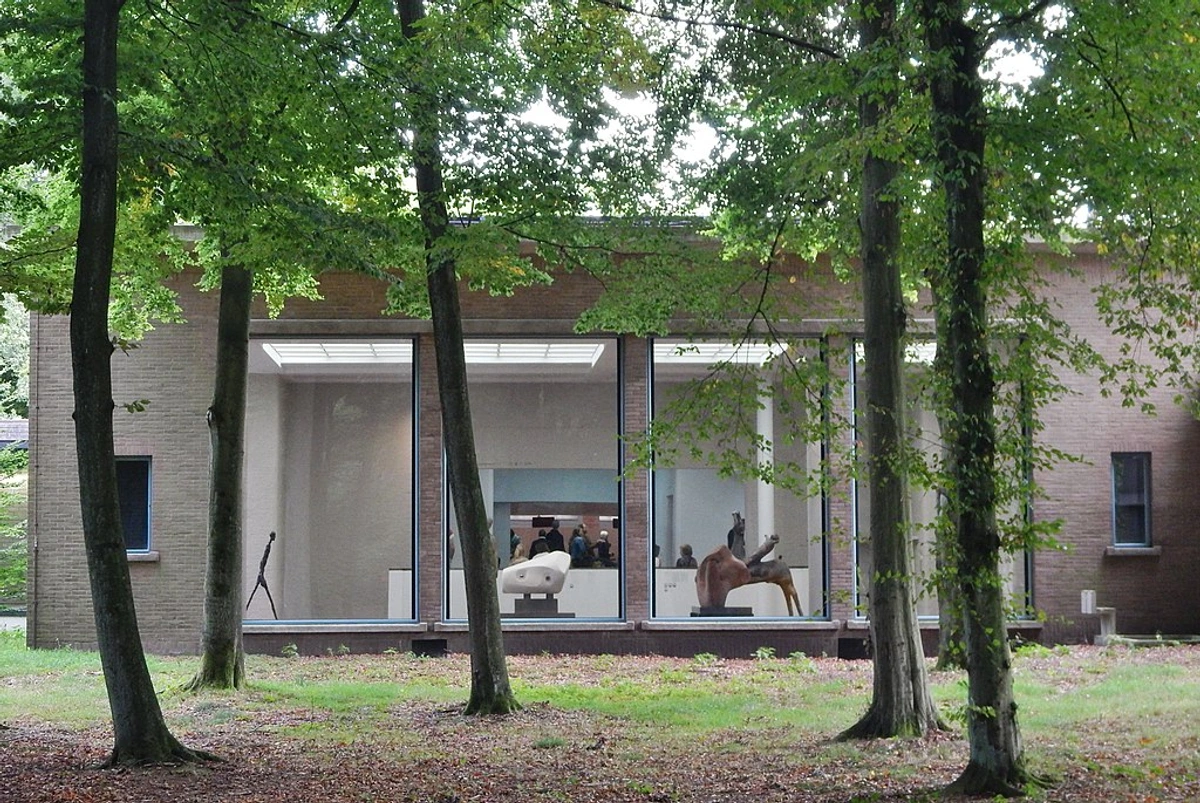
Conclusion: Your Invitation
I started this article by telling you about my worst museum visit. Let me end with my best, because that's the transformation that's possible.
I was in the Museu Nacional d'Art de Catalunya in Barcelona, high up on the hill of Montjuïc. I had spent the morning with the Romanesque frescoes, which are breathtaking. But in the afternoon, I wandered into a room of works by Ramon Casas, a Catalan painter I barely knew. There was one painting, a simple portrait of a woman. There was no grand story, no famous historical event depicted. It was just a quiet, beautiful painting. And because I had learned to slow down, to shed the need to accomplish anything, I sat with it for a long time.
Looking back, I can't tell you the name of that painting. I couldn't find it again if I tried. But I can still feel the quiet of that room and the steady gaze of the woman in the portrait. In that moment, we were the only two people in the world. That's the real secret. It's not about the most famous painting or the best guidebook. It's about that one-on-one connection. It's finding the one conversation, in a sea of voices, that was meant for you.
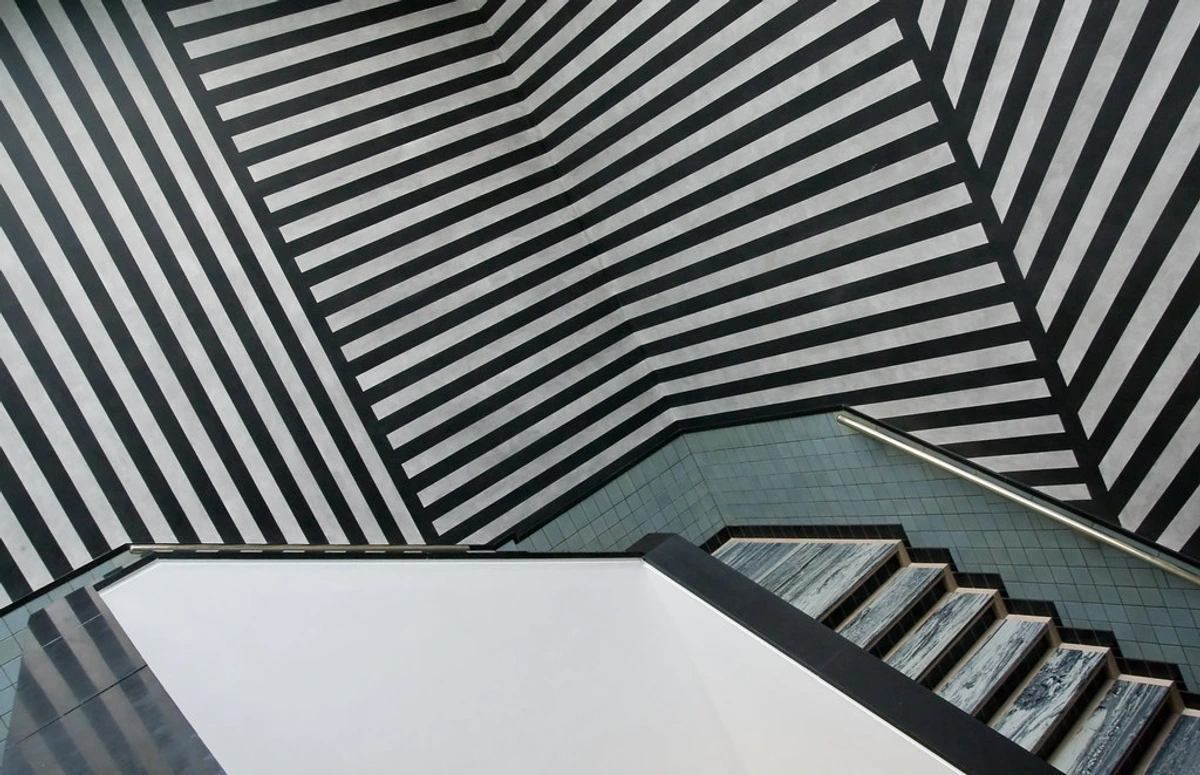


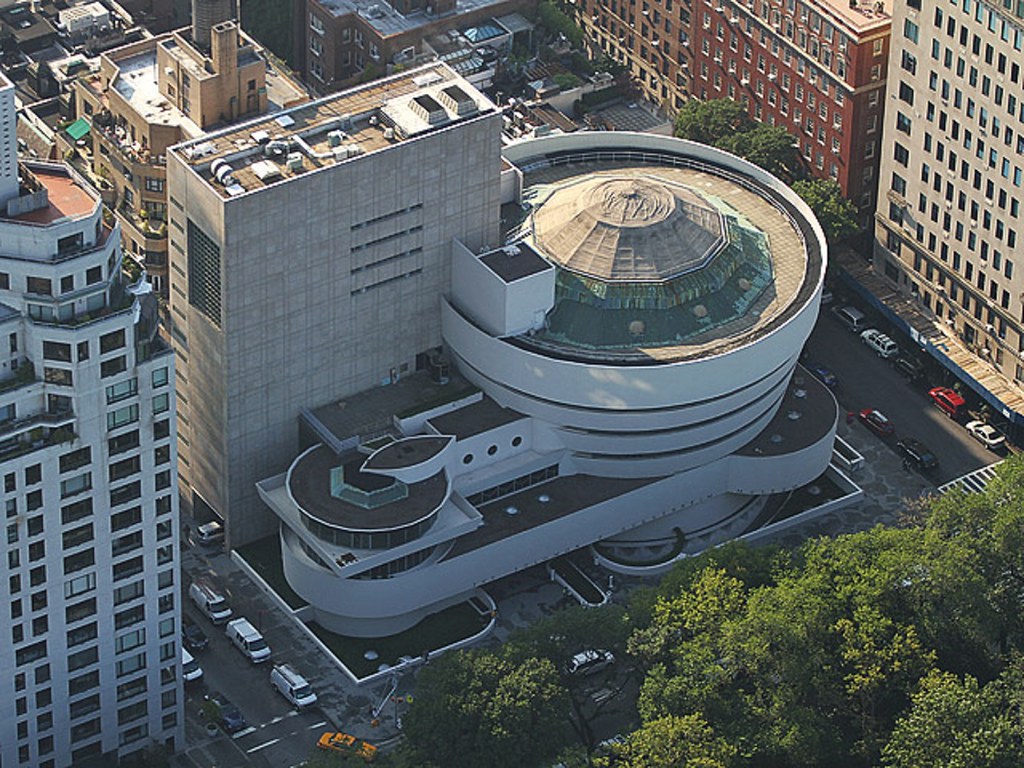
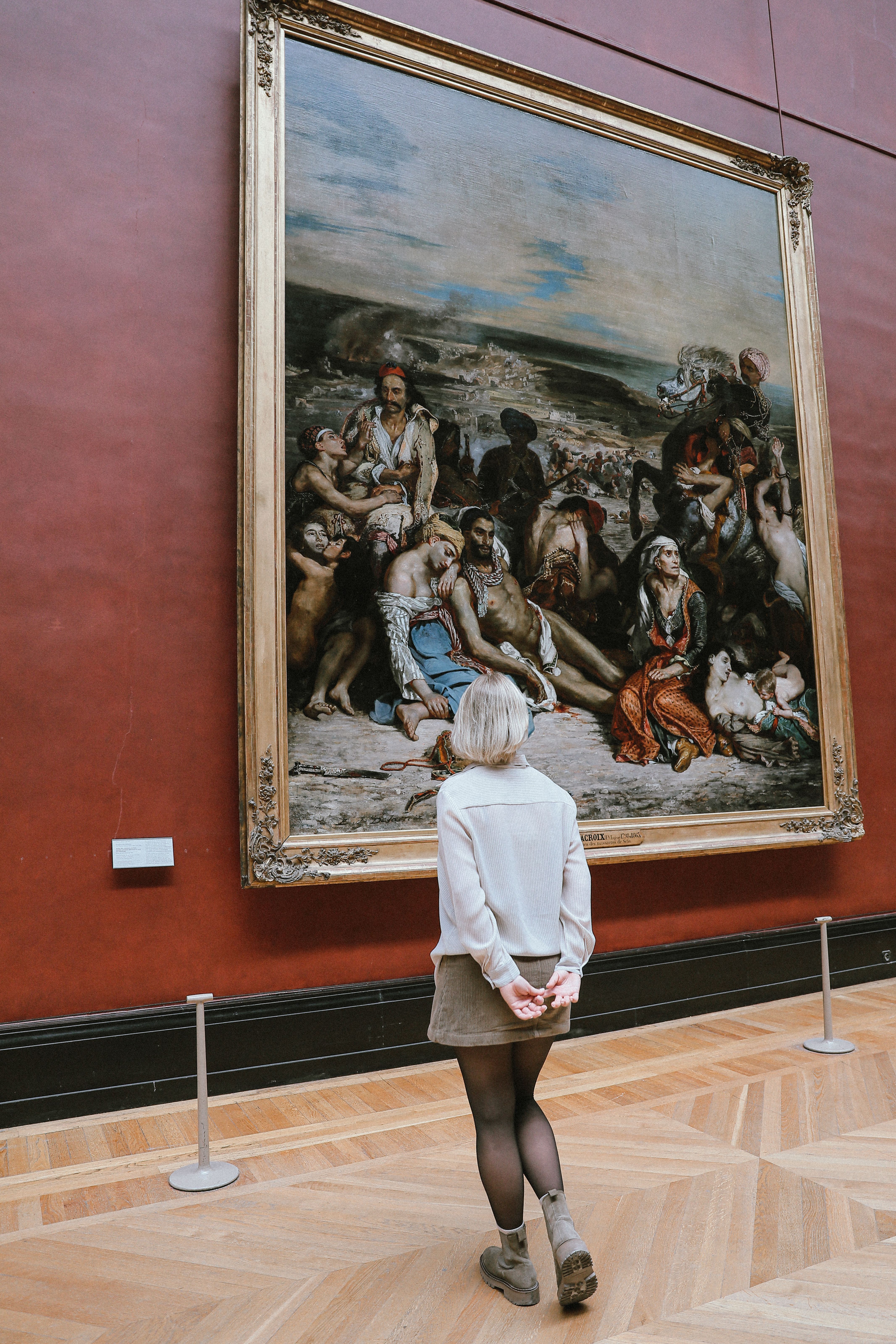

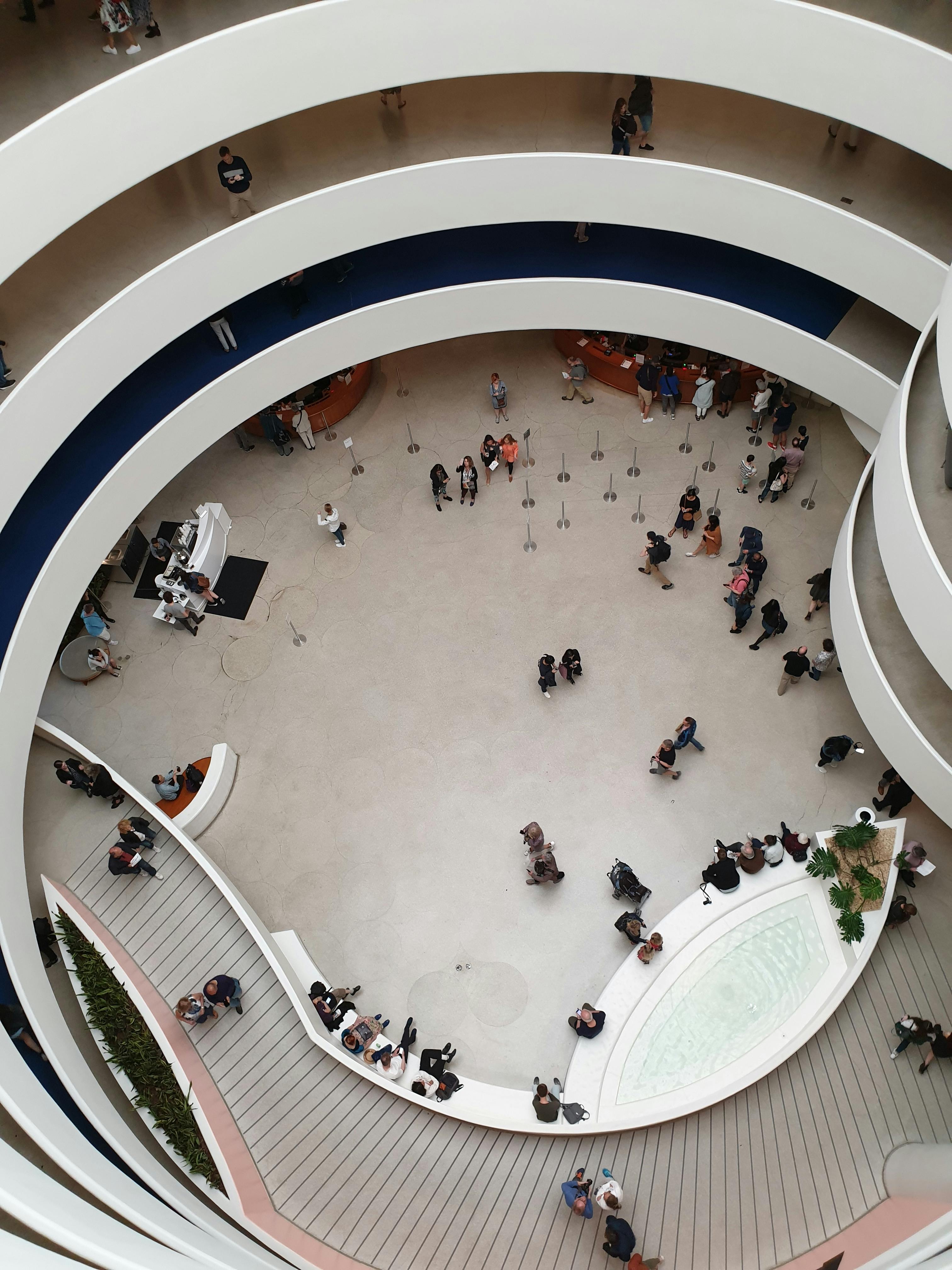


And that is what these great museums offer us. They aren't temples of culture to be worshipped from a distance. They are more like train stations, filled with people and stories from across the ages, all passing through. Your job isn't to meet everyone. It's to find the one conversation that was meant for you. That's where the magic happens. It's a deeply personal encounter, a moment of recognition between you and a work of art that transcends time.
I hope this article serves as your guide to finding it. The world in these halls is waiting. Go find your conversation. And if a visit sparks an idea that you want to bring into your own creative space, don't hesitate to explore my work at zenmuseum.com.