The Art of Quick Sketches: Unleash Your Inner Artist in Minutes
Transform fleeting moments into captivating art with expert quick-sketching techniques. Learn gesture drawing, observational skills, and creative flow to find joy in instantaneous expression.

The Art of Quick Sketches: Unleash Your Inner Artist in Minutes
I remember that moment vividly: sitting at a café in Barcelona, watching an old man feed pigeons. My sketchbook lay empty, my pen paralyzed. 'But how do I capture THIS?' my mind screamed. The scene was so alive, so fleeting. Then a realization hit me: quick sketches aren't about perfection – they're about connection. That moment marked my transformation from frustrated artist to liberated sketcher.
In our hyper-digital world, where every image can be filtered and perfected, quick sketching has become more radical than ever. It's your personal rebellion against the curated perfection that dominates our screens. When was the last time you created something purely for the joy of capturing a moment, without worrying about how it would look on Instagram? Quick sketching isn't just an art technique – it's a mindfulness practice disguised as drawing. It's the artistic equivalent of meditation, forcing you to be present in the exact moment your subject exists.
And today? I want that same lightning-in-a-bottle feeling for you. This isn't about becoming a master artist overnight. It's about rediscovering the simple, profound joy of seeing the world through an artist's eyes, even if those hands are still learning the language.
What Exactly Makes a Sketch "Quick"?
Let's dismantle this mystery. A quick sketch isn't defined by time (though it's fast!), but by purpose. It's a deliberate dance between hand and eye that prioritizes capturing truth over technical precision. Think of it as artistic journaling – your diary of visual impressions. The magic lies in these core elements:
The Three Pillars of Quick Sketching
Pillar  | Definition | Why It Matters | Practical Example |
|---|---|---|---|
| Gesture | The soul of your subject. That pigeon's neck craning, the curl of the old man's smile – those ephemeral movements where life lives and breathes. | Captures life before it escapes. Without gesture, your drawing feels stiff and dead. | A dancer's leap, a dog's tail wag, the way steam rises from coffee |
| Essential Shapes | Forget intricate details. Quick sketches thrive on simplified forms – circles for heads, triangles for torsos, flowing lines like ribbons in wind. | Creates a strong foundation. Details are decorations; shapes are the architecture. | Breaking a complex face into ovals and cylinders, seeing a tree as overlapping triangles |
| Energy Flow | The invisible energy that animates your subject. How does that dancer's body move through space? How does light caress that flower's petals? | Adds life and movement. Energy lines create dynamic compositions that engage the viewer. | The curve of a smile, the diagonal of a falling leaf, the pulse in a line |
The Science Behind Quick Sketching
Neuroscience shows us that quick sketching activates multiple parts of your brain simultaneously. Your visual cortex processes what you see, your motor cortex controls your hand, and your prefrontal cortex makes decisions about what to capture. This multi-tasking builds neural pathways that improve overall cognitive function. It's like brain cross-training that happens while you're having fun.
Historical Context: Quick Sketching Through the Ages
Quick sketching isn't new. Renaissance masters like Leonardo da Vinci filled notebooks with rapid observations of birds, water, and human anatomy. Impressionists like Degas used quick sketches to capture movement before painting. Even Picasso developed his revolutionary style through countless quick gesture drawings. The great artists understood that quick sketching wasn't just practice – it was the foundation of their visual language.
Quick sketches teach your hand to listen to your eye, not just mimic what you think you see.
Why Quick Sketches Will Revolutionize Your Creativity
Look, we live in an age of infinite filters and perfection-driven social media. Quick sketches are your rebellion. They're your artistic gym that builds muscles you didn't know you needed:
Muscle Built | Practical Impact | Unexpected Bonus |
|---|---|---|
| Observational Power | You notice how shadows play differently on rainy days | You become more present in daily life |
| Creative Confidence | You embrace 'good enough' over 'flawless' | Decision-making becomes easier elsewhere |
| Flow State Mastery | You lose track of time when sketching | Reduces stress and anxiety |
This isn't just academic. I once sketched my chaotic kitchen during a power outage. The chaotic energy translated into ink strokes, turning annoyance into art. The resulting piece? Later became a best-selling print.
Your Quick Sketch Toolkit: Bare Essentials
You don't need a studio. You need courage. But having the right tools prevents frustration. This minimalist setup lives in my backpack:
Tool Category | Beginner-Friendly | For the Purist | Budget Option | Professional Choice | Why It Matters |
|---|---|---|---|---|---|
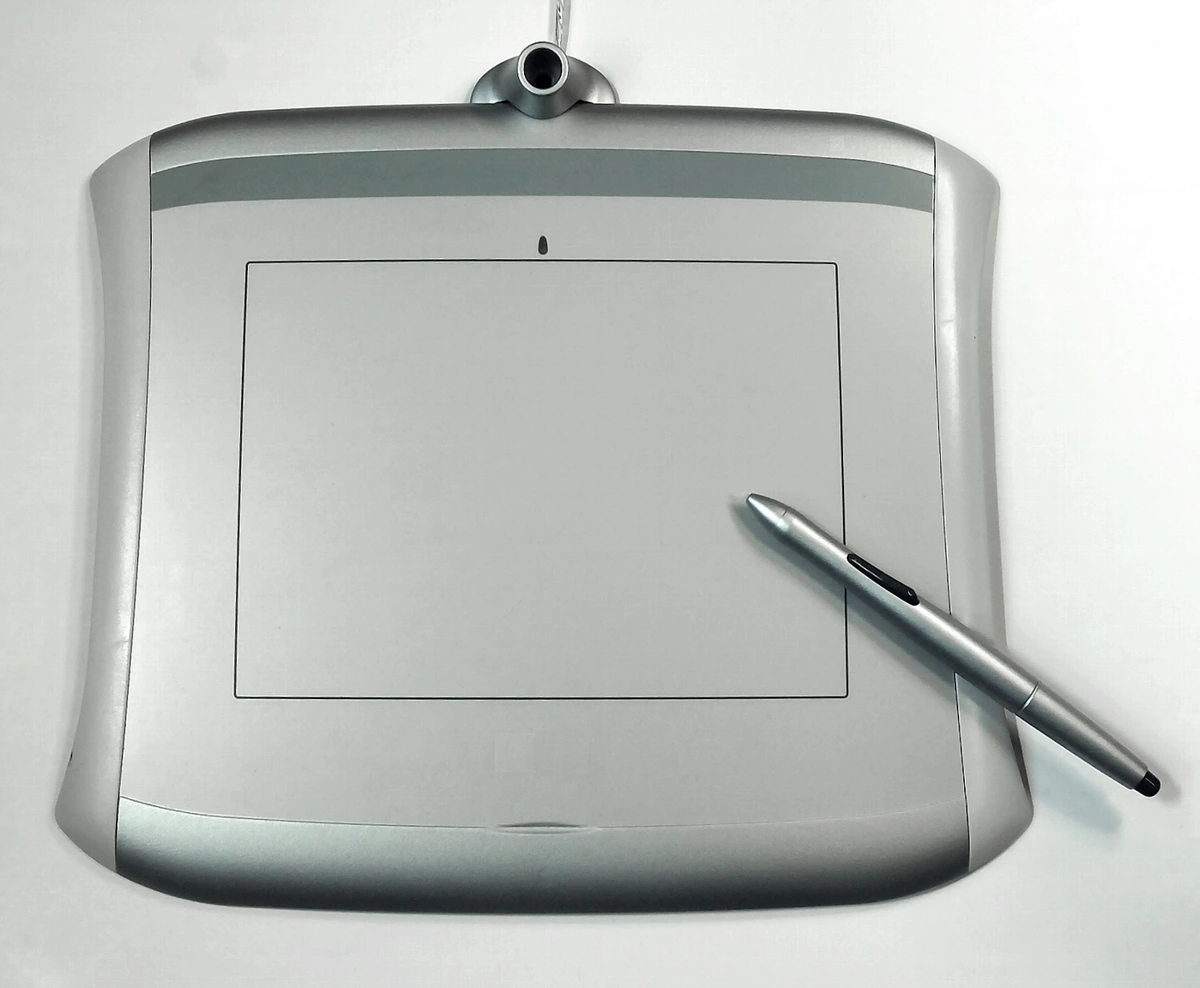
| Writing | Standard ballpoint pen | Bamboo brush pen | Pencil (HB-2B) | Fountain pen | Forces confidence, less erasing; different tools create different mark qualities |
| Paper | Cheap sketchbook | Watercolor block | Printer paper | Mixed media paper | Cheap = less fear, encourages risk-taking; surface affects ink behavior |
| Surface | Desk | Clipboard for mobility | Book cover | Portable drawing board | Captures life when it happens; portability determines when you can sketch |
| Erase? | None (embrace mistakes) | Kneaded eraser (minimal use) | White plastic eraser | Electric eraser | Mistakes become happy accidents; erasing can disrupt the flow |
| Color | Colored pencils | Watercolor brush pens | Markers | Gouache | Adds dimension; different media require different approaches |
| Extras | Paper clips | Small water cup | Spray bottle | Brush soap | Organization and color application management |
Tool Philosophy: Less is More
The beauty of quick sketching is its accessibility. You don't need expensive equipment to start. In fact, working with limited tools often forces greater creativity. I've done some of my favorite quick sketches with nothing more than a ballpoint pen and the back of a receipt. The constraint becomes part of the creative process.
Progressive Tool Acquisition
As you develop your skills, you might want to expand your toolkit. But add tools gradually, with intention. Ask yourself: "What specific challenge am I trying to solve with this new tool?" rather than buying things because they seem "professional." Your tools should serve your artistic vision, not define it.
Tool Category | Beginner-Friendly | For the Purist | Why It Matters |
|---|---|---|---|
| Writing | Standard ballpoint pen | Bamboo brush pen | Forces confidence, less erasing |
| Paper | Cheap sketchbook | Watercolor block | Cheap = less fear, encourages risk-taking |
| Surface | Desk | Clipboard for mobility | Captures life when it happens |
| Erase? | None (embrace mistakes) | Kneaded eraser (minimal use) | Mistakes become happy accidents |
The 60-Second Breakthrough Method
Forget 3-hour masterpieces. Here's how to capture lightning in a bottle. We'll test this with a coffee cup right now:
The Quick Sketch Evolution Path
Experience Level | Time Goal | Focus Areas | Expected Outcome |
|---|---|---|---|
| Complete Beginner | 2-3 minutes | Simple shapes, basic lines | Recognizable subject with energy |
| Developing Artist | 60-90 seconds | Gesture, essential details | Captured essence with some personality |
| Intermediate | 30-60 seconds | Energy flow, selective details | Dynamic, expressive sketch that feels alive |
| Advanced | 15-30 seconds | Pure gesture, movement | Abstract but evocative capture of energy |
| Master | 5-10 seconds | One decisive line | Minimalist statement that tells a story |
The 60-Second Breakdown

Step 1: The 5-Second Gaze (0-5 sec) Look away from your paper. Study your subject. Where does its energy live? For the cup, it's the steam risers and rounded handle. Don't draw yet. This is crucial - your first impression is often your most honest. Close your eyes if you need to, then open them and immediately start drawing before your brain overthinks.
Step 2: The Warm-Up Scribble (5-10 sec) Make meaningless marks. Circle, zigzag - loosen your wrist. Like a singer warming up vocal cords. The goal here isn't to create art, it's to break the paralysis between your mind and hand. Think of it as shaking out your drawing hand before the real work begins.
Step 3: The Main Gesture (10-30 sec) Draw ONE continuous line (no lifting your pen) that traces your subject's "skeleton". Follow the cup's curve, the steam's lift. It will look like nonsense. That's perfect. The magic of this step is that it forces you to see the whole subject rather than getting stuck on details. You're mapping the energy, not the appearance.
Step 4: Essential Details (30-50 sec) With lifting your pen allowed now: Add the coffee swirl, the saucer's flat plane. Choose ONLY 2-3 must-have details. The cup's personality? The glossy light reflection? This is where you make conscious decisions about what defines your subject. Less is more - every mark should earn its place.
Step 5: The Spirit Line (50-60 sec) One final decisive line. A bold shadow under the cup? A dramatic curve in the steam? This line says "I'm done!" This finishing touch gives your sketch confidence and completion. It's the exclamation point at the end of your visual sentence.
The Mindset Shift: How to Stop Overthinking
I used to bring my inner critic to sketching, and it ruined everything. Here's how I made peace:
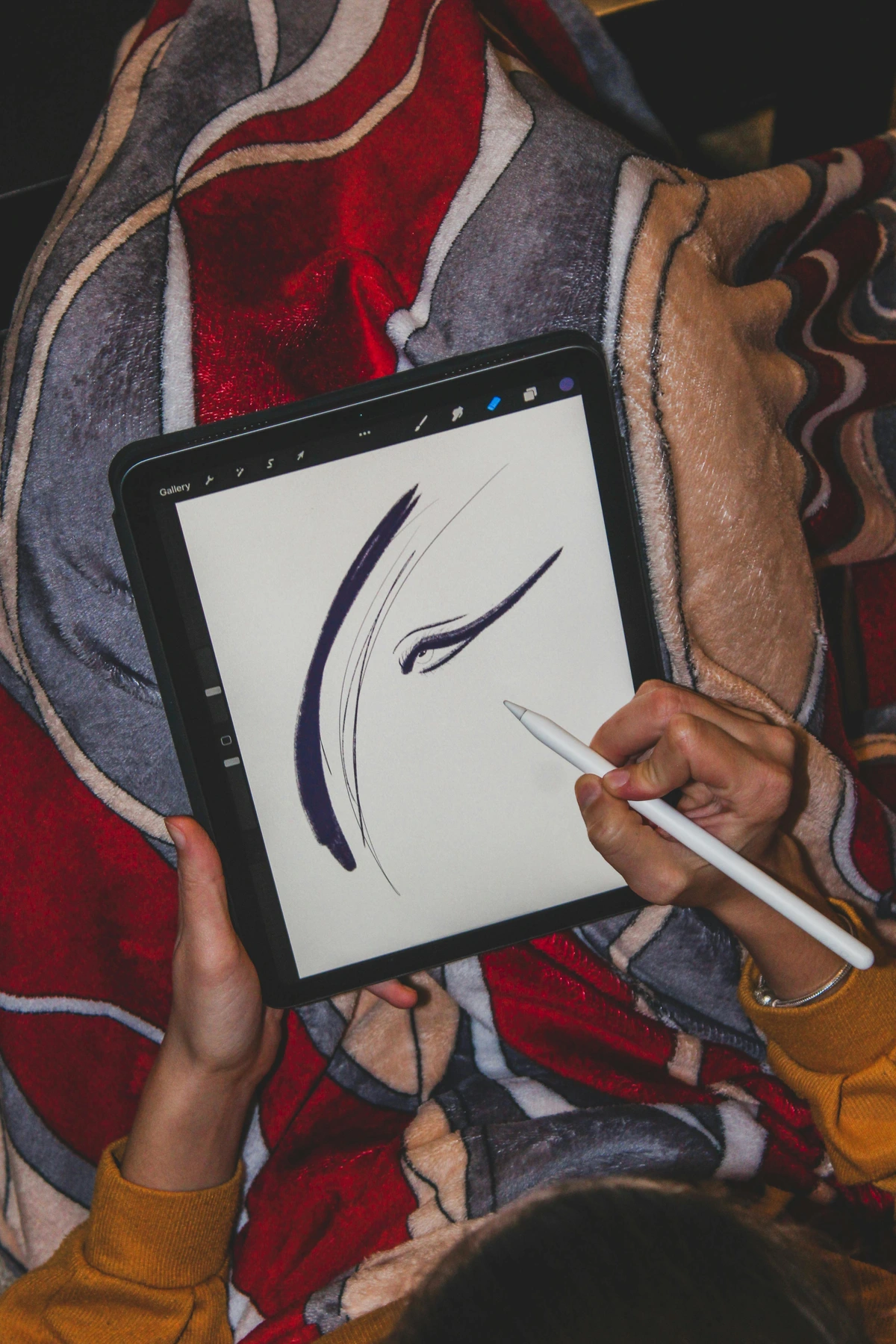
The Psychology of Creative Freedom
Mental Block | Scientific Cause | Quick Sketch Solution | Long-term Benefit |
|---|---|---|---|
| Perfectionism | Fear of judgment activates amygdala | Embrace "ugly" sketches; they're unfiltered | Reduced anxiety, increased creative output |
| Analysis Paralysis | Overactive prefrontal cortex | Strict time limits force intuitive decisions | Better decision-making in all areas of life |
| Fear of Mistakes | Negative self-talk patterns | No-erasing rule; embrace happy accidents | Increased resilience and adaptability |
| Comparitis | Social comparison triggers | Focus on personal progress, not external standards | Improved self-esteem and authentic expression |
| Creative Block | Mental fatigue and burnout | Micro-sketching (1-2 minute sessions) | Maintains creative momentum during busy periods |
Specific Mindset Techniques
The 10-Second Rule: When you see something interesting to sketch, you have 10 seconds to start drawing. No preparation, no "proper" setup. This breaks the perfectionist habit of needing everything to be perfect before beginning.
The Ugly Sketch Challenge: Intentionally create the ugliest sketch you can. This paradoxically liberates many artists because it removes the pressure to be good. Often, these "ugly" sketches turn out to be the most expressive.
Mistake Integration: Instead of trying to hide mistakes, incorporate them into your composition. A wobbly line might become part of a tree's trunk. An accidental smudge could become a cloud. This teaches you to work with what you have rather than fighting against it.
Learning from the Masters
Steal Like an Artist: Don't copy. Borrow. See how Matisse used simple lines? Van Gogh's energy? Absorb, then translate. Study artists known for their quick, expressive work like Egon Schiele's intense line work or Jean-Michel Basquiat's raw energy. Notice what makes their quick sketches powerful, then adapt those techniques to your own style.
The Sketchbook as Laboratory: Think of your sketchbook not as a portfolio, but as a laboratory for experiments. Some experiments will fail spectacularly. Others might surprise you. The point is exploration, not perfection.
Common Quick-Sketch Traps and How to Fly Free
Trap | What It Feels Like | How to Escape | Advanced Solutions |
|---|---|---|---|
| The Perfectionist Paralysis | Sketching takes 30 minutes | Use less precise tools (ballpoint pen) | Set absurd time limits (5 seconds!), use non-dominant hand |
| Detail Obsession | Can't finish sketch | Hide details you want to add in your pocket - only use 1-2 per sketch | Outline the piece in 30 seconds, then add minimal details |
| Fear of Judgment | Ripping out pages | Sketch in private first, maybe with music | Create a "bad art" section in your sketchbook, no judgment allowed |
| Blank Page Terror | Sketchbook stays empty | Doodle before starting - anything | Start with a random scribble, turn it into something |
| Tool Dependency | Can't sketch without perfect setup | Practice with only pen and paper | Sketch with unconventional tools (stick in dirt, coffee on napkin) |
| Subject Limitation | Only sketch familiar objects | Challenge yourself with difficult subjects | Use quick sketches as problem-solving exercises |
| Creative Burnout | Sketching feels like a chore | Take breaks, vary subjects | Switch to abstract or non-representational sketching |
| Style Stagnation | All sketches look the same | Intentionally use different approaches | Copy styles of artists you admire, then blend them |
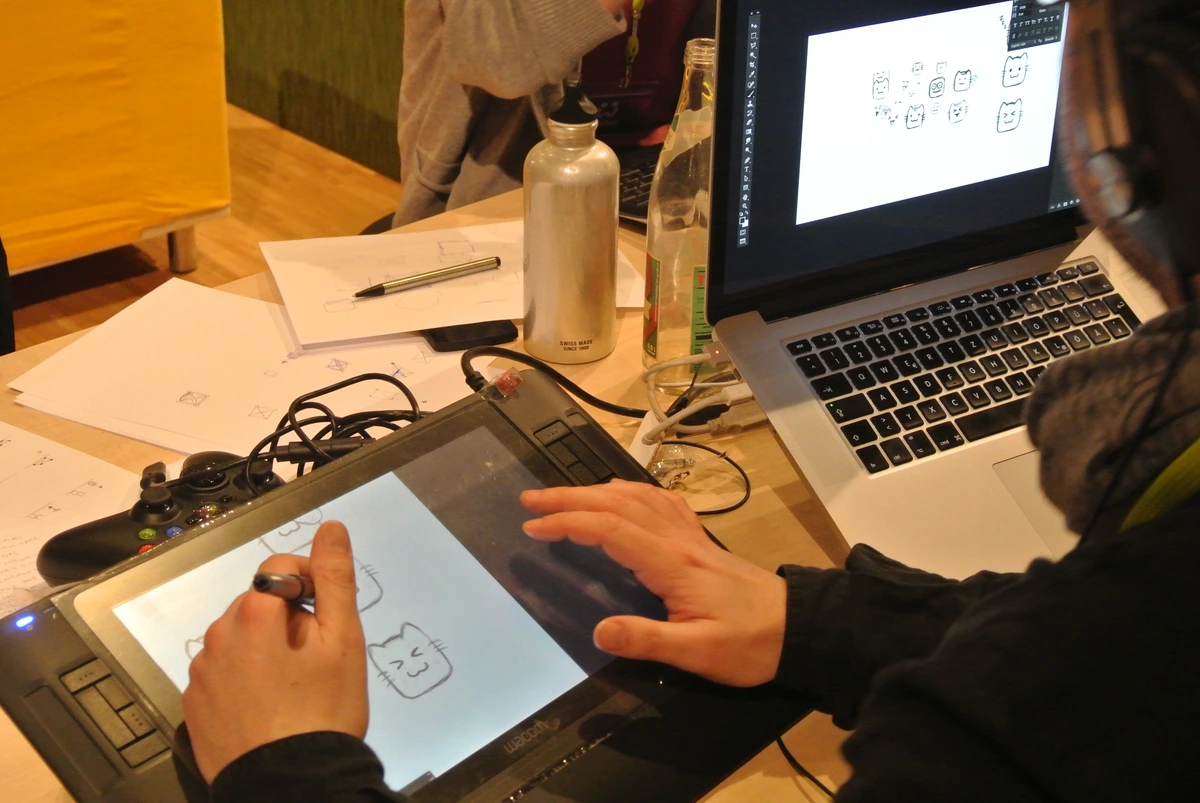
Advanced Trap Avoidance Strategies
The Deliberate Mistake: Before starting a sketch, decide on one "mistake" you're going to make and incorporate it intentionally. This could be using the wrong color, distorting proportions, or adding an element that doesn't belong. This technique helps you see mistakes as creative opportunities rather than failures.
Time Box Variations: Instead of always using 60 seconds, experiment with different time constraints. Try 10-second sketches for pure energy, 2-minute sketches for slightly more detail, or even 5-minute sketches when you want to explore a subject more deeply. Each time frame develops different skills.
Environmental Challenges: Sketch in difficult conditions - dim lighting, moving subjects, unusual surfaces. These constraints force you to focus on the essentials and develop adaptability. A sketch done on a bumpy bus ride while the subject is moving often captures more life than a perfect studio sketch.
Quick Sketches for Every Scenario
Quick sketching isn't just for cafes. It adapts to countless situations in your life. Here's how to make quick sketching work in different contexts:
Professional Applications
Scenario | Technique | Benefit | Tool Recommendation |
|---|---|---|---|
| Business Meetings | Visual note-taking with simple icons and flow diagrams | Better retention and engagement | Pen + small notebook or tablet with stylus |
| Conference Talks | Quick speaker portraits and key concept illustrations | More engaging than traditional notes | Pocket sketchbook + fine liner pen |
| Client Presentations | Rapid concept sketches to illustrate ideas | Clearer communication of visual concepts | Digital tablet + sketching app |
| Team Brainstorming | Collaborative quick sketches to visualize ideas | Enhanced creativity and idea generation | Large paper + markers for group sketching |
Personal Life Applications
Scenario | Technique | Benefit | Tool Recommendation |
|---|---|---|---|
| Travel Sketching | Capture architecture essence with 30-second window studies | Deeper connection to places | Pocket sketchbook + pen, or phone camera + sketch later |
| Meeting Notes | Transform boring notes into visual mind maps with quick diagrams | Better information retention | Pen + notebook, or digital note-taking app with drawing features |
| Kids' Activities | Draw your child's soccer game instead of just watching | Preserving memories in real-time | Small sketchbook + pencil (quiet), or phone camera |
| Self-Discovery | Sketch your emotional states during journaling | Emotional processing and insight | Private journal + your preferred drawing tools |
| Exercise Breaks | Quick sketches during rest periods between workouts | Mental reset and creative refreshment | Small, portable sketch kit in gym bag |
| Waiting Rooms | Sketch fellow patients or medical staff | Reduces anxiety and observational practice | Pocket-sized sketchbook + pen |
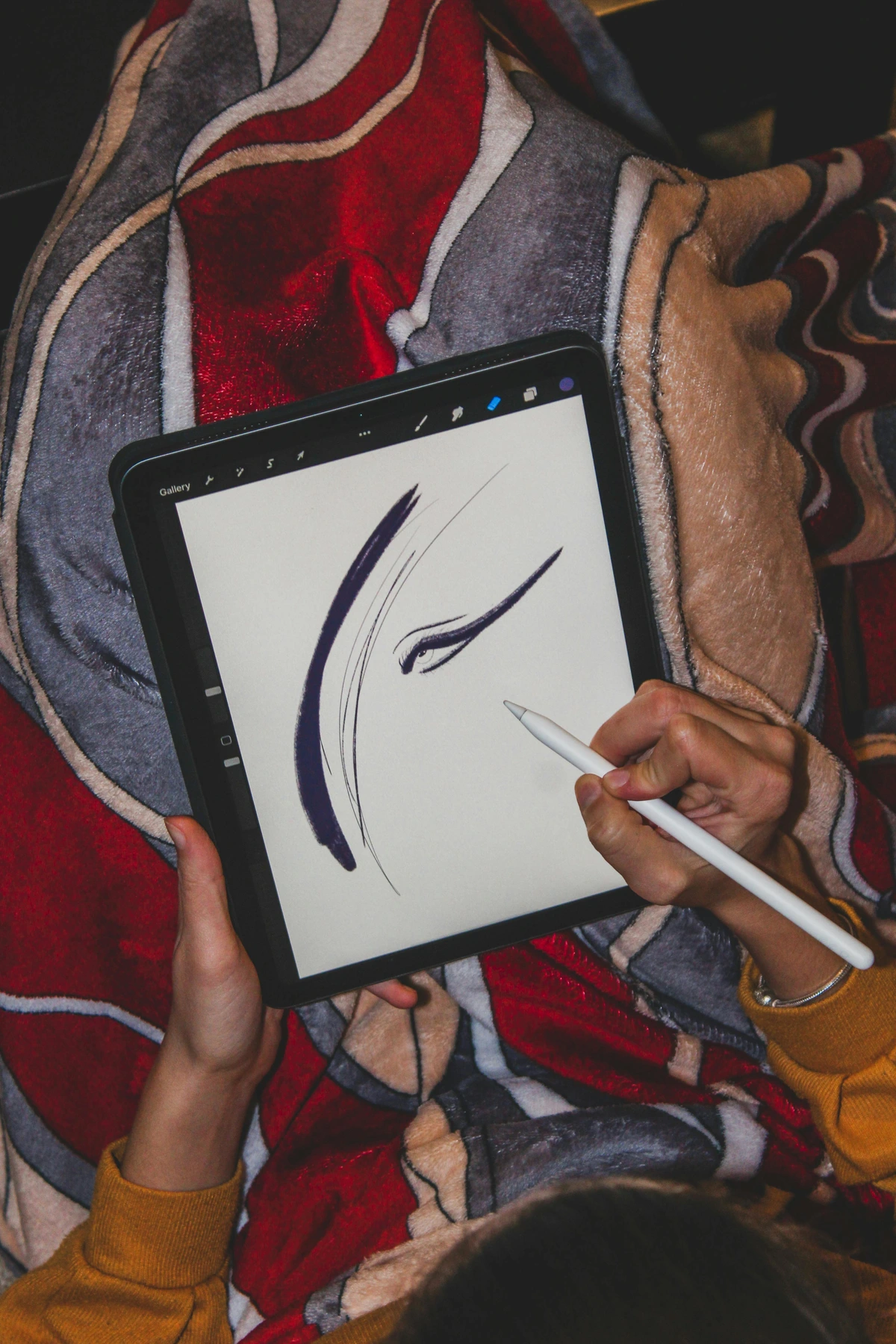
Creative Applications
Rapid Ideation: Use quick sketches to explore creative ideas without commitment. Whether you're designing a product, planning a story, or developing a painting, quick sketches allow you to explore multiple directions rapidly.
Style Development: Try sketching the same subject in different styles - cartoon, realistic, abstract, minimalist. This helps you discover your artistic preferences and develop a unique voice.
Portfolio Development: Even "failed" quick sketches can become the seeds for larger works. Keep a digital archive of your quick sketches and revisit them when looking for inspiration or starting new projects.
Digital Quick Sketching
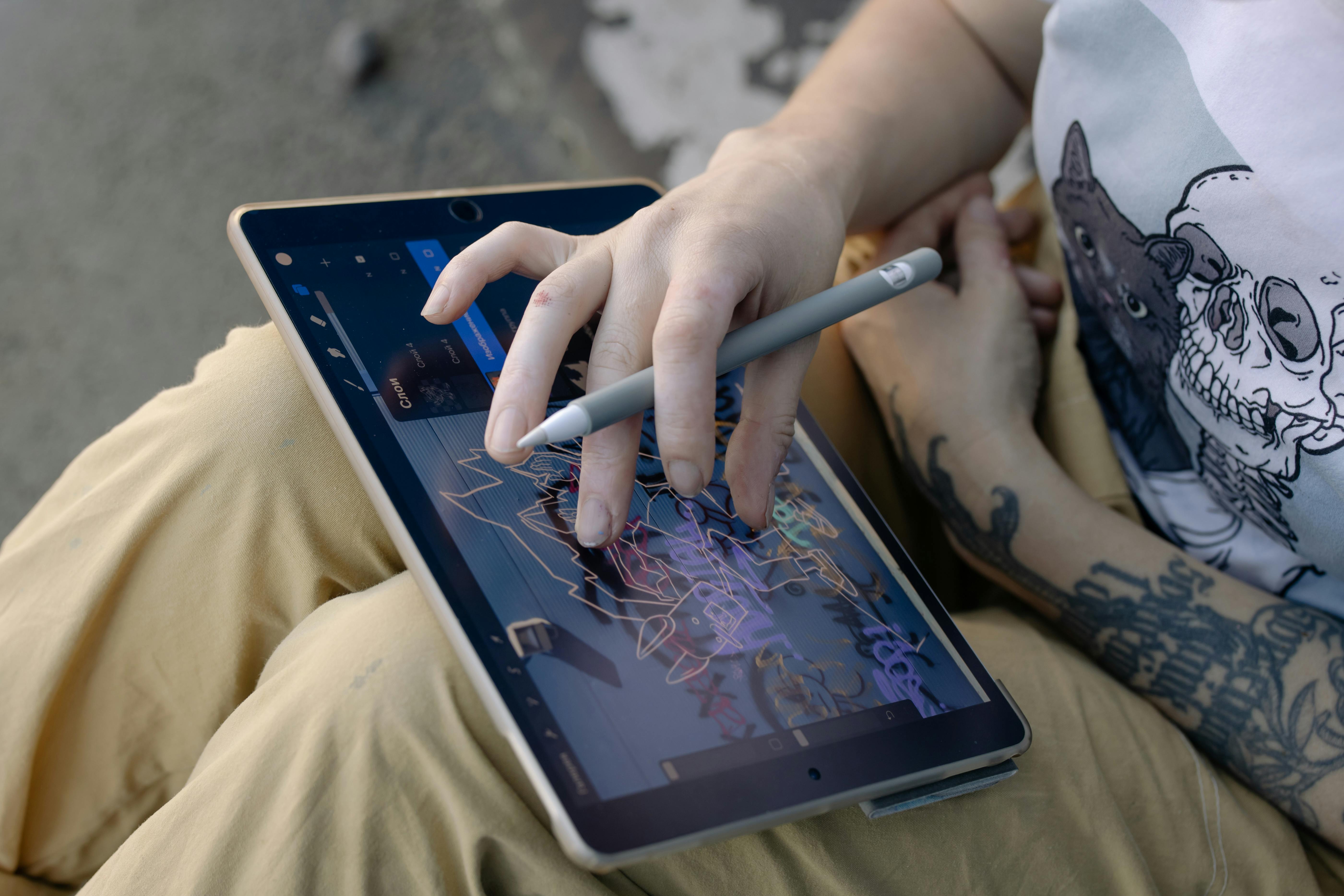
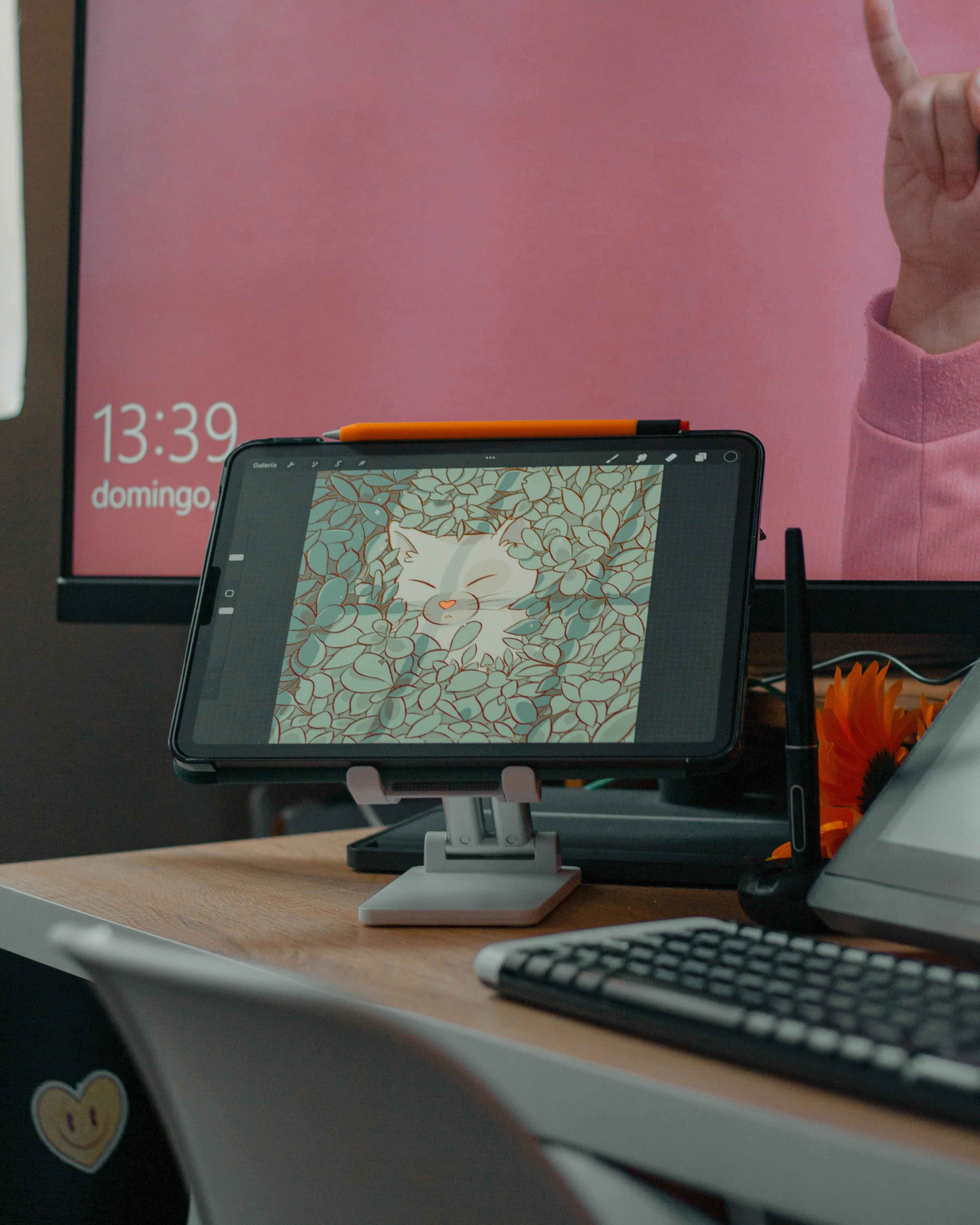
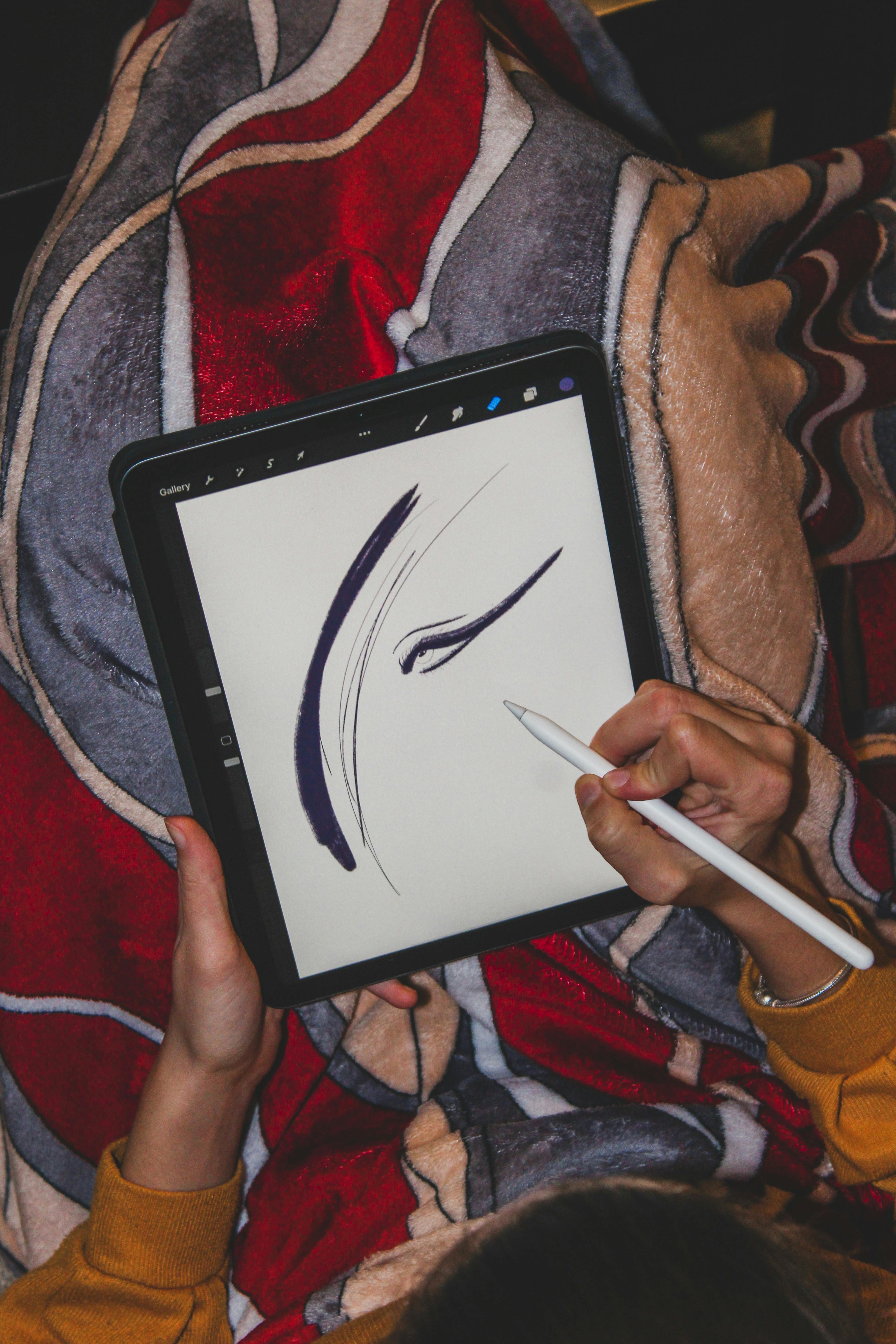
In our digital age, quick sketching has evolved beyond traditional media. Digital tools offer advantages like undo functions, layering, and easy sharing, but the core principles remain the same:
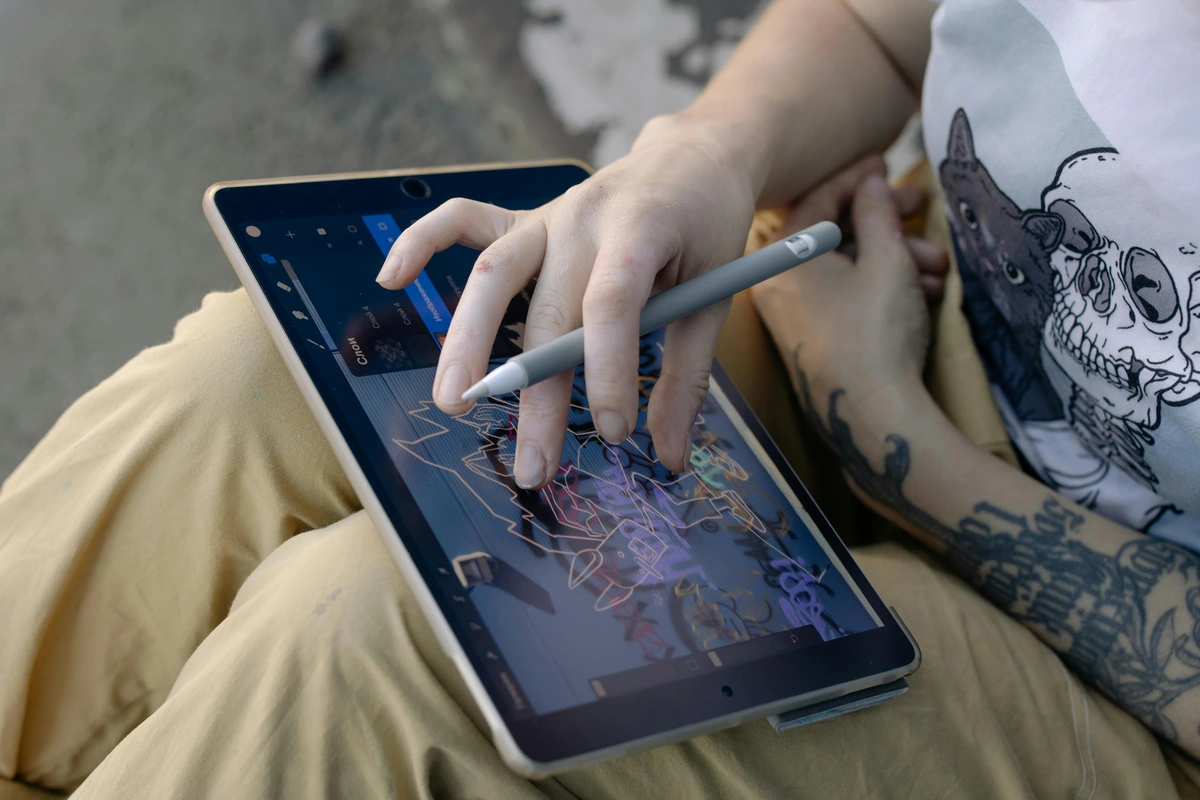
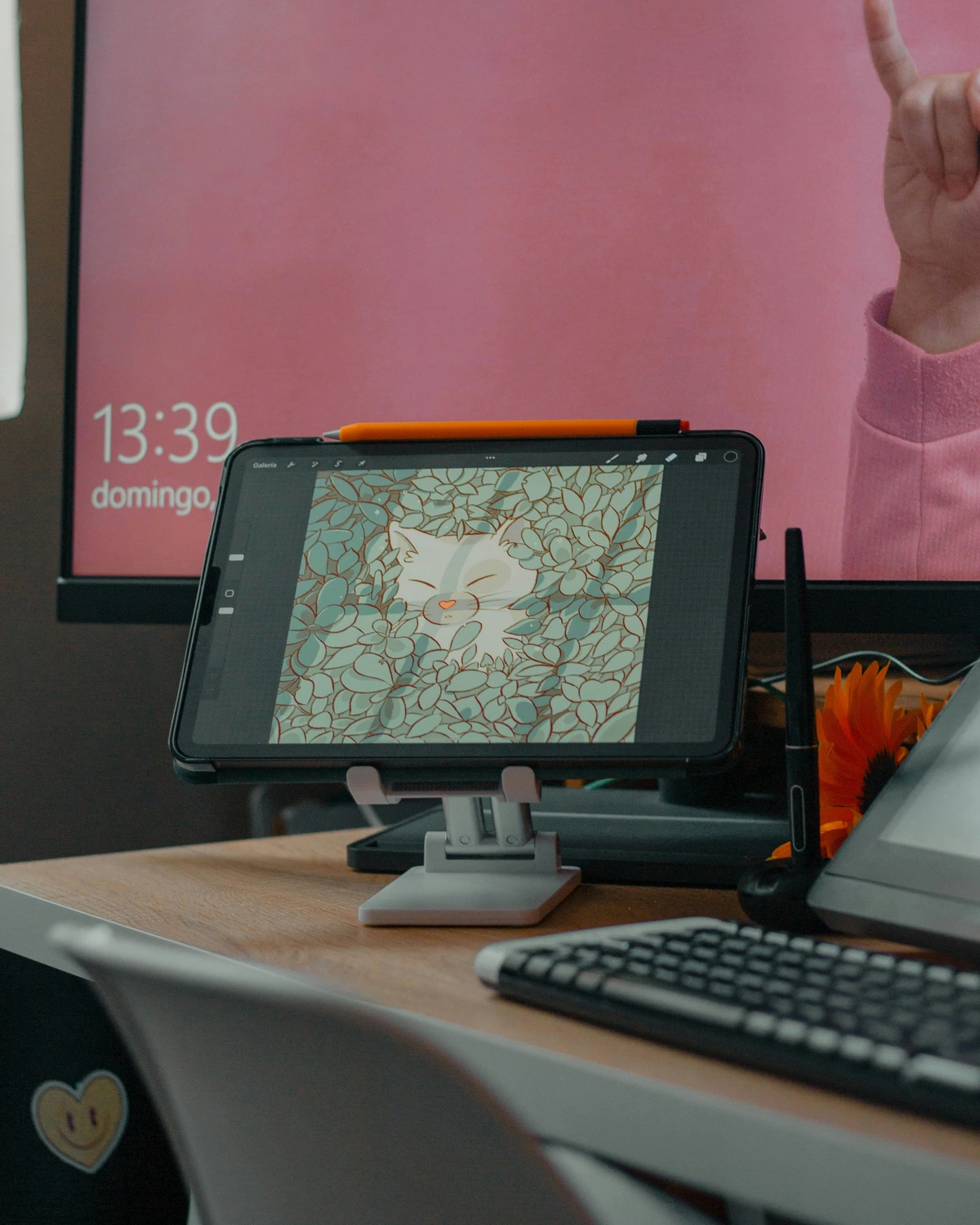
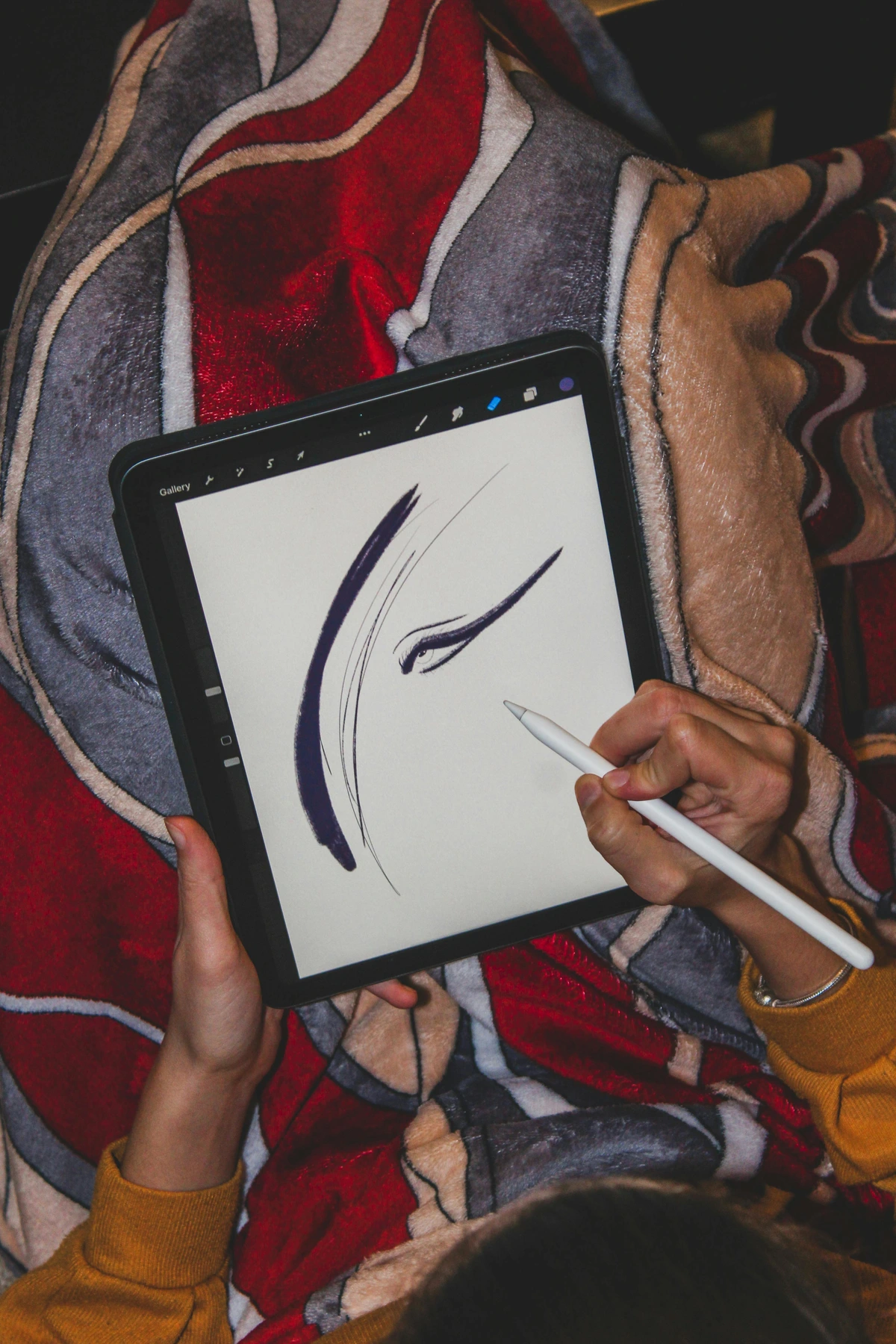
- Tablet sketching with apps like Procreate, Adobe Fresco, or Concepts
- Phone sketching for when you're caught without traditional tools
- Mouse sketching as a challenge to develop precision and control
- Browser-based tools for quick sketching on any computer
The key is to maintain the quick, intuitive nature even when digital tools offer endless possibilities for refinement.
Frequently Asked Questions (FAQ)
Won't fast sketches make me develop bad habits?
Quite the opposite! Quick sketches train your brain to see fundamental truths instead of getting lost in decorative details. Professionals use these techniques constantly. In fact, most professional artists maintain a regular quick sketch practice to keep their observation skills sharp. Think of it like athletes doing drills - you're practicing the fundamental movements of art so they become automatic when you need them.
What if I only draw stick figures?
Then you're ahead of my first Barcelona sketch! The goal isn't technical skill – it's truthful observation. Stick figures capture gesture brilliantly. Many famous artists developed their distinctive styles by starting with simple, almost childlike forms. The skill isn't in making things look realistic; it's in making them feel real.
Can I use this for digital art?
Absolutely! Many artists start traditionally with quick sketches before refining digitally. Procreate even has gesture brushes designed specifically for this. Digital tools can enhance quick sketching with features like layers, undo functions, and brush variety. The principles remain the same - capture the essence quickly and intuitively.
How do I improve when my sketches never look "good"?
Reframing "good": Is it honest? Does it capture the energy? That sketch of a screaming toddler I did at the playground? It didn't look like him, but it felt like him. That's the goal. Improvement comes with consistent practice, not with judging each sketch. Keep a sketchbook for a month without showing anyone to yourself progress without pressure.
When's the best time to practice quick sketches?
Right now. While waiting for your coffee. During TV commercials. The more you practice capturing fleeting moments, the better you'll see the world. But also schedule dedicated sketching time. Consistency matters more than duration. Ten minutes of daily practice is more valuable than two hours once a week.
Where can I see quick-sketch evolution?
Check my timeline – you'll see how early messy sketches blossomed into expressive works that sell internationally. Even the abstract pieces begin as observational moments, just simplified. Your evolution won't be linear, and that's okay. Art growth comes in spurts and plateaus.
What kind of subjects should I sketch?
Start with what's around you - your coffee cup, your hands, your pet, the view from your window. As you gain confidence, challenge yourself with more complex subjects. The best subjects are those that interest you emotionally or visually.
How many sketches should I do in a session?
Quality over quantity. It's better to do one or two really focused sketches than twenty rushed ones. As you develop, you'll naturally find your rhythm. Some days you might do many quick sketches, other days you might spend more time on fewer pieces.
What if I run out of ideas for what to sketch?
Keep an "idea list" in your sketchbook. Notice interesting things throughout your day and jot them down. You can also use prompt generators, sketch challenges online, or simply start with random objects around you. The goal is to develop your ability to find interest in ordinary things.
Can quick sketches be "finished" artwork?
Absolutely! Many artists create finished pieces based on quick sketches. The quick sketch captures the initial energy and idea, which can then be developed into more refined work. Some quick sketches are complete as they are - they have the energy and essence that might be lost in over-working.
How do I deal with frustration when my sketches don't match what I see in my mind?
This is normal for all artists. The gap between what you envision and what you produce is where growth happens. Accept that frustration as part of the process. Try to focus on what you did capture rather than what you missed. Every sketch teaches you something.
Is there a "right" way to hold your pen or pencil for quick sketching?
There are many grips that work. Some artists prefer a relaxed, loose grip for quick sketching, while others use a more controlled grip. Experiment to find what works for you. The important thing is that your hand moves freely and you're not straining your fingers or wrist.
Can children learn quick sketching techniques?
Yes! In fact, children are often naturals at quick sketching because they haven't yet developed the inner critic that paralyzes adults. Quick sketching can help children develop observation skills, hand-eye coordination, and confidence in their expression. Just keep it fun and pressure-free.
Conclusion: Your First Sketch is Waiting
That Barcelona pigeon sketch now hangs in my studio. It's technically crude, but it vibrates with the aliveness of that moment. Quick sketching taught me that connection isn't found in perfect lines, but in fearless observation.
Your first sketch doesn't need to hang anywhere. Just pick up a pen. Capture the curve of a spoon. The slump of a tired cat. The chaotic joy of streetlights through rain. These aren't just sketches. They're love letters to the world as it unfolds. And the world is waiting for your perspective, however fleeting and imperfect.






What will you capture first?