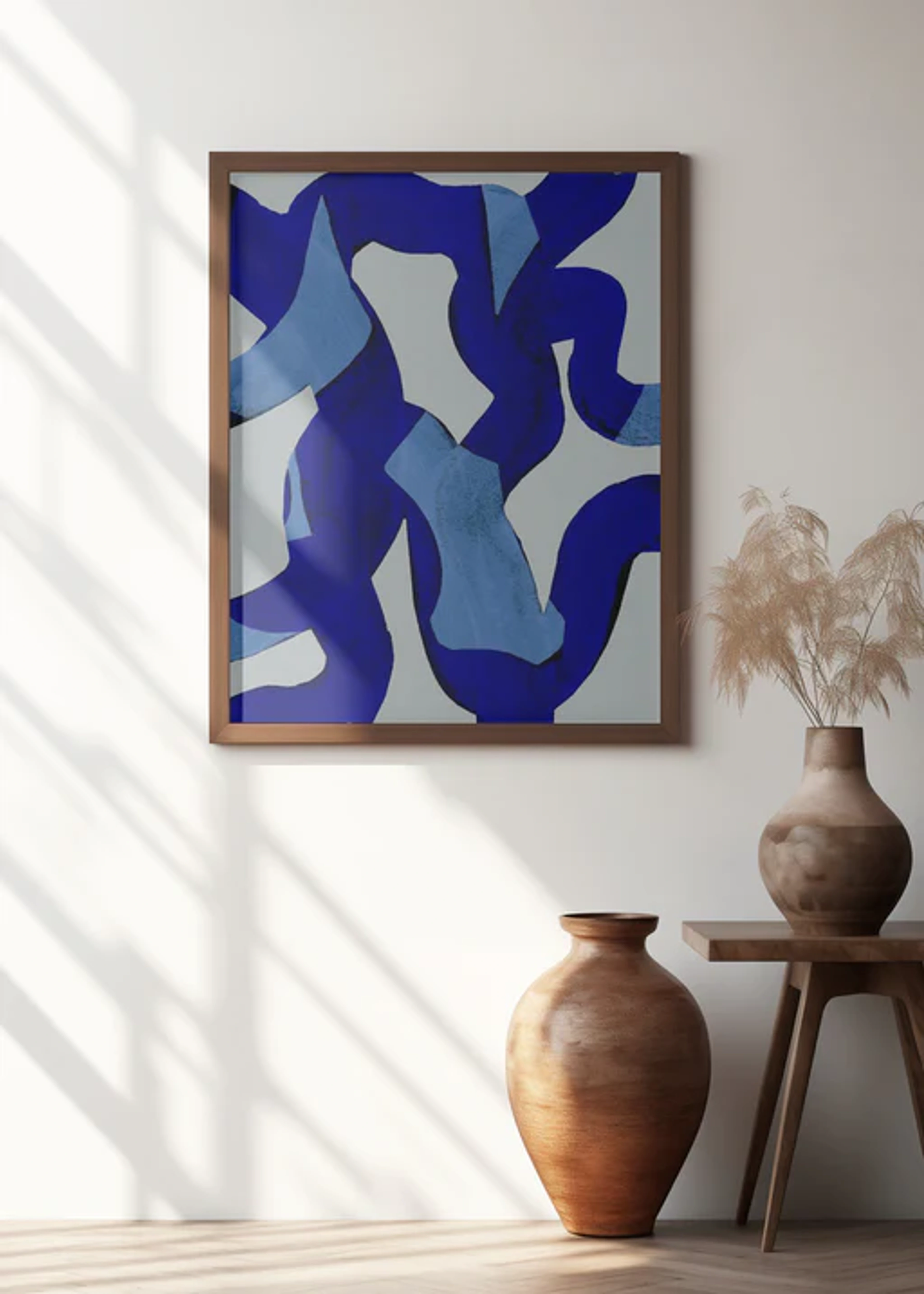
Ultimate Fireplace Decor Guide: Styling Your Mantel, Hearth & Overmantel
Transform your fireplace into a stunning focal point. This guide covers styling your mantel, choosing art, decorating the hearth, and essential maintenance tips for a truly personal home.

How to Decorate a Fireplace: The Ultimate Guide to Styling Your Mantel, Hearth & Overmantel for a Captivating Home
There's just something about a fireplace, isn't there? It’s not merely a heat source or an architectural detail; it's often the heartbeat of a room, drawing your eye and anchoring the entire space. I remember when I first moved into my current place, the fireplace felt... well, a little lost, a little bland. It was a blank canvas yearning for personality, a missed opportunity screaming for attention. Honestly, decorating it thoughtfully can absolutely elevate your entire room's design, adding warmth, character, and a touch of you. This ultimate guide covers everything you need to know about fireplace decor ideas, from styling the mantelpiece to choosing that perfect, often bold, piece for the wall above (your overmantel) and dressing the hearth below. We'll explore diverse styles, from minimalist chic to rustic charm, and even delve into the practicalities and safety of a working fireplace.
Whether your fireplace is a roaring inferno on chilly evenings or simply a charming, non-working feature, learning how to style it can make such a significant impact on your overall home decor. For context within the broader space, I often find myself revisiting guides like how to choose art for your living room or general tips on decorating your home. Trust me, every detail matters!
Understanding Your Fireplace Anatomy: The Building Blocks and Their History
Before we dive into the fun stuff, let's get our terms straight. Knowing the names of the parts helps us talk about them (and understand why each part is there in the first place!). It's fascinating how the basic structure has remained remarkably consistent over centuries, designed for efficiency and safety, with only the decorative styles evolving. Think of the grand, carved stone fireplaces of Georgian homes that spoke of opulence, contrasting with the simpler, often tiled surrounds of Art Deco designs, or the sleek, minimalist concrete and steel fireplaces that defined mid-century modern and contemporary builds. Each era left its stylistic fingerprint, turning a functional element into a statement of prevailing taste, and often reflecting broader architectural trends, like the ornate designs of the Baroque period or the clean lines of neoclassical revivals.
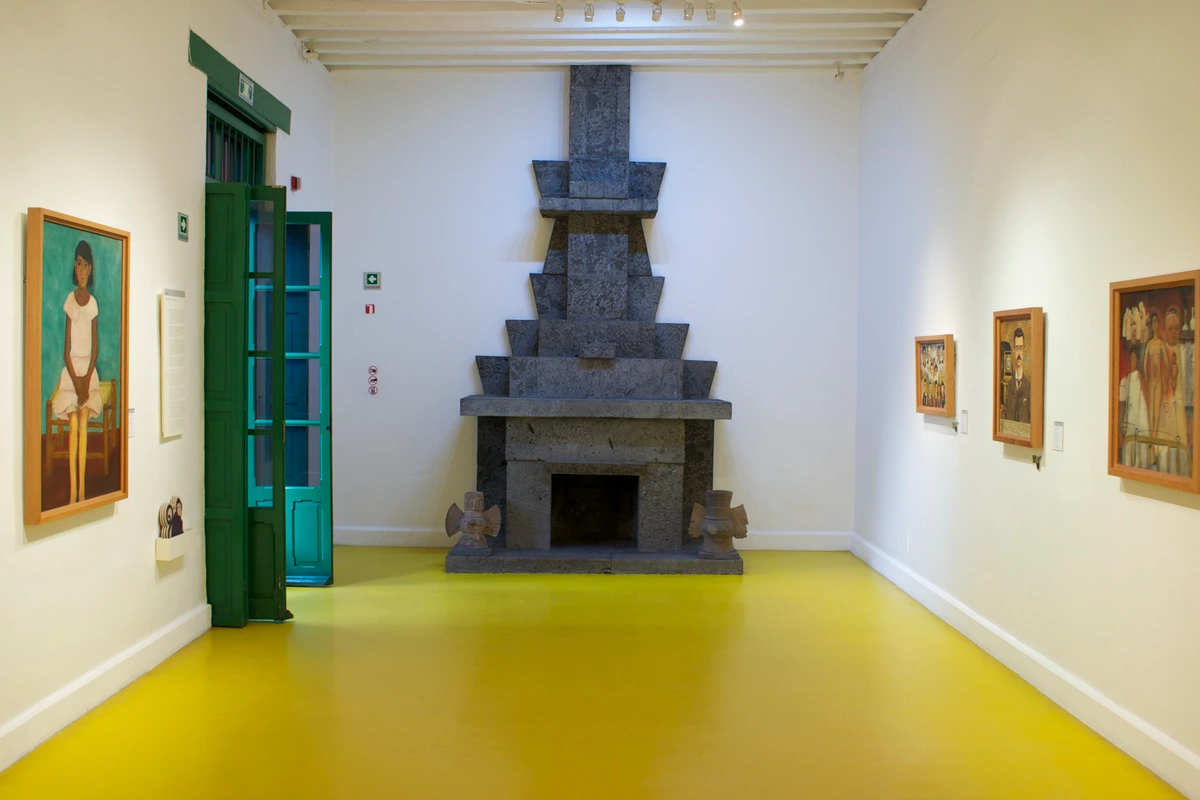
- Mantelpiece (or Mantel Shelf): This is the horizontal shelf above the fireplace opening. Think of it as your primary, elevated stage for decorative flair. It’s where most of the smaller, interchangeable items will live. Historically, mantels evolved from simple smoke hoods to elaborate, often carved, architectural features.
- Overmantel: This is the wall space directly above the mantel shelf. Crucial for your main "anchor" piece – the big statement item that often defines the fireplace's look. In grand homes, this space might have integrated mirrors or painted panels.
- Firebox: The inner cavity where the fire burns (or would burn, if it's non-functional). Its purpose is clear: to contain the fire safely. Traditionally lined with firebrick, modern versions can be steel or cast iron.
- Hearth: This is the floor area extending directly in front of the firebox, often made of non-combustible materials like stone, brick, or tile. It's there for safety, catching sparks and embers, but it's also a fantastic lower styling opportunity. Historically, the hearth was the true center of the home, often used for cooking as well as heating.
- Surround: This is the decorative framework that wraps around the firebox opening. It can be simple or ornate, made of wood, marble, slate, granite, or tile, and it really defines the aesthetic character of the fireplace itself, often transitioning seamlessly into the mantel.
Types of Fireplaces and Their Decor Implications
Not all fireplaces are created equal, and their function often dictates how you can and should decorate them:
- Masonry Fireplaces: These are traditional, built with brick or stone, and often have working chimneys. They produce real heat, requiring careful consideration for flammable decor items. Their sturdy, often rustic, aesthetic offers a strong design starting point.
- Gas Fireplaces (Vented & Ventless): While still producing heat, they are cleaner and often feature glass fronts. Decorating around them requires less concern for embers but still attention to heat output. Ventless options require excellent room ventilation.
- Electric Fireplaces: These are purely decorative or produce minimal, safe heat. They offer the most flexibility for decor as heat is rarely a concern. They can be inserts, wall-mounted, or freestanding, often featuring artificial flames.
- Non-Working/Decorative Fireplaces: These are architectural features without functional heat. They offer complete freedom for styling the firebox creatively, transforming it into a display niche.
Core Principles of Fireplace Styling: My Golden Rules for a Cohesive Look
Once you know the anatomy, how do you even begin? I've found that applying a few general decor principles makes all the difference. Honestly, I used to just throw things up there, and it looked... like I threw things up there. Learning these helped immensely, almost like learning the fundamentals of composition in art:
- Establish an Anchor: This is where you start. The item above the mantel – usually a piece of art or a mirror – typically sets the tone and scale for everything else. I always pick this first; it’s like deciding on the main course before the side dishes. It's the focal point that everything else plays off, drawing the eye and defining the space.
- Balance: This is where you decide between a formal, symmetrical look (think mirrored items on each side, perfectly even) or a more relaxed, asymmetrical arrangement. Asymmetry isn't just random; it's about balancing different objects by their visual weight. Visual weight refers to how much an object draws the eye, which isn't just about its size but also its color, texture, and density. For instance, a tall, slender ceramic vase on the left might be beautifully balanced by a grouping of three substantial art books and a small, textured brass bird figurine on the right. The key is that the visual 'heaviness' feels even, even with disparate items. Think of it like a seesaw in perfect equilibrium, even with different sized kids – it's about thoughtful distribution.
- Scale & Proportion: Choosing decor items appropriately sized for the mantel's depth, the height of the overmantel space, and the overall room is key. I've definitely made the mistake of putting a tiny trinket on a huge mantel – it just gets lost! Conversely, a giant vase can overwhelm a petite fireplace. A good rule of thumb for art above the mantel is about two-thirds the width of the mantel shelf. However, if your overmantel is exceptionally tall, a slightly smaller piece might look lost, and you might consider a larger piece, closer to the full width of the mantel, or a stacked gallery effect using multiple pieces to fill the vertical space effectively. For mantel decor itself, ensure items aren't too deep to comfortably sit on the shelf, nor so small they disappear. Honestly, it’s all about what feels right in your space. Don't be afraid to try a few options and step back. Consider how it relates to art above the sofa for similar scaling challenges, where the goal is harmony with surrounding furniture.
- Vary Heights: Think of your mantel as a city skyline, or a carefully composed still life painting. Using objects of different heights creates visual rhythm and prevents a flat, static look. I love a good high-low combination; it keeps the eye moving and adds visual interest, leading the viewer's gaze across the display. Imagine candlesticks next to a shorter vase, next to a stack of books with a small object on top.
- Layering: This is my secret weapon for adding depth and making things look curated, not just placed. Place some items slightly in front of others. Lean smaller framed pieces or objects against larger background elements. It adds such a rich, dimensional feel, almost like a miniature art installation, inviting the eye to linger and explore. This technique is often seen in decorating with abstract art in bohemian chic interiors, creating a sense of collected history.
- Texture & Color: Don't underestimate the power of contrast! Mix materials – the smooth coolness of metal, the warmth of wood, the organic feel of ceramic (I'm a big fan of ceramic pieces, honestly, they add so much character – see close-up of hands shaping pottery), or the crispness of glass. Then, incorporate colors that echo or complement your room's existing palette. It ties everything together beautifully. This play of light and shadow on different surfaces, like the vibrant splatters on abstract art on wood panels, can transform a flat display into something dynamic. Consider using analogous colors (colors next to each other on the color wheel) for a harmonious look, or complementary colors (opposite each other) for vibrant contrast.
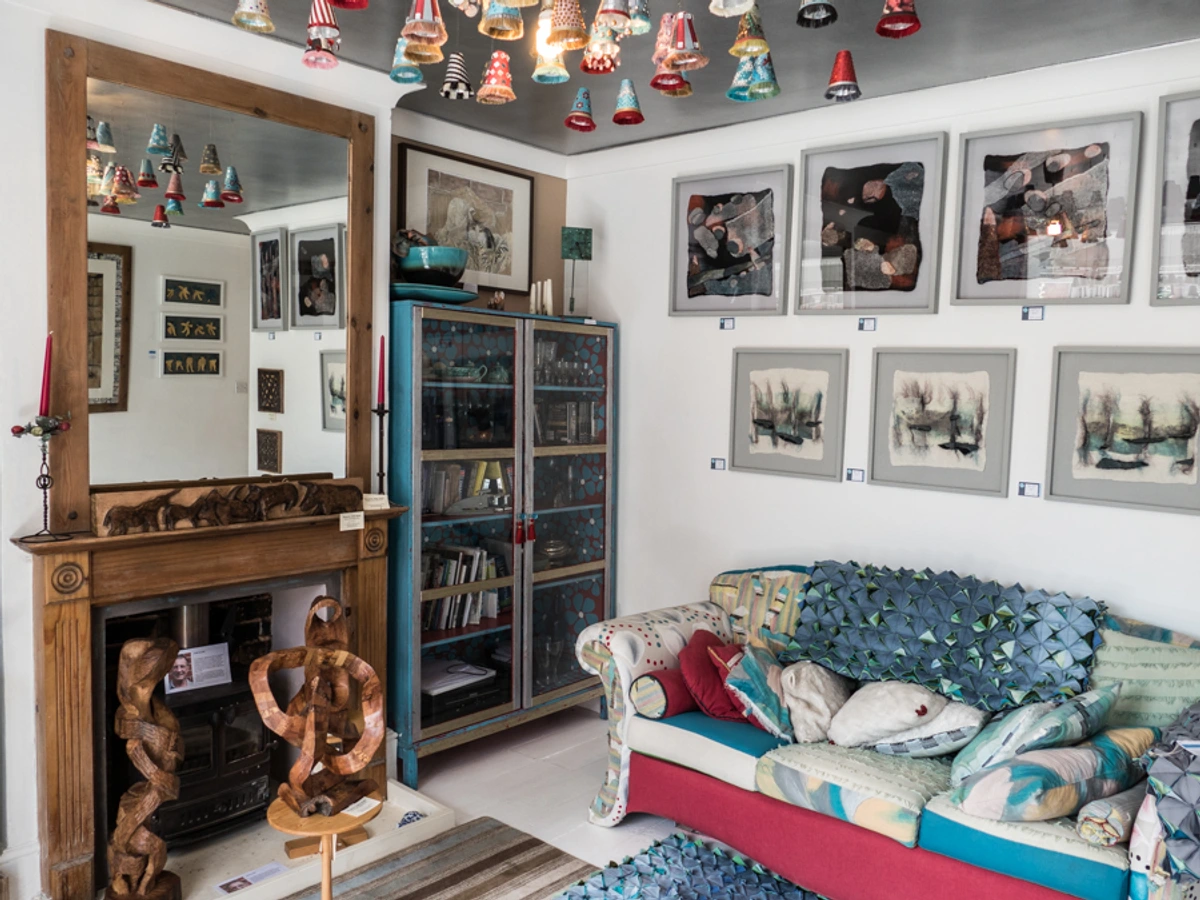
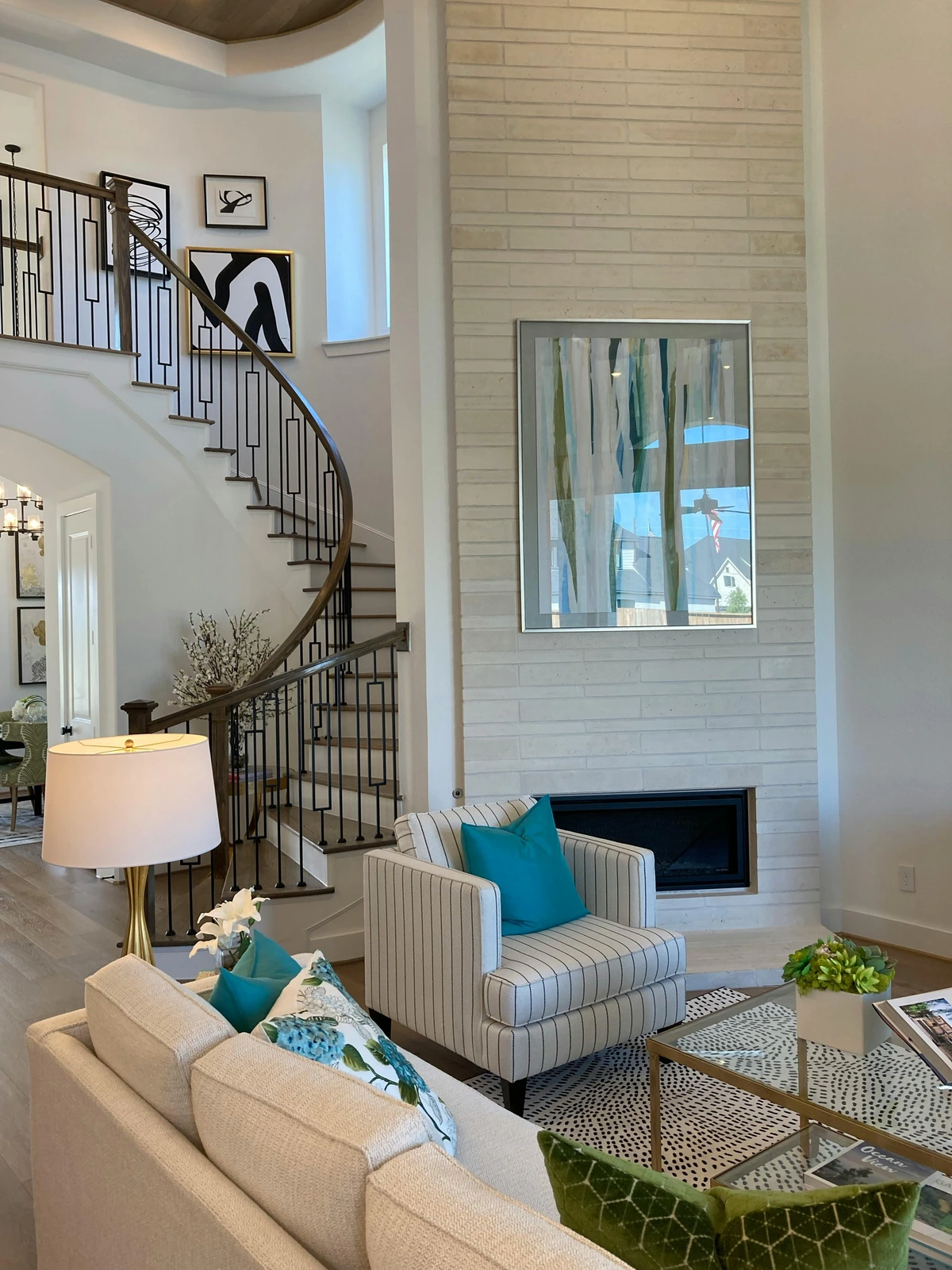
- Negative Space (The Power of Nothing): This goes hand-in-hand with editing. Sometimes, the most impactful design choice is leaving space empty. Negative space gives your eye a place to rest and allows the individual decor items to breathe and truly shine. Think of a single, striking vase placed in the center of a wide mantel with nothing else on either side – that empty space allows the vase to truly command attention, elevating it to a sculptural focal point. It's about strategic pauses in the visual symphony, just as important as the notes themselves.
- Edit Relentlessly: This is probably the hardest one for me, but it's crucial. Resist the urge to fill every single inch. Sometimes, less is genuinely more effective. Clutter just creates visual noise and diminishes the impact of each carefully chosen piece. Step back, squint, and if something doesn't enhance the overall look, consider removing it. It's a continuous process of refinement, I find, much like curating your perfect gallery wall. My own mantel has occasionally looked like a squirrel's winter hoard; a good edit always saves it! A truly impactful display often means knowing when to stop.
Decorating the Mantelpiece: Your Personal Styling Stage
Now that we have our guiding principles, let's move to the canvas itself – the mantel shelf. This is where you can truly express your personality and integrate smaller, beloved pieces. As an artist, I see this as a miniature installation space, a tableau where every object tells a part of your story.
Decor Element  | Styling Tips & Considerations |
|---|---|
| Candlesticks/Candles | Group varying heights in odd numbers (the "Rule of Threes" works wonders here, creating a dynamic, pleasing composition). Use elegant tapers for a traditional look, or substantial pillar candles in lanterns for a cozier, more rustic feel. LED candles are a safe, hassle-free alternative and a personal favorite for both working and non-working fireplaces. For safety, never place real candles directly under a mantel that heats up significantly, and always keep a close eye on open flames. |
| Vases/Greenery | Add life and vertical interest. Fresh flowers (swap them out seasonally!), dried stems, or potted plants in interesting containers bring a natural, organic touch. Don't underestimate a single, dramatic architectural branch like pussy willow or eucalyptus in a simple sculptural vase for year-round impact. Consider the vase's shape, material, and color as decorative elements themselves – a textured ceramic piece can be impactful even empty. Consider how your vase choices can echo or contrast with other decorating with art in a modern coastal home elements. |
| Framed Art/Photos | Lean smaller prints or cherished personal photos against the wall, often in front of your larger anchor piece. Layer them for depth, ensuring varying frame depths add visual interest. Alternatively, small, lightweight frames can be hung with command strips or small picture hooks if you prefer a more permanent arrangement. For more ideas on how to display, see how to choose art for a bookshelf. |
| Sculptural Objects | These are fantastic for adding unique shapes, textures, and conversation starters. Think ceramic forms, metal figurines, carved wooden pieces, or unique antique finds. They don't have to be expensive to be impactful; a simple stone or a found object can be powerful. Consider how they tie into your overall decorating with art in industrial interiors theme. |
| Books | My favorite! Stack horizontally to create risers for other objects, or use them vertically with interesting bookends. Group by color or size for visual coherence. They add warmth, texture, and intellectual charm. This is also a great place to display small, curated personal collections like figurines or stones, using books as a backdrop or pedestal. |
| Decorative Boxes | Perfect for adding texture, color, and (let's be honest) hiding unsightly small items like remote controls, matches, or smart plugs. Choose boxes with interesting finishes like lacquer, carved wood, aged metal, or even inlaid bone for a touch of intrigue. |
| Seasonal Items | This is where the mantel really shines for seasonal updates. Swap items out for holidays or changing seasons – mini pumpkins in fall, festive figurines in winter, delicate pastels and florals in spring. These offer an easy way to refresh your space and reflect the mood of the moment. |
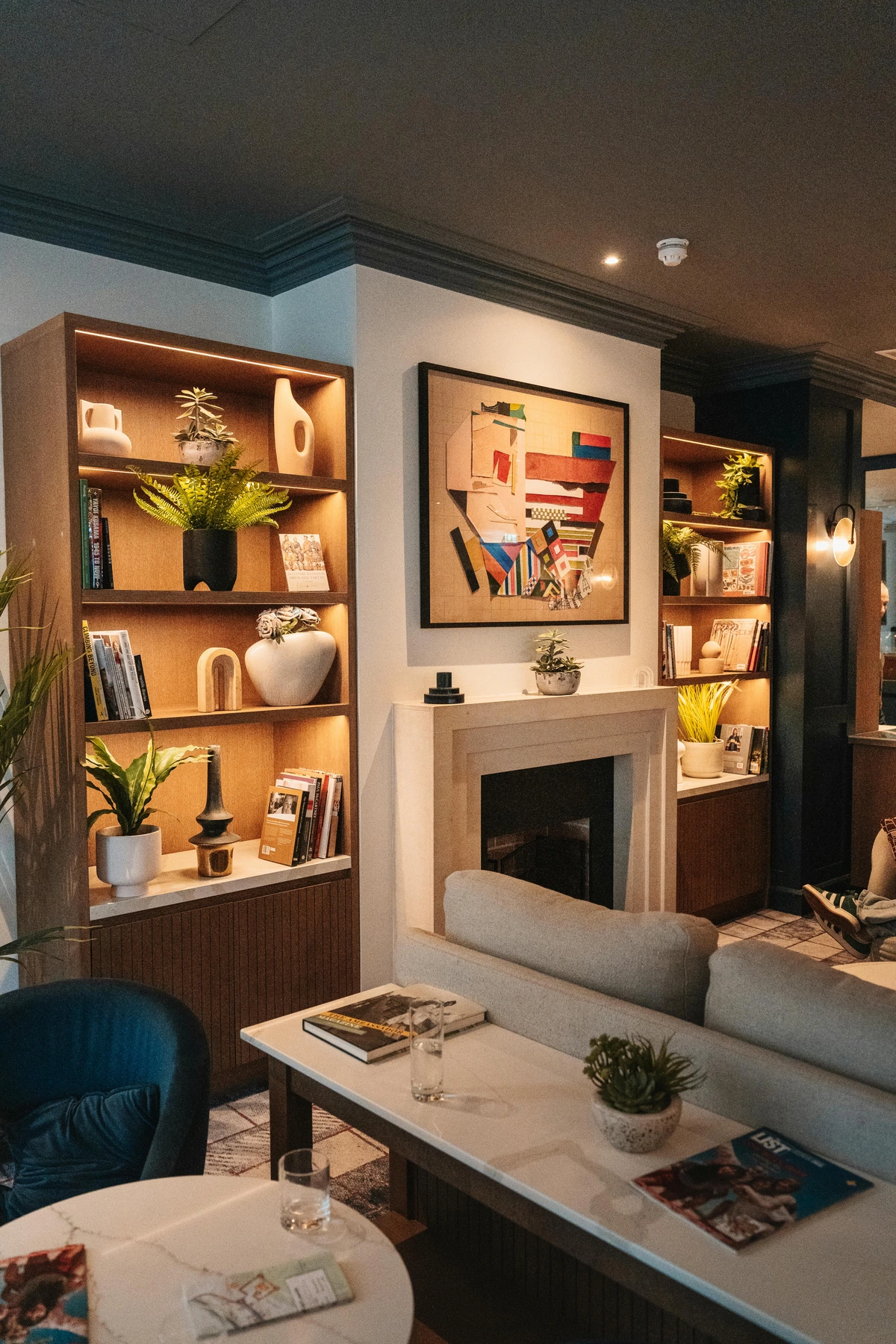
Techniques for the Mantel: As I mentioned with balance, you can go for symmetry for a formal, classic feel (think a pair of matching lamps or vases), or asymmetry for casual charm (a collection of disparate objects with balanced visual weight). Layering is key for depth – always place taller items like vases or candlesticks towards the back, and shorter items like small frames or decorative boxes in front. And yes, group smaller items in threes (or other odd numbers) for better impact; it's a visual trick that really works because odd numbers tend to be more visually interesting and dynamic than even groupings. For general object grouping ideas, I've found lessons from how to decorate a table surprisingly applicable.
Integrating Modern Devices Discreetly
In our modern homes, smart technology is everywhere. If you have smart thermostats, speakers, lighting controls, smart smoke detectors, or even a Wi-Fi router nearby, try to integrate them subtly. Choose devices in neutral colors or those that can be tucked behind larger decor items. A stylish decorative box can hide unsightly wires, smaller gadgets, or even smart plugs, maintaining the aesthetic harmony. Sometimes, simply choosing a device with a more aesthetically pleasing design (like a fabric-covered smart speaker) can make all the difference. For cable management, consider recessed outlets or in-wall channels to keep wires completely out of sight. Remember, the goal is for these necessities to blend into your curated aesthetic, not detract from it. We're aiming for elegance, not a tech showroom.
Decorating Above the Mantel: The Main Event
Moving up from the mantelpiece, this space is the visual exclamation point of your fireplace. It absolutely demands a strong statement piece that can truly serve as a focal point. It’s the spot where I believe your art truly comes into its own, commanding attention and setting the entire room's mood.
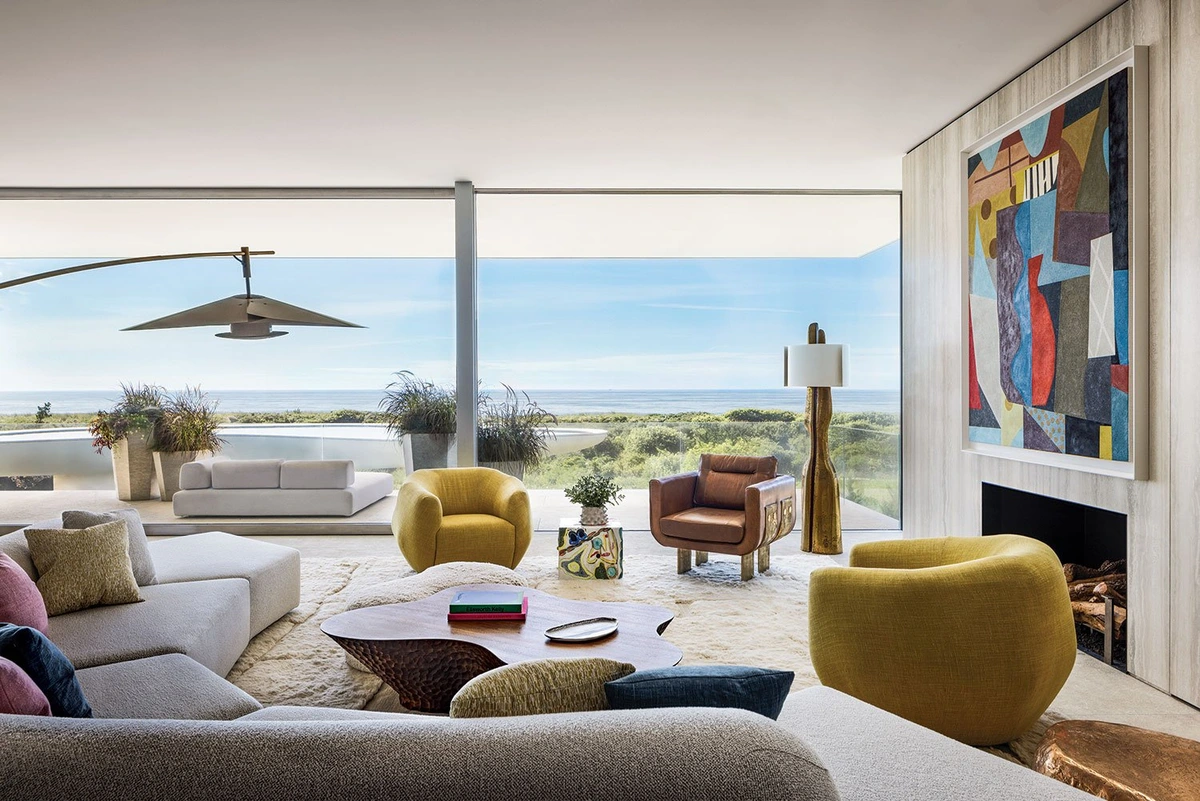
- Artwork: For me, this is almost always the best choice for adding personality, depth, and a vibrant splash of color. It speaks volumes about you.
- Size: I generally aim for art that is about two-thirds the width of the mantel shelf. As for hanging height, I like to see the bottom edge of the frame about 4-6 inches above the mantel. This creates a visual connection without feeling crowded. This is a guideline, of course; sometimes a slightly smaller piece or a series of two pieces can work beautifully, especially when considering art for high ceilings. For an unusually tall overmantel, you might consider a gallery wall, a larger piece closer to the mantel's full width, or even a diptych or triptych to fill the vertical space more effectively. For a shorter space, a wider, more horizontal piece is often ideal to prevent it from feeling too cramped.
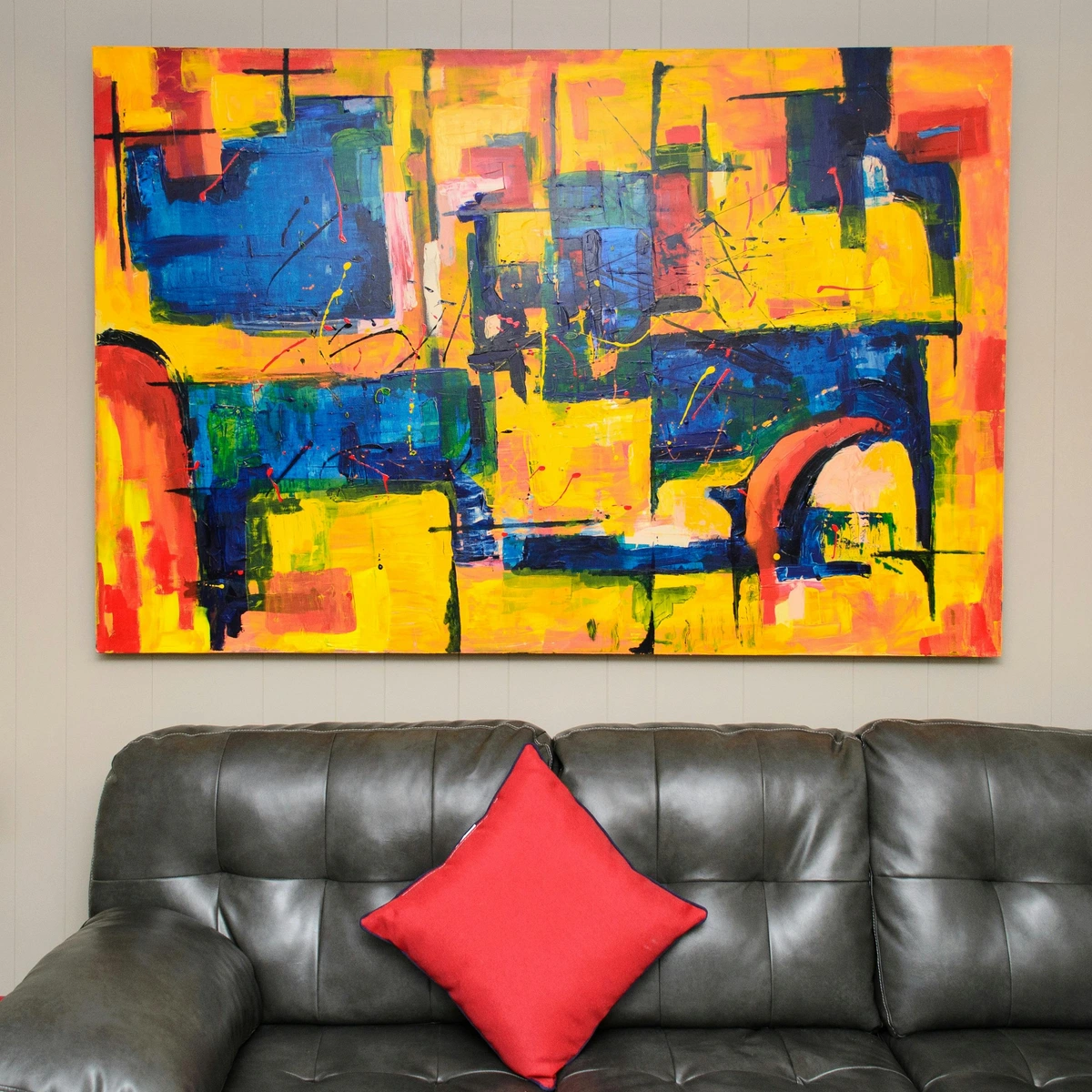
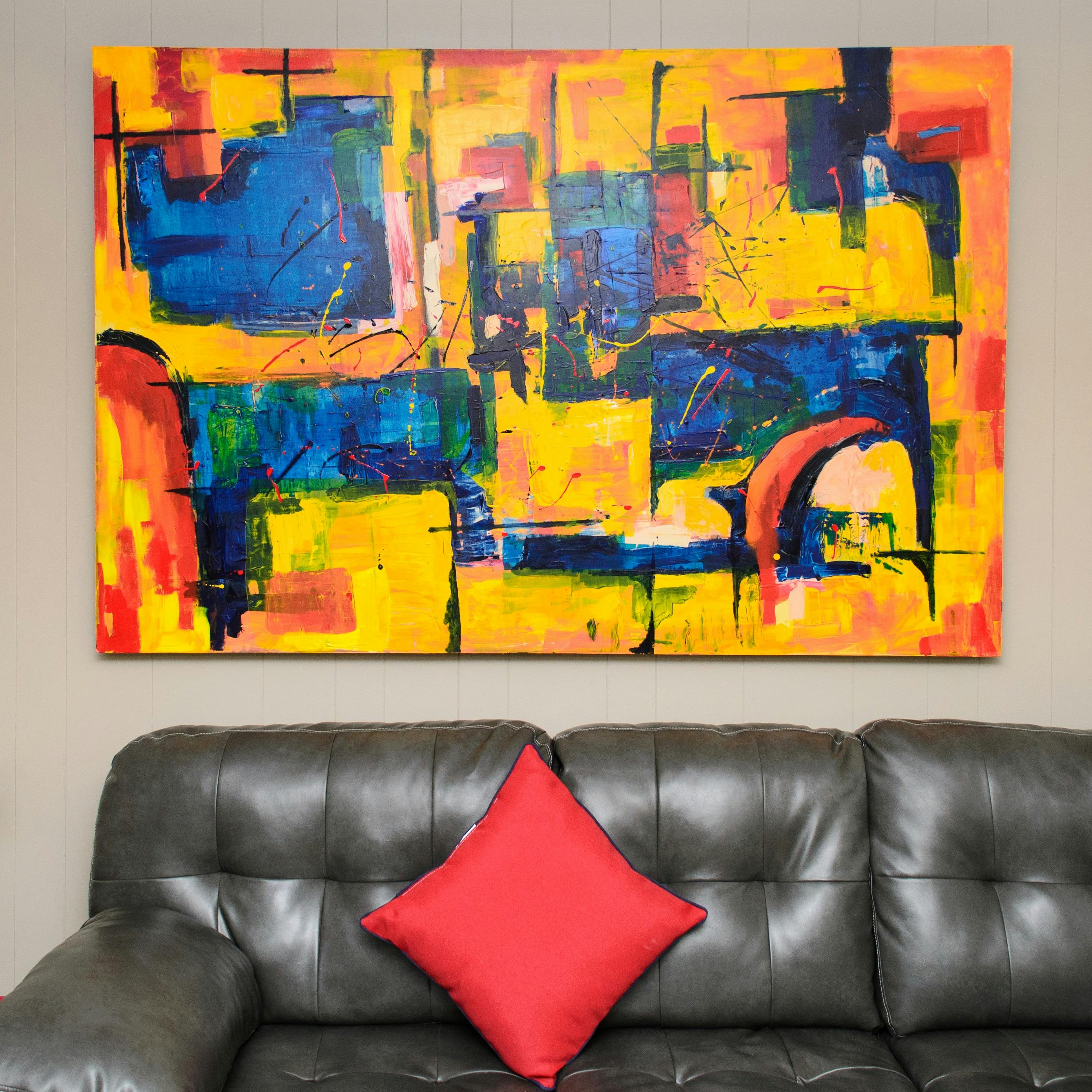
- Style: Choose something you genuinely love, something that makes you feel something. It should complement your room's aesthetic, but don't be afraid to make a bold choice! As an artist myself, I find abstract art particularly effective above a fireplace. Its non-literal nature allows it to convey emotion and color without competing with the fireplace's inherent architectural features, which can sometimes be quite elaborate. A vibrant abstract piece can inject modern energy and create a powerful, thought-provoking focal point. Consider a geometric abstract for a clean, modern look, a gestural abstract for dynamic energy and emotion, or a color field painting for calming depth. Need help finding your artistic voice? I've found exploring how to define your personal art style and how to buy art incredibly insightful. You can explore curated options at the Zen Museum Store.
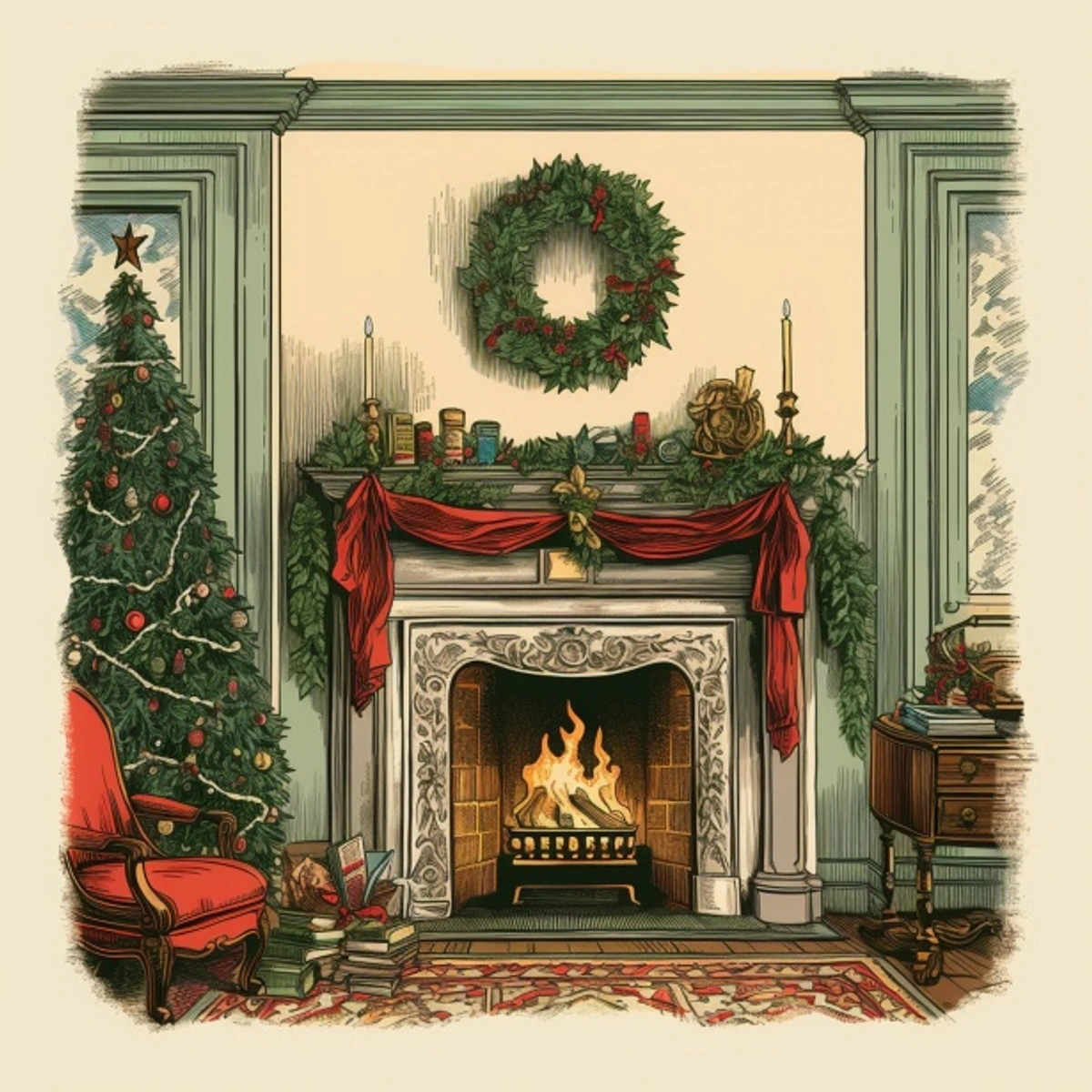
- Framing: A well-chosen frame truly completes the look and can tie the art to your existing decor. It's an investment that pays off visually, defining the artwork's boundaries and enhancing its presence. Dive into the details with The Ultimate Guide to Framing Your Artwork.
- Hanging: Always, always use appropriate hardware for the weight of your chosen piece. I learned that the hard way once when a favorite piece almost became a floor mosaic! If you need a refresher, check out How to Decorate a Wall.
- Mirrors: A classic choice, for good reason. They're masters at bouncing light around a room, which can instantly make a space feel larger and brighter. The style of the frame – whether it's ornate and traditional, sleek and modern, or an interesting round shape – dramatically impacts the overall look. If it's truly massive and heavy, you can often safely lean it against the wall, but do secure it with earthquake straps or wall anchors, just in case! For more ideas, see how to mix art and mirrors on a wall. A mirror can also be strategically placed to reflect a beautiful view or another stunning piece of art in the room, effectively doubling the visual impact.
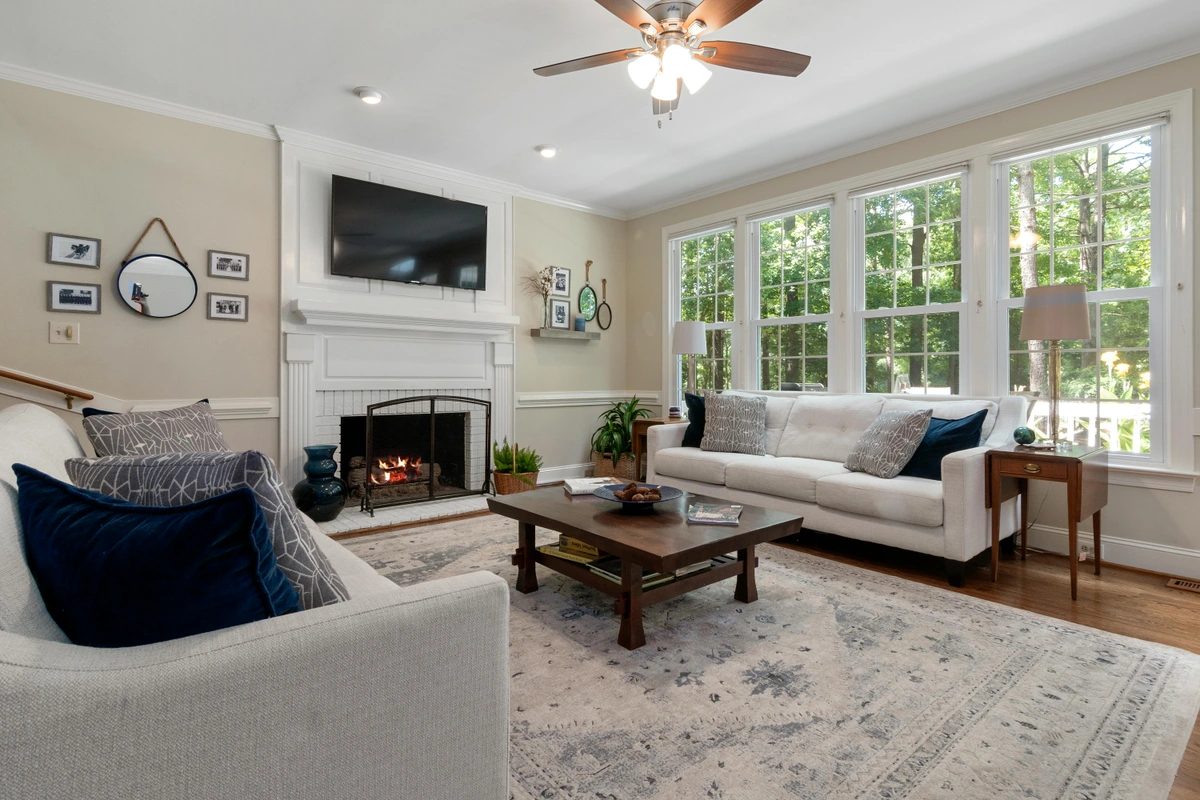
- Televisions: This is the practical, but sometimes controversial, choice. Many people want their TV above the fireplace, and I get it – it’s a natural viewing height in many layouts. If you go this route, consider a "Frame TV" that displays art when off (a brilliant solution, I think!), or explore custom cabinetry that helps it blend in more discreetly. For cable management, consider recessed outlets or in-wall channels to hide wires. The main challenge? The TV's visual dominance can overpower the mantel's decor and compete with the fireplace as the room's primary focal point, often detracting from the cozy ambiance. Furthermore, sustained heat from a working fireplace can degrade sensitive electronics over time, leading to premature failure, image degradation (like dead pixels or discoloration), or even voiding warranties. Always check your TV manufacturer's guidelines, ensure adequate clearance, and consider a mantel shield if your fireplace gets very hot. Older TVs or plasma screens can be more susceptible to heat damage than modern LEDs or QLEDs. Also, be mindful of potential glare on the screen from nearby windows or overhead lighting, which can really diminish the viewing experience and create a less-than-ideal setup. Lastly, depending on your sofa height and viewing distance, mounting a TV too high can lead to uncomfortable neck strain during extended viewing sessions.
Decorating the Hearth & Firebox Area: Don't Neglect the Groundwork
It's easy to focus all your energy upwards, but trust me, the area below the mantel – the hearth and firebox – is just as important. It’s about creating a cohesive story, from top to bottom. This space is another fantastic opportunity to add charm and style, grounding your entire fireplace design.
For Working Fireplaces: Stylish Essentials & Safety
If your fireplace is functional, these items are non-negotiable, but that doesn't mean they can't be beautiful. Look for pieces that complement your overall aesthetic, transforming necessities into design elements.
- Fire Screen: Essential for protecting from sparks and embers. You can find elegant mesh screens, minimalist glass panels, or ornate decorative metal ones. Choose one that enhances, rather than detracts from, your decor. Consider how it visually connects the firebox to the hearth.
- Tool Set: Poker, tongs, shovel, brush. Again, functionality doesn't mean ugly! There are sleek modern designs, traditional cast iron sets, or rustic wrought iron options. If you prefer a minimalist look, consider wall-mounted tool racks or an all-in-one stand that keeps tools contained. Pick one that feels like a deliberate design choice, matching the metal finishes in your room.
- Log Holder: Keep firewood neat and accessible. Woven baskets add texture and warmth, while minimalist metal racks offer a clean, modern look. For safety, ensure log holders are made of fire-resistant materials like metal or thick, treated wood, and are placed at a safe distance from the active flames. If your fireplace is functional, consider using sustainably harvested and seasoned logs. Seasoned logs (wood that has been dried for 6-12 months) burn more efficiently, produce less smoke and creosote (a flammable byproduct that builds up in chimneys), and are better for the environment – a win-win! Always ensure good ventilation by checking your chimney's damper and opening it fully before lighting a fire.
Decorative Touches for the Hearth (for both working and non-working fireplaces):
- Baskets: Versatile heroes! Use them for holding extra logs, cozy blankets, or simply to add organic texture to the hearth. A pair of large, woven baskets flanking the firebox can look fantastic and add a relaxed, inviting feel. Look for materials like rattan, jute, or felt.
- Lanterns: Group large, varying-sized lanterns with pillar candles (real for ambiance, LED for safety and convenience) directly on the hearth. It creates a beautiful glow, especially in a non-working firebox. Choose lanterns with interesting metalwork or glass.
- Plants: Larger floor plants can flank the fireplace, adding life and softness. Just be mindful of heat if your fireplace is actively used – you don't want to scorch your beloved fiddle leaf fig! For a working fireplace, consider hardier, heat-tolerant plants such as snake plants, ZZ plants, or cacti, or place them further away on plant stands. Faux plants are also a fantastic, low-maintenance option that won't mind the heat at all.
- Stacked Logs: Even if you never light a fire, neatly stacked logs inside the firebox or in a log holder on the hearth add an undeniable rustic texture and a sense of warmth. Remember, even purely decorative logs should be seasoned to avoid introducing pests or mold into your home. Birch logs are particularly popular for their clean, white bark.
Styling a Non-Working Firebox: Unleash Your Creativity!
This is where you can really have fun. The empty cavity is an instant decorative niche, a small stage for unexpected artistry. I've seen some truly ingenious solutions:
- A cluster of different-sized pillar candles on holders or a tray creates a beautiful, soft glow. For gas fireplaces no longer in use, it's absolutely crucial to ensure the gas line is professionally capped and all safety checks are performed before using the firebox for decor. You want to eliminate any residual heat or gas concerns entirely.
- An arrangement of birch logs, standing vertically, offers a clean, natural, and sculptural element.
- A large decorative basket filled with pinecones, decorative orbs, or even a stack of beautiful vintage books (spines out, of course!).
- A large vase with dramatic dried branches or statement foliage can look stunning, drawing the eye into the depth of the firebox.
- A small sculpture, a vibrant piece of abstract art for small spaces: maximizing impact in compact areas, or even a small, decorative shelving unit (if structurally sound and safe) can be placed inside. Honestly, this is a prime spot for a playful, unexpected touch, like a collection of quirky ceramic birds or a vintage toy display. Don't be afraid to surprise!

Refine Your Fireplace Style: Beyond the Basics
Now that we've covered the fundamentals of how to style a mantel and hearth, let's refine our approach and consider some practicalities to ensure your fireplace truly reflects your unique taste.
Styling Approaches: Finding Your Fireplace's Personality
Your fireplace is a reflection of your home's larger narrative. Which story are you telling? Here are a few popular approaches:

- Minimalist: "Less is more" is the mantra here. Think one key piece above the mantel (perhaps a subtle abstract art piece with clean lines), and just a few carefully chosen, sculptural objects on the mantel itself. Focus on negative space, clean lines, a restrained color palette, and natural materials like stone or unglazed ceramic. I often find myself striving for this, though my natural inclination is to collect!
- Traditional: Embrace symmetry and classic objects. Think matching candlesticks or urns, an ornate mirror or a framed landscape painting, and perhaps a pair of decorative finials. Rich woods, polished metals (brass, bronze), and classical motifs often feature prominently. It's about a sense of timeless elegance, perhaps drawing from a grand, European aesthetic.
- Modern: Clean lines, bold forms, and often abstract art are the hallmarks. Mix materials like glass, sleek metal, concrete, and high-gloss finishes. Asymmetry often works well here, creating a dynamic, forward-thinking aesthetic that feels fresh and current.
- Rustic/Farmhouse: Natural materials take center stage. Imagine distressed wood, woven baskets, ceramic pottery, and perhaps a simple mirror with a raw wood or wrought iron frame. Stacked logs are a must here, even if purely decorative. Earthy tones, cozy textures (chunky knits, burlap), and vintage finds are key, aligning with decorating with art in modern farmhouse interiors.
- Bohemian/Maximalist: This approach celebrates abundance, pattern, and global influences. Think layered textiles, a mix of vibrant colors, eclectic art, and a profusion of plants. The trick here is controlled chaos – ensure there's still a visual flow, perhaps through a dominant accent color across multiple objects, or a recurring pattern like geometric or floral motifs, to tie disparate items together, rather than just random objects. It's truly an expression of collected treasures, similar to layering art in bohemian chic interiors.
- Eclectic: This is where you mix and match! Combine antique finds with modern art, different textures, and a vibrant color palette. The trick is to find a unifying thread – perhaps a recurring color, a specific theme, or a personal story – to prevent it from looking chaotic. I love seeing how people blend diverse pieces; it's a true art in itself, like composing a complex symphony from many different instruments!
Seasonal Flair: Keeping Things Fresh (and Scented!)
The fireplace is arguably the best place in your home for seasonal updates. It's a natural canvas for celebrating the rhythm of the year, transforming the mood of your entire room with just a few swaps:
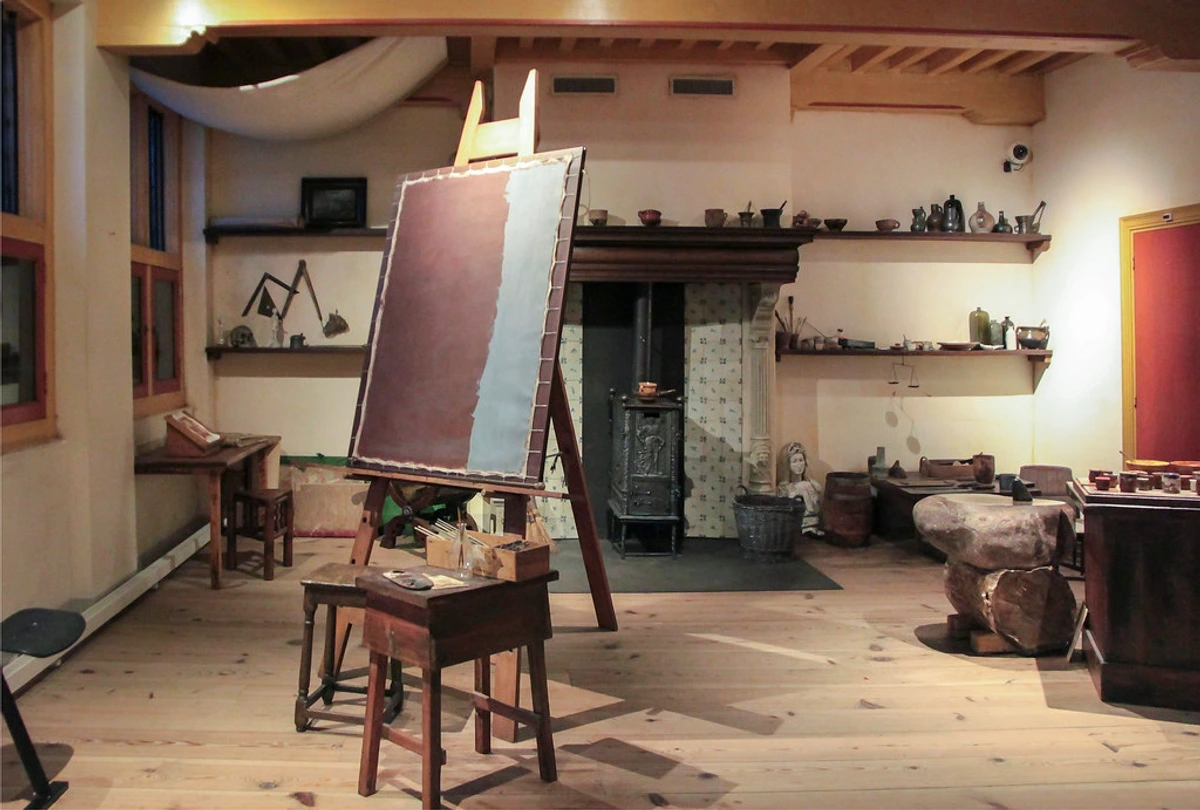
- Spring: Think fresh pastels (mint green, soft pink, sky blue), delicate floral motifs, budding branches like cherry blossoms or pussy willow in vases, and perhaps a light, airy wreath. I love introducing soft greens and yellows, maybe even some delicate ceramic birds to herald the season.
- Summer: Embrace a lighter, brighter palette (crisp whites, ocean blues, sunny yellows). Nautical themes (think driftwood, seashells, blue and white accents), vibrant fresh flowers like sunflowers or hydrangeas, or simple greenery work wonderfully. Keep it airy and uncluttered, perhaps with clear glass elements that catch the light.
- Autumn: Warm hues are your friend – deep reds, burnt oranges, golden yellows, and rich browns, often accented with metallics like brass or bronze. Mini pumpkins, gourds, dried leaves, pinecones, and cozy blankets draped in baskets on the hearth create an inviting, autumnal vibe. Consider a garland of artificial berries and leaves, or even dried corn husks for a natural touch.
- Winter: This is where you can go all out with festive garlands, twinkling LED fairy lights, metallic accents (silver, gold, bronze), and classic winter figurines. Red and green are traditional, but I also love a more minimalist winter wonderland with whites, silvers, and natural elements like bare branches or snow-dusted pinecones. Consider adding tactile elements like faux fur throws or chunky knit pillows on a nearby seating area to complement the fireplace decor and enhance the cozy factor.
Pro Tip: Add a seasonal scent! Beyond visual cues, consider incorporating subtle scents. A decorative bowl of potpourri on the hearth, strategically placed diffusers with essential oils (pine for winter, citrus for summer), or even special firewood varieties (like applewood or hickory for a pleasant aroma) can greatly enhance the seasonal atmosphere, engaging another one of your senses for a truly immersive experience.
Budget-Friendly Fireplace Decor: Style on a Shoestring
You don't need a huge budget to create a stunning fireplace. I've learned that creativity often trumps cost, turning limitations into opportunities:
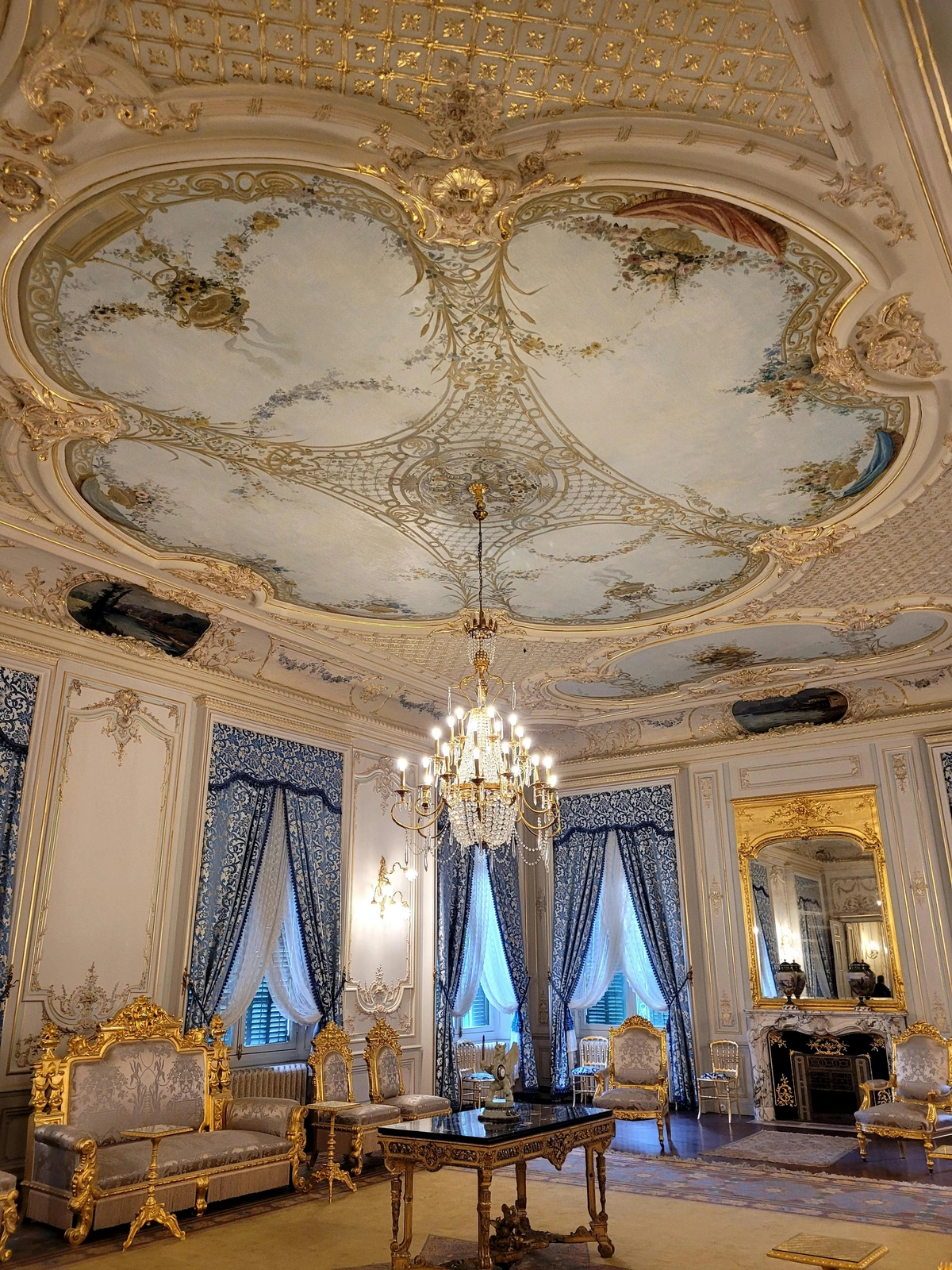
- Shop Your Home: Before buying anything new, look around your own house! Move art from another room, repurpose vases, or group existing decorative objects in new ways. You'd be surprised what a fresh perspective can do.
- DIY & Craft: Simple DIY projects can make a big impact. Create your own abstract art using leftover paints, craft garlands from natural materials like leaves and pinecones, or make unique candle holders from thrifted items. You could even paint existing ceramic vases in a cohesive color palette to achieve a high-end, designer look without the designer price tag. Or, create a custom mantel garland using dried oranges and cinnamon sticks for a natural scent and look during the colder months.
- Thrift Stores & Flea Markets: These are treasure troves for unique, affordable decor. Look for interesting vases, antique books, vintage frames, or sculptural objects that can be given a new lease of life with a little cleaning or a fresh coat of paint. My best finds always come from these places – they offer character that mass-produced items just can't match!
- Nature's Bounty: Pinecones, branches, interesting stones, and seasonal foliage are free and add beautiful, organic texture. Collect them on walks and arrange them creatively. A simple branch in a tall vase can make a striking statement.
- Digital Prints: Many artists offer affordable digital prints of their work online. You can print these at home or at a local print shop and frame them yourself for custom, budget-friendly art that truly reflects your taste.
Eco-Friendly & Sustainable Decor Choices
Consciously choosing decor can also contribute to a healthier planet. Here's how you can make your fireplace beautiful and sustainable, aligning your aesthetic with your values:
- Natural & Reusable Materials: Opt for decor made from natural, renewable resources like wood, bamboo, ceramic, stone, glass, or wool. These often have a lower environmental impact than plastics or mass-produced synthetic items, and they bring an authentic, tactile quality to your space.
- Vintage & Secondhand: As I just mentioned, thrift stores are fantastic. Buying vintage reduces waste and gives items a second life. Plus, antique and secondhand pieces often come with a unique story and character that new items lack, making your decor truly unique.
- Locally Sourced: Support local artists and artisans! Their handmade pieces often have a smaller carbon footprint due to reduced transportation, and you're investing in unique, quality items that support your community. Look for them at local farmers' markets, craft fairs, or independent galleries. If your fireplace is functional, consider sourcing local, sustainably harvested firewood. It reduces your carbon footprint and supports local businesses.
- Living Plants: Bringing plants indoors not only adds beauty but also improves air quality. Choose plants that are easy to care for and complement your decor. Consider native species that require less water or specific care.
- LED Lighting: For ambiance, LED candles and fairy lights are energy-efficient and last much longer than traditional bulbs, reducing electricity consumption and waste. They're also safer for use near flammable materials.
Integrating Fireplace Decor with Room Aesthetics
Your fireplace shouldn't exist in a vacuum. It's the heart of the room, so its decor should harmonize with the surrounding elements to create a cohesive design narrative. Think about how your mantel art echoes the colors in your rug, or how the texture of your hearth baskets complements your sofa's upholstery. The goal is to create a seamless visual narrative, where every element feels intentionally placed.
If you have bold wallpaper on an adjacent wall, perhaps your overmantel art should be simpler, or vice-versa, to avoid visual competition. Even the style of your window treatments – drapes, blinds, or sheers – can influence how much natural light interacts with your fireplace decor, and thus, its overall impact. Consider the flow of traffic around the fireplace, the arrangement of furniture like art above the sofa, and the overall color palette. It's all about creating a continuous, pleasing flow throughout the entire space, where every element feels like it belongs and contributes to the room's overarching personality.
Safety First & Decor Maintenance
If your fireplace is functional, this isn't just a suggestion; it's a rule. Be incredibly mindful of heat. Avoid placing sensitive or flammable items like delicate art, photos, certain plastics, thin textiles, or fresh flowers too close to the opening or directly on a mantel that gets very hot. Intense direct heat can cause irreversible damage: canvases can crack, paint can bubble, wood frames can warp, printed images can fade, certain plastics can melt or off-gas toxic fumes, and even glass can suffer from thermal shock leading to cracks. Even ambient heat from a warm firebox can be detrimental to certain materials and adhesives over time. Always monitor when the fire is lit. For additional protection, consider heat-resistant mats on the hearth or a mantel shield if your mantel gets excessively hot. And if you're using real candles, never leave them unattended, or just opt for those fantastic LED versions – peace of mind is priceless!
For functional fireplaces, it's also absolutely critical to have your chimney professionally inspected and cleaned at least once a year. This isn't just about decor; it's a vital safety measure to prevent chimney fires (which can be devastating) and ensure proper ventilation (which prevents dangerous carbon monoxide buildup). Proper function keeps your home (and your beautiful decor!) safe.
Cleaning & Maintaining Fireplace Materials
Keeping your fireplace clean is both a safety and aesthetic concern. Different materials require different care, so approach cleaning thoughtfully to preserve their beauty and integrity:
Material | Cleaning Method | Avoid | ||||
|---|---|---|---|---|---|---|
| Brick | For soot and grime, use a stiff brush with a mixture of dish soap and warm water. For tougher stains, a specialized brick cleaner or a baking soda paste might be necessary. Always test in an inconspicuous area first. Allow to dry completely. A shop vacuum can help with loose ash. | Abrasive pads, acid-based cleaners (e.g., strong vinegars or commercial acid washes can damage mortar, leading to structural issues). | ||||
| Stone/Marble | Use a soft cloth and a pH-neutral cleaner specifically designed for stone. For marble, follow up with a non-abrasive marble polish to restore shine. Wipe spills immediately to prevent etching. Regular dusting is key to prevent buildup. | Harsh chemicals, acidic cleaners (vinegar, lemon – these can etch and dull the surface), abrasive scrubbers, or cleaners containing bleach. | ||||
| Wood | Dust regularly with a soft cloth. For finished wood, wipe with a damp cloth and mild wood cleaner. If painted, a gentle all-purpose cleaner usually suffices. Be extra careful with heat on wood surrounds, as scorching is hard to repair and can leave permanent marks. Use wood-specific polishes for shine. | Excessive water (can warp or stain), harsh chemicals, abrasive pads, or placing hot items directly on the surface. | ||||
| Tile | Wipe with a damp cloth and a mild all-purpose cleaner. For grout lines, a grout brush and a baking soda paste can work wonders. Ensure the cleaner is safe for your specific tile type (e.g., porous vs. glazed). A steam cleaner can also be effective for deep cleaning grout. | Acidic cleaners (especially for natural stone tiles like travertine), abrasive scrubbers (can scratch glazed tiles), or leaving moisture to sit. | n | Metal | Dust frequently with a soft cloth. For brass or copper, use a gentle metal polish if you want to maintain a high shine; otherwise, a beautiful patina can add character over time. Cast iron tools can be cleaned with a stiff brush to remove ash and then wiped with an oily rag to prevent rust. Inspect for rust and treat promptly with a rust remover if needed. | Abrasive materials that can scratch finishes, or prolonged exposure to moisture without proper drying and protection. |
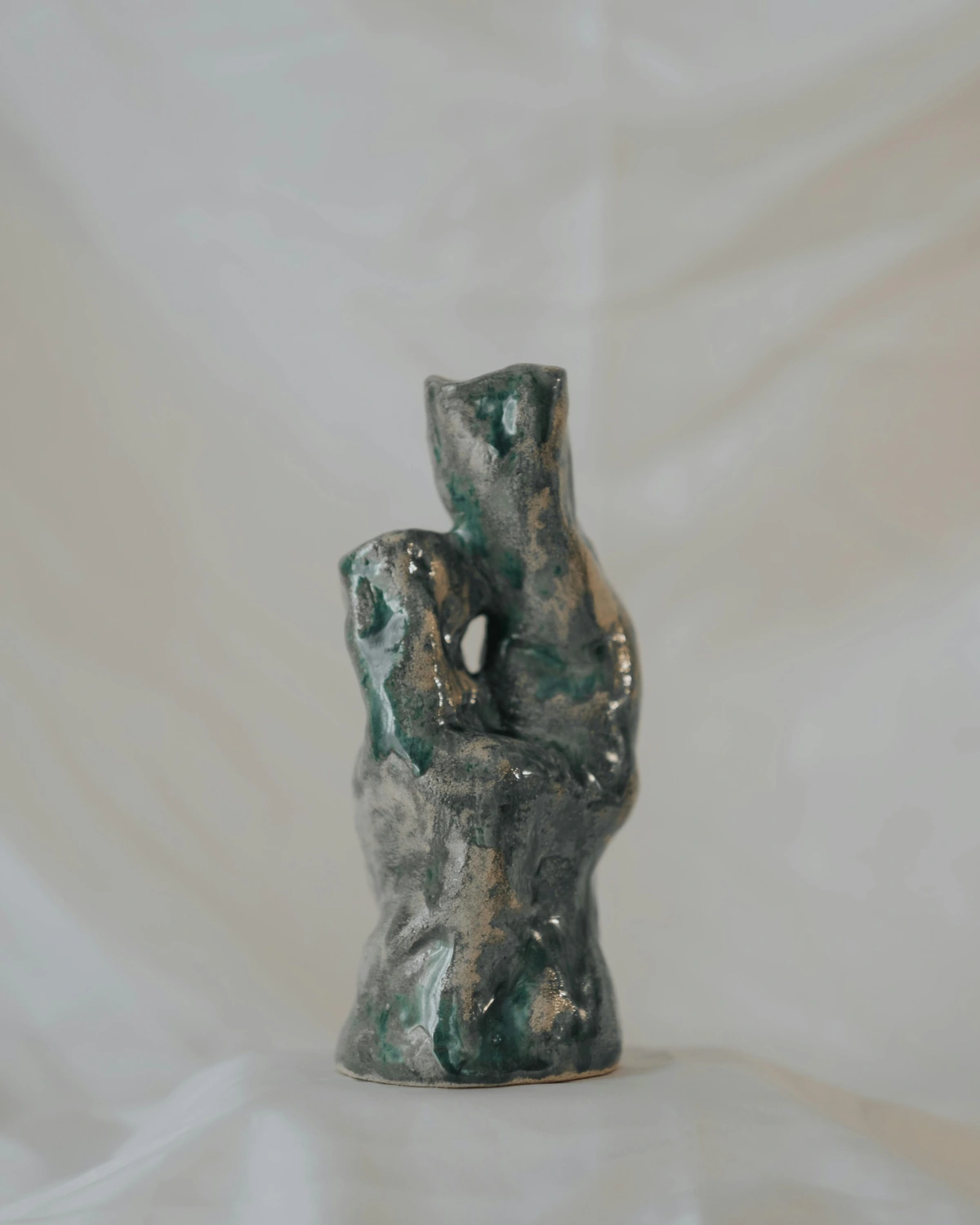
Finding Fireplace Decor Inspiration: Look Everywhere!
Sometimes, the hardest part is just figuring out where to start. I've always found inspiration in the most unexpected places, realizing that beauty is truly everywhere if you know how to look:
- Pinterest and Instagram are, of course, overflowing with ideas (#fireplacedecor, #mantelstyling, #fireplacemakeover). They're great for seeing trends and diverse approaches, but be careful not to get overwhelmed! Use them as a starting point, not a definitive blueprint.
- Home decor magazines and design blogs often feature beautifully styled fireplaces. Look at publications like "Home & Garden," "Architectural Digest," or even local design magazines, paying close attention to their "Decorating" or "Inspiration" sections. They can give you a real sense of what professional designers are doing and what's trending, offering curated perspectives.
- Visit historic homes or browse museum websites for classic, elegant arrangements. These venues often excel in intentional object placement, material harmony, and creating a strong focal point – lessons directly applicable to modern styling. Finding inspiration at places like the Zen Museum Den Bosch or general best museums can offer fresh perspectives, even for modern spaces. Think about how galleries treat focal points; it's often about the deliberate, thoughtful placement of a single, powerful piece, allowing it ample negative space to command attention, using lighting and pedestals to enhance its impact. These principles are golden for your overmantel!
- Look at nature! The colors, textures, and forms can inspire everything from your floral arrangements to your choice of sculptural objects. I often find myself sketching ideas based on walks in the park, or even by simply observing abstract art on wood panels. The organic imperfection of natural elements can bring so much life.
Conclusion: Your Fireplace, Your Story
Your fireplace is more than just a structural element; it's a fantastic opportunity to showcase your personal style and create a warm, inviting atmosphere that genuinely feels like home. By considering the interplay of balance, scale, layering, and focusing on the specific zones (mantel, overmantel, hearth), you can transform this architectural feature into a stunning highlight of your home.
Don't be afraid to experiment, swap things out seasonally, and most importantly, let it evolve with you and your changing tastes. Revisit your styling periodically, because just like your personal style, your home's heart should always feel fresh and reflective of who you are. It's your space, after all, and it deserves to tell your story. So go on, unleash your inner decorator, and make that fireplace sing! As I always say, anchor your design with a piece of art that truly resonates with you – something that speaks to your soul, perhaps a vibrant abstract piece that sparks joy or contemplation. You might just find that perfect match at the Zen Museum Store.
Frequently Asked Questions (FAQ)
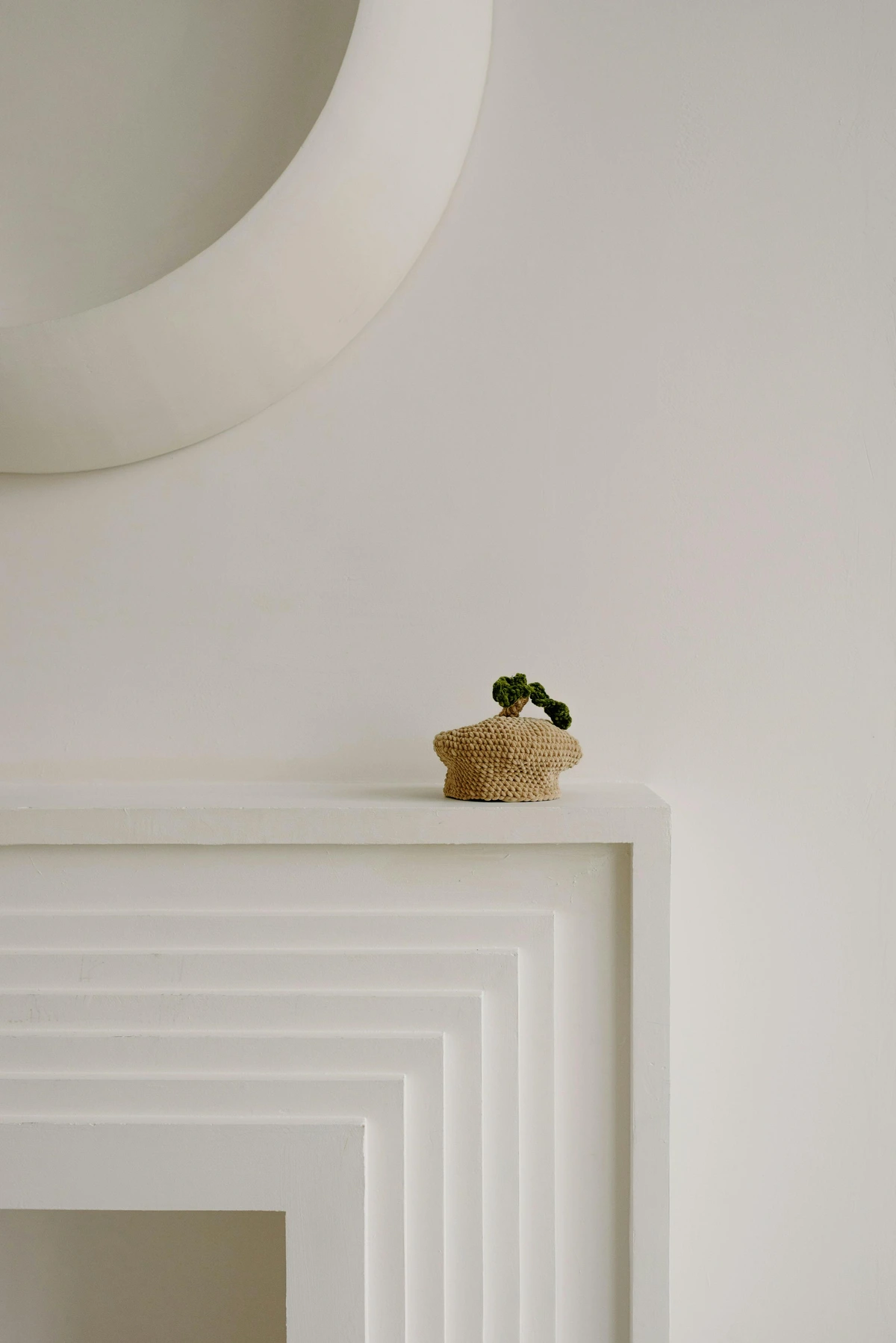
Q1: How high should I hang art or a mirror above the mantel?
A: My go-to guideline is to hang the bottom edge of the frame 4 to 6 inches above the mantel shelf. This creates a visual connection and prevents it from looking disconnected or floating too high. This specific height helps to visually connect the art with the mantel decor below, creating a cohesive vignette. Of course, you can always adjust slightly based on your ceiling height and the overall size of the art or mirror. For a gallery wall or a series of smaller pieces, you might treat the entire collection as one unit and apply the 4-6 inch rule to the bottom-most piece. Trust your eye to find that sweet spot – the goal is harmony and visual balance, not a rigid rule. See examples of how to choose art for your bathroom for similar considerations.
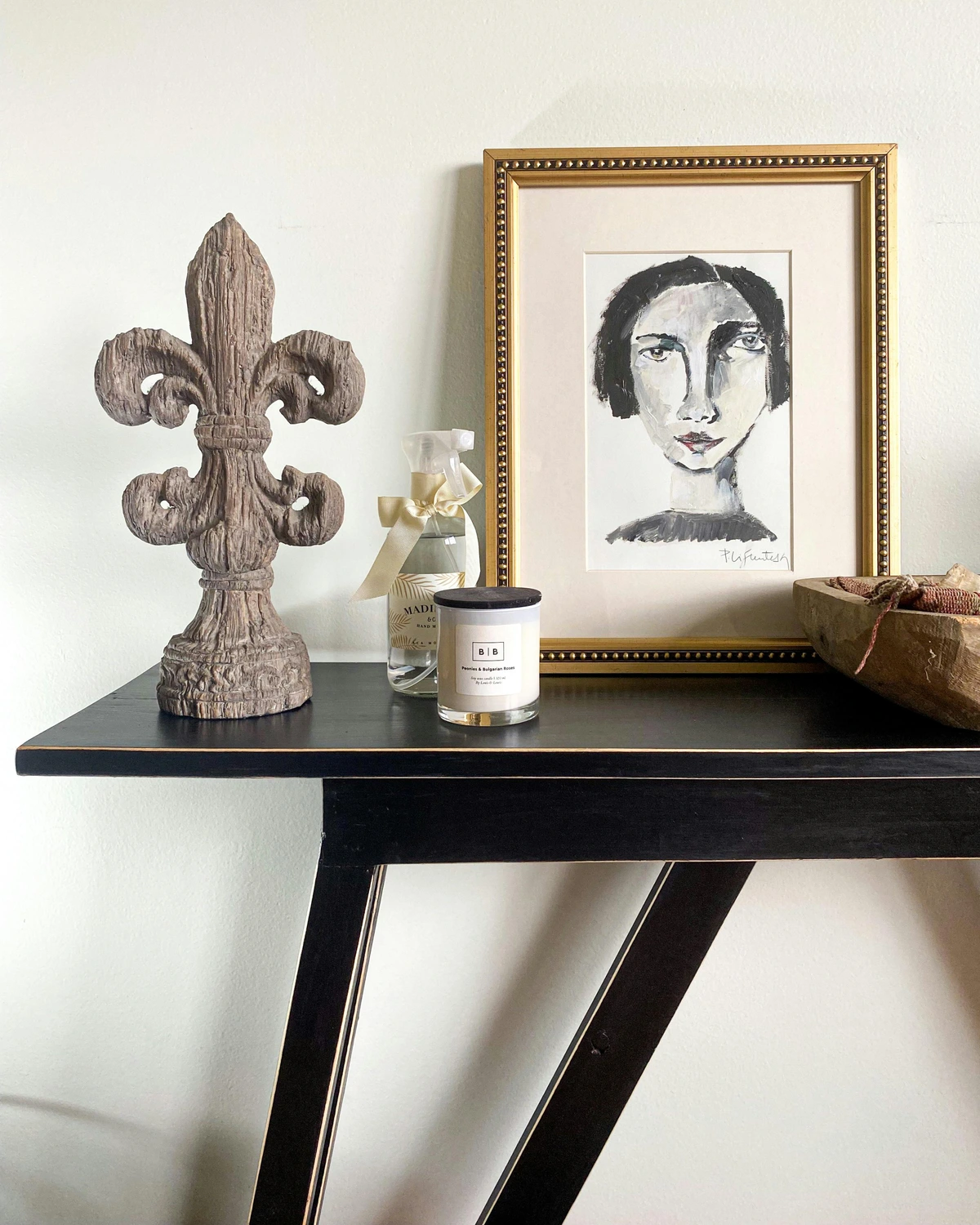
Q2: Can I put a TV above my fireplace? What are the downsides?
A: Yes, it's a very common choice for many households, and I completely understand the appeal for optimizing room layout. However, there are a few significant drawbacks to consider. The viewing angle can often be uncomfortably high, leading to neck strain during long periods, especially if your sofa is low or close. Heat from a working fireplace can potentially damage the TV over time (causing issues like dead pixels, discoloration, or premature failure), so always check your manufacturer's guidelines and consider a mantel shield if your fireplace gets very hot. Aesthetically, a large black rectangle can really dominate the space, visually competing with the fireplace as the room's traditional focal point, making it harder to style the mantel below harmoniously and potentially diminishing the room's cozy feel. Plus, glare on the screen from nearby windows or overhead lighting can be a real nuisance. If you do, consider a "Frame TV" that displays art when off, and explore cable management solutions like recessed outlets or in-wall channels to hide wires for a cleaner look. Remember, while convenient, it often sacrifices a degree of comfort and aesthetic harmony.
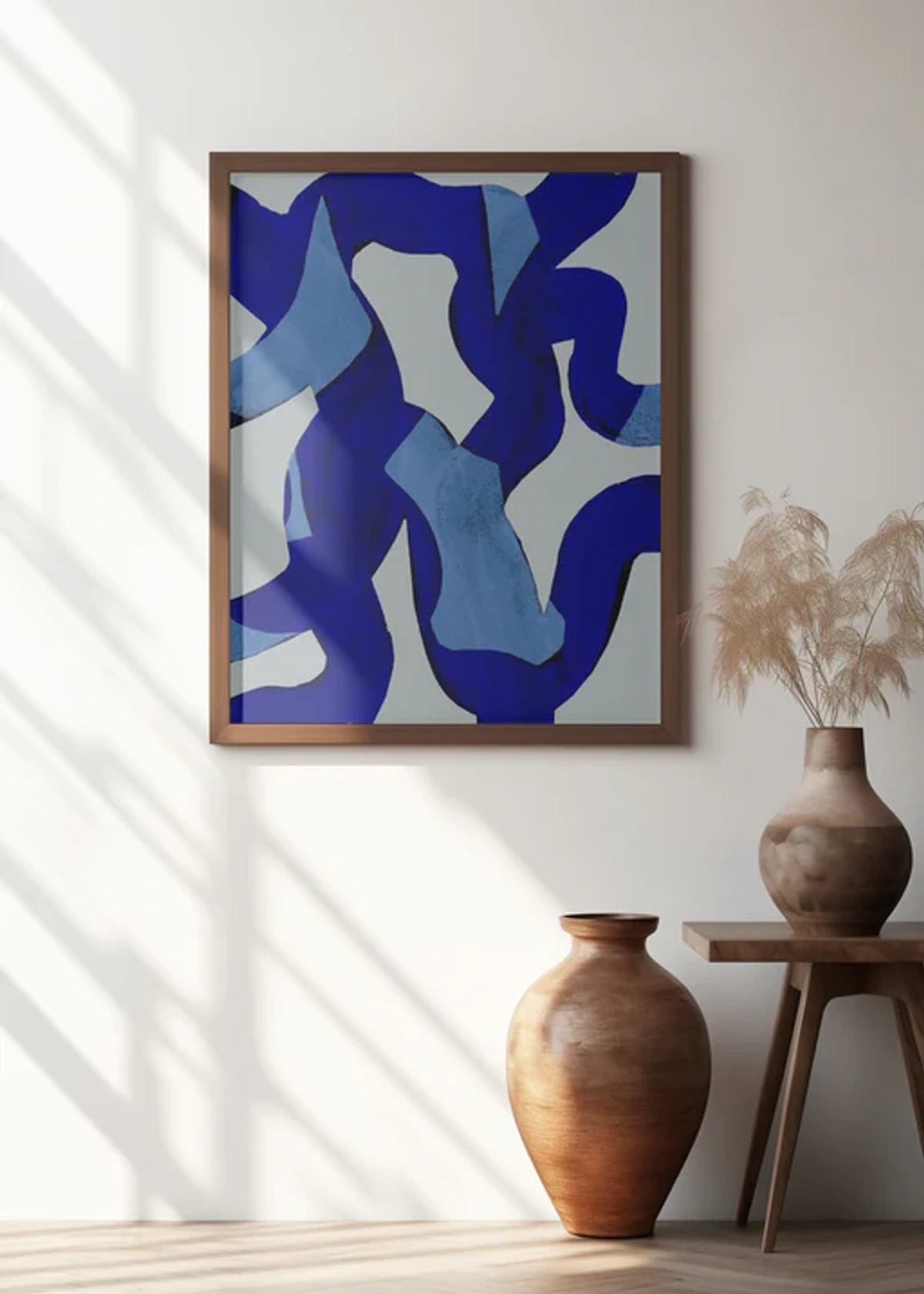
Q3: How do I decorate a non-working fireplace to make it look good?
A: First, give it a good clean! Treat the empty firebox as a decorative niche, a mini stage for your creativity. I love filling it creatively: a cluster of different-sized pillar candles (real or LED) on a heat-resistant tray creates a beautiful, soft glow; an arrangement of vertically standing birch logs offers a clean, natural, and sculptural element; a large decorative basket filled with pinecones, decorative orbs, or beautiful vintage books (spines out, of course!) adds texture and charm; or a large vase with dramatic dried branches or statement foliage can look stunning. A small sculpture, or even a vibrant piece of abstract art for small spaces: maximizing impact in compact areas can also be placed inside. If it's a gas fireplace that is no longer used, ensure the gas line is professionally capped for safety, even if it's currently off. It's a fantastic spot to add an unexpected touch of charm and visual interest, turning a dormant feature into a delightful display.



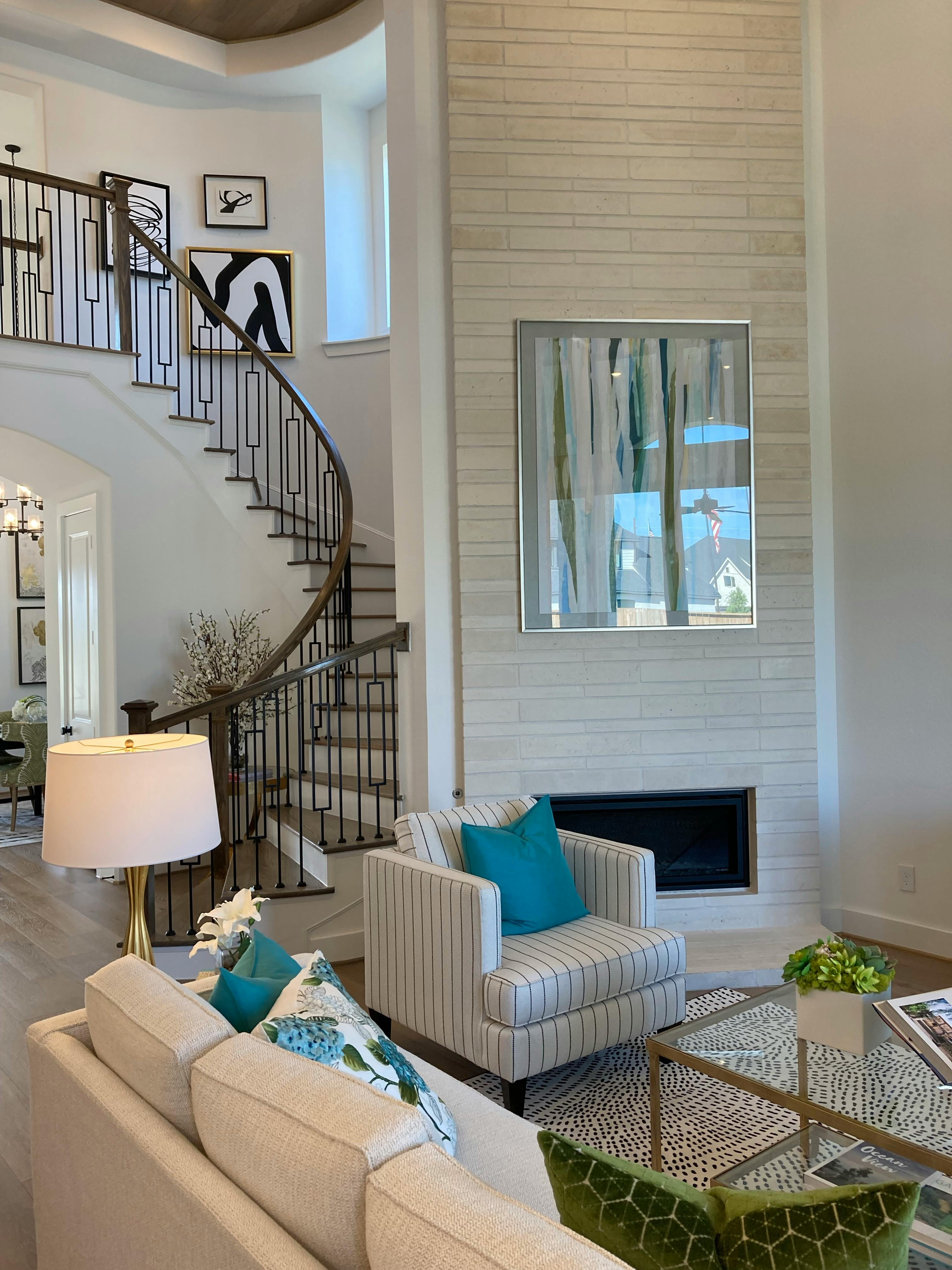







Q4: What decor items are safe to put on the mantel of a working fireplace?
A: For working fireplaces, stick with items made of non-flammable materials like metal, ceramic, stone, or thick glass. I always keep flammable items (such as paper, delicate dried flowers, thin plastics, untreated wood, or textiles) well away from the opening and away from the direct heat path. Remember that intense heat, even if it doesn't cause a fire, can still affect items over time, like discoloring paint on ceramics, warping delicate wood frames, fading photos, melting certain plastics, or causing thermal shock in glass leading to cracks. Always monitor when the fire is lit and use common sense, prioritizing safety. If your mantel gets very hot, consider a mantel shield for added protection or limit decor to the cooler edges.
Q5: Should my mantel decor be symmetrical or asymmetrical? What are common mistakes?
A: This is purely a matter of personal style preference, and honestly, I've done both! Symmetrical arrangements, with identical or mirrored items on each side, create a formal, traditional, and very balanced look, often conveying a sense of calm and order. Asymmetrical arrangements, where different items are balanced by their visual weight, feel more relaxed, modern, and dynamic, creating more visual interest. Try both approaches with what you have and see which one truly speaks to your aesthetic for your space. Don't be afraid to experiment; that's part of the fun!
Common mistakes often include:
- Over-cluttering: Too many small items without enough negative space can look messy and overwhelming, diminishing the impact of each piece. My own mantel has occasionally looked like a squirrel's winter hoard; a good edit always saves it!
- Ignoring scale: Decor that's too small gets lost on a large mantel; too large overwhelms the space and the fireplace itself.
- Lack of variety in height: Everything at the same level creates a flat, uninteresting display that lacks visual rhythm and depth.
- Forgetting the hearth: Neglecting the area below can make the whole fireplace feel unfinished or top-heavy.
- Unsafe placement: Flammable items too close to a working fire, or delicate items in high-heat zones. If an asymmetrical arrangement feels "off," try adjusting the spacing between items, swapping larger items for smaller ones to lighten a side, or adding a smaller piece to a visually lighter side to balance it out.
Q6: How do I decorate a fireplace with an unusual shape or in a particularly small, minimalist room?
A: For an unusually shaped fireplace (like a corner unit, one with an integrated alcove, or a very deep firebox), embrace its unique architecture rather than fighting it. For a corner fireplace, try a single, tall, sculptural element on the mantel, or a series of vertically stacked smaller artworks. For a very deep firebox, consider filling the back with neatly stacked logs, decorative screens, or even a custom-cut piece of art or mirrored panel to create depth and intrigue. In a small or minimalist room, the "less is more" principle is paramount. Focus on one or two statement pieces (a striking abstract artwork above, perhaps) and keep mantel decor to a bare minimum – perhaps a single, beautiful vase or a pair of sleek candlesticks. Let clean lines and ample negative space define the look. Even for minimalism, remember that texture can add depth without adding visual clutter. Think smooth ceramic, brushed metal, or a single natural branch. It's about intentionality and allowing each piece to make a statement without overwhelming the space. If the fireplace is very old or historic, ensure its structural integrity is sound before adding heavy decor, and consult with a professional if you plan any permanent alterations, to preserve its historical value.