Pointillism Techniques Guide: The Art of Tiny Dot Painting
Explore the world of pointillism with this comprehensive guide. Learn techniques, history, and tips to create stunning dot paintings.

Pointillism Techniques Guide: The Art of Tiny Dot Painting
Pointillism is a unique and captivating art form that transforms tiny dots into breathtaking images. Whether you're an artist or an art enthusiast, this guide will walk you through the history, techniques, and tips for mastering pointillism.
I remember the first time I saw a pointillist painting up close. It was like standing in front of a magic trick—thousands of tiny dots blending into a vibrant, cohesive image. I couldn’t help but wonder, "How on earth does someone create something so beautiful with just dots?" If you’ve ever asked yourself the same question, you’re in the right place. Let’s dive into the fascinating world of pointillism.
Pointillism isn’t just about dots; it’s about the science of perception and the art of patience. It’s a technique that challenges our understanding of how we perceive color and form. And while it may seem daunting at first, the results can be truly breathtaking.
Pointillism isn’t just a technique; it’s a journey into the science of perception and the art of patience. Whether you’re an artist looking to explore a new style or an art enthusiast curious about the magic behind the dots, this guide will walk you through everything you need to know.
But what makes pointillism so unique? It’s not just about the dots; it’s about the way those dots interact with our eyes and minds. It’s a technique that challenges our understanding of how we perceive color and form. And while it may seem daunting at first, the results can be truly breathtaking.
The Origins of Pointillism
Pointillism emerged in the late 19th century as a reaction to the Impressionist movement. Artists like Georges Seurat and Paul Signac sought to explore the scientific principles of color and light, leading to the development of this unique technique. The movement was deeply influenced by the work of scientists like Michel Eugène Chevreul, whose studies on color contrast and perception provided a foundation for the pointillist approach.

The Psychological Impact of Pointillism
Pointillism is not just a visual experience; it’s a psychological one. The technique engages the viewer’s mind in a unique way, as the brain actively participates in blending the dots into a cohesive image. This interaction between the artwork and the viewer creates a dynamic and immersive experience. The process of perceiving a pointillist painting can be meditative, as the viewer’s eyes and mind work together to interpret the image. This engagement makes pointillism a deeply personal and introspective art form.
Why Pointillism Captivates Artists and Viewers
Pointillism is more than just a technique; it’s a way of seeing the world in a new light. It’s about patience, precision, and the magic of how our eyes perceive color. Whether you’re a seasoned artist or just starting out, pointillism offers a unique and rewarding challenge. So grab your paints and start dotting—you might just create something extraordinary.
The Meditative Quality of Pointillism
One of the reasons pointillism is so captivating is its meditative quality. The repetitive nature of applying dots can be incredibly calming and therapeutic. Many artists find that the process of creating a pointillist painting allows them to enter a state of flow, where they are fully immersed in the creative process. This meditative aspect makes pointillism not just an art form, but also a form of mindfulness practice.
Pointillism as a Mindfulness Practice
The meditative quality of pointillism extends beyond the creative process. Many artists use pointillism as a form of mindfulness practice, allowing them to focus on the present moment and find a sense of calm and relaxation. The repetitive nature of applying dots can be a form of meditation, helping artists to clear their minds and find inner peace. This aspect of pointillism makes it a unique and rewarding practice for both artists and art enthusiasts.

What is Pointillism?
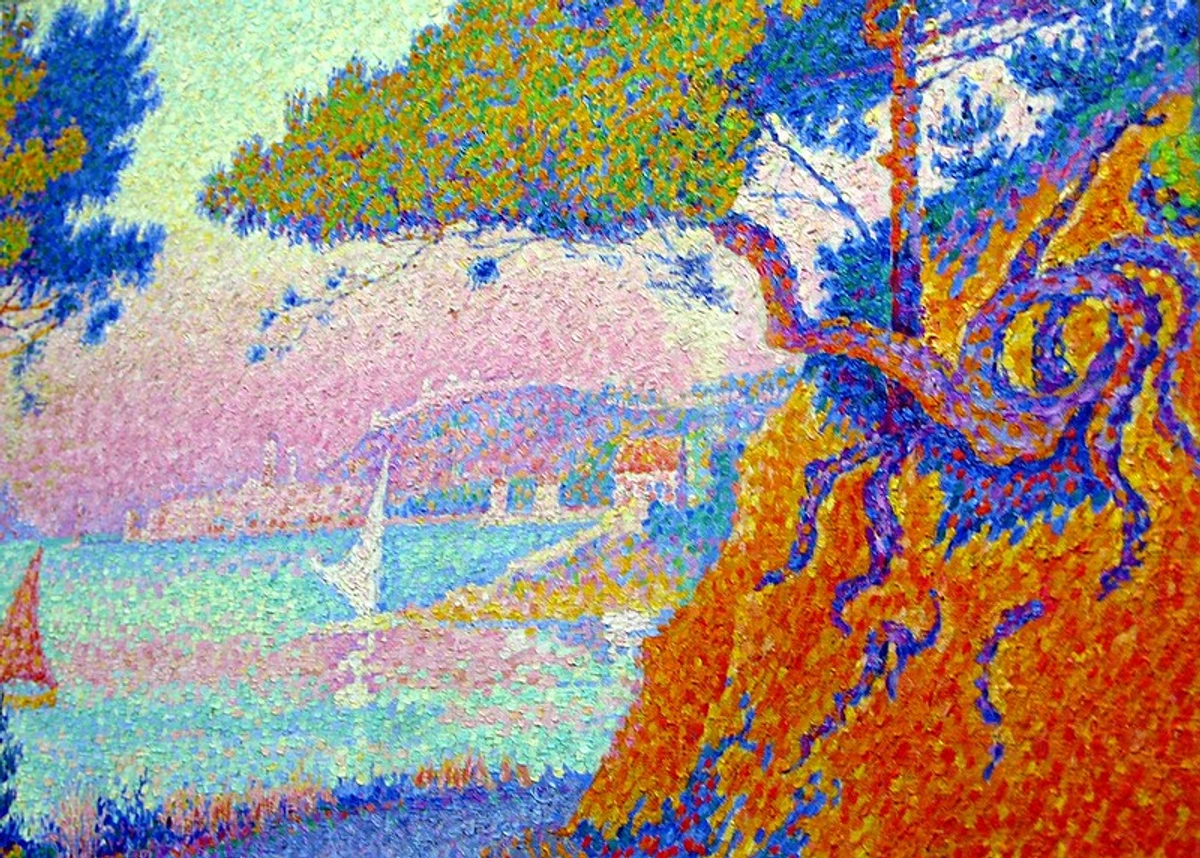
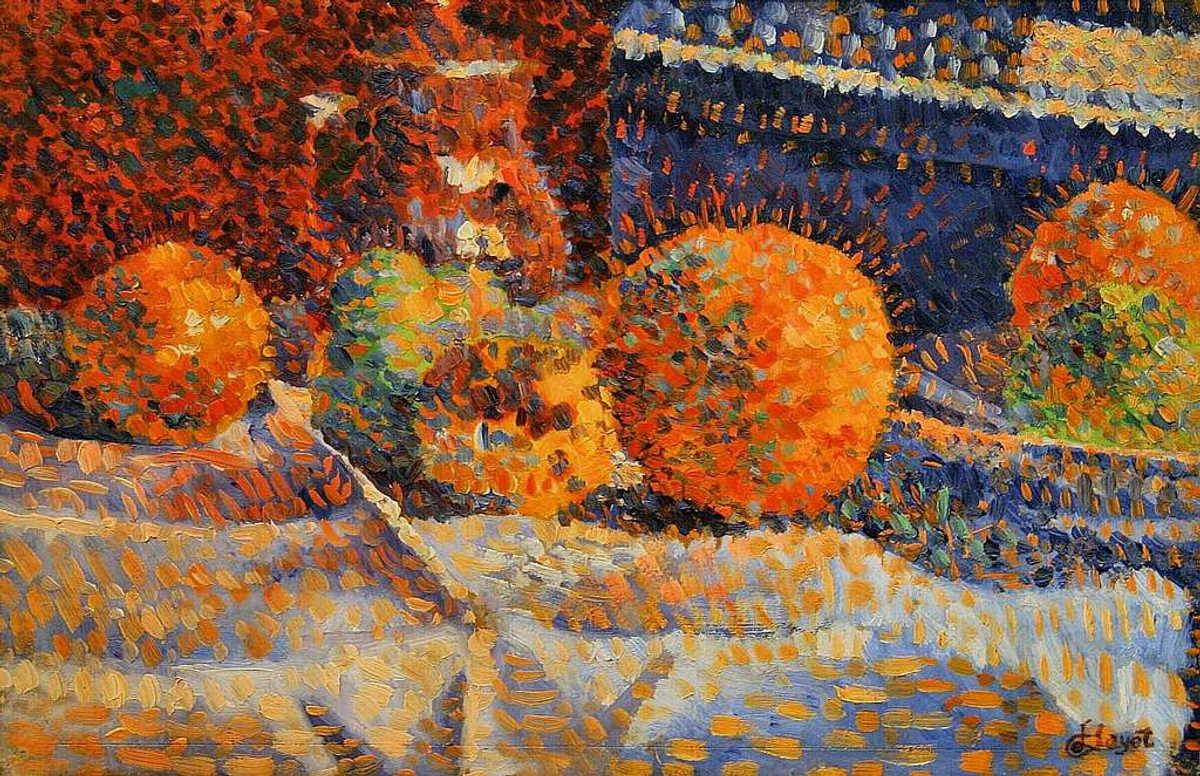
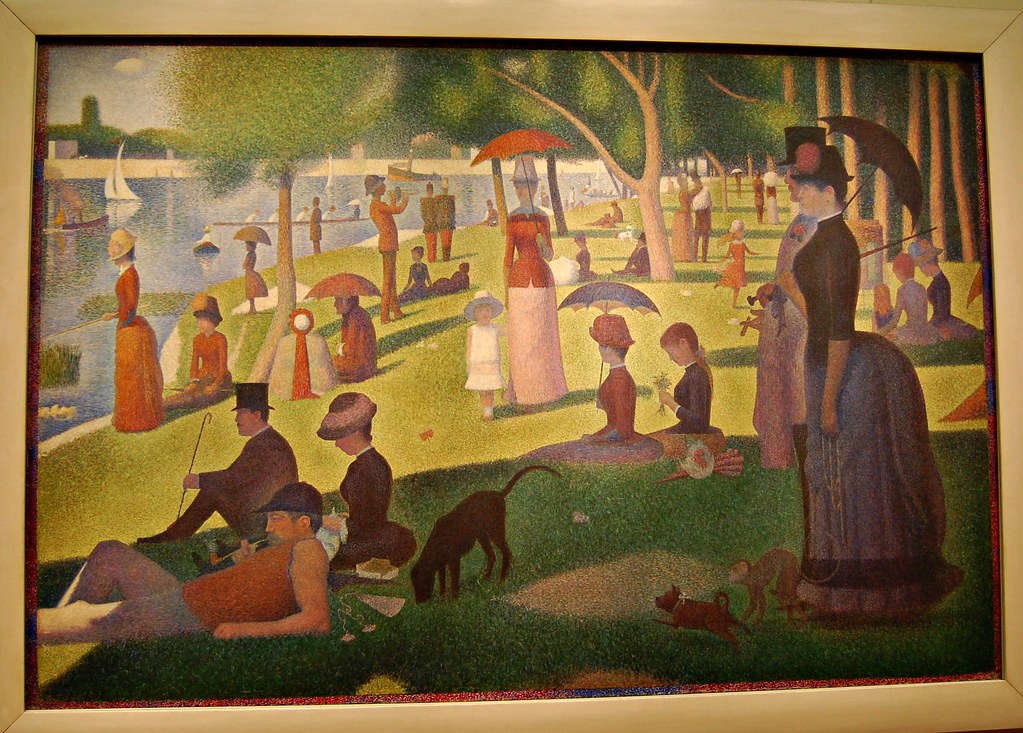
Pointillism is a technique of painting in which small, distinct dots of color are applied in patterns to form an image. This method relies on the ability of the eye and mind of the viewer to blend the color spots into a fuller range of tones. It’s a bit like how your brain fills in the gaps in a pixelated image to create a smooth picture.
At its core, pointillism is about breaking down an image into its most basic elements—dots—and allowing the viewer’s eye to reconstruct it into a cohesive whole. This technique is rooted in the principles of color theory and optical mixing, making it as much a scientific endeavor as it is an artistic one.
The Role of Pointillism in Modern Art
Pointillism has had a significant influence on modern art movements. Its emphasis on color and perception has inspired artists to explore new ways of creating visual effects. The technique’s focus on the interaction between color and light has also influenced digital art, where pixels function similarly to dots in a pointillist painting. This connection between traditional and digital art forms highlights the enduring relevance of pointillism in the contemporary art world.
The Evolution of Pointillism
Pointillism emerged as a reaction to the Impressionist movement, which focused on capturing the fleeting effects of light and color. While Impressionists used loose brushstrokes to convey their subjects, Pointillists took a more methodical approach. They believed that by applying color in small, distinct dots, they could achieve a greater luminosity and vibrancy than traditional methods allowed.
This evolution was driven by a desire to explore the boundaries of perception and creativity. Pointillism was not just a new way of painting; it was a new way of thinking about how we see and interpret the world around us.
Pointillism and the Digital Age
The principles of pointillism have found new life in the digital age. Digital artists use pixels, which function similarly to dots, to create images that rely on the viewer’s eye to blend colors and shapes. This connection between traditional pointillism and digital art highlights the technique’s adaptability and enduring relevance. As technology continues to evolve, pointillism remains a source of inspiration for artists exploring the intersection of art and science.
Key Characteristics of Pointillism
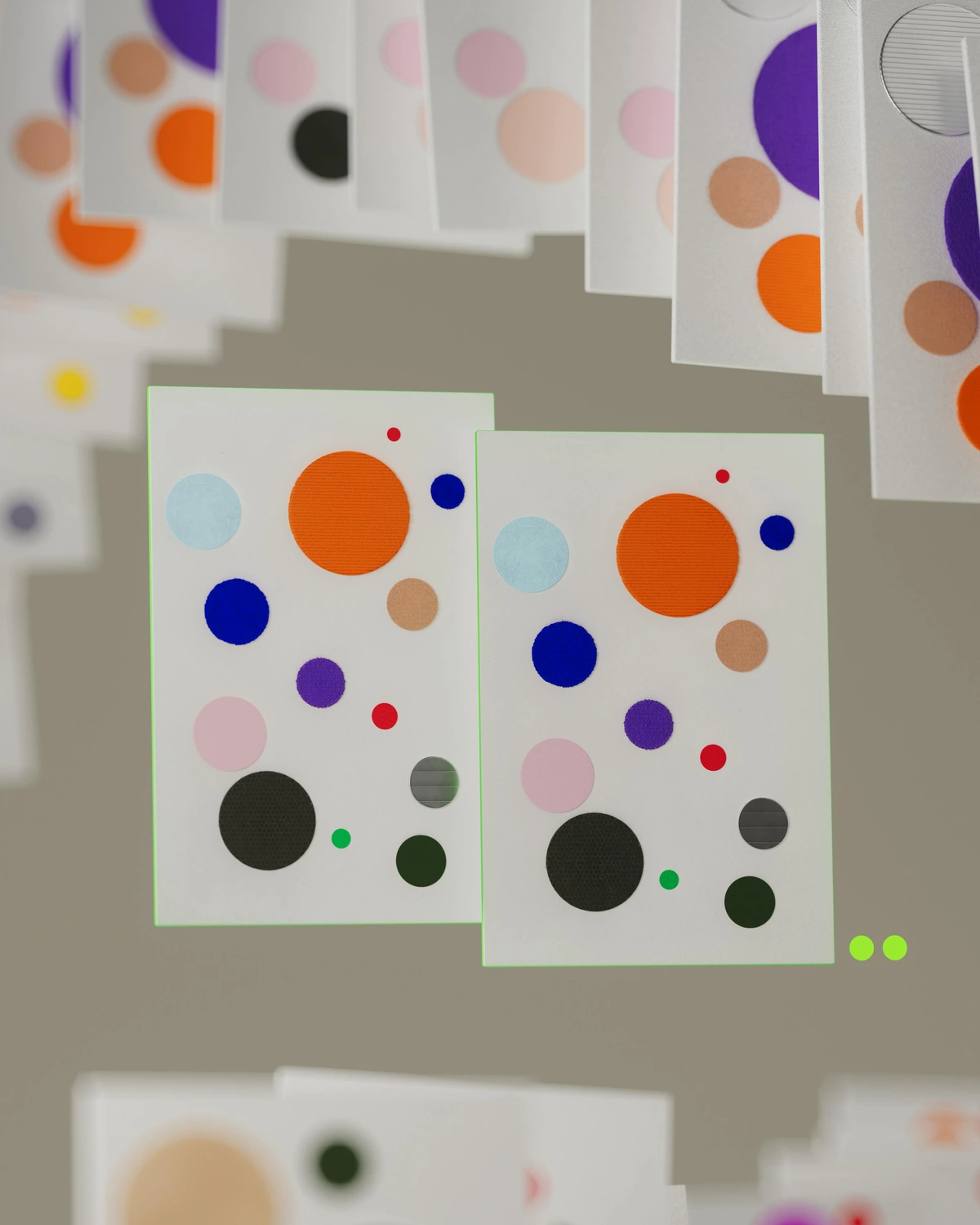
- Small Dots: The hallmark of pointillism is the use of small, distinct dots. These dots are meticulously placed to create texture, depth, and form.
- Color Blending: Instead of mixing colors on a palette, pointillists rely on the viewer’s eye to blend colors. This optical blending creates a luminous effect that is difficult to achieve with traditional mixing techniques.
- Optical Mixing: This technique leverages the way our eyes perceive color to create a vibrant, luminous effect. It’s a testament to the power of perception and the science behind how we see color.
- Precision and Patience: Pointillism requires a steady hand and a patient mind. Each dot is a deliberate choice, contributing to the overall harmony of the piece.
- Layering: Pointillism often involves layering dots to build up color intensity and depth. This layering can create a sense of three-dimensionality and texture that is unique to this technique.
The Role of Texture in Pointillism
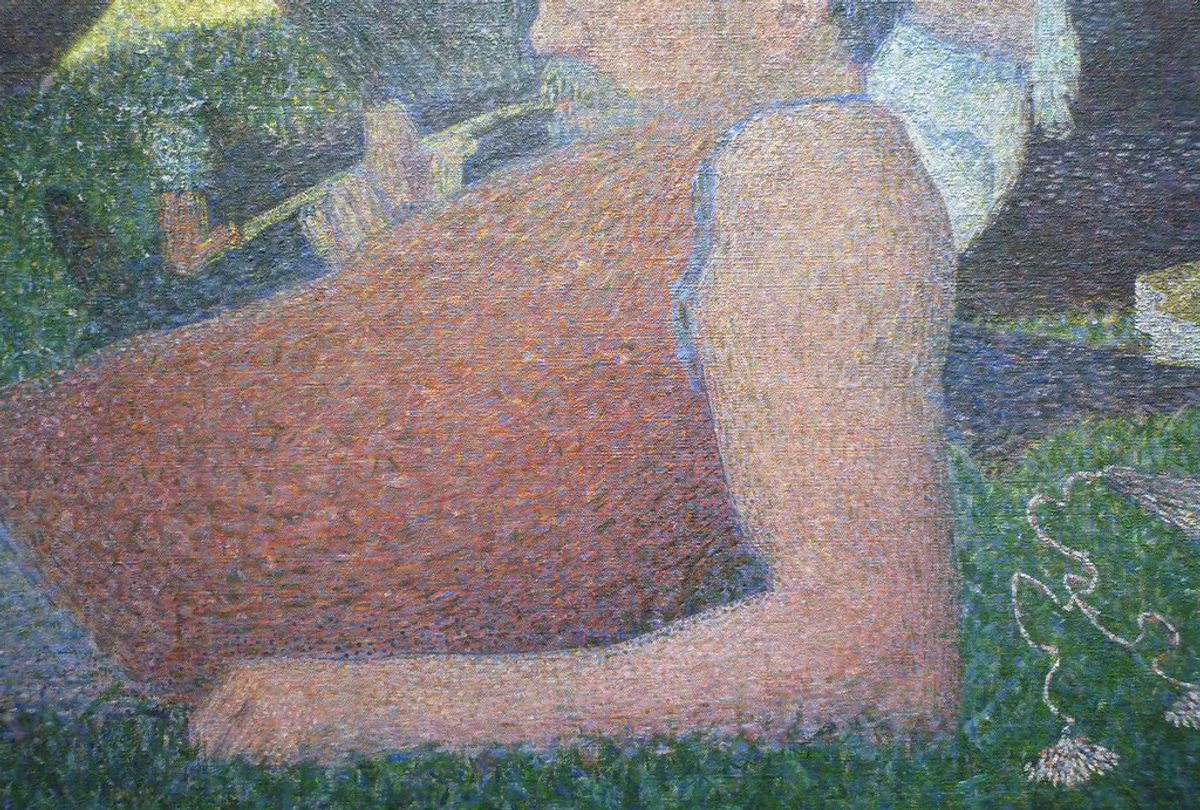
Texture plays a crucial role in pointillism. By varying the size and spacing of dots, artists can create a wide range of textures, from smooth and refined to rough and tactile. This textural variation adds depth and complexity to the artwork, making it more engaging and visually interesting. Experimenting with different dot sizes and spacing can help artists achieve the desired texture and enhance the overall impact of their work.
The Role of Color Theory in Pointillism
Color theory plays a crucial role in pointillism. Artists use the principles of complementary colors to create vibrant and dynamic effects. By placing dots of complementary colors next to each other, they can achieve a luminous quality that is difficult to replicate with traditional mixing techniques. This approach not only enhances the visual impact of the artwork but also adds depth and complexity to the composition.
Exploring Color Harmonies
Understanding color harmonies is essential for creating compelling pointillist artworks. Artists can experiment with different color schemes, such as analogous, triadic, and tetradic harmonies, to create visually appealing compositions. By exploring these harmonies, artists can discover new ways to use color to evoke emotions and create a sense of balance in their work. This exploration of color harmonies adds another layer of creativity and expression to the pointillist technique.
The Science Behind Pointillism
Pointillism is deeply rooted in the science of color and perception. The technique relies on the principles of optical mixing, where colors are blended by the viewer’s eye rather than on the canvas. This creates a luminous effect that is difficult to achieve with traditional mixing techniques. The science behind pointillism is fascinating and adds a layer of complexity to the art form.
The Intersection of Art and Science
Pointillism is a perfect example of the intersection of art and science. The technique’s reliance on optical mixing and color theory demonstrates how artistic expression can be informed by scientific principles. This intersection has inspired artists to explore new ways of creating visual effects and has contributed to the development of modern art movements. By understanding the science behind pointillism, artists can gain a deeper appreciation for the technique and its potential for creative expression.
History of Pointillism
Pointillism emerged in the late 19th century, primarily through the works of Georges Seurat and Paul Signac. These artists were fascinated by the scientific theories of color and light, and they sought to create a new form of art that was both visually striking and intellectually engaging.
The movement was part of a broader trend in the art world at the time, where artists were increasingly interested in the intersection of art and science. Pointillism was not just a new way of painting; it was a new way of thinking about how we see and interpret the world around us.
The Influence of Pointillism on Other Art Movements
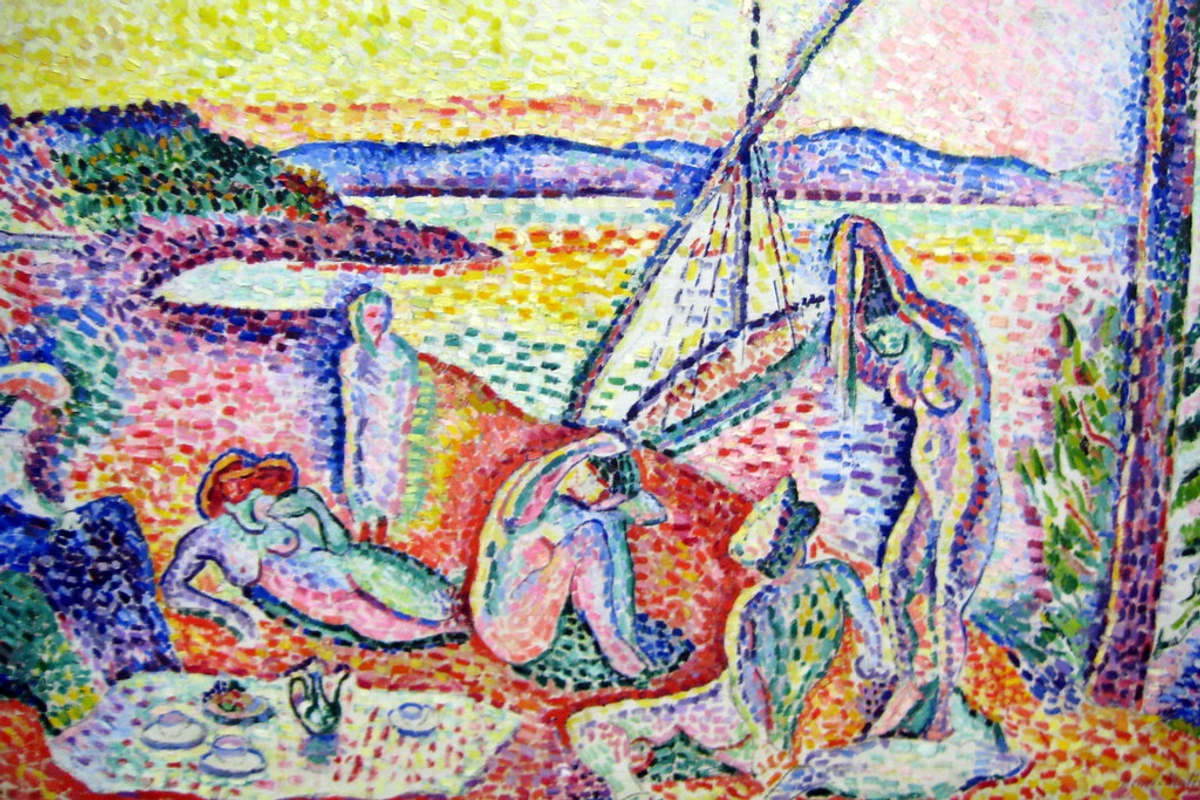
Pointillism’s emphasis on color and perception has had a lasting impact on various art movements. Its principles have influenced the development of Fauvism, Cubism, and even abstract art. The technique’s focus on the interaction between color and light has inspired artists to explore new ways of creating visual effects and has contributed to the evolution of modern art. This influence highlights the significance of pointillism in the broader context of art history.
The Influence of Scientific Discoveries
The development of pointillism was heavily influenced by scientific discoveries of the time. Artists like Seurat and Signac were inspired by the work of scientists such as Michel Eugène Chevreul, whose studies on color contrast and perception laid the groundwork for the pointillist technique. Chevreul’s discoveries about how colors interact and influence each other were revolutionary and provided a scientific basis for the pointillist approach.
The Role of Technology in Pointillism
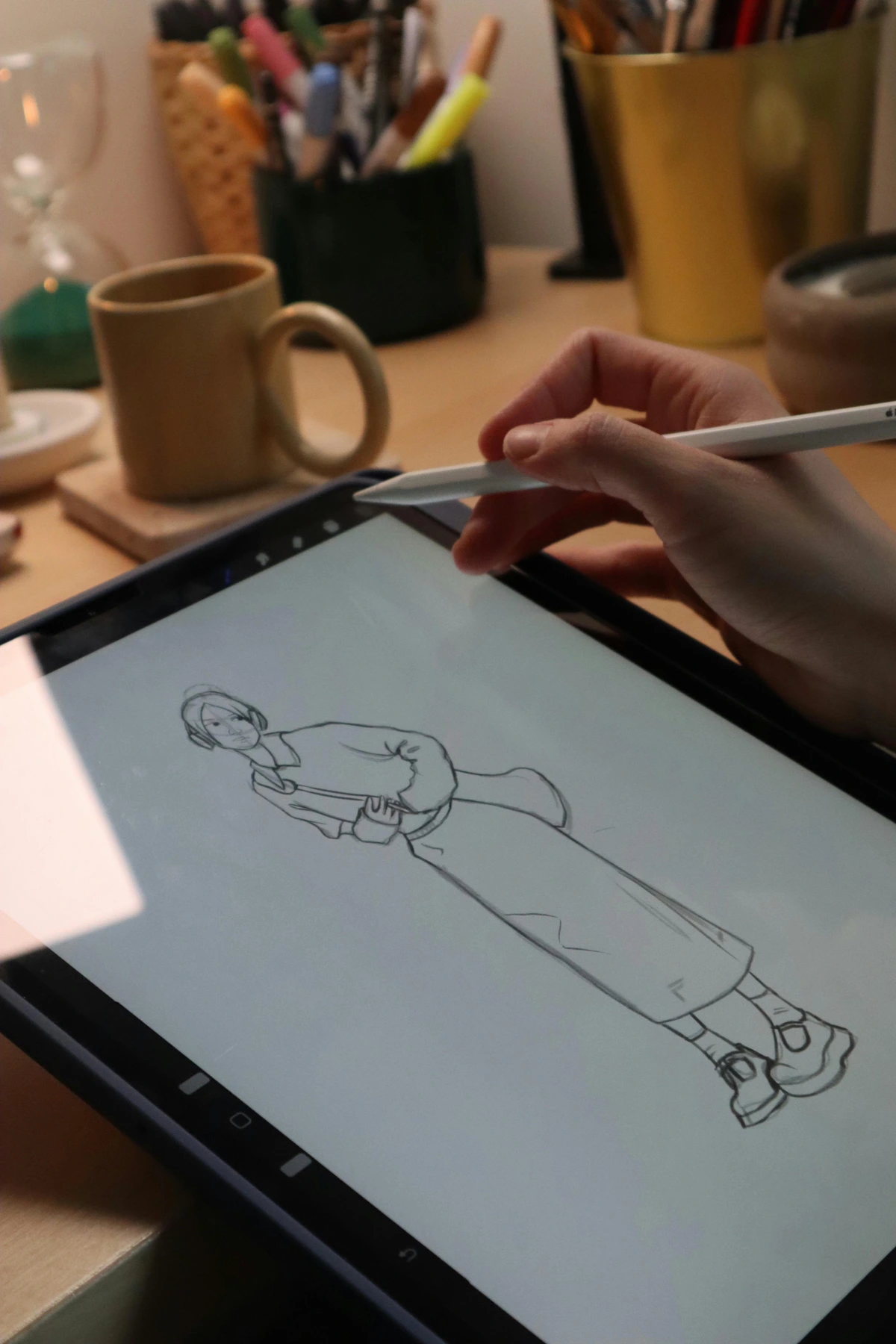
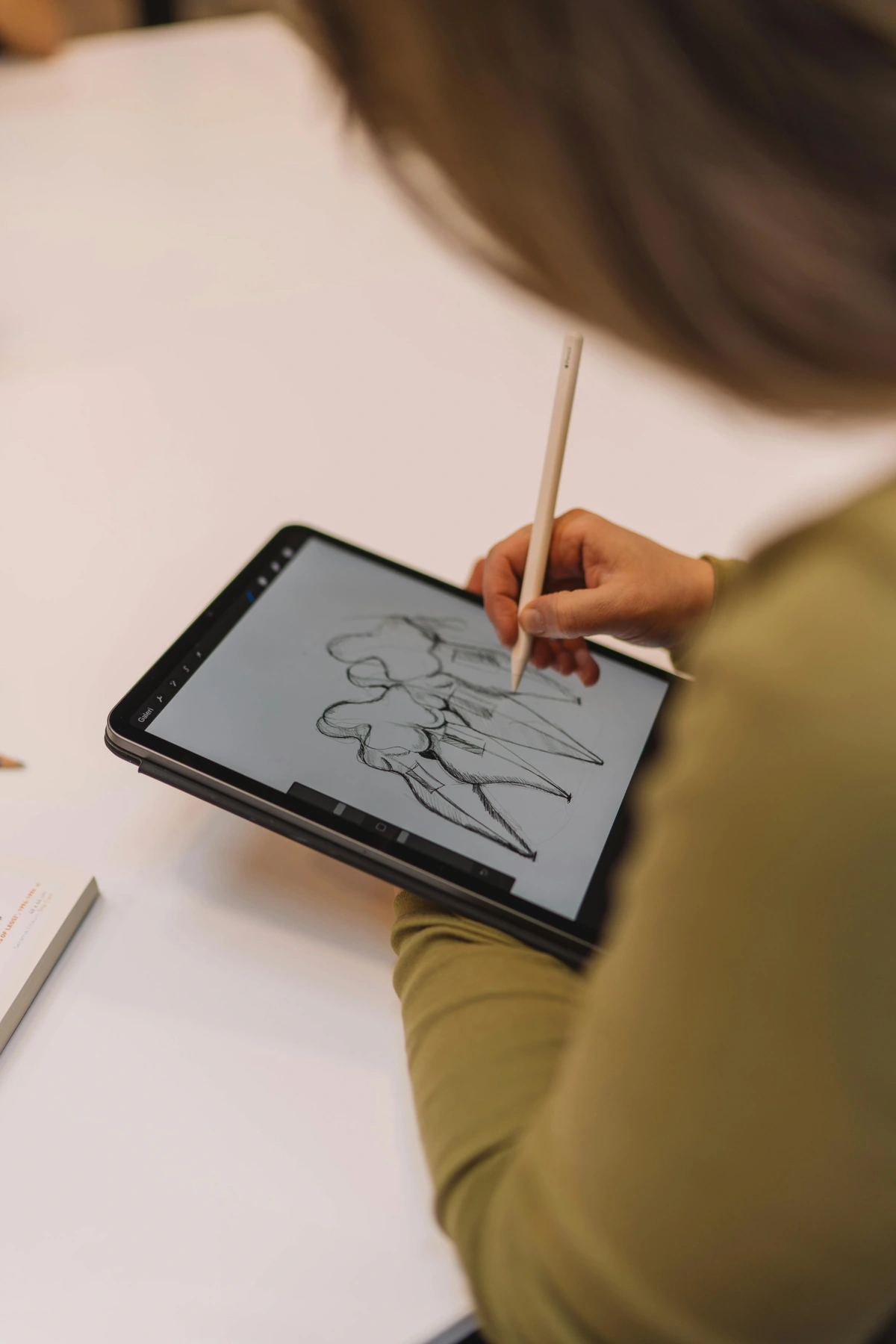
Advancements in technology have also played a role in the evolution of pointillism. The development of new tools and materials has allowed artists to experiment with different techniques and achieve more precise and detailed results. Digital tools, such as graphic tablets and software, have made it easier for artists to create pointillist works with greater control over dot size, spacing, and color. This technological progress has expanded the possibilities for artistic expression and has contributed to the continued relevance of pointillism in the contemporary art world.
This intersection of art and science was a defining characteristic of the pointillist movement. It allowed artists to explore new ways of creating visual effects and to push the boundaries of traditional artistic techniques.
The movement was heavily influenced by the scientific discoveries of the time, particularly the work of Michel Eugène Chevreul, whose studies on color contrast and perception laid the groundwork for the pointillist technique. Seurat and Signac believed that by applying color in small, distinct dots, they could achieve a greater luminosity and vibrancy than traditional methods allowed.
Chevreul’s work on color theory was groundbreaking. He discovered that colors appear more vibrant when placed next to their complementary colors. This principle became a cornerstone of pointillism, as artists used it to create paintings that seemed to shimmer and glow.
Influential Pointillist Artists
Artist  | Notable Works | Contribution |
|---|---|---|
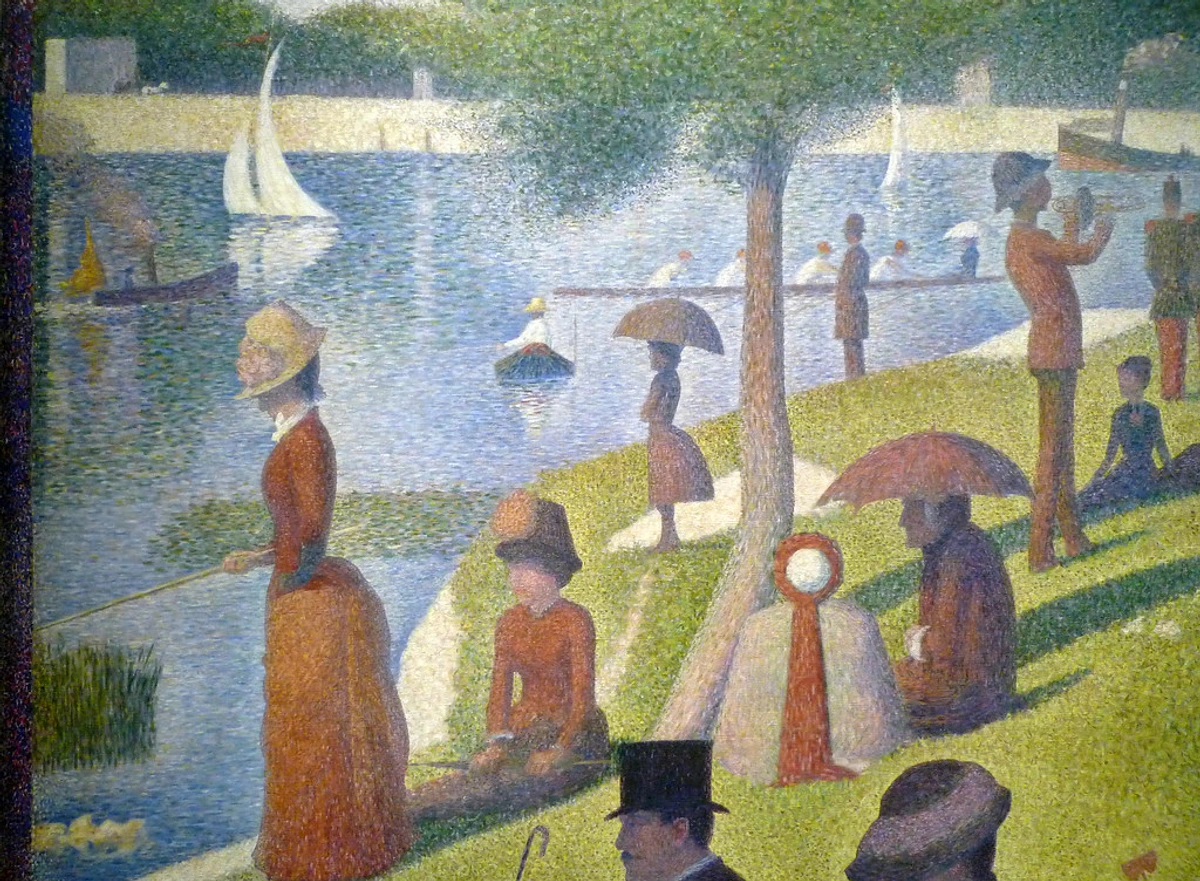
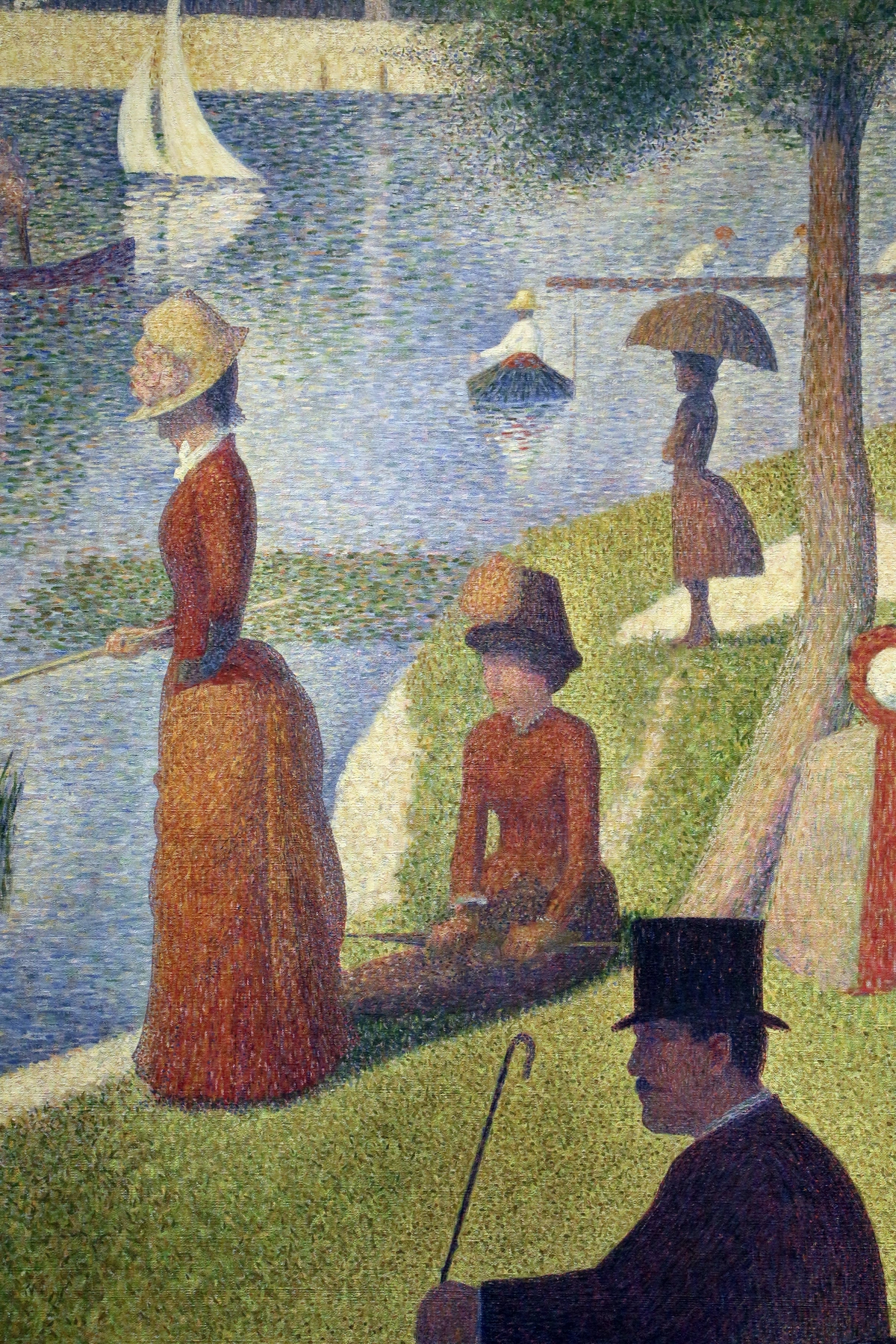
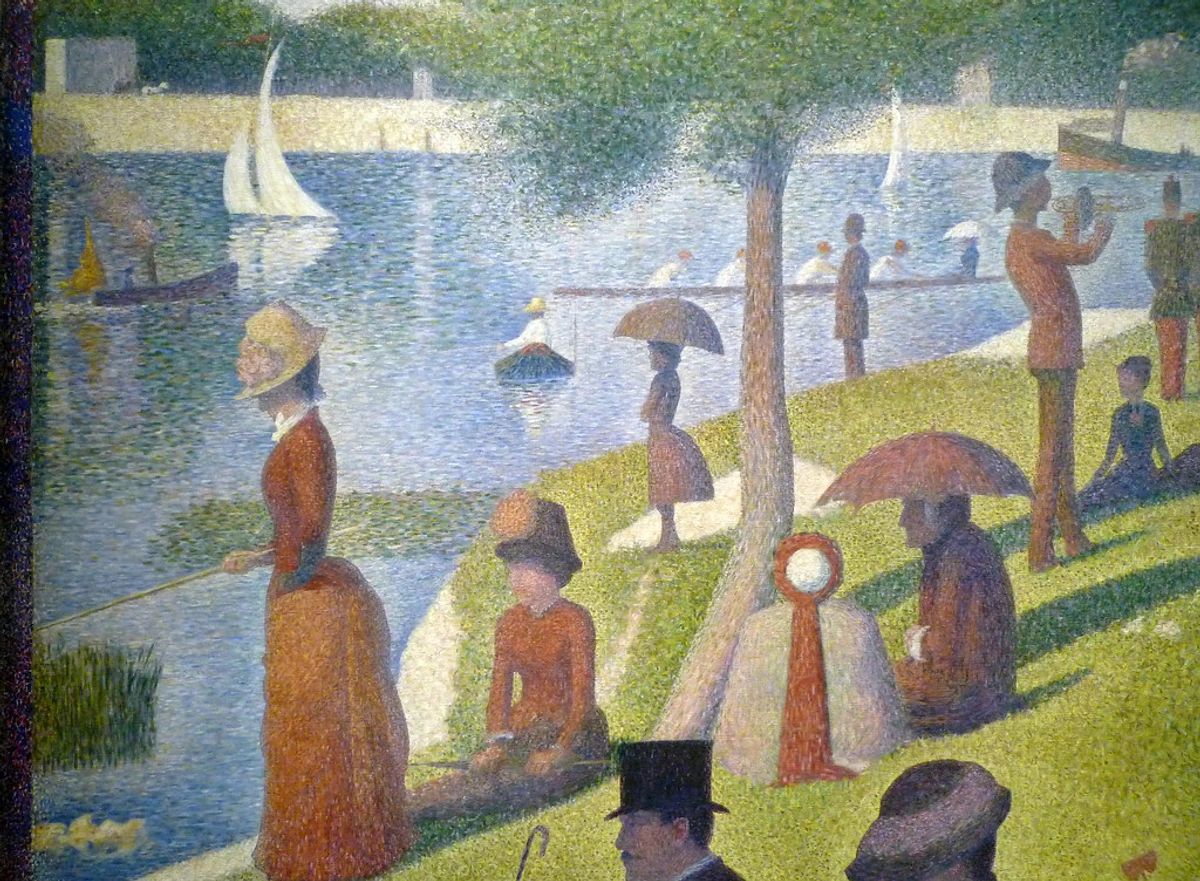
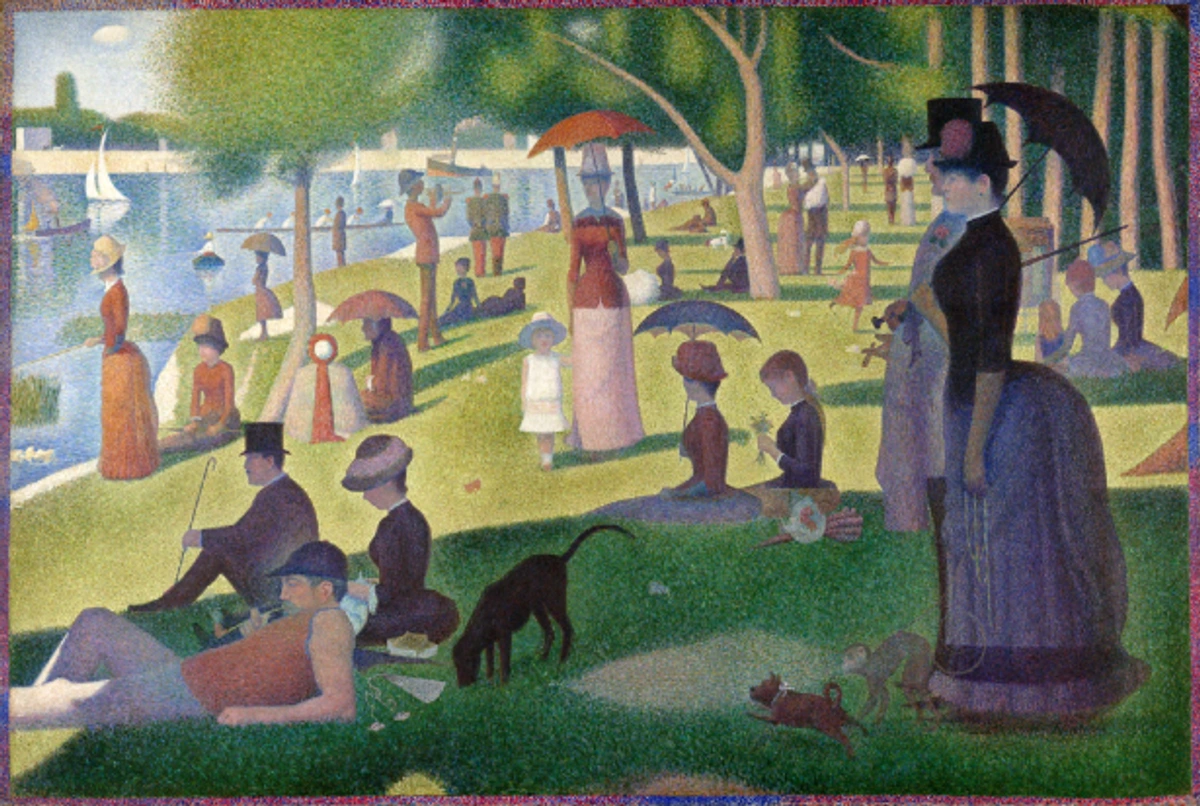
| Georges Seurat | "A Sunday Afternoon on the Island of La Grande Jatte" | Pioneered the technique and developed the theory behind optical mixing. |
| Paul Signac | "The Papal Palace, Avignon" | Expanded the use of color and light, influencing future generations of artists. |
| Camille Pissarro | "The Boulevard Montmartre at Night" | Experimented with pointillism in his later works, blending it with impressionist techniques. |
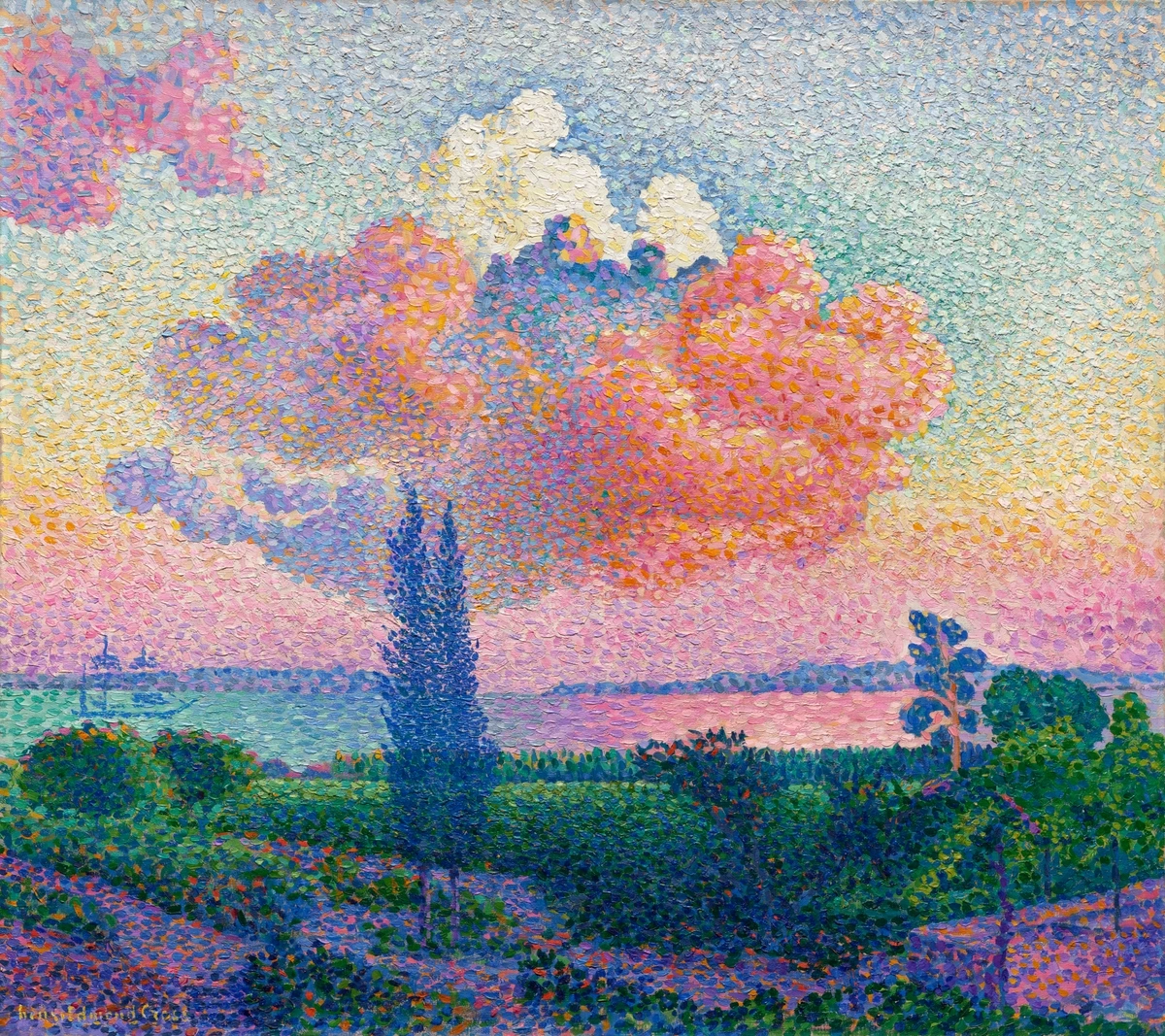
| Henri-Edmond Cross | "The Evening Air" | Known for his vibrant landscapes and use of bold, contrasting colors. |
| Théo van Rysselberghe | "Portrait of Irma Sèthe" | Applied pointillism to portraiture, creating striking and lifelike images. |
| Charles Angrand | "The Harvesters" | Focused on rural scenes and the interplay of light and shadow. |
| Albert Dubois-Pillet | "The Seine at Herblay" | Explored the effects of light on water and landscapes. |
The Legacy of Pointillist Artists
The contributions of these influential pointillist artists have had a lasting impact on the art world. Their innovative techniques and unique approaches to color and perception have inspired countless artists and continue to influence contemporary art. By studying the works of these artists, we can gain a deeper understanding of the principles and techniques of pointillism and appreciate the enduring relevance of this art form.
The Legacy of Pointillism in Modern Art
Pointillism has left a lasting impact on the art world. Its influence can be seen in various art movements and techniques, from Impressionism to digital art. The technique continues to inspire artists to explore the boundaries of perception and creativity. Modern artists have adapted pointillism to digital art, street art, and even tattoos, demonstrating its versatility and enduring appeal.
Pointillism in Contemporary Culture
Pointillism’s influence extends beyond the art world and into contemporary culture. The technique’s principles have been applied to various forms of visual media, including graphic design, advertising, and film. By understanding the principles of pointillism, artists and designers can create visually striking and engaging works that resonate with audiences. This cultural impact highlights the enduring relevance of pointillism and its potential for creative expression in the modern world.
The Legacy of Pointillism
Pointillism has left a lasting impact on the art world. Its influence can be seen in various art movements and techniques, from impressionism to digital art. The technique continues to inspire artists to explore the boundaries of perception and creativity.
Techniques and Tips for Pointillism
Getting Started
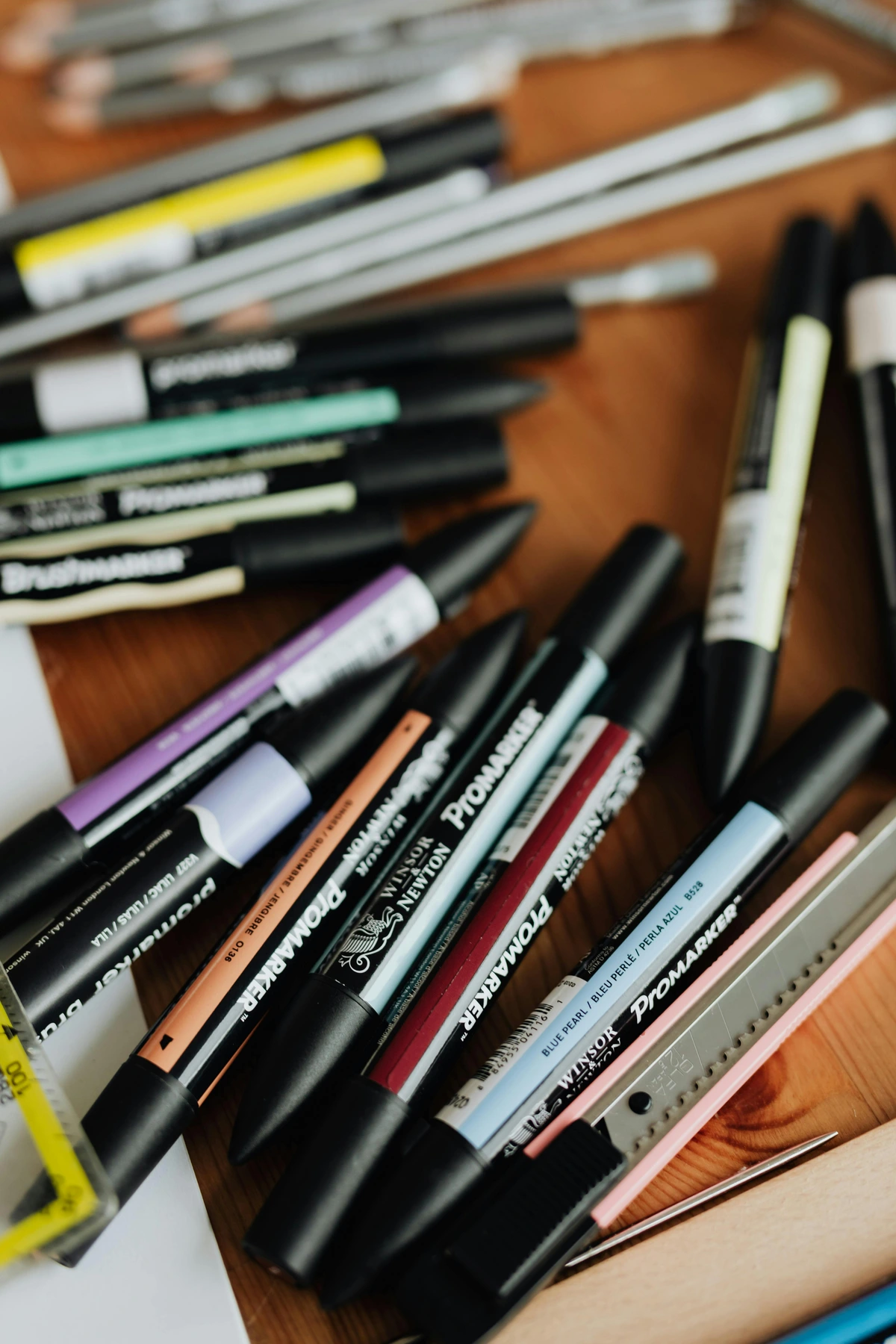
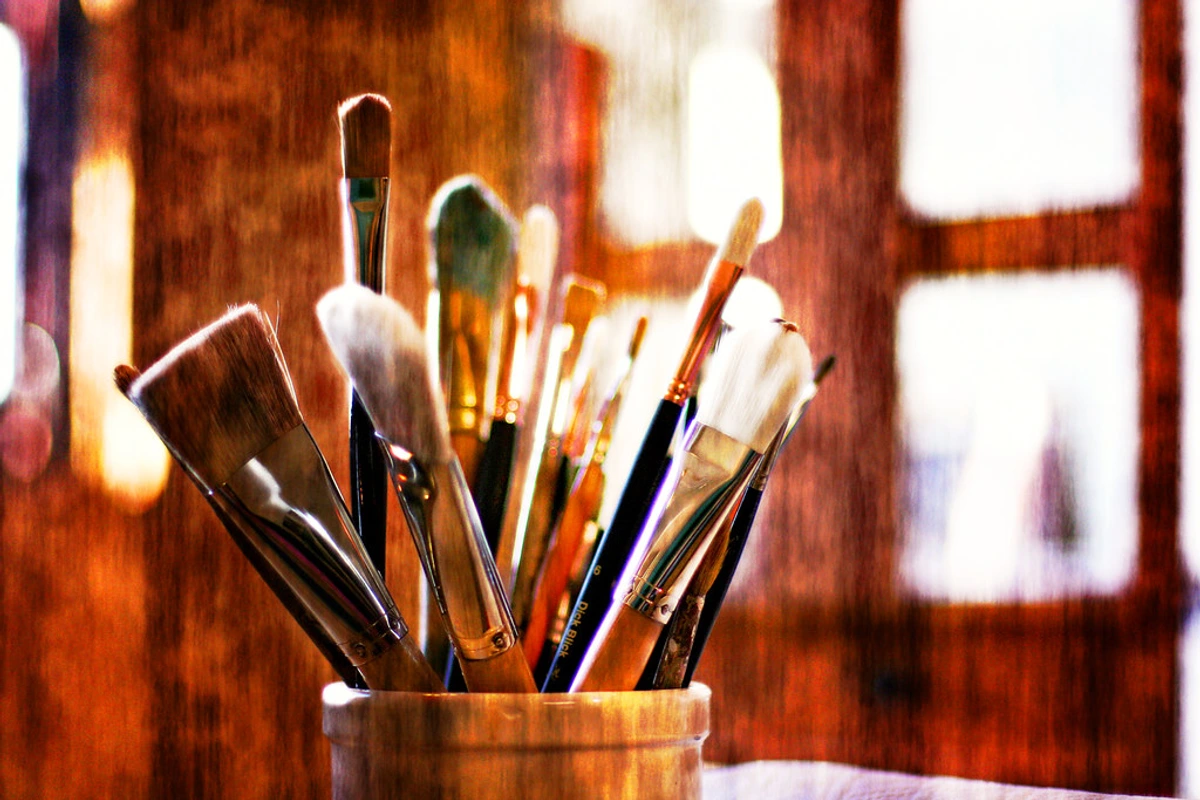
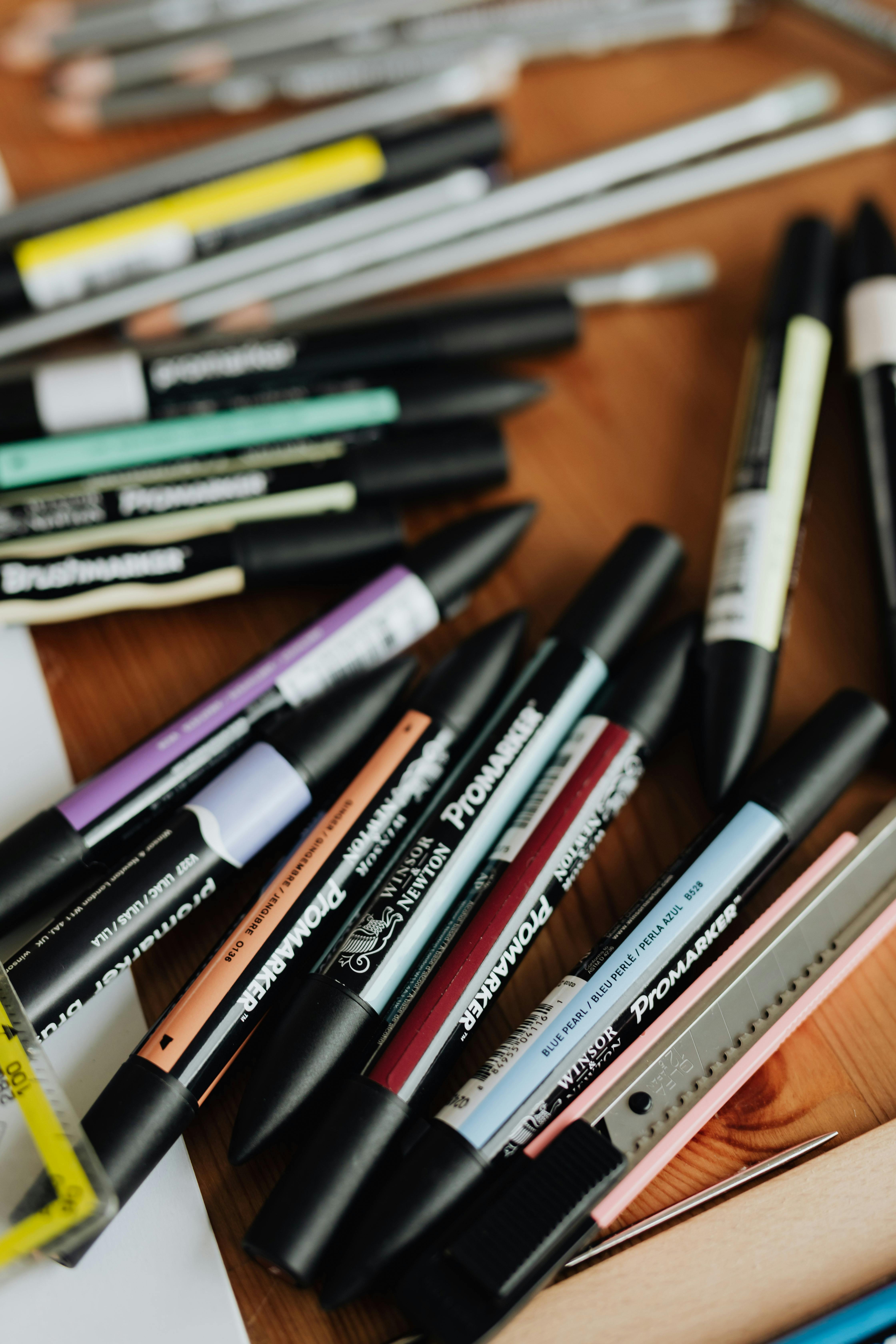
- Choose Your Tools: You can use brushes, pens, or even your fingers to apply the dots. The key is to keep the dots small and consistent. Fine-tipped brushes or dot markers are ideal for precision.
- Select Your Colors: Pointillism relies heavily on color theory. Choose colors that will blend well when viewed from a distance. Consider using a limited palette to maintain harmony.
- Plan Your Composition: Sketch out your design lightly before you start applying dots. This will help you stay organized and ensure a cohesive final image. Use a grid or guidelines if necessary to maintain proportions.
- Prepare Your Surface: Ensure your canvas or paper is smooth and primed to prevent the paint from bleeding or smudging.
- Practice on Scrap Paper: Before diving into your main project, practice your dot technique on a scrap piece of paper. This will help you get a feel for the pressure and spacing needed to create consistent dots.
Choosing the Right Materials
Selecting the right materials is crucial for achieving the desired results in pointillism. Different types of paint, such as acrylics, oils, and watercolors, offer unique advantages and challenges. Acrylics dry quickly and are easy to layer, while oils provide a richer texture and longer drying time for blending. Watercolors are great for creating a lighter, more translucent effect. Experimenting with different materials can help artists discover new techniques and achieve the desired visual impact.
Advanced Techniques
Once you’ve mastered the basics, you can explore more advanced techniques to enhance your pointillist artwork:
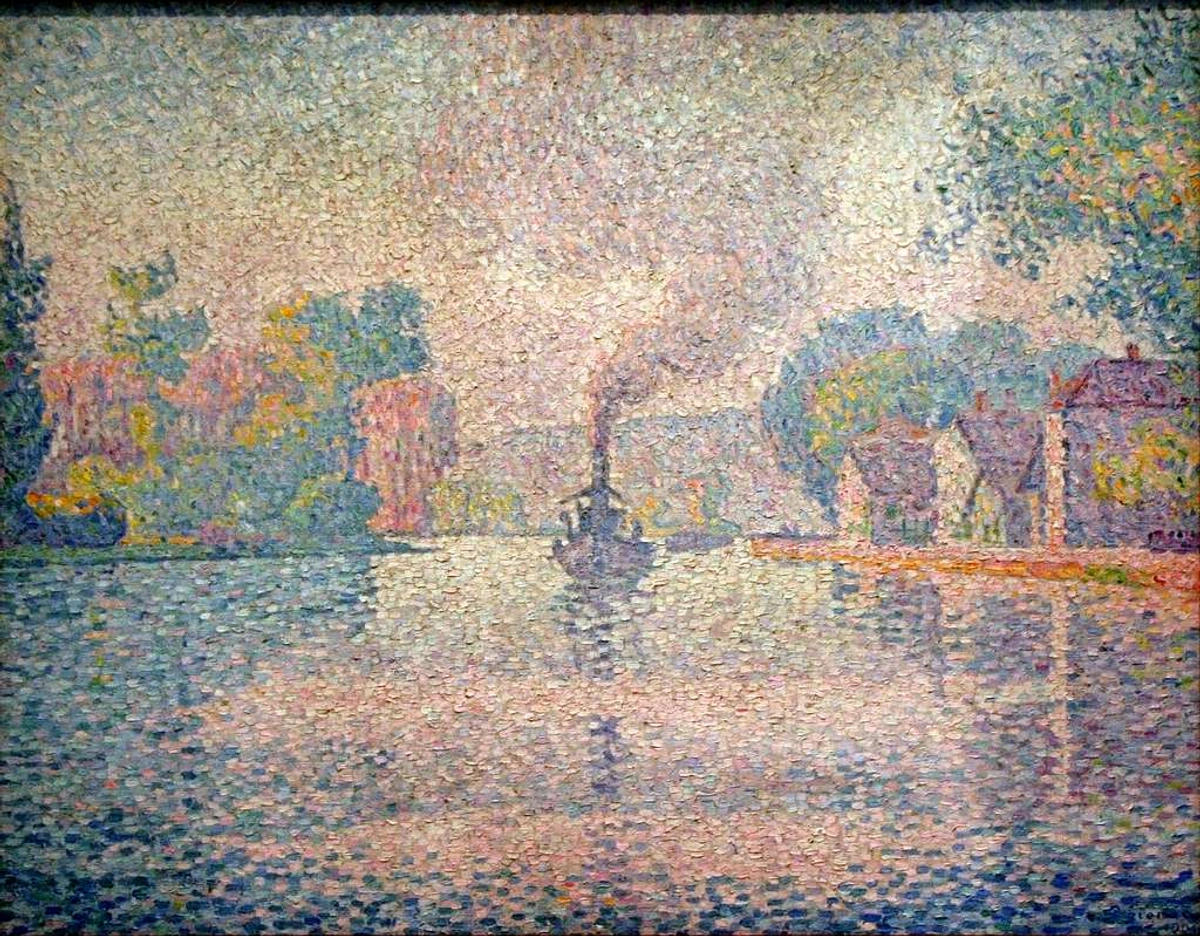
- Gradient Effects: Create smooth transitions between colors by gradually changing the density and placement of dots. This can add depth and realism to your artwork.
- Textural Variations: Experiment with varying dot sizes and spacing to create different textures. For example, larger dots can create a rougher texture, while smaller dots can create a smoother, more refined look.
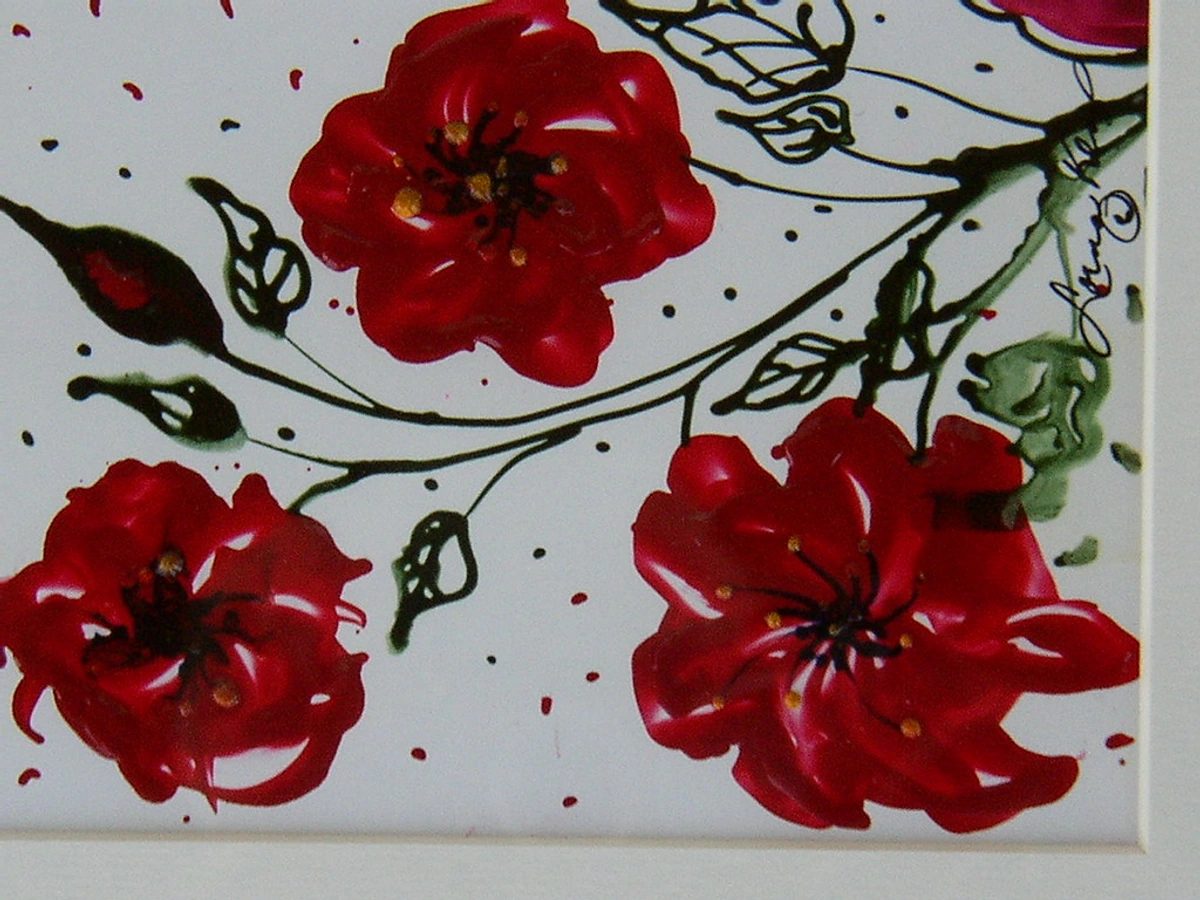
- Mixed Media: Combine pointillism with other artistic techniques, such as watercolor washes or ink outlines, to create unique and dynamic effects.
Applying the Dots
- Consistency is Key: Try to keep your dots uniform in size and spacing. This will help create a smooth, blended effect. Use tools like dot grids or stencils if you struggle with consistency.
- Layering: Apply multiple layers of dots to build up the intensity of the colors. This can create a sense of depth and dimension. Start with lighter colors and gradually add darker tones.
- Patience: Pointillism is a time-consuming process. Take your time and enjoy the meditative quality of the work. Break your project into smaller sections to avoid feeling overwhelmed.
- Experiment with Pressure: Varying the pressure on your brush or pen can create dots of different sizes, adding texture and interest to your piece.
- Use a Color Wheel: A color wheel can be a helpful tool for selecting colors that will blend well together. It can also help you understand how complementary colors can enhance the vibrancy of your painting.
The Importance of Lighting in Pointillism
Lighting plays a crucial role in the creation and perception of pointillist artworks. The way light interacts with the dots can significantly affect the overall appearance of the painting. Artists should consider the lighting conditions under which their work will be viewed and adjust their techniques accordingly. By understanding the role of lighting, artists can create works that are visually striking and engaging, regardless of the viewing conditions.
Creating Depth and Dimension
To create a sense of depth and dimension in your pointillist artwork, consider the following techniques:
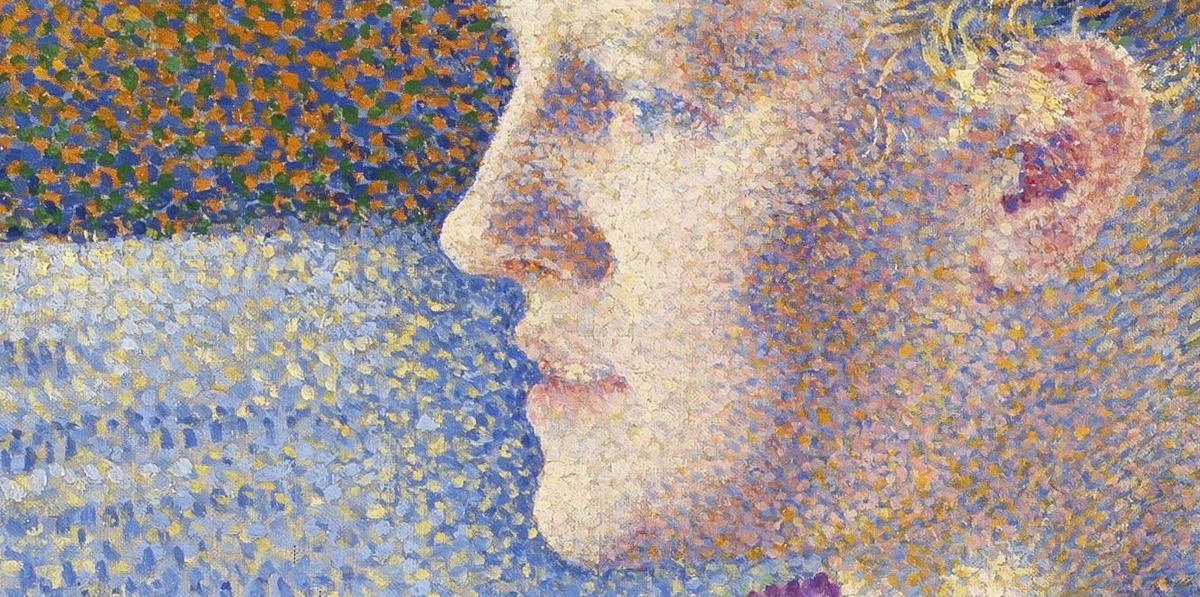
- Foreground and Background: Use larger, more densely packed dots for the foreground and smaller, more spaced-out dots for the background. This can create the illusion of distance and depth.
- Light and Shadow: Experiment with the placement of dots to create highlights and shadows. Lighter colors can be used for highlights, while darker colors can be used for shadows.
- Perspective: Use the principles of perspective to guide the placement of your dots. For example, dots that are closer together can create the illusion of objects that are closer to the viewer, while dots that are farther apart can create the illusion of objects that are farther away.
The Role of Composition in Pointillism
Composition is a fundamental aspect of creating compelling pointillist artworks. The arrangement of dots and the overall structure of the painting can significantly affect its visual impact. Artists should consider the principles of composition, such as balance, contrast, and unity, when planning their pointillist works. By understanding the role of composition, artists can create works that are visually engaging and harmonious.
Common Mistakes to Avoid
- Inconsistent Dot Size: Varying dot sizes can make your painting look uneven. Practice on a scrap piece of paper before starting your main project.
- Overblending: Remember, the blending happens in the viewer’s eye, not on the canvas. Avoid mixing colors on the palette; let the optical mixing do the work.
- Rushing: Pointillism requires patience. Rushing can lead to a messy, unfinished look. Take breaks to rest your hand and eyes.
- Ignoring Light Source: Forgetting to consider the direction of light can result in a flat image. Plan your highlights and shadows carefully.
- Overcomplicating the Design: Start with simple compositions and gradually work your way up to more complex designs.
- Using Too Many Colors: While it’s tempting to use a wide range of colors, sticking to a limited palette can help maintain harmony and cohesion in your painting.
Learning from Mistakes
Mistakes are a natural part of the learning process in pointillism. Instead of being discouraged by errors, artists should view them as opportunities to learn and improve. By analyzing mistakes and understanding their causes, artists can develop strategies to avoid them in the future. This process of learning from mistakes can help artists refine their techniques and achieve better results in their pointillist works.
Troubleshooting Tips
- Fixing Mistakes: If you make a mistake, let the paint dry and then carefully paint over it. Alternatively, scrape off the wet paint and start again.
- Maintaining Consistency: Use tools like dot grids or stencils to maintain consistent dot size and spacing.
- Avoiding Fatigue: Take regular breaks to avoid hand and eye strain. Pointillism is a meditative process, so enjoy the journey.
The Role of Practice in Pointillism
Practice is essential for mastering the techniques of pointillism. By regularly practicing their dot application and experimenting with different techniques, artists can improve their skills and achieve better results. Practice also helps artists develop their own unique style and approach to pointillism. By embracing the process of practice, artists can unlock their creative potential and create visually striking and engaging works.
Examples of Pointillism
Pointillism has been used to create some of the most iconic and visually stunning works of art. Below are a few examples that showcase the versatility and beauty of this technique.
The Evolution of Pointillist Techniques
The techniques used in pointillism have evolved over time, reflecting the changing artistic and cultural landscape. Early pointillist works focused on the principles of optical mixing and color theory, while contemporary artists have explored new ways to use the technique to create visually striking and engaging works. This evolution highlights the adaptability and enduring relevance of pointillism in the contemporary art world.
Iconic Pointillist Artworks
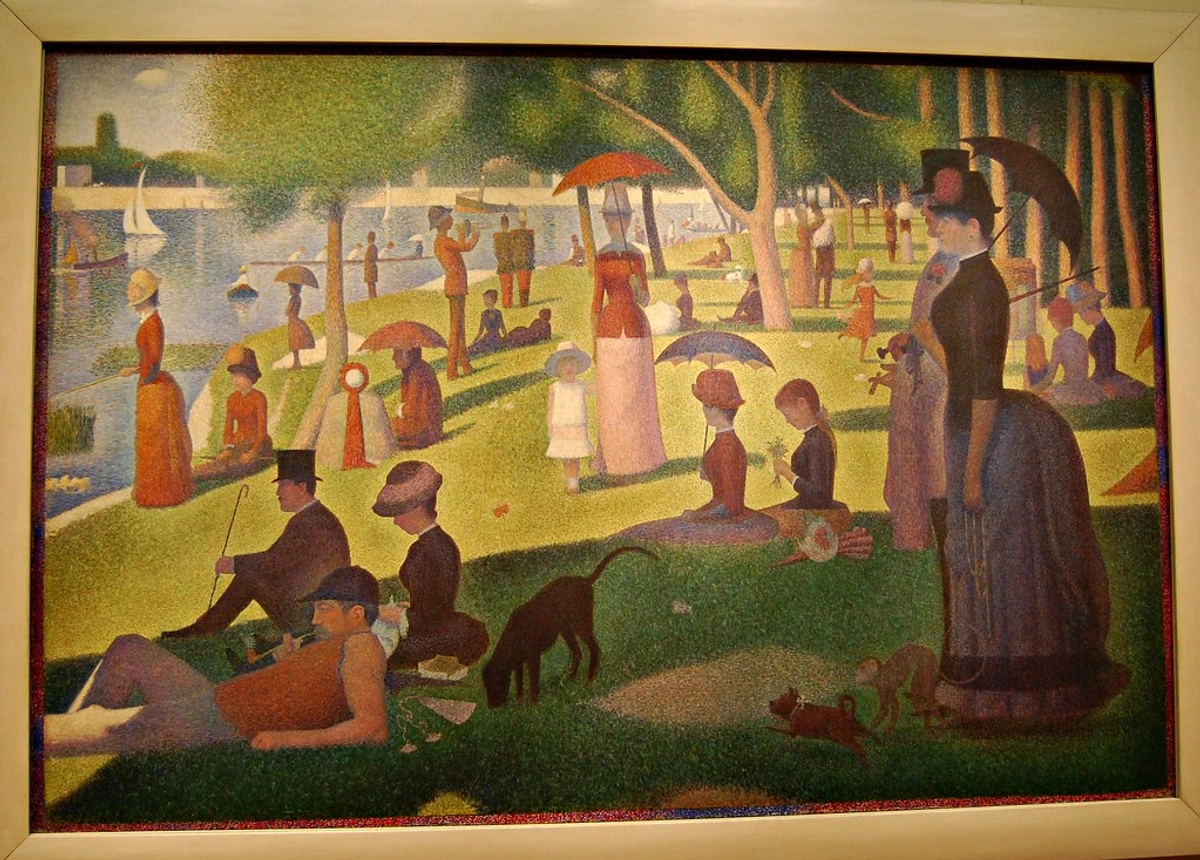
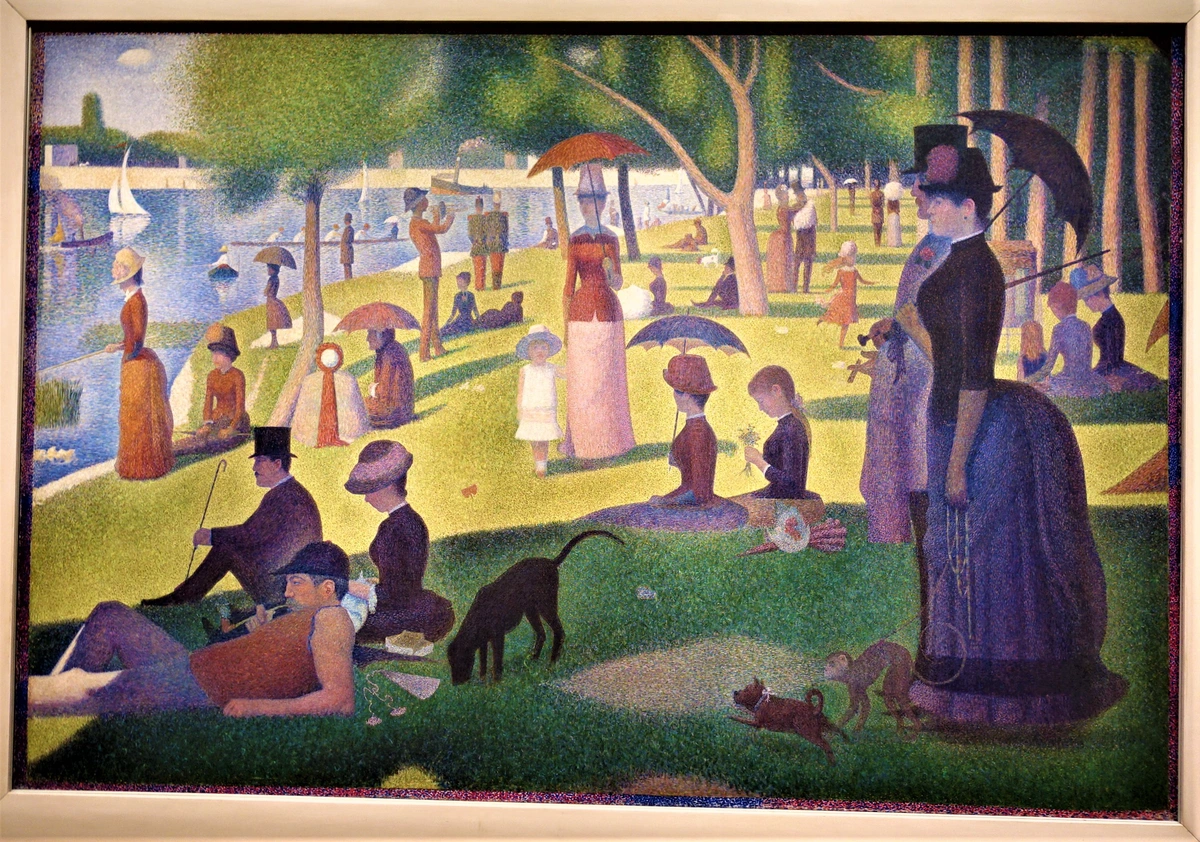
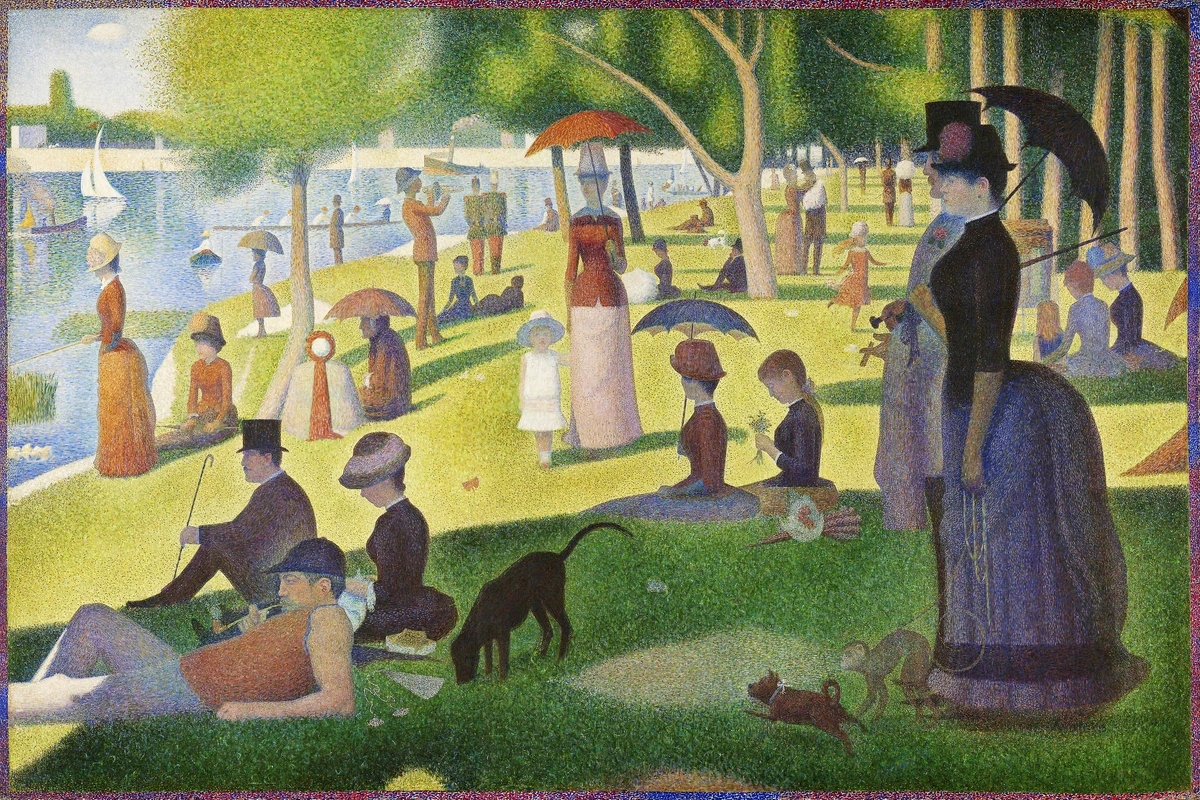
- "A Sunday Afternoon on the Island of La Grande Jatte" by Georges Seurat: This masterpiece is perhaps the most famous example of pointillism. Seurat spent over two years creating this piece, meticulously applying millions of dots to achieve its luminous effect.
- "The Papal Palace, Avignon" by Paul Signac: Signac’s work demonstrates the use of vibrant colors and intricate detailing, showcasing the potential of pointillism in landscape painting.
- "The Boulevard Montmartre at Night" by Camille Pissarro: Pissarro’s exploration of pointillism in this piece highlights the technique’s ability to capture light and movement in urban settings.
- "The Evening Air" by Henri-Edmond Cross: This painting is a stunning example of how pointillism can be used to create vibrant, almost glowing landscapes. Cross’s use of bold, contrasting colors brings the scene to life.
- "Portrait of Irma Sèthe" by Théo van Rysselberghe: This portrait showcases the versatility of pointillism, demonstrating how the technique can be used to create lifelike and emotionally resonant images.
The Influence of Iconic Artworks
These iconic pointillist artworks have had a significant impact on the art world. Their innovative techniques and unique approaches to color and perception have inspired countless artists and continue to influence contemporary art. By studying these works, we can gain a deeper understanding of the principles and techniques of pointillism and appreciate the enduring relevance of this art form.
Modern Applications
Pointillism isn’t just confined to traditional painting. Modern artists have adapted the technique to digital art, street art, and even tattoos. The principles of pointillism can be seen in pixel art, where individual pixels function similarly to dots in a pointillist painting.
The Role of Pointillism in Contemporary Art
Pointillism continues to play a significant role in contemporary art. Its principles have been applied to various forms of visual media, including graphic design, advertising, and film. By understanding the principles of pointillism, artists and designers can create visually striking and engaging works that resonate with audiences. This cultural impact highlights the enduring relevance of pointillism and its potential for creative expression in the modern world.
Digital Pointillism
With the advent of digital art tools, pointillism has found a new medium. Artists can now create pointillist works using software that allows for precise control over dot size, spacing, and color. This has opened up new possibilities for experimentation and creativity, making the technique more accessible than ever before.
The Future of Digital Pointillism
The future of digital pointillism is bright, with new tools and technologies continually expanding the possibilities for artistic expression. Digital artists can experiment with different techniques and achieve more precise and detailed results. This technological progress has expanded the possibilities for artistic expression and has contributed to the continued relevance of pointillism in the contemporary art world.

Street Art and Murals
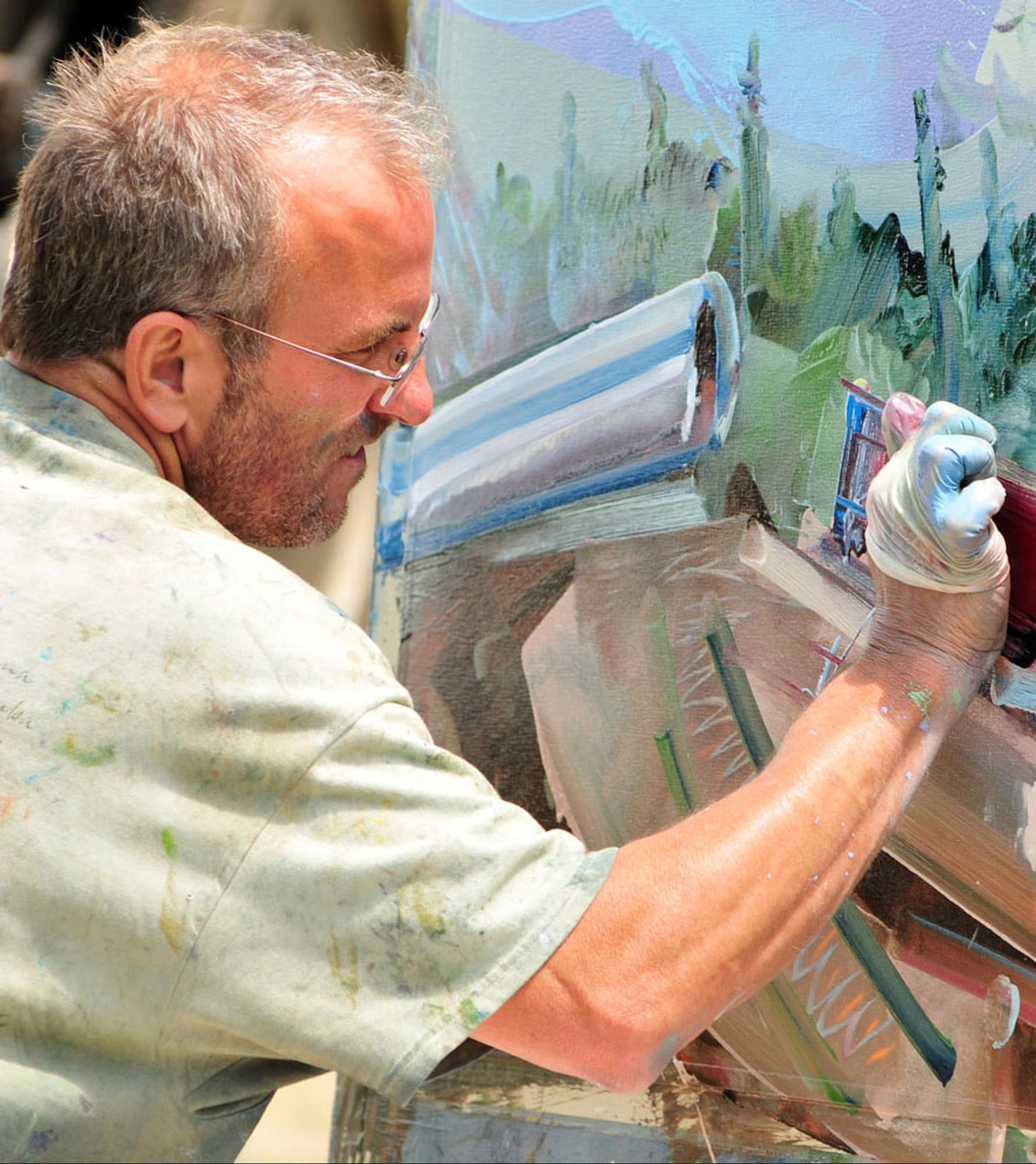
Pointillism has also made its way into the world of street art. Large-scale murals created using the pointillist technique can be found in cities around the world. These murals often use a combination of spray paint and stencils to create intricate, dot-based designs that are both visually striking and thought-provoking.
The Impact of Street Art
Street art has had a significant impact on the art world, bringing art to public spaces and making it accessible to a wider audience. Pointillist murals, with their intricate designs and vibrant colors, have become a popular form of street art. These murals not only beautify urban environments but also inspire viewers to engage with art in new and meaningful ways.
credit, licence
FAQ
What materials do I need for pointillism?
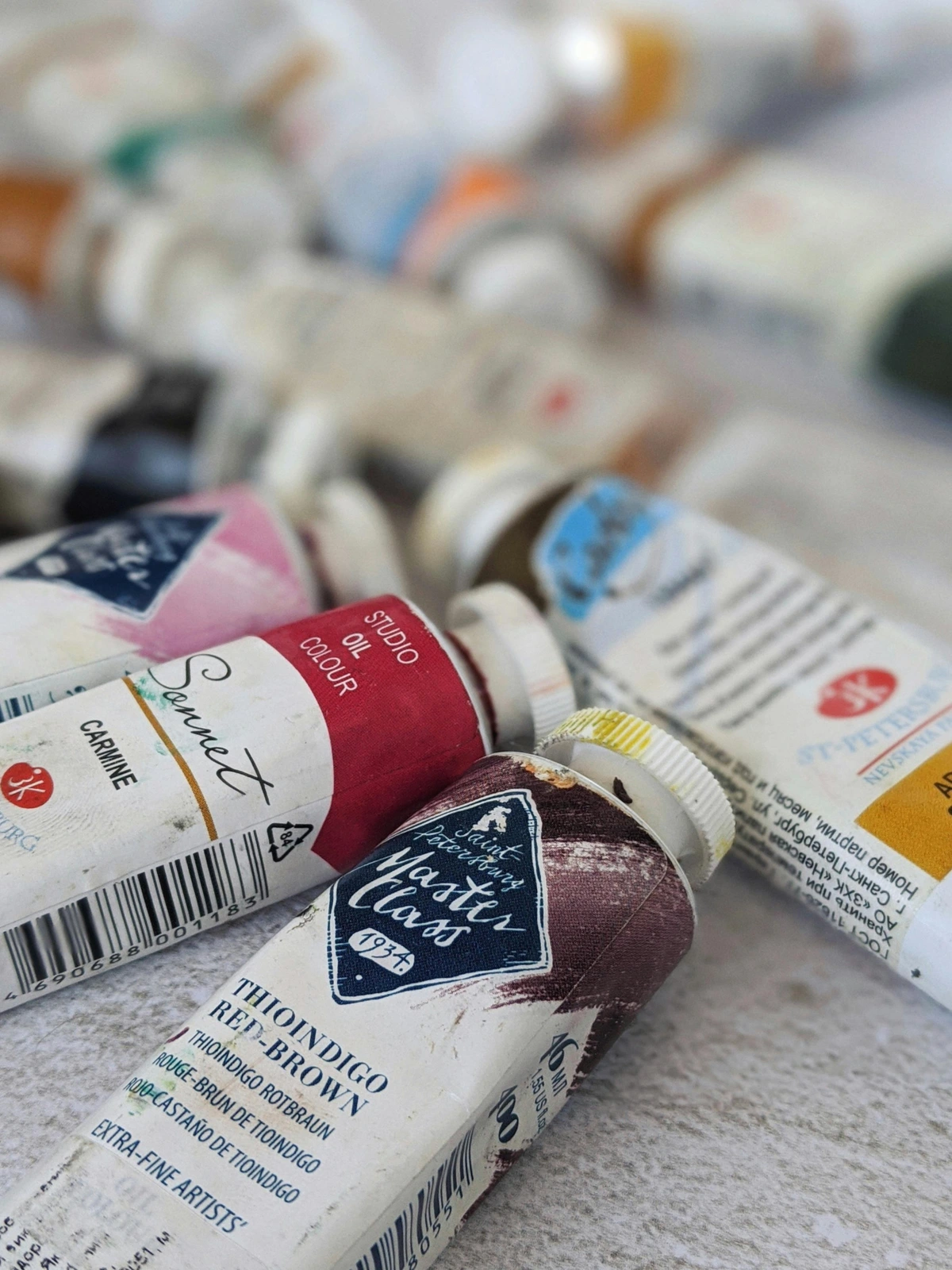
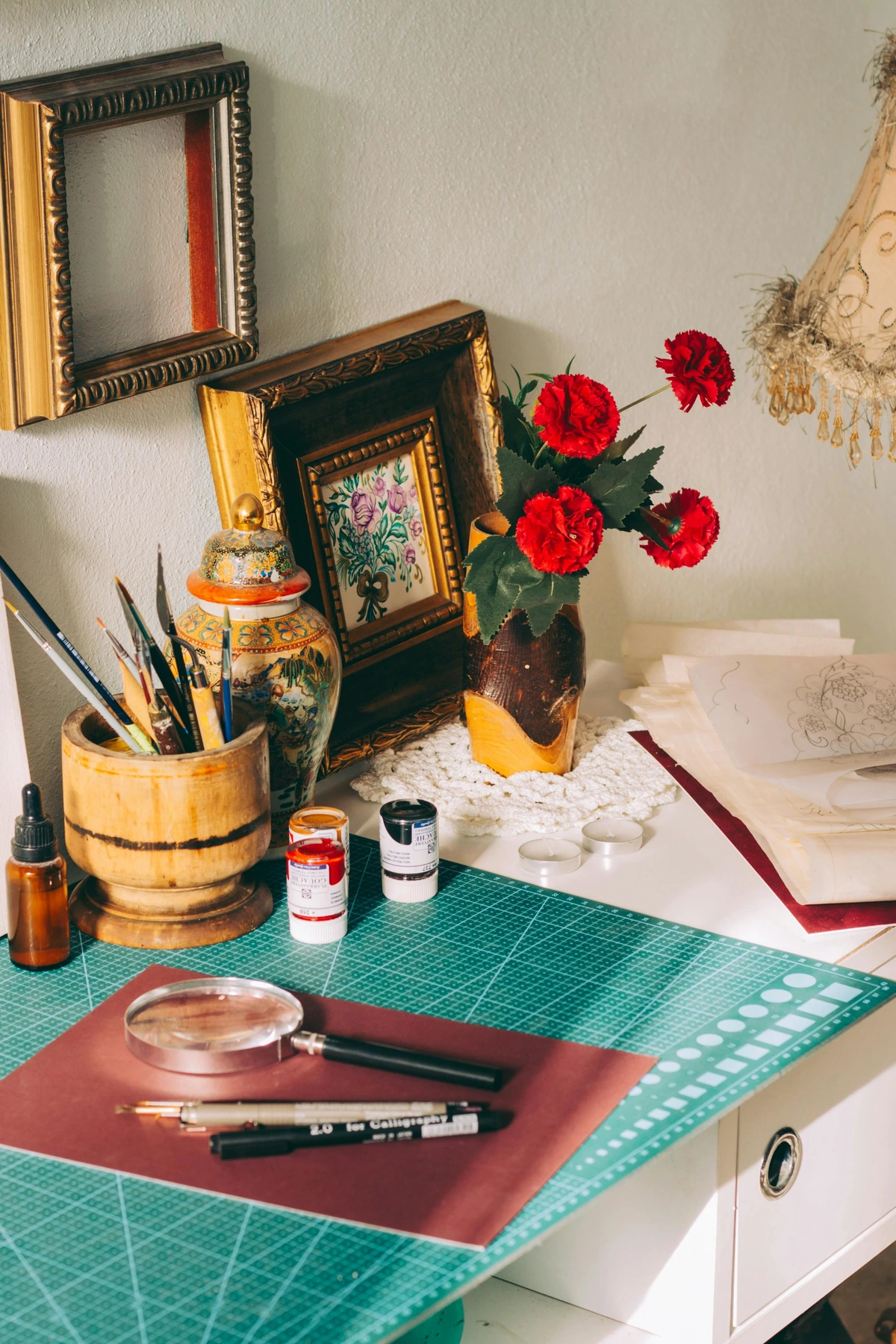
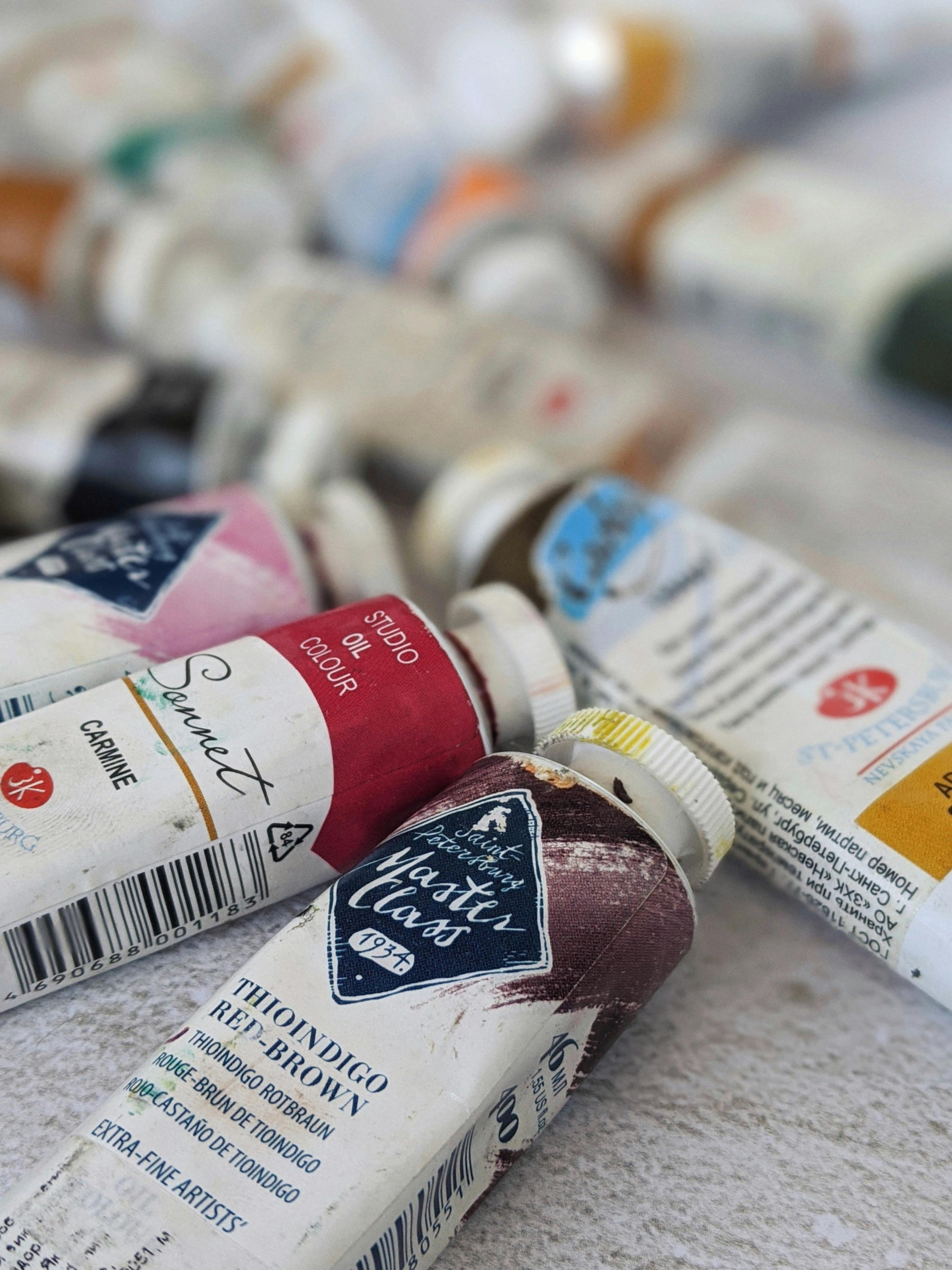
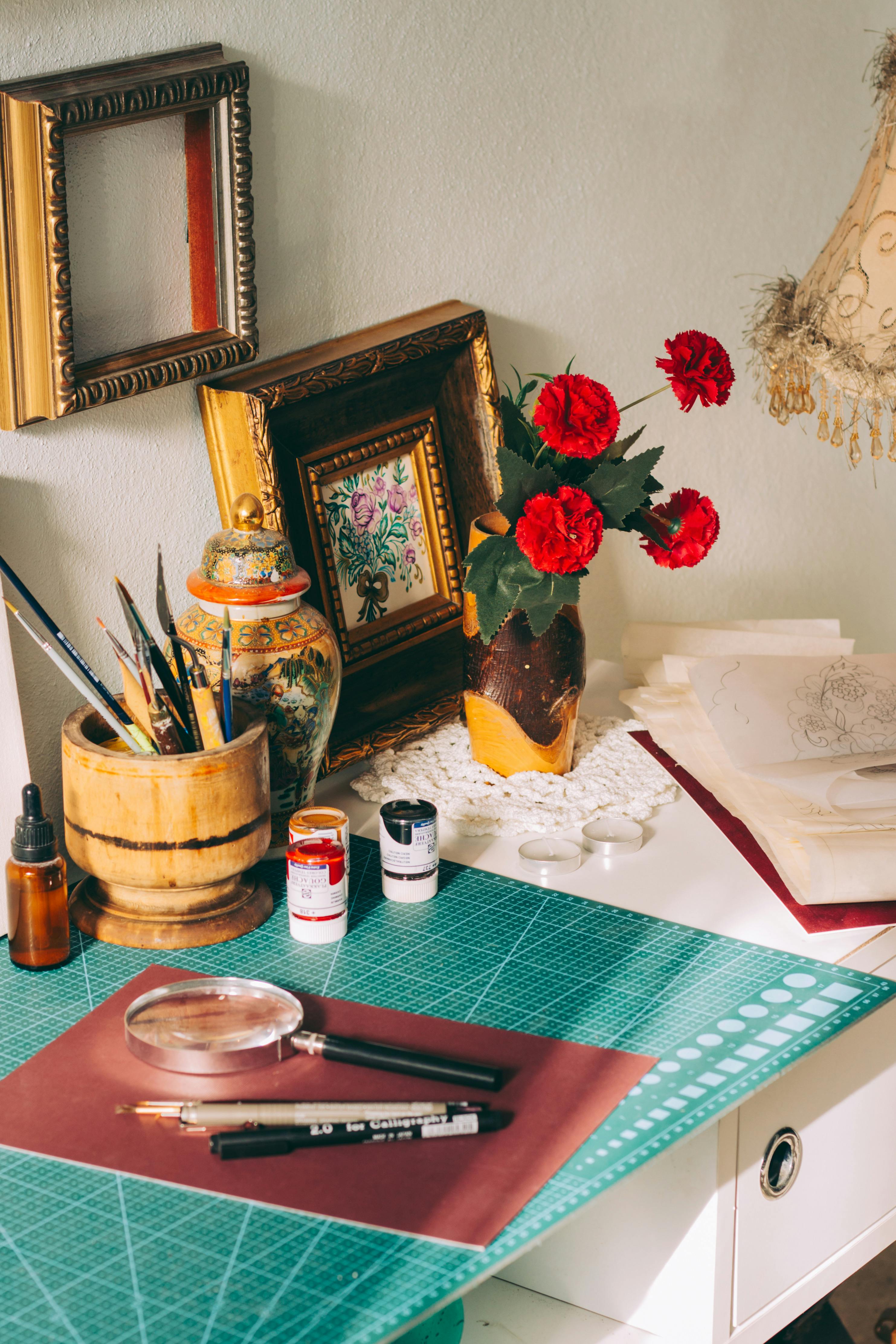
You’ll need a surface to paint on (canvas, paper, etc.), paints (acrylics, oils, or watercolors), and a tool to apply the dots (brushes, pens, or even your fingers). Additionally, consider using a magnifying glass or a grid to help with precision, especially for detailed work.
What are the best tools for pointillism?
The best tools for pointillism depend on the artist’s preferences and the desired results. Fine-tipped brushes, dot markers, and even fingers can be used to apply dots. Experimenting with different tools can help artists discover new techniques and achieve the desired visual impact. It’s important to choose tools that allow for precise control over dot size and spacing.
Can I use pointillism with digital tools?
Yes! Digital tools like graphic tablets and software such as Adobe Photoshop or Procreate can be used to create pointillist art. These tools allow for precise control over dot size, spacing, and color, making it easier to experiment with the technique.
What are the advantages of digital pointillism?
Digital pointillism offers several advantages, including the ability to experiment with different techniques and achieve more precise and detailed results. Digital tools also make it easier to correct mistakes and make adjustments, allowing artists to refine their work more efficiently. Additionally, digital pointillism can be more accessible to artists who may not have access to traditional art supplies.
How long does it take to complete a pointillist painting?
The time it takes can vary widely depending on the size and complexity of the painting. Some small pieces can be completed in a few hours, while larger, more detailed works can take weeks or even months. Factors such as the density of dots, the number of colors used, and the artist’s experience level all play a role in determining the timeline.
How can I speed up the pointillism process?
While pointillism is a time-consuming process, there are several strategies artists can use to speed up their work. Using tools like dot grids or stencils can help maintain consistency and reduce the time spent on each dot. Breaking the project into smaller sections and taking regular breaks can also help artists stay focused and avoid fatigue. Additionally, experimenting with different techniques and materials can help artists discover more efficient ways to achieve their desired results.
Can I mix pointillism with other techniques?
Absolutely! Many artists combine pointillism with other techniques, such as impressionism or abstract art. This can create unique and interesting effects, allowing you to explore new creative possibilities.
What are some examples of mixed media pointillism?
Mixed media pointillism can take many forms, from combining pointillism with watercolor washes or ink outlines to incorporating collage or digital elements. These techniques can create unique and dynamic effects, adding depth and complexity to the artwork. Experimenting with different materials and techniques can help artists discover new ways to use color, texture, and form to create visually striking and engaging works.
Can I use pointillism with any type of paint?
Yes, you can use acrylics, oils, or watercolors. Each type of paint has its own advantages and challenges, so choose the one that best suits your style and preferences. Acrylics dry quickly and are easy to layer, while oils offer a richer texture and longer drying time for blending. Watercolors are great for a lighter, more translucent effect.
What are the differences between acrylics, oils, and watercolors in pointillism?
The differences between acrylics, oils, and watercolors in pointillism lie in their properties and the effects they can achieve. Acrylics dry quickly and are easy to layer, making them ideal for artists who want to build up color intensity and depth. Oils offer a richer texture and longer drying time, allowing for more blending and subtle transitions. Watercolors are great for creating a lighter, more translucent effect, making them ideal for artists who want to achieve a softer, more delicate look.

Is pointillism suitable for beginners?
Absolutely! Pointillism can be a great way for beginners to learn about color theory and composition. Start with small, simple designs and gradually work your way up to more complex pieces. It’s a forgiving technique that allows for experimentation and growth.
What are some tips for beginners in pointillism?
For beginners in pointillism, it’s important to start with small, simple designs and gradually work your way up to more complex pieces. Practicing on scrap paper can help beginners get a feel for the pressure and spacing needed to create consistent dots. Additionally, using tools like dot grids or stencils can help maintain consistency and reduce the time spent on each dot. By embracing the process of practice, beginners can unlock their creative potential and create visually striking and engaging works.

How do I fix mistakes in a pointillist painting?
Mistakes are a natural part of the learning process. If you make a mistake, you can either let it dry and paint over it or carefully scrape off the paint while it’s still wet. Remember, every mistake is an opportunity to learn and improve.
What are some common mistakes in pointillism?
Common mistakes in pointillism include inconsistent dot size, overblending, rushing, ignoring the light source, overcomplicating the design, and using too many colors. By being aware of these mistakes and understanding their causes, artists can develop strategies to avoid them in the future. This process of learning from mistakes can help artists refine their techniques and achieve better results in their pointillist works.
How do I choose colors for my pointillist painting?
Consider the color wheel and how different colors interact with each other. Complementary colors (those opposite each other on the color wheel) can create vibrant, eye-catching effects. Additionally, think about the mood you want to convey—warm colors like reds and yellows evoke energy, while cool colors like blues and greens create a calming effect.
What are some tips for choosing colors in pointillism?
When choosing colors for a pointillist painting, it’s important to consider the color wheel and how different colors interact with each other. Complementary colors can create vibrant, eye-catching effects, while analogous colors can create a sense of harmony and balance. Additionally, thinking about the mood you want to convey can help guide your color choices. Warm colors like reds and yellows evoke energy, while cool colors like blues and greens create a calming effect.
What are some common themes in pointillist art?
Pointillist art often explores themes of light, nature, and everyday life. Many pointillist paintings depict landscapes, portraits, and scenes of leisure, capturing the beauty and complexity of the world around us.
How can I incorporate themes into my pointillist art?
Incorporating themes into pointillist art involves exploring the subject matter and using color, texture, and form to convey the desired message. Artists can draw inspiration from their surroundings, personal experiences, and cultural influences to create works that resonate with viewers. By understanding the principles of pointillism and experimenting with different techniques, artists can develop their own unique style and approach to incorporating themes into their work.

Conclusion
Pointillism is more than just a technique—it’s a way of seeing the world in a new light. It’s about patience, precision, and the magic of how our eyes perceive color. Whether you’re a seasoned artist or just starting out, pointillism offers a unique and rewarding challenge. So grab your paints and start dotting—you might just create something extraordinary.
If you’re inspired to try your hand at pointillism, check out our collection of art supplies to get started. And if you’re ever in Den Bosch, be sure to visit our museum to see some incredible examples of pointillist art up close.












Further Exploration
Pointillism is a gateway to understanding the deeper connections between art and science. It invites you to explore the boundaries of perception and creativity. Whether you’re drawn to its meditative process or its vibrant results, there’s always more to discover. Happy dotting!
The Future of Pointillism
The future of pointillism is bright, with new tools and technologies continually expanding the possibilities for artistic expression. As artists continue to explore the boundaries of perception and creativity, pointillism will remain a source of inspiration and innovation. By embracing the principles of pointillism and experimenting with new techniques, artists can create visually striking and engaging works that resonate with audiences and contribute to the evolution of contemporary art.