
The Curator's Ultimate Guide to the 6 Most Iconic Baroque Artists & Their Masterpieces
Unlock Baroque's explosive drama with our definitive guide to 6 iconic masters: Caravaggio, Bernini, Rembrandt, and more. Explore revolutionary techniques, profound psychological depth, and the enduring legacy of intense emotion and grandeur, all through a curator's lens.

The Curator's Ultimate Guide to the 6 Most Iconic Baroque Artists: Drama, Emotion, and the Art That Moves You
I remember standing in a dimly lit gallery, and suddenly, a colossal canvas erupted before me – not just a scene, but an experience. It pulsed with an energy, a raw emotion, a dynamic composition that immediately drew me in, almost physically pulling me forward. That was my first real, visceral encounter with the Baroque, and it felt like the entire room transformed into a vibrant, emotional symphony, demanding my full attention. That raw, undeniable energy, the way Baroque artists manipulate space and emotion – it still reminds me of my own attempts to capture that same sense of dynamic composition and emotional resonance in my abstract work. For me, it's art that truly moves you, physically and spiritually, often evoking a sense of profound wonder, or meraviglia, as the Italians called it. In this guide, we'll not only unravel the explosive characteristics that defined this era but also celebrate the six titans who masterfully wielded its power, exploring their lives, their art, and the enduring legacy they left behind.
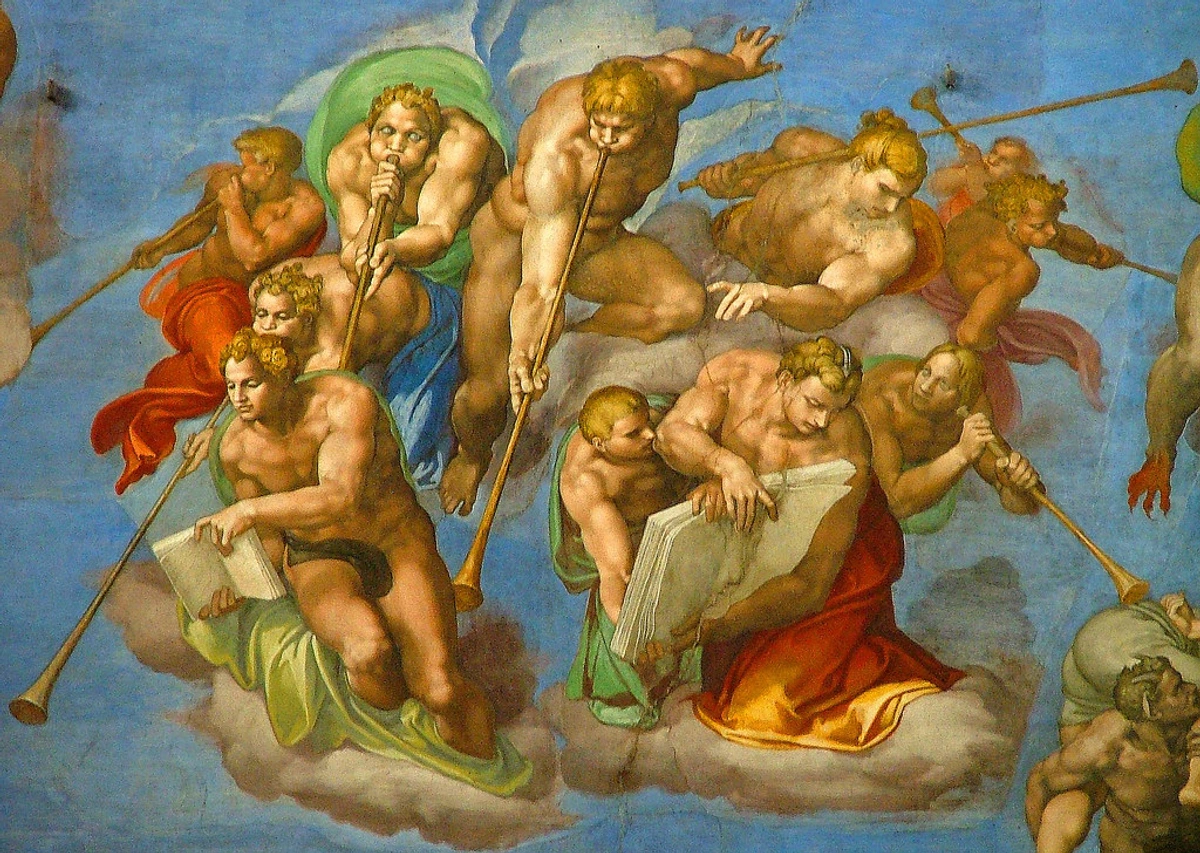
Step into the 17th century, a time that decided the calm balance of the High Renaissance was, frankly, a touch too serene for its own good. Where famous Renaissance artists like Raphael sought harmony, clarity, and idealized forms, the Baroque instead unleashed an explosion of emotion, audacious movement, and sheer, unapologetic grandeur. As a curator, I find the Baroque period to be one of the most compelling chapters in art history. It's an art of persuasion, designed to awe, inspire, and connect with the viewer on a deeply human – and often visceral – level. What an era, a true spectacle, powered by profound historical shifts!
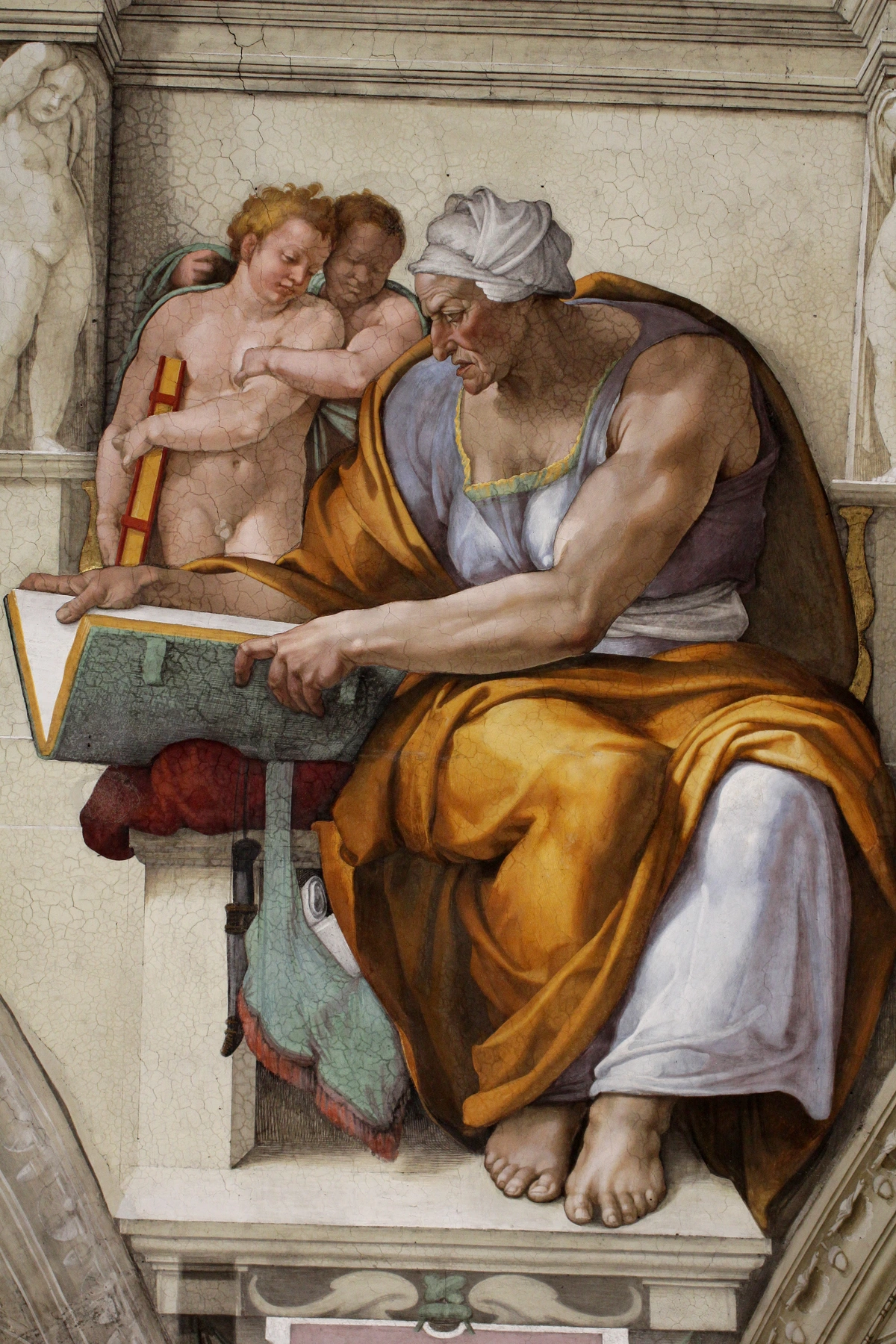
The Roar of the 17th Century: Shaping Baroque's Soul
To truly grasp the genius of these masters and the essence of Baroque art characteristics, we must first understand the very soul of the Baroque – its defining traits, born from a turbulent century. From a curator's viewpoint, what's most striking about Baroque art is its unyielding pursuit of dramatic impact, often challenging our very perception of reality, almost as if the artwork itself is a grand stage inviting you onto its planks.
A Powder Keg of Change: Patrons and Power
To put it mildly, the 17th century was a bit of a powder keg, and powerful patrons actively shaped its art. On one side, the Catholic Counter-Reformation, ignited by the Council of Trent, furiously sought to reclaim souls lost to Protestantism. This wasn't just about theology; it was about public image. The Church desperately needed art that could communicate doctrine, inspire fervent devotion, and reclaim believers in a powerful, immediate way. Key figures like Pope Urban VIII became ardent patrons, guiding the artistic direction through specific directives and generous commissions that prioritized emotional impact and grand spectacle, acting almost as artistic collaborators who dictated subjects and even influenced style. Their unwavering support for artists like Bernini and Caravaggio fundamentally shaped the artistic landscape of Rome.
On the other, ambitious monarchs were consolidating power, viewing themselves as divinely appointed rulers whose authority was absolute. Louis XIV, the 'Sun King' of France, is the quintessential example, meticulously using art and architecture to project immense power and divine right (the belief that a monarch's power derived directly from God). Both the Church and royalty became enthusiastic patrons, commissioning art that was not just beautiful, but persuasive, majestic, and emotionally resonant. The sheer scale of these commissions speaks to a deep belief in art's power to shape minds and loyalties, creating an unprecedented demand for Baroque art patrons.
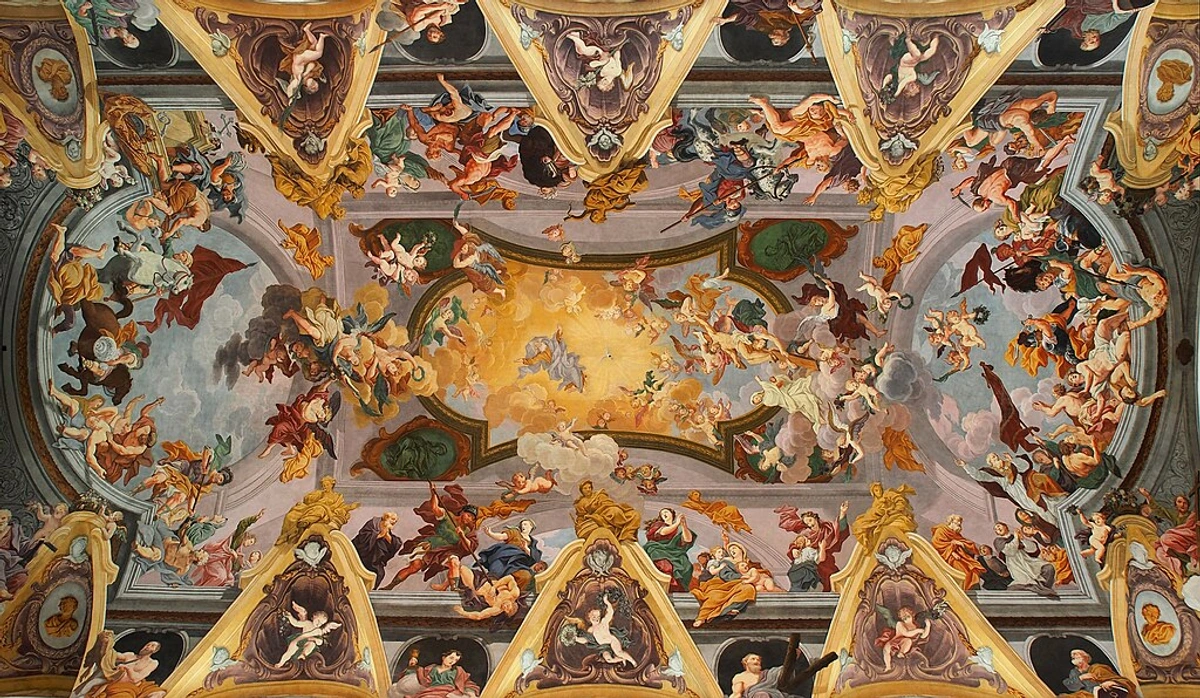
This era also saw incredible advancements in science, optics, and astronomy, with figures like Galileo Galilei and Johannes Kepler challenging traditional views of the cosmos. This spirit of inquiry subtly informed the Baroque's fascination with light, perspective, illusion, and the vast, often mysterious, unknown universe, constantly challenging and expanding human perception. For instance, new understandings of light's behavior influenced the dramatic use of chiaroscuro, and the perception of vast space informed grand, illusionistic ceiling frescoes that seemed to dissolve architectural barriers, inviting the viewer into infinite celestial realms. This pursuit of the sublime – a feeling of awe mixed with a touch of terror and vastness – also resonated strongly with the scale and intensity of Baroque works, making the viewer feel simultaneously minuscule yet part of something immense. Artists explored how light behaved, how space could be manipulated, and how to create illusions that mirrored newfound scientific understanding of the world.
Unraveling the Baroque: Key Characteristics Through a Curator's Eye
I always tell people, if the Renaissance whispered, the Baroque shouted. It embraces a set of key characteristics that make it instantly recognizable, almost as if the art itself is inviting you onto a grand stage:
Drama and Emotion
Baroque art seeks to evoke intense feeling, capturing peak moments of agony, ecstasy, or surprise. It's a vehicle for profound human experience, often pushing the boundaries of what was considered acceptable expression. Think of a scene caught at its most volatile, emotionally charged climax, designed to stir the soul to its depths. This raw emotional intensity was frequently coupled with a dynamic sense of movement, making the viewer a participant in the unfolding drama.

Movement and Energy
Figures are rarely static; they twist, turn, and surge, often arranged in dynamic diagonal compositions that draw your eye across the canvas or sculpture, much like following the path of a rollercoaster. It's not just about depicting movement, but creating a sense of continuous, unfolding action, pushing figures out of their rigid frames. Think dramatic foreshortening, where figures seem to burst out of the picture plane and into your space, almost like a person suddenly looming large as they rush towards you, creating an immediate, confrontational presence and pulling you directly into the action. This dynamic energy was often married to a grand sense of scale, designed to overwhelm.
Grandeur and Scale
Many Baroque works are monumental, designed to fill vast spaces in churches, palaces, and public squares, literally overwhelming the viewer with their magnificence. The goal was to inspire awe and humility, but also to assert the unquestionable authority of the patron, whether divine or royal. As a curator, I'm always struck by the feeling of being dwarfed, yet utterly captivated, by these monumental pieces. The sheer ambition often lent itself to theatrical displays, transforming architectural spaces into stages.
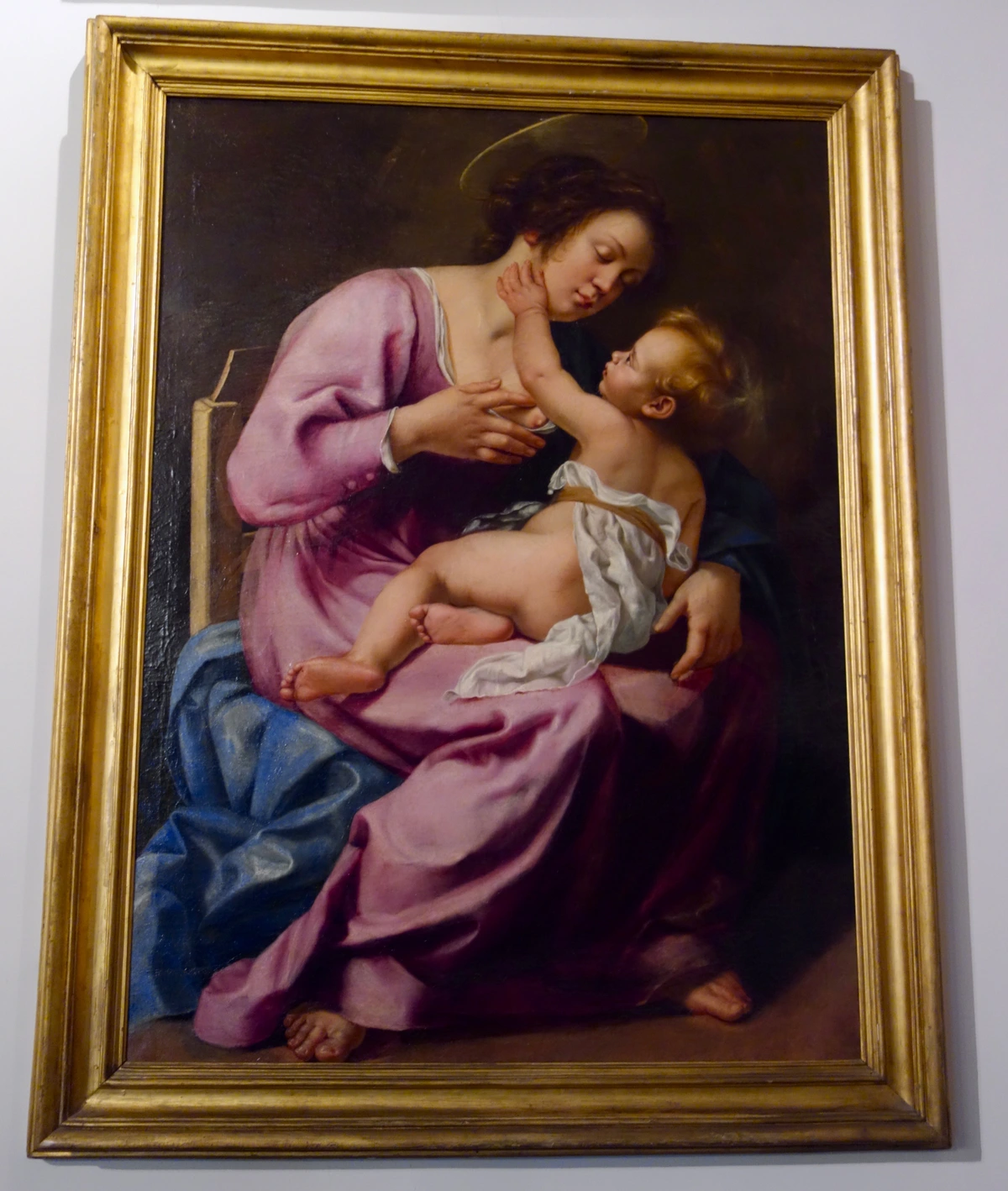
Theatricality and Illusionism
This art demands your participation. Painters often use clever techniques to break the picture plane, making figures seem to burst into your space, almost as if they are stepping out of the canvas and into your room. This is achieved when elements of the artwork extend visually beyond its flat boundaries, blurring the distinction between the depicted space and our own. Architects created stunning trompe l'oeil ceilings – a painted dome that appears to open into an infinite, cloud-filled heaven – tricking your eye, much like a magician’s illusion. It’s almost like the fourth wall has broken, and you've stepped onto a grand, divine stage yourself, an experience of total immersion. This theatricality was amplified by the masterful use of light and shadow, key to creating believable illusions.
Intense Light and Shadow (Chiaroscuro & Tenebrism)
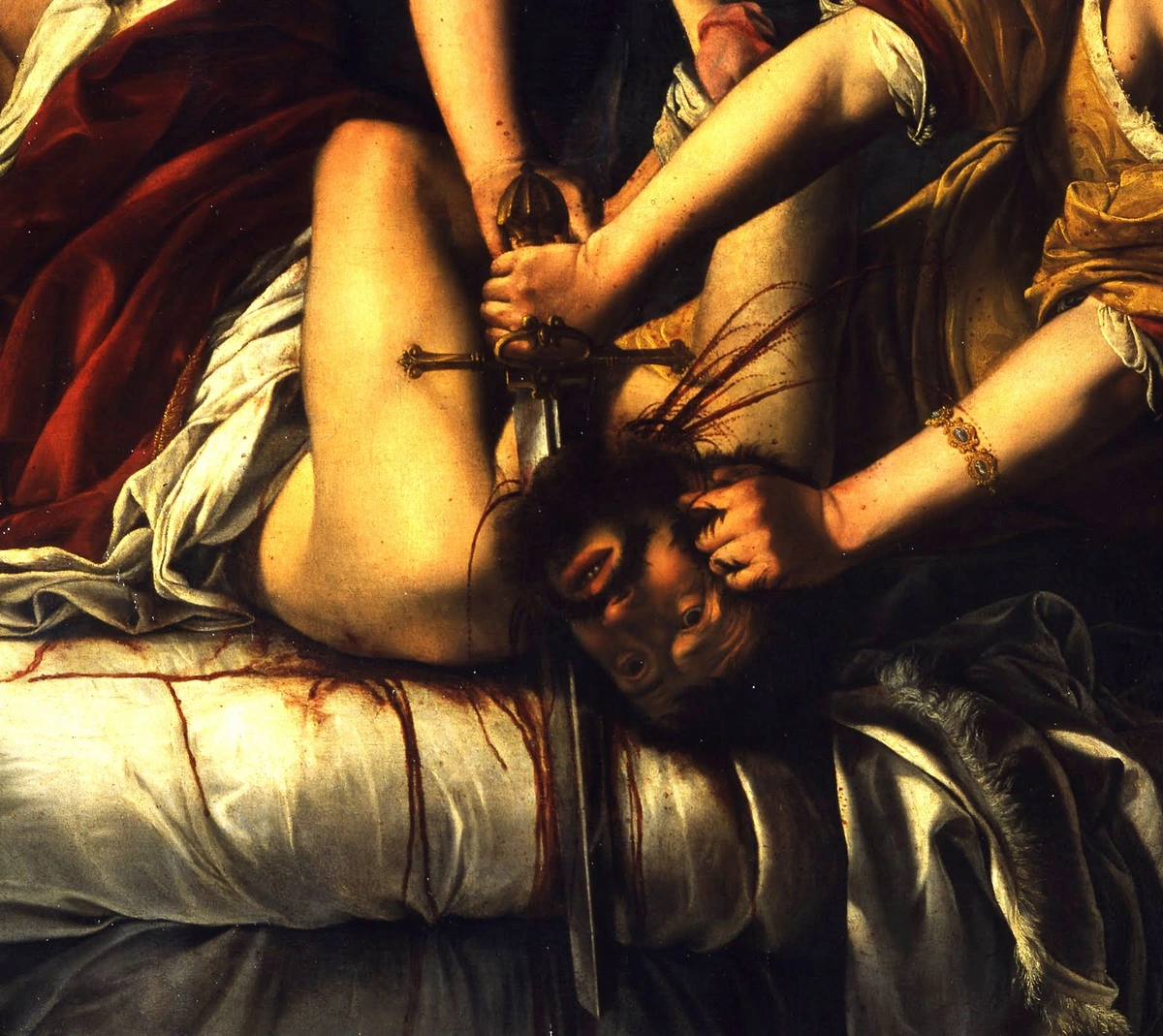
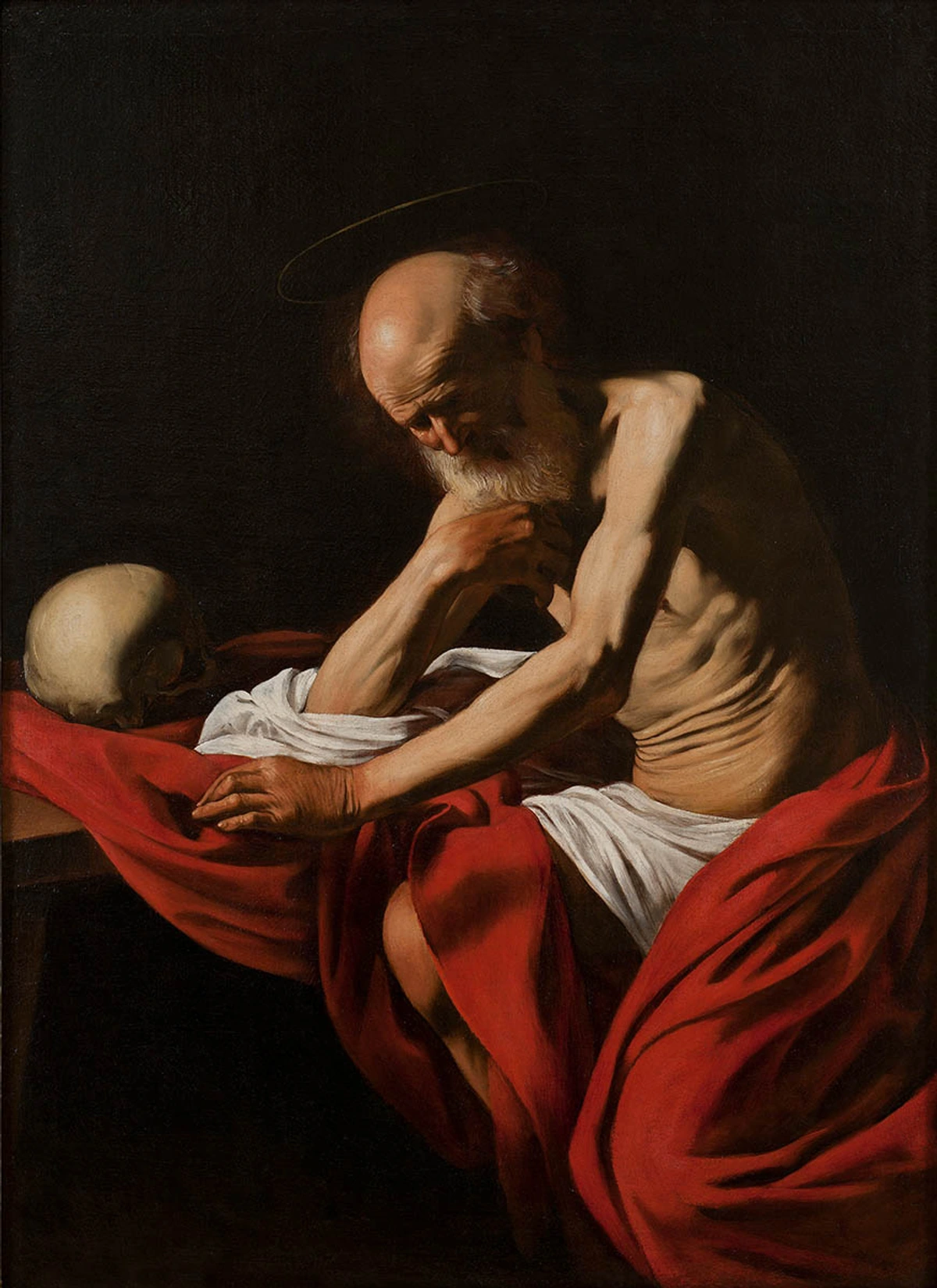
This is where the magic really happens, often employed for profound psychological effect. We're talking about chiaroscuro – the dramatic contrast between light and dark – used not just for volume, but for intense emotional impact, creating carefully sculpted light. And then there's its more extreme cousin, tenebrism, where deep shadows dominate almost the entire composition, and only a few elements are brightly illuminated, creating an almost spotlight effect that amplifies the drama and focuses attention with stark, often brutal, clarity. It’s a technique that can make a scene feel incredibly real, but also intensely spiritual, revealing character and emotion with stark immediacy. I often find myself mesmerized by how these masters used light not just to illuminate, but to reveal the inner turmoil or divine grace of their subjects. It’s a technique that still challenges me in my own studio, pushing me to consider how light shapes perception and feeling.
Heightened Realism & Psychological Depth
Beyond surface drama, Baroque artists increasingly delved into the complex inner lives of their subjects, particularly in portraiture. This contrasted with the more idealized, generalized emotions of the Renaissance, presenting figures with a newfound vulnerability, introspection, or intense spiritual struggle, inviting viewers to connect on a deeply empathetic level. This focus on interiority offered a richer, more humanistic portrayal of figures, from saints to civic guards, making the sacred profoundly human and the human profoundly resonant.
This artistic revolution wasn't just about aesthetics; it was a profound shift in how art engaged with its audience, transforming viewing into an immersive, often overwhelming, experience. It demanded participation, not just observation. If you want to dive deeper into these overarching movement characteristics, check out our definitive guide to Baroque art.
The Titans of Drama: Six Baroque Masters Who Redefined Art
Having explored the context and defining characteristics that make the Baroque so powerful, let's now meet the titans who sculpted its visual language, becoming the most famous Baroque painters and sculptors in history. What happens when art confronts you with the raw, unvarnished truth of the human condition, or makes marble weep with emotion? These masters each took the Baroque's core principles and bent them to their unique genius.
1. Caravaggio: The Rebel with a Spotlight
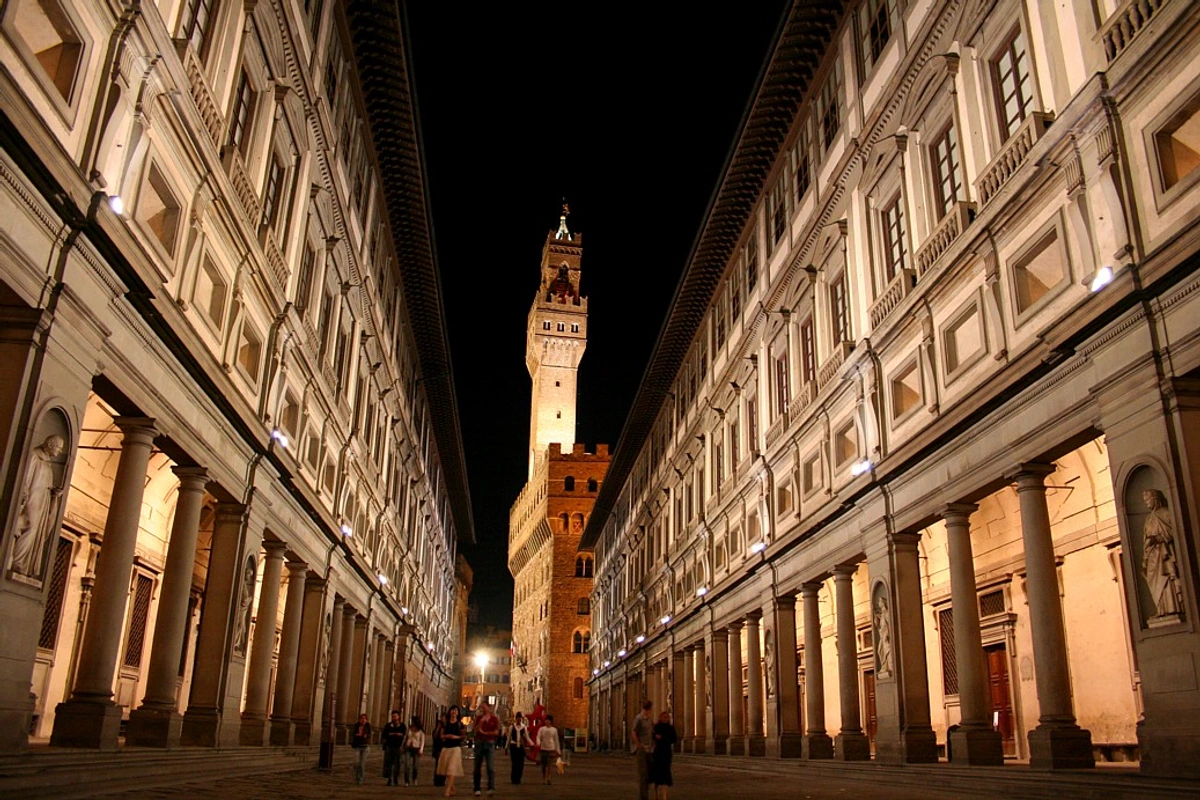
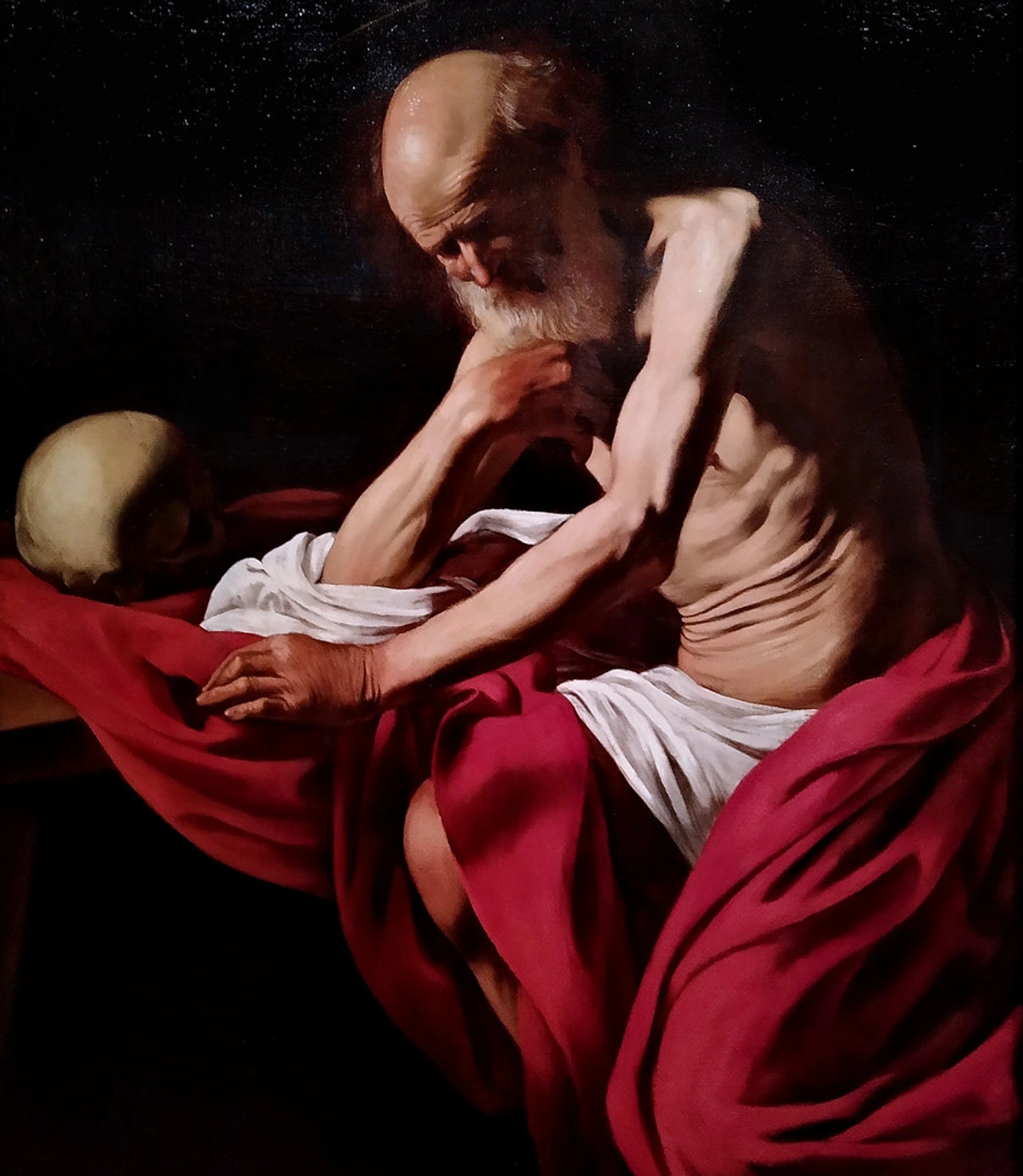
Caravaggio, where do I even begin? His life was messy, tumultuous, and utterly captivating—just like his art. Born Michelangelo Merisi da Caravaggio in Milan, he trained in Lombardy before arriving in Rome, where his revolutionary style would truly blossom. He was a revolutionary and a rogue, a man who truly weaponized light. His signature technique, tenebrism, uses extreme contrasts of light and dark (chiaroscuro) to create intensely theatrical scenes. He didn't just paint shadows; he carved them out of darkness, using light like a theatrical spotlight to expose humanity in its rawest form. When you stand before a Caravaggio, the light feels like a physical force, cutting through the gloom to seize your attention, revealing a profound moment with startling immediacy. It's almost as if the light itself is an actor in the drama, forcefully guiding your eye and emotions.
He plucked his models from the gritty streets of Rome—laborers, courtesans, and vagabonds—and cast them as saints and martyrs, grounding sacred stories in a raw, undeniable reality. Imagine the scandal! This radical approach, using ordinary people for holy subjects, often shocked the pious sensibilities of the day. His work was controversial, yes, but immensely influential, inspiring a whole generation known as the "Caravaggisti" who sought to emulate his dramatic flair. Artists like Artemisia Gentileschi, Orazio Gentileschi, and Bartolomeo Manfredi adopted his powerful realism and dramatic lighting, though each infused it with their own distinct interpretations. Artemisia Gentileschi, for example, often depicted strong female figures from biblical narratives, imbuing them with a raw emotional intensity and agency that spoke to her own experiences, going beyond mere imitation.
- In The Calling of Saint Matthew, a single, intense beam of light cuts through the darkness, dramatically illuminating Matthew's face and hand as Christ calls him. The light acts as a divine intervention, made shockingly real and intimate, isolating the moment of spiritual awakening.
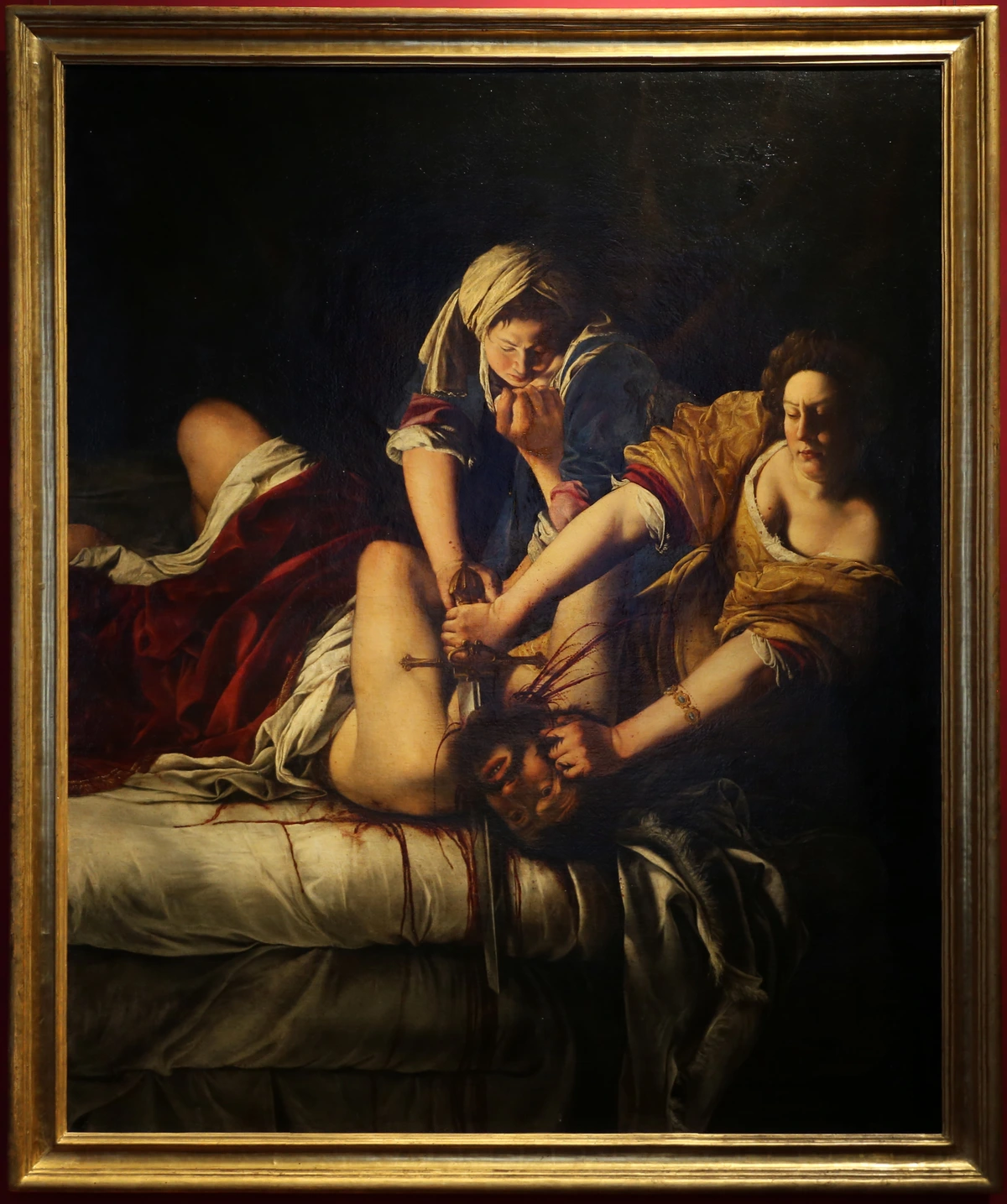
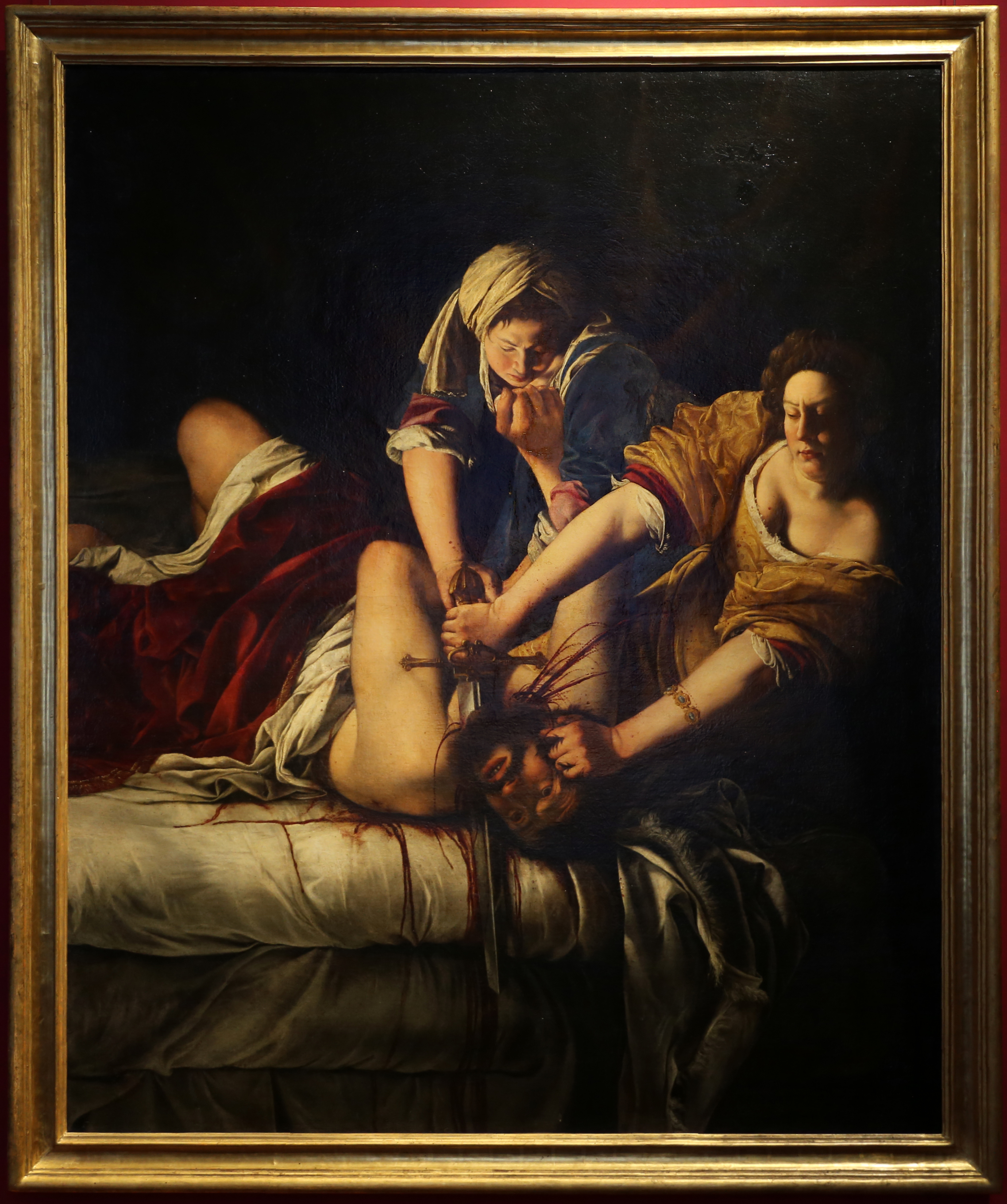
- Then there's Judith Beheading Holofernes, a scene of brutal, visceral violence rendered with unflinching realism, where the light spotlights the grim determination on Judith’s face and the horror of the act. The blood almost seems to spatter into your own space, creating a chilling immediacy.
You can learn more in our ultimate guide to Caravaggio.
Key Characteristics of Caravaggio's Art:
- Tenebrism: Plunging large areas of the canvas into profound darkness, with figures emerging from it as if illuminated by a single, powerful beam, creating high contrast and intense drama.
- Gritty Realism: Depicting religious figures with unflinching, often raw, human detail, emphasizing their physical and emotional vulnerability, connecting the divine to everyday life and making sacred stories relatable.
- Dramatic Foreshortening: Creating a sense of figures bursting out of the canvas towards the viewer, enhancing the immediacy and often confronting the audience directly, pulling them into the action.
What do you think made his radical approach so controversial yet so profoundly influential? For me, it was his courage to portray the sacred as unflinchingly human.
2. Gian Lorenzo Bernini: Marble Made to Weep
If Caravaggio masterfully painted drama, Gian Lorenzo Bernini sculpted it into being, and then built the very stages for it! A true prodigy and successor to Michelangelo, Bernini was the undisputed master of Baroque sculpture and Baroque architecture. Working primarily in Rome for the papal court, notably for fervent patrons like Cardinal Scipione Borghese, he understood marble better than anyone, making it appear as soft as flesh and as fluid as water. His sculptures are never static; they are whirlwinds of emotion and movement, designed to be viewed from multiple angles to reveal an unfolding narrative. I often think he understood the human body, and the marble that contained it, better than anyone – the folds of drapery ripple like cloth, the expressions convey anguish and joy writ large. He achieved this astonishing realism through meticulous carving techniques, often employing deep undercutting to create dramatic shadows and highlight the illusion of depth, and highly polished surfaces to mimic the sheen of skin. You don't just see his sculptures; you feel their breath and dynamic energy, almost as if they're about to move. I remember being utterly mesmerized by how he captured the exact moment of transformation – the fleetingness of it all, frozen in marble. It’s a testament to his profound understanding of narrative and emotion and his ability to evoke meraviglia.
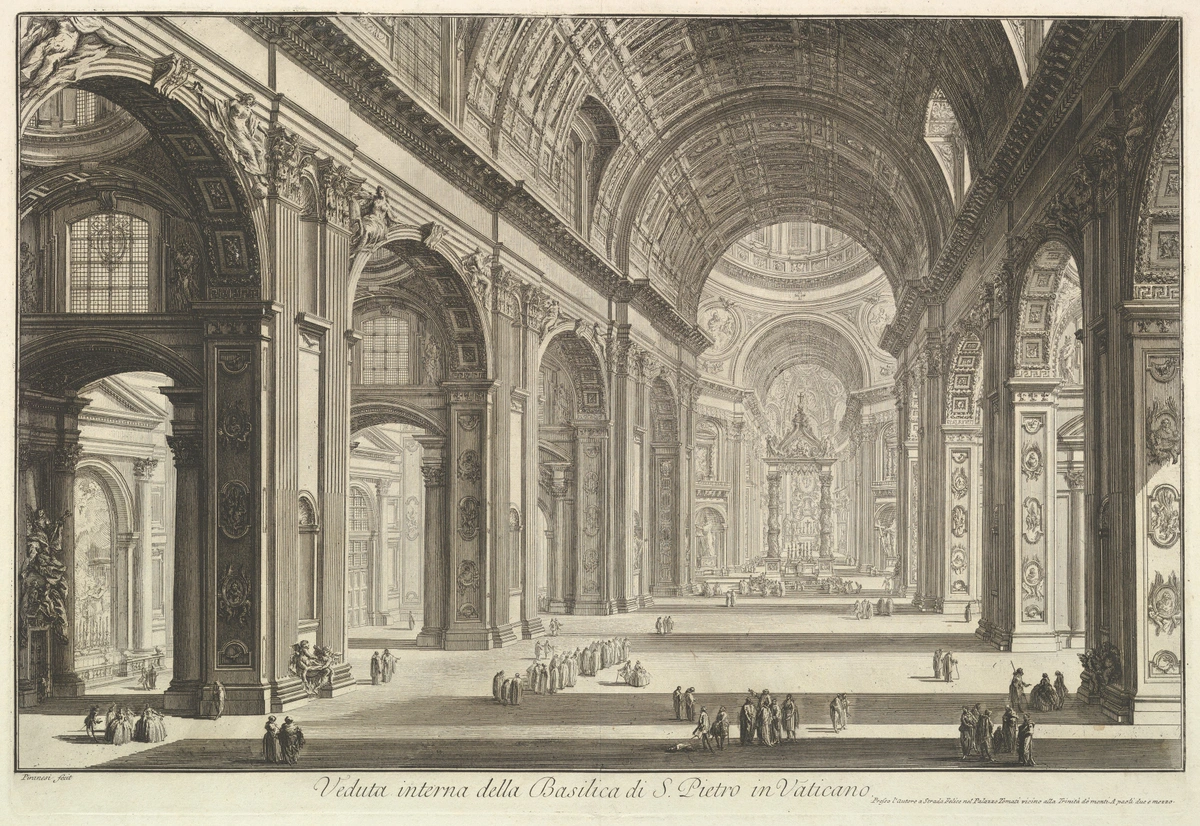
His masterpiece, The Ecstasy of Saint Teresa, is the quintessential Baroque work—a fusion of sculpture, painting, and architecture that creates an all-encompassing theatrical experience within the Cornaro Chapel. It captures a moment of intense spiritual and physical passion, leaving the viewer breathless, almost like watching a live performance unfold before your eyes. Another triumph, Apollo and Daphne, showcases his virtuosity in transforming rigid marble into fluid motion; you literally see Daphne's body turning into a laurel tree as Apollo reaches for her, a fleeting, dramatic moment frozen in stone, capturing the climax of their chase. Bernini's rivalry with fellow architect Francesco Borromini, often fueled by differing artistic visions and papal preferences, further illustrates the dynamic creative energy of the era. His influence on Baroque architecture is also immense, shaping the very face of Rome, including significant contributions to St. Peter's Basilica and the iconic Colonnade of St. Peter's Square, transforming an entire urban space into a grand, welcoming embrace. He understood how architecture could prepare you for the emotional experience within.
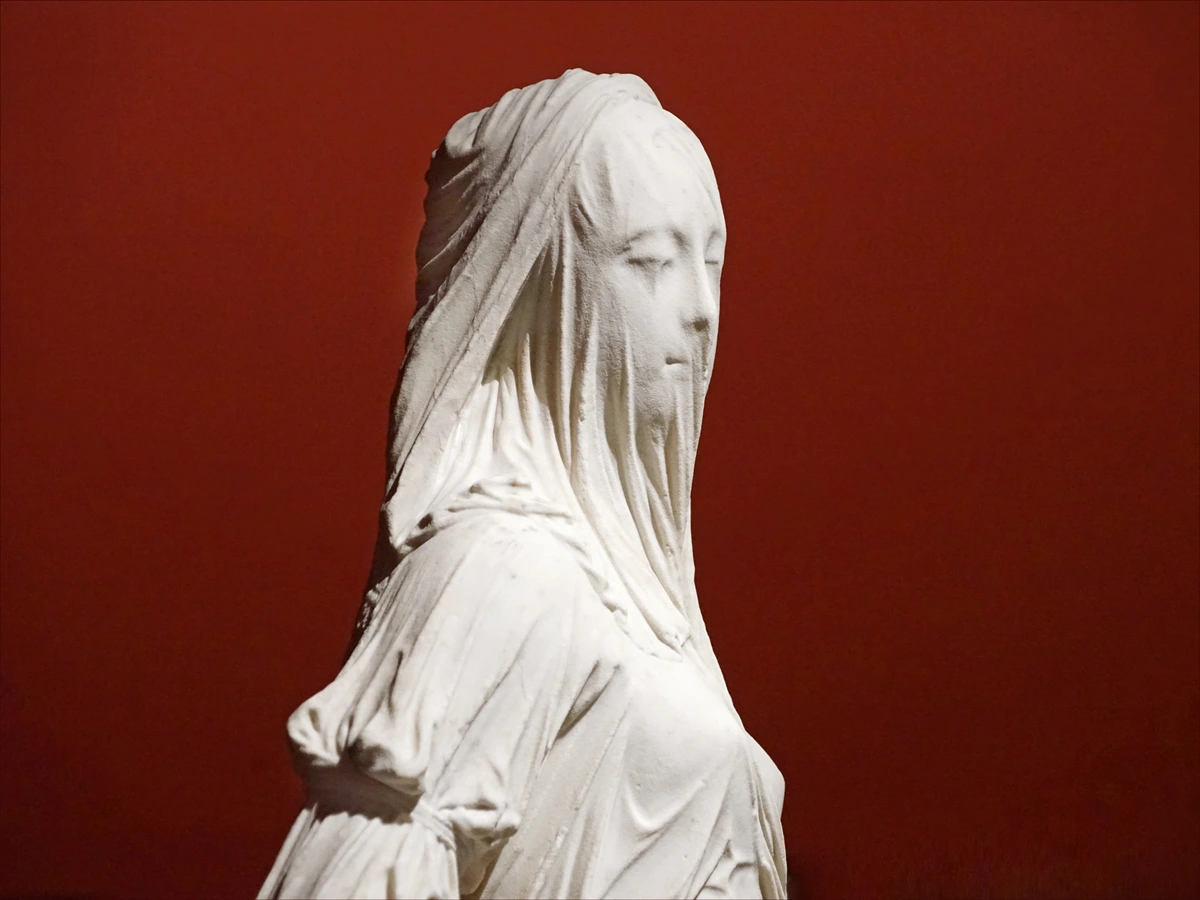
How did Bernini manage to make rigid marble convey such profound, fleeting emotion and dynamic movement? It was a revelation to me to realize the sheer skill involved, almost a magic trick of stone.

3. Peter Paul Rubens: The Embodiment of Exuberance
Stepping out of Italy and into Flanders, the world bursts into a riot of color and movement with Peter Paul Rubens. Born in Siegen, Germany, he spent much of his life in Antwerp, the vibrant center of the Southern Netherlands, a region that remained Catholic under Spanish rule. A diplomat, scholar, and incredibly successful artist, Rubens ran a massive workshop that produced thousands of paintings, often collaborating with other masters on specific elements. His extensive diplomatic missions across Europe – to Spain, England, and France – for patrons like the Duke of Mantua, King Philip IV of Spain, and King Charles I of England, exposed him to diverse court styles and art collections (including Titian's Venetian colorism), likely broadening his worldview and fueling his grandiose narratives and diverse commissions. He was often tasked with painting portraits of royalty and mythological allegories that subtly conveyed political messages.
His work is the embodiment of Baroque exuberance. His canvases are filled with robust, dynamic figures, rich textures, and a vibrant palette that seems to leap off the surface, celebrating life and vitality with unparalleled energy. You really feel the heat and motion in a Rubens painting; it’s so over-the-top, it practically needs a conductor to orchestrate the visual symphony. When people talk about "Rubenesque" figures, they're talking about his glorious, full-bodied forms, often depicted in vigorous motion and joyful physicality. It's art that leaves you feeling invigorated, almost exhausted by its sheer scale and ambition, yet completely captivated by its visual feast. You almost feel you need a nap after viewing one – and that’s precisely the point!
Take The Elevation of the Cross: it's a monumental triptych bursting with muscular figures, dramatic diagonals, and an explosion of color, all working together to convey immense physical struggle and profound emotion, with the very bodies of the figures twisting and straining under a powerful, raking light. Rubens' vision of humanity is consistently vibrant and overflowing with life, making him a true master of Baroque painting.
4. Rembrandt van Rijn: The Soul Seeker of the North
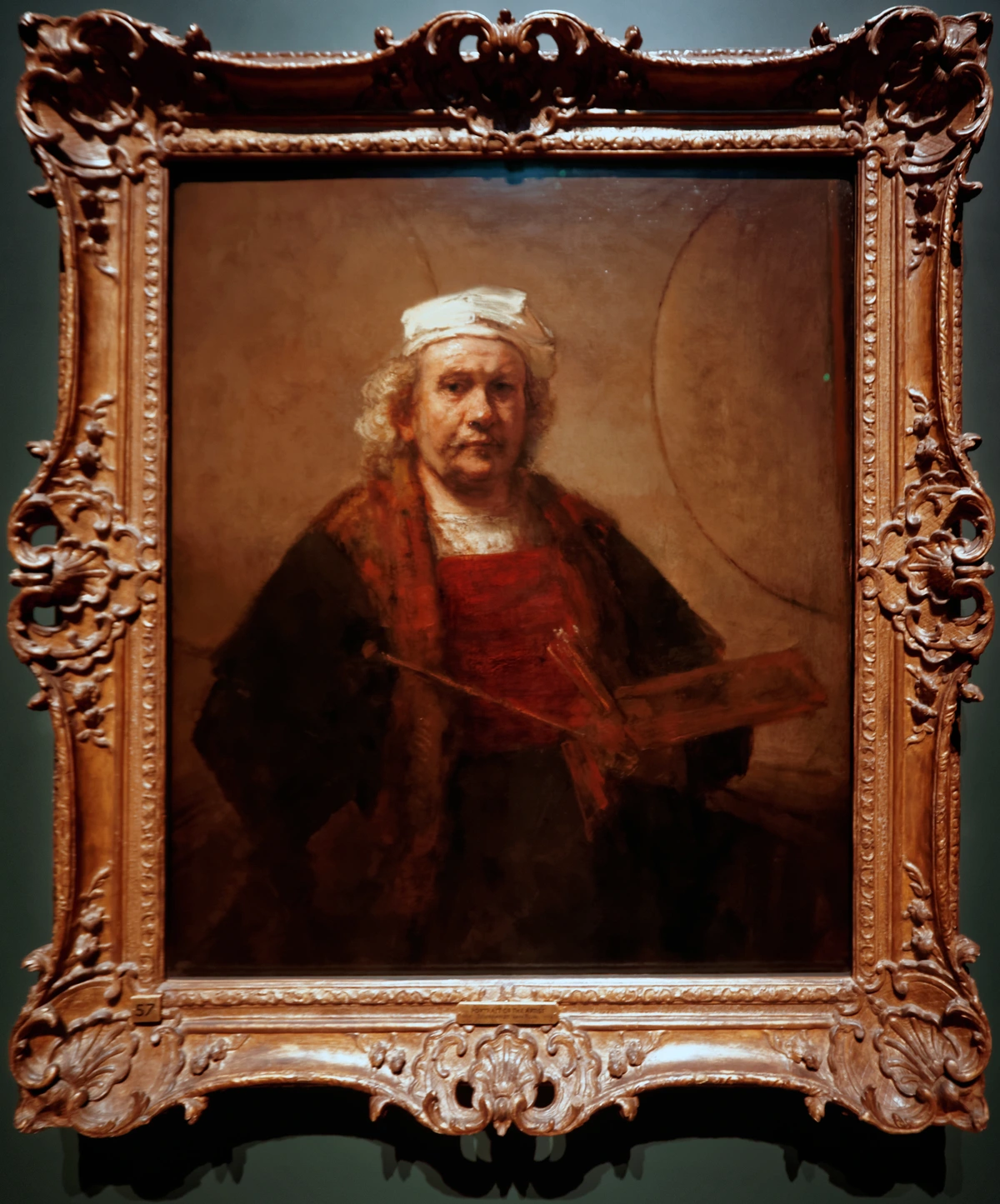
While the Italians pursued divine spectacle and the Flemish revelled in opulent vitality, the Dutch Golden Age gave us one of the most introspective and psychologically profound artists of all time: Rembrandt van Rijn. In the Protestant Dutch Republic, a booming merchant class and civic guilds, often enriched by the global trade routes of the Dutch East India Company, replaced the Church and royalty as primary patrons, leading to a focus on portraiture, genre scenes, and still lifes. Rembrandt turned his gaze inward. He is, without a doubt, the master of the human soul, capturing the weight of experience, vulnerability, and quiet dignity in his portraits and especially his numerous self-portraits. I remember seeing his Self-Portrait with Two Circles and being struck by how much emotion and a lifetime of wisdom could be conveyed with just a few brushstrokes. It felt like he was speaking directly to me across centuries, revealing an entire inner world.
His use of light is more subtle than Caravaggio's but just as powerful, creating a soft, golden glow that seems to emanate from within his subjects, revealing their inner life. Where Caravaggio's light strikes you, Rembrandt's light envelops you, inviting a quiet contemplation rather than a dramatic confrontation. He often employed impasto, building up thick layers of paint, particularly in highlights, which not only created a rich texture but also enhanced the illusion of light and substance, making the figures feel tangible and alive.
His famous group portrait, The Night Watch, is a masterclass in composition, transforming a standard civic guard commission into a dynamic, living scene where figures emerge from the shadows with breathtaking immediacy. It was revolutionary not just for its complex arrangement of figures in action rather than a static line, but for giving each individual a sense of purpose and presence, breaking from the stiff, linear group portraits that came before. Rembrandt's later life, marked by financial difficulties and personal tragedy, seems to have only deepened the profound introspection found in his self-portraits, making them truly timeless. Each brushstroke in these later works feels imbued with a lifetime of wisdom and a raw, almost painful, honesty. For an in-depth look, see our ultimate guide to Rembrandt van Rijn.
How do Rembrandt's portraits capture such an enduring sense of the human condition? For me, it's his ability to reveal the invisible inner world with visible brushstrokes, a testament to Baroque psychological depth.
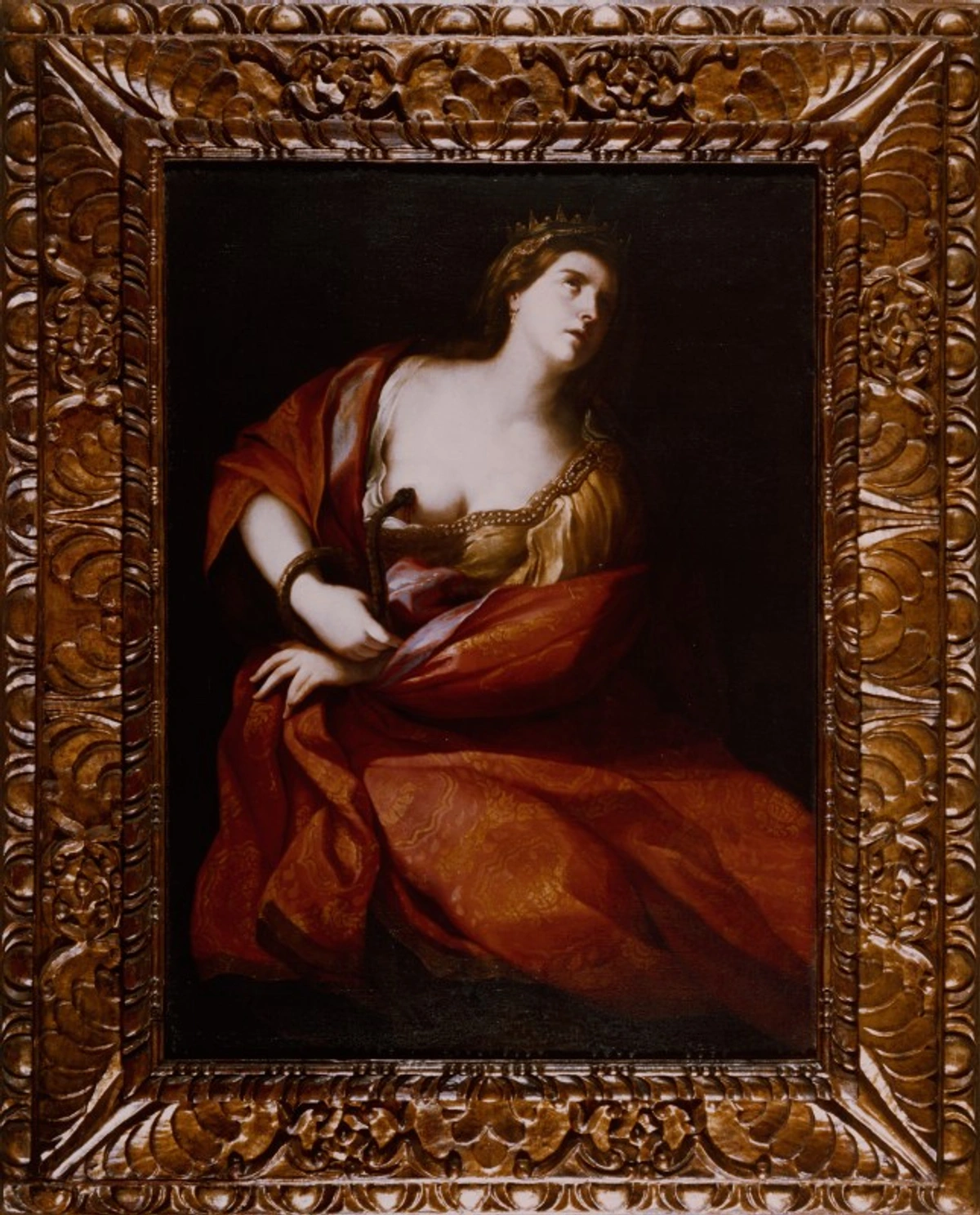

5. Diego Velázquez: The Court's Master of Visible & Invisible Truths
In the Spanish court, Diego Velázquez reigned supreme. Born and initially trained in Seville, a bustling artistic hub, he honed his naturalistic style before moving to Madrid to become court painter to King Philip IV. There, he created portraits of astounding realism and psychological depth. Velázquez had a unique ability to capture not just the likeness of his subjects, but their status, their personality, and their inner life—the visible and the invisible. His responsibilities often extended beyond painting; he served as a curator, chamberlain, and even oversaw royal art collections, giving him unparalleled access to rare pigments and techniques which undoubtedly informed his artistic mastery.
His brushwork is remarkably modern; up close, it appears as a series of loose, almost abstract strokes, but from a distance, these coalesce into a breathtakingly realistic image – an optical illusion that still makes artists like me lean in closer to understand his magic. It's a moment of pure artistic revelation – realizing that these seemingly loose strokes, when viewed from the right distance, create an illusion so powerful, it still makes me pause and question what I'm seeing. He was a master of Baroque realism, always seeking to capture a deeper truth.
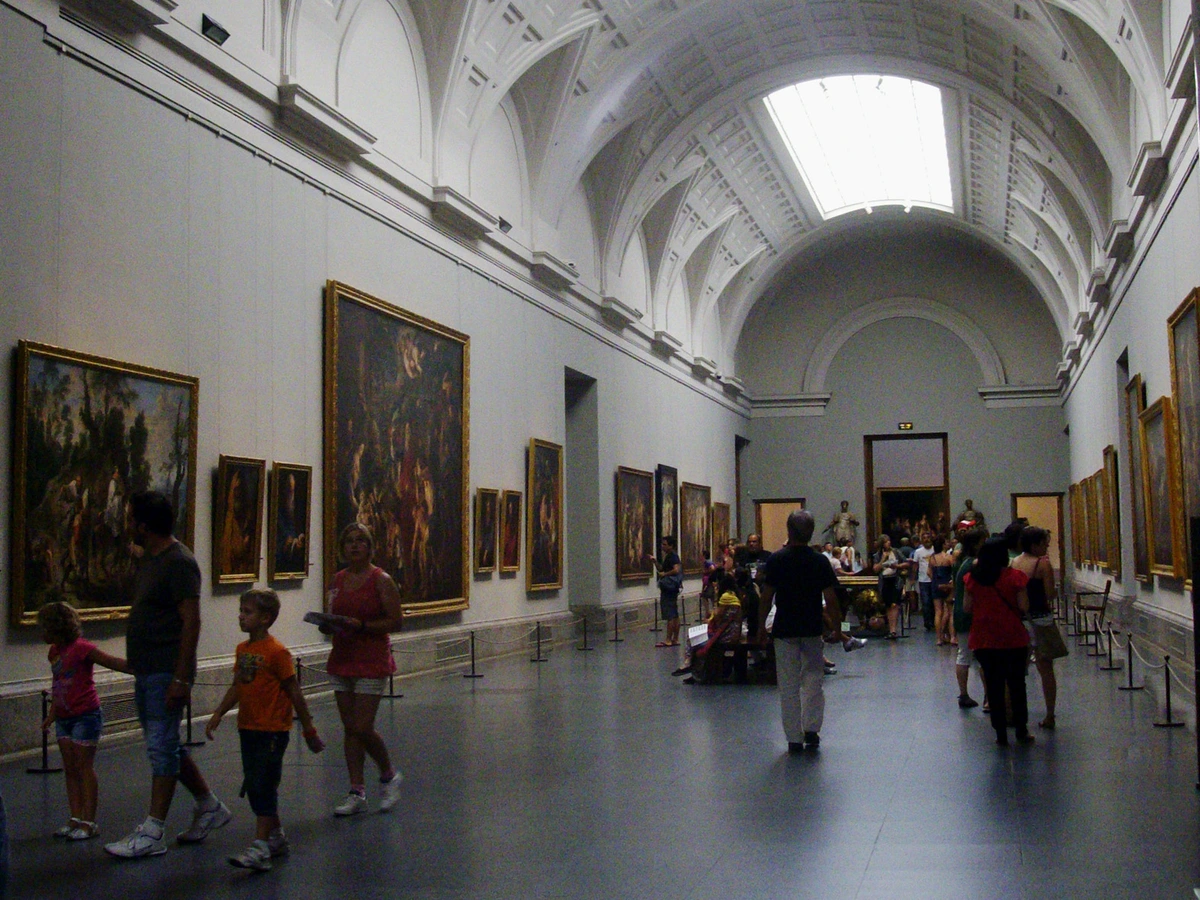
His masterpiece, Las Meninas, is one of the most complex and debated paintings in history—a brilliant meditation on the nature of art, reality, and perception. It's a meta-painting (a painting about painting) that comments on the act of painting itself, inviting the viewer to question their own place in the scene, cleverly playing with gazes and reflections. Velázquez even includes himself, brush in hand, observing the royal family and the viewer, blurring the lines between art and life within a complex spatial arrangement that defies easy interpretation. This audacious self-portrait within a royal commission is a testament to his intellectual confidence and artistic innovation. A truly incredible experience awaits you at the Museo del Prado. For anyone visiting Madrid, I always recommend our a first-timer's guide to the Prado Museum.
How did Velázquez manage to depict both the external reality and the inner world of his royal subjects with such mastery? It’s a testament to his keen observation and innovative brushwork, embodying the Baroque's push for heightened reality.
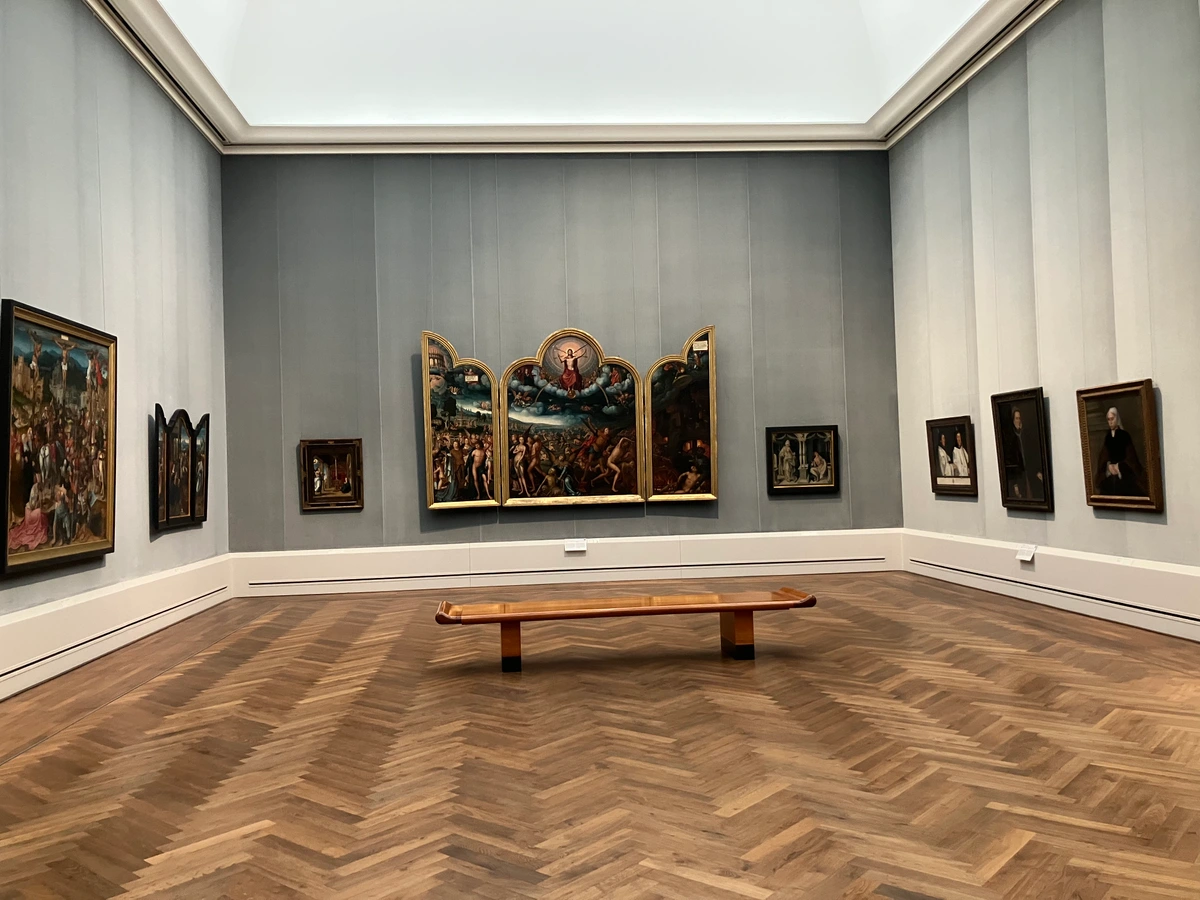
6. Johannes Vermeer: The Quiet Alchemist of Domestic Light
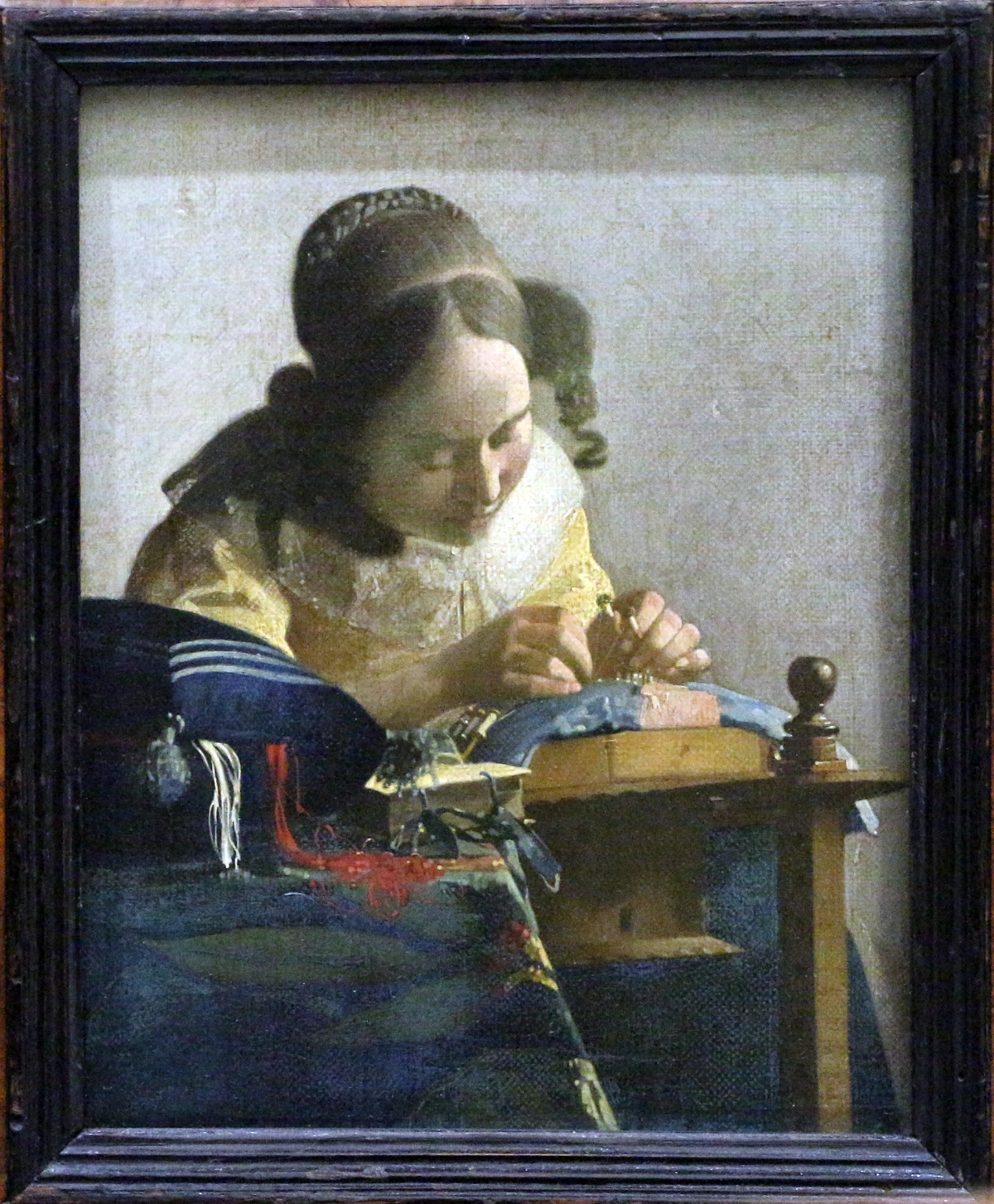
Also from the Dutch Golden Age, Johannes Vermeer was, in many ways, the antithesis of the Baroque's grand spectacle, yet utterly Baroque in his mastery of light. Born and working in Delft, a prosperous trade city, he lived a relatively quiet life, which is mirrored in the intimate scale of his works. His genius lies in the intimate and the ordinary, transforming mundane domestic moments into timeless works of art. He painted women reading letters, pouring milk, or playing instruments, meticulously capturing their quiet dignity. It’s hard to believe only about 34 of his paintings are known; each one feels like a precious jewel. This scarcity, in part due to his meticulous process and perhaps a limited output, makes each surviving work an invaluable window into his unique vision.
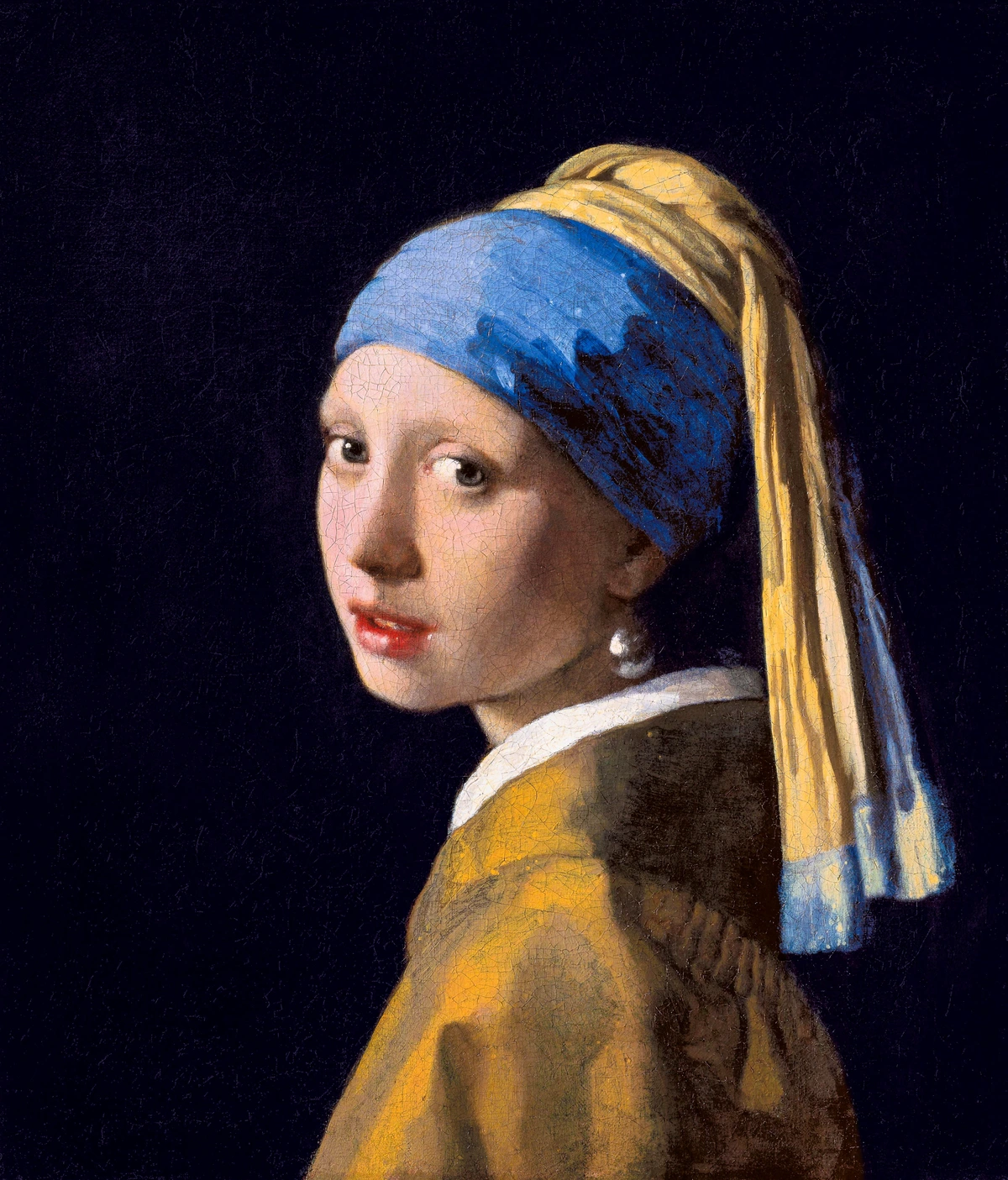
When you encounter a Vermeer, the stillness is almost deafening, yet the light hums with an inner life, revealing the profound beauty of the everyday. Take Girl with a Pearl Earring, for instance: the subtle play of light on her face and the luminous pearl, emerging from a dark background, creates an enigmatic and intimate portrait that transcends mere representation, capturing a fleeting moment of connection. Or The Milkmaid, where light meticulously emphasizes the texture of the bread, the pottery, and the fabric, highlighting the quiet dignity of the mundane task, almost making the air in the room palpable. Vermeer's ability to imbue the ordinary with extraordinary light makes these works radiate with meraviglia.

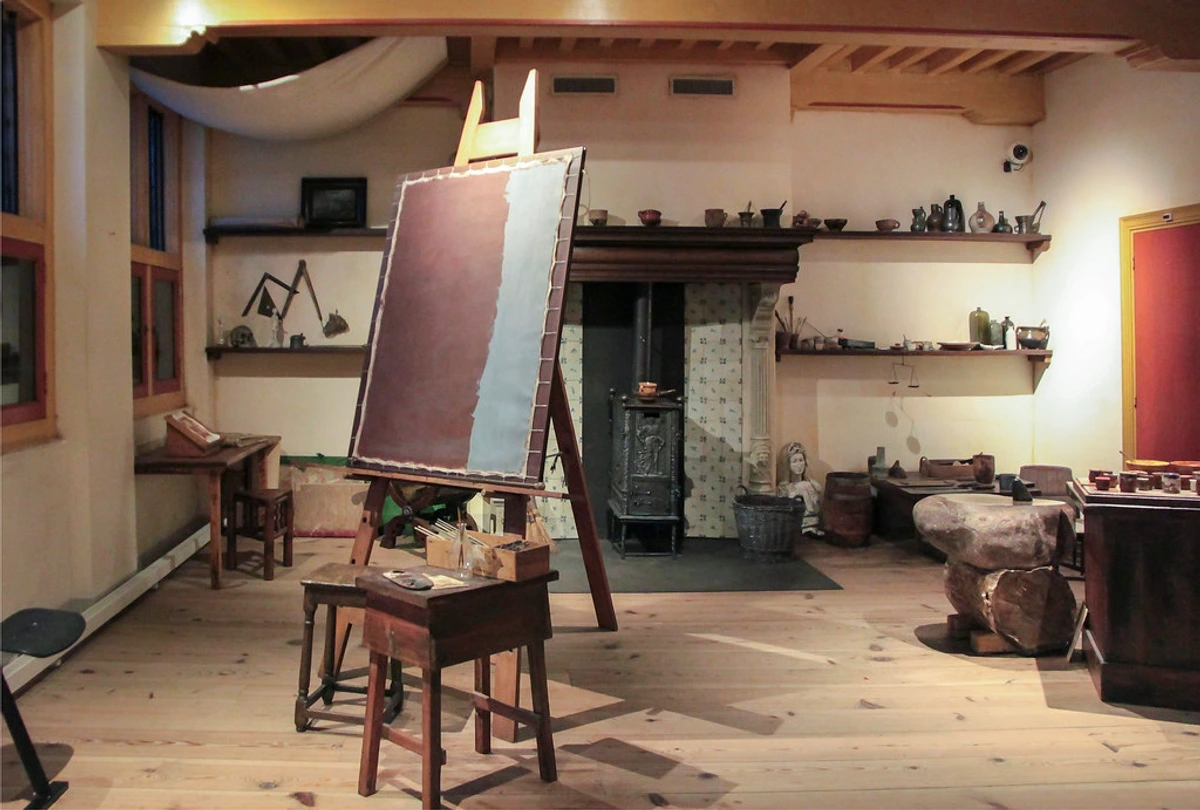
His handling of light is unparalleled. He perfectly captured the way light filters through a window, reflects off different surfaces, and creates a serene, almost spiritual atmosphere. There are fascinating theories that he might have used a camera obscura – a darkened box with a lens that projects an image onto a surface – to achieve such meticulous detail and luminous effects. This technique, by projecting optical phenomena like circles of confusion (small halos of light on bright, reflective objects) and precise perspective, would have allowed him to essentially project images onto his canvas, contributing to his almost photographic precision and the unique, ethereal glow characteristic of his work. You can often spot these 'circles of confusion' as soft, unfocused highlights, particularly on shiny objects like the pearl in Girl with a Pearl Earring, or the bread in The Milkmaid, creating a unique optical vibrancy. This quiet brilliance has secured his place among the masters of Baroque painting techniques. If you want to know more, check out our ultimate guide to Johannes Vermeer.
How did Vermeer transform everyday scenes into such profoundly serene and timeless works? For me, it’s his ability to find the sacred in the seemingly mundane, elevated by light, a subtle yet powerful expression of the Baroque's emotional depth.
Other Notable Baroque Artists: Expanding the Tapestry
While these six masters undoubtedly define the period, the Baroque was a sprawling movement with many other significant voices that further enriched its dynamic tapestry. It's fascinating how one overarching movement could be so versatile, bending to the will of different cultures.
Artemisia Gentileschi, an Italian painter and one of the most prominent Caravaggisti, brought raw emotional intensity and a powerful female perspective to biblical and mythological scenes. Her Judith Slaying Holofernes is a testament to her unflinching realism and dramatic use of light, depicting intense female agency and a powerful, almost unsettling, psychological depth. As a female artist in a male-dominated era, her works often resonate with themes of female strength and resilience, going beyond mere biblical illustration. Her Self-Portrait as the Allegory of Painting is another powerful example, asserting her artistic identity and skill.
In France, Nicolas Poussin championed a more classical, intellectual Baroque, emphasizing order, clarity, and rational composition, often in stark contrast to the emotionality of his Italian contemporaries. His idealized landscapes and meticulously constructed historical narratives prioritized intellect over raw emotion, creating a sense of balanced grandeur, as seen in works like Et in Arcadia ego (The Arcadian Shepherds), a meditation on mortality and ideal beauty. This French Classicism, though restrained, still served the Baroque's purpose of projecting rational, absolute authority.
Meanwhile, in Spain, Francisco de Zurbarán captured a stark, often austere religious devotion with intense realism and dramatic light, particularly in his depictions of monastic life and profound still lifes. Works like Saint Francis in Meditation or his series of still lifes with fruit and pottery (which often carried spiritual symbolism) showcase his ability to imbue the mundane with a deep spiritual intensity, reflecting a profound sense of pious introspection. And a master like Bartolomé Esteban Murillo, known for his sentimental religious works, also brought a softer, more approachable humanism to Spanish Baroque painting, offering a counterpoint to Zurbarán's austerity.
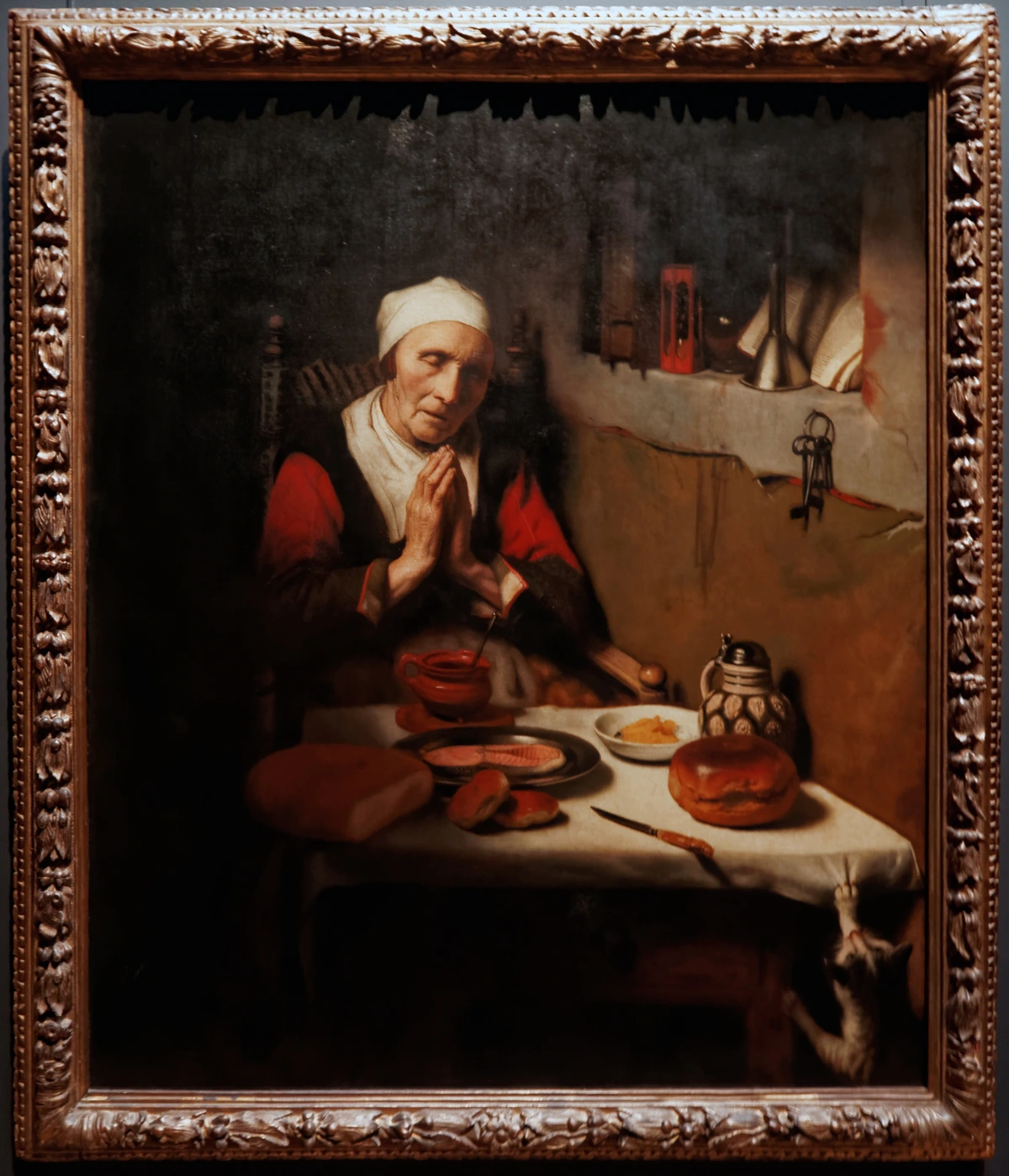
Other influential artists include the sculptor Alessandro Algardi, Bernini's main rival in Rome, known for his more restrained yet still dynamic classical Baroque style, and the landscape painter Claude Lorrain, who created idealized, serene landscapes bathed in golden light, which, despite their calm, still evoked a sense of vastness and the sublime that resonated with the Baroque spirit.
These artists, among many others, further enriched the tapestry of this dynamic era, showcasing the diverse facets of Baroque art history.
Baroque Masters at a Glance: A Quick Reference
To help consolidate the groundbreaking contributions of these titans, here's a quick overview of their key styles, geographic focus, and famous works:
Artist  | Nationality | Geographic Focus | Key Style/Technique | Key Contribution to Baroque | Famous Work(s) |
|---|---|---|---|---|---|
| Caravaggio | Italian | Rome, Naples | Revolutionary realism, intense tenebrism, dramatic chiaroscuro | Weaponized light for visceral emotional drama; grounded sacred stories in gritty reality; master of raw human experience | The Calling of Saint Matthew, Judith Beheading Holofernes, Seven Works of Mercy |
| Gian Lorenzo Bernini | Italian | Rome | Dynamic movement, emotional intensity, architectural grandeur, virtuosity in marble | Mastered sculpting marble to convey fleeting emotion; transformed urban spaces with integrated art & architecture; evoked meraviglia | The Ecstasy of Saint Teresa, Apollo and Daphne, St. Peter's Basilica Colonnade |
| Peter Paul Rubens | Flemish | Antwerp, Europe (diplomat) | Vibrant color, energetic compositions, joyful physicality, rich textures | Embodied Baroque exuberance with robust figures and dynamic, opulent narratives; influential diplomat and workshop master | The Elevation of the Cross, The Consequences of War, Prometheus Bound |
| Rembrandt van Rijn | Dutch | Amsterdam | Profound psychological depth, subtle light & shadow, introspective portraits, expressive impasto | Master of the human soul, capturing inner life and quiet dignity through subtle light and impasto; redefined group portraiture | The Night Watch, Self-Portrait with Two Circles, The Jewish Bride |
| Diego Velázquez | Spanish | Madrid | Unflinching realism, masterful loose brushwork (optical illusion), profound psychological depth | Elevated court portraiture with astounding psychological penetration and innovative brushwork; master of visible and invisible truths | Las Meninas, Portrait of Pope Innocent X, The Surrender of Breda |
| Johannes Vermeer | Dutch | Delft | Luminous light, intimate domestic scenes, meticulous detail, serene atmosphere, optical effects | Transformed ordinary domestic scenes into timeless works through unparalleled mastery of light; quiet alchemist of the everyday | Girl with a Pearl Earring, The Milkmaid, View of Delft |
The Grand Baroque Echo: Beyond Painting and Sculpture
Baroque art wasn't confined to canvases and marble; it was an all-encompassing sensory spectacle. From the grand stages of architecture to the echoes in music and literature, this movement shaped a complete cultural landscape. It was designed to engage across all senses, making the relationship between the art and its diverse audiences a critical lens through which to understand its power.
Key Themes & Enduring Ideas in Baroque Art
Beyond individual genius, the Baroque era collectively explored themes that continue to resonate. For me, it's this consistent thread of inquiry that makes a period truly compelling. These are the narratives the Baroque art movement constantly revisited:
- Mortality and the Fleeting Nature of Life (Vanitas): While full of vitality, Baroque art often included subtle reminders of death and decay, encouraging contemplation on human fragility and the transient nature of earthly pleasures. These vanitas elements added a layer of profound reflection, often symbolized by skulls, snuffed candles, wilting flowers, hourglasses, bubbles, or even rotting fruit—stark reminders of time's relentless passage and the impermanence of all things. Artists like Rembrandt and the Dutch still-life painters excelled at this.
- Theatricality and Performance: From the dramatic staging of religious conversions to the posed grandeur of portraits, life and art were presented as a grand performance, designed to captivate and immerse the audience. It was less about observation and more about being drawn into the spectacle, mirroring the elaborate stage designs of contemporary theatre. Bernini's multi-media chapels are prime examples.
- Illusionism and Trompe l'Oeil: The desire to blur the lines between reality and art, tricking the eye into believing a painted ceiling was an open sky or a sculpted figure was alive, was central to much Baroque painting and architecture. This playful deception created truly immersive environments, constantly challenging perception, and was perfected by artists like Andrea Pozzo in his ceiling frescoes.
- Emotional Extremes: The period delighted in depicting moments of intense spiritual ecstasy, profound suffering, or dramatic triumph, allowing viewers to connect with raw, powerful human experience. This was art designed to stir the soul to its depths, pushing the boundaries of emotional expression and eliciting visceral responses. Caravaggio's raw depictions and Bernini's ecstatic saints exemplify this.
- Power and Piety: Whether commissioned by the Church or by monarchs, Baroque art was almost always a statement of authority, divinity, or both. It commanded respect and inspired devotion, serving as a powerful tool for communication and influence. The interplay between these themes was crucial: piety often served to legitimize temporal power, while power provided the resources for grand religious expression. This is clearly seen in the patronage of the Popes and Louis XIV.
- The Age of Discovery and Science: This era saw incredible advancements in science, optics, and astronomy, with figures like Galileo Galilei and Johannes Kepler challenging traditional views of the cosmos. This spirit of inquiry subtly informed the Baroque's fascination with light, perspective, illusion, and the vast, often mysterious, unknown universe, constantly challenging and expanding human perception. Artists explored how light behaved, how space could be manipulated, and how to create illusions that mirrored newfound scientific understanding of the world. This pursuit of the sublime – a feeling of awe mixed with a touch of terror at the vastness of existence – also resonated strongly with the scale and intensity of Baroque works.
- Allegory and Symbolism: Baroque art frequently employed complex allegorical narratives and rich symbolism to convey moral, theological, or political messages. Figures, objects, and even colors often held deeper meanings, inviting intellectual engagement alongside emotional impact. This allowed for multifaceted interpretations and deeper layers of communication for educated viewers and patrons.
I sometimes wonder if the Baroque masters, with their bold illusions and challenges to perception, were the original conceptual artists, questioning the very nature of reality, much like contemporary artists do today. If you're inspired by the power of art to provoke, you can always explore a curated collection of art on our /buy page.
Baroque Architecture: The Grand Stages of Faith and Power
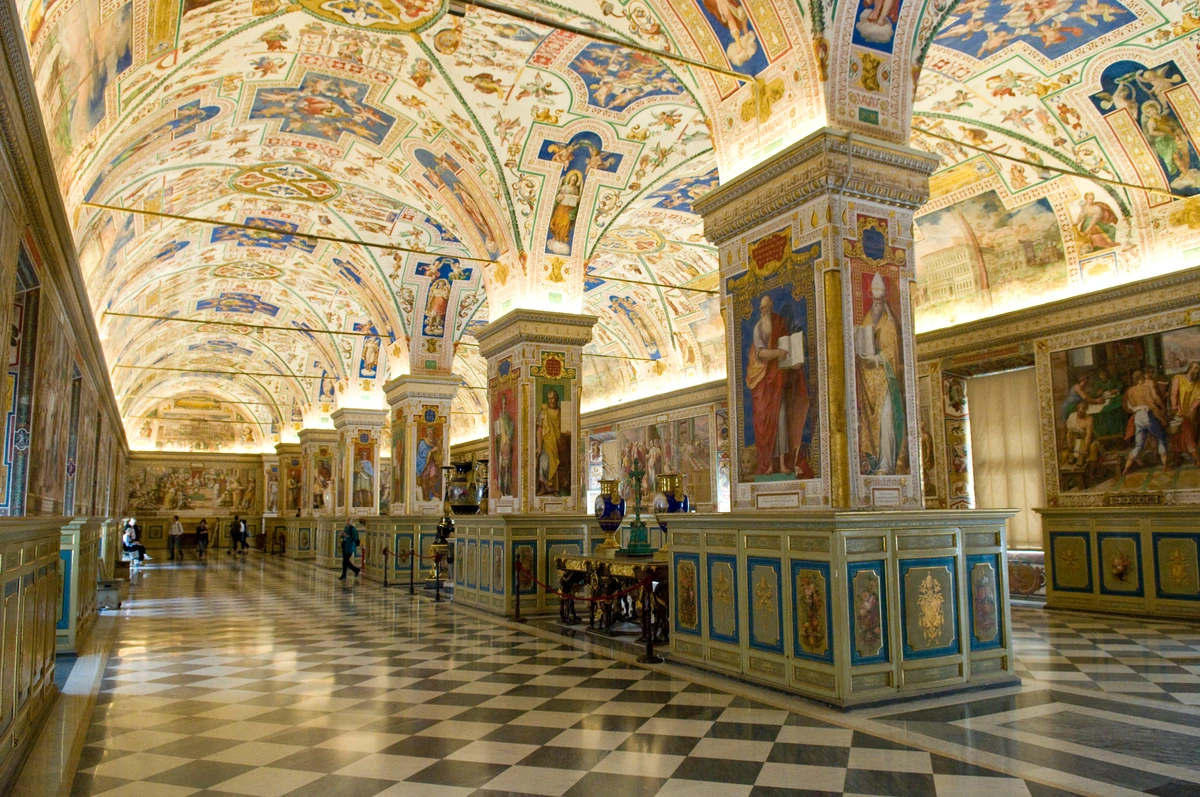
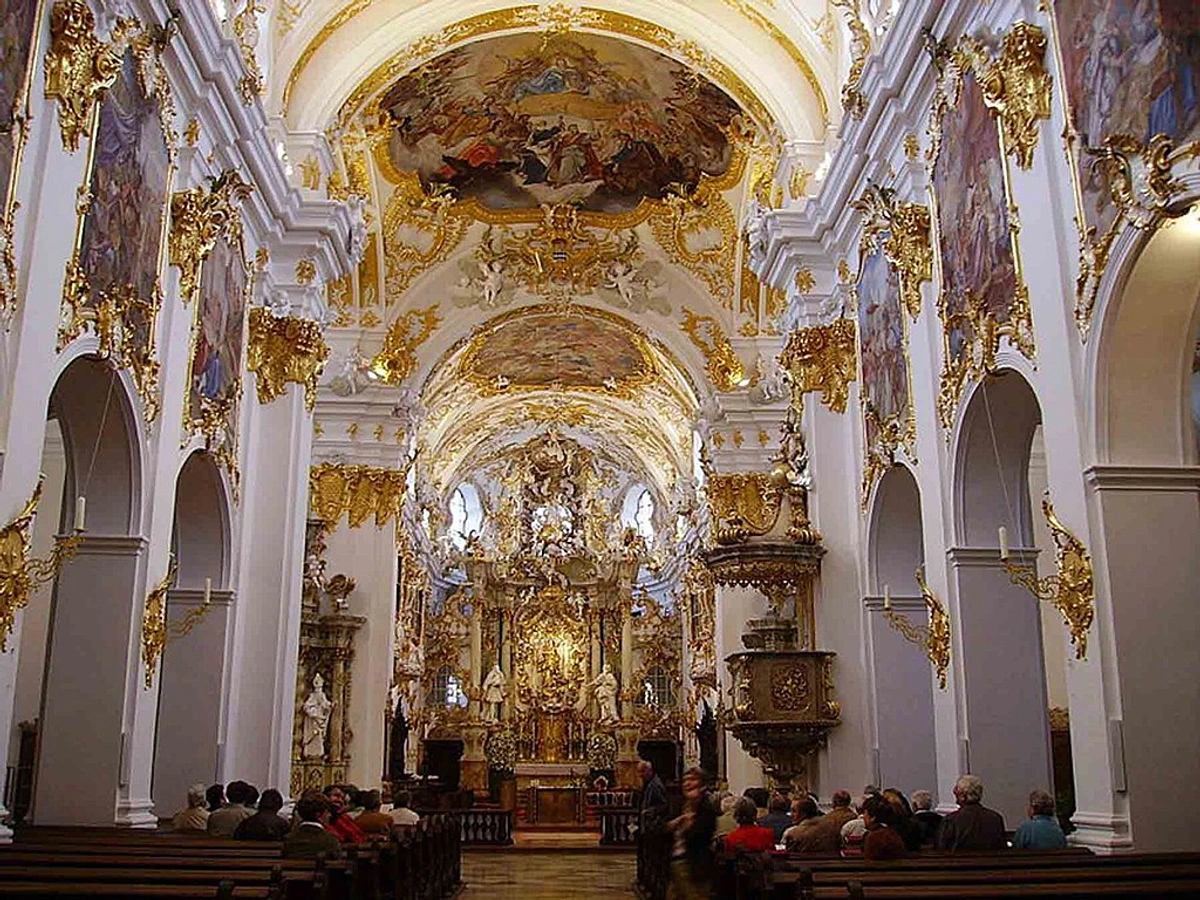
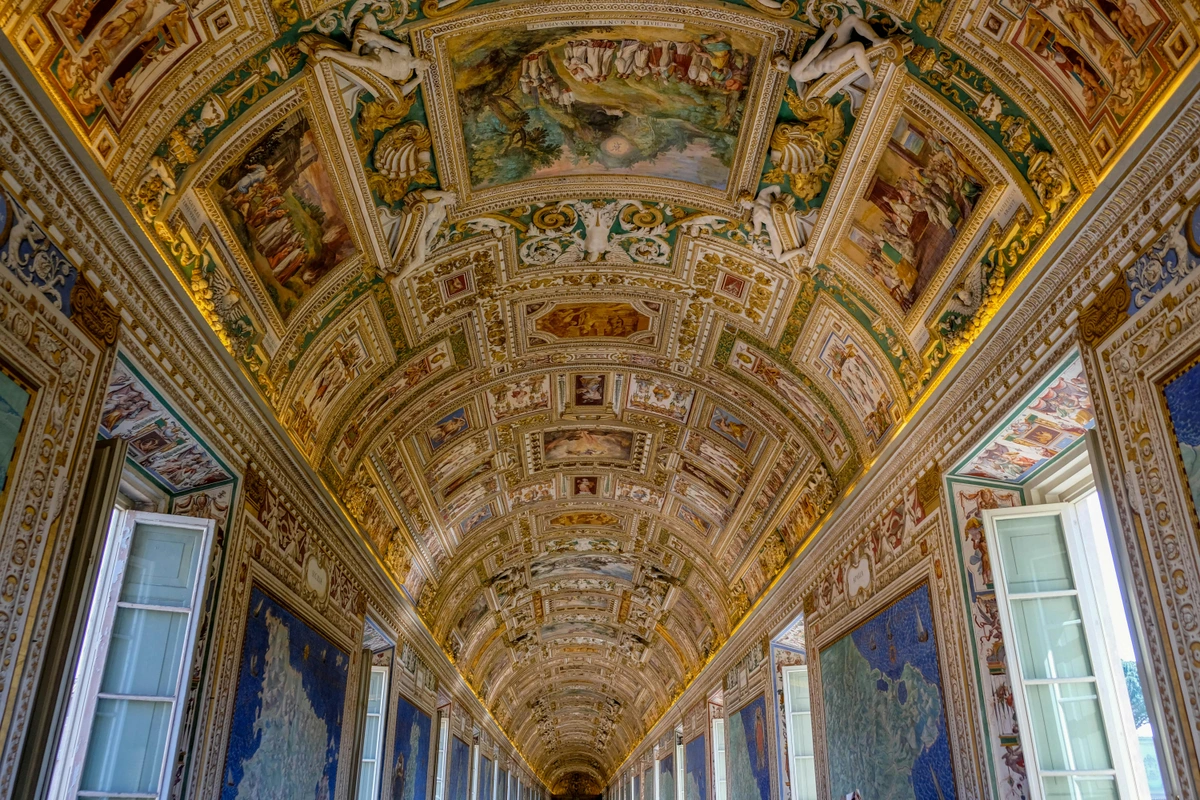
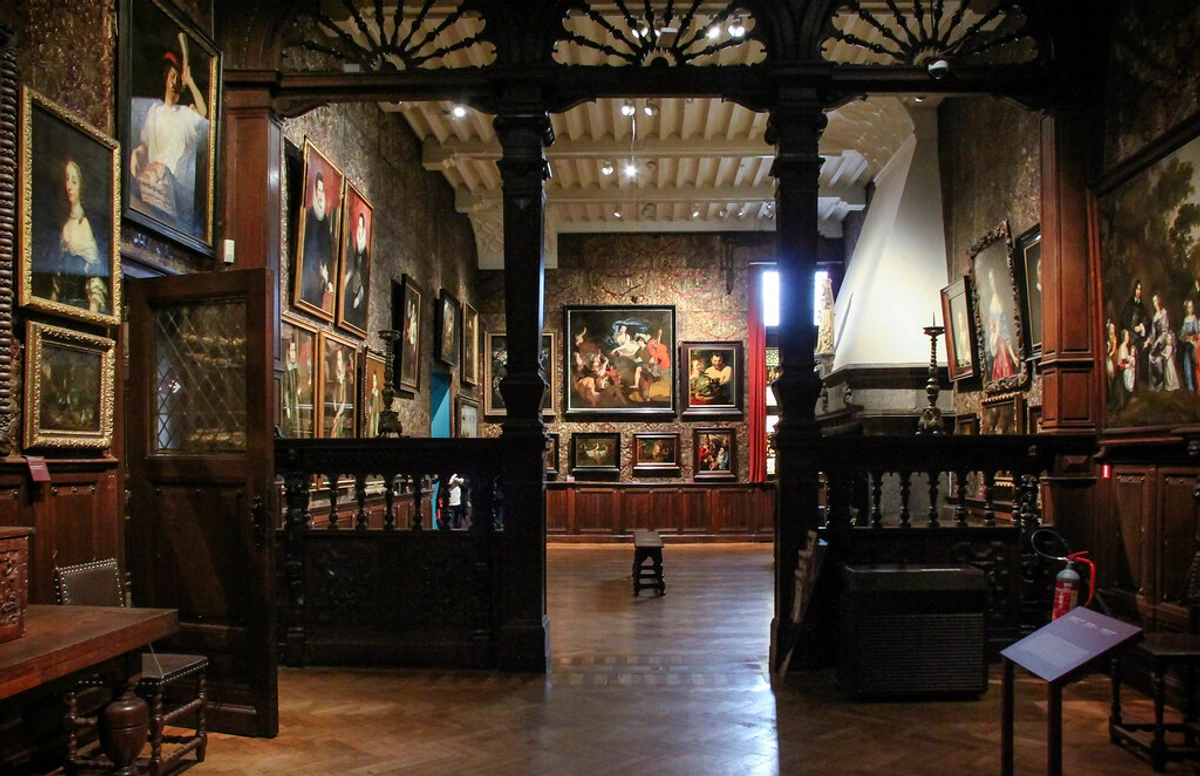
While we often focus on painting and sculpture, Baroque architecture provided the very stages upon which these dramatic visual narratives unfolded. It's an architecture of spectacle, designed to immerse and overwhelm the senses. You see dramatic facades, often curvilinear and dynamic, that seem to undulate and breathe, inviting movement. Grand, sweeping staircases don't just lead up; they invite a theatrical ascent, creating a sense of impending drama, guiding your experience. Interiors burst with opulent materials – marble, gilding, intricate stucco work, and rich frescoes – blurring the lines between structural elements and painted illusions. Oval shapes, complex domes, and a seamless integration of sculpture and painting are hallmarks, creating unified, awe-inspiring environments that guide the eye upwards, invoking a sense of divine ascension or vast power.
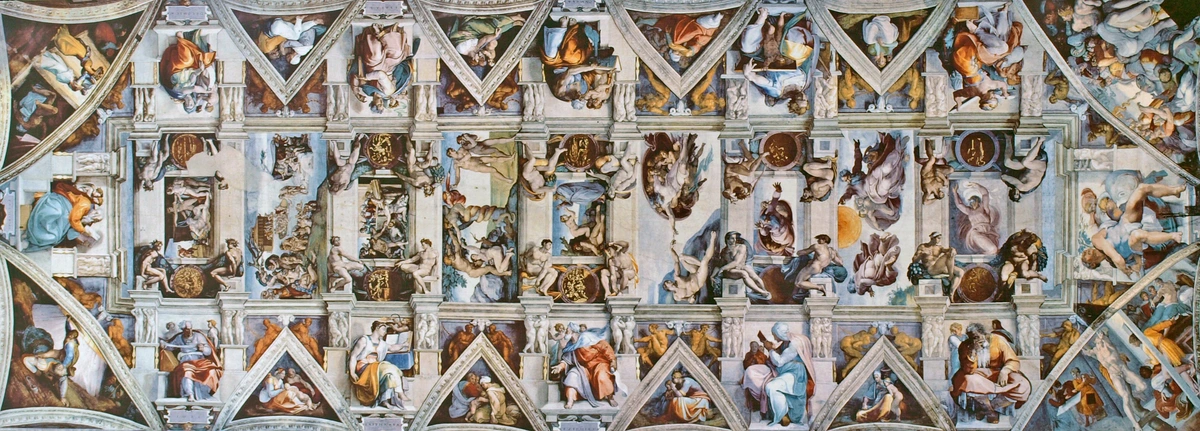
From the towering grandeur of St. Peter's Basilica (with Bernini's Piazza and Baldachin) to the intricate, light-filled churches of Borromini across Rome, and the vast, symbolic palaces of Europe like Versailles in France, Schönbrunn Palace in Vienna, or the Würzburg Residence in Germany, Baroque architecture speaks volumes about the era's ambition. It was designed to uplift the spirit, assert dominion, and create an unforgettable, immersive experience that transcended mere building, truly preparing you for the emotional journey within. You can find more on this in our comprehensive guide to what is baroque architecture.
Baroque Music: An Auditory Symphony of Drama
Just as painters sculpted light and sculptors made marble breathe, Baroque composers like Johann Sebastian Bach, George Frideric Handel, Antonio Vivaldi, Claudio Monteverdi, and Arcangelo Corelli crafted auditory experiences brimming with drama, complex harmonies, and emotional depth. Think of Handel's majestic Messiah (particularly the "Hallelujah Chorus") or his vibrant operas, Bach's intricate Brandenburg Concertos or emotionally profound cantatas, Vivaldi's evocative Four Seasons and countless other concertos, or Monteverdi's pioneering opera L'Orfeo (a work that bridged Renaissance and Baroque musical styles). They echo the very grandeur, theatricality, and profound emotionality we see in the visual arts.
New forms like the opera (a drama sung with orchestral accompaniment), oratorio (a large musical composition for orchestra, choir, and soloists), and concerto grosso (a musical form where a small group of soloists plays against a larger ensemble) emerged, creating a complete sensory immersion that defined the era. The dynamic interplay of soloists and orchestra in a concerto, for instance, perfectly mirrored the dramatic interplay of figures in a complex Baroque painting. It was an age of intricate counterpoint (the art of combining independent melodic lines into a harmonious texture, much like multiple narrative threads in a painting) and powerful vocal expression, where music, like painting and sculpture, sought to stir the listener's emotions and elevate the spirit, perfectly complementing the visual spectacle.
Baroque Literature: Echoes in Verse and Epic
The dramatic fervor of the Baroque also found its voice in literature, reflecting similar themes of religious intensity, the fleeting nature of life, and the grandeur of human experience. English poet John Milton's epic Paradise Lost (1667) is a quintessential example, recounting biblical narratives with unparalleled scope and theological depth, much like a grand Baroque altarpiece, exploring divine will and human choice on a cosmic scale. In Spain, Pedro Calderón de la Barca's plays, like Life Is a Dream, delved into philosophical questions of fate, illusion, and free will with intense theatricality, often featuring dream sequences and mistaken identities to challenge perceptions, mirroring the period's visual deception.
French playwrights such as Pierre Corneille explored themes of duty and passion within a more classical, yet still dramatic, framework, as seen in his tragicomedy Le Cid. Additionally, English metaphysical poets like John Donne explored complex metaphors and intellectual conceits to grapple with themes of spiritual and earthly love, death, and faith, using a dramatic intensity that echoed the visual arts. This literary output shared the Baroque's ambition to move, inspire, and challenge its audience on a profound intellectual and emotional level.
Baroque's Global Reach: Regional Manifestations
While Italy was the undeniable cradle of Baroque art and architecture, its spirit journeyed across Europe, adapting and transforming to suit local tastes, political landscapes, and religious contexts. It’s fascinating how one overarching movement could be so versatile, bending to the will of different cultures, creating a rich tapestry of styles yet all united by that underlying ambition to move and persuade.
In the Catholic Southern Netherlands (modern-day Belgium), artists like Rubens embraced unrestrained opulence and vitality, often with dynamic compositions for grand altarpieces and mythological scenes, glorifying religious and secular power with vibrant color and robust figures. His vast workshop and international reputation meant his style dominated the region, inspiring followers like Jacob Jordaens to similarly vigorous and colorful compositions.
In the Protestant Dutch Republic, a booming merchant class and civic guilds replaced the Church and royalty as primary patrons, often fueled by the wealth of the Dutch East India Company. This fostered a more intimate, introspective style, focusing on portraits (like those by Frans Hals), genre scenes depicting everyday life, and still lifes (including the evocative vanitas genre), all reflecting bourgeois values of domesticity, morality, and material prosperity, subtly infused with a Calvinist humility. These works often carried moralistic undertones, reminding viewers of life's transience amidst newfound wealth, a stark contrast to the opulence of Catholic Baroque.
_07.jpg&w=1200&q=93&output=webp)
Spain's Baroque often carried a somber, intensely religious gravitas, heavily influenced by the Counter-Reformation and its emphasis on devotion and martyrdom, as seen in the works of Francisco de Zurbarán, who excelled at depicting monastic life with stark realism and profound spiritual intensity. His still lifes, too, often transcended mere depiction, becoming meditations on spirituality and the everyday. Bartolomé Esteban Murillo, on the other hand, softened the intensity with more tender, sentimental religious scenes that appealed directly to popular piety.
While in France, under absolute monarchs like Louis XIV, the Baroque adapted into a more classical, restrained, yet still grand style to project state power, often referred to as French Classicism. Architects like Jules Hardouin-Mansart and Louis Le Vau epitomized this grandeur in projects like the Palace of Versailles, where symmetry, order, and classical elements were combined with Baroque scale to create an image of absolute, rational authority. The famed Hall of Mirrors, for example, combines Baroque grandeur with classical balance. Painters like Nicolas Poussin also championed this approach, favoring order, clarity, and rational composition in his idealized landscapes and historical narratives, often in stark contrast to the emotionality of his Italian contemporaries. Meanwhile, in England, the Baroque found expression in the architectural grandeur of Sir Christopher Wren's St. Paul's Cathedral (with its monumental dome and dramatic interior spaces) and the refined portraiture influenced by Anthony van Dyck, who brought a new elegance to court painting.
The Enduring Current: Baroque's Legacy in Modern Art
The Baroque's dramatic flair, intense emotionality, and groundbreaking use of light and shadow paved the way for future movements, demonstrating that truly transformative art never really goes out of style. You can see its echoes in the raw passion and dynamic compositions of Romanticism (think the emotional intensity and dramatic narratives of a Théodore Géricault painting like The Raft of the Medusa or the vibrant color and movement in Eugène Delacroix's Liberty Leading the People). It continues through the psychological depth and distorted figures of Expressionism (like the dramatic lighting and anguish in an Ernst Ludwig Kirchner work or the raw emotional power of Edvard Munch's The Scream).
Even the immersive, theatrical installations of contemporary art, like those by Yayoi Kusama, draw a direct line to the Baroque's desire to overwhelm and engage the viewer directly, to provoke a visceral reaction. That drive to challenge perception and push boundaries feels incredibly relevant to today's artists. The inherent theatricality and illusionism of the Baroque also found new life in early cinema and stage design, shaping how stories are told visually (think film noir's dramatic chiaroscuro). Furthermore, the Baroque's opulent grandeur gradually softened into the more intimate and playful elegance of the Rococo, showcasing how artistic movements are always in dialogue, evolving and adapting. The Baroque’s quest for emotional engagement and dynamic composition continues to inspire, resonating deeply with contemporary art's pursuit of raw emotion and compelling expression. I often see echoes of its audacious spirit in the vibrant and abstract pieces found on /buy.
While modern digital art, like NFTs, offers new avenues for creation and ownership, I can't help but ponder if their often ephemeral nature and reliance on blockchain technology can ever truly capture the enduring, tangible legacy and historical resonance of a physical Baroque masterpiece. The sheer scale, craftsmanship, and the physical presence of Baroque works offer an immersive experience that digital formats often struggle to replicate, raising crucial questions about permanence, impact, and the very nature of artistic value and authenticity.
FAQs: Your Baroque Questions Answered by a Curator
To help you navigate this rich and dynamic period, I've compiled answers to some of the most common questions about Baroque art history – think of it as a conversation over a strong espresso.
Who is considered the greatest Baroque artist?
Ah, the age-old question! Honestly, it's subjective and heavily debated, but if I had to pick, for painting, many would point to either Caravaggio for his revolutionary technique and raw realism, or Rembrandt for his profound humanity and ability to capture the soul. For sculpture, Gian Lorenzo Bernini is almost universally considered the undisputed master of the era, transforming marble into dynamic emotion. Their distinct contributions are what make the period so rich, and what makes the question of 'greatest' so wonderfully debatable! These famous Baroque painters and sculptors each left an indelible mark by pushing artistic boundaries in unique ways.
What are the main characteristics of Baroque art?
In a nutshell, the main characteristics of Baroque art are all about drama, emotion, and movement. You'll see strong diagonal compositions, rich, often opulent, color palettes, and intense contrasts of light and shadow (chiaroscuro and tenebrism). The focus is usually on capturing the most dramatic, climactic moment of a story, pulling the viewer right into the action and often breaking the illusion of the picture frame itself through techniques like dramatic foreshortening, where figures seem to burst into your physical space. There's also a strong emphasis on grandeur, theatricality, illusionism, heightened realism, and psychological depth, all designed to evoke meraviglia and stir profound emotional and spiritual responses. These features of Baroque painting and sculpture create an immersive and powerful experience.
How did the Baroque movement originate?
The Baroque movement largely originated in Rome, Italy, in the late 16th and early 17th centuries. It was largely a response to the Catholic Counter-Reformation, which sought to reinvigorate faith and communicate religious doctrine in a powerful, emotional, and accessible way after the challenges of the Protestant Reformation. The Council of Trent's directives encouraged art that was clear, compelling, and capable of inspiring piety. Key early figures like Annibale Carracci and Caravaggio laid the groundwork, pushing towards more dramatic realism, but it truly blossomed with the visionary works of Gian Lorenzo Bernini and his architectural and sculptural innovations. From Rome, its influence rapidly spread across Catholic Europe, adapting to local contexts but always retaining its core dramatic and emotional intensity.
How is Baroque art different from Renaissance art?
This is a classic comparison, and a crucial one for understanding art history! Renaissance art, in contrast to Baroque, values balance, harmony, and stability, often depicting calm and idealized figures in a rational space with clear perspective. Think of it as a perfectly composed, serene tableau that whispers of order, balance, and serene contemplation – perhaps a perfectly tuned string quartet. Baroque art, on the other hand, embraces dynamism, emotional intensity, and grandeur, shouting with dramatic dynamism, emotional intensity, and immersive grandeur – more like a full orchestra with dramatic crescendos and fortissimos. It's the difference between a moment of quiet contemplation (Renaissance) and the full-blown, operatic climax of a story (Baroque). Where Renaissance strives for perfection and order, Baroque thrives on passionate expression and visceral engagement. That's a key distinction when comparing Renaissance vs Baroque or looking at differences between Renaissance and Baroque art.
What are common subjects in Baroque art?
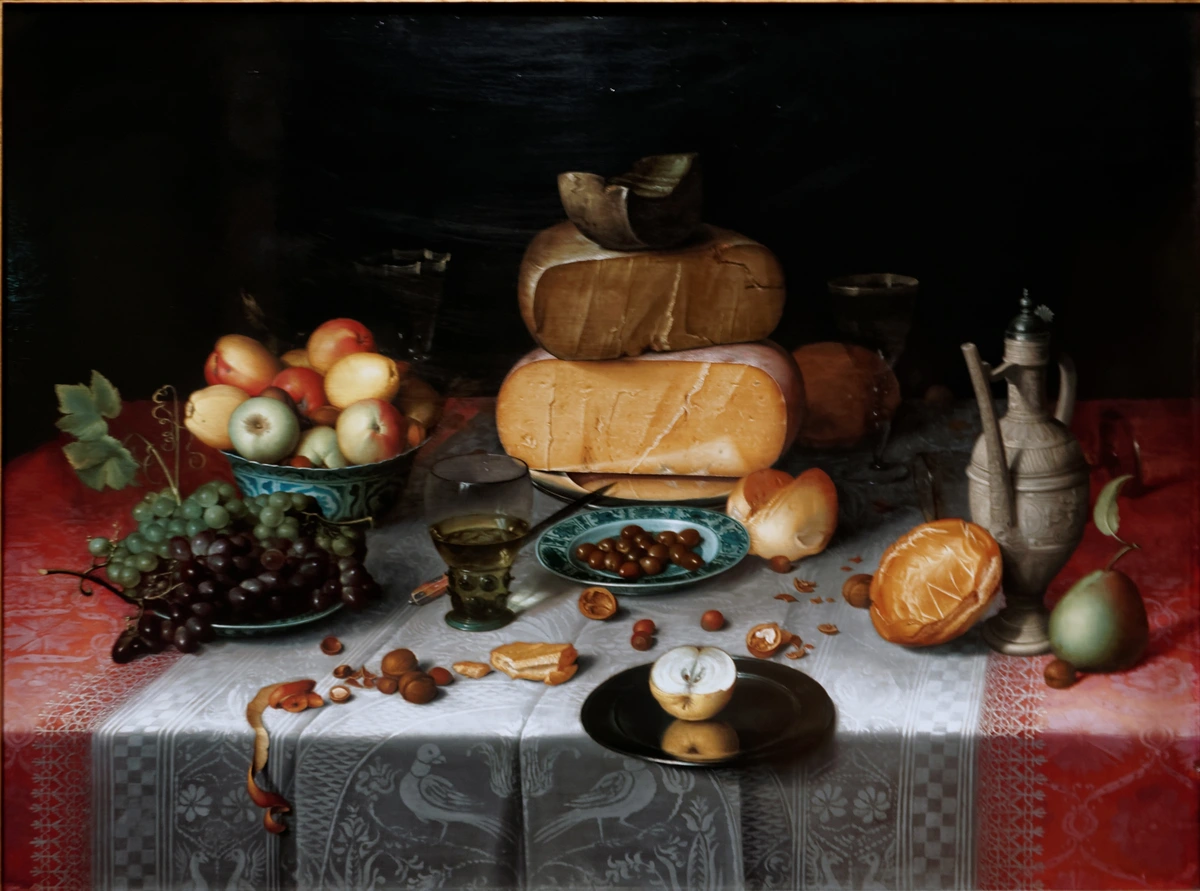
Baroque artists tackled a range of subjects, but they always imbued them with that characteristic drama. You'll find a lot of religious scenes, particularly from Catholic countries (like Italy and Spain), designed to inspire faith and devotion, often depicting miracles or martyrdoms with intense realism and emotional fervor. Mythological tales were popular, offering opportunities for dynamic narratives and nude figures. Portraits were crucial, especially for royalty and wealthy patrons, capturing not just likeness but status, personality, and even inner turmoil. Allegorical paintings, which used symbolic figures or scenes to represent abstract ideas (like virtue, vice, or time), were also common, serving both religious and secular patrons to convey complex messages. And in the Protestant Dutch Golden Age, still lifes (often with vanitas themes) and genre scenes (everyday life) became incredibly sophisticated, often carrying moralistic undertones. It's a rich tapestry of themes, all given that signature Baroque punch, making Baroque religious art and Baroque portraiture particularly prominent.
Was Baroque art solely religious?
Definitely not! While religious commissions, particularly from the Catholic Church, were a massive driving force and source of the most famous works, Baroque art was far from solely religious. Absolutist monarchs commissioned grand portraits and palace decorations (like Versailles) to project political power and divine right. Wealthy merchants in the Dutch Republic commissioned genre scenes (depicting everyday life), still lifes (often with vanitas themes), and civic group portraits. Mythological scenes were also incredibly popular, allowing artists to explore dynamic narratives and the human form. So, while piety was a major theme, power, domesticity, and the celebration of material wealth were equally important, showcasing the diverse interests of Baroque art patrons.
How did Baroque artists make a living? What was the economic landscape?
During the Baroque period, artists' livelihoods were largely dependent on patronage, but the economic landscape was quite varied regionally. In Catholic Europe, the Church (the Papacy, cardinals, religious orders) and royalty were the primary clients, commissioning grand works for public display (churches, squares) or private collections (palaces). Artists like Bernini and Rubens often held court positions or managed large workshops with apprentices to handle the immense demand, effectively operating as highly organized businesses. In the Protestant Dutch Republic, the shift in patronage was dramatic: a booming merchant class and influential civic guilds (often fueled by immense global trade wealth) became the main patrons, commissioning art for private homes and public institutions. This led to a flourishing market for smaller, more intimate works like portraits, genre scenes, and still lifes. Competition among artists for lucrative commissions was fierce across Europe, driving constant innovation, but also creating a volatile market where even successful artists like Rembrandt faced financial hardship.

What was the specific role of patrons like Cardinal Scipione Borghese?
Patrons like Cardinal Scipione Borghese were far more than just financial benefactors; they were active collaborators and tastemakers. Borghese, nephew of Pope Paul V, was a fervent art collector and instrumental in launching the careers of both Bernini and Caravaggio. He dictated subjects, often provided the specific spaces for which the art was intended (like the Borghese Gallery itself), and closely supervised the artistic process, ensuring the works aligned with his personal vision and the Counter-Reformation's aesthetic and ideological goals. For Bernini, Borghese's commissions for sculptures like Apollo and Daphne and The Rape of Proserpina were foundational. For Caravaggio, works like David with the Head of Goliath were created under Borghese's influence. His discerning eye and deep involvement meant that the art wasn't just for him, but often deeply shaped by him, making these Baroque art patrons central to the creation of masterpieces.
What are the primary differences between Italian Baroque and Northern Baroque (e.g., Dutch)?
The distinctions between Italian Baroque and Northern Baroque (particularly the Dutch Golden Age) are fascinating and reflect their differing religious and political contexts. Italian Baroque (and much of Catholic Europe) was often characterized by grandeur, theatricality, intense religious fervor, emotional exuberance, and monumental scale, primarily serving the Catholic Church (Counter-Reformation) and absolutist monarchs. Think Bernini's ecstatic saints or Rubens' dynamic altarpieces. Northern Baroque, especially in the Protestant Dutch Republic, shifted away from these grand narratives. It was instead defined by intimacy, introspection, subtle light, a focus on secular subjects (portraits, genre scenes of everyday life, still lifes), and a more modest scale, reflecting the values of a burgeoning merchant class and Calvinist humility. Rembrandt's profound portraits and Vermeer's serene domestic scenes are perfect examples of this more quiet, yet equally powerful, Baroque expression.
How did Baroque innovations influence theatre and stage design?
The theatricality inherent in Baroque art extended directly to contemporary stage design and theatre, becoming a powerful interdisciplinary force. The emphasis on dramatic illusion, elaborate spectacle, dynamic movement, and the blurring of boundaries between audience and performance found a natural home in Baroque opera and plays. Techniques like trompe l'oeil were adapted for stage backdrops to create grand, illusory environments. Complex stage machinery, using ropes, pulleys, and trapdoors, created awe-inspiring special effects like flying deities or sudden scene changes. Lighting (though rudimentary compared to modern theatre) was strategically used to highlight key moments, mirroring the chiaroscuro and tenebrism of painting. The emergence of opera itself, with its fusion of music, drama, and visual spectacle, became a major Baroque art form, offering total immersive experiences for the audience, whether in a church, a palace, or a playhouse, truly blurring the lines between art and life.
How does Baroque relate to Rococo?
Baroque and Rococo are sequential yet distinct art movements, with Rococo emerging from the late Baroque period around the early 18th century. While Baroque is characterized by grandeur, drama, intense emotion, and monumental scale, often serving religious or state power, Rococo represents a stylistic shift towards lighter, more intimate, playful, and elegant themes. Rococo largely moved away from the heavy drama of the Baroque, preferring delicate ornamentation, asymmetry, pastel colors, and themes of love, leisure, and nature, often for aristocratic private interiors rather than public displays of power or piety. Think of it as the Baroque letting its hair down and indulging in whimsical charm, rather than demanding awe. Essentially, Rococo is a more refined, decorative, and often secular offshoot that softened the Baroque's intensity. You can explore more about this charming successor movement in our guide to Rococo art.
Where can I see the best examples of Baroque art?
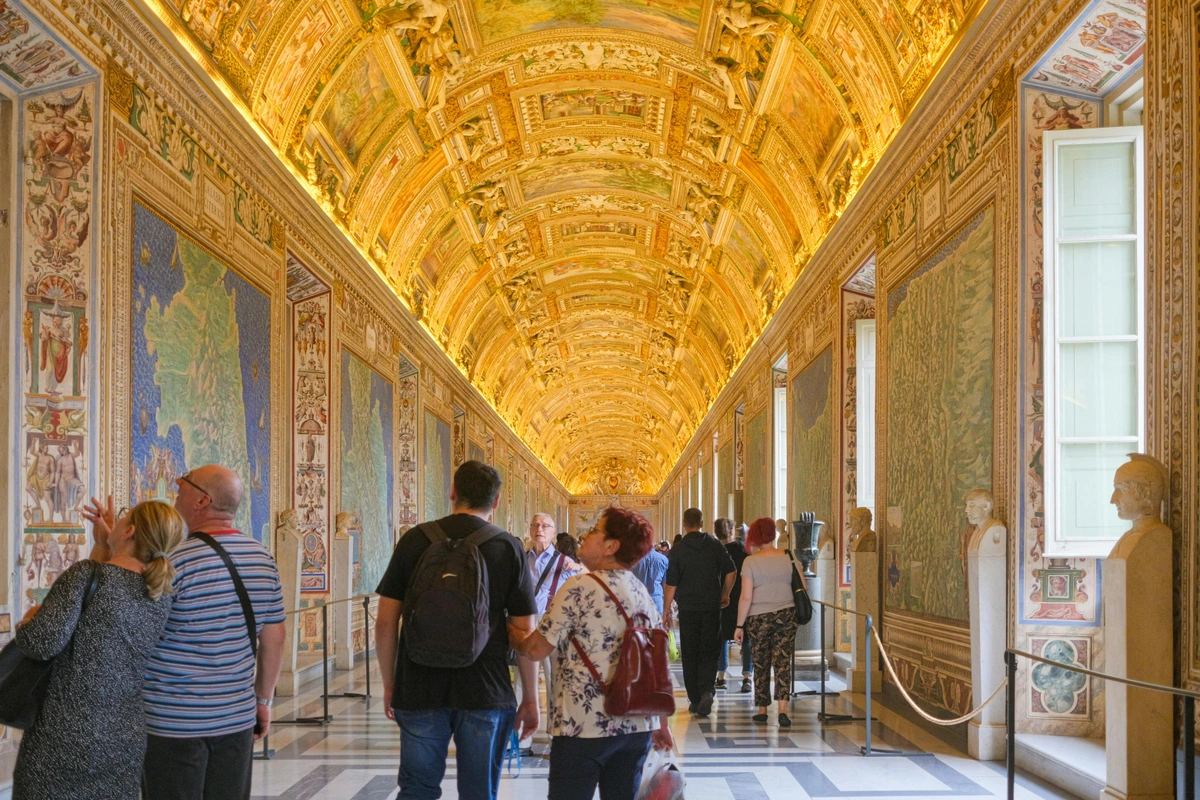
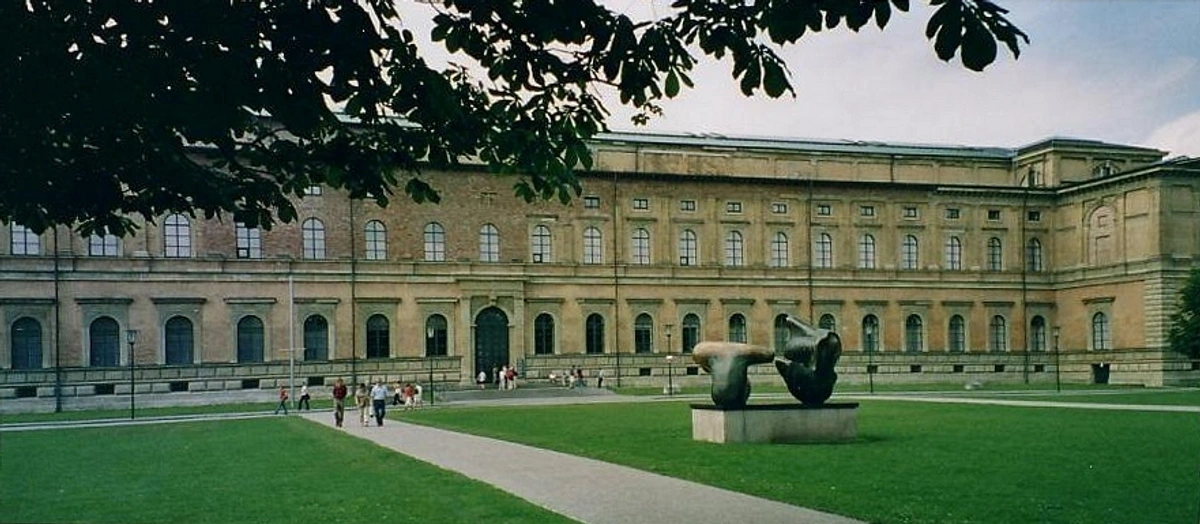
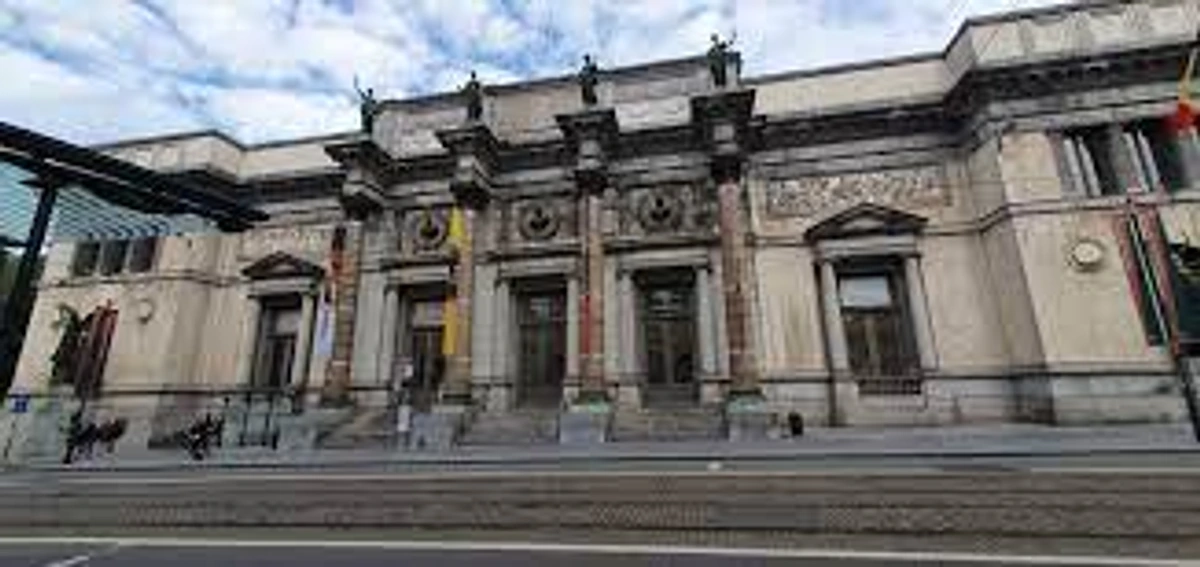
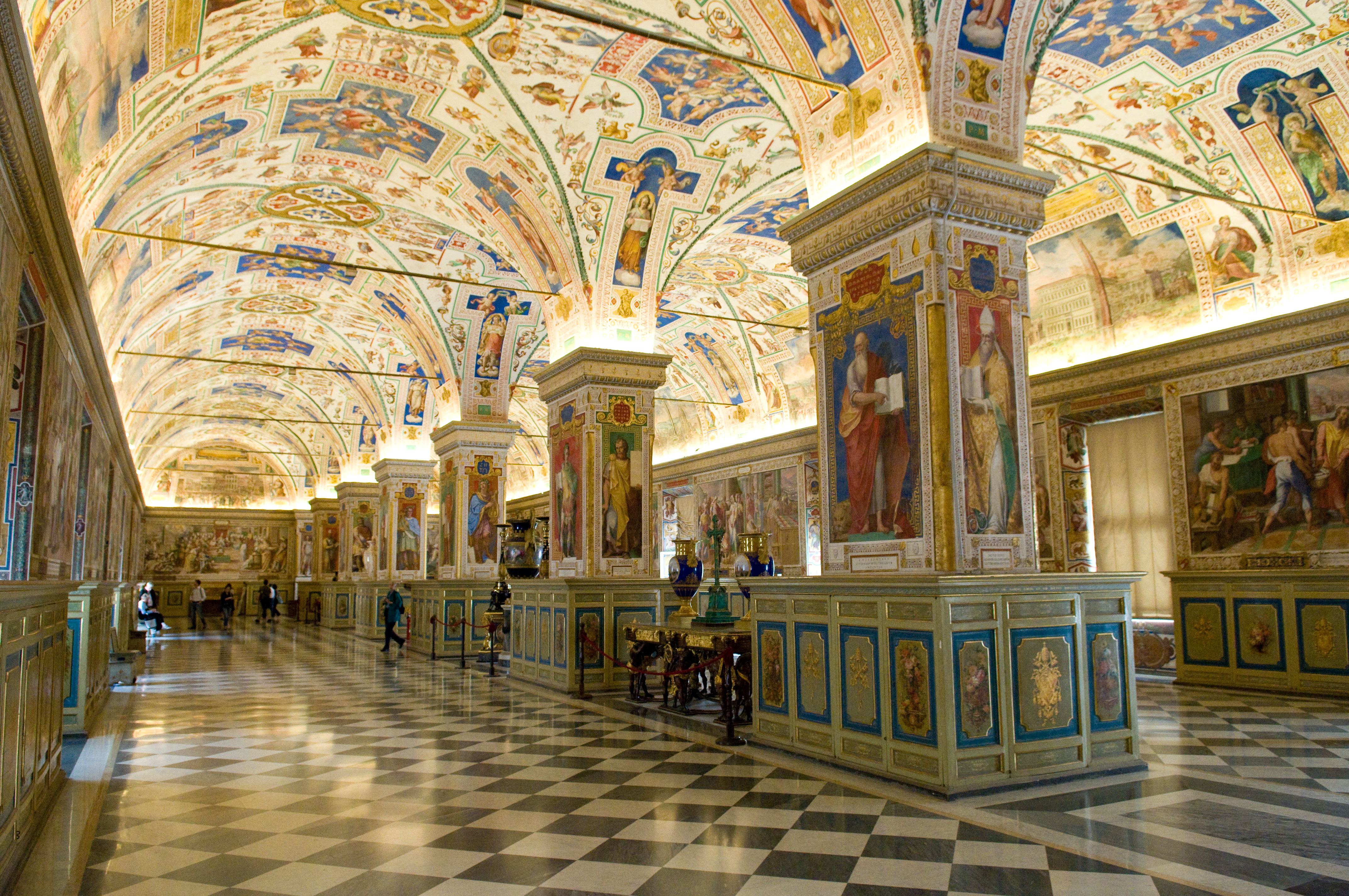
Many of Europe's greatest museums are absolute treasures for Baroque masterpieces. The Vatican Museums and Borghese Gallery in Rome are essential for Bernini and Caravaggio. The Museo del Prado in Madrid is the primary home of Velázquez, and the Rijksmuseum in Amsterdam is arguably the best place to see Rembrandt and Vermeer. Don't forget churches and palaces throughout Europe, where much of this art remains in situ, providing incredible opportunities to see Baroque art in museums and its original context. If you get the chance to visit these places, prepare to be completely swept away by the grandeur and emotion. Truly a treat for any art lover! I always find myself spending hours just absorbing the energy.
What is the impact of Baroque art on modern art?
The Baroque's influence is surprisingly enduring. Its dramatic use of light and shadow, emotional intensity, and theatricality can be seen echoing in later movements like Romanticism and even Expressionism. Contemporary artists, particularly those interested in narrative, performance, or immersive installations, often draw parallels to Baroque techniques. The way Baroque artists manipulated perception and engaged the viewer directly feels incredibly relevant to modern conceptual art, still challenging how we experience and interpret art today. It's that direct, visceral connection that truly transcends centuries, demonstrating the profound Baroque influence on modern art and its lasting legacy. Even today, the pursuit of grand, dynamic narratives in film (think film noir's dramatic lighting or epic historical dramas) or interactive digital art can be traced back to the Baroque's ambition to create a total spectacle.







The Baroque, for me, isn't just a historical period; it’s a living testament to art's ability to shake us, to awe us, and to remind us of the profound drama that pulses through the human experience. It’s a period that fiercely embraces our passions, our faith, and our awe, and in doing so, makes us profoundly aware of life's fleeting nature, yet celebrates its intensity. This conversation, spanning centuries, continues to inspire and resonate, proving that truly transformative art never really fades; it simply invites us to see the world anew. Whether you're visiting a grand museum or simply observing art around you, take a moment to feel the enduring pulse of the Baroque echo through time, challenging your perceptions and stirring your soul. For more explorations, delve into our /timeline of art history or browse the unique artistic expressions on /buy.