The Cultural Significance of Art Movements
Explore how art movements reshape history, challenge norms, and reflect the soul of their times. A deep dive into cultural revolution through color and form.

The Cultural Significance of Art Movements
Remember that moment in childhood when you first discovered crayons weren't just for coloring inside the lines? That primal urge to drip, smear, and redefine? That’s essentially what art movements are on a global scale—societies collectively scribbling outside predefined boundaries. These aren’t just pretty pictures; they’re cultural seismic shifts that challenge how we see the world ourselves.
Why Art Movements Matter More Than You Think
Art movements aren't just art history trivia—they're cultural DNA. They encode our collective hopes, fears, and discoveries into visual form. When we study these movements, we're not just learning about paint and canvas; we're learning about how civilizations process trauma, celebrate progress, and imagine new possibilities. Art isn't born in a vacuum. It’s society’s mirror, megaphone, and all-out rebellion rolled into one. Every time we lump artworks together into a "movement," we’re tracking human evolution—how we responded to war, technology, love, or cosmic despair. Like jazz improvisation that bends rules while creating new ones, these movements emerge when we collectively say, "Enough of this. There must be another way to feel."
I recall standing before Kandinsky’s Composition VII in Munich years ago, completely overwhelmed. The swirling chaos wasn't abstract noise—it felt like the birth pangs of a new worldview. That’s when I realized: art movements are psychological revolutions trapped in pigment and plaster. They’re civilizations thinking out loud.
Key Movements That Redefined Humanity
Here’s where we trace the domino effect—how one period’s chaos becomes another’s blueprint:
Renaissance (1400s-1600s): The Great Awakening
After centuries of spiritual darkness, humanity rediscovered perspective—literally. Artists like Michelangelo and da Vinci didn’t just paint figures; they draped biblical figures in the dignity of flawed human flesh. This was revolutionary: beauty in the realistic, divinity in the ordinary. In doing so, they sparked the individualism that would eventually fuel democracy.
Impressionism (1860s-1880s): Capturing Fleeting Moments
When artists like Monet began slapping dabs of color instead of blending shadows, critics called it unfinished! But they were actually capturing nature’s true chaos—the shimmer on water, the haze of cities. In the wake of industrialization, Impressionism celebrated transience when the world around us was becoming steel and machines. It’s no coincidence they painted gardens and leisure; they were preserving soul before steamrollers flattened it.
Surrealism (1920s-1960s): Dreaming on Purpose
After the blood-soaked trenches of World War I, sanity felt like a luxury. Dalí, Magritte, and Miró weaponized dreams to dissect absurdity. Melting clocks? They weren’t bizarre—they mapped the distorted time trauma. Surrealism proved reality was negotiable, planting seeds for everything from psychology to cinema. It whispered: "What if madness is clarity?"
Abstract Expressionism (1940s-1950s): America’s Artistic Breakthrough
War-ravaged Europe caved, and New York roared. Artists like Pollock and Rothko flung paint not as technique, but as primal scream. Their canvases were battlefields where emotion trumped skill. At the peak McCarthyism, this was profoundly anti-establishment: messy, individualistic, gloriously unpredictable. It declared art not decoration, but existential grappling.
Fauvism (1905-1910): Wild Colors Take Over
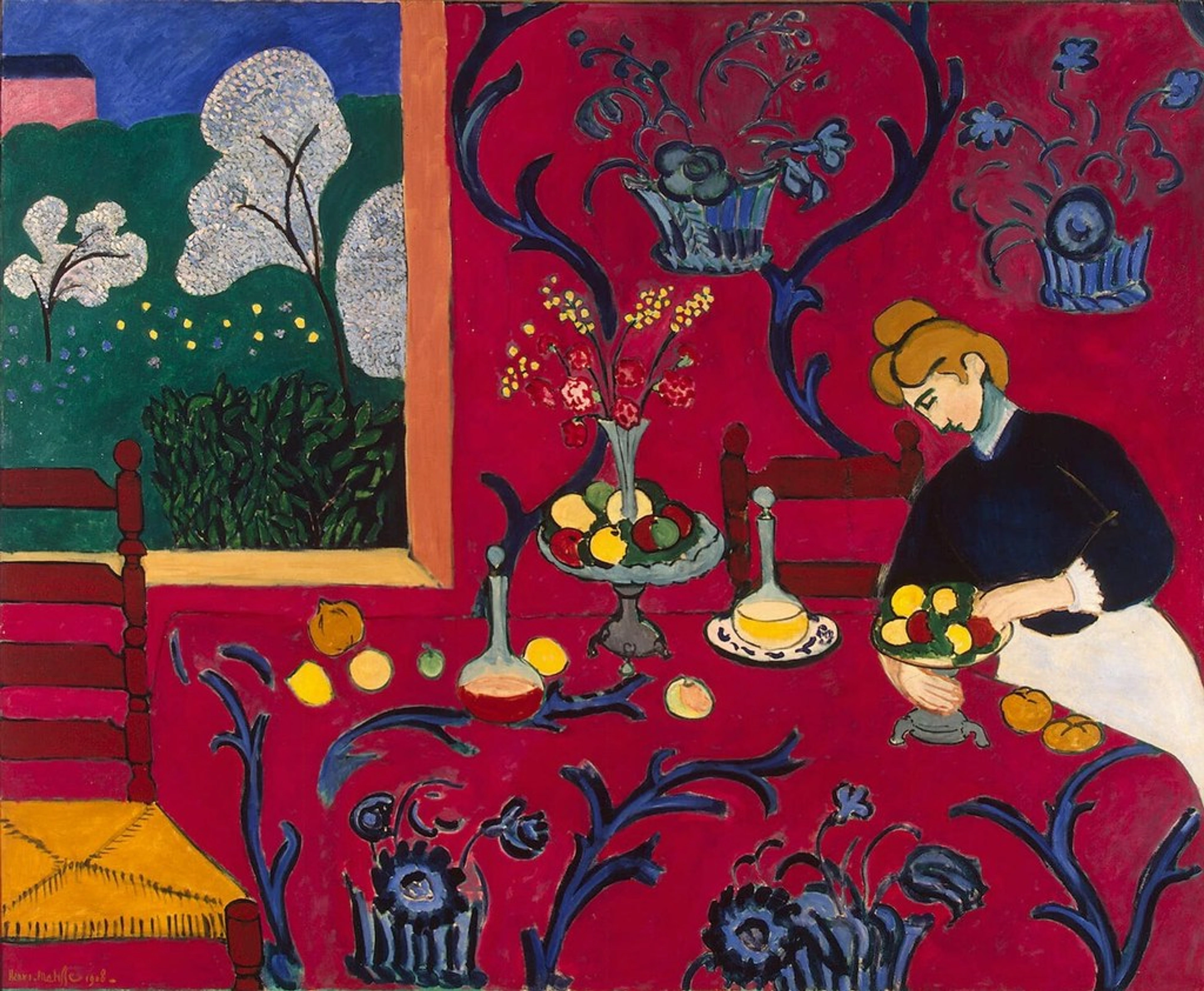
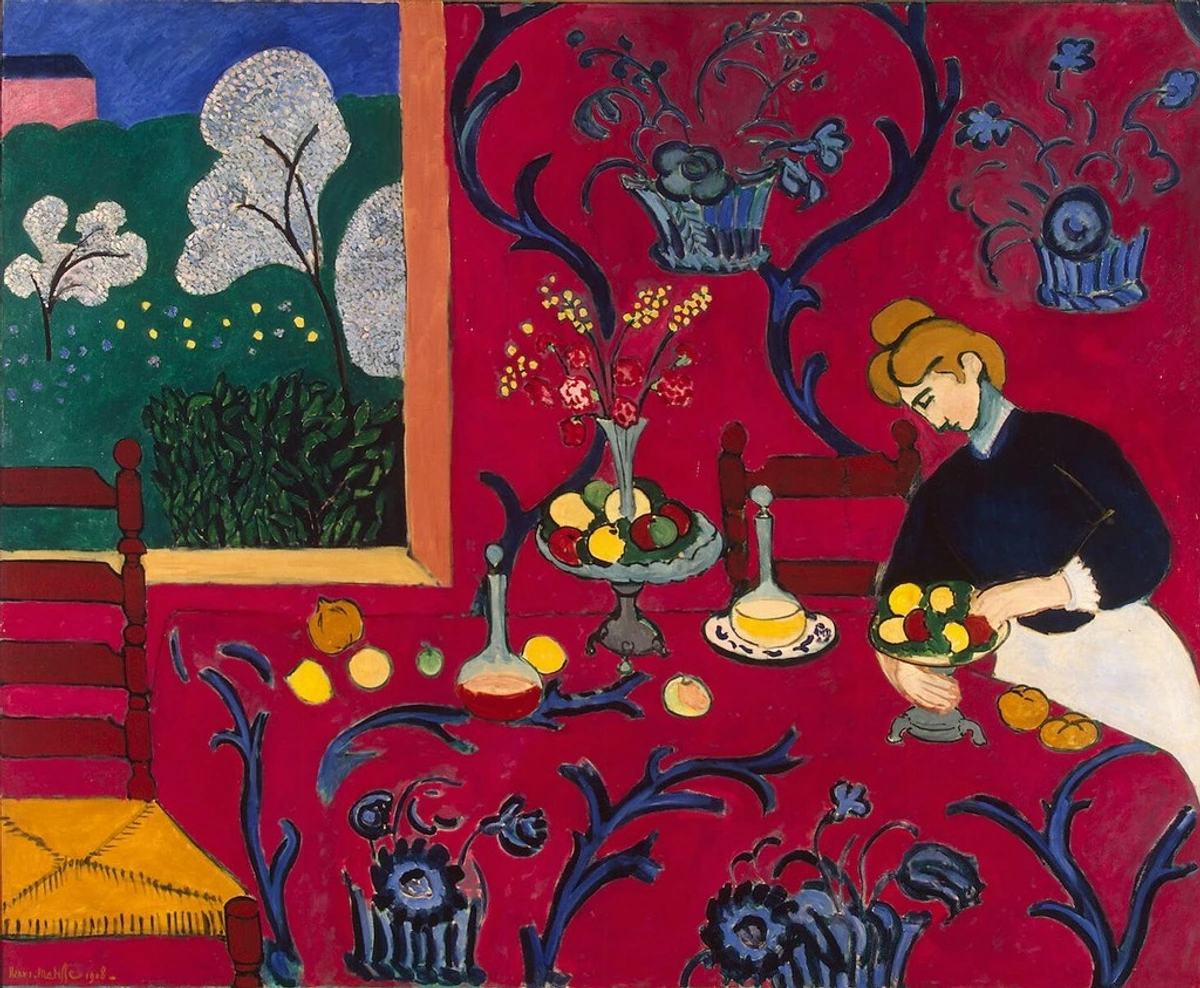
Imagine seeing a painting where the sky was bright green and the trees were purple. That's what Fauvism did to art. Artists like Matisse and Derain threw away the color wheel and painted with pure, unbridled emotion. The name "Fauves" means "wild beasts"—a term critics used to mock their chaotic use of color.
Fauvism wasn't about accurate representation; it was about pure visual impact. It taught us that color could be an emotional language of its own.
Expressionism (1905-1930s): Painting Inner Turmoil
If Fauvism was about outer emotion, Expressionism was about inner turmoil. German artists like Kirchner, Nolde, and Kandinsky created distorted, emotionally charged works that reflected the anxieties of the early 20th century. They used jarring colors, distorted forms, and dramatic compositions to express psychological states.
Expressionism was art as therapy—both for the artists creating it and the viewers experiencing it. It proved that art could be a powerful tool for processing collective trauma and anxiety.
The Cultural Ripple Effect: Art Movements Beyond Galleries
Art doesn’t stay in museums. It bleeds into everything:
Influenced Area  | Example | Movement Source |
|---|---|---|
| Fashion | Yves Saint Laurent’s Le Smoking suit | Cubism’s geometric forms + Gender norm-breaking |
| Music | Jazz syncopation reflecting Cubism’s fragmented rhythms | Synesthesia between senses |
| Architecture | Frank Gehry’s titanium curves | Deconstructivism’s playful chaos |
| Social Change | LGBTQ+ pride flags evolving from Gilbert Baker’s 1978 design | Activist movements reclaiming symbols |
Think of jazz not just as music, but as visual rhythm given sound. That’s how art movements reshape culture: they teach us to see fragmentation as beauty, to find rebellion in color.
Surrealism (1920s-1960s): Dreaming on Purpose
After Dada's absurdity came Surrealism—art that explored the unconscious mind. Dalí, Magritte, and Miró created dreamscapes that felt both bizarre and deeply meaningful. Dalí's melting clocks mapped time trauma, while Magritte's bowler hats floating in space questioned reality itself.
Surrealism proved that dreams weren't just nonsense—they were another way of understanding the world. It influenced everything from psychology to advertising, showing how the subconscious could be a source of profound insight.
Bauhaus (1919-1933): Art Meets Life
The Bauhaus movement tried to erase the line between art and everyday objects. Founded by Walter Gropius, it believed that "form follows function" should apply to everything from chairs to buildings. Artists like Kandinsky and Klee taught that good design wasn't just for museums—it was for everyone.
Bauhaus principles still influence everything from Apple products to modern architecture. It taught us that beauty and functionality could coexist, and that art should improve everyday life.
How to Appreciate and Identify Art Movements
So you've found yourself standing before a canvas that looks like someone threw paint at it and called it art. I know what you're thinking—"My kid could do that." And honestly? You're probably right about the kid part. But there's a difference between making a mess and making a statement. Here’s how to start seeing art movements as conversations rather than decorations:
Look for the Visual Language
Every movement has its own vocabulary. Impressionists use dappled light and broken color; Cubists fragment reality into geometric shapes; Surrealists bend time and space like rubber bands. When you approach a piece, ask yourself: "What are the visual rules this artist is playing with?"
Context is King (or Queen)
Art doesn't exist in a vacuum. That fiery red painting? Probably made during a war or revolution. Those serene landscapes? Likely a response to industrialization. Understanding the historical moment transforms "pretty" into "profound."
Follow the Emotional Trail
Forget technical analysis for a second. How does the art make you feel? Anxious? Joyful? Confused? Art movements are emotional mirrors—they capture the collective psyche of their era. If a painting unsettles you, that might be exactly the point.
Read Between the Lines (Literally)
Many artists wrote manifestos, letters, or interviews about their work. Kandinsky explored the spiritual in art; Picasso dissected the political. These artists weren't just painting—they were thinking out loud, and their words often unlock the doors to their canvases.
Study the Materials and Techniques
Sometimes you need to look closer. What materials did the artist use? Oil paint behaves very differently than watercolor or acrylic. Bronze casting creates different effects than wood carving or printmaking. Understanding the technical limitations and possibilities of different mediums can reveal why artists chose certain approaches over others.
Consider the Display Context
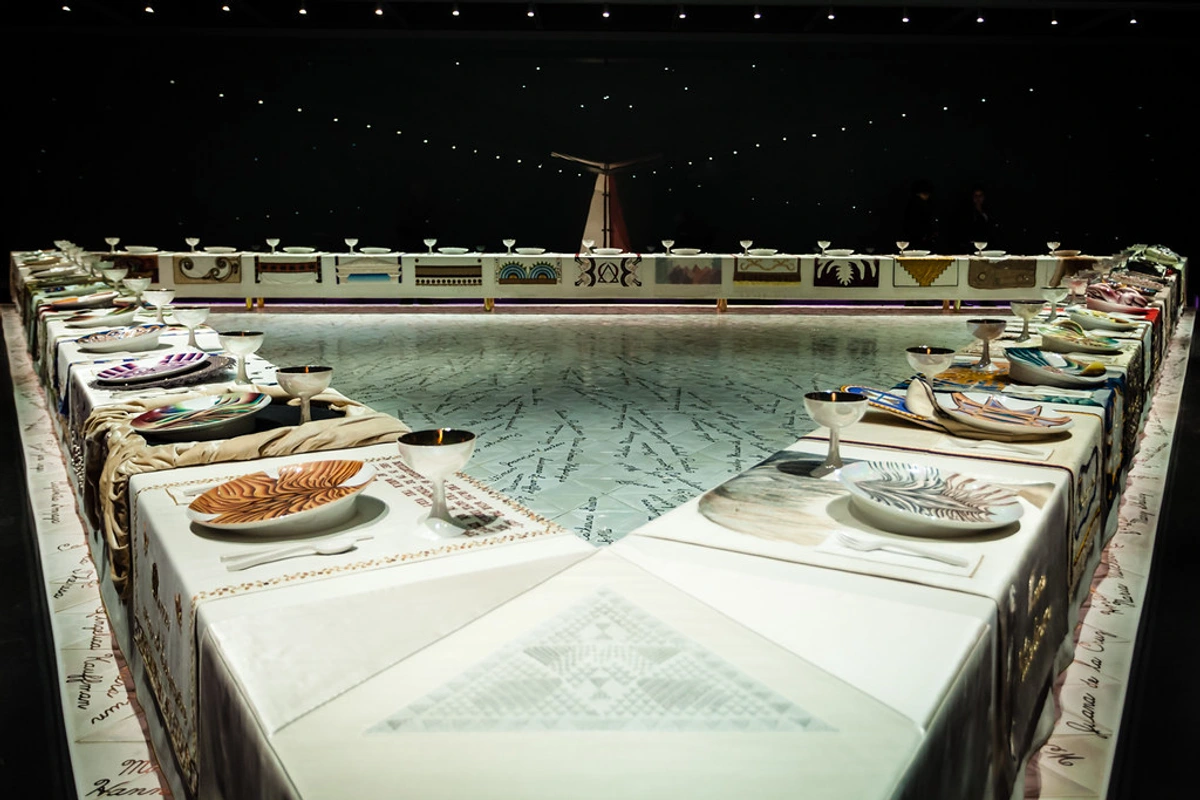
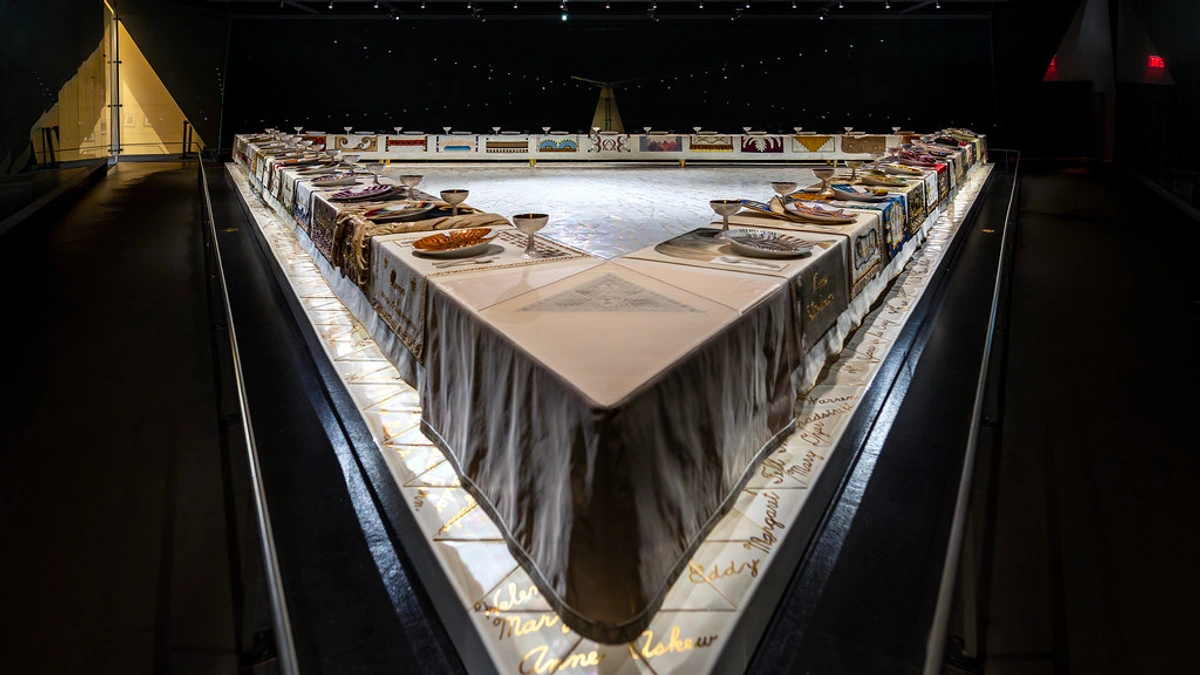
Where and how art is displayed changes its meaning. A Renaissance altarpiece was meant for a church, affecting how viewers approached it. A contemporary installation might be designed for a specific space, creating an immersive experience. Understanding the original context helps you appreciate how the art was meant to be experienced.
FAQ: Understanding Art Movements
What exactly is an art movement?
An art movement is essentially a group of artists who share similar ideas, styles, or techniques during a specific period. Think of it as artistic "families"—they might fight, they might compete, but they're united by a common approach to making art. Key characteristics include shared aesthetics, common influences, and often a response to social or political events.
What's the difference between an art movement and an art style?
Great question! Art movements are about community and shared philosophy—they're the "who" and "why" behind the art. Art styles are about visual execution—they're the "how." For example, Impressionism (a movement) emphasized capturing fleeting moments, which manifested as specific techniques like broken color and visible brushstrokes (the style). Multiple movements can share similar styles, and artists can work across different movements while maintaining a consistent style.
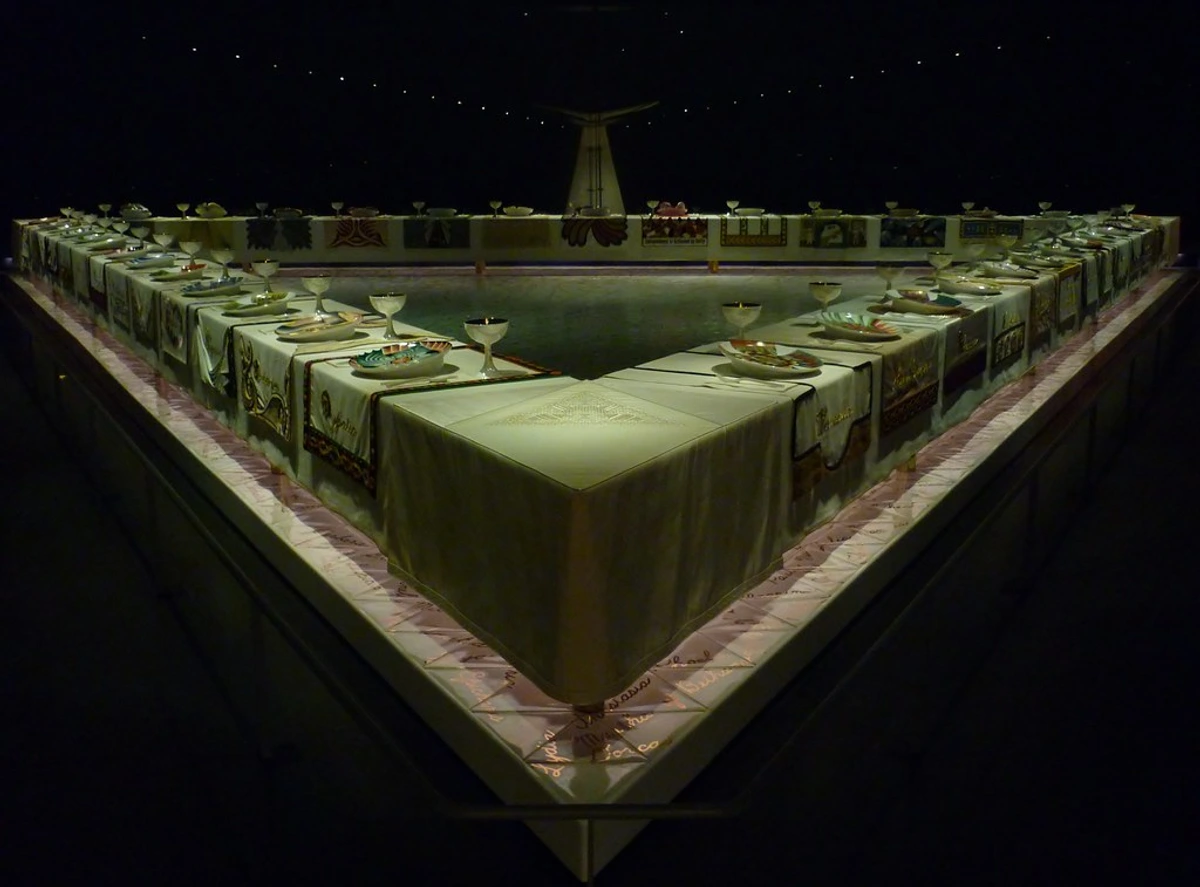
How do art movements differ from art styles?
Great question! Art movements are about community and shared philosophy—they're the "who" and "why" behind the art. Art styles are about visual execution—they're the "how." For example, Impressionism (a movement) emphasized capturing fleeting moments, which manifested as specific techniques like broken color and visible brushstrokes (the style).
Why do new art movements keep emerging?
Art is society's barometer. When the world feels chaotic, fragmented, or transformative, artists respond. World War I birthed Dada and Surrealism; the digital age gave us Digital and AI art. New movements emerge when artists collectively say, "The old ways no longer capture what we're experiencing."
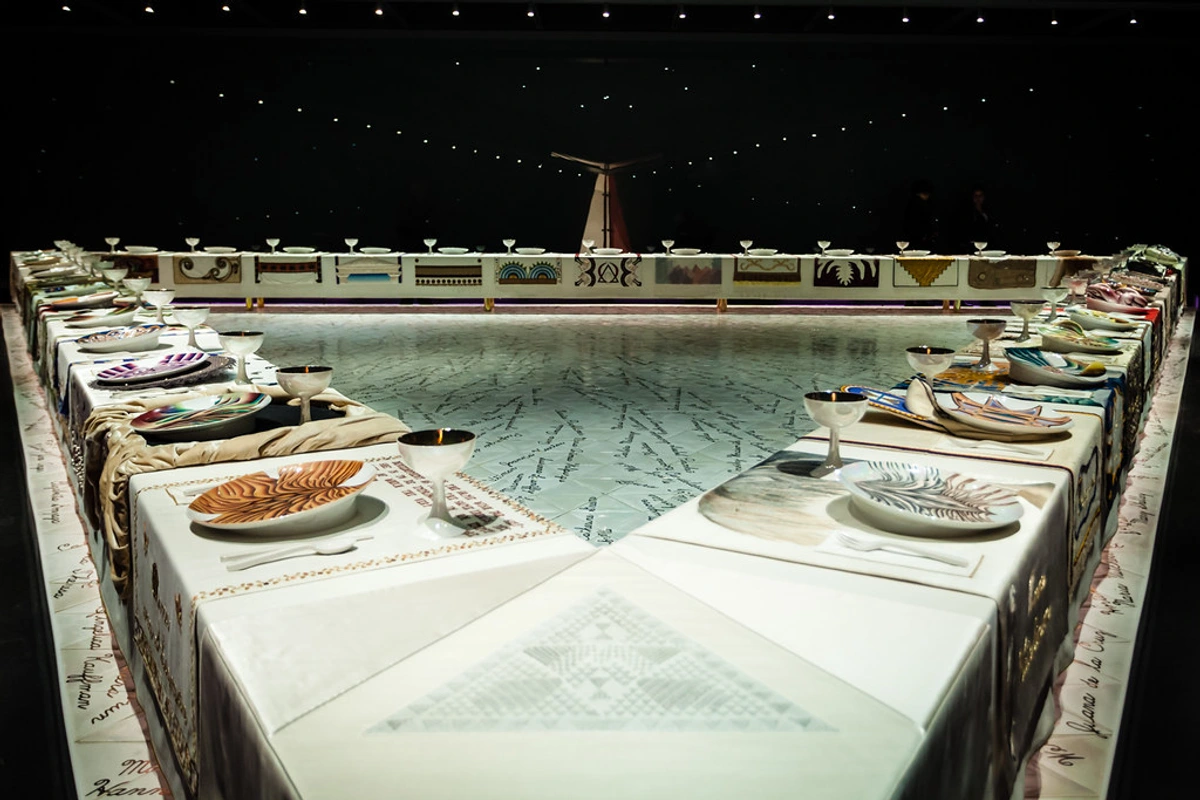
Can an artist belong to multiple movements?
Absolutely! Many artists evolve or work across boundaries. Picasso started in Blue Period (emotional realism), helped invent Cubism (geometric fragmentation), and later experimented with Surrealism (dream logic). Artists aren't prisoners of labels—they're explorers of possibility.
What's the difference between traditional and modern art movements?
Traditional movements (like Renaissance or Baroque) often served religious or political institutions, with established rules about beauty, technique, and subject matter. Modern movements (starting around Impressionism) began questioning those rules, prioritizing individual expression, experimentation, and often social commentary over technical perfection.
How do art movements influence each other?
Like ripples in a pond, movements build on what came before. Cubism shattered perspective, which influenced Abstract Expressionism's focus on emotional rawness over representation. Surrealism's exploration of the unconscious paved the way for later movements that embraced chaos and chance.
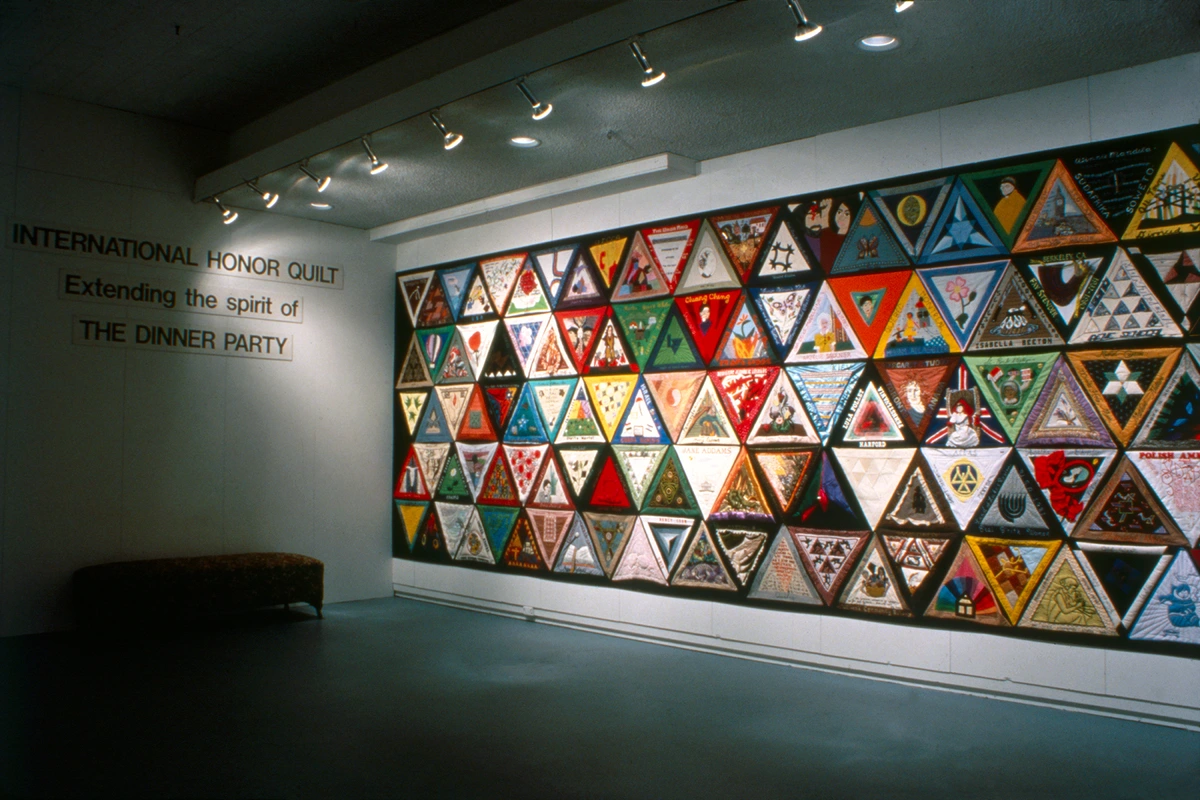
Are art movements still relevant today?
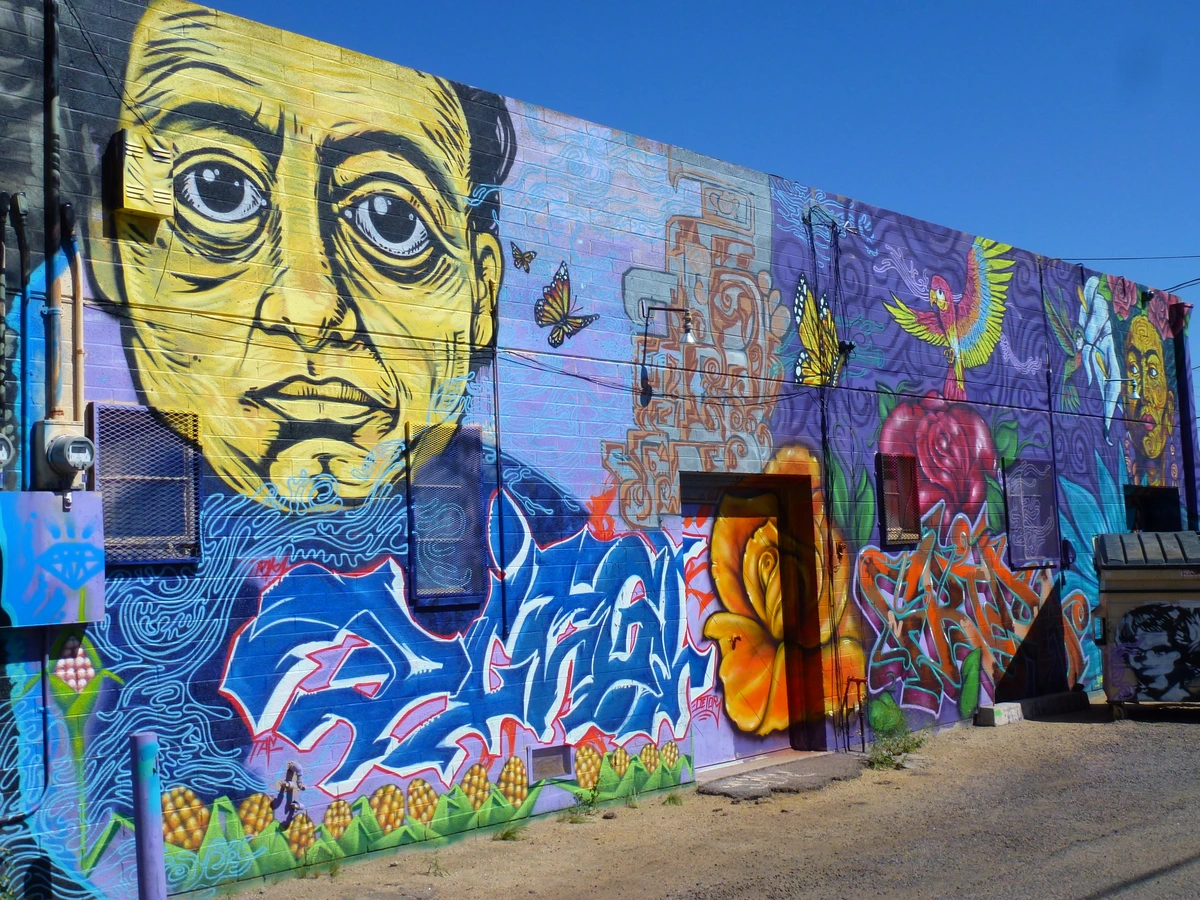
More than ever! While we don't have neatly packaged "movements" in the traditional sense, contemporary art continues to evolve in response to technology, climate change, and social justice. Street art, digital art, and installation art all represent modern approaches that carry the revolutionary spirit of past movements.
How long do art movements typically last?
There's no set timeline! Some movements burn bright and fast (like Dada, which lasted only a few years), while others evolve over decades (like Impressionism, which influenced artists for generations). Movements end when their ideas become absorbed into the mainstream, when the cultural conditions that birthed them change, or when artists move on to explore new questions.
Do all art movements have formal names?
Interestingly, no! Many movements were given names by critics or historians after the fact. Impressionism got its name from a critic mocking Monet's Impression, Sunrise. Cubism was coined by art critics trying to describe Picasso's angular work. Sometimes the artists themselves reject the labels imposed on them!
Performance Art (1960s-Present)
Art became action. Marina Abramović sat silently for hours, letting strangers do whatever they wanted to her. Chris Burden had himself shot or crucified. Performance Art turned the artist's body into the medium itself, creating powerful experiences that couldn't be bought or sold.
Performance Art taught us that art could be ephemeral, that the most important thing might be the experience rather than the object. It challenged our ideas about permanence and value.
Video Art & Digital Art (1960s-Present)
When video cameras became portable, artists found a new medium. Nam June Paik turned television sets into art, while contemporary artists use everything from VR to AI to create experiences that blend the digital and physical worlds.
Digital art represents the newest frontier, challenging traditional ideas about originality, authorship, and what it means to create art in an increasingly virtual world.
Bio Art & Art and Science (1990s-Present)
Art meets biology and technology. Artists create living artworks, use genetic material, and explore the boundaries between natural and artificial life. Stelarc implants technology into his body, creating cyborg-like experiences that challenge our definitions of what it means to be human.
This movement represents the cutting edge of artistic experimentation, where art and science merge to explore fundamental questions about life, consciousness, and the future of humanity.
Global Contemporary Art (2000s-Present)
Art no longer centers around Western Europe and America. Artists from Africa, Asia, Latin America, and the Middle East are creating work that reflects their own cultural contexts while engaging with global themes. This has created an incredibly diverse and vibrant contemporary art scene.
Global contemporary art challenges Western art historical narratives and shows that art movements emerge from all corners of the world, each with its own unique perspective and approach.
The Psychology Behind Art Movements
Why do humans keep reinventing art? The answer lies deep in our psychological makeup:
Rebellion as Creative Evolution
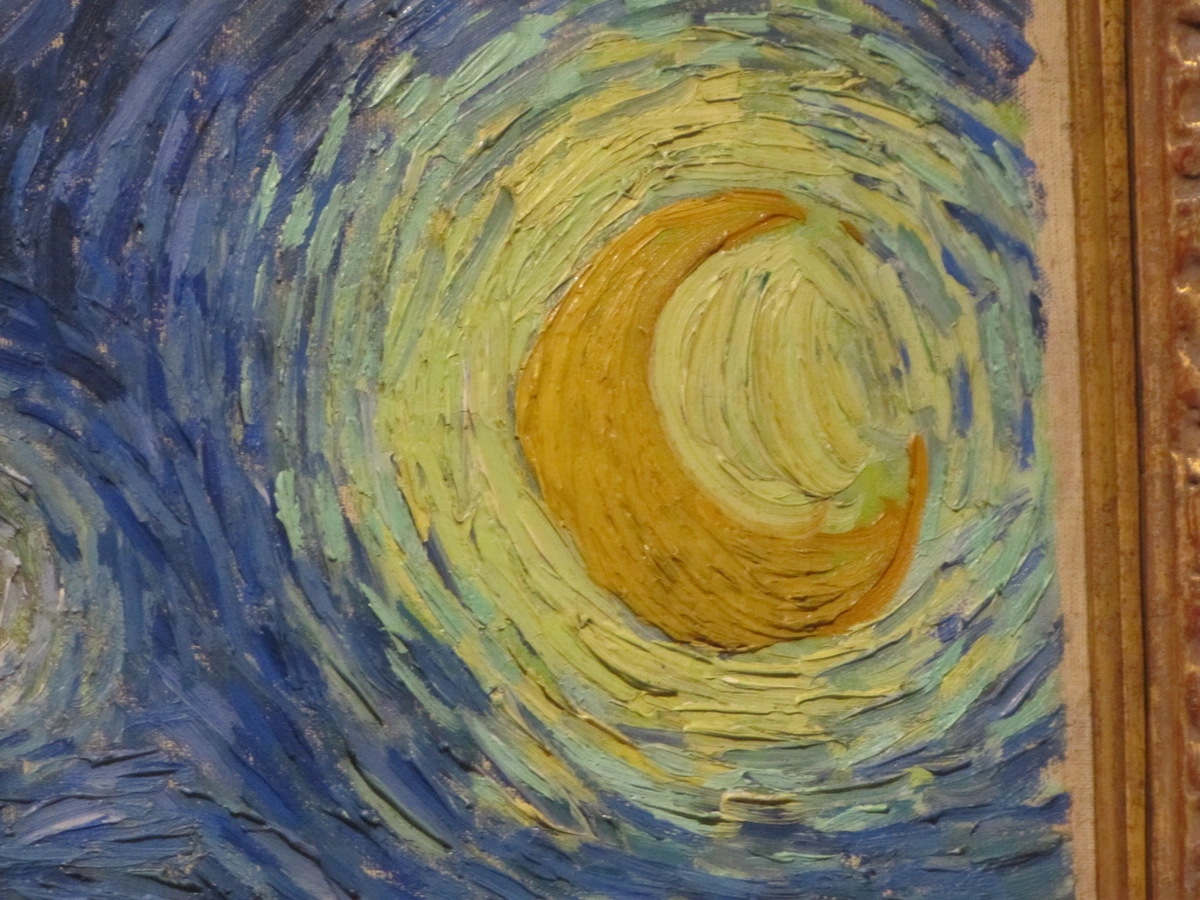
Every movement begins with a "No." No more perfect realism! (Impressionism). No more traditional perspective! (Cubism). No more meaning! (Dada). This isn't just teenage angst—it's humanity's restless drive to see the world differently.
Collective Catharsis
Art movements emerge when society needs emotional processing. After World War I's trauma, Surrealism gave form to collective anxiety. During the civil rights movement, Black Arts Movement channeled anger and hope into visual poetry. Art movements are how societies heal and make sense of chaos.
The Power of Shared Vision
There's magic in numbers. When artists unite around a common philosophy, they create cultural earthquakes. Individual genius is powerful, but collective genius changes how entire civilizations see themselves. Movements amplify individual voices into cultural symphonies.
The Need for New Languages
When existing forms can't express new experiences, artists invent new visual languages. Photography emerged when painters could no longer realistically represent the world (why paint a portrait when a camera could do it better?). Digital art emerged when traditional media couldn't capture the digital experience. Art movements often solve the problem of expression.
Cognitive Dissonance and Art
Sometimes art movements emerge from cognitive dissonance—when what we see conflicts with what we believe. Impressionists saw the world differently than academic painters taught them to see. Cubists understood space differently than Renaissance perspective allowed. Art movements often resolve the tension between perception and tradition.
Mirror Neurons and Empathy
Art movements work because they tap into our mirror neurons—the brain cells that help us feel what others feel. When we experience art, we don't just see it; we feel it. This is why movements can create shared emotional experiences that bind people together across time and space.
Practical Applications: Art Movements in Daily Life
Understanding art movements isn't just for museum visits—it transforms how you experience the world:
Design and Architecture
That modern building with the weird angles? Deconstructivism at work. The geometric patterns in your rug? Cubist influence. Art movements shape everything from urban planning to product design, proving good taste is often historical taste.
Marketing and Branding
Companies borrow artistic vocabularies all the time. Apple's minimalist aesthetic echoes Bauhaus principles. Nike's bold graphics owe a debt to Pop Art. Recognizing these connections helps you understand cultural messaging on a deeper level.
Personal Creativity
Feeling stuck creatively? Study art movements! Try Impressionist techniques for capturing light, experiment with Surrealist methods for unlocking imagination, or borrow Abstract Expressionist approaches for emotional release. Movements aren't just history—they're toolkits for your own creativity.
Education and Critical Thinking
Art movements teach us to see multiple perspectives simultaneously. Cubism shows us that reality isn't fixed but multiple viewpoints. Surrealism teaches us to question what's "real." These are valuable skills for critical thinking in any field.
Emotional Intelligence
Different movements train different emotional muscles. Romanticism helps us appreciate awe and wonder. Minimalism teaches us to find beauty in simplicity. Expressionism helps us process strong emotions. Studying art movements makes us more emotionally sophisticated.
Art Movements: A Living Legacy
The next time you encounter art that challenges, confuses, or delights you, remember: you're not just looking at paint on canvas or stone carved into form. You're witnessing humanity thinking out loud. Art movements are civilizations in conversation—arguing, celebrating, questioning, and constantly reinventing what it means to see and be seen.
So go ahead. Stand before that "abstract" painting. Let it unsettle you. Let it make you question. Because that's exactly what art movements have been doing for centuries—pushing us to see not just the world, but ourselves, in entirely new ways.
The revolution, as they say, is always ongoing. And right now, it's happening on a canvas, a street wall, and a digital screen near you.
Final Thoughts: Why This Matters to You
Art movements aren't just historical footnotes—they're living proof of human creativity's endless potential. They show us that when we feel stuck, when old ways no longer work, when we need to see things differently, we have within us the capacity to invent new languages, new perspectives, new ways of being.





This isn't just about art. It's about life. The same restless creativity that drove Impressionists to paint light differently, that drove Cubists to shatter perspective, that drives contemporary artists to challenge digital boundaries—that same creativity lives in all of us. Understanding art movements helps us reclaim that creative spark, not just for making art, but for living more fully, seeing more deeply, and embracing the beautiful, messy, ongoing revolution of being human.