Creating Art That Evokes Emotional Depth: A Practical Guide
Your definitive guide to creating art that truly moves people. Delve into the artist's mindset and explore practical techniques to infuse color, composition, and form with genuine emotional depth.

The Quiet Labor of Making Art That Actually Feels Like Something
Have you ever stood in front of a painting and felt it was speaking directly to you? Not just the image itself, but the hidden, thrumming energy beneath the surface—that almost physical hum that seems to bypass your rational mind and settle somewhere deeper. I have. And every time, I walk away with the same burning question: how did they do that?
Creating art that genuinely moves people has nothing to do with secret formulas or correct techniques. In fact, whenever someone asks me for the 'right way' to paint emotion, I tell them they're asking the wrong question. The real work is far messier and more interesting—it's the quiet labor of translating an intangible feeling from your inner world into a tangible form that someone else can connect with, often without either of you knowing exactly why.
I'm not here to sell you artistic mystique. That journey from feeling to form involves concrete, learnable practices—techniques that help you infuse your work with meaning before the first brushstroke ever hits the canvas. What most people don't realize is that the art you admire for its feeling probably didn't start with inspiration at all. It started with something much more ordinary: intention, routine, and what I like to call emotional carpentry—the slow building of something solid from raw feeling.
So let's talk about intention. Let's talk about the real, tangible ways you can create art that doesn't just sit on a wall, but hums with life. Because the most radical thing you can do as an artist today is create work that actually feels like something.
What This Article Will Teach You
This isn't another generic art tutorial. Over the next few thousand words, we're going to dive deep into the specific, practical methods that transform emotional experience into lasting visual form. You'll discover:
- The science behind why certain artworks make you feel something before you even understand what you're looking at
- How to develop your own emotional vocabulary using simple daily practices that cost nothing but attention
- Specific techniques for translating feeling into color, composition, and mark-making—not theory, but concrete methods you can use today
- Why your studio practice is actually an emotional discipline and how to structure it for consistent access to your creative core
- The counterintuitive truth about vulnerability in art: how being emotionally honest doesn't mean being confessional or exposed
- Advanced methods for working with emotional complexity: how to paint paradox, contradiction, and the layered truth of actual human experience
- Practical business considerations for artists creating emotionally resonant work in a market that often values spectacle over substance
Whether you're a complete beginner wondering how anyone translates feeling into paint, or a seasoned artist feeling stuck in decorative or illustrative work, this guide will give you specific tools and fresh perspectives. By the end, you'll have not just inspiration, but a working methodology for creating art that doesn't just show something, but does something—art that creates genuine connection between people who may never meet.
Let's begin with the most fundamental question: in an age of infinite images, why does any of this matter?
Why Emotional Resonance Matters More Than Ever
In our age of perfectly rendered digital images and mass-produced decor, art that actually feels like something has become quietly radical. We're drowning in visual content—some estimates suggest we encounter more images in a single day than our great-grandparents saw in their entire lifetimes. Most of this visual noise is designed to be consumed and forgotten in seconds. Authentic emotional art refuses this disposability. It creates the difference between simply seeing and genuinely being seen—that moment when a piece resonates so deeply it feels like finding a conversation partner you didn't know you were looking for, creating shared human experience across the strangest distances.
Think about it: we're constantly surrounded by images designed to manipulate our emotions—advertising that triggers desire, social media content engineered for outrage or envy, entertainment designed to produce specific emotional arcs. Authentic art, in contrast, offers something different: it's an invitation to feel without being told what to feel. It's the difference between being sold something and being offered a gift. Every click, every scroll, every commercial break is someone trying to manipulate your nervous system. Emotional art offers the radical alternative: here's my nervous system, offering you connection without agenda.
This has nothing to do with sentimentality or dramatic subject matter. In fact, the most emotionally devastating art I know is often completely abstract. Think about it: a silent canvas hanging on a white wall somehow makes your chest tighten or your breathing slow. That's the artist's real magic trick—translating their inner weather into formal choices about color, line, texture, and composition that activate something similar in complete strangers.
Here's what I've learned: viewers remember how art makes them feel long after they forget what it looked like. In my own collecting and creating, I've found that the pieces I return to again and again aren't necessarily the most technically perfect or conceptually clever. They're the ones that create a quiet hum of recognition in my chest, as if the artist reached across the void and said, "Yes, you know this feeling too."
The Neuroscience of Viewer Response
What's happening in our brains when we encounter truly resonant art? Recent neuroaesthetic research has revealed fascinating patterns. When we view emotionally charged artwork, our brains don't just process visual information—they activate the same neural networks that process real emotional experiences. A painting of a storm doesn't just show us weather; it can literally activate the parts of our brain that process threat, awe, or power.
This mirroring effect explains something crucial: emotional art isn't just decoration with feelings tacked on. It's a genuine form of human connection that operates at a biological level. When you create work that comes from authentic emotional territory, you're essentially creating a bridge between your nervous system and the viewer's.
The implications are profound. This neural mirroring means viewers can literally feel your intention, your state of mind, your emotional quality—even if they can't articulate it. This is why authenticity matters so much. Our brains are exquisitely calibrated to detect authenticity versus performance. Viewers may not consciously know why a particular piece moves them, but their brains recognize when an artist has accessed something real versus when they're manufacturing emotion.
Understanding this neurobiological foundation changes how we approach emotional art-making. It's not about learning to "paint emotion"—it's about developing practices that help you access and translate genuine emotional states, trusting that this authenticity will communicate itself to viewers at a level deeper than conscious understanding.
This explains why art that feels emotionally manipulative or cynical so often fails to move us, even when it's technically proficient. Our brains detect the disconnect between the surface display and the lack of genuine emotional content beneath. The most powerful emotional art doesn't perform feeling—it embodies it.
The Evolution of Emotional Response: From Ancient Ritual to Contemporary Gallery
This neural mirroring isn't a modern phenomenon—it reaches back to the origins of human art-making. Cave paintings weren't just early Pinterest boards; they were ritual spaces where communities gathered to experience collective emotion through image and symbol. The handprints pressed into stone walls at Lascaux and Chauvet weren't just signatures—they were attempts to leave physical traces of human presence that others could feel across millennia.
Think about religious art throughout history: Byzantine icons with their golden backgrounds weren't just depicting saints—they were creating psychological spaces that facilitated transcendent emotional experiences. The artists understood intuitively what neuroscience now confirms: certain visual arrangements literally change our brain states, making us more receptive to awe, reverence, or contemplation.
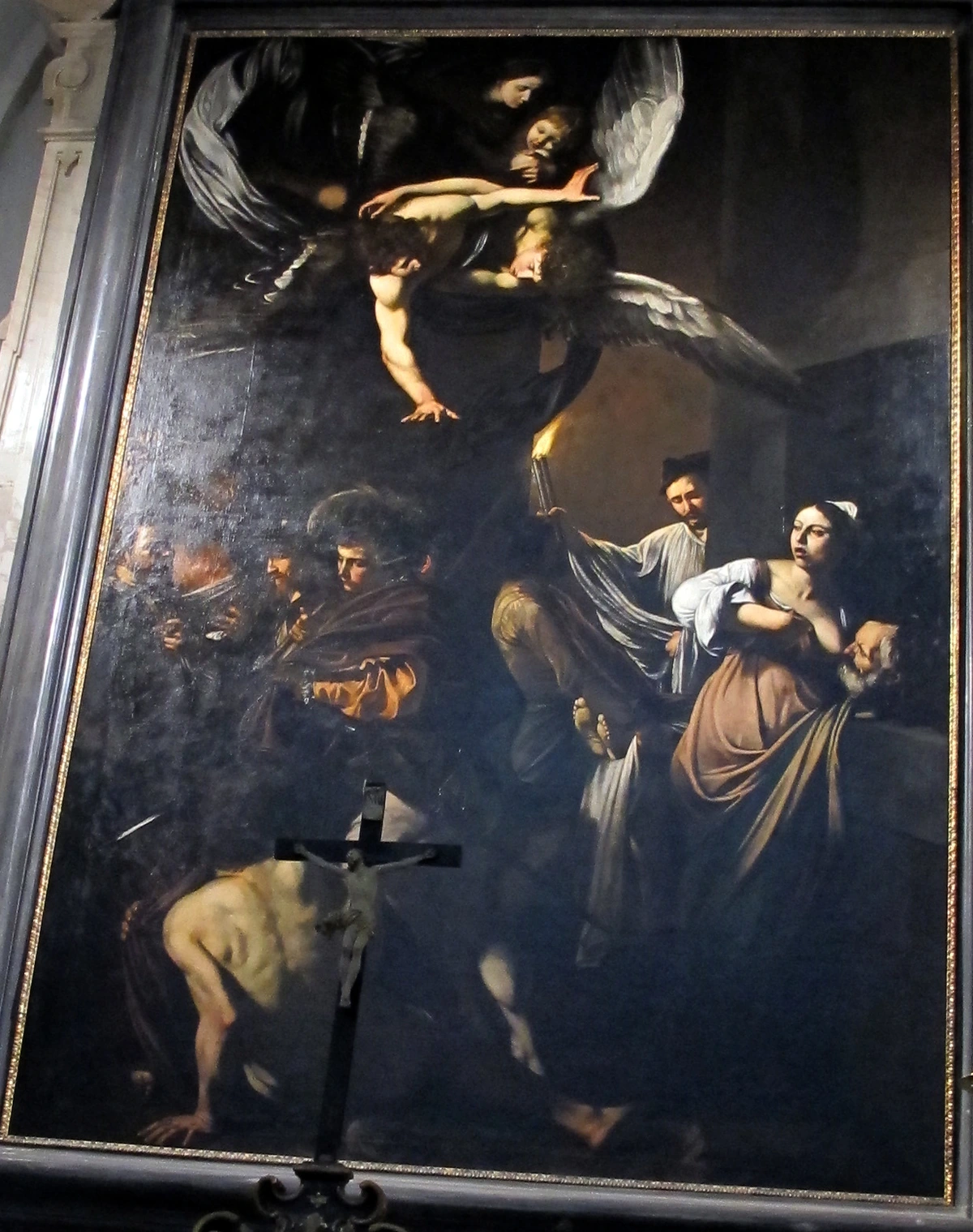
Renaissance artists took this further, developing techniques like linear perspective and chiaroscuro not just as formal innovations, but as tools for emotional manipulation. When Caravaggio painted dramatic tenebrist scenes with violent contrasts of light and dark, he was essentially conducting his viewers' nervous systems, creating the visual equivalent of a minor chord in music—something that inherently feels dramatic and unresolved.
The key insight here is that the relationship between art and emotion isn't decorative or secondary—it's fundamental to why humans make and respond to art at all. Every cultural tradition has developed approaches to visual art that serve this basic human need: to feel something together, to experience recognition across distance and time, to have our inner lives reflected back to us in tangible form.
This evolutionary perspective matters because it helps explain why emotional art feels so necessary, even in our hyper-visual contemporary world. We're not just looking for pretty things to hang on walls—we're seeking connection, recognition, and the kind of meaning that only happens when one person's inner experience successfully bridges the gap to another's.
This resonance creates astonishingly lasting value—not just emotional, but often financial. Galleries, curators, and serious collectors consistently gravitate toward work that demonstrates authentic emotional voice. I’ve watched too many technically skilled artists struggle because their work feels decorative rather than necessary. The difference is simple: does this piece demand to be lived with? Does it reward contemplation? Or does it just match the couch?
But here's the thing: I'm not suggesting you chase market trends or try to manufacture "emotional" work because it sells. That approach almost never works, and worse, it produces the kind of cynical, hollow art that gives emotional expression a bad name. Authentic emotional resonance is a byproduct of genuine exploration, not a target you aim for directly.
The Foundation: Understanding Your Own Emotional Vocabulary
Before you can communicate emotion through art, you need to develop real fluency in your own emotional language. I know that sounds like artspeak nonsense, but stick with me. Think of it like learning a new language—you can't write poetry until you've mastered basic vocabulary. Most of us are functionally illiterate in our own emotional experience.
The Science of Emotional Perception in Art
Recent studies in neuroaesthetics—how our brains process art—reveal something fascinating: when we view emotionally resonant artwork, our brains activate the same regions that process real emotional experiences. This mirroring effect explains why a painting can evoke the same physical sensations as standing on a windswept cliff or sitting in a quiet room at dusk.
What this means practically: emotional art isn't just "decoration with feelings"—it's a genuine form of human connection that operates at a neurological level. When you create work that comes from authentic emotional territory, you're essentially creating a bridge between your nervous system and the viewer's.
The key insight from this research is that our brains are wired to detect authenticity. Viewers may not consciously know why a particular piece moves them, but their brains recognize when an artist has accessed something real versus when they're performing emotion.
The problem is, most of us weren't taught to pay attention to our emotional landscape with this kind of specificity. We learn to label basic emotions (happy, sad, angry) but we don't develop a nuanced vocabulary for the infinite shades in between. You don't need to become a poet or therapist to do this—you just need to start paying attention differently.
Developing Emotional Self-Awareness
The practice begins with paying attention to your own responses—not just to art, but to everything. When something moves you, pause and ask:
- What physical sensations do I notice right now? (That tightness behind my sternum, the sudden lightness in my shoulders, how my breathing has changed)
- What single word comes closest to this feeling? (Don't reach for big dramatic words—sometimes 'uneasy' is more honest than 'existential dread')
- What memory fragment just surfaced?
- If this feeling had a color, what would it be? (And be specific: not just 'blue' but 'the blue of sky just before thunder')
- If it had a sound or texture, what would that be?
Try this right now: think of a moment from this morning. Answer those questions. That's your emotional vocabulary starting to wake up.
The key here is specificity. Don't settle for 'sad.' Is it the hollow, empty sadness of loss? The dull, heavy sadness of disappointment? The sharp, burning sadness of betrayal? Each has a completely different physical and visual quality.
Emotional Granularity Practice Exercise
Here's a practice that will fundamentally change how you understand your own emotional landscape. For one week, three times per day (morning, midday, evening), stop for five minutes and do the following:
- Physical Scan: Close your eyes and notice any physical sensations without judgment. What does your body feel like right now?
- Emotion Naming: What single word comes closest to this feeling? Don't reach for sophisticated vocabulary—simple, honest words work best.
- Image Association: What image, color, or texture comes to mind when you think of this feeling?
- Temporal Quality: Does this feeling feel temporary or persistent? Urgent or background?
- Intensity Rating: On a scale of 1-10, how intense is this emotion?
Keep these observations in a small notebook or phone app. Don't analyze them during the week—just collect. At the end of the week, look for patterns. Most people discover their emotional lives are far more varied and nuanced than they realized.
This exercise isn't about becoming self-absorbed or navel-gazing. It's practical artistic training—you're developing the raw material you'll use to create emotionally resonant work. Just as a musician trains their ear to distinguish subtle differences in pitch and timbre, you're training your awareness to distinguish between emotional states that might seem similar on the surface but have completely different qualities.
What you'll likely discover: you experience dozens of distinct emotional states every day, but you've been lumping them into crude categories like "stressed" or "fine" or "good." Once you can distinguish between the specific anxiety of an approaching deadline versus the diffuse anxiety of a relationship tension versus the low-level background anxiety of financial insecurity, you have much richer material to work with.
Try this exercise: set a timer for five minutes and write down every emotion you can think of. Push past the obvious ones. When you run out, keep going. You'll be surprised how many emotional states we experience but rarely name.
I carry what looks like a terrible sketchbook—pages of what feel like emotional field notes. Not drawings, really. Just: "Tuesday, 3pm: that particular gray of waiting rooms. Texture: cheap paper, woven plastic chair. Sensation: suspended." Or color swatches with notes: "The orange of embarrassment," "the green of possibility before doubt sets in."
Over months, patterns emerge like constellations. I learned my anxiety isn't just "dark" — it's that specific yellow-white of overexposed photographs, sharp-edged. My contemplation feels like deep blue velvet, something you could fall into. Your emotional vocabulary will be completely different, and that's what makes it yours.
Building a Personal Emotional Color Guide
As you develop this emotional vocabulary, you'll naturally start creating your own color-emotion associations. This is different from traditional color psychology. You're not learning what colors "mean"—you're discovering what colors feel like to you when you're in specific emotional states.
Here's how to develop your personal emotional color guide:
Materials You'll Need
- Small sketchbook or watercolor paper (no larger than 9x12 inches)
- Basic set of paints (watercolor, gouache, or acrylic work well)
- Colored pencils or pastels for quick notes
- Notebook for written observations
- Camera or phone for capturing color references
Setting Up Your Practice Space Keep your materials easily accessible—this practice works best when you can capture emotional moments as they happen, not when you schedule "emotional observation time." A small kit with minimal supplies often gets used more than an elaborate studio setup.
Consider the light in your workspace: consistent, natural light is ideal for color observation. If you work in artificial light, use full-spectrum bulbs that approximate natural daylight to ensure your color perception remains consistent.
Week 1-2: Observation Phase
- Carry a small set of colored pencils or swatches
- When you notice a distinct emotion, quickly sketch or note the color that comes to mind. Try to do this at least twice daily.
- Don't overthink it—first response is usually most authentic
- Note the quality of the color: bright, muted, transparent, saturated?
- Capture context: time of day, location, what triggered the emotion
- Rate intensity from 1-10 and note any physical sensations
Daily Questions to Consider
- What color does this feeling remind me of?
- Would this color be warm or cool if I mixed it?
- Does it have texture or is it smooth?
- Is it opaque or transparent?
- What happens when I imagine it next to other colors?
Week 3-4: Testing Phase
- Experiment with mixing colors to match your emotional associations
- Try the same emotion in different color temperatures (warm vs. cool)
- Notice how saturation and transparency change the emotional quality
- Create small 4x4 inch studies exploring one emotion through different color approaches
Week 5-6: Differentiation Phase
- Create studies that distinguish between similar emotions (anxiety vs. excitement, contentment vs. joy)
- Notice how context changes your color choices
- Build small palettes (3-5 colors) that represent specific emotional states or transitions
What you're creating is far more valuable than any color theory guide because it's based on your lived experience. This personal color-emotion vocabulary becomes a tool you can use intuitively when you're trying to access or express specific feelings in your work.
I've been developing my personal color guide for over a decade, and it's changed how I approach every painting. I now have specific colors I associate with particular emotional qualities, and I can mix them intuitively without thinking through color theory. More importantly, I can distinguish between the specific blue of peaceful solitude versus the blue of lonely isolation—same color family, completely different emotional quality.
This isn't about creating a rigid system or becoming overly analytical. It's about developing a working vocabulary that helps you recognize patterns in your own emotional experience. Think of it as building a palette of feelings—not just the primary colors, but all the subtle mixtures and gradations.

The Mood-Making Power of a Studio Practice
Your studio—whether it's a dedicated room or just the corner of your kitchen table—isn't just where you make art. It's where you create the conditions for emotional honesty to emerge, and that means protecting that time with borderline unreasonable fierceness.
Anthony Trollope famously wrote his novels from 5:30 to 8:30 every morning before his day job at the post office. Here's what I love about that: he wasn't waiting for inspiration or the perfect emotional state. He was showing up. For artists, this discipline matters even more because our medium isn't words—it's feeling itself, and feeling is notoriously unreliable. The routine becomes the container that holds space for emotion to show up when it's ready.
The Physiology of Creative Routine
What Trollope understood intuitively, neuroscience now confirms: consistent routine literally changes your brain to support creative work. When you establish regular creative practice, you're not just building discipline—you're building neural pathways that make emotional access easier and more reliable.
Here's what happens in your brain when you maintain consistent creative practice:
Pattern Recognition Strengthens: The more regularly you engage with your emotional landscape and translate it into visual form, the more efficiently your brain recognizes and categorizes emotional states as potential artistic material.
Lowered Activation Threshold: Consistent practice makes it easier to access creative states. Think of it like training for athletic performance—the more you practice, the less warm-up you need to reach peak capacity.
Emotional Regulation Improves: This is crucial—regular creative practice doesn't just give you access to emotions, it improves your ability to regulate them. You become better at working with intense emotions without being overwhelmed by them.
Access to Subconscious Material: Regular practice creates a pathway between your conscious intention and your subconscious emotional material. The routine itself becomes a signal to your subconscious that it's safe to bring forward emotionally charged content.
The practical implication is profound: building a consistent studio practice isn't just about productivity—it's about creating the optimal neurological conditions for emotional art-making. The routine isn't a constraint on creativity; it's the structure that makes deep creative work possible.
Here's what works: establish rituals that help you transition into your emotional workspace. It might be ten minutes of meditation, arranging your materials in a particular way, or playing the same album every time you paint. These small acts signal to your subconscious: "We're entering the space where feeling gets translated into form."
Creating Your Personalized Studio Rituals
Rituals work because they create reliable transitions between ordinary consciousness and creative consciousness. You don't need elaborate ceremonies—simple, repeatable actions work best. Here are some ritual elements to experiment with:
Opening Rituals (5-10 minutes)
- Cleaning/Organizing: Spend five minutes tidying your workspace. This is physical preparation that also clears mental space.
- The Palette Ceremony: Arrange your paints in the same order each time. This simple, repetitive action signals "we're beginning."
- The First Mark: Make the same mark or write the same word in your sketchbook every session before beginning serious work. It's like tuning an instrument.
- Gratitude/Presence Practice: Take three deep breaths and acknowledge that you get to do this work. Sounds simple, but deliberately shifting your mindset changes everything.
During-Work Rituals (maintaining focus)
- Pomodoro for Artists: Work in focused 25-minute blocks with 5-minute breaks. During breaks, step away from your work completely.
- Check-in Points: Every hour, pause and ask yourself: "What am I feeling right now? Is that present in the work?"
- Physical Reset: Stand up and stretch every 45 minutes. Physical movement shifts mental state.
Closing Rituals (transitioning out)
- Covering the Work: Drape a cloth over unfinished work. This contains the emotional energy.
- Cleaning Brushes Mindfully: Use brush cleaning as meditation, not just cleanup.
- Journaling the Session: Write three sentences about what emerged during the session, what you noticed, what surprised you.
- Setting Tomorrow's Intention: Before leaving, write one sentence about what you want to explore or continue tomorrow.
Troubleshooting Ritual Problems If your rituals start feeling stale or superstitious rather than supportive, mix them up. Rituals should serve you, not constrain you. If you find yourself thinking "I can't work unless everything is exactly right," your rituals have become limitations rather than supports.
I've had to change my rituals multiple times over the years as my life and work have evolved. What worked in a dedicated studio space had to be adapted for working at the kitchen table. What worked when I had long, uninterrupted blocks of time had to change when my schedule became more fragmented. The key is preserving the function of the ritual (creating transition, signaling intention, maintaining focus) while being flexible about the form of the ritual.
Designing Your Emotional Workspace
The physical environment where you create significantly impacts your ability to access and express emotions. Consider these workspace elements:
Lighting: Natural light tends to support more authentic emotional expression than harsh artificial light. The quality of morning light feels different from afternoon light, and each supports different emotional states.
Organization: Some artists work best in meticulously organized spaces (control supports focus), others in creative chaos (disorder allows freedom). The key is knowing which environment helps you feel safe enough to be vulnerable.
Music and Sound: The auditory environment profoundly affects emotional access. Some artists work best in silence, others with ambient noise or specific music. What matters is understanding how sound affects your nervous system:
- Classical music (especially baroque) can support structured, intellectual emotional work
- Ambient/electronic music can help access more abstract, atmospheric emotional states
- Nature sounds can ground your work in organic, embodied feeling
- Complete silence can create pressure, but also allows access to more vulnerable emotional territory
- Music with lyrics can be distracting for some, emotionally supportive for others
The key is experimenting to discover what your nervous system needs to feel safe enough to be emotionally present in your work. This isn't about creating a "perfect" environment—it's about understanding your personal requirements for emotional honesty.
Proximity to Nature: Even a single plant or a view of the sky can ground your work in something larger than your individual emotional state. There's a reason why so many artists throughout history have painted landscapes—nature provides an emotional container.
Sound Environment: Complete silence can be intimidating. Many artists use ambient noise, music without lyrics, or even recorded nature sounds to create a psychological space where emotions can emerge without self-consciousness.
Advanced Sound Strategies for Emotional Access
Music and sound can be precise tools for emotional painting. Different types of sound support different emotional states and working modes:
Sound Environments and Their Effects
Sound Type  | Best For | Emotional Quality | Examples |
|---|---|---|---|
| Binaural Beats/Ambient | Deep focus, flow states | Neutral, supportive | Brian Eno, Aphex Twin ambient work |
| Classical (Baroque) | Structured emotional work | Contained, formal | Bach, Vivaldi, Handel |
| Classical (Romantic) | Complex, layered emotion | Expansive, dramatic | Mahler, Tchaikovsky, Rachmaninoff |
| Jazz (Cool/Bebop) | Intuitive mark-making | Sophisticated, spontaneous | Miles Davis, John Coltrane |
| Electronic/IDM | Analytical composition | Precise, systematic | Boards of Canada, Four Tet |
| Nature Sounds | Grounded, embodied work | Organic, present | Rain, forest, ocean recordings |
| White/Pink Noise | Blocking distraction | Neutral, cocooning | Simple white noise generators |
| Field Recordings | Site-specific emotion | Evocative, specific | City sounds, specific environments |
| Minimalist Composition | Repetitive, meditative work | Hypnotic, trance-like | Steve Reich, Philip Glass |
Creating Your Sound Palette Consider creating different playlists not by genre, but by emotional intention:
Playlist 1: Entering the Studio 15-20 minutes of music that helps you transition from daily life into creative work. This might be the same album every time, creating consistency and signaling to your brain that it's time to shift modes.
Playlist 2: Specific Emotional States Create playlists that help you access particular emotions you want to work with. For example:
- A playlist for working with longing or nostalgia
- A playlist for energetic, urgent marking-making
- A playlist for quiet, contemplative work
- A playlist for processing difficult emotions
Playlist 3: Deep Work Sessions Extended pieces or seamless albums that create immersive environments for longer sessions. The goal is music that supports focus without demanding attention.
The Silence Strategy Counterintuitively, sometimes the most powerful emotional work happens in complete silence. Here's how to work with silence intentionally:
If you usually work with sound, try working in silence for specific phases:
- Silent underpainting (establishing emotional ground)
- Sound for development (adding complexity and detail)
- Return to silence for finishing (assessing what you've actually created)
This alternation gives you different perspectives on the work. Sometimes you'll discover that music was masking your authentic emotional response rather than supporting it.
Sound as Temporal Marker Use sound to mark the passage of time during long sessions. When you feel stuck, changing the music can shift your mental state enough to see the work fresh. If you've been working for hours and everything is starting to feel muddy, switching from complex music to simple ambient sound (or silence) can help you distinguish between what's actually in the painting and what you think is there.
When Sound Becomes a Crutch Pay attention if you find yourself dependent on specific music to work. This isn't inherently bad, but it's worth investigating. Can you work without music? Do different emotional states require different sounds? If you always need loud, energetic music to paint, what does that tell you about your relationship with your emotions?
I've cycled through different sound strategies over the years. For a long time, I needed absolute silence to work with vulnerable emotions. Now I can work with ambient sound, but I still prefer silence for the most emotionally charged work. There's no "right" approach—only what serves your emotional honesty in this particular moment.
Building an Emotional Reference Library
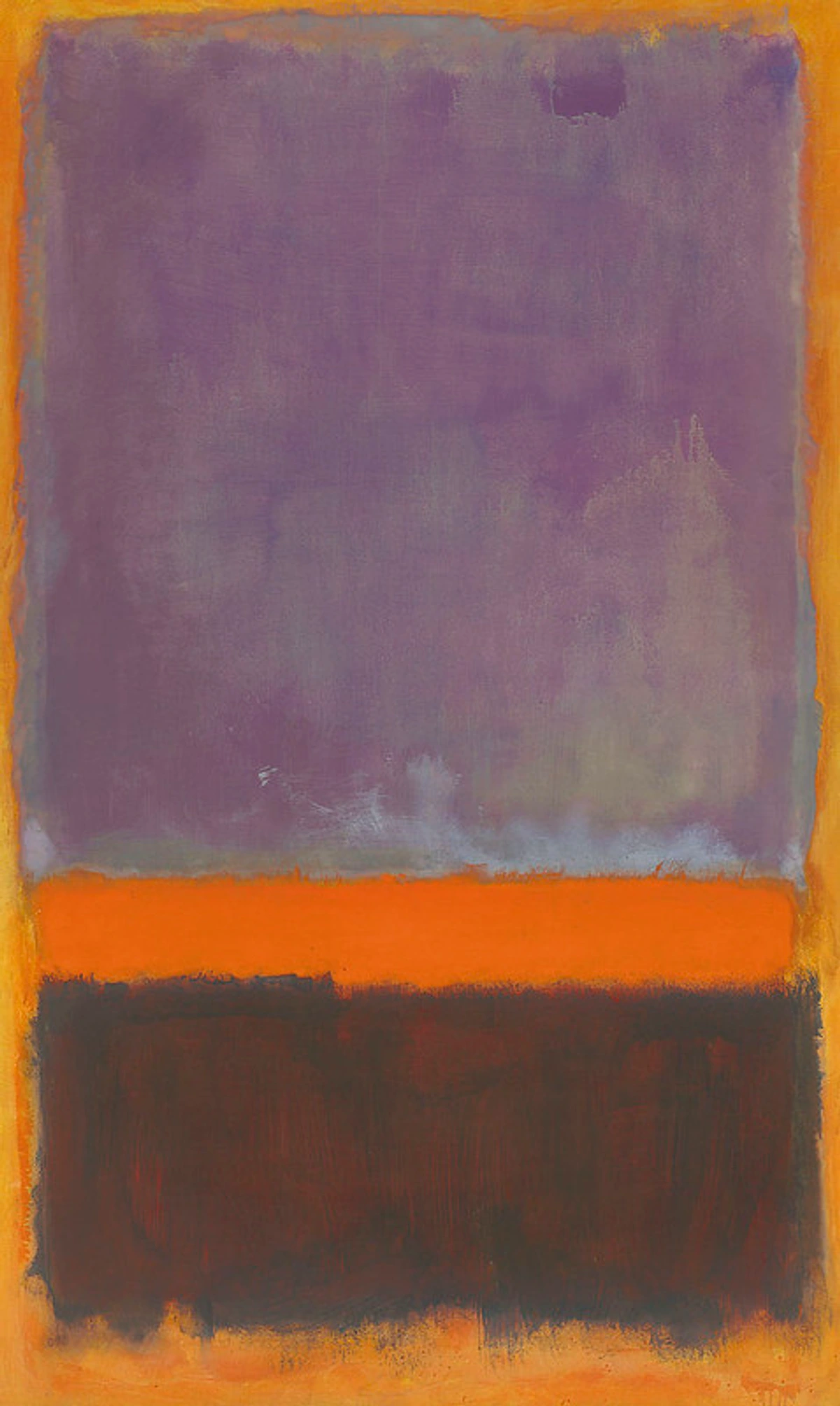
Just as painters study old masters for technique, we need to study emotional expression like it's a foreign language we're trying to learn. Start paying attention to how different artists handle similar emotional territory—it's revelatory. Look at how Joan Mitchell's gestural abstractions convey a different kind of anguish than Mark Rothko's color fields. Both are dealing with transcendence and loss, but Mitchell's feels like weather—turbulent, immediate, happening right now. Rothko's feels architectural, like walking into a space that holds sadness rather than performing it.
When you encounter a piece that stops you, don't just file it away mentally. Take notes. What specifically creates the emotional impact? I keep a digital folder organized not by artist or movement, but by emotional quality: 'Quiet Intensity,' 'Restrained Joy,' 'Complex Sadness,' 'Anxious Energy.' Over time, you'll start to see patterns in how certain formal choices correlate with certain emotional effects.
Create what I call an emotional reference library—physical or digital files of work that genuinely moves you. The key is this: don't just collect images like a magpie. Write notes about what specifically creates the emotional impact. Is it how an artist uses scale to make you feel small? That specific brushstroke quality that feels hesitant rather than confident? The particular tension between two colors that shouldn't work together but somehow create longing?
I have folders with names like "Holding Contradiction" and "Quiet Desperation" and "Wrong but Perfect." Each piece teaches me something about emotional translation.
Organizing Your Emotional Reference Library
The way you organize this material matters. A chaotic collection of images won't serve you when you're working on something specific. Here's a system that has worked for me:
Create Multiple Organizational Systems
- By Emotional Quality (primary system): Group work that evokes similar feelings
- By Formal Quality: Cross-reference by color palette, composition style, mark-making approach
- By Material/Process: Organize by medium when you need technical reference
- Personal Response System: Tag images with your own emotional responses (not just the artist's stated intention)
Digital Tools That Help
- Pinterest boards (private) for broad emotional categories
- Notion or Evernote for detailed notes with images
- Simple folder structures on your computer (don't overcomplicate)
- Instagram saved collections (though platform-dependent)
Building the Habit When you encounter work that moves you, take 60 seconds right then to:
- Save the image
- Write one sentence about what specifically creates the emotional impact
- Add it to at least two categories (emotional + formal)
The goal isn't to create a perfect archive—it's to build something you'll actually use when you're stuck or exploring new emotional territory. I've returned to my reference library hundreds of times when I needed to remember how an artist created a specific emotional quality, or when I needed inspiration for handling a particular feeling.
Color as Emotional Language: Beyond Basic Associations
Color theory usually starts with the color wheel and those simplistic psychological associations (blue equals sad, red equals angry, yellow equals happy—eye roll). If you want to put actual feeling into your work, you have to burn that handbook. Genuine emotional expression through color is infinitely more nuanced and interesting.
The Neurobiology of Color and Emotion
Understanding why color affects us so deeply helps you use it more intentionally. Our brains process color in the limbic system—the same region that handles emotion and memory. This neural wiring explains why color bypasses rational thought and lands directly in our feeling centers.
Research shows that warm colors literally raise our blood pressure and heart rate, while cool colors tend to lower them. But here's where it gets interesting: the same color can have opposite effects depending on cultural context, personal experience, and even recent exposure.
The practical implication is this: you can't rely on universal color meanings because they don't exist. Instead, you need to develop your own color-emotion associations based on your actual lived experience, then trust that specificity will resonate with others who share similar experiences.
Cultural and Personal Color Associations
Your color-emotion vocabulary is shaped by both personal experience and cultural context. The red that means "celebration" in one culture might mean "danger" in another. The white that represents "purity" in Western traditions might signify "mourning" in others.
More importantly, your personal history creates associations that are uniquely yours:
Exercise: Mapping Your Personal Color History
Take fifteen minutes to write down color memories from your life:
Childhood Colors
- What colors dominated your childhood home?
- What color was your favorite blanket or toy?
- What color do you associate with feeling safe?
- What color brings back school memories?
Seasonal Color Associations
- What color means "spring" to you specifically?
- What color evokes summer evenings from your youth?
- What color feels like the beginning of fall?
- What color represents winter darkness?
Relationship Color Memories
- What color reminds you of a specific person?
- What color evokes a particular relationship?
- What color represents heartbreak?
- What color means comfort?
Transitional Color Moments
- What color do you associate with major life changes?
- What color represents uncertainty?
- What color means hope or new beginnings?
- What color signifies endings?
These personal associations are gold for your artistic practice. When you're trying to express something complex, you can draw from this rich source material rather than relying on generic color symbolism.
For example, if you're working with themes of comfort, and your grandmother's kitchen had yellow Formica counters, a specific yellow might carry more emotional weight for you than any "warm, comforting color" from color theory. That specificity translates to viewers because even if their associations are different, they recognize the quality of specific, lived experience versus generic symbol-making.
Regional and Environmental Color Influences
The colors of your environment—natural and built—shape your emotional color vocabulary in ways you might not realize. Artists from desert regions often work with different color palettes than artists from coastal areas, and this isn't just about painting landscapes. The color of light, the quality of atmosphere, the dominant colors of architecture and earth—these become part of your emotional color foundation.
If you've lived in multiple regions, you might notice your color preferences shift. I've watched my own work change dramatically after moving from a place with four distinct seasons to a more temperate climate. The quality of light was different, the colors I saw daily were different, and my emotional associations gradually shifted to match.
This environmental color influence operates at a subconscious level. You don't need to deliberately "paint your environment," but acknowledging how your surroundings have shaped your color vocabulary helps you work more intentionally with those associations.
It's not that these basic associations are wrong—they're just incomplete. A better way to think about it: every color has an emotional range, much like a musical note can be played in endless variations. The specific emotional quality comes from context, temperature, intensity, and relationship to other colors. It's the difference between a C-sharp played delicately on a piano versus blasted through a distorted guitar amplifier.
Moving Beyond Cliché Color Emotions
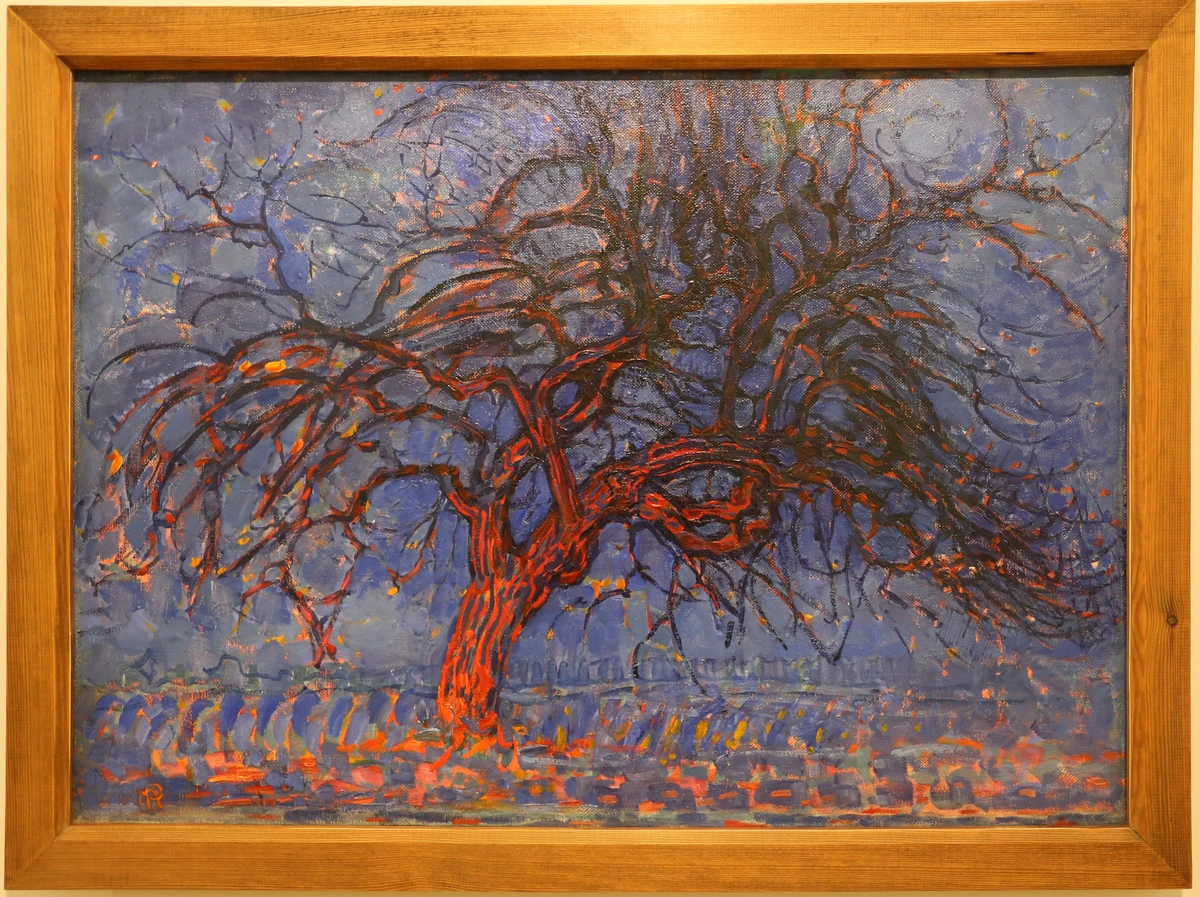
If you want red to communicate something beyond generic anger or passion, you need to get excruciatingly specific. Is it the urgent, arterial red of crisis? The warm, drowsy red of a late summer sunset when you're feeling melancholic for no reason? The garish, artificial red of neon reflecting on wet pavement at 2am?
The specific emotional quality comes from paying attention to:
- Temperature and intensity: That cool, blue-leaning red of dried roses feels miles away from the hot, orange-leaning red of emergency sirens
- Context and contrast: A small patch of screaming crimson surrounded by grays creates claustrophobia. The same red in a field of pale pink creates entirely different emotional weight
- Material and application: Thick, buttery impasto red that you could scrape your knuckles on versus thin, vulnerable glaze red that might disappear if you touch it
- Cultural and personal associations: The red of your grandmother's lipstick, the red of stop signs, the red of the maple outside your childhood window
See the difference? Specificity transforms cliché into communication.
- Proportion and placement: Where color appears in the composition dramatically affects its emotional impact
- Edge quality: Hard edges create different tension than soft, blurred ones
I remember a conversation with a fellow artist who was struggling with a painting about loss. She had filled it with blues and grays because 'those are sad colors.' But when she started working with the specific memory of her grandmother's kitchen—the faded turquoise of the Formica countertops, the particular yellow of the curtains—suddenly the piece became emotionally specific and powerful. The colors were still 'sad,' but they were sad in a way that felt lived-in and true.
This is the crucial difference between working from color theory and working from lived experience. Theory gives you general categories; experience gives you specific qualities. When you're trying to express something complex, don't ask 'what color represents this emotion?' Ask 'what specific colors were present in the moments when I felt this emotion?'
Creating Emotional Palettes That Tell Stories
Instead of choosing colors from theory, try building palettes from emotionally charged moments. Pull colors from a photograph that evokes a particular feeling. Notice the specific quality of light during an emotional moment—how morning light feels different from the heavy gold of late afternoon when you're waiting for news.
Advanced Palette Exercise: Creating Emotional Timelines
This exercise helps you work with how emotions evolve over time:
Week-Long Single Emotion Study Choose one emotional state to track for a week (anxiety, contentment, longing, etc.). Each day, create a small 4x4 inch color study representing how that emotion feels today. Don't look at previous days' studies while working.
At the end of the week:
- Lay all seven studies out together
- Notice how the same core emotion required different color approaches on different days
- Create an eighth study that synthesizes the entire week's emotional experience
This teaches you that emotions aren't static states—they're dynamic processes. A palette that captures this movement and change feels more true than one that treats an emotion as a single, fixed quality.
Building Narrative Palettes When working with complex emotional experiences (relationships, life transitions, major events), create palettes that tell the story:
Relationship Palette Example
- Color 1: Initial attraction (bright, saturated, warm)
- Color 2: Deepening connection (richer, more complex mixtures)
- Color 3: Conflict or difficulty (tense color relationships, sharp contrast)
- Color 4: Resolution or acceptance (harmonious but not simplistic)
- Color 5: Current state (whatever this relationship feels like now)
These narrative palettes don't need to be literally chronological in the final painting. The point is that each color carries specific emotional weight from your actual experience. When you use these colors together, they create emotional complexity that viewers sense even if they don't know the specific narrative.
Practical Color Building Exercises
Here are specific exercises for developing your emotional color vocabulary:
Exercise 1: The Memory Palette Bring to mind a specific emotionally charged memory. Instead of painting the scene, extract the colors that feel most significant. Mix these colors and create a simple palette study (6x6 inches is perfect). Don't try to make a "painting"—just explore the relationships between these colors. Ask yourself:
- Which color feels most central to this emotion?
- What happens when I change the proportions between colors?
- How do these colors want to be applied (thin, thick, transparent, opaque)?
Exercise 2: The Weather of Feeling Create three small studies (6x6 inches each) representing the same emotion in different "weather conditions." For example, "Anxiety as Storm," "Anxiety as Drought," "Anxiety as Unsettled Wind." Notice how the same emotional core requires completely different color approaches.
Exercise 3: Temperature Variations Take one emotion and create palettes at different temperatures: a completely warm version, a completely cool version, and a mixed version. Notice how temperature changes the emotional quality while maintaining the core feeling.
Exercise 4: The Photograph Translation Find a photograph that evokes strong feeling (not necessarily a "good" photograph—just one that moves you). Extract the major colors and recreate them as accurately as possible. Then create a second version using the same color relationships but completely different colors. This teaches you to work with color structure rather than specific hues.
Exercise 5: The Limited Palette Challenge Choose three colors that evoke a specific emotional state. Create five different studies using only these three colors (plus white if needed). The constraint forces you to discover how much variation is possible within severe limitations.
Each exercise takes 20-30 minutes and teaches you something specific about how color functions emotionally. Over weeks and months, these exercises build into a sophisticated understanding that goes far beyond any color theory textbook.
Consider creating a series of small studies using different limited palettes to explore variations on a single emotion. How does your expression of 'uncertainty' change when you paint it in cool grays versus warm, muddy tones? The exercise isn't about finding the 'right' combination—it's about developing sensitivity to how color relationships shift emotional meaning.
Here's a specific exercise I return to regularly: take one emotion and create three 6x6 inch studies, each using a completely different palette but addressing the same emotional state. The constraint forces you to really understand how color relationships—not individual colors—create emotional meaning. You'll discover that almost any color can express almost any emotion, given the right context and handling.
The Physicality of Color: How Paint Handles Emotion
There's something deeply satisfying about seeing brushstrokes in a painting. It's evidence of a human hand, a human presence. This physical quality of paint contributes significantly to emotional expression.
Handmade Paints: Creating Your Emotional Signature
While commercial paints work perfectly well, there's something significant about making your own paints that I want to mention briefly. When you grind your own pigments, mix your own mediums, and create paint from raw materials, you develop a completely different relationship with color and materiality.
I know an artist who makes her own watercolors from pigments she collects on walks—dirt from specific locations, crushed stones from meaningful places, charcoal from burned wood from significant fires. The colors she creates can't be purchased anywhere. They carry the history of their making in ways that commercial paint, however high-quality, simply can't.
This isn't to say everyone should become an alchemist. But if you're drawn to working with memory, place, and personal history, learning to make even small batches of paint from meaningful materials can add profound layers to your emotional vocabulary.
Commercial paint works beautifully. But handmade paint carries the fingerprint of its maker in ways that go beyond chemistry.
The way paint sits on a surface, the way light catches thick impasto versus a smooth wash, the way a brushstroke can suggest urgency or patience—all of this carries emotional information that bypasses our analytical mind and speaks directly to our embodied experience. It's one reason why seeing art in person is so different from seeing it reproduced: you can't fully experience the physical presence of paint from a flat image.
The Tactile Language of Paint Application
Every decision you make about how paint meets surface carries emotional information:
Transparency versus opacity: Washes and glazes feel more ethereal and vulnerable than solid, opaque passages. There's something about seeing through layers that creates intimacy—you're witnessing the history of the painting's making.
Brushwork quality: Quick, urgent strokes versus slow, meditative ones communicate different emotional states. I can usually tell when an artist was feeling anxious or peaceful just by looking at the quality of their marks.
Paint viscosity: Thin, watery paint behaves differently emotionally than thick impasto. There's a reason Van Gogh's thick paint feels so urgent—you can almost feel the pressure of his hand, the insistence of his application.
Surface interaction: How paint catches on canvas texture, creating accidental edges—these "flaws" often become the most emotionally alive parts of a painting because they show the collaboration between intention and material reality.
Tool marks: Palette knife versus brush versus fingers each create different emotional signatures. The hard edge of a knife feels decisive and bold. Finger painting feels primal and direct. Brushwork can range from delicate to aggressive depending on pressure and speed.
When I'm working through something complicated emotionally, I often find myself reaching for palette knives instead of brushes. There's something about the direct, physical scraping and laying down of paint that connects with how I'm feeling. Other times, I need the control and delicacy of small brushes. Pay attention to what your hands want to do when you're in different emotional states—your body often knows what your conscious mind hasn't yet recognized.
- Transparency versus opacity: Washes and glazes feel more ethereal and vulnerable than solid, opaque passages
- Brushwork quality: Quick, urgent strokes versus slow, meditative ones
- Paint viscosity: Thin, watery paint behaves differently emotionally than thick impasto
- Surface interaction: How paint catches on canvas texture, creating accidental edges
When I'm working through something complicated emotionally, I often find myself reaching for palette knives instead of brushes. There's something about the direct, physical scraping and laying down of paint that connects with how I'm feeling. Other times, I need the control and delicacy of small brushes. Pay attention to what your hands want to do when you're in different emotional states.
Composition and Form: The Architecture of Feeling
Composition is usually taught as a collection of rules—rule of thirds, golden ratio, leading lines. But in emotionally resonant art, composition functions more like architecture for feeling. It's not about following rules; it's about creating pathways for the viewer's emotional attention to travel. Think of it as designing an emotional journey rather than arranging elements.
Compositional Psychology: How Design Affects Emotion
Compositional choices don't just organize visual elements—they create psychological experiences. Research in visual perception shows that certain arrangements literally feel more comfortable or unsettling to our brains:
- Centered compositions generally feel stable, contemplative, and eternal (think Rothko or religious icons)
- Off-center compositions create tension and movement (think Degas or Mucha)
- Diagonal arrangements suggest drama, instability, or energy (think Baroque painting or Futurism)
- Circular compositions can feel protective, containing, or eternal (think mandalas or some Abstract Expressionist work)
But here's the crucial insight: tension and discomfort aren't necessarily bad things in emotionally resonant art. A painting about anxiety should feel uncomfortable. A piece about peace should feel stable. The compositional strategy needs to match the emotional intention.
I think of composition less as a set of rules and more as a system of tensions and relationships. How do you want the viewer's eye to move through the space? Where do you want them to linger? Where do you create pressure, and where do you offer release? These aren't just visual questions—they're emotional ones.
Spatial Relationships and Emotional Weight
Think about how space itself can carry feeling. Negative space isn't empty—it's breathing room, tension, silence. A small, isolated form in a vast field feels vulnerable and lonely. The same form pressed against the edge of the picture plane feels trapped and anxious.
Clustering creates intimacy and warmth. Dispersal creates loneliness or freedom, depending on how you handle it. Repetition can be meditative or obsessive.
I remember looking at Agnes Martin's grid paintings and feeling this profound sense of peace, even though they're just lines on canvas. It wasn't about the lines themselves—it was about the evenness of space between them, the way they created this gentle rhythm that felt like breathing. She had found a way to make order feel organic rather than rigid.
This taught me something crucial: sometimes the most powerful compositions are the simplest. Complexity and detail don't automatically create emotional depth. In fact, sometimes they get in the way of a direct emotional encounter. Martin's work proves that reduction and repetition can be profoundly moving when handled with sensitivity and intention.
Scale and Gesture: How Size Communicates
The scale of your work—and the scale of marks within it—changes the emotional relationship with the viewer. Large-scale work can feel immersive and overwhelming. Small, intimate pieces invite close looking and quiet contemplation.
Gesture, too, carries emotional information. A single decisive line feels very different than tentative, searching marks. I'm always fascinated by Cy Twombly's scribbles—they look careless until you realize how perfectly they capture the quality of distracted, restless thought.
Tension and Balance: Creating Emotional Movement
Emotional art rarely feels static. There's usually some kind of tension or movement—visual push and pull that mirrors how emotions unfold over time.
Think about how feelings actually work in real life: they build, crest, recede, return in waves. Static, perfectly balanced compositions often fail to capture this dynamic quality. The most emotionally compelling work often has some element of unresolved tension—not necessarily anxiety or distress, but a quality that keeps the eye and mind moving, searching, engaging.
This might mean:
- Placing elements in conversation with each other across space
- Letting some areas feel resolved while others remain ambiguous
- Creating visual rhythms that speed up and slow down
- Allowing accidents and imperfections that suggest process rather than perfect execution
The goal isn't necessarily balance. Sometimes imbalance is the emotion you're trying to convey. A painting about anxiety probably shouldn't feel perfectly centered and harmonious.
The Role of Materials and Process in Emotional Expression
Your choice of materials isn't just technical—it's emotional. Different mediums carry different feeling-qualities that can amplify or work against your emotional intention. The tactile qualities of materials—how they feel in your hand, how they respond to pressure, how they age and change—create physical experiences that mirror emotional ones.
Understanding this mind-body connection in material choice is crucial. Your nervous system knows things your conscious mind hasn't articulated yet. When you're feeling fragile, you might naturally reach for delicate materials. When you're processing anger, you might gravitate toward materials that can withstand aggressive handling. Learning to trust these instincts is part of developing authentic material-emotion intelligence. There's a reason certain emotional states pull me toward certain materials, almost against my will. It's like reaching for comfort food, except the food is toxic oil paint or unforgiving watercolor.
The Emotional Resonance of Different Media
Each medium has inherent emotional qualities that can support or contradict your intention:
Oil Paint: Slow, sensual, capable of incredible depth and layering. Perfect for complex emotions that unfold over time, memory work, atmospheric pieces. The long drying time means you can work wet-into-wet for soft transitions or build up layers for emotional depth.
Acrylic: Fast, versatile, forgiving in some ways but unforgiving in others. Good for emotional states that are immediate and direct. The quick drying means you can layer emotions rapidly, but you lose the sensual blending of oils.
Watercolor: Fluid, transparent, unforgiving. Excellent for capturing delicate feelings, moments of transition, vulnerability. Mistakes are hard to hide, which can create anxiety or force you to work with acceptance.
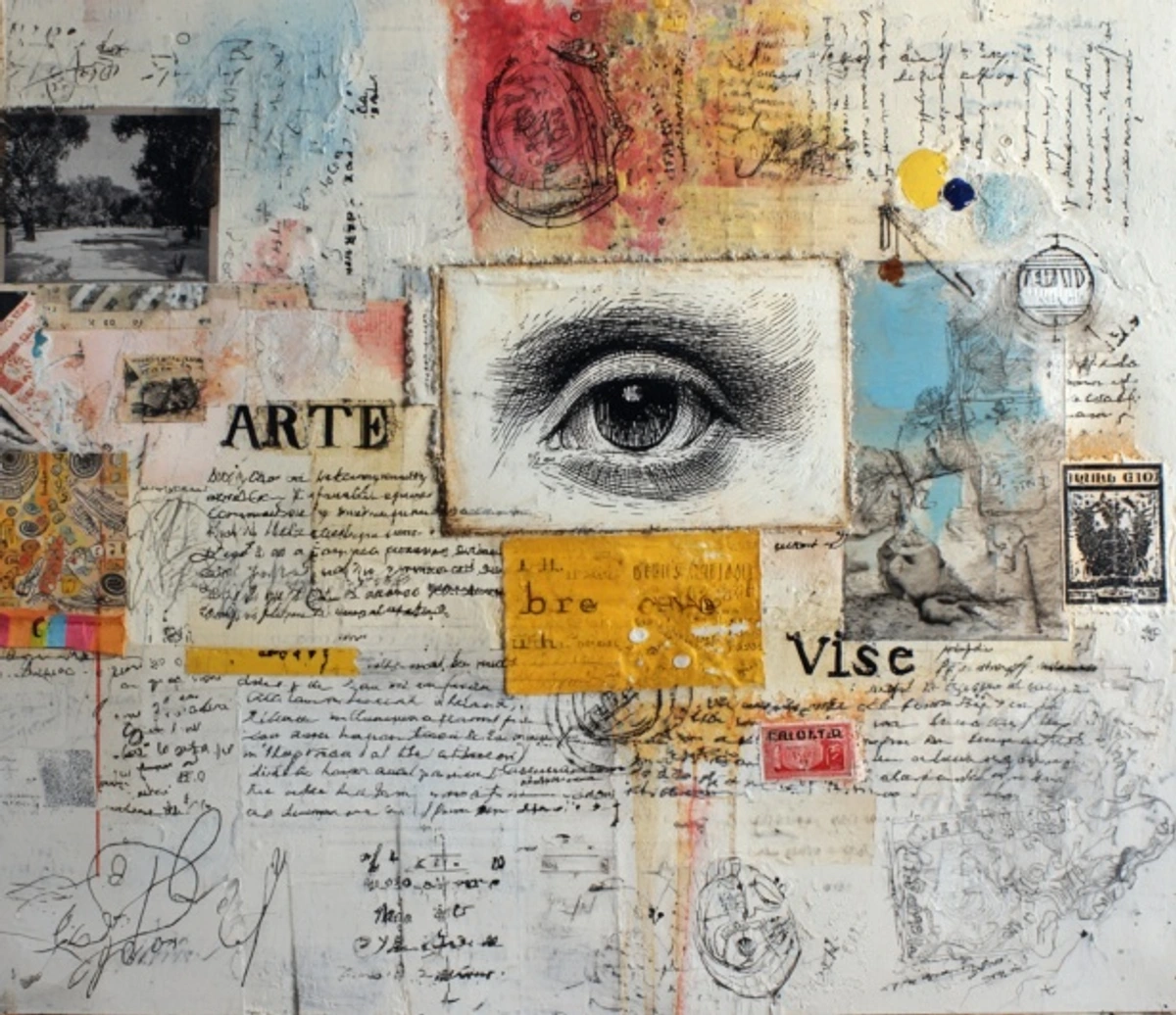
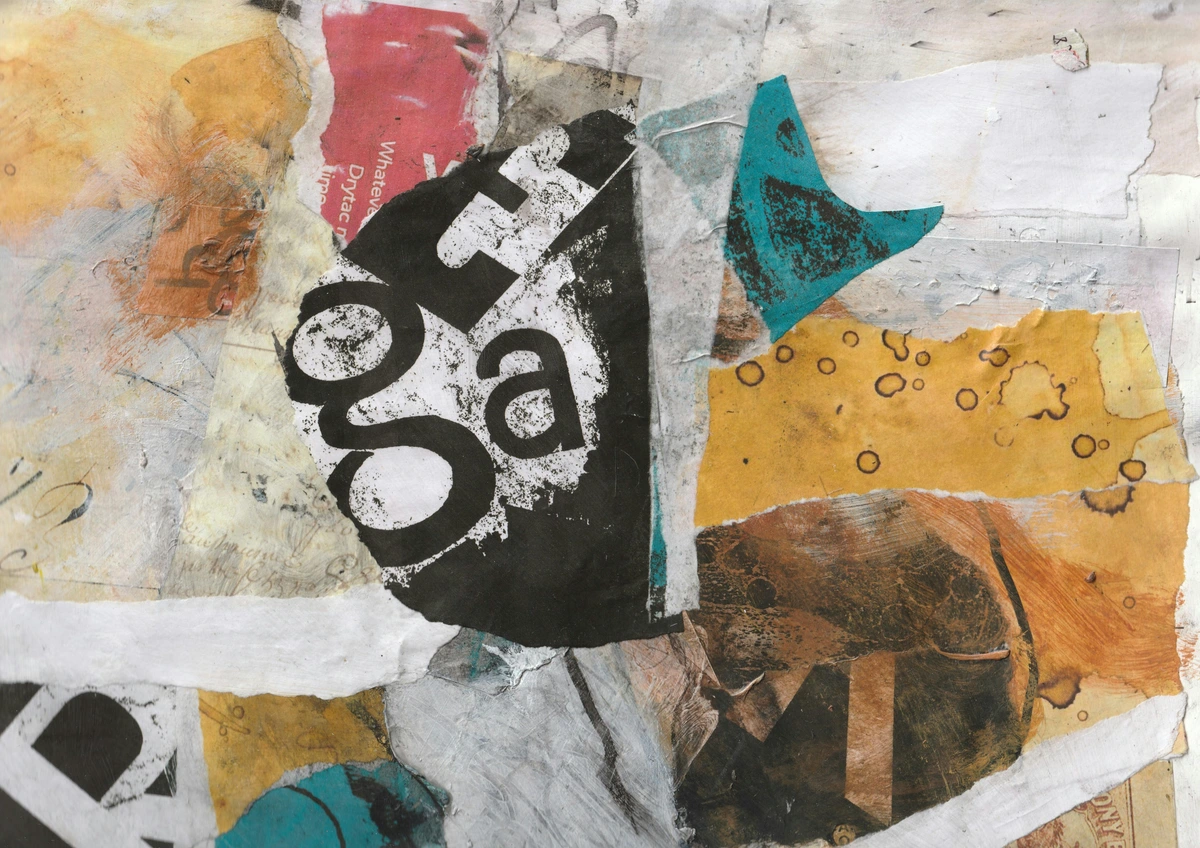
Mixed Media/Collage: Allows for juxtaposition and surprise. Perfect for complex or contradictory emotions, the layering of meaning, incorporating found materials that have their own histories and emotional resonance. The physical act of cutting, tearing, and reassembling can mirror the emotional process of integration and healing.
Printmaking: The technical demands of printmaking create a particular relationship with control and accident. Etching requires patience and precision; monoprints allow spontaneity within structure. The multiple nature of prints (editions) lets you explore variations on an emotional theme.
Textile/Fiber Arts: Working with fabric, thread, and fiber connects you to domestic traditions and the intimacy of touch. The repetitive nature of many fiber techniques (weaving, knitting, embroidery) creates meditative space for processing emotion through rhythm and pattern.
Clay/Ceramics: The physicality of clay—wedging, throwing, sculpting—connects directly to embodied emotion. Clay remembers every touch, every pressure change. The firing process involves both control and surrender, mirroring how we work with intense emotions.
Digital Tools: Offer precision and endless revision, but can feel emotionally distant unless you deliberately introduce "imperfect" brushes or textures that suggest the human hand. Digital work can access emotions related to our contemporary technological experience.
Charcoal and Graphite: Immediate, smudgeable, capable of both delicate line and dramatic mass. Excellent for transitional emotions, uncertainty, and working with themes of impermanence. The ease of erasure and revision supports exploratory emotional work.
Digital Media: Clean, controllable, infinitely editable. Can feel emotionally distant unless you deliberately introduce "imperfect" brushes or textures that suggest the human hand.
This might sound esoteric, but it's actually quite practical. Every material has its own character—the way it behaves, the way it ages, the way it responds to touch. These intrinsic qualities carry emotional associations that become part of your work's meaning, whether you intend them to or not. Being intentional about material choice means working with these associations rather than against them.
When Medium Becomes Message
Consider the difference between:
- Watercolor: fluid, transparent, unforgiving—perfect for capturing moments of delicate feeling or the passage of time
- Acrylic: versatile, fast-drying, easily layered—good for work that involves decision-making and adjustment
- Oil paint: slow, sensual, capable of incredible depth—ideal for work that explores memory, atmosphere, and emotional nuance
- Mixed media and collage: allows for juxtaposition, surprise, and the layering of meaning—useful when exploring complex or contradictory emotions
- Gouache: matte, velvety, capable of both transparency and opacity—excellent for work that balances softness with crisp definition
- Ink and wash: spontaneous, gestural, minimal—effective when you want to preserve the freshness of a moment
- Charcoal and pastel: immediate, tactile, smudgeable—wonderful for exploring themes of impermanence or transition
Don't assume you need to choose just one. Some artists work with different materials depending on their emotional state or the demands of a particular piece. I know artists who switch between oil and watercolor not for technical reasons, but because each medium accesses a different part of their emotional vocabulary.
I used to think I should master one medium, but I've learned that different emotional states want different materials. When I'm working with grief, I often turn to materials that allow for scraping away and rebuilding—the physical process mirrors the emotional one.

Process as Emotional Ritual
The way you make art can become a form of emotional processing. Some artists work quickly, capturing feeling in the moment. Others work slowly, building up layers that mirror how emotions accrue and transform over time.
I know an artist who writes about her day over and over on the canvas before she begins painting. The text becomes invisible, but it's there under the surface—a private emotional ground that affects everything that comes after.
Ceramic artists talk about the emotional quality of working with clay—how the material remembers every touch, how the firing process involves both control and surrender. Each medium offers different possibilities for emotional expression.
Developing Your Personal Process Language
Your artistic process can become a ritual that helps you access emotions consistently. Consider developing practices like:
Pre-painting rituals:
- Light a specific candle when you begin
- Arrange your palette in the same order every time
- Spend five minutes in quiet observation before starting
- Write stream-of-consciousness for three pages (Julia Cameron's "morning pages")
During-painting practices:
- Work only when you feel the emotion strongly (capture in the moment)
- Work in layers over weeks (build emotional complexity)
- Work on multiple pieces simultaneously (compare different emotional states)
- Paint only during specific emotional states (e.g., only when peaceful or only when agitated)
Post-painting reflection:
- Write about what emerged during the process
- Photograph your work at different stages
- Talk about the work with trusted friends before showing it publicly
- Let work "rest" before deciding if it's finished
These rituals create consistency and safety, making it easier to access vulnerable emotional states when you need them for your work.
Surface Quality: How Texture Communicates
The surface of your work—smooth, rough, built-up, scraped-down—affects how viewers physically and emotionally connect with the piece. A heavily textured surface invites touch and emphasizes physical presence. A smooth surface can feel more contemplative and distant.
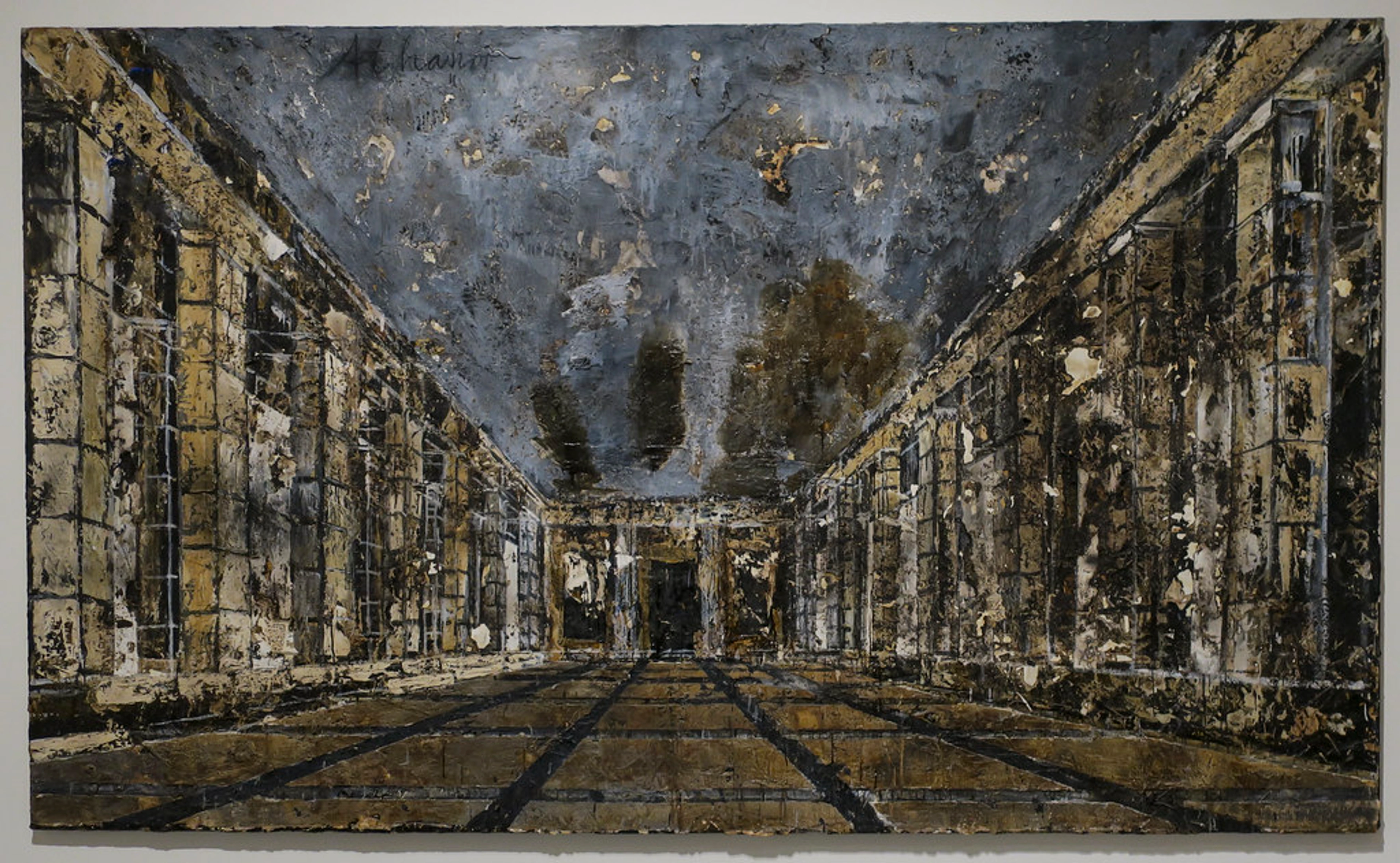
Texture can also create a kind of visual rhythm. Think of Anselm Kiefer's leaden, heavily encrusted surfaces—they feel monumental and weighed down by history.
Drawing from Life: Using Personal Experience as Raw Material
Here's something they rarely teach in art school: your most ordinary life is the richest source material you'll ever have. The key—and this is the difficult part—is learning how to translate personal experience into visual language without becoming literal or illustrative. Most artists either stay too abstract (the feeling floats away) or too literal (it becomes a diary entry). The sweet spot is somewhere in that difficult middle.
This translation requires a particular kind of attention—one that's close enough to notice details, but spacious enough to see patterns. You're not just recording what happened; you're distilling experience into its emotional essence while maintaining enough specificity to feel true rather than generic.
I think of it as creating emotional poetry rather than emotional journalism. The facts of what happened matter less than the quality of the experience—the particular way light fell, the specific sensation in your body, the color that somehow carries the whole memory in concentrated form.
The Practice of Emotional Mining
"Emotional mining" is what I call the systematic practice of excavating your daily life for artistic material. Most of us live through dozens of emotional moments every day without noticing them as potential source material. These small moments—the flicker of irritation in traffic, the gentle sadness of a rainy afternoon, the unexpected joy of finding something you'd forgotten—are the raw ore of emotionally resonant art.
But here's the thing most people miss: you're not just looking for "big" emotional experiences. The subtle, barely-noticeable feelings are often more interesting precisely because they're universal but rarely acknowledged. That specific melancholy of Sunday evenings. The particular anxiety of waiting for a text message. The gentle contentment of a task completed. These emotional micro-moments, when translated into visual form, create the most powerful connections with viewers because they're experiences we all share but rarely discuss. Here's how to change that:
Keep an emotional log: At the end of each day, identify three emotional moments—however small. Describe what triggered them, how they felt in your body, what colors or images come to mind when you recall them.
Create emotional sketches: Not drawings of objects, but quick attempts to capture the feeling itself. A few brushstrokes, some color notes, a written description—anything that captures the essence of that emotional moment.
Collect emotional artifacts: Photographs, objects, sound recordings, fabric swatches—anything that connects to a specific feeling. These become reference material for future work.
Track seasonal emotions: Notice how your emotional landscape changes with seasons, weather, light quality. These patterns provide recurring themes for your work.
The goal isn't to turn your diary into paintings, but to develop a rich library of genuinely felt emotional experiences that you can draw from when creating work.
The trap many artists fall into is thinking they need extraordinary experiences to make meaningful work. But some of the most emotionally resonant art ever created comes from close attention to ordinary moments—a particular quality of light through a window, the way someone's hands fold when they're thinking, the specific way dishes accumulate in the sink during difficult times. The extraordinary is in how you see, not what you see.
Transforming Daily Moments into Visual Poetry
Start carrying a sketchbook, but use it unconventionally. Instead of drawing what things look like, draw how they feel. A few quick lines that capture the restless energy of waiting for a train. Color notes for the particular quality of light during a difficult conversation.
I've found this particularly useful when traveling or in situations where I can't set up a full painting session. These quick emotional notes become source material later. The key is speed and immediacy—you're trying to capture a feeling before your analytical mind can interfere with interpretation and 'correction.' Five quick gestures that capture your anxiety about a doctor's appointment are often more useful than a detailed rendering of the waiting room.
Virginia Woolf wrote about "moments of being"—those instants when you suddenly become intensely aware of your own existence. These are gold for artists. It might be the way dust motes dance in a sunbeam when you're feeling particularly lonely, or the specific pattern of condensation on a window when you're daydreaming.
Working from Memory and Imagination
Photographs can be useful, but they often trap you in literal representation. Working from memory forces you to focus on what was emotionally significant. You remember the way someone's hands moved when they were angry more clearly than what they were wearing.
Try this exercise: think of an emotionally charged memory. Instead of painting a scene from it, paint the feeling itself. What colors, shapes, and marks capture that feeling? Let the memory guide your formal choices rather than dictating subject matter.
If you're working with a memory of conflict, don't paint the people involved—paint the hot, buzzing tension. If you're working with a memory of comfort, paint the warm, enveloping safety. This abstraction from literal narrative to felt experience is one of the most powerful skills you can develop as an emotionally focused artist. It's what allows your personal experience to become universal.
I spent months working on a series about my childhood home. At first, I was trying to paint the house itself, and everything felt stiff and dead. When I switched to painting the feeling of specific rooms—the particular anxiety of my father's study, the dreamy safety of my bedroom at dusk—suddenly the work came alive.
The insight here is that memory isn't primarily visual—it's sensory and emotional. We remember how places felt far more clearly than how they looked. By focusing on the feeling rather than the external appearance, you access a deeper, more authentic layer of experience that viewers can recognize even if their own memories are completely different.
Navigating Vulnerability and Self-Exposure
Working from personal experience means being willing to be vulnerable on the canvas. This can be terrifying. What if people see too much? What if they judge your feelings?
Here's what I've learned: the most powerful art comes from specific emotional truth, but it resonates because those specific truths are universal. Your particular experience of loss or joy or confusion will connect with viewers who have felt something similar, even if their circumstances were completely different.
This is why vulnerability in art is so powerful but also so tricky. You don't need to reveal private biographical details to create emotionally resonant work. In fact, overly specific narrative details can sometimes make work less universal. The goal isn't to tell your story—it's to create a space where viewers can recognize their own.

You don't have to reveal everything. Sometimes the most emotionally potent work comes from what's suggested rather than stated explicitly. A painting can feel vulnerable and intimate without being confessional.
Think of it this way: you're not creating a diary entry that other people can read. You're creating a mirror that reflects back something true about human experience. The most effective approach is often oblique—hinting at emotion rather than stating it directly, creating space for the viewer's own associations and feelings.
The Artist's Toolkit: Practical Techniques for Emotional Painting
Now let's get practical. How do you actually translate all this theory into paint on canvas? Because all the emotional awareness in the world doesn't help if you don't have concrete methods for getting it onto the surface.
Working with Emotional States in Real-Time
One of my most effective techniques: emotion tracking while painting. I set a timer and work in focused intervals, checking in with my emotional state at each break. This creates a record not just of what you created, but of how you created it—the emotional weather of your studio practice.
But here's the expanded version that I now use, which has proven even more powerful:
Advanced Emotion Tracking Method
Before You Start (2 minutes)
- Name your primary emotion (don't overthink this)
- Rate its intensity 1-10
- Notice any physical sensations
- Identify your dominant thought pattern
During Work (45-90 minute blocks)
- Work in uninterrupted blocks
- Notice when your emotional state shifts (but don't stop)
- If you get stuck, note the feeling without judgment
After Each Block (5 minutes)
- Name your current emotion (often different from when you started)
- Rate intensity again
- Write one sentence: "This session felt like..."
- Note any surprises or breakthroughs
End of Session (10 minutes)
- Review your tracking notes
- Identify patterns: "When I feel X, I tend to work in Y way"
- Celebrate emotional movement, not just visual results
- Set intention for next session based on what emerged
This tracking accomplishes two things: it gives you data about your personal creative rhythms, and it helps you identify which tools and materials serve different emotional states. More importantly, it reinforces that your emotional state is valuable artistic information, not something to overcome or ignore.
Time Block | Starting Emotion | Materials Chosen | What Emerged | Ending Emotion |
|---|---|---|---|---|
| 0-30 min | Anxious, scattered | Fast-drying acrylics, large brushes | Chaotic marks, conflict | More focused, energy discharged |
| 30-60 min | Focused, curious | Added oil pastels for texture | More deliberate shapes emerged | Engaged, problem-solving |
| 60-90 min | Engaged, patient | Small brushes, glazing medium | Refinement, subtle shifts | Satisfied, resolved |
This tracking accomplishes two things: it gives you data about your personal creative rhythms, and it helps you identify which tools and materials serve different emotional states.
Creating Emotional Underpainting Systems
The foundation of your painting can establish the emotional tone for everything that follows:
Emotional Ground Techniques:
- Complementary color underpainting: Paint your first layer in the emotional opposite of what you want to achieve, then layer your intended emotion on top. This creates visual vibration and emotional complexity.
- Textural emotional ground: Use thick gesso, modeling paste, or collage elements to create a physical texture that matches your emotional state before you begin painting.
- Word/mark embedded ground: Write words, draw marks, or create symbols that relate to your emotional content, then paint over them. You'll know they're there even when invisible.
- Color mood grounds: Establish your dominant emotional color as an all-over wash before beginning composition.
- Scent-based grounding: Some artists work with essential oils or scents that help them access specific emotional states. The olfactory system has direct access to memory and emotion centers in the brain.
- Movement-based grounding: Before picking up a brush, spend five minutes moving your body in ways that express the emotion you're working with. This physical priming can change everything about how you approach the work.
- Weather/seasonal grounding: If you're working with an emotion related to a specific time of year or weather condition, create conditions in your studio that evoke that feeling—cooler temperature, specific lighting, open windows, etc.
- Found object grounding: Start with an object that carries emotional resonance for you—something from your childhood, a found object that evokes a particular feeling, an object given to you by someone significant. Place it in your workspace while you work, or incorporate it into the piece directly.
Advanced Grounding: Layered Emotional Foundations As you become more sophisticated with emotional grounds, you can create multiple layers of emotional information. For example:
- First layer: complementary color underpainting
- Second layer: textural elements that relate to the memory
- Third layer: written text or symbols that name the feeling
- Fourth layer: final painting that holds all of this information
This layering creates depth that goes beyond surface appearance. Viewers may not consciously know why a piece feels emotionally complex, but the layers contribute to that feeling of depth and richness.
Each of these approaches creates a subconscious foundation that guides your subsequent decisions toward emotional coherence.
Working Intuitively vs. Working from Planning
Some artists work best when they dive in without a clear plan, letting the process guide them to meaning. Others need to think through their emotional intention first. Neither approach is better—they're just different ways of working.
I tend to work cyclically: I'll start intuitively, then step back and assess what's emerging, then work more intentionally to develop those emergent qualities. This back-and-forth between intuition and analysis feels most natural to me.
The key is recognizing which mode you're in and honoring it. When you're in intuitive mode, don't let your analytical mind interfere too early. When you're in analytical mode, don't force intuition. Trust that both are necessary parts of the creative process, and that shifting between them is not indecision but a sophisticated way of working.
Painting in Series: Developing Emotional Themes
Individual paintings can be powerful, but working in series allows you to explore emotional complexity and variation. Think of Mark Rothko's chapel paintings or Helen Frankenthaler's soak-stain abstractions—the meaning accumulates across multiple works.
A series allows you to:
- Explore different facets of a single emotion
- Try different formal approaches to the same emotional core
- Create body of work that feels cohesive and thoughtfully developed
- Deepen your investigation beyond what one piece can contain
- Build confidence through accumulated exploration
- Develop a signature approach to recurring themes
- Create dialogue between pieces that enriches each individual work
Start with an emotional question rather than an answer. Instead of 'I'm going to paint about loneliness,' try 'What are all the different ways loneliness can feel?'
When planning a series, I like to set parameters that create both structure and freedom. For example: '12 pieces, 18x18 inches each, exploring anxiety through different color temperatures and mark-making speeds.' The constraint of the series format paradoxically creates more freedom to explore deeply, because you're not trying to say everything in a single piece.
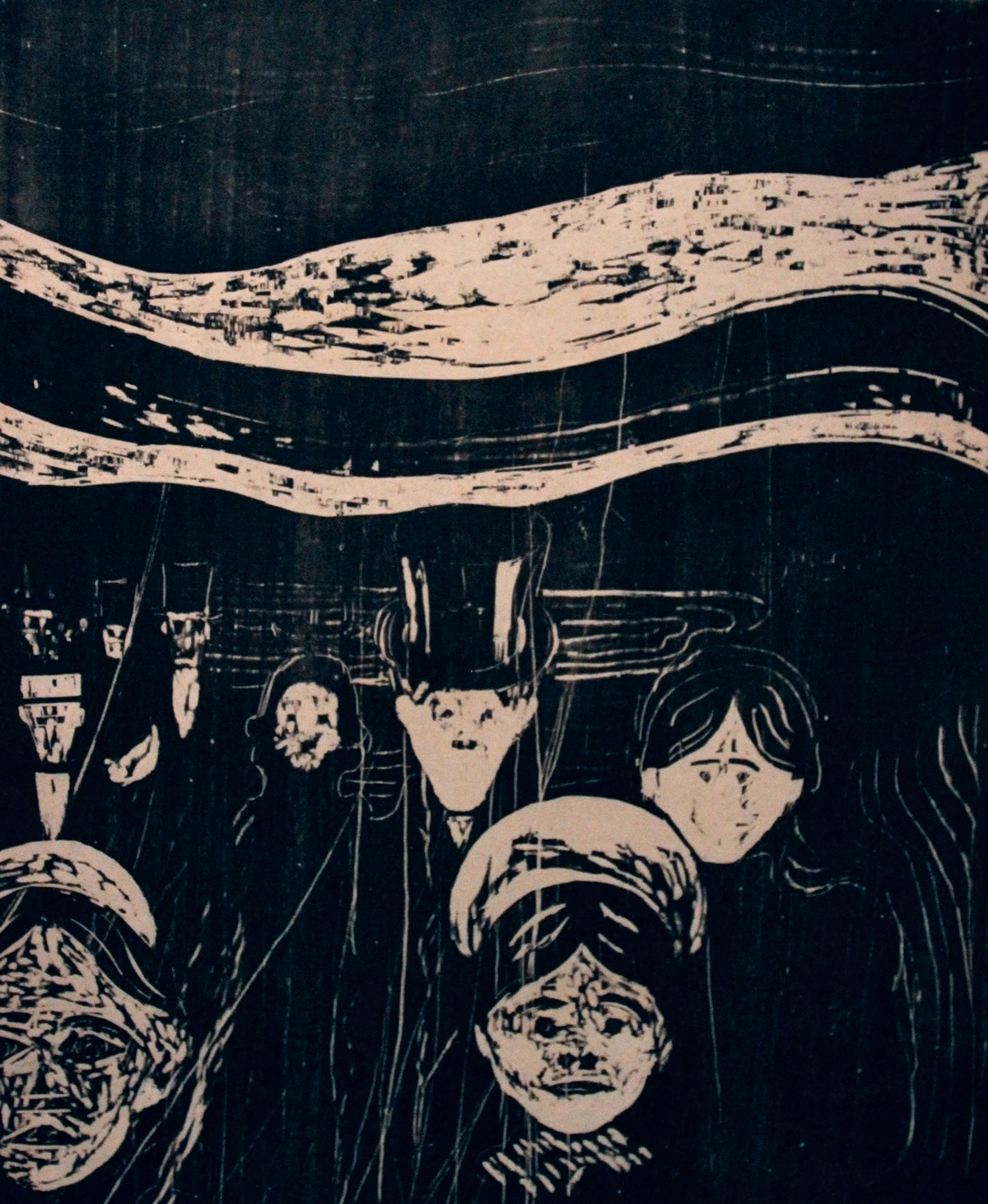
Building Emotional Depth Through Layers
Emotional depth in painting often comes from literal depth—layers of paint and meaning. This might mean:
- Underpainting with complementary colors to create vibration
- Scraping back to reveal earlier layers, suggesting memory or time
- Glazing to unify or shift the emotional temperature of a passage
- Letting accidents remain visible rather than correcting everything
- Building up and breaking down surfaces to create a sense of time and history
- Using transparent and opaque layers to create depth and resonance
The history of the painting process becomes part of its emotional content. Viewers may not consciously notice these layers, but they feel the visual richness and complexity they create.
One technique I love is what I call 'productive destruction'—intentionally working on a painting, then partially destroying or obscuring passages that feel too precious or resolved. This creates a palimpsest effect where the history of making and unmaking becomes visible. It's particularly effective for work about memory, loss, or transformation, because the process itself mirrors those emotional experiences.
Creating Emotional Focal Points
Even in abstract work, you can create areas that pull the viewer's attention—emotional focal points. This might be:
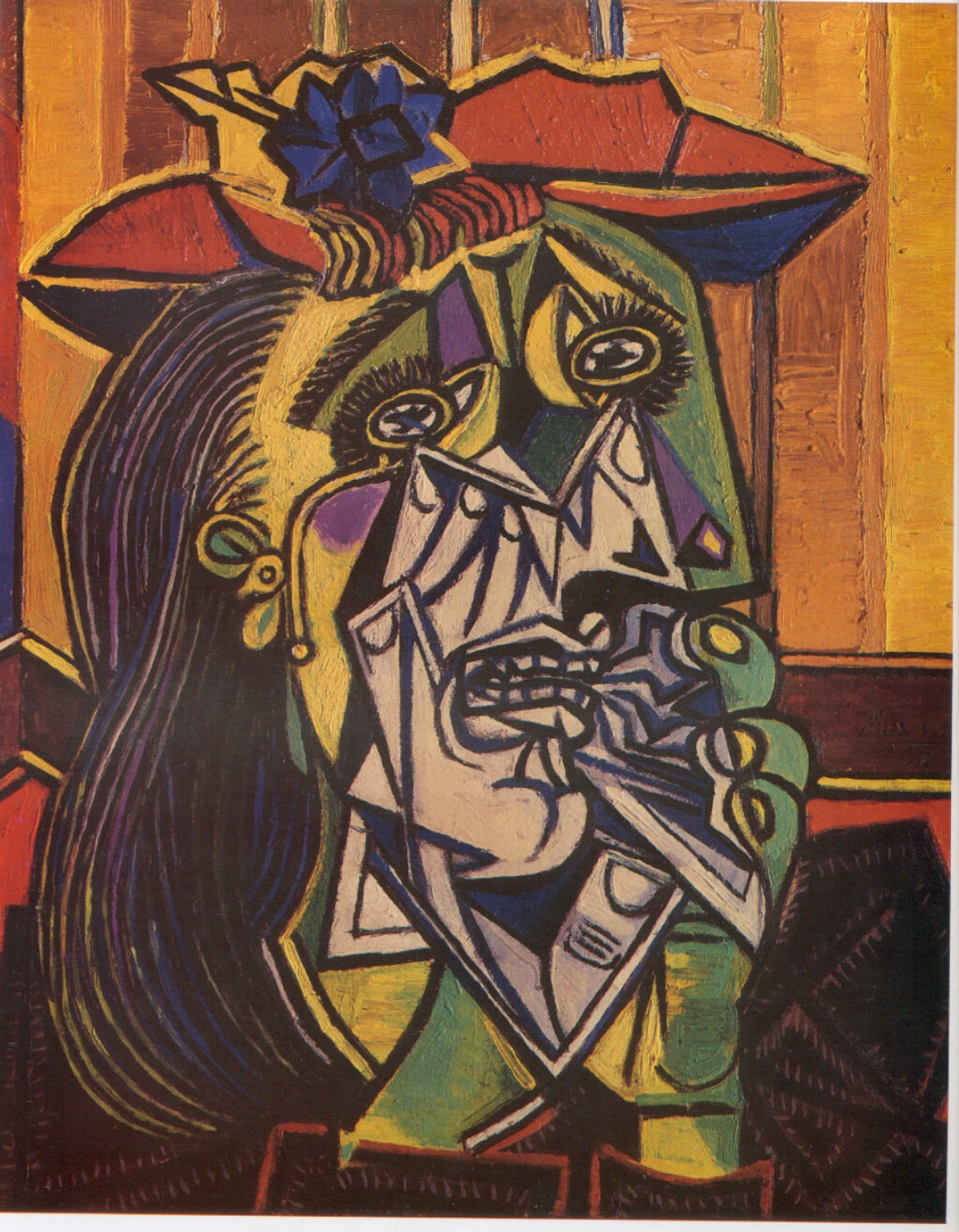
- A passage of particularly intense color
- A complex area of mark-making that rewards close looking
- An unexpected shape or form
- A quiet area in an otherwise busy composition
- An area where multiple elements converge in tension
- A point of luminous contrast or unusual brightness
Strategic use of focus helps guide the viewer's emotional journey through the piece. Without any focal point, the eye wanders aimlessly. With too many, the piece feels anxious and scattered.
The most effective emotional focal points often have a quality of mystery or ambiguity—enough definition to draw attention, but enough openness to invite sustained looking and interpretation. Think of it as creating a question rather than making a statement.
Developing Your Unique Emotional Voice
Most artists start by imitating others—it's natural and necessary for learning. But at some point, you have to stop making work that looks like your influences and start making work that feels like your experience. The transition is rarely dramatic. It happens in tiny choices, in trusting an instinct that doesn't match what your heroes would do.
The Journey from Imitation to Authenticity
Developing your authentic emotional voice happens in stages—and it's helpful to recognize where you are in the process:
Stage 1: Learning the Language (Months 1-12) You're imitating artists you admire, trying on different emotional approaches like costumes. This is essential—you're learning what's possible. Don't judge yourself for this phase.
Stage 2: Recognizing Discomfort (Year 2-3) Your imitations start feeling hollow. You notice a gap between the emotions you're painting and the emotions you're actually feeling. This discomfort is actually progress—it means you're developing self-awareness.
Stage 3: Tentative Authenticity (Year 3-5) You start making work that feels true to your experience, even if it's less dramatic or impressive than what you were imitating. This work might feel embarrassing or too simple, but it has an authenticity that resonates.
Stage 4: Integrated Voice (Year 5+) Your influences have been fully digested. People can still see echoes of other artists in your work, but the combination and expression feel distinctly yours. You have confidence in your emotional vocabulary.
The key insight: this timeline isn't rigid, and you might move back and forth between stages. The important thing is recognizing that finding your voice is a process, not an event.
This transition from influence to authentic voice is one of the trickiest parts of artistic development. There's no clear line where influence ends and originality begins—it's more of a gradual integration. The goal isn't to eliminate all traces of influence (an impossible task) but to reach a point where your influences have been so thoroughly digested and transformed that they no longer dominate the work.
Moving Beyond Influence to Original Expression
The artists you admire can teach you about technique and emotional approach, but their emotions aren't yours. Pay attention to what you're drawn to in others' work, then ask yourself: what in my own experience relates to this? How would I express this feeling in my own voice?
I spent years trying to paint like the Abstract Expressionists because I loved the emotional intensity of their work. But every painting felt like a pastiche. It wasn't until I started paying attention to my own emotional landscape—which is much quieter and more interior than theirs—that my work started to feel authentic.
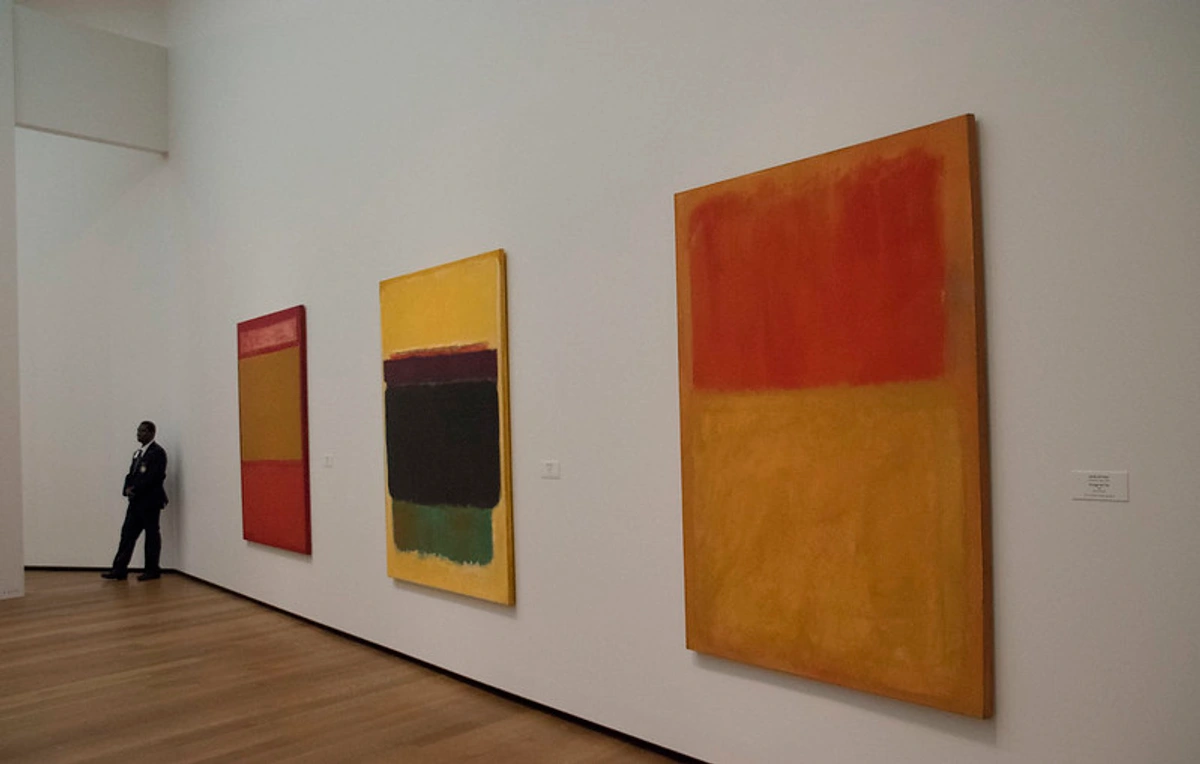
Trusting Your Own Sensibility
Your emotional sensibility is unique. You might be drawn to subtle, quiet emotions while everyone around you is making loud, dramatic work. That doesn't mean your sensibility is wrong—it means you have something particular to offer.
The art world often rewards spectacle and intensity. But some of the most emotionally profound work I know is almost imperceptibly quiet. Think of Giorgio Morandi's bottle paintings or Roni Horn's glass works—they reward patient looking with deep feeling.
The Power of Emotional Nuance
Don't underestimate the emotional power of subtlety. In a culture that values intensity, quiet emotions can feel revolutionary:
The whisper versus the shout: Sometimes the most powerful emotional statement is the one that requires the viewer to lean in, to pay attention, to bring their own emotional energy to complete the experience.
Micro-emotions versus macro-emotions: You don't have to paint dramatic grief or explosive joy. The slight melancholy of a Tuesday afternoon, the quiet satisfaction of a task completed, the gentle anxiety of waiting for news—these "small" emotions are universal and deeply relatable.
Confidence in restraint: It takes real confidence to leave work understated, to trust that viewers will meet you halfway. This confidence comes from experience and from knowing that emotional truth doesn't require dramatic presentation.
The 80/20 Rule of Emotional Painting
Here's a practical principle that can guide your development: most of your emotional impact will come from about 20% of your visual elements. The key is identifying which 20%.
When you're working, ask yourself:
The 20% Question: "If I could only keep one-fifth of what's happening in this painting, what would I keep?"
The 80% Question: "What could I remove without losing the emotional core?"
This isn't literally about percentages—it's about learning to distinguish between essential emotional information and supporting details. Often, removing the 80% that's just decoration or habit makes the 20% that's actually emotionally necessary become more powerful.
Here's how this works practically:
In a complex composition, identify the one area where the emotional energy feels most concentrated. What happens if you make everything else more neutral?
With color, identify the one color relationship that's doing the most emotional work. What happens if you simplify the rest of the palette?
With mark-making, identify the specific gesture or stroke quality that carries the feeling. What happens if you remove the marks that are just filling space?
This kind of editing requires courage because you're often removing things that look "good" or "complete" or "skillful." But emotional power often comes from saying one thing clearly rather than many things confusingly.
The Vulnerability of Simplicity
Simple, direct emotional expression can feel more vulnerable than complex work because there's nowhere to hide. If a painting is just three colors and a single gesture, that gesture needs to be exactly right. There's no complexity to obscure uncertainty.
This is why developing emotional voice often means moving toward simpler, clearer expression. You're not adding more—you're identifying what actually matters and removing everything else. It's the artistic equivalent of learning to speak honestly rather than impressively.
One of the hardest lessons for artists is that "more" isn't always "better." More colors, more marks, more detail, more complexity—these can actually dilute emotional impact by diffusing attention and intention. Learning when to stop, when to simplify, when to trust that what you've said is enough—this is advanced emotional practice.
If your natural emotional range is quiet and interior, don't force yourself to paint like a Romantic landscape painter. Your authentic emotional voice is exactly what makes your work valuable.
When Influences Become Your Own
You'll know your voice is developing when your influences become harder to trace. Instead of looking at your work and seeing "a little bit of this artist and a little bit of that one," you'll see an integration of different approaches into something that feels coherent and individual.
This takes time. Don't rush it. Keep making work, keep paying attention to what feels true, and gradually your voice will emerge.
Common Challenges and How to Navigate Them
Every artist struggles with emotional expression—if you're not struggling, you're probably not being honest. Here are some common problems I see over and over, along with practical solutions that actually work.
Before we dive into specific solutions, it's worth acknowledging something: struggling with emotional expression is not a sign that you're doing something wrong. In fact, it's often a sign that you're doing something right—engaging honestly with the difficulty of translating inner experience into outer form. The goal isn't to avoid these challenges but to develop strategies for working through them.
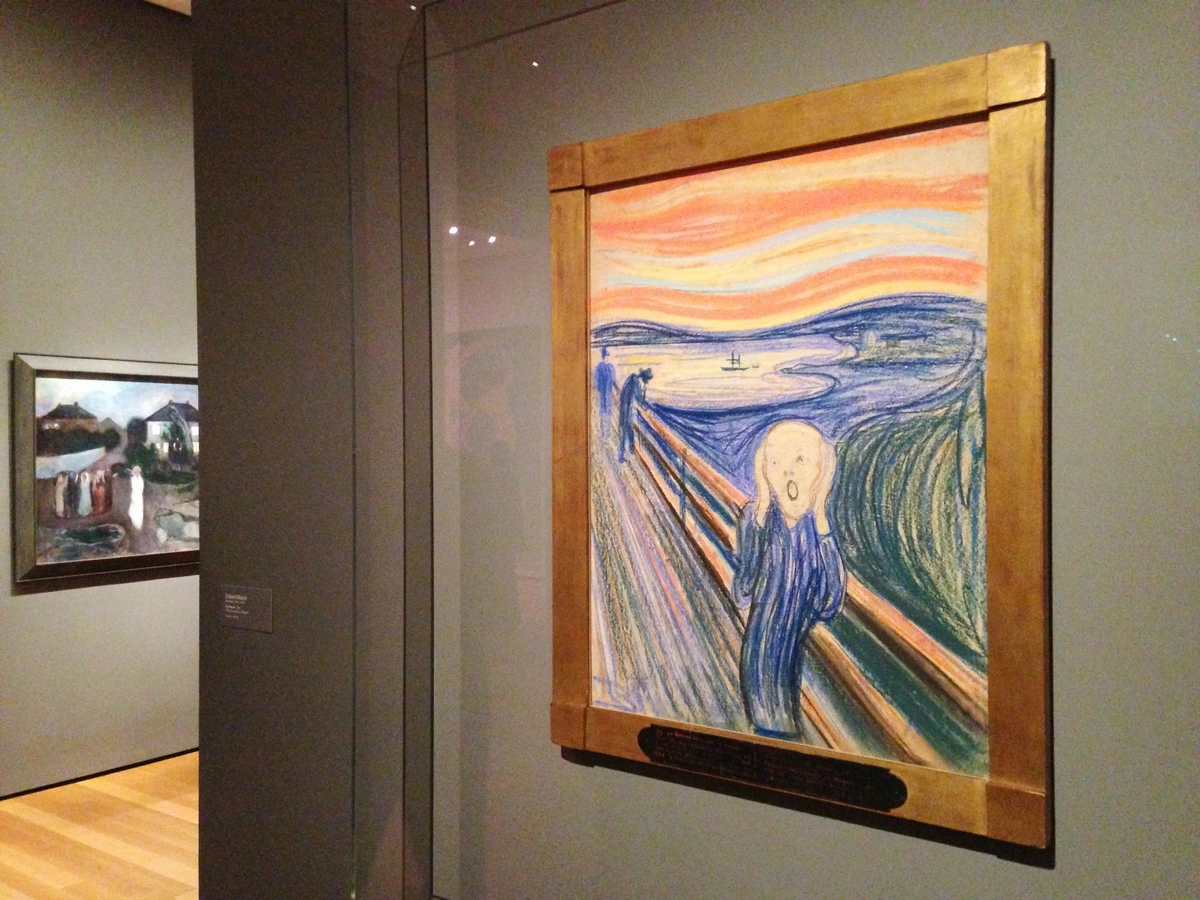
Problem: The Work Feels Emotionally Flat or Generic
Diagnosis: You might be working from ideas about emotion rather than actual felt experience. Solutions:
- Return to source material that genuinely moves you
- Work smaller and faster to bypass overthinking
- Try a medium that feels less precious and more direct
- Ask yourself honestly: what am I actually feeling right now?
- Reconnect with the 'why' behind the piece—not the concept, but the feeling that sparked it
- Step away from the work and engage with life for a while—emotional depth comes from lived experience, not studio isolation
The flatness often comes from being too conceptual too early in the process. If you find yourself thinking 'this needs to communicate X emotion,' you've already stepped outside the feeling and into analysis.
Problem: The Emotion Comes Through as Melodrama or Cliché
Diagnosis: You might be trying too hard to communicate emotion explicitly. Solutions:
- Trust subtlety and understatement
- Focus on formal qualities rather than emotional labels
- Look at how master painters handle emotional content with restraint
- Allow ambiguity—art that leaves room for interpretation often feels more true
- Study work that achieves emotional intensity through minimal means
- Remember that emotion in art works through suggestion and resonance, not declaration
- Ask yourself: what would this feel like if I removed 30% of the 'emotional' content?
Melodrama often comes from a lack of trust in the viewer's capacity to feel and interpret. When you hit the emotional note too hard, you leave no room for the viewer's participation. Subtlety invites engagement; declaration can shut it down.
Problem: Fear of Being Too Vulnerable or Exposed
Diagnosis: You're worried about how viewers will respond to your emotional content. Solutions:
- Remember that universal emotions resonate more than specific biographical details
- You can be emotionally honest without being literally confessional
- Start by exploring emotions that feel safer, then gradually expand
- Find trusted viewers who understand what you're trying to do
- Practice on smaller, lower-stakes pieces before tackling major work
- Separate the emotional content from literal narrative—you're working with feeling, not autobiography
- Remember that showing the work doesn't require explaining the personal source material
- Create "test audiences" of trusted friends before wider exposure
- Remember that viewers bring their own experiences—they're not just accessing yours
Problem: Overwork and Perfectionism Sabotage Emotional Honesty
Diagnosis: You keep "fixing" a piece until the initial emotional freshness disappears. Solutions:
- Set completion deadlines for yourself (be firm about these)
- Take photos at different stages—review to see if you've lost something important
- Work on multiple pieces simultaneously to avoid over-investing in any single one
- Use the "overnight test"—if something looks good at the end of a session, don't touch it until morning
- Ask yourself: "What is this piece trying to be?" versus "What do I want it to be?"
- Learn to distinguish between real problems and perfectionist anxiety
- Practice finishing pieces that feel "imperfect" and showing them anyway
Problem: Your Work Feels Emotionally Repetitive
Diagnosis: You keep making the same emotional statement in slightly different forms. Solutions:
- Deliberately work with emotions outside your comfort zone
- Experiment with formal approaches that feel unfamiliar
- Change your scale dramatically—work much larger or much smaller
- Switch media entirely for a period (painter tries ceramics, etc.)
- Study artists whose work has no relationship to yours
- Ask yourself: "What am I avoiding emotionally?"
- Take a complete break from making and just live for a while
- Return to observational work—draw/paint from life rather than memory or imagination
Problem: Creative Blocks and Emotional Paralysis
Diagnosis: You feel completely unable to access or express emotion in your work. Solutions:
- Lower your expectations dramatically—aim for "showing up" not "making good work"
- Do creative exercises that have no pressure (collage with magazine images, finger painting, etc.)
- Revisit old work and rework it—sometimes going backward helps you move forward
- Engage with other art forms—music, dance, poetry—to access emotion indirectly
- Talk through your block with another artist (verbal processing often helps)
- Work on technical skills that don't require emotional content
- Consider that the block might be telling you something important about what needs to change
- Sometimes the most productive response to a block is genuine rest, not pushing through
Problem: Emotional Exhaustion and Burnout
Diagnosis: Working with emotion feels draining rather than energizing, and you're avoiding the studio. Solutions:
- Balance emotionally intense work with purely technical exercises
- Make work that's "just for fun" with no emotional agenda
- Take regular breaks from deep emotional work
- Ensure you have adequate emotional support outside the studio
- Consider whether you're processing your own trauma through art—therapy might be necessary
- Build in "play time" where experimentation is the only goal
- Remember that not every piece needs to wrestle with profound emotion
- Physical self-care (sleep, nutrition, exercise) dramatically affects emotional resilience
Vulnerability in art is about emotional honesty, not self-exposure. You can—and should—maintain healthy boundaries while still creating work that feels deeply personal and authentic.
Problem: Difficulty Accessing or Identifying Your Emotions
Diagnosis: Some of us aren't naturally emotionally fluent. Solutions:
- Keep an emotion journal using simple feeling words
- Try automatic drawing or free writing before painting
- Look at other art and identify what emotions it evokes
- Be patient—emotional awareness develops with practice
- Work with physical sensations first—how does your body feel?—then work backward to emotional labels
- Use color and mark-making intuitively, then reflect on what emotional qualities emerged
- Study actors and dancers—they're masters at identifying and expressing subtle emotional states through physical means
Remember that 'emotional fluency' isn't about being dramatic or expressive in daily life. Some of the most emotionally profound artists are actually quite reserved people. The fluency is in the work, not necessarily in how you navigate the world.
Problem: Overthinking During the Creative Process
Diagnosis: The analytical mind is getting in the way of intuitive response. Solutions:
- Set time limits for decision-making
- Work on multiple pieces simultaneously to avoid overworking any single one
- Use techniques that bypass conscious control (gestural marks, pouring, blind contour)
- Trust that meaning can emerge through process rather than being pre-planned
- Use music, movement, or other non-visual stimuli to shift out of analytical mode
- Create 'rules' for a piece that limit choice and force spontaneity
- Remember that you can always analyze and refine later—the initial phase needs space for discovery
The irony of emotional expression is that thinking about it often gets in the way. The goal is to access feeling states directly, which usually requires temporarily quieting the analytical mind.
Creating Space for Emotional Connection: Framing and Presentation
Here's something many artists overlook: how you present your work fundamentally affects its emotional impact. The frame (or lack of it), the lighting, the surrounding space—all of this contributes to how viewers experience what you've made. Bad presentation can suffocate emotionally powerful work. Good presentation can elevate subtle work into profundity.
When to Frame, When to Float
The right presentation can protect a work's emotional integrity. Some pieces need the structure of a traditional frame. Others need to be floated or displayed without barriers to maintain their immediacy.
I've learned this the hard way: a delicate, vulnerable painting can feel suffocated by an ornate frame, while a bold, assertive piece might need that structure to feel complete. Sometimes the best 'frame' is simply clean white space around the work.
Consider the emotional quality you want to preserve or amplify. Does the frame support or compete with that quality? For work that's already quite structured and composed, a simple frame can provide satisfying closure. For work that's gestural and immediate, floating or minimal framing preserves the sense of spontaneous creation.
The Importance of Titles
Titles can either enhance or undermine emotional content. A too-literal title can close down interpretation. A too-obscure title can feel pretentious. The best titles I've encountered create a subtle emotional framework without explaining too much.
Instead of titling a painting "Sadness," try something that evokes the feeling obliquely: "The Quality of Late Afternoon Light" or "Windows Left Open." The title becomes another formal element in your emotional toolkit.
Good titles create space for interpretation while providing gentle guidance. They can suggest mood, reference source material without being literal, or hint at the questions the work explores. Avoid titles that over-explain or close down meaning—the goal is to open conversation, not end it.
When titling a series, I like to create relationships between titles that suggest connections without being too explicit. This creates an additional layer of meaning that attentive viewers can discover.
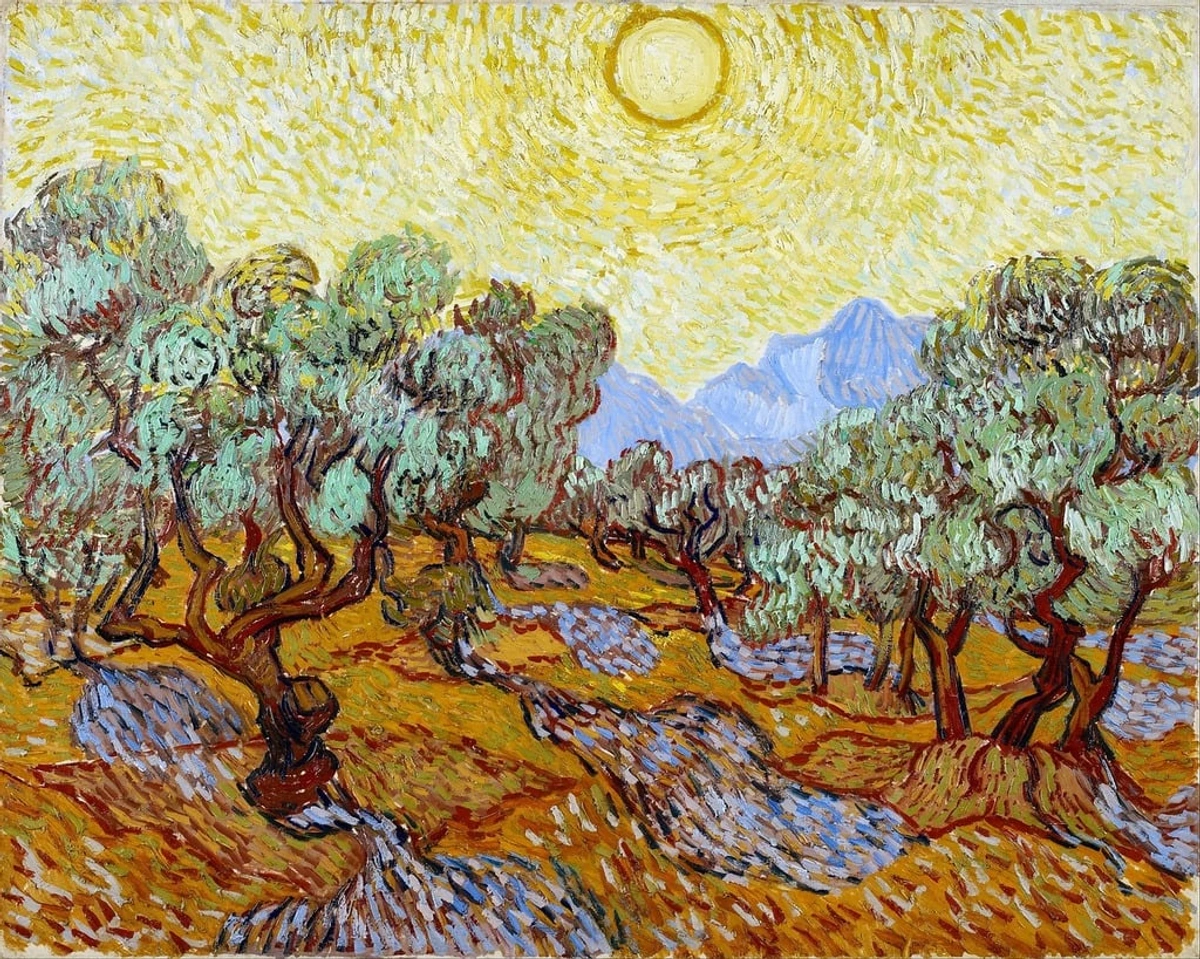
Digital Considerations: Photography and Reproduction
Most people will first encounter your work online, which means your photography matters. Poor lighting or awkward angles can flatten emotional content. Consider hiring a professional art photographer, or learn to photograph your work well yourself.
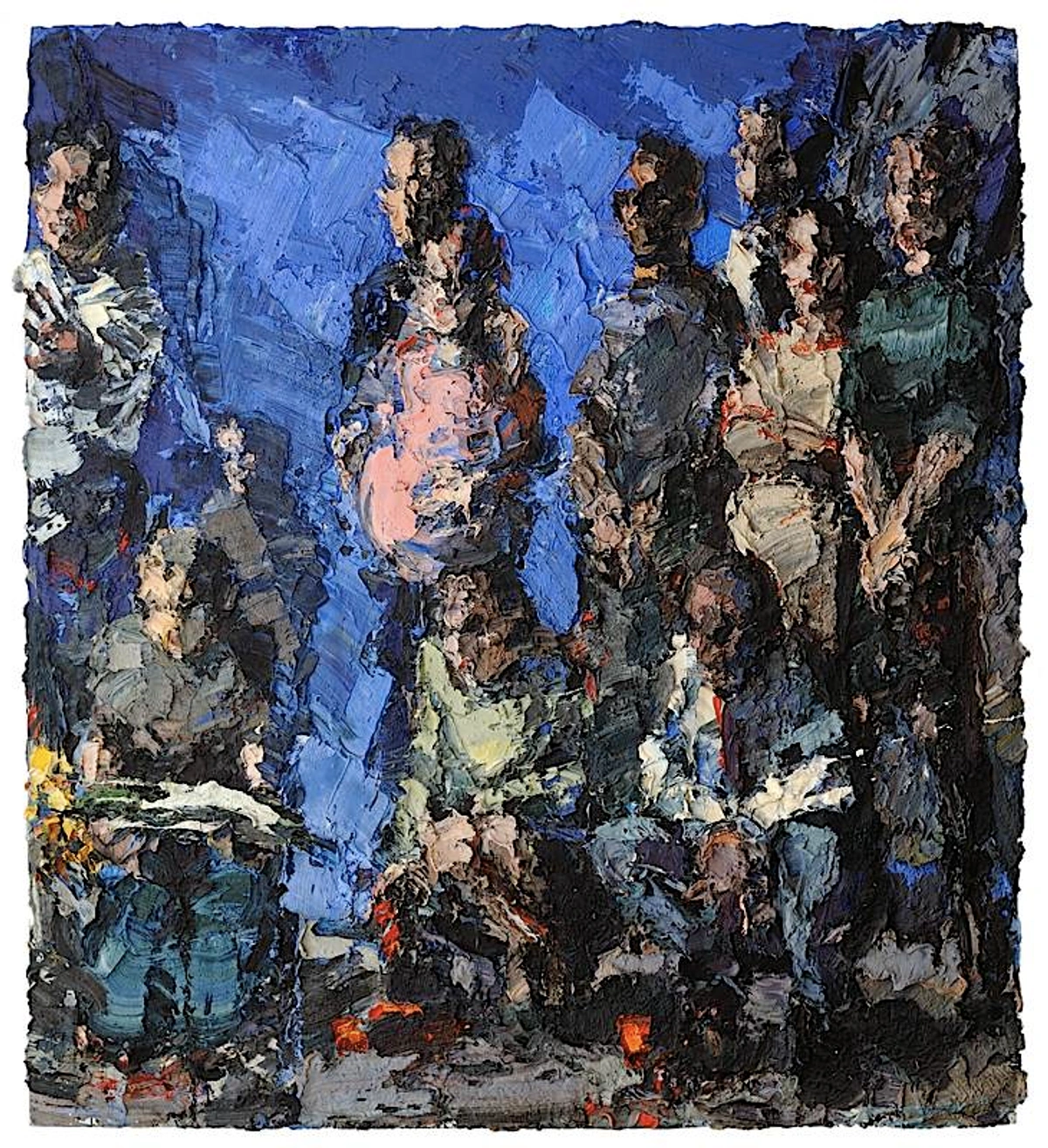
For two-dimensional work, this usually means:
- Photographing in consistent, diffuse natural light (not direct sunlight, which creates glare)
- Using a tripod to prevent camera shake
- Ensuring the camera is parallel to the work surface to avoid distortion
- Shooting in RAW format if possible for better post-processing control
- Including edge details and close-ups that show surface texture and material quality
If your work has significant texture or three-dimensional elements, you may need multiple exposures or specialized lighting to capture both the overall image and the physical presence.
The goal isn't necessarily perfect representation—it's capturing something of the work's emotional presence. Sometimes this means photographing work in natural light to show its true colors. Other times it means getting close enough to show surface texture that conveys the physicality of the painting process.
The Business of Feeling: Selling Emotionally Resonant Art
Here's the uncomfortable reality: creating emotionally resonant art is only half the battle. You also need to connect that work with viewers who will value it. This requires a completely different approach to the business side of art than what most artists learn. The good news? The people who connect with emotionally honest work often become your most committed advocates and collectors.
Understanding Your Market: Who Buys Emotional Art?
Knowing your audience helps you find the right people for your work:
Primary emotional art collectors:
- Personal meaning seekers: Buy art that connects to significant life experiences, memories, or emotions
- Space creators: Want art that transforms the emotional atmosphere of their environment
- Story collectors: Drawn to work with narrative depth and emotional complexity
- Long-term relationships: Buyers who want to live with work that reveals itself over time
Where to find these collectors:
- Galleries that emphasize emotional content and artist story
- Art fairs that attract serious collectors rather than decorative buyers
- Online platforms that allow for detailed artist storytelling
- Open studio events that let people experience work in person
- Artist talks and workshops where you can share your emotional process
Red flag venues to avoid:
- Markets that prioritize fast, disposable decoration over lasting value
- Situations where price is the only consideration
- Venues that don't allow you to share the story behind your work
The key is matching your emotional intention with venues that honor and understand that approach.
I know, I know—talking about business in the context of emotional expression feels jarring. But here's the thing: if you believe your work has value (which it does), then finding the people who will recognize and support that value isn't cynical—it's generous. Keeping meaningful work hidden away doesn't serve anyone.
The challenge is maintaining your artistic integrity while building a sustainable practice. It's possible, but it requires thinking differently about how you present and position your work.
Pricing Work That's Emotionally Charged
Pricing emotional work can feel strange—how do you put a dollar value on something so personal? But remember: collectors aren't buying your emotions, they're buying the skill and time it took to translate those emotions into lasting form.
Consider both practical and emotional factors:
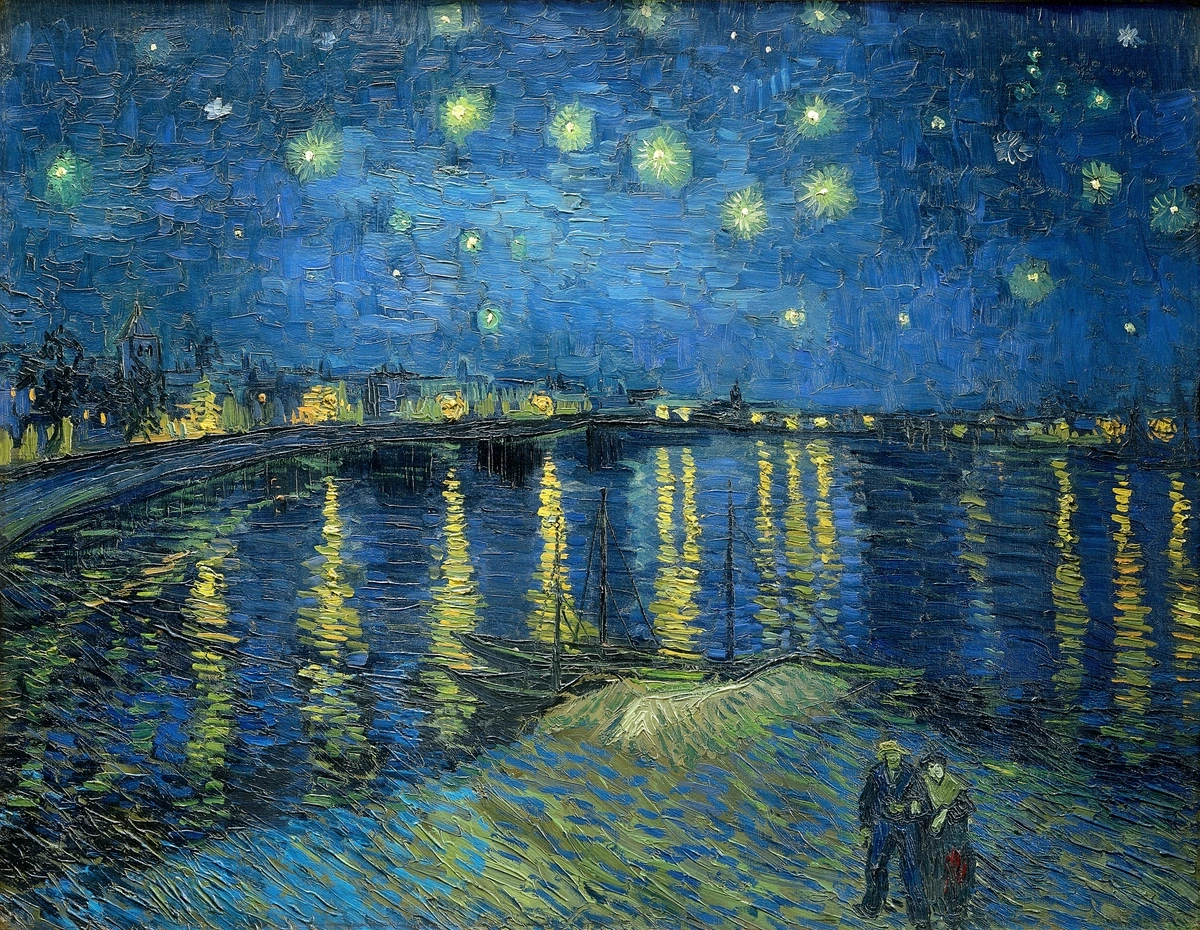
- Market rates for similar work by artists at your career level
- Time and materials invested
- The emotional risk and vulnerability involved
- The unique voice and vision you're offering
- The gallery's commission structure (typically 40-50%)
- Your exhibition history and collector base
- The specific context where the work is being shown
It's okay to price work that feels significant to you at a premium. Sometimes the highest compliment a collector can pay is being willing to invest seriously in work that moves them.
Here's what I've observed: collectors who connect deeply with emotional work are often less price-sensitive than those shopping for decorative pieces. They're not just buying an object—they're investing in a piece of an artist's vision and practice. Price accordingly, but always be able to articulate why your work has the value you're claiming.
Writing About Your Work Without Explaining It Away
Artist statements and descriptions can help viewers connect with your work, but there's a fine line between providing context and over-explaining. The best writing I've seen:
- Explores process rather than prescribing meaning
- Suggests emotional territory without defining it
- Invites viewers to bring their own interpretation
- Avoids art-world jargon and remains accessible
- Shows vulnerability about the creative struggle without being overly dramatic
- References specific techniques or materials that create meaning
- Acknowledges influences and sources of inspiration
Think of your writing as creating a doorway for viewers to enter, not a summary of what they should experience.
Resist the temptation to over-explain or defend your work. Trust that the work itself is the most important statement. Your writing should complement and contextualize, not duplicate or justify.
Finding Your Audience
Not everyone will connect with emotionally resonant work, and that's fine. Your goal isn't to appeal to everyone—it's to find the people who will genuinely love what you're doing.
This might mean:
- Focusing on galleries that show work with emotional depth
- Building relationships with collectors who value authenticity over trends
- Using social media to share your process and attract like-minded people
- Participating in communities that value the kind of work you make
I've found that the collectors who stay with me over time are the ones who respond to the emotional core of the work, not just its decorative qualities. These are the people you want to find.
Learning from the Masters: Artists Who Translate Feeling into Form
Studying how master artists handle emotional content can accelerate your own development. Here are a few examples of artists who have profoundly influenced how I think about emotional expression.
Case Study: Louise Bourgeois and the Art of Psychological Architecture
Louise Bourgeois mastered the translation of complex psychological states into physical form. Her cells, sculptures, and installations create emotional architecture—literal spaces that embody feeling.
What to study:
- How she uses scale to create psychological pressure or vulnerability
- Her use of domestic objects to evoke childhood and memory
- The way repetition becomes obsessive in her work
- How she transforms soft materials (fabric, latex) into carriers of intense emotion
Practical exercise: Create a small "cell" of your own—a contained space using found objects that represents a specific emotional state. Focus on how the arrangement of objects creates feeling.
Case Study: Philip Guston and the Courage of Awkward Truth
Guston's late work demonstrates how emotional authenticity can require abandoning technical perfection. His cartoonish, clumsy paintings of hooded figures and everyday objects feel desperately honest in ways his earlier Abstract Expressionist work didn't.
What to study:
- How "bad" painting can serve emotional truth better than skillful painting
- The use of personal symbolism that's simultaneously specific and universal
- The courage to change direction dramatically mid-career
- How humor and horror can coexist in the same image
Practical exercise: Paint a subject that feels embarrassing or awkward with intentionally "bad" technique. See how letting go of skill affects emotional authenticity.
When studying these artists, don't just look at their work—read their writing, their interviews, their letters. Pay attention to how they talk about their process, their struggles, their relationship to feeling and form. Often the most valuable insights come not from the final work but from understanding the thinking and feeling that produced it.
Joan Mitchell: Gesture as Emotional Weather
Mitchell's large-scale abstract paintings feel like emotional weather systems—turbulent, ecstatic, grief-stricken, serene. Her brushwork varies from delicate tracery to violent slashes, each mark perfectly calibrated to a specific feeling quality.
What I've learned from Mitchell: gesture itself can be the primary carrier of emotion. The way paint moves across canvas—urgently, hesitantly, with force or delicacy—communicates feeling before we even register color or composition.
Look at Mitchell's late work—those enormous multi-panel paintings where color and gesture become almost indistinguishable. You don't need to know her biography or her stated intentions to feel the weather of emotion moving through those surfaces. She proves that emotional authenticity in abstract art doesn't require symbolism or reference—it can emerge from the most fundamental elements of painting: mark, color, scale, and gesture.
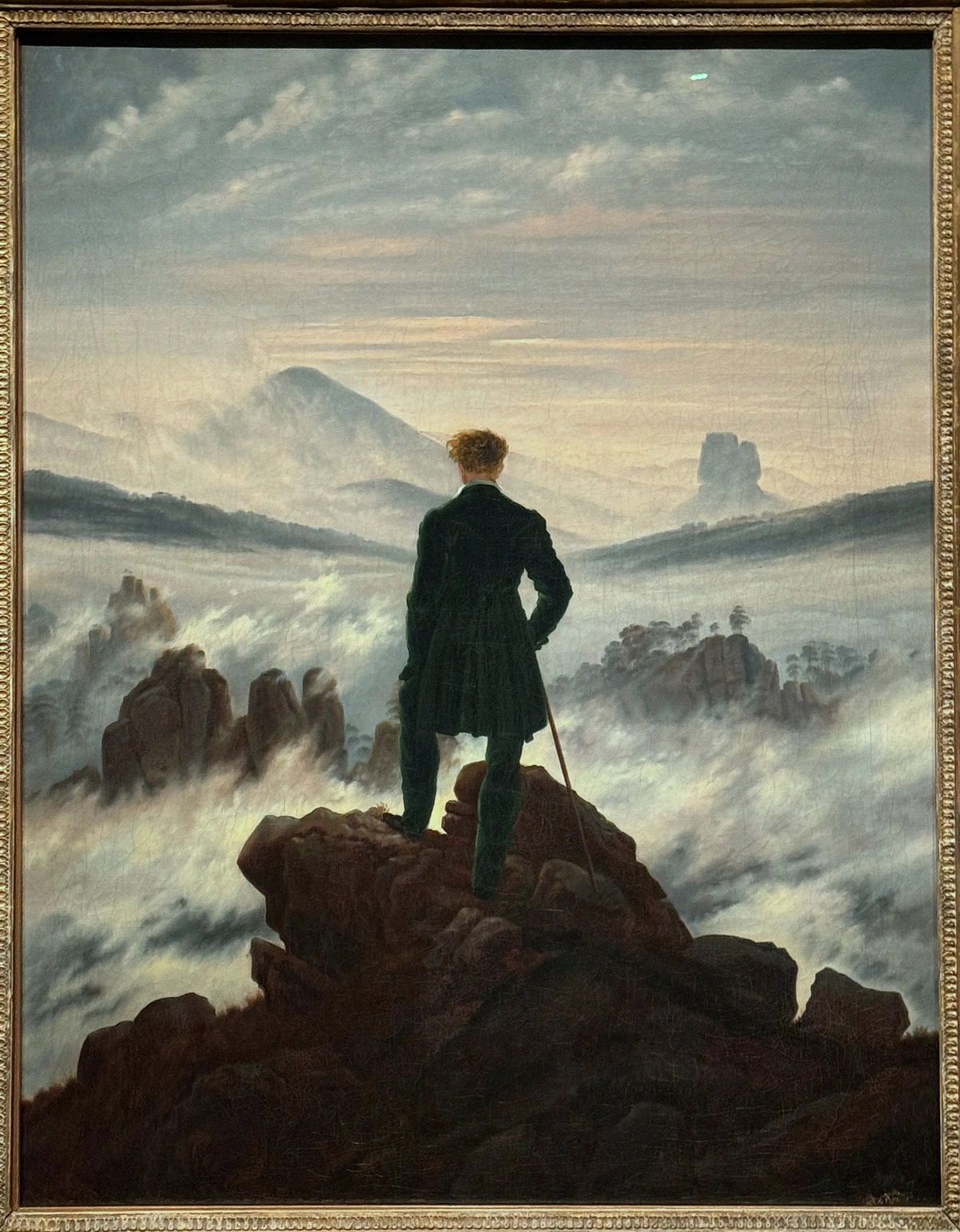
Agnes Martin: The Emotional Power of Restraint
Martin's grid paintings prove that quiet doesn't mean empty. Her methodical, patient mark-making creates a profound sense of peace and order that feels hard-won rather than facile.
The lesson here: emotional restraint can be as powerful as emotional intensity. Martin doesn't need dramatic gesture or bold color to create deeply moving work. Sometimes the most profound emotional statement is simply showing up, day after day, and making your marks with attention and care.
Martin's work is particularly instructive for artists who worry they need 'big' emotions or dramatic life events to make meaningful work. Her paintings demonstrate that profound emotional depth can emerge from extreme simplicity and patient attention. The grids aren't cold or mechanical—they're records of sustained presence, and that presence itself becomes deeply moving.
Marlene Dumas: Vulnerability and the Human Condition
Dumas works with emotionally charged subject matter, but her genius lies in how she handles paint. Her figures feel psychologically present—alive, suffering, complex. She achieves this through a mastery of how paint can suggest feeling through transparency, edge quality, and subtle color shifts.
What Dumas teaches: emotional content benefits from technical restraint. A few well-placed marks can suggest volumes about interior life. Sometimes doing less—leaving areas unresolved, letting accidents stand—creates more emotional space for the viewer.
This is particularly relevant for painters working with emotionally charged subject matter. It's tempting to overwork, to explain, to make sure the emotion 'reads.' But Dumas shows that strategic restraint—knowing when to stop, what to obscure, what to suggest rather than state—creates work that engages rather than declares.
Wolfgang Laib: Materials as Spiritual Practice
Laib's work with natural materials—pollen, milk, beeswax—creates an almost unbearable sense of reverence and fragility. The emotional impact comes from the materials themselves and the painstaking care of their presentation.
From Laib: sometimes meaning is embedded in material rather than image. The patience required to collect pollen day after day becomes part of the work's emotional content. Process itself can be devotional practice.
Laib's example is particularly valuable for artists working with non-traditional materials or processes. It suggests that the emotional content of your work isn't just in the final image or object—it's in the relationship between the material, the process, and the maker's presence. Sometimes the most emotionally powerful element is evidence of sustained attention and care.
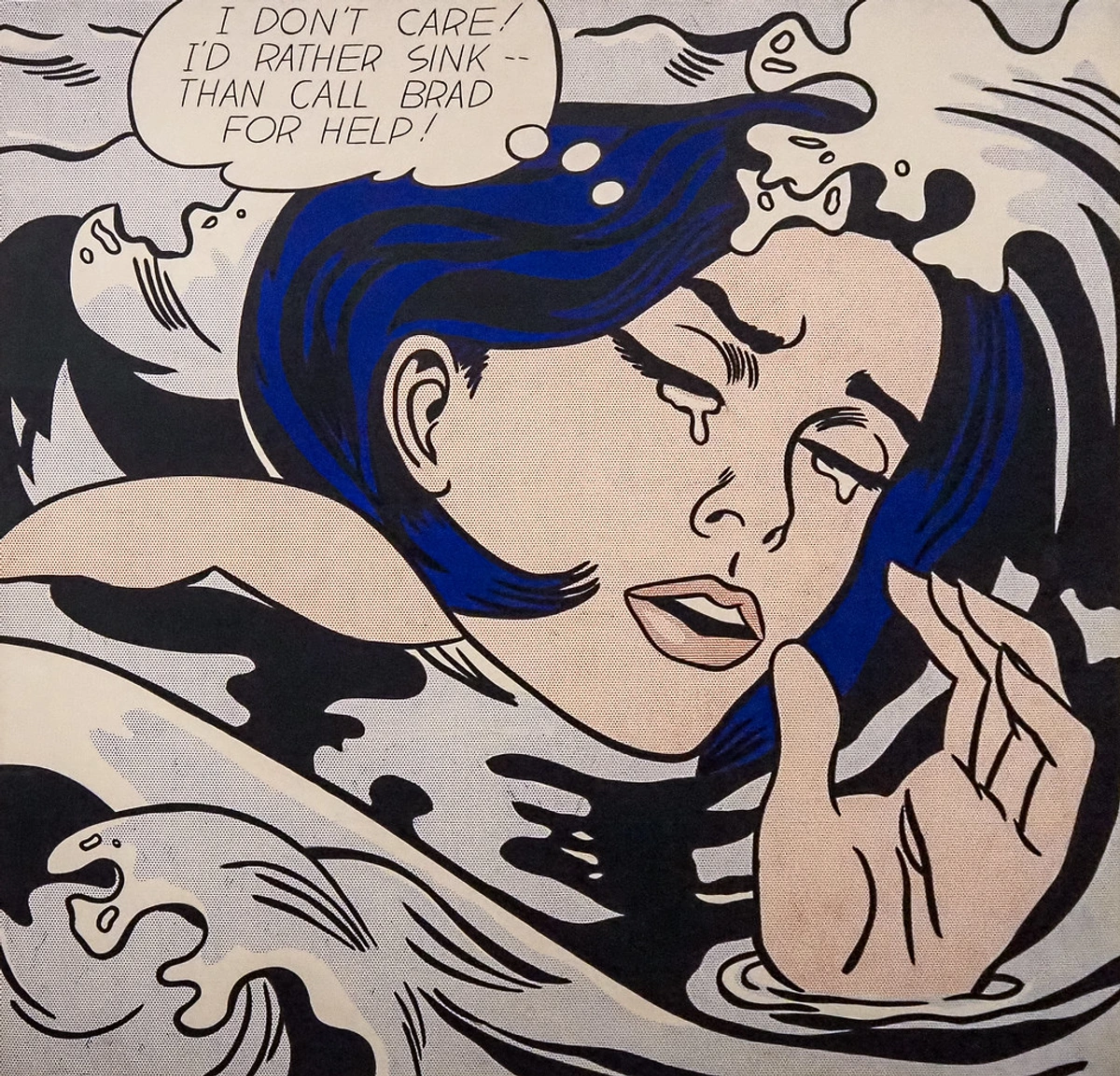
Vincent van Gogh: Intensity as Both Gift and Curse
Van Gogh demonstrates both the power and potential problems of highly emotional work. At his best, his paintings vibrate with feeling—every brushstroke loaded with urgency. But there were times when emotion overwhelmed his formal control.
The lesson: emotional intensity needs technical skill as a container. Feeling alone isn't enough—you need the craft to shape it into lasting form.
This is perhaps the most important lesson for artists drawn to emotional expression. Raw feeling is powerful but fleeting. Technical skill is what allows you to capture and preserve that feeling in a form that can be experienced by others. The goal isn't to choose between emotion and craft—it's to develop both in service of each other.
Building a Sustainable Emotional Practice
Creating emotionally resonant work over the long term requires building sustainable practices that protect both your wellbeing and your creative energy.
The Emotional Cycle of Creative Work
Understanding the natural emotional cycle of creating helps you work with rather than against your rhythms:
Phase 1: Intake and Accumulation (Days 1-7) You're not actively painting much. Instead, you're living, observing, feeling, collecting emotional material. This phase often feels unproductive but is essential.
Phase 2: Processing and Experimentation (Days 8-14) You're in the studio working intuitively, trying different approaches, not yet focused on finished work. Emotional connections start to emerge.
Phase 3: Focused Creation (Days 15-21) Clear emotional intentions crystallize. You're making focused work with direction and energy.
Phase 4: Completion and Exhaustion (Days 22-28) You finish pieces, feel emotionally spent, and naturally cycle back into Phase 1.
The key insight: this is a cycle, not a linear process. Fighting it creates burnout. Working with it creates sustainable practice.
The Rhythm of Making and Rest
Emotional painting can be draining. You need to build in real rest—not just time away from the studio, but activities that restore your emotional capacity. This might be walking, reading, spending time with people who ground you, or simply doing nothing.
I've learned that I can't work with emotional intensity every day. Some days are for exploration and play. Some are for the difficult work of translation. Recognizing which is which helps me maintain energy over the long haul.
Building Your Emotional Resilience Toolkit
Sustainable emotional practice requires specific skills and support systems:
Physical resilience:
- Regular exercise (emotions live in the body—physical health supports emotional health)
- Adequate sleep (emotional regulation requires rest)
- Nutrition that stabilizes mood (blood sugar crashes create emotional volatility)
- Time in nature (grounds your emotional system)
Mental resilience:
- Meditation or mindfulness practice (creates distance from overwhelming emotions)
- Therapy or counseling (professional support for processing difficult feelings)
- Journaling (externalizes emotional content, making it more manageable)
- Learning to recognize when you're emotionally overwhelmed versus productively engaged
Social resilience:
- Community of artist friends who understand the emotional demands of creative work
- Relationships outside the art world that keep you grounded
- Mentors who've navigated these challenges successfully
- Setting boundaries around emotional labor for others
The goal isn't to avoid difficult emotions—it's to build the capacity to work with them consistently over time without burning out.
Think of it like physical training: elite athletes don't train at maximum intensity constantly—they periodize their training with cycles of intensity, recovery, and maintenance. Emotional art-making requires similar strategic management of energy and attention. The goal is sustainability, not constant peak performance.
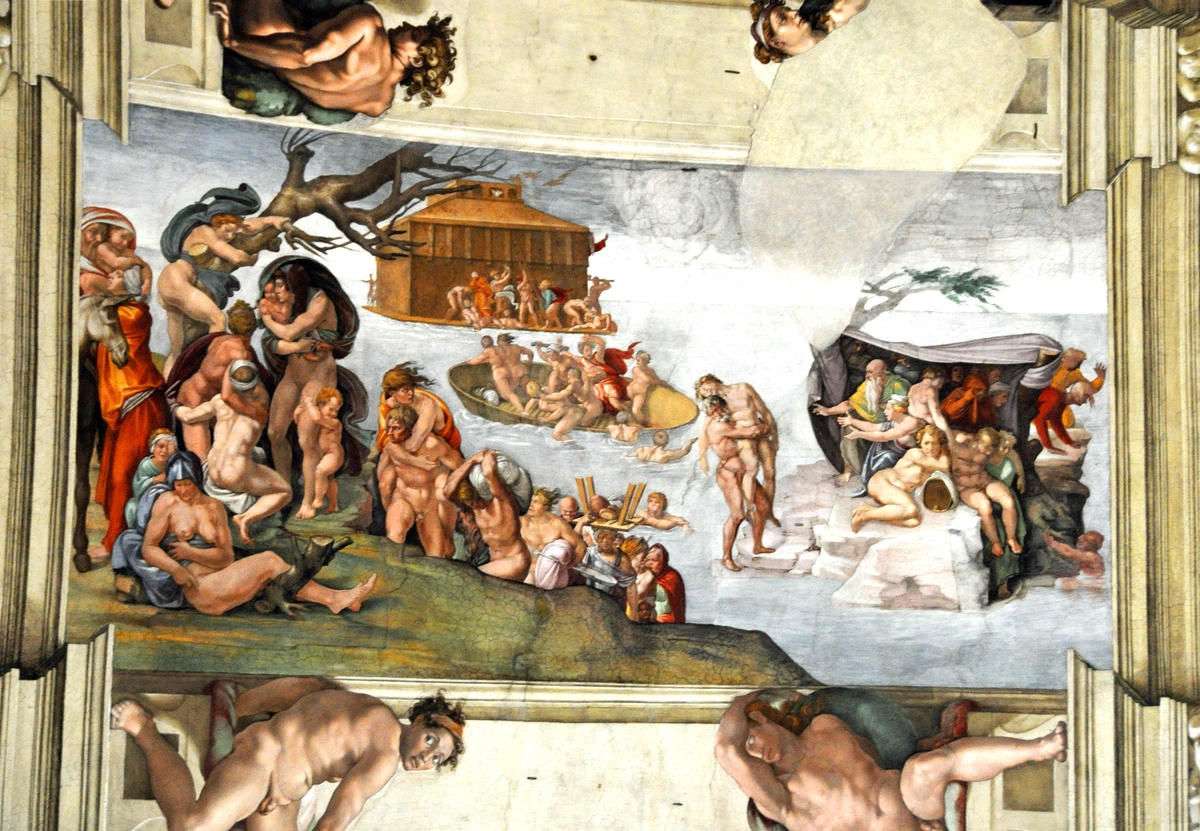
Protecting Your Emotional Energy
Not every piece needs to wrestle with profound emotion. It's okay to make work that's simply beautiful or interesting or playful. In fact, you need this variety to avoid emotional burnout.
Learn to recognize when you're pushing too hard, when you need a break, when you need to work on something lighter. Sustainable practice means honoring your limits and working with them rather than against them.
I think about this in terms of emotional range: if all your work exists at the same high emotional pitch, everything starts to feel the same—the intensity becomes numbing rather than affecting. By allowing variation in emotional temperature—some pieces quiet and gentle, others more intense—you create a broader emotional palette that makes the more charged work even more powerful by contrast.
The Role of Community and Feedback
Making emotionally resonant work can feel isolating. Finding a community of artists who understand what you're trying to do—who can offer honest feedback and emotional support—is invaluable.
But choose carefully. Not every group or critique will serve emotionally focused work. You need people who understand that emotional truth isn't the same as technical perfection, who can respond to the feeling in your work while also helping you develop craft.
The most valuable critique partners I've had are those who can speak both languages: they can discuss formal elements (composition, color, mark-making) and emotional effects, and—most importantly—they can help you see the relationship between the two. They understand that a 'flaw' in technical terms might be essential to the emotional content, and vice versa.
Staying Inspired Without Burning Out
Emotional art requires access to genuine feeling, which means living a life outside the studio. Read widely, have conversations, travel, experience things. Be a person in the world, not just an artist in a studio.
At the same time, protect the quiet space where feeling can be processed into form. It's a balancing act—engagement with the world, solitude for translation.
The trap many emotionally focused artists fall into is becoming too isolated, thinking they need to protect some pure artistic vision from contamination by the world. But emotional material comes from engagement with life. The goal isn't to avoid the world—it's to develop practices that help you move fluidly between engagement and reflection, between experiencing and making.
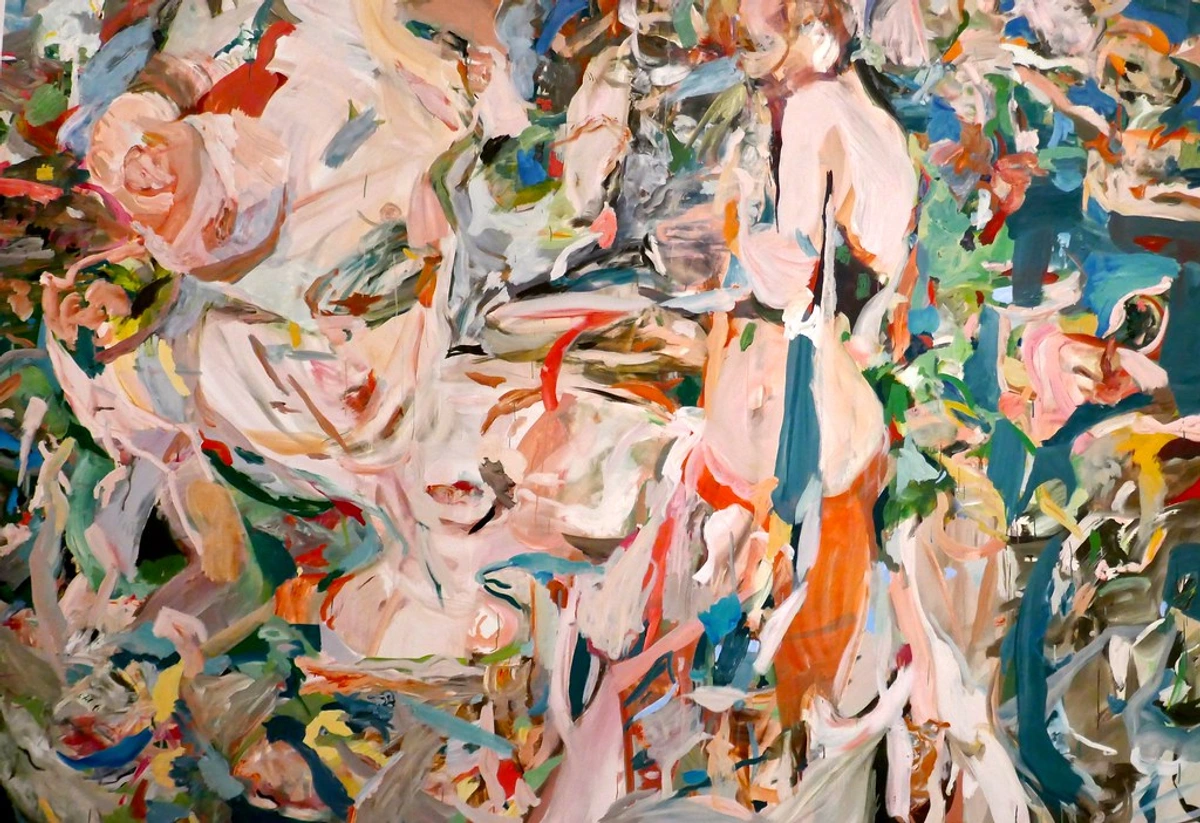
Techniques for Emotional Depth: A Practical Reference
Let's gather some specific techniques you can experiment with in your own work.
Methods for Generating Emotional Content
- Color field underpainting: Start with an emotional color ground, then build on top
- Blind contour drawing: Let go of visual accuracy to capture emotional gesture
- Memory mapping: Create visual maps of emotionally significant places
- Automatic painting: Work quickly without pre-planning to access subconscious feeling
- Series work: Explore variations on an emotional theme across multiple pieces
- Process emphasis: Make the history of making visible in the final piece
- Material experimentation: Let material qualities suggest emotional content
- Emotional journaling: Regular writing about feelings and their physical/sensory qualities
- Color temperature studies: Exploring a single emotion through different color relationships
- Timed exercises: Working with short time limits to bypass overthinking
- Collaborative making: Working with others to access shared emotional territory
- Movement-based mark-making: Using full-body gesture to create marks
- Working from dreams or memory: Accessing unconscious or semi-conscious material
- Salvage and reuse: Working with materials that already carry history and meaning
Common Pitfalls and Better Approaches
Pitfall | Better Approach |
|---|---|
| Using color symbolism instead of color feeling | Develop personal color associations through observation |
| Explaining emotion instead of evoking it | Trust formal elements to carry emotional weight |
| Confusing intensity with melodrama | Practice restraint and subtlety |
| Waiting for inspiration | Build regular practice to access emotions consistently |
| Protecting yourself from vulnerability | Gradually increase emotional risk-taking |
| Staying comfortable with familiar approaches | Regularly experiment with new materials and processes |
| Working from photos instead of experience | Develop emotional memory and imagination |
| Overworking pieces trying to "fix" them | Learn when a piece has said what it needs to say |
Questions to Ask Yourself as You Work
- What am I actually feeling right now? (Not what I think I should feel)
- If this painting had a voice, what would it whisper?
- What do the materials want to do right now?
- Where is the tension in this piece?
- What would happen if I destroyed this area and started over?
- What am I afraid to try here?
- Does this feel true, or does it feel like I'm performing?
- Who am I making this for—myself or an imagined viewer?
- What would happen if I let go of the need for this to be 'good'?
- How does my body feel while I'm working on this?
- What keeps pulling my attention in this piece?
- Am I being honest about my uncertainty, or am I trying to resolve it too quickly?
These questions aren't meant to be answered definitively—they're designed to keep you honest and present during the making process. When you notice yourself drifting into auto-pilot or performance, one of these questions can often pull you back to genuine engagement.
The Gallery Experience: How Viewers Connect with Emotional Art
Understanding how viewers experience art in gallery settings can help you make decisions that support emotional connection.
If you've spent much time in galleries, you know there's often a weird pressure to have the "right" response—to understand the concept, to appreciate the technique, to say something intelligent. This pressure can actually interfere with genuine emotional response. One of the most powerful things emotionally resonant work can do is give viewers permission to simply feel something without having to articulate it intellectually.
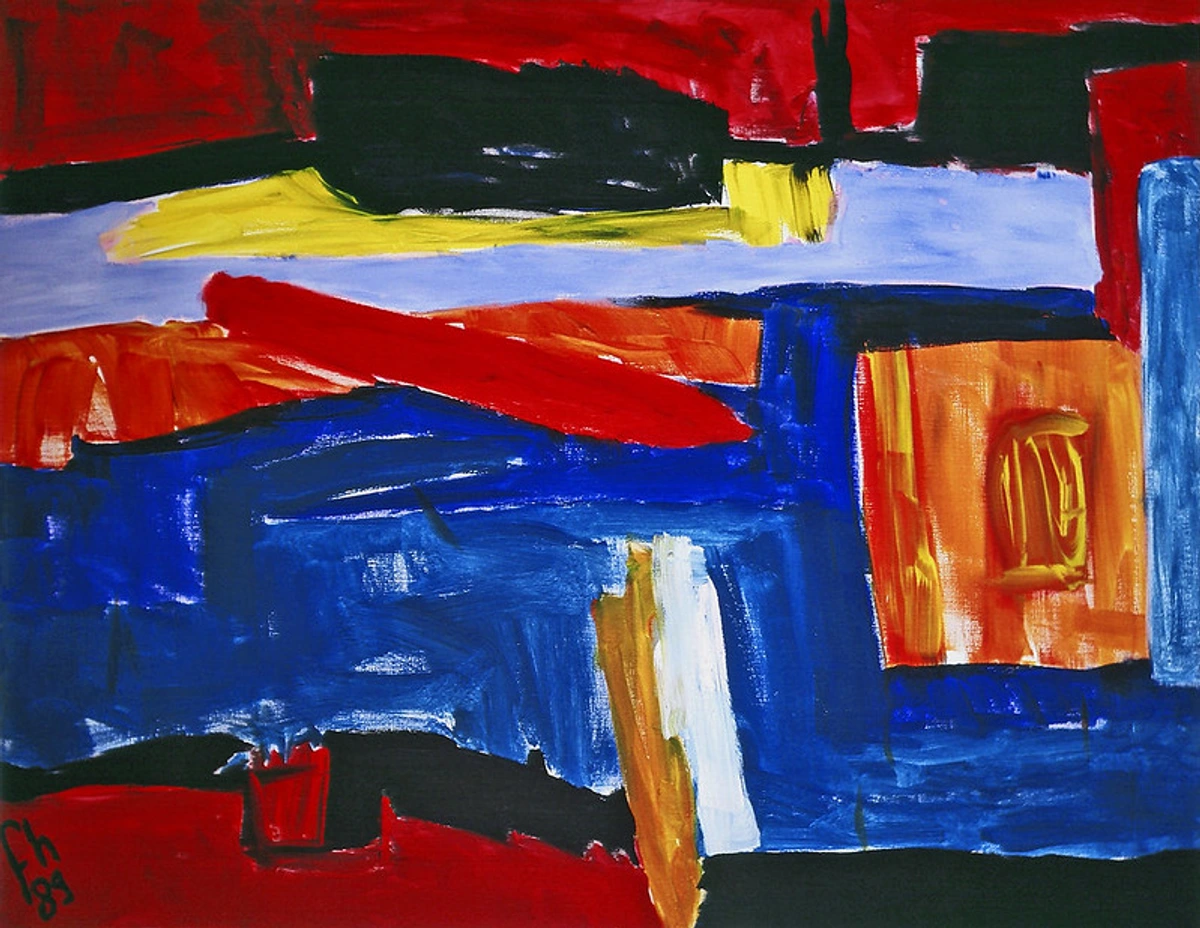
Creating Space for Contemplation
The best gallery experiences allow for slow, patient looking. This means creating work that reveals itself gradually rather than all at once. Layers, subtle color shifts, complex textures—these elements reward extended attention.
When someone spends time with your work, they're entering into a kind of conversation with it. The emotional content unfolds through this sustained encounter.
Presentation Psychology: How Context Shapes Emotional Experience
The way you present your work dramatically affects its emotional impact. Consider these elements:
Gallery Lighting:
- Warm light intensifies warm colors and creates intimacy
- Cool light supports contemplative, distant emotional states
- Dramatic spotlighting creates theatrical emotional impact
- Even, diffused light allows viewers to focus on subtle emotional nuance
- Directional light can emphasize texture and surface quality
- Natural light that changes throughout the day creates living relationship with work
Wall Color:
- White walls create clinical distance, forcing focus on the work itself
- Colored walls can enhance or contradict the emotional tone of your pieces
- Natural materials (wood, stone) ground the work in physical reality
- Dark walls can create intimate, enveloping environments
- Textured walls add another layer of visual information
Spatial Arrangement:
- Isolation creates reverence and solitude around a piece
- Grouping pieces creates emotional conversation between works
- Creating viewing distance versus intimacy changes how viewers connect
- Path through the space can create emotional narrative
- Height of placement affects how viewers physically relate to work
- Angling or unusual placement can create dynamic tension
Sound and Silence:
- Complete silence creates pressure and focus
- Ambient sound (rain, distant traffic) can support contemplation
- Music can create specific emotional contexts but might manipulate response
- Sound from outside the space (viewers' footsteps, building sounds) affects experience
Temporal Elements:
- Time of day affects natural light quality
- Season affects how viewers experience color and mood
- Duration of viewing—some work needs time, other work is immediate
- Order of viewing—what viewers see first affects how they see everything else
Interactive Elements:
- Seating invites longer engagement
- Distance from other viewers affects experience
- Ability to move around work creates different viewing angles
- Physical barriers or openness affects sense of invitation or exclusion
The Psychology of Framing and Presentation
The frame (or lack of it) is a psychological threshold that tells viewers how to approach your work. Think of framing as creating a transition space between ordinary reality and the reality of your painting.
Unframed Work: Creates immediacy and present-moment quality. The edge of the canvas or paper becomes the boundary. This works well for work that feels spontaneous, contemporary, or wants to deny its status as precious object.
Simple Floating Frames: Give work breathing room without creating heavy separation. The work feels contained but not confined. This works for most contemporary work, especially pieces that have delicate edges or want to emphasize surface materiality.
Traditional Frames: Create formal distance and declare "this is Art with a capital A." This can be appropriate for work that references historical traditions or wants to create a sense of permanence and importance.
Deep Shadow Box Frames: Create architectural space around the work, making it feel like a contained world or reliquary. This works powerfully for intimate work, especially pieces dealing with memory or preciousness.
The No-Frame Decision: Sometimes the best frame is no frame at all—work that's mounted directly to the wall feels immediate and confrontational. This approach says "deal with me directly, without mediation."
The key is matching your presentation choices to your emotional intention. A delicate, vulnerable watercolor might feel suffocated by a heavy ornate frame, while a bold, assertive oil painting might need that structure to feel complete. Sometimes you need to try multiple framing options to discover what the work actually wants.
Titles and Text:
- Large explanatory text can close down interpretation
- Minimal titles (just number, date, medium) force viewers to rely on visual experience
- Poetic/evocative titles can open emotional doors without prescribing meaning
- No titles at all creates maximum freedom but may leave viewers uncertain
The key is intentionality: choose presentation that supports your emotional intention rather than working against it.
Consider scale in this context: small, intimate work requires close viewing and creates a more private emotional encounter. Large-scale work can feel immersive and overwhelming in ways that small work can't. Neither approach is inherently better—they create different emotional relationships with viewers. Think about what kind of encounter you want to create, and make decisions about scale, texture, and detail accordingly.
The Difference Between Online and In-Person Experience
Digital images can never fully convey the emotional presence of physical art. Scale, texture, surface quality, the way light interacts with paint—these are nearly impossible to reproduce digitally. This is why in-person viewing still matters enormously.
However, most people will first discover your work online. This means your digital presentation needs to suggest the emotional qualities viewers would experience in person, even if it can't fully reproduce them.
This creates a real challenge for emotionally resonant work, since so much of the emotional impact comes from physical presence—scale, texture, the way light interacts with surface. In digital presentation, you need to work harder to convey these qualities through:
- Multiple viewing angles and close-ups that show texture and surface quality
- Consistent, high-quality color representation
- Thoughtfully designed website or social media presence that reinforces (rather than fights against) the emotional quality of the work
- Descriptive text that helps viewers imagine the physical experience of the work
- Video documentation when appropriate to show surface texture or change over time
Inviting Emotional Response
Some viewers will immediately connect with emotionally resonant work. Others need permission to respond emotionally, especially in gallery settings where intellectual response is often emphasized.
Your work can invite emotional response through:
- Titles that suggest feeling without prescribing it
- Artist statements that validate emotional engagement
- Formal choices that create space for viewer interpretation
- A willingness to be vulnerable that gives viewers permission to feel deeply
- Creating work that exists at multiple scales—details that reward close looking
- Using materials or processes that reveal themselves over time
- Allowing ambiguity and unresolved elements that invite continued engagement
- Creating series or bodies of work that deepen meaning through accumulation
One of the most powerful ways to invite emotional response is simply to trust your viewers. Don't over-explain. Don't try to control their experience too tightly. Create the conditions for an encounter, then step back and let the work do its work.
Advanced Concepts: Building Emotional Complexity
As you develop, you can begin working with more complex emotional territory.
Working with Emotional Paradoxes
The most powerful emotional art often contains paradoxes—contradictory feelings that exist simultaneously. This reflects real emotional experience more accurately than singular emotional statements.
Common emotional paradoxes in art:
- Joy tinged with sadness (the pleasure of a moment you know is temporary)
- Anxiety coexisting with peace (being worried about the world while safe in your studio)
- Love mixed with anger (frustration with someone you deeply care about)
- Confidence edged with doubt (believing in your work while fearing rejection)
How to paint paradox:
- Split composition: Different emotional qualities in different areas of the canvas
- Layering: Contradictory emotions built up over time
- Color contradiction: Warm and cool versions of the same color
- Gesture opposition: Confident marks next to hesitant ones
- Material contrast: Transparent washes over solid forms
These techniques allow you to hold emotional complexity rather than simplify it.
Most emotional experiences aren't simple or singular. They're layered, contradictory, constantly shifting. While early work might explore one emotion at a time, more mature work can begin to capture this complexity—the way joy contains the knowledge of its own ending, the way grief can hold tenderness, the way anxiety and excitement can feel nearly identical in the body.
Working with emotional complexity doesn't mean making work that's confusing or inaccessible. It means being honest about how emotions actually exist in lived experience, rather than simplifying them for clarity or impact.
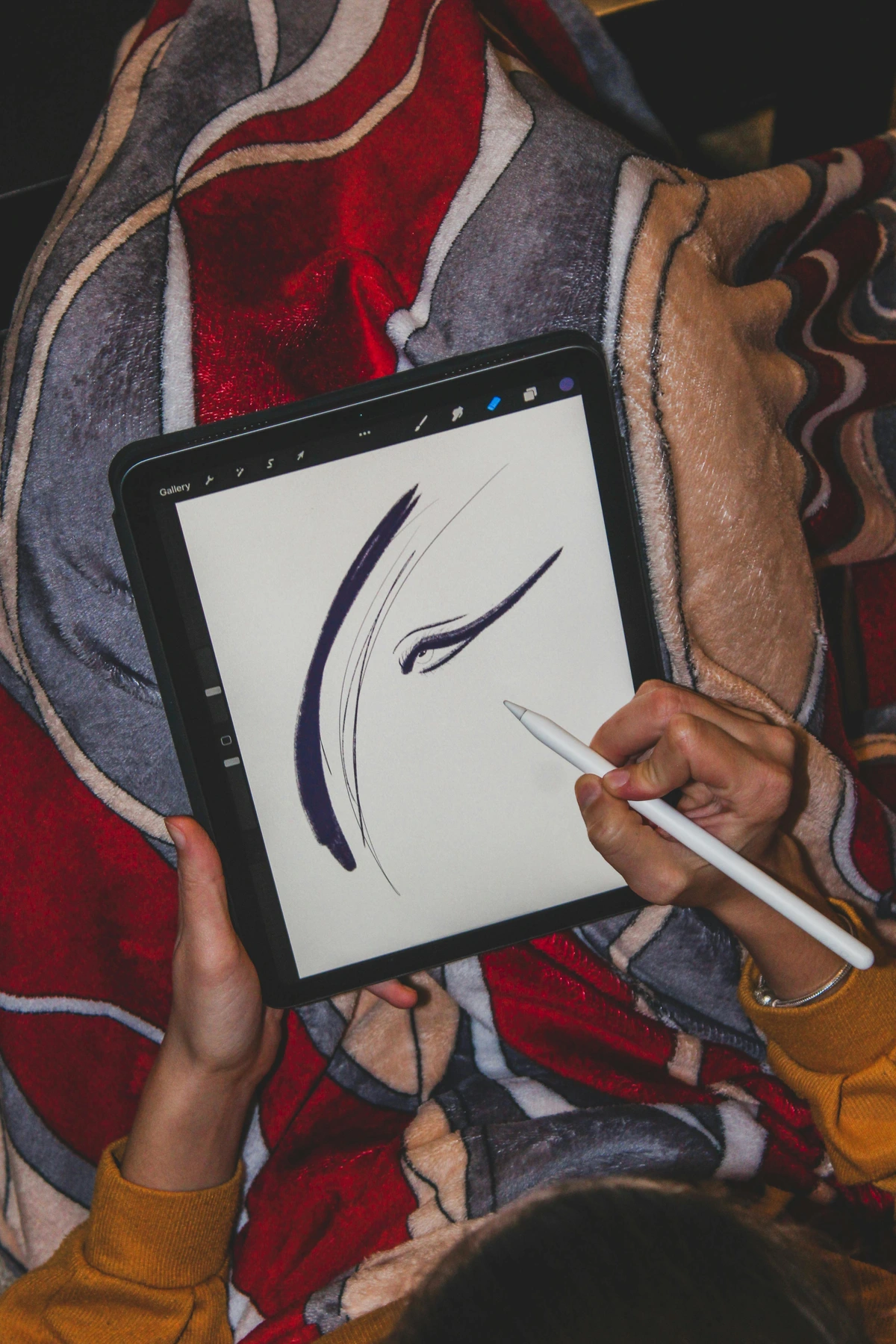
Working with Contradictory Emotions
Most significant emotional experiences involve conflicting feelings. The grief that contains gratitude. The joy that's tinged with anxiety. The peace that coexists with restlessness.
Painting can hold these contradictions in ways that words often can't. You might use:
- Complementary colors that vibrate against each other
- Contradictory gestures (urgent marks next to quiet ones)
- Opposing formal qualities (hard edges versus soft, transparency versus opacity)
- Spatial tension between elements
- Time-based contradictions (evidence of different emotional states at different times)
- Scale shifts that suggest different emotional perspectives on the same experience
The goal isn't to resolve these contradictions but to let them exist together, creating the kind of emotional complexity that feels true to lived experience.
The Emotional Palette Knife: Advanced Layering Techniques
Once you're comfortable with basic layering, you can use more sophisticated approaches to create emotional complexity:
Emotional counterpoint:
- Paint your primary emotion across the entire canvas
- Let it dry completely
- Paint an opposing or complicating emotion over specific areas
- Allow both emotions to remain partially visible
Time-based emotional layering:
- Start with your morning emotional state
- Layer your afternoon emotional state on top
- Add your evening reflection as final layer
- The result shows how emotions evolve over time
Emotional archaeology:
- Build up multiple emotional layers thickly
- Scrape back strategically to reveal different "emotional eras"
- The painting becomes a record of emotional history
These advanced techniques create work that rewards repeated viewing—viewers discover new emotional content each time they engage with the piece.
Think of it musically: a simple melody can be beautiful, but harmony—the sounding of multiple notes simultaneously—creates richness and depth. Emotional complexity in visual art works similarly. It's about letting different emotional qualities exist simultaneously, creating tension but not necessarily resolution.
This might mean creating work where:
- Some areas feel resolved while others remain ambiguous
- Warm and cool colors vibrate against each other
- Different types of marks or textures exist in unresolved tension
- Scale shifts create spatial and emotional disorientation
- Color choices suggest one emotion while formal choices suggest another
Emotional Abstraction Beyond Formal Concerns
Pure abstraction free from any reference to visible reality can nonetheless communicate profound emotion. The key is developing such sensitivity to formal elements that they become carriers of meaning themselves.
Think of music—completely abstract, yet capable of extraordinary emotional range. Painting can function similarly. Color, line, form, and composition can be orchestrated to create feeling directly, without representing anything.
The challenge with pure abstraction is that it requires an exceptionally refined sensitivity to formal elements. You can't rely on narrative or symbolism to do the emotional work—everything depends on the most fundamental properties of your medium: how colors relate, how lines move, how shapes interact, how space is organized.
Developing this sensitivity takes time and requires sustained looking at both your own work and the work of artists who excel at pure formal expression. Abstract art that moves us emotionally is never random—it's the result of very specific, considered choices about formal relationships.
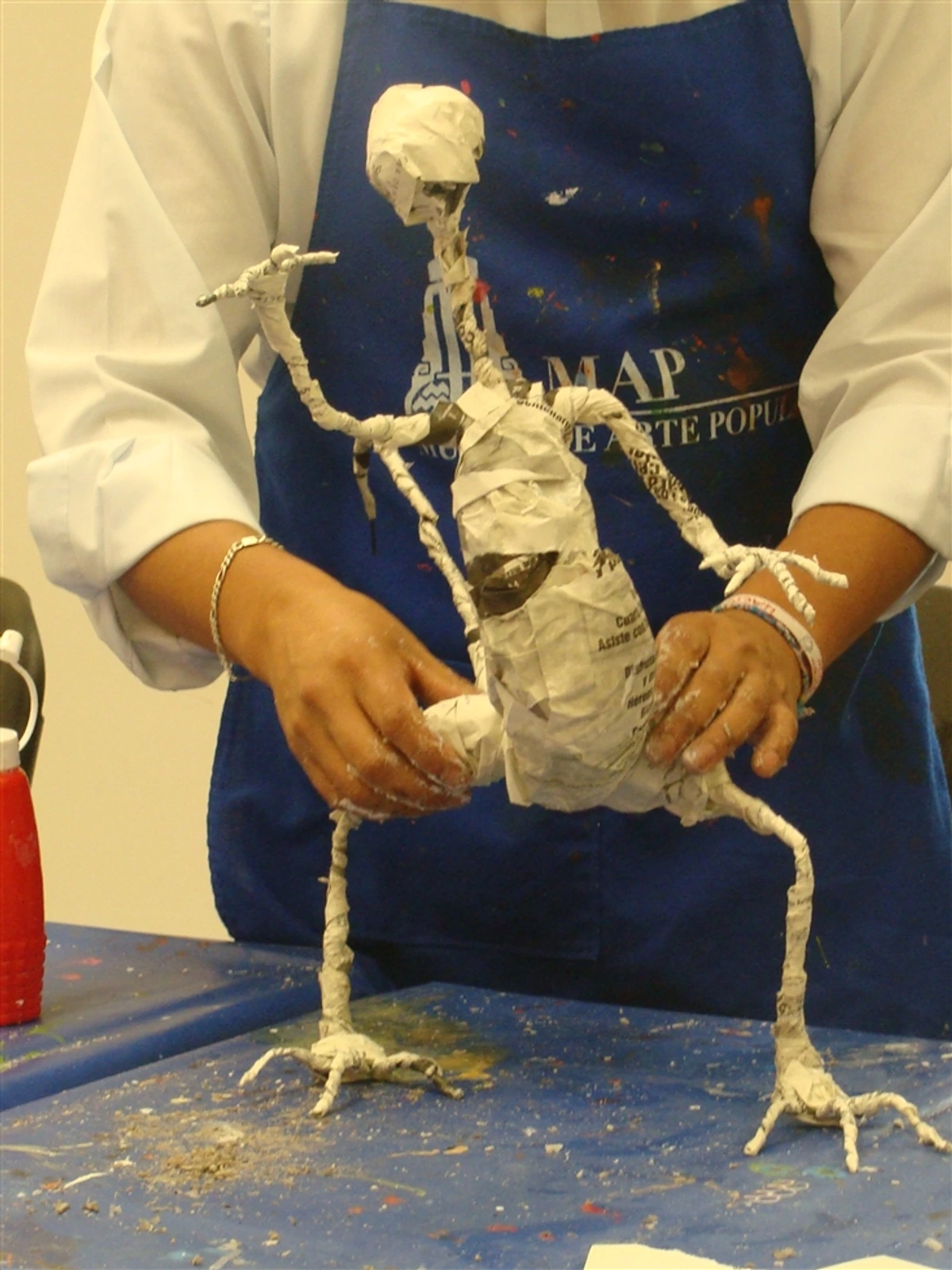
The Role of Time and Impermanence
Some artists work with materials that change over time, making impermanence part of the emotional content. This might mean working with fugitive pigments that fade, materials that decay, or installations that exist only temporarily.
This connects to deep human feelings about mortality and the passage of time. Sometimes the most emotionally powerful work acknowledges that everything changes and nothing lasts.
I've been particularly influenced by artists who work with ephemeral materials—not because I necessarily want my work to disappear, but because there's something profoundly honest about acknowledging the temporal nature of everything, including art. This acknowledgement can be incredibly moving.
Even in more traditional media, you can work with these themes by:
- Using materials that age or change over time
- Creating work in series that suggests progression or evolution
- Making process visible in ways that suggest duration and accumulation
- Allowing "imperfections" that suggest the hand of time
- Creating work that rewards slow, patient looking rather than immediate consumption
Transcendent Experiences in Art Making
Occasionally, in the process of making, something happens that feels larger than your individual intention. Call it flow, call it grace, call it the muse—it's when the work seems to make itself, and you're just the channel.
These moments can't be forced, but you can create conditions where they're more likely to happen. Regular practice, deep concentration, willingness to take risks, openness to accidents—these practices create space for the mystery of creation.
How to Know When a Piece Is Finished
This might be the most common question artists ask myself. For emotionally resonant work, the answer has less to do with technical perfection and more to do with emotional truth.
I used to struggle with this constantly—I'd keep working on pieces long after they were 'done,' trying to fix problems that were often not actual problems, just my own anxiety about putting work out into the world. Over time, I've developed a few ways of knowing that have served me better than simply asking 'is this finished?'

Learning to Recognize Completion
A piece is often finished when:
- It says what you needed it to say, even if imperfectly
- Further work would obscure rather than clarify the emotional content
- The formal elements feel resolved in a way that supports the emotion
- Continuing would be about fear rather than necessity
- The piece has achieved its own logic and no longer feels like it's fighting you
- You can walk away from it and return to find it still holds together
- You're adding elements rather than discovering them
- The accidents and "mistakes" have become integral rather than problematic
- You can imagine someone else finding meaning in it (separate from your intention)
- It has a quality of inevitability—it couldn't have been any other way
The I-Know-It's-Done-When Test: A Practical Checklist
Here's a more structured approach to assessing completion that I've developed over years of working with emotionally complex pieces:
The Morning After Test Look at the piece first thing in the morning before you've had coffee, before you've "gotten into" the work. Your first impression—before your analytical mind wakes up—is often the most honest assessment.
The Upside Down Test Turn the work upside down or view it in a mirror. This breaks your familiarity and lets you see what's actually there rather than what you think is there. Does it hold together formally when orientation changes? Does the emotional quality remain?
The Black and White Test Take a photo and convert it to black and white. This removes color information so you can assess value structure, composition, and mark-making clarity. Emotionally resonant work usually has strong value structure independent of color.
The Across-the-Room Test View the work from across the room. Can you still sense its emotional presence from a distance, or does it dissolve into formless mush? Good emotional work communicates at multiple scales.
The Stranger Test Show the piece to someone whose opinion you trust but who hasn't seen it before. Don't say anything—just watch how they respond. Do they gravitate toward it? Do they spend time with it? Do they have questions that reveal they're connecting with the emotional content?
The Walking Away Test Put the piece away for at least three days—a week is better. Don't think about it deliberately. When you pull it out again, what's your immediate response? Excitement? Disappointment? Boredom? Your gut reaction after distance is telling.
The What-If-I-Ruined-It Test Ask yourself: "What if this is the best piece I ever make?" Does that thought fill you with excitement or dread? Sometimes our perfectionism keeps us working on pieces long after they're actually successful.
Learning from "Finished" Pieces
One of the most valuable practices I've developed is studying my own finished work months or years later. This teaches me what actually lasts versus what felt finished in the moment.
Some questions I ask when revisiting old work:
- What still feels emotionally true versus what feels dated or forced?
- What techniques or approaches have held up over time?
- What would I do differently now, and why?
- What emotional territory was I working in that I'm still exploring?
- What did I think was finished that now feels unresolved?
This long-term perspective is incredibly valuable for developing your sense of when work is actually done. You start to recognize patterns in your own decision-making, both good and bad.
The goal isn't to be "right" about when something is finished—it's to develop confidence in your judgment while remaining willing to learn from your mistakes.
One test I use: if I find myself making the same 'correction' over and over—scraping away a passage only to repaint it nearly identically—that's usually a sign the piece is finished and I'm just anxious about letting it go.
Sometimes a piece feels finished long before it looks "perfect." Other times, a technically finished piece still feels emotionally incomplete. Learning to recognize this difference is crucial.
The Danger of Overworking
It's tempting to keep working on a piece, trying to make it better. But overworking can destroy the emotional freshness that made it compelling in the first place. The urgency gets smoothed away. The accidents that created energy get corrected out of existence.
I've learned to stop when I feel the impulse to "fix" everything. Better to leave some roughness, some uncertainty, some evidence of the struggle.
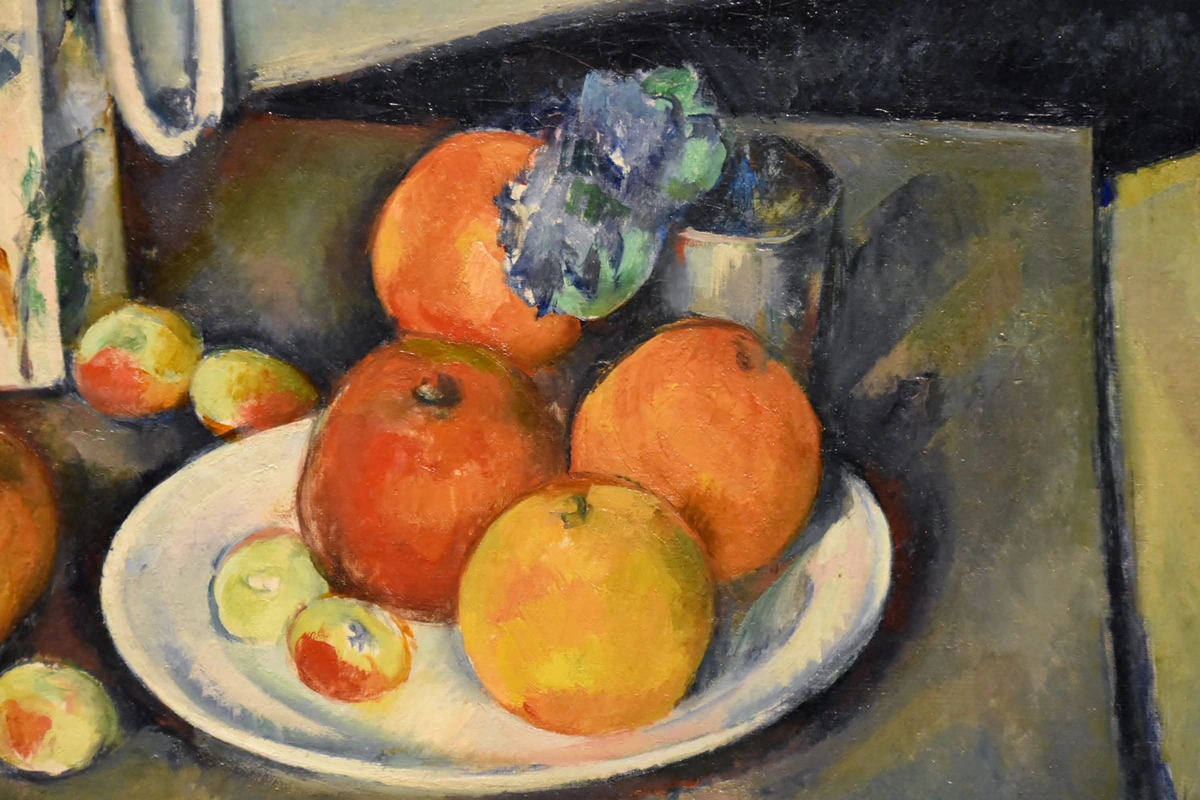
Trusting Imperfection
Some of the most emotionally powerful paintings I know are technically flawed. But those "flaws" often contribute to the emotional authenticity. The slightly awkward passage, the unresolved area, the accident that was allowed to stand—these elements make the work feel human rather than machine-made.
Perfection can be emotionally deadening. Sometimes what makes art feel alive is precisely what isn't perfect.
Cultivating an Emotional Practice: Daily Habits
Building emotional depth in your art is a long-term project that benefits enormously from daily habits and practices. I know, I know—discipline sounds boring. But think of it this way: you're training your capacity to notice and translate feeling, just like a musician practices scales so they can eventually improvise with freedom.
I used to think that emotional expression in art was about occasional moments of inspiration. I've learned it's actually about developing consistent practices that keep you connected to your emotional life and build your capacity to translate those feelings into form. It's not about waiting for big emotional moments—it's about paying attention to the emotional texture of ordinary life.
Morning Pages and Visual Journals
Many artists find value in morning pages—three pages of stream-of-consciousness writing first thing in the morning. This practice clears mental clutter and can bring underlying emotions to the surface.
For visual artists, consider a visual equivalent: a daily page of automatic drawing, color studies, or mark-making without purpose. This keeps your emotional vocabulary active and accessible.
I like to think of these daily practices as 'keeping the instrument tuned.' You don't need to create finished work every day, but you do need to maintain your sensitivity to color, mark, form, and feeling. The daily practice keeps these skills sharp so they're available when you need them for more significant work.
These practices also serve another purpose: they create a record of your emotional life over time. Looking back through these daily pages can reveal patterns and themes that might not be visible day to day.
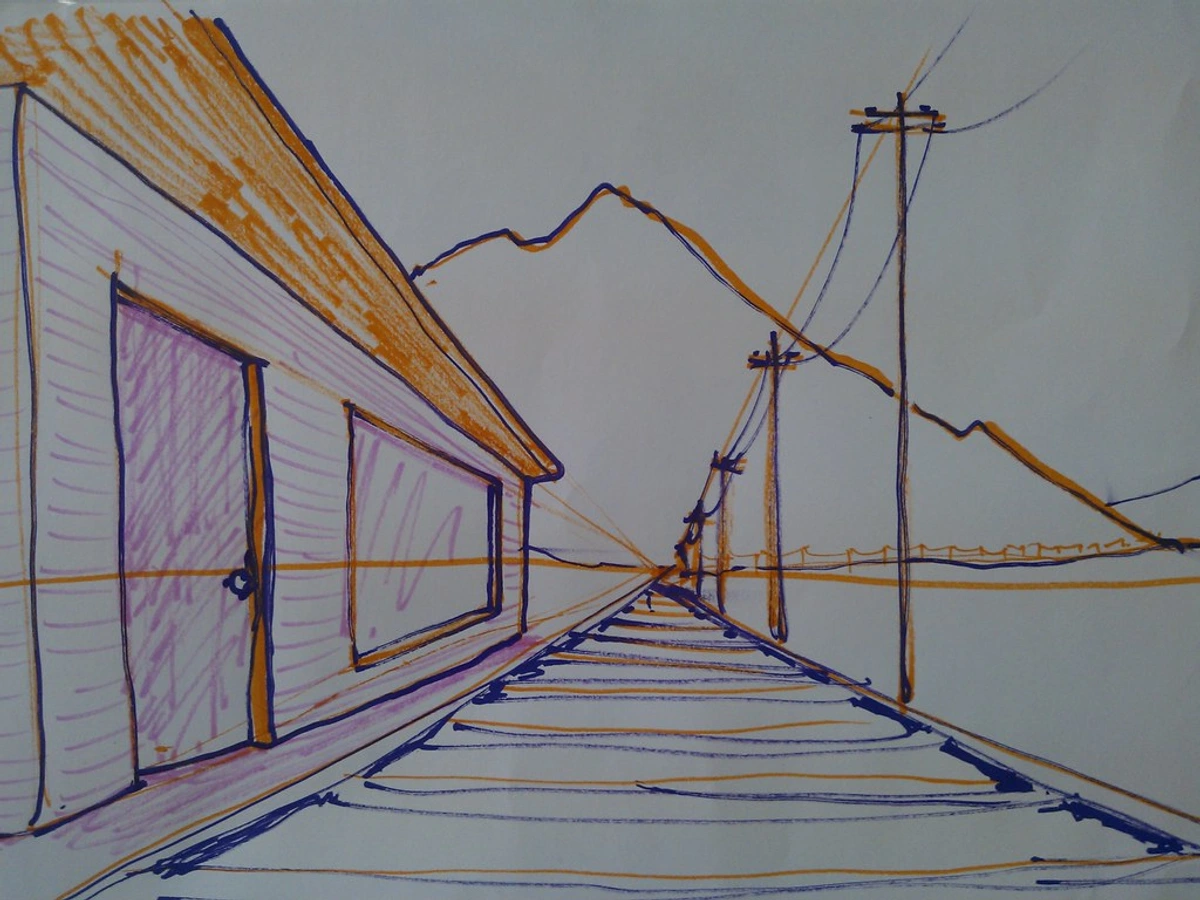
Regular Self-Assessment
Periodically step back and assess your work for emotional honesty. Ask yourself:
- Am I making work that feels true to my experience?
- Am I challenging myself emotionally, or staying in safe territory?
- What emotions am I avoiding, and why?
- Where is my work becoming routine rather than alive?
- Am I being honest with myself about what's working and what isn't?
- Am I growing in my ability to translate feeling into form?
- What would I try if I weren't afraid of failing?
This isn't about harsh self-judgment—it's about staying awake to your own development and being honest about where you are in your practice.
This isn't about judging yourself harshly—it's about staying honest about your relationship with your own work.
Building Emotional Endurance
Working with emotion is demanding. You need to build your capacity to sit with difficult feelings, to stay present with complexity, to resist the urge to simplify or resolve too quickly.
This might mean:
- Meditation or mindfulness practice to develop focus
- Therapy or counseling to process difficult emotions
- Regular exercise and rest to maintain emotional equilibrium
- Community engagement to stay connected and grounded
Artists sometimes imagine they need to be suffering to make meaningful work. In my experience, you need emotional health and stability to sustain practice over time. Suffering often just makes it harder to work consistently.
I think there's a romantic myth that emotional depth in art requires emotional extremity in life. But the artists I know who sustain meaningful practice over decades tend to be people who have done the work of emotional development—in therapy, in relationships, in self-reflection. They have access to deep emotion not because they're constantly in crisis, but because they've developed the capacity to feel fully while maintaining stability.
This doesn't mean you need to be perfectly happy or resolved to make good work. It means recognizing that emotional health is what allows you to work with difficult emotions without being overwhelmed by them.
Frequently Asked Questions About Emotional Art Making
Let's address some common questions that come up around creating emotionally resonant art.
These are questions I hear frequently from students and other artists, questions that come up in workshops, and questions I've asked myself over the years. If your question isn't answered here, it might be addressed elsewhere in the article—or it might be the beginning of your own exploration.
How do I access my emotions for painting?
Emotional access is a skill that develops with practice. Start by paying attention to small moments of feeling throughout your day. Notice physical sensations—tight shoulders, relaxed breathing, butterflies in your stomach. Keep notes about what triggers these feelings and how they manifest physically. Over time, you'll develop better awareness of your emotional state and be able to translate that into your work. Don't expect immediate emotional breakthroughs—fluency develops gradually.
Here's a more specific practice: spend one week paying attention to a different emotion each day. On Monday, notice every time you feel even a flicker of anxiety. On Tuesday, notice joy. On Wednesday, frustration. Don't try to do anything with these observations yet—just notice and maybe jot down a few words. By the end of the week, you'll have a much more detailed map of your emotional landscape than you started with. This kind of systematic attention is often more effective than waiting for dramatic emotional experiences.
Is emotionally resonant art always abstract?
Not at all. While abstraction provides freedom from literal representation that can help with emotional expression, representational art can be deeply emotionally resonant too. Look at Alice Neel's portraits or Andrew Wyeth's landscapes—highly representational work that vibrates with emotional presence. The key isn't the style but the artist's ability to imbue their chosen approach with genuine feeling. The question is whether the formal qualities serve emotional expression regardless of style.
How do I know if my work is emotionally honest?
Emotional honesty in art often feels specific rather than generic. If you find yourself using clichéd emotional symbols—weeping willows for sadness, red for anger—you might be working from ideas about emotion rather than actual felt experience. Honest work often has a quality of recognition, like encountering something familiar you didn't know you knew. Ask yourself: does this feel lived-in, or does it feel like I'm illustrating an emotion? Creating emotional resonance often requires time to deepen and develop through layers, revisions, and patient attention.
One test I use: if I can easily imagine my painting being used as a stock image to illustrate 'sadness' or 'happiness' or 'anxiety,' I know I've probably slipped into illustration rather than expression. Authentic emotional art has a specificity and strangeness that resists easy categorization. It feels like a particular person's experience, not a generic representation of an emotion.
Another test: does the work continue to reveal itself over time, or does it give up all its meaning immediately? Work that's too explicit or illustrative often feels exhausted after a single viewing, while work with genuine emotional depth rewards repeated encounters.
Can I learn emotional expression, or is it innate?
Some people are naturally more emotionally fluent than others, but everyone can develop their emotional vocabulary and expression skills. Just as you can learn color theory or composition, you can learn to pay attention to your emotions, develop awareness of how they manifest, and practice translating them into visual form. Start with simple exercises—painting a single emotion in different ways, exploring how formal choices affect emotional content—and gradually build complexity. Regular practice with emotional awareness and reflection will strengthen your ability to express emotion through art.
I think of it like learning a musical instrument: some people have natural aptitude, but no one becomes proficient without practice. And just as with music, the goal isn't to become 'perfect'—it's to develop enough fluency that you can express yourself authentically and effectively.
If you're someone who struggles with identifying or naming emotions, start with the physical sensations that accompany feelings. You don't need to be able to articulate complex emotional states to create emotionally resonant work—you just need to be able to recognize and work with the felt experience of those states.
How do I handle criticism of emotionally vulnerable work?
Criticism of vulnerable work can feel especially painful because it can seem like a rejection of your feelings rather than your artistic choices. Remember that critique of the work isn't critique of you as a person. Developing resilience involves separating technical feedback from emotional invalidation, seeking trusted viewers who understand what you're trying to do, and reminding yourself that not everyone will connect with every piece—and that's okay. The people who do connect with vulnerable work often form deep, lasting relationships with it. Build a supportive community and learn which feedback serves your vision.
It can also help to develop some emotional distance from work before showing it. If something is freshly completed and still feels raw, give yourself some time before seeking feedback. This isn't about hiding—it's about being strategic about when you're most vulnerable to feedback that might not be useful.
Remember too that some critique is simply a mismatch in sensibility or values. Not every viewer will understand or value emotionally focused work. This doesn't invalidate what you're doing—it just means you need to be selective about whose feedback you take seriously.
Finally, remember that you don't have to show vulnerable work to everyone. Choose your audience carefully, especially early in your development. As you build confidence and resilience, you can show more widely. There's no virtue in exposing yourself to unnecessary suffering.

What if I'm not a particularly emotional person?
"Emotional" doesn't always mean dramatic or expressive. Quiet emotions, intellectual emotions, subtle emotional textures—all of these are valid territory for art. Even if you don't experience emotions intensely, you can work with the emotional qualities you do experience. Some of the most moving art I know is very quiet and restrained. The key is being honest about your actual emotional range rather than trying to perform emotions you don't genuinely feel. Focus on formal qualities and your relationship with materials—even conceptual relationships with your work carry emotional weight.
If you're someone who experiences emotions more subtly, pay attention to those subtle qualities. A flicker of unease, a moment of quiet contentment, the particular quality of attention when you're deeply engaged in something—all of these are rich emotional material. Don't assume that emotional art needs to be about big, dramatic feelings. Often the most resonant work comes from close attention to the emotional texture of ordinary experience.
Remember too that restraint can be incredibly powerful. A painting that suggests rather than declares, that hints rather than explains, can often create a deeper emotional engagement than work that's explicit."
How do I price emotionally significant work?
The emotional significance of work to you doesn't directly determine its market value, but collectors do respond to emotional authenticity. When pricing, consider factors like time and materials invested, your technical skill and experience level, the uniqueness of your vision, comparable market prices for similar work, and where you're showing the piece. While you can't charge extra simply because work feels important to you personally, collectors often gravitate toward art that demonstrates authentic emotional depth and are willing to pay for that quality. Focus on the skill and labor involved in achieving that emotional resonance.
Here's a practical approach: if you've created something that you know is emotionally significant and that represents a breakthrough in your practice, consider pricing it higher than your usual work. This isn't about being precious—it's about acknowledging that some pieces represent more than others in terms of artistic development and achievement. Serious collectors often understand this and are willing to invest in work that represents genuine artistic growth.
That said, be realistic about your market position and career stage. Emotional significance to you doesn't automatically translate to market value, especially early in your career. As you build a collector base and exhibition history, you'll have more flexibility to price work according to its artistic rather than just market value.
Should I explain the emotional content of my work?
This is a delicate balance. Some explanation can help viewers connect with your work, but over-explaining can close down their own interpretation and emotional response. Good artist statements and titles suggest emotional territory without prescribing meaning. Write about your process, your concerns, the questions you're exploring—but leave room for viewers to bring their own experiences and interpretations. The most powerful art creates a space for dialogue between the work and the viewer, not a monologue from the artist.
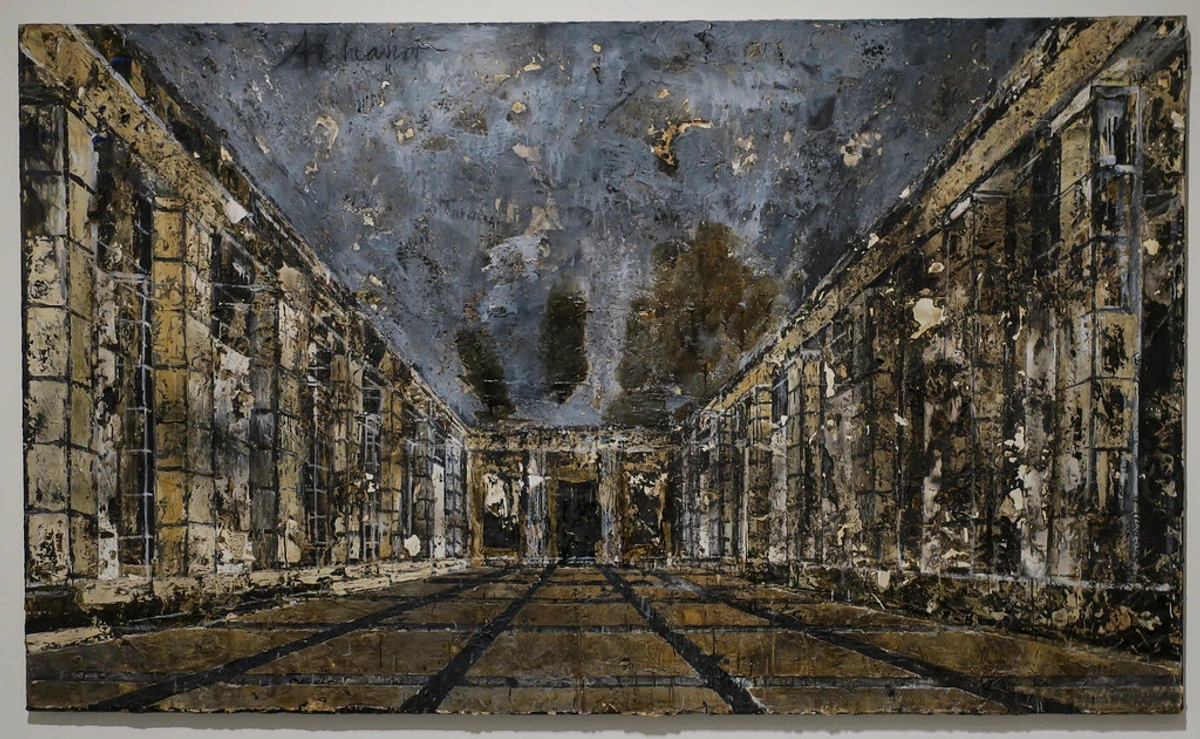


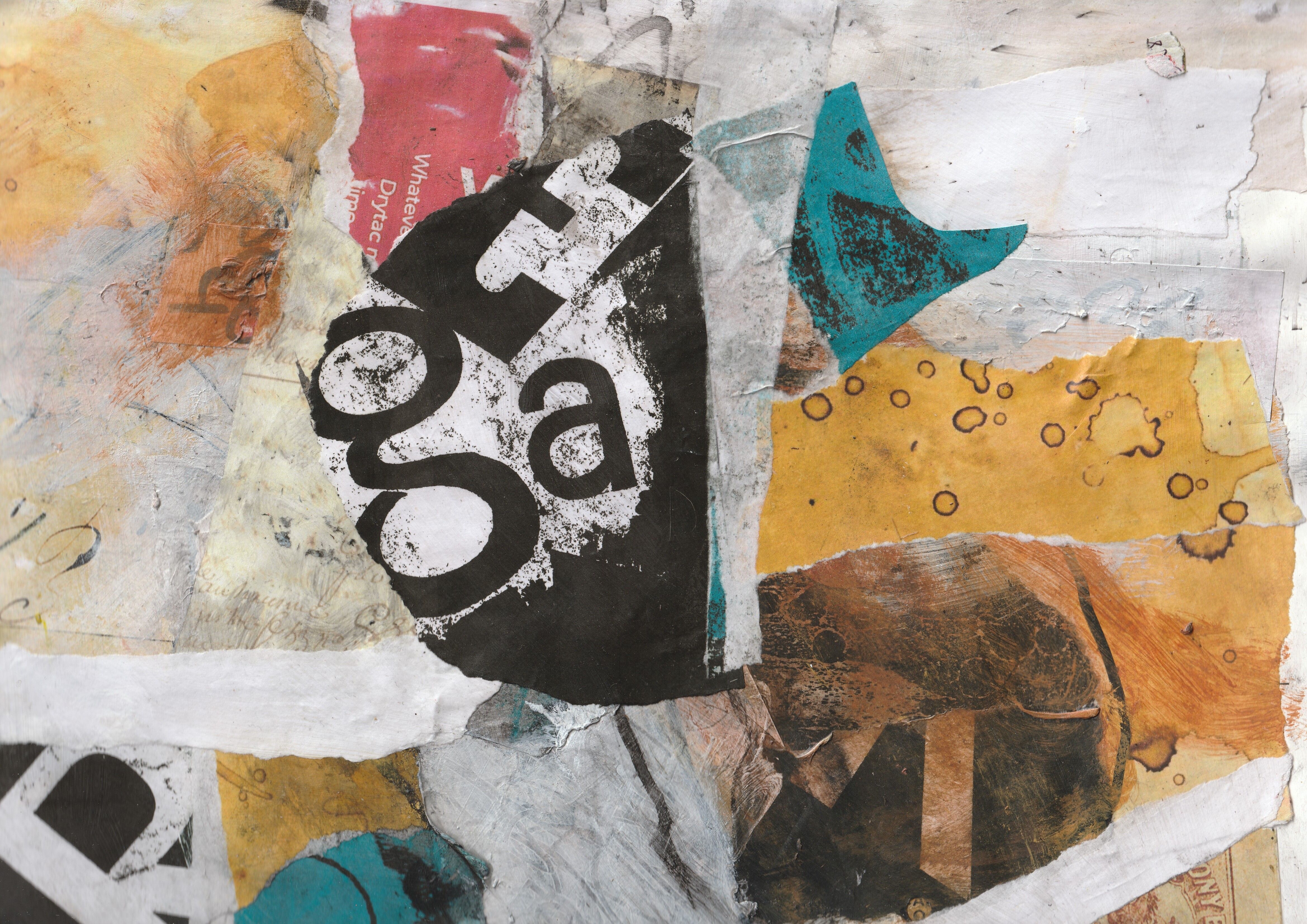
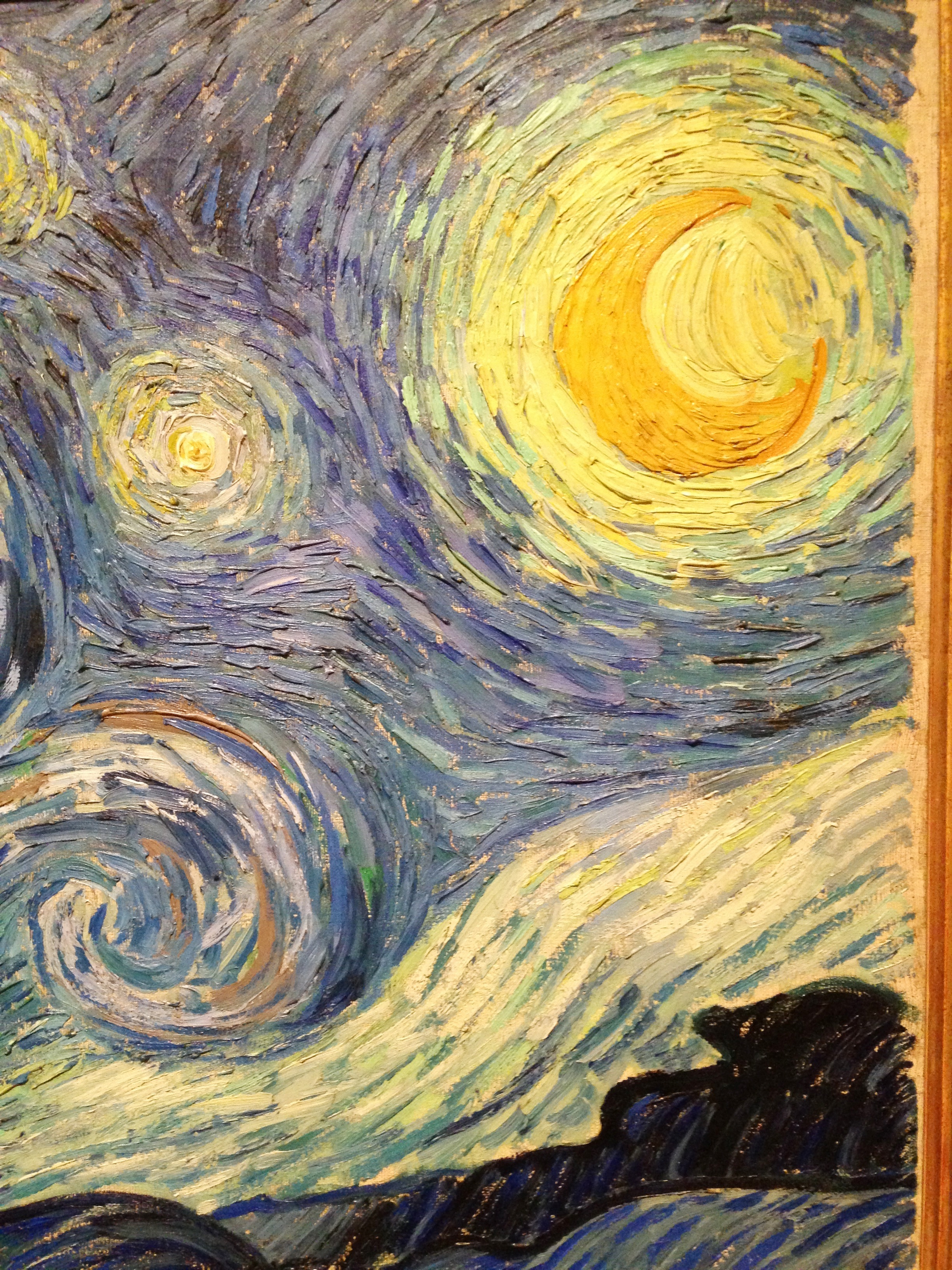

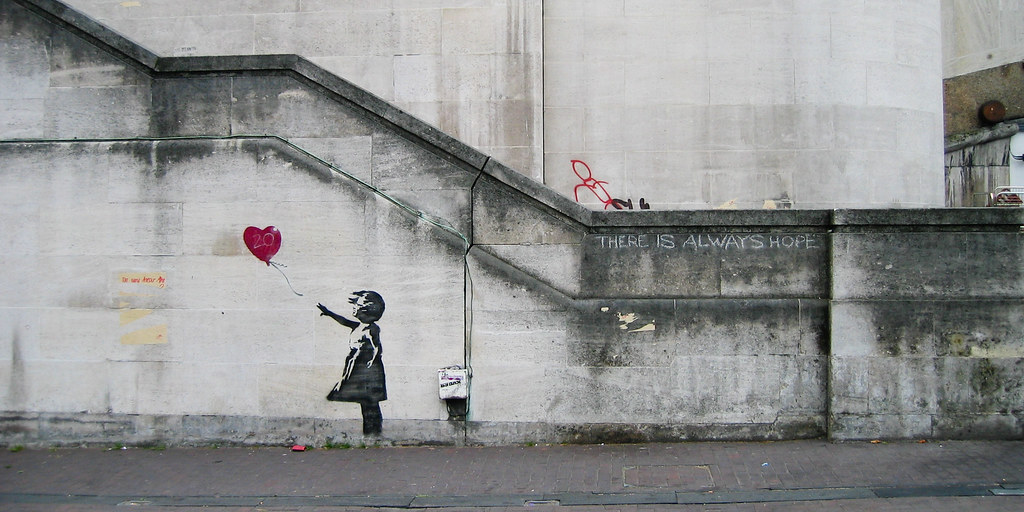

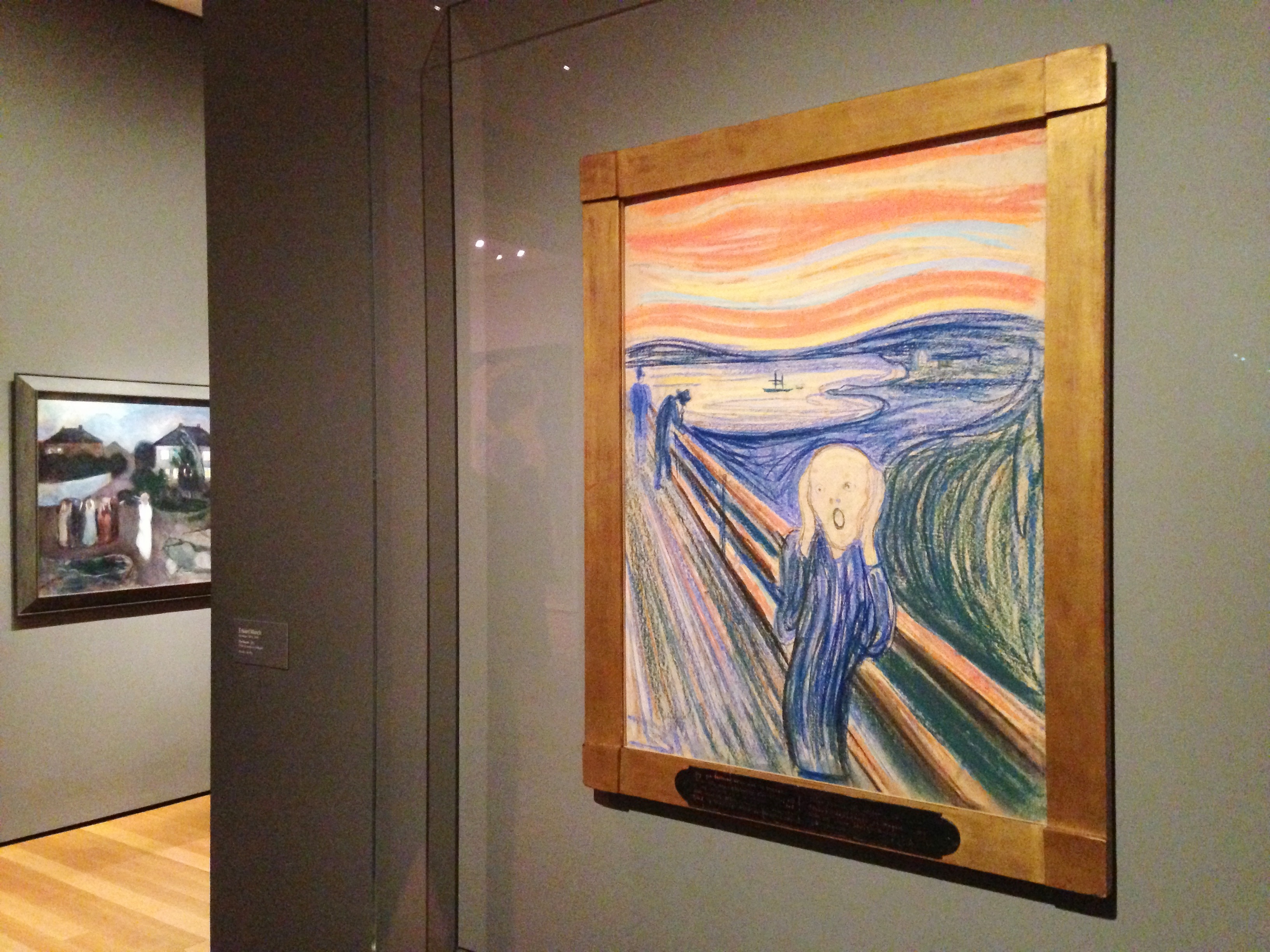


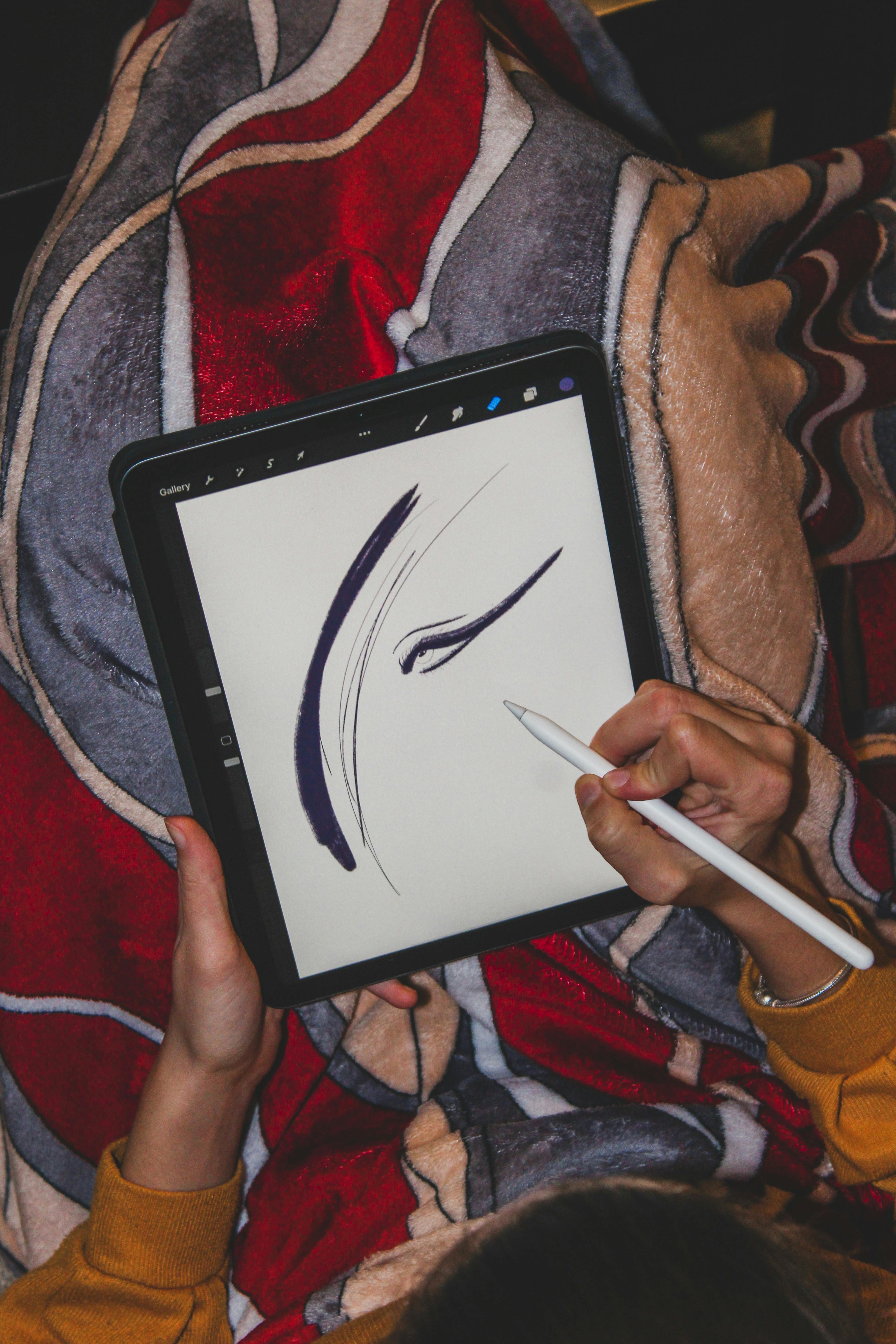


Conclusion: The Practice of Emotional Honesty in Art Making
Creating art that actually feels like something isn't about having profound emotions or dramatic experiences. It's about developing the capacity to notice what you're feeling—the quiet background hum of existence, the particular quality of Tuesday afternoon melancholy when the light feels like it's remembering something, the flash of unexpected joy when sunlight hits dirty dishwater just right—and then doing the patient work of translating that feeling into form. It's about becoming a connoisseur of your own inner weather, and learning the alchemy of turning that weather into color, line, texture, and composition.
What I hope you take away from all of this is that emotional expression in art isn't a mysterious gift some people are born with and others aren't. It's a practice—a set of skills, habits, and ways of paying attention that anyone can develop with time and intention.
The most important lesson, after all these years and all these paintings, is this: your emotional life is not an obstacle to your art or something to be overcome. It's the source material. Learning to work with it—honestly, patiently, and with technical skill—is the most radical and rewarding work you can do as an artist.
This translation takes relentless practice. It requires developing fluency in the language of color, line, texture, and composition. It means learning to trust your materials and your process even when everything is going wrong. It involves being willing to be vulnerable on the canvas—to risk sentimentality, awkwardness, or even ridicule in service of something true.
Every piece you make is practice for the next one. Every time you successfully translate feeling into form, you develop your capacity to do it again. Every time you fail, you learn something about the limits of your current skills—which is also valuable information.
The payoff is work that doesn't just exist in the world but actively participates in it—work that creates connection, that makes viewers feel less alone, that becomes a small anchor of meaning in an often confusing world. When someone stands in front of your painting and feels that thrumming energy, that sense of recognition, you've created something that matters.
I've had the privilege of seeing this happen with my own work—watching someone stand in front of a painting for a long time, seeing them tear up or smile or look thoughtful. These moments remind me that art isn't decorative luxury. It's a form of communication that can reach across all the usual boundaries and create genuine human connection.
The quiet labor of making art that feels like something is ultimately the practice of becoming more fully human, more attentive to the texture of lived experience, more willing to engage deeply with the mystery of being alive. It's difficult, rewarding work. And it's available to anyone willing to show up, pay attention, and do the translation.
Start where you are. Use what you have. Do what you can. The work will teach you what you need to know. The most important thing is to begin—not with the goal of creating masterpieces, but with the simple intention of being honest about your experience and finding ways to give it form.
You don't need permission. You don't need extraordinary talent or dramatic life experience. You just need to pay attention to your own emotional life and develop the skills to translate what you find there into your chosen medium.
Everything else is practice.