
The Unsung Hero of Composition: Finding Your Frame with the Best Viewfinders for Artists
Discover why a viewfinder is an artist's secret weapon for powerful compositions. I share my favorite types, how to use them, and why they'll transform your art.

The Unsung Hero of Composition: Finding Your Frame with the Best Viewfinders for Artists
I'll confess, for years, I wrestled with composition. My paintings sometimes felt… off. Like a puzzle where the pieces just didn't quite click, no matter how much I pushed them around. I’d stand in front of a stunning landscape, my heart brimming with inspiration, or even a simple still life in my studio, only to get back to the studio and find my canvas lacked that indescribable oomph. That magical feeling I had in front of the actual scene? Gone. Can you relate to that gnawing frustration when the vivid vision in your mind refuses to translate onto the canvas? It's like trying to tell a compelling story, but your words are all jumbled, or you're starting in the middle. You know the narrative is there, vibrant and alive, but getting it out, making it flow and resonate, feels utterly impossible. That 'oomph' often comes from a mastery of understanding the elements of design in art—how line, shape, form, space, and color work together, creating a visual language that speaks volumes. It's not just about getting the colors right or rendering forms accurately; it's about making the entire image sing – a harmonious arrangement of elements that pulls the viewer in, almost as if the artwork itself is breathing. But how do you find that perfect arrangement when faced with a vast, chaotic world, a world so rich with detail that it can easily overwhelm the eye and paralyze the hand? How do you distill a sprawling vista into a focused, powerful statement, a singular moment frozen in time? This quest for visual order and emotional impact is at the heart of every artist's journey, a silent struggle against the overwhelming beauty and complexity of the world around us.
Then, a seasoned artist at a plein air workshop, a delightful eccentric with paint splatters permanently etched into his denim jacket and a twinkle in his eye, introduced me to the simplest, most profound tool I never knew I needed: the artist's viewfinder. It felt almost like cheating at first, a little window I held up to the world, like a secret portal into pure composition, but it transformed how I saw everything. It’s like suddenly having X-ray vision for the essence of a scene, a secret weapon in the often-overwhelming battle against a blank canvas and the noise of a busy mind. This unassuming little frame became my personal guide, helping me to see not just what was there, but how it could become art, regardless of the medium I was working in – be it oils, acrylics, sculpture, digital art, or even just a quick sketch in my notebook. It taught me the art of deliberate seeing, a mindful practice of observation that turns a daunting, sprawling expanse into a manageable, compelling composition. This conscious choice of what to include and what to exclude is the very bedrock of visual storytelling, a fundamental skill that transcends any single medium and elevates mere representation to true artistic expression, allowing your unique voice to shine through. It taught me to be a curator of my own vision, selecting the most impactful elements and discarding the rest, creating a focused, compelling narrative before my brush even touched the canvas. This active process of 'deliberate seeing' is more than just looking; it's a conscious engagement with your surroundings, sifting through the visual noise to unearth the underlying patterns and potential compositions that truly resonate with your artistic intent, much like a detective seeking clues in a complex scene. It's truly about finding your art inspirations by actively engaging with the world.

It's a bit like having a tiny, portable art director in your pocket, always ready to offer a fresh perspective. The freedom to frame and reframe a scene in seconds, to experiment with countless compositions without making a single mark, is incredibly liberating. It demystifies the intimidating vastness of the world, making it approachable, understandable, and ultimately, paintable. It turns the entire world into a giant, interactive sketchbook, where you can instantly crop, zoom, and select your next masterpiece. Before the modern viewfinder, artists would often use their hands, or even simple cut-outs from paper, to achieve a similar effect, proving this fundamental compositional aid has a long and varied history.
What is a Viewfinder, Anyway? (And Why Do I Even Care?)
At its heart, a viewfinder is just a tool that helps you isolate a specific portion of a scene, eliminating distractions and allowing you to focus purely on composition, values, and color relationships within that chosen frame. Interestingly, the concept of framing a view isn't new; artists have intuitively used their hands, or even crafted simple "composition frames" for centuries, long before the term "viewfinder" became commonplace with the advent of photography. Think of it as a director's frame for your artistic vision, precisely honing in on the most impactful shot, or perhaps a sculptor's chisel that helps you chip away the unnecessary to reveal the masterpiece within. You hold it up, look through it, and suddenly, the sprawling chaos of the world outside is neatly cropped into a potential masterpiece. This initial framing empowers you to make crucial decisions early, helping to simplify even the most complex scenes into manageable visual information. It's like having a superpower for clarity, instantly cutting through the noise and allowing you to see the underlying structure – the essential lines, forms, and patterns that truly define a scene, free from the overwhelming visual clutter that often paralyzes us. This act of conscious selection, this deliberate 'curation' of your visual field, is a foundational step in transforming raw observation into compelling art. Historically, before dedicated viewfinders, artists like Leonardo da Vinci or Albrecht Dürer would employ grids or even a window pane to aid their compositions, proving the timeless need for such a tool.
This act of simplification is invaluable. Imagine standing before a bustling city street or a dense forest; a viewfinder helps you distill that visual overload into a compelling composition, rather than being paralyzed by too much detail. It's a fantastic way to apply the principles of definitive guide to composition in art in a very practical, immediate way. Moreover, it actively trains your eye to guide the viewer's gaze, a core principle of the art of composition: guiding the viewer's eye. It's about taking command of what the viewer sees and experiences, rather than leaving it to chance. The viewfinder helps you identify and then utilize key elements like line, shape, and form, allowing you to construct a compelling narrative from seemingly random visual data. It's about distilling the essence and presenting it with maximum impact.
For me, it instantly cut through the noise. It’s like putting blinkers on a racehorse – you only see what’s directly in front of you, and that singular focus is incredibly powerful for an artist trying to translate a three-dimensional world onto a two-dimensional surface. It’s about intentionality, about consciously choosing what to include and, just as importantly, what to exclude, creating a powerful narrative through deliberate absence. This simple act can transform a daunting, overwhelming task into a manageable and exciting creative challenge, making the blank canvas feel less intimidating and more like an open invitation. It empowers you to tell your story, not just record everything indiscriminately. This focused approach also helps in understanding how perspective is constructed and controlled within a chosen frame, even when working intuitively. It's about finding the definitive guide elements principles art in action.
Why Every Artist Needs a Viewfinder (Yes, Even You!)
I know what you're thinking: "Another gadget? I've already got brushes, paints, canvases... my art budget is groaning." But trust me, a viewfinder isn't just another gadget; it's a foundational tool that pays dividends in compositional strength and confidence, a veritable shortcut to that elusive "good eye" every artist strives for. Here's why it's earned a permanent spot in my essential drawing supplies for beginners kit, and should in yours too: It's about making deliberate, conscious choices that elevate your art from mere rendering to true expression, a fundamental step in mastering definitive guide elements principles art.
1. Compositional Clarity: The Ultimate Eye-Opener
This is the big one. Before I used a viewfinder, I often felt overwhelmed by choices. Where do I put the horizon line? What elements should I include or omit? The viewfinder forces you to make those decisions early and decisively. You literally frame your decision, giving you immediate feedback on what works and what doesn't. It's a fantastic way to apply the principles of definitive guide to composition in art in a very practical, immediate way. It helps you identify powerful leading lines that draw the eye into the scene, compelling focal points, dynamic diagonals that create energy, and how all these elements interact within the confined space. Abstract principles like the Rule of Thirds (dividing your frame into nine equal sections, placing key elements at the intersections or along the lines), the Golden Ratio (a divinely proportioned spiral often found in nature and art), the Fibonacci Spiral, or even the subtle power of symmetry and asymmetry suddenly feel incredibly tangible and actionable. By narrowing your field of vision, it helps you focus intently on the underlying structure and relationships, transforming a complex, chaotic scene into a clear, concise visual statement that communicates your intent. It's like turning up the volume on the essential harmonies and silencing the visual noise, allowing the core visual melody to shine through. It's a direct route to understanding composition in art explained in a truly hands-on manner. It allows you to consciously arrange elements to create a sense of balance and harmony, ensuring your viewer's eye is guided exactly where you want it to go. I often think of it as finding the perfect rhythm in a song, where every note (or in this case, every element) has its rightful place and contributes to the overall emotional impact. This clarity is crucial for the definitive guide to understanding composition in abstract art as well, where structural integrity is paramount even without representational forms.
2. Developing a Strong Focal Point
Every compelling artwork, whether realistic or abstract, usually has a focal point – a primary area of interest that immediately draws the viewer's eye. Without one, a composition can feel scattered and confusing, leaving the viewer unsure where to look. A viewfinder is an incredibly effective tool for identifying and strengthening this crucial element. By experimenting with different crops, you can strategically place your intended focal point, whether it's a specific object, a dramatic interplay of light and shadow, or a vibrant splash of color, ensuring it takes center stage. You can use compositional guidelines like the Rule of Thirds or the Golden Ratio (which often manifest within the viewfinder's grid overlays) to position this element for maximum impact and visual magnetism, preventing it from getting lost in the surrounding details. It allows you to consciously decide what narrative element will grab attention first, guiding the viewer's journey through your piece with deliberate intent. It’s not just about what you include, but how you highlight the most important parts. This deliberate focus is key to creating artwork that not only looks good but also communicates effectively and resonates deeply with your audience. I've often found that a strong focal point acts like an emotional anchor, pulling the viewer into the narrative and holding their attention, transforming a fleeting glance into a sustained engagement. It's about knowing where you want the eye to land and then building the rest of the composition around that intentional destination, a core principle in the art of composition: guiding the viewer's eye.
3. Sharpening Your Observational Skills
Beyond simply cropping a scene, a viewfinder actively trains your eye to notice what makes a strong composition. It pushes you to analyze light, shadow, form, and line in a focused, almost meditative way. Over time, you'll find yourself intuitively framing scenes even without the physical tool, having developed a more discerning artistic gaze. It’s like a personal trainer for your artistic vision, constantly pushing you to see more deeply and intentionally, fostering a sense of mindfulness in your creative practice. This focused observation helps you break down complex scenes into their fundamental elements – a crucial skill, especially for those venturing into the definitive guide to understanding abstract art from cubism to contemporary expression where recognizing compelling shapes and relationships in the mundane is key. You start seeing the world as a collection of potential abstract compositions, a truly magical transformation. It helps you practice selective attention, a powerful cognitive skill that allows you to zero in on what truly matters for your artistic message, ignoring the extraneous visual chatter and cultivating a focused, meditative artistic practice. This focused attention also builds what many call 'visual literacy,' allowing you to 'read' a scene and understand its underlying structure, an indispensable skill for any artist. It's about seeing the world not just as a collection of objects, but as a dynamic interplay of elements of art like line, shape, and color.
4. Value & Color Simplification: See the Essentials
Some viewfinders come with a grayscale filter or even color filters. This is pure magic for simplifying what you see. With a grayscale filter, suddenly, all the distracting colors vanish, and you're left with pure tonal values. This helps you identify the lights and darks, crucial for creating depth and drama, and for establishing a strong focal point that commands attention. It’s like seeing the world through a timeless black and white photo, instantly revealing the underlying structure, helping you grasp the definitive guide to understanding light in art and the definitive guide to color theory in art-from pigments to psychology in their purest forms. The interplay of light and shadow is fundamental to creating compelling artwork, and this tool makes it abundantly clear, allowing you to build a robust tonal foundation for any piece, whether it's a vibrant landscape, a subtle portrait, or a dramatic chiaroscuro study. It's often said, and I wholeheartedly agree, that "color gets the credit, but value does the work," and a grayscale viewfinder is your best ally in understanding and harnessing that profound truth. It strips away the superficial to reveal the compositional bedrock. This is particularly vital for the definitive guide to understanding abstraction in contemporary art, where abstract forms rely heavily on strong value contrasts to create visual interest and depth. By simplifying the scene, you can also better perceive texture and how it contributes to the overall visual weight, giving your artwork a powerful sense of form and substance. This essential step is like understanding the skeleton of your composition before adding the flesh of color.
5. Visual Storytelling: Crafting Narrative Through the Frame
Beyond just finding a pleasing arrangement of elements, a viewfinder is a potent tool for visual storytelling. By selecting a specific slice of reality, you're not just cropping; you're actively constructing a narrative. What is the implied relationship between the figures you include (perhaps a lone figure against a vast landscape, or a tightly framed group conveying intimacy)? Does the negative space suggest loneliness or tranquility (think of a small boat on a wide-open sea)? How does the light tell a story of time passing or a moment frozen (a sharp, dramatic shadow indicating midday, or a soft, diffused glow suggesting dawn)? The viewfinder encourages you to think beyond mere representation and into the realm of meaning, transforming a scene into a compelling visual statement that speaks volumes without a single word. It forces you to consider the 'why' behind your 'what,' guiding you toward a deeper connection with your subject and your audience. This deliberate choice of focus can amplify emotions, highlight relationships, and imbue your artwork with a profound sense of purpose. It’s about creating a sense of symbolism or emotional resonance, even in the most mundane subjects, echoing techniques found in visual storytelling techniques in narrative art. I often find myself asking, "What's the single most important message I want to convey here?" and the viewfinder helps me ruthlessly edit everything else out until that message shines through crystal clear. It's like writing a poem where every word is carefully chosen for its impact.
6. Portable Studio: Perfect for Plein Air
If you're anything like me, the allure of painting outdoors is strong, but so is the challenge of translating a vast, dynamic scene onto a small, static canvas. The ever-changing light, the endless, intricate details, and the sheer scale of nature can be utterly overwhelming. A viewfinder is, without a doubt, a plein air artist's best friend. When I'm out with my reviewing the best portable easels for plein air painting, my viewfinder helps me grab that perfect snippet of scenery, ensuring I don't try to cram too much information into my frame. It’s about making a focused artistic statement, capturing an impression, not creating a topographical map. It transforms the overwhelming expanse of nature into a manageable, artistic challenge, making the most of your precious time outdoors, especially when light is fading or weather is changing. Whether you're in a bustling city park, a sprawling mountain range, a tranquil forest, a dramatic coastal scene, or even exploring the quiet beauty of your own backyard, the viewfinder helps you crop out the visual noise and find the hidden gems of composition within the apparent chaos. It’s an invaluable tool for any artist embracing the what is plein air painting experience, allowing for more intentional and less frustrating outdoor sessions and helping you bring home a stronger visual narrative. I've often seen artists try to paint everything, and the result is typically a confused, overwhelming image. The viewfinder is the antidote to this visual gluttony, allowing you to capture the feeling of a place rather than just its literal appearance, making it perfect for rapid studies or capturing fleeting light conditions.

7. Overcoming Overwhelm and Decision Fatigue
Let’s be real, art can be intimidating. Staring at a blank canvas or a complex, busy scene can sometimes lead to analysis paralysis, that dreaded feeling of not knowing where to start or how to simplify. A viewfinder gives you a tangible starting point, a physical boundary to work within, effectively quieting that relentless inner critic that screams, "Where do I even begin?!" It's a powerful antidote to the how to overcome fear of the blank canvas, offering immediate clarity. By providing a clear, defined focus, it helps you break down a daunting, overwhelming task into manageable steps, fostering a profound sense of control and confidence in your creative process. It’s a gentle but firm nudge towards action, transforming anxiety into creative flow and helping you find momentum much faster, making the entire journey more enjoyable and productive. It’s like having a wise, patient mentor whispering compositional advice in your ear, offering a clear path through the visual labyrinth. This newfound confidence can profoundly impact your creative output, allowing you to approach any subject with a sense of mastery and excitement, transforming potential anxiety into a productive and joyful creative flow. It essentially acts as a mental 'reset button' when faced with a visually complex or intimidating scene, breaking down the perceived challenge into manageable, inspiring segments. I find it particularly helpful when tackling large-scale projects, as it helps me maintain focus and prevent the grand vision from becoming overwhelming. It's about finding clarity in the chaos.

Types of Viewfinders: A Peek into My Toolkit
There's no one-size-fits-all, which I kind of love about art tools. The evolution of viewfinders, from simple hand gestures to sophisticated digital apps, reflects artists' ongoing quest for perfect compositional clarity. Each type offers a slightly different way of seeing, catering to different artistic needs and preferences. From the utterly basic to the technologically advanced, the world of viewfinders is surprisingly diverse. Understanding these varieties is key to finding the tool that resonates most with your unique artistic practice. Here are the ones I’ve experimented with and what I think about them: Think of it as a journey of discovery, where each viewfinder type opens up a new facet of your compositional understanding. It's about expanding your visual vocabulary, not limiting it.
1. Simple Cardboard/DIY Viewfinders
This is where I started, with two L-shaped pieces of cardboard. You slide them along each other to create different rectangular openings, dynamically adjusting the frame. It's gloriously low-tech, refreshingly analog, and absolutely gets the job done. The true beauty is that you can make them any size or aspect ratio you need, experimenting with anything from a classic landscape orientation to a dramatic vertical or even a perfect square. Perfect for trying out the concept without spending a single penny – just grab some old cereal boxes, a ruler, and a pair of scissors, or even repurpose an old picture frame. It’s a quick, accessible, and tactile entry point to better composition, a truly democratic tool accessible to everyone. I've even seen artists use their fingers to create a makeshift frame, though the cardboard offers more stability and consistency, making it a more reliable and less fatiguing training tool. It’s all about training your eye to see composition, and these simple tools are fantastic for that initial, hands-on training, offering immediate, no-cost experimentation and helping you understand the fundamental principles before investing in anything fancier. Don't underestimate the power of a free tool if it gets you started! They are particularly useful for quick studies in your essential drawing supplies for beginners kit, allowing you to rapidly test different crops without commitment. This hands-on approach directly engages your visual problem-solving skills, building an intuitive understanding of scale and proportion. You can even decorate them to reflect your artistic personality! The very act of crafting your own tool can be a meditative and creatively inspiring process in itself, connecting you more deeply to your artistic practice.
2. Grayscale Viewfinders (Value Viewers)
Oh, these are a game-changer for understanding values. Many have a red transparent filter (or a gray one) that essentially desaturates the scene, showing you the lights and darks without the distraction of color. I often preach about the importance of value in composition (and in art generally!), and this tool makes it so easy to grasp. It can turn a confusing scene into a clear map of tonal shifts, helping you to truly see the bones of your artwork. If your art feels flat or lacks depth, this might be your secret weapon, revealing the fundamental structure beneath the surface. The psychological effect of removing color allows your brain to process pure luminosity, making it easier to identify focal points and create a sense of three-dimensionality. It silences the 'noise' of vibrant hues, allowing the underlying structure to reveal itself. For an even deeper dive into this, check out my definitive guide to understanding light in art and the definitive guide to color theory in art-from pigments to psychology – because understanding value is inextricably linked to understanding color. I've found that even a quick glance through a grayscale viewer can immediately highlight areas where my values are too similar, leading to a muddy or unconvincing composition. It's like having a diagnostic tool for your painting's structural integrity, allowing you to build a powerful tonal armature before committing to color. This tool is especially potent for abstract artists who want to ensure their forms hold together without relying on representational cues, focusing instead on pure visual weight and balance. It's also incredibly useful for the definitive guide to space and form in abstract art principles perception and practice where spatial relationships are defined by tonal shifts.
3. Color Viewfinders
Less common than grayscale, these can have various colored filters. They help you analyze color harmonies (like complementary, analogous, or triadic schemes) or isolate specific color palettes within a scene. While I lean more on my eye for color, some artists swear by these for finding unexpected color relationships or ensuring a cohesive palette. It’s a bit more advanced, but fascinating for those deeply into color theory and for exploring how artists use color in nuanced ways. They can reveal subtle shifts and connections you might otherwise miss, pushing you to experiment with new chromatic arrangements. Imagine looking at a busy market scene and, through a blue filter, realizing the subtle cool tones that tie everything together, creating an analogous color scheme, or how a warm filter intensifies the sunset hues, revealing a harmonious complementary palette. It's about seeing beyond the obvious and consciously building your desired emotional impact through color, perhaps even delving into the psychology of color in abstract art beyond basic hues. This tool can truly unlock a new understanding of how color elements interact within a frame, and helps in applying principles from how artists use color. They are also a fantastic way to explore the emotional impact of different color temperatures, a concept central to the definitive reference guide to color theory in abstract art principles psychology and practical application.
4. Lens-Based (Traditional Camera Style) Viewfinders
While perhaps more niche for painters, these viewfinders often resemble mini telescopes or the optical viewfinders found on traditional cameras. They offer a magnified, crystal-clear view and can sometimes simulate different focal lengths, which is invaluable for understanding perspective and depth. For artists who also dabble in photography or those who want a highly precise, unadulterated view of their scene with minimal distortion, these can be a powerful choice. They connect the act of painting more directly to the historical tradition of camera obscuras (dark rooms or boxes with a small hole that projects an inverted image) and photographic framing, emphasizing the precise capture of reality. I find them particularly useful when I'm working with intricate details or need to maintain a very specific perspective. The clarity and precision they offer can be truly eye-opening, allowing for meticulous compositional planning, especially when architectural accuracy or strong linear perspective is paramount. It's like having a master architect's blueprint for your visual world, ensuring every line and angle is precisely where it needs to be, a crucial aid for mastering perspective drawing advanced techniques for realistic art.

5. Adjustable Viewfinders
These are often more professional-grade, typically made of durable plastic or lightweight metal, with sliding parts that allow you to adjust the opening for various aspect ratios (e.g., classic 4:3, cinematic 16:9, or perfect square). They're fantastic for versatility and durability, able to withstand the rigors of frequent studio and plein air use. If you work in different formats, or like me, frequently change your mind about the exact crop, an adjustable viewfinder offers that freedom without needing multiple DIY options. They provide a precise and consistent way to experiment with different compositional structures. The tactile experience of sliding the frames to define your composition can be incredibly satisfying and intuitive, almost like physically sculpting your view. The ability to precisely match your canvas or paper aspect ratio before you even start drawing or painting can save significant time and frustration, ensuring your initial vision aligns perfectly with your final medium. This precision is invaluable for maintaining integrity across a series or when preparing for a specific display, or even for designing custom art prints. They are particularly effective for artists who delve into the definitive guide to composition in abstract art principles techniques and impact, where custom aspect ratios can unlock entirely new visual possibilities. Consider these your go-to for serious, long-term compositional exploration across diverse projects, from large-scale murals to miniature detailed pieces. I see them as a master key, unlocking a multitude of compositional doors for virtually any artistic challenge or vision, allowing for unparalleled creative freedom.
6. Ratio Finders (Fixed or Adjustable)
Often a simpler, dedicated tool, a Ratio Finder focuses purely on providing various fixed or adjustable aspect ratios. While it doesn't typically include color or grayscale filters, its strength lies in helping you define the exact dimensions for your canvas or paper before you even begin. This is especially useful for artists who plan their work meticulously or who frequently switch between square, portrait, or landscape orientations. Its robust construction often ensures durability, and its singular focus makes it incredibly straightforward to use. For artists exploring the definitive guide to composition in abstract art principles techniques and impact, a ratio finder helps in consciously breaking traditional compositional norms. They are excellent for maintaining consistency across a series of works or when precise pre-planning of your canvas dimensions is paramount, ensuring your vision translates seamlessly from concept to final art piece, particularly useful for custom canvas makers or gallery displays. It's the silent partner in your creative process, ensuring that the fundamental proportions are always perfectly aligned with your artistic intent, providing a rock-solid foundation for any piece.
7. Digital Viewfinders (App-based)
Yep, there's an app for that! Many art and photography apps now include a robust viewfinder feature. You simply use your phone or tablet's camera, and the app lets you crop, convert to grayscale, mirror, or even overlay a multitude of compositional grids (like the rule of thirds, the golden ratio, diagonal method, or dynamic symmetry) directly on the screen. It's incredibly convenient if you always have your phone with you, offering a wealth of analytical tools at your fingertips, from light meters to color pickers and even augmented reality overlays. While I still cherish the tactile, unplugged experience of a physical viewfinder, digital options are fantastic for quick studies, experimenting with multiple compositional layouts with rapid iteration, for artists who primarily work digitally, or for sharing your compositional ideas quickly and seamlessly with others (or even with yourself for later reference!). It's an entire studio in your pocket, just a tap away, allowing for unparalleled flexibility and quick iteration in your compositional exploration.
The sheer variety of viewfinders available means there's a perfect match for almost any artist, budget, and artistic need. It's not about finding the 'best' one in an absolute sense, but the one that best serves your unique way of seeing and creating.
8. Peep-Hole Viewfinders (Optical/Fixed Ratio)
Sometimes simplicity is king. Peep-hole viewfinders, often a small, fixed-ratio opening carved into a piece of wood or plastic, offer an uncluttered, straightforward framing experience. There are no sliding parts, no filters, just a pure, unadulterated view. These are fantastic for artists who consistently work in one or two specific aspect ratios and prefer a minimalist approach. They can be incredibly durable, lightweight, and offer a truly 'unplugged' experience, allowing for immediate focus on the composition without any adjustments or digital distractions. It's about stripping away all the extras to get to the core act of framing, a pure and direct engagement with your visual intention, fostering a deeper, almost meditative connection with the scene. I find this type of viewfinder to be particularly calming, a deliberate step away from the overwhelming sensory input of the modern world, allowing for a more profound artistic connection.
Viewfinders in Photography: A Rich Cross-Pollination
It’s worth noting that viewfinders have a long and rich history in photography, often predating their widespread adoption by painters. Early cameras relied heavily on them to frame shots, and even today, many photographers use external viewfinders for specific purposes, especially in street photography, landscape photography, or when using older, specialized lenses that lack integrated viewing systems. The underlying principles remain identical: isolating the scene, focusing intensely on composition, and eliminating distractions to capture the most impactful moment, the "decisive moment" as the legendary photographer Henri Cartier-Bresson famously put it. He understood that framing was not just about aesthetics but about capturing the very essence of a fleeting moment, a concept profoundly relevant to painters. This deep and beautiful cross-pollination between painting and photography underscores the universal importance of framing in all visual arts, reminding us that regardless of medium – be it lens or brush – the act of consciously choosing what to include and exclude is absolutely paramount to storytelling. I often find immense inspiration in the way photographers frame their subjects, the way they play with depth of field, and the way they capture decisive moments, and using a viewfinder allows me to adopt a similar critical eye when approaching a painting, learning invaluable lessons from both rich traditions. It truly highlights that the artistic challenge of translating a 3D world into a 2D image is a universal one, transcending specific tools or disciplines. This shared lineage reinforces the idea that compositional principles are timeless and universally applicable, offering a rich well of knowledge for artists in any medium. Think about how the framing of an image impacts its overall narrative and symbolism, especially when drawing from sources like art inspirations. This cross-pollination reminds me that truly understanding composition is less about the tool you use, and more about the way you see the world, regardless of your chosen discipline.
Beyond the Basic Frame: Advanced Viewfinder Techniques
Once you've gotten comfortable with the basic act of framing, there are a few ways to push your viewfinder practice further, transforming it from a simple cropping tool into a powerful analytical instrument. These aren't necessarily for beginners, but they're exciting avenues to explore once you feel that initial "click" becoming more consistent, and you're ready to truly challenge your perception and deepen your artistic insights.
1. Inverting Your View: A Fresh Perspective
Sometimes, our brains get too good at interpreting what we see; we become slaves to our preconceived notions. We know a tree is a tree, and a mountain is a mountain, and our mind eagerly fills in the blanks, often to the detriment of truly seeing. But what if you looked at them upside down or in a mirror? Many artists swear by this technique – holding a viewfinder, then literally turning it (or your head!) upside down. It strips away the comfort of 'object recognition' and forces you to see pure shapes, values, and color relationships in their raw form, liberating you from preconceived notions of what things should look like. It's incredibly disorienting at first, almost like seeing for the first time, but it can reveal profound compositional flaws or hidden strengths you’d otherwise miss, forcing a fresh, unbiased assessment. This technique forces your brain to switch from symbolic processing (identifying and labeling objects) to purely visual processing (analyzing forms, tones, and spatial relationships), which is profoundly liberating for abstract thinking and discovering unexpected balances, rhythms, and negative space configurations. It creates a momentary disorientation that bypasses your brain's usual shortcuts, forcing it to truly see rather than interpret. I've personally found it to be a powerful reset button for my perception, forcing me to confront what's actually there, not just what I think is there. It's a fantastic exercise for developing the definitive guide to understanding abstract art styles by decontextualizing forms, allowing you to see the raw visual data of your scene, a true stepping stone into how to abstract art. This practice helps you break free from the literal and engage more deeply with the abstract qualities of your subject, opening up new creative pathways.
2. Focusing on Negative Space
We naturally gravitate towards the positive space – the main subject, the obvious, attention-grabbing elements. But the negative space (the area around and between your subjects) is just as crucial, if not more so, for a truly balanced, dynamic, and compelling composition, acting as an active element itself, a silent partner in your visual story. Use your viewfinder to consciously focus on these empty or less dominant areas. How do their shapes relate to the positive space? Are they creating tension or harmony, movement or stillness? This practice, especially beneficial for the role of negative space in abstract art, can dramatically improve the overall strength, sophistication, and narrative depth of your artwork. Think about how the empty space around a solitary figure can profoundly convey isolation or introspection, how the intricate shapes created between tree branches form their own compelling patterns, or how the space between objects in a still life creates its own dynamic tension. The viewfinder helps you see these often-overlooked elements not as mere background, but as active, contributing participants in your composition, transforming them from visual noise into vital compositional components that enhance the overall impact and even create a sense of rhythm.
3. Deliberate Cropping for Impact
Beyond simply finding a frame, think about deliberate, impactful cropping. What if you zoom in extremely close on a seemingly insignificant small detail, transforming it into an intimate, powerful vignette? Or crop so tightly that a familiar object becomes almost entirely abstract, pushing the boundaries of representation and forcing a new way of seeing? Your viewfinder is an incredibly powerful, low-stakes tool for experimenting with these bold and often transformative compositional choices before committing them to canvas. It’s about creating palpable visual tension, directing the viewer’s eye with surgical precision, and making a powerful, resonant statement with less visual information. This can transform a mundane, everyday scene into a dramatic, emotionally charged one, or distill the complex essence of a sprawling subject into a poignant, unforgettable detail. It's a masterful way to tell a focused story, rather than just showing everything, allowing you complete control over the narrative and the emotional response you wish to evoke in your audience, turning passive viewing into active engagement. It's the art of omission, amplifying what remains by consciously removing the extraneous, much like a poet chooses every word with purpose. This skill is particularly pertinent to understanding abstract art movements, where radical cropping often defines the style, and it's a fundamental aspect of visual storytelling techniques in narrative art. I often tell myself, "Less is more," and the viewfinder is my loyal editor, helping me carve away the excess to reveal the essential, potent core of the image.
4. Using Multiple Viewfinders for Comparative Analysis
This is a technique I genuinely enjoy for truly dissecting a scene and getting to the heart of its compositional potential. Instead of just one viewfinder, try using two or three of different aspect ratios or even different filter types (perhaps one grayscale, one open, and one with a color filter). This allows for direct, immediate comparison, helping you quickly discern which framing truly captures the essence, the emotional resonance, and the compositional strength you're seeking. It's like having multiple perspectives simultaneously laid out before you, a highly effective way to refine your choices, challenge your initial instincts, and push your compositional boundaries far beyond the obvious. This comparison sharpens your discernment and helps you understand why one composition works better than another, accelerating your learning. It's an active, iterative way to interrogate a scene, asking deeper questions of it, revealing its hidden potential, and pushing beyond your first impressions. This can be especially insightful when exploring complex subjects, allowing you to find both the macro and micro compositions within a single vista, leading to a richer, more layered understanding of your subject. It's like having a visual debate with yourself, refining your arguments until only the strongest, most compelling perspective remains.
Choosing Your Perfect Frame: What I Look For
Deciding on a viewfinder really boils down to your personal workflow and what challenges you face most often. There’s no right or wrong answer, only what feels best for your unique artistic journey. Think of it less as a definitive checklist and more as a guide to self-discovery in your artistic process. Here’s what I consider when picking one up:
- Durability & Portability: Am I taking this out into the wilds of nature, scrambling up hillsides for that perfect vista, or just using it in the controlled environment of my studio? For dedicated what is plein air painting, I absolutely need something robust and lightweight that can handle being tossed into a bag with my essential drawing supplies for beginners and surviving unexpected weather conditions – a sudden drizzle or a gust of wind. If it's mainly for studio work, perhaps a less rugged, more elegant option is fine. Consider also how easily it cleans if you're prone to paint splatters and charcoal dust, like I famously am! Materials matter here: sturdy, impact-resistant plastic or lightweight metal will undoubtedly last longer than cardboard, and some even come with dedicated protective pouches or lanyards. For a truly premium feel and longevity, some high-end viewfinders are crafted from anodized aluminum or even polished hardwoods. Also, critically, think about weight and bulk – a lightweight, slim option is always preferable for transport, especially if you're hiking to a remote, scenic spot, as every gram counts. The easier it is to carry, the more likely you are to actually use it. It’s the tool that’s always with you that becomes truly indispensable. It's about finding that sweet spot between robustness and convenience that allows you to integrate it seamlessly into your artistic adventures, from mountain peaks to urban cafes.
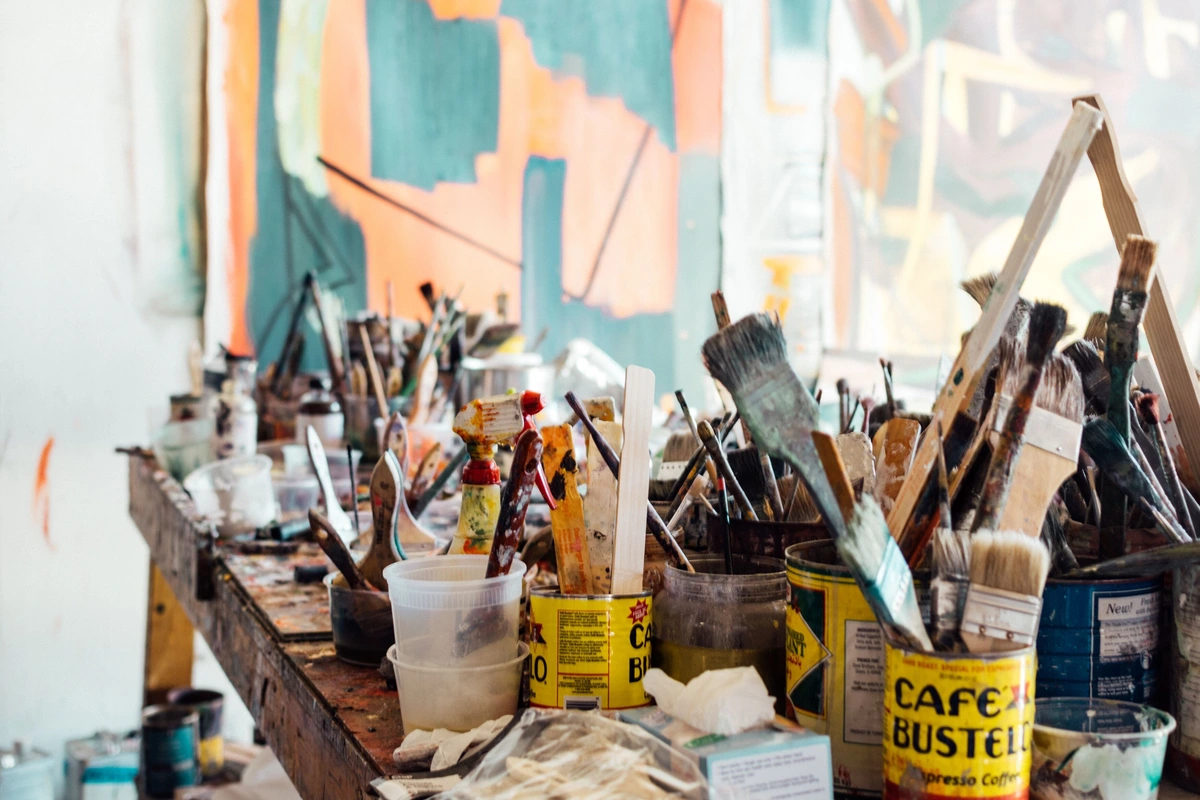
Size & Aspect Ratio: Framing the Narrative
- Size & Aspect Ratio: Do I mostly paint sprawling landscapes, intimate portraits, or challenging abstract pieces? The aspect ratio (the ratio of width to height) profoundly impacts the feel of a composition, subtly influencing the viewer's emotional response and the story you're telling. A viewfinder with adjustable aspect ratios offers the most flexibility, allowing you to quickly experiment with a multitude of different visual narratives and compositional structures before committing to a canvas size. For the definitive guide to composition in abstract art principles techniques and impact, experimenting with unusual, non-traditional aspect ratios can be particularly enlightening and liberating, helping you break free from conventional framing habits. Don't be afraid to try a perfect square for a sweeping landscape or a dramatic wide format for a portrait – sometimes breaking the 'rules' and challenging expectations leads to the most compelling and memorable art. A panoramic crop, for instance, naturally evokes a powerful sense of vastness and narrative sweep, inviting the eye to travel, creating an epic feel. Conversely, a taller, portrait-oriented ratio can emphasize height and drama, drawing the eye upwards. A perfect square often conveys stillness, balance, and a more intimate, meditative focus, excellent for strong, centered compositions that feel grounded. Consider how the frame itself can become a part of your artistic statement, consciously guiding the viewer's experience, almost like an unspoken prologue to your visual story. This is where your understanding of definitive guide to proportion in art truly comes into play.
- Grayscale vs. Color: For me, personally, grayscale is almost non-negotiable for serious compositional study and for truly understanding the bones of a painting. I find understanding values (the lights and darks) to be the single most impactful thing a viewfinder can help with, instantly revealing the tonal foundation and dramatic potential of any scene. Color is certainly a fascinating bonus, offering invaluable insights into harmony, mood, and palette selection, but for foundational compositional strength, values are, without a doubt, king. It’s like learning to walk before you can run – mastering values will profoundly elevate every other aspect of your painting, from realism to abstraction. If you're struggling with muddy colors, a lack of depth, or compositions that feel flat, a grayscale viewer is likely the corrective lens you need, stripping away the distracting hues to reveal the core tonal structure and contrast within your chosen frame, making everything clear. It’s the ultimate truth-teller about your composition's underlying strength, revealing the very architecture of your image. This foundational understanding ties directly into the definitive guide to color theory in art-from pigments to psychology, as strong value relationships underpin successful color application and overall visual impact. It also deeply connects to the definitive guide to understanding light in art, as light and shadow are essentially expressions of value.
- Ease of Use: This is a crucial, often overlooked factor. If a tool is fiddly, overly complicated, or takes too long to adjust, I simply won’t use it, no matter how many features it boasts. The best tool, truly, is the one you actually use consistently. Simple is almost always better, allowing you to focus your precious mental energy on the art, not the mechanics of the tool itself. I’ve tried elaborate gadgets that promised the world, with too many buttons or confusing settings, but if they weren’t intuitive, comfortable, and quick to deploy, they just ended up gathering dust in my studio alongside other forgotten art supplies. Look for smooth, effortless mechanisms, clear, unambiguous markings (if applicable), a comfortable, ergonomic grip that feels good in your hand, and minimal moving parts that could break or get lost in the field. The less friction between you and your tool, the more likely you are to integrate it seamlessly into your creative flow and make it a consistent, indispensable part of your artistic practice, allowing your creativity to flourish unhindered. A tool should serve your vision, not complicate it. Remember, the true purpose of any art tool is to remove obstacles between your vision and its execution, not to create new ones. For me, a tool should be an extension of my hand and mind, not something that requires me to stop and read an instruction manual every time I pick it up. Simplicity breeds consistency, and consistency breeds growth.
- Price: My advice here is always to start small. Begin with a DIY solution, then upgrade if and when you find the concept indispensable to your process. There's absolutely no need to break the bank initially – art tools should serve your creativity and facilitate your learning, not drain your wallet and create financial stress. Many incredibly affordable options offer immense value, especially as you explore what features are most important to you and your unique artistic workflow. Remember, the true investment is in your artistic development, your eye, and your confidence, not just the physical tool itself. You can find excellent quality basic adjustable viewfinders for a very reasonable cost, offering a significant and tangible upgrade from DIY options without a huge financial commitment, ensuring you get the most artistic return on your budget. Think of it as investing in your vision, not just a piece of plastic or metal. Your skill and discernment are the most valuable assets, and the tools are simply extensions of those. After all, a master chef can make magic with simple ingredients; the tool enhances, but never replaces, the artist's inherent talent and cultivated skill. Don't let the price tag deter you from exploring this incredibly beneficial tool – your artistic growth is worth it! It's about finding the right fit for you at your stage of the artistic journey, always prioritizing learning and creative exploration over perceived necessity of expensive gear.
How I Use My Viewfinder: Practical Tips from the Easel
Okay, so you've got your viewfinder. Now what? It’s more than just holding it up; it’s about engaging in a conscious, reflective practice, almost a conversation with the scene in front of you. It's a deliberate dance between observation and intention. Here's my little ritual for harnessing its power and turning fleeting observations into compelling compositions:
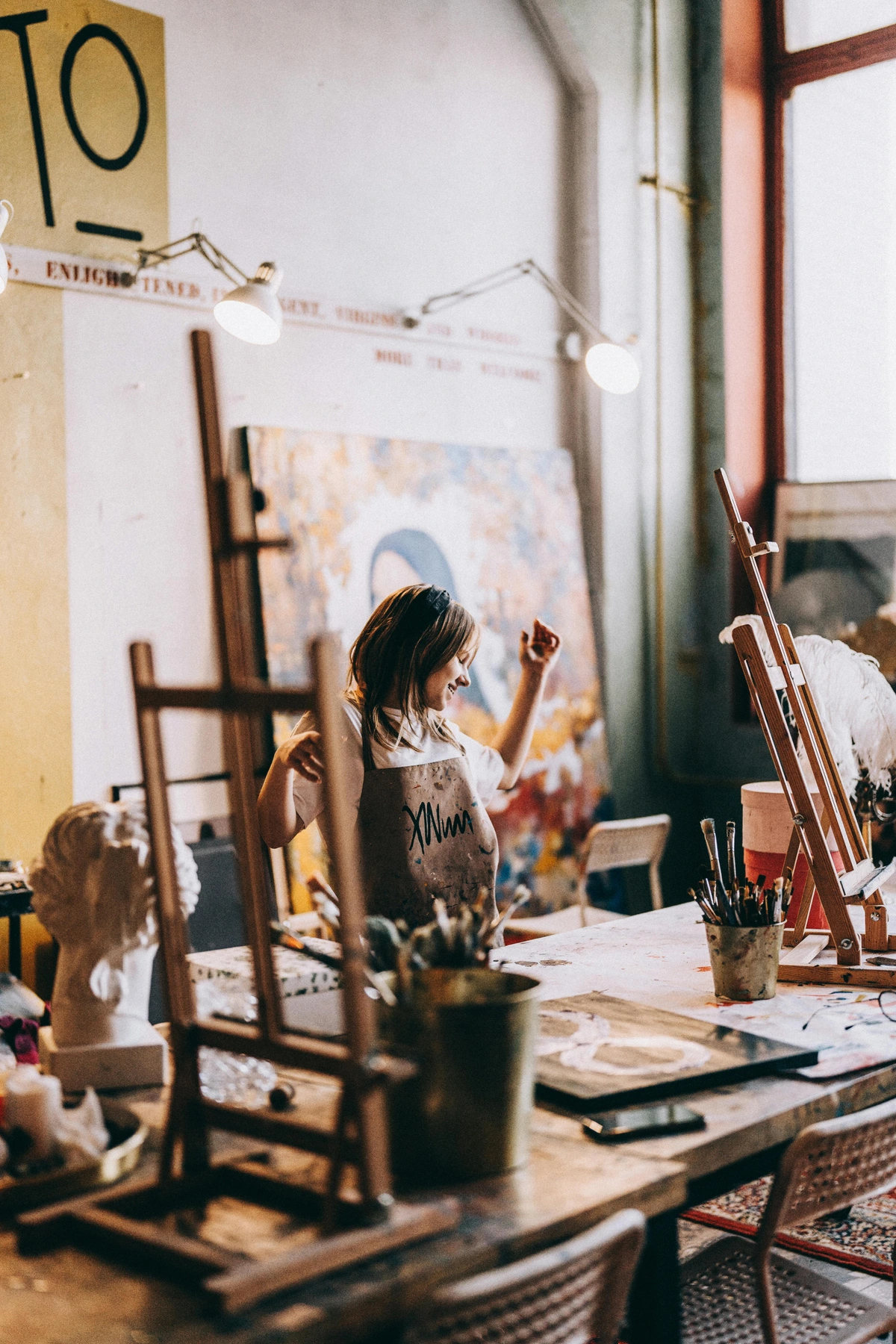
- The Scan: My process usually begins with a leisurely but intentional scan. I hold the viewfinder at arm's length (or closer, depending on what I want to frame, mimicking different focal lengths) and slowly, almost meditatively, scan the entire scene in front of me. I'm not just passively looking; I'm actively searching for something that truly grabs my attention – a compelling arrangement of lines, a striking interplay of light and shadow, an intriguing burst of color, or a surprising juxtaposition of shapes. It's an active, almost playful hunt for visual interest, a treasure hunt for compositional gold. Sometimes, to really shake things up and break my ingrained ways of seeing, I'll even invert the viewfinder or look through it upside down, which can magically reveal compositional flaws or strengths I'd otherwise completely miss, challenging my assumptions about the scene and forcing a fresh perspective. It's about letting the scene speak to you, not imposing your will upon it immediately. It's a process of respectful interrogation, seeking out the hidden narrative within the visual noise, almost like a visual detective looking for clues to a compelling story. I often think of it as a dialogue between myself and the world, where the viewfinder helps me listen more intently to what the visual information is telling me.
- The "Click" Moment: This is the magic part, the moment of revelation. There's usually a distinct moment where a particular arrangement of shapes, lights, and shadows just feels profoundly right. It clicks into place. That, for me, is my composition, the one I want to pursue. It’s an intuitive recognition, often accompanied by a quiet sense of excitement and a palpable feeling of creative potential. This "click" isn't just about superficial aesthetics; it's about the emotional resonance of the scene, what speaks to you on a deeper, often subconscious level, a primal recognition of artistic potential. It's a sudden sense of harmony, a feeling that this particular frame holds a complete visual story, a microcosm of the world, even before a single brushstroke is made. It’s an undeniable sign to pay closer attention, to delve deeper, and to trust your artistic instincts. This is the seed of your masterpiece, the spark that ignites the entire creative journey, a moment of profound artistic recognition, a flash of art inspirations. It’s that exhilarating feeling of discovery, like uncovering a hidden gem, and it's the most rewarding part of the process for me.
- Refine and Simplify: Once I've found that compelling frame, I'll often squint my eyes slightly or use a grayscale filter if my viewfinder has one. This is a critical step that helps simplify the scene even further, boiling it down to its most essential elements and identifying crucial areas of high contrast or dominant shapes, revealing the abstract bones of the composition. It's about ruthlessly reducing visual clutter and emphasizing the core understanding the elements of design in art at play, making absolutely sure that every line, shape, form, and color contributes purposefully to the overall message and desired emotional impact. Remember that the viewfinder is a powerful guide and a starting point, not a rigid dictator. You're still the artist, making all the final creative choices! This is where I start asking myself those tough questions: "What can I remove without losing the essential narrative or emotional core?" and "What is absolutely crucial to tell this story within this frame?" I'm always seeking that delicate balance of complexity and clarity, ensuring every single element serves a clear purpose within the chosen frame, reinforcing the core message of the piece. This is where the magic of editing begins, much like a film editor carefully chooses each shot, even before the art itself, a crucial step in transforming raw potential into focused artistic statement. This stage is paramount for creating a coherent visual statement, moving beyond mere observation to intentional artistic creation.
- Sketch it Out: Finally, and this is a non-negotiable step for me, I'll then do a quick thumbnail sketch of that framed composition in my trusty sketchbook. This seemingly simple act powerfully reinforces the compositional choices before I even touch paint or begin a detailed drawing, solidifying the design and helping me remember why that particular frame resonated so deeply. It’s a vital step in translating fleeting observation into concrete intention. These aren't meant to be masterpieces themselves; they are quick, gestural visual notes to capture the essence – the major shapes, the dominant values, the overall feeling, and the implied movement. Sometimes I'll even label areas with quick color notes or ideas for texture, or even a single word describing the mood. This rapid sketching acts as a bridge between perception and creation, committing the vision to memory and a physical form. It's the blueprint, the roadmap, for what's to come, ensuring your initial spark of inspiration doesn't fade into forgetfulness. These quick sketches are invaluable for rapidly iterating on compositional ideas, much like a playwright might draft multiple scene outlines before committing to dialogue. This is where the intellectual and intuitive aspects of art meet, solidifying your vision before the more physical act of creation begins. It's about laying a solid foundation for your masterpiece, ensuring its structural integrity.
This simple process helps me feel more confident before I commit to the canvas. It reduces doubt and allows me to focus on the joy of painting, rather than the anxiety of "getting it right." It’s about building a strong foundation, so your creative energy can be fully unleashed.
Viewfinder Types Comparison
To help you navigate the surprisingly diverse world of artist viewfinders, I've put together a comprehensive comparison table. This isn't about telling you what to buy, but rather laying out the practical differences so you can make an informed decision based on your own artistic needs and budget. Think of it as a quick-reference guide to matching the tool to your unique creative challenges.
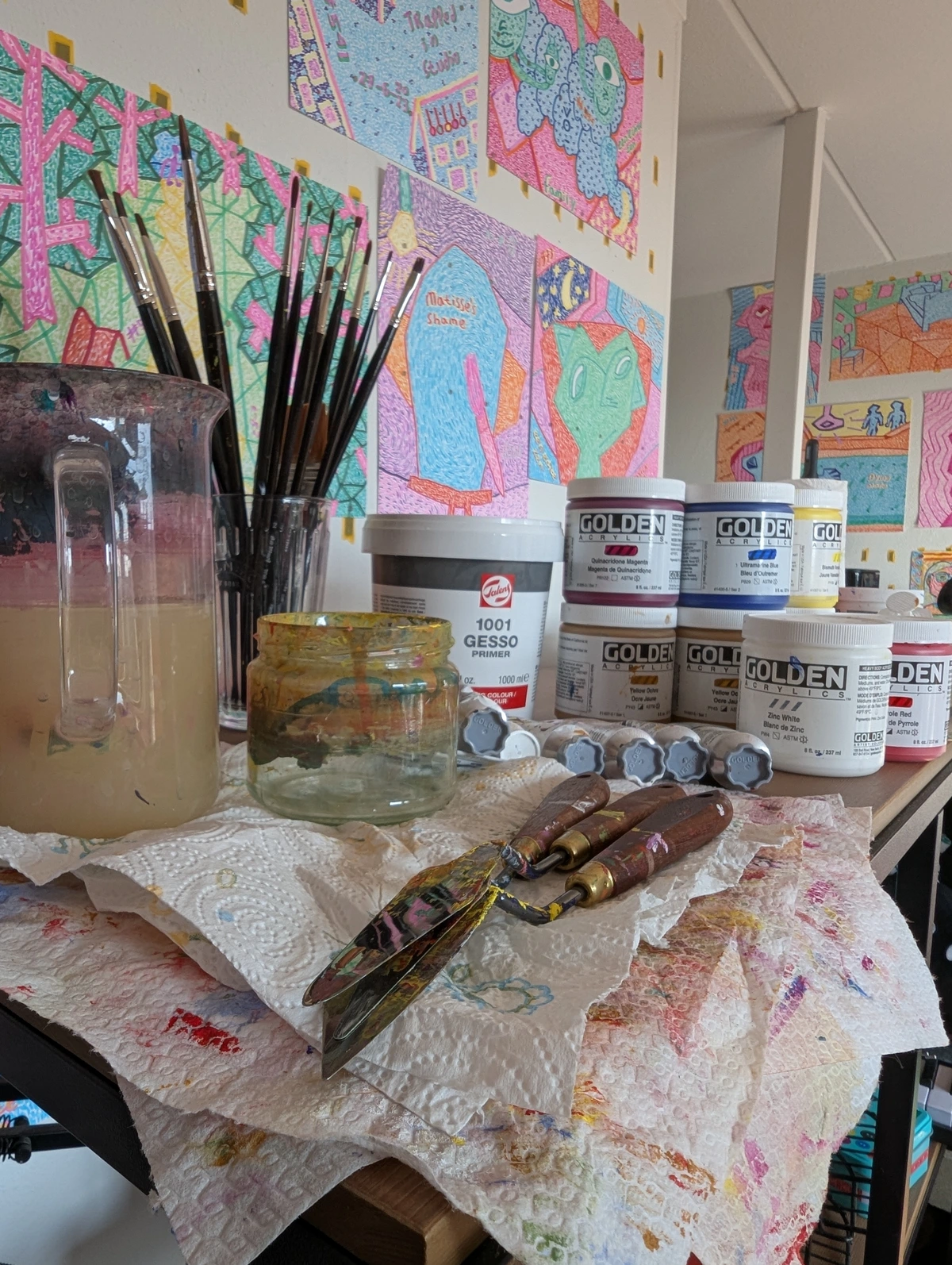
Viewfinder Types Comparison
Viewfinder Type  | Pros | Cons | Best For | Typical Materials |
|---|---|---|---|---|
| DIY Cardboard | Free, customizable, immediate | Flimsy, not durable, fixed aspect ratio | Beginners, experimentation, quick tests | Cardboard, fingers |
| Grayscale Filtered | Excellent for value studies, removes color distraction, good for depth | Can be more expensive, single-purpose | Learning values, dramatic compositions, combating color overwhelm | Plastic, acrylic |
| Color Filtered | Aids in color harmony analysis, isolates palettes, explores color relationships | Niche use, may require understanding of color theory, less common | Advanced colorists, specific color palette development, unique color explorations | Plastic, acrylic |
| Lens-Based (Traditional Camera Style) | Magnified, clear view; simulates focal lengths; precise perspective | More expensive, less common for painters, can be bulkier | Artists also in photography, precise perspective study, high-fidelity viewing | Metal, glass |
| Adjustable | Versatile aspect ratios, durable, professional feel, precise framing | More expensive, can be slightly heavier, mechanical parts can break | Professionals, varied artwork formats, frequent plein air painting, studio work | Metal, plastic |
| Digital (App-based) | Convenient (always with your phone), multiple features (grids, crop, filters), instant sharing | Less tactile, relies on battery, screen glare outdoors, can be distracting | Quick studies, digital artists, artists who prefer digital workflow, travel | Smartphone/Tablet |
| Ratio Finder (Fixed/Adjustable) | Focuses purely on aspect ratio, helps define canvas size early, often durable, ideal for precise canvas sizing decisions | Less feature-rich (no filters), dedicated purpose may limit broader utility, adjustable versions can be pricey | Artists focused on aspect ratio, canvas sizing, abstract work, strong visual narratives, or those who frequently work in varied formats | Plastic, metal, wood |
| Peep-Hole Viewfinder | Utterly simple, highly durable, pure framing experience, very lightweight | Fixed aspect ratio, no filters, less versatile | Minimalists, consistent formats, beginners seeking pure focus | Wood, plastic |
This table should give you a good starting point for considering which viewfinder might be the right fit for your artistic journey. Remember, the best tool is the one that empowers your vision.
Frequently Asked Questions (FAQ)
Are viewfinders only for plein air painting?
Absolutely not! While they're incredibly useful for outdoor work – helping you translate the overwhelming vastness of nature onto a manageable canvas and select the most compelling, focused snippet – I use mine regularly in the studio as well. Whether I'm arranging a complex still life, trying to crop a reference photo to find its strongest narrative, or even abstracting compelling shapes from my immediate environment, a viewfinder helps me achieve a stronger, more intentional definitive guide to composition in art in any setting imaginable. They are equally valuable for refining indoor compositions, for simplifying a cluttered studio scene, or even for abstracting elements from existing photographs or found imagery to inspire entirely new works. I've even used them to find unexpected, hidden compositions within my own finished paintings, which often sparks exciting ideas for new pieces, proving their incredible versatility across all contexts, mediums, and artistic approaches! It's about intentional seeing, no matter where you are. I see them as a bridge between raw perception and refined artistic intention, equally valuable in the wild expanse of nature or the quiet confines of my studio.
Can I just use my phone as a viewfinder?
Yes, many artists do, and it's a perfectly valid and incredibly convenient approach! There are a plethora of dedicated apps available with advanced features like customizable compositional grids, mirroring, and various filters, or you can simply use your phone's native camera app, pinch to zoom, and crop. The convenience is undeniable, as most of us have our phones readily available at all times. However, the main drawbacks I've encountered include finite battery life, potential screen glare in bright outdoor light (which can be incredibly frustrating during a plein air session), and for some (like me), the distinct lack of a tactile, physical separation from the constantly connected digital world that a traditional, analog viewfinder provides. There's something undeniably grounding, almost ritualistic, about a simple, physical tool that fosters a different kind of focus. It's a deeply personal preference, but for me, the physical act of holding a dedicated frame to the world slows me down, disconnects me from digital notifications, and encourages a deeper, more focused, and less interrupted observation. While digital tools certainly offer impressive functionality, there’s a distinct meditative quality to a physical viewfinder that can foster a different kind of artistic engagement, less prone to the constant digital distractions of our modern world. It's about finding what helps you truly see. I always encourage artists to try both, a physical viewfinder and a digital one, to see which method resonates more with their creative flow and helps them achieve the deepest level of compositional insight.

What's the difference between a viewfinder and a compositional grid?
A viewfinder helps you find and frame your composition by isolating a section of reality, helping you make the initial, crucial decision of what to paint or draw. It's fundamentally about selecting the boundaries of your artistic world, defining what's in and what's out. A compositional grid (like the timeless rule of thirds, the elegant golden ratio, or even simpler geometric divisions) is then applied to that chosen frame (either mentally, lightly sketched on your canvas, or overlaid within a digital viewfinder app) to help you place elements effectively and harmoniously within the composition, strategically guiding the viewer's eye. Think of the viewfinder as the wide net to catch the initial, exciting idea, and the grid as the precise tool to refine its placement and ensure its internal balance and dynamism. They work synergistically together, guiding your eye first to the potential, then to the precise execution. I often use a viewfinder to find the core idea and emotional center of a scene, then if I'm struggling with the internal arrangement of elements, I'll overlay a mental grid to help place elements strategically and ensure a dynamic, compelling flow. They are complementary, not competing, tools: the viewfinder for discovery and definition, the grid for refinement, precision, and ensuring structural integrity in composition. It's the difference between finding the perfect stage and then arranging the actors on it. For instance, you might use a viewfinder to frame a compelling street scene, and then use the Rule of Thirds grid to position a captivating figure within that frame for maximum impact. They truly are two sides of the same compositional coin, each enhancing the other.
Do I really need one if I have a good eye?
"A good eye" is often mistakenly seen as an inherent talent, a gift you're either born with or not. But in reality, "a good eye" is something cultivated and developed over years of dedicated practice and astute observation. It's a refined skill, not an innate talent. A viewfinder is a powerful training tool; it doesn't replace your eye, it trains and sharpens it, much like a musician uses scales and exercises to hone their craft and build muscle memory. Even the most experienced artists I know use them to double-check their instincts, to find fresh, unexpected perspectives, or to consciously break out of habitual ways of seeing that can, let's be honest, lead to creative ruts. It's a fantastic shortcut to developing that intuitive, almost subconscious understanding of strong composition that will serve you throughout your entire artistic journey. It truly is an invaluable investment in your artistic growth and confidence. So, my sincere encouragement is this: grab a viewfinder, step outside (or into your studio!), and start seeing the world with fresh, intentional eyes. Your next masterpiece might just be waiting for you to frame it into existence. It's like a seasoned chef still using a tasting spoon – it's not a lack of skill, but a profound commitment to excellence, continuous refinement, and a desire to always push boundaries. It provides an objective, unbiased filter, cutting through your preconceived notions and allowing for fresh, unbiased observation, leading directly to more impactful and authentic work. Think of it as a sparring partner for your artistic vision. It’s a tool that helps you move from simply looking to truly seeing. This continuous practice of deliberate seeing, aided by the viewfinder, fundamentally transforms your visual perception, moving you towards a higher level of artistic mastery and insight, fostering a truly understanding the elements of design in art a comprehensive guide.

How do viewfinders help with values specifically?
Grayscale viewfinders, or simply the invaluable technique of squinting through any viewfinder, help you profoundly simplify the scene into a fundamental range of darks and lights. Our eyes can be incredibly easily tricked by the dazzling vibrancy and seemingly infinite variety of color, which can often mask underlying compositional weaknesses. But when color is consciously removed, the underlying tonal structure – the very backbone of your image – becomes immediately, powerfully clear. This allows you to accurately assess the contrast, identify your darkest darks and lightest lights with precision, and crucially, see how the mid-tones connect and transition, forming the robust core structure of your entire piece. This is absolutely crucial for creating a compelling sense of depth, three-dimensionality, solid form, and strong focal points, regardless of whether you're working realistically or embarking on a bold abstract exploration. A strong, well-understood value composition is the undeniable skeleton of a great painting; the viewfinder helps you build that skeleton correctly, ensuring its structural integrity and lasting impact. For more on this, I highly recommend checking out the definitive guide to understanding light in art – it's a foundational concept. It's a crucial step towards making your art truly pop. It also allows for a deeper understanding of form and shape by stripping away distracting colors.
Are there any viewfinders for specific art styles?
While most viewfinders are inherently versatile and universally beneficial across all disciplines, some features do indeed lend themselves better to certain styles or practices. For instance, an adjustable viewfinder with its precise aspect ratio settings is an absolute fantastic companion for abstract artists or those working with unconventional formats, allowing them to experiment freely with unusual crops and compositions that defy traditional boundaries. Grayscale viewfinders are a profound boon for traditional landscape or portrait artists who rely heavily on tonal accuracy and creating a strong sense of realism, as well as for abstract artists simplifying complex forms into their fundamental values and dramatic contrasts. Ultimately, the 'best' viewfinder is not a one-size-fits-all solution; it's the one that aligns most perfectly with your specific artistic challenges, your preferred mediums (be it paint, charcoal, or digital), and most importantly, the one that helps you see precisely what you need to see for your chosen style, whether that's the meticulous detail of hyperrealism, the expressive freedom of abstract expressionism, or anything in between. It's about finding your perfect visual lens, your personal key to unlocking creative potential. For those exploring the definitive guide to understanding abstract art styles, a viewfinder can be an invaluable tool for deconstruction and reinterpretation. I've even seen artists use them to specifically explore the definitive guide to understanding line in abstract art from gestural marks to geometric forms or the definitive guide to texture in abstract art techniques materials and sensory impact by isolating these elements.
Can viewfinders help with drawing or sketching?
Absolutely! A viewfinder is just as valuable, if not more so, for drawing and sketching as it is for painting. It's a secret weapon for any draughtsman. It helps you quickly establish a strong, dynamic composition for your sketch, identify crucial relationships between elements, and focus on capturing the absolute essence of a scene without getting bogged down in overwhelming, unnecessary detail. For preliminary drawings, it can miraculously simplify even the most complex environments into manageable, bite-sized shapes and values, which is especially useful for rapid studies, energetic gesture drawing, or when you're simply short on time and need to capture a fleeting moment. Think of it as an indispensable pre-composition tool that works across all visual mediums, allowing you to lay down a solid structural foundation for any piece, from a quick doodle in your sketchbook to a highly detailed rendering. It gives your drawings an immediate sense of purpose and direction, transforming tentative marks into confident declarations. I've personally found it to be invaluable for gesture drawing, helping me quickly capture the essential movement and flow of a figure or scene without getting lost in minor details, fostering a more intuitive and expressive drawing style.
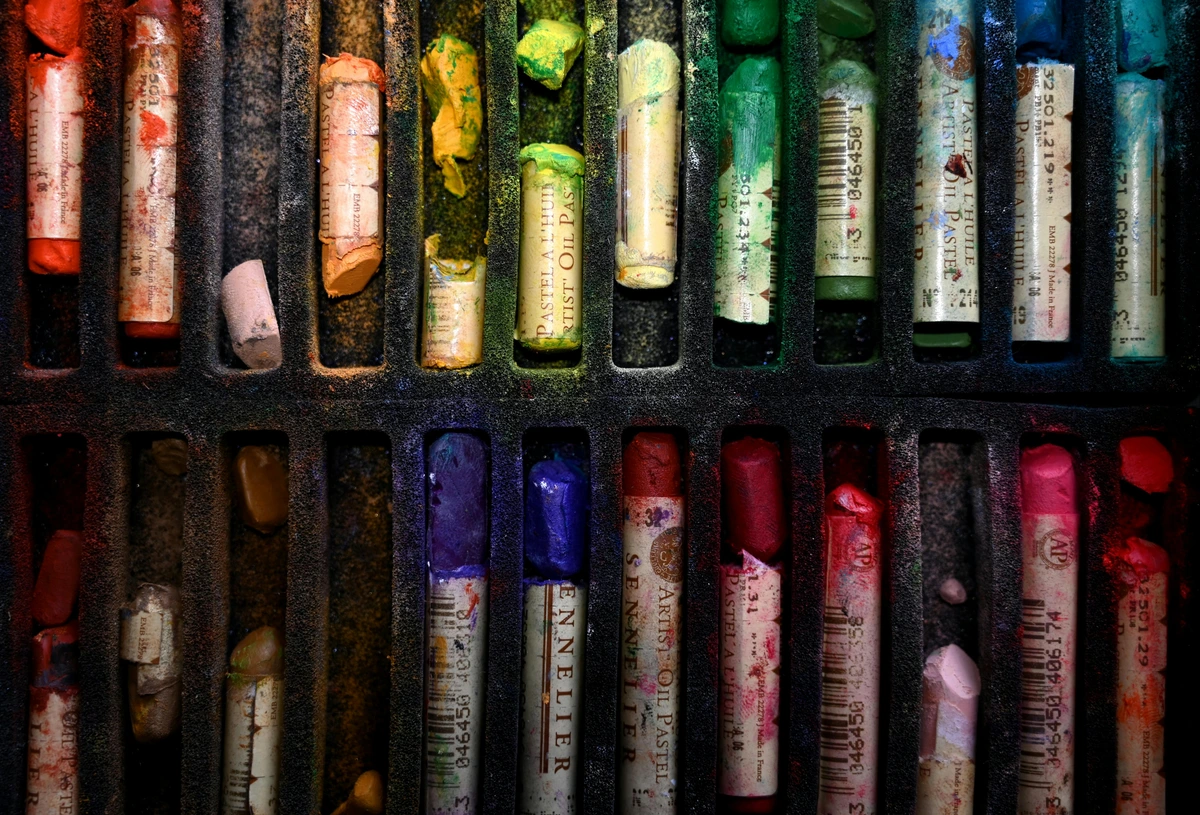
Whether you're drawing, painting, or engaging in printmaking, the fundamental principles of composition apply, and a viewfinder is your steadfast guide.
What are some common mistakes to avoid when using a viewfinder?
While a viewfinder is a deceptively simple tool, a few common pitfalls can significantly hinder its effectiveness and even lead to creative stagnation. One major mistake is over-reliance, where you use it as a crutch rather than a training aid, neglecting to develop your own 'inner eye' and intuitive sense of composition. Another is getting stuck on the very first frame you see; remember to scan, explore, and actively seek out multiple compelling compositions, pushing yourself beyond the obvious. Also, crucially, don't forget to adjust your distance from the viewfinder, as this simulates different focal lengths and zoom levels, dramatically changing the compression and perspective of your scene. Finally, ensure your viewfinder is always sparkling clean and free of smudges or scratches, as a distorted view can lead to wildly inaccurate compositional judgments. The ultimate goal is always to facilitate and enhance your seeing, not to replace your artistic intuition entirely or make you a slave to a tool. Use it to learn, then let that learning become part of you, integrated into your subconscious artistic language. I also find that sometimes artists try to force a composition that isn't naturally there, rather than letting the scene speak to them; the viewfinder should reveal compositions, not impose them, acting as a guide rather than a rigid rule-book. It's about a conversation with the scene, not a monologue.







Avoiding these common errors will ensure your viewfinder remains a powerful ally, not a limitation.
How do I choose the right aspect ratio?
Choosing the right aspect ratio (the ratio of width to height for your frame) is a profound artistic decision that depends heavily on your subject, your desired narrative, and what you ultimately want to convey, subtly and powerfully shaping the viewer's entire experience. A wide panoramic ratio might be absolutely perfect for sweeping, epic landscapes or conveying an expansive sense of vastness and freedom, inviting the eye to wander across the scene. Conversely, a taller, narrower ratio naturally suits an intimate portrait, emphasizing strong vertical elements, or creating a sense of height and majesty. A perfect square, by its very nature, can create a powerful sense of balance, stillness, and meditative focus, often feeling more intimate or contemplative. Experimentation is absolutely key here! Use your viewfinder to actively try different ratios for the same scene and observe how dramatically it changes the visual story and emotional impact. Consider deeply what emotions or messages each ratio evokes, and how it directly relates to understanding balance in art composition – because balance is felt, not just seen. Sometimes, a seemingly 'awkward' or unconventional ratio can, paradoxically, create a surprising and compelling sense of tension, dynamism, or raw intimacy, so please, don't be afraid to break conventions and boldly explore! The frame itself is a storytelling element, a silent narrator of your artistic intent. Remember, the choice of aspect ratio is a powerful compositional tool, influencing everything from perceived depth to emotional impact. It's about finding the narrative that wants to be told by the dimensions of your chosen frame.
What are some common aspect ratios in art?
While a viewfinder helps you define your own frame, understanding common aspect ratios can inform your artistic choices. Some of the most prevalent include:
- 1:1 (Square): Conveys balance, stillness, and often a sense of introspection. Great for focused subjects.
- 4:3 (Classic): A common photographic and screen ratio, offering a stable and traditional feel. Versatile for many subjects.
- 3:2 (Classic Photography): Slightly wider than 4:3, often found in 35mm photography, providing a natural perspective.
- 16:9 (Widescreen/Cinematic): Creates an expansive, dramatic feel, ideal for landscapes or drawing the eye across the canvas. Think epic narratives.
- 21:9 (Ultrawide): Even more panoramic, enhancing immersion and a grand sense of scale. Less common in painting but powerful.
- 3:4 / 2:3 / 9:16 (Portrait Orientations): Emphasize height, ideal for figures, tall structures, or vertical landscapes, drawing the eye upwards.
Experimenting with these different ratios using your viewfinder can dramatically alter the mood and message of your artwork, allowing you to choose the perfect stage for your visual story. It's a bit like choosing the right lens for a camera, each one subtly altering how the story is perceived and felt by the viewer, adding another layer of intentionality to your creative process.
How do viewfinders help with scale and proportion?
Viewfinders are fantastic for intuitively understanding and managing scale and proportion within your composition. By framing a scene, you immediately establish the relative sizes of objects within that confined space. This helps you notice if a distant mountain feels too small, or a foreground object appears disproportionately large. It forces a direct comparison of elements, making it easier to correct proportional errors before they make it onto your canvas. When you mentally (or physically with a grid) subdivide your framed scene, you can accurately gauge the scale of each element in relation to the others and to the overall frame. This is especially useful for maintaining realistic perspective or for deliberately distorting scale for artistic effect, as seen in many abstract works. It's about ensuring every element 'fits' harmoniously within your chosen world, whether that harmony is conventional or intentionally jarring for expressive impact. This careful consideration is key to creating a believable sense of depth and space in your artwork. It’s a tool that helps you to consciously manipulate scale, allowing you to create a sense of grandeur, intimacy, or even unsettling distortion, all in service of your artistic vision, truly honing your understanding of definitive guide to proportion in art.
Can viewfinders improve my figure drawing?
Absolutely! While often associated with landscapes or still life, viewfinders are incredibly beneficial for figure drawing as well, whether from life or from a reference. They help you:
- Isolate the Pose: Focus on the essential lines and gesture of the figure, cropping out distracting background elements.
- Analyze Negative Space: Pay attention to the compelling shapes created around and between the limbs and torso, which are crucial for accurate proportion and dynamic composition.
- Frame for Impact: Experiment with different crops to emphasize specific parts of the figure or create a stronger emotional narrative (e.g., a tight crop on hands to convey emotion, or a full figure to show movement).
- Simplify Complex Anatomy: Break down the figure into simpler geometric forms within the frame, making it less intimidating to draw.
By using a viewfinder, you train your eye to see the figure not just as an anatomical study, but as a series of interconnected shapes and lines within a defined space, leading to more dynamic and compelling drawings. It's about seeing the figure as a living composition, not just a collection of parts. I've found it particularly useful for capturing the dynamic energy of a pose, allowing me to focus on the overall flow and gesture rather than getting bogged down in individual anatomical details, which is crucial for expressive figure drawing.
Are there any advanced materials for viewfinders?
Indeed! While simple plastic or cardboard models are perfectly effective, the world of viewfinders also offers more sophisticated options for those seeking enhanced durability, feel, or optical clarity. Some advanced materials include:
- Anodized Aluminum: Lightweight, highly durable, and often used in professional-grade adjustable viewfinders for a premium feel and resistance to corrosion and scratches.
- Optical Glass/Acrylic Lenses: Found in lens-based viewfinders, these offer superior clarity and can sometimes include coatings to reduce glare or simulate different focal lengths more accurately.
- Hardwood: For a more traditional, tactile, and aesthetically pleasing option, some fixed-ratio peep-hole viewfinders are crafted from sustainable hardwoods, offering a pleasant feel in the hand and a connection to artisanal craftsmanship.
- High-Quality Polycarbonate: A very strong, impact-resistant plastic that offers excellent transparency and durability, often used in robust adjustable models for plein air work.
These materials contribute to the overall user experience, often providing a more precise, long-lasting, and enjoyable tool for serious artists, elevating the viewfinder from a simple utility to a cherished piece of studio equipment. Ultimately, the material choice can subtly influence your connection to the tool, much like the weight and balance of a favored paintbrush can enhance the painting experience. It's about finding that synergy between tool and artist.
Do viewfinders help with abstract art?
Absolutely! In fact, viewfinders can be incredibly liberating and transformative for abstract artists, serving as a powerful tool for deconstruction, reinterpretation, and pure visual discovery. By forcing you to isolate small, focused sections of reality, they actively encourage you to see shapes, colors, lines, and textures entirely independently of their real-world context, stripping away any preconceived narrative or representational associations. This can be an immensely powerful way to generate compelling abstract compositions, finding unexpected patterns, rhythms, juxtapositions, and harmonies that you might otherwise completely overlook in the broader scene. It helps you distill the very essence of a scene into its fundamental visual components, which is, I believe, at the heart of much truly powerful abstract work. Dive deeper into this fascinating idea with the definitive guide to composition in abstract art principles techniques and impact. I often use mine to find intriguing visual fragments in everyday objects, compelling patterns on a mundane wall, or even dynamic sections of other artworks, then use those as a jumping-off point for a purely abstract piece. It's like finding abstract art hiding in plain sight, just waiting for you to frame its hidden beauty! It's a gateway to seeing the world as pure form and color, a true gift for the abstract mind. This approach can be particularly useful when exploring different abstract art movements, understanding the definitive guide to the history of abstract art, and tracing the evolution of abstract art and their emphasis on specific compositional elements. It's about seeing the world not as a collection of things, but as an endless tapestry of potential abstract compositions, a truly revolutionary shift in perception for any artist.
Conclusion: Frame Your Vision, Unleash Your Art
So there you have it, my deep dive into the surprisingly profound, yet utterly practical, world of the artist's viewfinder. What started for me as a simple, almost unassuming tool, has become an indispensable, trusted part of my creative process, a quiet confidante, akin to a well-worn paintbrush or a favorite tube of color. It's not about rigid rules or restricting your artistic freedom; quite the opposite, in fact. It's about empowering you, the artist, to make conscious, intentional, and confident decisions about what you choose to bring to life on your canvas or paper. It helps you cut through the overwhelming visual noise of the world, see the underlying structure and dynamic relationships, and ultimately, find the compelling story, the hidden gem, within every scene, transforming apparent chaos into profound clarity and igniting your art inspirations.
Whether you opt for a gloriously low-tech DIY cardboard cutout, a sophisticated adjustable model, or even a handy app on your phone, the core, transformative benefit remains steadfast: a trained, discerning eye is, and always will be, your greatest artistic asset. It's a lifelong journey of continuous observation, thoughtful analysis, and subtle refinement, and the viewfinder is a patient, ever-present mentor along that path, guiding you towards a deeper understanding of composition in art explained. So, I wholeheartedly encourage you, if you haven't already, to grab one – any one, the simpler the better to start – and step outside (or look around your studio) with a fresh, inquisitive perspective. You might just find that the missing 'oomph,' that elusive spark in your paintings, was simply waiting for you to frame it into existence, ready to be brought vibrantly to life by your unique vision. Your masterpiece is out there, waiting for you to discover its perfect frame. What are you waiting for? Start seeing the world through an artist's eye today, and truly understand the profound, liberating power of focused vision. And remember, the act of framing isn't just about what you meticulously include; it's also, and perhaps even more powerfully, about the deliberate, confident choices you make to exclude, leaving only the most potent, resonant visual narrative to speak directly to your audience. It's about cultivating a deeper, more intentional relationship with the visual world around you, transforming passive observation into active artistic creation.