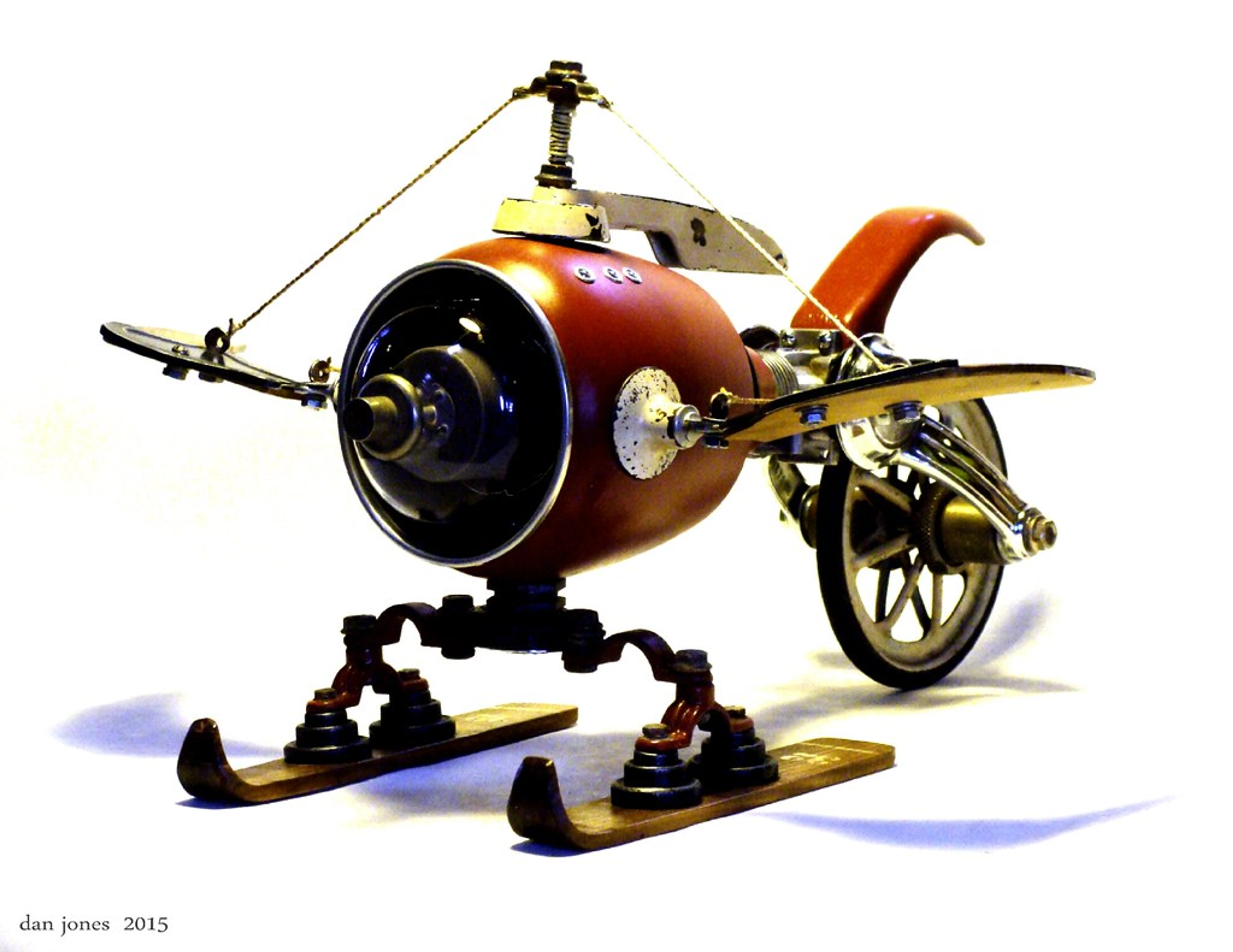
Heavy Metal Art: The Visual Heart of Rebellion
Dive into the electrifying world of heavy metal art. From album cover legends to today's vibrant scene, explore its history, styles, and enduring passion.

Heavy Metal Art: The Visual Heart of Rebellion
You know that moment? The first time you heard a track that just... hit you. The guitar riffs that felt like a physical blow, the vocals that scraped your soul raw, and the sheer, unrelenting energy of it all. But alongside that sound, there was always a picture. A cover art that wasn't just a photo, a world. A story. A visual assault that matched the audio. That, my friend, is the gateway to heavy metal art.
I remember being a kid, flipping through my brother’s record collection. Led Zeppelin’s Houses of the Holy with those kids on the Giant's Causeway? It was mysterious, otherworldly. Then came Iron Maiden’s Number of the Beast, with Eddie’s fiery, terrifying gaze. It wasn't just a scary picture; it felt like a warning and an invitation all at once. That’s heavy metal art. It’s the visual twin to the music, setting the mood, telling the lore, and giving the audience a shared iconography to rally behind.

But what is heavy metal art exactly? It's more than just album covers. It's a sprawling, expressive universe born from the same wellspring of distorted guitars and thunderous drums as the music itself. And today, it's a vibrant and respected genre of art. Let's dive into this wild, wonderful world.
The Roots of Heavy Metal Art
To understand the art, you have to understand the music’s roots. Heavy metal emerged in the late 1960s and early 1970s, evolving from harder rock into something darker, more dramatic. Bands like Black Sabbath, Deep Purple, and Led Zeppelin built their sound on blues structures but injected it with a gothic, epic, and sometimes occult sensibility. The art followed.
In the 70s, the vibe was often mystical and bluesy. Think of Led Zeppelin’s runes or Black Sabbath’s creeping, dark landscapes. But the 80s? That’s when metal art truly found its identity. With the New Wave of British Heavy Metal (NWOBHM) and the rise of thrash, the art became more aggressive, more fantastical, and more iconic than ever.
Consider this comparison of the eras:
Era  | Dominant Subgenre | Visual Style | Key Bands & Art |
|---|---|---|---|
| Early 70s | Classic Metal, Hard Rock | Mystical, bluesy, occult | Black Sabbath, Led Zeppelin |
| Late 70s / Early 80s | NWOBHM, Thrash Emerges | Fantasy, heroic, aggressive | Iron Maiden, Judas Priest |
| 80s / 90s | Glam Metal, Death Metal, Black Metal | Hyper-detailed, grotesque, satanic/corpse-painted | Mayhem, Mötley Crüe |
| 2000s - Present | All Subgenres, Digital | Hybrid styles, digital painting, diverse | Mastodon, Gojira |
Hipgnosis, the legendary design group behind Pink Floyd's Dark Side of the Moon, also worked with metal bands, bringing a surreal, conceptual touch. And then there was Derek Riggs and Eddie, the iconic, undead mascot of Iron Maiden. Eddie wasn't just a character; he was the band's visual soul, appearing in countless variations, each one more epic than the last.
The Aesthetic Vocabulary
Heavy metal art speaks its own language. A visual dialect filled with symbols and motifs that any fan can instantly recognize. It’s a language of the fantastic, the brutal, and the heroic.
Here are some of the cornerstones of that vocabulary:
- Dragons & Mythical Beasts: From Smaug to Fafnir, dragons represent power, greed, and ancient, untamed forces. They're the perfect visual metaphor for a crushing guitar riff.
- Warriors & Soldiers: Think of Slayer’s Reign in Blood cover? It’s a mechanized soldier, a symbol of war, death, and industrial terror. This motif represents combat, both literal and emotional.
- Gothic Architecture & Landscapes: Crucial to bands like Mercyful Fate or Danzig, this style evokes a sense of the macabre, the historical, and the grand. It sets a stage for dark rites and doomed romance.
- Corpses & Gore: A hallmark of death metal and grindcore, this is the most visceral and confronting imagery. It represents the finality of death and the physical horror often explored in the lyrics.
- Dark Fantasy & Sci-Fi: From medieval knights battling demons to futuristic wastelands, this broad category includes the incredible, intricate work of artists like Brom, who defined a whole generation of fantasy art that found its home in metal.
These aren't random pictures. They are deeply connected to the music. A complex prog metal album might have a cosmic, abstract cover, mirroring the complexity and grandeur of the music. A raw black metal release might be stark, cold, and minimalist, reflecting the lo-fi, cold atmosphere of the songs.

Beyond Album Covers: Heavy Metal Art in Other Mediums
Heavy metal art isn't confined to the four-by-four square of a vinyl record sleeve. It’s a sprawling ecosystem.
- Concert Posters & Flyers: A vital form of folk art. Often handmade and screen-printed, they capture the energy of a show, featuring band members, local scenes, and the specific event. Collectors chase limited-run posters like holy grails.
- T-Shirts & Merchandise: This is how many people first encounter the art. A great metal T-shirt is a walking billboard for your tastes. The best designs are iconic and recognizable from across a room.
- Music Videos & Stage Design: Pure visual spectacle. From Iron Maiden's elaborate, stage-sized Eddie to Slipknot’s masks and pyrotechnics, the live show is a massive, three-dimensional piece of performance art.
All these mediums serve different purposes. A table can help:
Medium | Purpose | Audience |
|---|---|---|
| Album Cover | Create immediate, powerful first impression; establish album tone | General public, potential listener |
| Concert Poster | Announce events; create hype; act as mementos | Local community, concert-goers |
| T-Shirt | Identity, self-expression, walking advertisement | Fans, general public |
| Music Video | Bring songs to life visually; enhance storytelling | General public, fans on YouTube |
The Digital Age and Heavy Metal Art
Technology has democratized heavy metal art. Digital painting software like Photoshop and Procreate have put incredibly powerful tools into the hands of artists. The result is a boom in detail and creativity. We see artists like Dan Seagrave, who defined the artwork of death metal albums like Altars of Madness (Morbid Angel), now pushing boundaries with digital realism.
Social media platforms like Instagram and DeviantArt have created massive communities where fans can share their own creations and connect with artists. This constant feedback loop has made the scene more vibrant than ever.
And then there's NFTs. Ah, the brave new world of blockchain. In recent years, some digital artists and musicians have embraced the idea of selling their work Non-Fungible Tokens. The pitch? A truly unique, verifiable digital asset that the artist can't take away from you. While the idea of a secure, digital collectible is appealing, the reality is messy. The environmental impact of some blockchain networks is staggering. Plus, it raises questions: when you buy the art, do you own the image or just a proof of purchase? Right now, the NFT space for metal art feels like a high-risk gamble. It’s a fascinating experiment in value, but it hasn't yet proven to be a sustainable, mainstream future for the art form itself. Personally, I'd rather spend my money on a high-quality print I can hold. But hey, maybe that's just me.
Why Collect Heavy Metal Art?
People collect heavy metal art for the same reason they collect any art: they love it. But there's another layer. It's passion manifest. When you hang a print of Derek Riggs' original "Eddie" on your wall, you're not just decorating. You’re displaying a piece of your identity. You’re saying, "This music, this feeling, this part of my life... I stand by it."
The value is personal. An original piece of album art is a historic artifact. It’s a piece of music history. But a beautiful limited-edition print from a contemporary artist who captures that same spirit? That's a connection to a living, breathing culture. It’s the visual equivalent of a mosh pit: sweaty, chaotic, and completely alive. If you're looking to add something to your collection that demands attention and tells a story, look no further. You might just find something that speaks to you on a primal level. We have a collection of contemporary pieces that explore these themes—you can browse the collection here.
The Evolution of Metal Art
As the music branched out into a thousand subgenres, so did its visual identity. Each new movement brought a new look.

- Thrash Metal (early 80s): Crude, fast, political. The art often featured angry mosh pits, social commentary, and imagery of death and destruction. Megadeth’s Rust in Peace cover, with its skeletal Vic Rattlehead in a fighter jet, is a perfect example.
- Death Metal (mid-80s): Gory, detailed, and extreme. This is where you get the Corpsegrinder-in-a-hellscapes vibe. Cannibal Corpse’s covers are infamous for their visceral depictions of violence.
- Black Metal (late 80s/90s): Lo-fi, cold, and atmospheric. The art often uses black and white, primitive drawings, and nature imagery (forests, mountains) to evoke feelings of misanthropy and the cold, ancient world.
- Power Metal (80s/90s): Heroic, bright, and epic. Think of Helloween or Blind Guardian with their vibrant, action-packed fantasy scenes. This art is all about dragons, battles, and being a champion of light.
Even within these, there are countless variations. The visual language is rich and adaptable. This table shows just a few subgenres and their typical art leanings:
Subgenre | Key Visual Themes | Feeling Conveyed | Example Band/Album |
|---|---|---|---|
| Power Metal | Fantasy heroes, dragons, castles | Hopeful, epic, heroic | DragonForce, Blind Guardian |
| Black Metal | Corpse paint, forests, desolation | Cold, evil, primitive | Burzum, Mayhem |
| Death Metal | Zombies, gore, visceral horror | Brutal, nihilistic | Cannibal Corpse, Suffocation |
| Doom Metal | Gothic horror, decay, despair | Slow, oppressive, bleak | Candlemass, Electric Wizard |
Heavy Metal Art Today and Tomorrow
Heavy metal art is more popular and diverse than it has ever been. It sits at the intersection of pop culture and fine art. You'll see its influence on tattoos, on modern fantasy illustrators, and in video game design (especially World of Warcraft and Dungeons & Dragons).
We're seeing more collaborations. Fine artists who might never have touched the genre are now creating official artwork for metal bands, bringing a new level of technical skill and conceptual depth. And conversely, metal artists are gaining recognition in the broader art world.





In the end, heavy metal art is about power. It’s the visual amplifier for a music that is, at its core, about power—power in rage, power in fantasy, power in community. It’s for the outsider who found a home in the thunder, and a flag to fly.
FAQ About Heavy Metal Art
Q: What is heavy metal art, exactly? Is it just album covers? A: It’s a genre of visual art that serves as a parallel medium to heavy metal music. While album covers are the most famous examples, it also includes posters, merchandise, music videos, and fine art inspired by the culture.
Q: Why is heavy metal art so dark and aggressive? A: It reflects the themes and sonic palette of the music. Heavy metal explores darkness, rebellion, fantasy, and the human condition in its most extreme forms. The art uses symbols of darkness and aggression to externalize those powerful emotions, creating a complete sensory experience.
Q: Can heavy metal art be beautiful? Isn't it all just gore? A: Absolutely! While some subgenres focus on extremity, the classic fantasy of a dragon is beautiful in its majesty. The gothic atmosphere of a Danzig cover can be hauntingly romantic. The intricate detail on a Blind Guardian album is a marvel. The beauty is often in the craft and the storytelling.
Q: How can I start collecting heavy metal art? A: Start with what you love! A high-quality print of an iconic album cover is a great entry point. Go to band merchandise sites, look for artist’s websites on social media, and check out galleries that specialize in pop culture or fantasy art. Don't be afraid of prints—the art is in the image, not just the medium. For a more personal connection, you can also explore contemporary artists working within the genre, like some in our own collection.
Q: What's the deal with digital heavy metal art and NFTs? A: NFTs (Non-Fungible Tokens) are a new way to sell digital art by using blockchain to create a verifiable proof of ownership. For collectors, it promises unique digital ownership. However, the space is highly experimental, comes with significant environmental concerns for the technology that supports it, and has yet to prove its long-term value. It’s a developing trend, but for now, it remains a controversial corner of the art world, viewed with skepticism by many in the traditional art and music communities.
The Final Riff
Heavy metal art is more than just a picture to go with a song. It’s a vital, living, breathing form of expression. It’s the visual language of the rebellion, the myth, and the power that resides in that corner of the music world. It’s a mirror that shows us the darkness within, and the light that we can fight with. The next time you put on a record or stream an album, take a close look at the art. You might be surprised at the story it has to tell.