
Finding Your Perfect Painting Partner: The Best Easels for Your Home Studio
Don't let limited space or budget stop your creative flow! Discover my personal guide to choosing the best easel for painting at home, from compact tabletops to versatile studio models, perfect for hobbyists and aspiring artists. Find your ideal setup today!

Finding Your Perfect Painting Partner: The Best Easels for Your Home Studio – An Artist's Comprehensive Guide to Stability, Space-Saving, and Creative Flow
Ever stared at a blank canvas, brimming with ideas, only to feel your creative energy deflate because your "studio" is really just a kitchen table battling cookbooks for space? I know that feeling all too well. For years, my artistic endeavors unfolded amidst the charming chaos of domestic life – brushes mingling with dinnerware, canvases performing precarious balancing acts. It mostly worked, yes, but it was a far cry from the focused, comfortable environment needed for truly immersive painting sessions or optimal artistic flow. Sound familiar, fellow home-based creator? If so, then it’s time to talk about the unsung hero of the home studio: the easel. And trust me, these aren't just for grand, sprawling professional spaces; they're transformative for us. They can literally change your posture, your perspective, and even your overall relationship with your art in a home setting. It's not just about holding a canvas; it's about holding space for your creative spirit. This isn't just a guide; it's a conversation with a fellow artist navigating the beautiful, messy reality of a home studio. We're going to dive deep, explore every nook and cranny of easel options, and arm you with the knowledge to make the absolute best choice for your unique creative sanctuary.
For home-based artists, whether you're a budding enthusiast exploring the wonderful world of definitive guide to paint types for artists or a seasoned hobbyist, finding the best easel for painting at home is a pivotal step. It's about much more than simply holding a canvas; it's about safeguarding your posture, carving out a sacred creative zone, and injecting a crucial dose of artistic magic into your daily life. It’s about seamlessly transforming a corner of your living room, a quiet nook in your spare bedroom, or even a designated spot in your garage into your personal artistic sanctuary. And here’s the best part: it doesn't have to be a major expense or demand an entire room. So, let’s embark on this journey together and uncover how to choose the ideal partner for your home painting adventures, ensuring every stroke is supported and every session is pure joy. We'll delve into the practicalities of space, stability, and versatility, helping you make an informed decision that truly elevates your artistic practice. Get ready to transform your creative life, one perfectly supported brushstroke at a time.
Why Even Bother with an Easel at Home? (Beyond the Romantic Ideal)
Okay, let's cut to the chase. You're probably thinking, "Is an easel really necessary? Can't I just use a table or lean it against a wall?" And believe me, I get it. I asked myself the exact same question when I started. For years, I did just that, battling a perpetual crick in my neck and squinting at my canvas from weird angles. But then I had a revelation: the easel wasn't just a fancy accessory for 'serious' artists; it was a total game-changer for me, a home-based creator. It's about unlocking a deeper, more comfortable, and ultimately more productive creative experience. Here's why I think every home painter should seriously consider investing in one – it's less about luxury and more about genuine artistic enablement:
- Enhanced Inspiration & Professional Mindset: Elevating Your Practice. Beyond the physical benefits, an easel offers a profound psychological boost. There's something inherently motivating about having your artwork displayed on a dedicated stand. It signals to your brain that this is serious work, worthy of its own space and attention. This subtle shift can foster a more professional mindset, even if your only audience is your cat. Seeing your piece at eye level, especially when you step back, provides a constant source of inspiration and prompts you to engage with your art more critically and thoughtfully. It encourages you to approach each session with intention, transforming a casual hobby into a more focused and fulfilling practice, truly embracing the journey of finding my voice: the evolution of my abstract artistic style.
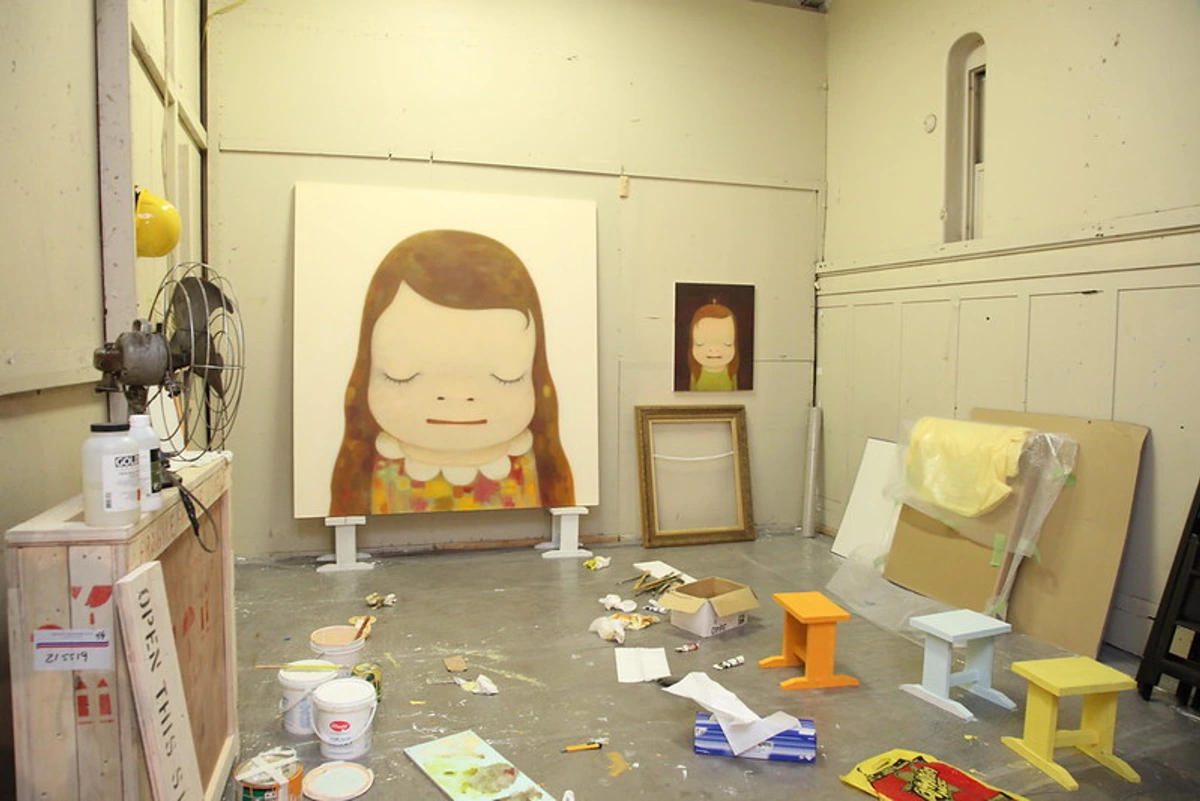
- Ergonomics and Comfort: Your Body Will Thank You. Imagine painting for hours without a nagging crick in your neck, that persistent ache in your lower back, or the uncomfortable strain on your shoulders. That's the dream, right? Painting on a flat surface, or with a canvas awkwardly propped against a wall, is a direct route to physical discomfort and shortened creative sessions. An easel, on the other hand, is a total game-changer for your body. It allows you to effortlessly adjust the height and angle of your canvas, whether you prefer to stand tall and move freely, sit comfortably for detailed work, or even lean in at a slight angle for a more intimate connection with your piece. This means you can maintain proper posture, reducing strain and allowing for longer, more enjoyable, and ultimately more productive creative sessions. It transforms art from an act of contortion into an act of comfort. I've personally found that being able to shift my position and the canvas angle throughout a session prevents fatigue and keeps me focused purely on the brushstrokes, not the discomfort or stiffness in my body. It's like having a dedicated physical therapist for your artistic practice!
- Better Perspective & Accuracy: See Your Art Clearly. This, for me, is absolutely huge. When you're constantly leaning over a flat surface, your perception of depth, proportion, and even color interaction gets seriously warped. It's incredibly easy to miss subtle inaccuracies in your composition or the way colors truly behave when viewed from a different angle. An easel, by holding your canvas vertically or at a slight angle, grants you a true, unobstructed view of your entire artwork. It's like having a built-in truth-teller, allowing you to step back and assess your piece from a critical distance, revealing inconsistencies you might otherwise miss when you're too close. This objective perspective is invaluable for refining your composition, achieving accurate proportions (especially in representational work!), and ensuring your colors truly sing together under consistent lighting. I often find myself stepping back ten feet, squinting a little, and suddenly seeing the entire piece with fresh eyes – something almost impossible to do if your canvas is flat on a table, forcing you into a constant overhead gaze. This is particularly crucial for developing a strong the unseen structure: how composition guides my abstract art.
- Dedicated Space and Mindset: Your Creative Sanctuary. There’s something truly transformative about having a designated spot for your art, even if it’s just a small corner of a room. For me, when my easel is set up, it acts as a powerful mental cue, a subtle signal to my brain (and sometimes, to my cat, who then knows to steer clear!) that this is my creative zone. This simple act helps me shift into an artistic mindset much faster, almost like flipping a switch, telling the rest of the world to politely wait. It reduces distractions and fosters a deeper sense of focus, making it easier to start creating and, crucially, to sustain that artistic flow through an entire session. It’s an unspoken invitation to create, transforming a mundane space into a sanctuary of expression, a place where the outside world recedes and only your vision matters. This mental separation, even in a shared living space, is priceless for nurturing my creative flow: embracing intuition in abstract painting and truly allowing your intuition to take the lead. It's about setting boundaries, even soft ones, that protect your creative time and mental space from the demands of daily life.
- Protection for Your Home (and Your Art): A Safety Net. Let’s be honest, paint can get messy. I’ve had my share of accidental drips on floors, brushes taking an unplanned dive onto a rug, or even a rogue tube of paint exploding (yes, it happens!). An easel acts as a crucial barrier, keeping your canvas off your nice furniture, floors, or precious textiles. Plus, and this is a big one for busy homes, it provides a secure, elevated place for your artwork to dry, safely away from curious pets (my cat still eyes a wet canvas with suspicion!), accidental bumps from passing family members, or sticky fingers. Trust me, preventing a tragic paint-meets-carpet incident (or a paw print on a still-wet masterpiece!) is worth its weight in gold. It also helps protect your valuable surfaces from paint splashes, gesso dust, or solvent spills. I once had a cat decide a wet oil painting was the perfect new scratching post – never again! A sturdy easel minimizes these domestic hazards and protects your investment, both in your art and your home. It's a small price to pay for peace of mind, knowing your art is safe from the delightful chaos of home life.
- Improved Lighting: See Your True Colors. While not directly an easel feature, having your artwork held upright or at an angle allows for more consistent and effective lighting. This is a subtle but powerful benefit. You can position a dedicated art lamp – ideally a daylight-balanced LED with a high Color Rendering Index (CRI) – to illuminate your canvas evenly, minimizing distracting shadows and ensuring accurate color perception. This is much harder when working on a flat surface where ambient room lighting can create uneven glare, making it difficult to judge true hues and values. If you often work in the evenings, in north-facing rooms, or simply in spaces with less natural light, the ability to control your lighting setup with an easel is paramount for truly seeing your colors. Accurate lighting is paramount for truly seeing your colors, as discussed in how to choose the right lighting to enhance your abstract art collection. This precise control allows you to mix and apply colors with confidence, knowing they will appear similar in different viewing conditions. It's like having a built-in light meter for your artistic decisions, ensuring your colors are always true to your vision.
- Enhanced Presentation & Motivation: A Daily Dose of Inspiration. An easel elevates your work, literally and figuratively. Even when you're just taking a break, seeing your current project displayed prominently can be incredibly motivating and inspiring. It transforms your work-in-progress into a piece of art in your home, fostering a sense of professionalism and encouraging you to return to it with renewed vigor. It’s a subtle psychological boost that says, "This is important. This is art." For me, it's a constant, gentle reminder to keep exploring, to keep pushing the boundaries of my my creative journey from concept to canvas in abstract art, and to remember that every stroke, every decision, contributes to something meaningful. It dignifies the creative process, turning your temporary workspace into a mini-gallery. It also means you're more likely to show off your progress to visitors, fostering accountability and pride in your work.
- Versatility for Different Mediums: A Tool for Every Technique. While easels are often associated primarily with oil or acrylic painting, their versatility is truly astounding. Many designs offer a wide range of angle adjustments, making them suitable for virtually any medium. Think about watercolors, which often benefit from a flat or slightly tilted surface to control washes, preventing unwanted pooling and allowing for delicate gradients. Or pastels, where a vertical or even slightly forward-tilted surface helps catch dust, keeping your workspace (and your lungs!) cleaner. This adaptability means your easel isn't just a single-purpose tool; it's an investment that can grow with your artistic explorations, supporting everything from fine detail work to broad, expressive strokes. For those delving into the foundational steps of any painting, your easel choice can even support your how to prepare a canvas for acrylic painting process, ensuring a stable surface for gesso application or stretching. It’s a bit like picking the right foundation before building a house; an essential, often overlooked, step. Understanding the nuances of materials, whether you’re working with acrylics or oils, can significantly impact your final masterpiece. For instance, knowing how to prepare a canvas for acrylic painting is different from how to prepare a canvas for oil painting. And getting your gesso right can be a make-or-break moment. You can dive deeper into what is gesso in painting and even learn how to apply gesso to canvas as a beginner. For the best results, checking out a review of the best gesso for canvas preparation is always a smart move to ensure your surface is perfectly primed for your vision. This flexibility is truly what makes an easel a long-term artistic partner, adapting to your evolving creative needs. It allows you to break free from the constraints of a single medium and explore the full spectrum of your artistic curiosity.
Decoding the Easel Jargon: Types of Easels for Home Artists
When you start looking for an easel, the sheer variety can be a bit overwhelming. It's like walking into a candy store when you only meant to buy a single lollipop – suddenly, you're faced with a thousand delightful options! But fear not, fellow artist! If you're looking for a more foundational overview of all the different mechanisms and historical contexts, my article what is an easel and what types are there is a great place to start. For home painting, especially for those of us navigating limited space, we can narrow it down to a few key types that really shine in a domestic setting. I’ve found that understanding the basic categories makes the decision-making process so much smoother. And yes, I'll even explain the difference between an A-frame and an H-frame without making it sound like an architectural lecture. Think of this as your personalized tour through the easel marketplace, tailored specifically for the home-based creator.
Box Easels: The All-in-One Studio in a Box
Box easels, often exemplified by the classic French and Half-French designs, are ingenious creations that combine an easel with integrated storage for your paints, brushes, and other supplies. They essentially transform into a self-contained, portable studio, making them perfect for artists who cherish organization and mobility. I've always admired how these manage to pack so much functionality into such a compact form; it's like a Swiss Army knife for painters! They are truly a marvel of practical design, offering a complete creative ecosystem in one neat package. Some variations even include telescoping legs that quickly transform them from a tabletop setup to a standing easel, further enhancing their adaptability for diverse home studio scenarios. Look for models constructed from durable, lightweight materials like oiled beechwood for a classic feel, or aluminum for maximum portability.
- Pros for Home Use: Excellent portability, built-in storage (often with adjustable compartments and palettes), versatile for various mediums (can often convert from upright to flat, making them great for reviewing the best professional watercolor sets and even robust oil painting), ideal for artists who like to paint in different rooms or take their art outdoors occasionally. They really shine when you need a compact, self-sufficient setup, making the act of starting a session incredibly seamless. Plus, that built-in storage is a godsend for keeping your art supplies tidy and ready to go at a moment’s notice, especially if your studio space is a dynamic, multi-purpose room. The ability to keep all your essentials neatly packed away can significantly reduce clutter in a shared living space.
Box easels, often exemplified by the classic French and Half-French designs, are ingenious creations that combine an easel with integrated storage for your paints, brushes, and other supplies. They essentially transform into a self-contained, portable studio, making them perfect for artists who cherish organization and mobility. I've always admired how these manage to pack so much functionality into such a compact form; it's like a Swiss Army knife for painters! They are truly a marvel of practical design, offering a complete creative ecosystem in one neat package.
- Pros for Home Use: Excellent portability, built-in storage (often with adjustable compartments and palettes), versatile for various mediums (can often convert from upright to flat, making them great for reviewing the best professional watercolor sets and even robust oil painting), ideal for artists who like to paint in different rooms or take their art outdoors occasionally. They really shine when you need a compact, self-sufficient setup, making the act of starting a session incredibly seamless. Plus, that built-in storage is a godsend for keeping your art supplies tidy and ready to go at a moment's notice, especially if your studio space is a dynamic, multi-purpose room.
- Cons for Home Use: Can be heavier and bulkier than simple field easels due to the integrated storage, setup can be slightly more involved than a basic tripod easel, and they might offer less rock-solid stability than dedicated studio easels for very large or heavy works, especially if you apply a lot of pressure during your process. Some models can also feel a bit cramped if you have many tools, but the trade-off for portability and organization is often worth it. It’s a classic compromise: ultimate convenience versus ultimate stability for the truly monumental.
Lyre Easels: Elegant Simplicity and Compact Charm
Named for their graceful resemblance to the ancient stringed instrument, Lyre easels are a stylish and often more compact variation of the classic A-frame. They typically feature two sturdy front legs and one adjustable back leg, providing a stable tripod-like structure. What I particularly love about Lyre easels is their elegant silhouette, which often makes them feel less like utilitarian equipment and more like a piece of sculptural furniture in your home studio. They offer a wonderful blend of functionality and aesthetic appeal, often becoming a focal point, especially when paired with a striking piece of abstract art for small spaces: maximizing impact in compact areas. They are a fantastic choice for those who want their artistic tools to also enhance their home decor, making the studio itself a work of art.
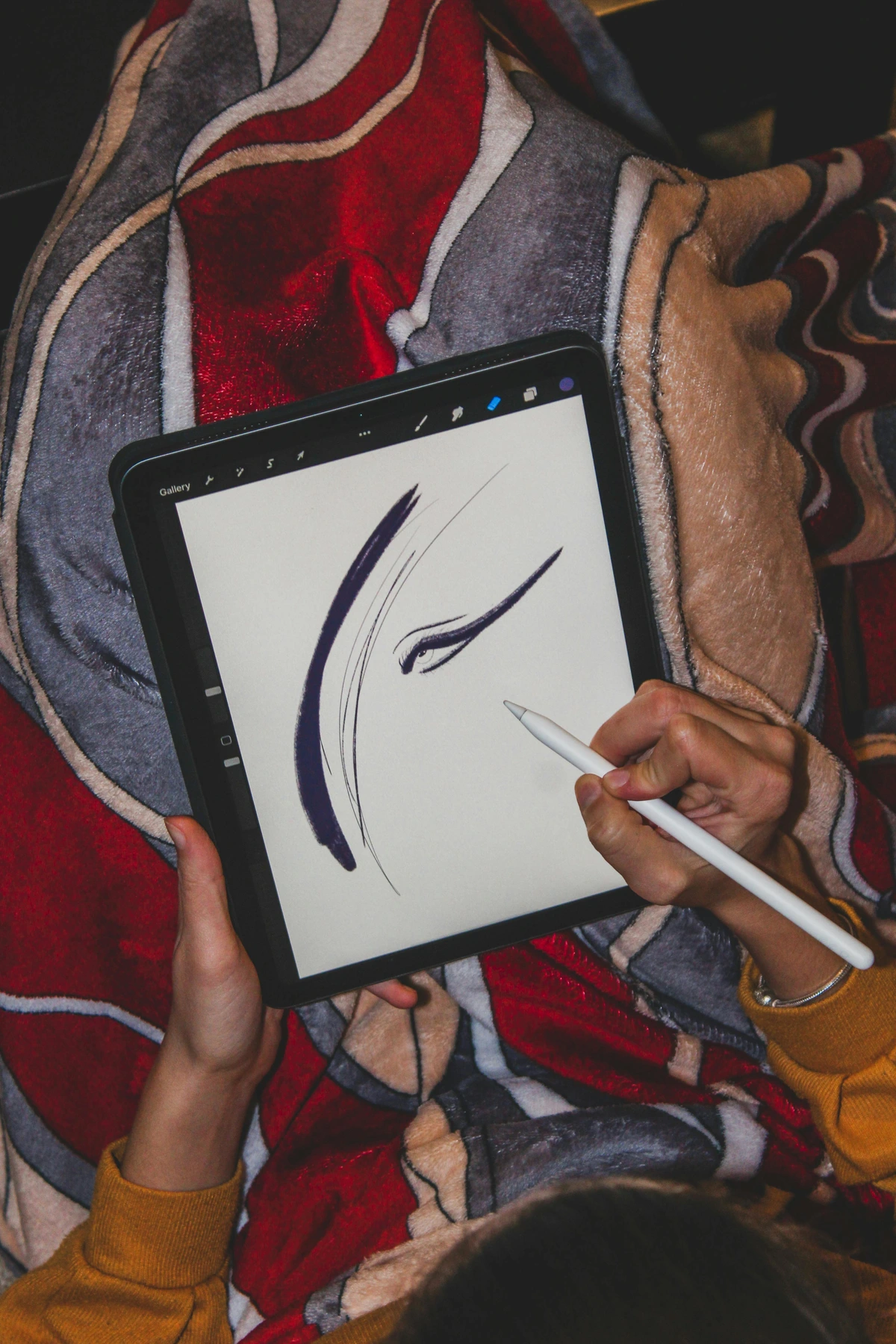
- Pros for Home Use: Aesthetically pleasing, good stability for medium canvases, often more compact and lighter than H-frames, suitable for both painting and display (doubling as a charming display stand for finished or in-progress work). Their ease of setup and lighter weight makes them a great option for those who need to occasionally move their easel within their home, perhaps to chase the best natural light or reconfigure their workspace. It's the perfect blend of form and function for the mindful home artist.
- Cons for Home Use: Less versatile in angle adjustment compared to H-frames or convertible easels, typically not ideal for very large or heavy canvases, and may not accommodate completely flat work for mediums like watercolor, which can be a limitation if you dabble in various styles. The fixed lower tray can also sometimes restrict canvas sizes, so check those dimensions carefully! While beautiful, they can be a bit of a one-trick pony for certain artistic demands.
Convertible Easels: The Multi-Taskers of the Art World
These ingenious easels are truly the multi-taskers of the art world, designed to adapt to a wide array of painting positions. They often effortlessly convert from an upright angle, perfect for the vertical demands of oils and acrylics, to a completely flat or horizontal position, ideal for delicate watercolor washes or the controlled layering required for pastels. They are a fantastic choice if you're an artist who loves to dabble in multiple mediums and truly appreciates the flexibility to switch gears without needing a whole new setup. It's about maximizing your creative possibilities within a single, adaptable tool, and can be a significant step in developing a multifaceted artistic practice that embraces everything from exploring texture: my favorite techniques for adding depth to abstract paintings to intricate mastering glazing techniques in oil painting. I consider these the ultimate compromise for the artist who simply can't pick just one medium – why limit yourself when one easel can do it all? Look for models with easily adjustable ratchet systems or even spring-loaded mechanisms that allow for quick transitions between angles. Some even feature a built-in table or drawing board for flat work.
- Pros for Home Use: Highly versatile for different mediums and painting styles, space-saving by combining multiple functions (imagine one easel handling both your vibrant reviewing the best professional watercolor sets and your rich oil paintings!). They often offer a good balance of stability for various tasks and can accommodate a surprising range of canvas sizes. This adaptability makes them an excellent long-term investment for artists whose styles and preferred mediums may evolve over time, truly growing with your artistic journey, from delicate washes to bold impasto.
- Cons for Home Use: Can be more complex to adjust initially, requiring a bit of a learning curve to master all their configurations. They also tend to have a potentially higher price point due to their intricate design and functionality. While stable, they may not be as absolutely rock-solid as a dedicated H-frame studio easel for extreme pressure or very large works, which is a trade-off for their supreme flexibility. Make sure to read reviews about the smoothness of their adjustment mechanisms; a sticky mechanism is the last thing you want when trying to get into flow.
Giant Easels: For the Truly Ambitious Home Artist (with Space!)
Okay, so this isn't a "home easel" in the traditional sense for a tiny apartment, but if you have a dedicated garage studio, a spacious spare room, or an incredibly high ceiling, a truly massive easel might be something you dream of. These are designed for colossal canvases and offer unparalleled stability and height, often with counterweights and robust crank mechanisms. While certainly not for most homes, they represent the peak of easel engineering for artists who think (and paint!) big. I always find myself daydreaming about the day I have the space for one, perhaps for a truly monumental ultimate guide to jackson pollock-inspired piece! If your artistic ambitions extend to murals and truly immersive large-scale works, and you have the square footage, these beasts offer an unparalleled experience. They often become a permanent fixture, a testament to serious dedication. Just remember, while the vision is grand, the logistics for a home setting are... significant. Think moving vans for your easel! For these serious endeavors, look for easels that specify maximum canvas height and weight capacities that far exceed standard sizes, often incorporating steel construction for ultimate rigidity.
Studio Easels: The Sturdy Workhorses for Your Home Atelier
These are the classic, robust easels you often imagine in a grand art studio. While my existing guide on the best studio easels for professional artists delves into the high-end, even a smaller, well-designed version can be perfect for a dedicated home space. Many consider them the gold standard for long-term projects and consistent studio work, offering unparalleled stability and a truly professional feel. They come in two main forms, each with its own character:
- A-Frame Easels: Shaped distinctly like the letter 'A' with three legs, these easels are inherently stable due to their tripod-like structure. They are relatively compact when folded, making them a good choice if you need to store your easel when not in use, though they still take up more space than a tabletop model. A-frames are excellent for medium-sized canvases and offer reliable stability for most painting styles. I’ve personally found that a well-chosen, smaller A-frame can tuck surprisingly neatly into an unused corner, becoming a subtle yet effective part of a home studio. The key is to think about how it integrates into your existing furniture; often, they can blend in more seamlessly than you'd expect, offering a blend of functionality and aesthetic appeal without completely dominating the room. It's the silent workhorse that never quite goes out of style for home artists. Many models also offer a slight forward tilt, which is beneficial for pastel and charcoal artists to manage dust. Look for solid wood construction for optimal stability and durability.
- H-Frame Easels: Named for their sturdy H-shaped base, these easels are generally considered the most stable and robust option available. Their heavy-duty construction means they can effortlessly support very large and heavy canvases, making them a favorite for artists tackling ambitious projects. They typically feature a vertical mast system that allows for incredibly smooth and precise height adjustment, often with a crank or counterweight. While traditionally seen in professional settings, a compact H-frame easel can be an absolute dream for serious home artists who prioritize rock-solid stability for detailed work, intricate layering, or mastering glazing techniques in oil painting. The feeling of working on such a steadfast surface truly elevates the painting experience, allowing you to really dig into your strokes without any annoying wobble, which is especially crucial when exploring the art of mark-making: expressive lines and gestures in abstract painting. It makes a significant difference, trust me, for maintaining precision and focus. If you're serious about your craft at home, an H-frame is truly the gold standard.

- Pros for Home Use: Excellent stability, can hold larger and heavier canvases, wide range of adjustability for height and angle, incredibly durable, and provides a true professional feel to your workspace. Many also come with integrated shelves or brush holders.
- Cons for Home Use: Generally larger footprint, making them less suitable for extremely small spaces, less portable once set up (though some have wheels), and can be pricier upfront. However, view this as an investment in your long-term artistic practice, as they are built to last.
Tabletop Easels: The Ultimate Space-Savers for Compact Creativity
Ah, the tabletop easel! If your painting space is quite literally a corner of your dining table, or perhaps a dedicated desk, this is your absolute best friend. These ingenious devices are designed to sit directly on a stable surface and typically hold smaller canvases, sketchbooks, or drawing pads. They’re fantastic for quick studies, detailed miniature work, or even just for reviewing your latest creations, much like you might use them for evaluating the reviewing the best gouache sets for beginners on a smaller scale. I often use mine for preliminary sketches or when I just want to quickly get an idea down without a full studio setup. They truly embody the spirit of "making art happen, anywhere." Many are made from lightweight wood or metal, some even folding completely flat for easy storage. They are also incredibly popular among digital artists, providing a comfortable and adjustable angle for tablets and portable monitors, significantly reducing neck and wrist strain during long sessions of digital painting or illustration, as highlighted in guides like essential tools for digital painting beginners.
Ah, the tabletop easel! If your painting space is quite literally a corner of your dining table, or perhaps a dedicated desk, this is your absolute best friend. These ingenious devices are designed to sit directly on a stable surface and typically hold smaller canvases, sketchbooks, or drawing pads. They’re fantastic for quick studies, detailed miniature work, or even just for reviewing your latest creations, much like you might use them for evaluating the best gouache sets for beginners on a smaller scale. I often use mine for preliminary sketches or when I just want to quickly get an idea down without a full studio setup. They truly embody the spirit of "making art happen, anywhere."

- Pros for Home Use: Incredibly space-efficient, highly portable (you can move your studio from kitchen to living room in seconds!), affordable, perfect for small works, sketching, or even propping up reference images. They are also fantastic for digital artists who want to prop up their tablets ergonomically, significantly reducing neck and shoulder strain during long digital sessions, transforming your digital workspace into an ergonomic dream. Many can even fold flat for easy storage, practically disappearing when not in use.
- Cons for Home Use: Limited to smaller canvas sizes and lighter weights, requires a stable surface to sit upon, and generally offers less height and angle adjustability compared to full-sized easels. While perfectly functional, some artists might find them feel less "serious" for major projects (though that's just a feeling, not a fact – great art can be made on any surface!). Don't let the size fool you; they are mighty for compact creativity.
Field/Portable Easels: Not Just for Plein Air Anymore (Your Mobile Studio)
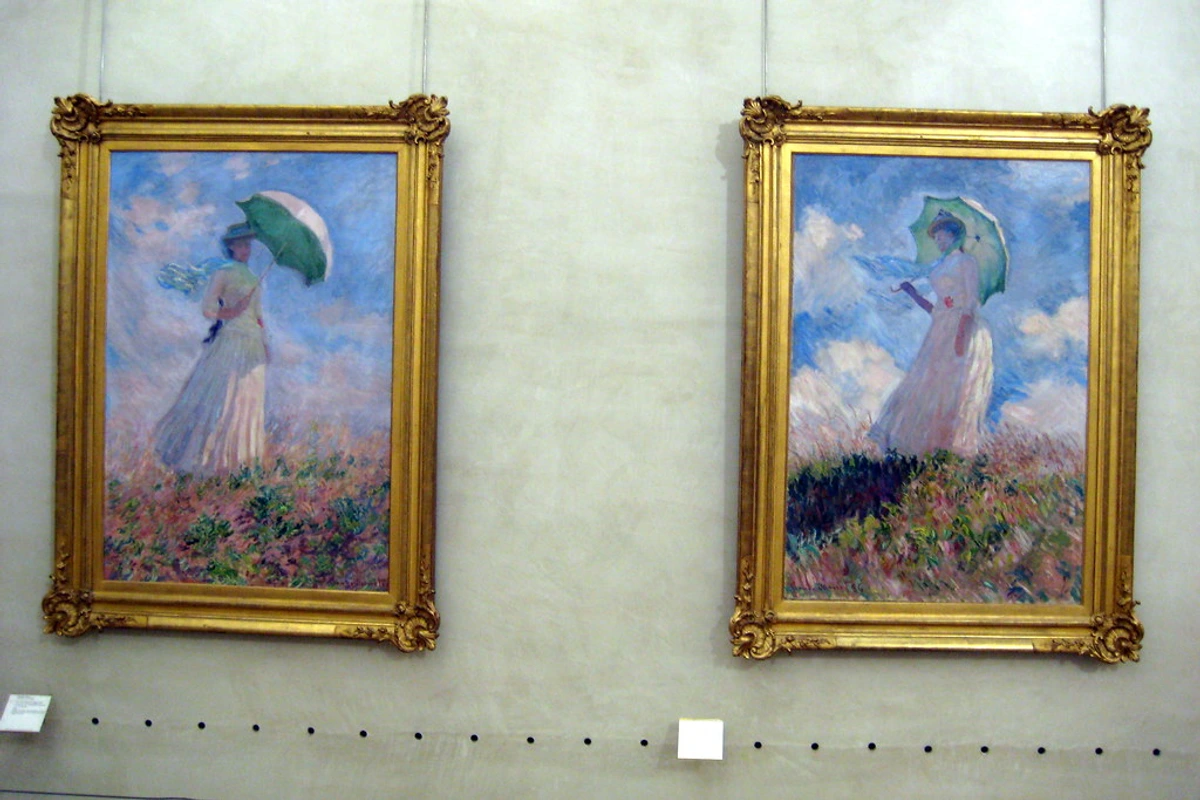
While often associated with what is plein air painting (painting outdoors), and my review of the best portable easels for artists covers them extensively, many field easels make fantastic home companions. This is especially true if you need something that can be easily folded away and tucked into a closet after a session, offering a truly flexible workspace for when inspiration strikes anywhere in your home. Think of the versatile tripod-style easels or the all-in-one French box easels and half-French box easels, which cleverly combine easel and storage for a truly mobile studio. They are designed for efficient packing and setup, bringing that "studio-anywhere" convenience directly into your home environment. I've found these invaluable for adapting my painting location to the mood of the moment or the availability of light – it's like having a studio on wheels! Look for models with quick-release leg adjustments and secure canvas clamps for fast transitions, often made from lightweight aluminum or sturdy, yet portable, beechwood.

- Pros for Home Use: Excellent portability and compact storage, often lightweight, good adjustability for various heights and angles (ideal for both standing and seated work), quick setup/teardown, making them perfect for multi-purpose rooms or small spaces. They can even support a small sketch box integration for quick studies. I find them incredibly useful for when I want to paint by a window for natural light, and then easily tuck it away afterwards, keeping my living space clutter-free and ready for other activities.
- Cons for Home Use: Can be less stable than dedicated studio easels (especially very lightweight aluminum ones or those with plastic components), some models are designed more for sketching or lighter work than heavy painting or impasto techniques, and they might feel less "permanent" than a robust studio easel, which can sometimes impact the feeling of having a truly dedicated creative space. However, for sheer flexibility, they are hard to beat – the ultimate adaptable tool for the nomadic home artist.

Radial Easels: The Versatile All-Rounders for the Discerning Artist
These are a less common, but truly brilliant, option that I've grown to appreciate immensely. Radial easels often cleverly combine the best features of both A-frame and H-frame designs, providing an exceptional balance of stability and adjustability. Their unique, often elegant, design frequently allows them to fold down quite compactly, making them surprisingly space-efficient for their robust capabilities. They're often seen as a fantastic compromise for artists who value versatility, offering a robust platform that can adapt to various artistic needs without permanently dominating a room, a crucial consideration for home studios. I think of them as the quiet achievers, offering a lot of bang for your buck without shouting about it. They are the understated champions of adaptable creativity. Their design often incorporates a central mast that rotates, allowing for incredibly flexible positioning of your canvas without moving the easel's base. This makes them particularly good for working around a piece or for tight spaces where you need to maximize your reach and perspective.
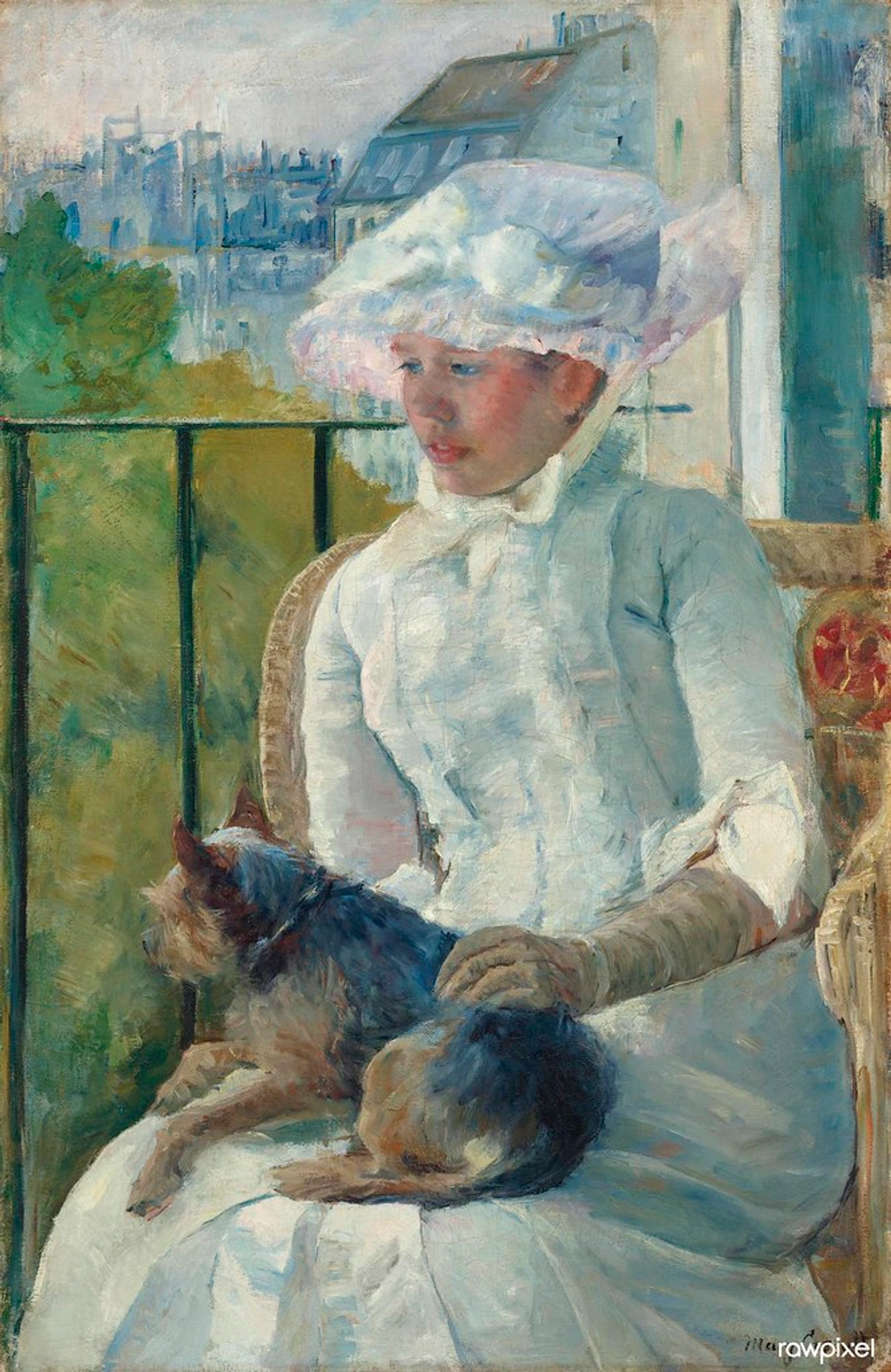
- Pros for Home Use: Excellent balance of stability and adjustability for diverse projects, often more compact storage than a full H-frame, aesthetically pleasing, versatile for painting and display. They offer a strong, steady platform for everything from delicate brushwork to more energetic exploring texture: my favorite techniques for adding depth to abstract paintings, making them suitable for a wide range of styles and mediums. They truly adapt to your artistic journey rather than dictating it.
- Cons for Home Use: Can be harder to find in some markets, potentially a slightly higher price point due to their versatile and often intricate design, and some models might have a learning curve for adjustments. However, the payoff in flexibility and robust performance is often well worth the initial investment and effort – consider it an investment in your multi-faceted creative future.
Easel Types at a Glance: Finding Your Match
To help you quickly compare the options, here's a breakdown of the common easel types we've discussed:
Easel Type  | Ideal For | Key Pros | Key Cons |
|---|---|---|---|
| Box Easel | Mobile studio, integrated storage, various mediums | All-in-one, highly portable, organized, great for essential watercolor supplies for beginners | Can be heavier, setup time varies, less stable for huge works |
| Lyre Easel | Medium canvases, display, elegant look | Aesthetically pleasing, good stability, often complements decorating your home | Less angle versatility, not for very large canvases |
| Convertible Easel | Multi-medium artists (oil, watercolor, pastel) | Highly versatile, space-saving functions, supports the definitive guide to mixed media in abstract art: techniques, materials, and contemporary masters | Can be complex to adjust, potentially pricier |
| A-Frame Easel | Medium canvases, good stability, compact storage | Stable, relatively compact when folded, blends well with abstract art for small spaces: maximizing impact in compact areas | Can be less stable than H-frame for large work |
| H-Frame Easel | Large canvases, heavy work, maximum stability | Most stable, precise height adjustment, professional feel | Larger footprint, less portable |
| Tabletop Easel | Small canvases, limited space, portability | Space-efficient, highly portable, affordable, ideal for reviewing the best gouache sets for beginners | Limited to small canvases, requires stable surface |
| Field/Portable Easel | Outdoor painting, easy storage, lightweight | Excellent portability, compact storage, good for what is plein air painting | Can be less stable, some models for sketching only |
| Lightweight Easel | Maximum portability, quick setup, light mediums | Extremely portable, very compact storage, affordable | Less stable, not for heavy work or large canvases |
| Radial Easel | Versatility, good balance of stability/portability | Good balance of stability & adjustability, compact storage | Can be harder to find, potentially higher price |
| Wall-Mounted Easel | Extreme space-saving, permanent setup | Frees up floor space, highly stable (fixed), clean aesthetic | Permanent installation, limited portability, only for vertical work |
| Digital Easel Stand | Ergonomic support for tablets/laptops, digital art | Excellent for posture, flexible viewing, compact | Not for traditional canvases, specific to digital devices |
Display Easels: Showcasing Your Creative Triumphs (or Works-in-Progress)
While not a painting easel in the traditional sense, display easels deserve a mention for the home artist. These are typically simpler, often more decorative, structures designed primarily to showcase finished artwork or even works-in-progress. They are fantastic for adding a gallery-like touch to your home studio or living space, allowing you to live with your art and gain new perspectives. I find them invaluable for stepping back and truly seeing a piece, or for inviting conversation about my latest creation. They come in a vast array of styles, from minimalist metal to ornate carved wood, allowing you to match them to your art and your home's interior design, making them a key element in decorating your home with your own creations.
- Pros for Home Use: Aesthetically pleasing, lightweight and easy to move, can hold various sizes of finished art, perfect for creating a mini-gallery feel, often very affordable. They elevate your art, literally, turning a blank wall into a focal point of creativity and self-expression. They can even complement your decorating your home style by acting as a sculptural element themselves.
- Cons for Home Use: Not designed for active painting (lack stability for brushwork), limited adjustability for working angles, usually only suitable for displaying lighter, finished pieces. Think of them as the stage for your art, not the backstage workshop.
Lightweight Easels: Maximum Mobility, Minimal Fuss
For artists who prioritize sheer portability and ease of setup above all else, the lightweight easel is a game-changer. These are often made from ultra-light aluminum or composite materials, designed to be incredibly easy to carry and set up in seconds. While they might not offer the rock-solid stability of a heavy studio easel, their primary advantage lies in their flexibility – perfect for chasing that fleeting natural light across different rooms, or even taking your art to a friend's house or a local park (though that leans into the what is plein air painting category!). They are the epitome of grab-and-go artistic freedom, ideal for quick sketches, studies, or working with lighter mediums where heavy pressure isn't required, allowing you to follow inspiration wherever it strikes. Many incorporate telescoping legs and a compact folding design, making them easily storable in tight spaces or a carry bag.
- Pros for Home Use: Extremely portable, very compact storage, affordable, quick to set up and take down, great for impromptu sessions. They often disappear into a closet or behind a door when not in use, making them a minimalist's dream for multi-purpose rooms.
- Cons for Home Use: Generally less stable than other types, not suitable for very large or heavy canvases, can feel flimsy with vigorous brushwork or heavy mediums. They might be better suited for lighter drawing, watercolor, or thin acrylic applications. Remember, there's a trade-off between featherlight portability and rock-solid stability.
Wall-Mounted Easels: The Ultimate Space-Savers
For those with truly minimal floor space but a dedicated wall, a wall-mounted easel can be a revolutionary solution. These ingenious systems attach directly to your wall, often featuring a vertical track that allows the canvas support to move up and down. They completely eliminate the easel's footprint, making them ideal for tiny apartments or converting a small corner into a permanent art zone. While they lack portability, their fixed nature often means incredible stability, turning a blank wall into a dynamic canvas support. This is the epitome of creative problem-solving for space-constrained artists, turning a limitation into a unique artistic advantage! Installation typically involves mounting a track system, so consider the type of wall you have and if you're comfortable with a more permanent setup. Some brands offer compact versions specifically designed for home use, often with integrated shelves or brush holders that fold down.
Additional Easel Types for Specific Home Needs
Beyond the core categories, a couple of other easel types might pique your interest, especially if you have very specific needs for your home studio. These are often niche but incredibly effective solutions for particular situations.
Digital Easel Stands: Bridging the Gap for Digital Creators
In our increasingly digital world, many artists have swapped physical brushes for styluses and canvases for screens. A dedicated digital easel stand (or often, a robust tabletop easel adapted for this purpose) is a game-changer for digital artists working at home. These stands are designed to hold tablets, drawing monitors, or even lightweight laptops at ergonomic angles, mimicking the experience of working on a traditional easel.
- Pros for Home Use: Excellent ergonomics, preventing neck and wrist strain during long digital art sessions. Highly adjustable angles for comfortable viewing and drawing. Space-saving on a desk. Portable and often foldable. Can significantly enhance your workflow and comfort, making a huge difference in long creative sessions, as detailed in essential tools for digital painting beginners.
- Cons for Home Use: Not suitable for physical canvases. Stability needs to be good enough to withstand stylus pressure, which can sometimes be an issue with cheaper models. Limited to holding digital devices, not traditional art supplies. Ensure the stand you choose is compatible with the size and weight of your specific tablet or drawing monitor.
Children's Easels: Nurturing the Next Generation of Artists
If your home studio is also a family space, or if you're looking to encourage the little artists in your life, a dedicated children's easel can be a wonderful addition. These are typically smaller, more robustly built (to withstand enthusiastic use!), and often feature dual sides (chalkboard/whiteboard) or integrated paper rolls. They foster creativity from a young age and keep your precious adult easel safe from tiny, paint-covered hands (a real concern, trust me!). Look for models with built-in paint trays, cup holders, and sturdy, non-toxic construction. Adjustable height features are a plus, allowing the easel to grow with your child.
- Pros for Home Use: Encourages creativity in children, durable, often multi-functional (drawing, painting, learning), keeps messes contained, height-adjustable for growing artists, can easily be cleaned. They turn play into an artistic adventure.
- Cons for Home Use: Limited to child-sized canvases/paper, not suitable for adult artistic projects, may still take up some floor space (though often foldable), and can be outgrown. They're an investment in tiny hands and big imaginations.
What to Look for When Choosing an Easel for Your Sanctuary (The Nitty-Gritty)
Alright, now that we've covered the main types of easels, let's get down to the really practical considerations – the nitty-gritty details that make all the difference in your day-to-day artistic life. This is where my pragmatic side kicks in. When I'm looking for new art gear, I always run through a mental checklist, especially for something as foundational as an easel. It's about ensuring your easel isn't just a stand, but a true, unwavering partner in your creative process, silently supporting your every stroke and vision.
How to Choose the Right Size Easel: Matching Your Vision to Your Space
This is where the rubber meets the road, or rather, where your canvas meets the easel. Before you even think about aesthetics or features, you must measure your space. And then, as I often tell myself, measure again! Don't forget to account for how much you move around your piece, or how much space you need to step back and assess your the unseen structure: how composition guides my abstract art from a distance.
This isn't just about whether your easel fits in the room; it's about how it empowers your work. A huge canvas on a tiny easel is a recipe for frustration (and potential disaster!), just as a miniature easel might feel limiting if you dream of grand gestures. Consider the typical size of your canvases or drawing boards. Do you primarily work on small studies, or do you gravitate towards expansive, immersive pieces? Your easel's dimensions – both its footprint when set up and its maximum canvas height/weight capacity – must align with your artistic ambitions and the physical constraints of your home studio. Remember, an easel that's too small for your work can hinder your technique and perspective, while one that's overly large can overwhelm your space and become a tripping hazard. It’s all about finding that sweet spot of functional harmony, ensuring your easel is a support, not a hindrance, to your creative flow. Don't forget to measure the height of your ceilings and any doorways the easel might need to pass through, especially for larger H-frame models.
Considering Other Easel Materials: Beyond Just Wood and Metal
While wood and metal undoubtedly dominate the easel market, it's worth noting that other materials, or often clever combinations thereof, are sometimes used to achieve specific performance goals. For instance, some ultra-lightweight, highly portable easels might strategically incorporate durable plastic or composite components for significant weight reduction, making them ideal for artists on the go. Conversely, very robust studio easels designed for monumental works might feature heavy-gauge steel or even industrial-grade aluminum for exceptional, unwavering strength and longevity. Understanding these material choices can help you pinpoint an easel that perfectly balances weight, durability, cost, and even the aesthetic you desire for your creative space. Don't be afraid to look beyond the traditional, as innovative materials can sometimes offer unexpected benefits. After all, the perfect easel is the one that disappears when you're painting, allowing you to focus purely on your art, and sometimes that means embracing new material solutions.
Durability and Longevity: An Investment in Your Artistic Future
When choosing an easel, especially for home use where it might see daily action, consider its long-term durability and expected lifespan. A well-constructed easel, whether wood or metal, should be an investment that lasts for years, if not decades. Look for solid joints, quality hardware (screws, bolts, clamps), and materials known for their resilience. Think about how easily parts can be replaced or repaired – a sign of a truly durable product. A robust easel not only withstands the rigors of your artistic process but also offers greater peace of mind, knowing it won't fail you mid-masterpiece. This aligns with a sustainable mindset, as investing in durable goods reduces waste in the long run. Good brands often stand behind their products with warranties, another indicator of quality and longevity.
Environmental Considerations: Sustainable Choices for Your Conscientious Studio
As artists, we often think about the impact of our materials, and easels are no exception. If sustainability is a priority for you (and I believe it should be for all of us mindful creators), look for easels made from sustainably harvested woods, or those constructed with recycled metals. Some brands are increasingly transparent about their manufacturing processes and materials sourcing, making it easier to make an eco-conscious choice. It's a small step, but every thoughtful decision contributes to a more sustainable art practice, which connects beautifully with the growing movement towards best eco-friendly art supplies for conscious artists. Beyond materials, consider the longevity and repairability of an easel – investing in a durable, repairable model reduces waste in the long run, aligning with a more mindful approach to consumption and art practice. Choosing an easel built to last, with parts that can be replaced if needed, is a significant step towards a greener studio. Additionally, inquire about the type of finishes used; water-based or natural oil finishes are often more environmentally friendly than harsh chemical lacquers.
Material: Wood vs. Metal – A Deeper Dive into the Core of Your Easel
The material of your easel isn't just about aesthetics; it profoundly impacts its stability, weight, and long-term durability. I’ve had experience with both, and each has its distinct feel and performance that can either enhance or hinder your creative flow. Understanding these differences is key to making an informed choice that truly resonates with your artistic practice. It's about finding that symbiotic relationship between artist and tool, where the material itself supports your every brushstroke, every gesture. For example, solid beechwood is a popular choice for its beautiful grain, strength, and resistance to warping, making it a classic option for studio easels. Aluminium, on the other hand, is favored for its lightweight properties and corrosion resistance, perfect for portable designs.
Feature | Wood Easels (e.g., Beechwood, Oak, Birch) | Metal (Aluminum, Steel) Easels |
|---|---|---|
| Aesthetic | Classic, warm, traditional, blends with natural decor, often develops a beautiful patina | Modern, sleek, often minimalist, industrial feel, can offer vibrant color options |
| Stability | Excellent, especially solid hardwood, feels incredibly grounded and substantial | Good, but lighter models can feel less sturdy; heavier steel models offer great stability |
| Vibration Absorption | High, ideal for delicate work and heavy pressure, absorbing the energy of your strokes beautifully for a grounded feel, reducing fatigue | Lower, can transmit vibrations, less forgiving, which can be noticeable during heavy impasto or expressive mark-making; can sometimes feel a bit "tinny" |
| Weight | Heavier, generally less portable for larger studio models, contributing to stability | Lighter, highly portable for field models, easy to move for reconfigurations; heavier steel models exist |
| Durability | Very durable if well-maintained (e.g., occasional oiling or conditioning can prevent drying and cracking); generally long-lasting, can be repaired | Resistant to warping/cracking; can dent or bend on impact, but modern alloys offer impressive resilience and often have rust-resistant coatings |
| Cost | Generally higher for quality hardwoods, an investment that often pays off in longevity, aesthetic appeal, and superior feel | Varies widely; often more affordable for basic models, but higher-end metal easels (especially those with advanced mechanisms) can also be a significant investment |
| Maintenance | May require occasional oiling or conditioning to prevent drying and cracking; can develop a beautiful patina over time with proper care; susceptible to humidity changes | Low maintenance, easy to wipe clean, typically rust-resistant; some finishes may scratch over time, but remain functional |
| Portability | Generally less portable for larger studio models; however, smaller wooden easels (like Lyre or compact A-frames) can be surprisingly manageable | Highly portable for field easels; larger studio models can still be moved with ease due to lighter weight than comparable wooden models, especially if they have casters |
For instance, a solid beechwood easel feels incredibly grounded when I'm really digging in with exploring oil sticks for expressive mark-making, absorbing the energy of my strokes beautifully. The natural warmth and tactile feel of wood can also contribute to a calming, almost meditative studio environment, which I find enhances my focus. Aluminum, on the other hand, is my go-to for anything I need to move frequently or take outdoors for some impromptu plein air sketching. Its sleek, modern look can also fit seamlessly into contemporary home decor. Each has its unique place in a home artist's toolkit, contributing differently to the overall my creative flow: embracing intuition in abstract painting and the aesthetic of your creative space. It's truly a choice between the organic embrace of wood and the functional precision of metal.
Understanding Easel Mechanisms: Cranks, Ratchets, and Tripods – The Heart of Adjustability
When you're looking at easels, you'll hear terms like "crank mechanism" or "ratchet adjustment." These refer to how you actually change the height and angle of your canvas, and they significantly impact ease of use, precision, and ultimately, your creative comfort. I've had easels with all types, and each has its charm and its challenges. Think of these mechanisms as the silent engineers behind your comfort, allowing you to fine-tune your painting position with minimal fuss and maximum focus.

- Crank Mechanisms: Often found on robust H-frame studio easels, a crank allows for remarkably smooth, precise, and effortless adjustment of your canvas height, even when working with very large or heavy canvases. This mechanism feels truly luxurious and professional, providing a level of control and ease that can significantly enhance your creative flow. It's a true joy to operate, especially when you're deeply engrossed in your painting, ensuring minimal interruption to your my creative flow: embracing intuition in abstract painting. For serious artists, this level of seamless, single-handed adjustment is a game-changer, allowing you to fine-tune your perspective without breaking concentration – it's the Rolls-Royce of easel adjustments. Many high-end models feature counterweights integrated with the crank system, making even massive canvases feel feather-light to adjust.
- Ratchet Adjustments: Common on A-frame and Lyre easels, these mechanisms use a series of notches or teeth that the canvas support rests in. They are generally sturdy and reliable, providing solid support, but they do offer less fine-tuned adjustment than a crank system. This means you'll typically need to lift and reseat the canvas support into a new notch when adjusting height or angle, which is perfectly functional for many artists, especially for those working with basic brushstrokes for acrylic painting or smaller studies. While not as fluid as a crank, they are highly dependable, straightforward, and rarely fail – the reliable workhorse of adjustability. Ensure the ratchet system is made from durable metal, not plastic, for long-lasting reliability.
- Tripod Locks & Friction Clamps: Field easels predominantly use tripod-style leg locks (much like those you'd find on a camera tripod) and often incorporate friction clamps or quick-release levers for canvas tilt. These mechanisms prioritize speed and portability over absolute, micro-precision, making them incredibly ideal for quick setups and tear-downs, whether you're moving from room to room or heading outdoors for some what is plein air painting. While perhaps not offering the same fine-tuning as a crank, their efficiency is unmatched for artists on the go, making them incredibly practical for flexible home studios. I appreciate these for their no-nonsense, get-the-job-done approach – perfect for spontaneous creativity. Look for robust metal components in these locking mechanisms, as plastic can wear out quickly with frequent use.
Understanding these mechanisms can help you decide how much adjustability and ease of use you truly need in your daily practice, balancing precision with practicality for your specific artistic rhythm.
Adjustability: Height, Angle, and Canvas Size – The Core of Comfort
This is, for me, utterly non-negotiable. Your easel must be adjustable, and I mean truly adjustable in every sense. It's about empowering your artistic freedom and ensuring your easel adapts to your creative needs, not the other way around. Think about the range of work you do: can it effortlessly accommodate various canvas sizes, from a tiny 8x10 study (perhaps for collecting emerging abstract art: a guide to discovering tomorrow's masters inspirations!) to a more ambitious 24x36 landscape? Can you tilt it from perfectly vertical for precise portraiture or intricate the unseen structure: how composition guides my abstract art work, to almost flat for those delicate watercolor washes or the controlled layering needed for pastels? And crucially, can you adjust the height with ease, allowing you to fluidly transition between standing and sitting, adapting to your posture and the demands of the moment? This flexibility isn't just about comfort; it's about giving you full control over your creative process, minimizing physical strain, and extending your creative sessions. If possible, test these features in person. If not, dive deep into reviews and user manuals, looking for specific details on how adjustments are made, the range of motion, and their overall smoothness. A truly adjustable easel feels like an extension of your own hand, not a rigid constraint, allowing you to focus purely on your art. This ergonomic flexibility can truly transform your artistic output, preventing unnecessary physical fatigue and allowing your mind to stay squarely on the canvas. Look for a full 90-degree tilt range (from vertical to horizontal) and a wide height adjustment to accommodate artists of varying heights and working preferences.

Weight Capacity: Supporting Your Vision, Safely
This is a frequently overlooked aspect, especially if you plan on working with larger or heavier canvases, or even adding a palette that attaches directly to the easel. Always check the manufacturer's specified maximum weight capacity. You absolutely do not want your masterpiece (or your easel!) collapsing mid-stroke, especially if you're experimenting with heavy impasto or multiple layers of the definitive guide to mixed media in abstract art: techniques, materials, and contemporary masters. Think about the total weight of your canvas, stretcher bars, any framing, and any additional accessories you might mount on it, like a heavy palette, brush holder, or even an art lamp. Exceeding this limit isn't just risky for your art; it can also be a significant safety hazard, potentially causing injury or damage to your home. I always add about 20-30% to my estimated weight for safety and peace of mind – better safe than sorry! It's an investment in both your art and your well-being, ensuring your creative endeavors are always on solid ground. For large-scale mixed media pieces or those incorporating heavy textures or sculptural elements, you might need an easel rated for 50-100 lbs or more.
Security & Safety Features: Peace of Mind in a Dynamic Home Environment
This might not be the first thing you think of, but it’s incredibly important, especially in a busy home environment. I’ve heard countless stories of pets or kids accidentally knocking over easels, and it’s a heartbreak no artist wants to experience. Look for features like non-slip rubber feet on the easel legs to prevent sliding on smooth floors, robust locking mechanisms for height and tilt adjustments that won’t slip (a sudden drop can be disastrous, especially with wet paint!), and a stable, broad base that won't easily tip over with a slight bump. If you have curious pets, small children, or even just clumsy housemates, ensuring your easel is undeniably secure and won't suddenly collapse is paramount for preventing accidents (and saving your precious artwork and your sanity!). Some easels also include safety chains, secondary locking pins, or even weight anchors for added peace of mind. It’s all about creating a secure and worry-free creative zone where you can focus on your art, not on potential calamities. This vigilance is particularly important if your studio space is also a living space – think of it as insurance for your artistic soul, and your floorboards. Consider models with a wide, flared base for maximum stability, or those with built-in trays that add lower weight and improve balance.
Stability: No Wobbles Allowed!
Seriously, nothing is more frustrating, or frankly, art-destroying, than a wobbly easel, especially when you're deeply in the zone. I've had moments where a subtle wobble completely threw off a delicate brushstroke or an intense palette knife application (especially when utilizing what is a palette knife and how to use it for texture!). If you work with heavier mediums, apply a lot of pressure with your brush or palette knife, or just get really enthusiastic with your brushwork, rock-solid stability is absolutely key. Look for broad bases, heavy-duty construction, sturdy locking mechanisms that don't creep, and generally a sense that the easel is truly grounded. A good easel feels like an extension of your creative will, allowing you to pour all your focus into the canvas, not into a precarious balancing act. Remember, an unstable easel can not only disrupt your creative flow but also impact the quality of your brushstrokes and overall finish. This is especially true when you are trying to capture the subtle nuances of the art of mark-making: expressive lines and gestures in abstract painting. It's the silent promise that your art will stand firm, literally and figuratively.

Portability Within the Home: Creating a Flexible and Responsive Studio
Beyond just folding for storage, think about how easily you can move your easel within your home. Do you like to chase the best natural light from different windows throughout the day? Or perhaps you shift your setup from a quiet corner to a more central, energetic area when inspiration strikes? Easels with smoother glide wheels (that lock securely, of course!) or those that are genuinely lightweight and easy to lift can make a huge difference in creating a truly flexible home studio. This fluid adaptability means your creative zone can follow your mood, the changing light, or even your need for a fresh perspective, maximizing your painting opportunities without physical struggle. It’s about making your workspace truly work for you, not against you – a truly responsive partner to your artistic rhythm.
Footprint & Storage: The Home Artist's Perennial Dilemma
This is where the "at home" part of the equation truly comes into play, and it’s often where many artists compromise. You must measure your space – and then measure again! Can the easel fit comfortably without becoming an obstacle course in your living area? Does it fold down easily and compactly? Can it be stored discreetly under a bed, behind a door, or neatly tucked away in a closet? My current easel tucks neatly behind a bookshelf, and that thoughtful design choice makes all the difference in keeping my living space feeling like a home first, and an art studio second (unless, of course, a perpetual art studio is precisely what you desire, in which case, absolutely go for it!). This mindful approach to space is similar to how I approach collecting art for small apartments: maximizing impact in limited spaces. And for keeping your overall creative space serene, check out tips on art storage solutions for collectors which is crucial. And of course, don't forget to consider comprehensive art storage solutions for collectors for all your other art supplies too! Think about creative vertical storage solutions like wall hooks for foldable models, dedicated dust covers to keep it clean if it stays out, or even an aesthetic cover that transforms it into a piece of furniture when not in use. The goal is to make your easel work with your living space, not against it, allowing for a harmonious blend of life and art, a seamless integration rather than a forced coexistence. Consider clever furniture pieces that double as art storage, or even custom-built nooks that cradle a folded easel when not in use.
Budget: Value vs. Investment – Making Smart Choices
Easels range from super affordable, almost disposable, to eye-wateringly expensive, professional-grade masterpieces. For home use, you absolutely don't need the top-tier professional model right off the bat (unless you genuinely want to and have the budget!). My advice is to identify your non-negotiable features—perhaps rock-solid stability for heavy work, extreme portability for flexible spaces, or the capacity to hold very large canvases—and then find the best easel that fits your budget without compromising on those essentials. Look for sturdy construction even in simpler models, read reviews diligently about longevity and user experience, and remember that a well-chosen mid-range easel can be a fantastic, long-term investment in your comfort and artistic progress. It's not about the price tag; it's about the value it brings to your daily creative practice, how it supports your artistic journey over time, and ultimately, how it enhances your ability to express your vision without hindrance. Sometimes, a slightly higher initial investment in a quality easel can save you money and frustration in the long run by preventing the need for frequent replacements. Think of it as investing in your artistic well-being, a foundational piece for your creative future.
Ease of Assembly: Getting Started Without the Headache (Because Who Wants to Build an IKEA Easel?)
Let’s be real: nobody wants to spend hours deciphering cryptic instructions or wrestling with dozens of tiny parts when all you want to do is paint. Some easels are incredibly easy to assemble, almost ready to go right out of the box, while others require a bit more patience and perhaps a second pair of hands (and maybe a strong cup of coffee). Read reviews for insights into the assembly process, and don't shy away from watching online video tutorials if available – they can be a lifesaver! An easel that’s easy to put together means you can start creating faster and with less frustration, allowing you to quickly enter your creative headspace. My personal rule is: if it takes longer than 30 minutes to assemble, it better be the easel of my dreams (and even then, I'd grumble a bit!). The easier it is to set up, the faster you can get lost in the joy of creating, which is, after all, the entire point. Look for models that boast minimal parts, clear instructions, and perhaps even pre-assembled sections to save you time and hassle.
Aesthetic: Blending In (or Standing Out!) – Curating Your Studio's Vibe
Since this easel will inevitably live in your home, its look might actually matter more than you initially think! Do you prefer the warm, classic, and timeless appeal of a wooden easel that blends seamlessly into your existing decor (think natural beechwood or walnut), or do you gravitate towards a sleek, modern metal design that makes a bold artistic statement (like minimalist black aluminum)? It's a small detail, but I've found that genuinely enjoying the look of my tools and surroundings significantly adds to the overall joy and inspiration of the creative process. It can even become a beautiful, functional part of your larger decorating your home strategy! Consider how its design might complement your existing abstract art for small spaces: maximizing impact in compact areas or how it harmonizes with your chosen aesthetic when choosing art for your living room. Sometimes, the easel itself can even function as a sculptural element in your space, becoming a piece of art in its own right, especially if it's a beautifully crafted wooden H-frame. After all, your studio is an extension of your artistic soul, and its aesthetics should reflect that unique personality.

Easel Features and Accessories: The Little Things That Can Make the Biggest Difference
Beyond the basic structure, many easels come with thoughtful features and clever accessories that can significantly enhance your painting experience and streamline your workflow. When you're assessing options, keep an eager eye out for these potential game-changers – they can transform your easel from a simple stand into a true command center for your art:

- Adjustable Trays/Palette Holders: Some easels have integrated trays or palette holders, intelligently designed to keep your what is a palette knife and how to use it, paints, brushes, and other small tools precisely where you need them. This dramatically reduces clutter, prevents accidental spills, and keeps your creative workflow smooth and uninterrupted, especially when working with best acrylic paint brushes for artists or your favorite palette. I find this invaluable for maintaining focus and preventing that frantic search for a misplaced tool – it's like having a helpful studio assistant always at your side. Look for large, sturdy trays, preferably made from a material that's easy to clean like sealed wood or plastic. Some models even have dedicated slots for brush handles or water cups.
- Casters (Wheels) with Locks: For larger studio easels that you might need to reposition frequently within a room (to catch different light, reconfigure your workspace, or simply clean around it), casters are a godsend. Crucially, ensure they have reliable locking mechanisms to prevent unwanted movement while you're painting. A rolling easel transforms your stationary setup into a flexible mobile studio.
- Spring-Loaded Canvas Holders: This is a subtle but incredibly useful feature, especially for artists who frequently change canvases or work with various sizes. Spring-loaded mechanisms allow for quick and easy insertion and removal of canvases, saving time and preventing fumbling with screws or clamps. They automatically adjust to different canvas thicknesses, providing a secure grip without constant manual tightening.
- Palette Attachment Systems: Beyond just a tray, some easels offer dedicated, secure attachment points for palettes, keeping your mixing surface exactly where you need it. This can be particularly useful for plein air box easels or studio setups where you want your palette to be an extension of your easel, not just sitting on a separate table. Look for systems that allow for easy detachment for cleaning or when not in use.
- Integrated Brush Holders/Cups: Small but mighty, these dedicated holders keep your brushes upright and organized, preventing them from rolling off a surface or getting lost in a pile of rags. Often made from metal or plastic, they attach directly to the easel or its tray, ensuring your essential tools are always within arm's reach and protected from accidental damage or paint transfer.## Choosing Your Easel by Medium: Tailoring to Your Art
The type of paint or art material you prefer isn't just a matter of personal taste; it can surprisingly and profoundly influence the best easel choice for your home studio. Different mediums have unique needs, ranging from the optimal angle of the canvas (think flat for watercolors vs. vertical for oils) to the amount of pressure you typically apply with your tools. Understanding these nuances is key to selecting an easel that truly supports your creative process, rather than hindering it. Here’s a quick guide to matching your easel to your preferred artistic discipline:
Drawing and Sketching: Stability for Lines, Comfort for Hours
For artists who primarily draw or sketch with pencils, charcoal, ink, or markers, the needs are often different from painting. Stability for detailed line work, comfort for long sessions, and the ability to work on a variety of paper sizes and orientations are key. A good drawing setup can truly enhance your ability to capture the art of mark-making: expressive lines and gestures in abstract painting and prevent arm fatigue. It's about letting your hand flow freely across the page, unburdened by discomfort.
- Ideal Easels: Tabletop easels are often perfect for smaller sketchbooks and detailed work, offering adjustable angles for comfortable viewing and rendering. Field easels or lighter A-frames can also be excellent, especially if you enjoy working on larger paper or sketchpads, providing a stable, upright surface that mimics traditional drawing boards. For digital artists who use tablets, a robust tabletop easel or even a field easel can provide ergonomic support for your device, mirroring the experience of traditional drawing (as seen in the essential tools for digital painting beginners guide). This ergonomic support prevents neck strain during long digital drawing sessions, which is crucial for maintaining focus and comfort, allowing you to immerse yourself fully in your digital creations. Look for models that offer various tilt angles to support both quick sketches and intricate rendering.
Oil and Acrylic Painting: Demanding Stability and Versatility
For mediums like oil and acrylic, which typically involve thicker applications, vigorous brushstrokes, and sometimes heavy impasto, stability is paramount. You'll often be working vertically or at a slight incline, applying considerable force to the canvas. I've ruined many a brushstroke on a flimsy easel, so trust me on this one! The last thing you want is your masterpiece wobbling out of control during a passionate moment of creation.
- Ideal Easels: H-frame studio easels or sturdy A-frame easels are excellent choices. Their robust construction can handle the pressure you apply without wobbling, which is crucial for dynamic mark-making and building up layers. If you're using heavy impasto techniques, working with a what is a palette knife and how to use it, or delving into intricate mastering glazing techniques in oil painting, stability becomes even more critical – a wobbly surface simply won't do. Convertible easels can also be excellent for acrylics, allowing you to transition between vertical and horizontal work for different stages of drying or application, offering a great balance of features. Look for easels with a wide range of tilt options to accommodate various painting styles and allow for easy repositioning as you work through different stages of your piece. Casters with locks on H-frame models can be invaluable for moving large, wet canvases carefully around your studio.
- Ideal Easels: H-frame studio easels or sturdy A-frame easels are excellent choices. Their robust construction can handle the pressure you apply without wobbling, which is crucial for dynamic mark-making and building up layers. If you're using heavy impasto techniques, working with a what is a palette knife and how to use it, or delving into intricate mastering glazing techniques in oil painting, stability becomes even more critical – a wobbly surface simply won't do. Convertible easels can also be excellent for acrylics, allowing you to transition between vertical and horizontal work for different stages of drying or application, offering a great balance of features. Look for easels with a wide range of tilt options to accommodate various painting styles and allow for easy repositioning as you work through different stages of your piece.
Watercolor Painting
Watercolor requires a completely different approach, often benefiting from a flat or very gently sloped surface to control washes and prevent paint from running.
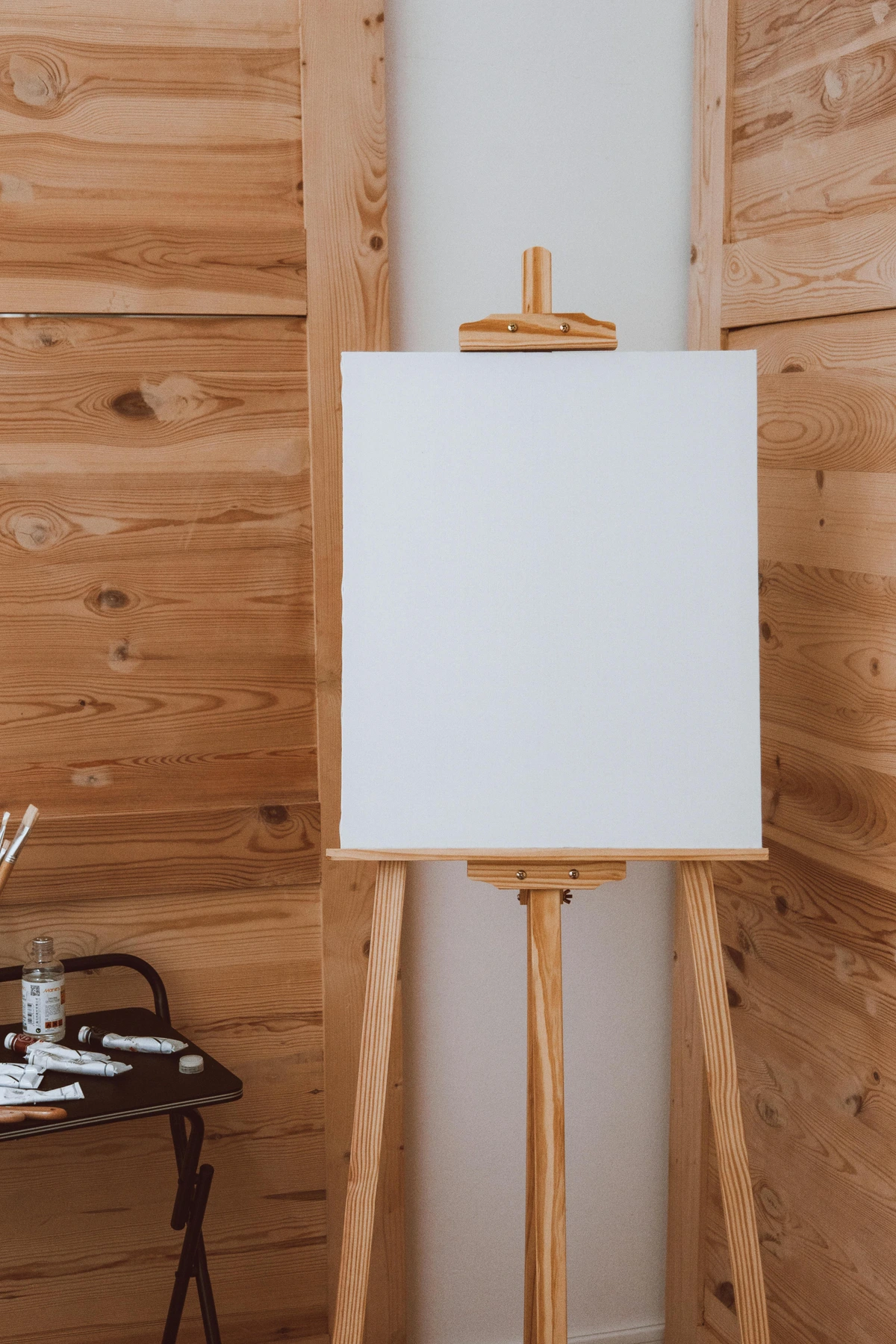
- Ideal Easels: Convertible easels are fantastic here, as they can easily transition to a horizontal position. Tabletop easels that allow for a flat or near-flat setup are also great for smaller reviewing the best professional watercolor sets. The key is the ability to adjust the angle significantly, allowing you to control the flow of water and pigment for various techniques, from broad washes to fine details. Some watercolor artists even prefer a slightly inclined surface to encourage controlled pooling or drainage.
Pastel and Charcoal Drawing: Managing Dust and Preserving Vibrancy
When working with dry mediums like pastels and charcoal, gravity can be both a friend and a foe. You want to capture the falling dust, but also prevent smudging, and having a good surface can greatly impact your ability to achieve the art of mark-making: expressive lines and gestures in abstract painting. The goal is to keep your drawing clean, your colors vibrant, and your workspace (and lungs!) free from excessive dust. I've learned the hard way that a badly angled easel can mean dust ends up where you don't want it! It's a delicate balance between creation and containment.
- Ideal Easels: A slight forward tilt (known as "negative tilt") can help excess dust fall away from the drawing surface, often into a catch tray at the bottom, keeping your work cleaner and preserving the vibrancy of your pastels. Many studio easels and some field easels offer this feature. Good air circulation is also beneficial to disperse fine particles, which is important for your health, so consider proximity to a window or a small fan. Tabletop easels can also work well for smaller pastel pieces, especially if they have a slight incline option, providing a comfortable and stable surface that helps with dust management. Look for easels with an integrated bottom tray that can actually catch the falling particles, making cleanup a breeze and protecting your floor.
Mixed Media and Collage: The Ultimate Test of Versatility
Artists who work with mixed media, combining various materials and techniques, need an easel that is truly versatile and robust enough to handle different textures, weights, and application methods. The easel needs to support both vertical painting and horizontal layering, accommodating everything from delicate paper collages to heavy sculptural additions. This is where your easel needs to be a chameleon, adapting to your every whim – a truly multi-talented studio partner!
- Ideal Easels: Convertible easels are excellent for mixed media artists, as they effortlessly transition between upright and flat positions. This allows you to fluidly shift between painting, gluing, and attaching elements without changing your setup. A sturdy H-frame or radial easel can also be a good choice due to their inherent stability and weight capacity, especially if you're incorporating heavier elements or working on larger pieces that might involve techniques covered in the definitive guide to mixed media in abstract art: techniques, materials, and contemporary masters. The key is an easel that offers both unwavering stability and a wide range of adjustability to support your diverse creative expressions, allowing you to experiment freely and push the boundaries of your artistic vision. Look for models with large, easily accessible trays to hold a variety of materials, from tubes of paint to collage elements.
- Ideal Easels: Convertible easels are excellent for mixed media artists, as they effortlessly transition between upright and flat positions. This allows you to fluidly shift between painting, gluing, and attaching elements without changing your setup. A sturdy H-frame or radial easel can also be a good choice due to their inherent stability and weight capacity, especially if you're incorporating heavier elements or working on larger pieces that might involve techniques covered in the definitive guide to mixed media in abstract art: techniques, materials, and contemporary masters. The key is an easel that offers both unwavering stability and a wide range of adjustability to support your diverse creative expressions, allowing you to experiment freely and push the boundaries of your artistic vision.
For the Ambitious Home Artist with Large-Scale Visions: The Compact H-Frame or Heavy-Duty Radial Easel – Unleash Your Inner Visionary
If you dream of tackling truly monumental works, even within the confines of your home, don't shy away from a compact H-frame or a robust radial easel. These offer the unwavering stability and impressive weight capacity needed for large canvases and intense techniques, ensuring your ambitious visions are fully supported. Think of the sheer satisfaction of working on a truly massive piece, confidently knowing your easel can handle the scale and your most vigorous how to abstract art techniques! It's about empowering yourself to create without limits, even if those limits are currently your living room walls. It’s about building a foundation for your grandest artistic statements, transforming your home into a gallery of your own making.
My Top Picks for Home Easels (with a personal touch)
Based on my experience, and the unique challenges and joys of painting at home, here are the types of easels I'd lean towards, depending on your specific needs. Think of these as personal recommendations from one artist to another, aiming to save you some of the trial and error I've experienced over the years.

- For the Serious Hobbyist with a Dedicated Nook: The Compact H-Frame. If you have a bit more space (even if it's just a consistent corner) and you're diving deep into larger canvases or demanding techniques, a smaller H-frame easel is a dream. Its stability and precision are unmatched, and the feeling of having a proper, sturdy setup is incredibly motivating. It's the silent powerhouse for serious home projects.
- For the Casual Painter with Limited Space: The Sturdy Tabletop Easel. This is the unsung hero of small apartments. Find one made from solid wood with good angle adjustment. It's perfect for studies, small to medium paintings, and can be easily packed away after your session. You can even use it for reviewing the reviewing the best gouache sets for beginners on a smaller scale! Don't underestimate its compact capabilities.
- For the Balanced Home Studio: The Compact A-Frame Easel. If you have a dedicated corner but still value flexibility, a well-built A-frame offers fantastic stability for medium-sized canvases without the imposing footprint of a full H-frame. They often fold down surprisingly well, making them a great compromise for artists who want a stable setup without permanent dedication of space. It's the adaptable friend in your creative journey.
- For the Artist Who Likes to Move Around (Even Just Between Rooms): The Lightweight, Foldable Field Easel. If you love chasing the light from your window, or want to paint in the garden on a nice day, a good field easel offers incredible flexibility. Look for one with a solid tripod base and easy-to-use locking mechanisms. Just remember, while it's for home, it benefits from field easel design principles – think of it as your portable muse-chaser.
- For the Digital Artist Seeking Ergonomics: The Adjustable Tabletop or Compact Field Easel. Yes, even digital artists can benefit! Prop up your tablet or laptop at an ergonomic angle with a sturdy tabletop easel or a compact field easel. This can drastically reduce neck strain during long creative sessions and allows you to simulate a more traditional studio setup, as often highlighted in guides like essential tools for digital painting beginners. It's about protecting your body while unleashing your digital creativity.
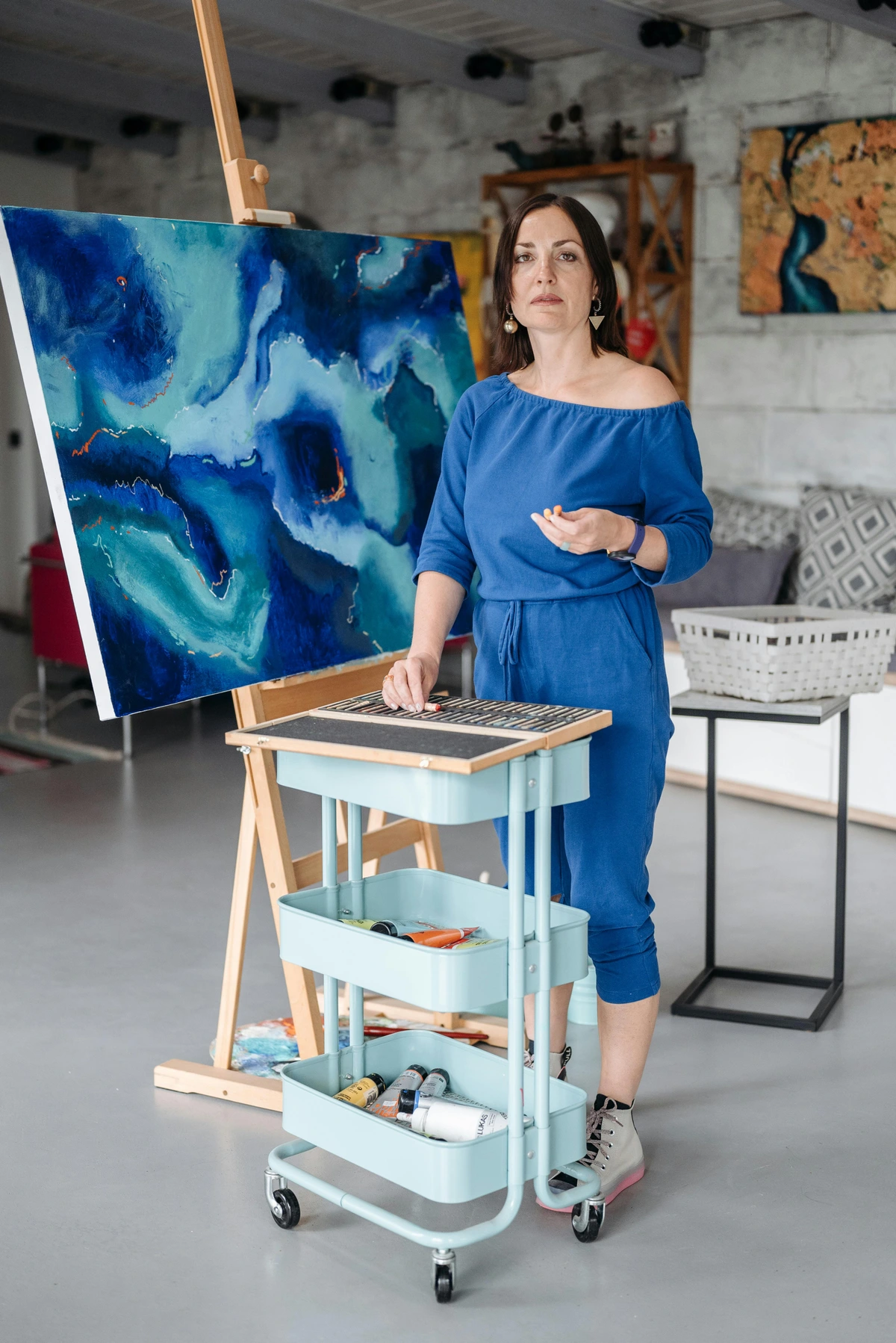
Setting Up Your Home Painting Zone
Once you have your easel, the real magic begins: it's time to create your perfect little corner. I've found that a well-organized space, no matter how small, makes a huge difference to my creative flow. It's not about having a huge studio, but about optimizing the space you do have to be a true sanctuary. Think about these crucial elements:
- Placement: Near natural light is always ideal, but remember that natural light shifts throughout the day, altering your perception of colors! Observe how the light falls in your chosen spot at different times, and consider how this might affect your palette. If consistent natural light isn't possible, good overhead lighting or an adjustable task lamp (preferably a daylight-balanced LED with a high CRI) is a must. Ensure there's enough room around your easel to step back and view your work from a distance; this perspective is crucial for catching errors early, assessing your composition as a whole, and even taking a moment for mindful moments: how abstract art can be a gateway to inner peace and reflection. Try positioning your easel facing a blank wall, if possible, to minimize visual distractions.
- Complementary Gear: Have your palette, brushes, and paints within easy reach. A small side table, a rolling cart (like the one pictured below), or even wall-mounted shelves can be incredibly useful for keeping everything organized. It means less breaking your concentration to search for that elusive shade of blue, allowing you to maintain that precious creative flow. Think about small brush holders, water pots, and a dedicated spot for your rags – every second spent searching is a second lost from creating.

- Keeping it Clean (My Eternal Struggle): Look, I'm going to be honest, my studio can get messy. But having a dedicated spot for water jars, rags, and a trash can makes a world of difference. Cleaning as you go (or at least right after you finish a session) saves so much grief later. My discipline on this is... evolving, shall we say, but it's a worthy goal, and one I often preach to my future self! Consider dedicated art storage solutions for collectors not just for finished pieces, but for keeping your raw materials tidy. A clean space often leads to a clear mind, and a clear mind is a creative mind.
- Ventilation and Protection: Especially if you're working with oil paints, solvents, or certain mediums (like some best acrylic mediums for abstract artists), good ventilation is crucial not just for your artwork, but for your health and well-being. Open a window, use a small fan to ensure consistent air circulation, or even invest in an air purifier for smaller, less ventilated spaces. Also, and this is a lesson I learned the hard way, consider placing a drop cloth or old sheet under your easel, just in case of drips or spills. It’s definitely better to be safe than sorry when it comes to your floors and carpets, and a little forethought can save a lot of scrubbing – or an expensive cleaning bill! Protect your home as fiercely as you protect your art.
Common Easel Problems and Troubleshooting
Even the best easel can sometimes present a minor hiccup. And trust me, I've seen (and experienced) them all – including that one time my perfectly balanced still life painting did a slow-motion dive to the floor. Never again. Here are a few common issues and how I usually troubleshoot them, saving you from unnecessary artistic frustration:
- Wobbling or Instability: The Bane of Every Artist! This is arguably the most common and infuriating easel problem, capable of disrupting your creative flow in an instant. Nothing is worse than a perfectly placed brushstroke being ruined by a sudden tremor!
- Check all locks and fasteners: Ensure all height and angle adjustment knobs, clamps, and fasteners are fully tightened. A loose screw or a slightly undone clasp can cause surprising instability, so give everything a firm check. It's often the simplest solution.
- Level the legs: If your floor is uneven (which, let's be honest, most home floors are!), adjust individual easel legs (if applicable – many field easels have independent leg adjustments) or place small, sturdy shims under them to achieve a perfectly level and stable base. Sometimes, a manufacturing defect or loose joint can also cause a slight wobble, so inspect closely! A shim made from a folded piece of cardboard can be your best friend here.
- Don't overload your easel: Make sure your canvas or palette isn't exceeding the easel's specified weight capacity. Remember to factor in the weight of wet paint, stretcher bars, and any additional accessories you might have attached. When in doubt, err on the side of caution! Better to be safe than to see your masterpiece tumble.
- Consider your floor surface: On very smooth surfaces like polished concrete or tiles, non-slip rubber feet are absolutely crucial. If your easel lacks them, you can often add self-adhesive rubber pads or even place a non-slip mat underneath. Carpets can sometimes mask unevenness, so be mindful there too. A rug can offer surprising grip and prevent unwanted sliding.
- Sticking or Difficult Adjustments: When Your Easel Gets Stubborn. This often happens over time with accumulated dust, dried paint, or changes in humidity, especially with wooden easels. It's annoying, but usually fixable! Think of it as your easel needing a little TLC.
- Lubrication is key: For wooden easels, a little beeswax, paraffin wax, or food-grade silicone spray on moving parts (like the mast, ratchet, or sliding trays) can work wonders to ensure smooth adjustments. For metal, a dry lubricant (like graphite spray, but be careful not to get it on your art!) can sometimes help, but often just a good cleaning is enough. Remember that humidity can cause wooden parts to expand and contract, leading to sticking or loosening. For me, a quick spray or rub every few months makes a world of difference. It's a simple habit that pays dividends in smooth operation.
- Prioritize cleanliness: Dust and dried paint can absolutely impede mechanisms, acting like tiny brakes. Make it a habit to keep your easel clean, wiping down rails, joints, and adjustment points regularly. A small, stiff brush or even compressed air can help dislodge stubborn debris and paint flecks, ensuring everything glides as it should. This simple habit prevents major headaches down the line and extends the life of your easel. A little preventative care saves a lot of frustration.
- Canvas Slipping: The Unexpected Slide. Nothing creates a moment of panic quite like your canvas starting to slide downwards or tilt precariously. Here's how to tackle it:
- Tighten all clamps and supports: Ensure the upper and lower canvas supports are securely tightened. Double-check any side clamps or adjustable arms as well. A little extra twist can go a long way. Sometimes, you just need that extra bit of tension.
- Add rubber grippers: Some easels come with rubber or silicone grippers on the canvas supports; if yours doesn't, consider adding adhesive rubber strips or even a thin piece of non-slip shelf liner for better grip. This is a cheap and effective fix that can prevent countless heartbreaks.
- Check canvas size and fit: Confirm your canvas size is within the easel's recommended range for both height and weight. If a canvas is too small, it might not be securely gripped; if too large, it risks instability and a greater chance of slipping, especially if it's heavy. An ill-fitting canvas is a recipe for disaster – always match the tool to the task.
- Damaged Parts: When Things Just Break. Occasionally, parts can wear out, snap, or become damaged, especially with heavy use or accidental bumps. Don't despair! It's a part of life, and often, fixable.
- Contact the manufacturer: Don't hesitate to contact the manufacturer for replacement parts if a critical component (like a locking knob, a leg brace, or a wheel) is damaged. Many reputable brands offer replacement parts, which is far better than replacing the entire easel. A quick call or email can save you a lot of grief.
- Avoid jury-rigging: While tempting to try a quick fix with tape or string, attempting to jury-rig a repair can compromise both safety and stability, potentially leading to bigger problems down the line. It's usually not worth the risk to your art or your safety. Invest in proper repairs for long-term peace of mind.
A little attention to these details and proactive maintenance can ensure your easel remains a reliable, stable workhorse for years to come, truly becoming a long-term partner in your creative journey. It's about respecting your tools so they can continue to support your vision.

What accessories should I look for with my easel?
Beyond the easel itself, a few thoughtfully chosen accessories can dramatically enhance your painting experience and streamline your workflow, turning your basic setup into a highly efficient creative command center. Look for easels that offer integrated trays or palette holders (some are even designed to hold specific types of palettes, like those used for reviewing the best gouache sets for beginners), a brush holder, and perhaps even attachments for water containers or solvent jars. If your easel doesn't have these built-in, consider adding a small rolling cart (like the one shown earlier in the article) or a dedicated side table to keep your best acrylic paint brushes for artists, paints, mediums, and other essentials within arm's reach. Good lighting, like an adjustable task lamp with a daylight-balanced LED bulb and high CRI, is also a crucial "accessory" for any home studio, ensuring accurate color perception – this is absolutely non-negotiable for me! Don't forget durable drop cloths for floor protection, and a dedicated cleaning station with paper towels and appropriate cleaners, especially if you're prone to artistic messes (like I am!). Other useful additions might include a mirror for checking your perspective, or a timer for focused work sessions.
How do I clean and maintain my easel? (Because a Happy Easel is a Productive Easel!)
Cleaning and maintenance largely depend on the material of your easel, but the overarching principle is consistency. For wooden easels, a regular wipe-down with a dry or slightly damp cloth is good to remove dust and light paint residue. You might occasionally use a wood conditioner, beeswax, or furniture polish to prevent drying and cracking, especially in fluctuating humidity, which can affect wood over time. For metal easels, a simple wipe with a damp cloth and mild soap is usually sufficient, and they are generally more resistant to paint stains and less susceptible to humidity. Crucially, always clean off any dried paint from adjustment mechanisms, rails, and joints – even a tiny speck can impede smooth operation. Ensure all screws and bolts remain tight (a quick check every few months is a good habit), and inspect rubber feet for wear and tear, replacing them if they become smooth or damaged to maintain stability. Proper maintenance not only extends the life of your easel but ensures it continues to provide a stable, smooth, and enjoyable painting experience, preventing frustrating wobbles or sticky adjustments. Trust me, a little preventative care goes a long, long way in the life of your artistic partner! A well-maintained easel is a silent testament to a committed artist.
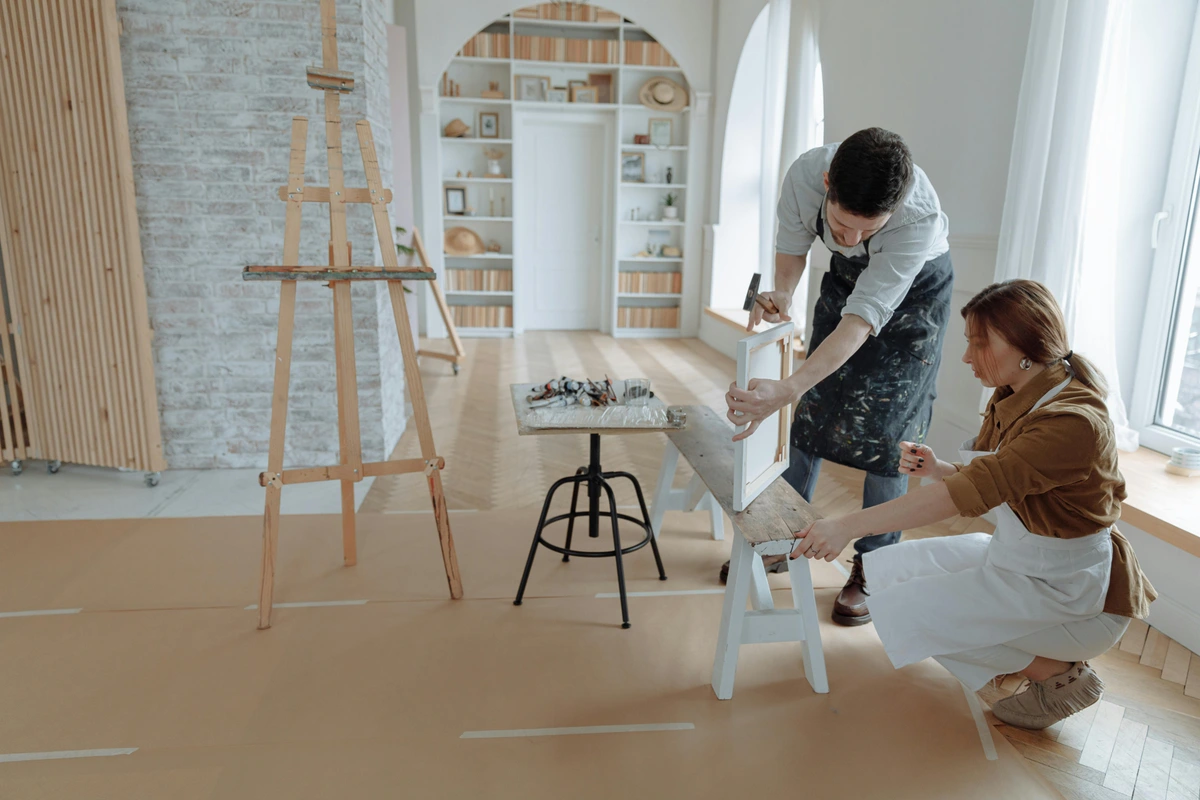
Frequently Asked Questions About Home Easels
Are easels necessary for beginners? (My Honest Opinion)
While not strictly "necessary" to begin your artistic journey (a flat table certainly works for a quick sketch or even some basic basic brushstrokes for acrylic painting!), I wholeheartedly recommend an easel for beginners, and here's why. It goes beyond just holding a canvas; it subtly encourages better posture, which prevents early physical fatigue. It provides a correct, consistent perspective for your artwork (which is vital for learning and correcting early errors, as visual distortion from a flat surface is a real thing!), and perhaps most importantly, it helps establish a dedicated artistic mindset. A simple, affordable tabletop easel or a lightweight A-frame can make a huge difference in building confidence and seriousness in your early artistic journey, setting you up for good habits from the start. It's an investment in your artistic development, not just a tool, allowing you to focus on developing your skills rather than battling with an unstable setup or a crick in your neck. Think of it as a mentor for good artistic habits, guiding you towards a more professional and comfortable practice from day one. It's the silent coach that helps you develop good habits from the very beginning.
Can I use a professional studio easel at home? (If You Have the Space, Go For It!)
Absolutely, if you have the space and the desire! Many artists, myself included, opt for smaller, compact versions of H-frame studio easels, and I've found them to be an absolute joy to work with. They offer superior stability and adjustability, making them an excellent investment for dedicated home studios where you might tackle larger or more intricate works (perhaps a complex piece inspired by ultimate guide to cubism!). Just remember, while it's tempting to go for the biggest and best, always measure your space carefully to ensure it fits comfortably without overwhelming the room. You don't want your easel to become a magnificent obstacle course, but rather a functional and inspiring centerpiece of your creative haven. Think about how a sturdy H-frame can elevate your large-scale how to abstract art ambitions without requiring a separate studio building – it truly brings that professional studio feel home, empowering your most ambitious visions. Just be mindful of its footprint, especially if it's a non-folding model, and ensure your floor can support its weight, particularly when loaded with a heavy canvas.
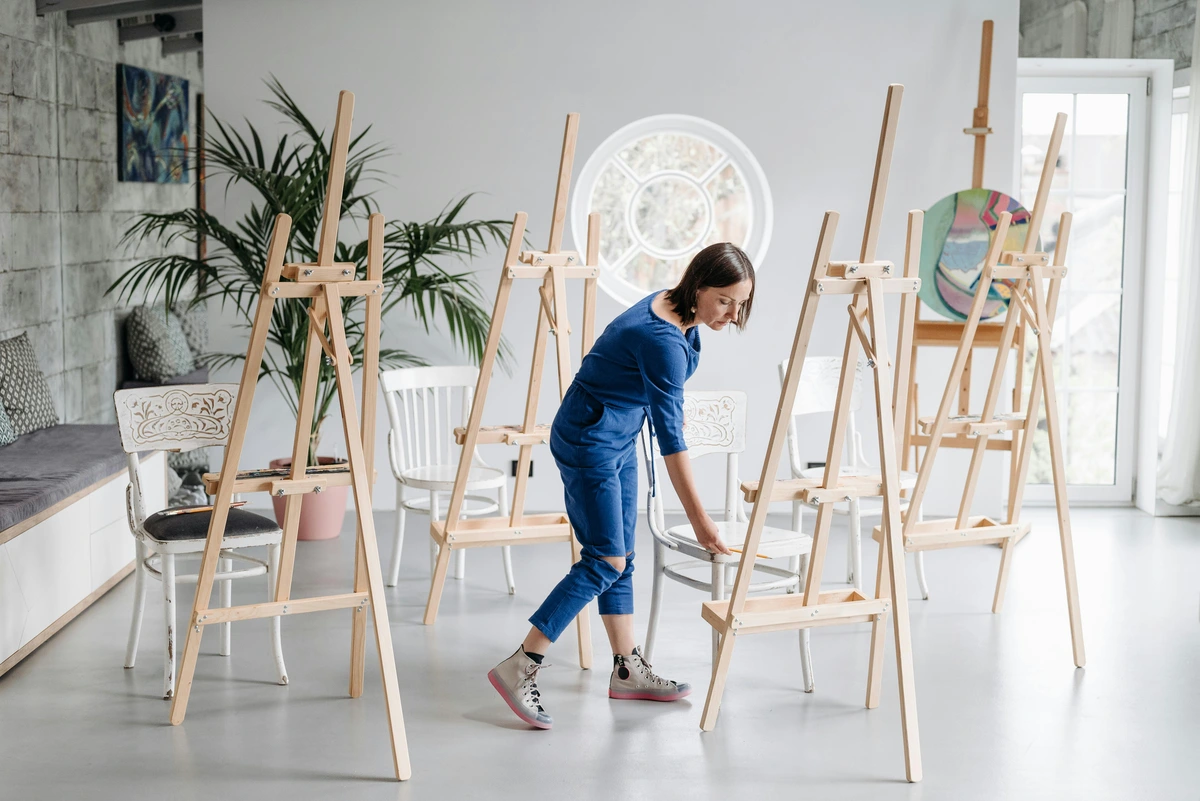
What's the best easel for small apartments? (Maximizing Every Inch!)
For small apartments, I consistently highly recommend two types: a tabletop easel or a lightweight, foldable field easel. Tabletop easels are brilliant because they take up minimal space on a desk or table and can be easily stored away in a drawer, on a shelf, or inside a cabinet when not in use, making them incredibly discreet. Field easels, designed for portability, offer the versatility of standing painting and can be folded flat and tucked away behind a door or under a bed, offering a fantastic balance of functionality and discreet storage – perfect for maintaining a tidy living space. Don't forget that wall-mounted easels (mentioned earlier) are another fantastic option for truly maximizing floor space, even if they're a more permanent fixture. These choices align perfectly with strategies for collecting art for small apartments: maximizing impact in limited spaces, proving that you don't need a huge space to make huge art! Ultimately, the best option is one that respects your limited square footage while still empowering your creative spirit. It's about clever solutions that allow your creativity to flourish, even in the tightest of spots. Consider multi-functional furniture pieces where your easel can be stored, further optimizing your compact living area.
Are wooden easels better than metal ones? (It's All About What Works for You)
Neither is inherently "better"; it profoundly depends on your preference and specific artistic needs. Wooden easels (like solid beechwood, oak, or birch) are often praised for their classic aesthetic, inherent stability, and excellent vibration absorption, which is fantastic for delicate work and heavy pressure alike. They often develop a beautiful patina over time, adding to their character and a sense of history to your studio, feeling like a true heirloom. Metal easels (usually aluminum or steel) are typically lighter, more portable, and resistant to warping, making them ideal for artists who need to move their easel frequently or prefer a more modern, industrial look. There's also an environmental consideration: many high-quality wooden easels come from sustainably managed forests, which can be a plus for eco-conscious artists keen on best eco-friendly art supplies for conscious artists. Ultimately, the "better" material is the one that best supports your artistic practice and aesthetic preferences, and sometimes, it's even about how they integrate into your decorating your home style. Think about the tactile experience as well – do you prefer the warmth of wood or the cool precision of metal? It's a deeply personal choice that impacts the very feel of your creative process. For artists with allergies, wood can be a more natural option, while metal can be easier to sanitize and less prone to absorbing paint smells.
How much should I spend on an easel?
Easel prices vary widely, and it's easy to get lost in the numbers. For beginners or casual home artists, a good quality easel can range from $30-$100, offering a perfectly functional entry point. More serious hobbyists or those looking for enhanced stability and features might invest $100-$300, which can truly elevate their practice. Professional-grade studio easels can go upwards of $300-$1000+, but these are often for very specific, large-scale, or heavy-duty needs that most home artists won't require initially. My advice is to focus relentlessly on value: identify your non-negotiable features—perhaps rock-solid stability for heavy work, extreme portability for flexible spaces, or the capacity to hold very large canvases—and then find the best easel that fits your budget without compromising on those essentials. A well-chosen mid-range easel can be a fantastic, long-term investment in your comfort and artistic progress, contributing significantly to your long-term artistic happiness and reducing the need for premature upgrades. Remember, the cheapest option isn't always the most economical in the long run if it doesn't meet your core needs. It's about finding that sweet spot between cost and lasting creative satisfaction – an easel that feels just right, without breaking the bank. Always check for sales or refurbished options from reputable art supply stores, as these can offer significant savings on quality easels.

How do I store my easel when not in use? (Making it Disappear When Needed)
Storage solutions vary significantly by easel type, and it's a critical factor for home artists, especially those living in smaller spaces. Tabletop easels are typically small enough to fit in a drawer, on a shelf, or inside a cabinet, making them incredibly discreet. Foldable field easels collapse flat and can often be stored behind a door, under a bed, or neatly in a closet, almost disappearing when not in use. Even some compact studio easels have clever designs that allow them to be partially folded against a wall, minimizing their footprint without needing full disassembly. Always check the dimensions and folding mechanism before purchasing if storage is a primary concern, and consider where it might live during its 'off-season' or when you need your space for other things. For those with a permanent setup, a simple dust cover can help protect your easel and canvas from airborne particles, keeping your creative space tidy and your equipment ready for your next session. This thoughtfulness about storage directly contributes to a harmonious home studio environment, allowing your art to coexist peacefully with your daily life – a true testament to mindful living and creating. Vertical storage solutions, such as wall hooks or slim storage bags, can further optimize space for foldable models.
What size canvas can a tabletop easel hold? (Know Your Limits!)
Most tabletop easels are designed for small to medium-sized canvases or art boards, typically up to 20-24 inches (50-60 cm) in height. While some larger models might claim to accommodate slightly bigger canvases, I’ve found that their stability can be seriously compromised with very large pieces, leading to frustrating wobbles and potential frustration (and possibly a damaged painting!). Always check the manufacturer's specifications for maximum canvas size and weight capacity, and consider a practical limit of around 20 inches for optimal stability and ease of use, especially if you apply a lot of pressure during your painting process. For anything significantly larger, a more robust freestanding easel would be a better choice, ensuring your creative vision isn't hampered by an undersized or unstable easel. It's about respecting the tool's capabilities to prevent unnecessary artistic mishaps. For digital artists, ensure your tablet or monitor fits securely and comfortably on the stand without obscuring controls or ports.

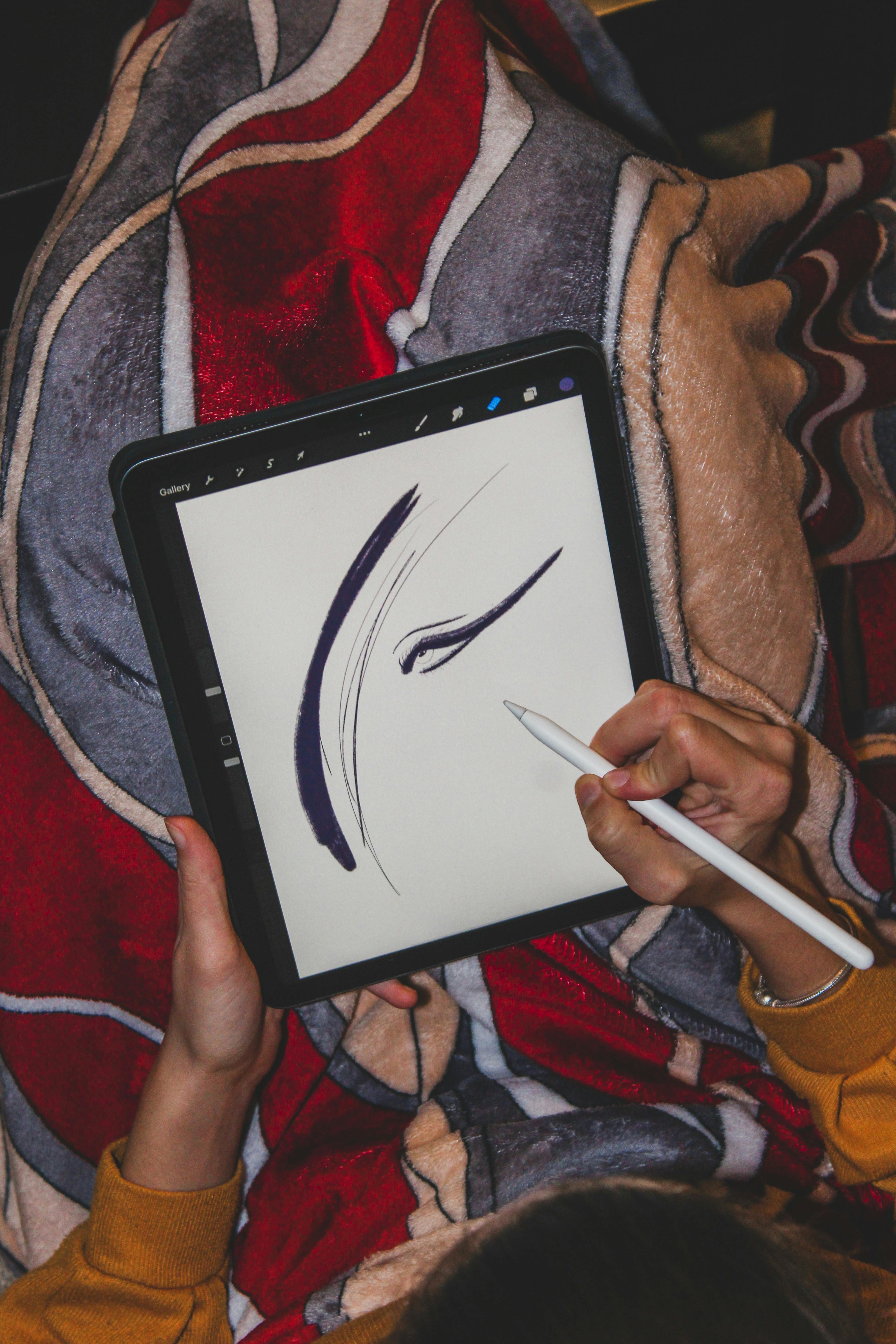





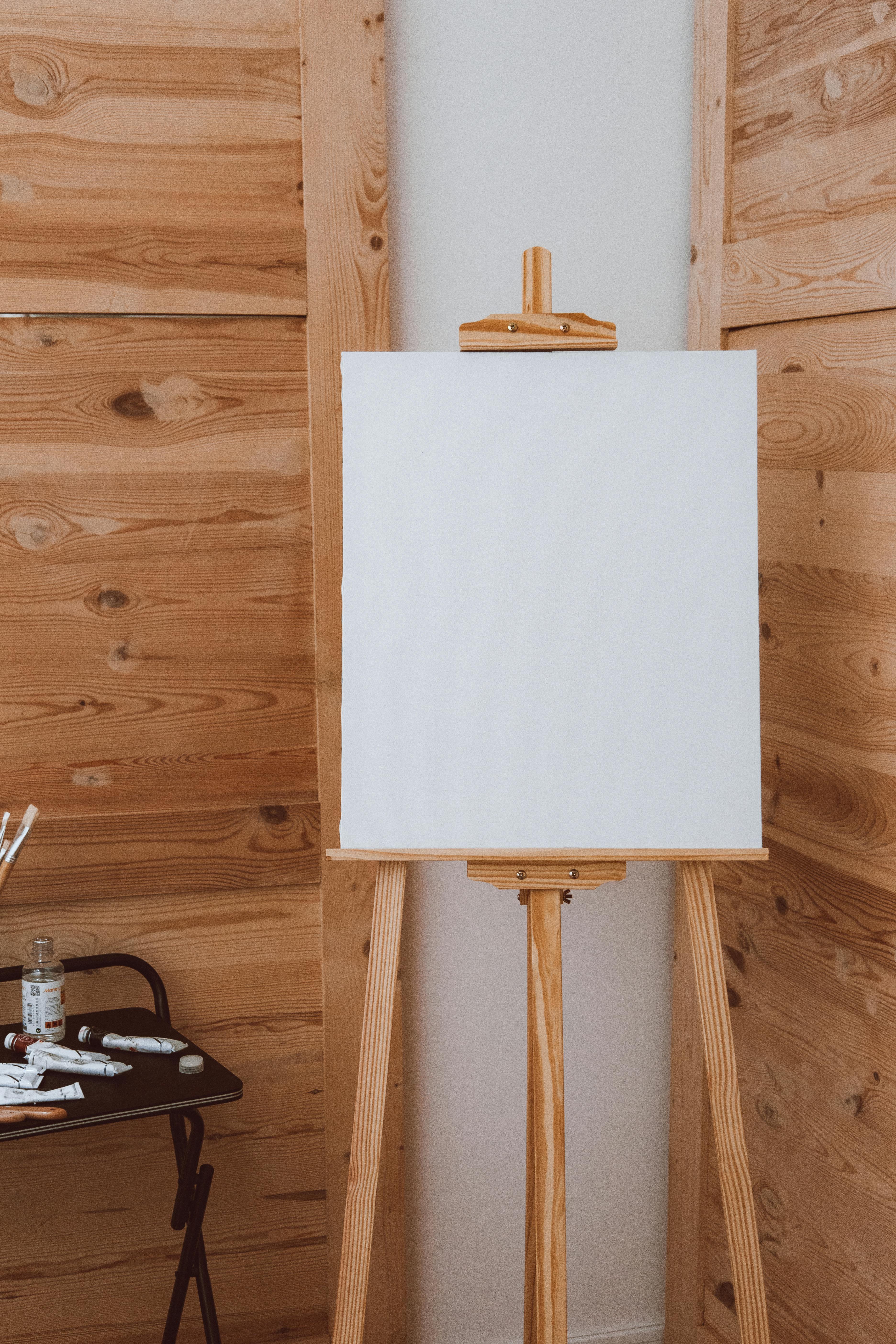



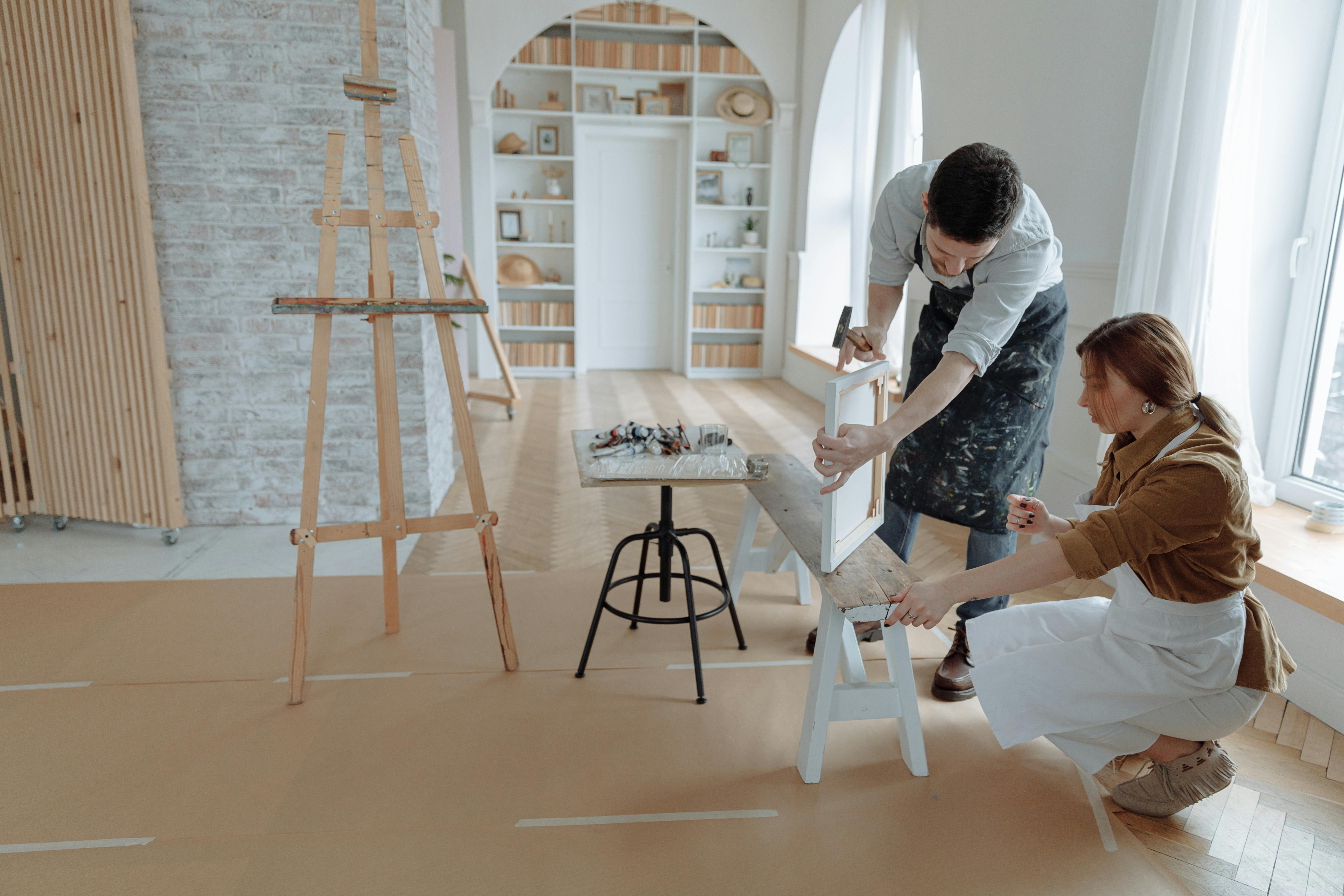
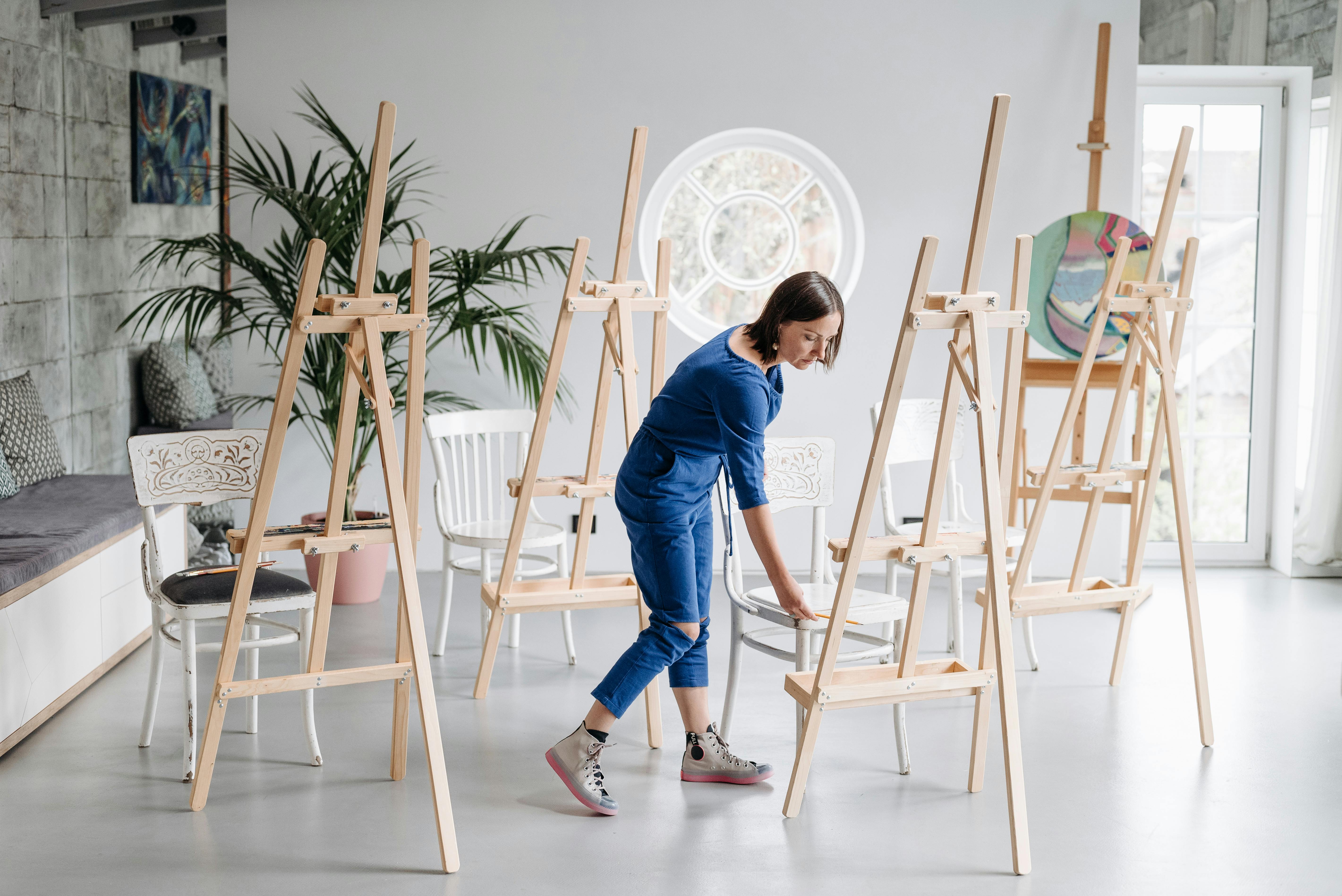

Bringing it All Together: Your Artistic Journey Starts at Home (And Your Easel is Your First Mate!)
Ultimately, selecting the best easel for painting at home is a profoundly personal journey, one that mirrors the unique path of your own art. It's about a quiet introspection, understanding the nuances of your living space, acknowledging your artistic habits, and discovering what truly makes you feel most comfortable, supported, and inspired. Please, don't ever feel pressured to acquire the largest, most feature-rich, or most expensive model right away. The "right" easel isn't about status or cost; it's the one that genuinely empowers you to create freely, joyfully, and without physical or mental obstruction in your own unique environment. It's about finding that silent, steadfast partner in your creative adventures, a companion to your my creative flow: embracing intuition in abstract painting and your journey to how to overcome fear of the blank canvas. It's the silent support system for your artistic soul, a constant encouragement to embrace your creative impulses.
So, I invite you to take a moment. Pause. Gaze around your creative haven, however small or grand it may be, and allow yourself to imagine the vast possibilities. With the perfect easel as your steadfast companion, that unassuming corner of your home can truly transform into a vibrant, dynamic space where your artistic dreams not only take shape but flourish. Go ahead, make some art, make some mess, make some magic! And when you do, know that your dedicated space, anchored by the right easel, has played a crucial role in bringing your vision to life. And hey, if you create something truly special, you can always explore pieces at the /den-bosch-museum for inspiration or perhaps even consider adding some of your own to /buy for others to enjoy, or learn more about my journey from studio to sale: navigating the business of abstract art as an artist. Happy painting, my friend – may your easel be ever stable and your inspiration boundless! May your creative journey be filled with endless discovery and profound satisfaction.
Frequently Asked Questions About Home Easels
Where are the best places to buy an easel online or in-store?
Finding the right easel often comes down to knowing where to look! For a wide selection and competitive pricing, online retailers like Amazon, Blick Art Materials, Jerry's Artarama, and Cheap Joe's Art Stuff are excellent choices. They offer a vast range of brands, types, and price points, often with detailed customer reviews. If you prefer to see an easel in person before buying, check local art supply stores. Many larger cities have dedicated art stores that allow you to try out different models, feel their stability, and assess their footprint. Sometimes, even larger craft stores might carry a basic selection. Don't forget to check local artist co-ops or second-hand marketplaces; you might find a fantastic deal on a gently used, quality easel!
What's the lifespan of a good easel?
The lifespan of a good easel can be surprisingly long – often decades, with proper care and maintenance. High-quality wooden easels, especially those made from solid hardwoods like beech, can become true heirloom pieces, developing a beautiful patina over time. Metal easels, particularly those made from durable aluminum or steel, are also built to last, often resisting wear and tear with minimal fuss. The key factors influencing longevity are the quality of materials and construction (e.g., solid joints, robust hardware), and how well you maintain it (regular cleaning, occasional lubrication for moving parts, and avoiding overloading). Investing a bit more upfront in a well-made easel often means it will serve your artistic journey for a very long time, truly becoming a steadfast partner rather than a disposable tool.
Can I make my own DIY easel?
Absolutely, yes! For the creatively inclined and handy artists among us, building your own DIY easel can be a rewarding project and a cost-effective solution. There are countless plans available online for simple A-frame easels, tabletop stands, or even more complex H-frame designs. You can repurpose materials like old lumber, PVC pipes, or even sturdy cardboard for temporary solutions. The benefits include customizability (you can tailor it perfectly to your space and canvas sizes!), a sense of accomplishment, and often significant cost savings. However, be mindful of stability and safety. Ensure your materials are strong enough to support your artwork, and that all joints are secure. While a DIY easel might not always offer the same precision adjustments or robust features as a professionally manufactured one, it can be a fantastic way to get started or to create a unique, personalized tool for your home studio.