Artists Who Fought in WWII: Stories of Courage & Creativity
Discover the incredible stories of artists who traded their brushes for rifles in World War II. Explore how combat and conflict forever changed their art and lives.

From the Studio to the Trenches: Artists Who Fought in World War II
I've always found the image of an artist utterly captivating. It’s usually a peaceful scene, isn’t it? A quiet studio, perhaps some classical music playing, the scent of turpentine in the air, light filtering through a large window, revealing a canvas on an easel – a world of deliberate creation. I paint myself into that picture quite often, losing myself in color and form. But then, I’m forced to consider another image, one far less serene: that same hand, not holding a brush, but clutching a rifle in a muddy, shell-shocked foxhole. The world isn't a blank canvas, but a landscape of destruction.
This article delves into the extraordinary stories of artists who, against all odds, found their voices and created indelible works amidst the unparalleled devastation of World War II. From the front lines of combat to the silent defiance of hidden studios, their experiences fundamentally reshaped the trajectory of modern art and left an enduring testament to the human spirit's resilience. It's a journey, I think, that will challenge your perceptions of what art can be, and what it truly means to create.
What happens when the innate human urge to create clashes violently with an equally potent force of annihilation? Does the art produced in such a crucible retain its essence? Does the artist emerge transformed, perhaps even broken? These aren't just philosophical musings; they're stark realities for a surprising number of artists whose lives were irrevocably shaped, and sometimes tragically ended, by World War II. For them, the war wasn't a distant headline or a historical footnote; it was the brutal, visceral, and often final chapter of their artistic and personal journeys. It's a question I often ponder: how can creation thrive amidst such destruction? This article, I hope, will offer some powerful answers, taking us on a journey through lives that prove art's enduring, defiant power. It's a testament to the fact that even when the world devolves into chaos, the creative spirit can, and often does, find a way to resist, to document, and ultimately, to heal.
The Art of Resistance: A Global Canvas of Conflict
World War II wasn't merely a clash of armies; it was a total war that engulfed societies, ideologies, and cultures. This meant that the artistic response was equally encompassing, ranging from official governmental commissions to deeply personal expressions of defiance, trauma, and hope. Artists, often thought to be removed from the fray, found themselves at the very heart of the conflict, their experiences shaping not only their individual oeuvres but also the entire trajectory of modern art.
Beyond overt acts of resistance, art became a quiet, yet powerful, means of cultural preservation. As bombs fell and ideologies clashed, artists and cultural guardians recognized the profound importance of safeguarding artistic heritage – a testament to human civilization that transcended the immediate conflict. This often involved dangerous missions, risking lives to protect the very soul of nations, a theme we'll explore with the extraordinary story of the Monuments Men.
From the bustling metropolises to the silent battlefields, artists grappled with a world in flux. They documented the relentless bombings that transformed familiar cityscapes into haunting ruins, the grim realities of internment, the forced displacement of millions, and the insidious spread of propaganda. Their canvases, sculptures, photographs, and even simple sketches became crucial records, not just of historical events, but of the profound human cost. They captured moments of unparalleled bravery, acts of quiet resistance, and the crushing weight of despair. This article aims to pull back the curtain on these often-overlooked narratives, revealing how art became an indispensable lens through which to understand one of humanity's darkest chapters.
This artistic resistance wasn't limited to famous names. In occupied territories, anonymous artists created underground leaflets, anti-propaganda posters, and satirical cartoons, often at great personal risk. These clandestine acts of creation were vital for maintaining morale, disseminating truth, and subverting the narratives of the occupiers. It was, in many ways, an invisible war fought with pens and brushes, a testament to the idea that even small acts of creative defiance can have immense power in the face of tyranny.
So, let's peel back the layers on a corner of art history that swaps the hushed reverence of galleries for the deafening roar and visceral chaos of the battlefield. It’s a narrative less about pristine exhibits and more about the grit, resilience, and profound transformation forged in the fires of conflict.

The Unexpected Soldier: Why Artists Went to War
It's a common misconception, I think, that artists are somehow insulated from the harsh realities of the world, perhaps too sensitive or too immersed in their own creative cosmos to engage with something as brutal as war. And in some ways, you wouldn't be entirely wrong. Many artists certainly sought solace in their studios, a refuge from the escalating global tensions. But war, with its insatiable appetite, has a chilling way of drawing everyone into its destructive orbit, regardless of profession or inclination. For artists, the motivations and circumstances that led them to the front lines, or to contribute to the war effort in myriad ways, were as diverse and complex as their art itself. What truly struck me when researching this topic was the sheer range of responses, from grim duty to defiant creativity. It’s a compelling paradox, isn’t it? The same hands that meticulously crafted beauty were forced to grapple with unprecedented destruction. This clash of worlds birthed art that is often raw, unfiltered, and deeply human, forever altering the canvas of art history.
The societal pressures were immense. Propaganda machines worked overtime to rally citizens, fostering a sense of national unity and moral imperative. For artists, this often meant a difficult choice: contribute their skills to the war effort, resist, or try to maintain their creative integrity in a world that had little patience for neutrality. The war wasn't just a physical battle; it was a profound psychological and moral struggle that forced every individual, including artists, to confront their deepest convictions and their role in a world turned upside down. This collective reckoning, I believe, profoundly shaped the art that emerged, imbuing it with a raw honesty that continues to resonate today.
The global scale of the conflict meant that these motivations were not confined to a single nation. Artists from Allied and Axis powers alike, and those caught in between, each navigated a complex web of personal conviction, national pressure, and the desperate instinct to survive. Understanding these diverse catalysts is key to appreciating the rich, often heartbreaking, tapestry of wartime art.
Some were conscripted, swept up by the sheer force of national mobilization, their brushes exchanged for rifles with no choice in the matter. This was often a wrenching experience, forcing creators into roles of destruction. Others volunteered, driven by fierce patriotism, a deep sense of moral duty, a desire to document history firsthand, or even a quest for an experience that they believed would fuel their creative fire (a dangerous gamble, to say the least). Still others found their unique skills in visual communication and design to be invaluable tools in the propaganda and psychological warfare efforts, shaping public opinion from behind the scenes. And let's not forget the silent, yet powerful, impact of artists whose work was suppressed or declared 'degenerate' by totalitarian regimes – a form of resistance in itself. These artists, whether in direct combat, working from the relative safety of the home front, or enduring persecution, found their perspectives radically altered, their art forever marked by the crucible of conflict. The motivations were rarely simple; they were a complex tapestry of fear, obligation, conviction, and sometimes, a desperate need to make sense of the chaos through their art.
Artists served in a huge variety of roles, each shaping their perspective in unique ways. It's not a neat classification, mind you, as many artists blurred these lines, moving between roles or experiencing several facets of the war. They were, in essence, witnesses and participants, capturing the epochal changes unfolding around them.
The Shadow of Repression: 'Degenerate Art'
Before we delve into the individual stories, it’s crucial to understand the dark backdrop against which much of European art operated: the systematic suppression of what the Nazi regime branded as "Degenerate Art" (Entartete Kunst). This wasn't just aesthetic disapproval; it was a brutal assault on artistic freedom, targeting modern art movements like Expressionism, Cubism, and Surrealism, as well as any work by Jewish artists. The Nazis orchestrated the infamous 'Degenerate Art' (Entartete Kunst) exhibition in Munich in 1937, showcasing over 650 confiscated artworks in an attempt to mock and vilify modern art as 'un-German' and morally corrupt. This exhibition, ironically, drew millions of visitors, albeit under coercive circumstances. Museums were purged, works were confiscated or destroyed, and artists faced public humiliation, dismissal from teaching positions, and even worse fates. This act of cultural vandalism aimed to enforce a narrow, nationalistic aesthetic that glorified the state and its ideology. The very act of creating art outside these prescribed boundaries became an act of profound defiance, a silent battle fought in studios and hidden spaces across occupied Europe. This institutionalized suppression, coupled with the flight or persecution of countless artists, created a profound void in German cultural life and sent a chilling message across the continent about the fragility of artistic freedom.

Motivation/Circumstance  | Description | Example (Often Many Unnamed) |
|---|---|---|
| Conscription/Draft | Compulsory military service, regardless of artistic profession, often leading to combat roles. | Bill Mauldin, George Grosz (WWI, but relevant context) |
| Patriotism/Duty | Voluntary enlistment driven by national pride, moral obligation, or anti-fascist convictions. | Many official war artists, volunteers, e.g., Eric Ravilious |
| Documentation | A desire to record the conflict for historical purposes, often through official commissions or personal initiative, ensuring future generations understood the reality of the war. | Henry Moore, Lee Miller, Stanley Spencer |
| Personal Experience | Seeking to understand and express the profound human drama of war, or to find new artistic inspiration amidst chaos, often at great personal cost. | Artists who later became Abstract Expressionists, Otto Dix (WWI), Max Beckmann |
| Skill Utilization | Applying artistic talents (design, illustration, perception) to non-combat roles like camouflage, propaganda, or cartography. | Norman Rockwell, Picasso (propaganda by absence), camouflage artists |
| Resistance/Activism | Using art as a form of protest against totalitarianism, censorship, or as a tool for underground movements. | Felix Nussbaum, artists in Theresienstadt, unknown anti-Nazi leaflet creators |
| Therapeutic/Coping | Creating art as a means of processing trauma, expressing emotions, or maintaining sanity in desperate circumstances. | Artists in internment camps, POWs |
| Exile/Displacement | Forced to flee their homelands, artists found new environments influencing their work, often dealing with themes of loss and identity. | Marc Chagall, Max Ernst |
- Combat Soldiers: This is perhaps the most jarring image – the artist, the creator, thrust into the role of the destroyer or the destroyed. Many artists were indeed drafted or volunteered for active combat, serving on the front lines just like anyone else. Their experiences were often brutal, marked by unimaginable horrors, camaraderie, and the constant threat of death. For those who survived, the psychological scars often manifested deeply in their post-war art, influencing themes of trauma, existentialism, and a fragmented view of humanity. Think of the raw, unflinching honesty that often defines their later works; it's the kind of truth you can only glean from the mud and the blood. The experiences of artists like Bill Mauldin, whom we'll discuss later, and the lesser-known Al Blaustein, who documented his experiences as a soldier, offer a window into this grim reality. These artists often returned with a profound disillusionment with traditional heroism, preferring to depict the stark, often inglorious, realities of survival and loss rather than idealized combat scenarios.
- Official War Artists: Governments, understanding the power of imagery to shape public opinion and historical record, actively commissioned artists to document the war. Their brief was broad: to create a visual chronicle, spanning everything from the stoic resilience of the home front to the visceral chaos of the battlefields, often with a nuanced (or sometimes overt) dose of propaganda. These artists operated in a fascinating, often dangerous, liminal space between journalism and pure artistic expression. Figures like Dame Laura Knight, Britain's official war artist, captured crucial moments like women working in factories or at airfields, providing invaluable insight into the collective national effort. Her canvases weren't just about depiction; they were about interpretation, emotion, and creating a narrative that would resonate deeply. In Australia, artists like William Dargie similarly documented the Pacific campaigns. Another notable British Official War Artist was Eric Ravilious, whose distinctive watercolor landscapes captured scenes of maritime warfare and daily life with a quiet, almost melancholic beauty before he was tragically lost at sea during a mission. The Canadian War Art Program also commissioned a significant number of artists, including Alex Colville, who later became known for his magic realism, but whose wartime experience as an infantry officer and official artist profoundly influenced his meticulous style and thematic concerns around isolation and the human condition. Even the Soviet Union, with its distinct artistic doctrines, employed a vast network of war artists (like Mikhail Khmelko and Alexander Laktionov) to create heroic, propaganda-driven portrayals of the Red Army's resilience and victories, demonstrating the universal recognition of art's power in wartime.
- War Correspondents/Photographers: This role, often blurring lines with official war artists, saw individuals directly embedding themselves in conflict zones to capture raw, immediate visual accounts. While war artists often interpreted scenes, correspondents aimed to be objective documentarians, their cameras flashing amidst the chaos. Their bravery brought the grim realities of war to the public in an unprecedented way. This is where figures like Lee Miller, whom we'll explore in more detail, truly shone, providing an unflinching gaze at the darkest aspects of human conflict. Her photographs, taken directly from the front lines and liberated concentration camps, became some of the most iconic and essential visual records of the war's horrors. Additionally, Robert Capa, a legendary photojournalist, captured D-Day and other pivotal moments with raw immediacy, often putting himself in extreme danger to bring the truth to the world. Another courageous figure, Margaret Bourke-White, an American photojournalist, became the first female war correspondent and the first woman to fly on a combat mission during WWII. Her stark photographs, particularly from the liberation of concentration camps and the bombed-out cities of Germany, provided an unflinching look at the war's devastation, further challenging sanitized narratives and bringing the brutal realities directly to the American public.
- Propaganda Creators: In a total war, art becomes a powerful, often insidious, weapon. Posters, films, cartoons, and illustrations were absolutely crucial for rallying public support, boosting morale on the home front and among troops, selling war bonds, and, yes, demonizing the enemy. This wasn’t just about making things look pretty; it was about crafting compelling narratives and emotional appeals that resonated with the masses. Norman Rockwell, a name synonymous with American idealism, became one of the most effective propaganda artists. His iconic Four Freedoms series, inspired by Franklin D. Roosevelt's speech, translated abstract ideals into relatable, heartwarming scenes of American life, effectively selling the war’s purpose to a nation. His images, like Rosie the Riveter, didn't just depict reality; they helped create it, embodying the spirit and resilience needed to win the war. Other artists, like Dr. Seuss (Theodor Seuss Geisel), created powerful, often unsettling political cartoons that vividly skewered isolationism and Nazi ideology, using his distinctive visual style for sharp political commentary. Beyond these well-known names, countless graphic designers, illustrators, and anonymous artists churned out posters, pamphlets, and even animated shorts for both Allied and Axis powers, demonstrating how art, in its purest applied form, became a tool for mass persuasion and national identity formation. The propaganda efforts were incredibly sophisticated, leveraging psychology to shape public attitudes towards rationing, enlistment, and the enemy. Posters used bold iconography and memorable slogans, films provided narratives of heroism and sacrifice, and even children's cartoons subtly infused wartime messages. It really makes you think about the responsibility that comes with the power of visual communication, doesn't it?
The Power of the Image: Shaping Perception
The propaganda efforts of WWII demonstrate a stark reality: art is never truly neutral. It can be a tool for truth, beauty, or, alarmingly, for manipulation. The images crafted by artists during this period, whether overt or subtle, played a critical role in shaping national identity, rallying public will, and solidifying narratives that would resonate for decades.
- Camouflage and Design: This is truly fascinating. Artists’ keen understanding of color theory, perspective, and visual deception made them invaluable for designing effective camouflage for tanks, ships, and uniforms, quite literally blurring the lines between art and survival. It’s Cubism in service of survival, applying abstract principles to practical, life-saving deception. Figures like Hugh Cott, a zoologist and camouflage expert, even pioneered new theories on disruptive coloration, often collaborating directly with artists who brought their understanding of form, shadow, and perception. The very fragmentation and multiple viewpoints that defined Cubist art, developed decades before, found an unexpected and vital application in disrupting visual recognition on the battlefield, making tanks disappear into forests and ships blend with the waves. Think about that for a moment: an avant-garde art movement directly influencing military strategy! It’s a powerful testament to the unexpected utility of artistic innovation. This fusion of art and science highlights the often-unseen intellectual contributions of artists to the war effort.
Art and Concealment: The Abstract Battlefield
What truly fascinates me about this role is how abstract artistic principles, once confined to galleries and intellectual discussions, found immediate, life-or-death application. The fragmented viewpoints of Cubism, the illusionistic techniques of Surrealism, and a deep understanding of natural patterns were repurposed for military ends. Artists literally painted away the visible, challenging the very act of perception on the battlefield. It's a profound thought: the act of obscuring, rather than revealing, as a form of creative contribution to survival.
- Cultural Preservationists (Monuments Men): A remarkable group, the Monuments, Fine Arts, and Archives program (MFAA), affectionately known as the Monuments Men, risked their lives to protect cultural heritage. While we'll delve deeper into their extraordinary mission later, it's vital to acknowledge their crucial role in safeguarding humanity's artistic legacy amidst the destruction. It's a mission that, to me, underscores the profound, almost defiant value we place on art, even in the face of utter devastation. Imagine, if you can, the sheer audacity of fighting for a painting while bombs are dropping; it speaks volumes about what we truly cherish.
Guardians of Culture: The Monuments Men and the Fight for Civilization
The story of the Monuments Men is, quite frankly, cinematic. But beyond the thrilling narrative of art recovery, it speaks to a deeper truth: the understanding that a nation's culture, its art, libraries, and historical sites, are integral to its identity. To destroy or steal these treasures is to strike at the very soul of a people. Their mission was a humanitarian one, recognizing that the preservation of cultural heritage is as vital as the preservation of human life, ensuring that future generations would still have access to the masterpieces that define our shared human story. It's a legacy that continues to inform international laws and conventions regarding cultural heritage protection in times of conflict.

Portraits of Courage: Artists Who Defined an Era
While it's important to understand the broader categories of artistic involvement in WWII, the true impact, I think, really hits you when you zoom in on the individuals. Their stories aren't just dry historical accounts; they're visceral experiences, a gut punch that reminds us that behind every famous painting or monumental sculpture are real people, artists with lives and dreams, who were forced to navigate the unimaginable times of war. These are not just names in a textbook; they are testaments to human resilience, creativity, and the enduring power of art in the face of destruction. Each one offers a unique lens through which to comprehend the vastness of the conflict.
Beyond those directly engaged, many other artists navigated the war from a distance, their art nonetheless imbued with the era's anxieties and political currents. Their works, though not always direct depictions of battle, served as powerful commentaries, reflections, and even acts of subtle resistance, demonstrating art's multifaceted role in times of crisis.
Ben Shahn: The Social Realist's Conscience
Ben Shahn, a Lithuanian-born American artist known for his potent social realist paintings, photography, and graphic work, brought a fierce sense of justice to his art. While not a combat soldier, Shahn's work during and after WWII was deeply committed to documenting human dignity and protest against injustice. During the war, he worked for the Office of War Information (OWI), producing powerful posters that supported the Allied cause and rallied public morale on the home front. However, unlike some overt propaganda, Shahn's works often retained a distinct humanistic edge, celebrating ordinary people and emphasizing the core democratic values the war was fought to protect. His imagery, with its strong lines and often stark compositions, captured the resilience and quiet heroism of the American people, reflecting his deep commitment to social commentary. His art, rooted in the American experience, also resonated with the broader fight against fascism, serving as a powerful visual voice for freedom and human rights. Shahn's ability to imbue everyday scenes with profound moral weight made him a vital artistic chronicler of his era, bridging the gap between direct wartime contribution and enduring social critique.
Jacob Lawrence: Documenting the African American War Experience
Jacob Lawrence, a seminal figure of the Harlem Renaissance, brought his distinctive dynamic style to bear on the realities of WWII, offering a crucial perspective on the African American experience. Already celebrated for his narrative series depicting historical and social themes (like his 'Migration Series'), Lawrence volunteered for the U.S. Coast Guard in 1943. While serving, he continued to paint, documenting naval operations and the lives of fellow servicemen. His powerful works from this period, characterized by their bold colors, flattened forms, and rhythmic compositions, depicted the challenging realities faced by Black Americans in a segregated military, highlighting both their patriotism and the ongoing struggle for equality at home. After the war, his experiences profoundly influenced his later art, which continued to explore themes of conflict, struggle, and the pursuit of freedom. Lawrence’s wartime art provides an invaluable visual record of a pivotal moment in American history, reminding us that the fight for justice was fought on multiple fronts.
Taro Yashima: Japanese Anti-Militarist and Internment Artist
Taro Yashima (born Iwamatsu Atsushi) offers a compelling and often heartbreaking perspective from the Japanese side, albeit as a staunch anti-militarist. A committed political cartoonist and artist in Japan, he and his wife, Mitsu, faced persecution for their opposition to Japan's rising militarism in the 1930s. They eventually fled to the United States. When Pearl Harbor was attacked, Yashima, along with thousands of other Japanese Americans, faced internment. Though not interned himself, his later works and children's books (like Crow Boy) powerfully reflected themes of cultural identity, displacement, and the longing for peace. His commitment to using art as a tool for social justice and anti-war sentiment, even while estranged from his homeland, made him a unique voice. His story, and that of many other Japanese-American artists like Chiura Obata who famously established art schools within the internment camps, underscores how art became a means of maintaining dignity, fostering community, and asserting cultural identity in the face of profound injustice and xenophobia.
Zoran Mušič: Bearing Witness to Dachau
Zoran Mušič, a Slovenian painter and graphic artist, endured the horrors of Dachau concentration camp. Arrested by the Nazis in 1944 for alleged collaboration with the resistance, he was imprisoned for months, facing starvation and witnessing unspeakable atrocities. During his incarceration, he secretly made hundreds of drawings, capturing the emaciated faces of fellow prisoners and the desolate camp landscapes. These drawings, created under the constant threat of death, were acts of defiant documentation, raw testimonies to the systematic dehumanization he witnessed. Most of these harrowing sketches were later destroyed or lost, but those that survived, and more importantly, the profound emotional scars, fueled his powerful post-war series, 'We Are Not the Last.' These works, often depicting skeletal, intertwined figures, became an enduring artistic memorial to the victims of the Holocaust. Mušič's art is a testament to the artist's role as a witness, whose creative spirit can transform the deepest personal trauma into universal expressions of suffering and remembrance, ensuring that the faces of the lost would not be forgotten.
Käthe Kollwitz: The Conscience of a Continent
While primarily an artist of World War I, the specter of World War II and the rise of Nazism cast a long, tragic shadow over Käthe Kollwitz's later life and deeply informed the ongoing resonance of her powerful work. A German Expressionist known for her raw, empathetic depictions of human suffering, poverty, and the anguish of war, Kollwitz was a pacifist whose art spoke truth to power. Her famous woodcuts and lithographs, such as The Weavers' Revolt and War, are unflinching testaments to the devastating impact of conflict on ordinary people, particularly mothers and children.
The Nazis declared her work "degenerate," removing it from public display and forcing her to resign from her position at the Prussian Academy of Arts. Her son had died in WWI, and her grandson would die in WWII. Despite this persecution, her art continued to circulate, a silent but potent protest against the regime's brutality. Kollwitz’s persistent focus on the universal human cost of war, and her personal experience of profound loss, made her a powerful voice for peace whose message only gained intensity as Europe once again plunged into conflict. Her art reminds us that beyond the grand narratives of battles and generals, war always leaves indelible scars on the most vulnerable. Her work, with its raw honesty, became a counter-narrative to the glorification of war, a poignant echo across generations of conflict. It's no wonder her prints continue to resonate today, speaking to the timeless suffering caused by human conflict. Her profound empathy for the suffering of women and children, often depicted with a searing intensity, established her as an enduring voice against the senselessness of warfare, making her work tragically relevant across generations of conflict. You can delve deeper into her impactful life and work on our page dedicated to Käthe Kollwitz.
Henry Moore: The Underground Chronicler
Before the war’s shadows lengthened, Henry Moore was already a celebrated sculptor, known for his imposing, abstract figures that often evoked the human form in landscape. But when the relentless London Blitz descended, transforming the city into a nightly inferno, Moore, like hundreds of thousands of ordinary citizens, sought refuge in the subterranean labyrinth of the London Underground tunnels. What he witnessed there, in the dim, cramped, and strangely communal spaces beneath the city, profoundly altered his artistic vision.
He didn't see a panicked, cowering populace. Instead, he observed a stoic, huddled community of people – sleeping, waiting, enduring, finding a strange solace in their collective vulnerability. This powerful imagery compelled him to draw, obsessively. These Shelter Drawings, rendered in wax, ink, and watercolor, are hauntingly evocative. They aren't traditional portraits of individuals, but rather a profound depiction of a collective humanity, an almost sculptural mass, sheltering together against an unseen, terrifying enemy. Moore, though not a soldier with a rifle, was undeniably on the front line of the civilian experience, capturing a raw, vulnerable, and deeply empathetic side of the war that no official photograph could ever convey. These works stand as a poignant record of endurance, fear, and shared humanity. Moore also contributed to the war effort in other ways, including several significant bronze sculptures that commemorated the sacrifices and resilience of the British people, such as his Helmet Head series, which explored themes of protection and vulnerability. But it is these intimate drawings, capturing the collective spirit of Londoners under siege, that truly cemented his legacy as a wartime chronicler. He showed us that even in the darkest shelters, there is a profound beauty in human resilience and shared vulnerability. His wartime experiences pushed his abstraction into new, emotionally resonant territories, influencing his later monumental works which continued to explore the human form in relation to its environment and the forces that shape it.

Marc Chagall: Exile and the Enduring Spirit
Marc Chagall, a Jewish artist born in Belarus and later a prominent figure in the Parisian art scene, experienced the turmoil of WWII not on the battlefield, but through the profound trauma of exile and persecution. His vibrant, dreamlike works, often infused with themes of Jewish folklore, biblical narratives, and Russian village life, took on a new, poignant resonance as the Nazis' anti-Semitic policies spread across Europe. Chagall's art became a powerful expression of identity and spiritual resilience in the face of forced displacement and the systematic destruction of Jewish communities.
He was forced to flee France in 1941, narrowly escaping the Holocaust with the help of the American journalist Varian Fry, and found refuge in the United States. During his years in America, his work continued to grapple with themes of war, loss, and the plight of refugees, often depicting floating figures, crucifixions, and poignant memories of his lost European world. Though physically removed from the direct conflict, Chagall’s art served as a deeply personal and universal lament for a shattered world, embodying the displaced artist's struggle to maintain hope and creative vision amidst unimaginable darkness. His story is a testament to how art can both mourn loss and defiantly assert cultural continuity. Chagall's personal displacement, like that of many Jewish artists, forced him to confront themes of identity, homeland, and persecution, imbuing his already symbolic works with an even deeper emotional resonance. His canvases, filled with flying lovers and melancholic fiddlers, often depicted the White Crucifixion and Descent from the Cross, using Christian iconography to symbolize Jewish suffering during the Holocaust, a powerful and deeply moving artistic response. These works, infused with his characteristic vibrant colors and dreamlike narratives, became a dreamlike testament to a shattered past and a yearning for peace, asserting the enduring spirit of a culture under siege.
Bill Mauldin: The Soldier's Cartoonist
If you ever want to truly grasp the unfiltered reality of what the average American GI was really thinking, feeling, and enduring during World War II, I'd tell you to put down the glossy propaganda posters and pick up a collection of Bill Mauldin’s cartoons. As a young sergeant in the infantry, Mauldin experienced the war from the mud up, from the grinding exhaustion of the front lines in Italy. His iconic characters, Willie and Joe, were a revelation – perpetually exhausted, scruffy, cynical, and deeply relatable, a stark contrast to the impeccably clean-cut heroes typically depicted in newsreels and official art.
Willie and Joe were the everyman soldiers. They complained, endlessly, about the officers, the inedible food, the unrelenting rain, the fear, and the sheer absurdity of it all. And the soldiers adored them for it, because it mirrored their own experiences with an unflinching, dark humor that acted as a crucial psychological shield against the constant horror. Mauldin’s authenticity was so potent that it sometimes landed him in hot water with the top brass, most notably General George S. Patton, who famously (and incorrectly) believed Mauldin was undermining military discipline. Yet, Mauldin fiercely defended his artistic integrity, arguing that his cartoons fostered morale by validating the soldiers' experiences, not by sugarcoating them. He truly was the voice of the common soldier, using his pen and wit to articulate the unspoken truths of men facing the unimaginable. Mauldin's work earned him a Pulitzer Prize, a rare honor for a cartoonist, solidifying his place not just as a wartime artist but as a vital historian of the soldier's experience. His legacy continues to influence military reportage and art that aims to give voice to the often-unheard realities of those in combat. Mauldin’s cartoons were more than just funny drawings; they were a lifeline for soldiers, a validation of their struggles, and a powerful, understated form of dissent against the rigid hierarchies of war. He captured the essence of the ordinary soldier's experience with a rare blend of humor, pathos, and profound respect. His refusal to romanticize combat or sanitize the soldier's grievances resonated deeply, fostering a sense of shared understanding and camaraderie that transcended rank. Mauldin's work, ultimately, served as an invaluable historical document, offering an unvarnished window into the psychological toll of war on the ground.
Lee Miller: From Fashion Icon to Frontline Witness
It's truly extraordinary how some lives take the most unexpected turns. Lee Miller began her career as a dazzling fashion model in New York, gracing the covers of Vogue. She then transitioned to a celebrated Surrealist photographer, collaborating with Man Ray in Paris, honing an eye for the unconventional. But when WWII erupted, Miller leveraged her formidable photographic skills and fearless spirit to become an accredited war correspondent for Vogue, capturing a side of the war few others did.
Her photographs from the front lines and liberated concentration camps are chillingly powerful. She captured the liberation of Paris, the horror of Buchenwald and Dachau, and even famously photographed herself in Hitler's bathtub in his Munich apartment just hours after his death. Her images, raw and unflinching, brought the grim realities of the war and the Holocaust directly to the American home front, challenging the sanitized narratives often presented by official channels. Miller's work wasn't just documentation; it was a deeply personal, empathetic, and courageous act of bearing witness, forcing the world to confront the atrocities committed. Her story reminds me that sometimes, the most elegant eye can also be the most brutally honest, confronting horror with an almost defiant grace. Miller's visual record was instrumental in shaping public opinion, forcing an undeniable confrontation with the atrocities of the Holocaust at a time when official reports were still being processed. Her powerful images ensured that the world would not look away, cementing her legacy as one of the most courageous and impactful photojournalists of her era.
Her willingness to immerse herself in the most horrific scenes, not just as an observer but as a witness deeply affected by what she saw, makes her work stand out. From the fashion studios of Paris to the gas chambers of Dachau, Miller's journey represents one of the most remarkable transformations of an artist during the war. After the war, the immense psychological toll of her experiences became evident; she largely abandoned photography, grappling with the trauma she had witnessed. Her story is a poignant reminder of the hidden scars war leaves even on those who document it.
Norman Rockwell: The Home Front's Ideals
While he didn't serve in active combat, Norman Rockwell was arguably one of the most influential artists of the American home front during World War II. Known for his idyllic, often sentimental illustrations of American life, Rockwell's art for The Saturday Evening Post became a visual bedrock of national identity and morale during the conflict. His iconic Four Freedoms series, inspired by President Franklin D. Roosevelt's 1941 speech, translated abstract ideals like Freedom from Want and Freedom of Speech into relatable, emotionally resonant scenes of everyday Americans.
Rockwell’s images, like Rosie the Riveter, didn't just depict reality; they helped create it, embodying the spirit and resilience needed to win the war and mobilizing public support for the vast war effort. His ability to connect with the common person, to distill complex national aspirations into accessible and heartwarming visual narratives, made him an unparalleled force in wartime communication. Though sometimes criticized for their idealized portrayal of American life, Rockwell’s works were undeniably powerful in shaping public sentiment and rallying a nation behind a common cause. His Four Freedoms series, in particular, translated abstract ideals into tangible, relatable scenes: Freedom of Speech showing a man speaking his mind at a town meeting, Freedom of Worship depicting diverse individuals in prayer, Freedom from Want portraying a family gathered for a Thanksgiving feast, and Freedom from Fear showing parents tucking their children into bed. These images, alongside his iconic Rosie the Riveter, didn't just depict reality; they helped create it, embodying the spirit and resilience needed to win the war and mobilizing public support for the vast war effort. His ability to distill complex national aspirations into accessible and heartwarming visual narratives made him an unparalleled force in wartime communication, creating an enduring iconography of American patriotism and resilience. It's a fascinating study in the art of persuasive imagery, and how deeply it can embed itself into the collective consciousness.
Max Beckmann: Allegories of Anguish
Max Beckmann, another towering figure of German Expressionism and New Objectivity, experienced the brutal realities of war not just as a medical orderly in World War I, but also through forced exile and artistic persecution during World War II. Declared a "degenerate artist" by the Nazis, his work was removed from German museums in 1937, the same year he fled to Amsterdam, where he lived in self-imposed exile for a decade. His art during this period, characterized by its powerful allegorical narratives, compressed figures, and somber palette, became a profound expression of the trauma, anxiety, and moral collapse of the era. Works like his triptychs—including Departure (1932-33), Blind Man's Buff (1944), and Perseus (1941)—often filled with personal symbols and mythological allusions, grappled with universal themes of suffering, violence, and the human search for meaning in a world gone mad. These monumental, multi-panel works served as profound allegories for the human condition under duress, reflecting his personal anguish and a broader societal collapse. Beckmann’s unwavering commitment to his unique artistic vision, even in the face of extreme adversity, makes him a poignant example of artistic defiance, and his art a powerful testament to the spiritual and intellectual struggles of the era.
Otto Dix: Echoes of the Great War
While largely a veteran and artist of WWI, the shadow of World War II profoundly impacted Otto Dix's later life and the context in which his earlier, scathing anti-war works were viewed. Dix, a German Expressionist and New Objectivity painter, had already produced some of the most brutal and unflinching depictions of the horrors of trench warfare. His art was a direct confrontation of the trauma he experienced, notably in his scathing series Der Krieg (The War) from 1924, a cycle of fifty etchings that unflinchingly depicted the horrors of the trenches. With the rise of the Nazis, Dix's art was declared "degenerate" – a common fate for those who dared to portray the ugly truths of conflict rather than glorified versions. He was dismissed from his professorship and forbidden to exhibit. Despite this repression, his earlier powerful imagery, particularly his War triptych, became even more resonant as Europe plunged into another devastating conflict. His story underscores how authoritarian regimes attempt to silence inconvenient truths, but also how such truths can endure and gain even greater power in times of renewed suffering. It's a testament to the fact that genuine artistic expression, especially when rooted in deeply felt experience, often finds its moment, even when suppressed.
Pablo Picasso: The Fury of Guernica
Though a Spaniard, Pablo Picasso resided in Paris for most of WWII, a fierce anti-fascist whose most potent artistic statement against war, Guernica, became a powerful symbol during and after the conflict. Painted in 1937 in response to the bombing of Guernica by Nazi German and Fascist Italian air forces at the request of the Spanish Nationalists, this monumental Cubist mural is an searing indictment of war's brutality, depicting the suffering of people and animals in a fragmented, stark, and emotionally charged black, white, and grey palette. Its universal message of human anguish, depicted through screaming figures, a gored horse, and a wounded bull, transcended the specific event, becoming a powerful anti-war emblem that resonated deeply throughout WWII and continues to do so today. You can explore the profound meanings behind this masterpiece on our dedicated page: What is the Meaning of Picasso's Guernica.
During the occupation of Paris, Picasso famously remained in his studio, refusing to cooperate with the Nazis, who, like other totalitarian regimes, condemned his work as "degenerate." He famously told a German officer who questioned his art, "No, you did," when shown a photo of Guernica. His art, by its very existence and defiance of conventional representation, became an act of powerful, passive resistance in the occupied city. Guernica's enduring power lies in its universal message of protest against the senseless violence of war, resonating deeply with those experiencing the horrors of WWII and beyond. Picasso's decision to remain in Paris, a city under Nazi occupation, and continue his bold, challenging work was a subtle yet profound act of courage. He became a symbol of artistic and intellectual resistance, his studio a quiet bastion against the ideological conformity imposed by the occupiers.
Mervyn Peake: Witness to Belsen
The British artist, writer, and illustrator Mervyn Peake provided some of the most harrowing and unforgettable artistic records of the Holocaust. As an official war artist in 1945, he was among the first British civilians to enter the recently liberated Bergen-Belsen concentration camp. What he witnessed there utterly shattered him, and his subsequent drawings and watercolors are a chilling, visceral testament to the depths of human depravity and suffering.
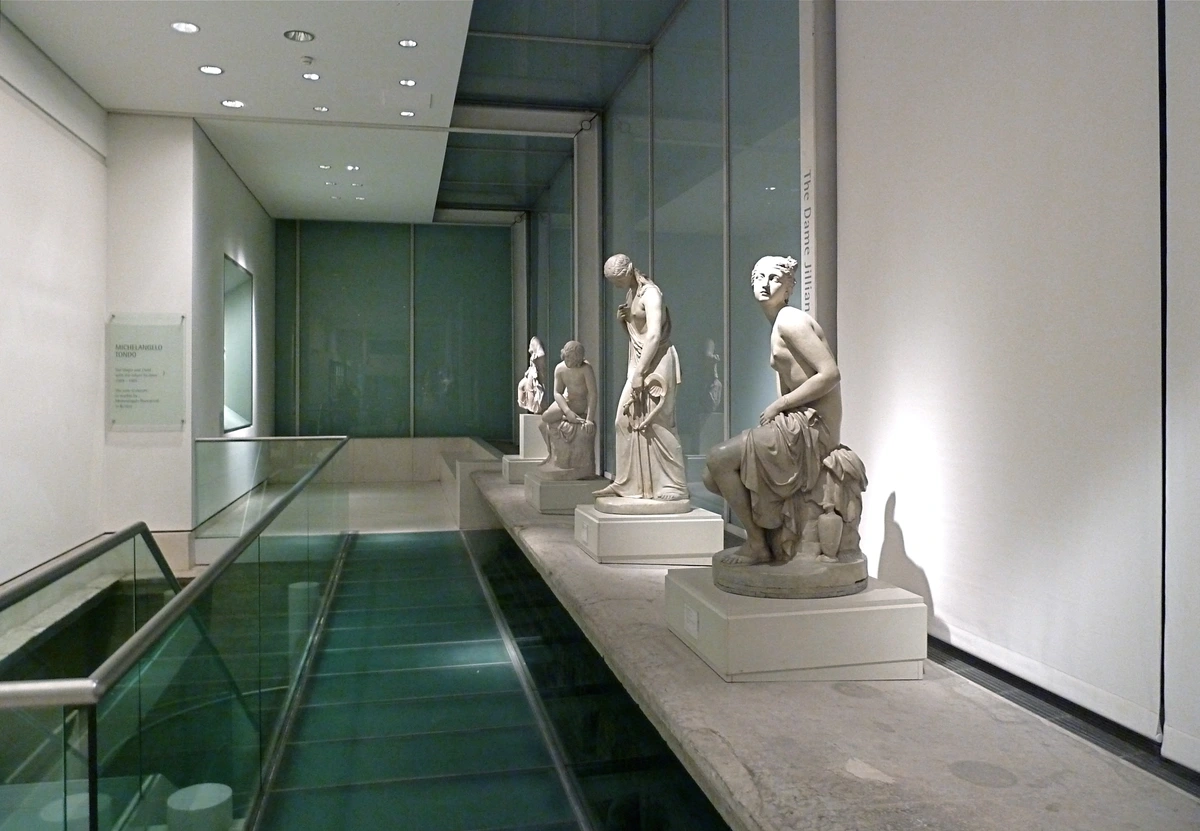
Peake's sketches of the emaciated survivors, the piles of bodies, and the desolate landscape of the camp are not merely observational; they convey a profound sense of anguish and disbelief. Unlike a photograph, which captures a moment, Peake's drawings often distill the emotional weight of an entire experience, forcing the viewer to confront the unimaginable. His work from Belsen stands as a critical historical document and a deeply personal artistic response, ensuring that the visual horror of the camps would never be forgotten, even as it haunted him for the rest of his life. Peake's meticulous attention to detail, combined with his empathetic eye, allowed him to convey the profound suffering and resilience of the survivors in a way that remains incredibly powerful and deeply disturbing. His sketches, often focusing on individual faces and skeletal forms, brought an unbearable intimacy to the systematic dehumanization of the Holocaust.
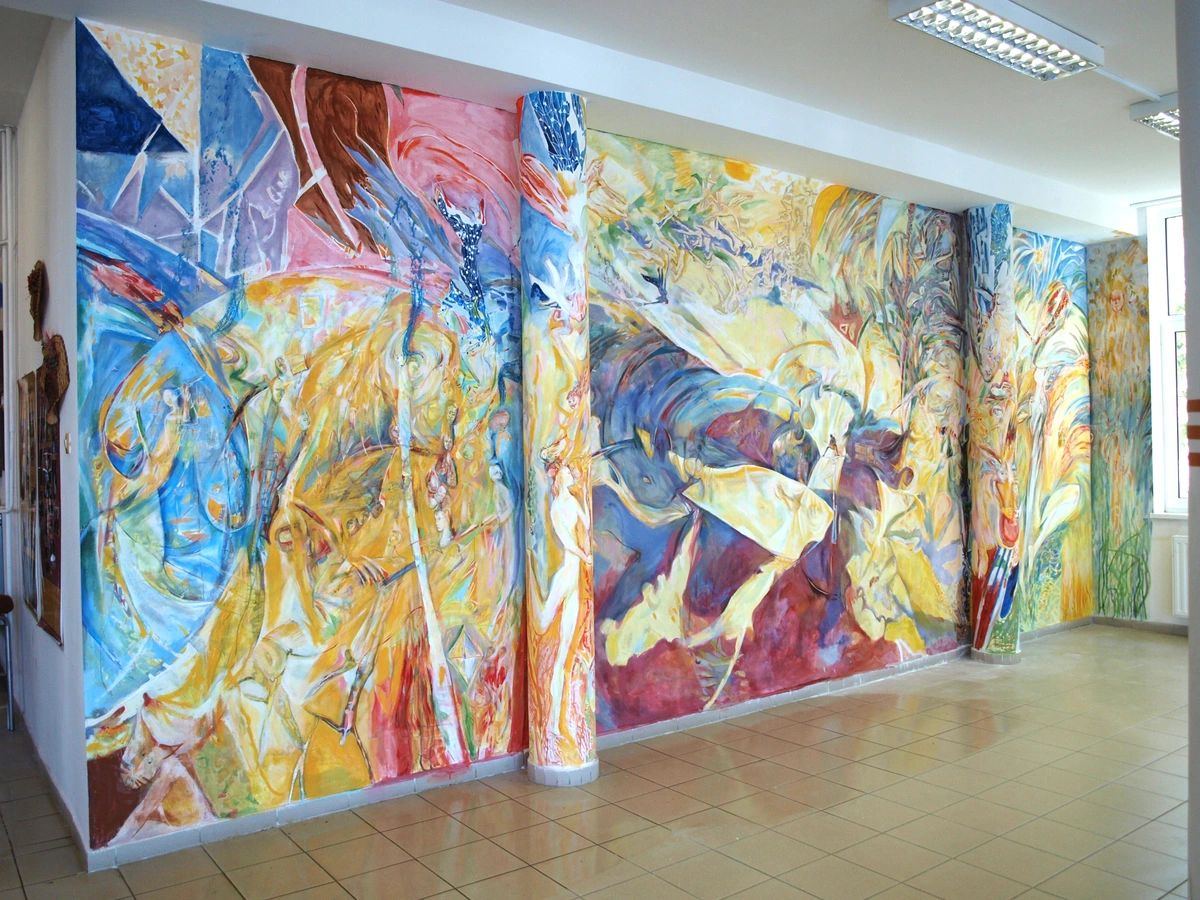
Peake's drawings, stripped of all sentimentality, offer a direct, unflinching gaze into the abyss. They are not merely illustrations; they are urgent pleas, etched with the weight of profound suffering, compelling future generations to remember and confront the darkest aspects of humanity. His contribution serves as a stark reminder of art's capacity to bear witness to the unbearable.
Eric Ravilious: The Quiet Observer of War
Eric Ravilious was a highly regarded British watercolorist, engraver, and designer whose career was cut tragically short when he was lost at sea in 1942 while on active duty as an official war artist. Unlike some artists who captured the raw brutality of combat, Ravilious often depicted the quieter, more atmospheric aspects of wartime life and machinery. His paintings, with their distinctive delicate lines and subtle colors, captured scenes of submarines, aircraft, naval operations, and wartime landscapes with a serene yet poignant beauty. His work offers a unique, almost elegiac perspective on the conflict, focusing on the mechanical and the natural world intersecting with the grim realities of war. His loss was a profound blow to British art, leaving behind a body of work that continues to evoke the unique mood of wartime Britain. Ravilious's distinctive style, combining precision with an ethereal quality, created images that transcended mere documentation, capturing the quiet heroism and the melancholic beauty of a nation at war. His subtle use of color and light, often in his favored medium of watercolor, imbued his depictions of military life and machinery with a unique sense of vulnerability and isolation. His legacy reminds us that even in the midst of conflict, a subtle, evocative artistry can find profound expression, offering a counterpoint to the more overt and dramatic war art.
Stanley Spencer: Shipyard Witness
Another significant British Official War Artist was Stanley Spencer, known for his highly individualistic and often spiritual approach to figurative painting. During both World Wars, Spencer documented aspects of the war effort, but his most famous WWII contributions were his commissions to paint scenes of shipbuilding on the River Clyde for the War Artists' Advisory Committee. His monumental works, such as the eight panels of Shipbuilding on the Clyde (1940-1946) and Resurrection of the Soldiers, meticulously depict the intense labor and community spirit of the shipyards, transforming everyday workers and industrial scenes into compositions of almost religious grandeur. Spencer's unique vision imbued the physical demands of wartime production with a sense of profound human endeavor and timeless significance, offering a deeply empathetic and monumental record of a nation mobilized for war. His almost obsessive attention to detail, combined with his spiritual sensibility, transformed industrial landscapes and working figures into scenes of epic, almost biblical, importance. He elevated the mundane labor of war into something sacred, a testament to the collective effort of the British people, finding a profound spirituality in collective human effort and the dignity of manual labor.
Dame Laura Knight: Beyond the Battlefield
As Britain's only female official war artist to be commissioned on the same scale as her male counterparts, Dame Laura Knight provided invaluable documentation of the home front and industrial war efforts. Already a celebrated painter, Knight’s commissions during WWII saw her portray women in factories, at airfields, and even documenting the Nuremberg Trials. Her powerful canvases, like Ruby Loftus Screwing a Breech-Ring (1943), celebrated the crucial role of women in wartime industry, showcasing their skill and dedication. She brought a keen eye for detail and an empathetic understanding to her subjects, providing a record that was both historically important and deeply human. Knight’s work challenged perceptions of women’s roles and ensured their contributions to the war effort were visually honored. Her ability to capture the dignity and strength of women engaged in traditionally male-dominated industries was revolutionary, providing a powerful visual counter-narrative to traditional gender roles. Her commissions extended to the Nuremberg Trials, where she documented the stark realities of justice being meted out – a profound and solemn task that demonstrated her fearless commitment to bearing witness, further cementing her place as a fearless chronicler of the era and highlighting the diverse roles women artists undertook.
Frida Kahlo: Art as Political Resonance
While Frida Kahlo did not directly participate in World War II, her powerful and intensely personal art, deeply rooted in Mexican culture and her own physical and emotional suffering, resonated profoundly with the global struggles of the era. Her unflinching self-portraits and allegorical paintings, often dealing with themes of pain, identity, and political ideology, spoke to universal human experiences that felt particularly potent during a time of immense global upheaval and conflict. As a committed communist, Kahlo's anti-fascist sentiments were clear, and her art, by its very existence and its defiant assertion of individual and cultural identity, served as an indirect but potent counter-narrative to the totalitarian forces attempting to crush dissent and diversity across the world. Her powerful self-portraits, often imbued with rich symbolism and a raw emotional intensity, became allegories for universal human suffering and resilience, finding new resonance in a world consumed by conflict. Her work underscored how art, even when seemingly personal, can become a powerful statement in broader political and social contexts. Kahlo's unwavering commitment to her own truth, expressed through her unique blend of Surrealism and indigenous Mexican influences, stood in stark contrast to the repressive ideologies of fascism. Her defiant spirit, even from afar, served as an emblem for those resisting oppression globally, subtly challenging the homogenizing forces of totalitarianism through the radical assertion of individual and cultural identity.
George Grosz: Exiled Satirist Against Nazism
George Grosz, a German artist associated with Expressionism and the New Objectivity movement, was a scathing satirist whose work ferociously attacked the corruption, militarism, and societal decay of Germany in the interwar period. His prophetic caricatures, depicting grotesque figures of politicians, industrialists, and military officers, made him a fierce critic of the rising Nazi party. Declared a
Sometimes a simple table helps put it all in perspective, gathering these diverse experiences into a clearer view of the artistic tapestry woven during WWII.
Artist/Group | Role in WWII | Key Work / Impact |
|---|---|---|
| Henry Moore | Official British War Artist | Shelter Drawings depicting civilians enduring the Blitz. |
| Käthe Kollwitz | Anti-War Artist / Persecuted by Nazis | Powerful Expressionist prints, a voice against suffering. |
| Bill Mauldin | U.S. Army Sergeant / Cartoonist | Willie and Joe cartoons, authentic portrayal of soldier life. |
| Marc Chagall | Exiled Artist / Survivor of Persecution | Work imbued with Jewish mysticism, themes of loss and displacement. |
| Lee Miller | War Correspondent / Photographer | Documented front lines, liberated camps, iconic Hitler’s bathtub photo. |
| Norman Rockwell | Home Front Artist / Illustrator | Four Freedoms and Rosie the Riveter, shaping public morale. |
| Eric Ravilious | Official British War Artist | Distinctive watercolors of wartime landscapes and maritime scenes. |
| Stanley Spencer | Official British War Artist | Portrayed shipyard workers and wartime activities with intense detail. |
| Otto Dix | Degenerate Artist / Suppressed by Nazis | Earlier anti-war works gained new resonance amidst renewed conflict. |
| Pablo Picasso | Anti-Fascist / Resistance through Art | Guernica, a powerful anti-war statement. |
| Mervyn Peake | British War Artist / Witness to Belsen | Harrowing drawings of Bergen-Belsen concentration camp. |
| Frida Kahlo | Indirect Commentator | Her politically charged works resonated with global struggles, even from afar. |
| George Grosz | Exiled Artist / Anti-Nazi Voice | Caricatured political figures and societal decay from exile; prophetic anti-war works. |
| Ben Shahn | War Information Artist / Social Realist | Powerful posters for OWI; humanistic portrayals of American life. |
| Jacob Lawrence | U.S. Coast Guard / Narrative Painter | Documented African American experience in segregated military. |
| Taro Yashima | Anti-Militarist / Internment Camps Artist | Political cartoonist; art for social justice and cultural identity in exile. |
| Zoran Mušič | Dachau Survivor / Witness Artist | Harrowing drawings from concentration camp; post-war 'We Are Not the Last' series. |
| Max Beckmann | Degenerate Artist / Exiled | His allegorical works expressed the trauma and anxiety of the era. |
| The Monuments Men | Allied Unit (MFAA) | Rescued and returned millions of stolen artworks, preserving cultural heritage. |
| Alex Colville | Official Canadian War Artist | Documented wartime activities, influencing his later magic realist style. |
| Robert Capa | War Correspondent / Photojournalist | Iconic images of D-Day and other front-line events. |
| Chiura Obata | Internment Camp Artist / Educator | Established art schools in Japanese-American internment camps. |
The Scars on the Canvas: Art's Enduring Wounds
It goes without saying, I think, that no one emerges from the maelstrom of war unchanged – and artists, with their heightened sensitivities and profound capacity for expression, are certainly no exception. The cataclysmic experience of WWII left deep, indelible marks on the entire art world, fracturing perspectives and fundamentally altering the trajectory of artistic movements. For many, it ushered in a darker, more fragmented, and often existential view of humanity. The raw, often angst-ridden emotion of Expressionism, which had found fertile ground after the devastation of WWI, discovered a new, terrifying resonance in the wake of an even greater global conflict. The sheer scale of the horror, the technological capacity for mass destruction, and the moral ambiguities of total war demanded a new language, a new way for art to process the incomprehensible. It was as if the old ways of seeing and creating simply couldn't bear the weight of such profound suffering anymore.
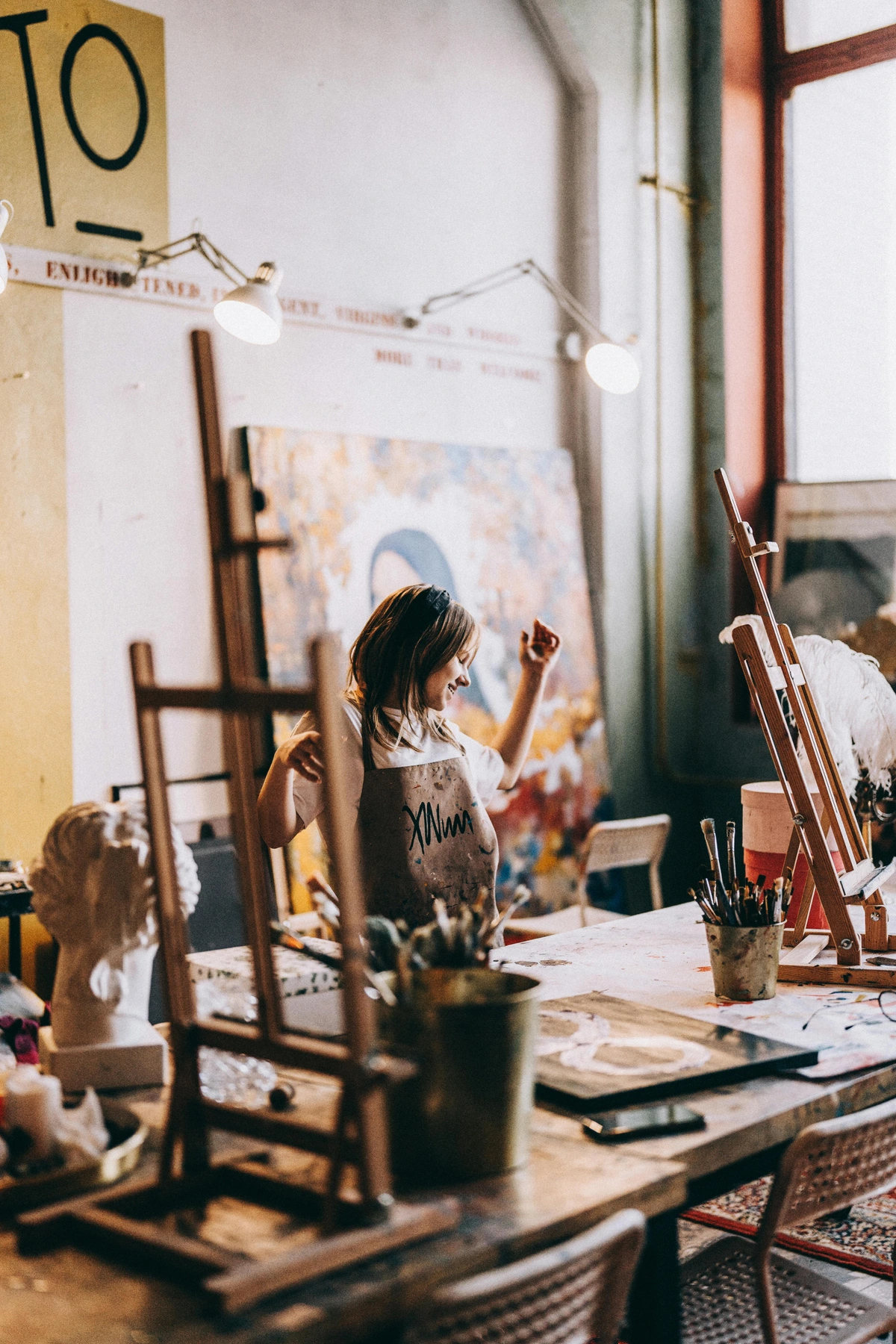
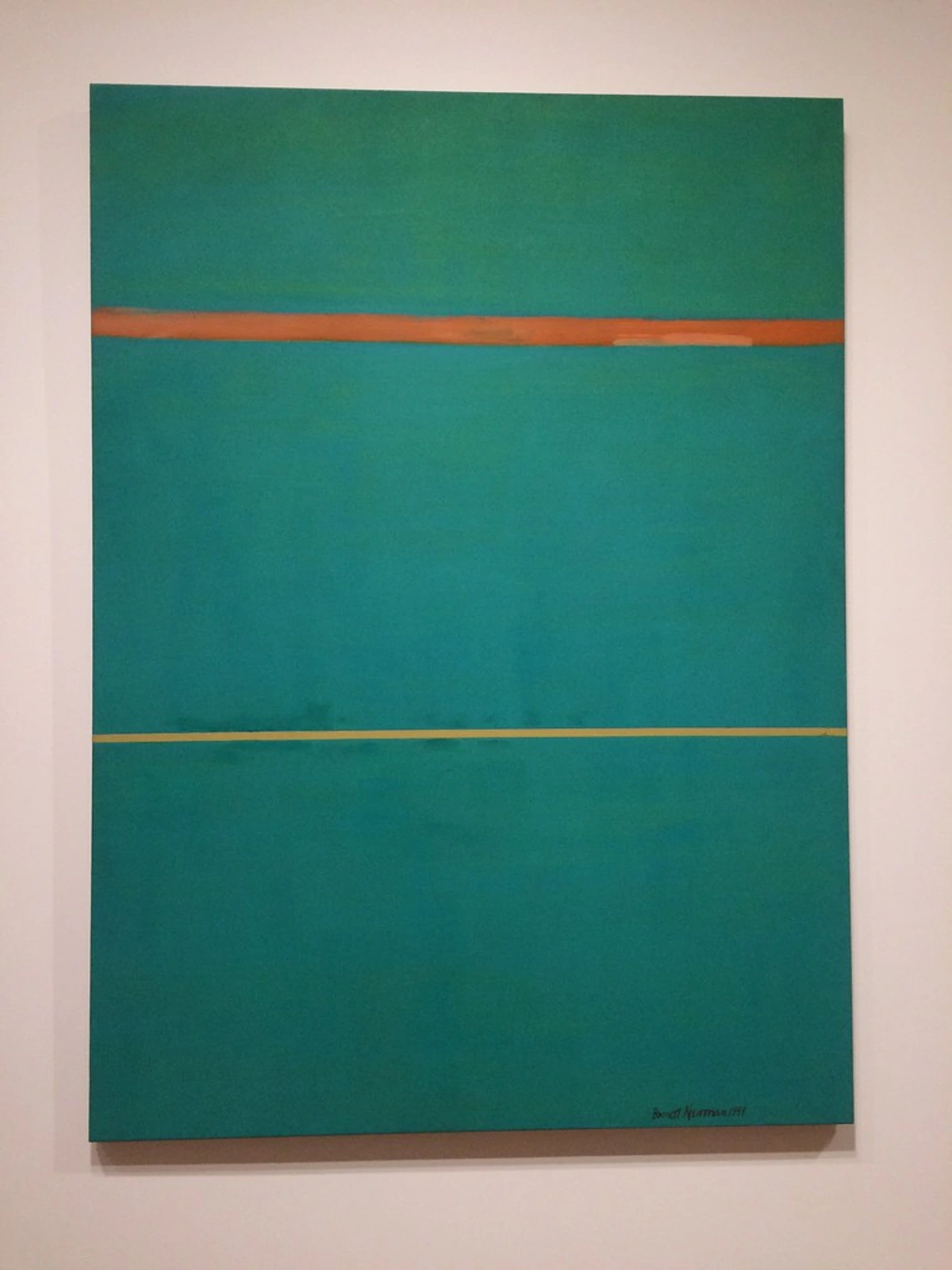
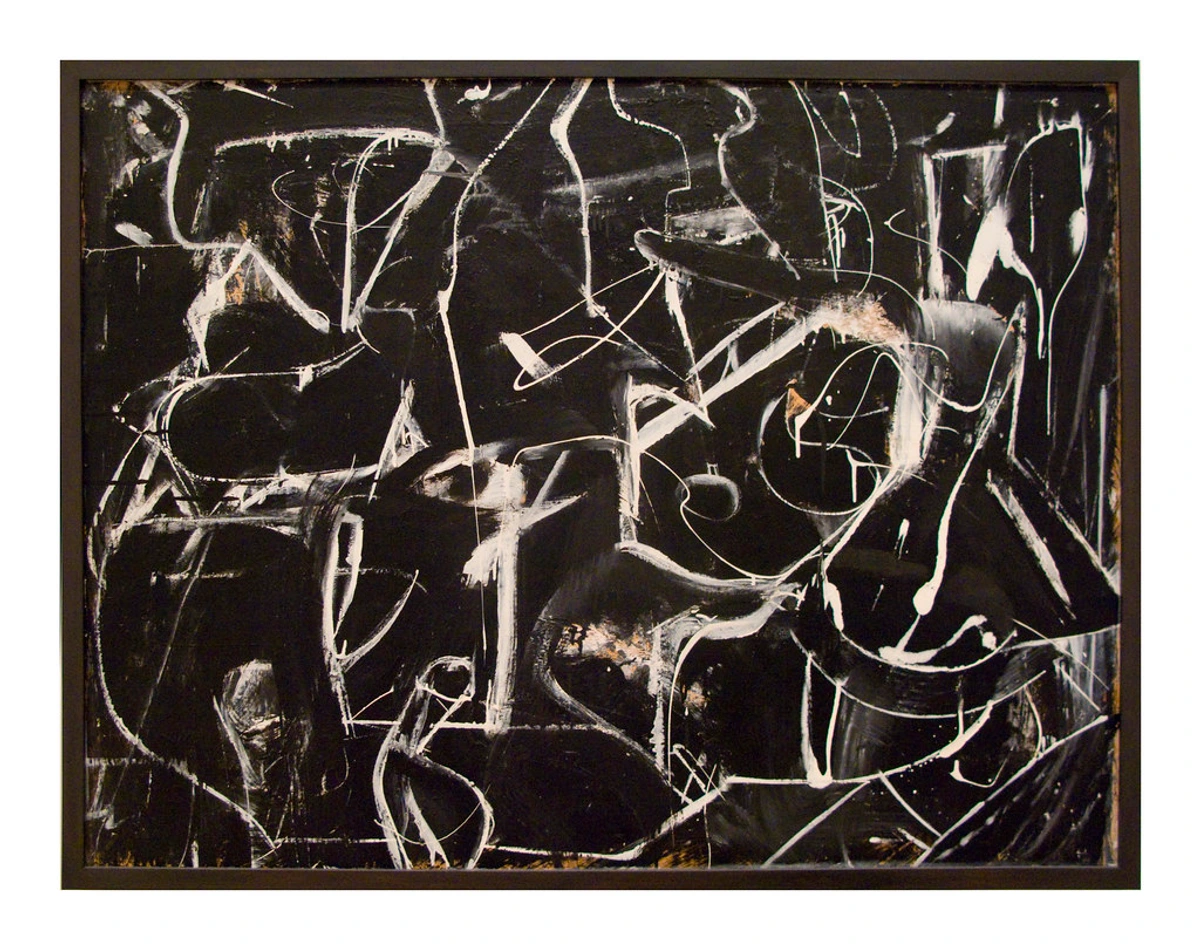
In America, the war's conclusion and the return of a generation of veterans—many deeply traumatized, all profoundly changed—coincided with the explosive emergence of Abstract Expressionism in New York. Artists like Jackson Pollock (who, while not fighting overseas, felt the pervasive anxiety of the era), Mark Rothko, Willem de Kooning, and Barnett Newman seemed to be channeling a new kind of raw, primal chaos and existential anxiety directly onto the canvas. These artists, often influenced by European Surrealists who had fled to New York, rejected traditional narratives and instead embraced highly personal, emotionally charged gestures and expansive color fields, seeking to express universal truths in a world stripped bare. Their large-scale, gestural, and often aggressive works were a radical departure from previous artistic norms. It was as if traditional, figurative ways of painting were no longer adequate, no longer honest enough, to express the overwhelming realities of a world that had just witnessed the Holocaust, the unfathomable scale of human suffering, and the terrifying dawn of the atomic bomb. This wasn't just art; it was an act of profound psychological reckoning, a desperate attempt to find meaning in the incomprehensible. The artists of this movement, often deeply philosophical, sought to tap into universal archetypes and emotions, believing that art could still offer a path to transcendence and truth in a fragmented world. They wrestled with fundamental questions of existence and meaning, transforming the canvas into a battleground for the human spirit.
In America, the war's conclusion and the return of a generation of veterans—many deeply traumatized, all profoundly changed—coincided with the explosive emergence of Abstract Expressionism in New York. Artists like Jackson Pollock (who, while not fighting overseas, felt the pervasive anxiety of the era), Mark Rothko, Willem de Kooning, and Barnett Newman seemed to be channeling a new kind of raw, primal chaos and existential anxiety directly onto the canvas. These artists, often influenced by European Surrealists who had fled to New York, rejected traditional narratives and instead embraced highly personal, emotionally charged gestures and expansive color fields, seeking to express universal truths in a world stripped bare. Their large-scale, gestural, and often aggressive works were a radical departure from previous artistic norms. It was as if traditional, figurative ways of painting were no longer adequate, no longer honest enough, to express the overwhelming realities of a world that had just witnessed the Holocaust, the unfathomable scale of human suffering, and the terrifying dawn of the atomic bomb. This wasn't just art; it was an act of profound psychological reckoning, a desperate attempt to find meaning in the incomprehensible.
Jackson Pollock's frenetic "drip paintings", for instance, can be seen as a direct channeling of post-war anxiety and the fragmentation of the human psyche, reflecting the chaotic fragmentation of modern life and the subconscious urges of the human mind. Mark Rothko's vast, pulsating color fields, on the other hand, offered a solemn, almost spiritual contemplation, a search for the sublime in a world stripped bare of traditional certainties, providing a space for profound emotional and spiritual experience. And Willem de Kooning's aggressive, often unsettling female figures spoke to a raw, primal energy, reflecting a profound sense of unease and a re-evaluation of the human form after the war's horrors, embodying a visceral response to the breakdown of traditional order. The very scale of these works demanded attention, forcing viewers to confront the raw emotional power they conveyed, asserting New York's new dominance in the art world.
Existentialism and Post-War Art
The philosophical current of Existentialism, particularly popular in post-war Europe, profoundly influenced artists. Thinkers like Jean-Paul Sartre and Albert Camus grappled with concepts of freedom, responsibility, and the meaninglessness of existence in a world devastated by war and the Holocaust. This resonated deeply with artists who felt that traditional values and belief systems had crumbled. Their art often reflected themes of alienation, anxiety, and a search for individual authenticity in a universe perceived as indifferent. It led to introspective, often somber works that questioned humanity's place and purpose after such profound trauma. I find myself returning to these questions in my own work sometimes, wondering how we find meaning amidst the noise.
Artists like Alberto Giacometti, with his elongated, desolate figures, embodied this existential loneliness, grappling with the fragility of the human form after witnessing mass atrocities. His sculptures, emaciated and vulnerable, reflect a profound sense of isolation and the precariousness of existence, representing humanity stripped bare, a solitary existence in an indifferent universe. Similarly, the work of Francis Bacon, with its visceral, distorted figures often trapped in architectural spaces or screaming behind veils, screamed a primal anguish, capturing the psychological torment and moral ambiguity of the post-war world. Their art wasn't just observing; it was actively suffering, questioning, and striving for a new form of truth, delving into the raw, unsettling depths of the human psyche.
The Shift from Paris to New York
One of the most profound and lasting impacts of WWII on the art world was the dramatic shift of its cultural epicenter from Paris to New York City. For centuries, Paris had been the undisputed capital of the avant-garde, the place where new movements were born and artistic reputations were forged. But the war, with its occupation of France and the persecution of artists, forced many European creators to flee, often finding refuge in the United States. This migration of talent, coupled with America's growing economic power and its relative safety from direct conflict (aside from Pearl Harbor, of course), created a fertile ground for a new artistic explosion. New York, with its burgeoning galleries and enthusiastic patrons, quickly absorbed this influx of European modernism and, in turn, birthed its own groundbreaking movements, forever changing the global art landscape. It was a stark reminder that creativity, while resilient, is also deeply tied to geopolitical realities. The influx of European émigré artists like Max Ernst, Yves Tanguy, and André Breton (all prominent Surrealists) to New York brought with them a wealth of avant-garde ideas and techniques, directly influencing the emerging American art scene and fostering a fertile intellectual environment. Figures like the influential art critic Clement Greenberg, with his championing of Abstract Expressionism, and the visionary gallerist Peggy Guggenheim, who provided a crucial platform for many of these new American artists, played pivotal roles in promoting these new American artists, helping to solidify New York's new position as the global art capital. It was a fascinating confluence of talent, opportunity, and a pressing need for a new artistic language that truly reflected the seismic shifts of the mid-20th century.
Neo-Realism and Social Commentary in Europe
Beyond America, Europe too grappled with its artistic response to the devastation. In Italy, for example, the immediate post-war period saw the emergence of Neo-Realism in film and visual arts. Artists sought to depict the harsh realities of life, focusing on poverty, social injustice, and the struggles of ordinary people in a war-torn landscape. This wasn't about abstract philosophical musings; it was a direct, often gritty, engagement with the physical and social scars left by the conflict. Art became a tool for bearing witness and advocating for change, reflecting a profound desire to rebuild not just cities, but also a more just society. In cinema, directors like Roberto Rossellini (Rome, Open City) and Vittorio De Sica (Bicycle Thieves) famously shot on location with non-professional actors, depicting the gritty realities of post-war Italian life with unflinching honesty, their films becoming powerful social critiques. In painting, artists like Renato Guttuso used a powerfully expressive figurative style to critique social injustice and portray the struggles of the working class, often depicting scenes of labor and protest. This art was a direct, raw response, rooted in the rubble and the resilience of a shattered continent, asserting a renewed focus on human experience and social conscience.
Movements like Art Informel in France (literally "unformed art") and CoBrA (a group named for Copenhagen, Brussels, and Amsterdam) sought to break free from traditional forms, embracing spontaneity, raw materiality, and a more primitive, often childlike aesthetic. These artists, many of whom had lived through occupation and immense suffering, found traditional beauty to be irrelevant, even insulting, in the face of such profound trauma. They often used crude materials and aggressive brushstrokes, a defiant rejection of refinement, seeking a new, honest language to express the shattered psyche of a continent. Artists like Jean Fautrier and Wols in France with Art Informel, or Karel Appel and Asger Jorn from the CoBrA group (who famously championed spontaneity and the art of children and outsiders), embraced spontaneity and a raw, almost primal energy in their work. Their canvases became battlegrounds of emotion, reflecting the scars of war not through literal depiction, but through the very texture and frenetic application of paint, creating a powerful, visceral aesthetic of rupture and resilience. It was a guttural, almost primal scream against the order that had led to such destruction, a defiant act of creative rebirth from the ashes of convention and devastation.
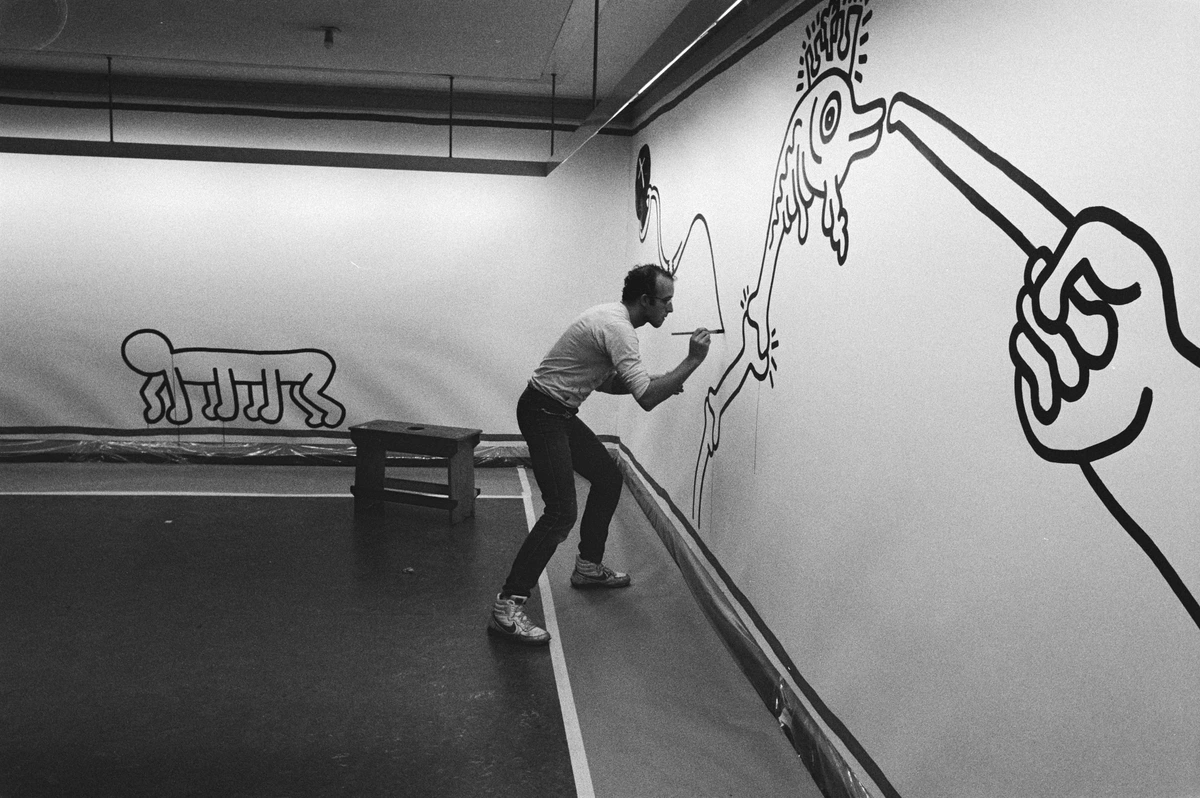
The war's legacy, of course, lingered for decades, a deep, painful scar across the continent, symbolized most brutally by the ideological and physical division of the Berlin Wall and the anxieties of the Cold War. This geopolitical tension created its own "artistic iron curtain," influencing everything from state-sponsored socialist realism in the East to abstract freedom in the West. Artists on both sides often found themselves navigating complex political landscapes, with their work either serving as official ideology or subtly (and sometimes overtly) resisting it, adding another layer to the complex relationship between art and conflict. In the Soviet Bloc, artists were often compelled to produce Socialist Realism, an officially sanctioned style that glorified the proletariat and communist ideals, while abstract and experimental art was often suppressed. Conversely, in the West, abstract art often became a symbol of individual freedom and a rejection of totalitarian control. This divergence created a fascinating, and often poignant, artistic dialogue across ideological divides. The art that emerged from this period was a vital way of processing the immense trauma, of asking unanswerable questions, and of attempting to rebuild meaning from the rubble, reflecting a profound societal reckoning. This artistic landscape, fractured and redefined by war, gave birth to movements that continue to resonate today, reminding us that even from the deepest despair, new forms of expression can emerge, forever changing how we see the world and our place within it. It's a humbling thought, I think, how much creative energy can be born from destruction.
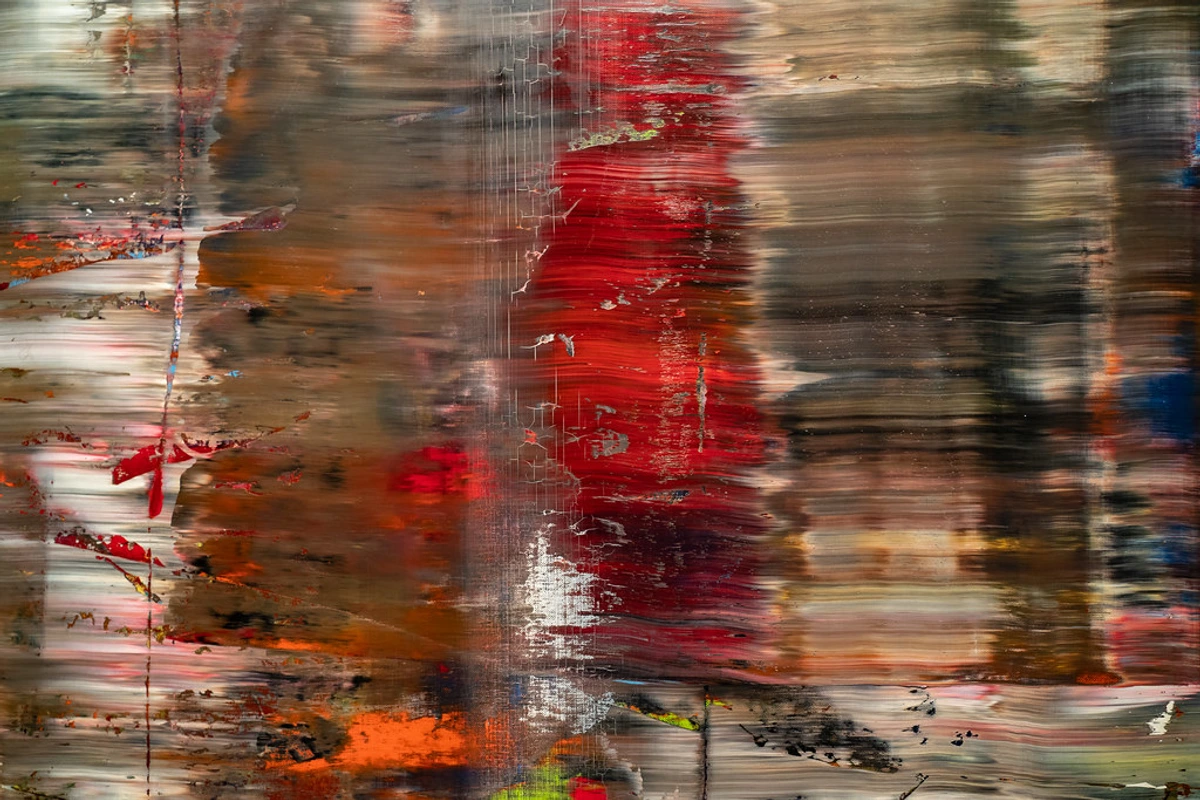
Ultimately, these artists – whether painting on the front lines, creating propaganda, saving masterpieces, or channeling trauma into new forms – offer a profound reminder that creativity isn't a fragile, hothouse flower requiring a quiet, sterile room to bloom. It's far more resilient than that. I find that deeply comforting, especially in moments when my own creative journey (which you can explore on my /timeline) feels like an uphill battle, albeit on a far smaller scale than theirs. Sometimes, art is a stubborn, defiant weed that pushes through the cracks of bombed-out cities and shattered lives. It is, perhaps, the ultimate testament to the indomitable human need to make a mark, to find meaning, to say 'I was here, I saw this, and I created anyway,' even when the world seems to be falling apart. Their legacy is not just one of war, but of the enduring power of the artistic spirit. If their stories resonate with you, perhaps you'll consider exploring my own art that seeks to find beauty and meaning in the chaos of life on my /buy page. Or, if you're interested in the journey of an artist, my personal creative timeline is available on my /timeline.
Conclusion: Art's Unyielding Spirit
Reflecting on the lives of these artists, from the front lines to the quiet defiance of a hidden studio, I'm struck by the unyielding power of the creative spirit. World War II, a cataclysm that threatened to extinguish all hope, paradoxically ignited an explosion of artistic expression that continues to inform and challenge us today. Whether through grim documentation, searing protest, or the forging of entirely new aesthetic languages, these artists proved that even when humanity descends into its darkest hours, the urge to create, to bear witness, and to find meaning persists. Their legacy is a profound reminder that art is not just a reflection of history; it is an active participant in shaping our understanding of it, and a defiant assertion of human resilience against the forces of destruction. It's a truth I carry in my own work, a quiet determination to find and express beauty, even when the world feels overwhelming. This ongoing dialogue between creation and destruction, a central theme of wartime art, continues to influence contemporary artists who grapple with present-day conflicts and humanitarian crises, proving that the lessons learned from WWII remain acutely relevant.
FAQ: Your Questions Answered
I’ve found that when you delve into a topic like this, it naturally sparks a lot of curiosity, and some fairly fundamental questions. So, let’s tackle some of those. I’ve done my best to provide comprehensive answers based on what I’ve learned and reflected upon over the years.
Were there any famous artists who fought for the Axis powers?
This is a crucial, albeit often darker, corner of art history, and the answer is yes. It's a sobering reminder of how art can be co-opted and manipulated by powerful, destructive ideologies. For artists in totalitarian regimes like Nazi Germany and Fascist Italy, state-imposed censorship was absolute. "Degenerate art" (Entartete Kunst) was purged from museums, artists were persecuted, and only art that glorified the state or its ideology was permitted. This forced many artists into exile or underground. However, many did align with the Axis powers, either out of genuine conviction, opportunism, or coercion. Figures like Arno Breker in Germany became a favored sculptor of Hitler, producing monumental, idealized classical figures that perfectly embodied Nazi aesthetic ideals of Aryan supremacy and the glorification of physical power. Similarly, in Italy, artists like Mario Sironi embraced Fascist ideals, contributing to grand public works that celebrated the regime's power and often depicted heroic, monumental figures echoing Roman antiquity. Their work, though technically accomplished, is now largely viewed through the lens of its complicity with brutal ideologies, serving as a chilling testament to art's potential for manipulation and the moral compromises artists sometimes made. This contrasts sharply with the independent spirit of many Allied artists.
Conversely, propaganda was a global effort, and it's essential to understand its pervasive nature. Official war artists and illustrators like Norman Rockwell were tasked with creating images that fostered patriotism, morale, and demonized the enemy. While some artists genuinely believed in the cause and embraced these directives, others had to navigate a delicate balance, sometimes subtly injecting their own perspectives or using allegorical forms to express more nuanced sentiments. The pervasive nature of propaganda meant that artists were constantly aware of the political implications of their work, whether they conformed, resisted, or found ways to subvert the official narrative. It highlights the immense pressure artists faced to align their creative output with national agendas during total war.
What was the role of women artists in WWII?
Women artists played a far more significant, though often underrecognized, role in WWII than commonly assumed. While fewer were commissioned as official war artists compared to men, many contributed tirelessly on the home front, creating propaganda posters, illustrations for magazines, and even technical drawings for wartime industries. Dame Laura Knight, as mentioned, was Britain's only female official war artist, capturing industrial scenes and courtrooms with a penetrating eye. Lee Miller, the American photographer, famously captured the realities of war as a correspondent, daringly venturing into liberated concentration camps and even Hitler's own apartment. Her work alone, I think, profoundly reshapes our understanding of the female gaze during wartime. Other women artists served as nurses, ambulance drivers, or in various military auxiliary roles, often documenting their experiences through their art, even if not officially commissioned. Their contributions challenged traditional gender roles and provided unique perspectives on the home front, the changing workforce, and the psychological impact of war, often focusing on themes of resilience, community, and domestic struggle. Their work is a vital part of the complete wartime artistic narrative, adding layers of nuance to our understanding of the conflict.
Beyond these, many female artists continued their personal artistic practices, subtly or overtly responding to the war's climate. For instance, Doris Zinkeisen, another British artist, produced striking depictions of the Blitz and medical units, while Stella Bowen, an Australian official war artist, documented the lives of Allied airmen and women, capturing a unique perspective on life both on the home front and overseas. The increasing visibility of women in public roles during the war also paved the way for greater recognition of female artists in the post-war era, a subtle but significant long-term impact, challenging preconceived notions about who could be an artist and what subjects they could tackle. Their experiences broadened the scope of war art, moving beyond the battlefield to encompass the profound social and emotional shifts occurring on the home front.
Beyond these, many female artists continued their personal artistic practices, subtly or overtly responding to the war's climate. For instance, Doris Zinkeisen, another British artist, produced striking depictions of the Blitz and medical units, while Stella Bowen, an Australian official war artist, documented the lives of Allied airmen. The increasing visibility of women in public roles during the war also paved the way for greater recognition of female artists in the post-war era, a subtle but significant long-term impact.
What was the role of child artists or art therapy during WWII?
This is a deeply poignant aspect of wartime art that often goes overlooked. Children, experiencing the trauma of bombing raids, evacuation, separation from family, and the general anxieties of war, often found solace and expression through drawing and painting. Art became a vital coping mechanism, allowing them to process the incomprehensible events around them. In Britain, for example, the War Artists' Advisory Committee (WAAC) even collected thousands of children's drawings, which now form a powerful archive of the civilian experience of the Blitz, depicting scenes of air raids, shelters, and their understanding of the conflict. In Britain, for example, the War Artists' Advisory Committee (WAAC) even collected thousands of children's drawings, which now form a powerful archive of the civilian experience of the Blitz, depicting scenes of air raids, shelters, and their understanding of the conflict. Organizations in Britain, for example, collected thousands of children's drawings, which now form a powerful archive of the civilian experience of the Blitz, depicting scenes of air raids, shelters, and their understanding of the conflict.
While formal "art therapy" as a distinct discipline was still nascent, the therapeutic value of art was implicitly recognized. These spontaneous creations offer an unfiltered, often raw, perspective on the war through the eyes of innocence, capturing both the terror and the remarkable resilience of the human spirit, even at a young age. It's a reminder that art isn't just for adults or professionals; it's a fundamental human need.
While formal "art therapy" as a distinct discipline was still nascent, the therapeutic value of art was implicitly recognized. These spontaneous creations offer an unfiltered, often raw, perspective on the war through the eyes of innocence, capturing both the terror and the remarkable resilience of the human spirit, even at a young age. Organizations like the War Artists' Advisory Committee in Britain not only commissioned adult artists but also sometimes collected children's drawings, recognizing their unique value as historical records. These collections now form powerful archives, offering a poignant, unvarnished look at the war through the eyes of its youngest victims and witnesses.
Did any artists create work in concentration camps?
This is a harrowing but profoundly important aspect of wartime art, and the answer is a resounding, heartbreaking yes. Despite unimaginable conditions, fear of discovery, and the constant threat of death, many individuals in concentration camps, ghettos, and POW camps continued to create art. This art served multiple purposes: as a means of documenting atrocities, as a form of spiritual resistance and mental survival, to capture portraits of fellow prisoners, or even as a way to trade for extra food or favors. Artists like Felix Nussbaum (who was ultimately murdered in Auschwitz) continued to paint in hiding, his later works chillingly foretelling his fate. In Theresienstadt (Terezín) Ghetto, artists like Bedřich Fritta and Leo Haas risked their lives to create drawings depicting the horrific conditions, many of which were hidden and recovered after the war. These works are not just art; they are crucial historical documents, testament to the indomitable human spirit, and a powerful voice for those who were silenced. They represent acts of profound courage and defiance, asserting humanity in the face of absolute dehumanization, even against overwhelming odds.
Another poignant example comes from the Japanese-American internment camps in the U.S. during the war. Artists like Chiura Obata established art schools within the camps, providing a creative outlet and a sense of dignity amidst injustice. Their landscape paintings and depictions of daily life in the camps offer a unique and often overlooked perspective on wartime suffering and resilience. These acts of creation, often undertaken in secret and at great personal risk, underscore art's profound capacity to sustain hope and document truth in the face of tyranny, offering solace and resistance in unimaginable circumstances. These acts of creation, often undertaken in secret and at great personal risk, underscore art's profound capacity to sustain hope and document truth in the face of tyranny, offering solace and resistance in unimaginable circumstances. These acts of creation, often undertaken in secret and at great personal risk, underscore art's profound capacity to sustain hope and document truth in the face of tyranny.
Another poignant example comes from the Japanese-American internment camps in the U.S. during the war. Artists like Chiura Obata established art schools within the camps, providing a creative outlet and a sense of dignity amidst injustice. Their landscape paintings and depictions of daily life in the camps offer a unique and often overlooked perspective on wartime suffering and resilience.
How did the atomic bomb influence art after WWII?
The dropping of the atomic bombs on Hiroshima and Nagasaki introduced a terrifying new dimension to human destructive capability and profoundly impacted the post-war psyche, which in turn found expression in art. The sudden, apocalyptic scale of destruction, the unseen threat of radiation, and the existential fear of mutually assured destruction (MAD) during the nascent Cold War era infused art with a deep sense of anxiety, fragmentation, and often a search for new spiritual meaning. It was as if humanity itself had been shattered into a million pieces, and art became one of the primary tools for trying to put those pieces back together, or at least to understand their new, terrifying arrangement.
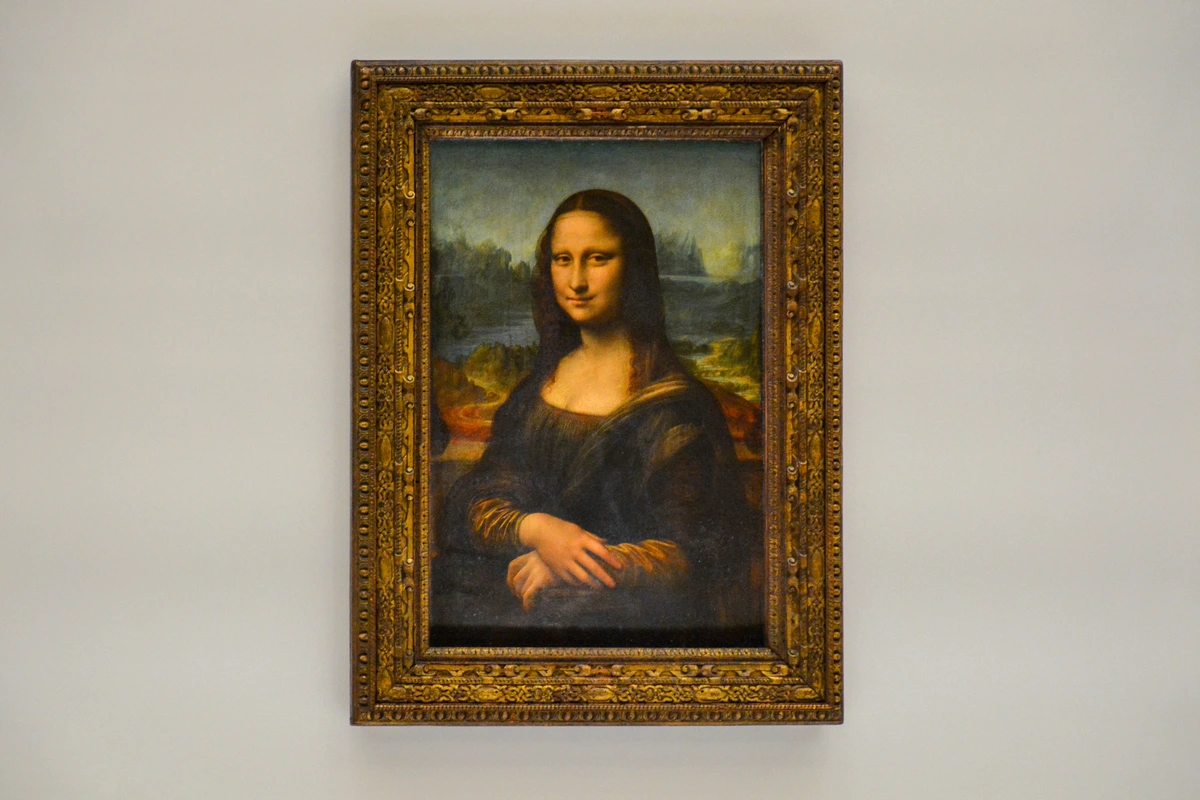
This era directly influenced the rise of Abstract Expressionism in America, as artists like Jackson Pollock, Mark Rothko, and Barnett Newman grappled with conveying universal emotions and profound suffering in abstract forms, feeling that traditional representation was inadequate for such a profound rupture in human history.
But the impact wasn't limited to the West. In Japan, artists directly confronted the atomic experience, with survivors often depicting the devastation in raw, visceral ways, such as the haunting Atomic Bomb Pictures by Iri and Toshi Maruki. These monumental scrolls, created by a husband-and-wife team, graphically depict the horrors of Hiroshima and Nagasaki, becoming powerful anti-war statements. Across the globe, the atomic bomb ignited a pervasive sense of unease and a questioning of humanity's future, themes that permeated artistic production for decades, shaping everything from sculpture to performance art.
How did scientific and technological advancements influence war art?
The scale and nature of WWII were fundamentally shaped by rapid scientific and technological advancements, and artists naturally responded to this new reality. The development of radar, advanced aviation, and ultimately the atomic bomb introduced entirely new visual and conceptual challenges. Artists struggled to represent phenomena that were often invisible or too vast to comprehend, like the terrifying abstract power of nuclear fission. This contributed to the move towards abstraction, as traditional figurative art often felt inadequate to capture such unprecedented forces, pushing artists to find new visual languages to express the invisible and the incomprehensible. Think of how radar, for instance, introduced an unseen battlefield, while aerial photography provided abstract bird's-eye views of destruction; these new perspectives inherently influenced artists' understanding and depiction of reality.
Furthermore, new materials and processes developed for wartime industries sometimes found their way into artistic practices after the conflict, subtly influencing techniques and available media. The advent of mass media and propaganda techniques also meant artists had to contend with the unprecedented reach and manipulative power of imagery, forcing them to consider the social and political implications of their work with renewed urgency. The "splatter" and "action" painting of Pollock, for instance, can be seen as reflecting the chaos and energy of a world unmoored and on the brink. Beyond the atomic bomb, advancements in weaponry, transportation, and communication redefined the very concept of warfare, leading artists to explore new modes of representation. The speed and efficiency of aerial combat, for example, found echoes in dynamic, fractured compositions, while the psychological impact of mechanized warfare seeped into introspective and often surreal works. The technological leaps of WWII permanently altered how artists perceived and depicted the modern world, pushing them to find visual equivalents for invisible forces and unimaginable destruction. This constant interplay between artistic expression and technological evolution continues to shape contemporary art today.

What is a 'war artist'?
A war artist, at its core, is someone officially commissioned by a government, military, or sometimes a philanthropic organization, to document a conflict through artistic means. Their role is multifaceted and can encompass several objectives: creating propaganda to bolster morale and public support, serving as a historical record of events (often from a specific national perspective), or capturing the deeply human and emotional dimensions of warfare that photography alone might miss. Unlike a photojournalist, whose primary aim is objective, factual capture, a war artist's work is often more interpretive, expressive, and emotional. They translate the feeling, atmosphere, and psychological impact of war, bringing a unique depth and personal lens to the often-brutal facts. They might capture the quiet moments of despair, the camaraderie in a trench, or the chaos of battle in a way that resonates profoundly with viewers, often long after the conflict has ended. They are, in essence, the visual historians of human conflict, offering a perspective that often reaches beyond mere facts into the realm of shared human experience.
Historically, war artists have existed for centuries. From the earliest cave paintings depicting hunting scenes to battlefield illustrators in ancient civilizations and artists documenting Napoleonic campaigns (think Goya's The Disasters of War, though unofficial, or Gericault's The Raft of the Medusa as a form of social commentary), the urge to visually chronicle conflict is deeply ingrained. However, the role became particularly formalized and prominent during the World Wars, with countries like Britain, Canada, and Australia establishing comprehensive war art schemes, recognizing the power of art to both record and influence. Their work forms an invaluable archive, not just of events, but of the emotions and moral quandaries of war, offering a unique, often personal, window into humanity's most tumultuous periods. This deep historical precedent shows that artists have always, in some way, been the visual conscience and chroniclers of human conflict, regardless of official commission.
How did WWII influence specific art movements?
World War II was not just a conflict; it was an apocalyptic force that fundamentally reshaped the global art landscape. It acted as an unparalleled catalyst for radical change, forcing artists to confront unprecedented levels of destruction and moral ambiguity. One of its most immediate and significant impacts was the effective end of Paris's centuries-long dominance as the undisputed capital of the art world. Many European artists, including Surrealists and Expressionists, fled the war, often finding refuge in the United States, which directly contributed to the dramatic shift of the art world's center to New York City. This, in turn, fueled the meteoric rise of Abstract Expressionism. American artists, many grappling with the profound anxieties of a post-Holocaust, post-atomic age, sought a completely new visual language that could express the raw, universal human emotions of trauma, existential dread, and a sense of the absurd. The monumental scale and emotional intensity of Abstract Expressionist works like those by Jackson Pollock, Mark Rothko, and Barnett Newman became a powerful symbol of this new era. These artists, many grappling with the profound anxieties of a post-Holocaust, post-atomic age, sought a completely new visual language that could express the raw, universal human emotions of trauma, existential dread, and a sense of the absurd. The move towards abstraction was a radical departure, a belief that traditional figurative art was simply inadequate to convey the overwhelming realities of a shattered world. This wasn't just a stylistic shift; it was a profound psychological and philosophical reorientation of art itself.
In Europe, artists also responded with intense innovation. Movements like Art Informel in France (meaning "unformed art"), Tachisme (a French equivalent), and the CoBrA group (artists from Copenhagen, Brussels, and Amsterdam) emerged as a direct grappling with the war's trauma and the deep existential questions it posed. These artists often embraced raw, gestural, and often primitive or childlike forms, rejecting traditional notions of beauty and order. They saw this approach as a necessary way to start anew, to find an authentic voice in a world that had been shattered. The war essentially shattered old paradigms, paving the way for a more subjective, visceral, and often politically charged modern art that continues to influence contemporary practice.
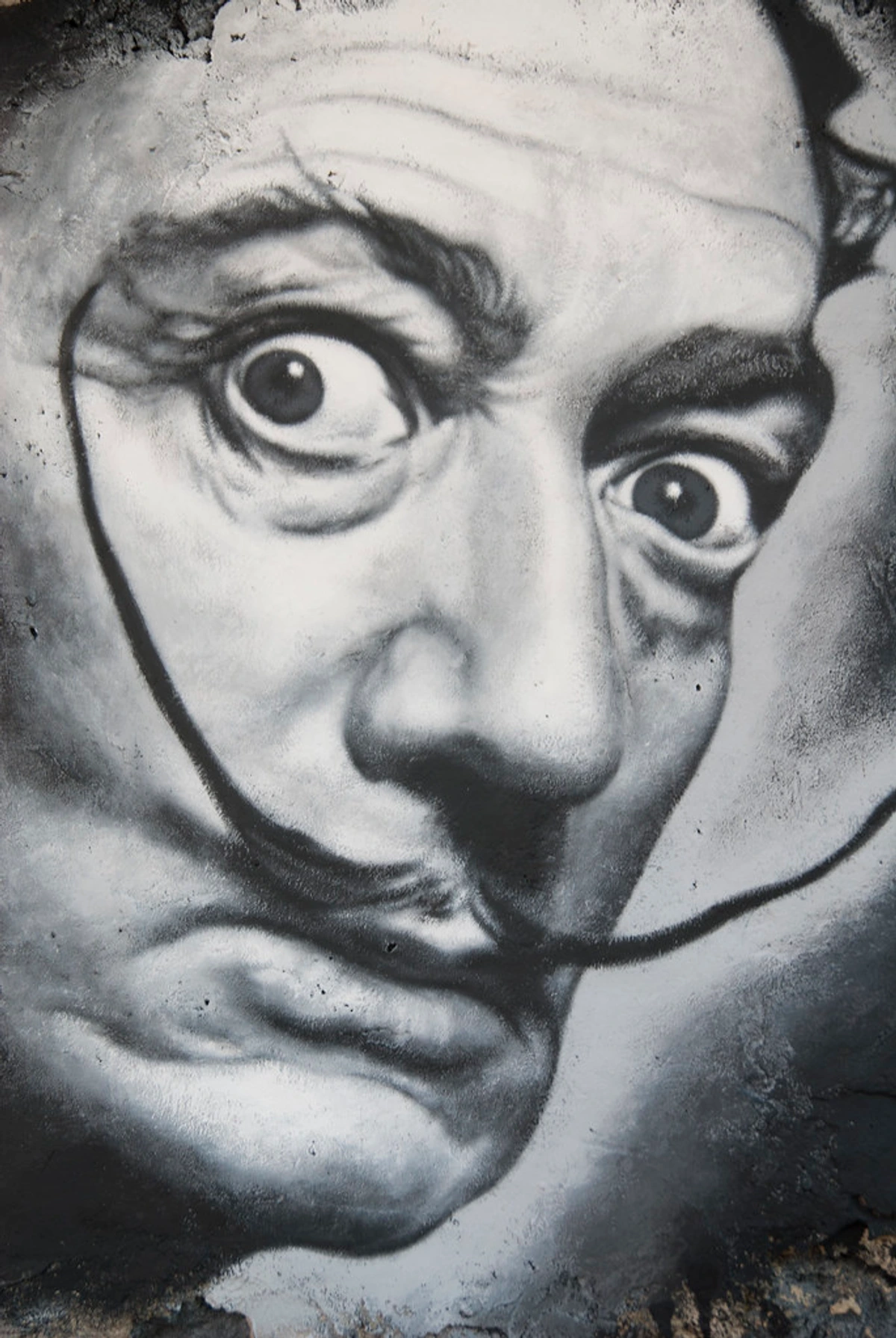
Even movements like Surrealism, which flourished before the war, found new, darker resonance. The dreamlike, often disturbing imagery of Surrealist artists seemed to prefigure the irrational horrors of the war, and some Surrealists, like Salvador Dalí and Max Ernst, continued to produce work that reflected the subconscious anxieties of the era, their dreamscapes taking on nightmarish qualities. Ernst, in particular, created haunting collages and paintings during his exile in the United States that spoke to displacement, paranoia, and the psychological impact of global conflict, often incorporating imagery of devastation and hybrid creatures to express the breakdown of order. Their work underscored the idea that the horrors of war weren't just external; they were deeply embedded in the human psyche, influencing art that delved into the irrational and the subconscious to process unimaginable realities.
What was the impact of censorship and artistic suppression during WWII?
The suppression of art was a grim reality, particularly under totalitarian regimes like Nazi Germany and the Soviet Union. The Nazis systematically purged what they deemed "degenerate art" (Entartete Kunst), which included Expressionist, Cubist, Surrealist, and other modernist works, along with art by Jewish artists. These works were removed from museums, confiscated, and often destroyed, and the artists themselves were forbidden to work, exhibit, or teach, leading many to exile or internal artistic resistance.
This censorship wasn't just about controlling aesthetics; it was about controlling thought and reinforcing a specific, often nationalistic and propagandistic, worldview. It forced artists into impossible situations, where artistic integrity could mean persecution, and conformity meant abandoning one's creative vision. The legacy of this suppression underscores the profound link between artistic freedom and broader human liberties.

credit, licence Beyond Germany, similar patterns of censorship and control were evident in other totalitarian states, including Fascist Italy and the Soviet Union, where art was strictly controlled to serve state ideology. Artists in these regions often faced a choice between conformity (producing state-sanctioned Socialist Realism or Fascist art), exile, or the dangerous path of underground artistic resistance. This suppression wasn't just about controlling aesthetics; it was about controlling thought, history, and the very narrative of a nation, demonstrating the immense power that art holds and why authoritarian regimes so desperately seek to control it. The systematic eradication of dissenting artistic voices, or the forced co-option of art for political ends, reveals a profound understanding by these regimes of art's capacity to shape minds and galvanize resistance.
Where can I see art made by WWII artists?
Fortunately, the powerful and poignant art created during and in response to WWII is preserved in numerous institutions worldwide, offering invaluable historical and artistic insights. Many major museums house significant works by these artists. For an unparalleled collection of British war art, including Henry Moore’s haunting Shelter Drawings, I highly recommend a visit to the Imperial War Museum in London. In the U.S., the National Archives and Records Administration holds a vast collection, including many of Bill Mauldin's original, iconic Willie and Joe cartoons, as well as official combat photography and propaganda posters. The incredible legacies of the Monuments Men are, in a sense, visible in countless museums across the world – every recovered masterpiece, every repatriated cultural treasure, is a direct testament to their heroic efforts.
Additionally, significant collections of Abstract Expressionist and European post-war art can be found in institutions like the Museum of Modern Art (MoMA) in New York, the Centre Pompidou in Paris, and various national galleries across Europe, showcasing how the war's impact resonated for decades in artistic expression. For more specialized collections, the United States Holocaust Memorial Museum in Washington D.C. and the Mémorial de la Shoah in Paris house deeply moving art from concentration camps and ghettos, as well as survivor testimonies. The Rijksmuseum in Amsterdam features Dutch wartime art, while the State Russian Museum in St. Petersburg offers a perspective on Soviet war art, including Socialist Realism. And for a direct confrontation with the atomic bomb's legacy, the Hiroshima Peace Memorial Museum in Japan displays art and artifacts by atomic bomb survivors, depicting the devastation with raw power. These institutions collectively offer a comprehensive and moving experience of art from one of humanity's most challenging periods.
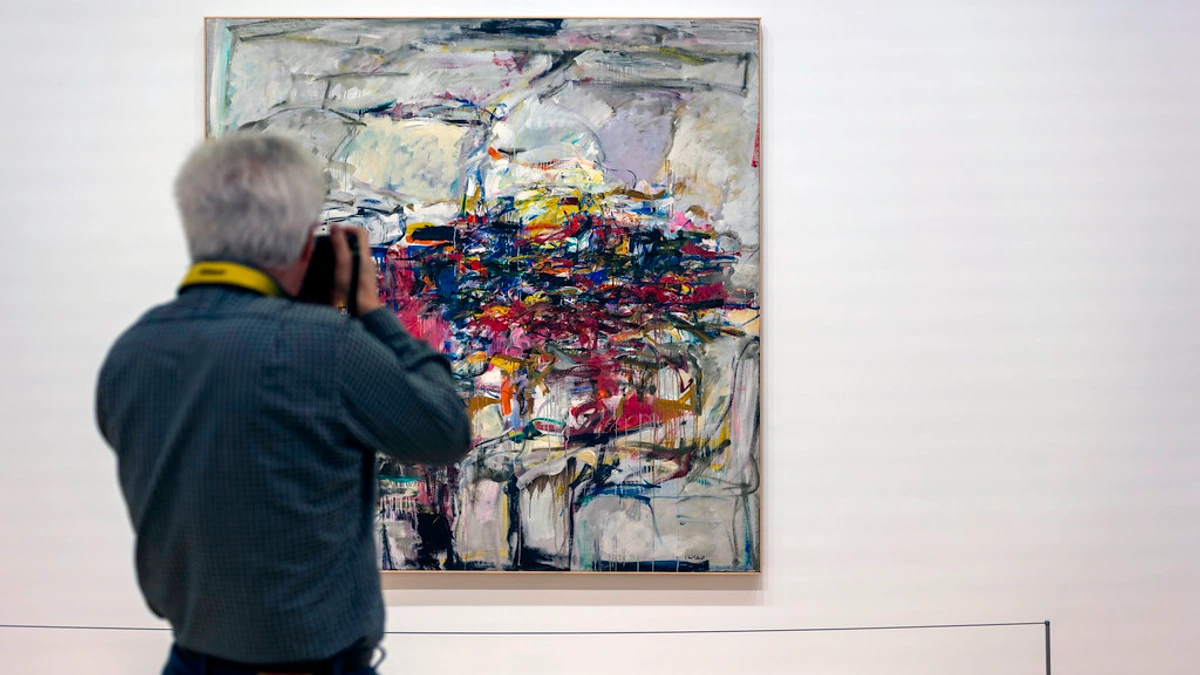















Institution | Location | Notable Collections Related to WWII Art |
|---|---|---|
| Imperial War Museum | London, UK | Comprehensive collection of British war art, including Henry Moore. |
| National Archives and Records Admin. | Washington D.C., USA | Bill Mauldin cartoons, official combat photography, propaganda posters. |
| Museum of Modern Art (MoMA) | New York, USA | Major holdings of Abstract Expressionism and post-war American art. |
| Centre Pompidou | Paris, France | European post-war art, Art Informel, CoBrA, modern masters. |
| United States Holocaust Memorial Museum | Washington D.C., USA | Art from concentration camps and ghettos, survivor testimonies. |
| Memorial de la Shoah | Paris, France | Art and documents related to the Holocaust and Jewish artists. |
| The Rijksmuseum | Amsterdam, NL | Dutch wartime art, including works that captured the occupation and resistance. |
| The State Russian Museum | St. Petersburg, RU | Soviet war art, including socialist realism depicting patriotic themes. |
| The Hiroshima Peace Memorial Museum | Hiroshima, JP | Art and artifacts by atomic bomb survivors, depicting the devastation. |