
Art for Mid-Century Modern Homes: A Practical Guide
Find the perfect art for your MCM home. Our guide covers styles like abstract and pop art, plus tips on color, scale, and placement to complete your look.

The Ultimate Guide to Choosing Art for Your Mid-Century Modern Home
So, you’ve meticulously curated your Mid-Century Modern (MCM) haven. The Eames lounge chair is in its perfect spot, the Danish teak sideboard gleams, and every line feels intentional, doesn't it? But then you look at that blank wall—a vast, echoing space that feels like a challenge. What art completes this vision? I get it; it’s a common moment of hesitation. The wrong piece can throw off the entire delicate balance of MCM's curated simplicity, while the right one? Ah, the right piece elevates the whole room from simply stylish to utterly unforgettable, a true reflection of your refined taste.
Relax. Choosing art for an MCM home isn't about rigid adherence to historical doctrine; it’s about intimately understanding the philosophy that birthed the style. This isn't just a guide; it's my personal walkthrough, designed to equip you with the knowledge and confidence to adorn your walls and spaces with intention. We'll embark on a journey through key art movements, unravel practical selection tips, explore innovative placement ideas, and answer your most pressing questions to help you discover pieces that don't just hang on your wall, but truly feel at home, completing your unique narrative and elevating your entire MCM aesthetic.
Understanding the Mid-Century Modern Aesthetic
Before we dive headfirst into the exciting world of art, let's take a moment to really ground ourselves in the Mid-Century Modern aesthetic. Born from the optimism and post-war innovation of roughly 1945-1969, MCM wasn't just a fleeting trend; it was a profound shift in design philosophy that reshaped homes and lives across the globe. Think of it as a deliberate rejection of the ornate, heavy pre-war styles, instead embracing a future-forward, functional elegance. It was a movement deeply influenced by the foundational principles of the Bauhaus school, a genuine desire for accessible, well-designed furniture and objects for the burgeoning middle class, and a yearning for connection to the natural world, even within increasingly urban living. This historical backdrop, for me, is your true compass. It’s not just what we see in MCM, but crucially, why it looks the way it does, informing every thoughtful art choice.
Now, with that context in mind, let’s quickly recap the core principles that define this iconic style:
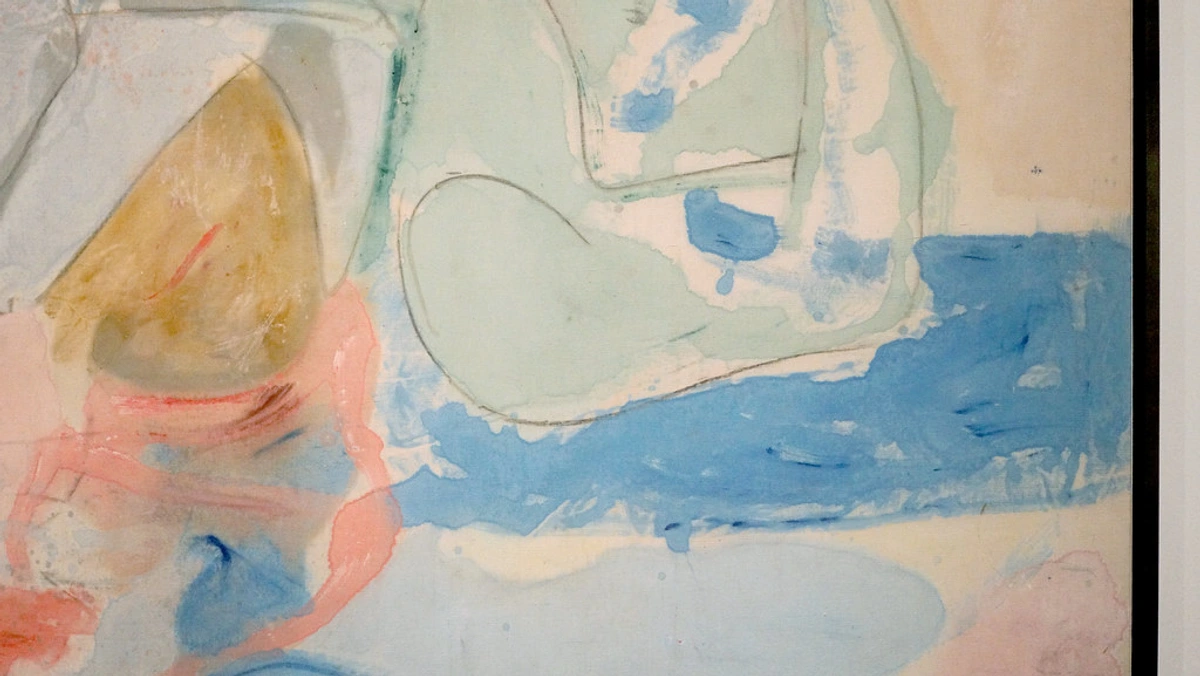
- Simplicity and Function: Form truly follows function here. Designs are stripped of unnecessary ornamentation, focusing on clean lines, efficiency, and a sense of calm. The idea is that everything has a purpose and contributes to the overall harmony of the space.
- Organic and Geometric Forms: This is where MCM gets really interesting! You’ll see a beautiful tension and interplay between the fluid, natural curves (think kidney-shaped coffee tables, biomorphic sculptures) and the crisp, precise angles (like those found in a starburst clock or minimalist shelving units). This duality offers a rich canvas for art selection.
- Connection to Nature: MCM was deeply influenced by a desire to bring the outdoors in. Large windows, sliding doors, and the pervasive use of natural materials like warm woods (teak, walnut, oak), supple leather, and earthy stone were all intended to blur the lines between interior and exterior. Your art can echo this, either literally with landscape elements or abstractly with natural textures and colors.
- Honest Materials: Authenticity was key. Wood (especially teak, walnut, and oak), metal (often brass or chrome), glass, and even emerging new materials like plastic and vinyl were celebrated for their inherent qualities, frequently left in their natural state or with minimal finishes. This honesty should be reflected in your chosen art, too.
- Accessibility and Innovation: Born from from the post-war optimism, MCM design aimed for mass appeal and innovative solutions. It wasn't just for the elite; it championed well-designed, industrially produced furniture for everyone. This spirit of approachability and forward-thinking can guide your art choices, perhaps by exploring contemporary artists or innovative printmaking techniques.
Your art choices should honor these principles. Look for pieces that feel clean, intentional, and connected to either geometric precision or organic flow. It’s about creating a dialogue, not a distraction. The interplay of strong geometric forms and fluid organic elements is a hallmark of MCM, making art that echoes this tension particularly fitting.

Key Art Styles That Complement MCM Decor
The Mid-Century Modern era was a hotbed of artistic innovation. The art movements that flourished during this time are, naturally, a perfect match for the furniture and architecture, often sharing underlying philosophies of form, function, and expression. Let's look at some key styles and how they complement the MCM aesthetic.
Art Style  | MCM Compatibility | Key Characteristics | Mood/Impact |
|---|---|---|---|
| Abstract Expressionism | Creates dynamic contrast with MCM's clean lines; injects emotion. | Gestural brushstrokes, large scale, intense color, non-representational. | Passionate, energetic, raw, contemplative. |
| Color Field Painting | Complements open spaces, adds tranquility and depth. | Large areas of flat, solid color, subtle gradients, immersive. | Serene, expansive, meditative, profound. |
| Geometric Abstraction | Mirrors MCM's precision, honest materials, and minimalism. | Crisp lines, fundamental shapes, bold blocks of color, ordered compositions. | Calm, calculated, intellectual, precise. |
| Pop Art | Injects fun, wit, and contemporary edge; playful nod to consumerism. | Repetitive imagery, celebrity icons, advertising motifs, vibrant colors, often ironic. | Playful, witty, bold, energetic, conversational. |
| Minimalism | Ultimate refinement of 'less is more'; partners architectural precision. | Extreme simplicity, geometric forms, monochromatic palettes, industrial materials, repetition. | Tranquil, intellectual, pure, uncluttered. |
| Sculpture/Textile Art | Adds texture, depth, and organic forms; complements natural materials. | Kinetic elements, organic forms, sleek metalwork, woven textures, diverse materials. | Tactile, dynamic, grounding, handcrafted, sculptural. |
| Photography | Echoes clean lines, urban landscapes, humanistic focus, timeless appeal. | Black & white, architectural, street scenes, abstract forms, portraits, gelatin silver prints. | Sophisticated, timeless, quiet gravitas, documentary. |
| Fine Art Prints | Accessible way to integrate significant art; graphic nature aligns with clean lines. | Serigraphs, lithographs, woodcuts, limited editions, bold compositions. | Accessible, graphic, versatile, collectible. |
| Digital/Mixed Media | Fresh, forward-looking energy; embraces contemporary takes on MCM principles. | Geometric digital compositions, layered materials, light integration, abstract forms. | Innovative, contemporary, dynamic, cutting-edge. |
| Graphic Design | Underpins MCM aesthetic with clean lines, bold typography, negative space. | Vintage posters, bold typography, strong compositions, limited palettes, iconic motifs. | Stylish, retro, impactful, clear, communicative. |
Abstract Expressionism
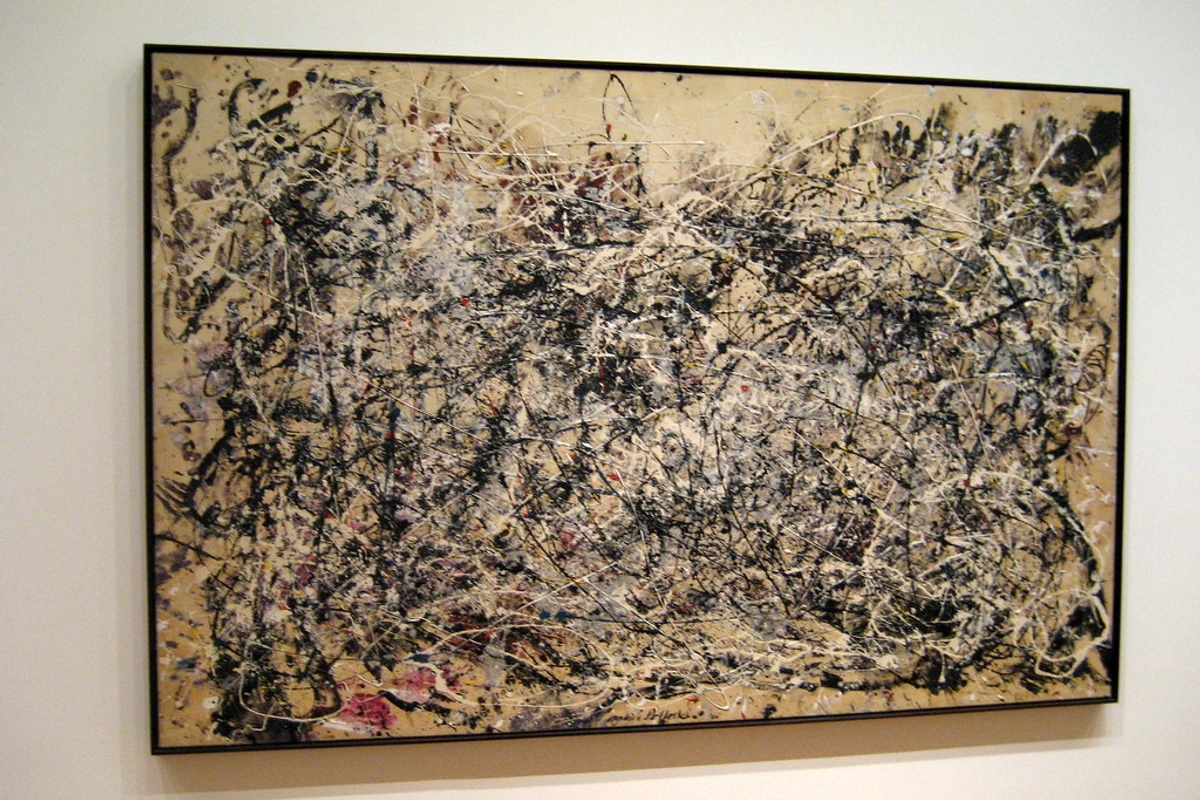
This is perhaps the most iconic pairing, a beautiful, almost rebellious contrast. Abstract Expressionism is about raw emotion, unleashed onto canvas through bold, gestural brushstrokes and dynamic fields of color. I love how it injects a passionate, almost primal energy that plays perfectly against the calm, clean lines of MCM furniture, preventing a space from feeling too sterile. Think of it as a vibrant conversation between order and chaos, each making the other more compelling. If you want to dive deeper into the genesis of this movement, I highly recommend exploring our guide: The Definitive Guide to the History of Abstract Art: Key Movements, Artists, and Evolution.
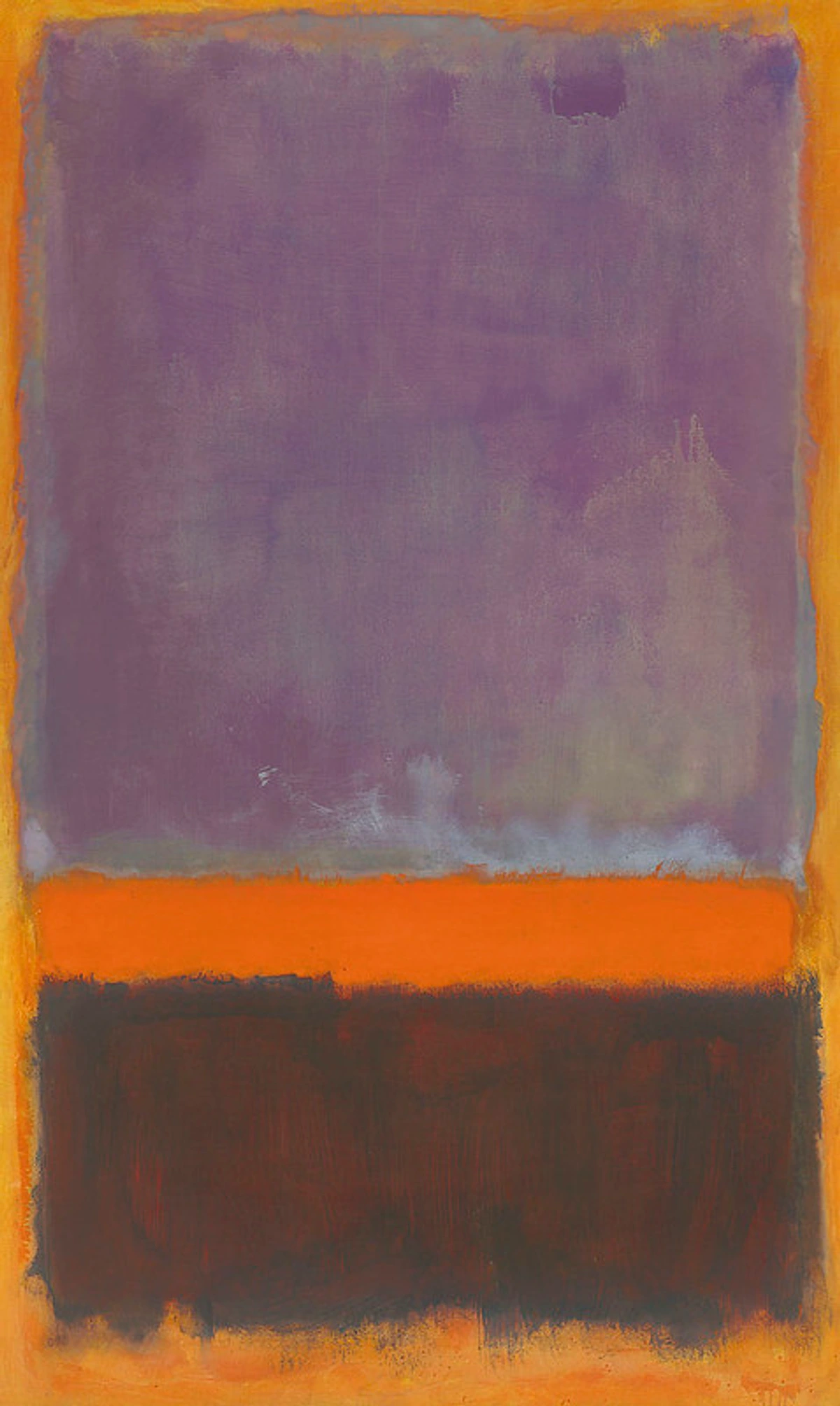
- What to look for: Seek out large-scale canvases that truly command a room, offering non-representational forms that invite deeply personal interpretation. Look for a palpable sense of movement, spontaneity, and an almost raw energy conveyed through dynamic brushstrokes or intense fields of color. Don't shy away from pieces that feel "unfinished" or visceral; that's often where their power lies.
- Artists to know: Beyond the titans like Jackson Pollock (whose revolutionary drip paintings are iconic, and whose work you can learn more about in our Ultimate Guide to Jackson Pollock), Willem de Kooning (known for his fierce, gestural figures), and Lee Krasner (a master of dynamic abstraction, explore her work in our Ultimate Guide to Lee Krasner), also consider the profound color fields of Barnett Newman, whose signature "zips" cut through expansive hues, offering a more serene yet equally powerful emotional experience. And don't forget Mark Rothko, whose luminous rectangles, while often categorized under Color Field, emerged from this expressive tradition, focusing on the spiritual and sublime through color.
Color Field Painting
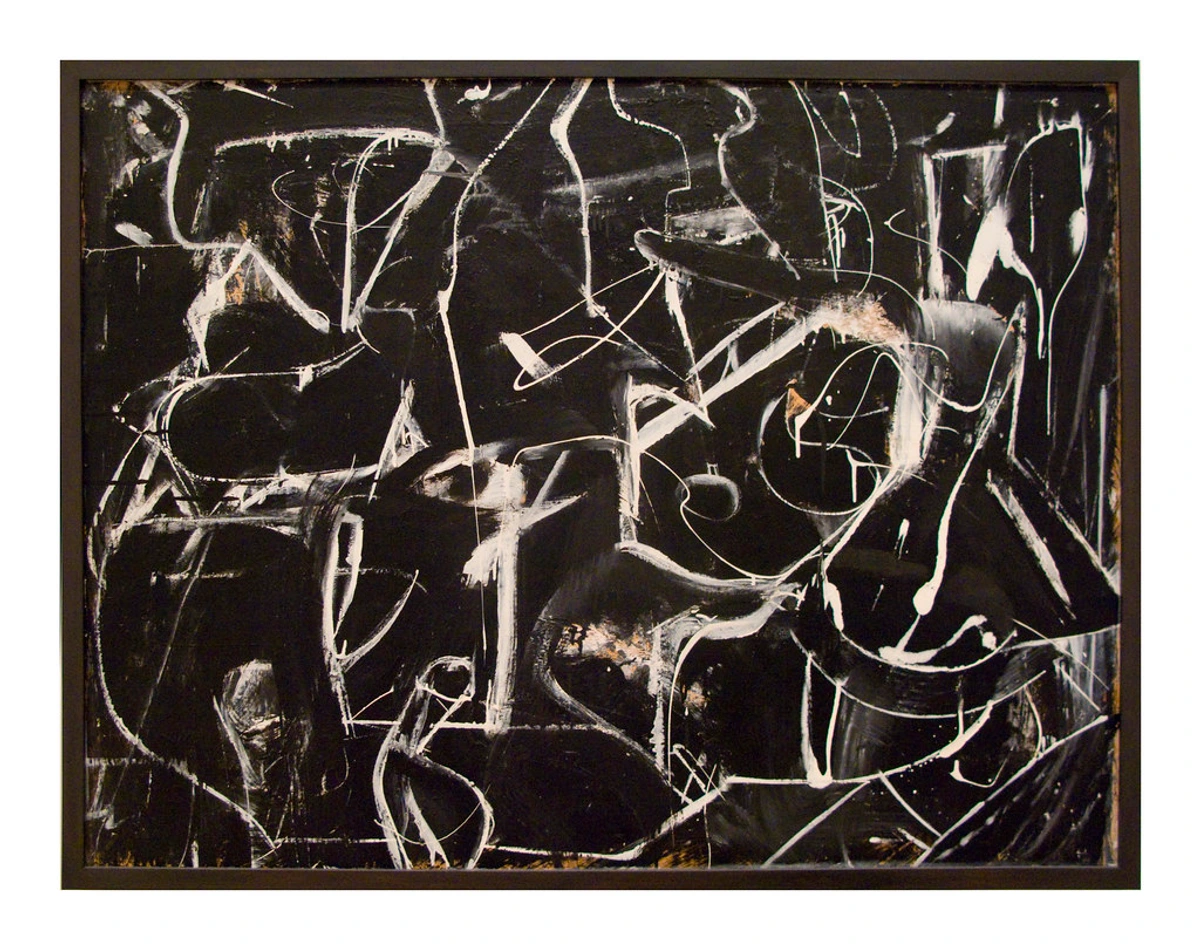
Emerging from the vast, expressive canvases of Abstract Expressionism, Color Field painting offers a different kind of emotional resonance—one rooted in immersive optical experiences rather than gestural energy. These works often feature large areas of flat, solid color, creating a sense of expansiveness, tranquility, and profound depth. For me, it's about the sheer power of color to evoke mood and space, a perfect complement to the open, airy feel of an MCM interior.
- What to look for: Monumental canvases dominated by pure, often saturated color, subtle variations in tone, and an overall meditative quality that encourages contemplation.
- Artists to know: Mark Rothko (his glowing rectangles are legendary), Helen Frankenthaler (known for her soak-stain technique that bleeds color directly into raw canvas), and Morris Louis.
Geometric Abstraction & Hard-Edge Painting
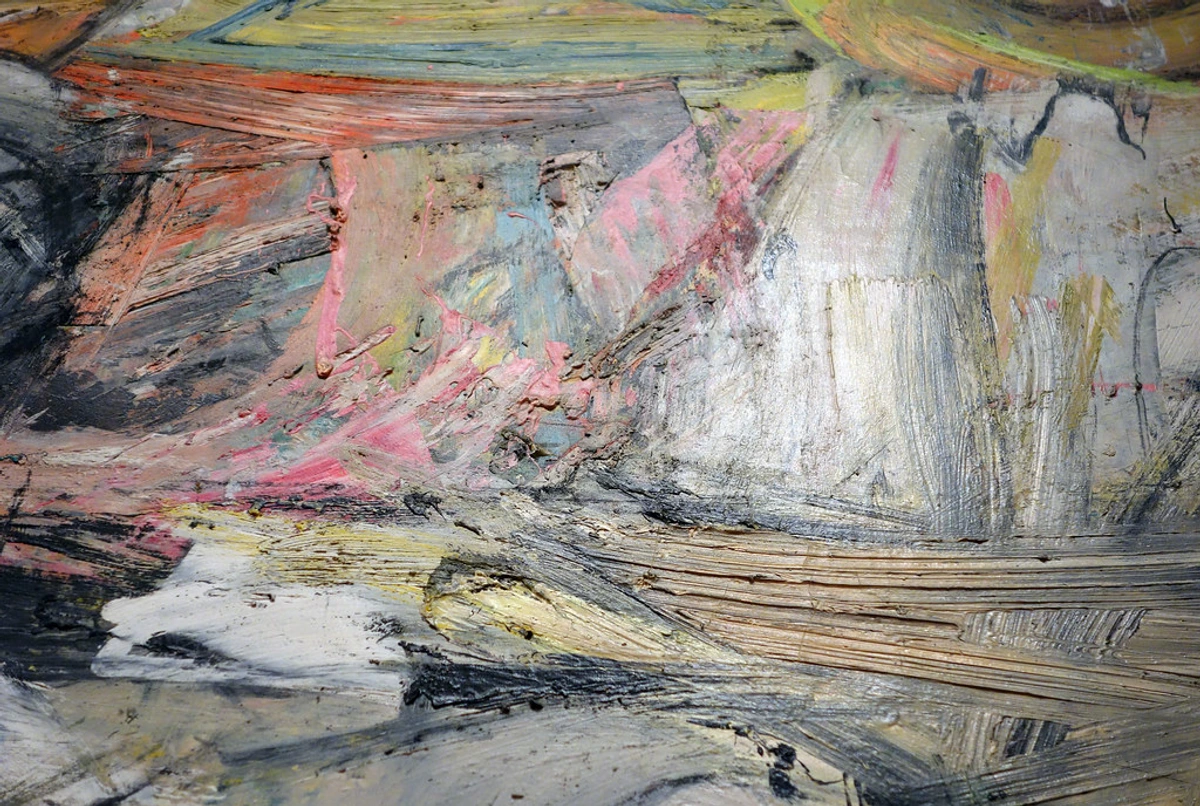
If the wild energy of Abstract Expressionism feels a bit too much for your zen MCM space, the cool, calculated calm of Geometric Abstraction might be just right. This style champions crisp, clean lines, fundamental shapes (think squares, circles, triangles), and bold blocks of solid, often unmodulated color. It perfectly mirrors the architectural precision, the honest materials, and the minimalist tendencies inherent in MCM design. It’s like finding the visual equivalent of a perfectly crafted Danish modern chair – precise, elegant, and timeless. For more detail, and to really understand how these elements coalesce, especially the intentional use of space and form, I always recommend our guide to composition in abstract art. And for those who love the grid-like purity, exploring the incredible work of Agnes Martin offers a profound understanding of subtle geometric expression.
- What to look for: Look for impeccably sharp lines, precise geometric forms, and often a limited, carefully chosen color palette. Pieces with a strong sense of order, rhythm, or a captivating optical effect are ideal. Hard-edge painting, a sub-genre, is particularly characterized by its abrupt transitions between color areas.
- Artists to know: Piet Mondrian (his iconic grid paintings with primary colors are the epitome of this style), Josef Albers (famous for his "Homage to the Square" series, exploring subtle color interactions), and Ellsworth Kelly (known for his monumental, boldly colored canvases with simplified, curved or rectilinear forms). Their work demonstrates how powerful simplicity can be.
Pop Art
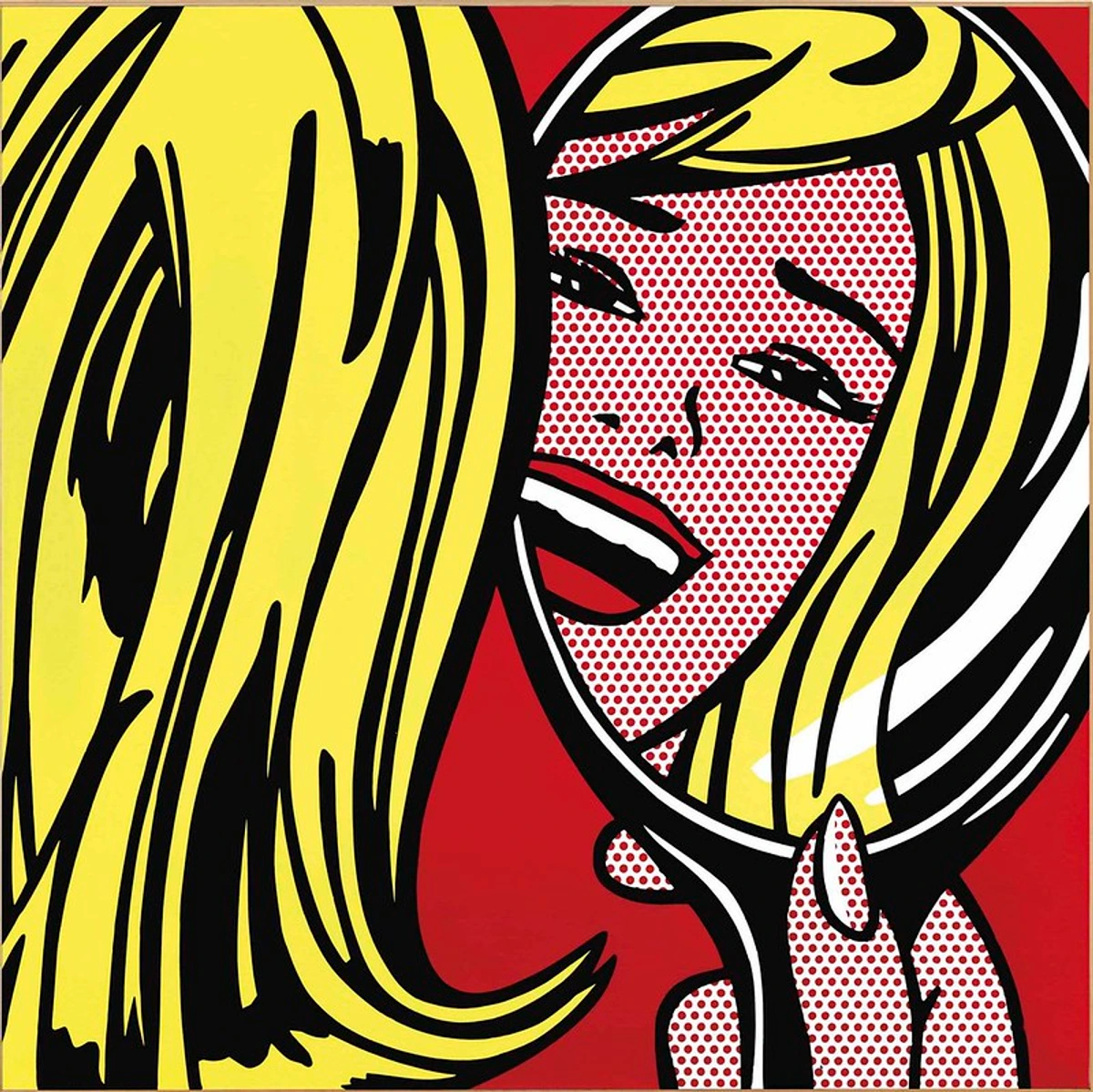
Emerging towards the end of the MCM period, and in some ways a direct response to the perceived seriousness of Abstract Expressionism, Pop Art unapologetically brought imagery from mass culture, advertising, and comic books directly into the gallery space. Its bold, graphic nature, vibrant colors, and often ironic sensibility can inject a much-needed sense of fun, wit, and contemporary edge into a sophisticated MCM interior. It’s a playful nod to the consumerism that was booming alongside MCM design, and for me, it creates an exciting tension.
- What to look for: Seek out repetitive imagery that comments on mass production, iconic celebrity portraits, clever appropriations of advertising motifs, or bold graphic references to consumer goods that invite a double-take and a chuckle. The vibrancy and often satirical edge of Pop Art can truly enliven an MCM space.
- Artists to know: The undisputed masters like Andy Warhol (whose soup cans and celebrity silkscreens are instantly recognizable, and you can delve into his process with What are Warhol's Campbell's Soup Cans?), and Roy Lichtenstein (famous for his comic-strip inspired paintings with Ben-Day dots). Also investigate the impactful graphic works of Sister Corita Kent (her serigraphs combine spirituality with social commentary), the early pop sensibilities of Richard Hamilton (often considered one of the founders of Pop Art), and while a bit later, the accessible, graphic social commentary of Keith Haring brings a similar energy that complements MCM.
Minimalism
As a counterpoint to the more expressive styles, Minimalism emerged with a rigorous focus on extreme simplicity and a reduction to fundamental geometric forms. Think of it as the ultimate refinement of the MCM principle of 'less is more.' Minimalist art uses repetition, industrial materials, and a deliberate absence of overt emotion to create pieces that are often intellectually stimulating and profoundly tranquil. It’s a perfect partner for the uncluttered, architectural precision of a well-designed MCM interior.
- What to look for: Focus on grid-based compositions, monochromatic palettes, and a deliberate use of industrial materials like steel, plexiglass, or even raw wood. The key is an emphasis on the object itself, its form, and its relationship to the surrounding space, rather than a narrative or overt emotion. Think about how the piece interacts with light and shadow, and how its inherent qualities come to the forefront.
- Artists to know: Donald Judd (whose 'stacks' and 'boxes' explore spatial relationships and specific objects in space, truly iconic), Dan Flavin (known for his transformative fluorescent light installations that redefine architectural spaces), and Carl Andre (whose floor pieces and material arrangements challenge traditional sculpture). These artists demonstrate a rigorous pursuit of purity and essential form.
Sculpture and Textile Art
Don't, for a moment, limit your search to things in a frame! The MCM era, with its emphasis on honest materials and organic forms, absolutely celebrated three-dimensional art. A delicate mobile, a robust ceramic sculpture, or a richly woven wall hanging adds invaluable texture and depth that beautifully complements the wood, metal, and glass finishes of your furniture. I often find these pieces provide a tactile counterpoint, preventing a room from feeling too two-dimensional. If you’re curious about how to integrate these dynamic forms, definitely consider exploring our comprehensive guide on how to incorporate sculptural art into modern interiors.
- What to look for: Look for kinetic sculptures (like the playful, elegant mobiles of Alexander Calder that introduce gentle movement, linking to our guide on What is Kinetic Art Movement in Modern Sculpture?), organic ceramic forms that echo nature's curves, sleek metalwork with a polished finish, or richly hand-woven tapestries and wall hangings that introduce invaluable warmth, texture, and craft. Consider materials like wood, clay, metal, glass, or even thoughtful mixed media pieces that incorporate found objects, telling a silent story of material honesty.
- Artists to know: Beyond the obvious, explore Isamu Noguchi (known for his iconic Akari light sculptures, seamlessly blending Japanese craft with modern design, and his landscape architecture), visionary ceramicists like Eva Zeisel (whose organic, flowing forms are quintessential MCM), and seminal textile artists like Anni Albers (a master of weaving and graphic design, deeply influential to the Bauhaus movement, whose work you can explore when understanding The Evolution of Abstract Art). Also, consider artists who worked with robust, abstract sculptures like Louise Nevelson, creating imposing, monochrome wooden assemblages.

The Enduring Influence of Graphic Design
It's impossible to talk about the Mid-Century Modern aesthetic without acknowledging the profound impact of graphic design. From advertising campaigns to corporate logos, book covers, and iconic movie posters, the clean lines, bold typography, and intelligent use of negative space that defined MCM graphic design are everywhere. These principles directly inform how we perceive and appreciate visual art in an MCM setting.
- What to look for: Seek out vintage posters (travel, movie, advertising) or contemporary prints that echo the clarity, boldness, and sophisticated simplicity of mid-century graphic designers. Look for strong compositional elements, limited color palettes, and clear messaging.
- Designers to know: Icons like Saul Bass (known for his minimalist and striking film posters and corporate logos), Paul Rand (whose corporate identities are legendary), and Alvin Lustig (a master of abstract book jacket design) perfectly encapsulate the era's visual language. Their influence extends beyond commercial art, shaping the very way we view modern aesthetics.
Beyond the Brush: Photography, Prints, and Other Media
While painting often takes center stage, don't overlook the incredible versatility and impact of other art forms within an MCM home. Sometimes, a different medium is exactly what the space needs to feel complete, or to introduce a fresh, unexpected twist.
Photography
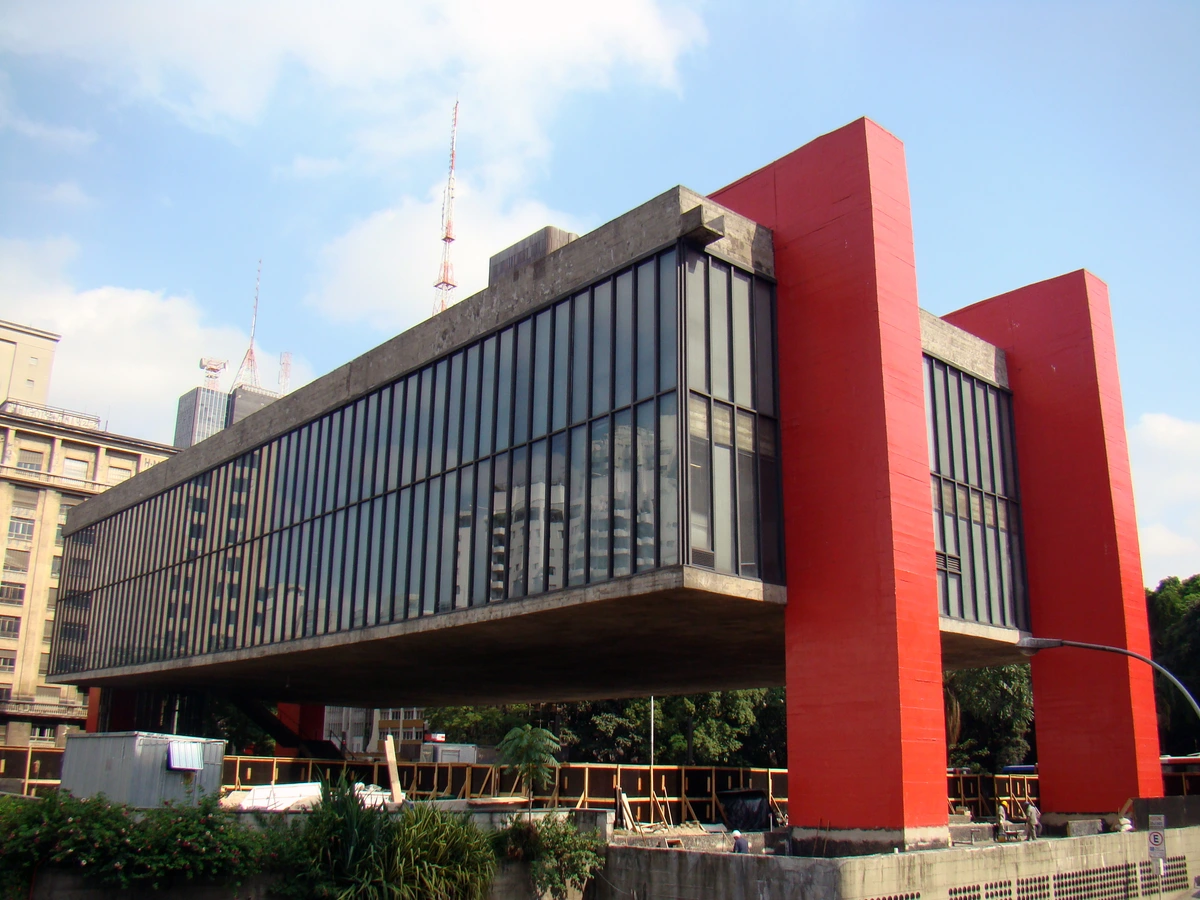
The mid-century period was a golden age for photography, particularly in capturing urban landscapes, abstract forms, and humanistic portraits. The clean lines and monochromatic palettes of many iconic photographs from this era resonate perfectly with MCM aesthetics. Black and white photography, in particular, can offer a sophisticated counterpoint to vibrant furnishings or bring a quiet gravitas to a minimalist space.
- What to look for: Seek out architectural photography that emphasizes clean lines and structural beauty (think images of iconic MCM buildings), evocative street photography capturing the human element of the era, abstract compositions derived from everyday objects, or striking portraiture from the 1950s and 60s. Black and white gelatin silver prints offer a classic, timeless appeal, while early color photography can provide a vibrant counterpoint.
- Artists to know: Ansel Adams (whose breathtaking black and white landscapes showcase nature's grandeur and precise composition), Henri Cartier-Bresson (the master of candid photography, capturing the 'decisive moment' with unparalleled grace), and Aaron Siskind (known for transforming decaying urban textures into powerful abstract compositions). Also, definitely explore Julius Shulman, whose architectural photography defined the visual legacy of Southern California modernism, and Gordon Parks, whose photojournalism documented American life with profound artistry.
Fine Art Prints and Editions
Don't let budget constraints limit your artistic vision. High-quality prints—from limited edition lithographs and screen prints to giclée reproductions of abstract masterpieces—offer an accessible way to integrate significant artwork into your home. The graphic nature of many printmaking techniques aligns beautifully with MCM's emphasis on clean lines and bold compositions. Learn more about the giclée print process if you're curious about quality.
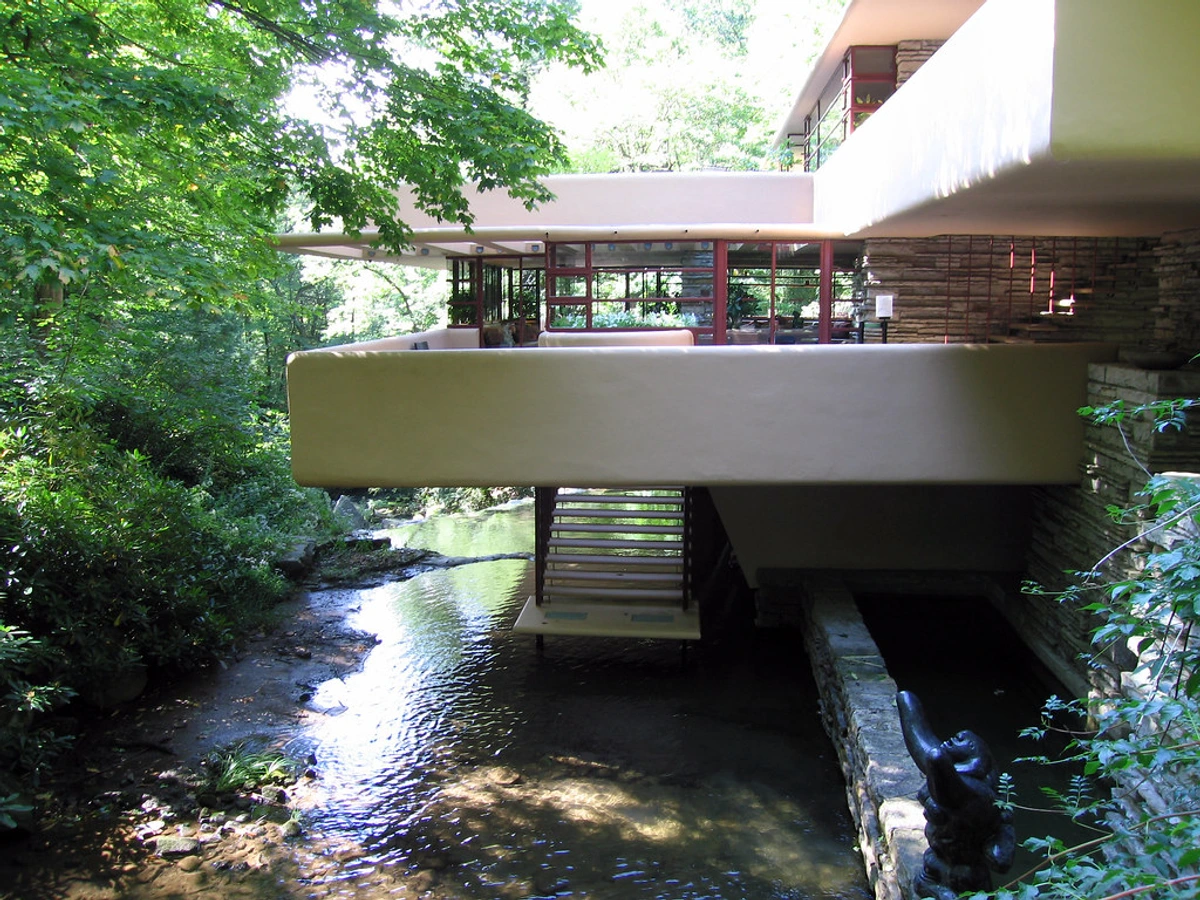
- What to look for: Serigraphs (screen prints) that echo Pop Art's vibrancy, lithographs for subtle color gradients, or woodcuts for graphic impact. Always check the edition size and the quality of the paper and ink.
- Artists to know: Explore prints by artists like Josef Albers, Richard Diebenkorn, or contemporary artists creating graphic abstract works. And remember, our own collection of art for sale features many exceptional prints that would feel right at home in an MCM setting.
Practical Tips for Selection and Placement
Once you've identified a style you love, it's time to choose and hang your piece. Here are some practical considerations.
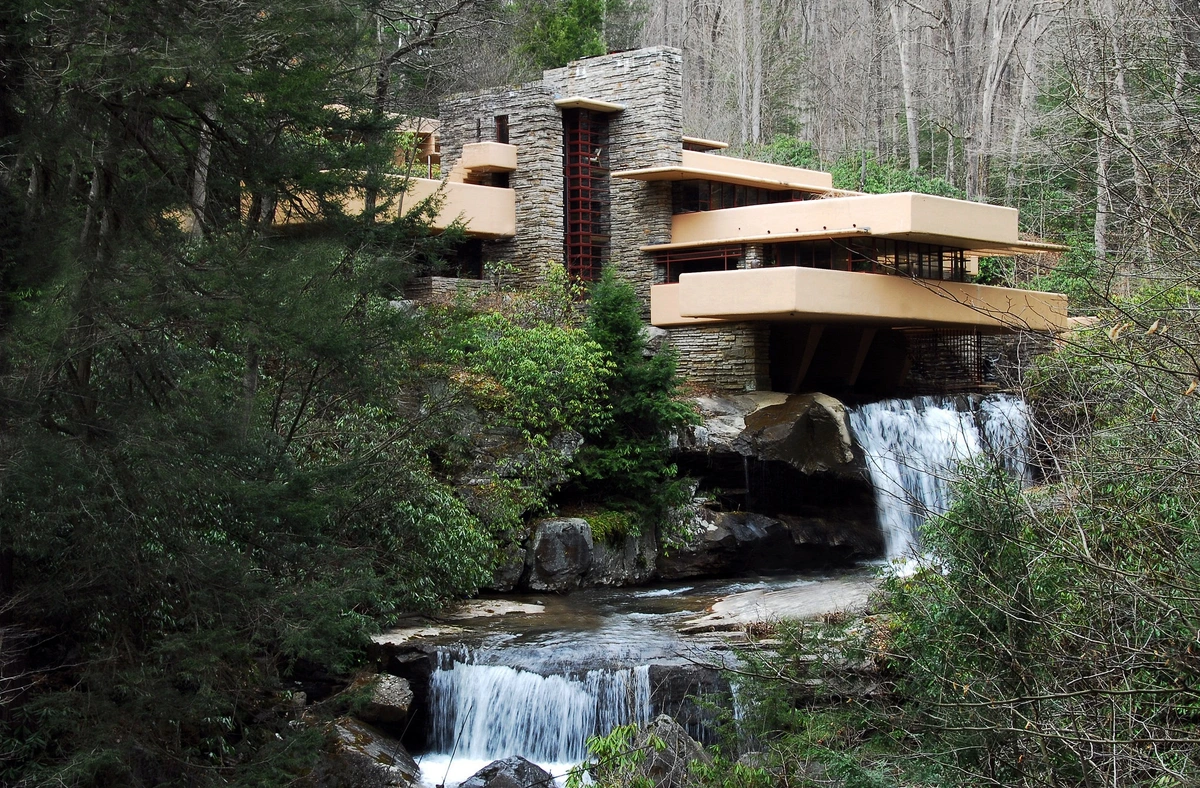
1. Color Palette: Complement, Don't Compete
Your art should connect with your room's existing color scheme. It can either pick up on an accent color or introduce a new, complementary one.
Room Color Palette | Art Color Suggestion |
|---|---|
| Teak, olive green, cream | Art with pops of burnt orange or mustard yellow. |
| Walnut, charcoal grey, white | A bold, primary color piece (red, blue) or a stark black and white abstract. |
| Oak, beige, earthy tones | Art with deep blues, forest greens, or warm terracotta. |
| Stainless steel, grey, white | Art with vibrant primary colors (red, yellow, blue) to break the cool palette. |
| Dark wood, deep jewel tones (emerald, sapphire) | Abstract art with metallic accents or muted golds and coppers for sophisticated glow. |
Beyond simply matching, think deeply about the psychology of color. Do you want the art to energize the room with contrasting hues, sparking conversation and excitement, or provide a calming, harmonious presence with analogous shades that promote relaxation? I often find a strategic pop of an unexpected, vibrant color can be incredibly effective, like a brilliant fuchsia or a vibrant orange against a backdrop of cool grays and teals, providing a focal point and a jolt of personality. For a deeper dive into how color impacts mood and perception, our guide on The Psychology of Color in Abstract Art is an invaluable resource.
Lighting Your Art: Bringing it to Life
This is a tip I can't stress enough! The right lighting doesn't just illuminate your art; it brings it to life, transforming how it interacts with your space throughout the day and night. MCM homes often feature ample natural light, which is fantastic, but supplementary lighting is crucial for showcasing your collection, especially in the evenings.
- Natural Light: Position art to benefit from ample indirect natural light, always avoiding direct sunlight which is a notorious culprit for causing colors to fade and materials to degrade over time. Think about how the light changes throughout the day; a soft morning glow might highlight delicate textures, while an afternoon sunbeam could reveal a painting's boldest strokes or a sculpture's dramatic shadows.
- Artificial Lighting: Don't underestimate the power of dedicated art lights. Track lighting with adjustable spotlights remains a classic MCM choice, offering fantastic flexibility to highlight individual pieces or entire groupings as your collection evolves. Picture lights mounted directly above a frame can create a dramatic, gallery-like effect, bringing attention directly to the artwork. Crucially, always opt for bulbs with a high Color Rendering Index (CRI)—ideally 90 or above—to ensure colors appear true to life, vibrant, and accurate. Beyond CRI, consider the color temperature (Kelvin rating) of your bulbs; warmer tones (2700K-3000K) can create a cozy ambiance, while cooler tones (3500K-4000K) can make colors pop. For a deeper dive into making your art truly shine, check out our guide: The Art of Display: How to Light and Position Abstract Art for Maximum Impact.
2. Scale and Proportion Are Everything
Oh, the cardinal sin! A common mistake, and one I see all too often, is choosing art that's simply too small for the wall it occupies. It gets lost, feels insignificant, and can make the entire room feel unbalanced, almost as if something is missing. When in doubt, I always say: go bigger! A generously scaled piece acts as a powerful anchor, creating a focal point that commands attention, much like the iconic furniture pieces themselves. For instance, when placing art above the sofa, a good rule of thumb is for the piece (or entire arrangement) to be about two-thirds to three-quarters the width of the sofa, leaving adequate breathing room on either side. Don't be afraid to experiment with cardboard cutouts or even painter's tape to visualize the scale and placement before committing to a purchase. It's truly a game-changer for achieving that intentional, balanced MCM look. This principle is especially true for spaces with high ceilings; you need art that can hold its own, as discussed in our guide to Maximizing Impact: Choosing Art for High Ceilings.
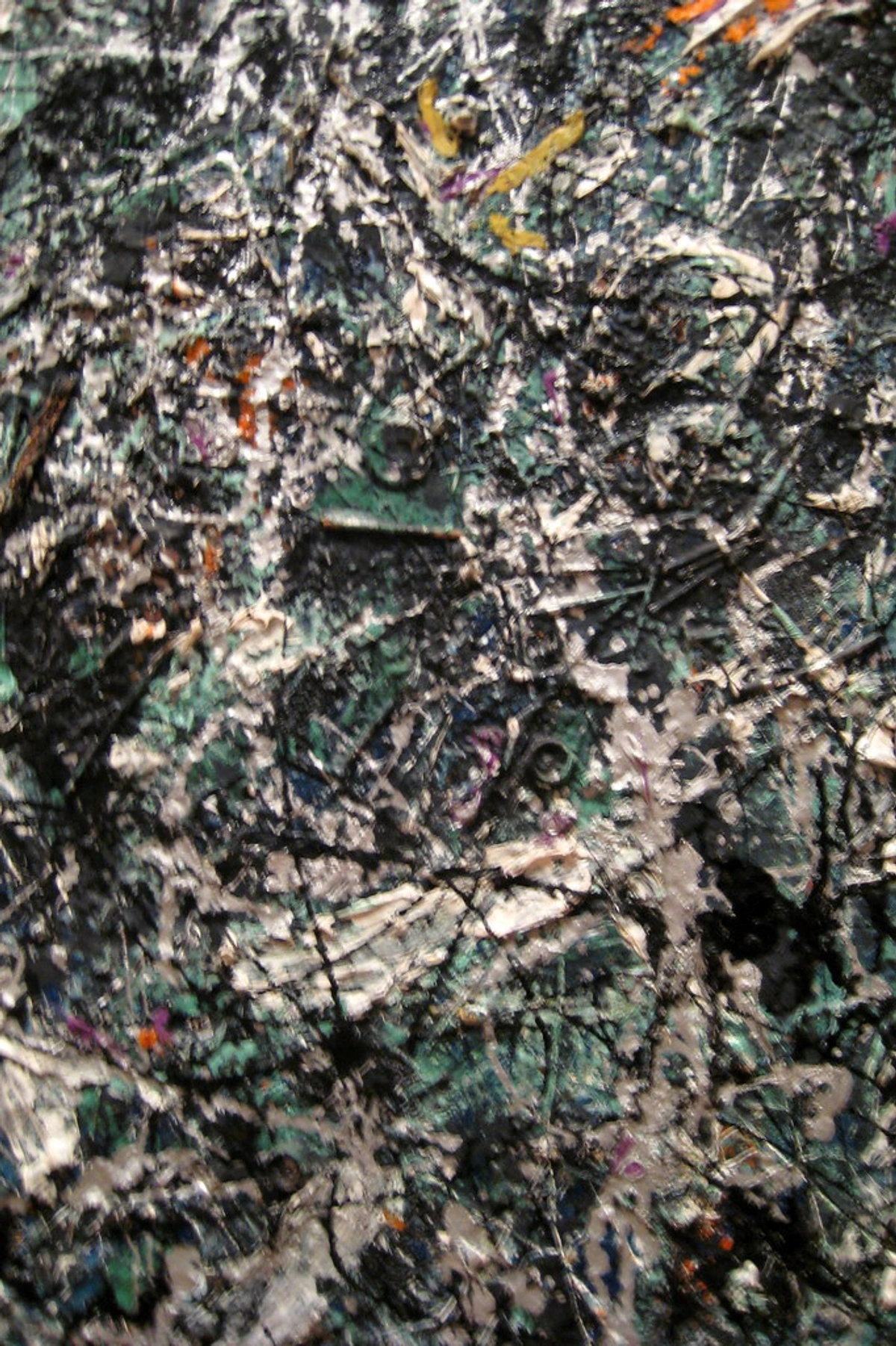

3. Framing Matters
Frames are the finishing touch. For an authentic MCM look, stick to simple, high-quality frames.

- Materials: Stick to natural wood (especially light oak, rich walnut, or darker teak), sleek thin black or white metal, or even brushed brass for a touch of period-appropriate warmth. Avoid anything overly ornate or distressed; clean lines are paramount.
- Style: Simple gallery frames (often called "box frames") or elegant floating frames work best for canvas art, creating a subtle boundary that doesn't distract from the artwork itself. The goal is to present the art, not to decorate the frame.
- Matting: A generous, acid-free white mat can dramatically enhance a smaller piece, giving it more presence and creating a clean, modern "breathing space" that draws the eye inward. For a polished presentation, consider a double mat or a custom-cut mat for unique dimensions. And if you're feeling adventurous, our guide to building a floating frame for canvas art can inspire some DIY spirit!
4. Create a Structured Gallery Wall
While the free-form, eclectic gallery wall has its charm in some aesthetics, the MCM approach leans into a more ordered, structured, and often grid-like aesthetic. It's about precision and visual calm, even when displaying multiple pieces. I always recommend using pieces of similar size and framing, or, if mixing, ensuring a clear, symmetrical, or meticulously balanced arrangement. Think about clean sightlines, consistent spacing (often 2-4 inches between frames), and a cohesive visual theme to achieve a truly intentional and impactful look. It's less about a collection of disparate objects and more about a singular, impactful statement created by the arrangement itself, echoing the modularity often found in MCM furniture. Want to master this? Our guide to curating a gallery wall with abstract art is a fantastic resource for understanding balance and flow. You can also explore general gallery wall ideas for broader inspiration, but always bring it back to that MCM sense of order.
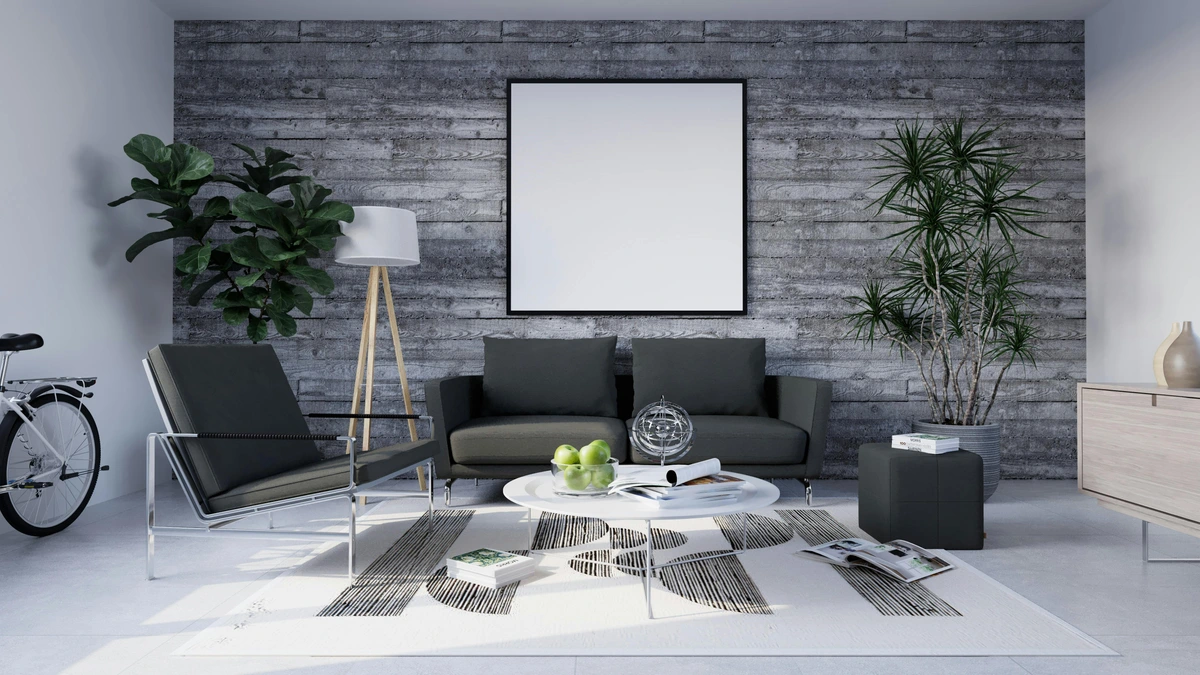
Creating a structured gallery wall doesn't just work in living rooms. Consider your hallways as prime real estate. A long, narrow hallway can be transformed from a transitional space into a captivating visual journey with a thoughtfully curated, linear gallery, as explored in our guide on Art for Long Narrow Hallways. It’s an often-overlooked area that can truly benefit from artistic attention.
Common Placement Spots
- Above the Credenza or Console Table: This is a classic MCM vignette. Anchor the arrangement with a large piece of art centered above the furniture.
- In the Dining Room: The dining room is a perfect place for a statement piece that sparks conversation. See our tips on choosing art for a dining room.
- On a Brick or Wood-Paneled Wall: The texture of these walls provides a fantastic backdrop for art. Abstract art, in particular, contrasts beautifully with natural materials. Just be sure you know how to hang art on brick walls correctly. Trust me, you don't want a misstep there!
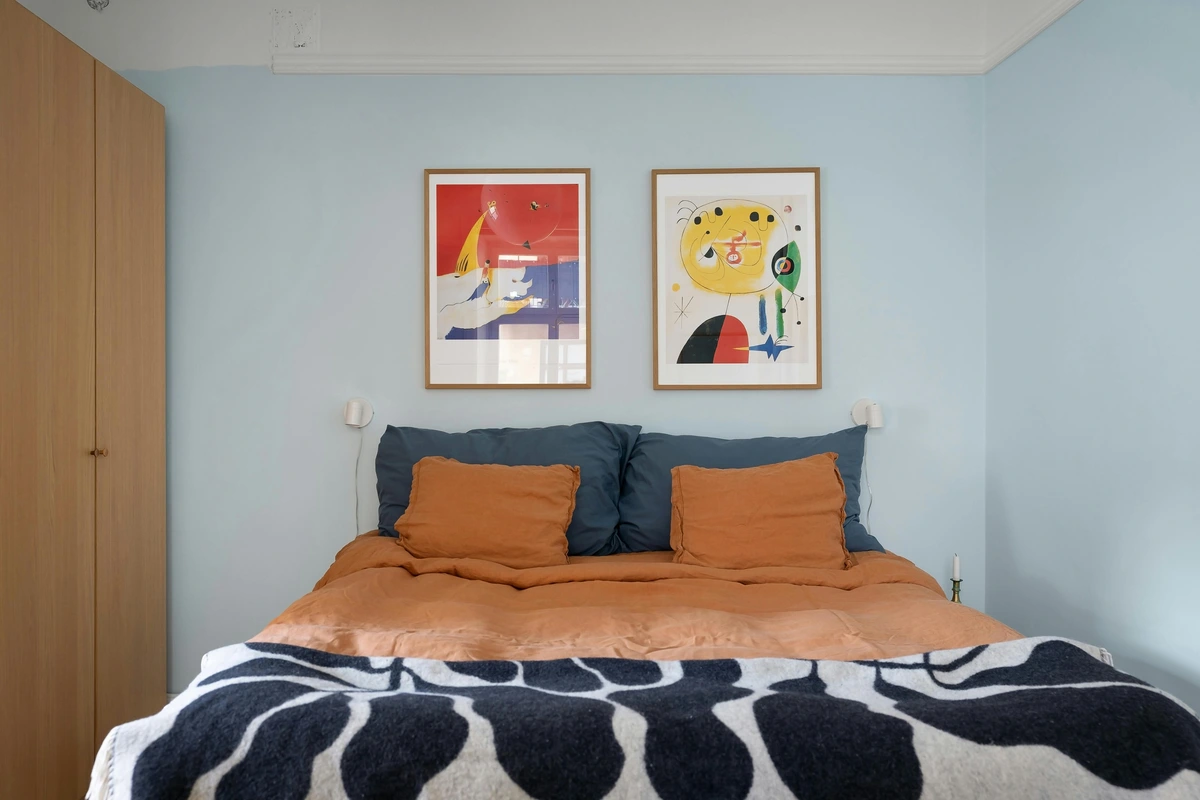
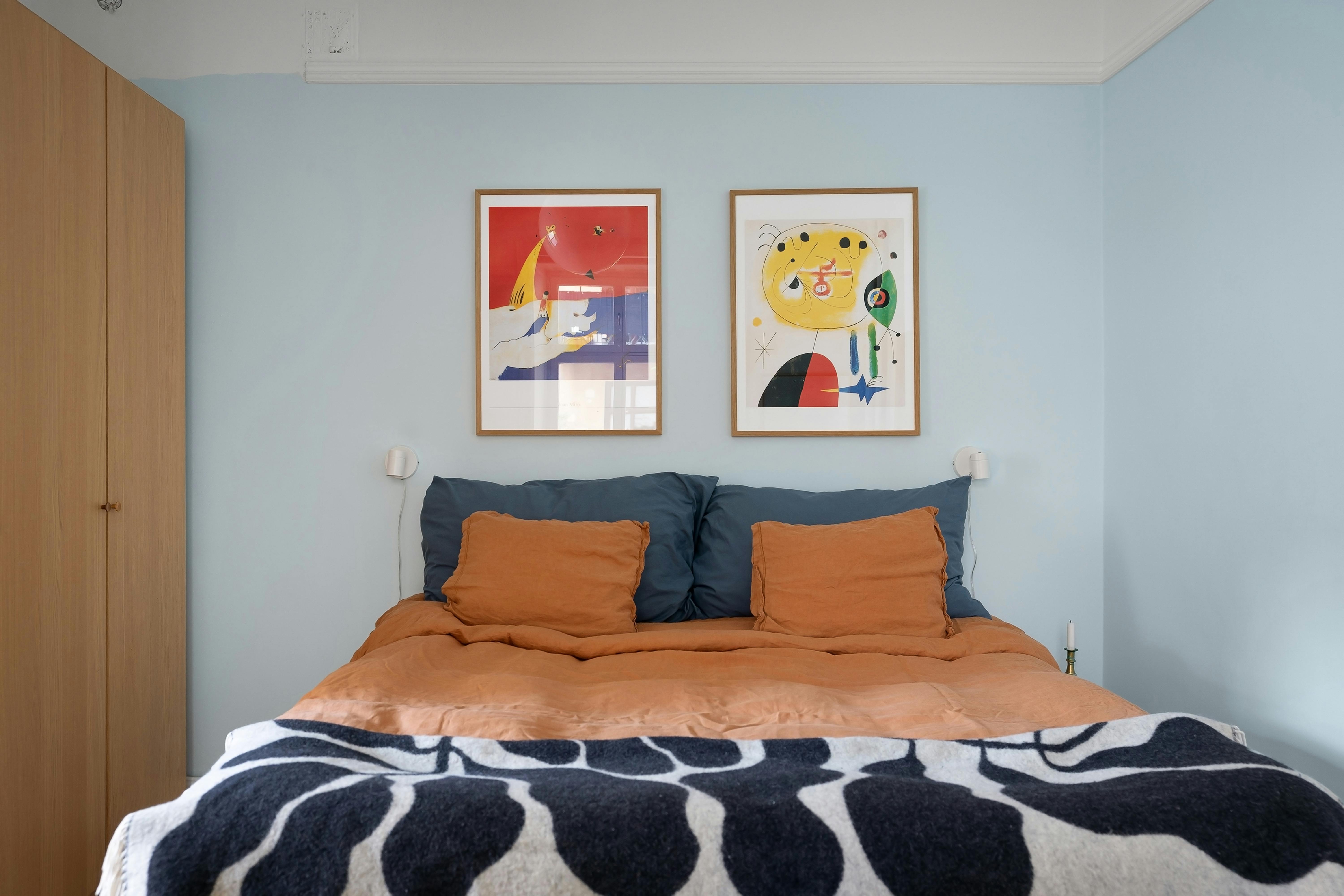
- In the Bedroom: The bedroom is your sanctuary, your private escape. The art here should evoke calm, serenity, and a deep personal connection. Consider a large, tranquil abstract above the headboard, perhaps in soothing blues or earthy tones, or a pair of smaller, complementary pieces that invite contemplation. It's about creating a personal haven, as we discuss in broader terms when decorating your home.
- In the Home Office: Inject personality, focus, and inspiration into your workspace. A bold geometric abstract can spark creativity and mental clarity, while a thoughtful print or a monochromatic photograph can provide a moment of quiet reflection during a busy day. Think about what motivates and calms you. For more living room ideas (and many principles apply to offices!), see our choosing art for your living room guide. You might even find inspiration in our Case Study: Transforming a Home Office with Biophilic Abstract Art for a unique approach.
- In the Entryway or Hallway: This is your home's first impression! A striking piece of art in your entryway sets the tone. In a hallway, especially a long one, a series of complementary pieces or a well-curated gallery wall can transform a transitional space into an intentional gallery experience.
FAQ: Your Mid-Century Modern Art Questions Answered
Should I consider original art or prints?
This is a fantastic question, and honestly, there's no single "right" answer; it depends entirely on your budget, your collecting goals, and your personal preference. Original art (paintings, sculptures, unique mixed media pieces) offers a direct connection to the artist's hand, a one-of-a-kind presence, and often holds greater long-term value. There's an undeniable energy in owning a piece that is truly unique. However, fine art prints and limited editions (like lithographs, screenprints, or high-quality giclées) provide an accessible entry point into collecting quality art. They allow you to own a piece by a renowned artist (or a fantastic emerging one) without the price tag of an original, and often feature the graphic boldness that pairs so well with MCM. I always recommend a mix – invest in an original piece that truly speaks to your soul, and complement it with well-chosen prints to fill out your collection.
Can I use black and white photography?
Absolutely! In fact, I often find black and white photography to be an exceptionally elegant and fitting choice for MCM interiors. The graphic quality, the interplay of light and shadow, and the timelessness of monochromatic images beautifully complement the clean lines and natural materials of mid-century design. It adds a layer of sophistication and can provide a calming visual anchor in a vibrant space. It's a fantastic way to introduce a sense of history without clashing with the modern aesthetic. For those fascinated by the history and impact of this medium, our article on The History of Photography as Fine Art is a must-read.
What about abstract art for MCM homes?
Abstract art, in my opinion, is perhaps the most natural pairing for Mid-Century Modern interiors. The clean lines, emphasis on form and color, and often non-representational nature of abstract pieces align perfectly with MCM's minimalist and functional aesthetic. Whether it's the bold brushstrokes of Abstract Expressionism, the meditative expanses of Color Field, or the precise geometry of Hard-Edge painting, abstract art allows for a sophisticated dialogue with your furniture without competing for attention with a literal subject. It creates mood, adds intellectual interest, and allows for personal interpretation, making your space feel curated and deeply personal. It's a cornerstone of the MCM art palette, truly! And if you're keen to understand its foundations, our definitive guide to the history of abstract art is an essential read.
Can I use vintage posters?
Absolutely, and I wholeheartedly encourage it! Vintage posters are like little time capsules that can infuse your MCM space with personality and authenticity. Think vintage travel posters with their simplified graphics, concert posters from the 50s and 60s, or the iconic, bold graphic prints from designers like Saul Bass. They often boast the perfect blend of graphic quality, color palette, and historical context to fit perfectly. It's a wonderful way to add a playful or nostalgic touch without sacrificing style.
How important is provenance?
When you delve into collecting art, especially investment pieces or vintage works, provenance becomes incredibly important. Provenance refers to the documented history of ownership of a work of art, from the moment it left the artist's studio. It's like the artwork's resume and family tree all rolled into one. Strong provenance can confirm authenticity, establish value, and provide a fascinating narrative about the piece's journey. For major purchases, always ask for detailed provenance. For more accessible prints or emerging artists, it might be less critical, but understanding where your art comes from is always a good practice. It adds a layer of depth and story to your collection.
How do I care for my art in an MCM home?
This is a super important question! Protecting your art ensures its longevity and keeps your space looking pristine. Generally, art thrives in stable environments. Avoid direct sunlight, which can cause colors to fade and materials to degrade. Maintain a consistent temperature and humidity level to prevent warping or cracking, especially for canvas paintings and wooden frames. For cleaning, gentle dusting with a soft, dry cloth is usually sufficient for framed pieces. For sculptures, follow specific care instructions for the material. When in doubt, always consult a professional conservator. Think of it as caring for another cherished piece of your MCM collection—it deserves the same attention!
Is it okay to mix contemporary art with MCM furniture?
Yes, yes, and absolutely YES! In fact, I'd go so far as to say it's often encouraged and even crucial for a truly dynamic and personal MCM interior. Mixing contemporary pieces with vintage furniture prevents your home from feeling like a sterile museum set; it breathes life into the space, showing that your style is evolving and authentic. A vibrant abstract piece from a modern artist can be the perfect bridge, creating an exciting tension and demonstrating your confidence in design. It’s about creating a dialogue between eras, proving that good design is truly timeless. Don't be afraid to experiment—your home should reflect you, not just a catalogue.
What if I have a small space?
Having a smaller footprint doesn't mean you have to skimp on art; it just means being more strategic! Instead of many small pieces, consider one or two impactful, well-scaled works that draw the eye and create depth. Vertical pieces can make ceilings feel higher, while art with a strong linear quality can subtly direct the eye. Don't underestimate the power of a single, bold abstract. It can open up a room and prevent clutter. For even more tailored advice, I always point people to our guide: Abstract Art for Small Spaces: Maximizing Impact in Compact Areas.
What is the best height to hang art?
This is a question I get all the time, and it's simpler than you think! The general rule of thumb for hanging art in most settings is to place the center of the artwork (or the center of an entire gallery wall arrangement) at eye level. For an average person, this is typically about 57-60 inches (145-152 cm) from the floor. Of course, this can vary slightly based on ceiling height and the surrounding furniture. If you're hanging above a sofa or credenza, ensure there's enough space between the bottom of the frame and the top of the furniture – usually 6-8 inches is a good starting point. The goal is to make the art feel integrated into the room, not floating too high or squished too low. Always take a step back and visually assess before making any permanent holes!
Where can I find affordable MCM-style art?
You absolutely do not need a massive budget to furnish your walls with stunning MCM-style art. I’m a big believer in accessible art! Start by looking for high-quality, authorized prints from reputable museum shops; they often reproduce iconic works beautifully. Explore online art marketplaces like Etsy, Saatchi Art, or even Instagram, where you can discover incredibly talented emerging artists whose styles resonate deeply with the MCM aesthetic. Local art fairs, student exhibitions, and even well-curated vintage shops or flea markets can yield unexpected treasures—sometimes all it takes is a keen eye and a bit of patience. Remember, 'affordable' doesn't mean 'low quality'; it just means you're being a smart, resourceful collector. Our own collection of art for sale features many pieces with a modern, abstract sensibility that are designed to be accessible, offering that perfect blend of quality and value.
Are there any artists known for their MCM-era photography?
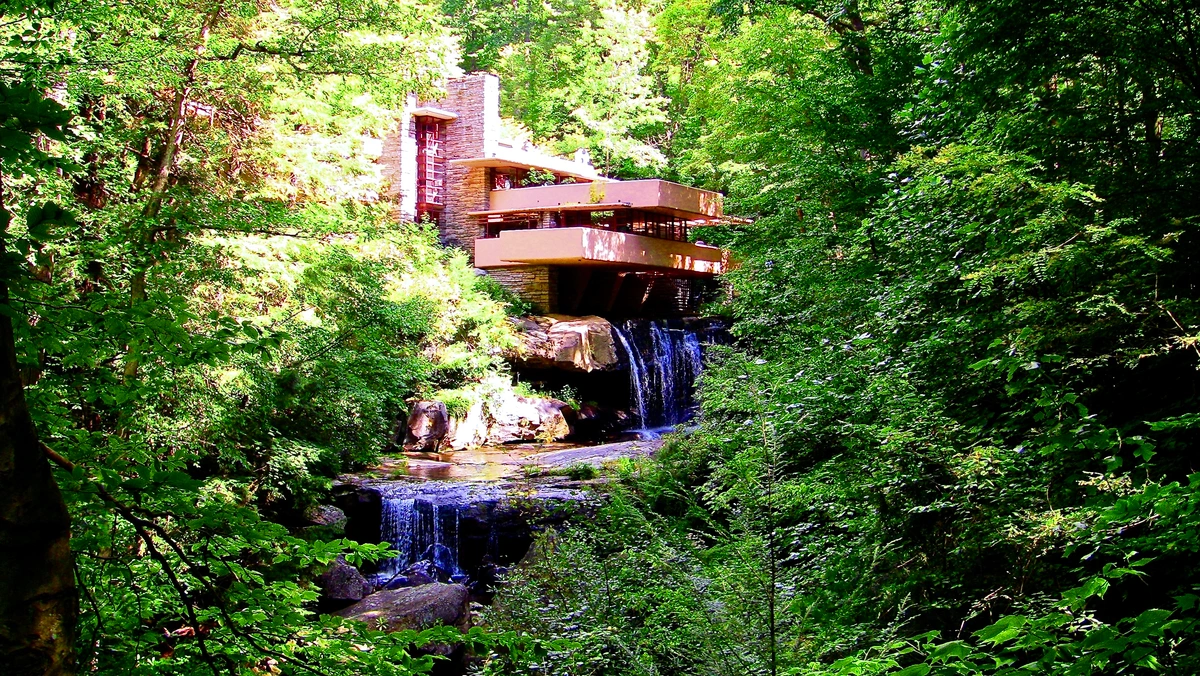
Definitely! Photography was flourishing during the mid-century, and many photographers captured the spirit of the era in ways that complement MCM aesthetics beautifully. Think of the architectural studies of Julius Shulman, whose iconic images of Case Study Houses defined the look of Southern California modernism. Also, consider the street photography of artists like Vivian Maier, capturing everyday life with a raw, honest eye, or the abstract experimentation of Harry Callahan. Their work, often in stark black and white, resonates with the clean lines and human-centered focus of MCM. To dive deeper into the historical context of this art form, explore our guide: The History of Photography as Fine Art.







What artists are most associated with the Mid-Century Modern era?
Beyond the brilliant artists already mentioned, the MCM era was a melting pot of creativity. I always suggest looking into the captivating work of Alexander Calder (his elegant, kinetic mobiles are pure MCM magic), Charles and Ray Eames (whose pioneering work spanned furniture, architecture, films, and graphic design, embodying the holistic MCM approach), and Helen Frankenthaler (a pivotal figure in Color Field painting, whose luminous canvases are truly breathtaking). Also consider the powerful abstract sculptures of Louise Nevelson or the bold ceramic forms of Peter Voulkos. These artists, each in their unique way, helped define the visual language that so beautifully complements the MCM aesthetic.
Integrating Personal Collections & Souvenirs
Your home should tell your story, and that often means incorporating pieces that hold personal significance, whether they're travel souvenirs, inherited items, or children's artwork. In an MCM home, the key is curation. Instead of scattering them, try to create small, intentional vignettes. A group of vintage ceramic vases on your credenza, a collection of abstract postcards framed in a grid, or a cherished sculpture on a minimalist shelf can add warmth and personality without disrupting the clean aesthetic. Think of it as weaving your life into the design, creating layers of meaning. The rule here is quality over quantity, and thoughtful arrangement over clutter.
Sustainability in Art Choices
As conscious consumers, it's worth considering the sustainability aspect of your art choices. This aligns beautifully with the MCM ethos of honest materials and thoughtful design. Look for artists who use eco-friendly materials, recycled components, or whose practices prioritize minimal environmental impact. Investing in vintage or antique pieces also contributes to sustainability by extending the life cycle of existing objects. Supporting local artists reduces shipping impact, and many contemporary artists are now transparent about their studio practices. It's a small but meaningful way to ensure your beautiful home also reflects your values.
The Final Touch
Choosing art for your Mid-Century Modern home is, without a doubt, the final and most profoundly personal layer of your design journey. It's the moment when a beautifully decorated room transcends into a true reflection of you—your personality, your passions, your quiet moments of reflection. Whether you gravitate towards a vibrant, gestural abstract that sings with energy, a cool and collected geometric print that offers visual calm, or a playful, ironic pop art piece that injects a dose of wit, the ultimate goal remains the same: select something that you genuinely love to look at every single day. The right art doesn't just complement your iconic furniture; it completes your home, imbuing it with soul and making it undeniably yours. So, go forth with confidence, explore with an open mind, and let your walls tell your unique story. And remember, if you're looking for that perfect piece to truly complete your vision, one that resonates with modern sensibilities and abstract beauty, I invite you to explore my own curated collection of abstract art: Discover My Art Collection.