Frank Lloyd Wright's Hidden Influence on Modern Art
An exploration of how Frank Lloyd Wright's architectural principles went beyond buildings to deeply influence the very DNA of modern and contemporary art.

The Architect Who Secretly Taught Artists How to See
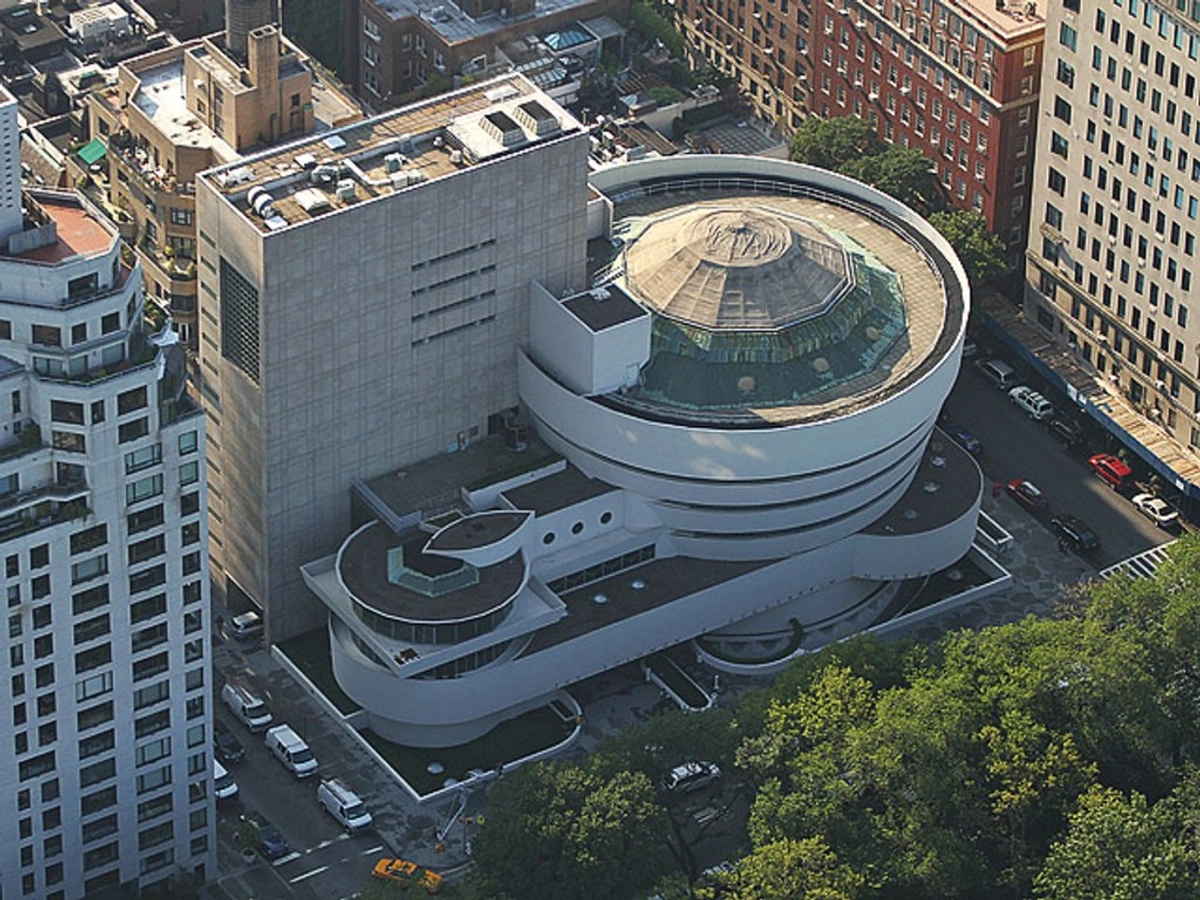
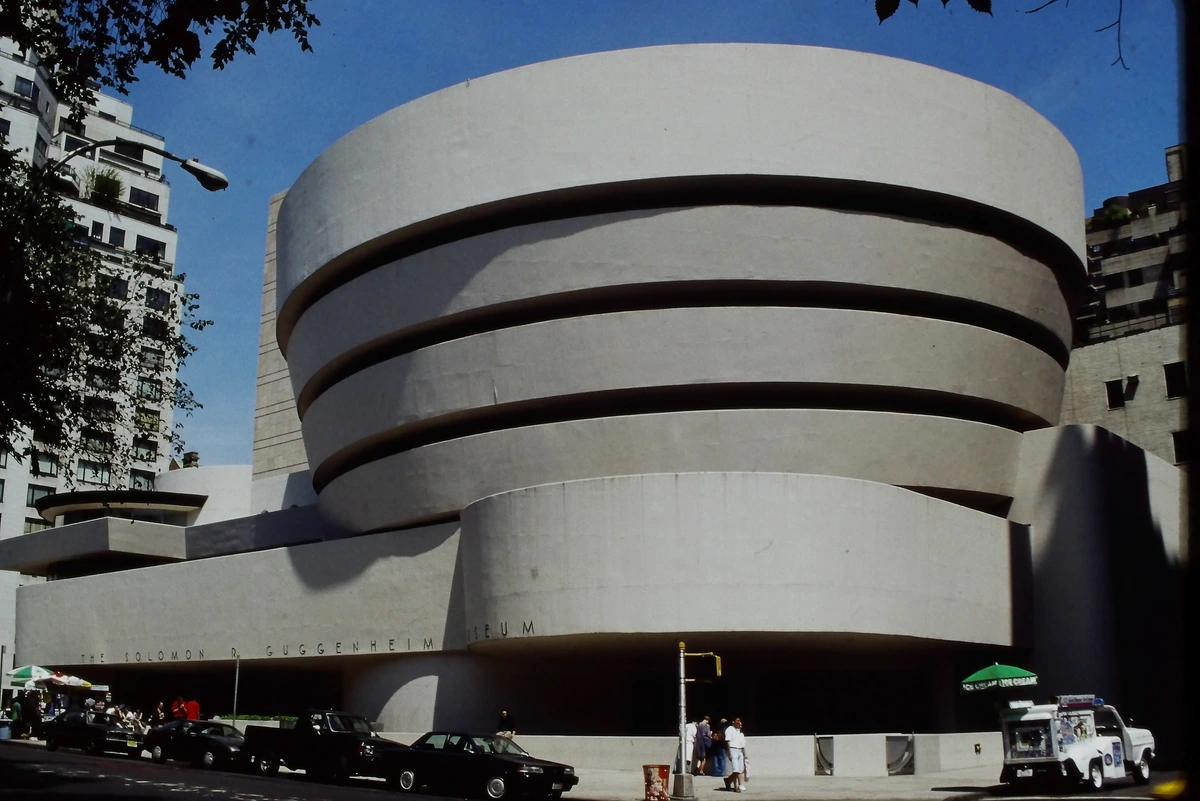
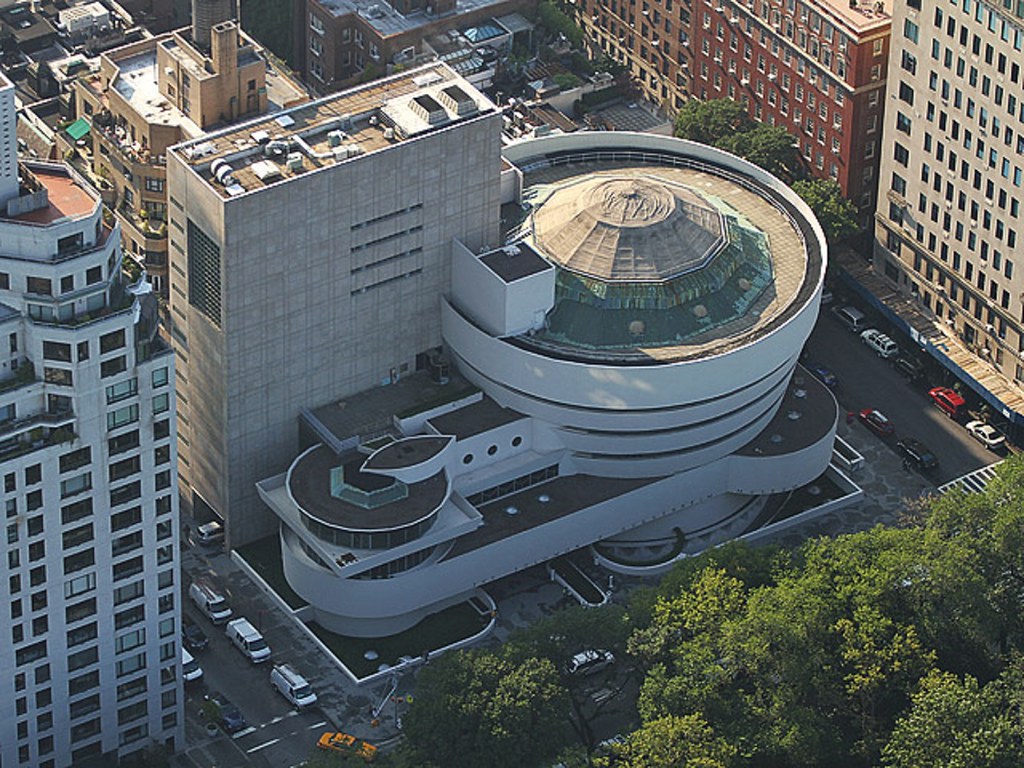
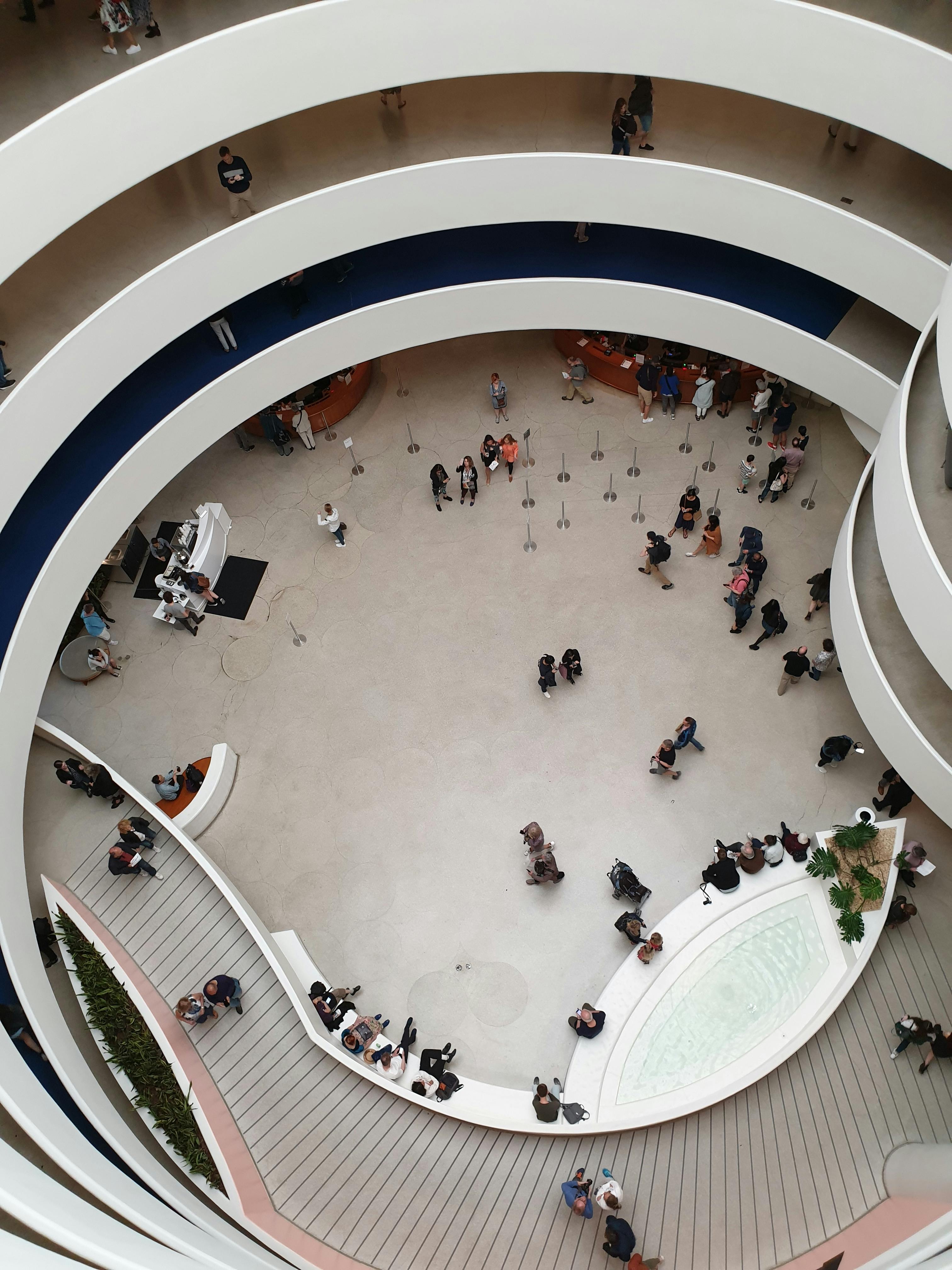
Frank Lloyd Wright is often celebrated as one of the most influential architects of the 20th century. His designs, such as the iconic Guggenheim Museum in New York, are renowned for their innovation and beauty. But beyond his architectural achievements, Wright's philosophy and approach to design have had a profound and often overlooked impact on the world of art. This article explores how Wright's ideas about space, nature, and form quietly shaped the thinking of modern artists, making him a hidden mentor to movements like abstract art, minimalism, and installation art.
Frank Lloyd Wright is often celebrated as one of the most influential architects of the 20th century. His designs, such as the iconic Guggenheim Museum in New York, are renowned for their innovation and beauty. But beyond his architectural achievements, Wright's philosophy and approach to design have had a profound and often overlooked impact on the world of art. This article explores how Wright's ideas about space, nature, and form quietly shaped the thinking of modern artists, making him a hidden mentor to movements like abstract art, minimalism, and installation art.
Wright's influence on art is not just a footnote in history; it is a testament to how deeply interconnected the worlds of architecture and art truly are. His ideas transcended the boundaries of his profession, seeping into the creative consciousness of artists who sought to redefine the way we perceive and interact with the world around us.
To understand the depth of Wright's influence, it's essential to explore the core principles that defined his work. These principles not only shaped his architectural designs but also resonated with artists who sought to break free from traditional constraints and explore new forms of expression.
Wright's influence extends beyond the physical structures he created. His ideas about the relationship between architecture and the natural world, his emphasis on geometric forms, and his holistic approach to design have all found echoes in the works of artists across various movements. From the organic unity of installation art to the geometric abstraction of cubism, Wright's fingerprints are everywhere.
To truly grasp the depth of Wright's influence, it's essential to understand the core principles that defined his work. These principles not only shaped his architectural designs but also resonated with artists who sought to break free from traditional constraints and explore new forms of expression.
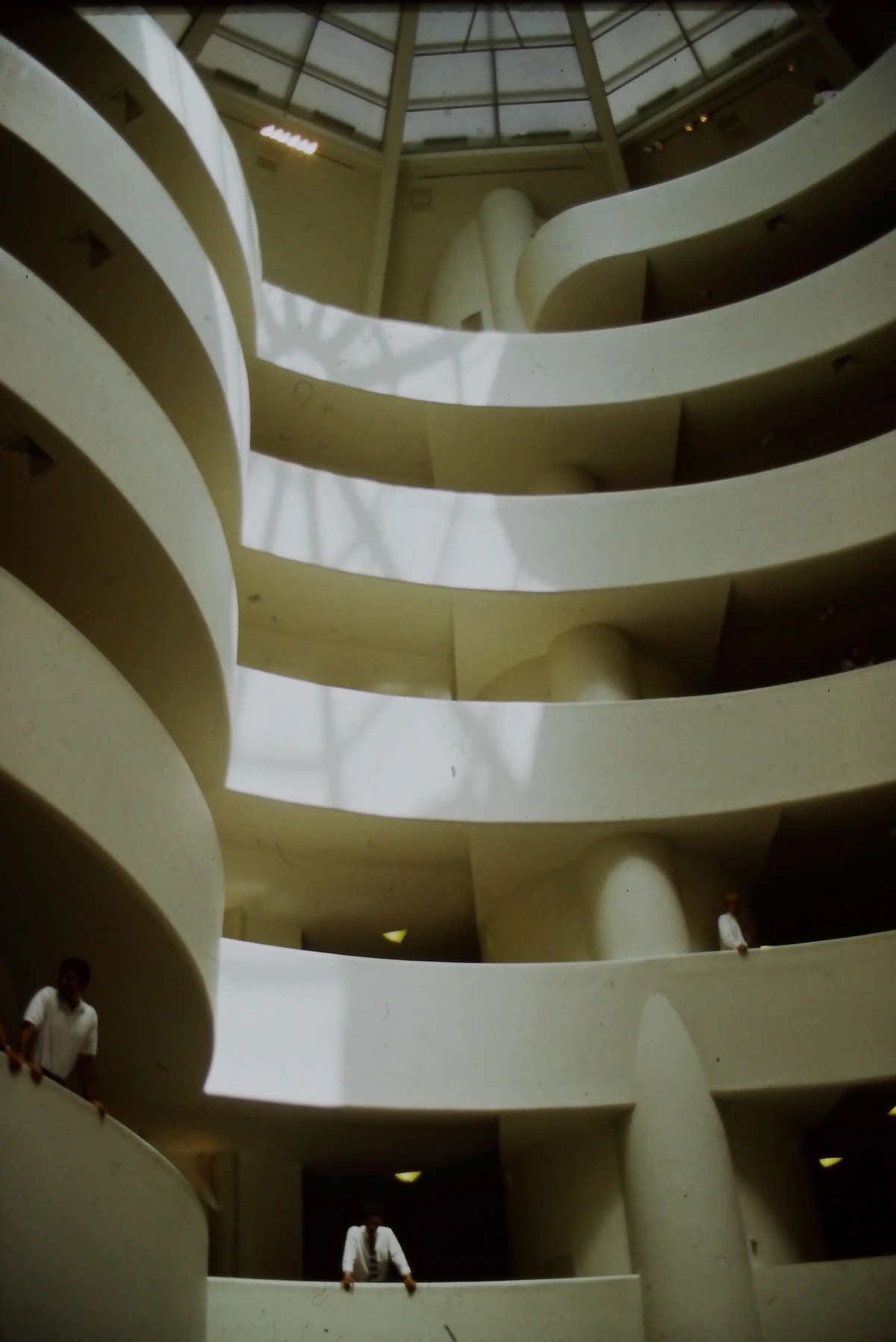
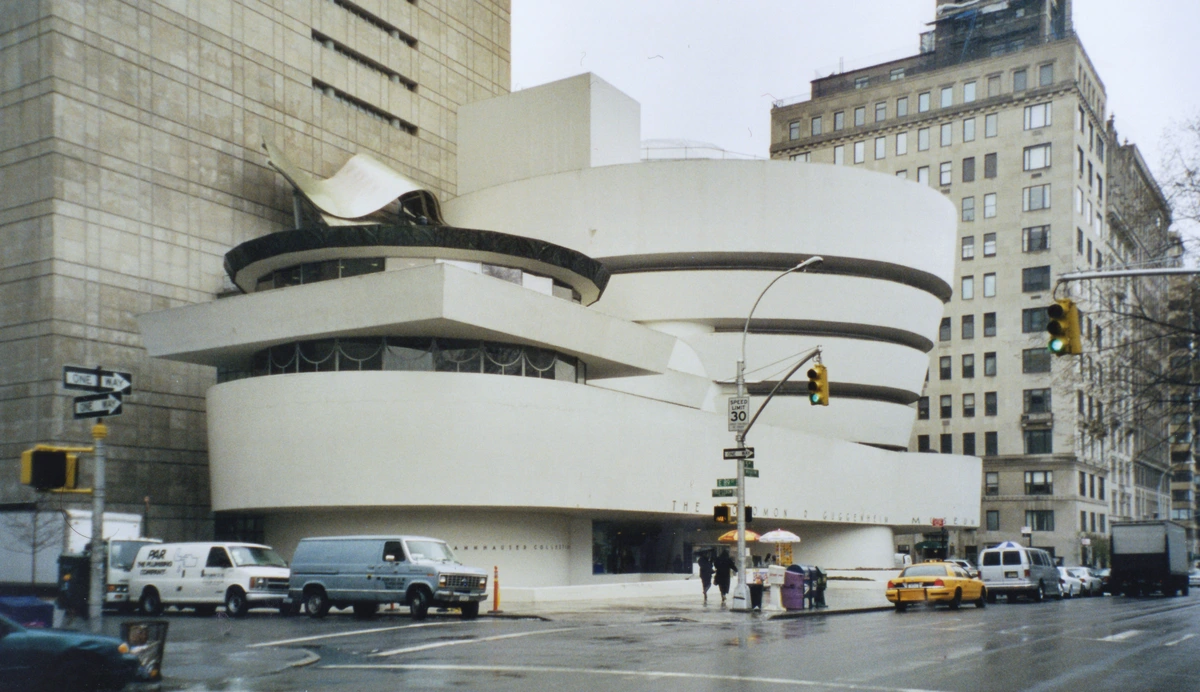
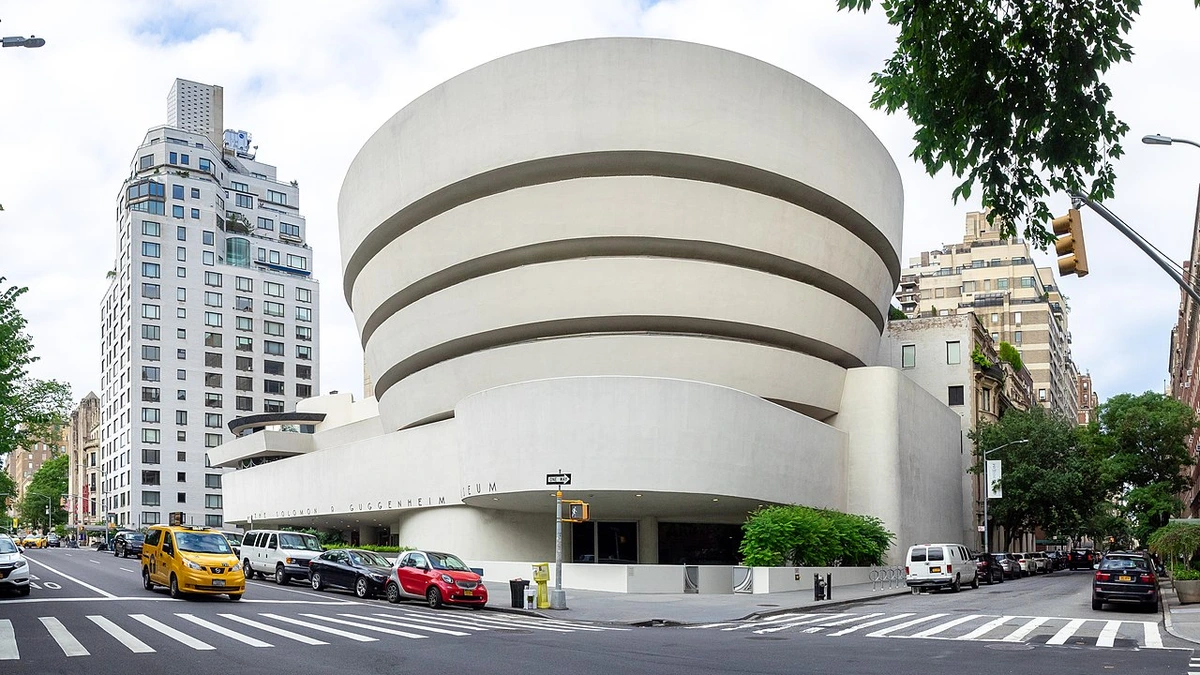
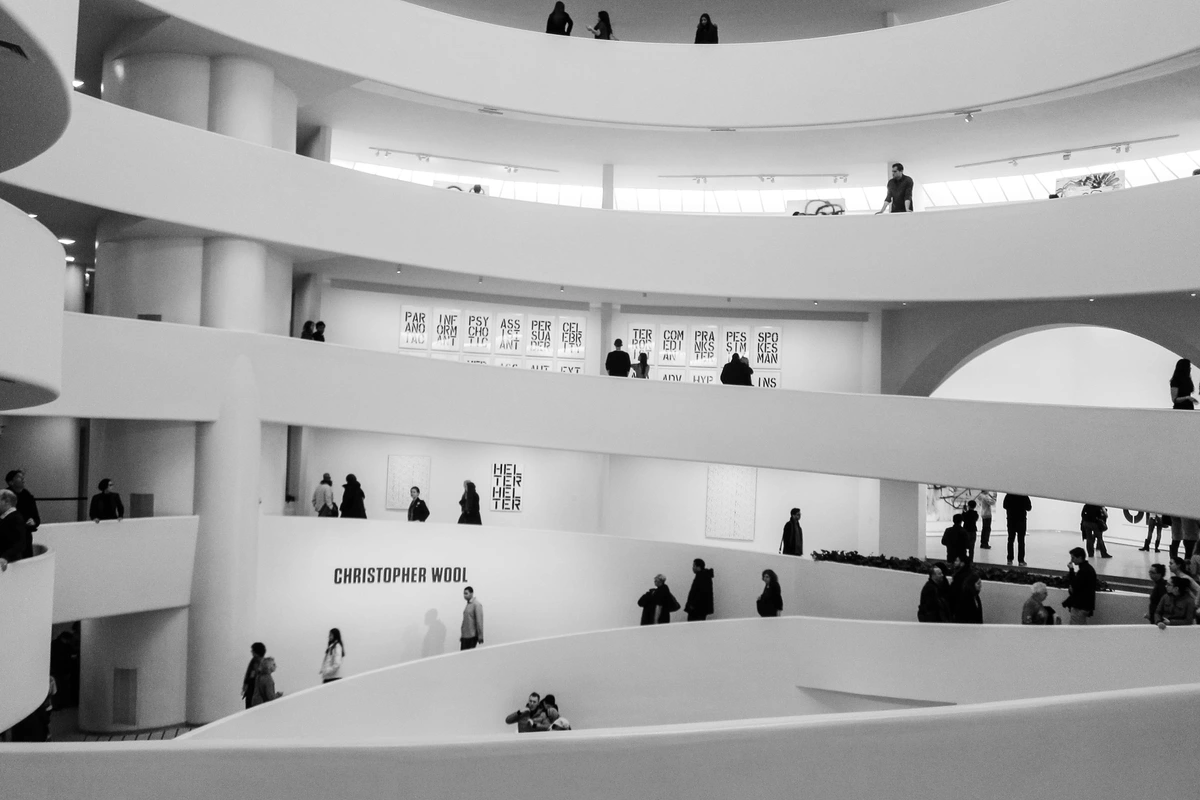
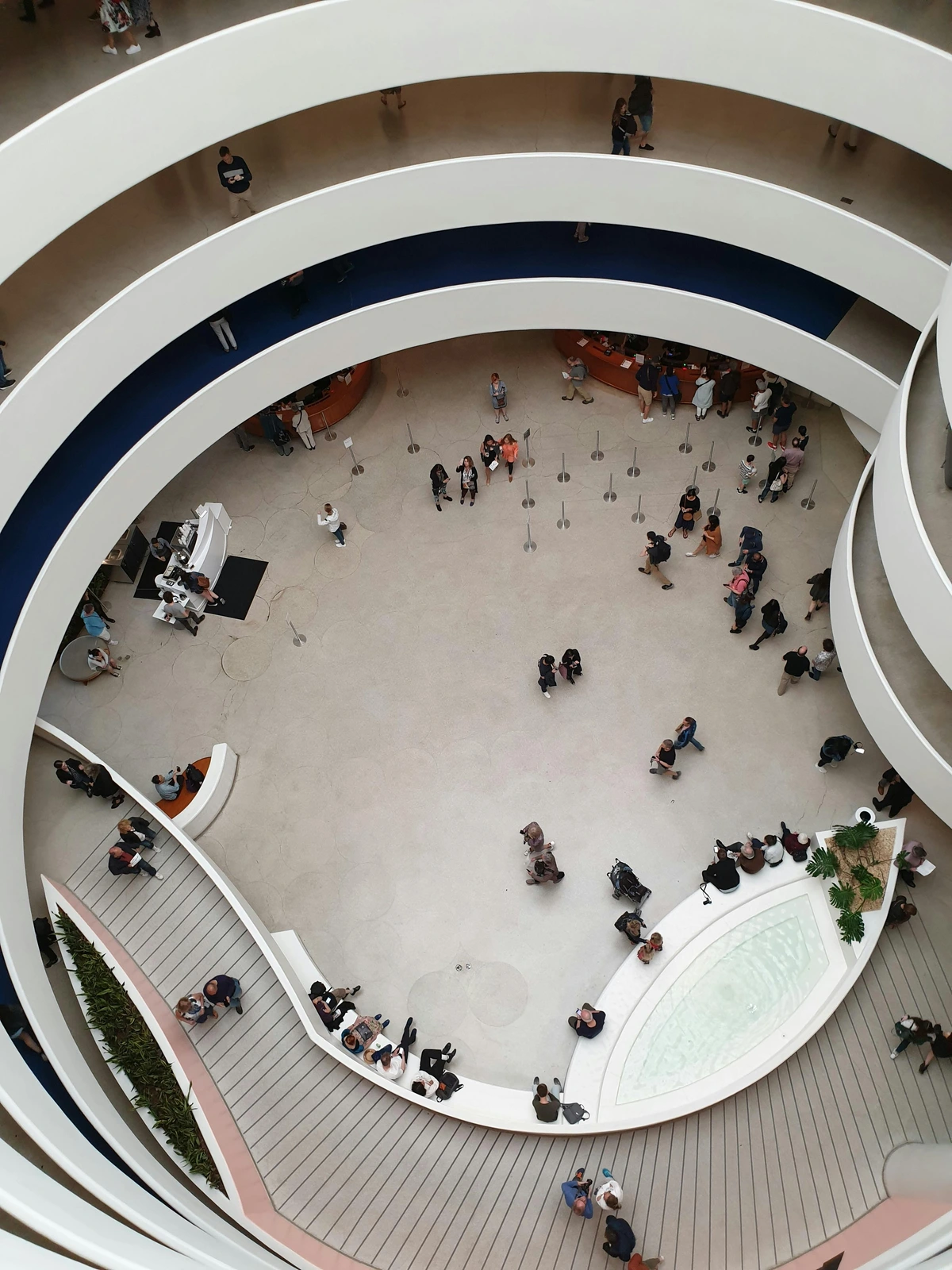
I’ve stood inside a Frank Lloyd Wright building exactly once. It was the Guggenheim in New York. And honestly, for the first ten minutes, I barely looked at the art. I was completely captivated by the building itself—the slow, spiraling ramp, the way light fell from the massive skylight. It felt less like a container for art and more like the main exhibit. It got me thinking: we talk a lot about architects being inspired by art, but how often does it work the other way around? How does a man who designed buildings end up shaping what painters and sculptors put inside them?
This question led me down a rabbit hole of discovery. Wright wasn't just an architect; he was a philosopher of space and form. His ideas about organic architecture, geometric abstraction, and the integration of art and design have left an indelible mark on the art world. To understand this influence, we need to delve into Wright's core principles and see how they resonate in the works of artists who followed him.
Wright's philosophy was not confined to the realm of architecture. It was a holistic approach to creativity that emphasized harmony, unity, and the seamless integration of art and life. These principles have had a lasting impact on the art world, inspiring artists to explore new ways of seeing and creating.
I’ve stood inside a Frank Lloyd Wright building exactly once. It was the Guggenheim in New York. And honestly, for the first ten minutes, I barely looked at the art. I was completely captivated by the building itself—the slow, spiraling ramp, the way light fell from the massive skylight. It felt less like a container for art and more like the main exhibit. It got me thinking: we talk a lot about architects being inspired by art, but how often does it work the other way around? How does a man who designed buildings end up shaping what painters and sculptors put inside them?
It turns out, the connection is deeper and weirder than I ever imagined. Frank Lloyd Wright wasn't just stacking bricks and glass; he was building a philosophy. A philosophy about space, nature, and humanity's place within it that quietly seeped into the consciousness of 20th-century artists. Let's unpack how an architect became a hidden mentor to modern art.
Wright's philosophy was not just about creating beautiful buildings; it was about redefining our relationship with the world. His ideas about organic unity, geometric abstraction, and the integration of art and design have had a profound impact on the way artists approach their work. By exploring these principles, we can begin to understand how Wright's influence extends far beyond the realm of architecture.
It turns out, the connection is deeper and weirder than I ever imagined. Frank Lloyd Wright wasn't just stacking bricks and glass; he was building a philosophy. A philosophy about space, nature, and humanity's place within it that quietly seeped into the consciousness of 20th-century artists. Let's unpack how an architect became a hidden mentor to modern art.
Wright's influence wasn't limited to the physical structures he created. His ideas about the relationship between architecture and the natural world, his emphasis on geometric forms, and his holistic approach to design have all found echoes in the works of artists across various movements. From the organic unity of installation art to the geometric abstraction of cubism, Wright's fingerprints are everywhere.
Wright's influence on art is not just a historical footnote; it is a living legacy that continues to inspire artists today. His ideas about the integration of art and design, the importance of geometric forms, and the relationship between architecture and nature have had a lasting impact on the way artists approach their work.
The Big Idea: Organic Architecture
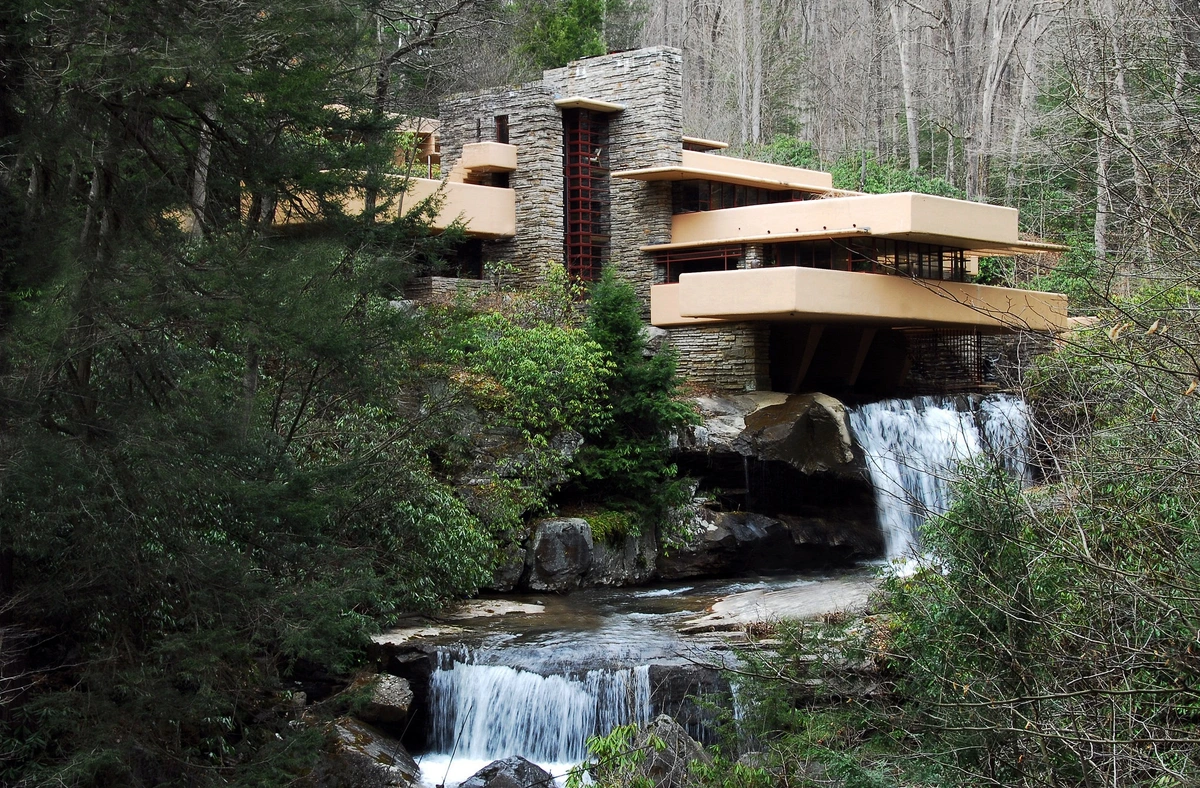
Before we dive into the art, you have to get your head around Wright's central idea: Organic Architecture. It sounds a bit like a salad, but the concept is profound. For Wright, a building shouldn't just be plopped onto a landscape. It should grow out of it. The lines of the building should echo the lines of the land. The materials should be sourced from the local environment. It's about a total harmony between the human-made and the natural.
The Big Idea: Organic Architecture
Before we dive into the art, you have to get your head around Wright's central idea: Organic Architecture. It sounds a bit like a salad, but the concept is profound. For Wright, a building shouldn't just be plopped onto a landscape. It should grow out of it. The lines of the building should echo the lines of the land. The materials should be sourced from the local environment. It's about a total harmony between the human-made and the natural.
Organic Architecture is not just a design principle; it is a philosophy that emphasizes the interconnectedness of all things. Wright believed that buildings should be in harmony with their surroundings, reflecting the natural beauty and uniqueness of the landscape. This idea has had a profound impact on the way artists think about their work, inspiring them to create pieces that are not just objects but extensions of the world around them.
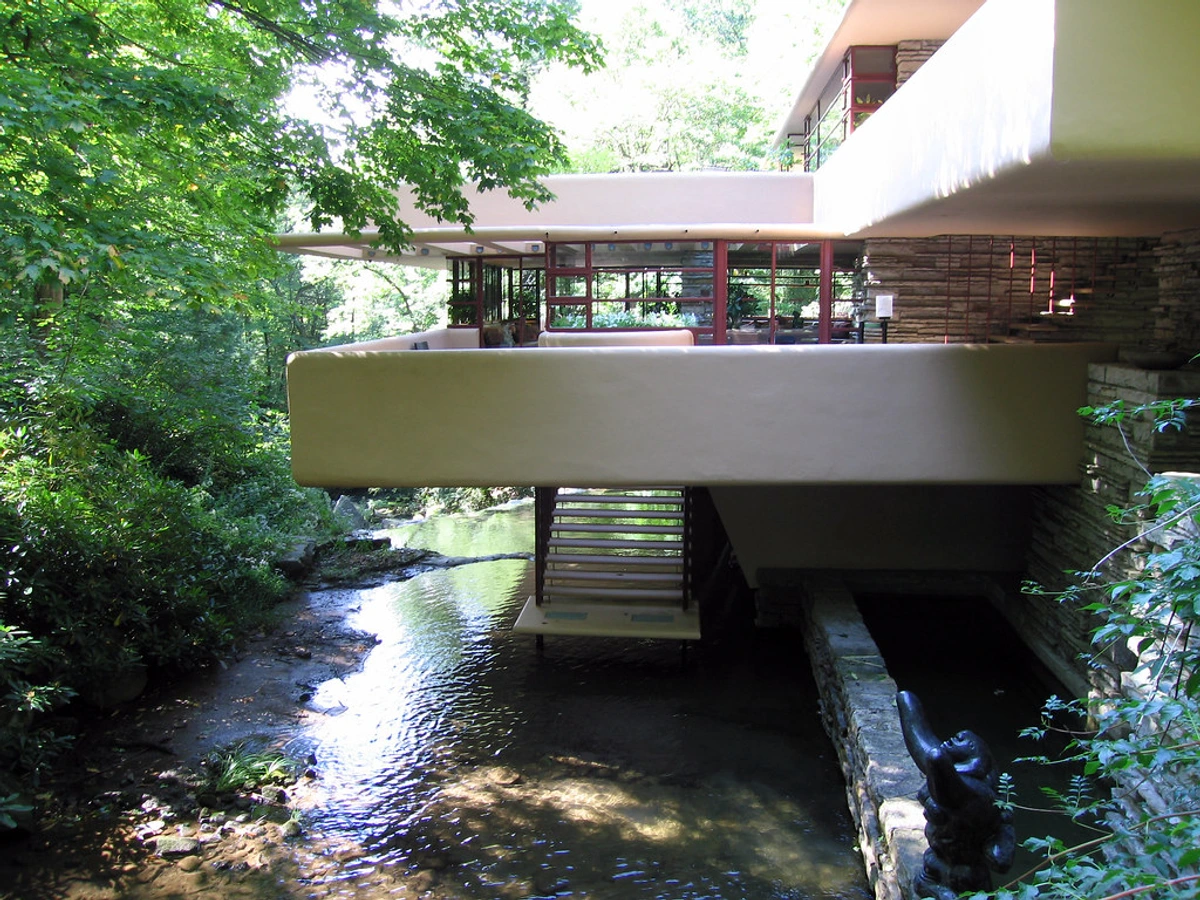
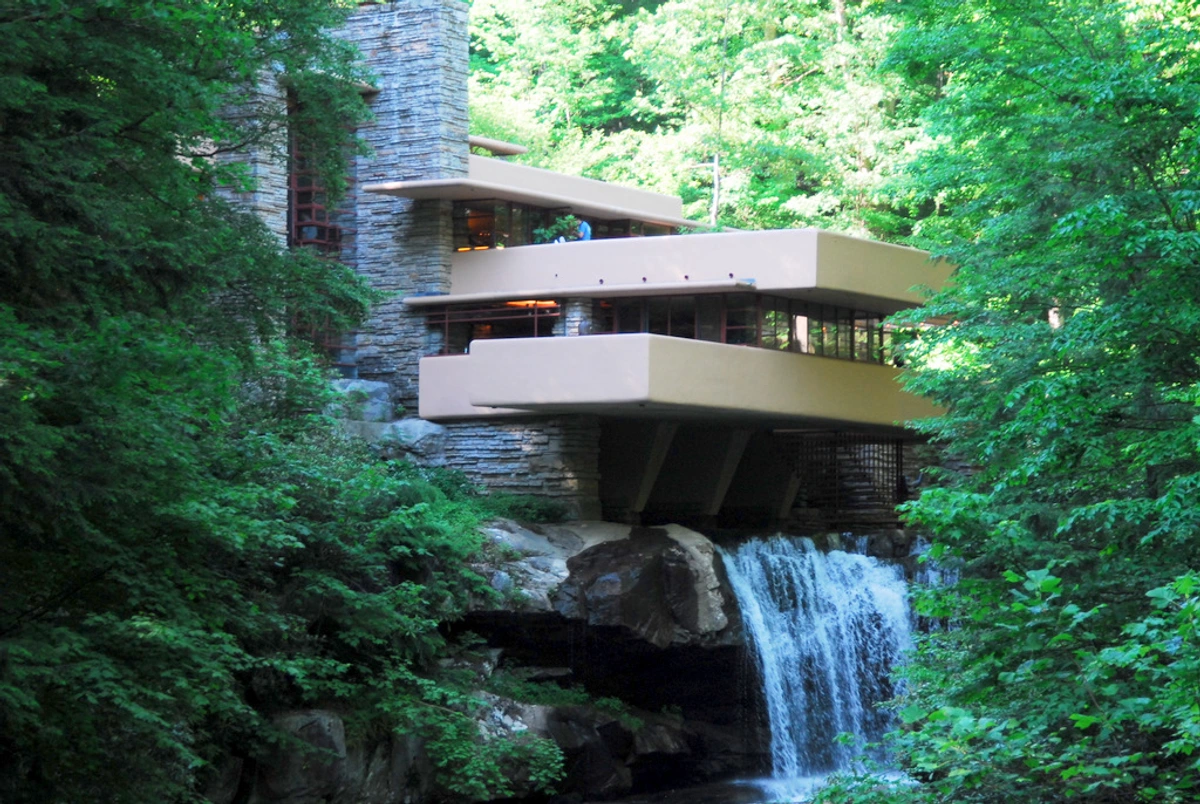
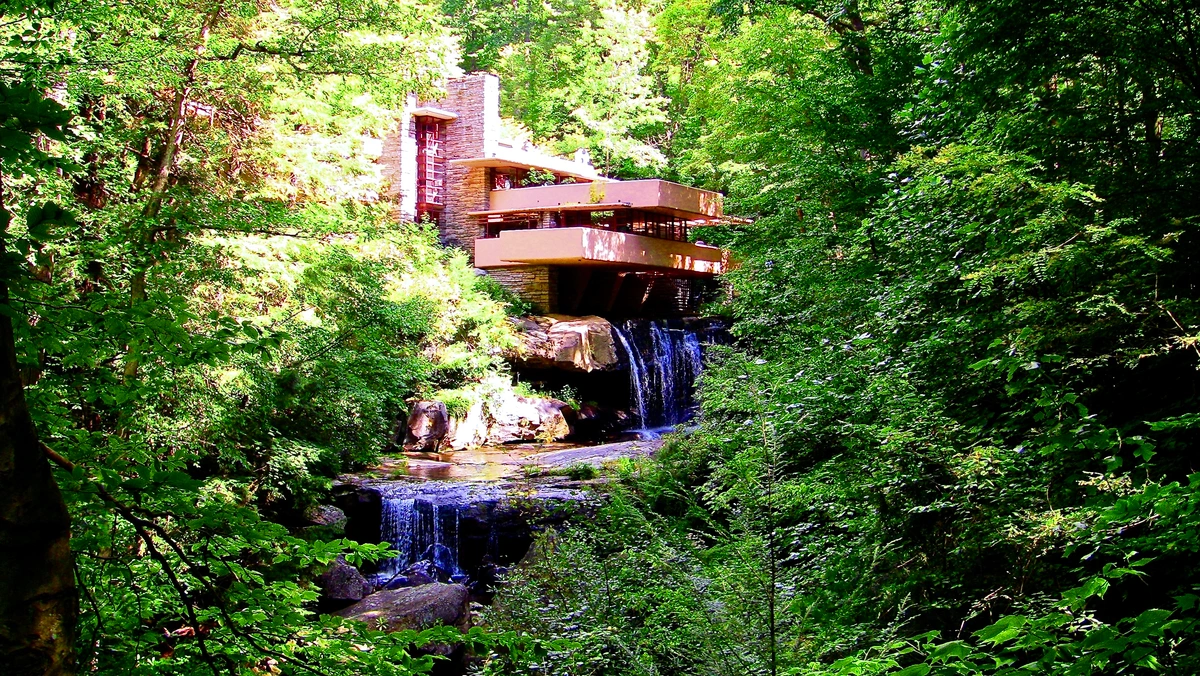
Think of his famous Fallingwater house, built over a waterfall. The house doesn't just have a nice view; it's part of the rock ledges, part of the stream. So, how does this relate to a painting on a canvas?
Fallingwater is a perfect example of Wright's philosophy in action. The house is not just a structure; it is a living entity that interacts with its surroundings. This idea of harmony and unity has inspired artists to think about their work in new ways, encouraging them to create pieces that are not just objects but extensions of the world around them.
It’s about breaking the box. Literally. For centuries, a painting was a window into another world, neatly contained by a frame. Wright’s work encouraged artists to think about the environment of the artwork and the artwork itself as a single, unified experience. It’s a direct line to the thinking behind installation art, where the entire room becomes the canvas. It also resonates with the ethos of Land Art, where artists used the earth itself as their medium. The philosophy is the same: art isn't an object you place in the world; it's a seamless extension of it.

It’s about breaking the box. Literally. For centuries, a painting was a window into another world, neatly contained by a frame. Wright’s work encouraged artists to think about the environment of the artwork and the artwork itself as a single, unified experience. It’s a direct line to the thinking behind installation art, where the entire room becomes the canvas. It also resonates with the ethos of Land Art, where artists used the earth itself as their medium. The philosophy is the same: art isn't an object you place in the world; it's a seamless extension of it.
This shift in perspective has had a profound impact on the art world. Artists are no longer confined to the traditional boundaries of their medium; they are free to explore new ways of creating and experiencing art. Wright's philosophy has inspired a generation of artists to think beyond the frame and embrace the world as their canvas.
Blurring the Lines Between Art, Design, and Life
Wright didn't just design the shell of a house; he designed the furniture, the windows, the rugs, even the lighting. He saw no distinction between the 'high art' of architecture and the 'lesser art' of design. This holistic approach was revolutionary and had a huge impact. It championed the idea that everything in our visual field contributes to the aesthetic experience.
Wright's holistic approach to design has had a lasting impact on the way we think about art and design. His belief that everything in our visual field contributes to the aesthetic experience has inspired artists to explore new ways of creating and experiencing art. This idea has led to a blurring of the lines between art, design, and life, encouraging artists to think about their work in new and innovative ways.
This thinking directly parallels movements like the Bauhaus in Germany and De Stijl in the Netherlands, which sought to unify all arts. They broke down the walls between disciplines. Suddenly, a chair wasn't just for sitting; it was sculpture. A poster wasn't just advertising; it was graphic art. You can see this legacy today in how much we value good design in art and everyday objects.
This thinking directly parallels movements like the Bauhaus in Germany and De Stijl in the Netherlands, which sought to unify all arts. They broke down the walls between disciplines. Suddenly, a chair wasn't just for sitting; it was sculpture. A poster wasn't just advertising; it was graphic art. You can see this legacy today in how much we value good design in art and everyday objects.
The Bauhaus and De Stijl movements were deeply influenced by Wright's holistic approach to design. These movements sought to unify all arts, breaking down the walls between disciplines and encouraging artists to think about their work in new and innovative ways. This legacy continues to inspire artists today, reminding us of the importance of good design in art and everyday objects.
Geometric Abstraction: Finding the Building Blocks of Nature
If you look at Wright's designs, particularly his 'Prairie School' houses, you'll see a powerful use of strong, horizontal lines that echo the flat landscape of the American Midwest. He was obsessed with geometry, not as a rigid formula, but as the underlying structure of nature itself. He saw the repeating patterns in a flower, the fractal branching of a tree, and translated that into his 'textile block' houses.
Wright's fascination with geometry was not just about creating beautiful designs; it was about understanding the fundamental building blocks of nature. His work reflects a deep appreciation for the patterns and structures that define the natural world, inspiring artists to explore new ways of seeing and creating.
This approach—distilling nature down to its geometric essence—is practically a mission statement for early abstract art. Artists in movements like Cubism were doing the exact same thing: breaking down a person or a still life into its fundamental shapes and planes. Wright was doing it with buildings; Picasso was doing it with guitars.
This approach—distilling nature down to its geometric essence—is practically a mission statement for early abstract art. Artists in movements like Cubism were doing the exact same thing: breaking down a person or a still life into its fundamental shapes and planes. Wright was doing it with buildings; Picasso was doing it with guitars.
Wright's approach to geometry has had a profound impact on the way artists think about their work. His belief that nature can be distilled down to its geometric essence has inspired artists to explore new ways of seeing and creating, leading to groundbreaking movements like Cubism and abstract art.
Frank Lloyd Wright Principle  | Corresponding Art Movement/Concept |
|---|---|
| Organic Unity | Installation Art, Environmental Art |
| Geometric Abstraction | Cubism, De Stijl, Suprematism |
| Material Honesty | Arte Povera, Assemblage, Mixed Media |
| Integration of Arts | Bauhaus, Arts and Crafts Movement |
| Emphasis on Line & Plane | Minimalism, Color Field Painting |
Wright’s emphasis on the purity of form and the rejection of unnecessary ornamentation was a precursor to Minimalism. The Minimalists, decades later, would also strip art down to its essential components of color, form, and material. It's no surprise that Donald Judd, a key minimalist artist, cited Wright as a major influence, even purchasing and preserving Wright's architectural works in Texas.
A New Sense of Space
Perhaps Wright's most significant contribution was his complete reinvention of interior space. Before him, houses were a collection of boxes. You had the living room box, the dining room box, etc. Wright blew up the boxes. He created open-plan living spaces where rooms flowed into one another, centered around a hearth. He used varying ceiling heights to create feelings of compression and release, guiding you through the space.
Wright's reinvention of interior space has had a profound impact on the way we think about architecture and design. His open-plan living spaces and innovative use of varying ceiling heights have inspired artists to explore new ways of creating and experiencing space, leading to groundbreaking movements in sculpture and painting.
This dynamic, flowing sense of space had a profound impact on sculptors. Instead of creating a statue to be placed on a pedestal, artists like Alexander Calder and Isamu Noguchi began creating sculptures that actively engaged with the space around them. Calder's mobiles dance in the air currents of a room, and Noguchi's forms define and shape the emptiness they occupy. They aren't just objects in a space; they create the space. This is a purely Wrightian idea translated into a different medium.
Wright's innovative approach to space has inspired artists to think beyond the traditional boundaries of their medium. His ideas about the dynamic, flowing nature of space have led to groundbreaking movements in sculpture, encouraging artists to create pieces that actively engage with their surroundings and redefine the way we experience space.
This revolution in spatial thinking also affected painters. Jackson Pollock, pacing around his canvas laid on the floor, was engaging with it not as a flat surface but as an arena. His 'action paintings' are about the dynamic movement through space, a concept Wright had been pioneering in his architecture for fifty years.
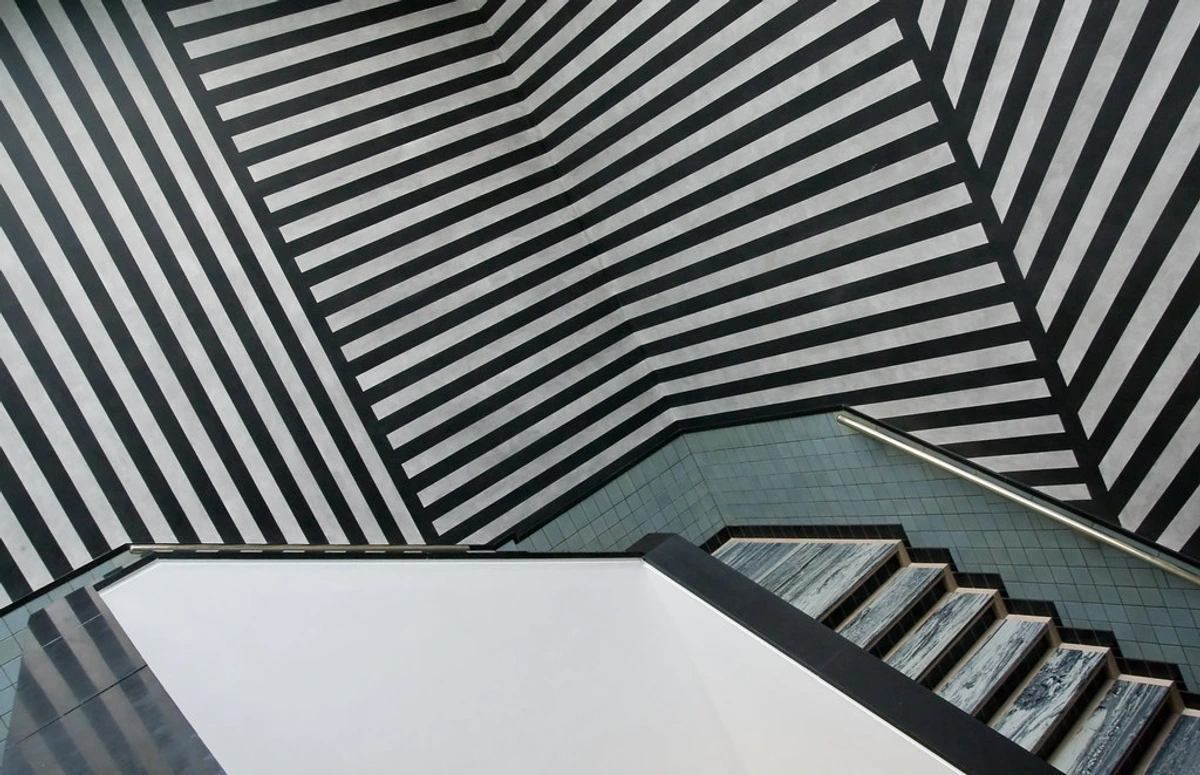
This revolution in spatial thinking also affected painters. Jackson Pollock, pacing around his canvas laid on the floor, was engaging with it not as a flat surface but as an arena. His 'action paintings' are about the dynamic movement through space, a concept Wright had been pioneering in his architecture for fifty years.
Pollock's approach to painting was not just about the final image but the process of creating it. The physical act of moving around the canvas, dripping and splashing paint, was as much a part of the artwork as the finished product. This idea of art as an experience, rather than just an object, is deeply rooted in Wright's philosophy of space and form.
Pollock's approach to painting was not just about the final image but the process of creating it. The physical act of moving around the canvas, dripping and splashing paint, was as much a part of the artwork as the finished product. This idea of art as an experience, rather than just an object, is deeply rooted in Wright's philosophy of space and form.
Wright's philosophy of space and form has had a profound impact on the way artists think about their work. His belief that art is not just an object but an experience has inspired artists to explore new ways of creating and experiencing art, leading to groundbreaking movements in painting and sculpture.
FAQ: Frank Lloyd Wright & Art
Q: Did Frank Lloyd Wright consider himself an artist?
Absolutely. He saw architecture as the 'mother art' that encompassed all others—sculpture, painting, even music. He had an ego the size of a cathedral, and in his mind, he was the ultimate artist, orchestrating every element into a single, harmonious work.
Wright's belief in the interconnectedness of all arts was not just a personal philosophy; it was a guiding principle that shaped his work. His holistic approach to design and his belief in the unity of all arts have had a profound impact on the way we think about art and architecture today.
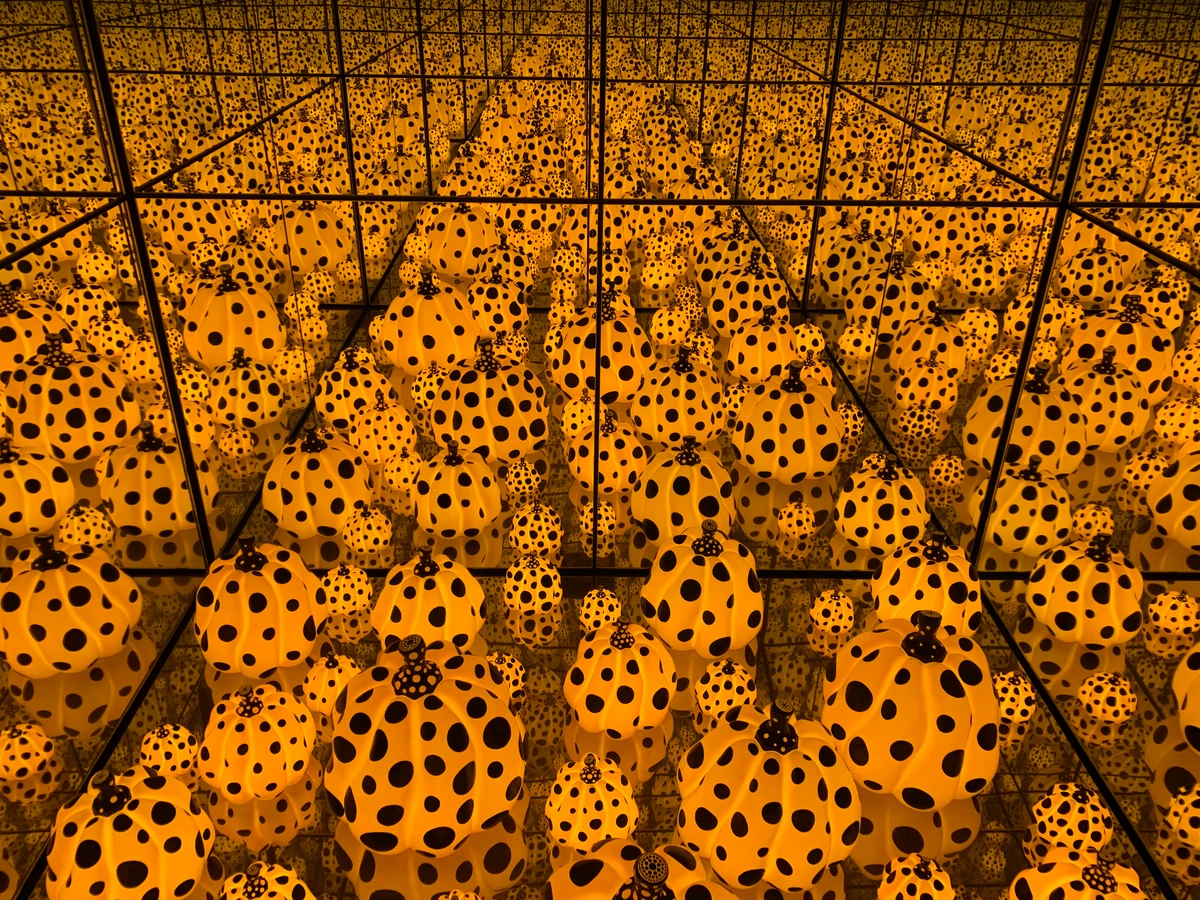
Q: What was Wright's relationship with modern artists of his time?
It was complicated. Wright was notoriously opinionated and often critical of his contemporaries. He famously dismissed much of European modern art as derivative. However, he also collected art, particularly Japanese prints, which heavily influenced his own sense of composition and line. While he might not have been friends with many artists, his ideas were so powerful they couldn't be ignored.
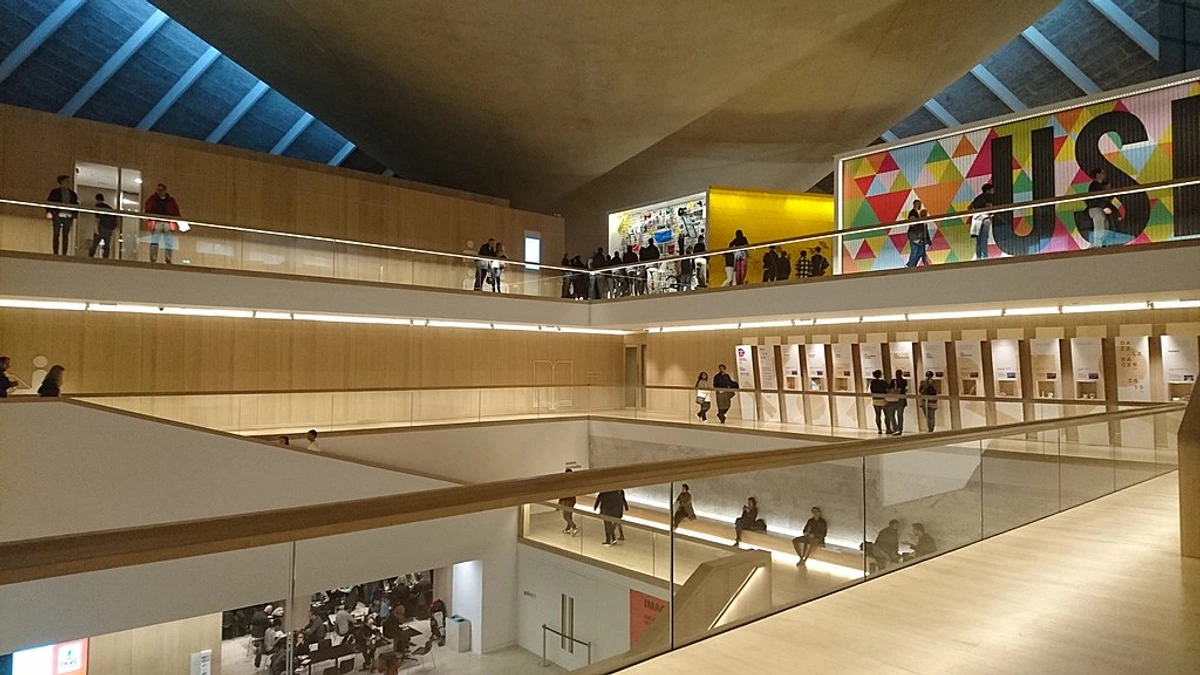
Q: How did Wright's use of materials influence artists?
Wright believed in 'truth to materials.' He let wood be wood, stone be stone. He didn't cover them up or disguise them. This honesty was hugely influential for artists who began to explore the inherent properties of their own materials. Instead of just using paint to create an illusion, they became interested in the texture of the paint itself. This led to movements where materials like burlap, sand, and scrap metal were incorporated directly into the artwork.
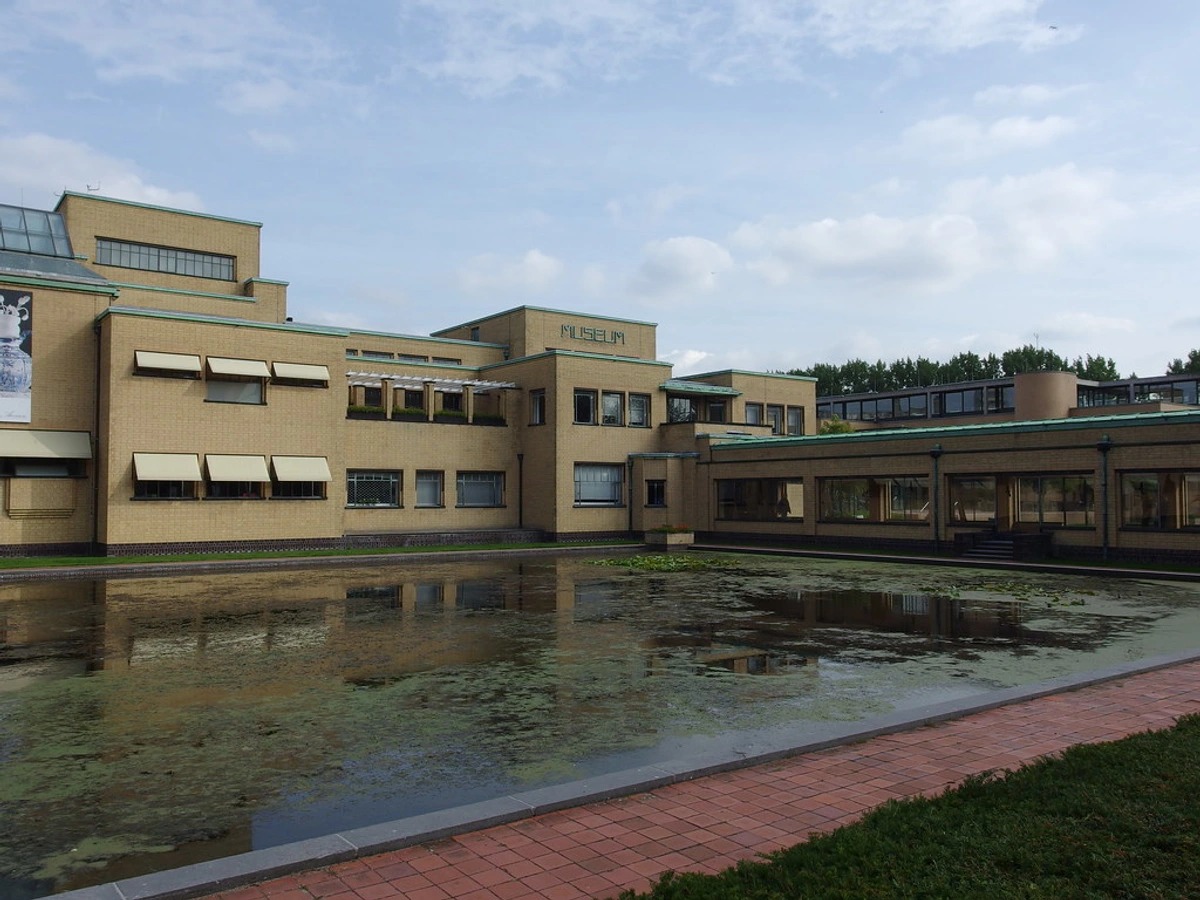
Wright's belief in the honesty of materials has had a profound impact on the way artists think about their work. His approach to materials has inspired artists to explore the inherent properties of their own materials, leading to groundbreaking movements in art that emphasize the texture and physicality of the medium.

Q: Is the Guggenheim Museum his biggest influence on the art world?
In a direct sense, yes. He literally created one of the most iconic spaces in which to view art, forcing curators and artists to rethink how work is displayed. The building itself is an active participant in the viewing experience. But indirectly, his philosophical ideas about organic unity, space, and form had a much broader and more pervasive influence that touched artists who may never have even set foot in the Guggenheim.
The Guggenheim Museum is not just a building; it is a testament to Wright's philosophy of space and form. His ideas about organic unity and the integration of art and design have had a profound impact on the way we think about art and architecture, inspiring artists to explore new ways of creating and experiencing art.
The Lasting Blueprint
So, was Frank Lloyd Wright a direct influence on every abstract painter or minimalist sculptor? No, of course not. But he was a titanic figure who changed the very air that artists breathed. He redefined our relationship with space, championed a deep connection to nature, and blurred the lines between disciplines.
Wright's influence on the art world is not just a historical footnote; it is a living legacy that continues to inspire artists today. His ideas about organic unity, geometric abstraction, and the integration of art and design have had a profound impact on the way we think about art and architecture, reminding us of the importance of harmony, unity, and the seamless integration of art and life.
He provided a new blueprint for what it meant to create in the modern world. His ideas became part of the cultural landscape, like the bedrock his houses were built on. And once you start looking for his influence, you begin to see it everywhere—in the clean lines of a minimalist painting, the immersive nature of an installation, and the simple beauty of a well-designed object. He didn't just build houses; he built a new way of seeing.
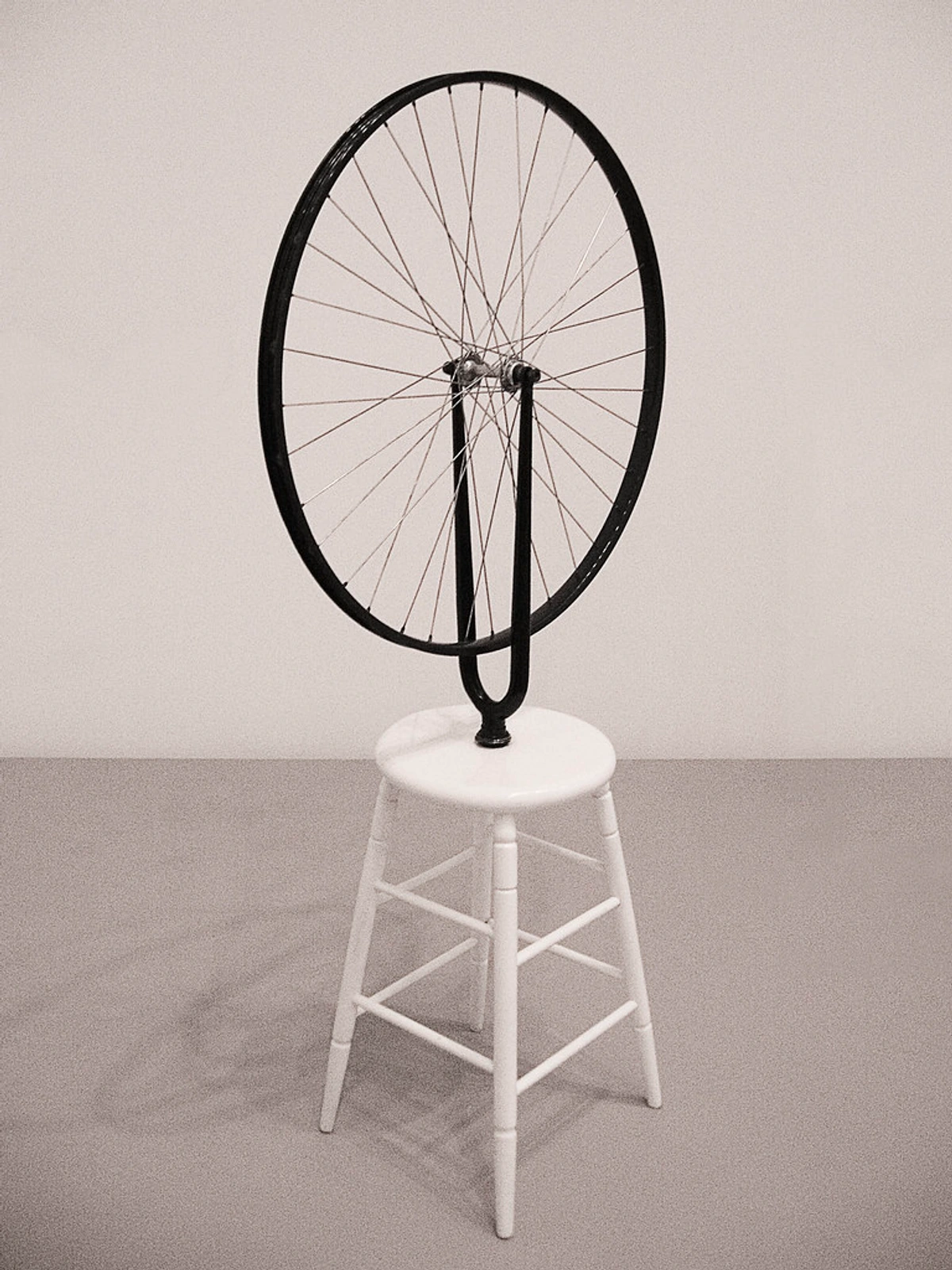
He provided a new blueprint for what it meant to create in the modern world. His ideas became part of the cultural landscape, like the bedrock his houses were built on. And once you start looking for his influence, you begin to see it everywhere—in the clean lines of a minimalist painting, the immersive nature of an installation, and the simple beauty of a well-designed object. He didn't just build houses; he built a new way of seeing.
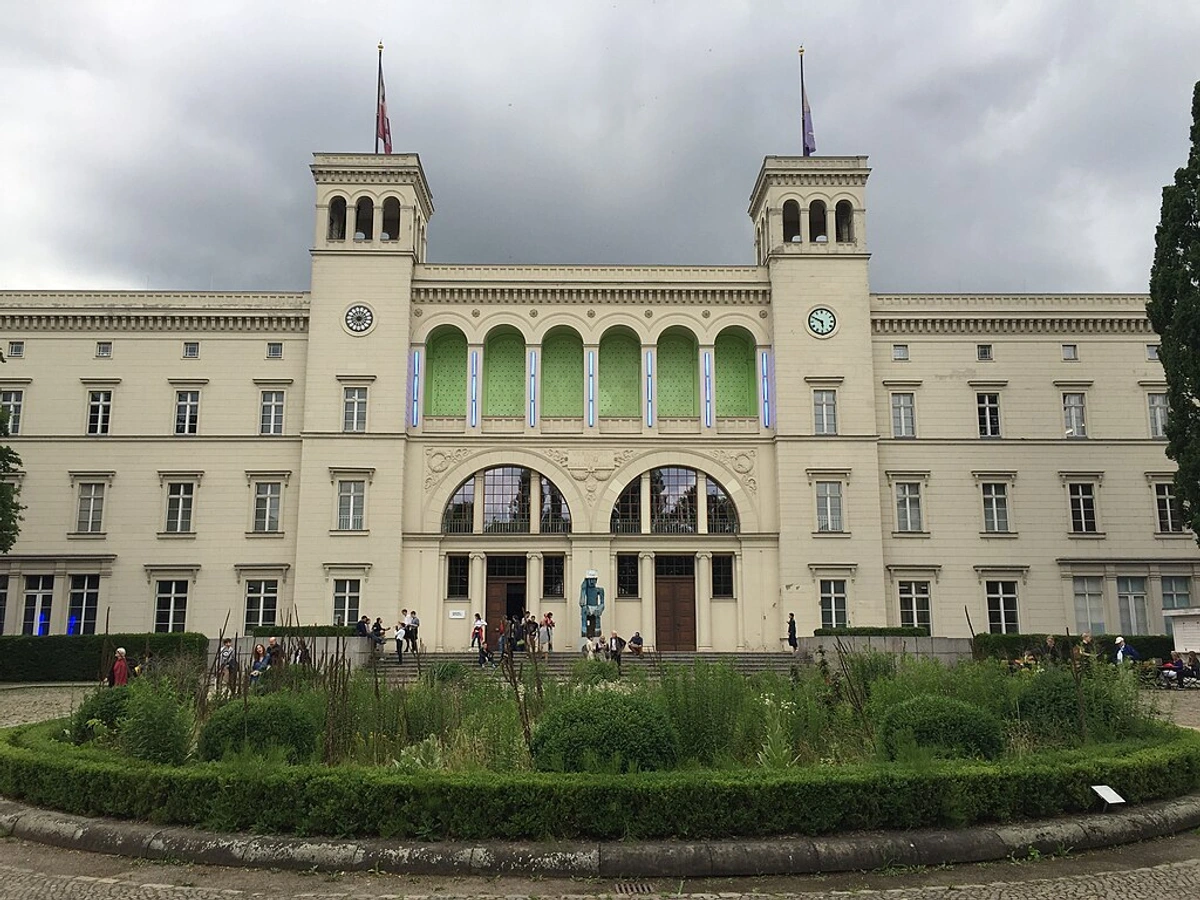


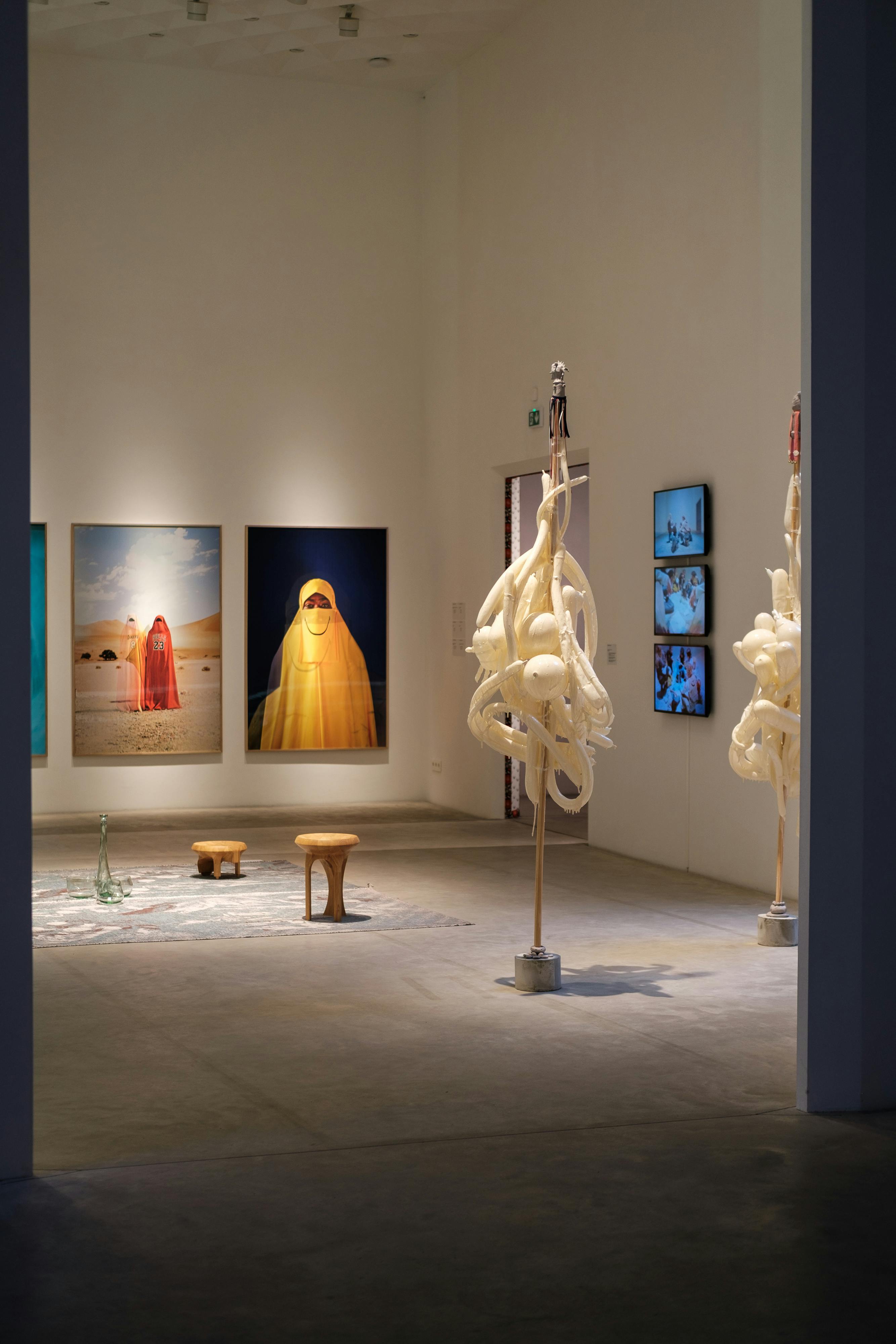




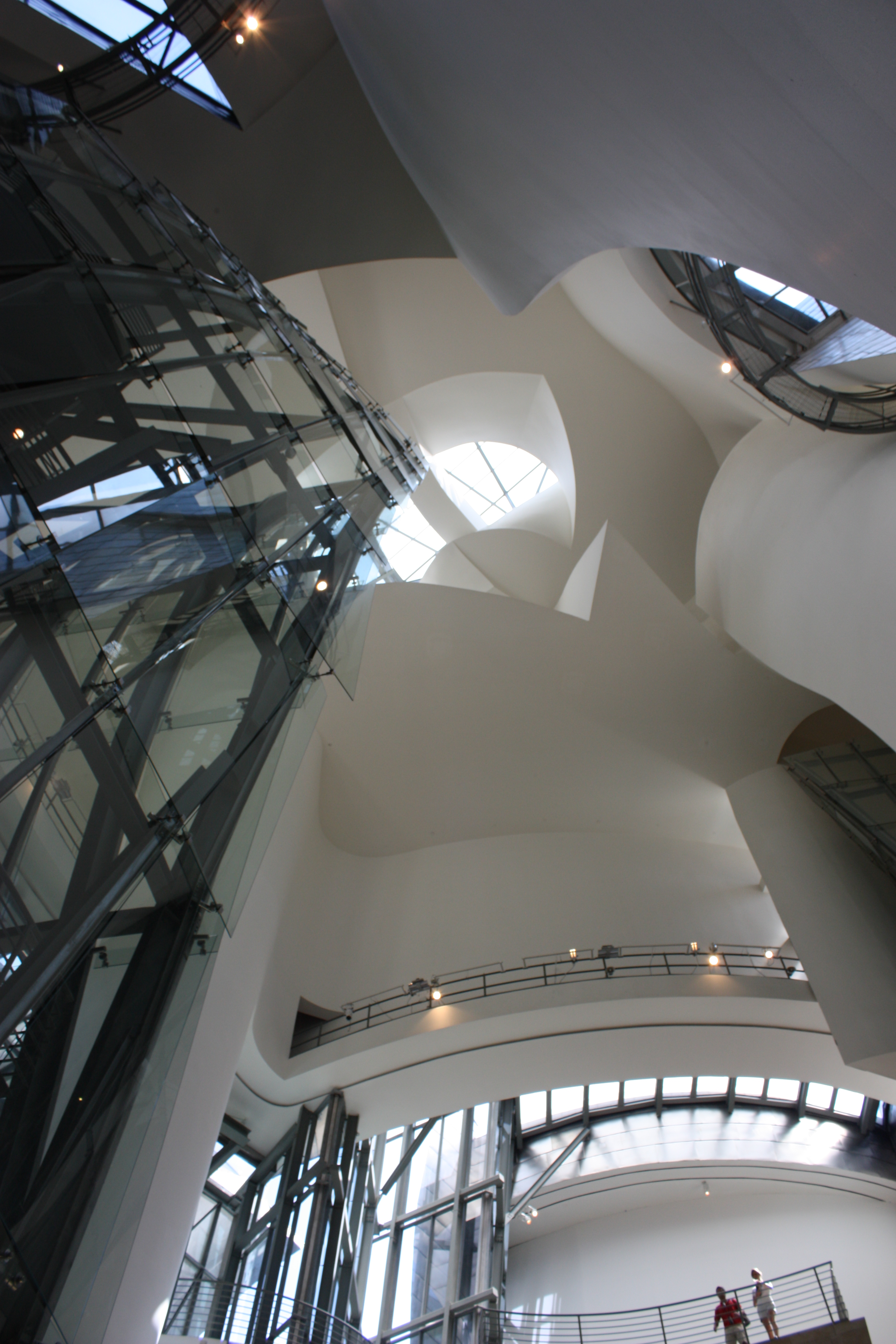


Wright's legacy is a testament to the power of ideas. His philosophy of space, form, and unity has inspired generations of artists to think beyond the traditional boundaries of their medium and explore new ways of creating and experiencing art. His influence is not just a historical footnote; it is a living legacy that continues to shape the way we see and interact with the world around us.