
Interior Views in Art: Breathe Life Into Your Walls
Discover how to transform your home with interior-focused artwork. Learn placement, framing, and theme-building tips to create a living gallery that reflects your personality.

Interior Views in Art: Breathe Life Into Your Walls
You know that ache? Empty walls staring back, feeling more like a blank canvas for awkwardness than possibilities. I’ve spent hours rearranging furniture, swapping throw pillows, and staring at those vacant spaces like they might magically fill themselves. They never do. But then—a realization hit me: the trick wasn’t in the corners of the room, but in what hung between them. Interior view art doesn’t just decorate space; it creates space, inviting the outside world in while grounding you within your own walls.
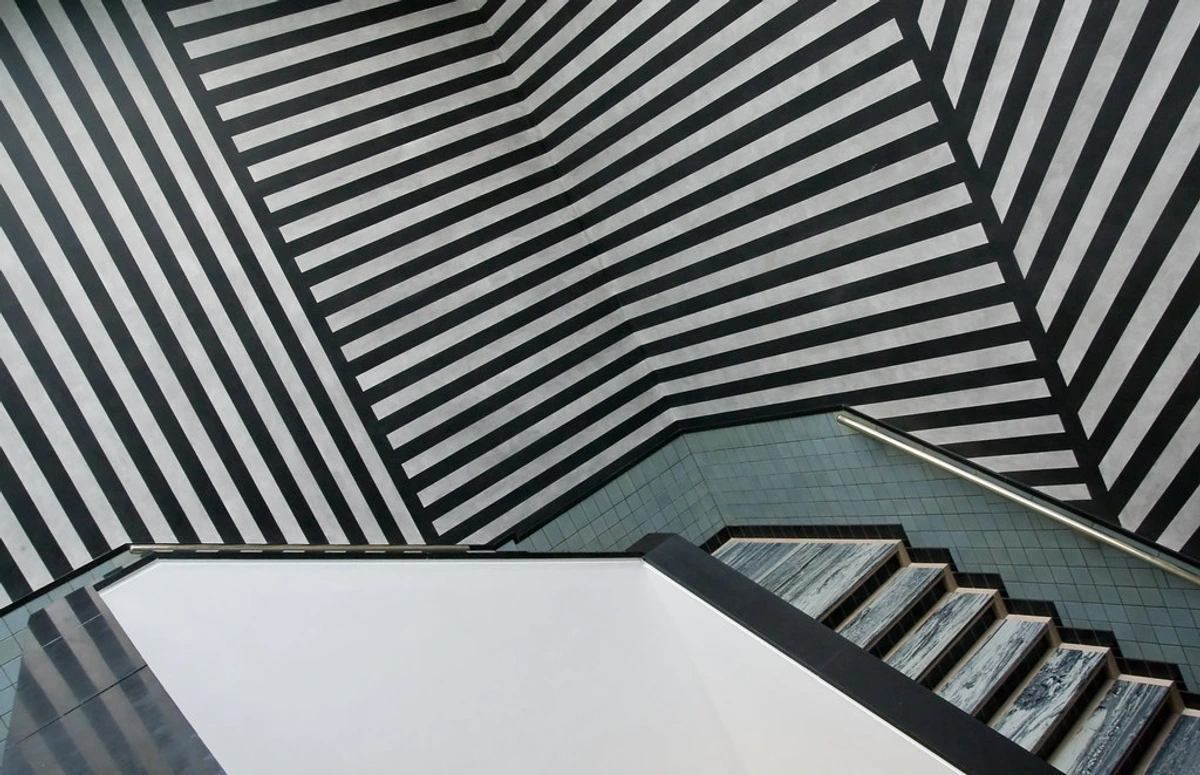
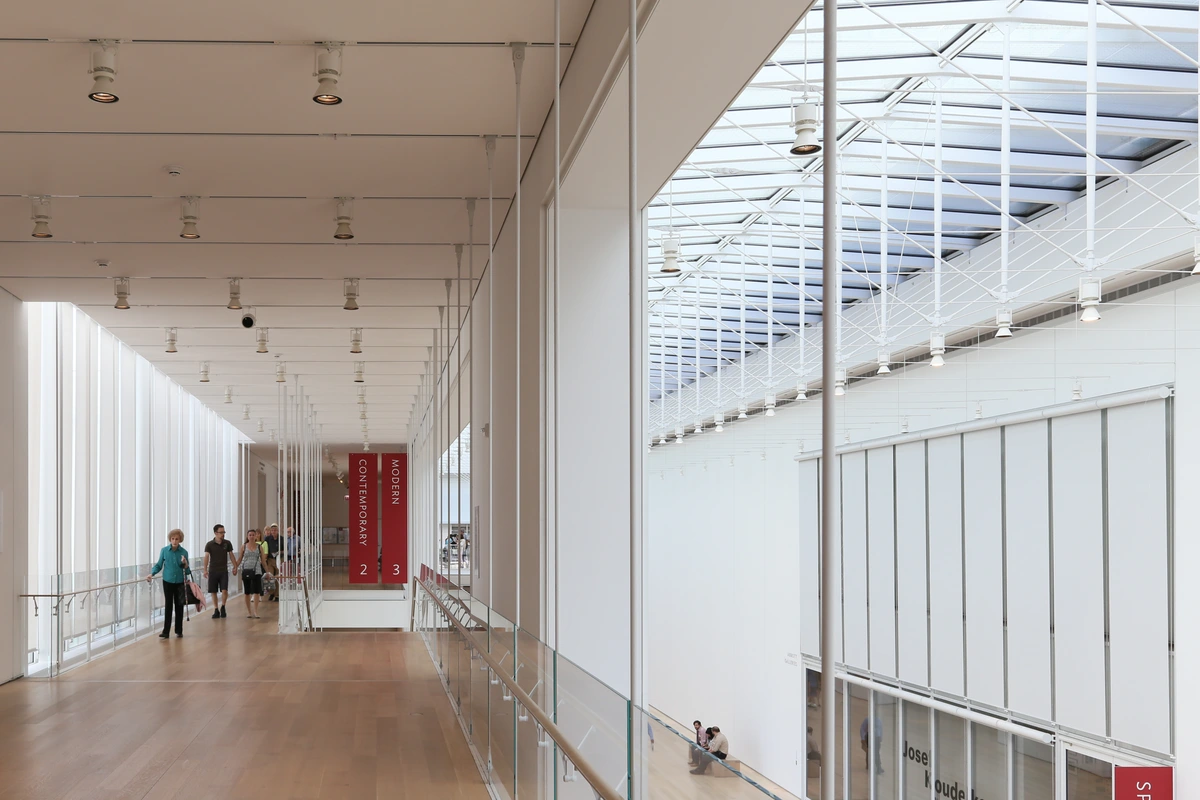
What Are Interior Views in Art?
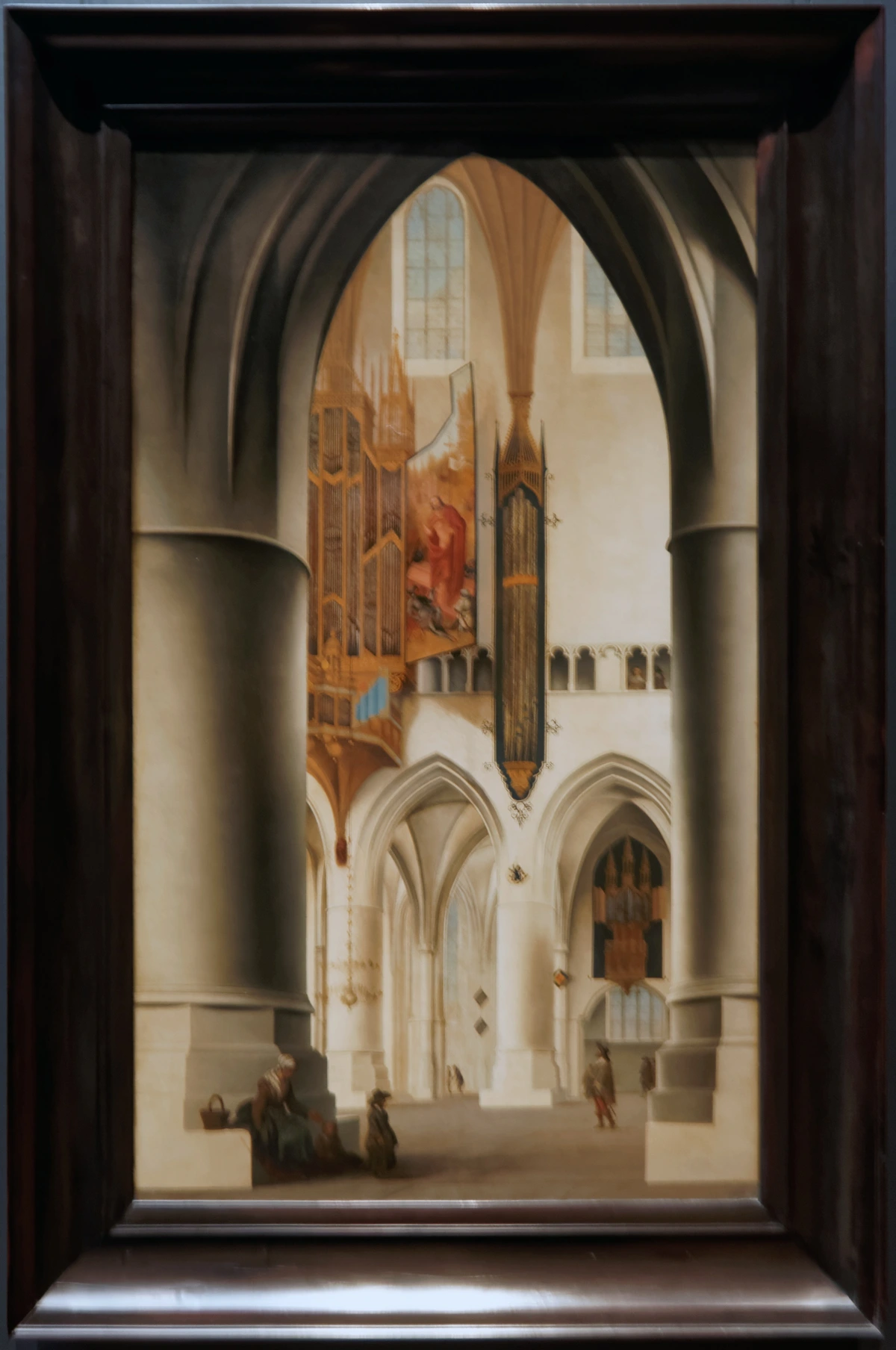
At its core, interior view art focuses on depicting indoor spaces—it could be a sun-drenched kitchen corner, a dimly lit hallway, or an abstract interpretation of room dynamics. Unlike traditional landscapes, it turns the mundane into magic: a chair becomes a throne, a window a portal, and a lightbulb the center of someone’s universe. The artist isn’t just rendering a room—they’re capturing the feeling of being there.
Think of Vermeer’s quiet kitchen scenes or Monet’s hazy Japanese interiors. Contemporary artists take this further, playing with perspective and color to make bedrooms feel dreamier and studios feel electric. For buyers, it’s not just decoration—it’s a portal to a personal, curated reality hanging in your home.
Why Interior Views Work For Home Decor
They’re emotionally resonant. We spend 90% of our lives indoors. Art depicting these spaces speaks to our daily rituals: the morning coffee at the dining table, the late-night reading by the bed. It’s nostalgia in pigment form.
They create depth. A flat landscape painting sits on the wall. Interior art invites you in. Vanishing points in a hallway, reflections in a mirror, or distorted angles in an abstract composition—they pull the eye backward, tricking your brain into imagining more space than actually exists. Perfect for small apartments!
They’re versatile. Minimalist geometric interiors pop against muted walls. Moody, painterly kitchen scenes soften industrial spaces. Even in maximalist rooms, these pieces hold their ground without competing. That’s why I often gravitate toward them.
How to Use Interior Art Like a Pro
Placement: The Art of Positioning
The Focal Point: Is your sofa facing a dead end? Center a large interior view above it. The composition (a window, doorway, or striking piece of furniture) will draw the eye and anchor the room. I’ve found oversized pieces work best here—think 50-70% of the sofa’s width.
Unexpected Corners: Hallways, bathrooms, or stairwells often get overlooked. A small vertical interior painting—say, a misty staircase or a cluttered artist’s desk—transforms a transitional space into a journey. It’s like adding a secret story in your home’s margins.
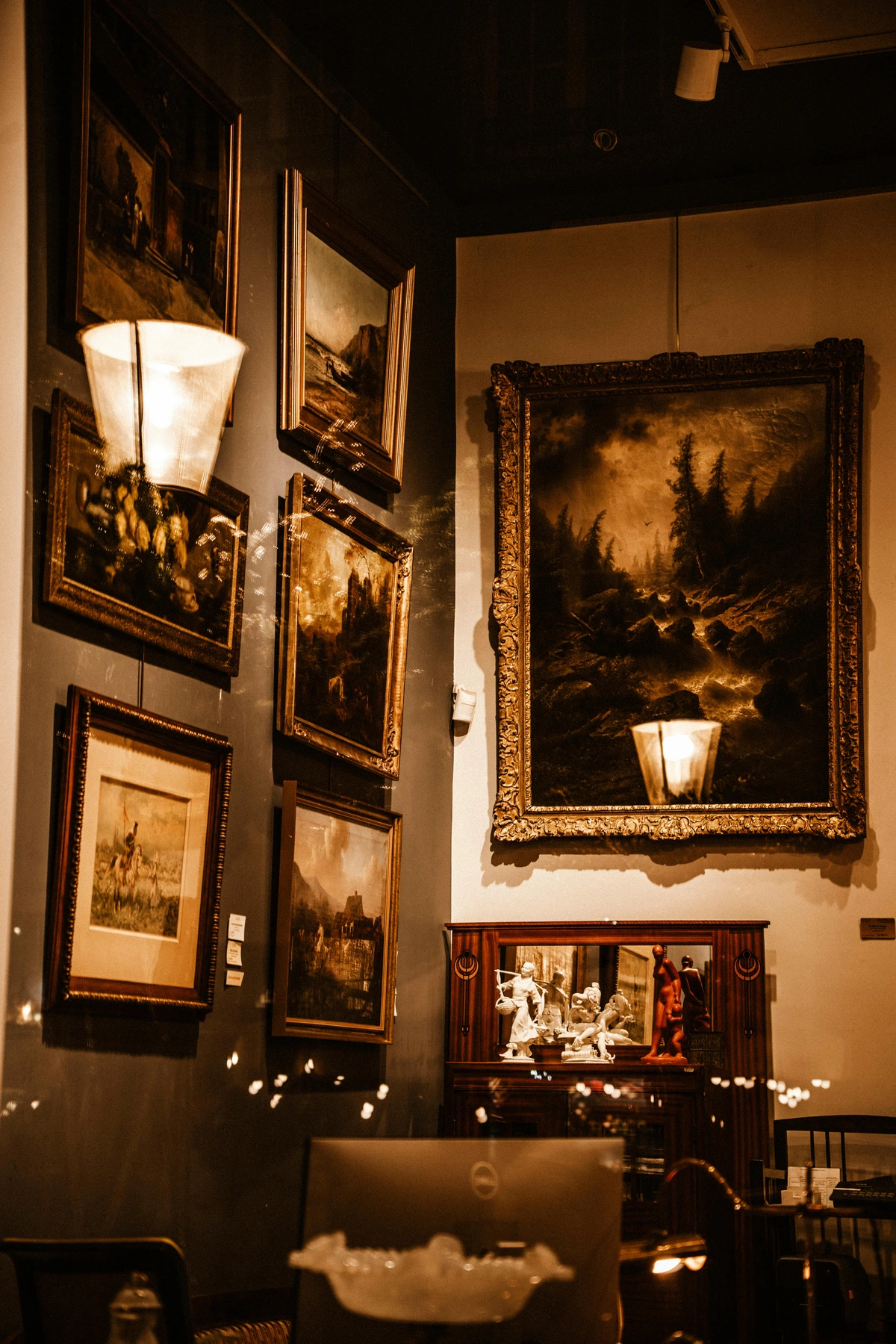
Grouping Magic: Mix-and-match smaller interior pieces. One abstract kitchen print, one photographic bathroom snapshot, and one minimalist bedroom sketch arranged in a gallery wall add personality. Keep them color-coherent to avoid chaos.
Framing: The Unsung Hero
The frame isn’t just the art’s border—it’s the frame’s context. For abstract interiors, think thin black or natural wood frames for a modern touch. For painterly or realistic scenes, chunky white or metallic frames give gallery weight. Avoid ornate frames unless your decor is explicitly vintage—they’ll fight the art for attention.
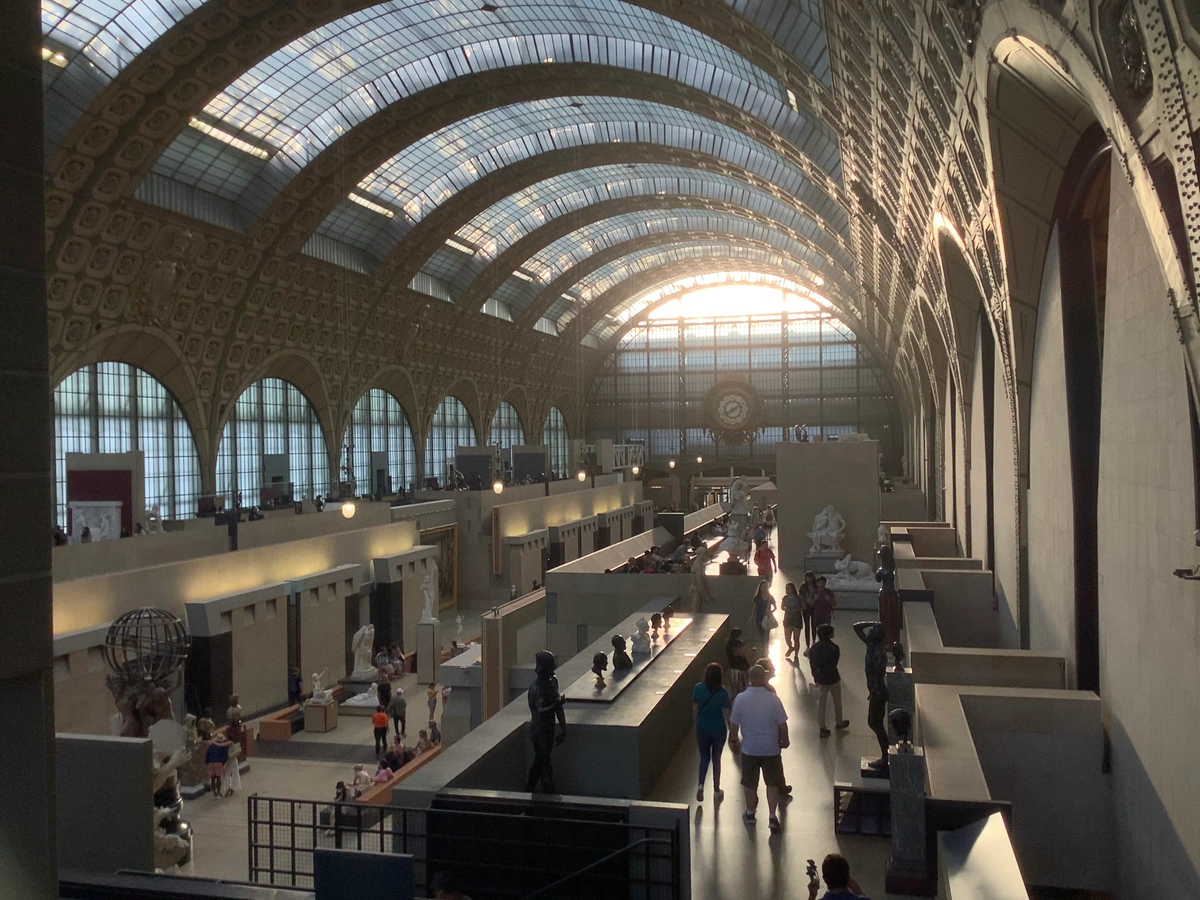

Building Cohesive Themes
The Color Connection: Pull one dominant color from the artwork (sage green, terracotta, deep blue) and use it in pillows, rugs, or vases. This creates cohesion without matching every detail. I once curated a room around a print’s mustard yellow sofa—it felt intentional, not matchy-matchy.
Style Sync: If your home is Scandinavian, choose airy interiors with white walls and pale woods. For boho spaces, lean into eclectic, layered interiors with warm tones and textured frames. The art should feel like the home’s natural extension, not a visitor who overstayed.
Choosing the Right Piece: Comprehensive Guide
Style-Based Selection
Style  | Best For | Size Tip | Example Themes | Emotional Impact | Maintenance Level |
|---|---|---|---|---|---|
| Abstract | Modern/minimalist homes | Large & impactful | Geometric rooms, cool tones | Thoughtful, contemporary | Low |
| Realistic | Vintage/traditional homes | Medium-sized focal points | Classic kitchens, cozy libraries | Nostalgic, familiar | Medium |
| Photographic | Urban/industrial spaces | Clustered small frames | City apartments, studios | Authentic, documentary | High |
| Moody & painterly | Rustic/eclectic spaces | Oversized above a bed | Bedrooms, reading nooks | Intimate, atmospheric | Medium |
| Mixed Media | Creative/bohemian homes | Varied sizes, layered | Artist studios, craft rooms | Textured, expressive | High |
| Digital | Tech-savvy/modern homes | Large format | Futuristic interiors, smart homes | Innovative, cutting-edge | Low |
Size and Scale Considerations
Choosing the right size for your interior art is crucial for maximum impact. Here's a comprehensive guide:
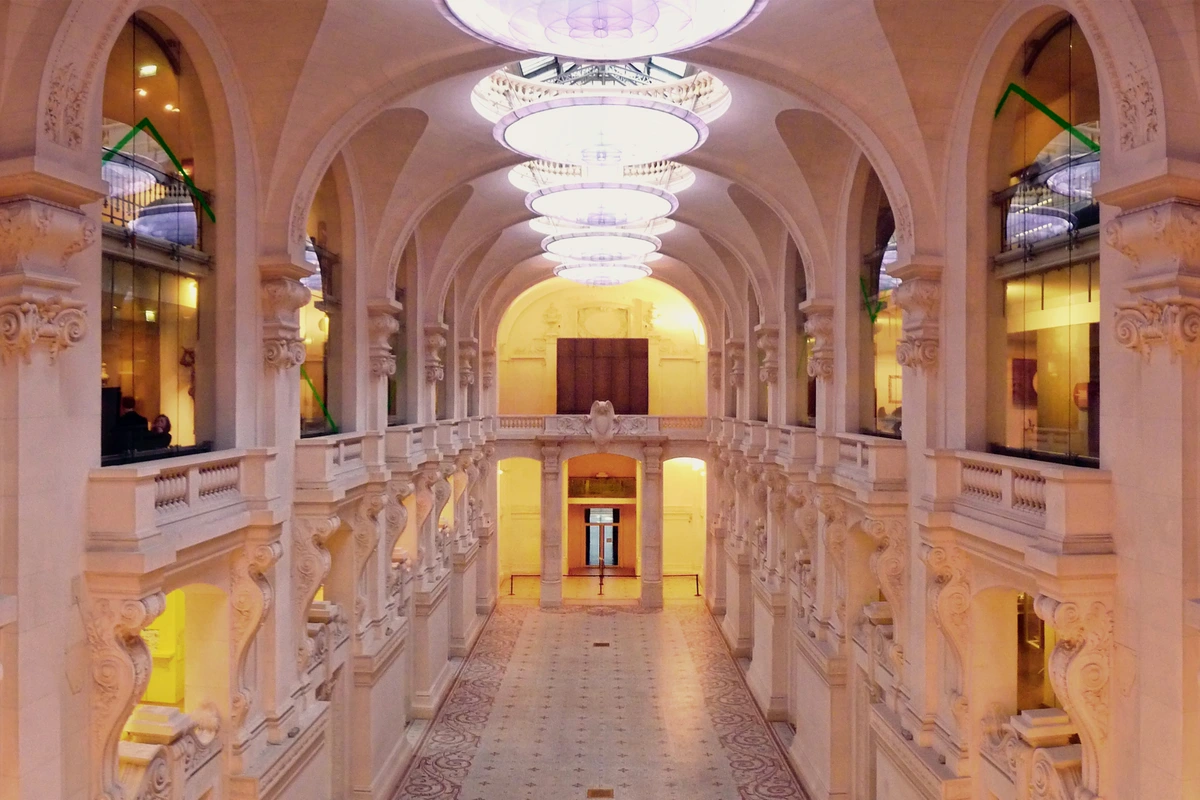
Wall-Mounted Art: For standalone walls, the artwork should be 2/3 to 3/4 the width of the wall. A 12-foot wide wall can accommodate 8-9 feet of art width.
Over Furniture: Above sofas and tables, artwork should be 50-75% the width of the furniture. A 6-foot sofa pairs well with 3-4.5 feet of art width.
Small Spaces: For bathrooms, hallways, or nooks, consider vertical formats that draw the eye upward and create the illusion of height.
Gallery Walls: When grouping pieces, maintain consistency in either size scale or frame style for visual cohesion.
Ceiling Height: In rooms with high ceilings, larger pieces prevent the artwork from getting "lost" in the space.
Budget Considerations for Interior Art
Interior art comes in all price ranges. Here's how to approach budgeting:
Entry Level ($0-100): Prints, posters, digital downloads, student work, local craft fairs Mid-Range ($100-500): Limited edition prints, established local artists, quality reproductions Investment Level ($500-2000): Mid-career artists, signed pieces, small originals Collector Level ($2000+): Established artists, significant originals, museum-quality pieces
Remember that art is an investment in your daily happiness and environment. Sometimes spending a bit more on a piece you truly love is worth it if it will bring you joy for years to come.
Where to Find Interior View Art
Online Marketplaces: Etsy, Saatchi Art, Society6, Artfinder Direct from Artists: Artist websites, Instagram, social media platforms Local Galleries: Contemporary art spaces, cooperative galleries Museum Shops: Often feature high-quality reproductions and prints Estate Sales and Thrift Stores: Hidden gems and vintage pieces Custom Commissions: Work directly with artists to create personalized pieces Print-on-Demand Services: Affordable options for testing styles before investing
I've found that the best approach is often a combination of sources. I might find inspiration online, then visit local galleries to see similar work in person, and finally commission something specific when I find an artist whose style I love.
Common Questions Answered
Q: Interior art feels too literal. Isn’t abstract better? A: Not at all! Interior-focused art ranges from photorealistic (perfect for traditional homes) to wildly abstract (ideal for modern spaces). It’s about concept, not detail. Even a splatter of color suggesting a window can convey the emotion of a room.
Q: How big should my statement piece be? A: For walls, use the 2/3 rule: the art should be 2/3 the width of the furniture below it. Over a sofa? Aim for 50-75% of the couch’s length. In a hallway? Keep it vertical (longer than high) to guide the eye upward.
Q: Can I mix interior views with other subjects? A: Absolutely! A botanical print above a kitchen interior art print? Yes. A seascape next to a bedroom scene? Go for it. Just link them—either through color, frame style, or mood (e.g., "tranquil blue" in both).
Q: What if my art isn’t perfect color-match for my room? A: Embrace it! Art’s job is to elevate, not match. A pop of cobalt blue in a neutral living room? That’s your new accent. Start with one bold element from the piece (a rug, vase) and build outward. Imperfect feels human.
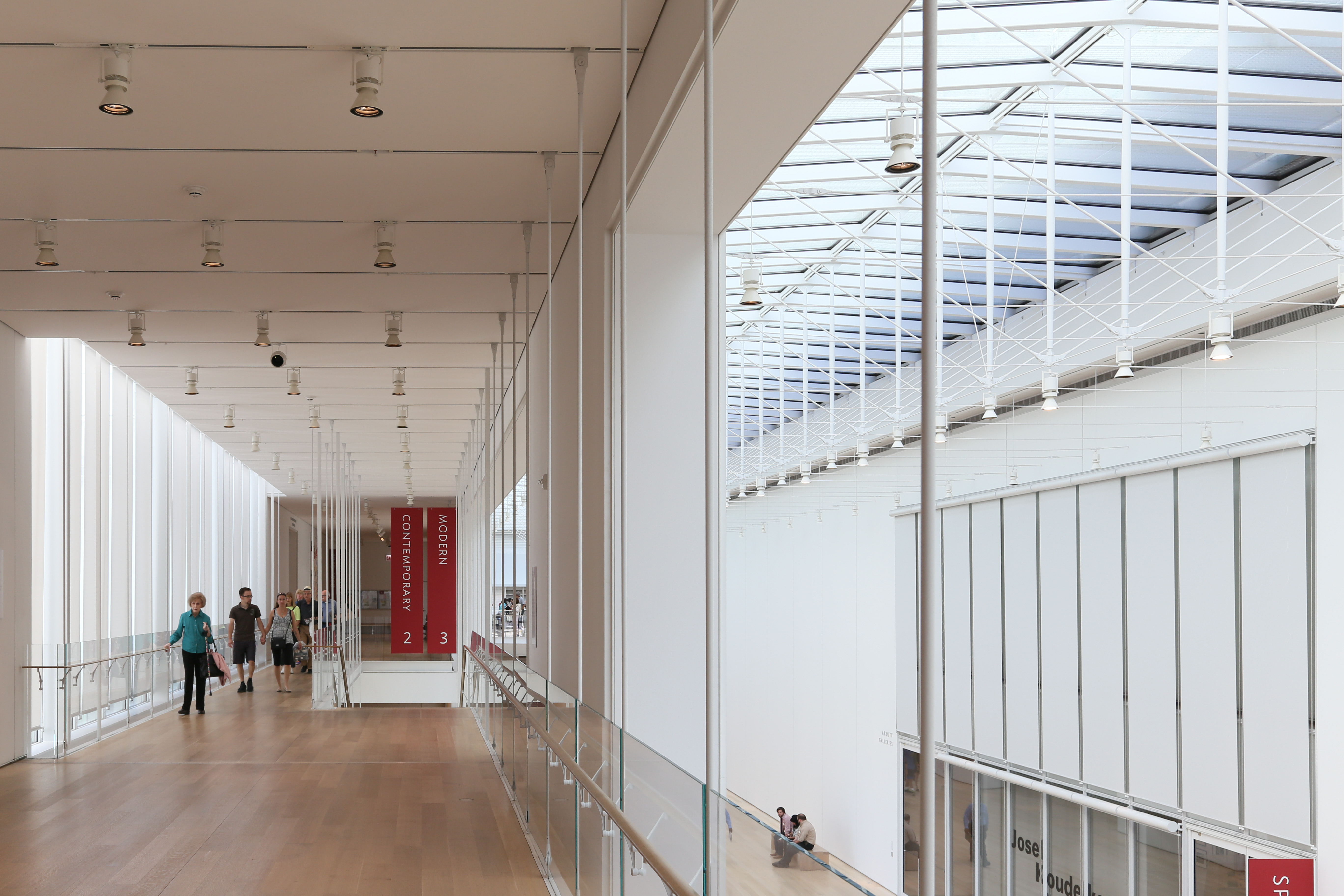
Q: Where’s the best place to buy quality interior view art? A: Beyond galleries, online platforms like the artist’s shop specialize in curated contemporary pieces. For unique finds, explore local print shops or museums like this Den Bosch gem—history whispers from walls there, but modern art still shouts.
The Bottom Line
Decorating with interior view art isn’t about filling wall space. It’s about filling your space with stories. Whether you’re drawn to a chaotic artist’s studio or a serene sunroom, let your walls mirror your life’s quiet dramas. After all, your home should feel like the most interesting novel you’re reading—one chapter on the wall at a time. Now go make those walls talk.

Creating Your Own Interior Art
If you're inspired to create your own interior view art, here are some approaches to consider:
Photographic Interior Art: Use your own home or interesting interior spaces as subject matter. Focus on lighting, composition, and capturing the essence of a space rather than just documenting it.
Painting Interior Scenes: Whether you prefer watercolor, acrylic, or oil, painting interiors allows you to interpret space through your own artistic lens. Start with familiar spaces like your kitchen or bedroom.
Digital Interior Art: Use digital tools to create interior scenes from scratch or manipulate photographs. This approach offers endless possibilities for experimentation.
Mixed Media Interior Collages: Combine photographs, paint, found objects, and text to create layered interpretations of interior spaces.
Sketching and Drawing: Quick sketches and detailed drawings can capture the essence of interior spaces in a more immediate, personal way.
The key to successful interior art creation is finding your unique perspective on space. What aspects of interior environments speak to you? The play of light? The arrangement of objects? The emotional atmosphere? Focus on what moves you personally.
Seasonal Interior Art Rotation
Consider rotating your interior art throughout the year to keep your space feeling fresh and responsive to the seasons:



Spring: Light, airy interiors with fresh colors and open windows Summer: Bright, sun-drenched spaces with tropical or vacation-inspired themes Fall: Cozy, warm interiors with rich colors and intimate lighting Winter: Moody, atmospheric scenes with fireplaces and warm light sources
This seasonal approach prevents your art from feeling static and keeps your environment responsive to your changing moods and the changing seasons.
Final Inspiration
Remember that interior art is ultimately about connection—to spaces, to memories, to emotions, to other people. The best interior art doesn't just decorate walls; it creates conversations, evokes memories, and transforms how we experience our everyday environments.
Whether you're collecting, creating, or simply appreciating interior view art, you're participating in a timeless human tradition of making meaning through space. Your walls are waiting for their stories. What will you tell them?
P.S. Wondering how artists evolve these ideas? Peek at my creative timeline to see how interior explorations unfolded over time. No judgment—only inspiration.