Alexander Calder: The Man Who Made Art Dance
Discover the revolutionary kinetic sculptures of Alexander Calder, the 'mobile artist' who redefined sculpture through motion and balance.

Who is Alexander Calder? The Man Who Made Art Dance
Alexander Calder, often referred to as the "man who made art dance," revolutionized the world of sculpture by introducing movement as a core element of his work. His innovative approach to art, blending engineering precision with creative intuition, has left an indelible mark on the art world. Calder's mobiles, suspended sculptures that move with the slightest breeze, challenge traditional notions of sculpture and invite viewers to engage with art in a dynamic and interactive way.
Alexander Calder, often referred to as the "man who made art dance," revolutionized the world of sculpture by introducing movement as a core element of his work. His innovative approach to art, blending engineering precision with creative intuition, has left an indelible mark on the art world. Calder's mobiles, suspended sculptures that move with the slightest breeze, challenge traditional notions of sculpture and invite viewers to engage with art in a dynamic and interactive way.
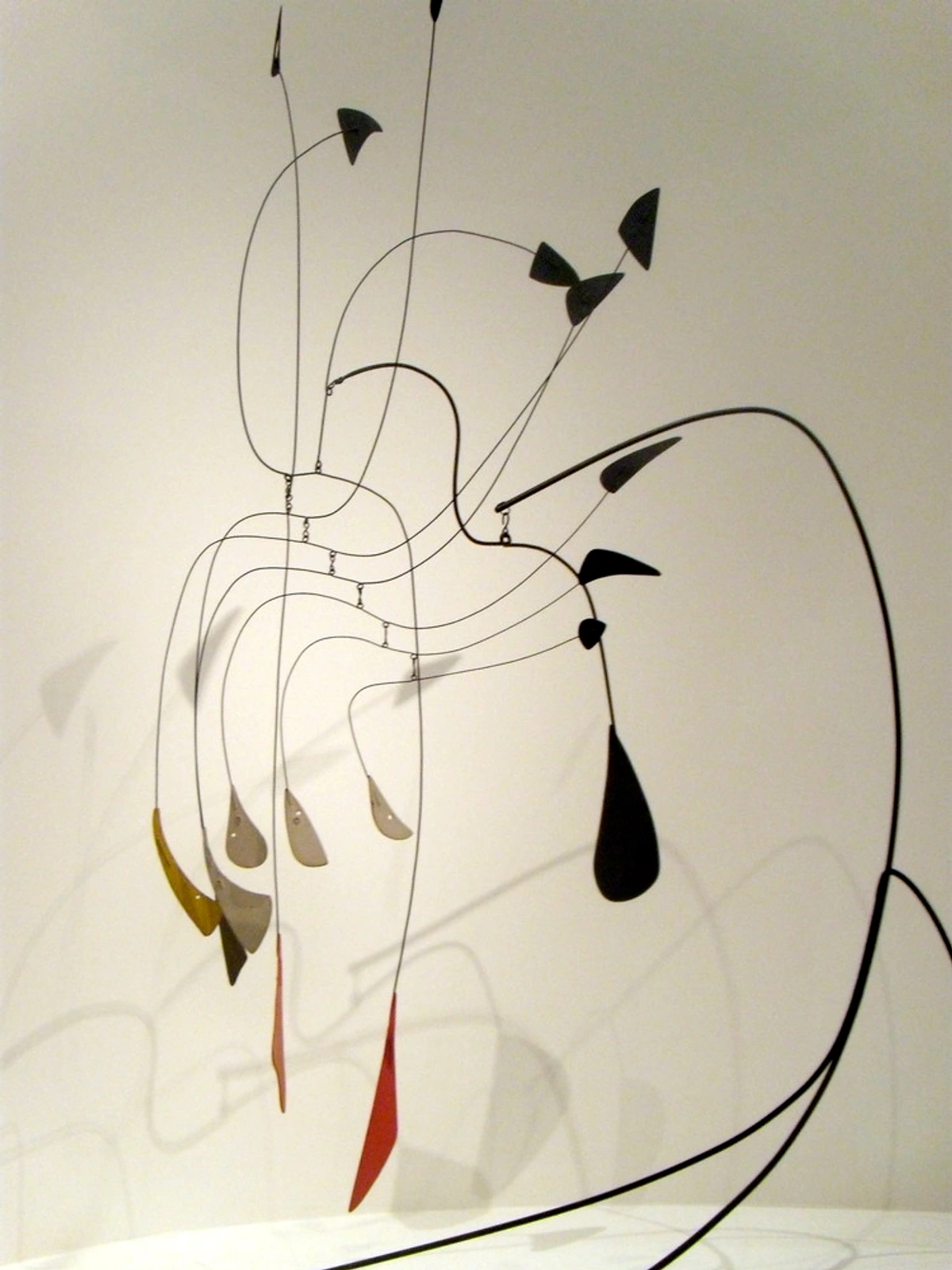
I still remember the first time I really watched a Calder mobile—not just glanced at it, but stood there mesmerized as shapes swirled like captured wind. Have you ever stood in front of one of those? You feel like you’re looking at constellations made of tin and wire. That’s the magic of Alexander Calder: his art isn’t static; it breathes. He basically invented kinetic sculpture before kinetic was a cool art term, turning physics into poetry. Let’s break down why this “mobile artist” matters… and why his work still makes us hold our breath.

Early Life and Artistic Foundations
Alexander Calder’s journey as an artist was shaped by a unique blend of family influence, technical education, and a relentless curiosity about the world around him. His early life laid the groundwork for his revolutionary approach to sculpture, where engineering precision met artistic intuition.
Family Background and Childhood
Calder wasn't born a star sculptor; he was born into art. His grandfather Alexander Milne Calder and father Alexander Stirling Calder were both prominent sculptors, which is like being born into a family of bakers—you're kneading clay before you can write your name. But little Alexander didn't follow the family marble-chopping path. He studied engineering at the Stevens Institute of Technology for a while (and yes, you can see those precise joints in his work). His first major career was as a painter, creating wonderfully abstract circus scenes he'd perform with homemade wire figures. Have you ever bent a coat hanger into something? That's basically Calder's artistic starting point—simple materials, huge imagination.
Calder’s early exposure to art and engineering provided him with a unique perspective. His family’s artistic legacy and his technical education at Stevens Institute of Technology equipped him with the skills and mindset to push the boundaries of traditional sculpture. This combination of influences allowed him to explore the relationship between form, movement, and space in ways that were previously unimagined.
Calder’s early exposure to art and engineering provided him with a unique perspective. His family’s artistic legacy and his technical education at Stevens Institute of Technology equipped him with the skills and mindset to push the boundaries of traditional sculpture. This combination of influences allowed him to explore the relationship between form, movement, and space in ways that were previously unimagined.
What many people don't realize is that Calder's childhood was filled with creative experiences that shaped his unique perspective. His mother was a painter, and his family moved frequently, exposing him to different environments and artistic traditions. As a child, he loved to make mechanical toys and gadgets, which later influenced his approach to sculpture. These early experiences gave him a unique blend of technical precision and artistic intuition that would become his signature style.

Calder’s childhood was marked by a sense of exploration and experimentation. His exposure to diverse artistic traditions and his hands-on experience with mechanical toys and gadgets laid the foundation for his innovative approach to sculpture. These formative years were crucial in shaping his artistic vision and his ability to blend technical precision with creative expression.
Early Artistic Experiments
Before Calder became known for his mobiles, he experimented with a variety of artistic forms. His early works included wire sculptures, paintings, and even performances with his miniature circus. These experiments were not just playful; they were foundational. They allowed him to explore the relationship between form, movement, and space, which would later define his kinetic sculptures.
Before Calder became known for his mobiles, he experimented with a variety of artistic forms. His early works included wire sculptures, paintings, and even performances with his miniature circus. These experiments were not just playful; they were foundational. They allowed him to explore the relationship between form, movement, and space, which would later define his kinetic sculptures.

Calder’s early artistic experiments were a crucial part of his creative journey. His wire sculptures and miniature circus performances were not just whimsical creations; they were a means of exploring the dynamic interplay between form and movement. These experiments laid the groundwork for his later work, where he would push the boundaries of traditional sculpture and introduce movement as a core element of his art.
The Engineering Background
Calder's education at Stevens Institute of Technology wasn't just a passing interest—it fundamentally shaped his approach to art. The rigorous training in mechanical engineering gave him:
- Understanding of structural principles that he applied to sculpture
- Precision in craftsmanship that distinguished his work
- Knowledge of materials and their properties
- Problem-solving skills essential for creating balanced mobiles
This background is why Calder's mobiles work so perfectly—there's real engineering behind the apparent spontaneity. He understood leverage, tension, and balance on a mathematical level, even if he didn't use complex equations in his creative process.
Calder’s engineering background provided him with a deep understanding of the principles of mechanics and materials. This knowledge was instrumental in his ability to create sculptures that are both visually stunning and mechanically sound. His mobiles, with their delicate balance and fluid movement, are a testament to his technical expertise and his ability to blend engineering precision with artistic creativity. Calder wasn’t born a star sculptor; he was born into art. His grandfather and father were both sculptors, which is like being born into a family of bakers—you’re kneading clay before you can write your name. But little Alexander didn’t follow the family marble-chopping path. He studied engineering for a while (and yes, you can see those precise joints in his work). His first major career was as a painter, creating these wonderfully abstract circus scenes he’d perform with homemade wire figures. Have you ever bent a coat hanger into something? That’s basically Calder’s artistic starting point—simple materials, huge imagination.
Calder’s artistic journey was marked by a spirit of experimentation and innovation. His early works, from wire sculptures to miniature circus performances, were a means of exploring the dynamic interplay between form and movement. These experiments laid the groundwork for his later work, where he would push the boundaries of traditional sculpture and introduce movement as a core element of his art.
The real shift happened around 1930. Calder visited Mondrian’s studio and saw those famous grids of primary colors. Reportedly, he told Mondrian the paintings “should swing!” right there. That’s the Calder mindset: art in motion. He started experimenting with suspended shapes that moved with air currents, and the mobile was born. Mobiles—his word, derived from “mobilisible” in French—were balanced sculptures that moved freely. No motors, no electricity… just pure mechanics and grace.
Calder’s visit to Mondrian’s studio was a pivotal moment in his artistic journey. The encounter inspired him to explore the possibilities of movement in art, leading to the creation of his iconic mobiles. These sculptures, with their delicate balance and fluid movement, represent a revolutionary approach to sculpture that challenges traditional notions of form and space.
The Birth of the Mobile
Calder’s mobiles were revolutionary not just because they moved, but because they redefined the relationship between art and its environment. Unlike traditional sculptures, which were static and unchanging, mobiles interacted with their surroundings. They responded to the slightest breeze, the movement of people, and even the vibrations of the room. This interaction made each viewing experience unique, as the sculpture’s form was constantly evolving.

The birth of the mobile marked a significant shift in the world of sculpture. Calder’s mobiles challenged traditional notions of form and space, introducing movement as a core element of art. This revolutionary approach to sculpture has had a lasting impact on the art world, inspiring generations of artists to explore the dynamic interplay between form, movement, and space.

'Lobster Trap and Fish Tail' is a testament to Calder’s ability to transform everyday objects into abstract art. The suspended geometric shapes create a sense of movement and fluidity, capturing the essence of Calder’s innovative approach to sculpture. This piece, like many of his mobiles, invites viewers to engage with the sculpture in a dynamic and interactive way.

How Calder’s Mobiles Work: Physics as Poetry
Calder’s mobiles are a masterful blend of art and engineering. They are not just visually stunning but also mechanically sound, with each element carefully balanced to create a sense of harmony and movement. Understanding the principles behind Calder’s mobiles provides insight into his innovative approach to sculpture and his ability to blend technical precision with artistic creativity. Here’s the best part: Calder didn’t use complex math. He balanced shapes intuitively, like how you might balance spoons on your nose. But there’s genius in that simplicity. Each mobile is a delicate ecosystem of counterweights and leverage. Think of it like a mobile hanging above a baby’s crib.
Calder’s approach to balancing his mobiles was a blend of intuition and technical expertise. His ability to create sculptures that are both visually stunning and mechanically sound is a testament to his unique approach to art. By blending engineering precision with artistic creativity, Calder created mobiles that are not just sculptures but also dynamic and interactive experiences.
- Balance Points: Shapes are positioned so their centers of gravity align perfectly. A heavy piece of sheet metal might balance against a cluster of painted discs.
- Materials: Usually steel wires and sheets, painted bold primary colors. Red, yellow, blue—he loved that primary palette, almost like elemental forces.
| Calder's Mobile Elements | What They Do | Why It Matters |
|---------------------------|--------------|----------------|
| Steel Wire | Creates structural framework and suspension | Allows delicate, gravity-defying forms |
| Painted Sheets/Metal | Adds color and weight distribution | Creates kinetic visual rhythm |
| Counterweights | Balances the entire structure | Achieves self-sustaining movement |
| Air Currents | Powers the motion (no motors!) | Makes the sculpture feel alive |
| **Precision Bearings** | Reduce friction at pivot points | Enables smooth, continuous motion |
| **Weight Distribution** | Strategic placement of heavy vs. light elements | Creates complex, unpredictable movement patterns |
| **Color Theory** | Primary colors (red, yellow, blue) used deliberately | Creates visual harmony and dynamic contrast |
| **Scale Relationships** | Careful proportioning of elements | Establishes visual rhythm and musicality |
| **Material Selection** | Use of industrial materials like steel and aluminum | Ensures durability and flexibility |
| **Suspension Techniques** | Innovative use of wires and pivots | Allows for dynamic and fluid movement |
This table highlights the intricate balance of elements that make Calder’s mobiles both visually stunning and mechanically sound. Each component plays a crucial role in creating sculptures that are both visually engaging and mechanically innovative.
This table highlights the intricate balance of elements that make Calder’s mobiles both visually stunning and mechanically sound.
Calder’s mobiles are a testament to his ability to blend technical precision with artistic creativity. Each element, from the steel wire to the painted sheets of metal, plays a crucial role in creating sculptures that are both visually engaging and mechanically innovative. This delicate balance of elements is what makes Calder’s mobiles so unique and enduring.
His first solo exhibition featured these “abstraction cinétiques” in Paris. People were baffled. How could something that move be serious art? But Calder stuck with it. He called these suspended pieces “mobiles” and the smaller, hand-held ones he called “stabiles” (later called “mobiles” too, though technically stabiles are fixed). It’s like giving dance moves to metal and space.
Calder’s first solo exhibition was a pivotal moment in his artistic journey. The exhibition introduced the world to his revolutionary approach to sculpture, where movement and balance were central elements. Despite initial skepticism, Calder’s mobiles quickly gained recognition as a significant contribution to the world of art, challenging traditional notions of form and space.

The Evolution of Mobiles and Stabiles
Calder’s mobiles and stabiles represent two sides of his artistic vision. While mobiles are dynamic and ever-changing, stabiles are grounded and monumental. Both, however, share a common thread: they challenge traditional notions of sculpture. Stabiles, though stationary, often have dynamic, cantilevered forms that suggest movement, even in their stillness.

The evolution of Calder’s mobiles and stabiles reflects his ongoing exploration of the dynamic interplay between form and movement. His mobiles, with their delicate balance and fluid movement, and his stabiles, with their grounded and monumental forms, represent a revolutionary approach to sculpture that continues to inspire artists and art lovers alike.

This image captures the whimsical and dynamic nature of Calder’s mobiles. The vibrant colors and abstract forms seem to defy gravity, creating a sense of wonder and playfulness that is characteristic of Calder’s work.
The Influence of Nature
Calder’s work often drew inspiration from nature. The organic forms and fluid movements of his mobiles evoke the natural world, from the swaying of trees to the flight of birds. This connection to nature is a recurring theme in his art, reflecting his belief in the harmony between art and the environment.
Calder’s connection to nature is evident in the organic forms and fluid movements of his mobiles. His sculptures, with their delicate balance and dynamic interplay of elements, reflect his belief in the harmony between art and the natural world. This connection to nature is a recurring theme in his work, inspiring viewers to engage with his sculptures in a dynamic and interactive way.
Iconic Calder Works: Where to See Them
Alexander Calder’s body of work is vast and varied, ranging from intimate mobiles that fit in the palm of your hand to monumental stabiles that dominate public spaces. His sculptures can be found in major museums and public installations around the world, each offering a unique glimpse into his innovative approach to art. Here are some of his most iconic works and where you can see them:
Some Calder mobiles are huge—think ten-foot spans dominating museum ceilings. Others fit in the palm of your hand. Here are a few standouts:
- “International Mobile” (1949): A massive 50-foot steel spider-web of forms floating in the National Gallery of Art. It’s like a galaxy you can walk under.
- “Lobster Trap and Fish Tail” (1939): This one hangs in the Whitney Museum—sea creatures in motion, even though they’re not in water. Calder loved nature themes, but twisted them into abstraction.
- “Untitled” (1933): A tiny personal favorite—just a few delicate wires and discs, but it sways with a surprising weightlessness. It’s the kind of piece that makes you lean in closer.
- “Flamingo” (1973): Located in Chicago’s Federal Plaza, this monumental stabile is a testament to Calder’s ability to create sculptures that are both visually stunning and interactive. Its bold red form invites viewers to engage with the sculpture in a tactile and personal way.
- “La Grande Vitesse” (1969): Situated in Grand Rapids, Michigan, this stabile is a prime example of Calder’s ability to transform public spaces into interactive art experiences. Its dynamic, cantilevered forms suggest movement, even in their stillness.
Calder also did stabiles—those grounded, monumental sculptures. His “Flamingo” (1973) in Chicago’s Federal Plaza is a giant red stabile that kids can (and do) climb on. Calder wanted art to feel accessible, not distant. If it could make someone stop and look up? That was success.
Calder’s stabiles represent a significant aspect of his artistic vision. These grounded, monumental sculptures challenge traditional notions of form and space, inviting viewers to engage with art in a tactile and personal way. Calder’s commitment to accessibility is evident in his public art installations, which transform public spaces into interactive art experiences.

Public Art and Accessibility
Calder’s commitment to accessibility is evident in his public art installations. Works like “Flamingo” and “La Grande Vitesse” are not just sculptures; they are interactive experiences. They invite viewers to engage with art in a tactile and personal way, breaking down the barriers between art and the public.
Calder’s public art installations reflect his belief in the power of art to transform public spaces and engage viewers in a dynamic and interactive way. His monumental stabiles, with their bold forms and dynamic structures, invite viewers to engage with art in a tactile and personal way, breaking down the barriers between art and the public.
This image reflects Calder’s use of bold primary colors in his mobiles. His deliberate use of color theory, with its emphasis on visual harmony and dynamic contrast, is a key element of his artistic vision. Calder’s mobiles, with their vibrant colors and fluid movements, create a sense of energy and rhythm that is characteristic of his work.
| Iconic Calder Works | Location | Year |
|----------------------|----------|------|
| International Mobile | National Gallery of Art, Washington D.C. | 1949 |
| Lobster Trap and Fish Tail | Whitney Museum, New York | 1939 |
| Untitled | Various private collections | 1933 |
| Flamingo | Federal Plaza, Chicago | 1973 |
| Universe | Washington D.C. | 1974 |
| The Arch | Milwaukee, Wisconsin | 1975 |
| Steckel Fountain | Philadelphia, Pennsylvania | 1962 |
| La Grande Vitesse | Grand Rapids, Michigan | 1969 |
| The Spinner | Various locations | 1966 |
| The Red Mobile | Various locations | 1956 |
| **Crag with Yellow Boomerang** | Storm King Art Center, New York | 1974 |
| **Man** | Montreal, Canada | 1967 |
| **Three Quiet Men** | New York, New York | 1965 |
| **The Eagle** | Seattle, Washington | 1971 |
This table provides a glimpse into the breadth of Calder’s work, from intimate pieces to monumental public installations. Each of these works showcases Calder’s versatility and his ability to transform public spaces into interactive art experiences.
This table provides a glimpse into the breadth of Calder’s work, from intimate pieces to monumental public installations.
Calder’s body of work is vast and varied, ranging from intimate mobiles that fit in the palm of your hand to monumental stabiles that dominate public spaces. His sculptures can be found in major museums and public installations around the world, each offering a unique glimpse into his innovative approach to art. Calder’s commitment to accessibility and his ability to transform public spaces into interactive art experiences have made his work a lasting legacy in the world of sculpture.

These works showcase Calder’s versatility and his ability to transform public spaces into interactive art experiences.
Calder’s public art installations reflect his belief in the power of art to engage viewers in a dynamic and interactive way. His monumental stabiles, with their bold forms and dynamic structures, invite viewers to engage with art in a tactile and personal way, breaking down the barriers between art and the public. Calder’s commitment to accessibility and his innovative approach to sculpture have made his work a lasting legacy in the world of art.

This image captures the grandeur and scale of Calder’s public installations. His monumental stabiles, like 'Flamingo' and 'La Grande Vitesse,' are not just sculptures but interactive experiences that invite viewers to engage with art in a tactile and personal way. These works reflect Calder’s commitment to making art accessible and engaging for all.
Why Calder Still Matters: Art That Connects
Alexander Calder’s work continues to resonate with audiences around the world, offering a unique blend of technical precision and artistic creativity. His mobiles and stabiles challenge traditional notions of sculpture, inviting viewers to engage with art in a dynamic and interactive way. Calder’s legacy is not just in his sculptures but in the way he redefined the boundaries of art, inspiring generations of artists to explore the intersection of art and science. We live in a world obsessed with digital motion—VR, endless-scrolling TikTok feeds. But Calder’s art reminds us that physical movement has soul. No algorithms, no screens. Just air and balance. He proved that art doesn’t need to shout to be powerful. A gently turning red shape can feel like a heartbeat in a quiet room.
Calder’s work offers a powerful reminder of the beauty and soul of physical movement. In a world dominated by digital distractions, his mobiles and stabiles invite viewers to engage with art in a tactile and personal way. Calder’s ability to blend technical precision with artistic creativity has made his work a lasting legacy in the world of sculpture, inspiring generations of artists to explore the dynamic interplay between form, movement, and space.
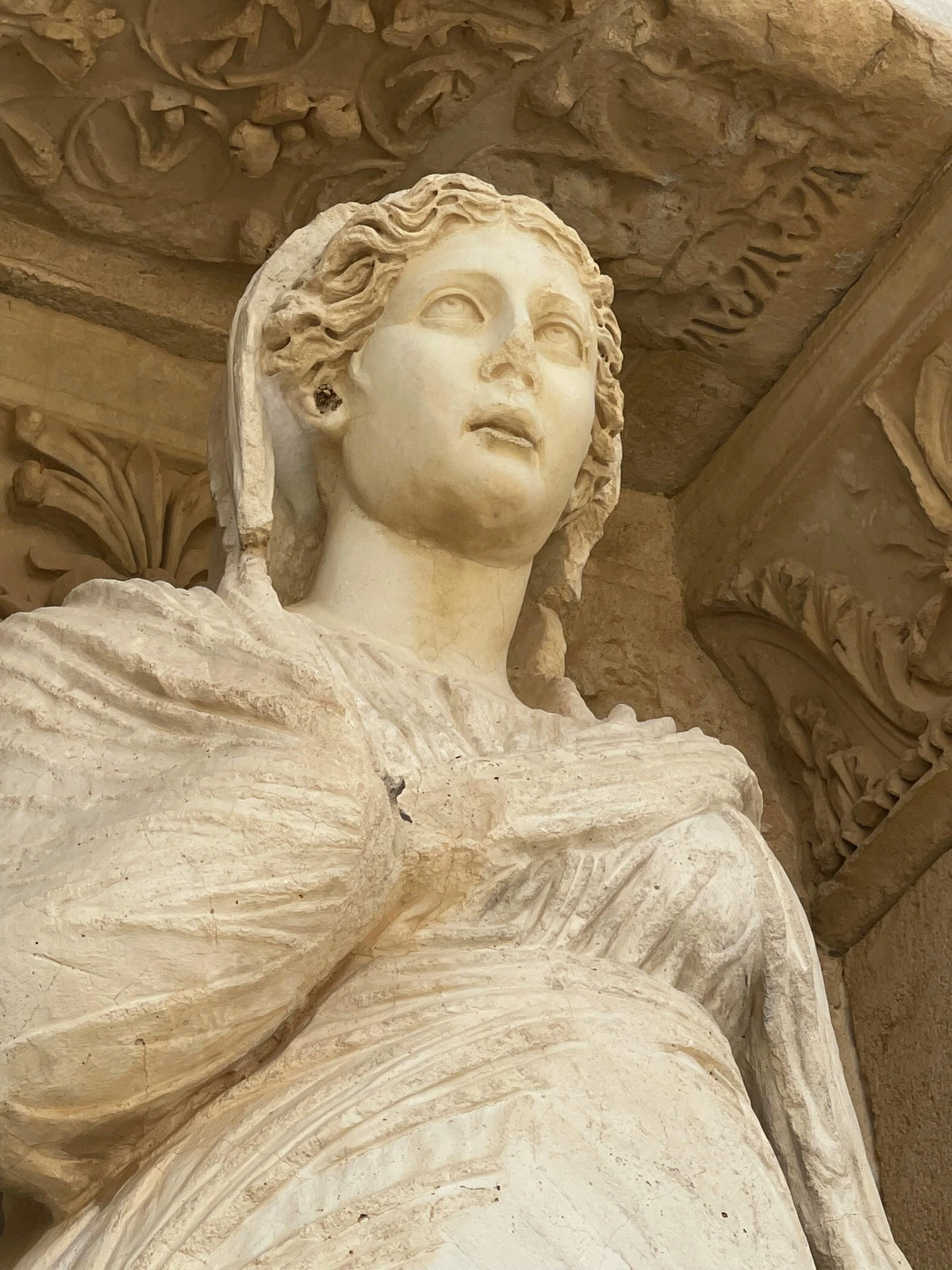
His influence? Everywhere. Frank Stella’s colorful geometries? Calder’s spirit. The kinetic energy of modern public sculptures? Often traceable back to that wire-twisting inventor. He bridged Abstract Expressionism and pure craft, making engineering feel human.
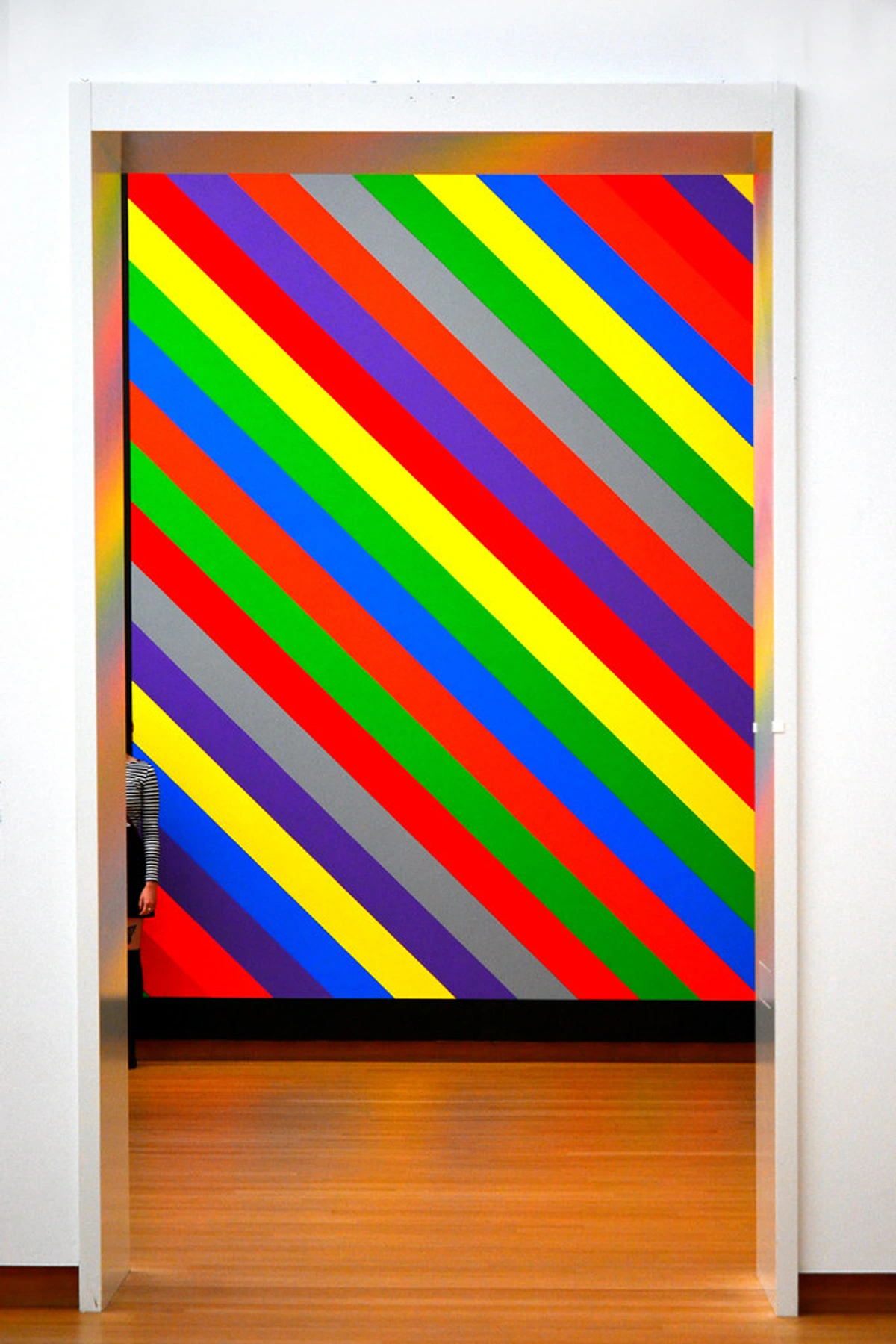
Calder’s influence extends far beyond his own body of work. His innovative approach to sculpture, blending technical precision with artistic creativity, has inspired generations of artists to explore the dynamic interplay between form, movement, and space. From Frank Stella’s colorful geometries to the kinetic energy of modern public sculptures, Calder’s spirit is evident in the work of artists around the world.
And here’s my personal take: Calder’s work feels hopeful. In a world that sometimes feels rigid and heavy, his mobiles move with lightness. They don’t fight gravity—they coexist with it. That feels like a metaphor for resilience, no? Creating harmony out of chaos.
Calder’s work offers a sense of hope and resilience, reminding us of the beauty and harmony that can be found in the interplay between form, movement, and space. His mobiles, with their delicate balance and fluid movement, invite viewers to engage with art in a dynamic and interactive way, creating a sense of wonder and playfulness that is characteristic of his work.

Calder’s legacy extends beyond his sculptures. His approach to art—combining technical precision with creative intuition—has inspired generations of artists to explore the intersection of art and science. His work challenges us to see the world differently, to find beauty in movement and balance.
Calder’s legacy is not just in his sculptures but in the way he redefined the boundaries of art. His innovative approach to sculpture, blending technical precision with artistic creativity, has inspired generations of artists to explore the dynamic interplay between form, movement, and space. Calder’s work continues to challenge us to see the world differently, to find beauty in movement and balance, and to embrace the harmony between art and science.

The Intersection of Art and Science
Calder’s work is a testament to the power of interdisciplinary thinking. By combining his engineering background with his artistic vision, he created a new form of art that was both technically innovative and aesthetically profound. This intersection of art and science continues to inspire artists and engineers alike, proving that creativity and technical skill are not mutually exclusive but complementary.
Calder’s ability to blend engineering precision with artistic creativity has made his work a lasting legacy in the world of sculpture. His innovative approach to art, where technical expertise meets creative intuition, continues to inspire artists and engineers to explore the dynamic interplay between form, movement, and space. Calder’s work is a powerful reminder of the beauty and harmony that can be found in the intersection of art and science.
This image of 'Lobster Trap and Fish Tail' highlights Calder’s ability to transform everyday objects into abstract art. The suspended geometric shapes create a sense of movement and fluidity, capturing the essence of Calder’s innovative approach to sculpture.



















Understanding Calder: A Comprehensive Guide
Alexander Calder’s work represents a revolutionary approach to sculpture, where movement and balance are central elements. His mobiles and stabiles challenge traditional notions of form and space, inviting viewers to engage with art in a dynamic and interactive way. This comprehensive guide explores the life, work, and legacy of Alexander Calder, offering insights into his innovative approach to art and his lasting impact on the world of sculpture.
Frequently Asked Questions (FAQ)
Q: What’s the difference between a mobile and a stabile? A: Calder coined “mobile” for his hanging, moving works that rely on balance to shift with air currents. “Stabile” refers to his grounded, monumental sculptures that stand fixed but often have dynamic, cantilevered forms. Think of mobiles as dancing in space, stabiles as posing with confidence.
Q: What inspired Calder to create mobiles? A: Calder’s inspiration came from a visit to Piet Mondrian’s studio in 1930. Seeing Mondrian’s abstract paintings, Calder suggested that the art should move, leading to his creation of mobiles. This encounter was a pivotal moment in his artistic journey, inspiring him to explore the possibilities of movement in art.
Q: Did Calder invent kinetic art? A: While he didn’t invent the concept of movement in art, he revolutionized it. His mobiles were the first widely recognized and critically acclaimed kinetic sculptures, establishing them as a major 20th-century art form. Before Calder, moving art was mostly mechanical or gimmicky. After Calder, it was poetry.
Q: What materials did Calder use? A: Primarily industrial materials: steel wire (for structure), sheet metal (painted in bold primary colors), and sometimes aluminum or wood. He favored these for their malleability and ability to balance weight against lightness. More specifically:
- Steel Wire: Typically 1/16 to 1/8 inch diameter, used for structural elements and suspension
- Sheet Metal: Often cut into circles, discs, or geometric shapes using shears
- Paint: Enamel paints in primary colors (red, yellow, blue, black, white) applied by hand
- Occasional Materials: Wood (especially early works), brass, and sometimes found objects
- Fasteners: Simple wire twists, soldered connections, and occasionally nuts and bolts
Q: How can I identify a genuine Calder mobile? A: Authentic Calder works have several identifying characteristics:
- Signature: Calder typically signed his work with "Calder" in script, often on a small metal plate attached to the piece
- Construction: Clean, precise wire work with no visible welds or excessive soldering
- Materials: Authentic use of industrial materials with hand-painted surfaces
- Movement: Smooth, balanced movement that responds naturally to air currents
- Provenance: Clear documentation of ownership history and exhibition history
- Calder Foundation Authentication: The gold standard for verification
Q: What inspired Calder to create mobiles? A: Calder’s visit to Piet Mondrian’s studio in 1930 was a pivotal moment in his artistic journey. Seeing Mondrian’s abstract paintings, Calder suggested that the art should move, leading to his creation of mobiles. This encounter inspired him to explore the possibilities of movement in art, resulting in his revolutionary approach to sculpture.
Q: Where can I see a Calder mobile in person? A: Major museums worldwide own them: MoMA (NYC), the National Gallery (Washington D.C.), Tate Modern (London), Centre Pompidou (Paris), and more. His smaller pieces occasionally appear in galleries, but the big mobiles are almost always institution-based.
Q: Why does Calder’s style feel so timeless? A: Calder’s style feels timeless because he stripped art to its core elements—color, form, balance, and movement. His mobiles and stabiles are a testament to his ability to blend technical precision with artistic creativity, creating sculptures that are both visually stunning and mechanically sound. This simplicity and harmony transcend trends, making his work enduring and relevant.
Major Calder Collections Worldwide:
United States:
- Museum of Modern Art (New York) - extensive collection including major mobiles
- Whitney Museum of American Art (New York)
- National Gallery of Art (Washington D.C.)
- Solomon R. Guggenheim Museum (New York)
- Philadelphia Museum of Art
- Art Institute of Chicago
- San Francisco Museum of Modern Art
Europe:
- Tate Modern (London)
- Centre Pompidou (Paris)
- Stedelijk Museum (Amsterdam)
- Pinakothek der Moderne (Munich)
- Louisiana Museum of Modern Art (Denmark)
- Fondation Maeght (France)
Asia:
- National Museum of Modern Art (Tokyo)
- Mori Art Museum (Tokyo)
- M+ Museum (Hong Kong)
Public Installations:
- Flamingo (1973) - Chicago, Illinois
- Universe (1974) - Washington D.C.
- The Arch (1975) - Milwaukee, Wisconsin
- Steckel Fountain (1962) - Philadelphia, Pennsylvania
- La Grande Vitesse (1969) - Grand Rapids, Michigan
Q: Why does Calder’s style feel so timeless? A: He stripped art to its core elements—color, form, balance, and movement. No gimmicks, no digital effects, no conceptual traps. Just pure, harmonious interaction between the sculpture and its environment. That simplicity transcends trends.
Q: How did Calder’s engineering background influence his art? A: Calder’s engineering education provided him with a deep understanding of structural principles, precision, and problem-solving. These skills were directly applied to his sculptures, allowing him to create balanced and dynamic mobiles that seem to defy gravity.
Q: What is the significance of Calder’s use of primary colors? A: Calder’s use of primary colors—red, yellow, and blue—was deliberate. These colors create a sense of visual harmony and dynamic contrast, enhancing the kinetic energy of his sculptures. They also reflect his belief in the elemental forces of nature.
Q: What inspired Calder to create mobiles? A: Calder’s inspiration came from a visit to Piet Mondrian’s studio in 1930. Seeing Mondrian’s abstract paintings, Calder suggested that the art should move, leading to his creation of mobiles.
Q: How did Calder’s mobiles influence modern art? A: Calder’s mobiles revolutionized the art world by introducing movement as a core element of sculpture. His work inspired generations of artists to explore kinetic art and the interplay between form and motion.
Wrapping Up: Calder’s Legacy of Movement
Alexander Calder’s work represents a revolutionary approach to sculpture, where movement and balance are central elements. His mobiles and stabiles challenge traditional notions of form and space, inviting viewers to engage with art in a dynamic and interactive way. Calder’s legacy is not just in his sculptures but in the way he redefined the boundaries of art, inspiring generations of artists to explore the intersection of art and science.
I think about Calder when I see something beautifully balanced in real life—a stack of rocks at the beach, a bird lifting off. He taught us to see motion as art. His mobiles aren’t decorations; they’re conversations between space, air, and metal. They make you slow down. They make you wonder. They make you feel.
Calder’s work offers a powerful reminder of the beauty and soul of physical movement. His mobiles and stabiles invite viewers to engage with art in a tactile and personal way, creating a sense of wonder and playfulness that is characteristic of his work. Calder’s ability to blend technical precision with artistic creativity has made his work a lasting legacy in the world of sculpture, inspiring generations of artists to explore the dynamic interplay between form, movement, and space.
In a world that increasingly values instant digital distractions, Calder’s hand-welded steel feels radical. A quiet revolution. After all the analysis and physics talk, it boils down to this: his mobiles make space feel more alive because they are alive. And that’s art at its most essential.
Calder’s work offers a sense of hope and resilience, reminding us of the beauty and harmony that can be found in the interplay between form, movement, and space. His mobiles, with their delicate balance and fluid movement, invite viewers to engage with art in a dynamic and interactive way, creating a sense of wonder and playfulness that is characteristic of his work. Calder’s legacy is a testament to the power of art to transform our perception of the world and inspire us to see beauty in movement and balance.
Calder’s legacy is not just in his sculptures but in the way he redefined the boundaries of art. His work continues to inspire artists and art lovers alike, reminding us of the beauty in movement, balance, and the interplay between art and nature.
Calder’s innovative approach to sculpture, blending technical precision with artistic creativity, has made his work a lasting legacy in the world of art. His mobiles and stabiles challenge traditional notions of form and space, inviting viewers to engage with art in a dynamic and interactive way. Calder’s legacy is a testament to the power of art to transform our perception of the world and inspire us to see beauty in movement and balance.
Final Thoughts
Calder’s art is a celebration of the intersection between creativity and precision. His mobiles and stabiles challenge us to see the world in new ways, to find beauty in the unexpected, and to embrace the harmony between art and science. As we continue to explore the possibilities of kinetic art, Calder’s legacy remains a guiding light, inspiring us to push the boundaries of what art can be.