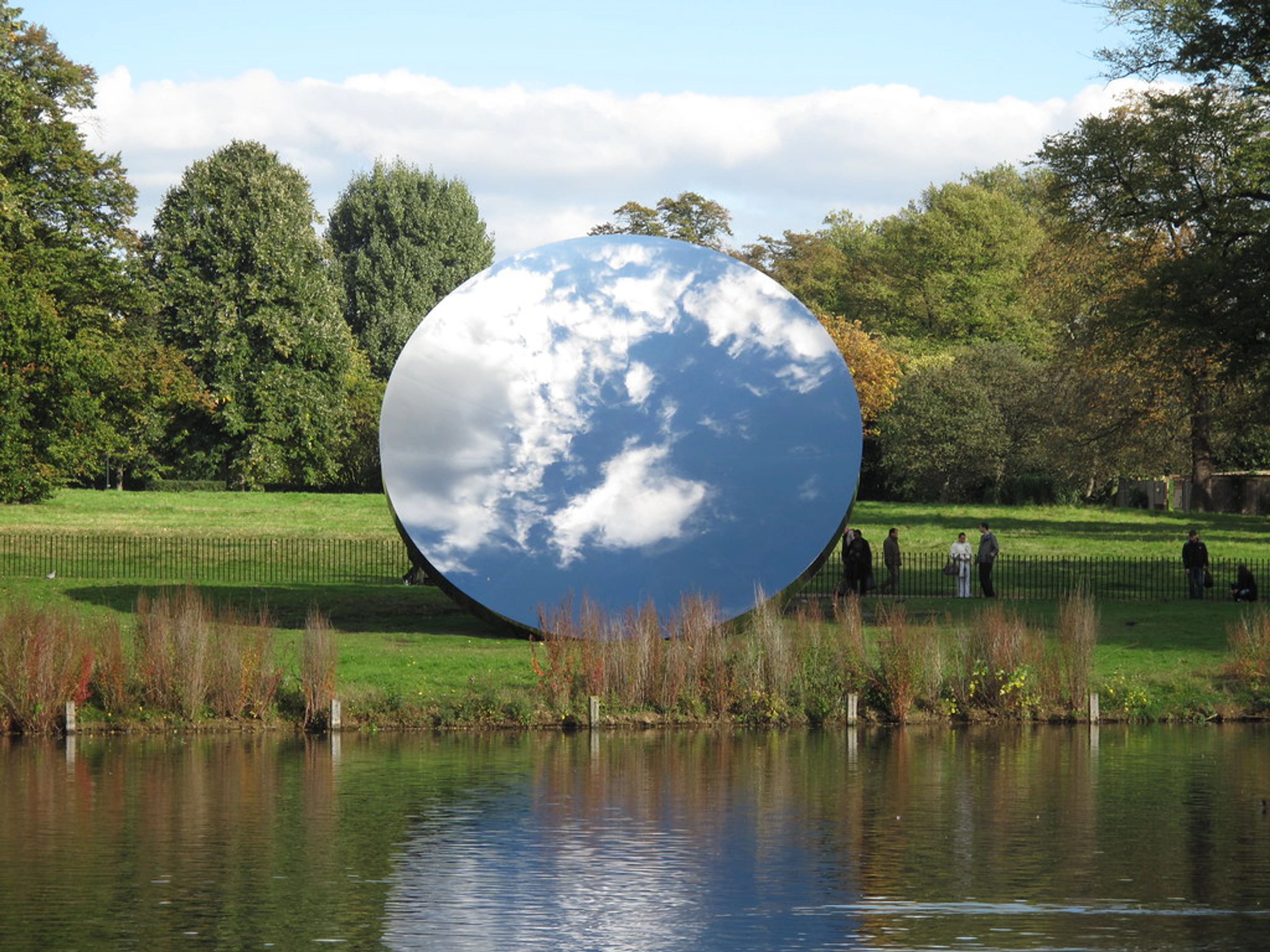
A Curator's Guide to the Best Art Galleries in London
Explore London's dynamic art scene with our curated guide to the best galleries, from iconic institutions like the Tate Modern to cutting-edge contemporary spaces.

London's Best Art Galleries: A Curator's Definitive Guide to an Essential Journey
London, for me, has always been more than just a city; it's a living, breathing canvas, a global epicentre where history and avant-garde collide with an almost defiant energy. Its gallery scene? Well, that's a sprawling, multifaceted landscape that genuinely offers everything from the hushed reverence of Old Masters to the most challenging, thought-provoking contemporary installations you can imagine. I know, navigating this world can feel daunting, like trying to find a specific brushstroke in a masterpiece, but trust me, it’s an immensely rewarding journey. This guide isn't just a list; it’s my curated look at the essential art galleries that truly define London's cultural identity, cementing its place as one of the true art capitals of the world. When I first started exploring London's galleries, I was overwhelmed, so I've designed this guide to cut through the noise, offering insights into the institutions that matter, the commercial spaces shaping careers, and the grassroots movements fostering the next generation of artistic talent. Consider this your definitive companion to unlocking the city's artistic soul, whether you're a seasoned collector, an eager tourist, or just starting your journey into the captivating world of art. Here, you'll find institutions that house global treasures, such as the unparalleled collections of The British Museum, alongside cutting-edge contemporary spaces that continually push creative boundaries, offering a truly unique perspective on the global art world. This article aims to be your most comprehensive and engaging source for understanding London's unparalleled art landscape, from its ancient treasures to its contemporary pulse, equipping you with all the knowledge you need for an enriching exploration. I truly believe that to understand the pulse of contemporary art, or to immerse oneself in the grandeur of historical masterpieces, London provides an unparalleled journey.
Why London is an Unmatched Global Art Capital
What makes London such a magnet for art lovers, you ask? Well, it's a confluence of factors, really, stretching back centuries. For one, the city’s deep historical roots provide a fertile ground for artistic expression, with centuries of patronage and innovation that have shaped its cultural landscape, from royal commissions to the flourishing of independent academies. Then there's the sheer diversity – a tapestry woven with threads of every movement, medium, and cultural influence imaginable. I often think of it as a vast, constantly evolving museum without walls, where every corner holds a potential discovery. It's a place where tradition is revered, but also where boundaries are consistently pushed, creating a vibrant tension that fuels creativity. From the solemnity of Renaissance portraiture to the audacious statements of modern sculpture, London truly offers something for every artistic palette. The commitment to public access, with so many world-class institutions offering free entry to their permanent collections, is also a huge part of its appeal, democratizing art in a way few other cities manage. Beyond free entry, London boasts a thriving ecosystem of art schools and institutions that continuously feed new talent and critical discourse into the scene, cementing its global influence and ensuring a constant influx of fresh perspectives. This is further bolstered by the city's significant role in the global art market, with major auction houses and a robust network of commercial galleries contributing to a vibrant economic engine for the arts. Philanthropic support also plays a critical role, ensuring that many institutions can maintain free access and ambitious programming.
The Titans: Major Public Institutions
These are the foundational pillars of London's art scene, the grand dames and imposing powerhouses that anchor the city's cultural landscape. They are vast, often free to enter for their permanent collections, and house some of the most significant artworks and cultural treasures in human history. To visit them is to embark on a journey through centuries and civilizations.

Tate Modern
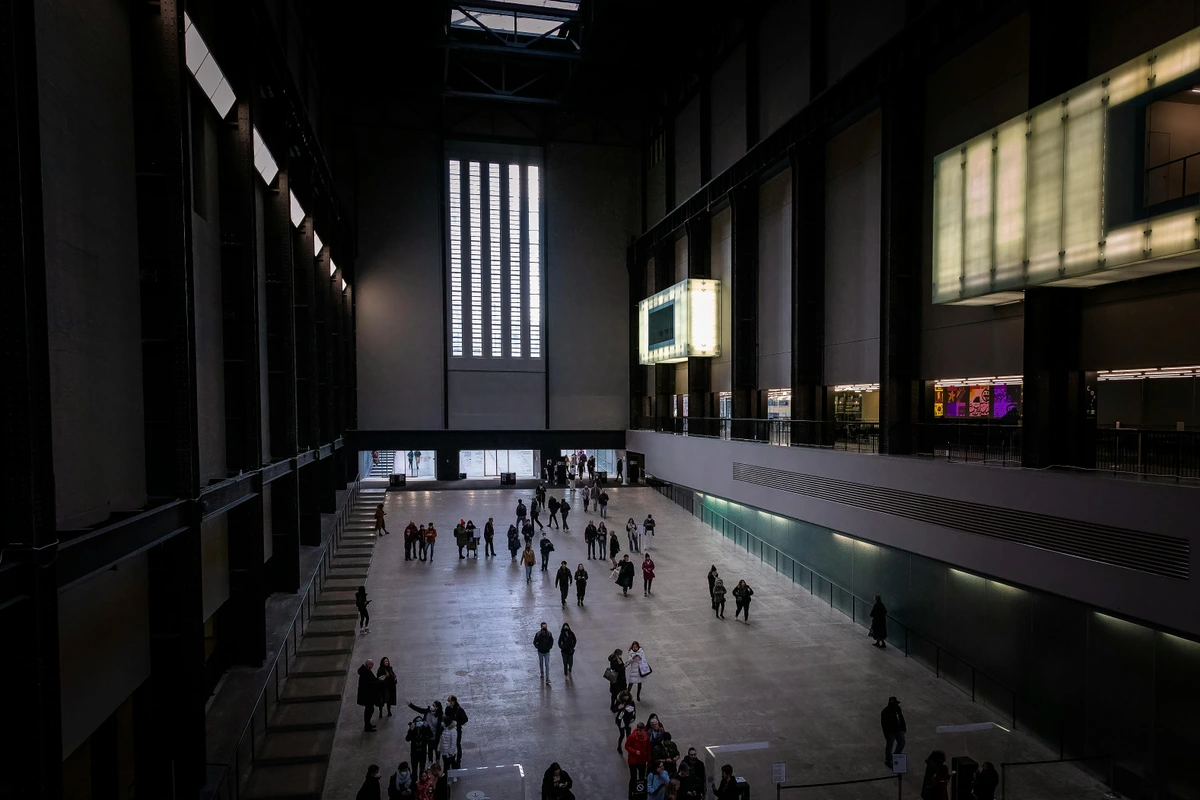
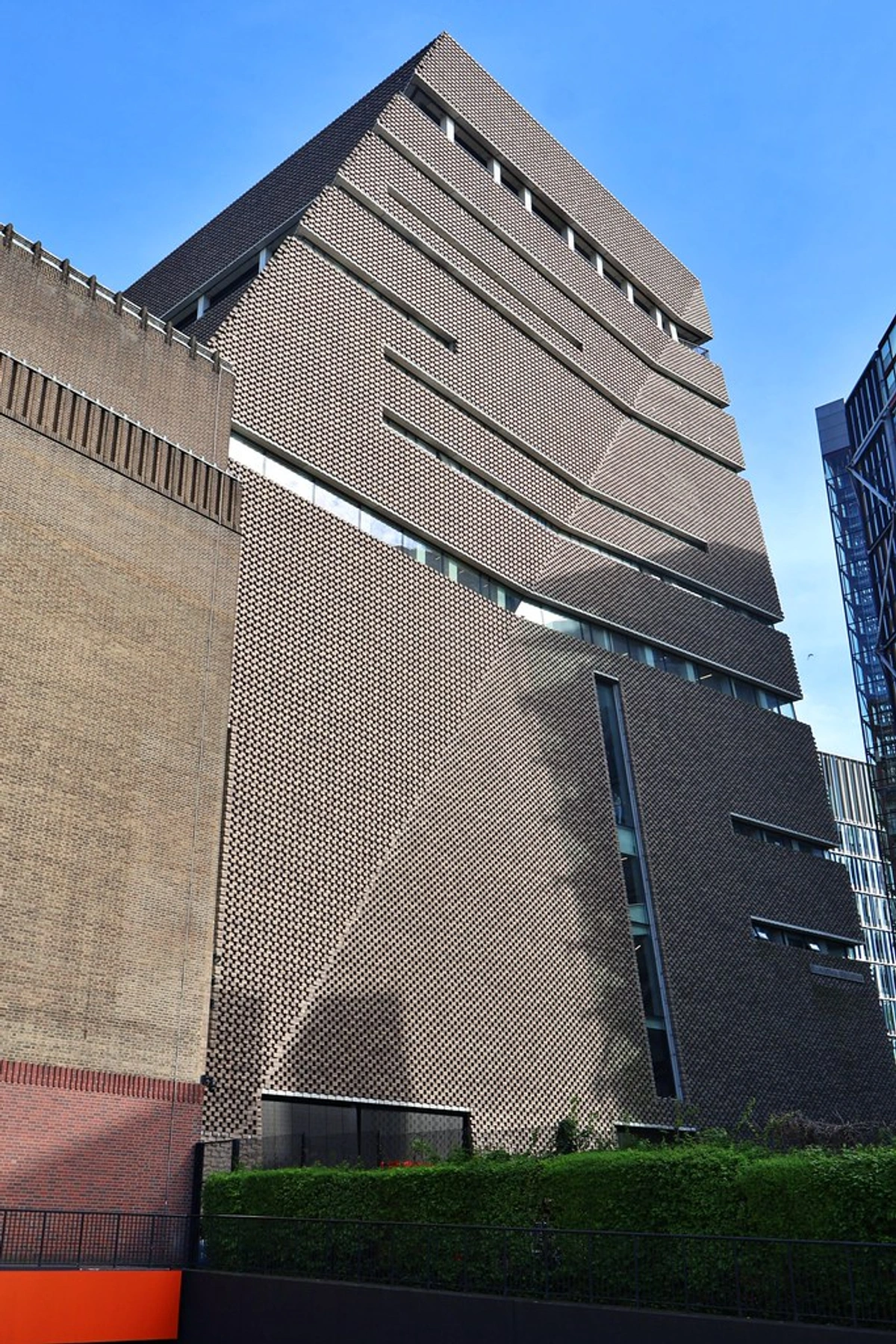
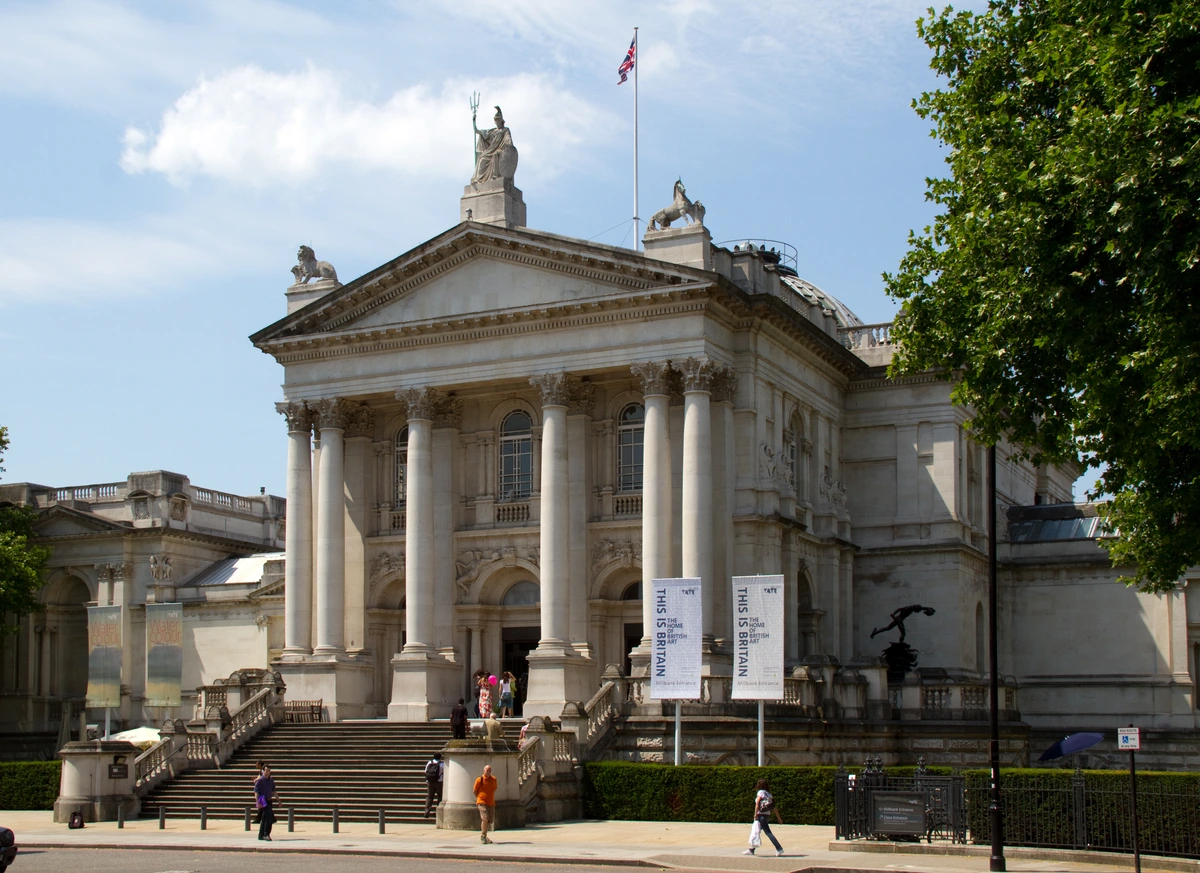
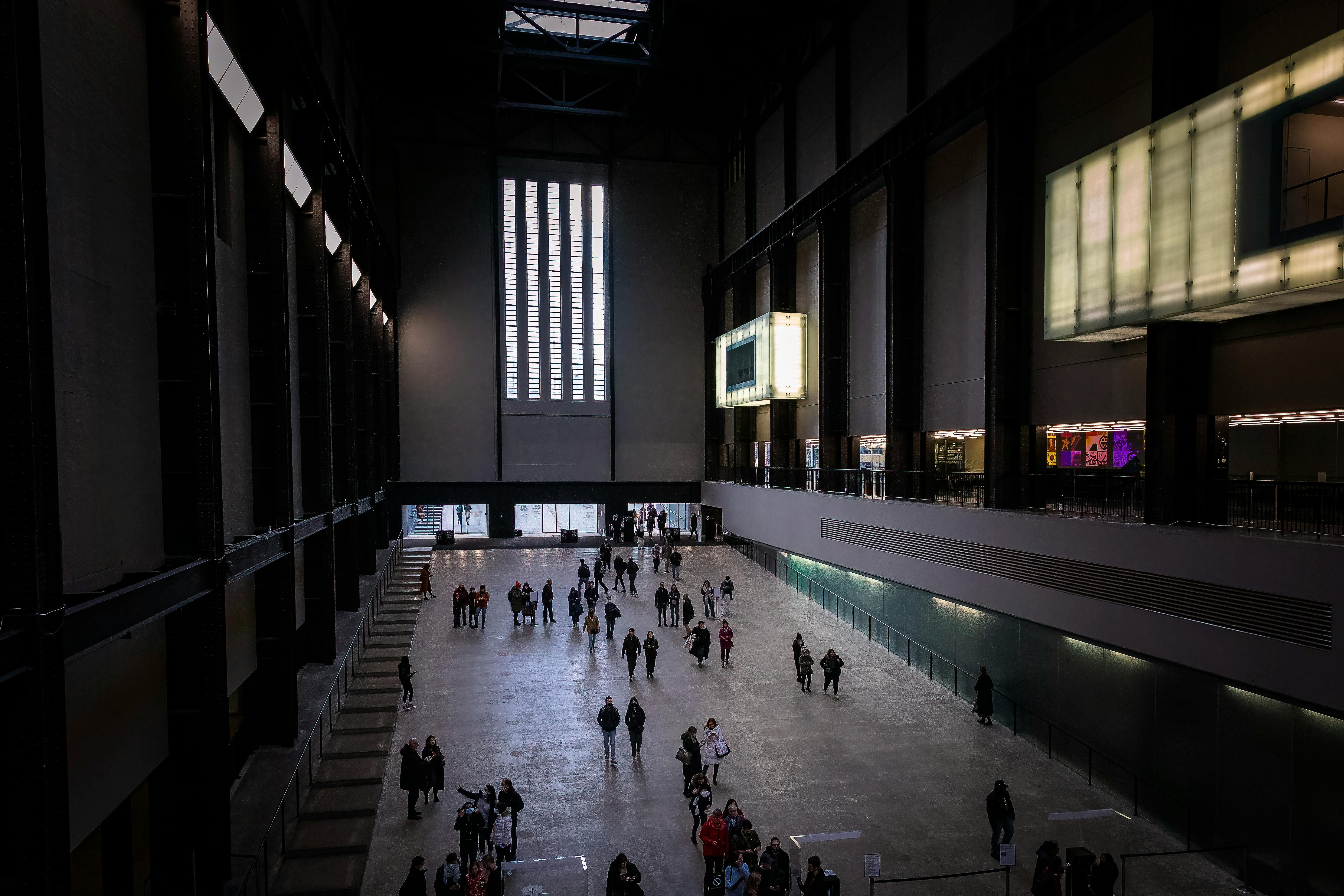
Situated majestically in the repurposed Bankside Power Station, the Tate Modern is, without a doubt, an icon — both of industrial architecture and as a global powerhouse of modern and contemporary art. Its sheer scale is breathtaking, and I've always found the journey through its collection, charting the course of art from the early 20th century to today, incredibly engaging. You'll find giants like Picasso and Pollock here, alongside groundbreaking works of Cubism, Surrealism, and Abstract Expressionism, right up to contemporary visionaries like Olafur Eliasson and Anish Kapoor. The ambition here truly is unparalleled, and it’s a place I find myself returning to again and again to ponder the shifts and evolutions in modern artistic thought. The Switch House expansion, for me, further solidified its position as a global leader in showcasing diverse artistic perspectives, offering stunning panoramic views of the London skyline from its upper levels. Its permanent collection, thoughtfully arranged by thematic hangings rather than strict chronology, encourages unexpected dialogues between works, making each visit a fresh exploration of artistic ideas, often revealing new connections between seemingly disparate movements. Don't forget to appreciate the building itself, a testament to Giles Gilbert Scott's original design, which makes for a dramatic setting for such impactful art.
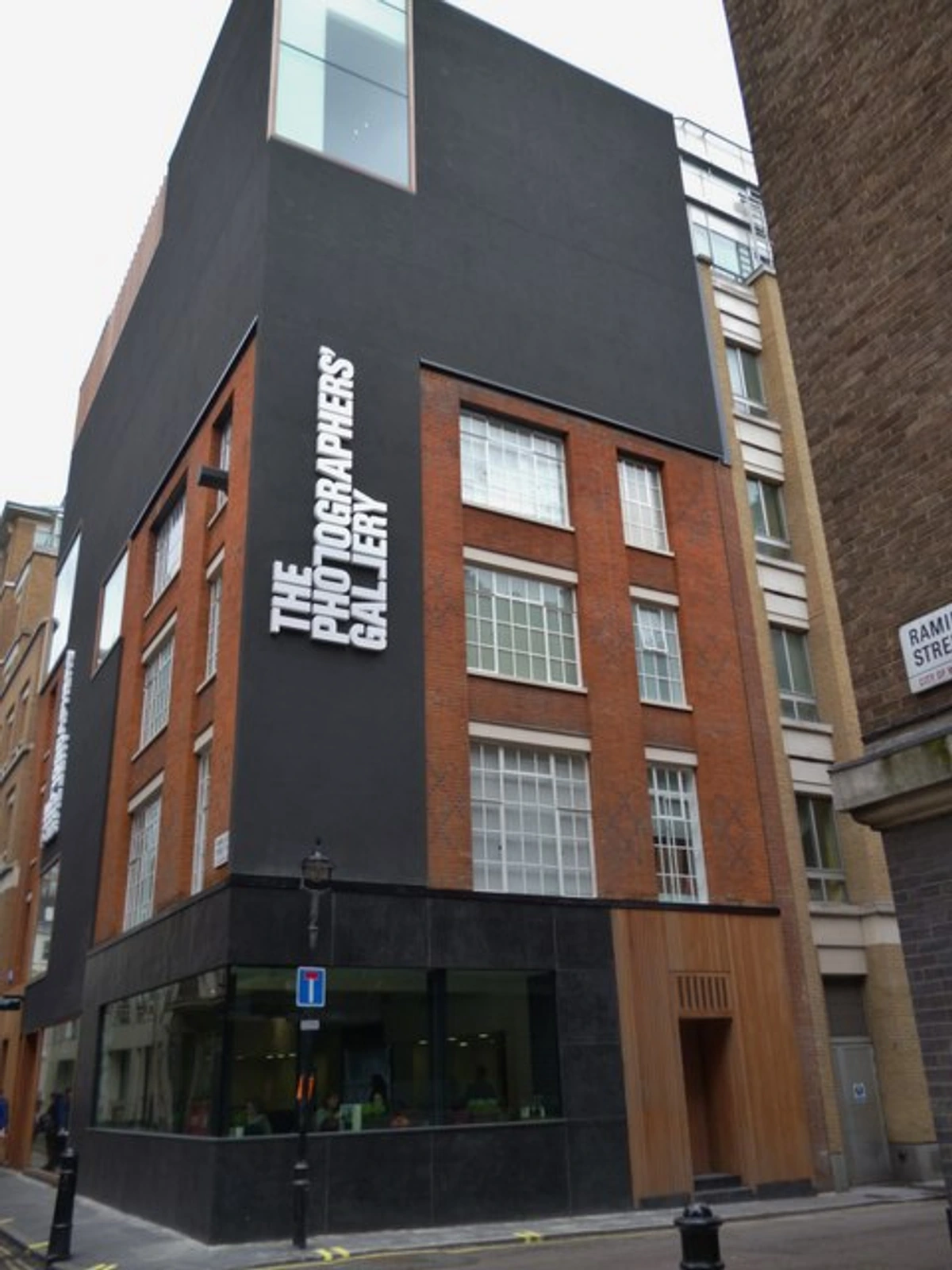
Outside, the gallery often hosts striking public art, such as Louise Bourgeois's iconic spider, 'Maman', providing a dramatic contrast to the bustling Thames riverfront. Its Turbine Hall is also renowned for its large-scale, annual commissions, offering immersive experiences that challenge and delight. I still remember the awe I felt walking through Ai Weiwei's 'Sunflower Seeds' installation; it was a truly transformative experience, reminding me of the sheer power of conceptual art to engage with global issues and speak volumes without uttering a single word. The gallery’s commitment to accessibility and public engagement, through its free permanent collection and extensive educational programs, makes it a cornerstone of London's cultural landscape. Beyond its permanent collection, the Tate Modern also hosts a dynamic programme of temporary exhibitions, often requiring timed tickets, that delve deeper into specific artists, movements, or themes, making it a continuously evolving hub of artistic discovery that never ceases to surprise and inspire.
The British Museum
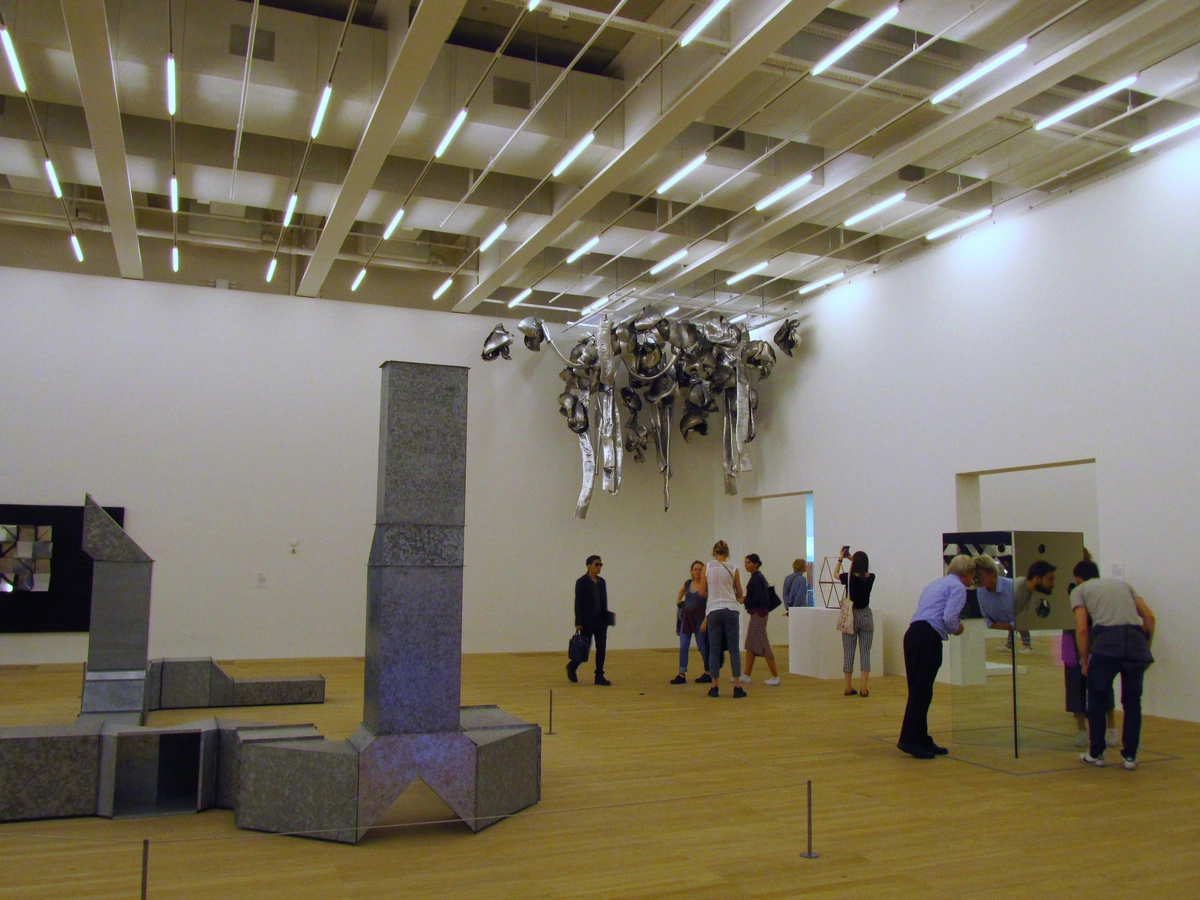
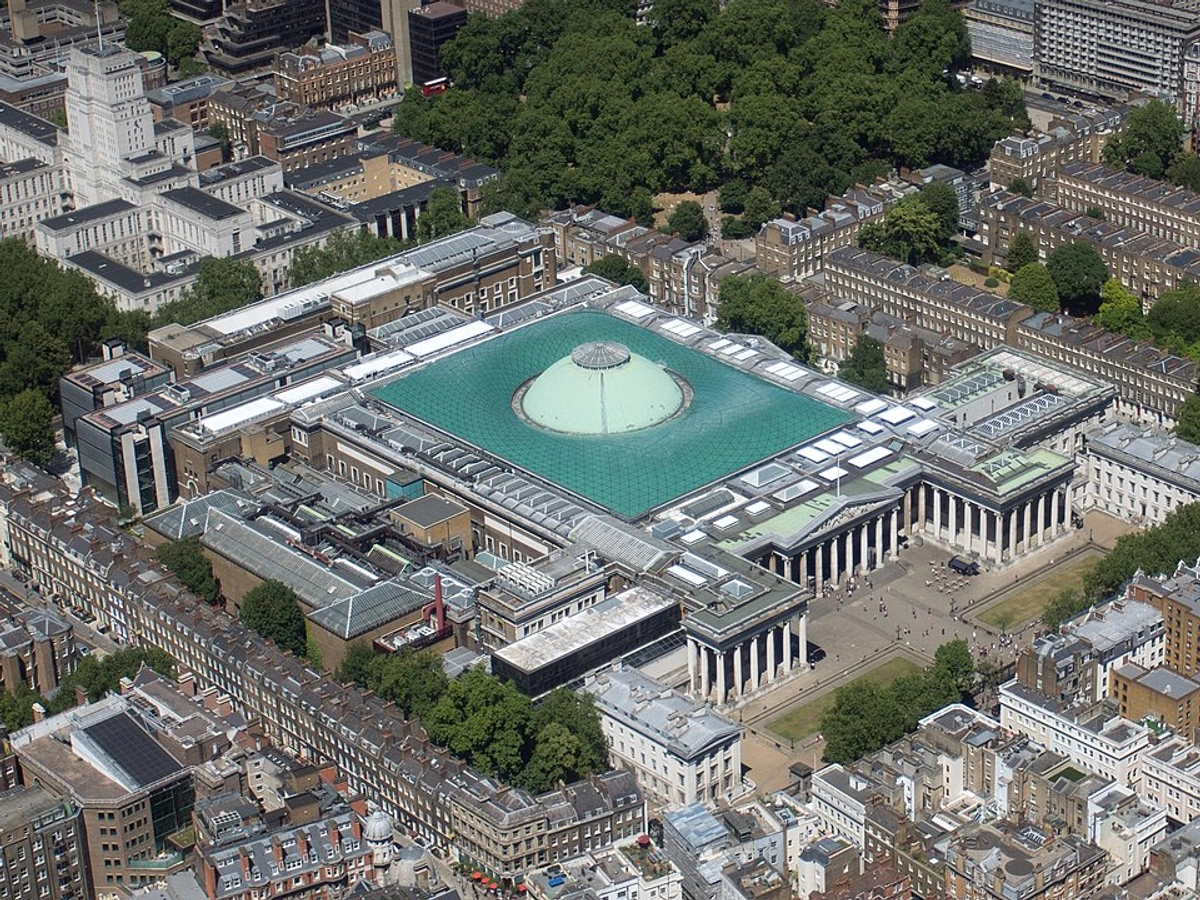
While often classified primarily as a museum of world history and culture, the British Museum is, for me, a truly essential art destination, offering a sweeping narrative of human creativity that spans over two million years. Located in Bloomsbury, its vast halls contain global treasures from ancient Egypt, Greece, Rome, the Middle East, Asia, Africa, and the Americas. Here, you don't just see objects; you encounter entire civilizations through their artistic output – from the Rosetta Stone and the Parthenon sculptures (often referred to as the Elgin Marbles) to intricate Islamic calligraphy and delicate Japanese prints. I always find the sheer scale and diversity awe-inspiring, a powerful reminder of the universal human impulse to create. It’s a place where art, history, and anthropology intertwine, providing an education that's both profound and endlessly fascinating. I vividly recall standing before the Parthenon sculptures, feeling a direct connection to classical antiquity, a testament to enduring human artistic skill. Beyond the monumental artifacts, I'm captivated by the smaller, intricate details – the delicate jade carvings from China, the exquisite mosaics, or the gold work from Sutton Hoo, each telling a profound story of human endeavor and aesthetic ambition. Its diverse collection offers an unparalleled journey through the artistic achievements of humankind, from the dramatic Assyrian reliefs to the subtle beauty of Japanese prints by masters like Katsushika Hokusaii, making it a mandatory stop for any serious art lover in London. Consider spending time in the Egyptian sculpture galleries, where colossal pharaonic figures and intricately carved sarcophagi tell tales of an ancient world, or delve into the Roman Britain exhibits to see how classical influences shaped early British art. The museum’s extensive collection of drawings and prints also offers a less crowded but equally rich artistic experience. Consider spending time in the Egyptian sculpture galleries, where colossal pharaonic figures and intricately carved sarcophagi tell tales of an ancient world, or delve into the Roman Britain exhibits to see how classical influences shaped early British art.
Artist Studios & Creative Hubs
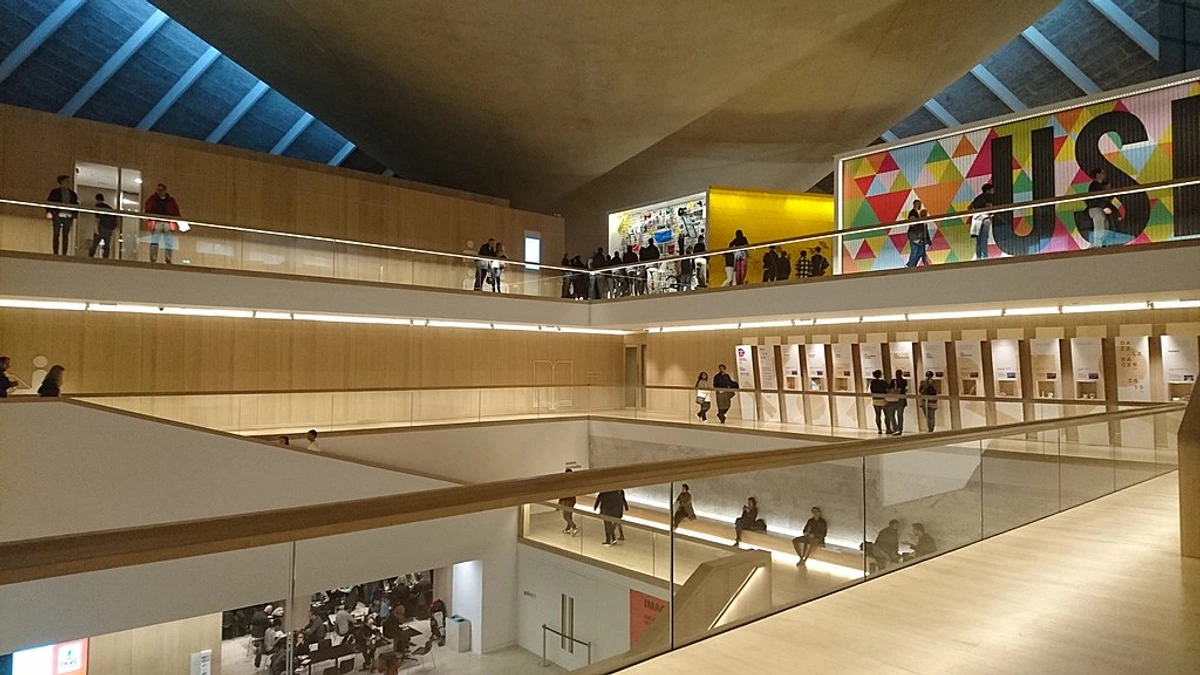
Beyond the curated walls of galleries, London's art scene truly pulsates in its artist studios and creative hubs. These are the places where art is conceived, discussed, and brought to life. Areas like Hackney Wick, Deptford, and Peckham are particularly known for their clusters of artist studios, often housed in repurposed industrial buildings. These spaces are vital for fostering artistic communities, providing affordable workspaces, and encouraging experimentation, acting as crucial incubators for the next generation of artistic talent. Many studios hold 'open studio' events, especially during art fairs or local art weeks, offering a unique opportunity to meet artists, see their processes firsthand, and even purchase directly from the source. It’s a completely different energy from the formal gallery setting, raw and incredibly inspiring, a chance to see the very engine room of London's art world. These hubs are a constant reminder that art is a living, breathing practice, not just something to be viewed on a wall. I've had some of my most invigorating conversations about art at these open studio events, gaining insights you simply can't get from a formal exhibition. For those looking to understand the journey of artists from studio to gallery, a Q&A with a gallerist on discovering new talent offers invaluable perspectives.
The National Gallery & National Portrait Gallery
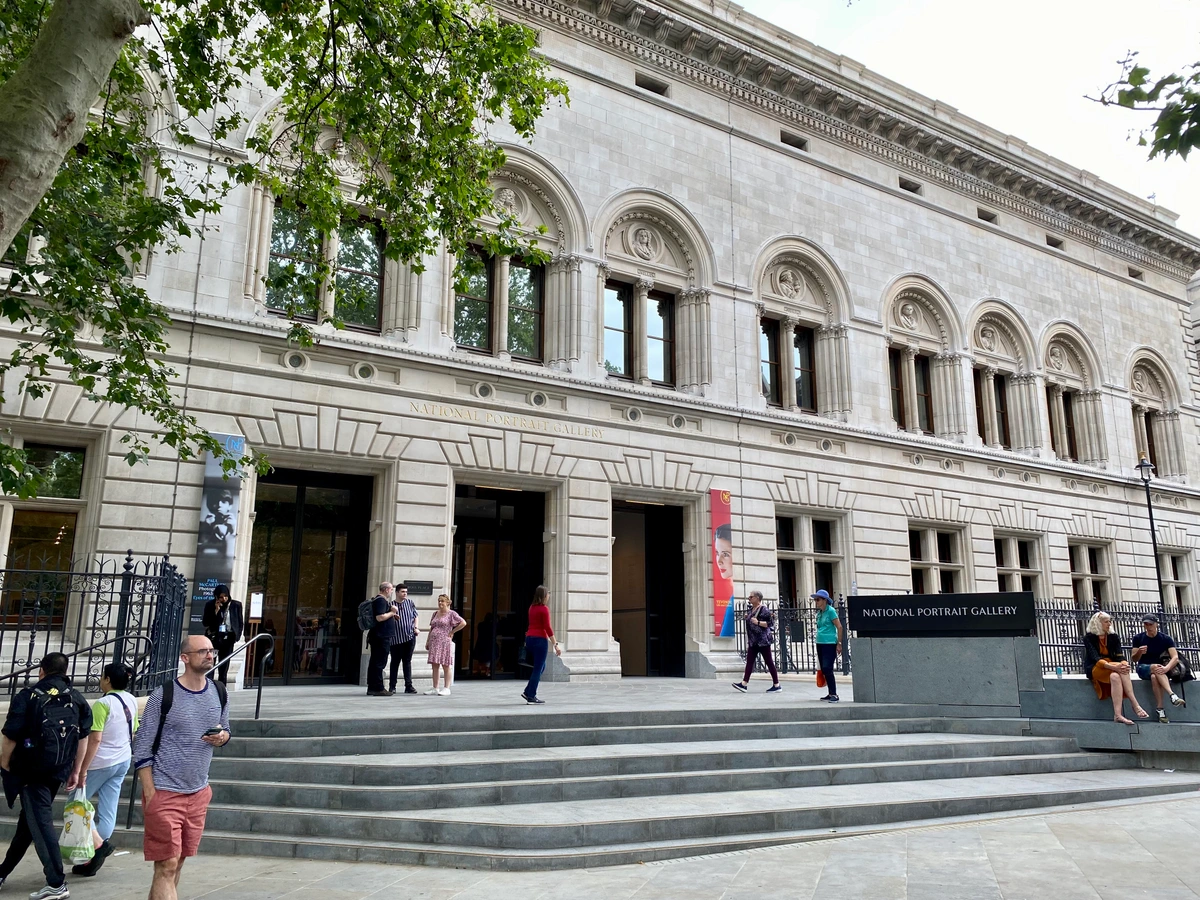
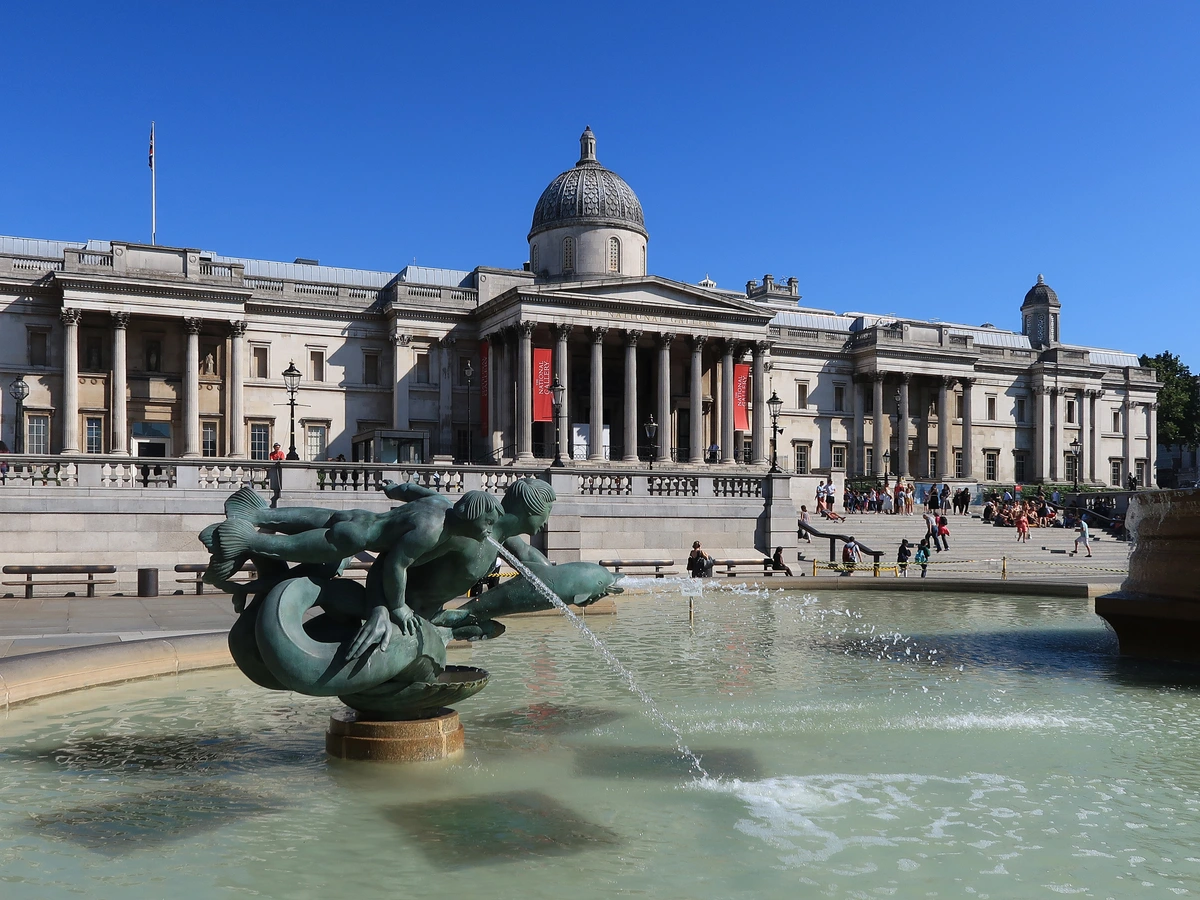
Facing the bustling energy of Trafalgar Square, The National Gallery is, for me, a truly sublime treasure trove of Western European painting, spanning a breathtaking period from the 13th to the 19th centuries. It's where you come face-to-face with the sheer genius of artists like Van Gogh, Leonardo da Vinci, Turner, Rembrandt, and Botticelli, among countless others. I always feel a profound sense of connection to history when wandering its hallowed halls, seeing the evolution of artistic technique and narrative, from the Renaissance masters to the Impressionists. The gallery’s careful curation allows for deep dives into specific movements or artists, making it a truly rewarding experience for any art lover. The narrative of Western art unfolds before you here in a way that is both educational and deeply moving, from the delicate brushwork of the early Renaissance to the bold innovations of the Impressionists. Just adjacent, the newly refurbished National Portrait Gallery offers a truly unique journey through British history, told not through dates and battles, but through the intimate and often revealing faces of its most influential figures. The newly rehung collections tell compelling stories, offering fresh perspectives on familiar faces and introducing forgotten ones, truly enriching the British cultural narrative through a stunning array of portraiture, photography, and sculpture, including contemporary acquisitions that reflect modern Britain. I especially appreciate how the National Portrait Gallery provides an invaluable lens into the evolving concepts of power, identity, and representation throughout British history, allowing us to connect with figures from Shakespeare to contemporary scientists. The free permanent collections at both galleries make them exceptionally accessible, allowing for repeated, focused visits to explore specific periods or artists in depth. The National Gallery, in particular, offers an unparalleled overview of the development of European painting, from early religious altarpieces to vibrant landscape and genre scenes.

Royal Academy of Arts
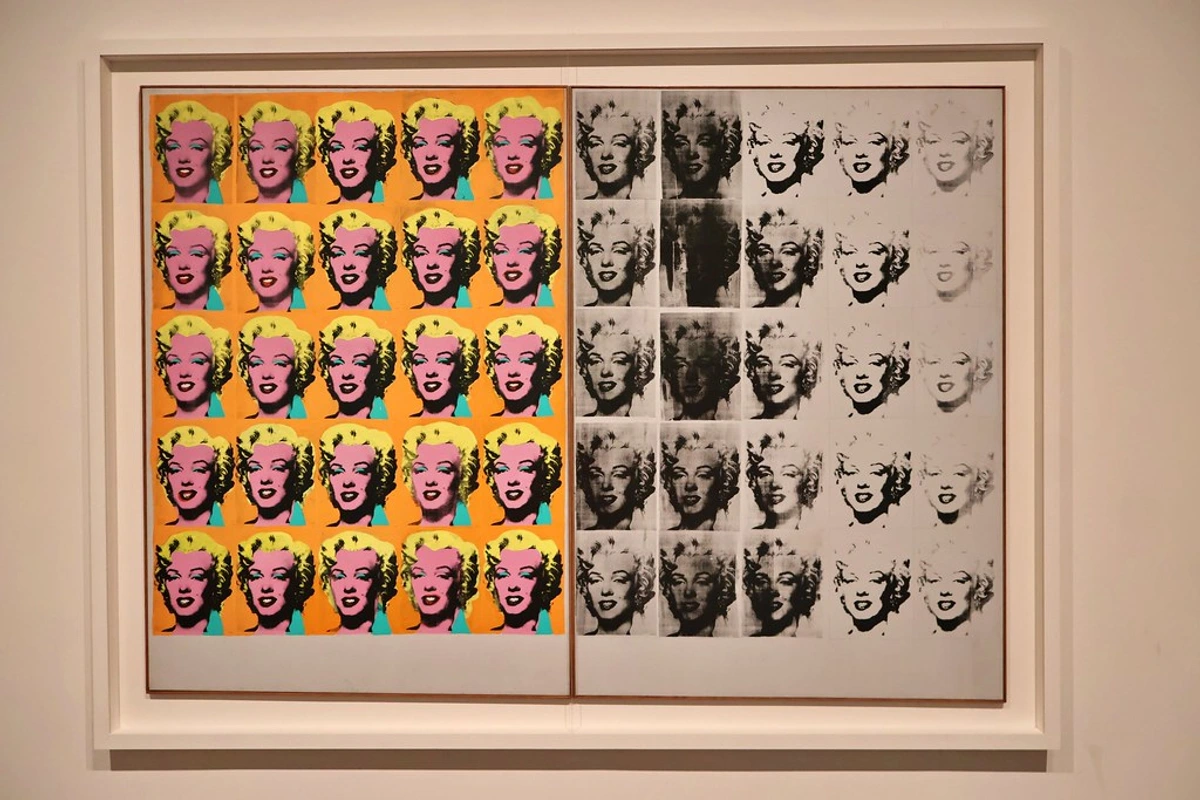
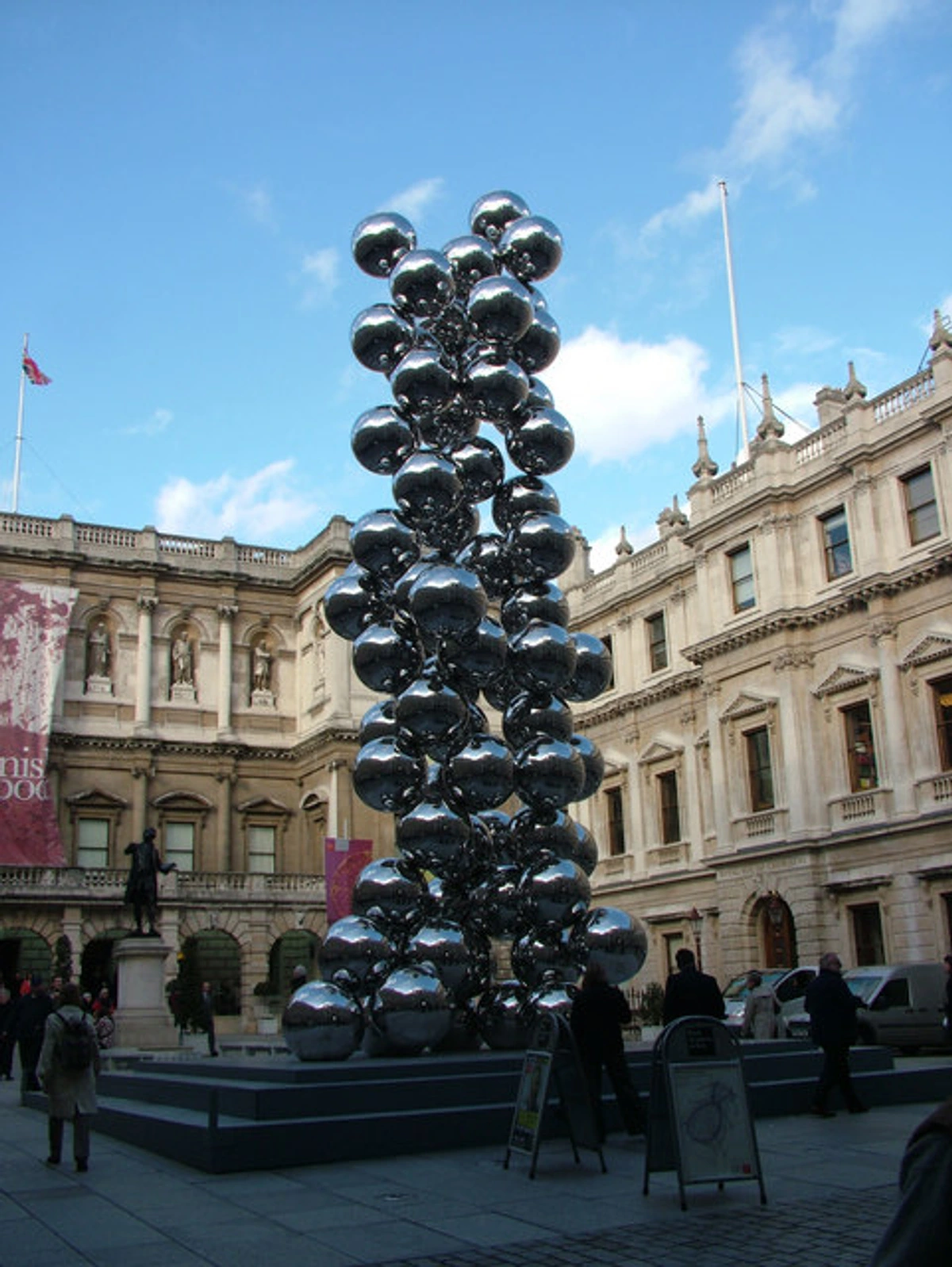
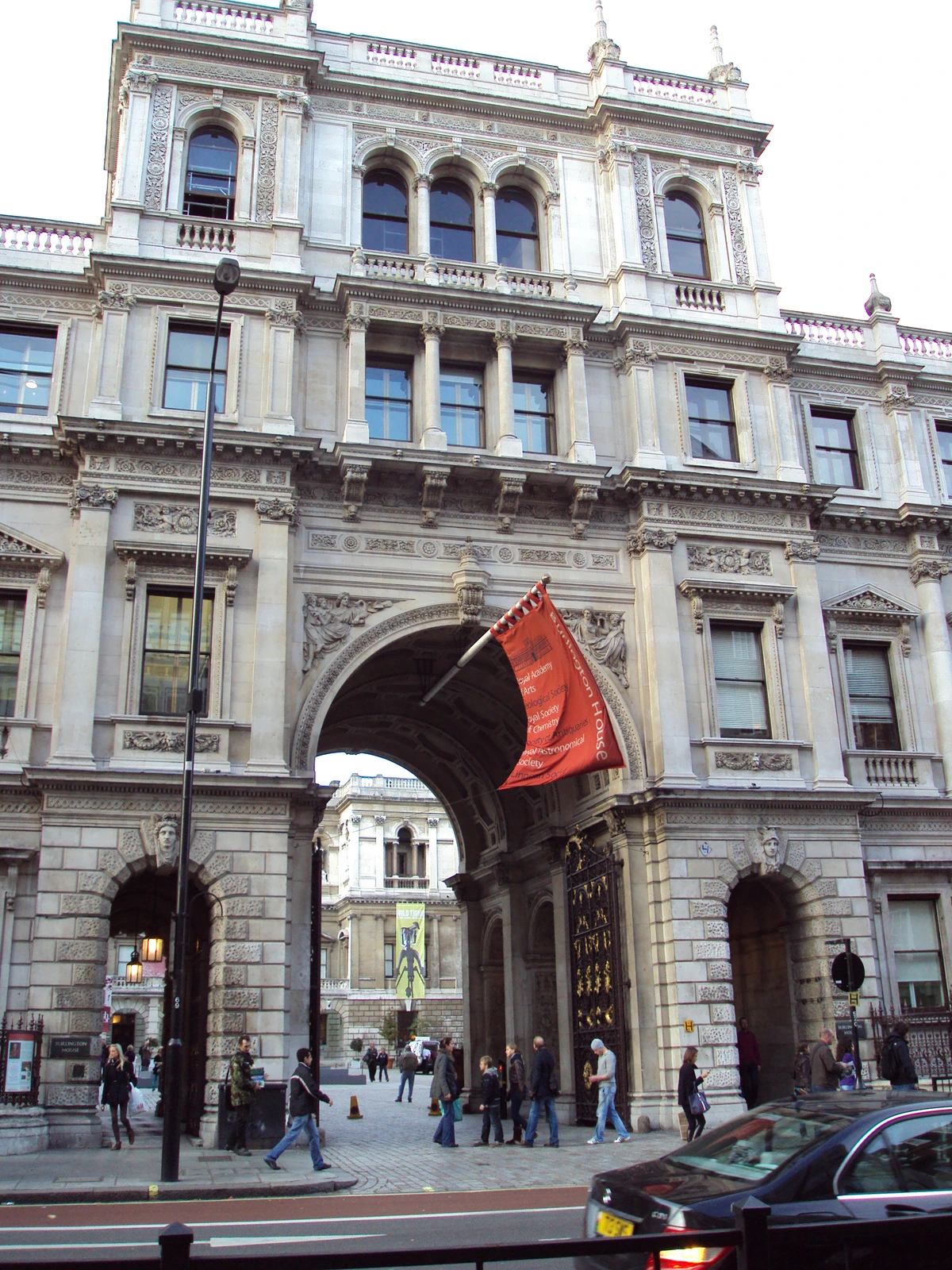
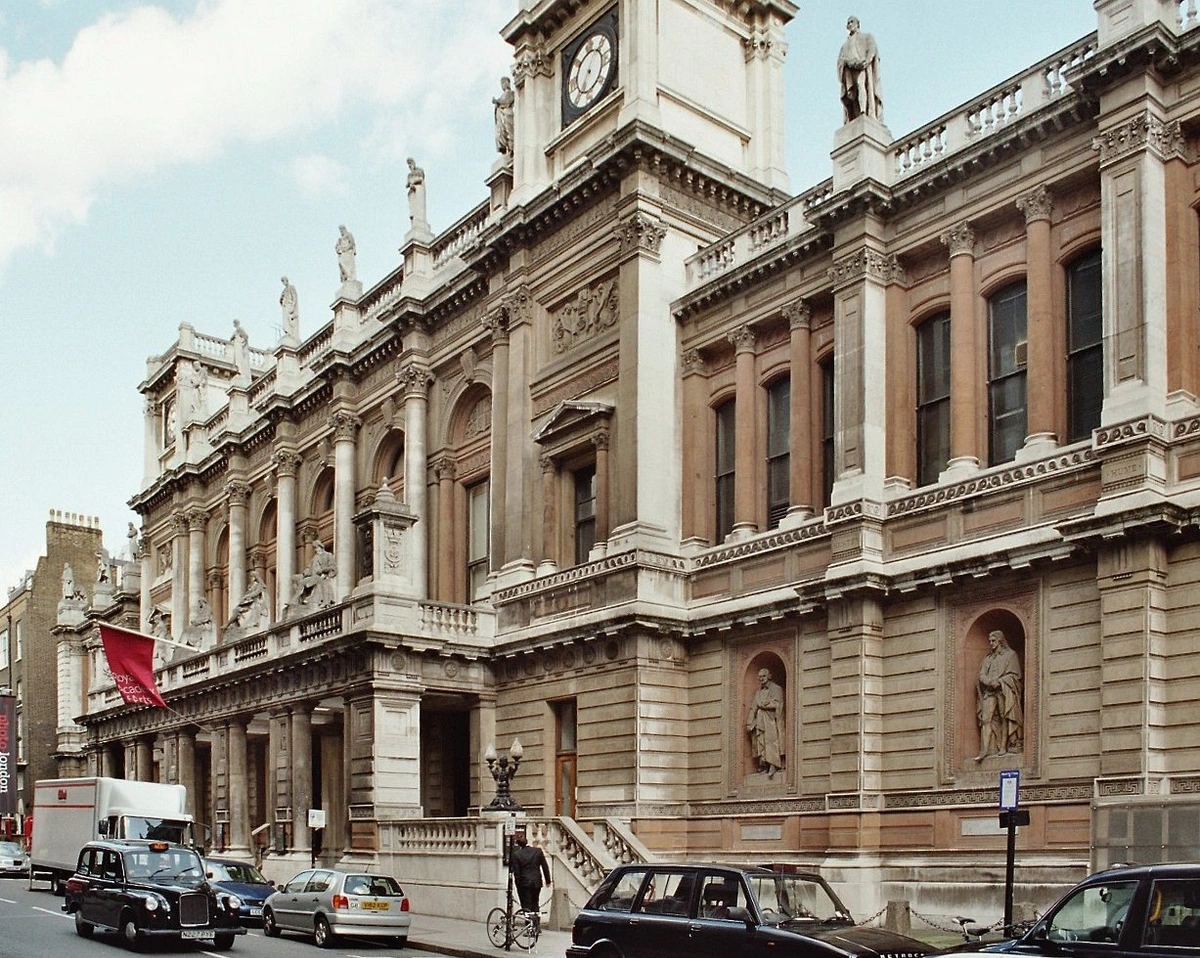
Founded in 1768, the Royal Academy (RA) is, in my opinion, a truly unique institution, distinguished by the fact that it is led by artists and architects themselves. Housed in the magnificent Burlington House on Piccadilly, it’s renowned for its dynamic, world-class temporary exhibitions that often push boundaries, and, of course, its annual Summer Exhibition – which I find particularly inspiring – as it’s the world's largest open-submission art show. It's a testament to the enduring power of art to engage and provoke, often showcasing both established and emerging talent side-by-side. The RA's commitment to nurturing artistic talent, alongside its breathtaking program of historical and contemporary exhibitions, makes it a consistently compelling destination. I particularly admire its unique structure, being run by artists for artists, which I believe imbues it with a distinctive and authentic creative spirit, fostering a direct connection to artistic practice and critical discourse. Beyond its exhibitions, the RA also hosts a renowned art school, the Royal Academy Schools, perpetuating its founding mission to promote art and design through education and offering a critical foundation for future generations of artists. Visiting the RA is not just about seeing art; it's about experiencing a living artistic tradition, offering insights into both the creative process and the resulting masterpieces. I once saw a retrospective of a contemporary artist here that completely shifted my understanding of their work, purely because of the intelligent curation and the context provided within the RA's historic walls. The RA also holds a significant permanent collection of art, including works by past and present Royal Academicians, which is often accessible to the public, providing another layer to its rich artistic offerings. Its history includes playing a pivotal role in the development of British art, from Joshua Reynolds to the present day. Its history as a bastion of artistic education and exhibition for over 250 years is deeply ingrained in London's cultural fabric.
Beyond the Titans: Other Significant Public & University Galleries
While the "Titans" draw the largest crowds, London is rich with other public and university-affiliated galleries that offer equally profound, though often more specialized, artistic experiences. These spaces, for me, are crucial for a complete understanding of the city's diverse art landscape, and often provide a more intimate viewing environment.
The Courtauld Gallery
Nestled within Somerset House, The Courtauld Gallery is, in my eyes, an absolute jewel. Despite its relatively modest size, its collection of Impressionist, Post-Impressionist, and early 20th-century masterpieces is world-renowned. Here, you can come face-to-face with iconic works by Van Gogh ('Self-Portrait with Bandaged Ear'), Gauguin, Cézanne ('Montagne Sainte-Victoire'), Manet ('A Bar at the Folies-Bergère'), and Renoir, among others. I always find the focused nature of the collection allows for deep contemplation, and the scholarship emerging from the Courtauld Institute of Art truly enriches the experience. It's a rare chance to see masterpieces in such an intimate setting. The recent refurbishment has only enhanced the beauty of the setting, making the viewing experience even more sublime. I particularly cherish how The Courtauld, unlike some of the larger institutions, allows for a truly focused and contemplative appreciation of these seminal works, almost as if you're engaging with them in a private collection. The gallery also often hosts insightful temporary exhibitions that complement its permanent collection, providing fresh perspectives on key figures and movements. Its extensive collection of drawings and prints, often showcased in rotating displays, provides an even deeper insight into these crucial artistic periods. Its strong academic ties mean that the curation is often exceptionally rigorous, offering deep insights into art historical scholarship.
The Barbican Centre Art Gallery
More than just a gallery, the Barbican Centre is a brutalist architectural marvel and a true multi-arts venue, a concrete utopian vision realized in the heart of the city. Its Art Gallery hosts ambitious, often large-scale, international exhibitions that span contemporary art, photography, fashion, and architecture. I'm always impressed by the Barbican's daring curation and its willingness to explore challenging themes, presenting art that is both intellectually rigorous and visually arresting. It's a place where art feels alive and integrated into a broader cultural conversation, encompassing theatre, music, and film, fostering a truly interdisciplinary approach to culture. The brutalist architecture of the center itself, with its towering residential blocks and intricate walkways, provides a striking and unique backdrop, making every visit a uniquely immersive experience, a journey into a distinct urban landscape. I often find myself getting lost in its intricate levels, which only adds to the sense of discovery, almost like navigating a modern labyrinth of culture. Their commitment to exploring the intersections of art, design, and performance truly sets them apart. The Barbican is also home to one of London's largest conservatories, offering a lush, unexpected oasis amidst the concrete, which sometimes features art installations. Beyond the main gallery, keep an eye out for smaller installations and public art integrated throughout the Barbican Estate, adding to its unique cultural tapestry.
The Queen's Gallery, Buckingham Palace
For a taste of royal artistry, The Queen's Gallery at Buckingham Palace offers a captivating journey through the Royal Collection. While its exhibitions change regularly, they consistently feature magnificent works from the vast and diverse collection owned by the Sovereign in Trust for the Nation. You might encounter Old Master paintings, decorative arts, rare furniture, and exquisite drawings, all presented with impeccable scholarship and an air of historical grandeur. It’s a chance to see pieces that have graced royal residences for centuries, offering a unique glimpse into the artistic patronage and tastes of the British monarchy. I'm always fascinated by the sheer range of objects, from glittering jewellery to historical manuscripts and even intricate scientific instruments, all presented with a keen eye for historical context and artistic significance. These exhibitions often explore themes related to royal history, cultural exchange, and the evolution of artistic styles across centuries. I'm always fascinated by the sheer range of objects, from glittering jewellery to historical manuscripts and even intricate scientific instruments, all presented with a keen eye for historical context and artistic significance.
Somerset House
More than just the home of The Courtauld Gallery, Somerset House itself is a glorious Neoclassical building that functions as a major cultural hub. Its sprawling courtyard and various wings frequently host temporary exhibitions, art installations, and cultural events throughout the year. From photography shows to contemporary art displays, and during London Fashion Week, it's a dynamic space where art, fashion, and design converge. The building's stunning architecture and riverside location make it a delightful place to explore, even if just to soak in the atmosphere and discover whatever new artistic ventures are currently taking place within its historic walls. During the summer, its fountain court becomes a hub for outdoor events, while in winter, it transforms into a popular ice rink, showcasing its versatility as a cultural venue throughout the seasons. Its diverse programming ensures there's always something new and engaging to discover, often with a focus on cross-disciplinary creativity. During the summer, its fountain court becomes a hub for outdoor events, while in winter, it transforms into a popular ice rink, showcasing its versatility as a cultural venue throughout the seasons.
The Contemporary Vanguard: Commercial Galleries
Now, if the public institutions are the steady anchors, then these commercial galleries are the restless, vibrant engine of the art world. They are constantly championing living artists, often shaping the very future of art with each new exhibition. While their primary function is, of course, to sell art (and sometimes, I admit, the price tags can be staggering!), they are almost always free to visit, and many offer museum-quality exhibitions that are just as vital to see as those in the public sector. This is where I often go to see what's truly new and emerging, and sometimes, where I first encounter artists who will later become household names.
- White Cube: With prominent locations in Bermondsey and Mason's Yard, White Cube is practically synonymous with the game-changing YBAs (Young British Artists) like Damien Hirst and Tracey Emin. They continue to represent a compelling roster of international art stars, from Georg Baselitz to Zeng Fanzhi, and I find their meticulously designed spaces, whether in the industrial expanse of Bermondsey or the more intimate Mayfair location, always deliver a powerful viewing experience, allowing the art to speak and creating an immersive dialogue between viewer and artwork. I've seen some unforgettable exhibitions here, from early YBA provocations to significant international surveys, consistently pushing the boundaries of what contemporary art can be. Their commitment to presenting cutting-edge work by both established figures and rising stars makes them a constant barometer for the direction of contemporary art, and a vital pulse point for the global art market. Their Bermondsey space, a former warehouse, is particularly impressive for its capacity to host large-scale installations.
- Gagosian: A global behemoth, Gagosian's London outposts consistently present blockbuster shows by the world's most sought-after contemporary artists, from Jeff Koons to Rudolf Stingel. You can almost always guarantee seeing something significant and often monumental here, sometimes requiring a bit of a queue, but always worth it for the sheer spectacle and quality of the art. Their exhibitions are almost always museum-quality events. For sheer scale, impact, and an insight into the highest echelons of the art market, Gagosian is hard to beat. Its global network and ambitious programming ensure it remains a formidable force, showcasing artists whose work often redefines the contemporary art landscape and captures the cultural zeitgeist. I've often marvelled at the sheer confidence of their shows, which frequently feel like a powerful statement on the direction of contemporary taste and value. Their Mayfair location is particularly known for attracting a high-profile art world crowd.
- Saatchi Gallery: Located in Chelsea, the Saatchi Gallery has built a formidable reputation, particularly for launching the careers of previously unknown artists and consistently bringing large-scale, often immersive, exhibitions to a wide and enthusiastic audience. I've seen some truly unexpected gems here over the years, and it's a great place to spot future trends and witness the birth of new art movements. What I appreciate most about the Saatchi is its democratic appeal, consistently drawing diverse audiences with its accessible yet often boundary-pushing exhibitions, making contemporary art less intimidating. It acts as a vital launchpad for new artistic voices, bringing them to a global stage and influencing the wider art world. With its accessible approach and frequently changing exhibitions, the Saatchi Gallery is a dynamic space for discovering the art of tomorrow, often sparking lively debate and challenging preconceptions. I remember being utterly captivated by an immersive installation here once, which truly blurred the lines between art and experience. Charles Saatchi's initial collection was pivotal in bringing the Young British Artists (YBAs) to international prominence, forever changing the trajectory of contemporary British art.
- David Zwirner: An international gallery with a strong London presence, David Zwirner is known for representing influential contemporary artists and estates. Their exhibitions often feature historically significant works alongside new commissions, showcasing a rigorous curatorial vision that prioritizes intellectual depth and artistic integrity. I particularly appreciate how they bridge the gap between art history and contemporary practice, often presenting in-depth, scholarly exhibitions that feel both fresh and timeless, encouraging a deeper understanding of artistic lineages and evolutions. It’s here that you might see a contemporary master's work intelligently juxtaposed with historical pieces, revealing unexpected continuities and ruptures in artistic thought. Their consistent programming of high-quality, thought-provoking shows makes them a must-visit for serious collectors and enthusiasts.
- Pace Gallery: With a strong presence in Mayfair, Pace Gallery is a titan in the modern and contemporary art world, representing some of the most significant artists of the 20th and 21st centuries. Known for its rigorous exhibitions of minimalism, conceptual art, and significant historical surveys, I always find their presentations incredibly thoughtful and often profound. Artists like Agnes Martin are often featured, offering serene yet intellectually stimulating viewing experiences. Their commitment to artistic integrity and scholarly context truly sets them apart, making each visit a deep dive into artistic ideas. Their global reach and influence also mean they often bring groundbreaking international artists to London's shores.
- Hauser & Wirth: Hauser & Wirth, with its beautifully restored spaces in Mayfair, offers a truly expansive programme, showcasing both established and emerging contemporary artists through ambitious installations and meticulously curated shows. I've always been impressed by their diverse roster, which includes figures from Cy Twombly to Kara Walker, demonstrating a commitment to artistic innovation across various mediums and disciplines. Their exhibitions often feel like significant cultural events, transforming spaces and challenging perceptions. The gallery's approach to historic preservation in its spaces also adds a unique character to the viewing experience.
- Thaddaeus Ropac: Located in a grand Mayfair mansion, Thaddaeus Ropac presents a thoughtful curation of leading international contemporary and modern artists. I find their exhibitions consistently bridge the gap between 20th-century masters and exciting new productions, offering a sophisticated and elegant viewing experience. The gallery is known for representing artists who have significantly shaped contemporary art, and its shows often provide valuable insights into ongoing artistic dialogues. The intimate setting of the historic building provides a striking contrast to the often avant-garde art on display.
- Lisson Gallery: As one of London's most influential and long-standing contemporary art galleries, Lisson Gallery has been a pioneer in showcasing minimalist and conceptual art since the 1960s. With spaces in Marylebone and Mayfair, they continue to represent influential figures like Anish Kapoor, consistently pushing artistic boundaries and presenting intellectually stimulating works. I always find their exhibitions to be meticulously installed and profoundly engaging, offering a chance to connect with groundbreaking artistic practices. Their enduring commitment to challenging the status quo has cemented their reputation as a cornerstone of the global avant-garde.
The commercial art scene in London is so vast that these few are truly just the tip of the iceberg. I often find myself exploring others that bring their own unique flavor, adding to the city's rich artistic tapestry and contributing to its global reputation as an art market hub:
- Victoria Miro: Known for its strong roster of British and international artists, Victoria Miro showcases painting, sculpture, and photography in beautifully appointed spaces, including its canalside gallery in Islington.
- Timothy Taylor: With a focus on both established and emerging international artists, Timothy Taylor offers a diverse program of exhibitions in its Mayfair gallery, frequently featuring powerful contemporary works.
- Modern Art: Operating out of two distinctive spaces in London, Modern Art gallery champions contemporary painting, sculpture, and installation, often providing a platform for cutting-edge and experimental practices.
- Sadie Coles HQ: Representing a diverse group of international artists, Sadie Coles HQ plays a significant role in London's contemporary art scene with its dynamic exhibition program across multiple spaces.
London's Thriving Art Fairs & Annual Events
Beyond the permanent gallery spaces, London's art calendar is punctuated by a series of world-renowned art fairs and annual events that are absolutely essential for any serious art lover, collector, or even just the curious tourist. These events transform the city into an even more intense hub of artistic activity, drawing international artists, gallerists, critics, and collectors.
Frieze London & Frieze Masters
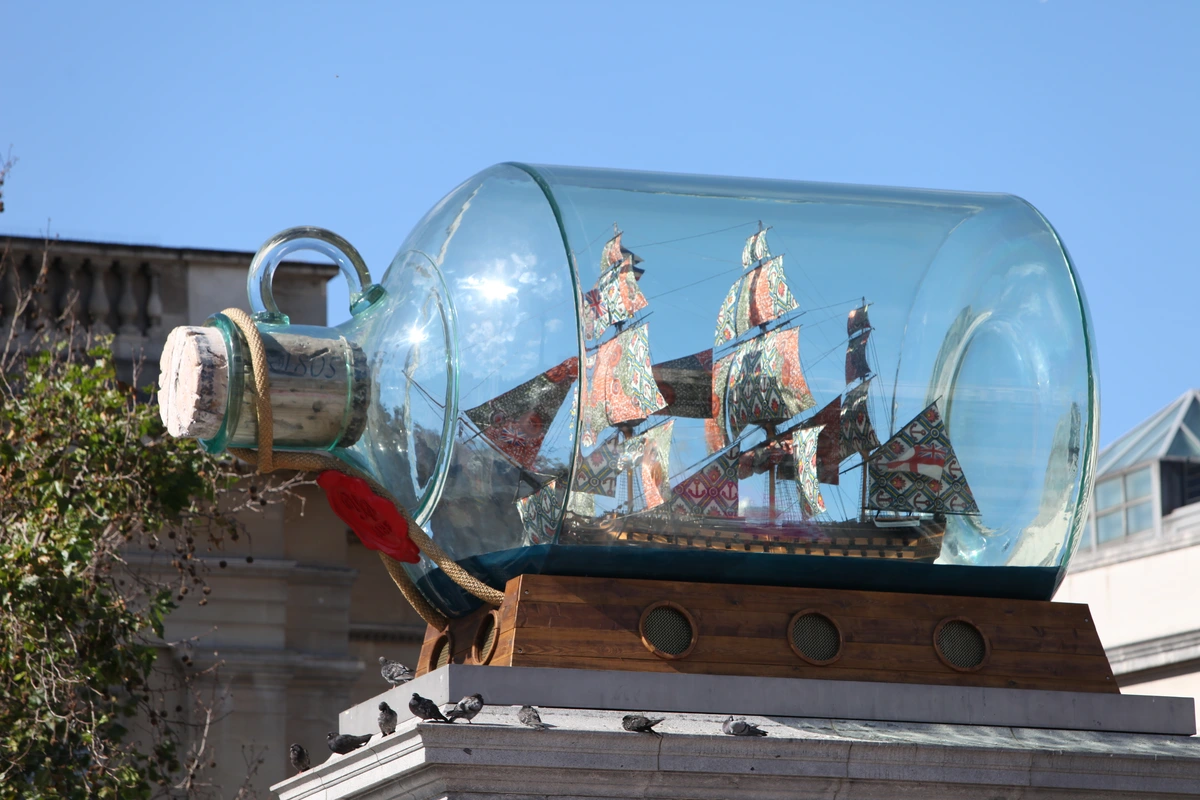
For me, Frieze Week in London is an absolute highlight of the art year. Frieze London, held annually in Regent's Park, is a global powerhouse for contemporary art, showcasing leading galleries and some of the most exciting emerging talents from around the world. It’s where I go to see the cutting edge, to understand current trends, and to get a sense of where the art world is heading. Just adjacent, Frieze Masters offers a fascinating counterpoint, presenting art from antiquity to the 20th century. The juxtaposition of historical masterpieces with contemporary works provides an incredible dialogue, reminding us that art is a continuous, evolving story. The energy is palpable, and the sheer volume of high-quality art is astounding. These fairs are not just for collectors; they're an invaluable opportunity for anyone interested in seeing the breadth of the art world compressed into a few vibrant days.
Masterpiece London
If your taste leans towards the exquisite and the historically significant, then Masterpiece London is an unmissable event. This cross-collecting fair brings together the finest works of art, design, furniture, and jewellery from across the globe, spanning all periods and disciplines. It’s less about the 'new' and more about the 'best,' a true celebration of connoisseurship and enduring beauty. I always leave feeling a profound appreciation for craftsmanship and artistry across centuries. It's a wonderful place to see how different artistic periods and mediums can coalesce and converse, often revealing unexpected connections between historical and contemporary objects.
London Art Fair
A crucial fixture in the UK art scene, the London Art Fair typically takes place earlier in the year and offers a fantastic opportunity to discover modern and contemporary art, often with a strong focus on British artists and galleries. It's a more accessible entry point for many, often showcasing a diverse range of price points and styles. For me, it’s a wonderful place to find emerging talent and connect with a vibrant, local art community. The fair also features curated sections, like 'Art Projects' for large-scale installations and 'Photo50' for contemporary photography, which I always find particularly insightful.
Niche and Noteworthy: Specialist & University Galleries
Now, if you're like me and have a particular passion, or perhaps a developing obsession with a specific medium or movement, London truly delivers. It offers a fantastic array of specialist galleries dedicated to particular niches, allowing for a much deeper dive into an artistic realm that might be overlooked by the mainstream. This section also highlights important university-affiliated spaces.
The Photographers' Gallery
Situated right in the bustling heart of Soho, The Photographers' Gallery is, in my view, London's premier institution solely dedicated to photography. Across its several floors, it consistently presents a compelling programme of exhibitions, ranging from fascinating historical archives to the very latest in contemporary photographic practice. I always leave feeling I've seen the world through a new lens (pun intended), and it often sparks a renewed appreciation for the medium's diverse capabilities, from its documentary power to its artistic potential. From classic documentary photography to experimental digital work, the gallery provides a comprehensive overview of the medium's evolution and its ongoing relevance in contemporary culture. I always find their thematic exhibitions particularly insightful, exploring complex societal issues through the lens of photography, prompting reflection and dialogue. They often feature workshops and talks that deepen engagement, truly making it a hub for photographic discourse and critical discussion. Its dedicated bookshop is also a treasure trove for photography enthusiasts, offering an extensive selection of monographs, theoretical texts, and limited-edition prints, making it an invaluable resource for both practitioners and admirers of the art form. The gallery also has a strong commitment to promoting photography as a vital art form through its various awards and commissions, and its research department contributes significantly to photographic scholarship. The gallery also has a strong commitment to promoting photography as a vital art form through its various awards and commissions. They are particularly good at exploring the historical context of photography alongside its cutting-edge contemporary manifestations. The gallery also has a strong commitment to promoting photography as a vital art form through its various awards and commissions.

Serpentine Galleries
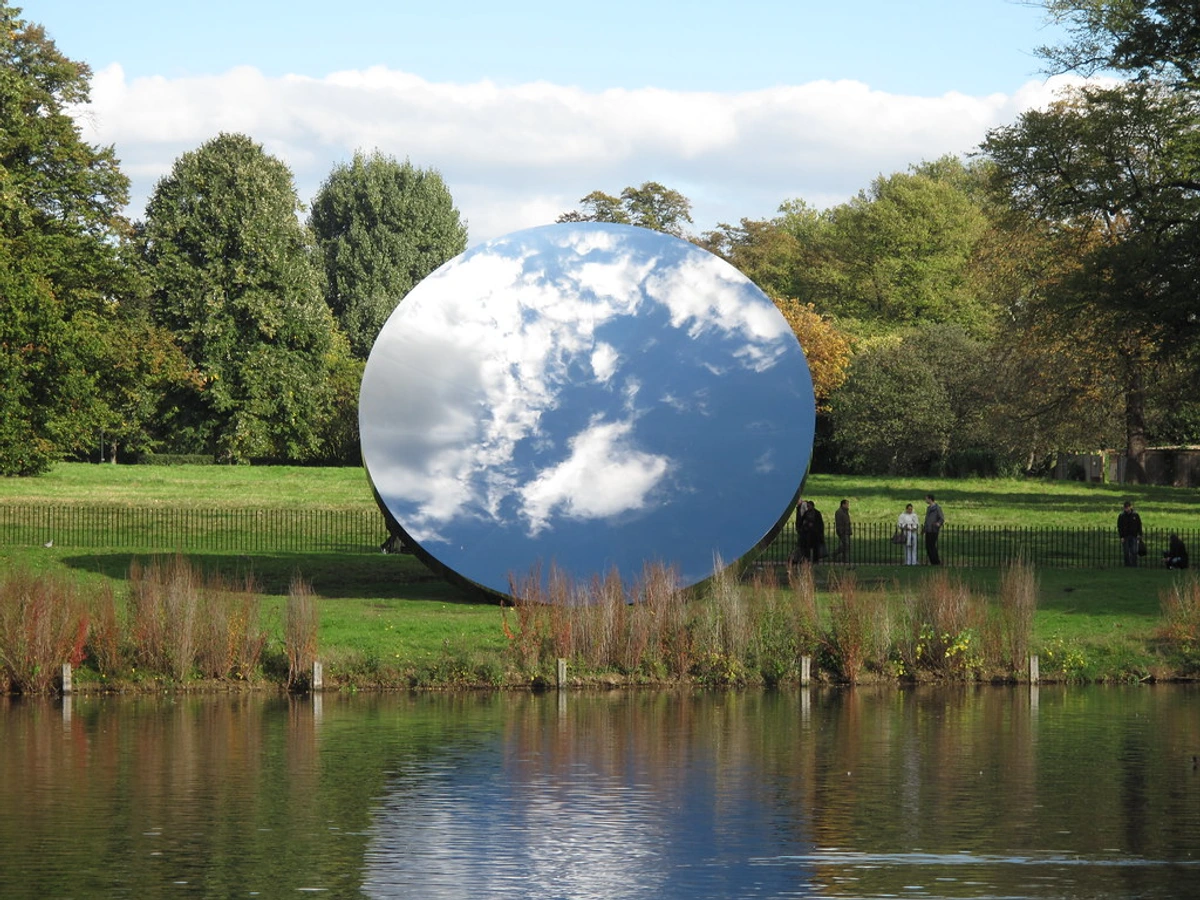
Nestled gracefully within Kensington Gardens, the Serpentine comprises two distinct galleries – the Serpentine Gallery and the Serpentine North Gallery. It's a unique setting that I absolutely adore, not just for its cutting-edge contemporary art, but also for its annual architectural commission, the Serpentine Pavilion, which is always an exciting and temporary installation designed by a leading architect. It's a must-visit for experiencing art in a truly beautiful parkland setting, blurring the lines between nature, architecture, and contemporary creation. The annual Serpentine Pavilion is always a highlight for me, offering a temporary yet profound architectural intervention that recontextualizes the parkland setting. It's a wonderful example of how art can exist beyond conventional gallery walls and interact with its environment. The setting within Kensington Gardens adds another layer of beauty, creating a serene yet stimulating experience that truly blurs the lines between art, architecture, and nature. I particularly enjoy how the pavilions offer a fresh perspective each year, challenging our understanding of space and form, and often becoming iconic temporary landmarks in their own right. The galleries also have a strong focus on interdisciplinary projects, often incorporating music, film, and performance into their exhibitions. I particularly enjoy how the pavilions offer a fresh perspective each year, challenging our understanding of space and form, and often becoming iconic temporary landmarks in their own right. I particularly enjoy how the pavilions offer a fresh perspective each year, challenging our understanding of space and form.
Victoria and Albert Museum (V&A)
While often classified primarily as a design museum, the V&A in South Kensington is an absolute titan of art, craft, and design, housing a permanent collection of over 2.3 million objects spanning 5,000 years of human creativity. From exquisite fashion and jewellery to ceramics, sculpture, photography, and even performance art, it's a place where I could easily spend days and still discover new wonders within its labyrinthine halls. Its collections are truly unparalleled in their scope and beauty, offering a global journey through artistic expression, from ancient civilizations to cutting-edge contemporary design. I find the V&A's ability to juxtapose seemingly disparate objects – a couture gown next to a Renaissance sculpture, for instance – creates unexpected dialogues and highlights the universal threads of human creativity across cultures and epochs. It’s a place where art, craft, and design are given equal reverence, making for an incredibly rich and inspiring visit. I particularly love the Fashion Galleries, which showcase centuries of sartorial history and innovation, and the exquisite Jewellery Gallery, a dazzling display of craftsmanship and artistry that truly sparkles. I remember being utterly mesmerized by the Tippoo's Tiger, a mechanical automaton from the late 18th century; it’s a brilliant example of how art and engineering can intertwine. The V&A also boasts extensive collections of East Asian art, including ceramics, textiles, and calligraphy, offering a profound insight into diverse cultural aesthetics, and its galleries exploring Art Deco and Art Nouveau are simply magnificent, showcasing the evolution of applied arts. The museum's grand architecture, with its stunning central courtyard and intricate Victorian details, is an artwork in itself, offering a journey through architectural styles as you explore. Their program of temporary exhibitions, often requiring timed tickets, also covers a vast range, from major fashion retrospectives to deep dives into specific historical periods or design movements. The museum's grand architecture, with its stunning central courtyard and intricate Victorian details, is an artwork in itself, offering a journey through architectural styles as you explore.
The Design Museum
Just a short walk from the V&A, The Design Museum, in its stunning new home in Kensington's former Commonwealth Institute building, is a focused yet expansive celebration of contemporary design in every form – from product and graphic design to fashion and architecture. I find it fascinating to see how design shapes our world and how artists push the boundaries of functionality and aesthetics, constantly innovating across disciplines and addressing pressing societal issues. Their exhibitions often highlight the intersection of design, technology, and society, prompting reflection on how our material world is shaped and how it, in turn, shapes us, revealing the profound impact of design on everyday life. For anyone interested in the future of creativity, the Design Museum is an indispensable resource, constantly challenging our perceptions of what design can be and its impact on everyday life, and often features groundbreaking exhibitions on sustainable design, digital innovation, and architectural movements. I’ve often found myself spending hours in their permanent collection, "Designer, Maker, User," which brilliantly unpacks the design process from concept to consumer. The museum's innovative adaptive reuse of the Commonwealth Institute building itself is a design marvel worth appreciating, showcasing how modern design can integrate with historic structures. The museum's innovative adaptive reuse of the Commonwealth Institute building itself is a design marvel worth appreciating.
The Wallace Collection
A jewel box of a museum located in a historic townhouse in Marylebone, the Wallace Collection offers an intimate and exquisitely curated display of 18th-century French paintings, furniture, porcelain, and armour. It's a smaller, more focused experience than the major institutions, but one that I find utterly charming and endlessly rewarding for its sheer quality, historical context, and the incredible atmosphere of the house itself. It truly transports you to another era of aristocratic taste and artistry. The intimate scale and domestic setting make it feel less like a museum and more like a privileged glimpse into a lavish private collection. I particularly adore the exquisite French furniture and Sèvres porcelain, which provide a fascinating insight into 18th-century European craftsmanship and aesthetics. Beyond the decorative arts, its collection of Old Master paintings, including works by Titian, Velázquez, and Rubens, offers a truly intimate encounter with some of history's greatest artists, revealing their profound mastery in a wonderfully preserved setting. I often imagine the original occupants of the house moving amongst these treasures; it truly brings the history alive. Don't miss the extensive collection of European arms and armour, which is unexpectedly captivating and adds another dimension to the collection, from medieval suits of plate armour to ornate 19th-century firearms. Don't miss the extensive collection of European arms and armour, which is unexpectedly captivating and adds another dimension to the collection.
Hidden Gems and Independent Spaces
Beyond the grand institutions and commercial powerhouses, London also conceals a wealth of smaller, specialist galleries and independent spaces that offer unique, often more intimate, artistic encounters. These are the places I often seek out for unexpected discoveries, a different pace of viewing, and a chance to engage with art on a more personal level. They are the lifeblood of London's artistic ecosystem, fostering innovation and diversity. These spaces are often characterized by their experimental programming, community focus, and direct engagement with artists, offering a refreshing alternative to the larger, more established venues.
South London Gallery
Nestled in Peckham, the South London Gallery (SLG) is a vibrant and influential contemporary art space that I find genuinely exciting. It champions diverse artistic practices and often focuses on emerging and underrepresented artists, making it a crucial platform for the future of art and a barometer for new trends. Their exhibitions are consistently thought-provoking, challenging conventions and fostering critical dialogue, and the gallery plays a significant role in its local community through extensive education and outreach programs, making art accessible to everyone. For me, it embodies the dynamic, community-driven spirit of London's independent art scene, a place where innovation and social engagement go hand-in-hand, supporting both local talent and presenting international work. I've always admired how the SLG manages to be both locally embedded and internationally relevant, fostering a truly unique artistic ecosystem. Its commitment to showcasing experimental and boundary-pushing art makes it a key venue for discovering fresh perspectives, and its unique building, including a former Victorian fire station, adds to its charm. Their annual 'Art Block' summer program for local children is a fantastic example of their community outreach. Its commitment to showcasing experimental and boundary-pushing art makes it a key venue for discovering fresh perspectives, and its unique building, including a former Victorian fire station, adds to its charm. Its commitment to showcasing experimental and boundary-pushing art makes it a key venue for discovering fresh perspectives.
Dulwich Picture Gallery
For me, the Dulwich Picture Gallery in South London is a true delight – often described as England's first public art gallery. Designed by the visionary architect Sir John Soane, its collection focuses on Old Master paintings, with exquisite works by Rembrandt, Rubens, Gainsborough, and Poussin, among others. What makes it special is its manageable size and beautiful, serene setting, which allows for a truly contemplative experience with masterpieces without the overwhelming scale of larger institutions. It's a perfect escape for a focused appreciation of historical art, particularly strong in its Dutch, Flemish, and British schools, offering a peaceful immersion into European painting. The gallery also hosts a thoughtful program of temporary exhibitions, making it worth revisiting and providing fresh perspectives on its esteemed collection. I particularly enjoy the way the architecture itself, with its innovative use of natural light, enhances the viewing of these historical treasures, creating a harmonious environment. Its tranquil gardens also provide a lovely space for reflection before or after a visit, offering a complete cultural experience. The unique design, with its top-lit galleries and connecting mausoleum, is an architectural masterpiece in its own right, perfectly suited to the contemplative nature of the art it houses. It's truly a sanctuary for Old Master painting. The unique design, with its top-lit galleries and connecting mausoleum, is an architectural masterpiece in its own right, perfectly suited to the contemplative nature of the art it houses. The distinctive 'picture boxes' designed by Soane, which allow for natural top-lighting, are a masterclass in gallery design.
The Grassroots Scene: East London and Beyond
To truly grasp the full, vibrant spectrum of London's art scene, I firmly believe one must venture beyond the polished confines of the established West End. This is where the raw energy and experimental spirit truly thrive, often in repurposed industrial spaces or alongside bustling markets. Areas like Shoreditch, Hoxton, Hackney Wick, Deptford, and Peckham are vital hubs for emerging galleries, independent artist-run spaces, and, notably, a vibrant, ever-changing tapestry of street art. Brick Lane, for example, is less a street and more a living, breathing gallery of urban art that reinvents itself daily, and I find it endlessly inspiring for its democratic and immediate nature, a true open-air museum. This is also where you might stumble upon works by world-renowned street artists like Banksy, whose socially charged stencils often appear and disappear with surprising speed, making the hunt for them part of the art experience itself. These dynamic areas provide crucial platforms for new talent and experimental practices, often hosting open studio events and art trails that offer direct engagement with artists, allowing visitors to see the creative process firsthand. For those interested in the process of discovering these artists, a Q&A with a gallerist on discovering new talent can offer valuable insights into identifying promising new voices. This is where the journey of collecting emerging abstract art often begins, a thrilling exploration of the art of tomorrow. I've spent countless weekends wandering these streets, always discovering a new mural or a hidden gem of a gallery that fills me with fresh inspiration. The ephemeral nature of street art, in particular, offers a unique urgency to each visit, knowing that a piece might be gone tomorrow. The constantly evolving nature of this scene means there's always something new to discover, reflecting the dynamic pulse of London's urban creativity. Look for guided street art tours in Shoreditch or East End for a deeper dive into this fascinating world. Don't forget to look up and down side streets; some of the most compelling works are often found in unexpected nooks and crannies.
Whitechapel Gallery
A cornerstone of East London's art scene, the Whitechapel Gallery has a rich history of premiering world-class artists and offering a public platform for art and education. It's known for its pioneering temporary exhibitions, often showcasing emerging international artists alongside established figures, and has been instrumental in bringing modern and contemporary art to wider audiences for over a century. I particularly admire its commitment to public access and its role as a cultural beacon in a rapidly changing neighborhood. It's a place where I always feel connected to the cutting edge of artistic thought, presented with intellectual rigor and community spirit. Its history includes showing Picasso's Guernica and the first major UK exhibition of Jackson Pollock, cementing its legendary status in modern art history. The gallery also has a reputation for commissioning new works, adding to its dynamic contemporary program, and often includes thought-provoking public art projects. Its history includes showing Picasso's Guernica and the first major UK exhibition of Jackson Pollock, cementing its legendary status in modern art history. The gallery also has a reputation for commissioning new works, adding to its dynamic contemporary program. Its history includes showing Picasso's Guernica and the first major UK exhibition of Jackson Pollock, cementing its legendary status in modern art history.
London's Top Galleries at a Glance
Gallery  | Location | Speciality | Best For... |
|---|---|---|---|
| The British Museum | Bloomsbury | World Art & Antiquities (2M+ years) | Experiencing the global history of human creativity and culture, from the Rosetta Stone to ancient sculptures and Egyptian mummies. |
| Tate Modern | Bankside | International Modern & Contemporary | Seeing the grand narrative of 20th/21st-century art, from Picasso to current visionaries, with spectacular Turbine Hall commissions and striking industrial architecture. |
| The National Gallery | Trafalgar Square | Western European Painting (1250-1900) | Old Masters and Impressionist icons, like Van Gogh and Rembrandt, offering a profound journey through art history's masterpieces. |
| National Portrait Gallery | Trafalgar Square | British History & Portraiture | Tracing British history through the intimate faces of its influential figures, including contemporary photography and sculpture. |
| Royal Academy of Arts | Piccadilly | Varied, artist-led exhibitions | Blockbuster temporary exhibitions and the iconic Summer Exhibition, fostering new artistic talent and creative discourse through its artist-led vision. |
| The Queen's Gallery | Buckingham Palace | Royal Collection, Historical Art | Glimpsing the vast and exquisite Royal Collection, featuring Old Masters, decorative arts, and historical treasures in a regal setting. |
| Somerset House | Strand | Varied Exhibitions, Cultural Hub | Experiencing dynamic temporary exhibitions across art, design, and fashion within a stunning Neoclassical architectural landmark and vibrant courtyard. |
| The Courtauld Gallery | Somerset House | Impressionist & Post-Impressionist | Intimate encounters with world-renowned Impressionist masterpieces, including Manet's 'A Bar at the Folies-Bergère' and Van Gogh's self-portraits, with strong academic scholarship. |
| The Barbican Centre Art Gallery | Barbican | Ambitious Contemporary & Multidisciplinary | Experiencing challenging international shows within a brutalist architectural icon, encompassing art, design, and performance, with a focus on interdisciplinary approaches. |
| Victoria and Albert Museum (V&A) | South Kensington | Art, Design, Performance, Fashion | Unparalleled collections across 5,000 years of human creativity, from ancient artifacts to haute couture and exquisite jewellery, within a grand Victorian setting. |
| The Design Museum | Kensington | Contemporary Design & Architecture | Exploring how design shapes the modern world and future trends, showcasing innovation across product, graphic, and architectural disciplines, housed in a stunning adaptive reuse building. |
| The Wallace Collection | Marylebone | 18th-century French Art & Decorative Arts | An intimate, exquisite journey into historical luxury and fine art, with masterpieces by Titian and Velázquez, housed in a grand, atmospheric townhouse. |
| Dulwich Picture Gallery | Dulwich | Old Master Paintings | A serene, focused appreciation of European Old Master artworks, particularly Dutch, Flemish, and British schools, in England's first purpose-built public art gallery designed by Sir John Soane. |
| Whitechapel Gallery | East London | Contemporary Art, Pioneering Exhibitions | Discovering groundbreaking contemporary art and historical surveys in a vibrant East London setting, with a strong commitment to public education and historical significance. |
| White Cube | Bermondsey & Mason's Yard | Established Contemporary Artists | Blue-chip contemporary art, especially the YBAs like Damien Hirst, with meticulously designed exhibition spaces and a global influence. |
| Gagosian | Multiple | Global Contemporary Blockbusters | Experiencing monumental works by leading international artists like Jeff Koons, often presenting museum-quality exhibitions and setting market trends. |
| Saatchi Gallery | Chelsea | Emerging & International Contemporary | Discovering new trends and large-scale, immersive art experiences, often launching unknown artists' careers and challenging preconceptions, and known for its YBA legacy. |
| David Zwirner | Mayfair | Contemporary & Modern | Historically significant and new works by influential international artists, known for rigorous curatorial vision and intellectual depth, bridging art history and contemporary practice. |
| Pace Gallery | Multiple | Modern & Contemporary, Minimalism | Thought-provoking conceptual and minimalist art, by artists like Agnes Martin, known for rigorous curation, serene viewing experiences, and global reach. |
| Hauser & Wirth | Multiple | Established & Emerging Contemporary | Ambitious installations and diverse artistic voices, from Cy Twombly to Kara Walker, in beautifully restored heritage spaces, often creating significant cultural events. |
| Thaddaeus Ropac | Mayfair | Leading Contemporary & Modern Art | Thoughtful curation of significant international contemporary artists, bridging 20th-century and new productions within an elegant Mayfair mansion, known for sophisticated presentations. |
| Lisson Gallery | Multiple | Pioneering Minimalist & Conceptual Art | Engaging with intellectually stimulating and groundbreaking contemporary works, by influential figures like Anish Kapoor, consistently pushing artistic boundaries since the 1960s. |
| Victoria Miro | Islington & Mayfair | Contemporary Art (British & International) | Showcasing painting, sculpture, and photography in distinctive spaces, with a strong focus on established and emerging British talent. |
| The Photographers' Gallery | Soho | Photography | Exploring the world through the lens, from historical archives to cutting-edge contemporary practice, offering diverse perspectives on the medium and critical discussion. |
| Serpentine Galleries | Kensington Gardens | Cutting-edge Contemporary & Architecture | Art in a beautiful parkland setting and innovative architectural pavilions, blurring lines between nature, architecture, and contemporary creation, with fresh perspectives annually. |
| South London Gallery (SLG) | Peckham | Emerging & Diverse Contemporary | Discovering vibrant, community-driven contemporary art, often by underrepresented artists, fostering critical dialogue and social engagement, locally embedded yet internationally relevant. |
Planning Your Gallery Visit: Practical Tips
Navigating London's vast art scene, even for a seasoned art lover like me, can be a delightful challenge, but with a little planning, it becomes an incredibly rewarding adventure. Here are a few practical tips I've picked up over the years to help you make the most of your explorations, ensuring a smooth and enriching experience. My goal is for you to savor every moment, not just check off a list, so let's make your art journey in London truly memorable:
- Timing is Everything: Weekday mornings, just after opening, are generally the quietest times to visit major institutions, allowing for a more serene and unhurried experience. Avoid weekends and public holidays if you prefer a more contemplative encounter with the art. Evening openings, often found at commercial galleries and some public institutions, can also offer a great, vibrant atmosphere and a different, more social crowd – perfect for an art-infused evening. I've found these late openings to be particularly magical, offering a chance to see art in a completely new light, sometimes accompanied by live music or talks.
- Plan Your Route: London is enormous, and its art scene is spread across many distinct neighborhoods! To maximize your time and minimize travel, I highly recommend grouping galleries that are geographically close, like those concentrated in Mayfair, or the South Kensington cluster (V&A, Design Museum, Science Museum, Natural History Museum – if you're making a full day of it). The East London scene, though sprawling, can also be tackled in specific clusters, perhaps combining it with a wander around Brick Lane for some street art and independent shops. Think of it as creating your own artistic walking tour, a journey of discovery designed by you, perhaps even focusing on a particular movement like Op Art or Pop Art.
- Embrace Public Transport: The Tube (London Underground) is your absolute best friend for navigating London's extensive cityscape. Most galleries are within easy walking distance of a station, and buses offer fantastic routes often right to the gallery door, providing a scenic way to see the city. I always recommend checking Transport for London's website or app for planning your journey and live updates, which can save you valuable viewing time. Taxis and ride-sharing apps are also an option, of course, but for sheer efficiency and experience, the Tube is hard to beat, and often more cost-effective.
- Look Beyond the Blockbusters: While the major, often heavily advertised and ticketed, exhibitions are often worth seeing, don't forget the permanent collections. These are frequently free, especially at public institutions, and hold endless treasures that you can explore at your own pace, often revealing a gallery's true character. Also, make time for smaller, independent galleries and artist-run spaces – they often provide the most rewarding, cutting-edge, and unexpected discoveries, introducing you to the artists of tomorrow. I've found some of my most cherished pieces of art in these unexpected corners, where the energy is palpable and the artists are often present. Remember, some of the most profound art experiences come from quiet contemplation of less-hyped works.
- Check Accessibility: If you have specific accessibility needs, always check the gallery's website in advance. Most major institutions are well-equipped with ramps, lifts, and accessible restrooms, but smaller, older spaces can vary significantly in their provisions. It's always best to be prepared and contact the venue directly if you have particular concerns, ensuring a comfortable and enjoyable visit for everyone. Many galleries are also making efforts to provide audio descriptions and tactile experiences, so it's worth inquiring. Several institutions also offer sensory maps or quiet hours for visitors who benefit from a calmer environment.
- Consider a Membership: If you're a frequent visitor or plan to explore multiple paid exhibitions, particularly at institutions you adore, a gallery membership can often pay for itself very quickly. Beyond free entry to exhibitions, memberships often offer discounts in shops and cafes, exclusive access to members-only previews and events, and even reciprocal benefits at other institutions. It's a fantastic way to support the arts and deepen your engagement with London's cultural scene, and often comes with a lovely magazine or publication, which I always enjoy reading. Many also offer opportunities to attend artist talks and curator-led tours, which can be incredibly insightful.
- Fuel Your Visit: Art appreciation can be surprisingly energy-intensive! Don't underestimate the need for breaks. Many galleries have excellent cafes and restaurants, offering a chance to refuel and reflect. Alternatively, London is brimming with charming independent coffee shops and eateries, often just a stone's throw from major galleries, providing a perfect spot to rest your feet and process what you've seen before diving back in. I often find a quiet moment with a good cup of coffee allows the art to truly sink in.
- Book in Advance (Especially for Temporary Exhibitions): While permanent collections are often freely accessible, popular temporary exhibitions almost always require timed tickets due to high demand. To avoid disappointment and frustratingly long queues, I strongly recommend booking online well in advance, especially for weekend visits or highly anticipated shows. This simple step ensures you can walk straight in and enjoy the art without unnecessary stress. Many galleries offer early bird discounts or members-only booking windows, so keep an eye out for these opportunities.
- Utilize Digital Resources: Many galleries offer excellent online resources, including virtual tours, comprehensive audio guides, and detailed information about their collections and current exhibitions. Download gallery apps or check websites beforehand to enhance your visit, perhaps researching artists or specific works you want to see, and to discover hidden gems or less-trafficked areas within the museum. Social media can also provide real-time updates and insights – I often follow my favourite galleries for sneak peeks and event announcements, which can sometimes lead to exclusive opportunities. Consider downloading the Smartify app, which allows you to scan artworks and instantly access information about them.
- Consider a Themed Day: Instead of trying to see everything (a noble but often exhausting endeavour!), sometimes a more rewarding experience comes from focusing on a specific theme or period. For instance, dedicate a day to Impressionism by visiting The Courtauld and then perhaps seeing related works at The National Gallery. Or, dive deep into contemporary art by exploring East London's independent spaces, or focus on photography by visiting The Photographers' Gallery. This focused approach allows for deeper immersion and a more cohesive understanding, preventing "museum fatigue" and making your journey more intentional. I've found that picking a theme, like 'British Modernism' or 'Sculpture in the City,' can truly enhance the discovery process and reveal unexpected connections.
- Check for Late Openings and Special Events: Many galleries, particularly commercial ones and some public institutions, offer late-night openings or special events on certain evenings. These can provide a less crowded, more atmospheric way to experience the art, often with curator talks, live music, or drinks, transforming the viewing experience into a social occasion. They are a fantastic way to see popular exhibitions without the daytime crowds and often introduce a whole new side to the gallery, from lively discussions to performance art. Events like 'Art Lates' or 'First Thursdays' in East London are excellent examples of how to experience art in a more vibrant and social setting.
- Guided Tours: Don't shy away from guided tours! Often led by passionate volunteers or expert art historians, they can unlock deeper insights into the art and artists, providing historical context, anecdotal stories, and different interpretive frameworks that you might otherwise miss. Many are free with admission, and I've found them to be incredibly enriching. Check the gallery's website for schedules and booking, as they can fill up quickly, and don't be afraid to ask questions! Some tours even offer specialized focus, such as architectural tours of the building itself, or deep dives into specific artists' oeuvres.
- Take a Break: It sounds simple, but I often forget this myself! Visiting multiple galleries can be surprisingly tiring. Don't hesitate to take a coffee break, sit in a nearby park, or simply pause to reflect on what you've seen. London has countless charming cafes and green spaces. Pushing through exhaustion diminishes the enjoyment, and you want to be fresh for each encounter with art. Remember, art should be savored, not rushed.
FAQ: Navigating London's Art Galleries
London's art scene can sometimes feel like a vibrant, sprawling canvas, with new exhibitions and discoveries around every corner. To help you navigate this rich landscape, I've compiled answers to some of the most frequently asked questions I encounter. These insights, I hope, will equip you with the practical knowledge to make your art exploration in London as seamless and enriching as possible. Consider these questions a quick compass for your artistic journey through the city.
Which London art gallery is free?
This is a fantastic question, and one I get asked a lot! Most of the major public galleries, including Tate Modern, The National Gallery, The National Portrait Gallery, The British Museum, and the permanent collection at the Victoria and Albert Museum (V&A), generously offer free entry to their main, permanent collections. This is one of London's great cultural gifts, offering access to some of the world's most significant artworks without charge. However, it's crucial to remember that special, temporary exhibitions almost always require a paid ticket. Likewise, many commercial galleries welcome visitors for free, although their primary function is the sale of art, leading to more frequent exhibition changes and sometimes a more ephemeral viewing experience. Even smaller institutions like the Wellcome Collection also offer free entry to their fascinating permanent displays.

Are there family-friendly galleries or activities?
Absolutely! London's art scene is surprisingly welcoming to families, and many institutions actively cater to younger audiences. Many major institutions like Tate Modern, The National Gallery, The British Museum, and the V&A offer dedicated family trails, activity packs, workshops, and interactive displays designed to engage younger visitors and spark their creativity. I've seen firsthand how these initiatives can spark a lifelong love of art in children, making complex concepts accessible and fun. Always check the gallery's website for their specific family programs and events before you visit. The Design Museum, with its interactive exhibits, is also a fantastic choice for engaging inquisitive young minds in the world of product, graphic, and architectural design. The Southbank Centre also frequently hosts family-focused art events and free outdoor installations that are very popular with children.
What is the most famous gallery in London?
From my perspective, The Tate Modern and The National Gallery certainly vie for the title of 'most famous' and are, without a doubt, the most visited. The Tate Modern, with its striking industrial architecture and groundbreaking contemporary shows, has become a global icon for modern art, a place where the cutting edge is always on display. The National Gallery, on the other hand, holds one of the world's greatest collections of classical paintings, meaning it's a constant draw for lovers of historical masterpieces. It really depends on your taste – do you prefer the contemporary pulse or the echoes of history? Both are utterly essential experiences, in my book, offering distinct but equally profound journeys through art. The British Museum, while not solely an 'art' gallery, also commands immense international fame for its unparalleled collection of world antiquities, many of which are masterpieces of artistic expression, further complicating the 'most famous' title but underscoring London's cultural wealth. All three contribute significantly to London's global reputation as a cultural powerhouse.
Are there specific tours for different art movements or periods?
While many general guided tours cover highlights, several galleries offer specialized tours that focus on particular art movements, periods, or even artists. For example, The National Gallery often has tours dedicated to Impressionism, Renaissance art, or specific artists like Rembrandt. The Tate Modern might offer tours exploring Surrealism, Abstract Expressionism, or contemporary installation art. I highly recommend checking the individual gallery websites in advance, as these specialized tours are often programmed around temporary exhibitions or specific research initiatives and can provide a truly immersive learning experience. Even independent tour guides often offer themed walking tours focusing on specific areas or movements like street art in East London.
How can I stay updated on new exhibitions?
To stay abreast of London's ever-changing and incredibly dynamic art scene, I recommend a few strategies. Firstly, sign up for newsletters from your favourite galleries and major art publications (both online and print), as these often provide early announcements. Websites like Artnet, Art Agenda, Frieze, and Time Out London's art section are excellent online resources, offering comprehensive listings and reviews. Following key galleries, artists, and art organizations on social media platforms can also provide real-time updates and behind-the-scenes glimpses. For major art fairs like Frieze or Masterpiece, definitely get on their mailing lists well in advance for ticket releases and program details. Local art listings and community boards in areas like East London can also reveal smaller, independent shows. Additionally, many independent art apps and online calendars now provide curated listings, which can be invaluable for discovering hidden gems and pop-up events. Don't forget to check out platforms like Art Monthly or Apollo Magazine for in-depth reviews and critical perspectives.
Are there guided tours available in London galleries?
Absolutely! Most major public galleries offer a range of guided tours, often led by expert volunteers, art historians, or even practicing artists. These can be a fantastic way to gain deeper insights into specific collections or exhibitions – I've learned so much on them, discovering nuances I might have otherwise missed. Some commercial galleries also offer tours, particularly for group visits or during special events like private views. I highly recommend checking their websites in advance for schedules and booking information, as popular tours can fill up quickly.
What is the role of art schools and their galleries in London?
London's vibrant ecosystem of art schools plays a crucial role not only in nurturing new talent but also in contributing significantly to the city's public art offerings. Institutions like the Royal College of Art, Central Saint Martins, Goldsmiths, and Slade School of Fine Art often host graduate shows, degree exhibitions, and student-curated projects that are open to the public. These can be incredibly exciting places to spot future stars, witness experimental practices, and experience art in its most nascent and raw forms, often challenging established norms. I always make a point of checking out these shows; they offer a raw, unfiltered glimpse into the cutting edge of artistic development and a chance to engage with the next generation of creative thinkers. They are also incubators for critical dialogue and new artistic theories, pushing the boundaries of what art can be. Many of these institutions also host public lectures and symposia, enriching the intellectual discourse around art in the city.
Can I buy art directly from London galleries?
Absolutely! Commercial galleries are primarily in the business of selling art, so you can certainly purchase artworks directly from them. Prices can range from accessible prints and smaller pieces to multi-million-pound masterpieces, depending on the artist and the gallery. Gallery staff are usually very knowledgeable and happy to discuss works, pricing, and the artists they represent. For those interested in emerging artists, art fairs and independent studios also offer excellent opportunities to acquire unique pieces. It's an exciting prospect to bring a piece of London's vibrant art scene into your own life! Don't be intimidated by the process; gallery staff are there to help you find the perfect piece for your collection.
What about university-affiliated galleries and collections?
London's universities often house surprisingly rich and publicly accessible art collections that are well worth seeking out, often offering a more tranquil viewing experience than the major tourist hubs. For example, the Courtauld Gallery, part of the Courtauld Institute of Art, has a world-renowned collection of Impressionist and Post-Impressionist masterpieces. The UCL Art Museum, with its diverse collection spanning many periods, and the Goldsmiths Centre for Contemporary Art, known for its cutting-edge contemporary programs, are also worth exploring for their unique programs and exhibitions. These can often be quieter, more contemplative spaces than the major institutions, which I sometimes prefer for a focused visit, and they frequently host unique temporary exhibitions, adding another layer of depth to London's gallery landscape and fostering academic discourse around art. Don't overlook the academic publications and lectures often associated with these university collections; they provide profound insights into art historical research and contemporary theory. The Brunei Gallery at SOAS, for example, often hosts exhibitions focusing on art and culture from Asia and Africa, providing a unique global perspective.
What about smaller, independent galleries or pop-ups?
London's art scene thrives on its diversity, and while the major institutions and commercial powerhouses are significant, the city also boasts a vibrant ecosystem of smaller, independent galleries and temporary pop-up spaces. These are often found in areas like East London (Shoreditch, Hackney Wick) and South London (Peckham, Deptford), and are fantastic for discovering emerging artists, experimental works, and art that directly engages with local communities. I always recommend checking local art listings, community boards, and online platforms like ArtRabbit or Whitechapel Gallery's First Thursdays for details on these dynamic, often ephemeral, exhibitions. They offer a unique, more intimate art-viewing experience and a crucial platform for independent artistic voices. Keep an eye out for 'open studio' events, too! These spaces often operate with a greater degree of freedom, allowing for more experimental and boundary-pushing presentations that might not find a home in larger, more established venues. These smaller venues are where much of the raw, innovative energy of London's art scene truly resides.
How many art galleries are in London?
This is a challenging question, as the number is constantly shifting, but estimates suggest there are well over 1,500 art galleries in London! This figure includes everything from the towering national museums to the tiniest, most experimental independent commercial spaces and artist-run initiatives, as well as pop-up venues that appear and disappear. It's a testament to the city's incredible artistic vitality; new spaces are always opening, and others are evolving, ensuring that there’s always something new to discover, which is a constant joy for me. This sheer volume means that whatever your artistic preference, London has a space dedicated to it. From grand historical collections to cutting-edge contemporary showcases, the sheer breadth is astounding.
What is the best area in London for art galleries?
This really depends on what kind of art experience you're seeking, as different areas have distinct strengths and atmospheres. Mayfair is traditionally the opulent home of prestigious, high-end galleries like Gagosian and Pace, often showcasing blue-chip artists and established masters, where art often feels like a serious investment. East London, encompassing areas like Shoreditch, Hoxton, and Hackney Wick, is known for its edgier, emerging artist scene, vibrant street art, and independent spaces – perfect for discovering the next big thing and a more raw, experimental energy. South London, particularly Peckham and Bermondsey, has become a dynamic key hub for contemporary art, exemplified by the White Cube Bermondsey and numerous smaller, artist-led studios, fostering a strong community feel. For design and decorative arts, South Kensington (V&A, Design Museum) is unbeatable. Bloomsbury, with the British Museum and the university galleries, offers a more academic and historical focus. I always encourage people to explore a few different areas to get a real sense of London's incredibly diverse and exciting art landscape, as each offers a unique window into the art world. Each neighborhood offers a unique lens through which to view the city's artistic soul.








Are there any specialized galleries for particular art movements or periods?
Absolutely! Beyond the broad collections, London excels in offering galleries with very specific focuses. For instance, The Courtauld Gallery is a dream for Impressionist and Post-Impressionist lovers. For those fascinated by photography, The Photographers' Gallery is an obvious choice. The Wallace Collection provides an exquisite deep dive into 18th-century French art and decorative arts, offering a glimpse into a very particular historical aesthetic. And while the V&A is vast, its individual galleries, such as the fashion or jewellery sections, offer specialist insights into those artistic disciplines. It’s always worth checking the specific programming of a gallery if you have a niche interest; you’ll likely find a dedicated space or exhibition that caters to it. Many commercial galleries also specialize in certain movements or periods, particularly those focusing on modern and post-war art, making it easy to find a niche that truly captivates you. The Estorick Collection of Modern Italian Art in Islington is another excellent example, offering a focused look at Futurism and other early 20th-century Italian movements.
Conclusion
Ultimately, London's art scene is far more than a collection of buildings; it's a dynamic, interconnected ecosystem of venerable institutions, influential commercial powerhouses, and vibrant independent spaces. I find it endlessly fascinating how these elements interact, constantly feeding into a rich cultural dialogue that shapes and redefines what art can be. Whether your interest lies in the hushed contemplation of masterpieces from the past or the exhilarating provocations of the present, the city offers an almost inexhaustible wellspring of opportunities for discovery, a veritable smorgasbord for the senses and the intellect. Each gallery, in its own way, provides a unique lens through which to view the world, challenging our perceptions and enriching our understanding. It’s a dialogue that is constantly evolving, always compelling, and, in my experience, utterly unforgettable.
I truly believe that experiencing art, whether through painting, sculpture, or immersive installations, is one of the most profound ways to connect with human creativity and engage in a dialogue that spans centuries and cultures, reminding us of our shared humanity and boundless capacity for expression. It's a journey of discovery that continually expands our horizons and nourishes the soul, and London provides a canvas for this journey like no other city. The sheer density and diversity mean that even as a seasoned curator, I still discover new treasures and perspectives on every visit. This guide, I hope, serves as a comprehensive companion, equipping you with the knowledge and inspiration to embark on your own artistic adventures in this magnificent city. And remember, the best art experience is the one you make your own.
If this journey through London's art scene has sparked a desire to bring some of that vibrant, expressive creativity into your own space, perhaps a piece of contemporary abstract art from my own collection would be a perfect fit. It could serve as a daily reminder of the boundless artistic spirit that London so powerfully embodies, and a personal connection to the inspiring world of art that continues to evolve around us. After all, isn't that what art is truly about – making connections, fostering creativity, and enriching our lives with beauty and thought? Or perhaps you're interested in diving deeper into the history of art and exploring other art capitals of the world. The journey, as I've found, is truly endless, and who knows, your next favorite piece might just be waiting for you, a testament to the enduring power of art to inspire and transform. You can also explore the roots of artistic influence through a timeline of art history, or discover how contemporary artists are shaped by their predecessors.