Who Was Gustave Courbet? The Rebel Who Redefined Art
Discover the turbulent genius of Realist painter Gustave Courbet—how he challenged art conventions, created revolutionary works like 'The Stone Breakers', and influenced modern art rebels.

Who Was Gustave Courbet? The Rebel Who Redefined Art
Have you ever stared at a painting and felt like it punched you in the gut—not with beauty, but with unfiltered truth? The kind of raw, unvarnished honesty that bypasses polite admiration and hits you right in the solar plexus? Thats Gustave Courbet for you. The man didnt just make art; he threw a brick through the establishments gilded windows while declaring, "I paint what I see." No angels, no gods, just the raw, messy reality of 19th-century life. He wasnt just an artist; he was a provocateur, a socialist sympathizer, and the self-proclaimed "proudest and most arrogant man in France." Lets unpack what makes this French rebel an artist you absolutely need to understand, and why his ghost still haunts every modern gallery youve ever walked through. That's Gustave Courbet for you. The man didn't just make art; he threw a brick through the establishment's gilded windows while declaring, "I paint what I see." No angels, no gods, just the raw, messy reality of 19th-century life. Let's unpack what makes this French rebel an artist you absolutely need to understand.
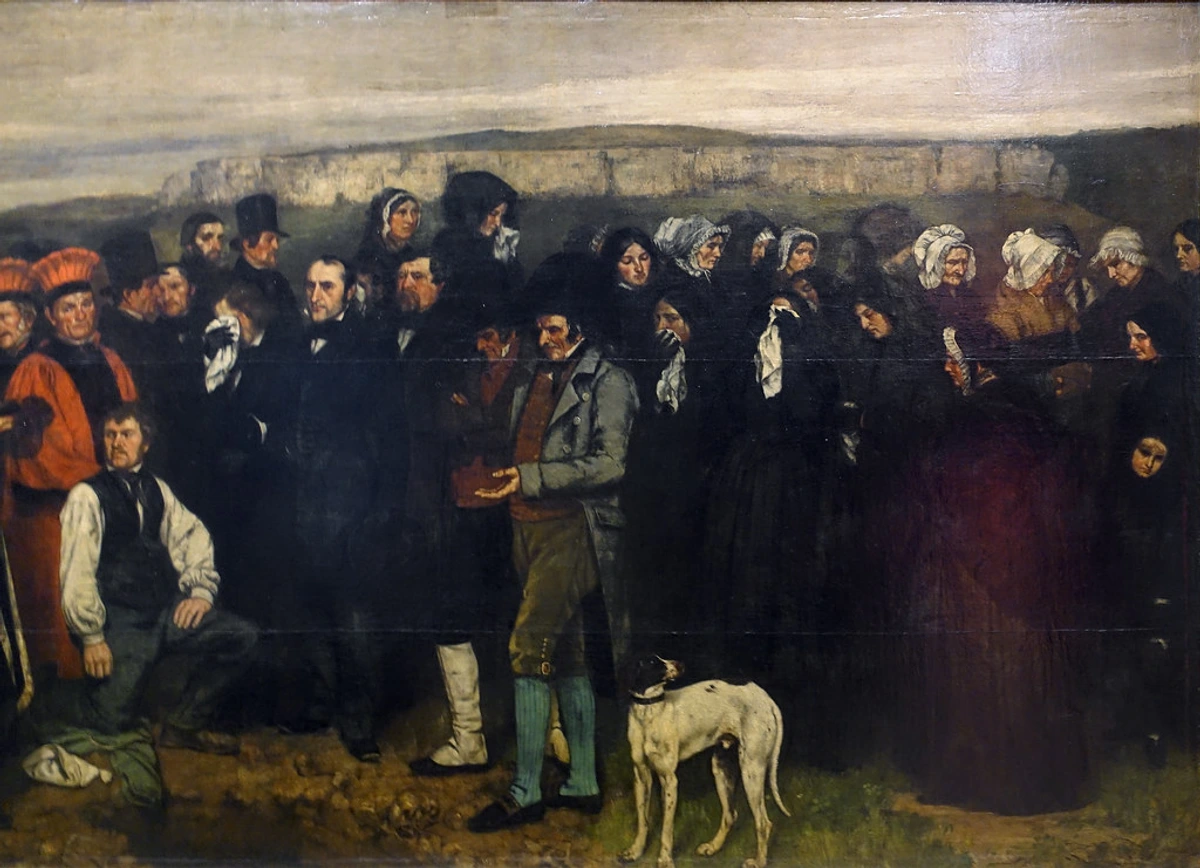
To truly grasp him, picture a man who painted a funeral procession with the epic scale normally reserved for Napoleon's victories — but showed only awkward, grieving townsfolk. Who rendered a pair of stone-breakers with the same profound gravity as a religious altarpiece. Who, in an age of romantic fantasies, dared to suggest that the laborer's calloused hand was more interesting than a goddess's perfect curves. This wasn't just painting differently; it was declaring a new philosophy of art.
The Provocateur's Beginnings: A Turbulent Birth of a Rebel
It all began not in a Parisian salon, but amidst the rolling hills and rocky landscapes of the Doubs department in eastern France.
Born in 1819 (not 1811, as some older biographies claim) in the tiny French village of Ornans, Courbet was immersed in rural life from the start. His family owned a prosperous vineyard and farm, providing him a comfortable, albeit rustic, upbringing. This wasnt Parisian gentry; it was peasant stock that had done well. His parents hoped hed become a lawyer, a respectable profession. But Courbet, even as a boy, was stubborn, loud-mouthed, and had a visceral allergy to authority and pretension. I remember reading about his brief and explosive stint at the Collège Royal in Besançon, where he received some formal art training. He chafed against the rigid curriculum, refusing to mindlessly copy classical casts and plaster models. See a pattern? This guy was allergic to "should." Hed rather chop wood—or paint it with brutal honesty—than bow to someone elses rules.
When he moved to Paris in 1839, ostensibly to study law, the citys art scene was a carefully controlled ecosystem. The French Academy reigned supreme, dictating taste and distributing patronage. The dominant styles were Neo-classicism, with its polished scenes from mythology and antiquity, and Romanticism, which offered more drama and emotion but still clung to exotic, historical, or fantastical subjects. Courbet? He was essentially dragging his muddy Ornans boots right onto those polished studio floors. While Jean-Auguste-Dominique Ingres was painting perfectly smooth odalisques and Eugène Delacroix was dramatizing the sacking of Constantinople, Courbet was setting up his easel for diggers, gravediggers, and the working poor of Orsay. He wasnt just painting differently; he was declaring a new paradigm. He basically said, "Your art is a fairy tale. Mine is the unvarnished reality of the world outside your window."
What Exactly Was Courbet's Realism?
Ah, the big question: Realism. (Bold because it’s everything.) Forget the textbook definition for a second. Realism was Courbet's middle finger to the idea that art must be noble or beautiful. His motto? "Show me an angel, and I’ll show you a liar." Instead, he painted laborers with the same gravity as kings. That’s why
Take "The Stone Breakers" (1849), which hits you like a hammer to the chest. It depicts two anonymous figures—an old man and a youth—engaged in the brutal, repetitive toil of breaking rocks to create roadbed gravel. A job so physically punishing it could break a persons body by age 30. Theres no divine light, no heroic narrative, no redemption. Just the grinding exhaustion etched into their postures, their tattered clothing, and the sheer weight of their labor. Courbet deliberately painted them from behind, denying us their individual faces to emphasize the universality and anonymity of their struggle. Back then, this wasnt considered art. This was blasphemy. One critic, Paul de Saint-Victor, called it "squalid" and "a glorification of vagrancy." Courbet simply called it "honest," arguing that the depiction of this harsh reality was inherently more meaningful and beautiful than any idealized fantasy.
The Big Fights: Courbet vs. Salon vs. The World
Courbet wasn’t just painting differently—he was declaring total war on the art establishment. The annual Paris Salon, juried by the conservative French Academy, was the exclusive gatekeeper to artistic success. To be rejected by the Salon was to be rendered invisible. In 1855, the Salon jury accepted eleven of his paintings but rejected two of his most important canvases: "The Painter's Studio" and "A Burial at Ornans." This was the final straw for Courbet. Instead of bowing to their authority, he took matters into his own hands. He used his family's money and borrowed funds to construct his own temporary exhibition hall, the Pavillon du Réalisme, just a stones throw from the official World's Fair exhibition. He essentially built his own art world, defiantly displaying forty of his works with a sign outside that read: "Le Réalisme. G. Courbet." Can you imagine the audacity? This wasn't just a tantrum; it was a calculated act of self-empowerment that fundamentally challenged the authority of the Salon. This is the same insurrectionary spirit that later led him to be arrested and held responsible for the toppling of the Vendôme Column during the Paris Commune. Can you imagine the audacity? This is the same guy who later got fined for tearing down a freakin’ column during a political protest. The man lived and breathed rebellion.
The powder keg that was "A Burial at Ornans" (1849-50) is where it all exploded into public consciousness. This wasnt a polite little landscape; it was a massive, 10-by-22-foot canvas—the kind of scale typically reserved for grand historical or religious scenes. It depicts the real funeral of his great-uncle, held in the cemetery of his provincial hometown of Ornans. Instead of a cast of noble heroes, the canvas is filled with over 40 life-sized, recognizable townsfolk—110 mourners in total. Each face is a portrait of a specific individual, painted with a direct, unidealized bluntness. Theres no central point of focus on a grieving widow, no comforting ray of divine light, no sense of theatrical drama. Just a vast, horizontal composition of black coats and stiff, awkward faces set against a stark, rocky cliff. The establishment despised it. One critic called it a "collection of gravestones," while another sneered that it was fit only for "a museum of ugliness." But the public mobbed it, drawn by the sheer shock of seeing their own unvarnished reality given such monumental treatment. And just like that, Courbet forced every artist and critic in Paris to confront a radical question: What if the lives, and deaths, of ordinary people deserve the epic scale and serious attention previously reserved for gods and kings?
The Masterpieces They Tried to Bury
Lets dive deeper into the specific works, the technical choices, and the cultural earthquakes that defined—and nearly destroyed—him:
Work  | Why It Mattered | The Controversy |
|---|---|---|
| The Stone Breakers (1849) | Made manual labor a tragic, beautiful subject on a scale typically reserved for history painting. | Critics labeled it "squalid" and "anti-art," accusing Courbet of glorifying ugliness over idealized beauty. |
| A Burial at Ornans (1849-50) | Used epic, 20-foot scale to depict a mundane provincial funeral, dignifying common people. | Dubbed a "museum of ugliness" by Salon critics; it scandalized audiences and was rejected for its perceived vulgarity. |
| Young Ladies on the Banks of the Seine (1856-57) | Depicted two modern Parisian women relaxing, challenging idealized female passivity; featured new aniline dyes for vibrant color. | Allegations of depicting prostitutes, moral outrage over their casual, sensual posture and direct gaze. Its modern synthetic colors were seen as gaudy by some traditionalists. |
| The Origin of the World (1866) | An unflinching, close-up depiction of female genitalia, commissioned privately. It stripped the female nude of any allegorical or mythological pretense. | So scandalous it was kept hidden by collectors for over a century. Its frank, biological realism defied every convention of how the female body could be represented. |
| The Artist's Studio (1855) | A monumental self-portrait depicting Courbet as a central figure, flanked by "types" and "shares" of society. | A stunningly ambitious "visual manifesto" of his entire artistic philosophy, it was rejected by the official 1855 World's Fair Salon, prompting Courbet to build his own exhibition pavilion. |
| Sleep (1866) | Depicted two intertwined female nudes in post-coital repose, also commissioned by a private patron like The Origin of the World. | The paintings theme of lesbian sexuality was so transgressive for its time that it was kept secret and only shown to select visitors. It challenged the strict moral and social codes of the Second Empire era. |
Now, lets talk about "The Origin of the World" (1866), a painting that still manages to make even seasoned art critics squirm. Its a radical, tightly cropped depiction of a reclining womans nude torso and genitalia. No face, no context, no draping or mythological excuse. Just pure, uncompromising anatomical reality. It was commissioned by the Ottoman diplomat Khalil-Bey, a notorious collector of erotic art, and was initially kept hidden behind a green curtain, only to be revealed to select guests. Legend has it he kept it stored under his bed. Why was this so revolutionary? Because Courbet dared to paint female sexuality from a perspective that was utterly frank and biological, rather than mythical or romanticized. This was a womans body presented not for idealized admiration, but for unflinching, direct confrontation. A century before feminist art movements, he was forcing the art world—and society at large—to confront the raw physicality of the body: "This is it. Deal with it."
The Fall, the Exile, and a Legacy That Refuses to Die
Courbets revolutionary fervor wasnt confined to canvas. In 1871, during the brief, radical experiment of the Paris Commune, he threw himself into politics, aligning with the socialist and anarchist factions. He was elected to the Communes governing council and became president of the Federation of Artists, where he successfully lobbied for the abolition of state-sponsored art prizes and the opening up of museums to the public. Then came the defining crisis of his life. The Vendôme Column, a monument glorifying Napoleons victories, was seen by the Commune as a symbol of militaristic tyranny. Courbet, in a moment of political fervor, signed a petition advocating for its dismantling. After the Commune was brutally crushed by the French army, Courbet was arrested. He was scapegoated, charged with complicity in the columns actual toppling, fined an astronomical sum he could never hope to pay, and sentenced to six months in Sainte-Pélagie prison. Facing bankruptcy from the state-imposed fine (which he was required to pay for the columns reconstruction), his health broken, and his spirit crushed, he fled into exile in Switzerland in 1873. He died there in 1877, alone, impoverished, and deeply bitter. Did the establishment win? Not exactly. His ideas had already escaped the confines of his own life, and his defiant spirit had fundamentally redefined the very purpose of art.
Heres the wild part: Gustave Courbet fundamentally broke art open, shattering the monolithic power of the Academy and expanding the very definition of what art could be. His raw honesty, his radical focus on the unvarnished truth of his own time, and his defiant independence seeped into every major artistic movement that followed. Without Courbets bold championing of "ugly" reality, would Monet and the Impressionists have dared to paint fleeting moments of factory smog, suburban train stations, and bourgeois leisure? Would Van Gogh have found such profound, almost spiritual dignity in the gnarled form of a pair of worn peasant boots or the furrowed brow of a potato eater? Technically, his use of bold, aggressive brushwork, thickly applied paint (impasto), and a palette dominated by deep, rich earth tones liberated subsequent painters to think of the canvas not as an illusion of a window, but as a physical, worked surface, an object in its own right. His refusal to flatter his subjects or sanitize their world birthed the very spirit of Modernism.
The Ripple Effect: Direct Lineage from Courbet to Contemporary Art
The impact was immediate and profound, radiating outwards in concentric circles of influence:
- On the Impressionists: While they diverged from his dark palette to pursue the fleeting effects of light and color, they fully absorbed Courbet's central lesson: paint modern life. Manet, Degas, Monet—they all learned from him to find beauty and significance in train stations, cafés, and unidealized landscapes. They inherited his emphasis on painting en plein air (outdoors) and his technique of using visible, expressive brushstrokes. Manet's Olympia, another painting that scandalized Paris, owes a direct debt to Courbet's brutal honesty in confronting the viewer and challenging the passive, idealized female nude. It was a continuation of Courbets rebellion, just with a different palette.
- On Cézanne and Post-Impressionism: This is where the line becomes strikingly clear. Paul Cézanne, the "father of modern art," openly proclaimed, "Courbet is the father of us all." From Courbet, Cézanne inherited the idea of creating a new, solid pictorial reality, one not based on classical illusions of perspective but on the structural integrity of painterly form. He looked at Courbet's dense, structured application of paint—building up form through thick slabs of pigment—and saw the potential to take it further, to treat the canvas as a field for formal invention.
- On Social Realism and the Ashcan School: Courbet's unwavering focus on the dignity and hardship of the working class blazed a trail for artists worldwide who sought to document social injustice and economic disparity. In Germany, Käthe Kollwitz channeled his spirit into her heartbreaking prints of oppressed workers and grieving mothers. In America, the painters of the Ashcan School, like George Bellows and John Sloan, walking the streets of New York, captured the chaotic energy and grime of the modern metropolis with a directness Courbet would have applauded. Even photographers like Jacob Riis and Lewis Hine, in their crusading documentation of urban poverty, were extending Courbets realist project into a new medium.
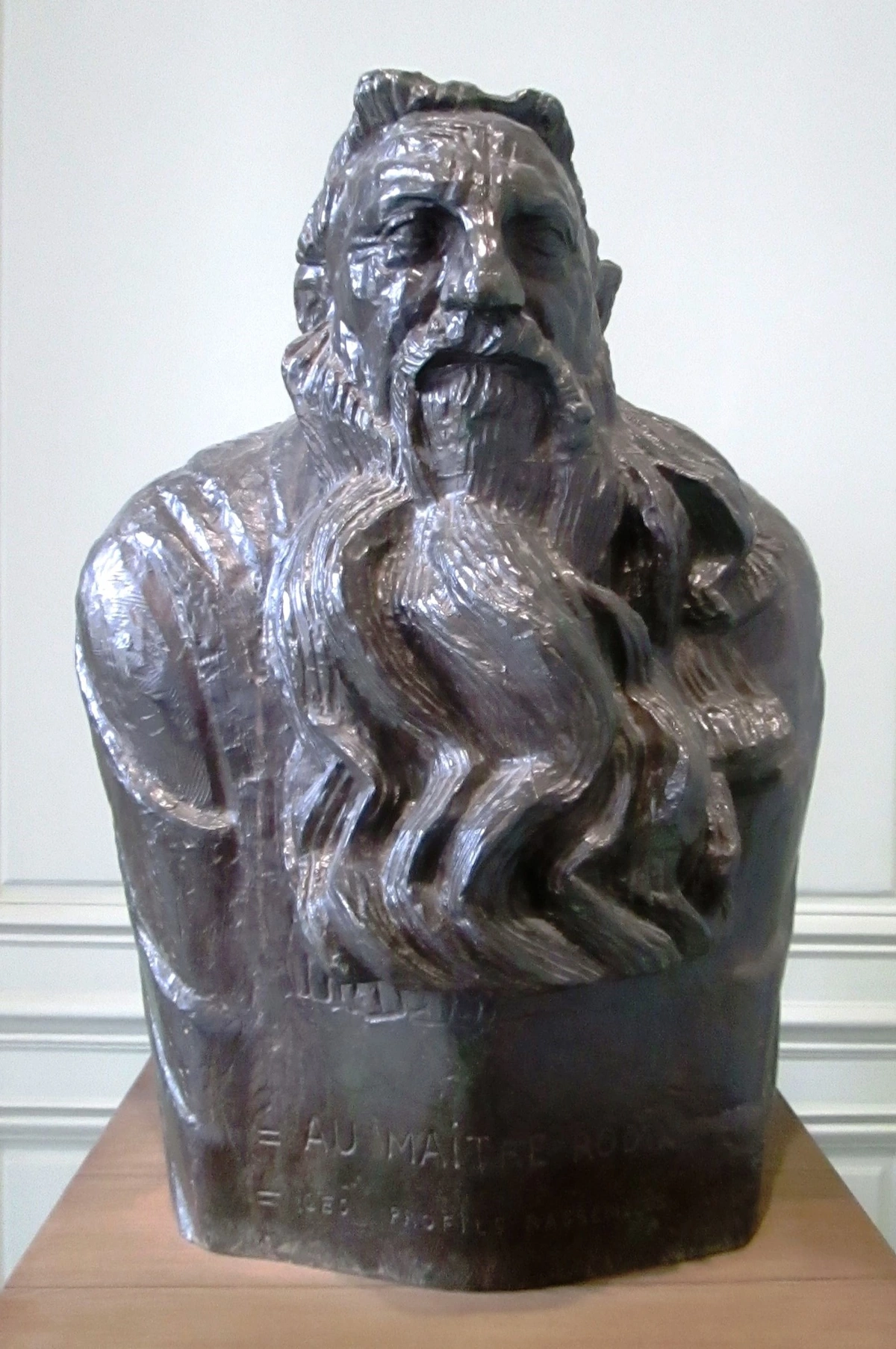
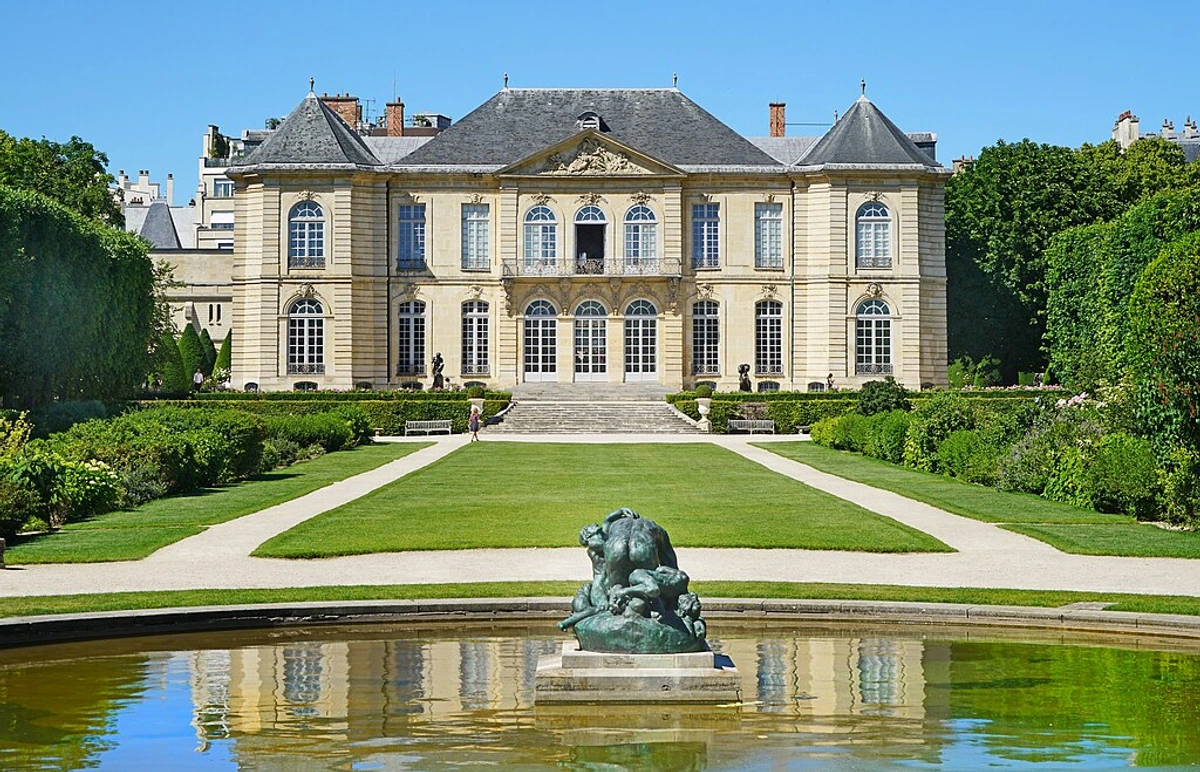
- On Modern Sculpture: Auguste Rodin, arguably the first great modern sculptor, looked at Courbets rough, tactile surfaces and his refusal to idealize the human body. In sculptures like The Age of Bronze or The Walking Man, Rodin captured a similar sense of raw physicality, psychological presence, and unfinished, emergent form, breaking from the smooth, cold perfection of neoclassical sculpture.
He basically handed the next generation of artists a new commandment: "You don’t owe anyone beauty. You owe them truth." This was the fundamental shift that marks the true beginning of modern art. The artist’s subjective vision, their personal, lived experience of the world, became more important—more morally urgent—than the inherited rules of the Academy. The canvas became a space for personal testimony and political statement.
Why the Rebel Still Matters Now
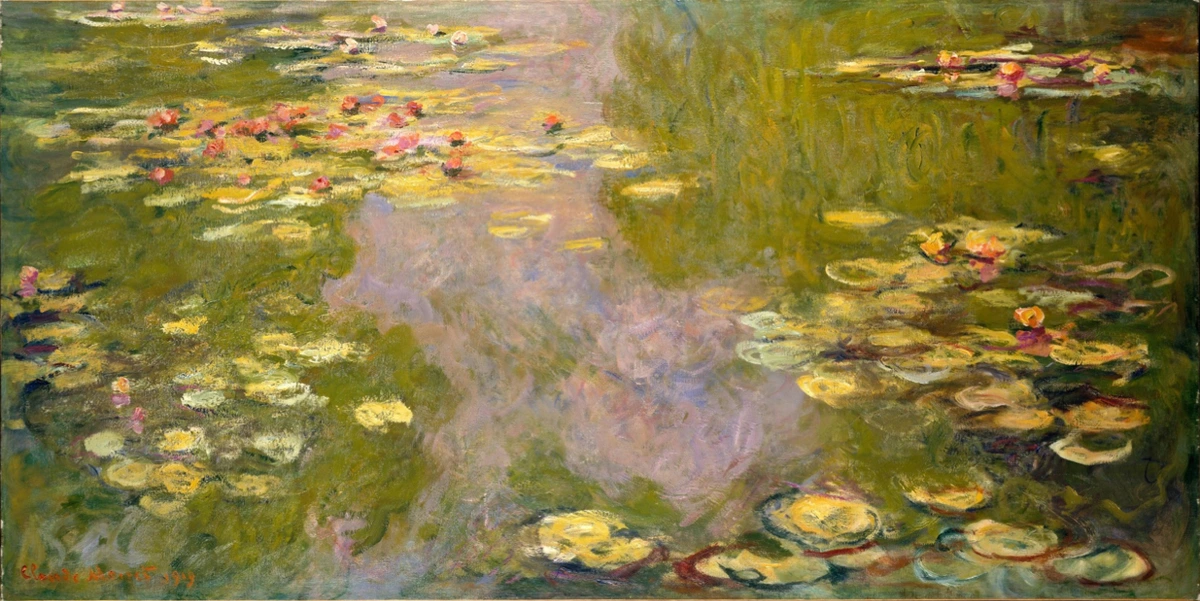
Look around. Today's abstract artists? They're still courting controversy. Photographers capturing poverty? They're channelling Courbet's unvarnished eye. Even contemporary street rebels echo his "I don’t give a damn" attitude. He proved art isn’t mere decoration—it’s a mirror held up to the soul of the age. A loud, messy, sometimes offensive mirror that forces us to confront truths wed rather ignore. Next time you see a painting that makes you uncomfortable, that challenges your assumptions, ask yourself: Is it shocking me into seeing the world differently? Thats Courbets ghost, nearly 150 years later, still turning rooms on their heads and demanding that we look.

Courbet's Shadow in the 20th and 21st Centuries
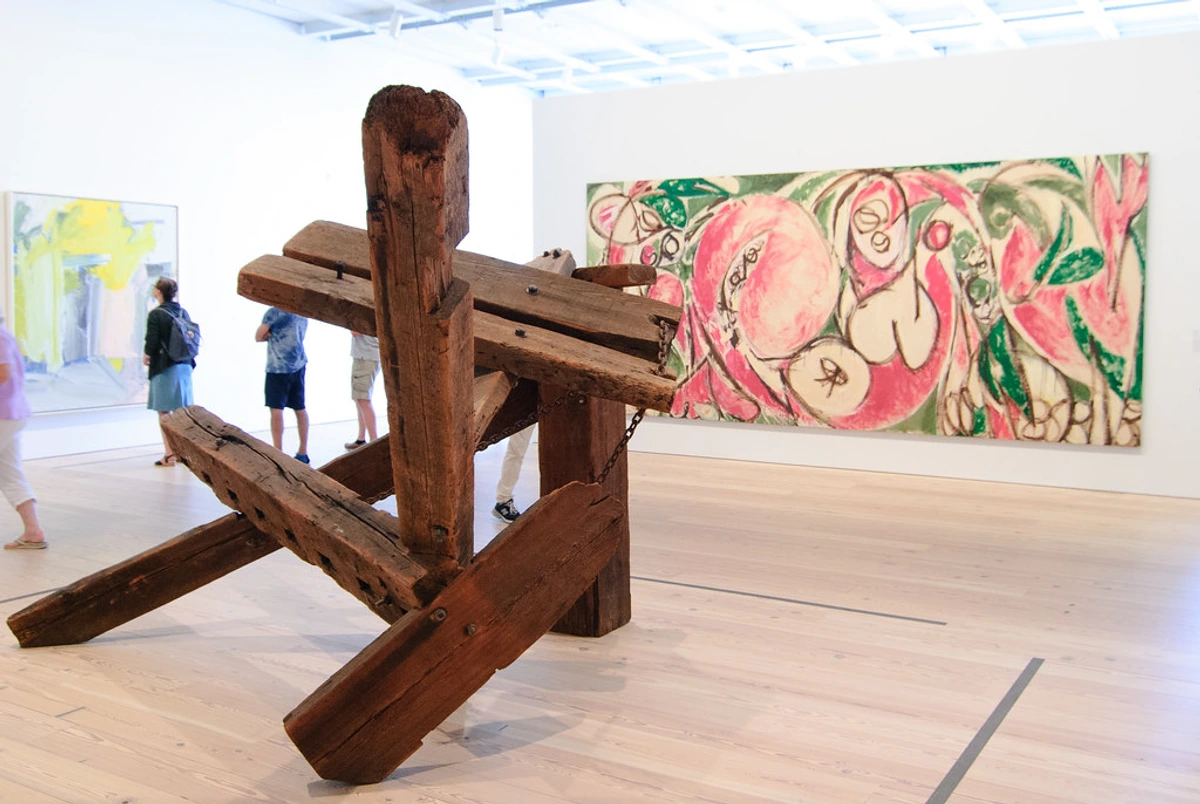
Walking through any modern art museum today, you can't escape his shadow. His rebellious DNA is woven into the very fabric of contemporary art. The unflinching, confrontational gaze of photographers like Dorothea Lange, documenting Depression-era poverty with the same unsparing eye, or Nan Goldin, capturing the raw intimacies and bruises of her chosen family in The Ballad of Sexual Dependency? That's pure Courbet. The gestural freedom of Abstract Expressionism—the drips of Pollock, the slashing brushstrokes of Willem de Kooning, the color fields of Mark Rothko—finds its ethical and aesthetic root in his defiant willingness to let the physical act of painting, the artists unique "hand," be fully visible on the canvas. When a contemporary artist like Jenny Saville paints a monumental, fleshy female nude that aggressively defies every commercial standard of beauty, when she shows the reality of a body pressed against glass, she is standing directly, and knowingly, on Courbet's shoulders. His legacy is the ultimate permission slip: the freedom to be honest, to be political, to be yourself.
FAQ: Your Essential Courbet Questions Answered
Q: Why was Courbet so hated by the critics in his own time?
A: It wasn't just his subject matter that offended the conservative gatekeepers of taste—it was his entire philosophical framework that felt like a fundamental attack on the established order of French art and society. The all-powerful French Academy taught that arts highest purpose was to "elevate the spirit" by depicting noble, historical, mythological, or allegorical themes. Courbet painted scenes of mundane, contemporary life—provincial funerals, stone-breakers, bourgeois picnics—with a scale and frankness that the cultural elite considered vulgar, ugly, and dangerously "socialist." It was his radical honesty that was so offensive. He didn't just paint laborers; he painted them without a single shred of sentimental idealization or heroic uplift. Art wasn't supposed to be a mirror reflecting the grime and sweat of everyday life, and his critics felt he was deliberately dragging its sacred dignity through the mud.

Q: What’s the real story behind "The Origin of the World"?
A: It remains one of the most audacious and transgressive paintings in the history of Western art. Its a radical, almost clinical, close-up view of a womans nude torso and genitalia, completely devoid of any narrative pretext or mythological excuse. It was commissioned for the private collection of Khalil-Bey, an Ottoman diplomat with a taste for erotic art, as part of a collection meant to be viewed in an intimate, boudoir setting. The paintings power lies in its absolute refusal to romanticize or allegorize the body; it strips the female nude down to its raw biological reality. It was so controversial that it was kept secret, hidden behind a curtain or inside a cabinet, for decades. Its very existence was a kind of rumor. Today, its a staple of feminist art history, analyzed for its fearless confrontation of the male gaze and its role in dismantling the idealized standards of feminine beauty.
Q: How did Courbet actually influence the development of modern art?
A: His influence was nothing short of seismic, and it rippled out across multiple dimensions. First, he effectively broke the French Academy's absolute power by proving that an artist could achieve notoriety, critical attention, and commercial success (albeit through self-promotion) entirely outside its rigid system of patronage and official exhibitions. Thematically, his radical focus on the "here and now"—painting his own contemporary world and the ordinary people in it—directly paved the way for both Impressionism and various strains of modern realism. But his most profound impact was technical and philosophical. His use of bold, highly visible brushstrokes and thickly applied paint (the impasto technique) was revolutionary because it forced the viewer to acknowledge the canvas as a physical, worked surface—an object in its own right—rather than just an illusion of a window onto another world. This fundamentally shifted the focus from pure representation to the act of painting itself. He proved once and for all that art could be a political statement, a personal manifesto, and a genuinely revolutionary act.
Q: I’ve heard Courbet was a communist. Is that true?
A: This is a common misconception that needs careful clarification. No, Gustave Courbet was not a communist, at least not in any formal, card-carrying sense. The Communist Manifesto had only just been published in 1848, and organized Marxist movements were still in their infancy. Courbets ideology was far more intuitive and rooted in his rural, provincial background. He was a passionate democrat, a republican with a small "r," and an instinctual anarchist who deeply sympathized with the struggles of the peasantry and the working poor he saw around him. His art was an undeniable celebration of the common person, a defiant act of placing them at the center of history. But his politics were more about individual liberty, fierce anti-clericalism, and a visceral rebellion against all forms of centralized authority—be it monarchical, military, or cultural—than adherence to any specific socialist or communist theory. As he famously put it in a letter, "I am not a socialist, but I love the people, and I feel myself bound to fight against their oppressors." His involvement in the Paris Commune was driven primarily by this anti-authoritarian, individualist spirit, which, tragically, ultimately led to his downfall and exile.
Q: Where can I actually see Courbet’s work in person today?
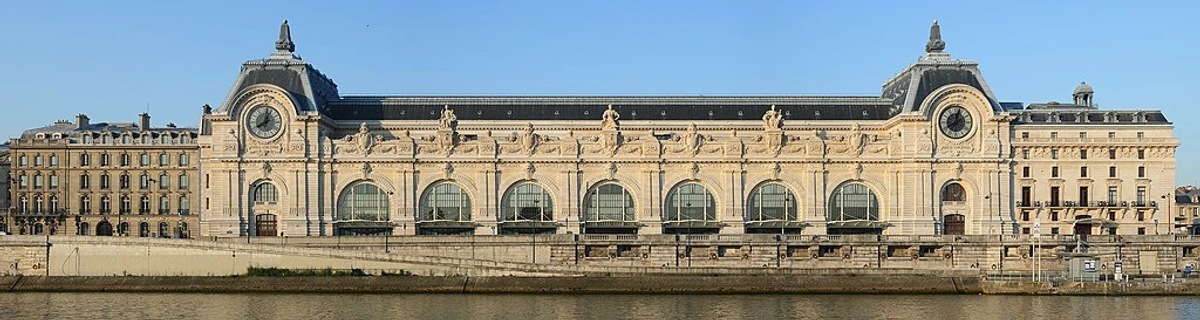
A: Absolutely! His major pieces are in Paris (Musée d'Orsay), New York (Met), and beyond. His hometown Ornans has a museum dedicated to him. If you’re near Den Bosch, the Dutch museum often organizes Realism-themed exhibitions—definitely worth the trip to see his impact firsthand.
The Final Brushstroke
Gustave Courbet wasn’t just an artist. He was a grenade. He blew apart the idea that art needed to be polite, pretty, or pious. He reminded us that truth—even when it’s ugly or exhausting—is infinitely more interesting than fantasy. So next time you face a blank canvas, or a tough subject, or a system that demands conformity, ask yourself: What would Courbet do? He’d kick down the door. And hell, maybe that’s the greatest art lesson of all.
The Final Brushstroke: What Would Courbet Do?
So, what are we left with? Gustave Courbet wasn’t just an artist. He was a human grenade thrown into the carefully arranged salon of 19th-century art. He blew apart the idea that art needed to be polite, pretty, or pious. He reminded us that truth—even when it’s ugly, exhausting, or brutally anatomical—is infinitely more interesting, more moral, and more alive than any fantasy. His life was a battle cry against all forms of institutional arrogance—in art, in politics, in society.
He forces us to ask uncomfortable questions. If art is not about truth, then what is its purpose? If an artist cannot speak for their own time and their own experience, then whose voice are they using? He gave us a vocabulary of rebellion, a grammar of defiance that has echoed for over a century.




So next time you face a blank canvas, or a tough subject, or simply a system that demands mindless conformity, ask yourself that simple, radical question: What would Courbet do? He’d probably refuse to sign your petition, then kick down the door and build his own damn room. And hell, maybe that’s the greatest art lesson of all—not how to paint, but how to live.
Want to explore how contemporary artists carry Courbet's rebellious spirit into the 21st century? Browse abstract pieces from our collection that challenge conventions and speak truthfully of our time—just like he did.