Who Was El Greco? Biography, Style & Masterpieces
Discover the life, Mannerist style, and genius of El Greco. Explore his elongated figures, dramatic lighting, and timeless influence on modern art.

Who Was El Greco? A Journey Through Life and Brushstrokes
Ever stood before a painting and felt your own perspective bend a little? That's the effect of El Greco for me. The first time I really saw one of his works—The Burial of the Count of Orgaz, if memory serves—I was struck by a feeling of simultaneous dislocation and profound recognition. It was like seeing the world through eyes that refused to conform to the straight lines of reality. So, who was this man? And how did he create a style so uniquely his that it still feels both centuries ahead and perfectly, eerily of our time?
What makes El Greco so fascinating isn't just that he was ahead of his time—it's that he seemed to exist outside of time itself. Working in the late 16th century, his work feels more at home in the galleries of modern art museums than alongside his contemporaries. There's something almost magical about standing before one of his paintings today and feeling that same sense of spiritual transcendence that viewers must have felt over 400 years ago.
I remember my first encounter with his work vividly - standing in a dimly lit museum room, the painting seemed to breathe with its own energy. The elongated figures seemed almost alive, reaching toward some divine presence I couldn't see but could somehow feel. That's the power of El Greco: he didn't just paint scenes, he painted experiences. He painted the space between the earthly and the divine, making visible that which is normally beyond our perception. This experience is what makes El Greco so profoundly modern. In an age where we often seek instant gratification, his work demands contemplation. It's not something you glance at and move on from—you stand before it, you feel it, you let it transform your perspective for those moments. That's the mark of true artistic greatness: the ability to create a timeless connection between artist and viewer across centuries.
This experience is what makes El Greco so profoundly modern. In an age where we often seek instant gratification, his work demands contemplation. It's not something you glance at and move on from—you stand before it, you feel it, you let it transform your perspective for those moments. That's the mark of true artistic greatness: the ability to create a timeless connection between artist and viewer across centuries.
The Man Behind the Myth: Domenikos Theotokopoulos
Let's clear something up from the start: "El Greco" isn't actually his name. It's a nickname, meaning "The Greek." His real name was Domenikos Theotokopoulos, born around 1541 in Candia (modern-day Heraklion) on the island of Crete. Back then, Crete was under Venetian rule, a crossroads of Byzantine, Greek, and Italian cultures. This unique multicultural environment was the perfect incubator for an artist who would later become known for blending diverse influences.
El Greco's early life in Crete was formative in ways that most art historians are still uncovering. As a young man growing up in Candia, he would have been immersed in a world where Eastern Orthodox traditions met Western European influences through Venetian trade. This wasn't just a cultural mix—it was a philosophical collision that would shape his entire artistic vision. The young Domenikos would have spent countless hours in the island's churches, studying the post-Byzantine icons that lined the walls, their gold backgrounds and elongated figures creating a visual language entirely different from the Renaissance art he would later encounter in Italy.
What's truly remarkable is how little we actually know about El Greco's personal life compared to his artistic genius. We know he was educated, well-read, and had strong opinions about art and theology. Contemporary accounts describe him as proud and difficult to work with - qualities that probably contributed to his relative obscurity during his lifetime but ultimately preserved his artistic integrity.
The Cretan Context: Where It All Began
Crete in the mid-16th century was a fascinating place. As a Venetian colony, it was part of the Mediterranean trading network that connected East and West. This meant that young Domenikos was exposed to:
- Italian Renaissance influences – Through Venetian trade and cultural exchange
- Islamic artistic elements – From contact with the Ottoman Empire
- Local Cretan craftsmanship – Unique techniques and materials from the island
This rich cultural tapestry gave El Greco a unique perspective that he would carry with him throughout his life. His early training in Crete wasn't just about learning technical skills; it was about absorbing a way of seeing the world that valued spiritual truth over literal representation.
Technical Mastery in Crete: The Byzantine Foundation
El Greco's early training was incredibly rigorous and traditional. In the icon painters' workshops of Candia, he would have mastered:
- Egg tempera techniques – Learning to mix pigments with egg yolk for luminous, durable colors
- Strict iconographic conventions – Memorizing established religious formulas and symbolism
- Calligraphic line work – Developing the elongated, flowing lines that would later define his style
- Multi-layered painting – Building up depth through careful layering of translucent paints
- Spiritual intentionality – Understanding that every brushstroke served a devotional purpose
These early techniques weren't just technical skills - they were a spiritual language. The Byzantine approach to art was fundamentally different from the Renaissance emphasis on realism and perspective. In Byzantine art, the goal wasn't to depict the world as it appeared, but to reveal the divine truth that lay behind appearances. This philosophy would become the foundation of El Greco's entire artistic career.

But who was he as a person? What made this man tick? We know quite a bit about his professional life, but his personal story is equally fascinating.
Family Life and Personal Relationships
El Greco's personal life was as unconventional as his art. He was married to Jerónima de las Cuevas, though the exact circumstances of their marriage remain unclear. They had one son, Jorge Manuel, who followed in his father's footsteps as an artist and worked in the family workshop. What's particularly interesting is that Jerónima was apparently Spanish, which speaks volumes about El Greco's successful integration into Spanish society.
The family dynamics in El Greco's household would have been fascinating. Jorge Manuel wasn't just an apprentice—he was a collaborator who learned from his father while developing his own voice. Historical records suggest that El Greco maintained a professional distance in his family relationships, treating the workshop like a business while providing for his family's needs. This professional approach may seem cold by modern standards, but it was common practice among Renaissance masters who saw their artistic legacy as something to be preserved and passed down through generations.
The family lived in Toledo, where El Greco established himself as one of the city's most prominent artists. Jorge Manuel was born in Spain and inherited his father's workshop after El Greco's death, though he never quite matched his father's innovative genius. The fact that El Greco was able to maintain a family life while pursuing such a revolutionary artistic career says something about his ability to balance personal relationships with creative ambition.

Personality and Reputation
Contemporary accounts paint a picture of a man who was:
- Proud and confident – He knew his own worth and wasn't afraid to demand it
- Intellectually curious – He was well-read and interested in philosophy and theology
- Difficult to work with – He had strong opinions and wasn't easily swayed
- Spiritually intense – His art reflected his deep religious convictions
- Financially savvy – He understood the business side of art and priced his work accordingly
El Greco's reputation as a difficult artist was both a curse and a blessing. While it limited his immediate commercial success, it also protected his artistic integrity. Patrons who commissioned his work knew they were getting something unique and uncompromising. His stubbornness about artistic control meant that his vision remained pure, unfiltered by commercial considerations or client demands that might have diluted his revolutionary approach.
One story tells of how El Greco became angry when patrons tried to dictate the details of his compositions. He believed that as the artist, he had the final say over how his work should look. This stubbornness actually helped his reputation – people wanted his art precisely because he uncompromising in his vision.
Here's a quick look at his journey:
But this timeline barely scratches the surface. Let's dive deeper into each phase of his remarkable career.

The Formative Years: Crete and Byzantine Roots (1541-1567)
El Greco's early years in Crete were absolutely crucial to his development. Born in Candia (modern-day Heraklion) around 1541, he was immersed in the world of post-Byzantine art from birth. Crete, under Venetian rule, was a fascinating cultural crossroads where Eastern Orthodox traditions met Western European influences.
His training would have been rigorous and traditional. As a young apprentice in an icon painter's workshop, he would have learned:
- Egg tempera techniques – the traditional medium for religious icons
- Gold leaf application – creating that distinctive golden background
- Strict iconographic conventions – following established religious formulas
- Calligraphic line work – the elongated, flowing lines that would later define his style
This early training gave him an incredible foundation in spiritual artmaking. You can see the Byzantine influence in his later work – the otherworldly quality, the emphasis on the spiritual over the physical, and that almost mystical use of light and space.
After mastering the techniques of post-Byzantine art in Crete, he traveled to Venice—then the epicenter of Western art. Imagine leaving the serene, flat, gold-backed icons of the East for the vibrant, dynamic world of Venetian color and composition! It must have been a seismic shift. He soaked up the work of Titian and Tintoretto, learning how to animate figures with dramatic light and color. Then, off to Rome, and finally, Toledo, Spain, where he would spend the rest of his days. He never went back to Greece, hence "El Greco."
Venice: The Crucible of Renaissance Innovation (1567-1576)
Venice was where El Greco truly began to transform. The city was famous for its unique artistic environment – different from the more academic approach in Rome. Venetian artists like Titian and Tintoretto were known for their:
- Rich, luminous colors – especially their masterful use of oil paints
- Dramatic lighting effects – influenced by the city's unique light reflecting off water
- Emotional intensity – creating works that spoke directly to the viewer's soul
- Innovative compositions – breaking traditional rules for greater impact
El Greco absorbed all of this. He would have studied Titian's use of color and Tintoretto's dynamic compositions. But he wasn't just copying – he was synthesizing. The Byzantine training of his youth began to merge with Renaissance techniques, creating something entirely new. His work from this period shows a growing confidence and a developing personal style.
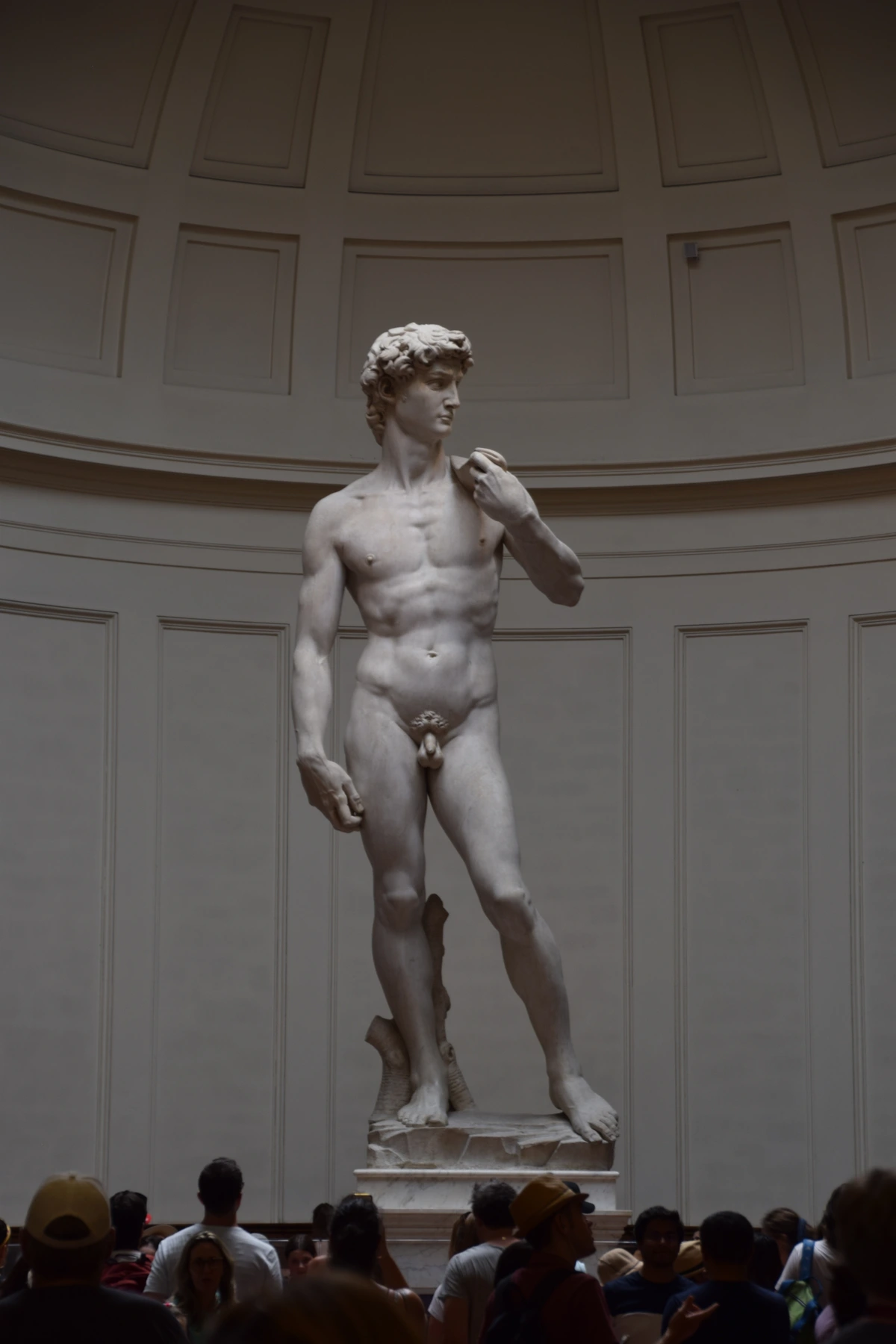
Venice's Artistic Revolution: What El Greco Actually Studied
In Venice, El Greco would have had access to some of the most revolutionary art of the 16th century. The city's unique position as a trading hub meant it was exposed to influences from across Europe and the Mediterranean. Key artists and movements that would have influenced him include:
- Tintoretto's dramatic compositions – Studying how to create dynamic movement and emotional intensity
- Veronese's decorative flair – Learning the balance between opulence and spiritual meaning
- Giorgione's atmospheric effects – Understanding how to create mood through light and color
- Bellini's spiritual serenity – Learning how to convey calm devotion through subtle harmonies
- The emerging Venetian Mannerism – Seeing artists already beginning to experiment with elongated forms and emotional expression
The transition from Crete to Venice must have been seismic. Imagine going from the serene, gold-backed icons of the Eastern Orthodox tradition to the vibrant, dynamic world of Venetian color and composition. The contrast between the flat, symbolic space of Byzantine art and the three-dimensional, atmospheric space of Venetian painting would have been profound. Yet El Greco didn't abandon his roots - he built upon them, creating a synthesis that was uniquely his own.
Rome: Ambition and the Papal Court (1576)
El Greco's time in Rome was relatively short but incredibly important. He arrived just as the city was recovering from the devastating Sack of Rome in 1527, and the Catholic Church was commissioning art to reassert its power and glory.
In Rome, El Greco would have encountered:

- Michelangelo's powerful figures – the muscular, dramatic forms that influenced so many artists
- Raphael's harmonious compositions – the balance and perfection that defined the High Renaissance
- The Mannerist movement – artists who were already beginning to rebel against Renaissance norms
- The patronage system – how artists navigated the complex world of wealthy patrons
El Greco was ambitious. He sought papal patronage and even submitted a painting to Pope Pius V, though it wasn't well-received. Rome taught him about the politics of art and the sometimes harsh realities of the art world. It was here that he began to develop the defiant streak that would define his career – he wasn't afraid to challenge conventions, even when it meant going against powerful institutions.
Unpacking the Style: El Greco's Artistic Revolution
So, what makes an El Greco an El Greco? To understand this, we need to talk about Mannerism. Mannerism was an art movement that popped up in the late Renaissance, essentially a reaction against the perfect balance and harmonious realism of High Renaissance artists like Raphael. Mannerists, as the name might suggest, loved mannered, sophisticated, and sometimes deliberately artificial effects. They played with perspective, elongated figures, and complex, often irrational compositions.
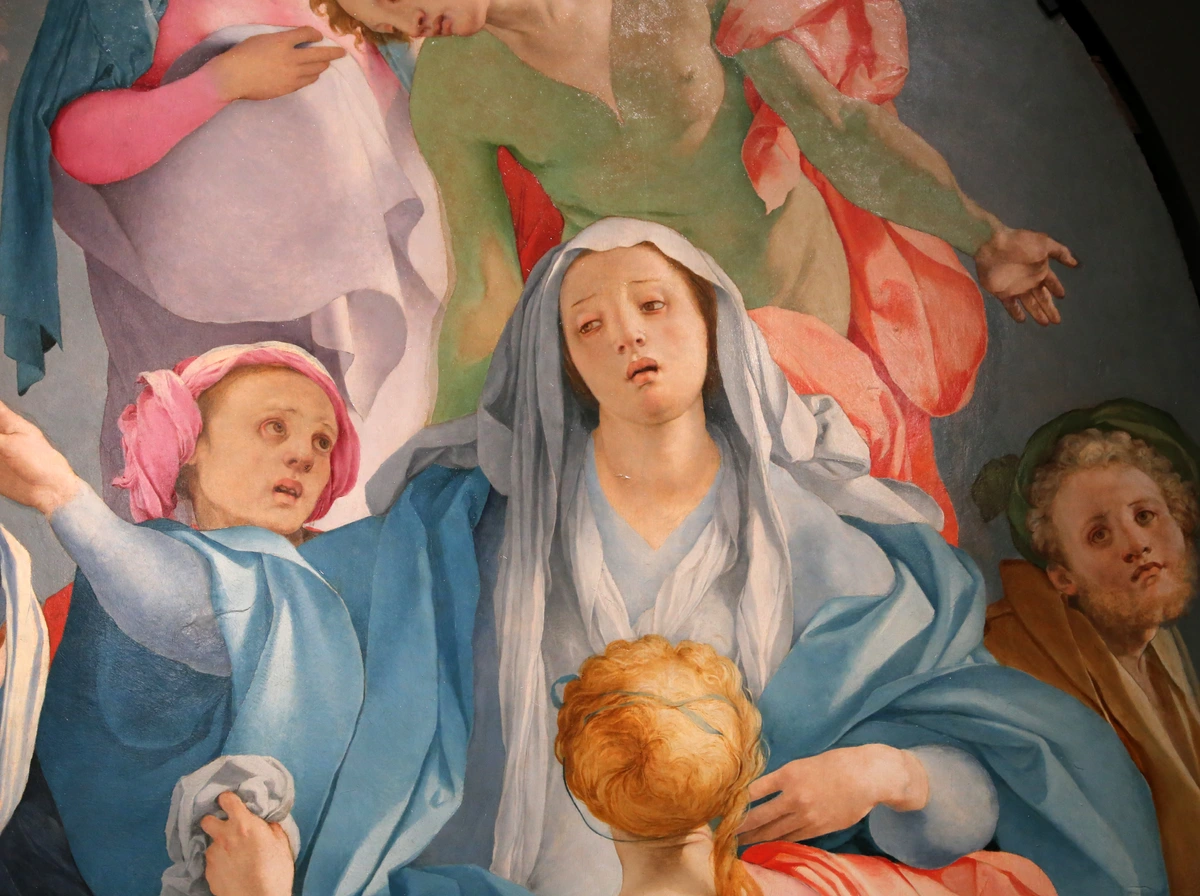
The Elements of El Greco's Signature Style
El Greco's style wasn't just influenced by Mannerism; it was a unique synthesis of multiple artistic traditions. Let's break down the key elements that made his work so distinctive and revolutionary.
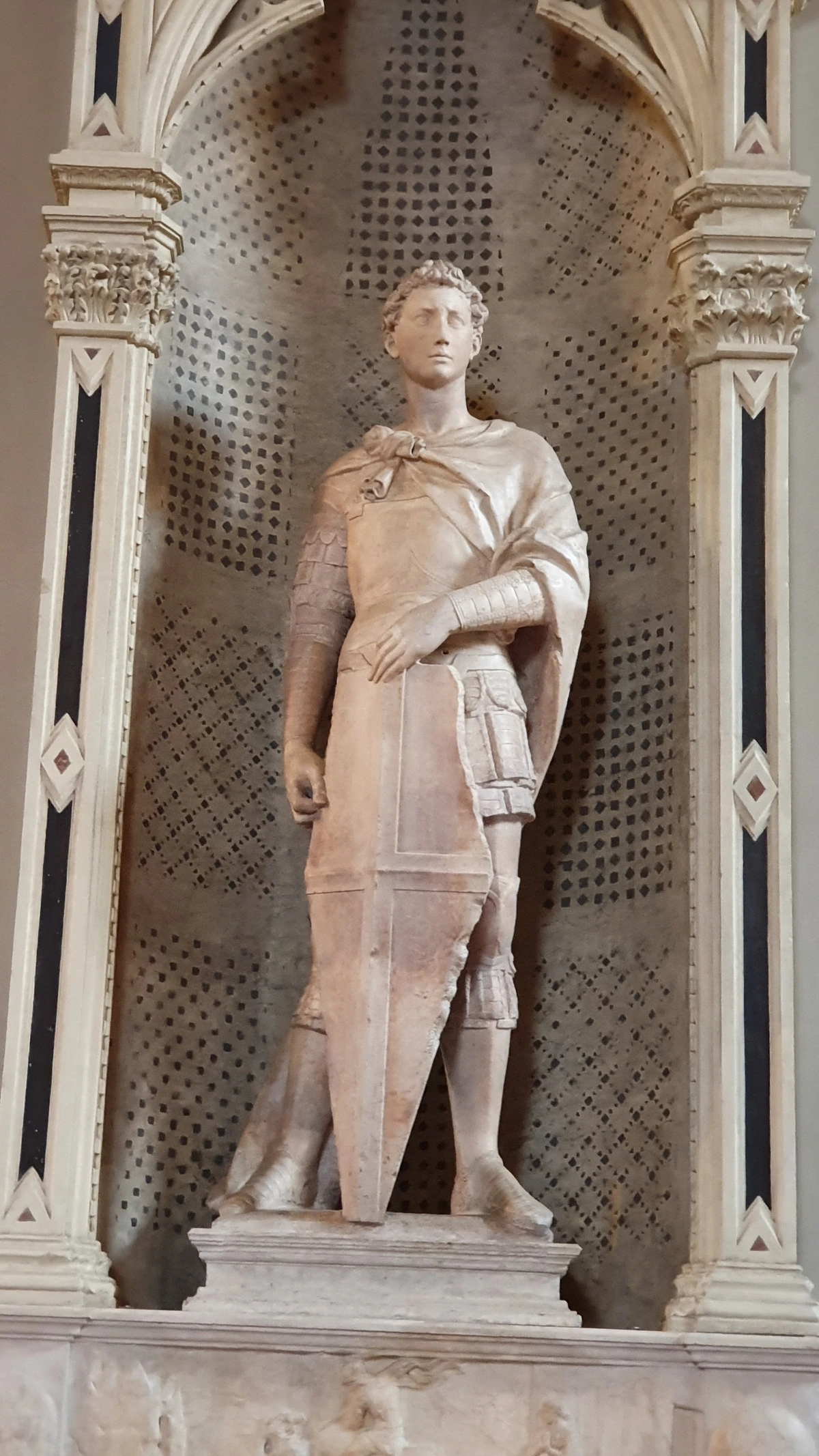
1. The Elongated Figure: A Visual Language of Transcendence
One of the most recognizable features of El Greco's work is his use of elongated figures. But this wasn't just a stylistic choice – it was a visual language for expressing spiritual truth.
Why he elongated figures:
- To convey spiritual growth – Taller figures suggest ascent toward the divine
- To show emotional intensity – Stretching bodies express heightened spiritual states
- To create visual rhythm – The flowing lines create movement and energy
- To emphasize the spiritual over the physical – The body becomes a vessel for the soul
- To create a sense of unreality – The figures exist in a realm between heaven and earth
The mathematics of elongation: Studies of his figures show that El Greco often elongated them by 30-50% beyond normal proportions. This wasn't random; it was a deliberate artistic choice based on his understanding of spiritual aesthetics.
The Psychology of Elongation: More Than Just Technique
El Greco's elongation wasn't just a technical decision - it was profoundly psychological. Contemporary research into visual perception suggests that our brains interpret elongated figures differently than proportionally correct ones. When we see an elongated figure, we tend to:

- Sense movement – The stretched proportions create an impression of upward motion, as if the figure is ascending
- Feel emotional resonance – The distortion triggers an emotional response, making the figure more compelling
- Recognize the divine – Our visual system automatically associates elongated forms with the supernatural
- Experience timelessness – The distorted proportions seem to exist outside normal space and time
- Feel spiritual presence – The figures appear to occupy a space between the earthly and the divine
This psychological aspect of El Greco's technique was revolutionary. While other artists might have elongated figures for aesthetic reasons, El Greco understood that this technique could actually create a different kind of visual experience - one that bypassed rational analysis and spoke directly to the viewer's emotions and spiritual sensibilities.
The elongation also served practical purposes. By stretching figures vertically, El Greco could fit more figures into a composition without making it feel crowded. The vertical lines also helped draw the viewer's eye upward, toward the divine elements of the composition. But these practical benefits were secondary to the primary goal: creating a visual language that could convey spiritual truth more effectively than realistic proportions could.
2. The Dramatic Use of Light and Shadow
El Greco was a master of chiaroscuro (the use of strong contrasts between light and dark), but he took it to new levels. For him, light wasn't just a technical element – it was a spiritual one.
His approach to lighting:
- Divine illumination – Light often represents God's presence or revelation
- Emotional emphasis – Key figures are highlighted to draw attention to their spiritual importance
- Mystery and drama – Deep shadows create an atmosphere of the sacred and mysterious
- Symbolic meaning – The direction and quality of light carry spiritual significance
- Otherworldly quality – The light doesn't behave according to natural laws
3. The Color Palette: Heavenly Hues
El Greco's use of color was revolutionary. While his contemporaries tended toward realistic colors, El Greco used color symbolically and emotionally.
His distinctive color choices:
- Electric blues – Representing heaven, the divine, and spiritual truth
- Vivid greens – Symbolizing hope, renewal, and spiritual growth
- Deep crimsons – Conveying passion, sacrifice, and divine love
- Golden yellows – Signifying the divine light and heavenly glory
- Muted earth tones – Used sparingly for earthly, human elements
The Alchemy of Color: Pigments and Symbolism
El Greco's revolutionary approach to color was both technical and deeply symbolic. His choice of colors wasn't just about aesthetics - it was about creating a visual language that could communicate spiritual truth. Here's what made his color palette so distinctive:
- Imported pigments – El Greco used rare and expensive pigments imported from across Europe and the Mediterranean, including ultramarine blue (made from lapis lazuli) and vermilion red (made from mercury sulfide)
- Layered glazing – He applied thin, transparent layers of color over each other, creating incredible depth and luminosity that couldn't be achieved with opaque paint
- Color symbolism – Each color carried specific spiritual meanings that were understood by contemporary viewers
- Emotional temperature – Warm colors (reds, yellows) conveyed passion and divine presence, while cool colors (blues, greens) suggested transcendence and spirituality
- Contrast and harmony – He used bold contrasts between complementary colors to create visual tension, while also carefully balancing colors to create overall harmony
- Atmospheric effects – Colors often changed subtly across the composition, suggesting depth, distance, and atmospheric perspective
El Greco's use of blue was particularly revolutionary. While Renaissance artists typically used blue sparingly (as ultramarine was incredibly expensive), El Greco used it boldly and extensively. His blues weren't just decorative - they were symbolic representations of heaven and the divine. The intense, electric quality of his blues suggests a heavenly realm that's more vivid and present than our own.
His reds were equally significant. The deep crimsons and scarlets he used weren't just colors - they were symbols of divine love, sacrifice, and passion. These colors would have been immediately recognizable to contemporary viewers as representing the blood of Christ and the fire of the Holy Spirit.
What's remarkable is how El Greco's color combinations create emotional effects that transcend cultural and temporal boundaries. Even today, viewers respond emotionally to his use of color, even if they don't understand the specific symbolism. This is because El Greco understood that color itself could communicate feelings and ideas that words and forms couldn't express.
4. The Energetic Brushwork
Up close, El Greco's paintings reveal incredible energy and expressiveness. His brushwork is:
- Visible and confident – You can see the strokes and the artist's hand
- Rhythmic and flowing – The brushstrokes create movement and energy
- Varied in texture – Different areas have different levels of detail and finish
- Emotionally charged – The brushwork conveys the feeling of the scene
- Technically sophisticated – Multiple layers and techniques create depth
5. The Composition: A Dance of Forms
El Greco's compositions are masterful examples of artistic balance and energy. He:
- Created dynamic movement – Even static scenes have a sense of energy
- Used diagonal lines – Creating tension and directing the viewer's eye
- Balanced chaos and order – The scenes feel organized despite their complexity
- Created visual pathways – Leading the viewer through the composition
- Used space symbolically – The relationship between figures and space carries meaning
But El Greco was more than just a Mannerist. He was a cultural synthesizer who blended influences from across the Mediterranean world. His unique style emerged from this rich cultural tapestry:
The Cultural Melting Pot That Shaped El Greco
El Greco's art was shaped by three major cultural traditions:
1. Byzantine Heritage (Eastern Orthodox)
His early training in Crete immersed him in the Byzantine artistic tradition, which emphasized:
- Spiritual over physical – Art was meant to inspire devotion, not represent reality
- Symbolic forms – Every element had spiritual meaning
- Gold backgrounds – Representing the divine light of heaven
- Elongated figures – Conveying spiritual transcendence
- Flat perspective – Creating a sense of timelessness
2. Renaissance Innovation (Western European)
His time in Venice and Rome exposed him to Renaissance innovations:
- Oil painting techniques – Rich colors and luminous effects
- Linear perspective – Creating depth and space
- Anatomical accuracy – Understanding the human form
- Dramatic lighting – Using light to create mood
- Classical themes – Drawing on Greek and Roman mythology
3. Spanish Spirituality (Counter-Reformation)
His life in Spain coincided with the Counter-Reformation, when the Catholic Church was using art to inspire religious devotion:
- Emotional intensity – Art should move the viewer to tears
- Dramatic compositions – Creating powerful visual impact
- Mystical themes – Focusing on personal spiritual experiences
- Accessibility – Art should be understandable to ordinary people
- Local color and character – Reflecting Spanish culture and identity
El Greco was unique in his ability to synthesize all these influences. While other artists might have chosen one tradition or another, El Greco wove them together into something entirely new. His paintings contain Byzantine spirituality, Renaissance technique, and Spanish emotional intensity – a combination that was both revolutionary and deeply authentic to his own experience.
This synthesis wasn't just stylistic; it represented a fundamental shift in how art could function. El Greco demonstrated that art could simultaneously be deeply spiritual, technically sophisticated, and emotionally resonant. This combination of qualities is what makes his work feel so contemporary – we still value art that speaks to our intellect, our emotions, and our spiritual selves.
But El Greco was more than just a Mannerist. He took the movement's tendencies and elevated them to a spiritual plane. While other Mannerists might have elongated figures for aesthetic reasons, El Greco did it to convey spiritual transcendence. While others might have used dramatic lighting for dramatic effect, he used it to reveal the divine.
El Greco took Mannerism and pushed it into a spiritual stratosphere. His style is a fascinating blend of:
- Elongated Figures: His people are tall, slender, almost serpentine. It's not realistic, but it's deeply expressive, giving them a heavenly, ethereal quality. Think of it as a visual shorthand for spiritual transcendence. He wasn't mimicking the human form; he was elevating it.
- Dramatic Lighting: He used light and shadow (chiaroscuro) not just to create volume but as a primary dramatic tool. Light bursts forth from a divine source, illuminating the faces and hands of the saints while plunging the rest of the composition into mysterious, rich darkness. It feels less like illumination and more like revelation.
- Vibrant, Otherworldly Colors: Forget the muted earth tones and subtle skies of the High Renaissance. El Greco favored intense, almost electric blues, jarring greens, and deep crimsons. His colors don't seem to belong to our world; they belong to a higher plane of existence.
- Emotional and Spiritual Intensity: Above all, El Greco's paintings are charged with raw emotion. Whether it's the ecstatic fervor of a vision or the quiet grief of a martyr, there's a palpable sense of the spiritual striving for the divine. He invites you to not just see the scene, but to feel its sacredness.
But there's more to El Greco's technique than meets the eye. His approach was incredibly sophisticated and ahead of his time:
Technical Brilliance: El Greco's Methods
El Greco was a master technician, even if his style seemed unconventional. His working process involved:
- Multiple layers of paint – building up depth and luminosity
- Glazing techniques – thin, transparent layers that created incredible richness
- Bold brushwork – visible, expressive strokes that added energy
- Complex underpainting – establishing the composition and values before adding color
He was also remarkably experimental for his time. Some of his paintings show evidence of:
- Working on multiple canvases simultaneously – suggesting he had a large, efficient workshop
- Making changes as he worked – the painting evolved rather than being rigidly planned
- Using unconventional materials – sometimes mixing media or trying new pigments
- Working quickly – his brushstrokes suggest confidence and speed
What's fascinating is that these "experimental" techniques make him seem modern, but they were actually practical solutions to the challenges of large-scale religious commissions. He had to work efficiently to meet deadlines while maintaining incredible quality.
This combination creates a style that is jarringly modern to our eyes. It's abstract in the way it distorts reality for emotional effect. It's Expressionistic long before the 19th century. It's no wonder that artists like Picasso and the Expressionists looked back at El Greco and saw a kindred spirit.
The El Greco Effect: Why His Style Feels So Contemporary
There's something almost paradoxical about El Greco. Working in the 16th century, his work feels more at home in a contemporary art gallery than in a Renaissance museum. Why does this happen?
1. Psychological Intensity Over Physical Realism
Most Renaissance art was about perfecting the representation of the physical world. El Greco was more interested in representing the inner world – the emotions, the spiritual experiences, the psychological states. This focus on the psychological feels incredibly modern.

2. Abstraction Through Distortion
While abstract art as we know it didn't exist until the 20th century, El Greco was distorting form for expressive purposes. He wasn't trying to make things look "real" – he was trying to make them feel "true" in a deeper, more spiritual sense. This is essentially what abstract artists do.
3. Emotional Authenticity
In an era when art was often commissioned by the church and nobility to convey power and piety, El Greco's work bursts with authentic emotion. You can feel the ecstasy, the grief, the wonder in his paintings. This raw emotional honesty resonates with modern sensibilities.
4. Breaking the Rules
El Greco was a rule-breaker. He played with perspective, distorted anatomy, used colors that didn't "match" reality, and created compositions that defied convention. This rebellious spirit is something that modern artists celebrate and continue to explore.
Famous Paintings: A Glimpse into Genius
To truly "get" El Greco, you have to see his work. Here are a few essential pieces:

But before we dive into specific paintings, let's understand what makes El Greco's work so special. His paintings aren't just technically impressive; they're spiritually charged experiences that speak directly to the viewer's soul.

The El Greco Experience
Standing before an El Greco painting is unlike any other artistic experience. Here's what typically happens:
- The Initial Shock – You're immediately struck by the unusual proportions and colors
- The Emotional Impact – You feel the intense spiritual energy of the scene
- The Visual Exploration – You notice the incredible details and masterful technique
- The Spiritual Recognition – You sense the transcendent quality of the vision
- The Lasting Impression – You remember the feeling long after you've left
This is why El Greco's work continues to resonate. It's not just something you look at; it's something you experience. When you stand before one of his paintings, you're not merely a passive observer—you become an active participant in the spiritual drama unfolding on the canvas. This participatory quality is what makes his work feel so immediate and relevant, even after 400 years.
Painting Title  | Year(s) | Location | Significance |
|---|---|---|---|
| The Burial of the Count of Orgaz | c. 1586 | Santo Tomé, Toledo, Spain | His masterpiece, perfect example of his mature style |
| View of Toledo | c. 1596 | Metropolitan Museum of Art, New York | Revolutionary landscape painting, emotional city portrait |
| Opening of the Fifth Seal | c. 1608 | The Metropolitan Museum of Art, New York | Proto-abstract, influenced Picasso and modern art |
| The Assumption of the Virgin | c. 1577 | Art Institute of Chicago, USA | Early mature work, shows transition from Renaissance to his style |
| Portrait of a Man (Julio de Cuarós) | c. 1600 | Prado Museum, Madrid, Spain | Exceptional psychological portrait, demonstrates his portraiture skills |
| The Holy Trinity | c. 1577 | Museo del Prado, Madrid, Spain | Technical masterpiece, complex perspective and composition |
| Christ Carrying the Cross | c. 1580 | Museo del Prado, Madrid, Spain | Emotional intensity, dramatic use of light and shadow |
| The Adoration of the Shepherds | c. 1614 | Museo del Prado, Madrid, Spain | Last completed work before his death, shows his enduring vision |
| The Agony in the Garden | c. 1590 | National Gallery, London, UK | Shows his Italian period development and emotional depth |
| Portrait of a Cardinal | c. 1600 | Museo de Bellas Artes, Bilbao, Spain | Excellent example of his Spanish portraiture style |
| The Dream of Philip II | c. 1579 | Escorial, Madrid, Spain | Commissioned by the Spanish king, shows his royal connections |
The Burial of the Count of Orgaz is a perfect example. In the lower register, the scene is depicted almost realistically—except the figures are impossibly tall and ethereal, and the light is focused on their faces. Above them, the heavens open in a swirling vortex of color and light, with Christ and saints emerging. It's a divine portal, and El Greco has masterfully painted the boundary between the earthly and the divine.
But let's look closer at some of his other masterpieces:
View of Toledo (c. 1596): The Spiritual Landscape
This painting is revolutionary. It's one of the first true "landscape" paintings in Western art that isn't just a backdrop for a religious scene. El Greco painted Toledo with such emotional intensity that the city itself becomes a character in the story.
What makes this painting so special:
- Dramatic lighting – The stormy sky creates a sense of divine drama
- Emotional atmosphere – The city feels alive, breathing with spiritual energy
- Personal perspective – This isn't just any view of Toledo; it's El Greco's Toledo
- Spiritual symbolism – The cathedral towers reach heavenward, connecting earth and sky
This painting shows that El Greco could apply his unique vision to secular subjects as well as religious ones.
The Opening of the Fifth Seal (c. 1608): The Birth of Modern Art
Some art historians argue that this painting is the "first modern painting." It's incredibly abstract and visionary, showing a figure (often identified as St. John) receiving a divine revelation. The composition is radical:

- Abstract forms – The swirling, abstract shapes in the upper register
- Emotional intensity – The raw, almost violent energy of the scene
- Spiritual vision – It depicts a spiritual experience rather than a physical one
- Color as emotion – The colors aren't realistic; they convey feeling
Picasso famously studied this painting while working on Les Demoiselles d'Avignon, and you can see the influence. The fragmented forms, the emotional power, the rejection of traditional perspective – this is essentially proto-Cubism, created over 300 years earlier.
Why Does El Greco Matter Today?
Art history tends to get presented as a neat, linear progression. But El Greco is a glorious, beautiful anomaly. He worked in the late 16th century, his style was unpopular in his time, and he died in relative obscurity. Only centuries later was he rediscovered and recognized as a visionary.
This journey from obscurity to recognition is incredibly relevant to contemporary artists. El Greco's story teaches us that true innovation often goes unrecognized in its own time. The art world, like any creative field, tends to reward what's familiar and safe, while groundbreaking work that challenges conventions may take generations to be properly understood.
The Anomaly Who Became Universal
What makes El Greco so compelling today is precisely what made him an anomaly in his own time. He refused to fit into the neat categories of art history. He wasn't purely Renaissance, purely Mannerist, purely Byzantine, or purely Spanish. He was all of these things and none of them at once.
This resistance to categorization is what makes him so relevant to our contemporary moment. In an age where we're constantly trying to put things in boxes, El Greco reminds us that true genius often exists outside of categories. He shows us that art doesn't have to fit into established movements or traditions to be meaningful or influential.
His story is also deeply human. El Greco struggled with rejection and obscurity during his lifetime. He was difficult to work with, his style was considered too strange, and he never achieved the commercial success of his contemporaries. Yet he remained true to his vision. This message - that authenticity and integrity matter more than popularity or commercial success - is one that resonates deeply with artists and viewers today.
El Greco's Relevance to Contemporary Artistic Practice
Beyond his historical importance, El Greco offers valuable lessons for artists working today. His approach to artmaking continues to resonate with contemporary concerns and challenges.

1. The Power of Authentic Vision
El Greco teaches us that authentic, personal vision trumps technical perfection or market trends. He wasn't trying to please his contemporaries; he was trying to express his unique understanding of spiritual truth.
What contemporary artists learn:
- Stay true to your voice – Don't compromise your vision for commercial success
- Embrace your unique perspective – Your background and experiences are your greatest assets
- Take creative risks – Innovation often comes from breaking conventions
- Focus on meaning – Art that matters is art that says something important
- Trust your instincts – El Greco's unconventional choices turned out to be revolutionary
2. The Integration of Multiple Influences
El Greco was a master at blending diverse artistic traditions. He didn't reject his Byzantine roots when he embraced Renaissance techniques; he synthesized them into something new.
Contemporary applications:
- Cross-cultural exchange – Artists today can learn from blending diverse cultural influences
- Historical dialogue – Engaging with art history doesn't mean being constrained by it
- Technical synthesis – Combining traditional techniques with contemporary approaches
- Personal mythology – Creating work that reflects your unique cultural background
- Innovation through tradition – The best innovation often comes from deep understanding of tradition
3. Art as Spiritual Practice
In a secular age, El Greco reminds us that art can be a form of spiritual practice. His work wasn't just about making beautiful objects; it was about connecting viewers to something greater than themselves.
Contemporary relevance:
- Finding meaning in making – Art can be a way of exploring spiritual questions
- Creating transcendence – Art that lifts viewers beyond the everyday
- Emotional authenticity – Art that speaks to the soul, not just the intellect
- The sacred in the secular – Finding spiritual meaning in contemporary subjects
- Personal belief system – Art as an expression of personal philosophy or faith
The Rediscovery of El Greco
El Greco's rediscovery is a fascinating story in itself. During his lifetime, he was respected but not widely celebrated. His style was considered too strange, too emotional, too unconventional for the tastes of his contemporaries. But after his death, his work gradually gained recognition.
The 18th and 19th Centuries
For over 200 years, El Greco was largely forgotten. His paintings remained in churches and private collections, but he wasn't studied or celebrated by the art establishment. It wasn't until the 19th century that scholars and artists began to rediscover him.
The Early 20th Century Revolution
The real turning point came in the early 20th century when avant-garde artists "discovered" El Greco. Picasso famously studied The Burial of the Count of Orgaz while developing Cubism. German Expressionists like Emil Nolde and Ernst Ludwig Kirchner found inspiration in his emotional intensity.
Suddenly, El Greco wasn't just a historical curiosity; he was a visionary who seemed to have predicted the future of art. Artists realized that his "strange" style wasn't actually strange at all – it was ahead of its time.

The Modern Scholarly Reassessment
In the mid-20th century, art historians began to reassess El Greco's work more systematically. They studied his techniques, his influences, his place in art history. What they found confirmed what the avant-garde artists had sensed: El Greco was a true genius who had created an entirely new way of seeing and representing the world.
Today, El Greco is recognized as one of the most important artists in Western art history. His work is studied, exhibited, and celebrated worldwide. He's no longer an anomaly; he's seen as a bridge between the Renaissance and modern art.
His relevance to contemporary art is undeniable. Any artist who plays with form for emotional impact, who uses color and light to suggest a world beyond the observable, owes a debt to El Greco. His abstract manipulation of space and perspective feels radical even today. He teaches us that art doesn't have to be a mirror held up to nature; it can be a window into the soul.
His relevance to contemporary art is undeniable. Any artist who plays with form for emotional impact, who uses color and light to suggest a world beyond the observable, owes a debt to El Greco. His abstract manipulation of space and perspective feels radical even today. He teaches us that art doesn't have to be a mirror held up to nature; it can be a window into the soul.
El Greco's Influence on Modern Art Movements
El Greco's impact on art history is profound and far-reaching. He wasn't just influenced by his predecessors; he influenced generations of artists who came after him, often without even knowing it.
Expressionism (Early 20th Century)
The German Expressionists were among the first to truly "discover" El Greco. Artists like Emil Nolde, Ernst Ludwig Kirchner, and Max Beckmann were drawn to:
- Emotional distortion – The way El Greco stretched figures to convey feeling
- Dramatic color – Using color for emotional rather than realistic effect
- Spiritual intensity – The raw, almost painful spiritual energy in his work
- Rejection of beauty – Embracing the uncomfortable and the intense
For the Expressionists, El Greco proved that art could be ugly, disturbing, and deeply moving all at once.
Cubism (Early 20th Century)
Pablo Picasso famously studied The Burial of the Count of Orgaz while developing Cubism. The fragmented forms, multiple perspectives, and emotional power of El Greco's work clearly influenced Picasso's revolutionary approach.
In Les Demoiselles d'Avignon, you can see:
- Fragmented figures – Similar to El Greco's elongated, broken forms
- Multiple viewpoints – Breaking the traditional single perspective
- Emotional distortion – Using form to convey feeling rather than reality
- Spiritual undertones – Even in a seemingly secular subject
Abstract Expressionism (Mid-20th Century)
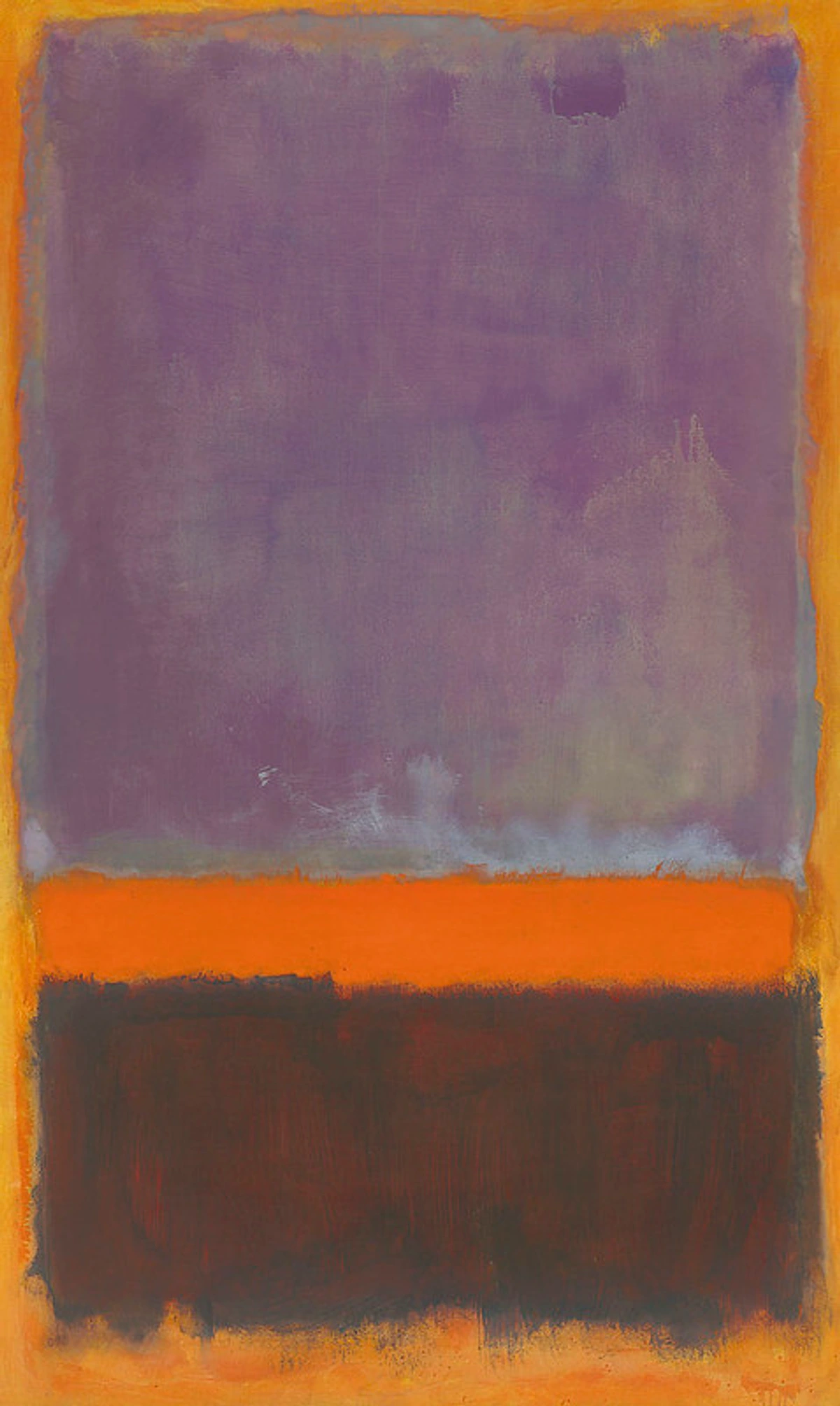
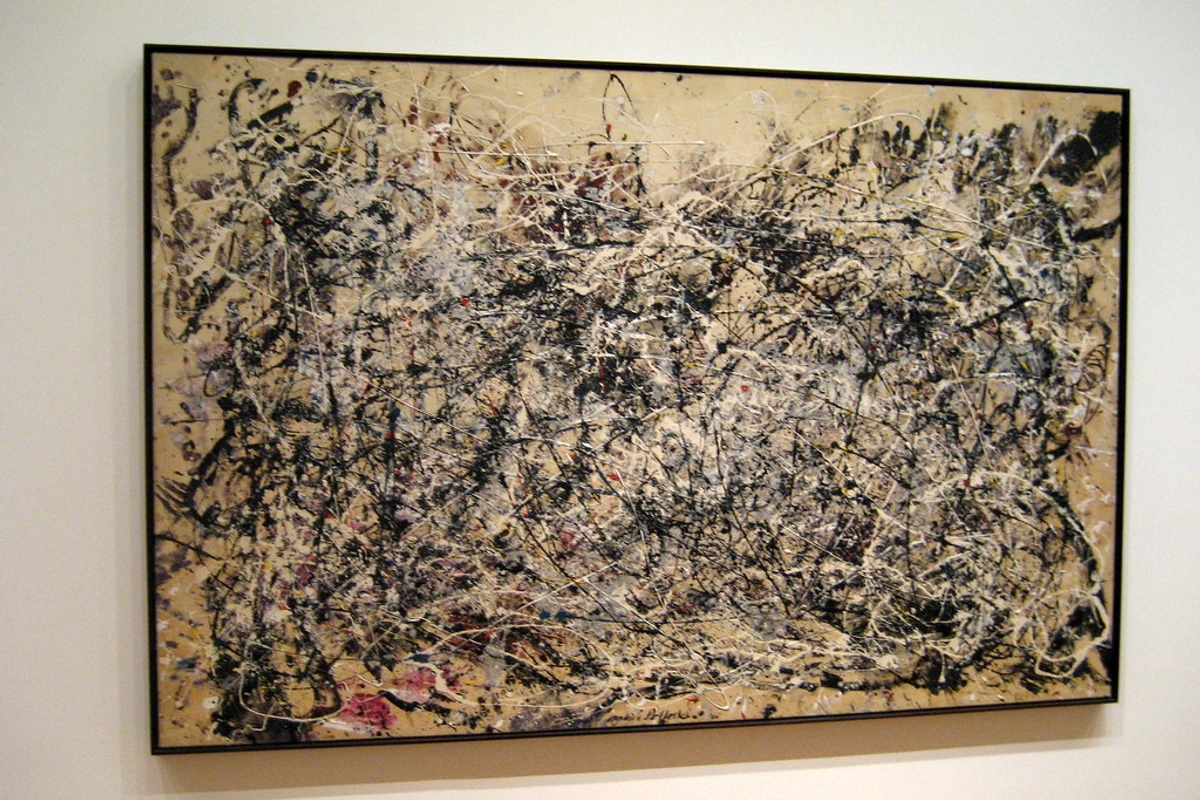
Mark Rothko and Jackson Pollock, though very different artists, both found inspiration in El Greco. Rothko's luminous color fields echo El Greco's spiritual use of light, while Pollock's energetic, all-over compositions share El Greco's emotional intensity.
Contemporary Art (21st Century)
Today, artists like Peter Doig, Cecily Brown, and Dana Schutz continue to engage with El Greco's legacy. His influence can be seen in:
- Figurative abstraction – Using recognizable forms in abstract ways
- Emotional authenticity – Prioritizing feeling over technical perfection
- Spiritual themes – Exploring transcendence and the divine
- Bold color – Using color as a primary emotional tool
If you're an artist, I highly recommend studying El Greco. He shows that breaking the rules isn't just a modern idea—it's a timeless way of making art that speaks with a unique voice. It's about creating a world that is true to a feeling, not just to a line or a shape.
What Modern Artists Learn from El Greco
When contemporary artists study El Greco, they discover several important lessons:
- Your unique perspective is your greatest asset – El Greco didn't try to blend in; he leaned into what made him different
- Emotion trumps technique – Technical skill is important, but emotional authenticity is what makes art memorable
- Spiritual themes are timeless – Even in a secular age, people respond to art that explores deeper questions
- Breaking conventions creates impact – The rules are there to be broken, especially when you understand why they exist
- Personal vision outweighs market trends – El Greco didn't paint to please his contemporaries; he painted what he believed in
El Greco and the Business of Art
One fascinating aspect of El Greco's career is how he navigated the business side of art. He wasn't just a visionary painter; he was also a savvy businessman.

Patronage and Commissions
El Greco primarily worked for religious and aristocratic patrons in Toledo. His most important commissions came from:
- The Church – Large altarpieces and religious paintings
- Noble families – Portraits and family chapels
- Religious orders – Monasteries and convents
He was known for being difficult to work with, which actually helped his reputation. People wanted his art precisely because he was uncompromising in his vision.
Pricing and Value
El Greco was one of the highest-paid artists of his time. He understood the value of his unique vision and priced his work accordingly. Today, his paintings sell for millions:
- The Burial of the Count of Orgaz – Priceless, considered a national treasure of Spain
- Market value estimates – His paintings regularly sell for $10-30 million at auction
- Investment value – His work has consistently appreciated over time
- Cultural value – Priceless in terms of artistic and historical significance
Workshop Operations
El Greco ran a large workshop in Toledo, with assistants helping him produce paintings. This was common practice, but El Greco maintained strict quality control. His workshop produced:

- Original paintings – Major works entirely by his hand
- Workshop versions – Paintings produced with significant help from assistants
- Copies – Reproductions of popular works
- Restorations – Working on older paintings for clients
Frequently Asked Questions (FAQs)
Let's answer some of the most common questions about this enigmatic master. El Greco's life and work generate many questions, from technical details to broader historical context. Here are the answers to the questions people most frequently ask about this extraordinary artist.
Question | Answer |
|---|---|
| Q1: Why is he called "El Greco"? | As mentioned, it means "The Greek." It was a common practice in Spain to refer to foreigners by their country of origin. He was from Crete, which was part of the broader Greek world. |
| Q2: How did El Greco die? | He died in Toledo on April 7, 1614, from what is believed to be a heart attack. He was 73. His last known work was The Adoration of the Shepherds, still unfinished at his death. |
| Q3: Did El Greco have any students or apprentices? | Yes, he did! El Greco ran a large workshop in Toledo with several assistants and apprentices. His son, Jorge Manuel, was his primary assistant and inherited the workshop after his father's death. The workshop produced paintings under El Greco's supervision, though the level of his personal involvement varied. Some works were entirely by his hand, while others had significant input from his assistants. |
| Q4: What materials did El Greco use in his paintings? | El Greco primarily used oil paints on canvas or wood panels, which was typical for Renaissance artists. He was known for his sophisticated use of materials, including high-quality pigments, multiple glazing layers, gold leaf, and various grounds. He sometimes experimented with different media and techniques. |
| Q5: How many paintings did El Greco create during his lifetime? | Art historians estimate that El Greco created around 500 paintings during his career. However, the exact number is difficult to determine because workshop production, attribution debates, lost works, and multiple versions complicate the count. His most productive period was during his time in Toledo (1576-1614). |
| Q6: Did El Greco ever go back to Greece after moving to Spain? | No, he never returned to Greece after he left for Italy in 1567. He became a naturalized citizen of Spain, spending the majority of his adult life in Toledo. |
| Q7: Was El Greco successful during his lifetime? | Surprisingly, he was not a massive commercial success. While he received significant commissions from the church and the nobility, his style was considered too strange and unconventional by many of his contemporaries. However, "success" is relative. El Greco was financially comfortable and respected by important patrons. He owned a large house in Toledo, had workshop assistants, and received steady commissions. |
| Q8: How did El Greco influence modern art? | His influence is profound. He was a key inspiration for Expressionists, who admired his emotional distortion of form. Pablo Picasso famously studied The Burial of the Count of Orgaz, and his work on Les Demoiselles d'Avignon shows clear parallels. He is seen as a precursor to Expressionism and Cubism, and a bridge between historical and modern art. |
Additional Common Questions
Q9: What was El Greco's relationship with other artists of his time?
El Greco had a complex relationship with his contemporaries. He respected artists like Titian and Tintoretto, with whom he studied in Venice, and was influenced by Michelangelo during his time in Rome. However, he maintained his independence and didn't join any particular artistic school or movement. His difficult personality meant he wasn't close to many other artists, but he was respected for his technical skill and unique vision.
Q10: How did El Greco's style evolve throughout his career?
El Greco's style evolved significantly from his early Cretan period through his mature Spanish years. His early work showed strong Byzantine influences with flat perspective and gold backgrounds. During his Italian period, he absorbed Renaissance techniques and developed more dynamic compositions. In his mature Spanish period, he fully developed his signature style with elongated figures, dramatic lighting, and vibrant colors. His work became increasingly spiritual and emotionally intense as he aged.
Q11: What was El Greco's religious background?
El Greco was born into the Eastern Orthodox Church in Crete, which was under Venetian Catholic rule. This exposure to both Orthodox and Catholic traditions influenced his religious art. When he moved to Spain during the Counter-Reformation period, he adapted his work to the more emotionally intense style favored by the Catholic Church. While he remained faithful to his Greek Orthodox roots, his art successfully bridged Eastern and Western religious traditions.
Q12: Where are the best places to see El Greco's work today?
The best places to experience El Greco's work include:
- El Greco Museum, Toledo – Housed in a 16th-century mansion, showing his working environment
- Santo Tomé Church, Toledo – Where The Burial of the Count of Orgaz remains in its original location
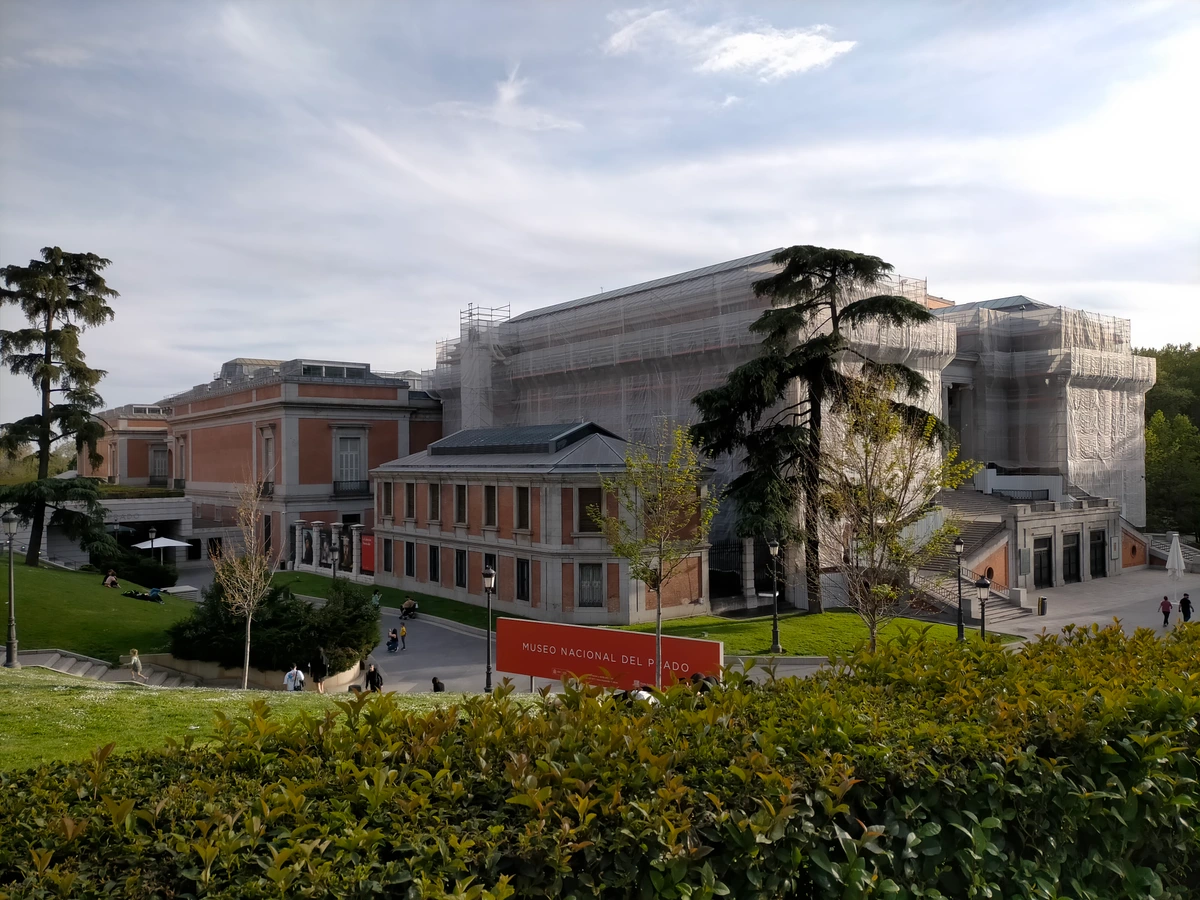
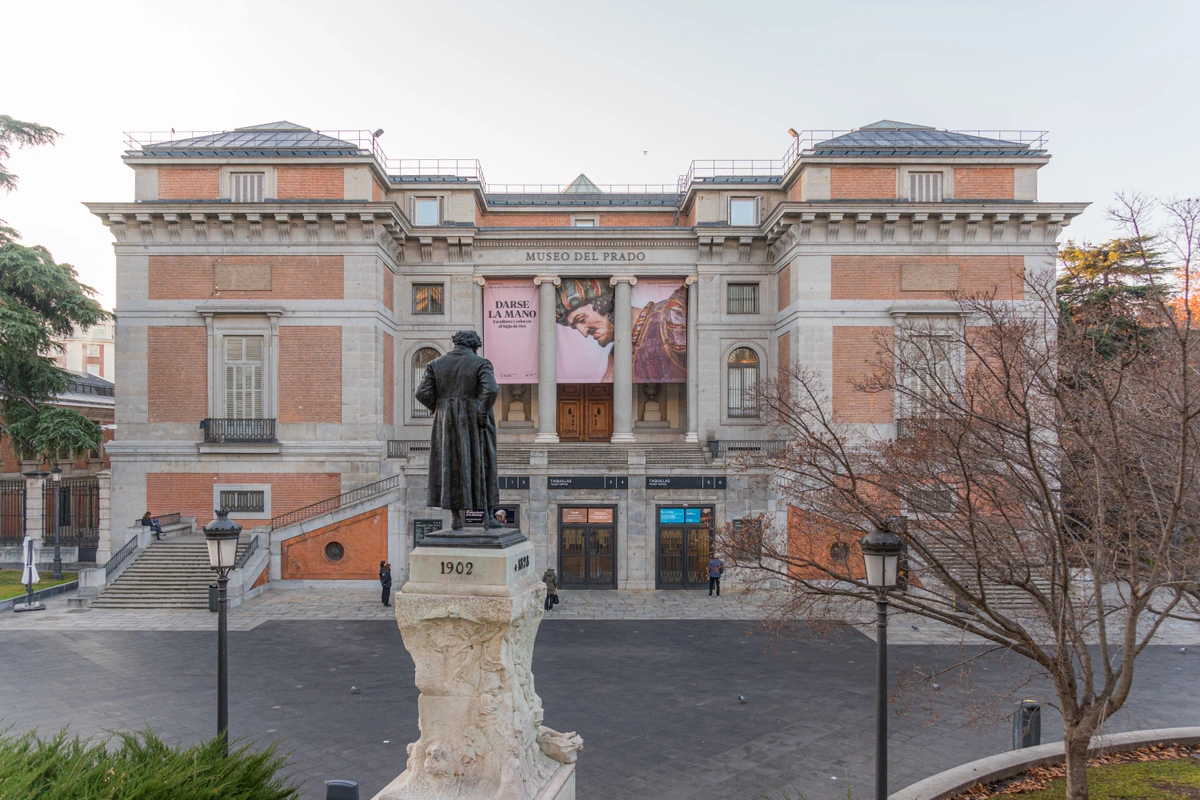
- Prado Museum, Madrid – Home to multiple masterpieces including The Holy Trinity
- Metropolitan Museum, New York – Features View of Toledo and Opening of the Fifth Seal
- Art Institute of Chicago – Houses The Assumption of the Virgin
- National Gallery, London – Contains The Agony in the Garden
Career Phase | Time Period | Key Characteristics | Major Influences |
|---|---|---|---|
| Early Cretan Period | 1541-1567 | Byzantine icon style, flat perspective, gold backgrounds | Post-Byzantine tradition, Orthodox Christianity |
| Venetian Period | 1567-1576 | Renaissance techniques, richer colors, more dynamic compositions | Titian, Tintoretto, Venetian colorism |
| Roman Period | 1576-1577 | Mannerist influences, more experimental approach | Michelangelo, Raphael, Roman Mannerism |
| Early Spanish Period | 1577-1590 | Developing mature style, elongated figures emerging | Spanish Counter-Reformation, local traditions |
| Mature Spanish Period | 1590-1614 | Fully developed style, elongated figures, dramatic lighting | Personal synthesis, spiritual intensity |
Q1: Why is he called "El Greco"? A: As mentioned, it means "The Greek." It was a common practice in Spain to refer to foreigners by their country of origin. He was from Crete, which was part of the broader Greek world.
Q2: How did El Greco die? A: He died in Toledo on April 7, 1614, from what is believed to be a heart attack. He was 73. His last known work was The Adoration of the Shepherds, still unfinished at his death.
Q3: Did El Greco have any students or apprentices? A: Yes, he did! El Greco ran a large workshop in Toledo with several assistants and apprentices. His son, Jorge Manuel, was his primary assistant and inherited the workshop after his father's death. The workshop produced paintings under El Greco's supervision, though the level of his personal involvement varied. Some works were entirely by his hand, while others had significant input from his assistants.
Q4: What materials did El Greco use in his paintings? A: El Greco primarily used oil paints on canvas or wood panels, which was typical for Renaissance artists. He was known for his sophisticated use of materials, including:
- High-quality pigments – Importing rare and expensive colors
- Multiple glazing layers – Creating luminous, jewel-like effects
- Gold leaf – Used in religious works for heavenly backgrounds
- Various grounds – Preparing surfaces with specialized mixtures
- Experimental techniques – Sometimes mixing different media or trying new approaches
Q5: How many paintings did El Greco create during his lifetime? A: Art historians estimate that El Greco created around 500 paintings during his career. However, the exact number is difficult to determine because:
- Workshop production – Many paintings were produced with assistants
- Attribution debates – Some works are still disputed among scholars
- Lost works – Many paintings from his early career are lost
- Multiple versions – He sometimes created several versions of popular compositions
His most productive period was during his time in Toledo (1576-1614), when he received numerous commissions from the Church and Spanish nobility.

Q3: Did El Greco ever go back to Greece after moving to Spain? A: No, he never returned to Greece after he left for Italy in 1567. He became a naturalized citizen of Spain, spending the majority of his adult life in Toledo.
Q4: Was El Greco successful during his lifetime? A: Surprisingly, he was not a massive commercial success. While he received significant commissions from the church and the nobility, his style was considered too strange and unconventional by many of his contemporaries. It was much later that his genius was fully appreciated.
However, "success" is relative. El Greco was financially comfortable and respected by important patrons. He owned a large house in Toledo, had workshop assistants, and received steady commissions. But he never achieved the widespread fame and fortune of artists like Titian or Michelangelo. His work was popular enough to sustain him, but revolutionary enough to keep him from becoming a household name in his own time.
Q5: How did El Greco influence modern art? A: His influence is profound. He was a key inspiration for Expressionists, who admired his emotional distortion of form. Pablo Picasso famously studied The Burial of the Count of Orgaz, and his work on Les Demoiselles d'Avignon shows clear parallels. He is seen as a precursor to Expressionism and Cubism, and a bridge between historical and modern art.
The full extent of his influence is still being studied by art historians. Some key areas of impact include:
- Figurative abstraction – Using recognizable human forms in abstract, expressive ways
- Color as emotion – Treating color as a primary vehicle for feeling rather than representation
- Spiritual abstraction – Creating abstract works that convey spiritual or emotional experiences
- Breaking the fourth wall – Making the viewer feel present in the scene, not just observing it
- Personal mythology – Developing a unique visual language that becomes the artist's signature
A Lasting Impression
El Greco, the Greek who became a Spaniard, the Mannerist who defied Mannerism—his legacy is a testament to the power of an unwavering vision. He painted what he felt, not just what he saw. In a world that often demands conformity, El Greco's work is a radical act of individuality and spiritual courage. It reminds us that the most profound truths are often found not in the ordinary, but in the extraordinary, the stretched, and the brilliantly lit corners of our imagination.
The El Greco Phenomenon: Why He Still Captivates Us
What is it about El Greco that continues to fascinate viewers more than 400 years after his death? Part of it is his sheer audacity – he took the artistic conventions of his time and turned them upside down. But it's more than that.
Timelessness Through Authenticity
El Greco's work feels modern because it's authentically his. He wasn't following trends; he was creating them out of necessity. His unique perspective – shaped by his Greek heritage, Byzantine training, Renaissance studies, and Spanish environment – created something unprecedented.
The Spiritual Dimension
In an increasingly secular world, El Greco's work speaks to a deep, universal human need for meaning and transcendence. His paintings aren't just beautiful; they're portals to something greater. They ask questions that still resonate:

- What is the nature of the divine?
- How do we experience spiritual truth?
- What role does emotion play in our understanding of reality?
The Beauty of the Unconventional
El Greco teaches us that beauty doesn't have to be conventional. His elongated figures might not be "realistic," but they're profoundly true to the spiritual reality he was trying to express. His dramatic colors might not "match" the natural world, but they match the emotional truth of his subjects.
This is perhaps his most important lesson for us today: authenticity trumps convention every time.
Visiting El Greco Today: Where to Experience His Work
If you want to experience El Greco's work firsthand, here are the best places to visit:
Location | Key Works | What Makes It Special |
|---|---|---|
| El Greco Museum, Toledo, Spain | Personal collection, studio materials | Housed in a 16th-century mansion, shows his working environment |
| Santo Tomé Church, Toledo | The Burial of the Count of Orgaz (still in original location) | Experience the painting as it was meant to be seen |
| Prado Museum, Madrid | The Holy Trinity, Christ Carrying the Cross | Spain's premier art collection, multiple masterpieces |
| Metropolitan Museum, New York | View of Toledo, Opening of the Fifth Seal | Major American collection, including his most famous landscapes |
| Art Institute of Chicago | The Assumption of the Virgin | Excellent example of his early mature style |
| National Gallery, London | The Agony in the Garden | Important example of his Italian period work |
| Hermitage Museum, St. Petersburg | Portrait of a Gentleman | Rare example of his portraiture outside Spain |
Pro Tips for Viewing El Greco
- Take your time – His paintings reward close looking and contemplation
- Look for the light – Notice how he uses light as a spiritual element
- Study the figures – See how he elongates them for emotional effect
- Consider the colors – Notice how they're not "realistic" but emotionally true
- Think about the spiritual – Ask yourself what feeling or experience he's trying to convey
- Get close and step back – His work changes dramatically depending on viewing distance
- Compare with contemporaries – See how his work differs from artists like Titian or Michelangelo
- Visit during quieter times – These paintings deserve contemplation without crowds
Planning Your El Greco Pilgrimage
For the dedicated art enthusiast, planning a trip specifically to see El Greco's work can be a deeply rewarding experience. Here's how to make the most of your pilgrimage:
The Toledo Experience
Toledo is where El Greco lived and worked for most of his career, and it's the best place to understand his context:
- Spend at least 2-3 days – There's much to see beyond just his paintings
- Visit Santo Tomé early – Beat the crowds to see The Burial of the Count of Orgaz in relative peace
- Walk his old neighborhoods – See the streets and buildings that inspired him
- Visit the El Greco Museum – Understand his working methods and life
- Combine with other Toledo attractions – The city is a treasure trove of Spanish Renaissance art
Madrid's Cultural Riches
If you're visiting Madrid, the Prado Museum is essential:
- Plan a full day – The Prado has thousands of masterpieces
- Focus on Spanish Golden Age – El Greco fits perfectly in this context
- Consider guided tours – Expert commentary can greatly enhance your understanding
- Check special exhibitions – Sometimes they focus on Spanish Renaissance art
International Collection Highlights
For those unable to travel to Spain:
- New York's Metropolitan – Has both landscape and religious masterpieces
- Chicago's Art Institute – Features important early mature works
- London's National Gallery – Shows his Italian period development
- Consider virtual tours – Many museums offer high-quality online experiences
No matter where you view his work, remember that El Greco's paintings are meant to be experienced, not just observed. They're emotional and spiritual experiences that can change how you see art and the world itself.
The Future of El Greco's Legacy
As we look to the future, El Greco's legacy continues to evolve and inspire new generations of artists and scholars. Digital technologies are making his work more accessible than ever before, while conservation efforts are ensuring that his paintings will remain vibrant for centuries to come.
Digital Preservation and Accessibility
Museums around the world are using advanced digital techniques to preserve and share El Greco's work:
- High-resolution imaging – Capturing every brushstroke and detail for future study
- Virtual reality experiences – Allowing people to "walk through" his paintings
- Online exhibitions – Making his work accessible to global audiences
- AI analysis – Helping scholars understand his techniques and influences
Conservation Challenges
El Greco's paintings face unique conservation challenges due to their complex layering and experimental techniques. Conservators work carefully to:



























- Preserve original materials – Using historically accurate restoration methods
- Address environmental factors – Protecting works from light, humidity, and pollution
- Document changes over time – Tracking how paintings age and respond to conservation
Continuing Influence in Contemporary Art
As art continues to evolve in the 21st century, El Greco's influence shows no signs of diminishing. Contemporary artists continue to find inspiration in his:
- Emotional authenticity – The raw, unfiltered feeling in his work
- Technical innovation – His experimental approach to materials and techniques
- Spiritual depth – His ability to convey profound meaning through visual form
- Personal vision – His uncompromising commitment to his unique perspective
El Greco reminds us that great art isn't just about what it looks like—it's about what it makes us feel and think. In an age of digital reproduction and instant gratification, his work asks us to slow down, to look closely, and to engage with art on a deeper, more meaningful level.
As you explore El Greco's legacy, remember that you're not just studying history—you're participating in a continuing conversation about what art can be and what it can mean to the human experience.
Would you like to explore how timeless artistic visions are preserved today? Learn more about permanent collections dedicated to preserving such masterpieces.