El Greco's Influence on Modern Art: A Shocking Twist of History
Discover how this 16th-century master's distorted figures and emotional intensity broke Renaissance rules to fuel Expressionism and Abstract Expressionism. A personal journey through art's rebellious soul.

El Greco's Influence on Modern Art: Why He Wasn't Just Weird for the Sake of It
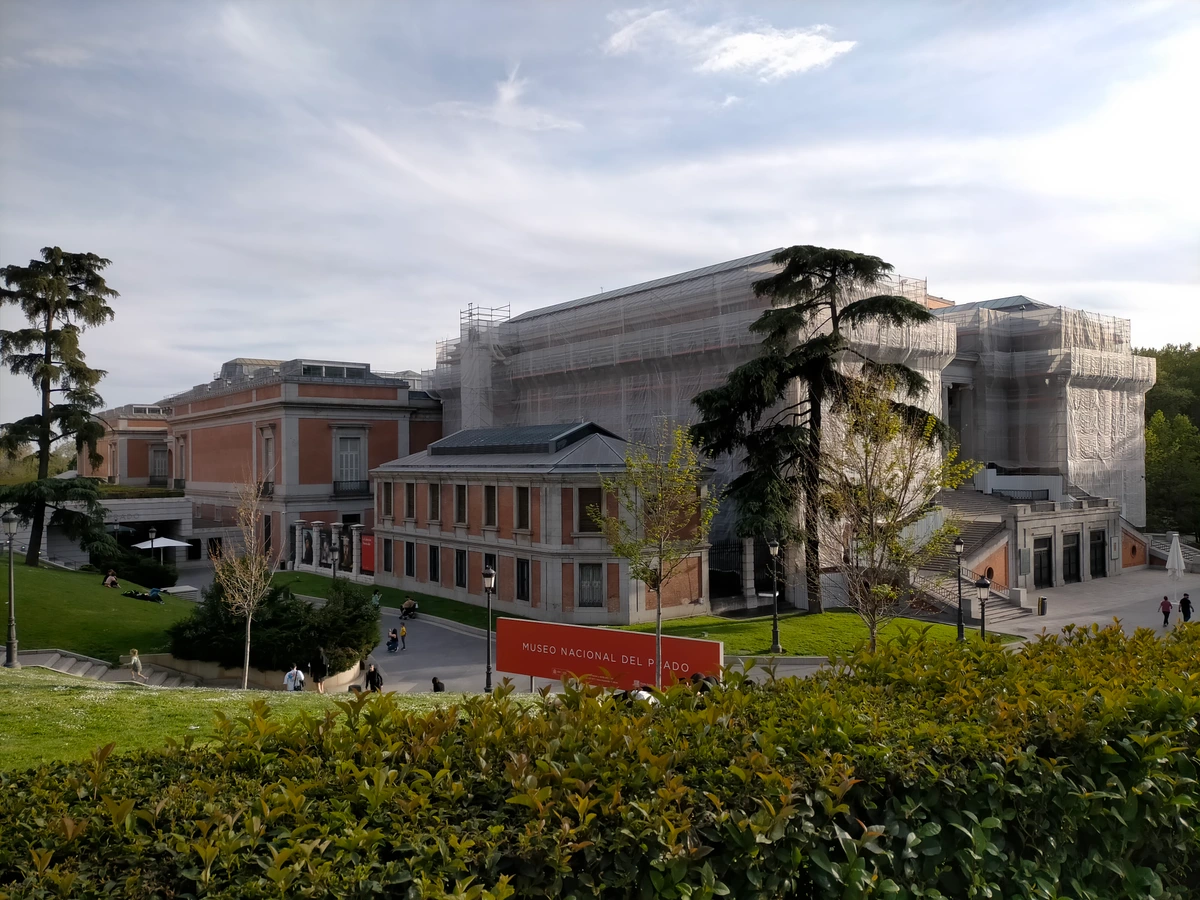
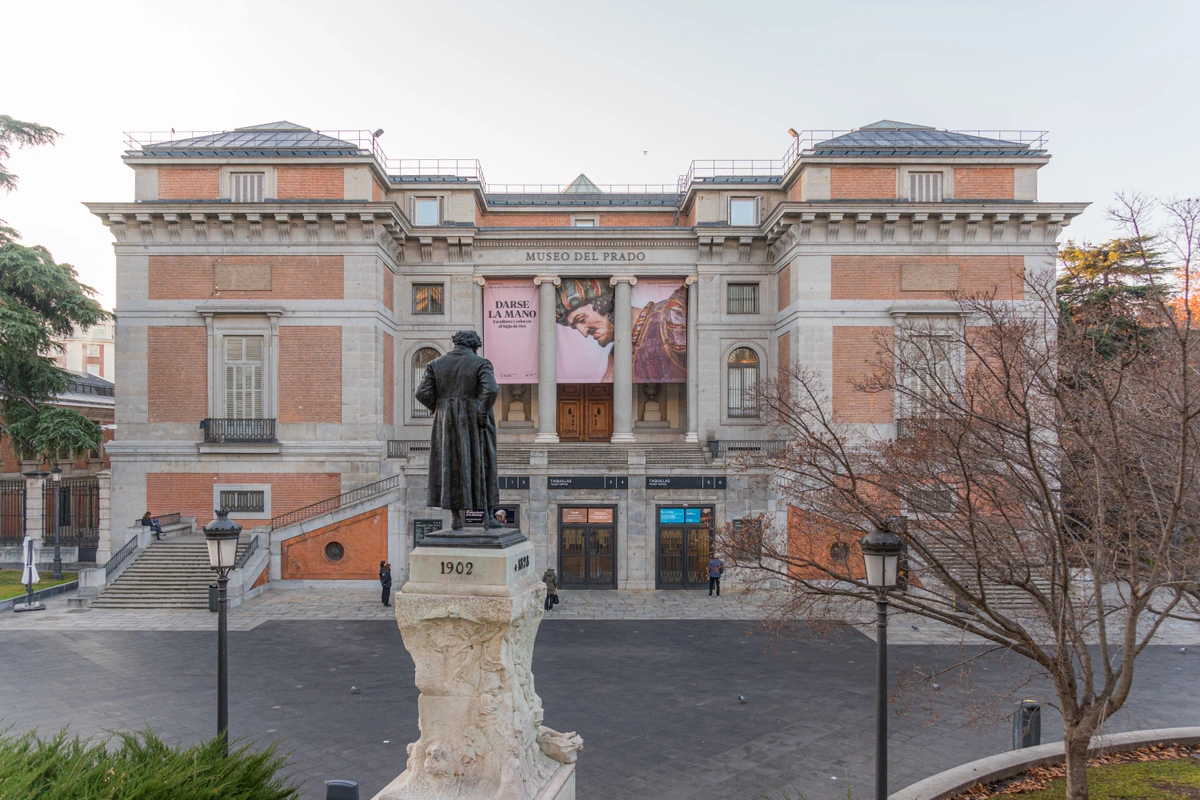
I remember standing in front of El Greco's "Burial of the Count of Orgaz" at the Prado, utterly confused. Why were those impossibly elongated bodies floating like vertical ribbons? Why did those sickly greens and acidic purples feel so... modern? The whole thing looked like a fever dream next to the smooth realism of my favorite Caravaggos. And yet, I couldn't look away. It was as if the paint itself was screaming something the Renaissance refused to hear.
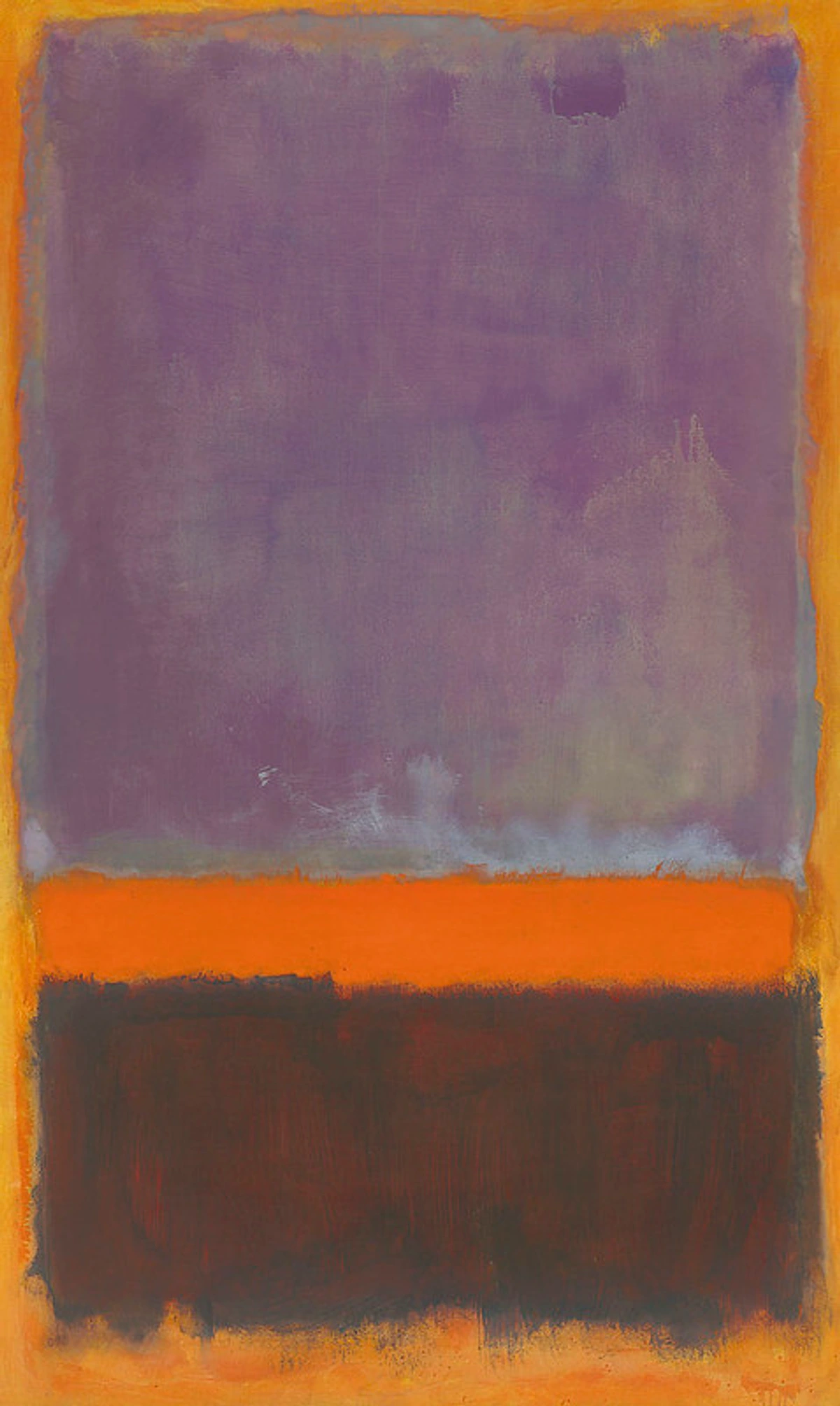
Fast forward to a Rothko exhibition last year. Those floating rectangles of color? For a second, I saw El Greco's spiritual blazes reimagined as abstract fire. The connection hit me like a silent thunderclap. That’s the crazy thing about art history—sometimes the most radical leap forward happens centuries earlier, when an artist accidentally sets the stage for everyone else. El Greco did more than just paint weird saints. He handed modern art its permission slip to break all the rules.
The Heretic Who Changed Everything: Why El Greco’s Broke the Mold
Let’s be real: when El Greco popped up in 1577 Toledo, everyone thought he was a mess. Not just because his name meant "The Greek" in Spanish, though that didn’t help his foreigner status. No, the real shock was his utter rejection of everything Renaissance artists held sacred.
The Radical Toolkit El Greco Gave Modern Artists
El Greco's "Mistakes"  | Modern Art's "Genius" | Example Artists |
|---|---|---|
| Extreme elongation of figures | Distortion for emotional impact | Picasso, Modigliani |
| Jarring color juxtaposition | Expressionist emotional palettes | Munch, Kandinsky |
| Unstable perspective | Rejection of "false" realism | Cézanne, Dali |
| Mystical brushwork | Impasto as spiritual energy | Pollock, Rothko |
| Ethereal light | Abstraction of luminosity | Turner, Newman |
| Spiritual intensity | Psychological depth | Bacon, Freud-influenced artists |
| Compositional chaos | Rejection of academic order | Kandinsky, Klee |
| Emotional rawness | Authenticity over beauty | Munch, Basquiat |
| Symbolic color | Color as emotion rather than description | Matisse, KleinSee, Renaissance painters chased idealized beauty. They perfected perspective and blended skin tones so softly you could almost forget it was paint. Not El Greco. His hands trembled with urgency. He stretched his figures like taffy because spiritual ecstasy isn’t bound by earthly anatomy. He slammed clashing colors side-by-side because heaven doesn’t live on the color wheel. He bent space because God doesn’t care about vanishing points. |
I know what you’re thinking: "This just sounds like a bad artist." And honestly? From a technical standpoint, it was unrefined by Italian standards. But El Greco wasn’t aiming for technical perfection. He wanted to crack open your skull and show you divine madness. And that’s exactly what modern artists needed centuries later.
How El Greco Secretly Birthed Expressionism
Picture this: It’s 1910. Back in Germany, artists were wrestling with their own existential dread. Industrialization was churning people into cogs. Freud was digging up skeletons in everyone’s psyche. Traditional art seemed pathetic next to this darkness. And then—poof—some curator digs up a dusty El Greco catalog.
Suddenly, those jagged lines and haunted faces didn’t look like errors. They looked like a language for the modern soul.
The Bridge to Brücke and Der Blaue Reiter
The German Expressionists saw their own alienation in El Greco’s work. His distorted figures became metaphors for fractured identities under capitalism:
- Ernst Ludwig Kirchner: Those elongated torsos in his Berlin street scenes are pure El Greco spiritual anxiety repurposed for urban grit. Kirchner even admitted he "studied [El Greco's] distortion as the key to modern expression."
- Wassily Kandinsky: When Kandinsky abandoned recognizable forms in his abstract compositions, he was echoing El Greco’s belief that paint itself could carry spiritual weight. Those shimmering blues and purples? Exactly where Kandinsky first learned that color doesn’t need to imitate reality to feel real.
- Franz Marc: His blue horse paintings? El Greco’s ethereal blues reimagined as symbols of spiritual purityMarc once wrote that El Greco’s skies "taught me how to paint emotion."
It’s wild when you think about it. Here was a 16th-century Greek artist creating a visual dialect for 20th-century alienation all because he refused to paint "pretty." Sometimes the most revolutionary act is just doing what your gut tells you.
From Picasso to Pollock: The Abstract Expressionist Adoption
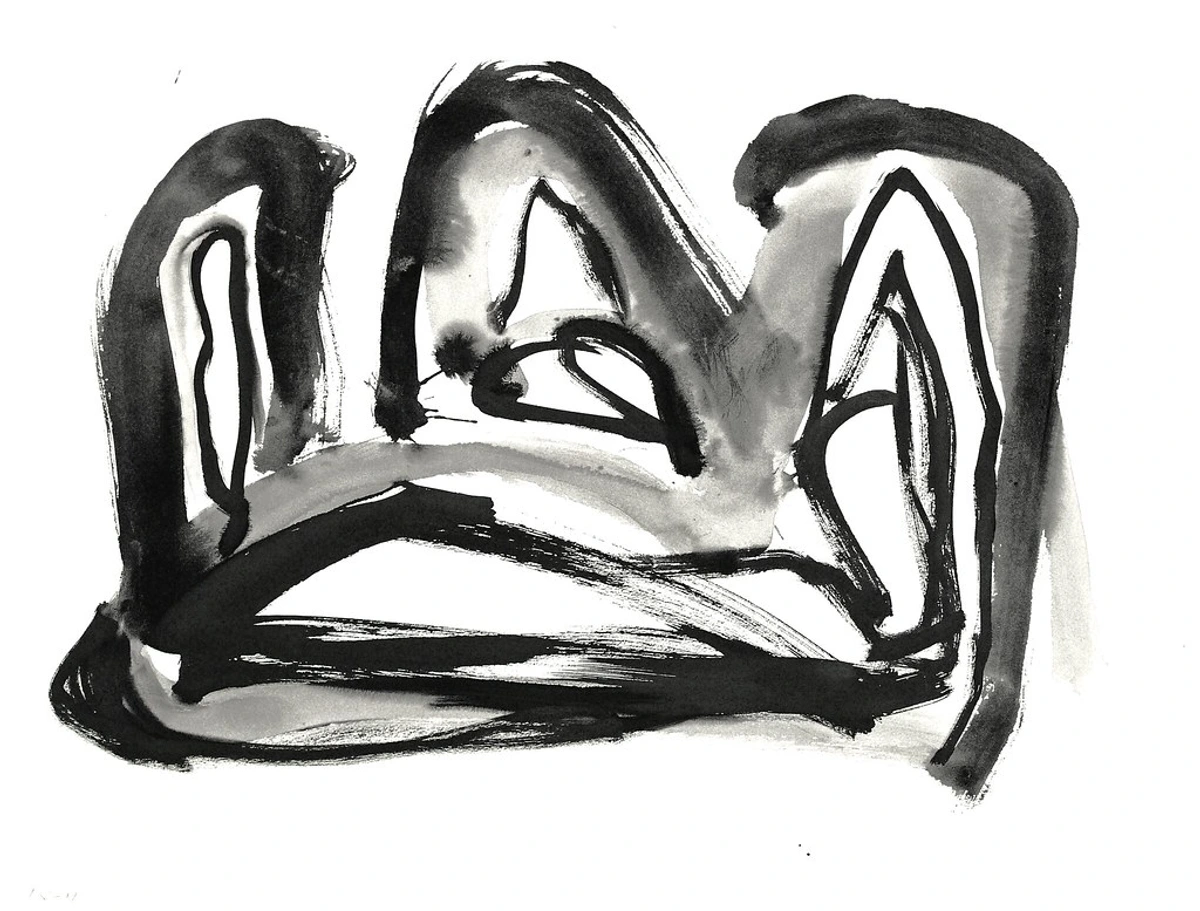
The connection between El Greco and Abstract Expressionism isn't just stylistic—it's philosophical. Both movements were born from a sense of crisis, a belief that traditional forms of art were inadequate to express contemporary experience, and a willingness to break all the rules in search of deeper truth.
The Philosophical Bridge
Abstract Expressionism emerged in New York in the 1940s and 1950s, a time when the world was reeling from the trauma of World War II, the Holocaust, and the atomic bomb. Artists like Pollock, Rothko, and de Kooning felt that traditional representational art was inadequate to express the depth of human suffering and existential anxiety they were experiencing. They needed a new visual language—one that could convey emotion, spirituality, and psychological truth without being tied to literal representation.
El Greco had faced a similar crisis four centuries earlier. The Renaissance had established strict rules about beauty, proportion, and representation. El Greco, with his training in both Byzantine mysticism and Renaissance technique, felt that these rules were inadequate to express spiritual truth. His solution was to break them—elongating figures, distorting space, and using color in emotionally charged ways.
Case Study: Rothko and "The Opening of the Fifth Seal"
The most direct connection between El Greco and Abstract Expressionism is Mark Rothko's ownership of a reproduction of El Greco's "The Opening of the Fifth Seal." This painting, with its swirling, distorted figures and dramatic color, seems like a direct precursor to Rothko's mature work. But the connection goes deeper.
Both artists explored the relationship between color, form, and spiritual experience. El Greco used elongated figures and dramatic lighting to create a sense of divine presence. Rothko reduced form to pure color fields, creating an environment that could envelop the viewer in emotional and spiritual experience. Both artists believed that art could transcend the purely visual to create a profound psychological and spiritual effect.
Rothko once said that his goal was to create "basic human emotions—tragedy, ecstasy, doom." This could just as easily be El Greco's manifesto. Both artists used abstraction not as an end in itself, but as a means to express truths that couldn't be conveyed through literal representation.
Now let’s jump to New York, 1945. The Abstract Expressionists were wrestling with postwar trauma. How do you paint the unspeakable? El Greco had an answer: break everything except the paint.
Jackson Pollock’s Paint-Spattered Miracles
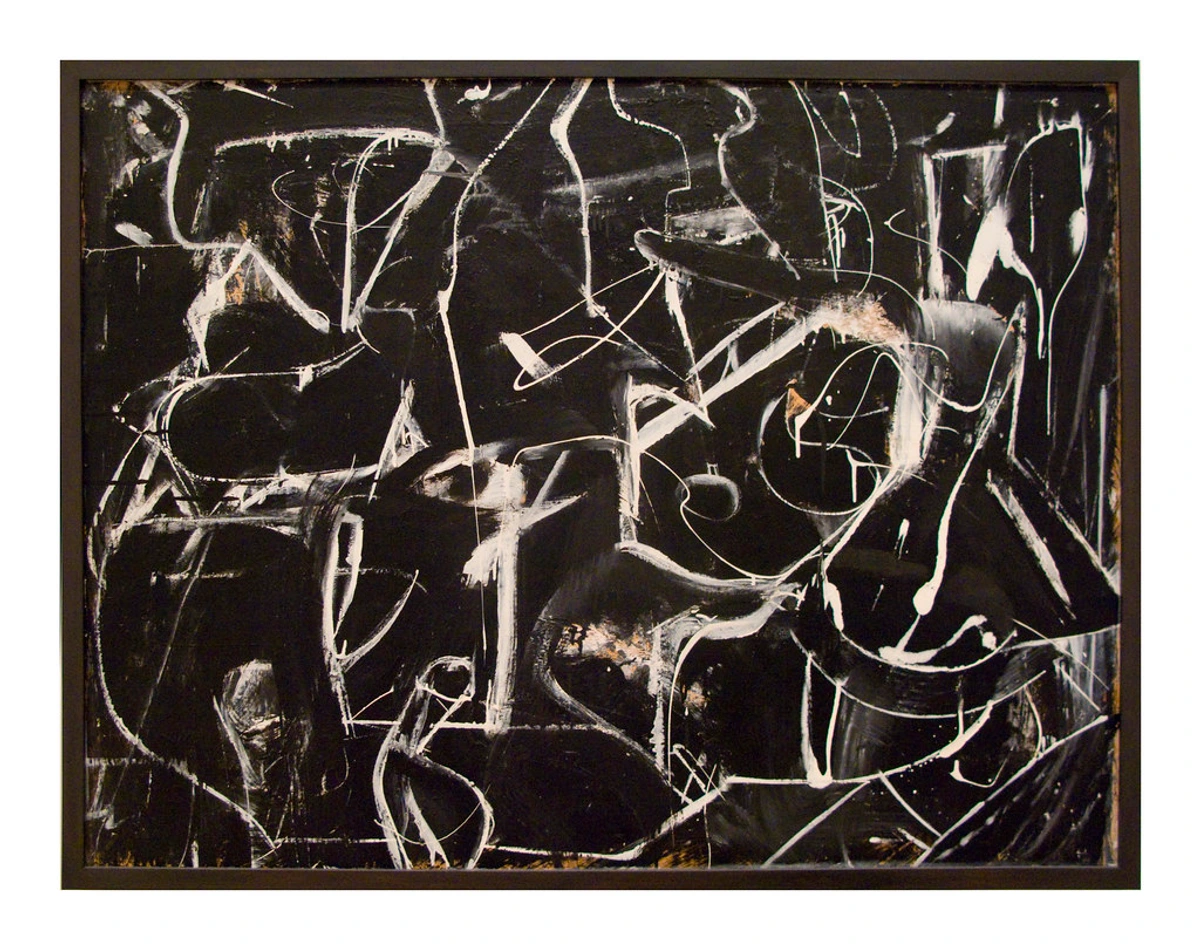
Look at Pollock’s drip paintings. Those frenetic webs aren’t random (though critics loved pretending they were). They’re spiritual energy made visible. I remember reading a quote where Pollock admitted studying El Greco’s brushwork: "His paint didn’t lie flat. It writhed on the canvas like a possessed thing." That’s exactly what Pollock was chasing—the moment when the paint lived.
The Rothko-Matisse-El Greco Trinity
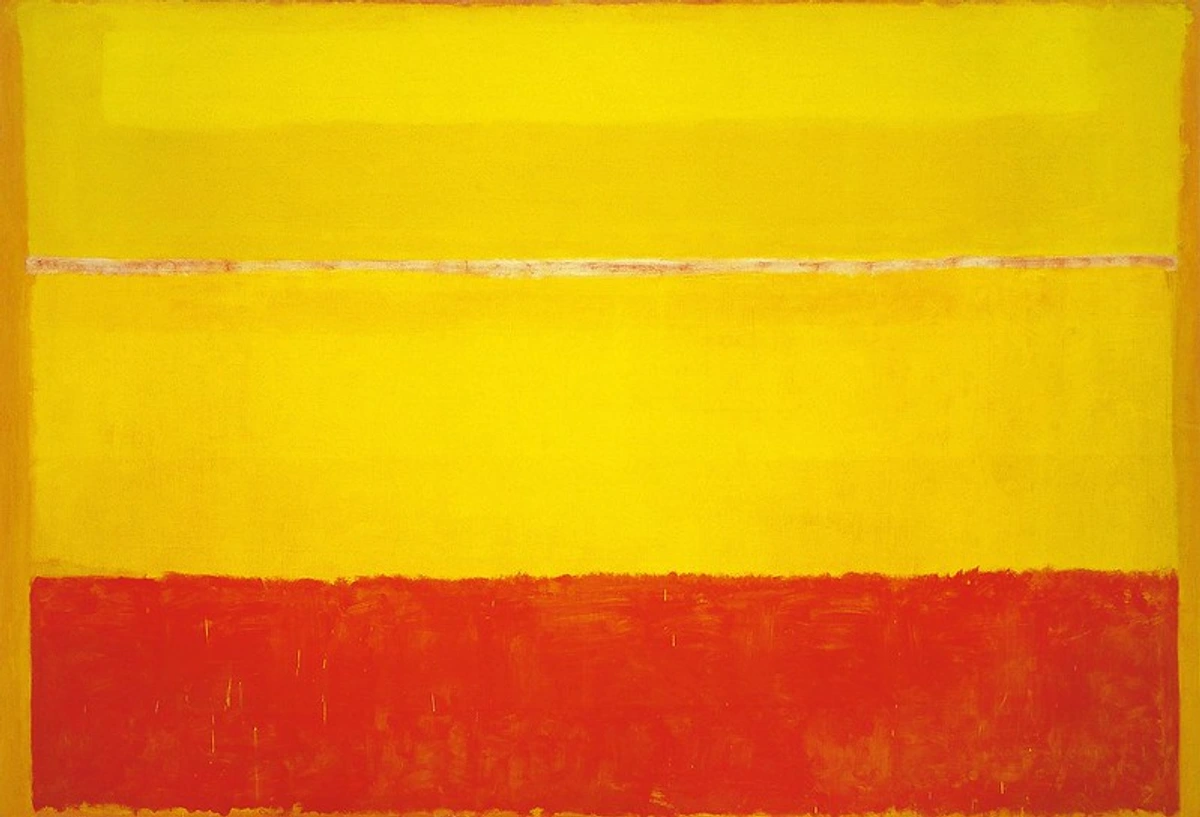
Mark Rothko’s color fields? At first glance, they’re serene floating rectangles. But stare long enough, and you feel the same divine tension El Greco packed into his skies. Rothko famously said great art should "make the viewer feel that they are standing in a room with someone other than the artist." That’s the same haunting spirituality that made El Greco’s saints feel like they were still breathing. Rothko even owned a reproduction of The Opening of the Fifth Seal—a painting so distorted it looks like it’s melting from spiritual overload. Hmm. Sounds familiar.
And let’s not forget Henri Matisse. When Matisse started slashing those bold black lines in his late cut-outs, he was channeling El Greco’s insistence that form should serve emotion, not mimic reality. Both artists used distortion to strip away the world’s lies and show us something truer beneath.
How to Spot El Greco’s Ghost in Modern Galleries
Next time you’re staring at an abstract painting or an angsty figurative piece, play detective. Look for these telltale signs of El Greco’s fingerprints:
- Vertigo Vertices: Are figures stretched so tall they look like they’re vibrating? That’s his DNA.
- Color Punch: See colors so clashing they make your teeth ache? El Greco did that first.
- Ghostly Light: Is light more a feeling than a physics lesson? Blame him.
- Turbulent Brushstrokes: Does the paint look like it’s actively resisting the canvas? You’re seeing his influence.
- Bent Reality: Does the perspective feel slightly nauseous? Yep—that’s him whispering in the artist’s ear.
Pro tip: Compare an El Greco saint to an Egon Schiele portrait. The anatomical exaggeration isn’t similar—it’s a direct visual conversation across 400 years.
The Wild Controversy: Why Some Still Hate Him
El Greco's rejection by his contemporaries tells us as much about 16th-century Spain as it does about his art. The Spanish Golden Age was a period of intense religious orthodoxy and artistic conservatism. The Catholic Church, which was the primary patron of religious art, expected works to be clear, didactic, and technically perfect. El Greco's elongated figures, jarring colors, and unstable perspective seemed to violate every expectation of sacred art.
Spanish nobles, who commissioned portraits and historical scenes, valued Renaissance ideals of beauty, proportion, and technical mastery. El Greco's refusal to conform made him seem unprofessional, even incompetent. Contemporary accounts describe him as difficult, arrogant, and unwilling to compromise his artistic vision. The criticism was often personal: he was mocked for being Greek, for his strange accent, for his unconventional appearance (he reportedly dressed in all black, even in summer).
What's fascinating is how closely this mirrors the reception of modern artists. When Picasso painted "Les Demoiselles d'Avignon," critics called it "primitive." When Pollock showed his drip paintings, they were dismissed as "dreck." The pattern is uncanny: the artists who change history are always the ones first called hacks. El Greco wasn't just ahead of his time—he was creating a time machine for future artists, allowing them to access tools they would need to revolutionize art centuries later.
Here’s the kicker: El Greco was hated in his time. Spanish nobles thought he ruined perfect faces. Church officials sneered at his non-traditional colors. Back then, he was considered a failed academic, a chaotic outsider.
Sound familiar?
That’s exactly how early modern artists were treated. Critics called Picasso’s Les Demoiselles d’Avignon "primitive." Pollock’s drips were "dreck." Abstract Expressionism was dismissed as "childish." The pattern’s uncanny: the artists who change history are always the ones first called hacks.
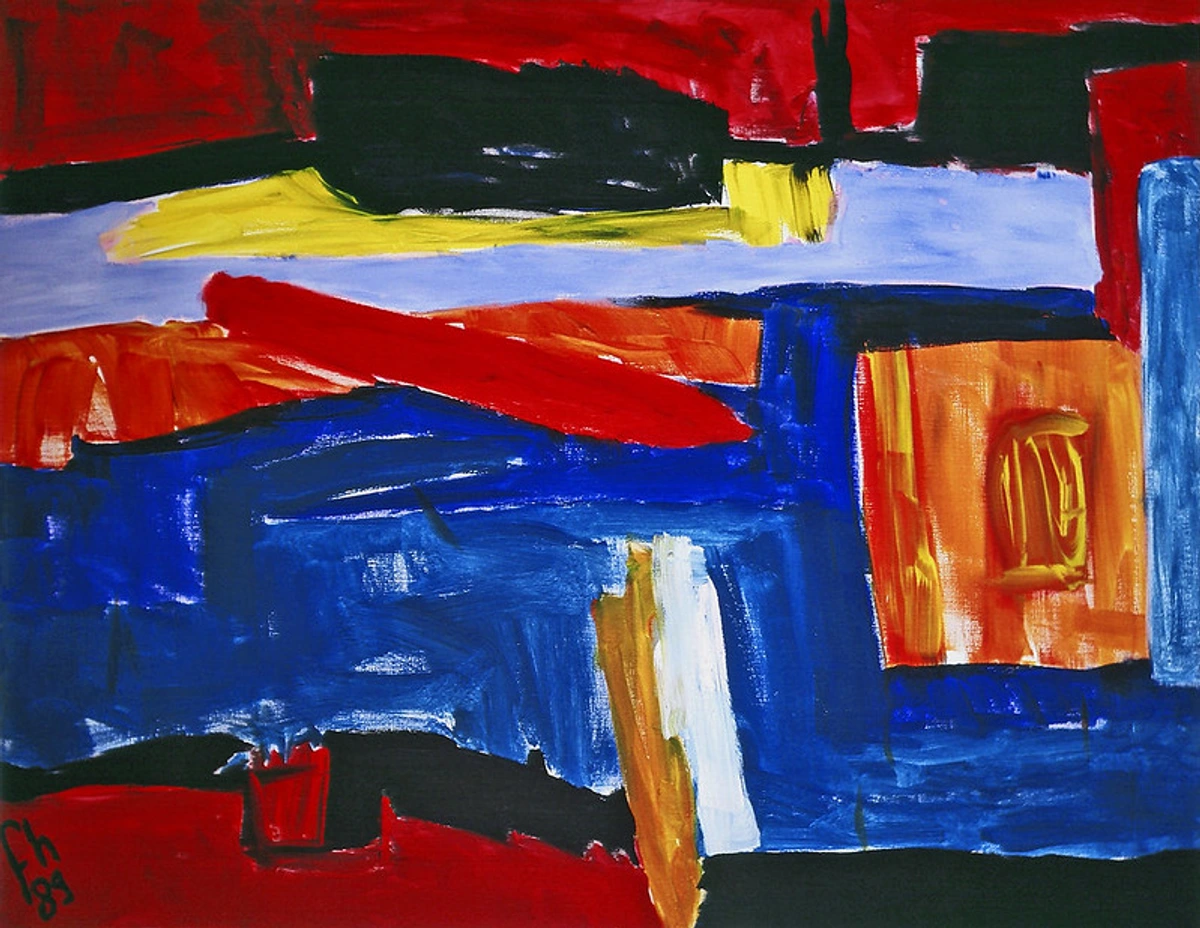
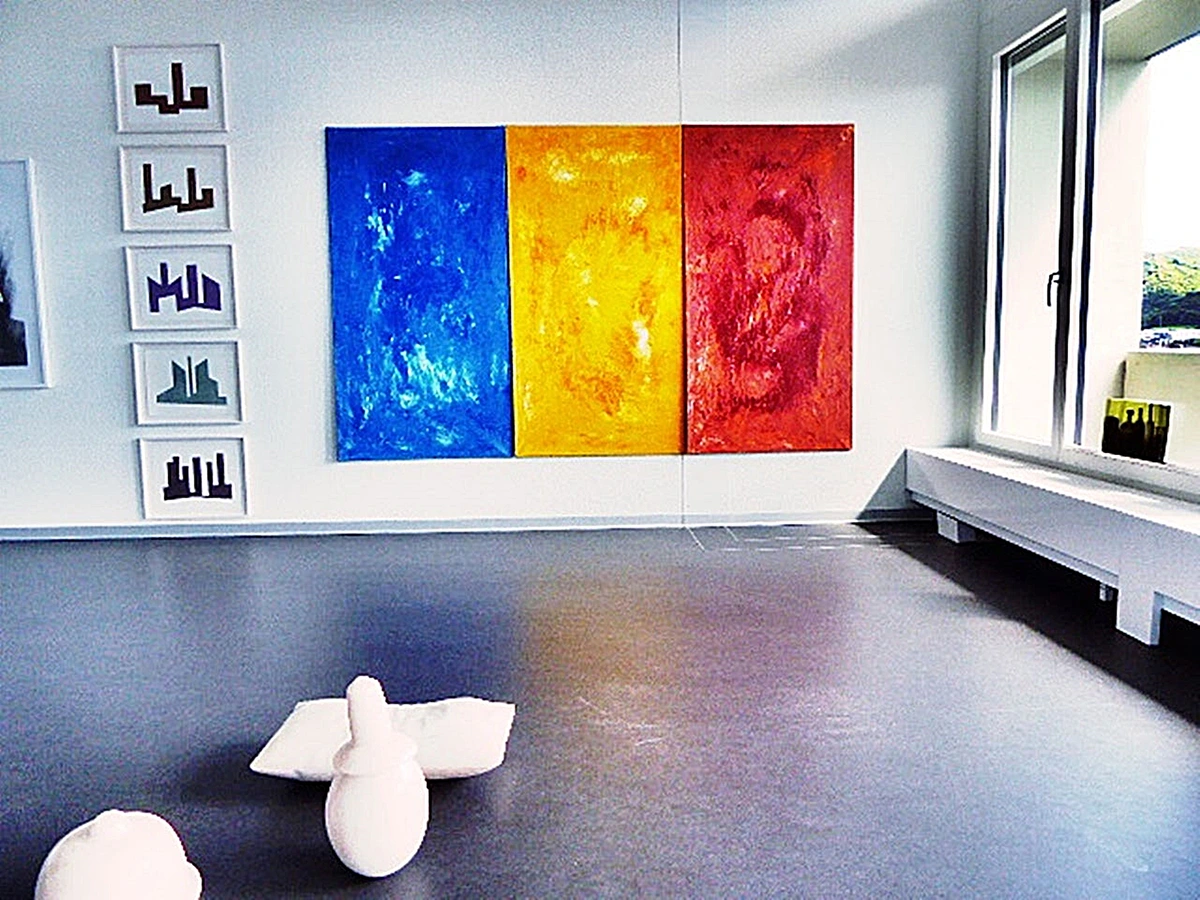
History has this beautiful way of flipping scripts. Today, El Greco isn’t a weird footnote—he’s the guy who taught modern art how to rebel. If you’re making abstract, colorful work right now, you’re standing on his shoulders. Even our museum in 's-Hertogenbosch shows how his spirit lives in contemporary experiments.
FAQ: El Greco’s Modern Resurrection
Who was El Greco, really?
A Greek painter (Domenikos Theotokopoulos) trained in Venice who became Spain’s most misunderstood visionary. He lived from 1541 to 1614 in Toledo where he blended Orthodox mysticism with Italian Renaissance techniques into something entirely new.
Why did modern artists suddenly care about a 16th-century painter?
Because his "flaws"—distortion, jarring color, unstable perspective—became solutions to modern problems. How do you paint alienation? Follow El Greco. How do you express spirituality without a church? Borrow his brushwork. His mistakes were actually masterclasses in authenticity.
The timing of El Greco's rediscovery wasn't accidental. Early 20th-century artists were grappling with industrialization, world war, and the collapse of traditional certainties. They needed a visual language that could express anxiety, spiritual hunger, and revolutionary ideas. El Greco provided that language—his work showed that art could be emotionally authentic, spiritually profound, and technically innovative all at once. His "imperfections" became exactly what modern artists needed: permission to break the rules, distort reality, and create art that spoke to contemporary experience rather than historical ideals.
Which modern artists were most influenced by him?
El Greco's influence spans virtually every major art movement of the 20th and 21st centuries. Here's a more detailed breakdown:
The Cubists (1907-1914)
- Pablo Picasso: Though he never directly cited El Greco, Picasso's multiple perspectives and distortion of form show clear engagement with El Greco's compositional innovations. The fractured space in "Les Demoiselles d'Avignon" echoes El Greco's unstable perspective.
- Georges Braque: His analytical approach to form and space connects to El Greco's willingness to break traditional compositional rules.
The Fauves (1905-1908)
- Henri Matisse: Matisse's use of color for emotional rather than descriptive purposes continues El Greco's revolution in color theory. The bold, expressive color in "Woman with a Hat" shows El Greco's influence.
- André Derain: His vibrant, emotional palette shows parallels with El Greco's approach to color.
The Expressionists (1905-1933)
- Egon Schiele: His distorted figures and emotional intensity show parallels with El Greco's approach to the human form.
- Oskar Kokoschka: His psychological portraits and use of distortion reflect El Greco's influence on conveying inner emotional states.
The Surrealists (1924-1950s)
- Salvador Dalí: Dalí explicitly acknowledged El Greco's influence on his use of dreamlike space and psychological distortion.
- Max Ernst: His exploration of the unconscious and use of automatism connects to El Greco's interest in spiritual and psychological truth.
The Abstract Expressionists (1940s-1950s)
- Jackson Pollock: His energetic brushwork and focus on the physical act of painting continue El Greco's tradition of making the creative process visible.
- Mark Rothko: His color field paintings explore the relationship between color, form, and spiritual experience, extending El Greco's philosophical concerns.
- Willem de Kooning: His aggressive mark-making and emotional intensity show El Greco's influence.
- Franz Kline: His bold, gestural abstract works share El Greco's belief in primal energy.
The Neo-Expressionists (1970s-1980s)
- Anselm Kiefer: His monumental works exploring history, memory, and spirituality show deep engagement with El Greco's themes.
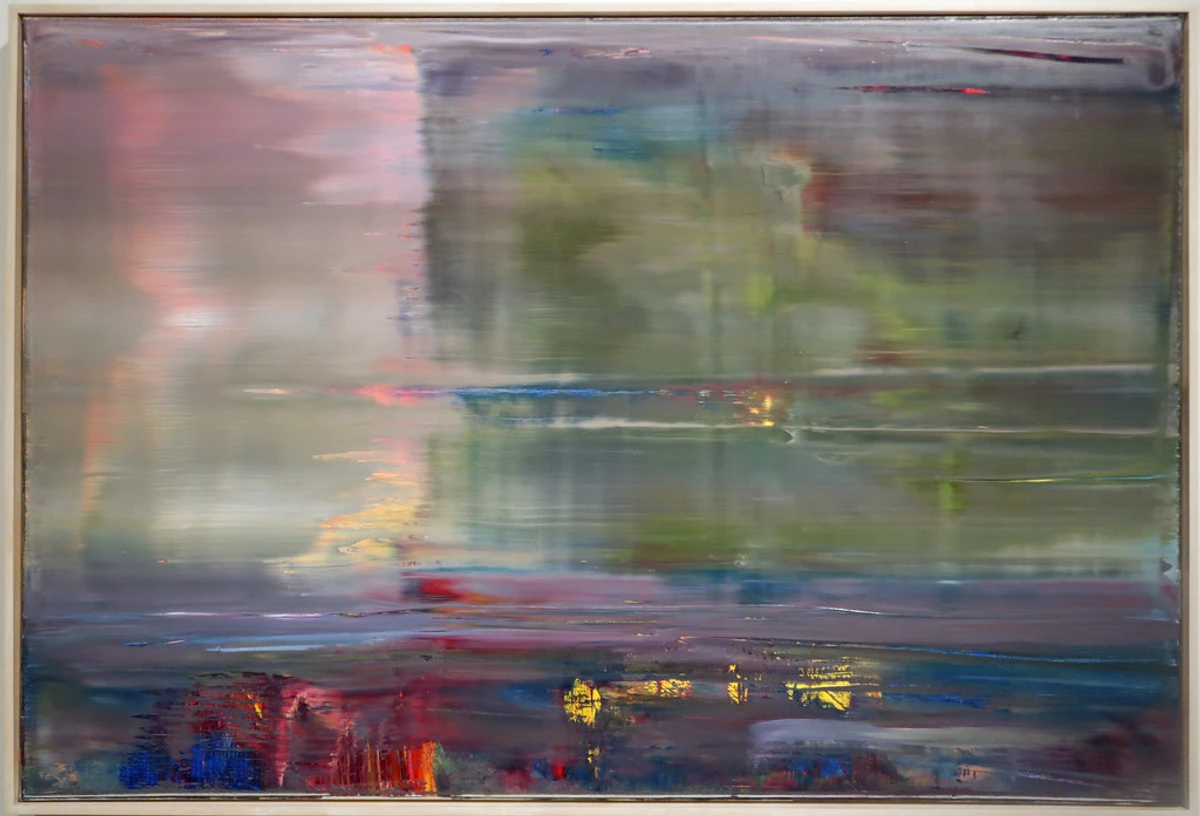
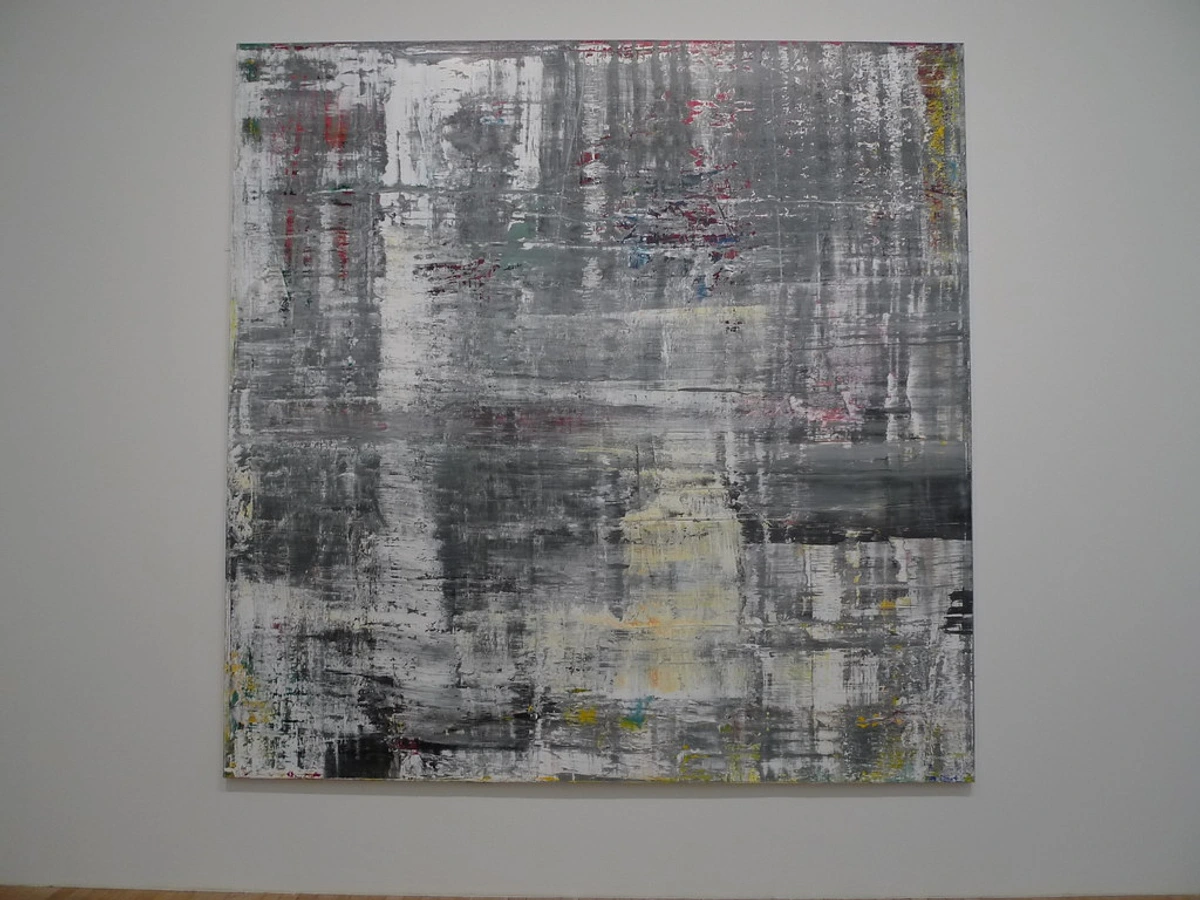
- Gerhard Richter: His exploration of surface and emotional resonance connects to El Greco's concerns.
- Julian Schnabel: His "plate paintings" share El Greco's concern with surface and emotional impact.
Contemporary Artists
- Julie Mehretu: Her large-scale abstract paintings draw on architectural and historical references, continuing El Greco's exploration of space and meaning.
- Mark Bradford: His mixed-media works explore social issues through abstraction and found materials.
- Cecily Brown: Her expressive figurative paintings show El Greco's influence on the relationship between form and emotion.Literally everyone. Seriously. Beyond the Expressionists and Abstract painters, see:
- Cézanne: His distorted architecture references El Greco’s space-bending.
- Dalí: Surrealism’s melting? Blame Toledo’s heat and El Greco’s saints.
- Modigliani: Those signature necks? El Greco elongation.
- Bacon: Even Francis Bacon’s writhing figures carry that Greek energy.
Is El Greco still relevant today?
His rebellion against "perfect" art is more vital than ever. If you make art that doesn’t look like a photograph, if you use color to scream instead of whisper, you’re in his lineage. Contemporary abstract painters building emotional worlds with paint? They’re his spiritual grandchildren. You can even see it in how some artists approach selling original work today—prioritizing impact over polish.
Why didn’t El Greco influence art earlier?
Baroque and Neoclassicism loved order. His chaos sat in storage until the early 20th century when artists rejected classical ideals. He was like an underground secret weapon—too radical for his time, but perfect for ours.
El Greco's Enduring Legacy: From Renaissance Rebel to Modern Muse
El Greco's influence on modern art isn't just historical—it's ongoing. His legacy continues to shape how we think about art, creativity, and the relationship between the artist and their work. Understanding this legacy means understanding how El Greco created not just a style, but a new way of thinking about art itself.
From Innovation to Tradition
What's fascinating about El Greco is how his revolutionary innovations eventually became part of the artistic tradition he once rebelled against. His use of elongation, dramatic lighting, and emotional color—once considered radical mistakes—became accepted tools in the artist's vocabulary. This is the ultimate sign of an artist's impact: when their rebellion becomes the new normal.
Today, El Greco is studied not as a revolutionary outsider, but as a master painter who created works of profound spiritual and emotional depth. His influence is so integrated into modern art that we often don't even notice it. But look closely: in the emotional use of color, the willingness to distort reality for psychological truth, the belief that art can be spiritual without being religious—you can still see El Greco's fingerprints.
The Historical Context: El Greco in His Time
To truly understand El Greco's influence, we need to place him in his historical context. Born Domenikos Theotokopoulos in Crete in 1541, El Greco began his career in the Byzantine tradition, painting religious icons for the Orthodox Church. This early training gave him a deep understanding of spiritual symbolism and emotional intensity that would characterize his later work.
After studying in Venice, where he absorbed the techniques of Titian and Tintoretto, El Greco moved to Rome, where he was exposed to the High Renaissance masters. It was in Rome that he began to develop his distinctive style, blending Italian Renaissance techniques with his Byzantine heritage. However, it was in Toledo, Spain, that he found his true voice, creating works that were unlike anything being produced in Europe at the time.
El Greco's timing was crucial. He arrived in Spain just as the country was reaching the peak of its Golden Age, but also as the Counter-Reformation was tightening its grip on religious art. The Catholic Church needed art that was emotionally powerful and spiritually compelling, but also clear and orthodox in its message. El Greco's work satisfied both requirements in ways no other artist could match. His religious paintings were intensely emotional and spiritually charged, yet they remained recognizably Catholic in their subject matter and symbolism. This unique position allowed him to create art that was both revolutionary and acceptable to the most conservative patrons of the time.
The Spanish Context: Religious and Cultural Influences
Toledo in the late 16th century was a city at the crossroads of cultures. As the former capital of Spain and a center of the Spanish Inquisition, it was deeply Catholic but also home to a significant Jewish and Muslim legacy. This cultural complexity created an environment where religious art was taken very seriously, but there was also room for experimentation.
El Greco arrived in Toledo in 1577, commissioned to paint "The Burial of the Count of Orgaz" for the church of Santo Tomé. This painting would become his breakthrough work, establishing his reputation in Spain and demonstrating his unique approach to religious art. The painting combines Renaissance technical skill with Byzantine spiritual intensity, showing elongated figures, dramatic lighting, and emotional intensity that set it apart from contemporary Spanish religious art.
Toledo itself was a perfect environment for El Greco's revolutionary approach. The city was a center of Counter-Reformation spirituality, which emphasized emotional intensity and personal religious experience. This created a demand for art that could move the viewer spiritually, not just intellectually. At the same time, Toledo was a city with a rich multicultural history, having been under Muslim rule for centuries before the Christian Reconquista. This cultural complexity created an environment where experimentation was valued, as long as it served religious purposes.
El Greco's foreign status—being Greek rather than Spanish—actually worked in his favor. As an outsider, he wasn't bound by Spanish artistic conventions and could bring fresh perspectives to traditional subjects. His ability to blend Italian Renaissance techniques with Byzantine spirituality created a unique style that appealed to Spanish patrons who wanted art that was both technically sophisticated and spiritually powerful.
El Greco arrived in Toledo in 1577, commissioned to paint "The Burial of the Count of Orgaz" for the church of Santo Tomé. This painting would become his breakthrough work, establishing his reputation in Spain and demonstrating his unique approach to religious art. The painting combines Renaissance technical skill with Byzantine spiritual intensity, showing elongated figures, dramatic lighting, and emotional intensity that set it apart from contemporary Spanish religious art.
Technical Innovation: El Greco's Revolutionary Methods
El Greco's technical innovations were revolutionary because they served emotional and spiritual rather than purely aesthetic purposes:
- Elongation: Used to express spiritual transcendence rather than create visual interest
- Color Juxtaposition: Designed to create emotional tension rather than visual harmony
- Unstable Perspective: Created to suggest spiritual space rather than physical reality
- Visible Brushwork: Made to convey the energy of creation rather than hide the process
- Dramatic Lighting: Used to create a sense of divine presence rather than illuminate objects
- Compositional Diagonals: Used to create spiritual tension and movement rather than static balance
- Atmospheric Perspective: Used to suggest mystical distance rather than realistic depth
- Pattern and Repetition: Used to create meditative, almost hypnotic rhythms rather than decorative effect
- Figure-Ground Reversal: Used to create spiritual ambiguity rather than clear visual hierarchy
- Scale Distortion: Used to emphasize spiritual importance rather than physical reality
Each of these techniques was developed not for its own sake, but as a means of expressing something beyond the physical—something spiritual, emotional, or psychological.
Philosophical Foundations: El Greco's Worldview
El Greco's work reflects a unique philosophical worldview that blended several traditions:
- Orthodox Mysticism: His Cretan background gave him access to Orthodox mystical traditions that emphasized the transformative power of religious experience
- Neoplatonism: His time in Italy exposed him to Neoplatonic philosophy, which saw the material world as a reflection of higher spiritual realities
- Counter-Reformation Spirituality: His work in Spain coincided with the Catholic Counter-Reformation, which emphasized emotional intensity and personal religious experience
- Humanism: Despite his spiritual focus, El Greco absorbed Renaissance humanist ideals about the dignity and potential of human beings
This philosophical foundation helps explain why El Greco's work feels both ancient and modern—because it draws from multiple traditions simultaneously, creating something entirely new.
The Rediscovery: How El Greco Was Reintroduced to the Art World
El Greco's influence wasn't continuous—it was rediscovered at key moments in art history:

The 19th Century: Romantic Revival
- Eugène Delacroix (1798-1863): Delacroix, a leading French Romantic painter, was fascinated by El Greco's dramatic lighting and emotional intensity. He wrote about El Greco's ability to "make the supernatural appear natural," a Romantic ideal that sought to bridge the divine and human.
- Théodore Géricault (1791-1824): Though less directly influenced, Géricault's dramatic compositions and emotional focus show parallels with El Greco's approach to human drama.
- John Constable (1776-1837): The English landscape painter admired El Greco's dramatic skies, which influenced his own atmospheric studies.
- J.M.W. Turner (1775-1851): The great Romantic landscape painter shared El Greco's fascination with light as spiritual energy, though their approaches to depicting it were quite different.
- Caspar David Friedrich (1774-1840): The German Romantic painter's interest in the spiritual dimension of landscape and his use of dramatic lighting shows philosophical connections to El Greco's worldview.
This 19th century rediscovery was important because it established El Greco as a serious artist, not just a historical curiosity. Romanticism's emphasis on emotion, individualism, and the sublime created the perfect intellectual environment for El Greco's work to be appreciated.
Early 20th Century: Expressionist Connection
- Die Brücke (The Bridge) Group (1905-1913): German Expressionists like Ernst Ludwig Kirchner, Karl Schmidt-Rottluff, and Erich Heckel saw in El Greco a kindred spirit willing to distort reality for emotional effect.
- Der Blaue Reiter (The Blue Rider) Group (1911-1914): Wassily Kandinsky, Franz Marc, and others found in El Greco a precedent for abstract spiritual art.
- Edvard Munch (1863-1944): The Norwegian Expressionist explicitly referenced El Greco in his use of color to express psychological states.
- Emil Nolde (1867-1956): The German Expressionist's use of dramatic, almost violent color shows clear inspiration from El Greco's emotional approach to color.
- Oskar Kokoschka (1886-1980): The Austrian artist's psychological portraits and use of distortion reflect El Greco's influence on conveying inner emotional states.
- Egon Schiele (1890-1918): Though working in Vienna, Schiele's distorted figures and emotional intensity show parallels with El Greco's approach to the human form.
This rediscovery was crucial because it connected El Greco to the birth of modern art. The Expressionists, facing the anxieties of industrialization and the trauma of World War I, found in El Greco's work a way to express their own emotional turmoil.
Mid-20th Century: Abstract Expressionist Embrace
- Jackson Pollock (1912-1956): Pollock owned reproductions of El Greco's work and admired his energetic brushwork. He saw in El Greco a precedent for action painting.
- Mark Rothko (1903-1970): Rothko owned "The Opening of the Fifth Seal" and was deeply influenced by its emotional intensity and spiritual atmosphere.
- Willem de Kooning (1904-1997): His aggressive mark-making and emotional intensity show El Greco's influence.
- Franz Kline (1910-1962): His bold, gestural abstract works share El Greco's belief in primal energy.
- Barnett Newman (1905-1970): His "zip" paintings and exploration of pure color as a vehicle for spiritual experience continue El Greco's legacy.
- Clyfford Still (1904-1980): His monumental abstract works with their dramatic color fields and emotional intensity show clear inspiration from El Greco.
- Adolph Gottlieb (1903-1974): His pictographic symbols and exploration of mythic themes connect to El Greco's spiritual content.
- Philip Guston (1913-1980): Though his late work was figurative, his abstract expressionist period shows El Greco's influence on emotional brushwork and compositional tension.
This period cemented El Greco's status as a proto-modernist. Abstract Expressionists, seeking to create art that could express universal human experiences beyond representation, found in El Greco a spiritual ancestor who had faced similar challenges.
Late 20th Century: Postmodern Engagement
- Francis Bacon (1909-1992): Bacon admired El Greco's ability to convey psychological intensity through distortion. His portraits show a direct lineage.
- Anselm Kiefer (b. 1945): The German Neo-Expressionist engaged with El Greco's themes of history, memory, and spirituality.
- Julian Schnabel (b. 1951): His "plate paintings" share El Greco's concern with surface and emotional impact.
- Contemporary Artists: Many contemporary artists continue to reference El Greco, drawn to his combination of technical skill and emotional authenticity.
- Gerhard Richter (b. 1932): Though primarily known for his photo-based work and abstract paintings, Richter's exploration of surface and emotional resonance connects to El Greco's concerns.
- Cy Twombly (1928-2011): His scribbled, calligraphic works and exploration of classical themes continue El Greco's dialogue with tradition and innovation.
- Jasper Johns (b. 1930): His use of symbolism and intellectual complexity shows a different but equally profound engagement with El Greco's legacy.
- Brice Marden (b. 1938): His contemplative abstract works share El Greco's interest in creating spiritual experiences through color and form.
Each rediscovery happened because artists found in El Greco's work solutions to problems they were facing in their own time. In an era of technical perfection, he reminded them that art's true power comes from emotional authenticity.
Why El Greco Still Feels Like a Rebellion
In a world where digital perfection and technical mastery are often the highest values, El Greco's rebellion against "perfect" art feels more urgent than ever. His insistence that art should express inner truth rather than external reality remains a powerful counterpoint to our increasingly digital and superficial culture.
The Rebellion of Authenticity
El Greco's great rebellion wasn't against technique or tradition—it was against the idea that art should be beautiful in conventional ways. He proved that art could be ugly, strange, and unsettling, and still be profoundly true. This is the rebellion that continues to resonate with artists today.
Consider the work of contemporary artists like Julie Mehretu or Mark Bradford. Mehretu's large-scale abstract paintings draw on architectural plans and historical documents to create complex layers of meaning. Bradford's mixed-media works explore social issues through abstraction and found materials. Both artists, like El Greco, use abstraction not as an end in itself, but as a means to express truths that couldn't be conveyed through literal representation.
The Contemporary Relevance
In today's art market, where technical perfection and polish are often valued above all else, El Greco's emphasis on emotional authenticity feels like a radical act. Contemporary artists who prioritize impact over polish, who use color to scream rather than whisper, who distort reality to convey psychological truth—they are all following in El Greco's footsteps.
You can see this in how artists approach selling original work today. Many collectors are looking for art that feels authentic, that has a story, that connects on an emotional level rather than just a visual one. This shift in values reflects El Greco's legacy—his belief that art's true value comes from its ability to express inner truth rather than its technical perfection.
The Final Word
El Greco wasn't just an artist who influenced modern art—he was an artist who helped create the very conditions that made modern art possible. His willingness to break the rules, to prioritize emotional truth over technical perfection, to use color and form to express spiritual and psychological realities—all of these were revolutionary acts that continue to shape art today.
The next time you're in a gallery and something feels electric, slightly wrong, spiritually loud—chances are, El Greco's ghost is grinning. And that's the highest compliment an artist can ever receive: to be so ahead of your time that your influence continues to resonate centuries after your death. El Greco didn't just change art—he created a time machine that allows future generations to access the tools they need to revolutionize art all over again.
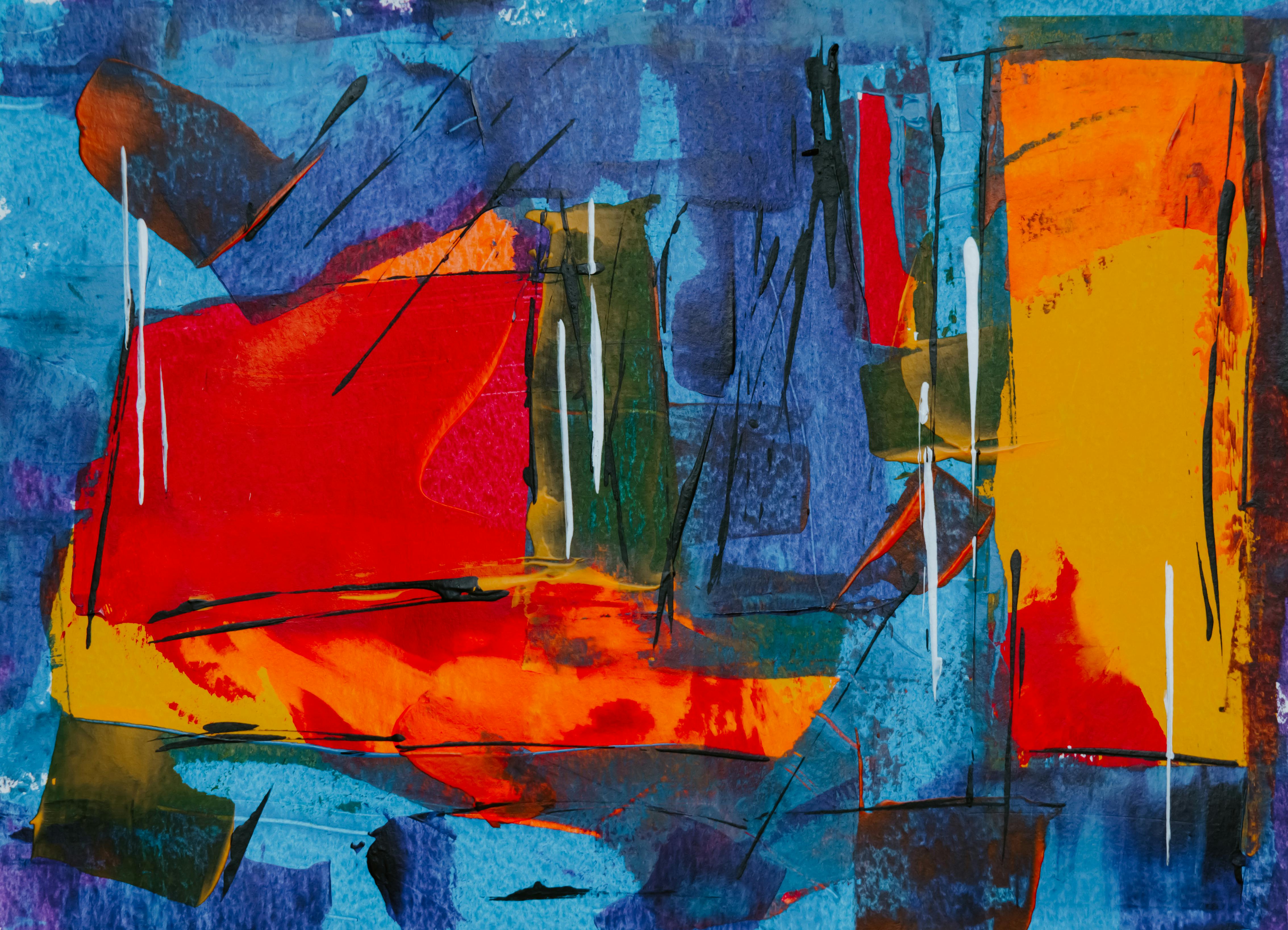
I’ll admit: when I first studied art history, I treated El Greco as a historical footnote. A quirky experiment. But the more I made my own abstract work—especially during those late nights wrestling with color—the more I understood. Painting isn’t about rendering reality. It’s about distorting it until it tells a deeper truth.
That’s El Greco’s ultimate gift. He proved that art’s job isn’t to show the world as it is, but as it feels. His elongated bodies aren’t just weird; they’re how awe stretches your soul. His clashing colors aren’t ugly; they’re how divine energy crackles. When modern artists got stranded in a world of shattered ideals, El Greco’s centuries-old studio was waiting with a ladder over the wall.






His influence isn't in reproducing his style. It’s in daring to make work that disturbs you when it should comfort. That screams when it should whisper. That prioritizes vulnerability over virtuosity. Next time you’re in a gallery and something feels electric, slightly wrong, spiritually loud—chances are, El Greco’s ghost is grinning. And that’s the highest compliment an artist can ever receive.