A Curator's Guide to Raw Canvas: Material, History, and Practice
Explore the world of raw, unprimed canvas. This guide covers its material properties, historical significance, and practical use for contemporary artists.

A Curator's Guide to Raw Canvas: Material, History, and Practice – Your Definitive Resource
I know what you're probably thinking: 'raw canvas' sounds straightforward enough, right? Maybe you've even, like many, searched for 'raw canva' (a common and understandable misspelling, given its elemental nature). But trust me, as a curator deeply engrossed in the nuanced dialogue between artist and material, this seemingly simple term unfurls into a universe of historical depth, technical challenge, and profound artistic possibility. This isn't just a blank slate; it's the tabula rasa upon which countless masterpieces have been built, yes, but it's also an active, breathing participant in the creative act, profoundly influencing the artwork's texture, color, and very soul. To overlook its complexities is to miss a crucial part of the artistic conversation.
My goal with this guide is to offer you the most comprehensive and engaging resource on raw canvas you'll find anywhere. We'll delve into its very fibers, demystifying its magic and its myriad challenges, from its material science to its storied history, and its practical application in your studio. This foundational guide is for anyone—from curious art students to seasoned artists—who wants to truly understand the profound implications of choosing to work with this honest, challenging, and deeply rewarding material. Because, as I've found, truly understanding your materials is where the real artistry begins, elevating mere craft to profound expression.
While its deliberate artistic use flourished most prominently in the 20th century, ignited by a modernist drive towards material honesty, the story of unprimed surfaces in art stretches back much, much further. These untreated supports, often chosen out of necessity or simply because formal priming wasn't yet a strict convention, subtly shaped the visual language of eras long past. Imagine early sketches on rough fabric, temporary banners unfurled for fleeting events, or even ancient practices where the distinction between support and ground was less formalized—these were often the precursors to the deliberate and poetic use we celebrate today. Join me as we unravel the threads of its journey, from humble beginnings to radical artistic statements, exploring how this fundamental material has continuously challenged and inspired artists across centuries and cultures. This foundational understanding is key to truly mastering this remarkable artistic foundation and preserving your raw canvas masterpieces for generations.
Chapter 1: Deconstructing the Material: The Fabric of Artistic Expression
At its core, raw canvas is, quite simply, woven fabric that has not been treated with a primer, most commonly gesso. This absence of a preparatory layer, often referred to as a 'ground,' is its singular, defining characteristic. Think about it: the paint interacts directly with the textile fibers, staining and soaking into them rather than merely sitting on top, as it would on a sealed surface. This creates a deeply integrated visual effect, where the color and the fabric literally become one. This fundamental difference is the source of both its unique, earthy appeal and its demanding technical challenges. It's a profound, intimate conversation between liquid pigment and absorbent fiber that yields results utterly impossible on a pre-primed, non-absorbent ground. I've found that truly understanding this direct interaction, this intimate embrace between paint and fiber, is the key to unlocking its unique potential and truly harnessing its expressive power, allowing for a softer, more subtle visual impact with rich, organic bleeding effects that are impossible to replicate elsewhere. It's this raw absorbency that defines the material, making it a compelling, if sometimes challenging, choice for artists seeking a deeper connection with their support.
Beyond the basic definition, the character of raw canvas is profoundly shaped by its constituent fibers. While the world offers a vast array of textiles, the art world, with its keen eye for longevity and aesthetic impact, has historically gravitated towards a select few natural materials. Each of these brings a unique blend of strength, texture, and absorbency to the artist's palette. It’s an intimate, almost philosophical choice, one that I believe subtly inflects the spirit of the finished work, acting as a silent, yet powerful, partner in the artistic dialogue.
Raw canvas primarily comes in a few foundational materials, each possessing its own distinct character, rich heritage, and specific set of properties that artists have cherished for centuries. While cotton and linen undeniably dominate the professional art world, a deeper dive reveals more nuanced choices that can dramatically alter the outcome of your work. Understanding these material differences is fundamental to making an informed artistic decision.
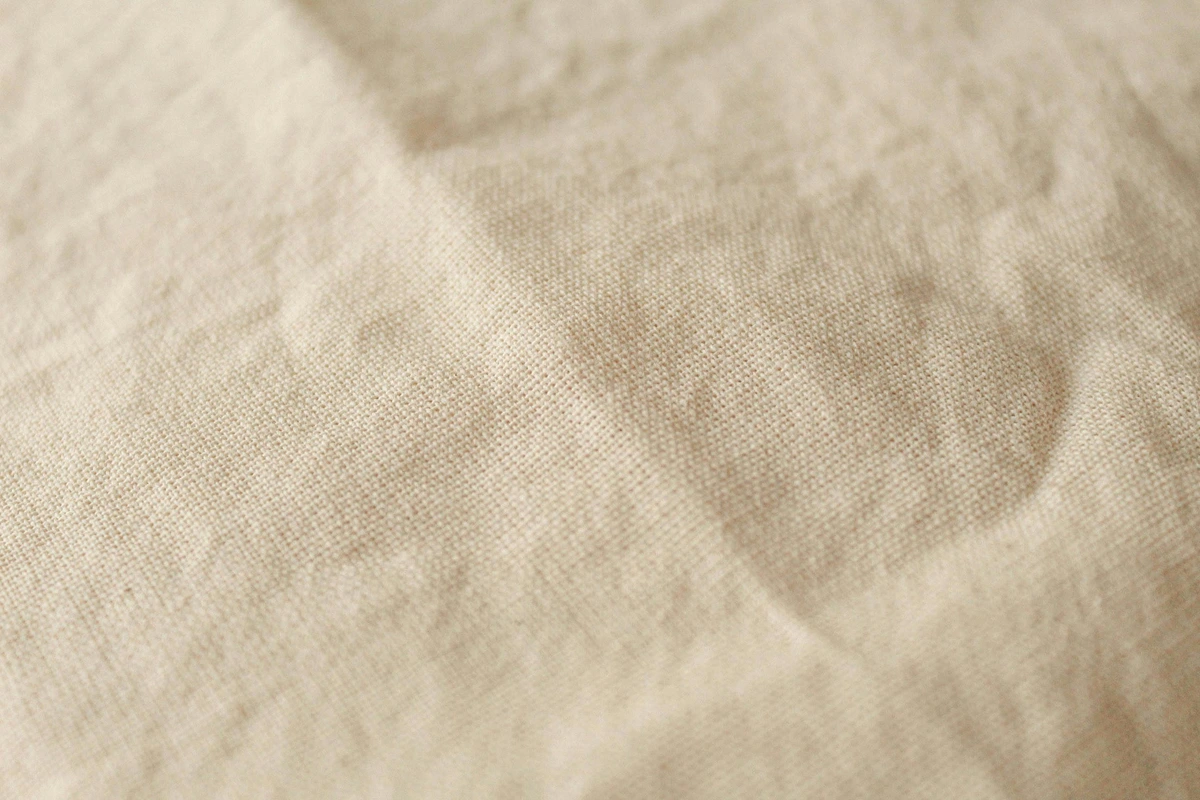
- Cotton Duck: This is perhaps the most common and often the most affordable option, cotton duck being derived from spun cotton fibers. It's renowned for its relatively uniform, slightly mechanical plain weave, which provides a consistent surface without too much inherent visual distraction. Its soft, absorbent nature makes it an excellent starting point for artists experimenting with raw surfaces, especially for techniques that rely on paint soaking deeply into the fibers to create integrated fields of color. You'll often find it in various weights and weaves: from lightweight sheeting (suitable for smaller, more delicate works or studies, perhaps for preliminary elements of art: line exploration) to heavy-duty duck cloth (ideal for larger, more aggressive painting techniques that demand robust support and can withstand considerable manipulation). Different grades, like artists' cotton duck, are specifically woven for painting with greater attention to purity and consistency, while utility duck can be more varied in quality, often containing impurities, and may require more preparation. The absorbency of cotton can be both a blessing and a challenge, demanding a different approach to paint application than a sealed surface—it's a material that truly drinks color, which means more paint, but also incredibly rich, integrated fields of hue. I often find that cotton, in its honest simplicity, can be incredibly versatile for those seeking to explore staining techniques.
- Organic Cotton: A sustainable alternative to conventional cotton, organic cotton is cultivated without synthetic pesticides, herbicides, or genetically modified seeds. While its aesthetic properties are similar to traditional cotton duck, its production significantly reduces environmental impact. For artists committed to eco-conscious practices, choosing organic cotton offers a way to align their material choices with broader ethical concerns, even if it comes at a slightly higher cost. It's a small but significant gesture towards a more responsible art practice, and I believe these subtle choices can deepen the meaning of the work itself.
- Linen: Considered the premium choice among natural fibers, linen is derived from the remarkably resilient fibers of the flax plant (Linum usitatissimum). It is inherently stronger, more durable, and boasts a more irregular, organic weave that imparts a beautiful, subtle texture to the final work—a character that I find adds an understated richness and depth to any painting. Linen is also significantly less absorbent than cotton and notably less prone to expansion and contraction with environmental changes, offering superior archival qualities that make it a favorite for artists concerned with longevity and the preservation of their legacy. High-quality Belgian and Irish linens, for instance, are prized for their fine, consistent thread and impressive longevity; they are, I can tell you from experience, a true joy to work with if you can get your hands on them, offering a responsive yet resilient surface. The regional variations in flax cultivation and processing contribute to subtle differences in texture and strength, making the choice of linen a nuanced one for the discerning artist who understands that the support is as much a part of the artwork as the paint itself. Its natural oils also offer a subtle resistance, creating a different kind of dialogue with the applied media, allowing for more surface-level interaction.
| Property | Cotton Duck | Linen | | :### Related Articles from ZenMuseum.com
---------- | :----------------------------------------------------- | :------------------------------------------------------------ | | Origin | Spun cotton fibers | Flax plant fibers | | Texture | Uniform, slightly mechanical, consistent | Irregular, organic, subtle, often more pronounced | | Strength | Good, but less durable over time than linen | Superior, remarkably strong and resilient | | Absorbency | High, drinks paint readily | Lower, allows more surface interaction, less prone to bleed | | Archival | Good, but prone to expansion/contraction | Excellent, stable, less susceptible to environmental changes | | Cost | Generally more affordable | Premium, significantly more expensive | | Aesthetic | Consistent, clean backdrop | Organic, rich, adds inherent character to the work |
Beyond the primary material, and speaking of those threads, several key properties define a canvas's character. It's not just about choosing between cotton or linen, or even other natural fibers; it's about understanding how those fibers are treated, spun, and constructed—a veritable DNA of the textile that impacts everything. I often find myself lost in the minute details, poring over weaves and thread counts, but trust me, these specifications matter deeply to the final artwork and to the very conversation you'll have with your chosen material. These characteristics directly influence the surface's receptivity to paint, its overall strength, and its archival stability.
Synthetic Canvas Materials: A Modern Alternative (Though Not Truly 'Raw')
While this guide focuses on traditional natural fibers, it's worth acknowledging the existence of synthetic canvas materials. Made from polymers like polyester or polypropylene, these offer exceptional uniformity, resistance to rot, mildew, and significant dimensional stability, often at a lower cost. However, they lack the inherent organic texture and natural absorbency that define 'raw canvas' as we discuss it here. Paint sits on their surface rather than soaking in, altering the aesthetic entirely. While they have their place in certain practices, they fundamentally diverge from the material honesty and unique dialogue that draws artists to untreated natural fibers. It's a different conversation, one where the material's presence is less about organic interaction and more about consistent, engineered performance.
Canvas Grades and Quality Indicators
When delving into the specifics of canvas selection, understanding the grading of canvas can be invaluable. This isn't just about the initial price tag; it's about the consistency, purity, and ultimately, the longevity you can expect from your chosen support. A discerning eye for these details is, I believe, a hallmark of an artist truly in tune with their materials, making intentional choices for their work.
- Artist Grade vs. Utility Grade: This is a crucial distinction. Artist-grade canvases are typically woven with finer, longer, and more uniform fibers, resulting in a smoother, more consistent surface with fewer imperfections (like noticeable slubs or knots). They are also often meticulously pre-washed to remove impurities and are generally chosen for their superior archival qualities and consistent performance. You'll find these optimized for fine art applications, where precision and longevity are paramount. Utility-grade canvases, on the other hand, are far more economical and may exhibit a coarser, less uniform weave, more visible imperfections, and a higher likelihood of containing impurities that could affect paint adhesion or cause Support Induced Discoloration (SID). While perfectly adequate for studies, experiments, or less permanent works, understanding this distinction is absolutely crucial for pieces intended for long-term display and preservation. You wouldn't want a beautiful work compromised by a material oversight!
- Warp and Weft: The intricate dance of threads in a woven fabric defines its structure. The
warpthreads run lengthwise (parallel to the selvage, which is the finished edge of the fabric), providing the primary stability and structural integrity. Theweftthreads, conversely, run crosswise, interlacing to create the weave itself. The evenness, tension, and strength of these interwoven threads are critical. In high-quality canvas, both warp and weft should be strong, consistently spun, and evenly tensioned, contributing to a balanced, stable fabric that resists distortion and sagging. A good way to assess this is to hold the canvas up to the light; you're looking for beautiful regularity, not gaping holes or inconsistent thread thickness, which can indicate poor quality. A well-balanced weave ensures that the canvas responds predictably to stretching and painting, minimizing future issues. - Slubs and Knots: These are the inherent 'birthmarks' of natural fibers.
Slubsare small, thickened areas in the threads, often occurring naturally in linen due to the flax fibers. While some artists genuinely appreciate the organic, rustic character they impart, excessive or very large slubs can create an uneven painting surface that might interfere with fine detail work.Knotsare literal knots in the thread where breaks occurred during the weaving process and were tied off. While minor, well-made knots can be an aesthetic choice, too many or poorly tied knots can indicate lower quality or, more critically, potential weak points in the fabric that could compromise the canvas's integrity over time. A careful inspection before stretching is always a wise move, allowing you to embrace or avoid these natural imperfections with intent. I always say, know your material's 'flaws' so you can use them as strengths, or protect against them as weaknesses.
Weave and Weight: The Canvas's DNA
Beyond the material composition, the very 'DNA' of a raw canvas—its weave and weight—profoundly influences its surface quality, how paint behaves upon it, and the overall longevity of your artwork. These aren't just technical specifications; they are fundamental artistic decisions that shape the physical presence of your piece. Understanding these properties helps in selecting the right surface for your artistic intent, offering a spectrum of possibilities from slick and subtle to rugged and pronounced.
The tactile feel and behavioral characteristics of a raw canvas are not solely dictated by its primary fiber type; they are profoundly influenced by its specific weave, weight, and also by more subtle characteristics. These include the thread count (the number of threads per square inch), the fiber twist (how tightly the individual fibers are spun into threads), and the overall finish of the fabric. Understanding these intricate details is paramount in selecting the right surface for your specific artistic intent, ensuring your creative vision isn't battling against, but rather harmonizing beautifully with, the material's inherent qualities. It's about finding that perfect partner for your paint, whether you desire a slick and subtle ground or a rugged and pronounced presence.
Manufacturing Processes and Their Impact
It's not solely the fiber type and weave that define your raw canvas; the intricate journey it takes from plant to fabric roll also profoundly shapes its character and performance. These often-overlooked manufacturing steps are critical determinants of a canvas's ultimate suitability for artistic use, influencing everything from its inherent absorbency to its crucial archival stability. Understanding these can help you anticipate how a particular canvas will behave.
- Scouring: This is a fundamental cleaning process designed to remove natural oils, waxes, pectins, and other impurities from the raw fibers. A well-scoured canvas will exhibit consistent absorbency, free from resist areas caused by residual oils, and will have fewer water-soluble impurities that could potentially leach into your paint layers and cause Support Induced Discoloration (SID). Conversely, poor or insufficient scouring can lead to uneven absorption, unpredictable staining, and potential long-term discoloration issues that no artist wants to encounter. It's the first defense against unwanted chemical reactions with your precious pigments.
- Bleaching: While many raw canvases are intentionally left in their beautiful, natural hue (ranging from creamy beige to warm brown), others undergo a bleaching process to achieve a brighter, more uniform off-white. While this can be aesthetically pleasing for some, harsh bleaching processes can unfortunately weaken the delicate fibers and significantly reduce their overall longevity. For archival work, therefore, unbleached or gently bleached options are generally preferable, as they embrace the natural warmth and inherent strength of the fiber, preserving its integrity. Always consider the long-term cost of a superficially 'cleaner' surface.
- Mercerization: Primarily applied to cotton,
mercerizationis a chemical process involving treating the fabric with a caustic solution (typically sodium hydroxide) under tension. This treatment causes the cotton fibers to swell, increasing their strength, luster, and affinity for dyes. For artists, this can translate to a cotton canvas that is stronger, less prone to stretching and shrinkage, and possesses a slightly smoother, more uniform surface, which can be advantageous for fine detail or a more controlled stain. However, not all cotton canvas is mercerized, and its presence can subtly alter how the fabric absorbs and interacts with paint, making it a detail worth considering for precise applications. - Sanforization (Pre-shrinking): This is a mechanical finishing process designed to pre-shrink fabric, thereby reducing the amount of future shrinkage that might occur after washing or exposure to moisture (such as during sizing or painting with water-based media). While not always explicitly listed by suppliers, a sanforized canvas can offer significantly greater dimensional stability. This makes stretching and long-term display far more predictable, preventing frustrating warping, sagging, or ripples down the line—a small detail, perhaps, but one that can prevent considerable headaches and ensure a taut, beautiful surface for your artwork. A relaxed canvas is a happy canvas, in my experience!
Property  | Description | Common Types/Measures | Artistic Implication |
|---|---|---|---|
| Weave | The pattern in which warp and weft threads are interlaced, profoundly influencing both the canvas's strength, stability, and crucial surface texture. | Plain Weave: The simplest one-over-one pattern, common in most duck cloths and offering a relatively uniform look, often preferred for its unobtrusive backdrop. Twill Weave: Characterized by diagonal ribs, rarely used for fine art due to its pronounced pattern, but sometimes seen in experimental textiles. Basket Weave: Two or more warp threads interlaced with two or more weft threads, creating a more open, often coarser texture, excellent for emphasizing the material's presence. Sateen Weave: Less common in raw art canvas, but known for its smooth, lustrous surface, which could offer a unique, subtle sheen if left unprimed. | A tighter, more regular weave provides a smoother surface, ideal for fine detail, subtle washes, or when you want the paint to dominate. A looser or more irregular weave, conversely, offers a more pronounced, often organic texture, inviting expressive brushwork, emphasizing material presence, and creating unique bleeding effects. The weave truly dictates the visual 'grain' of your raw surface, acting as an active collaborator. |
| Weight | Measured in ounces per square yard (oz) or grams per square meter (gsm), this indicates the density and thickness of the fabric. It directly correlates to durability and how the canvas handles various techniques. | Lightweight: Typically 5-8 oz (e.g., suitable for studies, delicate works, fluid stains, or where minimal material presence is desired). Medium-weight: Often 9-13 oz (e.g., highly versatile for a broad range of applications and painting styles, a good all-rounder). Heavyweight: Generally 14-20 oz+ (e.g., essential for large-scale, aggressive techniques like heavy impasto, scraping, or sculptural applications requiring robust support and resistance to manipulation). | Heavier canvases are significantly more durable, can withstand aggressive techniques (like heavy impasto, scraping, or sculptural manipulation), and are far less likely to tear, stretch excessively, or warp when tightly stretched. They offer a robust and reliable foundation for ambitious works, while lighter weights are best suited for delicate applications, fluid stains, or when a minimal, ethereal material presence is desired, perhaps allowing the work to drape when unstretched. I've found that the weight significantly impacts the 'feel' of the painting process itself—a heavy canvas commands a different respect. |
- Fiber Twist: This refers to how tightly the individual fibers are spun into threads. A tighter twist often results in a smoother, stronger thread, while a looser twist can create a softer, more absorbent, and often fuzzier surface. This subtle characteristic can affect how paint adheres and bleeds. | | Thread Count | The number of threads per square inch in both the warp and weft directions, often expressed as two numbers (e.g., 60x50). | Varies significantly by material and weave, from low counts (e.g., 20x20 for coarse jute) to high counts (e.g., 100x100+ for fine linen). | A higher thread count generally indicates a finer, smoother, and more tightly woven surface, which can be ideal for detailed work, subtle washes, or a delicate touch. A lower count, conversely, means a coarser, more open weave that will impart a more pronounced texture and absorb paint more readily, creating more significant staining effects. This choice is deeply personal and depends entirely on your artistic vision and the specific dialogue you wish to have with the surface. It's truly the 'resolution' of your canvas, dictating how much fine detail the surface can hold. |
Ecological and Ethical Considerations for Fiber Choice
As artists, our choices extend beyond aesthetics and archival quality; they encompass our impact on the planet. The fibers we choose for our canvases carry an ecological footprint, and being mindful of this can align our art with a broader sense of responsibility. I've found that this conscious selection only deepens the meaning of the work itself.
- Sustainability of Fibers: Hemp is widely regarded as one of the most sustainable textile fibers, requiring little water, no pesticides, and enriching the soil it grows in. Organic cotton also significantly reduces environmental impact compared to conventionally grown cotton. Linen, derived from flax, is another relatively sustainable option. Jute, while fast-growing, sometimes involves chemical processing. Understanding these origins allows for a more informed and ethically sound material choice.
- Fair Trade and Labor Practices: Beyond the environmental impact, consider the human cost of your materials. Sourcing canvases from manufacturers known for fair trade practices and ethical labor standards contributes to a more just global art supply chain. This is, I believe, a quiet but powerful statement that resonates through the very foundation of your artwork.
- Disposal and Lifecycle: Think about the end-of-life for your materials. While most painted canvases are not readily recyclable, choosing natural, untreated fibers means they will biodegrade much more gracefully than synthetic alternatives. This full-lifecycle perspective is, to me, an an integral part of responsible artmaking.
Choosing between these options is the first artistic decision you make. For a comprehensive comparison with prepared surfaces, our primed vs. unprimed canvas guide offers further insight.
Chapter 2: The Raw Canvas in Art History: From Necessity to Poetic Intent
While artists have undoubtedly worked on unprimed surfaces for centuries out of sheer necessity—imagine quick sketches on rough fabric, impromptu studies on un-prepped scraps, or even ancient practices where the distinction between support and ground was less formalized—the intentional, deliberate use of raw canvas as a powerful, resonant aesthetic element is largely a 20th-century phenomenon. This pivotal shift emerged from a profound desire to break with centuries of academic tradition, particularly the illusionistic 'window' onto the world that Western painting had so long embraced. Instead, artists sought to foreground the very materiality of the painting itself, treating the canvas not as an invisible backdrop, but as an active, expressive component. It was a radical act, a stripping away of pretense, a move towards profound 'truth to materials' that I find incredibly compelling, transforming a utilitarian support into a powerful conceptual statement.
Early & Unintentional Encounters: A Glimpse into Pre-Modern Rawness
Before the fervent modernist embrace, instances of unprimed fabric as an art support were, of course, not unheard of. You might stumble upon them in quick, ephemeral studies, temporary banners for civic or religious events, or in cultures where the burgeoning oil painting traditions hadn't yet dictated the strict, elaborate archival preparation that became standard in Europe. These were primarily pragmatic choices, driven by immediate necessity, the availability of materials, or simply different aesthetic conventions, rather than the deliberate artistic statements we associate with 20th-century artists. For example, some historical tapestries, painted cloths (like the remarkably preserved Överhogdal Tapestries from Sweden, dating back to the Viking Age), or even certain early Renaissance tempera works on fabric might technically be 'unprimed' in the modern sense. However, they fall outside the intentional exploration of raw canvas as a painting support where its inherent material qualities are foregrounded as an integral part of the artwork's meaning. It's a crucial distinction, I believe, between merely using a surface because it's conveniently there, and choosing it because it speaks to you—a choice that transcends mere utility to become a profound artistic gesture, where the raw material is an active subject rather than a passive backdrop. Think of the functional textiles of ancient Egypt, the painted banners of medieval Europe, or even illuminated manuscript supports—while 'raw' in our modern sense, their purpose was often decorative or narrative, not an exploration of the support's inherent materiality for its own sake. The true shift comes when the material itself, in its unadulterated state, becomes a deliberate and celebrated element of the artistic expression.
Artists of the Abstract Expressionist movement, particularly the Color Field painters, are perhaps most profoundly associated with this groundbreaking practice of engaging with raw canvas. They sought a direct, unmediated connection between paint, artist, and support, consciously stripping away any illusion of depth or narrative to emphasize the flat surface and the raw emotion of pure color. It was a daring move, a radical rejection of centuries of pictorial tradition, a redefinition of what a painting could truly be. This wasn't merely a stylistic choice; it was a philosophical declaration about the essence of painting itself, moving away from illusionistic representation and towards a more direct, immersive experience of color and material. This emphasis on the raw canvas became a powerful statement against illusionism and a profound affirmation of material truth.
- Helen Frankenthaler stands as an absolutely towering figure in the raw canvas narrative, having pioneered the revolutionary "soak-stain" technique in the early 1950s. I often think of her as the artist who truly unlocked the expressive potential of the untreated surface. She famously thinned her oil paint with turpentine (and later used thinned acrylics) to the consistency of watercolor, then poured or brushed it directly onto raw, unstretched canvas laid on the studio floor. The resulting works, like the seminal Mountains and Sea (1952), feel ethereal, spontaneous, and utterly integrated, with color and fabric merging into a single, breathing entity. Her method allowed the pigment to literally become part of the canvas, staining and bleeding into the fibers rather than sitting on top, emphasizing both the liquid nature of the paint and the absorbent qualities of the textile. This wasn't merely applying paint on a surface; it was allowing the paint to become the surface, a truly radical idea that profoundly redefined the relationship between artist, material, and artwork. For Frankenthaler, the raw canvas became an active, almost spiritual, participant, not a passive backdrop—it was a field of optical and material experience where the act of painting was a direct encounter between gesture, gravity, and absorption. Her work was a direct challenge to the gestural heroics of earlier Abstract Expressionism, offering a more lyrical, fluid alternative, a testament to the power of intuition and material understanding. I find her willingness to surrender to the material's inherent qualities, even as she guided it, incredibly inspiring, a true master of the unexpected, whose influence continues to shape contemporary abstraction today.
- Morris Louis meticulously adopted and profoundly evolved Frankenthaler's soak-stain method, but brought to it his own unique brand of meticulous control and profound understanding of material behavior. He created his famous Veils and Unfurleds by pouring streams of thinned acrylic paint (often Magna paint, a synthetic resin medium known for its vibrant, fast-drying properties) down vast, unprimed canvases. He wouldn't just pour; he would expertly manipulate the canvas, folding and tilting it, allowing gravity and absorption to define the composition with astonishing precision and a sense of effortless flow. The paint flowed, bled, and feathered, becoming inextricably one with the weave, creating luminous, translucent curtains and cascades of color that are truly breathtaking in their scale and subtle optical effects. Louis's approach transformed the raw canvas into a living conduit for pure color, a direct expression of his artistic will, almost like a carefully orchestrated natural phenomenon. His deliberate control over the flow and saturation on the raw surface resulted in an incredible sense of light and depth, entirely devoid of illusionistic space, pushing the boundaries of what pure color and an untreated surface could achieve. The monumental scale of his works, often filling entire walls, further amplified the immersive, almost spiritual experience of his color fields, inviting the viewer into a contemplative space.
- Sam Francis and Kenneth Noland also profoundly explored the unique relationship between liquid color and raw fabric, albeit with distinct artistic focuses. Francis often used large, expansive fields of raw canvas, deliberately leaving significant portions untouched as vital breathing spaces. This allowed vibrant, often gestural, pools and splatters of color to inhabit the edges or specific zones, creating a sense of dynamic movement and boundless energy. His work, which I find incredibly liberating, emphasized the canvas as a vast, expansive field of optical and material experience, often suggestive of natural forces or cosmic energy, inviting the viewer into an immersive environment where color and void held equal weight. Noland, on the other hand, was renowned for his crisp, geometric forms—his concentric circles, chevrons, and stripes—often executed with meticulous control on unprimed surfaces. He strategically allowed the raw canvas to assert its undeniable presence, often as negative space, breathing between vibrant bands of color. This approach highlighted the directness of the paint application and the inherent flatness of the picture plane, making the support an active compositional element. His precise, hard-edge compositions contrasted beautifully with the subtle bleeding of the raw support, creating a fascinating tension that defined his groundbreaking work, making the very act of painting a meditation on form and surface. It's a testament to how even precision and geometric rigor can be enhanced and given new life by the raw, unpredictable nature of the material itself.
- Morris Louis meticulously adopted and profoundly evolved Frankenthaler's soak-stain method, but brought to it his own unique brand of meticulous control and profound understanding of material behavior. He created his famous Veils and Unfurleds by pouring streams of thinned acrylic paint (often Magna paint, a synthetic resin medium known for its vibrant, fast-drying properties) down vast, unprimed canvases. He wouldn't just pour; he would expertly manipulate the canvas, folding and tilting it, allowing gravity and absorption to define the composition with astonishing precision and a sense of effortless flow. The paint flowed, bled, and feathered, becoming inextricably one with the weave, creating luminous, translucent curtains and cascades of color that are truly breathtaking in their scale and subtle optical effects. Louis's approach transformed the raw canvas into a living conduit for pure color, a direct expression of his artistic will, almost like a carefully orchestrated natural phenomenon. His deliberate control over the flow and saturation on the raw surface resulted in an incredible sense of light and depth, entirely devoid of illusionistic space, pushing the boundaries of what pure color and an untreated surface could achieve. The monumental scale of his works, often filling entire walls, further amplified the immersive, almost spiritual experience of his color fields, inviting the viewer into a contemplative space.
- Morris Louis meticulously adopted and profoundly evolved Frankenthaler's soak-stain method, but brought to it his own unique brand of meticulous control and profound understanding of material behavior. He created his famous Veils and Unfurleds by pouring streams of thinned acrylic paint (often Magna paint, a synthetic resin medium known for its vibrant, fast-drying properties) down vast, unprimed canvases. He wouldn't just pour; he would expertly manipulate the canvas, folding and tilting it, allowing gravity and absorption to define the composition with astonishing precision and a sense of effortless flow. The paint flowed, bled, and feathered, becoming inextricably one with the weave, creating luminous, translucent curtains and cascades of color that are truly breathtaking in their scale and subtle optical effects. Louis's approach transformed the raw canvas into a living conduit for pure color, a direct expression of his artistic will, almost like a carefully orchestrated natural phenomenon. His deliberate control over the flow and saturation on the raw surface resulted in an incredible sense of light and depth, entirely devoid of illusionistic space, pushing the boundaries of what pure color and an untreated surface could achieve. The monumental scale of his works, often filling entire walls, further amplified the immersive, almost spiritual experience of his color fields, inviting the viewer into a contemplative space.
- Sam Francis and Kenneth Noland also profoundly explored the unique relationship between liquid color and raw fabric, albeit with distinct artistic focuses. Francis often used large, expansive fields of raw canvas, deliberately leaving significant portions untouched as vital breathing spaces. This allowed vibrant, often gestural, pools and splatters of color to inhabit the edges or specific zones, creating a sense of dynamic movement and boundless energy. His work, which I find incredibly liberating, emphasized the canvas as a vast, expansive field of optical and material experience, often suggestive of natural forces or cosmic energy, inviting the viewer into an immersive environment where color and void held equal weight. Noland, on the other hand, was renowned for his crisp, geometric forms—his concentric circles, chevrons, and stripes—often executed with meticulous control on unprimed surfaces. He strategically allowed the raw canvas to assert its undeniable presence, often as negative space, breathing between vibrant bands of color. This approach highlighted the directness of the paint application and the inherent flatness of the picture plane, making the support an active compositional element. His precise, hard-edge compositions contrasted beautifully with the subtle bleeding of the raw support, creating a fascinating tension that defined his groundbreaking work, making the very act of painting a meditation on form and surface. It's a testament to how even precision and geometric rigor can be enhanced and given new life by the raw, unpredictable nature of the material itself.
For these visionary artists, the raw canvas was never a mere background; it was a fundamental, active component of the work's meaning, an indispensable participant that imbued the art with specific, undeniable qualities. Its embrace signified an immediacy, a spontaneity, a powerful rejection of illusionistic space (which had dominated Western painting for centuries), and a profound commitment to 'truth to materials.' It invited the viewer to engage directly with the physical presence of the painting, its palpable texture, its inherent absorbency, and its unadulterated materiality—a truly radical shift in artistic perception that redefined the very essence of painting. The sheer scale and immersive nature of many of these works often created environments rather than merely images, challenging the viewer to experience art not just visually, but viscerally, with their entire being.
Beyond Abstract Expressionism: A Legacy of Rawness and Material Investigation
The profound influence of these American pioneers, particularly the Color Field painters, extended far beyond their immediate circles, sparking a broader re-evaluation of the canvas itself as a dynamic, expressive element. The embrace of raw canvas resonated deeply with subsequent art movements, particularly those concerned with materiality, process, and a conscious deconstruction of traditional painting conventions. I often see this as a continuous, vital thread, weaving through various artistic philosophies and global contexts, always returning to that fundamental honesty and undeniable presence of the untreated surface.
- Post-Minimalism and Arte Povera: Artists in these movements, emerging in the 1960s and 70s, embraced a radical honesty with materials, often in direct opposition to the perceived excesses of Abstract Expressionism and Minimalism. They often utilized raw, industrial, or found materials, including unprimed canvas, to strip art down to its essential components, focusing on process, gravity, and the intrinsic qualities of the materials themselves. They valued the inherent, often humble, qualities of these materials over elaborate artistic gestures or illusionistic representations. For them, the raw canvas was a powerful statement against commercialism and an affirmation of process and direct experience, a return to the elemental. Think of artists like Eva Hesse, who explored the flexibility, weight, and inherent vulnerability of unprimed textiles in her evocative, often ambiguous sculptures, or Robert Morris, whose felt pieces embraced the natural drape and form of the material, allowing gravity to dictate shape rather than imposing it through rigid structures.
- Lyrical Abstraction: Emerging concurrently with Post-Minimalism in the late 1960s and early 1970s, Lyrical Abstraction saw artists like Helen Frankenthaler (who continued to evolve her practice), Larry Poons, and Dan Christensen embrace a more sensuous, color-driven form of abstraction. While not exclusively tied to raw canvas, many artists in this movement utilized fluid acrylics and staining techniques, often on unprimed or minimally sized supports, to create lush, atmospheric fields of color that emphasized spontaneity and painterly gesture. This movement offered a softer, more romantic alternative to the hard-edge abstraction and conceptual rigor prevalent at the time, often allowing the raw canvas to absorb and subtly diffuse the vibrant hues.
- Supports/Surfaces (France): Emerging in France during the late 1960s, this influential movement directly challenged the very conventions of painting, rigorously focusing on the material components themselves: the support (canvas), the surface (paint), and the stretcher. Artists like Claude Viallat, Daniel Dezeuze, and Louis Cane often worked on unstretched, unprimed canvases, folding, staining, cutting, and painting directly on the fabric to expose its raw materiality and the inherent mechanisms of painting itself. It was a rigorous deconstruction, an intellectual exploration of painting as an object, not a window, but a physical entity to be understood and examined for its own sake. I find their analytical approach, a kind of philosophical dissection of the painting act, truly fascinating in its depth and intellectual curiosity.
- Contemporary Practices: Today, countless artists across the globe continue to consciously choose raw canvas for its specific, compelling qualities. Whether it's to achieve subtle staining effects, emphasize its inherent texture, highlight the painting's objecthood, or make a profound conceptual statement about honesty, vulnerability, or the artist's hand, the untreated surface remains a potent and versatile choice. The material continues to challenge and inspire, often leading to unexpected and deeply personal expressions that speak to both a rich historical legacy and a restless contemporary spirit. It's a testament to its enduring power, its ability to constantly reinvent itself through the hands of new creators, proving that its allure is far from diminishing.
Case Studies in Raw Canvas Art: A Visual & Conceptual Anthology
Let's consider some iconic examples where raw canvas plays an absolutely starring role, moving beyond the obvious to appreciate the nuanced ways artists have harnessed its unique properties. These are the works that, for me, truly exemplify the profound conversation between material and meaning, transforming a simple textile into a canvas for profound expression and often, a powerful conceptual statement:
Let's consider some iconic examples where raw canvas plays a starring role, moving beyond the obvious to appreciate the nuanced ways artists have harnessed its unique properties. These are the works that, for me, truly exemplify the profound conversation between material and meaning:
Artist | Artwork (Year) | Movement/Style | Raw Canvas Contribution |
|---|---|---|---|
| Helen Frankenthaler | Mountains and Sea (1952) | Color Field Painting | Pioneering soak-stain technique, achieving ethereal integration of liquid color and absorbent support, emphasizing fluidity and spontaneity. |
| Morris Louis | Sarra (1959-60) | Color Field Painting | Creating luminous, translucent veils of poured acrylic, meticulously controlling gravity and absorption to define composition and pure color. |
| Kenneth Noland | Shift (1964) | Color Field Painting | Executing crisp, geometric forms (chevrons, targets) on unprimed canvas, strategically utilizing the raw negative space to define the composition and highlight the painting's flatness and objecthood. |
| Sam Gilliam | Carousel Change (1970) | Abstract Expressionism / Post-Painterly Abstraction | Working with unstretched, draped canvas to create sculptural forms, emphasizing the material's inherent flexibility, weight, and raw physicality beyond the traditional frame, challenging the flat picture plane. |
| Agnes Martin | Untitled #1 (1990) | Minimalism | Applying subtle, meditative washes of diluted acrylic or watercolor on raw canvas, emphasizing delicate grids and the inherent texture of the weave, evoking a sense of calm, silence, and infinity, where the support is integral to the ethereal mood. |
| Christopher Wool | Untitled (1989) | Post-Conceptual Art | Using commercial painting techniques (stamping, rolling) on unprimed linen, foregrounding the industrial process and the raw canvas as a surface for direct, graphic mark-making, often incorporating words or patterns, highlighting the painting as an object rather than an illusion. |
| Joan Mitchell | Ladybug (1957) | Abstract Expressionism / gestural abstraction | While often priming her canvases, Mitchell occasionally left areas of the raw canvas exposed, particularly at the edges, allowing the raw texture to contrast with her dense, energetic, and heavily impastoed brushwork, creating a dynamic tension between painted gesture and material ground. |
| Robert Rauschenberg | Factum I (1957) | Neo-Dada / Proto-Pop | Incorporated raw canvas and unstretched fabric elements into his iconic 'Combines,' blurring the lines between painting and sculpture. The untreated canvas served as a found material, emphasizing everyday reality and challenging traditional notions of artistic medium and value. |
| Cy Twombly | Leda and the Swan (1960) | Abstract Expressionism / Neo-Dada | Often worked on raw, unprimed canvases, allowing his frantic, calligraphic lines and smudges to interact directly with the absorbent surface. The raw ground became an active, almost scarred, field for his intensely poetic and gestural mark-making, emphasizing process and raw emotional energy. |
| Anselm Kiefer | Margarete (1981) | Neo-Expressionism | Utilized raw, often coarse, jute canvas as a powerful, almost brutal, ground for his heavily layered, material-rich paintings. The raw fiber’s texture and inherent imperfection contributed to the sense of decay, history, and the earth itself, becoming an integral part of his explorations of German history and mythology. |
| Eva Hesse | Accession II (1967) | Post-Minimalism | Explored the physical properties of raw, industrial materials, including fiberglass and latex-coated cloth. Her work emphasized the material's inherent flexibility, weight, and organic forms, often allowing the raw textile to sag or stretch, challenging traditional sculptural rigidity and embracing vulnerability. |

The Apex of Rawness: Abstract Expressionism and Color Field Painting
While the zenith of raw canvas's deliberate use is often located within Abstract Expressionism and Color Field Painting, particularly with the artists we've discussed, its exploration extends into diverse conceptual frameworks, proving its remarkable adaptability and enduring power across a multitude of artistic intentions. From the material investigations of Zeng Fanzhi, whose 'Mask Series' often uses raw, unyielding surfaces to emphasize psychological tension and incisive social commentary, to minimalist artists who strip away all illusion to focus purely on the objecthood of the painting itself, the untreated surface continues to be a potent and flexible choice. These artists aren't simply using a material; they're making a profound statement about honesty, vulnerability, and the direct relationship between art and life, challenging our perceptions and inviting a deeper, more tactile, and often more visceral engagement. I often find myself drawn to works where the material itself speaks volumes, where the intrinsic qualities of the support become an undeniable part of the narrative, and raw canvas consistently delivers that profound, resonant voice, acting as a direct conduit for the artist's vision.
Raw Canvas in Contemporary Global Art: Diverse Approaches
Beyond these seminal movements, contemporary artists around the world continue to find incredibly rich ground (pun intended, and unapologetically so!) in raw canvas. From the subtle, contemplative works that push the boundaries of minimalism to large-scale, immersive installations that challenge traditional notions of painting and sculpture, the untreated surface remains a powerful and incredibly versatile vehicle for expression. Artists in Asia, South America, Africa, and beyond, often drawing on distinct cultural and material histories, imbue raw canvas with new meanings, demonstrating its universal appeal as a material that speaks to fundamental human experience, connection to craft, and conceptual honesty. This ongoing, global exploration proves that far from being a historical footnote, raw canvas remains a vibrant, evolving field of artistic inquiry, constantly reinventing itself through diverse hands and perspectives. It's truly fascinating to see how its 'rawness' adapts to so many different artistic languages.
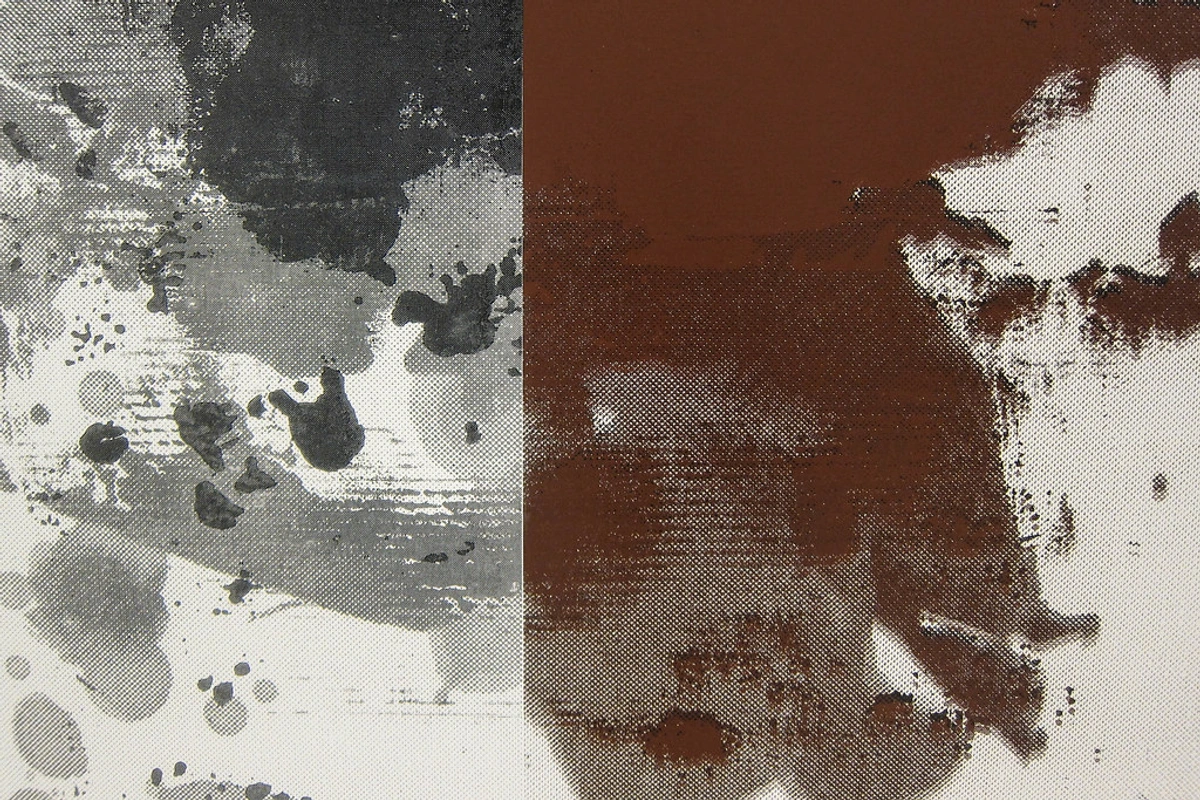
Chapter 3: The Artist's Practice: Pros, Cons, and Crucial Considerations – Embracing the Challenge
Deciding to work on raw canvas is far more than a simple artistic decision; it's a truly significant choice, a commitment that comes with both compelling aesthetic advantages and undeniable technical risks. A thoughtful artist, much like a meticulous curator preserving an artwork, must weigh these carefully, understanding that their material choices have profound, long-term implications for the integrity and longevity of the piece. I've personally seen too many beautiful works suffer from a lack of foresight regarding material science, and I certainly wouldn't want that for you or your art. This chapter aims to equip you with the essential knowledge to navigate this rewarding yet challenging path, transforming potential pitfalls into intentional artistic decisions, and ultimately, into unique expressive opportunities that only raw canvas can provide.
The Allure and the Challenge: A Double-Edged Sword
Raw canvas fundamentally challenges the artist to engage with the material in a profoundly different way than a pre-primed surface. It often demands a partial surrender of some control, an embrace of the unpredictable, and a deep, intuitive respect for the intrinsic qualities of the fabric itself. It's a delicate dance, really, between your precise artistic intent and the canvas's inherent, sometimes stubborn, willingness to absorb, bleed, or resist. Let's break down what that truly means in practice, examining both the compelling advantages that draw artists to this material and the significant hurdles that can surprise the unprepared. Because, in my experience, informed choice is always the best choice.
Pros | Cons | ||
|---|---|---|---|
| Unique Aesthetic & Material Honesty | The soft, absorbent quality allows for beautiful staining, bleeding, and 'halo' effects that are impossible on a primed surface. It foregrounds the material itself, a modernist appeal to 'truth to materials', revealing the canvas's inherent character. | Risk of Oil Rot (for Oils) | Oil paints contain acidic linseed oil, which will directly attack and break down the cellulose fibers of cotton or linen over time. This chemical degradation causes the canvas to become brittle, discolored, and ultimately rot away, leading to irreparable damage. This is a serious, fundamental conservation issue that cannot be overstated, making proper sizing absolutely critical. |
| Natural Color & Texture Integration | The natural beige or off-white color of the canvas becomes an active part of the artwork's palette, creating a warm, organic, and unified feel. The inherent weave and texture remain visible and tangible, adding a unique dimension. | High Absorbency & Paint Consumption | The canvas will greedily drink up paint, requiring significantly more material to achieve saturation, which can be costly. Colors may also appear duller and less vibrant as they soak into the fibers rather than sitting on top, reflecting light off a white gesso ground. This can be challenging for maintaining color intensity and can surprise unprepared artists, leading to unexpected financial outlay. |
| Spontaneity & Directness | The immediate interaction between liquid color and absorbent fiber encourages a direct, often spontaneous approach to painting, emphasizing process and gesture. It can be incredibly liberating, fostering an unmediated connection with the artwork, allowing for truly unique, organic compositions. | Support Induced Discoloration (SID) | Untreated canvas contains water-soluble impurities like lignin and tannins. These can leach into the paint layer, especially with water-based acrylics, causing a yellowish or brownish discoloration that mars the intended color and compromises archival quality. Sizing is crucial to create a barrier against these migrating impurities, even with acrylics, safeguarding your color integrity. |
| Reduced Drying Time (for Stains) | For very thin, diluted paint applications, the rapid absorption into the raw fibers can lead to quicker 'surface dry' times, allowing for faster layering of stain effects in certain techniques, a boon for quick-drying, layered approaches. | Lack of Predictability & Control | The bleeding, feathering, and soaking of paint into the untreated fibers can be highly unpredictable. While this can be a beautiful, organic feature for artists embracing chance and fluidity, it can be a significant challenge for those seeking precise lines, sharp edges, or exact color placement. It demands a fundamentally different approach to artistic control and vision, leaning into the material's will. |
| Increased Fragility & Vulnerability | Unprimed canvas is inherently more susceptible to environmental damage, dust, pollutants, and physical abrasion. Its exposed fibers offer less protection to the paint layer than a fully prepared ground, making it more prone to tears, punctures, and degradation over time, requiring extra care in handling and display. | ||
| Flexibility & Drape (Unstretched) | For artists working with unstretched canvas or seeking sculptural forms, the inherent flexibility and drape of raw fabric allow for a unique interaction with space and gravity, creating three-dimensional works from a two-dimensional support. | Uneven Tension & Stretching Challenges | Raw canvas can be more challenging to stretch evenly than primed canvas, especially if not pre-shrunk. Its natural elasticity can lead to uneven tension, rippling, or sagging over time, potentially impacting the visual integrity of the work if not expertly handled. |
Common Misconceptions About Raw Canvas: Separating Myth from Material Reality
Before we dive into the practicalities and truly master this challenging material, I've noticed a few persistent misconceptions that tend to float around the art world about raw canvas. Let's clear those up right now, because misinformation can seriously derail your artistic intentions and, more importantly, compromise the longevity and archival integrity of your work. As a curator, I've seen the consequences firsthand—beautiful works prematurely decaying—and I want to spare you that frustration. Understanding these points is foundational to truly embracing raw canvas with confidence.
- "Raw canvas means no preparation whatsoever." This is perhaps the biggest and most dangerous myth, especially when it comes to oil paints! As we've painstakingly discussed, sizing is almost always necessary to create a crucial protective barrier for the canvas fibers, even if you choose to skip a full, opaque primer like gesso. It's about fundamental chemical protection, preventing destructive interactions between the paint medium and the cellulose fibers, not just surface alteration. Ignoring this critical step, particularly with oils, is a recipe for an inevitable archival disaster. Frankly, I've seen too many beautiful works ruined by this oversight—a tragedy that is entirely preventable with a little knowledge and care. Even with acrylics, a proper size can prevent unsightly Support Induced Discoloration (SID), so it's rarely 'no preparation whatsoever' if you care about longevity and color purity.
- "It's only for abstract art." While famously adopted and profoundly explored by Abstract Expressionists and Color Field painters, raw canvas is far more versatile than many assume. It can be used with striking effect in figurative, landscape, still life, or even purely conceptual works. The natural texture, inherent color, and absorbent surface can add a unique dimension and a compelling sense of honesty and materiality to any style, lending an authentic voice that resonates deeply. It's about how you engage with its inherent properties and integrate them into your artistic vision, not strictly what you choose to depict. I’ve seen stunning portraits on raw linen that truly sing, and intricate landscapes where the weave becomes an active part of the atmosphere, adding unexpected depth.
- "It's a cheaper alternative to primed canvas." While the initial cost of a roll of raw canvas per yard might indeed be lower than buying pre-primed options, this is often a false economy that catches many artists by surprise. Its high absorbency means you'll likely use significantly more paint to achieve desired saturation and color intensity, potentially making the overall project more expensive in terms of materials. This increased paint consumption is a cost many artists overlook, only to be surprised when their expensive tubes of pigment vanish rapidly into the thirsty fibers. Budget accordingly, or consciously embrace the thinner, stained aesthetic with intentionality! My advice: always calculate the total material cost for a project, factoring in paint usage, not just the per-yard price of the canvas.
- "All raw canvases are the same." As we meticulously explored in Chapter 1, this couldn't be further from the truth. The specific type of fiber (cotton, linen, hemp, jute, etc.), its particular weave (plain, twill, basket), its weight, thread count, and even the manufacturer's specific milling and pre-treatment processes (scouring, bleaching, mercerization) all profoundly affect the canvas's character. Treating all raw canvases identically is like assuming all papers are the same—a recipe for unexpected, and often disappointing, results! Each roll of raw canvas has its own distinct personality, its own subtle voice, and understanding these nuances is key to a successful artistic partnership and achieving your intended visual effects, transforming potential struggles into triumphs.
Understanding these crucial points and dispelling common myths is foundational to truly mastering this incredible, expressive material. It allows you to approach raw canvas with informed intent, turning its challenges into unique artistic opportunities. Now, with our misconceptions clarified, let’s get into the studio and transform theory into practice!
A Curator's Checklist: Choosing Your Raw Canvas with Intent
To help you navigate the vast world of raw canvas, I've distilled my curatorial eye into a practical checklist. Approaching your material selection with this level of detail ensures your canvas becomes an ally, not an adversary, in your creative process:
- Fiber Type: Cotton (economical, absorbent, consistent), Linen (archival, strong, subtle texture), Hemp (sustainable, strong, textured), Jute (coarse, rustic, less archival). Which best aligns with your artistic message and desired longevity?
- Weave Pattern: Plain (uniform), Twill (diagonal, less common), Basket (more texture). Does the weave complement or compete with your intended brushwork and texture?
- Weight (Oz/GSM): Lightweight (delicate works, studies), Medium-weight (versatile), Heavyweight (large-scale, aggressive techniques). Does the weight support the physicality and scale of your planned artwork?
- Thread Count: Higher (finer, smoother, detailed work), Lower (coarser, open weave, pronounced texture, more absorbency). What level of surface detail do you require?
- Roll Width & Length: Ensure you have enough material, plus extra for stretching and experimentation. Always buy a little more than you think you need—you'll thank me later.
- Color & Purity: Note the natural tone (creamy, beige, greyish). Is it free from visible stains, knots, or impurities? Consider if a pre-wash is necessary to remove manufacturing residues.
- Manufacturer Reputation: Buy from reputable art suppliers known for quality and consistency. Their knowledge of sourcing and preparation makes a difference.
- Cost vs. Archival Quality: Balance your budget with your desire for longevity. Sometimes, a slightly higher initial investment saves headaches (and heartbreak) down the line.
- Test Swatches: If possible, purchase small samples or cut a corner from a larger roll to test your paints, mediums, and sizing agents before committing to your masterpiece. This is, hands down, the best way to understand your material's unique personality.
Chapter 4: A Practical Guide for the Studio: Mastering the Raw Surface
If you, like me, are now inspired to experiment with the profound and unique possibilities of raw canvas, it's absolutely crucial to proceed with the correct techniques. This isn't just about achieving the desired aesthetic; it's about ensuring both the immediate success and, critically, the long-term longevity of your work. As a curator, I've seen enough pieces degrade prematurely due to simple material misunderstandings to know that grasping these fundamentals is not optional—it's absolutely essential. Think of it as a conversation you're having with history; you want your artistic voice to endure, right? And a truly enduring voice requires a solid, informed foundation.
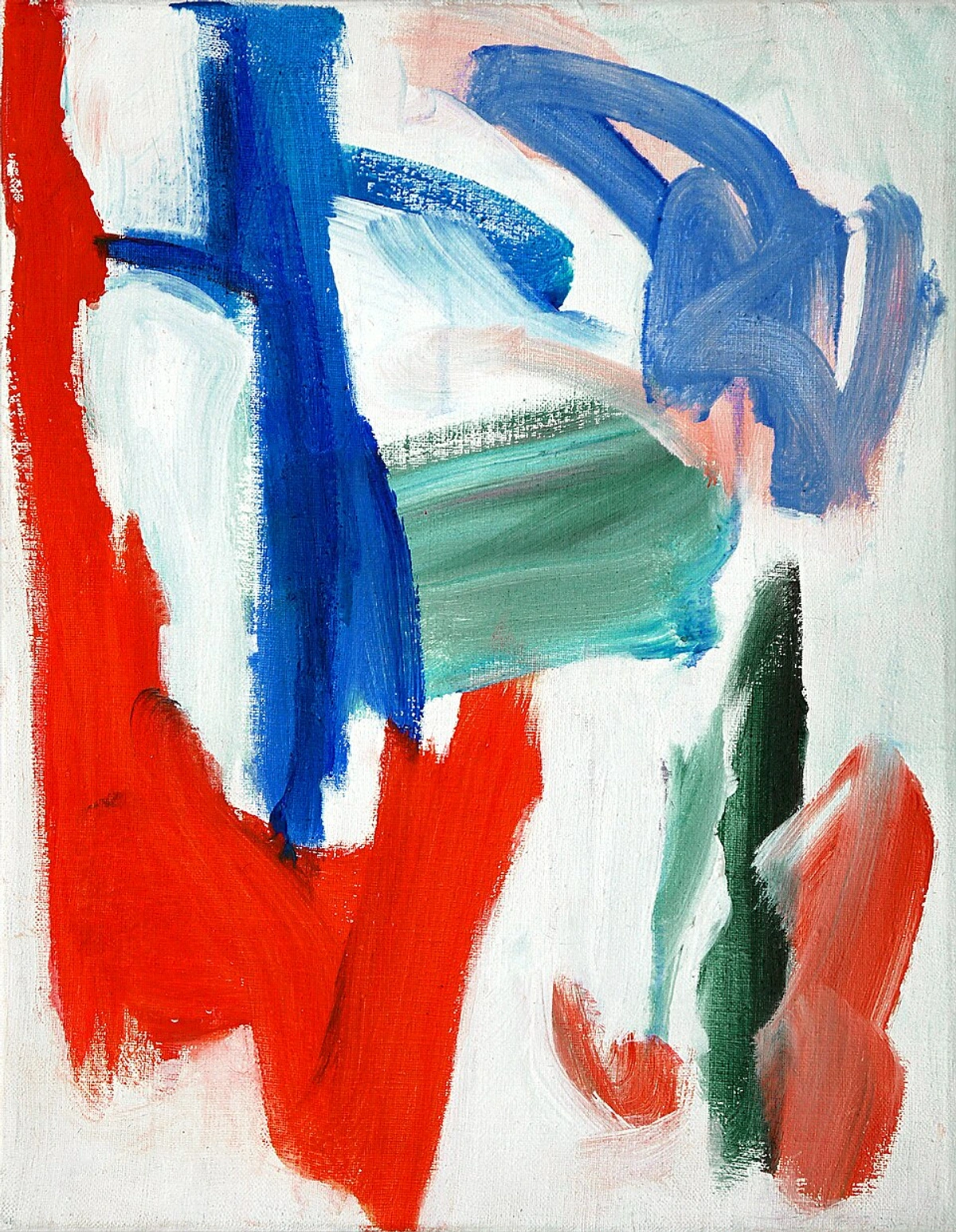
Preparing Your Studio Space: Setting the Stage for Rawness and Creative Flow
Working with raw canvas, particularly when employing fluid techniques like soak-staining, often means getting a little gloriously messy. It's part of the authentic, visceral experience, a direct engagement with the material. However, this raw approach absolutely requires a thoughtful and prepared workspace to ensure both your safety and, crucially, the integrity of your art. Think of it as creating a controlled environment for creative chaos, a sacred space where the unpredictable can flourish within sensible boundaries.
- Floor Protection: If you're working unstretched on the floor (a common and highly recommended practice for many raw canvas techniques, allowing for direct interaction and large-scale gestures), lay down robust floor protection. Thick plastic sheeting, heavy-duty canvas drop cloths, or even multiple layers of old newspapers (though less durable) are essential to protect your studio floor from inevitable paint spills, stains, and accidental saturation. Trust me, you don't want your artistic expression to permanently mark your workspace in unintended, non-artistic ways! A good investment here pays dividends in peace of mind, allowing you to truly immerse yourself without unnecessary worry about your flooring. I've learned this lesson the hard way, many times over, so take my word for it.
- Ventilation: This is non-negotiable, a fundamental aspect of studio safety. Especially when using oil paints thinned with solvents (like turpentine or mineral spirits), certain acrylic mediums, or spray fixatives, robust ventilation is absolutely crucial for your health and well-being. Open windows, utilize powerful fans, or ideally, work in a studio space equipped with an exhaust fan and air purifier. Adequate airflow disperses fumes, prevents their unhealthy buildup, and benefits both your personal health and the long-term longevity of your materials (some solvents can even affect your canvas over time). Never underestimate the importance of fresh, circulating air in the studio—it's foundational to both your health and your art's integrity. Your lungs will thank you, and so will your materials over the long haul. Remember, a clear head makes for clearer art.
- Accessibility & Ergonomics: Arrange your paints, mediums, brushes, tools, and water containers (if using water-based media) within easy, intuitive reach. The fluid, often spontaneous nature of raw canvas painting can be severely disrupted if you're constantly breaking your flow to search for supplies. Think about setting up dedicated "stations" for mixing colors, applying paint, and even a designated, clean area for initial drying. Also, critically consider your posture and movement; long sessions can be physically demanding, so ensure your setup supports comfortable, sustained work, protecting your body as diligently as you protect your art. A comfortable artist is, in my experience, a more prolific and infinitely happier artist. Your body is your most important tool, after all.
- Cleanliness & Dust Control: While the work itself might be raw and gestural, maintaining a generally clean studio environment is surprisingly important. Dust, lint, pet hair, and other airborne debris can easily settle onto and embed themselves within your vulnerable raw canvas surface, especially before sizing or paint application. A quick sweep, vacuum, or wipe-down of surfaces before you begin can save you significant headaches later, preventing unwanted textural 'additions' to your artwork. A clear, organized space often leads to a clear mind, I've found, fostering greater focus and intentionality in your work and reducing distractions. I'm not saying you need a sterile laboratory, but a little tidiness goes a long way.
- Lighting: Consider your studio lighting carefully. Natural daylight is ideal, but if working under artificial light, choose full-spectrum bulbs that accurately represent color. Consistent lighting conditions prevent surprises when your artwork is viewed in different environments. What looks vibrant under one light might appear muted under another, a common pitfall I see artists encounter. This seemingly minor detail can profoundly impact your perception of color and texture during the creative process.
Sizing vs. Priming: A Critical Distinction and Why It Matters Most for Archival Integrity
This is, without a doubt, the most important concept to grasp when venturing into raw canvas, a distinction I cannot possibly stress enough. You explicitly do not want to prime the canvas in the traditional sense, as that would fundamentally defeat the entire purpose by applying an opaque ground like traditional gesso. This would inevitably obscure the very qualities—the natural color, inherent texture, and unique absorbency—you seek to embrace by choosing raw canvas. However, and this is the crucial part, you almost always need to size it. This step becomes an absolute, non-negotiable necessity for archival longevity, especially when working with oil paints, where the consequences of skipping it are catastrophic. Even with acrylics, where the risk isn't chemical degradation of the fiber, sizing is often a very good idea to prevent unsightly Support Induced Discoloration (SID) and to gain greater control over absorbency. This is about intelligent protection and preparation, not the obliteration of the raw surface, but its thoughtful and necessary safeguarding. It’s the art of preserving the raw aesthetic while ensuring the artwork endures.
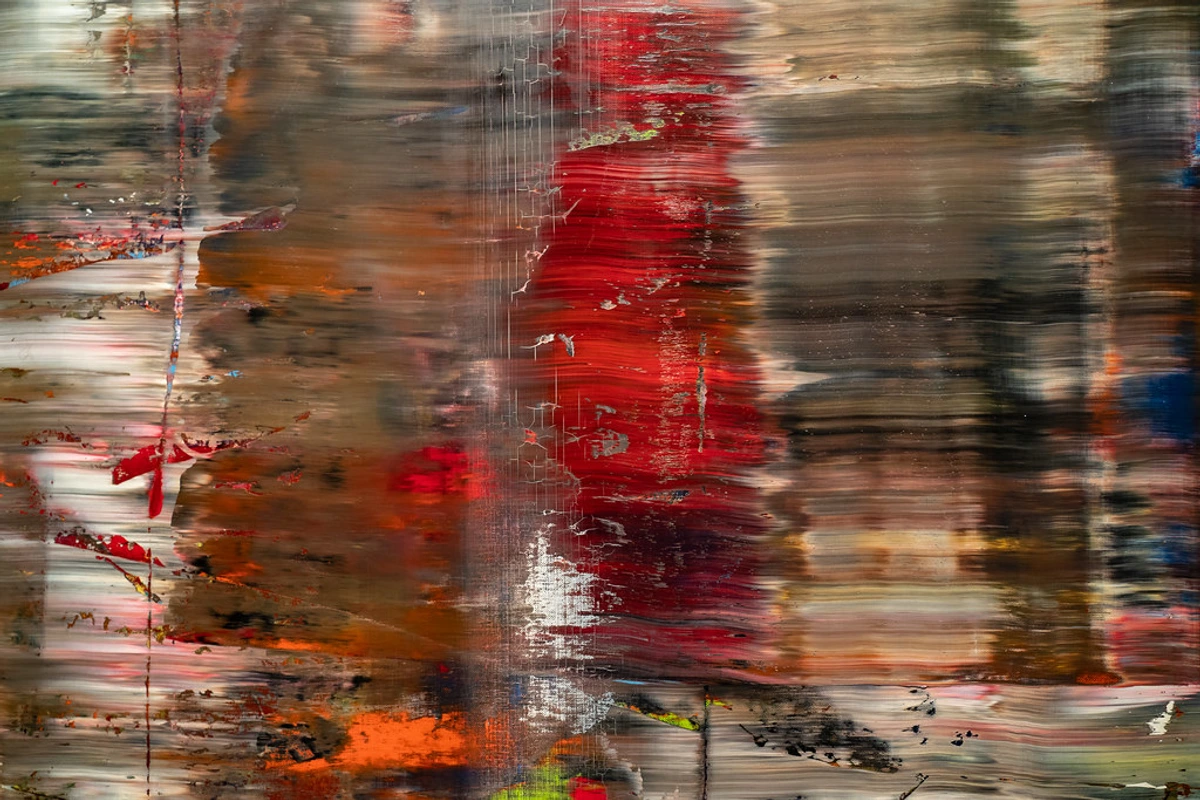
Sizing involves applying a thin, clear sealant that creates a crucial, invisible barrier between the paint layers and the vulnerable canvas fibers. Critically, it does this without filling the weave, without obscuring the canvas's natural color, and without significantly altering its unique texture—thereby preserving the coveted 'rawness' while providing vital protection. This barrier is absolutely non-negotiable when working with oil paints, as it alone prevents the destructive 'oil rot' (the chemical breakdown of cellulose fibers by acidic oils). With acrylics, while the fibers aren't chemically attacked in the same way, sizing is still highly recommended as it helps prevent Support Induced Discoloration (SID) and, importantly, regulates absorbency, ensuring more consistent color application and vibrancy. It’s a foundational act of care for your artwork, a silent guardian of its future.
- Traditional Sizing: Rabbit-Skin Glue (RSG): Historically, rabbit-skin glue (RSG) was the standard for sizing canvas, prized for its ability to create an incredibly taut surface. However, its significant hygroscopic nature (meaning it readily absorbs and releases water in response to humidity changes) makes it highly problematic from a conservation perspective. This constant expansion and contraction puts immense stress on the relatively inflexible oil paint film, often leading to cracking, delamination, and embrittlement over time. Moreover, as an organic material, it can become brittle itself and is highly susceptible to mold and insect damage. As a curator deeply concerned with archival longevity, I'd personally advise strongly against its use for any work intended to last, despite its historical prevalence. Modern alternatives are simply superior from a conservation standpoint, offering both stability and ethical considerations. The romantic notion of using historical materials can sometimes conflict with practical conservation, and in this case, the modern solution offers a far more secure future for your art. I know, it's tempting to follow in the footsteps of the Old Masters, but sometimes progress is a good thing!
- Modern Archival Sizing: PVA & Acrylics: Archival PVA size (such as Golden's GAC 400 or Gamblin's PVA Size) or a clear acrylic medium like Golden's GAC 100 are the undisputed modern standards for sizing. These products provide a stable, flexible, and clear barrier that effectively protects the canvas from the acidic oils in paint and significantly helps mitigate Support Induced Discoloration (SID) with acrylics by isolating water-soluble impurities. Crucially, these materials are non-hygroscopic, meaning they don't react significantly to humidity changes, and they maintain their flexibility, offering far superior archival properties compared to animal glues. Two to three thin, even coats are usually recommended, allowing each to dry thoroughly between applications (at least a few hours, ideally overnight, or even 24 hours for optimal curing, depending on environmental conditions). The application process should be even and careful, brushing out any puddles or thick spots to ensure a consistent, flexible, and chemically inert barrier that will protect your artwork for generations. Think of it as creating a durable, transparent shield for your creative vision, ensuring its future integrity without compromising its raw aesthetic. This modern approach offers both peace of mind and greater creative freedom, allowing you to focus on the art itself.
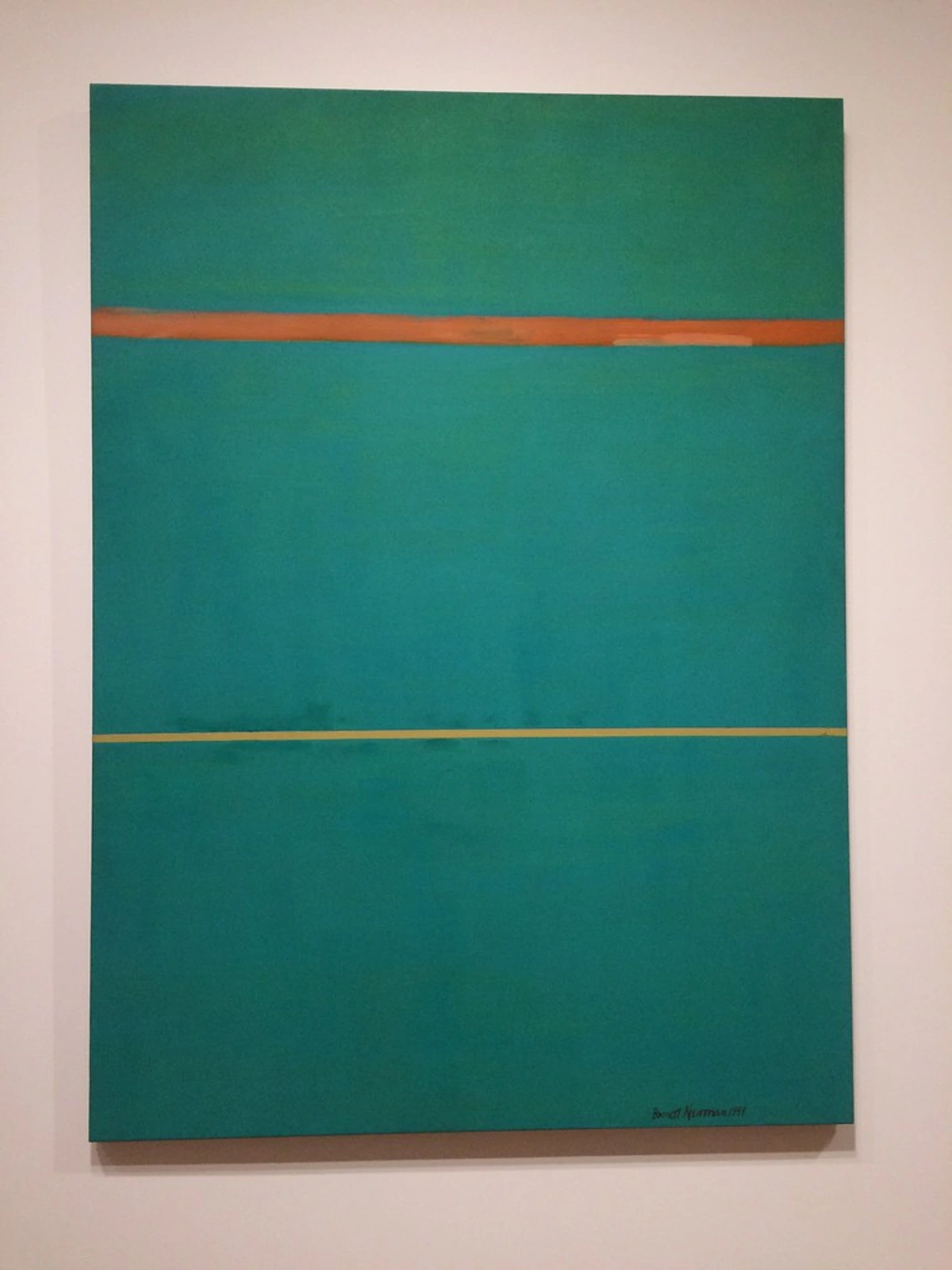
Tinted Grounds and Surface Preparation: A Nuanced Approach to the Raw Aesthetic
While the primary goal of working on raw canvas is often to retain its natural, untreated look, a tinted size or a very thin, transparent ground offers a nuanced and incredibly versatile approach to surface preparation. This involves adding a small amount of transparent or semi-transparent acrylic paint (or a stain of thinned acrylic) to your clear size (like GAC 100). This subtly alters the base tone of the canvas without obscuring its texture or filling the weave, preserving its inherent qualities. This technique can be fantastic for establishing a warm or cool undertone for your entire painting, almost like laying down a foundational musical note or an atmospheric layer for the entire composition. You're still protecting the canvas archively, but you're also laying down a very subtle initial color field, which can deeply influence how subsequent colors are perceived and interact. It's a quiet, powerful way to guide the viewer's eye and establish mood right from the start.
For artists desiring a smoother raw surface, some will choose to lightly sand the sized canvas once dry using very fine-grit sandpaper (e.g., 220-400 grit). This is entirely a personal preference and depends heavily on your artistic intent, but it can create a beautiful, almost velvety texture that still subtly shows the weave, but with significantly less tooth. This subtle alteration can dramatically change how paint interacts with the surface, allowing for smoother glazes, more delicate transitions, or more controlled brushwork, all without losing the essential 'rawness' of the material's character. It's a nuanced approach to surface manipulation, refining the tactile experience while retaining its fundamental raw character. Always ensure you meticulously clean off any sanding dust thoroughly before painting, as residual dust can compromise paint adhesion and create unwanted textural irregularities. I find this especially useful for fine detail work or when creating delicate washes where the canvas weave might otherwise interfere with precision.
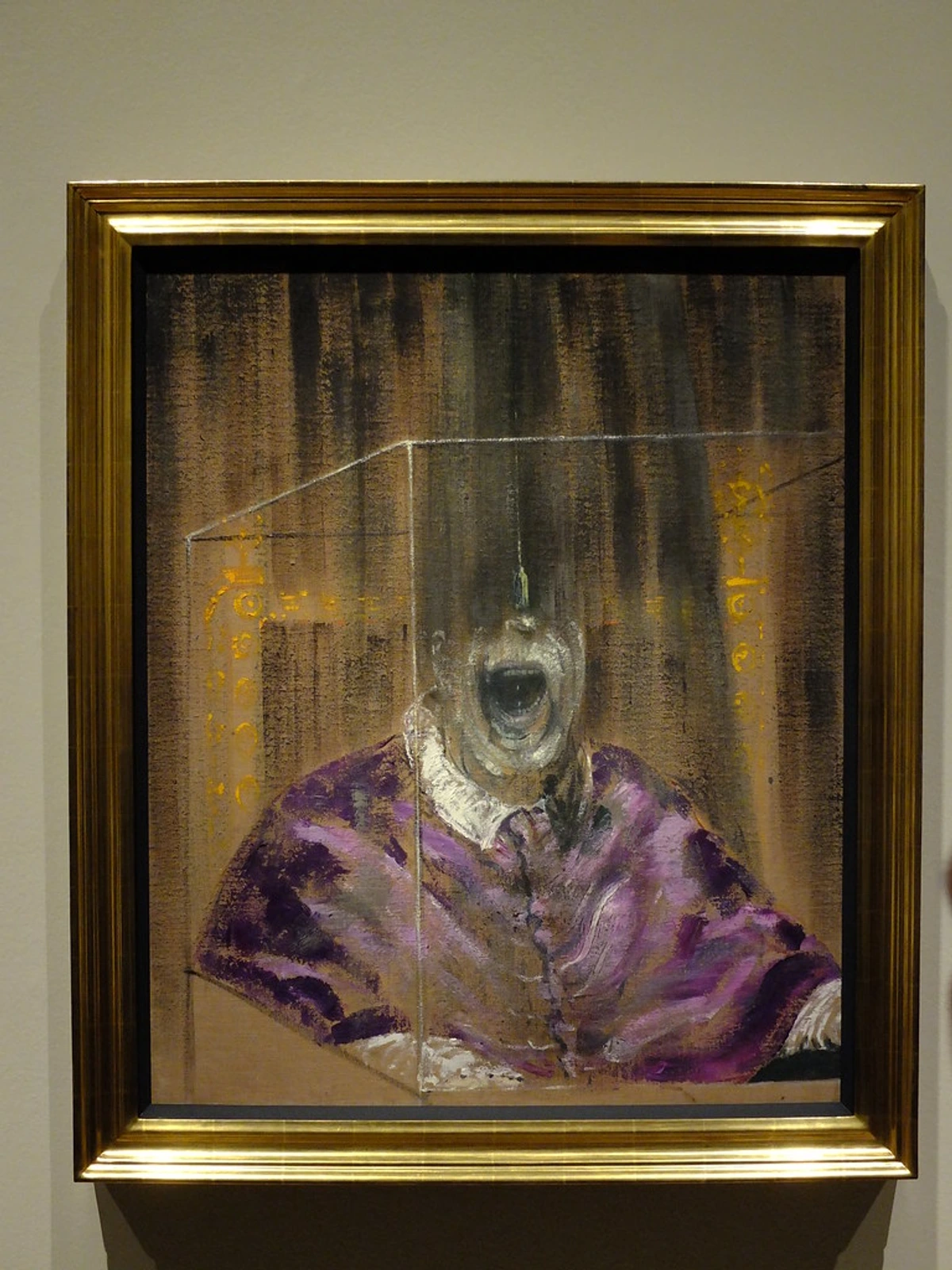
Choosing Your Medium: A Match Made (or Broken) on Raw Canvas – Knowing Your Materials
Your choice of paint medium is an incredibly critical decision when working on raw canvas, as each medium interacts profoundly and distinctly with the exposed, absorbent fibers. This is truly where a little knowledge goes a very, very long way, directly impacting both your immediate creative results and, crucially, the long-term integrity and archival stability of your artwork. It's a fundamental decision that, I assure you, shapes everything that follows, and understanding these interactions is paramount to avoiding future heartbreak.
- Acrylics: Generally, acrylics are hands down the safest and most versatile option for painting on raw canvas. Being polymer-based, they are chemically inert and do not harm the canvas fibers, completely eliminating the risk of destructive oil rot. However, even with acrylics, sizing with a product like Golden's GAC 100 (a multi-purpose acrylic polymer) is still highly recommended. This crucial step helps to block Support Induced Discoloration (SID), prevents excessive, uncontrolled absorbency (which can lead to a 'dead' or flat, lackluster look), and helps maintain color vibrancy by preventing pigments from sinking too deeply into the weave. Fluid or high-flow acrylics are particularly excellent for soak-stain techniques, beautifully mimicking the ethereal effects of dyes and creating stunning, integrated color fields. Using a retarder can extend working time for blending and subtle transitions, while a medium like Golden's Fluid Matte Medium can further enhance absorbency control for precise staining. Consider also using specialized acrylic painting brushes for varied effects. I've found that the sheer range of acrylic mediums available allows for incredible versatility on raw canvas, from delicate washes to thick impasto, all while preserving the material's integrity and offering immense creative freedom.
- Oils: I cannot stress this enough—this is a fundamental, non-negotiable rule of archival art practice: Never, ever apply oil paint directly to raw, unsized canvas. You must apply at least two to three thin, even coats of a proper archival size (like PVA size or Golden's GAC 100) first, allowing each coat to dry thoroughly and cure adequately. This creates an essential, inert barrier between the acidic linseed oil (or other drying oils) in your paints and the vulnerable cellulose fibers of the canvas, preventing inevitable 'oil rot' and disintegration—a truly devastating, irreversible form of chemical damage. Without this barrier, the canvas will literally decay over time, a slow but certain demise for your artwork. Our guide on the difference between acrylic and oil paint provides more context on why this distinction is so incredibly crucial for the longevity of your artwork. Once properly sized, oil paint can be applied, and the subtle texture of the raw canvas can still show through, offering a unique, often warm ground for rich, luminous effects. Remember the 'fat over lean' rule, even on a sized surface, to ensure paint film stability over time. The careful preparation here ensures that the historical legacy of oil painting can meet the modernist embrace of raw materials without compromising the future of your art. It’s an investment in your piece's eternal life.
- Oils: I cannot stress this enough—this is a fundamental, non-negotiable rule of archival art practice: Never, ever apply oil paint directly to raw, unsized canvas. You must apply at least two to three thin, even coats of a proper archival size (like PVA size or Golden's GAC 100) first, allowing each coat to dry thoroughly and cure adequately. This creates an essential, inert barrier between the acidic linseed oil (or other drying oils) in your paints and the vulnerable cellulose fibers of the canvas, preventing inevitable 'oil rot' and disintegration—a truly devastating, irreversible form of chemical damage. Without this barrier, the canvas will literally decay over time, a slow but certain demise for your artwork. Our guide on the difference between acrylic and oil paint provides more context on why this distinction is so incredibly crucial for the longevity of your artwork. Once properly sized, oil paint can be applied, and the subtle texture of the raw canvas can still show through, offering a unique, often warm ground for rich, luminous effects. Remember the 'fat over lean' rule, even on a sized surface, to ensure paint film stability over time. The careful preparation here ensures that the historical legacy of oil painting can meet the modernist embrace of raw materials without compromising the future of your art. It’s an investment in your piece's eternal life.
- Watercolor & Inks: These water-based media can be used directly on raw canvas for beautiful staining, bleeding, and dye-like effects, as they are not chemically detrimental to the canvas fibers themselves (unlike oils). However, you must be aware that the results will be incredibly permanent and largely irreversible, soaking deeply and instantly into the fabric. The immediacy and often uncontrolled spread are part of their unique charm, offering spontaneous, ethereal, and unique expressive possibilities, but also presenting a significant challenge for those seeking precise control. If you desire more control over absorption and to mitigate potential Support Induced Discoloration (SID), a thin, clear acrylic size can still be highly beneficial, allowing for richer color development on the surface while still maintaining a degree of stain and the raw look. Experimentation on scraps is absolutely key—a non-negotiable step before committing to your final piece! I've seen artists create breathtaking, textile-like works with these media, embracing the canvas almost as a fabric dye artist would, with stunning results that blur the lines between painting and fiber art.
- Dry Media (Charcoal, Pastel, Graphite): Using dry media directly on raw canvas offers a truly unique and compelling textural experience. The prominent weave of the fabric provides an excellent natural tooth for pigment adhesion, creating nuanced, textured marks that feel deeply embedded in the surface. This can be a refreshing departure from traditional paper supports. While generally safe for the canvas fibers (though some papers or pigments can be acidic), consider using a workable fixative to prevent smudging and preserve the integrity of your drawing, especially if you plan to layer other media or handle the work frequently. This can be a fantastic way to explore the elements of art: line and texture on a different kind of surface, bringing a raw, tactile quality to your drawings that's simply not achievable on smooth paper. The interaction of chalky pastels or soft charcoal with the canvas weave can produce unexpectedly rich and subtle effects, imbuing drawings with a painterly depth.
Stretching and Tension: The Foundation of Longevity and Optimal Painting Surface
Finally, and this is a crucial step often overlooked until it's far too late, ensuring your canvas is properly stretched and tensioned is absolutely paramount for both the immediate success and the long-term longevity of your artwork. The very process of painting—especially with water-based mediums (which can cause fibers to swell and then shrink) or extensive layering—can cause the fabric to slacken, warp, or even ripple over time. Starting with a taut, evenly tensioned surface is absolutely key, acting as the bedrock of your painting. Uneven tension can lead to paint cracking (especially with less flexible oil paints), canvas distortion, or permanent sagging over time, severely compromising the work. A properly stretched canvas isn't just about aesthetics; it’s fundamental to the structural integrity and longevity of the finished artwork. It also provides a better, more responsive, and predictable surface for the act of painting itself, ensuring your brushstrokes have the firm, consistent support they deserve. I can't tell you how many great compositions I've seen compromised by a poorly stretched support; it's a detail that, if neglected, can undermine the entire work.
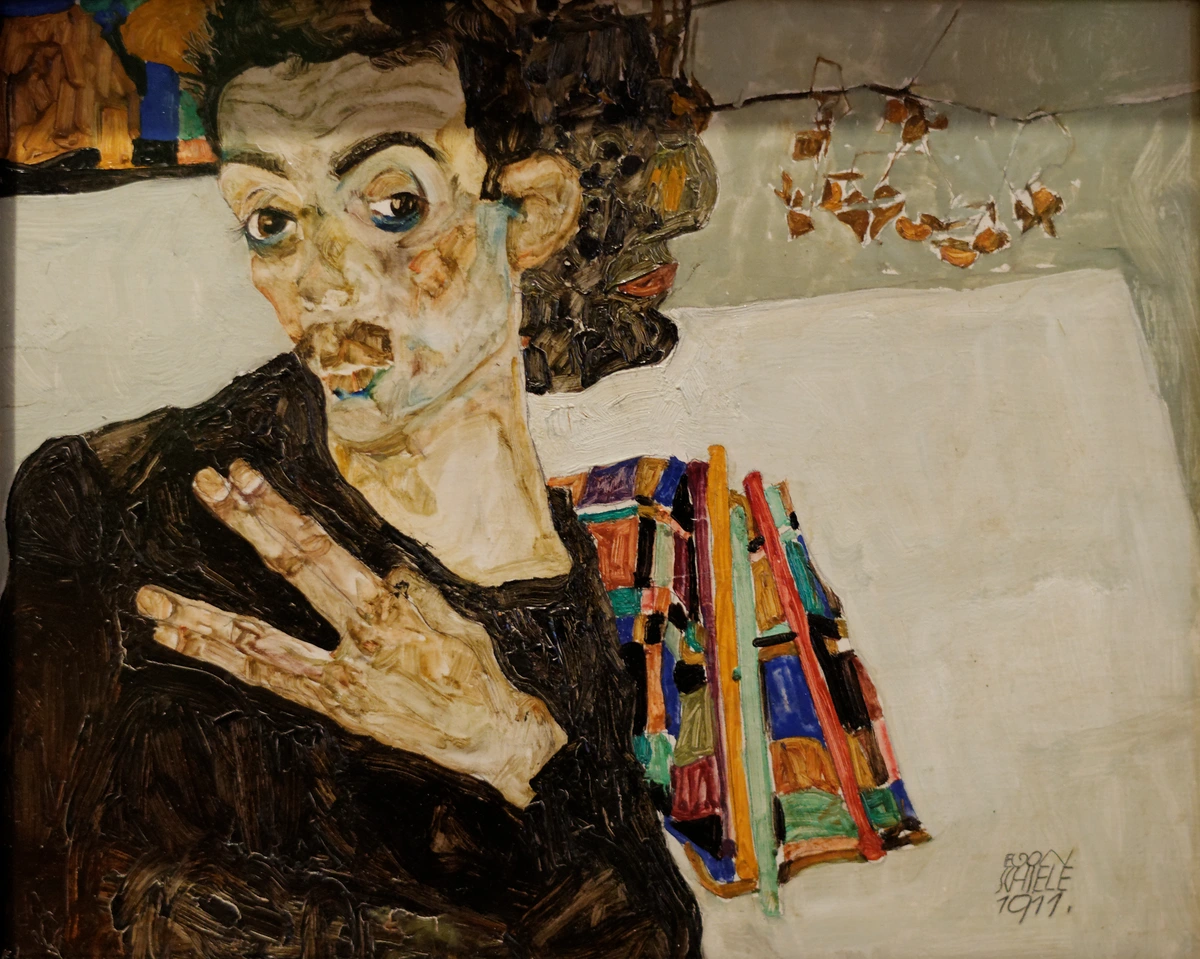
- Proper Stretching & Pre-stretching: A well-stretched canvas will feel firm, responsive, and offer a consistent rebound to your brush. If you're new to this, our guide on how to stretch a canvas is an essential resource, and I highly recommend reviewing it. A particularly good practice, especially with raw canvas due to its inherent elasticity, is to 'pre-stretch' it. Stretch it once, let it sit for a day or two to acclimatize and possibly release some initial tension, then re-tension it before beginning to paint. Pay meticulous attention to corner folding, stapling, and ensuring even tension across the entire surface. This extra step can dramatically reduce later sagging and prevent unsightly ripples as the work ages and as environmental conditions fluctuate. This foundational work pays immense dividends in the final presentation and longevity of your masterpiece.
- Cross-Bracing & Support: For any canvas exceeding a certain size (generally anything larger than 30x40 inches, though some prefer it for smaller works or heavier canvases), installing cross-braces or intermediate stretcher bars is absolutely vital to prevent warping, twisting, and to maintain crucial structural integrity. This is not optional for ambitious, larger works, believe me—a bowing canvas can severely compromise both the artwork's visual impact and its perceived value, and can even lead to cracking in the paint film. These additional supports distribute tension evenly and prevent the stretcher frame itself from deforming under the strain of the stretched fabric, acting as silent, unseen guardians of your masterpiece. Neglecting this is like building a grand house on a shaky foundation – it simply won't stand the test of time.
- Keys/Wedges: The Fine-Tuning Tools: Many high-quality stretcher bars come equipped with small wooden keys or wedges. These are specifically designed to be inserted into the slots at the corners after the painting is completed and thoroughly dry (if needed), to gently re-tension a canvas that may have loosened due to environmental changes or the drying process of the paint film. A crucial point of caution: Do not hammer them in before painting, or you'll risk over-stretching during the painting process, which can lead to excessive tension on the paint film and potential cracking. It's a subtle art, getting the tension just right, and these keys are your final, gentle adjustment tools to ensure your artwork remains taut and pristine for years to come. Our guide on what are stretcher bars for canvas delves deeper into this, offering more insights into these often-underestimated tools. Think of them as the subtle adjustments that keep your artwork singing its original, vibrant tune.
Finishing and Presentation: Beyond the Final Brushstroke
Once the paint is dry and your artistic vision realized, the journey of your raw canvas artwork isn't quite over. In fact, these final steps are just as crucial as the initial preparation. How you finish and present your piece plays a pivotal role in both its immediate impact and its long-term preservation. This is where your curatorial hat truly comes on, transforming a finished piece into a safeguarded masterpiece that can be appreciated for generations.
- Signing and Dating: Even on a raw surface, a discreet but clear signature and date are absolutely essential for provenance and historical record. Consider using a stable, lightfast medium that won't bleed excessively or degrade the canvas over time. A fine-tipped brush with archival acrylic paint or a stable, permanent ink is often preferable to a heavy oil application directly on raw fibers, which could compromise the fabric. Our guide on how to sign a painting offers more detailed advice on best practices. It's your artistic fingerprint, a mark for posterity.
- Backing Boards and Dust Covers: Once stretched and ideally framed, a good quality, acid-free backing board should be meticulously applied to the reverse of the stretcher frame. This serves multiple crucial purposes: it physically protects the back of the canvas from dust, airborne pollutants, insects, and accidental punctures. Moreover, it helps to create a more stable micro-environment for the canvas fibers, significantly reducing their reactivity to external humidity fluctuations. A sealed dust cover (archival paper carefully taped around the edges of the backing board) further enhances this protection, creating a sealed unit for your artwork. Think of it as a protective cocoon for your creation.
- Hanging Hardware: Always choose robust, appropriate hanging hardware that can safely and securely support the weight of your artwork for decades to come. For larger pieces, I strongly recommend using two hanging points to distribute the weight evenly and prevent tilting or undue stress on any single point. Investing in quality D-rings and sturdy picture wire is a relatively small cost for significant peace of mind and protection against accidental falls. Ensure all hardware is securely attached to the stretcher frame itself, not just the canvas fabric, which is far too fragile to bear the weight. This is not the place to cut corners, trust me.
Long-Term Conservation and Display: Safeguarding Your Raw Canvas Masterpiece
Preserving a painting on raw canvas requires particular, often heightened, consideration and a proactive approach. The inherent vulnerability of the exposed, natural fibers means you need to be extra diligent in its care, almost like tending to a delicate, irreplaceable heirloom that reacts sensitively to its surroundings. Understanding and actively mitigating environmental risks is absolutely paramount if you want your work to endure for generations, as I constantly emphasize in my own curatorial practice. A little foresight here can save untold heartbreak down the line.
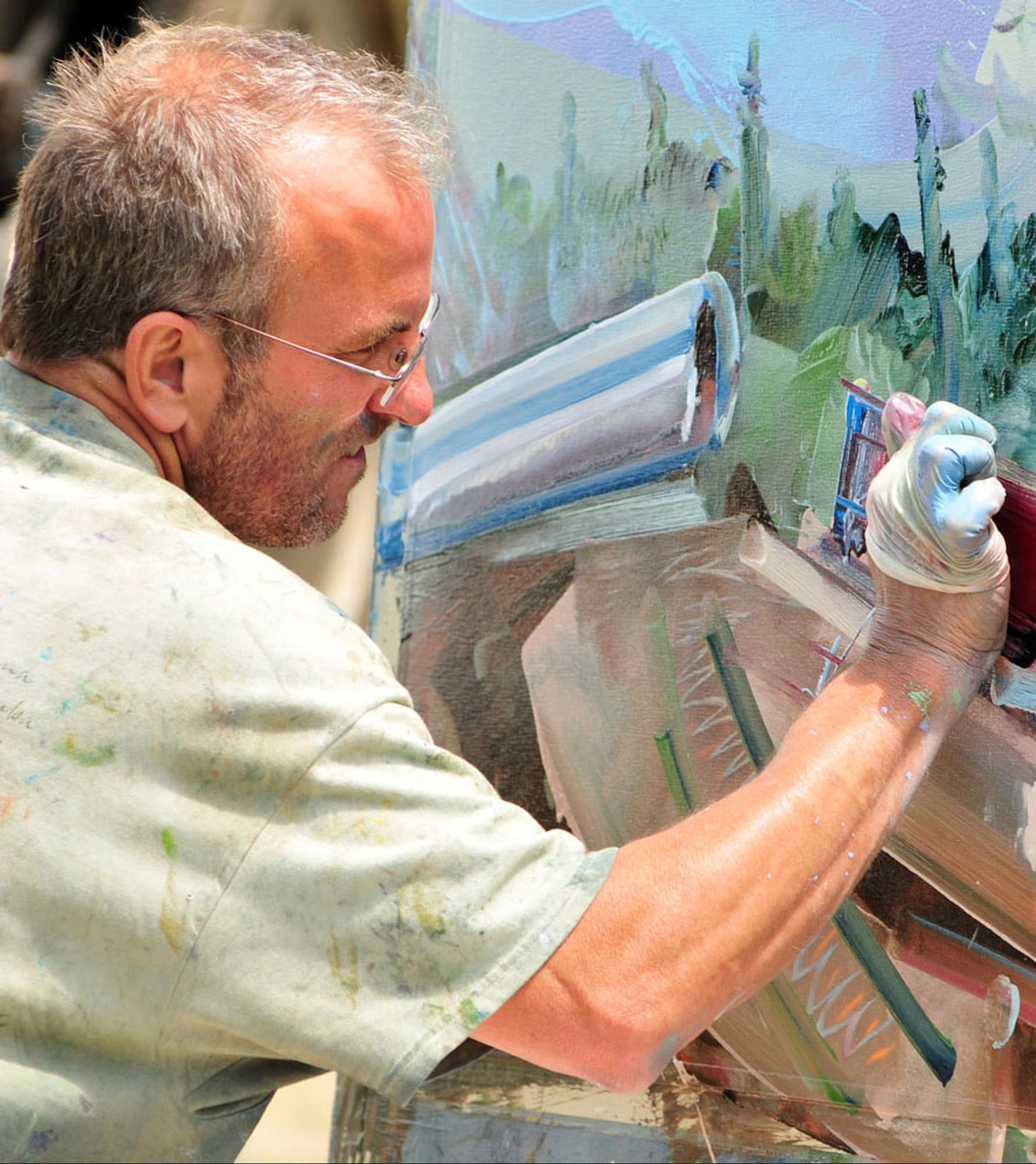
Environmental Factors: Humidity, Light, and Airborne Pollutants – Invisible Threats to Your Artwork
Raw canvas, by its very nature, is considerably more susceptible to environmental degradation than a fully sealed, primed surface. Its exposed, natural fibers act almost like finely tuned sponges, readily absorbing and reacting to subtle and dramatic changes in its surroundings. Understanding these often-invisible risks is absolutely paramount for long-term conservation and the enduring beauty of your work; proactive foresight here can truly save generations of heartbreak and ensure your artistic legacy remains intact. Let's delve into the main culprits.
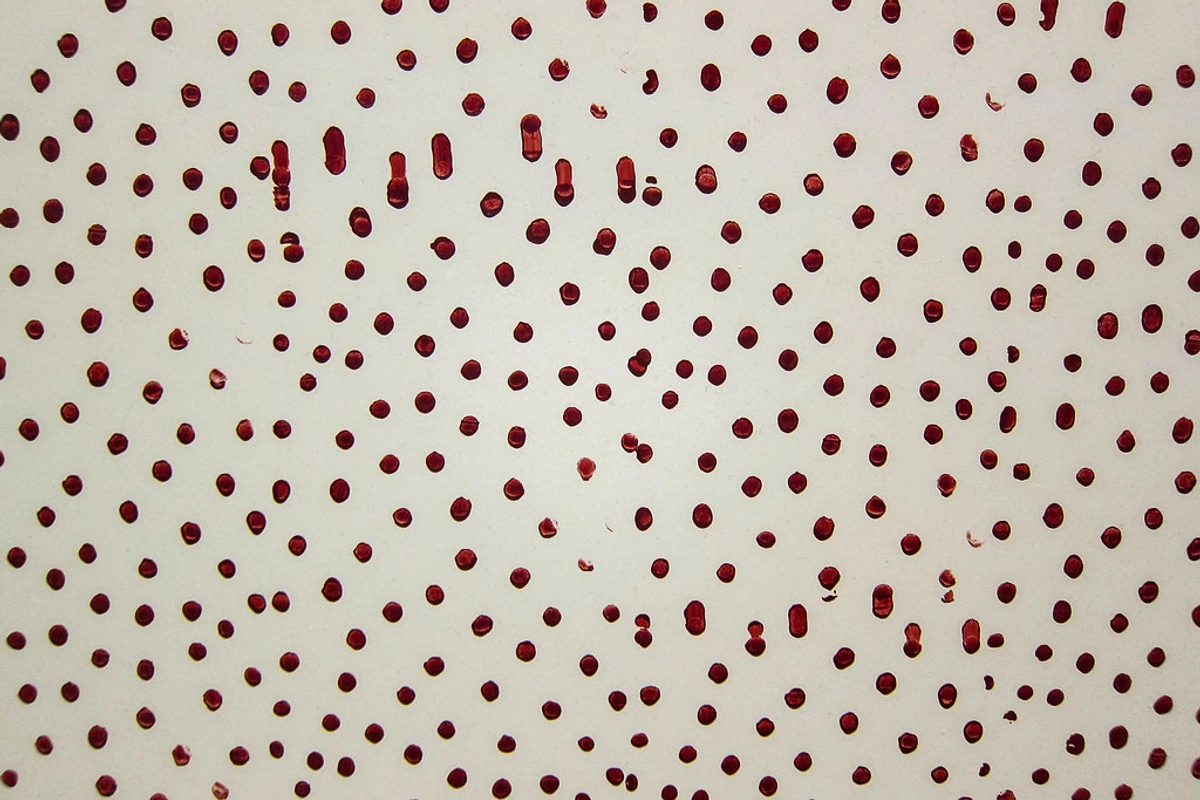
- Humidity Fluctuations: Natural fibers like cotton and linen are highly hygroscopic, meaning they readily absorb and release moisture from the air. Significant and frequent fluctuations in relative humidity (RH) can cause the canvas to constantly expand and contract, a relentless movement that puts immense stress on the paint layers (especially less flexible ones like oils) and potentially leads to cracking, flaking, or warping of the stretcher frame over time. This cyclical stress is incredibly damaging. Aim for a stable environment with consistent humidity levels (ideally 45-55% RH) to minimize this destructive movement. Consider investing in a dehumidifier or humidifier in your display space if conditions are extreme, or utilize a climate-controlled room to create a more stable microclimate for your art. I've seen beautifully executed works irrevocably damaged by seemingly minor shifts in environmental conditions, underscoring the absolute importance of this vigilance for raw canvas art.
- Light Exposure: UV radiation from direct sunlight, and even strong artificial light (especially older fluorescent lights lacking proper UV filters), is undeniably one of the greatest enemies of raw canvas. Over time, this intense light exposure can cause the exposed natural fibers to yellow irreversibly, become brittle, and structurally weaken. Furthermore, and just as devastatingly, pigments can fade, shift in color, or become chalky and dull. Framing behind UV-protective, museum-quality glass or acrylic is highly recommended to filter out these damaging rays, preserving both the integrity of the canvas and the vibrancy of your delicate colors. Think of it as essential sunscreen for your artwork; prevention is always infinitely better than trying to reverse irreversible damage. Even indirect sunlight over prolonged periods can cause cumulative harm, so thoughtful placement is absolutely key to protecting your raw canvas masterpiece.
- Airborne Pollutants: Dust, grime, soot (from candles or fireplaces), cigarette smoke, and other insidious airborne pollutants can easily settle onto and embed themselves within the exposed, absorbent fibers of raw canvas. These particles are not merely unsightly; they can cause progressive discoloration, chemical degradation, and, critically, attract moisture, creating an ideal environment for mold and mildew growth. A protective frame or a sealed display case (especially for very fragile or valuable works) is your best defense against these insidious agents. Regular, gentle dusting with a very soft, clean brush (as mentioned in the FAQ) is important, but prevention is always superior to intervention; once embedded, these microscopic pollutants are notoriously difficult to remove without professional help. I've often seen works in public spaces or less-than-ideal home environments suffer significant long-term damage from these seemingly innocuous environmental factors, a slow but certain decline.
Ultimately, think of your raw canvas artwork as a sensitive ecosystem; maintaining a stable, clean, and protected environment is absolutely key to its longevity and to ensuring its artistic message endures for generations. It’s a commitment, yes, but one that is profoundly rewarding for the life of your art.
- Varnishing: A Delicately Nuanced Decision: As noted in the FAQ, varnishing a painting that intentionally features exposed raw canvas areas is a highly nuanced decision. A traditional varnish, designed to saturate and deepen colors, will inevitably saturate and significantly darken the untreated canvas, often irrevocably altering the original aesthetic and subtle color interactions in a way you might not desire. If you choose to varnish, experiment extensively on a test strip of your actual canvas first! Always opt for thin, removable, archival varnishes (and for acrylics, an isolation coat is essential before the final varnish). Some artists meticulously choose to selectively varnish only the painted areas, carefully masking the raw canvas, but this is a highly delicate and time-consuming process that requires immense precision. The core question for me is always: does the 'rawness' need to remain utterly untouched to convey its meaning, or can a protective layer enhance its longevity without sacrificing its soul? It's a dialogue between protection and aesthetic intent, where the artist must ultimately decide.
- Framing: The Ultimate Protection: Framing the work behind museum-quality, UV-protective glass (or acrylic) is often the safest and most recommended option to preserve the original look and feel of the raw surface. This creates a critical barrier against dust, environmental pollutants, and harmful UV degradation without directly altering the canvas itself. Ensure there is adequate airspace between the artwork and the glazing, and that acid-free backing boards and spacers are used to prevent Support Induced Discoloration (SID) and chemical transfer. When handling, always wear clean cotton gloves to avoid transferring oils and dirt to the exposed fabric. And remember, direct sunlight is the implacable enemy of all art, especially sensitive raw canvas works, leading to fading and embrittlement; think of framing as building a sanctuary for your creation. A well-chosen frame also elevates the presentation, drawing the viewer's eye into the subtle beauty of the raw texture.
- Environmental Control & Monitoring: Store and display your raw canvas works in stable environments, rigorously avoiding extreme fluctuations in temperature and humidity. These environmental shifts can stress the canvas and paint layers, leading to cracking, warping, and sagging. Investing in a simple hygrometer/thermometer to monitor your display or storage space is a small step that yields huge returns in terms of conservation. Think of it like caring for a precious, sensitive textile—because, in essence, you are protecting not just paint, but the very fabric of your artistic vision. Optimal conditions are usually around 68-72°F (20-22°C) and 45-55% relative humidity; consistency is truly your ally here. Museums invest heavily in climate control for a reason; you can apply the same principles, scaled to your own space, to safeguard your creations.
Cleaning and Maintenance: A Gentle Touch for a Vulnerable Surface
Due to the exposed, absorbent nature of its fibers, cleaning a raw canvas painting requires extreme delicacy and caution. Unlike a sealed, varnished work, any liquid or abrasive action can cause irreversible damage. My advice here is simple: less is more, and when in doubt, consult a professional.
- Dusting: For light, superficial dust accumulation, a very soft, clean, natural-hair brush (like a wide hake brush, a soft cosmetic brush, or even a specialized conservator's brush) can be gently swept across the surface. Always use the lightest possible touch, almost floating the bristles across the fabric. Avoid any abrasive motions, vigorous brushing, or harsh cloths, as these can embed dust further or damage delicate fibers. This is a preventative measure, not a restorative one; think of it as a gentle caress, not a scrub. Remember, the raw fibers are particularly susceptible to having particulate matter embedded, which becomes almost impossible to remove later.
- Avoid Moisture and Chemicals at All Costs: Under no circumstances should you use water, cleaning solutions, commercial chemical sprays, or even slightly damp cloths directly on the raw canvas. These can cause immediate and irreversible staining, discoloration (due to leaching impurities), water rings, or even encourage dangerous mold and mildew growth. The exposed fibers act like a sponge, and once stained, it's virtually impossible to reverse without professional intervention. This rule, I cannot emphasize enough, is absolute—consider moisture the arch-nemesis of raw canvas. I've witnessed firsthand the devastation a single drop of water can inflict on an otherwise pristine raw canvas, a truly disheartening sight.
- Professional Intervention: For any significant cleaning, stain removal, or damage, your best course of action is to consult a professional art conservator. They have the specialized knowledge and tools to treat such delicate surfaces without causing further harm, and their expertise is invaluable. Prevention, in this case, is truly the best cure, but when damage occurs, don't hesitate to seek expert help. A good conservator understands the unique challenges of raw canvas and can often perform miracles, saving works that might otherwise be deemed lost.
Frequently Asked Questions (FAQ): Demystifying Raw Canvas
I often get asked a wide range of questions about working with raw canvas—it's a material that sparks immense curiosity and, understandably, a good deal of caution. Artists, students, and collectors alike want to know how to handle it, what to expect, and how to preserve it. Here are some of the most common inquiries I encounter, along with my candid, curator-informed thoughts, to help you confidently navigate your own artistic journey with this fascinating and profoundly expressive support.
Q: Can you paint with oils directly on raw canvas?
A: Absolutely not, and I really mean absolutely not—this is one of the most fundamental and critical rules in archival painting, a hill I will gladly die on! You must size the canvas first with an archival product like PVA size (e.g., Golden's GAC 400 or Gamblin PVA Size) or a clear acrylic medium (e.g., Golden's GAC 100). This isn't optional; it's a non-negotiable chemical barrier. Direct, prolonged contact between the acidic linseed oil (or other drying oils) in oil paints and the cellulose fibers of canvas will inevitably lead to the fabric rotting, becoming brittle, and disintegrating over time. This is a slow but certain chemical reaction that creates irreversible damage, a true archival disaster that no artist wants to encounter years down the line when their beloved artwork begins to fall apart. Protecting your support in this way is paramount for the longevity and integrity of your artwork, ensuring it can be appreciated for generations.
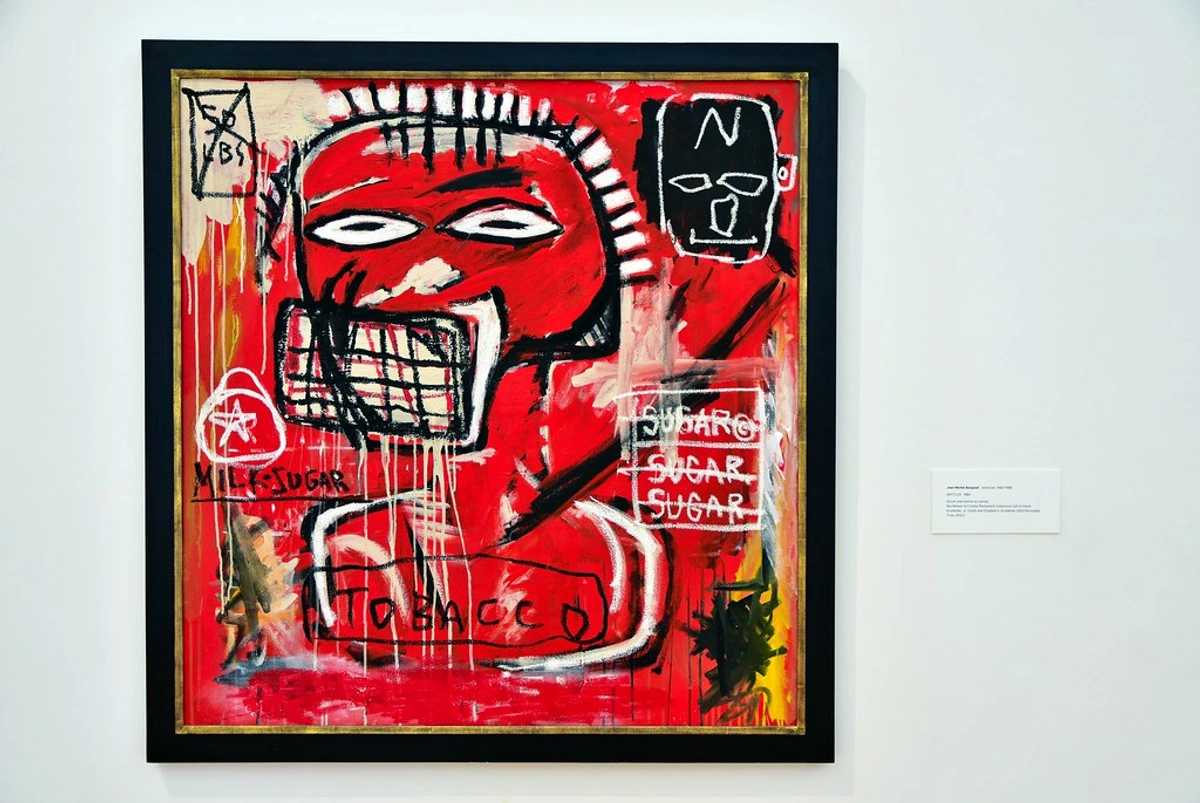
Q: What's the difference between raw canvas and unprimed canvas?
A: For all practical purposes in the art world and in common usage, the terms are indeed interchangeable. They both refer to canvas fabric that has not had a layer of primer (like traditional gesso or an oil-based ground) applied to it. The key defining characteristic, and the very reason artists choose this material, is the exposed, absorbent nature of the textile fibers. This allows for that direct, unmediated interaction between paint and support, which is the very essence, the entire point, of working with raw canvas and embracing its inherent qualities. So whether you say 'raw' or 'unprimed,' you're talking about the same wonderfully challenging material.
Q: Do I need to wash raw canvas before using it?
A: It's a common and often highly beneficial practice, especially with cotton canvas, and I absolutely often recommend it as a proactive step. Washing raw canvas in plain, warm water can help remove any temporary manufacturing sizing agents, excess dyes, loose fibers, or other water-soluble impurities that might cause Support Induced Discoloration (SID) or interfere with proper paint adhesion later on. Crucially, it can also pre-shrink the fabric, which significantly helps prevent further slackening or warping once the canvas is stretched and subjected to the moisture from painting mediums. This contributes significantly to the long-term stability and tautness of your artwork. If you choose to wash it, do so gently in plain water (no detergents, no fabric softeners, please!), allow it to dry completely and naturally (ideally hung to maintain its shape, avoiding harsh machine drying, which can distort the weave), then stretch it thoroughly. This is often an overlooked but vital step for longevity and consistent surface quality, setting your artwork up for success from the very beginning, a small investment of time for a significant return in quality.
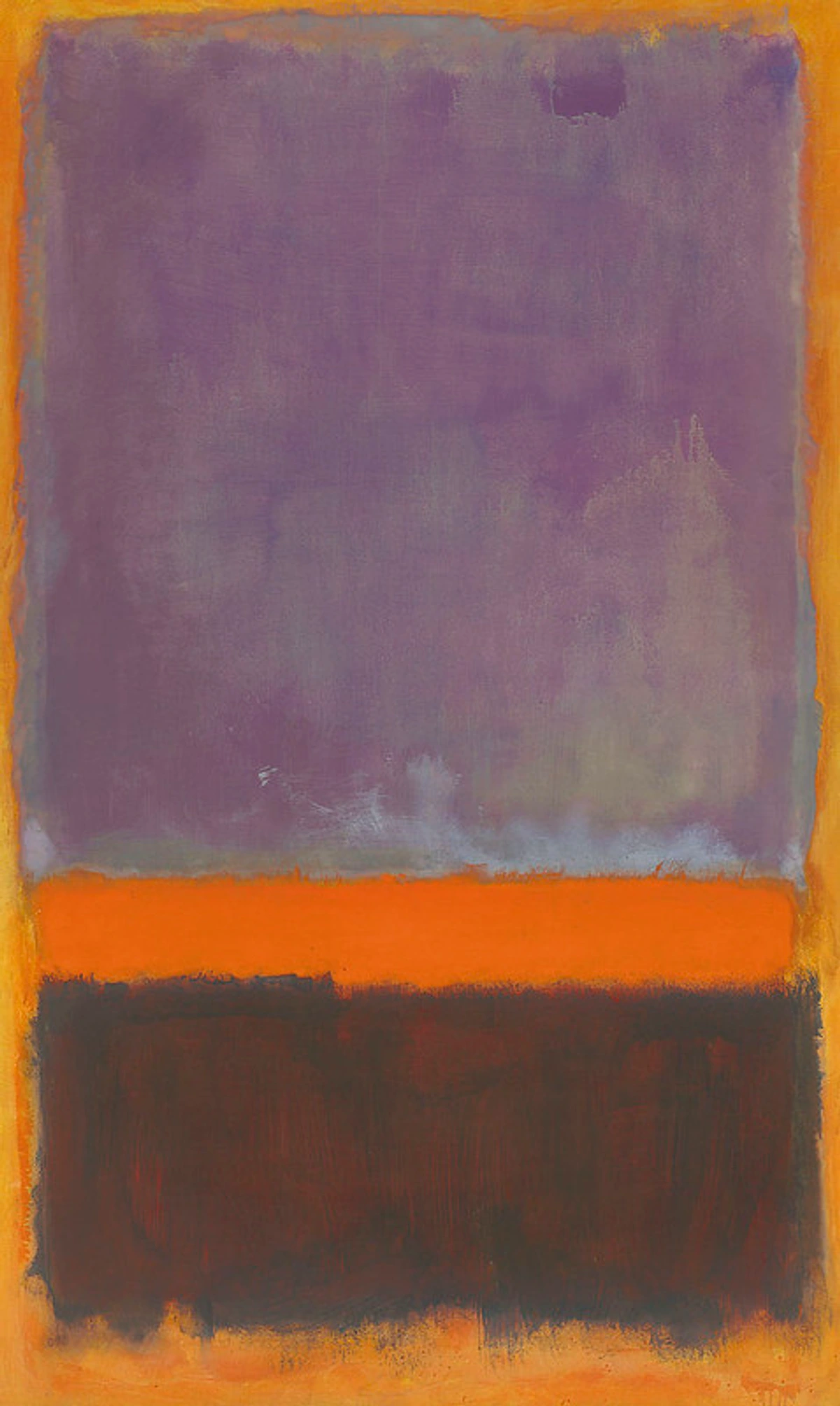
Q: How do you protect a finished painting on raw canvas?
A: Protecting a finished painting on raw canvas requires a multifaceted approach, especially given its inherent vulnerability. Varnishing is a highly nuanced decision, and if you choose to do so, it must be done with extreme care and intentionality. A traditional, glossy varnish, designed to saturate and deepen colors, will inevitably saturate and significantly darken the exposed raw canvas areas, often irrevocably altering the original aesthetic and subtle color interactions in a way you might not desire. For maximum preservation of the pristine raw look, it's often better to frame the work behind UV-protective, museum-quality glass or acrylic, ensuring there's adequate spacing between the glazing and the artwork. This creates a robust barrier of protection from dust, pollutants, and harmful UV light without directly altering the canvas surface itself. If you decide to varnish, test thoroughly on a scrap piece of your actual canvas first! You might also consider selectively varnishing only the painted areas with a brush, or using a non-saturating matte spray varnish for a subtle, even finish that minimally impacts the raw areas. Always prioritize removability for future conservation efforts, as irreversible varnishes can make future cleaning or restoration incredibly challenging. Beyond varnishing and framing, maintaining stable environmental conditions (consistent temperature and humidity), avoiding direct sunlight, and regular, gentle dusting are crucial long-term strategies. It's a holistic approach, a constant vigilance, to ensure your raw canvas masterpiece endures. For more on this, revisit our section on 'Long-Term Conservation and Display'.
Q: Are there commercially pre-sized raw canvases available?
A: Yes, absolutely! And frankly, I'm thrilled to see this option becoming more widely available. Some reputable manufacturers do indeed offer canvases that are 'sized' but not 'primed.' These typically have a clear, archival sizing agent applied (like a PVA or acrylic size) that effectively protects the fibers without adding an opaque ground that would obscure the natural color and texture. These can be a fantastic option if you want the crucial archival protection and controlled absorbency without the hassle of sizing the canvas yourself, allowing you to dive straight into your creative process while retaining the beautiful, untouched look and feel of raw canvas. Always check the product description carefully to confirm the specific type of sizing used and its archival properties; an informed choice is always the best choice.

Q: How does light affect raw canvas over time?
A: Light, especially direct sunlight and harmful UV radiation, is undeniably one of the biggest and most insidious threats to raw canvas artworks. Over time, intense light exposure can cause the exposed natural fibers to yellow irreversibly, becoming brittle, and structurally weakened. Furthermore, and just as devastatingly for the aesthetic, it can degrade pigments, leading to noticeable color shifts, a loss of vibrancy, and chalkiness in your painted areas. This is precisely why proper display (rigorously away from direct sunlight and strong, unfiltered artificial lights) and, ideally, UV-protective glazing are absolutely crucial for preserving the integrity, original aesthetic, and long-term value of raw canvas artworks. Think of it as essential sunscreen for your art, a non-negotiable layer of protection that will keep your colors true and your canvas strong for decades to come.
Q: Can I use raw canvas for outdoor art?
A: While some artists might experiment with raw canvas outdoors for temporary, ephemeral installations (where decay is part of the artistic statement), it is generally not recommended for permanent outdoor display for any work intended to last. The exposed natural fibers are highly vulnerable to moisture, UV degradation, mold, mildew, and airborne pollutants, all of which will relentlessly attack the material. Even with robust sizing, the lack of a truly weather-resistant primer and the inherent nature of natural fibers make it fundamentally unsuitable for long-term exposure to the harsh realities of the elements. For durable outdoor works, it's always better to choose materials specifically designed and treated for exterior use, like marine-grade canvas, treated wood, or synthetic materials, or to apply multiple layers of specialized, weather-resistant primers and varnishes. Don't let your art succumb to the elements unnecessarily; choose materials that are engineered for the harsh realities of the outdoors, or accept that an outdoor raw canvas piece will have a limited lifespan. I've often seen outdoor pieces succumb to the elements much faster than anticipated, a truly sad fate for any artwork.
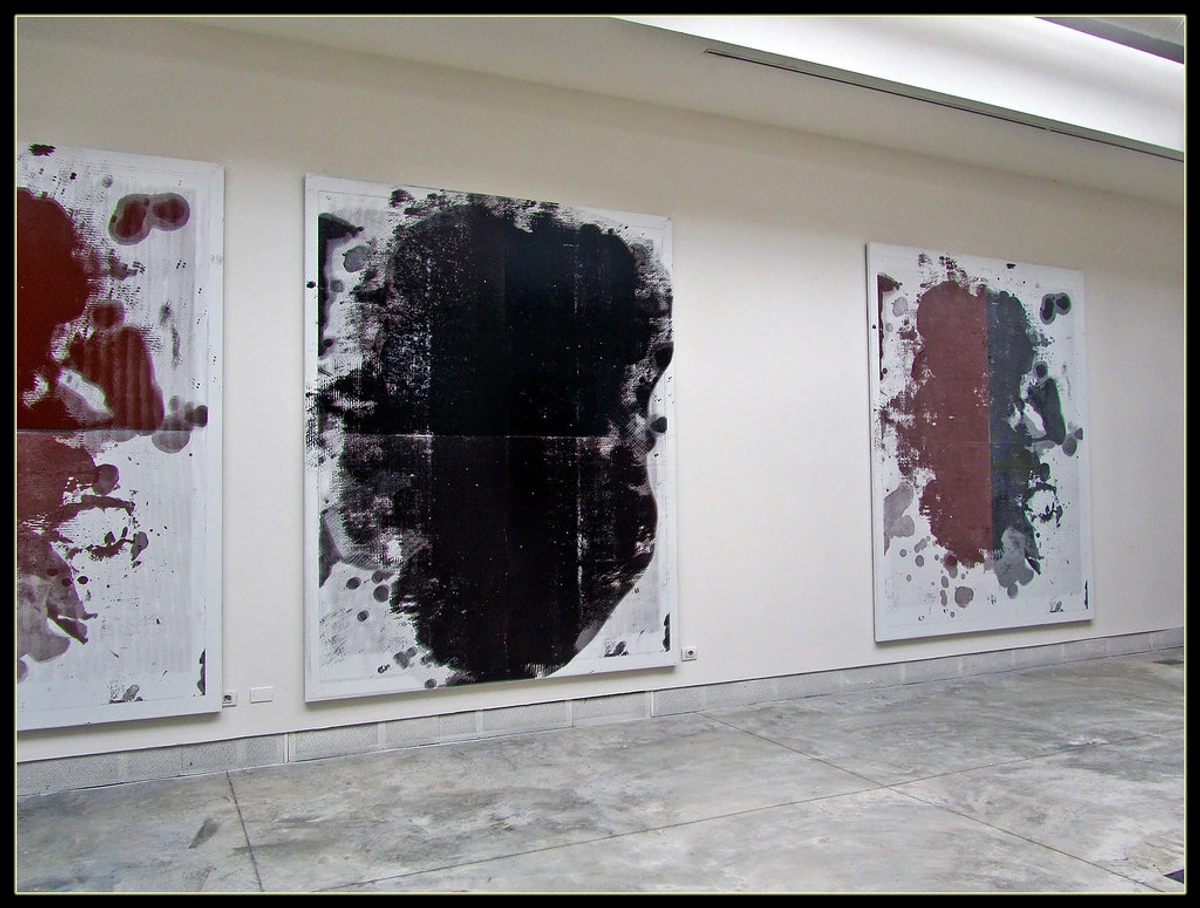
Q: What are alternatives to canvas for a similar raw effect?
A: If you're drawn to the raw, textural aesthetic but want to explore other options or need a different kind of support, you're in luck—there are several compelling alternatives! Consider working on unprimed wood panels (like birch, cradled plywood, or even untreated masonite), which offer a wonderfully rigid support and a unique grain that can be integrated directly into the artwork. Heavy watercolor paper or substantial printmaking paper can also provide a beautifully absorbent surface for staining, washes, and delicate marks, offering a different tactile experience. Some artists also experiment with raw burlap (though generally less archival and more prone to degradation), or even more unusual fabrics like silk (for sheer, luminous effects with dyes or thinned acrylics) or linen upholstery fabric, always ensuring they are properly sized if using oils. Each of these offers a different 'voice' and set of challenges and opportunities to engage with, expanding your material vocabulary far beyond traditional canvas. It’s about finding the support that best resonates with your artistic message and technical approach.
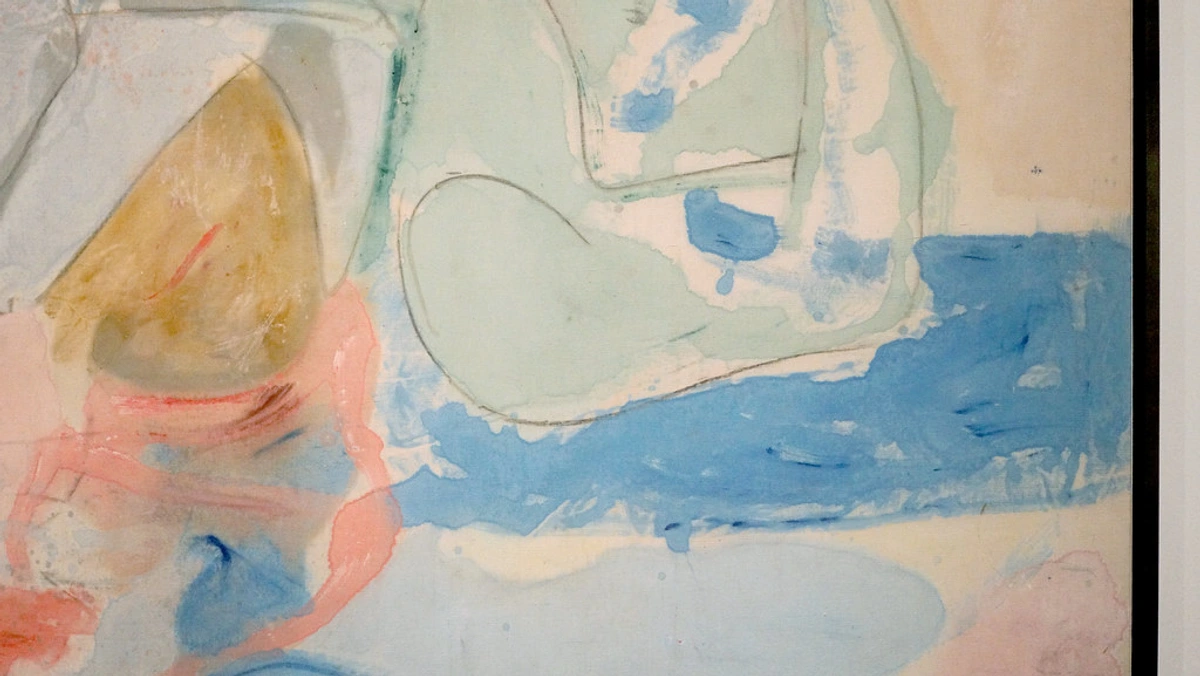
Q: What's the best way to clean a raw canvas painting?
A: Cleaning a finished painting on raw canvas is an extremely delicate task, and for anything beyond light, superficial dust, it is often best left to a professional conservator. The exposed fibers are highly absorbent and incredibly vulnerable to staining, abrasion, and particularly, water damage. For light dust accumulation, a very soft, dry, natural-hair brush (like a wide hake brush, a soft cosmetic brush, or even a specialized conservator's brush) can be used gently, swept across the surface with the absolute lightest touch possible. Avoid any moisture, harsh cloths, or chemical cleaners, as these can cause immediate and irreversible staining, discoloration, or even encourage dangerous mold growth. This is non-negotiable. If the work is framed under glass, simply clean the glass, not the artwork itself, and use a glass cleaner that is safe for museum-quality glazing—never spray directly onto the artwork or frame. Remember, prevention is truly the best strategy here, making careful handling and proper display absolutely paramount. When in doubt, call an expert. I often tell artists,
Q: What is the best type of frame for raw canvas art?
A: The ideal frame for raw canvas art truly depends on the aesthetic you're aiming for and the level of protection needed, which for raw canvas, is often significant. For maximum preservation of the raw surface, a shadow box frame with museum-quality, UV-protective glass or acrylic is often highly recommended. This creates a critical barrier against dust, environmental pollutants, and harmful UV light without directly touching or altering the artwork itself. If you prefer a more contemporary or traditional look that emphasizes the painting's objecthood, a floater frame can be used, which creates a small shadow gap around the artwork, allowing the raw, exposed edges of the canvas to be visible, giving the sense of the painting 'floating' within the frame. Always ensure acid-free backing and spacers are used, and that the framing materials themselves will not off-gas harmful chemicals that could damage the artwork. For very large works, bespoke framing by an experienced professional might be necessary to ensure adequate structural support and protection without compromising the artwork's scale or integrity.
Q: How do environmental factors affect raw canvas?
A: Raw canvas is significantly and inherently more sensitive to its environment than its primed counterpart. Its hygroscopic nature means it readily absorbs and releases moisture, making it susceptible to noticeable stretching, slackening, and warping with changes in relative humidity. This constant movement can stress paint layers, potentially leading to cracking, flaking, or canvas distortion. Additionally, direct sunlight can cause irreversible yellowing and weakening of the fibers, and airborne pollutants like dust, soot, and smoke can easily embed themselves, leading to discoloration and chemical degradation over time. For maximum longevity and preservation of its original aesthetic, maintaining stable temperature and humidity (ideally between 45-55% RH), rigorously avoiding direct sunlight, and considering framing behind UV-protective glass or acrylic are absolutely crucial steps. It's a commitment, yes, but a profoundly worthwhile one for the enduring life of your art. Ignoring these factors is, quite frankly, an open invitation for your artwork to prematurely age, degrade, and lose its intended impact.
Q: How can I repair minor damage to raw canvas?
A: Repairing damage to raw canvas, such as small tears, punctures, or abrasions, is an incredibly highly specialized and delicate conservation task. Attempting DIY repairs without the proper training, specialized materials, and understanding of textile conservation can often cause significantly more harm than good, creating irreversible damage or visually distracting repairs that devalue the artwork. For any significant damage, especially on a valuable or cherished piece, your absolute best course of action is to consult with a professional art conservator. They possess the specialized expertise, tools, and archival materials to repair damage judiciously, ensuring the structural integrity and aesthetic of the artwork are preserved without compromising its long-term value. Prevention, as always, is key; treating a raw canvas with utmost care from the beginning can save untold headaches and heartbreak later. Remember, a small tear can quickly become a much larger, more complex, and more costly problem if not addressed by an expert in a timely manner.
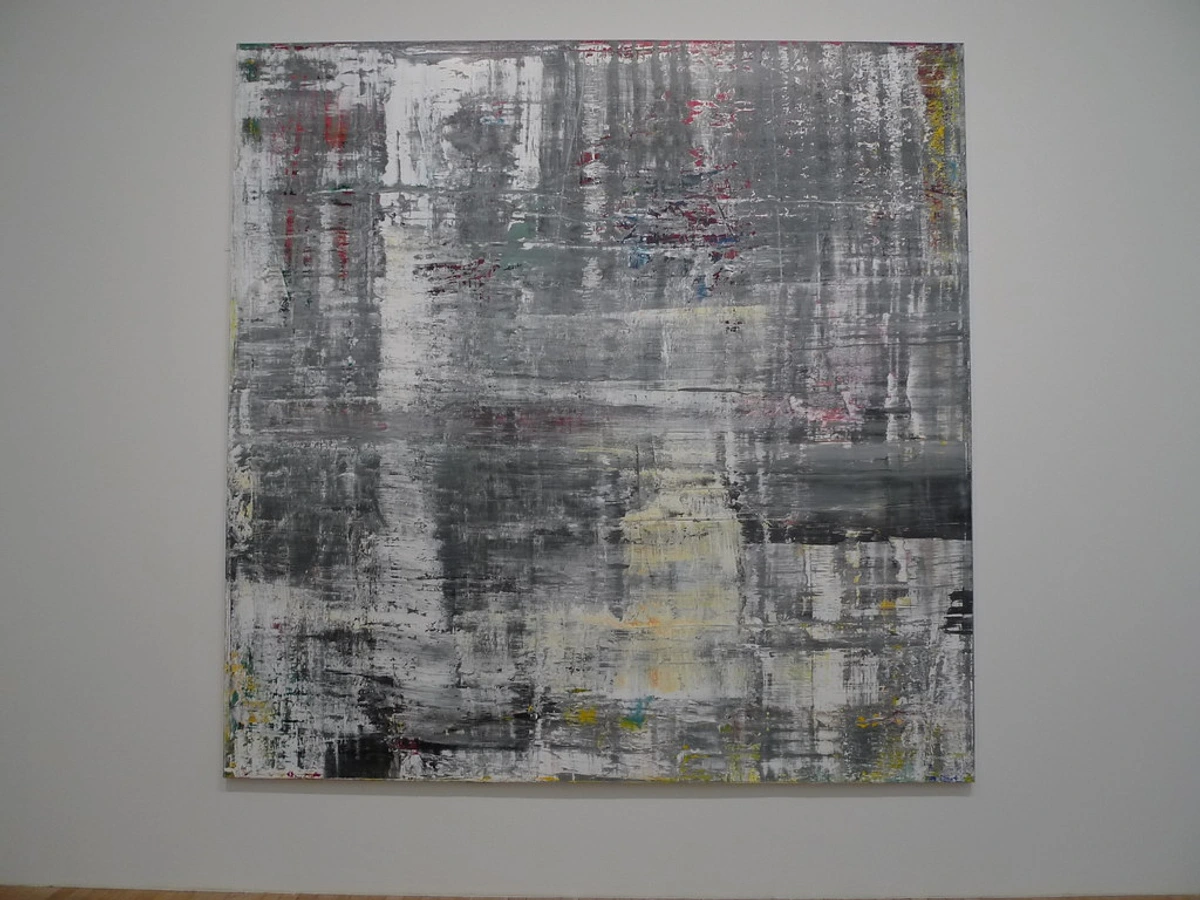


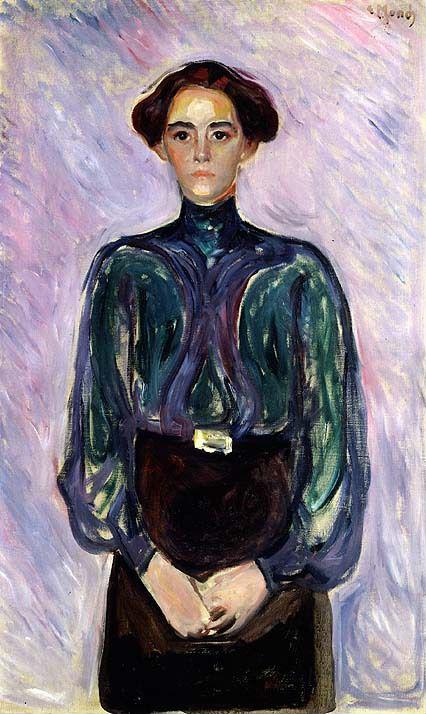


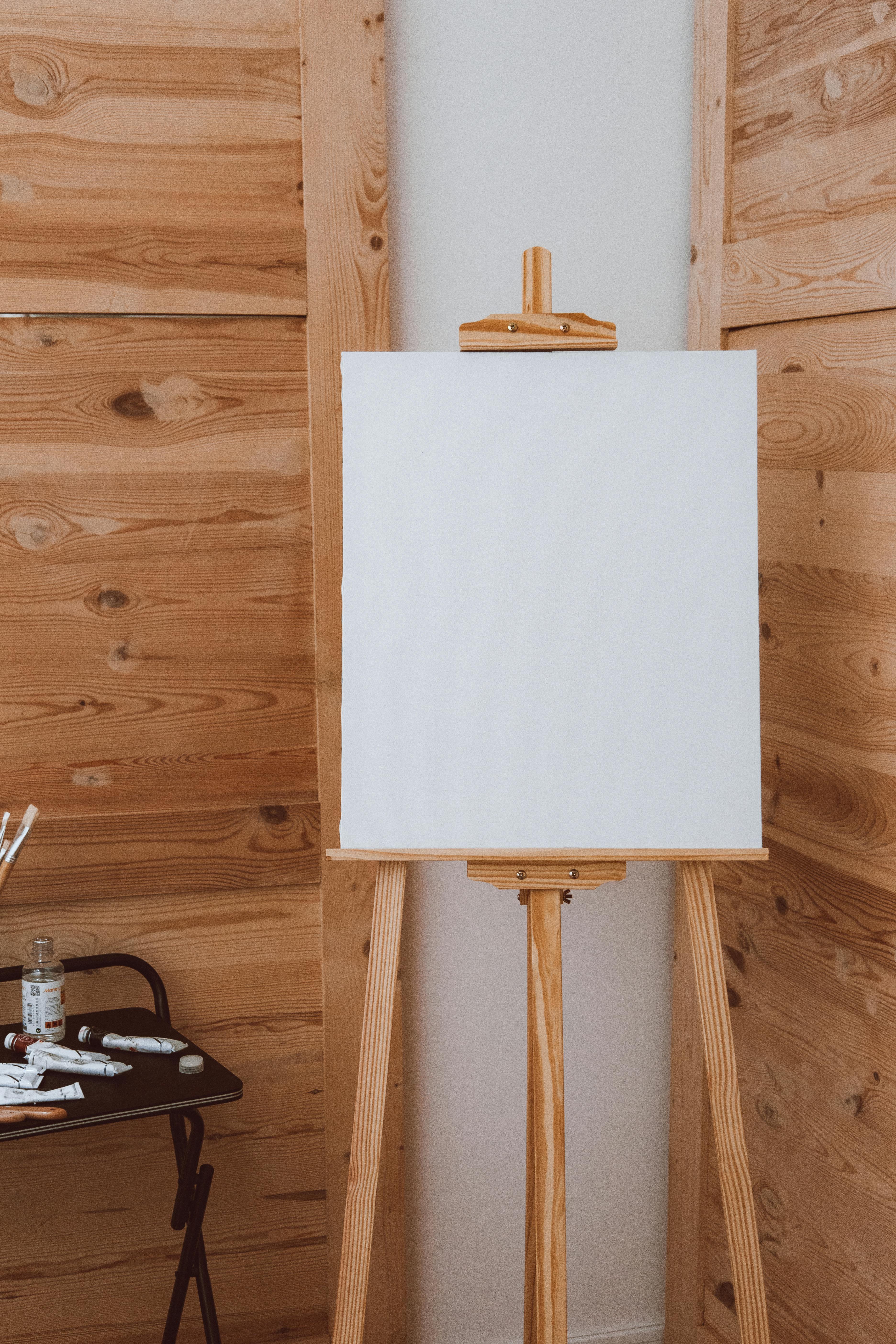

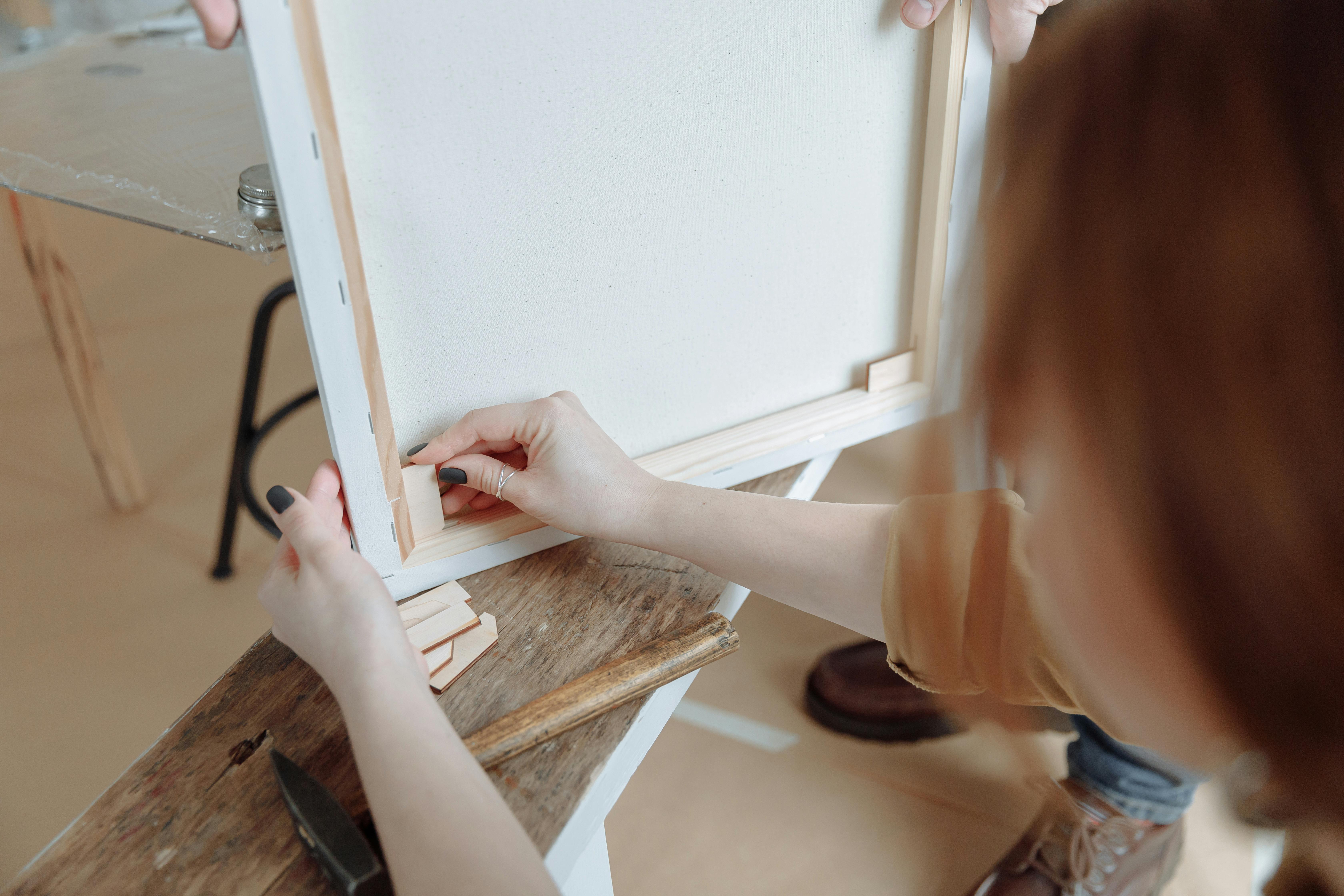


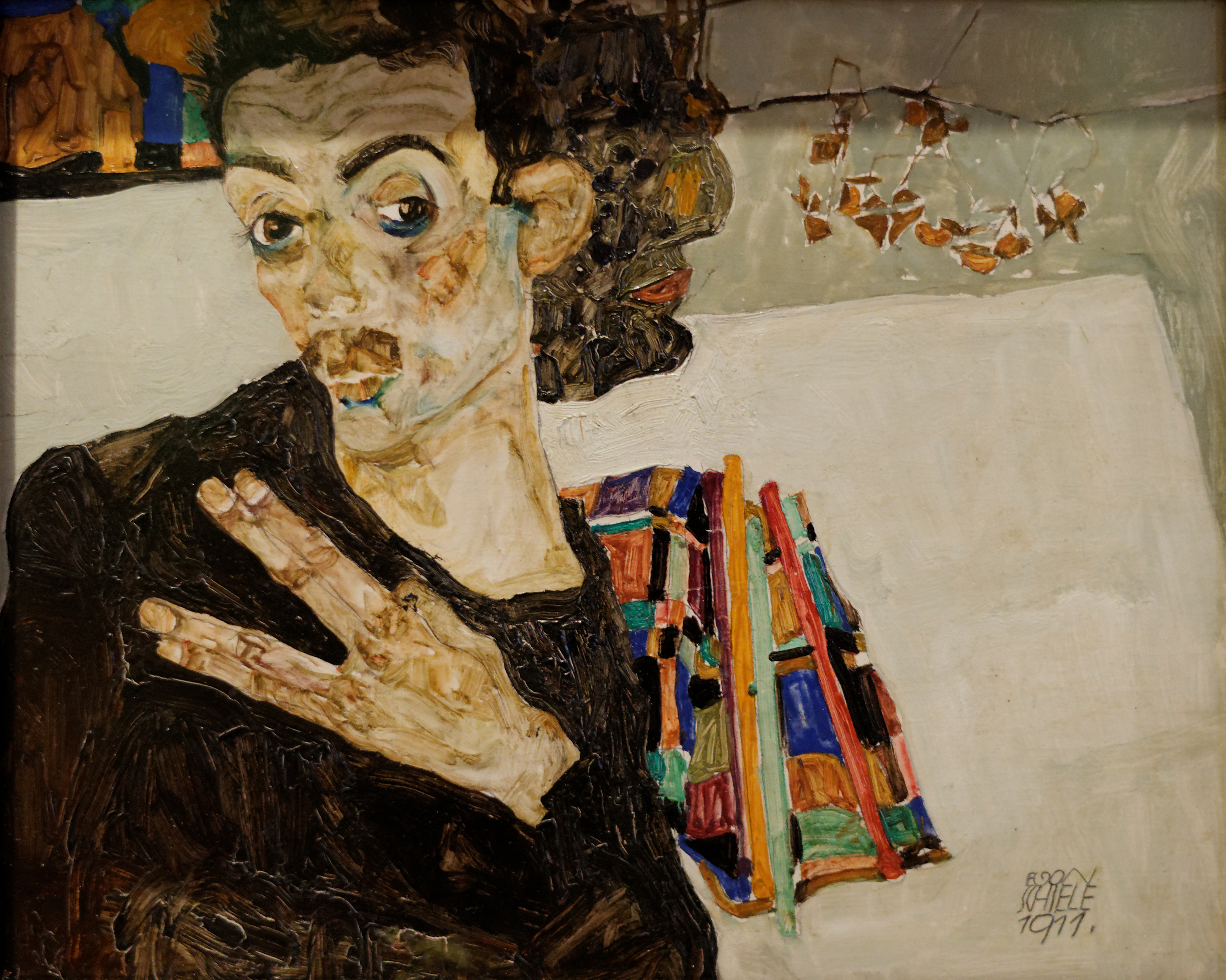


Conclusion: A Conscious Choice and a Deep Dialogue – Your Invitation to Create
Choosing to paint on raw canvas is far more than a simple material selection; it is, in my view, a profound philosophical statement. It is an embrace of honesty, a direct dialogue with the very fabric of the painting, and a conscious connection to a rich, evolving vein of art history that celebrates the material itself in its most unadulterated form. It demands respect for its unique properties, a meticulous understanding of its inherent risks, and a willingness to adapt your artistic practice, letting go of some conventional control and embracing the beautiful unpredictability it offers. But for the artist willing to engage with it on its own terms—to truly listen to what the material has to say, to dance with its absorbency and texture—the raw canvas offers a path to creating works of unparalleled beauty, profound integrity, and captivating textural and optical effects. It invites both painter and viewer into a deeper, more visceral conversation with the art object itself, stripping away illusion to reveal the raw, honest truth of creation. So, go forth, armed with knowledge and a spirit of inquiry, experiment, and let the canvas speak its own unique language! Perhaps you'll find your next masterpiece waiting on its unprimed surface, or perhaps you'll simply discover a new, more authentic path for your own artistic journey; a personal connection to this elemental surface, much like I've found in my own work that often seeks to capture that raw authenticity. The blank slate awaits your unique vision, ready to absorb your story and transform it into something truly enduring. The blank slate awaits your unique vision.

Connect with Zen Dageraad Visser's Vision
If the profound dialogue between artist and material resonates with your own artistic sensibilities, I invite you to explore the work of Zen Dageraad Visser. Their contemporary, often abstract, art frequently engages with raw materiality, vibrant colors, and dynamic textures, much like the very principles explored in this guide. Discover original paintings and prints that echo the spirit of material honesty and expressive freedom. Find out more about their unique artistic journey at the timeline, explore available artworks at the shop, or delve into the inspirations behind their creations at the Den Bosch Museum.