The Tiny Dot Technique in Art: A Comprehensive Guide
Explore the intricate world of tiny dot technique in art, from its history to practical applications. Learn how to create stunning dot-based artwork.

The Tiny Dot Technique in Art: A Comprehensive Guide
I remember the first time I saw a pointillist painting up close. It was like discovering a secret language—thousands of tiny dots coming together to form something breathtaking. That moment sparked my fascination with the tiny dot technique in art. If you've ever wondered how artists create such intricate works using just dots, you're in the right place.
The tiny dot technique is more than just a method; it's a journey into patience, precision, and the magic of perception. Whether you're an artist looking to explore a new medium or an art enthusiast eager to understand the intricacies of this technique, this guide will take you through its history, key concepts, and practical applications.
But what makes this technique so captivating? Is it the meticulous process, the optical illusions, or the sheer dedication required? Let's dive in and explore the world of tiny dots together.
Why the Tiny Dot Technique Matters
The tiny dot technique is not just a stylistic choice; it's a bridge between art and science. It challenges our perception of how images are constructed and invites us to see the world in a new way. For artists, it's a test of patience and precision. For viewers, it's an opportunity to engage with art on a deeper level, uncovering the hidden details that make up the whole.
The Origins of the Tiny Dot Technique
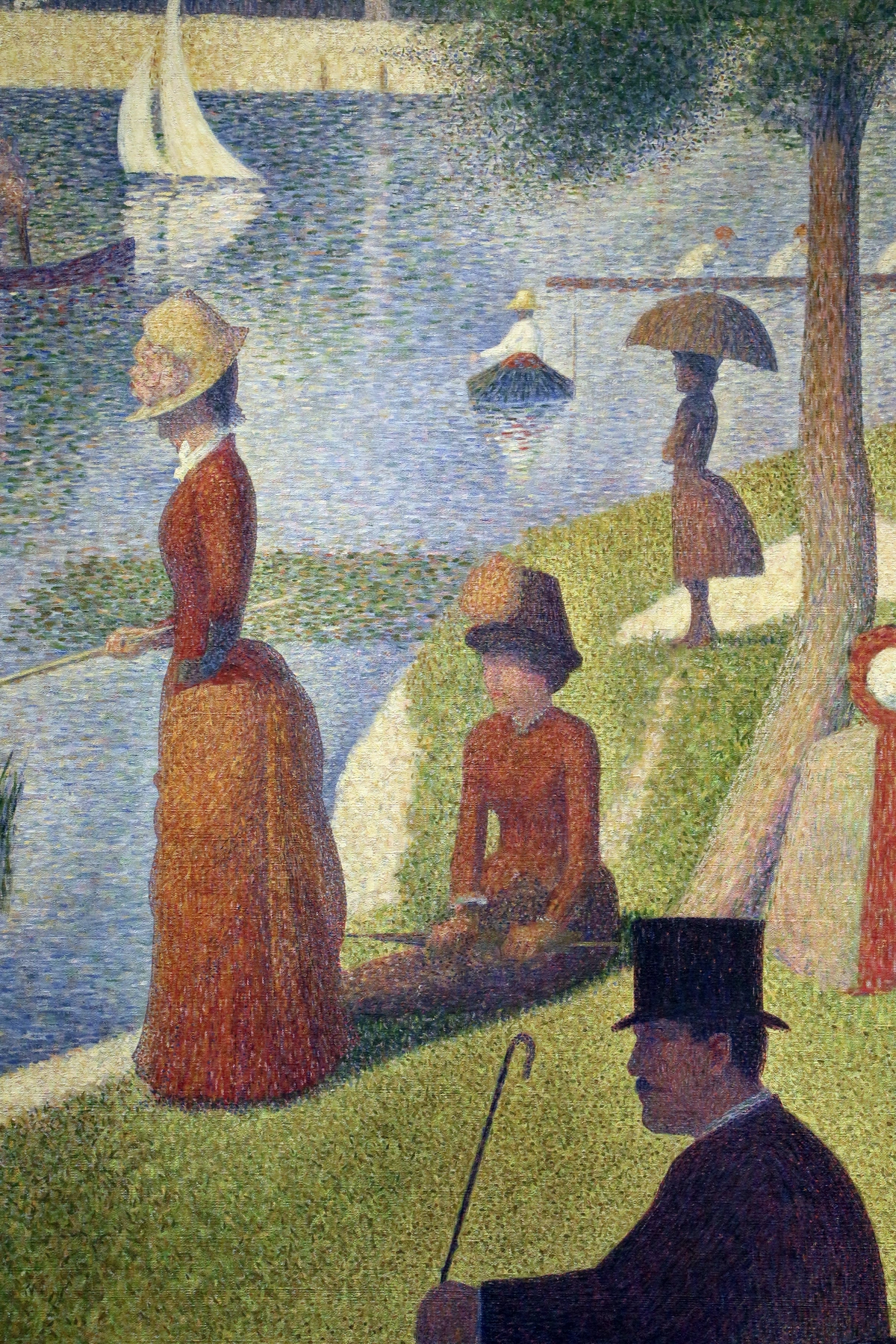
The tiny dot technique, often associated with pointillism, has roots that trace back to the late 19th century. It emerged as a revolutionary approach to painting, challenging traditional methods by using small, distinct dots of color to form an image. This technique was not just a stylistic choice but a scientific exploration of how the human eye perceives color and light. Artists like Georges Seurat and Paul Signac pioneered this method, blending art and science to create vibrant, dynamic artworks that continue to inspire artists today.
The Psychological Impact of Tiny Dot Art
The tiny dot technique is not just about aesthetics; it also has a profound psychological impact on both the artist and the viewer. For artists, the repetitive nature of applying dots can induce a meditative state, fostering mindfulness and reducing stress. For viewers, the intricate details invite a deeper engagement, encouraging them to slow down and appreciate the artwork on a more intimate level. This dual impact makes the tiny dot technique a unique and powerful form of artistic expression.
The Meditative Process
The act of creating tiny dot art can be a form of meditation. The repetitive motion of placing each dot allows artists to enter a state of flow, where time seems to stand still, and the mind becomes fully immersed in the creative process. This meditative quality is one of the reasons why many artists find the technique so rewarding.
The Viewer's Experience
For viewers, the experience of engaging with tiny dot art is equally transformative. The intricate details draw the eye, inviting a closer examination of the artwork. This process of discovery can evoke a sense of wonder and curiosity, making the viewing experience both engaging and memorable.
Why the Tiny Dot Technique Resonates
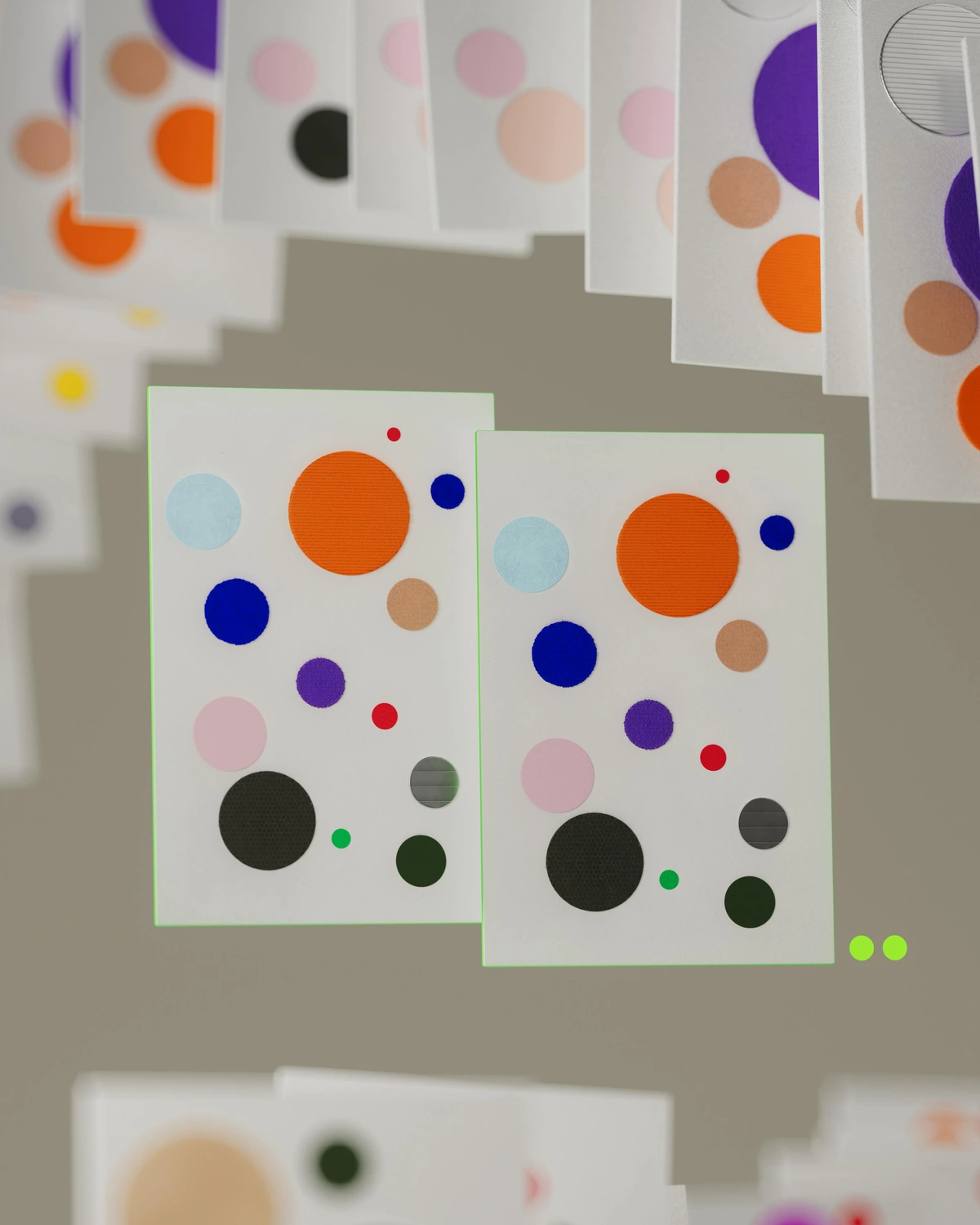
There's something inherently mesmerizing about the tiny dot technique. It challenges our perception of how images are constructed and invites us to see the world in a new way. For artists, it's a test of patience and precision. For viewers, it's an opportunity to engage with art on a deeper level, uncovering the hidden details that make up the whole. This technique bridges the gap between science and art, blending color theory with creative expression.
The Intersection of Science and Art
The tiny dot technique is a perfect example of how art and science can intersect. By leveraging principles of color theory and optical mixing, artists create works that are not only visually stunning but also grounded in scientific understanding. This fusion of disciplines makes the technique both intellectually stimulating and aesthetically pleasing.
The Challenge of Perception
One of the most fascinating aspects of the tiny dot technique is how it challenges our perception. When viewed from a distance, the individual dots blend together to form a cohesive image. Up close, however, the viewer can see the intricate details and the meticulous work that went into creating the artwork. This duality of perception adds a layer of complexity and intrigue to the viewing experience.
The Emotional Connection
The tiny dot technique creates an emotional connection between the artwork and the viewer. The intricate details evoke curiosity and wonder, drawing the viewer into a closer examination of the piece. This emotional engagement can transform a simple viewing experience into a profound and memorable encounter with art.
What is the Tiny Dot Technique?
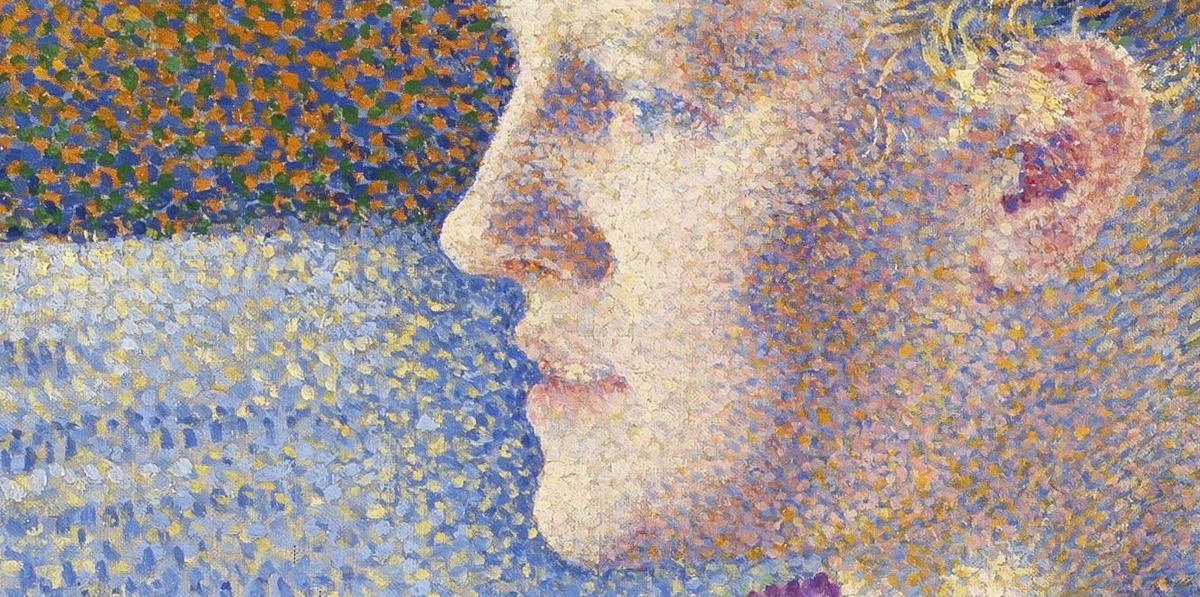
The tiny dot technique, often associated with pointillism, is a method of painting where small, distinct dots of color are applied in patterns to form an image. This technique relies on the ability of the eye and mind to blend the dots into a fuller range of tones and colors. It's a meticulous process, but the results can be stunning.
At its core, the tiny dot technique is about breaking down an image into its most basic components—dots—and allowing the viewer's eye to reconstruct it into a cohesive whole. This method challenges both the artist and the viewer to see beyond the individual elements and appreciate the bigger picture.
The Evolution of the Technique
The tiny dot technique has evolved significantly since its inception. Initially rooted in traditional painting, it has now expanded into digital art, street art, and even interactive installations. This evolution reflects the technique's adaptability and its enduring appeal to artists across various mediums.
The Science Behind the Technique
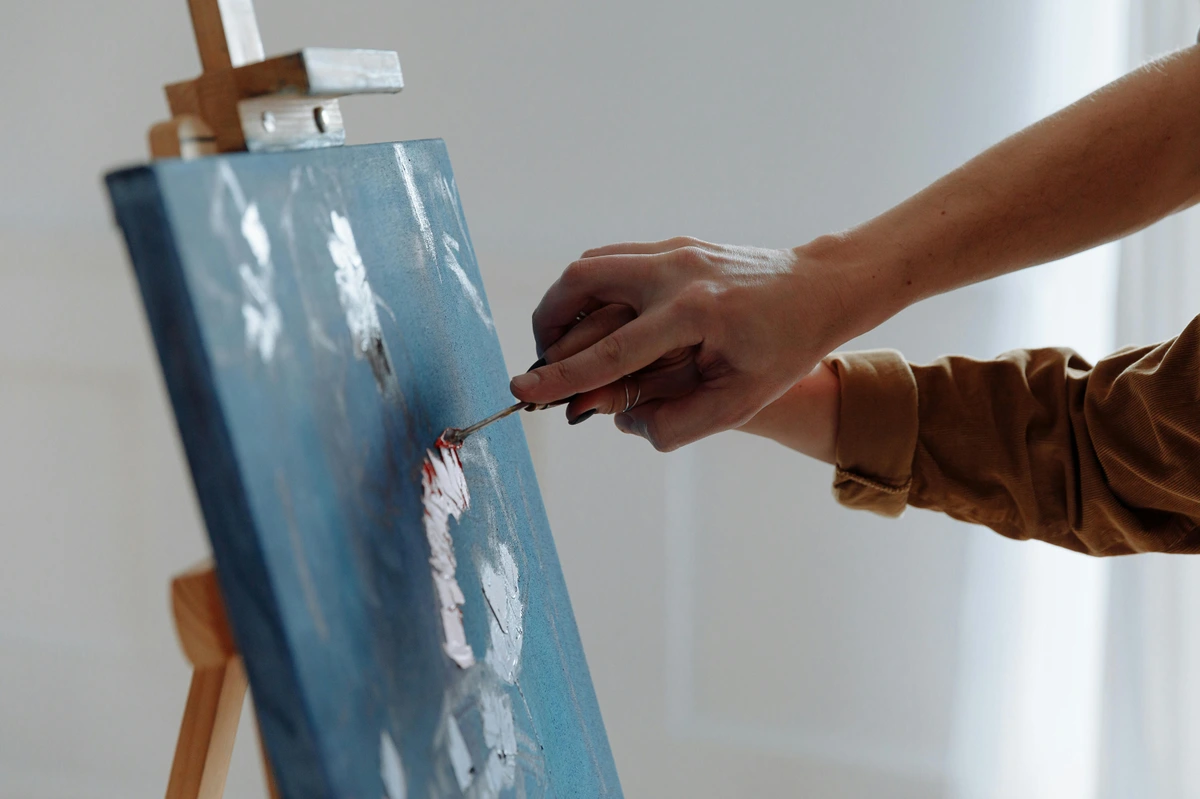
The tiny dot technique is deeply rooted in the science of perception. When we look at a pointillist painting, our eyes blend the individual dots of color to create a full spectrum of hues. This phenomenon, known as optical mixing, is a fundamental principle of how we perceive color. Artists like Georges Seurat and Paul Signac leveraged this scientific understanding to create vibrant, dynamic artworks that continue to captivate audiences today.
The Role of Color Theory
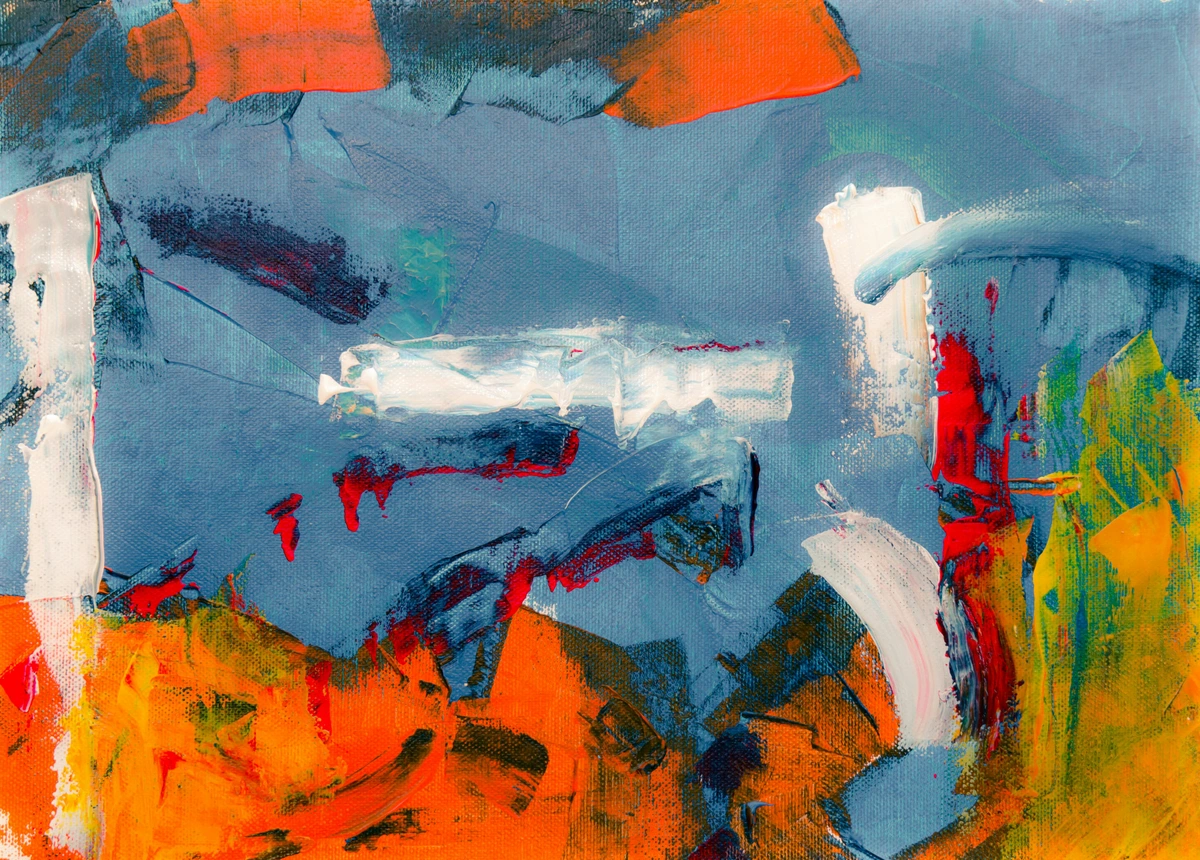
Color theory plays a crucial role in the tiny dot technique. Artists use complementary colors to create vibrant effects and optical illusions. Understanding how colors interact allows artists to manipulate perception and create depth and dimension in their artwork.

Why Use the Tiny Dot Technique?
The tiny dot technique offers a unique way to explore color, light, and texture. It encourages artists to think differently about how images are constructed and perceived. For viewers, it provides an engaging experience, as they are drawn into the artwork to discover the intricate details.
The Therapeutic Benefits
The repetitive nature of applying dots can be therapeutic for artists. It offers a meditative and immersive creative experience, allowing artists to focus on the present moment and find solace in the creative process.
Benefits for Artists
- Precision and Control: The technique allows for meticulous control over color and texture, enabling artists to create highly detailed and nuanced works.
- Creative Exploration: It encourages experimentation with color theory and optical mixing, leading to innovative artistic expressions.
- Meditative Process: The repetitive nature of applying dots can be meditative, offering a therapeutic and immersive creative experience.
- Skill Development: The technique helps artists develop patience, focus, and attention to detail, which are valuable skills in any artistic endeavor.
Benefits for Viewers
- Engagement: Viewers are invited to engage with the artwork on a deeper level, uncovering the intricate details that make up the whole.
- Perceptual Challenge: The technique challenges viewers to see beyond the individual dots and appreciate the cohesive image, fostering a deeper understanding of visual perception.
- Aesthetic Appreciation: The intricate details and vibrant colors created through the tiny dot technique enhance the aesthetic appreciation of the artwork, making it a visually stimulating experience.
Key Concepts
- Pointillism: A branch of Impressionism developed by Georges Seurat and Paul Signac in the late 19th century. It's the most well-known application of the tiny dot technique.
- Stippling: A drawing technique that uses small dots to create shading and texture. It's often used in pen and ink drawings.
- Dot Density: The number of dots per inch (DPI) can greatly affect the perception of the image. Higher density creates smoother gradients, while lower density can create a more textured look.
- Optical Mixing: The phenomenon where the human eye blends individual dots of color to perceive a new color or shade. This is a fundamental principle behind the tiny dot technique.
- Halftoning: A reproductive technique that simulates continuous-tone imagery through the use of dots, varying either in size or in spacing.
- Pixel Art: A digital form of the tiny dot technique, where pixels act as dots to create images. This technique is widely used in digital art and video games.
Additional Concepts
- Color Theory: Understanding how colors interact is crucial for the tiny dot technique. Artists often use complementary colors to create vibrant effects.
- Texture and Depth: Varying dot sizes and spacing can create the illusion of texture and depth in an artwork.
- Light and Shadow: The placement and density of dots can simulate light and shadow, adding dimension to the artwork.
- Pattern Recognition: The tiny dot technique relies on the viewer's ability to recognize patterns and reconstruct the image from individual dots. This cognitive process enhances the viewer's engagement with the artwork.
History of the Tiny Dot Technique
The tiny dot technique has a rich history that dates back to the late 19th century. Georges Seurat and Paul Signac are often credited with pioneering this method, which they called "pointillism." Their work was influenced by the scientific theories of color and optics, particularly the ideas of Michel Eugène Chevreul and Ogden Rood.
The roots of the tiny dot technique can be traced back to the scientific exploration of color and perception. Artists like Seurat and Signac were deeply influenced by the color theories of their time, which suggested that the human eye could blend individual dots of pure color into a broader spectrum of hues. This scientific foundation gave birth to a new artistic movement that emphasized precision and the interplay of light and color.
The Influence of Impressionism
The tiny dot technique emerged as a branch of Impressionism, a movement that sought to capture the fleeting effects of light and color. Pointillism, with its focus on optical mixing and precision, represented a scientific and systematic approach to Impressionism's goals.
Early Influences
Before pointillism, artists like Michel Eugène Chevreul and Ogden Rood laid the groundwork for understanding how colors interact. Chevreul's work on color contrast and Rood's studies on the perception of color influenced Seurat and Signac, leading to the development of pointillism. This intersection of science and art was revolutionary, as it provided a systematic approach to creating vibrant and dynamic artworks.
The Role of Scientific Theories
The development of pointillism was heavily influenced by scientific theories of color and perception. Artists like Seurat and Signac applied these theories to their work, creating artworks that were not only visually stunning but also grounded in scientific principles.
Evolution of the Technique
While pointillism was the first major application of the tiny dot technique, it has since evolved and been adapted in various forms. Modern artists continue to experiment with dots, exploring new ways to create texture, depth, and movement in their work. The technique has also found applications in digital art, where pixels can be thought of as tiny dots forming an image.
The Digital Revolution
The advent of digital art has revolutionized the tiny dot technique. Digital tools allow artists to create intricate and dynamic compositions with precise control over dot placement, size, and color. This fusion of traditional techniques with modern technology has opened up new avenues for artistic expression.
Contemporary Adaptations
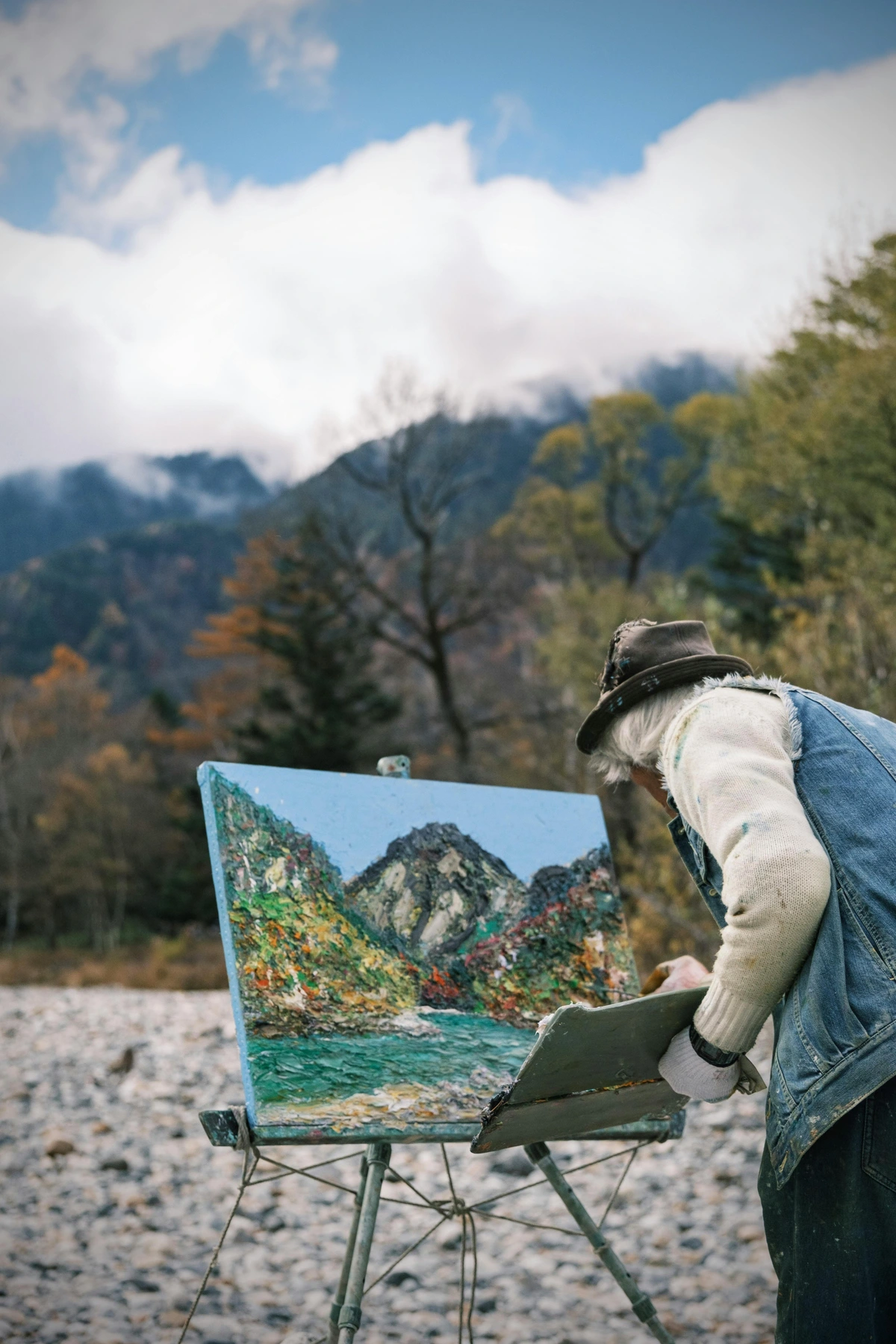
Today, the tiny dot technique is not limited to traditional painting. Artists are exploring its potential in digital art, street art, and even interactive installations. The technique's versatility allows for endless creative possibilities, from large-scale murals to intricate digital designs. This evolution reflects the enduring appeal of the tiny dot technique and its ability to adapt to new artistic mediums.
Street Art and Public Installations
The tiny dot technique has found a new home in street art and public installations. Artists use dots to create large-scale murals and interactive pieces that engage the public and transform urban spaces into vibrant works of art.
Notable Artists
Artist  | Notable Works | Contribution |
|---|---|---|
| Georges Seurat | "A Sunday Afternoon on the Island of La Grande Jatte" | Pioneer of pointillism |
| Paul Signac | "The Papal Palace, Avignon" | Developed the technique further |
| Chuck Close | "Big Self-Portrait" | Modern application of stippling |
| Yayoi Kusama | "Infinity Mirror Rooms" | Contemporary use of dots in immersive art |
| Damien Hirst | "Spot Paintings" | Explored dots in a modern, abstract context |
| Camille Pissarro | "The Boulevard Montmartre at Night" | Experimented with pointillism in his later works |
| Henri-Edmond Cross | "The Evening Air" | Known for his vibrant use of color in pointillism |
| David Hockney | "Pearblossom Hwy" | Used dots to create a sense of depth and perspective |
| Bridget Riley | "Movement in Squares" | Explored optical illusions using dots and patterns |
| Julian Opie | "Blur" | Used dots to create minimalist and stylized portraits |
| Invader | "Space Invaders" | Applied the tiny dot technique to street art and mosaics |
Emerging Artists
The tiny dot technique continues to inspire emerging artists who are pushing the boundaries of traditional and digital art. These artists are experimenting with new materials, techniques, and technologies to create innovative and thought-provoking artworks. Their work reflects the enduring appeal of the tiny dot technique and its potential for future artistic exploration.
The Future of the Technique
The future of the tiny dot technique is bright, with artists continuing to explore its potential in new and innovative ways. From digital art to interactive installations, the technique's versatility ensures its enduring relevance in the art world.

Contemporary Artists
The tiny dot technique continues to inspire contemporary artists. Many modern artists use dots to explore themes of repetition, pattern, and perception. Some even incorporate digital tools to create intricate dot-based artworks.
The Role of Technology
Technology has played a significant role in the evolution of the tiny dot technique. Digital tools and software have enabled artists to create complex and dynamic compositions with unprecedented precision and control.
Digital Innovations
Digital artists are leveraging technology to create pointillist artworks that were previously impossible. Software tools allow for precise control over dot placement, size, and color, enabling artists to create complex and dynamic compositions. This fusion of traditional techniques with modern technology is opening up new avenues for artistic expression and experimentation.
The Impact of Digital Art
Digital art has democratized the tiny dot technique, making it accessible to a wider audience. Artists can now create and share their work with ease, fostering a global community of dot-based artists.
How to Create Tiny Dot Art
Creating art using the tiny dot technique can be a rewarding experience. Here's a step-by-step guide to help you get started:
Before diving into the process, it's essential to understand that the tiny dot technique is as much about patience as it is about creativity. Each dot is a deliberate choice, and the cumulative effect of these choices creates a masterpiece.
The Importance of Patience
Patience is key to mastering the tiny dot technique. The process of applying thousands of dots can be time-consuming, but the results are well worth the effort. Embrace the journey and enjoy the meditative quality of the work.
Preparing Your Mindset
Approach the tiny dot technique with a sense of curiosity and experimentation. Embrace the process of creating something from seemingly simple elements. Remember, every dot contributes to the final image, and the journey is as important as the destination. This mindset will help you stay motivated and engaged throughout the creative process.
The Role of Experimentation
Experimentation is crucial to mastering the tiny dot technique. Don't be afraid to try new tools, colors, and techniques. Each experiment is an opportunity to learn and grow as an artist.
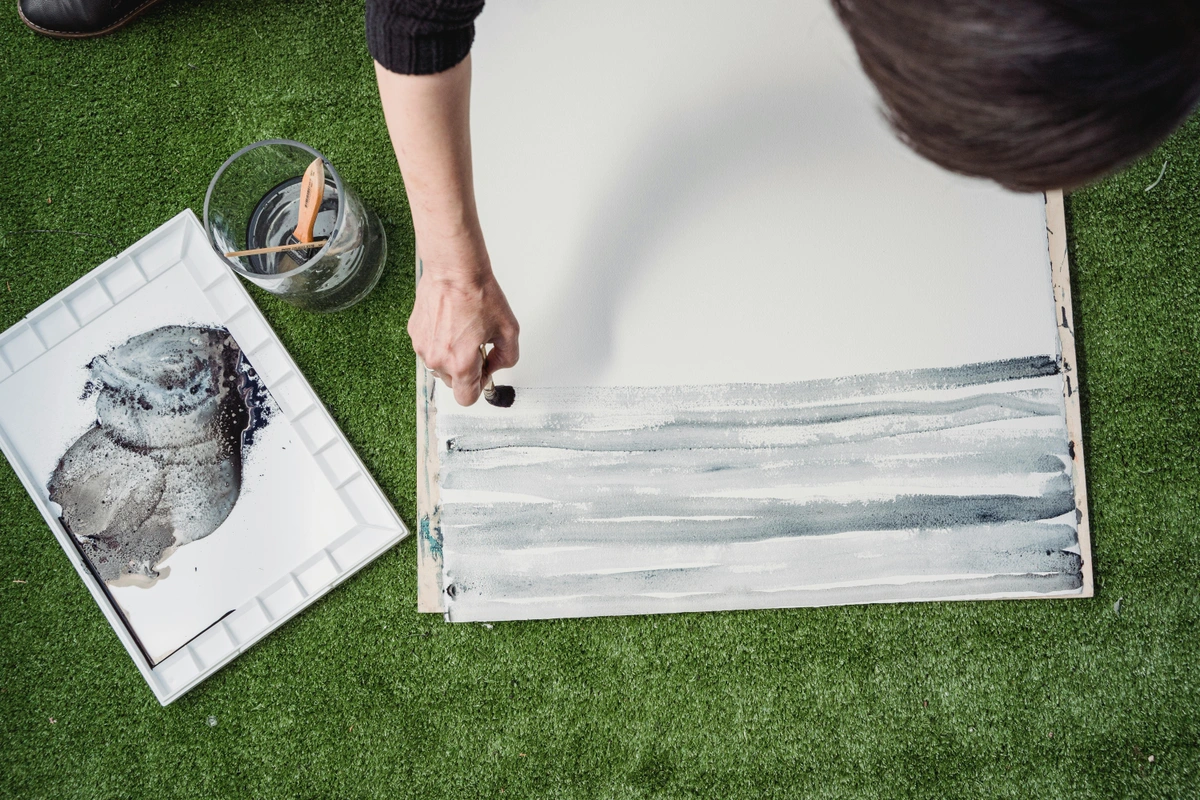
Preparing Your Workspace
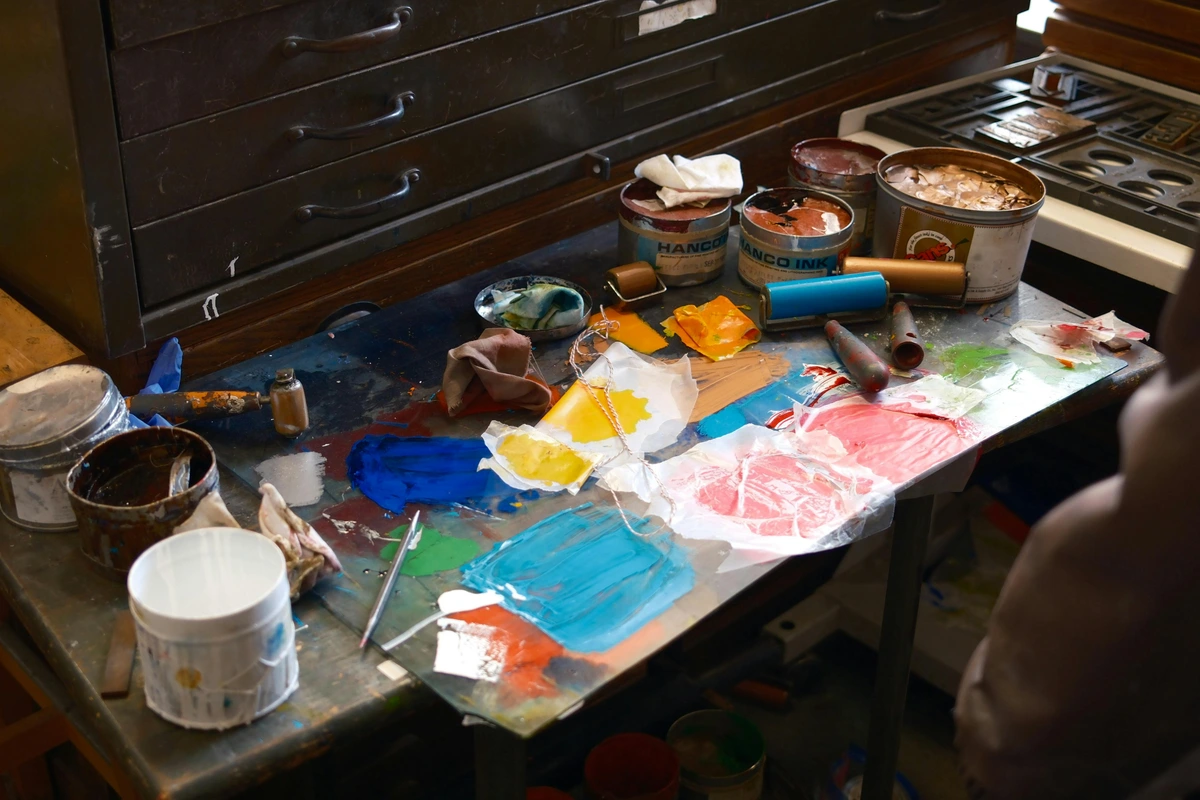
Before you begin, ensure your workspace is clean and well-lit. Gather all your materials and arrange them within easy reach. This will help you stay focused and avoid unnecessary distractions.
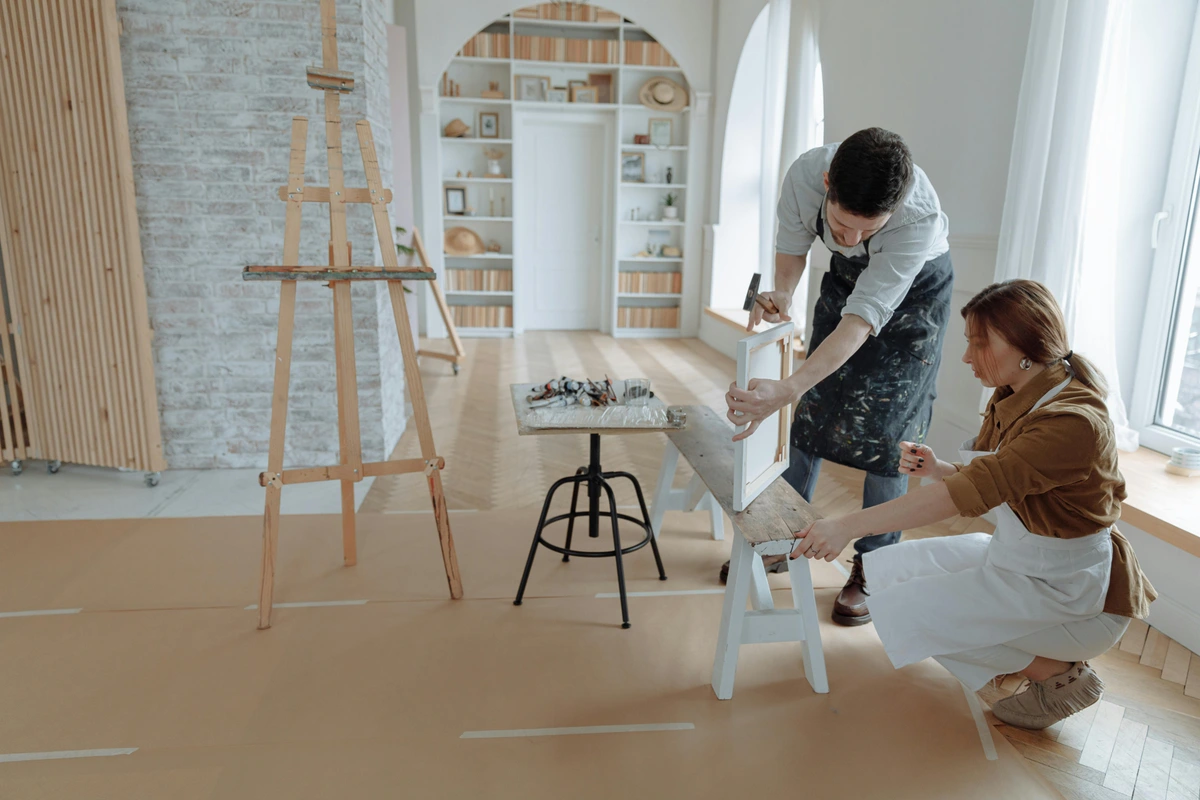
Materials Needed
- Canvas or paper
- Acrylic paints or ink
- Fine-tipped brushes or pens
- Pencil and eraser
- Ruler (optional, for precise spacing)
- Cotton swabs or toothpicks (for varying dot sizes)
- Palette for mixing colors
- Water container and paper towels (for cleaning brushes)
- Fixative spray (to protect your finished artwork)
- Magnifying glass (for detailed work)
- Digital tools (for digital pointillism, such as graphic tablets and software like Adobe Photoshop or Procreate)
Choosing the Right Tools
The choice of tools can significantly impact your artwork. Fine-tipped brushes are ideal for precision, while cotton swabs can create softer, larger dots. Experiment with different tools to find what works best for you.
Choosing the Right Materials
The choice of materials can significantly impact your artwork. For example, acrylic paints dry quickly, making them ideal for layering, while ink offers a more fluid and precise application. Experiment with different materials to find what works best for you.
The Role of Color
Color plays a crucial role in the tiny dot technique. Artists use complementary colors to create vibrant effects and optical illusions. Understanding how colors interact allows artists to manipulate perception and create depth and dimension in their artwork.
Exploring Digital Tools
For digital pointillism, consider using graphic tablets and software like Adobe Photoshop or Procreate. These tools offer precise control over dot placement, size, and color, allowing for intricate and dynamic compositions. Digital pointillism opens up new possibilities for experimentation and creativity, blending traditional techniques with modern technology.
The Benefits of Digital Art
Digital art offers several benefits for the tiny dot technique. It allows for easy experimentation, precise control, and the ability to undo mistakes. Digital tools also enable artists to create complex and dynamic compositions with ease.
Step-by-Step Guide
- Sketch Your Design: Start by sketching your design lightly with a pencil. This will serve as a guide for your dots. Keep your lines faint to avoid interference with the final artwork.
- Choose Your Colors: Select the colors you want to use. Remember, in pointillism, colors are often applied in pure form and blended optically by the viewer. Experiment with complementary colors to create vibrant effects.
- Start Dotting: Begin applying small dots of paint or ink to your canvas. Start with the lightest colors and work your way to the darkest. Use a fine-tipped brush or pen for precision.
- Build Up Layers: Allow each layer to dry before adding more dots. This will help you achieve depth and dimension in your artwork. Consider using varying dot sizes to create texture and contrast.
- Refine and Adjust: Step back frequently to assess your progress. Adjust the density and placement of dots as needed to achieve the desired effect. Don't hesitate to make corrections as you go.
- Final Touches: Once you're satisfied with your artwork, apply a fixative spray to protect it from smudging and fading. This will ensure your artwork lasts for years to come.
The Importance of Layering
Layering is crucial to achieving depth and dimension in your artwork. Allow each layer to dry completely before adding more dots. This will help you create a more dynamic and visually engaging piece.
Digital Pointillism Process
- Set Up Your Digital Canvas: Open your preferred digital art software and create a new canvas. Adjust the size and resolution to suit your project.
- Choose Your Tools: Select a brush tool with a hard edge for precise dot placement. Experiment with different brush sizes to achieve varying dot effects.
- Apply Dots Digitally: Use the brush tool to apply dots to your digital canvas. Start with a base layer and gradually build up the image, adjusting colors and dot sizes as needed.
- Experiment with Layers: Digital art allows for the use of layers, which can be used to separate different elements of your artwork. This makes it easier to refine and adjust individual components.
- Save and Export: Once you're satisfied with your digital artwork, save it in a high-resolution format and export it for sharing or printing.
The Role of Layers
Layers are a powerful tool in digital pointillism. They allow you to separate different elements of your artwork, making it easier to refine and adjust individual components. This flexibility is one of the key benefits of digital art.
Considerations and Tips
- Patience is Key: The tiny dot technique is time-consuming. Be prepared to spend hours, if not days, on a single piece. Embrace the process and enjoy the meditative quality of the work.
- Experiment with Tools: Different tools can create different effects. Try using cotton swabs, toothpicks, or even your fingertips for varying dot sizes. Each tool offers a unique texture and style.
- Practice on Small Scales: Start with small projects to get a feel for the technique before tackling larger pieces. This will help you build confidence and refine your skills.
- Lighting Matters: Ensure you have good lighting to see the details of your work clearly. Natural light is ideal, but a bright lamp can also work well.
- Stay Organized: Keep your workspace tidy and organized. This will help you stay focused and avoid unnecessary distractions.
- Take Breaks: Working on intricate details can be mentally taxing. Take regular breaks to rest your eyes and mind.
- Seek Inspiration: Look at the works of other artists who use the tiny dot technique. This can provide new ideas and inspiration for your own work.
- Document Your Process: Keep a journal or take photos of your progress. This can help you track your improvements and reflect on your artistic journey.
- Embrace Mistakes: Mistakes are a natural part of the creative process. Use them as opportunities to learn and grow. Sometimes, unexpected outcomes can lead to new artistic discoveries.
- Share Your Work: Don't be afraid to share your artwork with others. Feedback and encouragement from peers can be invaluable in your artistic journey.
- Join a Community: Consider joining an artistic community or forum to connect with other artists. Sharing your work and receiving feedback can help you grow and improve as an artist.
FAQ
What is the difference between pointillism and stippling?
Pointillism is a painting technique that uses dots of color to create an image, relying on optical mixing. Stippling, on the other hand, is a drawing technique that uses dots to create shading and texture, often in black and white.
Can I use any type of paint for the tiny dot technique?
While acrylic paints are commonly used for their quick drying time and versatility, you can also use oils, watercolors, or even ink. The choice of medium depends on your personal preference and the effect you want to achieve.
How do I avoid smudging my dots?
Allow each layer of dots to dry completely before adding more. This will help prevent smudging and ensure clean, crisp dots. Using a fixative spray can also help protect your work.
Is the tiny dot technique suitable for beginners?
Yes, but it requires patience and practice. Start with simple designs and gradually work your way up to more complex pieces. Consider practicing on smaller canvases or paper to build your skills.
What are some common mistakes to avoid?
- Rushing the Process: Take your time to ensure each dot is placed deliberately.
- Overcrowding Dots: Leave enough space between dots to allow for optical mixing.
- Ignoring Color Theory: Understand how colors interact to create the desired effects.
Can I mix different techniques with the tiny dot technique?
Absolutely! Many artists combine the tiny dot technique with other methods like watercolor washes or ink outlines to create unique effects. Experimentation is key to finding your style.
How do I choose the right tools for the tiny dot technique?
The right tools depend on your medium and desired effect. Fine-tipped brushes are ideal for precision, while cotton swabs can create softer, larger dots. Experiment with different tools to find what works best for you.
What is the significance of the tiny dot technique in modern art?
The tiny dot technique continues to inspire contemporary artists, who use it to explore themes of repetition, pattern, and perception. Its adaptability and versatility make it a relevant and enduring technique in the modern art world.
How has technology influenced the tiny dot technique?
Technology has revolutionized the tiny dot technique by enabling artists to create intricate and dynamic compositions with digital tools. This fusion of traditional techniques with modern technology has opened up new avenues for artistic expression and experimentation.
Can the tiny dot technique be used in digital art?
Yes, digital artists can use graphic tablets and software like Adobe Photoshop or Procreate to create pointillist artworks. These tools offer precise control over dot placement, size, and color, allowing for intricate and dynamic compositions.
What are some notable artists who have used the tiny dot technique?
Notable artists include Georges Seurat, Paul Signac, Chuck Close, Yayoi Kusama, and Damien Hirst. Each of these artists has contributed to the evolution and adaptation of the tiny dot technique in unique ways.
How can I incorporate the tiny dot technique into my own artwork?
Start by experimenting with different tools and materials to find what works best for you. Practice on small scales and gradually work your way up to more complex pieces. Don't be afraid to mix the tiny dot technique with other methods to create unique effects.
Conclusion
The tiny dot technique is a fascinating and rewarding method of creating art. Whether you're drawn to the historical significance of pointillism or the intricate details of stippling, there's something magical about seeing an image emerge from a sea of tiny dots. So grab your brushes, pick your colors, and start dotting—you might just discover a new favorite way to create art.
If you're inspired to explore more artistic techniques, check out our timeline of art movements or visit our museum in Den Bosch to see some incredible works up close. The world of art is vast and full of possibilities, and the tiny dot technique is just one of the many ways to express your creativity.
Final Thoughts
The tiny dot technique is more than just a method; it's a journey into patience, precision, and the magic of perception. Whether you're an artist looking to explore a new medium or an art enthusiast eager to understand the intricacies of this technique, there's always more to discover. So why not pick up a brush and start your own journey into the world of tiny dots?
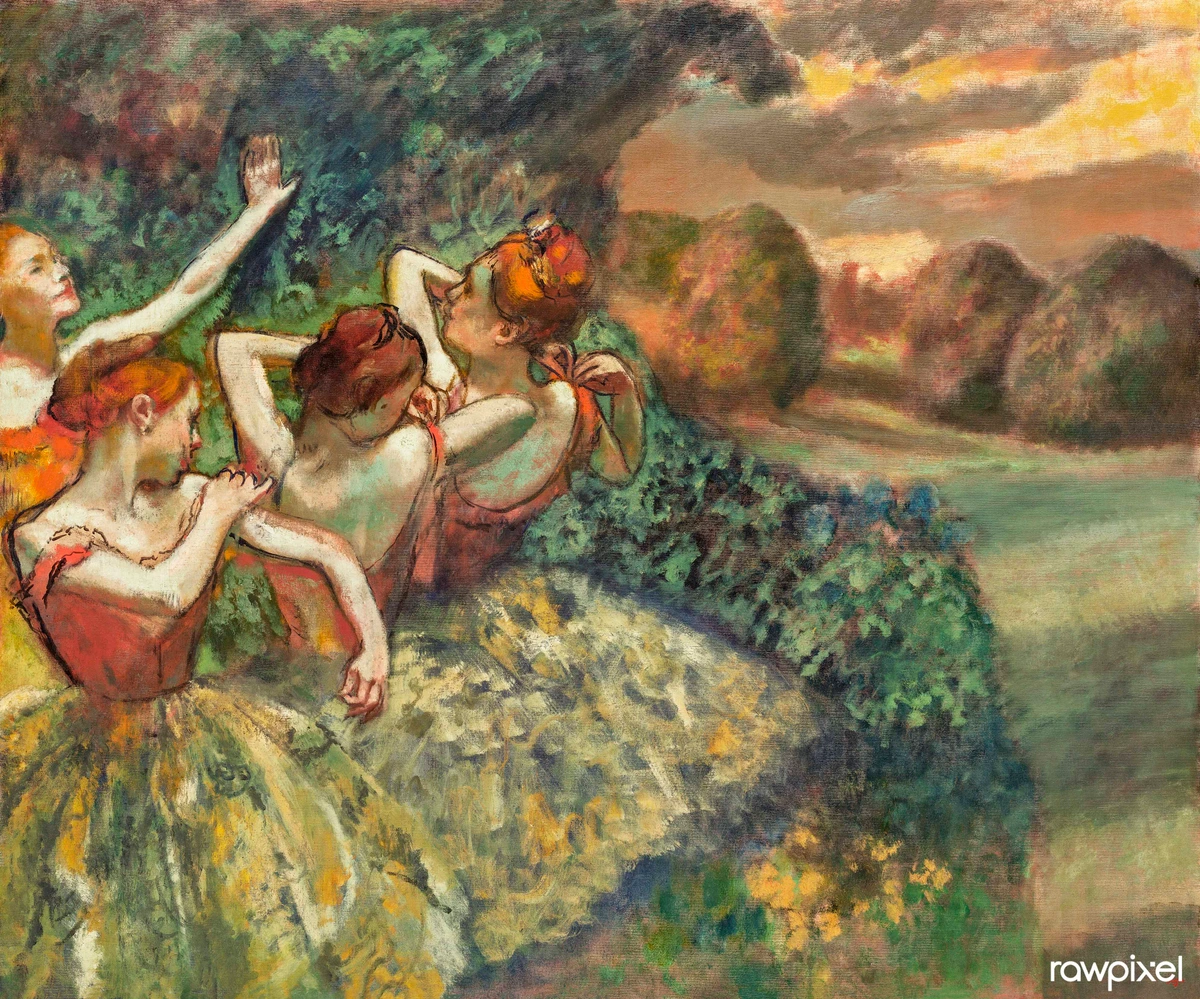
Happy dotting!


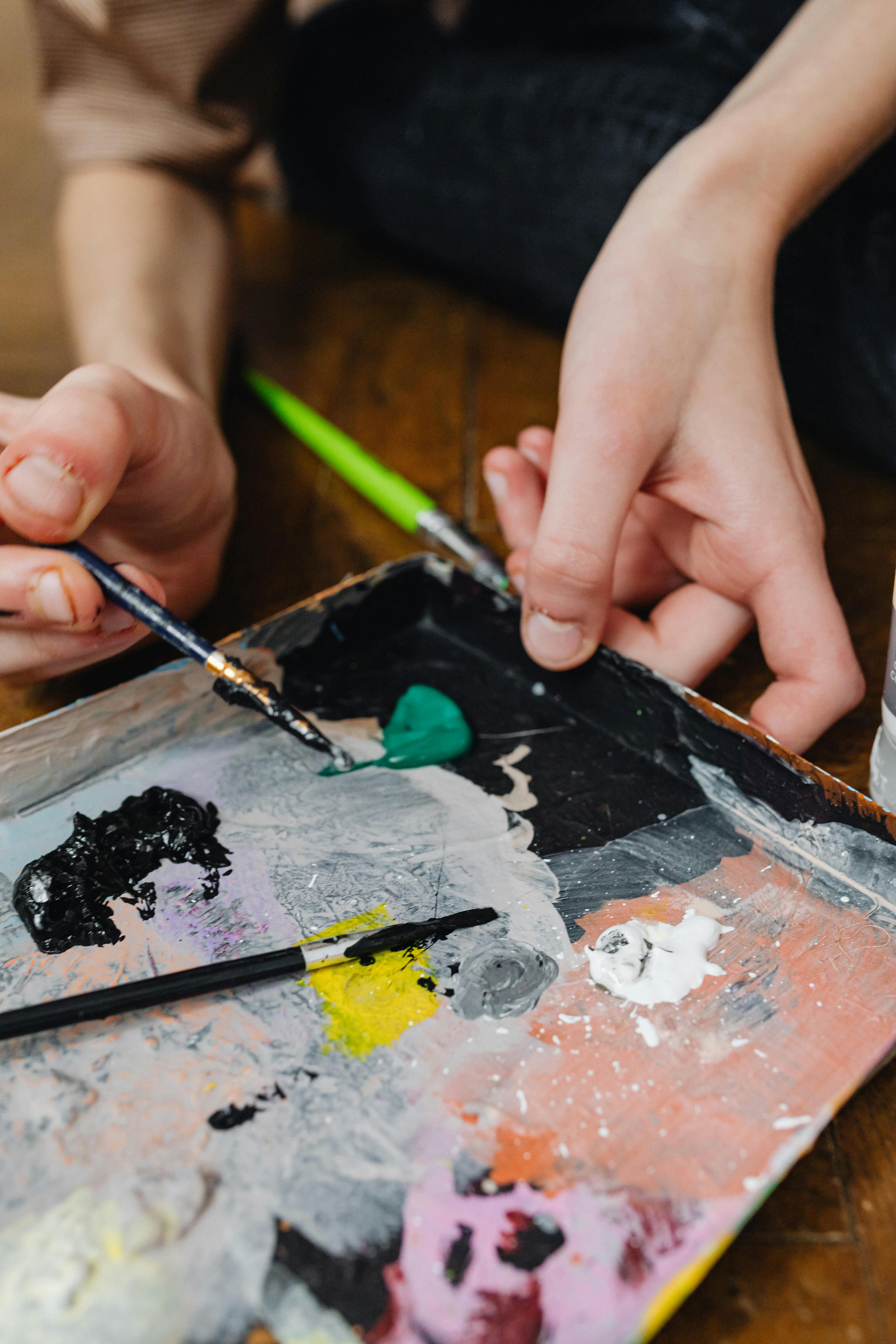
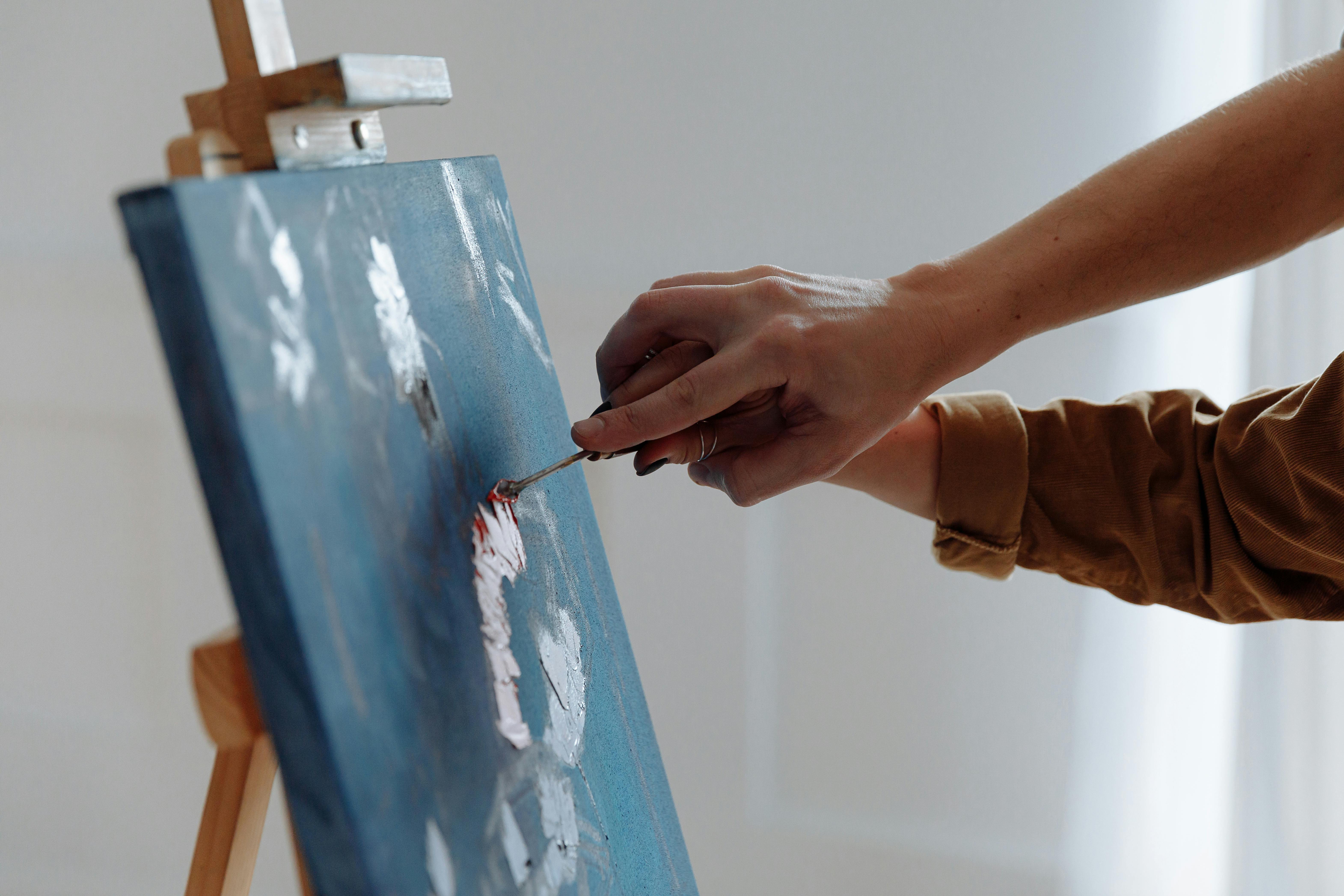
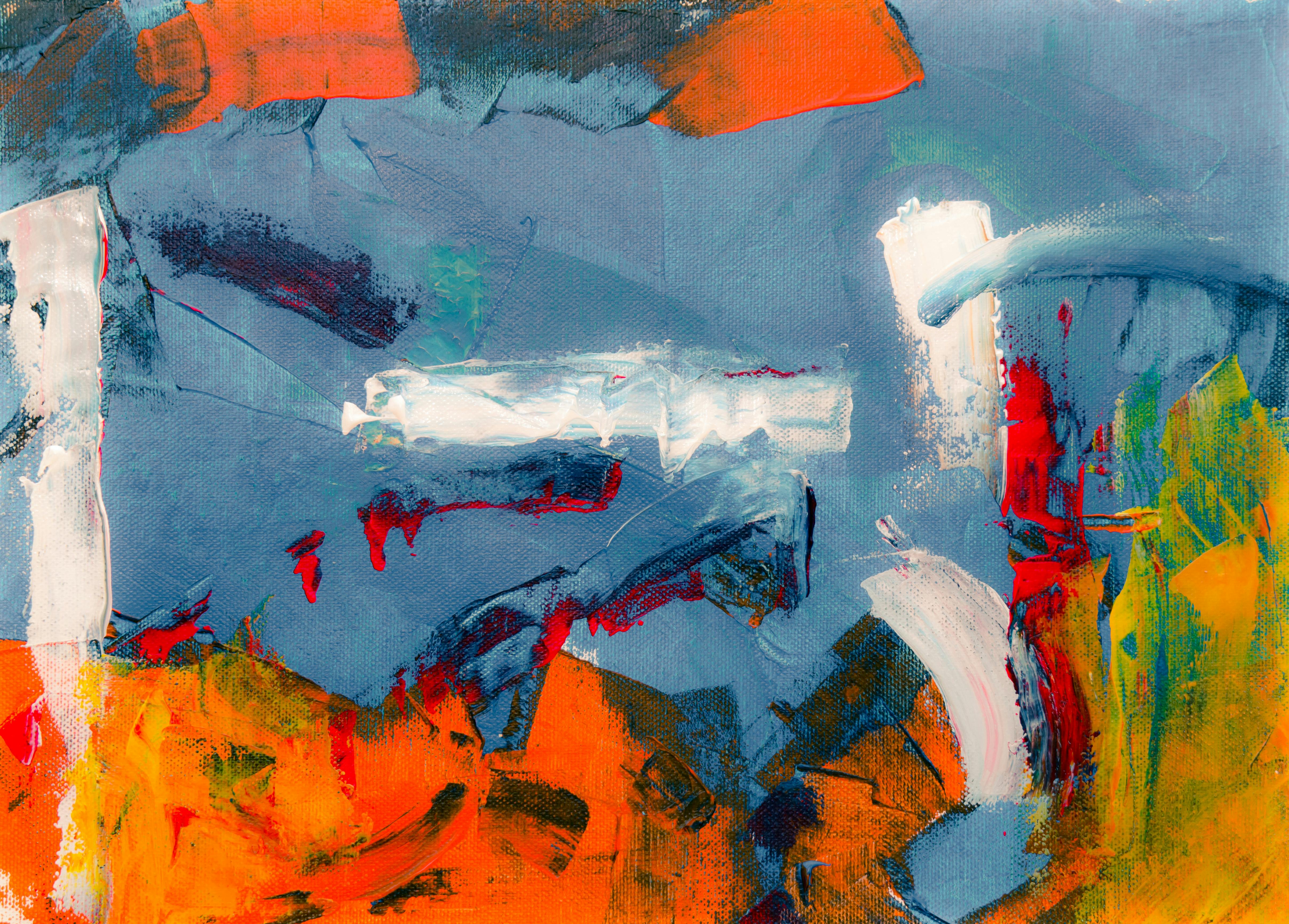











The Future of the Tiny Dot Technique
The future of the tiny dot technique is bright, with artists continuing to explore its potential in new and innovative ways. From digital art to interactive installations, the technique's versatility ensures its enduring relevance in the art world. As technology continues to evolve, so too will the possibilities for artistic expression through the tiny dot technique.
Exploring Further
If you're eager to dive deeper into the world of art, consider exploring other techniques and movements. The tiny dot technique is just one of many ways to express your creativity and engage with the world of art. Whether you're an artist or an enthusiast, there's always more to discover and learn.
Join the Community
Consider joining an artistic community or forum to connect with other artists who share your passion for the tiny dot technique. Sharing your work, receiving feedback, and engaging with others can help you grow and improve as an artist. The world of art is vast and full of possibilities, and the tiny dot technique is a wonderful way to explore it.