Hokusai's Great Wave: Deconstructed Masterpiece, Impact & History
Dive deep into Hokusai's 'Great Wave off Kanagawa'. Explore its symbolism, ukiyo-e creation, influence on Impressionism, and modern art legacy.

The Great Wave off Kanagawa: Hokusai's Enduring Masterpiece, Deconstructed for the Modern Eye
I admit it: like many, I used to glance at "The Great Wave off Kanagawa" and think, "Oh, that again." It’s everywhere, isn't it? On t-shirts, coffee mugs, a familiar digital wallpaper. So ubiquitous, in fact, that its profound artistic power often gets lost in translation from museum wall to everyday commodity. But that's exactly why I want to invite you to really see it today. Not just as a pretty picture, but as a force of nature captured with breathtaking audacity, a testament to human vulnerability, and the genius of an artist who was just hitting his stride at an age most people consider retirement. It's arguably the most famous piece of Japanese art ever created, and honestly, it deserves every bit of the hype. My goal here is to dive beneath those foamy crests and discover the layers of meaning this masterpiece holds, exploring its core elements, the master behind the magic, the iconic series it belongs to, and the monumental impact it had on the world, even resonating with modern abstract art principles. Let's start by truly looking at what Hokusai has placed before us, because, as I've learned time and again in my own art, the most familiar images often hide the deepest secrets.
Unpacking the Scene: What Are We Actually Looking At?
Let's break down this dramatic tableau. When you truly pause to observe, there’s so much more than just a towering wave dominating the scene. It’s a snapshot of intense human drama against terrifying, indifferent might. I find myself constantly drawn to how Hokusai captures such a fleeting, powerful moment with such precision, making you feel the spray and the immediate danger.
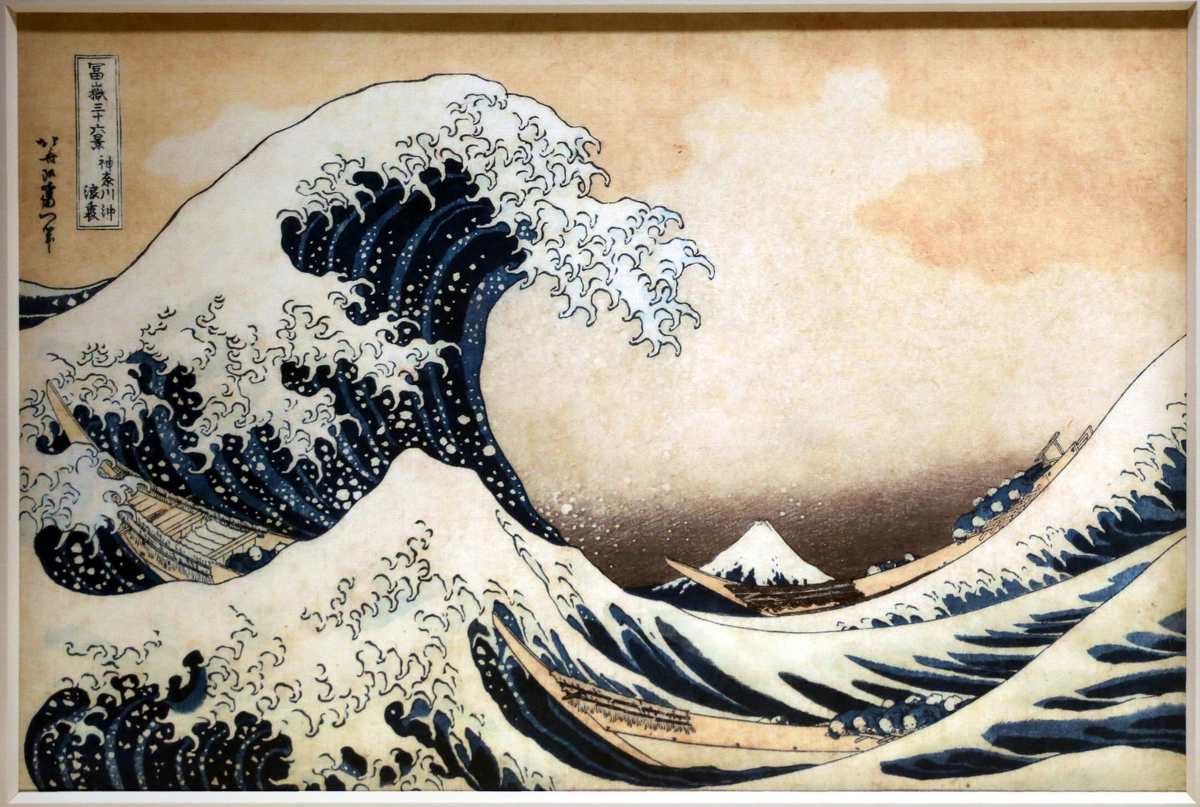
- The Wave: It's all about that colossal curve – massive, menacing, its foamy crests reaching like grasping, dragon-like claws, about to crash down. This isn't just a picturesque seascape; it’s nature's raw power personified, a dynamic composition that pulls you into the heart of the action. It makes you feel something primal, doesn't it? The sheer scale and sense of imminent destruction are breathtaking, capturing the true essence of the meaning of The Great Wave off Kanagawa. This wave primarily symbolizes overwhelming natural force, the transience of life, and the unstoppable cycle of destruction and renewal. The foam, often interpreted as dragon claws, adds a layer of ancient Japanese mythology, where dragons command water and weather, signifying both nature's ferocious power and its divine, awe-inspiring control.
- The Boats: Look closely at the crest of that monstrous wave, and you'll spot three long, slender boats, known as oshiokuri-bune. These were the express delivery services of Edo (now Tokyo), swift vessels optimized for speed to transport fresh fish to bustling markets. Their low profile, built for cutting through calmer waters, makes them terrifyingly vulnerable to such an immense wave. Imagine being one of those fishermen, bodies taut, clinging on for dear life, knowing your livelihood (and life itself) depends on navigating these unforgiving waters. These were no pleasure cruises; these men were out daily, facing the elements to feed a burgeoning metropolis. The daily grind, the quiet bravery in the face of overwhelming odds – for me, they symbolize human resilience and our tiny, fragile existence against forces far greater than ourselves, a universal theme that resonates deeply even today. This constant struggle with the sea was a harsh reality, a life defined by courage and determination, a vivid story woven into the very fabric of the image.
- Mount Fuji: Then, in the distant background, perfectly framed by the colossal curve of the wave, stands Mount Fuji. It's tiny, serene, almost appearing as another, more tranquil wave itself. This isn't just a backdrop; it's the central motif, the unwavering anchor of the entire "Thirty-six Views of Mount Fuji" series. Fuji is more than just a mountain in Japan; it’s a sacred icon, a symbol of permanence, spiritual purity, and a source of both creation and potential destruction. In Shinto, it's considered a sacred dwelling for kami (deities or spirits that are worshipped), particularly Konohanasakuya-hime, the goddess of Mount Fuji, often associated with cherry blossoms and life itself. For centuries, pilgrims have journeyed to its summit, seeking spiritual renewal. Here, it’s completely dwarfed by the fleeting, violent power of the ocean, a brilliant juxtaposition of the eternal against the momentary – a powerful visual paradox that hints at profound philosophical questions about existence.
- The Sky: The sky is a flat, ominous yellow-grey, adding to the tension. There’s no sun, just a feeling of a cold, stormy morning. Unlike many ukiyo-e prints that might depict a clear, idealized sky to emphasize beauty, Hokusai uses this unsettling palette to hint at the powerful, unpredictable natural forces at play, which is a common theme in Japanese woodblock prints depicting nature.
This simple composition—a huge, dynamic foreground element against a small, static background element—creates an incredible sense of depth and drama. This visual paradox is what immediately draws you in, demonstrating pure genius in its construction and a profound understanding of visual balance, a concept I explore more in understanding-balance-in-art-composition.
Hokusai's Big Moment: The Old Master and His Craft
But who was the visionary behind this breathtaking depiction of nature's power and human resilience? Let me introduce you to the artist: Katsushika Hokusai. And here’s something that always gets me: when he created this print around 1831, he was over 70 years old. Seventy! I mean, talk about hitting your stride later in life. It's truly inspiring. He wasn't some young, rebellious upstart; he was a seasoned master who had been honing his craft for decades. This period, often referred to as his "Seniors' Period" or Manji Period, was one of his most prolific and artistically innovative, characterized by an almost feverish drive for perfection and a deepening spiritual connection to his subjects. He often signed his works during this time as "Gakyō Rōjin Manji" (Old Man Mad About Art), a testament to his lifelong, almost obsessive pursuit of artistic mastery. It’s a powerful reminder that creativity and mastery aren't bound by age, something I often reflect on in my own work when I feel like I'm just getting started, even after all these years. If you're curious to dive deeper into his incredible journey, you can read more about his fascinating life in the ultimate guide to Katsushika Hokusai.
Artists in this period often changed their names to mark new phases of their career, signify a change in artistic school, or to denote a level of mastery. Hokusai, ever the innovator, used many names throughout his life. Besides 'Iitsu' (為一), a name he adopted during this incredibly fertile period to signify his belief that he was finally achieving true artistic unity, he also signed his work as Shunro early in his career, then Soryu, Hokkyo, and later, famously, as Hokusai Manji and Gakyo Rojin, or “Old Man Mad About Art.” Each name marked a significant evolution in his Hokusai's art and professional journey, a testament to his lifelong pursuit of artistic perfection and a fascinating glimpse into his changing artistic identity. His "madness" was, I believe, less about eccentricity and more about an unyielding commitment to observe and depict the world in ways no one else had dared, pushing the boundaries of form and expression in every stroke.
The "Thirty-six Views of Mount Fuji" Series: A National Icon
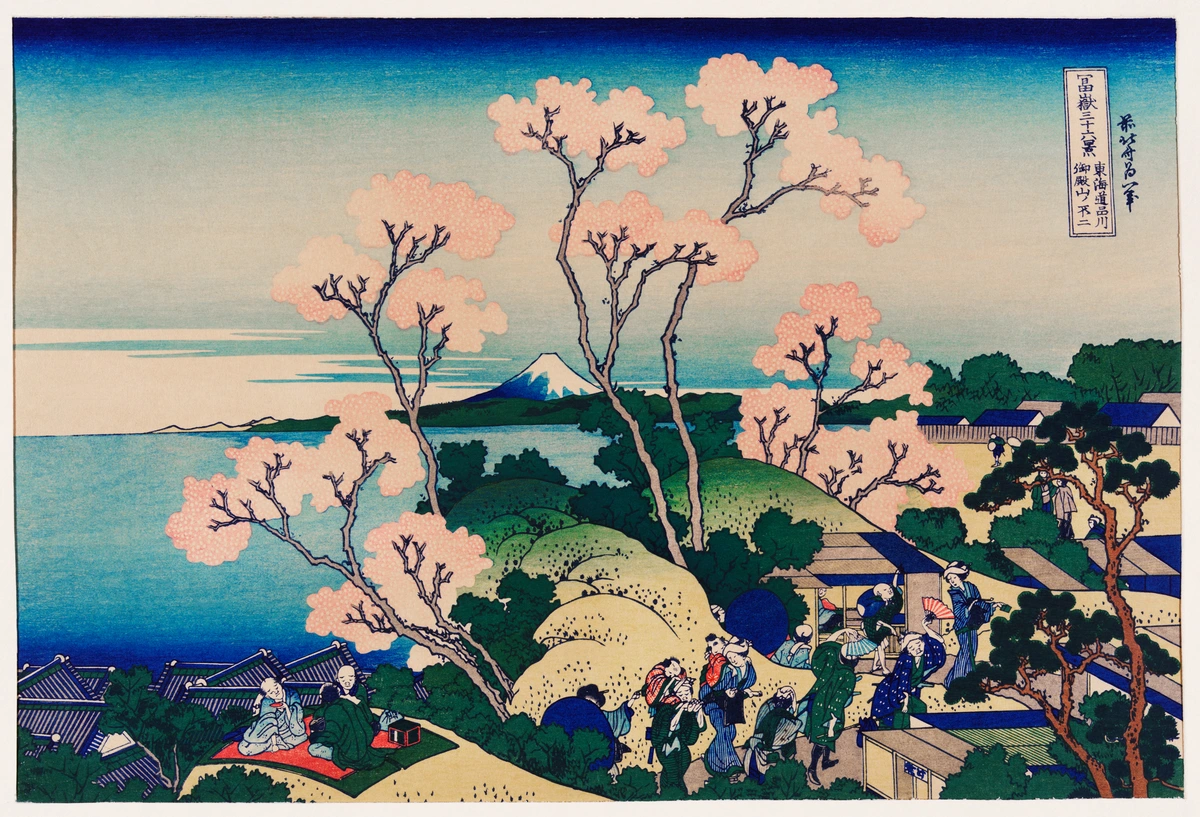
"The Great Wave" was the standout piece from his now-iconic series titled Thirty-six Views of Mount Fuji. This series dropped at a perfect time, coinciding with a burgeoning merchant class in Edo who, with newfound wealth and leisure, craved affordable art that reflected their vibrant urban culture and the beauty of their homeland. Travel was booming across Japan, and people were eager for mementos from their journeys, fostering a burgeoning sense of national identity. These prints became an instant sensation because they spoke directly to this cultural moment. Why "Thirty-six Views"? It was a culturally significant number, often appearing in poetic and artistic series of the time, signifying a comprehensive, yet not necessarily exhaustive, exploration of a subject. It resonated with traditional East Asian numerology, where 36 was sometimes associated with completeness or a full cycle. Though Hokusai, being Hokusai, actually extended it to ten additional prints – because why stop at a mere thirty-six when inspiration still flows, right? This collection showcased Japan's most revered landmark from diverse vantage points and through various seasons, capturing its essence in every mood and reaffirming its status as a spiritual and cultural anchor.
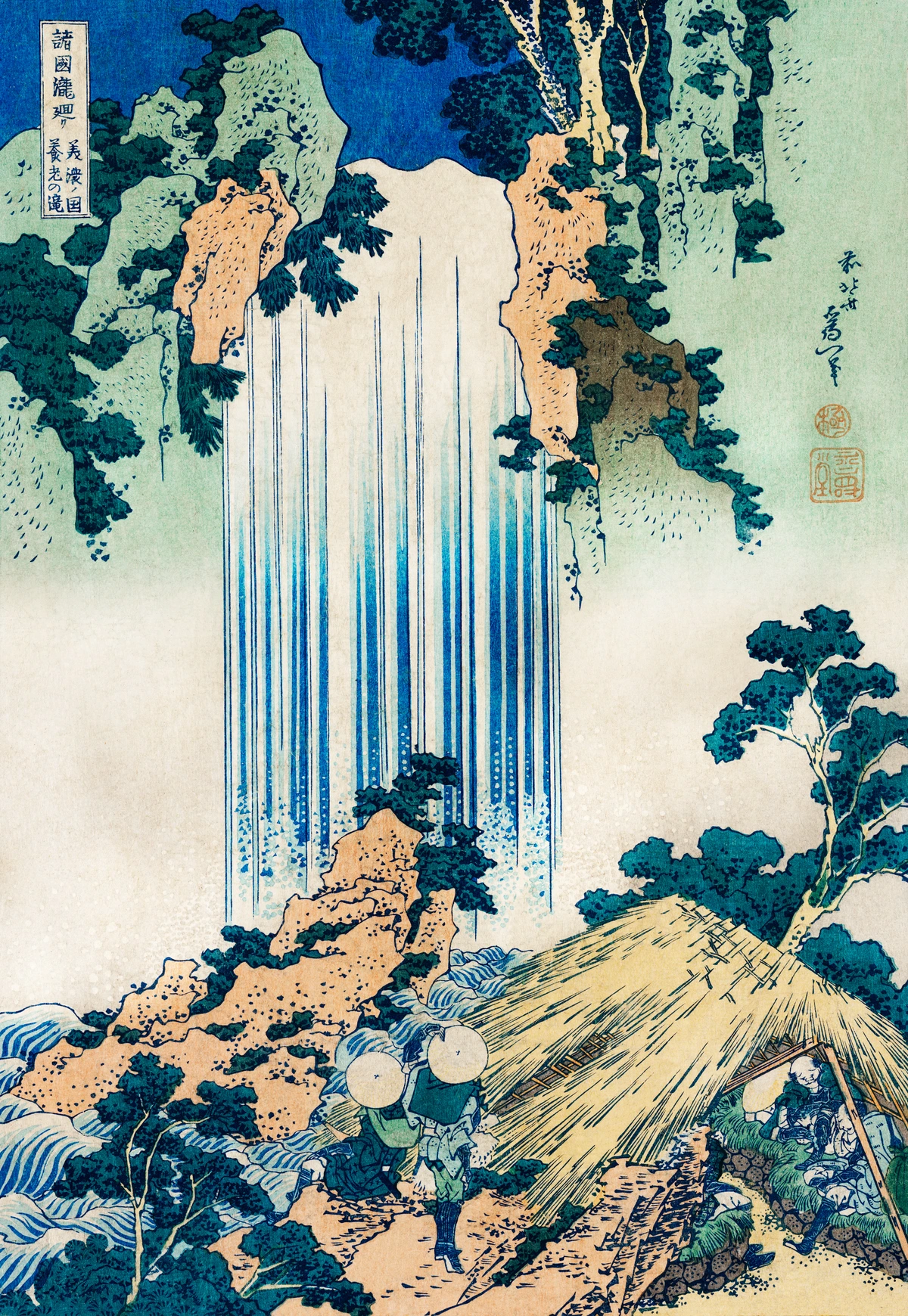
For example, his breathtaking "Red Fuji" (or "Fine Wind, Clear Morning") captures the mountain's serene power in a completely different light, bathed in the warmth of the rising sun, a stark contrast to the dramatic "Great Wave." Another, "Rainstorm Beneath the Summit," shows Fuji cloaked in turbulent weather, again illustrating Hokusai’s incredible versatility. To showcase the human element, "Mishima Pass in Kai Province" depicts travelers resting under a giant tree with Fuji in the distance, offering a tranquil, misty view of Fuji reflected in the lake. He also included lesser-known gems like "Fuji from the Surface of the Water at Mizuguchi," which offers a unique, almost submerged perspective, or "Boats at Tsukuda-jima" showing Fuji from a busy fishing port. Each print was like a postcard, an artistic snapshot that truly captured the spirit of Japan through its most sacred peak, cementing the series as a cornerstone of famous Japanese art.
The Art of Ukiyo-e: A Collaborative Masterpiece
This wasn't 'fine art' for the rich elite; it was popular art for the masses. Think of it as the 19th-century equivalent of a blockbuster movie poster, or perhaps a highly collectible graphic novel series – accessible, vibrant, and telling stories of its time. The magic behind it was a technique called ukiyo-e (浮世絵), meaning "pictures of the floating world." This Japanese woodblock printing genre, which flourished from the 17th to 19th centuries, captured the ephemeral beauty of the urban pleasure districts, kabuki actors, sumo wrestlers, historical and folk tales, and stunning landscapes.
And when I say 'magic,' I mean it. This wasn't a solo act; it was a meticulous dance between five key players, much like a modern film crew. The publisher, in my view, was often the venture capitalist of the art world, driving the entire enterprise.
Role  | Contribution to Ukiyo-e |
|---|---|
| Artist | Katsushika Hokusai, who drew the initial intricate design, often in black ink. |
| Publisher | The entrepreneur who financed the entire project, commissioned the artists and artisans, dictated subject matter (often in response to public demand), and distributed the final prints to an eager public. They held significant power, often choosing the best artists and carvers. |
| Paper Maker | Provided the specific, high-quality washi paper, typically made from strong kozo (mulberry) fibers. This paper was known for its durability, absorbency, and ability to hold vibrant colors without bleeding, crucial for the multi-layered printing process. |
| Carver | A master artisan who painstakingly translated the artist's drawing onto multiple cherry woodblocks – often a separate block for each color! Their incredible precision ensured delicate lines for details like hair or water spray, and accurate registration (alignment) for each color layer, a truly demanding skill. |
| Printer | A true artist of nuance, who would apply various pigments with brushes and press the paper onto the blocks using a baren (a specialized hand-held burnisher). This involved circular rubbing motions to transfer the ink. This required immense skill to achieve consistent pressure and ink application across potentially thousands of prints, often layering colors to achieve subtle gradations and vibrant effects, bringing the image to life. |
It’s amazing to think of the coordinated effort required to bring these visions to life. This intricate process is a key part of the history of ukiyo-e.
When it came to color, the true star in "The Great Wave" was Prussian Blue, a relatively new synthetic pigment from Europe. Traditional Japanese indigo, while beautiful, was prone to fading and lacked the vibrant intensity Hokusai sought for his dramatic seascapes. This new blue, often called berorin-ai (Berlin blue) in Japan, offered an unprecedented depth, permanence, and cost-effectiveness, allowing Hokusai to render the ocean with a vivid, almost electric intensity that must have seemed revolutionary at the time. To me, that specific shade of blue gives it an enduring, almost electric quality, hinting at the vast, cold power of the ocean. He also skillfully used subtle applications of sumi ink for depth and definition, not just for outlines but also for creating nuanced washes and gradations of grey and black, enhancing the print's dramatic impact. Alongside these, earth tones like ochre and traditional madder for certain details rounded out the palette. Each print, created through this multi-step process for each color, was a marvel of craftsmanship and collaboration. It's a stark reminder that even the most iconic pieces are rarely born from a single stroke of individual genius – something I've learned myself when wrestling with a stubborn canvas. These weren't just simple woodcuts; they were intricate feats of engineering and artistry.
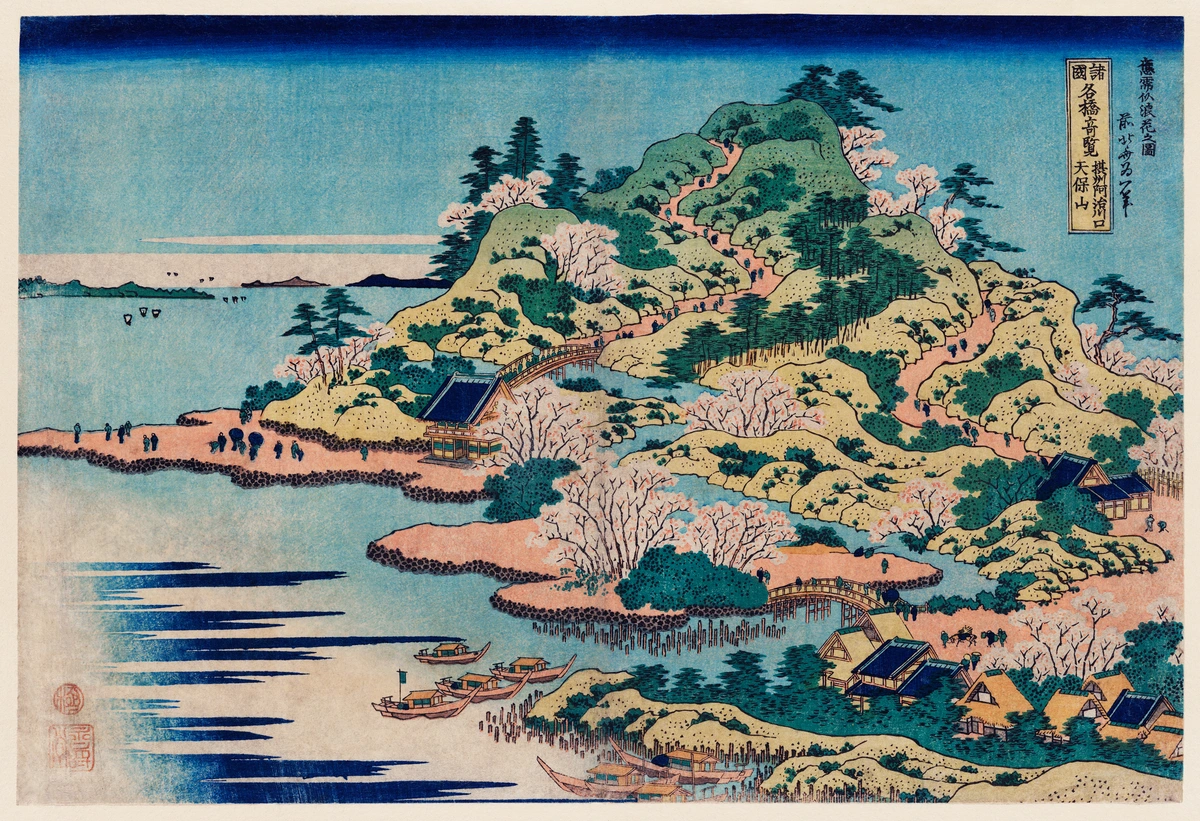
The earliest ukiyo-e often depicted kabuki actors and courtesans, but it was artists like Hokusai and Hiroshige who truly transformed the genre with stunning landscapes, making it accessible and appealing to an even broader audience. They shifted the focus from transient urban pleasures to the enduring beauty of Japan's natural wonders, like Mount Fuji. The sheer affordability and reproducibility of ukiyo-e prints are, in my opinion, a huge part of why "The Great Wave" became so incredibly famous and accessible to everyone. It democratized art in a way that resonates with me as an artist today, bridging the gap between artistic expression and public appreciation. Earlier Japanese seascape art, often found in painted scrolls or screens, tended to be more idealized, stylized, and less dynamic, focusing on serene, almost decorative, interpretations of nature rather than the raw power and human struggle Hokusai so dramatically captured. While Hokusai excelled at landscapes, other masters like Kitagawa Utamaro captured the ephemeral beauty of courtesans, and Toshusai Sharaku immortalized kabuki actors with striking portraits, each contributing to the rich tapestry of ukiyo-e, capturing everything from actors and courtesans to stunning landscapes and scenes of everyday life. It truly was the pulse of popular culture. This is a topic I find absolutely fascinating, which you can explore in the enduring legacy of ukiyo-e: Japanese woodblock prints and their global impact.
credit, licence
Deconstructing the Masterpiece: Hokusai's Genius Revealed
So why does this print continue to resonate with us, hundreds of years later? I think it’s because it’s a masterclass in composition, color, and storytelling. It pulls you in and makes you feel something profound. Let’s look at the elements that make Hokusai's art so enduringly brilliant, elements that even echo in contemporary abstract and dynamic art.
Element | Technique & Effect |
|---|---|
| Composition | Hokusai masterfully positions a low horizon line, making the wave tower dramatically. The sweeping curves and the way Mount Fuji is framed by the wave's arc create a powerful visual vortex, drawing your eye right into the heart of the action, making you feel the imminent crash. It’s a perfect example of dynamic understanding-balance-in-art-composition – perfectly balanced, yet overflowing with kinetic energy. The dramatic size difference between the wave and Fuji enhances the sense of awe and danger, yet the overall design feels cohesive and intentional, a true testament to fundamental what-is-design-in-art principles. |
| Color | The limited but impactful how-artists-use-color palette is genius. The true star is Prussian Blue, an imported synthetic pigment from Europe. Traditional Japanese indigo, while beautiful, was prone to fading and lacked the vibrancy needed for such a dramatic scene. This new blue, often called berorin-ai, offered an unprecedented depth, permanence, and cost-effectiveness, allowing Hokusai to render the ocean with a vivid, almost electric intensity that must have seemed revolutionary at the time. To me, that specific shade of blue gives it an enduring, almost electric quality, hinting at the vast, cold power of the ocean. He also skillfully used subtle applications of sumi ink for depth and definition, alongside earth tones like ochre and traditional madder for certain details. |
| Perspective | Hokusai was a keen observer, and here he cleverly fuses traditional Japanese compositional styles – with their elevated viewpoints and flat, decorative areas of color that emphasize pattern over deep space – with early Western linear perspective. This blend creates a unique sense of space that felt both familiar and revolutionary, drawing the viewer into a scene that is simultaneously flat and deeply dimensional. It’s a testament to the subtle cultural exchanges happening even during Japan's period of isolation. |
| Yin and Yang | What truly elevates this print is its inherent play of opposites. You see the chaotic, destructive energy of the wave contrasting with the serene, stable mountain; the raw fragility of human life against the immense power of nature; the fleeting, momentary event versus the eternal, unchanging landmark. This profound visual dialogue, a contemplation on life's constant cycles of destruction and creation, is deeply rooted in Taoist philosophy, where Yin and Yang represent opposing yet complementary forces. It's a masterful use of elements-of-art-line to convey motion and stillness. This dynamic tension speaks to our own human experience of facing both the terrifying and the beautiful in life. |
This masterful interplay of light and shadow, chaos and calm, transient and eternal, is what makes "The Great Wave" so much more than just a picture; it’s a philosophical statement frozen in time. The strict isolationist policies (Sakoku – meaning "closed country") of the Tokugawa shogunate meant that foreign influences like Prussian Blue were severely restricted for nearly two centuries. Yet, subtly, through Dutch traders at Nagasaki, such powerful pigments and ideas found their way in, absorbed and transformed by Japanese masters like Hokusai, highlighting his ability to transcend cultural barriers even amidst political ones. This clandestine flow of artistic innovation, defying political boundaries, is a story I always find compelling.
The Wave That Rocked the World: Japonisme and Its Tsunami of Influence
But how did this print, created in a then-isolated Japan, come to conquer the art world across continents? It's a question I often ponder when I think about how art travels across cultures and time. When Japan finally opened its borders to the West in the 1850s, a veritable flood of these vibrant ukiyo-e prints, including "The Great Wave," poured into Europe and America. They caused an absolute sensation! This artistic phenomenon, now known as Japonisme (the study and adoption of Japanese art and aesthetic ideas by Western artists), had a profound, almost revolutionary impact on Western artists. Famous Impressionist artists like Monet, Degas, and van Gogh, among countless others, were utterly captivated. I imagine them, poring over these prints, seeing art in a completely new light. They were inspired not just by:

- The bold, flat areas of color, which broke away from traditional Western chiaroscuro (the use of strong contrasts between light and dark) and academic realism, influencing movements like Fauvism.
- The unusual cropping and daring perspectives, often off-center or from high viewpoints, offering fresh compositional approaches that directly informed the Impressionists' snapshot-like compositions – capturing fleeting moments as if through a camera lens. Think of Degas’ ballet dancers, cropped dramatically, or Monet's series on cathedrals, focusing on a single, transient moment of light.
- The focus on dynamic compositions, everyday life, and nuanced landscapes, shifting subject matter away from classical history or portraiture towards scenes of modern life and natural beauty, much like Monet's series on cathedrals or haystacks.
You can clearly see the direct influence of ukiyo-e in the unusual, often asymmetrical compositions of Degas's ballet scenes, capturing fleeting moments as if through a lens. Or the flattened planes and bold outlines in Manet's portraits, which echo the two-dimensionality and graphic power of woodblock prints. Even the swirling, emotional energy and strong outlines in Van Gogh's Starry Night owe a subtle nod to the dynamic forms and graphic quality of ukiyo-e. For a concrete example, compare Van Gogh’s "Bridge in Asnières" (1887) to any number of Japanese bridge prints – the diagonal perspective and emphasis on foreground elements are uncanny. Beyond painting, Japonisme permeated decorative arts, fashion, and even interior design across Europe, impacting ceramic patterns, textile motifs, and the design of posters and books. Hokusai's wave didn't merely depict a natural event; it truly unleashed a creative tsunami that fundamentally changed the course of modern art, shifting how Western artists perceived space, color, and subject matter. It was a cultural exchange that left an indelible mark, demonstrating how art transcends borders and inspires revolutions.
Frequently Asked Questions (FAQ)
While we've explored the art and its profound impact, many common questions about this iconic print arise, and I'll try to tackle a few of them here, hoping to cover all the bases for anyone curious about this masterpiece:
Is The Great Wave a tsunami?
Probably not, and this is a common misconception! While it’s certainly immense, art historians and scientists generally believe it depicts a large rogue wave — an unusually large, spontaneous, and unpredictable ocean wave that is much bigger than the surrounding waves. These are phenomena sailors in the area would have been familiar with, and terrifyingly so. Unlike a tsunami, which is typically caused by seismic activity and results in a series of destructive waves, a rogue wave is a singular, extraordinarily large and often steep wave that appears unexpectedly, sometimes even in relatively calm seas. The visual cues in Hokusai's print, such as the relatively clear sky (no widespread cataclysmic event) and the singular, towering nature of the wave (rather than a series of waves characteristic of a tsunami), strongly support the rogue wave theory. Scientists today are still studying rogue waves, often using satellite data and advanced oceanographic models, but they remain notoriously difficult to predict, adding to the primal terror Hokusai so brilliantly captured. Its sheer scale and isolated nature, as depicted by Hokusai, are characteristic of these terrifying, unpredictable phenomena.
What does the shape of the wave symbolize?
Beyond just its terrifying beauty, the wave's shape is rich with symbolism. The 'claws' of the foam reaching out are often interpreted as dragon claws, a powerful symbol in Japanese mythology where dragons can represent both nature's ferocious, destructive power and its divine control over water and weather, adding a nuanced layer to the wave's might. The wave’s curl, almost forming a yin-yang with the distant Fuji, emphasizes the constant cycle of destruction and creation, and the dynamic tension between opposing forces – chaos and calm, transient and eternal. It's a profound visual metaphor for the human condition and our place within the grand, often turbulent, natural world.
What materials did Hokusai use for The Great Wave?
Hokusai, like other ukiyo-e artists, worked with specific materials to create his woodblock prints, a process that was quite sophisticated. The primary materials included: woodblocks (typically cherry wood, known for its fine grain and durability, allowing for intricate detail), pigments (such as the revolutionary Prussian Blue, traditional indigo, madder for reds, and ochre for earth tones, all mixed with a binder like rice paste before application), paper (high-quality washi paper made from kozo fibers, known for its strength, absorbency, and archival qualities), and sumi ink (for crisp black outlines and fine details, but also for nuanced washes). The carving process also required various specialized chisels, and the printing involved brushes for applying pigment and a baren (a specialized hand-held burnisher) for pressing the paper onto the blocks to ensure even color transfer.
Was The Great Wave intended to be part of a larger series?
Absolutely! "The Great Wave" is not a standalone piece but the most famous print from Hokusai's iconic series, "Thirty-six Views of Mount Fuji." This remarkable series, published between 1829 and 1833, aimed to capture Japan's sacred Mount Fuji from various locations, perspectives, and in different seasons and weather conditions. Although initially titled "Thirty-six Views," Hokusai's immense popularity and continued inspiration led him to add ten more prints, bringing the total to 46, because, as I often find in my own creative process, sometimes you just can't stop at the initial goal! The series was initially met with great success, becoming an instant sensation and contributing significantly to Hokusai's fame within Japan, cementing his reputation as a master of landscape prints.
How did The Great Wave differ from earlier Japanese seascape art?
"The Great Wave" marked a significant departure from earlier Japanese seascape art in several key ways. While previous works often depicted tranquil or idealized coastal scenes, focusing on decorative elements or serene views, Hokusai's print presented a raw, dynamic, and almost terrifying portrayal of nature's power. Its innovative composition, cleverly incorporating elements of Western linear perspective while retaining traditional Japanese flatness and emphasis on graphic lines, created a sense of dramatic depth and motion unseen before. Furthermore, it shifted focus to the struggle of common people – the fishermen – against nature, a departure from the more aristocratic or mythological subjects often found in earlier art. The vivid use of the imported Prussian Blue also gave it a striking intensity that traditional pigments couldn't match, pushing the boundaries of color in Japanese woodblock prints and contributing to its revolutionary aesthetic.
Where is the original print?
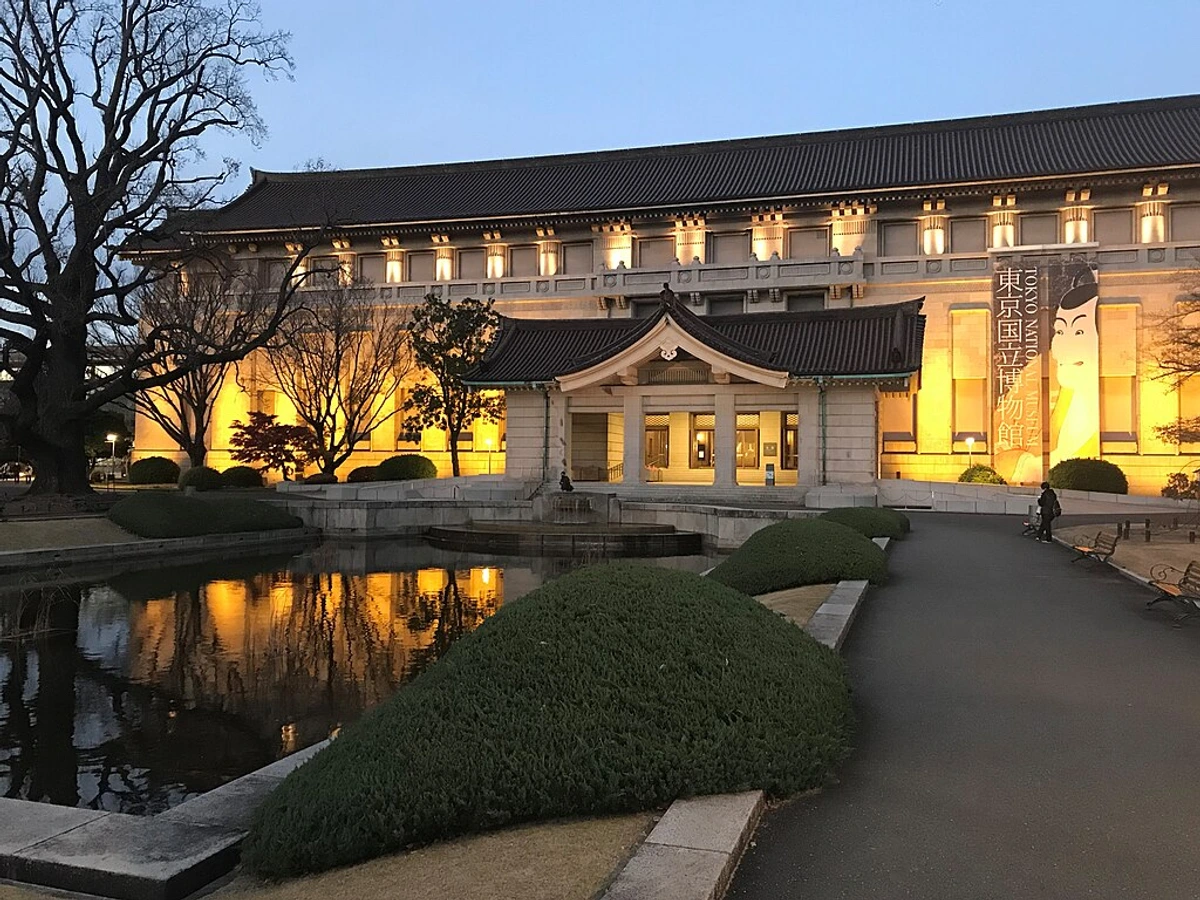
This is a great question, and it highlights a key difference between paintings and prints! There is no single 'original' in the way one might speak of an 'original painting'. Because it's a woodblock print, hundreds or even thousands of impressions were made from the original woodblocks. The most valuable are those from the earliest print runs, known as 'first states' or 'first editions.' Think of it like limited-edition, early-release albums by your favorite band – the first pressings are always the most sought-after due to their superior quality and rarity compared to later, mass-produced versions. These typically feature the sharpest lines, the richest, most vibrant colors, and show minimal wear on the intricate woodblocks. As more prints were pulled, the blocks would gradually wear down, resulting in less crisp details and paler colors. Today, you can find original impressions in major museums around the world, like the Metropolitan Museum of Art in New York, the British Museum in London, the Tokyo National Museum, and the National Gallery of Victoria in Melbourne. It's incredible to think about how this art has spread, and it reminds me of the importance of public art spaces like the ones you can visit in my hometown, which you can learn about at the /den-bosch-museum page.
How much is The Great Wave worth?
An original print's value depends heavily on its condition and the specific impression (i.e., how early in the print run it was made). Early impressions in excellent condition – characterized by crisp lines, deep colors, and intact paper – can sell for hundreds of thousands of dollars, with some fetching over a million at auction. These are the rare, museum-quality examples. Later impressions, made when the woodblocks had worn down, will typically be less valuable. But fear not, if you want a piece of this iconic art on your wall, you can easily find high-quality reproductions, just like the art I create and offer for sale in the /buy section.
What does the signature say?
In the top left corner, the box-like signature reads: Hokusai aratame Iitsu hitsu (北斎改為一筆), which translates to "From the brush of Hokusai, who changed his name to Iitsu." This change of name, as mentioned, was common among Japanese artists to mark new periods or styles in their careers, offering a peek into his professional journey and artistic evolution. It's a fascinating way to trace an artist's personal and creative growth, a sort of artistic diary in plain sight.




How has 'The Great Wave' been interpreted in modern culture?
Beyond fine art, "The Great Wave" has surged through popular culture, often appearing in environmental discussions as a powerful symbol of nature's majesty and threat, or reinterpreted in abstract art, digital media, and fashion. It's not uncommon to see its iconic form inspiring everything from contemporary animation to architectural designs. Its enduring visual power means it's frequently appropriated to evoke strength, danger, or resilience, cementing its status not just as art, but as a universal cultural touchstone. For me, as an artist exploring abstraction, its bold lines and dynamic composition offer endless inspiration for conveying emotion through form and color alone, proving that a truly great work of art transcends its original context.
More Than Just a Wave: Hokusai's Enduring Legacy
So, the next time you encounter "The Great Wave," whether it's on a museum wall or, yes, even a coffee mug, I sincerely hope you see more than just a wall of water. See the terrified, yet resilient, fishermen clinging on. See the calm, defiant distant mountain standing as an eternal anchor. See the profound clash between the temporary and the eternal, the human and the divine. See the sheer genius of an old artist who, in his seventh decade, masterfully fused traditions to create something startlingly new, yet timeless. It's a celebration of craftsmanship, a narrative of human spirit, and a silent observer of a changing world.
It’s a single moment frozen in time, yet it tells a universal story about our place in a powerful, often unpredictable world, and our persistent human spirit. Its bold lines, flat planes of color, and dynamic composition profoundly influenced Western modern art, from the snapshot aesthetics of Impressionism to the graphic power seen in later abstract movements like Cubism and Fauvism. The wave's enduring use as a global icon today, often appearing in environmental discussions or as inspiration for abstract art, underscores its power to connect us with the raw majesty of nature and the timeless struggle of humanity. It’s a humbling and inspiring thought, isn't it? It truly makes you look. So, the next time you face a colossal challenge, a moment of overwhelming uncertainty, or simply encounter this iconic image, ask yourself: how will you navigate the wave, and what enduring beauty can you find in the storm?