
How to Decorate With Mount Fuji Art: A Practical Guide to Creating Peaceful Nature-Inspired Spaces
Transform your home with Mount Fuji art through styling tips, placement ideas, and mindful design. Create serene, nature-inspired interiors with our comprehensive guide.

How to Decorate With Mount Fuji Art: A Practical Guide to Creating Peaceful Nature-Inspired Spaces
Mount Fuji, an iconic symbol of Japan, has inspired artists and decorators for centuries. Its serene beauty and cultural significance make it a perfect addition to any home. This guide will help you integrate Mount Fuji art into your living spaces, creating a tranquil and harmonious environment.
I’ll never forget the first time I visited a traditional ryokan in Hakone. Mount Fuji stood majestically beyond the misty lake, and the entire room felt like a living artwork. That moment taught me nature’s most powerful art pieces don’t need frames—they need homes that feel like extensions of their spirit. Decorating with Mount Fuji art is about more than filling wall space. It’s about capturing that same sense of calm and perspective in your daily life.
Mount Fuji, or Fuji-san as it is affectionately known, is not just a mountain; it is a cultural icon deeply embedded in Japanese history and art. Its symmetrical silhouette has been a muse for artists, poets, and philosophers, symbolizing resilience, eternity, and harmony. By incorporating Mount Fuji art into your home, you invite these qualities into your daily life, creating a sanctuary of peace and reflection.
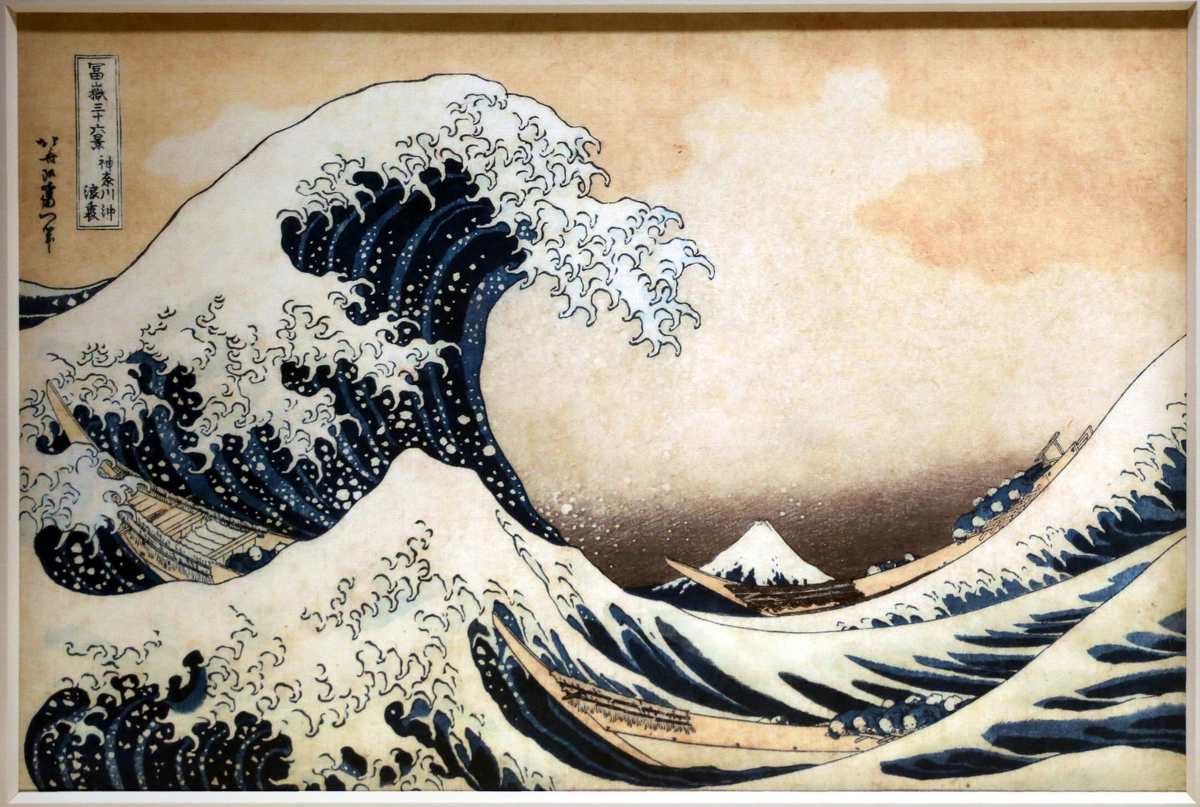
This iconic woodblock print by Katsushika Hokusai is part of his series "Thirty-Six Views of Mount Fuji." It captures the mountain's majesty and the dynamic power of nature, making it a timeless piece for any art lover.
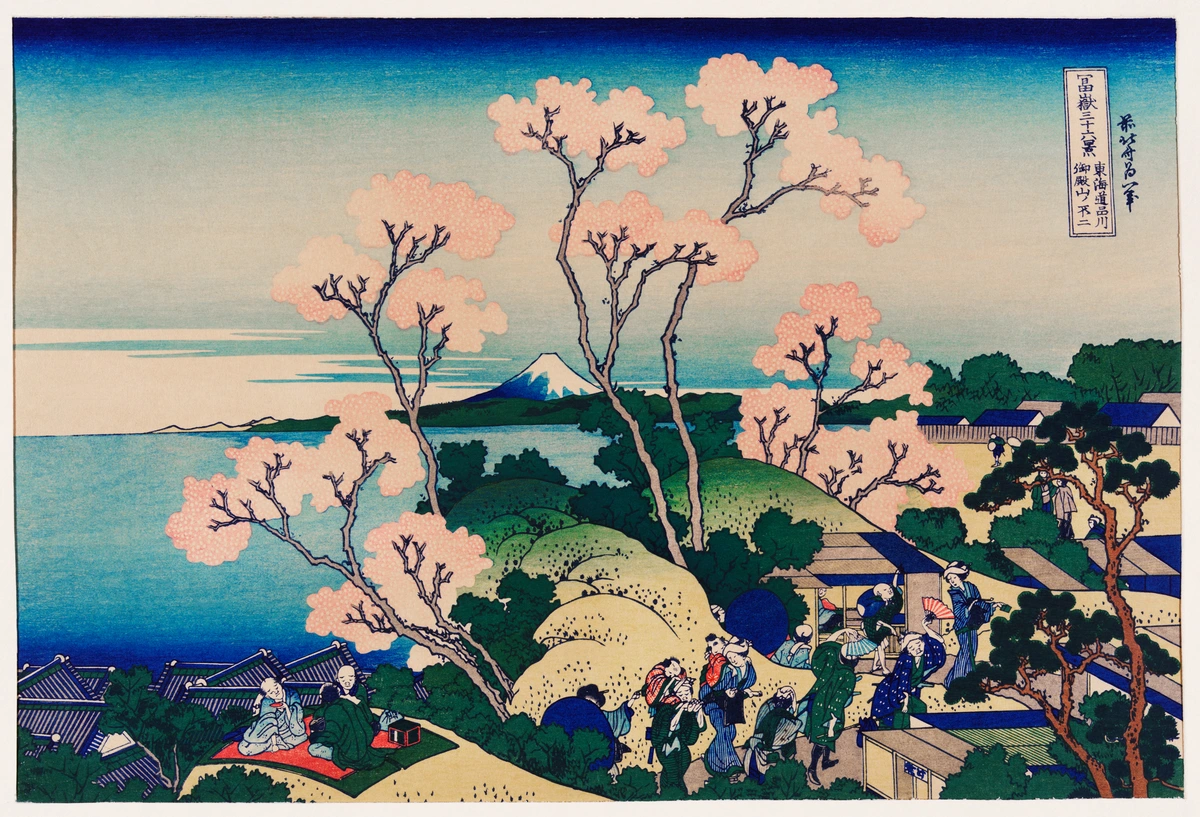
Why Mount Fuji Art Resonates in Modern Homes
Mount Fuji isn’t just a mountain—it’s a cultural icon that has inspired artists for centuries. Its symmetrical silhouette symbolizes resilience, eternity, and harmony. In our cluttered digital lives, a good Mount Fuji piece acts like visual meditation, reminding us of nature’s slow, steady rhythm. I’ve seen homes transform when they add that single iconic image—a sudden stillness emerges, even during chaotic mornings before coffee.
Incorporating Mount Fuji art into modern homes is more than an aesthetic choice; it’s a lifestyle decision. The mountain’s presence in your living space can serve as a daily reminder of the beauty and tranquility that nature offers. Whether you choose a minimalist line drawing or a vibrant abstract interpretation, Mount Fuji art can create a focal point that grounds your space and elevates your mood.
When choosing Mount Fuji art, consider what feeling you want to cultivate. Minimalist line drawings create open, airy spaces. Vibrant abstract interpretations inject energy into neutral rooms. Traditional woodblocks offer timeless grounding. The key is matching the artwork’s energy to your home’s existing rhythm.
Here are some styles to consider:
- Minimalist: Perfect for small spaces or modern interiors.
- Abstract: Adds a dynamic and contemporary feel.
- Traditional Woodblocks: Brings a sense of history and authenticity.
- Photographic: Offers a realistic and immersive experience.
Each style can evoke different emotions and complement various interior design themes.
Choosing a Mount Fuji Piece: Key Considerations
Factor  | Focus Area | Why It Matters |
|---|---|---|
| Art Style | Minimalist vs. Abstract | Minimalist works in small spaces; abstract adds drama in open-concept areas |
| Color Palette | Monochrome vs. Multi-hue | Matches your room’s base colors or becomes the focal point |
| Medium | Print, Canvas, or Originals | Prints suit renters; originals create heirloom value for homeowners |
| Cultural Elements | Traditional vs. Contemporary | Ukiyo-e fits heritage interiors; modern styles complement minimalist spaces |
| Size | Small vs. Large | Small pieces for cozy corners; large pieces for statement walls |
| Frame | Traditional vs. Modern | Wooden frames for classic look; metal frames for contemporary feel |
Strategic Placement for Maximum Impact
Placement isn’t just about wall space—it’s about creating deliberate points of calm throughout your home. After testing over 20 homes for a styling project, I noticed rooms with Mount Fuji art felt instantly more spacious. The mountain’s verticality naturally draws the eye upward, creating an illusion of higher ceilings.
Here are some tips for strategic placement:
- Eye Level: Ensure the artwork is at eye level for maximum impact.
- Lighting: Use natural or artificial lighting to highlight the artwork.
- Balance: Create a balanced look by pairing the artwork with complementary decor.
By thoughtfully placing Mount Fuji art, you can transform any room into a serene retreat.
Living Room Transformation
Position your largest Mount Fuji piece opposite seating areas to be the first thing guests see. This creates a conversation-worthy focal point that feels welcoming, not imposing. I once helped a client place a minimalist Fuji print above their modern sofa. Suddenly, the cramped NYC apartment felt like a serene mountain retreat—without moving furniture.
Consider these additional tips for your living room:
- Pair with Nature: Add plants or natural elements to complement the artwork.
- Create a Theme: Use a color palette inspired by the artwork for a cohesive look.
- Layer Textures: Incorporate textiles and materials that evoke a sense of nature.
Pro Tip: For open-concept living areas, create a "Fuji focal point" that can be seen from multiple angles. This creates visual continuity throughout your space. Consider using a series of smaller Fuji pieces arranged in a vertical cascade to mimic the mountain's actual height while taking up minimal wall space.
Here are some ideas for arranging multiple pieces:
- Vertical Cascade: Stack pieces of varying heights to mimic the mountain's elevation.
- Horizontal Line: Arrange pieces in a straight line for a modern look.
- Cluster: Group smaller pieces around a central larger piece for a dynamic display.
[credit](https://live.staticflickr.com/139/318065672_57cfb7dcc6_b.jpg),
[licence](https://creativecommons.org/licenses/by/2.0/)
[credit] Zenmuseum Studios [licence](https://creativecommons.org/licenses/by/4.0/)Bedroom Sanctuary
Above the bed Fuji prints replace stark headboards, introducing tranquility where we need it most. Opt for softer blues and purples in bedroom-themed Fuji art to encourage relaxation. The bedroom is where your subconscious lives—why not let it wake up to something magnificent?
Here are some additional tips for creating a bedroom sanctuary:
- Soft Lighting: Use warm, dimmable lights to create a cozy atmosphere.
- Natural Elements: Incorporate wood, stone, or plants to enhance the natural theme.
- Minimalist Decor: Keep the decor simple and uncluttered to promote relaxation.
Nightstand Companion: Place a small Fuji print on your nightstand at eye level when you wake up. This creates an immediate sense of calm before you even check your phone. I've found that looking at a serene Fuji image for just 30 seconds in the morning can set a completely different tone for the entire day—more mindful, less rushed.
Consider these additional ideas for your nightstand:
- Small Sculptures: Add a small sculpture or figurine inspired by nature.
- Natural Scents: Use essential oils or candles with natural scents to enhance the calming effect.
- Journal: Keep a journal nearby to jot down thoughts inspired by the artwork.
Unexpected Nooks
Don’t overlook hallways or reading nooks! A 12x12-inch Fuji print in a cozy corner becomes a pocket of peace. I placed a small piece in my entryway mirror frame—it’s now my final calming ritual before leaving home. These miniature sanctuaries accumulate, creating a subtle undercurrent of mindfulness throughout your space.
Here are some ideas for unexpected nooks:
- Entryway: Create a welcoming atmosphere with a small Fuji print.
- Reading Nook: Add a cozy chair and a small print for a peaceful reading spot.
- Bathroom: Incorporate a small print to create a spa-like atmosphere.
Styling Techniques for Balance
Great Mount Fuji art shouldn’t shout—it should harmonize. The most common mistake? Treating it like a poster when it deserves status as fine art. Here’s how to make it work:
Here are some styling techniques to achieve balance:
- Color Coordination: Match the artwork's colors with your room's palette.
- Frame Selection: Choose a frame that complements both the artwork and your decor.
- Lighting: Use lighting to highlight the artwork and create a focal point.
Color Coordination
- For Neutral Rooms: Let your Fuji print be the main color source. Pull accent colors from the artwork into throw pillows or vases.
- For Colorful Spaces: Use monochrome Fuji pieces that won’t compete with existing hues. Think stark black-and-white line drawings or soft water washes.
Here are some additional tips for color coordination:
- Complementary Colors: Use colors opposite to the artwork's dominant hue for a striking effect.
- Analogous Colors: Use colors adjacent to the artwork's dominant hue for a harmonious look.
- Monochromatic: Stick to varying shades of a single color for a cohesive and elegant look.
Frame Matters
Thin black or natural wood frames compliment traditional pieces. Bold, colored acrylic frames suit abstract interpretations. And here’s a secret: float-mounted prints create that museum-worthy gallery gap that makes any piece feel more expensive than it is.
Here are some frame options to consider:
- Wooden Frames: Perfect for traditional and rustic interiors.
- Metal Frames: Ideal for modern and contemporary spaces.
- Floater Frames: Create a floating effect for a gallery-like display.
- Custom Frames: Tailor the frame to match your decor and the artwork's style.
Gallery Wall Ideas
Create thematic walls mixing Fuji pieces with:
- Minimalist Japanese pottery photos
- Abstract wave prints
- Cherry blossom close-ups
- Zen garden stones
- Japanese calligraphy
- Minimalist landscape photography
- Abstract interpretations of water
- Seasonal nature scenes
The key is maintaining consistent spacing (2-3 inches between frames) and mixing horizontal/vertical orientations for visual rhythm. I once created a stunning gallery wall with a central Fuji print surrounded by smaller nature images—it felt like owning my own personal National Geographic spread.
Here are some additional ideas for creating a gallery wall:
- Thematic Layouts: Arrange pieces around a central theme, such as seasons or elements of nature.
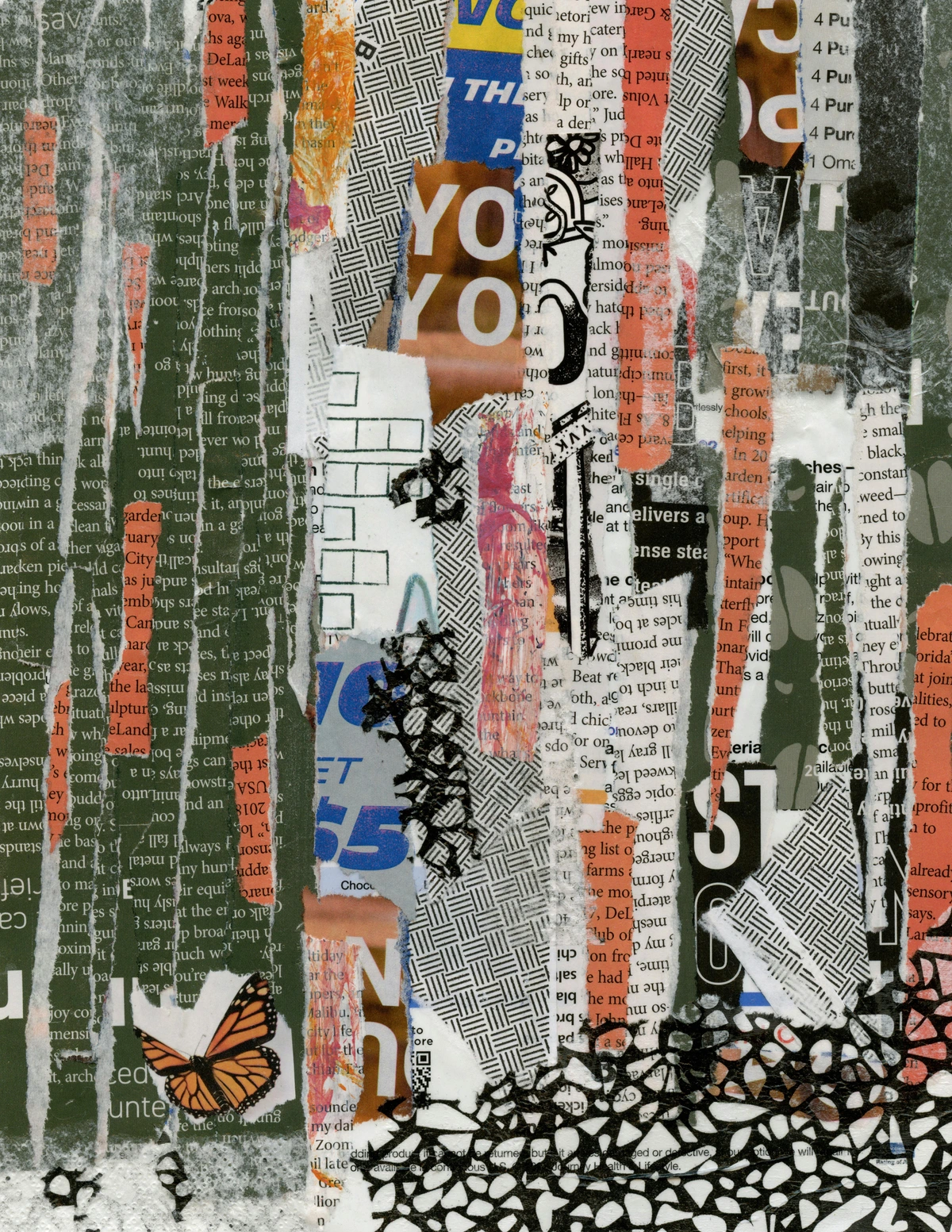
- Mixed Media: Combine different types of artwork, such as prints, paintings, and photographs.
- Interactive Elements: Add small shelves or ledges to display related objects, like stones or small sculptures.
Advanced Gallery Layouts:
- Fuji Journey Wall: Create a progression showing Fuji from different angles and seasons
- Vertical Cascade: Stack Fuji pieces of varying heights to mimic mountain elevation
- Focal Point Cluster: Group several smaller Fuji pieces around one large statement piece
- Seasonal Rotation: Design gallery walls where pieces can be easily swapped to match the current season
Here are some tips for advanced gallery layouts:
- Plan Ahead: Sketch out your layout before hanging the pieces.
- Use Templates: Create paper templates of your artwork to visualize the arrangement.
- Experiment: Don't be afraid to try different layouts until you find the perfect one.
DIY Mount Fuji Styling Project
Create a "Zen Corner" with this 3-step process:
- Choose the Space - Pick a naturally lit corner away from high traffic
- Layer Textures - Place a low bamboo table with a smooth stone beside your Fuji print
- Add Personal Elements - Include a small bonsai or incense burner to complete the meditation zone
This project costs less than $50 but creates a daily retreat ritual. I’ve seen clients start journaling in these corners—art inspiring action. That’s the magic when we stop treating art as decoration and start using it as life design.
Here are some additional ideas for your Zen Corner:
- Meditation Cushion: Add a comfortable cushion for meditation or reflection.
- Natural Sounds: Use a small fountain or a sound machine with nature sounds.
- Personal Touches: Include items that have personal significance, such as a favorite book or a meaningful object.
FAQ: Mount Fuji Art Decoration
Q: What size Mount Fuji art works best for small apartments?
A: 16x20 inches is perfect for cozy spaces. Larger pieces overwhelm small rooms while smaller ones get lost. Pro tip: Taller formats (vertical orientation) work better than wide ones in compact areas.
Q: How do I choose the right size for my specific room?
A: Measure your wall space and consider the room's layout. Use the 2/3 rule—your artwork should be about 2/3 the width of your furniture (sofa, bed, etc.). For wall space alone, aim for pieces that are 4/5 the width of your wall. A 20x24 Fuji print works well over a 60-inch sofa, while a 30x40 piece might be better for a 75-inch couch. When in doubt, cut out paper templates to visualize before committing!

A detailed mural of a woman's face integrated into a wall art design, showcasing creative interior decoration techniques and artistic wall panels. Ideal for modern wall decor inspiration.
Keywords: wall art mural, interior decor, artistic wall panels, wall art ideas, home decoration.](https://images.zenmuseum.com/article/decorating-large-walls-with-art/7790d1e0-eac2-11f0-b4b8-49b29ea43f10.jpg) credit, licence
Q: How do I determine the right size for my specific room?
A: Use the 2/3 rule—your artwork should be about 2/3 the width of your furniture (sofa, bed, etc.). For wall space alone, aim for pieces that are 4/5 the width of your wall. A 20x24 Fuji print works well over a 60-inch sofa, while a 30x40 piece might be better for a 75-inch couch. When in doubt, cut out paper templates to visualize before committing!
Q: Can I mix Mount Fuji art with other nature themes?
A: Absolutely! Mountain art pairs beautifully with cherry blossoms, bamboo forests, or ocean waves. The key is maintaining consistent style—minimalist pieces with other minimal works, abstracts with abstracts. Avoid mixing traditional woodblocks with contemporary digital prints unless you’re intentionally creating eclectic contrast.
 credit, licence
Q: How do I clean Mount Fuji artwork?
A: For prints, gently dust with a microfiber cloth. Canvas art should be spot-cleaned with damp cloth. Never spray cleaners directly on the artwork! For valuable originals, consult a professional conservator. Remember: these pieces are designed to withstand rain and snow—why not a little feather dusting?
Q: What lighting is best for Mount Fuji art?
A: The right lighting can make or break your Fuji display. Here's what works:
- Natural Light: East-facing windows provide soft morning light that doesn't fade prints
- LED Spotlights: Cool white LEDs (4000K-5000K) make traditional colors pop
- Picture Lights: Small dedicated lights that highlight just your artwork
- Indirect Lighting: Wall sconces that illuminate without glare
- Dimmable Systems: Allow you to adjust brightness for different moods
Avoid: Direct sunlight (fades colors), harsh fluorescent lighting (creates glare), and placing heat sources near artwork. The ideal setup is 50-100 lux of ambient light with optional accent lighting for dramatic effect.
Q: Where can I find unique Mount Fuji art?
A: Explore galleries specializing in Japanese contemporary art link
Check out our curated selection at the Den Bosch museum shop link

Q: What should I look for in quality Mount Fuji art?
A: Beyond the visual appeal, consider these quality indicators:
- Print Quality: Look for archival-grade paper (acid-free, 100% cotton) and pigment-based inks that resist fading for 100+ years
- Color Accuracy: Compare to known works—traditional Fuji should have specific blues, purples, and whites
- Craftsmanship: Hand-pulled prints show subtle variations that add character
- Artist Signature: Authentic pieces should have clear artist identification
- Condition: Check for yellowing, foxing, or damage
- Provenance: Documentation of origin and history adds value
- Edition Number: Limited editions (1/50, 2/50) are more valuable than open editions
Budget Guide: Small prints $25-$100, Quality reproductions $100-$500, Limited editions $500-$5000, Museum-quality originals $5000+





The View From Your Summit
Decorating with Mount Fuji art isn’t about recreating Japanese temples—it’s about creating personal oases in our busy lives. That one piece can transform a room from chaotic to calm, from ordinary to extraordinary. The mountain doesn’t change, yet it changes everyone who gazes upon it.
So pause. Consider what kind of energy you want to wake up to. What vista calms your mind when the world feels too loud. Then give that mountain a home—a space where it can remind you of stillness, strength, and all that lies beyond the daily grind. Because sometimes the most powerful decoration isn’t what you see on the walls, but the perspective it brings to life.
Here are some final thoughts to inspire your journey:
- Embrace the Journey: Let the process of decorating with Mount Fuji art be a journey of self-discovery and creativity.
- Create Your Sanctuary: Design a space that reflects your personality and brings you peace.
- Share the Experience: Invite friends and family to enjoy the tranquility and beauty of your Mount Fuji-inspired space.