
The Unseen Thread: How Islamic Art Quietly Shaped Western Design
Discover the profound, often hidden influence of Islamic art on Western design. A deep dive into the patterns, calligraphy, and philosophies that changed everything.

The Unseen Thread: How Islamic Art Quietly Shaped Western Design: An Ultimate Guide to Its Enduring Influence
Sometimes, I stumble upon an insight in art history that just reshapes everything I thought I knew, and honestly, those are the best kind of revelations. I remember standing in the Alhambra in Granada for the first time, utterly awestruck, and feeling that profound shift. It's a place that almost defies description – a palpable sense of peace, a whisper of mathematical perfection in every corner. Every surface is adorned with patterns that seem to stretch into infinity, dissolving and re-forming as you move. And the thought that struck me, the one I couldn't shake, was this deep, resonant sense of familiarity. Not because I’d been there before, but because echoes of that very aesthetic are scattered all over Western art, hiding in plain sight. It’s like finding a secret language embedded in the very fabric of our visual world, just waiting to be deciphered. This secret language has fundamentally, if quietly, influenced movements from Gothic architecture to the Arts & Crafts revival and even modern abstraction. When you start to see these connections, it's like a secret door opens in your understanding of art history, revealing a richer, more interconnected narrative than you ever imagined. So, join me as we embark on this historical deep-dive, exploring the profound impact of Islamic art on Western design, from architectural marvels to contemporary abstraction. This isn't just a casual stroll through history; it's a deep dive into a story of trade, of conquest, of shared intellectual pursuits, and ultimately, of the irresistible power of truly brilliant ideas that transcended their origins to reshape the visual world.
This guide aims to be the ultimate resource for understanding the profound cultural exchange between Islamic art and Western design, providing comprehensive insights into key movements, artistic techniques, and intellectual contributions that often go unrecognized. We often box art history into neat, separate compartments, don't we? The Renaissance flourishing here, the Baroque bustling there, and Islamic art existing somewhere else entirely, as if cultures operate in isolation. But I've found that’s just not how culture, or even just a truly brilliant idea, actually works. It's a messy, beautiful, ongoing conversation across borders and centuries, a constant exchange of innovations and influences. Today, I want to pull on one of those 'unseen threads' and show you just how profoundly the principles and innovations of Islamic art are woven into the tapestry of Western design. My goal is to equip you with the knowledge to spot these influences everywhere, transforming how you see the art and architecture around you. It's about looking beyond the familiar and discovering the hidden connections that make the story of art so much more vibrant and complex. To set the stage, let's first get a clear picture of the core characteristics that define this rich artistic tradition, setting the foundation for our journey into its enduring legacy on Western design, art, and even thought. By the end, you'll see the threads of Islamic influence everywhere, from grand cathedrals to modern abstract paintings, revealing a truly global and interconnected narrative of human creativity. It's about uncovering the subtle yet profound ways Islamic aesthetics have shaped our world, offering a fresh perspective on art history and the universal language of design.
Key Characteristics of Islamic Art: A Comprehensive Overview
Before we delve into its widespread influence, it's helpful to quickly familiarize ourselves with the foundational elements that distinguish Islamic art. These principles guided centuries of artistic creation and are the 'unseen threads' we'll be tracing throughout Western design.
Characteristic  | Description | Key Examples |
|---|---|---|
| Aniconism | Deliberate avoidance of figurative representation (especially human/animal) in religious contexts, redirecting creativity towards abstraction. | Mosque decoration, Qur'anic illumination |
| Geometric Patterns | Highly complex, interlocking designs (stars, polygons, tessellations) symbolizing infinity and divine order. | Girih tiles, Zellij mosaics, star polygons |
| Arabesque | Flowing, stylized vegetal motifs (vines, leaves, flowers) that endlessly interlace, representing nature's boundless growth and renewal. | Architectural friezes, manuscript borders, metalwork |
| Calligraphy | The written word transformed into art, with various scripts conveying spiritual and aesthetic meaning. | Qur'anic manuscripts, monumental inscriptions, ceramics |
| Muqarnas | Three-dimensional architectural elements resembling stalactites or honeycombs, creating complex light and shadow effects. | Dome transitions, iwans, entrances in the Alhambra |
| Water Features & Gardens | Geometrically arranged 'paradise gardens' with fountains and canals, symbolizing renewal and spiritual contemplation. | Chahar Bagh, Alhambra gardens, Moroccan Riads |
| Use of Light and Color | Strategic manipulation of light through architectural elements and vibrant color palettes to create immersive and spiritual spaces. | Stained glass, Iznik tiles, gilded interiors |
| Horror Vacui | A 'fear of empty spaces,' leading to dense, all-encompassing decoration where every surface is adorned. | Intricate tilework, stucco, manuscript borders |
| Integration of Art and Science | Deep connection between mathematical precision and artistic execution, particularly in geometry and architecture. | Astrolabes, complex tessellations, dome engineering |
This table provides a snapshot, but the beauty lies in the details, which we'll explore throughout this guide.
The Language of Islamic Art: What Are We Talking About?
Before we can truly spot the influence, we need to understand the source code. Unlike much of Western art, which has historically been centered on the human figure, traditional Islamic art is often profoundly abstract. This wasn't merely a stylistic preference; it was profoundly theological, rooted in the concept of aniconism (which we'll explore in more depth later in its dedicated section), a deliberate artistic choice to generally avoid detailed representations of living beings in religious contexts. This theological imperative channeled immense creativity into abstract forms, leading to a rich decorative density where every surface becomes a canvas for intricate design. It’s a fascinating pivot, shifting focus from the corporeal to the conceptual, inviting contemplation of the abstract essence of existence and fostering an artistic environment rich in symbolism and intellectual depth. This emphasis on abstraction also aligns with broader philosophical ideas about the divine being beyond human comprehension, making art a pathway to understanding universal order rather than replicating earthly forms. The philosophical underpinnings of this abstract approach also led to a unique aesthetic that valued pattern, repetition, and geometry over narrative depiction.
This rich visual language isn't just about beautiful forms; it's about conveying profound theological and philosophical concepts without relying on literal representation. It speaks to the infinite nature of God, the order of the cosmos, and the cyclical beauty of creation through its patterns and scripts. So, what are the key elements of this language?
- Geometric Patterns (Girih & Zellij): Ah, the big one. This is where Islamic art truly shines in its mathematical brilliance. We’re talking about incredibly complex, interlocking patterns of stars, polygons, and polyhedra that can be repeated endlessly across a surface. This concept, often called tessellation, is far more than just decoration; it’s a profound visual representation of the infinite, unchanging nature of God, and the underlying order of the universe. These patterns often employ principles of Euclidean geometry, utilizing rotations, reflections, and translations to create mesmerizing symmetries. In places like Persia and Central Asia, Girih (meaning 'knot' in Persian) patterns evolved into incredibly sophisticated frameworks using a set of five tiles to generate intricate star-and-polygon designs. These 'Girih tiles' are a remarkable innovation, allowing for quasi-crystalline patterns that were mathematically understood centuries before Western mathematicians explored similar concepts, anticipating modern concepts of aperiodic tiling. Meanwhile, in North Africa and Spain, Zellij is the name given to the vibrant, hand-cut geometric mosaic tiles that adorn everything from floors to fountains. Both forms are a visual meditation, a journey into mathematical perfection that requires meticulous precision and a deep understanding of geometry, often concealing the underlying mathematical grid from the casual observer. It’s an intellectual puzzle and a spiritual journey, all at once, inviting contemplation on the inherent order of the cosmos. The underlying mathematical algorithms for these patterns were incredibly advanced, demonstrating a deep integration of scientific inquiry and artistic practice, a testament to the belief that the divine order could be expressed through precise geometric forms. Beyond Girih and Zellij, other tessellation techniques, like knot patterns and star polygons, showcase an astounding level of precision and aesthetic variety, often incorporating complex symmetries like those seen in crystallographic groups. For more on the abstract language of shapes, you might find our article on the symbolism of geometric shapes in abstract art: a deeper look quite insightful. This systematic organization of forms is something Islamic art has excelled at for centuries, deeply influencing what is design in art across cultures, and providing a foundational understanding of understanding the elements of design in art: a comprehensive guide. For a broader view, consider the definitive guide to the history of abstract art: key movements, artists, and evolution.
- The Arabesque: Then there’s the arabesque – those flowing, vegetal patterns of stylized vines, leaves, and flowers that twist, turn, and interlace in rhythmic, organic curls. While plant motifs have existed in many cultures, dating back to Roman and Byzantine art, Islamic artists truly refined the arabesque into an unparalleled art form, abstracting natural elements until they became dynamic, non-representational compositions. This abstraction was a crucial step, moving from direct imitation of nature to a more conceptual representation of its underlying principles of growth and renewal. This wasn't just about decoration; the arabesque speaks to the endless beauty and bounty of creation, the cyclical nature of life, and the idea of an underlying, boundless growth and regeneration. You find these mesmerizing dances of lines, continuously unfolding and receding, adorning everything from architectural friezes and monumental walls to delicate manuscript illuminations and intricate metalwork. The repetition, growth, and transformation within the arabesque become metaphors for the divine order and the ever-renewing natural world. Think of it as a visual symphony, where each element, though distinct, contributes to an overarching harmony and rhythm that speaks to the infinite nature of creation. It's a profound visual expression of what Islamic philosophy often calls 'unity in diversity', showcasing the elegant fusion of organic forms with abstract principles. The development of different arabesque styles, from the more naturalistic to highly geometricized, further highlights the versatility and continuous innovation within this art form, often influencing European scrollwork and decorative motifs. Early arabesques, particularly those found in Umayyad architecture, often featured lush, naturalistic foliage, influenced by Hellenistic and Sasanian traditions. Over time, these became more stylized and less explicitly figural, eventually evolving into the intricate, interwoven patterns seen in later periods, such as the
Rumi(derived from the Seljuk Turks, often featuring animal forms within its intricate tendrils) andHatayi(inspired by Chinese floral motifs, showcasing delicate, stylized blossoms) styles in Ottoman art, showcasing a continuous artistic evolution and regional adaptations. This dynamic interplay between organic forms and abstract principles makes the arabesque a profound visual statement on the beauty and order of creation, a truly captivating contribution to the visual arts that transcends mere ornamentation. These patterns often feature a rhythmic quality that invites the eye to continuously trace their unfolding and interweaving lines, creating a sense of dynamic motion within a static design. It's a testament to the power of abstraction to convey complex spiritual and philosophical ideas, influencing not only decorative arts but also the conceptualization of space and form in architecture. The subtlety of its influence meant it was easily adopted and reinterpreted across cultures, becoming a foundational element in many decorative traditions, including those that eventually led to movements like Art Nouveau with its flowing, naturalistic lines. - Calligraphy: In a culture where the written word of the Qur'an is paramount, script itself transcends mere communication; it became the highest form of art, revered and meticulously developed. Imagine transforming sacred text into a visual marvel – that’s Islamic calligraphy. Scripts like Kufic, with its angular, monumental dignity and bold geometric forms, often used for early Qur'ans and monumental inscriptions, Naskh, known for its elegant, legible cursive flow, widely adopted for everyday writing and smaller Qur'ans, Thuluth, a grand, cursive script often used for monumental inscriptions, headings, and architectural ornamentation, and even the highly ornate Diwani, reserved for royal decrees and official documents, were not merely legible; they were designed for profound aesthetic and spiritual impact. Other significant styles include Muhaqqaq (a clear, strong cursive often used for large texts) and Maghrebi (a distinct Western Islamic script). These scripts often incorporated intricate ligatures and flourishes, transforming individual letters into complex and beautiful compositions. But it goes deeper: calligraphy wasn't just for illuminating manuscripts; it adorned everything from the monumental walls of mosques and mausoleums to the delicate surfaces of ceramics, metalwork, and textiles. Text became breathtakingly complex, often integrated seamlessly with geometric and arabesque patterns, turning words into powerful, often spiritual, designs. It’s a profound testament to the spiritual significance of the word made visible, literally. Some calligraphers even developed elaborate calligrams, where words or phrases were arranged to form visual images, often of animals or objects, adding another layer of artistic ingenuity and spiritual playfulness. This artistic reverence for the written word extended to all aspects of life, from formal documents to everyday objects, imbuing them with spiritual resonance and beauty. The role of the calligrapher was highly esteemed, often seen as a spiritual practitioner, and the tools—reeds, inks, papers—were crafted with immense care. If you're interested in exploring this beautiful art form yourself, you can find some fantastic resources on essential calligraphy supplies for beginners.
This isn't just about beautiful writing; it's about art that is simultaneously visual and textual, conveying meaning and beauty in one integrated form. It often makes me wonder, how much richness do we miss when we separate these things into neat little boxes? The mastery of calligraphy also extended to the meticulous art of illumination in manuscripts, where calligraphic text was framed and intertwined with intricate geometric and arabesque designs, often using gold and vibrant pigments. This blend transformed books into precious objects, emphasizing the sacredness of knowledge. This emphasis on the written word as a primary artistic medium profoundly influenced how text was perceived and used in Western art, particularly in early medieval manuscripts and later in decorative inscriptions, highlighting the universal human desire to imbue words with visual power. Calligraphy, in Islamic art, isn't just about conveying information; it's about elevating divine messages and philosophical insights into a realm of breathtaking aesthetic experience, making every stroke a meditation and every composition a journey. This deep reverence for the written word, made visible through exquisite artistry, stands as one of Islamic art's most profound and beautiful contributions, continually inspiring artists to explore the boundaries between text and image. It provided a powerful alternative to figurative art, channeling immense creative energy into abstract and textual forms, creating a unique visual language that speaks volumes without depicting living beings. Calligraphy, therefore, became a central pillar of Islamic artistic identity, demonstrating how profound meaning can be conveyed through the sheer elegance and complexity of form.
Aniconism: The Theological Imperative
I think it's crucial to properly understand aniconism – the deliberate artistic choice to generally avoid detailed representations of living beings, especially human figures, in religious contexts. This wasn't an arbitrary rule, but a profound theological principle rooted in the belief that creating such images could lead to idolatry, thus competing with God's unique domain as the ultimate creator. This constraint, far from limiting artistic expression, channeled immense creativity into abstract forms. It led to an explosion of geometric patterns, flowing arabesques, and intricate calligraphy, transforming what might be seen as a limitation into a unique and highly sophisticated visual language. The concept of horror vacui – a 'fear of empty spaces' – often drove artists to adorn every available surface with intricate designs, creating a rich decorative density that invited deep contemplation. It forced artists to contemplate deeper truths about the divine and the infinite, expressed through order, repetition, and boundless design. This theological underpinning not only shaped artistic content but also fostered an environment where abstract principles became paramount, leading to a sophisticated visual language capable of conveying profound spiritual concepts without literal representation. It's worth noting, however, that aniconism primarily applied to religious contexts like mosques and sacred texts. In secular settings, such as palaces, bathhouses, or scientific manuscripts, figurative art depicting human and animal forms was quite common, especially in Persian miniature painting, a vibrant tradition known for its exquisite detail and rich narratives. This distinction highlights the nuanced theological considerations at play, reminding us that 'Islamic art' itself is a vast and varied tradition, encompassing both sacred and profane. The channeling of creative energy into non-figurative forms for sacred spaces led to unparalleled mastery in geometric and calligraphic arts, demonstrating how a perceived limitation can become a catalyst for extraordinary innovation and profound artistic depth.

Muqarnas: The Stalactite Vaulting
And then there's muqarnas, often called 'stalactite vaulting' or 'honeycomb vaulting.' This incredible three-dimensional architectural element, formed by the intricate layering of small, concave forms, is a true feat of engineering and aesthetics. Resembling natural honeycombs or intricate stalactites, muqarnas creates a breathtaking play of light and shadow, transforming what might otherwise be a simple, structural transition between a wall and a dome into a celestial, dematerialized experience. Typically crafted from plaster, wood, or brick, and often richly decorated with paint and gilding, muqarnas can be found adorning mosque entrances, grand iwans (vaulted halls), and the undersides of domes. Its complex geometry and optical illusion offer yet another dimension to the sophisticated visual language of Islamic art, making solid structures appear to dissolve into light and pattern. Beyond just decoration, muqarnas often served structural purposes, efficiently transferring loads between different architectural elements. Imagine these complex honeycomb structures not just as stunning visual effects, but as sophisticated weight distributors, translating a square room into a round dome, or creating seamless transitions. They are a prime example of how Islamic architects seamlessly merged structural integrity with breathtaking aesthetic appeal, demonstrating a holistic approach to design that prioritizes both form and function. This integration of engineering, acoustics, and artistry is a profound testament to the integrated brilliance of Islamic design. The precise mathematical calculations involved in creating these intricate three-dimensional forms demonstrate a deep mastery of geometry and spatial understanding, a true fusion of art and science. You can marvel at their complexity in the Alhambra in Granada, the Abbasid Palace in Baghdad, the Shah Mosque in Isfahan, or even in later Ottoman structures like the Süleymaniye Mosque in Istanbul. They truly elevate structural elements into dematerialized, almost celestial experiences, creating a sense of wonder and awe. Beyond their visual appeal, muqarnas can also contribute to the acoustics of a space, diffusing sound in a way that enhances the call to prayer or other oral traditions, adding another layer of sensory richness to the architectural experience. Their ability to transition between different architectural forms, like a square room to a round dome, is a testament to their sophisticated engineering and profound aesthetic impact. Often richly painted and gilded, they create a dazzling, ethereal effect, blurring the lines between solid structure and ephemeral light. This architectural innovation represents a remarkable fusion of mathematical precision, structural ingenuity, and artistic vision, making them one of the most distinctive and influential contributions of Islamic architecture to global design history.
Gardens and Water Features: Paradises on Earth
I find it fascinating to consider how Islamic garden design itself, with its emphasis on geometric layouts, cooling water features, and fragrant plants, profoundly influenced European landscaping. From the paradisiacal gardens of the Alhambra to the intricate courtyards of Moroccan riads, these spaces were designed as earthly reflections of paradise, offering sensory delight and spiritual contemplation. The concept of the chahar bagh (Persian for 'four gardens'), a four-part garden layout with water channels dividing it into quadrants, became a highly influential archetype, spreading from Persia across the Islamic world and beyond. The use of fountains, reflecting pools, and sophisticated irrigation channels, often geometrically arranged and sometimes featuring intricate ceramic tiling, found its way into Renaissance and Baroque gardens across Europe, particularly in Spain (like the Alcázar gardens in Seville, with their clear Moorish heritage) and Italy (such as the Villa d'Este, with its dramatic water organs and tiered fountains), reshaping ideas of landscape architecture and outdoor living. It's a reminder that influence isn't just about buildings or objects; it's about environments and experiences, a complete sensory and spiritual landscape. The underlying philosophical concept of the garden as a symbol of paradise, with its four rivers of water, milk, wine, and honey, adds a profound spiritual dimension to these meticulously planned spaces, a concept that was subtly translated and reinterpreted in European contexts. The specific plants chosen, such as citrus trees, roses, jasmine, and cypresses, were not only fragrant and beautiful but also held symbolic significance, often representing abundance, purity, and renewal. The soothing sound of flowing water was also a deliberate design element, intended to create a tranquil and meditative atmosphere, deeply influencing later European landscape design. These gardens were truly integrated works of art, blending horticulture, architecture, and spiritual contemplation, creating miniature paradises designed for both physical comfort and spiritual reflection. The systematic organization of these spaces, often reflecting cosmological principles, also contributed to a sense of order and serenity that was highly valued. It's a testament to how even natural spaces can be transformed into profound artistic statements, designed not just for aesthetic pleasure but for deep contemplation and spiritual solace, a legacy that continues to shape our understanding of harmonious living with nature.

From the precise geometry of the pathways to the reflective surfaces of the pools, every element in an Islamic garden was carefully considered to create a sense of harmony and escape. This tradition of intricate landscape design, deeply rooted in both practical and spiritual considerations, has left an indelible mark on garden architecture worldwide, offering a blueprint for creating spaces that are both beautiful and deeply meaningful. The idea of the garden as an ordered microcosm of the universe, offering respite and spiritual nourishment, became a powerful archetype that resonated across cultures, leading to its widespread adoption and reinterpretation in diverse European contexts, showcasing a truly global exchange of aesthetic and philosophical ideas.
The Pathways of Influence: How Did It Get Here?
Ideas don't just magically appear. They travel on the back of trade caravans, in the minds of scholars, and even as the spoils of war. The aesthetic principles of the Islamic world, brimming with innovation and beauty, seeped into Europe through several key hotspots. It was a complex, multi-directional flow, demonstrating how deeply interconnected our cultures have always been, despite political or religious divides. This wasn't merely absorption; it was a dynamic process of adaptation, interpretation, and ultimately, integration. Think of it as a grand cultural conversation, where ideas were exchanged, transformed, and given new life. This rich exchange highlights the role of art in diplomacy and cultural exchange throughout history. The exchange was facilitated by a range of factors, from diplomatic missions and scholarly translations to the movement of artisans and traders across vast networks, creating a truly global marketplace of ideas and styles. These pathways demonstrate a profound historical interconnectedness, showing how ideas, people, and objects continuously crossed geographical and cultural boundaries.
Region/Pathway | Key Period | Major Contributions | Examples |
|---|---|---|---|
| Al-Andalus (Islamic Spain) | 8th - 15th Century | Architectural styles (the iconic horseshoe arch, intricate stucco, dazzling tilework known as azulejos, and the distinctive Mudejar style combining Islamic and Christian elements, characterized by its elaborate brickwork, plasterwork, and woodwork, often featuring intricate geometric and arabesque patterns), sophisticated water features and hydraulic engineering, exquisite garden design (e.g., chahar bagh inspired layouts), and unparalleled intellectual cross-pollination. Translators working in centers like Toledo made vast Islamic scholarship in philosophy, astronomy, and mathematics accessible to Europe, profoundly influencing early European universities and the Renaissance, particularly through figures like Averroes (Ibn Rushd) and Maimonides, who integrated Aristotelian thought with Islamic theology and translated numerous Greek and Arabic scientific texts. Beyond iconic arches and tilework, Al-Andalus also introduced sophisticated ventilation systems, intricate courtyard designs, and advanced agricultural techniques, enhancing comfort, aesthetic appeal, and daily life, and providing blueprints for later European domestic and palatial architecture. The Mihrab (prayer niche) of the Great Mosque of Córdoba, with its horseshoe arch and dazzling mosaics, stands as a testament to the artistic and architectural brilliance of the region. | The Alhambra (Granada), Great Mosque of Córdoba, Alcázar of Seville, Madinat al-Zahra, Giralda of Seville. |
| Sicily (Arabo-Norman Kingdom) | 9th - 12th Century | A truly unique synthesis of Norman, Byzantine, and Arab styles, creating a distinct Arabo-Norman architectural vocabulary. This includes brilliant gold mosaics (often incorporating Byzantine techniques with Islamic patterns), elaborate wooden ceilings (often muqarnas-inspired and using intricate intarsia or inlaid wood techniques, where different colored woods are fitted together, creating stunning geometric or calligraphic designs), intricate latticework (e.g., mashrabiya-like screens), and the early adoption of the pointed arch and sophisticated vaulting systems. This fusion was fostered by remarkable cultural tolerance under Norman rule, with artisans from all three traditions contributing to magnificent, syncretic art forms, reflecting a period of intense cultural exchange. Beyond architecture, Sicilian decorative arts, including textiles, ceramics, and metalwork, also showcased this remarkable blend of influences, with intricate Islamic patterns appearing on Christian vestments, ceremonial objects, and domestic wares, demonstrating a seamless integration of aesthetic vocabularies. The ceiling of the Cappella Palatina, with its elaborate muqarnas and painted scenes, is a prime example of this unique fusion. | Cappella Palatina (Palermo), Monreale Cathedral, La Zisa Palace, San Giovanni degli Eremiti, Cefalù Cathedral. |
| Venice & Italian City-States (Trade Routes) | 10th - 16th Century | Became a primary conduit for luxury goods (sumptuous silks, vibrant carpets, exquisite glass, intricate ceramics, refined metalwork) and the aesthetic principles embedded within them. This vibrant exchange, often facilitated by extensive trade networks with the Mamluk Sultanate and the Ottoman Empire, led to the adoption of ogival arches (a slightly pointed arch) in Venetian Gothic architecture, intricate window tracery, and decorative motifs incorporating stylized geometric and calligraphic elements, subtly reshaping Venetian aesthetics and inspiring local artisans, particularly in the glass and textile industries. This trade also introduced new pigments and dyeing techniques that enriched the European color palette, expanding the artistic possibilities for European workshops and influencing fresco painting. Venice became a hub for the re-export of these coveted goods, driving European demand and accelerating the integration of Islamic aesthetic principles into Western design, especially influencing manuscript illumination and bookbinding with new decorative techniques like gold tooling (a technique perfected in the Islamic world). The distinct Venetian palazzi often featured facades adorned with geometric patterns and cusped arches that clearly echoed Mamluk and Byzantine architectural elements, demonstrating a direct artistic lineage. | Doge's Palace, Ca' d'Oro, Fondaco dei Turchi, early Venetian glassware and textiles, Murano glass, Venetian brocades. |
| The Crusades & Eastern Mediterranean | 11th - 13th Century | While often seen as purely conflict-driven, the Crusades also facilitated significant, albeit often unintentional, cultural exchange. Crusaders returned with Islamic textiles, metalwork (such as elaborate damascened weapons and intricately engraved vessels, including aquamaniles), ceramics, and a fascination for Middle Eastern aesthetic principles, which they incorporated into their own artistic traditions. They also brought back invaluable scientific, medical, and military knowledge (e.g., the sophisticated defensive strategies seen in concentric castles like Krak des Chevaliers and pilgrim castles like Ajloun were influenced by Syrian fortifications and Byzantine military architecture), influencing European scholarship and castle design. The transfer of medical texts and practices, particularly in pharmacology, surgery, and hygiene, was also significant, contributing to the development of European medicine and the establishment of early hospitals. This exchange also saw the introduction of new materials, agricultural techniques (like sugar cane cultivation), and manufacturing processes, accelerating European artisanal development and taste for exotic goods. | Heraldic designs, early adoption of the pointed arch in some Crusader castles (e.g., Krak des Chevaliers), influence on European luxury goods, military architecture, and even courtly dress with new fabrics and styles. |
| Ottoman Empire's Reach (Southeastern Europe) | 14th - 19th Century | Direct architectural and decorative influence on regions under Ottoman rule, including mosque and bridge construction, ceramic tiles (especially the famed Iznik tiles with their vibrant floral and calligraphic designs, admired for their sophisticated color palette, particularly the distinctive Armenian Bole red, and durable glazes), textile patterns (e.g., carpets, silks, embroideries), and bathhouse (hammam) designs. The coffee culture and associated decorative arts (e.g., elaborate coffee sets, inlaid furniture, intricately carved wooden elements), along with musical traditions and culinary practices, also spread, creating a distinct Ottoman-European aesthetic, seen in everything from domestic interiors to public fountains. The intricate designs of Ottoman bridges, like the Stari Most in Mostar, and the grand aesthetics of hammams (bathhouses) with their domes and star-shaped openings, further demonstrate this pervasive architectural and cultural influence. Ottoman miniatures and calligraphy also made their way into European collections, influencing book arts. | Mosques in the Balkans (e.g., Sofia, Mostar, Skopje), Iznik tilework in architecture, textiles, and applied arts, Topkapi Palace collections, Suleymaniye Mosque. |
Beyond trade and conquest, let’s not forget the power of the pen and parchment. The Islamic Golden Age saw an unparalleled flourishing of intellectual inquiry, with centers like Baghdad, Córdoba, and Cairo becoming beacons of learning. Scholars meticulously translated and preserved ancient Greek and Roman texts, often from Greek into Arabic and then into Latin, adding their own groundbreaking contributions in mathematics, astronomy, medicine, and philosophy. This extensive translation movement, often taking place in grand libraries such as the House of Wisdom in Baghdad, provided the critical foundation for the European Renaissance. These intellectual currents flowed into Europe through places like Al-Andalus and Sicily, directly influencing figures like Thomas Aquinas (whose scholasticism was deeply impacted by Averroes) and laying the groundwork for the scientific revolution. This wasn't just about preserving knowledge; it was about integrating new ideas, new ways of thinking, which inevitably shaped artistic perspectives and capabilities. It’s fascinating, isn't it? I find it so compelling that while history books often spotlight the conflicts, the grand narratives of empires clashing, there was always this incredible, persistent undercurrent of cultural and artistic exchange happening the entire time. Art, it seems, has a way of transcending political boundaries, quietly borrowing and adapting the beautiful ideas it encounters. This rich intermingling of cultures and knowledge is a powerful reminder of our shared human story. It also laid foundational elements for later the influence of Byzantine art on Renaissance painting. This sustained intellectual and artistic exchange underscores how the Islamic world was not just a recipient of ancient knowledge, but a dynamic innovator and crucial conduit for transmitting and enriching ideas that profoundly shaped European civilization.
The Silk Road: An Ancient Superhighway of Ideas
When we talk about pathways of influence, we absolutely cannot overlook the Silk Road. For centuries, this network of trade routes wasn't just about silk and spices; it was an ancient superhighway for ideas, technologies, and artistic styles. Islamic art, at the crossroads of these routes, absorbed and synthesized influences from East and West, and in turn, disseminated its own innovations across vast distances. Imagine textiles with intricate patterns traveling from Persia to Byzantium, or ceramic techniques moving from China through Central Asia and the Middle East before reaching Europe. This constant flow meant that geometric principles, arabesque motifs, and a general appreciation for abstract ornamentation spread far beyond the immediate Islamic world, subtly influencing everything from Byzantine mosaics to early European decorative arts, particularly in regions that had direct contact with Islamic empires or extensive trade relationships. The portable nature of many luxury goods, such as textiles and ceramics, made them ideal carriers of these aesthetic trends. It was a true melting pot of creativity, showcasing the fluidity of artistic ideas across vast geographical and cultural divides. This extensive network also facilitated the spread of pigments and dyes, contributing to the vibrant color palettes seen in medieval European art, and introduced new manufacturing techniques for luxury goods like silk and porcelain, alongside advancements in papermaking and glassblowing. The Silk Road wasn't just a route for goods; it was a conduit for cultural diffusion, where artisans, scholars, and ideas mingled, creating a syncretic artistic language that transcended geographical boundaries. The exchange of designs and motifs through the Silk Road is a powerful reminder that art has always been a global conversation, a continuous process of borrowing, adapting, and reinterpreting ideas across diverse cultures. It's a testament to the enduring human fascination with beauty and innovation, and how these concepts travel far beyond their points of origin, shaping artistic traditions across continents.
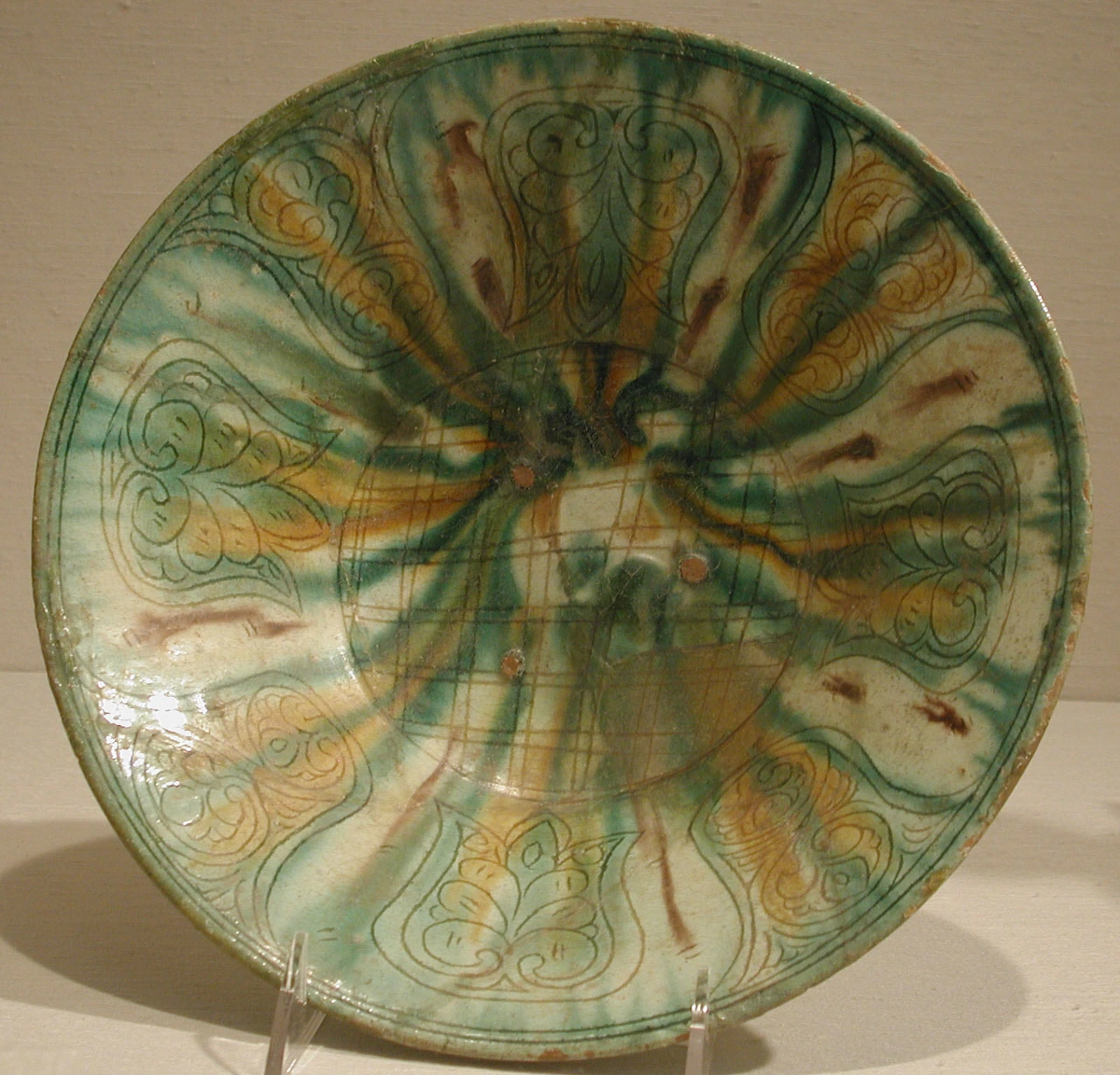
This continuous flow of ideas and aesthetics, facilitated by centuries of trade and cultural exchange, laid the groundwork for a truly interconnected global art history, demonstrating that artistic innovations rarely occur in isolation. The Silk Road wasn't merely an economic artery; it was a cultural bloodstream, nourishing artistic developments from East to West and back again, ensuring that the 'unseen threads' of Islamic art were woven into a much larger tapestry of global design.

Spotting the Influence: From Gothic Cathedrals to Modern Art
Once you know what to look for, you start seeing it everywhere. The influence isn't always a direct copy, not a blatant reproduction; it's more like a subtle flavor that enhances the final dish, a foundational principle that reshapes how we approach design. From monumental architecture to the smallest decorative object, the 'unseen thread' of Islamic art weaves through Western creativity, often hiding in plain sight.
In Architecture
The most surprising place for me, perhaps, was Gothic architecture. I mean, we think of it as quintessentially European, a definitive statement of medieval Christian ingenuity. But when you dig a little, you find some of its most defining features have clear roots in the Middle East. The pointed arch, a true hallmark of Gothic cathedrals like Notre Dame or Canterbury, was being employed in Islamic architecture, especially in Egypt and Syria, centuries earlier (think the Mosque of Ibn Tulun in Cairo, 9th century, or the Dome of the Rock in Jerusalem, 7th century). It wasn't just an aesthetic choice; it was a profound engineering advantage, allowing for greater structural stability and the construction of taller, lighter walls. Unlike the rounded Roman arch, the pointed arch distributes weight more efficiently outwards and downwards, allowing for lighter walls, greater height, and more flexibility in design. This innovation directly enabled those soaring ceilings, massive stained-glass windows, and skeletal structures we associate with the Gothic style, effectively transforming the very ambition of European architecture. It allowed architects to push stone higher, to let light flood in, and to create a sense of ethereal grandeur that truly feels divine. The pointed arch, by reducing lateral thrust more effectively than a rounded arch, allowed for thinner walls and the incorporation of larger window openings. This technical advancement, often combined with the emerging flying buttress system, truly revolutionized structural engineering and aesthetics, reshaping the spiritual aspirations of European cathedrals, from the Abbey Church of Saint-Denis (often considered the first Gothic structure) to Notre Dame. It wasn't just an aesthetic choice; it was a profound technical advancement that literally reshaped the spiritual aspirations of European cathedrals, allowing for architectural marvels that previously seemed impossible. This interplay of form and function, so central to Islamic design, found a new home in the heart of Europe. The adoption of the pointed arch was a game-changer, allowing for the skeletal structure of Gothic cathedrals to emerge, emphasizing verticality and light in a way that had been impossible with previous architectural forms. It profoundly reshaped the spiritual aspirations embedded within Christian architecture. This shift also laid groundwork for new ideas in definitive guide to perspective in art. The early adoption of the pointed arch in Islamic architecture, particularly its structural efficiency, provided a clear precedent and a powerful conceptual tool for European builders seeking to achieve greater height and openness in their sacred spaces. It’s a compelling example of how architectural innovation, regardless of its origin, can transcend cultural boundaries to reshape the built environment and its symbolic meaning. The revolutionary structural principles of the pointed arch, far from being a mere aesthetic choice, were a direct engineering solution that unlocked new possibilities for scale and luminosity in monumental architecture, forever changing the Western skyline.
Domes, Vaulting, and Decorative Elements
Beyond the pointed arch, you can see echoes in elements like ribbed vaults and even the intricate rose windows that became iconic of Gothic cathedrals. While not a direct copy, the Islamic world’s mastery of complex vaulting systems and geometric fenestration (window design) undoubtedly offered conceptual blueprints for European builders. Think of the complex interweaving ribs in structures like the Great Mosque of Córdoba, which predate similar developments in European cathedrals such as Durham Cathedral. Or consider the sophisticated geometric patterns and radial symmetry found in Islamic window grilles, which may have influenced the elaborate tracery and design of stunning Gothic rose windows like those at Chartres Cathedral, transforming light into a kaleidoscope of colors. This fascination with geometric fenestration (window design) allowed for the creation of intricate light effects that were both aesthetically dazzling and symbolically profound, echoing the abstract contemplation found in Islamic patterns. Consider also the use of intricate stucco work and colored tile, or azulejos, in places like Al-Andalus. This decorative richness, with its emphasis on pattern and texture, found its way into European palaces and churches, transforming simple surfaces into visual feasts, adding layers of intricate detail. Even the structural elegance of Byzantine and Islamic domes, though different in construction, likely inspired European architects contemplating grand ceiling designs, eventually leading to masterpieces like Brunelleschi's dome for Florence Cathedral. This cross-cultural dialogue of structural innovation demonstrates how architectural challenges spurred creative solutions that transcended geographical and religious boundaries. For example, while European domes often relied on scaffolding and wooden centering, Islamic architects often employed techniques like squinch arches or pendentives to transition from a square base to a circular dome, showcasing an engineering sophistication that was closely observed and adapted. The extensive use of ogee arches and cusped arches in Islamic architecture also found their way into various European styles, adding a distinctive decorative flair. This exchange demonstrates a clear lineage of architectural ingenuity and decorative sophistication, emphasizing how architectural solutions and decorative principles transcended cultural divides to achieve new heights of artistic expression. The influence extended beyond structural forms to surface decoration, where elaborate mosaics and frescoes, particularly in Byzantine-influenced areas, blended seamlessly with geometric and floral motifs from Islamic art, creating a rich visual tapestry. This fusion of decorative elements on monumental surfaces provided a blueprint for later European architectural embellishment, fostering an appreciation for intricate detail and vibrant color that became characteristic of many Renaissance and Baroque interiors.
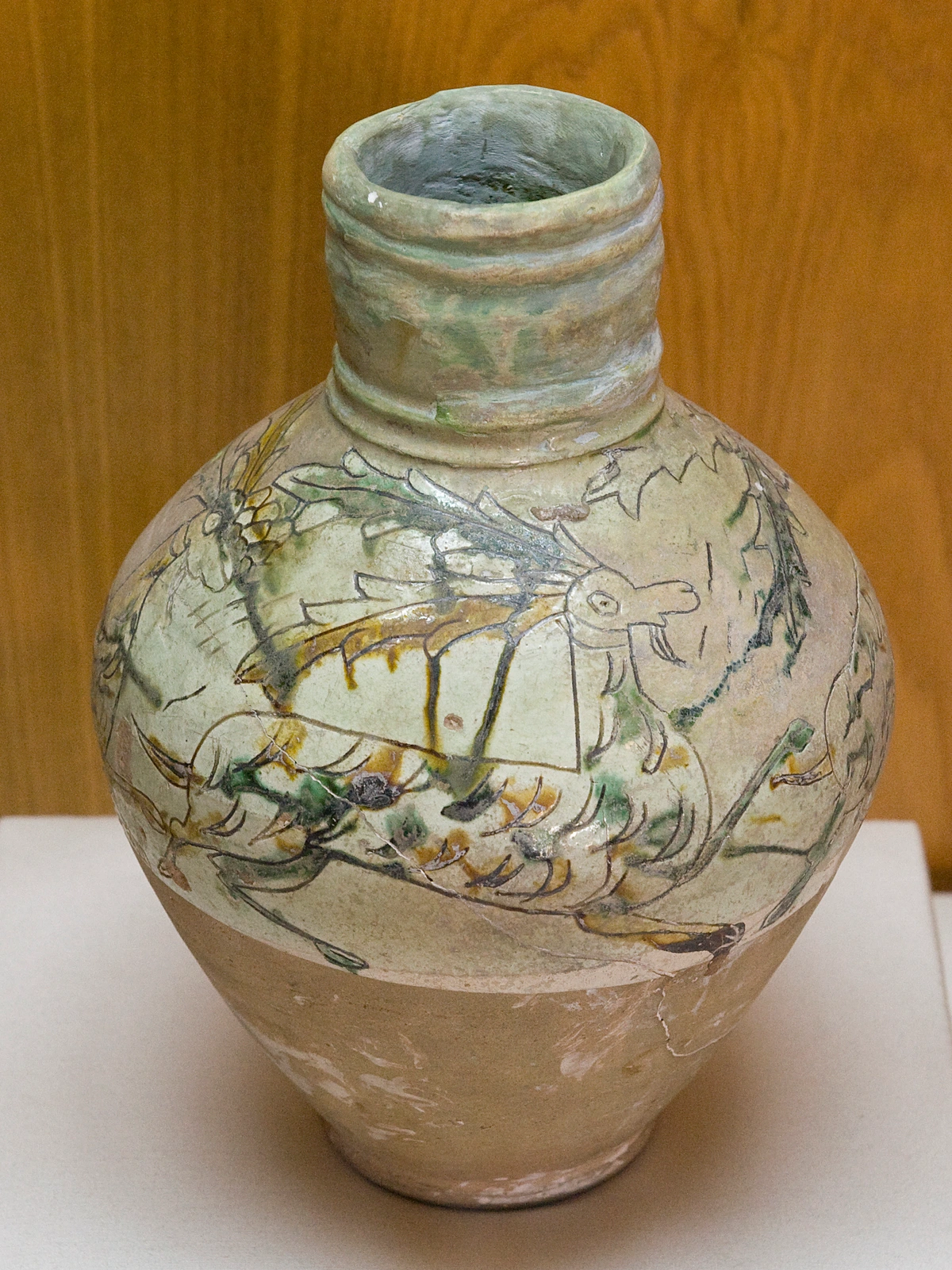
The intricate craftsmanship and sophisticated design principles seen in Islamic domes and vaults offered more than just aesthetic inspiration; they provided tangible models of structural efficiency and visual grandeur that profoundly shaped the aspirations and capabilities of European architects for centuries. This continuous dialogue between different architectural traditions underscores the universal pursuit of both beauty and engineering excellence. For example, while European domes often relied on scaffolding and wooden centering, Islamic architects often employed techniques like squinch arches or pendentives to transition from a square base to a circular dome, showcasing an engineering sophistication that was closely observed and adapted. The extensive use of ogee arches and cusped arches in Islamic architecture also found their way into various European styles, adding a distinctive decorative flair. This exchange demonstrates a clear lineage of architectural ingenuity and decorative sophistication, emphasizing how architectural solutions and decorative principles transcended cultural divides to achieve new heights of artistic expression. The influence extended beyond structural forms to surface decoration, where elaborate mosaics and frescoes, particularly in Byzantine-influenced areas, blended seamlessly with geometric and floral motifs from Islamic art, creating a rich visual tapestry. This fusion of decorative elements on monumental surfaces provided a blueprint for later European architectural embellishment, fostering an appreciation for intricate detail and vibrant color that became characteristic of many Renaissance and Baroque interiors.
In the Decorative Arts
This is where the influence is often most obvious and undeniable. European artisans, faced with the undeniable sophistication and beauty of goods coming from the Islamic world, were often desperate to replicate, or at least emulate, their techniques and aesthetic principles. This demand for 'Eastern' luxury goods fueled a vibrant exchange that fundamentally reshaped European decorative arts.
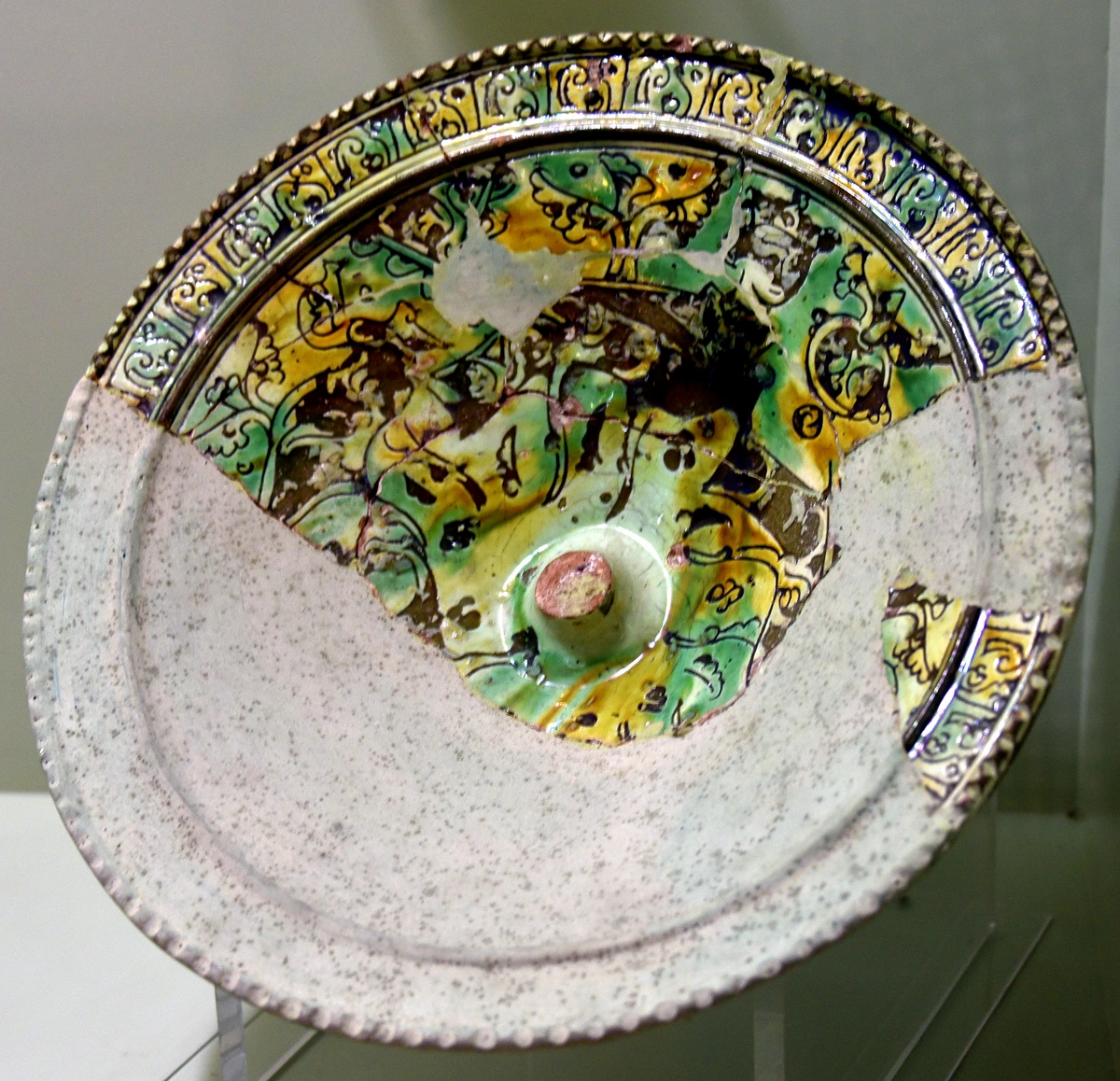
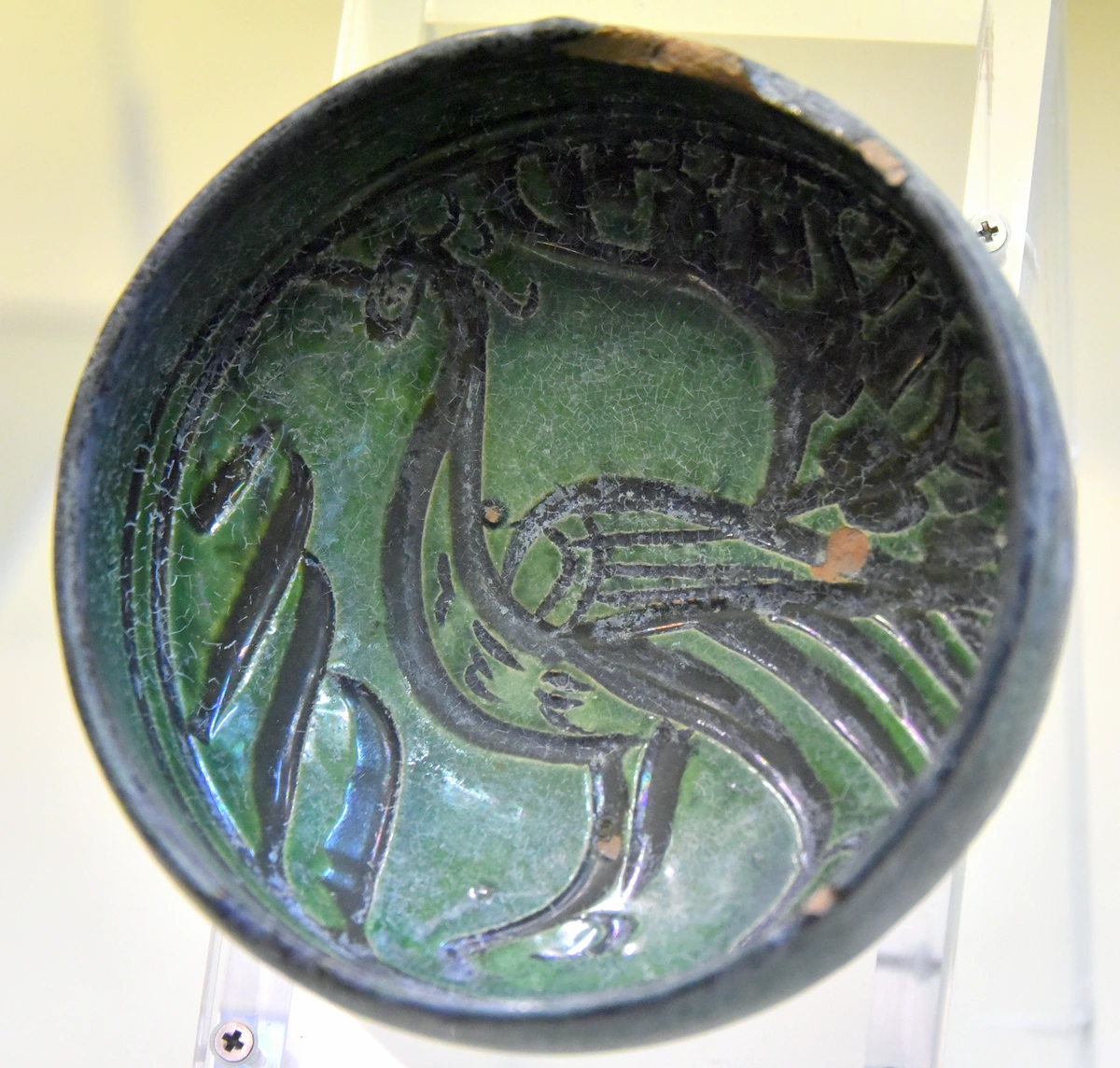
- Ceramics: This is where the cultural exchange really becomes vibrant. Spanish potters in the Middle Ages, particularly in regions like Valencia and Málaga, eagerly adopted a technique called lustreware. This intricate process involved applying a metallic glaze that, when fired in a reduction kiln, gave ceramics a dazzling, iridescent sheen—a technique first perfected in Persia and Iraq during the Abbasid period and later developed in Fatimid Egypt. These Hispano-Moresque wares, often featuring calligraphic and geometric motifs, as well as stylized animals and vegetal forms, were so highly prized they became luxury exports across Europe, signalling wealth and sophisticated taste. I mean, who wouldn't want a plate that shimmers like gold? We also see the influence in the widespread adoption of tin-glazed earthenware, or maiolica, in Italy, a technique whose roots can be traced directly back to Islamic ceramic traditions via Spain (where it was known as
faienceortalavera). This technique, involving a white opaque glaze that provided a perfect canvas for colorful decoration, revolutionized European pottery, leading to the vibrant artistic output of Renaissance Italy. This technology later evolved into distinct European traditions likeDelftwarein Holland, which became famous for its blue and white designs, andRhenish stoneware. And let's not forget the incredibleIznik wareof the Ottoman Empire, with its vibrant blues (particularlyArmenian Bolered), greens, and purples, which inspired countless European imitations, often found in luxury porcelain collections and influencing the development of European ceramic factories like those in Italy and France. The mastery of glazes and firing techniques in the Islamic world, including the use of lead and alkaline glazes for their brilliant colors and durability, set new standards for ceramic production globally. The specific use of cobalt for vibrant blues and copper for iridescent greens became hallmarks of Islamic ceramic production, techniques later emulated in European workshops. For a hands-on perspective, consider exploring introduction to ceramics: history, techniques, and contemporary practice.

This vibrant cross-cultural exchange in ceramics wasn't just about importing finished goods; it was about the transfer of technical knowledge, artistic motifs, and a profound appreciation for decorative richness. From the intricate patterns of Mamluk ceramics to the lusterware of Abbasid Iraq, the innovations coming out of the Islamic world fundamentally reshaped European pottery, elevating it from utilitarian craft to sophisticated art form. The durability, color intensity, and intricate designs of Islamic ceramics set new benchmarks for quality and aesthetic appeal, inspiring generations of European potters and artists to experiment with new techniques and forms, ultimately contributing to the diverse and rich tradition of European decorative arts. From the intricate patterns of Mamluk ceramics to the lusterware of Abbasid Iraq, the innovations coming out of the Islamic world fundamentally reshaped European pottery, elevating it from utilitarian craft to sophisticated art form. The mastery of glazes and firing techniques in the Islamic world, including the use of lead and alkaline glazes for their brilliant colors and durability, set new standards for ceramic production globally. The specific use of cobalt for vibrant blues and copper for iridescent greens became hallmarks of Islamic ceramic production, techniques later emulated in European workshops. For a hands-on perspective, consider exploring introduction to ceramics: history, techniques, and contemporary practice.
- Textiles: Oh, the fabrics! Words we still use today, like 'damask' (from Damascus), 'muslin' (from Mosul), and 'satin' (ultimately from Chinese through Arabic), all point directly to the origins of these luxurious, finely woven fabrics. Islamic textiles were renowned for their vibrant colors, intricate patterns, and superior craftsmanship. From elaborate Persian carpets, known for their sophisticated knotting techniques (e.g., asymmetrical Persian knot) and rich symbolic motifs (like the iconic
botehor paisley design,gulmedallions, andmihrabprayer niches), to the sumptuous silks of Byzantium (which itself had been influenced by Islamic artistic conventions), these fabrics – often featuring complex geometric repeats, lush arabesques, stylized animal forms (often within medallions or heraldic arrangements), and even calligraphic elements – were wildly popular and heavily imitated across Europe. These textiles introduced sophisticated dyeing methods (e.g., indigo, madder, cochineal) and a rich color palette, contributing significantly to European fashion and interior design. They weren't just functional; they were potent status symbols, adorning royalty, enriching church vestments, and decorating aristocratic homes, embodying both warmth and prestige. We even see the influence in early European heraldry, where certain stylized motifs echoed Middle Eastern forms. It’s a vivid example of how aesthetic trends follow trade routes as surely as goods themselves. The impact extended to tapestry weaving and embroidery, with motifs and techniques enriching European ateliers. The introduction of new weaving techniques, such as the draw loom (for creating complex patterns), also significantly advanced textile production in Europe, allowing for more complex patterns and finer fabrics. Beyond geometric and arabesque designs, symbolic motifs like thetree of life, hunting scenes, and mythical creatures (often stylized) also found their way into European textiles, carrying with them a rich tapestry of cultural narratives and aesthetic preferences. The intricate brocades and velvets of Islamic lands, with their shimmering surfaces and tactile richness, further solidified this profound influence. The exceptional quality and artistry of Islamic textiles, ranging from the intricateKilimrugs of Anatolia to the opulentSafavid silksof Persia, set a global standard for luxury goods. These textiles not only clothed the wealthy and adorned their homes but also served as portable artworks, disseminating aesthetic trends and technical innovations across vast distances. The adoption of new motifs and weaving technologies fundamentally transformed European textile production, laying the groundwork for later innovations in tapestry, embroidery, and fashion, showcasing a continuous and dynamic exchange of artistic ideas. It’s a compelling narrative of how functional objects became powerful carriers of cultural influence. Specific contributions include advanced weaving techniques like the draw loom, new dyeing methods using indigo, madder, and cochineal, and the widespread adoption of motifs such as theboteh(paisley),gulmedallions, and stylized floral and animal forms, which found their way into European heraldry and courtly dress.
Metalwork and Jewelry
Another dazzling area of influence lies in metalwork and jewelry. Islamic artisans excelled in techniques like damascening (inlaying different metals, typically gold or silver, into a base metal to create intricate patterns, often seen on exquisite sword hilts, armor, and elaborate vessels), niello (a black metallic alloy used to fill engraved designs, creating stark contrasts), repoussé (hammering from the reverse to create a design in relief, often for monumental pieces or intricate bowls), and sophisticated filigree (delicate, lace-like work using fine wires, frequently incorporated into jewelry and small decorative objects). These skills, often applied to luxury items such as boxes, ewers, censers, lamp stands, and even highly precise scientific instruments like astrolabes (which were themselves often intricately decorated works of art, combining scientific accuracy with aesthetic beauty), resulted in objects of incredible beauty and precision. European metalworkers, especially in Venice and Sicily, eagerly adopted these techniques, incorporating intricate geometric and calligraphic motifs into their own creations. The elaborate ornamentation of Islamic metalwork, with its fine detail and rich surface treatment, set a new standard for luxury goods in the West, transforming utilitarian objects into prized possessions and works of art. The sophisticated ornamentation and technical prowess demonstrated in Islamic metalwork had a profound impact on the decorative arts in the West, particularly during the medieval and Renaissance periods, adding a layer of exotic refinement to European tastes and stimulating local production. Imagine holding an astrolabe, a marvel of engineering and art, covered in intricate Islamic patterns – it embodies this fusion perfectly. These exquisitely crafted instruments were not merely functional tools for astronomy and navigation; they were often miniature works of art, adorned with fine engravings, calligraphy, and geometric designs, demonstrating the seamless integration of scientific precision and aesthetic beauty in Islamic culture. Examples such as intricately decorated ewers (water pitchers), censers, and ornate weaponry further highlight how Islamic metalworkers transformed utilitarian objects into exquisite works of art, setting a standard for luxury and craftsmanship that captivated European markets, influencing heraldry and ceremonial objects. The intricate interlocking patterns and calligraphic inscriptions seen on these metal objects inspired European artisans to adopt similar decorative vocabularies, particularly in ecclesiastical art and ceremonial objects. The introduction of these advanced metalworking techniques led to a flourishing of luxury goods production in Europe, enriching the courts and cathedrals with objects of unprecedented artistry and technical sophistication. This cross-cultural fertilization in metalwork truly showcases how artistic excellence transcends geographical and religious boundaries, leading to a richer global heritage. Imagine holding an astrolabe, a marvel of engineering and art, covered in intricate Islamic patterns – it embodies this fusion perfectly. These exquisitely crafted instruments were not merely functional tools for astronomy and navigation; they were often miniature works of art, adorned with fine engravings, calligraphy, and geometric designs, demonstrating the seamless integration of scientific precision and aesthetic beauty in Islamic culture. Examples such as intricately decorated ewers (water pitchers), censers, and ornate weaponry further highlight how Islamic metalworkers transformed utilitarian objects into exquisite works of art, setting a standard for luxury and craftsmanship that captivated European markets, influencing heraldry and ceremonial objects.
Glassware and Enamelwork
Beyond metal, Islamic artisans were masters of glassmaking. They developed new techniques for coloring, enameling, and gilding glass, creating objects of breathtaking delicacy and vibrancy. Syrian and Egyptian glass, particularly mosque lamps and vessels adorned with intricate enamel painting and millefiori (a technique producing multicolored patterns), were highly prized in Europe. These innovations directly influenced European glass production, particularly in Venice, where techniques for creating intricate, colored, and gilded glass forms often echoed Middle Eastern precedents, leading to the renowned Murano glass tradition. The development of new glass compositions and firing techniques by Islamic artisans, including the use of high-quality soda-lime glass, provided the technical foundation for these European advancements, demonstrating a clear lineage of innovation in glassmaking. The intricate patterns and brilliant colors were simply irresistible to European patrons and craftsmen alike, leading to a flourishing of local glass industries, fundamentally altering the aesthetic of luxury glassware. Beyond mere aesthetics, Islamic glassmakers also introduced new forms and types of glass, such as deeply colored cobalt blue glass and cut glass, which further diversified the range of glass products available and influenced European tastes for centuries to come. The millefiori technique, where multicolored glass rods are fused and then sliced to reveal intricate patterns, is a testament to the sophisticated craftsmanship and artistic ingenuity that captivated European glassmakers, particularly in Venice, inspiring both functional and purely decorative glass art. The transmission of these complex glassmaking secrets, often alongside skilled artisans, played a crucial role in the development of Europe's own luxury glass industries. It's a clear example of how technical mastery, combined with exquisite artistic vision, can transcend cultural divides and enrich global artistic traditions. Beyond mere aesthetics, Islamic glassmakers also introduced new forms and types of glass, such as deeply colored cobalt blue glass and cut glass, which further diversified the range of glass products available and influenced European tastes for centuries to come. The millefiori technique, where multicolored glass rods are fused and then sliced to reveal intricate patterns, is a testament to the sophisticated craftsmanship and artistic ingenuity that captivated European glassmakers, particularly in Venice, inspiring both functional and purely decorative glass art. The development of new glass compositions and firing techniques by Islamic artisans, including the use of high-quality soda-lime glass, provided the technical foundation for these European advancements, demonstrating a clear lineage of innovation in glassmaking.
- Bookbinding: The practice of using exquisitely tooled leather covers with intricate geometric and calligraphic patterns was a craft perfected in the Islamic world, especially in centers like Cairo, Cordoba, and Morocco. These sophisticated techniques, which often involved gold tooling (applying gold leaf to create patterns), blind-stamping (creating impressions without color), and even intricate
marblingfor endpapers, were later enthusiastically adopted by European bookbinders, enriching the aesthetic of their manuscripts and early printed books. The durability and exquisite craftsmanship of Islamic bindings, often featuring central medallions and corner-pieces, made them highly sought after, inspiring European workshops to emulate their quality and decorative richness. The tools used for gold tooling, such as heated metal stamps, required immense precision and skill, demonstrating the high level of artistry involved. The beautiful, durable binding wasn't just protection; it elevated the book itself to an art object, emphasizing the importance and preciousness of the knowledge contained within. This meticulous attention to detail, transforming a functional object into a work of art, resonates with the broader Islamic artistic philosophy, mirroring the reverence for the written word embodied in calligraphy, extended to the very casing of knowledge itself. It’s a holistic approach to beauty and meaning that deeply influenced European manuscript illumination and publishing, moving from mere utility to profound artistry. This detailed approach to book creation can be further explored in the context of what design is in art.
In the Arts & Crafts and Art Nouveau Movements
Jump forward a few centuries to the late 19th century, and you find a conscious revival of artisanal craft. Thinkers like William Morris, often called the father of the Arts & Crafts movement, were passionately looking for an alternative to what they saw as the soulless, mass-produced output of industrial production. And where did they find a profound source of inspiration? In the holistic, pattern-based, and deeply integrated design philosophy of Islamic art. Morris, for example, drew heavily from Persian and Indian textile designs, admiring their flat, stylized patterns and repeating motifs. His famous wallpapers and fabrics, with their repeating, stylized natural forms—thistles, acanthus leaves, birds—are a direct, undeniable descendant of the arabesque. They share the same meticulous sense of rhythm, organic harmony, and a deep connection to the beauty of nature, often flattened and abstracted for decorative effect. It's a fantastic example of a direct aesthetic lineage, a conscious choice to look East for a more soulful approach to design, rejecting the perceived soullessness of industrial production in favor of handmade beauty and integrated design principles. Beyond Morris, designers like C.F.A. Voysey, Walter Crane, and the designers of the Guild of Handicraft also incorporated abstracted natural forms and repeating patterns into their work, further demonstrating this profound influence.
This love for organic, flowing lines and an overarching sense of unity in design continued right into Art Nouveau. You can see it visible in everything from the sweeping, sinuous curves of architecture (think Victor Horta's townhouses in Brussels or Hector Guimard's Paris Métro entrances, which you can read about in our Art Nouveau Architecture in Paris guide) to the intricate filigree of jewelry design (René Lalique immediately comes to mind, as explored in ultimate guide to Art Nouveau jewelry). The movement, in its embrace of total art—where every element, from structure to furniture to wallpaper, was part of a unified aesthetic vision—and its rejection of rigid historical styles, echoed the Islamic worldview where the distinction between 'fine art' and mere 'decoration' simply didn't exist. For centuries in the Islamic world, a beautifully patterned bowl or an intricately carved wooden screen was as spiritually significant and artistically valued as a monumental calligraphic panel. It reminds me that our modern categorizations of 'art' versus 'craft' are often arbitrary, blurring a rich history of integrated design. This holistic approach to design, where utility and beauty are inseparable, is a powerful legacy that resonated deeply with the Art Nouveau aesthetic, which you can read more about in our guide to Art Nouveau artists. This deep appreciation for integrated design, where the functional and the aesthetic are one, is a profound and often overlooked aspect of Islamic art's influence on movements like Art Nouveau. The meticulous attention to detail and the emphasis on craftsmanship over mass production found a natural resonance with the values inherent in Islamic artistic traditions, creating a powerful artistic dialogue across centuries and cultures. The intricate, interlocking patterns and stylized natural forms so characteristic of Islamic art provided a rich vocabulary for these European movements, demonstrating the timeless appeal of a design philosophy that sought harmony and beauty in every detail. Designers like C.F.A. Voysey, Walter Crane, and the designers of the Guild of Handicraft also incorporated abstracted natural forms and repeating patterns into their work, further demonstrating this profound influence, a testament to the enduring appeal of these integrated design principles.
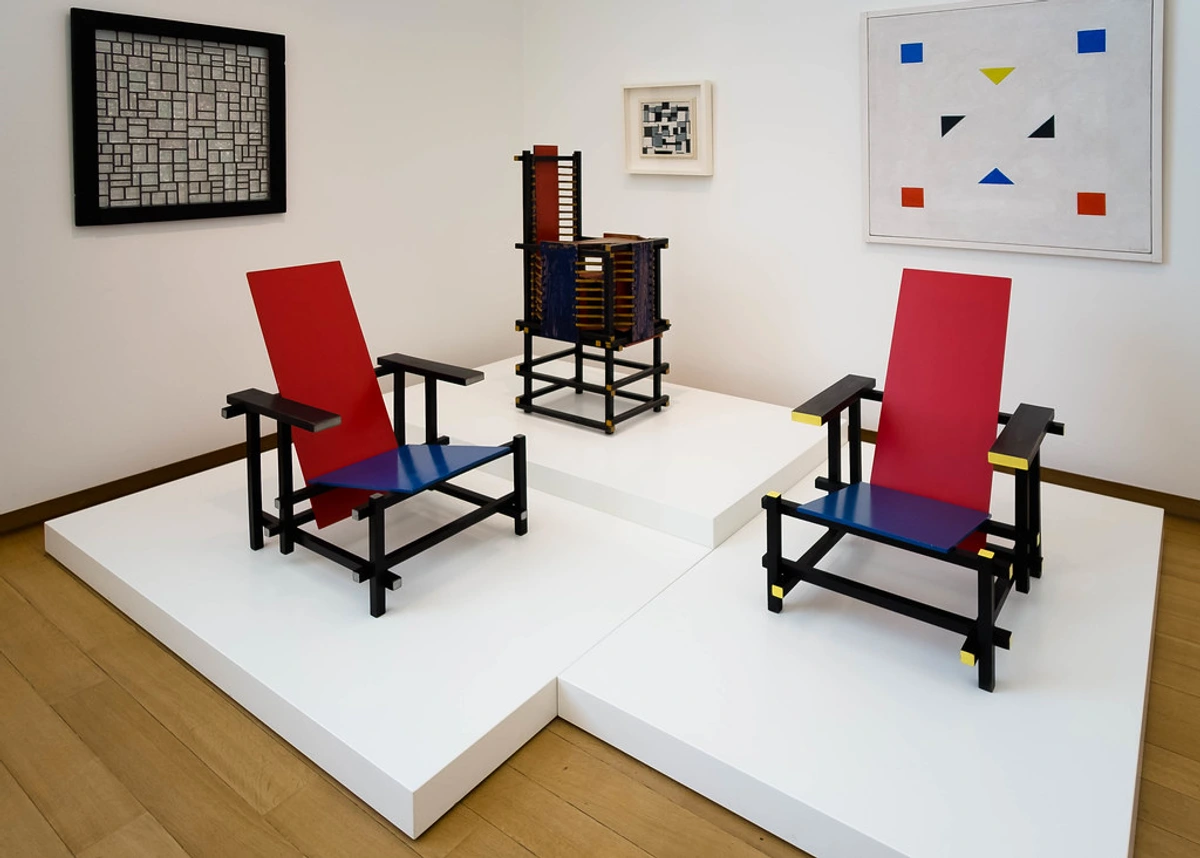
In Modern Art
And then there's M.C. Escher. His mind-bending tessellations of birds, fish, and lizards are perhaps the most famous and direct modern example of this influence. A pivotal visit to the Alhambra in 1922 completely changed his artistic direction. He became utterly obsessed with what he called 'regular divisions of the plane,' captivated by the way the Moorish craftsmen had achieved infinite patterns without gaps or overlaps. Escher took these abstract geometric principles he saw on those palace walls – the mathematical rigor, the endless repetition, the illusion of depth – and applied them to the figurative world, creating a perfect, often surreal, fusion of two different artistic traditions. He literally brought Islamic geometry to life with his fantastical transformations, showing a profound admiration and innovative reinterpretation of these ancient ideas. His work is a powerful testament to the timeless appeal and versatility of geometric concepts refined centuries ago, demonstrating how ancient mathematical principles can inspire entirely new forms of artistic expression in a modern context. Escher’s meticulous studies of tessellations and regular divisions of the plane directly echo the mathematical rigor and visual complexity of the patterns he encountered in Islamic architecture, making him perhaps the most explicit modern inheritor of this tradition.
Cubism and Geometric Abstraction
While the connection might seem less direct than with Escher, I see a fascinating echo of Islamic geometric principles in the early 20th-century movement of Cubism. Think about it: Cubist artists, like Picasso and Braque, sought to deconstruct objects into their fundamental geometric forms, presenting multiple viewpoints simultaneously. This radical departure from traditional perspective, breaking down the visible world into a mosaic of shapes and planes, arguably tapped into a similar impulse for geometric organization and multi-perspectival views that Islamic artists had explored for centuries in their complex patterns. While their motivations and outcomes were different, the shared focus on underlying geometric structure as a means of depicting reality (or a multi-faceted reality) is a thread worth pondering. Cubism, in its radical break from traditional single-point perspective, arguably echoes the multi-layered and non-linear visual experiences offered by complex Islamic geometric patterns, where no single focal point dominates but rather a holistic, all-encompassing view prevails. This demonstrates a crucial point about what design is in art—it's about underlying structure, not just surface appearance. This principle of systematic, often mathematical, organization of forms is something Islamic art has excelled at for centuries. It’s a testament to the idea that some fundamental artistic truths transcend cultural boundaries, as explored in more detail in the ultimate guide to Cubism. The way Cubism challenged conventional perspective, much like Islamic geometric art offers a multiplicity of viewpoints within a single pattern, suggests a shared intellectual heritage that prioritizes abstraction over literal representation. This deconstruction of forms into their geometric components, allowing for multiple perspectives to be shown simultaneously, finds a conceptual echo in the complex, interweaving patterns of Islamic art that invite endless exploration and contemplation. This parallel invites us to consider how non-Western traditions have continually provided alternative modes of visual understanding. It's not a direct influence, but rather a convergence of artistic thought, where both traditions sought to represent reality beyond its superficial appearance, delving into its underlying structures and multiple facets. Cubism, in its radical break from traditional single-point perspective, arguably echoes the multi-layered and non-linear visual experiences offered by complex Islamic geometric patterns, where no single focal point dominates but rather a holistic, all-encompassing view prevails. This demonstrates a crucial point about what design is in art—it's about underlying structure, not just surface appearance. This principle of systematic, often mathematical, organization of forms is something Islamic art has excelled at for centuries. It’s a testament to the idea that some fundamental artistic truths transcend cultural boundaries, as explored in more detail in the ultimate guide to Cubism.

Op Art and the Grids of Infinity
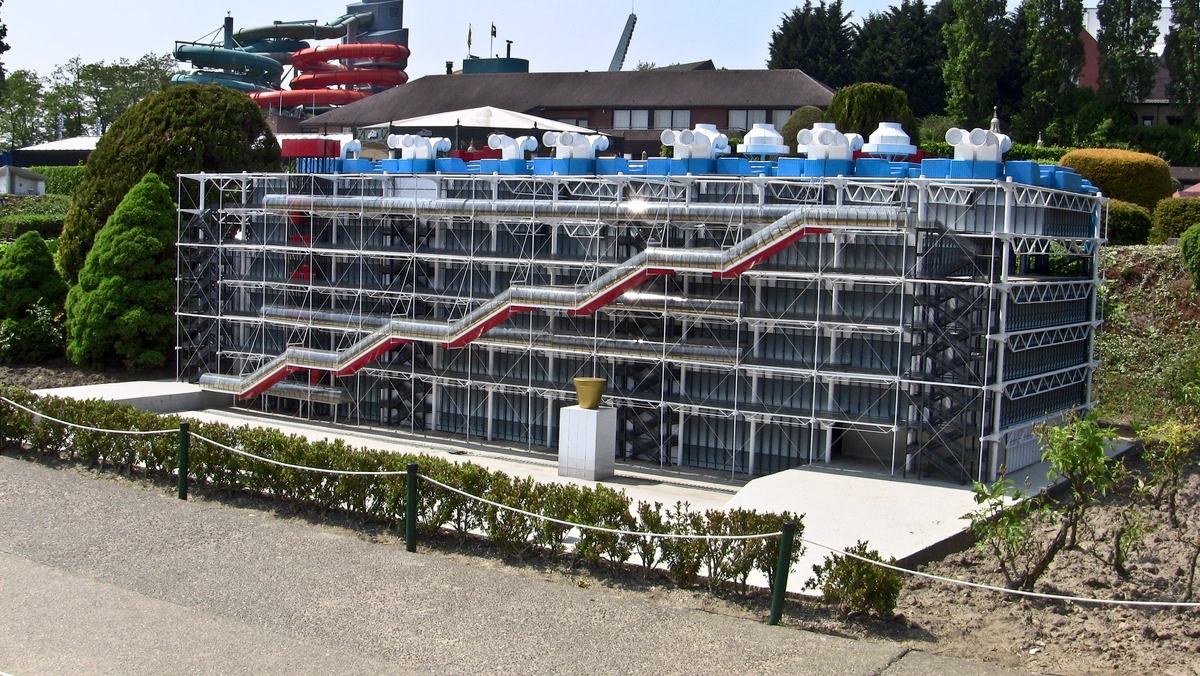
Fast forward to the mid-20th century, and the abstract geometric principles of Islamic art find a surprising, vibrant resurgence in movements like Op Art and Minimalism. Artists like Bridget Riley, with her dazzling optical illusions, Victor Vasarely with his kinetic patterns, or Agnes Martin with her meditative grids, explored repetition, symmetry, and rhythmic patterns that, while thoroughly modern in their execution, resonate deeply with the foundational ideas of Islamic tessellation and infinitely repeatable designs. It's the same language, just spoken with a new accent, demonstrating a timeless appeal for order, complexity, and the exploration of visual perception through geometric abstraction, a key element in the definitive guide to the history of abstract art: key movements, artists, and evolution. Riley's and Vasarely's works, with their intricate grids and dazzling optical effects, resonate deeply with the infinite possibilities embedded within Islamic tessellations, inviting the viewer into a dynamic visual experience. Martin's minimalist grids, too, evoke a similar sense of contemplative order and the beauty of repetition, focusing on subtle variations within a structured system. This connection highlights the enduring power of abstract art, which you can delve into further with the definitive guide to the history of abstract art: key movements, artists, and evolution, revealing how ancient mathematical principles can be reinterpreted to create profoundly contemporary artistic statements. The emphasis on optical illusion and the dynamic interplay of lines and shapes in Op Art find a compelling precursor in the visual puzzles and infinite extensions of Islamic geometric designs, demonstrating how ancient wisdom can inspire cutting-edge contemporary art. This direct lineage underscores the profound and lasting impact of Islamic artistic principles on the global trajectory of abstract art. Artists like Bridget Riley, with her dazzling optical illusions, Victor Vasarely with his kinetic patterns, or Agnes Martin with her meditative grids, explored repetition, symmetry, and rhythmic patterns that, while thoroughly modern in their execution, resonate deeply with the foundational ideas of Islamic tessellation and infinitely repeatable designs. It's the same language, just spoken with a new accent, demonstrating a timeless appeal for order, complexity, and the exploration of visual perception through geometric abstraction, a key element in the definitive guide to the history of abstract art: key movements, artists, and evolution. Riley's and Vasarely's works, with their intricate grids and dazzling optical effects, resonate deeply with the infinite possibilities embedded within Islamic tessellations, inviting the viewer into a dynamic visual experience. Martin's minimalist grids, too, evoke a similar sense of contemplative order and the beauty of repetition, focusing on subtle variations within a structured system. This connection highlights the enduring power of abstract art, which you can delve into further with the definitive guide to the history of abstract art: key movements, artists, and evolution, revealing how ancient mathematical principles can be reinterpreted to create profoundly contemporary artistic statements. The emphasis on optical illusion and the dynamic interplay of lines and shapes in Op Art find a compelling precursor in the visual puzzles and infinite extensions of Islamic geometric designs, demonstrating how ancient wisdom can inspire cutting-edge contemporary art.
The Revival of Islamic Art and Contemporary Expressions
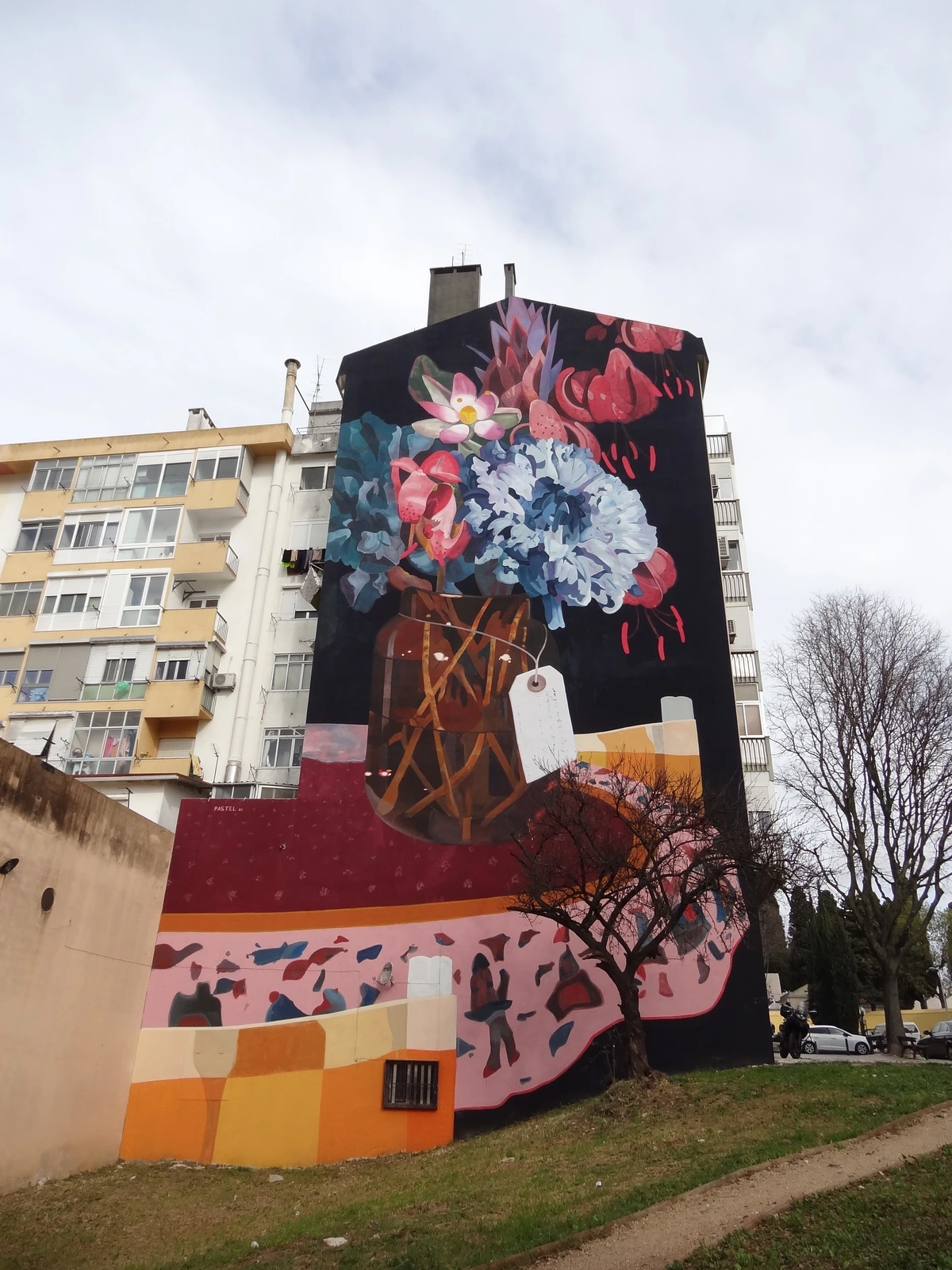
It’s not just in historical echoes that we see the influence. Today, contemporary artists, designers, and architects around the world continue to draw inspiration from the rich aesthetic vocabulary of Islamic art. From intricate digital art installations that reimagine geometric patterns to urban murals that incorporate calligraphic forms, the underlying principles of abstraction, repetition, and spiritual depth resonate with new generations. This isn't about mimicry; it's about a respectful reinterpretation and a recognition of the timeless power of these artistic traditions to communicate beauty, order, and meaning in an ever-changing world. It’s a testament to the enduring vitality of these 'unseen threads.' Contemporary artists from the Middle East and beyond are continually innovating, using traditional forms in new media, from digital projections on ancient monuments to urban street art that fuses calligraphy with modern graphics, further extending this rich artistic lineage. This dynamic engagement keeps the traditions alive and relevant, demonstrating their universal appeal. The global impact of these aesthetic principles shows how art truly transcends borders and generations, continually inspiring new forms of expression. From architectural marvels that reinterpret traditional motifs to intricate digital art installations that reimagine geometric patterns, and even urban street art that fuses calligraphy with modern graphics, contemporary Islamic art, and art influenced by it, continues to push boundaries while honoring a rich heritage. Artists like Zaha Hadid in architecture (whose fluid, organic forms often echo the dynamism of arabesques) or eL Seed in calligraffiti (who fuses traditional Arabic calligraphy with modern graffiti art) exemplify how these ancient principles are continually reinterpreted for a modern audience. This ongoing dialogue between past and present, East and West, is a powerful reminder of art's unifying force, demonstrating how enduring design philosophies can bridge millennia and diverse cultural landscapes, contributing to the vibrant tapestry of art movements of the 21st century.
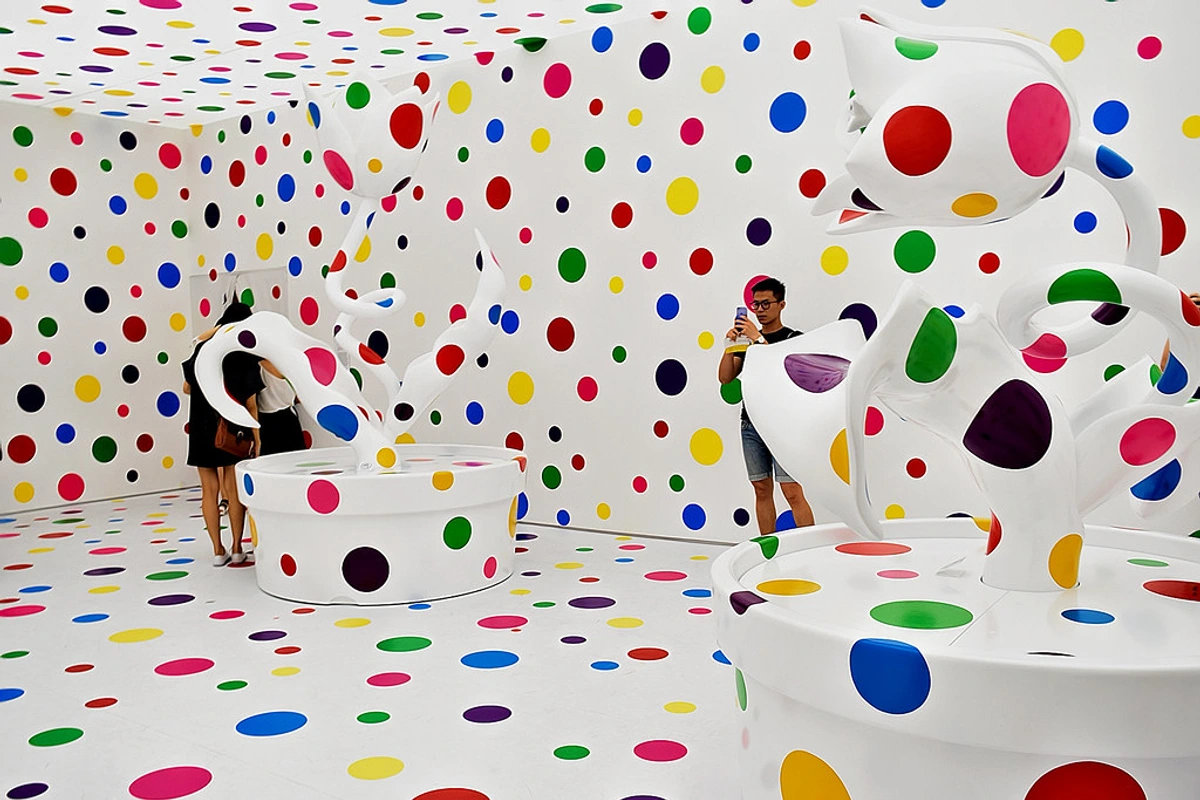
The enduring relevance of Islamic art's foundational principles is clear in its contemporary manifestations, where artists continue to draw upon its rich heritage to create innovative and compelling works. This modern reinterpretation ensures that the 'unseen thread' remains visible and continues to inspire, bridging ancient traditions with the cutting edge of contemporary art and design.
Beyond the Canvas: Influence on Science and Thought
It’s not an exaggeration to say that the Islamic Golden Age was a period of astonishing intellectual and scientific advancement, and these achievements were inextricably linked to artistic expression. The very precision required for geometric patterns and intricate architectural elements necessitated a deep understanding of mathematics, a science that flourished in the Islamic world and subsequently influenced the West.
Mathematics and Astronomy
Islamic scholars not only preserved but also significantly advanced ancient Greek and Indian mathematical knowledge. They developed algebra (the word itself comes from Arabic 'al-jabr'), trigonometry, and spherical geometry, creating entire new fields of study. These advancements were not esoteric pursuits; they were directly applied to art and architecture, demonstrating a deep integration of scientific and artistic thought. The construction of intricate geometric patterns, the precise calculation for qibla (direction of Mecca) in mosques, and the complex engineering of domes and muqarnas all relied on sophisticated mathematical understanding, including advanced concepts of trigonometry and spherical geometry. This practical application of theoretical knowledge is a hallmark of the Islamic Golden Age. The decimal system and the concept of zero, transmitted from India and refined by Islamic scholars, were foundational to these mathematical breakthroughs and their subsequent transmission to Europe. Scholars like Al-Khwarizmi, whose work on algorithms and algebra was transformative, directly influenced European mathematical thought. This knowledge, transmitted to Europe via translations in Al-Andalus and Sicily, laid foundations for the European Scientific Revolution and, by extension, the precise design principles seen in later Western art and architecture. Astronomical observations, too, were often recorded in beautifully crafted instruments like astrolabes and globes that were themselves works of art, blending scientific utility with exquisite aesthetics. These intricate instruments, like the astrolabe, were not merely scientific tools; they were highly decorated objects, reflecting the belief that science and beauty were interwoven. The development of advanced optical theories by scholars like Ibn al-Haytham (Alhazen), whose 'Book of Optics' influenced Western thinkers like Roger Bacon, also played an indirect role in shaping artistic understanding of light, perspective, and visual perception, which would later become critical in the European Renaissance. The meticulous recording of celestial movements and the development of sophisticated navigational instruments underscore a profound commitment to empirical observation and mathematical precision, elements that permeated artistic creation, fostering an environment where intricate designs were seen as reflections of a divinely ordered cosmos. This deep interdisciplinary approach stands as a testament to the holistic intellectual tradition of the Islamic Golden Age, where art and science were two sides of the same coin, each enriching the other in a continuous pursuit of knowledge and beauty. Scholars like Al-Khwarizmi, whose work on algorithms and algebra was transformative, directly influenced European mathematical thought. This knowledge, transmitted to Europe via translations in Al-Andalus and Sicily, laid foundations for the European Scientific Revolution and, by extension, the precise design principles seen in later Western art and architecture. Astronomical observations, too, were often recorded in beautifully crafted instruments like astrolabes and globes that were themselves works of art, blending scientific utility with exquisite aesthetics. These intricate instruments, like the astrolabe, were not merely scientific tools; they were highly decorated objects, reflecting the belief that science and beauty were interwoven. The development of advanced optical theories by scholars like Ibn al-Haytham (Alhazen), whose 'Book of Optics' influenced Western thinkers like Roger Bacon, also played an indirect role in shaping artistic understanding of light, perspective, and visual perception, which would later become critical in the European Renaissance. The meticulous recording of celestial movements and the development of sophisticated navigational instruments underscore a profound commitment to empirical observation and mathematical precision, elements that permeated artistic creation, fostering an environment where intricate designs were seen as reflections of a divinely ordered cosmos.

Medicine and Pharmacology: From Manuscripts to Hospitals
Beyond mathematics and astronomy, Islamic scholars made monumental strides in medicine and pharmacology. Figures like Ibn Sina (Avicenna), whose encyclopedic 'Canon of Medicine' (Kitāb al-Qānūn fī al-Ṭibb) was a standard text in European universities for centuries, and Al-Razi (Rhazes), who wrote extensively on smallpox and measles, transformed medical understanding. This wasn't just about scientific treatises; it profoundly influenced art through detailed anatomical illustrations in medical manuscripts, the intricate designs on pharmaceutical vessels, and even the architectural layout of early hospitals (known as bimaristans), which were sophisticated centers of healing, learning, and often, stunning design, complete with gardens and running water, echoing the paradisiacal themes of Islamic garden design. The emphasis on hygiene, light, natural ventilation, and natural elements (like courtyards and fountains) in hospital design was revolutionary and subtly influenced later European sanatoriums and medical facilities. The pursuit of scientific knowledge was, once again, deeply intertwined with artistic expression and practical application, showing how Islamic civilization integrated these disciplines seamlessly. Consider the detailed illustrations of surgical instruments in texts like Al-Zahrawi's (Albucasis) monumental Al-Tasrif (a 30-volume encyclopedia of medical practices), which were not only functional but also elegantly drawn, showcasing a holistic approach to science and aesthetics. The elegant design of surgical instruments, the meticulously illustrated botanical and pharmacological texts, and the architectural sophistication of these healing centers all attest to a holistic approach where scientific utility and aesthetic beauty were not separate but mutually reinforcing. Early hospitals (bimaristans) were often adorned with beautiful tilework and architectural details, creating environments designed to soothe and inspire healing, blurring the lines between art, architecture, and well-being, providing a model for later European medical institutions. The advancements in botany and pharmacology also led to beautifully illustrated botanical texts, which were not just scientific documents but exquisite works of art, blending observational accuracy with aesthetic presentation. The systematic approach to medical education, complete with libraries and teaching hospitals, also fostered an environment where medical knowledge and its visual representation evolved hand-in-hand. This tradition of integrating scientific accuracy with aesthetic presentation profoundly influenced later European medical illustration and the design of public health facilities, highlighting the practical and artistic impacts of Islamic intellectual achievements. Figures like Ibn Sina (Avicenna), whose encyclopedic 'Canon of Medicine' (Kitāb al-Qānūn fī al-Ṭibb) was a standard text in European universities for centuries, and Al-Razi (Rhazes), who wrote extensively on smallpox and measles, transformed medical understanding. This wasn't just about scientific treatises; it profoundly influenced art through detailed anatomical illustrations in medical manuscripts, the intricate designs on pharmaceutical vessels, and even the architectural layout of early hospitals (known as bimaristans), which were sophisticated centers of healing, learning, and often, stunning design, complete with gardens and running water, echoing the paradisiacal themes of Islamic garden design. The emphasis on hygiene, light, natural ventilation, and natural elements (like courtyards and fountains) in hospital design was revolutionary and subtly influenced later European sanatoriums and medical facilities. The pursuit of scientific knowledge was, once again, deeply intertwined with artistic expression and practical application, showing how Islamic civilization integrated these disciplines seamlessly. Consider the detailed illustrations of surgical instruments in texts like Al-Zahrawi's (Albucasis) monumental Al-Tasrif (a 30-volume encyclopedia of medical practices), which were not only functional but also elegantly drawn, showcasing a holistic approach to science and aesthetics. The elegant design of surgical instruments, the meticulously illustrated botanical and pharmacological texts, and the architectural sophistication of these healing centers all attest to a holistic approach where scientific utility and aesthetic beauty were not separate but mutually reinforcing. Early hospitals (bimaristans) were often adorned with beautiful tilework and architectural details, creating environments designed to soothe and inspire healing, blurring the lines between art, architecture, and well-being, providing a model for later European medical institutions. The advancements in botany and pharmacology also led to beautifully illustrated botanical texts, which were not just scientific documents but exquisite works of art, blending observational accuracy with aesthetic presentation. The systematic approach to medical education, complete with libraries and teaching hospitals, also fostered an environment where medical knowledge and its visual representation evolved hand-in-hand.
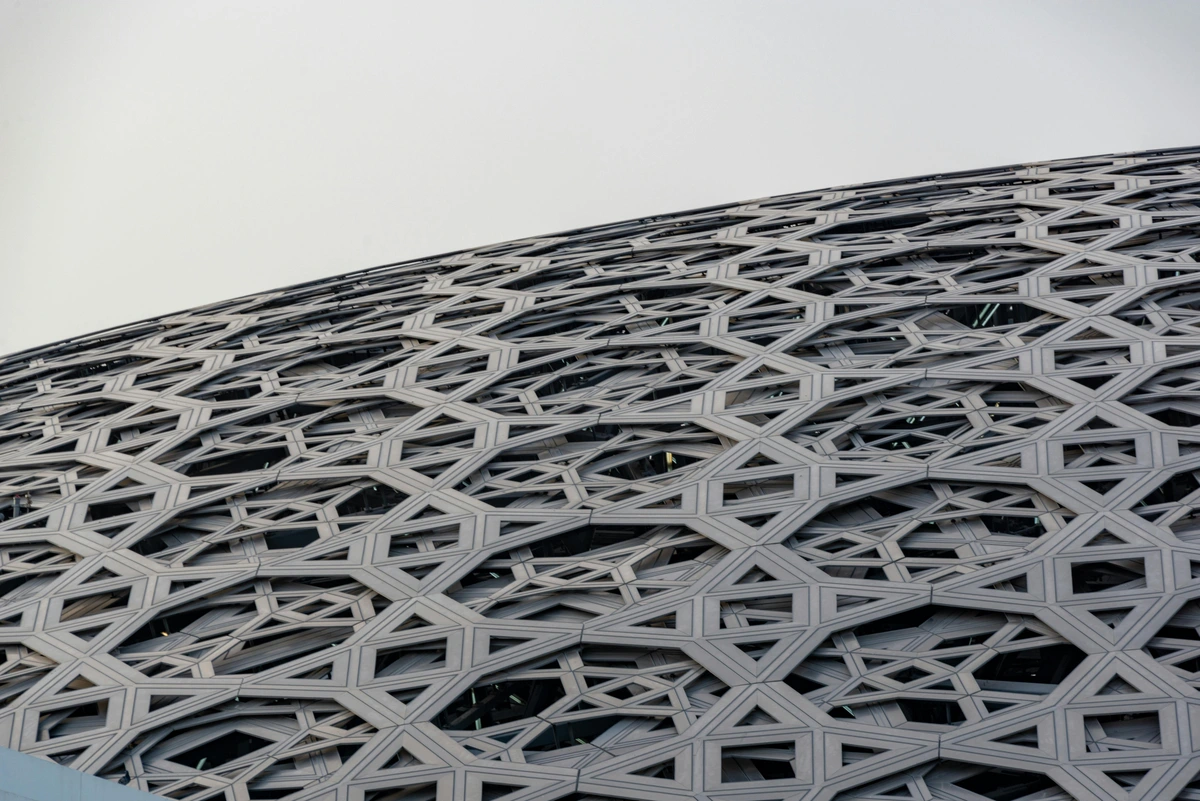
Philosophy and Literature
Islamic philosophy, with figures like Al-Farabi, Ibn Sina (Avicenna), and Ibn Rushd (Averroes), deeply engaged with and expanded upon Greek thought, influencing medieval scholasticism and Renaissance humanism in Europe. Concepts of logic, ethics, and metaphysics traveled across cultural divides, stimulating new intellectual frameworks and contributing to the secularization of thought during the Renaissance. In literature, the rich tradition of Arabic poetry (e.g., epic romances, Sufi poetry) and storytelling, particularly works like One Thousand and One Nights, captured the imagination of Europeans and influenced literary forms and narrative structures, though perhaps less directly on visual art. However, the themes of love, heroism, and mystical experience found in this literature often inspired calligraphic and illuminated manuscript art, providing visual counterparts to these rich narratives. The concept of unity in diversity, so central to Islamic philosophy, also finds its artistic expression in the way disparate elements come together to form a harmonious whole in design, a principle that resonates across cultures. Figures like Ibn Tufail and Ibn al-Arabi expanded upon philosophical concepts like existence, knowledge, and mysticism, stimulating medieval European thought and contributing to the intellectual backdrop of the Renaissance. The overall intellectual ferment fostered an environment ripe for cross-cultural inspiration across all creative fields, demonstrating that the pursuit of knowledge and beauty is a universal human endeavor. The emphasis on seeking knowledge (ilm) as a religious duty, alongside the importance of aesthetic perfection (ihsan), created a fertile ground for the seamless integration of scholarly pursuits and artistic endeavors. Islamic philosophy, with figures like Al-Farabi, Ibn Sina (Avicenna), and Ibn Rushd (Averroes), deeply engaged with and expanded upon Greek thought, influencing medieval scholasticism and Renaissance humanism in Europe. Concepts of logic, ethics, and metaphysics traveled across cultural divides, stimulating new intellectual frameworks and contributing to the secularization of thought during the Renaissance. In literature, the rich tradition of Arabic poetry (e.g., epic romances, Sufi poetry) and storytelling, particularly works like One Thousand and One Nights, captured the imagination of Europeans and influenced literary forms and narrative structures, though perhaps less directly on visual art. However, the themes of love, heroism, and mystical experience found in this literature often inspired calligraphic and illuminated manuscript art, providing visual counterparts to these rich narratives. The concept of unity in diversity, so central to Islamic philosophy, also finds its artistic expression in the way disparate elements come together to form a harmonious whole in design, a principle that resonates across cultures. Figures like Ibn Tufail and Ibn al-Arabi expanded upon philosophical concepts like existence, knowledge, and mysticism, stimulating medieval European thought and contributing to the intellectual backdrop of the Renaissance.

For a deeper dive into these fascinating connections, you might explore the works of Bridget Riley, the Op Art Master or the serene grids of Agnes Martin's Minimalism. Or perhaps even the ultimate guide to Cubism for another perspective on geometric abstraction. And if you're interested in the broader historical context of non-representational art, the definitive guide to the history of abstract art: key movements, artists, and evolution offers a comprehensive overview. The principles of balance in art composition, too, are deeply explored in both Islamic geometric art and modern abstract movements, demonstrating a continuous artistic conversation across millennia, as highlighted in understanding balance in art composition.





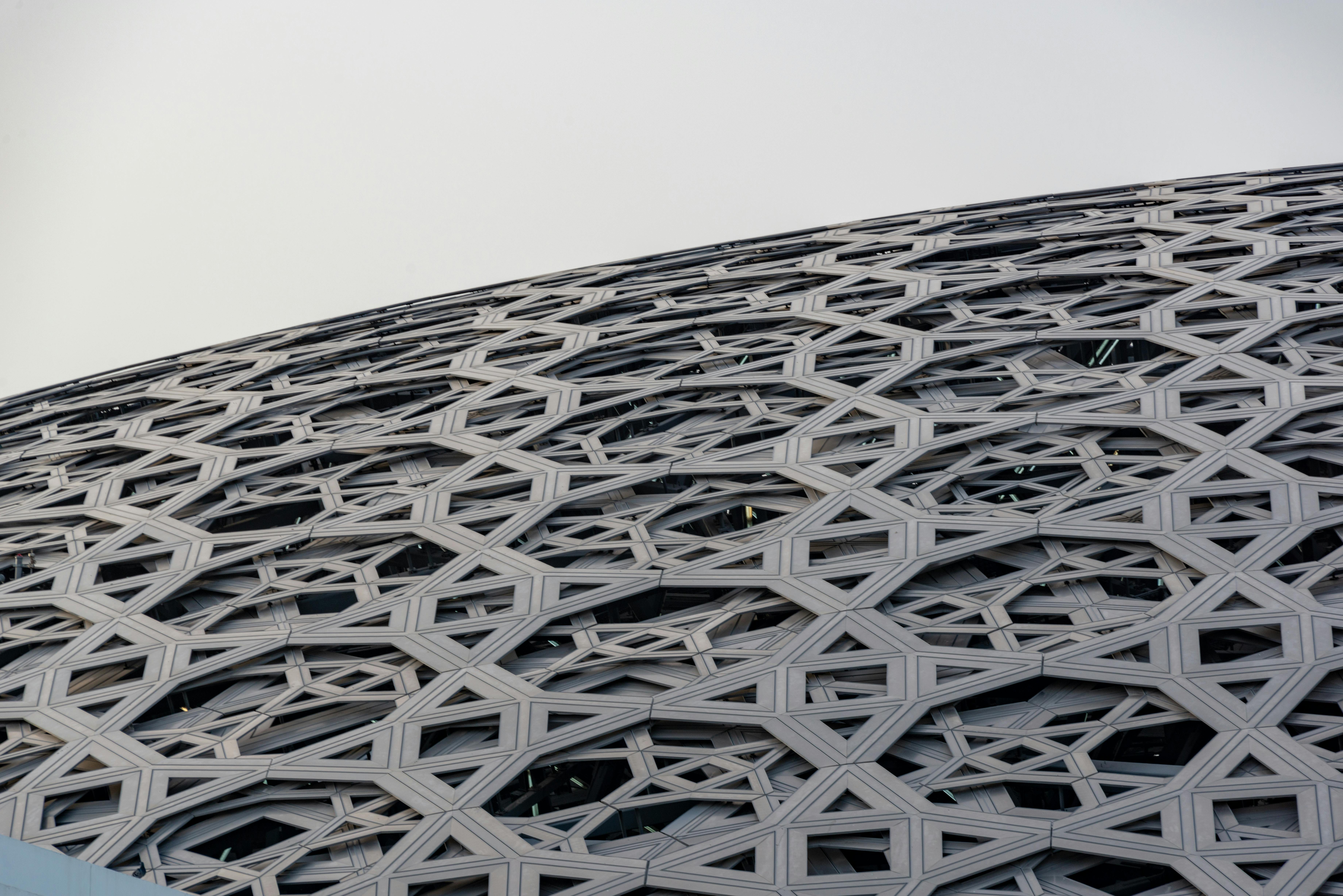

FAQ: Untangling the Threads
Let's tackle some common questions that pop up. I find that when we dig into the details, the 'unseen threads' become a little easier to trace, revealing the true depth of this interconnected artistic story.
What are the main characteristics of Islamic art?
It's primarily characterized by a rich visual language based on geometric patterns (especially tessellations), flowing arabesques (stylized plant forms), and intricate calligraphy. You'll also often see architectural innovations like muqarnas (stalactite vaulting), and sophisticated water features in garden design. A key principle is aniconism, generally avoiding depictions of living beings in religious contexts to prevent idolatry and focus on the divine and infinite nature of creation. The emphasis is on pattern, repetition, and abstraction, creating a sense of infinite beauty and order. Islamic art is also notable for its sophisticated use of color, texture, and light, creating immersive and contemplative environments. Another significant characteristic, often linked to aniconism, is horror vacui – a 'fear of empty spaces' – where artists meticulously fill every available surface with intricate, harmonious designs, inviting profound contemplation. These elements combine to create an art form that is both intellectually rigorous and aesthetically captivating. Beyond these, a profound integration of art and science (particularly mathematics and astronomy) and a rich material culture (ceramics, textiles, metalwork, glass) are also defining features, showcasing a holistic worldview where beauty, knowledge, and utility are intertwined. It's a comprehensive approach to design that has left an indelible mark on global artistic traditions, demonstrating the profound depth and versatility of its aesthetic principles.
Why doesn't Islamic art typically feature people or animals? This is known as aniconism, a deliberate artistic choice rooted in theological principles. It stems from a religious belief that creating detailed representations of living beings, particularly human figures, is God's exclusive domain. The focus is instead shifted towards patterns, abstract forms, and text that inspire contemplation of the divine, the infinite nature of creation, and the underlying order of the universe, rather than idolatry or literal representation. It's about evoking the spiritual through the abstract. This creative constraint, I believe, was a powerful catalyst for innovation, pushing artists to explore the depths of non-representational art.
What about figurative art in Islamic traditions? While aniconism was a core principle in religious contexts like mosques and sacred texts, it's a common misconception that all Islamic art avoided human and animal figures. In secular settings, such as palaces, bathhouses, or scientific manuscripts, figurative art depicting human and animal forms was quite common, especially in Persian miniature painting, a vibrant tradition known for its exquisite detail and rich narratives. These miniatures often illustrated epic poems, historical accounts, or romantic tales, providing a rich visual storytelling tradition. This distinction highlights the nuanced theological considerations at play, reminding us that 'Islamic art' itself is a vast and varied tradition, encompassing both sacred and profane. So, while you might not see images of people in a mosque, you'd very likely find them in a medieval Persian illustrated manuscript, underscoring the distinction between sacred and secular artistic domains. This distinction is crucial for understanding the full breadth of Islamic artistic expression, which, far from being monolithic, embraced a rich variety of forms and subjects depending on context and patronage. The channeling of creative energy into non-figurative forms for sacred spaces led to unparalleled mastery in geometric and calligraphic arts, demonstrating how a perceived limitation can become a catalyst for extraordinary innovation and profound artistic depth.
How did Islamic art get to Europe? It wasn't a single pathway, but a rich tapestry of cultural contact. Major points include Islamic Spain (Al-Andalus), the Norman Kingdom of Sicily, and the extensive trade routes through Venice and other Italian city-states. Additionally, periods of conflict like the Crusades inadvertently led to cultural exchange, and the expansion of the Ottoman Empire brought its aesthetic traditions into Eastern Europe. The Silk Road was also a crucial ancient superhighway for the exchange of ideas and goods, facilitating the movement of artisans, technologies, and motifs across continents. Trade, diplomacy, intellectual exchange (particularly translations of scientific and philosophical texts), and even conflict all played a role in transferring styles, techniques, and actual objects, demonstrating the interconnectedness of human creativity. The Byzantine Empire, too, served as an important intermediary, absorbing and transmitting influences between the Islamic East and the Latin West, especially in decorative arts and architectural forms. This multifaceted exchange meant that Islamic art's influence was not a sudden imposition but a gradual, organic integration into European artistic traditions, often through repeated exposure to luxury goods, architectural innovations, and intellectual currents. It’s a testament to the irresistible power of beautiful and innovative ideas to transcend geographical and cultural divides, reshaping the artistic landscape wherever they land.
Which Western artists were most influenced by Islamic art?
While its influence can be seen subtly in countless works, M.C. Escher is arguably the most direct and famous example, with his mind-bending tessellations being explicitly inspired by his visits to the Alhambra. William Morris and other proponents of the Arts & Crafts movement were also profoundly inspired by Islamic patterns and its integrated design philosophy. In more contemporary art, the geometric explorations of Op Art artists like Bridget Riley and Victor Vasarely, and the grid-based compositions of Minimalist artists like Agnes Martin also resonate strongly with principles found in Islamic art. Even early 20th-century movements like Cubism share a conceptual emphasis on geometric deconstruction that echoes Islamic artistic principles. Beyond these, the decorative motifs of Art Nouveau designers also reveal a clear lineage from the organic forms of the arabesque, showcasing a broad and sustained impact across various artistic periods and styles. Additionally, architectural movements such as Gothic architecture adopted the pointed arch, a key innovation from Islamic builders, profoundly reshaping European ecclesiastical structures. This widespread influence across diverse artistic disciplines and historical periods underscores the universal appeal and timeless relevance of Islamic aesthetic principles, continually inspiring artists and designers to explore new forms of expression rooted in ancient wisdom. It's a testament to the enduring power of ideas to transcend their origins and enrich global artistic heritage. Beyond these, the decorative motifs of Art Nouveau designers also reveal a clear lineage from the organic forms of the arabesque, showcasing a broad and sustained impact across various artistic periods and styles.
What is Muqarnas and where can it be seen? Muqarnas is a complex, three-dimensional architectural element often referred to as 'stalactite vaulting' or 'honeycomb vaulting.' It's formed by intricate layers of small, concave forms that create a stunning play of light and shadow, typically found in the transition zones of domes, arches, and entryways, making solid structures appear to dissolve into intricate patterns. You can see breathtaking examples in the Alhambra in Granada, the Great Mosque of Cordoba, the Shah Mosque in Isfahan, and many other Islamic architectural masterpieces across the Middle East, North Africa, and Spain, where they serve both structural and decorative purposes. Their ability to transition between different architectural forms, like a square room to a round dome, is a testament to their sophisticated engineering and profound aesthetic impact. Beyond their visual complexity, muqarnas also contribute to the acoustic properties of a space, diffusing sound to enhance oral traditions. Often richly painted and gilded, they create a dazzling, ethereal effect, blurring the lines between solid structure and ephemeral light. This architectural innovation represents a remarkable fusion of mathematical precision, structural ingenuity, and artistic vision, making them one of the most distinctive and influential contributions of Islamic architecture to global design history. It's a physical manifestation of abstract beauty, embodying the infinite possibilities of geometric form.
Is the arabesque an Islamic invention? Not entirely. Flowing plant-based motifs were used by the Romans and Byzantines, and are seen in many cultures. However, Islamic artists refined the arabesque into a much more abstract, complex, and rhythmic art form, focusing on endless repetition and transformation, making it a distinctive and highly sophisticated feature of their visual language that speaks to the infinite nature of creation. This abstraction was a deliberate choice, guiding the viewer away from literal representation towards a deeper contemplation of universal order and divine beauty. The continuous, flowing nature of the arabesque, without beginning or end, perfectly embodies the concept of divine infinitude. The key innovation in Islamic art was this intensified abstraction and integration of the motif into dense, overarching patterns that covered entire surfaces, creating a dynamic sense of growth and renewal. This highly developed form of vegetal ornamentation, therefore, became synonymous with Islamic artistic identity, influencing a wide range of decorative traditions across Europe and beyond, including aspects of Art Nouveau with its organic, flowing lines. It's a powerful example of how an existing motif can be transformed and elevated into a distinct and profoundly influential artistic language.
How did scientific advancements in the Islamic world contribute to its art?
Scientific advancements, particularly in mathematics (geometry, algebra, trigonometry, spherical geometry) and optics, were fundamental. The intricate geometric patterns are a direct expression of advanced mathematical understanding, demonstrating a profound connection between abstract thought and visual aesthetics. Innovations in alchemy and chemistry contributed to vibrant glazes for ceramics and metalwork, allowing for richer colors and more durable finishes. Astronomy also influenced architectural orientation (like the qibla of mosques) and the development of intricate instruments like astrolabes, which were often themselves exquisitely crafted works of art. The pursuit of knowledge was deeply integrated with artistic and aesthetic development, blurring the lines between scientist and artist. For instance, the meticulous astronomical charts and star maps found in Islamic manuscripts were not just scientific documents but often exquisitely illustrated works of art, demonstrating this seamless intellectual and aesthetic fusion. The precise observation required for scientific advancements mirrored the precision demanded by intricate geometric and calligraphic designs. This holistic approach, where art and science were not separate but mutually reinforcing, allowed for an unprecedented level of innovation and sophistication across all creative fields. Furthermore, advancements in botany and pharmacology led to exquisitely illustrated botanical manuscripts, which served both as scientific treatises and works of art. Even the sophisticated water management systems developed for Islamic gardens demonstrate an artistic application of hydraulic engineering, blending utility with aesthetic beauty. This deep integration meant that artistic problems were often solved with scientific rigor, and scientific discoveries were often celebrated with artistic expression, creating a rich interdisciplinary tradition that profoundly influenced both Eastern and Western intellectual and artistic development.
A Shared Heritage: Beyond Borders and Categories
Looking back, it's abundantly clear that the line between 'Western' and 'Eastern' art is far more porous than we often imagine. The influence of Islamic design isn't a footnote in art history; it's a fundamental, interwoven part of the story, a rich tapestry that defies simple categorization. It gave Western art new structural possibilities with the pointed arch and muqarnas, a new vocabulary of pattern with the arabesque, and a new way of thinking about infinity with tessellation. It sparked innovations in ceramics, textiles, metalwork, glassmaking, and even bookbinding, forever enriching Europe's material culture. Beyond the visual, it laid crucial intellectual foundations for the Scientific Revolution through mathematics, astronomy, and medicine, and stimulated philosophical thought. This legacy speaks volumes about the power of cultural exchange, reminding us that true progress often comes from the melding of diverse ideas and traditions, creating something entirely new and profound. It challenges our often-Eurocentric view of art history, revealing a much more global and interconnected narrative. The deep, often quiet, absorption of Islamic artistic and intellectual traditions into the fabric of Western culture is a powerful reminder that innovation rarely happens in isolation; it thrives at the crossroads of civilizations.
I find it a powerful reminder that art, in its purest form, doesn't care about borders or political squabbles. It seeks out beauty, innovation, and compelling ideas wherever they can be found, transforming and adapting them to new contexts. The next time you see an intricate wallpaper, a soaring pointed arch on a seemingly quintessential European church, a mind-bending Escher print that plays with infinity, or even the geometric deconstruction of a Cubist painting, maybe you’ll also see that unseen thread, too. It’s a quiet, persistent whisper of a conversation that has been going on for over a thousand years, enriching and reshaping our visual world in ways we're only just beginning to fully appreciate. And honestly, isn't that the most beautiful thing about art – its capacity to connect us across time and culture, revealing a shared human pursuit of beauty and meaning? It’s a testament to the idea that true innovation often comes from unexpected places and that our cultural heritage is far more interconnected than we often realize.
If you’re inspired by these intricate patterns, the profound philosophy of abstraction, and the idea of art as a truly global language, I wholeheartedly encourage you to explore contemporary expressions of geometric and abstract art. You might just find your own unseen thread, connecting past to present, in a piece that speaks directly to you – perhaps even something by me, right here at [/buy]. Or, for another journey through time and culture, consider visiting [/den-bosch-museum] or exploring the interconnected stories on our [/timeline]. To continue your exploration of how various cultures have shaped global art, consider articles like the enduring influence of ancient Egyptian art on modernism, the influence of African art on modernism: a curatorial perspective, or even the ultimate guide to Art Deco Movement. The principles of balance in art composition, too, are deeply explored in both Islamic geometric art and modern abstract movements, demonstrating a continuous artistic conversation across millennia, as highlighted in understanding balance in art composition. Furthermore, if you're interested in the broader historical context of art and its movements, our art history timeline: from prehistoric to contemporary or the definitive guide to art history: key periods, styles, and masterpieces explained offer comprehensive overviews, solidifying your understanding of how deeply intertwined all human artistic endeavors truly are. It’s a journey I hope you'll find as enriching as I do.