How the Great Depression Forged a New Kind of Artist
Dive deep into how the economic collapse of the 1930s didn't just create hardship, but radically transformed American art, giving birth to new movements and a new social role for the artist.

Art in the Crucible: How the Great Depression Forged a New American Artistic Identity
When society's foundations crumble, what becomes of its artists? Do they retreat into beauty, or are they compelled to confront the harsh realities of their world? This profound artistic question resonated deeply with artists in the 1930s. The Great Depression was more than an economic downturn; it was a decade-long societal upheaval that radically redefined the purpose and audience of art in America. It forced a critical re-evaluation: Was art to be a mirror, reflecting grim truths? A weapon, a tool for activism and social change? Or a window, a refuge for the imagination, an escape from pervasive hardship? The responses artists found during this pivotal decade continue to echo today. Understanding this era requires a deep inquiry into the very essence of human creativity when faced with unprecedented adversity, exploring how artists responded to a crisis that shook the nation to its core, forging a distinctly American artistic identity. This article will thoroughly explore the various movements, groundbreaking government initiatives, and compelling individual stories that collectively define this transformative period in art history.
Before the cataclysmic crash of '29, American art existed in a dynamic tension between outward-looking European influences and a burgeoning, often gritty, indigenous identity. I think of it as a nation finding its artistic feet, a blend of admiration for the Old World and a fierce desire to forge something uniquely its own. While movements like American Impressionism had successfully adapted European aesthetics to American vistas and sensibilities, bringing a luminous touch to our own landscapes, the Ashcan School, through figures like Robert Henri and George Bellows, had injected a potent, unvarnished realism into depictions of urban life, focusing on the bustling, sometimes harsh, realities of New York City. Concurrently, the extraordinary dynamism of the Harlem Renaissance was asserting itself with unparalleled vibrancy, actively challenging racial stereotypes and forging a powerful Black cultural identity that resonated far beyond its urban origins, a true cultural awakening. Yet, it's undeniable that the cutting-edge intellectual discourse around radical European movements like Cubism and Surrealism often felt like a conversation primarily unfolding across the Atlantic, setting the pace for the global avant-garde. Domestically, the "Roaring Twenties" economic boom had fueled a flourishing American art market, characterized by a burgeoning private patronage system and a rapidly expanding gallery scene. Artists of this era, enjoying a certain degree of economic freedom, often indulged in aesthetic exploration, formal experimentation, or catered to the tastes of a relatively prosperous elite – a world that would soon be irrevocably shattered, turning on a dime from exuberance to utter despair.
Then, with a devastating suddenness, the bottom fell out. The stock market crash in October 1929 was merely the initial tremor, swiftly followed by a catastrophic cascade of bank failures, unprecedented mass unemployment, and widespread business closures. The sheer psychological shock of it all is hard to fathom – a complete inversion of national sentiment, from the carefree 'Roaring Twenties' to a grim struggle for survival. The glittering "Roaring Twenties," with their economic exuberance and privileged artistic experimentation, imploded into widespread destitution. The once-thriving American art market plummeted into freefall, galleries shuttered their doors en masse, and private patronage, once a reliable source of income, dwindled to almost nothing. In this stark new landscape, the sophisticated, often abstract, concerns of Parisian salons felt not just distant, but utterly frivolous and profoundly irrelevant to the grim reality confronting millions of Americans struggling for sheer survival. The imperative for artists shifted dramatically. The new subject matter was no longer found in abstract theories or imported European trends; it was starkly visible right outside their windows: breadlines, Hoovervilles (shantytowns), dust storms ravaging the agricultural heartland, and the gaunt, yet determined, faces of weary, unemployed people. This economic cataclysm forced artists to confront an undeniable and raw new reality, fundamentally shifting their focus from international modernism to urgent, visceral, and deeply human domestic concerns. It was a call to artistic arms, demanding relevance and connection to the national struggle.

This wasn't merely a superficial shift in subject matter; it represented a fundamental, almost existential, change in art's inherent purpose, deeply intertwined with the broader national consciousness and the collective trauma of economic collapse. For many, art ceased to be an exclusive luxury or a detached aesthetic exercise. Instead, it transformed into a profound necessity—a vital tool for attempting to comprehend the incomprehensible, for coping with unimaginable hardship, and for offering critical commentary on the systemic failures that had precipitated the crisis. I often reflect on this period as a moment when the entire nation, through its artists, collectively took a deep breath and began the arduous process of redefining itself, grappling with urgent questions of identity, resilience, and the very meaning of the American experiment. The question "How could art possibly be relevant when people are starving?" found a resounding answer for many: art became more relevant, not less. It transcended being merely about life; it became an indispensable part of life, serving as a public forum for hope, despair, and resistance, compelling a raw, unfiltered dialogue about the very soul of the country. This era unequivocally solidified the idea of art as a potent force for social commentary and national introspection, establishing a crucial precedent for future generations of artists grappling with societal upheaval and seeking meaning in times of profound change.
It's remarkable how a shared national trauma can coalesce a sense of collective identity, pushing artists to look inward and define their own unique voice. Before the Depression, American art often grappled with its European heritage, but the economic crisis provided a decisive, almost forceful, impetus for a truly indigenous artistic movement.
The Rise of American Identity in Art: Rejecting the Old World
It’s fascinating, isn’t it? How a crisis can strip away pretension and force a return to fundamentals. In the arts, this meant a conscious and often defiant turn away from the perceived decadence or intellectualism of European modernism. American artists, confronted with monumental domestic suffering, felt a profound call to articulate a unique national identity, one that resonated with the struggles and spirit of their fellow citizens. This wasn't merely a stylistic preference; it was an ideological stance, a declaration that American experiences and values—the strength of its people, the vastness of its landscapes, the dignity of its labor—were not only worthy of artistic exploration but demanded it as a way to understand and rebuild. The art that emerged was less about abstract theories and intricate formal experiments and more about tangible realities, less about international trends and more about local truths, reflecting a deep desire to reconnect with the core values of the nation.
The American Scene: A Nation Looks Inward
This era witnessed the phenomenal emergence and dominance of what is broadly termed American Scene Painting, an artistic current that consciously celebrated distinctly American subjects, themes, and styles, marking a decisive pivot away from the European avant-garde that had previously exerted such pervasive influence. It constituted a profound, almost defiant, rejection of the perceived intellectualism, abstraction, and detachment of European modernism that had largely dictated artistic trends in preceding decades. Instead, there was a deliberate turning inward, towards the unique struggles, triumphs, and quotidian realities of their own land. This overarching movement, characterized by its immediate accessibility, narrative power, and commitment to representing the American experience, is often broadly categorized into two major, though sometimes overlapping, artistic expressions: Social Realism and Regionalism. Both branches, despite their distinct focuses, shared the common goal of creating art that was inherently understandable and deeply relevant to the average American, thereby contributing to a broader, unifying cultural narrative during a period of intense national introspection and crisis. It was art that looked like America, felt like America, and spoke directly to the American experience.
Social Realism
When one's world is in profound turmoil, the focus inevitably shifts to the immediate, stark realities that demand urgent attention. This precise impulse fueled a powerful wave of Social Realism among many American artists. This was not an artistic endeavor concerned with pretty pictures or escapist fantasies; its core purpose was to confront harsh truths, expose deep-seated societal ills, and actively advocate for change. Artists such as Ben Shahn, renowned for searing works like The Passion of Sacco and Vanzetti (which meticulously chronicled a controversial trial and execution, becoming a powerful indictment of social injustice and a testament to his belief in art as a vehicle for truth), Philip Evergood (American Tragedy, a potent commentary on the brutal realities of labor violence and economic exploitation), Isaac Soyer (Employment Agency, capturing the quiet, pervasive desperation of job seekers with poignant dignity), and William Gropper (Construction of a Dam, The Senate, incisive satires of political corruption and the plight of the working class) masterfully wielded their art to critique the very systems and policies that had led to the Great Depression. They painted vivid, often unsettling, scenes of strikes, breadlines, urban poverty, industrial exploitation, and political machinations with unflinching honesty and a strong, accessible narrative drive. Their art possessed a raw, visceral power, serving as a form of visual journalism that aimed not merely to observe but to actively expose injustice, galvanize public opinion, and rally support for fundamental social and economic reform. The raw emotion, often stark color palettes, and clear, unambiguous messaging in their work found parallels in the powerful social commentary of European artists like Käthe Kollwitz in Germany, who used her powerful Expressionist art to voice the suffering of the working class and the ravages of war. This was art demanding to be seen, demanding action, and unequivocally asserting its crucial role in shaping public discourse and fostering civic engagement. These artists profoundly understood that true representation necessitated confronting the uncomfortable, giving essential voice and visibility to those pushed to the margins of society, and rendering their struggles undeniable.
Regionalism
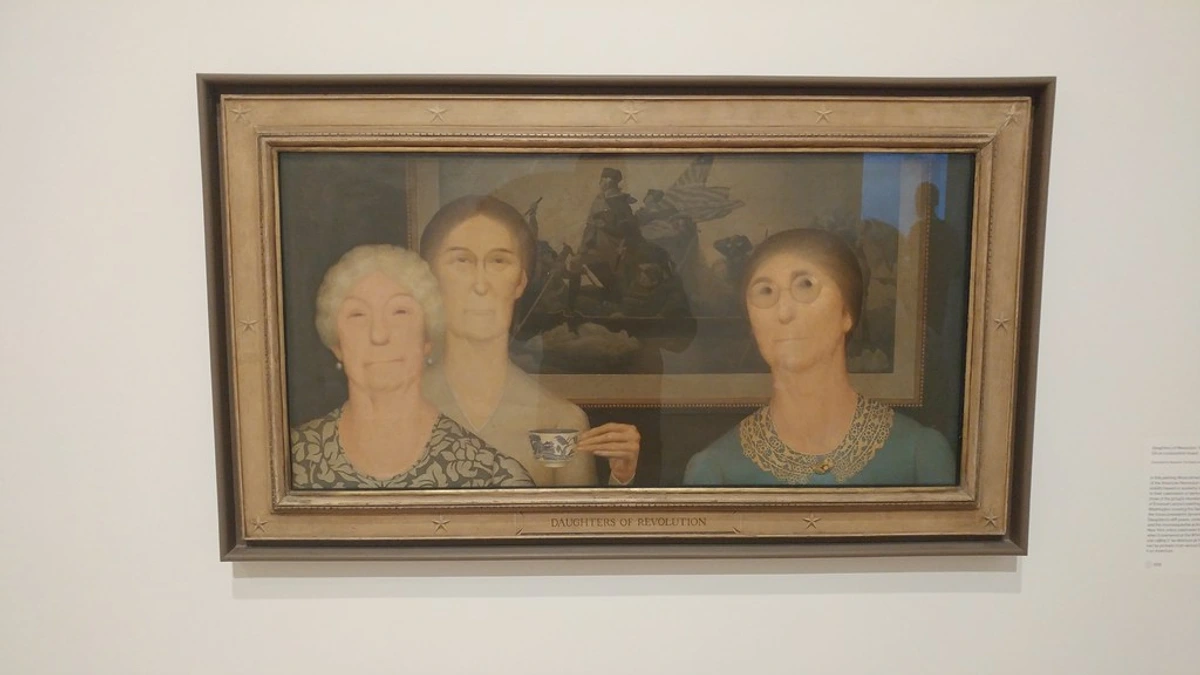
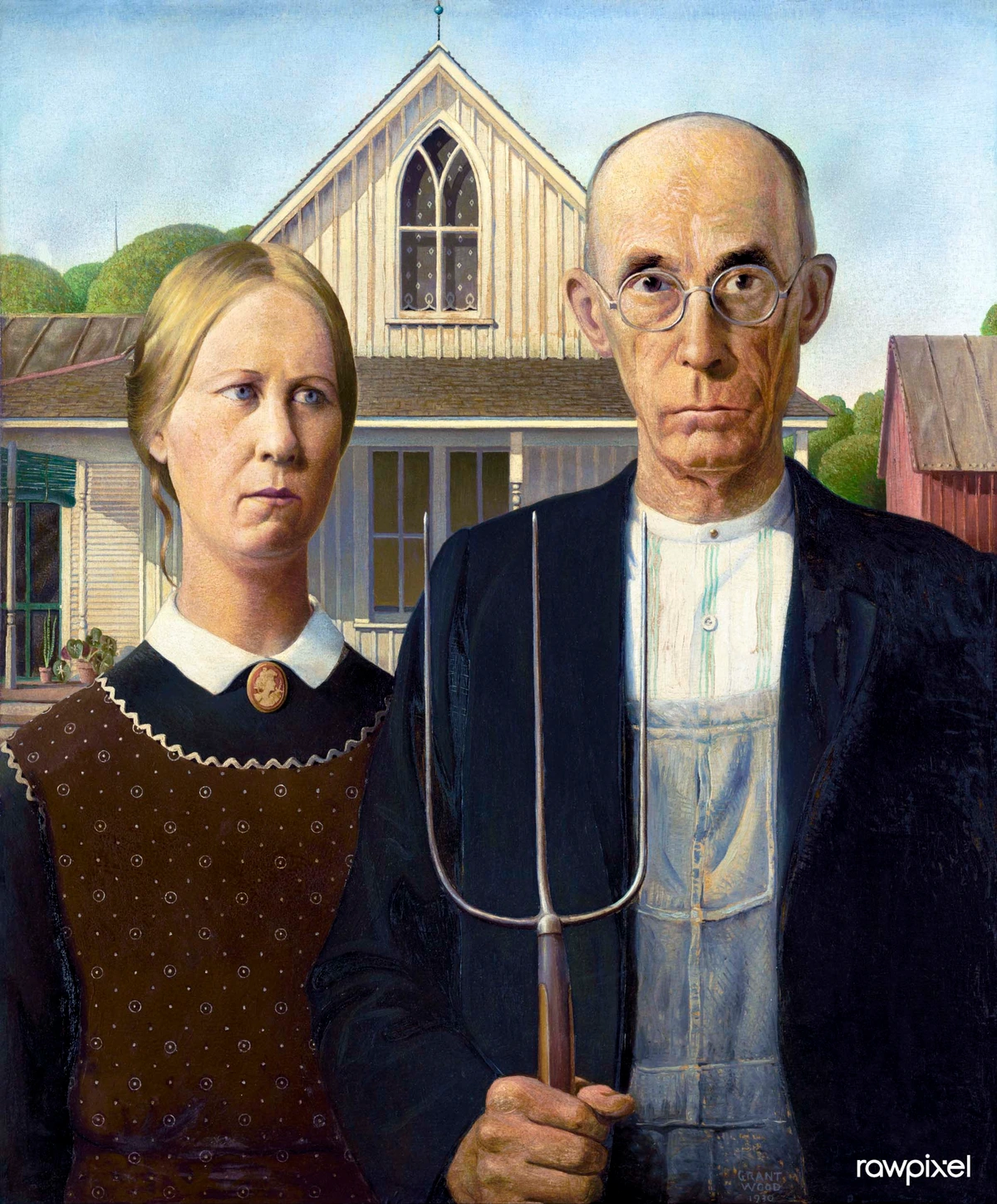
This represented a distinctly different, yet equally fervent, manifestation of the impulse to define an authentic American identity, one deeply rooted in the nation's heartland. Regionalist artists consciously redirected their gaze away from the bustling, often chaotic, urban centers and towards the vast, often serene—and sometimes formidable—expanses of rural America. Leading figures included Grant Wood, renowned for his meticulously detailed and often symbolic depictions of Midwestern life (his iconic American Gothic, for instance, stands as a quintessential portrait of rural resilience, severe practicality, and an unequivocal declaration of a uniquely American identity that has since permeated pop culture); Thomas Hart Benton, whose dynamic, swirling compositions captured the vibrant rhythm and arduous toil of American labor, folk tales, and sweeping rural landscapes across various states (Pioneer Days and Early Settlers and his America Today murals, notably installed at the New School for Social Research, made art directly accessible to the public); and John Steuart Curry, who compellingly documented both the dramatic power of nature and the deeply spiritual lives of Midwestern farmers (Baptism in Kansas, a powerful scene of rural spiritual life, and Tornado over Kansas, depicting nature's raw, destructive force). These artists celebrated—and it's important to acknowledge, sometimes romanticized—the stoic, hardworking values perceived to define rural America, depicting farmers, small towns, and expansive, iconic landscapes with a vivid, accessible narrative quality. Their work was a powerful visual testament to the perseverance of the common person, deliberately crafted to be distinctly separate from what they perceived as decadent or overly intellectual European influences. While widely lauded for celebrating the 'true' America and offering a much-needed sense of stability in profoundly unstable times, Regionalism also faced significant criticism. Detractors argued it sometimes idealized rural life, glossed over the harsher realities of poverty in the countryside, and was seen as overtly anti-modernist by contemporary critics who championed abstract art and its forward-looking aesthetic. Critics further pointed out its sometimes insular, homogenous, and overly sentimental portrayal of American identity, failing to reflect the nation's growing diversity. Nevertheless, these artists were, in essence, striving to paint a comprehensive picture of what America was at its core, finding dignity and a profound sense of character in the everyday lives of its people. Their art gave tangible visual form to a collective longing for a stable, identifiable national character, even as the world around them seemed to crumble into uncertainty.
Movement  | Core Idea | Key Artists | Geographic Focus | Preferred Mediums | Key Themes | Vibe | Exemplary Artworks | Broader Context / Legacy |
|---|---|---|---|---|---|---|---|---|
| Social Realism | Art as a tool for social and political critique, exposing injustice and advocating change. | Ben Shahn, Philip Evergood, Isaac Soyer, William Gropper, Alice Neel (early) | Urban, Industrial Areas, Factory Towns, inner cities | Easel painting, Lithography, Murals, Prints, Photography | Poverty, Labor, Injustice, Class Struggle, Political Corruption, Urban Despair | Gritty, urban, confrontational, activist, urgent, empathetic | The Passion of Sacco and Vanzetti, American Tragedy, Employment Agency, The Senate | Drew inspiration from European Expressionism; laid groundwork for later protest art. |
| Regionalism | Celebrating and defining a rural American identity; often nostalgic or idealized. | Grant Wood, Thomas Hart Benton, John Steuart Curry | Rural Heartland, Small Towns, Agricultural Landscapes, regional myths | Murals, Easel painting, Lithography, Tempera | Rural Life, Patriotism, Tradition, Resilience, Nature's Power, Folk Tales | Nostalgic, rural, sometimes idealized, stoic, narrative, accessible | American Gothic, Pioneer Days and Early Settlers, Tornado over Kansas, Baptism in Kansas | Often criticized for anti-modernism; solidified distinct American imagery; fostered national pride. |
| Photography (FSA) | Documenting hardship & resilience for social and political change; building empathy for New Deal. | Dorothea Lange, Walker Evans, Gordon Parks, Arthur Rothstein, Russell Lee, Marion Post Wolcott | Rural America, Migrant Camps, Dust Bowl Regions, Southern tenant farms | Photography (Black & White, large-format, 35mm) | Poverty, Migration, Dust Bowl, Resilience, Human Dignity, Environmental Disaster | Empathetic, stark, journalistic, evocative, powerful, objective yet humane | Migrant Mother, Tenant Farmer's House, Fleeing a Dust Storm, American Gothic, Washington, D.C. | Established photographic essay as social commentary; influenced photojournalism for decades. |
| Harlem Renaissance (Pre-Depression Influence, but ongoing legacy) | Asserting Black American cultural identity and heritage; challenging stereotypes. | Aaron Douglas, Jacob Lawrence (emerging), Augusta Savage (sculpture), Romare Bearden | Urban (Harlem, NYC), wider Black communities, Southern roots | Painting, Sculpture, Printmaking, Illustration, Collage | Cultural Identity, Heritage, Pride, Social Justice, Urban Life, African American History | Vibrant, expressive, proud, cultural rebirth, rhythmic, intellectually rich | Aspects of Negro Life, The Migration Series (later phases), Gamin, Street Life | Paved way for civil rights art; emphasized African American contribution to American culture. |
| Abstract Art (AAA) | Formal experimentation; exploring universal truths beyond direct representation; advocating modernism. | Stuart Davis, Burgoyne Diller, Ilya Bolotowsky, Charmion von Wiegand | Primarily Urban (NYC), art institutions | Easel painting, Sculpture, Murals (less frequent), Collage, Prints | Form, Color, Line, Universal Emotions, Modernity, Rhythm, Geometry | Intellectual, experimental, formalist, sometimes defiant, independent | House and Street, First Theme, Swing Landscape | Kept avant-garde alive in US; laid vital groundwork for Post-War Abstract Expressionism. |
The Government Becomes a Patron: The WPA Federal Art Project
Here’s where the narrative of American art takes a truly fascinating—and, frankly, a little mind-blowing—turn. The U.S. government, under President Franklin D. Roosevelt's audacious and visionary New Deal, embarked on an utterly unprecedented initiative in American history: it became, by a staggering margin, the largest employer of artists in the entire country. Roosevelt's philosophy, born from the urgent need for economic recovery and national morale, was revolutionary. It asserted that the government had a role not just in infrastructure or finance, but in the very cultural fabric of the nation, recognizing the inherent, dignifying value of all work, including creative work. Roosevelt's philosophy extended far beyond mere economic recovery; it was deeply rooted in a belief in restoring national morale and recognizing the inherent, dignifying value of all work, including creative work. This was no mere band-aid solution; it was a profound declaration that art held intrinsic value, not just as a luxury, but as an essential component of human well-being and national identity, particularly—or perhaps especially—in times of profound crisis. A nation's soul, it posited, required nourishment just as much as its economy. Beyond the sheer scale of the operation, this initiative fundamentally redefined the relationship between art, government, and the public, establishing a model of public arts patronage that, for better or worse, continues to be debated, emulated, and adapted today, profoundly influencing cultural policy into our present moment. The Works Progress Administration (WPA), and specifically its Federal Art Project (FAP) (officially established in 1935, building upon earlier, smaller-scale precursors), was conceived with a dual mandate: not only to provide desperately needed jobs for unemployed artists but also to actively enrich national culture and democratize access to art for all citizens. The underlying principle was disarmingly simple yet profoundly revolutionary: if artists faced unemployment, the government would employ them, channeling their skills and creative energies into a tangible public good. This transcended being merely a welfare program; it was a strategic, visionary investment in the nation's cultural infrastructure, unequivocally declaring art an essential element of civic life and public well-being.
However, the WPA's FAP was by no means the only initiative at play. Grasping the full scope of government patronage necessitates understanding the crucial nuances of several distinct, though often complementary, programs. Among these was the Public Works of Art Project (PWAP), a pioneering and highly influential precursor that, despite its short lifespan from 1933-1934, directly employed artists to create public art during the absolute nadir of the Depression. This program, though brief, was vital in establishing the blueprint for subsequent, larger-scale endeavors, effectively setting the administrative and philosophical stage for the larger programs that followed. Then came the Treasury Relief Art Project (TRAP), which operated from 1935-1939, distinguished by its specific focus on murals and sculptures for existing federal buildings, such as courthouses and customs houses. TRAP sought to beautify existing civic spaces and frequently emphasized themes of local history and community identity, giving artists a chance to connect with specific regional narratives. Finally, and perhaps the most prestigious in its commissioning approach, was the Section of Painting and Sculpture (later formally known as the Section of Fine Arts), active from 1934-1943. This program operated on a highly competitive, anonymous submission basis, commissioning art specifically for newly constructed federal buildings, prominently including post offices and courthouses. Unlike the relief-oriented programs, its emphasis was not solely on job creation but equally on achieving the highest artistic quality and ensuring broad public accessibility, often through regional competitions that encouraged diverse talent from across the country. These diverse programs, each with its unique mandate and approach, collectively and effectively placed art, and crucially, artists, squarely at the service of the nation, marking a profound and enduring shift from the traditional model of private, often elite, patronage to one of widespread public support and democratic engagement.
Program | Duration | Primary Focus | Key Output | Funding Body | Distinctive Feature |
|---|---|---|---|---|---|
| Public Works of Art Project (PWAP) | 1933-1934 | Emergency relief for artists, direct employment, public art commissions. | Murals, easel paintings, sculptures for public buildings, parks, schools | Civil Works Administration | First large-scale federal arts program; rapid implementation. |
| Treasury Relief Art Project (TRAP) | 1935-1939 | Murals and sculptures for existing federal buildings; art for civic beautification. | Federal government buildings, post offices, customs houses, courthouses | Treasury Department | Focused on enriching existing federal infrastructure with art. |
| WPA Federal Art Project (FAP) | 1935-1943 | Mass employment for artists; art education, community art centers, broader cultural outreach. | Thousands of murals, over 2 million posters, sculptures, art classes, exhibitions | Works Progress Administration | Largest and most diverse program; democratized art access nationwide. |
| Section of Fine Arts | 1934-1943 | Commissioned art for new federal buildings; competitive, high artistic quality. | Post office murals, courthouse sculptures, decorative art | Treasury Department | Non-relief; emphasized aesthetic merit through anonymous competitions. |
For a regular salary (typically around $24 a week – a sum that, while modest by today's standards, represented a desperately needed, stable income in an otherwise unstable world), artists were empowered to create an astonishing volume and unparalleled variety of art for the public good. They meticulously painted thousands upon thousands of murals, transforming drab government buildings, post offices, schools, and hospitals into vibrant public galleries that narrated stories of American history, local industry, and community life. They designed and produced over two million posters for critical public health, safety, conservation, and tourism campaigns – many of which are now celebrated as iconic examples of graphic design, lauded for their bold aesthetics and clear, impactful messaging. Beyond two-dimensional work, they crafted sculptures for public parks and buildings, engaged in textile design, expertly crafted ceramics, and developed extensive easel painting projects, often loaned to federal institutions and public libraries. Crucially, they also taught art classes in hundreds of community art centers established across the nation, fostering a new generation of artistic talent from diverse backgrounds and democratizing art education on an unprecedented scale. This broad, visionary, and multifaceted patronage had a truly revolutionary and enduring effect on American culture, unequivocally demonstrating that art could be both a dignified source of employment and an indispensable public good. It profoundly illuminated the incredible potential of art to serve a national purpose, seamlessly integrating it into the very fabric of civic life.

Beyond the Canvas: WPA and the Performing Arts
While the Federal Art Project is the focus here, it's crucial to remember that the WPA's reach extended far beyond visual arts, recognizing the holistic need for cultural enrichment. The Federal Theatre Project employed actors, directors, and stagehands, producing thousands of plays, including innovative "Living Newspapers" that dramatized current events, reaching millions across the country. I find the concept of "Living Newspapers" particularly fascinating—imagine a live, dramatic interpretation of current events, bringing complex issues to life for audiences in a way that resonates profoundly. The Federal Music Project employed musicians, composers, and conductors, organizing orchestras, bands, and concerts that brought classical and folk music to audiences who had never experienced live performances, truly democratizing access to musical experiences. And the Federal Writers' Project employed writers, editors, and historians, compiling invaluable regional guidebooks, oral histories, and folk narratives, documenting American life in unparalleled detail, giving voice to countless untold stories. This holistic approach to cultural patronage underscored a profound belief that all forms of creative expression were vital for national morale and identity during a time of profound crisis. The Federal Music Project employed musicians, composers, and conductors, organizing orchestras, bands, and concerts that brought classical and folk music to audiences who had never experienced live performances. And the Federal Writers' Project employed writers, editors, and historians, compiling invaluable regional guidebooks, oral histories, and folk narratives, documenting American life in unparalleled detail. This holistic approach to cultural patronage underscored a profound belief that all forms of creative expression were vital for national morale and identity during a time of profound crisis. These projects not only provided desperately needed jobs but also brought live performances, literature, and art education to communities that had never experienced them before, fundamentally democratizing access to culture on an unprecedented scale and proving that the arts were not a luxury, but a necessity.
- It Democratized Art: This was perhaps the most profound impact. Suddenly, art was no longer confined to the exclusive realms of private collections, elite galleries, or hushed museum halls. It was, quite literally, yanked from its gilded cage and integrated directly into the vibrant fabric of everyday public life, becoming an omnipresent and accessible part of the national landscape. Imagine the profound experience: you're simply mailing a letter in your local post office and you encounter a powerful mural depicting local history or industry, or perhaps strolling through a city park and discovering a dynamic new sculpture, or even, for the very first time, having the opportunity to learn to paint at a community art center. This transformative shift, making art an everyday encounter rather than a distant spectacle, fostered an entirely new and widespread appreciation for art among ordinary citizens. It fundamentally transformed art from an esoteric pursuit for a privileged few into a shared public experience, deeply relevant to their lives and communities. This era truly made art 'for the people,' blurring the once rigid lines between 'high art' and popular culture in a way that had lasting repercussions for public engagement with the arts, laying essential groundwork for broader cultural literacy and participation. Imagine the profound experience: you're simply mailing a letter in your local post office and you encounter a powerful mural depicting local history or industry, or perhaps strolling through a city park and discovering a dynamic new sculpture, or even, for the very first time, having the opportunity to learn to paint at a community art center. This transformative shift, making art an everyday encounter rather than a distant spectacle, fostered an entirely new and widespread appreciation for art among ordinary citizens. It fundamentally transformed art from an esoteric pursuit for a privileged few into a shared public experience, deeply relevant to their lives and communities. This era truly made art 'for the people,' blurring the once rigid lines between 'high art' and popular culture in a way that had lasting repercussions for public engagement with the arts, laying essential groundwork for broader cultural literacy and participation.
- It Gave Artists Unprecedented Freedom and Stability: This was a truly monumental shift. For countless artists grappling with the existential threat of a collapsed economy, a regular government paycheck represented an absolute lifeline. Prior to the WPA programs, making a living solely from art was often a precarious privilege afforded to a select few, with many artists facing extreme poverty, forced into other trades, or compelled to abandon their artistic callings entirely. This newfound stability, however, dramatically liberated them from the often-harsh, profit-driven pressures of the commercial market, where the imperative to sell work was paramount for sheer survival. This creative autonomy fostered an environment ripe for significant artistic experimentation, enabling the exploration of challenging and often socially critical subject matter that might never appeal to traditional private patrons. It also facilitated the development of unique, often distinctly American, styles, unburdened by the constant need to cater to commercial tastes or European trends. This period of financial security and creative liberty proved absolutely crucial for many artists who would later become giants of American and indeed, global art. These included figures like Jacob Lawrence, whose powerful narrative series, such as The Migration Series, vividly chronicled the African American experience with a direct, poignant style; Stuart Davis, a pioneer of American modernism who infused his vibrant, Cubist-inspired works with the dynamic rhythms of jazz and urban life, creating a distinctly American vocabulary for abstraction; Arshile Gorky, a foundational figure whose evolving work laid crucial groundwork for what would become Abstract Expressionism, bridging European modernism with American innovation; Mark Rothko, who, in his early career, experimented with figuration and surrealism before moving towards his profound, emotionally resonant color field paintings (you can read more about him in our ultimate guide to Rothko); Willem de Kooning, another titan of Abstract Expressionism (for more, see our ultimate guide to Willem de Kooning); and even a young, struggling Jackson Pollock, who found early employment, mentorship, and a sense of purpose through these programs (discover more in our ultimate guide to Jackson Pollock). It's truly remarkable to consider that the very seeds of future revolutionary movements like Abstract Expressionism were being sown, nurtured, and allowed to germinate by a government relief program, underscoring the profound and often unexpected long-term impact of investing in culture, even in the bleakest of times. The sheer volume of art produced during this period, estimated at hundreds of thousands of individual pieces, stands as an undeniable testament to this extraordinary burst of creative energy and innovation. It's truly remarkable to consider that the very seeds of future revolutionary movements like Abstract Expressionism were being sown, nurtured, and allowed to germinate by a government relief program, underscoring the profound and often unexpected long-term impact of investing in culture, even in the bleakest of times. The sheer volume of art produced during this period, estimated at hundreds of thousands of individual pieces, stands as an undeniable testament to this extraordinary burst of creative energy and innovation.
- It Fostered Skill Development and Community: Beyond the direct commissioning of finished artworks, the Federal Art Project (FAP), along with earlier programs like the PWAP, actively established and operated hundreds of vibrant community art centers across the nation. These centers rapidly evolved into vital cultural hubs, offering free art instruction, hands-on workshops in a wide array of disciplines including painting, sculpture, printmaking, and ceramics. Crucially, they also provided access to essential art materials, reaching millions of individuals in communities that had previously been entirely bereft of formal art education opportunities. Can you imagine the impact of learning ceramics or painting for free during the deepest economic crisis, connecting with fellow aspiring artists, and discovering a powerful creative outlet? This truly democratized education not only cultivated new artistic talent and amplified diverse voices from all socio-economic and ethnic backgrounds but also built an expansive, enduring foundation for American artistic education and engagement. It fostered a strong, collaborative sense of community among artists and the broader public alike, creating accessible, dynamic spaces for creative exchange and lifelong learning. This revolutionary initiative effectively planted the seeds for a more artistically literate populace, ensuring that the artistic spirit of the nation wouldn't simply wither under duress but would instead flourish with newfound depth, breadth, and inclusivity, proving that art education isn't a luxury, but a fundamental right. Can you imagine the impact of learning ceramics or painting for free during the deepest economic crisis, connecting with fellow aspiring artists, and discovering a powerful creative outlet? This truly democratized education not only cultivated new artistic talent and amplified diverse voices from all socio-economic and ethnic backgrounds but also built an expansive, enduring foundation for American artistic education and engagement. It fostered a strong, collaborative sense of community among artists and the broader public alike, creating accessible, dynamic spaces for creative exchange and lifelong learning. This revolutionary initiative effectively planted the seeds for a more artistically literate populace, ensuring that the artistic spirit of the nation wouldn't simply wither under duress but would instead flourish with newfound depth, breadth, and inclusivity.
The Rise of the Documentary Eye: Photography as Social Conscience and Catalyst for Change
It wasn't solely painters who discovered a new, urgent voice during the Depression; the camera, with its unparalleled directness and perceived objectivity, emerged as an equally, if not more, potent tool for capturing the raw, unvarnished truth of the era. Photography, with its inherent immediacy and compelling realism, became one of the most powerful and accessible mediums of the Great Depression, fundamentally shaping how Americans across the nation understood the unfolding crisis. I often think about how photography, unlike painting, seemed to offer an unfiltered glimpse into reality, making the suffering undeniably real for those far removed from it. The Farm Security Administration (FSA), originally the Resettlement Administration and another crucial New Deal agency, implicitly grasped this profound power. From 1935 to 1944, the FSA's Information Division, operating under the visionary and meticulous leadership of Roy Stryker, assembled an extraordinary cohort of photographers. This included luminaries like Dorothea Lange, Walker Evans, Gordon Parks, Arthur Rothstein, Russell Lee, and Marion Post Wolcott, among others. Their collective mission was crystal clear: to meticulously document the devastating plight of rural Americans, particularly migrant workers, impoverished sharecroppers, and displaced farm families suffering from the ravages of the Dust Bowl and the broader economic collapse. Their work transcended mere documentation; it was a powerful, albeit subtly executed, form of public relations designed to build widespread support for government relief programs and vividly showcase the urgent need for aid. These photographers were, in essence, putting a visceral human face to abstract economic statistics, transforming impersonal indicators into undeniable, emotionally resonant human narratives that profoundly stirred the national conscience and galvanized public empathy.
Framing the Hardship: The FSA's Photographic Mission
The FSA's photographic project was utterly unprecedented in its scale, ambition, and its recognition of the profound power of visual storytelling to influence public consciousness. Under the meticulous and guiding direction of Roy Stryker, photographers were strategically dispatched across the nation with specific, yet flexible, instructions: to comprehensively document rural poverty, the devastating ecological and human effects of the Dust Bowl on land and lives, patterns of internal migration, and the nascent efforts at resettlement. Crucially, their mission was not solely about capturing bleakness; it was equally about powerfully highlighting the indomitable resilience of the American spirit, the quiet dignity of the common person, and ultimately, building widespread empathy and support for the government's expansive relief programs. Stryker actively encouraged his photographers to delve deeply into the lives of their subjects, fostering a sense of intimacy, respect, and authenticity that transcended mere objective reportage, effectively creating a nuanced and deeply human national portrait. These compelling images were intended for widespread public consumption, distributed freely to newspapers, magazines, government agencies, and public exhibitions, playing an absolutely critical role in shaping public opinion and galvanizing support for New Deal policies. I find it fascinating how Stryker's directives, though detailed, allowed for immense artistic freedom, empowering photographers to tell stories rather than just capture data. They became an indispensable tool in rallying the national will and garnering support for government intervention.
These were far from casual snapshots or simple, unmediated documentary photos. These were meticulously composed, deeply empathetic, and often aesthetically profound portraits and expansive landscapes that collectively put an undeniable human face on the crisis. Often captured with large-format cameras, which afforded incredible detail, sharpness, and a palpable sense of gravitas, these images possessed an almost painterly quality, imbued with an undeniable journalistic immediacy. They were crafted to evoke deep emotion, narrate powerful individual stories, and bear solemn witness to a pivotal, often agonizing, moment in American history. Dorothea Lange's Migrant Mother (1936), depicting Florence Owens Thompson and her children in a pea-pickers' camp in Nipomo, California, stands as perhaps the most famous and enduring example. It is an image that transcended mere photojournalism to become a universal symbol of suffering, endurance, and human dignity against overwhelming odds, recognized globally as an icon of the Depression era. Lange's approach often involved spending time with her subjects, building trust, and capturing moments of profound emotional truth. Beyond Migrant Mother, Lange's extensive portfolio includes haunting portraits like White Angel Breadline and poignant scenes of displaced families, all imbued with a profound sense of human dignity amidst pervasive despair. This entire, monumental body of work by the FSA photographers unequivocally cemented photography's role as a powerful agent for social change, profoundly shaping public perception, directly influencing policy, and leaving an indelible visual legacy that continues to resonate decades later. It proved, unequivocally, that a single, masterfully composed image possessed the capacity to speak volumes, stir the conscience of a nation, and drive meaningful action. Their photographs, collectively, became the iconic visual vocabulary of the Depression era, an invaluable and permanent record of hardship, resilience, and enduring hope.
Key FSA Photographers and Their Unique Contributions
While Dorothea Lange's Migrant Mother is globally recognized as an icon of the era, it's absolutely vital to appreciate the diverse perspectives, stylistic approaches, and profound contributions of her equally talented contemporaries within the FSA, each of whom provided a unique lens through which to view the national narrative:

- Walker Evans: Renowned for his stark, almost detached, yet profoundly moving depictions of rural architecture, vernacular structures, and the quiet dignity of ordinary people. His work often captured the desolate beauty and raw honesty of neglected homes and storefronts (Tenant Farmer's House, Hale County, Alabama is a powerful example, revealing so much through seemingly simple details). Collaborating notably with writer James Agee on what would become the powerful book Let Us Now Praise Famous Men, Evans aimed for an objective, almost scientific realism that nonetheless conveyed deep, quiet empathy for his subjects. He meticulously documented sharecropper families, small-town storefronts, and humble interiors, creating an unparalleled sociological record that presented the unvarnished facts of poverty with an arresting visual honesty, allowing viewers to draw their own conclusions about dignity and despair. Evans’s approach often emphasized the inherent resilience and dignity of his subjects, even amidst their starkest circumstances, preferring direct observation to overt sentimentality.
- Gordon Parks: A towering figure who would later become a renowned photographer, filmmaker, and composer, Parks began his career documenting the lives of African Americans for the FSA. He overcame significant racial barriers to do so, bringing an essential perspective to the agency's work. His early contributions, though relatively brief within the FSA, laid crucial groundwork for his lifelong commitment to social justice and the dignified portrayal of marginalized communities, particularly evident in his powerful and subtly critical image American Gothic, Washington, D.C. (1942), which eloquently critiqued racial injustice through the portrayal of Ella Watson, a government cleaning woman. Parks's lens brought a vital, often overlooked, dimension to the FSA's efforts, showing that hardship wasn't confined to a single demographic, and racial injustice was interwoven with economic struggle.
- Arthur Rothstein: Captured some of the most iconic and enduring images of the Dust Bowl, including his dramatic Fleeing a Dust Storm (1936), which powerfully illustrated the ecological disaster ravaging the American plains and the desperate struggle for survival faced by countless farming families. His approach was characterized by a scientific precision tempered with profound empathy, underscoring both the environmental and human impact of the Depression. Rothstein's images didn't just show the human cost; they visually articulated the environmental catastrophe that exacerbated the economic crisis.
- Russell Lee: Distinguished by his comprehensive documentation of small-town life and the daily routines of ordinary Americans across various regions. Lee's extensive archive provides an invaluable, often more optimistic, glimpse into varied regional experiences, capturing everything from Saturday night dances to intricate farming techniques, illustrating the rich and diverse tapestry of American life with a keen eye for detail and a warm human touch. His work often highlights the enduring cultural practices and community bonds that persisted even in the toughest times.
- Marion Post Wolcott: A crucial, though sometimes historically overlooked, female photographer for the FSA. Wolcott documented the lives of migrant workers, sharecroppers, and coal miners with a sensitive and penetrating eye, particularly focusing on women and children. Her work adeptly captured both the harsh realities and the simple, enduring joys of everyday life in rural America, providing a vital counterpoint to some of the more stark depictions and highlighting the diverse experiences and quiet strengths of the era's populace. Her photographs often offer an intimate look into the domestic lives and resilience of women navigating these incredibly difficult circumstances.This collective and unprecedented effort by the FSA photographers profoundly established the photographic essay as a potent and enduring form of social commentary and journalistic inquiry. Their methodologies and aesthetic directly influenced generations of documentary photographers and photojournalists worldwide, including those who would define publications like Life and Look magazines. Their images were far more than mere records; they were meticulously crafted narratives, compelling arguments, and poignant pleas for recognition and systemic change, shaping the visual consciousness of America and undeniably demonstrating the profound power of the camera to bear witness and inspire impactful action. The FSA collection remains one of the most significant and influential photographic archives in human history, an enduring testament to the era's struggles and triumphs.
The Legacy of the Lens: Photography's Lasting Influence
The impact of FSA photography extends far beyond the immediate context of the New Deal. It solidified photography's place as a credible, powerful medium for social change and historical documentation. The aesthetic of stark realism and profound humanism that these photographers pioneered became a benchmark for photojournalism and documentary practice for decades, directly influencing the golden age of photojournalism in magazines like Life and Look. Their work continues to be studied for its artistic merit, its historical significance, and its enduring capacity to evoke empathy and provoke thought. It taught us that the camera, in the right hands, is not just a recording device, but a tool for conscience.
But Did Everyone Just Paint Sad Farmers? The Enduring Pulse of Modernism
It’s easy to think that all art from the Depression was grim, gritty, and strictly realistic, focused solely on the immediate struggles of ordinary Americans. But let me tell you, that's not the whole story, not by a long shot. I often remind myself that even in the most challenging times, artistic expression is never monolithic; there's always a counter-current, a different impulse at play. While the dominant narrative certainly turned inward to American life and its challenges, the flame of modernism, though perhaps flickering and sometimes facing overt criticism from those who saw it as irrelevant or elitist, never truly died. There were artists who, even amidst the chaos, continued to explore new visual languages and philosophical concepts that transcended immediate socio-economic conditions. It highlights a crucial truth: even in collective crisis, individual artistic impulses remain incredibly diverse and resilient. I find this fascinating; it reminds me that even when society faces monumental external pressures, the internal drive for diverse artistic expression continues to churn, pushing boundaries and exploring different facets of the human experience. While the dominant narrative certainly turned inward to American life and its challenges, the flame of modernism, though perhaps flickering and sometimes facing overt criticism from those who saw it as irrelevant or elitist, never truly died. There were artists who, even amidst the chaos, continued to explore new visual languages and philosophical concepts that transcended immediate socio-economic conditions. It highlights a crucial truth: even in collective crisis, individual artistic impulses remain incredibly diverse and resilient. I find this fascinating; it reminds me that even when society faces monumental external pressures, the internal drive for diverse artistic expression continues to churn, pushing boundaries and exploring different facets of the human experience.
American Abstract Artists (AAA): Keeping the Avant-Garde Alive and Thriving
Against the overwhelming tide of realism that dominated public discourse and governmental patronage, the American Abstract Artists (AAA) group, formally founded in 1936, steadfastly continued to push rigorously for the recognition and advancement of non-representational art. This was far from an act of indifference or a mere escapist retreat; it was, rather, a passionate and deeply held conviction that abstraction possessed its own inherent logic, profound emotional power, and undeniable intellectual validity, entirely independent of immediate social conditions. They powerfully argued that art could indeed speak to universal truths, profound psychological states, and inherent formal beauty without depicting recognizable objects, thereby offering a different, yet equally vital, kind of commentary on the human condition. Key figures like Stuart Davis, who famously infused American jazz rhythms, popular culture iconography, and urban signage into his vibrant, Cubist-inspired compositions (House and Street, Swing Landscape), and Burgoyne Diller, a pioneering force in geometric abstraction deeply influenced by De Stijl's pure forms and the principles of Piet Mondrian (First Theme series), were instrumental in galvanizing this movement. They advocated fiercely for the intrinsic significance of form, color, and line for their own sake, often drawing inspiration from earlier European avant-garde movements such as Cubism, Suprematism, and Constructivism. The AAA remained a relatively small but incredibly important and resilient voice, often struggling for exhibition space and broader public recognition, and frequently resorting to staging its own exhibitions. Yet, in doing so, they effectively kept the torch of modernism not just flickering, but brightly burning, ensuring that American art wouldn't be exclusively defined by its representational responses to the crisis. Aesthetically and ideologically, they paved an essential path for post-war movements like Abstract Expressionism, unequivocally proving that formal experimentation was as vital and profound as direct social commentary, viewing abstract art as a powerful means to express the underlying structures and universal emotions of the human condition, rather than merely its surface appearances or literal narratives.
Similarly, a distinct current of artists found a different kind of solace and profound expression in a uniquely American strain of Surrealism. Rather than engaging in direct social commentary through overt representation, these artists conjured haunting, dreamlike, and often deeply psychological landscapes and fantastical allegories. Their aim was to explore the era's pervasive anxieties, disillusionment, and the subconscious struggles of a nation on a deeper, often more unsettling, level. Figures such as Federico Castellón (known for his enigmatic dreamscapes and introspective figures that often delve into themes of memory and folklore) and Peter Blume (The Eternal City, a scathing political satire that powerfully critiques fascism and its inherent corruption) infused their surrealist works with profound social critique. They achieved this not through literal depiction, but by employing symbolic imagery, unexpected juxtapositions, and a highly personal visual language to comment on political corruption, societal decay, or the sheer desolation of the Depression. Their approach was less direct, yet profoundly more psychologically resonant, than that of their Social Realist counterparts. This particular branch of American art offered a vital form of artistic engagement that was not an escape from reality itself, but rather an immersive dive into a different kind of reality—a rich inner world where the external turmoil was processed and given form through symbols, dreams, and subconscious narratives. It eloquently demonstrated that art possessed the powerful capacity to address the profound psychological impact of crisis, not solely its outward manifestations or observable conditions, capturing the inexpressible fears and hopes of an age. You can explore the broader enduring legacy of Surrealism for more context.

The persistence of these non-realist movements during an overwhelmingly realist-focused era highlights a crucial point that I often reflect upon: the Great Depression didn't create a single, monolithic style or dictate a singular artistic response. Instead, it acted like an immense pressure cooker, intensifying every existing artistic impulse and forcing a profound introspection. It pushed artists to ask themselves, and their audiences, the fundamental, almost existential questions: What is art for? Is it a mirror to society, reflecting its truths? Is it a hammer to change it, a tool for activism? Or is it a window to escape it, a refuge for the imagination? The diverse, often conflicting, answers they found, and the vibrant artistic paths they forged—from the grittiest realism to the most ethereal abstraction—continue to shape American art to this day, echoing in contemporary expressions of social commentary and personal exploration. It's a powerful reminder that crisis, while devastating, can also be a profound catalyst for creativity and redefinition, broadening the scope of what art can achieve.
Beyond Borders: Expatriate Artists and the Crucial International Exchange
While the primary focus of this article has been on art within America during the Depression, it is crucial to acknowledge that these years also witnessed a complex and deeply fascinating interplay with the international art world. On one hand, some American artists, who had been drawn to the vibrant cultural scenes of European capitals before the onset of the war and the global economic downturn, chose to remain abroad, navigating their own artistic paths through different, yet equally pressing, crises, often remaining deeply influenced by ongoing European modernism. Conversely, and perhaps even more significantly for the future of American art, as fascism ominously rose across Europe and the specter of impending war loomed ever larger, a significant and influential wave of European artists and intellectuals began to emigrate to the United States. These émigrés brought with them a fresh influx of cutting-edge avant-garde ideas, profound theoretical insights, and innovative pedagogical approaches. Notably, figures associated with the seminal Bauhaus movement, such as Josef Albers and László Moholy-Nagy, found new homes and influential teaching positions at institutions like Black Mountain College and the New Bauhaus (later the Institute of Design) in Chicago, respectively. Their presence contributed immeasurably to the rich tapestry of American modernism and fundamentally revolutionized art education with their innovative approaches to design, materials, and interdisciplinary thinking. Beyond the Bauhaus artists, prominent figures like the Surrealist Max Ernst and the art historian Erwin Panofsky also found refuge and new opportunities in the US, further enriching the intellectual and artistic landscape. This vital transatlantic exchange, though sometimes overshadowed by the more inward-looking nationalistic impulses of American Scene Painting, proved absolutely crucial for the long-term development of American art, profoundly enriching its theoretical foundations and significantly expanding its stylistic vocabulary beyond the confines of realism. It serves as a powerful reminder that art, much like economics and politics, is rarely confined by national borders, and this specific period truly set the indelible stage for New York to eventually eclipse Paris as the global capital of the art world after World War II—a direct and undeniable legacy deeply linked to this influx of European talent, ideas, and intellectual rigor.
The Enduring Legacy: Art Shaped by Crisis
Perhaps you'll find inspiration in a new piece for your home, something that reflects your own journey, which you can discover at my art shop.
The Enduring Legacy: Art Forged in Crisis, Inspiring Future Generations
The artistic revolution spurred by the Great Depression left an indelible, profoundly transformative mark on American art, reshaping its trajectory for generations. It decisively propelled the formation of a distinct national artistic identity, firmly divorcing American art from its long-standing, often deferential, reliance on European trends and establishing a unique, confident voice on the global stage. It unequivocally solidified the role of government as a significant and legitimate patron of the arts, setting an enduring precedent for public funding and demonstrating art's intrinsic value far beyond commercial markets, recognizing its vital importance for national morale, education, and collective well-being. The powerful emphasis on art for social commentary, public education, and widespread community engagement became deeply ingrained in the American artistic consciousness, profoundly influencing countless generations of artists and subsequent movements, from the Civil Rights era and the social protests of the 1960s to contemporary activist art and extensive public art initiatives. This pivotal period forced a vital reckoning with art's fundamental purpose, catalyzing a dramatic shift from a mere aesthetic pursuit or exclusive luxury to a powerful, indispensable tool for social understanding, national identity formation, collective healing, and even direct political change. It proved, in the most challenging of circumstances, that even in the bleakest of times, creativity doesn't just survive; it transforms, it evolves, and it leaves an incredibly profound and inspiring legacy for all who follow. The art created during the Great Depression wasn't merely a passive reflection of a difficult decade; it was, in its essence, a powerful act of collective introspection, a testament to the indomitable human spirit, and a bold, enduring redefinition of art's fundamental role in society. As artists continue to grapple with contemporary crises—be they economic, social, environmental, or political—they frequently look back to this foundational period, drawing invaluable inspiration from those who found purpose, voice, and transformative creative energy when all seemed lost. What will you create on your own blank canvas, when faced with the inevitable challenges of your time? This rich and compelling history serves as a powerful reminder that art's enduring power lies not just in its beauty or aesthetic appeal, but crucially, in its profound capacity to reflect, to question, to challenge, and ultimately, to help us rebuild and redefine our world. It truly showed us the resilience of the human spirit through artistic creation.
FAQ: Art and the Great Depression
I find that when we delve into historical movements, certain questions always bubble to the surface, and this era is particularly rich with fascinating inquiries. So, let’s tackle some of the most common inquiries about art during this transformative period, giving you the comprehensive answers you need to truly grasp its significance.
How did the rise of photography affect traditional painting during the Depression?
I find this a really interesting question because the emergence of photography as a dominant documentary medium during the Depression created a fascinating dynamic with traditional painting. While photography excelled at capturing stark realism and the immediate struggles, it freed painters to explore other facets of the human experience. Some painters embraced the realism, but others were pushed towards more symbolic, psychological, or even abstract representations, recognizing that photography now held the unique power of direct, unvarnished documentation. It wasn't necessarily a competition, but rather a redefinition of roles, with each medium finding its most potent expression in response to the crisis.
How did the Great Depression influence the art market and artist livelihoods?
During the Great Depression, the art market suffered immensely. Private patronage, once a cornerstone of artistic support, largely disappeared as collectors faced financial ruin. Galleries struggled, sales plummeted, and many artists found themselves without any means of livelihood. This economic devastation was a primary catalyst for artists to seek alternative forms of support and to re-evaluate the purpose of their work, moving away from purely commercial ventures towards public and socially conscious art. It was in this vacuum that government patronage through the New Deal became not just important, but absolutely vital for the survival of many artists and the flourishing of new artistic movements. To learn more about how art markets function in challenging times, I'd recommend exploring articles on the art market.
What role did satire and political cartooning play?
Satire and political cartooning played a remarkably significant role during the Great Depression, offering both biting critique and a vital outlet for public frustration and humor. Artists like William Gropper, a prominent Social Realist, were masters of this form, using exaggerated imagery and sharp wit to expose political corruption, highlight social injustices, and lampoon the powerful. Their work appeared in newspapers and magazines, reaching a wide audience and helping to shape public opinion and mobilize support for change. I think it shows that even in the darkest times, art can be a powerful, accessible weapon for commentary and a source of shared understanding and resilience.
What were the dominant art movements and styles during the Great Depression?
The Great Depression witnessed the ascendance of American Scene Painting, an umbrella term encompassing movements like Regionalism (focusing on rural American life and its enduring values, exemplified by iconic works such as Grant Wood's American Gothic and Thomas Hart Benton's dynamic murals depicting labor and landscapes) and Social Realism (offering a critical and often political look at pressing social issues, urban poverty, and class struggle, with artists like Ben Shahn and Isaac Soyer). Beyond these dominant representational styles, abstract art through groups like the American Abstract Artists (AAA) and a distinctly American Surrealism also maintained a presence, demonstrating a diverse artistic response to the crisis that encompassed both direct social commentary and introspective psychological exploration.
Were there specific materials or resource limitations that affected artists?
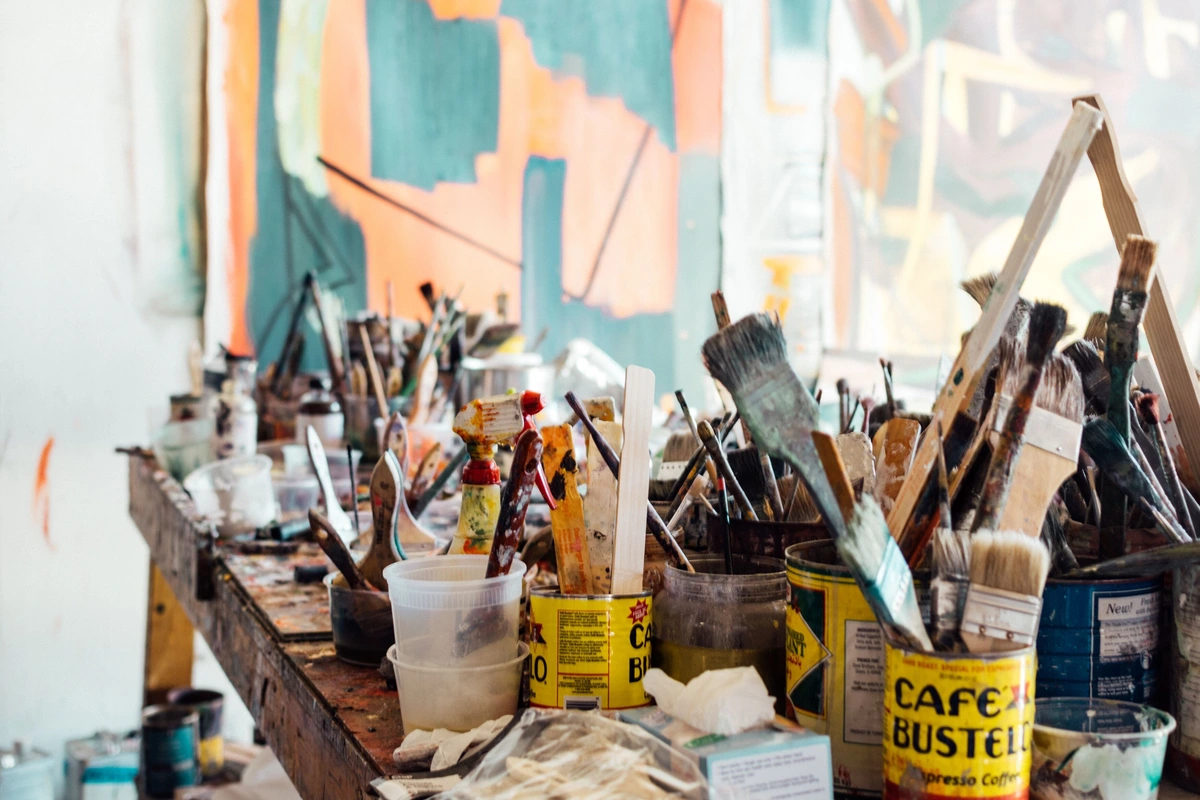
Absolutely, resource limitations were a very real concern for artists during the Great Depression, profoundly influencing their choices of medium and scale. With private patronage drying up and personal finances often precarious, artists frequently turned to more affordable and readily available materials. This included using paper for drawings, prints, and posters (which were also easier to distribute), as well as utilizing local resources for murals, such as fresco painting (though less common than mural painting with more accessible paints) or painting on canvas that could then be affixed to walls. The emphasis on community art centers, as I mentioned earlier, also helped by providing shared resources and materials. This forced creativity, ironically, sometimes led to innovative techniques and a greater appreciation for simpler, more direct forms of artistic expression.
What specific art techniques and mediums were most prevalent during this period?
During the Great Depression, artists frequently utilized mediums and techniques that were both accessible and conducive to public art and social commentary. Mural painting saw an enormous resurgence, especially through the WPA programs, transforming public buildings into accessible art galleries that brought art directly to the masses. Artists used traditional oil on canvas for easel paintings, but also embraced more democratic and reproducible forms like lithography and woodblock printing for posters, political cartoons, and inexpensive prints, making art more affordable for the average citizen. Photography, particularly black and white large-format photography, became paramount for its documentary power and perceived objectivity, as exemplified by the FSA. Additionally, sculpture for public spaces and a variety of crafts like ceramics, textiles, and even metalwork were widely practiced in community art centers, emphasizing utility, skill development, and broad engagement over exclusivity. The emphasis was often on techniques that could reach a wide audience or directly serve a community purpose.
How did the WPA programs contribute to diversity in art?
The WPA programs, particularly the Federal Art Project, made immense strides in fostering diversity within American art, though perhaps not always explicitly as a primary goal. By providing salaried employment to artists based on need rather than fame or style, the programs inadvertently opened doors for women, African Americans, and other marginalized groups who had historically faced systemic barriers in the art world. Community art centers brought art education and opportunities to underserved communities, nurturing talent from diverse backgrounds and ensuring that a wider range of voices and perspectives found expression. This led to a more inclusive national artistic landscape, laying groundwork for future movements championing social justice and representation.
How did the New Deal art programs, especially the WPA's Federal Art Project, actually work?
The New Deal art programs, particularly the Works Progress Administration (WPA)'s Federal Art Project (FAP), alongside initiatives like the Public Works of Art Project (PWAP) and the Treasury Relief Art Project (TRAP), employed thousands of artists on a salary basis (typically around $24 a week). The goal was dual: provide relief to unemployed artists and enrich public life. Artists created an astonishing volume of public art—thousands of murals in post offices, schools, and hospitals; over two million posters for government campaigns; sculptures for public parks; and taught art classes in community centers. These programs made art accessible to everyone, fostered artistic freedom by removing commercial pressures, and provided artists with a living wage and opportunities for skill development and community engagement, fundamentally altering the artistic landscape.
What was the significance of murals in Depression-era art?
Murals held incredible significance during the Depression, becoming almost synonymous with public art of the era. The New Deal art programs, especially the WPA, championed mural painting as a way to bring art directly to the people, integrating it into post offices, schools, and other public buildings. These weren't just decorative; they were powerful storytelling devices, often depicting local history, industry, community values, or patriotic themes. I see them as a visual manifestation of a collective national narrative, designed to uplift spirits, educate, and foster a sense of shared identity and purpose during a time of fragmentation and despair. They were grand, accessible, and spoke directly to the communities they adorned, cementing art's role in civic life.
What was "American Scene Painting"?
American Scene Painting was a broad artistic movement that emerged in the 1930s, characterized by a deliberate focus on distinctly American subjects, themes, and narratives. It wasn't merely a stylistic choice; it was an ideological stance, a rejection of European aesthetic dominance in favor of celebrating and defining American identity and experiences during a period of profound national crisis. It encompassed both the rural-focused Regionalism (emphasizing small-town life, farming, and idealized heartland values) and the urban, socially critical Social Realism (addressing the harsh realities of poverty, industrial labor, and social injustice), almost like two sides of the same coin in portraying the national condition in a representational style.
Beyond painting, what other art forms flourished during the Depression?
While painting certainly gained significant attention, other art forms experienced a remarkable flourishing, often spurred by government patronage and the need for accessible public art. Photography, through the Farm Security Administration (FSA), experienced an unprecedented boom, with iconic photographers like Dorothea Lange and Walker Evans documenting the human impact of the Depression with profound empathy and journalistic integrity. Graphic arts, especially poster design for government campaigns, saw widespread production and became a powerful tool for public information, morale-boosting, and promoting New Deal initiatives. Public sculpture, often integrated into new federal buildings and parks, also flourished under federal patronage, adding dignity and artistic expression to public spaces. Furthermore, advancements in crafts like ceramics, textiles, and even theater and music through other WPA cultural projects (Federal Theatre Project, Federal Music Project) saw renewed emphasis and public support, bringing live performances and artistic education to communities across the nation. The era truly fostered a diverse range of artistic expression, proving that creativity transcends specific mediums, especially when fueled by a collective need for connection, understanding, and hope.
How did the Great Depression change the relationship between artists and the public?
One of the most profound and enduring shifts was the dramatic democratization of art. The Depression, particularly through the expansive WPA art programs, fundamentally altered who art was for and where it could be found. It brought art out of elite galleries and private collections and directly into public spaces – post offices, schools, hospitals, parks, and community centers – making it accessible to ordinary citizens from all walks of life, often for the very first time. This fostered an entirely new connection between artists and their communities, fundamentally establishing art not as a luxury, a commodity, or an esoteric pursuit, but as a vital part of civic life, a tool for collective understanding, a source of comfort, a means of expression for the nation's shared struggles and hopes, and even a form of public education. It built a broader, more engaged, and more diverse audience for art than ever before. I think of it as art truly becoming 'for the people,' rather than just 'of the people,' reshaping cultural consumption and participation for decades to come.
Did the Great Depression affect European artists in the same way?
While Europe also faced severe economic hardship during this period, the artistic response was notably different, often overshadowed by broader geopolitical anxieties and the looming threat of war. European art was more deeply entangled with the rise of fascism, the Spanish Civil War, and the inexorable lead-up to World War II, which meant the concerns were often more overtly political, psychological, and existential rather than solely economic. Movements like Surrealism and the remnants of Dadaism were already grappling with political and psychological turmoil on a grander, more existential scale, often critiquing societal structures or exploring the subconscious as a refuge from a fractured reality. Figures like Pablo Picasso's monumental Guernica (What is the Meaning of Picasso's Guernica?), a visceral response to the bombing of Guernica during the Spanish Civil War, immediately comes to mind as an example of art directly addressing international conflict and the horrors of war. The American artistic response, while certainly political in its Social Realism, was often more focused on defining a national identity and confronting domestic challenges in the face of the economic crisis, whereas European art more frequently reflected broader international conflicts, totalitarian threats, and the anxieties of a continent on the brink of war, leading to different aesthetic and thematic outcomes. It's a powerful reminder that while crisis is universal, its artistic interpretation is deeply shaped by local context, prevailing sociopolitical landscapes, and the specific historical pressures artists face.
What were some common themes explored in Depression-era art?
Depression-era art was rich with recurring themes, almost acting as a visual diary of the national consciousness during a period of profound upheaval. Artists frequently explored themes of hardship and resilience (depicting the stoic faces of farmers, the long lines for food, and the struggle for survival), community and solidarity (showing workers uniting, neighbors helping neighbors, and collective efforts to overcome adversity), the dignity of labor (through inspiring depictions of industry, agriculture, and infrastructure projects), the vastness and vulnerability of the American landscape (especially in Regionalist works and the stark, poignant Dust Bowl photography), and pointed social critique (exposing economic inequality, political corruption, and the systemic failures that led to the crisis). Beyond these more overt themes, there was also an underlying current of hope, a profound search for an authentic American identity amidst the turmoil, and a persistent belief in the power of art to both reflect and shape society. These themes provided a vital emotional and intellectual outlet for a struggling nation, offering both solace and a call to action.
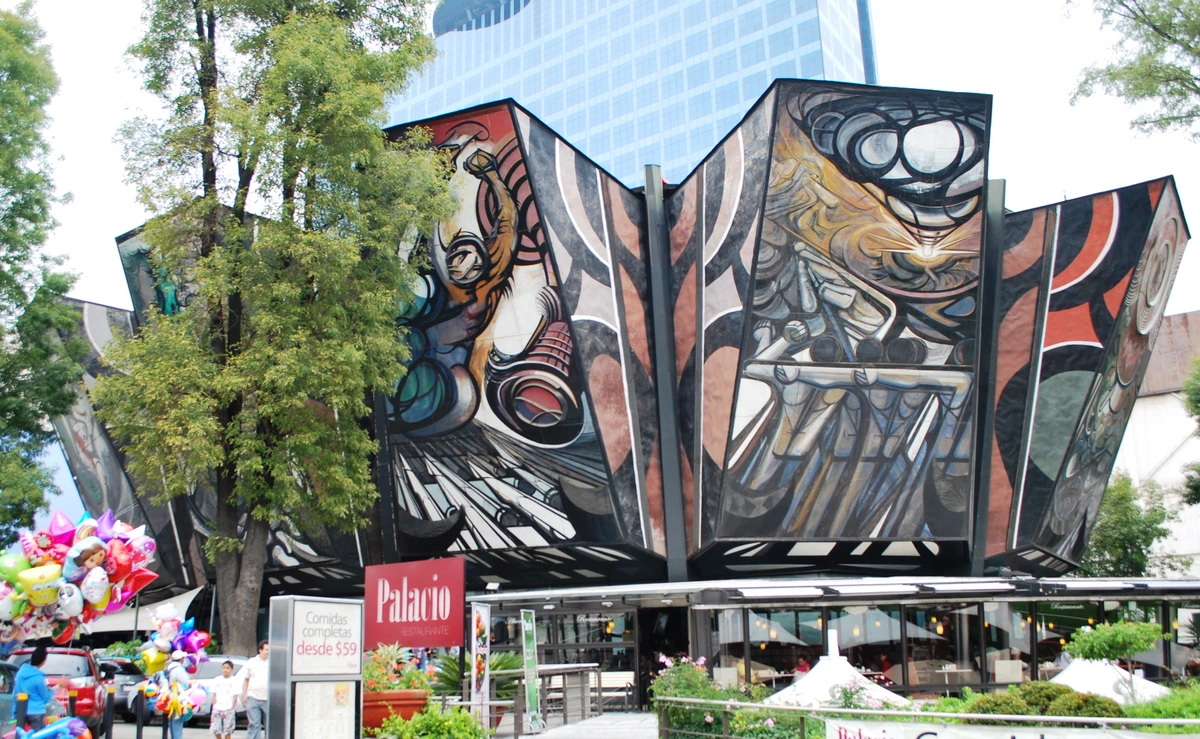
How did the Great Depression influence art education?
The Depression had a transformative and lasting effect on art education, primarily through the expansive WPA Federal Art Project. The establishment of hundreds of free community art centers across the country made art instruction accessible to millions of Americans who would otherwise never have had the opportunity. These centers provided not only materials and studio space but also employed trained teachers, fostering artistic talent in diverse communities, from rural towns to inner cities. They offered classes in painting, sculpture, printmaking, ceramics, and more, cultivating a new generation of artists and art enthusiasts alike. This democratized art education, shifting it from a privilege of the few to a fundamental resource for the many, laying a broader and more inclusive foundation for art appreciation and practice in America. I think this aspect is often overlooked, but it was truly revolutionary in breaking down socio-economic barriers to artistic engagement, fostering a sense of cultural literacy and creative expression across the nation.
Were there significant female artists who rose to prominence during this period?
Absolutely. While the historical narrative sometimes tends to focus more on male artists, women played an indispensable and often pioneering role during the Depression, both in documenting the era and shaping its artistic output. Dorothea Lange, whose iconic Migrant Mother became a universal symbol of the era's suffering and endurance, is perhaps the most famous, but her groundbreaking work for the FSA was part of a larger cohort of talented female photographers, including Marion Post Wolcott and Margaret Bourke-White. In painting, artists like Elizabeth Catlett (who would later become a celebrated sculptor and printmaker, powerfully depicting the African American experience and social justice themes), Isabel Bishop (known for her intimate, empathetic scenes of working women in New York City), Alice Neel (who began her career during this period, capturing raw, psychologically intense portraits of her subjects), and Georgia O'Keeffe (though not directly part of the WPA, she continued her distinct American modernist vision) were actively creating and exhibiting. The WPA programs, by offering salaried positions without gender bias, provided crucial support and visibility for many female artists who might otherwise have struggled to sustain their careers in a male-dominated art world, offering them a platform, a living wage, and a lifeline during challenging times, allowing their diverse voices to contribute significantly to the national artistic dialogue.










What is the single most famous artwork from this period?
This is always highly debatable, as fame is subjective and can shift over time, but two enduring and iconic works unequivocally stand out as powerful emblems of the era's spirit, instantly recognizable and profoundly resonant. Grant Wood's painting American Gothic (1930), with its stoic, unyielding Midwestern farmer and daughter standing before their farmhouse, epitomizes rural resilience, severe practicality, and a certain austere national character – a true icon of American identity that has been endlessly parodied and reinterpreted. Equally powerful and globally impactful is Dorothea Lange's photograph Migrant Mother (1936), depicting Florence Owens Thompson and her children in a pea-pickers' camp, a raw and empathetic symbol of hardship, endurance, and human dignity that resonated globally and galvanized support for relief efforts. Both have transcended their original contexts to become universal icons of the Great Depression, indelibly reminding us of the human face of monumental historical events and the power of art to capture a moment in time. What captures your imagination when you think of this period? I find it fascinating how different works can speak to different aspects of the human condition.