
How Do Museums Acquire Art? An Insider's Look
Ever wondered how museums build their incredible collections? I share an insider's look into the fascinating world of art acquisition, from donations to ethical sourcing and the curator's role.

The Secret World of Museum Acquisitions: An Insider's Look into How Art Collections Are Built
You know, sometimes I walk into a museum, surrounded by masterpieces that have seen centuries, and I can't help but wonder: how did all this incredible art end up here? It feels like magic, doesn't it? As if these institutions just… manifest these treasures. But of course, it’s far from magic. It's a complex, often fascinating, and sometimes quite a convoluted dance of strategy, passion, ethics, and a fair bit of paperwork. As someone who's spent enough time in and around the art world, I've had the privilege to get a glimpse behind the velvet ropes. What I've learned is that acquiring art for a museum is, truly, an art in itself. It’s about shaping a cultural narrative, preserving history, sparking dialogue, and fundamentally, building a legacy for generations to come. In this deep dive, I'm going to pull back the curtain and show you the intricate processes and passionate people behind the masterpieces you admire.
You know, sometimes I walk into a museum, surrounded by masterpieces that have seen centuries, and I can't help but wonder: how did all this incredible art end up here? It feels like magic, doesn't it? As if these institutions just… manifest these treasures. But of course, it’s far from magic. It's a complex, often fascinating, and sometimes quite a convoluted dance of strategy, passion, ethics, and a fair bit of paperwork. I've spent enough time in and around the art world to get a glimpse behind the velvet ropes, and what I've learned is that acquiring art for a museum is an art in itself. It's about shaping a cultural narrative, preserving history, and sparking dialogue.
So, let’s pull back the curtain a little. Forget the dusty, aloof image you might have of museums. These places are vibrant, living entities constantly shaping and refining their stories through the art they collect. From ancient artifacts whispering tales of forgotten civilizations to avant-garde contemporary pieces that challenge our perceptions, every acquisition is a deliberate act. And trust me, it’s never a simple 'add to cart' situation. It's a deep dive into history, aesthetics, provenance, and sometimes, a significant leap of faith, driven by the profound responsibility of cultural stewardship.
The Deep Roots: A Brief History of Museum Collecting – From Cabinets of Curiosities to Global Public Institutions
Before we dive into the 'how' of modern acquisitions, it’s crucial to understand the historical currents that have shaped museum collecting. Honestly, the methods and motivations of a century or two ago were a vastly different beast. Early collections often sprang from royal treasuries, church hoards, or the private cabinets of curiosities (or Wunderkammern) belonging to wealthy individuals. These 'proto-museums' were less about public access and more about demonstrating power, wealth, and burgeoning scientific interest. While fascinating, they often operated with little regard for the ethical frameworks we (rightly!) demand today.
Think about the grand European museums, many of which trace their foundational collections back to periods of colonial expansion, archaeological ventures, and even military conquests that, by today's standards, would be deeply problematic. The British Museum's collection of the Elgin Marbles, for instance, remains a poignant and controversial example of this legacy, sparking ongoing, vital debates about cultural ownership and repatriation. This history serves as a powerful reminder that the conversation around art acquisition is constantly evolving, adapting to new ethical imperatives and a more global, interconnected understanding of cultural heritage.
Era of Collecting  | Characteristics | Ethical Considerations | Impact on Modern Practice |
|---|---|---|---|
| Renaissance-18th C. | Royal & aristocratic collections, private cabinets of curiosities. Emphasis on rare, exotic, beautiful objects. | Often opportunistic, little provenance scrutiny, objects acquired through patronage or power. | Foundation of many national collections (e.g., Uffizi, Hermitage), early focus on 'masterpieces' and donor influence. |
| 19th Century | Rise of public museums, archaeological expeditions, colonial acquisitions. Emphasis on encyclopedic collections. | Widespread acquisition from colonized territories, 'salvage' archaeology, limited community consultation. | Led to massive national collections (e.g., British Museum, Louvre), but also ongoing repatriation debates and a focus on grand narratives. |
| Early 20th Century | Growth of modern art, rise of art market, impact of world wars. Focus on specific movements & artists. | Looted art during conflicts (especially WWII), increased market speculation, some early provenance checks. | Development of professional museum standards, increased art market awareness, and the establishment of major modern art institutions. |
| Late 20th C. - Present | Globalization, digital age, focus on diversity, ethics, and community engagement. | Rigorous provenance research, repatriation efforts, focus on ethical sourcing, digital preservation. | Emphasis on transparency, social relevance, and equitable cultural stewardship, shifting towards global perspectives and audience engagement. |
The Economic and Societal Impact: Beyond the Walls – Fostering Community, Driving Economies, and Building Bridges
Indirect Economic Benefits and Cultural Capital
Beyond the direct tourist dollars, museums contribute to the intangible, yet immensely valuable, concept of cultural capital. This refers to the non-financial assets that promote social mobility and cultural appreciation. A city with world-class museums enhances its reputation, attracting talented individuals, businesses, and further investment, creating a virtuous cycle of economic and cultural growth. Think about it: a city's artistic vibrancy isn't just a luxury; it's a strategic asset in the global competition for talent and tourism. This impact extends to supporting local artists, art suppliers, conservators, and a myriad of related industries, creating a robust art ecosystem. Museums, through their acquisitions, are investing in this ecosystem, fostering creativity and innovation far beyond their physical walls.
Urban Regeneration and Placemaking
I’ve seen firsthand how a major museum can transform an entire neighborhood. Acquisitions, particularly large-scale installations or significant collections, can be central to urban regeneration projects. They act as anchors for placemaking, creating vibrant cultural districts that attract new businesses, residents, and visitors. This often leads to increased property values, job creation, and a renewed sense of community pride. The Bilbao Effect, often cited in urban planning, is a testament to how the Guggenheim Museum transformed an industrial city into a global cultural destination. It’s a powerful reminder that art isn't just confined to gallery walls; it's a catalyst for revitalizing cities and building a shared future.
Beyond their core missions of preservation and education, museum acquisitions generate significant economic and societal impact. A robust collection is a magnet for cultural tourism, drawing millions of visitors who, in turn, contribute substantially to local economies through hospitality, retail, and transportation. I mean, places like the Louvre or the Metropolitan Museum of Art aren't just art institutions; they're massive economic engines for their cities, generating billions in revenue and supporting countless jobs. This isn't just about direct spending, it's about the multiplier effect where every dollar spent circulates, boosting various sectors.
Museums also act as powerful anchors for community engagement, offering vital public spaces, extensive educational outreach programs for all ages, and cultural events that foster social cohesion and identity. They become forums for civic discourse and creativity, often sparking urban regeneration in their surrounding neighborhoods. Furthermore, they serve as crucial cultural ambassadors, showcasing national or regional art on the international stage. This contributes to what's often called 'cultural soft power,' fostering diplomatic ties and enhancing a nation's global standing. These institutions, in essence, are powerful engines for intellectual curiosity, civic pride, and economic vitality, proving that art's value extends far beyond its aesthetic appeal. They don't just hold art; they hold communities together and drive cultural exchange. It's a truly profound ripple effect, one that I find incredibly inspiring as an artist who believes in the power of art to connect people across divides.
Types of Value in Museum Collections
Type of Value | Description | Example | Impact on Acquisition Decisions |
|---|---|---|---|
| Historical Value | The artwork's significance in documenting a particular era, event, or movement. | An ancient artifact from a lost civilization. | Prioritized for filling chronological or thematic gaps in historical narratives. |
| Aesthetic Value | The inherent beauty, artistic skill, and visual impact of the work. | A masterpiece of classical painting or sculpture. | Crucial for enhancing visitor experience and showcasing artistic excellence. |
| Research Value | The potential of the artwork to generate new scholarship, inspire study, or serve as a primary source. | A newly discovered letter by a renowned artist. | Important for academic institutions and specialized collections. |
| Social Value | The artwork's ability to foster dialogue, challenge perceptions, or represent diverse communities. | A powerful contemporary piece addressing social justice. | Increasingly vital for museums aiming for inclusivity and relevance. |
| Cultural Identity Value | The artwork's significance in representing or reinforcing the identity and heritage of a particular group or nation. | Indigenous art central to a community's storytelling. | Essential for fostering inclusivity, supporting repatriation efforts, and enriching diverse narratives. |
| Economic Value | The monetary worth of the artwork, impacting insurance, fundraising, and market standing. | A high-value work by a blue-chip artist. | Influences purchase budgets, donor interest, and overall financial stewardship. |
| Educational Value | The artwork's capacity to serve as a teaching tool, illustrating concepts or fostering critical thinking for various audiences. | A visual representation of a historical event or scientific principle. | Crucial for museums with strong public education mandates, informs program development. |
| Sentimental/Associative Value | The emotional or personal connection an artwork holds, often tied to a historical figure or event. | A personal belonging of a historical leader, an artist's studio tool. | Can enhance narrative power, humanize history, and attract public interest. |
Type of Value | Description | Example | Impact on Acquisition Decisions |
|---|---|---|---|
| Historical Value | The artwork's significance in documenting a particular era, event, or movement. | An ancient artifact from a lost civilization. | Prioritized for filling chronological or thematic gaps in historical narratives. |
| Aesthetic Value | The inherent beauty, artistic skill, and visual impact of the work. | A masterpiece of classical painting or sculpture. | Crucial for enhancing visitor experience and showcasing artistic excellence. |
| Research Value | The potential of the artwork to generate new scholarship, inspire study, or serve as a primary source. | A newly discovered letter by a renowned artist. | Important for academic institutions and specialized collections. |
| Social Value | The artwork's ability to foster dialogue, challenge perceptions, or represent diverse communities. | A powerful contemporary piece addressing social justice. | Increasingly vital for museums aiming for inclusivity and relevance. |
| Cultural Identity Value | The artwork's significance in representing or reinforcing the identity and heritage of a particular group or nation. | Indigenous art central to a community's storytelling. | Essential for fostering inclusivity, supporting repatriation efforts, and enriching diverse narratives. |
| Economic Value | The monetary worth of the artwork, impacting insurance, fundraising, and market standing. | A high-value work by a blue-chip artist. | Influences purchase budgets, donor interest, and overall financial stewardship. |
Why Do Museums Collect Art? More Than Just Displaying Masterpieces – The Soul of Cultural Stewardship
Before we delve into the intricate 'how,' I think it’s absolutely crucial to understand the fundamental 'why.' Why do these institutions dedicate so much effort, time, and resources to acquiring art? Believe me, it’s far more than just filling empty wall space or accumulating valuable objects. At its core, a museum's collection is its very DNA, reflecting its unique mission, values, and its profound responsibility to society. It’s about building a vibrant cultural archive that speaks to the past, informs the present, and inspires the future – a true testament to humanity’s enduring creativity and boundless expression. I've often thought of it like this: a museum's collection is a meticulously crafted letter to the future, filled with the most eloquent expressions of humanity's past and present. It's about ensuring these messages don't get lost in the noise of time, a responsibility I deeply resonate with as an artist creating work that aims to transcend the fleeting trends of the moment.
Core Pillars of Museum Collecting: A Multifaceted Mandate
The 'why' of museum collecting rests on several interconnected pillars, each contributing to a holistic mission of public service and cultural enrichment.
First and foremost, museums collect to preserve cultural heritage. They are not merely display venues; they are the ultimate custodians of history and human creativity, safeguarding objects from decay, loss, dispersal, and environmental damage. This isn't just about famous paintings; it extends to ancient artifacts, intricate ethnographic pieces, delicate historical documents, fragile photographs, and even contemporary works that capture the fleeting zeitgeist of our times. Think about the incredible responsibility of protecting a delicate manuscript from centuries ago, painstakingly restoring a faded fresco, or stabilizing an intricate textile that tells a vibrant story of a forgotten culture. The challenge involves not just physical preservation, but also maintaining the contextual integrity of each piece and ensuring its safe passage through generations. Without these institutions, countless invaluable remnants of our past, from the grand to the granular, would surely vanish. I often imagine conservators as silent heroes, literally battling time, pollution, and the elements to keep these stories alive.
Secondly, acquisitions are profoundly driven by research and education. A new piece, whether a rediscovered masterwork, a challenging contemporary installation, or a significant historical artifact, can open up entirely new avenues for scholarship and pedagogical exploration. It allows curators, art historians, archaeologists, anthropologists, and students to delve into different perspectives, artistic techniques, historical contexts, and even the evolving role of art itself. These works become invaluable primary sources, fueling groundbreaking publications, public lectures, interactive workshops, and educational programs that collectively enrich public understanding across all age groups. When I see a group of students huddled around an artwork, sketching its form, passionately debating its meaning, or even just quietly contemplating its presence, I'm profoundly reminded of this powerful, enduring educational mandate. It's about fostering critical thinking, encouraging empathy, and building a deeper, more personal connection to human expression and creativity through direct engagement with objects – what we call object-based learning. These acquisitions often directly support university curricula and specialized research initiatives, cementing the museum's role as a vital academic partner. It's truly incredible how a single piece can ignite a thousand new questions and a lifetime of study.
Academic and Public Impact of Museum Collections
Area of Impact | Description | Specific Examples | How Acquisitions Fuel It |
|---|---|---|---|
| Academic Research | Provides primary source material for scholarly inquiry, publications, and dissertations. | Art historical studies, archaeological analysis, scientific material studies. | New pieces introduce fresh data, challenge existing theories, or complete research gaps. |
| University Curricula | Directly supports teaching in art history, anthropology, history, and even STEM fields. | Object-based learning, hands-on workshops, exhibition design courses. | Allows faculty to teach with original artifacts, enriching student understanding. |
| Public Education | Offers accessible learning opportunities for all ages through diverse programming. | School tours, family workshops, adult lectures, online courses. | New acquisitions provide fresh content for engaging educational narratives and activities. |
| Cultural Dialogue | Fosters critical discussions on art, history, identity, and contemporary issues. | Panel discussions, community forums, interpretive texts for exhibitions. | Artworks, especially contemporary ones, serve as catalysts for relevant societal conversations. |
| Professional Training | Provides practical experience for emerging museum professionals, conservators, and curators. | Internships, fellowships in collections management, conservation labs. | New acquisitions offer varied challenges and learning opportunities in practical museum work. |
| Digital Humanities | Provides data and objects for digital scholarship, virtual exhibitions, and online educational resources. | 3D scanning projects, digital archives, virtual reality museum experiences. | Digital records of acquisitions expand research possibilities and global access to collections. |
Area of Impact | Description | Specific Examples | How Acquisitions Fuel It |
|---|---|---|---|
| Academic Research | Provides primary source material for scholarly inquiry, publications, and dissertations. | Art historical studies, archaeological analysis, scientific material studies. | New pieces introduce fresh data, challenge existing theories, or complete research gaps. |
| University Curricula | Directly supports teaching in art history, anthropology, history, and even STEM fields. | Object-based learning, hands-on workshops, exhibition design courses. | Allows faculty to teach with original artifacts, enriching student understanding. |
| Public Education | Offers accessible learning opportunities for all ages through diverse programming. | School tours, family workshops, adult lectures, online courses. | New acquisitions provide fresh content for engaging educational narratives and activities. |
| Cultural Dialogue | Fosters critical discussions on art, history, identity, and contemporary issues. | Panel discussions, community forums, interpretive texts for exhibitions. | Artworks, especially contemporary ones, serve as catalysts for relevant societal conversations. |
| Professional Training | Provides practical experience for emerging museum professionals, conservators, and curators. | Internships, fellowships in collections management, conservation labs. | New acquisitions offer varied challenges and learning opportunities in practical museum work. |
Finally, museums collect to shape narratives and inspire dialogue. Every acquisition is a deliberate, often deeply considered, choice. Collectively, these choices weave a multifaceted story – about art history, human experience, and even the evolving role of the museum itself in a rapidly changing world. By intentionally bringing diverse voices, championing overlooked artists, and integrating artworks from various cultural contexts, museums actively foster critical thinking, encourage empathy, and provoke conversations that resonate far beyond their physical walls. This involves proactively addressing historical omissions, amplifying marginalized voices, and presenting a more inclusive, globally representative view of artistic achievement. It's about building a living, dynamic archive that constantly asks us to look closer, think deeper, and connect with the human experience in new and often challenging ways. This isn't just about displaying pretty objects; it's about curating a vibrant, ongoing dialogue across time, cultures, and communities. I sometimes think of a museum as a massive, multi-threaded conversation, and each acquisition is a new voice, a new perspective, adding richness and complexity to the discussion.
Community Engagement and Inclusivity: Museums as Public Forums
In recent years, the role of museums has expanded significantly to prioritize community engagement and inclusivity. Acquisitions are increasingly driven by a desire to reflect the diverse communities they serve and to foster a sense of belonging. This means acquiring art that speaks to contemporary social issues, supports local artists, and represents cultures that have historically been underrepresented in mainstream collections. Museums are striving to become truly public forums, using their collections to spark dialogue about identity, justice, and shared human experiences. It’s about ensuring that everyone sees themselves reflected in the cultural narrative, and that art can serve as a bridge, not a barrier. This commitment to inclusivity is also evident in exhibition programming and educational initiatives that connect deeply with community interests and concerns.
The Many Paths to a Museum Collection: It's Not Just About Buying – Unveiling the Diverse Avenues of Acquisition
Beyond the 'why,' the 'how' of museum acquisitions is equally diverse and often quite surprising. When most people envision museums getting art, they probably imagine a high-stakes auction, paddles flying, and a hefty cheque changing hands. And while that certainly happens, it’s just one piece of a much larger, more intricate puzzle. The reality is, museums acquire art through a surprising variety of channels, each with its own set of considerations, complexities, and sometimes, even its own dramatic backstory. Let's explore these fascinating avenues, and trust me, there's more to it than just a gallery visit and a handshake. My own journey as an artist, from concept to canvas, involves its own twists and turns, but museum acquisitions? That's a whole other level of intricate maneuvering, a complex dance that ensures cultural treasures find their enduring homes! You can learn more about my creative process here.

Gifts and Bequests: The Heartbeat of a Collection – When Generosity Shapes History
I'd wager a significant portion of many major museum collections started with a truly generous spirit. We're talking about donations and bequests—gifts of art either during a donor's lifetime or through a will. Wealthy collectors, passionate art lovers, or even the artists themselves decide that their prized pieces belong in the public domain, benefiting future generations. It's an incredible act of philanthropy, really. Imagine spending a lifetime curating your own private collection, only to decide its ultimate home is a public institution where millions can enjoy it. That's a pretty powerful legacy, a profound act of trust in the institution’s stewardship. These gifts not only enrich the public but also ensure the longevity and accessibility of art for future generations, democratizing access to cultural treasures. For the donor, there are often significant tax benefits, but the primary motivation, from what I've observed, is the profound desire to leave a lasting cultural mark and ensure their cherished objects contribute to a larger public good.
From the museum's perspective, these gifts are truly invaluable. They can acquire significant works without dipping into their often-limited acquisition budgets, which is a game-changer. This is particularly crucial for smaller institutions or those focusing on niche areas, allowing them to expand their reach and depth in ways direct purchases might not permit. Of course, it’s not just a free-for-all; museums are selective, and rightfully so. They rigorously consider the artwork's relevance to their existing collection, its provenance (more on that later – it's crucial!), its condition, and its historical or artistic significance. Is it a unique piece? Does it fill a critical gap in their narrative? Will it require extensive (and expensive) conservation that the museum can realistically undertake? It's a delicate balance of profound gratitude and rigorous curatorial standards, and sometimes, a hard decision has to be made, no matter how generous the offer. Ethical considerations are absolutely paramount here, ensuring the museum maintains its collection integrity and doesn't inadvertently acquire problematic pieces. Museums also assess the long-term cost of care and storage, as a 'free' gift can still come with significant ongoing expenses. It's a dance between a donor's heartfelt generosity and a museum's profound responsibility to its collection and the public.
The Motivations Behind Philanthropy in Art
Why do individuals and families make such significant donations? While tax incentives certainly play a role, the deeper motivations are often rooted in a desire for legacy, public access, and cultural preservation. Donors envision their cherished artworks inspiring future generations, contributing to scholarship, and enriching public life. For some, it’s a way to cement their family’s place in cultural history or to honor an artist they deeply admire. The act of giving transforms a private passion into a public good, ensuring the long-term survival and appreciation of artistic heritage. I’ve seen how these acts of generosity become cornerstones of a museum's identity, allowing for growth and impact that simply wouldn't be possible through purchases alone.
I'd wager a significant portion of many major museum collections started with a truly generous spirit. We're talking about donations and bequests—gifts of art either during a donor's lifetime or through a will. Wealthy collectors, passionate art lovers, or even the artists themselves decide that their prized pieces belong in the public domain, benefiting future generations. It's an incredible act of philanthropy, really. Imagine spending a lifetime curating your own private collection, only to decide its ultimate home is a public institution where millions can enjoy it. That's a pretty powerful legacy, a profound act of trust in the institution’s stewardship. These gifts not only enrich the public but also ensure the longevity and accessibility of art for future generations, democratizing access to cultural treasures. For the donor, there are often significant tax benefits, but the primary motivation, from what I've observed, is the profound desire to leave a lasting cultural mark and ensure their cherished objects contribute to a larger public good.
From the museum's perspective, these gifts are truly invaluable. They can acquire significant works without dipping into their often-limited acquisition budgets, which is a game-changer. This is particularly crucial for smaller institutions or those focusing on niche areas, allowing them to expand their reach and depth in ways direct purchases might not permit. Of course, it’s not just a free-for-all; museums are selective, and rightfully so. They rigorously consider the artwork's relevance to their existing collection, its provenance (more on that later – it's crucial!), its condition, and its historical or artistic significance. Is it a unique piece? Does it fill a critical gap in their narrative? Will it require extensive (and expensive) conservation that the museum can realistically undertake? It's a delicate balance of profound gratitude and rigorous curatorial standards, and sometimes, a hard decision has to be made, no matter how generous the offer. Ethical considerations are absolutely paramount here, ensuring the museum maintains its collection integrity and doesn't inadvertently acquire problematic pieces. Museums also assess the long-term cost of care and storage, as a 'free' gift can still come with significant ongoing expenses. It's a dance between a donor's heartfelt generosity and a museum's profound responsibility to its collection and the public.

Type of Gift | Description | Benefits for Museum | Considerations for Donor |
|---|---|---|---|
| Outright Gift | Donor transfers full ownership immediately, often during their lifetime. | Immediate collection enrichment, no acquisition cost, potential for early public display. | Potential significant income tax deductions, lasting legacy, relinquishes control. |
| Bequest | Gift made through a will or living trust, transferred upon the donor's death. | Future collection planning, long-term vision, can be significant estate-wise. | Estate tax benefits, ensures art's public future, maintains possession during lifetime. |
| Fractional Gift | Donor gifts a percentage of ownership over a period, retaining shared ownership. | Gradual acquisition, shared care and conservation costs, allows for phased payments if purchased. | Ongoing access to the artwork, multi-year income tax benefits, maintains partial control. |
| Promised Gift | A written, legally binding agreement to donate a specific artwork in the future. | Secures future acquisitions, allows for long-term exhibition and collection planning. | No immediate transfer of ownership, flexible commitment, can be modified by mutual agreement. |
| Charitable Remainder Trust | Donor places art in a trust, receiving income for life, with the museum receiving the art later. | Deferred acquisition, long-term planning, builds relationships with major benefactors. | Lifetime income stream, immediate tax deduction, art is managed by the trust until transfer. |
Purchases: Strategic Investments and Market Dynamics
Now, for the part most people think of first: purchases. Yes, museums absolutely buy art. But trust me, it’s not like buying a new pair of shoes or scrolling through an online shop. These aren't impulse buys made on a whim; they're highly strategic decisions, often involving years of meticulous research, intense negotiation, and significant fundraising efforts. A museum's acquisition budget can be substantial, thanks to endowments, specific grants, and dedicated fundraising campaigns, but it's rarely limitless. Every potential purchase is rigorously scrutinized by an acquisition committee – a formidable group typically comprising senior curators, the museum director, board members (especially those with deep art expertise or philanthropic ties), and often external experts. They weigh artistic merit, historical relevance, cultural significance, condition, and of course, the price. It's a high-stakes poker game, sometimes, where knowing when to hold and when to fold can quite literally define a collection for decades, shaping its identity and impact on scholarship and public perception. The process often involves detailed comparative analysis, discussions on how a piece enhances existing holdings, and forecasting its long-term relevance. It's a testament to patience, scholarship, and often, a touch of shrewd negotiation.
They acquire from a variety of sources: established art galleries, discerning private dealers, and, yes, those glamorous auction houses we all see in the movies. The global art market, with its inherent trends and fluctuations, plays a significant, often unpredictable, role here. Museums must consistently stay abreast of rising artists, shifting market values, and emerging art movements – sometimes even grappling with the complexities of the digital realm. Understanding how art prices work and the intricacies of art appraisals is absolutely crucial here, not just for the museum but for any serious collector looking to build an ethical collection. It’s a complex, competitive ecosystem, and museums have to navigate it with extreme care and financial prudence, often finding themselves competing with deep-pocketed private collectors or other institutions. The rise of digital art, including NFTs, has also presented new challenges and opportunities, requiring institutions to adapt their acquisition strategies, develop new conservation methods, and revise ethical frameworks. While the long-term value and custodial responsibilities of purely digital assets are still being debated, some museums are cautiously exploring how to integrate these evolving forms into their collections, focusing on artistic merit and historical significance rather than speculative market trends. If you're curious about how technology is reshaping this, you might find our article on understanding the AI art market insightful. This careful approach also extends to understanding ethical considerations when buying cultural art, ensuring all purchases align with their core values and international best practices. It's a bit like playing chess on a global board, where every move has long-term consequences, not just for the collection, but for the entire cultural landscape.
The Global Art Market: Navigating Trends and Competition
The global art market is a dynamic, multi-billion-dollar ecosystem driven by trends, speculation, and passion. Museums operate within this market, often competing with private collectors and other institutions for coveted pieces. This means a constant need to understand understanding art market trends, navigating the secondary art market, and even understanding art market bubbles or art market speculation. Curators and acquisition committees must be astute market watchers, identifying opportunities and anticipating shifts. The competition for masterpieces is fierce, and a museum's ability to act swiftly and strategically can be the difference between acquiring a landmark work and missing out. This often involves a delicate balance of patience, financial prudence, and sometimes, a bold strategic move. For an even deeper dive, our Annual Abstract Art Market Report offers valuable insights into the broader market.
Now, for the part most people think of first: purchases. Yes, museums absolutely buy art. But trust me, it’s not like buying a new pair of shoes or scrolling through an online shop. These aren't impulse buys made on a whim; they're highly strategic decisions, often involving years of meticulous research, intense negotiation, and significant fundraising efforts. A museum's acquisition budget can be substantial, thanks to endowments, specific grants, and dedicated fundraising campaigns, but it's rarely limitless. Every potential purchase is rigorously scrutinized by an acquisition committee – a formidable group typically comprising senior curators, the museum director, board members (especially those with deep art expertise or philanthropic ties), and often external experts. They weigh artistic merit, historical relevance, cultural significance, condition, and of course, the price. It's a high-stakes poker game, sometimes, where knowing when to hold and when to fold can quite literally define a collection for decades, shaping its identity and impact on scholarship and public perception. The process often involves detailed comparative analysis, discussions on how a piece enhances existing holdings, and forecasting its long-term relevance. It's a testament to patience, scholarship, and often, a touch of shrewd negotiation.
They acquire from a variety of sources: established art galleries, discerning private dealers, and, yes, those glamorous auction houses we all see in the movies. The global art market, with its inherent trends and fluctuations, plays a significant, often unpredictable, role here. Museums must consistently stay abreast of rising artists, shifting market values, and emerging art movements – sometimes even grappling with the complexities of the digital realm. Understanding how art prices work and the intricacies of art appraisals is absolutely crucial here, not just for the museum but for any serious collector looking to build an ethical collection. It’s a complex, competitive ecosystem, and museums have to navigate it with extreme care and financial prudence, often finding themselves competing with deep-pocketed private collectors or other institutions. The rise of digital art, including NFTs, has also presented new challenges and opportunities, requiring institutions to adapt their acquisition strategies, develop new conservation methods, and revise ethical frameworks. While the long-term value and custodial responsibilities of purely digital assets are still being debated, some museums are cautiously exploring how to integrate these evolving forms into their collections, focusing on artistic merit and historical significance rather than speculative market trends. If you're curious about how technology is reshaping this, you might find our article on understanding the AI art market insightful. This careful approach also extends to understanding ethical considerations when buying cultural art, ensuring all purchases align with their core values and international best practices. It's a bit like playing chess on a global board, where every move has long-term consequences, not just for the collection, but for the entire cultural landscape.
Curatorial Rationale: Beyond the Price Tag – What Truly Makes the Cut?
Beyond the monetary value and market dynamics, a museum's decision to acquire an artwork is profoundly shaped by its curatorial rationale. This involves a deep dive into the artwork's intrinsic qualities and its potential contribution to the institution's intellectual mission. Curators meticulously evaluate a piece for its artistic quality – the skill, innovation, and aesthetic impact it demonstrates. Does it represent a pivotal moment in an artist's career, a groundbreaking technique, or a significant stylistic shift? They also consider its research potential, envisioning how the work might inspire new scholarship, generate fresh insights, or serve as a primary source for future study. Is it unique in a way that complements existing holdings, perhaps filling a thematic or chronological gap? Furthermore, the representational balance of the collection is increasingly critical. Does the artwork contribute to a more inclusive narrative, featuring diverse voices, cultures, or perspectives that have historically been overlooked? This is where the true art of collecting lies: seeing beyond the obvious and understanding how a single object can enrich a vast, complex story for generations to come.
The Significance of Artistic Quality and Innovation
When a curator looks at a potential acquisition, they’re not just seeing an object; they’re seeing a story, a moment, a conversation. The artistic quality is paramount. Is this work a tour de force of technique? Does it demonstrate a unique vision or push the boundaries of its medium? I’m always drawn to artists who innovate, who challenge conventions, and museums often seek to acquire works that embody this pioneering spirit. This could be anything from a groundbreaking use of color in a classical painting to an entirely new digital art form. It's about recognizing genius and ensuring that artistic breakthroughs are preserved for future generations to study and admire.
Filling Gaps and Building Cohesive Narratives
A museum's collection is never truly 'complete'; it’s an ongoing, evolving narrative. Curators actively seek acquisitions that can fill historical or thematic gaps, creating a more coherent and comprehensive story. Imagine a collection strong in Impressionism but lacking key Post-Impressionist works. An acquisition in that area wouldn't just add a painting; it would bridge a critical period, enhancing the entire collection's educational value. This strategic approach ensures that each new piece serves a larger purpose, strengthening the collection's overall coherence and intellectual depth. It’s like building a puzzle, where every piece, no matter how small, contributes to the larger picture.
Beyond the monetary value and market dynamics, a museum's decision to acquire an artwork is profoundly shaped by its curatorial rationale. This involves a deep dive into the artwork's intrinsic qualities and its potential contribution to the institution's intellectual mission. Curators meticulously evaluate a piece for its artistic quality – the skill, innovation, and aesthetic impact it demonstrates. Does it represent a pivotal moment in an artist's career, a groundbreaking technique, or a significant stylistic shift? They also consider its research potential, envisioning how the work might inspire new scholarship, generate fresh insights, or serve as a primary source for future study. Is it unique in a way that complements existing holdings, perhaps filling a thematic or chronological gap? Furthermore, the representational balance of the collection is increasingly critical. Does the artwork contribute to a more inclusive narrative, featuring diverse voices, cultures, or perspectives that have historically been overlooked? This is where the true art of collecting lies: seeing beyond the obvious and understanding how a single object can enrich a vast, complex story for generations to come.
The Role of Market Experts and Advisors: A Network of Specialized Intelligence
It’s not just internal committees making these decisions; museums often rely heavily on the insights of external market experts and specialized advisors. These individuals bring deep knowledge of particular art markets, artists, and pricing trends. They can offer crucial intelligence on upcoming sales, potential conservation issues, or nuanced details of provenance that might not be immediately apparent. This could involve connoisseurs with an encyclopedic knowledge of specific artistic periods, art lawyers specializing in cultural property law, or even conservation scientists who can assess the long-term stability of a piece. Think of them as the museum's scouts and strategists, helping to navigate the often opaque and fast-moving world of high-value art transactions. Their expertise can be the difference between a missed opportunity and a landmark acquisition, and believe me, having a trusted network in the art world is absolutely essential. It's a bit like having a team of specialized detectives, each with their own unique magnifying glass, scrutinizing every detail to ensure the best possible outcome for the museum.
For those interested in building their own collections, consulting an art advisor can be invaluable. Our article Q&A with an Art Advisor: Navigating the Contemporary Art Market for New Collectors offers great insights into how these experts guide collectors.
It’s not just internal committees making these decisions; museums often rely heavily on the insights of external market experts and specialized advisors. These individuals bring deep knowledge of particular art markets, artists, and pricing trends. They can offer crucial intelligence on upcoming sales, potential conservation issues, or nuanced details of provenance that might not be immediately apparent. This could involve connoisseurs with an encyclopedic knowledge of specific artistic periods, art lawyers specializing in cultural property law, or even conservation scientists who can assess the long-term stability of a piece. Think of them as the museum's scouts and strategists, helping to navigate the often opaque and fast-moving world of high-value art transactions. Their expertise can be the difference between a missed opportunity and a landmark acquisition, and believe me, having a trusted network in the art world is absolutely essential. It's a bit like having a team of specialized detectives, each with their own unique magnifying glass, scrutinizing every detail to ensure the best possible outcome for the museum.
Excavation and Fieldwork: Digging Up History and Culture – Unearthing the Past with Scientific Precision and Ethical Responsibility
This method is less about contemporary art and more about ancient civilizations or ethnographic collections. Think about archaeological museums: their collections aren't simply bought; they're excavated. Teams of archaeologists, anthropologists, and conservators meticulously unearth artifacts, carefully documenting their context and historical significance – often a painstaking process that can take years, if not decades. This isn't just about finding a beautiful object; it's about piecing together the story of humanity, one fragment at a time, revealing insights into past societies, technologies, and beliefs. The archaeological dig itself is a carefully choreographed dance of scientific rigor and historical detective work, aiming to preserve not just the artifact, but its entire environmental, cultural, and chronological context. This represents a significant shift from earlier, often colonial-era practices where objects were removed with little regard for local communities. Crucially, modern archaeology places immense emphasis on ethical practices, often involving deep collaboration with local communities, respect for indigenous knowledge, and strict adherence to international heritage laws concerning repatriation and shared cultural stewardship. It’s a truly interdisciplinary endeavor, blending scientific methodology with cultural sensitivity and historical empathy, striving to right past wrongs and build a more equitable future for global heritage. I often think of these teams as cultural time-travelers, meticulously piecing together fragments of forgotten worlds while consciously building bridges to contemporary communities.
The Evolution of Archaeological Ethics: From Collection to Collaboration
Historically, archaeological excavations were often intertwined with colonial expansion, leading to the removal of countless artifacts from their places of origin with little or no consultation with local communities. This era, characterized by a 'find and take' mentality, contributed to many of the complex provenance issues museums grapple with today. However, modern archaeology has undergone a profound ethical transformation. The focus has shifted from mere acquisition to responsible stewardship and collaborative practice. This includes prioritizing in-situ preservation, obtaining prior informed consent from source communities, and fostering true partnerships in excavation, conservation, and interpretation. The goal is no longer just to enrich Western museums, but to empower source communities to tell their own stories and reclaim their heritage, ensuring that the benefits of discovery are shared equitably. It's a challenging but necessary evolution towards a more just and respectful approach to global heritage.
This method is less about contemporary art and more about ancient civilizations or ethnographic collections. Think about archaeological museums: their collections aren't simply bought; they're excavated. Teams of archaeologists, anthropologists, and conservators meticulously unearth artifacts, carefully documenting their context and historical significance – often a painstaking process that can take years, if not decades. This isn't just about finding a beautiful object; it's about piecing together the story of humanity, one fragment at a time, revealing insights into past societies, technologies, and beliefs. The archaeological dig itself is a carefully choreographed dance of scientific rigor and historical detective work, aiming to preserve not just the artifact, but its entire environmental, cultural, and chronological context. This represents a significant shift from earlier, often colonial-era practices where objects were removed with little regard for local communities. Crucially, modern archaeology places immense emphasis on ethical practices, often involving deep collaboration with local communities, respect for indigenous knowledge, and strict adherence to international heritage laws concerning repatriation and shared cultural stewardship. It’s a truly interdisciplinary endeavor, blending scientific methodology with cultural sensitivity and historical empathy, striving to right past wrongs and build a more equitable future for global heritage. I often think of these teams as cultural time-travelers, meticulously piecing together fragments of forgotten worlds while consciously building bridges to contemporary communities.
Ethical Principles in Archaeological Acquisitions
Principle | Description | Importance for Museums |
|---|---|---|
| In Situ Preservation | Prioritizing the preservation of artifacts in their original context whenever feasible, minimizing removal. | Minimizes damage, retains crucial contextual data, respects cultural sites and their spiritual significance. |
| Prior Informed Consent | Obtaining explicit and documented consent from source communities before any excavation or acquisition takes place. | Ensures ethical engagement, respects self-determination, and prevents exploitation of cultural heritage. |
| Community Collaboration | Engaging with local communities, respecting their cultural heritage and involving them in the decision-making process regarding interpretation and stewardship. | Builds trust, ensures culturally appropriate interpretation, facilitates shared stewardship, and empowers indigenous voices. |
| Legal Compliance | Adhering to national and international laws regarding cultural property, export, and import, including UNESCO conventions. | Prevents illicit trafficking, upholds legal and ethical standards, and protects institutions from legal challenges. |
| Transparency | Openly documenting the entire excavation process, findings, and acquisition methods, making data publicly accessible. | Fosters public trust, allows for academic scrutiny, supports ethical provenance, and promotes accountability. |
| Repatriation Consideration | Actively considering requests for the return of artifacts to their countries or communities of origin, engaging in dialogue and restitution. | Addresses historical injustices, promotes cultural reconciliation, aligns with evolving ethical norms of cultural equity and respect. |
| Conservation Best Practices | Employing the highest standards of conservation during and after excavation, ensuring long-term stability and integrity. | Ensures long-term survival of artifacts, preserves their integrity for future study and display, and prevents further degradation. |
| Shared Heritage Framework | Recognizing that cultural heritage is a shared responsibility, fostering partnerships rather than solely asserting ownership. | Promotes mutual respect, facilitates cultural exchange, and builds sustainable relationships with source communities. |
Principle | Description | Importance for Museums |
|---|---|---|
| In Situ Preservation | Prioritizing the preservation of artifacts in their original context whenever feasible, minimizing removal. | Minimizes damage, retains crucial contextual data, respects cultural sites and their spiritual significance. |
| Prior Informed Consent | Obtaining explicit and documented consent from source communities before any excavation or acquisition takes place. | Ensures ethical engagement, respects self-determination, and prevents exploitation of cultural heritage. |
| Community Collaboration | Engaging with local communities, respecting their cultural heritage and involving them in the decision-making process regarding interpretation and stewardship. | Builds trust, ensures culturally appropriate interpretation, facilitates shared stewardship, and empowers indigenous voices. |
| Legal Compliance | Adhering to national and international laws regarding cultural property, export, and import, including UNESCO conventions. | Prevents illicit trafficking, upholds legal and ethical standards, and protects institutions from legal challenges. |
| Transparency | Openly documenting the entire excavation process, findings, and acquisition methods, making data publicly accessible. | Fosters public trust, allows for academic scrutiny, supports ethical provenance, and promotes accountability. |
| Repatriation Consideration | Actively considering requests for the return of artifacts to their countries or communities of origin, engaging in dialogue and restitution. | Addresses historical injustices, promotes cultural reconciliation, aligns with evolving ethical norms of cultural equity and respect. |
| Conservation Best Practices | Employing the highest standards of conservation during and after excavation, ensuring long-term stability and integrity. | Ensures long-term survival of artifacts, preserves their integrity for future study and display, and prevents further degradation. |
Loans: Temporary Collection Growth and Collaboration – The Art of Borrowing and Sharing
Before we dive into the sometimes contentious topic of deaccessioning, I want to briefly highlight another vital way museums expand their offerings: loans. Many of the incredible pieces you admire in exhibitions aren't actually part of the museum's permanent collection; they're on loan from other institutions, private collectors, or even artists themselves. Loans allow museums to showcase works that fill temporary thematic gaps, enrich special exhibitions, or bring international masterpieces to local audiences without the immense cost of permanent acquisition. We see everything from long-term loans that might fill a permanent gallery for years, to short-term loans for a focused exhibition, or even traveling exhibitions that share art globally. It’s a dynamic form of collaboration within the art world, fostering relationships and making collections more accessible globally.
These arrangements involve intricate logistics, specialized insurance (understanding art insurance is a must!), and rigorous climate control. Before any artwork moves, a comprehensive condition report is meticulously drafted, documenting every nuance of its state. This ensures accountability and helps prevent damage during transit or display. Despite the complexities, the cultural rewards are immeasurable. Think of it as the ultimate form of sharing, allowing a global tapestry of art to be woven together, even if only temporarily. It’s a crucial way to keep collections fresh and relevant, continually surprising and educating visitors.
Types of Loans and Their Benefits
Type of Loan | Description | Primary Benefit for Museum | Primary Benefit for Lender |
|---|---|---|---|
| Inbound Loan | Artwork borrowed from another institution or private collector for display. | Fills collection gaps, enriches special exhibitions, brings rare works to local audiences without purchase cost. | Increased visibility for artwork, potential for new scholarship, strengthens institutional ties. |
| Outbound Loan | Artwork from the museum's permanent collection lent to another institution. | Extends museum's reach, contributes to global scholarship, strengthens collaborations, generates revenue (sometimes). | Promotes collection, supports broader cultural initiatives, allows for specialized conservation during travel. |
| Long-Term Loan | Extended loan agreement, often for several years, integrating the work into permanent displays. | Stable display, less frequent logistical hassle, can test public reception before potential acquisition. | Secure, expert care for artwork, sustained public exposure, deferral of long-term ownership responsibilities. |
| Short-Term Loan | Loan for a specific exhibition, typically 3-6 months. | Enables focused thematic exhibitions, allows for timely response to current events or scholarly discoveries. | Targeted exposure for specific themes, participation in significant exhibitions, enhances provenance. |
| Traveling Exhibition | An exhibition composed of artworks loaned from multiple institutions, designed to travel to various venues. | Reaches wider audiences, shared costs for exhibition development and logistics, global cultural exchange. | Broad international exposure, new research opportunities, generates revenue through exhibition fees. |
Institutional Exchanges and Deaccessioning: Collection Curation and Ethical Quandaries – The Delicate Balance of Renewal
Sometimes, a museum might find itself with several pieces by the same artist that don't all serve the collection's narrative, or an artwork that no longer fits their evolving mission or research focus. This can lead to institutional exchanges or, more controversially, deaccessioning. Exchanges involve trading artworks with other museums to fill specific gaps in their respective collections. It’s a genuine win-win, allowing both institutions to enhance their displays, strengthen their thematic foci, and avoid capital outlay. I've personally seen it happen where a museum strengthens its focus on, say, European modernism by trading a colonial-era artifact with an institution specializing in ethnography, or exchanging a duplicate print for a unique drawing. It's a strategic, collaborative dance that ultimately benefits everyone involved, especially the public who get to see more cohesive and relevant collections. These exchanges often foster deeper relationships between institutions, facilitating future collaborations and shared scholarship. The criteria for what constitutes 'redundancy' or 'relevance' are carefully defined in a museum's collection management policy, ensuring that such decisions are made with transparency and a clear curatorial rationale, and not simply on a whim or due to changing tastes. It’s the art world's version of a strategic trade, designed to strengthen both teams.
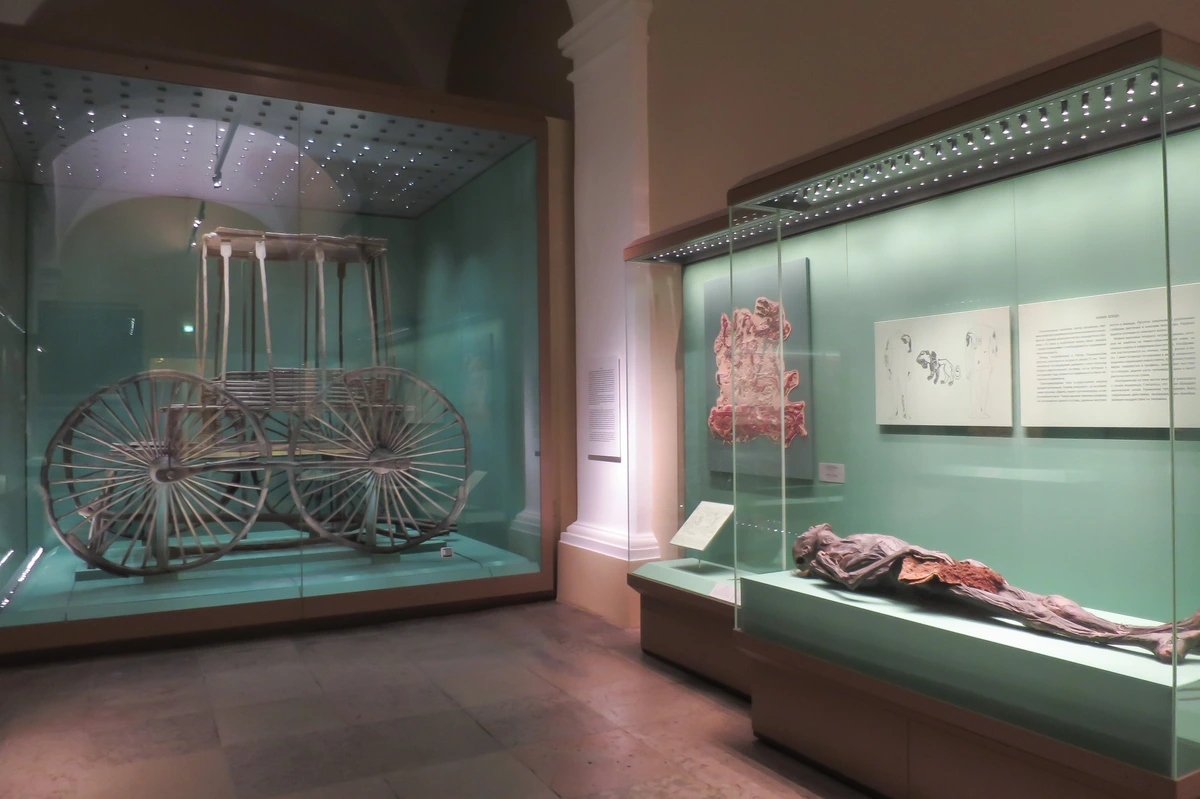
Deaccessioning, on the other hand, means formally removing an artwork from the museum's collection, often to sell it. This can be a contentious issue, sparking heated debates among art historians, ethicists, and the public, and frankly, I can understand why. While it can free up funds for new acquisitions or crucial conservation projects – and let's be honest, conservation isn't cheap – critics often argue it betrays the public trust, viewing the collection as a permanent public asset that should never be alienated. The argument is that once something is in the public trust, it should remain there, irrespective of changing tastes or financial needs. There are strict guidelines and ethical codes that museums are expected to follow, often mandated by professional organizations like the American Alliance of Museums (AAM), ensuring transparency and that the funds generated are always reinvested into the collection, specifically for new acquisitions or direct care of existing works, not used for operational costs or general overhead. Think of the outrage if a beloved masterpiece was sold just to keep the lights on! It’s a tightrope walk, balancing fiscal responsibility with the profound responsibility of cultural stewardship, and it demands the highest level of accountability and ethical rigor. It's one of those decisions that keeps museum directors up at night, I'm sure.
Criteria for Institutional Exchanges
Criterion | Description | Benefit for Exchange |
|---|---|---|
| Collection Redundancy | Having multiple similar works that don't uniquely contribute to the collection's narrative. | Allows for optimization of storage and display space, frees up resources. |
| Mission Alignment | Acquiring a piece that better aligns with the museum's evolving mission or curatorial focus. | Strengthens thematic coherence, enhances research potential in core areas. |
| Condition/Conservation Needs | Exchanging a piece that is beyond the museum's conservation capacity for a more manageable one. | Improves overall collection health, ensures responsible stewardship of resources. |
| Research Potential | Acquiring a work that opens new avenues for scholarship or completes a research series. | Fuels academic inquiry, enhances the museum's role as a knowledge hub. |
| Representational Balance | Exchanging works to improve the diversity and inclusivity of the collection. | Broadens narratives, addresses historical biases, promotes cultural equity. |
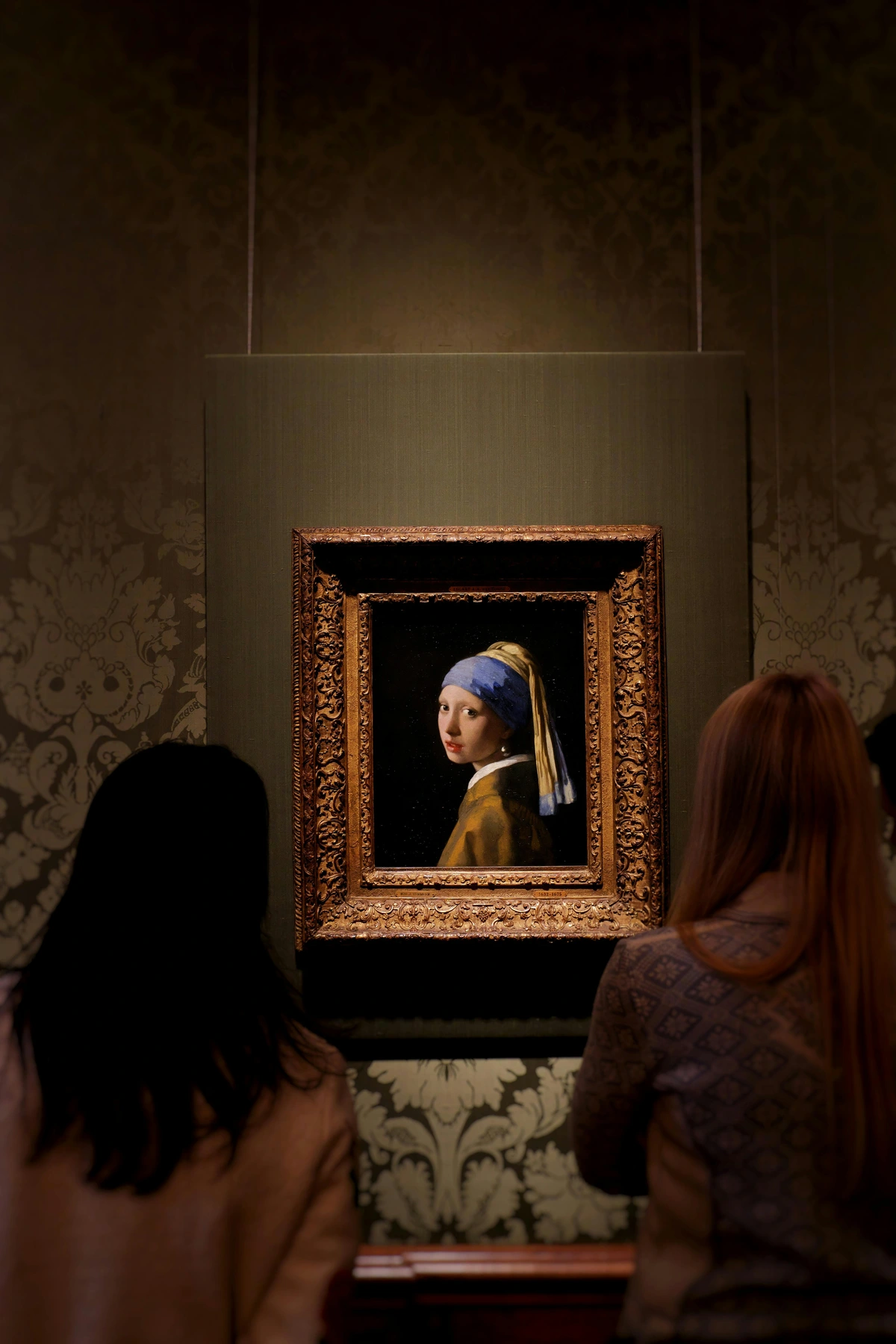
Sometimes, a museum might find itself with several pieces by the same artist that don't all serve the collection's narrative, or an artwork that no longer fits their evolving mission or research focus. This can lead to institutional exchanges or, more controversially, deaccessioning. Exchanges involve trading artworks with other museums to fill specific gaps in their respective collections. It’s a genuine win-win, allowing both institutions to enhance their displays, strengthen their thematic foci, and avoid capital outlay. I've personally seen it happen where a museum strengthens its focus on, say, European modernism by trading a colonial-era artifact with an institution specializing in ethnography, or exchanging a duplicate print for a unique drawing. It's a strategic, collaborative dance that ultimately benefits everyone involved, especially the public who get to see more cohesive and relevant collections. These exchanges often foster deeper relationships between institutions, facilitating future collaborations and shared scholarship. The criteria for what constitutes 'redundancy' or 'relevance' are carefully defined in a museum's collection management policy, ensuring that such decisions are made with transparency and a clear curatorial rationale, and not simply on a whim or due to changing tastes. It’s the art world's version of a strategic trade, designed to strengthen both teams.
Deaccessioning, on the other hand, means formally removing an artwork from the museum's collection, often to sell it. This can be a contentious issue, sparking heated debates among art historians, ethicists, and the public, and frankly, I can understand why. While it can free up funds for new acquisitions or crucial conservation projects – and let's be honest, conservation isn't cheap – critics often argue it betrays the public trust, viewing the collection as a permanent public asset that should never be alienated. The argument is that once something is in the public trust, it should remain there, irrespective of changing tastes or financial needs. There are strict guidelines and ethical codes that museums are expected to follow, often mandated by professional organizations like the American Alliance of Museums (AAM), ensuring transparency and that the funds generated are always reinvested into the collection, specifically for new acquisitions or direct care of existing works, not used for operational costs or general overhead. Think of the outrage if a beloved masterpiece was sold just to keep the lights on! It’s a tightrope walk, balancing fiscal responsibility with the profound responsibility of cultural stewardship, and it demands the highest level of accountability and ethical rigor. It's one of those decisions that keeps museum directors up at night, I'm sure.
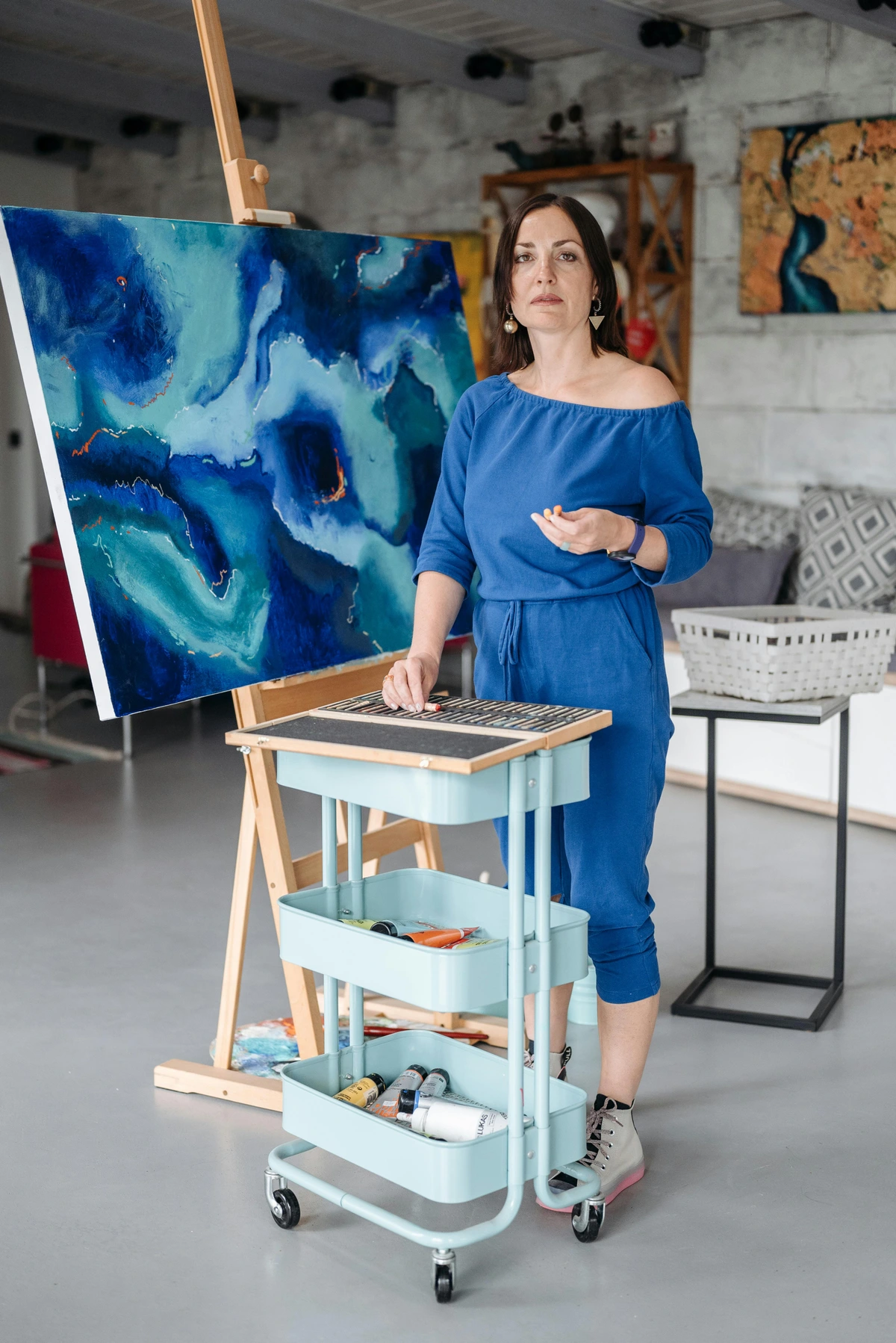
Reason for Deaccessioning | Ethical Concern / Controversy | |
|---|---|---|
| Redundancy | Multiple similar works, no longer serving research or display needs. | Ensuring transparency, public awareness of sale, and the rationale for why certain works are considered redundant. |
| Condition | Irreparable damage, beyond conservation capabilities, posing a risk to other works. | Potential loss of historical material, loss of public access to a piece, public perception of neglect. |
| Relevance | No longer aligns with museum's mission or collection scope, or a re-evaluation of historical significance. | Balancing changing institutional priorities with the long-term stewardship of public assets; potential for 'de-collecting' a movement or artist. |
| Provenance Issues | Discovered to be stolen, looted, or unethically acquired (e.g., Nazi-era plunder, colonial acquisitions). | Legal and ethical imperative to return or properly manage; severe reputational damage if handled poorly. This is often the least controversial reason for deaccessioning. |
| Funding Acquisitions | Generating funds to purchase new works that better fit the collection strategy or fill critical gaps. | Risk of 'selling off the family silver,' diverting from core mission, perception of using art as a liquid asset rather than a cultural trust. |
| High Maintenance Cost | An artwork requires disproportionate resources for conservation or storage that cannot be sustained. | Balancing fiscal responsibility with the commitment to preservation; ensuring thorough attempts at alternative solutions before deaccessioning. |
Commissions and Artist-Led Acquisitions: Cultivating New Narratives and Pushing Artistic Boundaries
credit, licence
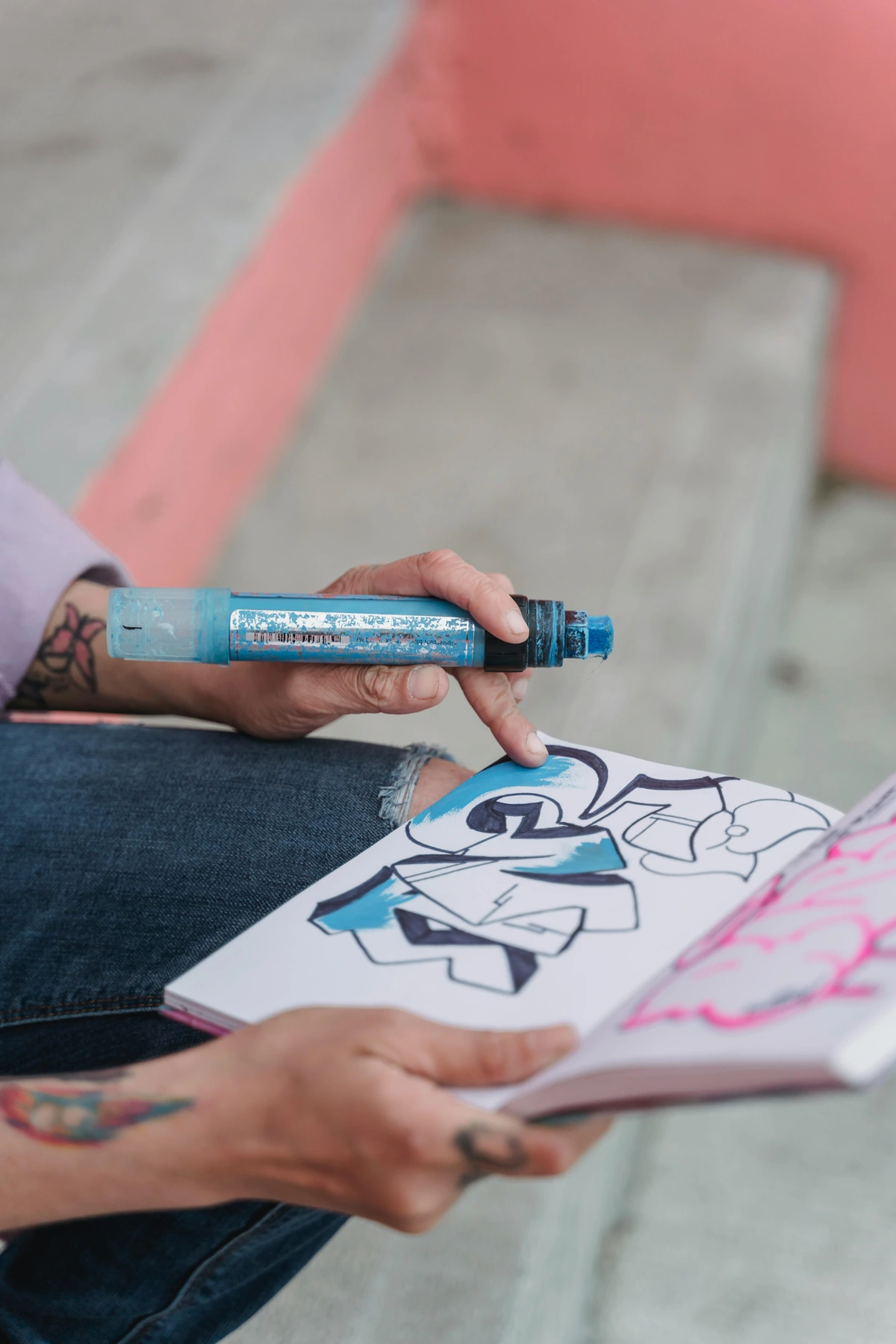
For contemporary art, a museum might go directly to the source: the artist themselves. Commissions involve a museum asking an artist to create a specific work for their collection or a particular exhibition space. It's a fantastic way to support living artists, foster innovation, and ensure truly unique, often site-specific, pieces enter the public realm. I’ve always found this process fascinating, as it’s a true collaboration, bringing a vision to life from concept to creation. It often results in large-scale installations, digital art, performance-based works, or even ephemeral pieces that are uniquely tailored to the museum's architecture, a specific collection theme, or a community engagement project, providing fresh perspectives and pushing artistic boundaries. The risks can be high – a commission doesn't always go as planned – but the rewards, in terms of artistic innovation and public engagement, can be immeasurable.
Similarly, some truly forward-thinking museums engage in artist-led acquisitions, where a curator or committee works closely with a renowned artist to select pieces that might not be by the artist themselves, but rather works that significantly inform their practice, represent a critical, perhaps overlooked, moment in art history, or resonate with their artistic lineage. It's a dynamic and intellectually stimulating approach that keeps collections fresh, relevant, and deeply connected to the contemporary art dialogue, allowing for a more nuanced understanding of artistic lineage and influence. This also provides an incredible opportunity for patrons to buy art from local artists at the point of creation, further fueling the artistic ecosystem. As an artist myself, the idea of a commission is incredibly appealing – a chance to create something truly unique for a specific space or purpose, a tangible piece of a shared vision.
Benefits of Commissioned Art
Benefit for Museum | Benefit for Artist | Benefit for Public | |
|---|---|---|---|
| Unique Collection Pieces | Guaranteed institutional support and exhibition. | Access to groundbreaking, contemporary works. | |
| Site-Specific Engagement | Opportunity to create large-scale or ambitious projects. | Unique, often immersive, experiences tailored to a space. | |
| Support for Living Artists | Increased visibility and legitimization of their practice. | Connection with the creative process and contemporary issues. | |
| Innovation and Experimentation | Freedom to explore new materials, techniques, or concepts. | Exposure to cutting-edge art and new modes of expression. | |
| Relevance to Contemporary Dialogue | Direct engagement with curatorial vision and institutional themes. | Art that speaks directly to current societal and cultural conversations. | |
| Enhanced Public Profile | Attracts media attention, draws new audiences, and reinforces a reputation for artistic leadership. | Positive publicity, expanded network, potential for future commissions and sales. | Creates memorable experiences, fosters civic pride, and sparks community dialogue. |
Benefit for Museum | Benefit for Artist | Benefit for Public |
|---|---|---|
| Unique Collection Pieces | Guaranteed institutional support and exhibition. | Access to groundbreaking, contemporary works. |
| Site-Specific Engagement | Opportunity to create large-scale or ambitious projects. | Unique, often immersive, experiences tailored to a space. |
| Support for Living Artists | Increased visibility and legitimization of their practice. | Connection with the creative process and contemporary issues. |
| Innovation and Experimentation | Freedom to explore new materials, techniques, or concepts. | Exposure to cutting-edge art and new modes of expression. |
| Relevance to Contemporary Dialogue | Direct engagement with curatorial vision and institutional themes. | Art that speaks directly to current societal and cultural conversations. |
The Unseen Work: Conservation, Documentation, and Storage – The Backbone of a Collection
Once an artwork enters a museum's collection, the journey is far from over. In fact, in many ways, it's just beginning! Behind the public displays lies a vast, often unseen world of rigorous care, detailed documentation, and strategic storage. This is where the long-term health, integrity, and accessibility of the collection are truly safeguarded, ensuring that these cultural treasures can be enjoyed and studied for centuries to come. It's a testament to the dedication of countless professionals working behind the scenes, from conservators to registrars, all united by a singular purpose: preservation. Honestly, this is the part that truly fascinates me – the silent, painstaking work that ensures a masterpiece survives for generations after its creation.
The Museum Registrar: Architects of Information and Movement
Often unsung, the museum registrar plays a pivotal role in this unseen work. Registrars are the meticulous architects of information and movement, responsible for the legal and physical control of all artworks in the collection, whether acquired, loaned, or deaccessioned. They manage all documentation, from accession records and provenance files to customs paperwork for international loans. They oversee art shipping (understanding art shipping and installation), insurance, and internal movements, ensuring that every piece is accounted for and handled with the utmost care. Their work ensures legal compliance, mitigates risks, and provides the foundational data that underpins all other museum functions. Without a skilled registrar, a collection would be a logistical nightmare, vulnerable to loss, damage, and legal complications.
Conservation: The Art and Science of Preservation – Battling Time and Degradation
Conservation is absolutely paramount. Before an artwork can be displayed or even safely stored, it undergoes a thorough, often forensic, examination by highly skilled conservators. They assess its condition, identify any existing damage or vulnerabilities, and perform necessary treatments to stabilize and preserve it for future generations. This might involve anything from painstakingly cleaning an Old Master painting with micro-tools to carefully mending a delicate historical textile, repairing a contemporary sculpture with advanced materials science, or even developing new protocols for preserving digital art that faces the threat of technological obsolescence. It's a unique blend of science, artistry, and deep historical knowledge, all aimed at slowing the inevitable march of time and preserving the artist's original intent while ensuring the work's longevity. Different specialties exist for paintings, paper, textiles, sculptures, and even digital art, each requiring unique expertise. Imagine the precision required to restore a centuries-old fresco, stabilize a delicate, contemporary mixed-media installation, or even ethically reassemble fragmented archaeological finds! It’s truly incredible. This work encompasses both preventative conservation, which involves controlling environmental factors like temperature, humidity, and light to slow degradation, and remedial conservation, which addresses existing damage through direct intervention. It’s a constant battle against time, environmental threats, and sometimes, past restorations that haven’t stood up. There are often profound ethical dilemmas, too: how much restoration is too much? When does repair diminish authenticity? I've often thought that conservators are like time-traveling doctors for art, meticulously patching up the past to secure the future, all while grappling with complex philosophical questions.
Conservation Specialties in Museums
Specialty | Focus Area | Typical Interventions | Challenges | |
|---|---|---|---|---|
| Paintings Conservation | Oil, acrylic, tempera, frescoes on canvas, wood, or wall. | Cleaning, retouching, consolidating flaking paint, lining canvases. | Material degradation, previous restorations, ethical retouching. | |
| Paper Conservation | Drawings, prints, photographs, manuscripts, maps. | Deacidification, mending tears, removing stains, flattening. | Light sensitivity, acidity, fragility, media stability. | |
| Textile Conservation | Tapestries, costumes, flags, ethnographic textiles. | Cleaning, stitching, structural support, pest management. | Deterioration of fibers, dyes, insect infestations, display stress. | |
| Sculpture Conservation | Stone, bronze, wood, ceramic, modern plastics, mixed media. | Cleaning, consolidation, patination, structural repairs, material analysis. | Environmental damage, inherent vice of materials, ethical restoration. | |
| Objects Conservation | Diverse three-dimensional artifacts (archaeological, ethnographic, decorative arts). | Cleaning, stabilization, reassembly, material identification. | Wide range of materials, complex degradation, cultural sensitivity. | |
| Digital Art Conservation | Software, video art, interactive installations, net art. | Migration to new formats, hardware emulation, documentation of artist intent. | Obsolescence of technology, data integrity, authenticity. | This work encompasses both preventative conservation, which involves controlling environmental factors like temperature, humidity, and light to slow degradation, and remedial conservation, which addresses existing damage through direct intervention. It’s a constant battle against time, environmental threats, and sometimes, past restorations that haven’t stood up. |
| Preventative Conservation | Proactive measures to minimize deterioration, focusing on environmental control and safe handling. | Climate control, integrated pest management, earthquake bracing, proper packing. | Predicting future risks, balancing access with preservation, resource allocation. | |
| Remedial Conservation | Direct intervention to treat existing damage, stabilize materials, and restore structural integrity. | Cleaning, mending, consolidating, infilling losses, reintegrating detached elements. | Ethical considerations of intervention, reversibility, maintaining historical integrity, material science challenges. |
Specialty | Focus Area | Typical Interventions | Challenges | |
|---|---|---|---|---|
| Paintings Conservation | Oil, acrylic, tempera, frescoes on canvas, wood, or wall. | Cleaning, retouching, consolidating flaking paint, lining canvases. | Material degradation, previous restorations, ethical retouching. | |
| Paper Conservation | Drawings, prints, photographs, manuscripts, maps. | Deacidification, mending tears, removing stains, flattening. | Light sensitivity, acidity, fragility, media stability. | |
| Textile Conservation | Tapestries, costumes, flags, ethnographic textiles. | Cleaning, stitching, structural support, pest management. | Deterioration of fibers, dyes, insect infestations, display stress. | |
| Sculpture Conservation | Stone, bronze, wood, ceramic, modern plastics, mixed media. | Cleaning, consolidation, patination, structural repairs, material analysis. | Environmental damage, inherent vice of materials, ethical restoration. | |
| Objects Conservation | Diverse three-dimensional artifacts (archaeological, ethnographic, decorative arts). | Cleaning, stabilization, reassembly, material identification. | Wide range of materials, complex degradation, cultural sensitivity. | |
| Digital Art Conservation | Software, video art, interactive installations, net art. | Migration to new formats, hardware emulation, documentation of artist intent. | Obsolescence of technology, data integrity, authenticity. | This work encompasses both preventative conservation, which involves controlling environmental factors like temperature, humidity, and light to slow degradation, and remedial conservation, which addresses existing damage through direct intervention. It’s a constant battle against time, environmental threats, and sometimes, past restorations that haven’t stood up. |
Equally important is documentation and cataloging. Every single piece, upon entry into the collection, receives a unique identification number and is meticulously cataloged by trained registrars and collection managers. This involves detailed descriptions, precise measurements, high-resolution photographic records, and, crucially, a comprehensive record of its provenance – the complete history of its ownership, including details on creation, exhibition history, and previous restorations. This data is meticulously entered into specialized museum databases, making it searchable for internal use by curators and researchers, and increasingly, accessible to the public online, often through digital collection portals. Without this rigorous documentation, a collection would simply be a jumble of objects, largely devoid of context, meaning, or research potential. It’s the invisible backbone of a well-managed collection, providing the vital data that breathes life and meaning into each object. Imagine trying to find a specific artwork in a massive collection without this system – it would be pure chaos!
The Science of Art Authentication: Beyond the Eye
Part of this meticulous documentation often involves art authentication, which increasingly incorporates scientific analysis. While connoisseurship remains vital, modern museums utilize a range of scientific techniques to verify authenticity, identify materials, and understand an artwork's physical history. This includes X-radiography, infrared reflectography, pigment analysis, and even carbon dating for older artifacts. This scientific scrutiny helps to build a robust provenance and confirm the artist's hand, protecting the museum (and the public) from forgeries. If you're curious about this fascinating intersection of art and science, our articles on a collector's guide to identifying and avoiding art forgeries and the science of art authentication delve deeper into these methods.
Finally, there's the critical, often understated, challenge of storage. Let's be real: not every artwork can be on display, and in fact, the vast majority of a museum's collection resides in highly specialized, climate-controlled storage facilities. These are most definitely not dusty basements! They are state-of-the-art environments, meticulously designed to protect artworks from the ravages of light, humidity, temperature fluctuations, pests, and even seismic activity. Think of carefully racked paintings suspended on vertical screens, custom-built flat-file drawers for delicate prints and drawings, and specially designed shelving systems for sculptures and three-dimensional objects, each managed with precision to prevent any damage. It’s an art in itself to manage and optimize these spaces, ensuring that every piece is safe, accessible, and ready for its moment in the spotlight. Security, too, is paramount, with advanced alarm systems, motion detectors, and 24/7 surveillance protecting against theft or damage. For more on this, check out our guide to art storage solutions for collectors. It's where the art sleeps, safely tucked away until its next grand unveiling. And believe me, the security systems would make a spy movie proud, complete with biometric access and impenetrable vaults!
Environmental Controls and Security: The Unseen Guardians
The science behind museum storage is as sophisticated as the art itself. Environmental controls are meticulously monitored, maintaining precise levels of temperature and humidity to prevent degradation of organic materials like wood, canvas, and paper. Specialized lighting systems filter out harmful UV rays, while advanced pest management strategies protect against insects and rodents. Security is multi-layered, encompassing everything from physical barriers and motion sensors to advanced surveillance technology and restricted access protocols. This comprehensive approach is designed to create a stable, secure, and optimal environment, ensuring that each artwork remains in pristine condition for centuries, ready for its next moment in the public eye. It’s a silent, constant battle against the forces of decay and theft, carried out by dedicated professionals.
The Gatekeepers: Who Decides What Makes the Cut? The Roles Behind Acquisitions – The Minds Shaping Our Cultural Landscape
If you're anything like me, you've probably wondered who the lucky few are that get to decide what art becomes part of history. It's certainly not a single person, nor is it a random process. There’s a whole ecosystem of experts involved, a blend of scholarly vision, financial acumen, and ethical guardianship. Let's meet some of the key players who ensure that our cultural heritage is thoughtfully curated and preserved.
The Collection Committee: Stewards of the Collection
Beyond the individuals, many museums operate with a dedicated Collection Committee, which often includes experts from various disciplines (not just art history). This committee provides strategic oversight for the entire collection, working in conjunction with curators and the acquisition committee to ensure that new acquisitions align with the museum's long-term vision, ethical guidelines, and financial health. They often engage in high-level discussions about collection development, deaccessioning policies, and broader institutional goals, acting as ultimate stewards of the museum's artistic holdings. It’s a group that ensures consistency, vision, and accountability in the museum's most fundamental mission: building and caring for a collection.
Curators: The Visionaries, Scholars, and Storytellers
At the very heart of any acquisition process is the curator. These are the art historians, the connoisseurs, the passionate scholars who dedicate their lives to specific periods, movements, or types of art. They are the eyes and ears of the museum, constantly researching, visiting galleries, attending art fairs (like the ones I've seen at Art Basel), and tirelessly building relationships with artists, collectors, and other institutions. Their role extends far beyond mere selection; they are critical interpreters, engaging educators, and compelling storytellers. A curator often champions a particular artwork, making a meticulously researched and compelling case for its inclusion, outlining its significance, and demonstrating how it fits into the broader narrative the museum is trying to tell through future exhibitions and publications. Their vision is paramount, often shaping the direction and identity of a collection for decades to come. If you’re interested in learning more about the various professionals behind the scenes, beyond just curators, take a look at our article on the roles in a museum.
The Curator's Research and Advocacy
The curator's role begins long before a potential acquisition even reaches a committee. It involves deep, ongoing research: poring over art historical texts, visiting artist studios, attending exhibitions both major and emerging (like those in the best galleries for emerging artists), and constantly engaging with the broader art world. When a curator identifies a significant piece, they become its primary advocate, building a comprehensive case that addresses its artistic merit, historical relevance, contextual fit within the collection, and long-term research potential. This often involves detailed presentations, comparative analyses, and sometimes even traveling to see the artwork firsthand. It's a blend of scholarly rigor and passionate persuasion, ensuring that only the most impactful pieces are considered for inclusion.
Acquisition Committees: The Collective Judgment and Deliberation – Where Passion Meets Prudence
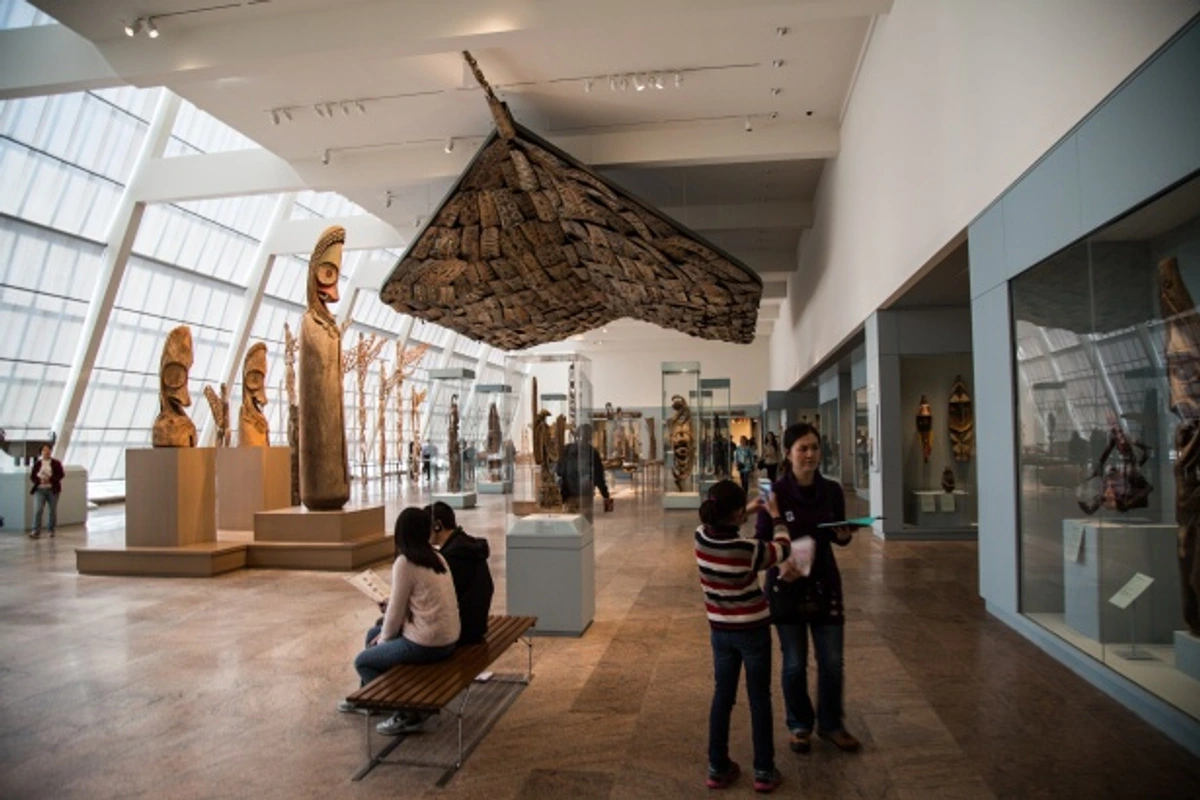
Once a curator has identified a potential acquisition, a piece that has survived their rigorous vetting process, it doesn't just magically appear on the wall. Oh no, that would be far too simple! It typically goes before an acquisition committee. This committee is a multi-faceted group, often comprising senior curators, the museum director, key board members (especially those with deep art expertise or significant philanthropic ties), and sometimes even external art historians or market experts. They debate, discuss, and deliberate, often for months, meticulously reviewing every aspect of the proposed acquisition. It’s about far more than just personal taste; it's about the long-term impact on the institution, the ethical implications of ownership, the financial feasibility (including not just purchase price but also conservation and storage costs), and how the work will profoundly contribute to the museum's overall narrative and mission. This diverse group ensures a rigorous process, where different perspectives – from art historical to financial to legal – are brought to bear, making sure decisions are thoroughly vetted. It’s a robust, rigorous, and occasionally, I imagine, quite lively process – a true meeting of minds where passion for art meets pragmatic institutional responsibility, and where different perspectives ensure a well-rounded decision. Think of it as the ultimate peer review, but with millions of dollars and cultural legacies on the line. It's where dreams of a new masterpiece meet the cold, hard realities of budgets and ethical guidelines.
The Interdisciplinary Nature of Committee Decisions
The composition of an acquisition committee reflects the complex nature of collecting. It’s rarely just art historians; often, it includes individuals with expertise in finance, law, conservation, and even community engagement. This interdisciplinary approach ensures that every angle is considered: from the work's aesthetic significance and its fit within the collection, to its long-term financial implications, its legal standing, and its potential impact on diverse audiences. For instance, a board member with a background in understanding art prices or institutional finance might scrutinize the budget impact, while an expert in cultural property law would meticulously review its provenance. This collaborative scrutiny safeguards the museum's reputation, its financial health, and its ethical commitments, ensuring that decisions are well-informed and align with the institution’s broader mission.
Once a curator has identified a potential acquisition, a piece that has survived their rigorous vetting process, it doesn't just magically appear on the wall. Oh no, that would be far too simple! It typically goes before an acquisition committee. This committee is a multi-faceted group, often comprising senior curators, the museum director, key board members (especially those with deep art expertise or significant philanthropic ties), and sometimes even external art historians or market experts. They debate, discuss, and deliberate, often for months, meticulously reviewing every aspect of the proposed acquisition. It’s about far more than just personal taste; it's about the long-term impact on the institution, the ethical implications of ownership, the financial feasibility (including not just purchase price but also conservation and storage costs), and how the work will profoundly contribute to the museum's overall narrative and mission. This diverse group ensures a rigorous process, where different perspectives – from art historical to financial to legal – are brought to bear, making sure decisions are thoroughly vetted. It’s a robust, rigorous, and occasionally, I imagine, quite lively process – a true meeting of minds where passion for art meets pragmatic institutional responsibility, and where different perspectives ensure a well-rounded decision. Think of it as the ultimate peer review, but with millions of dollars and cultural legacies on the line. It's where dreams of a new masterpiece meet the cold, hard realities of budgets and ethical guidelines.
The Ethical Compass: Provenance, Due Diligence, and Repatriation – Safeguarding the Integrity of Our Shared Heritage
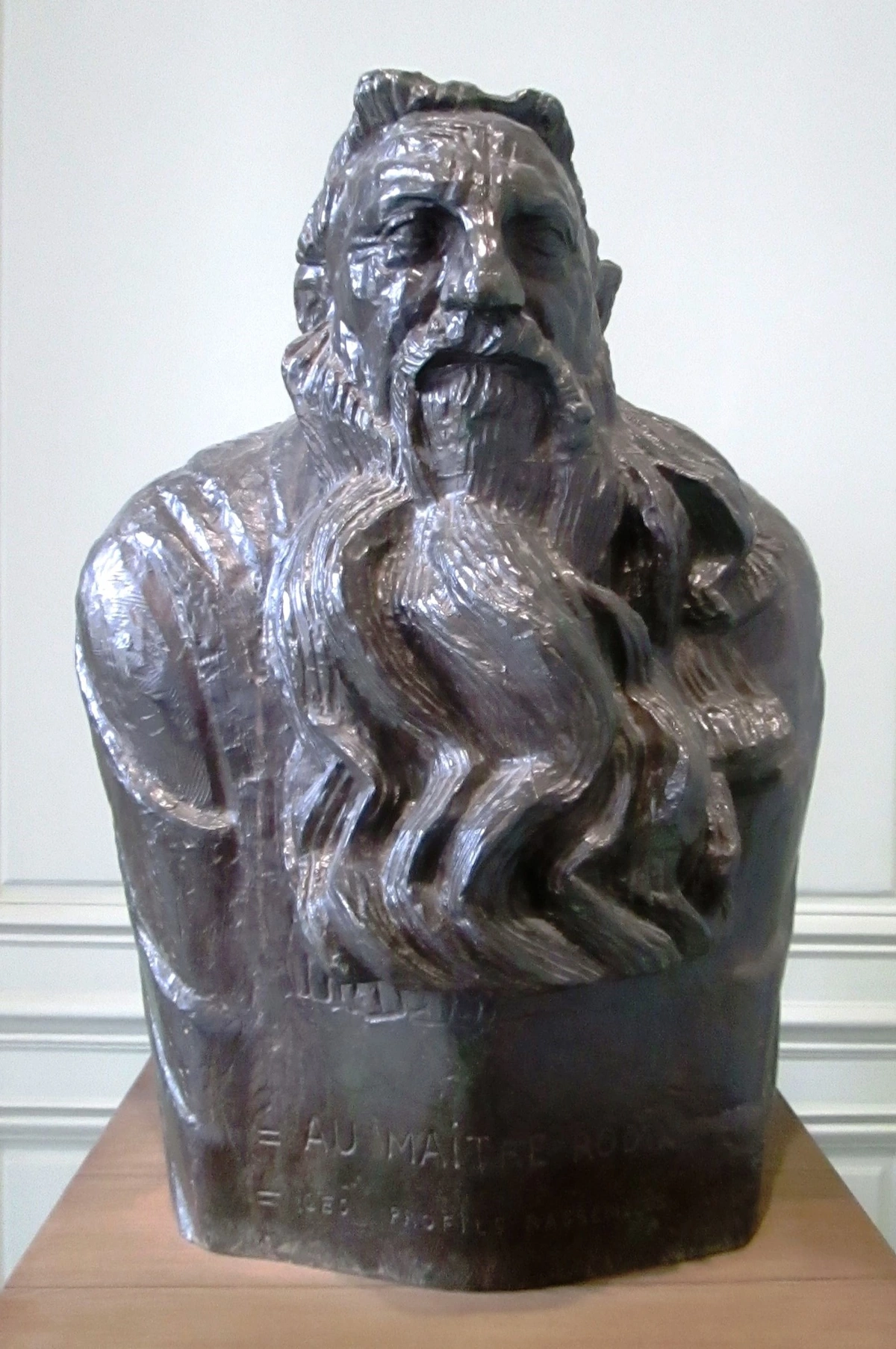
This is where things get really serious, folks. Every museum, certainly every reputable one, performs intensive due diligence on potential acquisitions. The big word here, the absolute bedrock of ethical collecting, is provenance – the complete, documented history of ownership of an artwork from its creation to the present day. Why is this so incredibly crucial? Because it's about establishing authenticity, legal ownership, and most importantly, ethical sourcing. Museums absolutely do not, under any circumstances, want to acquire looted art, especially pieces taken during wartime (think of the Nazi plunder during WWII), through colonial exploitation, or via illicit trade. The ethical considerations are paramount, and the research can be painstaking, involving dedicated specialists who trace ownership through archives, sales records, exhibition histories, and historical documents, sometimes going back centuries. It's not just a moral imperative; it's a legal one to ensure that the art has been legitimately acquired at every step of its journey, a responsibility that has gained even more prominence in recent years with increased calls for restitution, cultural repatriation, and transparency. This truly highlights the fundamental importance of the ethics of art collecting, a field that's constantly evolving and demanding constant vigilance. It’s the art world’s equivalent of a background check, but with far higher stakes and a much longer history to uncover.
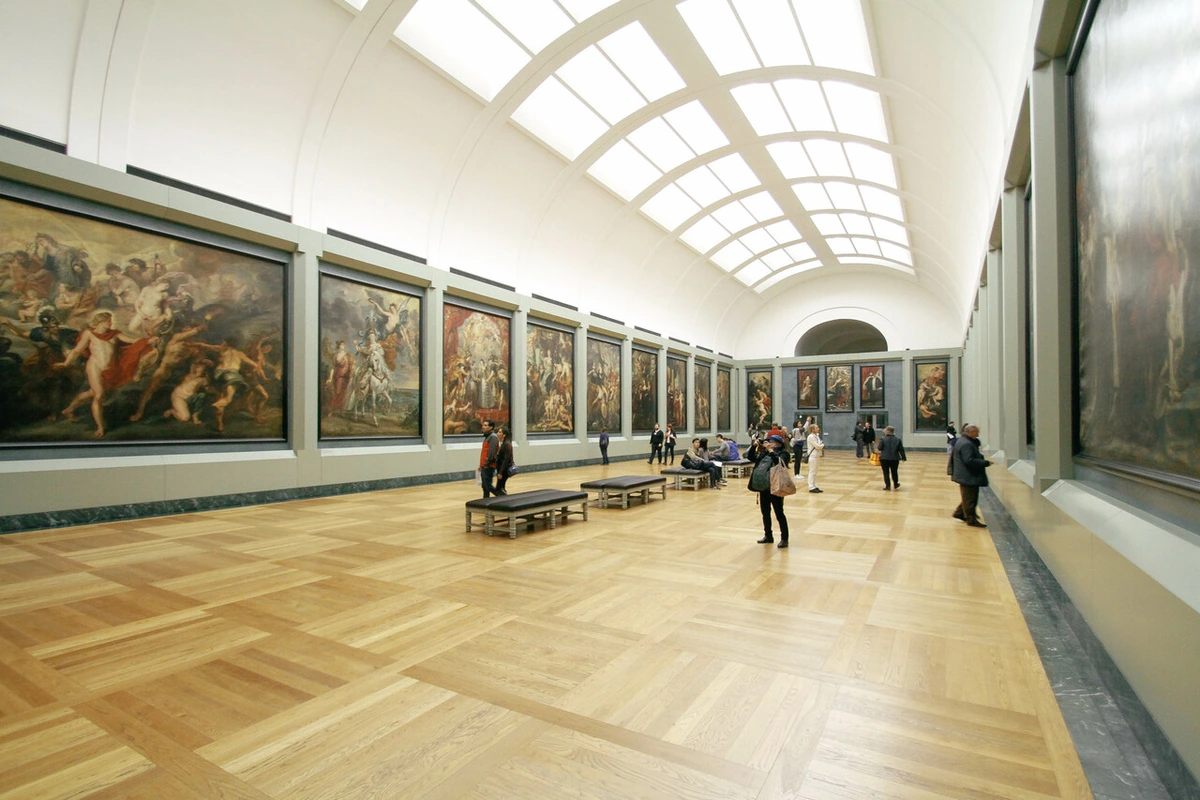
Repatriation: Addressing Historical Wrongs – A Path Towards Cultural Justice
One particularly sensitive aspect of ethical collecting is repatriation, the return of cultural artifacts to their country or community of origin. This isn't just about stolen art from a few decades ago; it often involves objects acquired during colonial periods or through unequal power dynamics centuries ago. Museums are increasingly engaging in complex negotiations and research to identify and return such items, recognizing their profound cultural and spiritual significance to source communities. These are often long, intricate processes, balancing legal frameworks, historical research, and evolving ethical standards to rectify past injustices and foster respectful, collaborative relationships with diverse cultures. It fundamentally reshapes how we view ownership and stewardship of global heritage, moving towards a more equitable distribution of cultural treasures. It's a powerful and necessary reckoning with the past, ensuring that justice and cultural respect are at the forefront of modern museum practice.
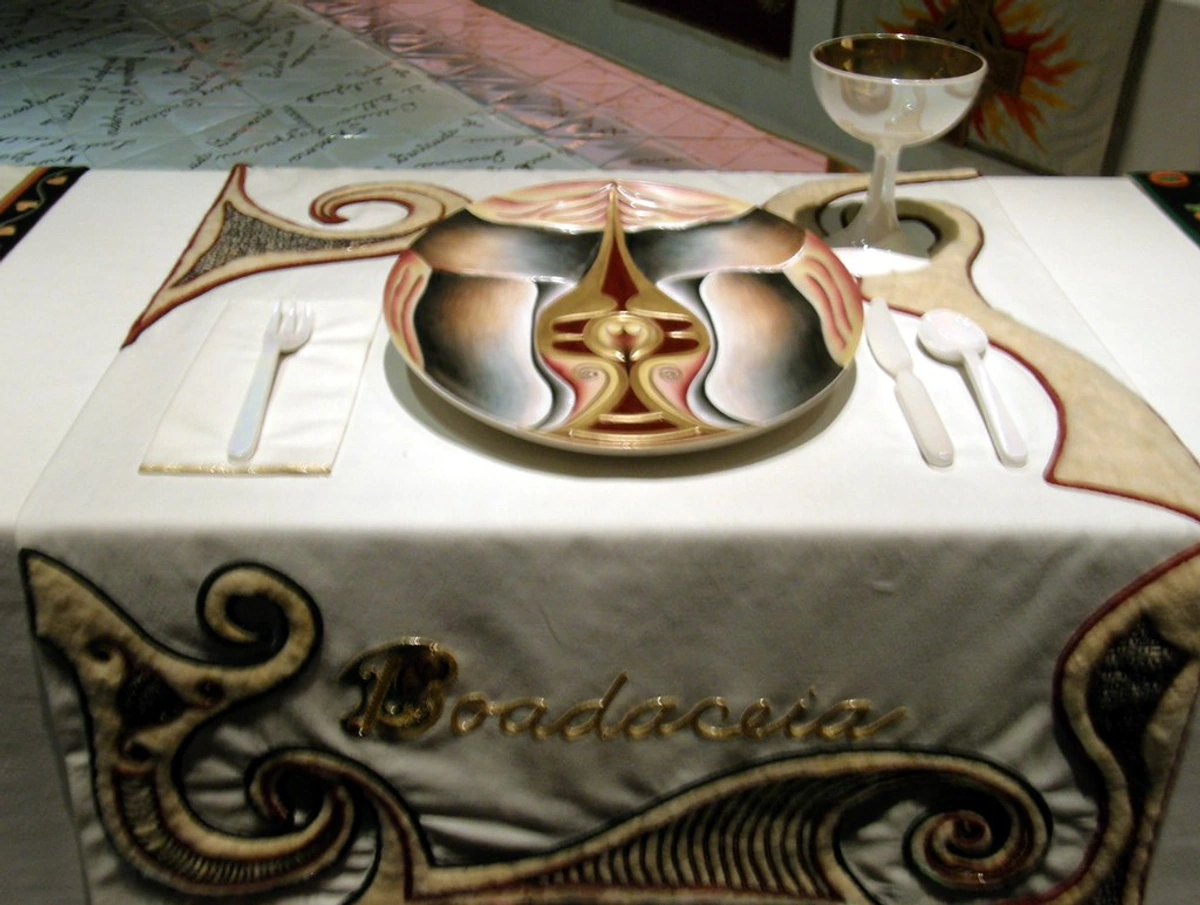
The Future of Provenance and AI: New Tools for an Ancient Pursuit
As provenance research becomes ever more critical and complex, technology is beginning to offer new avenues for assistance. Researchers are exploring how artificial intelligence and blockchain technology could potentially aid in tracing ownership histories, verifying authenticity, and creating immutable records for artworks. Imagine AI scanning vast historical databases or using image recognition to identify looted art. While these technologies hold intriguing promise for enhancing efficiency and transparency, their application in the nuanced world of art history is still in its early stages and, frankly, requires rigorous vetting. The human element – the expert eye, the deep historical knowledge, the ethical judgment – remains irreplaceable. We’re certainly not rushing into anything unvetted, but we're watching with great interest as these tools develop.
The Role of International Law and Conventions
The pursuit of ethical acquisitions is underpinned by a complex web of international laws, treaties, and conventions. Key among these are the 1970 UNESCO Convention on the Means of Prohibiting and Preventing the Illicit Import, Export and Transfer of Ownership of Cultural Property, and various conventions dealing with the protection of cultural property during armed conflict. Museums operate within these legal frameworks, and adherence to these international standards is not just an ethical choice but a legal imperative. These laws often dictate due diligence requirements, procedures for the return of illicitly acquired artifacts, and establish guidelines for responsible cultural exchange. Understanding and rigorously applying these laws is a continuous challenge, requiring specialized legal expertise within museum operations.
As provenance research becomes ever more critical and complex, technology is beginning to offer new avenues for assistance. Researchers are exploring how artificial intelligence and blockchain technology could potentially aid in tracing ownership histories, verifying authenticity, and creating immutable records for artworks. Imagine AI scanning vast historical databases or using image recognition to identify looted art. While these technologies hold intriguing promise for enhancing efficiency and transparency, their application in the nuanced world of art history is still in its early stages and, frankly, requires rigorous vetting. The human element – the expert eye, the deep historical knowledge, the ethical judgment – remains irreplaceable. We’re certainly not rushing into anything unvetted, but we're watching with great interest as these tools develop.
Due Diligence Step | Description | Why it's Important |
|---|---|---|
| Provenance Research | Tracing the full ownership history of the artwork, including sales, exhibitions, and inheritance. | Ensures legal ownership, ethical sourcing, avoids complicity in the trade of looted or illicitly acquired art, and builds historical context. |
| Authenticity Verification | Confirming the artwork is genuinely by the attributed artist, often involving expert analysis, forensic tests, and comparative studies. | Protects the museum's reputation, validates artistic and historical value, and prevents the acquisition of forgeries. |
| Condition Report | Detailed examination of the artwork's physical state, including materials, damage, previous restorations, and environmental needs. | Assesses immediate and long-term conservation needs, estimates future maintenance costs, and informs display and storage conditions. |
| Legal Review | Checking for liens, encumbrances, claims from previous owners, or restrictions on the artwork's sale or display. | Prevents future legal disputes, ensures clear and unencumbered title, and protects the museum's legal standing. |
| Valuation & Appraisal | Independent assessment of market value by qualified appraisers, considering recent sales and market trends. | Informs the purchase price, insurance valuation, donor tax deductions, and aids in financial planning for acquisitions and endowments. |
| Cultural Context & Sensitivity | Evaluating the artwork's cultural significance, potential for offense, and adherence to international heritage agreements. | Upholds ethical standards, fosters respectful engagement with cultural heritage, and avoids acquiring objects that should be repatriated. |

Long-Term Vision: Shaping Legacies and Evolving Narratives – Collecting for Tomorrow's World
Acquiring art for a museum isn't just about the present; it's a profound act of looking into the future. Every decision is made with a long-term vision in mind, aiming to build a collection that will resonate for centuries. This involves anticipating future scholarship, understanding evolving public interests, and even imagining how today's contemporary art will be viewed by future generations. Museums aren't just collecting objects; they are collecting potential stories, future dialogues, and the very fabric of human expression. It's a bit like planting a forest, knowing that the full majesty of your effort won't be seen for decades, but trusting in the enduring value of what you're creating. It's about ensuring the collection remains a vibrant, relevant resource for understanding ourselves and the complex world around us.
Strategic Collection Planning: A Roadmap for the Future
Museums engage in rigorous strategic collection planning – a detailed roadmap that outlines future acquisition goals. This isn't a static document; it’s regularly reviewed and updated to respond to new scholarship, changing demographics, and evolving societal conversations. This planning considers everything from filling specific historical gaps to acquiring works by underrepresented artists, or proactively collecting new media. It involves forecasting market trends, anticipating conservation needs, and securing dedicated funding. This forward-thinking approach ensures that collection growth is purposeful, sustainable, and aligns with the museum’s core mission, allowing it to adapt and thrive in a constantly changing world. It's about being proactive, not just reactive, in building a legacy.
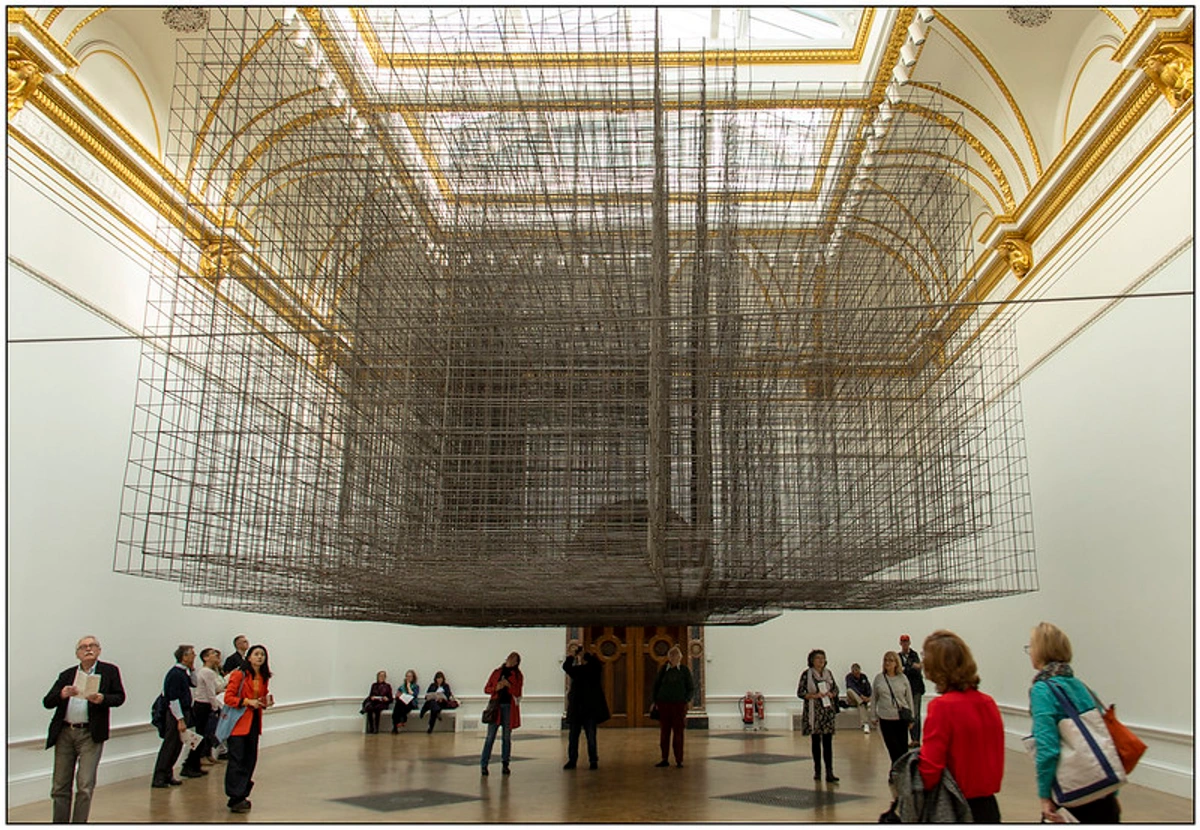
The ultimate goal is to create a living, breathing archive that continually challenges, educates, and inspires. This means not being afraid to revise historical narratives, to bring overlooked artists or movements into the spotlight, and to actively engage with the diverse perspectives of a global audience. This includes proactively collecting art that addresses pressing social issues, environmental concerns, and promotes diverse cultural understanding. It's about ensuring that the collection remains relevant, inclusive, and a vital resource for understanding ourselves and the complex world around us. This forward-thinking approach ensures that while the art may span from ancient civilizations to cutting-edge contemporary pieces, its impact is always fresh, profound, and deeply resonant. It's about building bridges across time and culture, fostering a sense of shared heritage and intellectual curiosity. It's a wonderfully ambitious goal, one that requires both a firm grasp of history and a keen eye on the horizon.
Global Art Initiatives: Expanding the Cultural Dialogue
In an increasingly interconnected world, museums are actively participating in global art initiatives. This involves collaborating with international institutions, sharing expertise, and engaging in cross-cultural exchanges that enrich collections and expand public understanding. Whether it's through co-organized exhibitions, joint research projects, or the acquisition of art from diverse global regions (including the best galleries in Asia or best galleries in India), museums are striving to present a truly global narrative of art history. This approach not only broadens the collection's scope but also fosters international dialogue and empathy, reflecting the rich tapestry of human creativity across continents.
Future Challenges and Opportunities in Collection Development – Navigating the Next Horizon
Museums face a dynamic landscape of challenges and opportunities as they look to the future:
Challenge | Opportunity | Strategy |
|---|---|---|
| Climate Change Impact | Developing sustainable practices and preserving at-risk collections from environmental degradation. | Investing in green infrastructure, developing climate-resilient storage solutions, and expanding digital documentation for vulnerable objects. |
| Digital Preservation | Integrating and preserving born-digital art, virtual realities, augmented reality experiences, and NFTs amidst rapid technological change. | Establishing new protocols for digital conservation, creating specialized curatorial roles for digital art, and fostering partnerships with tech experts and innovators. |
| Diverse Representation | Addressing historical biases in collections and ensuring inclusive narratives that reflect global cultural diversity. | Actively seeking acquisitions from underrepresented artists and cultures, establishing dedicated curatorial positions for diverse art, and deeply collaborating with source communities. |
| Funding Pressures | Maintaining robust acquisition budgets amidst rising operational costs, inflationary pressures, and shifting philanthropic landscapes. | Innovating fundraising strategies beyond traditional models, cultivating new donor bases focused on specific collection areas, and exploring sustainable public-private partnerships. |
| Evolving Audiences | Engaging younger, more diverse, and digitally native audiences in new and meaningful ways, ensuring relevance across demographics. | Developing interactive, immersive exhibitions, expanding digital outreach platforms, creating dynamic community programs, and producing accessible, multi-platform content. |
| Globalization of Art Market | Navigating complex international ethics, intricate provenance issues, and varying legal complexities across global jurisdictions. | Strengthening international collaborations and agreements, significantly investing in specialized provenance research teams, and upholding the strictest ethical guidelines and due diligence practices. |
Adaptability and Foresight: The Key to Enduring Collections
Navigating these future challenges and opportunities requires both adaptability and foresight. Museums must be nimble enough to respond to rapid technological advancements, evolving ethical standards, and changing societal expectations, while simultaneously maintaining their core mission of long-term preservation. This means investing in new expertise, fostering interdisciplinary collaboration, and embracing innovative approaches to collection management and audience engagement. The ability to anticipate future trends—whether in art forms, conservation science, or cultural discourse—is paramount. It’s about being prepared not just for tomorrow’s exhibitions, but for the next century of cultural stewardship, ensuring the collection remains a dynamic and invaluable resource for understanding the human experience.
Museums face a dynamic landscape of challenges and opportunities as they look to the future:
Challenge | Opportunity | Strategy |
|---|---|---|
| Climate Change Impact | Developing sustainable practices and preserving at-risk collections from environmental degradation. | Investing in green infrastructure, developing climate-resilient storage solutions, and expanding digital documentation for vulnerable objects. |
| Digital Preservation | Integrating and preserving born-digital art, virtual realities, augmented reality experiences, and NFTs amidst rapid technological change. | Establishing new protocols for digital conservation, creating specialized curatorial roles for digital art, and fostering partnerships with tech experts and innovators. |
| Diverse Representation | Addressing historical biases in collections and ensuring inclusive narratives that reflect global cultural diversity. | Actively seeking acquisitions from underrepresented artists and cultures, establishing dedicated curatorial positions for diverse art, and deeply collaborating with source communities. |
| Funding Pressures | Maintaining robust acquisition budgets amidst rising operational costs, inflationary pressures, and shifting philanthropic landscapes. | Innovating fundraising strategies beyond traditional models, cultivating new donor bases focused on specific collection areas, and exploring sustainable public-private partnerships. |
| Evolving Audiences | Engaging younger, more diverse, and digitally native audiences in new and meaningful ways, ensuring relevance across demographics. | Developing interactive, immersive exhibitions, expanding digital outreach platforms, creating dynamic community programs, and producing accessible, multi-platform content. |
| Globalization of Art Market | Navigating complex international ethics, intricate provenance issues, and varying legal complexities across global jurisdictions. | Strengthening international collaborations and agreements, significantly investing in specialized provenance research teams, and upholding the strictest ethical guidelines and due diligence practices. |
Collection Development Strategies
Strategy | Description | Key Focus |
|---|---|---|
| Filling Gaps | Acquiring works that address significant lacunae in the existing collection's historical or thematic scope. | Historical periods, artistic movements, geographic representation. |
| Strengthening Core Holdings | Adding works that enhance areas where the museum already has significant depth and reputation. | Masterpieces by key artists, important series, influential works. |
| Responding to Contemporary Art | Actively acquiring new works by living artists that reflect current cultural dialogues and artistic innovation. | Commissions, emerging artists, politically relevant pieces. |
| Increasing Diversity & Inclusion | Prioritizing works by underrepresented artists, cultures, and perspectives to broaden narratives. | Women artists, artists of color, indigenous art, global art. |
| Developing Digital Collections | Systematically acquiring and preserving digital art and new media. | Software-based art, video installations, NFTs (with caution and rigorous vetting). |
| Ethical & Sustainable Collecting | Ensuring all acquisitions meet the highest ethical standards and considering environmental impact. | Provenance due diligence, ethical sourcing, sustainable materials, energy-efficient operations. |
| Cross-Disciplinary Acquisitions | Acquiring works that bridge traditional disciplinary boundaries, fostering new interpretive possibilities. | Art and science collaborations, design objects, historical artifacts with artistic merit. |
| Audience Engagement Driven Acquisitions | Selecting works based on their potential to engage, educate, and inspire diverse visitor demographics. | Interactive installations, community-relevant art, pieces sparking dialogue. |
Strategy | Description | Key Focus |
|---|---|---|
| Filling Gaps | Acquiring works that address significant lacunae in the existing collection's historical or thematic scope. | Historical periods, artistic movements, geographic representation. |
| Strengthening Core Holdings | Adding works that enhance areas where the museum already has significant depth and reputation. | Masterpieces by key artists, important series, influential works. |
| Responding to Contemporary Art | Actively acquiring new works by living artists that reflect current cultural dialogues and artistic innovation. | Commissions, emerging artists, politically relevant pieces. |
| Increasing Diversity & Inclusion | Prioritizing works by underrepresented artists, cultures, and perspectives to broaden narratives. | Women artists, artists of color, indigenous art, global art. |
| Developing Digital Collections | Systematically acquiring and preserving digital art and new media. | Software-based art, video installations, NFTs (with caution and rigorous vetting). |
| Ethical & Sustainable Collecting | Ensuring all acquisitions meet the highest ethical standards and considering environmental impact. | Provenance due diligence, ethical sourcing, sustainable materials, energy-efficient operations. |
Funding Acquisitions: The Financial Engine Behind Every Masterpiece
Behind every significant acquisition, there's often a story of diligent fundraising and strategic financial planning. Museum endowments—large sums of money invested to provide annual income—are absolutely crucial. These funds can be restricted specifically for acquisitions, ensuring a continuous budget for purchases. Additionally, museums actively engage in targeted fundraising campaigns, seeking donations from individuals, foundations, and corporations to secure specific high-value artworks or to build acquisition funds for particular collection areas. It's a continuous, often challenging, effort to ensure the financial health necessary to compete in the art market and expand the collection strategically, and honestly, it's a testament to the dedication of development teams and generous benefactors. Without this financial backbone, many of the masterpieces we cherish today would simply not be in public hands. It's the unsung hero of many a grand exhibition, the financial alchemy that transforms potential into reality.
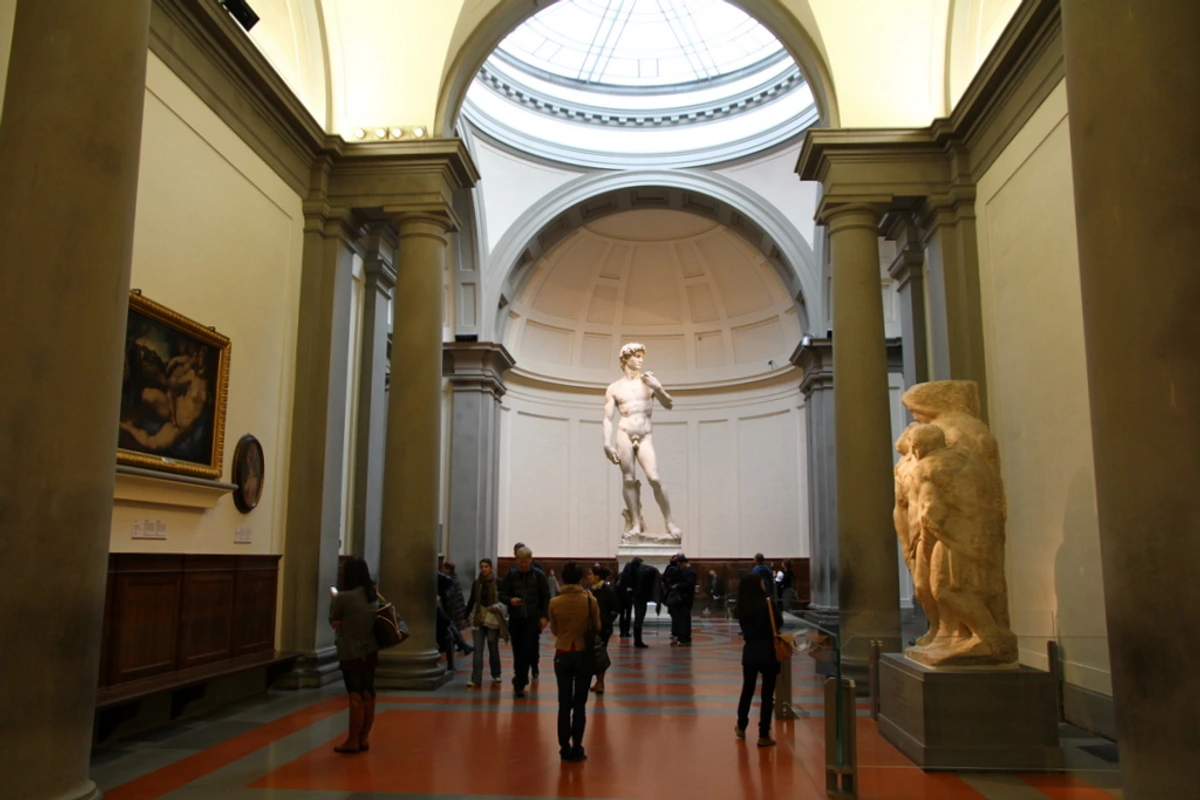
The Role of Art Insurance: Protecting Valuable Assets
Speaking of finances, one often-overlooked but absolutely critical aspect of managing a museum collection, especially after acquisition, is art insurance. With works valued at millions, or even billions, of dollars, comprehensive insurance policies are non-negotiable. This isn't just about protecting against theft or physical damage; it covers risks during transit, exhibition, and storage, and often includes specialized clauses for complex modern and contemporary installations. It's a highly specialized field, and museums work with expert art insurers to craft policies that reflect the unique risks associated with their collections. If you’re a collector, understanding understanding art insurance is equally vital to protect your own valuable assets. It's the ultimate 'better safe than sorry' measure when you're dealing with irreplaceable cultural treasures.
Behind every significant acquisition, there's often a story of diligent fundraising and strategic financial planning. Museum endowments—large sums of money invested to provide annual income—are absolutely crucial. These funds can be restricted specifically for acquisitions, ensuring a continuous budget for purchases. Additionally, museums actively engage in targeted fundraising campaigns, seeking donations from individuals, foundations, and corporations to secure specific high-value artworks or to build acquisition funds for particular collection areas. It's a continuous, often challenging, effort to ensure the financial health necessary to compete in the art market and expand the collection strategically, and honestly, it's a testament to the dedication of development teams and generous benefactors. Without this financial backbone, many of the masterpieces we cherish today would simply not be in public hands. It's the unsung hero of many a grand exhibition, the financial alchemy that transforms potential into reality.
The Mechanics of Endowment Funds
Endowment funds are the financial bedrock for many major museums. These are essentially permanent investment funds, where only the income generated (interest and dividends) is used for specific purposes, such as acquisitions. The principal amount remains untouched, ensuring a sustainable funding stream for generations. Endowments can be restricted, meaning donors specify how the funds can be used (e.g., for acquiring Asian art), or unrestricted, allowing the museum more flexibility. Managing these funds requires sophisticated financial expertise, balancing investment growth with prudent spending to ensure the long-term health of the collection and the institution. It’s a testament to the foresight of past benefactors and the ongoing stewardship of museum leadership.
Funding Mechanisms for Museum Acquisitions
Mechanism | Description | Key Features | Advantages | Challenges |
|---|---|---|---|---|
| Endowment Funds | Capital invested, with only the interest/income used for acquisitions. | Long-term, sustainable, often restricted to specific collection areas or types of art. | Predictable funding stream, cultivates long-term donor loyalty, stability for planning. | Requires substantial initial capital, can be subject to market fluctuations, donor restrictions. |
| Dedicated Acquisition Funds | Specific funds raised or allocated solely for purchasing art, often for particular projects or thematic areas. | Can be project-specific, time-limited, or ongoing, targeting identified collection needs. | Flexible for opportunistic purchases, targets specific collection gaps, can attract new donors. | Requires continuous fundraising efforts, not always guaranteed, can be highly competitive. |
| Grants from Foundations/Government | Non-repayable funds from philanthropic organizations or public cultural bodies. | Often project-based, requires rigorous application and reporting process, highly competitive. | Supports specific initiatives, can fund high-value acquisitions that might otherwise be out of reach. | Highly competitive, restrictive terms and conditions, significant administrative burden for applications. |
| Donor Contributions (Direct) | Individual or corporate donations specifically earmarked for particular artworks or general acquisition. | Immediate impact, often for high-profile pieces, can accelerate important acquisitions. | Strong relationships with benefactors, public recognition for donors, flexible in certain cases. | Variable, dependent on donor interest and economic climate, can be tied to specific works or artists. |
| Deaccessioning Proceeds | Funds generated from the sale of deaccessioned artworks that no longer fit the collection criteria. | Strictly regulated by ethical guidelines, must be reinvested directly into collections for new acquisitions or care. | Frees up resources, refines collection focus, can allow for targeted, strategic purchases. | Highly controversial, subject to intense public and ethical scrutiny, strict guidelines on use of funds. |
| Earned Income (Gift Shops, Admissions) | Revenue from museum operations (e.g., ticket sales, merchandise, events) occasionally allocated to acquisitions. | Supports general operating budget, flexible allocation for smaller purchases. | Contributes to overall financial health, can be used for less expensive, opportunistic buys. | Limited impact on major acquisitions, often prioritized for operational costs, fluctuates with visitor numbers. |
| Planned Giving | Charitable gifts arranged during a donor's lifetime but not realized until a future date (e.g., bequests, charitable trusts). | Secures future acquisitions, allows for long-term collection development planning. | Significant tax advantages for donors, ensures a lasting legacy, can involve substantial assets. | Deferred realization of funds, requires long-term donor cultivation, complex legal planning. |
Mechanism | Description | Key Features | Advantages | Challenges |
|---|---|---|---|---|
| Endowment Funds | Capital invested, with only the interest/income used for acquisitions. | Long-term, sustainable, often restricted to specific collection areas or types of art. | Predictable funding stream, cultivates long-term donor loyalty, stability for planning. | Requires substantial initial capital, can be subject to market fluctuations, donor restrictions. |
| Dedicated Acquisition Funds | Specific funds raised or allocated solely for purchasing art, often for particular projects or thematic areas. | Can be project-specific, time-limited, or ongoing, targeting identified collection needs. | Flexible for opportunistic purchases, targets specific collection gaps, can attract new donors. | Requires continuous fundraising efforts, not always guaranteed, can be highly competitive. |
| Grants from Foundations/Government | Non-repayable funds from philanthropic organizations or public cultural bodies. | Often project-based, requires rigorous application and reporting process, highly competitive. | Supports specific initiatives, can fund high-value acquisitions that might otherwise be out of reach. | Highly competitive, restrictive terms and conditions, significant administrative burden for applications. |
| Donor Contributions (Direct) | Individual or corporate donations specifically earmarked for particular artworks or general acquisition. | Immediate impact, often for high-profile pieces, can accelerate important acquisitions. | Strong relationships with benefactors, public recognition for donors, flexible in certain cases. | Variable, dependent on donor interest and economic climate, can be tied to specific works or artists. |
| Deaccessioning Proceeds | Funds generated from the sale of deaccessioned artworks that no longer fit the collection criteria. | Strictly regulated by ethical guidelines, must be reinvested directly into collections for new acquisitions or care. | Frees up resources, refines collection focus, can allow for targeted, strategic purchases. | Highly controversial, subject to intense public and ethical scrutiny, strict guidelines on use of funds. |
| Earned Income (Gift Shops, Admissions) | Revenue from museum operations (e.g., ticket sales, merchandise, events) occasionally allocated to acquisitions. | Supports general operating budget, flexible allocation for smaller purchases. | Contributes to overall financial health, can be used for less expensive, opportunistic buys. | Limited impact on major acquisitions, often prioritized for operational costs, fluctuates with visitor numbers. |
Frequently Asked Questions (FAQ) About Museum Acquisitions
I'm often asked some variations of these questions, so I thought it would be helpful to gather a few common ones here to shed a little more light on this fascinating process. Consider these my quick takes on your most pressing inquiries!
How do museums decide what to acquire?

Museums decide based on a comprehensive combination of factors, including their institutional mission, existing collection strengths and gaps, current research interests, historical significance, artistic merit, the artwork's condition (and associated conservation costs), and, perhaps most critically, ethical considerations (especially provenance). Acquisition committees, comprising curators, directors, and often external experts and board members, rigorously debate and approve each potential acquisition. It's rarely, if ever, a unilateral decision, but rather a deeply collaborative, thoughtful, and sometimes intensely debated process that aims to serve the public trust and the museum’s long-term vision.
What happens to art after it's acquired?
After acquisition, art undergoes a comprehensive, multi-stage process that is vital for its long-term preservation. This includes a thorough conservation assessment and any necessary treatment, detailed documentation and cataloging into the museum's database, and strategic storage in state-of-the-art climate-controlled facilities. It's then made available for display, in-depth research, and a variety of educational programs, all ensuring its long-term preservation, public access, and scholarly study. Essentially, its public life begins, under the watchful eye of dedicated museum professionals.
Can individuals donate art to museums?
Yes, absolutely! Individuals can, and very often do, donate art to museums. These generous donations, or bequests made through wills, form a significant and invaluable part of many museum collections worldwide. However, museums are selective, and rightly so; they will carefully evaluate the artwork's relevance to their specific collection and mission, its condition, and its historical or artistic significance. It's always best to initiate contact with the museum's development or curatorial department to discuss potential gifts, as they can guide you through their specific procedures and criteria and ensure your gift aligns with their institutional goals.
What is deaccessioning and why is it controversial?
Deaccessioning is the formal process of removing an artwork from a museum's collection. It can be done for reasons like redundancy (having multiple similar works), irreparable damage or poor condition, lack of relevance to the museum's evolving mission or research focus, or to generate funds for new, more relevant acquisitions. It's often highly controversial because critics argue it can betray public trust, as collections are widely considered permanent public assets. Museums adhere to strict ethical guidelines, often mandated by professional associations, to ensure transparency and that any funds generated from deaccessioning are reinvested directly into the collection, typically for new acquisitions or conservation, and not for operational costs. It's a decision fraught with ethical implications and requires careful consideration to maintain public trust and the integrity of the collection.
How important is provenance?
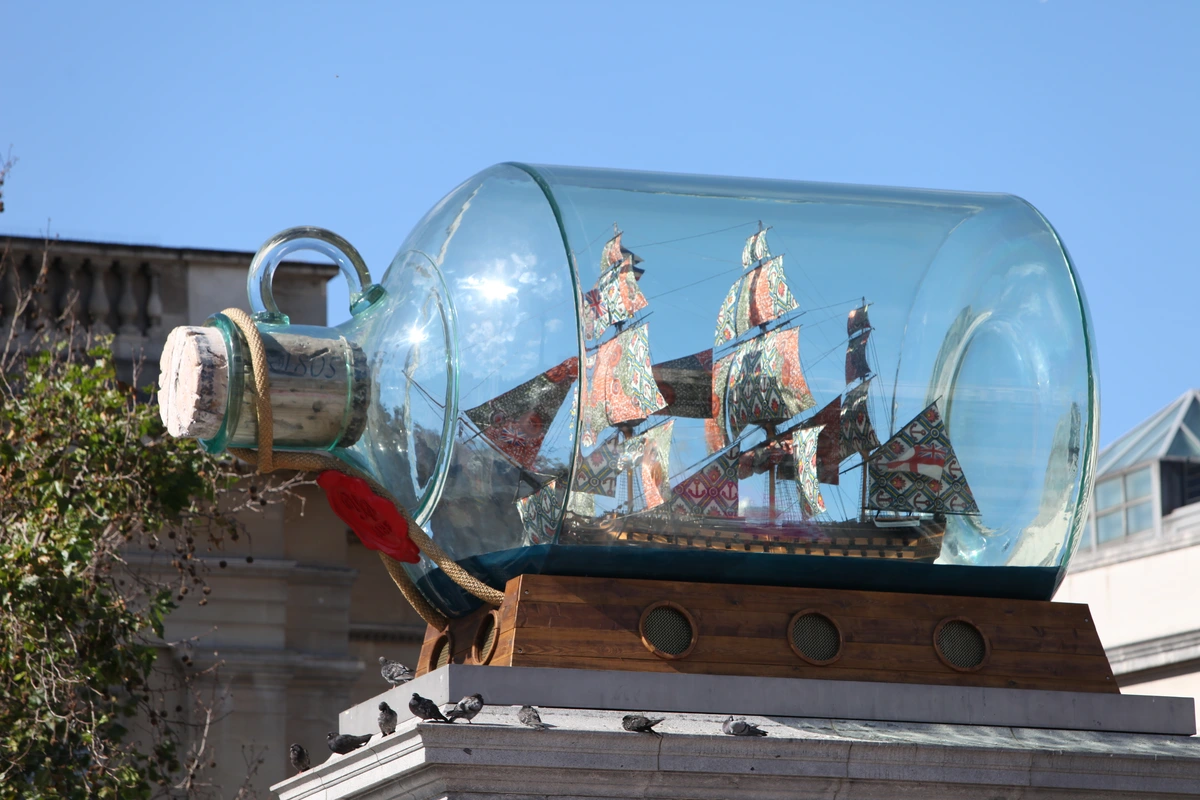
Provenance – the complete history of ownership of an artwork – is critically, absolutely, paramountly important. It serves to establish authenticity, legal ownership, and crucially, ethical sourcing. Museums conduct extensive provenance research to ensure art has not been looted, stolen, or illegally traded, especially for pieces from sensitive historical periods (like the WWII era) or cultural contexts. It’s a moral, legal, and reputational imperative for reputable institutions, safeguarding their integrity and the public's trust. You could even say it's the artwork's verifiable biography, and just like a good biography, every chapter needs to hold up to scrutiny. Without a clear provenance, a museum risks not only legal challenges but also serious damage to its reputation and integrity within the global art community.
What is the typical timeline for an acquisition?
You might be surprised, but an acquisition isn't usually a quick decision. From initial identification by a curator to final approval by an acquisitions committee and board, the process can take anywhere from a few months to several years. High-value pieces, complex provenance issues, or significant fundraising needs can all extend this timeline considerably. It's a testament to the thoroughness of the process – no stone is left unturned.
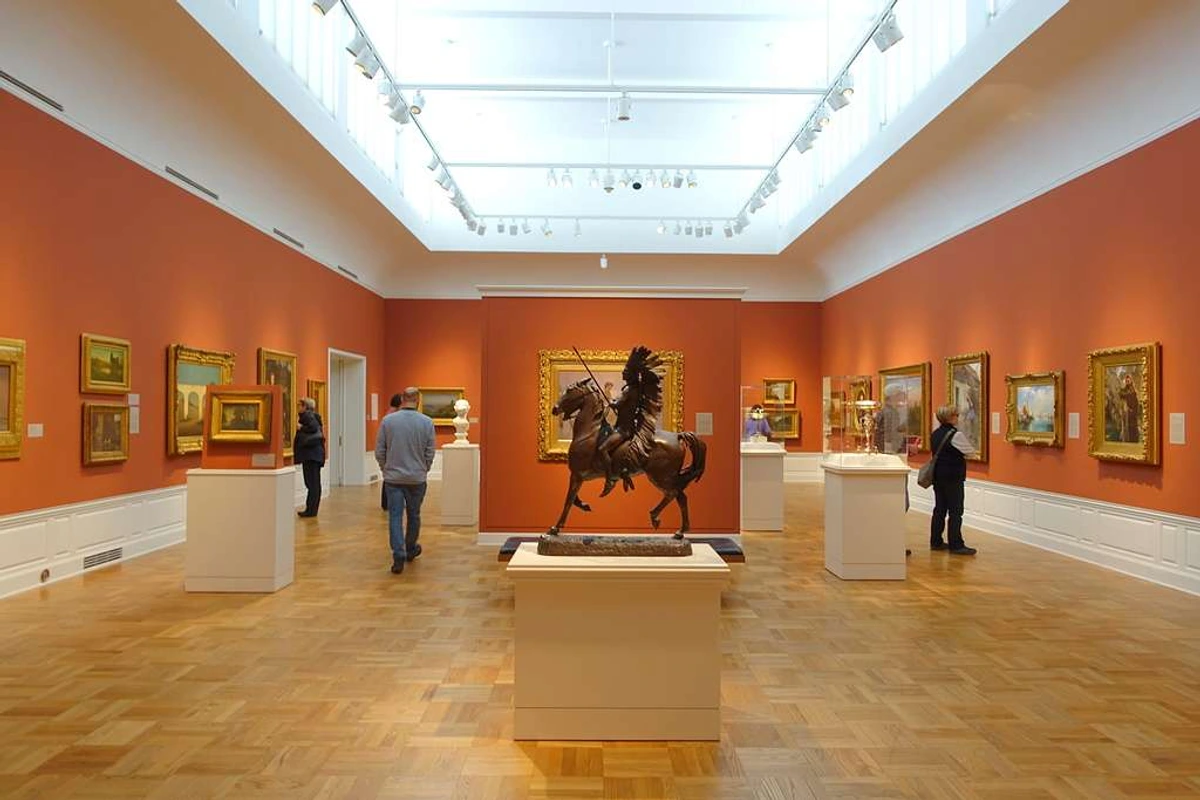
How does a museum budget for acquisitions?
Museums typically fund acquisitions through a combination of dedicated endowment funds (where only the interest is used), specific acquisition funds raised through targeted campaigns, direct donations from individuals or foundations, and, in some cases, through the carefully regulated proceeds from deaccessioning other artworks. It's a complex, multi-faceted approach, often requiring significant fundraising efforts and careful financial stewardship to ensure a sustainable and strategic collection growth. It's rarely a matter of simply dipping into a general operating budget!
How do digital and NFT art impact acquisitions?
This is a fascinating and evolving area! Digital art, including NFTs, presents unique challenges and opportunities. Museums are cautiously exploring how to integrate these evolving forms into their collections. The focus remains on artistic merit and historical significance rather than speculative market trends. Challenges include long-term preservation (how do you 'conserve' a digital file?), authenticity, and defining custodial responsibilities. It's a brave new world, and while the art world is traditionally slow to adopt, the dialogue around digital ownership and artistic expression is undeniable. We're certainly not rushing into anything unvetted, but we're watching with great interest. If you're curious about how technology is reshaping this, you might find our article on understanding the AI art market insightful.
What is the public's role in museum acquisitions?
While the direct decision-making often rests with curators and committees, the public's role is far more significant than you might think! Public interest, visitor feedback, and community engagement often inform the types of exhibitions a museum plans, which in turn can influence acquisition strategies. Donations from individuals (as we've discussed!) are vital. Moreover, public discourse around ethical collecting, repatriation, and diverse representation directly shapes institutional policies and priorities. Ultimately, museums exist for the public, and public engagement, even if indirect, is a powerful force in shaping what enters and remains in a collection.
More Than Just an Object: What Museums Look For – Beyond Aesthetics to Resonance and Impact
So, beyond the nuts and bolts of where the art comes from, what's actually driving the decision to bring a piece into a collection? It's far from a simple checklist, believe me. It's not just about aesthetics, or even historical significance in isolation, though those are certainly crucial factors. Museums are looking for works that can tell a compelling story, that can spark new insights, and that can connect with diverse audiences on multiple levels. They seek pieces that fill critical gaps in their existing narratives, challenge conventional understandings, or offer a unique, perhaps previously unheard, perspective on a particular era or movement. A collection isn't just a warehouse of beautiful things; it's a meticulously curated dialogue, a vibrant conversation across time and cultures, carefully constructed to provoke thought and emotion.
The Power of Narrative: Art as Storyteller
I believe art’s greatest power lies in its ability to tell stories. For museums, this means acquiring works that can articulate a narrative, whether it’s a grand historical epic or a deeply personal struggle. A painting isn't just pigments on canvas; it's a window into a moment in time, a cultural worldview, or an individual's soul. Curators seek artworks that resonate with existing narratives while also introducing new perspectives, expanding the collection's storytelling capacity. This focus on narrative ensures that the collection remains engaging, relevant, and capable of fostering empathy and understanding across diverse audiences. It's about finding those pieces that truly speak.
Curators often look for artworks that demonstrate profound innovation – pieces that broke new ground artistically, technically, or conceptually, pushing the boundaries of what art can be. As an artist myself, I understand the drive to innovate, to create something that hasn't been seen before, and that pioneering spirit is something museums actively seek to preserve. They value works that have had a significant influence on subsequent artists or movements, acting as undeniable touchstones in art history. And critically, they seek pieces that have strong contextual relevance, meaning they speak to broader cultural, social, or political themes, allowing the museum to engage with contemporary issues through the lens of art. This could be anything from a piece reflecting a major historical event to an artwork that champions a marginalized voice. Ultimately, it's about selecting objects that resonate with both the past and the present, offering pathways for understanding, reflection, and continuous discovery. It's about finding those pieces that truly speak to you, and that you believe will speak to generations yet to come.
Innovations in Display and Interpretation: Bringing Art to Life
Beyond the acquisition itself, museums are constantly innovating in how they display and interpret artworks to maximize audience engagement. This includes interactive technologies, immersive installations, and multi-sensory experiences that go beyond traditional wall text. The goal is to make art accessible and relevant to a wider, more diverse audience, fostering deeper personal connections and encouraging active participation. Whether it’s through digital interactives, augmented reality experiences, or even guided meditation sessions in galleries, museums are striving to create dynamic and memorable encounters with art. These innovations ensure that the stories within the collection are told in compelling and contemporary ways.
Aesthetic Quality and Rarity: The Enduring Appeal and the "Wow" Factor
While narrative and context are crucial, let's not forget the inherent aesthetic quality of an artwork. Museums are, after all, places of beauty and wonder, and I, for one, am always drawn to truly stunning pieces. Curators are drawn to works that demonstrate exceptional craftsmanship, innovative technique, and profound visual impact. Sometimes, an artwork's sheer beauty or its ability to evoke strong emotions is reason enough for acquisition, forming the core of the visitor experience and sparking that unforgettably powerful 'wow' moment. Furthermore, rarity can also play a role. A unique piece by a significant artist, a sole surviving example of a particular historical style, or a work that completes a series can be highly sought after, adding immeasurable value and completeness to a collection. It's the delicate balance of these tangible and intangible qualities that truly makes a collection exceptional, creating those 'wow' moments for visitors. It’s that feeling you get when you stand before a work, and it just hits you, a moment of pure, unadulterated awe, a moment that justifies all the intricate work behind the scenes.
Audience Engagement Potential: Sparking Connection and Fostering Dialogue
Pieces that demonstrate strong audience engagement potential—meaning they can resonate with a wide demographic, provoke discussion, or inspire creative responses—are increasingly prized by modern museums. Museums aren't just repositories; they are dynamic, interactive spaces where art comes alive through the viewer’s experience, fostering personal connections and broader societal conversations. I often think about how my own abstract art aims to spark individual interpretation and feeling, and museums are just amplifying that on a grand scale, turning passive viewing into active engagement. They look for art that challenges, comforts, or opens new perspectives, knowing that a truly impactful piece can start a dialogue that extends far beyond the gallery walls. You can see some of my work and how I aim for this connection here.
Criteria for Acquisition (Beyond the Obvious)
Criterion | Description | Example of Consideration |
|---|---|---|
| Authenticity | Is the artwork genuinely by the attributed artist? | Forensic analysis, expert consensus, historical records, scientific testing. |
| Condition | What is the physical state of the artwork, and what are its conservation needs? | Costs of restoration, long-term stability, display requirements, impact of environmental factors. |
| Provenance | Does the artwork have a clear, ethical, and documented history of ownership? | Legal and ethical sourcing, avoidance of looted or illicit art, adherence to international agreements. |
| Relevance to Mission | How well does the artwork align with the museum's stated mission and collection focus? | Filling thematic gaps, enhancing specific periods or movements, supporting educational and research goals. |
| Historical Significance | Does the artwork represent a pivotal moment in art history, a movement, or an artist's career? | Groundbreaking technique, influential style, socio-political commentary, first-of-its-kind example. |
| Aesthetic Quality | Does the artwork possess exceptional beauty, craftsmanship, or artistic merit? | Visual impact, innovative use of materials, technical mastery, emotional resonance. |
| Rarity/Uniqueness | Is the artwork a singular example, a rare type, or does it complete a significant series? | Last surviving piece of a certain era, a master's early work, a full set of prints, a unique historical document. |
| Technological Innovation | Does the artwork incorporate or demonstrate significant advancements in artistic technology or new media? | Early digital art, pioneering use of new materials, interactive installations, AI-generated works (with ethical vetting). |
| Exhibition Potential | How well can the artwork be integrated into future exhibitions and public programs? | Visual appeal, narrative strength, ease of display/interpretation, potential for interactive elements. |
| Educational Value | Can the artwork be used as a teaching tool for various audiences, illustrating concepts or fostering dialogue? | Illustrates a technique, represents a culture, sparks critical discussion on contemporary issues. |
| Conservation Needs | What are the long-term care and environmental requirements for the artwork, including specialized storage? | Specialized climate control, delicate handling, fragile materials, digital preservation challenges. |
| Cultural Sensitivity | Does the artwork present any potential for misinterpretation or offense, particularly concerning indigenous or marginalized communities? | Consultation with source communities, careful contextualization, ethical display practices. |
| Cost-Benefit Analysis | Does the long-term value (intellectual, public, aesthetic) justify the acquisition cost, including ongoing care? | Balancing purchase price with future expenses, alignment with budget capacity and fundraising goals. |
Criterion | Description | Example of Consideration |
|---|---|---|
| Authenticity | Is the artwork genuinely by the attributed artist? | Forensic analysis, expert consensus, historical records, scientific testing. |
| Condition | What is the physical state of the artwork, and what are its conservation needs? | Costs of restoration, long-term stability, display requirements, impact of environmental factors. |
| Provenance | Does the artwork have a clear, ethical, and documented history of ownership? | Legal and ethical sourcing, avoidance of looted or illicit art, adherence to international agreements. |
| Relevance to Mission | How well does the artwork align with the museum's stated mission and collection focus? | Filling thematic gaps, enhancing specific periods or movements, supporting educational and research goals. |
| Historical Significance | Does the artwork represent a pivotal moment in art history, a movement, or an artist's career? | Groundbreaking technique, influential style, socio-political commentary, first-of-its-kind example. |
| Aesthetic Quality | Does the artwork possess exceptional beauty, craftsmanship, or artistic merit? | Visual impact, innovative use of materials, technical mastery, emotional resonance. |
| Rarity/Uniqueness | Is the artwork a singular example, a rare type, or does it complete a significant series? | Last surviving piece of a certain era, a master's early work, a full set of prints, a unique historical document. |
| Technological Innovation | Does the artwork incorporate or demonstrate significant advancements in artistic technology or new media? | Early digital art, pioneering use of new materials, interactive installations, AI-generated works (with ethical vetting). |
| Exhibition Potential | How well can the artwork be integrated into future exhibitions and public programs? | Visual appeal, narrative strength, ease of display/interpretation, potential for interactive elements. |
| Educational Value | Can the artwork be used as a teaching tool for various audiences, illustrating concepts or fostering dialogue? | Illustrates a technique, represents a culture, sparks critical discussion on contemporary issues. |
| Conservation Needs | What are the long-term care and environmental requirements for the artwork, including specialized storage? | Specialized climate control, delicate handling, fragile materials, digital preservation challenges. |






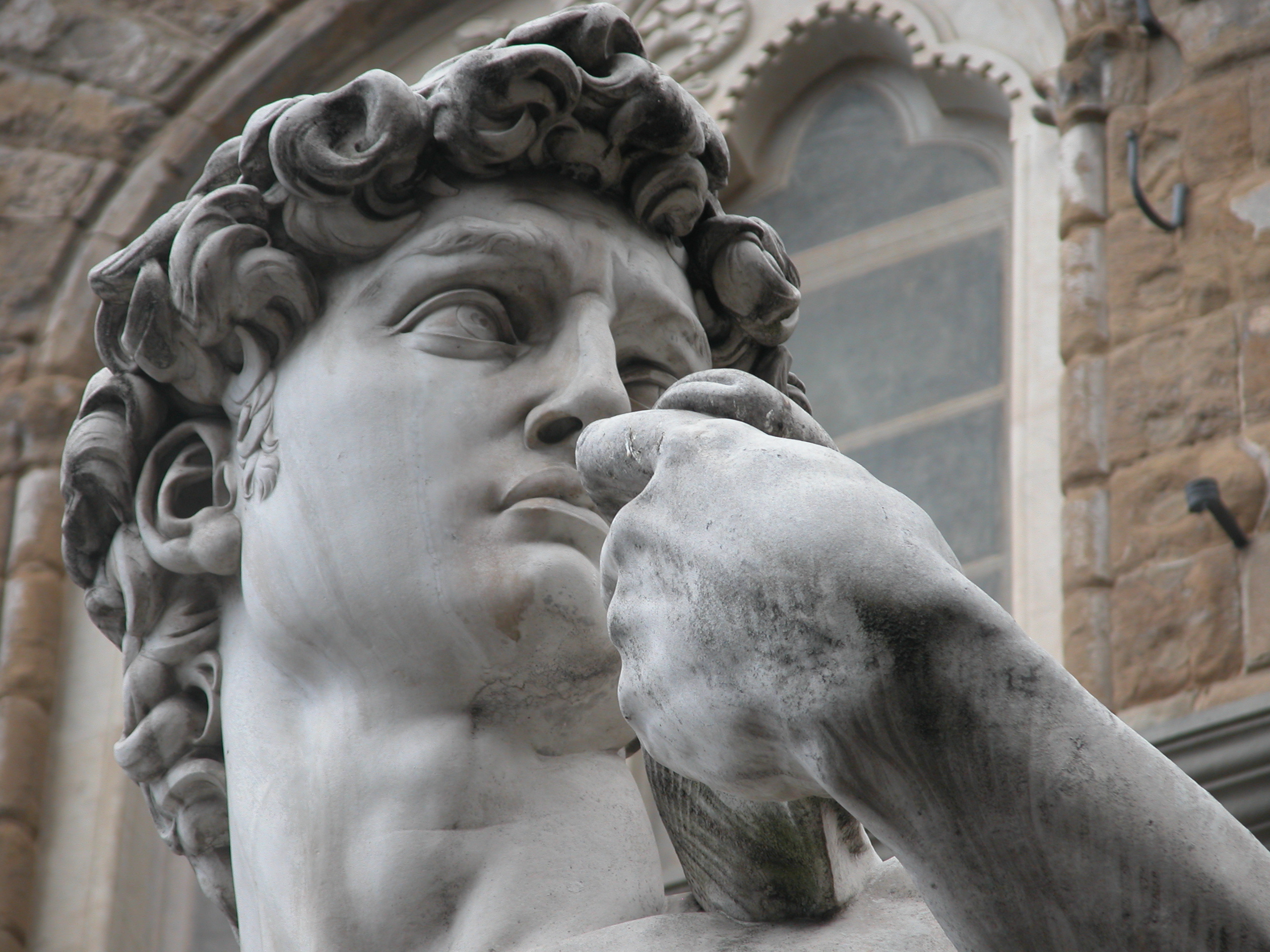




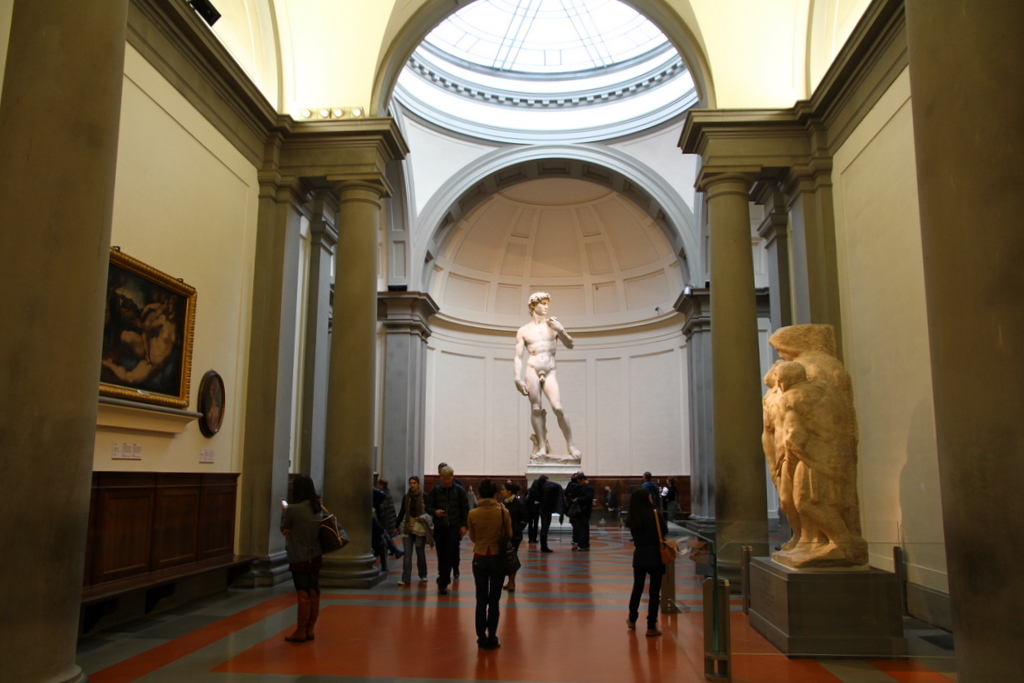


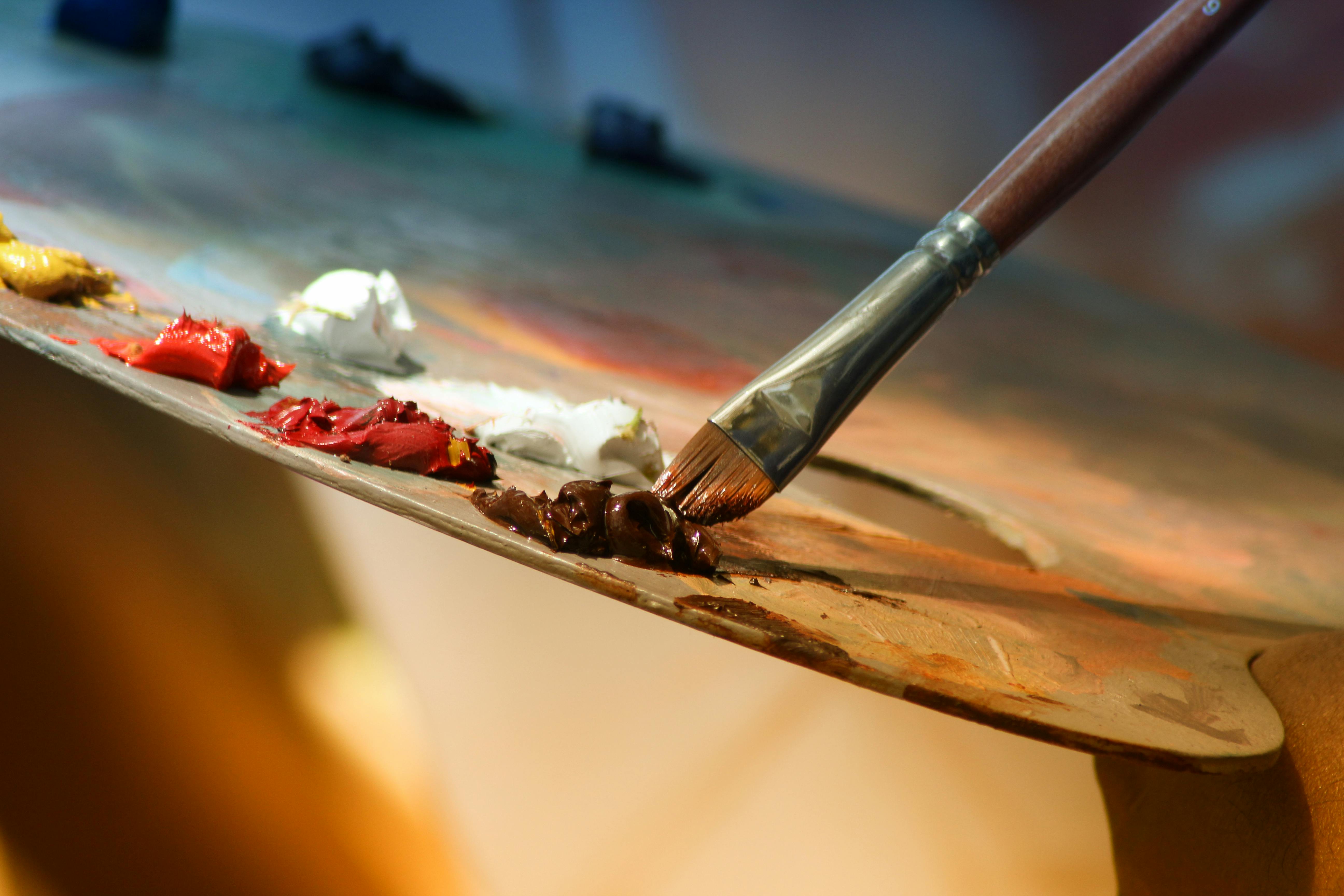


Ultimately, what museums look for boils down to the human connection. They aim to acquire art that transcends time and speaks to the universal human experience. Whether it's an ancient artifact that whispers tales of a forgotten civilization or a bold contemporary piece that challenges our perceptions, the goal is to create moments of wonder, introspection, and dialogue for every visitor. It's why I'm so fascinated by this world – it's a constant reminder of the power of art to connect us, to teach us, and to push the boundaries of what's possible. And for me, as an artist, seeing the enduring impact of art on humanity is a profound inspiration.
The Role of Endowments and Fundraising: Fueling Future Collections
Behind every significant acquisition, there's often a story of diligent fundraising and strategic financial planning. Museum endowments—large sums of money invested to provide annual income—are absolutely crucial. These funds can be restricted specifically for acquisitions, ensuring a continuous budget for purchases. Additionally, museums actively engage in targeted fundraising campaigns, seeking donations from individuals, foundations, and corporations to secure specific high-value artworks or to build acquisition funds for particular collection areas. It's a continuous, often challenging, effort to ensure the financial health necessary to compete in the art market and expand the collection strategically, and honestly, it's a testament to the dedication of development teams and generous benefactors. Without this financial backbone, many of the masterpieces we cherish today would simply not be in public hands. It's the unsung hero of many a grand exhibition, the financial alchemy that transforms potential into reality.
The Role of Art Insurance: Protecting Valuable Assets
Speaking of finances, one often-overlooked but absolutely critical aspect of managing a museum collection, especially after acquisition, is art insurance. With works valued at millions, or even billions, of dollars, comprehensive insurance policies are non-negotiable. This isn't just about protecting against theft or physical damage; it covers risks during transit, exhibition, and storage, and often includes specialized clauses for complex modern and contemporary installations. It's a highly specialized field, and museums work with expert art insurers to craft policies that reflect the unique risks associated with their collections. If you’re a collector, understanding understanding art insurance is equally vital to protect your own valuable assets. It's the ultimate 'better safe than sorry' measure when you're dealing with irreplaceable cultural treasures.
Funding Mechanisms for Museum Acquisitions
Mechanism | Description | Key Features | Advantages | Challenges |
|---|---|---|---|---|
| Endowment Funds | Capital invested, with only the interest/income used for acquisitions. | Long-term, sustainable, often restricted to specific collection areas. | Predictable funding, cultivates donor loyalty. | Requires substantial initial capital, market fluctuations. |
| Dedicated Acquisition Funds | Specific funds raised or allocated solely for purchasing art. | Can be project-specific, time-limited, or ongoing. | Flexible for opportunistic purchases, targets specific needs. | Requires continuous fundraising, not always guaranteed. |
| Grants from Foundations/Government | Non-repayable funds from philanthropic or public bodies. | Often project-based, requires rigorous application process. | Supports specific initiatives, can fund high-value acquisitions. | Highly competitive, restrictive terms, administrative burden. |
| Donor Contributions (Direct) | Individual or corporate donations for specific artworks or general acquisition. | Immediate impact, often for high-profile pieces. | Strong relationships with benefactors, public recognition. | Variable, dependent on donor interest, can be tied to specific works. |
| Deaccessioning Proceeds | Funds generated from the sale of deaccessioned artworks. | Strictly regulated, must be reinvested into collections. | Frees up resources, refines collection focus. | Controversial, ethical scrutiny, strict guidelines. |
| Earned Income (Gift Shops, Admissions) | Revenue from museum operations occasionally allocated to acquisitions. | Supports general operating budget, flexible allocation. | Limited impact on major acquisitions, often used for smaller purchases. | Prioritized for operations, fluctuates with visitor numbers. |
Conclusion: The Ever-Evolving Canvas of a Museum Collection – A Legacy in Perpetuity
So, the next time you walk into a museum, take a moment. Pause. Beyond the dazzling displays, remember the intricate dance of acquisition – the tireless work of curators and committees, the rigorous ethical checks, the meticulous conservation, and the profound long-term vision that brought each piece to its hallowed halls. It’s a testament to human creativity, passion, and an unwavering commitment to preserving and sharing our collective stories. And who knows, maybe it will even inspire you to explore the possibility of starting your own collection, or at least to look at the art around you with a newfound appreciation for the incredible journey each masterpiece undertakes to reach you. Perhaps you'll even consider collecting emerging abstract art yourself, or simply deepen your appreciation for how much goes into safeguarding our shared cultural heritage.
It's a magnificent, never-ending story, constantly being written and re-written by the passionate people behind the velvet ropes, ensuring that these invaluable expressions of humanity continue to inspire for millennia. And that, to me, is truly magic. I find it deeply inspiring as an artist to know that the work I create today could, through this meticulous and passionate process, become a part of tomorrow's cultural legacy, fostering dialogue and connection across generations. As an artist, it's a profound thought that my own work, much like the pieces in these grand institutions, aims to transcend the fleeting moment and speak to a timeless human experience. It's a shared journey of creation and preservation, ensuring the conversation of art never truly ends.