Art Market Speculation: Allure, Risks & a Balanced Collector's Path
Explore the captivating allure, significant risks, and driving forces of art market speculation. Learn to navigate volatile trends and build a meaningful art collection guided by passion and pragmatism.

Art Market Speculation: Allure, Risks & a Balanced Collector's Path
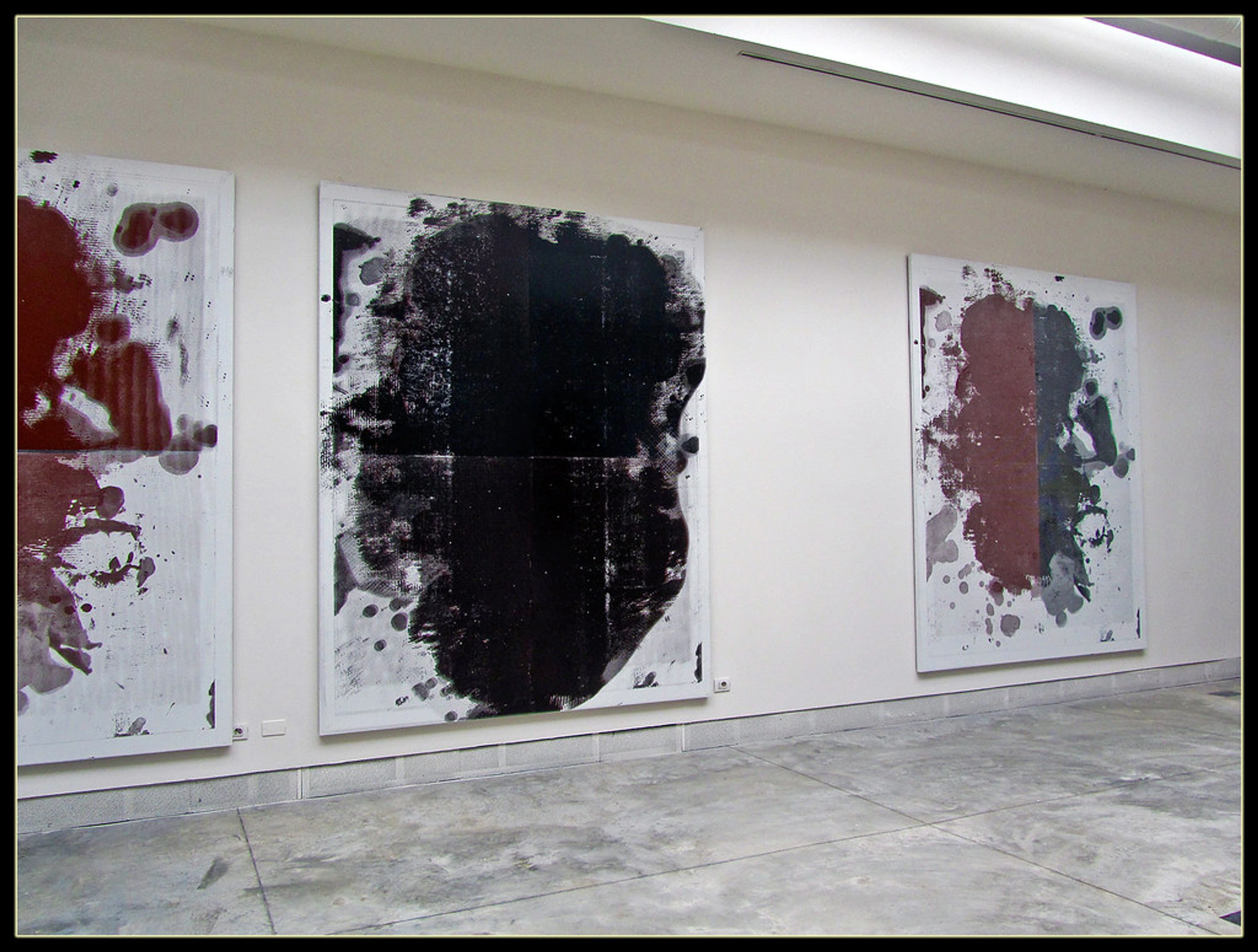
Markets, eh? They’ve always held a peculiar fascination for me. And the art market, in particular, with its intriguing dance of shifting values, where a whisper can become a roar, and a brilliant piece of art can, almost miraculously, multiply its initial price. This dynamic, while undeniably thrilling, leads us into the exhilarating, and sometimes treacherous, waters of art market speculation, a subject that has occupied my thoughts for years. It’s something I’ve wrestled with, not just as an artist pouring my soul into creations, but as someone who deeply admires fellow collectors. I often find myself in an internal tug-of-war: 'Isn't art fundamentally about passion, beauty, and expression, not just dollar signs?' Absolutely, it is! For me, the deepest satisfaction comes from creating, and for you, I imagine, the thrill comes from discovering a piece that truly speaks to your soul, perhaps even one that resonates with the spirit of my own abstract creations, many of which you can discover here. But let's be honest, the thought of owning something that also appreciates significantly in value? That’s a rather delightful bonus, wouldn't you agree? This fascinating tension—between art as an expression of soul and art as a tradable asset—is exactly what I want to explore with you today. So, in this journey, we'll unpack both the intoxicating allure of art speculation and the considerable pitfalls that lie beneath its shiny surface, ultimately finding a more grounded path to collecting that blends passion with pragmatism.
What Even Is Speculation in Art? (And How It's Not Always Investment)
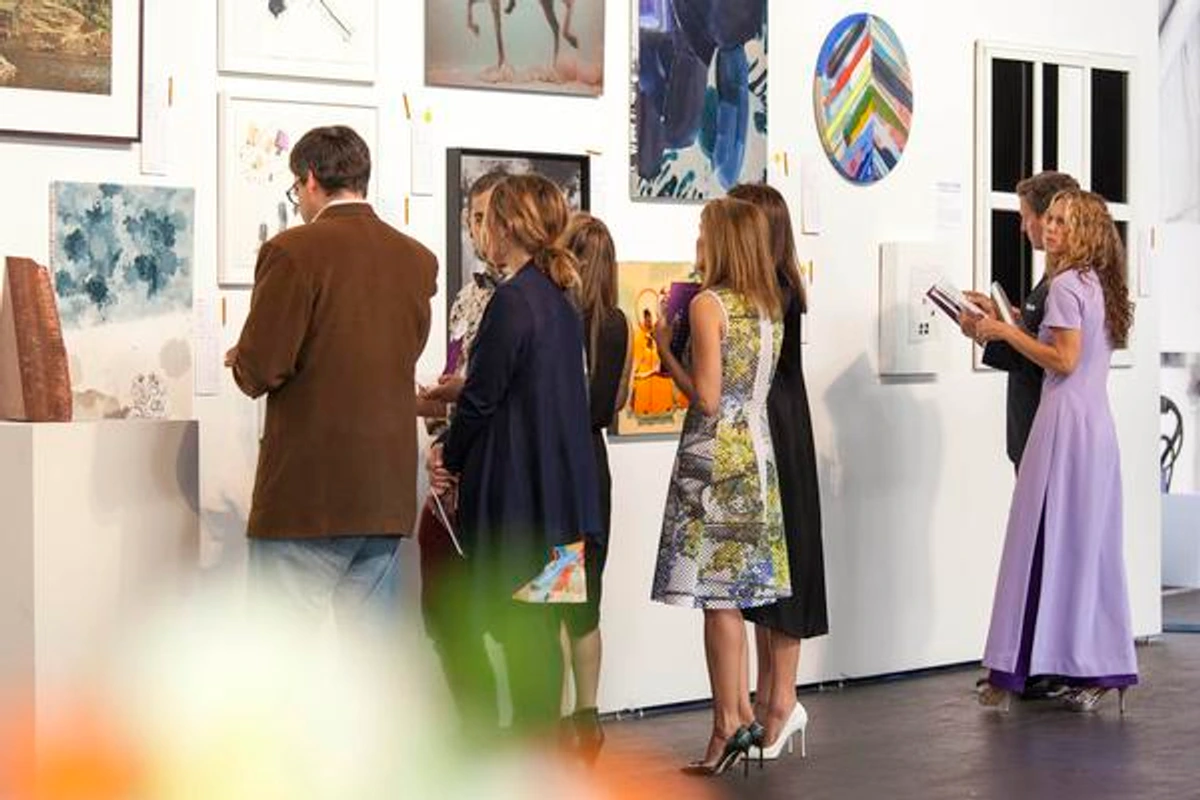
Now that we’ve acknowledged the thrill, let's get down to brass tacks: what exactly is speculation in art, and how does it differ from a more grounded investment? To truly unravel this often-murky concept, I believe it's crucial to draw a clear line between art investment and art speculation. Think of it this way: while art has always held cultural and aesthetic value, its role as a tradable commodity, sometimes one subject to extreme price swings, isn't new. We can look back to episodes like the Dutch Tulip Mania in the 17th century – a fascinating (and terrifying) example of how a passionate market can spiral into speculative frenzy, even if it wasn't strictly about art. But art itself has seen its share of booms and busts, often proving to be a surprising store of value during times of economic uncertainty, acting as a potential hedge against inflation when other assets waver.
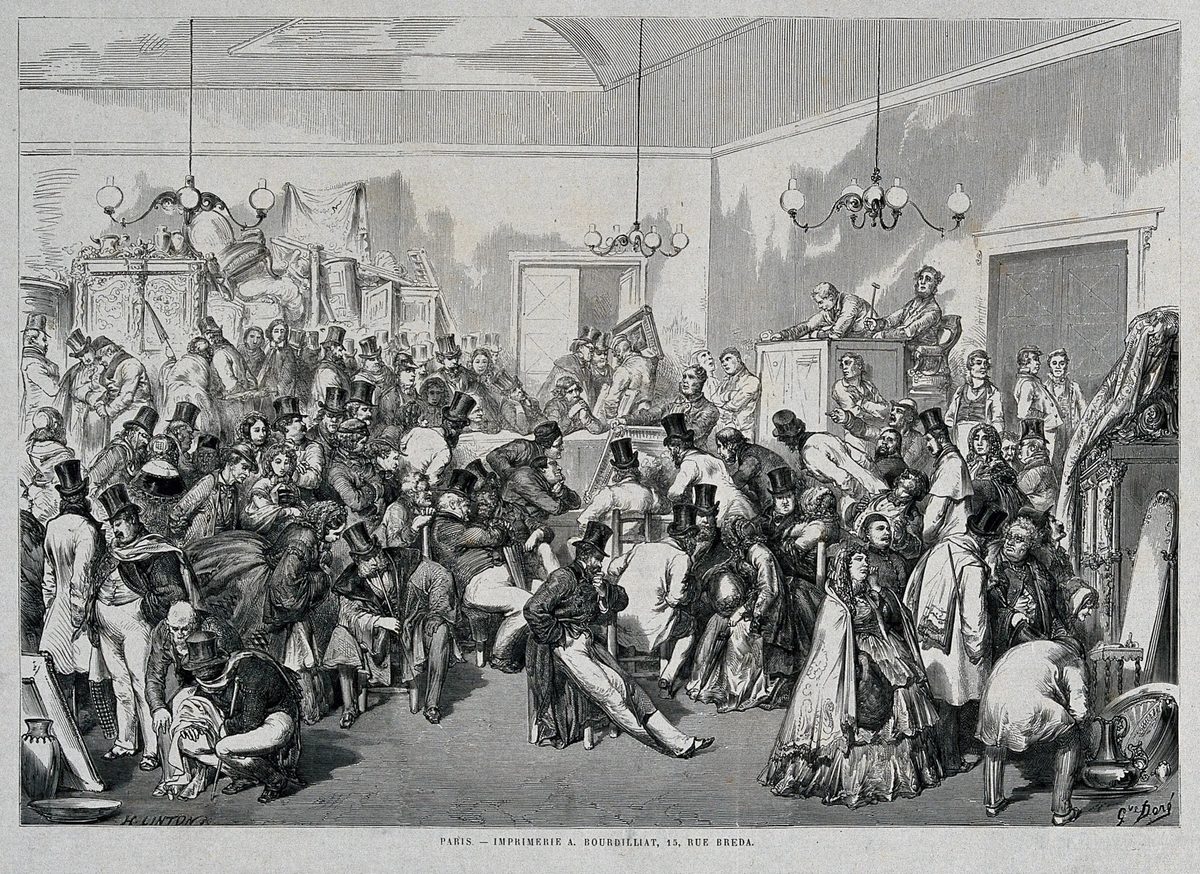
Consider the Impressionist market, which crashed significantly in the late 19th century before its eventual ascent to astronomical values. Initially, their work was often ridiculed by the established Salon, seen as unfinished or radical, resulting in low prices and public dismissal. However, as tastes evolved, championed by a few visionary dealers like Paul Durand-Ruel, and critics began to re-evaluate their groundbreaking approach to light and color, their value eventually soared, often swayed by what influential critics were saying and how they could shape public perception. Or the dizzying rise of Post-Impressionist works in the early 20th century, fueled by new money and changing tastes, often with prices detached from long-term consensus. We’ve also seen intense speculative periods, like the art market boom of the 1980s, driven by significant economic growth and new wealth, where prices for contemporary art, in particular, soared to unprecedented levels, only to cool off dramatically in the early 90s. More recently, think of the mid-20th century Abstract Expressionist movement, where a surge of critical and institutional interest, coupled with a burgeoning post-war economy, sent prices for artists like Jackson Pollock and Willem de Kooning skyrocketing, only for the market to eventually recalibrate. The market for Old Masters, too, has had its cycles driven by taste, scarcity, and yes, often speculation. All this history reminds us that the intricate dance between art and its perceived financial worth is as old as organized markets themselves. Now, before we go further, let me just say, I'm certainly not offering financial advice here; think of this more as a fellow art-lover sharing observations from the sidelines, and sometimes, from the very thick of it. These historical cycles highlight the inherent tension between art's intrinsic value and its potential as a tradable commodity, a tension that brings us to the crucial distinction between art investment and art speculation, as I see it.
When I envision art as an investment, I picture someone meticulously doing their homework: researching an artist's long-term trajectory, understanding their entire body of work, considering the historical and critical context, and aiming for gradual, sustained appreciation over many years. This often means poring over exhibition catalogues, reading critical essays, understanding their artistic education and mentorship, and really grasping the evolution of their creative journey. It's like nurturing a slow-growing plant, hoping it blossoms beautifully over decades. You're buying into established value, or at least a very well-researched potential for future, enduring value.
Speculation, on the other hand, feels a bit more like planting a seed and hoping it shoots up overnight into a beanstalk. It's about betting on a sudden surge in popularity, hoping for a quick 'flip,' or trying to capitalize on fleeting hype. It's often short-term, driven more by market sentiment and trending buzz than by deep intrinsic artistic merit. I sometimes feel it's more of a hopeful guess than a truly educated one. It's a faster, more volatile game, and the stakes can be considerably higher.
Feature  | Art Investment | Art Speculation |
|---|---|---|
| Primary Goal | Long-term appreciation, cultural value, personal enjoyment | Rapid short-term financial gain |
| Time Horizon | Years to decades | Weeks, months, or a few years |
| Driver | Research, connoisseurship, historical significance, artistic merit | Market sentiment, hype, trends, social media buzz, limited information |
| Risk Level | Moderate to High (dependent on research) | Very High (often akin to gambling) |
| Liquidity | Generally illiquid, but more predictable resale potential over time | Extremely illiquid, highly dependent on finding a buyer willing to pay a higher price |
The Allure: Why We Get Drawn In (The Rewards)
So, if the distinction is clear, why do we still find ourselves drawn into this glittering, unpredictable arena? It’s truly easy to understand why speculation holds such a powerful siren call. Who among us wouldn’t want to be the person who acquired an artist’s work for a modest sum right before they became a household name? These stories of exponential returns are the stuff of art world legends, and they powerfully fuel the dreams of many collectors (and yes, artists too, myself included, on occasion!). I remember hearing a story from a friend, an older, seasoned collector who, back in the 80s, bought a raw, energetic painting from a then-unknown street artist in New York. He simply loved the energy, the audacity of it, and the unique voice it expressed — a raw, unvarnished emotion that truly spoke to him. He loved how the bold strokes conveyed a feeling of unbridled freedom, a primal energy that resonated deep within him. He told me he paid what felt like a week's rent. Decades later, that artist's work was hanging in major museums, and that painting, still on his wall, was worth more than his house. He didn't buy it to flip; he bought it for passion. The appreciation? A wonderful, life-changing accident born from a discerning eye. That's the dream, isn't it? When I heard that story, I'll admit a little voice in my head whispered, "Wouldn't that be something?" and I even felt a twinge of longing for that kind of serendipitous discovery. Even I, with all my talk of passion over profit, have occasionally found myself eyeing an emerging talent, wondering, 'Could this be the one?' – though, thankfully, my inherent caution usually pulls me back from purely speculative ventures. (And let's be honest, most of us are more likely to discover the next big thing hiding in our own attic than at a gallery opening!)
Perhaps you, like me, fantasize about being that 'early bird' collector. While pure luck plays a huge part, there are ways one might try to actively position themselves. It could involve carefully tracking MFA graduate shows, subscribing to niche art publications focusing on young talent, or identifying artists whose early work shows a unique conceptual depth or technical mastery that stands out from their peers. It's about looking for sustained artistic intent and a unique vision, even in nascent stages, rather than just marketability.
So, beyond the pure financial upside, what else draws us in?
- The Thrill of Discovery: There’s a genuine excitement in spotting an emerging talent, feeling like you're in on a secret before the rest of the world truly catches on. It's an affirmation of your own eye and taste, a quiet confidence in your aesthetic judgment. The vast amount of art now accessible online, from digital exhibitions to artist portfolios on social media, has democratized this thrill, allowing more people to feel like 'early adopters' – even if it also fuels faster hype cycles and sometimes, unfortunately, misleads new collectors into seeing every emerging artist as a speculative opportunity rather than a genuine creative voice.
- Rapid Gains: While undeniably rare, the potential for a quick and substantial return on investment is incredibly enticing. It's the art world's lottery ticket, albeit one where your artistic sensibilities and knowledge might just give you a slight edge.
- Feeling 'Ahead of the Curve' & Social Capital: Being able to say, "I owned their work before everyone knew who they were," offers a certain kind of cultural cachet and speaks to a desire for exclusivity. This perceived exclusivity, beyond just financial gain, can be a powerful driver for speculative interest, as it positions a collector as a tastemaker with unique access. It's not just about the money; it's about being seen as a visionary with a discerning eye. This social capital can be particularly appealing in the competitive resale market for contemporary abstract art, where prices can change quickly based on shifting tastes and reputations.
We all, to some extent, keep an eye on art market trends, hoping to spot the next big wave. It’s part of the fun, a little game we play with ourselves, trying to predict the future, despite knowing how elusive it often is. And it's exactly this intoxicating mix of potential profit, personal validation, and cultural clout that makes speculation so hard to resist. In a nutshell, it promises not just wealth, but recognition.
The Shadow Side: Navigating the Risks
But here's where my more pragmatic side gently reminds me of reality. While the allure is undeniable, it's absolutely crucial to turn our attention to the less glamorous, but equally important, realities of the art market's darker side. For every captivating story of massive gains, there are countless others of art sitting quietly, never appreciating, or even worse, depreciating significantly in value. This is the often-glossed-over reality of speculation, rarely featured in the glossy auction catalogs we all pore over, dreaming of the next big thing. Imagine buying a piece, convinced it's the next big thing, only to find it languishing, unloved and unsellable, in a few years. It’s a gut punch, to say the least, a feeling that sinks deep in your stomach when you realize your hopes were perhaps misplaced.
- Volatility & Market Bubbles: Unlike some more traditional assets, the art market can be incredibly illiquid and highly susceptible to fleeting fads and sudden shifts in taste. What’s considered 'hot' today might be decidedly lukewarm tomorrow. Art isn't always a stable store of value, and it's certainly not immune to market bubbles.An art market bubble is a dramatic, unsustainable surge in prices for a particular artist or segment of the market. Imagine a young, critically acclaimed artist whose work is suddenly championed by a few influential collectors and galleries. Prices begin to climb steadily, then sharply, fueled by buzz and the 'fear of missing out'. People see others making money and pile in, often without deep research. The underlying intrinsic value (artistic merit, historical significance) gets overshadowed by the perceived future resale value. Then, a major collector sells a piece below expectations, or a new 'hot' artist emerges, and suddenly, the momentum reverses. The bubble bursts, prices plummet, and those who bought at the peak are left with significantly devalued assets. And sometimes, it's not just organic buzz; powerful market players – large collectors, dealers, or even institutions – can, consciously or unconsciously, influence prices through strategic acquisitions, carefully timed sales, or the championing of specific artists, creating waves that others then follow, sometimes blindly. It’s a painful reminder that what goes up doesn't always stay up, and the art world is no exception.
- Overvaluation & Hype Cycles: Sometimes, a particular artist or movement receives an incredible amount of press and attention, pushing prices sky-high in a very short period. While exciting, this often means you might be buying at the very peak of a hype cycle, making future appreciation significantly less likely. Keeping a close eye on art prices and their historical context is key here, looking for sustainable growth rather than vertical spikes.
- Illiquidity: Trying to sell a piece, even a highly desirable one, is almost never like cashing out stocks with a few clicks. It can take considerable time, specific connections, and often, a hefty commission to galleries or auction houses. I once bought a small piece from an artist I genuinely loved, thinking it would be easy to resell if I ever needed to. Turns out, finding the right buyer at the right price is a whole other ball game, requiring patience I sometimes lack. My experiment taught me that even small pieces can be surprisingly difficult to sell quickly and profitably.
- Fakes and Provenance Issues: This is a truly monumental risk. When you're dealing with works that might fetch high prices, the incentive for forgery dramatically increases. That’s why understanding art provenance—the documented history of ownership—and knowing how to identify and avoid forgeries is absolutely critical. Imagine the sheer heartbreak, or perhaps the sinking dread, of discovering that the 'masterpiece' you acquired, after painstaking saving and searching, is a clever fake. I remember reading about the Knoedler Gallery scandal, where reputable experts were duped for years by a sophisticated forgery ring. It's a stark reminder that even the most seasoned eyes can be deceived.Provenance isn't just about proving authenticity; it establishes an artwork's entire life story. It links it to previous esteemed collectors, significant exhibitions, and critical moments that can significantly enhance its cultural and market value. Robust provenance typically includes bills of sale, purchase records, exhibition labels, catalogue raisonné entries (definitive lists of an artist's known works), expert opinions, scholarly essays, and authentication certificates.Beyond visual inspection, techniques like pigment analysis (identifying specific pigments and binders, sometimes revealing anachronisms), dendrochronology (dating wood panels by tree rings), carbon-14 dating (for organic materials like canvas or paper), and even advanced multispectral imaging can peel back layers to authenticate a work's age and composition. And this brings me to another unsung hero: the art conservator. Their meticulous work in preserving and restoring artworks not only maintains their condition but also safeguards their historical integrity, which is crucial for establishing and verifying provenance. A well-conserved piece, with its history clearly documented, for example, through preserved exhibition labels or a conservator's treatment reports, is far less likely to be questioned.A gap in provenance can raise red flags, casting doubt on a piece's history and drastically affecting its resale potential. Always insist on robust documentation, certificates of authenticity, and consider independent expert authentication for significant purchases. Reputable art authentication services can offer specialized analysis (e.g., scientific testing, forensic art examination), but these can be costly, adding another layer of expense to the due diligence process. Imagine acquiring a ‘masterpiece’ only to discover it’s not what you thought it was. A nightmare scenario, right?
- Hidden Costs: Beyond the initial purchase price, there are many other considerations that can quickly eat into any potential profits. Proper art insurance is an absolute must, especially for valuable works. When insuring, you'll often need to decide between an 'agreed value' policy, which pays out a predetermined amount if the art is lost or damaged, and a 'market value' policy, which bases the payout on the art's current market value at the time of loss. For speculative pieces, 'agreed value' might offer more certainty, while 'market value' could allow for potential appreciation. Ensure your coverage also extends to transit if a piece is moved. The cost of insurance itself, particularly for a high-value collection, is a continuous expense.Then there’s specialized storage – think climate-controlled vaults, pest management, and security, all designed to protect your investment from environmental damage, theft, and pests. You might also face costs for custom framing, professional restoration if needed, and if you ever do sell, significant shipping and installation costs. For international transactions, don't forget customs duties, import taxes, and specialized international shipping costs, which can be astronomical. And remember the potential costs of expert authentication or further art appraisals if your piece gains significant value or its provenance is ever questioned.Crucially, when it comes time to part with a piece, the costs of deaccessioning – think hefty auction house seller's fees, marketing expenses, or consignment commissions – can easily eat into any supposed profit margin. These aren't trivial expenses, and they often catch new collectors by surprise.
Driving Forces: What Fuels Art Market Speculation?
But despite these considerable risks, it's natural to wonder: what powerful forces continue to propel the speculative art market forward? It’s a question that often crosses my mind when I see headlines of exorbitant sales. The truth is, it’s a complex interplay of various factors, a dynamic ecosystem that constantly shifts and evolves, often driven by a cocktail of genuine talent, market machination, and perhaps, a touch of collective delusion (even artists like me can get swept up in the buzz sometimes, I admit!). Beyond the thrill of potential profit, several powerful, often interconnected, forces conspire to fuel this fascinating, if at times bewildering, part of the art world:
- Emerging Artists & Critical Acclaim (and their champions): New talents, especially those fresh out of art school, gaining significant critical attention, or being featured in prestigious biennials, are often prime targets for speculators. Their prices are relatively low, and the perceived potential for a meteoric rise is (theoretically) higher. This is often where savvy art advisors and consultants champion these emerging voices, sometimes with a keen eye on their speculative potential. However, remember, critical acclaim, while important, doesn't always translate into sustained market value without enduring artistic vision. Sometimes, critical buzz focuses on novelty or a specific aesthetic trend that doesn't stand the test of time, leading to quick spikes but not lasting appreciation if the artist's work fails to evolve or deepen. Or perhaps, an artist whose initial burst of creativity is over-promoted by a gallery that prioritizes quick sales over the artist's long-term development, pushing them to produce an excessive volume of similar works too rapidly, which can dilute their impact and create an artificial peak that doesn't last. Conversely, a complete absence of critical engagement or institutional recognition should give you pause; a meteoric rise based purely on market buzz, without corresponding artistic depth or sustained critical interest, often hints at a bubble rather than genuine, enduring value. This blurring of lines between legitimate promotion and pure speculation is something to watch out for. This is where an artist's genuine intent truly matters; are they building a consistent, evolving body of work, or are they primarily reacting to market demands?
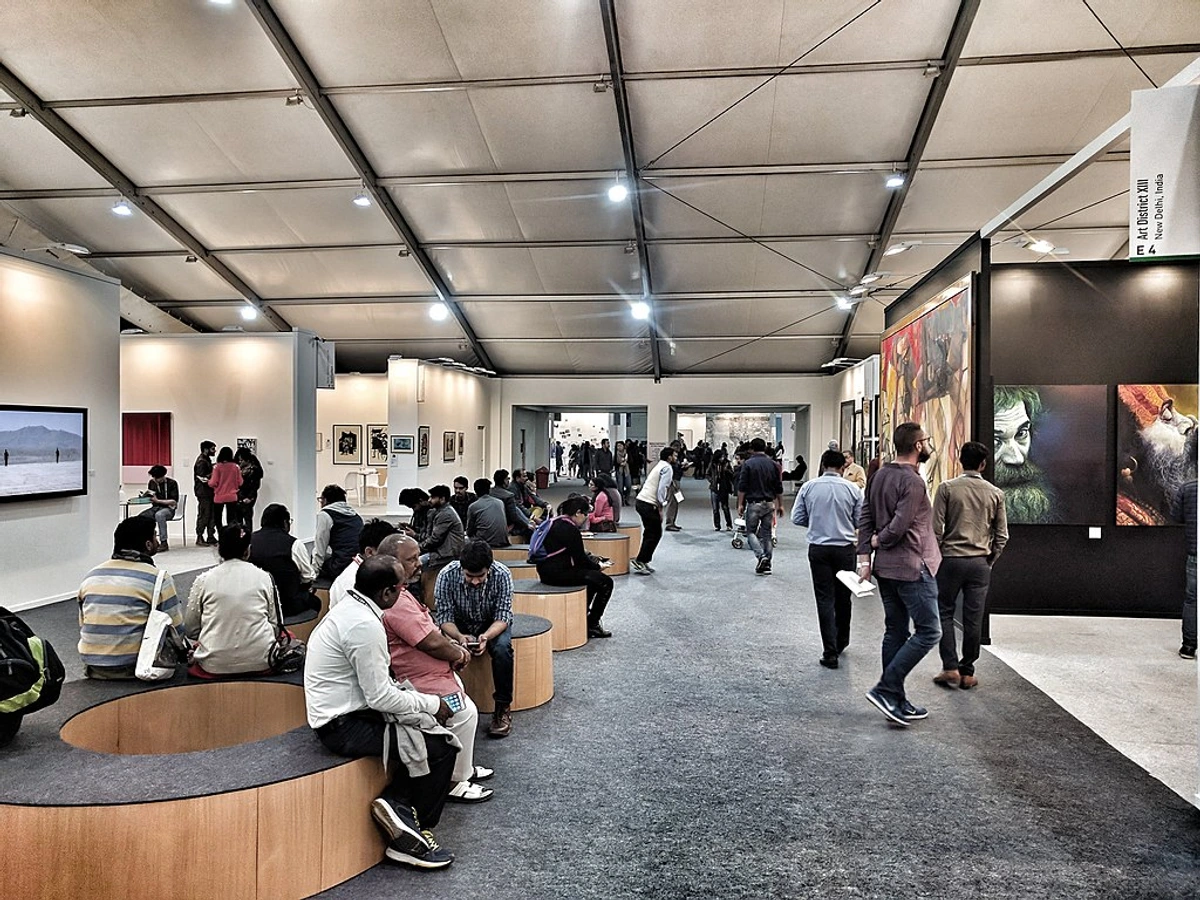
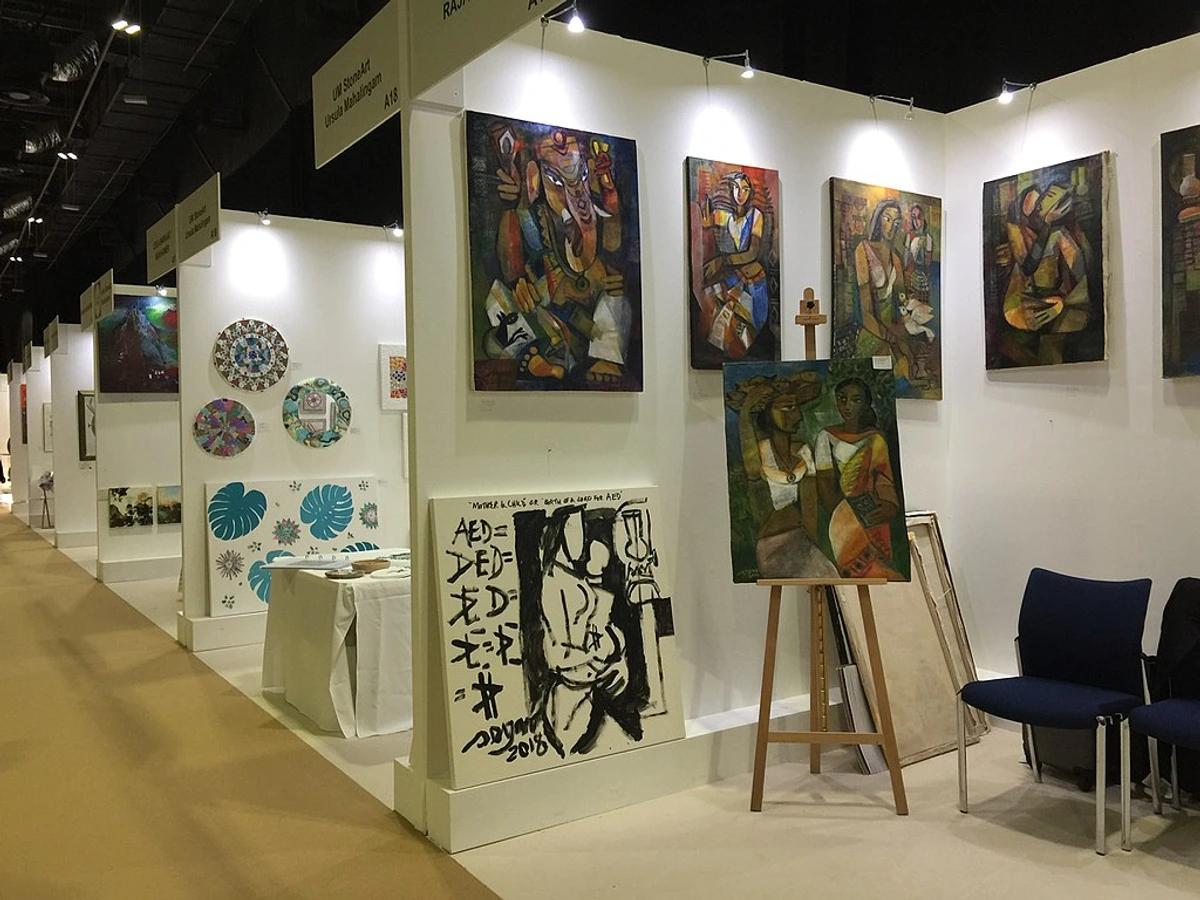
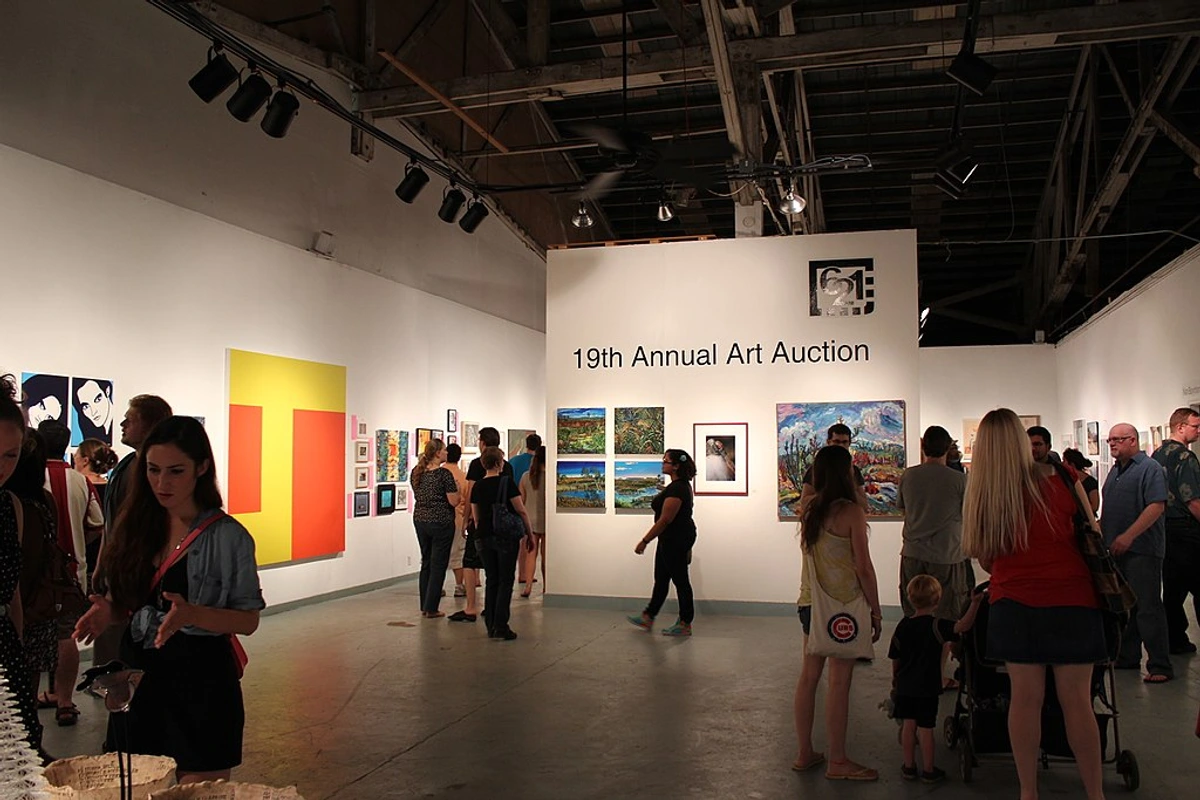
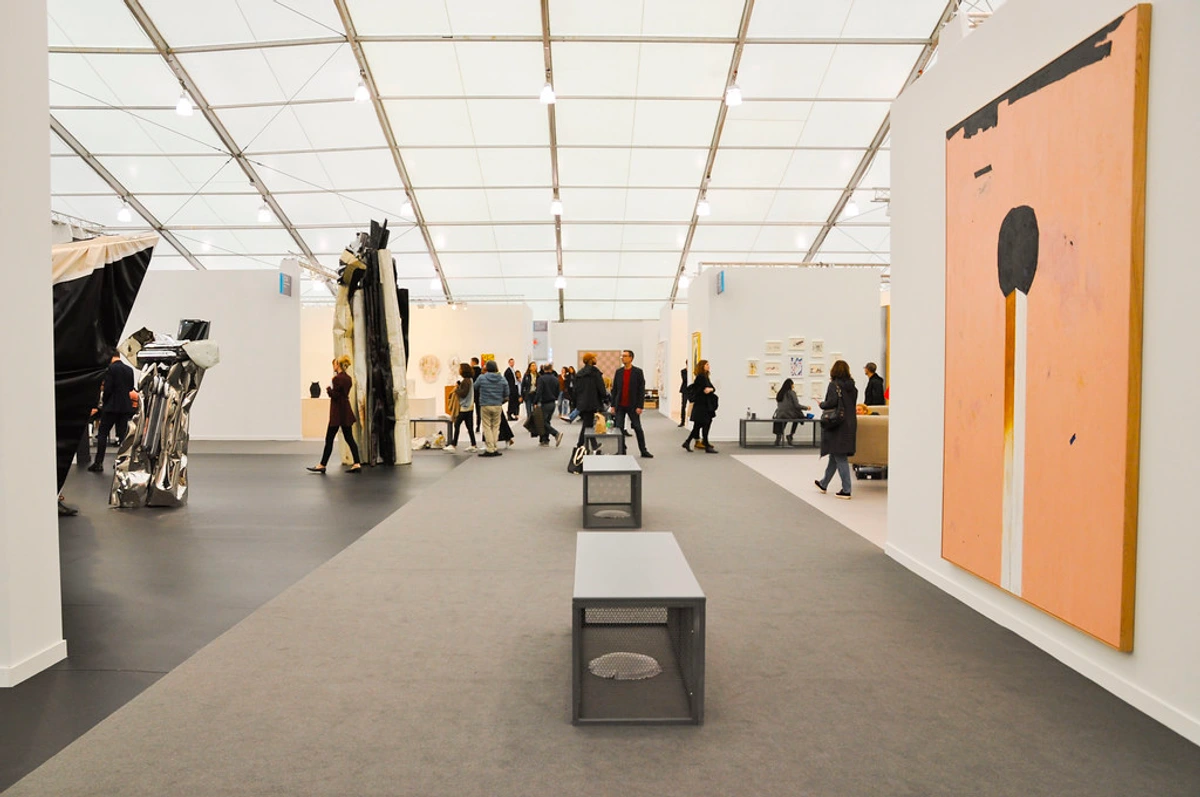
- Gallery Promotion & Art Fairs: Galleries actively promote their artists, building buzz and desirability through curated shows and strategic placements. Art fairs are a prime example of where this hype can reach a fever pitch, with collectors scrambling to acquire pieces from "the next big thing." Auction houses, too, play a significant role, not just as marketplaces but as powerful arbiters of taste and price benchmarks through their expertly marketed sales and record-breaking results.
- Social Media Buzz & Influencer Culture: In our hyper-connected world, an artist can quite literally go viral overnight. A single Instagram post by an influential collector or a feature in a prominent online publication can send demand soaring almost instantaneously (it's a wild west out there, and sometimes I feel like I'm just trying to keep up with the digital tumbleweeds!). It's a fascinating, sometimes bewildering, new frontier where digital word-of-mouth wields immense power.
- The Digital Frontier: NFTs and Generative Art: This is a newer, wildly speculative corner of the market that has frankly blown my mind (and probably yours too!). The emergence of non-fungible tokens (NFTs) and generative art has created entirely new avenues for speculation, often detached from traditional notions of physical ownership. Unlike traditional art, where scarcity is inherent or carefully managed through editions, NFTs create digital scarcity through blockchain technology, a decentralized public ledger that records transactions, with value often driven by community hype and the allure of owning a unique, albeit ephemeral, digital asset. This reliance on rapidly evolving blockchain platforms introduces its own unique risks, including concerns about digital provenance (tracking ownership on a distributed ledger, which can still have gaps or vulnerabilities despite blockchain's inherent transparency) and the significant environmental impact of the energy-intensive processes required to mint and transact NFTs. And let's not forget the often-steep "gas fees" – the transaction costs on blockchain networks – which can add significantly to the overall price of acquiring an NFT, sometimes outweighing the initial purchase cost. It’s also fascinating to see how the rapidly emerging AI art market is riding similar waves of novelty and speculative interest.
- Institutional Interest: Major gallery shows, significant museum acquisitions, or glowing reviews from prominent critics and art historians can fundamentally boost an artist's profile and, consequently, their market value. It’s a powerful seal of approval that makes others, including speculators, take notice.
- Economic Conditions: Broader economic trends play a role too. During periods of economic boom and high liquidity, more capital tends to flow into luxury assets like art, fueling speculative buying. Conversely, during recessions, the market can contract sharply, impacting values.
- The Influence of Private Collector Circles and Informal Networks: It’s not always about public markets. Often, influential private collectors, dealers, and even academics form informal networks that can quietly, or sometimes not so quietly, champion specific artists or movements. Their collective buying power, endorsements, and even their conversations can create powerful 'echo chambers' that generate buzz and drive up prices, sometimes long before wider market recognition. This creates a sense of exclusivity and 'insider knowledge' that further fuels speculative interest, as others try to gain access to these perceived early insights.
- The 'Herd Mentality' & Psychology of Scarcity: Let's be honest, sometimes we all want what everyone else is talking about. The fear of missing out (FOMO) is an incredibly powerful psychological driver, and the art world is no exception. When everyone is rushing in, it's hard not to feel the pull. This is amplified by the psychology of scarcity – the idea that something is more desirable if it's limited or hard to acquire. Art, by its very nature, often embodies scarcity (unique pieces, limited editions), and market players sometimes strategically emphasize this to drive up demand and prices, turning a 'desirable' piece into a 'must-have' object of intense competition. This is often linked to the "bandwagon effect," where people join in a trend simply because many others are doing so, creating a self-reinforcing loop of hype.
So, this dizzying mix of ambition, commerce, and human psychology keeps the speculative engine roaring. With these powerful currents at play, how can we, as collectors, navigate these waters without losing our artistic compass?
credit, licence
My Two Cents: A Balanced Approach for Collectors
If you’ve stuck with me this far, you might be wondering if I’m just a naysayer, preaching caution from my artistic ivory tower. Not at all! I genuinely believe that understanding the risks doesn’t mean you need to avoid the game entirely; it simply means playing it smarter and with your eyes wide open. My advice, if you’re looking to dip your toes into the speculative waters, is always to do so with a full heart for the art itself.
First and foremost, it’s important to clarify your own motivations. Are you collecting for pure aesthetic enjoyment and personal connection, or is financial return your primary driver? While the two aren't mutually exclusive, your core motivation will profoundly define your approach and, ultimately, your satisfaction. I’ve found that collectors who prioritize passion tend to build more meaningful and resilient collections. I confess, there was a time I eyed a particular artist – their work was everywhere, the buzz deafening. A part of me, that little voice always whispering 'opportunity,' urged me to buy. But then I looked deeper. I asked myself, 'Does this piece truly move me?' And honestly, it didn't resonate beyond the hype. I walked away, feeling a subtle relief, knowing I'd chosen the quiet satisfaction of genuine connection over the fleeting thrill of a potential flip. That experience solidified my belief: always let your heart lead, even if your head keeps a keen eye on the market. So, how can one navigate this landscape with a more grounded approach, blending passion with a healthy dose of pragmatism?
- Do Your Homework (Seriously!): This cannot be stressed enough. Research, research, research. Dive into art market reports, track auction results, and follow reputable art publications. Visit galleries and art fairs regularly to get a feel for the current landscape. Understand the artist’s full body of work, their exhibition history, their critical reception, and importantly, their long-term artistic vision and intent. Is their work evolving meaningfully, or are they simply chasing trends? Getting an art appraisal can also provide a realistic, expert view of a piece's current market value, giving you a solid baseline for your research.
- Buy What You Love First: This is perhaps my most crucial piece of advice, and something I live by as an artist. If a speculative piece doesn't pan out financially, at least you’re still left with something beautiful that you genuinely enjoy living with. Art should enhance your life, not just your portfolio. My own artist journey has always been about following passion. For me, the hours poured into a painting are about discovering what the canvas wants to say, not calculating a future return. For instance, when I finish an abstract piece with bold, intersecting lines and vibrant colors, like my "Rhythmic Structure" series, the joy isn't in its potential resale value but in the feeling of capturing a dynamic energy and seeing how the colors sing together. That intrinsic value, the joy of creation or appreciation, should be your first gain. And you can experience some of that joy and connect with my artistic vision by exploring my abstract creations here.


- Diversify (If You're Truly Investing): Don't put all your eggs in one speculative basket, hoping for a single, meteoric rise. If you’re building a collection with a serious eye toward value, a thoughtful mix is key. Consider diversifying not just between established artists and carefully selected emerging talents, but also across different mediums (e.g., painting, sculpture, photography, digital art), genres (figurative, abstract, conceptual), or even geographical origins and historical periods. Furthermore, think about diversifying by risk tolerance, balancing more established, less volatile pieces with a small percentage of carefully chosen emerging works that carry higher speculative potential. Spreading your risk, as they say, is almost always a more sensible and stable approach, much like a good financial portfolio.
- Consider Professional Guidance, Carefully: Sometimes, a fresh pair of expert eyes can make all the difference in navigating this complex market. Art consultants can offer invaluable insights, help with due diligence, and provide access to networks. However, vet them meticulously. Ensure their incentives align with your goals, look for transparent fee structures, and check their reputation for independence and integrity. Avoid those who push specific artists or galleries due to undisclosed commissions.
Ultimately, the deepest joy of collecting, for me, lies in the profound, personal connection to the art itself. The potential for financial appreciation is a delightful bonus, but it should rarely, if ever, be the sole or even primary driver. So, as you consider your own collecting journey, I encourage you to ask yourself: what truly brings you joy? Is it the thrill of the chase, or the quiet pleasure of a piece that speaks directly to your soul? Whatever your answer, I hope your walls are always filled with art that truly moves you.
FAQ about Art Market Speculation
Is art speculation ethical?
This is a nuanced question, and one I've pondered in my broader thoughts about the ethics of art collecting. While buying and selling for profit isn't inherently unethical, extreme, unchecked speculation can sometimes inflate prices beyond reasonable value, potentially making art less accessible to passionate collectors or even inadvertently exploiting emerging artists who might not fully grasp market dynamics or feel pressured to produce for market demand rather than their artistic exploration. It can also create a "collector's bubble" that effectively prices out genuine art lovers who are not financially motivated, impacting the accessibility and appreciation of art for its own sake. It can also lead to the commodification of art, where a piece's financial value overshadows its cultural or emotional significance, subtly shifting how we perceive and interact with art itself. Beyond this, broader concerns include the significant environmental impact of shipping, storing, and even creating art, especially large-scale works, or the ethical sourcing of materials. The market's opacity has also, at times, led to concerns about its potential role in money laundering or tax evasion, adding another layer to the ethical responsibilities of those involved.
How do you identify a 'speculative' piece?
You can often identify a speculative piece by several key indicators. Look for works by very young or emerging artists who have suddenly garnered significant attention but whose long-term market sustainability is unproven. They might have a short but explosive auction history or be heavily promoted by a few influential galleries or collectors. It’s less about an established, consistent track record and more about a perceived future potential driven by buzz. As I mentioned earlier, consider the artist's intent and their long-term artistic vision: are they building a consistent, evolving body of work, or are they primarily reacting to market demands? Also, pay close attention to the artist's published statements, interviews, and even their studio practice (if accessible) to understand their genuine artistic intent and long-term vision. Be wary if their work seems highly derivative or lacks a unique, evolving artistic voice, or relies heavily on a single, easily replicable gimmick or aesthetic that doesn't demonstrate significant artistic evolution or depth, as such pieces might generate quick hype but often lack the depth needed for sustained artistic merit and long-term appreciation. Pay close attention to artists whose rise seems heavily reliant on current trends, social media virality, or a fleeting aesthetic; these can generate rapid interest but may not translate to enduring artistic significance.
What's the main difference between speculation and collecting for passion?
Collecting for passion means acquiring art primarily for aesthetic enjoyment, personal connection, or cultural value, with any financial gain being purely secondary. Speculation, however, makes financial return the primary driver, with the explicit hope of rapid appreciation. Of course, the two aren't mutually exclusive; you can buy a piece you love that also has speculative potential, but your core motivation ultimately defines your approach.
Can I make money quickly in the art market?
While sensational success stories do exist, relying on quick profits from art speculation is extraordinarily risky and generally not advisable for the average collector. The art market is complex, illiquid, and notoriously unpredictable. It requires significant expertise, substantial capital, and a high tolerance for risk. For most, focusing on building a collection they genuinely love and which enriches their lives is a far more fulfilling and sustainable approach.
What role do psychological factors like FOMO play in art speculation?
Oh, a huge role! The Fear Of Missing Out (FOMO) is a potent psychological driver in the art market, just like in any other speculative arena. When collectors see prices for an artist or movement soaring, there's a natural impulse to jump in, fearing they'll miss out on potential gains. This can lead to irrational buying decisions, inflated prices, and market bubbles. This is often coupled with the 'gambler's fallacy,' where a past win or a series of price increases might lead someone to believe future gains are 'due,' or the 'endowment effect,' where merely owning a piece can make us irrationally overvalue it, making it harder to sell even when market signals are negative. It's also linked to the "bandwagon effect," where people join in a trend simply because many others are doing so, creating a self-reinforcing loop of hype. It's why maintaining a rational, research-driven approach, and having an exit strategy, is so crucial.
How do art advisors factor into speculation?
Art advisors and consultants can play a significant, yet dual, role. On the one hand, reputable advisors provide invaluable, research-backed guidance, helping collectors identify artists with strong long-term potential for both investment and genuine enjoyment. They can open doors to new talents and help with rigorous due diligence. On the other hand, there are advisors whose incentives may be less transparent, potentially steering clients towards artists or galleries where the advisor has undisclosed commissions or a personal financial stake. This blurred line means they can both facilitate informed investment and, knowingly or unknowingly, fuel speculative trends. Therefore, it's absolutely crucial to vet advisors meticulously, ensuring their fee structure is transparent, their interests genuinely align with yours, and their reputation for independence and integrity is impeccable.
Closing Thoughts
So, there you have it – my meandering thoughts on art market speculation. It’s a fascinating, sometimes bewildering, but undeniably vital corner of the art world. While the lure of quick returns can be incredibly powerful, I truly believe the richest and most enduring rewards in art come from the deep, personal connection we forge with the pieces themselves, and the joy they bring into our lives. Ultimately, finding that sweet spot where passion for art meets a sensible understanding of its market dynamics is, I think, the most fulfilling path for any collector. It's a path I'm always striving for in my own work and collecting. Come visit my museum in 's-Hertogenbosch, NL sometime, and you'll immediately understand what I mean – it’s a celebration of art for art’s sake, where the intrinsic value shines brightest. What truly drives your collecting journey? May your walls always be filled with art that genuinely speaks to your soul, and perhaps, just perhaps, appreciates a little along the way!