Understanding Art Investment: My Personal Guide for New Collectors
Thinking about art as an investment? I share my journey and the basics of art investment, from budgeting to due diligence, in a relatable, personal guide for new collectors.

Understanding Art Investment: My Personal Guide for New Collectors
Look, I've always found the idea of 'art investment' a bit... well, intimidating. It sounds so formal, so buttoned-up, like something only suited for people who wear monocles and sip brandy in oak-paneled rooms. But then I started thinking, isn't every piece of art we bring into our lives, in some small way, an investment? An investment of emotion, of space, of a little bit of our soul? And what if, just what if, some of those investments could also appreciate financially?
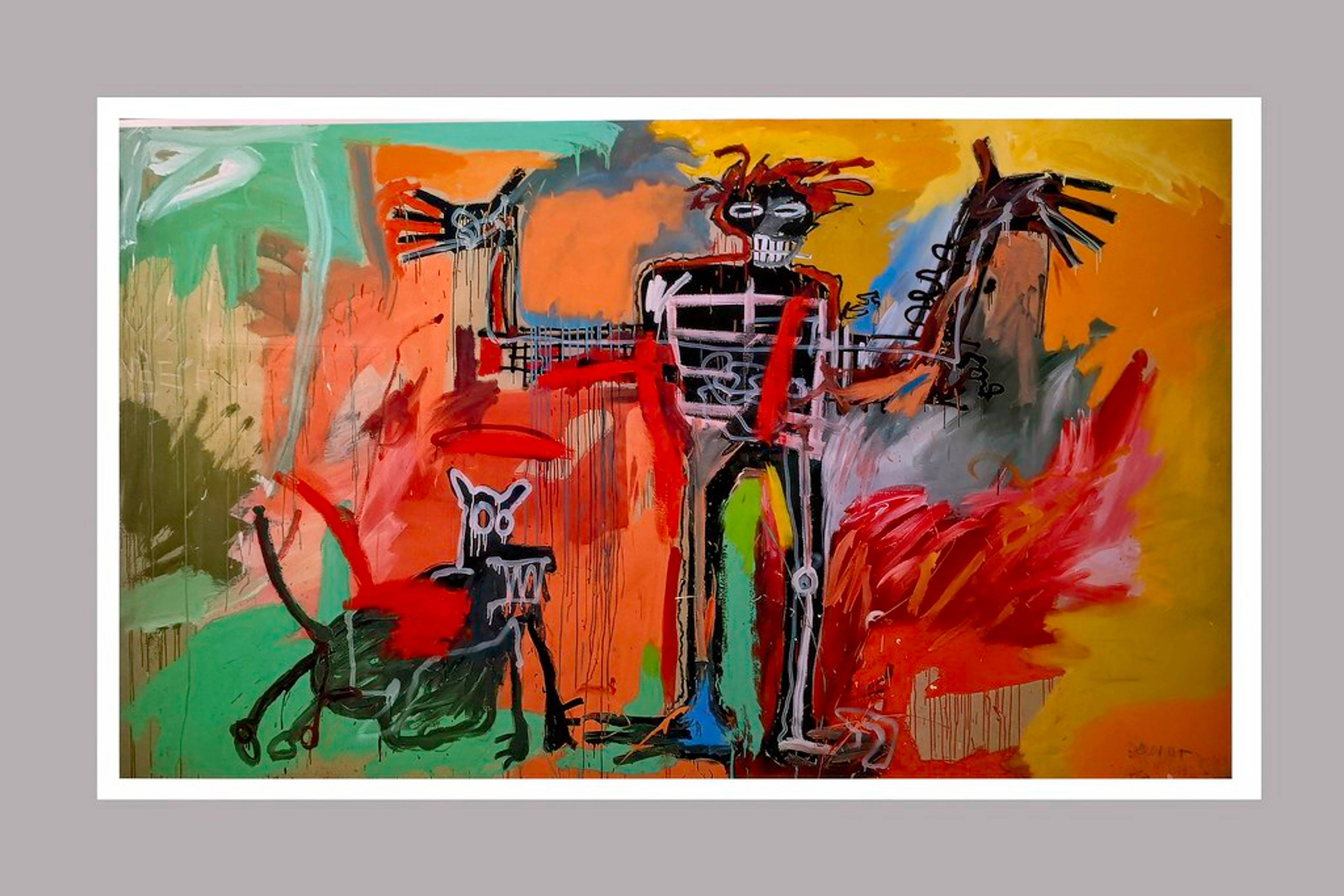
I remember staring at a piece years ago, a vibrant abstract, and my mind was a battlefield. One side whispered, 'It's beautiful! Get it!' The other, much louder side, screeched, 'Are you insane? That's a huge chunk of change for something that just hangs there!' This article is for anyone who’s ever had that internal shouting match. It’s my attempt to distill what I’ve learned about navigating the murky, fascinating waters of art investment, especially when you're just dipping your toes in.
Is Art Really an Investment? (And What I Mean by That)
For the longest time, I resisted thinking of art this way. For me, art was purely about passion, about connection, about that inexplicable spark a piece ignites inside you. And honestly, that should always be the primary driver. If you're buying art only for financial gain, you're entering a very different, very cold, very high-risk game. But here’s the thing: those two motivations, passion and potential appreciation, aren't mutually exclusive. They can, and often do, coexist beautifully.
I think of it like this: if you love a piece of art, it enriches your life every single day. That's an immeasurable return. If, down the line, that piece also happens to be worth more than you paid for it, well, that's a pretty nice bonus, isn't it? It's about finding that sweet spot where your heart and your head can agree. It's not about treating a painting like a stock certificate; it's about making informed choices about something you genuinely connect with, that also happens to be a tangible asset.
Getting Started: My First Steps (Or What I Wish I Knew)
When I first started looking into this, I felt utterly swamped. There's so much jargon, so many unspoken rules. My initial approach was probably akin to a toddler trying to assemble IKEA furniture – lots of enthusiasm, zero instruction following. So, here’s what I eventually figured out, mostly through trial and error, and a few awkward conversations.
Education is Your Best Friend (Seriously)
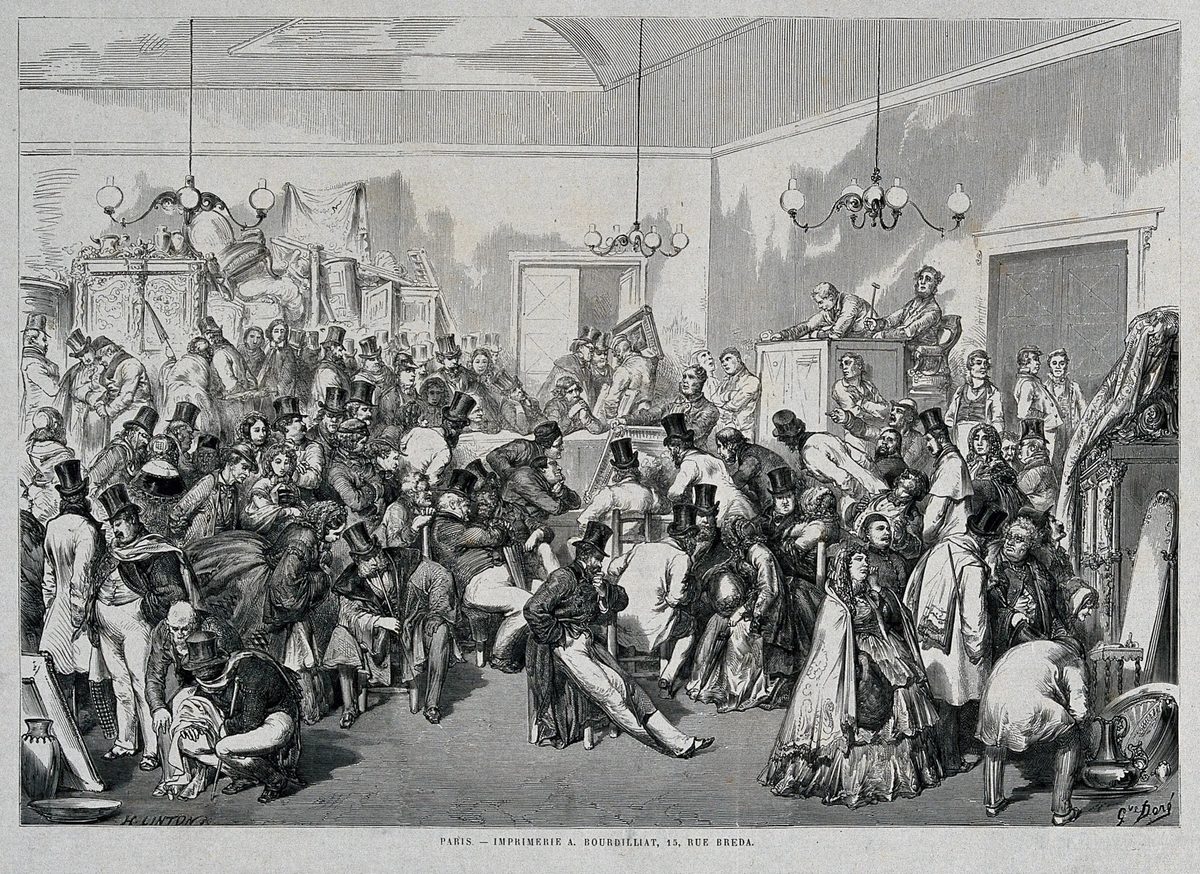
This might sound dull, but trust me, a little knowledge goes a long, long way. Before you even think about buying, read. Read everything. Go to museums, galleries, talk to artists, talk to collectors. Understand what makes art 'valuable' beyond just your personal taste. What are the key elements? What drives prices? It’s a bit like learning a new language. You wouldn’t just dive into a conversation in French without knowing a few words, would you?
I've often found myself revisiting articles like Understanding Art Prices and The Definitive Guide to Understanding Value in Art to ground myself again. It's a continuous learning curve.
Defining Your Niche (Don't Be a Generalist, I Tried)
The art world is vast. Like, impossibly vast. Trying to understand everything is a recipe for overwhelm. Instead, pick a lane. What kind of art truly excites you? Contemporary abstract? Old Masters? Photography? Focusing your interest allows you to become genuinely knowledgeable about a specific segment of the market. I once tried to dabble in everything, from Renaissance drawings to street art, and ended up feeling scattered and unproductive. Specializing helps you spot genuine opportunities.
For me, it became contemporary abstract art, and if that piques your interest, you might enjoy reading about Collecting Emerging Abstract Art.
Budgeting (The Unfun But Necessary Part)
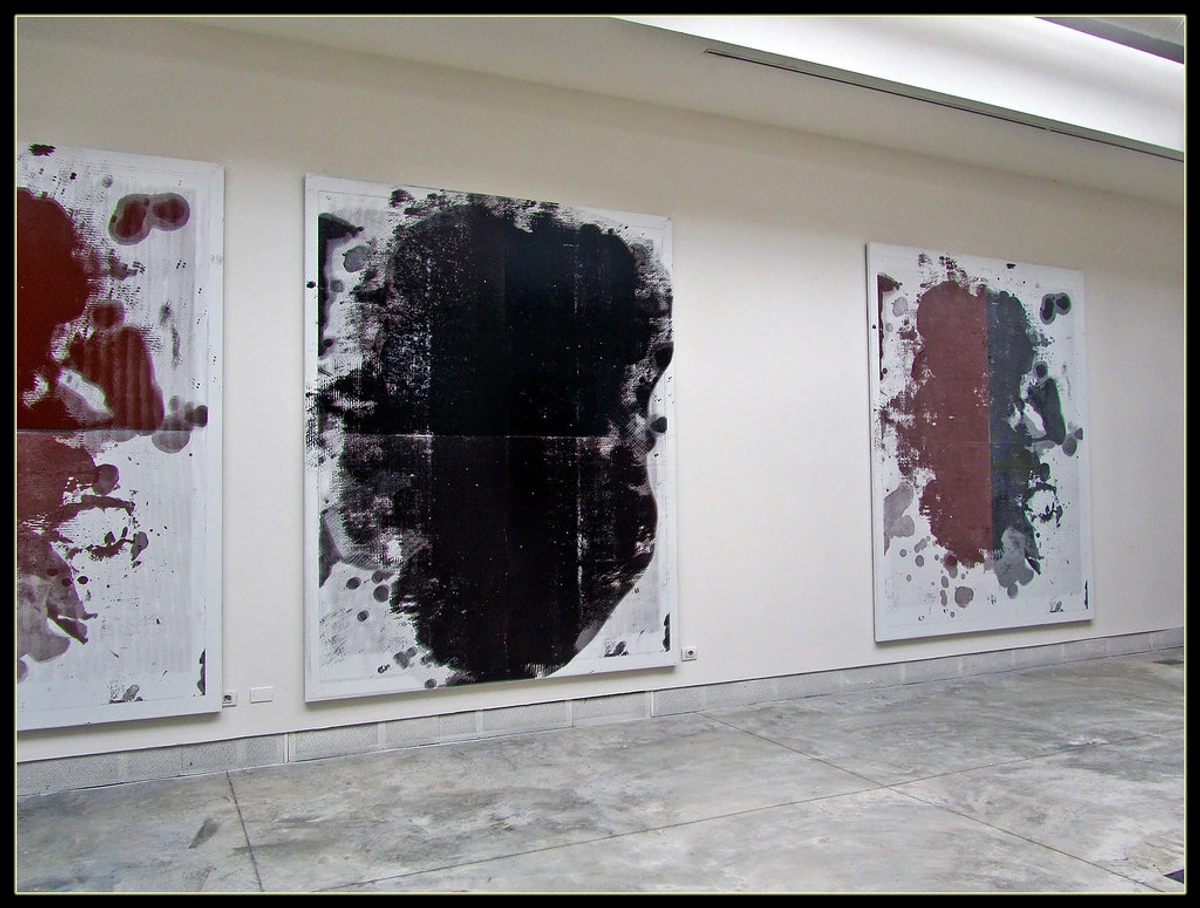
Ah, money. The elephant in the gallery. Before you even start looking, decide how much you're genuinely comfortable spending. This isn't just about the purchase price; it's about framing, shipping, potentially insurance, and future maintenance. Think of it as a small business plan for your collection. It helps curb impulse buys, which, speaking from experience, can be both exhilarating and regrettable.
Where to Find Art Worth Investing In (My Hunting Grounds)
Okay, so you've done your homework, you know your niche, and you've got a budget. Now for the fun part: the hunt! But where do you actually go to find art that has investment potential? It's not always obvious.
Galleries (Not as Scary as They Seem)
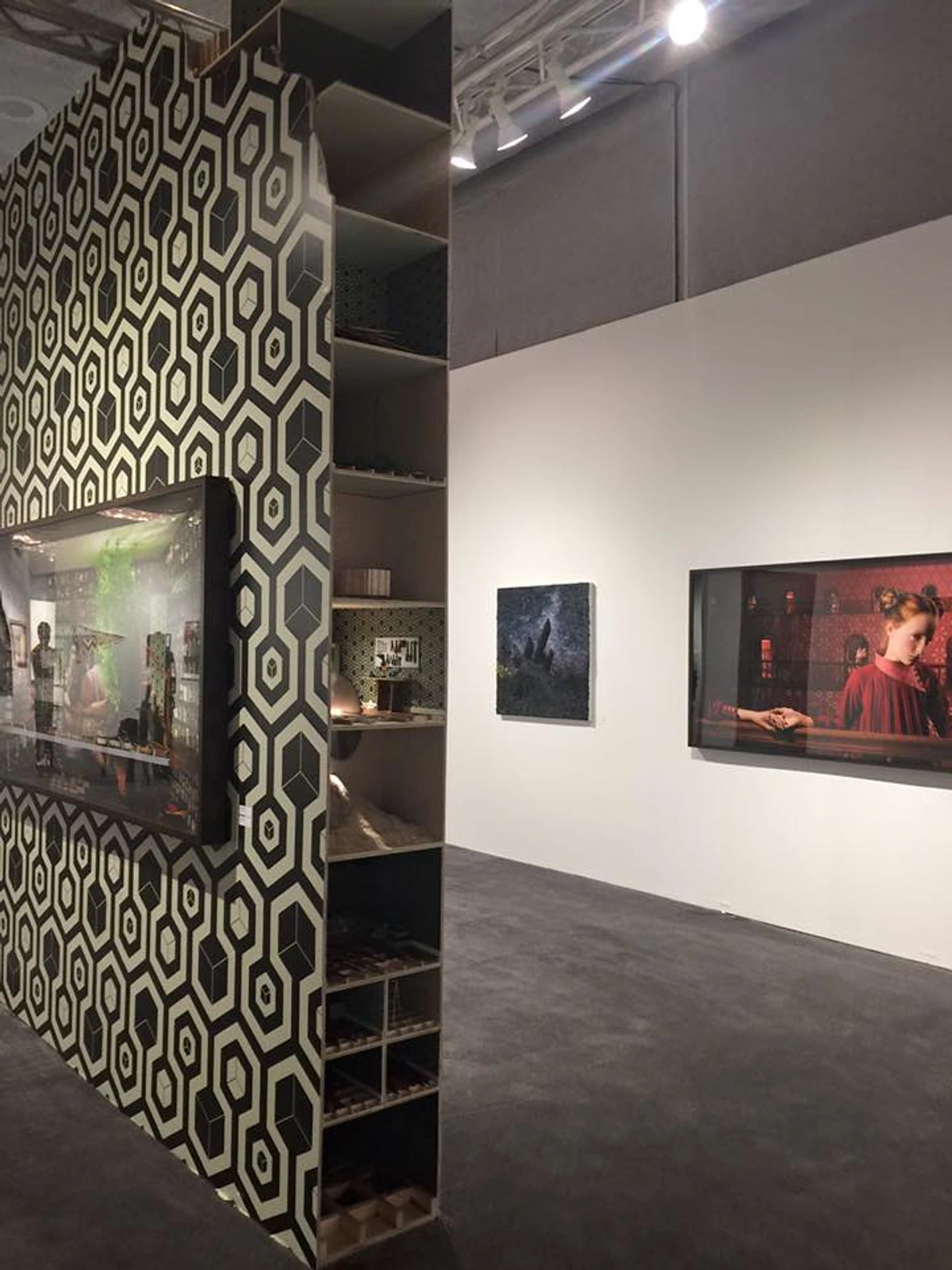
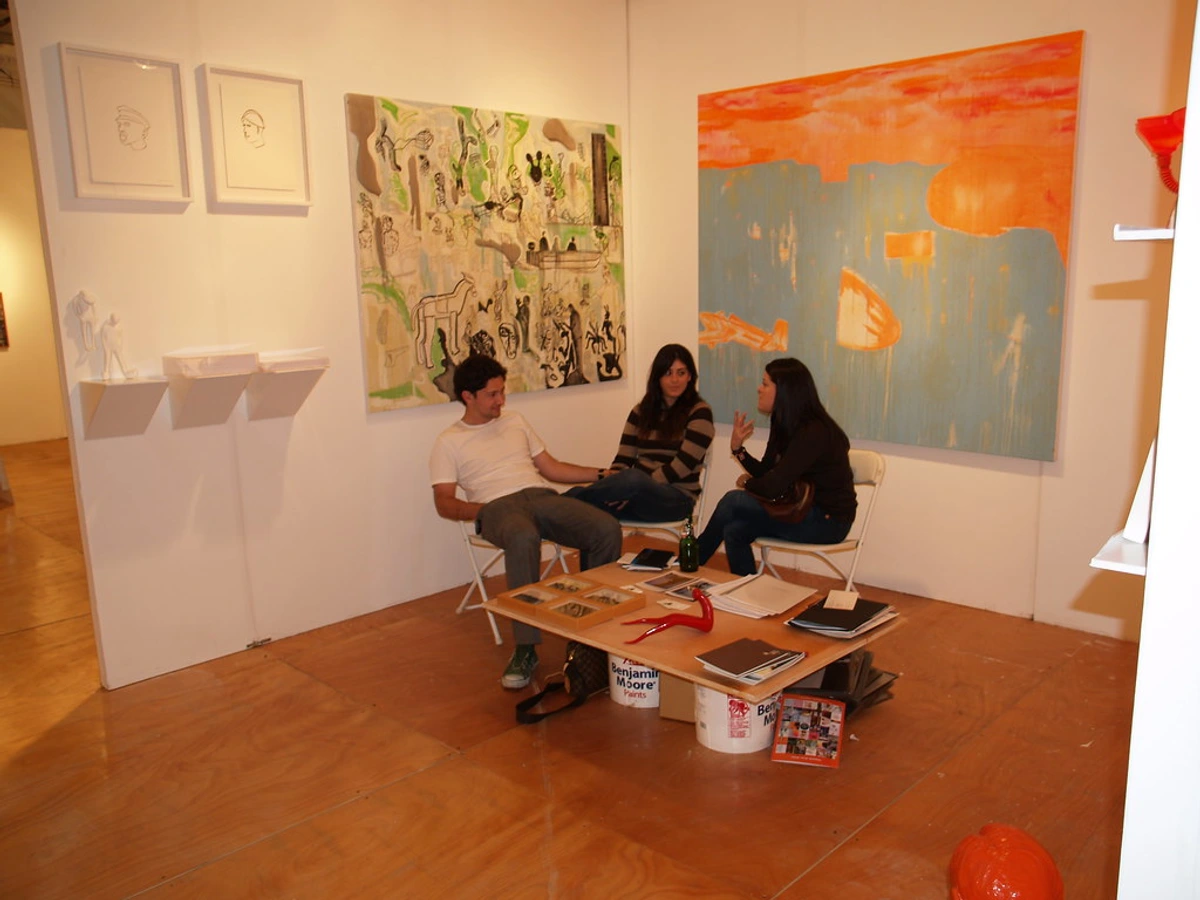
I used to think galleries were these exclusive, hushed temples where only the 'in-crowd' was welcome. Turns out, most gallerists are incredibly passionate and eager to talk about their artists. They’re a fantastic resource for learning about emerging talent and understanding the market. Building a relationship with a good gallerist can be invaluable. They can guide you towards artists whose careers are on an upward trajectory, providing insights you won't find just browsing online.
I often think back to conversations I've had that echo the wisdom found in pieces like Q&A with a Gallerist on Discovering New Talent. It really opens your eyes. And, of course, if you're looking for vibrant, contemporary pieces, you might find something interesting in my own collection.
Art Fairs (Sensory Overload, But Opportunities Await)
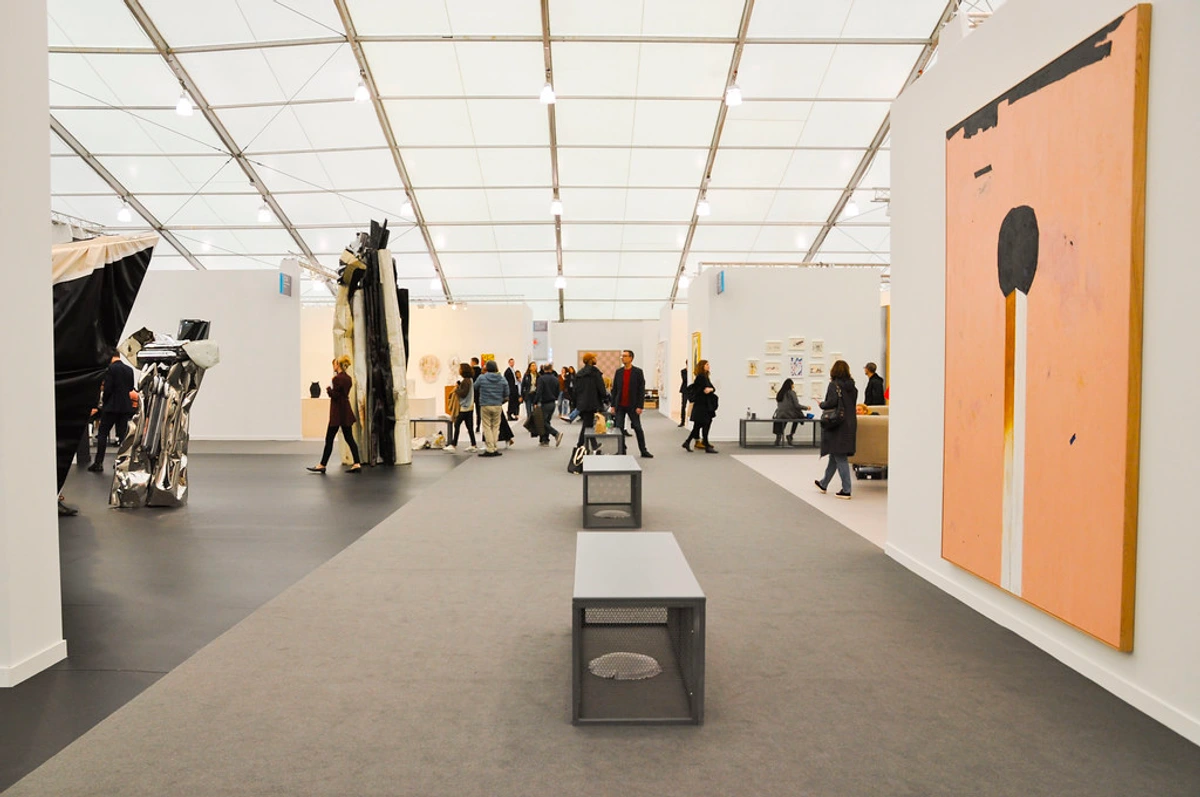
These are a whirlwind! Think hundreds of galleries, thousands of artworks, all under one roof. It can be overwhelming, yes, but also incredibly exciting. Fairs like Art Basel (if you can navigate a first-timer's guide to it) are places where trends are set and careers are launched. They offer an unparalleled opportunity to see a vast amount of art in a short period and to meet gallerists from all over the world. Just remember to wear comfortable shoes and bring a very strong coffee!
Online Platforms (Convenience with Caution)
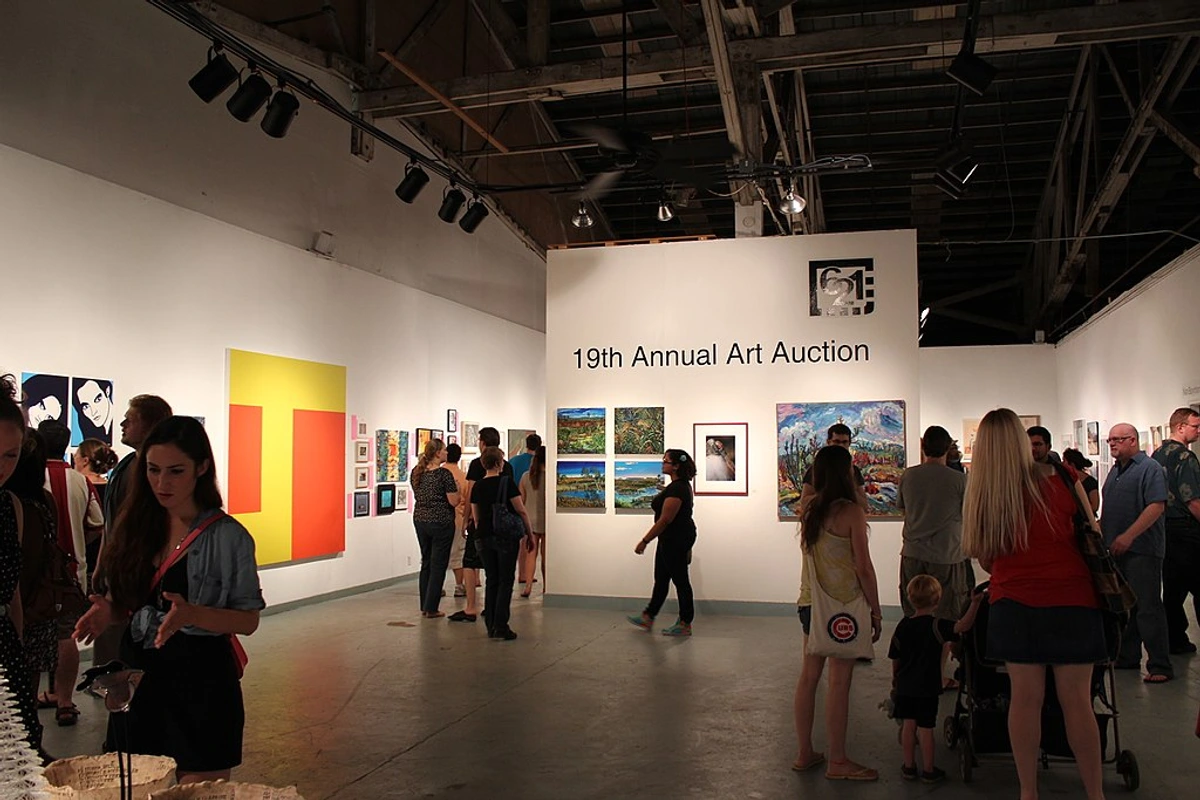
The internet has democratized art buying in amazing ways. You can discover artists from remote corners of the world, see vast inventories, and even bid in online auctions from your couch. It's convenient, but also demands extra vigilance. Without seeing a piece in person, assessing its condition or even its true colors can be tricky. Always ensure the platform is reputable and has clear return policies.
The Due Diligence Checklist (Lessen Learned the Hard Way)
Alright, you've found a piece that speaks to you, and you think it might have some investment potential. Hold your horses just a moment! This is where the detective work begins. Skipping these steps is like buying a car without checking under the hood – it might look great, but you could be in for a nasty surprise.
Provenance (Who Owned It Before?)
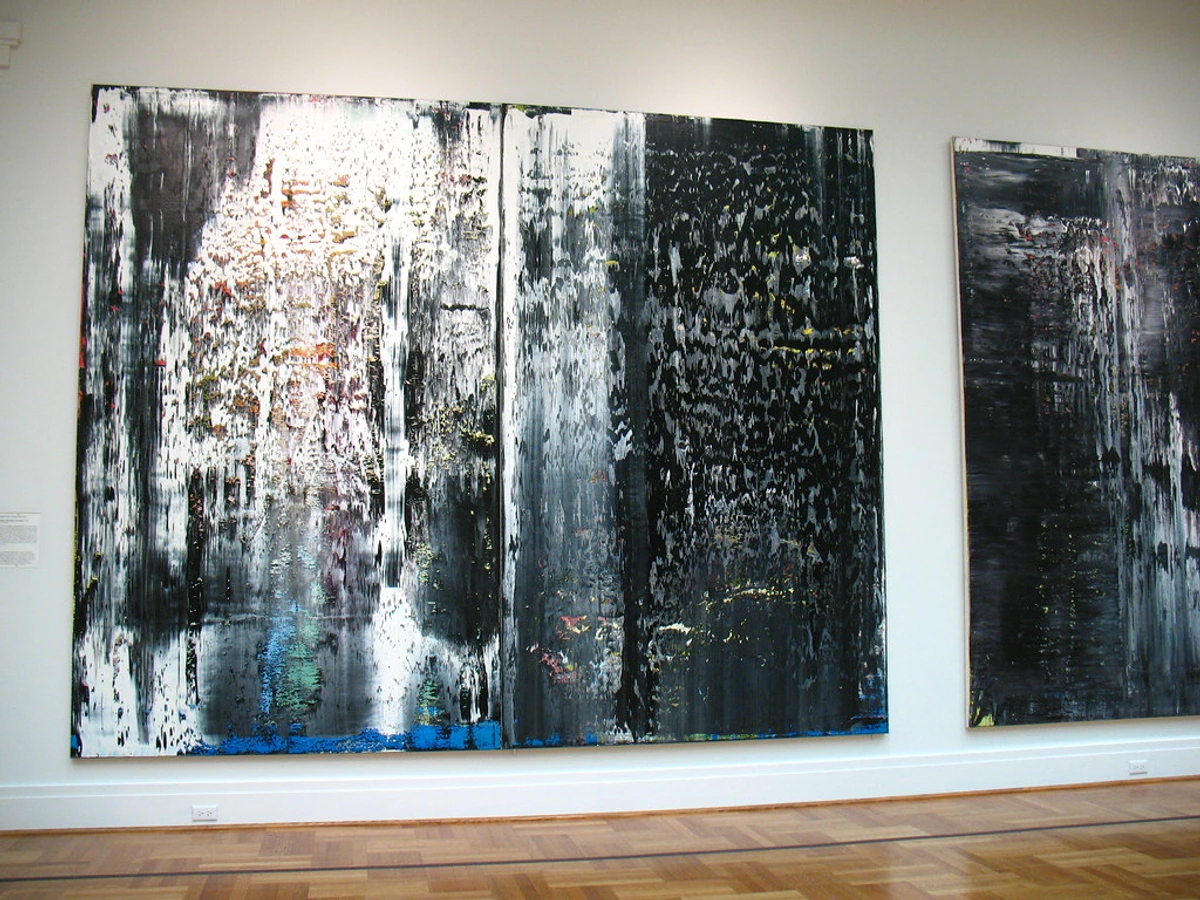
This is essentially the artwork's biography. Where has it been? Who has owned it? A strong, well-documented provenance can significantly increase an artwork's value and reduce the risk of it being a fake or stolen. If the provenance is patchy or non-existent, that's a huge red flag for me. I’ve come to appreciate just how vital understanding art provenance truly is.
Authenticity (Is It Real?)
Oh, the horror stories you hear about fakes! This is why provenance is so important, but it's not the only factor. For significant purchases, getting an expert opinion is non-negotiable. Look for specialists who can verify the artist's signature, materials, and style. I remember agonizing over a piece once, and reading articles like A Beginner's Guide to Art Authentication and A Collector's Guide to Identifying and Avoiding Art Forgeries really drilled home the importance of this step.
Condition (Wear and Tear Matters)
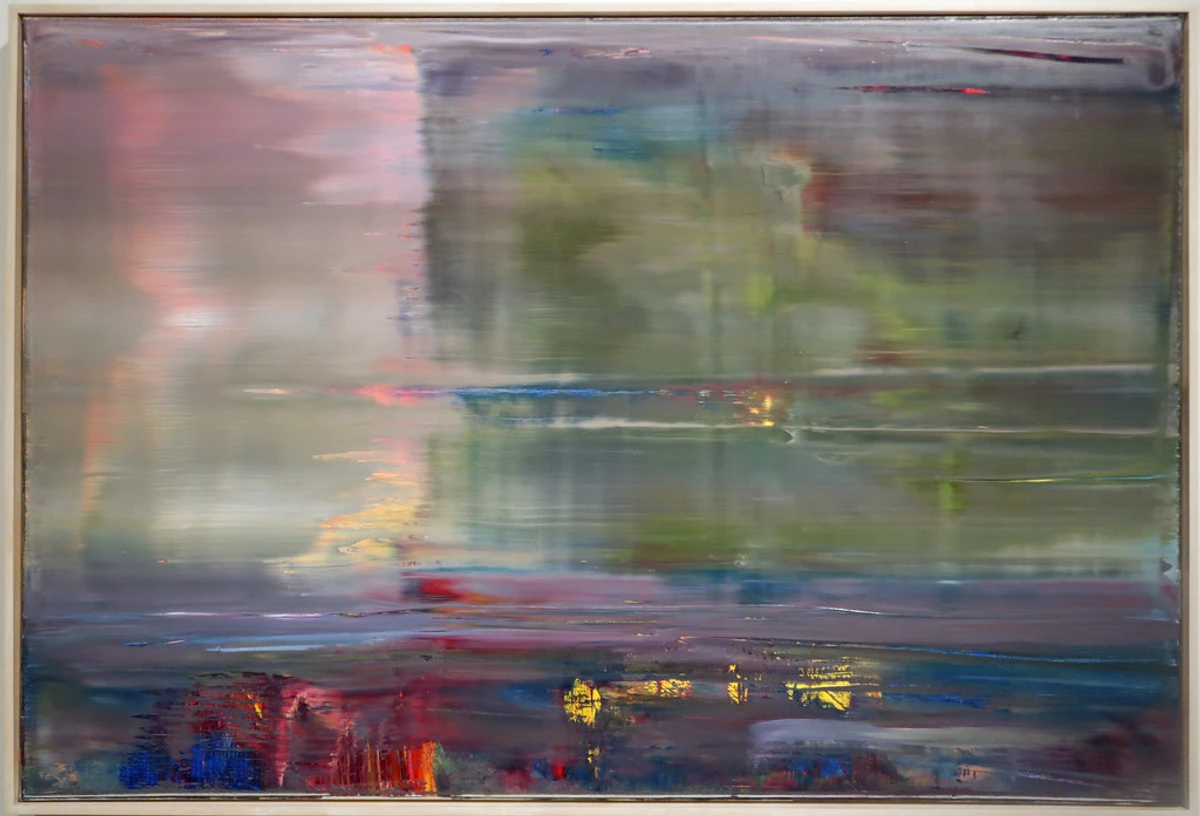
A ding, a tear, fading colors – these all impact value. Always examine an artwork meticulously, or better yet, have a professional conservator do it. A pristine condition is almost always preferred, but sometimes minor historical damage, if properly restored, is acceptable and reflects the piece's journey. Just make sure you know exactly what you’re getting.
Appraisal (Getting an Expert Opinion)
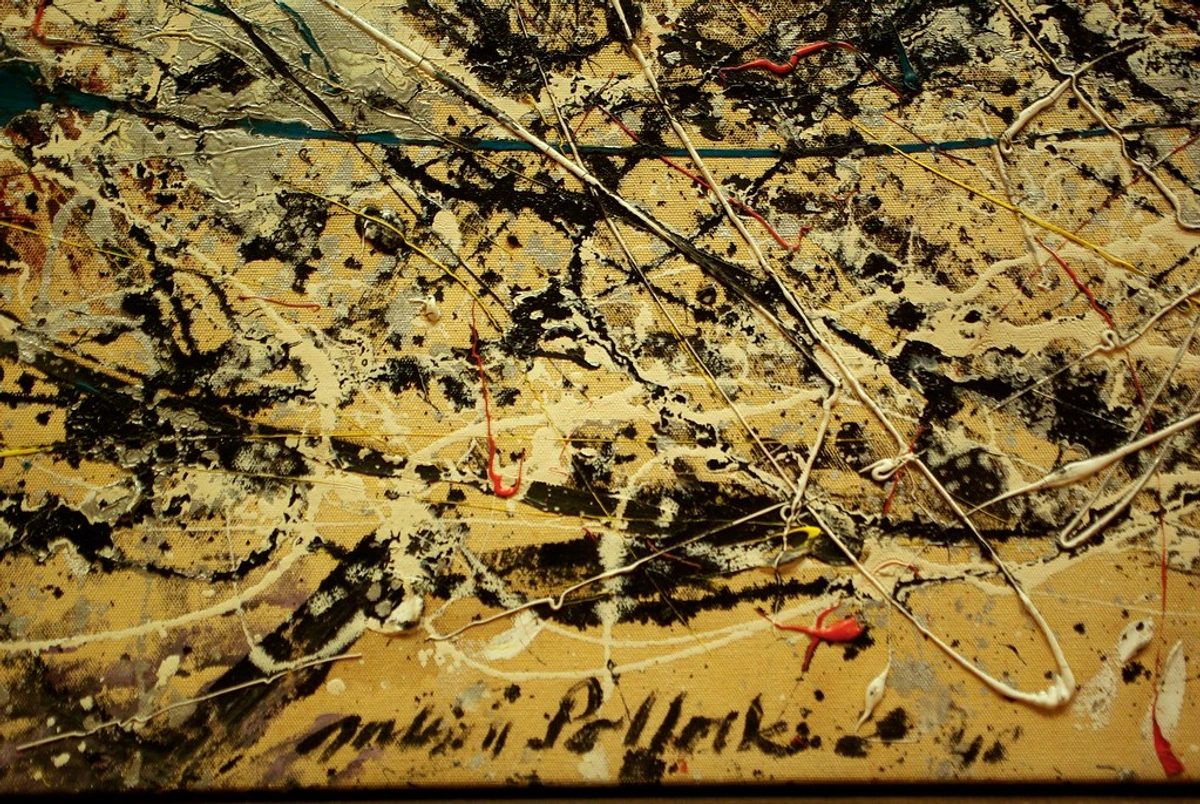
Before making a significant purchase, especially if investment is a key driver, consider getting an independent appraisal. An appraiser can give you an objective estimate of the artwork's fair market value. It's not a guarantee of future appreciation, but it provides a snapshot of its current standing. It's like getting a second opinion from a doctor – always wise. To dive deeper, check out Understanding Art Appraisals.
Risks and Rewards (The Reality Check)
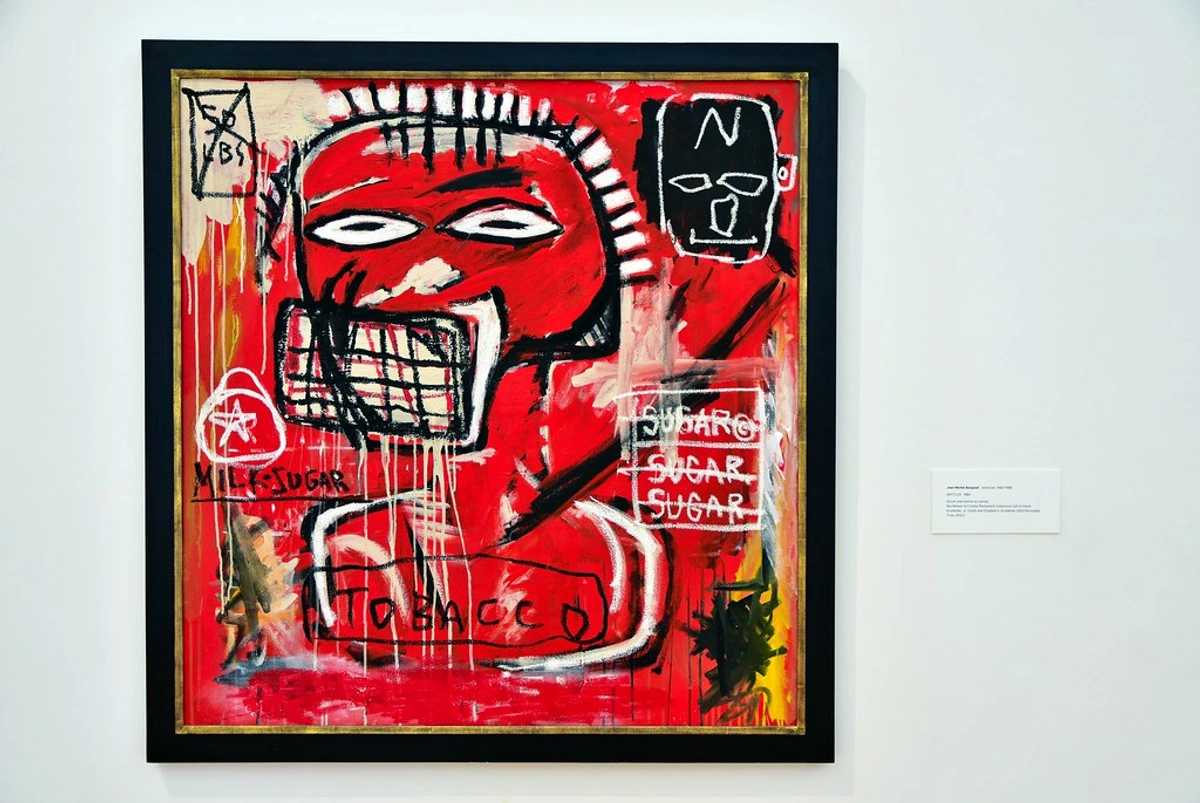
Let’s be honest, investing in anything comes with risks. Art is no exception, and in many ways, it's riskier than traditional assets. But with higher risk often comes the potential for higher reward. It’s a balancing act, really.
Risks I've encountered (or narrowly avoided):
- Illiquidity: You can't just sell a painting like a stock. Finding the right buyer can take time, sometimes years. This isn’t a get-rich-quick scheme.
- Market Volatility: Art markets can be fickle, influenced by trends, economic shifts, and even the artist’s own career trajectory. What's hot today might be less so tomorrow.
- Storage & Maintenance: Art needs specific conditions (temperature, humidity, light) to prevent damage. Plus, professional cleaning or restoration can be costly.
- Fakes & Authentication Issues: Despite your best efforts, the risk of unknowingly acquiring a forgery or a piece with questionable attribution always looms.
- Damage/Loss: Accidents happen. Fire, flood, theft – these are real concerns.
Rewards that make it all worthwhile:
- Aesthetic Pleasure: This is, for me, the number one reward. Living with art you love is a joy that no spreadsheet can quantify.
- Capital Appreciation: Yes, artworks by established or emerging artists can increase significantly in value over time. Think of it as a long-term play.
- Cultural Connection: You become a custodian of culture, preserving significant works for future generations. It’s a pretty cool feeling.
- Diversification: Art can provide a tangible asset class that often moves independently of traditional financial markets, offering a unique form of portfolio diversification.
Protecting Your Investment (Don't Forget This Part!)
You’ve done all the work to acquire a potentially valuable piece. Now, don't drop the ball on protecting it!
Insurance
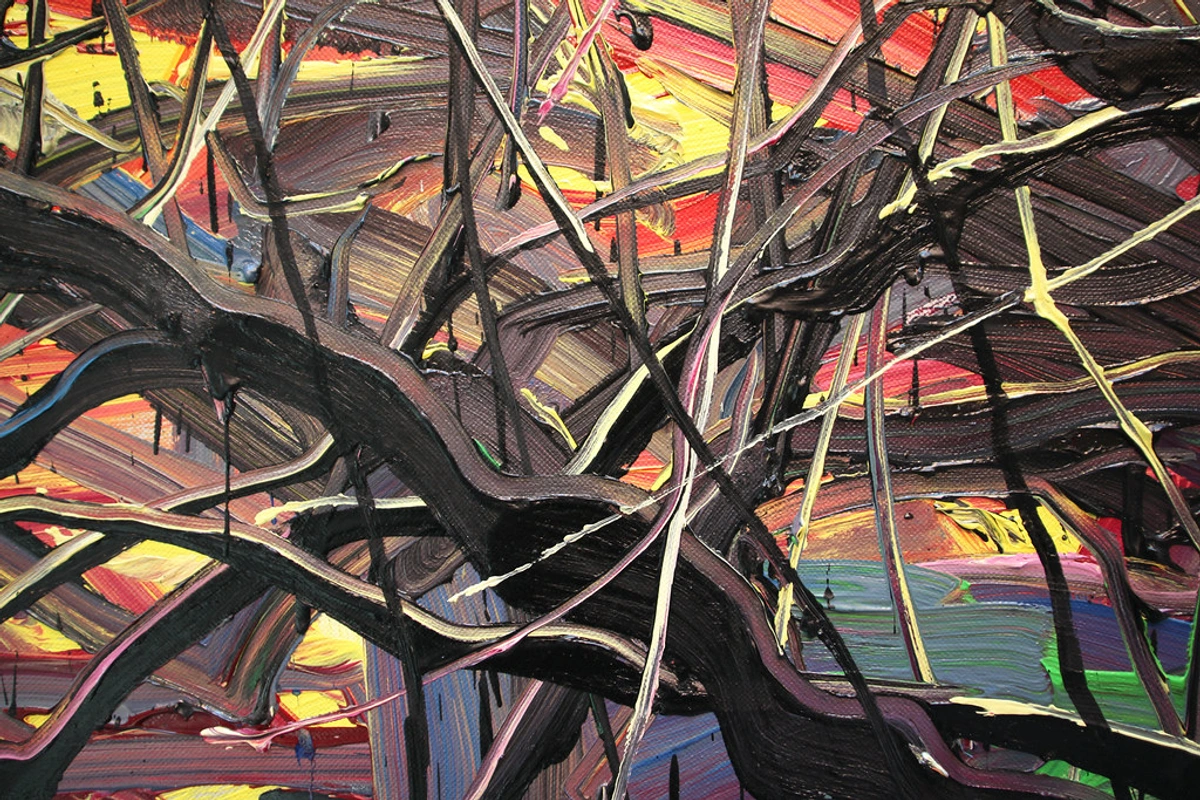
This is non-negotiable for me. Once you own a significant piece, get it insured. Standard homeowner's insurance might not cover its full value, or even damage incurred during transport. Specialized art insurance policies are designed for this very purpose. Trust me, the peace of mind is worth every penny. If you're wondering how, check out Understanding Art Insurance.
Proper Storage and Display
Humidity, direct sunlight, temperature fluctuations – these are the enemies of art. Ensure your pieces are displayed in stable environments, away from direct heat or light. If you're storing pieces, professional art storage facilities are often the best bet.
My Personal Philosophy on Art Investment
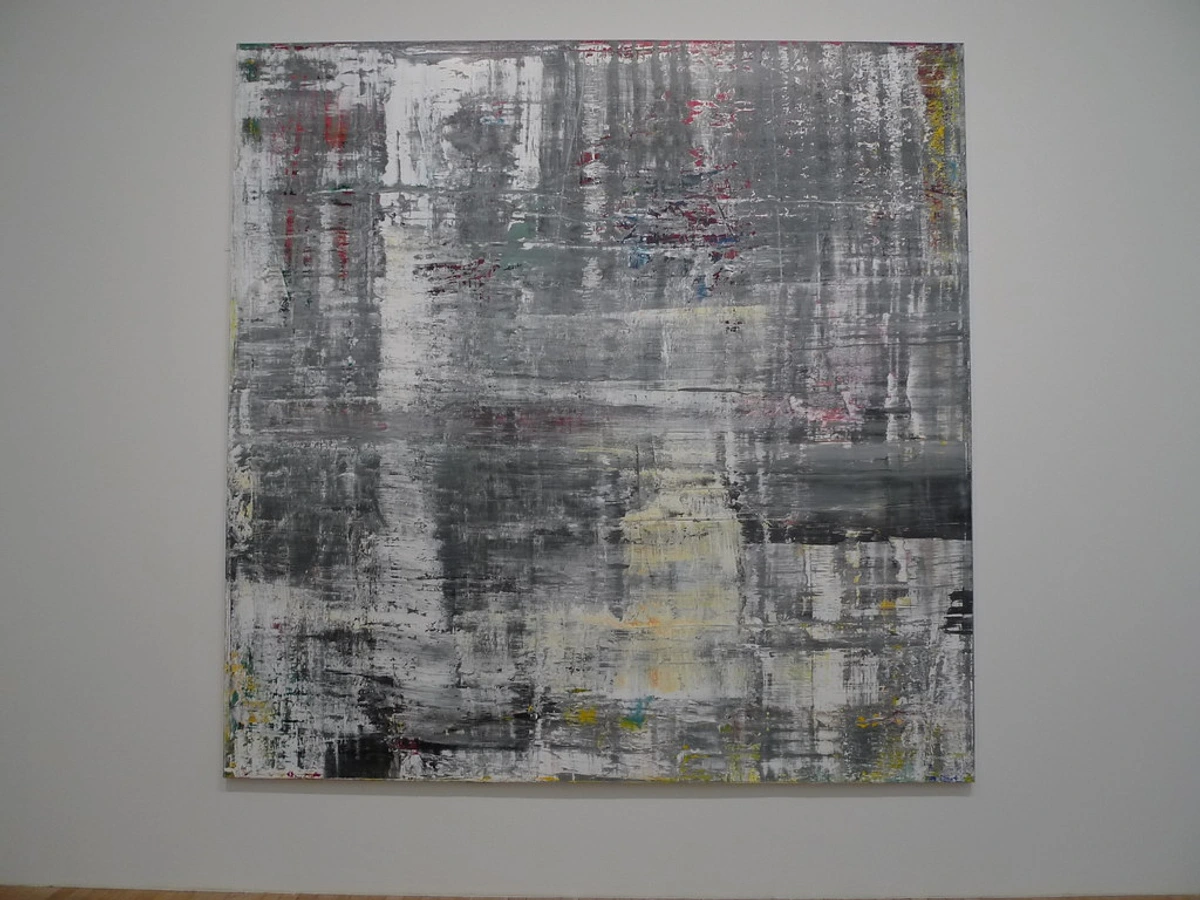
Ultimately, for me, art investment isn't just about the numbers. It's about a conversation. It's about living with pieces that challenge, inspire, and comfort me. It's about supporting artists and contributing, in my own small way, to the cultural landscape. It's a journey of discovery, both of art and of myself. I suppose it’s a long-term commitment, much like the journey of an artist myself, from early sketches to the museum in 's-Hertogenbosch, and the timeline of my creative life.
Frequently Asked Questions
Q: Can I really make money investing in art?
A: Potentially, yes, but it's not guaranteed, and it's a long-term game. Art markets are complex and illiquid. Focus on buying art you love and consider any financial appreciation a bonus rather than the primary goal. My personal rule is: if you wouldn't be happy living with it forever, don't buy it just for investment.
Q: What's the minimum to start investing in art?
A: There's no fixed minimum! You can start by investing in prints, works by emerging artists, or even supporting local talent at accessible price points. The real investment is in educating your eye and understanding what you like and why. As you learn, your budget might expand naturally.
Q: Should I buy art I don't like if it's a good investment?
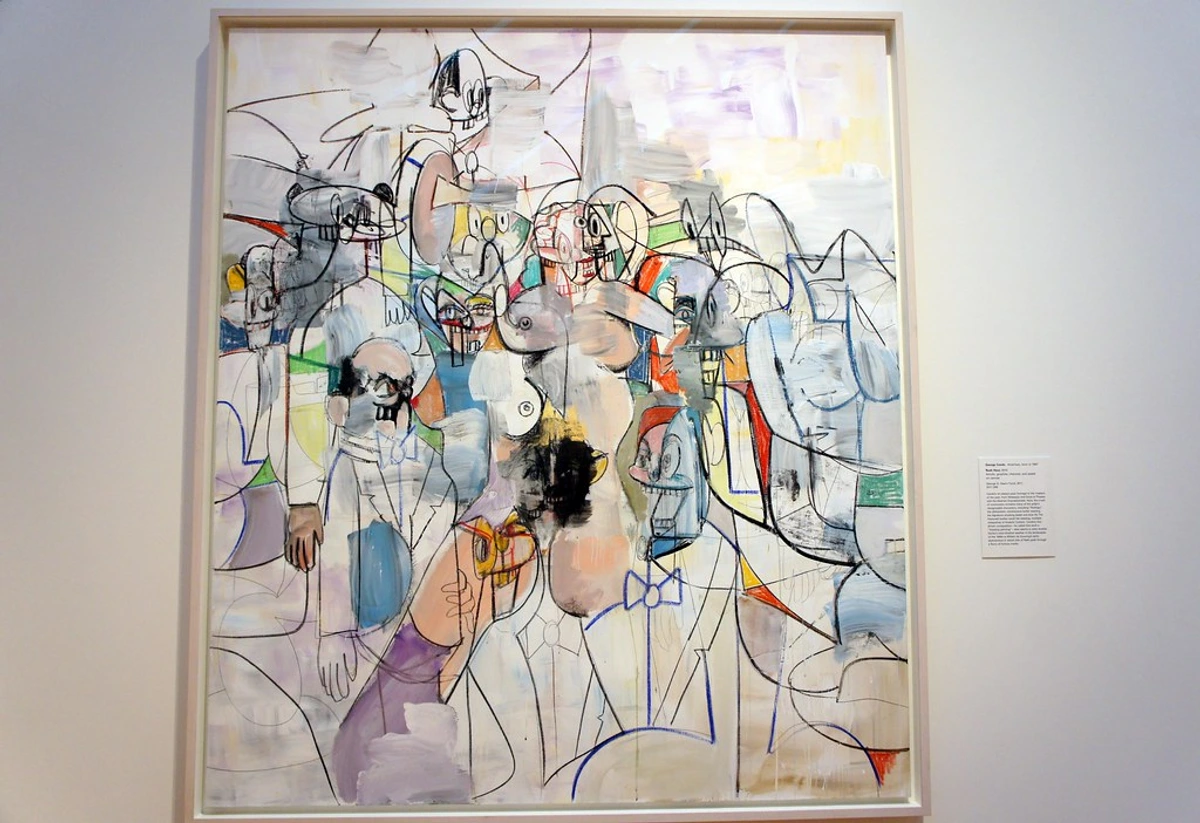
A: I'd strongly advise against it for new collectors. The joy of collecting comes from living with art you adore. If you buy solely for financial reasons, you're missing out on the primary pleasure of art and entering a speculative market that requires very deep pockets and expertise. Plus, if it doesn't appreciate, you're stuck with something you don't even enjoy!
Q: How long should I hold an artwork?
A: Art investment is typically a long-term proposition, often 5-10 years or more. Short-term flips are rare and highly risky. The market needs time to mature around an artist's career, and values often appreciate slowly over decades.


Conclusion
So, that's my take on understanding the basics of art investment for new collectors. It’s less about secret formulas and more about diligent research, genuine passion, and a healthy dose of patience. Don’t be afraid to ask questions, make mistakes (I certainly have!), and most importantly, buy what moves you. The best investment, after all, is one that enriches your life in more ways than just financially. Happy collecting!