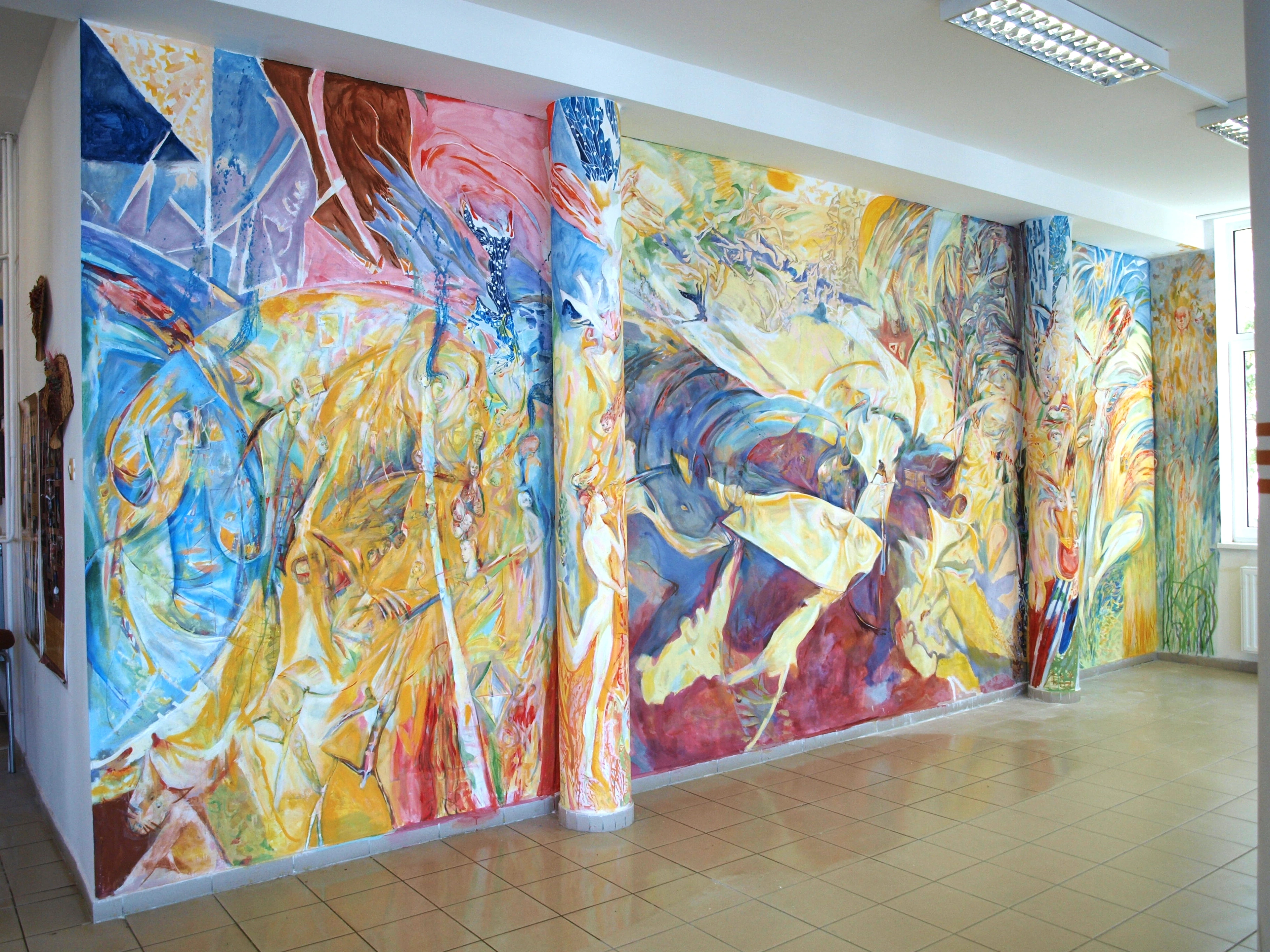
Diego Rivera: The Man Who Painted a Nation's Story on Its Walls
Discover the colossal life and art of Diego Rivera, the giant of Mexican Muralism. This guide explores his revolutionary murals, his complex politics, and his life beyond Frida Kahlo.

Diego Rivera: The Man Who Painted a Nation's Story on Its Walls
When you hear the name Diego Rivera, your mind might jump straight to Frida Kahlo. And for good reason, their lives and art were incredibly intertwined. But to define Rivera solely through that lens would be like observing a supernova and only noticing the planets orbiting it. He was a universe unto himself, a monumental figure who literally painted the soul of a nation onto its public walls. A synthesizer of global artistic trends and profound indigenous narratives, Rivera forged a visual language that not only spoke to Mexico but resonated across continents, making him a truly global phenomenon. This wasn't just about his personal genius; it was about channeling the very essence of Mexican identity through pigment and plaster, a vision as grand and sweeping as the landscapes of his homeland. It's an artistic journey I find endlessly fascinating, a profound testament to how one individual's vision can become inextricably linked with the destiny of an entire nation. His life and work pose a compelling challenge to artists everywhere: what stories are we telling, and for whom are we creating? It’s a question that resonates deeply within my own creative practice, where I often explore the interplay of personal narrative and universal human experience within abstract forms and colors [/timeline].
Diego Rivera was a force of nature—a man whose ambition, talent, and appetite for life were as massive as the walls he chose for his canvas. He wasn't just an artist; he was a storyteller, a historian, and a revolutionary who believed art wasn't something to be locked away in a gilded gallery for the elite. No, for Rivera, art was for the people, splashed across public buildings in vibrant, undeniable color, telling the sweeping, dramatic story of Mexico itself—its ancient roots, its colonial struggles, its revolution, its pain, its glory, and its unyielding hope. He aimed to create an accessible, monumental art that would educate and inspire a largely illiterate populace, a truly ambitious vision for public engagement. It was a vision that echoes in my own work; the idea of art as a public, accessible force is a powerful one. I’ve always found it compelling how he pushed the boundaries of what art could achieve beyond mere aesthetics.
So, let's pull back the curtain on this true giant of Mexican art. We'll dive deep into his groundbreaking work, his radical politics, and yes, his turbulent partnership with Frida, but we'll approach it through his colossal vision, standing in the shadow of his magnificent murals. This isn't just a story about a painter; it's a story about a nation finding its voice through art, and the man who gave it the loudest, most vibrant one of all. This is my attempt at the ultimate guide to Diego Rivera's life and legacy, exploring how art can be a catalyst for profound social change.
Why Does Diego Rivera Matter? His Enduring Impact
Before we delve into the intricate details of Rivera's life and magnificent works, it's crucial to understand why he remains such a pivotal figure in art history and global culture. For me, it boils down to his audacious belief that art could be a force for profound social transformation. He wasn't content with art as a mere aesthetic pleasure; he saw it as a powerful weapon, a public textbook, and a unifying language for a nation in flux. His legacy isn't just in the vibrant pigments he laid on plaster, but in the paradigm shift he created for what public art could be and achieve. He demonstrated, unequivocally, that art could speak directly to the masses, educate the illiterate, and galvanize a collective identity, leaving an indelible mark that resonates far beyond the walls he painted. This commitment to art as a public, accessible, and revolutionary force is something I find endlessly inspiring and, frankly, a challenge to us all in our own creative practices. He didn't just decorate; he activated, turning passive walls into vibrant stages for education and emancipation. His legacy demands that we, as artists, consider the broader societal impact of our work, asking ourselves how our creations can contribute to a collective consciousness and drive meaningful change. It's a powerful idea that often shapes the narrative I try to build within my own abstract landscapes and portraits [/buy].

From Guanajuato to Paris: Forging a Revolutionary
Rivera wasn't born into the role of a national icon; he forged it with a passion that burned from childhood. Born in Guanajuato in 1886, to a family of teachers and modest means, his precocious talent was evident from the age of three. Legend has it his parents had to install chalkboards on the walls of their house because he drew on everything! This early compulsion to create led him to study at the prestigious San Carlos Academy of Fine Arts in Mexico City at just ten years old, a truly exceptional feat for someone so young. I can only imagine the sheer force of will that must have taken, even for a gifted kid, to navigate such an adult environment, where he absorbed classical techniques and a deep respect for draftsmanship. This foundational academic training there instilled in him a mastery of drawing and composition that would remain central to his art, even as he later embraced radical modernism. He absorbed the nuances of anatomical drawing, perspective, and the intricate layering techniques essential for classical painting. This rigorous academic grounding would prove invaluable, providing him with the technical prowess needed to later execute his monumental frescoes with precision and confidence, even as he broke from traditional subjects. It was a fascinating blend of rigid academic discipline meeting an untamed, revolutionary spirit, a tension that would define much of his life and work. I find this early immersion in classical art so telling; it's like learning all the rules before you can truly break them in a meaningful way, understanding the mechanics of a clock before you can invent a new way to tell time. This is where he developed the foundational drawing skills that would underpin his colossal future works, allowing him to render complex human forms and epic narratives with astonishing accuracy and dignity.
By his early twenties, his thirst for artistic knowledge drew him across the Atlantic to Europe. Between 1907 and 1921, he immersed himself in the vibrant, sometimes tumultuous, art scenes of Madrid, where he studied classical techniques with artists like Eduardo Chicharro y Agüera, grounding himself in the Spanish academic tradition, mastering figure drawing and chiaroscuro. This deep immersion in the old masters, particularly the Spanish Baroque painters like Goya and El Greco, gave him a profound understanding of monumental composition and dramatic storytelling through light and shadow. Then it was on to Paris, the undisputed heart of the avant-garde, where he encountered everything from the shimmering light of Impressionism, the emotional depth of Symbolism, and even the structural experimentation of Post-Impressionists like Paul Cézanne and Georges Seurat, absorbing diverse influences while meticulously honing his drawing skills. He didn't just observe; he engaged, joining fervent debates in cafes, visiting countless studios, and absorbing the groundbreaking ideas that were redefining art. He studied the vibrant palette of the Fauves, the psychological intensity of Symbolist painters like Odilon Redon, and the rigorous formal analysis of Cubists like Pablo Picasso and Georges Braque, quickly mastering their visual languages. He also traveled to Belgium and England, seeking out diverse artistic perspectives and continuously sketching, filling countless notebooks with observations. This extensive European period was crucial, a crucible where his classical training met the radical innovations of modern art, preparing him for the monumental work that lay ahead. It’s like gathering all the ingredients, but not yet having the recipe for your own unique dish; the flavors were there, waiting for his unique culinary vision to fuse them into something entirely new. I often think about how crucial these formative years are for any artist, a period of quiet absorption before the explosive output, where every influence is a seed planted for future growth.
The Allure of the European Avant-Garde
Rivera's time in Europe was a whirlwind of artistic discovery. In Paris, he wasn't just a passive observer; he was actively engaging with the titans of modern art. He witnessed firsthand the birth of new movements, the fervent debates in cafes, and the constant redefinition of what art could be. He absorbed the vibrant palette of the Fauves, the emotional intensity of the Symbolists, and the structural innovations of Post-Impressionists like Georges Seurat and Paul Cézanne. This was a period of intense experimentation, where he pushed the boundaries of his own practice, shedding the rigid academic constraints he had mastered in Mexico and embracing a more fluid, dynamic approach to form and color. He didn't just imitate; he synthesized, creating a unique visual language even within these burgeoning movements.
This was the era of artistic revolution in Europe, dominated by figures like Pablo Picasso and Georges Braque. Rivera didn't just observe; he became a key player in the Cubist movement, exhibiting alongside its pioneers from 1913 to 1917. If you look at his canvases from this period, like "Zapatista Landscape – The Guerrilla" (1915) or "The Architect" (1916), you’ll see the hallmarks: fragmented perspectives, geometric forms, a deconstruction of reality, and often, an unexpected vibrancy of color. He was technically brilliant at it, producing works that stood shoulder-to-shoulder with the movement's founders, even experimenting with a uniquely vibrant color palette that set his Cubist works apart. But for Rivera, as the echoes of the Mexican Revolution reached him across the ocean, something fundamental felt missing. He excelled at Cubism, dissecting forms and reassembling them on canvas with a precision that garnered respect from his peers. Works like "Woman at the Well" (1913), while demonstrating his formal mastery, still lacked the narrative power he craved. Cubism, for all its intellectual rigor and formal innovation, felt increasingly detached from the raw, vibrant, and tumultuous reality of human struggle and his homeland's burgeoning identity. It was an exercise in pure form, intellectually stimulating but emotionally distant. It simply couldn't tell the sweeping, dramatic stories he yearned to tell about his people, stories of his Mexican identity and the social struggles he passionately believed in. It's almost as if the very intellectualism of Cubism, while fascinating, was a cage for his grander, more humanist aspirations, a beautiful but ultimately confining philosophical puzzle. He realized he needed an art that communicated directly to the heart, not just the mind, an art that was public and monumental, not confined to the easel.

Rivera's Cubist period, while a testament to his versatility and technical prowess, ultimately served as a crucial stepping stone. It taught him formal discipline and structural innovation but left him yearning for an art that could speak directly to the soul, an art less about intellectual deconstruction and more about communal construction. He recognized that a different, more direct visual language was needed to communicate with a broad populace, a realization that spurred his return to Mexico and the monumental scale of his future work. It was a period of immense growth, but also of growing dissatisfaction with art that felt detached from human experience. I think many artists reach that point, where pure form gives way to a deeper need for meaning and connection, a journey that I’m often grappling with in my own abstract forms and colors [/timeline].
The Epiphany in Italy: The Call of the Fresco
His European sojourn wasn't just about Cubism, however. During this time, Rivera also embarked on a pivotal journey through Italy in 1920-1921, where he meticulously studied the grand frescoes of the Italian Renaissance masters like Giotto, Masaccio, and Michelangelo. He wasn't just admiring; he was reverse-engineering, understanding the practicalities of monumental scale, the logistics of painting on wet plaster, and the capacity of these grand works to convey complex narratives to a broad, often illiterate, populace. He was captivated by their monumental scale, their public accessibility, and their capacity to tell sweeping narratives to a broad populace, often integrating religious and civic themes directly into the architecture. This experience profoundly shaped his vision, offering him a direct lineage to art that was epic, public, and deeply rooted in its culture, a stark contrast to the insular intellectualism he had felt in Parisian Cubism. He meticulously studied Giotto's narrative clarity and emotional power in the Scrovegni Chapel, Masaccio's groundbreaking realism and masterful perspective in the Brancacci Chapel, and the heroic monumentality of Michelangelo's Sistine Chapel ceiling. He observed not just the final product, but the technical mastery, the collaborative effort, and the sheer communicative power of these grand works. These works, ingrained directly into the very fabric of their buildings, represented a living history for their communities, a public visual bible for generations, a concept that thrilled his revolutionary spirit.
So, when he finally went home, he didn't just bring back the techniques of the European avant-garde; he carried a burning desire to create something entirely new, something monumental and uniquely Mexican, capable of speaking directly to the soul of his reborn nation. This wasn’t just about making art; it was about nation-building through pigment, a truly ambitious undertaking. He was ready to forge a visual language that would unify and inspire, something deeply rooted in the land and its people, connecting the grandeur of European tradition with the raw power of Mexican identity, all aimed at the public good. I see this as a pivotal moment, a kind of artistic alchemy where disparate influences converged into a singular, powerful vision for Mexican art and national identity. It was almost as if the walls of Italy whispered to him the true purpose of his art.
The Birth of a Movement: Mexican Muralism
Returning to Mexico in the early 1920s wasn't just a revelation; it was a homecoming to a nation undergoing a profound transformation. The violent phase of the Mexican Revolution (roughly 1910-1920) had ended, leaving behind a deep desire for national unity, social justice, and a strong, independent sense of Mexican identity, distinct from its colonial past. This was a pivotal moment, a chance to rebuild a nation from its roots, both politically and culturally. It was fertile ground for an artist with Rivera's grand ambitions, a crucible where art and politics would intertwine to define a new era for Mexico.

Post-Revolutionary Mexico: A Nation Reborn
The years following the formal end of the Mexican Revolution were characterized by a fervent period of reconstruction and cultural introspection. The newly formed government sought to heal the deep societal wounds left by a decade of armed conflict and forge a cohesive national identity that honored its indigenous roots while embracing a modern future. This wasn't merely a political agenda; it was a profound cultural project aimed at redefining what it meant to be Mexican. There was a palpable hunger for narratives that celebrated the nation's unique heritage and its hard-won independence. For me, it's fascinating to consider how a societal upheaval can create such fertile ground for artistic expression, almost a mandate for artists to step up and help shape the collective consciousness. The physical scars of war were deep, but the psychological and cultural wounds were even more profound. There was a desperate need for unifying symbols, for shared narratives that could knit together a fractured society and articulate a forward-looking vision, one that honored the past while striving for a more equitable future. This wasn't merely about decoration; it was about spiritual and national reconstruction, a powerful calling that Rivera and his contemporaries enthusiastically answered.
Into this fertile ground stepped José Vasconcelos, the then-Secretary of Public Education, who spearheaded a truly radical and visionary idea: to harness the power of public art to unify and educate a largely illiterate population. Vasconcelos, a philosopher and intellectual, believed that a cultural renaissance was as vital as political reform. His broader cultural crusade sought to redefine Mexican identity through education, a revalorization of indigenous heritage, and a rejection of European cultural hegemony. He envisioned monumental art, not as decoration, but as a public textbook. He commissioned artists to paint the nation's history, its struggles, its indigenous heritage, and its revolutionary ideals directly onto the walls of its most important public buildings, transforming government palaces and schools into grand canvases. This wasn’t just a job; it was a mandate to redefine a nation's soul through art, a concept I find truly breathtaking in its scope. Imagine being given such a powerful platform! This vision laid the foundational groundwork for what would become one of the 20th century's most impactful art movements: Mexican Muralism. It's inspiring to think of a government official having such faith in the transformative power of art, truly a dream scenario for artists.
The Vasconcelos Vision: Art as Public Pedagogy
Vasconcelos's role cannot be overstated. He wasn't just a patron; he was an ideological architect of modern Mexican culture. His grand scheme, often called the 'spiritual reconquest' of Mexico, aimed to counteract centuries of colonial indoctrination and European cultural dominance. He understood that while political revolutions could change governments, a true transformation required a revolution of the mind and spirit. By commissioning artists to create massive public murals, he was deliberately democratizing art, taking it out of elite salons and placing it directly in the public square. This wasn't merely about beautification; it was about creating a visual history, a moral compass, and a source of national pride for a populace yearning for identity. I think of it as a daring experiment in mass communication, using the universal language of images to convey complex historical narratives and revolutionary ideals. It’s a testament to the power of a single vision to ignite an entire artistic movement. It’s inspiring to think of a government official having such faith in the transformative power of art, truly a dream scenario for artists. Vasconcelos not only provided the canvases (literally, the vast walls of public buildings) but also the ideological framework, actively encouraging artists to explore themes of Mexican history, indigenous heritage, social justice, and national unity. He understood that a visual language could transcend the barriers of literacy and class, speaking directly to the heart of the people and shaping their understanding of themselves and their nation. This visionary partnership between government and artists laid the groundwork for an unparalleled artistic flourishing, a true cultural renaissance born from revolution.

This was the glorious birth of Mexican Muralism, a movement deeply rooted in the country's social and political landscape. More than just a style, it was an ideology, a commitment to art as a public service, an accessible narrative for the masses, and a powerful tool for social and political education. Its core tenets revolved around using monumental art to celebrate Mexican history, revalorize indigenous culture, and advocate for social justice for the working class and campesinos. This movement effectively created a visual language for a new, post-revolutionary Mexico, asserting a national identity distinct from European colonial influences. And at its forefront, three titans emerged, forging this new visual language for Mexico: Diego Rivera, David Alfaro Siqueiros, and José Clemente Orozco. They became known collectively as Los Tres Grandes—The Three Greats—each with their distinct style, but united by a shared commitment to a national art form that served the people. They were ideological brothers, yet fierce individualists, constantly pushing the boundaries of what public art could achieve, often through spirited debate and artistic rivalry. I think that kind of creative tension is often where the most powerful art truly emerges, a testament to the dynamic intellectual environment of the time.
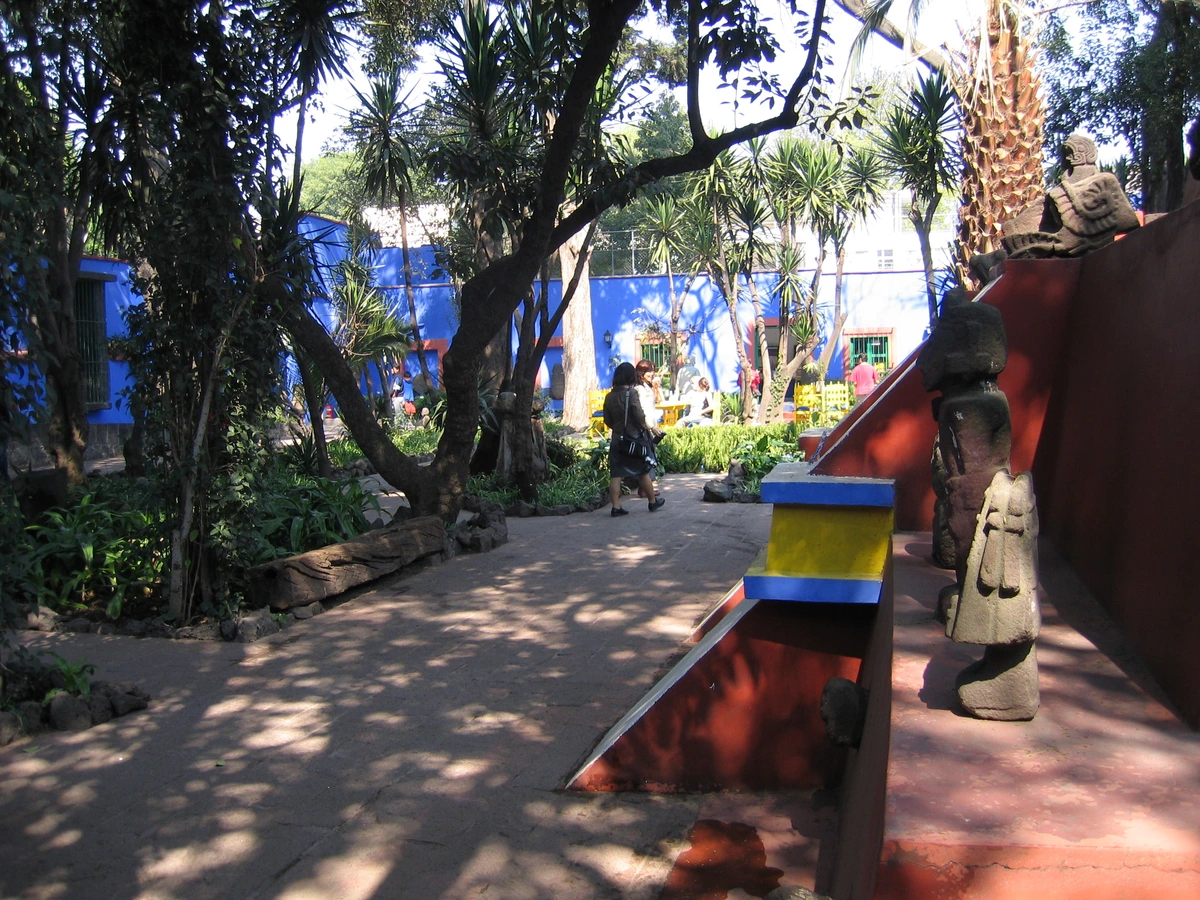
Rivera's vision was clear, and it was monumental: he wanted to create an art for the people, by the people, and about the people. His murals were epic narratives, drawing not only on the rich visual traditions of pre-Columbian civilizations and the grand frescoes of the Italian Renaissance but also on modern socialist realism, creating a unique synthesis. They told stories about the common man: the farmer, the factory worker, the indigenous mother, the revolutionary soldier. His expansive compositions often blended historical figures with contemporary laborers, ancient gods with revolutionary heroes, creating a dynamic tapestry that resonated with everyday Mexicans. He was a master of grand narratives, often employing a cinematic sweep in his compositions, guiding the viewer's eye through complex historical sequences or allegorical scenes. His work became a vivid, accessible, and deeply personal visual bible of Mexican identity, a true testament to the power of art to shape a national consciousness. It's this masterful blend of ancient, classical, and modern influences that, for me, makes his work so incredibly rich and enduringly relevant. It wasn't just storytelling; it was a profound act of cultural translation and assertion.
Rivera's Unique Stylistic Synthesis
What truly set Rivera apart was his unparalleled ability to weave together disparate artistic traditions into a cohesive and powerful personal style. He didn't merely borrow from European masters; he transmuted their techniques and grand narrative scope through the lens of Mexican history and indigenous aesthetics. Imagine the boldness of taking the lessons of Giotto's frescoes and applying them to scenes of Aztec life or the Mexican Revolution! His compositions often feel both classical in their structure and profoundly modern in their message, creating a bridge between epochs. He consciously integrated pre-Columbian motifs, deities, and vibrant color palettes with the realism and social commentary of his European contemporaries, creating an art form that was simultaneously universal and unequivocally Mexican. This synthesis wasn't accidental; it was a deliberate and masterful act of cultural assertion, proving that a unique national art could stand proudly alongside any global tradition. It’s like a master chef combining unexpected ingredients to create a completely new, unforgettable flavor, a true culinary revolution but for the eyes. He would seamlessly blend the linear clarity of pre-Columbian codices with the dramatic light and shadow of the Spanish Baroque. You'd see the monumental dignity of Renaissance figures infused with the vibrant, earthy palettes of Aztec murals. He might place a traditional indigenous farmer alongside a factory worker, both rendered with the same heroic scale, asserting their equal importance in the grand narrative of Mexico. This wasn't appropriation; it was a profound act of cultural synthesis, demonstrating that Mexico's identity was a dynamic, living fusion, capable of producing an art form that was both ancient and utterly modern, local and universal.
The Diverse Voices of Los Tres Grandes: A Deeper Look
While united in their commitment to public art, each of Los Tres Grandes carved out a distinct artistic and ideological path. Understanding their differences helps us appreciate Rivera's unique contribution and the rich tapestry of Mexican Muralism. While Rivera often focused on a more optimistic, narrative-driven celebration of Mexican history and indigenous strength, Orozco explored the darker, more tragic aspects of human struggle and revolution, and Siqueiros was the fiery, experimental revolutionary, pushing boundaries of material and form. It's this beautiful tension, these differing perspectives, that make the movement so powerful and multifaceted. Rivera, with his epic historical sweep and vibrant, often optimistic narratives, presented a vision of Mexico finding its identity. Orozco, conversely, dug into the darker truths, the pain, and the moral ambiguities of revolution and conquest, offering a more introspective and critical lens. Siqueiros, the passionate innovator, pushed formal boundaries, integrating dynamic, almost cinematic perspectives and experimenting with new industrial materials to create an art that was aggressively modern and revolutionary. This dynamic trio, while sharing a common commitment to public art for social change, each brought a unique voice, ensuring that Mexican Muralism was not a monolithic style, but a rich, complex, and evolving dialogue with the nation's soul. Their individual journeys and shared purpose, despite their rivalries, laid the foundation for one of the most significant public art movements of the 20th century.
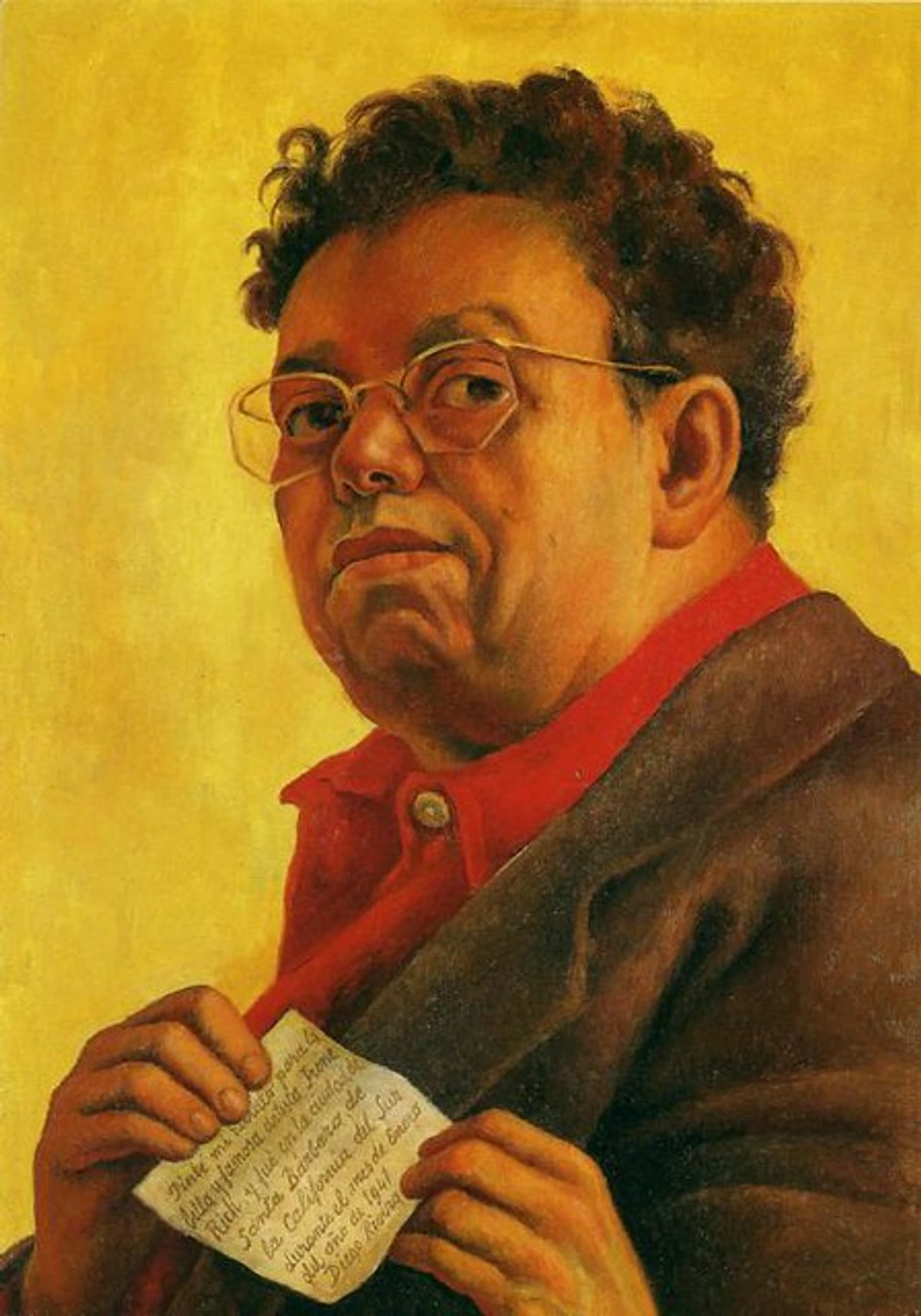
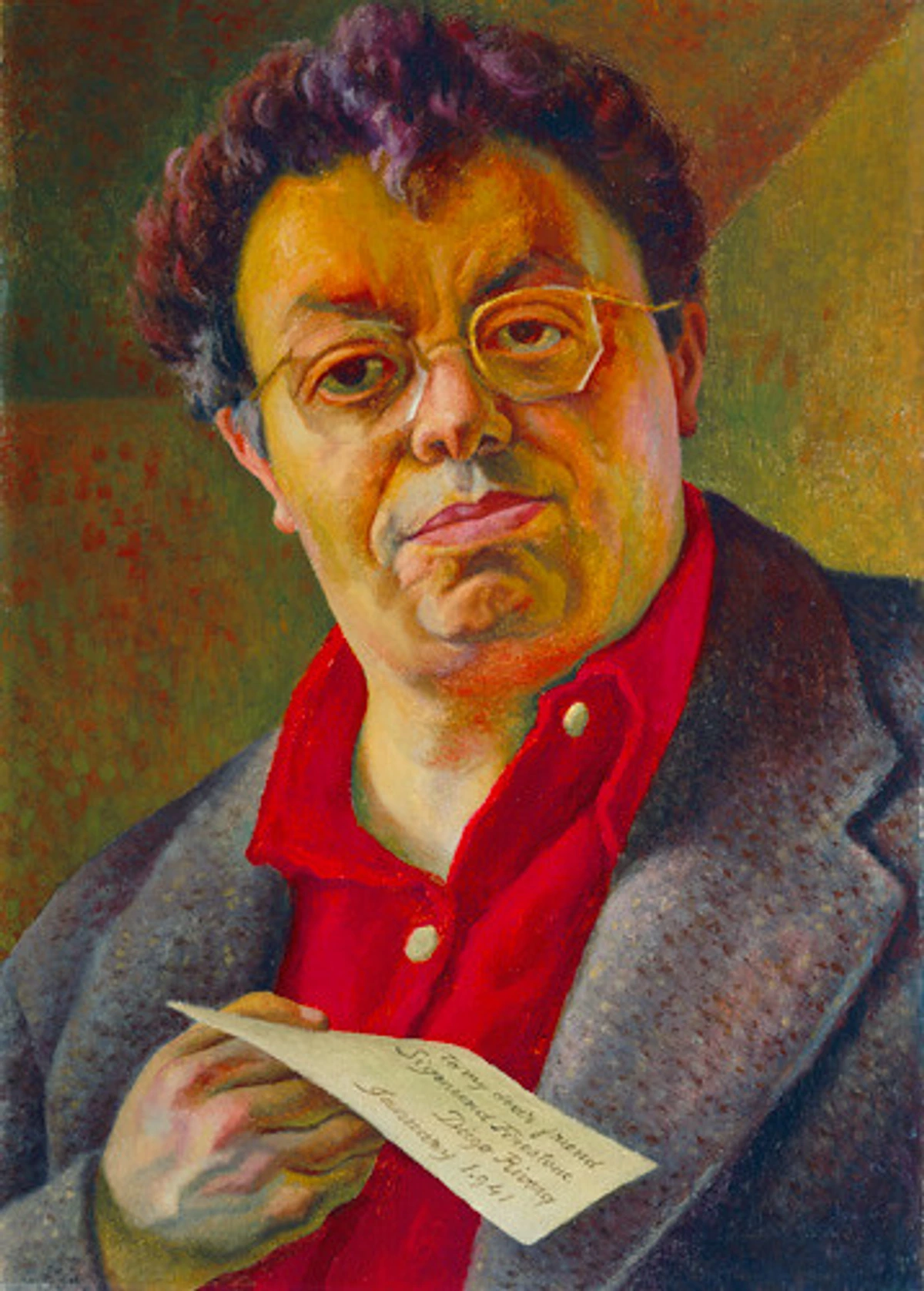
To fully grasp the magnitude of Rivera's vision, it's helpful to contrast it with his formidable peers. Imagine a fierce, yet respectful, artistic rivalry, where each artist sought to define the visual soul of a new nation. Siqueiros, a more overtly aggressive and technologically inclined artist, experimented with industrial paints and dynamic, almost cinematic compositions. Orozco, on the other hand, often delved into the more somber, tragic aspects of the human condition and the darker consequences of revolution, his brushstrokes often imbued with a raw, emotional intensity. Rivera, by contrast, aimed for a more accessible, celebratory, and historically sweeping narrative, often imbued with a sense of hopeful progress. This triumvirate of distinct voices, each powerful in its own right, truly solidified Mexican Muralism as a multifaceted and enduring artistic force.
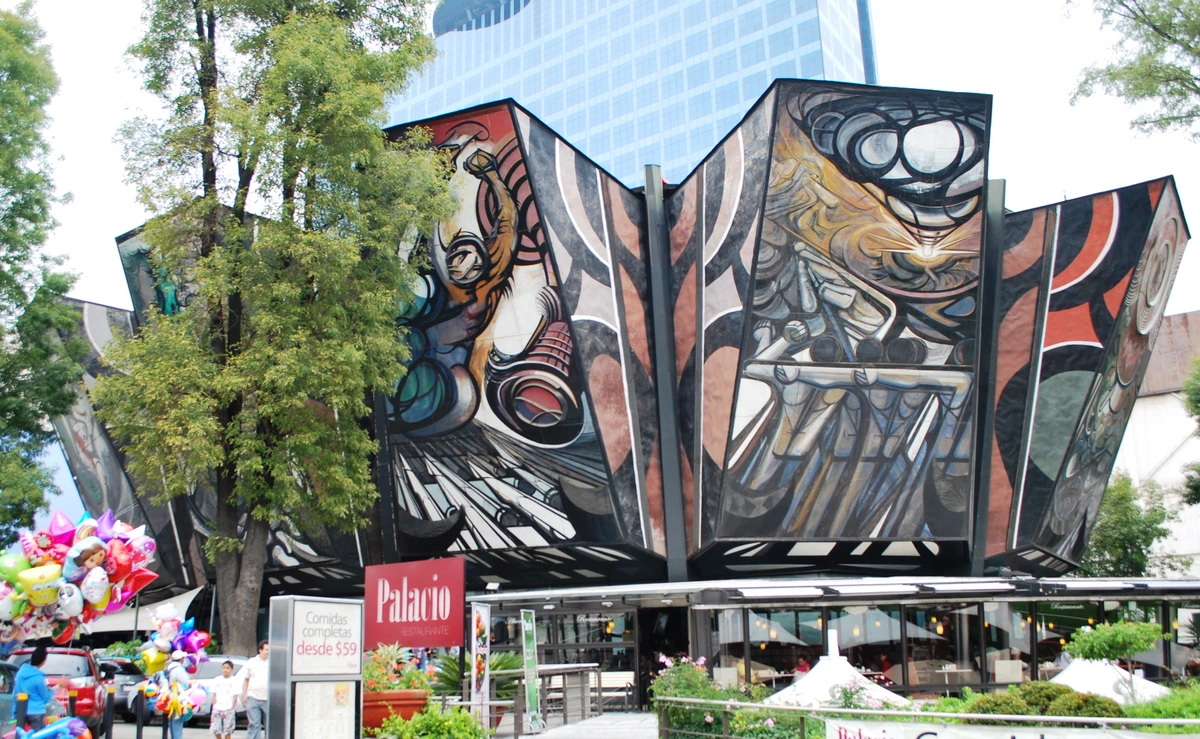
| Artist | Primary Focus & Style | Key Characteristics | Famous Works (Beyond Rivera) | Ideological Nuance | | :--- | :--- | :--- | :--- | | Diego Rivera | Historical narratives, pre-Columbian themes, social realism, often celebratory of indigenous culture and labor. | Harmonious compositions, rich earthy palettes, detailed storytelling, accessible symbolism, a grand, sweeping narrative approach. | Man at the Crossroads, Detroit Industry Murals | Staunch communist, initially optimistic, focused on historical continuity and indigenous strength, later reconciled with some capitalist patronage to spread his message. | | David Alfaro Siqueiros | Dynamic, revolutionary, experimental with materials and techniques, often abstract and monumental. Focused on heroism and struggle, industrial themes. | Aggressive forms, dramatic diagonals, industrial materials (pyroxylin paint), intense political messaging, often incorporating modern machinery and technology. | Polyforum Cultural Siqueiros, The March of Humanity | Radical Marxist, deeply engaged in political activism (including armed struggle), saw art as a direct weapon for revolution, often more confrontational and less purely narrative than Rivera. | | José Clemente Orozco | Expressive, often dark and pessimistic, focusing on human suffering, corruption, and the darker side of revolution and conquest. | Intense emotionality, strong chiaroscuro, distorted figures, raw and visceral imagery, a more introspective and critical view of humanity's struggles. | Prometheus, frescoes at Hospicio Cabañas | More cynical and critical of the Revolution's outcomes, less didactic than Rivera, explored universal themes of human suffering and the cyclical nature of violence, often with a profound sense of tragedy. |
Key Characteristics of Rivera's Mural Style
Rivera developed a distinctive visual language that made his murals instantly recognizable and profoundly impactful. Here are some of the elements he masterfully employed:
Element  | Description |
|---|---|
| Scale & Public Interaction | Monumental and immersive. His works often cover entire walls or building complexes, transforming public spaces into grand narratives, demanding interaction and contemplation from viewers. He truly believed art should be integrated into the fabric of society, not just hung in a frame, but become a part of the daily rhythm of life. |
| Themes: The Mexican Epic | A sprawling tapestry of Mexican history, from pre-Columbian myths and the Spanish Conquest to colonial oppression, the fight for independence, the Mexican Revolution, class struggle, industry, agrarian reform, and the celebration of indigenous culture and workers. His narratives were truly encyclopedic, encompassing both the ancient past and a vision for the future. |
| Composition: Narrative & Symbolism | Complex, layered narratives packed with countless figures, allegories, and symbolism. His murals are designed to be "read" like a book, often with a clear left-to-right progression, but also inviting lingering inspection of individual scenes. He was a master of guiding the viewer's eye through a visual story, often employing a cinematic flow. |
| Color Palette: Earthy Vibrancy | A rich, earthy color palette, deeply inspired by the vibrant hues found in pre-Hispanic art and the Mexican landscape itself. Colors are used not just for aesthetics, but to convey emotion, meaning, and cultural identity. Think of the warm reds of terracotta, the deep blues of ancient Mayan frescoes, and the lush greens of tropical vegetation. |
| Artistic Influences: A Global Synthesis | A sophisticated blend of European modernism (especially the structural qualities of Cubism and the narrative scope of Italian Renaissance frescoes) fused seamlessly with the ancient Aztec and Mayan artistic traditions, creating something truly unique. He wasn't afraid to borrow and transform, creating a genuinely original visual language. |
| Social Commentary | Unapologetically political, his murals served as powerful tools for social critique, advocating for the working class, indigenous rights, and socialist ideals, often contrasting them with the perceived injustices of capitalism. He used his art to speak truth to power, often with a biting, satirical edge. |
| Didactic Purpose | Beyond aesthetics, Rivera's murals explicitly aimed to educate. For a largely illiterate populace, his visual narratives were a public history textbook, teaching about Mexico's past, present, and the revolutionary future he envisioned. He believed art could democratize knowledge. |
| Figure Drawing & Realism | Despite abstract influences, Rivera maintained a strong grounding in realistic figure drawing. His people—workers, farmers, soldiers—are depicted with a monumental dignity and realism that makes them relatable and heroic, often with subtly exaggerated forms for dramatic effect, drawing from both classical and pre-Columbian sculptural traditions. |
| Sense of Movement & Dynamism | His large compositions are rarely static. There’s an inherent energy, a flow of figures and events that often suggests a cinematic sweep, drawing the viewer into the unfolding drama of history. He used diagonal lines, overlapping figures, and implied motion to create a vibrant visual rhythm. |
| Mestizaje & Identity | Rivera championed the concept of mestizaje, the blending of indigenous and European cultures, as the foundation of modern Mexican identity. His murals visually celebrated this synthesis, often portraying indigenous people and their heritage as the true heart of the nation. |
Early Triumphs: Reclaiming Mexican History on Walls
Before his most famous international commissions, the ones that often come to mind first, Rivera was already transforming public spaces across Mexico. His earliest major works after returning home were crucial in defining the Mexican Muralism movement and, more importantly, solidifying his own powerful voice and thematic approach. It was during these years that he truly found his stride, translating his grand vision into monumental reality.
The Anfiteatro Simón Bolívar: "The Creation" (1922-1923)
It's easy to jump straight to the grand narratives, but Rivera's very first mural upon his return to Mexico, "The Creation" in the Anfiteatro Simón Bolívar at the Preparatoria Nacional, set the stage for everything that followed. This wasn't yet the overtly political, narrative-driven work he would become famous for. Instead, it was a symbolic, allegorical piece depicting the origins of humanity and Mexican identity through various human figures representing the arts and sciences, bathed in a celestial glow. Executed in encaustic (wax-based paint) and fresco, it marked his initial experimentation with monumental scale in Mexico. While perhaps more classically inspired than his later works, it was a monumental declaration of intent, a public statement that art was returning to the walls of Mexico, and that Rivera was here to lead the charge. I find it fascinating how an artist's first major public work can so clearly lay the groundwork for their entire career, even if it's stylistically a precursor. The allegorical figures—including a central Adam and Eve, alongside representations of ethnic groups, music, drama, poetry, and more—are rendered with a monumental dignity, drawing clear parallels to classical and Renaissance frescoes but imbued with a nascent Mexican spirit. It was a formal exercise, but also a bold statement: art on a grand scale, addressing universal themes through a distinctly Mexican lens. The choice of encaustic, while technically challenging, allowed for a rich, luminous surface, further emphasizing its connection to ancient artistic traditions. I think of it as his artistic overture, a subtle flexing of the muscles he would later use for far more explicit political declarations.
The Ministry of Public Education (1923-1928)
Perhaps his most ambitious early undertaking, the murals at the Secretariat of Public Education building in Mexico City span an astonishing 124 fresco panels across three floors of two open-air courtyards. Divided into the "Court of Labor" and the "Court of Fiestas," these murals are a panoramic visual encyclopedia. In the Court of Labor, Rivera glorified the common worker, depicting scenes of miners, farmers, and artisans toiling with dignity, celebrating their essential contributions to the nation. You’ll see powerful depictions of agricultural labor, textile workers, and even intellectuals, all contributing to the building of the new Mexico. The Court of Fiestas, on the other hand, burst with vibrant scenes of traditional Mexican celebrations, dances, and ceremonies, showcasing the rich indigenous cultural heritage that Vasconcelos and the muralists sought to revalorize. They depict everything from scenes of everyday Mexican life and labor, to indigenous traditions and vibrant festivals, and the ideals of the Revolution. Each panel, a giornata in its own right (meaning "a day's work" in fresco terms), contributes to a monumental visual narrative of Mexican society. In the Court of Labor, for example, you can trace the journey of the nation's workers, from the arduous toil in mines and fields to the burgeoning industrial might, all imbued with a profound sense of dignity and collective purpose. The Court of Fiestas, conversely, explodes with color and movement, capturing traditional dances like the "Dance of the Deer" and the "Day of the Dead" celebrations, asserting the vibrant, resilient cultural identity of Mexico. They celebrate its people, their contributions, and their resilience, cementing Rivera's unwavering commitment to art for the masses. I imagine wandering through those courtyards, spending days, just absorbing the sheer volume of visual stories unfolding around you – it's a testament to how art can become an integral part of daily life, a living historical document. It’s a place where history and daily life are literally etched into the walls, a truly immersive experience for anyone seeking to understand Mexican history through art.
The Chapingo Chapel (1924-1927): "The Liberated Earth"
Considered by many, myself included, to be his most aesthetically unified and emotionally profound work in Mexico, the murals in the chapel of the National School of Agriculture in Chapingo are an undeniable masterpiece of allegorical art. Rivera transformed the entire chapel into a powerful visual sermon, depicting the profound cycles of the earth – its fertility, the struggles of the campesinos (peasants) who work it, and the revolutionary promise of land reform. He integrated universal themes of life, death, and regeneration, with figures like the "Sleeping Earth" and the "Fertile Earth" (often depicted as a majestic, reclining nude figure of a woman) became iconic symbols, embodying the very essence of the land. The central fresco, "Liberated Earth with Natural Forces," is particularly breathtaking, a celebration of nature's power and humanity's connection to it, with sweeping landscapes and dynamic figures of farmers harvesting and nurturing the land. The chapel's dome itself became a celestial vault, reinforcing the cosmic scale of his message. This deep reverence for the land and its people, a theme that resonates deeply with my own art, connects the human spirit to the natural world and explores the power of natural forces in abstract forms [/timeline]. It's art that feels truly sacred, not in a religious sense, but in its reverence for life itself and the profound dignity of labor. The Chapingo Chapel murals are a profound meditation on the connection between humanity and the earth, a theme that speaks to the very core of Mexican identity. This work masterfully combines pre-Columbian reverence for nature with socialist ideals of agrarian reform, presenting a powerful vision of a liberated land for a liberated people.
Symbolism and Allegory at Chapingo
Chapingo is where Rivera truly unleashed his powers of allegory. The chapel's architecture itself became part of the narrative: the nave representing the earth, the dome the heavens. Figures of struggling workers and liberated peasants are not just portraits but embody universal archetypes. The famous "Fertile Earth" figure is a powerful, almost pagan, symbol of life-giving nature, challenging traditional religious iconography with an indigenous, earthy spirituality. He seamlessly integrated pre-Columbian agricultural deities and socialist ideals of land redistribution, creating a cohesive visual philosophy. The blues and greens of the natural world dominate, evoking a sense of growth and vitality, while the red hues symbolize the blood of revolution and the passion for the land. Walking through that space, you feel the weight of history, the struggle, and the ultimate triumph of the land and its people. It's an overwhelming, immersive experience, a true artistic triumph. The cycle of planting, growth, and harvest is depicted with a cosmic reverence, emphasizing humanity’s inextricable link to the earth and the revolutionary promise of equitable land distribution. It’s a profound visual poem to life, labor, and liberation, a harmonious synthesis of his classical training, his political convictions, and his deep reverence for indigenous Mexican culture. The emotional intensity here, particularly in the depictions of the struggling campesinos and the serene, powerful earth figures, achieves a lyrical quality that sets it apart. It speaks to the universal cycles of existence while simultaneously advocating for a very specific, revolutionary ideal of land redistribution and social justice. For me, it embodies the ultimate potential of art to fuse the sacred and the secular, the ancient and the revolutionary, into a single, breathtaking statement.
Rivera's Portable Murals and Easel Paintings
While Rivera is rightly celebrated for his monumental frescoes, it's important to remember that he was also a prolific easel painter and innovator of the "portable mural." These smaller-scale works, often executed on canvas or fiberboard, allowed him to continue exploring his political and social themes without the permanent commitment or logistical challenges of a fresco. They also offered a more direct means of exhibiting his work internationally, bypassing some of the political controversies that occasionally plagued his larger commissions. Pieces like "Flower Carrier" (1935), depicting a burdened campesino with a massive basket of calla lilies, showcase his characteristic blend of social realism and powerful symbolism, yet are intimate enough to reside in galleries and private collections. His "portable murals," such as "Portrait of America" (1933), were large, freestanding panels that could be easily transported and exhibited, offering a clever solution to the demand for his public art outside of Mexico. These works, along with his numerous portraits and landscapes, demonstrate a versatility often overshadowed by his mural output, highlighting his continuous engagement with diverse formats to convey his unwavering message. It's a testament to an artist's adaptability—knowing when to go grand and when to go compact to ensure the message gets through.
Rivera's Enduring Themes: Beyond the Canvas
Before we dive into the specific colossal murals, it's worth taking a moment to reflect on the deeper currents that run through Rivera's entire body of work. For me, his consistent return to certain themes is what truly elevates his art from mere decoration to profound social commentary. He wasn't just painting pretty pictures; he was painting ideas, struggles, and aspirations – a constant visual conversation with his nation's past, present, and future. It's in these recurring motifs that you can really 'read' the soul of his art, the unwavering message he sought to convey.
Recurring Motifs and Symbolism
Rivera developed a rich vocabulary of symbols and motifs that often recurred across his murals, creating a powerful visual language that was accessible to a broad audience, regardless of literacy. These elements acted as narrative shortcuts, conveying complex ideas about history, power, and identity, much like a well-understood visual lexicon:

- Water and Rivers: Beyond just a landscape feature, water often symbolized life, purity, and the flow of history itself, especially in a country so reliant on its natural resources. Rivers could represent the continuity of Mexican identity, flowing from ancient civilizations through modern struggles. This emphasis on natural elements also extends to his depiction of flora and fauna, often rendered with an almost scientific precision blended with symbolic meaning. You'll often see rivers guiding the eye through historical narratives, or serene bodies of water symbolizing the ancient, fertile lands of Mexico, a vital source of life and a constant presence in Mexican cosmology. The fluidity of water could also represent the continuous struggle and evolution of a nation. This emphasis on natural elements also extends to his depiction of flora and fauna, often rendered with an almost scientific precision blended with symbolic meaning. You'll often see rivers guiding the eye through historical narratives, or serene bodies of water symbolizing the ancient, fertile lands of Mexico, underscoring the deep spiritual and practical connection between the people and their environment.
- Sun and Moon: These celestial bodies often appear in Rivera's work, drawing on pre-Columbian cosmology. The sun typically symbolizes life, power, and masculine energy, while the moon represents femininity, regeneration, and ancient wisdom. Their interplay speaks to the dualities inherent in both nature and human experience, often framing historical scenes or allegorical figures to emphasize cosmic forces at play. For instance, in his depictions of pre-Columbian life, the sun might symbolize the power of the gods or the life-giving force of agriculture, while the moon could represent feminine wisdom, intuition, and the cycles of death and rebirth. This celestial iconography anchors his earthly narratives within a broader, cosmic understanding of existence, drawing directly from indigenous spiritual traditions.
- Skulls and Skeletons: Far from being morbid, these motifs, deeply rooted in Mexican folk art and the traditions of Day of the Dead, symbolize the ever-present cycle of life and death, as well as a satirical commentary on power and mortality. They often appear to mock oppressors or remind viewers of the universal fate of all. This isn't about fear; it's about a deep, cultural understanding of the continuous flow of existence, a perspective I find profoundly beautiful and challenging. You’ll find them as playful critiques of colonial figures or stark reminders of the cost of revolution, a powerful Memento Mori for oppressors and a symbol of enduring life for the common people. This isn't about fear; it's about a deep, cultural understanding of the continuous flow of existence, a perspective I find profoundly beautiful and challenging. You’ll find them as playful critiques of colonial figures, such as in his Dream of a Sunday Afternoon in Alameda Central Park, where skeletal figures mock the wealthy, or as stark reminders of the cost of revolution, making death a constant, yet integrated, part of life's narrative.
- Corn and Indigenous Plants: More than just sustenance, corn (maize) is the very foundation of Mesoamerican civilization. In Rivera's work, it powerfully symbolizes life, fertility, the cycle of nature, and the deep, unbreakable connection of Mexican people to their land and rich pre-Columbian heritage. It’s a literal root of their identity, a source of both physical and spiritual nourishment. You’ll also find depictions of other native flora and fauna, subtly reinforcing the unique ecosystem and biodiversity of Mexico. These elements are not mere decoration; they are assertions of cultural independence and the enduring strength of the land, forming a powerful visual counterpoint to European-centric narratives. The deep reverence for corn, often depicted being cultivated or as a central offering, speaks to a heritage that predates conquest by millennia, asserting an unbreakable connection to the soil that sustains life both physically and spiritually.
- Indigenous Figures: Crucially, indigenous people are not presented as relics of the past but as living, dignified, and strong individuals. They represent the true spirit and foundational identity of Mexico, actively countering centuries of colonial narratives that sought to diminish or erase their importance. These figures are often depicted with a quiet strength and resilience that speaks volumes, embodying the enduring soul of the nation and serving as powerful symbols of cultural pride and resilience. Rivera consciously gave them monumental scale and central positions, reclaiming their rightful place in Mexico's narrative. He depicted them not as downtrodden victims, but as powerful, stoic, and central figures—the true heirs of Mexico's ancient civilizations and the architects of its future. Their faces often carry a quiet strength and dignity, their bodies robust and grounded, reflecting their enduring connection to the land and their labor. This deliberate elevation of indigenous figures was a radical act of decolonization through art, transforming marginalized identities into national symbols of pride and resilience.
- Working-Class Heroes: Farmers (
campesinos), factory workers, miners, and artisans – these are the true protagonists of Rivera's epic narratives. They embody the dignity of labor, the everyday struggles of the masses, and the promise of a socialist future where their work is valued and their rights protected. He glorified the hands that built the nation, making the proletariat the central, heroic figures of his monumental art. You see them toiling, organizing, and rising up with a quiet power that is deeply moving. He presented them as active agents of history, not passive observers, whether they were working the fields, building factories, or marching in revolutionary parades. Their collective strength and solidarity are recurrent motifs, emphasizing the Marxist ideal of the proletariat as the driving force of historical change. Rivera’s art gave these laborers a heroic stature, transforming their everyday struggles into epic narratives of progress and liberation. - Colonial Oppressors: In stark contrast, figures representing the Spanish Conquest and subsequent colonial rule are often portrayed as grotesque, avaricious, or villainous. These depictions unflinchingly highlight the brutality, injustice, and exploitation inherent in the colonial project, a powerful visual indictment of oppression. Rivera didn't shy away from presenting these historical antagonists with a raw, almost caricatured intensity, ensuring his message of historical injustice was clear. He often used visual hyperbole to convey the moral corruption of these historical figures, making their villainy undeniable. Spanish conquistadors might be rendered with avaricious, distorted features, clutching gold or brandishing weapons against defenseless indigenous populations. Clergymen could appear bloated and hypocritical, and capitalist industrialists often possessed cold, calculating expressions, exploiting workers. This wasn't subtle critique; it was a potent, often satirical, visual indictment of historical and contemporary oppression, leaving no doubt about where Rivera's sympathies lay.
- Technological Progress vs. Human Cost: Especially evident in his American murals, Rivera explored the dual nature of industrialization. It's not a simple celebration. He shows its immense capacity for creation and prosperity, but also its potential for dehumanization, environmental degradation, and the exploitation of labor. This tension, the push and pull of progress and its unseen costs, is something I wrestle with in my own work too, finding the beauty and the tension in abstract forms and colors [/buy]. It's a complex theme that still resonates today, forcing us to consider the ethical implications of technological advancement. His approach was never simplistic, always acknowledging the complexities of human ingenuity and its consequences. In the Detroit Industry Murals, for instance, the sheer power and efficiency of the assembly line are awe-inspiring, yet juxtaposed with the exhausted faces of the workers, the environmental impact of industry, and the stark contrast between manual labor and mechanized production. He showed the potential for creation and prosperity, but also the dehumanizing aspects, the exploitation, and the alienation that could accompany unchecked industrial expansion. It’s a complex theme that still resonates today, forcing us to consider the ethical implications of technological advancement.
- The Land: The physical landscape of Mexico, with its dramatic mountains, fertile valleys, and vast plains, is often more than just a backdrop; it's a character in itself. It embodies the nation's resilience, its natural wealth, and the spiritual connection its people have to their ancestral home. It’s a constant, grounding presence, often depicted with a reverence that elevates it to a sacred entity. This deep connection to the land is a cornerstone of Mexican cultural identity and a theme Rivera returned to again and again. You can almost feel the earth breathing in his depictions, a profound spiritual connection. Whether it's the fertile valleys of Chapingo or the dramatic volcanic peaks overlooking the Valley of Mexico, the landscape is often imbued with a spiritual presence, echoing pre-Columbian reverence for
Pachamama(Mother Earth). It provides a constant, grounding presence, reminding viewers of the deep roots of Mexican identity in its physical environment and the importance of agrarian life. This deep connection to the land is a cornerstone of Mexican cultural identity and a theme Rivera returned to again and again, elevating the earth itself to a sacred, life-giving entity. - Pre-Columbian Deities and Symbols: Quetzalcoatl, Huitzilopochtli, and other figures from Aztec and Mayan mythology frequently appear, serving as potent reminders of Mexico's powerful indigenous past and its spiritual roots. These symbols were deliberately integrated to counter the colonial narrative and assert a distinctly Mexican identity. They are not merely historical figures, but living embodiments of Mexico's enduring spirit. By featuring gods like Quetzalcoatl (the feathered serpent, symbolizing wisdom and creation) and Huitzilopochtli (the hummingbird god of war and sun), Rivera asserted the profound spiritual and intellectual heritage of pre-Hispanic civilizations, directly challenging the notion of European cultural supremacy. These figures often appear as powerful, guiding forces or as representations of the indigenous worldview, actively shaping and influencing the historical narrative.
- Revolutionary Symbols: Beyond specific figures, Rivera liberally incorporated symbols of the Mexican Revolution – flags, weapons, revolutionary leaders, and the imagery of collective struggle and triumph. These serve as constant reminders of the nation's hard-won independence and its ongoing fight for social justice. You'll find the red banner and the workers' tools depicted as emblems of a hopeful, collective future.
- The Serpent (Quetzalcoatl): The feathered serpent god, Quetzalcoatl, is a recurring and highly significant motif. Symbolizing creation, wisdom, knowledge, and the blending of earth and sky, he often appears as a unifying figure or a representation of Mexico's pre-Columbian spiritual and cultural grandeur. His presence consciously reasserts the power and continuity of indigenous traditions in the face of colonial narratives. Portraits of revolutionary heroes like Emiliano Zapata and Miguel Hidalgo are common, not just as historical figures, but as symbols of ongoing struggle and the unwavering fight for land and liberty. The imagery of collective action, marching workers, and unified resistance serves as a constant rallying cry, reinforcing the ideals of social justice that were central to the Revolution's promise and Rivera's communist convictions.
Understanding these recurring elements is like having a key to unlock the deeper layers of meaning in Rivera's work, allowing you to read his murals with greater insight into the emotions and ideas he sought to convey, almost like a visual form of Expressionism. Now, let’s look at some of the physical manifestations of this profound vision, where he masterfully synthesized global influences into a uniquely Mexican style, a journey into the evolution of abstract art on a monumental scale. It’s a masterclass in how an artist can use a consistent visual vocabulary to communicate complex political and social messages, making the art accessible and deeply impactful for generations.

Masterpieces on the Wall: A Few Highlights
You can't truly grasp Rivera's genius without looking at the work itself, feeling the sheer scale and immersive power. Rivera wasn't afraid to push boundaries, not just in theme but in sheer ambition. He often tackled commissions that dwarfed anything contemporary artists were attempting, demanding an almost superhuman effort from himself and his teams. While he created countless masterpieces throughout his career, a few stand out for their sheer audacity, their profound social commentary, and their undeniable historical impact. Let's explore some of these colossal creations, truly monumental works that defined an era and solidified Rivera's place in art history. Each one is a world of its own, demanding contemplation.
The Challenge of Monumental Art: Vision, Grit, and Collaboration
Creating murals on this scale is not for the faint of heart. It demands not only artistic vision and technical prowess but also an incredible amount of logistical planning, physical endurance, and the ability to manage a team of assistants. Rivera wasn't just a painter; he was a project manager, overseeing the preparation of walls, the mixing of pigments, and the precise execution of each giornata (a day's work in fresco). It's a grueling process, often working in difficult conditions, against the clock before the plaster dries. I often think about the sheer stamina required, the mental fortitude to sustain such a grand vision over years. It’s a far cry from the solitary studio work many artists experience, demanding a completely different kind of creative and managerial muscle. It really puts into perspective the dedication required to produce art that literally transforms public spaces. It's a testament to the fact that some of the most impactful art is a truly collaborative endeavor, requiring the synchronized efforts of many hands and minds. Rivera, while the visionary, relied heavily on a team of skilled assistants who prepared the walls, mixed pigments, transferred designs, and even executed sections under his strict supervision. This communal effort, reminiscent of Renaissance workshops, was a practical necessity for such vast undertakings, but it also aligned with his socialist ideals of collective labor. Imagine the energy and dedication required for such a massive, synchronized creative project, a true feat of artistic engineering. It really puts into perspective the dedication required to produce art that literally transforms public spaces.
The Detroit Industry Murals (1932-33)
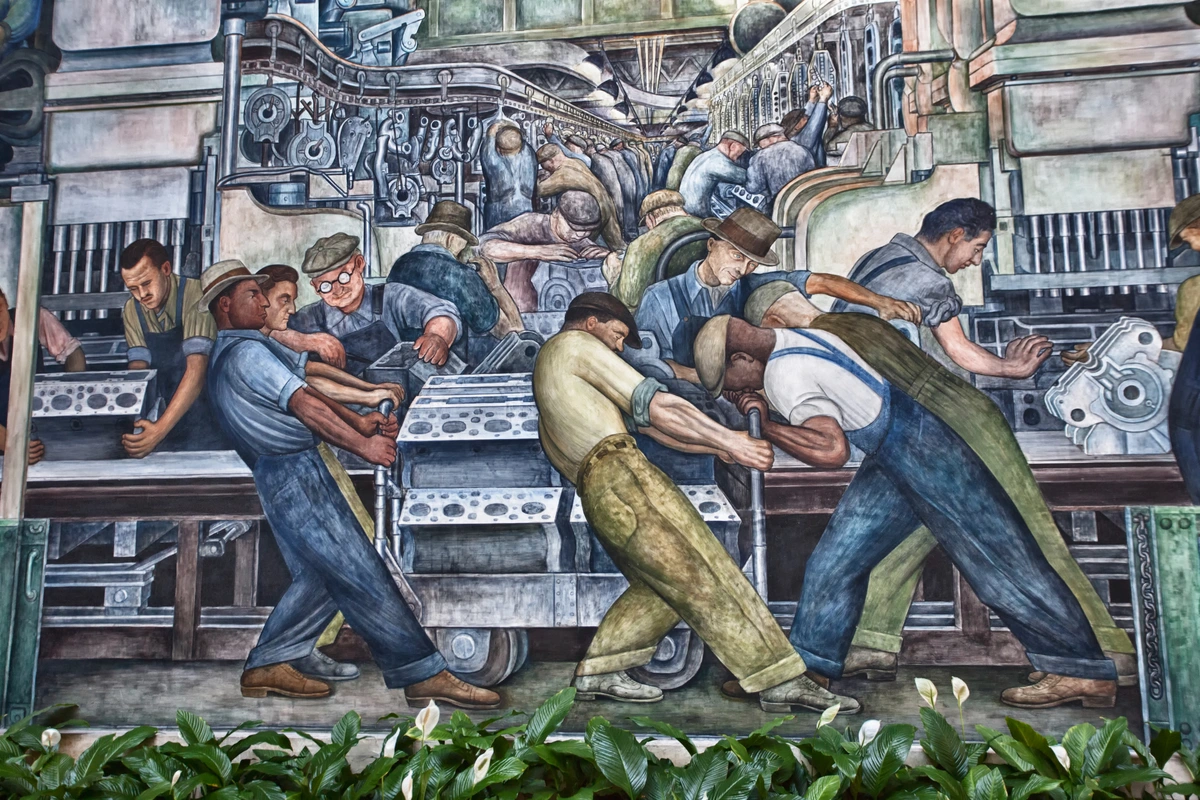
Of all his works, this is the one that consistently gets me. Commissioned by Edsel Ford, son of Henry Ford, for the Detroit Institute of Arts, this project saw Rivera spend months meticulously observing and sketching inside the colossal Ford River Rouge Complex. This wasn't just a commission; it was an immersion. He spent weeks observing every detail of the assembly lines, the foundry workers, the blast furnaces, and the immense machinery, capturing the raw energy and often brutal reality of industrial production. It's a testament to his dedication, diving deep into the very heart of American industry to truly understand his subject.

The resulting 27 fresco panels are nothing short of a symphony of industry—a powerful, and at times terrifying, depiction of the intricate, often brutal, relationship between man, machine, and nature. Rivera doesn’t just glorify industry; he exposes its dual nature, its immense capacity for both creation and soul-crushing destruction. He masterfully blends images of factory workers, engineers, blast furnaces, and assembly lines with allegorical figures representing the four races, the raw forces of nature, and even pre-Columbian deities, creating a timeless narrative of human endeavor. It’s a profoundly humanist statement delivered right in the heart of American capitalism, a stark and honest look at the forces shaping the modern world, and it remains one of the most significant works of public art in the United States. The murals initially sparked controversy, with some criticizing their pro-worker imagery and perceived communist undertones, yet they quickly became, and remain, a beloved symbol of Detroit's industrial might and the dignity of its labor force. This level of narrative complexity, combined with the sheer scale, is something I always strive for in my own compositions, understanding how how artists use color and form to convey powerful messages and tell a multifaceted story. For many, these murals encapsulate the spirit of Detroit itself, a city built on hard work and innovation. While controversial upon their unveiling due to their perceived communist undertones and depictions of racial diversity (which was radical for the time), they ultimately became a cherished symbol of the city's identity. The initial public outcry from religious leaders and conservative critics eventually subsided as the sheer artistic power and honest portrayal of the American working class won over the populace. Today, they are rightly considered a national treasure, a powerful and unflinching look at the heart of American industry. This level of narrative complexity, combined with the sheer scale, is something I always strive for in my own compositions, understanding how how artists use color and form to convey powerful messages and tell a multifaceted story.
Man at the Crossroads (1933)
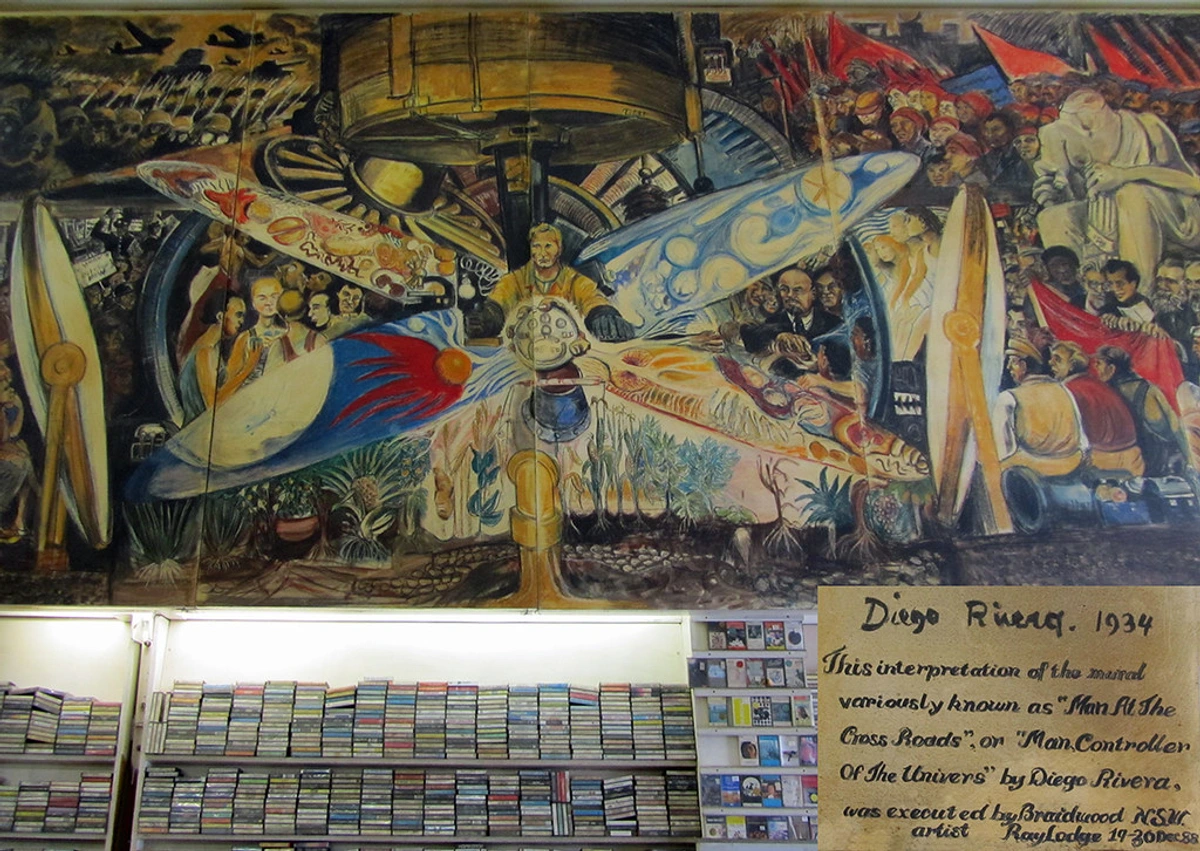
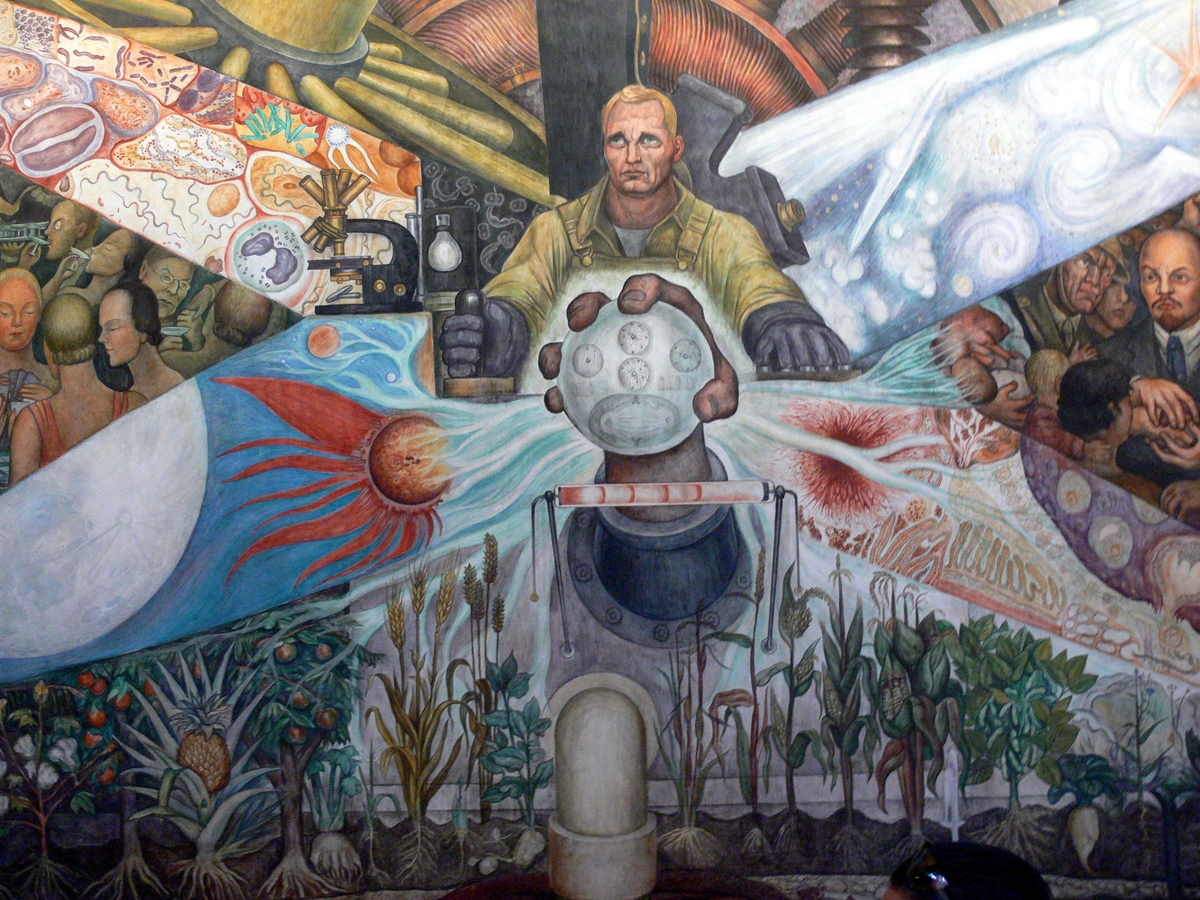
This is the stuff of legend, a fiery clash between artistic integrity and capitalist power. Hired by the powerful Rockefeller family to create a grand mural for the lobby of the RCA Building (now the Comcast Building) in Rockefeller Center in New York, Rivera set to work on a piece titled Man at the Crossroads Looking with Hope and High Vision to the Choosing of a New and Better Future. The mural was a sprawling, allegorical vision of humanity grappling with its choice between a destructive, technologically advanced capitalist future and a collaborative, socialist one. The controversy ignited when Rivera, a staunch communist, included a prominent portrait of Vladimir Lenin, alongside images of workers and May Day celebrations. Nelson Rockefeller, the patron, requested Lenin's removal. Rivera, ever the defiant artist, refused, stating that he would rather see the mural destroyed than mutilate his creation and compromise his political convictions. He offered instead to balance it with a portrait of Abraham Lincoln, a gesture that, while perhaps conciliatory on one level, still underscored his unwavering commitment to his socialist ideals. This truly speaks to the conviction he held for art as a political tool, a conviction that often put him at odds with the very patrons who funded his monumental works.

The response was swift and brutal: the mural was first covered, then, in 1934, unceremoniously chipped off the wall and destroyed. This act of artistic censorship sent shockwaves through the art world. Rivera, however, was undeterred. He later recreated the controversial work in 1934, almost identically, in Mexico City's Palacio de Bellas Artes, retitling it Man, Controller of the Universe. The incident not only cemented his status as an unapologetic political artist but also became a symbol of the struggle between art and corporate control, a powerful lesson in the potential clashes between artistic freedom and corporate patronage. I often wonder what it must have felt like to see your monumental work destroyed for its political message, and then to have the resolve to recreate it, defiantly. The mural was a dizzying array of interconnected narratives: a central worker contemplating the divergent paths of capitalism and socialism, flanked by scenes of technological advancement (some leading to destruction, others to progress) and social revolution. Key figures from history and science, including Darwin, Marx, Engels, and a very visible Lenin, populated the socialist side, while the capitalist side depicted scenes of war, unemployment, and opulence. It was a clear and unambiguous visual manifesto, which made it both powerful and, for its patrons, intolerable.
Artistic Freedom vs. Patronage
The Man at the Crossroads controversy is a classic case study in the tension between an artist's vision and a patron's expectations. For the Rockefeller family, commissioning a renowned artist like Rivera was a statement of cultural sophistication. For Rivera, it was an unprecedented opportunity to broadcast his socialist message to the heart of American capitalism. The clash over Lenin's portrait wasn't just about a face on a wall; it was a fundamental conflict of ideologies. Rivera saw it as an essential component of his allegorical statement about humanity's choice, while the Rockefellers viewed it as an unacceptable political endorsement in their private property. This incident highlights a crucial question that artists still grapple with today: to what extent can an artist compromise their vision for the sake of a commission? Rivera's unwavering stance, even in the face of destruction, cemented his reputation as an artist of profound conviction, for better or for worse. For the Rockefeller family, it was a question of property rights and the appropriateness of political messaging in a corporate building. For Rivera, it was a matter of artistic integrity and a moral imperative to use his platform to speak truth to power. This incident highlights a crucial question that artists still grapple with today: to what extent can an artist compromise their vision for the sake of a commission, especially when that vision carries a strong political or social message? Rivera's defiance, even in the face of destruction and financial loss, made him a martyr for artistic freedom and a symbol of resistance against corporate control. It's a tension that I think many artists, myself included, grapple with when considering the line between personal expression and public impact.
The History of Mexico, National Palace (1929-35)
If you ever find yourself in Mexico City, a visit to the National Palace is a pilgrimage you absolutely must make. For me, this is where Rivera's genius truly coalesces. Covering the grand stairwell and walls of the central courtyard, this is arguably Rivera's magnum opus, an epic visual chronicle of the Mexican people. It’s a sweeping, panoramic history, moving from the ancient Aztec world and indigenous life before the arrival of Europeans, through the trauma of the Spanish Conquest (with Hernán Cortés often depicted as a monstrous figure), the subsequent centuries of colonial rule, the fervent fight for independence, and culminating in the Mexican Revolution and the promise of a new, socialist future. Rivera’s depictions of the pre-Hispanic era are rich with vibrant colors and mythological figures, celebrating the grandeur of civilizations like the Aztecs and Mayans, and portraying a harmonious society deeply connected to nature. The colonial period, in stark contrast, is rendered with a dark intensity, emphasizing exploitation and suffering under figures like Cortés and the Spanish clergy, while the struggle for independence highlights heroes like Miguel Hidalgo and José María Morelos. The final sections pulse with the energy of the Mexican Revolution, showcasing the struggles and aspirations of the common people, leading towards a vision of a workers' paradise.
Rivera masterfully weaves together pre-Hispanic myths, the brutal realities of colonization, the complex figures (both heroes and villains) of independence, and the vibrant aspirations of the revolutionary era. Standing in that courtyard, under the vast narrative unfolding on the walls, you don't just observe history; you feel completely enveloped by it. It’s dense, chaotic, beautiful, and brutal—just like history itself. The way he integrates scenes of everyday life with grand historical events, depicting the struggles and triumphs of the common people, is just breathtaking. This monumental work, executed over six years, stands as one of the most ambitious and politically charged works of public art ever created, a vibrant, unforgettable testament to a nation's enduring spirit and its ongoing journey. It’s a living, breathing testament to the power of art to shape a national narrative, to unify and inspire. I often think about the sheer endurance required to execute a work of this scale and complexity, a truly Herculean artistic feat. The murals are generally divided into three main periods: the Pre-Hispanic World, depicting the rich, sophisticated civilizations of the Aztecs and Mayans, their mythology, and daily life; the Conquest and Colonial Period, a searing indictment of Spanish brutality and exploitation, featuring figures like Hernán Cortés and the oppressive clergy; and the Mexican Revolution and Future, portraying the struggle for independence, the figures of the Revolution, and a hopeful, socialist vision for a new Mexico. Rivera placed himself, Frida Kahlo, and other contemporaries within these historical narratives, blurring the lines between past and present, emphasizing the ongoing struggle for national identity and social justice. The way he integrates scenes of everyday life with grand historical events, depicting the struggles and triumphs of the common people, is just breathtaking. This monumental work, executed over six years, stands as one of the most ambitious and politically charged works of public art ever created, a vibrant, unforgettable testament to a nation's enduring spirit and its ongoing journey.
The Art of Fresco: Rivera's Medium of Choice
Rivera's choice of medium was as deliberate as his subject matter. He was a master of fresco painting, a demanding technique that dates back to antiquity, revived with passionate intensity by the Mexican Muralists. This isn't just a simple paint job; it's a profound chemical and artistic dance. Fresco involves painting with water-soluble pigments on freshly applied, wet lime plaster (intonaco). As the plaster dries, the lime reacts with the pigment in a process called carbonation, locking the color permanently into the wall itself, creating a durable and luminous finish that can last for centuries. This wasn't just a technical preference; it was a philosophical statement. Fresco, with its permanence and its direct integration into architecture, embodied Rivera's belief in art as an enduring, public, and accessible form, intrinsically linked to the structures of society. It's truly art made one with the building. The sheer scale and permanence of fresco are, for me, deeply inspiring – it's art that truly demands to be seen and lasts through generations. The technique itself involves applying water-soluble pigments to a layer of wet, fresh lime plaster (the intonaco). As the plaster dries, a chemical reaction occurs – called carbonation – which binds the pigment to the wall, creating an incredibly durable and luminous finish. This wasn't just a technical preference for Rivera; it was a philosophical statement. Fresco, with its ancient lineage, its public nature, and its integration into architecture, perfectly embodied his belief in art as an enduring, public, and accessible form, intrinsically linked to the very structures of society and capable of outlasting transient political regimes.
The Fresco Process: A Collaborative Dance
Creating a large-scale fresco is a demanding and collaborative process, far removed from the solitary canvas work of easel painting. It requires meticulous planning, precise execution, and often a team of assistants, working against the clock before the plaster dries. I've always been fascinated by the sheer logistical challenge of it, the way an artist has to become almost an engineer, a master project manager, coordinating materials, labor, and time. Here’s a simplified breakdown of the steps Rivera and his teams would undertake to create these magnificent fresco murals:

Step | Description | Rivera's Approach |
|---|---|---|
| Preparation of the Wall | Walls were meticulously cleaned, often roughened, and several preliminary layers of plaster – including a coarse trullisatio and a finer arriccio – were applied. The arriccio layer, sometimes called the 'roughcoat,' would often be scored or contain marble dust for added strength and texture. | Rivera oversaw his assistants closely, ensuring the base layers were perfect for the final painting surface. It was like building a robust foundation before the grand edifice could rise. The quality of this initial work was paramount for the longevity and integrity of the final mural. |
| Sinopia (Underdrawing) | Before the final plaster layer, artists would often create a sinopia, a reddish-brown underdrawing directly on the arriccio layer. This served as a preparatory sketch visible through the final layer. This step was crucial for establishing the overall composition and ensuring anatomical correctness on such a grand scale. | Rivera, with his meticulous planning, used sinopia to establish the main compositional lines and figure placement, ensuring structural integrity beneath the painted surface. |
| Cartoons (Preparatory Drawings) | Full-scale drawings, known as cartoons, were created on paper, precisely mapping out the composition and figures. These were not mere sketches; they were detailed blueprints for the entire mural. | He meticulously drew detailed cartoons, often revising them multiple times to perfect the narrative and aesthetic balance. This step allowed for adjustments and refinements before the irreversible process of painting on wet plaster began. |
| Transferring the Design (Pouncing or Incision) | The outlines of the cartoon were transferred to the wet plaster. This was often done by pouncing—perforating the cartoon lines and dabbing charcoal dust through the holes—or by incision, where the outlines were pressed directly into the soft plaster. This technique ensured that the monumental scale did not compromise the precision of the individual figures and elements. | Rivera's control over the final image began with these precise transfers, ensuring his vision was accurately rendered. |
| Applying Intonaco & Painting | A final, thin layer of very wet plaster, called intonaco, was applied in small sections, just enough for a day's work (giornata). The artist then painted rapidly onto this wet surface. | This was Rivera's domain. He worked with incredible speed and confidence, mixing pigments on site and allowing no room for error, as corrections were nearly impossible once the plaster dried. |
| Drying & Chemical Reaction | As the plaster dried, the lime reacted with the pigment, locking the color permanently into the wall through carbonation. | The magic of fresco: colors become luminous and integrated, ensuring the mural's longevity for generations to come. This permanence was part of Rivera's vision for truly public art. It's truly a testament to how art can become one with its environment. |

Beyond Mexico: Rivera's Global Influence
While deeply rooted in Mexican identity, Rivera's fame quickly transcended national borders, making him a truly global artistic phenomenon. His monumental works in the United States, particularly the Detroit Industry Murals and the ill-fated Man at the Crossroads, made him an internationally recognized, albeit highly controversial, figure. But his impact wasn't just through these grand projects; his sheer audacity, his unwavering political conviction, and the power of his visual storytelling inspired artists and activists worldwide. From socially conscious painters in the United States to muralists across Latin America and beyond, Rivera demonstrated that art could be a powerful tool for self-determination, cultural assertion, and revolutionary change on a global stage. It showed that art could truly move mountains, or at least, people, a concept that continues to resonate with contemporary artists globally.
San Francisco Murals (1930-31)
San Francisco Murals (1930-31)
Before his more contentious New York and Detroit commissions, Rivera spent time in San Francisco, creating several significant murals that showcased his talent to American audiences. Works like Allegory of California (1931) at the City Club of San Francisco (now the Pacific Stock Exchange Lunch Club) are vibrant celebrations of the state's natural resources and industrial development, often depicted through powerful allegorical figures representing agriculture, mining, and technology. Perhaps even more fascinating is The Making of a Fresco Showing the Building of a City (1931) at the San Francisco Art Institute, a meta-mural that depicts Rivera and his team in the act of creating a fresco, demonstrating the process to the viewer. This self-referential work not only celebrates the artistic act itself but also provides valuable insight into the collaborative nature of mural painting. These early American works subtly interpreted American themes through his distinct muralist style, often celebrating labor and industry with a nuanced perspective, hinting at the profound impact he would have on public art across the continent, laying the groundwork for his more ambitious later projects. These murals were crucial in establishing his reputation in the United States, preparing audiences for the even grander, and more controversial, works to come. In Allegory of California, he personified the state as a powerful female figure, embodying its agricultural bounty, mineral wealth, and burgeoning industrial might, all rendered with his characteristic blend of realism and allegorical grandeur. The Making of a Fresco Showing the Building of a City is a fascinating self-referential piece, depicting Rivera and his team at work on the very mural the viewer is observing, offering a unique glimpse into the fresco process and celebrating the communal nature of public art. These early American works subtly interpreted American themes through his distinct muralist style, often celebrating labor and industry with a nuanced perspective, hinting at the profound impact he would have on public art across the continent, laying the groundwork for his more ambitious later projects.
Influence on American Muralism and the WPA
Rivera's arrival in the United States coincided with the Great Depression, a period of immense social upheaval and unemployment. His work, alongside that of Orozco and Siqueiros, directly inspired the burgeoning American mural movement and government initiatives like the Public Works of Art Project (PWAP) and the Federal Art Project (FAP) of the Works Progress Administration (WPA). American artists were captivated by the Mexican muralists' ability to create public art that addressed social issues and celebrated the common person. Artists like Thomas Hart Benton, Ben Shahn, and even Jackson Pollock (who worked as a mural assistant early in his career) embraced this model, creating murals that depicted American history, labor, and daily life on the walls of post offices, schools, and public buildings across the nation. Rivera, in a very real sense, showed American artists how art could serve a civic and social purpose, providing a powerful precedent for government-funded art programs, a truly enduring influence. It's fascinating to consider how his monumental vision directly shaped an entire generation of public art in a different nation. The Mexican muralists' example proved that government-funded art could be socially relevant, aesthetically powerful, and deeply democratic, directly inspiring the creation of the Public Works of Art Project (PWAP) and the Federal Art Project (FAP) during the New Deal era. American artists like Thomas Hart Benton, Grant Wood, Ben Shahn, and even a young Jackson Pollock (who worked as a mural assistant early in his career) adapted the muralist ethos to depict American history, regional narratives, and the dignity of labor on the walls of public buildings across the country. Rivera, in a very real sense, showed American artists how art could serve a civic and social purpose, providing a powerful precedent for government-funded art programs, a truly enduring influence that transformed the landscape of public art in the United States.
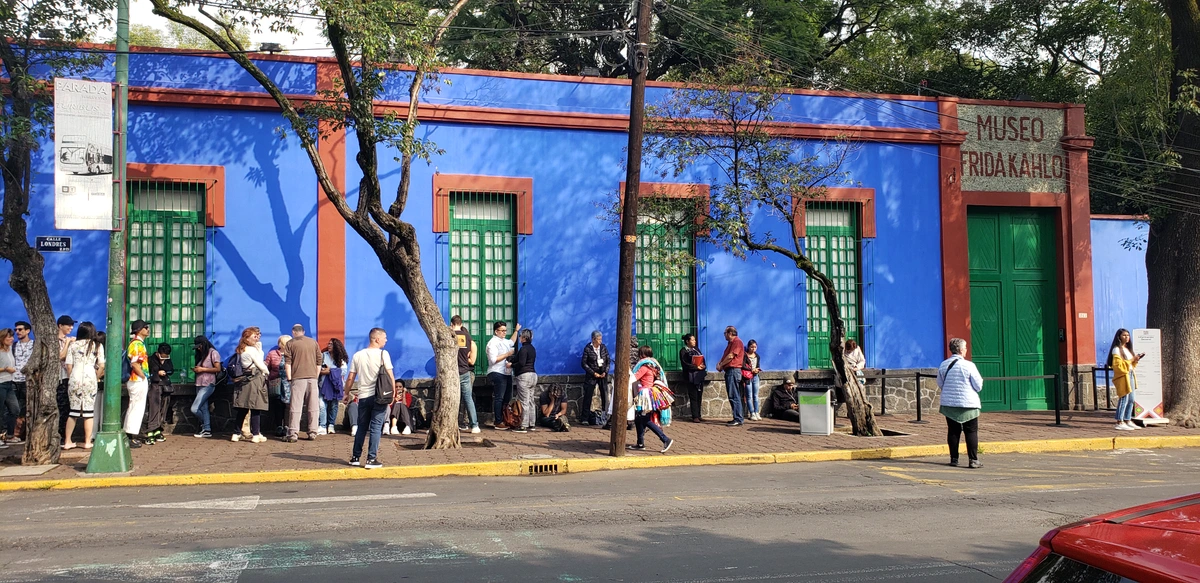
credit, licence
The Man, The Myth, The Politics
You simply can't separate the art from the man; Rivera was a complicated, often contradictory, figure whose life was as grand and turbulent as his canvases. He was a devout and lifelong communist, and his art was his primary, most potent tool for political expression. He firmly believed in the power of art not just to decorate, but to inspire social change, to challenge oppression, and to give a resounding voice to the voiceless masses—the workers, the farmers, the indigenous peoples. His commitment to these ideals, even when controversial, is a powerful lesson in what is design in art with purpose. This intersection of art and unwavering political conviction is what, for me, makes Rivera such an enduring and compelling figure.
Communism as Creative Fuel
Rivera's communism wasn't just an intellectual stance; it was woven into the very fabric of his artistic mission. He envisioned art as a revolutionary weapon, capable of disseminating ideas, mobilizing communities, and countering the narratives of power, a concept that often put him at odds with capitalist patrons, as we saw with the Rockefeller incident. He was a vocal member of the Mexican Communist Party (though he was expelled multiple times for perceived ideological deviations or independent actions, and readmitted, a testament to his fiercely independent spirit!). These 'deviations' often stemmed from his willingness to accept commissions from capitalist titans like Henry Ford and the Rockefeller family, which he pragmatically viewed as opportunities to spread his socialist message to the widest possible audience, even if it meant navigating uncomfortable political waters. His commitment to Marxist ideals directly informed his depictions of class struggle, the dignity of labor, and the vision of a collectivist future. This unwavering political conviction defined the monumental scope and profound social relevance of his entire oeuvre, even if his methods and affiliations were sometimes pragmatic and complex, attracting criticism from both the right and the far left. It's a tricky balance, staying true to your convictions while still finding a platform, something I think many artists grapple with, especially when their art has such a strong political message. His political pragmatism was as much a part of his strategy as his brushstrokes. He even famously offered asylum to Leon Trotsky, a key figure in the Russian Revolution and Stalin's rival, sheltering him and his wife at the Casa Azul in 1937. This decision, while a humanitarian act, further complicated his relationship with the international Communist Party and demonstrated his fiercely independent spirit. This unwavering political conviction defined the monumental scope and profound social relevance of his entire oeuvre, even if his methods and affiliations were sometimes pragmatic and complex, attracting criticism from both the right and the far left.
And then there was Frida Kahlo. Their relationship was legendary: a whirlwind of passion, fierce intellect, infidelity, and a profound, undeniable mutual respect that transcended conventional norms. They were two artistic powerhouses, orbiting each other with a gravitational pull that sometimes led to spectacular collisions, but always kept them deeply connected. Rivera was an early champion of Frida's singular genius, recognizing her unique vision and powerful personal narratives long before many others, even arranging her first solo exhibition in New York in 1938. His unwavering belief in her talent was a significant factor in her early recognition, a testament to his artistic discernment beyond his own monumental ego. Their shared home in Coyoacán, the Casa Azul, became a vibrant hub for artists, intellectuals, and political figures, a testament to their combined cultural impact. It was a place where art and revolution mingled freely, a truly electrifying atmosphere. This dynamic interplay between their personal and professional lives, between their individual creative fires and their shared political convictions, is what makes their story so enduringly captivating. He saw in her a raw, uncompromising honesty that complemented his own grander, more public vision. While their personal life was undeniably tumultuous—filled with separations, reconciliations, and even living in separate but connected homes (the Casa Azul and the adjacent house in Coyoacán)—their artistic and intellectual bond was unbreakable. They often critiqued each other's work fiercely, pushing each other to greater heights, a truly invaluable dynamic for any artist. They shared a home, a political ideology (both were committed communists), and an unwavering, fierce love for Mexico that fueled both of their incredible, world-changing bodies of work. It was a relationship as complex and vibrant as one of Rivera's own murals, a true testament to two souls inextricably linked by art, politics, and a deep understanding of each other's creative fire. Their story, for me, is a powerful reminder that sometimes the most potent artistic collaborations emerge from the most intense personal connections.
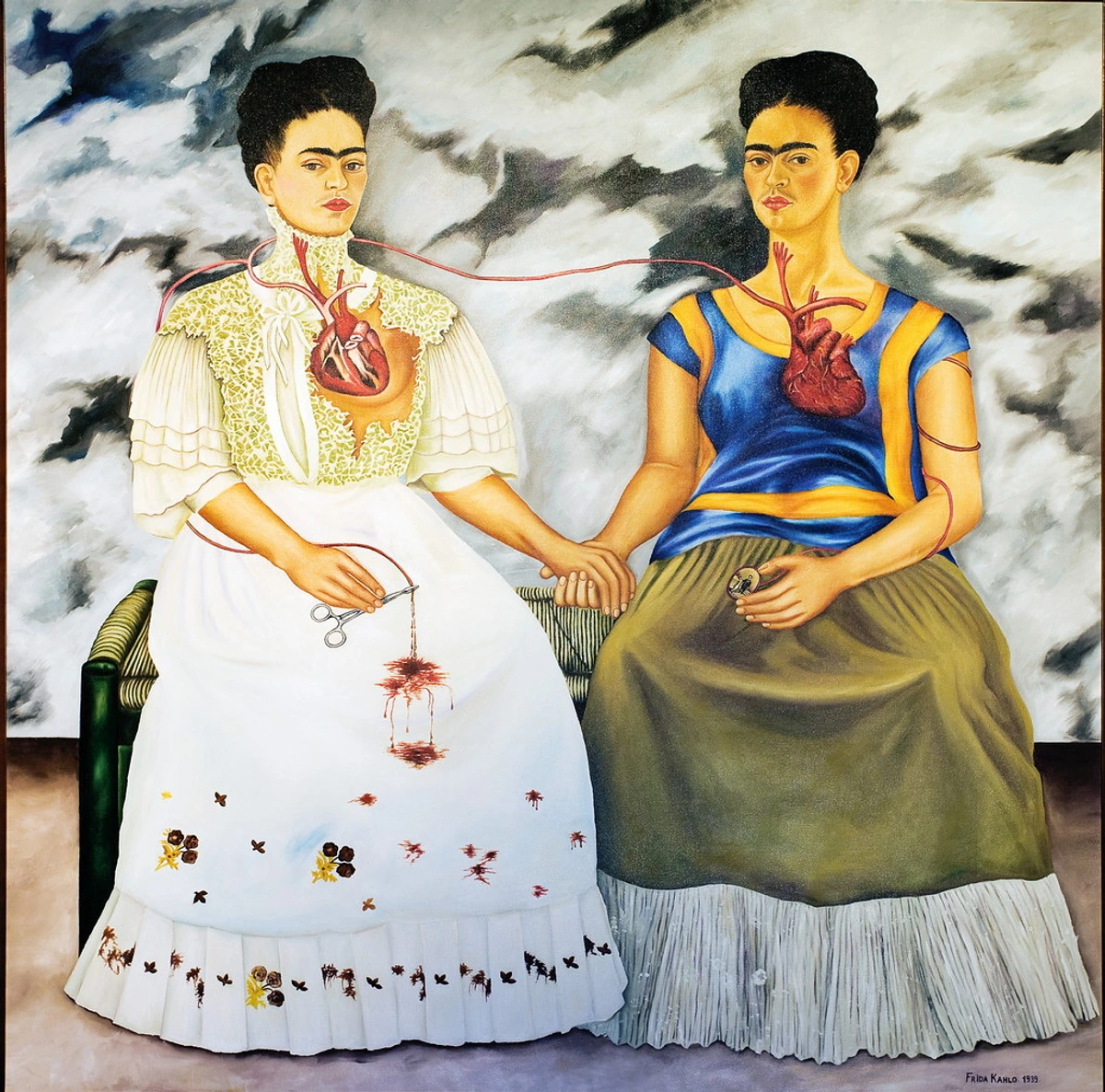
His life, much like his murals, was sprawling, full of intense convictions and human contradictions. You can almost trace its arc by looking at an artist's personal history, something I've explored in my own /timeline. Understanding these complexities is key to appreciating the full scope of his artistic and political journey.
Rivera's Later Life and Artistic Evolution (1940s-1950s)
Even after his most celebrated international commissions, Rivera remained relentlessly active, continuing to produce monumental works that evolved in style and theme, though always rooted in his core convictions. His later years saw him consolidate his legacy in Mexico, often through deeply personal projects. He designed the Anahuacalli Museum in Mexico City, a unique edifice constructed from volcanic rock, intended to house his vast collection of pre-Columbian art and to serve as a multidisciplinary cultural space. This project, conceived as a "City of Arts," was a profound expression of his reverence for Mexico's indigenous heritage, showcasing his architectural vision as well as his artistic one. He also continued to create murals, such as "Dream of a Sunday Afternoon in Alameda Central Park" (1947) at the Hotel del Prado (now Museo Mural Diego Rivera), a whimsical, crowded panorama of Mexican history featuring iconic figures from politics, art, and popular culture, including himself as a child, Frida Kahlo, and La Calavera Catrina. These later works often demonstrate a more reflective, perhaps even nostalgic, engagement with Mexican identity, even as his political convictions remained steadfast. They show an artist continually grappling with his nation's story, seeking to encapsulate its entire sweep within his monumental art, a testament to a lifetime of dedication and an unyielding creative spirit.
Major Murals and Their Locations: A Glimpse into Rivera's World
To truly appreciate the breadth and depth of Rivera's output, it helps to know where his most iconic works reside. Each location offers a unique window into his artistic and political journey.
The table below offers a succinct overview of some of his most iconic works, but remember, each mural is a world unto itself, deserving of deep contemplation.
Finding Rivera: A Guide to His Masterpieces
If you're anything like me, you'll want to see these incredible works in person. While the scale and scope of his output mean you can't see everything, knowing where his most significant murals are located can help you plan your own artistic pilgrimage. Each site offers not just a glimpse of the art, but an immersion into the history and culture that shaped Rivera's vision. From the bustling corridors of the National Palace in Mexico City to the industrial heartland of Detroit, these locations are more than just exhibition spaces; they are living testaments to his enduring legacy. It's a journey I highly recommend for anyone who truly wants to understand the power of public art.
Mural Title | Location | Key Themes & Significance |
|---|---|---|
| The Creation (1922-23) | Anfiteatro Simón Bolívar, Preparatoria Nacional, Mexico City | Rivera's first major mural, marking the beginning of the Mexican Muralism movement; allegorical depiction of the origins of humanity and Mexican identity. |
| Ministry of Public Education (1923-28) | Secretariat of Public Education, Mexico City | Over 120 fresco panels depicting daily life, labor, revolutionary ideals, and indigenous festivals; a visual encyclopedia of post-revolutionary Mexico. |
| Chapingo Chapel Murals (1924-27) | National School of Agriculture, Chapingo, Mexico | Considered a masterpiece of allegorical fresco; themes of fertility, the earth, and the struggles of peasants, culminating in "Liberated Earth with Natural Forces." |
| The History of Mexico (1929-35) | National Palace, Mexico City | His magnum opus; a sweeping narrative of Mexico from ancient times through the Spanish Conquest, colonial rule, and the Revolution, asserting national identity. |
| Allegory of California (1931) | City Club of San Francisco | One of his early US commissions, celebrating California's natural resources and industrial development, often through allegorical figures. |
| The Detroit Industry Murals (1932-33) | Detroit Institute of Arts, USA | A powerful, 27-panel tribute to American industry and labor, depicting the Ford River Rouge Complex with both reverence and critique. |
| Man, Controller of the Universe (1934) | Palacio de Bellas Artes, Mexico City | Recreation of the destroyed Man at the Crossroads mural from Rockefeller Center, showcasing humanity's choice between capitalism and socialism, and affirming his political stance. |
| Pan American Unity (1940) | City College of San Francisco, USA | A massive, multi-panel fresco celebrating the cultural and industrial unity of North and South America, featuring historical figures and technological advancements. |
Beyond the Brushstrokes: Criticism and Controversies
Rivera's life and art were rarely without controversy. While celebrated as a national hero and an artistic genius, he also faced significant criticism from various quarters, becoming a lightning rod for debate, which, honestly, often comes with truly impactful art. His staunch communist beliefs often put him directly at odds with political establishments and wealthy patrons, as famously demonstrated by the Rockefeller incident. But critiques didn't just come from external forces; they also came from within the art world, and even from his ideological comrades.
Some peers, like his fellow muralist José Clemente Orozco, found Rivera's work too narrative, too illustrative, and at times, overly didactic. Orozco, with his more expressionistic and emotionally raw style, preferred to explore universal human suffering rather than specific historical narratives, often openly criticizing Rivera's more "populist" approach. Other criticisms leveled against Rivera included his perceived grandiosity, his often-tumultuous and very public personal life (especially his numerous affairs), and sometimes, perceived shifts or compromises in his political allegiance over time. For instance, his associations with capitalist titans like Henry Ford and the Rockefeller family, despite his vocal socialist leanings, drew sharp criticism and even expulsions from the staunchly orthodox Communist Party. His stylistic evolution, from the intellectual rigor of Cubism to a more accessible, illustrative social realism, was also a subject of intense debate, with some purists seeing it as a capitulation to popular taste rather than a natural artistic progression. Yet, even his strongest detractors could not deny the immense power and widespread impact of his work, which resonated deeply with the common people and fundamentally altered the trajectory of modern art, placing it squarely in the public sphere. It's a reminder that truly groundbreaking artists often navigate a minefield of criticism, both from those they oppose and those they ostensibly align with.
Rivera's Later Years and Enduring Legacy
Rivera continued to paint prolifically throughout his later years, though his influence waned somewhat with changing political tides and artistic trends. He faced health challenges but remained dedicated to his craft, completing several important commissions even as his body began to fail. He passed away in 1957, leaving behind a monumental body of work that continues to resonate globally. His commitment to art and his ideals never faltered, even in the face of physical decline, a testament to his indomitable spirit.
His legacy, however, is not without its complexities. He was a controversial figure, both admired and criticized for his politics, his personal life, and his uncompromising artistic vision. Yet, his impact on art history is undeniable. Rivera almost single-handedly redefined public art, demonstrating its power to educate, inspire, and provoke. He brought ancient artistic traditions into a modern context and gave a voice to the marginalized, fundamentally shaping the visual identity of post-revolutionary Mexico. His work was a powerful assertion of a non-European artistic vision on the global stage, profoundly influencing subsequent generations of artists in Latin America and beyond who sought to use their art for social justice and cultural affirmation. I think his enduring influence speaks volumes about the lasting power of art that is deeply rooted in social and political conviction, something I constantly strive for in my own work. Even as his health declined in his final years, he remained dedicated, completing works like The Water, The Origin of Life (1951) in the Cárcamo de Dolores, an extraordinary underwater fresco within a water purification plant. He also worked on the Anahuacalli Museum project, a unique, pyramid-like structure designed to house his vast collection of pre-Columbian art, a testament to his profound connection to Mexico's indigenous heritage. His commitment to art and his ideals never faltered, even in the face of physical decline, a testament to his indomitable spirit.
Frequently Asked Questions (FAQ)
What were Diego Rivera's primary artistic methods and techniques?
Rivera was a master of fresco painting, a demanding technique involving painting with pigments on wet plaster. This method ensured durability and a luminous finish, making the art an integral part of the architecture. He also employed detailed preparatory drawings called cartoons (full-scale preparatory drawings) and used the sinopia underdrawing technique to plan his massive compositions, demonstrating a profound understanding of classical mural traditions. These techniques, demanding precision and speed, were perfectly suited to his monumental vision. He also experimented with encaustic (wax-based paint) early in his career for works like "The Creation," and incorporated elements of oil painting in his easel works, showcasing his versatility, but fresco remained his preferred medium for public commissions due to its permanence and public accessibility and its inherent connection to architecture. He saw the wall itself as a canvas, dissolving the barrier between art and public space. His mastery of fresco involved a precise, multi-stage process: from the initial coarse plaster layers (arriccio), to detailed preparatory drawings (cartoons) and full-scale underdrawings (sinopia), which served as blueprints. The actual painting was done quickly on small sections of fresh, wet plaster (intonaco) in what is known as a giornata (a day's work), demanding incredible speed and confidence, as corrections were nearly impossible once the plaster dried. This demanding technique, with its inherent permanence, perfectly suited his monumental vision for public, enduring art.
What is Diego Rivera most famous for?
Diego Rivera is most famous for his monumental, large-scale public murals that transformed walls into canvases depicting the rich tapestry of Mexican history, society, and the struggles of the working class. He is unequivocally considered one of the foundational figures, one of Los Tres Grandes, of the Mexican Muralism movement, which sought to make art accessible and relevant to the populace. His ability to tell grand stories on an epic scale, always with a profound social message, is what truly sets him apart. Diego Rivera is most famous for his monumental, large-scale public murals that transformed walls into canvases depicting the rich tapestry of Mexican history, society, and the struggles of the working class. He is unequivocally considered one of the foundational figures, one of Los Tres Grandes, of the Mexican Muralism movement, which sought to make art accessible and relevant to the populace. His ability to tell grand stories on an epic scale, always with a profound social message, is what truly sets him apart. His narrative skill, social commentary, and ability to synthesize diverse artistic and cultural influences—from pre-Columbian art to European modernism—into a uniquely Mexican style are his most enduring claims to fame. His Detroit Industry Murals and The History of Mexico at the National Palace are arguably his most iconic and globally recognized achievements, emblematic of his monumental vision and political conviction.
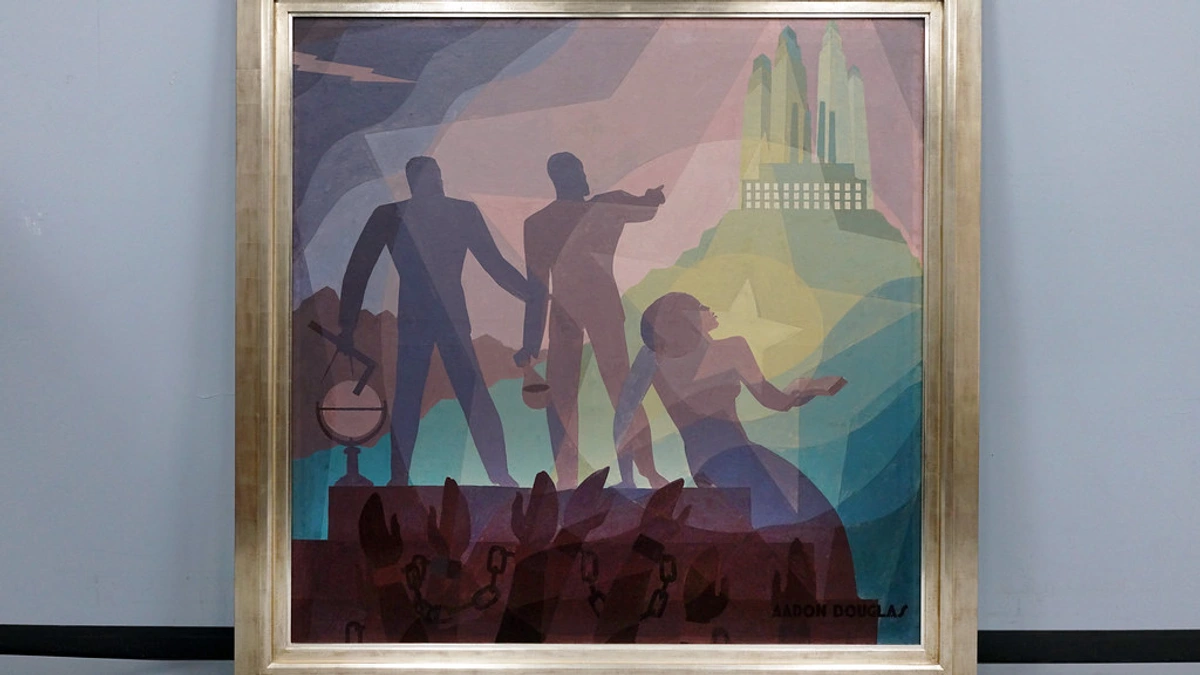
How did Rivera utilize color and symbolism in his murals?
Rivera employed a rich, earthy color palette, often inspired by indigenous art and the Mexican landscape, to convey emotion and cultural identity. He masterfully used symbolism—such as corn representing life, indigenous figures embodying national spirit, and specific historical events—to create complex narratives that were accessible and deeply resonant with the populace. His color choices were not merely aesthetic; they were integral to his storytelling and political messaging, acting as a visual language understood by all, literate or not. This is something I always admire in artists – the ability to use color to tell a story, to imbue it with profound meaning, much like in what is design in art. He wasn't afraid to use vibrant, almost startling colors when depicting the joy of festivals or the dynamism of industry, while opting for more somber, subdued tones to illustrate the brutality of colonialism or social injustice. The colors themselves become characters in his grand narratives, often echoing the very earth and sky of Mexico. Rivera employed a rich, earthy color palette, often inspired by indigenous art and the Mexican landscape, to convey emotion and cultural identity. He masterfully used symbolism—such as corn representing life, indigenous figures embodying national spirit, and specific historical events—to create complex narratives that were accessible and deeply resonant with the populace. His color choices were not merely aesthetic; they were integral to his storytelling and political messaging, acting as a visual language understood by all, literate or not. This is something I always admire in artists – the ability to use color to tell a story, to imbue it with profound meaning, much like in what is design in art. He wasn't afraid to use vibrant, almost startling colors when depicting the joy of festivals or the dynamism of industry, while opting for more somber, subdued tones to illustrate the brutality of colonialism or social injustice. The colors themselves become characters in his grand narratives, often echoing the very earth and sky of Mexico. For instance, the deep blues and greens often evoke the lushness of nature or the pre-Columbian worldview, while fiery reds and oranges can symbolize revolutionary passion or the harshness of conquest, and yellows and golds might represent both indigenous bounty and the avarice of the conquistadors. It's a deliberate and deeply thoughtful use of color as a narrative tool.
What are the main themes in Diego Rivera's art?
Rivera's art is a complex narrative of humanity, power, and identity. Key themes include profound social inequality, the dynamic and often fraught relationship between nature and industrialization, the sweeping history of Mexico from its mystical pre-Columbian origins through the Spanish Conquest and the Mexican Revolution, and an ardent celebration of indigenous cultures, workers' rights, and revolutionary ideals. He often used allegory to contrast capitalist systems with socialist visions, making his murals not just beautiful artworks, but powerful manifestos. His exploration of the human condition through these themes remains incredibly relevant. Moreover, his work frequently explored the concept of mestizaje – the blending of indigenous and European cultures – and sought to elevate Mexico’s unique cultural synthesis as a source of national pride. Rivera's art is a complex narrative of humanity, power, and identity. Key themes include profound social inequality, the dynamic and often fraught relationship between nature and industrialization, the sweeping history of Mexico from its mystical pre-Columbian origins through the Spanish Conquest and the Mexican Revolution, and an ardent celebration of indigenous cultures, workers' rights, and revolutionary ideals. He often used allegory to contrast capitalist systems with socialist visions, making his murals not just beautiful artworks, but powerful manifestos. His exploration of the human condition through these themes remains incredibly relevant. Moreover, his work frequently explored the concept of mestizaje – the blending of indigenous and European cultures – and sought to elevate Mexico’s unique cultural synthesis as a source of national pride. Another pervasive theme is the dignity of labor, portraying common workers and farmers as heroic figures, the true builders of the nation, a clear reflection of his socialist convictions. He also vehemently critiqued foreign intervention and imperialism, portraying the historical exploitation of Mexico by foreign powers as a continuous struggle.
What role did patrons and institutions play in Rivera's career?
Rivera's career was a complex interplay between his socialist ideals and the patronage of wealthy individuals and institutions, both in Mexico and the United States. While figures like José Vasconcelos actively championed his public art in Mexico, his international commissions, such as those from Henry Ford and the Rockefeller family, often led to clashes due to his uncompromising political content. These relationships, though sometimes contentious, provided him the monumental canvases he needed to disseminate his messages globally, even if they occasionally resulted in censorship, as with the Man at the Crossroads mural. This constant tension between artistic vision and commercial realities is a challenge many artists, including myself, still grapple with today. He was a master of navigating these often-contradictory forces, using the very structures of capitalism to propagate his anti-capitalist messages, a truly pragmatic and daring approach. Rivera's career was a complex interplay between his socialist ideals and the patronage of wealthy individuals and institutions, both in Mexico and the United States. While figures like José Vasconcelos actively championed his public art in Mexico, his international commissions, such as those from Henry Ford and the Rockefeller family, often led to clashes due to his uncompromising political content. These relationships, though sometimes contentious, provided him the monumental canvases he needed to disseminate his messages globally, even if they occasionally resulted in censorship, as with the Man at the Crossroads mural. For example, the Ford commission for the Detroit Industry Murals allowed him to depict the dignity of labor within the very heart of American industrial capitalism, a powerful statement in itself. This constant tension between artistic vision and commercial realities is a challenge many artists, including myself, still grapple with today. He was a master of navigating these often-contradictory forces, using the very structures of capitalism to propagate his anti-capitalist messages, a truly pragmatic and daring approach.

Why was Diego Rivera's mural at Rockefeller Center destroyed?
His ambitious mural, Man at the Crossroads, was famously destroyed because it included a prominent portrait of the Soviet communist leader Vladimir Lenin. The Rockefeller family, titans of American capitalism, deemed this offensive and unacceptable political propaganda, particularly during the height of anti-communist sentiment. After Rivera defiantly refused to remove the image, the mural was unceremoniously chipped off the wall in a highly publicized act of artistic censorship, cementing Rivera's reputation as an uncompromising political artist. This event remains a potent symbol of the conflicts that can arise when powerful art confronts established power structures, a story that still echoes in the art world. It underscored Rivera’s unwavering commitment to his ideals, even if it meant sacrificing a major commission and incurring the wrath of powerful patrons. His ambitious mural, Man at the Crossroads, was famously destroyed because it included a prominent portrait of the Soviet communist leader Vladimir Lenin at a crucial intersection of world history. The Rockefeller family, titans of American capitalism, deemed this offensive and unacceptable political propaganda, particularly during the height of anti-communist sentiment in the United States. The mural also featured images of May Day parades and workers' protests, which further fueled the controversy. After Rivera defiantly refused to remove the image, the mural was unceremoniously chipped off the wall in a highly publicized act of artistic censorship, cementing Rivera's reputation as an uncompromising political artist. This event remains a potent symbol of the conflicts that can arise when powerful art confronts established power structures, a story that still echoes in the art world. It underscored Rivera’s unwavering commitment to his ideals, even if it meant sacrificing a major commission and incurring the wrath of powerful patrons. It was a clash of titans, both ideological and artistic, that left an indelible mark on art history.
Did Rivera ever paint outside of Mexico and the United States?
While his most famous works are in Mexico and the US, Rivera did spend a significant portion of his early career in Europe (primarily Paris and Madrid), where he immersed himself in the avant-garde movements of the early 20th century, including Cubism. He also traveled to the Soviet Union in 1927-28 and again in 1955, where he received medical treatment and engaged with the Soviet art scene, although he did not produce major murals there in the same capacity as in North America. During his time in Moscow, he participated in the Tenth Anniversary of the October Revolution celebrations and contributed to discussions about the future of revolutionary art, though no permanent murals resulted from this period. These travels profoundly influenced his political and artistic development, exposing him to diverse ideological currents and artistic practices that he would later synthesize into his unique style. He was a truly global citizen, absorbing influences from every corner of the world to enrich his distinctly Mexican vision. While his most famous works are in Mexico and the US, Rivera did spend a significant portion of his early career in Europe (primarily Paris and Madrid), where he immersed himself in the avant-garde movements of the early 20th century, including Cubism. He also traveled to the Soviet Union in 1927-28 and again in 1955, where he received medical treatment and engaged with the Soviet art scene, although he did not produce major permanent murals there in the same capacity as in North America. During his time in Moscow, he participated in the Tenth Anniversary of the October Revolution celebrations, contributed to discussions about the future of revolutionary art, and shared his experiences with Mexican Muralism, though no permanent murals resulted from this period. These travels profoundly influenced his political and artistic development, exposing him to diverse ideological currents and artistic practices that he would later synthesize into his unique style. He was a truly global citizen, absorbing influences from every corner of the world to enrich his distinctly Mexican vision. His ability to synthesize such a broad spectrum of artistic and political thought is, for me, one of his most defining characteristics as an artist.
What was Diego Rivera's relationship with Frida Kahlo like?
Their relationship was legendary: intensely passionate, undeniably volatile, marked by infidelity on both sides, and deeply codependent. They married twice and divorced once, but despite the personal turbulence, they remained central figures in each other's lives, profoundly influencing each other's art. Beyond the romance, they were intellectual partners in their shared communist political beliefs and their unwavering dedication to forging a uniquely Mexican artistic identity. It's a complex and fascinating bond, where personal passion and shared ideals fueled both individual genius and a collective artistic mission. Their Casa Azul in Coyoacán, now a museum, stands as a testament to their intertwined lives, serving as a vibrant hub for artists, intellectuals, and revolutionaries alike. It was a place where their personal and political lives merged seamlessly, creating an electrifying atmosphere of creativity and activism. Frida's influence on Rivera, though often overshadowed by his monumental public works, can be seen in his more intimate portraits and his deepened appreciation for traditional Mexican folk art, which she passionately championed. Their relationship was legendary: intensely passionate, undeniably volatile, marked by infidelity on both sides, and deeply codependent. They married twice and divorced once, but despite the personal turbulence, they remained central figures in each other's lives, profoundly influencing each other's art. Beyond the romance, they were intellectual partners in their shared communist political beliefs and their unwavering dedication to forging a uniquely Mexican artistic identity. It's a complex and fascinating bond, where personal passion and shared ideals fueled both individual genius and a collective artistic mission. Their Casa Azul in Coyoacán, now a museum, stands as a testament to their intertwined lives, serving as a vibrant hub for artists, intellectuals, and revolutionaries alike. It was a place where their personal and political lives merged seamlessly, creating an electrifying atmosphere of creativity and activism. Frida's influence on Rivera, though often overshadowed by his monumental public works, can be seen in his more intimate portraits and his deepened appreciation for traditional Mexican folk art, which she passionately championed. Similarly, Rivera's initial encouragement and unwavering belief in her talent were pivotal to her early recognition on the international stage, and they engaged in constant artistic critique and support for each other's creative journeys, pushing boundaries in both their public and private works. He saw in her a raw, uncompromising honesty that complemented his own grander, more public vision. While their personal life was undeniably tumultuous—filled with separations, reconciliations, and even living in separate but connected homes (the Casa Azul and the adjacent house in Coyoacán, designed by Juan O'Gorman to symbolize their independence yet connection)—their artistic and intellectual bond was unbreakable. They often critiqued each other's work fiercely, pushing each other to greater heights, a truly invaluable dynamic for any artist. Their shared home, the Casa Azul, became a vibrant hub for artists, intellectuals, and political figures, a testament to their combined cultural impact, where art and revolution mingled freely, creating a truly electrifying atmosphere. They shared a home, a political ideology (both were committed communists), and an unwavering, fierce love for Mexico that fueled both of their incredible, world-changing bodies of work. It was a relationship as complex and vibrant as one of Rivera's own murals, a true testament to two souls inextricably linked by art, politics, and a deep understanding of each other's creative fire. Their story, for me, is a powerful reminder that sometimes the most potent artistic collaborations emerge from the most intense personal connections.
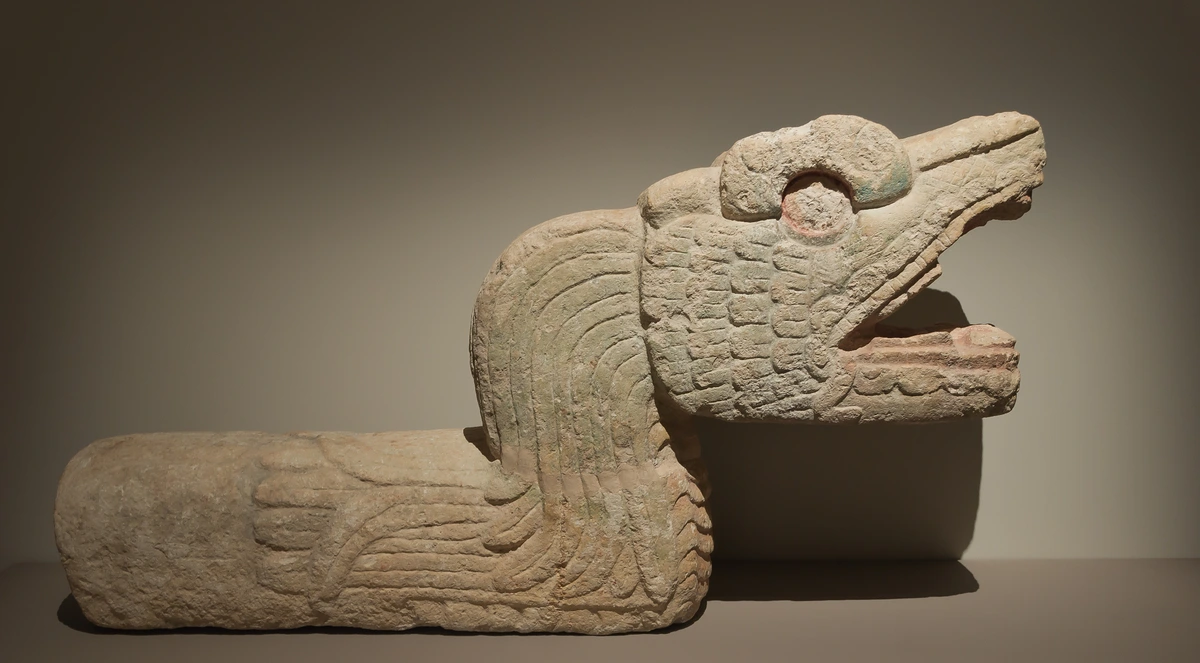
How did Diego Rivera influence later generations of artists?
Rivera's influence extended far beyond Mexico's borders, inspiring artists and movements across the globe. He demonstrated the immense power of public art as a tool for social commentary, education, and national identity-building. His monumental scale, narrative complexity, and fusion of indigenous and modern styles influenced a generation of American muralists, and his political commitment resonated with artists involved in social realism and activist art movements worldwide. Many contemporary public artists still look to his work as a foundational example of art engaging directly with the populace and addressing pressing social issues. It's truly remarkable how his vision transcended his time and place, making him a timeless figure in the history of socially engaged art. He effectively created a blueprint for how art could be both aesthetically profound and deeply socially relevant, a model that continues to inspire activist art and community-based mural projects today, from the Chicano Mural Movement in the US to anti-colonial art in developing nations. Rivera's influence extended far beyond Mexico's borders, inspiring artists and movements across the globe. He demonstrated the immense power of public art as a tool for social commentary, education, and national identity-building. His monumental scale, narrative complexity, and fusion of indigenous and modern styles influenced a generation of American muralists, and his political commitment resonated with artists involved in social realism and activist art movements worldwide. Many contemporary public artists still look to his work as a foundational example of art engaging directly with the populace and addressing pressing social issues. It's truly remarkable how his vision transcended his time and place, making him a timeless figure in the history of socially engaged art. He effectively created a blueprint for how art could be both aesthetically profound and deeply socially relevant, a model that continues to inspire activist art and community-based mural projects today, from the Chicano Mural Movement in the US to anti-colonial art in developing nations. His work proved that art could be a powerful engine for political expression and cultural assertion.
Where can I see Diego Rivera's murals today?
Many of his most important and breathtaking works are prominently displayed across Mexico. In Mexico City, you can find them at iconic locations like the National Palace (his History of Mexico), the Palacio de Bellas Artes (where Man, Controller of the Universe is recreated), the Ministry of Education, and the Anfiteatro Simón Bolívar at the Preparatoria Nacional (The Creation). In the United States, his extraordinary Detroit Industry Murals are a permanent fixture at the Detroit Institute of Arts, and he also has significant works in San Francisco, showcasing his international reach, including the Pan American Unity mural at the City College of San Francisco (now at SFMOMA), and Allegory of California at the City Club. If you ever have the chance, seeing these murals in person is a truly transformative experience, a chance to stand in the presence of history and powerful art. Many of his most important and breathtaking works are prominently displayed across Mexico. In Mexico City, you can find them at iconic locations like the National Palace (his History of Mexico in the grand stairwell, and also smaller murals in the Courtyard of the Fiestas), the Palacio de Bellas Artes (where Man, Controller of the Universe is recreated), the Ministry of Education, and the Anfiteatro Simón Bolívar at the Preparatoria Nacional (The Creation). In Chapingo, the chapel of the National School of Agriculture houses his masterpiece The Liberated Earth. In the United States, his extraordinary Detroit Industry Murals are a permanent fixture at the Detroit Institute of Arts, and he also has significant works in San Francisco, showcasing his international reach, including the Pan American Unity mural at the City College of San Francisco (now at SFMOMA), and Allegory of California at the City Club. If you ever have the chance, seeing these murals in person is a truly transformative experience, a chance to stand in the presence of history and powerful art. It’s like stepping into a living, breathing history book, something far more immersive than any static image can convey.
What was the role of women in the Mexican Muralism movement?
While largely male-dominated, the Mexican Muralism movement did include significant contributions from pioneering women artists. Figures like Aurora Reyes Flores courageously carved out spaces in public art, creating murals that addressed themes of women's rights, education, and revolutionary ideals, often with a fierce feminist perspective. While not primarily muralists, artists like Maria Izquierdo developed distinct modern Mexican styles that offered crucial counterpoints to the monumental narratives of the men, asserting female voices and perspectives within the broader cultural renaissance. Their contributions, though sometimes overlooked in traditional narratives, were vital in enriching the movement's scope and challenging its gendered conventions, paving the way for future generations of women in Mexican art.
How did Rivera's pre-Columbian studies influence his art?
Rivera's fascination with and deep study of Mexico's pre-Columbian civilizations were foundational to his artistic vision. He spent years immersing himself in the art, architecture, and cosmology of the Aztecs, Mayans, and other ancient cultures. This influence is evident in several key aspects of his murals: his use of a monumental scale, echoing the vastness of Mesoamerican pyramids and temples; his integration of indigenous deities and symbols (like Quetzalcoatl) to assert a non-European spiritual heritage; his vibrant, earthy color palettes inspired by ancient frescoes and ceramics; and his narrative compositions, which often borrowed from the sequential storytelling found in pre-Columbian codices. He saw this heritage not as a relic of the past, but as a living, dynamic force that provided the true cultural roots for a new, post-revolutionary Mexico, making it a cornerstone of his nationalist artistic project.
Rivera's Extended Artistic Circle: Beyond "Los Tres Grandes"
While "Los Tres Grandes" (Rivera, Orozco, Siqueiros) dominate the narrative of Mexican Muralism, Rivera's artistic world was far richer, populated by a diverse cast of peers, students, and collaborators. He was a central figure, but not an isolated one, engaging in vigorous debates and collaborations that shaped the movement. This vibrant intellectual ecosystem allowed for a constant exchange of ideas and a collective pushing of artistic boundaries, ultimately enriching the entire movement.
- Dr. Atl (Gerardo Murillo): An influential early mentor and artist who championed indigenous Mexican art and cultural nationalism, paving the way for the muralist movement's themes. His deep commitment to Mexican identity predated the muralists and laid crucial groundwork. He was a geologist, explorer, writer, and painter, a true polymath whose embrace of Mexican landscapes and native themes deeply influenced Rivera. Dr. Atl passionately advocated for a distinct Mexican art, free from European academic constraints, exploring pre-Columbian motifs and natural forms. His vision of a culturally autonomous Mexico, rooted in its own land and history, laid crucial ideological and aesthetic groundwork for the muralist movement even before Rivera's return.
- Maria Izquierdo: A contemporary painter, though not a muralist, who developed a distinct Mexican modernism, often challenging the dominant masculine narratives of the muralists with her vibrant still lifes and portraits. Her independence provided an important counterpoint to the monumental scale of muralism. She was a pioneer for women in Mexican art, asserting a powerful, individual voice in a male-dominated artistic landscape. While not a muralist, Maria Izquierdo's vibrant still lifes, self-portraits, and circus scenes offered a distinct modern Mexican sensibility, often imbued with a poetic and intimate quality that challenged the grand, overtly political narratives of the muralists. Her independence and focus on themes of Mexican popular culture provided an important counterpoint to the monumental scale and ideological fervor of her male contemporaries, proving that Mexican modernism was multifaceted.
- Juan O'Gorman: Architect and muralist, known for his functionalist architecture and his own powerful murals that often depicted scientific themes, social critique, and a strong anti-clerical stance. He famously designed Frida Kahlo and Diego Rivera's twin houses in San Ángel, a striking example of modernist architecture that mirrored the complex dynamics of their relationship. His commitment to integrated art and architecture was profound. O'Gorman was a proponent of functionalist architecture, believing that buildings should be designed with utility and social purpose in mind, and that art should be an integral, not merely decorative, part of that vision. His own murals often depicted scientific themes, social critique, and a strong anti-clerical stance, sometimes with a more graphic and didactic style than Rivera's. He famously designed Frida Kahlo and Diego Rivera's twin houses in San Ángel (connected by a bridge!), a striking example of modernist architecture that mirrored the complex dynamics of their relationship and his own philosophy of integrated art and life.
- Pablo O'Higgins: An American-born artist who became a naturalized Mexican citizen and a close assistant to Rivera, contributing significantly to many of his large-scale works and later becoming a prominent muralist in his own right, focusing on labor themes and strong social realism. His transformation from American artist to dedicated Mexican muralist speaks to the powerful allure and profound ideological draw of the movement. Pablo O'Higgins worked closely with Rivera as a chief assistant on many major commissions, including the Secretariat of Public Education and the National Palace, absorbing the techniques and philosophy of fresco painting firsthand. He later developed his own distinctive style, characterized by a focus on labor themes, the daily lives of the working class, and strong social realism, becoming a prominent muralist in his own right and a dedicated advocate for public art. His work often carried a powerful, understated dignity, reflecting his deep empathy for the common person.
- Aurora Reyes Flores: One of the first prominent female muralists in Mexico, a fierce feminist and socialist, who challenged the male-dominated art scene and depicted themes of women's rights, education, and revolutionary fervor. Her bold imagery is a force to be reckoned with, truly carving out a space for women in a dominant movement. Her powerful contributions often focused on the unsung heroines of the Revolution and the importance of female agency. Aurora Reyes Flores, a fierce feminist, socialist, and active political figure, became one of the first prominent female muralists in Mexico. Her bold imagery challenged the male-dominated art scene, depicting themes of women's rights, education, and revolutionary fervor with an unyielding energy. Her murals, such as those at the Auditorio "Benito Juárez" in Mexico City, are a force to be reckoned with, truly carving out a space for women's voices and experiences within a dominant, often masculine, movement.
- Fermín Revueltas: A multidisciplinary artist, painter, and muralist who was also part of the early muralist movement, known for his work in the National Preparatory School alongside Rivera and Orozco. He brought a unique blend of folk art and modernist influences, contributing to the movement's diverse stylistic vocabulary. His distinctive approach often infused a sense of spiritual depth and indigenous mysticism into his social realist narratives. Fermín Revueltas, a multidisciplinary artist, painter, and muralist, was also a crucial part of the early muralist movement. Known for his work in the National Preparatory School alongside Rivera and Orozco, he brought a unique blend of folk art and modernist influences, contributing to the movement's diverse stylistic vocabulary. His often somber yet powerful murals explored themes of Mexican identity and social struggle with a distinctive, almost spiritual gravitas, leaving a lasting mark despite his tragically short life. These artists, among many others, formed a dynamic intellectual and creative environment that fostered one of the 20th century's most impactful art movements, proving that artistic innovation rarely happens in a vacuum. It's often a lively, sometimes contentious, exchange of ideas and brushstrokes. It’s a bit like the energy in a vibrant art community, where everyone is pushing and inspiring each other to see and create something new. Imagine the conversations, the debates, the shared meals, all fueled by a burning passion for art and Mexico!
These artists, among many others, formed a dynamic intellectual and creative environment that fostered one of the 20th century's most impactful art movements, proving that artistic innovation rarely happens in a vacuum. It's often a lively, sometimes contentious, exchange of ideas and brushstrokes. It’s a bit like the energy in a vibrant art community, where everyone is pushing and inspiring each other to see and create something new. Imagine the conversations, the debates, the shared meals, all fueled by a burning passion for art and Mexico!

Art as a Catalyst: Rivera's Social Commentary
Rivera believed that art could be a powerful catalyst for social change, a tool not just for reflection, but for action. His murals were never merely decorative; they were platforms for his political and social convictions, designed to provoke thought, inspire solidarity, and challenge the status quo. For me, that’s the highest calling of art – not just to be beautiful, but to be meaningful, to be a force. He understood that art could be a powerful engine for social justice and cultural transformation. His work embodied the idea that art could be both a mirror reflecting society's ills and a hammer for forging a better future. He consciously used art to:

- Educate the Illiterate: In a nation with high illiteracy rates, his visual narratives made history, economics, and revolutionary ideals accessible to everyone. He essentially created a public textbook that transcended language barriers, a truly visionary approach to mass education. By depicting scenes of Mexican history, agricultural processes, and revolutionary figures, his murals served as powerful visual primers, allowing even the illiterate to grasp complex concepts and connect with their national narrative. This mass accessibility was a radical departure from traditional art, making knowledge and cultural heritage democratic.
- Celebrate the Marginalized: He consistently placed indigenous peoples, laborers, and farmers at the center of his narratives, elevating their importance and dignity. He gave a monumental voice to those who had historically been silenced or ignored, asserting their rightful place in the national story. His murals prominently featured indigenous peoples, glorifying their ancient civilizations and portraying them as the foundational strength of the nation. He depicted farmers (
campesinos) and factory workers (obreros) as heroic, dignified figures, actively engaged in building a new Mexico, profoundly validating their contributions and existence in a society that had long marginalized them. - Critique Injustice: His depictions of colonialism, capitalist exploitation, and class struggle were unflinching, intended to expose systemic inequalities. He used art as a powerful mirror, reflecting the harsh truths of societal structures and challenging viewers to confront them. His unflinching depictions of the Spanish Conquest and colonial exploitation, the abuses of the hacienda system, and the greed of capitalist industrialists were designed to provoke thought and inspire action. He often contrasted the idyllic communal life of pre-Hispanic societies with the suffering inflicted by European invaders and modern exploiters, making his social critique explicit and powerful.
- Forge National Identity: By drawing on pre-Columbian motifs and Mexican history, he helped solidify a unique, post-revolutionary national identity, distinct from European influences. It was a visual declaration of independence, asserting Mexico’s rich cultural heritage as a source of strength and pride. By meticulously weaving together pre-Columbian myths, the struggles of the Revolution, and a vision of a socialist future, he provided a cohesive and empowering narrative of Mexican identity. His work visually validated the concept of mestizaje, celebrating the blend of indigenous and European cultures as unique and powerful, giving Mexicans a visual language to understand and assert their distinctive place in the world, fostering a collective sense of pride and purpose.
His approach demonstrated that art could transcend the confines of galleries and elite appreciation, becoming a vibrant, public discourse, a concept that profoundly influenced later generations of politically engaged artists worldwide.


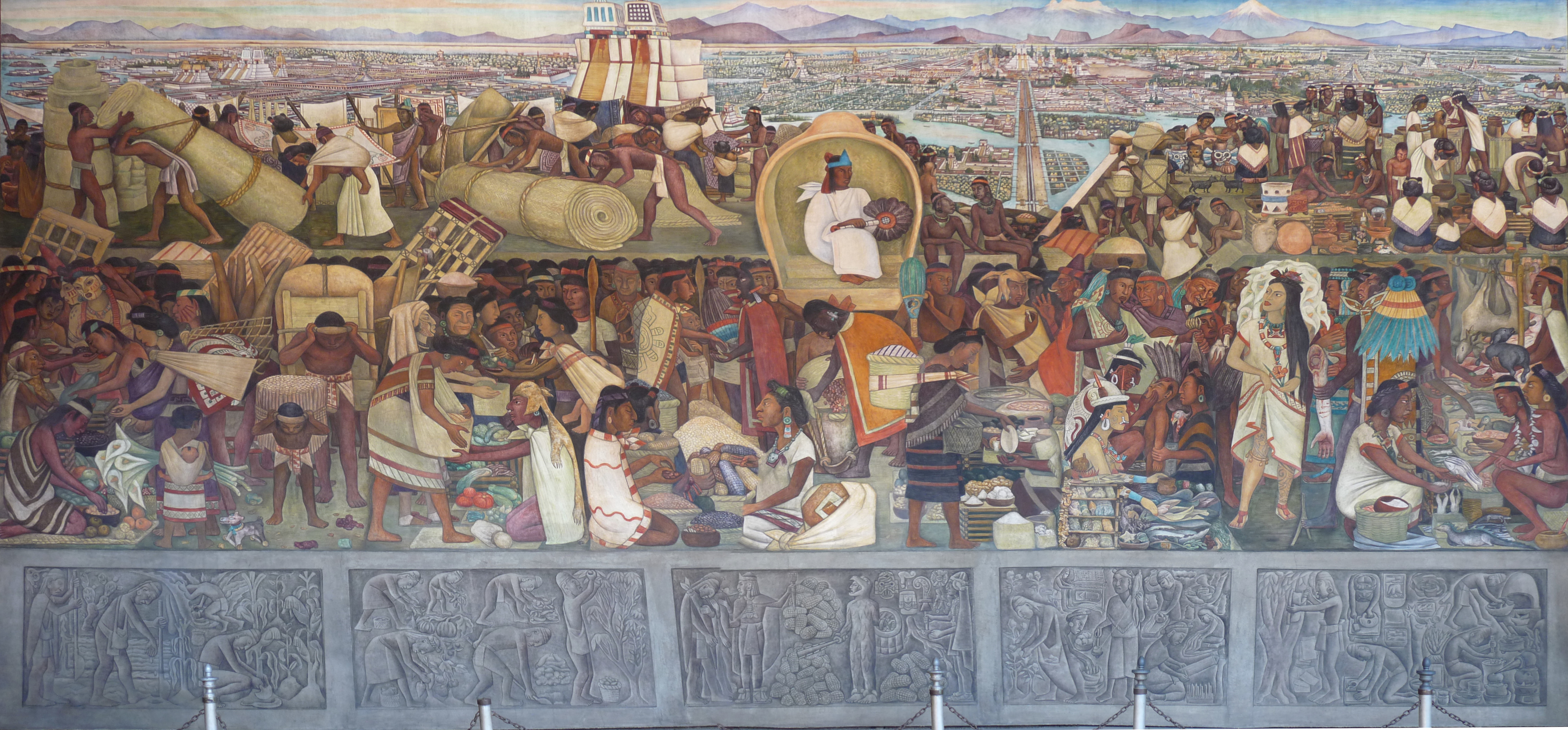


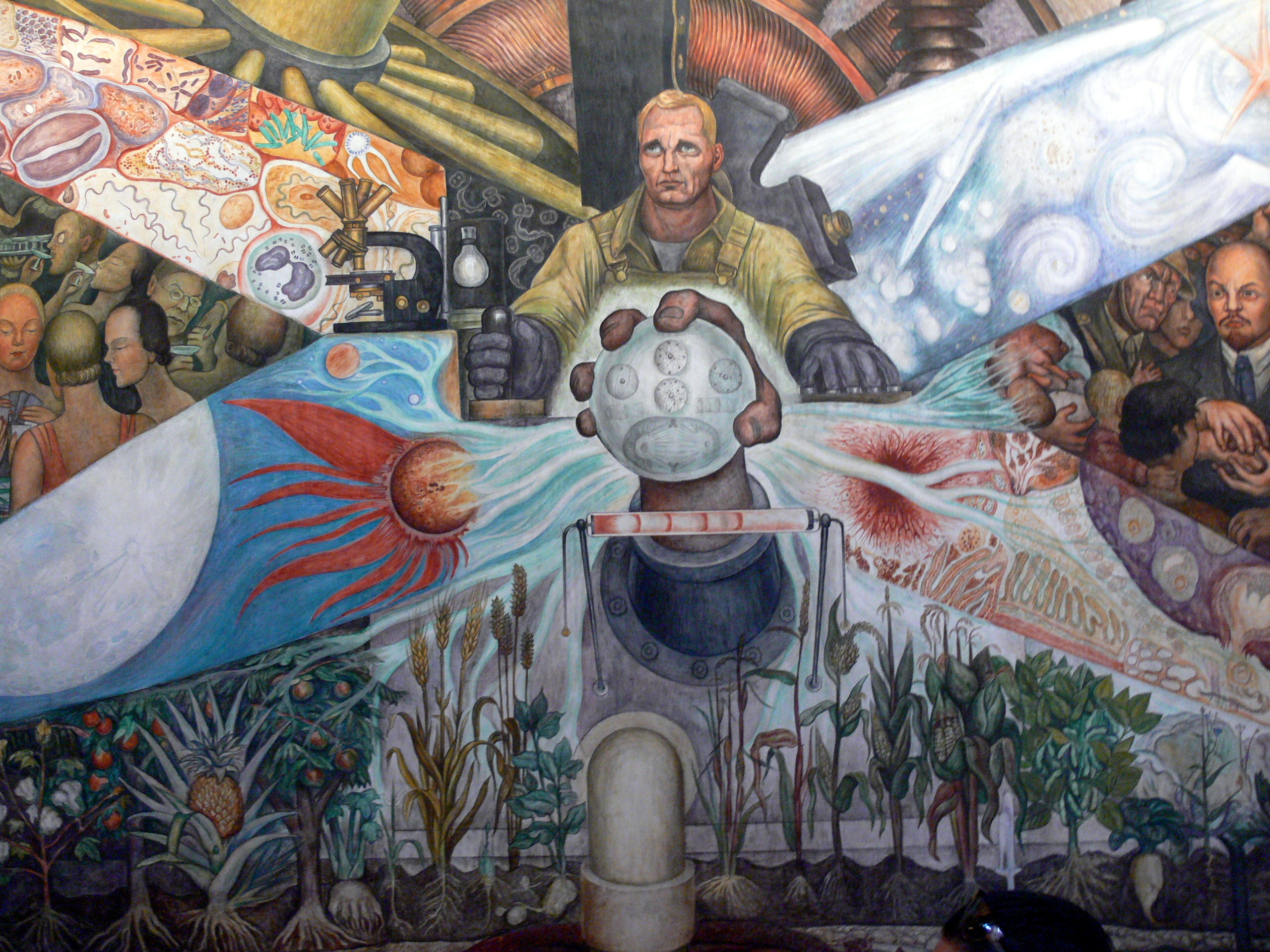


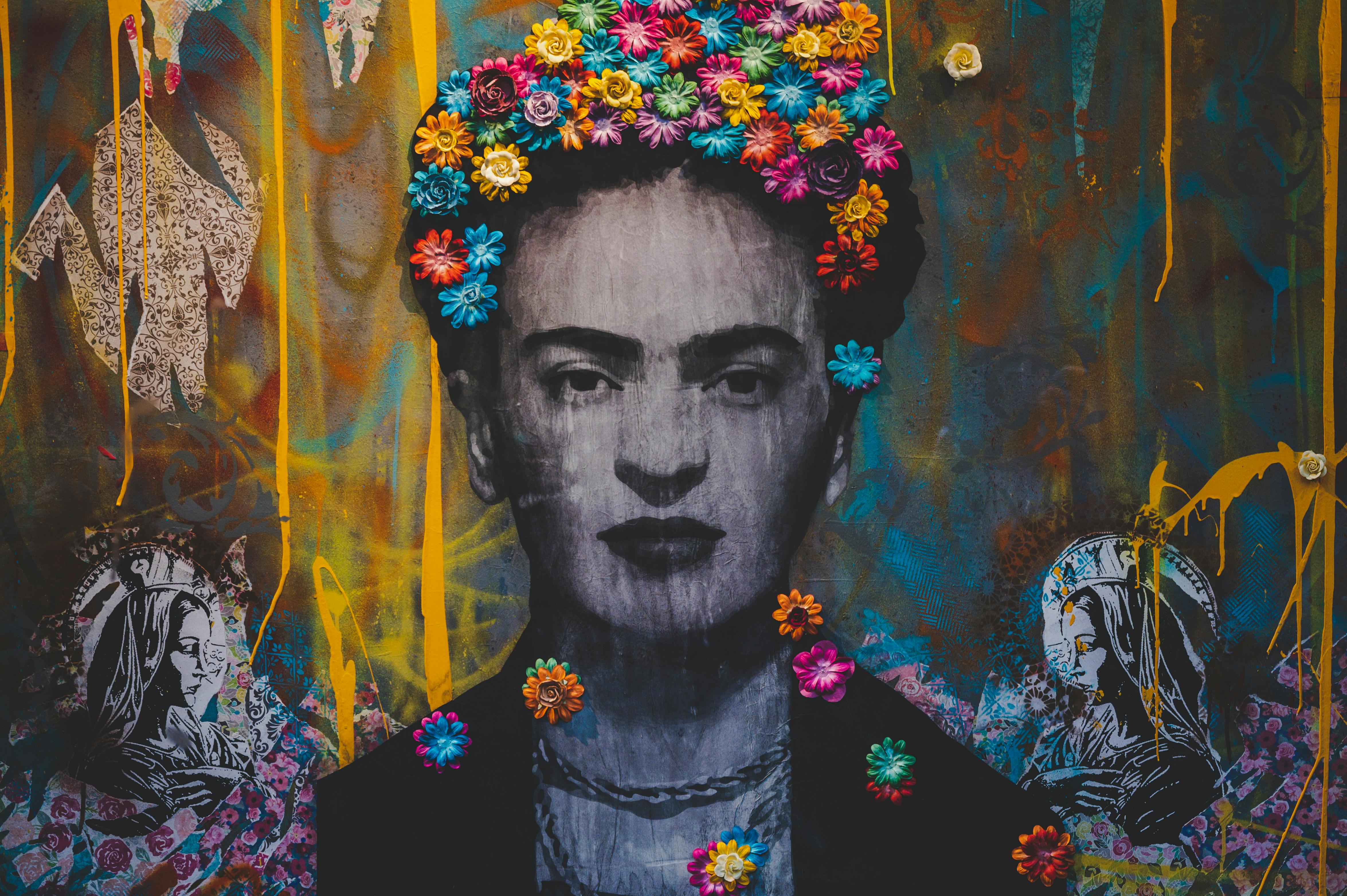







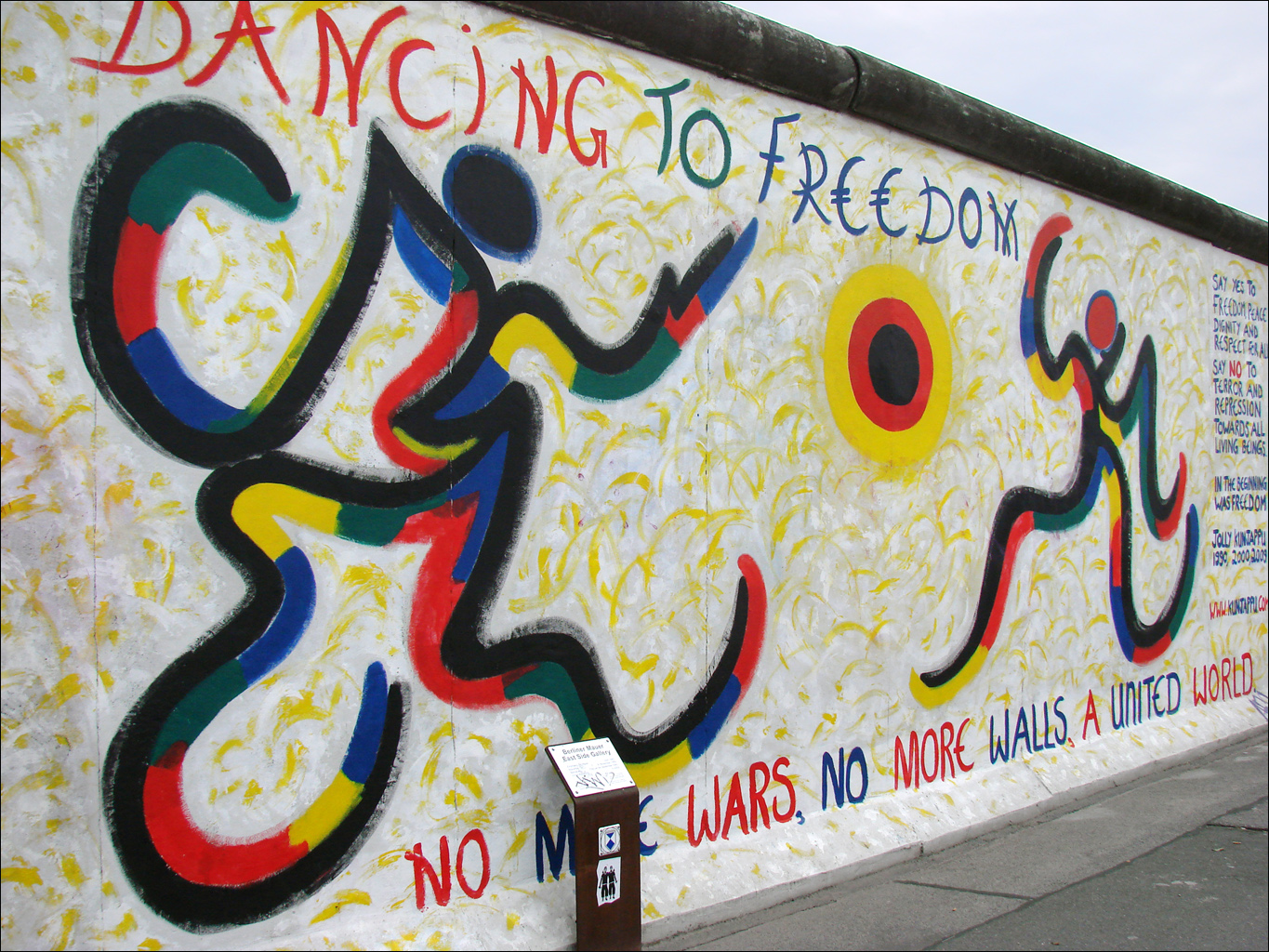
A Legacy Cemented in Stone and Revolution
Diego Rivera did more than just paint pictures; he reimagined the very purpose of art. He reclaimed the public walls of his country, transforming them into a living, breathing history book for all to read. He created an art form that was not destined for private collections or exclusive galleries but was, by its very nature, owned by everyone who walked past it. His work stands as a monumental reminder that art can be so much more than mere decoration; it can be a powerful voice for the voiceless, a potent weapon against injustice, and a mirror unflinchingly reflecting a nation's soul and its aspirations. For an artist like me, his example is a constant reminder that art, at its best, is never passive.
Engaging with Rivera's murals forces you to confront fundamental questions about the purpose and accessibility of art itself—questions that deeply resonate with me in my own studio practice. It challenges you to think about who art is for, and what it can do. His is a legacy cemented in stone and pigment, one that continues to inspire artists worldwide who believe in the transformative power of a single, grand image to tell the most profound human stories, a concept you can explore in the pieces I have for sale [/buy]. He showed us that the walls around us aren't just barriers; they can be canvases for our shared history, our dreams, and our deepest convictions. And that, to me, is truly revolutionary. His murals are not just paintings; they are monuments to the human spirit, etched into the very fabric of a nation. They stand as enduring testaments to the power of art to tell stories, inspire change, and connect generations, proving that the most profound art is often the most accessible, the most deeply human. And that, I think, is a legacy any artist would be proud to leave behind. He truly created an art for the people, by the people, and about the people, a vision that remains powerfully resonant today. When I stand before one of his murals, I don't just see paint on a wall; I feel the echoes of history, the pulse of revolution, and the enduring spirit of a nation. It's a humbling experience that reminds me of the profound responsibility and privilege we have as artists to connect, to communicate, and to inspire. He challenged the very definition of art, pushing it out of elite spaces and into the daily lives of millions, fundamentally altering its purpose and power. And that, I think, is a legacy any artist would be proud to leave behind, a true testament to the transformative power of art and its capacity to etch a nation's soul into its very walls.
Rivera's Enduring Relevance in the 21st Century
Even decades after his death, Rivera's work continues to speak to contemporary issues. His themes of social justice, indigenous rights, environmental concerns, and the impact of industrialization on humanity are as relevant today as they were in his lifetime. In a world increasingly fragmented and digitized, his vision of public, accessible art offers a powerful counter-narrative, reminding us of the importance of shared cultural spaces and collective storytelling. I believe his legacy serves as a constant inspiration for artists and activists alike, challenging us to use our creative voices to address the pressing issues of our time. His art is a timeless call to action, a visual manifesto that transcends generations and reminds us of the enduring power of human connection through shared narratives. Even decades after his death, Rivera's work continues to speak to contemporary issues. His themes of social justice, indigenous rights, environmental concerns, the impact of industrialization on humanity, and the struggle against global capitalism are as relevant today as they were in his lifetime. In a world increasingly fragmented and digitized, his vision of public, accessible art offers a powerful counter-narrative, reminding us of the importance of shared cultural spaces and collective storytelling. I believe his legacy serves as a constant inspiration for artists and activists alike, challenging us to use our creative voices to address the pressing issues of our time, from advocating for marginalized communities to critiquing the excesses of corporate power. His art is a timeless call to action, a visual manifesto that transcends generations and reminds us of the enduring power of human connection through shared narratives. It’s a powerful testament to art’s capacity to remain vital and provocative, continually sparking conversations about power, identity, and the future we want to build, even inspiring new generations of muralists and public artists around the globe.