Textile Art: The Ultimate Guide to Fiber Art, Decor & Investment
Uncover textile art's rich history, diverse techniques, and how fiber art transforms homes. Explore sustainable choices, expert placement tips, care, and investment potential in this comprehensive guide to weaving warmth and soul into your space.

Textile Art: Weaving Warmth, Texture, and Soul into Your Home – The Ultimate Guide to Fiber Art
I have a confession to make, and it might surprise you: for the longest time, when someone mentioned "art," my mind immediately went to paintings. You know, those bold colors on canvas, abstract expressions that made me think or feel, even the quiet contemplation of a minimalist piece. Textile art? Honestly, it felt a little... secondary. It conjured images of cozy, rustic cabins, not the bold, contemporary spaces I aspired to create. But oh, how wrong I was. My perspective didn't just shift; it utterly flipped. And I'm not alone; there's a quiet, profound revolution happening as more and more of us rediscover the transformative power of fiber.
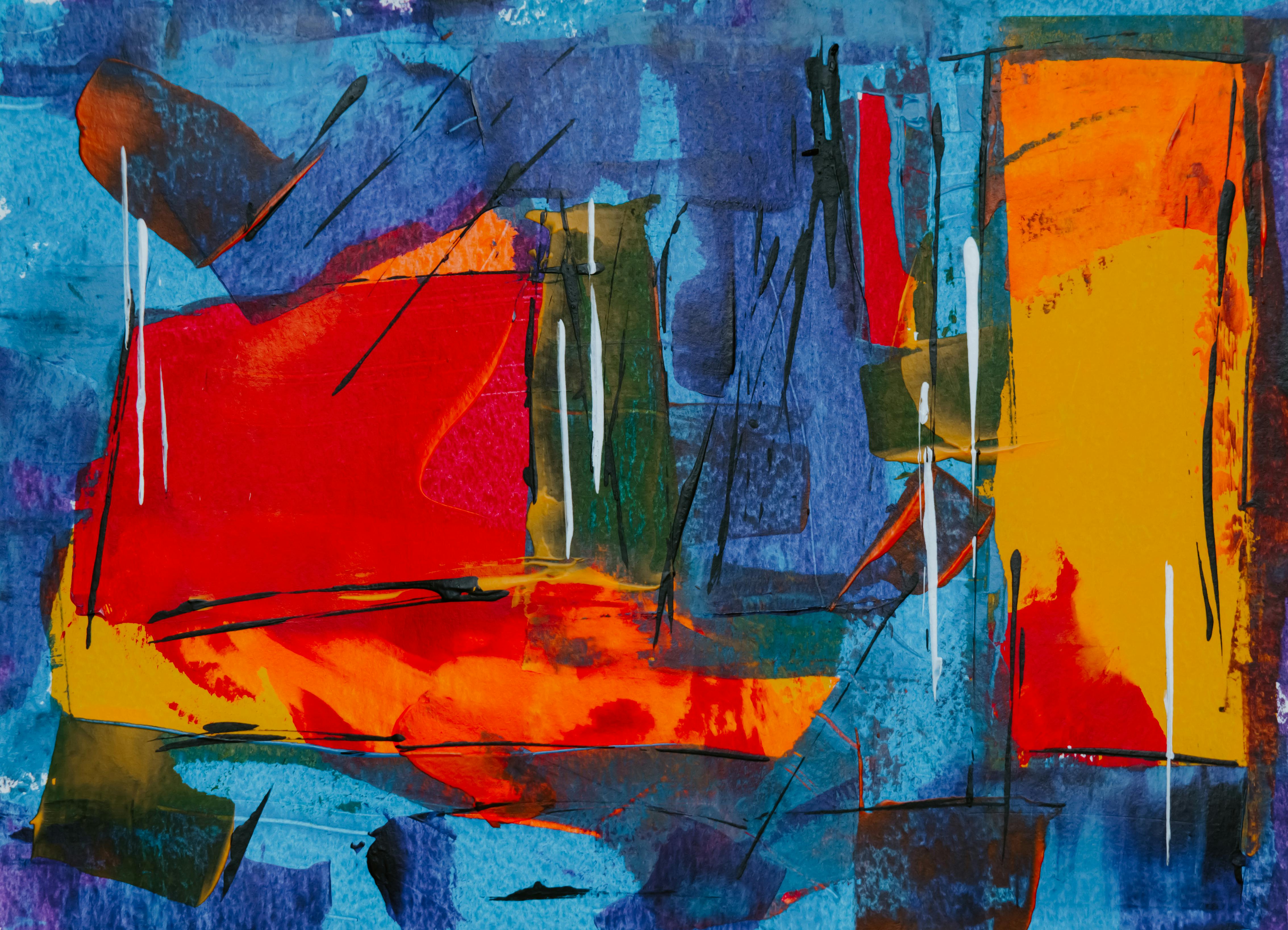
I remember staring at a rather sterile corner of my own living room, a beautiful abstract painting already adorning one wall (similar in its vibrant energy to many contemporary works I admire), yet something crucial was missing. A deep, almost primal craving for softness, for something that hummed with a different kind of life. That’s when the thread began to unravel, quite literally, on my understanding of what art could truly be. This realization wasn't just a personal epiphany; it was the start of a journey to understand how fiber and fabric could infuse our living spaces with an entirely new dimension of warmth, texture, and meaning, contributing to a profound sense of well-being. In this ultimate exploration, designed to be the most comprehensive and engaging guide you'll find, we’ll delve into textile art’s rich, millennia-spanning history, diverse and ever-evolving techniques, profound impact on our living spaces, its potential as a lasting investment, and even its crucial ethical considerations. We'll prove that art truly can be felt, not just seen. Are you ready to dive into the unexpected embrace of textile art and transform your home into a sanctuary of tactile beauty?
What Exactly Is Textile Art? Beyond the Blanket and the Brush
So, what exactly am I talking about when I say "textile art"? It's far more than just a blanket artfully draped over a sofa, although even that can be an intentional artistic statement. And no, it’s certainly not "just sewing" or "only for grandmothers" (though, let’s be honest, grandmothers often possess incredible skill!). I'm talking about a vast, rich world encompassing everything from grand tapestries and intricate woven wall hangings to delicate embroideries, expressive macramé, sculptural quilted pieces, and even freestanding, architectural fiber sculptures that push beyond traditional flat surfaces into dynamic, three-dimensional forms. It even extends into mixed-media fiber art, combining textiles with paint, metal, or digital elements, and the growing field of digital textile art where patterns and designs are created and even woven with technological precision.
These aren't merely crafts, though they certainly demand incredible skill and dedication. They are profound artistic expressions, often deeply personal, created with techniques that have been passed down through generations, yet are constantly being reinvented by contemporary artists. It’s art you can almost feel with your eyes, and often, with your hands too – a truly multi-sensory experience few other mediums can offer. Imagine the cool smoothness of silk, the comforting ruggedness of raw wool, or the playful bounce of a thick cotton rope. This tactile engagement isn't just about touch; it influences our emotional responses, creating a deeper, more intimate connection than visual art alone. It's about stories told through thread, emotions expressed in texture, and forms shaped by fiber. It's about the tangible connection to human ingenuity and touch, a warmth that radiates from every knot and stitch.
A Tapestry of History: From Ancient Civilizations to Contemporary Revolutions
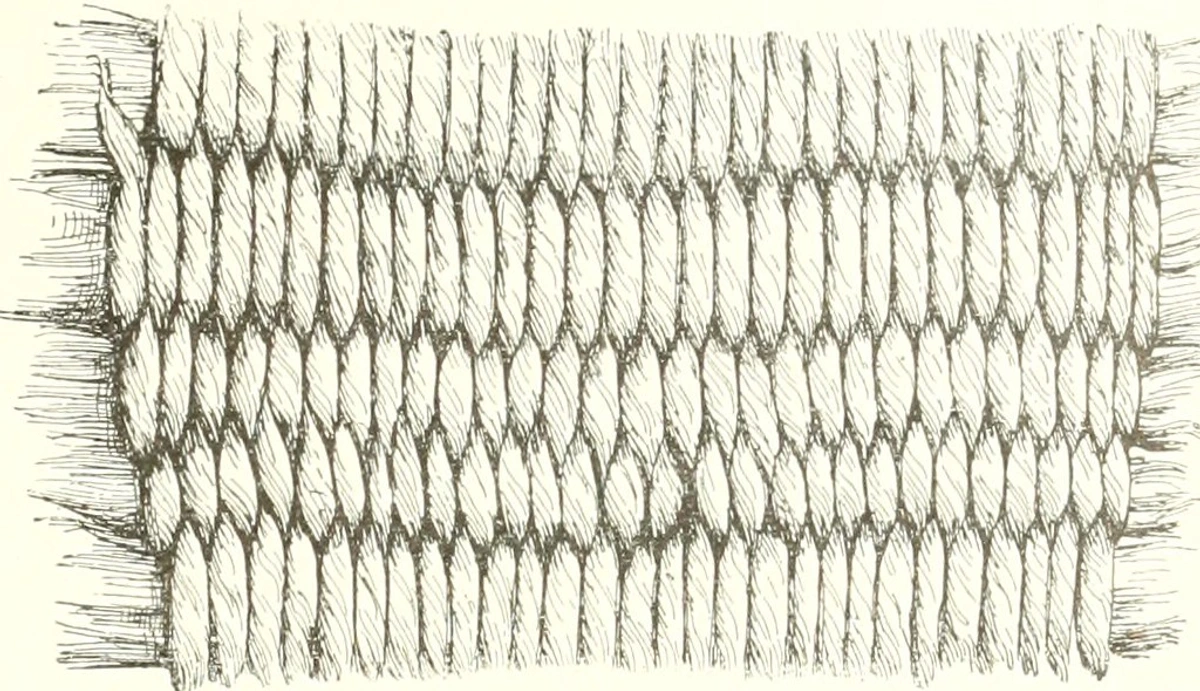
To truly appreciate textile art, I find it helps to glance back through time. This isn't a fleeting trend born of Instagram aesthetics; it’s an art form with roots stretching deep into human history, long before canvas and paint were common. Think about it: humans were weaving stories and meaning into fibers for millennia. This rich heritage adds layers of meaning to every piece, a quiet hum of connection to countless hands and minds that came before.
Ancient Roots: Weaving Worlds and Stories Across Continents
Our journey begins in the distant past, where textiles were not just practical necessities but powerful conduits of culture, status, and belief. From the intricate linen textiles of ancient Egypt, meticulously woven for everything from clothing to shrouds for mummies (a testament to their advanced weaving techniques and often found remarkably preserved, like fragments from Tutankhamun's tomb), to the vibrant Paracas textiles of pre-Inca Peru – where complex patterns and elaborate embroidery weren't just decorative, but told powerful stories, marked status, and even served as mnemonic devices like the famous quipus (knotted strings used for record-keeping and transmitting information). Imagine the sheer effort and symbolic weight embedded in these pieces, a testament to ancient civilizations' sophisticated artistic and cultural expressions. Don't forget the remarkably preserved Dead Sea Scrolls textiles, offering a rare glimpse into ancient Judean weaving.
Moving further afield, the Roman Empire, renowned for its architectural prowess, also excelled in textile production. While often reflecting Hellenistic styles, Roman weavers produced intricate tapestries and patterned silks, disseminating techniques and motifs across vast territories. Similarly, the Byzantine Empire became a powerhouse of silk production, known for its opulent, richly embroidered fabrics featuring religious iconography, imperial portraits, and vibrant patterns, often influencing textile design throughout Europe and beyond. In the Islamic world, textile art flourished with unparalleled geometric precision and calligraphic beauty. From the exquisite carpets of Persia to the intricate silk brocades of Andalusia, Islamic textile artists pioneered complex patterns, sophisticated dyeing techniques, and luxurious materials that influenced global trade and artistic trends for centuries, showcasing an incredible mastery of color and form.
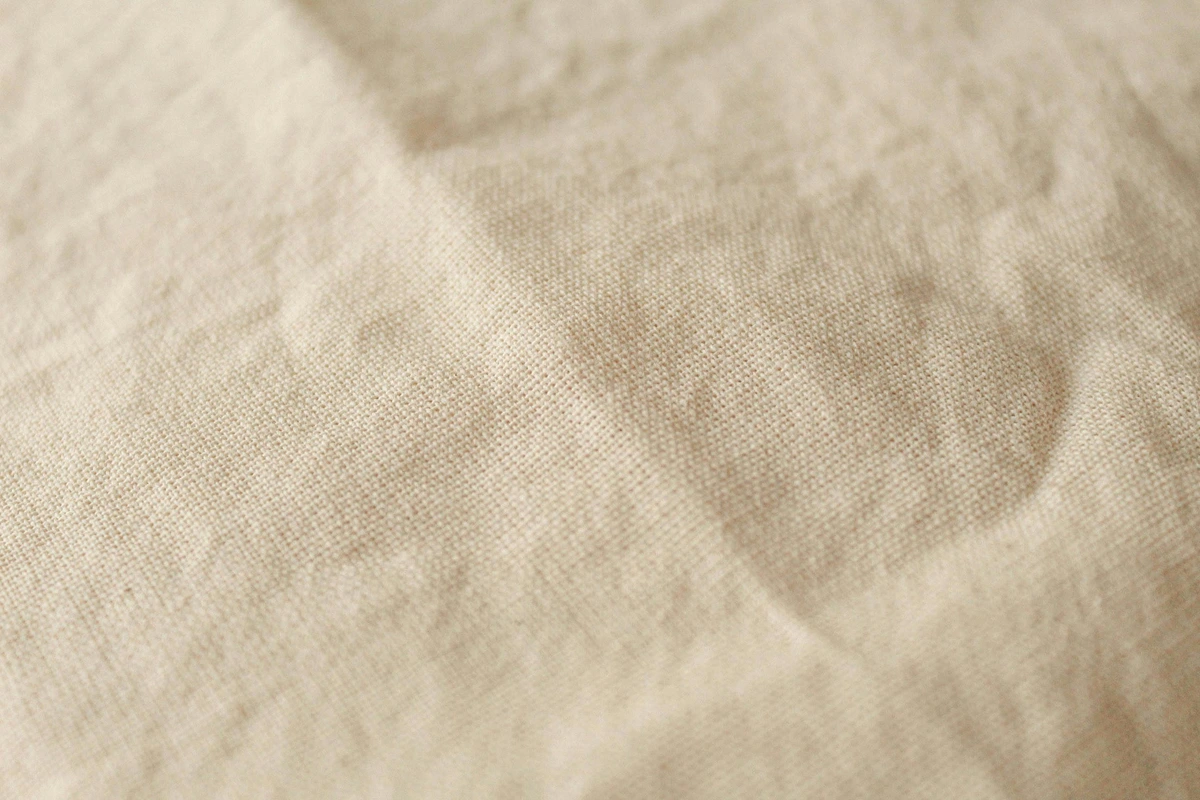
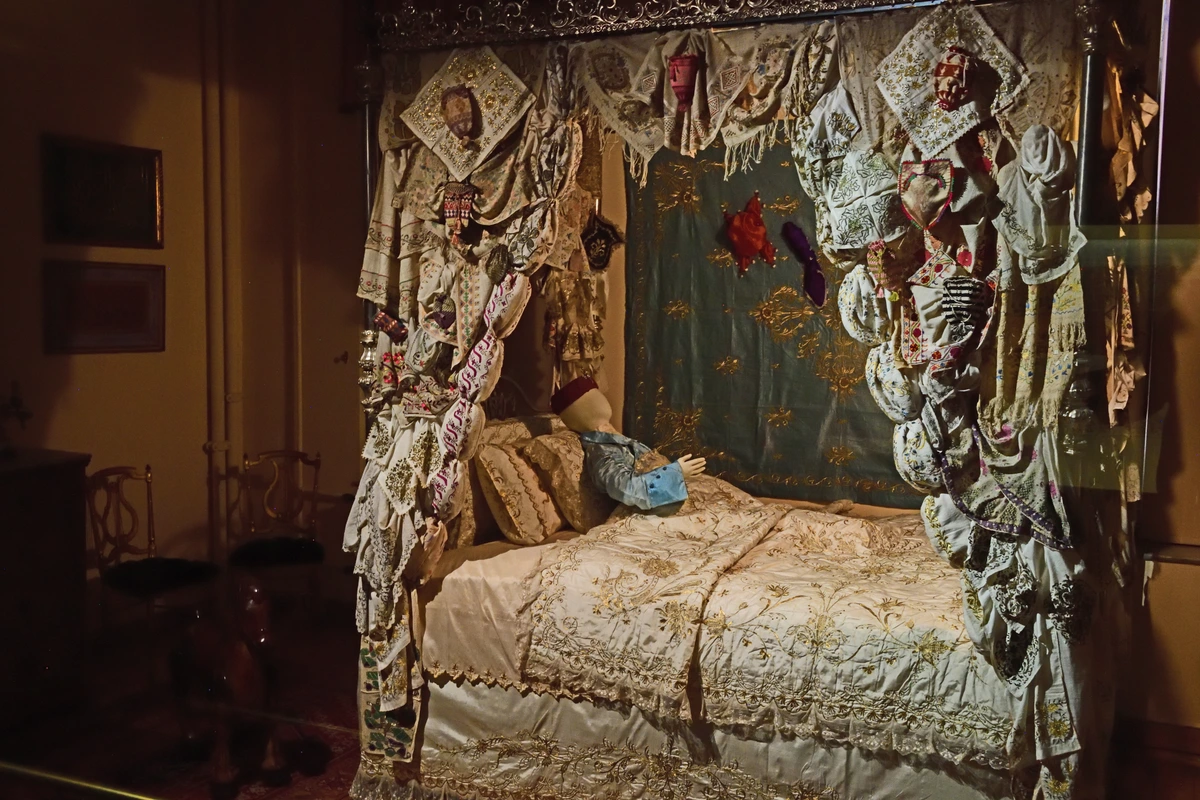
And it's not just these well-known examples; countless indigenous cultures across North America (like the intricate Navajo weavings, known for their durable natural dyes and symbolic patterns; the elaborate button blankets of the Haida and Kwakwaka'wakw peoples; or the distinctive textile traditions of the Pueblo cultures, often incorporating elements like cotton and yucca fibers) and Central America (such as the vibrant Mayan backstrap loom work, a technique allowing for highly portable and intricate weaving, alongside impressive featherwork and bark cloth art by the Aztecs), as well as ancient civilizations in India (known for its block-printed and embroidered fabrics, with specific regions like Banaras celebrated for their intricate silk brocades and Rajasthan for its Gota Patti embroidery) and China (with its millennia-old silk weaving traditions, including elaborate brocades and tapestries, reaching peaks of innovation during the Han and Tang Dynasties), have woven their histories, beliefs, and identities into textiles. These ancient pieces were sophisticated, symbolic, and undeniably artistic, evoking a sense of reverence and wonder.
credit, licence
Beyond these, consider the intricate Kente cloth of the Ashanti and Ewe peoples of Ghana, each strip woven with specific symbolic colors and patterns representing proverbs, historical events, or social status. Or the Bogolanfini (mud cloth) of Mali, where fermented mud dyes create earthy patterns that tell stories and offer protection. And the vibrant Ndebele beadwork from Southern Africa, which communicates a woman's marital status and personal history through intricate geometric designs. Each tradition, a tapestry of human experience, a testament to the innate human drive to create and communicate through fiber.
Medieval Grandeur and the Industrial Shift
As civilizations evolved, so did the ambition and scale of textile art. Then came the grand medieval European tapestries that adorned castles, depicting epic sagas, hunting scenes, and religious narratives. Think of the famous Bayeux Tapestry, an embroidered cloth nearly 70 meters long depicting the events leading up to the Norman conquest of England, or the majestic Apocalypse Tapestry from Angers, France, the largest known medieval tapestry, illustrating the Book of Revelation. These monumental works, often created using intricate warp-faced weaving techniques primarily with wool and linen, served crucial functions beyond aesthetics: warming cold stone walls, muffling echoes, and effectively insulating drafty rooms. The tactile grandeur of these pieces must have been awe-inspiring, creating an immersive visual and physical experience in otherwise cold environments. This tradition continued to evolve through the Renaissance and Baroque periods, with tapestries becoming increasingly complex, often based on designs by renowned painters, blurring the lines between painting and weaving. They were monumental works, requiring vast workshops and years of labor.
Fast forward to the Industrial Revolution, and textile production transformed dramatically. Mechanized looms brought unprecedented efficiency, shifting production from individual artisan workshops to large-scale factories. While this democratized access to textiles, it also led to a decline in artisanal craftsmanship and a perception of textiles as mere utilitarian commodities, rather than fine art. The social fabric itself was rewoven, with mass production creating new labor systems and impacting traditional communities. But this mechanization also spurred a counter-movement: the Arts and Crafts Movement in the late 19th and early 20th centuries, which championed a return to handmade goods and traditional skills, laying groundwork for later artistic revivals and a renewed appreciation for the artisan's hand.
credit, licence
The Modern Fiber Art Revolution: Art Beyond the Frame
The modern fiber art movement, emerging strongly in the mid-20th century, truly pushed these traditional techniques beyond their functional origins. Artists began embracing sculptural forms, abstract expressions, and innovative materials, challenging the traditional hierarchy of "fine art" versus "craft." This distinction, in my view, is increasingly fluid; what defines art isn't just the medium, but the artistic intent, conceptual depth, and critical reception behind it. Historically, this often served to diminish the work of women and indigenous artists, and contemporary fiber artists are actively dismantling that outdated hierarchy. Movements like the Studio Craft Movement in the 1960s, led by figures such as Sheila Hicks who famously explored monumental fiber installations, and Anni Albers, whose Bauhaus-influenced abstract weavings redefined the medium, elevated textiles to fine art status. Albers, a pioneering textile artist, systematically explored the structural possibilities of weaving, treating thread as a building material for abstract compositions, often in stark contrast to her male Bauhaus counterparts. Other pioneers like Lenore Tawney, Claire Zeisler, and Olga de Amaral expanded the language of fiber, often pushing textiles into three-dimensional space or unconventional forms, with Olga de Amaral particularly noted for her golden fiber constructions that blur painting and sculpture.
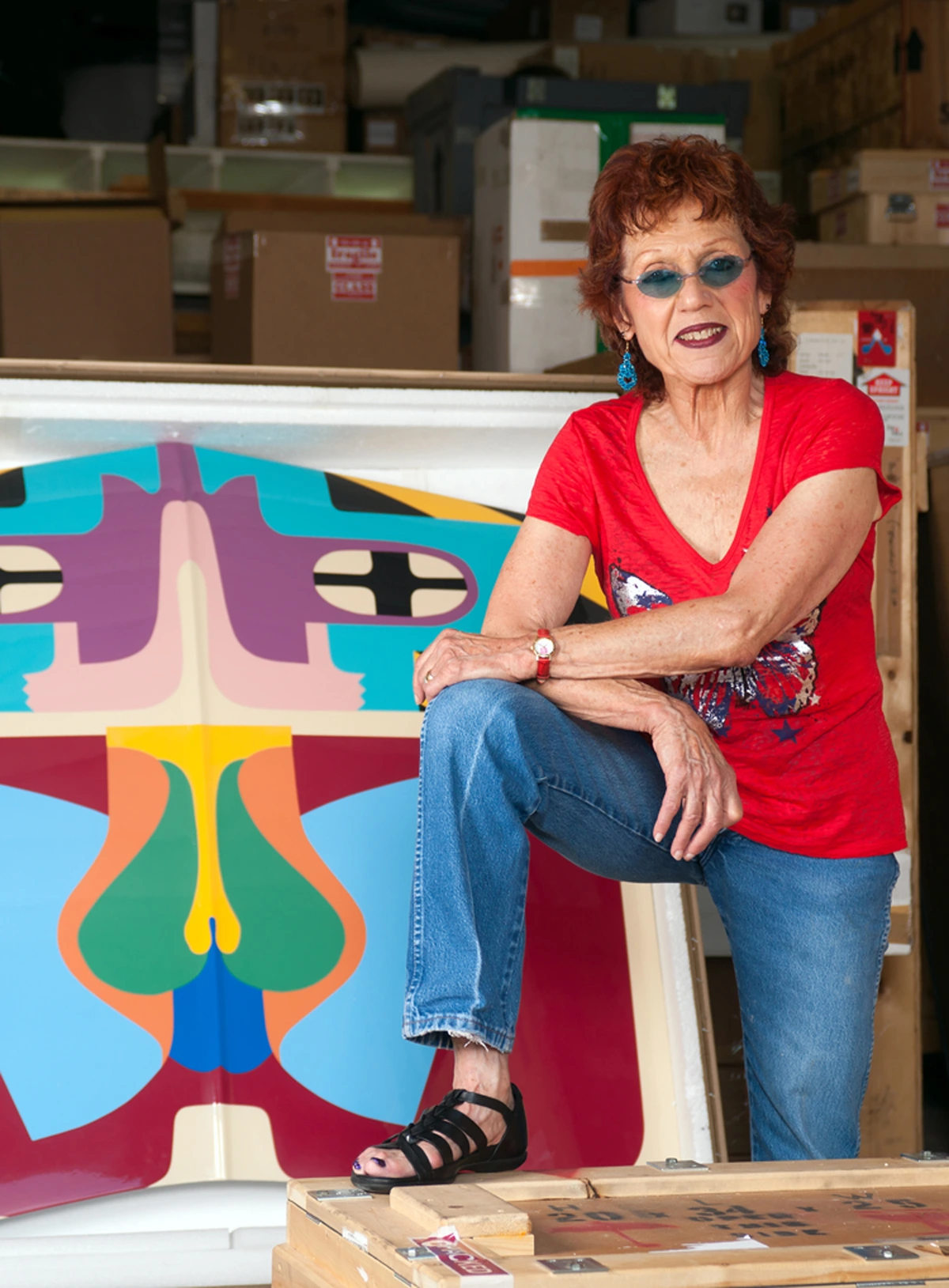
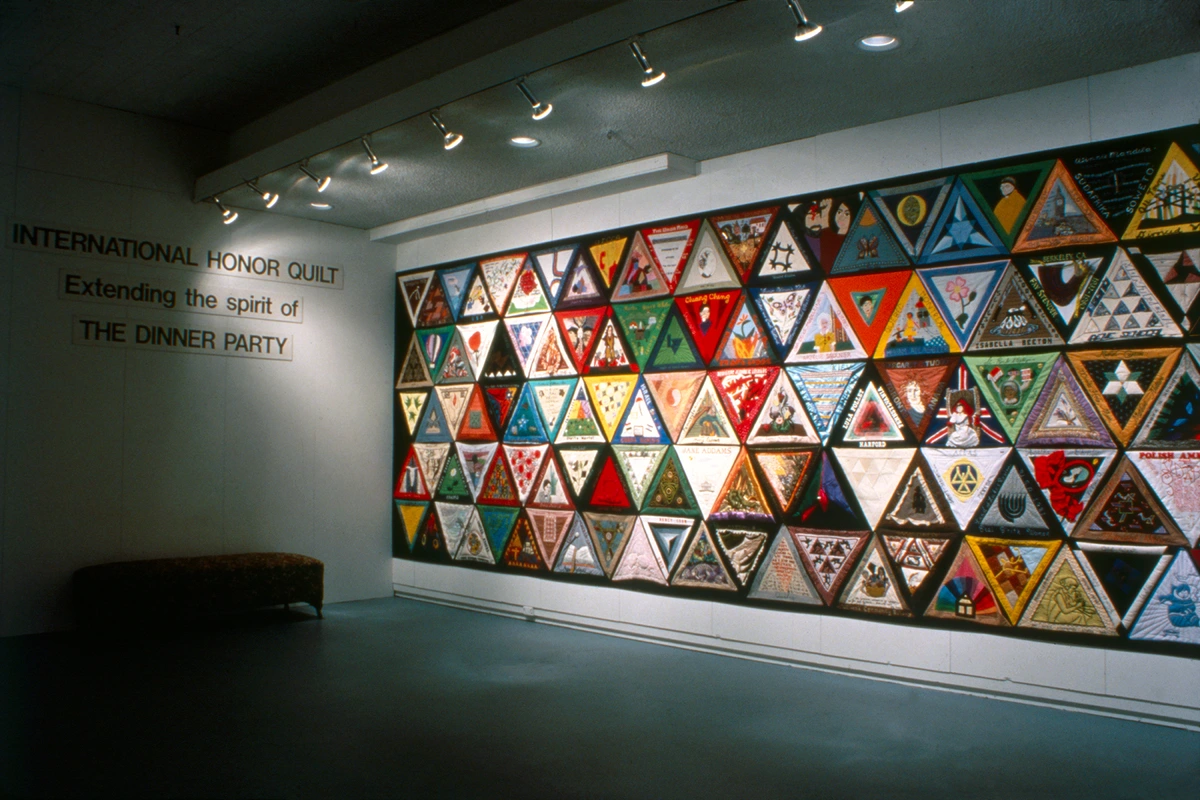
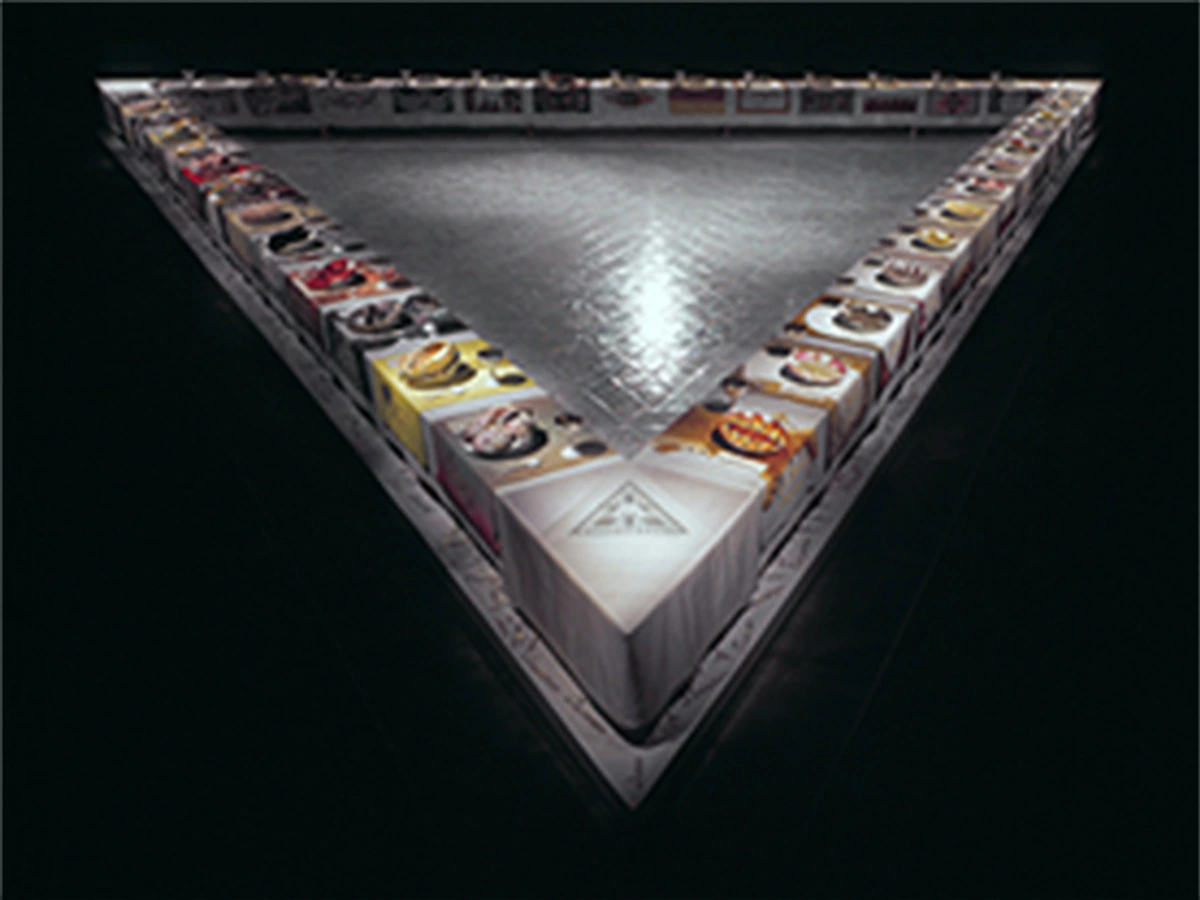
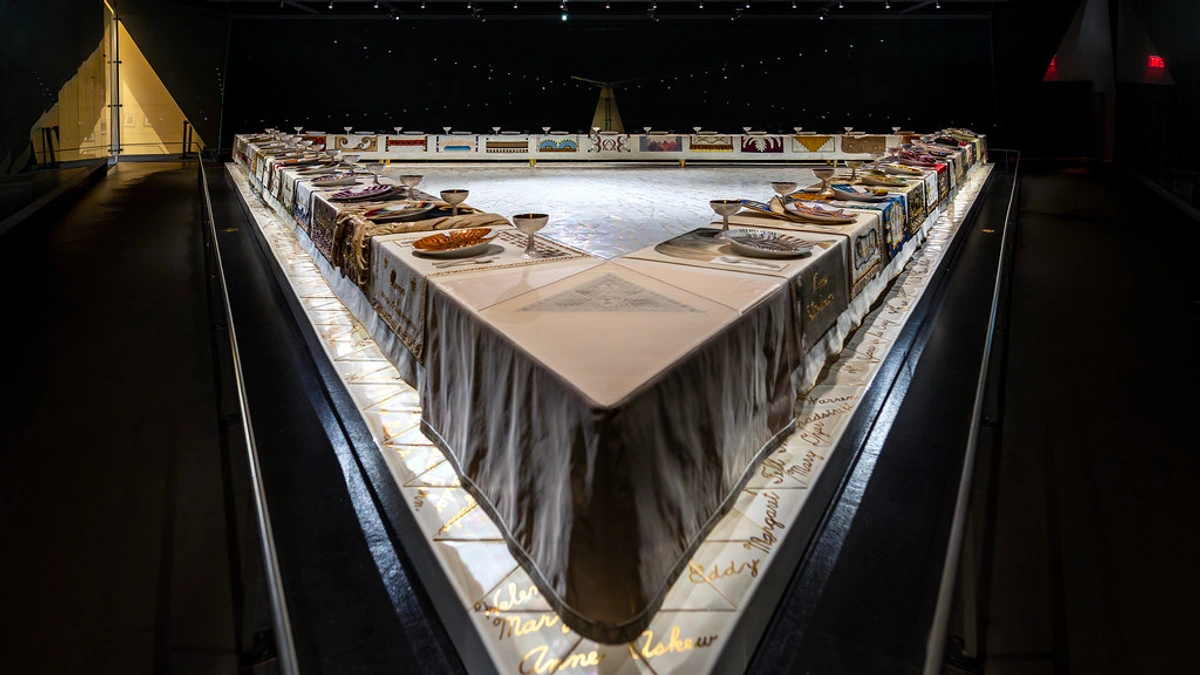
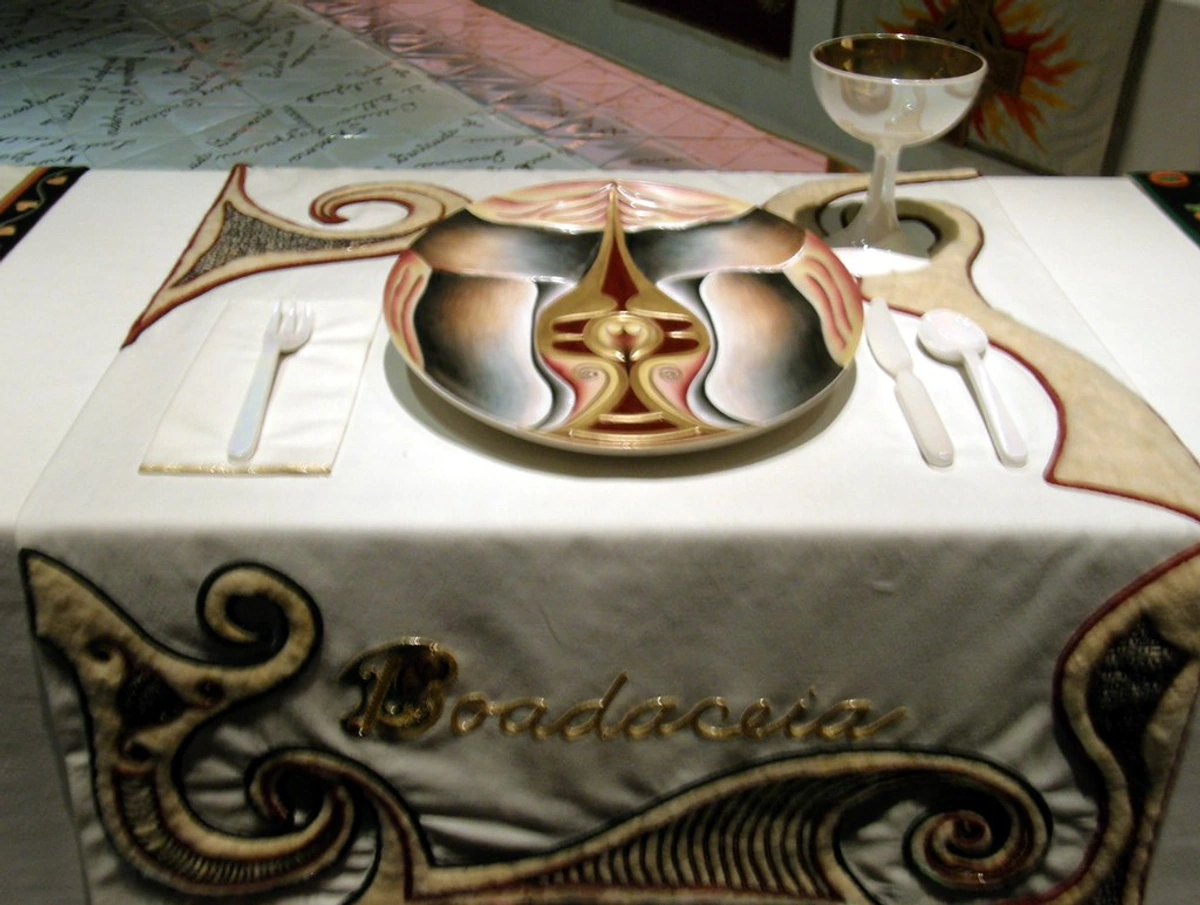
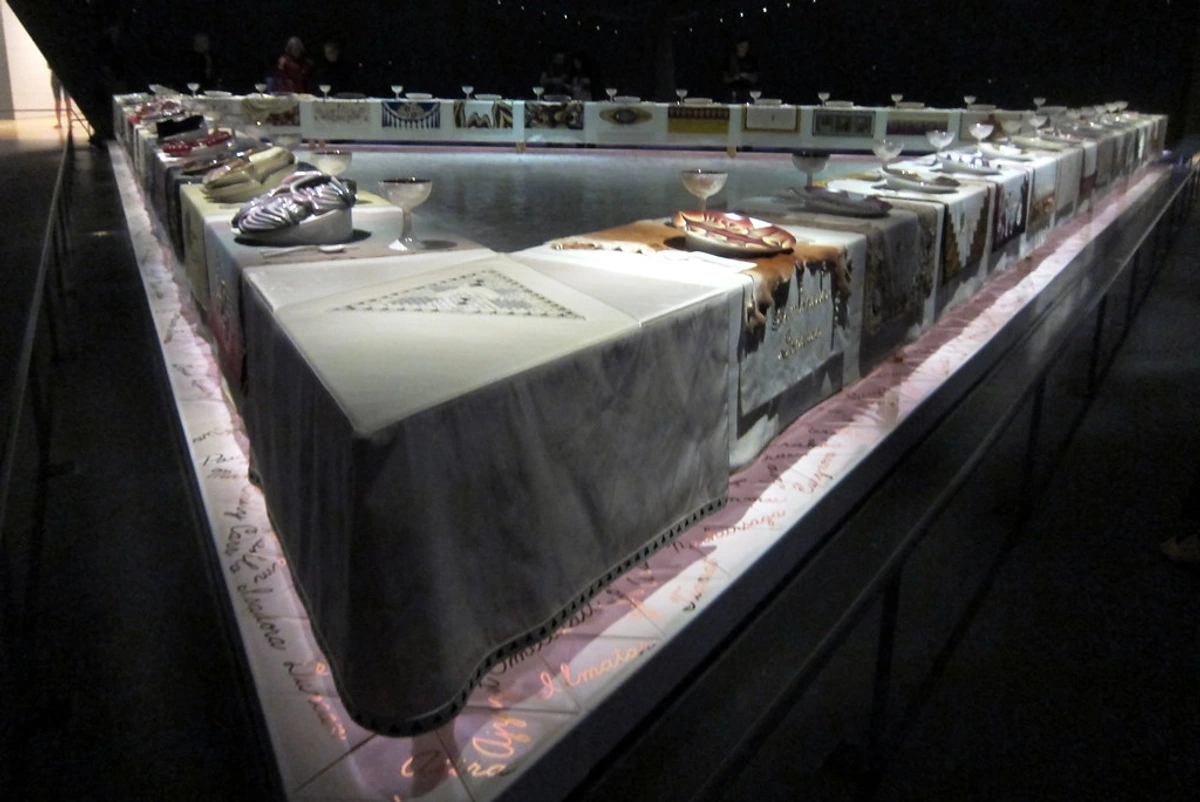
Meanwhile, the Feminist Art Movement reclaimed fiber arts, traditionally seen as women's work, as a powerful medium for social and political commentary, using traditional techniques to challenge patriarchal norms – think Judy Chicago's iconic The Dinner Party, which used embroidery and quilting to celebrate historical women, or the monumental, often unsettling, fiber sculptures of Magdalena Abakanowicz, whose headless, often monumental figures woven from natural fibers explore themes of war, identity, and the human condition. Today, artists like Nick Cave, with his vibrant "Soundsuits" that combine sculpture, performance, and fashion, continue to blur these lines. Others like Liam Gillick explore industrial and architectural themes using woven and fabricated elements, while artists leveraging digital textile art use algorithmic design and 3D printing of fibers to create entirely new forms and patterns, pushing the boundaries of what fiber can be. The influence of digital tools means patterns can be created with incredible precision and translated directly into weaves, opening up a new frontier where traditional craft meets cutting-edge technology. It's a continuous conversation between ancient craft and contemporary vision, a vibrant reminder that the threads we weave today are connected to countless generations before us, each stitch carrying a whisper of history and a shout of contemporary relevance. This deep historical lineage lays the groundwork for understanding why textile art resonates so powerfully with our innate desire for comfort and beauty in our homes, and why it's gaining increasing recognition in contemporary galleries and museums worldwide.
The Art of the Thread: Materials, Techniques & Innovation
When you delve into textile art, you're not just choosing a picture; you're engaging with a whole world of materials and methods, each bringing its own unique character and story. This is where the true magic lies, the tactile narratives woven into every fiber. I often think of it as artists painting with thread, building forms with fiber, and sculpting with texture. It's a journey into the very DNA of softness and structure. Now, this might sound a bit technical, but bear with me – understanding these fundamentals opens up a whole new appreciation for the art.
Material Matters: The Foundation of Feel and Form
Choosing the right fiber is like choosing the right pigment for a painter – it dictates not only the visual outcome but the very feel of the piece. I've spent hours simply contemplating the difference in how light catches raw silk versus the earthy matte of linen. It's truly fascinating. Here's a breakdown of common materials and their roles:
Material Type  | Characteristics & Feel | Common Uses | Historical Significance/Use | Environmental & Ethical Considerations | Visual Impact & Experience | Pros & Cons | Example Artists/Styles |
|---|---|---|---|---|---|---|---|
| Wool (Merino, Lamb's, Raw) | Soft, warm, durable, excellent sound absorption, natural elasticity. Varies from ultra-soft (Merino) to coarse (Raw). Its natural crimp makes it ideal for felting and adds loft. | Tapestries, rugs, sculptural felting, chunky knits, monumental installations. | Used since antiquity for warmth and storytelling (e.g., ancient nomadic rugs, medieval tapestries like the Bayeux Tapestry). | Renewable, biodegradable. Prioritize ethically sourced, cruelty-free, and natural dyes to reduce ecological footprint. Look for RWS (Responsible Wool Standard) certification. | Evokes primal comfort, cloaking space in warmth/depth. Creates rich, sometimes shaggy textures. | Pros: Durable, warm, good acoustics, versatile. Cons: Can be itchy (raw), prone to moths, needs careful washing. | Magdalena Abakanowicz (sculptural), Sheila Hicks (installations) |
| Cotton (Organic, Mercerized) | Versatile, breathable, strong, holds dyes well, can be soft or sturdy. Mercerized cotton offers a subtle sheen and increased strength. | Macramé, quilted pieces, embroideries, lighter wall hangings, digital textile prints. | A staple fiber for millennia, from ancient Egyptian textiles to colonial American quilts. | Requires significant water, often relies on pesticides (conventional cotton). Seek organic (GOTS certified), recycled, or fair-trade cotton for reduced environmental impact and ethical production. | Offers crispness or softness; allows for precise detail and vibrant colors; mercerized can add a sophisticated luster. Clean lines, often graphic. | Pros: Breathable, strong, holds dye well, relatively easy to clean. Cons: Wrinkles easily, conventional production can be water/pesticide intensive. | Contemporary macramé artists, modern quilters |
| Silk | Luxurious, lustrous, smooth, strong yet delicate, vibrant color absorption, fluid drape, excellent light reflectivity. | Fine embroideries, delicate weaves, elegant hangings, shimmering accents, scarves as art. | Revered in China for millennia, central to the Silk Road trade, used for imperial robes, ceremonial textiles. | Natural, biodegradable. Often hand-dyed, can be ethically complex. Look for peace silk (Ahimsa silk) or certified ethical producers that avoid harming silkworms. | Creates a luxurious sheen, fluid drape, and sophisticated elegance that catches and reflects light beautifully. Offers vibrant, deep colors. | Pros: Luxurious, strong, lustrous, excellent drape. Cons: Delicate, expensive, requires special care, ethical concerns around traditional production. | Delicate embroidery (historical & modern), fine tapestry weaving |
| Linen | Strong, durable, textured, natural drape, becomes softer with age, often has subtle slubs (natural irregularities). Highly absorbent. | Rustic weaves, backing for embroidery, sturdy wall art, large-scale hangings, natural fiber installations. | One of the oldest cultivated fibers, used by ancient Egyptians for mummification shrouds and clothing. | Sustainable (less water/pesticides than cotton), long-lasting, derived from flax. Look for European-grown linen (e.g., from Belgium, France) known for quality and environmental standards. | Provides an earthy, organic feel with subtle irregularities and a sturdy, calming presence. Creates crispness or rustic charm. | Pros: Very strong, durable, sustainable, softens with age. Cons: Wrinkles easily, can be stiff initially. | Natural fiber artists, historical textile reproductions |
| Synthetics (Polyester, Acrylic, Metallics, Optic Fibers) | Durable, fade-resistant, often affordable, can mimic natural fibers, allows for innovative textures. Modern advancements include metallic or glow-in-the-dark threads, or fibers designed for outdoor use. | Modern macramé, outdoor art, vibrant contemporary pieces, interactive installations, digital weaves, performance art. | Industrial Revolution-era innovations led to mass-produced synthetics; modern artists now reclaim them for avant-garde art. | Non-biodegradable, often derived from fossil fuels, can contribute to microplastic pollution. Seek recycled options (e.g., RPET from plastic bottles) to reduce plastic waste and promote circularity. | Allows for bold colors, innovative textures, futuristic aesthetics, and unique, often abstract, forms; can incorporate light or subtle shimmer. Can be rigid or fluid. | Pros: Durable, fade-resistant, affordable, versatile for new forms. Cons: Non-biodegradable, microplastic issue, less breathable than natural fibers. | Avant-garde fiber artists, artists creating for outdoor spaces |
Techniques Unveiled: The Artist's Hand at Work
These materials truly come alive through diverse, ancient, and ever-evolving techniques, with contemporary artists constantly pushing their boundaries, using unconventional materials, and exploring new scales. The ingenuity is astounding!
Technique | Key Characteristics | Common Applications | Visual & Tactile Experience | Innovation & Modern Use |
|---|---|---|---|---|
| Dyeing | Infusing fibers with color through immersion or application. Relies on colorfastness for longevity. | Yarn dyeing, fabric dyeing, resist dyeing (Batik, Shibori), eco-printing, digital textile printing. | Creates mood, vibrancy, and patterns. Colors can be subtle or bold, often with unique variations in natural dyes. | Modern synthetic dyes offer vast palettes. Digital textile printing allows intricate, precise patterns. Eco-printing uses natural pigments from flora. |
| Weaving | Interlacing warp (vertical, tensioned) and weft (horizontal, interlaced) threads on a loom. | Tapestries, rugs, fabric for garments, wall hangings. | Creates dense or open fabrics; ranges from flat pictorial to complex dimensional forms. Interplay of threads creates unique textures. | Artists use unconventional materials (wire, plastic, light-emitting fibers, biomaterials) and modern looms for abstract, interactive installations. |
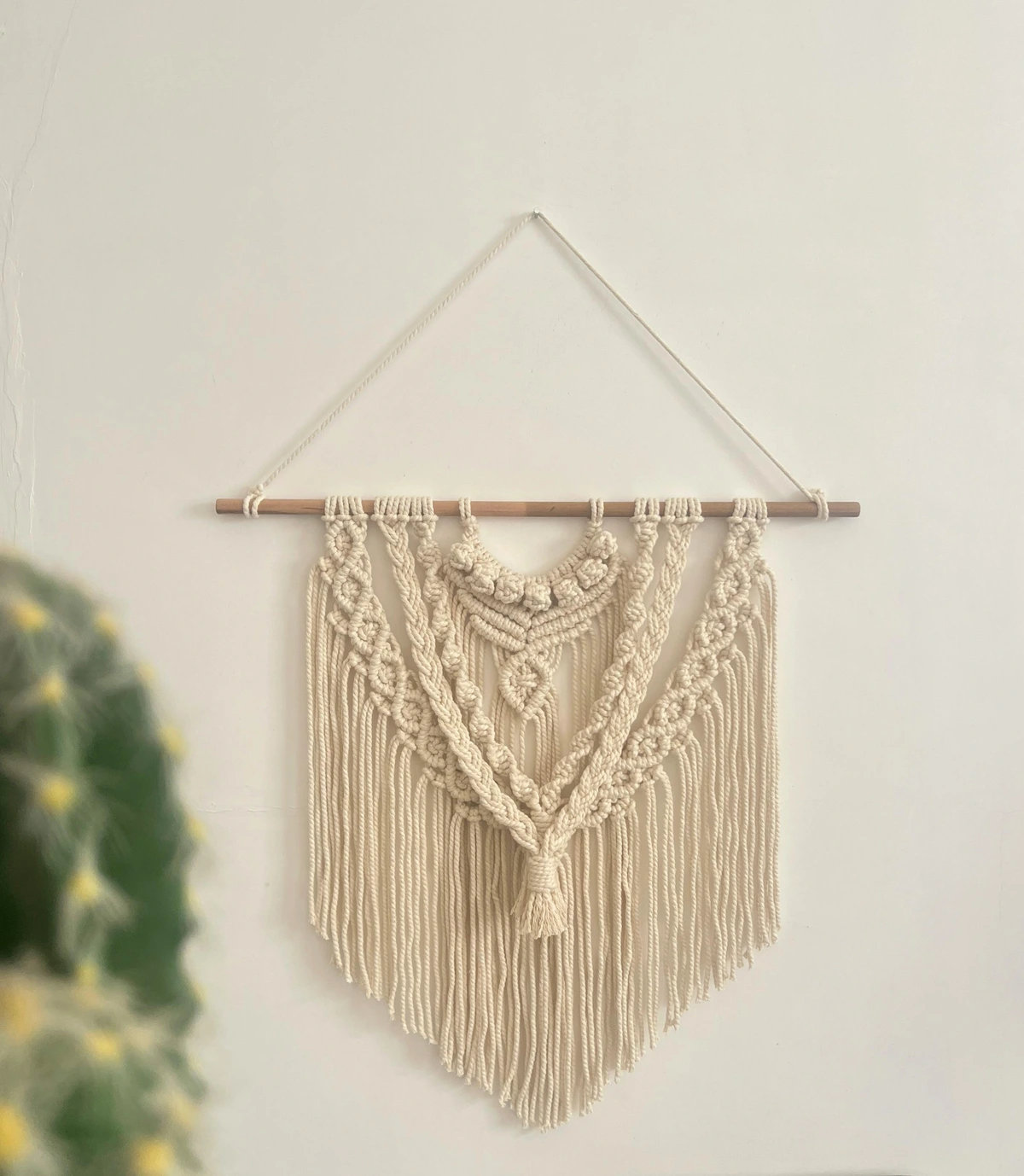
| Macramé | Creating patterns and forms by knotting cords or ropes (e.g., square knots, half hitches, lark's head knots). | Wall hangings, plant hangers, sculptural pieces, room dividers, backdrops. | Emphasizes negative space, creates airy, open, or dense sculptural forms. Produces strong, rhythmic textures and fascinating shadow play. | Beyond 70s aesthetics, artists create monumental backdrops, delicate sculptures using various cords, exploring scale and material. |
| Felting | Compressing and matting fibers (typically wool) with moisture, heat, and friction to create a dense, non-woven fabric. | Sculptural forms, wearables (hats, garments), wall panels, abstract landscapes. | Results in fluid, organic forms and highly textured, durable surfaces. Can be smooth (wet felting) or intricately shaped (needle felting). | Allows for defiance of the woven grid, offering unique sculptural possibilities and rich textural layering. Often combined with embroidery. |
| Embroidery | Adding decorative stitches onto a fabric base using a needle and thread. | Pictorial narratives, abstract embellishments, text art, mixed-media pieces, clothing decoration. | Transforms flat surfaces into richly textured, often dimensional, artworks. Each stitch is like a brushstroke, adding color and palpable form. | Contemporary artists integrate digital prints with hand-stitching, use unconventional threads (hair, wire) for stunning effects and narratives. |
| Quilting | Layering fabrics with batting (soft filling), then stitching through all layers to create a cohesive, textured piece. | Wall hangings, art quilts, sculptural forms, traditional blankets, storytelling pieces. | Adds depth, warmth, and a handcrafted feel. Can be narrative, abstract, or geometric, with layering creating unique dimensionality. | Modern quilters treat stitches as drawn lines, creating complex visual narratives, often improvisational and abstract (e.g., Gee's Bend). |
The Allure of Dyeing: Infusing Color and Story
No discussion of textile art is complete without a deep dive into dyeing, the transformative process that infuses fibers with color. From ancient natural dyes derived from plants, insects, and minerals to today's vast array of synthetic pigments, dyeing is fundamental to the visual language of textiles. It's an art in itself, often dictating the mood, vibrancy, and even the story of a piece. The choice of dye, whether through resist techniques or direct application, is as crucial as the choice of fiber or stitch. Moreover, issues of colorfastness (how resistant a dye is to fading or running) are paramount for the longevity of a textile artwork. Without stable colors, the visual integrity of the piece can quickly diminish.

- Resist Dyeing: Techniques like Batik (using wax to block dye on fabric, often creating intricate crackle patterns as the wax is removed) and Shibori (Japanese methods of binding, stitching, folding, twisting, or compressing fabric before dyeing, yielding unique geometric or organic patterns where the resisted areas remain undyed) create intricate, often organic patterns. These methods rely on physically preventing dye from reaching certain areas, revealing a complex interplay of color and untouched fabric. The magic, for me, is always in the reveal, much like developing a photograph.
- Natural Dyeing: Utilizing plant extracts (like indigo for rich blues, madder root for reds and oranges, cochineal for crimson), minerals, or even food waste, natural dyeing creates unique, often subtle, but deeply resonant color palettes. The process often involves mordants – chemical compounds, often metallic salts like alum or iron, that act like a special primer for the fabric, helping dyes bind permanently to fibers and ensuring colorfastness – a testament to ancient chemical ingenuity and essential for durability. This environmentally friendly approach significantly reduces water pollution and toxic runoff. Ethical considerations for natural dyes also include ensuring sustainable harvesting of dye plants.
- Modern Dyeing & Digital Textile Design: Synthetic dyes offer a vast, consistent spectrum of colors, allowing artists unprecedented control and vibrancy, though their production can raise environmental concerns. New techniques, including eco-printing (transferring natural pigments directly from leaves or flowers by steaming or boiling onto fabric), continue to expand the possibilities, ensuring that color remains a dynamic, integral part of textile art. Furthermore, digital textile design now allows for the creation of incredibly complex and precise patterns that can be printed by specialized inkjet printers or even woven by sophisticated computerized looms. This blurs the lines between traditional craft and contemporary technology, with some artists printing a base pattern digitally, then hand-dyeing or stitching over it for added depth and unique effects.
Exploring the Weavers' & Knotters' World
- Weaving: This is the ancient art of interlacing two distinct sets of threads – the warp (stationary vertical threads stretched on a loom, under tension) and the weft (horizontal threads passed over and under the warp, creating the pattern). The tension applied to the warp threads is crucial, influencing the density and stability of the resulting fabric, which can range from tightly woven, detailed pictorial tapestries to loose, textural abstract forms. Contemporary artists are experimenting with unexpected materials like wire, repurposed plastic, light-emitting fibers, or even biomaterials, transforming traditional weaves into dynamic, interactive installations. The possibilities are truly endless, limited only by the artist's imagination and skill; the interplay of warp and weft creating a unique visual language. I remember trying my hand at a small loom once, and the rhythmic challenge of controlling both warp and weft was surprisingly meditative, and much harder than it looked!
- Macramé: A knotting technique that uses various knots (like square knots, half hitches, or lark's head knots) to create intricate patterns and textures. Popular for wall hangings and plant hangers, modern macramé is all about the interplay of space and form created by the knots, often resulting in airy, sculptural pieces. Think beyond the 70s plant hanger; artists today create monumental backdrops for events or delicate, ethereal sculptures using everything from natural cotton rope to luminous metallic cords, with each knot contributing to a complex, rhythmic structure. The openness of macramé can also create fascinating shadow play on walls.
- Felting: This involves compressing and matting fibers (most commonly wool) using moisture, heat, and friction to create a dense, non-woven fabric. It's a magical transformation, fantastic for creating sculptural, organic shapes and highly textured surfaces that are incredibly durable. Wet felting creates smooth, strong fabrics suitable for wearables or larger panels, while needle felting allows for intricate 3D forms, from whimsical characters to abstract landscapes, building volume and texture stitch by stitch. The beauty of felting lies in its ability to defy the woven grid, offering fluid, organic forms.
The Art of the Needle and Stitch
- Embroidery: The art of adding decorative stitches onto a fabric base. This allows for incredible detail, from intricate pictorial narratives to abstract embellishment, transforming flat cloth into a richly textured surface. Think of it as painting with thread, but with a palpable dimension, where each stitch acts like a brushstroke, adding color and form. Common stitches like the satin stitch for smooth fills, chain stitch for outlines, French knots for texture, or the cross stitch for precise patterns, all contribute to the overall effect. Contemporary embroidery sees artists integrating digital prints with hand-stitching, or using unconventional threads like human hair or fine wires to create stunning, unexpected effects and narratives. The versatility means it can be incredibly detailed or boldly abstract. I’ve seen artists use embroidery in a technique called thread painting or fiber drawing, where an artist uses a needle and thread (sometimes even a sewing machine needle) like a brush or pencil to create highly detailed, often photorealistic, images, building up color and texture stitch by stitch.
- Quilting: This technique layers fabrics with batting (a soft filling) in between, then stitches through all layers to create a cohesive, often textured, and sculptural piece. Historically functional for warmth, quilting has evolved into a vibrant art form known for its geometric patterns, storytelling capabilities, and incredible depth. Modern quilters often treat each stitch as a drawn line, creating complex visual narratives that can rival any painting in their sophistication and emotional impact, with the layering adding a unique dimensionality. Think of the Gee's Bend quilters, whose improvisational, abstract designs from repurposed fabrics are celebrated for their artistic merit and historical significance.
Other Fiber Arts: Beyond the Mainstream
Beyond these well-known categories, the world of fiber arts is rich with other expressive forms. Consider tapestry crochet or knitting as art, where yarn is used to create intricate, sculptural, or even garment-like art pieces. There’s also basketry, transforming traditional weaving into complex, sculptural forms using natural or synthetic fibers, creating everything from functional containers to purely abstract art. Each of these mediums offers unique avenues for creative expression, constantly expanding the definition of what textile art can be. The boundaries are only in our minds!
Beyond the Frame: Fiber Sculpture and Public Art
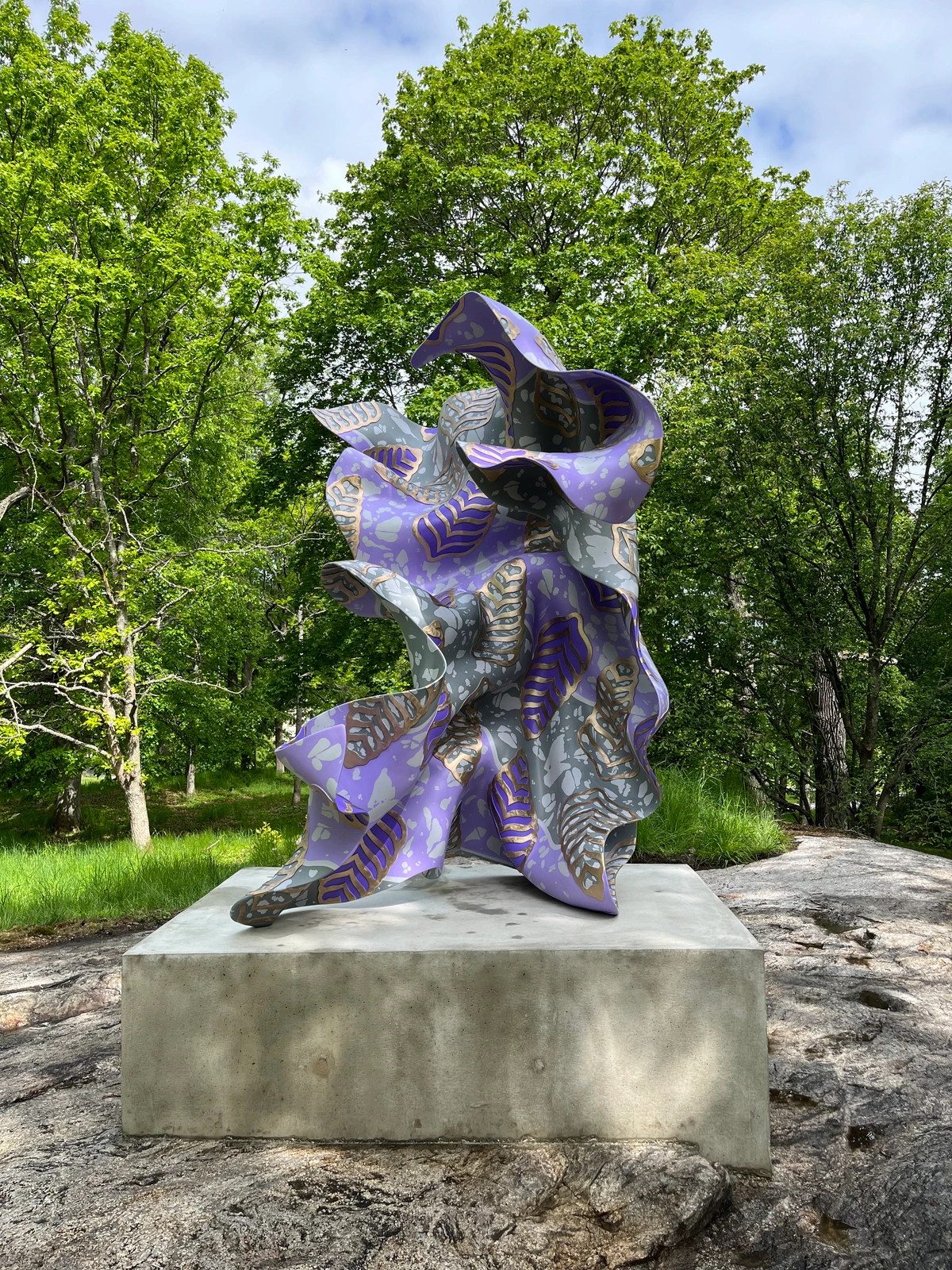
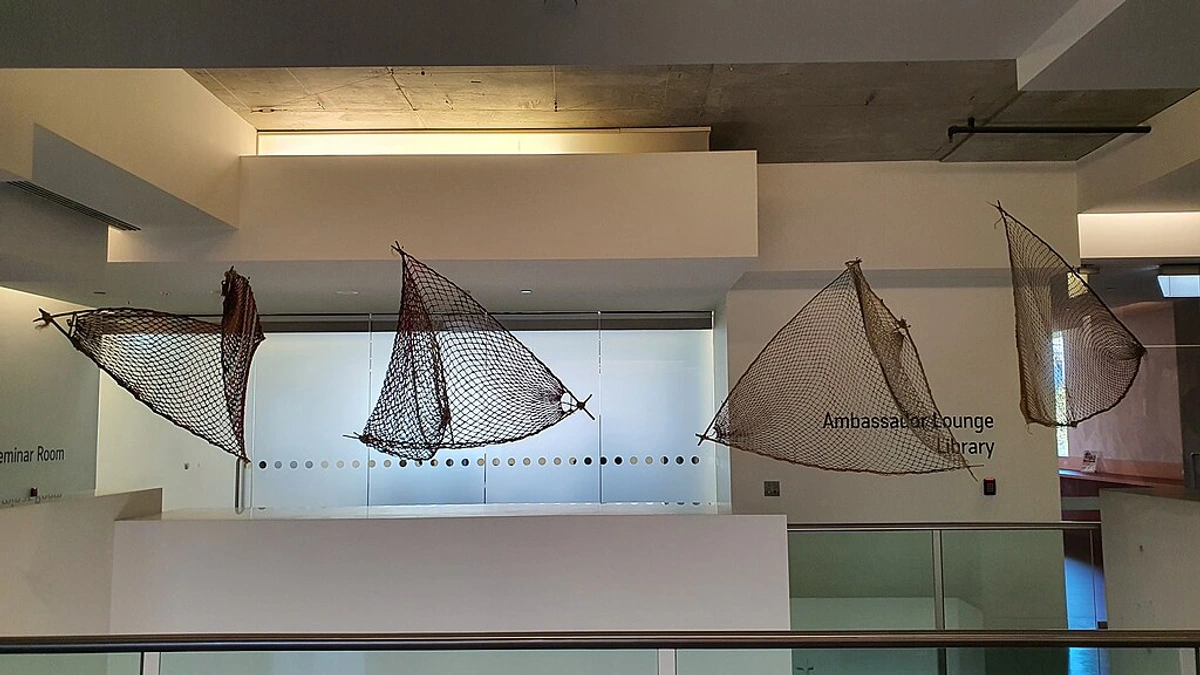
While many textile pieces adorn walls, some artists push beyond the flat surface into dynamic, three-dimensional forms. Fiber sculptures can be soft and malleable, created through felting or knotting, or rigid and architectural, incorporating armatures of wire, wood, or even metal (which provide the internal support structure, much like a skeleton), sometimes stiffened with resins or starches. These can range from intimate tabletop pieces to monumental, room-filling installations that engage with space in a profound way. Think about Nick Cave's "Soundsuits" which are both wearable art and sculpture, or Magdalena Abakanowicz's unsettling, monumental woven figures. Artists like Sheila Hicks or Olga de Amaral have famously pushed the boundaries into large-scale, immersive environments, often integrating elements of light or even sound within their fiber sculptures, creating multi-sensory experiences. These works demand interaction, often inviting viewers to walk through, around, or even touch them. I once saw a delicate fiber sculpture suspended mid-air, casting incredible, shifting shadows – it was like a living drawing in space. It completely transformed my perception of how fiber can interact with light and space.
credit, licence
Another exciting frontier is Textile Public Art, including phenomena like Yarn Bombing – where knit or crocheted fiber is used to adorn objects in public spaces, often with playful, ephemeral, or subtly political intentions. These interventions bring softness, color, and unexpected texture to urban environments, challenging perceptions of public space and traditional art forms. They are temporary, often community-driven acts that invite interaction and dialogue, transforming the mundane into something extraordinary, if only for a short time.
credit, licence
Why Your Home Is Secretly Craving Textile Art: Beyond Aesthetics
This is where my big "aha!" moment truly happened. I was struggling with a particular corner of my living room. It already had a gorgeous abstract painting – one that really spoke to me, similar in spirit to many contemporary works – but the room still felt... cold. Hard edges, smooth surfaces, a certain starkness that, while undeniably chic, wasn't quite me on a daily basis. It lacked a certain embrace, an inviting hum. That's when a brilliant interior designer friend, someone with an incredible eye for the unconventional, suggested a woven piece. I was skeptical, I'll admit, but open to trying anything. I remember picking out a piece with chunky, hand-dyed wools; it felt so comforting just to touch. The moment it went up, everything changed. It wasn't just a visual shift; it was almost audible. The room literally felt quieter, softer, as if a sharp edge had been gently smoothed away by its presence. That's the undeniable magic of textile art, a magic that empowers you to confidently incorporate these pieces into your home:
credit, licence
Instant Warmth & Coziness
Fibers inherently absorb sound and diffuse light, creating an immediate sense of quiet comfort. The myriad threads and natural variations gently trap sound waves, making the room feel literally calmer and more intimate. This isn't just a feeling; it's a principle of acoustics and lighting design. Textile art acts as a natural sound dampener, reducing echo and enhancing the overall sonic comfort of a space. It’s truly like wrapping your room in a gentle, textural hug, inviting you to settle in. Imagine the visual equivalent of a crackling fire, but in a silent, comforting form. This subtle softening effect contributes to a deeper sense of relaxation and well-being, often linked to biophilic design principles which seek to connect us with nature by bringing natural elements indoors. It's art that truly makes a space breathe.
Unparalleled Tactile Texture
This is the big one for me. While paintings offer incredible visual texture, a fiber piece introduces a profound tactile dimension that few other art forms can match. It adds layers of depth and interest that flat surfaces simply can't, begging to be admired up close, making the room feel more alive. Where impasto in a painting creates illusionary depth, textile art offers literal three-dimensionality. I've often found myself instinctively reaching out to touch a particularly intriguing weave, a sensory experience that enriches the space. It’s a joy for the hands as well as the eyes, adding a unique richness to any eclectic interior or even a modern farmhouse.
Unique Personality
Let's be honest, many homes feature framed prints. But a hand-woven tapestry, a meticulously embroidered panel, or a unique fiber sculpture? That instantly makes a space feel curated, personal, and utterly distinctive. Whether you choose bold, vibrant colors to reflect an extroverted personality or earthy, calming tones for a more introverted sanctuary, textile art is a fantastic conversation starter, believe me, a true reflection of your individual taste and a story waiting to be told – a tangible piece of someone's heart and skill. It speaks volumes about the thoughtfulness you put into your home.
A Bridge Between Styles
I've seen textile art seamlessly integrate into everything from vibrant bohemian havens (obviously) to crisp minimalist sanctuaries. It's surprisingly versatile. If you're someone who loves to blend different aesthetics, perhaps creating eclectic interiors or modern farmhouse spaces, a textile piece can be your secret weapon, harmonizing disparate elements and tying a room together with soft visual anchors and often acting as a connector between different color palettes. A large, simple wool hanging can soften the starkness of concrete walls, for example.
Enhances Well-being & Mindfulness
The soft, organic forms and tactile nature of textile art can contribute to a sense of calm and sensory well-being. In a world saturated with screens and hard edges, introducing the natural, handcrafted beauty of fiber can provide a grounding, meditative presence, encouraging a slower, more mindful appreciation of your surroundings. This connection to natural materials and forms is deeply aligned with biophilic design, which posits that humans have an innate tendency to connect with nature. I often find a quiet peace just observing the intricate details of a woven piece, a welcome counterpoint to the rush of modern life. It’s art that invites you to breathe and truly feel at home. You might even find it complements the principles of Feng Shui, where the soft, flowing energy of textiles can balance harder, sharper elements, promoting a sense of harmony and positive flow within your space. It can soften harsh architectural features, adding a much-needed layer of warmth and inviting flow.
FAQ: Your Burning Questions About Textile Art
I know you probably have a few questions swirling in your mind, especially if you're new to the wonderful world of textile art. Here are some of the most common ones I hear, and my thoughts on them:
Is textile art difficult to maintain?
Not at all! Most woven pieces just need occasional gentle dusting with a soft brush or a very light vacuuming with a brush attachment on the lowest setting (a HEPA-filter vacuum is ideal). For specific stains or spills, it's always best to consult the artist or a professional textile conservator before attempting any cleaning yourself. As a general rule, avoid direct, prolonged sunlight to prevent fading, especially with naturally dyed pieces, and keep an eye out for pests like moths. It's about consistent, gentle care, not demanding maintenance. Different materials may have specific care needs (e.g., dry cleaning for silk), so always inquire when purchasing. I've found that a little consistent attention goes a long way to preserving these beautiful works.
credit, licence
Can textile art work in small spaces?
Absolutely! In fact, it's brilliant in small spaces. It adds dimension without taking up floor space and can make a room feel cozier rather than cramped. A tall, narrow piece can even draw the eye upwards, making ceilings appear higher and creating a sense of expansiveness. It provides texture and visual interest without overwhelming. I've seen some stunning examples in tiny nooks, truly transforming them.
credit, licence
How do I hang textile art securely?
This depends entirely on the piece and your wall material! Light pieces can often be hung with a simple picture hook. Heavier tapestries or sculptural works might require a proper hanging rod, cleats, or even a custom frame for robust support. Always ensure your wall fixings are appropriate for the weight and size of the piece, and consider the material of your wall (e.g., drywall anchors, masonry plugs). For delicate works, consider framing under glass for both protection and secure display. If you're ever in doubt, please consult a professional installer – it's worth the peace of mind to ensure your beautiful art is safe. Don't risk damaging your investment or your wall!
Is textile art expensive? Is it considered 'fine art' or just 'craft'?
The price varies hugely, just like any other art form. You can certainly find affordable, mass-produced pieces. However, true artisan-made, hand-woven, or custom-designed textile art can be a significant investment, reflecting the artist's skill, the quality of materials, and the time involved. Factors like material quality, artist's reputation, complexity of technique, and size all play a role. And to the question of 'craft' vs. 'fine art'? While some traditional crafts prioritize function, contemporary textile art has decisively crossed into the realm of fine art. The distinction is increasingly blurred; it's the artistic intent, conceptual depth, innovation, and critical reception (often evidenced by exhibition in major galleries and museums worldwide) that truly define art, regardless of the medium. Historically, the distinction often served to diminish the work of women and indigenous artists, and contemporary fiber artists are actively dismantling that outdated hierarchy. I, for one, celebrate this shift!
What are the latest trends in textile art?
Contemporary textile art is a vibrant, evolving field! Some current trends include: Sustainability (using recycled, upcycled, or ethically sourced materials and natural dyes), Mixed Media (combining fiber with painting, sculpture, digital elements, or even light and sound), Large-Scale Installations (transforming entire spaces with immersive textile works that encourage interaction), Interactive Fiber Art (pieces that respond to touch, sound, or light, often incorporating technology), Biomaterials (experimenting with fungi, algae, or other organic matter for creation), and Artivism or Social Commentary (using textiles to address environmental, social, or political issues). Artists are constantly pushing boundaries, connecting ancient techniques with modern themes and technologies.
Where can I buy textile art?
You have many options! For unique, artisan-made pieces, explore local artisan markets, craft fairs, and specialist galleries that focus on fiber art. Online platforms like Etsy, Saatchi Art, artist collective websites, or curated online galleries are excellent resources. For higher-end or investment pieces, consult established contemporary art galleries or auction houses that feature textile art. Don't forget to visit my buy page to see the kind of contemporary work that truly excites me.
Can textile art be a form of protest or social commentary?
Absolutely. Historically, textiles have often been used to convey messages, celebrate cultural identity, or subtly resist oppression. The Feminist Art Movement of the 1960s and 70s famously reclaimed fiber arts as a powerful medium for social and political commentary, using materials and techniques traditionally associated with women's work to challenge patriarchal norms and explore identity. Think of Judy Chicago's The Dinner Party as a prime example. Today, contemporary textile artists continue to use fiber to address issues from environmental degradation to human rights, turning soft materials into powerful, tangible statements, often displayed in public spaces or as large-scale installations to maximize their impact. They weave narratives of resilience, protest, and cultural pride – think of the impactful textile works by artists like Faith Ringgold or Diedrick Brackens. It's a surprisingly potent medium for activism.
Can textile art be used outdoors?
It can, but with careful consideration of materials and climate! Pieces designed for outdoor use typically feature durable, weather-resistant synthetic fibers (like acrylic or specially treated polyester), or natural fibers treated to withstand UV rays, moisture, and temperature fluctuations. While it adds a wonderful, unexpected element to gardens or exterior walls, it will generally require more maintenance and may have a shorter lifespan than indoor pieces. Always check with the artist or manufacturer if a piece is suitable for outdoor display. I've seen some fantastic outdoor fiber installations, but they often require professional-grade materials and careful planning – it's not a set-it-and-forget-it situation, unfortunately.
How do I choose the right size textile art for my space?
This is crucial for visual harmony! As I mentioned in the "Choosing Your Companion" section, a simple trick is to create a paper template the size of the piece you're considering and tape it to your wall to visualize the scale. As a general guideline, a piece above a sofa should typically be two-thirds to three-quarters the width of the sofa. For a bare wall, the artwork should generally fill a significant portion of the wall space without overwhelming it – usually between 50-75% of the wall's width and height. Consider vertical pieces for narrower walls to draw the eye up, and horizontal pieces to broaden a space. Don't be afraid to go big if the space allows; textile art can handle it without feeling oppressive.
Where can I learn textile art techniques?
If you're inspired to try your hand at weaving, macramé, felting, or embroidery, there are abundant resources! Many local community art centers and craft guilds offer beginner workshops. Online platforms like Skillshare, Domestika, or YouTube host countless tutorials. You can also find numerous books and independent artists offering online courses or in-person retreats. I highly recommend starting with a simple macramé project or a basic embroidery kit – the tactile satisfaction of working with fiber is incredibly rewarding! It's a journey of discovery for your hands and your creative spirit.
Placement Ideas: Where to Hang Your Heart (and Your Art)
You might think, "Well, a wall hanging, clearly." And yes, that's often the most straightforward approach! But where on the wall, and what kind of wall? I’ve experimented a bit, learned from a few glorious mistakes (like trying to hang a delicate silk piece in a high-traffic hallway – not recommended!), and here’s what I’ve found truly transforms a space and the feeling it evokes:
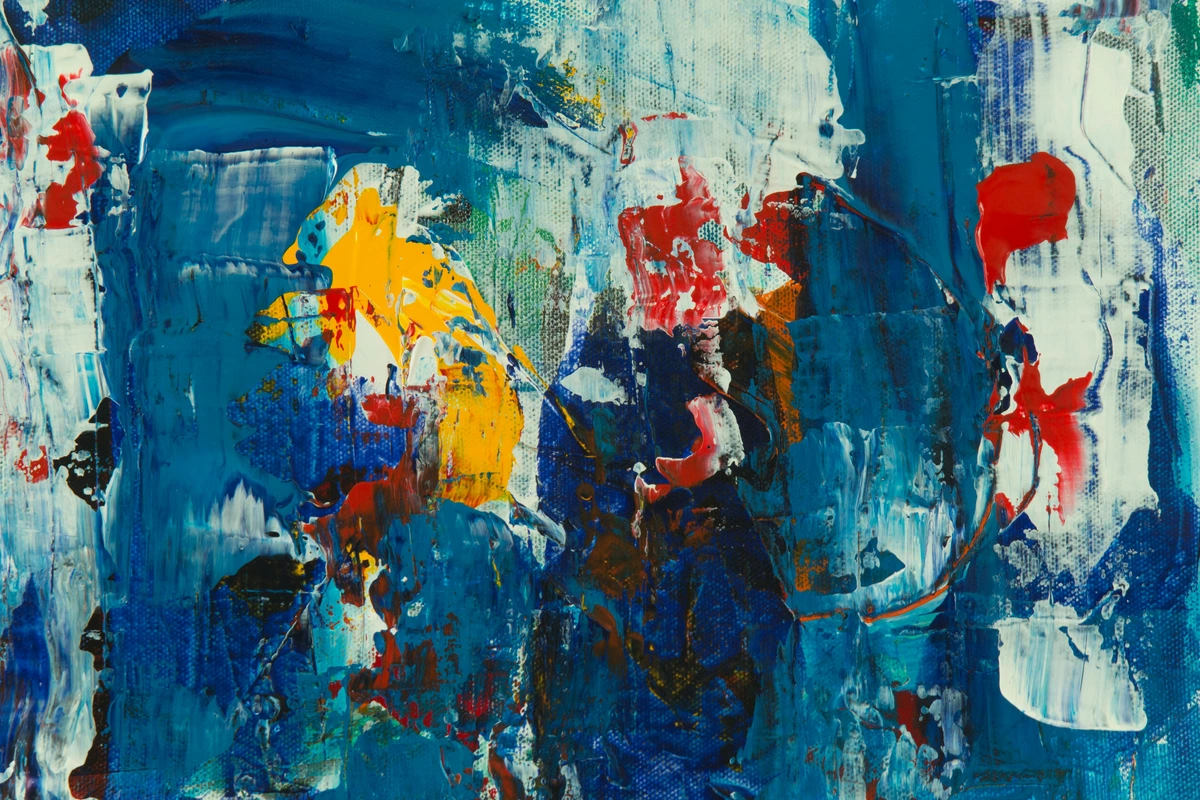
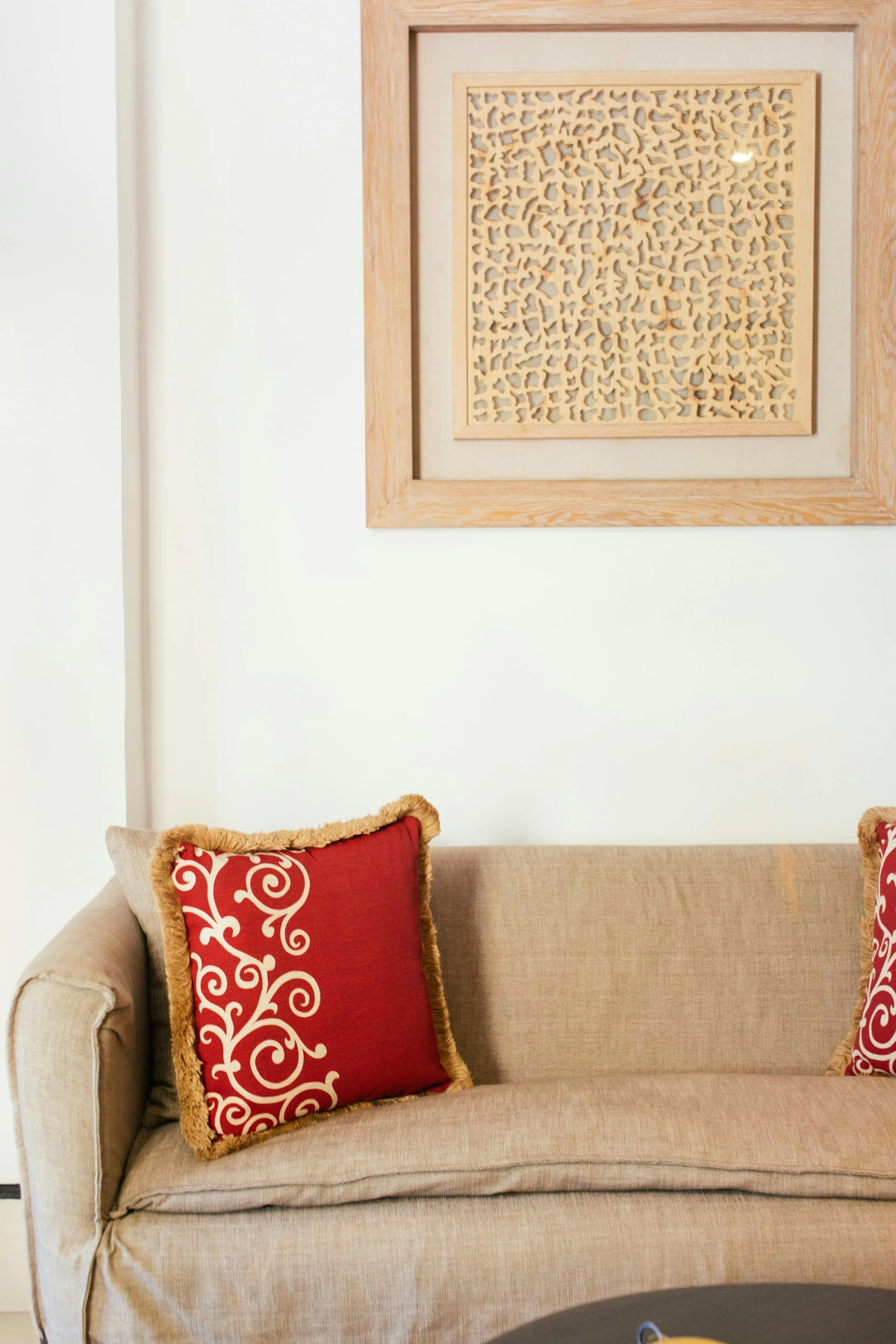
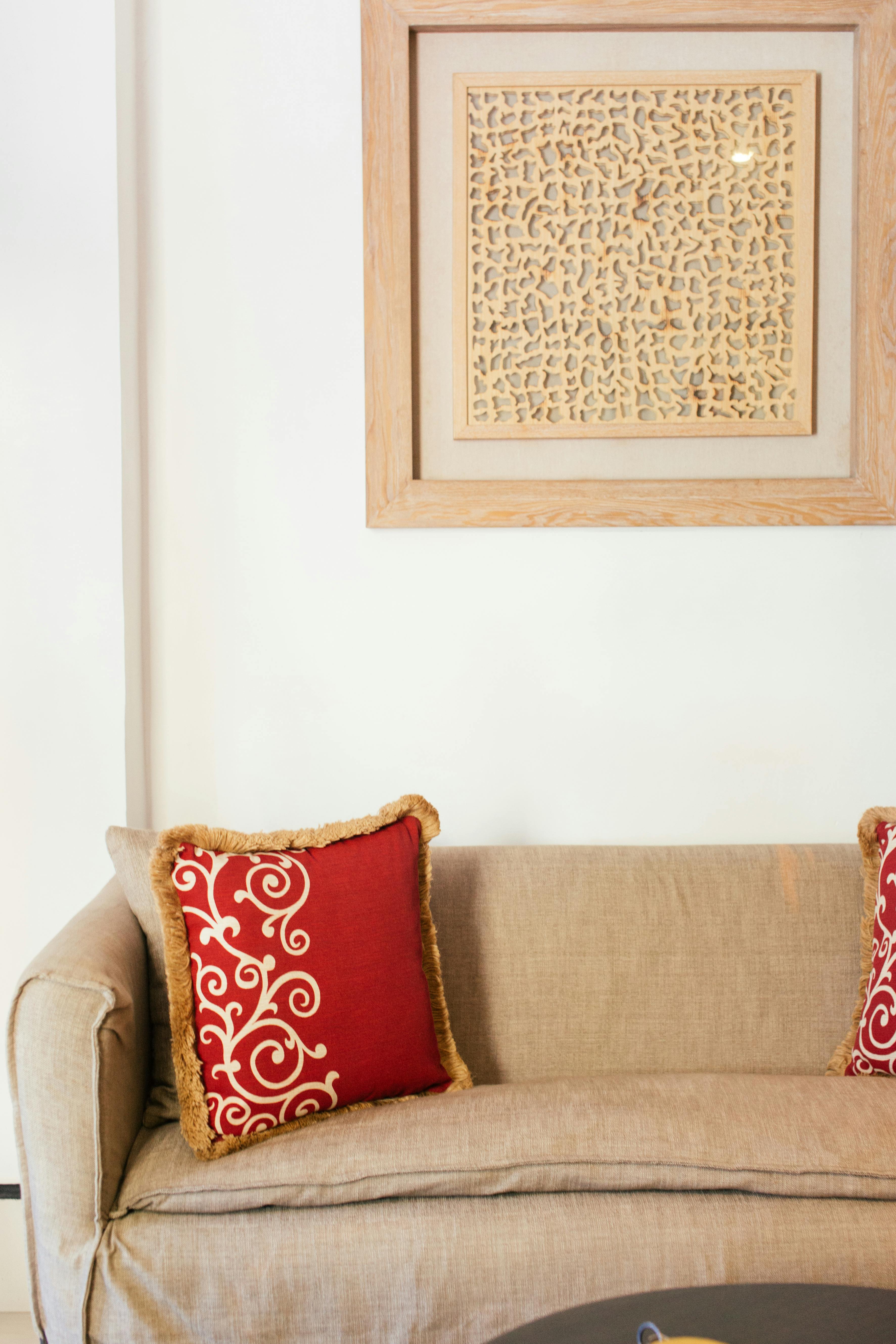
- The Living Room Statement: Above a sofa is a classic spot for any art, but with textile art, it truly grounds the space. A large, abstract woven tapestry or a sculptural macramé piece becomes a tactile focal point, much like a bold abstract painting would, but with an inherent softness that welcomes rather than demands attention, adding instant gravitas and an inviting warmth. I remember seeing a stunning large-scale woven piece in a friend's home that effortlessly pulled the entire room together, adding both gravitas and an inviting warmth. Consider the perfect art above the sofa for your unique piece.
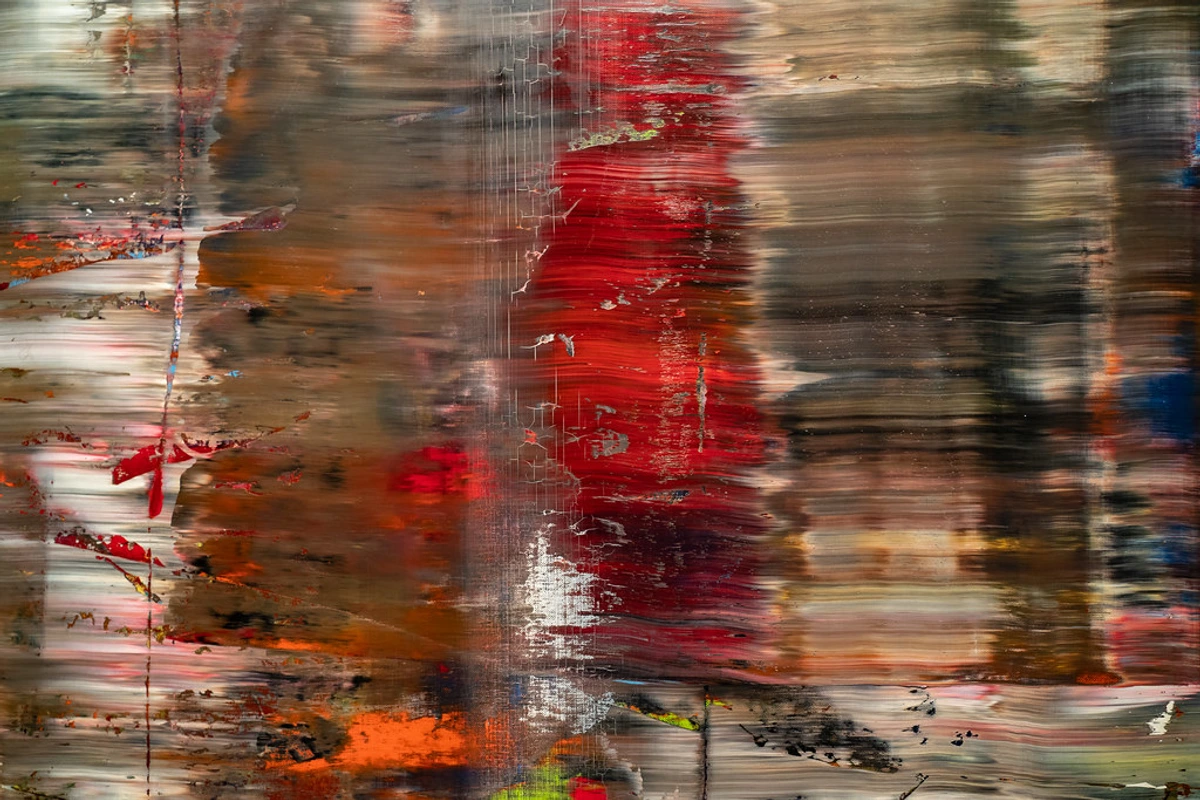
credit, licence
- Bedroom Serenity: Above the bed, a soft textile piece can create an incredibly serene and cozy headboard alternative. A muted, textured weaving or a large, simple quilted panel literally adds warmth, dampens sound, and infuses a sleeping space with a feeling of true sanctuary, promoting deep relaxation. This is where you really want that texture and sound-dampening quality to enhance relaxation. It's an ideal spot for decorating above a bed or creating a personal art for apartments vibe.
- Hallway & Entryway Intrigue: Often overlooked, a hallway can be utterly transformed by a textured piece. A tall, narrow fiber sculpture or a series of small, vibrant embroidered panels breaks up long, narrow spaces and offers a welcoming, artful greeting, far more intimate than a flat print, adding intrigue and personality. Think of it as a subtle unexpected delight, especially when considering art for an entryway or art for long, narrow hallways.
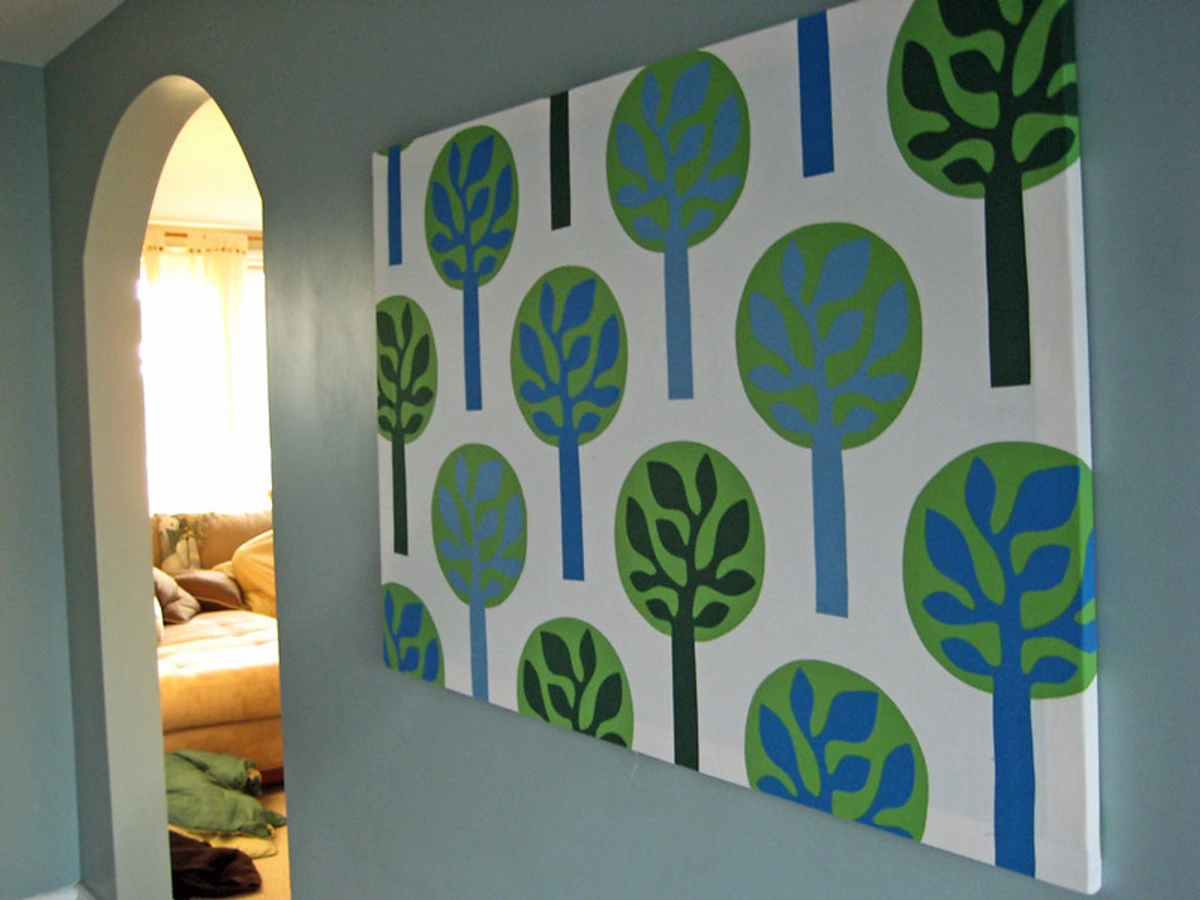
- Dining Room Softening: Dining rooms can sometimes feel a bit formal or echoey, especially with hard surfaces and minimalist decor. A large, richly woven piece on a prominent wall can introduce softness and absorb some of the dining chatter, making meal times more intimate and inviting, fostering a sense of connection. It's a thoughtful approach to choosing art for a dining room.
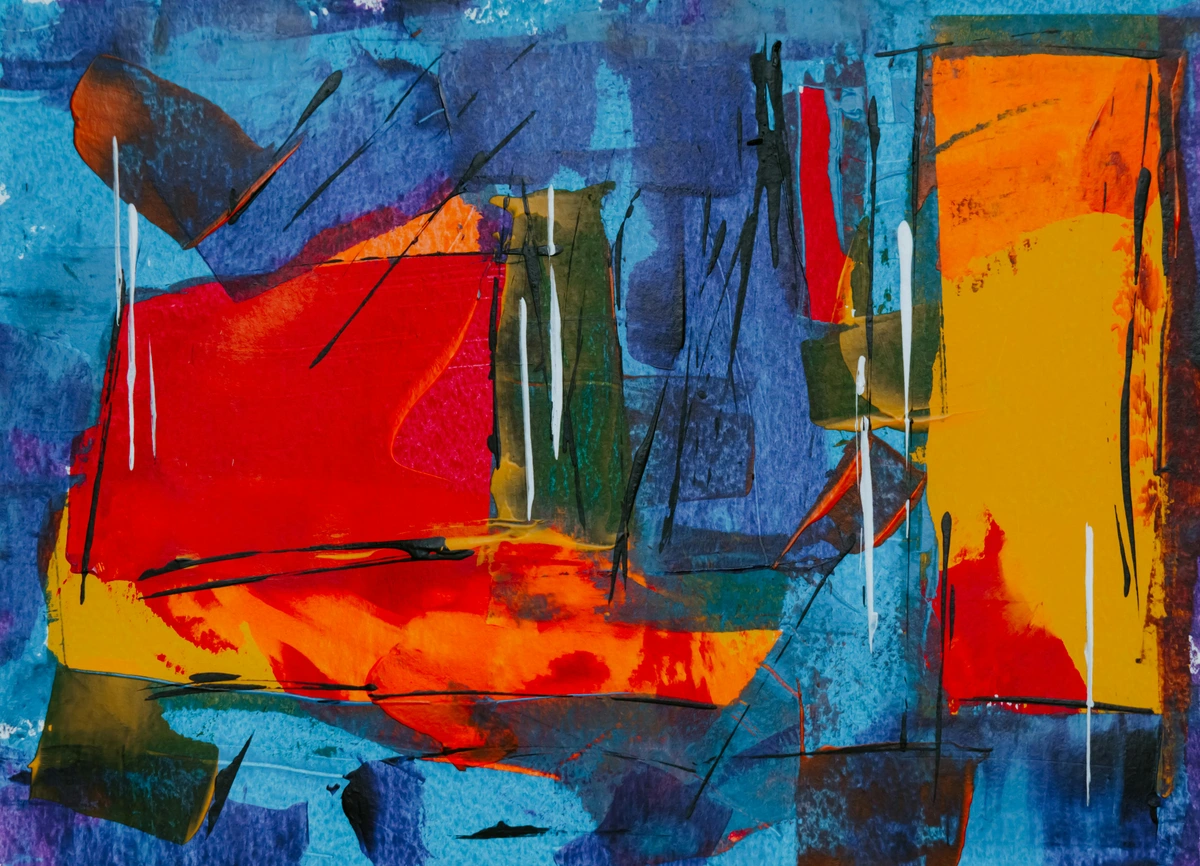
- Small Spaces, Big Impact: Don't shy away from textile art in small spaces! A tall, narrow piece, perhaps a delicate macramé hanging or a slender woven panel, can draw the eye upwards, making ceilings appear higher and creating a sense of expansiveness without consuming precious floor space. It adds dimension without crowding.
Beyond the Wall: Unconventional Placements
Sometimes, the most impactful art is found in the most unexpected places. Textile art, with its inherent softness and flexibility, is uniquely suited to break free from the confines of a framed wall:
- Room Dividers & Screens: Large, open-weave macramé or tapestry panels can serve as elegant, semi-transparent room dividers, defining zones in an open-plan living space while still allowing light and air to flow. They add a tactile, artistic element that rigid screens can't match, and can also soften harsh architectural features or create intimate conversation areas. Imagine a large, abstract woven screen subtly separating a dining area from a living room.
- Textile Art on Furniture: Imagine a small, intricately embroidered panel adorning the front of a dresser, a custom woven insert for a cabinet door, or a felted sculpture casually gracing a coffee table. These unexpected touches personalize functional items, turning them into unique focal points and softening hard surfaces. A small, detailed piece can bring immense character to an otherwise functional item.
- Textile in Kitchens or Bathrooms: While caution is needed due to humidity and splashes, certain durable, washable, or specially treated textile pieces can add unexpected softness and personality to these often hard-surfaced rooms. Think small, vibrant woven mats, durable framed embroidery (perhaps under glass), or even a sculptural piece crafted from water-resistant materials like certain acrylic yarns in a well-ventilated bathroom. It’s all about context, material suitability, and practicality! I once saw a vibrant, framed cross-stitch piece in a powder room that added a delightful, unexpected burst of color.
Choosing Your Companion: Finding the Right Textile Art for You
This is where it gets truly fun, and yes, a little overwhelming if you're like me and your brain, bless its overthinking heart, immediately pulls out the metaphorical calculator to quantify "vibe"! But don't let it paralyze you. It’s all about what truly speaks to you and complements your space. I once spent weeks agonizing over a large wall in my study, convinced I needed a minimalist print. But after seeing a vibrant macramé piece at a local artisan market, something just clicked. It broke every "rule" I thought I had, and yet it felt perfectly right – a joyful burst of texture that immediately softened the room's hard edges. Trust your gut, and that "vibe calculator" might just be right. Your home should reflect your unique spirit, after all.
credit, licence
- Consider Scale & Proportion: This is more crucial than you might initially think. A small piece can get completely lost on a large, expansive wall, just as an oversized tapestry can overpower a tiny nook. A simple, effective trick I love: cut out a paper template the size of the art you're considering and tape it to the wall (masking tape works wonders!). Step back, live with it for a day. It’s surprisingly effective for visualizing. Remember that a vertical piece can make ceilings feel higher, while a horizontal one can visually broaden a wall. For a piece above a sofa, aim for it to be two-thirds to three-quarters the width of the sofa.
- Color & Vibe: Do you want it to pop with vibrant hues, acting as a dynamic focal point (perhaps echoing the bold palettes found in contemporary abstract art), or blend subtly into your existing palette, adding a serene layer of texture? Textile art comes in every color imaginable, from earthy neutrals perfect for a Scandinavian interior to bold, saturated tones that could complement even the most striking abstract art. Textile artists, much like painters, achieve stunning chromatic effects through their chosen threads and dyes, carefully considering how colors interact to evoke emotion or create visual harmony. A well-chosen textile piece can also act as a visual bridge, connecting disparate color elements across a room. Don't be afraid to experiment; sometimes the unexpected color choice is the most impactful.
- Texture, Texture, Texture: This is its superpower, the truly unique offering of fiber art. Do you want chunky knits, delicate weaves, shaggy macramé, or a smooth, intricately embroidered tapestry? Each offers a profoundly different tactile and visual experience, affecting the overall mood and light play in your room. Consider the weight and density of the texture too: a heavily textured piece might suit a rustic or cozy space, while a finer, smoother weave adds sophistication. I find that contrasting textures can be just as impactful as contrasting colors. The way light plays on the varied surfaces of a textile piece can change its appearance throughout the day, offering a dynamic visual experience.
- Budget & Value: Textile art ranges from affordable, mass-produced decor to significant investments by renowned fiber artists. Determine your budget, but also consider the inherent value in craftsmanship. An artisan-made piece, even a smaller one, carries the story of its creation and the artist's hand, offering a deeper connection and often greater longevity than a factory-made item. Don't underestimate the worth of supporting independent creators. Remember that sometimes a smaller, high-quality piece is more impactful than a larger, lesser-quality one.
- Custom vs. Ready-Made: Are you envisioning something utterly unique, tailored to your space, or are you open to discovering an existing piece? Commissioning custom textile art allows for precise control over size, color, and design, creating a truly personal statement that perfectly fits your vision and space. However, ready-made pieces can often be found more quickly and may offer a broader range of styles at various price points. Both paths offer wonderful opportunities. I’ve found some of my favorite pieces by simply browsing and letting something unexpected catch my eye.
To help you navigate the myriad choices, here's a quick overview of some popular textile art types and their impact:
Textile Art Type | Key Characteristics | Best For | Visual Impact | Ideal Environment | Approximate Price Range (General) |
|---|---|---|---|---|---|
| Tapestries | Large-scale, often pictorial or abstract, woven on a loom using techniques like Gobelin or Aubusson, can be highly detailed and dense. Known for storytelling or grand abstract compositions. | Grand statements, formal rooms, adding historical gravitas or dense visual storytelling. Excellent for acoustic dampening. | Rich, dense texture; strong presence; excellent sound dampening and light absorption. Creates a sense of history or profound depth. | Living rooms, formal dining areas, large hallways, traditional, eclectic, or even minimalist styles (for textural contrast). Galleries, public spaces. | $$ - $$$$ |
| Macramé | Knotted fiber art, often geometric or organic patterns, can be airy or dense, playing with negative space and light. Emphasizes knots and rope, creating sculptural forms. | Bohemian, relaxed, minimalist, or modern rustic styles, informal spaces. Excellent for light diffusion and delicate shadow play. | Creates airy dimension, casual elegance, strong textural presence, and dynamic interaction with light and shadow. Can feel light or substantial depending on density. | Bedrooms, cozy corners, sunrooms, entryways, bohemian, contemporary, or minimalist spaces. Nurseries, meditation rooms. | $ - $$ |
| Quilted Art | Layered fabrics with batting (a soft filling) in between, stitched through all layers to create a cohesive, often textured, and sculptural piece. Can be pictorial, abstract, or purely geometric. Often tells stories or explores complex patterns. | Cozy bedrooms, nurseries, folk art-inspired spaces, abstract geometric designs, wall hangings, or even sculptural forms. Adds warmth and comfort. | Adds depth, warmth, a handcrafted feel, can be deeply personal and narrative, offering unique sculptural relief and rich color play. Can be vibrant or subtle. | Bedrooms, children's rooms, craft rooms, eclectic, modern, or traditional spaces. Informal living areas. | $ - $$$ |
| Fiber Sculpture | Three-dimensional forms made from various fibers, can be soft, rigid, freestanding, suspended, or integrated into environments. Often pushes beyond traditional flat wall hangings into dynamic, architectural statements, sometimes incorporating light or sound. | Contemporary interiors, conversation starters, unique focal points, art installations, enhancing a room's architectural elements, or engaging with public spaces. Ideal for interior designers, architects, and serious collectors seeking bold statement pieces. | Unexpected shapes, dynamic forms, tactile exploration, modern artistry, plays powerfully with light/shadow, creates immersive experiences, and challenges spatial perceptions. Can be soft and organic or bold and rigid. | Modern living rooms, entryways, open-plan spaces, galleries, design-forward homes, or even outdoor spaces (if designed for durability and weather resistance). Public art installations. | $$ - $$$$ |
Eco-Conscious Choices: Weaving a Greener Story
As my own awareness has grown, so has my appreciation for the ethical side of art and decor. If you're like me, considering the environmental impact of your choices is increasingly important. When seeking textile art, look for pieces made with an eye toward sustainability and ethical production – it adds another layer of meaning to your chosen piece:
credit, licence
- Natural Dyes: Derived from plants (like indigo for blue, madder root for red), minerals, insects (cochineal for crimson), or even food waste, these often offer a beautiful, subtle palette (though vibrant natural dyes exist!) and are much kinder to the planet than synthetic chemical dyes. They reduce water pollution, minimize toxic runoff into ecosystems, and are generally biodegradable, contributing to a healthier planet. Natural dyes also have a unique depth and luminosity that synthetic dyes often struggle to replicate. Look for artists who specify their use of natural pigments and responsible dyeing practices. It's truly chemistry meets artistry!
- Recycled or Upcycled Fibers: Many innovative artists are ingeniously transforming discarded materials – from old clothing scraps and industrial waste to plastic bottles (creating RPET or recycled polyester), fishing nets, or even coffee bean bags – into stunning new works. This gives new life to old fabrics, significantly reduces landfill waste, and conserves valuable resources, effectively turning trash into textile treasure. Look for labels like
RPETor pieces made from repurposed vintage textiles. It's a wonderful way to support creativity and environmental stewardship. - Ethical Sourcing & Fair Trade: Seek out artists and producers who prioritize fair labor practices, safe working conditions, and sustainable material acquisition. For instance, in silk production, traditional sericulture often involves killing the silkworm, leading to ethical concerns. Peace silk (or Ahimsa silk) offers an alternative, allowing the silkworm to emerge naturally before the cocoons are harvested. Supporting these creators means supporting a healthier ecosystem – both human and natural – and often results in pieces with a deeper, more conscious story. Always inquire about the origins of materials and the artist's commitment to responsible practices. Look for certifications such as Fair Trade or GOTS (Global Organic Textile Standard), which often ensure transparency throughout the supply chain from raw material to finished product. This transparency builds trust and value.
- Longevity & Durability: Investing in well-made, durable textile art is in itself an eco-conscious choice. A piece designed to last for generations, cared for properly, reduces the cycle of consumption and waste. It becomes an heirloom, telling its own green story and contributing to a more sustainable lifestyle. Think about purchasing pieces that can withstand time and occasional cleaning, reducing the need for frequent replacement. It's a tangible commitment to the future.
Making It All Work: Integration Tips from My Own Trial-and-Error
Okay, so you've found a piece you love. Now what? Simply hanging it up is one thing, but making it feel truly integrated – as if it was always meant to be there, a natural extension of your home's soul – is another. Here are a few hard-won tips from my own journey of trial-and-error (believe me, I've had my share of pieces that just didn't quite gel until I moved them or adjusted the lighting!):
- Layering is Your Friend: Don't be afraid to experiment with layering. A smaller textile piece can sit beautifully over a bookshelf, or even partially overlap a framed print, creating an intriguing interplay of textures and depths. I've even seen delicate macramé hung in front of a window, creating beautiful shadow play and adding a soft, diffused light effect. Consider layering a flat woven tapestry with a more sculptural macramé piece for dynamic visual interest, or combining different weights of textiles in a single display for an eclectic interior.
- Lighting Matters (More Than You Think): Textile art can cast incredible shadows and highlights depending on the light source. Experiment with spotlights or ambient lighting to bring out its depth and texture. Grazing light, where light skims across the surface, is particularly effective at emphasizing a piece's three-dimensionality and showing off its intricate weaves or knots. The way light plays on the fibers can transform a piece throughout the day, offering a dynamic visual experience. Imagine the way a sunset catches the individual threads, making it glow and shimmer – a constantly evolving artwork.
- Balance with Other Materials: If you're adding a soft, textured wall hanging, consider complementing it with harder, smoother materials like polished wood, sleek metal, clear glass, or rough stone elsewhere in the room. This creates a pleasing visual and tactile balance, preventing the space from feeling either too "soft" and amorphous or too "hard" and cold. It’s all about harmony, allowing each material to highlight the other's unique qualities. For example, a chunky wool tapestry can soften the clean lines of a sleek, metal-framed console table, or a delicate silk piece can add grace next to rustic ceramics.
- Integration with Other Art Forms: Textile art isn't just a solo act; it can be a magnificent ensemble player. A monochromatic woven piece can provide a quiet, textural backdrop for a vibrant abstract painting, allowing the painting's colors to pop. Conversely, a bold, graphic textile can provide a grounding anchor amidst a collection of smaller prints or photographs, adding a crucial tactile dimension to a gallery wall. It's about creating a dialogue between different mediums and enhancing the impact of each.
- Layering with Furniture: Don't just think about the wall. A low-slung, sculptural textile piece can sit beautifully on a console table, offering a soft counterpoint to books and ceramics. A draped tapestry or a long, narrow runner can visually connect furniture pieces, adding a sense of flow. Consider how a woven element can act as a textural anchor behind a low credenza or even be integrated as a decorative panel on a custom cabinet, adding an unexpected touch of artistry.
- Embrace Imperfection: Unlike mass-produced prints, handmade textile art often carries the subtle, beautiful marks of its making – a slightly uneven weave, a unique knot, a hand-dyed variation. Embrace these; they tell a story, speak of the artist's hand, and add immensely to its unique character. It's part of its charm, honestly, much like seeing the brushstrokes up close in a painting at a museum. These "imperfections" are badges of authenticity and connection to the human touch.
- Consider Practicality & Durability: As much as I adore every fiber, some pieces are simply better suited to certain environments. In high-traffic areas or homes with active pets and children, opt for more durable, easily cleanable materials like sturdy wools or cotton blends. For delicate silks or intricate felting, quieter, less exposed spots are generally advisable. Some textile art can also be framed under glass for protection, especially delicate embroideries or heirloom pieces. Always think about the lifespan and maintenance needs of your chosen piece. And remember to always handle your art with clean, dry hands, or wear soft gloves for very delicate pieces.
Caring for Your Textile Art: Preserving Its Beauty and Longevity
You've found your perfect piece, integrated it beautifully – now how do you keep it looking its best for years to come? Textile art, being made of organic materials, requires a little thought to maintain, but it's far from daunting. It's about mindful care, not constant worry. Think of it as a gentle partnership in preserving something beautiful and meaningful.
credit, licence
- Dusting & Cleaning: Most textile pieces benefit from occasional gentle dusting with a soft brush or a very light vacuuming with a brush attachment on the lowest setting (preferably with a HEPA filter, which I highly recommend). For spills or more stubborn marks, always, always patch test a mild soap and water solution on an inconspicuous area first. For delicate or antique pieces, or anything with significant value, consulting a professional textile conservator is always the safest bet. Remember, gentle is key. For wool, spot cleaning with lanolin-rich soap is often recommended. Silks might require dry cleaning, while sturdy cottons can often be carefully hand-washed. The key is to act quickly and gently.
- Light Protection: Sunlight, particularly direct UV rays, is the biggest enemy of textiles. Over time, it can cause fading, weakening of fibers, and discoloration, especially with natural dyes. Try to hang your textile art out of direct sunlight, or consider UV-filtering window films if a prime spot is unavoidable. Even indirect sunlight over decades can have an effect, so strategic placement is your best defense. Rotate pieces periodically if direct exposure is inevitable for certain spots, or consider framing delicate pieces under UV-protective glass or acrylic to shield them from harmful rays. This is one area where prevention truly is better than cure.
- Pest Prevention: Fabric-eating insects like moths and carpet beetles are drawn to natural fibers, especially wool and silk. Regular light cleaning helps, as does ensuring good air circulation around the piece. For valuable heirlooms or highly susceptible materials, consider acid-free storage bags, cedar blocks (a natural deterrent, but ensure they don't directly touch the art), or professional pest control treatments specifically for textiles. Keeping your art in a clean, circulating, dark, cool, and dry environment significantly reduces risk. I've heard too many heartbreaking stories of cherished pieces being damaged.
- Humidity & Temperature: Extreme fluctuations in humidity and temperature can cause fibers to expand and contract, leading to warping or damage over time. Aim for a stable indoor environment, avoiding placing pieces too close to radiators, air conditioning vents, or in excessively damp areas like bathrooms (unless the art is specifically designed for such conditions). A consistent climate helps preserve the integrity of the fibers and prevents mold or mildew growth. A general rule of thumb is to keep your environment comfortable for you – that's usually good for your art too.
- Proper Handling: Always touch textile art with clean, dry hands. For very delicate or valuable pieces, wearing clean cotton gloves is advisable to prevent transferring oils or dirt from your skin. When moving or storing, ensure the piece is properly supported to avoid stretching or distorting the fibers. Rolling large pieces onto an acid-free tube, rather than folding, is often recommended for storage. Handle it with the reverence you'd give to any treasured artwork.
Textile Art as an Investment: Beyond Aesthetic Value
When we talk about art, the "investment" question often comes up. While not all textile art is purchased with future financial gain in mind, I've found that high-quality, unique pieces by recognized artists certainly can appreciate in value, much like paintings or sculptures. This isn't just about financial return, but also about investing in cultural heritage, craftsmanship, and the enduring power of human creativity. If you're considering a piece with investment potential, here's what I've learned to look for:
credit, licence
Factors Influencing Value
- Artist's Provenance & Reputation: Just as with any art form, the artist's standing, their exhibition history (especially in reputable galleries or museums), and their presence in significant collections greatly influence value. A consistent, evolving body of work and a clear, innovative artistic voice are strong indicators of potential appreciation. Researching their background, awards, critical reviews, and checking for published exhibition catalogues or artist monographs is key. The more established the artist, the more likely their work is to hold or increase in value.
- Rarity & Uniqueness: Limited edition or one-of-a-kind pieces, especially those requiring immense skill, time, and conceptual depth, naturally hold more potential value than mass-produced items. The scarcity and individuality of a piece can significantly drive its desirability and market price. Hand-woven tapestries, for instance, are inherently one-of-a-kind due to the labor involved.
- Material Quality & Technique: The use of high-quality, durable, and often rare fibers (e.g., fine silks, hand-spun wools, sustainably sourced exotic materials) combined with exceptionally intricate, labor-intensive techniques (e.g., Gobelin tapestry weaving, complex embroidery, advanced felting) often command higher prices and indicate lasting value. Superior craftsmanship is always a marker of quality and an investment in skill. A poorly made piece, no matter how beautiful, won't appreciate.
- Cultural & Historical Significance: Pieces that reflect significant cultural narratives, historical movements, or artistic innovations can be particularly sought after. Art that speaks to a broader human story or marks a pivotal moment in art history often transcends mere aesthetics, becoming invaluable not just financially, but also culturally. Think of the way indigenous textiles preserve ancient stories and techniques.
- Condition: Like all art, impeccable condition is paramount. Damage, fading, or signs of neglect can significantly decrease value. Always ensure your textile art is well-maintained and properly stored. Professional conservation can be a wise investment for valuable pieces. A piece in pristine condition will always be more valuable than one needing extensive restoration.
- Documentation and Provenance: For higher-value pieces, robust documentation of the artwork's history – including creation date, artist's signature (if applicable), exhibition history, and previous ownership – is crucial. This provenance adds authenticity, verifies the artwork's journey, and significantly enhances its value, similar to a detailed history for a painting or sculpture. While some contemporary platforms explore "digital provenance" via blockchain, I've found that tangible, verifiable historical records and expert authentication remain the most reliable indicators of value in the traditional art market. My personal take is that the long-term investment value of physical textile art, with its unique tactile qualities and undeniable historical lineage, offers a fundamentally different and often more secure connection for collectors than ephemeral digital assets alone.
If the investment aspect is a primary driver for you, I'd strongly recommend researching the artist thoroughly and consulting with reputable art dealers specializing in fiber art. They can offer insights into market trends (which currently show rising interest in contemporary fiber artists), authenticity, and help navigate the acquisition process, sometimes even through established auction houses for significant works.
My Final Musings on Weaving a Little More "You" Into Your Space
I suppose what I'm really trying to say here is: don't pigeonhole your art choices. Don't let preconceived notions about what art "should be" limit the incredible ways you can infuse personality and soul into your home. Textile art, with its inherent warmth, rich textures, infinite possibilities, and profound historical resonance, has genuinely broadened my own artistic horizons and deepened my appreciation for creative expression in ways I never anticipated.
It’s given my spaces a depth and comfort I didn't realize they were missing, transforming them into more personal sanctuaries that truly feel like me. It’s a testament to the fact that art isn't just for looking at; it’s for feeling, for experiencing, and for transforming the very atmosphere of your sanctuary. It also carries the whispers of diverse cultures and centuries of human ingenuity, adding layers of meaning and connection beyond mere aesthetics. This journey from initially dismissing textile art to wholeheartedly embracing it has been a profound one, reshaping my entire understanding of what art can be and what it can bring into our lives, and I truly believe its prominence will only continue to grow.














credit, licence
So, go on, give it a try. Explore local artisan markets, specialist galleries, or online platforms dedicated to fiber art. Engage with artists, learn about their process, and find a piece that truly resonates with you. Your home, and your heart, will thank you. Maybe, just maybe, you'll have an "aha!" moment of your own. It's a wonderful journey waiting to unfold.