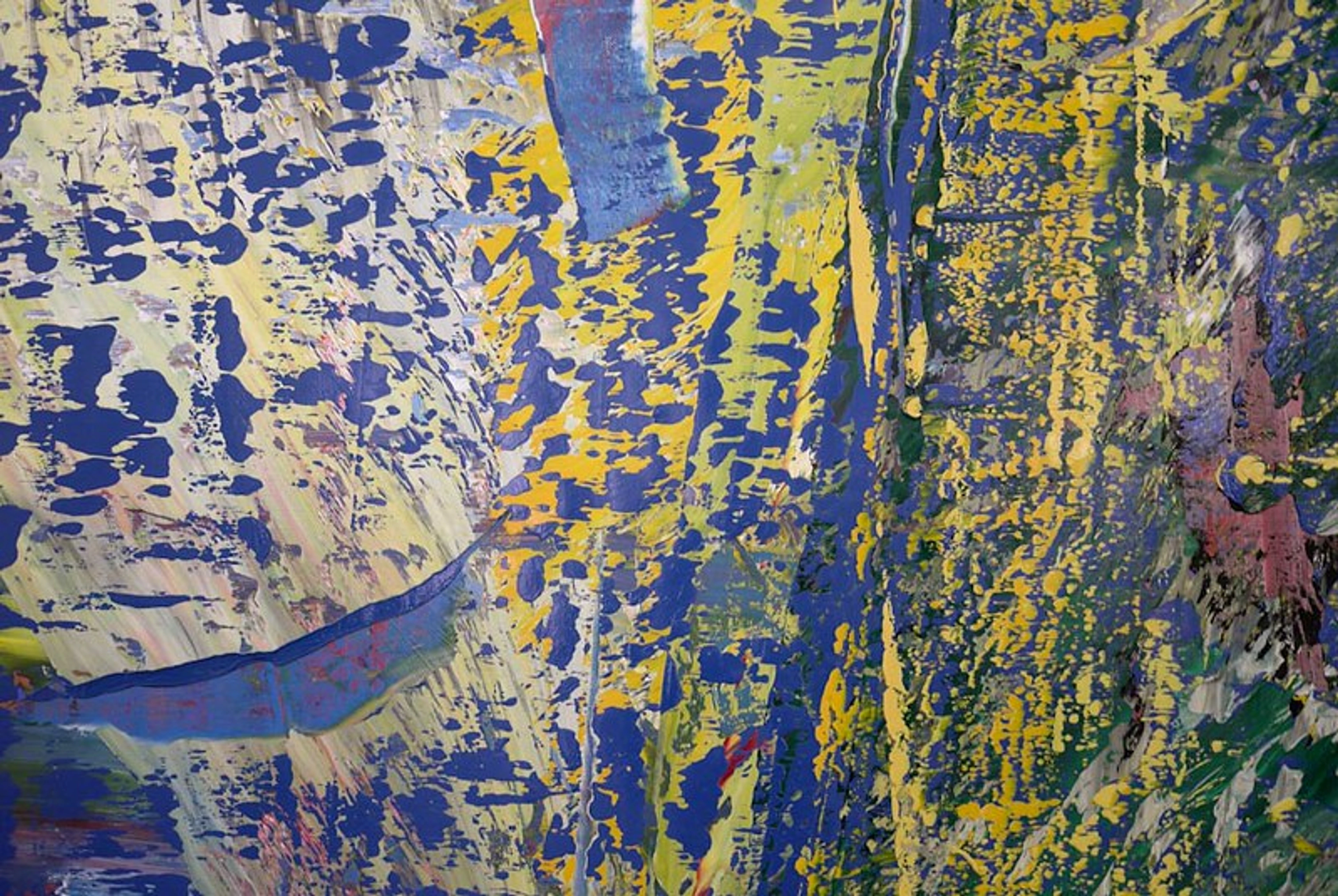
Your Horse Isn't Blue: A Guide to the Soul of Expressionism | zenmuseum.com
Focuses on Expressionism's core tenets as seen in iconic works like Franz Marc's Blue Horse I, from its symbolic color and emotional intensity to its revolutionary departure from realism and the social turmoil that fueled it.

Your Horse Isn't Blue, and That's the Point: A Guide to Expressionism's Electric Heart
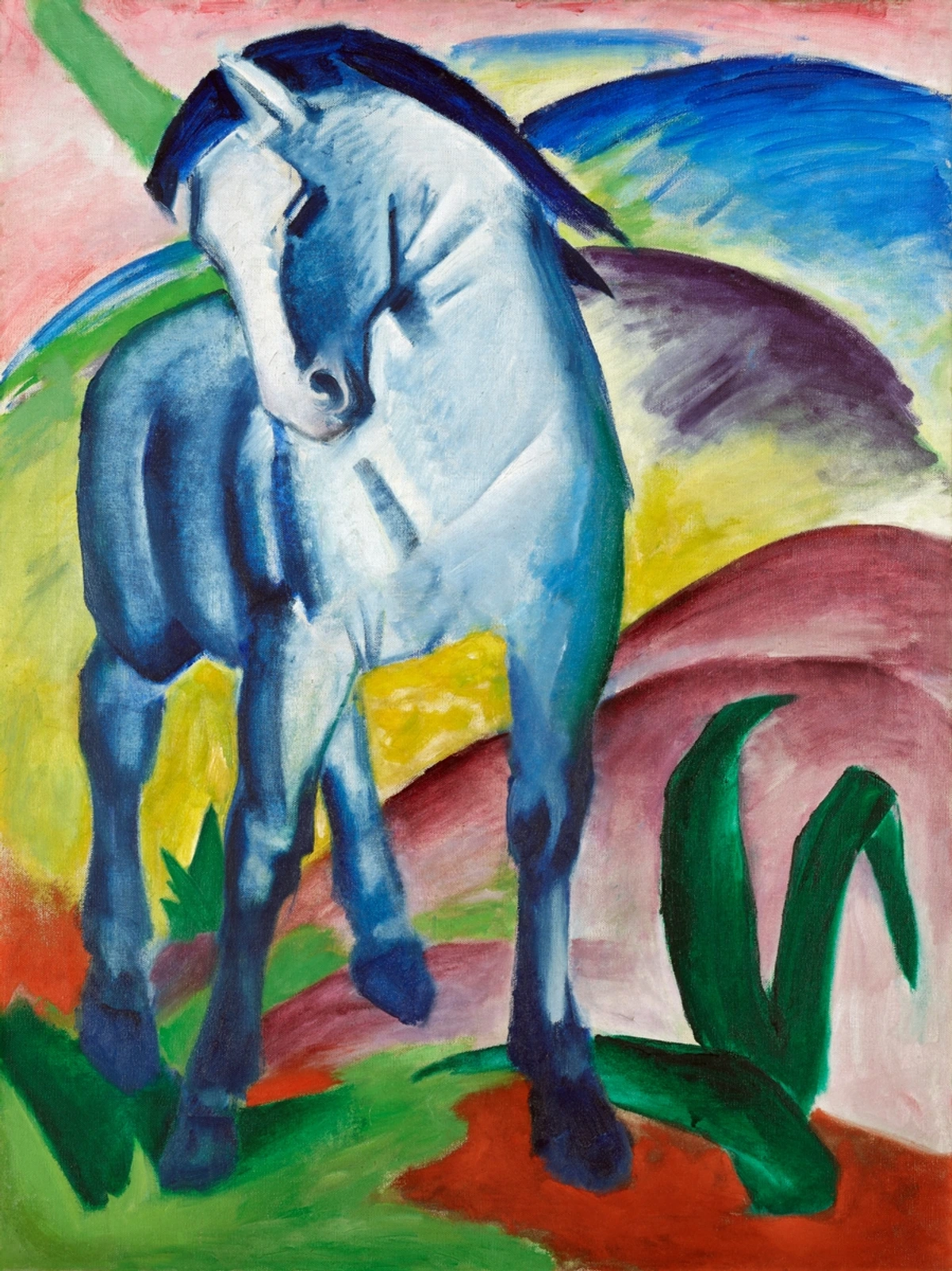
I need to confess something. The first time I stood in front of a painting by Franz Marc, I was furious. It was a print of his blue horse, and all I could think was, "Horses aren't blue. This is wrong." It felt like a transgression, a deliberate breaking of a fundamental rule. My brain, conditioned by a million years of pedestrian reality to expect certain colors—a chestnut brown, a dappled grey, a bay—short-circuited. It felt like a transgression, a deliberate breaking of a fundamental rule. My brain, conditioned by a million years of pedestrian reality to expect certain rules, short-circuited. It took me a long, slow minute to realize that my frustration wasn't a flaw in the painting; it was the entire point. The painting wasn't failing to depict reality; I was failing to see its deeper logic. I was still looking with my eyes when I should have been looking with my gut. The horse isn't supposed to be a horse you could find in a field. It's a vessel. And Expressionism is the art of filling that vessel to the brim with pure, uncut feeling.
This is where art stops being polite and starts getting real. It's the difference between someone telling you about their day versus someone screaming their truth at you from across a room. Expressionism demands we abandon our comfortable assumptions about how things should look and instead confront how they actually feel to the soul.

So, let's talk about Expressionism. Not the dry, academic definition you can find in a textbook, but the electric, world-shaking shock it delivered to the art world. Before we dive into its electric heart, let's quickly sketch its boundaries, especially against the vibrant backdrop of Fauvism. While Fauves like Matisse unleashed wild, joyful color for its own sake, Expressionists like Marc and Kirchner wielded that same chromatic power for a different master: raw, often anguished, psychological reality. It's the difference between a joyful noise and a primal scream. We'll use Marc's blue horse as our guide—a creature born not of nature, but of pure emotional necessity, a totem for an entire movement's philosophy. The horse becomes a spiritual compass, pointing us toward a world where color speaks a language more ancient than words and form carries meaning deeper than mere representation.
When the World Broke, Art Had to Speak
The early 20th century wasn't just changing; it was fracturing. The invention of the automobile, the rise of sprawling industrial cities, the ticking clock of global politics marching toward war—it created a deep sense of vertigo in the human soul. We were becoming cogs in a machine of our own making. This wasn't just a feeling, but a lived reality for millions who traded agrarian life for the clock-punching alienation of the factory floor.
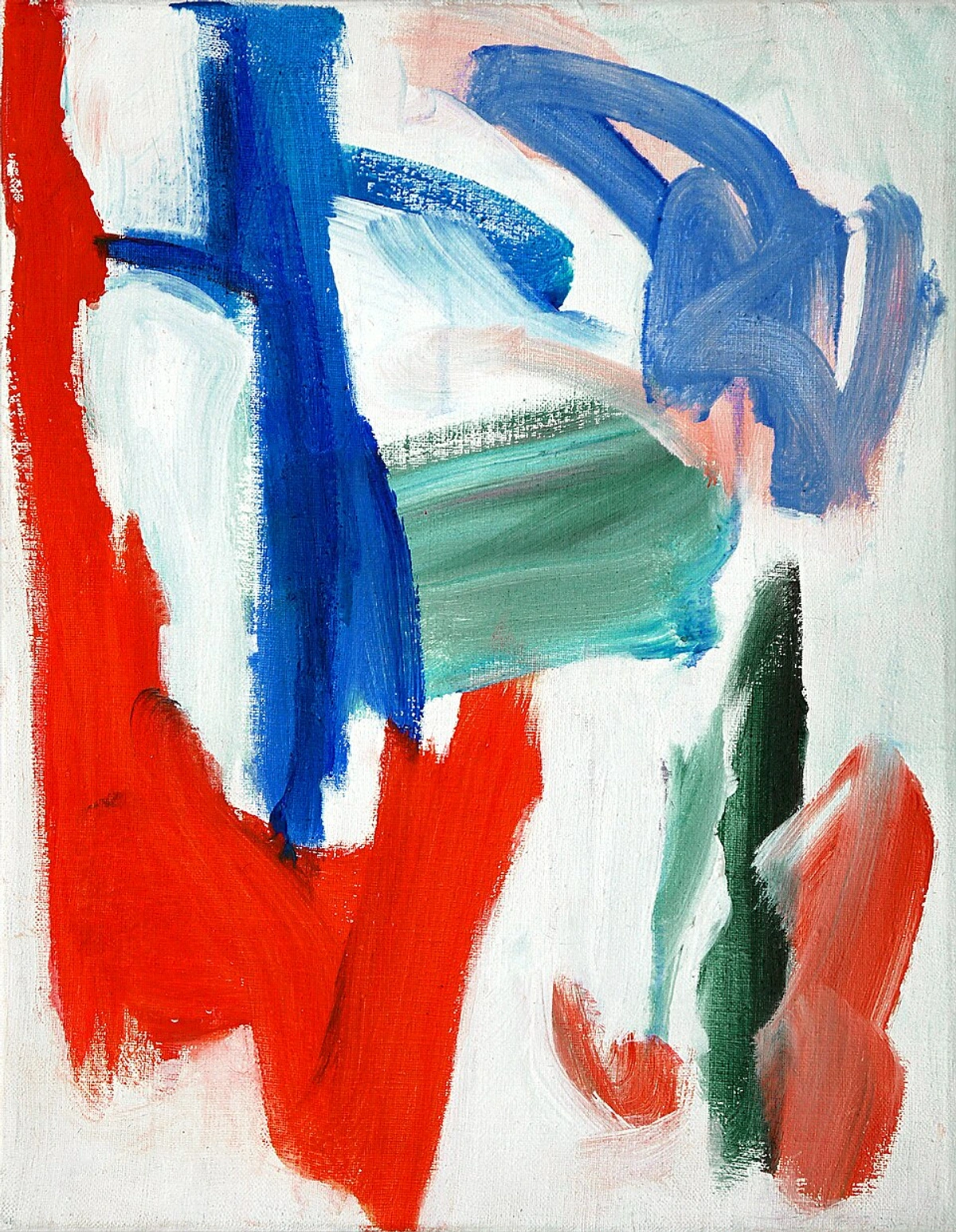
Expressionism didn't just happen. It erupted. It was a seismic cultural event, a collective howl against the dehumanizing march of progress. Imagine Europe in the early 1900s, teetering on the brink of ideological collapse. Archdukes were being assassinated, empires were rattling sabers, and a generation of young men would soon be fed into the meat grinder of industrial warfare. The world was humming with industry, cities were bursting at the seams, and a gnawing anxiety about modernity—a sense of individual alienation amid the mechanical crowd—was setting in. With the invention of photography, painters were suddenly freed from the burden of documentation. If a machine could capture reality with flawless, objective precision, what unique territory was left for a painter to claim? The answer, for the Expressionists, lay beneath the surface. A group of German and Austrian artists decided that if the world was becoming a cold, mechanical place, their art would be a furnace of raw emotion. This wasn't a conscious decision made in a vacuum. It was an instinctual, almost biological response to a world losing its humanity. Artists became witnesses to the soul's displacement in the modern age.
The goal was no longer to imitate the world, but to interpret it. To rip out its soul and show it to you under a blinding light. They were less interested in what a street looked like and more interested in what it felt like to be a small, anonymous person walking down that street, dizzy with noise and alienation. This is the fundamental pivot from mimesis (imitation) to poiesis (making, creation). Art was no longer a mirror held up to nature, but a furnace used to forge a new reality from the raw ore of emotion. This isn't just painting; it's anthropology of the psyche, an x-ray of society's hidden anxieties.
The canvas became a confessional, a psychiatrist's couch, and a revolutionary pamphlet all at once. This was art as an exorcism—a way to externalize the internal pressure of living in a world that seemed to have lost its soul. Every brushstroke was a step away from the abyss, a way to find one's own humanity in the machinery of the modern world. Even the human form wasn't sacred anymore. Expressionists twisted it, mangled it, and stripped it down to reveal a more honest geometry of suffering and ecstasy. It was the visual equivalent of a primal scream therapy session, and the resulting works were not meant to be beautiful. They were meant to be true. They were meant to be felt in the pit of your stomach, a gut punch of genuine, unfiltered human experience.
The Evolution of Feeling: From Van Gogh to Kirchner
Every revolution needs a prophet, and for Expressionism, that prophet was a misunderstood Dutchman named Vincent van Gogh. His paintings are the Rosetta Stone of emotional art, the place where the code was first cracked. Before him, distortion was a mistake. After him, it was a declaration of intent, a conscious choice to prioritize the soul's truth over the eye's report. He taught us to see the world's inner vibration, its underlying spiritual hum. Looking at his work is like suddenly understanding that the world isn't just what's on the surface; there's a constant, humming energy beneath it all that most of us are too busy to notice.
I often think about him in Arles, staring at a night sky not as an astronomer would, but as a man desperate to communicate a cosmic spasm. The actual night sky doesn't swirl with cypress flames. But his did. He wasn’t just seeing the sky; he was feeling its immense, terrifying, beautiful energy, and that’s what he put on the canvas. Expressionist artists, from Kirchner to Schiele, were the direct inheritors of that impulse: to paint the world not as your retina perceives it, but as your soul experiences it. It's like they were painting a new kind of truth—a psychic reality that felt more real than the visible world.
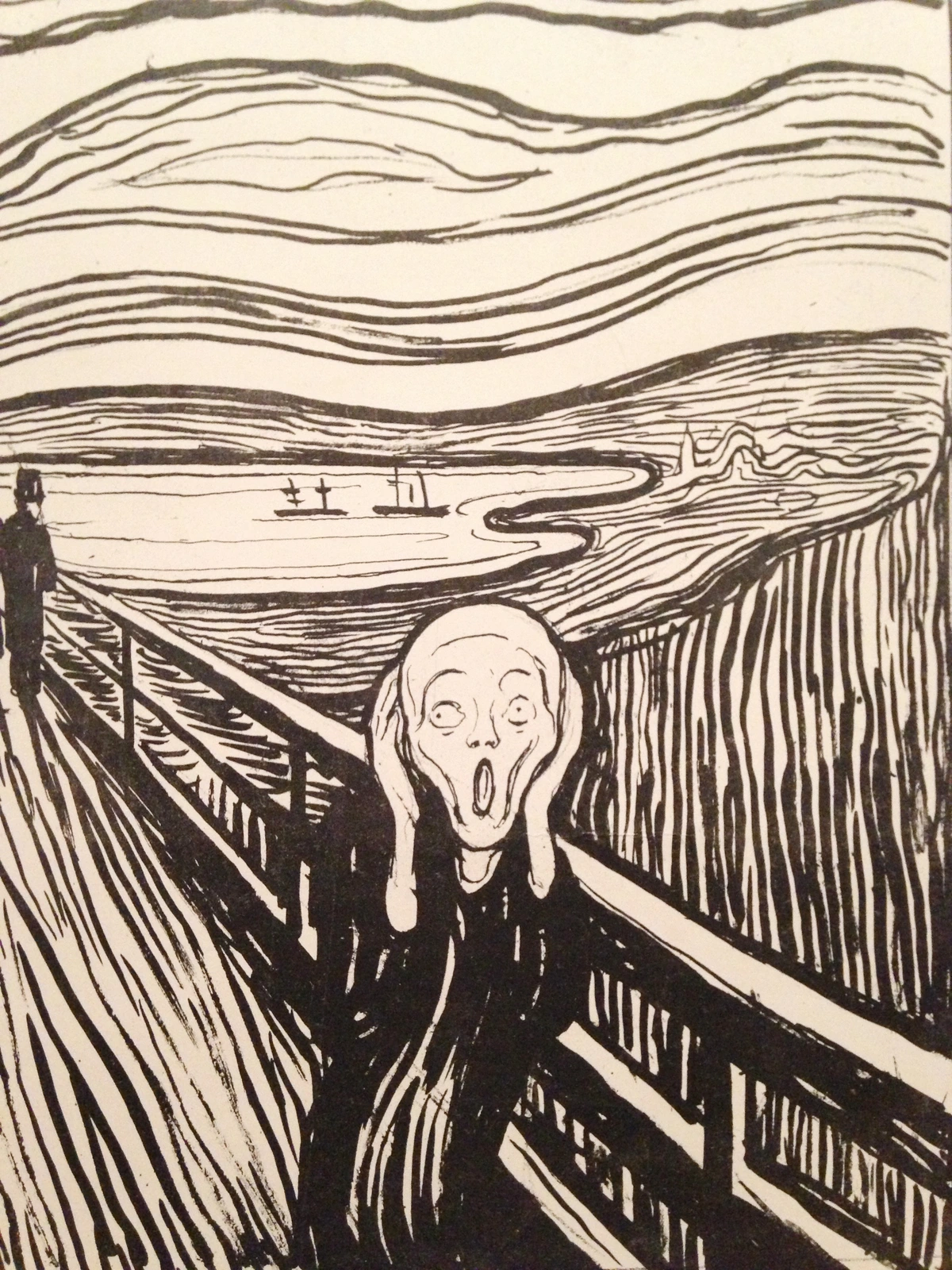
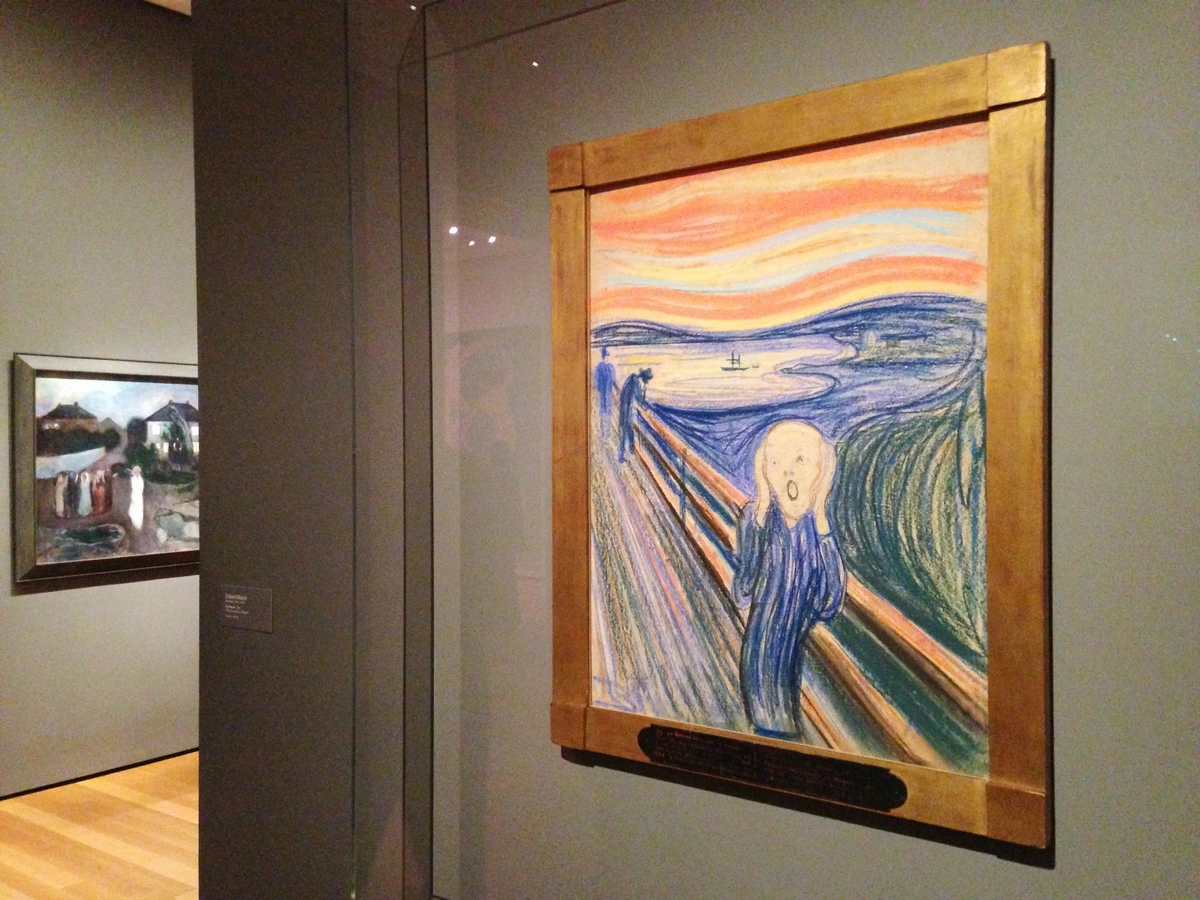
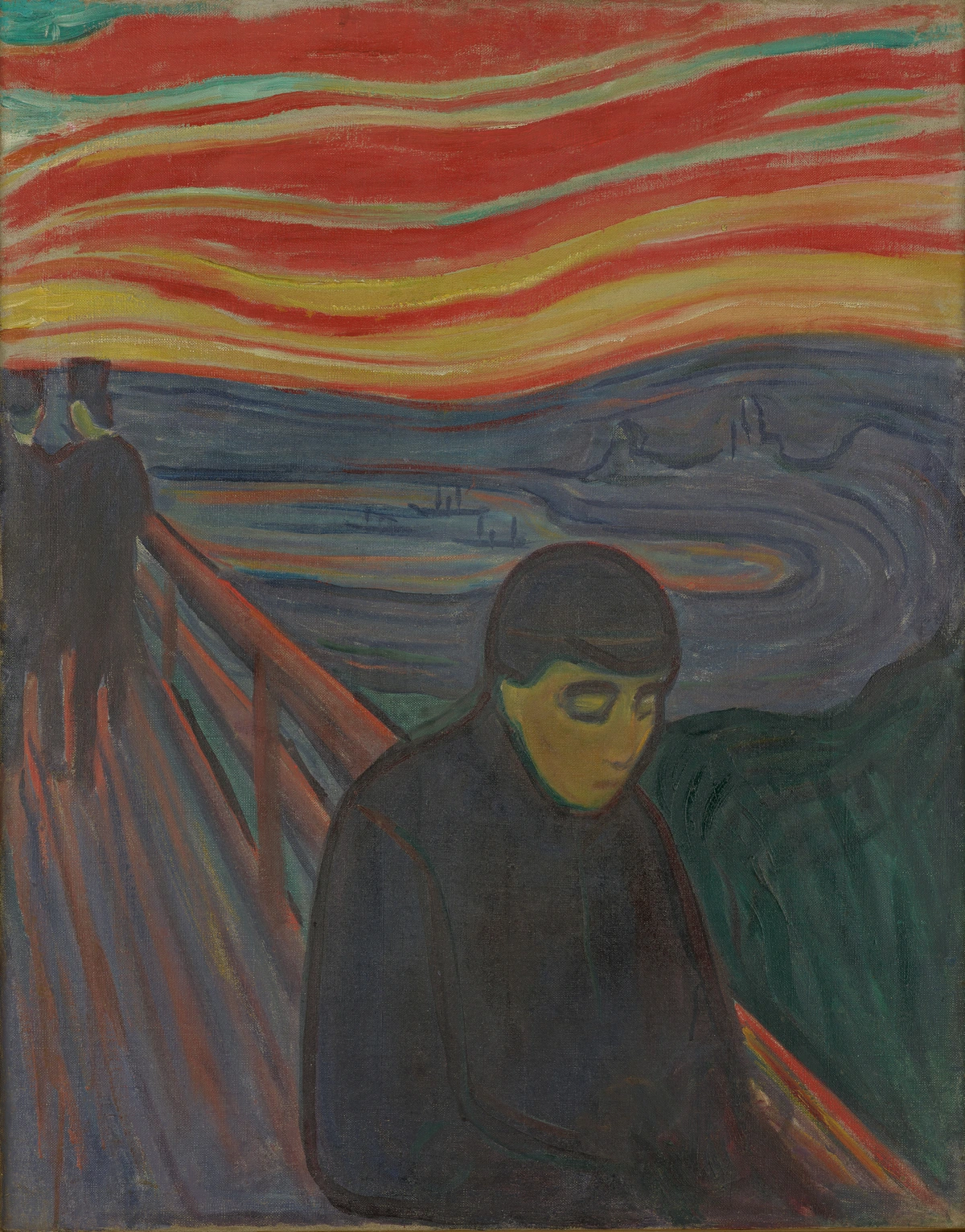
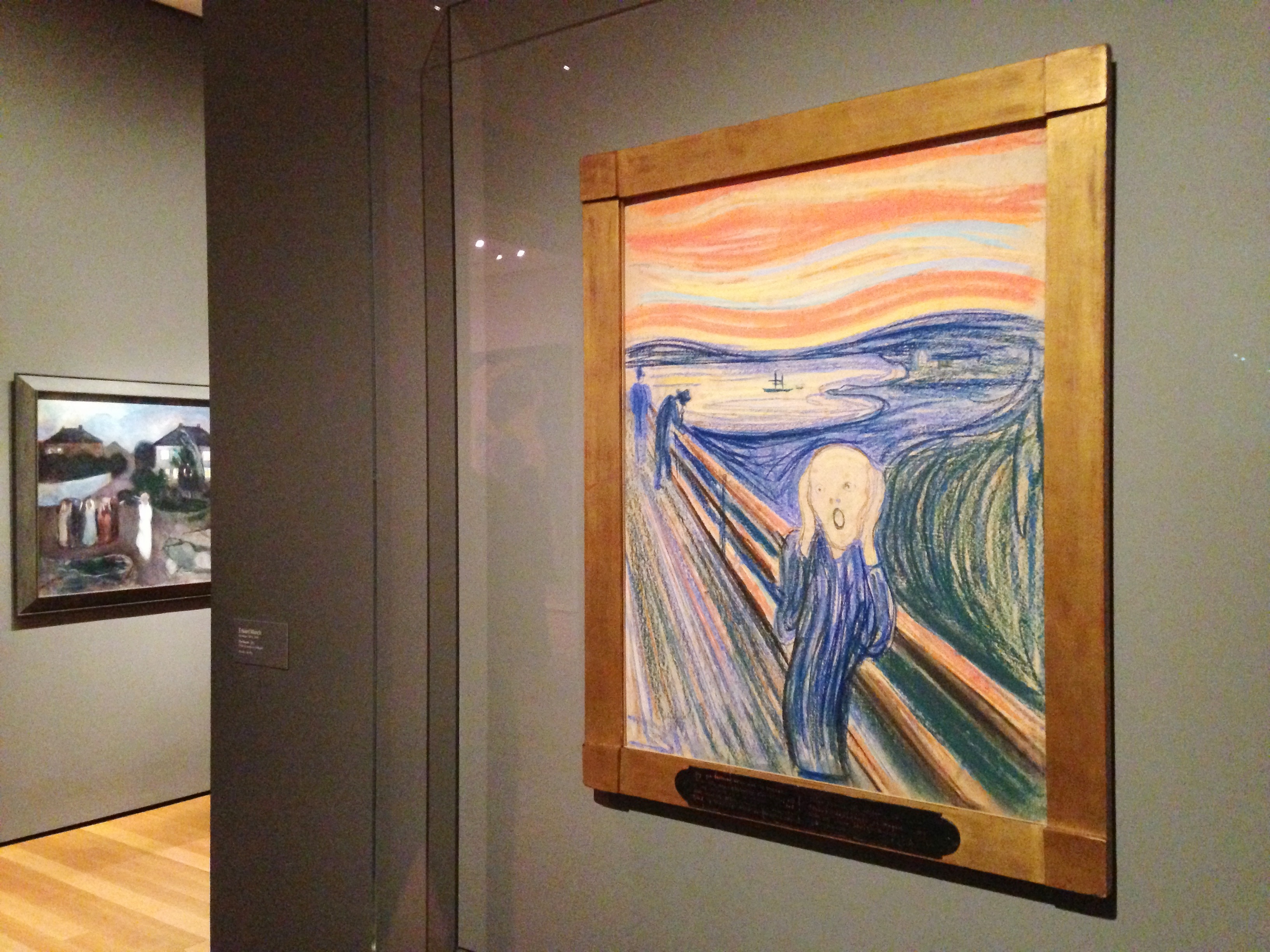
Edvard Munch, another crucial forerunner, gave us a visual language for anxiety itself in The Scream. He wasn't just painting a person; he was painting the very idea of existential dread. That figure on the bridge isn't screaming into the world; the world is screaming through the figure. He wasn't painting a person; he was painting the feeling of being an exposed nerve in a deafening world. The landscape itself seems to be caught in the same spasm of existential dread, becoming an extension of the figure's fragile psyche. Expressionism takes this seed of personal torment and cultivates it into a full-blown artistic philosophy.
Edvard Munch, another crucial forerunner, gave us a visual language for anxiety itself in The Scream. He wasn't just painting a person; he was painting the very idea of existential dread. That figure on the bridge isn't screaming into the world; the world is screaming through the figure. He gave anxiety a shape, a color, and a sound we could all recognize. He wasn't painting a person; he was painting the feeling of being an exposed nerve in a deafening world. The landscape itself seems to be caught in the same spasm of existential dread, becoming an extension of the figure's fragile psyche. Expressionism takes this seed of personal torment and cultivates it into a full-blown artistic philosophy.
The Birth of Pure Feeling
With the rise of photography, painters faced an existential crisis: what was the point of art if a machine could document reality better than a human hand? This question, asked with increasing urgency at the turn of the 20th century, led to a radical answer. It wasn't just an artistic question; it was a question about the future of human perception itself. If the camera could capture the surface, the artist was now free—or forced—to explore the depths.
With the rise of photography, painters faced an existential crisis: what was the point of art if a machine could document reality better than a human hand? This question, asked with increasing urgency at the turn of the 20th century, led to a radical answer.
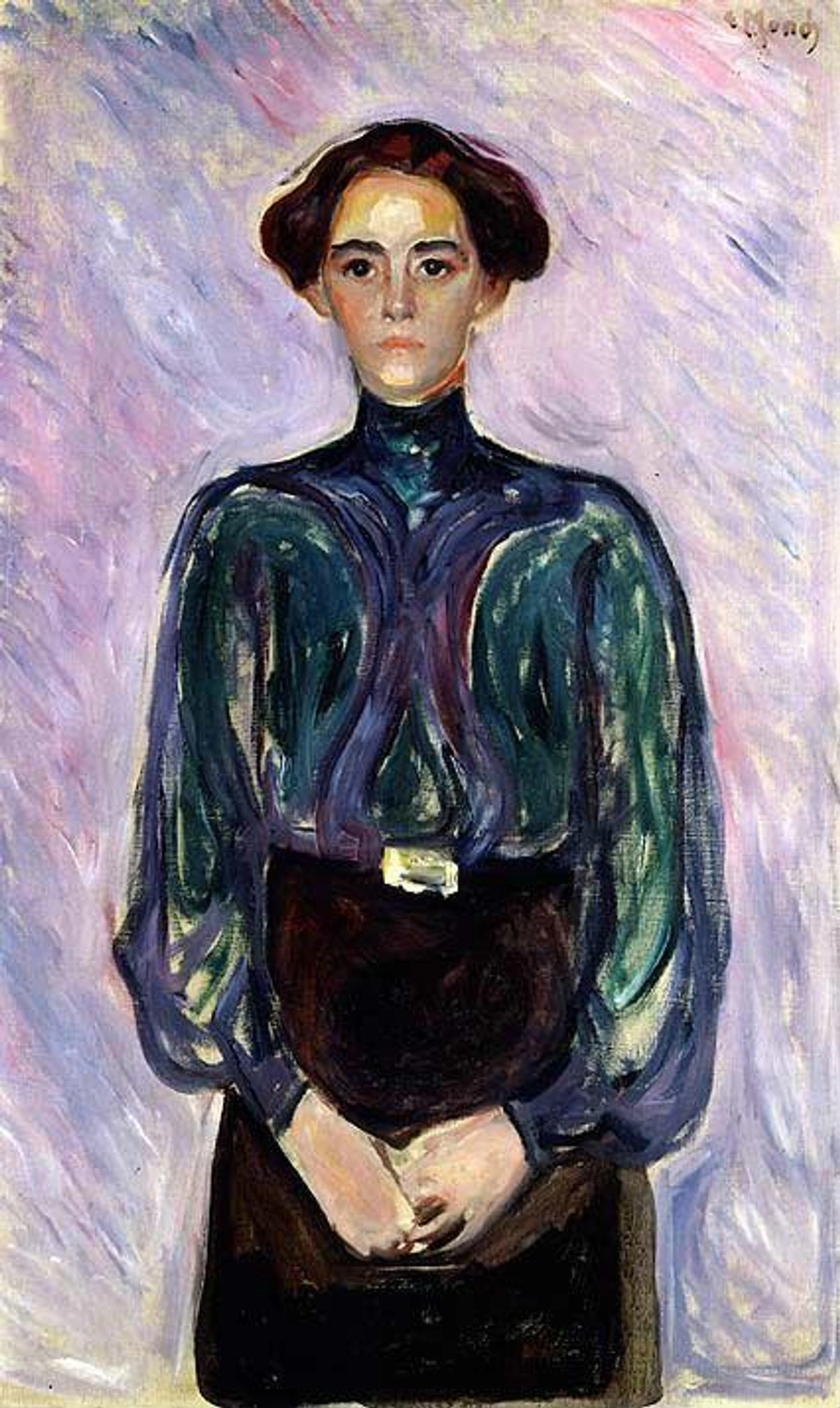
The answer, for the Expressionists, wasn't to compete with the camera. It was to do something the camera could never do: to abandon the external world entirely and delve into the internal human landscape of fear, spirituality, alienation, and ecstasy. This was a revolutionary act: declaring the artist's internal world not just a valid subject, but the most important subject of all. The camera sees what is; the artist reveals what is felt. This required a new visual language, one that relied entirely on the psychology of the artist. This pivot from external observation to internal excavation is the single most important contribution Expressionism made to the history of art. The canvas was no longer a window to the world; it was a mirror to the soul—and often, the soul was a turbulent, chaotically beautiful place. This marked a fundamental shift from art as representation to art as communication—a direct transmission of emotion from creator to viewer. It was like turning a photograph inside out, exposing all the hidden nerves and feelings that exist just beneath the surface.
This new philosophy demanded a whole new set of tools designed to bypass the eye and go straight for the gut.
So, how do you paint a feeling? You don't reach for the same old tools. Expressionist artists threw out the rulebook and picked up a set of radical new instruments designed to bypass the eye and go straight for the gut.
The Alchemy of Color
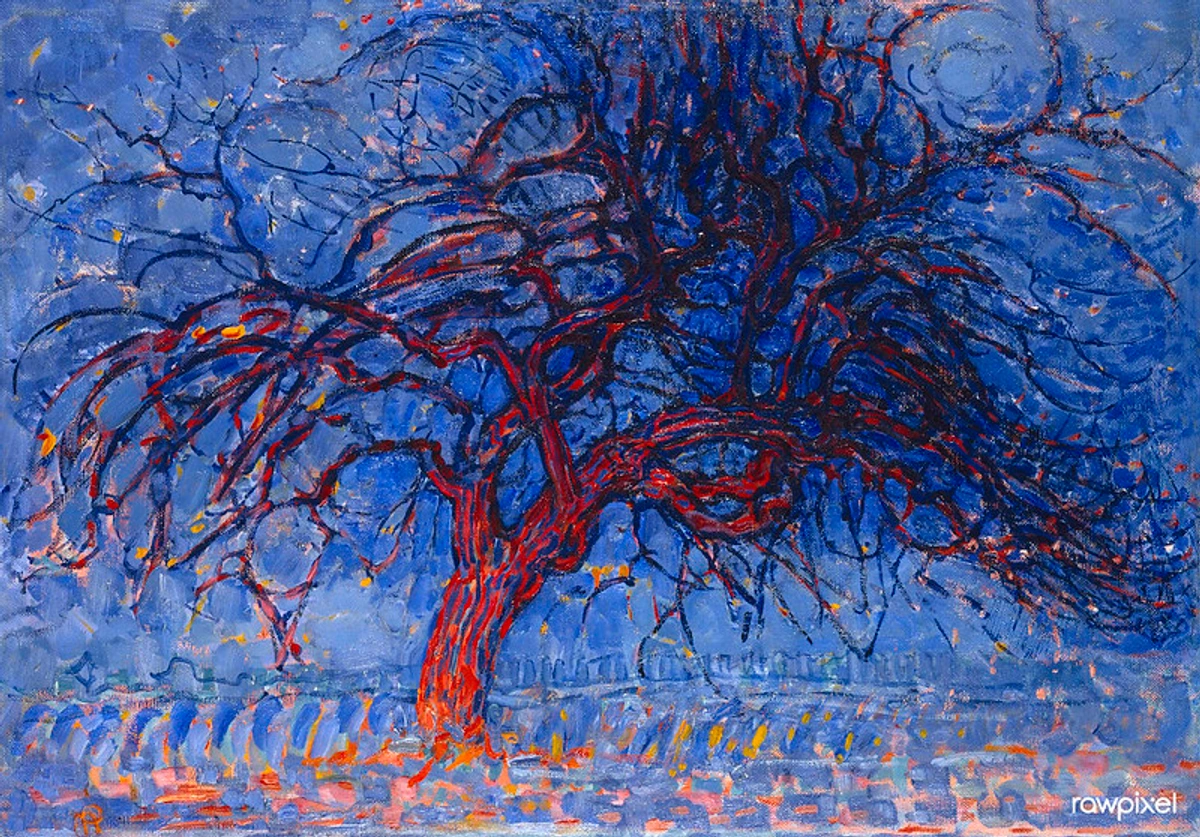
This is where Franz Marc's blue horse truly lives. For Expressionists, color wasn't for describing objects; it was for translating emotions. Marc believed colors had intrinsic spiritual values.
- Blue was the masculine principle, representing austerity and spirituality. A blue horse, therefore, is not a horse of the earth, but a creature of contemplation and divine intellect.
- Yellow was the feminine principle, sensuous and warm. It's the color of sunlight, of gentleness, of earthly joy and creative energy.
- Red was the pulse of primal matter, brutal, heavy, and alive. It represents the raw, untamed forces of nature and the base, physical reality we inhabit.
The Blue Horse is more than an animal; it's a manifestation of spiritual yearning, a creature of profound, contemplative energy. It's a feeling you can see.
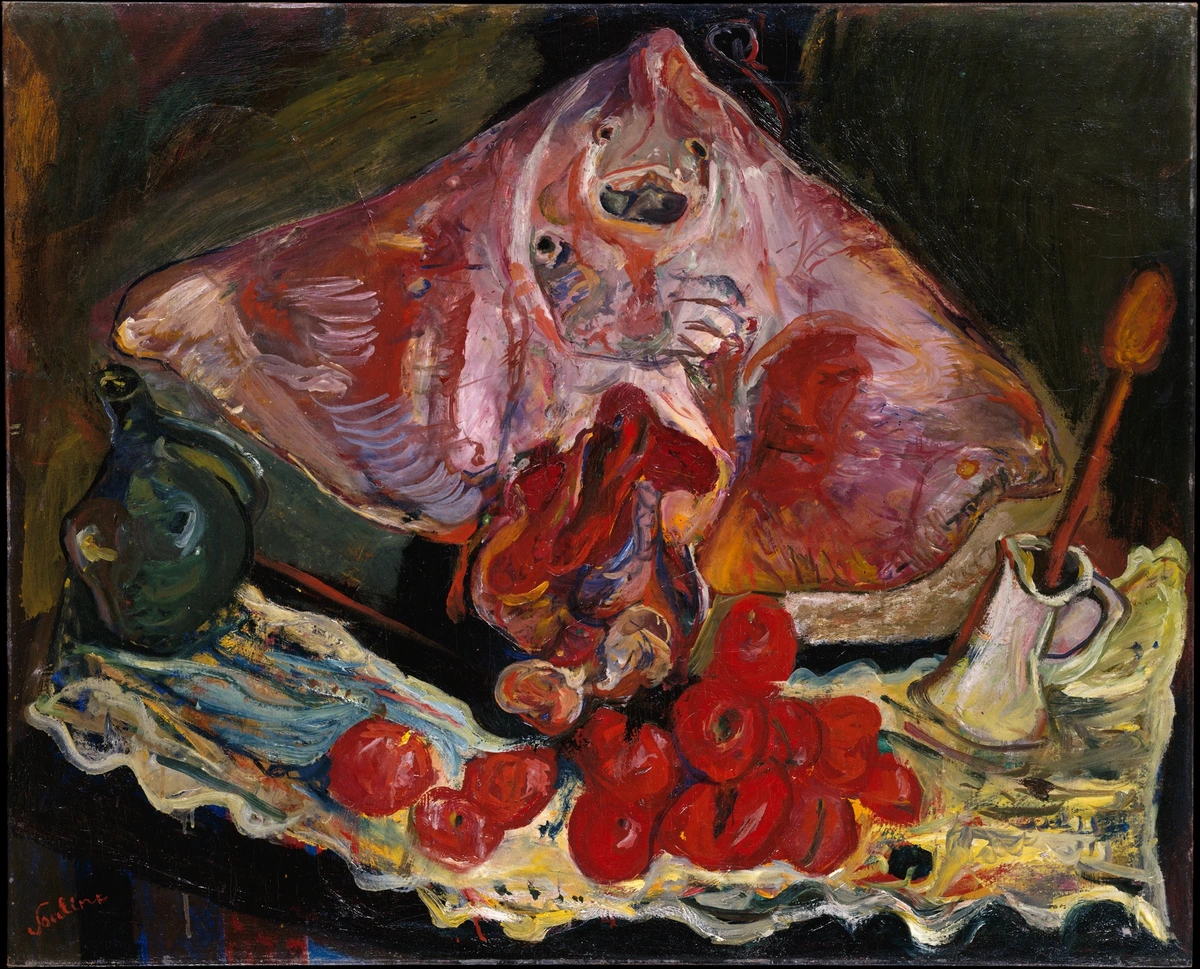
When you look at it, you're not looking at an animal; you're looking at an idea made flesh. Marc was painting a prayer, a vision of an existence free from the brutality he saw overtaking the world. The horse is calm, serene, and integrated into its colorful landscape—a stark contrast to the fractured, anxiety-ridden human world Marc inhabited and which he knew was careening toward catastrophe. Other Expressionists used color just as violently. They painted skies green and faces purple not as a mistake, but as a statement: the world is not as it seems, and my internal reality is more valid than your external one. It was a declaration of independence from the tyranny of objective reality. A green sky could mean jealousy, decay, or an otherworldly peace. A purple face could denote royalty, rage, or intense suffering. Color became a verb, not an adjective. It didn't just describe the world; it acted upon it, transforming reality into emotional data.
The Grammar of Form: When the Brushstroke Became a Scream
If color was the vocabulary of Expressionism, then form was its grammar—the way the words were put together to create meaning. This grammar was one of urgency, anxiety, and raw psychological energy. It was a language that valued passion over precision, directness over decoration.
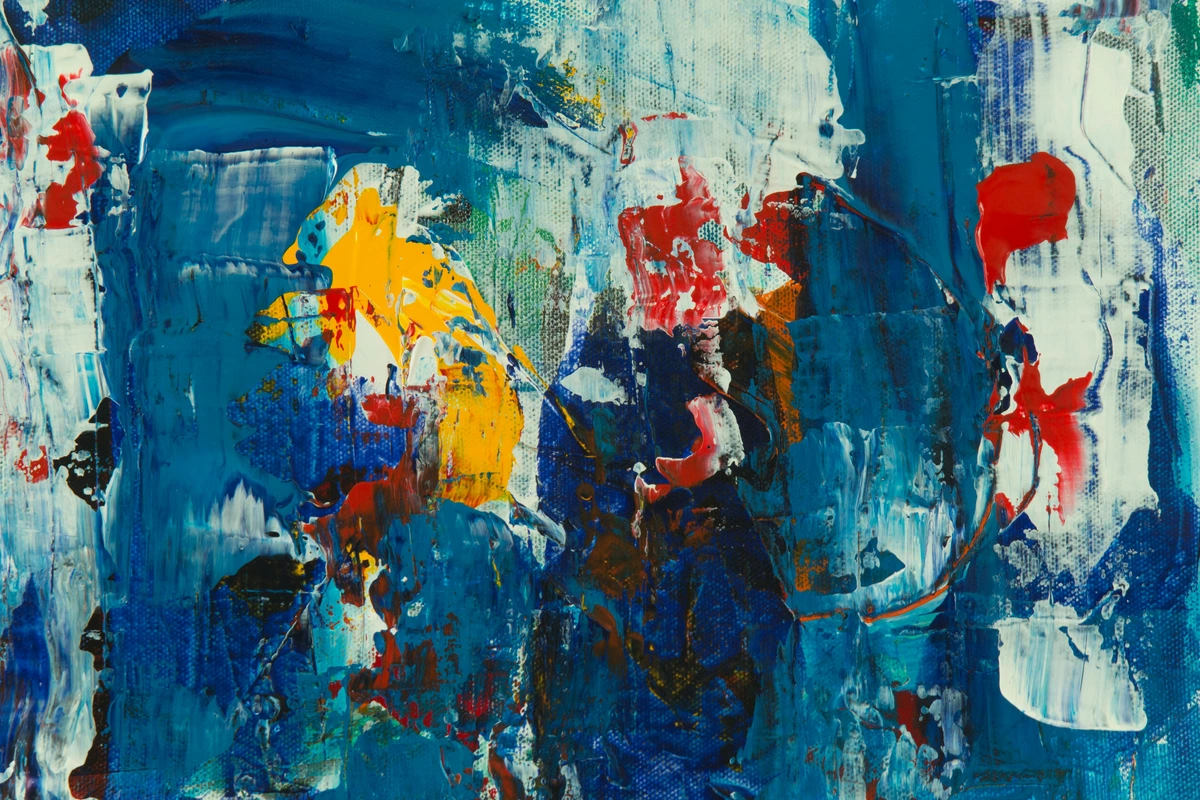
This is where the process bleeds onto the canvas. Expressionist brushstrokes are the fossilized evidence of a psychological event. They aren't smooth and hidden. They are aggressive, visible, and urgent, often showing the artist's hand with unapologetic force. This technique, known as impasto, creates a textured, sculptural surface where the painting itself becomes a physical record of the artist's movements and energy. You can almost feel the artist's hand moving—sometimes slashing, sometimes stabbing, sometimes caressing the canvas in a fevered attempt to get the feeling out. The brushwork isn't just a method of application; it's a seismograph reading of the artist's inner turmoil. A calm, meditative feeling might produce long, flowing, lyrical strokes, while a flash of rage or fear could result in jagged, staccato jabs of the brush or even palette knife. This isn't just a stylistic quirk; it's a metaphysical statement.
You can almost feel the artist's hand moving—sometimes slashing, sometimes stabbing, sometimes caressing the canvas in a fevered attempt to get the feeling out. The brushwork isn't just a method of application; it's a seismograph reading of the artist's inner turmoil. A calm, meditative feeling might produce long, flowing, lyrical strokes, while a flash of rage or fear could result in jagged, staccato jabs of the brush or even palette knife. This isn't just a stylistic quirk; it's a metaphysical statement. The jagged line, the jabbing staccato mark—these are the artist's pulse translated directly onto the canvas. The compositions, too, are designed to unsettle. A common trope is the dizzying, claustrophobic cityscape, tilting precariously as if seen through the eyes of someone on the verge of a panic attack. It’s not a picture of a street; it’s the feeling of the street swallowing you whole.
The Distorted Gaze is another key element. Expressionists often abandoned the rules of classical perspective, creating spaces that felt warped and psychologically charged. A horizon line might tilt precariously, or a room might seem to close in on its occupants. This wasn't just bad drafting; it was a deliberate attempt to make the viewer feel the emotional reality of the space. Think of Kirchner's Berlin street scenes—the buildings don't just sit there; they lean and loom, creating a sense of vertigo that mirrors the alienation of the modern city-dweller.
All of these elements—the violent brushwork, the claustrophobic compositions, the distorted perspective—came together to create an art that was intentionally aggressive. It was designed to make you uncomfortable, to break you out of passive viewing and force you to confront the emotional landscape it presented. The jagged line, the jabbing staccato mark—these are the artist's pulse translated directly onto the canvas. The compositions, too, are designed to unsettle. A common trope is the dizzying, claustrophobic cityscape, tilting precariously as if seen through the eyes of someone on the verge of a panic attack. It’s not a picture of a street; it’s the feeling of the street swallowing you whole. These tilted, claustrophobic compositions force a sense of physical and psychological instability on the viewer. You feel physically off-balance, mirroring the emotional imbalance of the subject and, by extension, the artist who created it.
The Purpose of Distortion: A Rebellion Against Reality
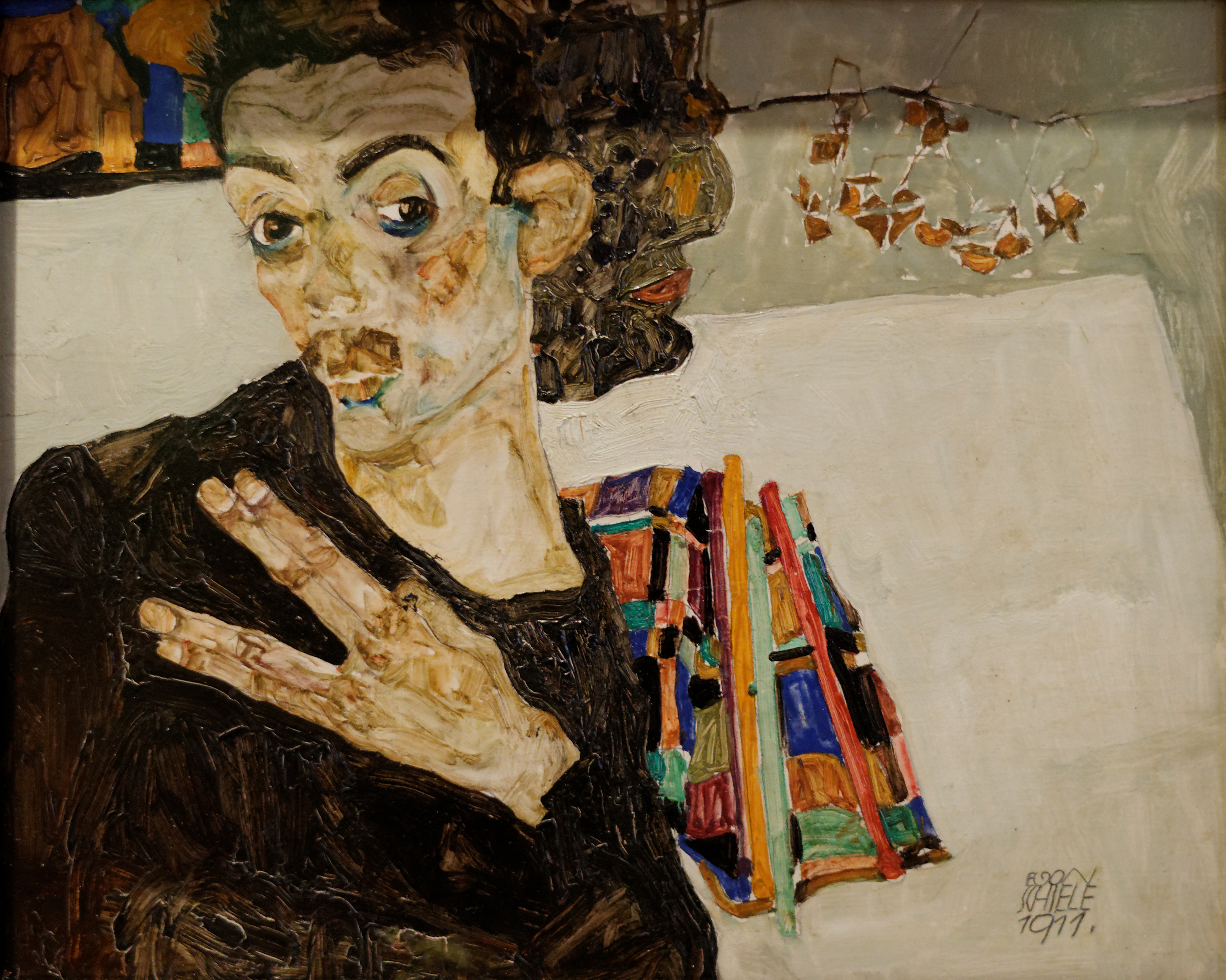
This is perhaps the most crucial element of all. Why make a horse blue or a face look like a primitive mask, as Egon Schiele so viscerally did? The answer lies in the desire to break through the veil of polite reality and touch something more primal.
This is perhaps the most crucial element of all. Why make a horse blue or a face look like a primitive mask, as Egon Schiele so viscerally did? The distortion of reality is a form of emotional amplification. It's an act of both rebellion and revelation. It's like turning up the volume on your stereo until the bass shakes your bones. The distortion doesn't obscure the truth; it reveals the emotional truth that has been hiding just beneath the surface of things.
By stripping away the familiar details—the kind a camera could capture—the artist forces you to confront the pure essence of their subject: its fear, its joy, its spiritual weight. It's like a singer breaking into a scream—the meaning is conveyed not by the lyrics, but by the sheer, raw sound of human emotion. The surface is annihilated to reveal the core. It's about rediscovering primal truths, not through calm observation, but through emotional transduction. The goal is to make you feel the world through the artist's nervous system, not just see it through their eyes. This was inspired by so-called "primitive" art from Africa and Oceania, which Expressionists admired for its raw spiritual power over realistic imitation.
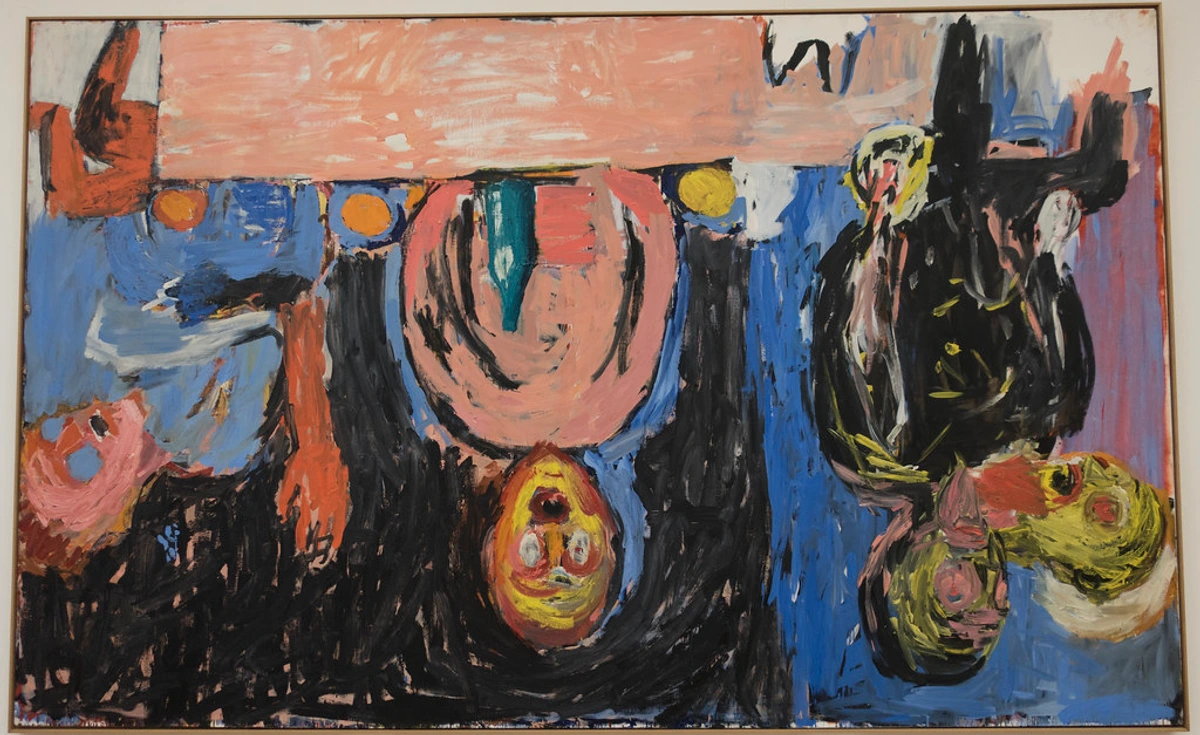
This distortion connects Expressionism to older, "primitive" art forms that European artists were just beginning to appreciate, such as African masks or Pacific Islander carvings. These objects weren't meant to be realistic portraits; they were vessels for spiritual energy. Expressionists saw this primal power and recognized a kindred spirit—a shared belief that art's true purpose is not to imitate, but to invoke. They understood that a mask could be more "real" than a photograph because it captured the spirit, not the skin. The Expressionists recognized a kindred spirit in this approach, seeing in that raw, unrefined power a way to break free from centuries of artistic tradition that prioritized technical perfection over emotional honesty. It was a way of saying: the rules don't matter if they prevent us from telling the truth about what it feels like to be human.
Major Leagues of Feeling: Key Expressionist Groups
Die Brücke (The Bridge)
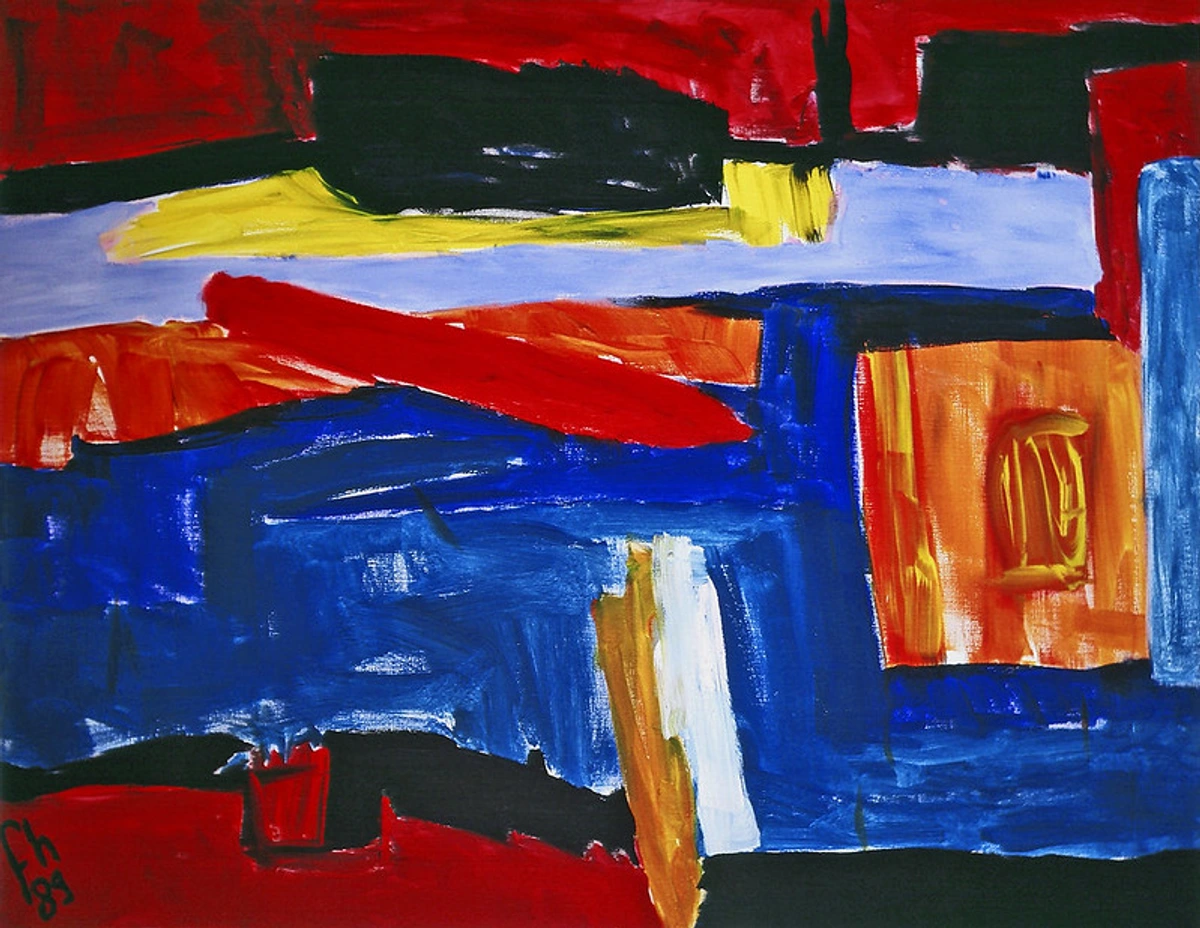
Formed in Dresden in 1905 by artists like Ernst Ludwig Kirchner, this group wanted to build a "bridge" back to a more authentic, pre-industrial past, a sort of artistic primal scream against modern alienation. Think of them as the punk rockers of the Weimar-era art world.
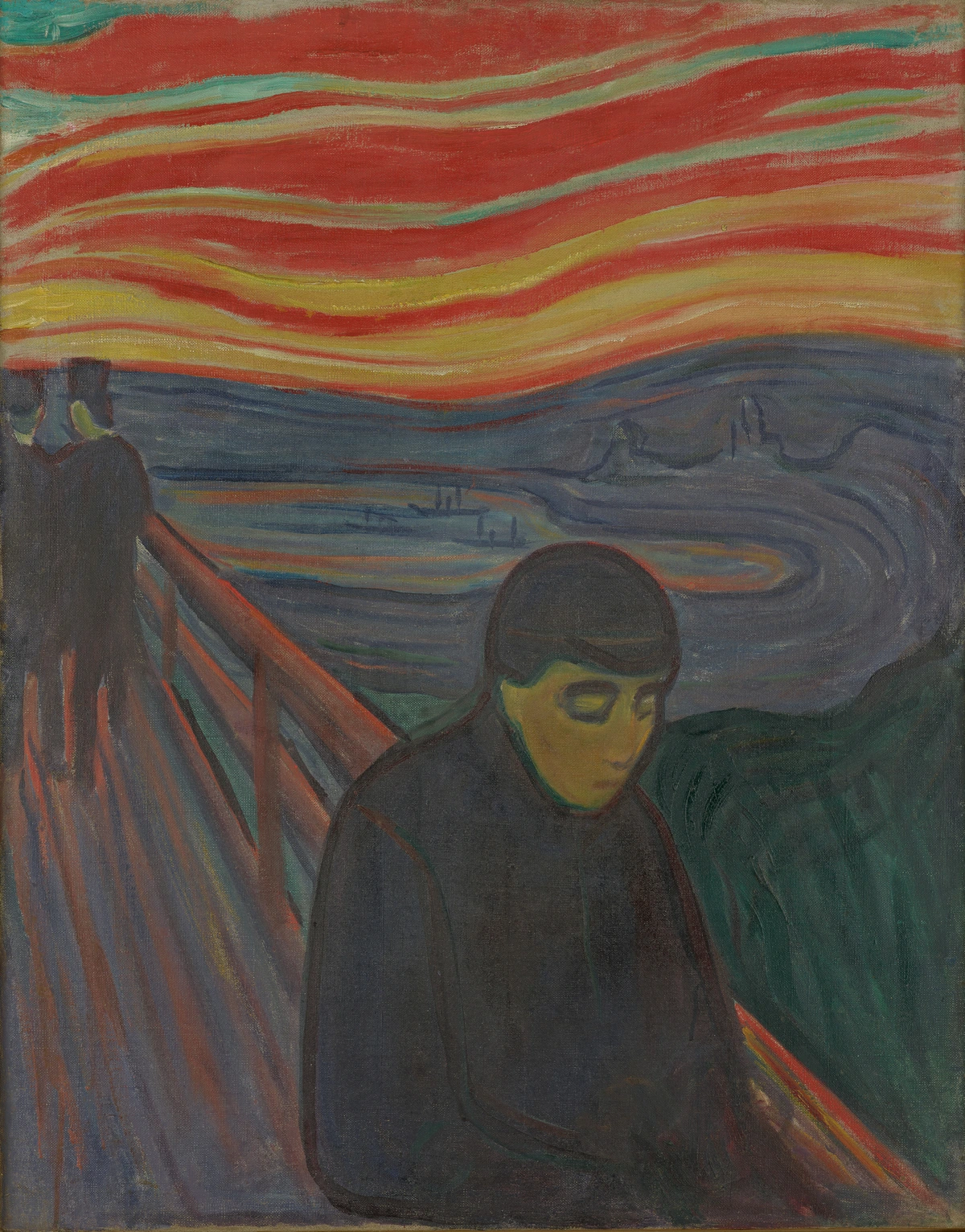
Theirs was an art of confrontation. They deliberately cultivated a raw, almost childlike aesthetic, shunning academic polish in favor of primal energy. Their studios were chaotic meeting places for radical ideas, and their art reflects that—it's jagged, restless, and bursting with a nervous energy that perfectly captures the anxiety of the modern metropolis. Their work is aggressively raw, angular, and confrontational, often featuring jagged nudes in unsettled, unnaturally colored landscapes. They wanted to shock the complacent middle class out of its stupor, to strip away bourgeois pretensions and reconnect with something more savage and vital. The figures in their paintings seem to be vibrating with energy, their bodies contorted by the pressures of the modern world. It's not a peaceful world they depict; it's a world tearing itself apart. Even their nudes, often painted in the studio, are not idealized forms but raw, unvarnished, and psychologically tense, reflecting a world stripped of its illusions. To understand their mission, look no further than the art techniques of Die Brücke, which often involved simplified forms and stark emotional contrasts.
Der Blaue Reiter (The Blue Rider)
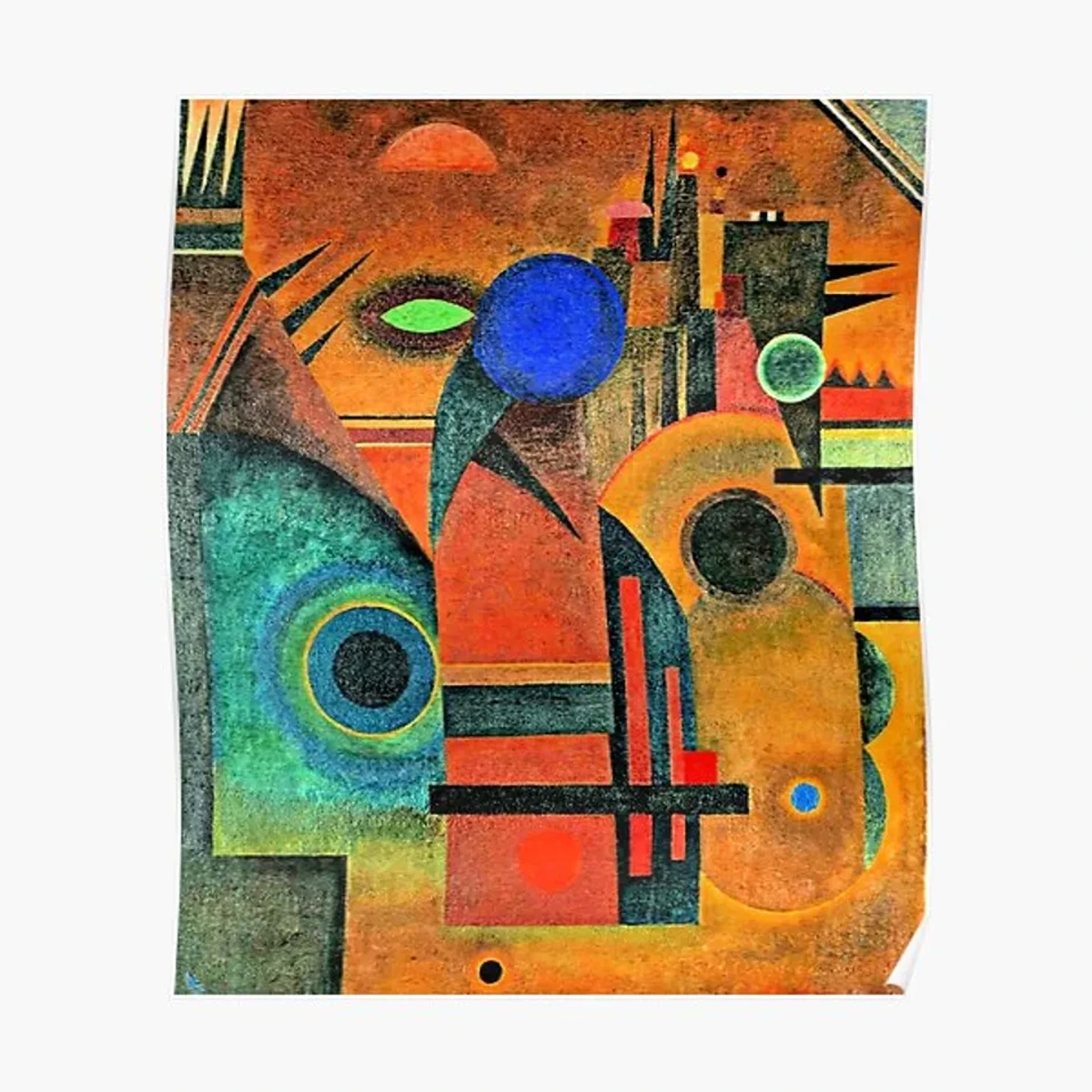
This is Franz Marc's crew, which formed in Munich around 1911 with the legendary Wassily Kandinsky. While Die Brücke looked to the past and the earth, Der Blaue Reiter looked to the future and the spirit. Their gatherings were more like philosophical salons than artist collectives, filled with discussions about music, spirituality, and the very nature of human perception. This difference is stark. Die Brücke wanted to feel the dirt under their fingernails; Der Blaue Reiter wanted to dissolve into the metaphysical ether.
While Die Brücke was more focused on raw, earthbound human anxiety, Der Blaue Reiter was interested in spirituality and the abstract potential of art. They believed color and form, stripped of literal imagery, could create a pure symphony of emotion—a concept Kandinsky pursued with religious fervor, culminating in the birth of abstract art. Theirs was a quest for a universal language, a visual music that could speak directly to the human soul, bypassing culture and intellect entirely. The name itself, "The Blue Rider," suggests a quest—a spiritual journey towards a new artistic frontier. Marc's blue horse, serene and contemplative, is perhaps the perfect mascot for that entire mission. The rider, moving towards a new, unknown spiritual reality, is the artist; the blue horse is the vehicle of emotional and intellectual power that carries them there. It represented a belief that art could be a form of spiritual transcendence, a way to access a higher, more universal plane of existence.
The Human Connection: Why Expressionism Still Screams Today
We live in strange times, don't we? Our world, with its curated digital realities, feels eerily similar to the alienating industrial landscape the Expressionists fought against. We are more connected than ever, yet somehow more alone. We are bombarded by images, yet starved for genuine feeling.
The world today, with its curated feeds and relentless digital churn, resembles pre-war Europe more than we might think. We live in an age of unprecedented connectivity, yet profound personal alienation. We are surrounded by images, yet starved for genuine feeling. More than a century later, why should you care about a blue horse? Why does a century-old scream still echo?
Because Expressionism is a potent reminder that art is not just decoration. It's a primal method of communication, a testament to the individual spirit in an increasingly mechanized world. It's a declaration that our feelings are not just valid, but essential. In a world that constantly demands we present a polished version of ourselves, Expressionism offers a radical alternative: the permission to be a glorious, chaotic, unfiltered mess. It's the art of the honest tantrum, the spiritual vision, and the raw nerve. In an age of filters, algorithms, and artificial intelligence, the idea that a painting can be an honest, unfiltered scream from a human soul feels more urgent than ever. It's the antidote to the generic, the prefabricated, the emotionally sterile. When I finally understood Marc's horse, it changed how I saw everything. It wasn't about being a "good" painting; it was about being an honest one. We live in a world constantly asking to see our curated, filtered "best selves," leading to a deep sense of inauthenticity. Expressionism offers a powerful antidote: the radical idea that our unfiltered, messy, and even ugly internal states are not only valid, but worthy of being the central theme of great art.
In an age of AI-generated images and algorithm-curated lives, the idea that a painting can be an honest, unfiltered scream from a human soul feels more urgent than ever. It’s the antidote to the generic, the prefabricated, the emotionally sterile. When you look at an Expressionist work, you aren't just seeing colors on a canvas. You're making eye contact with another person's internal world, a century removed. It’s an invitation to feel more deeply, to trust your own emotional responses, and to remember that sometimes, reality simply isn't enough.
Expressionism argues that your feelings—your anxiety, your wonder, your spiritual confusion—are not just a valid subject for art. They are, in fact, the whole point. This is the movement's enduring legacy: the validation of our inner lives in a world that often demands we ignore them in favor of a more "acceptable" reality.

Creating in the Spirit of Expressionism: A Practical Nudge for Artists
You don't need to be a 20th-century German to feel the pull of Expressionism. The tools of emotional honesty are available to anyone, at any time, and they start with a single, radical permission: the permission to let feeling guide the form.
It's tempting to stand in front of a canvas and think only of technique—of perspective, anatomy, and color theory. Expressionism asks you to forget all that. It's a permission slip to abandon the need to be "right" in favor of being profoundly, unapologetically true to your own internal experience. Whether you're a painter, a writer, or a musician, the core takeaway is disarmingly simple: let feeling guide the form. Your inner world is not just a valid source of inspiration; it's the whole point. It's the permission slip to abandon the need to be "right" in favor of being true.
I often tell people who are stuck to stop trying to paint a "thing" and start trying to paint a "state of being." Don't aim to paint a tree; aim to paint the feeling of stillness you get under its shade. Don't try to draw a face; try to draw the specific texture of a specific loneliness. Don't try to illustrate a story; try to capture the deep, vibrating hum of a memory before it fades. What is the texture of your anxiety? Is it sharp and spiky, or a dull, heavy fog? What color is your joy? Does it feel like a bright, clear yellow or a deep, resonant gold? This simple shift changes everything—it reframes every "mistake" as a potential truth and every "wrong" color as a correct emotion. This reframing unlocks something. Suddenly, a clumsy line isn't a mistake—it's a sign of urgency. A "wrong" color is the right one for the feeling.
It teaches you to trust your hand, your gut, and your emotional response more than any textbook. The goal isn't to create a sanitized, marketable image; it's to leave a piece of your own nervous system on the canvas.
Here's a simple exercise: Start with a memory—a truly visceral one, a moment of intense emotion. What color is that feeling? Is it a listless, washed-out grey? Is it a violent, shocking orange?
What shape is it? Jagged and sharp, or soft and amorphous?
Now, paint that. Don't illustrate the memory; translate it. Don't be afraid to let your lines be clumsy or your colors "wrong" by academic standards. The goal isn't technical perfection; it's emotional honesty. This is the permission that Expressionism grants every single one of us: the permission to stop trying to be "good" and start trying to be "real." As Marc himself put it, he was seeking an art that "unfolds our inner wishes." Your inner wishes, however chaotic, are the most powerful creative force you possess. They are the raw ore from which true art is forged. As Marc himself put it, he was seeking an art that "unfolds our inner wishes." Your inner wishes, however chaotic, are the most powerful creative force you possess.
The End of the Odyssey and Expressionism's Enduring Legacy
The story of German Expressionism is tragically intertwined with the story of Germany's descent into war. Franz Marc himself, that gentle painter of spiritual animals, was a casualty of the very mechanized brutality his art seemed to warn against. He was killed in 1916 at the Battle of Verdun.
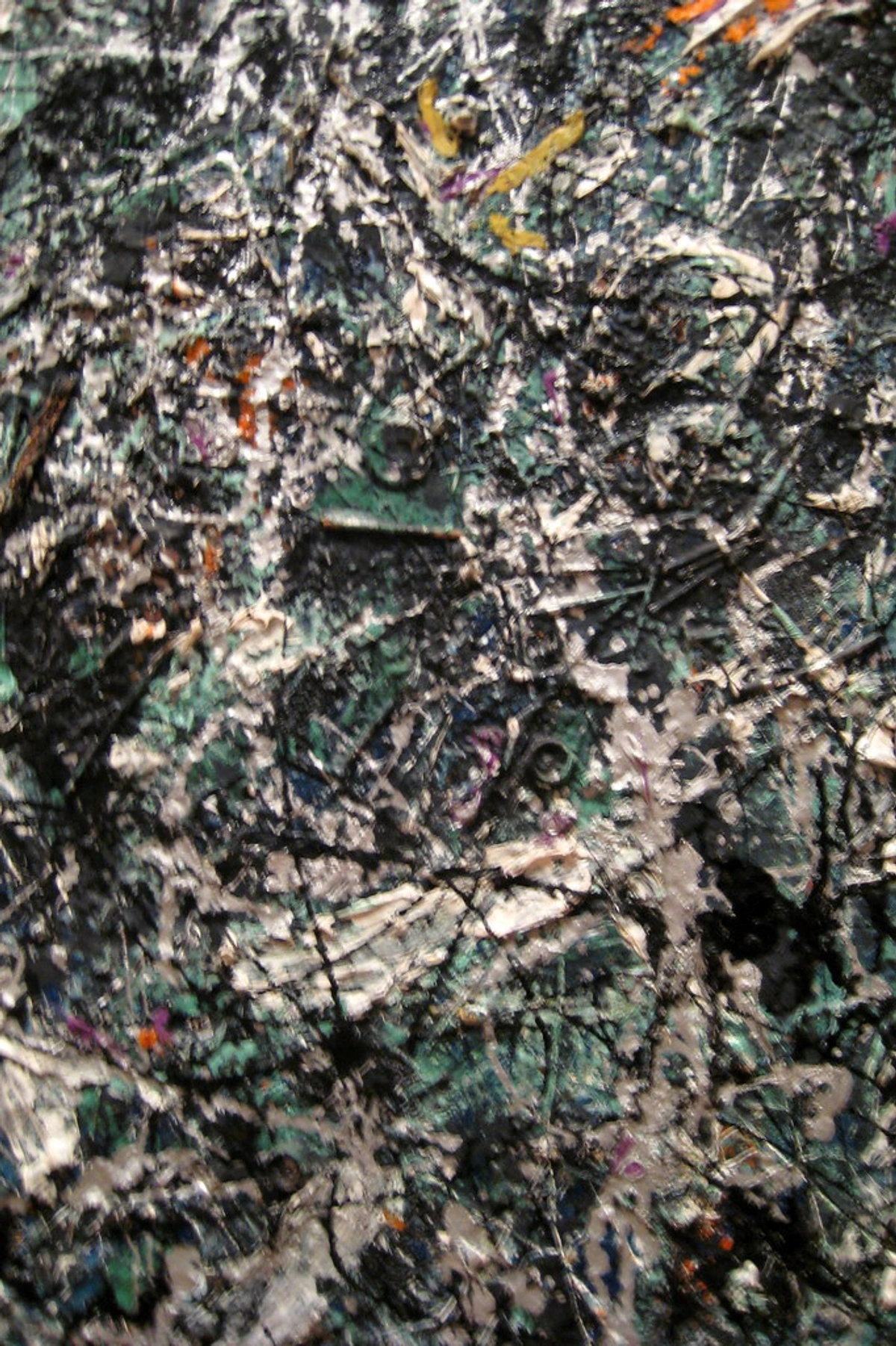
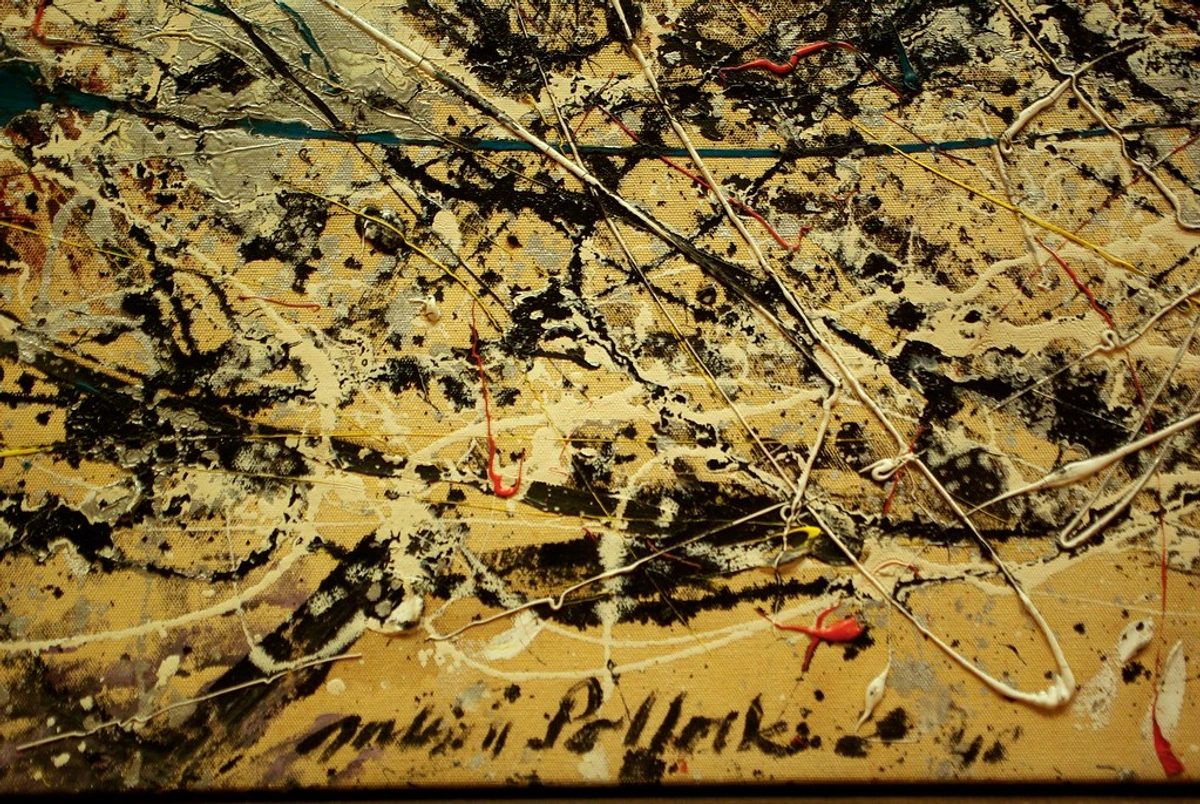
Franz Marc's journey with the blue horse was tragically short. He was killed in World War I in 1916, a conflict that many feel marked the bloody end of the first wave of Expressionist optimism. But the movement didn't die with him; it simply mutated, its spirit fragmenting and finding new bodies to inhabit. His friend and collaborator, Kandinsky, was devastated by the news, feeling the loss not just of a person, but of a pure artistic soul. Its DNA is everywhere. The movement might have been suppressed by the Nazis, who labeled it "degenerate art" (Entartete Kunst), but you cannot kill an idea as powerful as this. Its spirit simply went underground, mutated, and resurfaced in new and unexpected forms. In 1937, the Nazis held a massive exhibition of this confiscated "degenerate" art to ridicule it, inadvertently introducing millions to the very modern art they sought to destroy. You can see its raw angst in the massive canvases of Abstract Expressionism, where painters like Pollock and de Kooning transformed personal turmoil into pure gesture decades later. The idea that the canvas could be an arena for a direct, physical act of creation—that the painting itself is a record of an event—comes straight from the Expressionist playbook. The bold, non-naturalistic color lives on in the work of countless contemporary artists who prioritize emotional impact, and its spirit of rebellion echoes in the distorted figures of street art and agit-prop.
That blue horse wasn't just a subject. It was a declaration of independence for the soul of art. It told the world—and it tells us today—that the most profound truths aren't found in what we see, but in what we feel. It's a lesson that art is not a passive reflection but an active force, capable of shaping our inner world just as powerfully as the outer one. And sometimes, to tell that truth, you have to be brave enough to paint the world in a color it has never seen.
Frequently Asked Questions (FAQ)
This section aims to be the ultimate resource for the most common questions about Expressionism, going beyond simple definitions to connect you with deeper explorations in our collection.
What was Expressionism in art?
Expressionism was a revolutionary movement that erupted in Germany and Austria in the early 20th century. It was less a single, cohesive style and more a shared philosophical mission: to place the artist's internal world—their emotional and psychological state—above objective reality. Its core principle was to prioritize the artist's inner emotional and psychological experience over objective, realistic representation. It was a fundamentally anti-materialist stance, arguing that how you feel about a thing is more true than its objective properties. Think of it this way: before Expressionism, most art was a window looking out at the world. Expressionism turned that window into a mirror, forcing the viewer to look in at the artist's soul. It inverted the entire purpose of art, making the viewer a witness to a profound psychological event rather than a consumer of a pleasing image. The anxieties of modern life, the search for spiritual meaning, and the raw intensity of human feeling became its primary subjects. Rejecting the idea of art as mere imitation, the goal was not to show the world as it is, but as it feels to the artist's soul. The anxieties of modern urban life, the search for spiritual meaning, and the raw intensity of human feeling became its primary subjects. If you're curious about the movement's key figures, a deep dive into who was Franz Marc in German Expressionism is a great start.
I often think of it as the visual equivalent of a scream or an ecstatic hymn—a direct, unfiltered transmission of a psychological state from the artist to the viewer, bypassing logic and reason altogether.
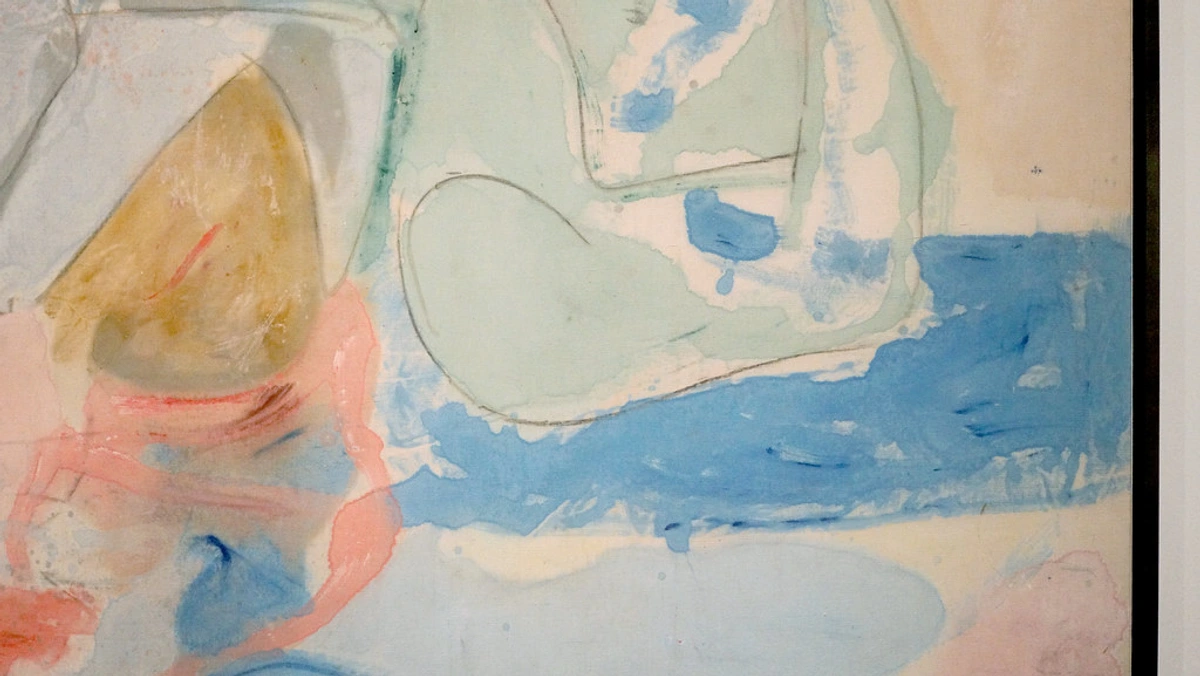
Why is Franz Marc's horse blue?
Marc's artistic language was rooted in a complex color theory, where each hue carried specific symbolic weight. He wasn't trying to be whimsical; he was writing a visual philosophy. He didn't see blue as just a color; for him, it represented spirituality, intellect, austerity, and the masculine principle. By painting the horse blue, he deliberately stripped it of its biological reality and transformed it into a vessel for a profound, contemplative energy. He wanted to liberate the animal from its material state and reveal its spiritual essence. It's less a picture of a horse and more a painting of a spiritual state. For a more detailed breakdown, you can see this analysis of his blue horse works. It's the ultimate Expressionist gesture: using an "unrealistic" color to point to a deeper, more personal truth.
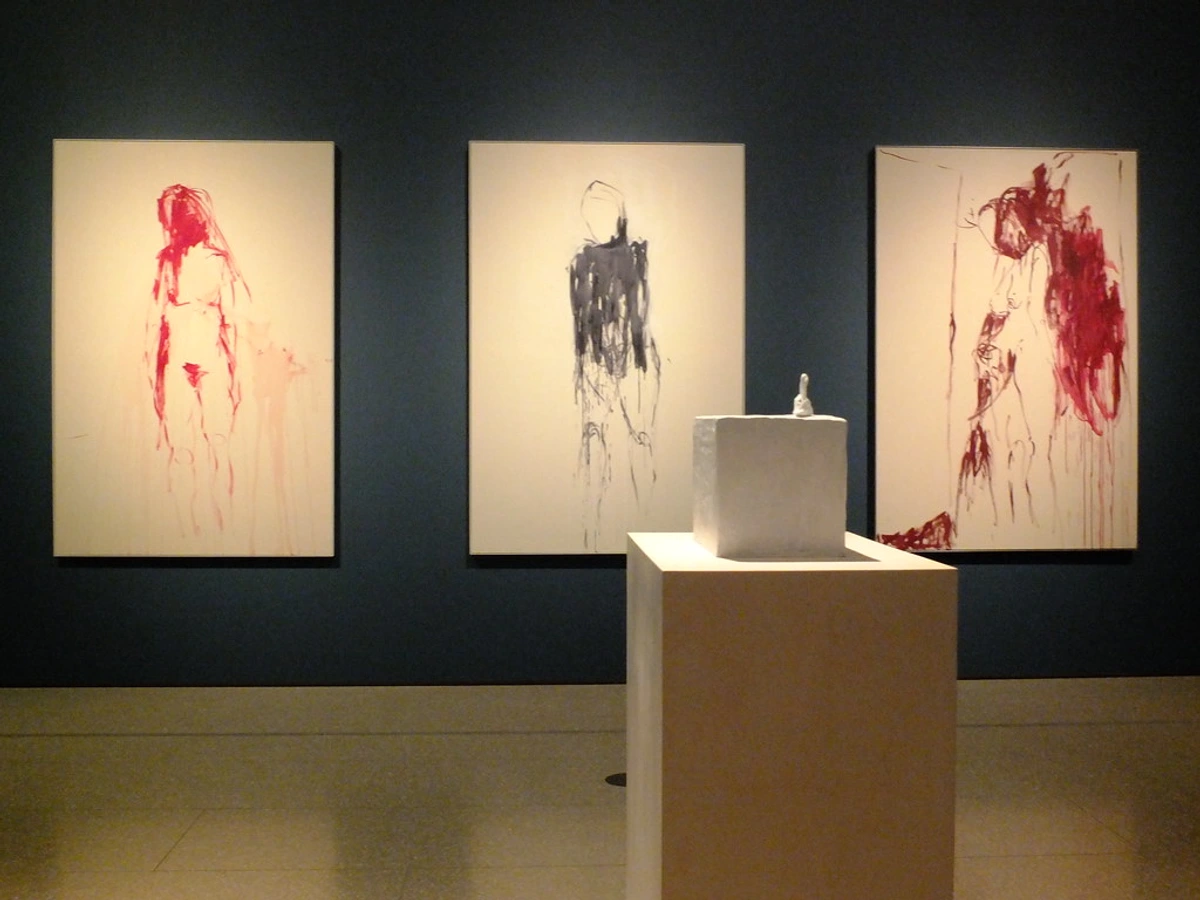
What are the main characteristics of Expressionism?
To recognize Expressionism, look for these key traits. They are all tools used to achieve the same goal: communicating pure, unmediated emotion. It's an emotional alphabet, where the letters are colors and forms.
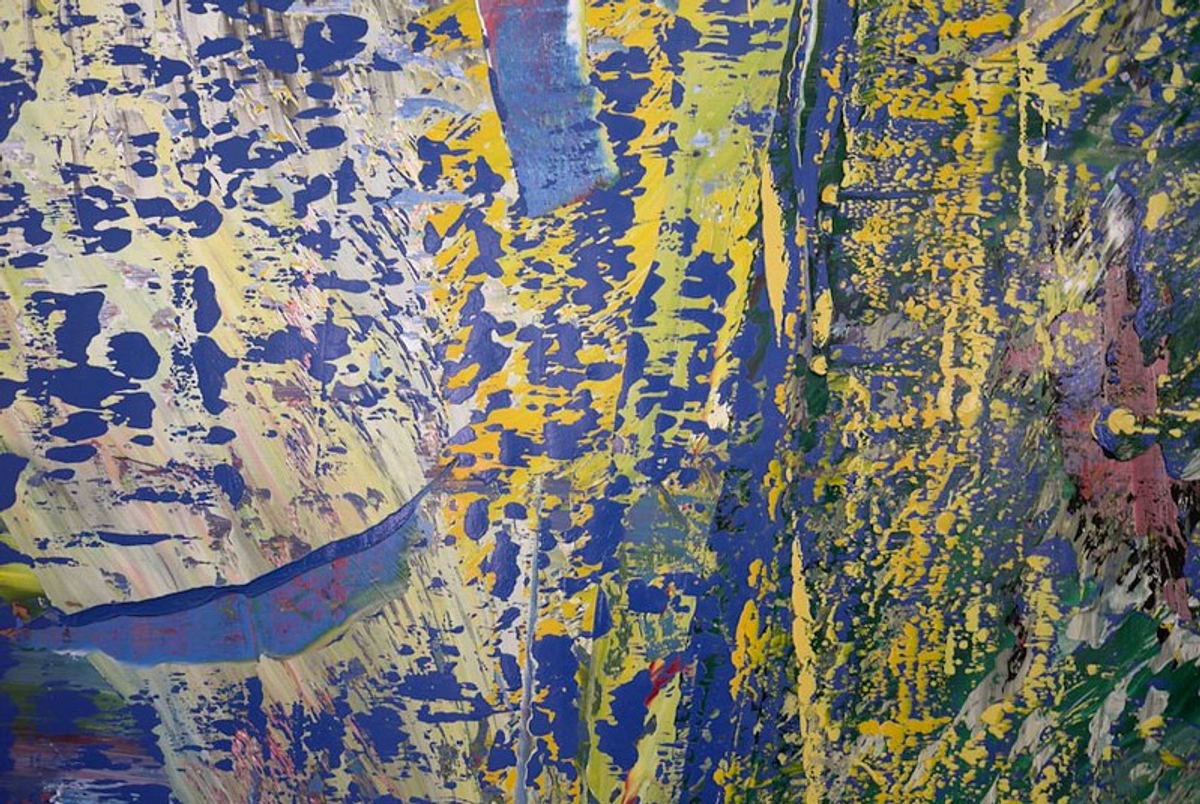
- Distorted forms: Objects and figures are twisted and exaggerated to bypass logic and speak directly to your gut. It's about enhancing emotional impact, not anatomical correctness. Think of it as emotional amplification.
- Symbolic, often arbitrary color: Color is freed from reality to convey psychic states. Think red skies, purple faces, or Marc's spiritually-charged menagerie. A blue horse is just the beginning. A yellow cow, a red sky, a green face—the world is remade in the colors of the artist's soul.
- Vigorous, visible brushwork: The process is part of the message. The artist's hand is aggressively present, creating a raw, urgent surface that documents a psychological event.
- Jarring compositions: The world is often shown as unstable and chaotic—tilting streets, claustrophobic interiors—to mirror the anxiety of modern life and force a sense of unease in the viewer.
Who were the main Expressionist painters?
Expressionism was driven by a cast of intensely passionate artists, primarily in Germany and Austria, who gave everything to their vision:
These weren't just artists; they were emotional pioneers. They charted the map of the modern soul.
- Franz Marc: The lyrical soul of the movement, known for his mystical, symbolic animal paintings, especially the iconic blue horses which you can explore in our Franz Marc Blue Horse analysis. His work represents the spiritual, yearning pole of Expressionism.
- Wassily Kandinsky: The great theorist and a pioneer of pure abstraction, he sought to create "visual music" by unlocking the inherent spiritual resonance of color and form. Discover more in our ultimate guide to Kandinsky or learn about his role within Der Blaue Reiter.
- Ernst Ludwig Kirchner: A founder of the Dresden group Die Brücke, his work captures the jagged nerves of modern urban life with confrontational and raw energy. He embodies the movement's anxious, rebellious spirit. Learn about his life and work in our Kirchner biography.
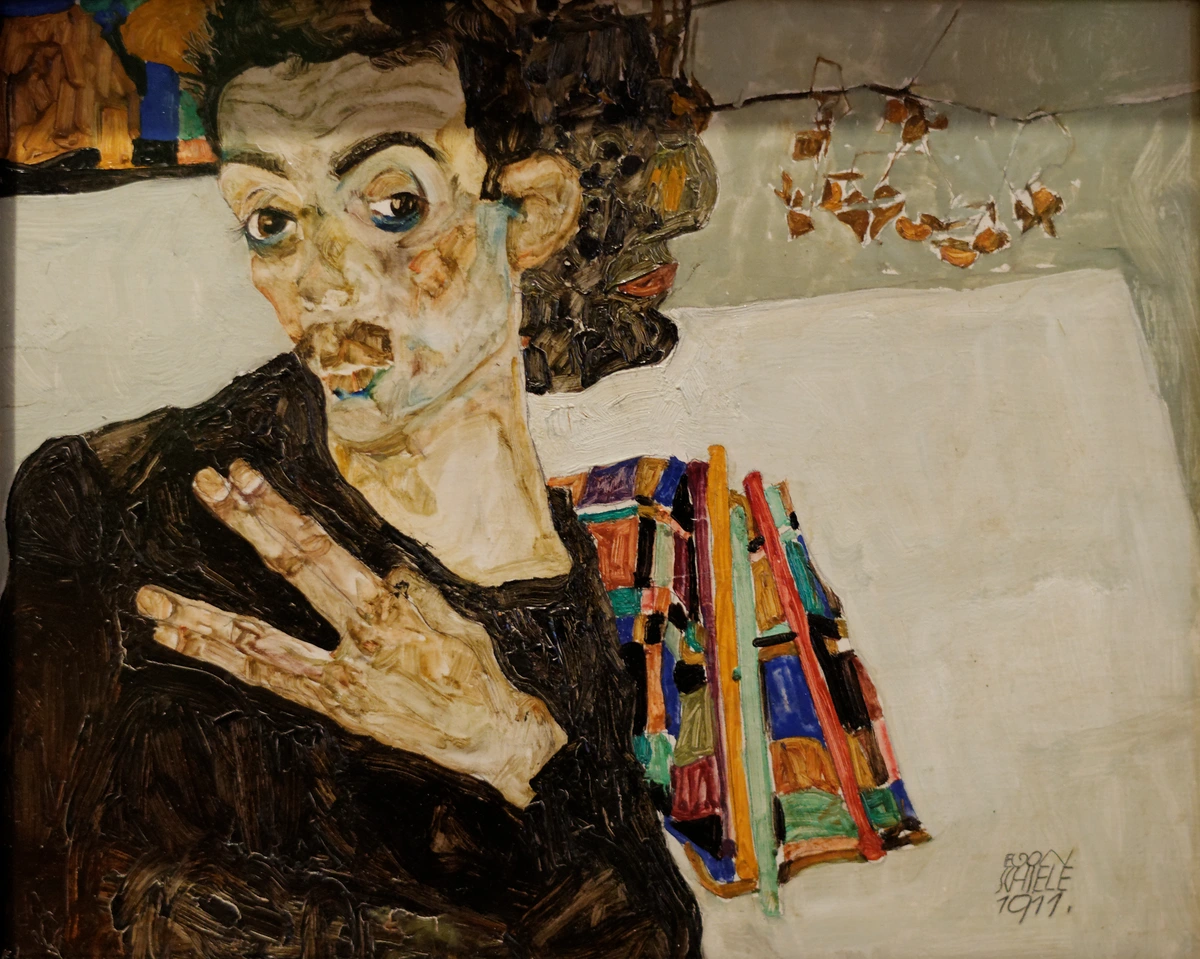
- Egon Schiele: An Austrian protégé of Klimt, his portraits are famously intense and psychologically raw, contorting the human form to expose the vulnerability, eroticism, and existential dread of the soul.
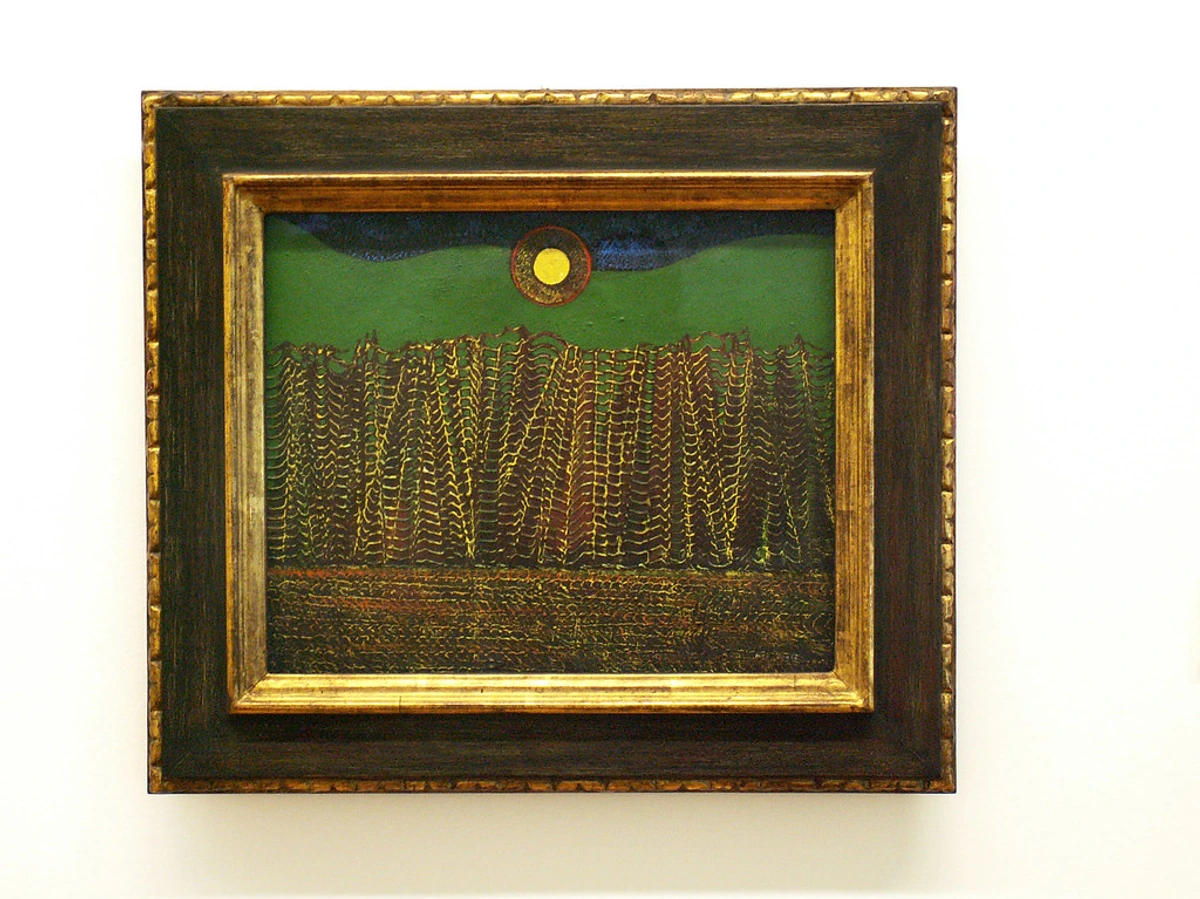
These artists, along with others like Emil Nolde, Oskar Kokoschka, and Max Beckmann, formed the vanguard of a movement that changed the course of art history by declaring the artist's interior life the most important subject matter of all. They proved that art wasn't about showing the world as it was, but about making the world feel as they did.
What was the goal of Expressionist art?
The single, overriding goal was to make the internal world external. Expressionist artists wanted to bypass objective reality entirely, using the canvas as a direct conduit for their subjective inner state—their private fears, anxieties, spiritual yearnings, and ecstasies. It wasn't about portraying a feeling; it was about infecting the viewer with it, creating a direct line from the artist's psyche to the viewer's.
Imagine the canvas not as a surface to be decorated, but as a psychic battleground or a spiritual altar. The paint was a medium for exorcism, a way to get the screaming, chaotic emotions out of the artist's body and onto the wall where they could be confronted and, perhaps, understood. It was art as a vital, almost biological necessity, as essential as breathing. The painting was not just an object; it was a release valve for the immense psychic pressure of being alive in a fractured world. The paint was a medium for exorcism, a way to get the screaming, chaotic emotions out of the artist's body and onto the wall where they could be confronted and, perhaps, understood. It was art as a vital, almost biological necessity, as essential as breathing. This goal—to prioritize the subjective, emotional truth above all else—is the central, unwavering thread that ties the entire movement together.










How did Expressionism influence other art movements?
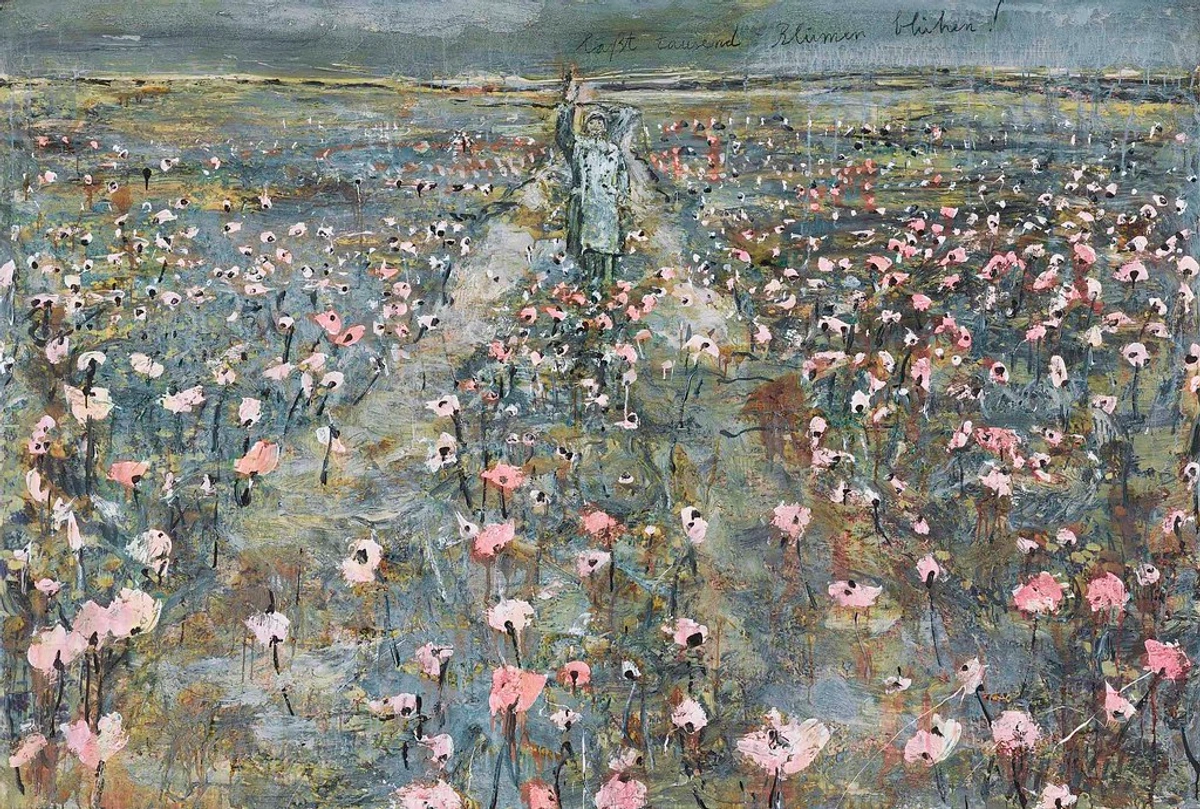
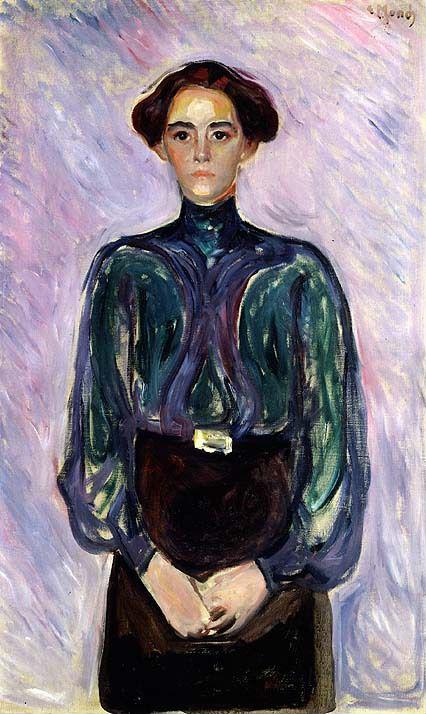
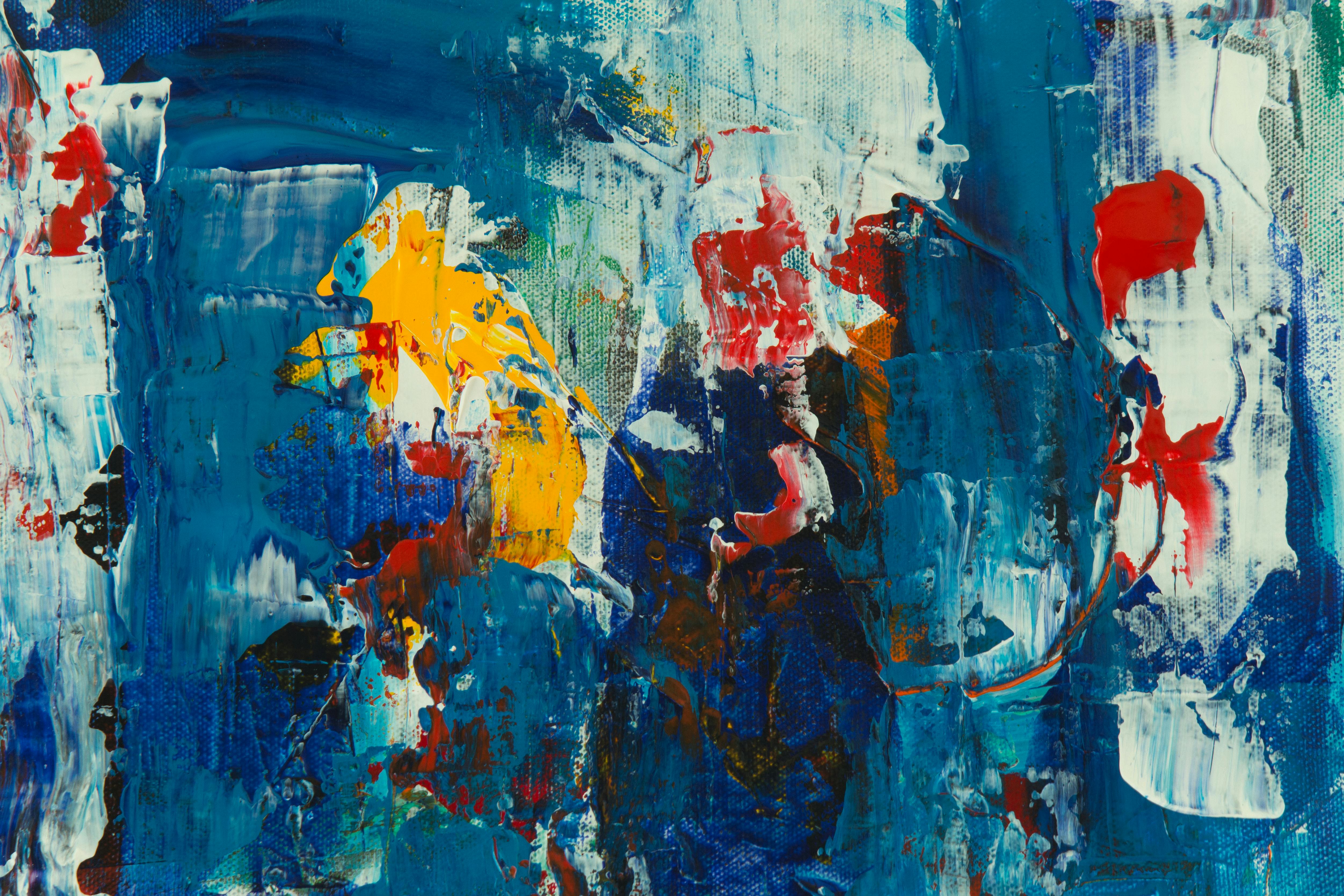
Expressionism's legacy is monumental. Its core tenet—that emotion trumps realism—was the charge that detonated many 20th-century art movements. It didn't just influence art; it fundamentally changed what art was allowed to be. Expressionism gave future artists the permission to break every rule in the book, as long as the result was emotionally true. It was the liberation of the artist's psyche as a legitimate and profound subject for serious art. It directly paved the way for the raw angst of Abstract Expressionism in mid-century America, where artists like Pollock and de Kooning transformed personal turmoil into pure gesture decades later. It also influenced Neo-Expressionism in the 1980s, with painters like Georg Baselitz and Anselm Kiefer once again prioritizing raw emotion and mythic content. The entire idea that an artist's canvas could be an arena for an act of creation—a direct expression of their inner state—comes straight from the Expressionist playbook. Its bold, non-naturalistic color palette was a clear influence on movements like Fauvism, which shared its revolutionary approach to the emotional power of color. Even today, its spirit is visible in the work of countless contemporary artists who prioritize raw, unmediated emotional impact over technical representation, as well as in the distorted figures of street art and political poster design. Expressionism taught the world a new language, one we still use every time we value feeling over fact. It is the foundational dialect for all modern art that dares to be emotional, personal, and real in the face of a world that often prefers the sanitized and the superficial. It's the reason we can look at a Francis Bacon screaming pope or an Anselm Kiefer scorched landscape and instantly understand not just an image, but a state of being. It reminds us that sometimes, the most profound truths are the ones we feel in our gut, long before we can put them into words.