Best Colored Pencils for Artists: My Brutally Honest Review
Tired of confusing reviews? I personally tested the giants—Faber-Castell, Prismacolor, and Caran d'Ache—to find the best colored pencils for every artist.

The Best Colored Pencils for Professional Artists: An In-Depth Review
Welcome, fellow art explorers, to a journey deep into the colorful heart of professional art supplies. Choosing the right colored pencils can feel less like a shopping trip and more like navigating a dense, vibrant jungle. One minute you're admiring a glorious rainbow, the next you're lost in a thicket of jargon about 'binders,' 'lightfastness,' and the dreaded 'wax bloom.' I've been there, trust me. I've stared at a bewildering array of options, wondering if the secret to my next masterpiece was hiding in that ridiculously expensive set. (Spoiler: it's not a magic wand, but it certainly makes the artistic process a whole lot more joyful and, frankly, less likely to end in existential pencil-based despair.)
This article isn't just a guide; it's an invitation to a candid conversation, straight from my studio, built on years of sketching, layering, and blending. We're going to cut through the noise, demystify the technicalities, and help you find your perfect creative partners – the pencils that truly unlock your artistic vision. The sheer volume of choice, the bewildering price tags (seriously, some of these could fund a small expedition), and the conflicting advice can be enough to send you right back to your student-grade crayons.
This article is your definitive guide to navigating that vibrant, sometimes bewildering, landscape. This isn't just a list; it's a strategic guide to making an informed investment in your creative tools, ensuring every stroke brings you closer to your vision. Prepare to discover the nuanced world where German precision meets buttery American blends and Swiss luxury sets the gold standard for archival quality. Whether you're a seasoned pro looking to refine your toolkit or an aspiring artist ready to make the leap into professional-grade materials, I've got you covered. This exploration is designed to arm you with the knowledge to make confident choices, transforming potential frustration into pure creative flow, much like a well-chosen paint type can transform a painting.
Why Invest in Professional Colored Pencils?
Before we dive into the nitty-gritty of individual brands, let's talk about why you'd even consider shelling out for artist-grade colored pencils in the first place. I mean, a pencil is a pencil, right? Wrong. The difference between a student-grade set and a professional one is like comparing a toy car to a precision-engineered racing machine. It's about performance, longevity, and ultimately, a more fulfilling creative experience. You're not just buying a tool; you're investing in your art, your vision, and the peace of mind that your efforts will endure. For a professional, this isn't merely about aesthetics; it's about the consistency of your materials, the vibrancy that commands attention, and the archival integrity that ensures your work endures for generations. These tools become an extension of your creative hand, enabling techniques and effects simply unattainable with lesser grades, ultimately elevating your artistic output and enhancing your professional reputation. Think of it this way: your art is your legacy. Do you want it to fade into oblivion, or resonate for decades? Professional-grade pencils are designed for endurance, for colors that pop, and for a smooth, predictable performance that won't fight against your creative flow. Beyond the technical, there's a profound psychological benefit. Knowing your tools are of the highest caliber frees your mind from second-guessing, allowing you to immerse fully in the creative process. It reduces frustration, enhances your enjoyment, and ultimately, elevates the quality of your artistic output. Investing in these tools is investing in your artistic journey itself, empowering you to explore complex techniques and achieve results simply unattainable with lesser materials. It’s about building confidence in every stroke, freeing your mind to explore bold ideas and complex compositions without fighting your tools. This sense of liberation, I've found, is priceless for any artist.

Before We Spend a Fortune: What Actually Matters?
Before we dive into the specific brands, let's lay a solid foundation. When you graduate from student-grade to artist-grade pencils, you're not just paying for a fancier label. You're investing in a complex interplay of science, craftsmanship, and artistic performance that makes a world of difference to your finished work and, frankly, your sanity during the creative process. Ignoring these core factors is like buying a sports car without checking the engine – it might look good, but it won't perform when it counts. So, what are these crucial factors, and why should they matter to you, the discerning artist? It's not just about the name on the barrel; it's about the science and craftsmanship within that truly elevates your art.

credit, licence
- Lightfastness: This is a big one, perhaps the big one for professional artists. It's a fancy word for: "Will my beautiful drawing fade into a sad, beige ghost in five years?" Artist-grade pencils are rigorously tested for how well they resist fading when exposed to light, typically using the international ASTM D-6901 standard or the blue wool scale. A high lightfastness rating means your artwork will retain its vibrancy and integrity for generations, crucial for pieces you intend to sell, exhibit, or simply treasure. For any work you want to endure, this is non-negotiable. Don't let your vibrant efforts become a muted memory. Think of it this way: what good is pouring your heart and soul into a piece if it's destined to be a faint memory within a decade? Investing in lightfast pencils is investing in the legacy of your art.
- Binder (Oil vs. Wax): This is the secret sauce, the unsung hero, that holds the pigment together and dramatically influences how a pencil feels and behaves. Are they creamy and buttery (usually wax-based, offering smooth laydown and exceptional blendability, often prone to 'wax bloom' with heavy application)? Or are they firm and precise (usually oil-based, excelling in detail, layering without waxy buildup, and often holding a finer point for intricate work)? There’s a whole world of debate here, and understanding the nuances is crucial.
Wax-based pencils give you that immediate, rich burst of color and are fantastic for burnishing, while oil-based pencils are the champions of subtle, layered depth and fine detail. Each has its unique personality, and knowing which one aligns with your technique is key to choosing your creative partner. For a deeper dive, I've explored this in my Derwent vs Faber-Castell comparison.
Feature  | Wax-Based Pencils | Oil-Based Pencils |
|---|---|---|
| Feel | Creamy, buttery, soft | Firmer, more precise |
| Laydown | Rich, vibrant, opaque with minimal pressure | Subtle, buildable, excellent for fine detail |
| Blendability | Excellent, smooth transitions (often with ease) | Good, often requiring more pressure or solvents |
| Layering | Can build up quickly, prone to wax bloom | Multiple layers possible without wax buildup |
| Point Retention | Dulls faster | Holds a fine point longer |
| Typical Use | Broad coverage, blending, burnishing, portraits | Fine detail, intricate work, layering, realism |
- Pigment Density & Purity: This boils down to how much pure, unadulterated color you get for your effort, and how true that color remains on paper. Superior artist-grade pencils boast a much higher concentration of pure, finely ground pigment, meaning you get incredibly rich, vibrant color with minimal pressure. This isn't just about intensity; it's about achieving deep saturation without fatiguing your hand or damaging your paper's tooth. This high density also allows for superior layering and blending, as there's more pure color to interact. Crucially, the purity of the pigment means less cheap filler, resulting in cleaner, more intense hues that resist muddiness and maintain their brilliance over time. It’s the difference between a watered-down drink and a rich, concentrated essence – the impact is palpable. This isn't just an aesthetic point; it impacts your workflow significantly. High pigment density means fewer layers to achieve desired saturation, saving time and extending the life of your paper's tooth.
- Binder Consistency: This is often an overlooked detail, yet it makes a monumental difference to the entire user experience. A high-quality binder, whether oil or wax, must be consistently mixed and evenly distributed throughout the core. This means no annoying lumps, no gritty surprises, and no sudden inconsistencies that interrupt your flow. Consistent binders ensure a smooth, even laydown of color with every stroke, preventing frustrating skips, uneven patches, or unexpected bursts of pigment. Inconsistent binders are, in my experience, a tell-tale sign of cheaper pencils and a sure sign you'll be fighting your tools, not creating harmoniously with them. I vividly remember a frustrating afternoon early in my career, struggling with a set where every third pencil seemed to have a gritty core, ruining delicate blends and forcing me to restart sections. It taught me the true value of consistency! It’s the silent guardian of your creative flow; when it's good, you don't even notice it, but when it's bad, it's all you can think about.
- Core Hardness: This is the eternal dance between a core that breaks with a gentle nudge and one that feels like you're scratching the paper to get any color out. Generally, a softer core (think butter) lays down more color with less effort and blends like a dream, but it dulls quickly, requiring more frequent sharpening. A harder core (think firm cheese) holds an incredibly sharp point for fine details and intricate textures but demands more pressure for intense color. It's a delicate balance between immediate pigment release and enduring precision. For incredibly fine details, that harder, sharper point is indispensable, but for broad, soft blends and rich coverage, you'll instinctively reach for something creamier. Understanding this balance is key to selecting the right tool for the right job. Many artists will have both softer and harder core pencils in their kit, strategically choosing the right one for each stage of their artwork – often starting with firmer pencils for initial sketches and building up to softer ones for final layers and blending.
- Break Resistance / Core Strength: Nothing is more frustrating than a pencil core that continually breaks during sharpening or under pressure, especially a pricey artist-grade one. High-quality colored pencils are designed with stronger cores that resist internal breakage, often encased in high-quality wood that provides additional stability. This durability extends the life of your pencil, reduces waste, and minimizes interruption to your creative flow – a true sanity saver when you're in the zone. This is particularly important for artists who travel with their supplies or apply heavy pressure, as a robust core prevents the premature demise of your favorite hues.
- Ease of Sharpening: This might seem minor, but it's a huge factor in daily use. A well-made pencil, with a centered core and high-quality wood casing (like cedar), will sharpen cleanly and smoothly to a perfect point, time after time. Cheaper pencils often have off-center leads or inferior wood that splinters, making sharpening a frustrating ordeal that wastes precious pigment. A pencil that sharpens beautifully is a joy to work with, maintaining precision and extending its usable life. I've wasted countless hours and precious inches of expensive pencils due to off-center leads and splintering wood. It's a small detail, but one that speaks volumes about overall quality and craftsmanship.
- Blendability: This is about the graceful dance of colors, how easily they mix and merge on the paper to create smooth transitions, subtle gradations, and an expanded spectrum of hues from a limited set. Wax-based pencils, with their inherently creamy texture, often excel here, providing that effortless, buttery blend. Oil-based pencils, while capable of beautiful blending, might demand more dedicated layering or the strategic use of solvents to achieve comparable seamlessness. True blendability in artist-grade pencils means you can achieve sophisticated color shifts and complex color harmonies without ever feeling like you're wrestling with mud on your palette. This often involves a deep understanding of how artists use color to create seamless transitions. The ability to create a vast array of colors from a smaller set of pencils through blending is a hallmark of a skilled artist, and good blendability is your most powerful ally in this endeavor.
- Durability: This encompasses both the resilience of the core and the quality of the wood casing. A fragile core leads to frustrating internal breakage during sharpening – that soul-crushing moment when you sharpen away more pencil than you use. Poorly constructed casings, on the other hand, can result in off-center leads, making sharpening a nightmare and rendering portions of the pencil unusable. A truly durable professional pencil stands up to the rigors of transport, heavy application, and repeated sharpening, minimizing waste and maximizing your creative flow. High-quality wood casing, often cedar, sharpens cleanly and precisely without splintering, protecting that precious pigment core. This durability also extends to your sketching pencils, proving that quality materials are always a worthwhile investment. For artists who often work on the go or who have a slightly heavier hand, prioritizing durability is a non-negotiable factor to avoid constant frustration and wasted materials.
- Ergonomics & Barrel Design: This might seem like a minor detail, a luxury even, but if you're spending hours at the easel, the feel of the pencil in your hand is absolutely paramount. Traditional rounded barrels are common, but many brands now offer hexagonal or even triangular barrels, specifically designed for a more comfortable, fatigue-reducing grip during long drawing sessions. The quality of the finish, the weight, and the overall balance of the pencil all contribute to that tactile experience. A comfortable pencil isn't just a nicety; it's a tool you'll instinctively reach for again and again, allowing your focus to remain entirely on your art, not on hand cramps. I've found that a well-designed barrel can literally extend my drawing sessions by hours, preventing the onset of fatigue and allowing me to stay immersed in the creative process.
- Color Range & Open Stock Availability: A truly professional set should offer not just a wide array, but a comprehensive spectrum of colors. This includes nuanced grays, rich earth tones, subtle pastels, and vibrant primaries, providing you with the full language of color. Equally important, and often overlooked by beginners, is the ability to purchase individual pencils (open stock). This means you can replace frequently used colors without buying an entire new set, and selectively expand your collection as your artistic needs evolve. This saves money in the long run and ensures you always have your essential hues, without unnecessary duplicates. It’s about building a tailored toolkit, not just owning a generic box, much like carefully curating your collection of acrylic paint brushes for diverse techniques. I often start with a core set and then gradually build out my collection, adding specific shades as a project demands or as I discover new favorites. This approach is far more economical and tailored than buying a massive set upfront.
The Contenders: A Head-to-Head Battle
For this showdown, I'm focusing on the brands that consistently earn top marks in professional artists' studios. These aren't just pencils; they're instruments, each with a distinct personality and ideal use case. Think of them as the elite squad of art supplies, each bringing a unique superpower to your creative arsenal.
Understanding the Comparison Table
Before diving into the individual reviews, take a moment to understand the key columns in our comparison table below. This will give you a quick, at-a-glance understanding of how each brand stacks up against crucial professional criteria:
- Binder Type: As discussed, this fundamentally impacts feel, blending, and layering.
- The Vibe: A subjective, yet crucial, indicator of how the pencil feels to work with – its personality.
- Core Feel: Ranges from very soft (buttery) to firm (precise).
- Lightfastness: How well the colors resist fading, often rated by ASTM D-6901 or Blue Wool Scale. Higher is always better for archival work.
- Price Point: A general indicator, often correlating with pigment quality and lightfastness. `# The Best Colored Pencils for Professional Artists: An In-Depth Review
Welcome, fellow art explorers, to a journey deep into the colorful heart of professional art supplies. Choosing the right colored pencils can feel less like a shopping trip and more like navigating a dense, vibrant jungle. One minute you're admiring a glorious rainbow, the next you're lost in a thicket of jargon about 'binders,' 'lightfastness,' and the dreaded 'wax bloom.' I've been there, trust me. I've stared at a bewildering array of options, wondering if the secret to my next masterpiece was hiding in that ridiculously expensive set. (Spoiler: it's not a magic wand, but it certainly makes the artistic process a whole lot more joyful and, frankly, less likely to end in existential pencil-based despair.)
This article isn't just a guide; it's an invitation to a candid conversation, straight from my studio, built on years of sketching, layering, and blending. We're going to cut through the noise, demystify the technicalities, and help you find your perfect creative partners – the pencils that truly unlock your artistic vision. The sheer volume of choice, the bewildering price tags (seriously, some of these could fund a small expedition), and the conflicting advice can be enough to send you right back to your student-grade crayons.
This article is your definitive guide to navigating that vibrant, sometimes bewildering, landscape. This isn't just a list; it's a strategic guide to making an informed investment in your creative tools, ensuring every stroke brings you closer to your vision. Prepare to discover the nuanced world where German precision meets buttery American blends and Swiss luxury sets the gold standard for archival quality. Whether you're a seasoned pro looking to refine your toolkit or an aspiring artist ready to make the leap into professional-grade materials, I've got you covered. This exploration is designed to arm you with the knowledge to make confident choices, transforming potential frustration into pure creative flow, much like a well-chosen paint type can transform a painting.
Why Invest in Professional Colored Pencils?
Before we dive into the nitty-gritty of individual brands, let's talk about why you'd even consider shelling out for artist-grade colored pencils in the first place. I mean, a pencil is a pencil, right? Wrong. The difference between a student-grade set and a professional one is like comparing a toy car to a precision-engineered racing machine. It's about performance, longevity, and ultimately, a more fulfilling creative experience. You're not just buying a tool; you're investing in your art, your vision, and the peace of mind that your efforts will endure. For a professional, this isn't merely about aesthetics; it's about the consistency of your materials, the vibrancy that commands attention, and the archival integrity that ensures your work endures for generations. These tools become an extension of your creative hand, enabling techniques and effects simply unattainable with lesser grades, ultimately elevating your artistic output and enhancing your professional reputation. Think of it this way: your art is your legacy. Do you want it to fade into oblivion, or resonate for decades? Professional-grade pencils are designed for endurance, for colors that pop, and for a smooth, predictable performance that won't fight against your creative flow. Beyond the technical, there's a profound psychological benefit. Knowing your tools are of the highest caliber frees your mind from second-guessing, allowing you to immerse fully in the creative process. It reduces frustration, enhances your enjoyment, and ultimately, elevates the quality of your artistic output. Investing in these tools is investing in your artistic journey itself, empowering you to explore complex techniques and achieve results simply unattainable with lesser materials. It’s about building confidence in every stroke, freeing your mind to explore bold ideas and complex compositions without fighting your tools. This sense of liberation, I've found, is priceless for any artist.
Before We Spend a Fortune: What Actually Matters?
Before we dive into the specific brands, let's lay a solid foundation. When you graduate from student-grade to artist-grade pencils, you're not just paying for a fancier label. You're investing in a complex interplay of science, craftsmanship, and artistic performance that makes a world of difference to your finished work and, frankly, your sanity during the creative process. Ignoring these core factors is like buying a sports car without checking the engine – it might look good, but it won't perform when it counts. So, what are these crucial factors, and why should they matter to you, the discerning artist? It's not just about the name on the barrel; it's about the science and craftsmanship within that truly elevates your art.

- Lightfastness: This is a big one, perhaps the big one for professional artists. It's a fancy word for: "Will my beautiful drawing fade into a sad, beige ghost in five years?" Artist-grade pencils are rigorously tested for how well they resist fading when exposed to light, typically using the international ASTM D-6901 standard or the blue wool scale. A high lightfastness rating means your artwork will retain its vibrancy and integrity for generations, crucial for pieces you intend to sell, exhibit, or simply treasure. For any work you want to endure, this is non-negotiable. Don't let your vibrant efforts become a muted memory. Think of it this way: what good is pouring your heart and soul into a piece if it's destined to be a faint memory within a decade? Investing in lightfast pencils is investing in the legacy of your art.
- Binder (Oil vs. Wax): This is the secret sauce, the unsung hero, that holds the pigment together and dramatically influences how a pencil feels and behaves. Are they creamy and buttery (usually wax-based, offering smooth laydown and exceptional blendability, often prone to 'wax bloom' with heavy application)? Or are they firm and precise (usually oil-based, excelling in detail, layering without waxy buildup, and often holding a finer point for intricate work)? There’s a whole world of debate here, and understanding the nuances is crucial.
Wax-based pencils give you that immediate, rich burst of color and are fantastic for burnishing, while oil-based pencils are the champions of subtle, layered depth and fine detail. Each has its unique personality, and knowing which one aligns with your technique is key to choosing your creative partner. For a deeper dive, I've explored this in my Derwent vs Faber-Castell comparison.
Feature | Wax-Based Pencils | Oil-Based Pencils |
|---|---|---|
| Feel | Creamy, buttery, soft | Firmer, more precise |
| Laydown | Rich, vibrant, opaque with minimal pressure | Subtle, buildable, excellent for fine detail |
| Blendability | Excellent, smooth transitions (often with ease) | Good, often requiring more pressure or solvents |
| Layering | Can build up quickly, prone to wax bloom | Multiple layers possible without wax buildup |
| Point Retention | Dulls faster | Holds a fine point longer |
| Typical Use | Broad coverage, blending, burnishing, portraits | Fine detail, intricate work, layering, realism |
- Pigment Density & Purity: This boils down to how much pure, unadulterated color you get for your effort, and how true that color remains on paper. Superior artist-grade pencils boast a much higher concentration of pure, finely ground pigment, meaning you get incredibly rich, vibrant color with minimal pressure. This isn't just about intensity; it's about achieving deep saturation without fatiguing your hand or damaging your paper's tooth. This high density also allows for superior layering and blending, as there's more pure color to interact. Crucially, the purity of the pigment means less cheap filler, resulting in cleaner, more intense hues that resist muddiness and maintain their brilliance over time. It’s the difference between a watered-down drink and a rich, concentrated essence – the impact is palpable. This isn't just an aesthetic point; it impacts your workflow significantly. High pigment density means fewer layers to achieve desired saturation, saving time and extending the life of your paper's tooth.
- Binder Consistency: This is often an overlooked detail, yet it makes a monumental difference to the entire user experience. A high-quality binder, whether oil or wax, must be consistently mixed and evenly distributed throughout the core. This means no annoying lumps, no gritty surprises, and no sudden inconsistencies that interrupt your flow. Consistent binders ensure a smooth, even laydown of color with every stroke, preventing frustrating skips, uneven patches, or unexpected bursts of pigment. Inconsistent binders are, in my experience, a tell-tale sign of cheaper pencils and a sure sign you'll be fighting your tools, not creating harmoniously with them. I vividly remember a frustrating afternoon early in my career, struggling with a set where every third pencil seemed to have a gritty core, ruining delicate blends and forcing me to restart sections. It taught me the true value of consistency! It’s the silent guardian of your creative flow; when it's good, you don't even notice it, but when it's bad, it's all you can think about.
- Core Hardness: This is the eternal dance between a core that breaks with a gentle nudge and one that feels like you're scratching the paper to get any color out. Generally, a softer core (think butter) lays down more color with less effort and blends like a dream, but it dulls quickly, requiring more frequent sharpening. A harder core (think firm cheese) holds an incredibly sharp point for fine details and intricate textures but demands more pressure for intense color. It's a delicate balance between immediate pigment release and enduring precision. For incredibly fine details, that harder, sharper point is indispensable, but for broad, soft blends and rich coverage, you'll instinctively reach for something creamier. Understanding this balance is key to selecting the right tool for the right job. Many artists will have both softer and harder core pencils in their kit, strategically choosing the right one for each stage of their artwork – often starting with firmer pencils for initial sketches and building up to softer ones for final layers and blending.
- Break Resistance / Core Strength: Nothing is more frustrating than a pencil core that continually breaks during sharpening or under pressure, especially a pricey artist-grade one. High-quality colored pencils are designed with stronger cores that resist internal breakage, often encased in high-quality wood that provides additional stability. This durability extends the life of your pencil, reduces waste, and minimizes interruption to your creative flow – a true sanity saver when you're in the zone. This is particularly important for artists who travel with their supplies or apply heavy pressure, as a robust core prevents the premature demise of your favorite hues.
- Ease of Sharpening: This might seem minor, but it's a huge factor in daily use. A well-made pencil, with a centered core and high-quality wood casing (like cedar), will sharpen cleanly and smoothly to a perfect point, time after time. Cheaper pencils often have off-center leads or inferior wood that splinters, making sharpening a frustrating ordeal that wastes precious pigment. A pencil that sharpens beautifully is a joy to work with, maintaining precision and extending its usable life. I've wasted countless hours and precious inches of expensive pencils due to off-center leads and splintering wood. It's a small detail, but one that speaks volumes about overall quality and craftsmanship.
- Blendability: This is about the graceful dance of colors, how easily they mix and merge on the paper to create smooth transitions, subtle gradations, and an expanded spectrum of hues from a limited set. Wax-based pencils, with their inherently creamy texture, often excel here, providing that effortless, buttery blend. Oil-based pencils, while capable of beautiful blending, might demand more dedicated layering or the strategic use of solvents to achieve comparable seamlessness. True blendability in artist-grade pencils means you can achieve sophisticated color shifts and complex color harmonies without ever feeling like you're wrestling with mud on your palette. This often involves a deep understanding of how artists use color to create seamless transitions. The ability to create a vast array of colors from a smaller set of pencils through blending is a hallmark of a skilled artist, and good blendability is your most powerful ally in this endeavor.
- Durability: This encompasses both the resilience of the core and the quality of the wood casing. A fragile core leads to frustrating internal breakage during sharpening – that soul-crushing moment when you sharpen away more pencil than you use. Poorly constructed casings, on the other hand, can result in off-center leads, making sharpening a nightmare and rendering portions of the pencil unusable. A truly durable professional pencil stands up to the rigors of transport, heavy application, and repeated sharpening, minimizing waste and maximizing your creative flow. High-quality wood casing, often cedar, sharpens cleanly and precisely without splintering, protecting that precious pigment core. This durability also extends to your sketching pencils, proving that quality materials are always a worthwhile investment. For artists who often work on the go or who have a slightly heavier hand, prioritizing durability is a non-negotiable factor to avoid constant frustration and wasted materials.
- Ergonomics & Barrel Design: This might seem like a minor detail, a luxury even, but if you're spending hours at the easel, the feel of the pencil in your hand is absolutely paramount. Traditional rounded barrels are common, but many brands now offer hexagonal or even triangular barrels, specifically designed for a more comfortable, fatigue-reducing grip during long drawing sessions. The quality of the finish, the weight, and the overall balance of the pencil all contribute to that tactile experience. A comfortable pencil isn't just a nicety; it's a tool you'll instinctively reach for again and again, allowing your focus to remain entirely on your art, not on hand cramps. I've found that a well-designed barrel can literally extend my drawing sessions by hours, preventing the onset of fatigue and allowing me to stay immersed in the creative process.
- Color Range & Open Stock Availability: A truly professional set should offer not just a wide array, but a comprehensive spectrum of colors. This includes nuanced grays, rich earth tones, subtle pastels, and vibrant primaries, providing you with the full language of color. Equally important, and often overlooked by beginners, is the ability to purchase individual pencils (open stock). This means you can replace frequently used colors without buying an entire new set, and selectively expand your collection as your artistic needs evolve. This saves money in the long run and ensures you always have your essential hues, without unnecessary duplicates. It’s about building a tailored toolkit, not just owning a generic box, much like carefully curating your collection of acrylic paint brushes for diverse techniques. I often start with a core set and then gradually build out my collection, adding specific shades as a project demands or as I discover new favorites. This approach is far more economical and tailored than buying a massive set upfront.
The Contenders: A Head-to-Head Battle
(Mid-High) to $ (High) and `$# The Best Colored Pencils for Professional Artists: An In-Depth Review
Welcome, fellow art explorers, to a journey deep into the colorful heart of professional art supplies. Choosing the right colored pencils can feel less like a shopping trip and more like navigating a dense, vibrant jungle. One minute you're admiring a glorious rainbow, the next you're lost in a thicket of jargon about 'binders,' 'lightfastness,' and the dreaded 'wax bloom.' I've been there, trust me. I've stared at a bewildering array of options, wondering if the secret to my next masterpiece was hiding in that ridiculously expensive set. (Spoiler: it's not a magic wand, but it certainly makes the artistic process a whole lot more joyful and, frankly, less likely to end in existential pencil-based despair.)
This article isn't just a guide; it's an invitation to a candid conversation, straight from my studio, built on years of sketching, layering, and blending. We're going to cut through the noise, demystify the technicalities, and help you find your perfect creative partners – the pencils that truly unlock your artistic vision. The sheer volume of choice, the bewildering price tags (seriously, some of these could fund a small expedition), and the conflicting advice can be enough to send you right back to your student-grade crayons.
This article is your definitive guide to navigating that vibrant, sometimes bewildering, landscape. This isn't just a list; it's a strategic guide to making an informed investment in your creative tools, ensuring every stroke brings you closer to your vision. Prepare to discover the nuanced world where German precision meets buttery American blends and Swiss luxury sets the gold standard for archival quality. Whether you're a seasoned pro looking to refine your toolkit or an aspiring artist ready to make the leap into professional-grade materials, I've got you covered. This exploration is designed to arm you with the knowledge to make confident choices, transforming potential frustration into pure creative flow, much like a well-chosen paint type can transform a painting.
Why Invest in Professional Colored Pencils?
Before we dive into the nitty-gritty of individual brands, let's talk about why you'd even consider shelling out for artist-grade colored pencils in the first place. I mean, a pencil is a pencil, right? Wrong. The difference between a student-grade set and a professional one is like comparing a toy car to a precision-engineered racing machine. It's about performance, longevity, and ultimately, a more fulfilling creative experience. You're not just buying a tool; you're investing in your art, your vision, and the peace of mind that your efforts will endure. For a professional, this isn't merely about aesthetics; it's about the consistency of your materials, the vibrancy that commands attention, and the archival integrity that ensures your work endures for generations. These tools become an extension of your creative hand, enabling techniques and effects simply unattainable with lesser grades, ultimately elevating your artistic output and enhancing your professional reputation. Think of it this way: your art is your legacy. Do you want it to fade into oblivion, or resonate for decades? Professional-grade pencils are designed for endurance, for colors that pop, and for a smooth, predictable performance that won't fight against your creative flow. Beyond the technical, there's a profound psychological benefit. Knowing your tools are of the highest caliber frees your mind from second-guessing, allowing you to immerse fully in the creative process. It reduces frustration, enhances your enjoyment, and ultimately, elevates the quality of your artistic output. Investing in these tools is investing in your artistic journey itself, empowering you to explore complex techniques and achieve results simply unattainable with lesser materials. It’s about building confidence in every stroke, freeing your mind to explore bold ideas and complex compositions without fighting your tools. This sense of liberation, I've found, is priceless for any artist.

Before We Spend a Fortune: What Actually Matters?
Before we dive into the specific brands, let's lay a solid foundation. When you graduate from student-grade to artist-grade pencils, you're not just paying for a fancier label. You're investing in a complex interplay of science, craftsmanship, and artistic performance that makes a world of difference to your finished work and, frankly, your sanity during the creative process. Ignoring these core factors is like buying a sports car without checking the engine – it might look good, but it won't perform when it counts. So, what are these crucial factors, and why should they matter to you, the discerning artist? It's not just about the name on the barrel; it's about the science and craftsmanship within that truly elevates your art.

- Lightfastness: This is a big one, perhaps the big one for professional artists. It's a fancy word for: "Will my beautiful drawing fade into a sad, beige ghost in five years?" Artist-grade pencils are rigorously tested for how well they resist fading when exposed to light, typically using the international ASTM D-6901 standard or the blue wool scale. A high lightfastness rating means your artwork will retain its vibrancy and integrity for generations, crucial for pieces you intend to sell, exhibit, or simply treasure. For any work you want to endure, this is non-negotiable. Don't let your vibrant efforts become a muted memory. Think of it this way: what good is pouring your heart and soul into a piece if it's destined to be a faint memory within a decade? Investing in lightfast pencils is investing in the legacy of your art.
- Binder (Oil vs. Wax): This is the secret sauce, the unsung hero, that holds the pigment together and dramatically influences how a pencil feels and behaves. Are they creamy and buttery (usually wax-based, offering smooth laydown and exceptional blendability, often prone to 'wax bloom' with heavy application)? Or are they firm and precise (usually oil-based, excelling in detail, layering without waxy buildup, and often holding a finer point for intricate work)? There’s a whole world of debate here, and understanding the nuances is crucial.
Wax-based pencils give you that immediate, rich burst of color and are fantastic for burnishing, while oil-based pencils are the champions of subtle, layered depth and fine detail. Each has its unique personality, and knowing which one aligns with your technique is key to choosing your creative partner. For a deeper dive, I've explored this in my Derwent vs Faber-Castell comparison.
Feature | Wax-Based Pencils | Oil-Based Pencils |
|---|---|---|
| Feel | Creamy, buttery, soft | Firmer, more precise |
| Laydown | Rich, vibrant, opaque with minimal pressure | Subtle, buildable, excellent for fine detail |
| Blendability | Excellent, smooth transitions (often with ease) | Good, often requiring more pressure or solvents |
| Layering | Can build up quickly, prone to wax bloom | Multiple layers possible without wax buildup |
| Point Retention | Dulls faster | Holds a fine point longer |
| Typical Use | Broad coverage, blending, burnishing, portraits | Fine detail, intricate work, layering, realism |
- Pigment Density & Purity: This boils down to how much pure, unadulterated color you get for your effort, and how true that color remains on paper. Superior artist-grade pencils boast a much higher concentration of pure, finely ground pigment, meaning you get incredibly rich, vibrant color with minimal pressure. This isn't just about intensity; it's about achieving deep saturation without fatiguing your hand or damaging your paper's tooth. This high density also allows for superior layering and blending, as there's more pure color to interact. Crucially, the purity of the pigment means less cheap filler, resulting in cleaner, more intense hues that resist muddiness and maintain their brilliance over time. It’s the difference between a watered-down drink and a rich, concentrated essence – the impact is palpable. This isn't just an aesthetic point; it impacts your workflow significantly. High pigment density means fewer layers to achieve desired saturation, saving time and extending the life of your paper's tooth.
- Binder Consistency: This is often an overlooked detail, yet it makes a monumental difference to the entire user experience. A high-quality binder, whether oil or wax, must be consistently mixed and evenly distributed throughout the core. This means no annoying lumps, no gritty surprises, and no sudden inconsistencies that interrupt your flow. Consistent binders ensure a smooth, even laydown of color with every stroke, preventing frustrating skips, uneven patches, or unexpected bursts of pigment. Inconsistent binders are, in my experience, a tell-tale sign of cheaper pencils and a sure sign you'll be fighting your tools, not creating harmoniously with them. I vividly remember a frustrating afternoon early in my career, struggling with a set where every third pencil seemed to have a gritty core, ruining delicate blends and forcing me to restart sections. It taught me the true value of consistency! It’s the silent guardian of your creative flow; when it's good, you don't even notice it, but when it's bad, it's all you can think about.
- Core Hardness: This is the eternal dance between a core that breaks with a gentle nudge and one that feels like you're scratching the paper to get any color out. Generally, a softer core (think butter) lays down more color with less effort and blends like a dream, but it dulls quickly, requiring more frequent sharpening. A harder core (think firm cheese) holds an incredibly sharp point for fine details and intricate textures but demands more pressure for intense color. It's a delicate balance between immediate pigment release and enduring precision. For incredibly fine details, that harder, sharper point is indispensable, but for broad, soft blends and rich coverage, you'll instinctively reach for something creamier. Understanding this balance is key to selecting the right tool for the right job. Many artists will have both softer and harder core pencils in their kit, strategically choosing the right one for each stage of their artwork – often starting with firmer pencils for initial sketches and building up to softer ones for final layers and blending.
- Break Resistance / Core Strength: Nothing is more frustrating than a pencil core that continually breaks during sharpening or under pressure, especially a pricey artist-grade one. High-quality colored pencils are designed with stronger cores that resist internal breakage, often encased in high-quality wood that provides additional stability. This durability extends the life of your pencil, reduces waste, and minimizes interruption to your creative flow – a true sanity saver when you're in the zone. This is particularly important for artists who travel with their supplies or apply heavy pressure, as a robust core prevents the premature demise of your favorite hues.
- Ease of Sharpening: This might seem minor, but it's a huge factor in daily use. A well-made pencil, with a centered core and high-quality wood casing (like cedar), will sharpen cleanly and smoothly to a perfect point, time after time. Cheaper pencils often have off-center leads or inferior wood that splinters, making sharpening a frustrating ordeal that wastes precious pigment. A pencil that sharpens beautifully is a joy to work with, maintaining precision and extending its usable life. I've wasted countless hours and precious inches of expensive pencils due to off-center leads and splintering wood. It's a small detail, but one that speaks volumes about overall quality and craftsmanship.
- Blendability: This is about the graceful dance of colors, how easily they mix and merge on the paper to create smooth transitions, subtle gradations, and an expanded spectrum of hues from a limited set. Wax-based pencils, with their inherently creamy texture, often excel here, providing that effortless, buttery blend. Oil-based pencils, while capable of beautiful blending, might demand more dedicated layering or the strategic use of solvents to achieve comparable seamlessness. True blendability in artist-grade pencils means you can achieve sophisticated color shifts and complex color harmonies without ever feeling like you're wrestling with mud on your palette. This often involves a deep understanding of how artists use color to create seamless transitions. The ability to create a vast array of colors from a smaller set of pencils through blending is a hallmark of a skilled artist, and good blendability is your most powerful ally in this endeavor.
- Durability: This encompasses both the resilience of the core and the quality of the wood casing. A fragile core leads to frustrating internal breakage during sharpening – that soul-crushing moment when you sharpen away more pencil than you use. Poorly constructed casings, on the other hand, can result in off-center leads, making sharpening a nightmare and rendering portions of the pencil unusable. A truly durable professional pencil stands up to the rigors of transport, heavy application, and repeated sharpening, minimizing waste and maximizing your creative flow. High-quality wood casing, often cedar, sharpens cleanly and precisely without splintering, protecting that precious pigment core. This durability also extends to your sketching pencils, proving that quality materials are always a worthwhile investment. For artists who often work on the go or who have a slightly heavier hand, prioritizing durability is a non-negotiable factor to avoid constant frustration and wasted materials.
- Ergonomics & Barrel Design: This might seem like a minor detail, a luxury even, but if you're spending hours at the easel, the feel of the pencil in your hand is absolutely paramount. Traditional rounded barrels are common, but many brands now offer hexagonal or even triangular barrels, specifically designed for a more comfortable, fatigue-reducing grip during long drawing sessions. The quality of the finish, the weight, and the overall balance of the pencil all contribute to that tactile experience. A comfortable pencil isn't just a nicety; it's a tool you'll instinctively reach for again and again, allowing your focus to remain entirely on your art, not on hand cramps. I've found that a well-designed barrel can literally extend my drawing sessions by hours, preventing the onset of fatigue and allowing me to stay immersed in the creative process.
- Color Range & Open Stock Availability: A truly professional set should offer not just a wide array, but a comprehensive spectrum of colors. This includes nuanced grays, rich earth tones, subtle pastels, and vibrant primaries, providing you with the full language of color. Equally important, and often overlooked by beginners, is the ability to purchase individual pencils (open stock). This means you can replace frequently used colors without buying an entire new set, and selectively expand your collection as your artistic needs evolve. This saves money in the long run and ensures you always have your essential hues, without unnecessary duplicates. It’s about building a tailored toolkit, not just owning a generic box, much like carefully curating your collection of acrylic paint brushes for diverse techniques. I often start with a core set and then gradually build out my collection, adding specific shades as a project demands or as I discover new favorites. This approach is far more economical and tailored than buying a massive set upfront.
The Contenders: A Head-to-Head Battle
(Premium).
Feature | Faber-Castell Polychromos | Caran d'Ache Pablo | Caran d'Ache Luminance | Derwent Coloursoft | Derwent Lightfast | Derwent Drawing | Holbein Artists' | Lyra Polycolor | Koh-I-Noor Polycolor | Staedtler Ergosoft | Tombow Irojiten | |
|---|---|---|---|---|---|---|---|---|---|---|---|---|
| Binder Type | Oil-Based | Wax-Based | Oil-Based | Wax/Oil Hybrid | Wax-Based | Oil-Based | Wax-Based (heavy pigment) | Wax-Based | Oil-Based | Oil-Based | Wax-Based | Hard Wax-Based |
| The Vibe | The German Engineer - Precision & Layering Master | The Buttery Blender - Seamless Transitions & Rich Hues | The Precise & Versatile Performer - Detail & Mixed Media Ready | The Swiss Luxury Watch - Unrivaled Archival & Buttery Smoothness | The Soft Smoother - Effortless Laydown & Blending | The Archival Champion - Ultimate Fade Resistance | The Earthy Tonalist - Rich, Muted, Broad Strokes | The Japanese Perfectionist - Smooth & Broad Palette | The German Underdog - Robust & Versatile | The Czech Workhorse - Quality on a Budget | The Ergonomic Ally - Comfort & Control | The Elegant Color Dictionary - Subtle & Precise |
| Core Feel | Firm, holds a point | Very Soft, creamy | Medium-Hard, precise | Firm but smooth | Very Soft, velvety | Firm, rich laydown | Extremely Soft, broad | Firm yet creamy | Medium-Soft, strong | Medium, smooth | Medium-Soft | Hard, fine point |
| Lightfastness | Very Good (star system) | Good (some fugitive) | Excellent (Blue Wool Scale) | The Best (ASTM D-6901 certified) | Good (Blue Wool Scale) | Exceptional (ASTM D-6901 certified) | Excellent (Blue Wool Scale) | Very Good | Very Good | Good | Good | Good |
| Price Point | $ (Mid-High) | $ (Mid-High) | $ (High) | $ (Premium) | $ (Mid-High) | $ (Premium) | $ (Mid-High) | $ (Premium) | $ (Mid) | $ (Budget-Friendly) | $ (Mid) | $ (High) |
This table gives you a quick snapshot, but the devil (and the delight) is in the details. Let's dive deeper into each contender. I've often found that the 'vibe' of a pencil is just as important as its technical specifications, deeply influencing my creative process.

Derwent Drawing: The Painterly Earth Tones
For artists who crave rich, muted, and earthy tones with an incredibly soft, almost pastel-like laydown, Derwent Drawing Pencils are a distinct category. These wax-based pencils feature an extra-thick core, allowing for broad, expressive strokes and smooth, opaque coverage. They excel at capturing the subtle hues of landscapes, wildlife, and portraiture, offering a unique palette of traditional and natural colors. While their color range isn't as vast as some other lines, the colors they do offer are deeply pigmented and blend beautifully for painterly effects. They are not designed for intricate detail due to their softness and width, but rather for broad, tonal work and creating a rich, organic feel. I find them particularly inspiring for evocative, almost dreamlike landscapes, where soft edges and rich tonal shifts are paramount.
- Pros: Exceptionally soft and creamy, ideal for broad coverage and painterly effects, rich and muted earth tones, excellent blendability for seamless transitions, good lightfastness (Blue Wool Scale), unique thick core. Perfect for landscapes, wildlife art, and expressive portraits where softness and rich tones are desired.
- Cons: Limited color range, not suited for fine detail or crisp lines, softness means quicker consumption and more frequent sharpening, can be prone to wax bloom with very heavy application.
Derwent Coloursoft: The Velvety Dream
If you love the buttery feel of Prismacolors but want something a bit more robust and with better quality control, Derwent Coloursoft are a fantastic option. These wax-based pencils live up to their name; they are incredibly soft, laying down rich, vibrant color with minimal pressure. They blend beautifully, making them ideal for smooth transitions, gradations, and covering large areas quickly. While they are soft and will dull faster than an oil-based pencil, their cores are generally more durable than Prismacolors, leading to less breakage during sharpening. They're a joy for those who want that creamy, effortless application, especially for works that prioritize soft focus and atmospheric effects. These pencils feel wonderfully responsive under hand, allowing for expressive, broad strokes or delicate shading without much effort. Their smooth application makes them feel almost effortless, a true delight for those who prioritize immediate color payoff and seamless blending.

- Pros: Exceptionally soft and smooth laydown, vibrant color saturation, excellent blendability, generally good lightfastness (Blue Wool Scale), comfortable to use for long periods, less prone to breakage than other soft wax-based brands. Ideal for portraiture, still life with soft lighting, and blending large areas of sky or water, allowing for a soft, almost painterly finish.
- Cons: Softer core means quicker consumption and more frequent sharpening, can still be susceptible to wax bloom with heavy application, may not hold as fine a point as oil-based pencils for intricate detail, which means they might require a complementary detail pencil for specific elements.
Derwent Lightfast: The Archival Assurance
For artists who demand the absolute best in archival quality, Derwent Lightfast pencils are a serious contender, designed specifically to address the fading concerns of many colored pencils. These oil-based pencils are engineered for maximum lightfastness, with virtually all colors rated as 100% lightfast, meaning your artwork is protected against fading for 100+ years under museum conditions. This isn't just a marketing claim; it's a scientifically backed promise for the longevity of your work. They offer a firm yet creamy laydown, allowing for intense color saturation and smooth layering without wax bloom. They hold a good point for detail but also blend effortlessly, making them incredibly versatile. If archival integrity is your top priority, these are a profound investment in the longevity of your work, particularly for gallery pieces or commissions where permanence is non-negotiable. I find the confidence they offer in a finished piece to be incredibly freeing, allowing me to focus entirely on the art itself. It’s the ultimate peace of mind when you're creating work meant to last centuries, much like ancient prehistoric art has endured.
- Pros: Unparalleled 100% lightfastness across the entire range (ASTM D-6901 certified for all colors), rich, vibrant, and opaque laydown, oil-based formula prevents wax bloom, blends beautifully and layers exceptionally well, holds a fine point for detail, comfortable to use. Excellent for botanical illustration, fine art landscapes, or any work destined for long-term display, where permanence is as crucial as the artwork itself, much like the enduring quality of a well-made canvas.
- Cons: Premium price point, can feel firmer than extremely soft wax-based pencils, may require a slightly different blending approach compared to very creamy wax pencils, and the initial investment for a large set can be substantial.
Faber-Castell Polychromos: The German Workhorse
If I had to choose one set of pencils to be stranded on a desert island with, it would probably be the Polychromos. They are, in a word, dependable, and robust. Their oil-based binder lends itself to a harder, more robust core that can be sharpened to a needle-fine point, making them an absolute dream for detailed work, intricate cross-hatching, and crisp lines. They layer beautifully, allowing for complex color mixing and subtle gradations without building up that dreaded waxy film often associated with softer, wax-based pencils. This means you can keep adding layers, building depth and richness, long after other pencils would cry uncle. The versatility and precision they offer make them a true workhorse in my studio. You can read my full thoughts in my in-depth review of Faber-Castell Polychromos.
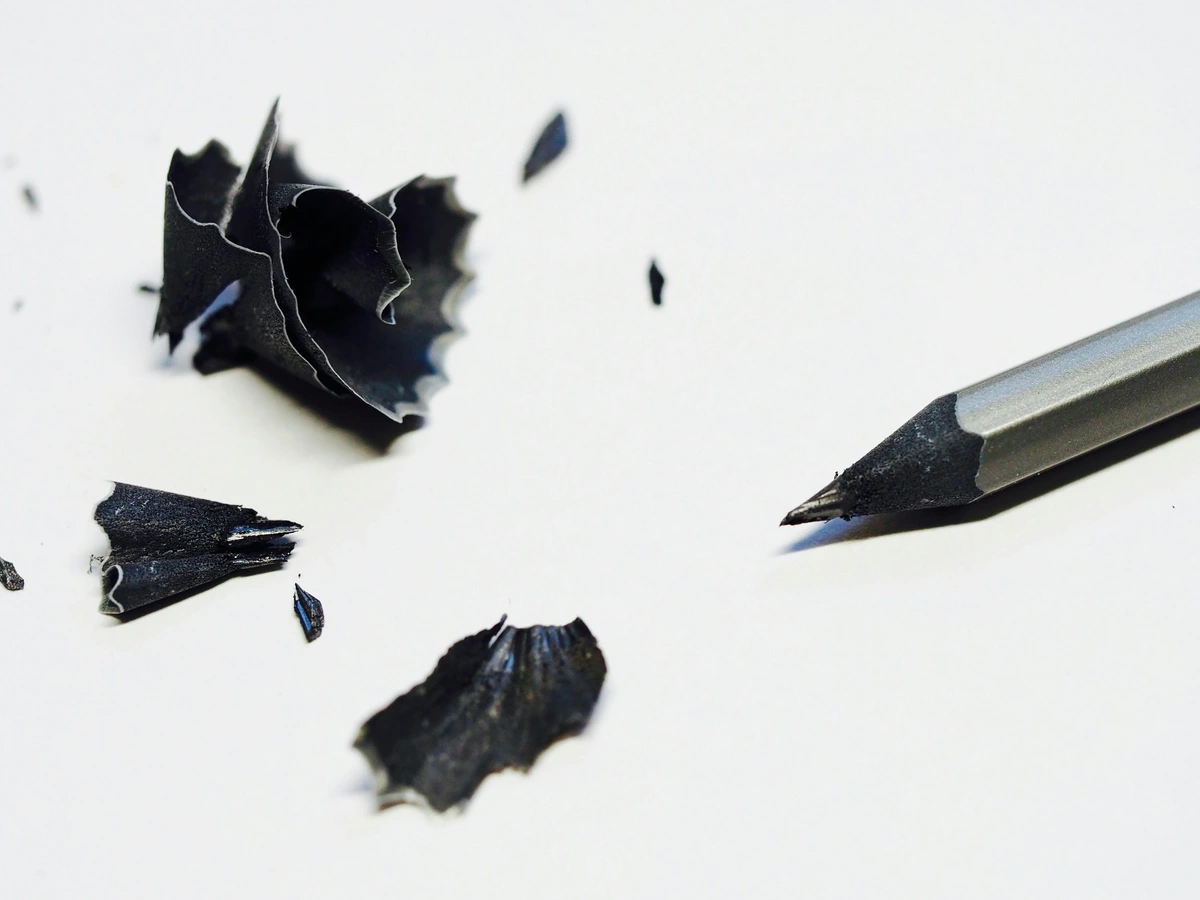
- Pros: Unrivaled for fine detail and precision, exceptional layering capabilities without wax bloom, highly durable and break-resistant cores, superior lightfastness ratings (often indicated by a star system), smudge-resistant, wide color range with excellent pigment saturation, blendable with solvents.
- Cons: Can feel a bit hard and less 'creamy' if you're accustomed to softer, wax-based pencils, achieving intense color saturation for large areas may require more effort and layering, blending without solvents can demand more physical effort and specific techniques.
Prismacolor Premier: The Buttery Blender
Ah, Prismacolors. Ah, Prismacolors. For many artists, these are their first love, and it's easy to see why. The wax-based core is incredibly soft and creamy, offering an unparalleled buttery feel. They lay down thick, vibrant color with minimal effort and blend so smoothly it feels almost like painting – hence the nickname 'buttery blender.' This makes them a go-to for seamless transitions, smooth skin tones, and rich, opaque layers. However, as with any passionate relationship, this one comes with drama. The cores are notoriously fragile and prone to breaking inside the wood casing, which is a special kind of heartbreak when you're sharpening (invest in a good sharpener, seriously; it's non-negotiable for these beauties). You'll also encounter "wax bloom," a cloudy, hazy film that can appear over time on heavily applied dark areas. While it can usually be gently wiped away or prevented with a fixative, it's a quirk you'll need to manage. Despite these quirks, their color saturation and blending capabilities are truly exceptional, making them a staple for many. You can dive deeper into my thoughts on these in my in-depth review of Prismacolor Premier Colored Pencils.
How to Manage Prismacolor's Quirks:
- Fragile Cores: Always use a very sharp, high-quality sharpener. Manual single-hole sharpeners with a fresh blade often provide the best control. Avoid dropping them! If a core keeps breaking, try putting the pencil in the freezer for 15-30 minutes – it can sometimes re-harden the binder enough for a clean sharpen.
- Wax Bloom: Apply color in lighter, multiple layers rather than one heavy application. Use a workable fixative between layers, and a final fixative upon completion. Gently buffing the finished piece with a soft, lint-free cloth can also reduce bloom, or you can even try a light hairdryer pass on a low setting (with extreme caution!) to re-melt the wax back into the paper.
How can I prevent smudging with colored pencils? Smudging is a common frustration, especially with softer, wax-based pencils. The best defense is a good offense: apply lighter layers rather than one heavy one, which minimizes excess pigment on the surface. Using a clean sheet of glassine paper or a piece of tracing paper under your hand as you work can prevent transferring pigment. For heavily worked areas, a workable fixative can be applied in light coats during the process to 'lock in' layers and reduce smudging. Ultimately, a light hand and careful working habits are your best allies against smears.
- Pros: Unmatched blendability and smooth transitions, incredibly vibrant and rich color selection, widely accessible and relatively affordable for artist-grade pencils, excellent for burnishing and creating saturated, opaque effects.
- Cons: Notoriously fragile cores prone to breakage, highly susceptible to wax bloom with heavy application (requiring fixative management), inconsistent quality control can lead to frustrating experiences with off-center leads and grit, dulls quickly due to softness (demanding frequent sharpening).
Caran d'Ache Pablo: The Precise & Versatile Performer
While Luminance gets all the luxury buzz, Caran d'Ache's Pablo line is a quiet powerhouse, offering a different, yet equally impressive, experience. These oil-based pencils strike a beautiful balance: they're not as soft as Prismacolors, but smoother than Polychromos for many. Their medium-hard, firm core holds an exceptionally sharp point, making them phenomenal for fine detail, cross-hatching, and subtle textures. They layer beautifully without wax buildup and are highly lightfast, making them a reliable choice for archival work. Pablo pencils are also water-resistant, which can be a significant advantage when working with mixed media, allowing you to layer over watercolors or use them in conjunction with other water-based media without bleeding or disturbing previous layers. This makes them incredibly versatile for multi-layered artworks.
- Pros: Excellent precision and point retention, superb layering without wax bloom, high lightfastness ratings, good for detailed work and subtle blending, water-resistant. Ideal for intricate designs, architectural drawings, mixed media projects, and detailed still life compositions.
- Cons: Not as soft and creamy for quick, broad color laydown as some wax-based pencils; color range can feel less intense than Luminance; higher price point than student-grade options, making a full set a considered investment.
Caran d'Ache Luminance: The Luxury Swiss Watch
These are the pencils you buy when you've sold a big piece, landed a dream commission, or just feel like treating yourself to the absolute best. Caran d'Ache is a Swiss brand synonymous with luxury art materials, and the Luminance pencils are, without hyperbole, their masterpiece. They possess a uniquely refined feel—not quite as hard as Polychromos, nor as overtly soft as Prismacolors, striking a perfect, buttery smooth balance that feels incredibly responsive underhand. Their paramount selling point is their unparalleled lightfastness, with every single color across the entire range meeting the highest ASTM D-6901 standard. This means guaranteed longevity for your artwork, offering profound peace of mind for professional artists whose work demands archival quality. While the price is undeniably eye-watering, the performance—the intense pigment saturation, the effortless blendability, the smooth layering, and that rock-solid archival guarantee—is truly undeniable. They are a profound joy to use, transforming detailed, expressive work into an experience of pure quality, making them ideal for high-value commissions, gallery pieces, and any artwork where the absolute highest standards of quality and permanence are required. If you're looking for that ultimate artistic indulgence and professional assurance, Luminance delivers. When you consider the investment of time and skill in a professional piece, the extra cost for this level of archival quality becomes a logical, rather than extravagant, decision. It's the equivalent of choosing the finest oil paints for professionals for their longevity and pigment load.
- Pros: Highest possible lightfastness across the entire range (ASTM D-6901 certified for every color), incredibly smooth and creamy application without being overly soft, exceptional for building deep layers and burnishing, blends effortlessly and seamlessly, beautiful to hold and use, meticulous quality control, vibrant and rich pigment saturation. Perfect for realism, intricate portraiture, and works that demand a flawless, painterly finish.
- Cons: Extremely expensive, making a full set a significant investment; the refined softness means quicker pencil consumption for large areas, which adds to the cost; while capable of detail, they aren't as ideal for extremely fine, crisp lines compared to harder oil-based pencils like Polychromos or Pablo. This is truly a luxury item, and an investment that requires careful consideration.
My Unsolicited Advice: Who Should Buy What?
Okay, so which one is for you? It depends entirely on what you do and what you value.

- For the Detail-Oriented Illustrator or Botanical Artist: Go for Faber-Castell Polychromos or Caran d'Ache Pablo. Their ability to hold a fine point is unmatched, perfect for intricate botanical studies or precise line work. The oil-based binders resist wax buildup, allowing for crisp, layered details.
- For the Portrait Artist Who Loves Creamy Blends: You'll probably love the Prismacolor Premiers or Derwent Coloursoft. Their buttery laydown and exceptional blendability make creating smooth skin tones and soft transitions a joy. Just buy a good sharpener and a bottle of patience, especially for Prismacolors.
- For the Professional Selling Original Art (Archival Quality is Key): If you can afford it, invest in Caran d'Ache Luminance. The peace of mind from their highest lightfastness rating across the entire range is worth the price for work you want to last for generations. For a slightly more accessible option with excellent archival qualities, Faber-Castell Polychromos are also a fantastic choice.
- For the Mixed-Media Explorer: Consider combining Faber-Castell Polychromos (for stable base layers and details) with a set of watercolor pencils (like Faber-Castell Albrecht Dürer or Derwent Watercolour) for washes and expressive effects, or even acrylic mediums for texture. The different binders complement each other beautifully, allowing for a broader range of artistic expression.
- For the Abstract Artist: While not traditionally associated with abstract work, the layering capabilities of Faber-Castell Polychromos or the intense saturation of Caran d'Ache Luminance can create incredible depth and vibrant color fields. Experiment with solvent blending to achieve paint-like washes and unexpected textures, pushing the boundaries of what's possible with pencils alone. You might find new ways to approach how artists use color in your work.
- For the Graphic Novel Artist / Comic Illustrator: The crisp lines and strong, consistent color of Faber-Castell Polychromos or Caran d'Ache Pablo are excellent for creating dynamic comic book art and graphic novels. Their ability to hold a sharp point is crucial for intricate line work and precise panel borders, ensuring your characters and worlds are rendered with clarity and impact.
- For the Fashion Illustrator: The smooth, blendable nature of Prismacolor Premier or Derwent Coloursoft can be a dream for rendering flowing fabrics, delicate skin tones, and vibrant fashion designs. They allow for quick, expressive color laydown, perfect for capturing the dynamism and elegance of fashion.
- For the Budget-Conscious Artist (seeking best value): While a full set of Luminance might be out of reach, a smaller set of Faber-Castell Polychromos or Derwent Coloursoft offers exceptional professional quality at a more manageable price point. Alternatively, buying open stock individual pencils of your favorite colors from various brands can be a smart way to build a custom kit over time.
- For the Travel or Plein Air Artist (durability and portability): Caran d'Ache Pablo or Faber-Castell Polychromos are excellent choices due to their firmer, more durable cores which are less prone to breakage during transport. Pair them with a sturdy pencil case and a reliable hand-crank sharpener for on-the-go creativity.
- For the Curious Beginner: Don't buy a giant 150-pencil set of anything. Start with a smaller, curated set of 24 or 36 Polychromos, Prismacolors, or Coloursoft. See which feel you prefer before you commit to a larger investment. Experimentation is key to finding your personal preference.
- For the Hyperrealist Artist: When every minute detail counts, a combination is often best. Use the precision of Faber-Castell Polychromos or Caran d'Ache Pablo for initial fine details and underpainting, then transition to the intense saturation and layering of Caran d'Ache Luminance for building incredible depth and realistic texture. The high pigment load in these premium pencils makes achieving photographic realism truly possible.
- For the Conceptual Artist: Don't underestimate the humble colored pencil for expressing complex ideas. The ability to layer, blend, and create subtle shifts in tone and texture with brands like Faber-Castell Polychromos or Caran d'Ache Luminance can convey nuanced emotions and philosophical concepts. Consider how the psychology of color can be harnessed even in realistic or illustrative works to add deeper meaning.
- For the Artist on a Budget Who Needs Archival Quality: If Luminance or Lightfast are a stretch, a smaller set of Faber-Castell Polychromos offers exceptional lightfastness and durability at a more accessible price point. Supplementing with open stock individual pencils of your most used colors is a savvy long-term strategy. You get the quality where it counts without the massive upfront investment.
- For the Wildlife or Pet Portrait Artist: The ability to render fine fur, feathers, and nuanced textures is paramount here. Faber-Castell Polychromos or Caran d'Ache Pablo excel at holding a fine point for individual hairs, while Derwent Coloursoft or Prismacolor Premiers can create soft transitions and rich color in the eyes or shadows. Often, a combination of both oil and wax-based pencils will give you the versatility you need to capture lifelike detail and soft blending.
- For the Mixed Media Maestro (who loves a hybrid approach): Don't be afraid to mix and match! I often use Polychromos for fine details and sturdy underlayers, then finish with a few strokes of a softer, wax-based pencil like Prismacolor Premier or Derwent Coloursoft for velvety smooth blends and rich top layers. The different binder types can create fascinating textures and depth, pushing the boundaries of what's possible with colored pencils.
The Supporting Cast: Essential Accessories for Colored Pencil Artists
Your pencils are only part of the equation; the right supporting cast of accessories can dramatically elevate your experience and the quality of your finished artwork. Neglecting these tools is like trying to compose a symphony with only one instrument – you'll be limited in your expression and technique. Let's explore the essential supporting cast for your colored pencil masterpieces.
- Paper/Surface: The texture, weight, and tooth (the microscopic hills and valleys that grab pigment) of your chosen paper dramatically affect how colored pencil pigment is applied, layered, and blended. Smooth papers (like hot press watercolor paper or plate finish Bristol) allow for fine details and subtle layering, offering a slicker surface that's great for delicate work. Papers with more tooth (cold press watercolor paper, vellum, or Ingres paper) grab pigment more readily, allowing for richer color saturation and textural effects, making them excellent for building many layers. For advanced techniques and an incredible number of layers, don't shy away from sanded papers (like Uart, Pastelmat, or LuxArchival), which offer an immense amount of tooth for building up pigment. These can hold dozens of layers, achieving an almost oil-painting like depth, and are often preferred by artists aiming for hyper-realism. Experiment with different kinds, from everyday sketching papers to dedicated watercolor paper, to find what truly complements your style and the specific pencils you're using. For added impact, consider working on toned paper (gray, tan, or sepia), which provides a mid-range value that can make highlights pop and shadows deepen with less effort, or even black paper for dramatic, luminous effects. The right paper can truly unlock the potential of your pencils.
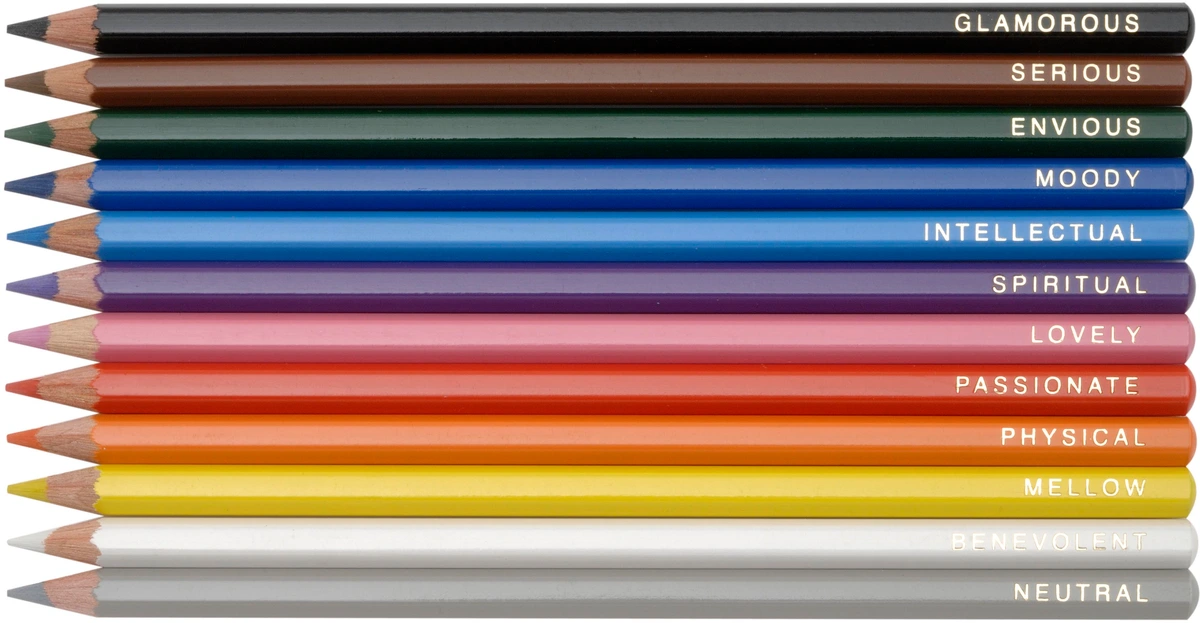
- Sharpeners: This is arguably as important as the pencils themselves. A good quality, sharp sharpener (whether a manual, hand-crank, or electric model) is crucial, especially for fragile pencils like Prismacolors, which can break internally with blunt blades or excessive pressure. Look for sharpeners that create a long, fine point without chewing up the wood casing or damaging the lead. Investing in a few different types to suit various pencil hardnesses and core compositions is a smart move; a sharp blade minimizes waste, internal breakage, and frustration. My personal preference leans towards a high-quality single-hole manual sharpener with a fresh blade for ultimate control, a reliable hand-crank helical sharpener for speed and consistent points on tougher leads, and a dedicated cosmetic sharpener for extremely soft pencils. Always keep the blades clean to ensure a smooth cut.
- Blending Tools (and Colorless Blenders): Don't just rely on a white pencil, which can sometimes mute your underlying colors or create chalkiness. Explore a variety of tools to achieve seamless blends and unique effects. Blending stumps and tortillons (tightly rolled paper tools) are excellent for small areas, softening edges, and subtly pushing pigment into the paper's tooth. For larger, smoother transitions, consider odorless mineral spirits (OMS) like Gamsol, Zest-it, or even rubbing alcohol, which dissolve the wax/oil binder, allowing you to move pigment around like paint. Apply sparingly with a cotton swab or a small brush. Always work in a well-ventilated area when using solvents, and avoid excessive saturation to prevent damaging the paper – buckling is a real danger! And don't forget colorless blenders, which are essentially pencils made only of binder; they can help meld colors, intensify saturation, and push pigment deeper into the paper without adding white pigment, creating a rich, burnished look. These are my go-to for achieving smooth gradients without introducing additional color.
- Erasers: Don't underestimate the power of a good eraser! They're not just for mistakes; they're for creating highlights and textures. Kneaded erasers are fantastic for lifting pigment gently without damaging the paper or leaving crumbs, perfect for creating soft highlights or correcting light errors. Vinyl (plastic) erasers are more abrasive and can remove heavier applications of color, while electric erasers offer precision for tiny details and crisp edges, becoming a secret weapon for texture and light. Check out essential charcoal drawing supplies for beginners for other fundamental erasing tips that apply broadly to drawing.
- Dusting Brush: A soft, clean brush (like a makeup brush or a dedicated drafting brush) is invaluable for gently sweeping away eraser dust and pigment particles without smudging your artwork. Blowing dust can introduce moisture and spread particles into unwanted areas, so a brush is a much cleaner and more professional approach.
- Pencil Extenders: These ingenious little tools allow you to use every last bit of your expensive pencils, extending their life even when they're too short to hold comfortably. They hold the stub securely, making them feel like a full-length pencil again, saving you money and reducing waste.
- Magnifying Lamp or Loupe: For intricate detail work, a good quality magnifying lamp with daylight-balanced LED lighting can be a game-changer. It reduces eye strain and allows you to see and execute the finest details with precision, essential for hyperrealism or detailed botanical illustrations.
- Masking Tape / Artist's Tape: While simple, a roll of low-tack artist's tape is essential for securing your paper to your drawing surface, preventing buckling and shifting as you work. This ensures a stable foundation for your layered colored pencil applications and crisp edges.
- Fixatives: To protect your finished artwork from smudging, UV damage, and to prevent wax bloom (especially with wax-based pencils), a final fixative spray is indispensable. Workable fixatives allow you to add layers after spraying, while final fixatives offer a permanent, protective barrier. Always apply in thin coats in a well-ventilated area, holding the can at the recommended distance to avoid droplets.
- Storage Solutions: Proper storage keeps your pencils organized, protected, and prevents breakage. Consider pencil cases with individual slots (which prevent rolling and clacking), desktop organizers, or even custom-built wooden boxes. Roll-up canvas wraps are also excellent for travel and compact storage. Keeping them away from direct sunlight, extreme temperatures, and humidity will also help maintain their core integrity and prevent the binder from softening or hardening prematurely. An organized workspace frees your mind to focus on creativity.
These are fundamental drawing tools, not just for colored pencils. If you're building your kit, checking out the basics is key, like the best sketching pencils for artists or even learning about different paint types for broader mixed-media applications. Learning to leverage these tools effectively will broaden your artistic vocabulary and control.
Additional Essential Studio Gear
Beyond the direct tools, certain studio essentials can significantly enhance your colored pencil practice and overall artistic well-being:
- Drawing Board or Easel: Working on a stable, slightly angled surface can dramatically improve your posture and reduce fatigue during long drawing sessions. A simple drawing board propped up, or a full artist's easel, provides a consistent angle, allowing for better control and visibility of your work. This is especially important for larger pieces where you need to step back and view the composition as a whole.
- Good Lighting: Natural daylight is always ideal, but a high-quality, color-corrected artificial light source (like a daylight lamp with a CRI of 90+ and a color temperature of 5000K-6500K) is crucial for consistent color perception, especially when working at night or in a poorly lit space. Poor lighting can lead to inaccurate color choices and eye strain. Invest in a lamp that mimics natural light to see your true colors.
- Pencil Grips: For artists who experience hand fatigue or discomfort during long drawing sessions, ergonomic pencil grips can be a revelation. They provide a softer, wider, or more textured grip, reducing pressure points and allowing for greater comfort and control. This simple addition can extend your drawing time and save your hands, which, let's be honest, are your most valuable tools!
Other Niche Tools to Consider
- Masking Fluid: While more commonly associated with watercolor, a finely-tipped masking fluid applicator can be used to reserve tiny, crisp white areas or intricate details before applying layers of colored pencil. Once the pencil work is done and dry, the masking fluid can be gently removed, revealing pristine white paper underneath. It's a bit of an advanced technique but incredibly effective for specific effects.
- Embossing Tools: These blunt, pointed tools are used to create indentations in your paper before you apply color. When you then draw over the embossed lines, the pigment skips over the raised areas, leaving crisp, white lines or textured patterns. This is fantastic for creating whiskers, fine hairs, intricate fabric textures, or sparkling highlights.
- Sandpaper or Sanding Blocks: For specific effects, a fine-grit sandpaper block can be used on your pencils to create pigment dust. This dust can then be applied with a brush, cotton swab, or even your finger for soft, diffused areas of color, especially useful for backgrounds or atmospheric effects. Alternatively, a very fine sanding block can be used on the paper to gently re-expose the tooth if you've overworked an area, allowing for further layering (use with extreme caution and a light touch).
- Cutting Mat and Craft Knife: While not directly for applying color, a self-healing cutting mat and a sharp craft knife (like an X-Acto knife) are indispensable for precise paper preparation, creating stencils, or carefully excising areas of your artwork for mixed media projects. Precision cutting tools allow for clean edges and controlled alterations, expanding your artistic possibilities beyond just drawing.
Beyond the Big Names: Exploring Other Quality Brands
While the aforementioned brands tend to dominate the professional art world, it would be a disservice not to mention some other fantastic contenders that deserve your attention. The world of colored pencils is vast, and many artists find their perfect match outside the usual suspects. I’m always on the lookout for hidden gems that offer unique characteristics or exceptional value.
Holbein Artists' Colored Pencils: The Japanese Perfectionists
Hailing from Japan, Holbein Artists' Colored Pencils are highly regarded for their exceptionally smooth laydown, rich pigment, and extensive color range (up to 150 colors, including unique pastel and fluorescent shades). They are a wax-based pencil with a firm yet creamy feel, allowing for incredible layering, blending, and burnishing without wax bloom – a rare and prized quality in a wax-based pencil. They hold a good point for detail and cover large areas beautifully, making them incredibly versatile. Often considered a premium choice, their quality control and vibrant, consistent performance make them a favorite among professional illustrators and fine artists. If you're looking to expand your palette with truly unique, often muted or fluorescent, hues, these are an absolute standout.
- Pros: Exceptionally smooth and creamy, vast color range with unique shades, excellent layering and blending without wax bloom, good point retention, high pigment density. Ideal for detailed illustrations, rich backgrounds, and artists seeking a broad, unique color palette, particularly for creating nuanced gradations that feel almost airbrushed.
- Cons: Very expensive, can be harder to find in open stock outside of Japan, the soft core can lead to quicker consumption, making them a significant investment over time.
Lyra Polycolor: The German Underdog
Often overlooked, Lyra Polycolor pencils are another excellent oil-based option from Germany. They are known for their strong, break-resistant cores, vibrant pigmentation, and excellent lightfastness. They offer a slightly softer feel than Polychromos, making them a great bridge for artists transitioning from wax to oil, or those who simply prefer a smoother oil-based experience without sacrificing precision. These are fantastic for detailed realism and layering, offering robust performance without the top-tier price tag, making them a highly underrated choice for professionals. They handle blending well, and their resistance to breakage is a huge plus for those of us who might be a little… enthusiastic with our tools. I’ve often recommended these as a solid workhorse for artists needing reliable quality without the premium price tag.
Koh-I-Noor Polycolor: The Czech Workhorse (Budget-Friendly)
Hailing from the Czech Republic, Koh-I-Noor Polycolor pencils offer a surprising amount of quality for their accessible price point. These oil-based pencils are lightfast, have a smooth application, and hold a good point. They are often recommended for art students or professionals looking for a reliable, expansive set without breaking the bank. While not quite as refined as a Caran d'Ache, they perform admirably and layer well, making them an excellent choice for illustrators, sketch artists, or those building a core collection on a budget. I've used these for preliminary sketches and underpaintings, and they consistently exceed expectations for their price. Their ability to hold a fine point is commendable. If you're building a studio and need a comprehensive range of colors without breaking the bank, these are a fantastic starting point, much like discovering a reliable new set of essential oil painting supplies.

Staedtler Ergosoft: Comfort and Quality
Staedtler's Ergosoft line is beloved for its ergonomic triangular barrel, which makes long drawing sessions far more comfortable. These are high-quality, wax-based pencils with good pigmentation and decent lightfastness. They're often found in slightly smaller sets but are a solid choice for those prioritizing comfort without compromising on performance. They offer a smooth, consistent laydown and are well-suited for detailed work where comfort is key, such as technical drawing or intricate coloring projects. For artists who battle hand fatigue, these are a true godsend, proving that thoughtful design can elevate your artistic experience considerably. It’s a subtle but significant improvement that can make a real difference during extended creative periods.
Tombow Irojiten: The Elegant Color Dictionary
For a truly unique aesthetic and a beautiful, hard wax-based core, Tombow Irojiten pencils (meaning "color dictionary" in Japanese) are a delight. They come in elegant, themed sets and offer subtle, refined colors. Their harder core is excellent for fine details, delicate layering, and precise cross-hatching, making them a favorite for botanical artists and illustrators who appreciate a firm hand and subtle color shifts. Their unique, often muted color palettes are superb for creating naturalistic scenes, intricate patterns, and delicate rendering, adding a touch of sophisticated nuance to any artwork. If you appreciate subtlety and a firm, controlled line, these might just become your unexpected favorites. They're less about bold, intense saturation and more about creating delicate, layered beauty.
Mastering Colored Pencil Techniques for Professionals
Having the best pencils in your hand is only the first step; knowing how to truly wield them is where the magic happens. Professional artists don't just 'color in'; they employ a sophisticated range of techniques to coax the most out of their colored pencils, creating depth, texture, and luminosity that can rival paintings. These aren't just tricks; they're fundamental approaches that transform simple strokes into rich, expressive art. Let's explore some key techniques that will elevate your work, turning mere pigment into profound expression.
Owning the best pencils is only half the battle; knowing how to wield them is where the magic truly happens. Professional artists employ a range of techniques to coax the most out of their colored pencils, creating depth, texture, and luminosity. These aren't just tricks; they're fundamental approaches that transform simple strokes into rich, expressive art. Let's explore some key techniques that will elevate your work.
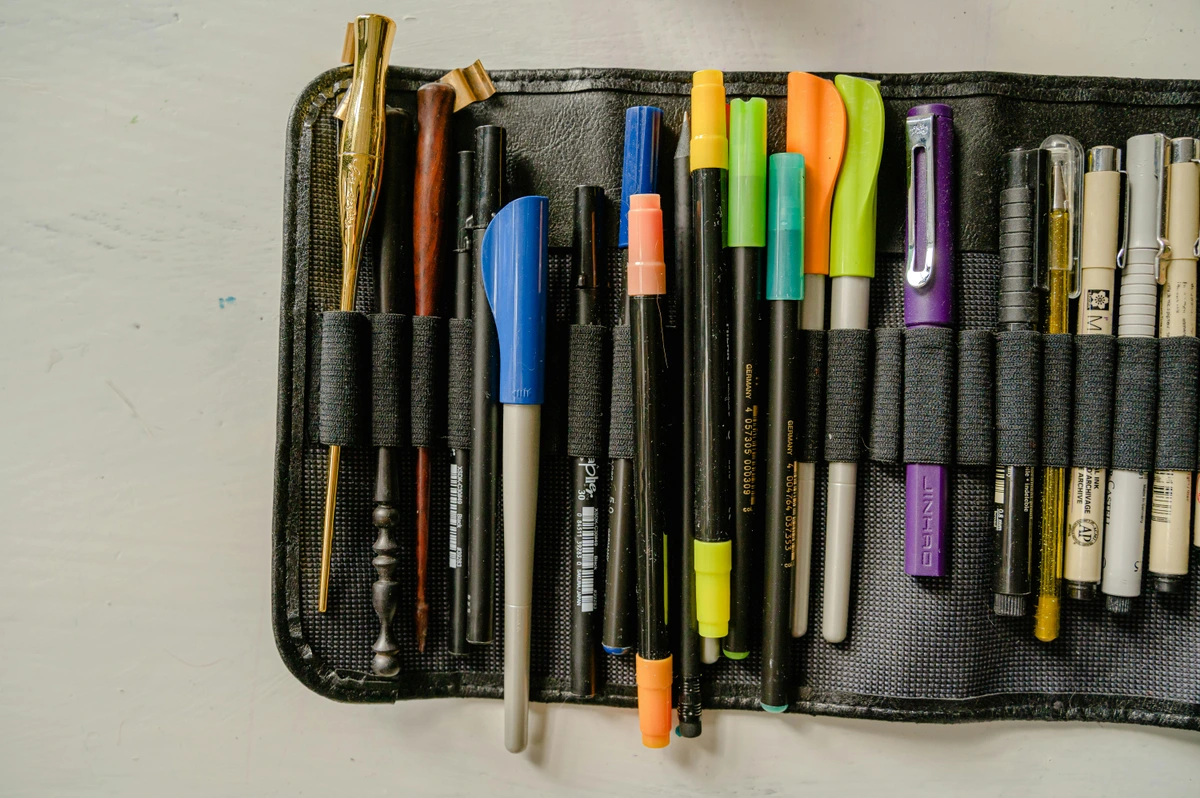
Layering and Burnishing: Building Depth and Shine
Layering is the cornerstone of colored pencil art. It involves applying multiple thin, even coats of color, gradually building up intensity and creating complex hues. Start with light pressure and progressively add darker shades or complementary colors to create depth. This allows light to penetrate each translucent layer, bouncing back to create a luminous effect. Think of it like building up glazes in oil painting; each translucent layer modifies the color beneath, creating optical blends and a richness that a single heavy layer can't achieve. This patient, methodical approach is what truly gives colored pencil art its distinctive depth and glow. For instance, to create a deep, shimmering green, you might layer a soft blue, then a vibrant yellow, and then another thin layer of blue, letting the colors optically mix on the paper rather than pre-mixing them on a palette.
Burnishing is a technique where you apply heavy pressure with a light-colored (often white or colorless blender) pencil over layers of color. This compresses the pigment into the paper's tooth, creating a smooth, polished, and often glossy surface. It eliminates the paper's texture and produces a vibrant, almost painted look, but it can make further layering difficult or impossible. It's often used as a final step to create smooth skin tones, reflective surfaces, or areas of intense, seamless color. Be mindful that once burnished, adding more color becomes extremely challenging, so ensure your layers are complete before committing to this powerful, irreversible technique. I often use it on small, focal areas to create a jewel-like intensity.
Essential Drawing Techniques: Beyond the Basics
While layering and burnishing are foundational, there are other expressive techniques that significantly expand the possibilities of colored pencils, allowing for a broader artistic vocabulary.
While layering and burnishing are foundational, there are other expressive techniques that expand the possibilities of colored pencils:
- Solvent Blending: This technique takes colored pencil art to another level. By applying a solvent (like odorless mineral spirits (OMS) such as Gamsol or Zest-it, rubbing alcohol, or even lighter fluid—use caution and always ensure good ventilation!) with a brush, cotton swab, or tortillon over your colored pencil layers, you can dissolve the binder and spread the pigment, creating smooth, paint-like washes and seamless transitions. This is especially effective with oil-based pencils but can also work with wax-based ones, producing soft backgrounds, subtle gradations, or even underpaintings. The key is to work quickly and with a light touch to avoid oversaturating the paper, which can damage the tooth and cause buckling. Always test on a scrap piece of your chosen paper first! This technique can truly transform the look of your colored pencil work, making it resemble a delicate watercolor painting.
- Sgraffito & Indentation: Sgraffito (meaning "scratched away" in Italian) is a subtractive technique where you scratch through top layers of colored pencil to reveal the colors beneath, or even the white of the paper. This can create incredibly fine lines, delicate textures, or precise highlights. A sharp tool like a needle, an embossing tool, or even a craft knife can be used with precision. A related technique, indentation, involves pressing lines into the paper with a blunt tool before you apply any color. The paper fibers are compressed, and when you then draw over these indented lines, the pigment skips over the raised areas, leaving crisp, white (or under-layered) details. Both are excellent for creating delicate textures like whiskers, fine hairs, intricate fabric patterns, or even tiny sparkling highlights.
- Scumbling: This involves applying color in small, circular, overlapping motions with very light pressure. The goal is to build up a soft, textured layer of color that allows the paper's tooth to show through, creating a luminous, airy effect. Scumbling is fantastic for atmospheric backgrounds, dappled light, creating a sense of softness, or suggesting texture without creating harsh lines. It's a great way to achieve a gentle, diffused glow, especially with softer pencils. I often use it for clouds or misty landscapes to create a subtle, ethereal quality.
- Hatching & Cross-Hatching: These linear techniques involve drawing parallel lines (hatching) or intersecting sets of parallel lines (cross-hatching) to build up tone, texture, and form. The closer the lines, the darker the value; the farther apart, the lighter. Changing the direction and density of the lines creates different textures and contours, making them excellent for rendering form, creating shadows, and adding visual interest. They are particularly effective with harder, oil-based pencils that hold a sharp point, allowing for incredible control over line weight and density. These techniques are fundamental to building form and dimension in any drawing, and they translate beautifully to colored pencil work, adding a sense of structure and intention.
Maintaining Your Investment: Care and Longevity
Your high-quality colored pencils are not just tools; they're an investment in your artistic practice, a collection of tiny pigment-filled treasures. Proper care will ensure they last for years, consistently delivering their best performance and protecting your initial financial commitment. Neglecting them can lead to frustrating breakage, pigment degradation, and ultimately, a diminished creative experience. Think of it as caring for a precision instrument; a little attention goes a long way in ensuring your treasured tools remain in peak condition and ready for whenever inspiration strikes.
Smart Storage and Handling
Always store your pencils horizontally or in individual slots in a dedicated case. Storing them vertically for long periods, especially softer wax-based pencils, can cause the lead to shift and break internally due to gravity or subtle vibrations. This often leads to that infuriating experience of sharpening away more pencil than you actually get to use, a true artist's heartbreak. Keep them away from direct sunlight, extreme heat (like a car interior on a hot day – trust me on this one!), or extreme cold, as significant temperature fluctuations can affect the binder, leading to crumbling, hardening, or increased susceptibility to wax bloom. Consistent, moderate conditions (ideally room temperature with stable humidity) are your pencils' best friend, maintaining the integrity of their delicate cores. Avoid storing them near heaters, air conditioning vents, or in damp basements, as these environments can wreak havoc on their performance and longevity. Investing in good art storage solutions for all your art supplies, not just pencils, is a mark of a professional.

Sharpening Best Practices
Invest in high-quality sharpeners with sharp, clean blades, and clean them regularly. Dull blades tear at the wood and core, leading to breakage and wasted pencil. For very soft pencils, consider a hand-crank sharpener that minimizes twisting pressure on the lead, or a razor blade for manual sharpening (with extreme caution, of course). Sharpen gently and slowly, especially if a pencil has been dropped, as this minimizes internal breakage. A pro tip: if a lead continually breaks, try putting the pencil in the freezer for 15-30 minutes; this can sometimes reharden the binder enough for a clean sharpen, reducing the chance of repeated crumbling. It's a bit of an old wives' tale, but it often works! Always empty your sharpener regularly; pencil shavings can accumulate and clog the mechanism, leading to uneven points and further breakage. Remember, a sharp point is a precise point, and precision is key in professional work, allowing you to capture the most minute details with confidence.
Health and Safety Considerations for Artists
While colored pencils are generally considered a relatively safe art medium, professional artists working with them extensively, especially when incorporating solvents or spray fixatives, should be mindful of a few crucial health and safety practices. Your well-being is paramount to your artistic longevity; after all, you can't create masterpieces if you're not feeling your best. Let's make sure your studio practices are as safe as they are creative.
While colored pencils are generally considered safe, professional artists working with them extensively, especially when using solvents or fixatives, should be mindful of a few health and safety practices. Your well-being is paramount to your artistic longevity.
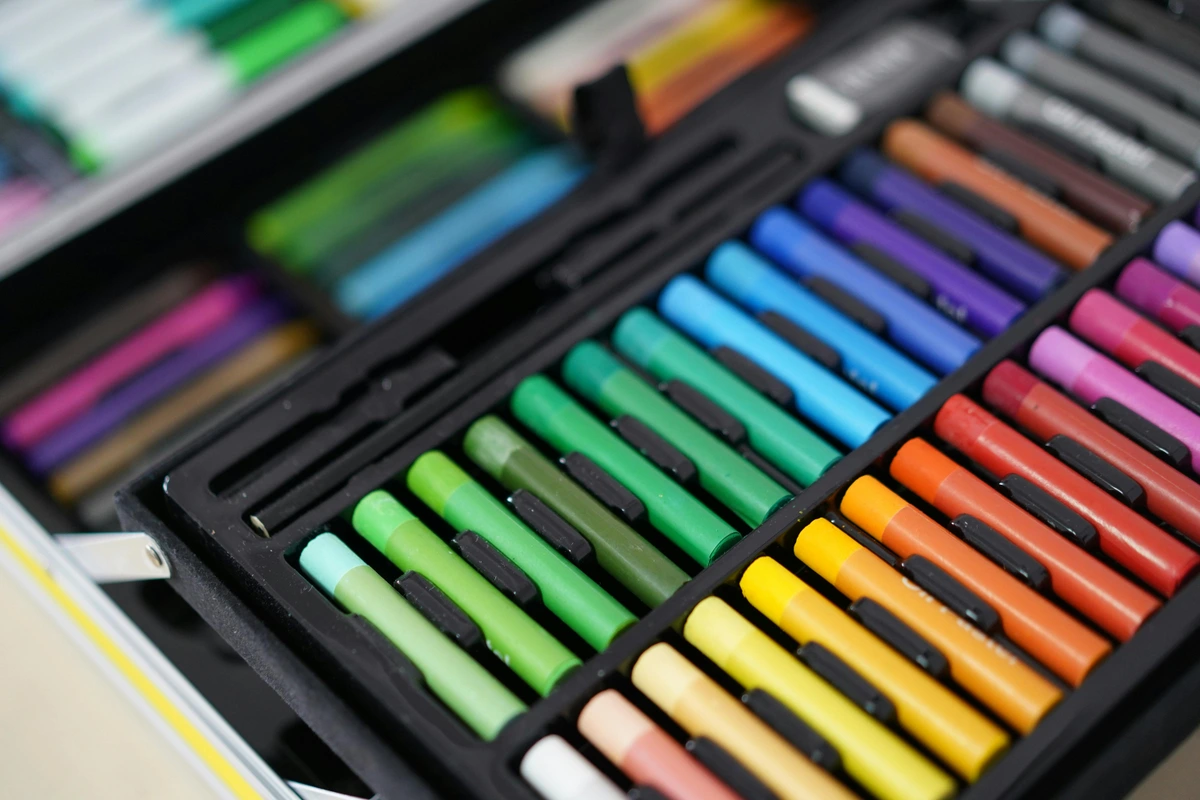
- Ventilation: This is crucial, particularly when using odorless mineral spirits, rubbing alcohol, or spray fixatives. Ensure your workspace is well-ventilated, either with open windows, a fan, or even an extractor fan. Fumes can build up and cause headaches, dizziness, or respiratory irritation over time. If natural ventilation isn't enough, consider a dedicated air purifier with activated carbon filters to help neutralize chemical vapors. Investing in a small, portable fume extractor that can be positioned directly over your work area is an excellent solution for professional artists working with solvents frequently.
- Dust Management: Colored pencil dust, especially from softer pencils or heavy layering, can accumulate. While not as fine as pastel dust, it's still advisable to work on a surface that's easy to clean (a smooth, non-porous surface is best), and to gently brush away dust with a clean, soft brush rather than blowing it, which can spread it into the air and potentially onto your artwork. Consider wearing a mask if you're particularly sensitive or working in a confined space. A small, handheld vacuum designed for electronics can also be incredibly effective for localized dust removal without sending particles airborne, keeping your work and lungs cleaner.
- Skin Contact: While pigments are mostly non-toxic, some artists can develop sensitivities over time. Avoid prolonged skin contact with pigments and solvents. Always wash your hands thoroughly after working, and consider gloves if you experience irritation.
- Material Data Safety Sheets (MSDS): For any art material, especially solvents or fixatives, make it a non-negotiable habit to familiarize yourself with its Material Data Safety Sheet (MSDS). These documents provide detailed, critical information on potential hazards, safe handling procedures, proper storage, and emergency protocols. This isn't just about avoiding an immediate issue; it's about long-term health and responsible studio practice. It’s a good habit for any professional artist, demonstrating a commitment to safety as well as craft.
Frequently Asked Questions (That I Ask Myself in the Shower)
Okay, let's tackle some of those nagging questions that pop into your head at 3 AM – the ones that swirl around as you're trying to figure out which creative path to take next. Because an informed artist is a confident artist, and confidence, my friend, is half the battle when you're facing a blank page. These are the real-world questions I hear and ponder constantly.
Can I mix different brands of colored pencils? Absolutely! In fact, I'd say you should mix and match. Many professional artists create a custom palette by combining the strengths of different brands. For instance, I often use the precision and layering ability of Polychromos for my base layers and detailed work, then come in with a few soft Prismacolors or Coloursoft for a final, creamy blend in certain areas. Just be mindful of binder types; while most mix well, some combinations might feel slightly less cohesive or require different blending techniques. Experimentation is key to finding your perfect blend – don't let brand loyalty limit your creative potential.
What's the deal with "wax bloom"? Wax bloom is indeed a natural side effect, primarily with wax-based pencils, resulting from a heavy application. Essentially, the wax binder can rise to the surface over time, creating a cloudy, hazy film that can dull your colors and obscure details. While you can gently wipe it away with a soft, lint-free cloth, it can sometimes reappear. To prevent or minimize it, try applying lighter, more numerous layers rather than one heavy layer, working in sections, and using a workable or final fixative spray once your artwork is complete. Proper storage (away from humidity and extreme temperature changes) can also significantly mitigate its occurrence. Understanding that it's a characteristic of wax-based binders, rather than a flaw, helps in managing and preventing it effectively.
What's the difference between student and artist-grade pencils? This is a crucial distinction, and honestly, it's worth the price jump if you're serious about your art. Student-grade pencils typically contain far less pigment and significantly more filler (wax, clay, extenders), resulting in duller, less vibrant colors, harder cores that are difficult to blend, and often poor or non-existent lightfastness ratings. Artist-grade pencils, conversely, boast a high concentration of pure, finely ground pigment, superior lightfastness (essential for archival work), smoother, more consistent binders, and a much wider, more nuanced color range. The difference in performance, vibrancy, and archival quality is substantial and absolutely justifies the higher price for any professional or aspiring professional work. It's not just about 'better'; it's about opening up a whole new world of expressive possibilities and ensuring your efforts endure.
Are oil-based or wax-based pencils better? Neither is "better." It's like asking if coffee is better than tea, or if a detailed etching is 'better' than a vibrant abstract painting. They're just different, each offering unique characteristics and advantages. It comes down entirely to personal preference, your artistic style, and what you're trying to achieve in a particular piece. Do you prioritize precision, crisp lines, and multi-layered glazes? Oil-based might be your jam. Do you crave luscious, buttery blending, rich opacity, and smooth transitions? Wax-based will likely make you sing. Many artists, myself included, use a combination of both, leveraging the strengths of each for different effects within the same artwork!
How many colors do I really need to start? You need far fewer than you think, especially when investing in artist-grade pencils. Don't fall for the trap of thinking more colors automatically mean better art. Learning to mix and layer colors to create a vast spectrum of hues from a limited palette is a far more valuable and fundamental skill than owning 150 different pre-mixed shades. A well-chosen set of 24 or 36 high-quality pencils, focusing on a balanced selection of primaries, secondaries, and neutrals, is a fantastic starting point and will teach you more about color theory and practical application than an overwhelming mega-set ever could. Remember, true mastery comes from understanding how colors interact, not just from having every shade at your disposal. This foundational understanding is far more empowering than a superficial abundance of hues. Exploring the psychology of color in abstract art can deepen this understanding, revealing how even a limited palette can convey profound emotion and depth.
Are there eco-friendly or vegan colored pencil options? Yes, the art supply industry, albeit slowly, is moving towards more sustainable and ethical practices. Many reputable brands are now offering pencils made from sustainably sourced wood, and some manufacturers explicitly state their products are vegan (meaning no animal-derived ingredients in the pigments or binders, such as beeswax, animal fats, or animal glue). It's always best to check the manufacturer's website or product specifications for their specific commitments to environmental sustainability and vegan formulations. Look for certifications or clear ingredient lists if this is a priority for you. For more insights into ethical art choices, you might find my guide to best eco-friendly art supplies for conscious artists particularly useful. It's a small but significant step towards a more conscious artistic practice.
What about underpainting techniques with colored pencils? Underpainting is a powerful technique often associated with painting, but it translates beautifully to colored pencils. It involves laying down a foundational layer of color (often a monochromatic or complementary color) to establish values and general hues before adding subsequent layers. For example, using a light violet or blue underpainting for skin tones can add incredible depth and realism when warmer layers are applied over it. It helps you build a strong tonal base, ensures color harmony, and can make your final layers appear more luminous and complex. Experiment with lighter, highly blendable pencils for your underpainting layers to avoid overworking the paper's tooth too early.
How do I choose a good pencil case for my professional set? Choosing the right pencil case is more important than you might think! For studio use, flat cases with elastic loops or foam inserts are great for keeping pencils organized and preventing rolling and damage. For travel or plein air, look for roll-up canvas wraps or hard-shell cases with individual slots that offer excellent protection against breakage during transport. The key is protection and organization. You want to see your colors easily without having to dig through a pile, and you want to ensure those expensive cores are safe from impact.
Are there any online courses or resources for colored pencil artists? Absolutely! The digital age has brought a wealth of learning opportunities. Platforms like Skillshare, Domestika, and Patreon host countless courses from professional colored pencil artists, covering everything from beginner basics to advanced techniques in portraiture, landscape, and still life. YouTube is also an invaluable free resource for tutorials and reviews. Look for instructors whose style resonates with you and who offer clear, actionable advice. Engaging with online communities can also provide feedback and inspiration, helping you continuously refine your skills and discover new approaches to your work.
What about budget-friendly artist-grade colored pencils? While phrases like "budget-friendly" and "artist-grade" might seem contradictory, there are indeed excellent options that offer professional quality without the top-tier price tag of a full Luminance set. Brands like Koh-I-Noor Polycolor, Derwent Studio (a harder companion to Coloursoft), or even some of the smaller Faber-Castell Polychromos sets (which can be expanded via open stock) can be found at more accessible price points. Don't forget that buying individual open stock pencils from your preferred brands is an incredibly smart way to slowly build a high-quality collection tailored to your needs without a massive upfront investment. It's about smart, strategic choices, not necessarily the cheapest ones.
Are expensive pencils really worth it? Yes, but with a nuanced caveat: only once you've hit the limits of cheaper ones. The jump from student grade to artist grade is massive and, in my experience, absolutely worth it for the improved performance, vibrancy, and archival qualities. The jump from a great mid-range artist pencil like Polychromos to a luxury one like Luminance is more incremental. It's a difference you'll feel in terms of refinement, smoothness, and consistent lightfastness, but it won't magically transform your art if your fundamentals aren't there. It's about enhancing an existing skill set, not creating one.
What are some common mistakes beginners make with colored pencils? One of the most frequent mistakes is trying to achieve full saturation with a single, heavy layer, which can quickly overwork the paper's tooth and lead to wax bloom or a muddy appearance. Instead, build up color with multiple light layers, allowing the colors to interact optically. Another common error is neglecting a good sharpener, leading to broken leads and endless frustration – honestly, a good sharpener saves both pencils and sanity! Also, many beginners forget to use the paper's tooth to their advantage, or shy away from colorless blenders and solvents, missing out on crucial blending techniques. Patience and practice with layering are your best friends here. Don't be afraid to experiment and make 'mistakes' – they're often just happy accidents waiting to be discovered, leading to unexpected breakthroughs in your style.
What are watercolor pencils and how do they differ from regular colored pencils? Watercolor pencils are a fantastic hybrid medium. They look and feel like regular colored pencils, but their binder is water-soluble. This means you can apply them dry, just like traditional colored pencils, but then activate them with a wet brush to create beautiful, transparent washes, similar to watercolor paint. They're incredibly versatile for mixed media, sketching on the go, or achieving soft, blended effects. The key difference lies in their solubility; regular colored pencils, especially oil-based ones, are generally water-resistant and won't dissolve with water. This versatility makes watercolor pencils an excellent addition to any artist's kit, particularly for those who love to experiment with mixed media.
How do I protect my finished colored pencil artwork for shipping or display? Protecting your finished work is crucial, especially for commissions or gallery display. Firstly, ensure your artwork is fully dry if you've used any solvents or fixatives. For shipping, layer your artwork between sheets of glassine paper (a smooth, non-abrasive, acid-free paper) to prevent smudging, then sandwich it between sturdy archival foam core or cardboard. This creates a protective cocoon for its journey. For display, framing under UV-protective glass or acrylic is highly recommended to guard against light degradation, dust, and physical damage. Always handle your artwork by the edges, and avoid touching the drawing surface directly, as oils from your skin can transfer and cause damage over time.
How do I clean my colored pencils? Generally, colored pencils themselves don't require much cleaning, beyond occasionally wiping off pigment dust or smudges with a soft, lint-free cloth. What's more important is keeping your workspace clean, especially when moving between light and dark colors to prevent cross-contamination. Nothing is more frustrating than a faint smudge of black appearing in your pristine white highlight! Sharpeners, however, should be cleaned regularly to ensure sharp blades and proper function. Pencil cases and storage solutions can also be wiped down to prevent dust buildup. The focus is more on preventing contamination and maintaining your tools rather than actively cleaning the pencils themselves. A clean tool is a happy tool, and it certainly helps maintain the purity and brilliance of your colors.
Can I use colored pencils on different surfaces? Absolutely! While paper is the most common surface, colored pencils can be surprisingly versatile. They work well on various textured papers, vellum, Bristol board, and even sanded papers designed for pastels. Some artists successfully use them on wood, canvas (especially gessoed canvas, see how to apply gesso to canvas), or even fabric, though these often require specific preparation and fixatives to ensure adhesion and longevity. The key is to experiment with different surfaces to see how the pencil interacts and what effects you can achieve. Just remember that the surface's tooth – the microscopic texture that grabs the pigment – will greatly influence the final look, from smooth, painterly finishes to vibrant, textured layers. Don't be afraid to go beyond paper and explore the possibilities!
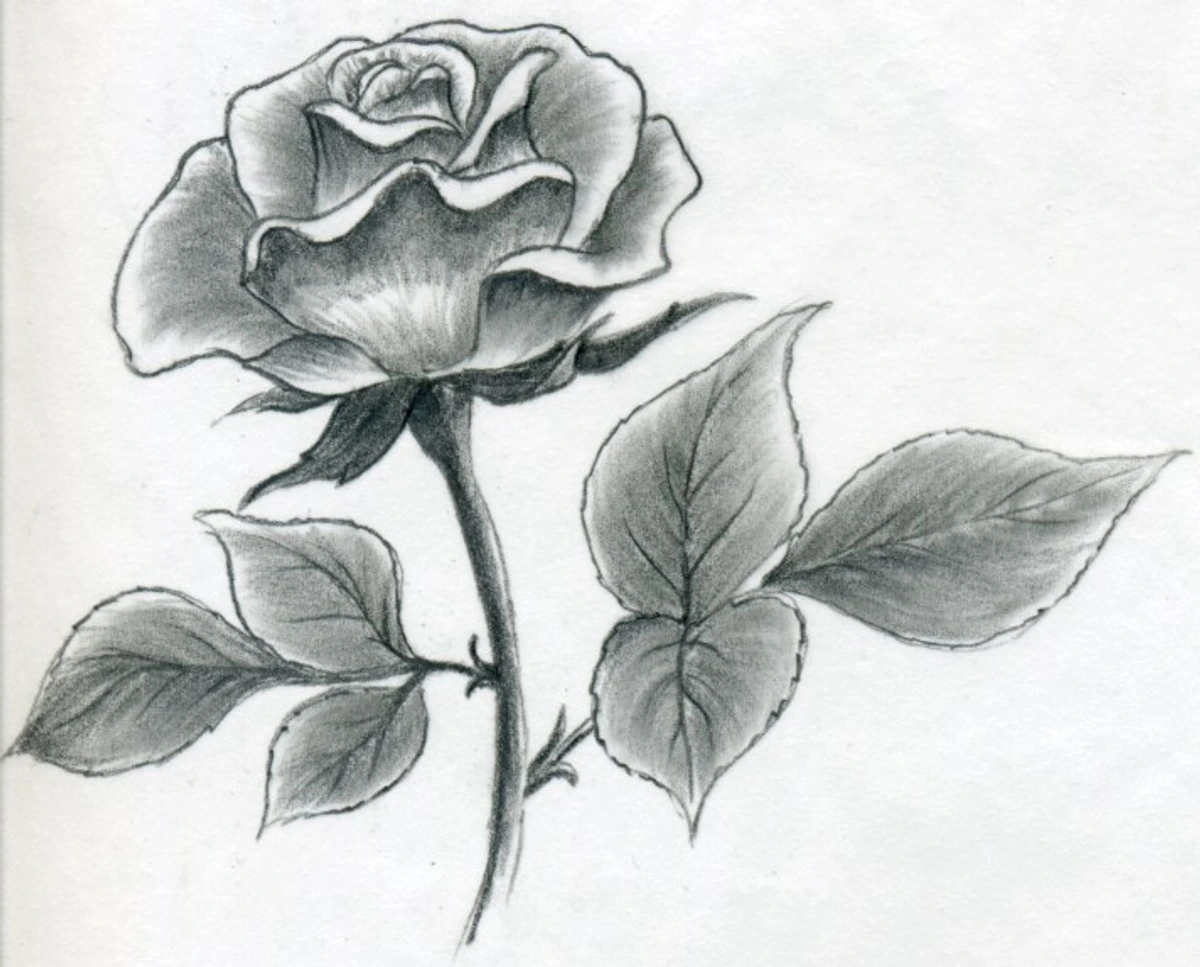

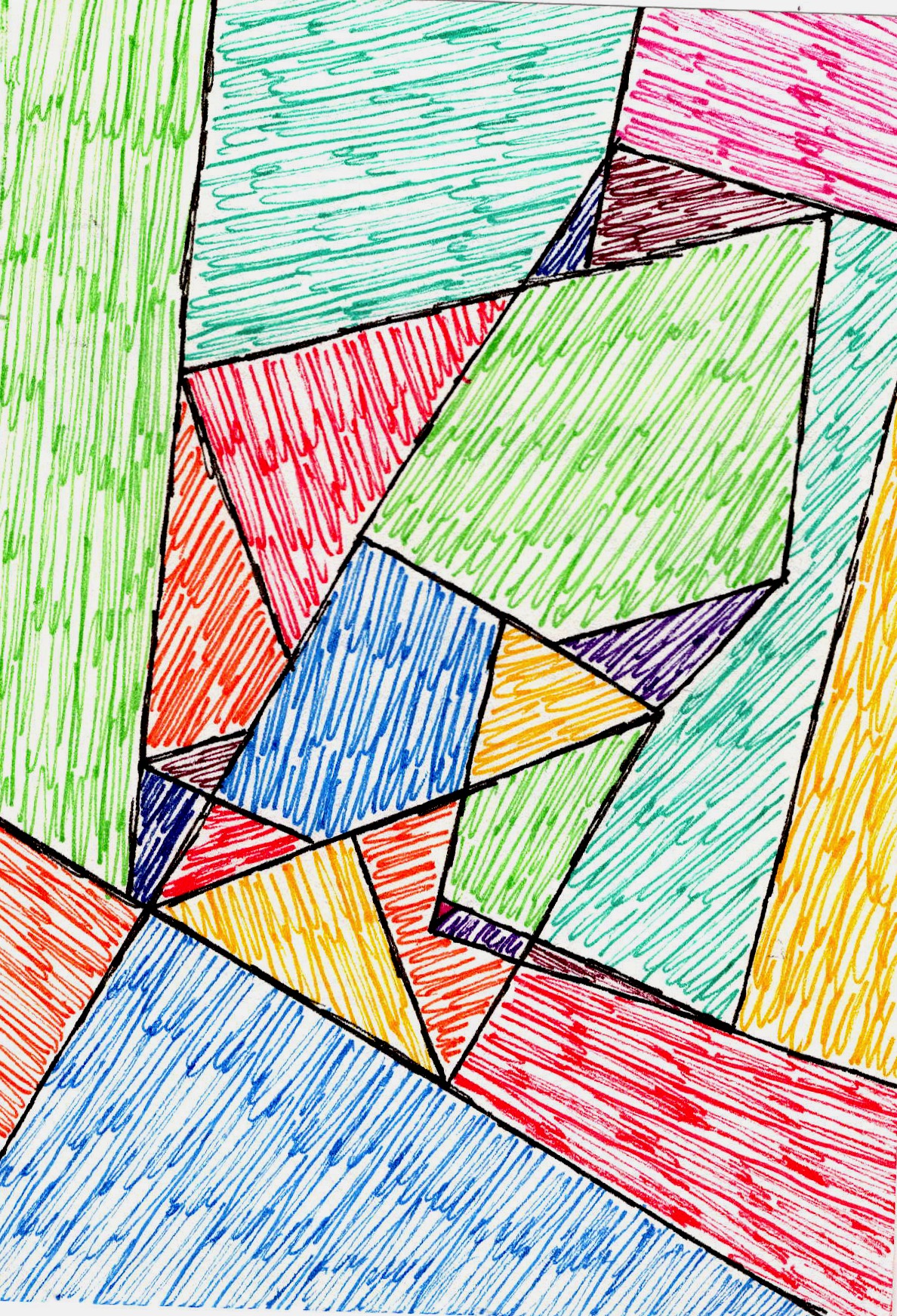




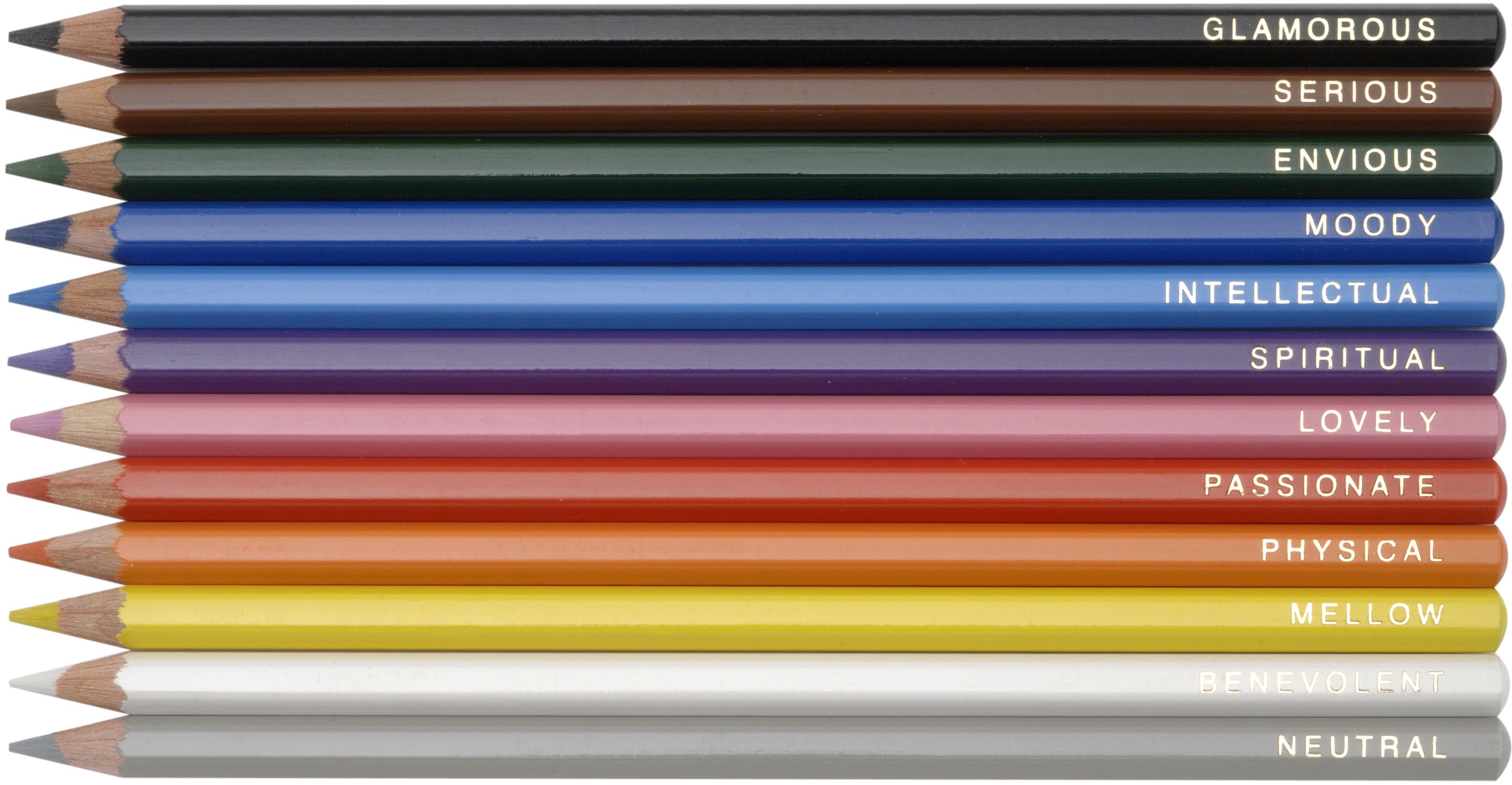





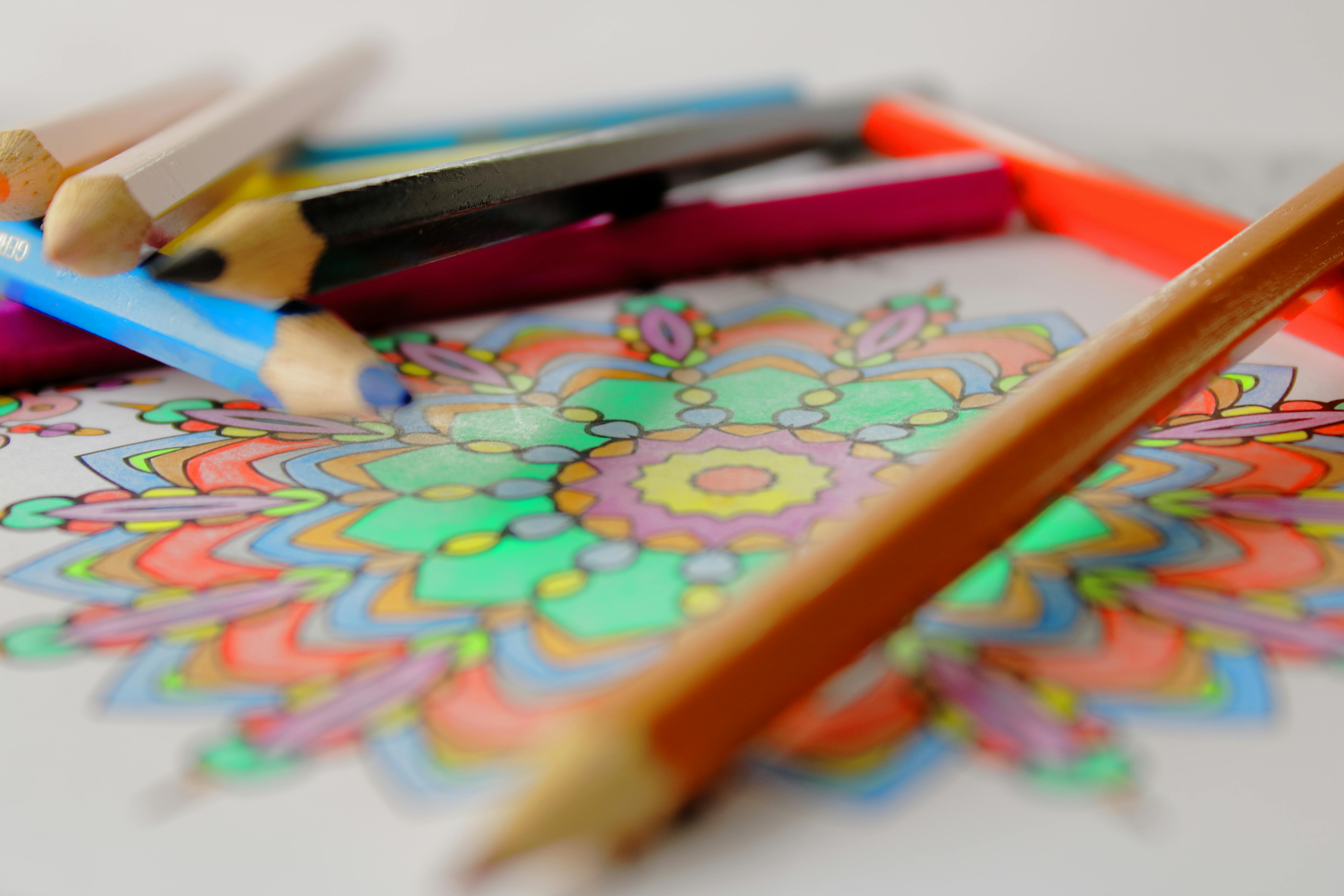

My Final, Final Thoughts: The Journey, Not Just the Destination
So, after this epic deep dive, what's the grand takeaway? It’s exactly what I suspected from the start, and what I tell every artist who asks: there is no single "best" colored pencil. The best pencil is the one that gets out of your way, that feels like an extension of your hand and your intention, and that translates the vibrant chaos of your inner world onto the paper with the most joy and the least resistance. It's the one that makes you want to create, the one that inspires you to pick it up again and again. It's the one that feels like a natural extension of your own unique artistic voice, enabling rather than hindering.
My advice remains consistent: if you can, buy a few individual pencils from open stock at a well-stocked art store. Hold them, swatch them, feel them. Try a Polychromos, a Prismacolor, a Pablo, a Coloursoft, maybe even a Lightfast. See which one speaks to you, which one harmonizes with your unique touch and technique. This kind of tactile, personal experimentation is not just a crucial part of the artistic journey; it is the artistic journey itself. It's what eventually leads to creating work you're truly proud of, whether it's just for your eyes, destined for a client, or proudly displayed on a gallery wall.
Remember, the tools are merely facilitators. The real magic resides in your imagination, your unique perspective, and your willingness to put pencil to paper. So go forth, create something beautiful. Or provocative. Or deeply personal. Or magnificently weird. Weird, I can tell you, is often where the most interesting art truly begins. Embrace the quirks, the challenges, and the sheer delight of making something with your own hands. Now, off you go – the paper awaits, ready for your unique mark. And if you're ever looking for inspiration, remember that art is everywhere, just waiting to be seen, from famous impressionist artists to the abstract forms I often explore in my own work.