Rebels of the Art World: Artists Who Challenged Society's Norms
Discover the fascinating stories of artists like Frida Kahlo, Banksy, and Duchamp who broke the rules and changed art forever. A personal take on rebellion.

The Rebels, the Misfits, and the Visionaries: Artists Who Tore Up the Rulebook
Art has always been a reflection of society, but some artists go beyond reflection—they challenge, provoke, and redefine. This article explores the lives and works of artists who defied conventions, shattered norms, and reshaped the art world. From the scandalous to the revolutionary, these artists remind us that creativity knows no bounds.
Art has always been a reflection of society, but some artists go beyond reflection—they challenge, provoke, and redefine. This article explores the lives and works of artists who defied conventions, shattered norms, and reshaped the art world. From the scandalous to the revolutionary, these artists remind us that creativity knows no bounds.
Artistic rebellion is not just about breaking rules; it's about redefining what art can be. It's about questioning the status quo and pushing the boundaries of expression. This article delves into the stories of artists who dared to challenge the norms and, in doing so, changed the course of art history.
I remember being a kid in art class, that very specific smell of cheap poster paint and wet paper. The teacher told us to paint a house. You know the one: square base, triangle roof, two windows, a door, and a little chimney puffing out a cotton-ball of smoke. I painted a purple house with a swirly roof and a hundred eyes for windows. I got a 'C' for not following instructions.
That moment was a turning point for me. It made me realize that art isn't just about following rules—it's about expressing yourself, even if it means breaking them. And I'm not alone in this realization. Throughout history, artists have challenged the status quo, redefined beauty, and pushed the boundaries of what art can be.
That feeling—that little sting of being told your vision is 'wrong'—never really goes away, does it? It's the reason I’m endlessly fascinated by artists who didn't just ignore the instructions, but who set the entire instruction manual on fire. These are the people who looked at the societal norms of their day, at the 'right' way to paint, sculpt, or even think, and said, "No, I don't think I will."
Artistic rebellion is not just about defiance; it's about reimagining the world. It's about seeing beyond the constraints of tradition and daring to create something entirely new. This article celebrates those who dared to challenge, provoke, and inspire.
Artists like these don't just create—they provoke thought, challenge perceptions, and inspire change. Their work often serves as a mirror to society, reflecting its flaws and contradictions while offering new perspectives and possibilities.
This isn't just about being provocative for the sake of it. It's about artists who saw a gap between the world as it was presented and the world as they experienced it. And they used their art to bridge that gap, or sometimes, to blow it wide open. Let's dive into some of my absolute favorites.
The Evolution of Artistic Rebellion
Artistic rebellion isn't a modern phenomenon. From the Renaissance to the present day, artists have challenged the norms of their time. Whether it was breaking away from religious themes, experimenting with new techniques, or addressing social issues, these artists have left an indelible mark on history.
Early Rebels: Breaking Away from Tradition
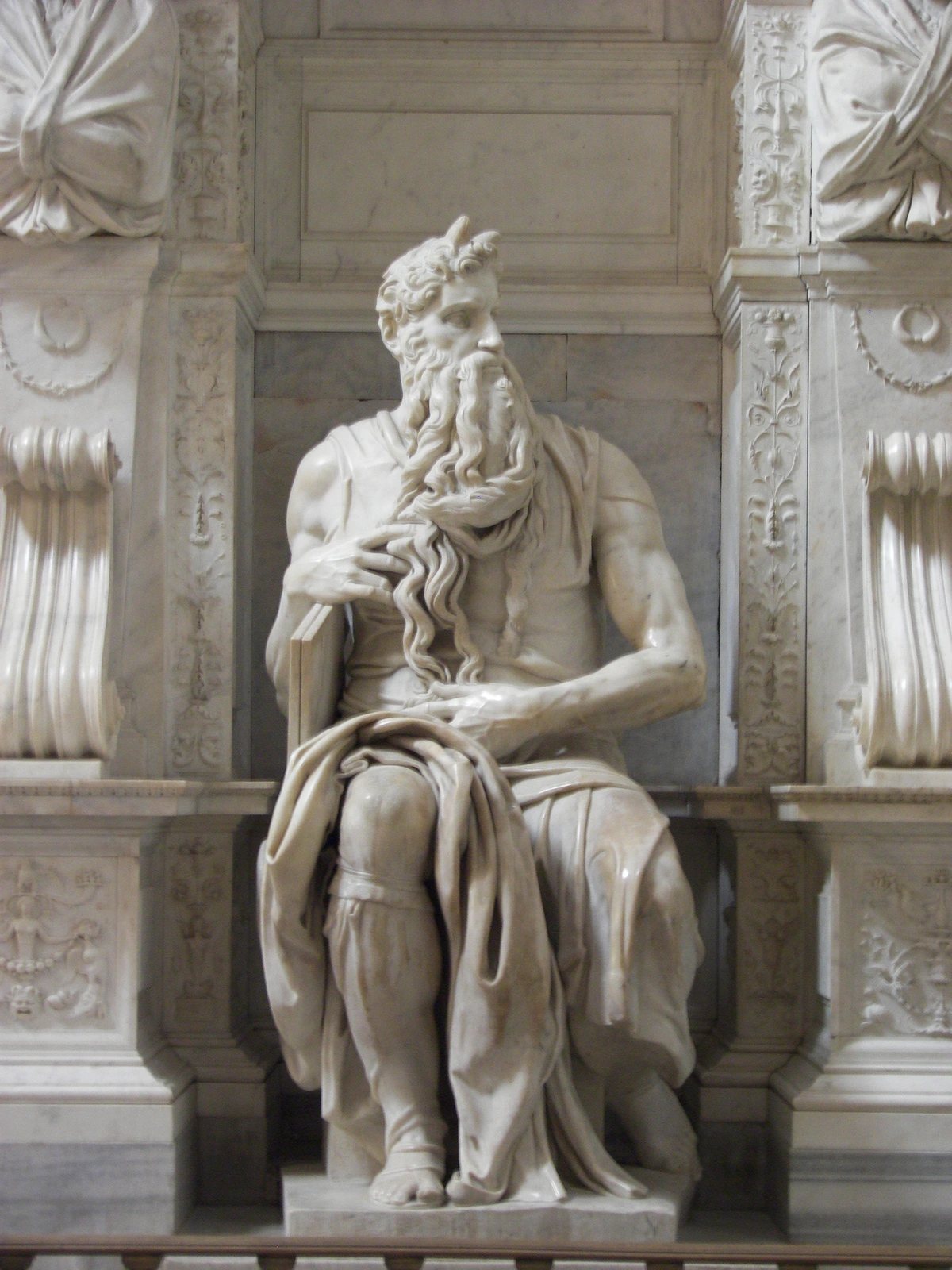
During the Renaissance, artists like Michelangelo and Leonardo da Vinci pushed the boundaries of what was considered acceptable in art. They challenged the dominance of religious themes and introduced new techniques that would shape the future of art. Their work laid the foundation for future generations of artists to experiment and innovate.
The Baroque Period: Drama and Emotion
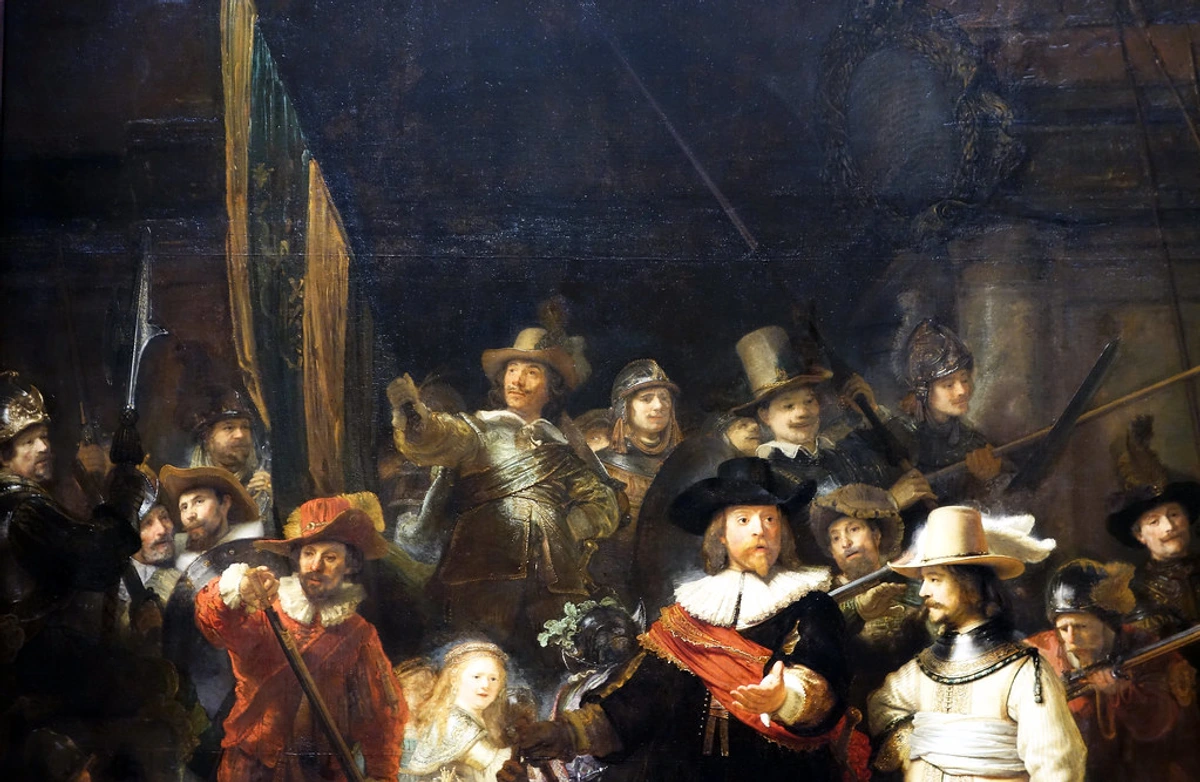
The Baroque period saw artists like Caravaggio and Rembrandt embracing drama, emotion, and realism. They moved away from the idealized forms of the Renaissance and focused on the raw, unfiltered human experience. This shift in focus allowed artists to explore new themes and techniques, further expanding the boundaries of artistic expression.
Smashing the Canvas and the Establishment
Before you can break the rules, you have to know what they are. For centuries, Western art had a pretty clear set of instructions: make things look realistic, paint important people (kings, saints), and for goodness sake, make it beautiful. Then, a few brave souls started to ask... why?
The Role of Art Movements
Art movements like Impressionism, Cubism, and Surrealism were born out of a desire to challenge traditional norms. These movements didn't just change the way art looked—they changed the way people thought about art. They questioned the very foundations of artistic expression and paved the way for future generations of artists to experiment and innovate.
Édouard Manet: The Scandal of Looking Back
Imagine you're at the prestigious Paris Salon in 1863. You're strolling past grand historical paintings and portraits of duchesses. Then you see this.
Manet's work was revolutionary not just for its subject matter but also for its technique. His loose brushstrokes and bold use of color were a departure from the polished, academic style of the time. This approach influenced countless artists and laid the groundwork for the Impressionist movement.
People. Lost. Their. Minds. It wasn't the nudity that was shocking—they were fine with paintings of naked goddesses from ancient myths. The scandal of Manet's Le Déjeuner sur l'herbe was that this was a contemporary woman, she was naked with two fully-dressed men, and worst of all, she's looking right at you. She’s not a mythical figure; she’s a participant, and she's challenging your gaze. Manet wasn’t just painting a picnic; he was painting a critique of social hypocrisy and the stuffy rules of academic art. He helped kickstart a little thing called Impressionism, changing art forever.
Manet's influence extended beyond his own work. He inspired a generation of artists to break free from the constraints of academic art and explore new ways of seeing and representing the world. His legacy is a testament to the power of artistic rebellion.
Claude Monet: Capturing the Fleeting Moment
Claude Monet, a pioneer of the Impressionist movement, took Manet's ideas further by focusing on capturing the fleeting effects of light and atmosphere. His series of paintings, such as the Water Lilies, showcased his ability to convey the essence of a scene rather than its details. Monet's work challenged the traditional notion of art as a representation of reality and instead emphasized the artist's perception and experience.
Marcel Duchamp: The Art of the Non-Art
Fast forward a few decades. Artists are experimenting like mad, with movements like Cubism shattering perspectives. Then along comes Marcel Duchamp, who decides to not just break the rules, but to question the game itself.

Duchamp's approach to art was radical. He believed that the idea behind a piece was more important than its physical execution. This philosophy laid the foundation for conceptual art, a movement that continues to influence artists today. His work challenges us to think differently about what art is and what it can be.

In 1917, he submitted a urinal, signed it 'R. Mutt', titled it Fountain, and called it sculpture.
Is it art? Is he kidding? That was the whole point. Duchamp’s 'readymades' argued that the artist’s idea and choice were more important than the physical act of creation. He forced the art world to stop and ask the most fundamental question: what is art? The answer, he suggested, is 'whatever an artist says it is'. It was a conceptual bomb that still ripples through the art world today.

The Personal is Political: Identity on the Front Lines
For many artists, especially those from marginalized groups, their very existence was a challenge to societal norms. Their work became a way to claim space, to tell stories that had been silenced, and to redefine beauty and power.
The Power of Representation
Representation in art is more than just visibility—it's about reclaiming narratives and challenging stereotypes. Artists from marginalized communities have used their work to address issues of race, gender, sexuality, and identity. Their art is a form of resistance, a way to assert their presence and demand recognition in a world that often seeks to erase them.
Frida Kahlo: Painting Her Own Reality
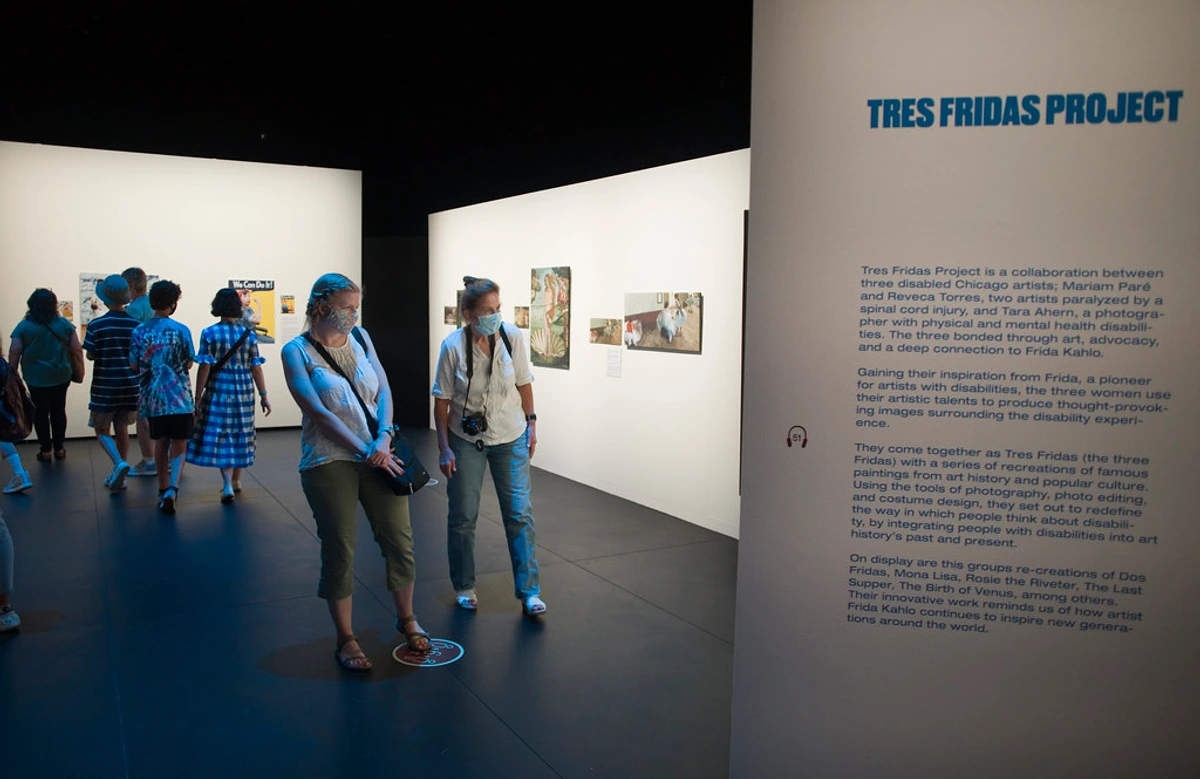
There is no one quite like Frida Kahlo. At a time when women were supposed to be demure and their art 'pretty', Kahlo painted her raw, unfiltered reality. She painted her chronic pain, her turbulent relationships, and her complex identity, complete with her now-iconic unibrow and mustache.
Kahlo's work is deeply personal, yet it resonates universally. Her paintings explore themes of identity, suffering, and resilience, offering a powerful commentary on the human experience. Her legacy continues to inspire artists and activists around the world.
She rejected the label of Surrealist, famously saying, "I never painted dreams. I painted my own reality." By putting her own suffering, strength, and heritage at the center of her art, she challenged norms of gender, beauty, and what was considered a 'valid' subject for art.
Kahlo's influence extends beyond the art world. Her life and work have become symbols of feminist and cultural pride, inspiring movements and conversations about identity, representation, and the power of personal narrative.
Kara Walker: The Shadow of History
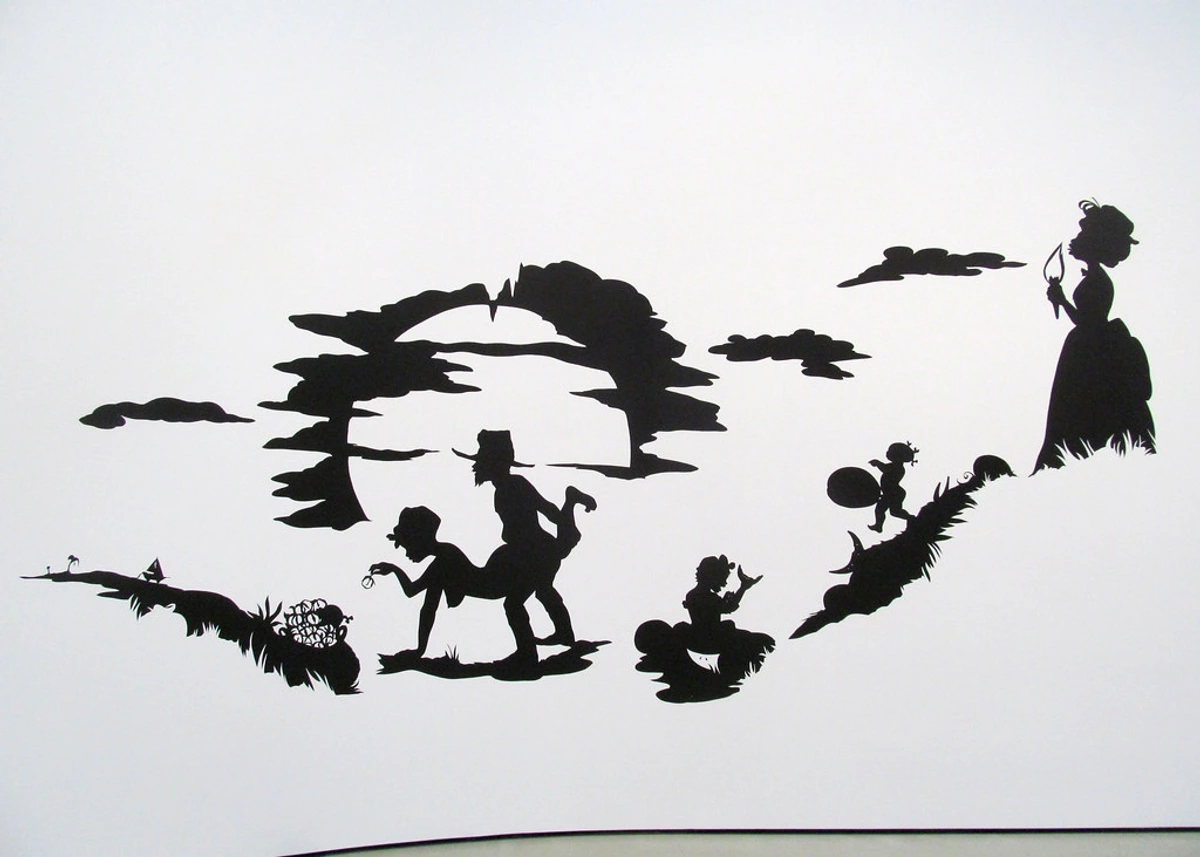
Sometimes, the most effective way to challenge a norm is to take a familiar form and twist it. Kara Walker does this with the silhouette, an art form popular in the 18th and 19th centuries, often used for genteel family portraits. But in Walker's hands, these black-and-white scenes become horrifying, panoramic nightmares of slavery and racial violence in the Antebellum South.

Walker's work is a powerful commentary on the legacy of slavery and its impact on contemporary society. By using a traditional art form to depict uncomfortable truths, she forces viewers to confront the darker aspects of history and the ongoing struggle for racial justice.

Her work forces a confrontation with a brutal past that society often prefers to romanticize or ignore. By using a 'ladylike' art form to depict unspeakable horrors, she creates a dizzying tension that is impossible to look away from. She challenges the norm of historical silence.
Walker's influence extends beyond the art world. Her work has sparked important conversations about race, history, and the role of art in addressing social issues. She continues to inspire artists and activists to use their creativity as a tool for change.
Walker's influence extends beyond the art world. Her work has sparked important conversations about race, history, and the role of art in addressing social issues. She continues to inspire artists and activists to use their creativity as a tool for change.
The Institution as the Target: Art in the Streets and on the Books
What if the norm you want to challenge is the art world itself? Its exclusivity, its gatekeepers, its market-driven values. Some artists decided to bypass the system entirely.
The Rise of Street Art
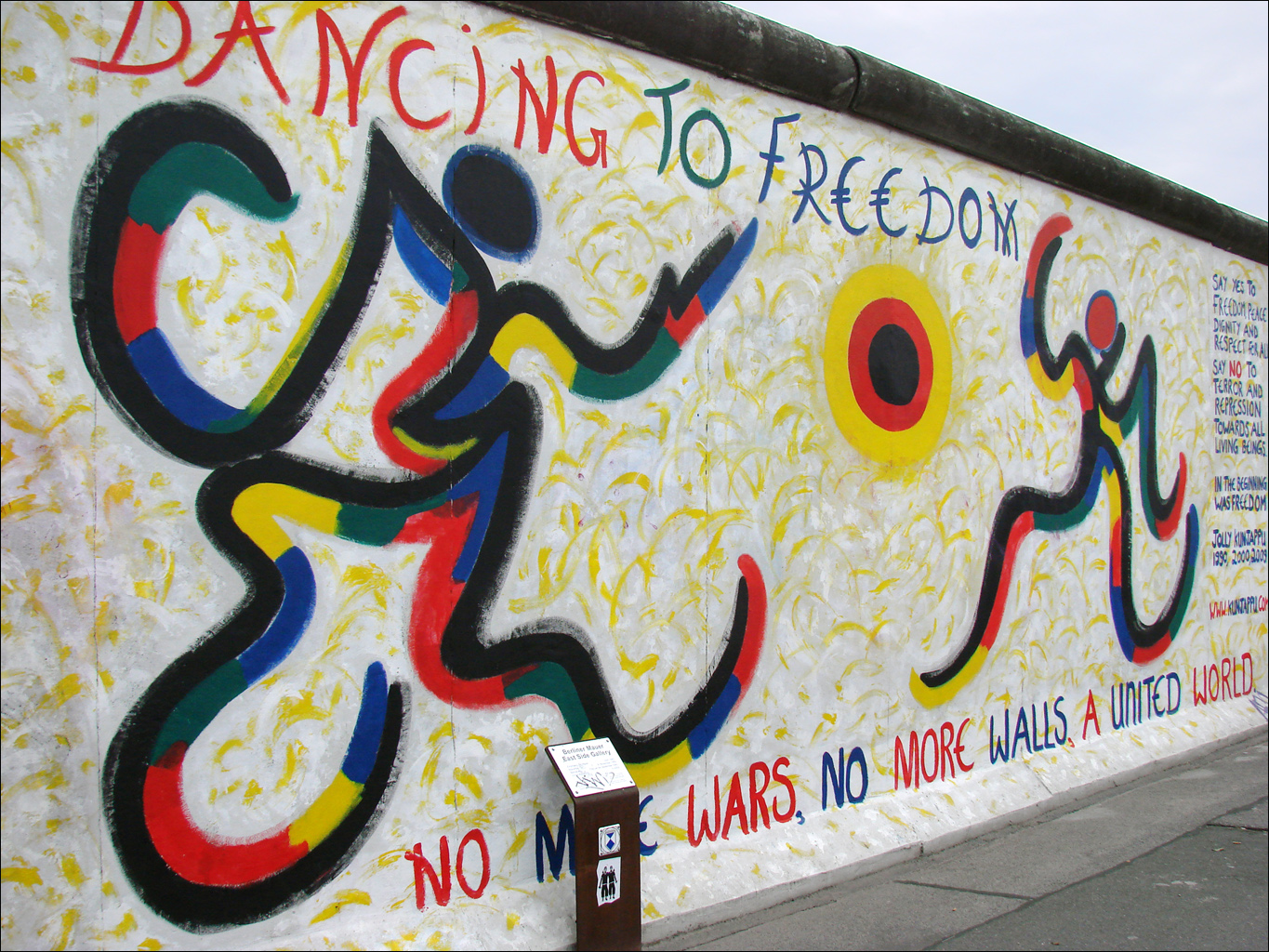
Street art emerged as a powerful form of artistic expression, challenging the traditional boundaries of the art world. Artists like Banksy and Jean-Michel Basquiat used public spaces as their canvas, bringing art to the streets and making it accessible to everyone. Their work often carries political and social messages, challenging viewers to think critically about the world around them.
Banksy: The Ghost in the Machine
We don't know who he is, and that's the point. Banksy challenges the cult of celebrity in the art world. By working anonymously on public walls, he takes art out of the stuffy, exclusive gallery and gives it back to the people. His work is often humorous, politically charged, and temporary.
Banksy's anonymity is a key part of his artistic identity. It allows him to focus on the message rather than the messenger, challenging the art world's obsession with celebrity and individualism. His work often critiques consumerism, war, and social inequality, making him one of the most influential artists of our time.
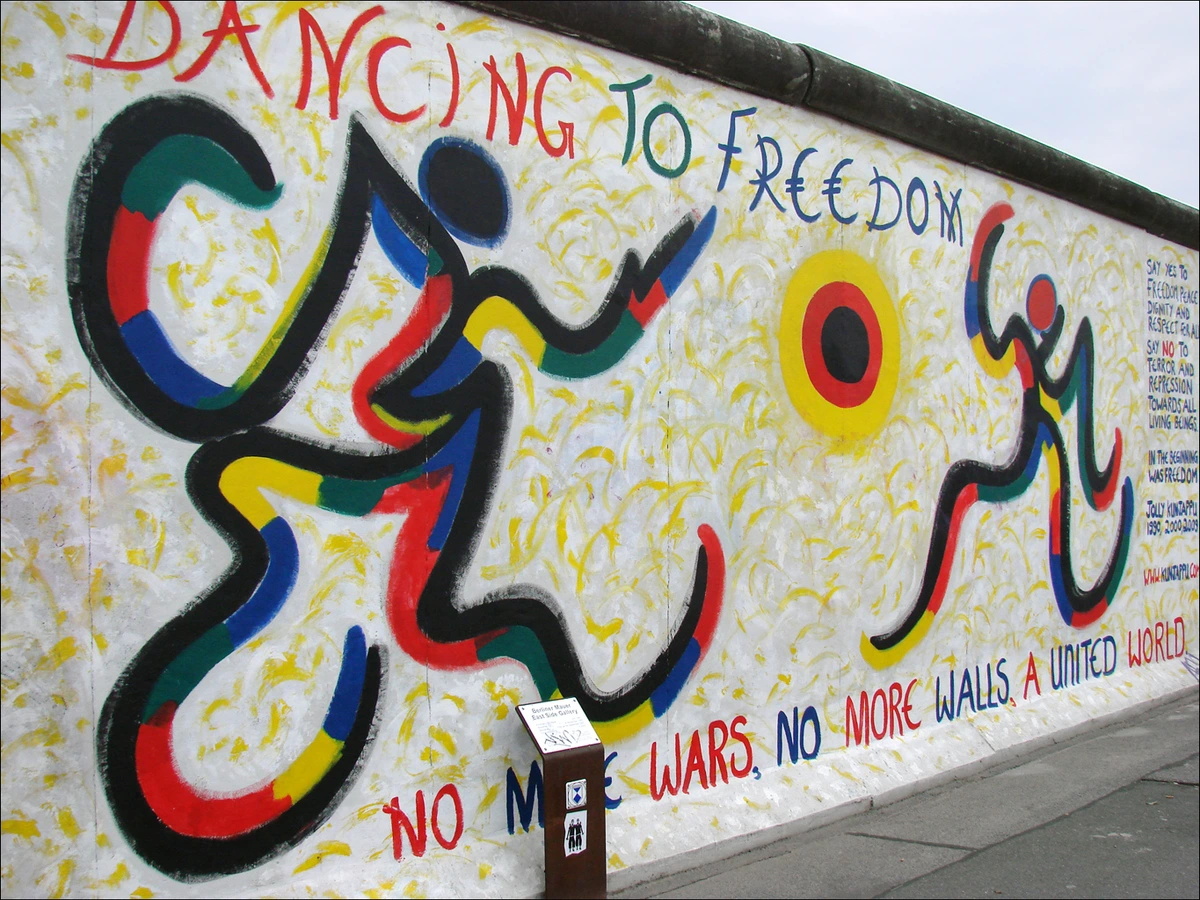
He challenges the idea of art as a commodity. How do you sell a painting on a wall in Palestine? Even when his work is sold, like the piece that famously shredded itself after the auction hammer fell, it's a critique of the very market that clamors for it. He's a master of using the system against itself.
Banksy's work has had a profound impact on the art world and beyond. His ability to blend humor, politics, and social commentary has made him a global icon. His influence can be seen in the work of countless artists who continue to challenge the status quo and push the boundaries of what art can be.
Banksy's work has had a profound impact on the art world and beyond. His ability to blend humor, politics, and social commentary has made him a global icon. His influence can be seen in the work of countless artists who continue to challenge the status quo and push the boundaries of what art can be.
Guerrilla Girls: The Conscience of the Art World
What if your weapons aren't spray paint, but cold, hard facts? In 1985, a group of anonymous female artists, wearing gorilla masks, started plastering posters all over New York City. They called themselves the Guerrilla Girls.
The Guerrilla Girls used their anonymity to focus attention on the issues rather than themselves. Their work exposed the gender and racial biases in the art world, sparking important conversations about representation and equality. Their legacy continues to inspire artists and activists to challenge the status quo and demand change.
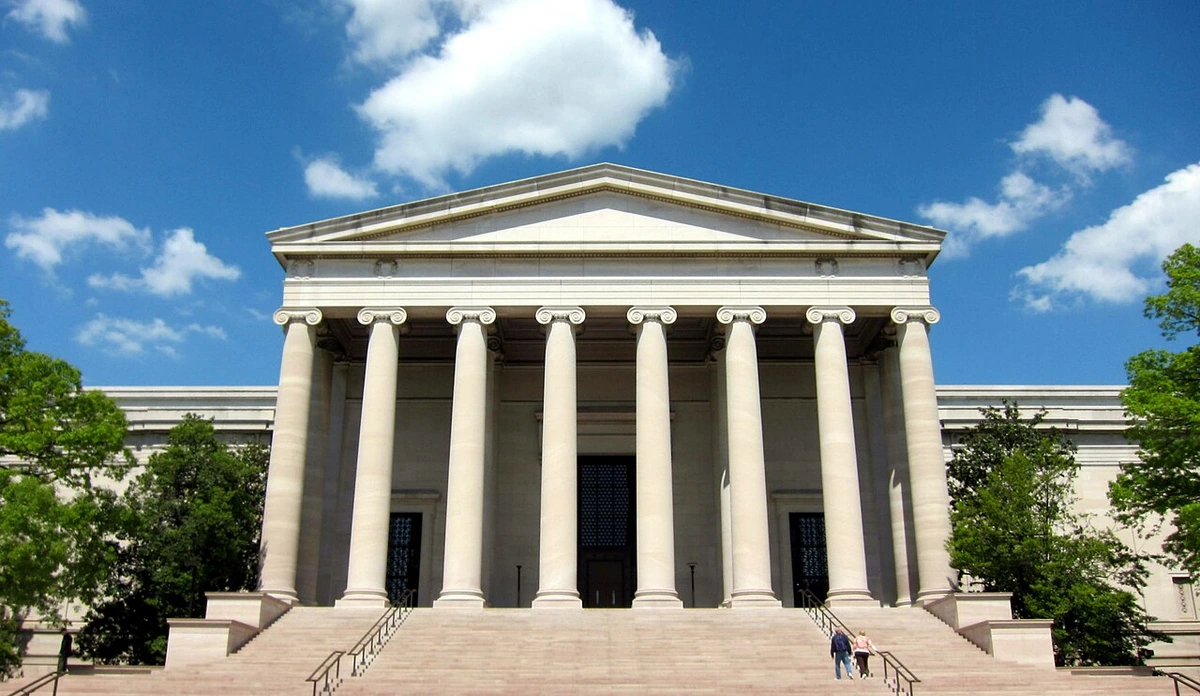
Their work used statistics and wry humor to expose the shocking sexism and racism in major art institutions. A famous poster asked, "Do women have to be naked to get into the Met. Museum?" It pointed out that less than 5% of the artists in the Modern Art sections were women, but 85% of the nudes were female. They challenged the norm of a male-dominated art history by using data as their medium. Their anonymity, like Banksy's, keeps the focus on the issue, not the individuals.
The Guerrilla Girls' impact on the art world cannot be overstated. Their work has led to greater awareness of gender and racial inequality in the arts, inspiring institutions to re-examine their collections and practices. Their legacy is a testament to the power of art as a tool for social change.
The Rule-Breakers' Playbook
It's fascinating to see the different strategies these artists used. I sometimes think about it like a game. What's the established 'rule' and what's the clever counter-move?
The 'Rule'  | The Rebel's Response | Example Artist |
|---|---|---|
| Art should be beautiful and pleasant. | Art should be truthful, even if it's ugly or uncomfortable. | Frida Kahlo |
| Art requires traditional technical skill. | The concept can be more important than the execution. | Marcel Duchamp |
| Art belongs in a museum or gallery. | Art belongs in the streets, for everyone. | Banksy |
| History is written by great men. | History has ignored countless great women. | Judy Chicago |
| Art should be a serious, sober affair. | Art can be funny, ephemeral, and self-destructing. | Banksy |
| The artist should be a known genius. | Anonymity can be a powerful tool to focus on the message. | Guerrilla Girls |
Why We Need the Rebels
Looking back at this incredible timeline of artistic rebellion, you realize these artists aren't just making objects; they're making change. They give us new ways to see. They question the power structures we take for granted. An artist like Jean-Michel Basquiat brought street culture and Black history into the elite art world, while Andy Warhol challenged the distinction between high art and commercialism.
The Legacy of Artistic Rebellion
The legacy of these artists extends far beyond their individual works. They have inspired generations of artists to challenge norms, push boundaries, and use their creativity as a tool for change. Their influence can be seen in contemporary art, activism, and even popular culture. They remind us that art is not just about aesthetics—it's about ideas, expression, and the power to transform society.
They make the world bigger. Every time an artist successfully challenges a norm, they expand the definition of what is possible, not just in art, but in life. They create space for others to follow.
So, that 'C' I got in art class? It still stings a little, but it's also a reminder. The most interesting things happen when you forget about the instructions and start painting your own weird, wonderful, swirly-roofed house.
The Future of Artistic Rebellion
As we look to the future, it's clear that the spirit of artistic rebellion is alive and well. New generations of artists continue to challenge norms, push boundaries, and use their creativity to address the pressing issues of our time. Whether it's through street art, digital media, or traditional forms, these artists remind us that art has the power to inspire, provoke, and transform.






Frequently Asked Questions (FAQ)
Who is considered the most controversial artist in history? That's a tough one because 'controversial' changes with the times. Manet was scandalous in his day, but now he's a classic. Marcel Duchamp's Fountain is still debated over a century later. In more recent times, artists like Andres Serrano (for Piss Christ) or Damien Hirst with his animal installations have sparked massive public outrage.
What role did women play in artistic rebellion? Women have played a crucial role in challenging artistic norms and pushing boundaries. Artists like Frida Kahlo and the Guerrilla Girls have used their work to address issues of gender, identity, and representation. Their contributions have expanded the definition of what art can be and inspired future generations of artists.
How did challenging norms affect these artists' careers? It's a mixed bag. Initially, it often led to rejection, ridicule, and financial hardship. Manet was rejected by the official Salon. The Guerrilla Girls were (and are) a thorn in the side of the establishment. But often, that very controversy is what cements their legacy. They become pioneers, and history eventually catches up with them. Sometimes, as with Banksy or Basquiat, the rebellion itself becomes incredibly marketable, which is a whole other irony.
How has the art world responded to these challenges? The art world has had a complex relationship with artistic rebellion. While some institutions have been slow to embrace change, others have recognized the importance of challenging norms and expanding the definition of art. Museums and galleries have begun to re-examine their collections, address issues of representation, and embrace new forms of artistic expression. This ongoing dialogue is a testament to the power of art to inspire change.
Is all modern art about challenging norms? Not at all! It's a huge spectrum. Plenty of contemporary artists work within established traditions, focusing on beauty, technique, and personal expression without an explicit goal of social critique. But the freedom they have to do so is largely thanks to the norm-breakers who came before them and expanded the definition of what art could be.
What can we learn from these artists? These artists teach us the importance of questioning norms, challenging the status quo, and using our creativity to inspire change. Their work reminds us that art is not just about aesthetics—it's about ideas, expression, and the power to transform society. They inspire us to think critically, embrace our uniqueness, and use our voices to make a difference.
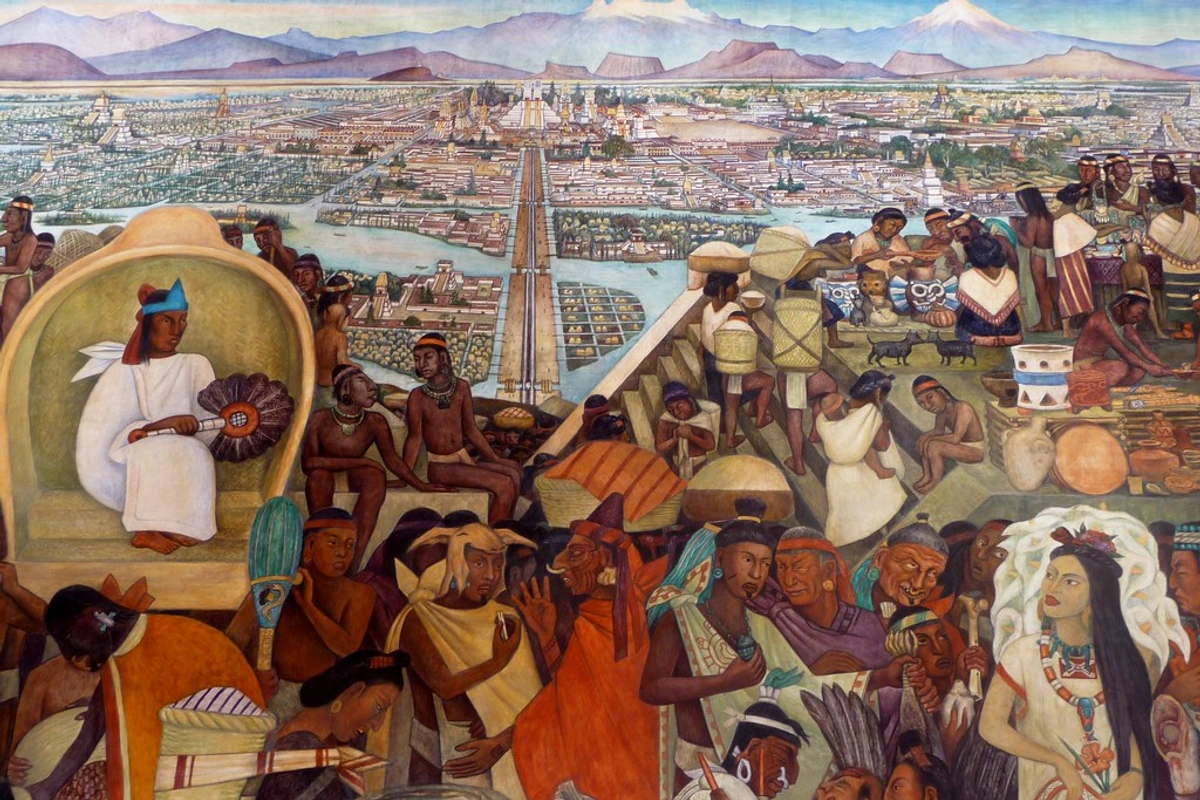
Can art really change society? I believe so, but not always in a direct, 'this-painting-changed-a-law' kind of way. Art changes people's minds. It fosters empathy by showing you the world through someone else's eyes. It questions authority and makes you think critically. The work of the Guerrilla Girls directly led to museums re-examining their collections. The murals of Diego Rivera helped shape a new national identity for Mexico. Art changes the conversation, and that is often the first step to changing society.
How can I support artists who challenge norms? Supporting artists who challenge norms can take many forms. You can attend exhibitions, purchase their work, share their stories, and engage with their ideas. By amplifying their voices and supporting their creative endeavors, you contribute to a more inclusive and diverse art world. Together, we can continue to push boundaries and inspire change.
What are some examples of contemporary artists who challenge norms? Contemporary artists like Ai Weiwei, Yoko Ono, and Banksy continue to challenge norms and push boundaries. Their work often addresses pressing social and political issues, using art as a tool for activism and change. These artists remind us that the spirit of rebellion is alive and well in the art world today.
How has technology influenced artistic rebellion? Technology has provided artists with new tools and platforms to challenge norms and reach global audiences. Digital art, virtual reality, and social media have democratized artistic expression, allowing artists to bypass traditional gatekeepers and connect directly with their audience. This has led to a new wave of artistic rebellion that is more accessible and inclusive than ever before.
What is the future of artistic rebellion? The future of artistic rebellion is bright and full of possibilities. As technology continues to evolve, artists will have even more tools at their disposal to challenge norms and push boundaries. The spirit of rebellion will continue to inspire new generations of artists to use their creativity as a tool for change, ensuring that art remains a powerful force for transformation and progress.
How can I incorporate artistic rebellion into my own work? Incorporating artistic rebellion into your own work starts with questioning the norms and expectations of your chosen medium. Experiment with new techniques, challenge traditional themes, and use your art to address issues that matter to you. Embrace your unique perspective and don't be afraid to take risks. Remember, the most groundbreaking art often comes from those who dare to defy conventions and push boundaries.