Chicago: The Ultimate Art Lover's Guide to Museums, Murals, and Galleries
Dive deep into Chicago's rich art scene, from architectural wonders and world-class museums like the AIC and MCA, to iconic public sculptures, vibrant street art, and cutting-edge galleries. This guide offers personal insights and practical tips for an unparalleled artistic journey through this global art capital.

Chicago: The Ultimate Art Lover's Guide to Museums, Murals, and Galleries
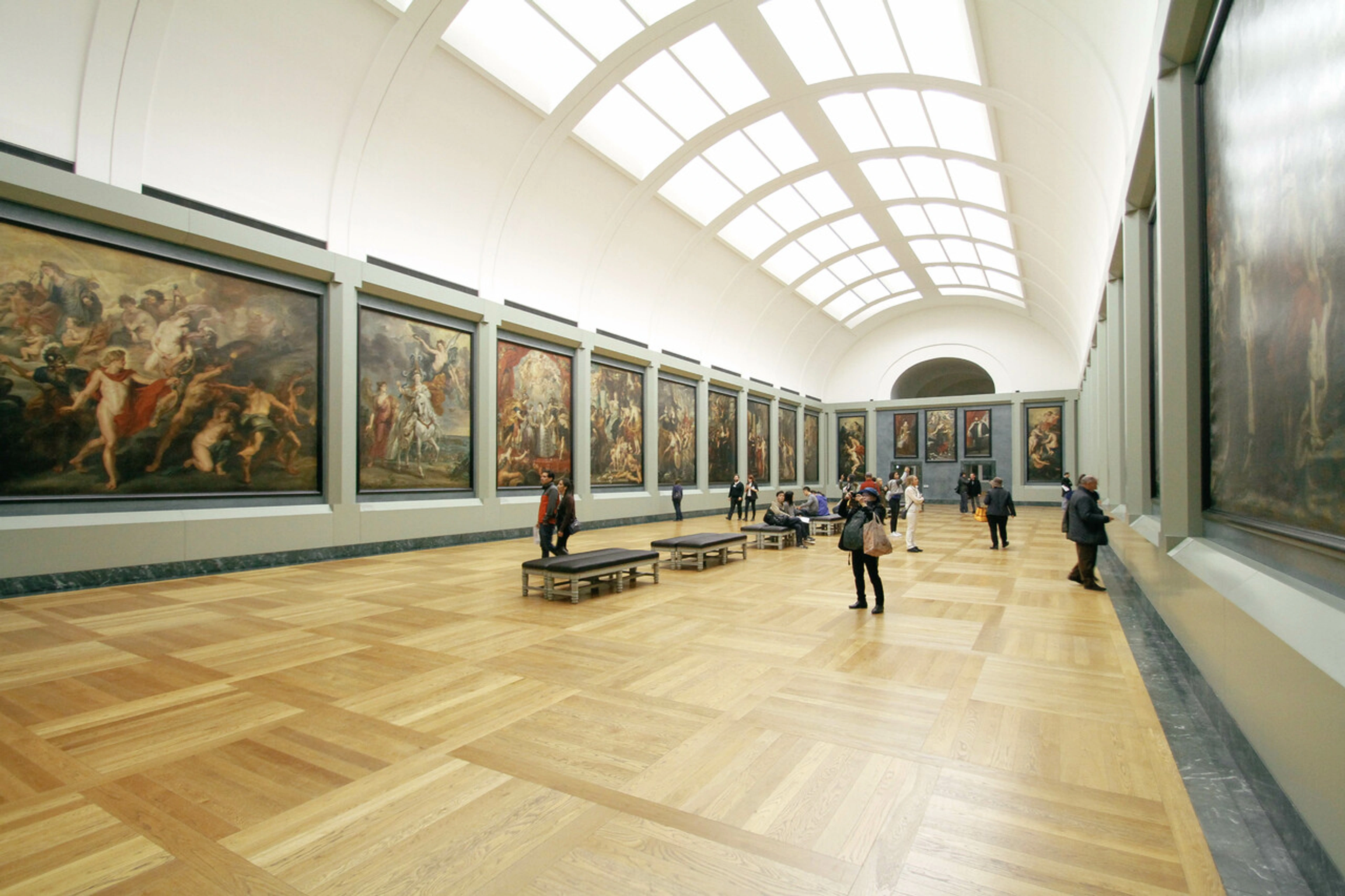
You know how some cities just breathe art from their very foundations up? Chicago, for me, is absolutely one of them. While my brain often jumps to the grandeur of places like the Louvre or the Met for world-class art, Chicago possesses a quietly confident, yet utterly captivating art scene that just gets you. It’s not merely a city with art; it’s a city that lives art, from its architecturally stunning museums to its vibrant street corners. I remember stepping off the L train for the first time, looking up at the towering, intricate buildings, and thinking, "This isn't just a city; it's a giant, meticulously crafted sculpture, an open-air gallery in itself." A truly singular experience, don't you think? This guide will take you on a journey through everything Chicago’s art world has to offer, from its foundational architecture to its cutting-edge contemporary expressions, all seasoned with a touch of personal insight.
The Foundation of Art: Architecture as Public Sculpture
This vibrant tapestry is woven from a fascinating history, a testament to resilience and visionary ambition. The very fabric of the city, famously rebuilt with astonishing speed and ingenuity after the Great Fire of 1871, didn't just replace bricks and mortar. It reimagined an urban landscape as a grand, collective artwork, heavily influenced by the pioneering Chicago School of Architecture and visionaries like Daniel Burnham and the City Beautiful movement. The Chicago School's emphasis on innovation meant embracing steel-frame construction and caisson foundations, allowing for unprecedented heights and expansive glass facades that became vertical canvases for new aesthetics. This movement integrated beauty and utility in a way few other cities achieved. Beyond this, the Prairie School, championed by figures like Frank Lloyd Wright, brought a distinctly American aesthetic. Its signature horizontal lines, overhanging eaves, and integration of natural materials harmonized buildings with their surroundings, further cementing architecture itself as a profound art form within the city’s identity, deliberately departing from European classical traditions.
But the city's architectural narrative didn't stop there. Post-World War II, Chicago became a crucible for Modernist architecture, with figures like Mies van der Rohe establishing a minimalist, "less is more" aesthetic that profoundly influenced the global urban landscape. Even today, contemporary architects continue to add daring new structures, making Chicago an ever-evolving gallery of design and ingenuity. This spirit of innovation deeply permeates its artistic expression, from monumental sculptures integrated into its urban fabric to the challenging works inside its galleries. It's why Chicago often feels like a giant, ever-evolving artwork, a testament to human ingenuity and boundless creativity. It's definitely one of the great art-capitals-of-the-world, and I constantly find myself thinking, "Why didn't I spend more time here before?" A common lament, I know.
If you're anything like me – a bit obsessed with art, always looking for that next visual spark, and perhaps even wondering how a city's spirit manifests in its brushstrokes and sculptures – then buckle up, because we're diving into Chicago, an art destination that absolutely demands your attention.
Major Museums: The Big Players
Chicago's art world offers grand institutions that house encyclopedic collections and provocative contemporary works. These are the giants, the places you plan your whole day around, and for good reason. They are cornerstones of American art history and global artistic dialogue. So, where should we begin our grand tour?
The Art Institute of Chicago (AIC)
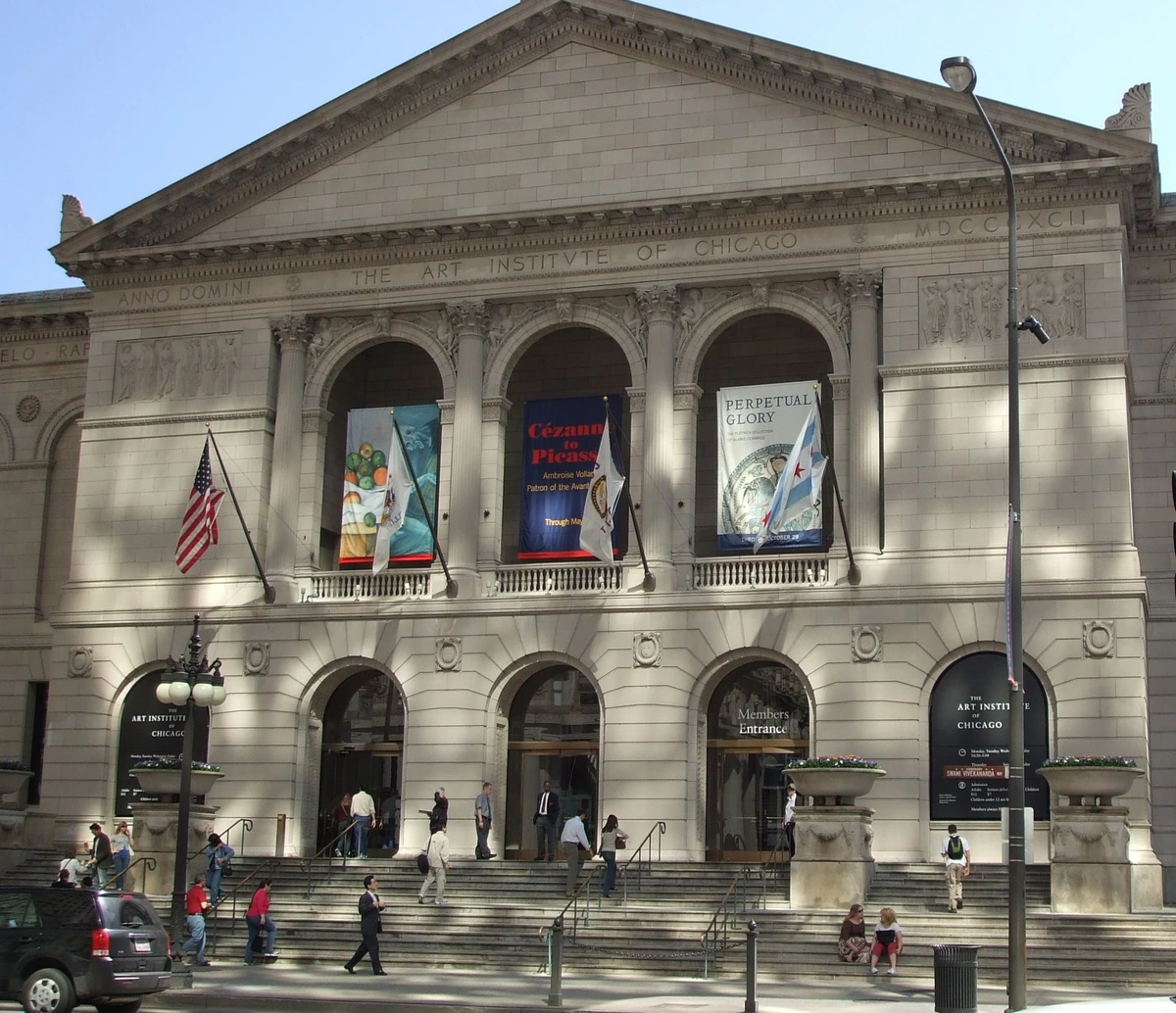
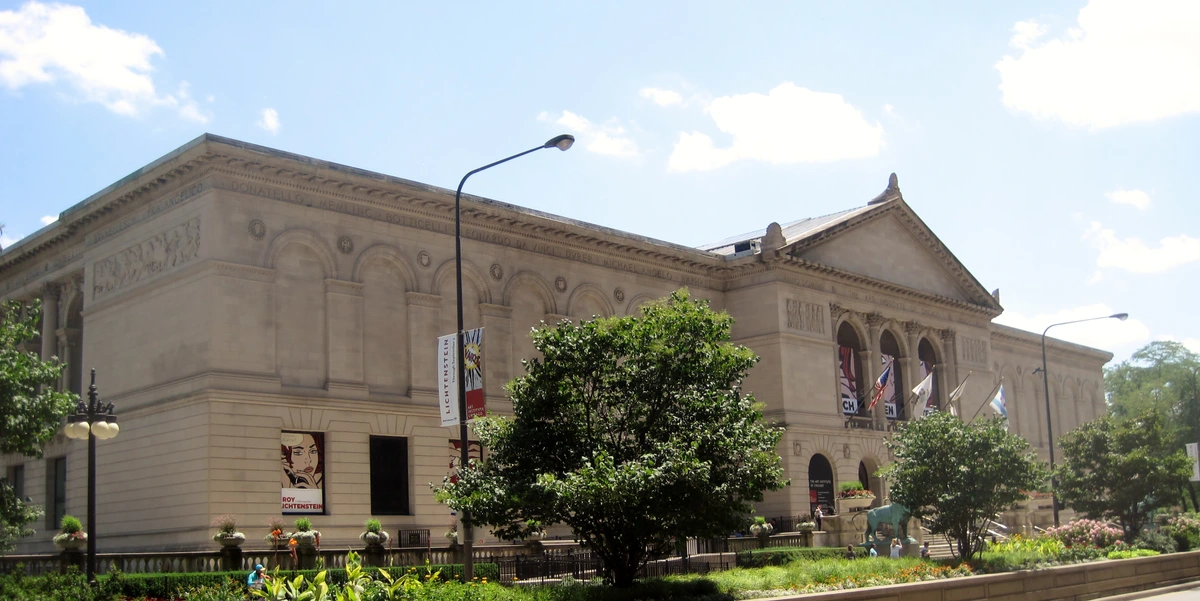
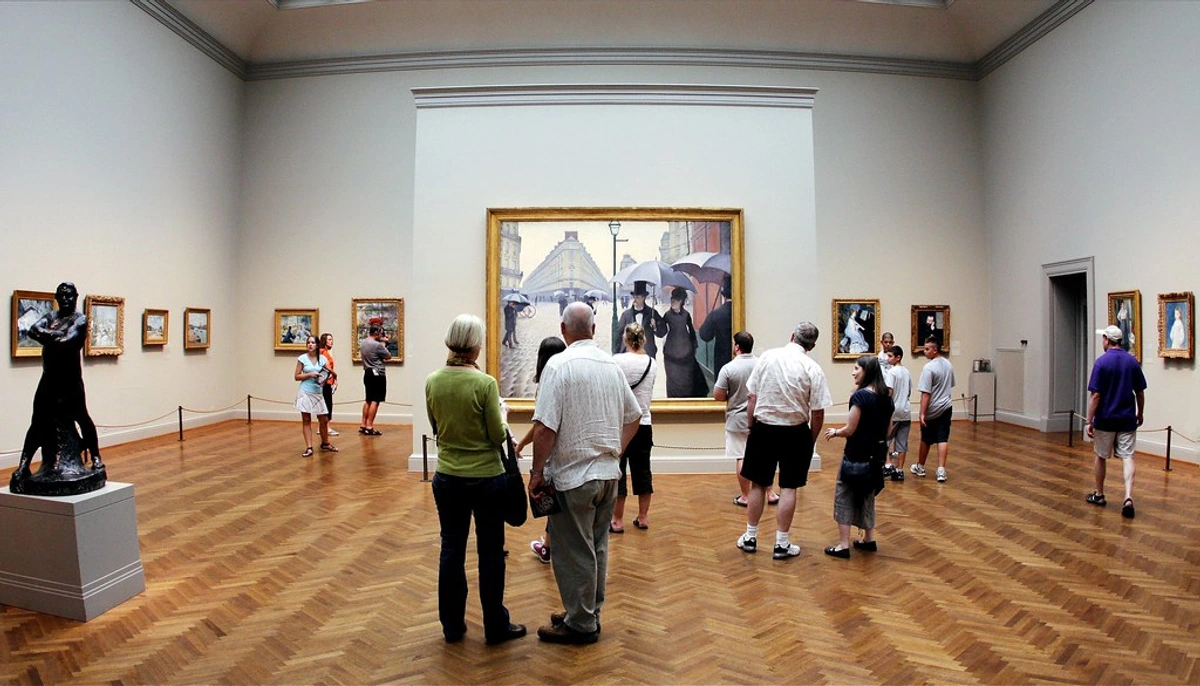
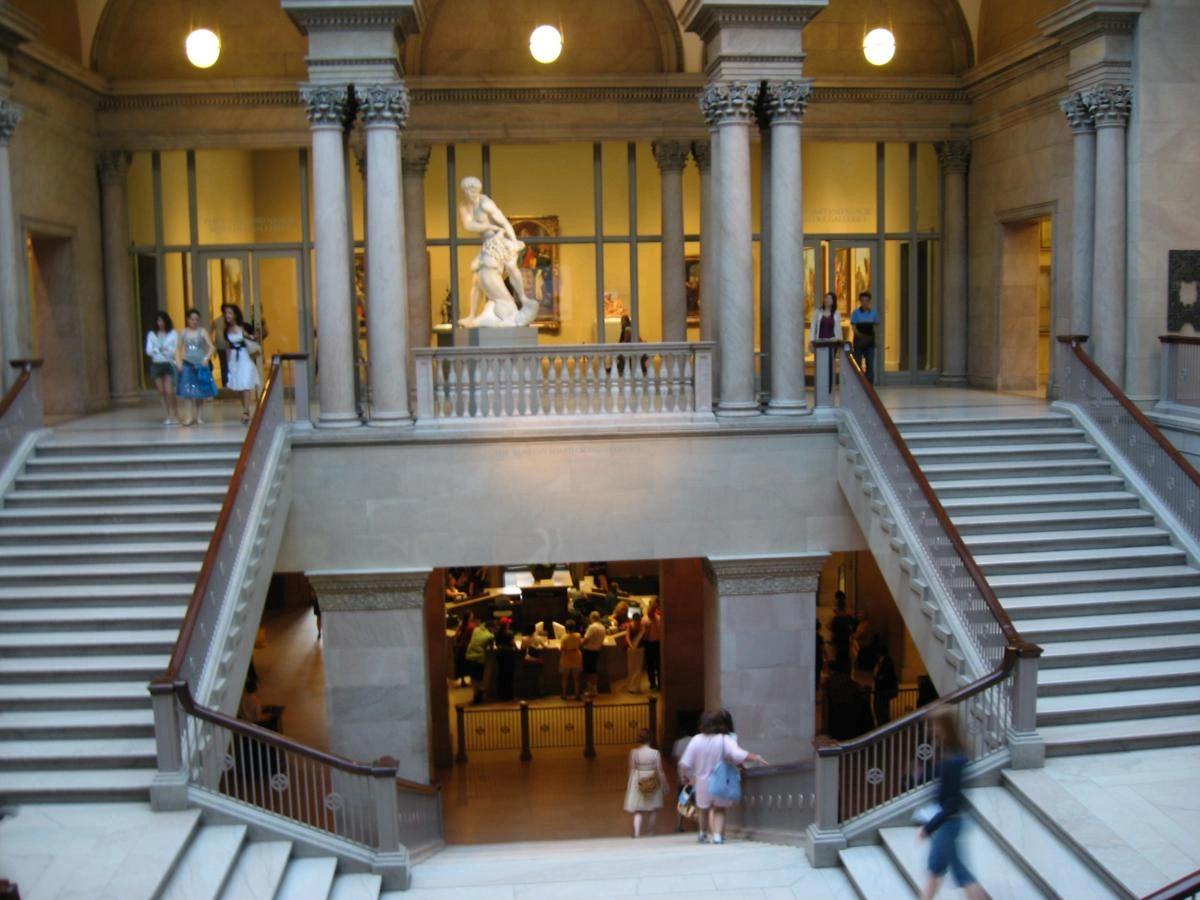
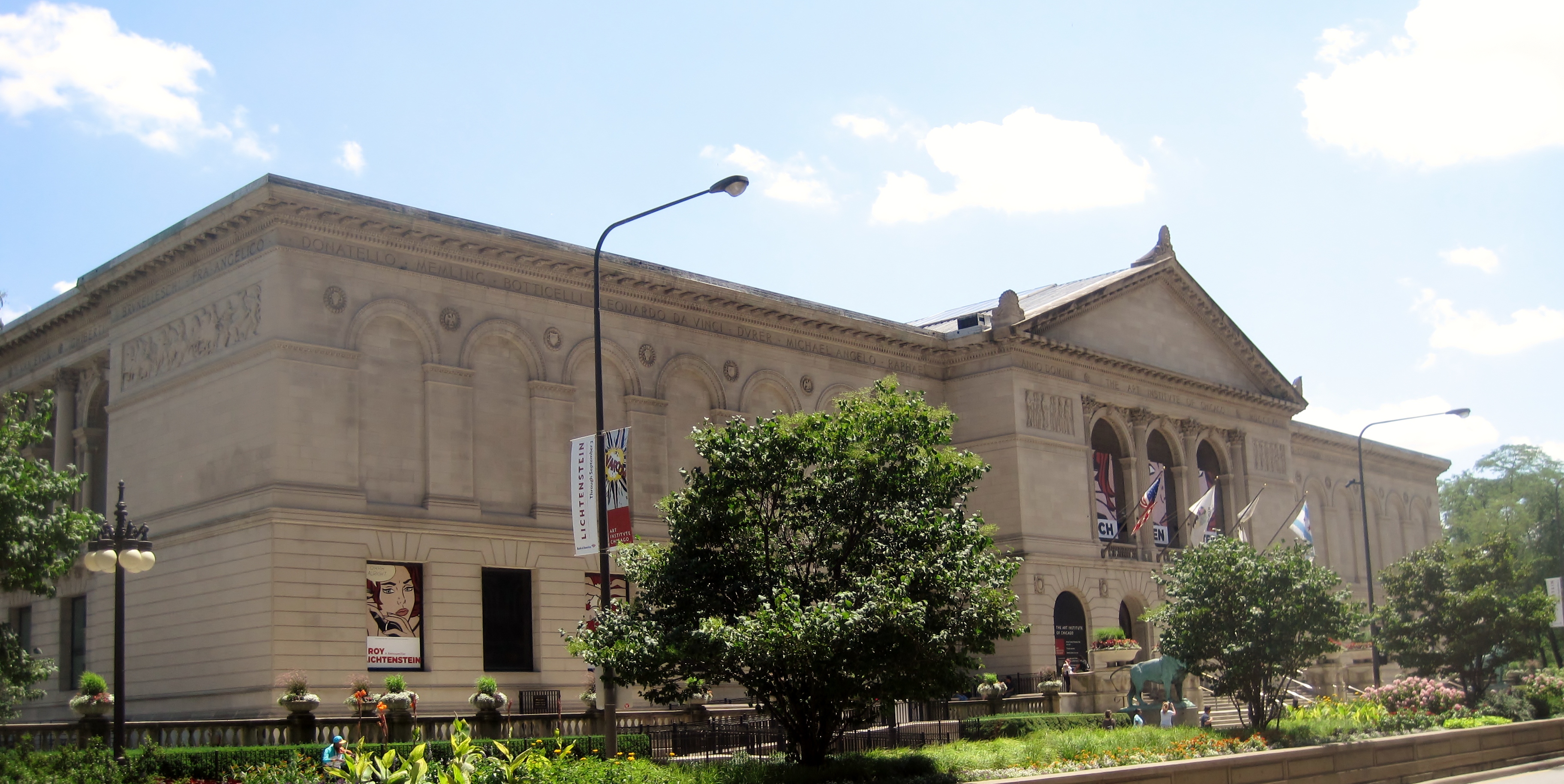
The Art Institute of Chicago (AIC) is, without a doubt, a titan. It's one of those places where you walk in, and your jaw just kinda… drops. My first time, I had this whole plan, right? See the Impressionists, check out the Thorne Rooms, be out in a few hours. Oh, how naive I was! I quickly realized I could spend days here. Their collection is monumental, spanning centuries and continents, a veritable encyclopedia of human creativity. You've got your iconic Claude Monet haystacks (a series where he meticulously captured the fleeting effects of light and atmosphere, inviting you to witness painting as a scientific experiment!), Georges Seurat's A Sunday on La Grande Jatte (which, seriously, is a pilgrimage in itself; the way those tiny dots of color resolve into such a vibrant, expansive scene always makes me stop and just breathe it in, like watching a slow-motion magic trick unfold), and a staggering collection of American art, including prominent works by Grant Wood, Edward Hopper, Mary Cassatt, and John Singer Sargent. I remember standing in front of La Grande Jatte for what felt like an eternity, completely mesmerized by how Seurat transformed scientific precision into such profound beauty – it’s a moment that always sticks with me, a testament to art's ability to transcend technique.
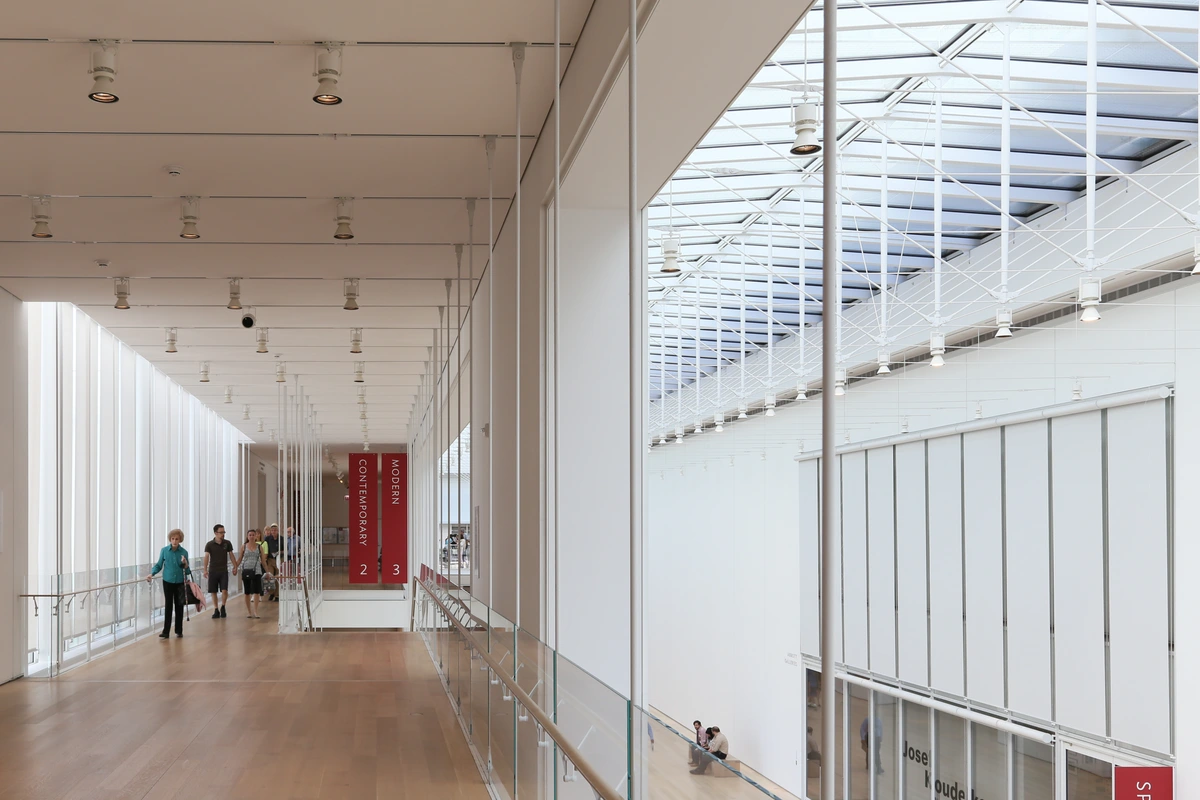
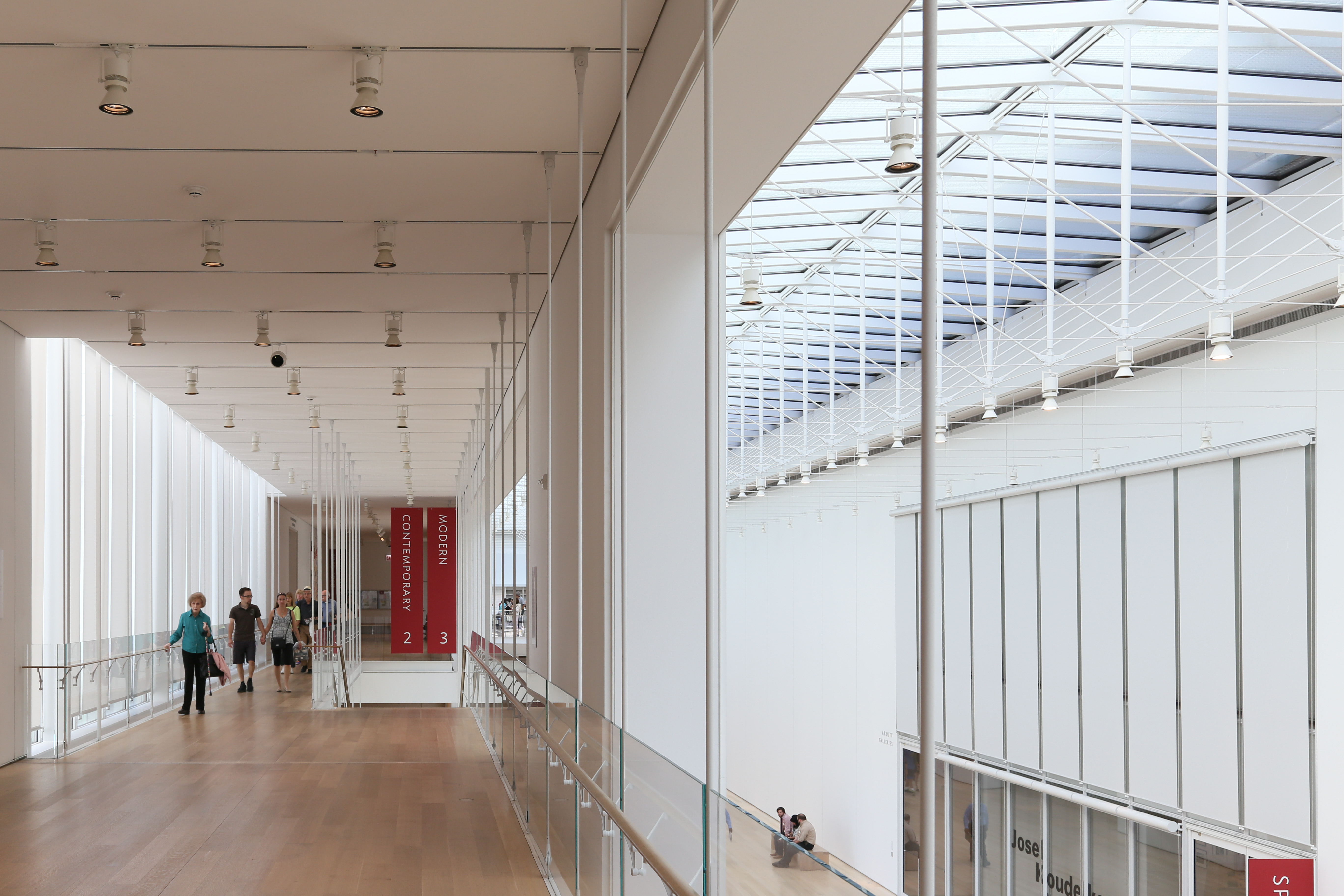
But don't sleep on the Modern Wing either; it's a sleek, airy space designed by Renzo Piano that perfectly complements the classical grandeur of the older buildings. I once got lost admiring a piece, only to realize hours had flown by – a true testament to its captivating power. You'll find incredible examples of movements from Cubism to Expressionism, with masters like Henri Matisse and Wassily Kandinsky richly represented. Beyond painting and sculpture, the AIC also boasts significant collections of Asian art (like exquisite Japanese woodblock prints and intricate Chinese ceramics), African art (powerful West African masks and ceremonial objects, reflecting the influence of African art on modernism), photography (featuring pioneering artists like Alfred Stieglitz, and tracing the history of photography as fine art), and decorative arts (including everything from intricate furniture to stunning stained glass), underscoring its truly encyclopedic scope. And speaking of unique treasures, don't miss the Thorne Miniature Rooms—a series of exquisitely detailed historical interiors, created with astonishing precision and artistry. If you want a deeper dive into this magnificent institution, check out my guide: a-first-timers-guide-to-the-art-institute-of-chicago.
Why visit AIC? For me, the AIC is essential for experiencing the breadth of human artistic achievement, offering a truly comprehensive journey through global art history, from ancient to modern.
Museum of Contemporary Art (MCA)
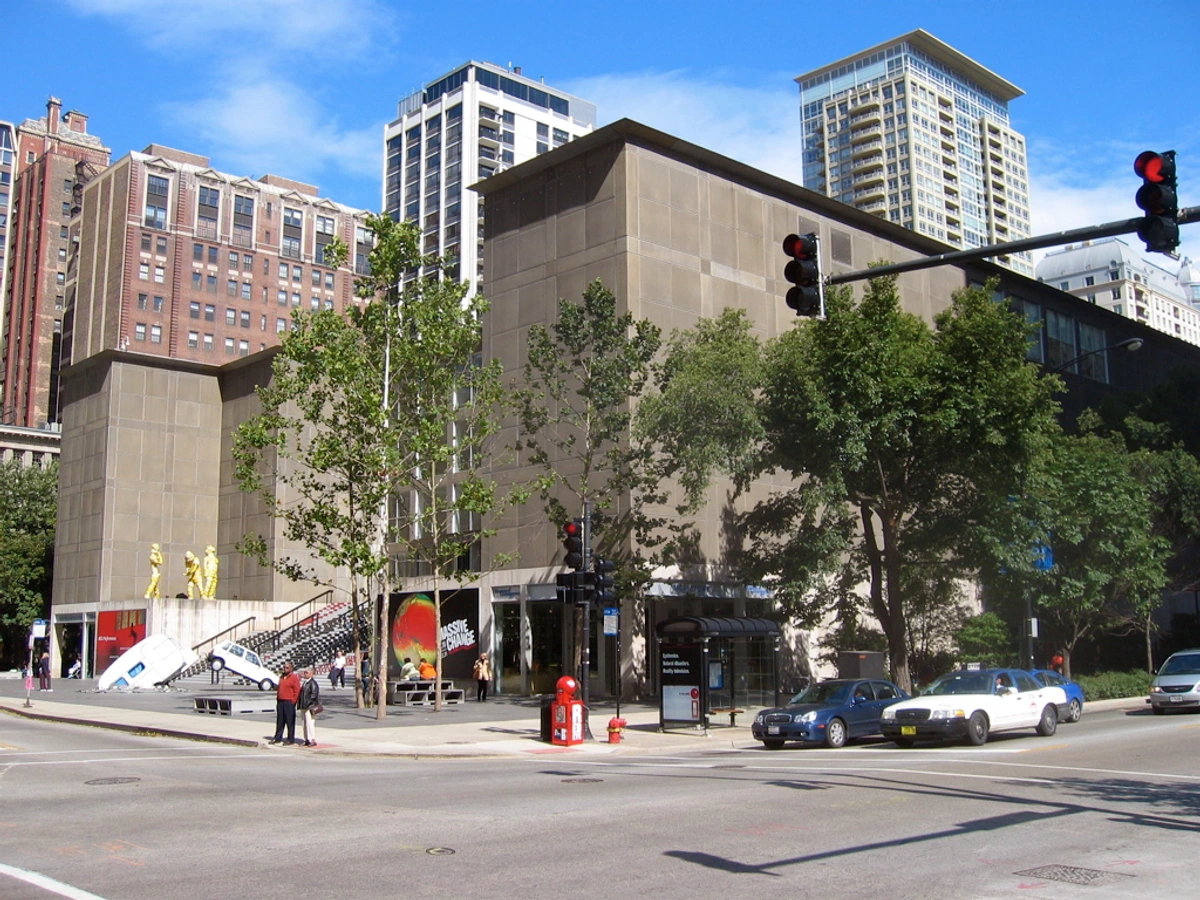
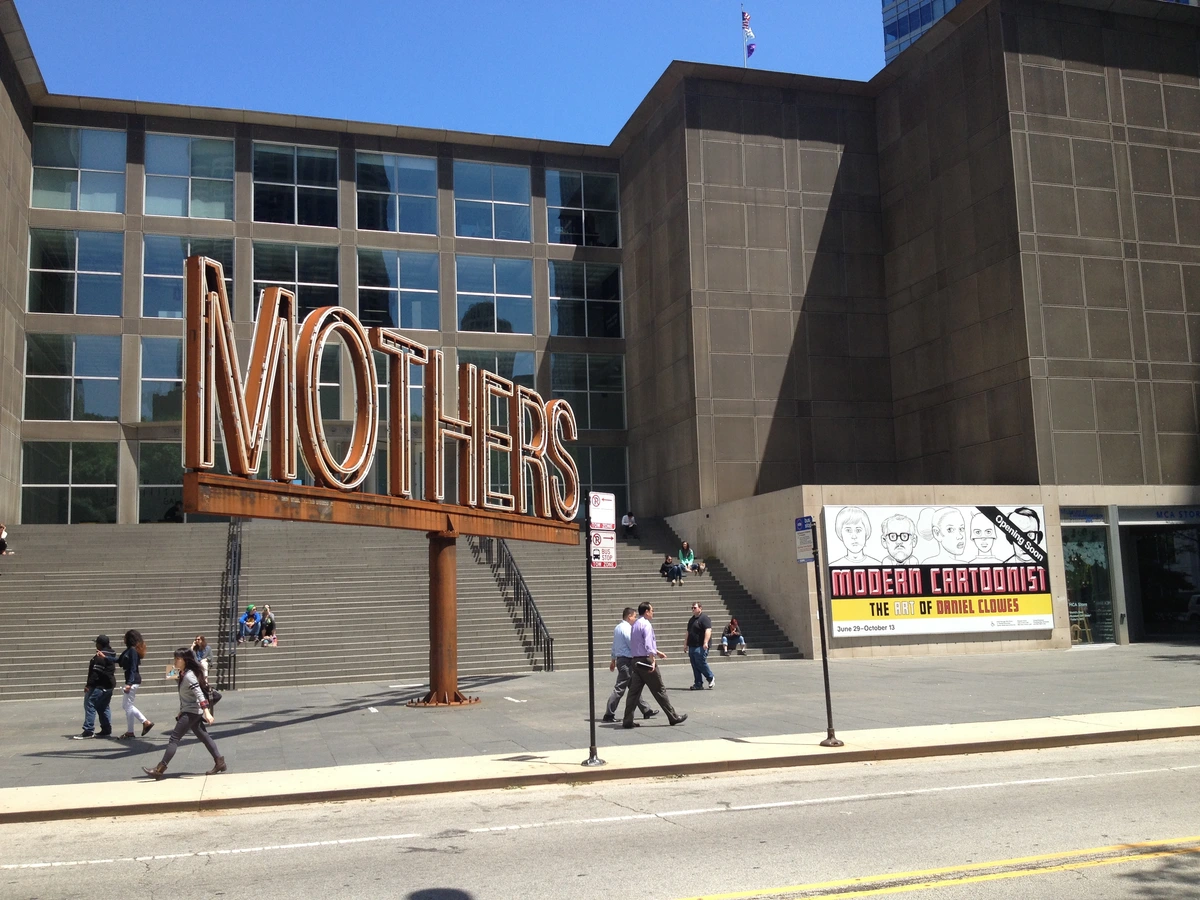
Then there's the Museum of Contemporary Art (MCA). If AIC is like visiting a grand, wise old master, MCA is its rebellious, younger sibling who still totally has their act together. This is where I go when I want my perspective challenged, when I want to see what artists are doing now. The MCA focuses on art created since 1945, reflecting post-war artistic innovation, though it often contextualizes contemporary works with historical pieces that influenced this period or retrospectives of pivotal modern masters. For instance, an exhibition on contemporary textile art might feature historical tapestries or fiber art from the mid-20th century to trace artistic lineage and influence. I love that feeling of walking into a room and thinking, "What is this?" before slowly, or sometimes quickly, having a profound realization about the artist's intent or the societal commentary woven into the piece.
It’s a dynamic space, always rotating exhibitions, ensuring there’s always something new to provoke thought. You might encounter works from Pop Art pioneers like Andy Warhol, Abstract Expressionists like Jackson Pollock, or even artists pushing conceptual boundaries with video installations or performance art. The MCA also champions Chicago Imagists, an influential group of artists who emerged in the 1960s. Known for their distinct, often quirky, surreal, and figurative style that frequently incorporated aspects of urban decay, pop culture, and personal narratives, their aesthetic was sometimes dubbed the "Monster Roster" for its often grotesque or fantastic elements. Artists like H.C. Westermann, Ray Yoshida, Gladys Nilsson, Jim Nutt, and Karl Wirsum are prime examples. The Imagists offered a powerful counterpoint to the prevailing minimalism and abstract expressionism of the era, challenging the art world's status quo with their raw, narrative-driven works, showcasing remarkable visual-storytelling-techniques-in-narrative-art. This movement, along with a burgeoning experimental film scene and various artist collectives in the city, cemented Chicago's role as a hub for the avant-garde and a place where artists dared to defy convention – much like how Dadaism once challenged its own establishment. It reminds me a bit of the playful, questioning spirit that fuels my own abstract work – that constant search for new forms and expressions, even when they seem a little 'out there.'
Why visit MCA? If you're like me, constantly seeking new perspectives, the MCA is where you'll engage with the cutting edge of contemporary art, challenge your perceptions, and discover art that truly reflects our current world.
Museum Comparison: AIC vs. MCA
When planning your visit, understanding the distinct focus of these two titans can help you prioritize your time. To make your decision a little easier, here's a quick comparison of what each museum uniquely offers:
Feature  | Art Institute of Chicago (AIC) | Museum of Contemporary Art (MCA) |
|---|---|---|
| Focus | Comprehensive, encyclopedic collection, spanning millennia. | Art created since 1945, with an emphasis on the avant-garde. |
| Collection Size | Massive – you could spend days here. | Smaller, but highly curated and constantly evolving. |
| Key Strengths | Impressionism, Post-Impressionism, American Art, decorative arts, Asian art, photography, Medieval and Renaissance. | Experimental art, performance art, video art, Chicago Imagists, conceptual art. |
| Vibe | Grand, classical, awe-inspiring, historically rich, contemplative. | Modern, provocative, dynamic, cutting-edge, often challenging, intellectually stimulating. |
| Ideal Visitor | History buffs, those seeking iconic masterpieces, traditional art. | Those seeking new perspectives, challenging art, current trends. |
Hidden Gems & Specialized Spaces: Beyond the Mainstream
Chicago's artistic exploration doesn't end with its major institutions. Oh no, that's where the real fun begins! I’ve always believed that the most profound experiences often come from venturing off the beaten path, especially in a city as culturally layered as Chicago. These specialized spaces offer a deeper dive into specific narratives and artistic expressions, often rooted in community and history, and they’re truly where the city’s heart beats. So, ready to discover some lesser-known treasures?

National Museum of Mexican Art
In the vibrant Pilsen neighborhood – a community rich with Mexican heritage fostered by decades of immigration and sustained through cultural activism – you'll find the National Museum of Mexican Art. What a treasure! It's one of the most comprehensive Mexican art collections in the US, showcasing everything from ancient artifacts like pre-Columbian pottery, intricate textiles, and powerful Olmec stone figures, to vibrant folk art such as alebrijes (colorful fantastical creatures that are spirit guides in folk belief) and intricate Day of the Dead altars (vivid, multi-tiered memorials honoring ancestors), to powerful contemporary pieces by artists like Frida Kahlo and Diego Rivera, alongside lesser-known but equally impactful contemporary artists. The energy in this place is palpable, a celebration of culture, identity, and the enduring power of storytelling through art. It makes you realize how art is so deeply intertwined with community stories and collective memory, much like exploring Mexico City's vibrant art scene. Their commitment to presenting Mexican art from both sides of the border makes it a uniquely powerful and essential institution.
Why visit National Museum of Mexican Art? For a profound and vibrant celebration of Mexican culture and art, from ancient history to compelling contemporary expressions, offering unique perspectives often unseen in mainstream institutions.
DuSable Black History Museum and Education Center
And let's not forget the DuSable Black History Museum and Education Center in Washington Park, anchoring the historically significant Bronzeville neighborhood. It's a vital institution, dedicated to the experience and culture of African Americans, and is the oldest independent museum of Black culture in the United States. Visiting DuSable isn't just about seeing art; it's about connecting with history, understanding narratives often overlooked, and celebrating immense artistic, intellectual, and cultural contributions across various mediums. You'll find works from significant movements like the Harlem Renaissance (showcasing the explosion of Black creativity in the 1920s and 30s through painting by artists like Archibald Motley and Aaron Douglas, and sculpture by Augusta Savage and Richmond Barthé), alongside powerful contemporary African American art offering crucial perspectives often missing from mainstream institutions, with a focus on both historical and contemporary painters, sculptors, photographers, and even literary figures and musicians documented through extensive archives. It’s an essential stop for a truly comprehensive understanding of American art and culture, truly a cornerstone for exploring the breadth of human experience and recognizing art's power as a catalyst for social change.
Why visit DuSable? To immerse yourself in the rich history and vibrant artistic legacy of African American culture, gaining essential perspectives often overlooked in broader art historical narratives.
Intuit: The Center for Intuitive and Outsider Art
Then there’s Intuit: The Center for Intuitive and Outsider Art. This place is a personal favorite. It celebrates self-taught artists – individuals who create from a deep, internal compulsion, often without formal training or concern for the mainstream art world. Outsider art (also known as Art Brut, or "raw art," a term coined by French artist Jean Dubuffet, often created by self-taught individuals outside the mainstream art world) is raw, authentic, and incredibly inspiring – stripping away all pretension and reminding you that art is fundamentally about innate human expression, sometimes also referred to as visionary art due to the intense internal drive that fuels its creation. Think of intricate, often obsessive works by artists like Henry Darger (whose massive, fantastical realms of the "Vivian Girls" were discovered after his death) or Martín Ramírez (whose intricate, repetitive patterns and found-material collages were created while institutionalized). Beyond these, you might see elaborate spiritual drawings, fantastical sculptures made from found objects, intensely detailed narrative paintings, or intricate textile works, all driven by internal vision rather than external market demands. Intuit's mission is to champion these artists because their work challenges traditional notions of 'art,' offers a powerful counter-narrative to institutionalized art history, and showcases the unfiltered soul of creativity, much like how sometimes my own journey into the definitive guide to the history of abstract art movements began with pure intuition and a desire to simply create.
Why visit Intuit? For me, Intuit offers a profound glimpse into art in its purest, most unadulterated form, showcasing creativity born from undeniable internal drive, free from academic constraints.
Public Art: Chicago's Outdoor Gallery
Now, if you ask me, Chicago is one of the best cities in the world for public art. It's everywhere! The city itself feels like an open-air museum, and that’s a concept I absolutely adore. Why keep all the beauty behind walls when you can sprinkle it across the urban landscape for everyone to enjoy? This commitment to public art is deeply rooted in Chicago's architectural legacy, not just through civic mandates but through a pervasive ethos that views the city itself as a grand aesthetic statement. Architects and city planners collaborated early on to integrate art and design into the urban fabric, making art an integral part of daily life and showcasing Chicago's pioneering spirit in urban aesthetics. For me, this ethos translates to a city that truly believes art should be for everyone, enriching daily life and inspiring spontaneous moments of wonder.
Millennium Park: The Iconic Gateway
Naturally, Millennium Park is the obvious starting point, but for good reason. You have to see Cloud Gate, affectionately known as 'The Bean' by Anish Kapoor. It’s more than just a giant reflective sculpture; it’s an interactive mirror, distorting the city skyline and the faces of everyone around it. I could spend hours just watching people engage with it, reflecting their joy and wonder. And then there's the Crown Fountain, with its towering LED faces spitting water – it’s playful, architectural, and utterly unique, especially on a hot summer day. The digital faces are drawn from a diverse pool of 1,000 local Chicagoans, creating a dynamic, ever-changing portrait of the city's community and reflecting its diverse spirit, projecting their individual expressions and making us all feel a part of the city's living art. It’s a masterclass in urban design marrying art and function, making us think about how art can transform public spaces and bring people together. Don't forget to take a moment to explore the adjacent Lurie Garden as well, a stunning example of landscape design that itself functions as a living, evolving work of art, integrating horticulture with urban planning.
The Loop Sculptures: Urban Masterpieces
But don't stop there! Wander through The Loop, and you'll stumble upon monumental works by some of the biggest names in 20th-century art. These pieces were often commissioned as part of mid-20th century urban renewal projects, cementing Chicago's reputation as a patron of modern art and a pioneer in integrating public art into civic life.
There's the towering, often enigmatic Picasso sculpture (officially untitled, just 'The Picasso') in Daley Plaza, a gift from the artist himself, its abstract, Cubist forms sparking public dialogue about modern art since its unveiling in 1967. Nearby, you'll find the vibrant Miró's Chicago, a playful, surrealist bronze sculpture with biomorphic forms, and Calder's iconic bright red Flamingo, a monumental kinetic sculpture that seemingly floats above the Federal Plaza. Calder, a pioneer in kinetic sculpture, also has his monumental 'Universe' mobile, a complex, dynamic piece in the Willis Tower lobby.
And don't miss Chagall's stunning Four Seasons mosaic at Chase Tower Plaza, a vibrant, dreamlike narrative composed of thousands of glass and stone fragments. This captivating visual poem depicts allegorical figures, celestial scenes, and flora and fauna, celebrating life and nature through his distinct folk-art inspired style. You might even spot Henry Moore's monumental 'Nuclear Energy,' a powerful bronze sculpture on the University of Chicago campus commemorating the first self-sustaining nuclear chain reaction, its organic forms evoking both destructive and creative forces of scientific progress.
Finally, seek out Jean Dubuffet's whimsical 'Monument with Standing Beast,' a playful, cartoon-like structure rendered in his distinctive Art Brut (raw art) style, located at the Thompson Center. With its bold, childlike outlines and blocky, textured forms, it invites interaction and challenges traditional monumentality, reflecting his belief in the untamed expression of self-taught artists. These aren't just decorations; they're integral parts of the city's identity, providing unexpected moments of beauty amidst the skyscrapers. It’s a fantastic way to experience art without even stepping inside a building, a true testament to Chicago's commitment to culture and the enduring impact of artists like Picasso and Joan Miró.
Murals & Street Art: The City's Living Canvas
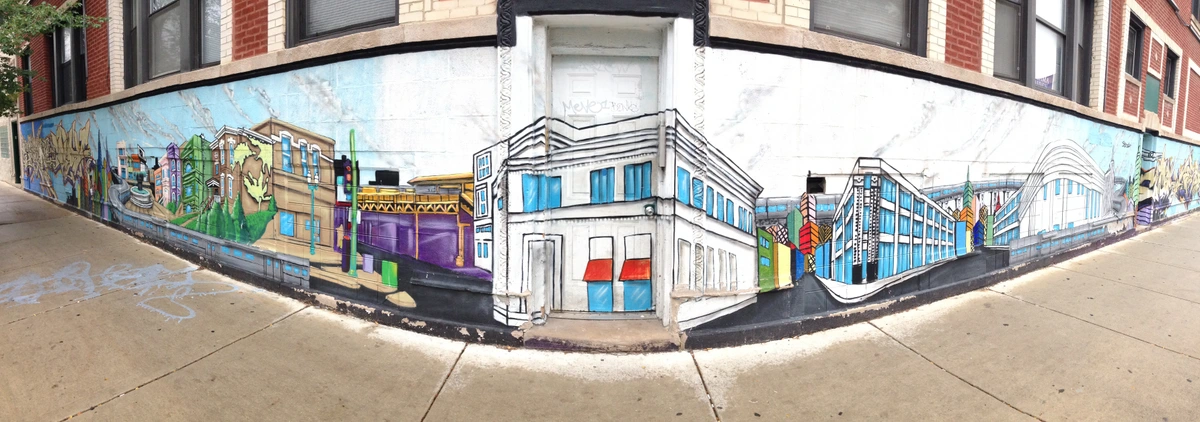
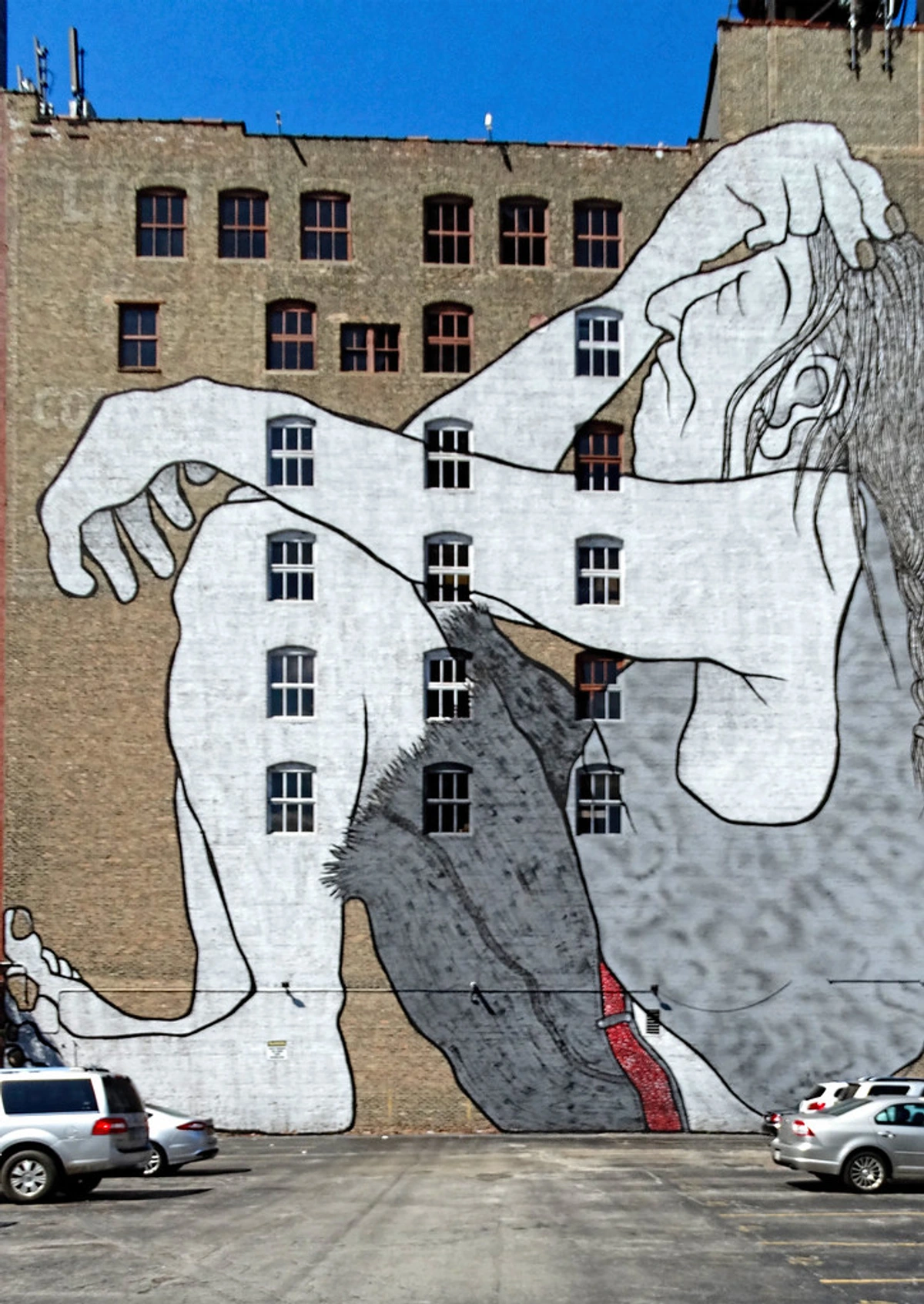
And let’s not forget the street art! Areas like Pilsen and Wicker Park are bursting with incredible murals and graffiti, often spilling out from cultural institutions like the National Museum of Mexican Art. Pilsen, in particular, is renowned for its vibrant murals depicting Mexican history, folklore, cultural identity, and social justice themes. You’ll see powerful iconography like depictions of Frida Kahlo, indigenous motifs, scenes from the Mexican Revolution, and vivid Day of the Dead imagery, creating a living outdoor gallery that tells powerful community stories and reflects the neighborhood's deep roots and artistic activism. Wicker Park offers a more eclectic mix, often reflecting contemporary urban narratives, experimental styles, and abstract forms, alongside cutting-edge social commentary. Other neighborhoods like Logan Square, Bronzeville, and Hyde Park also boast significant street art. The Chicago Public Art Program actively commissions and supports many of these works, further cementing the city's commitment to art for all. It's a constantly evolving gallery, a living testament to the city's diverse communities and their stories. This is where art gets political, personal, and profoundly local, offering raw, immediate narratives that you often don't find in a pristine gallery. I find so much inspiration in the bold colors and narratives woven into these urban canvases, sometimes reminding me of the untamed energy of Willem de Kooning's abstract expressionism I love. Take a stroll through these neighborhoods, and let the walls speak to you – you'll be amazed at the depth of talent and social commentary on display.
Gallery Scene & Art Districts: Exploring Contemporary Voices
While public art offers broad accessibility, the commercial gallery scene provides a different kind of engagement – a more intimate viewing experience, often with opportunities to meet artists or discover pieces for your own collection. If you’re serious about collecting, just discovering new talent, or simply enjoy the intimate experience of viewing art up close, you need to explore these districts. The journey through these spaces feels very different from a large museum, often allowing for more direct engagement with the artwork and perhaps even the artists themselves. So, ready to dive into Chicago's commercial art heartbeat?
River North: The Established Market
Historically, River North was the epicenter of Chicago's gallery scene, and while it's still a strong contender, I've noticed things shifting. You'll find a mix of established galleries here, often showcasing impressive contemporary and modern works, including "blue-chip artists" – a term referring to artists whose work is highly established, critically acclaimed, and commands significant value in the art market, often seen as a stable, long-term investment. Think classic modernist paintings, significant photographic collections (like mid-century documentary photography tracing the history of photography as fine art), and large-scale abstract sculptures by renowned figures. Galleries like the Jean Albano Gallery or Zolla/Lieberman Gallery often represent artists with significant exhibition histories and market presence, focusing on quality and enduring artistic value. It's a great place to start if you're looking for museum-quality pieces or a more traditional, refined gallery experience, reflecting a serious approach to the art market.
West Loop: The Avant-Garde Hub
But if you're looking for that fresh, edgy vibe, West Loop is where it's at. This area has truly blossomed, with galleries occupying former industrial spaces, giving them this wonderfully raw, authentic feel. It's often where you'll find emerging artists, experimental exhibitions, and that palpable sense of creative energy. You'll encounter diverse mediums, from cutting-edge digital installations (think interactive video projections) and mixed media to performance art, large-scale abstract painting, and conceptual pieces that truly push boundaries. Imagine sculptures made from unconventional, recycled materials or intricate light installations. Galleries such as Document (known for experimental photography and video art) or Western Exhibitions (championing avant-garde conceptual art and Chicago-based artists) are at the forefront, reflecting current trends and pushing artistic boundaries. It's also a fantastic area for fantastic food, but that's a tangent for another time! I always walk away from these galleries buzzing with ideas, sometimes even thinking about how a certain color palette or composition could influence my next piece. If you're looking for a contemporary art piece for your own collection, this is a prime hunting ground – maybe even something to complement a piece you might find if you buy from my own collection, perhaps inspired by my own journey with mixed media!

credit, licence
Gallery District Comparison: River North vs. West Loop
These two districts offer distinct experiences, catering to different tastes and interests within the art market. Here's a quick guide to help you choose:
Feature | River North | West Loop |
|---|---|---|
| Character | Established, polished, traditional art market feel. | Edgy, industrial-chic, avant-garde, raw energy. |
| Focus | Modern and contemporary works by established, "blue-chip" artists. | Emerging artists, experimental exhibitions, cutting-edge contemporary. |
| Vibe | Refined, serious, investment-oriented, classic. | Dynamic, innovative, community-driven, accessible, vibrant, experimental. |
| Ideal Visitor | Collectors seeking significant historical works, traditionalists. | Discoverers, trend-spotters, those seeking new talent, adventurers. |
Local Art Schools & Emerging Talent
It's impossible to talk about Chicago's vibrant art scene without acknowledging its incredible art schools. Institutions like the School of the Art Institute of Chicago (SAIC) and Columbia College Chicago are powerhouses, continually injecting new talent, fresh perspectives, and critical discourse into the city. SAIC, for instance, is consistently ranked among the top art schools globally, known for its interdisciplinary approach – meaning students are encouraged to combine mediums like painting with performance or sculpture with video art in their practice – and rigorous programs that foster innovative thinking. Columbia College Chicago, on the other hand, excels in media arts and visual arts, fostering a vibrant, hands-on creative environment where students engage in studio-based projects and community-focused art initiatives. Many galleries, particularly in the West Loop, have strong ties to these institutions, acting as launchpads for the next generation of artistic voices. Their student and faculty exhibitions are fantastic places to spot emerging artists and witness cutting-edge work that often pushes boundaries. It's a testament to Chicago's commitment not just to showcasing art, but to fostering its creation from the ground up.
Navigating Chicago's Art Scene: My Practical Tips
Alright, so you're ready to dive in. Here are a few things I've learned that can make your Chicago art adventure even better, drawn from my own (sometimes chaotic) explorations. What's the best way to tackle such a vibrant city, you ask?
- Prioritize ruthlessly: You simply can't see everything. Pick your top two or three must-sees and let the rest be happy accidents. I always tell myself this, and then inevitably try to cram in too much, but it's a good intention! Better to deeply experience a few places than rush through many.
- Comfortable shoes are non-negotiable: Seriously, Chicago is a walking city, and you'll cover miles exploring its vast art landscape, from museum halls to street art alleys. Your feet will thank you.
- Embrace public transport: The L train is your friend. It’s efficient and gets you almost everywhere you need to go, especially between downtown and various neighborhoods like Pilsen or West Loop, saving your legs (and wallet!) for more art.
- Consider an Architectural Boat Tour: This isn't just for architecture buffs. A boat tour along the Chicago River offers a unique, dynamic perspective on the city's integrated public art and architectural wonders, showcasing how art and design are woven into Chicago's very identity. You'll see monumental structures from Art Deco to Modernist, gaining context for the masterpieces that stand as part of the skyline itself. It really brings the city to life in a new way!
- Don't forget the food: Art appreciation is hungry work! Chicago's culinary scene is legendary, so factor in some amazing meals. A deep-dish slice after a deep dive into art history? Perfection.
- Art World Etiquette: When you're in a gallery, remember these are often commercial spaces where artists showcase their livelihood. So, while it's okay to browse and ask questions, approach a gallerist respectfully, avoid touching artwork unless explicitly invited, and be mindful of photography policies – it's always a good practice to simply ask.
- Check opening hours and special exhibitions: Always, always check before you go. This applies especially to smaller galleries, which often have more limited or specific opening times than major museums. Nothing worse than arriving only to find it closed or that the exhibition you wanted to see has just ended. Trust me, I've made that mistake more times than I care to admit.
- Consider accessibility: If you or someone in your party has specific accessibility needs, it’s always a good idea to check the museum or gallery website in advance for information on ramps, elevators, and other accommodations.
- Engage with locals: Don't be shy! Strike up a conversation with a gallery owner, a street artist, or even a fellow art lover you meet. You never know what insider tips or unique perspectives you might gain. Chicagoans are passionate about their city's culture!
Art Events & Festivals: Year-Round Creativity
Chicago's art calendar is packed with vibrant events that go beyond permanent collections. While specific dates vary annually, there's almost always something happening to enhance your visit, especially in the warmer months. Keep an eye out for:

- EXPO Chicago: A major international exposition of contemporary and modern art, bringing together over 170 leading galleries from around the world, typically held in spring (April/May), showcasing paintings, sculptures, installations, and more.
- Art on theMART: The world's largest digital art projection onto the Merchandise Mart building, offering stunning seasonal displays with themes ranging from contemporary art to nature, creating a truly immersive experience.
- Various local art walks and craft fairs: Events like the Renegade Craft Fair, or open studio tours that pop up in neighborhoods like Pilsen, Logan Square, and Lincoln Park. University art departments (SAIC, Columbia College Chicago) and local cultural centers also host numerous exhibitions, film screenings, and performances year-round.
For the most up-to-date and niche happenings, I recommend consulting local art blogs like Artforum Chicago listings, or specific neighborhood cultural calendars. These events offer unique opportunities to engage directly with Chicago's creative pulse and often uncover exciting new talents.
FAQ: Your Burning Chicago Art Questions Answered
To round off your artistic journey through the Windy City, here are answers to some of the most frequently asked questions I hear about Chicago's art scene, designed to equip you for your explorations:
Q: What are Chicago's unique contributions to art history?
A: Beyond its groundbreaking Chicago School of Architecture and architectural innovations (like the skyscraper and the Prairie School!), Chicago is known for the Chicago Imagists, an influential group of artists who emerged in the 1960s with a distinct, often figurative, surreal, and quirky style, challenging mainstream art trends. Its robust public art program also showcases a unique integration of art into urban life, commissioning monumental works from world-renowned artists and making high art accessible to all. The city has also played a significant role in the development of modern photography and graphic design, particularly post-WWII, and continues to be a hub for experimental and outsider art (like that championed by Intuit) and performance art, which is increasingly gaining recognition within the broader art world.
Q: What is the most famous artwork in Chicago?
A: While "most famous" is subjective and many pieces vie for this title, A Sunday on La Grande Jatte by Georges Seurat at the Art Institute of Chicago and Cloud Gate ("The Bean") by Anish Kapoor in Millennium Park are arguably the most iconic and frequently visited. Seurat's pointillist masterpiece is famous for its groundbreaking technique and scale, while Kapoor's Cloud Gate is beloved for its interactive reflections of the city and its visitors. However, the untitled Picasso sculpture in Daley Plaza, a civic landmark, and the Flamingo by Alexander Calder are also incredibly recognizable and have sparked decades of conversation about public art and abstraction. It often depends on whether you prefer classical masterpieces or monumental public installations.

Q: Is Chicago a good city for art lovers?
A: Absolutely! Chicago offers an incredibly rich and diverse art scene, from world-renowned museums and iconic public sculptures to vibrant street art and innovative independent galleries. It truly has something for every art lover, whether you're a seasoned collector or a curious first-timer exploring a global art capital. I'd definitely call it one of the art-capitals-of-the-world.
Q: How much time should I allocate for the Art Institute of Chicago?
A: I’d recommend at least half a day (4-5 hours) to get a good overview, but easily a full day if you want to delve deeper into specific collections (like the Asian art or decorative arts) or experience the Thorne Rooms fully. It's massive, and you'll want to savor it without feeling rushed. Wear comfortable shoes – trust me on this one!
Q: Are there any free art attractions in Chicago?
A: Yes! Much of Chicago's incredible public art, including the sculptures in Millennium Park and The Loop, is completely free to enjoy. The Chicago Cultural Center also offers numerous free art exhibitions, concerts, and performances throughout the year, making it a fantastic resource. The National Museum of Mexican Art and the Smart Museum of Art at the University of Chicago often offer free admission as well, and you can always explore public sculpture gardens in parks like Lincoln Park or Grant Park, making world-class art accessible to everyone. Don't forget the ever-evolving street art scenes in neighborhoods like Pilsen!
Q: Are there art events or festivals throughout the year?
A: Definitely! Chicago hosts several significant art events, including EXPO Chicago (an international exposition of contemporary and modern art, typically in spring), as well as Art on theMART (seasonal digital projections onto the Merchandise Mart building, offering different themes throughout the year), and numerous neighborhood art walks and smaller festivals, especially during warmer months. Always check local listings for current events during your visit – there's almost always something happening, from gallery openings to craft fairs!







Conclusion
So, there you have it – my somewhat meandering, yet deeply felt, guide to Chicago's art scene. It’s a city that continuously surprises and delights, proving that you don’t need ancient ruins to have a profound cultural impact. From the grand halls of the Art Institute to the raw energy of a Pilsen mural, Chicago offers a visual feast that will leave you inspired, challenged, and perhaps even a little bit hungry for another deep-dish pizza.
The city’s artistic spirit – much like my own process of exploring the ultimate guide to abstract art movements or grappling with the abstract expressionism of a Georg Baselitz – is about pushing boundaries while honoring foundational elements. It’s a testament to the power of human creativity, found in unexpected places and grand institutions alike. Experiencing Chicago's vibrant artistic energy often sparks a desire to create or collect; for me, it fuels a similar drive to experiment with color and form in my own timeline of artistic discoveries. Go explore, get lost, and let the art of Chicago speak to you. What unexpected artistic discovery will you make in this incredible city? And who knows, if this exploration sparks a desire for your own collection, perhaps a piece from my collection will resonate with that Chicago energy you've just experienced; feel free to buy if it does!