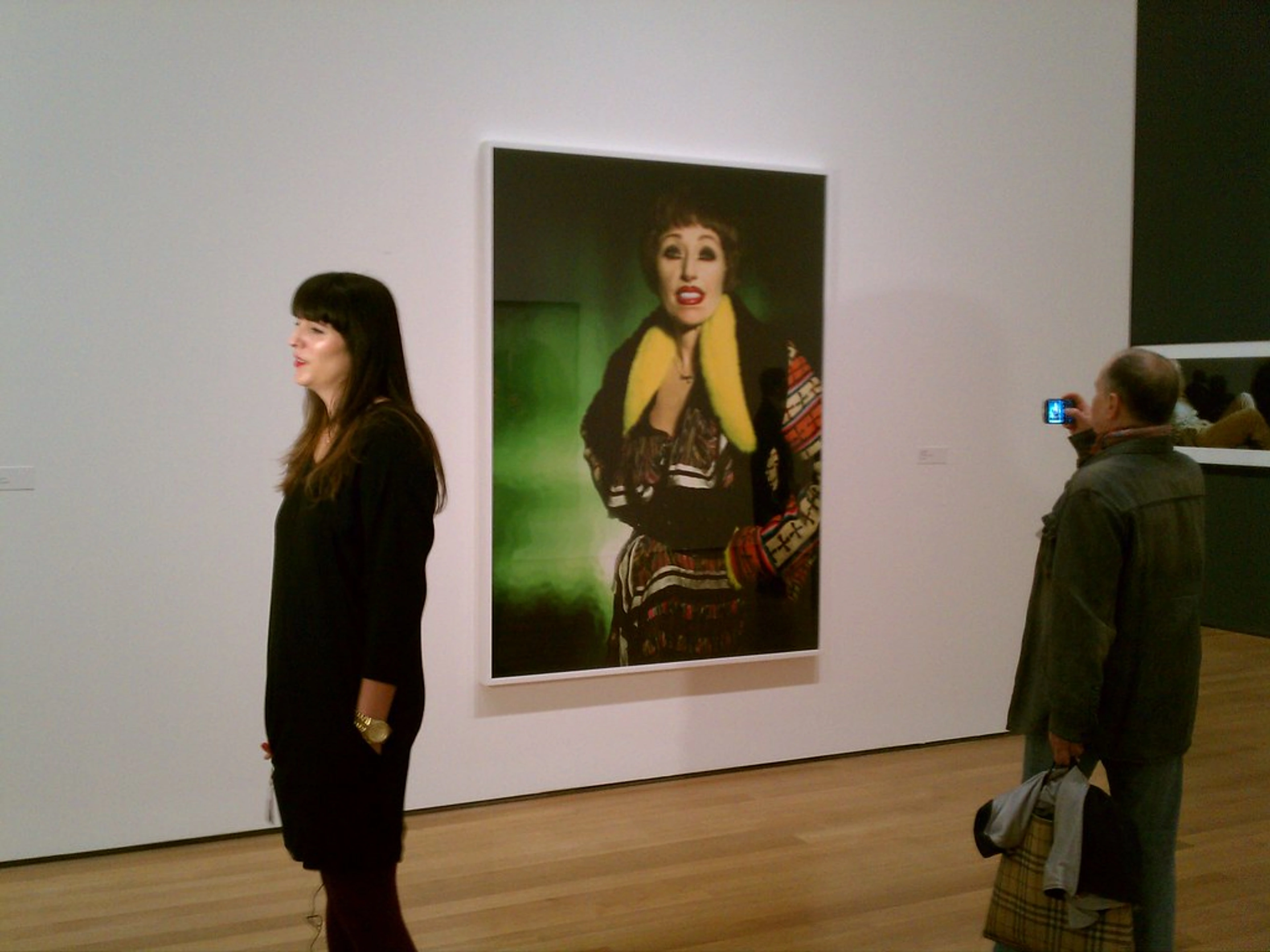
MoMA for First-Timers: Your Ultimate Guide to Modern Art in NYC
Unlock MoMA's revolutionary art with our ultimate guide. Discover iconic masterpieces, insider tips for navigating the museum, and how MoMA shaped modern art. Perfect for first-timers and seasoned enthusiasts alike.

MoMA for First-Timers: Your Ultimate Guide to Modern Art in NYC
Stepping into the Museum of Modern Art, or MoMA, for the first time? I remember that feeling distinctly. It's like trying to drink from a firehose of pure artistic genius – a thrilling, overwhelming rush of creativity that makes you wonder: where do I even begin? The echoing vastness, the sheer density of human expression, the hushed reverence for groundbreaking works… it can feel like plunging into an ocean of art without a map. When you're faced with a collection spanning over a century of revolutionary art, from the explosive bold colors of Fauvism to the shattered realities of Cubism, the sheer scale can be daunting. The very idea of art breaking away from tradition, capturing inner worlds rather than just outward appearances, is a lot to take in. It's a stark contrast to the historical breadth you might find at the Met, or the singular architectural vision of the Guggenheim; MoMA carves its own unique niche, dedicated entirely to the audacious spirit of modernism.
But here's the secret, the one piece of advice I wish someone had given me on my inaugural visit: you don't have to see it all. And that, my friend, is absolutely fine. This isn't about ticking off a list of famous artworks; it's about finding a personal connection, a moment that truly stops you in your tracks, a flicker of understanding about how humans have relentlessly pushed the boundaries of expression. Trust me, MoMA has countless such moments waiting, if you know how to approach it. So, let's embark on this journey together. I'll show you how to transform your first dive into this incredible institution from a potential chore into a profound personal revelation, a discovery that might even spark your own creative spirit. This isn't just a map; it's an invitation to experience MoMA on your terms, providing the insights I wish I had on my very first visit to this modern art museum NYC. This guide will equip you with the knowledge to navigate MoMA's vast collection, from its historical significance to practical tips for your visit, ensuring a memorable and enriching experience, proving that this ultimate guide is truly what you need.
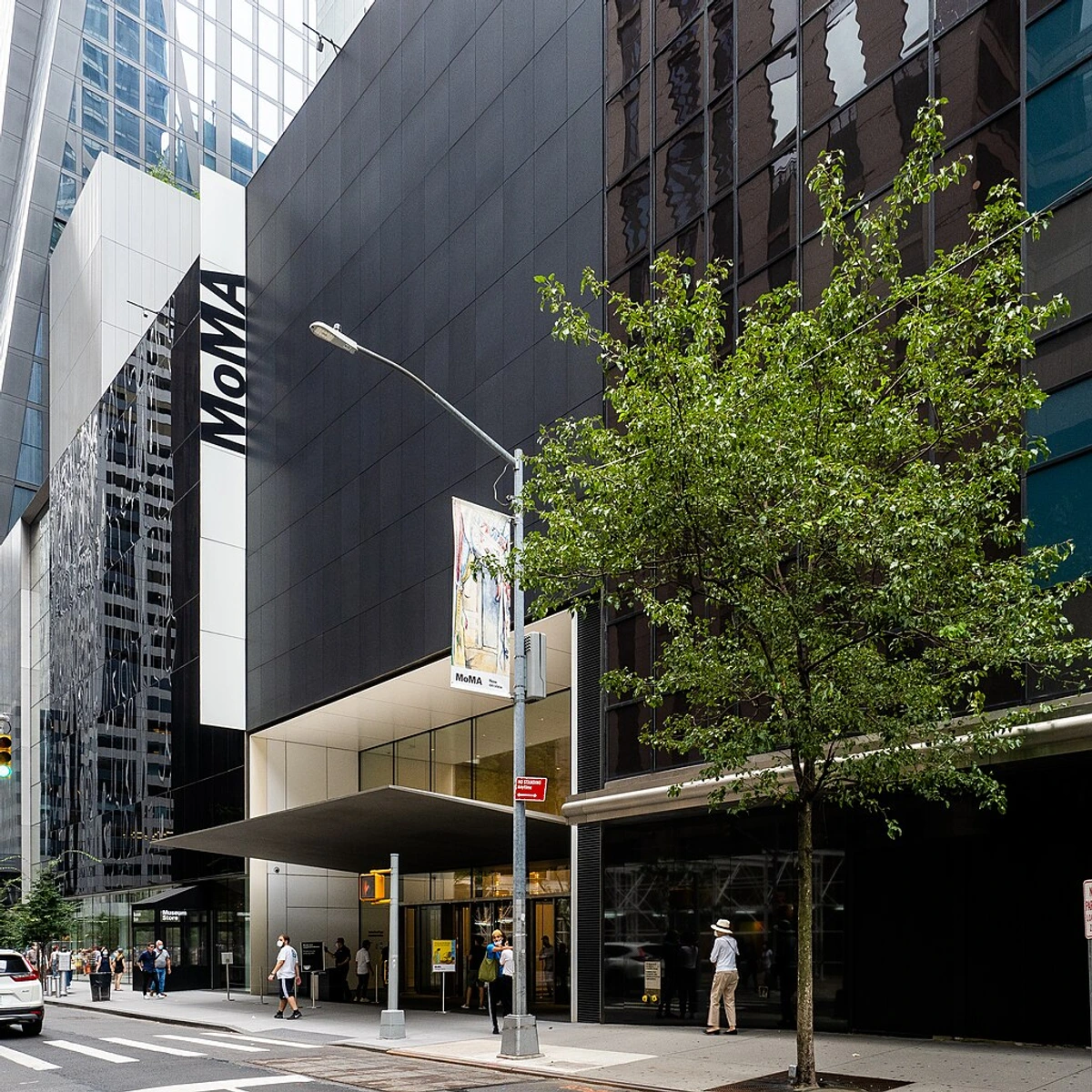
Why MoMA Matters: A Brief History, Bold Ideas, and Enduring Influence
Before we dive into the nitty-gritty of tickets and floor plans, let's take a moment to truly appreciate what MoMA is, beyond just a collection of cool art. It was founded in 1929 by three extraordinary women – Lillie P. Bliss, Abby Aldrich Rockefeller, and Mary Quinn Sullivan – with a vision so revolutionary it almost takes your breath away. They wanted to challenge the stuffy, traditionally conservative, and often Eurocentric art world by exclusively championing modern art. Back then, art museums were all about established European masters and historical works. MoMA, however, deliberately turned its back on that tradition, fully embracing the avant-garde (new and experimental ideas, especially in the arts) and the radically new. Can you imagine, at a time when 'modern' was still considered scandalous, even shocking? Think of the public outcry when Picasso unveiled Les Demoiselles d'Avignon, or the sheer confusion Duchamp's Fountain caused; these were the kinds of audacious statements MoMA was built to celebrate. I find it utterly fascinating how such a bold, audacious move fundamentally laid the groundwork for how we perceive art and museums today.
This institution didn't just passively collect art; it actively shaped the very definition of modernism, fundamentally altering global art historical narratives. It introduced America to groundbreaking European movements like Cubism (with its radical fragmentation), Surrealism (dreamlike imagery exploring the subconscious, famously championed by artists like Dalí and Magritte), and Fauvism (where color exploded beyond its descriptive role), while simultaneously nurturing new generations of American artists such as Jackson Pollock and Willem de Kooning. The founders championed the audacious idea that modern art was a vital reflection of contemporary life, capable of intellectual challenge and profound emotional impact for everyone, not just an elite few. This commitment to accessibility and innovation is precisely why MoMA continues to inspire me so deeply.
MoMA's physical presence in Midtown Manhattan has also evolved dramatically. From its humble beginnings in rented spaces, it has undergone significant expansions and reconfigurations throughout the decades. Visionary architects like Philip Johnson, known for his stark, modern International Style (emphasizing geometric forms, open interiors, and a lack of ornamentation, directly reflecting modern art's break from tradition), Cesar Pelli (master of sleek skyscrapers), and more recently, Yoshio Taniguchi (who designed the extensive, minimalist 2004 renovation, creating serene, light-filled galleries that allow the art to breathe), and Diller Scofidio + Renfro in collaboration with Gensler (for the expansive, flexible 2019 addition, which aimed to open up the museum and integrate it more with the urban environment) have all contributed to shaping its unique spaces. These architectural choices aren't just about aesthetics; they're about creating dynamic environments that truly enhance the experience of engaging with the art, allowing for grand, open galleries and intimate viewing spaces alike, each tailored to different artistic expressions.
Today, MoMA's mission remains vibrantly alive. It's not just a repository of masterpieces; it's a living, breathing dialogue between past and present, a place where you can trace the evolution of visual thought from the early 20th century right up to the cutting edge of contemporary expression. Its early years, by the way, weren't without their considerable challenges. Convincing a skeptical public to embrace shocking new forms of art, and securing funding in the midst of the Great Depression, required immense fortitude and ingenious fundraising. Yet, they persevered, laying the groundwork for what would become one of the world's most influential cultural institutions, fundamentally changing how America and indeed the world viewed and engaged with art. It's a testament to the relentless human drive to create, innovate, and sometimes, utterly break the rules, which resonates deeply with my own creative process.
MoMA's Guiding Hands: Influential Directors, Curators, and Landmark Exhibitions
The evolution of MoMA's collection and its profound impact can't be overstated without acknowledging the visionary individuals who steered its course. Directors like Alfred H. Barr Jr., its first and arguably most influential director, were instrumental not just in defining modern art but also in shaping the museum's groundbreaking departmental structure. This structure – encompassing painting and sculpture, prints, drawings, photography, architecture and design, and film – was truly radical at the time. Imagine, treating photography and film with the same scholarly rigor as painting! This was revolutionary because it elevated these newer mediums to the same artistic and academic standing as traditional painting and sculpture, fundamentally altering how museums collected, exhibited, and conserved art globally. His curatorial philosophy was encyclopedic and systematic, aiming to map the entire terrain of modern art and showcasing the profound interconnectedness of these diverse art forms. I find his foresight in recognizing this holistic view of artistic expression truly remarkable. Later figures, such as Glenn D. Lowry, continued to expand the museum's global reach and commitment to contemporary art, often advocating for a more inclusive, diverse view of modernism that reflected global artistic dialogues and challenged traditionally Eurocentric perspectives.
MoMA's curatorial prowess is also brilliantly evident in its landmark exhibitions, which have often been pivotal moments in art history themselves. Early shows like "Cubism and Abstract Art" (1936) and "Fantastic Art, Dada, Surrealism" (1936) didn't just display art; they were cultural events that introduced entire revolutionary movements to the American public, fundamentally shifting perceptions and paving the way for future artists. Can you imagine the buzz, the confusion, the sheer excitement of encountering Surrealism for the first time in a major museum context, or seeing the analytical rigor of Cubism laid out in a way that suddenly made sense? These exhibitions often sparked intense public debate and sometimes outrage, but ultimately legitimized avant-garde art, turning skeptics into admirers. Later, exhibitions like "The Responsive Eye" (1965), which showcased Op Art (art that uses optical illusions to create a sense of movement or hidden images), continued MoMA's tradition of bringing challenging, cutting-edge movements to a broad audience, demonstrating how art could playfully yet profoundly engage with perception and optical illusion. These weren't merely shows; they were powerful manifestos that broadened our understanding of what art could be, and how museums could shape public taste and intellectual discourse.
Planning Your Expedition: The Nitty-Gritty for a Seamless Visit
Look, I'm not the most organized person in the world (my studio is a testament to that beautiful chaos!), but a little planning goes a long way here. You absolutely do not want to waste precious art-gazing time fiddling with tickets or battling unnecessary crowds. Trust me on this; I've learned the hard way (once, I arrived without timed tickets on a free Friday, and let's just say I saw more of the sidewalk than the art!). A bit of foresight ensures your first visit to MoMA is about discovery, not logistics.
Here’s a quick overview of the essential details, because who wants to be caught off guard? I've also added some crucial personal tips, like the importance of comfortable shoes – because seriously, you'll be doing a lot of walking!
Feature  | Details | My Personal Tip |
|---|---|---|
| Location | 11 West 53rd Street, Midtown Manhattan, NYC | It's centrally located and easily accessible, making it a perfect anchor for an art-filled day in the city. You can even combine it with a visit to the Art Lover's Guide to New York City. |
| Hours | Typically 10:30 AM – 5:30 PM daily. Extended hours (often until 7:00 PM or 9:00 PM) are sometimes available on specific evenings, such as UNIQLO Free Friday Nights (check current schedules on MoMA's official website, as these can change). | These free Friday nights can be fantastic for a more relaxed, less crowded experience, but check well in advance as they are very popular! Always verify specific dates and holiday closures on MoMA's official website. |
| Tickets | Seriously, buy them online in advance! Timed entry slots mean you select a specific 30-minute window for arrival, which helps manage crowds and guarantees you entry. MoMA hosts diverse special exhibitions, ranging from retrospectives of major artists to thematic explorations. Check MoMA's official website for current pricing and availability. | This isn't just about convenience; it's about preserving your mental energy for the art itself. For popular special exhibitions, booking way in advance is often essential as they frequently sell out. Don't forget to look for potential student, senior, or military discounts! |
| Best Time to Visit | Early mornings right after opening (10:30 AM) or late afternoons (after 3 PM) on weekdays tend to be the least crowded. Tuesdays are often historically less busy. | Weekends are always a bit of a glorious circus, but if that's your only option, lean into the energy and embrace the communal buzz! Avoid public holidays and school breaks for a more serene experience. |
| Getting There | The E and M trains to 53rd Street/5th Avenue are super convenient, practically dropping you at the door. | Walking there if you're close enough is also a fantastic way to soak in the city vibe and transition your mind from the urban hustle to the artistic haven. |
| Accessibility | MoMA is fully wheelchair accessible, with elevators serving all floors. Strollers are permitted. Audio guides and assistive listening devices are often available. | They also frequently offer specific programs and resources for visitors with disabilities, including those with autism or visual impairments – always check their website for current offerings before your visit. |
| What to Wear | Comfort is king! You'll be doing a lot of walking and standing, so comfortable shoes are a must. Dress in layers, as gallery temperatures can vary, and you might encounter crowds. | Avoid large bags or heavy coats that will make you uncomfortable or force you to use the bag check (which, as you'll see, I highly recommend anyway!). You want to feel light and unencumbered as you explore. |
| What to Bring | A small notebook (under 9x12 inches) and a pencil for sketching, a reusable water bottle, and a compact camera (no flash/tripods). | Seriously, these small things make a huge difference. You'll thank yourself for having water and the ability to capture a quick sketch or note inspiration. |
Don't Forget the Bag Check! (My Non-Negotiable Rule)
This is non-negotiable for me, and I urge you to make it yours too. Lugging a heavy backpack or a large purse around is an express ticket to art fatigue, shoulder pain, and accidental bumps (we all do it!). Check it at the entrance. Your shoulders, your back, and the people behind you will all silently thank you. Most museums, including MoMA, have secure bag check facilities, and it truly frees you up to fully immerse yourself in the galleries. Plus, it just feels better to move through those spacious rooms unencumbered, ready to be surprised and inspired.
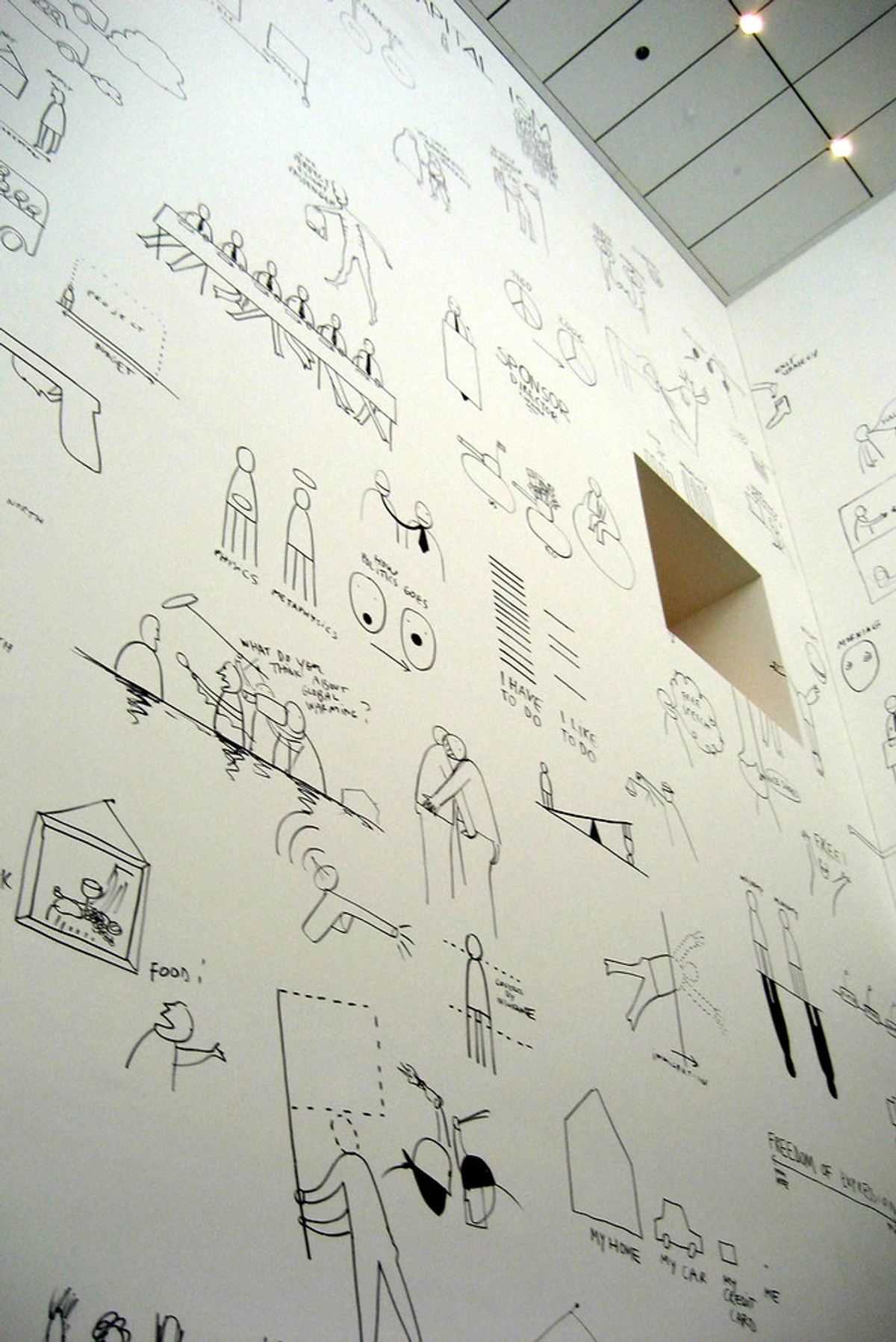
Navigating the Labyrinth: My Personal Strategy for an Unforgettable Visit
MoMA is vast, spanning several floors, each with its own incredible focus. If you try to see everything, and believe me, I've tried, you'll end up exhausted, probably a little cranky, and most importantly, you'll likely miss the magic. My best advice? Pick your battles. Think of it like a carefully curated buffet: you can't eat everything, so you go for the dishes you genuinely crave. While the museum's layout generally progresses chronologically, starting from the lower numbered floors and moving upwards, don't feel beholden to it. Remember, MoMA's permanent collection is often re-hung and re-contextualized, so what you see on a particular floor might vary slightly from visit to visit, keeping things wonderfully fresh and dynamic.
Here's a rough guide to what you'll typically find on the main floors, keeping in mind that special exhibitions often occupy dedicated spaces and might change:
- Sixth Floor: This floor often hosts major special exhibitions or rotating contemporary installations, sometimes connecting to current themes or lesser-known aspects of the collection. Always check MoMA's website or app to see what's currently showing here – it could be a major highlight! If you only have two hours, this might be a floor to save for another visit unless a particular exhibition deeply calls to you.
- Fifth Floor: This is often considered the undisputed heart of the permanent collection, housing early modern masterpieces from the 1880s to the 1940s. Here you'll encounter foundational movements like Post-Impressionism (think iconic works like Van Gogh's The Starry Night or Cézanne's The Bather), early Cubism (Picasso's Les Demoiselles d'Avignon), the vibrant explosions of Fauvism, and the dreamscapes of early Surrealism. Many of the truly iconic works reside here, characterized by revolutionary approaches to color, form, and perspective that dared to break from tradition. If you're on a tight schedule, dedicating an hour or two here will give you a powerful taste of MoMA's core.
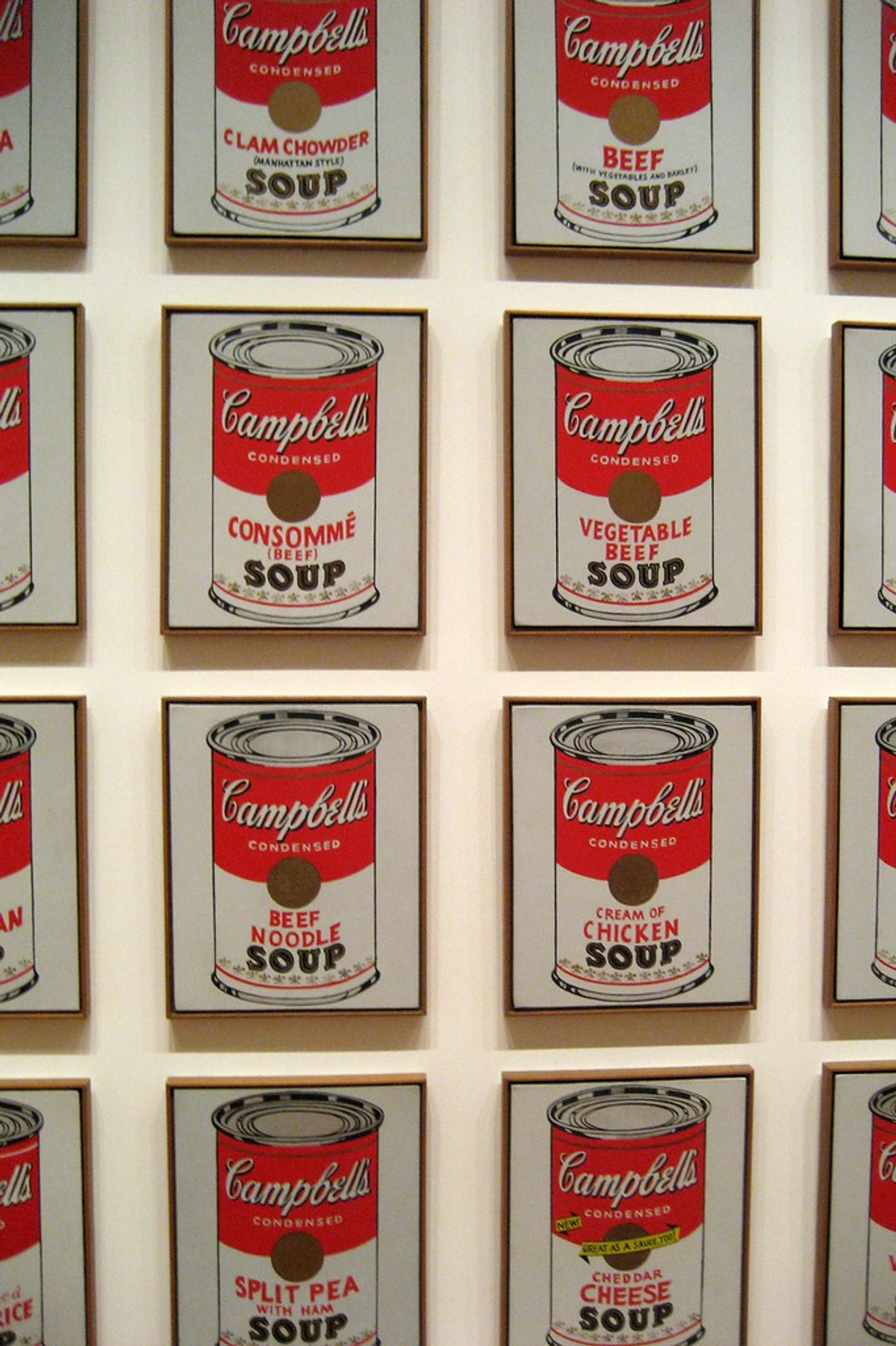
- Fourth Floor: This floor continues your journey through later modern art, spanning the 1940s to the 1970s. Expect to see the raw emotional power of Abstract Expressionism (works by Jackson Pollock or Willem de Kooning), the playful rebellion of Pop Art (think Warhol's iconic silkscreens or Lichtenstein's comic-strip inspired works), the minimalist elegance of Minimalism, and other significant post-war movements. Here, art often focuses on direct emotional expression, popular culture critique, or stark geometric abstraction that challenges viewers to look beyond literal representation.
- Third Floor: This level is frequently dedicated to drawings, prints, media, and often a significant portion of the architecture and design collection. It's a fascinating area to explore if you're interested in how art intersects with everyday objects and how visionaries have shaped our built environment. Photography galleries are also commonly found here. For those interested in the 'fabric of modern life,' this floor is a must-see, offering a different lens on artistic expression.
- Second Floor: Dedicated to contemporary art from the 1970s to the present, this floor is where you'll encounter new acquisitions, immersive installations, and often more experimental works that push current boundaries, exploring social, political, and conceptual themes. This is where art truly dialogues with our present moment, reflecting the anxieties and celebrations of the 21st century. Don't skip this if you're eager to see art that's still unfolding.
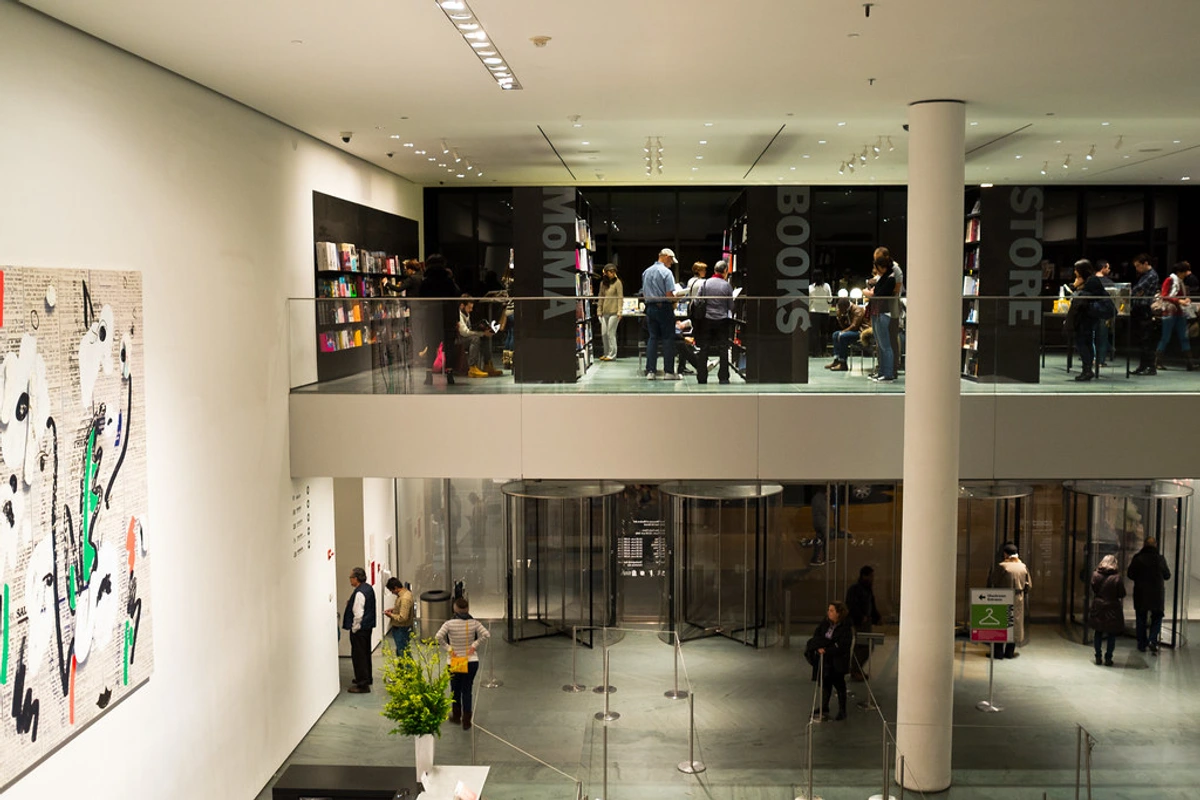
- First Floor: This floor contains the spacious lobby, the museum store, and sometimes hosts rotating installations or specific smaller exhibitions that provide a dynamic welcome or farewell to your visit. Also, don't miss the serene Abby Aldrich Rockefeller Sculpture Garden for a peaceful outdoor respite from the galleries. It's not just a pretty space; it often features major works of modern sculpture by artists like Rodin, Matisse, and Maillol, offering a unique interplay between art and nature right in the heart of Manhattan.
I almost always start with a rough plan. Which movements or artists am I really in the mood for today? Sometimes it's the raw emotion of Abstract Expressionism, other times the playful rebellion of Pop Art. For a 3-hour visit, I'd suggest focusing intensely on the Fifth Floor, perhaps dipping into the Fourth or Second for a specific artist or a unique installation that catches your eye on the app. If you have more time, say a full day, you can afford to explore the architecture, design, and photography sections more deeply. And definitely don't be afraid to use their excellent digital tools – the MoMA app often offers interactive floor plans and insightful audio guides that can be incredibly helpful in focusing your visit. Seriously, don't be afraid to skip entire floors or sections if they don't call to you. This is your art journey, not a test! After all, the best way to experience art is personally, isn't it?
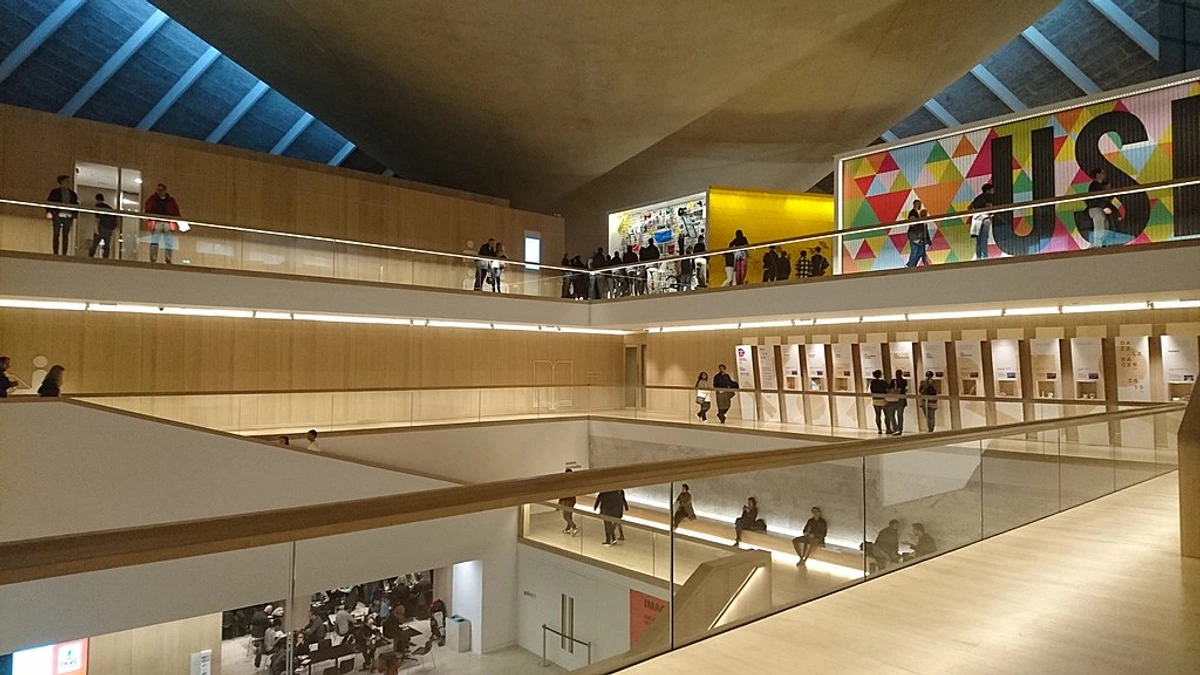
My Must-See Moments (and Why They Consistently Pull Me Back)
This isn't a definitive list, and MoMA's installations are dynamic and can change, but these are the pieces and movements that consistently pull me back, the ones that spark something deep inside me. They represent significant breakthroughs that, in their own way, broke the rules and offered revolutionary new ways of seeing. This is truly where modern art made its indelible mark, challenging centuries of artistic tradition and setting new paths for expression.
Van Gogh's The Starry Night: An Emotional Vortex & Masterclass in Expression
While iconic and often surrounded by crowds, Van Gogh's The Starry Night possesses a profound, visceral power. When you stand before it, take a moment. Let the swirling blues and yellows wash over you, feel the vibrant, almost frantic energy of the night sky. Then, step closer to see the thick, almost sculpted brushstrokes – the impasto technique that allows the paint to stand out physically from the canvas, creating a tangible, almost sculptural surface that conveys immense emotional depth. You can almost feel his hand, the sheer emotional force he poured into that canvas. This isn't just a painting; it's a testament to raw, emotional energy and an artist's unique Post-Impressionist vision, breaking from strict realism to convey profound inner feeling. It’s a work that profoundly influenced subsequent artists seeking to imbue their canvases with intense personal emotion, paving the way for movements like Expressionism. For me, it's a powerful reminder of how color and gesture can transmit pure emotion, an idea that constantly informs my own abstract work, where I strive to convey feeling through vibrant palettes and dynamic compositions.
Picasso's Les Demoiselles d'Avignon & The Cubist Revolution: A Mind-Bending Breakthrough
Picasso, what a mind, what a force of nature! This painting is a jolt to the system, a monumental turning point in art history. With its fragmented figures and jarring perspectives, inspired in part by Iberian sculpture and African masks, it doesn't just depict a scene; it shatters and reassembles the very way we perceive reality, fundamentally challenging centuries of Western artistic tradition. The influence of these non-Western art forms was revolutionary, prompting a radical rethinking of form and representation. When it was first exhibited, it was so radical that even some of Picasso's closest friends were shocked. It's challenging, unsettling, and utterly exhilarating. Beyond this single masterpiece, exploring MoMA's entire Cubism section is a revelation. You can trace its evolution from the initial geometric dissections of Analytical Cubism (where subjects are broken into geometric forms, viewed from multiple angles simultaneously) to the more colorful, layered constructions of Synthetic Cubism. It's like seeing the world fractured and put back together, demanding a new way of seeing, a process that I find incredibly freeing and influential in my own abstract work, where I often play with deconstructing and recomposing forms.
Matisse's The Red Studio: The Audacity of Color and Space
After the intellectual intensity and fragmented reality of Picasso, stepping into Matisse's vibrant world feels like a warm, daring embrace. While you might initially expect to hear about The Red Room, MoMA is famously home to his magnificent The Red Studio. The sheer audacity of that monochromatic red, covering the walls, floor, and furniture, forces the viewer to see objects not as integrated into a traditional perspective, but as floating, almost divine presences. The way objects are defined by outlines and placement rather than traditional perspective – it's pure joy on canvas, a masterclass in how color can evoke mood and create pictorial space. It’s a bold departure that reshaped how artists thought about form and color, turning a studio into an otherworldly realm through sheer chromatic will. This piece beautifully illustrates how color can become a subject in itself, an idea absolutely critical for my own abstract art and the wider Fauvism movement that celebrated color as an independent expressive element, capable of conveying emotion and structuring space without relying on traditional realism.
The Wild World of Abstract Expressionism: Raw Emotion on a Grand Scale
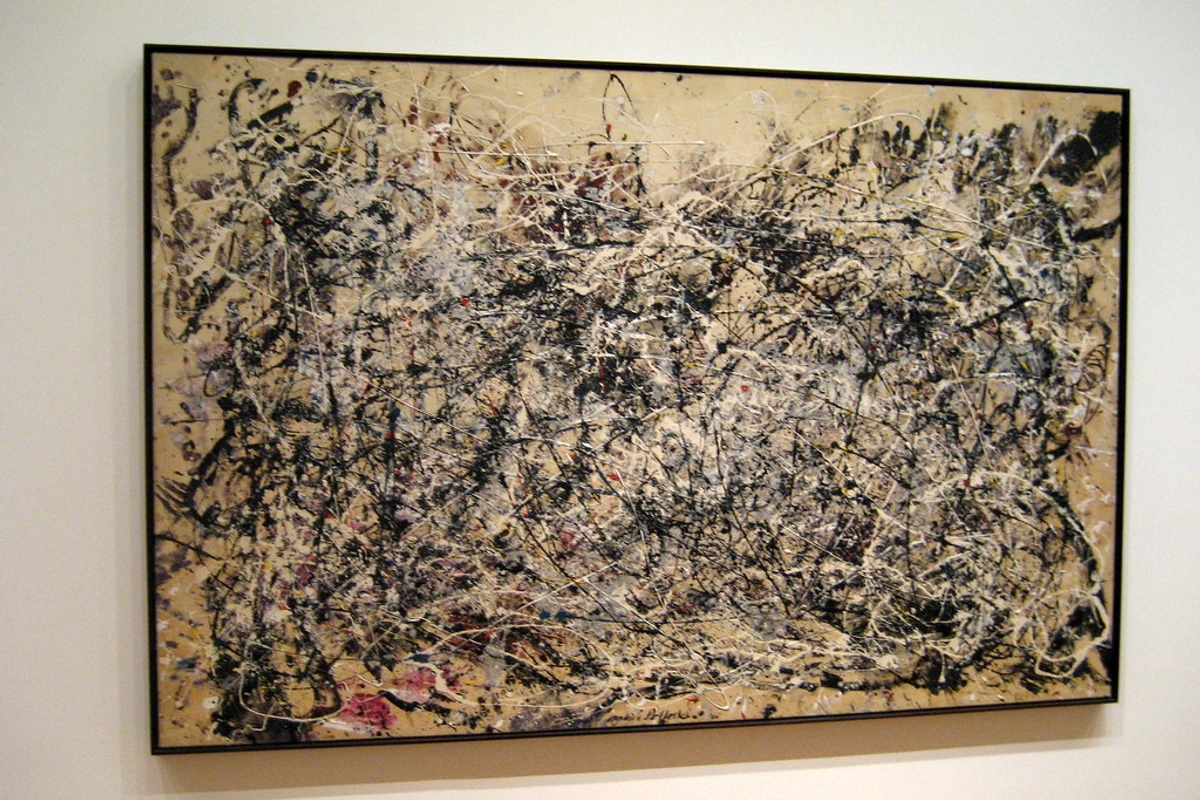
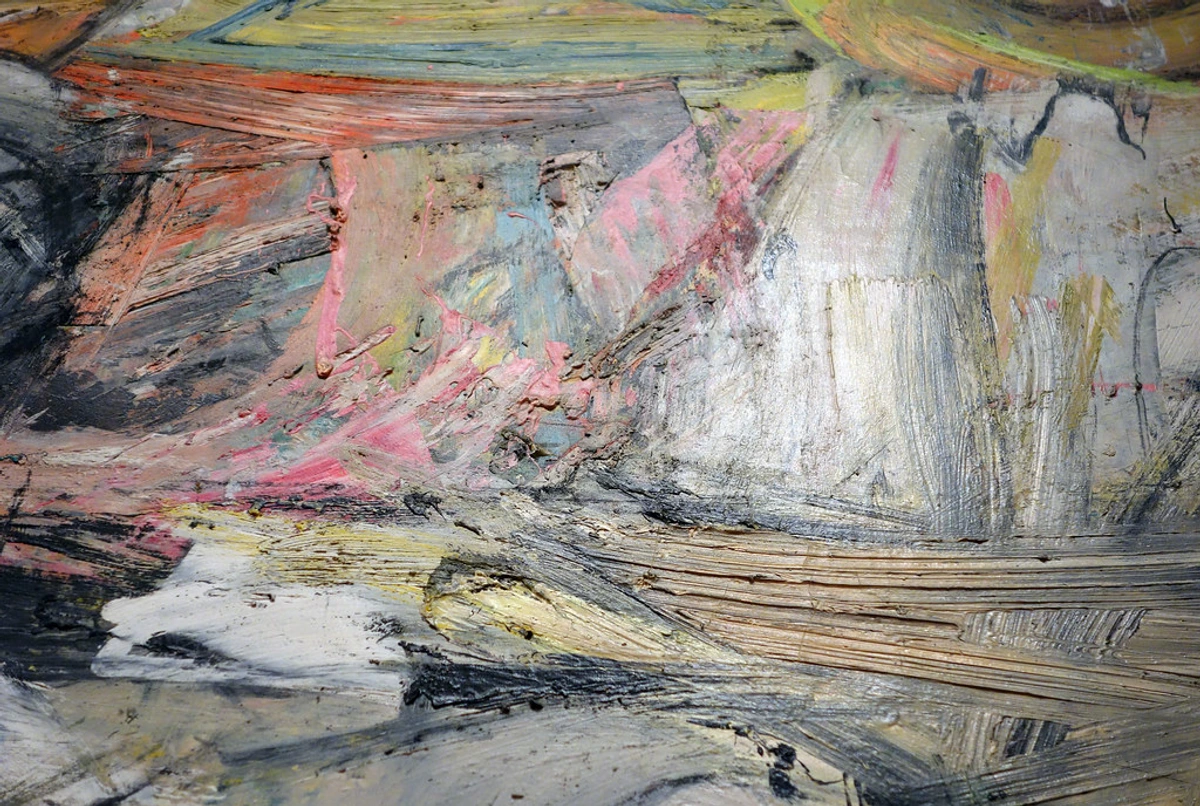
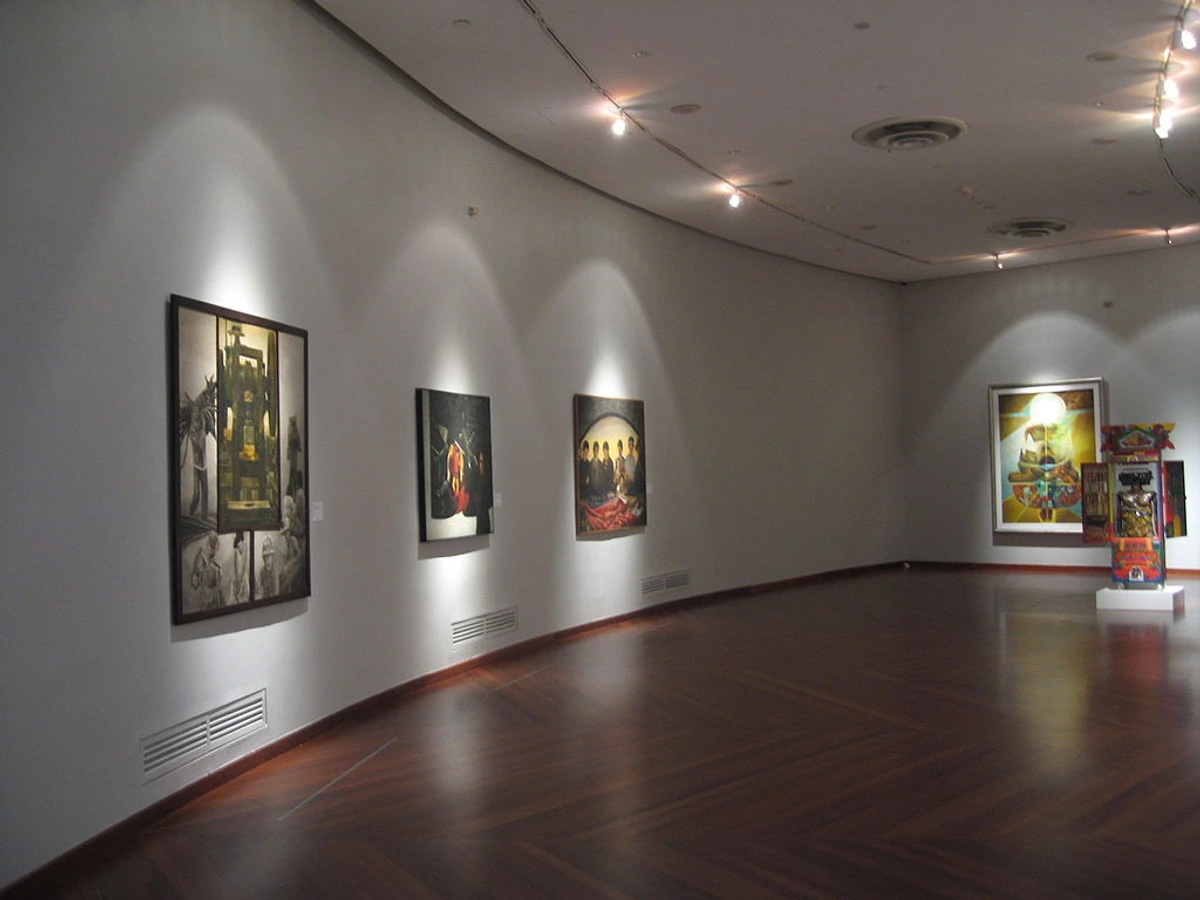
Pollock, Rothko, de Kooning, Mitchell – these are the giants of emotional expression, artists who, in the aftermath of WWII, sought radical new ways to convey universal human experiences. Standing before a massive Willem de Kooning painting, you don't just see paint; you feel the raw energy, the almost violent grace of his gestural abstraction (emphasizing the physical act of painting through spontaneous, sweeping strokes, where the brushwork itself becomes the subject). Mark Rothko's serene, glowing color fields, in contrast, invite deep contemplation through their monumental scale and subtle color interactions, aiming for spiritual transcendence by immersing the viewer in pure, emotive color. It's less about recognizing an image and more about feeling a vibration, a direct transfer of the artist's psyche. Jackson Pollock's revolutionary drip paintings (like Number 1A, 1948, a definite highlight) captivate with their intricate webs of flung, dripped, and poured paint, embodying pure action and uninhibited energy, transforming the canvas into an arena of performance. Joan Mitchell is another personal favorite; her large canvases sing with life, a symphony of color and gesture, often inspired by landscapes but filtered through intense internal feeling, a powerful example of Lyrical Abstraction. This movement, emerging post-WWII, truly embodies the freedom of artistic expression through spontaneous, gestural, or monumental color-field painting. It's a wellspring of inspiration for anyone drawn to the power of pure abstraction, and a style that profoundly influences the energy and expressive color I seek in my own work.
Beyond the Canvas: Photography, Design, and Film (The Fabric of Modern Life)
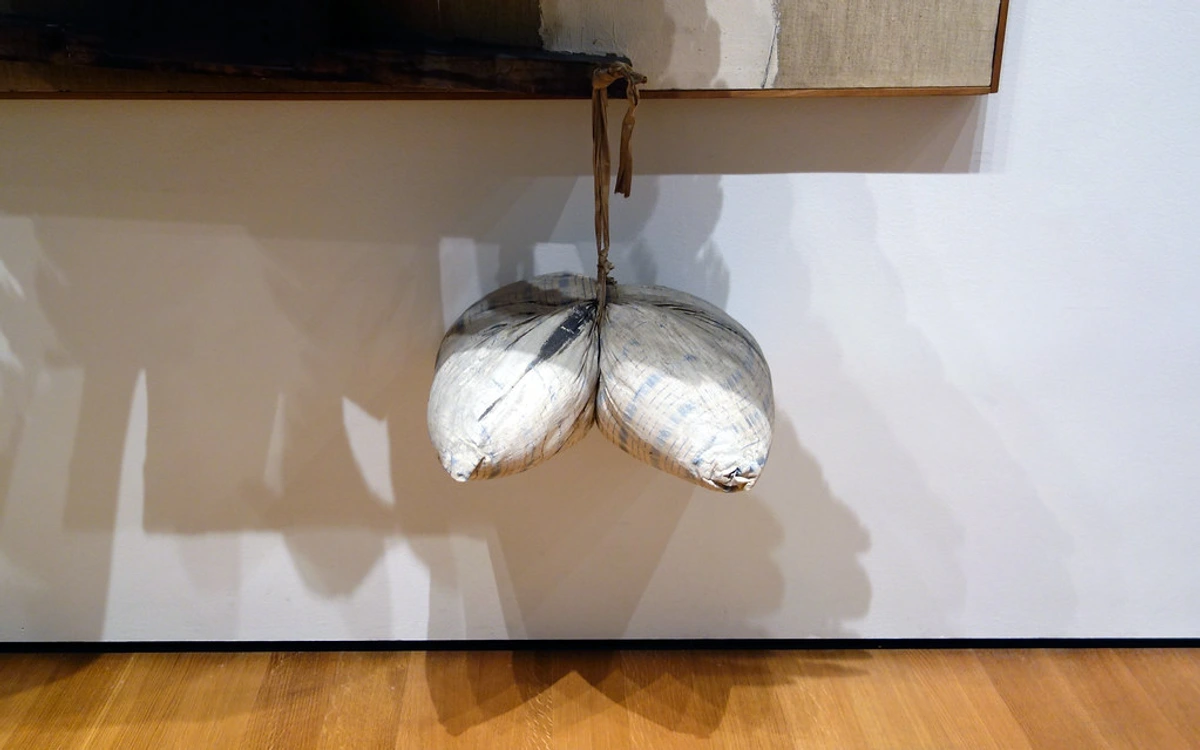
Don't make the mistake of thinking MoMA is just paintings. Its photography collection is world-class, showcasing everything from early photographic experiments by pioneers like Alfred Stieglitz and Man Ray to iconic documentary images by Dorothea Lange (documenting social change during the Great Depression), striking landscapes by Ansel Adams, profound portraiture by Diane Arbus, and decisive street photography by Henri Cartier-Bresson. It's a profound journey through the history of visual storytelling, demonstrating how photography evolved from a scientific tool to a powerful art form capturing the human condition and shaping public perception.

Similarly, the architecture and design galleries are a revelation. Here you'll find iconic industrial designs, revolutionary furniture (like an original Eames Lounge Chair, or Mies van der Rohe's cantilevered Barcelona Chair!), and architectural models by visionaries like Frank Lloyd Wright (whose work, though not in MoMA's building, is represented in its collection) and Mies van der Rohe that have profoundly shaped our modern world. It's a place where functional objects transcend utility to become works of art, challenging our perceptions of aesthetics and demonstrating how art seamlessly integrates into daily life and mass production. I often find unexpected inspiration here for the structure and composition in my own abstract pieces, sometimes even leading me to buy art supplies to try out a new technique or approach inspired by the intersection of form and function. MoMA also boasts an impressive film collection, often screening groundbreaking or classic works – always check their schedule for unexpected gems, from early avant-garde films to contemporary digital masterpieces. MoMA has played a crucial role in film preservation and passionately advocated for cinema as a legitimate art form, profoundly influencing subsequent generations of filmmakers and shaping our cultural narratives.
Contemporary Art's Bold Statements: Pushing Boundaries and Minds
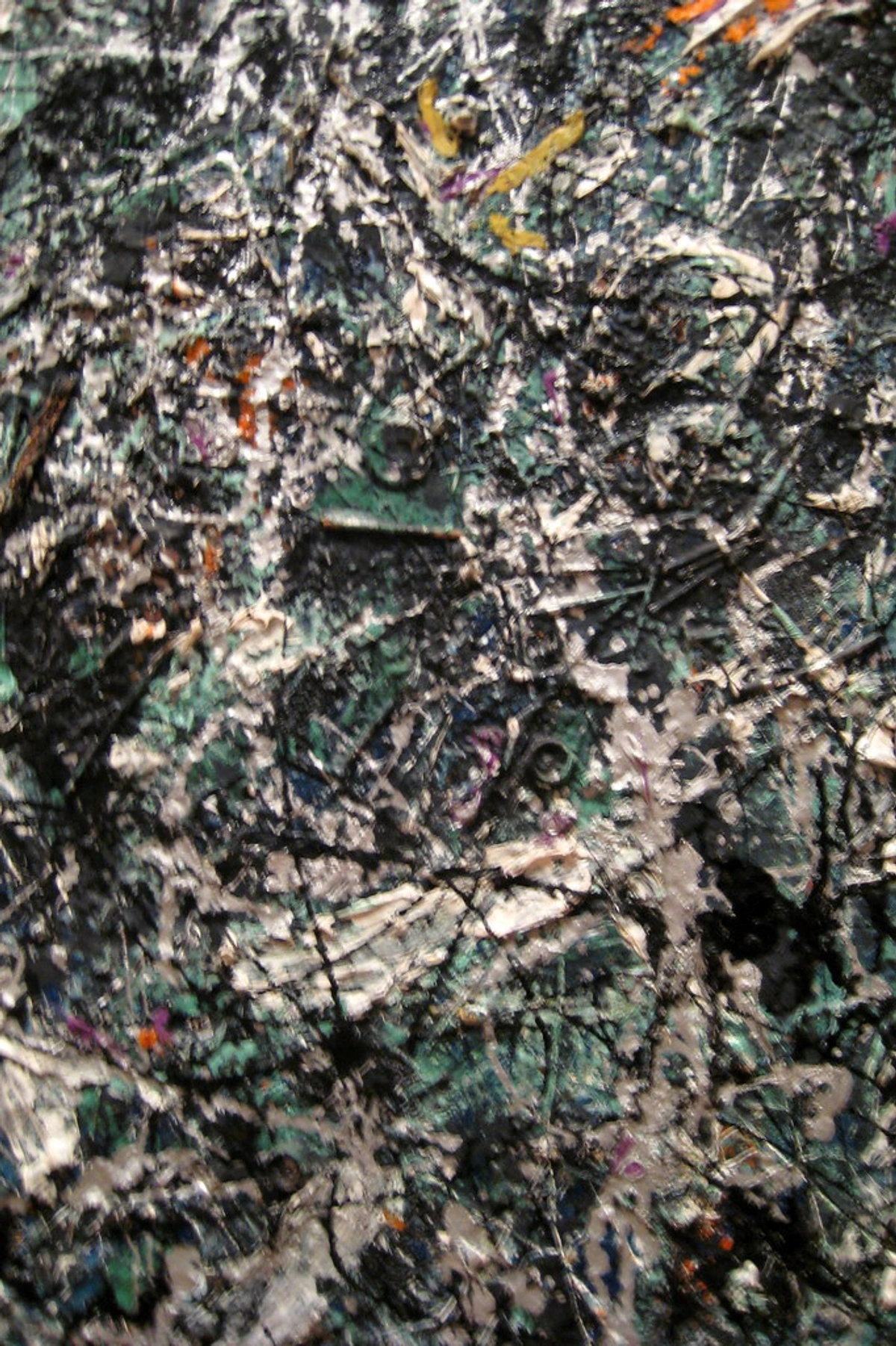
Whatever you do, don't skip the contemporary floors (Second Floor, often Sixth). This is where art often gets a little cheeky, a little challenging, and sometimes, incredibly profound. Jean-Michel Basquiat's work always hits me with its raw energy, powerful narrative, and unique blend of street art and Neo-expressionism (a return to figurative art with intense emotion, often with raw, expressive brushwork). And the immersive, mind-bending installations by artists like Yayoi Kusama (keep an eye out for her famed Infinity Rooms or vibrant polka-dot environments if they have one up!) are just pure fun, a refreshing, almost meditative break from two-dimensional art, inviting you to step into another world. MoMA has also championed significant movements like Minimalism (art characterized by extreme simplicity and literal, objective approach), Pop Art (beyond its initial emergence, exploring its lasting impact), Conceptual Art (where the idea or concept behind the work is more important than the finished art object), Performance Art (often documented through photographs or video, challenging traditional art forms), and various forms of Post-Modernism, which often engage with social, political, or conceptual critiques. The contemporary collections are a vibrant snapshot of our current cultural landscape, pushing us to question what art can be, and often reflecting the anxiety and celebration of living in the 21st century through mediums like digital art and new media. It's also worth remembering MoMA PS1 in Long Island City, their affiliate dedicated to contemporary art and emerging artists, which often offers an even more avant-garde experience.
Beyond the Galleries: Enhancing Your MoMA Visit
Beyond the art itself, a few practical considerations can significantly enhance your MoMA experience. Think of these as the background tracks to your artistic symphony, ensuring everything flows beautifully.
Hydrate & Refuel: Don't Let Art Fatigue Win
Museum visiting is surprisingly strenuous! I've learned that the hard way, hitting that wall of "art fatigue" more times than I care to admit. Thankfully, MoMA offers several options, from casual grab-and-go cafés perfect for a quick coffee and pastry, to more upscale restaurants for a leisurely meal. Yes, they can be a bit pricey, but sometimes a well-timed coffee break or a quick snack is absolutely essential to avoid burnout. I always plan a strategic pause to sit, reflect on what I've seen, and refuel; it makes a huge difference to my energy levels and overall appreciation of the art.
The MoMA Store: Beyond Souvenirs
Now, the museum store isn't just for tourist trinkets. It's a beautifully curated extension of the museum itself, offering an incredible selection of art books, innovative design objects (think iconic chairs or minimalist home goods), and unique gifts that often directly reflect the museum's collection and ethos. It's a fantastic place to pick up a book to deepen your understanding of an artist or movement that captured your attention during your visit, or perhaps even find inspiration for your next creative project, much like when I find inspiration to buy art supplies for a new abstract piece. Look for reproduction prints, unique jewelry, or cutting-edge home goods inspired by design principles seen in the galleries. It’s a continuation of the artistic experience, really, allowing you to take a piece of that inspiration home.
Educational Programs & Events
MoMA is so much more than just its galleries. Seriously, check their website's "Events" or "Calendar" section before your visit. They offer an array of public programs, including engaging lectures by artists (like Peter Doig, for example) and curators, thought-provoking film screenings (often showcasing rare or avant-garde cinema that you won't see anywhere else), and fantastic family workshops. These can include guided tours focusing on specific themes, hands-on studio activities for both adults and children, or even intimate artist talks that offer direct insights into their creative process. Sometimes, a well-timed lecture or a special film series can add another fascinating, enriching layer to your visit, offering deeper insights into the art and the artists who create it. MoMA also plays a significant role in art education globally, offering courses and resources that inspire aspiring artists and enhance public understanding of modern and contemporary art.
Conservation: Preserving Masterpieces for Generations
Behind the scenes, MoMA's dedicated team of conservators works tirelessly to preserve its vast and diverse collection. From stabilizing a fragile century-old painting to meticulously restoring a modern design object, their work ensures that these groundbreaking pieces remain accessible and intact for future generations. This is particularly vital for modern and contemporary art, which often utilizes new, sometimes less stable, materials and mediums – think video art, digital installations, or works incorporating ephemeral materials – presenting unique challenges for long-term preservation and ethical considerations around the artist's original intent versus the need for conservation. Their efforts allow us to continue connecting with the art of yesterday, today, and tomorrow, safeguarding these invaluable cultural treasures and ensuring their stories continue to be told, for anyone wanting to delve deeper into art storage solutions.


Frequently Asked Questions About Visiting MoMA
Here are some common questions I hear about visiting MoMA, along with my candid advice – consider this your quick reference guide for an optimal experience:
- How long does it take to see MoMA? This really depends on your interest and how you approach it, but I always recommend being flexible! For a first-timer focusing on major highlights like the Fifth Floor masterpieces, I'd suggest allocating at least 3-4 hours. If you want to delve deeper into specific movements, explore the photography, design, and film sections, or get lost in a temporary exhibition, a full day (5-6 hours or more) is easily filled. Remember my earlier advice: it's truly better to see a few things well and allow for reflection than to rush through everything and feel overwhelmed. No single visit can encompass everything in this incredible institution.
- What is the best floor at MoMA? While this is subjective (and can change depending on current exhibitions), many visitors, myself included, often gravitate towards the Fifth Floor for its iconic collection of early modern masterpieces (think Van Gogh, Picasso, Matisse). However, the Fourth Floor (later modern art, Abstract Expressionism, Pop Art) and the Second Floor (contemporary art, immersive installations) are equally compelling, offering different energies and insights. Honestly, the "best" floor is simply the one that resonates most with you on any given day, so go with what calls to your spirit. Perhaps today it's the raw emotion of a de Kooning, tomorrow the playful subversion of a Pop Art piece. This guide aims to help you find your best.
- Is MoMA worth visiting if I'm not an art expert? Absolutely, unequivocally YES! MoMA was intentionally designed for everyone. Its founding mission has always been to make modern art accessible and relevant to a broad public. The personal stories and profound emotional impact of many works transcend academic knowledge. Go with an open mind, allow yourself to feel, and let the art speak directly to you. You absolutely don't need an art history degree to feel a powerful connection or be deeply inspired. Many of us, myself included, started as curious beginners.
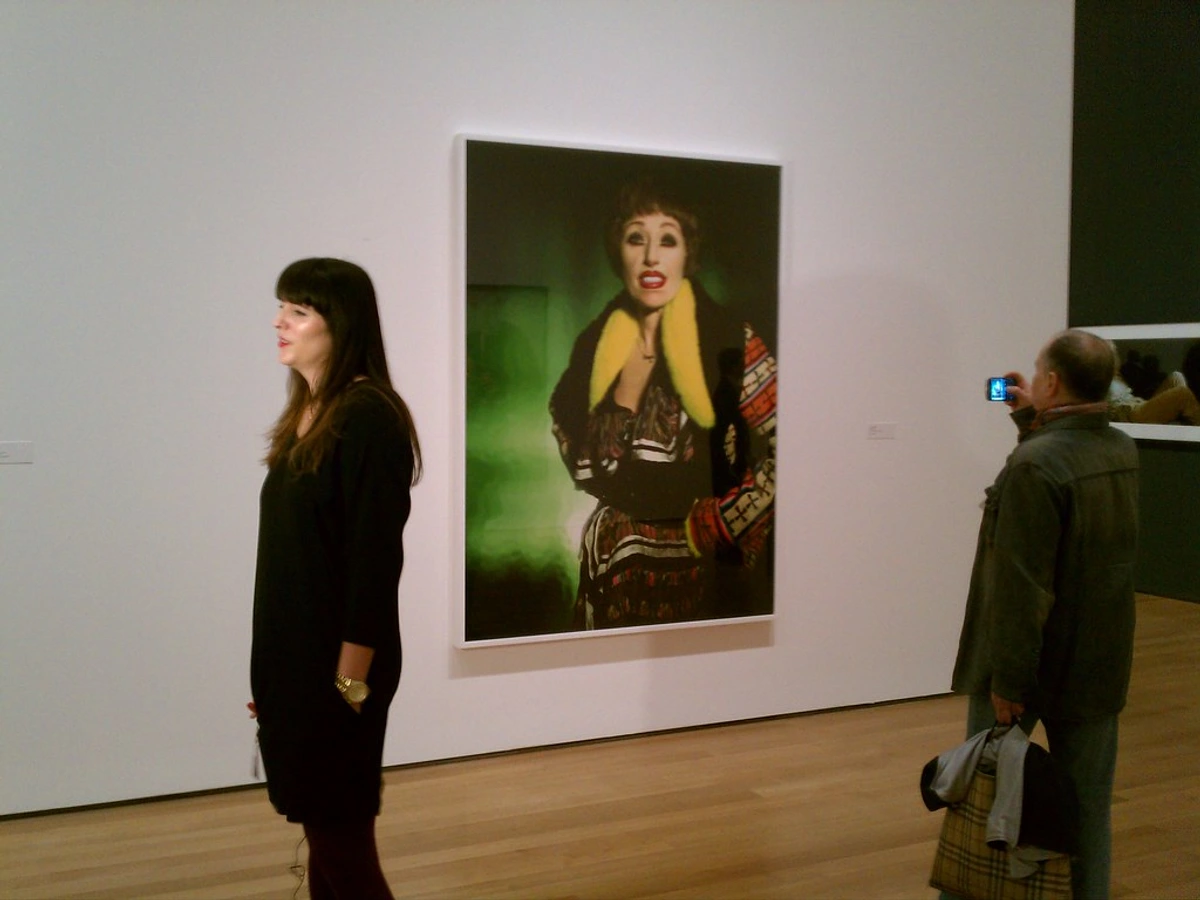
- Can I take photos inside MoMA? Generally, yes, photography is permitted for personal, non-commercial use in most galleries, which is great for capturing your favorite moments! However, flash photography, tripods, and selfie sticks are usually prohibited to protect the artworks and ensure a pleasant experience for all visitors. Always respect any signs indicating a particular artwork or exhibition where photography is not allowed. When in doubt, it's always best to simply ask a friendly staff member.
- What are the best times to avoid crowds at MoMA? As mentioned in our "Planning Your Expedition" table above, your best bet for a more tranquil experience is to visit right when they open (10:30 AM) on a weekday, or later in the afternoon (after 3 PM). Tuesdays are often historically less crowded. Try to avoid major public holidays and school breaks if you're seeking a more serene visit. Even during busy times, some of the smaller galleries or less central exhibitions might offer a quieter refuge if you're feeling overwhelmed.
- Are there any family-friendly exhibitions or programs at MoMA? Yes! MoMA often has dedicated family programs, engaging art-making workshops, and interactive tours specifically designed for children and families. They also frequently provide activity guides to help younger visitors engage meaningfully with the art. Check their website's "Family Programs" section for current offerings – it’s a fantastic way to introduce kids to modern art in an engaging and inspiring way, fostering a lifelong appreciation for creativity.
- What is the museum's policy on art supplies or sketchbooks? Small sketchbooks (up to 9x12 inches) and regular pencils are generally permitted in the galleries for sketching, which I often do myself! However, pens, charcoal, pastels, paint, and easels are typically prohibited to protect the artworks from accidental damage. Always double-check their most current policy on the official website or ask a staff member upon entry if you plan to sketch.
- How can I learn more about an artwork I saw? MoMA provides several excellent resources! Many artworks have informative wall labels right next to them. The indispensable MoMA app often offers audio guides and additional details directly on your phone. The museum store has an extensive collection of art books, and their official website also features detailed information about their collection and current and past exhibitions. Don't hesitate to use these resources to deepen your understanding and continue your artistic journey after your visit – remember, this article is just the beginning!
- Is MoMA affiliated with other museums or does it have a global presence? Yes, MoMA is closely affiliated with MoMA PS1 in Long Island City, which focuses specifically on contemporary art and emerging artists. While MoMA doesn't have satellite locations globally in the traditional sense, its influence is widespread, and it frequently collaborates with international institutions on exhibitions and research, furthering its mission to promote modern and contemporary art worldwide. Its curatorial approach has inspired countless institutions globally.
- Does MoMA collect NFTs or digital art? MoMA has a long history of collecting and exhibiting digital art, video art, and new media that push technological boundaries, reflecting its commitment to the avant-garde. However, the realm of NFTs and blockchain-based art is a more recent and complex development. While MoMA has undoubtedly monitored this space, its approach to collecting in this area would likely be highly selective and focused on artistic merit and historical significance, rather than engaging with speculative market trends. Always check their current acquisition policies for the latest information on specific digital art forms, but rest assured, their focus remains firmly on artistic value.
Your MoMA Journey Awaits
Stepping into MoMA for the first time is truly more than just a museum visit; it's an unparalleled opportunity to engage directly with the relentless human spirit of innovation, to witness art that has fundamentally reshaped how we see the world and our place within it. It might challenge your perceptions, it will certainly inspire you in unexpected ways, and if you let it, it will create lasting, profound memories. So go forth, explore these magnificent halls and diverse collections, and let the masterpieces speak directly to your soul. I truly wonder: what will be your moment of artistic revelation? What unexpected piece will stop you in your tracks and make you see the world anew? Perhaps you'll discover a new favorite artist, or a movement that resonates so deeply it changes your own perspective on creativity.
If you're eager to continue your artistic journey, or perhaps find a piece that sparks that same sense of wonder and challenges you to see the world anew, consider exploring the contemporary, abstract works I create at my studio in Den Bosch, or browse my art prints and originals to buy art that connects with you personally. Sometimes, all it takes is one inspiring moment to set a whole new creative path in motion, both for the artist and for the viewer.