Tearing, Gluing, and Finding Myself: A Beginner's Guide to Unlocking the Magic of Collage Art
Dive into collage art! This beginner's guide covers materials, step-by-step techniques & personal tips to create stunning mixed media pieces & find your unique artistic voice.

Tearing, Gluing, and Finding Myself: Your Ultimate Guide to Unlocking the Magic of Collage Art
You know, sometimes I think the biggest hurdle to "making art" isn't a lack of talent or ideas, but just getting started. That blank canvas, the pristine paper – it can be utterly intimidating, right? It feels like you need some grand vision, years of formal training, or a divine spark to even begin. But what if I told you there's an art form that actively encourages pure, unadulterated play, eagerly embraces every delightful imperfection, and literally invites you to tear things up and stick them back together in glorious new ways? I'm talking about collage, my friends, and it’s truly a gateway drug to creative freedom, a vibrant journey of self-discovery through bits and pieces. It's an artistic playground where the only rule is to explore, to connect, and to allow your intuition to guide you.
I remember my first real dive into collage, and let me tell you, it wasn't some grand, meticulously planned studio session. Oh no. It was more like an accidental explosion of old magazines, forgotten photographs, and various bits of ephemera I’d hoarded (because, let's be honest, artists are basically professional hoarders, myself included). There was this intensely liberating mess to it, this incredible permission to just... experiment. To just be. And that, for me, is the true, undeniable magic of it – the sheer, unadulterated joy of creation without a rigid rulebook. This guide is designed to be your comprehensive companion, from gathering your first scraps to mastering advanced techniques, ensuring you unlock the full potential of this endlessly fascinating art form.
You know, sometimes I think the biggest hurdle to "making art" isn't a lack of talent or ideas, but just getting started. That blank canvas, the pristine paper – it can be utterly intimidating, right? It feels like you need some grand vision, years of formal training, or a divine spark to even begin. But what if I told you there's an art form that actively encourages pure, unadulterated play, eagerly embraces every delightful imperfection, and literally invites you to tear things up and stick them back together in glorious new ways? I'm talking about collage, my friends, and it’s truly a gateway drug to creative freedom, a vibrant journey of self-discovery through bits and pieces. It's an artistic playground where the only rule is to explore, to connect, and to allow your intuition to guide you.
I remember my first real dive into collage, and let me tell you, it wasn't some grand, meticulously planned studio session. Oh no. It was more like an accidental explosion of old magazines, forgotten photographs, and various bits of ephemera I’d hoarded (because, let's be honest, artists are basically professional hoarders, myself included). There was this intensely liberating mess to it, this incredible permission to just... experiment. To just be. And that, for me, is the true, undeniable magic of it – the sheer, unadulterated joy of creation without a rigid rulebook. This guide is designed to be your comprehensive companion, from gathering your first scraps to mastering advanced techniques, ensuring you unlock the full potential of this endlessly fascinating art form.## What is Collage Art? The Beautiful Jumble
At its core, collage is an artistic technique where various disparate materials – paper, fabric, photographs, text, found objects, and pretty much anything you can imagine – are assembled and glued onto a surface. Think of it as painting, but instead of pigments, you're painting with pre-existing textures, colors, and images. It's a truly fantastic way to tell stories, explore complex themes, or simply revel in unexpected visual combinations that emerge from chaos. The word itself comes from the French "coller," meaning "to glue," which is wonderfully direct and utterly devoid of fancy jargon, isn't it? Just sticking stuff down, but with intention and a sprinkle of magic.
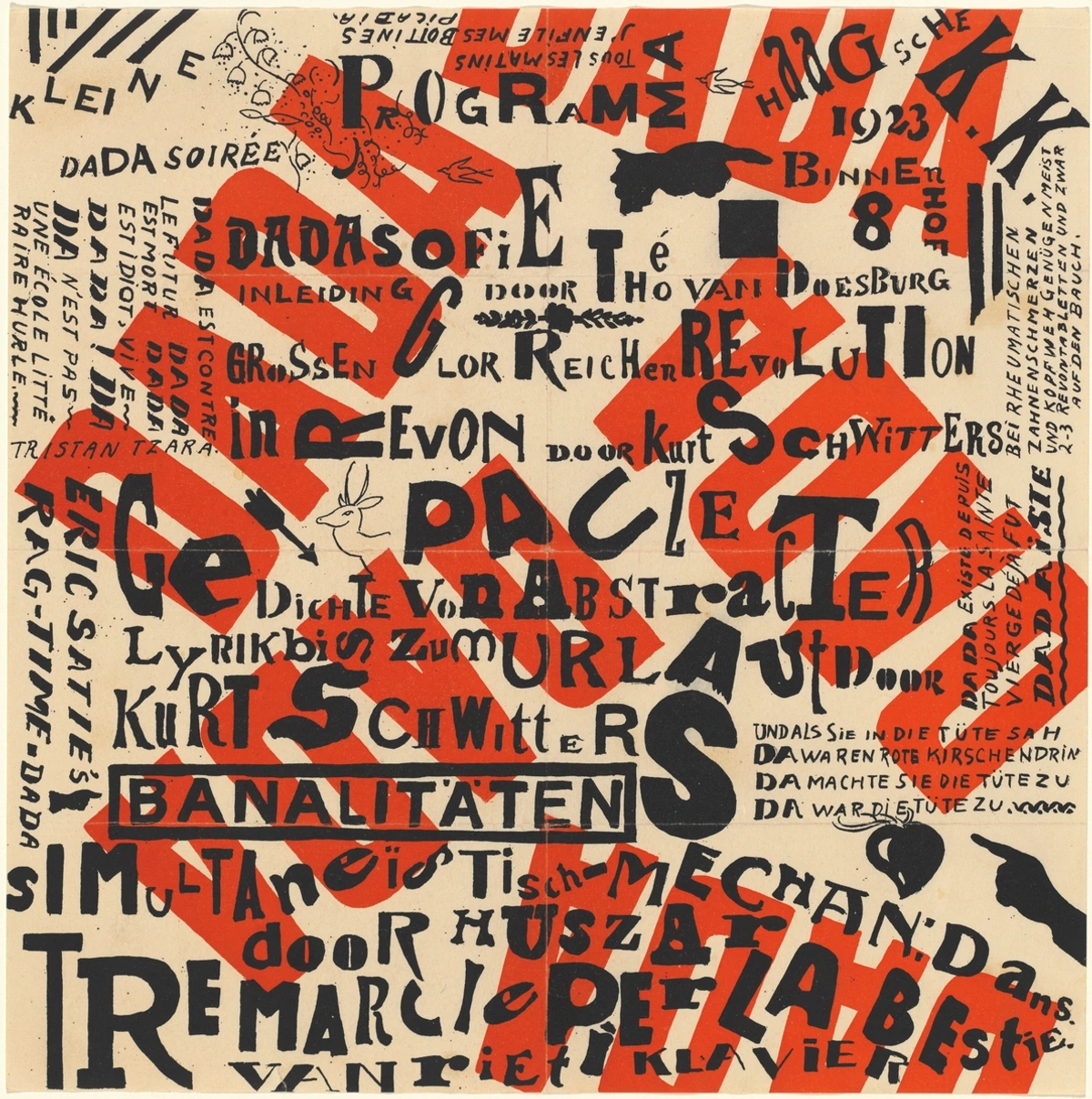
Collage has a rich, fascinating history that spans over a century, constantly evolving and reinventing itself. It's not just a collection of pretty pictures stuck together; it's a profound way of seeing the world in fragments and reassembling them to create new meaning. From the revolutionary Cubist pioneers like Picasso and Braque, who audaciously incorporated newspaper clippings and fragments of reality into their paintings, fundamentally challenging traditional representation, to the anarchic Dadaists who wielded it as a potent tool for social critique and satire, creating works that screamed against convention and laid groundwork for concepts like the enduring influence of Dadaism on contemporary art and its legacy. Later, visionary Pop artists like Richard Hamilton utilized collage to create iconic, often satirical, commentaries on consumer culture, influencing art movements for decades, as you can see in the history of Pop Art. It’s also an inherently mixed media art form, often blending seamlessly with painting, drawing, photography, and even sculpture. In my own artistic journey, I often find elements of collage creeping into my abstract mixed media pieces, adding layers of unexpected texture, fragmented narratives, and surprising depth. If you're keen to explore more about its essence and journey through time, I've got a whole page dedicated to the history of collage art from Cubism to contemporary mixed media.
A Quick Look at Collage Through Time
Era/Movement  | Key Artists | Characteristics | Impact on Collage |
|---|---|---|---|
| Cubism | Pablo Picasso, Georges Braque | Fragmentation of objects, multiple perspectives, analytical approach. | Introduced "papier collé" (pasted paper) as a fine art technique, embedding real-world elements (like newspaper) into painting, challenging traditional representation and blurring lines between art and reality. |
| Dadaism | Hannah Höch, Kurt Schwitters | Anti-art movement, rejection of logic and reason, social and political critique, absurd juxtapositions. | Employed photomontage (collage with photographs) as a powerful tool for satire and social commentary, reflecting the chaos of post-WWI Europe. Höch's work, in particular, pioneered feminist critiques through this medium. |
| Surrealism | Max Ernst, Salvador Dalí | Exploration of dreams, unconscious mind, irrationality, juxtaposition of unrelated objects. | Utilized collage to create dreamlike, unsettling, and often poetic imagery by combining disparate elements, inviting viewers into a psychological landscape. Ernst's "collage novels" are a prime example of narrative collage. |
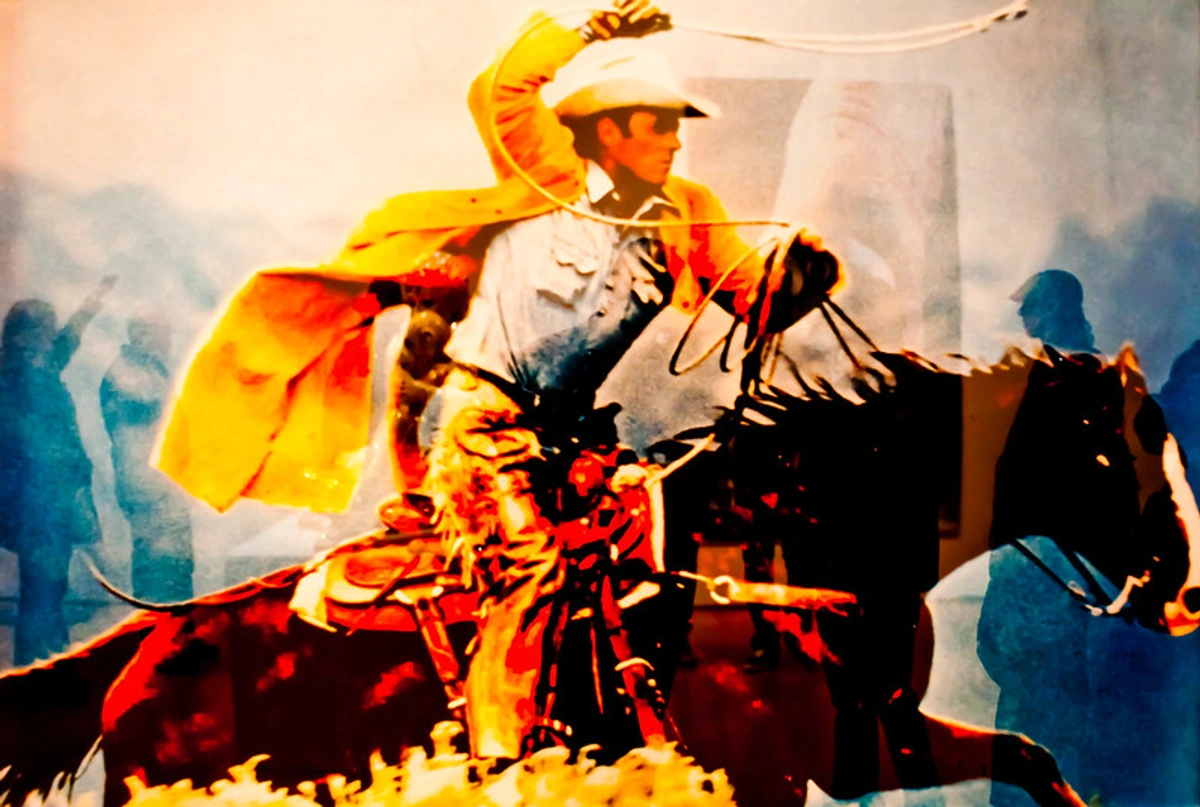
| Pop Art | Richard Hamilton, Robert Rauschenberg | Blurring the lines between fine art and popular culture, commentary on consumerism, mass media imagery. | Incorporated mass media images (advertisements, comic strips, celebrity photos) to critique and celebrate popular culture. Rauschenberg's "Combines" famously integrated found objects with painting and collage, creating a hybrid form of art that transcended categories. |
| Contemporary | Countless diverse artists | Expansive use of materials (digital, natural, found objects), focus on personal narratives, social commentary, abstraction. | Collage continues to evolve, often blending with digital art, assemblage, and mixed media. It remains a vital medium for exploring identity, memory, politics, and the complexities of modern life, with artists constantly innovating in both form and concept, often leading to the ultimate guide to abstract art movements and its evolution. |
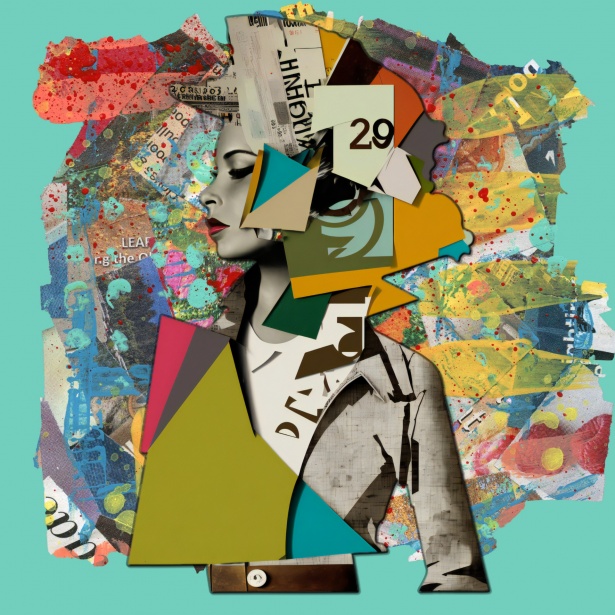 credit, licence## Why Collage? My Unexpected Love Affair with Cut PaperFor me, and for so many artists I've encountered, the enduring appeal of collage lies in its incredible accessibility and the almost immediate gratification it offers. You genuinely don't need to be able to "draw" or "paint" in a traditional, representational sense. Your primary tools are simply your eyes, your hands, a good pair of scissors (or even just your fingers for tearing!), and most importantly, a willingness to see the extraordinary, the poetic, in the most ordinary of discarded materials. It’s like a treasure hunt, yes, but the treasure isn't buried gold; it's a brand new piece of art waiting to be discovered, patiently, playfully, on your workspace. This freedom from traditional constraints makes it an ideal entry point for beginners, and a refreshing change of pace for seasoned artists looking to break free.I often think of collage as a profound form of visual poetry, a silent language spoken through fragments. Each snippet, each deliberate tear, each carefully placed image or resonant word becomes a verse, a line, a stanza in a larger, unfolding composition. It allows for an incredibly profound level of personal expression, letting you weave together seemingly disparate elements into a cohesive narrative that speaks volumes without uttering a single sound. This act of reassembling fragmented ideas can be incredibly cathartic, offering a unique avenue for processing emotions and building a sense of coherence from what might feel like chaos in our own lives. It's truly a powerful tool for self-reflection and emotional expression. credit, licence## Why Collage? My Unexpected Love Affair with Cut PaperFor me, and for so many artists I've encountered, the enduring appeal of collage lies in its incredible accessibility and the almost immediate gratification it offers. You genuinely don't need to be able to "draw" or "paint" in a traditional, representational sense. Your primary tools are simply your eyes, your hands, a good pair of scissors (or even just your fingers for tearing!), and most importantly, a willingness to see the extraordinary, the poetic, in the most ordinary of discarded materials. It’s like a treasure hunt, yes, but the treasure isn't buried gold; it's a brand new piece of art waiting to be discovered, patiently, playfully, on your workspace. This freedom from traditional constraints makes it an ideal entry point for beginners, and a refreshing change of pace for seasoned artists looking to break free.I often think of collage as a profound form of visual poetry, a silent language spoken through fragments. Each snippet, each deliberate tear, each carefully placed image or resonant word becomes a verse, a line, a stanza in a larger, unfolding composition. It allows for an incredibly profound level of personal expression, letting you weave together seemingly disparate elements into a cohesive narrative that speaks volumes without uttering a single sound. This act of reassembling fragmented ideas can be incredibly cathartic, offering a unique avenue for processing emotions and building a sense of coherence from what might feel like chaos in our own lives. It's truly a powerful tool for self-reflection and emotional expression. |
It’s also wonderfully, gloriously forgiving. Made a "mistake"? Just glue something else over it, or tear it off and start fresh! That sense of boundless freedom, that permission to constantly revise and transform, is truly invigorating and deeply therapeutic. This inherent adaptability is why I often connect collage to my philosophy of embracing imperfection in abstract art; it's about the journey, not just the pristine outcome. Moreover, the practice of repurposing discarded materials aligns beautifully with a more sustainable approach to art-making, giving new life to forgotten scraps.## Gathering Your Treasures: Essential Materials for Your Collage Journey
Alright, so you’re feeling that creative itch, ready to dive in? Wonderful! The sheer beauty of collage is that you probably already have most of what you need scattered around your home, or just a quick scavenging trip away. My guiding philosophy is simple, yet profound: Anything can be art. Look around you, seriously. That old receipt tucked into your wallet, a peeling paint chip you found on the street, a crumpled map from a long-forgotten journey – these are not just discards; they are raw potential, waiting for a new story. I often think of it as building a "collage pantry" or "visual archive" – a constantly evolving collection of fascinating fragments. It's not just economical; it's a deeply satisfying way to engage with the world around you, transforming potential waste into personal treasure. Plus, it's a wonderful step towards creating art more sustainably, a topic I'm passionate about (and you can explore more in best eco-friendly art supplies for conscious artists). I've even seen incredible works made from dryer lint, rusty bottle caps, or a child's forgotten drawing. The world truly is your studio.
The "Must-Haves" and the "Nice-to-Haves"
Here's a quick rundown of what I usually gather for a collage session. Don’t feel like you need everything right away, just start with what feels right.
Category | Essential Items | Nice-to-Have/Exploratory Items | My Personal Insight |
|---|---|---|---|
| Base Surface | Cardboard, thick paper, wood panel, stretched canvas | Old book covers, thin metal sheets, found objects | A sturdy, acid-free base is absolutely key; it prevents frustrating buckling as your layers accumulate and provides a robust foundation for your artistic vision. Consider how the base's color or texture might peek through your collage, adding another layer of depth. For more durable and long-lasting results, especially for pieces you might want to frame or sell, opt for archival-quality boards or canvases. You can even prepare your own surfaces by learning how to stretch a canvas for painting. |
| Cutting Tools | Scissors, craft knife (with cutting mat) | Rotary cutter, decorative edge scissors | Safety first with craft knives! Always use a cutting mat beneath your work. A good, sharp blade makes all the difference for clean, precise cuts, while dull blades can actually be more dangerous, requiring more force. Don't be afraid to change your blades often! Sometimes, the raw, torn edge from using your fingers adds a wonderfully organic texture that scissors simply can't replicate, so feel free to experiment with both. |
| Adhesives | PVA glue (acid-free), glue stick | Gel medium, spray adhesive, double-sided tape | Acid-free adhesives are crucial for longevity, especially if you care about your piece lasting for years without yellowing or degradation. PVA glue is fantastic for a strong, flat bond, and I always ensure it's an archival quality PVA. Gel medium (matte or gloss) is my personal favorite for adding incredible texture, building layers, and acting as a sealant – it's incredibly versatile. Spray adhesive is excellent for large, flat areas to avoid wrinkles, but be sure to use it in a well-ventilated space and cover surrounding areas. For very delicate materials, a simple glue stick can be surprisingly effective for initial placement, followed by a more robust adhesive. |
| Source Material | Old magazines, newspapers, photographs, scrap paper, junk mail, discarded flyers, product packaging, old calendars, gift wrap, receipts, maps, blueprints | Fabric scraps, yarn, dried leaves, buttons, tickets, personal sketches, natural elements (sand, small stones), found objects (keys, coins, broken jewelry), embossed papers, old book pages, sheet music | The more varied your source material, the richer and more interesting your collage will become! Don't be afraid to mix and match textures, eras, themes, and even languages. Think beyond just images; consider the typography of old advertisements, the tactile feel of different fabrics, or the subtle patterns on security envelopes. Every piece tells a story. This "visual vocabulary" is key to building complex narratives and unexpected harmonies in your work. |
| Enhancements | Pencils, markers, paint (acrylics, watercolors) | Pastels, ink, glitter, stencils | This is where the true spirit of "mixed media" really kicks in, where your collage transcends being just glued paper and becomes a deeply integrated work. Don't just stick, create on top of your glued elements! Use paints to unify colors, markers to add lines and details, pastels to blend, or stencils to introduce repetitive patterns. This layering of different mediums adds incredible depth and your unique artistic voice. If you're looking to explore new ways to add visual interest, consider my insights on exploring texture in abstract art or building depth and narrative in abstract mixed media. |
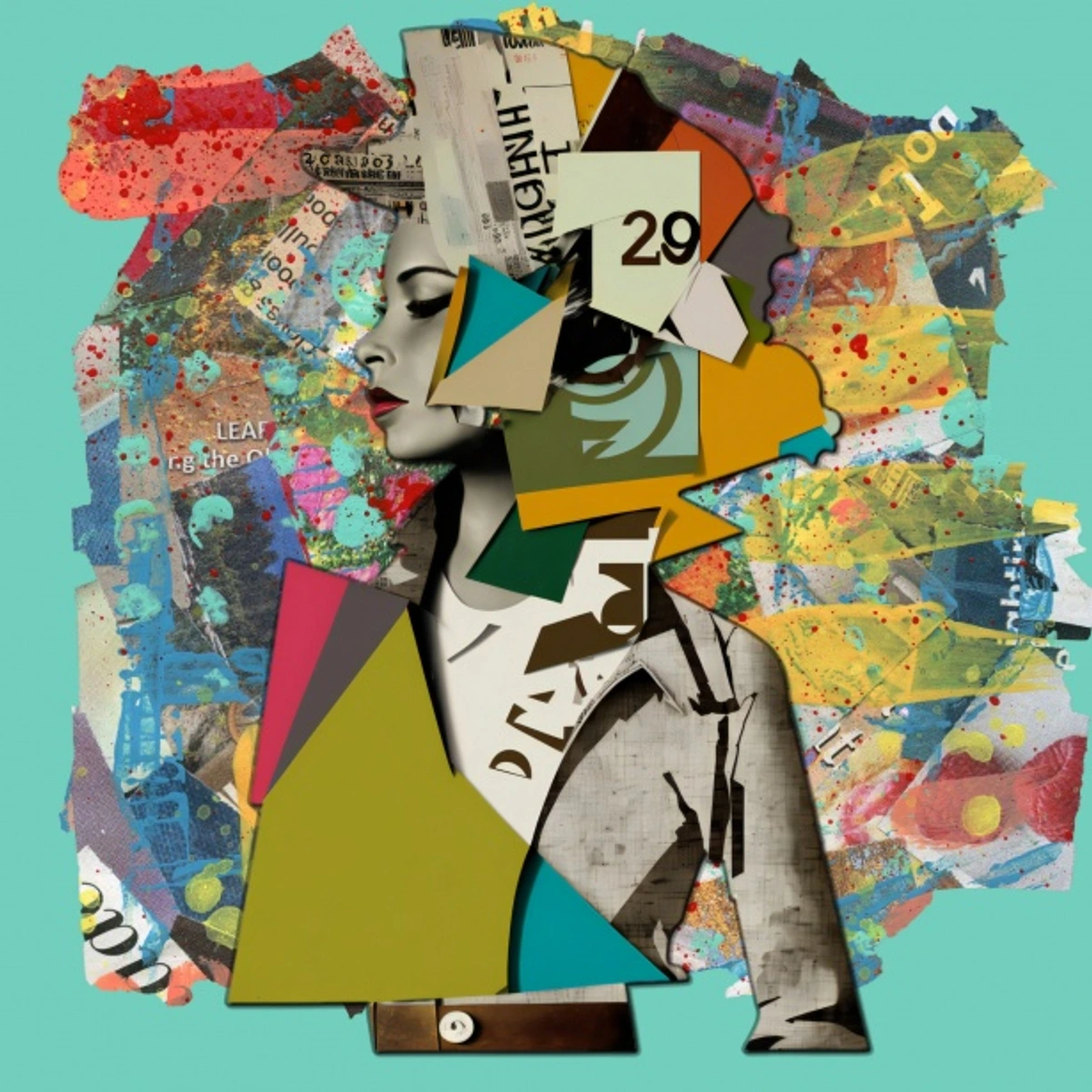
I've found that the unexpected juxtaposition of, say, a vintage botanical illustration with a modern geometric pattern can create incredible visual tension and narrative depth. Keep an eye out for anything that sparks joy or curiosity – that's usually where the magic lies!### The "Must-Haves" and the "Nice-to-Haves"Here's a quick rundown of what I usually gather for a collage session. Don’t feel like you need everything right away, just start with what feels right.| Category | Essential Items | Nice-to-Have/Exploratory Items | My Personal Insight || :---------------- | :-------------------------------------------- | :------------------------------------------------------- | :------------------------------------------------------------------------------------------------------------------ || Base Surface | Cardboard, thick paper, wood panel, stretched canvas | Old book covers, thin metal sheets, found objects | A sturdy, acid-free base is absolutely key; it prevents frustrating buckling as your layers accumulate and provides a robust foundation for your artistic vision. Consider how the base's color or texture might peek through your collage, adding another layer of depth. For more durable and long-lasting results, especially for pieces you might want to frame or sell, opt for archival-quality boards or canvases. You can even prepare your own surfaces by learning how to stretch a canvas for painting. || Cutting Tools | Scissors, craft knife (with cutting mat) | Rotary cutter, decorative edge scissors | Safety first with craft knives! Always use a cutting mat beneath your work. A good, sharp blade makes all the difference for clean, precise cuts, while dull blades can actually be more dangerous, requiring more force. Don't be afraid to change your blades often! Sometimes, the raw, torn edge from using your fingers adds a wonderfully organic texture that scissors simply can't replicate, so feel free to experiment with both. || Adhesives | PVA glue (acid-free), glue stick | Gel medium, spray adhesive, double-sided tape | Acid-free adhesives are crucial for longevity, especially if you care about your piece lasting for years without yellowing or degradation. PVA glue is fantastic for a strong, flat bond, and I always ensure it's an archival quality PVA. Gel medium (matte or gloss) is my personal favorite for adding incredible texture, building layers, and acting as a sealant – it's incredibly versatile. Spray adhesive is excellent for large, flat areas to avoid wrinkles, but be sure to use it in a well-ventilated space and cover surrounding areas. For very delicate materials, a simple glue stick can be surprisingly effective for initial placement, followed by a more robust adhesive. || Source Material | Old magazines, newspapers, photographs, scrap paper, junk mail, discarded flyers, product packaging, old calendars, gift wrap, receipts, maps, blueprints | Fabric scraps, yarn, dried leaves, buttons, tickets, personal sketches, natural elements (sand, small stones), found objects (keys, coins, broken jewelry), embossed papers, old book pages, sheet music | The more varied your source material, the richer and more interesting your collage will become! Don't be afraid to mix and match textures, eras, themes, and even languages. Think beyond just images; consider the typography of old advertisements, the tactile feel of different fabrics, or the subtle patterns on security envelopes. Every piece tells a story. This "visual vocabulary" is key to building complex narratives and unexpected harmonies in your work.| I've found that the unexpected juxtaposition of, say, a vintage botanical illustration with a modern geometric pattern can create incredible visual tension and narrative depth. Keep an eye out for anything that sparks joy or curiosity – that's usually where the magic lies! || Enhancements | Pencils, markers, paint (acrylics, watercolors) | Pastels, ink, glitter, stencils | This is where the true spirit of "mixed media" really kicks in, where your collage transcends being just glued paper and becomes a deeply integrated work. Don't just stick, create on top of your glued elements! Use paints to unify colors, markers to add lines and details, pastels to blend, or stencils to introduce repetitive patterns. This layering of different mediums adds incredible depth and your unique artistic voice. If you're looking to explore new ways to add visual interest, consider my insights on exploring texture in abstract art or building depth and narrative in abstract mixed media. |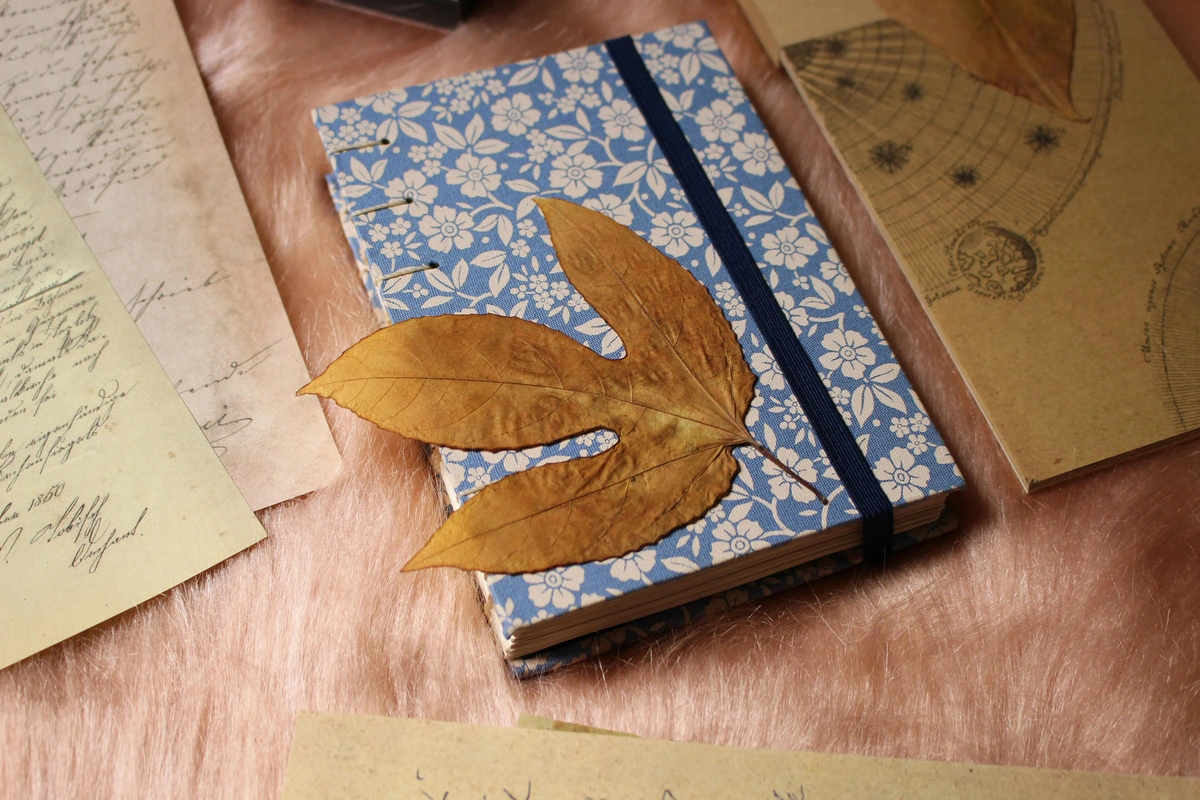 credit, licenceSometimes, I’ll just sit and go through piles of old magazines, tearing out anything that catches my eye – a striking color, an intriguing texture, a compelling face, or even just a random, evocative word. It's a deeply meditative process in itself, a kind of pre-visualization and active brainstorming all rolled into one. I often find myself building a visual vocabulary this way, pulling out elements that speak to me even if I don't know why yet. This intuitive process, where you trust your gut feeling about a piece of paper or an interesting texture, is a huge part of the magic. It's about letting the materials guide you sometimes, rather than forcing them into a preconceived idea. And speaking of mixed media, I often bring in my beloved Prismacolor pencils or even soft pastels to add subtle depth, connect disparate elements with a wash of color, or create new textures directly on top of the glued pieces.
Where to Source Your Materials (The Ultimate Treasure Hunt)
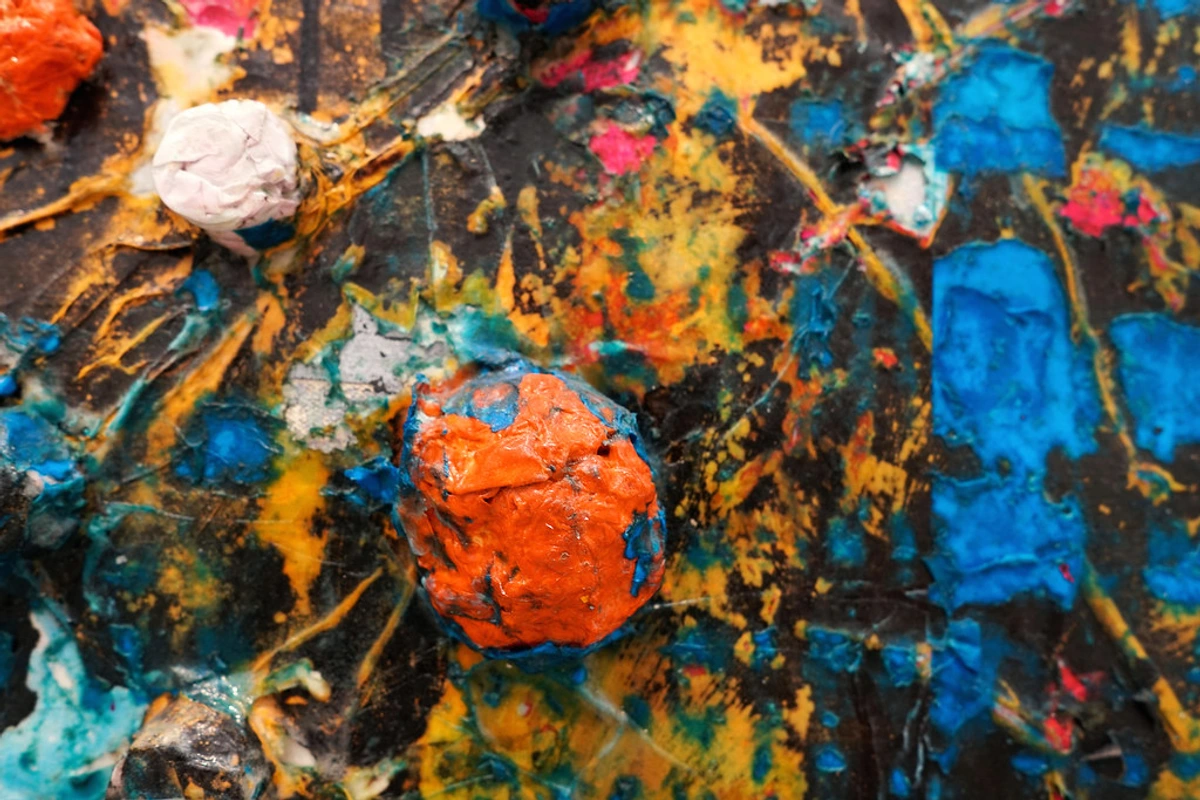
Part of the magic of collage is that the world truly becomes your art supply store. Beyond the obvious magazines and newspapers, here are some of my favorite places to discover unexpected treasures:
credit, licence
- Your Own Home: Junk mail, product packaging (especially interesting labels or textures), old greeting cards, used tickets, fabric scraps from old clothes, broken jewelry, forgotten receipts, even dried tea bags – the possibilities are endless once you start looking with an artist's eye.
- Thrift Stores & Flea Markets: These are absolute goldmines for vintage books, old photographs, unique fabrics, buttons, postcards, maps, and sometimes even small, interesting objects that can be incorporated into assemblages. Don't be afraid to buy a book just for its interesting paper or illustrations.
- Nature Walks: Pressed leaves, dried flowers, small twigs, feathers, sand, or interesting pebbles can add a beautiful organic element and texture to your work. Just ensure they are clean and dry before adhering them.
- Public Domain & Digital Archives: Websites offering public domain images are a fantastic resource for high-quality, copyright-free images that you can print out and incorporate. This opens up a world of historical photographs, scientific illustrations, and classical art. Similarly, you can photograph interesting textures or patterns you encounter in daily life and print them out.
- Art Supply Stores (of course!): While the hunt is fun, don't forget that art stores offer specialty papers, textured cardstock, stencils, and various drawing and painting mediums that can complement your found materials beautifully.
Remember, the goal is not to spend a lot of money, but to cultivate an awareness of the visual and tactile world around you. Sometimes, storing these little finds can become an art in itself! I've learned a lot about art storage solutions for collectors which can be adapted for keeping your collage treasures organized and accessible.
Where to Source Your Materials (The Ultimate Treasure Hunt)
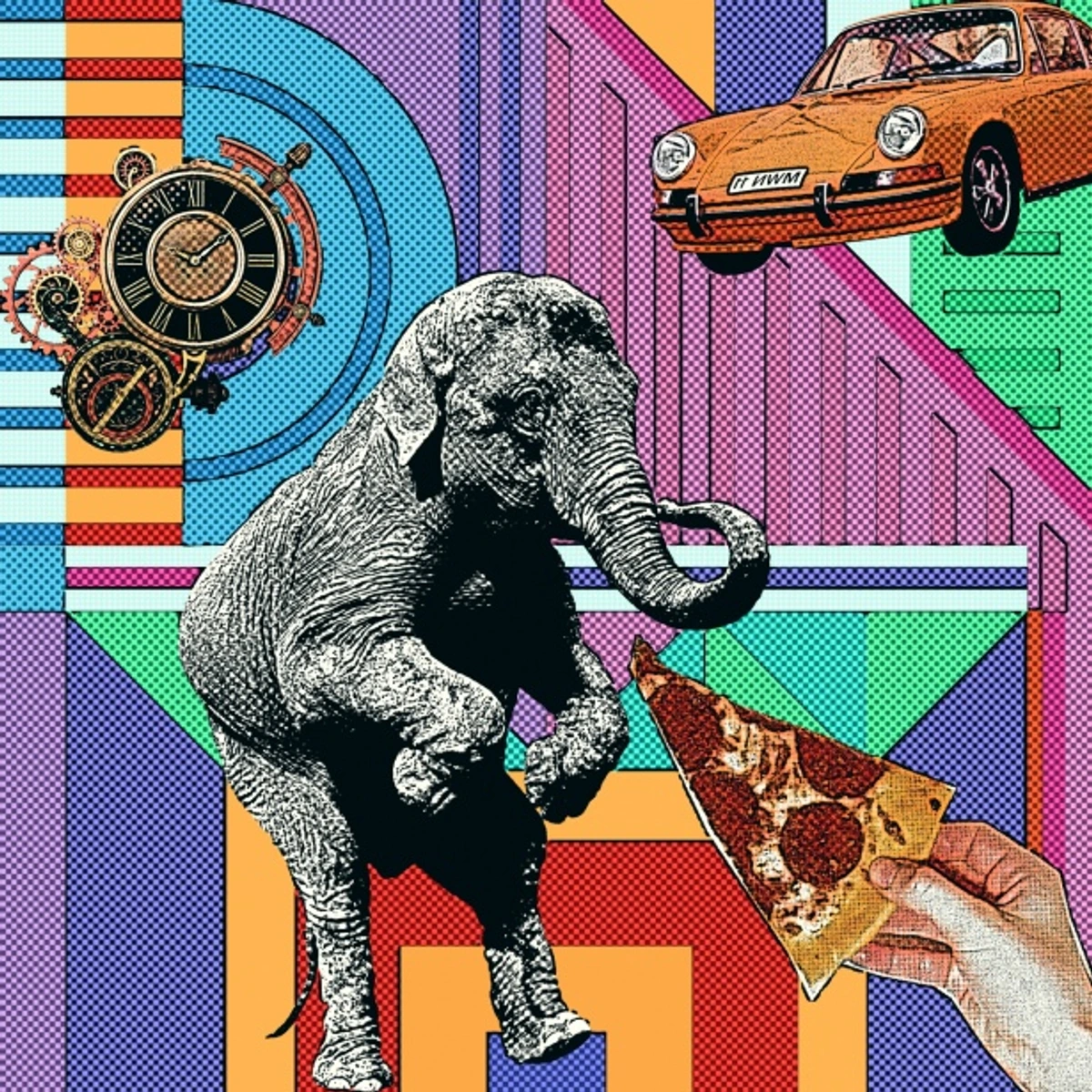
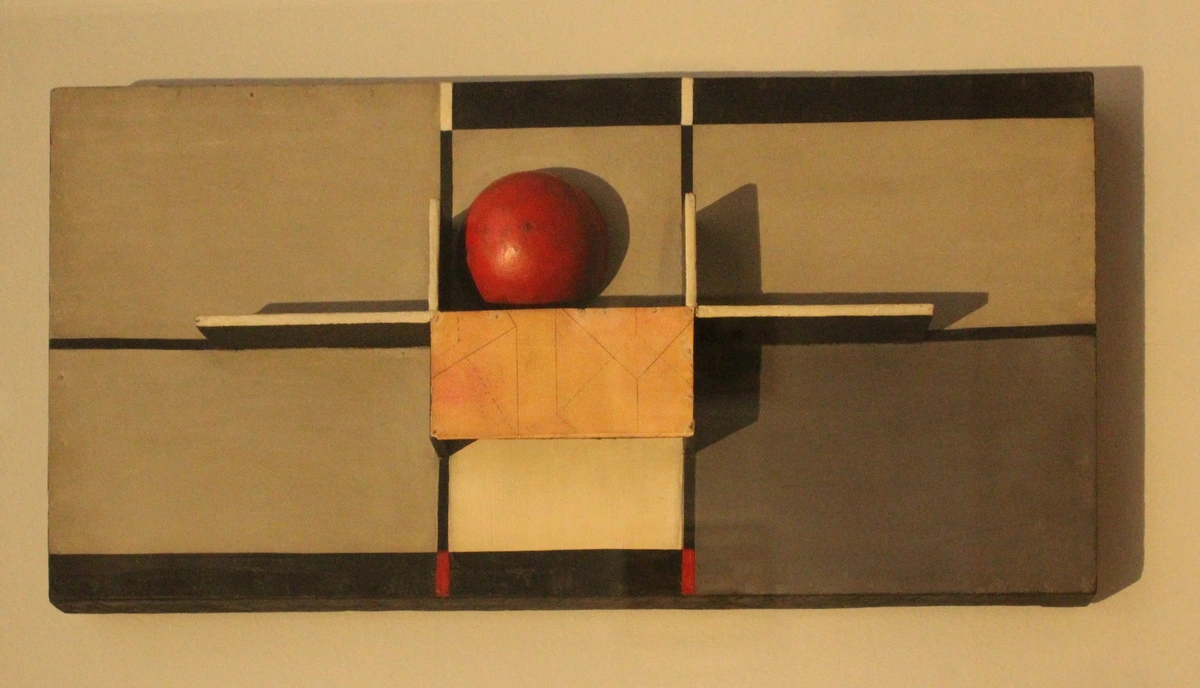
Part of the magic of collage is that the world truly becomes your art supply store. Beyond the obvious magazines and newspapers, here are some of my favorite places to discover unexpected treasures:
- Your Own Home: Junk mail, product packaging (especially interesting labels or textures), old greeting cards, used tickets, fabric scraps from old clothes, broken jewelry, forgotten receipts, even dried tea bags – the possibilities are endless once you start looking with an artist's eye.
- Thrift Stores & Flea Markets: These are absolute goldmines for vintage books, old photographs, unique fabrics, buttons, postcards, maps, and sometimes even small, interesting objects that can be incorporated into assemblages. Don't be afraid to buy a book just for its interesting paper or illustrations.
- Nature Walks: Pressed leaves, dried flowers, small twigs, feathers, sand, or interesting pebbles can add a beautiful organic element and texture to your work. Just ensure they are clean and dry before adhering them.
- Public Domain & Digital Archives: Websites offering public domain images are a fantastic resource for high-quality, copyright-free images that you can print out and incorporate. This opens up a world of historical photographs, scientific illustrations, and classical art. Similarly, you can photograph interesting textures or patterns you encounter in daily life and print them out.
- Art Supply Stores (of course!): While the hunt is fun, don't forget that art stores offer specialty papers, textured cardstock, stencils, and various drawing and painting mediums that can complement your found materials beautifully.
Remember, the goal is not to spend a lot of money, but to cultivate an awareness of the visual and tactile world around you. Sometimes, storing these little finds can become an art in itself! I've learned a lot about art storage solutions for collectors which can be adapted for keeping your collage treasures organized and accessible.
The Process: My Step-by-Step Approach to Creating Collage
This is where the rubber meets the road, or perhaps more accurately, where the glue meets the paper – and where the real fun begins! My biggest piece of advice here: Don’t overthink it, especially when you're just starting out. The overarching goal is simply to play, to explore, and to discover what emerges from your hands. There's no right or wrong, just a journey of creative expression.
Step 1: Find Your Spark – Theme or Feeling
Before I even touch the glue bottle, I like to have a loose idea, a faint whisper of what I'm aiming for. It might be as simple as a particular color palette I'm drawn to, a single evocative word, a complex feeling, or a specific subject I want to explore. For instance, I might decide I want to delve into "nostalgia," "urban decay," or even "the quiet hum of anticipation." This isn't a rigid rule, mind you; sometimes the materials themselves, those collected treasures, will whisper their own story to you, leading you in directions you never anticipated. Keeping a simple sketchbook or a mood board can really help solidify these initial sparks and give them a place to grow. I've found that articulating these initial ideas, even just to myself, is a bit like crafting an early draft of an artist's statement – it helps clarify intention, much like the process of crafting your narrative in an artist statement.
Step 2: Hunt and Gather Your Elements
This is often the most tactile and truly fun part! Go through your curated collection of papers, magazines, fabric scraps, photos, and whatever else delightful bits you’ve found. Don't be shy about tearing, cutting, ripping, or even punching shapes. I often find myself drawn to things that don't immediately "fit" a preconceived notion but possess an interesting color, a captivating texture, or a compelling shape. As you gather, try to consciously collect elements that offer contrast – smooth next to rough, vibrant next to muted, complex patterns next to solid colors. This immediate variety will make your later compositional stage much more dynamic. Create a pile – or several piles – of potential elements. Think of it like building a rich, diverse visual vocabulary that you'll soon arrange into sentences and paragraphs on your chosen surface. My advice here is to gather far more than you think you'll need; having a surplus of options allows for greater spontaneity and flexibility in the composition stage.
Step 3: Play with Composition – The Dry Run
Lay out your base surface and start arranging your chosen elements without glue. Seriously, this "dry run" is utterly crucial. Experiment endlessly with different placements, overlaps, and orientations. Don't be afraid to tear elements further, cut them into entirely new shapes, or even boldly cover up parts you initially thought you loved. This is your playground for composition. As you arrange, consciously think about:
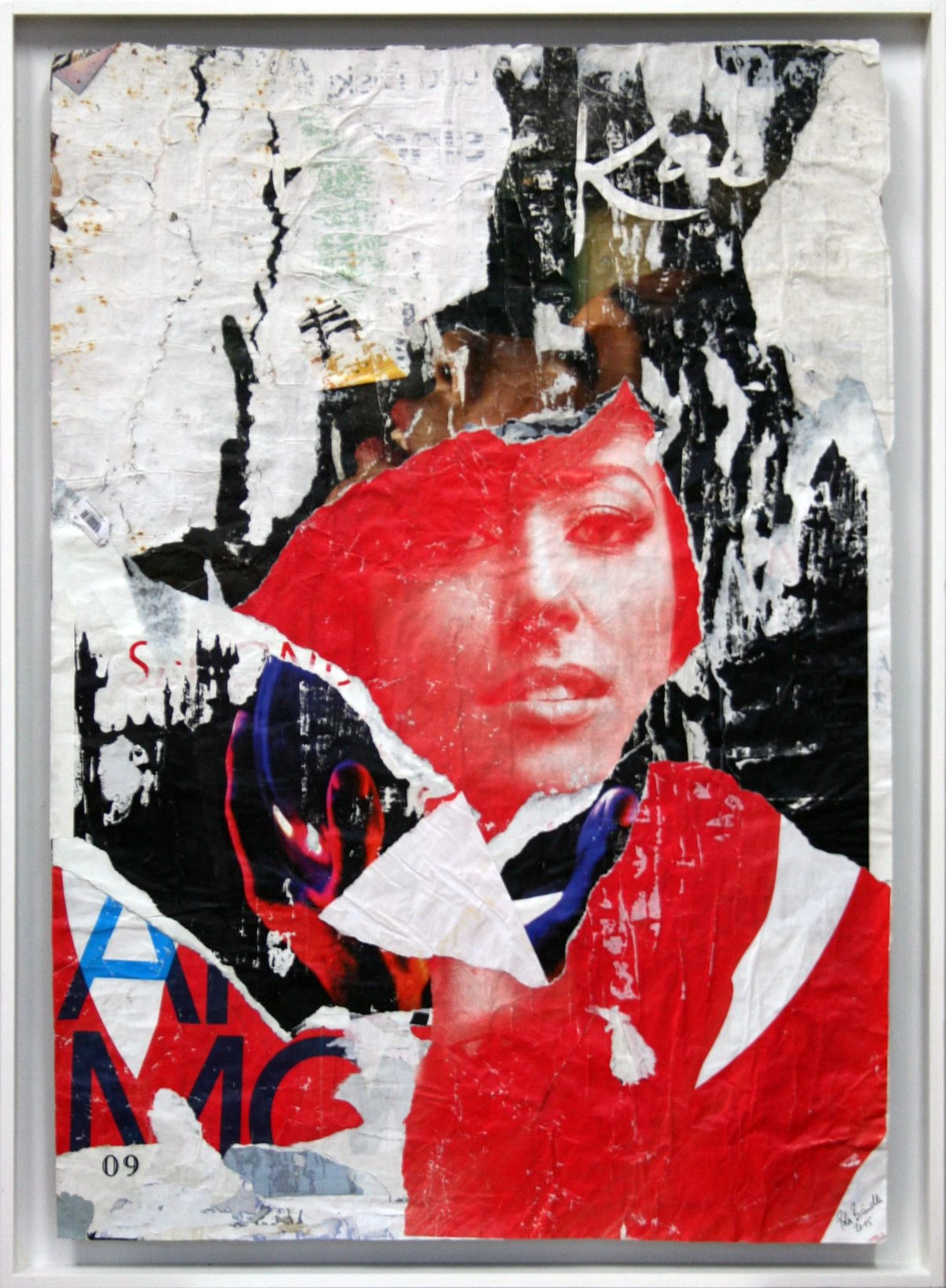
- Focal Point: What do you want the viewer's eye to go to first? How can you draw attention to it through contrast, color, scale, or strategic placement? A strong focal point can immediately draw the viewer into your narrative.
- Balance: Are your elements distributed evenly, creating a sense of calm and harmony, or do you want an intentional imbalance for dramatic tension and a more dynamic feel? Think about visual weight and how different colors or textures might affect it.
- Layers: How do elements interact when they overlap? Can you create illusions of depth, shadow, or transparency? The subtle interplay of partially obscured images or text can add incredible intrigue. What new stories emerge from these juxtapositions?
- Negative Space: Remember, the empty, untouched areas are just as important as the filled ones. They provide breathing room, allow the eye to rest, and direct the gaze towards your focal points. Don't feel compelled to fill every inch; sometimes, less is truly more.
- Rhythm and Movement: Can you create a visual flow through repetition of shapes, lines, or colors, guiding the viewer's eye across the piece? Where does the eye travel after the focal point, and how does it move through the composition?
This entire stage is a dance with intuition. If something feels right, if it resonates with that spark you found in Step 1, it probably is. Trust your gut.
Step 4: Time to Commit – Adhesion!
Once you're truly happy with your dry composition – take a photo of it, seriously, it’s a great way to remember! – it's time to commit. It's time to glue everything down. I usually start with the bottom-most layers and work my way up, much like painting a background first. Apply glue evenly to the entire back of each piece, paying special attention to the edges to prevent frustrating lifting later. For paper, a thin, even layer of acid-free PVA glue spread with a brush or a glue stick is ideal. For heavier elements or if you're aiming for visible texture, a good quality matte or gloss gel medium works wonders. Use a brayer or a clean, dry cloth to smooth out any bubbles, working from the center outwards. If you're working with delicate papers or specific types of photos, a spray adhesive can be fantastic for a smooth, wrinkle-free application, just remember to use it in a well-ventilated area. After gluing, especially with larger pieces, I often place a clean sheet of wax paper over the collage and then weigh it down with heavy books overnight. This helps prevent buckling and ensures a strong, flat bond as the adhesive cures.
Step 5: Embrace the Mixed Media Moment
This is truly where you can make the collage yours, infusing it with your unique artistic voice. Don't feel limited by the paper elements you've glued down. Grab those paint brushes, those markers, or even a simple pencil you have lying around. Add splashes of paint to unify colors, draw lines or gestures to connect disparate elements, add shading to create form, or even scribble spontaneously directly onto the surface. This fearless blending of techniques – the drawing on the paper, the painting over the photograph – is what gives collage such a rich, unique, and deeply personal quality. You might even find yourself dabbling in abstract art techniques like those discussed in how to abstract art. I've written quite a bit about my process of building depth and narrative in abstract mixed media, and many of those principles, especially those concerning the art of mark-making: expressive lines and gestures in abstract painting, apply beautifully here. And if you're exploring texture in abstract art, collage is an absolutely fantastic playground for that!
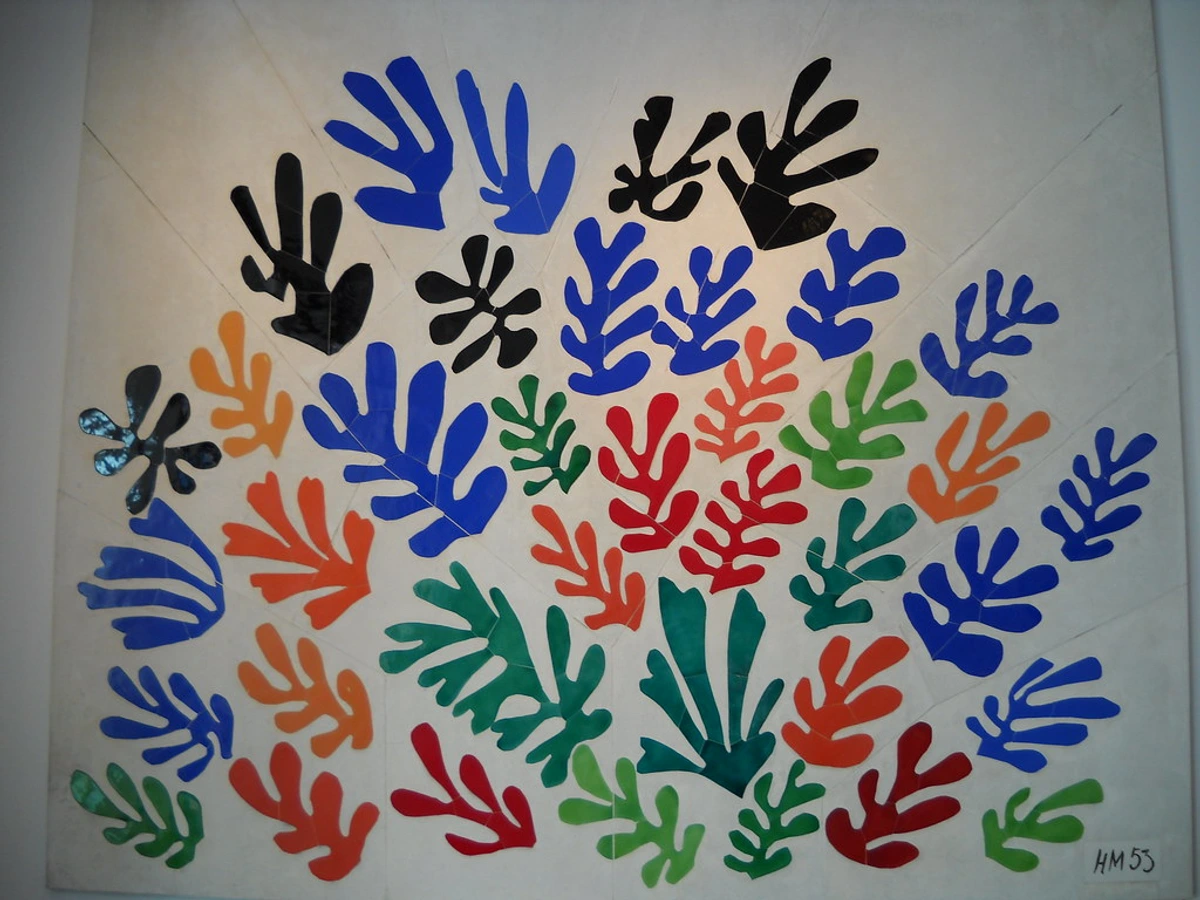
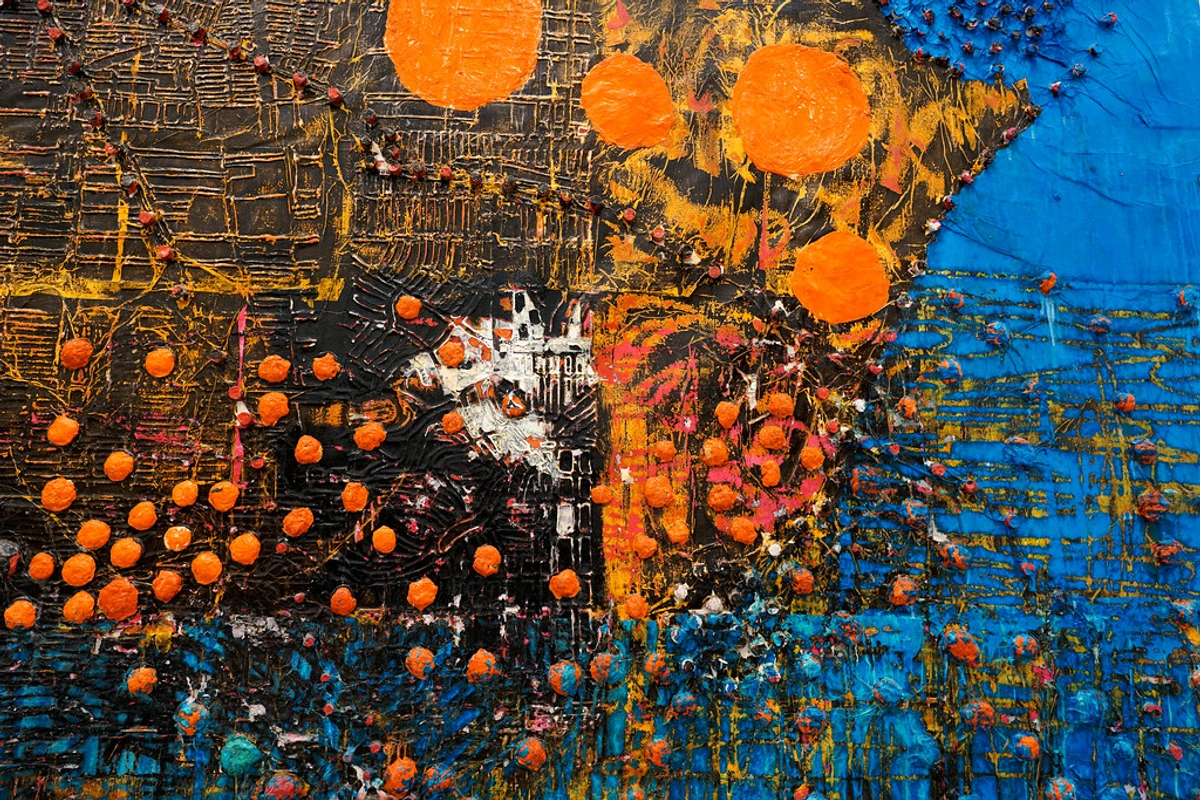
Step back, take a deep breath, and look at your creation with fresh eyes. Does anything feel unfinished, or perhaps too finished? Maybe a clear coat of archival spray varnish is needed to seal and protect it from UV light and dust, or a final border drawn with ink to frame the piece. Beyond just finishing the art itself, think about how you want to present it. Will it be framed behind glass, or mounted on a sturdy panel to showcase its texture? The way you display your collage can significantly enhance its impact. For more on this, check out the art of display: how to light and position abstract art for maximum impact and beyond the gallery wall: creative ways to display abstract art in unexpected spaces. Sometimes, I’ll let a piece sit, face-down even, for a day or two and then come back to it with completely fresh eyes. You might be surprised by what you discover, what new connections you see, or what final, subtle touch it needs. Don't rush this stage; contemplation is part of the art. When you're truly satisfied, consider how you might display it. Framing, or even mounting on a sturdy board, can elevate the finished piece and protect it for years to come.
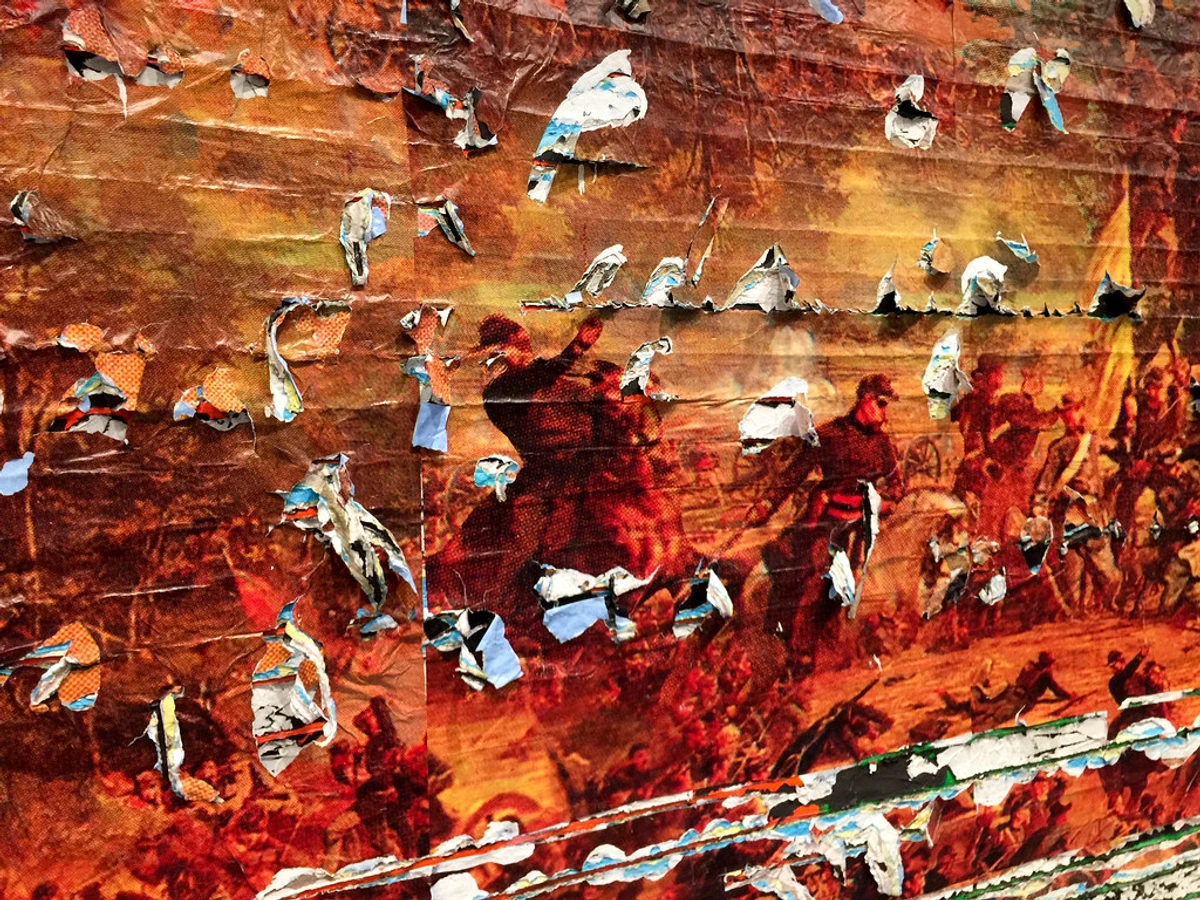

Beyond the Basics: Advanced Collage Techniques
Once you've gotten comfortable with the fundamentals, the world of collage truly opens up. There are so many exciting techniques to explore that can push your work in new directions, adding depth, dimension, and conceptual richness. Don't be afraid to delve into these – they're simply extensions of the playful experimentation you've already mastered. Remember, every master was once a beginner, and pushing boundaries is how we grow.
Decollage: The Art of Taking Away
While collage is primarily about adding, decollage is its rebellious cousin, focusing on subtraction. It involves tearing away layers from existing posters, photographs, or paper to reveal what lies beneath. Think of it as an archeological dig into visual history, creating unexpected textures and narratives from what's uncovered. Artists like Raymond Hains and Jacques Villeglé famously used decollage on urban posters, revealing fragmented messages and layers of cultural history, turning the street into their canvas.
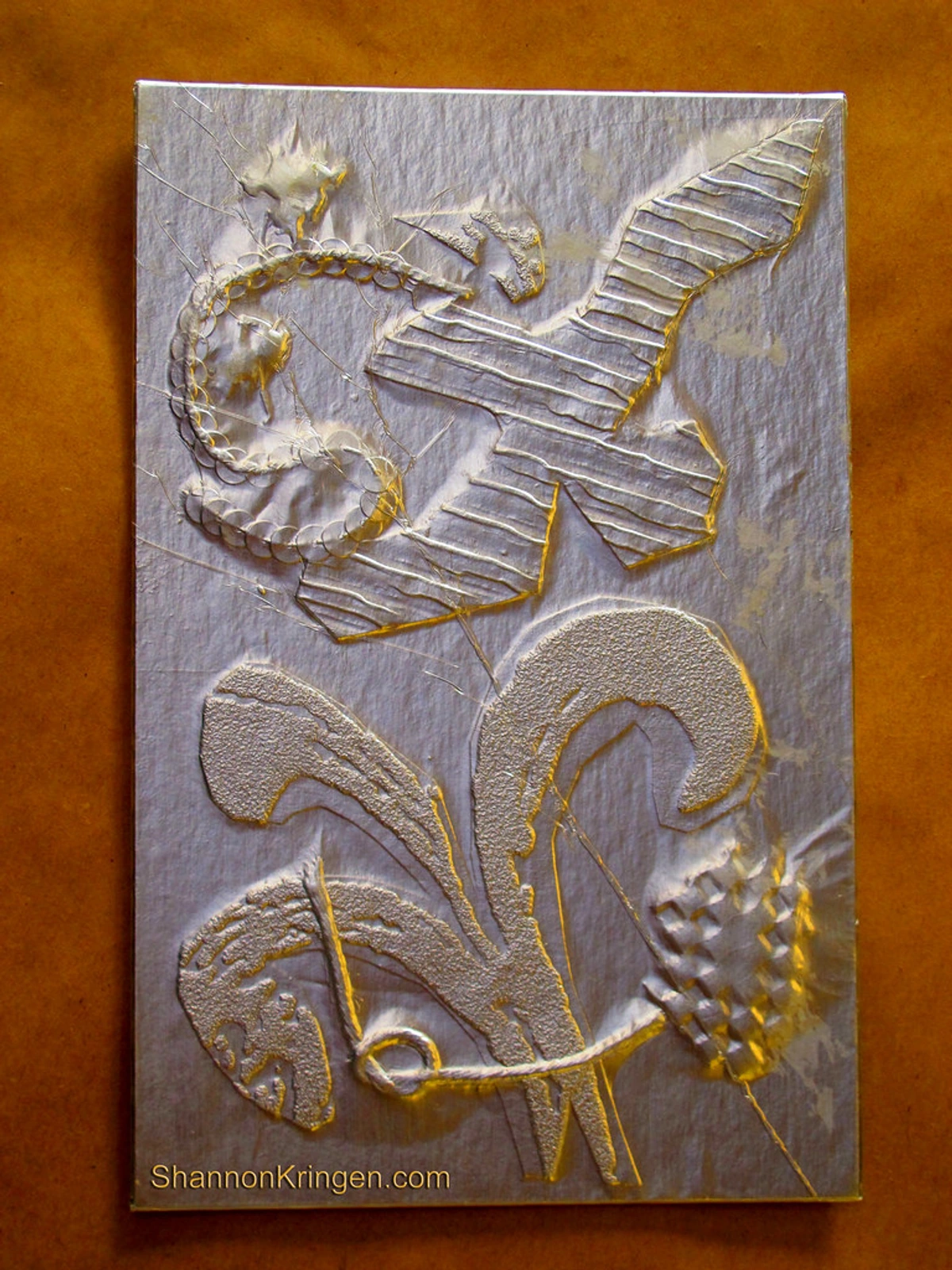
Assemblage: Bringing in Three Dimensions
When your collage elements start to lift off the surface, you're entering the realm of assemblage. This technique incorporates three-dimensional objects – found objects, scraps of metal, bits of wood, small sculptures – directly into your work. It blurs the lines between painting, sculpture, and collage, creating rich, tactile experiences. You might even find yourself building an armature for more complex forms, much like sculpting, to give your objects structure (I've got more on what an armature is in sculpture if you're curious!). Imagine old clock parts, dried seed pods, or discarded plastic toys finding a new life in your artwork – the possibilities are truly limitless, inviting the viewer to engage with the piece on a deeper, more tactile level.
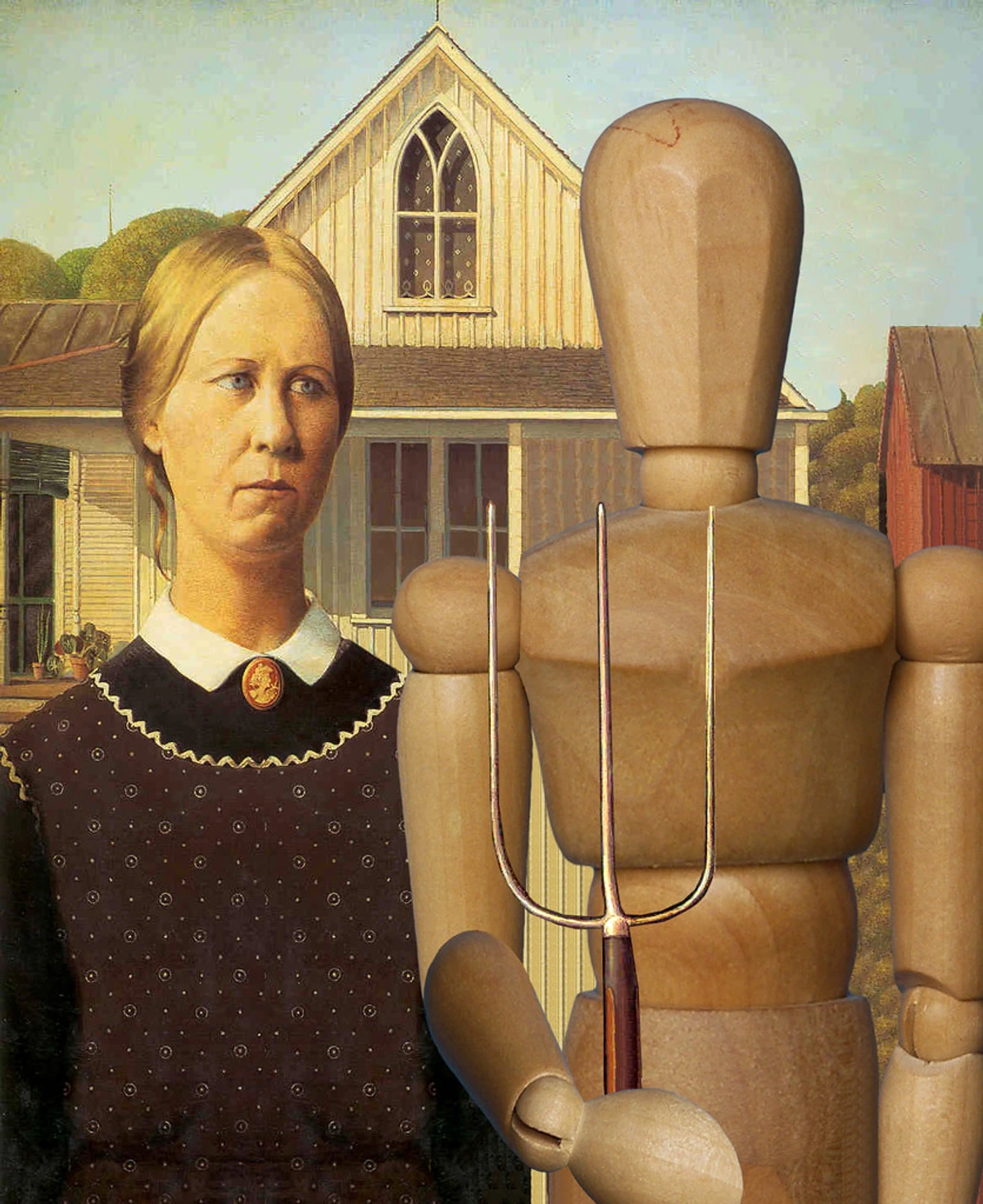
Digital Collage: A Modern Playground
For those who love working with technology, digital collage offers an entirely new canvas. Using software like Photoshop, Procreate, or even simpler mobile apps, you can layer, blend, and manipulate images with incredible precision and flexibility. While it lacks the tactile feel of traditional collage, it opens up possibilities for intricate detail, seamless integration, and easy experimentation with countless versions before committing to a final print. This modern approach to layering has its own unique advantages, allowing for non-destructive editing and the ability to source images globally. It's a fascinating bridge between traditional techniques and new artistic frontiers, something I've explored extensively in my journey from pixels to paint and seeing the rise of digital abstract art.
Photo Collage: A Personal Narrative
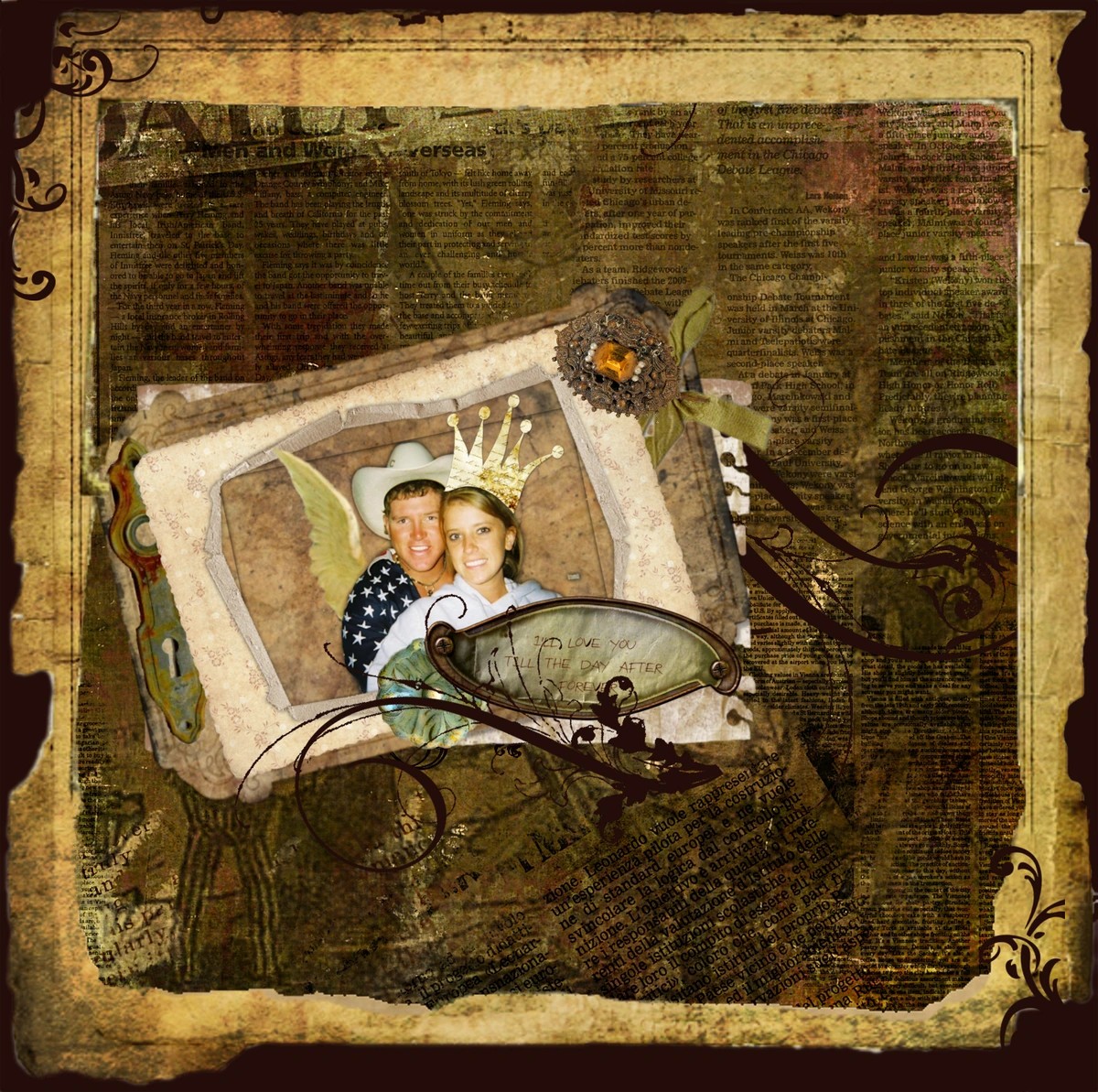
This is a technique that can be incredibly powerful for personal expression. Photo collage focuses specifically on using photographs as the primary source material. This can include old family photos, printed digital images, or even photos you've taken yourself. By cutting, tearing, and juxtaposing these visual memories, you can create new narratives, explore themes of identity, memory, and nostalgia, or even comment on social issues. The emotional resonance of photographs adds a unique layer of depth and storytelling to your collage work.
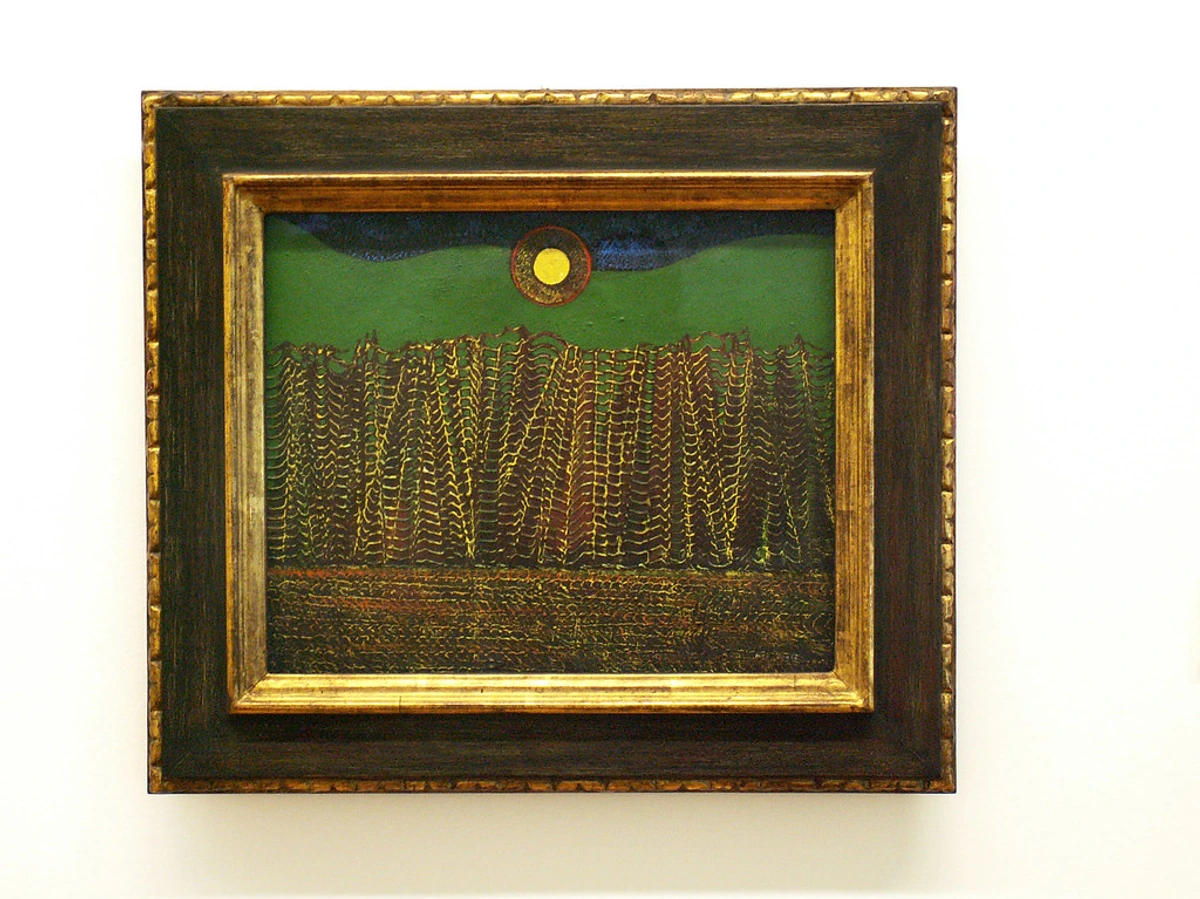
Textural Collage: Emphasizing the Tactile
Beyond just visual impact, collage excels at creating tactile experiences. By deliberately incorporating materials with distinct textures – coarse sand, smooth fabric, corrugated cardboard, delicate lace, dried leaves – you invite the viewer to not just see, but almost feel the artwork. This approach often focuses less on narrative and more on the sensual pleasure of varied surfaces, making it a powerful way of exploring texture in abstract art.
Traditional vs. Digital Collage: A Comparison
Both traditional and digital collage offer unique advantages and disadvantages, and many artists (myself included!) enjoy dabbling in both. Here’s a quick look at how they stack up:
Feature | Traditional Collage | Digital Collage |
|---|---|---|
| Tactility | High; physical textures, actual layering, tangible objects | Low; simulated textures, visual layering only |
| Materials | Found objects, paper, fabric, glue, paint, personal ephemera | Digital images, scanned textures, drawing tablet, software (Photoshop, Procreate) |
| Process | Hands-on, messy, intuitive, irreversible physical actions | Undo/redo options, precise manipulation, clean, flexible experimentation |
| Longevity | Dependent on archival materials and proper preservation | Digital file integrity, print quality for physical output |
| Accessibility | Low cost entry (found materials), readily available tools | Requires software and hardware investment, but infinite source material |
| Output | Unique physical artwork, original object | Digital file, reproducible prints |
| Learning Curve | Focus on physical manipulation, glue control, composition | Focus on software proficiency, digital tools, image manipulation |
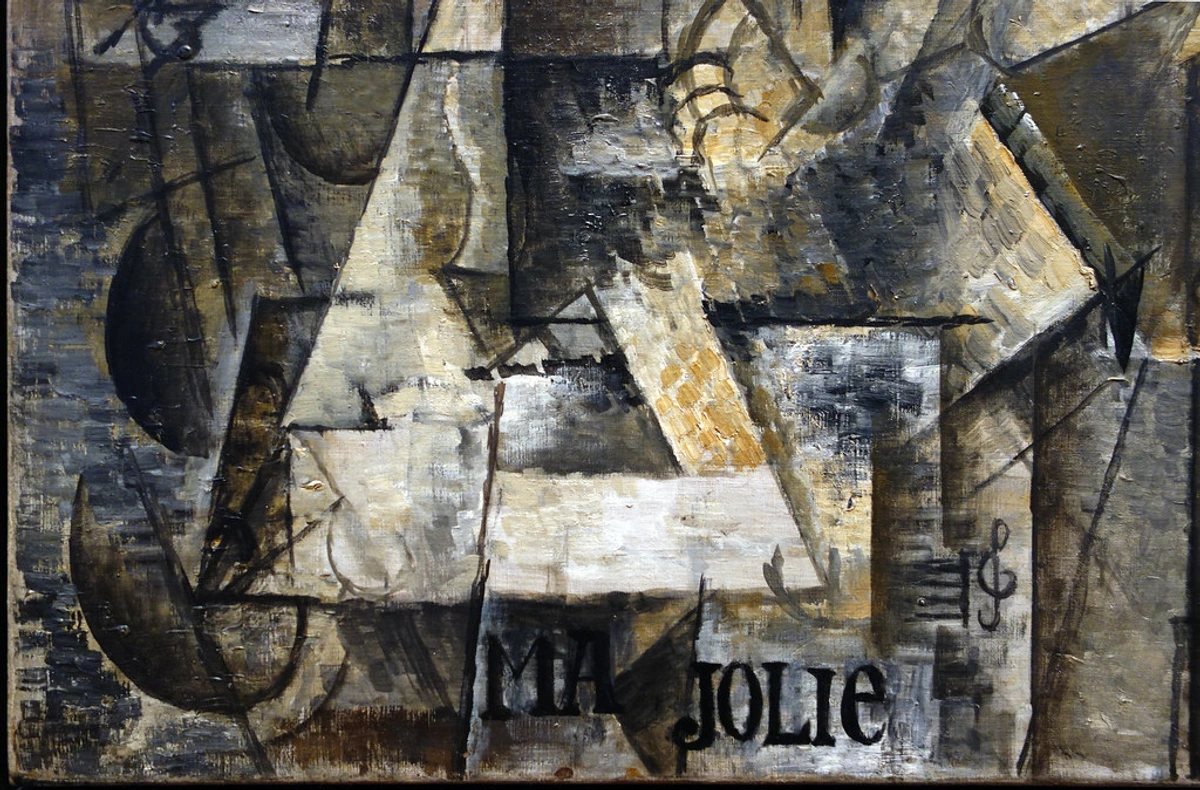
Ultimately, neither is "better" than the other; they are simply different tools for creative expression. Your choice often comes down to your artistic goals, your comfort with technology, and the kind of experience you want from your art-making process. The interplay of rough and smooth, rigid and fluid, opaque and translucent, adds an entire dimension to the viewing experience that can be deeply impactful.
Unlocking Your Narrative: Themes and Inspiration
Collage is an incredibly powerful medium for storytelling, for excavating and presenting personal narratives. You're literally taking fragments of different stories – visual echoes from the past, symbolic elements, bits of text – and building an entirely new one, one that speaks from your own unique perspective. I often think about how our identities are formed, aren't they? Bits and pieces from our past, our hopes and dreams for the future, the people we meet, the places we've been, the ideas we absorb. Collage reflects that beautifully, profoundly, and often surprisingly. It allows for an introspection that’s both gentle and deeply revealing. I've found it can be a deeply personal form of visual journaling, a way to document your thoughts, feelings, and experiences without needing words. It provides a tactile, non-verbal outlet for expression, which is particularly helpful when words fall short. Focusing on the materials and the process helps bring you into the present moment, reducing stress and fostering a sense of calm.
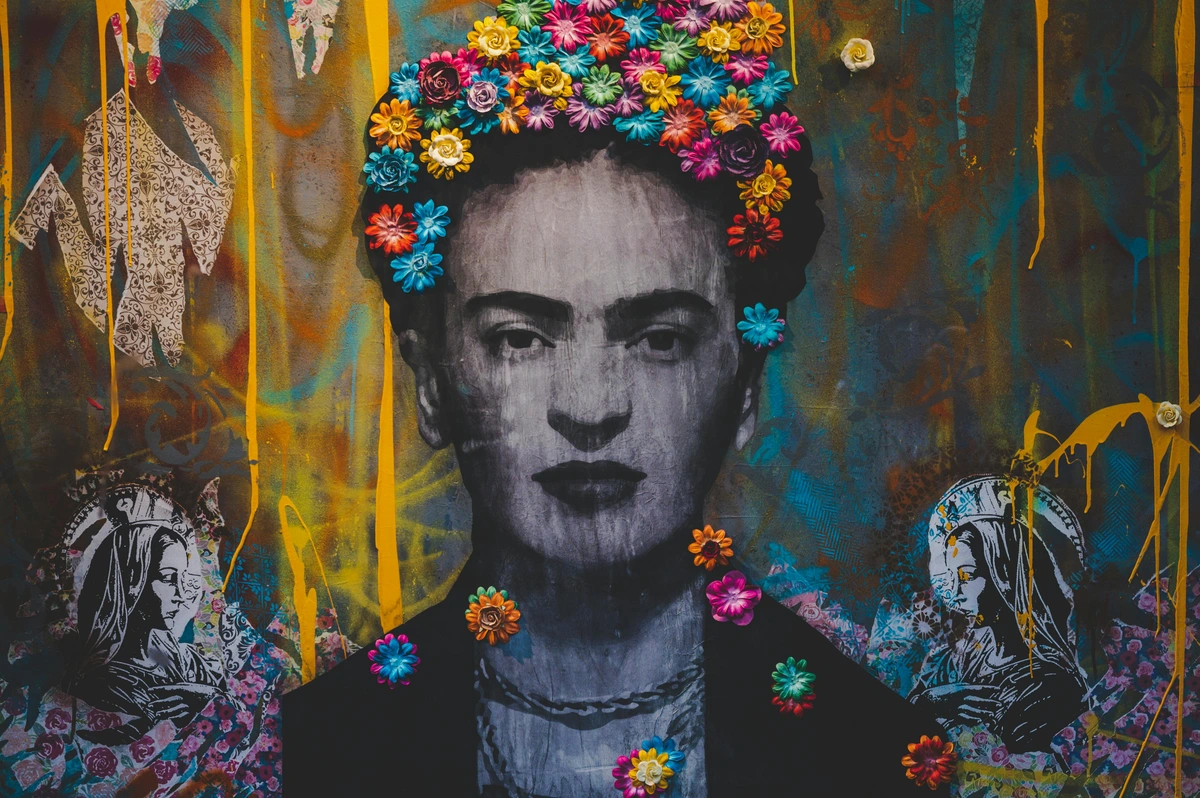
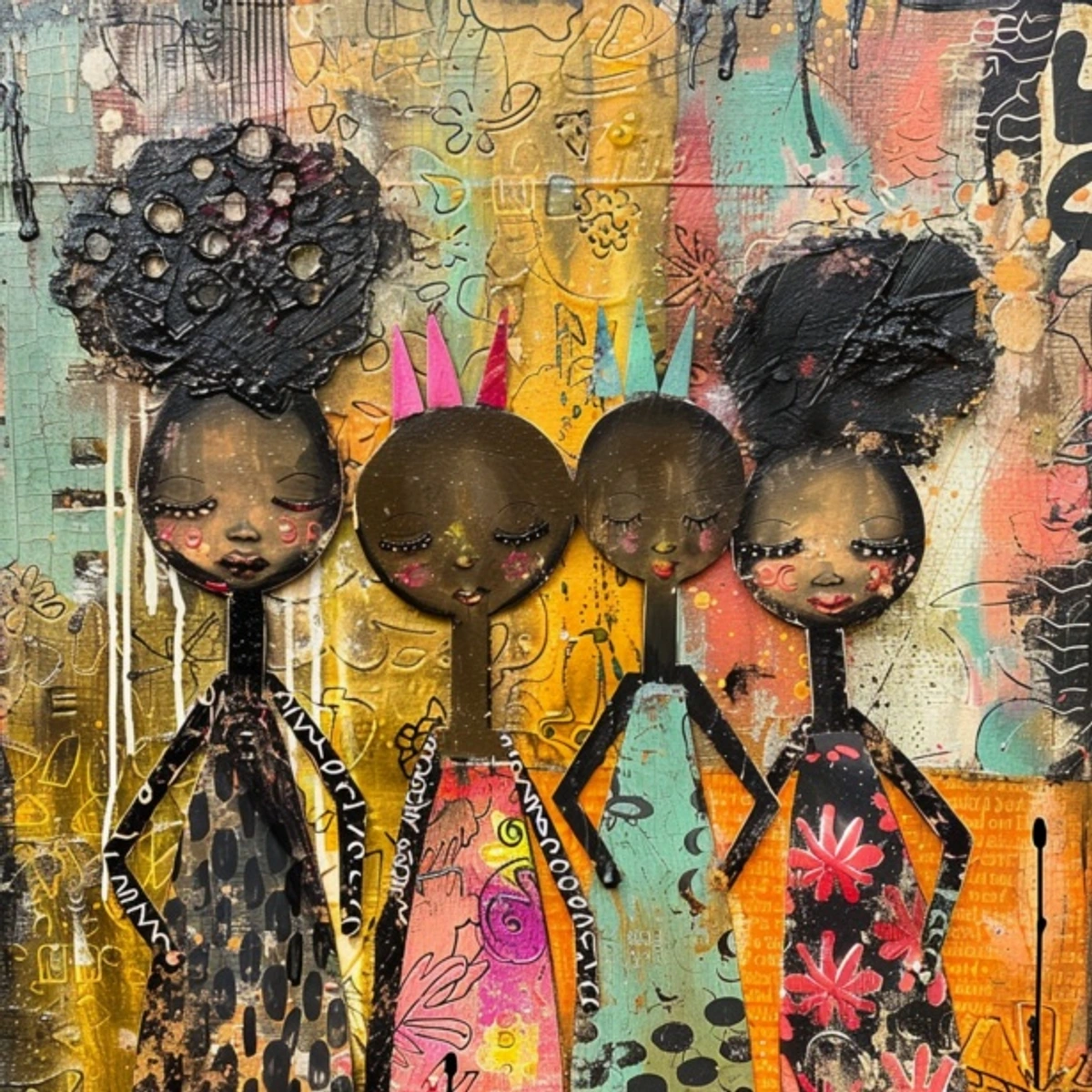
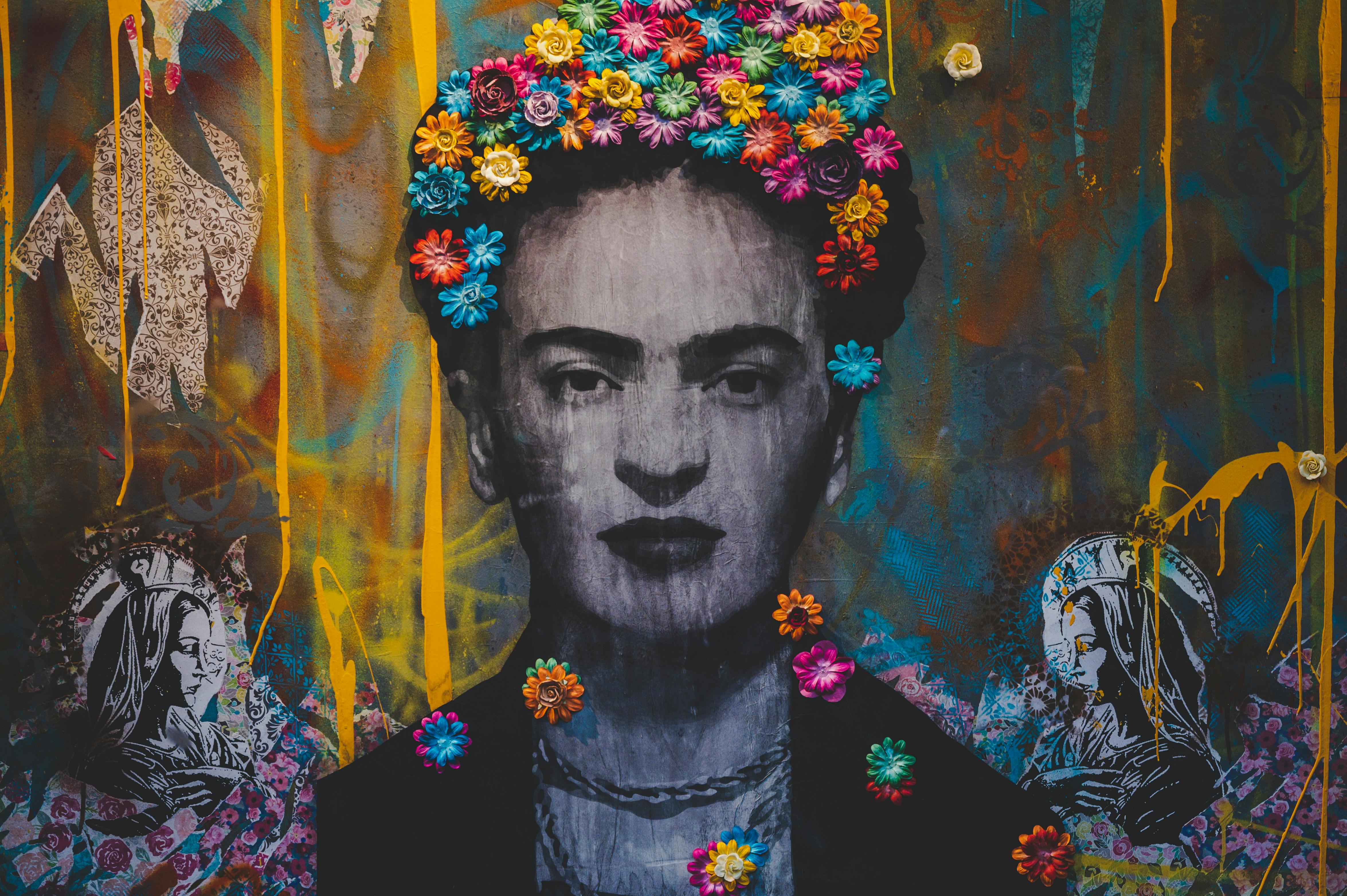
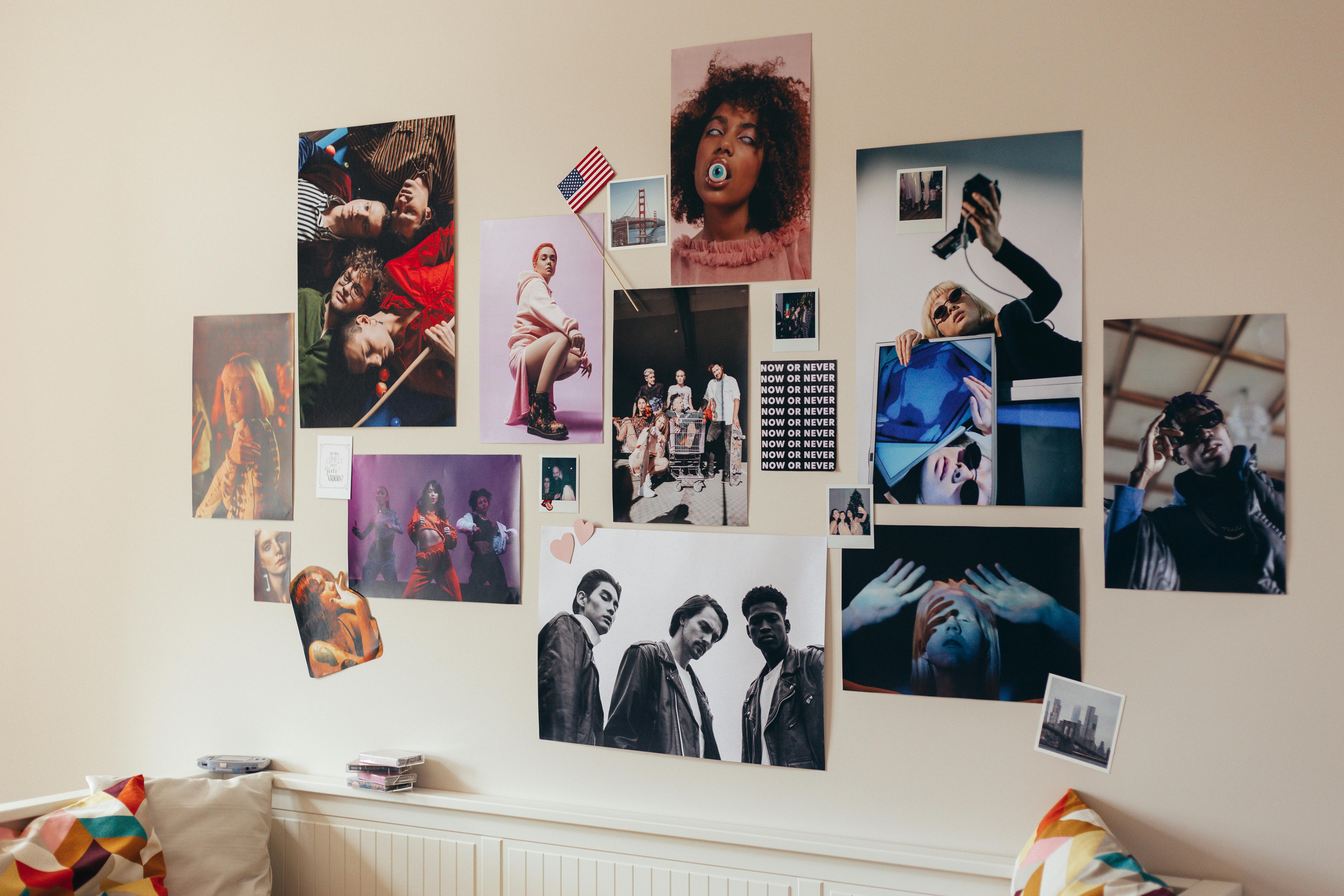
When I’m looking for inspiration, I don't always start with a grand, fully formed theme. Sometimes it's a fleeting feeling, a half-forgotten memory, or even just a single striking image that sparks something deep inside. The process is often organic, letting the materials guide me. For instance, the image below, with its rich symbolism, immediately makes me think about childhood and the complex tapestry of identity – how different pieces of who we are, some visible, some hidden, come together to form the whole. This organic search for meaning is part of the joy.
Where to Find Your Muse:
- Personal Photos & Ephemera: Old letters, faded tickets from a memorable trip, family photographs, postcards – these infuse your work with a genuine, deeply personal history and emotion, creating a powerful sense of connection and nostalgia. They are invaluable for constructing narratives that are uniquely yours.
- Nature: Pressed flowers, delicate leaves, textured sand, rough bark, even a feather – these elements bring the organic beauty of the outside world into your narrative, offering natural textures and serene color palettes. They can symbolize growth, decay, fragility, or strength.
- Magazines & Books: Obvious sources, yes, but don't just look for compelling images; consider the texture of the paper, the evocative nature of certain text, the vibrant colors of glossy ads, or even the unique typography of headlines. Sometimes a single word or a vintage illustration can be the entire spark for a new piece.
- Your Own Art: Cut up old drawings, "failed" paintings, or printouts of digital work. It’s a fantastic, eco-conscious way to recycle and breathe new life into past creations, transforming them into something entirely new and unexpected. This cyclical approach to art-making can be incredibly liberating.
- Digital & Found Object Inspiration: Don't limit yourself to physical paper! Explore public domain image websites, scan old documents, print out interesting textures, or even photograph intriguing patterns you find in your daily life. Packaging from consumer goods, maps, blueprints, even old wrapping paper can yield unexpected treasures. The world truly is your source material! Consider the stories embedded in everyday objects.
- Dreams and Memory: Sometimes the most profound inspiration comes from within. Keep a dream journal, or simply sit with a cherished memory and see what images or feelings emerge. Collage can be a powerful tool for visual storytelling of your inner world.
Developing Your Unique Collage Voice
Just like any art form, with time and practice, you'll start to develop a distinctive "voice" or style in your collage work. This isn't something you force; it emerges naturally from your choices – the types of materials you're drawn to, your preferred cutting or tearing techniques, your color sensibilities, and the recurring themes or stories you find yourself exploring. Don't chase a particular style you see elsewhere; instead, pay attention to what you genuinely enjoy, what feels authentic to your expression. My own artistic style evolved through countless hours of experimentation, much like how your collage voice will too.
Embracing the Unexpected: Tips for a Fearless Collage Practice
This is perhaps the most important lesson I’ve learned about collage, and honestly, about art in general: don't be afraid to make a "mistake." In fact, actively invite them! There's a profound, often breathtaking, beauty in imperfection, a compelling story woven into every unexpected tear or misplaced element. I’ve consistently found that my most interesting, most emotionally resonant pieces often emerge precisely from those moments where I thought I'd messed something up beyond repair. It's about learning to let go of rigid control, trusting the creative process, and allowing the materials to speak back to you. Beyond that, it's about finding sheer joy in the process itself. You can read more about my philosophy on embracing accidents and evolution in my abstract art. Similarly, for me, embracing intuition in abstract painting is absolutely key, and it's no different for collage; it’s about listening to that inner voice, that gut feeling, that guides your hand.
My Golden Rules for a Happier Collage Experience:
- "Messy is Good": A cluttered workspace is often a sign of a mind actively creating. Don't worry about neatness until the very end. Embrace the beautiful chaos that leads to creation!
- "No Rules": Seriously, there are no art police. If you want to use glitter and old screws on the same piece, go for it! The most interesting art often breaks convention.
- "Take Breaks": Step away from your piece. Come back with fresh eyes. You'll see things you didn't before. Distance often reveals new solutions or highlights areas for improvement.
- "Document": Take photos of your work in progress at various stages. It's fascinating to see how a piece evolves, and sometimes you can even go back to an earlier stage if you prefer it, or use those intermediate shots for future inspiration. Plus, it's great for sharing your journey!
- "Don't Compare": Your collage journey is uniquely yours. Avoid comparing your initial efforts to the polished works of seasoned artists. Everyone starts somewhere, and your unique perspective is your greatest asset.
- "Keep an Idea Journal": Whenever inspiration strikes, whether it’s a color combination, a striking image, or a powerful word, jot it down or stick it in a dedicated journal. These sparks can fuel future projects and become a rich personal archive.
- "Know When to Stop": This is a tricky one! Sometimes, the most powerful collages are those that know when to leave some breathing room, when not to add that one more thing. Step back, take a break, and if you're still feeling good about it, perhaps it's done. Overworking can diminish the spontaneous magic.
- "Collaborate (or don't!):" While collage can be a wonderfully solitary activity, don't shy away from the idea of collaborative collages with friends or family. Sharing materials and ideas can open up surprising new directions. But if you prefer your own quiet creative space, that's perfectly valid too!
- "Seek Feedback (Carefully):" A fresh pair of eyes can offer valuable insights. Share your work with trusted friends or an art group, but always remember that artistic feedback is subjective. Take what resonates, and politely disregard what doesn't align with your vision.
Collage and Beyond: Integrating with Other Art Forms
One of the profound reasons I utterly adore collage is how it so effortlessly blends with, and enriches, so many other artistic disciplines. It’s inherently a mixed media art form, almost by its very definition, constantly pushing boundaries. You can boldly paint over elements, draw intricate details on top of found photos, or even incorporate three-dimensional objects and textures, transforming your flat collage into a kind of tactile, bas-relief sculpture. I've even seen artists integrate printmaking techniques, like screen printing or linocut, directly into their collages to add patterns, repeating imagery, or unique textures. Imagine combining the precise lines of a screenprint with the organic tear of paper – the possibilities are truly exciting! It's a constant conversation between different art worlds, breaking down traditional barriers.
It really expands what's possible, allowing you to explore texture in abstract art in incredibly novel and exciting ways. Imagine the raw power of torn paper creating jagged, expressive edges, or the comforting softness of fabric scraps offering a stark, yet beautiful, contrast to crisp, commercial magazine cutouts. The tactile interplay is just as important as the visual. When you look at contemporary artists like Robert Rauschenberg or Hannah Höch, you see how they masterfully blurred these lines, combining paint, found objects, and printed matter to create works that challenged perceptions and pushed the very definition of art. Their work, and that of countless others, proves that collage is not a secondary art form, but a powerful, central player in the evolving landscape of creative expression. The possibilities are truly, wonderfully endless, and that's precisely why collage isn't just a technique for me; it's a foundational philosophy and a vital part of my own artistic toolkit, constantly inspiring new directions in my abstract work.
Collage & Other Art Forms: A Synergy
Art Form | How Collage Integrates |
|---|---|
| Painting | Collage elements can serve as a textured ground, focal points, or be painted over to create seamless (or intentionally fragmented) compositions. Think of it as painting with paper, adding pre-existing colors and patterns. Many abstract artists, like myself, use it to build up depth and narrative in abstract mixed media. |
| Drawing | Drawn lines can connect disparate collage elements, add detail, shading, or create new forms on top of existing images. Collage can also provide an interesting textured surface to draw upon, challenging traditional drawing surfaces. |
| Sculpture | Assemblage takes collage into the third dimension, incorporating found objects, textiles, and other materials to build sculptural forms. It blurs the lines between two-dimensional surface and three-dimensional volume, adding tactile richness. |
| Photography | Photo collage (as discussed above) is a direct integration. But photography can also be used to document collage elements before they're glued, or to capture the finished piece in a new light, playing with focus and perspective. Digital collage is also heavily rooted in photographic manipulation. |
| Printmaking | Techniques like screen printing, monotype, or linocut can be applied directly onto collage elements, or collaged elements can be incorporated into the printing matrix itself, creating unique textures and repeating patterns within a larger collage composition. |
| Textile Art | Fabric scraps, yarn, and other fibrous materials are natural fits for collage, bringing in warmth, softness, and unique tactile qualities. This often blurs into quilting, embroidery, and other fiber art techniques, creating highly textured, multi-layered works. |
| Calligraphy/Lettering | Found text, cut-out letters, or even calligraphic elements drawn or printed onto paper can become powerful components in a collage. They add narrative, symbolic meaning, or purely aesthetic lines and shapes, merging visual art with the beauty of language. |
Collage for Different Age Groups
One of the most beautiful aspects of collage is its universal appeal and accessibility, making it a fantastic creative outlet for people of all ages. From toddlers discovering textures to seasoned artists exploring complex themes, collage offers something for everyone.
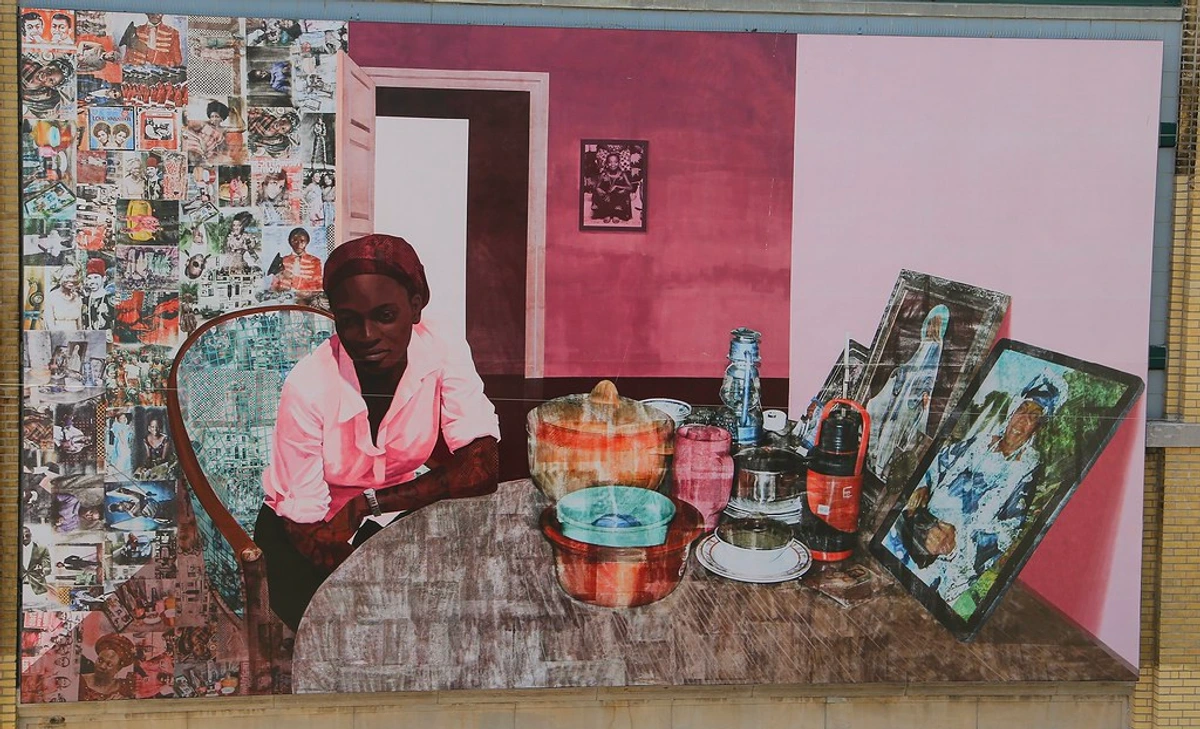
For Kids: Playful Exploration and Fine Motor Skills
Introducing children to collage is an incredible way to foster creativity, develop fine motor skills (tearing, cutting, gluing), and encourage imaginative play. The lack of "right" or "wrong" in collage removes performance pressure, allowing kids to freely experiment with colors, shapes, and materials. Set out old magazines, fabric scraps, construction paper, and child-safe glues and scissors, and just let them go wild! It’s less about the finished product and more about the joyful process of discovery.
For Teens: Identity, Expression, and Social Commentary
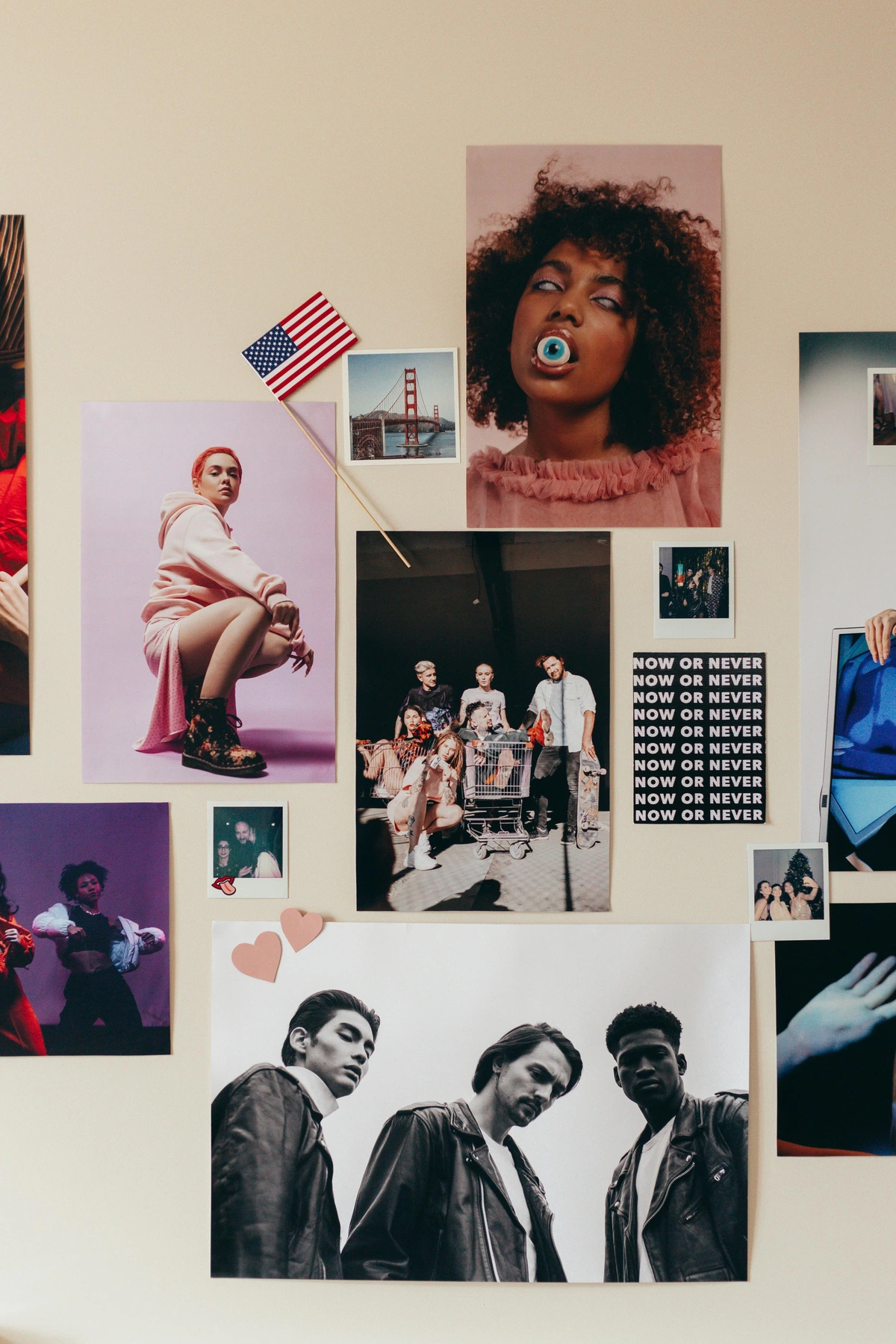
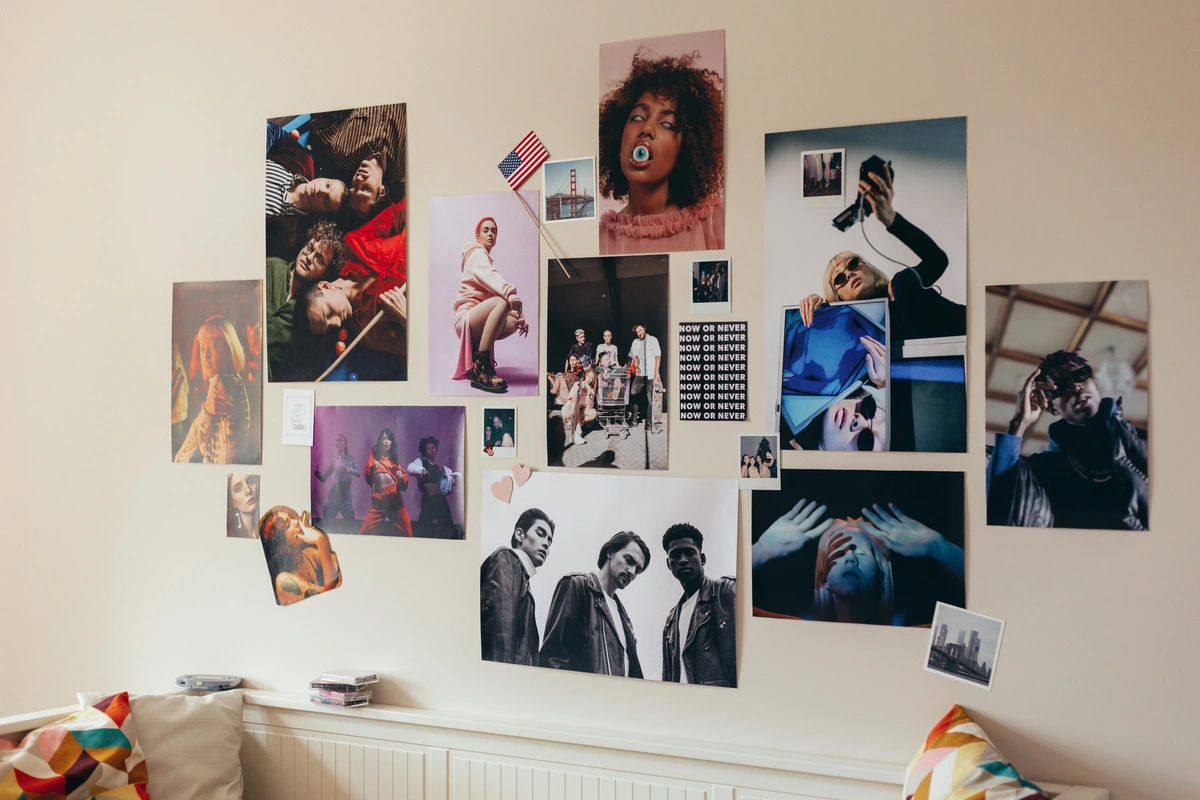
For teenagers, collage can be a powerful tool for exploring identity, social issues, and personal narratives during a time of significant self-discovery. They can use it to create mood boards, express complex emotions, or make statements about the world around them. The accessible nature of collage, often utilizing readily available materials, makes it a less intimidating entry point into serious art-making, fostering confidence and a unique voice.
For Adults: Mindfulness, Expression, and Skill Building
For adults, collage offers a potent blend of mindfulness, self-expression, and continuous skill development. It's a chance to step away from screens, engage your hands, and tap into your intuition. Whether you're creating a vision board, exploring personal narratives, or simply enjoying the meditative act of selecting and arranging, collage can be deeply therapeutic. It also provides endless opportunities to learn new techniques, blend different mediums, and push your artistic boundaries.
The Environmental Artist: Sustainable Collage Practices
As an artist, I'm always thinking about my impact, and collage, with its inherent use of 'found' materials, aligns beautifully with sustainable practices. It's a deeply satisfying way to create art while minimizing waste and giving new life to discarded items.
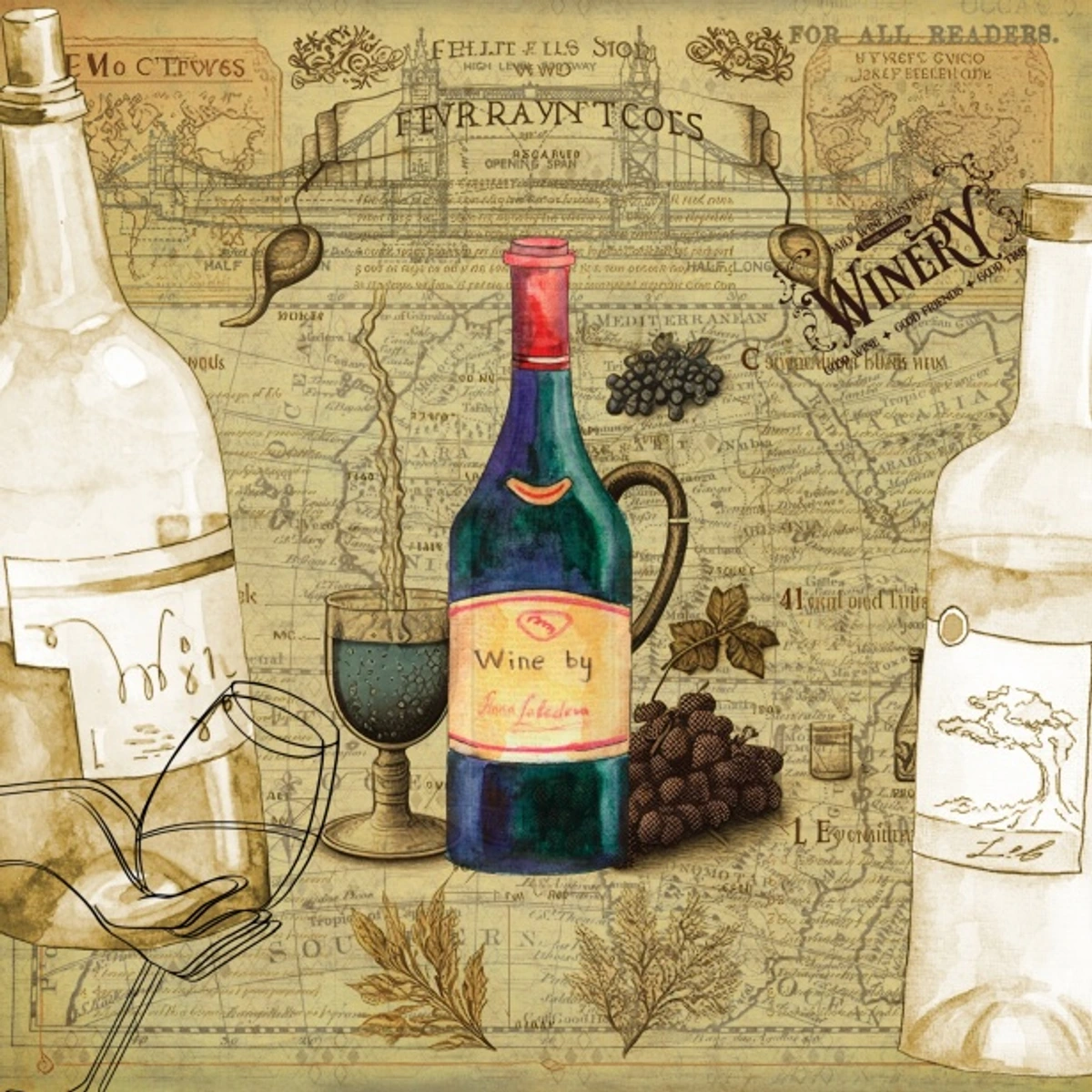
My Tips for an Eco-Conscious Collage Practice:
- Embrace the Scavenger Hunt: Your recycling bin, thrift stores, and even the sidewalk can be incredible sources. Look for old maps, newspapers, packaging, fabric scraps, or discarded books. This reduces what goes to landfills and gives your art a unique, layered history.
- Opt for Eco-Friendly Adhesives: Choose glues that are acid-free, non-toxic, and ideally plant-based or made from sustainable resources. PVA glues are generally a good choice. I always recommend checking the labels for certifications.
- Repurpose Your Own "Mistakes": Don't throw away old drawings, paintings, or paper experiments. Cut them up, tear them, and incorporate them into new collages. It's a wonderful way to recycle your own creative output, turning what might seem like a "failure" into a new beginning.
- Consider Natural Elements: Dried leaves, pressed flowers, sand, or small twigs can add beautiful organic textures to your work and connect you to nature. Just ensure they are thoroughly dry to prevent mold or degradation in your finished piece.
- Mindful Printing: If you're incorporating digital elements, try to print on recycled paper or use efficient printing methods to reduce paper and ink waste. Consider printing multiple images on one sheet to save resources.
- Support Sustainable Brands: When you do need to buy new art supplies, research brands that prioritize eco-friendly manufacturing, ethical sourcing, and non-toxic materials. Your choices can make a difference!
Creating art can be a mindful act of consumption, and collage truly shines in this regard. You're not just making art; you're actively participating in a cycle of renewal and transformation.
Common Collage Challenges and How to Overcome Them
As much as I adore collage, I'd be lying if I said the journey is always smooth sailing. We all hit creative roadblocks or grapple with technical issues. Here are some common challenges you might encounter and my personal tips for navigating them:
Challenge | Description | My Tried-and-True Solution |
|---|---|---|
| "Blank Canvas" Fear | Feeling intimidated by a pristine surface, unsure where to start. | Don't start with the "good" paper! Grab a scrap piece, warm up by tearing and gluing without a plan, or start with a pre-painted background. The goal is to break the ice and get your hands moving. Sometimes I just choose three random images and force myself to combine them, no matter how silly. |
| Overwhelm from Too Many Materials | Drowning in a sea of clippings, unable to make choices. | Curate your selection. Before a session, choose a limited palette (e.g., only reds and blues) or a specific theme (e.g., "nature" or "futuristic city"). Put away everything else. This constraint can paradoxically unlock more creativity. |
| Lack of Cohesion/Disconnected Elements | Pieces feel disjointed, like a random collection rather than a unified artwork. | Think about color, line, and texture as unifying forces. Use paint washes over multiple elements to blend colors, draw lines or shapes that connect disparate pieces, or repeat a certain texture across the composition. Viewing your piece in black and white can also reveal compositional issues more clearly. |
| Bubbling or Wrinkling Paper | Frustrating air bubbles or paper puckering after gluing. | Thin, even glue application is key! Use a brayer or a smooth, dry cloth to press out air bubbles from the center outwards immediately after applying. For very thin papers, spray adhesive (in a well-ventilated area) can be a game-changer. Ensure your base surface is thick enough to handle moisture. |
| Creative Block / Lack of Inspiration | Feeling stuck, uninspired, or unsure what to create next. | Take a break! Look at art books, go for a walk, listen to music, or simply tidy your workspace. Sometimes the best way to find inspiration is to stop looking for it. Try a prompt like "collage a dream" or "represent a sound." |
| Damage During Process / "Mistakes" | Tearing a piece you loved, or gluing something in the "wrong" place. | Embrace it! This is collage's superpower. Can you glue something else over it? Can the tear become an intentional design element? Can you cut around the mistake and incorporate it into a new piece? There are no mistakes, only opportunities for revision and new directions. |
Remember, every artist faces challenges. The key isn't to avoid them, but to develop a toolkit of strategies and a resilient mindset.
Frequently Asked Questions About Collage Art
Q1: What kind of glue is best for collage?
A: For most paper-based collages, I highly recommend an acid-free PVA glue (like archival craft glue) or a good quality glue stick. PVA provides a strong bond and won't yellow your paper over time. For heavier elements or textured additions, a gel medium works wonderfully and also acts as a sealant. Always test a small amount on your materials first to ensure compatibility and prevent unwanted discoloration.
Q2: How do I find source material without buying new magazines?
A: Oh, the joy of the hunt! Look in your recycling bin for junk mail, old newspapers, or packaging. Thrift stores are goldmines for old books and magazines. Family photo albums (with permission, of course!) can add a deeply personal touch. Even walking down the street, you might find discarded flyers or interesting textures on peeling billboards. The world is your collage supply store! Don't forget public domain digital archives for endless copyright-free images you can print.
Q3: Can I combine collage with painting?
A: Absolutely! This is where the magic of mixed media truly shines. You can paint a background first, glue your collage elements on top, and then paint over or around those elements to integrate them. Acrylics, watercolors, and even oil pastels work beautifully. It allows for incredible depth and texture, like exploring texture in abstract art.
Q4: My collage looks messy and unfocused. Any tips?
A: First, embrace the "messy"! Sometimes that's the point. But if you want more cohesion, try focusing on a limited color palette. Or, use repetition of a certain shape or texture to tie elements together. Another trick is to use paint or ink to create unifying lines or washes over the entire piece, making disparate elements feel connected. Step back frequently, or even view your work in a mirror, to get a fresh perspective. Sometimes, less is truly more – don't feel compelled to fill every single space.
Q5: How do I prevent my collage from buckling or warping?
A: This is a common concern! The key is using a sturdy, archival base surface (like heavy cardboard, wood panel, or stretched canvas) and applying your adhesive evenly and thinly. Too much glue, especially water-based glues, can saturate paper and cause it to wrinkle or buckle as it dries. After applying elements, use a clean brayer or roller to smooth out any air bubbles and ensure full adhesion. For larger pieces, placing your finished (but not yet dry) collage under a heavy, flat object (like books between wax paper) overnight can help keep it flat as it cures.
Q6: Can I sell my collage art, and what about copyright?
A: Yes, absolutely you can sell your collage art! Many artists make a living from it. Regarding copyright, it's a nuanced area. Generally, if you're using public domain images (which are images whose copyrights have expired, or were never copyrighted), or elements that are significantly altered and transformed into a new original work (often referred to as 'fair use' or 'transformative use'), you're usually in the clear. However, using copyrighted images directly without permission could lead to issues. Many artists lean towards using their own photos, found objects, or public domain sources to avoid legal complications. The most important thing is to make the work your own through substantial creative input, making it clearly distinct from the original source material. I always encourage artists to understand the basics of understanding artist royalties and licensing to protect their work.
Q7: What if I don't like my finished collage?
A: Don't panic! It happens to every artist, myself included. Sometimes, a piece just doesn't resonate. Here's what I recommend: first, set it aside for a few days or even weeks. Your perspective will change. Second, try rotating it – sometimes a different orientation completely transforms it. Third, don't be afraid to rework it! You can paint over parts, add new layers, cut it up and use parts for a new collage, or even decollage elements. Think of it as a learning experience, not a failure. Every piece, even the "unloved" ones, teaches you something valuable about your process and preferences.
Q8: How do I protect and preserve my finished collage?
A: Protecting your artwork ensures its longevity! After your collage is completely dry, you can apply a clear, archival spray varnish (matte, satin, or gloss) to protect it from UV light, dust, and humidity. Always apply in a well-ventilated area. If your collage has a lot of texture or 3D elements, consider displaying it in a shadow box frame rather than a traditional frame with glass that might press against the surface. For flatter pieces, archival framing with UV-protective glass is an excellent option. Store unframed pieces flat in acid-free portfolios or boxes, away from direct sunlight and extreme temperature changes.









Q9: What's the difference between collage and decoupage?
A: This is a great question, as they both involve gluing paper! The main distinction lies in their artistic intent and outcome. Decoupage is typically a craft that involves cutting out paper images and gluing them onto objects (like furniture, boxes, or plates) and then covering them with multiple layers of varnish or sealant to create a smooth, lacquered, integrated surface that looks almost painted. The goal is often decorative and seamless. Collage, on the other hand, is generally considered a fine art technique. While it also involves gluing, its intent is often to create new meaning through juxtaposition, fragmentation, and visible layering. Collages frequently embrace texture, the raw edges of torn paper, and the deliberate visibility of its constituent parts, focusing on conceptual or expressive outcomes rather than just a smooth, decorative finish. Think of decoupage as hiding the seams, and collage as celebrating them!
Q10: Can collage be a form of therapy or mindfulness practice?
A: Absolutely, and I can speak to this from personal experience! The act of selecting, tearing, arranging, and gluing materials can be incredibly meditative and therapeutic. It provides a tactile, non-verbal outlet for expression, which is particularly helpful when words fall short. Focusing on the materials and the process helps bring you into the present moment, reducing stress and fostering a sense of calm. Many art therapists utilize collage precisely for its ability to help individuals explore emotions, build self-awareness, and find creative solutions to personal challenges. It's a gentle yet powerful way to connect with your inner self. You can learn more about how art can foster inner peace in mindful moments: how abstract art can be a gateway to inner peace and reflection.
Q11: What's the best way to store collage materials?
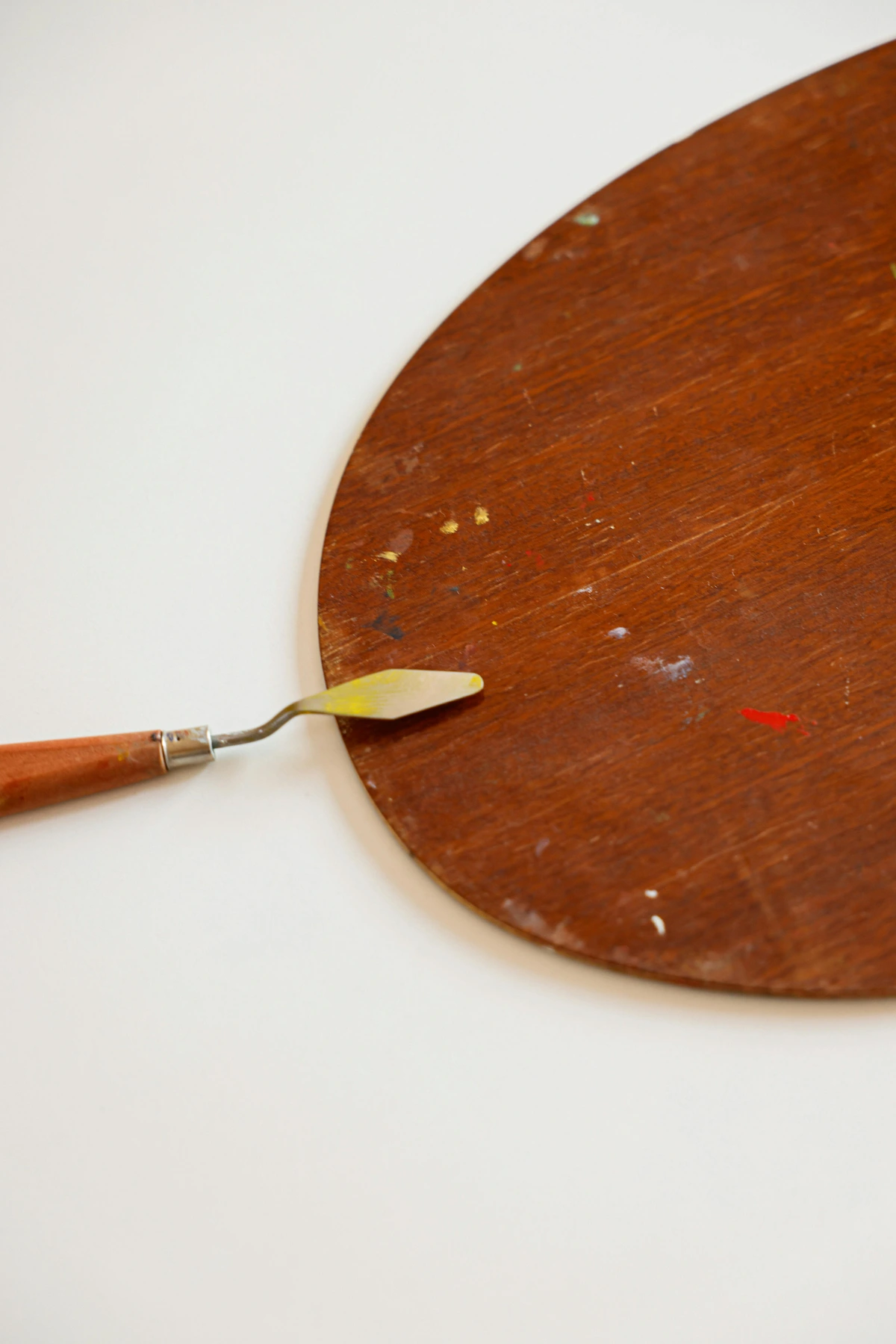
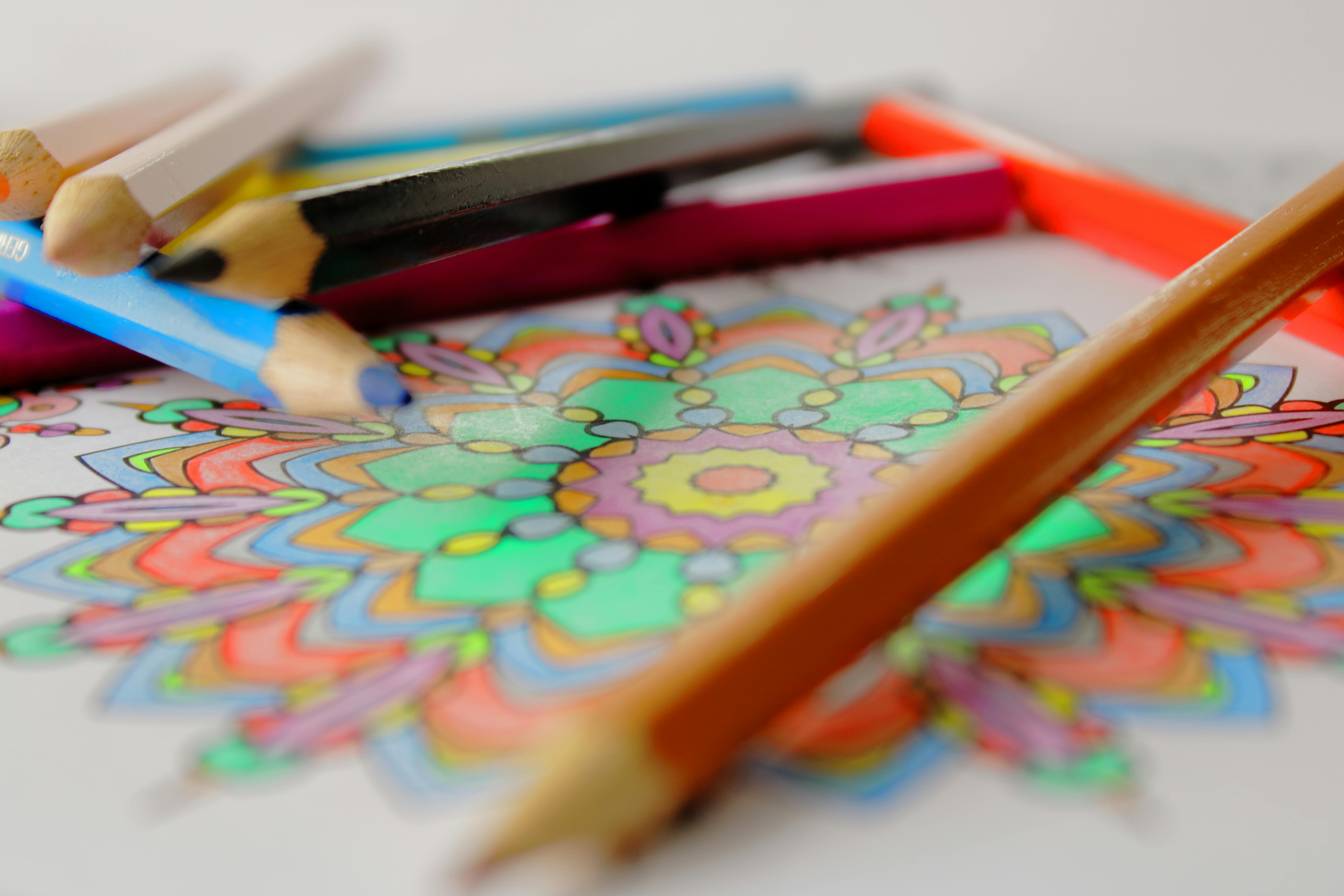
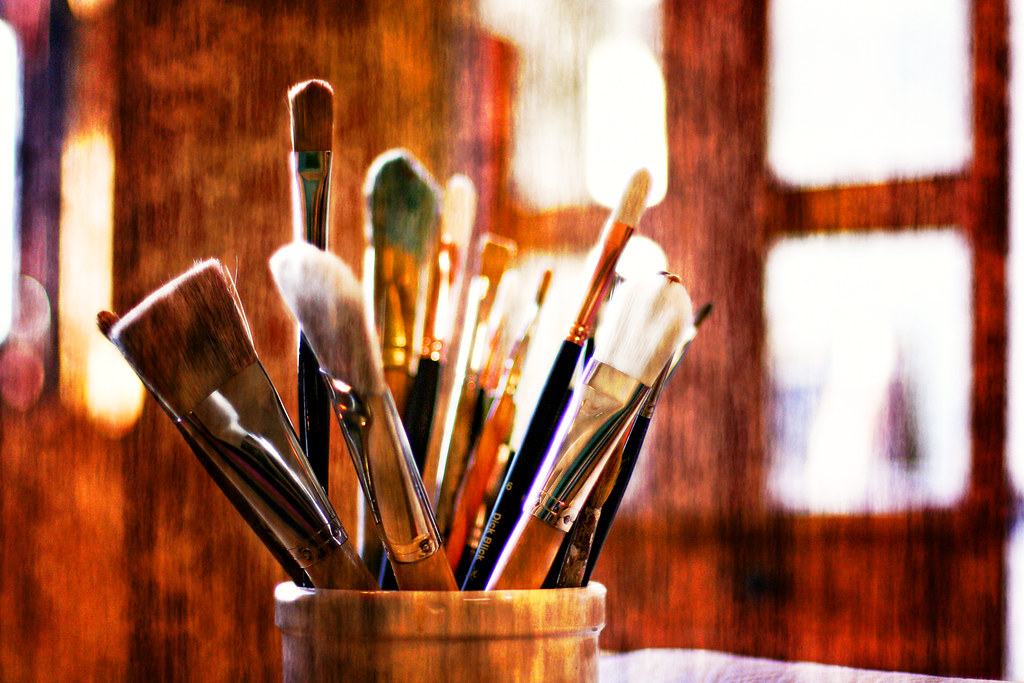
A: Staying organized makes the creative process so much smoother! I recommend clear plastic containers or shoeboxes for smaller scraps, organized by color, texture, or theme. Flat documents, magazines, and larger papers can be stored in acid-free portfolios or upright in magazine files. Keep your adhesives in a cool, dry place, and always seal them tightly to prevent drying out. A rolling cart can be a fantastic way to keep your most-used supplies mobile and accessible, as seen in this close-up of art supplies.
Conclusion: Your Invitation to Play
Collage, for me, isn't just an art form; it’s a philosophy. It’s about taking fragments and turning them into a whole, about finding beauty in the discarded, and about the sheer joy of hands-on creation. It’s a wonderful entry point for anyone curious about making art, providing immediate gratification and endless opportunities for personal expression.
So, go on. Gather your bits and pieces, find a surface, grab some glue, and just start. Don't worry about the outcome, just enjoy the process. Who knows what beautiful jumble you’ll create, or what new parts of yourself you’ll discover along the way? This artistic journey is uniquely yours, and the insights you gain through creative play are invaluable.
If you're ever looking for inspiration, feel free to explore my abstract art or delve into my artistic timeline – you might just find a spark for your next masterpiece. And remember, the journey of artistic exploration is often the most rewarding destination. I also frequently share behind-the-scenes looks at my own creative process on my social media, offering further inspiration and practical tips. Come join the conversation!