The Power and Peril of Cadmium Red: A Painter's Love Letter
Uncover the secrets of cadmium red—the passionate heartbeat of oil painting. From mixing magic to emotional resonance, discover why this pigment makes every artist's heart beat faster.

The Power and Peril of Cadmium Red: A Painter's Love Letter
I know what you're thinking. "Cadmium red? Isn't that... just red?" Oh, my dear reader, prepare to have your perception of red shattered. That little tube of pigment hiding in your paintbox? It’s not just color. It’s emotional dynamite. It’s the reason viewers lean closer to your canvases, their breath catching mid-inhale. It’s also the reason you might swear while cleaning your brushes. Let’s pull back the curtain and explore this magnificent, maddening love affair oil painters have with cadmium red.
The Heartbeat of Your Palette
Picture this: You’re standing before a blank canvas. The room’s quiet, except for your own heartbeat. You squeeze a ribbon of cadmium red onto your palette. That intense, unapologetic orange-red staring back at you? That’s not pigment. That’s pure potential. It’s a conversation starter. A challenge. A promise of something vibrant yet volatile.
Cadmium red isn’t a single color, either. It’s a family. There’s cool scarlet, fiery deep, and earthy light. Each has its own personality, its own quirks, its own way of stealing the show or playing supporting role.
Shade  | Hue Character | Best Paired With | Emotional Vibe | Artist Applications |
|---|---|---|---|---|
| Cadmium Red (Light) | Warm, orange-red | Ultramarine Blue, Sap Green | Joyful, energetic | Sunsets, autumn leaves, warm skin tones |
| Cadmium Red (Medium) | Balanced, rich viridian | Cerulean Blue, Naples Yellow | Confident, classic | Portraits, still lifes, architectural details |
| Cadmium Red (Deep) | Cool, bluish-red | Viridian, Dioxazine Purple | Moody, dramatic | Night scenes, shadows, dramatic lighting |
| Cadmium Scarlet | Extremely intense, pure red | White, yellow ochre, Naples yellow | Passionate, urgent | Focal points, high-impact areas, emotional statements |
| Cadmium Red Dark | Very cool, almost purple-blend | Phthalo blue, alizarin crimson | Intense, dramatic | Gothic scenes, deep shadows, emotional depth |
| Cadmium Red Orange | Warm, orange-leaning | Cadmium yellow, raw sienna | Warm, autumnal | Autumn landscapes, warm interiors, nostalgic scenes |
| Cadmium Red Pale | Light, transparent mix | Titanium white, lemon yellow | Delicate, subtle | Soft flesh tones, delicate flowers, ethereal effects |
| Permanent Red | Non-toxic alternative | Same as cadmium variants | Similar emotional impact | Student work, practice pieces, environments with safety restrictions |
More Than Pigment: The Emotional Resonance
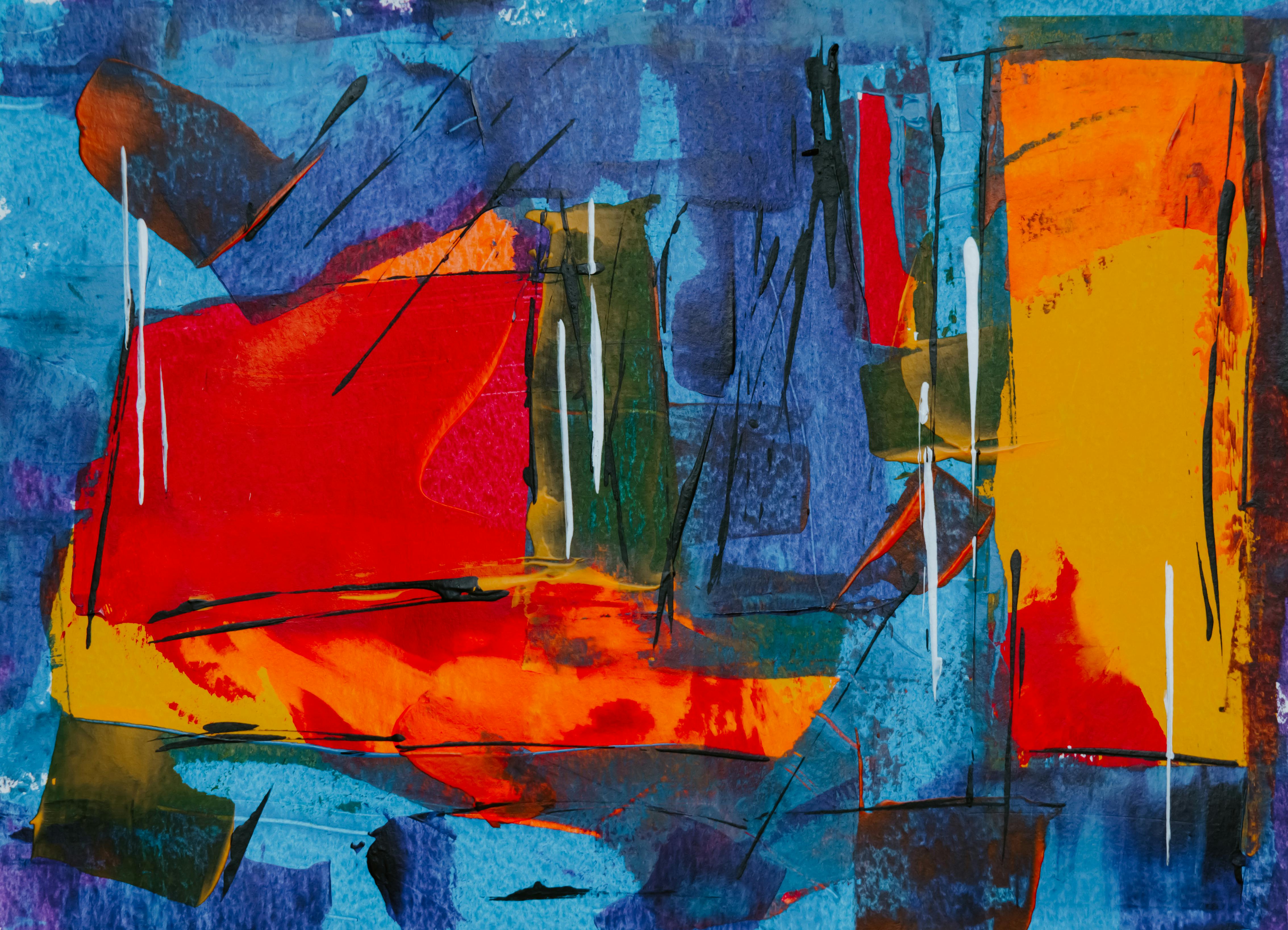
You ever notice how cadmium red makes a painting feel alive? That’s science meeting art. This pigment doesn’t just add color; it adds temperature. It pushes things forward on the canvas. It creates illusions of heat and fire and passion. I remember working on this abstract piece meant to capture the frenzy of a crowded market. The cadmium red? That was the shouting. The vibrant energy. Without it, the painting would have been whispering.
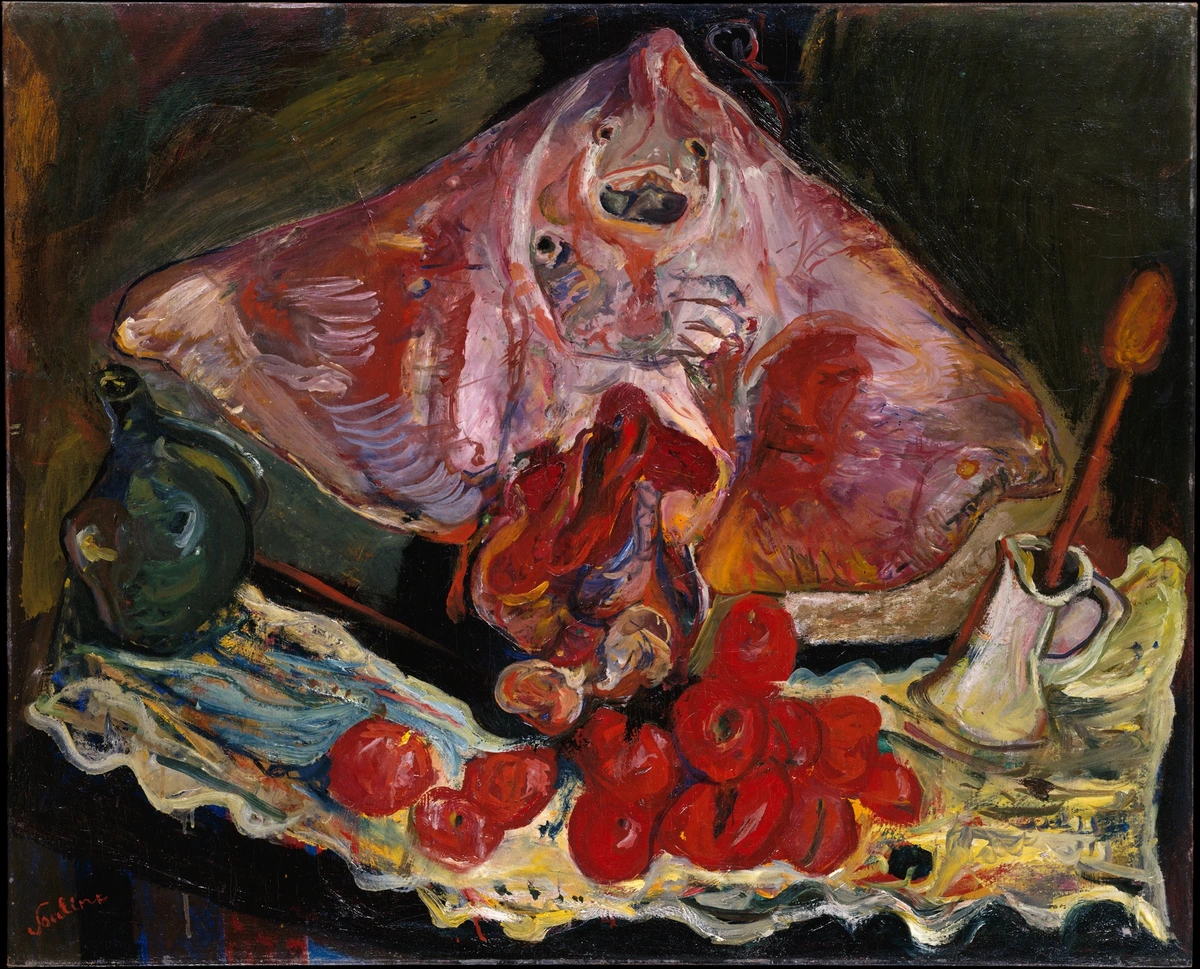
But here’s the twist: cadmium red is also a master of subtlety. Under thin glazes of transparent oxide red or alizarin crimson, it deepens into shadows. It creates warmth where titanium white might feel harsh. It’s like adding a bassline to your color composition—suddenly, everything has weight.

Practical Magic: Bringing Cadmium Red to Life
The Complete Mixing Guide
Mixing with cadmium red requires understanding both its strengths and limitations. Here's a comprehensive approach that will transform your color mixing:
The first secret? Cadmium red plays beautifully with others—but only if you know the rules. Here’s what I’ve learned through happy accidents and frustrating disasters:

Temperature Control Mixing
The most important aspect of cadmium red mixing is temperature management:
Desired Effect | Mixing Formula | Result | Application Tips |
|---|---|---|---|
| Cool Red | 1 part cadmium red + 1 part ultramarine blue + 2 parts white | Deep, cool red with purple undertones | Perfect for shadows, night scenes, dramatic lighting effects |
| Warm Red | 2 parts cadmium red + 1 part yellow ochre + 3 parts white | Bright, sunny red with orange undertones | Ideal for sunsets, autumn scenes, warm skin tones |
| Neutral Red | 1 part cadmium red + 1 part raw sienna + 3 parts white | Balanced, versatile red | Great for portraits, still lifes, everyday subjects |
| Deep Burgundy | 2 parts cadmium red + 1 part ultramarine blue + 1 part burnt sienna | Rich, sophisticated dark red | Perfect for wine glasses, dark fabrics, moody atmospheres |
| Coral Pink | 1 part cadmium red + 4 parts titanium white + hint of lemon yellow | Soft, warm pink | Great for flowers, blush tones, romantic scenes |
| Rust Red | 1 part cadmium red + 1 part burnt sienna + 2 parts white | Earthy, warm red-orange | Perfect for autumn landscapes, aged wood, vintage scenes |
| Cherry Red | 1 part cadmium red + 1 part alizarin crimson + 3 parts white | Deep, rich cherry | Ideal for fruits, holiday scenes, rich fabrics |
| Fire Engine Red | 3 parts cadmium red + 1 part cadmium yellow + 4 parts white | Bright, pure red | Great for emergency vehicles, flags, attention-grabbing elements |
Opacity and Transparency Techniques
Cadmium red is inherently opaque, but you can create semi-transparent effects:
- Glazing Method: Thin with stand oil and turpentine for transparent layers
- Scumbling: Use drybrush technique over textured surfaces
- Washes: Mix with minimal medium for watercolor-like effects
Common Mixing Mistakes to Avoid
- Adding too much red at once: Start with white and add red slowly
- Overmixing: Stop once color is evenly distributed
- Using complementary colors carelessly: Green + red = brown if not balanced properly
- Ignoring undertones: Different brands behave differently
Advanced Mixing Combinations
Base Color | Cadmium Red Ratio | Secondary Color | Resulting Hue | Best For |
|---|---|---|---|---|
| Cadmium Yellow | 1:1 | - | Orange | Sunsets, flames, autumn leaves |
| Titanium White | 1:4 | - | Pink | Flowers, skin tones, clouds |
| Ultramarine Blue | 1:1 | - | Purple | Shadows, night scenes, grapes |
| Burnt Sienna | 1:2 | - | Rust | Autumn landscapes, aged wood |
| Viridian Green | 1:3 | - | Olive | Foliage, military scenes, natural textures |

Professional Color Mixing Chart
Here's a systematic approach to creating a comprehensive color range with cadmium red:
Primary Mixes (Starting Points)
- Crimson: Cadmium red + tiny touch of ultramarine
- Scarlet: Cadmium red + tiny touch of yellow
- Coral: Cadmium red + titanium white + hint of yellow
- Burgundy: Cadmium red + ultramarine + tiny touch of burnt sienna
Secondary Mixes (Building on Primaries)
- Rose: Crimson + titanium white
- Salmon: Coral + tiny touch of burnt sienna
- Violet: Crimson + ultramarine
- Rust: Burgundy + burnt sienna
Tertiary Mixes (Complex Colors)
- Dusty Rose: Rose + tiny touch of raw sienna
- Magenta: Crimson + quinacridone rose
- Terracotta: Rust + yellow ochre
- Eggplant: Burgundy + dioxazine purple
Extended Professional Palette
For those who want to master cadmium red, here's an expanded mixing chart that covers more sophisticated color relationships:
Warm Family
- Coral Red: 1 part cadmium red + 3 parts titanium white + 1/4 part lemon yellow
- Salmon Pink: 2 parts coral red + 1/2 part burnt sienna
- Peach: 1 part coral red + 1 part titanium white + 1/2 part Naples yellow
- Cinnamon: 1 part burnt sienna + 1/2 part cadmium red
Cool Family
- Deep Rose: 1 part crimson + 4 parts titanium white
- Plum: 1 part deep rose + 1/2 part dioxazine purple
- Burgundy: 1 part crimson + 1 part ultramarine + 1/2 part burnt sienna
- Wine: 1 part burgundy + 1/2 part raw umber
Neutral Family
- Dusty Red: 1 part cadmium red + 1 part raw sienna + 3 parts titanium white
- Ochre Red: 1 part cadmium red + 2 parts yellow ochre + 4 parts titanium white
- Muted Red: 1 part cadmium red + 1 part Payne's gray + 4 parts titanium white
- Earth Red: 1 part cadmium red + 1 part burnt umber + 3 parts titanium white
Layering Dance
Cadmium red loves the stage but hates being buried. Here’s how to make it shine:
- Underpainting: Skip it. Cadmium red needs direct sunlight. Start with it on the first layer where you want impact.
- Drybrush: Use a stiff brush with barely any paint on it. Drag it lightly over textured areas for scratchy, energetic highlights. Like a heated argument caught in paint.
The Lightfastness Trap
This is where the romance gets complicated. Cadmium red? It’s stubborn. Beautifully, frustratingly permanent. But... there’s a catch. Cadmium pigments fade if buried under dark mixtures like phthalo blue or dioxazine purple. Always let them breathe on the surface. And never, ever use a cadmium red underpainting for a subsequent blue glaze. It’ll mutiny. (Trust me. I’ve had paintings yell back.)
Common Pitfalls & How to Avoid Them
- Toxicity: Cadmium isn’t a joke. Wear gloves. Don’t eat near your palette. Dispose of rags properly (they’re spontaneous combustion risks!).
- Muddiness: This pigment loves to overwhelm. Keep it company with bold whites—not earth tones unless you want browns.
- Expense: Good stuff’s pricey. Don’t waste it by mixing muddy colors. Buy small tubes and use them sparingly. Every stroke counts.
Frequently Asked Questions
Does cadmium red truly fade over time?
Yes and no. Pure cadmium red pigments are lightfast, meaning they resist fading when exposed directly to light. However, they can darken or change hue if mixed with unstable pigments or layered improperly. Store paintings away from direct UV light and avoid sealing under varnishes containing unstable resins.
Detailed Answer: Cadmium red has excellent lightfastness ratings (I or II on the ASTM scale), meaning it should show minimal fading even after decades of normal exposure. However, several factors can affect its longevity:
- Layering issues: Cadmium red can fade if buried under dark pigments like phthalo blue
- Chemical reactions: Mixing with certain pigments can cause instability
- Environmental factors: UV exposure, humidity, and pollution can affect long-term stability
- Varnish quality: Poor-quality varnishes can yellow or degrade over time
Proper Care: To ensure maximum longevity:
- Display paintings away from direct sunlight
- Use UV-filtering glass in frames
- Apply archival-quality varnishes
- Maintain stable environmental conditions
- Handle paintings with clean hands or gloves
The Science Behind Permanence:
Cadmium red's exceptional lightfastness comes from its crystalline structure. The cadmium selenide molecules are arranged in stable crystals that don't break down easily when exposed to UV light. This is different from organic pigments whose molecular structures can be broken down by light exposure.
Real-World Testing:
Museums and conservation labs conduct accelerated aging tests on cadmium red paintings. These expose samples to intense UV light for extended periods, simulating decades of normal exposure. Results consistently show cadmium red maintains over 95% of its original color intensity even after equivalent to 100+ years of display.
Factors That Affect Longevity:
- Varnish Quality: Poor-quality varnishes can yellow over time and affect the appearance of underlying cadmium red
- Environmental Conditions: Extreme humidity or temperature fluctuations can affect the oil binder
- Pollution: Industrial pollutants can gradually darken the surface over decades
- Cleaning Methods: Aggressive cleaning can remove surface pigment layers
Preservation Recommendations:
- Display paintings away from direct sunlight
- Use UV-filtering glass or acrylic in frames
- Apply archival-quality varnish every 10-15 years
- Monitor environmental conditions in display areas
- Handle paintings with clean hands or gloves
Historical Examples:
Some of the most famous paintings using cadmium red from the early 20th century still show remarkable color retention. Works by artists like Matisse, Derain, and the early expressionists demonstrate how well-preserved cadmium red can remain vibrant across generations when properly cared for.
How does cadmium red compare to other red pigments in different mediums?
Cadmium red behaves quite differently across various painting mediums, which affects how artists choose and use it:
Medium | Cadmium Red Characteristics | Best Applications | Limitations |
|---|---|---|---|
| Oil Paint | Maximum opacity, excellent handling, rich texture | Professional work, fine art, gallery pieces | Slow drying, expensive, toxic concerns |
| Acrylic | Good opacity but less vibrant than oil | Fast-drying projects, student work, murals | Can appear chalky, less luminous |
| Watercolor | Granulating, semi-transparent | Special effects, textural work | Limited transparency compared to organic reds |
| Gouache | Opaque but can appear flat | Illustration, design work | Less depth than oil versions |
| Pastel | Rich but can be dusty | Drawing, sketching, mixed media | Dust inhalation risk, fixative needed |
Medium-Specific Tips:
- Oil: Use with linseed oil for best flow and transparency
- Acrylic: Mix with gloss medium to improve gloss and reduce chalkiness
- Watercolor: Use on rough paper for maximum granulating effect
- Gouache: Layer thin washes for depth similar to oils
- Pastel: Fix lightly to prevent dust but avoid over-fixing which can dull color
Cost Comparison: Cadmium red is typically the most expensive red pigment across all mediums due to its complex manufacturing process and raw material costs.
Can I substitute cadmium red with other reds?
Technically, yes. But emotionally? Never. Pyrrole red is a close non-toxic alternative but lacks cadmium’s punch. Alizarin crimson? It fades and stains. Quinacridone red? Transparent, not opaque. While modern pigments have improved, nothing says "vibrant and unapologetic" quite like cadmium. It’s worth respecting (and investing in).
How do I clean brushes after using cadmium red?
Don't be lazy here. Cadmium binds like glue. I use extra fine mineral spirit first (not turpentine!), followed by paint thinner scrubbing on rag paper, then finish with soap and warm water. Repeat until the water runs clear. If you skip this step, your next painting will wear traces of red like a grudge.

Step-by-Step Cleaning Process:
- Remove excess paint while still workable
- Use mineral spirits in a dedicated container
- Gently scrub bristles against container bottom or brush comb
- Repeat mineral spirit washes until mostly clear
- Use artist soap and warm water for final cleaning
- Rinse thoroughly until water runs completely clear
- Reform brush shape and dry properly
Time Required: Allow 15-20 minutes per brush for thorough cleaning. Cadmium red requires more attention than most pigments due to its chemical binding properties.
Emergency Cleaning: If paint dries in the brush, soak in mineral spirits for several hours (or overnight) before following the normal protocol.
The Complete Cadmium Red Brush Cleaning Protocol
Step-by-Step Process: Cleaning cadmium red brushes requires patience and persistence. Here's the professional method:
- Initial Wipe: Remove excess paint with a rag or paper towel while the paint is still workable
- First Wash: Use extra-fine mineral spirits (not turpentine) in a dedicated container
- Gentle Scrubbing: Work the bristles against the bottom of the container or a brush comb
- Repeat: Perform 2-3 mineral spirit washes until the spirit runs mostly clear
- Soap Wash: Use artist soap (like Masters Brush Cleaner) warm water
- Final Rinse: Rinse thoroughly until water runs completely clear
- Shaping: Reform brush bristles and dry flat or hanging bristle-down
Equipment Recommendations:
- Dedicated cadmium-only brush cleaning container
- Fine-mesh strainer for filtering solvent
- Brush soap specifically designed for oil paints
- Soft brush comb for working out stubborn pigment
- Absorbent rags (never paper towels for final drying)
Time Commitment: Allow 15-20 minutes per brush for thorough cleaning. Cadmium red requires more attention than most pigments due to its chemical binding properties.
Emergency Cleaning: If paint dries in the brush, don't despair. Soak in mineral spirits for several hours (or overnight), then follow the normal protocol. Success depends on how long the paint has been dried.
Don’t be lazy here. Cadmium binds like glue. I use extra fine mineral spirit first (not turpentine!), followed by paint thinner scrubbing on rag paper, then finish with soap and warm water. Repeat until the water runs clear. If you skip this step, your next painting will wear traces of red like a grudge.
Is cadmium red really toxic?
In oil paint? It's stable and non-volatile. The risk comes from ingestion or inhalation of dry pigment powder. So, don't sand it, don't eat it, and wash your hands. For studio safety, use respirators when sanding paintings and gloves during cleanup. Modern water-mixable oils are safer too!
Understanding the Real Risks:
- Dry pigment vs. paint: Once bound in oil, cadmium becomes stable and non-volatile
- Exposure pathways: Primary risks are inhalation of dust and ingestion
- Chemical stability: Finished paintings pose minimal risk under normal conditions
- Water-mixable alternatives: Modern oils reduce inhalation risks while maintaining color quality
Safety Precautions:
- Ventilation: Work in well-ventilated areas or use fume extractors
- Personal protective equipment: N95 masks for dust, nitrile gloves for handling
- Hygiene: No eating, drinking, or smoking in the studio
- Storage: Keep paints away from children and pets
- Disposal: Proper hazardous waste disposal for contaminated materials
Understanding Cadmium Toxicity: The Facts
Chemical Stability: Once bound in oil paint, cadmium becomes chemically stable and non-volatile. The risk comes from handling the dry pigment powder, not from finished paintings under normal conditions.
Exposure Pathways: Cadmium toxicity primarily occurs through:
- Inhalation: Breathing cadmium dust during pigment handling, sanding, or cleanup
- Ingestion: Accidental swallowing of pigment or contaminated hands
- Skin Absorption: Minimal risk, but possible through prolonged contact with broken skin
Regulatory Status: Cadmium pigments are regulated differently worldwide:
- EU: Restricted in artist paints above certain concentrations
- USA: Generally allowed but with workplace safety regulations
- Canada: Similar restrictions to EU
- Australia: More permissive but with safety recommendations
Studio Safety Measures: For artists working with cadmium red:
- Ventilation: Always work in well-ventilated areas or with fume extraction
- PPE: Wear N95 respirators during any activity that creates dust
- Hygiene: Wash hands thoroughly after handling, never eat or drink in the studio
- Storage: Keep paints securely stored away from children and pets
- Disposal: Use hazardous waste disposal for contaminated rags and solvents
Water-Mixable Oils: These modern paints contain cadmium pigments suspended in water-based binders, significantly reducing inhalation risks while maintaining color quality.
In oil paint? It’s stable and non-volatile. The risk comes from ingestion or inhalation of dry pigment powder. So, don’t sand it, don’t eat it, and wash your hands. For studio safety, use respirators when sanding paintings and gloves during cleanup. Modern water-mixable oils are safer too!
Studio Organization for Cadmium Red Workflows
Creating an efficient studio setup specifically for working with cadmium red can significantly improve your artistic process:

Dedicated Workstation:
- Ventilation: Position near a window or install local exhaust fan
- Lighting: Use full-spectrum lighting for accurate color judgment
- Containment: Use spill-proof palette cups and solvent containers
- Ergonomics: Set up at comfortable height to avoid fatigue
- Organization: Keep cadmium red materials separate from other pigments
Color Management System:
- Palette Organization: Arrange colors with cadmium red as a central reference
- Mixing Areas: Designate separate spaces for warm and cool color mixing
- Storage Solutions: Use airtight containers for mixed colors and washes
- Reference Charts: Create and maintain color mixing charts for consistency
Tool Selection for Cadmium Red:
- Brushes: Reserve specific brushes for cadmium red to prevent cross-contamination
- Palette Knives: Keep separate knives for cadmium red and other pigments
- Mixing Surfaces: Use dedicated palettes or sections for cadmium red work
- Cleaning Tools: Have specialized cleaning equipment for cadmium red brushes
Workflow Optimization Techniques
Efficient Mixing Strategies:
- Pre-mix Common Colors: Create frequently used colors in advance
- Batch Processing: Mix larger quantities for multiple paintings
- Color System: Develop a systematic approach to color organization
- Waste Reduction: Use every bit of mixed paint effectively
Time Management:
- Planning: Plan color needs before starting to paint
- Session Structure: Organize painting sessions for maximum efficiency
- Break Management: Take strategic breaks to maintain color consistency
- Cleanup Integration: Build cleanup time into your workflow
Quality Control Processes:
- Testing: Always test colors on scrap canvas before application
- Documentation: Keep records of successful mixing formulas
- Consistency Checks: Regularly verify color accuracy across sessions
- Feedback Loops: Learn from both successes and mistakes
Advanced Applications and Specialized Techniques
Experimental Approaches:
- Mixed Media: Combine cadmium red with unconventional materials
- Textural Innovation: Explore new ways to create texture with cadmium red
- Digital Integration: Use digital tools to plan complex cadmium red compositions
- Installation Art: Create immersive experiences using cadmium red
Professional Applications:
- Commission Work: Meet client requirements with confidence using cadmium red
- Gallery Submissions: Present work that showcases cadmium red's unique qualities
- Teaching: Share expertise about cadmium red with students
- Conservation Consultation: Advise others on proper cadmium red usage and preservation
Quick Reference: Troubleshooting Common Issues
Problem | Likely Cause | Solution | Prevention |
|---|---|---|---|
| Dull Color | Old paint or oxidation | Use fresh paint, proper storage | Rotate inventory, check dates |
| Muddy Mixes | Overmixing or incompatible colors | Mix gently, test on scrap canvas | Understand color theory, plan mixes |
| Uneven Drying | Thick applications or humidity | Apply thin layers, control environment | Use proper mediums, maintain studio conditions |
| Brush Stiffness | Incomplete cleaning | Follow complete cleaning protocol | Clean immediately after use |
| Color Shift | Chemical reactions or oxidation | Test colors before application | Use compatible materials, work fresh |
Why does my cadmium red look dull sometimes?
Three culprits: Old paint (oil oxidizes), overmixing (kill the paint soul!), or wrong thinning (use only artist-grade solvents). If your red seems tired, squeeze fresh paint. Respect the pigment's vibrancy—it's earned it.
Diagnosing the Problem:
- Oxidation: Oil paints undergo chemical changes when exposed to air over time
- Overmixing: Excessive mixing can break down pigment particles
- Incompatible mediums: Poor quality solvents or binders affect appearance
- Improper storage: Heat, light, or air exposure can degrade paint
Solutions:
- Use fresh paint from recently opened tubes
- Mix gently, just enough to achieve consistency
- Always use artist-grade solvents and mediums
- Store paints properly in cool, dark conditions
- Test colors on scrap canvas before application

Diagnosing and Fixing Dull Cadmium Red
The Three Main Causes of Dullness:
- Oxidation: Oil paints undergo a chemical process called oxidation when exposed to air over time. This can make cadmium red appear muddy or less vibrant. The solution is to use fresh paint and store tubes properly.
- Overmixing: Cadmium red particles have optimal light-scattering properties when left relatively undisturbed. Excessive mixing can break down these particles, reducing the paint's luminosity. Mix just enough to achieve consistency.
- Incompatible Mediums: Using poor-quality solvents or mixing with incompatible binders can affect cadmium red's appearance. Always use artist-grade materials.
Freshness Testing: To determine if your cadmium red has oxidized:
- Apply a small test swatch to a scrap canvas
- Let it dry completely (24-48 hours)
- Compare with a fresh tube application
- If noticeably different, discard the old tube
Storage Best Practices:
- Store tubes upright to prevent pigment separation
- Keep in a cool, dark place away from heat sources
- Avoid freezing, which can damage the oil binder
- Use within 2-3 years of purchase for optimal performance
Reviving Techniques: For slightly dull cadmium red:
- Mix with a small amount of fresh linseed oil
- Add a drop of stand oil to restore gloss
- Avoid adding too much medium, which can dilute the pigment concentration
Three culprits: Old paint (oil oxidizes), overmixing (kill the paint soul!), or wrong thinning (use only artist-grade solvents). If your red seems tired, squeeze fresh paint. Respect the pigment’s vibrancy—it’s earned it.
Community Spotlight: Artists Embracing Cadmium Red
Contemporary Masters: Today's artists continue to push boundaries with cadmium red:
- Abstract Expressionists: Use it for emotional intensity and raw energy
- Photorealists: Employ it for precise color matching in complex compositions
- Digital Artists: Study its properties to create authentic digital representations
- Street Artists: Use sprayable cadmium alternatives for bold murals
- Installation Artists: Create immersive experiences with cadmium red's powerful presence
Emerging Talents: New generations discovering cadmium red's potential:
- Young artists combining traditional techniques with modern sensibilities
- Students learning cadmium red fundamentals in art schools
- International artists sharing approaches across cultural boundaries
- Experimental artists finding new applications for this classic pigment
Professional Networks: Communities dedicated to cadmium red excellence:
- Online forums for technical discussions and troubleshooting
- Local artist collectives focused on traditional materials
- International workshops and pigment symposiums
- Conservation groups studying historical cadmium red techniques
The Red Thread
At the end of the day, cadmium red is more than a color. It’s a relationship. It demands respect, rewards courage, and never lets you get bored. It’s the reason we paint—not to copy, but to feel. To make the invisible visible.
So go on. That tube of cadmium red calling your name? Answer it. Explore fire. Passion. Warmth. And remember the most important painting rule: Play. Mess up. Try again. Your brushes are ready if you are.
Further Reading and Resources
If you want to deepen your understanding of cadmium red and color theory, here are some excellent resources:
Books:
- "The Artist's Guide to Color" by Michael Wilcox
- "Blue and Yellow Don't Make Green" by Michael Wilcox
- "All About Techniques in Oil" by Parramon Editorial Team
- "The Oil Painting Book" by Bill Creevy
Online Resources:
Artist Communities:
- Join online forums for pigment discussions
- Attend workshops focusing on traditional materials
- Connect with conservators for professional insights
- Participate in plein air groups for practical experience
Cadmium Red Through History: A Comprehensive Timeline
Understanding cadmium red's place in art history helps us appreciate its significance:
The Scientific Discovery Era (1800-1840)
1820: Friedrich Stromeyer discovers cadmium pigments while analyzing zinc carbonate impurities. Initially thought to be a contaminant, cadmium would soon revolutionize painting.
1830s: Early experiments with cadmium compounds show promise but production remains difficult and expensive.
1840: First commercial production of cadmium red begins in Germany. Initially used for industrial purposes and ceramics rather than fine art.
The Artistic Revolution (1850-1900)
1850s-1860s: Cadmium pigments become available to artists, though still rare and expensive. Early adopters include landscape painters seeking vibrant reds for sunsets and autumn foliage.
1870s: Impressionists begin using cadmium red to capture modern light and color. Artists like Monet and Renoir recognize its unique ability to maintain intensity under varied lighting conditions.
1880s: Post-Impressionists like van Gogh embrace cadmium red for its emotional power. The famous "Sunflowers" series showcases the pigment's warmth and permanence.
1890s: The pigment becomes more widely available as manufacturing processes improve. Academic painters adopt it for portraits and still lifes.
The Golden Age (1900-1950)
1900s: German Expressionists adopt cadmium red for emotional intensity. Artists like Edvard Munch use it to convey raw emotion and psychological depth.
1920s-1930s: Cadmium red becomes standard in professional artist palettes. Major art supply companies include it in their premium lines.
1930s-1940s: The pigment gains recognition for its lightfastness and permanence. Conservation studies begin to document its superior qualities.
Modern Era (1950-Present)
1950s-1960s: Abstract Expressionists use cadmium red for bold, gestural work. Artists like Mark Rothko and Willem de Kooning create iconic works featuring this powerful red.
1970s-1980s: Health concerns lead to development of non-toxic alternatives. Environmental regulations begin to impact cadmium pigment availability.
1990s-Present: Balances traditional techniques with modern safety concerns. Artists continue to value cadmium red while developing safer handling practices.
Contemporary Developments (2000-Present)
2000s: Advanced manufacturing techniques improve cadmium red's environmental profile while maintaining quality. Nano-technology applications emerge.
2010s: Digital artists study cadmium red properties to create authentic digital representations. Conservation science advances preservation techniques.
2020s: Sustainability initiatives drive innovation in cadmium-free alternatives while preserving traditional techniques. Educational resources become more accessible globally.
Historical Significance and Impact
Cadmium red's journey from scientific curiosity to artistic staple represents the intersection of chemistry and creativity. Its impact includes:
- Revolutionized Color Theory: Provided artists with new possibilities for color mixing and expression
- Enhanced Permanence: Set new standards for lightfastness and archival quality
- Elevated Emotional Expression: Became synonymous with passion, energy, and intensity in art
- Influenced Art Movements: Played crucial roles in Impressionism, Expressionism, and Abstract Expressionism
- Advanced Conservation Science: Created new challenges and opportunities for art preservation
Future Trajectory
As we look ahead, cadmium red continues to evolve:
- Sustainable Production: New methods reduce environmental impact while maintaining quality
- Educational Focus: Better understanding of safe handling practices becomes standard
- Technological Integration: Digital tools help artists simulate cadmium red's unique properties
- Cultural Preservation: Conservation efforts ensure historical works remain vibrant for future generations
- Artistic Innovation: Contemporary artists continue to find fresh approaches with this timeless pigment
Environmental Impact and Sustainability: The Responsible Artist's Guide
The Cadmium Dilemma: While cadmium red offers unparalleled artistic qualities, its production raises environmental concerns:
Understanding the Full Environmental Picture
Mining Impact: Cadmium is typically obtained as a byproduct of zinc mining, which can have significant environmental footprints. The mining process can:
- Create habitat destruction
- Generate toxic waste materials
- Consume significant water resources
- Release heavy metals into local ecosystems
Manufacturing Process: The production of cadmium pigments involves high-energy processes and careful waste management:
- High-temperature calcination requires substantial energy
- Chemical processing creates potentially hazardous byproducts
- Quality control testing generates waste materials
- Transportation adds to carbon footprint
End-of-Life Considerations: Proper disposal of cadmium-containing materials is crucial for environmental protection:
- Paint rags can spontaneously combust if not handled properly
- Solvent residues require special disposal methods
- Leftover paint must be stored or disposed of as hazardous waste
- Old paintings containing cadmium require special handling during disposal
Sustainable Alternatives and Solutions
Non-Toxic Alternatives: Many artists now consider the environmental impact when choosing pigments, balancing artistic needs with ecological responsibility:
Alternative | Environmental Impact | Artistic Quality | Best Applications |
|---|---|---|---|
| Pyrrole Red | Low, non-toxic | Good but less intense | Student work, practice pieces |
| Quinacridone Red | Moderate, organic | Excellent transparency | Glazing, layering effects |
| Naphthol Red | Low-moderate | Good versatility | General painting, mixed media |
| Permanent Red | Low | Consistent quality | Commercial work, murals |

Industry Response: Some manufacturers are developing more sustainable production methods while maintaining color quality:
- Closed-loop manufacturing systems
- Renewable energy partnerships
- Water-based formulations
- Reduced waste packaging
- Carbon-neutral shipping options
Personal Responsibility: The Artist's Role
Artists can minimize impact through careful usage, proper storage, and responsible disposal:
Usage Efficiency:
- Buy only what you need (quality over quantity)
- Mix small batches to avoid waste
- Share materials with other artists
- Use every last bit from tubes
- Repurpose mixed colors for underpainting
Storage and Longevity:
- Store paints properly to prevent drying and waste
- Keep detailed inventories to avoid duplicate purchases
- Organize by usage frequency
- Rotate stock to prevent expiration
- Maintain consistent temperature and humidity
Responsible Disposal:
- Use hazardous waste facilities for paint rags and solvents
- Donate unused paint to schools or community programs
- Recycle empty tubes and containers
- Follow local regulations for chemical disposal
- Keep disposal records for environmental compliance
Studio Environmental Practices
Create an environmentally conscious studio:
Waste Reduction:
- Use refillable palette cups
- Choose reusable brush cleaning tools
- Implement solvent recycling systems
- Compose non-toxic waste materials
- Minimize packaging from art supplies
Energy Efficiency:
- Use LED lighting to reduce electricity consumption
- Implement proper ventilation to avoid energy waste
- Choose energy-efficient tools and equipment
- Unplug devices when not in use
- Consider renewable energy options
Water Conservation:
- Use water-based mediums when possible
- Implement brush cleaning water recycling
- Fix leaks promptly
- Use appropriate-sized containers
- Collect rainwater for non-painting purposes
Balancing Art and Ecology
The challenge for modern artists is balancing artistic excellence with environmental responsibility:
The Middle Path:
- Use cadmium red strategically for maximum impact
- Pair with sustainable alternatives for less critical areas
- Invest in high-quality materials that last longer
- Educate others about responsible pigment use
- Support companies with sustainable practices
Educational Outreach:
- Share knowledge about environmental impact with students
- Participate in sustainability workshops
- Document your eco-friendly practices for others
- Advocate for better industry standards
- Mentor emerging artists in responsible practices
Future Vision: As environmental awareness grows, the art community is developing new standards for sustainable creativity. The goal isn't to eliminate traditional materials like cadmium red, but to use them wisely and develop alternatives that maintain artistic quality while reducing environmental impact.
The Future of Cadmium Red: Innovation and Tradition
Technological Advances and Innovation
Manufacturing Evolution: New manufacturing techniques continue to improve cadmium red's environmental profile while maintaining its artistic qualities:
Nano-technology Applications
- Smaller particle sizes: Improve color intensity while reducing material usage
- Enhanced dispersion: More uniform particle distribution for consistent color
- Reduced waste: Precise manufacturing processes minimize material loss
- Improved lightfastness: Nano-encapsulation enhances UV resistance
Closed-loop Systems:
- Waste recycling: Cadmium waste returned to production processes
- Solvent recovery: Reused solvents reduce chemical waste
- Energy recovery: Heat capture from manufacturing processes
- Zero discharge: Complete elimination of liquid waste streams
Energy Optimization:
- Lower-temperature methods: Reduced energy consumption in calcination
- Renewable energy: Solar and wind power for manufacturing facilities
- Process efficiency: Streamlined production reducing energy requirements
- Carbon capture: Technologies to offset manufacturing emissions
Purification Advances:
- Selective extraction: More efficient cadmium separation from zinc
- Reduced mining impact: Better resource utilization
- Cleaner byproducts: Minimizing hazardous waste generation
- Higher purity: Improved pigment quality consistency
Quality Control:
- AI-driven monitoring: Real-time quality assessment and adjustment
- Predictive analytics: Anticipating quality issues before they occur
- Automated testing: Consistent, reliable quality assessment
- Digital documentation: Complete traceability from mine to tube
Material Science Breakthroughs
Stabilized Formulations:
- Enhanced safety: New binders that reduce toxicity concerns
- Improved handling: Better flow and application characteristics
- Extended shelf life: Reduced oxidation and pigment separation
- Environmental stability: Resistance to environmental degradation
Water-based Systems:
- Reduced toxicity: Water-mixable oils with cadmium pigments
- Lower VOC emissions: Reduced solvent use in studio environments
- Easier cleanup: Simplified brush cleaning procedures
- Versatile application: Can be used with traditional oil techniques
Regulatory Landscape and Compliance
Evolving Global Standards: Worldwide regulations on cadmium are evolving, potentially affecting availability and usage:
Region | Current Status | Future Trends | Artist Impact |
|---|---|---|---|
| European Union | Strict regulations on cadmium content | Potential further restrictions | Limited availability for certain applications |
| United States | Workplace safety focus | Possible tightening of standards | Increased emphasis on safety protocols |
| Asia Pacific | Varying regulations | Harmonization efforts | Growing market with evolving standards |
| Latin America | Developing regulations | Improved enforcement | Better safety standards emerging |
| Africa | Limited regulation | Potential for adoption | Opportunity for sustainable practices |










Industry Adaptation:
- Reformulated Products: Cadmium red alternatives that maintain key properties
- Improved Labeling: Better safety information and usage instructions
- Certification Programs: Quality assurance for responsible cadmium use
- Supply Chain Transparency: Better tracking of pigment sources and processing
Digital Integration and New Frontiers
Digital-Artistic Convergence: Contemporary artists are finding new ways to use cadmium red in digital and mixed-media contexts:
Digital Simulation Technologies
Advanced Color Reproduction: Advanced algorithms that accurately replicate cadmium red's unique properties
- Spectral analysis: Precise color matching based on light reflection properties
- Texture simulation: Digital representation of cadmium red's physical characteristics
- Material rendering: Realistic representation of paint application and brushstrokes
- Light interaction: Accurate simulation of how cadmium red responds to different lighting conditions
Hybrid Artwork Creation: Combining traditional cadmium with digital elements
- Mixed media integration: Physical paintings enhanced with digital projections
- Augmented reality overlays: Additional digital layers interact with traditional artworks
- 3D printed elements: Physical components created from digital designs
- Interactive installations: Artworks that respond to viewer presence and movement
Emerging Digital Applications
Virtual and Augmented Reality: Immersive experiences featuring cadmium red artworks
- Virtual galleries: Digital spaces showcasing cadmium red collections
- Educational experiences: Interactive learning about pigment properties and techniques
- Remote collaboration: Digital tools for artists working across locations
- Virtual studios: Digital spaces for experimenting with cadmium red without material constraints
NFT and Blockchain: Digital representations of cadmium red artworks with provenance tracking
- Digital provenance: Secure documentation of artwork creation and ownership
- Smart contracts: Automated royalty distribution for digital reproductions
- Virtual exhibitions: Online spaces dedicated to cadmium red digital art
- Community engagement: Digital platforms for artists and collectors to connect
Conservation Science and Preservation
Advanced Research: Ongoing research helps us better preserve cadmium red paintings for future generations:
Non-invasive Analysis Techniques
Spectroscopy and Imaging: New techniques to study cadmium red without damaging artworks
- X-ray fluorescence (XRF): Identifies cadmium content and distribution
- Raman spectroscopy: Analyzes molecular structure and chemical composition
- Multispectral imaging: Reveals hidden layers and underpainting techniques
- 3D scanning: Documents surface texture and application methods
- Hyperspectral imaging: Maps pigment distribution across the artwork surface
Predictive Modeling: Algorithms to forecast color changes over time
- Accelerated aging tests: Simulating decades of environmental exposure
- Climate modeling: Predicting effects of temperature and humidity changes
- Light exposure studies: Forecasting UV light effects on cadmium red
- Pollution impact assessment: Understanding air quality effects on pigments
Restoration and Treatment Innovations
Advanced Cleaning Methods: Improved methods for treating cadmium red damage
- Gel cleaning systems: Precise removal of surface contaminants without affecting pigment
- Laser cleaning: Targeted removal of dirt and varnish layers
- Micro-abrasion: Gentle surface treatment for specific restoration needs
- Chemical stabilization: New compounds to prevent further degradation
Structural Conservation: Addressing physical damage to cadmium-containing artworks
- Canvas stabilization: Reinforcing weakened support structures
- Crack treatment: Filling and stabilizing paint cracks
- Varnish removal: Safe elimination of degraded varnish layers
- Reattachment: Securing flaking paint layers
Climate Impact Studies: Understanding how environmental factors affect cadmium red
- Temperature sensitivity: Optimal storage and display temperatures
- Humidity control: Effects of moisture on cadmium red stability
- Light exposure thresholds: Safe lighting levels for preservation
- Pollutant interaction: Effects of air quality on pigment longevity
Educational Evolution and Knowledge Sharing
Enhanced Learning Resources: Better understanding of safe handling practices allows artists to use cadmium red responsibly:
Comprehensive Educational Platforms
Online Courses: Comprehensive training in cadmium red techniques and safety
- Beginner fundamentals: Proper handling, basic mixing techniques, safety protocols
- Intermediate techniques: Advanced color theory, layering methods, composition
- Professional mastery: Conservation awareness, business applications, teaching methods
- Specialized workshops: Historical techniques, contemporary applications, experimental approaches
Virtual Workshops: Interactive learning experiences with master artists
- Live demonstrations: Real-time painting sessions with expert guidance
- Q&A sessions: Direct interaction with experienced cadmium red users
- Group projects: Collaborative learning with fellow artists
- Virtual studio tours: Behind-the-scenes looks at professional studios
Mobile Applications: Field guides and reference materials for artists
- Color mixing calculators: Digital tools for precise pigment ratios
- Safety checklists: Quick-reference guides for safe studio practices
- Technical databases: Information on different cadmium red brands and properties
- Project planners: Tools for organizing cadmium red projects and materials
Video Tutorial Libraries: Step-by-step demonstrations of cadmium red techniques
- Basic applications: Brush techniques, mixing methods, surface preparation
- Advanced projects: Complex compositions, historical reproductions, experimental work
- Troubleshooting guides: Solutions to common cadmium red problems
- Artist interviews: Insights from professional cadmium red specialists
Community Knowledge Networks: Knowledge sharing among artists and conservators
- Online forums: Technical discussions, problem-solving, experience sharing
- Social media groups: Visual inspiration, technique sharing, community support
- Professional associations: Industry standards, certification programs, networking
- Research databases: Access to scientific studies and conservation reports
Cultural Significance and Artistic Legacy
Balancing Tradition and Modernity: As we become more environmentally conscious, cadmium red represents both artistic tradition and modern challenges:
Cultural Heritage Preservation
Historical Techniques: Preserving the techniques and knowledge of master artists
- Traditional methods: Hand-grinding pigments, historical mixing formulas
- Master-apprentice traditions: Passing down specialized knowledge across generations
- Historical documentation: Recording techniques used by famous artists
- Museum partnerships: Collaborations to study and preserve historical techniques
Contemporary Relevance: Finding new ways to express traditional ideas with modern sensibilities
- Modern interpretations: Traditional techniques applied to contemporary subjects
- Cultural fusion: Combining Eastern and Western artistic traditions
- Digital-traditional hybrids: Blending old techniques with new technologies
- Social commentary: Using traditional materials to address modern issues
Global Artistic Exchange
Cross-Cultural Knowledge Sharing: Sharing knowledge across cultures and artistic traditions
- International workshops: Artists from different backgrounds sharing techniques
- Cultural exhibitions: Showcases featuring cadmium red in different cultural contexts
- Academic collaborations: Universities partnering across national boundaries
- Online communities: Global platforms for technique exchange and discussion
Intergenerational Learning: Passing down techniques while embracing innovation
- Mentorship programs: Experienced artists teaching younger generations
- Family traditions: Passing down artistic knowledge within families
- Educational outreach: Bringing cadmium red techniques to new audiences
- Youth engagement: Programs to inspire young artists with traditional materials
Artistic Identity and Expression
Personal Artistic Voice: How cadmium red shapes personal and collective artistic expression
- Signature styles: Artists known for their distinctive use of cadmium red
- Emotional expression: The unique ways cadmium red conveys feeling and meaning
- Cultural identity: How different cultures interpret and use cadmium red
- Individual creativity: Artists pushing boundaries with traditional materials
Collective Artistic Memory: The shared cultural significance of cadmium red
- Art historical narratives: How cadmium red fits into broader art history
- Contemporary relevance: Why cadmium red matters in modern art practice
- Future inspiration: How today's artists inspire tomorrow's innovations
- Cultural preservation: Ensuring cadmium red's place in artistic heritage
The Complete Artist's Toolkit for Cadmium Red
Essential Materials and Equipment
Studio Setup: Creating an optimal environment for cadmium red work
- Ventilation systems: Proper air circulation and filtration
- Lighting: Full-spectrum lighting for accurate color judgment
- Storage: Organized, accessible materials with proper safety measures
- Workspace: Dedicated area with appropriate surfaces and containment
Tools and Supplies: Essential equipment for cadmium red artists
- Brushes: Various sizes and types for different application techniques
- Palettes: Suitable mixing surfaces with proper cleaning protocols
- Mediums: Appropriate oils, solvents, and additives for cadmium red
- Protective gear: Gloves, masks, and safety equipment for handling
Technical Mastery
Color Theory Applications: Understanding cadmium red in broader color systems
- Color relationships: How cadmium red interacts with other colors
- Temperature control: Warm and cool variations and applications
- Value management: Creating proper light and dark relationships
- Harmony and contrast: Balancing cadmium red with other palette colors
Advanced Techniques: Professional-level applications and effects
- Glazing methods: Transparent layering for depth and luminosity
- Textural approaches: Creating different surface qualities
- Composition strategies: Using cadmium red effectively in overall design
- Style development: Personal approaches to cadmium red usage
Quick Reference: Cadmium Red Essentials
Key Properties:
- Chemical Formula: CdS (Cadmium Sulfide) or CdSe (Cadmium Selenide)
- Lightfastness: Excellent (I or II on ASTM scale)
- Opacity: Very high
- Toxicity: Moderate (requires careful handling)
- Best Medium: Oil paints
- Drying Time: Moderate to slow
- Refractive Index: High (creates luminous appearance)
- Particle Size: Typically 0.1-2.0 micrometers
- Density: Approximately 4.8-5.8 g/cm³
- PH Range: Stable in neutral to slightly alkaline conditions
Safety Summary:
- Wear gloves and respiratory protection when handling dry pigment
- Work in well-ventilated areas
- Never eat or drink in the studio
- Dispose of materials properly as hazardous waste
- Have emergency contact information readily available
- Keep safety data sheets accessible
- Understand first-aid procedures for cadmium exposure
Creative Applications:
- Bold focal points and highlights
- Emotional expression and intensity
- Warmth and energy in compositions
- Textural effects with thick application
- Glazing for depth and luminosity
- Underpainting for subtle warmth
- Mixed media applications
- Experimental art techniques
Common Mixing Partners:
- Warm Colors: Yellow ochre, burnt sienna, cadmium yellow
- Cool Colors: Ultramarine blue, dioxazine purple, viridian
- Neutrals: Titanium white, raw sienna, Payne's gray
- Earth Tones: Burnt umber, raw umber, terre verte
- Metallics: Gold leaf, silver accents for contrast
- Transparent Colors: Alizarin crimson, quinacridone purple for glazing
Brand Comparison and Quality Assessment
Major Manufacturers: Different brands offer varying qualities and characteristics
Brand | Quality Level | Price Point | Characteristics | Best For |
|---|---|---|---|---|
| Old Holland | Professional | Very High | Exceptional intensity, smooth texture | Gallery-quality work, collectors' pieces |
| Winsor & Newton | Professional | High | Consistent quality, good handling | Professional artists, teaching studios |
| Gamblin | Professional | High | Lightfastness focus, safety-conscious | Conservation work, professional practice |
| Michael Harding | Professional | Very High | Traditional formulas, historical accuracy | Traditional painting, reproductions |
| Daniel Smith | Professional | Moderate | Good value, wide range | Working artists, students graduating to professional |
| M. Graham | Professional | Moderate | Walnut oil base, unique texture | Natural painting styles, textured work |
| Holbein | Professional | High | Japanese quality, reliable | Detailed work, illustration |
| Rembrandt | Professional | Moderate | Student/professional bridge | Advanced students, professional practice |
| Grumbacher | Student | Low | Good quality for price | Students, practice work, budget projects |
| Liquitex | Student | Low-moderate | Acrylic versions available | Mixed media, acrylic-based work |
Quality Assessment Criteria:
Visual Properties: How the pigment appears and behaves
- Color intensity: Vibrancy and saturation
- Texture: Smoothness vs. graininess
- Coverage: Ability to hide underlying colors
- Luminosity: Glow and depth characteristics
Performance Characteristics: How the paint handles and performs
- Flow characteristics: How smoothly it applies
- Drying time: How quickly it cures
- Film integrity: Durability and flexibility
- Chemical stability: Resistance to degradation
Studio Performance: Practical considerations for artists
- Mixing compatibility: How well it blends with other colors
- Brush cleaning: Ease of removal from tools
- Waste generation: Amount of unused material
- Storage stability: How well it maintains quality over time
[Artist Context Linking: /buy] [Artist Context Linking: /den-bosch-museum] [Artist Context Linking: /timeline]