The Intuitive Artist: Mastering Abstract Art Through Inner Knowing
Discover how intuition transforms abstract art, from the artist's personal creative process to overcoming blocks. Learn to trust your inner voice, connect with art emotionally, and cultivate your own intuitive spirit.

The Intuitive Artist: Mastering Abstract Art Through Inner Knowing
Sometimes, when I'm staring at a blank canvas, I feel a familiar, slightly unsettling tremor. It's not fear, exactly, more like the anticipation before a blind date – you know something is going to happen, but you have absolutely no idea what, or if it'll be good. This feeling, this unscripted anticipation, is the very essence of intuition for me in my abstract art practice. It’s a dance, really, between the unknown and the intentional, and in the world of abstract art, it's absolutely everything. In this article, I'll unravel how this inner knowing guides my work and how you, too, can tap into its transformative power.
Intuition is not just a fleeting feeling; it's a deeply ingrained part of the creative process. It's the bridge between the conscious and subconscious mind, allowing artists to create works that resonate on a deeper level. Whether you're an artist or simply someone looking to explore your creative side, understanding and harnessing intuition can be a game-changer.
Intuition is often misunderstood as a mystical force, but in reality, it's a deeply personal and practical tool. It's the culmination of years of practice, observation, and internalized knowledge. For me, it's the bridge between my conscious mind and the subconscious wisdom that guides my brushstrokes. It's what transforms a blank canvas into a vibrant, emotional narrative.
For years, I wrestled with the idea of 'planning' an abstract painting. I’d sketch, I’d strategize colours, I’d even try to force a narrative. And sometimes, it worked okay, but often it felt like trying to capture smoke in a jar. The pieces that truly sing, the ones that resonate deepest with me (and, I hope, with you) are those born from a place beyond logic, where the brush moves almost on its own accord. It’s like my hands know a secret my brain hasn’t quite caught up with yet.
This intuitive approach is not about rejecting planning entirely. It's about finding a harmony between preparation and spontaneity. It's about knowing when to let go and trust the process, allowing the artwork to evolve organically.
This process isn't about abandoning technique or structure. Instead, it's about allowing intuition to guide the application of those techniques. It's a delicate balance between control and surrender, where the artist's knowledge and experience inform the subconscious decisions that shape the artwork.
What Even Is Intuition in Art? (And Why It's More Than Just a Hunch)
Intuition in art is often dismissed as a fleeting whim or an inexplicable urge. However, it's far more profound than that. It's the subconscious mind processing years of experience, observation, and internalized knowledge. For artists, intuition is the compass that guides creative decisions, from color choices to compositional balance. It's the voice that whispers, 'This is the right path,' even when logic can't explain why.
Intuition is not just about making spontaneous decisions; it's about tapping into a deeper understanding of the creative process. It's the culmination of years of practice and observation, allowing artists to create works that resonate on a deeper level.
Let's be honest, "intuition" can sound a bit woo-woo, right? Like some mystical force or a lucky guess. But in art, especially abstract art, I've come to understand it as a highly sophisticated form of subconscious processing. It's the result of years of practice, observation, and internalized knowledge – a deep understanding of composition, color theory, and material properties – that reveals itself as a sudden, clear impulse. It's the integrated wisdom of experience, not a random flick of thought.
Think of intuition as the artist's internal database. Every brushstroke, every color mix, and every compositional experiment is stored away, ready to be accessed when needed. It's not magic; it's the brain's way of synthesizing vast amounts of information into a single, decisive action.
Think of it this way: Imagine a jazz musician mid-solo – they're not consciously thinking 'now a C minor chord, then a G7.' Decades of practice, theory, and feel have fused into an instinctive flow. Similarly, a seasoned chef doesn't consult a recipe for every pinch of salt; their intuition guides the perfect seasoning. In art, it's the same dance. My brain isn't running through a checklist of color theory rules or compositional guidelines. It's already integrated them. My intuition is the rapid-fire synthesis of all that learned experience, mixed with my current mood, the energy of the room, and even the history of the canvas itself. That last bit? It means the subtle texture from previous layers, the ghost of a brushstroke I wiped away, or even the feeling of a 'failed' attempt from days past – all these inform the canvas's present 'needs.' It's the feeling that this blue needs that splash of orange, or that a sharp line would break the current rhythm just right.
This intuitive process is what makes abstract art so compelling. It's not just about the final product; it's about the journey of creation, the dialogue between the artist and the canvas, and the unexpected discoveries along the way.
For me, it’s about trusting that inner voice, even when it seems completely illogical. It’s the opposite of overthinking, which, let’s be real, is a trap I fall into more often than I'd like to admit in daily life. But in the studio, the goal is surrender.
Surrendering to intuition doesn't mean abandoning all control. It means allowing yourself to be guided by a deeper understanding, one that transcends conscious thought. It's about finding the courage to take risks, to embrace the unknown, and to trust that the process will lead to something meaningful.
The Beautiful Tussle: Intuition vs. Intent
The relationship between intuition and intent is at the heart of abstract art. While intuition provides the spark of creativity, intent gives it direction and purpose. It's a dynamic interplay, where spontaneity meets structure, and emotion meets technique. This balance is what transforms a simple mark on a canvas into a powerful work of art.
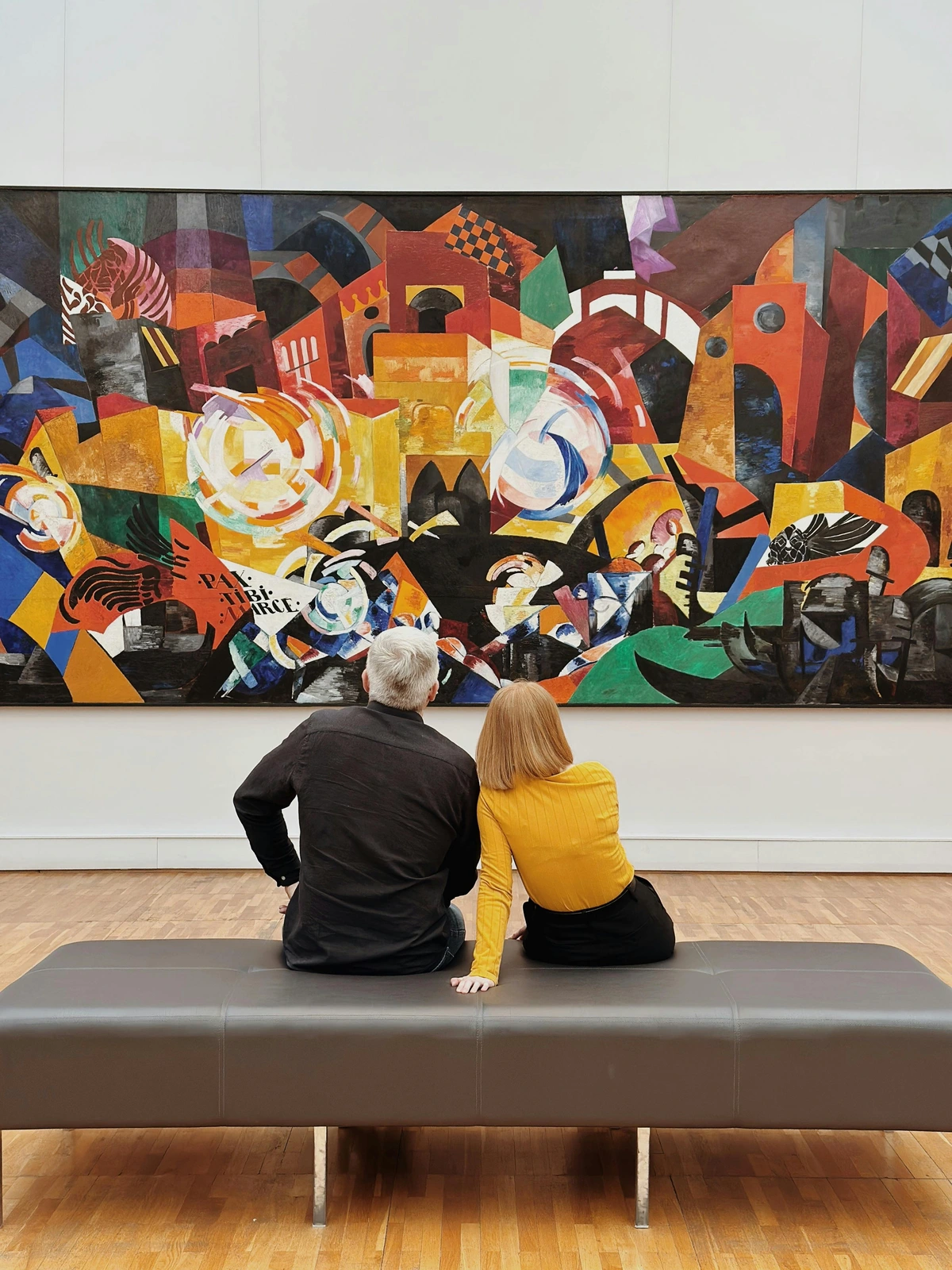
This isn't to say that abstract art is only intuition. Oh no. If it were, my studio would be a glorious, colourful mess of half-finished projects and chaotic impulses. The real magic happens in the dynamic tension between intuition and intent. This isn't a battle; it's a sophisticated collaboration.
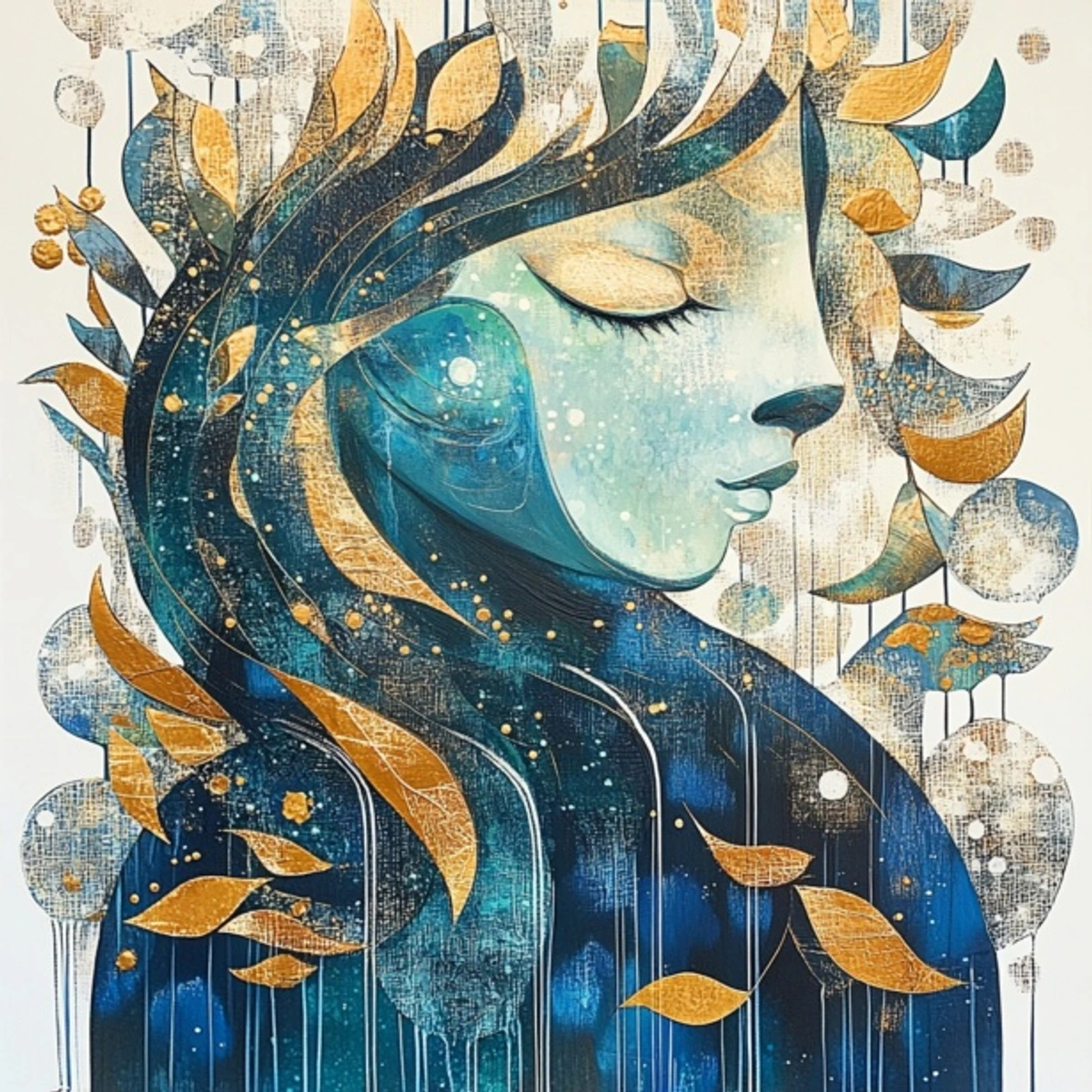
Intent is what gives abstract art its depth and resonance. It's the artist's ability to channel their emotions, ideas, and experiences into a cohesive narrative. Without intent, art can feel directionless. Without intuition, it can feel sterile. Together, they create a harmonious balance that elevates the artwork to something truly extraordinary.
I often think of it as a conversation. Intuition offers a spontaneous suggestion, a wild idea – my playful inner child throwing paint around. Intent, then, steps in – my slightly more grown-up, art-school-trained self, bringing an understanding of balance, focal points, color harmony, and compositional strength. Intent asks: "Okay, that's interesting. Now, how do we make it resonate with purpose, tell a story, or convey a specific emotion?" Intent provides the structure and vocabulary, allowing intuition's free-form expression to become articulate and impactful. This playful exchange, where intuition freely throws ideas and intent thoughtfully catches and shapes them, is where the deepest engagement happens. It's a joyful, often messy, form of play, ensuring the artwork moves beyond mere chaos to meaningful expression.
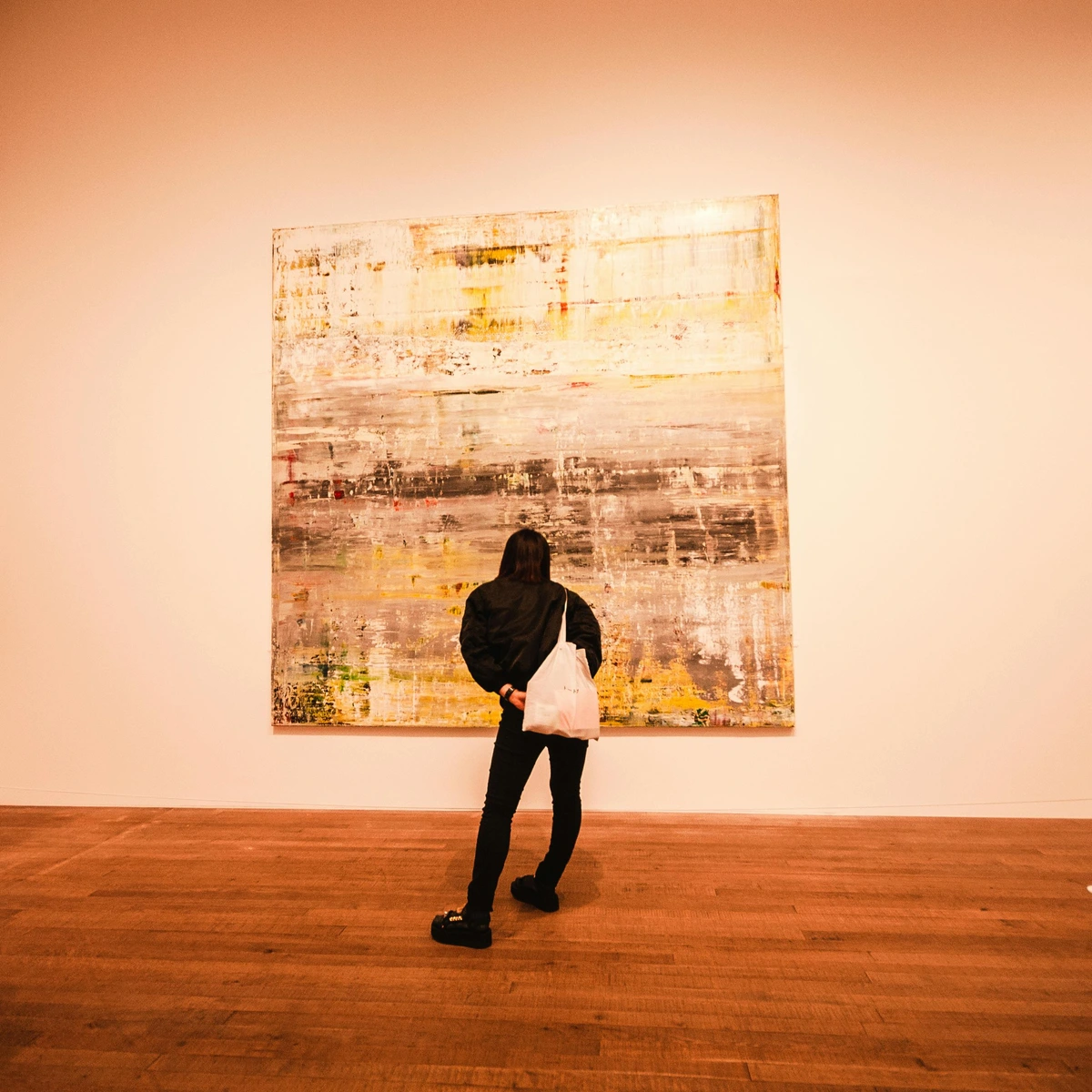
This interplay is what makes abstract art so dynamic. It's not just about the final product; it's about the process of creation, the dialogue between the artist and the canvas, and the unexpected discoveries along the way.
This fascinating dialogue is something I explore deeply in The Dance of Intuition and Intent: My Process in Creating Abstract Layers. It's where the raw emotion meets the thoughtful construction, and that's where the real depth of an abstract piece emerges. Without intuition, art can feel sterile. Without intent, it can feel… well, a bit like a toddler's temper tantrum (charming in its own way, but perhaps not gallery-ready).
This balance is what makes abstract art so compelling. It's not just about the final product; it's about the journey of creation, the dialogue between the artist and the canvas, and the unexpected discoveries along the way.

My Intuitive Journey Through the Creative Process
The creative process is a deeply personal journey, one that is guided by intuition at every turn. From the first mark on the canvas to the final brushstroke, intuition is the thread that weaves everything together. It's what transforms a blank canvas into a vibrant, emotional narrative, and it's what makes each artwork unique.
So, how does this actually play out on the canvas? For me, it's a series of intuitive leaps, followed by considered responses.
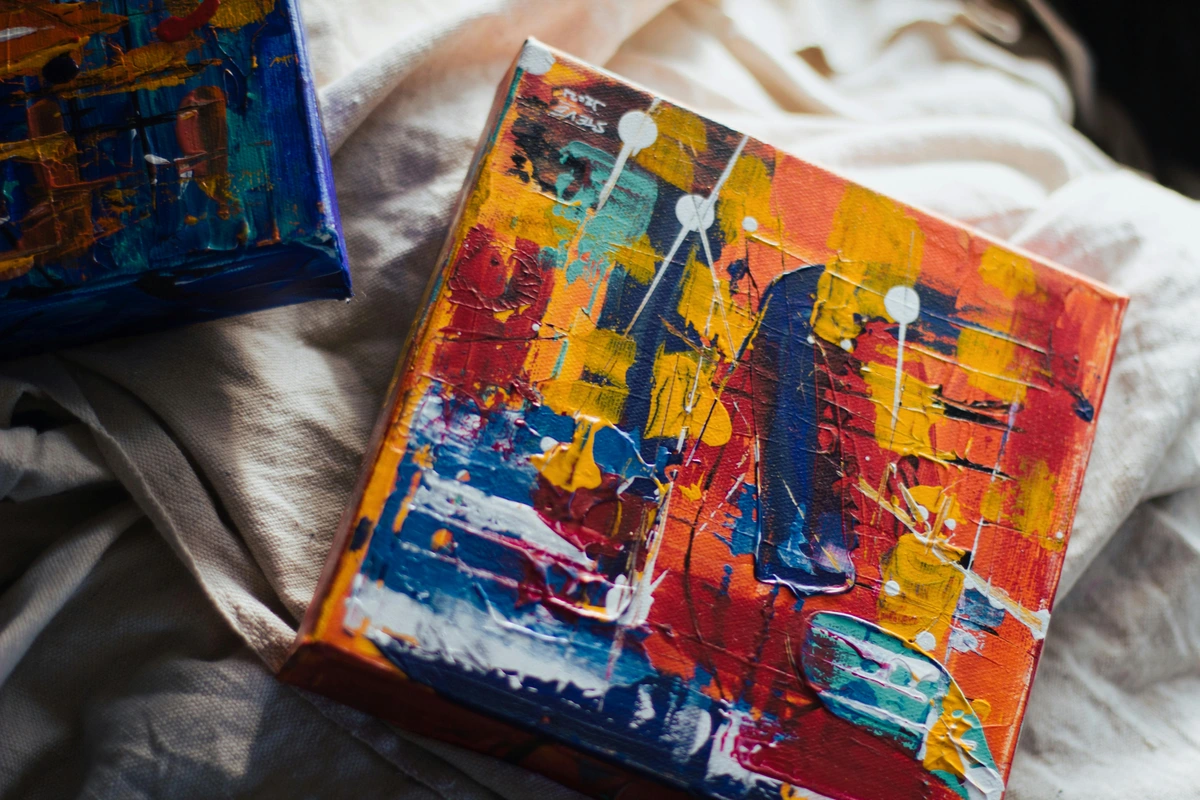
Each step of the process is a dialogue between the artist and the artwork. It's about listening to the canvas, responding to its needs, and allowing intuition to guide the way. This interplay is what makes abstract art so dynamic and engaging.
1. The First Mark: Embracing the Blank Slate Terror
The blank canvas is intimidating. It truly is. It screams "perfection required!" But my trick is to acknowledge that fear, then override it with the simplest, most intuitive mark I can make. No grand plan. Just a color, a line, a gesture that feels right in that moment. I still remember one canvas – a sprawling 6-foot monster – that glared at me for days. My rational brain screamed 'plan it!' But that quiet whisper said, 'Just a deep ultramarine wash, uneven, just feel the brush.' And it unlocked everything. It wasn't 'good' yet, but it was honest. Sometimes it's a bold, sweeping gesture; other times a delicate, almost hesitant line; or a vibrant splash of color that simply demands to be there. It's like the first awkward dance step – once you make it, the rest starts to flow.
This initial mark is the foundation of the entire artwork. It sets the tone, the mood, and the direction. It's the first step in a journey of discovery, where intuition guides the way and the canvas becomes a partner in the creative process.
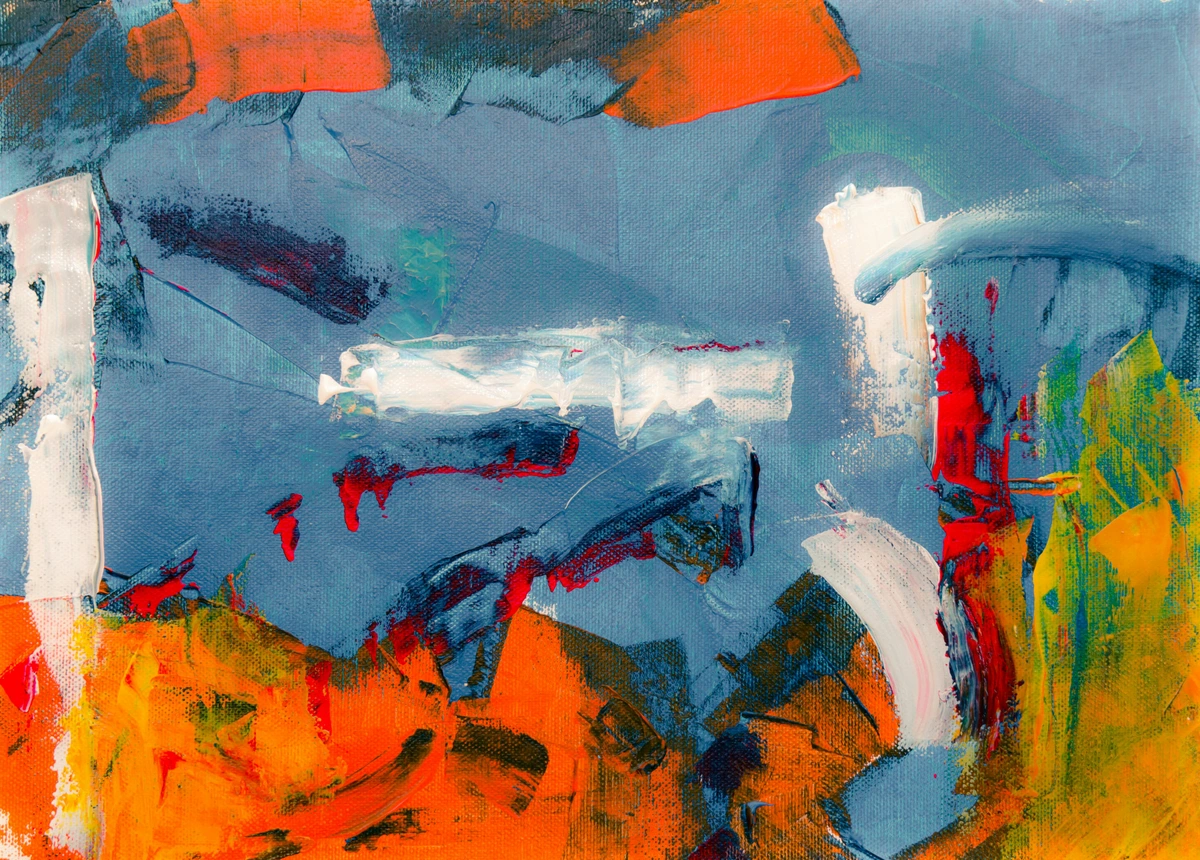
This initial surrender to spontaneity is key. It's what allows me to enter what I call My Creative Flow: Embracing Intuition in Abstract Painting. It’s about not overthinking, just doing.

2. Responding to the Painting: A Dialogue Unfolds
Once that first mark is down, the painting starts to talk back. Seriously! It tells me what it needs. Does it need more texture? A contrasting color? A bold stroke to break up a quiet area? My intuition guides these responses. If I find a dominant, cool blue area, my intuition might suddenly surge, telling me to introduce a sharp, warm orange line, not because a rule dictates it, but because the canvas itself seems to yearn for that energetic contrast, a visual conversation unfolding before my eyes. It’s not about imposing my will; it’s about listening.
This dialogue is what makes the creative process so engaging. It's a back-and-forth exchange, where the artist responds to the artwork's needs and the artwork, in turn, responds to the artist's actions. It's a collaborative effort, where intuition and intent work together to create something truly unique.
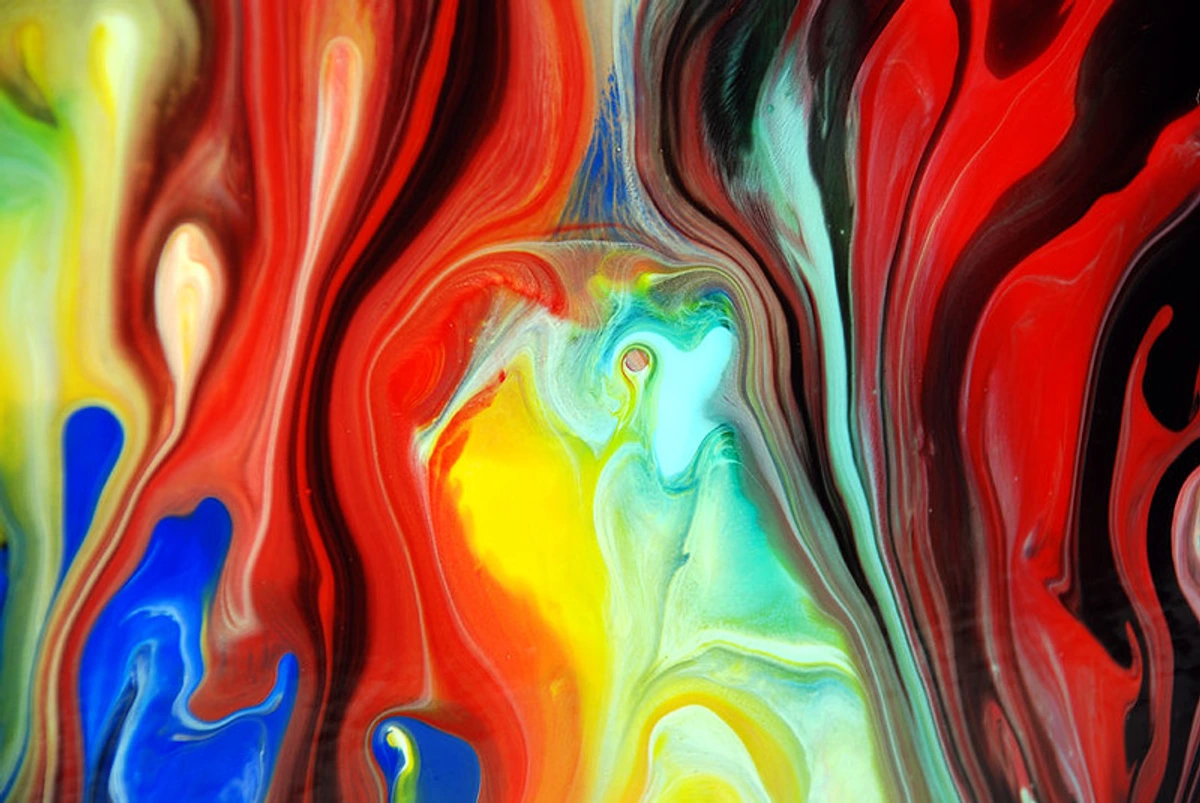
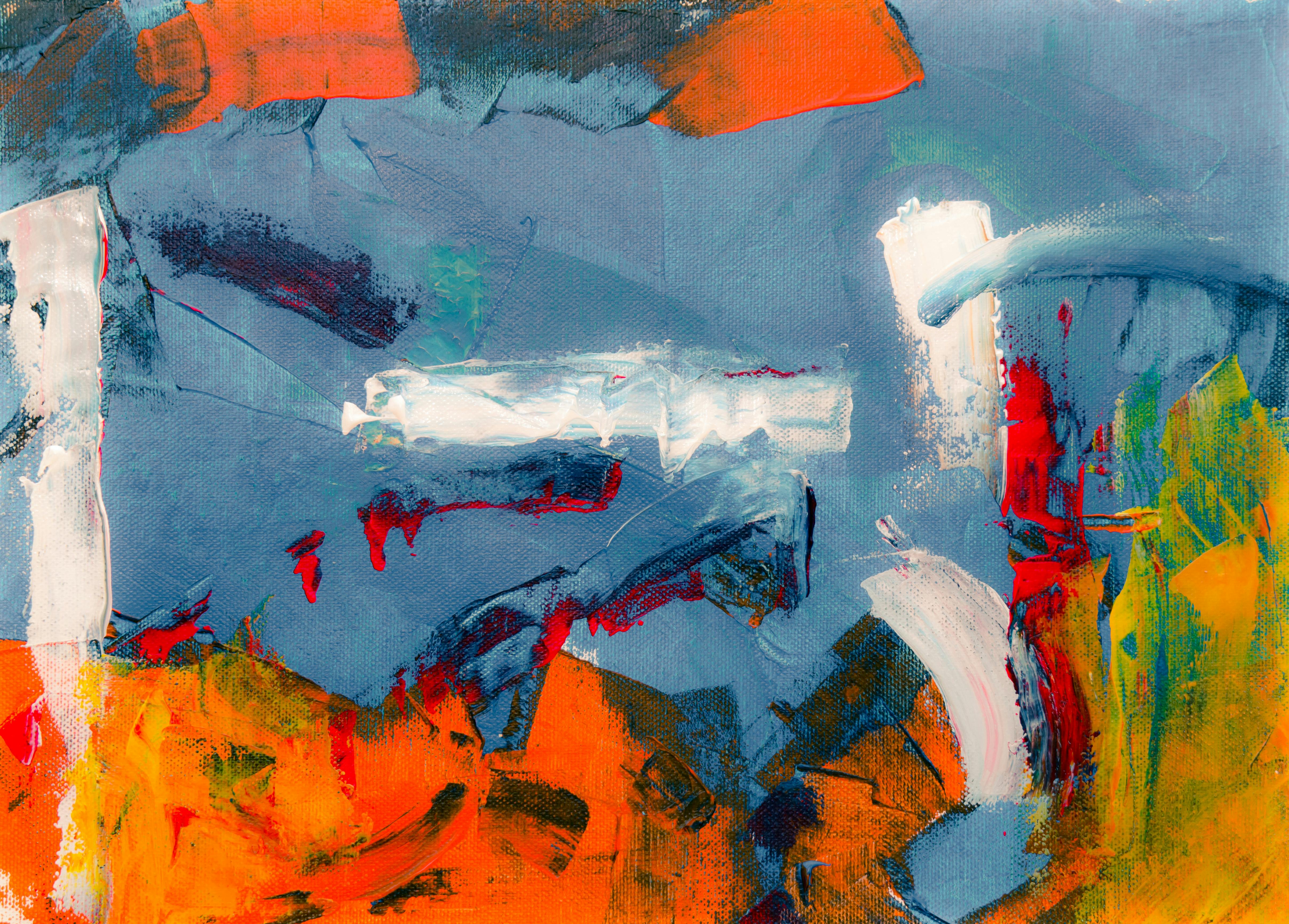
This piece, for example, illustrates how a series of intuitive decisions, responding to prior marks, builds a complex narrative:
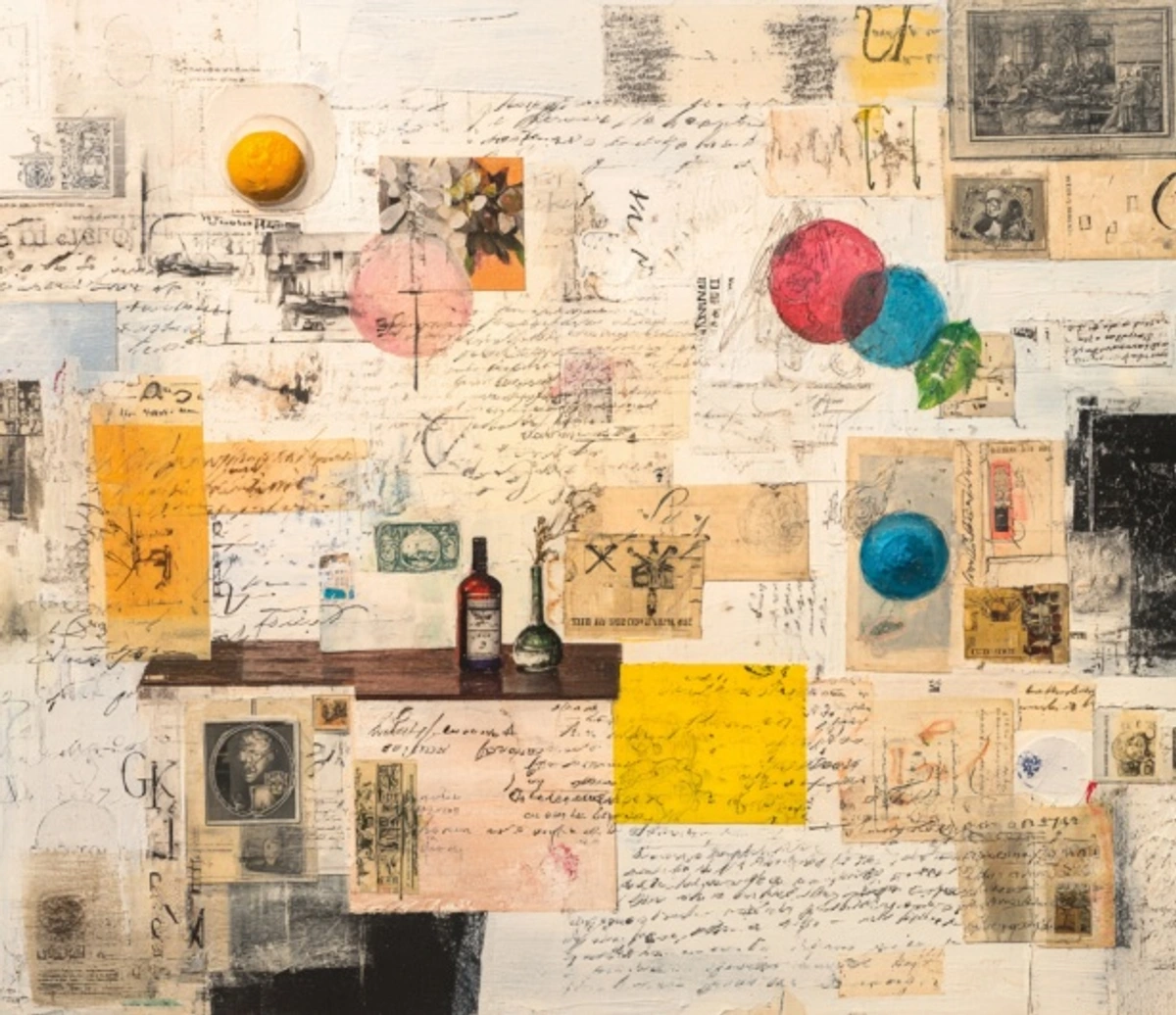
This is also where the magic of The Unexpected Beauty of Imperfection: Embracing Happy Accidents in My Abstract Art comes in. Sometimes, a drip or an accidental smudge creates an unexpected pathway. My intuition tells me whether to lean into it, or gently guide it into something else. It's truly a dance with the unexpected.
These happy accidents are what make abstract art so exciting. They're the unexpected twists and turns that add depth and character to the artwork. They're the moments where intuition shines, guiding the artist to embrace the imperfections and turn them into something beautiful.
3. Navigating the Creative Block: When Intuition Whispers a New Path
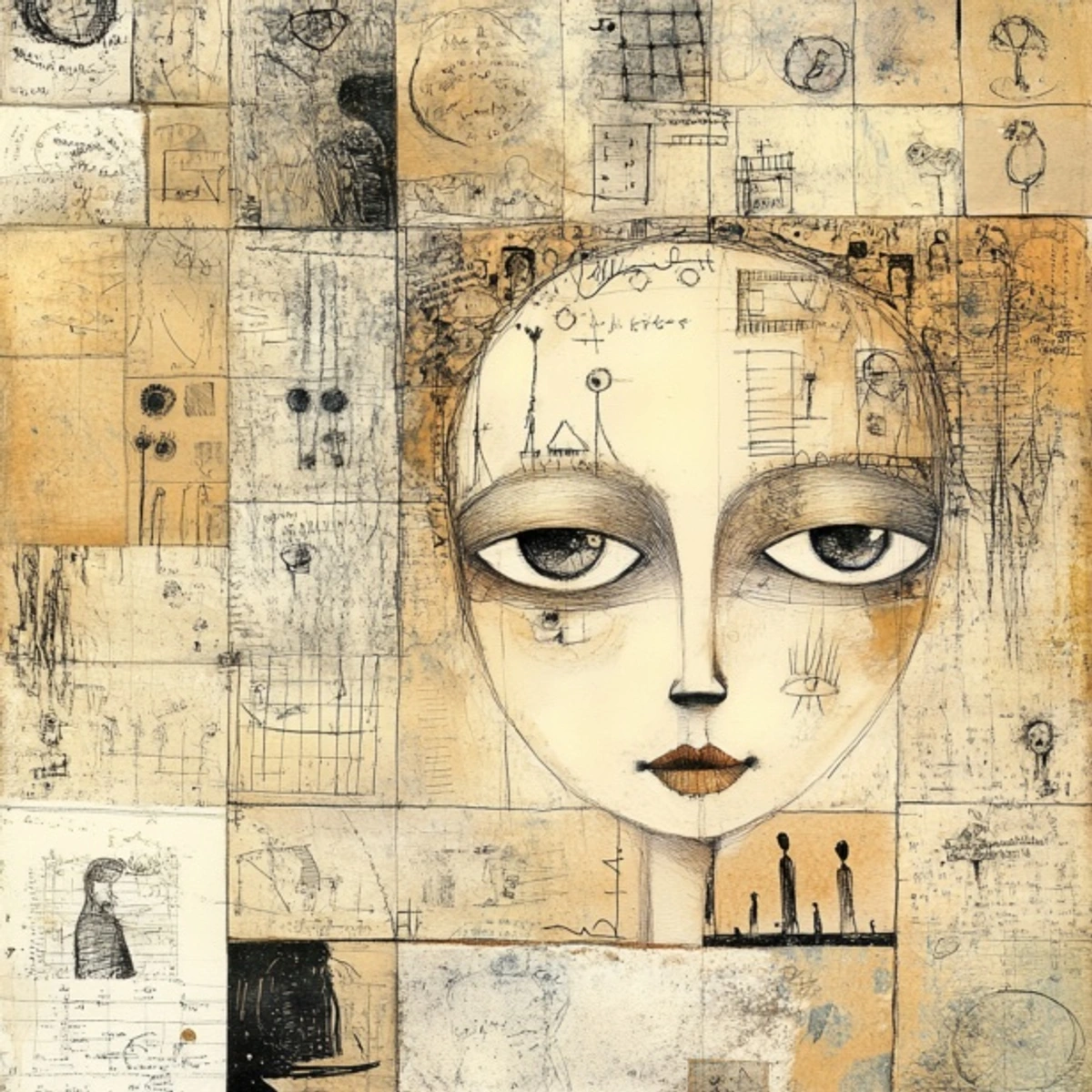
Ah, the dreaded creative block. We've all been there, staring blankly, feeling utterly devoid of ideas. My rational brain often screams, 'Force it! Go back to your plans!' But over the years, I've learned that intuition offers a gentler, more effective escape route. Instead of pushing, I pause. Sometimes, it's as simple as stepping away, going for a walk, or starting a completely unrelated, small drawing in my sketchbook – anything to bypass the conscious pressure. My intuition often surfaces in these moments of detachment, offering a fresh perspective, a forgotten color combination, or a completely new direction. It's like my inner compass recalibrating itself when I stop trying to steer it manually.
Creative blocks are a natural part of the creative process. They're the moments where intuition has the opportunity to shine, guiding the artist to new ideas and fresh perspectives. It's about trusting the process and allowing intuition to lead the way.
4. The Elusive "Done": When Intuition Whispers Enough
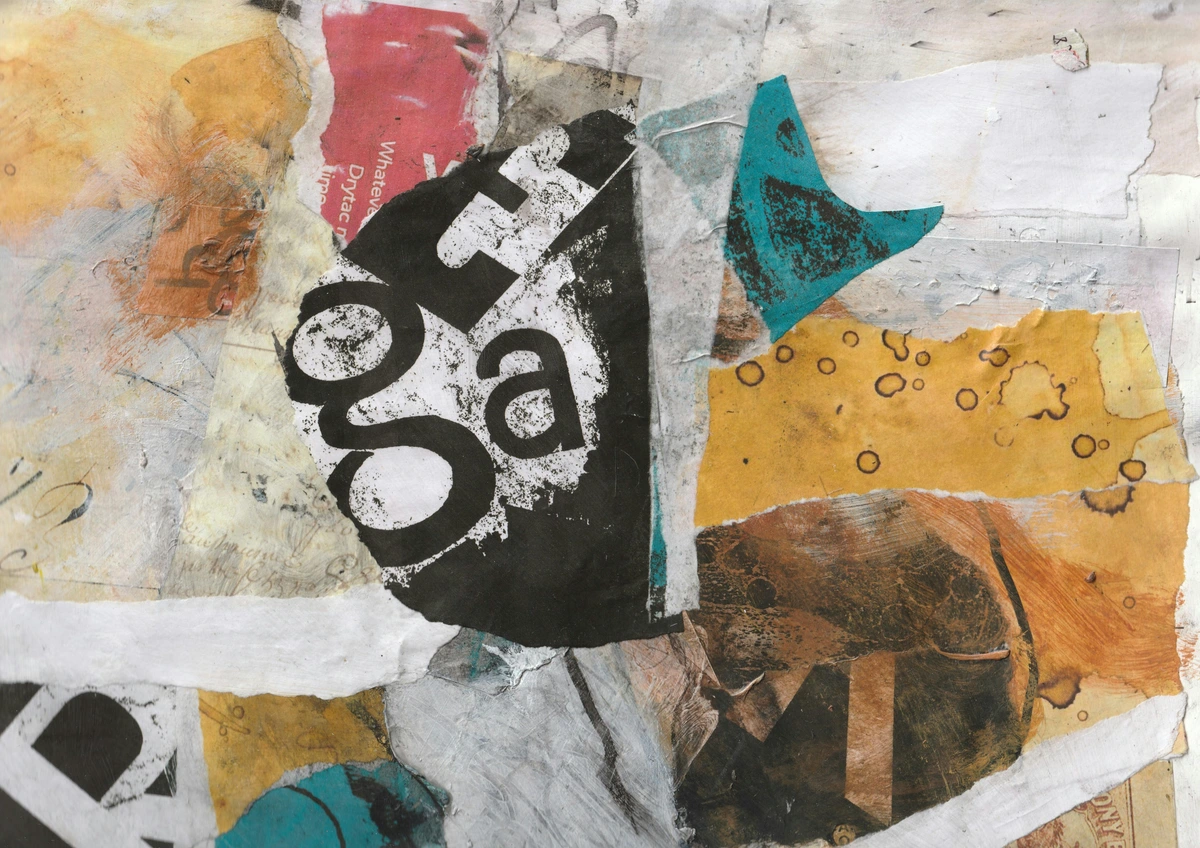
Perhaps the hardest part of any painting is knowing when it's finished. My rational brain can always find one more thing to 'fix' or 'improve'. But my intuition, once I learn to listen, has a different kind of wisdom. It’s that quiet click, that sense of internal completeness. The painting feels whole, balanced, and vibrant, true to its own emergent journey. It's not about achieving a flawless finish; it's about its integrity. Pushing beyond that point often leads to overworking a piece, losing its initial spark. It's a tricky balance, but one that develops with practice and a lot of self-trust.
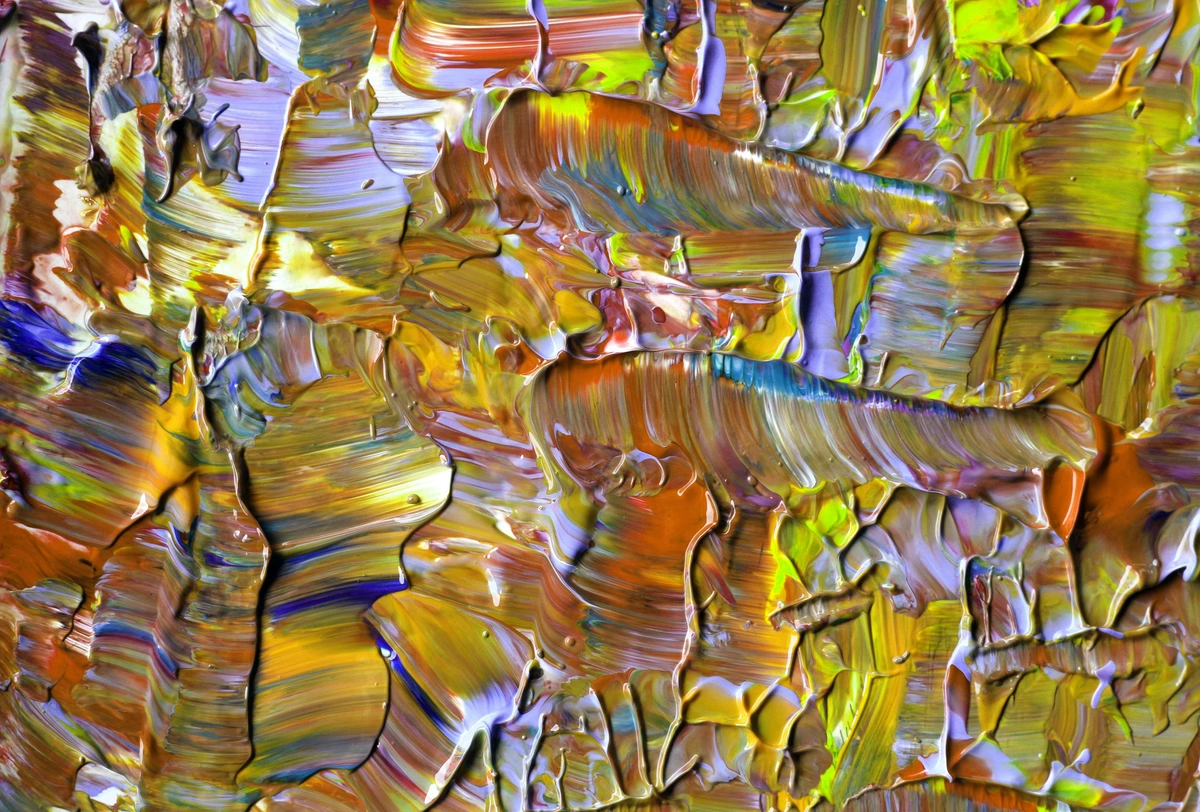
Knowing when to stop is a skill that comes with experience. It's about listening to the artwork, trusting your intuition, and recognizing when the piece has reached its full potential. It's a delicate balance, but one that is essential for creating meaningful and impactful art.
Why Intuition Is the Superpower of Abstract Art
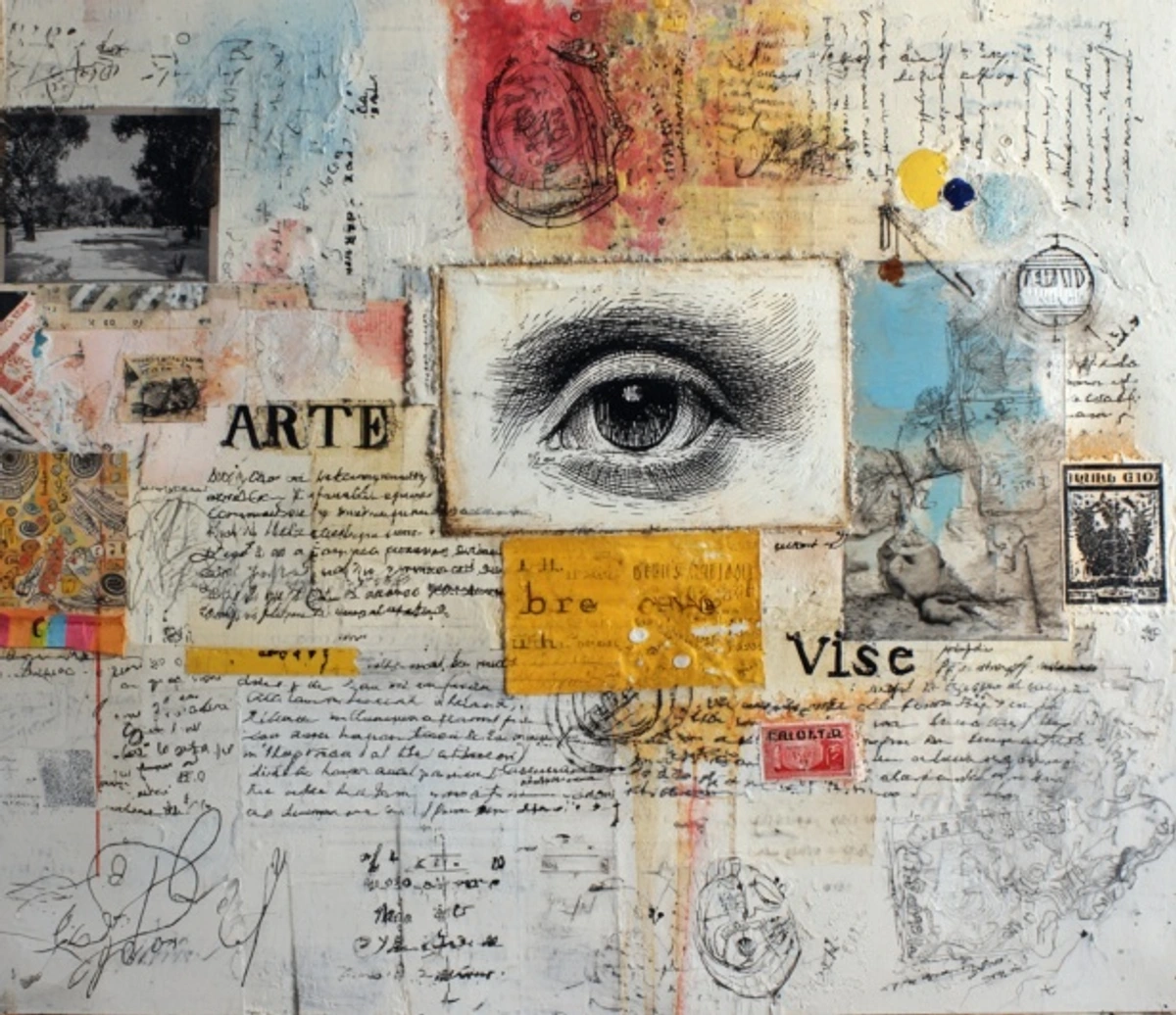
Abstract art, by its very nature, isn't trying to represent the world literally. It’s delving into emotions, ideas, energies, and the sheer joy of form and color. And for this, intuition is absolutely essential. When abstract art first emerged, pioneers like Wassily Kandinsky championed the spiritual and emotional over literal representation, paving the way for artists to trust their inner vision. Abstract Expressionists later pushed this further, making the intuitive, gestural mark a direct conduit for emotion, echoing the raw, unmediated expression of Surrealism's automatism. This lineage emphasizes that intuition isn't just a personal quirk; it's foundational to the very essence of abstract art's revolutionary spirit.
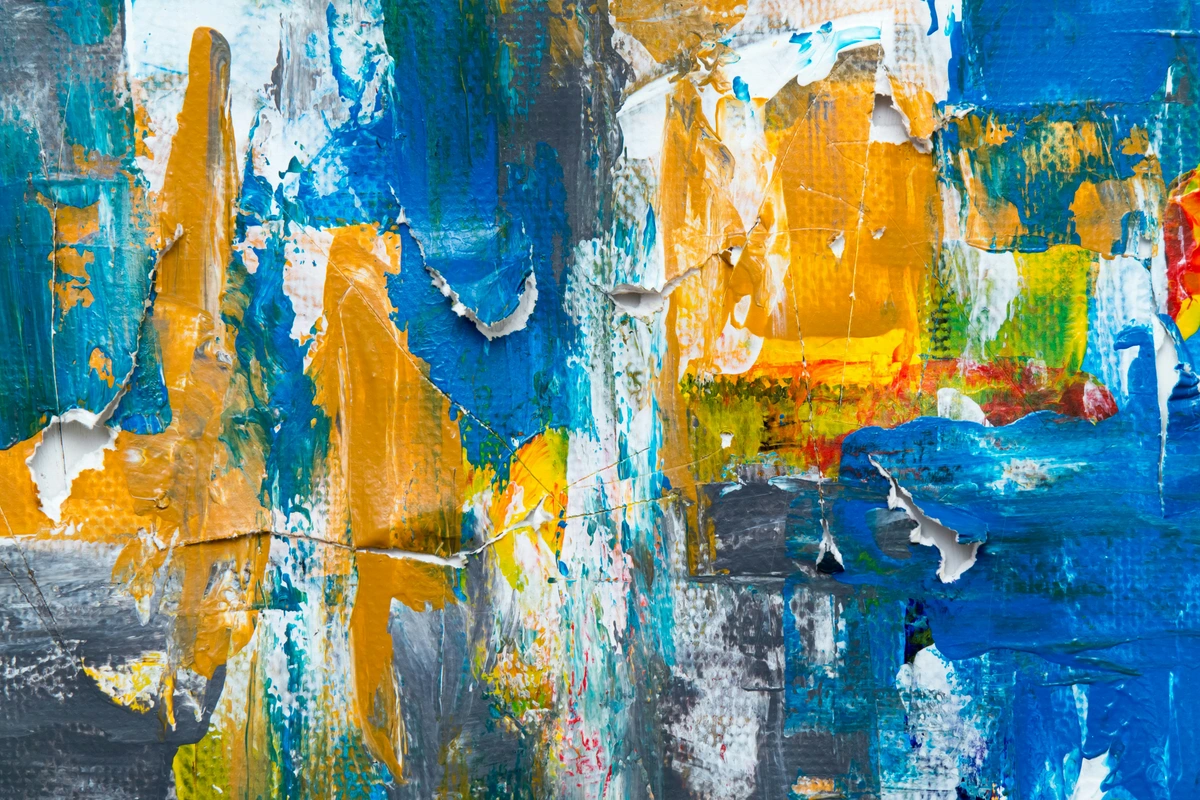
Intuition is what gives abstract art its power. It's the force that drives the artist to explore new ideas, to take risks, and to create something truly unique. It's the spark that ignites the creative process and the thread that weaves everything together.
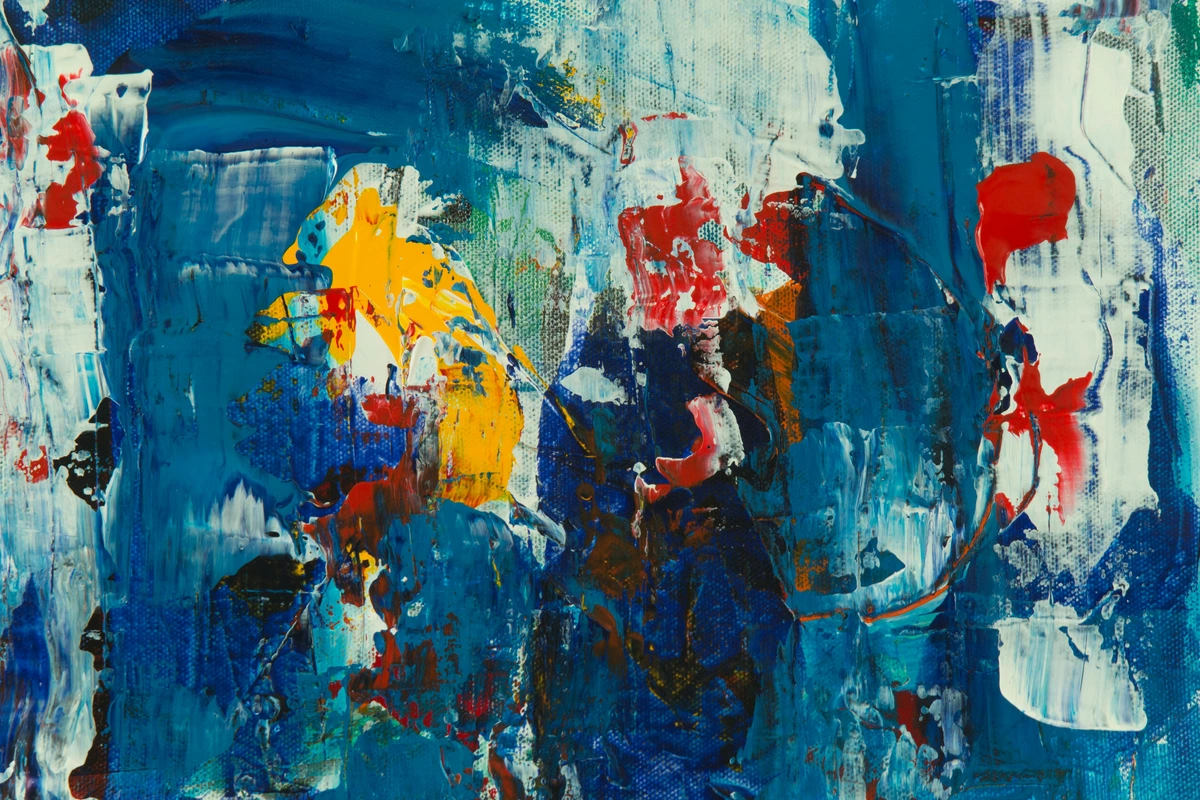
Intuition's Impact:
- Emotional Resonance: How do I choose colors that evoke a certain feeling? It’s rarely a scientific process. It's an intuitive understanding of The Emotional Palette: How I Choose Colors for My Abstract Art, allowing me to tap into a universal language of feeling.
- Expressive Mark-Making: Every line, every smudge, every sweep of the brush carries an emotional weight. My hand moves instinctively, creating The Language of Line: How Gestural Marks Define Emotion in My Abstract Art.
- Unlocking Deeper Meaning: Intuition allows an artist to tap into universal archetypes or personal subconscious narratives without consciously trying to. It’s how the art gains its soul, and how you, the viewer, can engage in Decoding Abstract Art: A Guide to Finding Meaning in Non-Representational Works – feeling the artwork rather than just seeing it.
Intuition is the key to unlocking the full potential of abstract art. It's what allows the artist to create something that resonates on a deep, emotional level, and it's what makes abstract art so powerful and impactful.
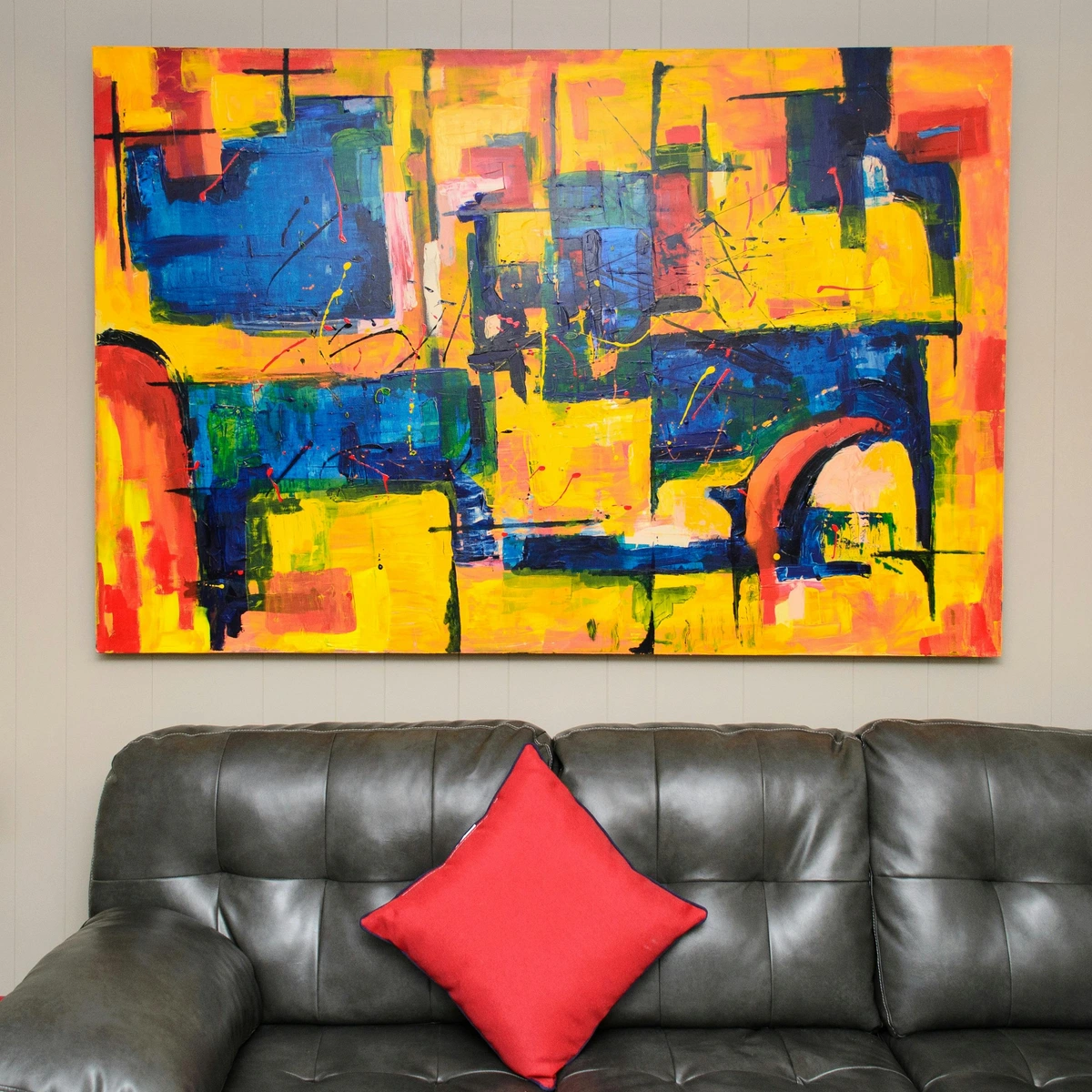
It's the wild card, the secret ingredient, the very heartbeat of the creative process that allows me to transcend mere technique and infuse genuine feeling into every piece.
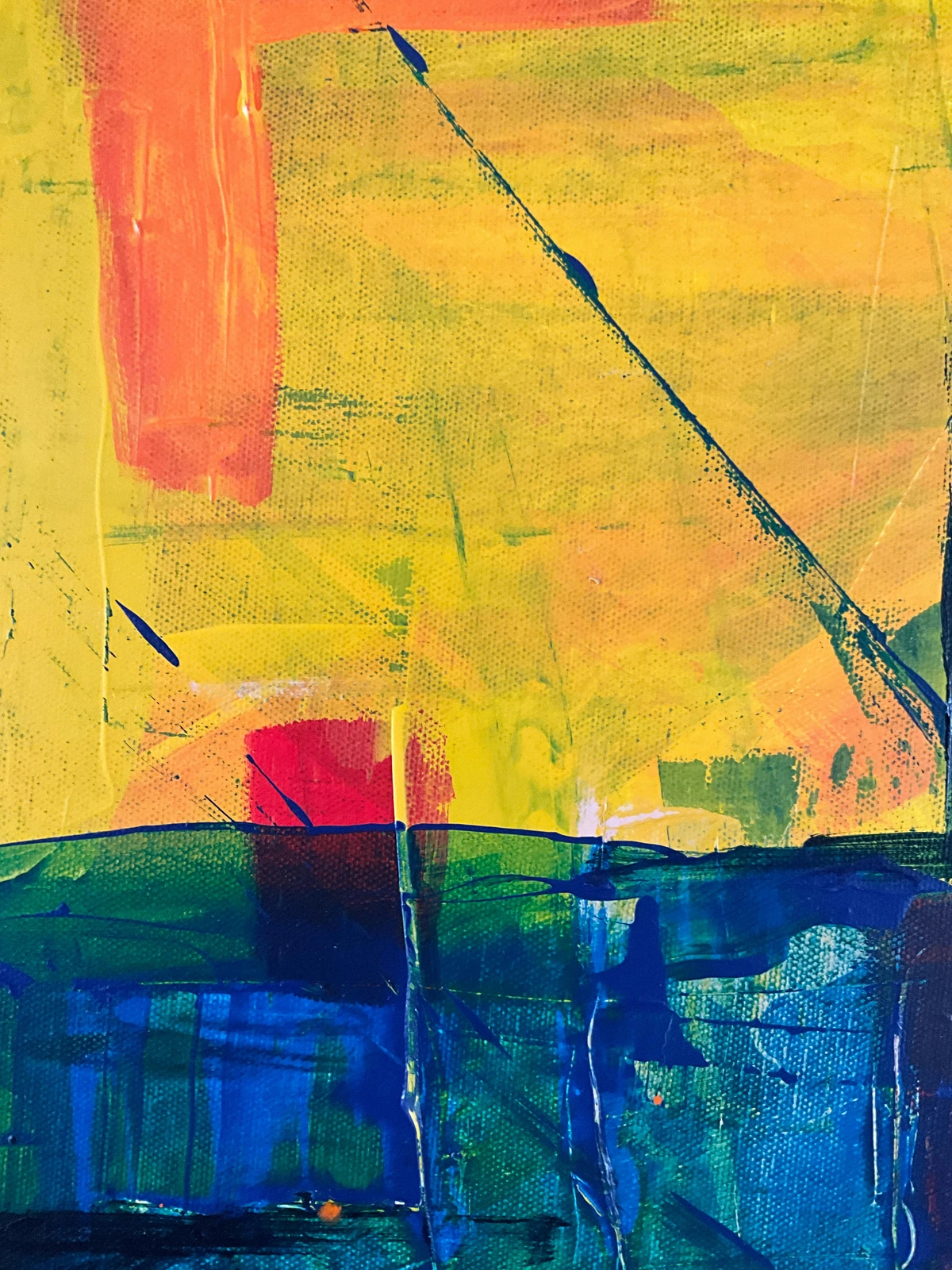
Intuition is what makes abstract art so dynamic and engaging. It's the force that drives the artist to explore new ideas, to take risks, and to create something truly unique. It's the spark that ignites the creative process and the thread that weaves everything together.
Cultivating Your Own Intuitive Spirit (Even If You're Not an Artist)
Even if your wildest artistic endeavor is drawing a stick figure, you can cultivate intuition. It's a muscle that benefits from exercise. And frankly, the world could use a bit more intuitive decision-making.
Intuition isn't just for artists. It's a skill that can be developed and honed by anyone. It's about learning to trust your inner voice, to listen to your instincts, and to embrace the unknown. It's a powerful tool that can guide you in all aspects of life, from creative endeavors to everyday decisions.
| Practice | How it Helps Intuition | My Personal Take (and a hint for you) |
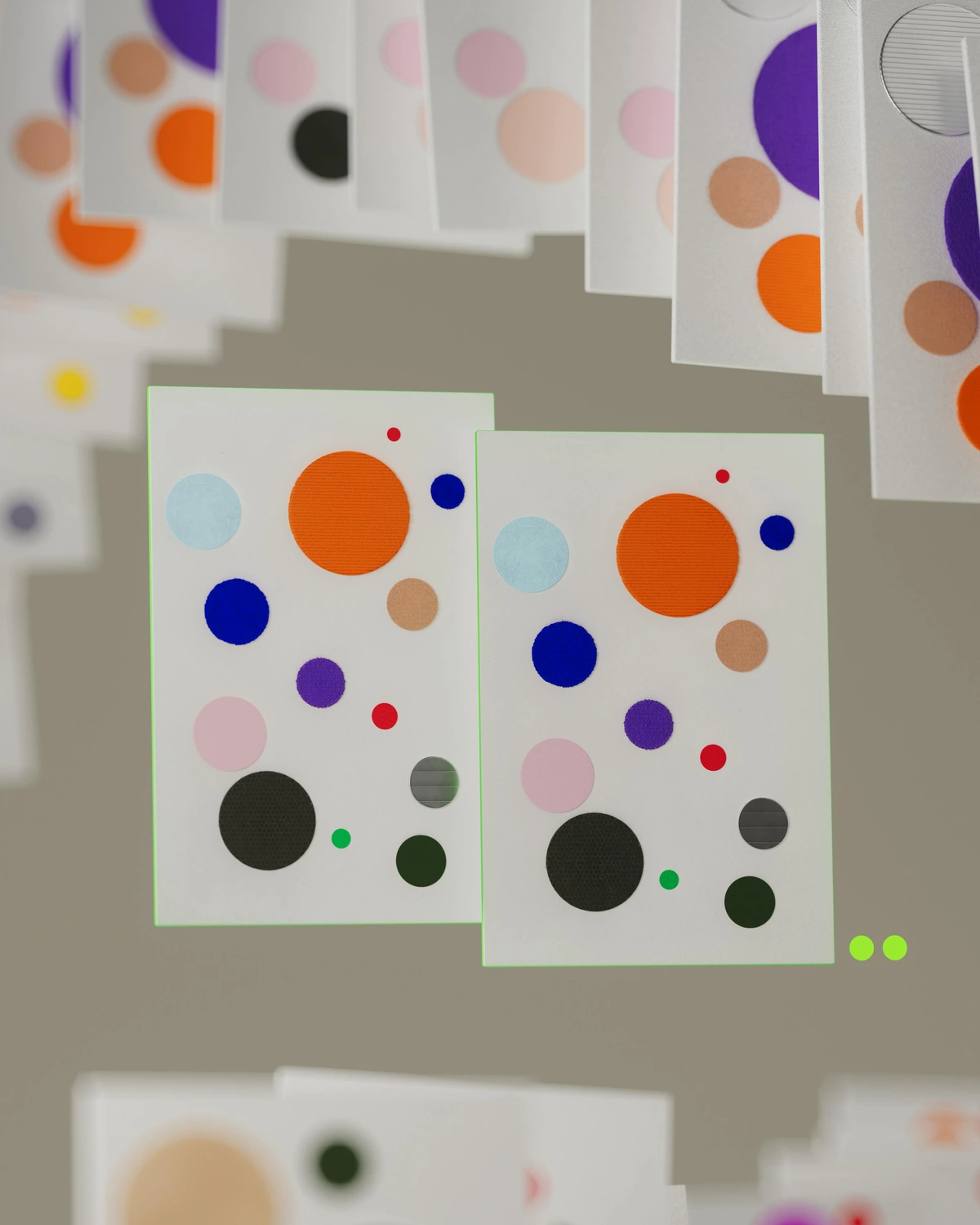



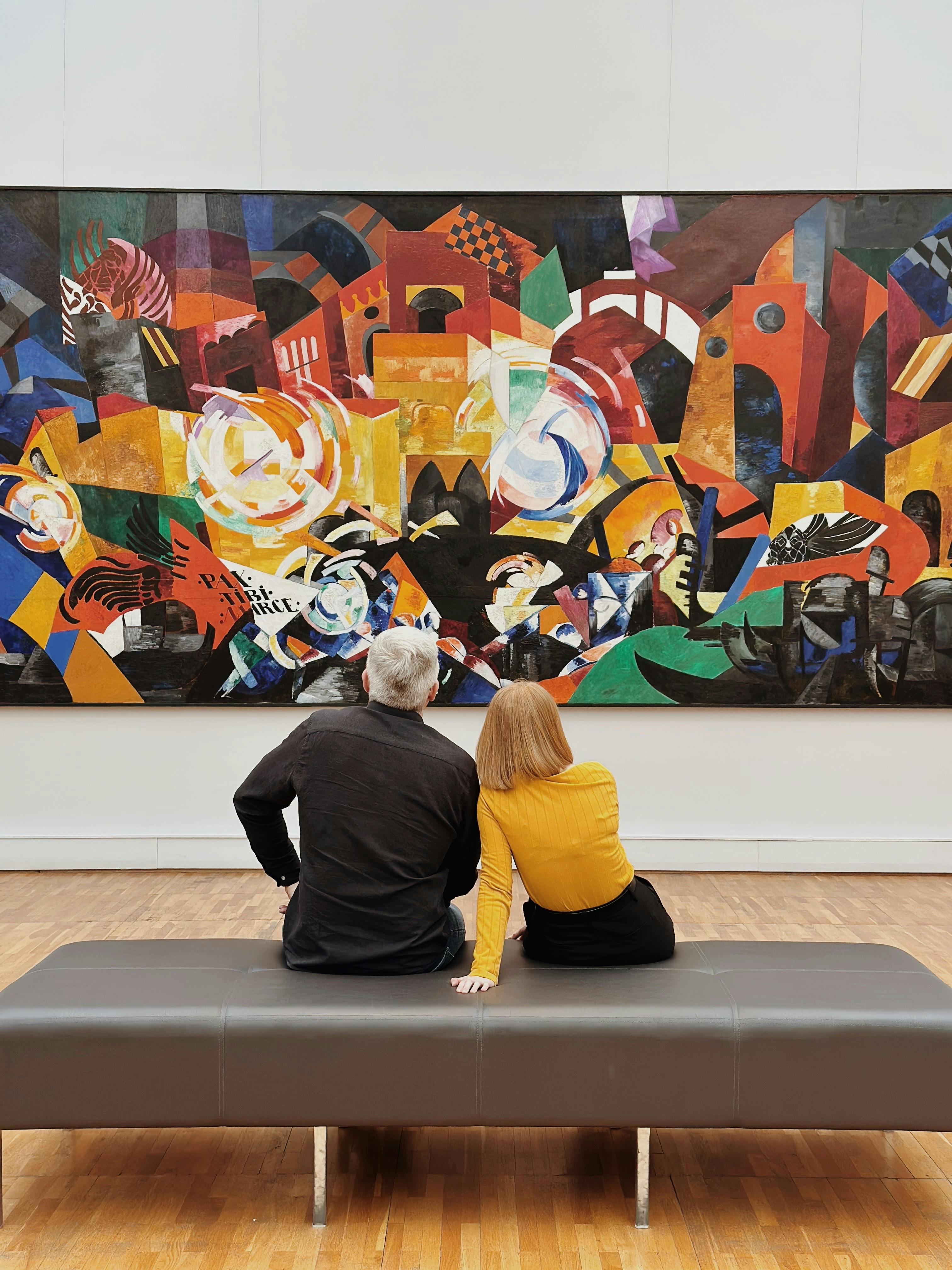


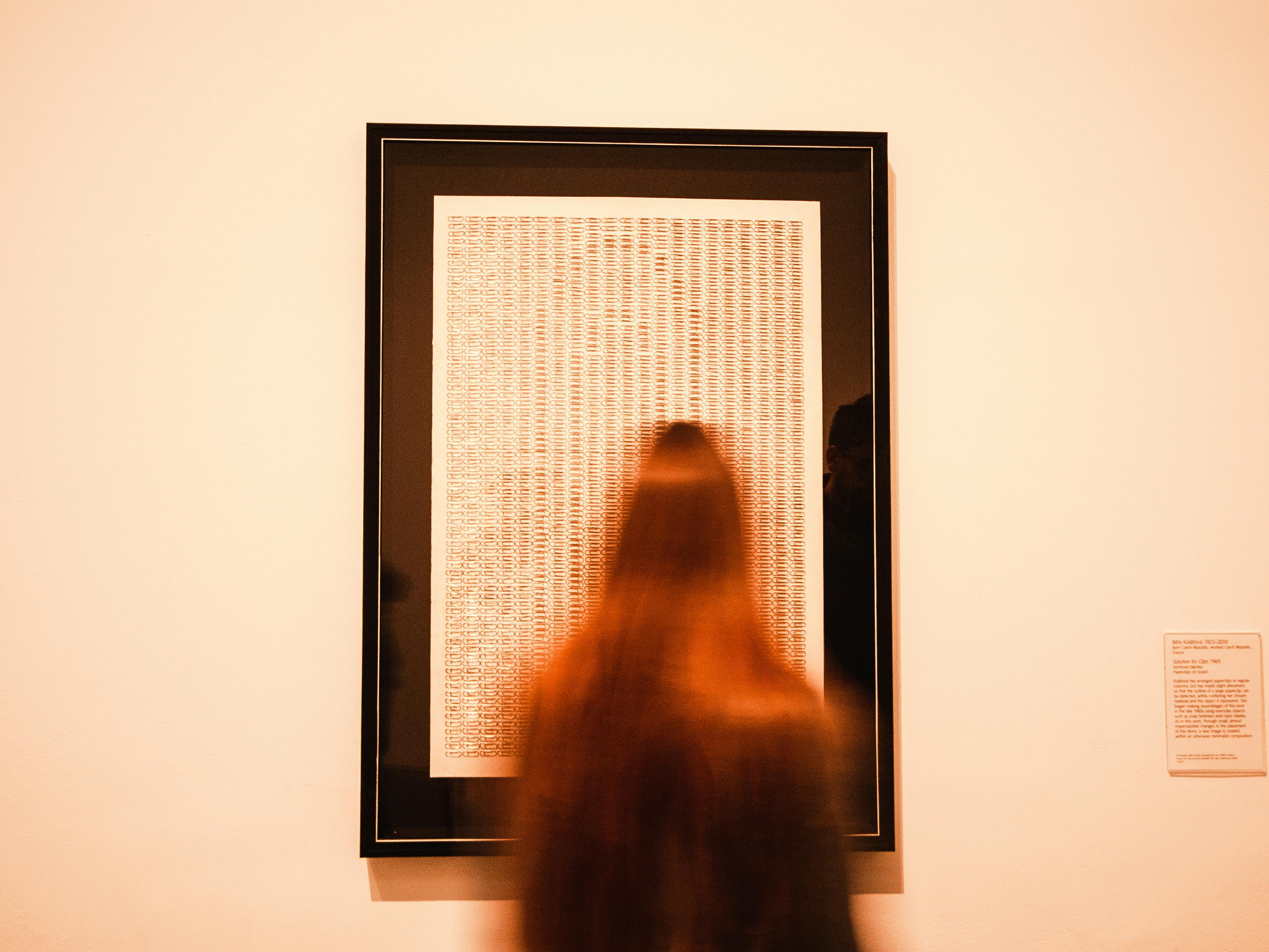





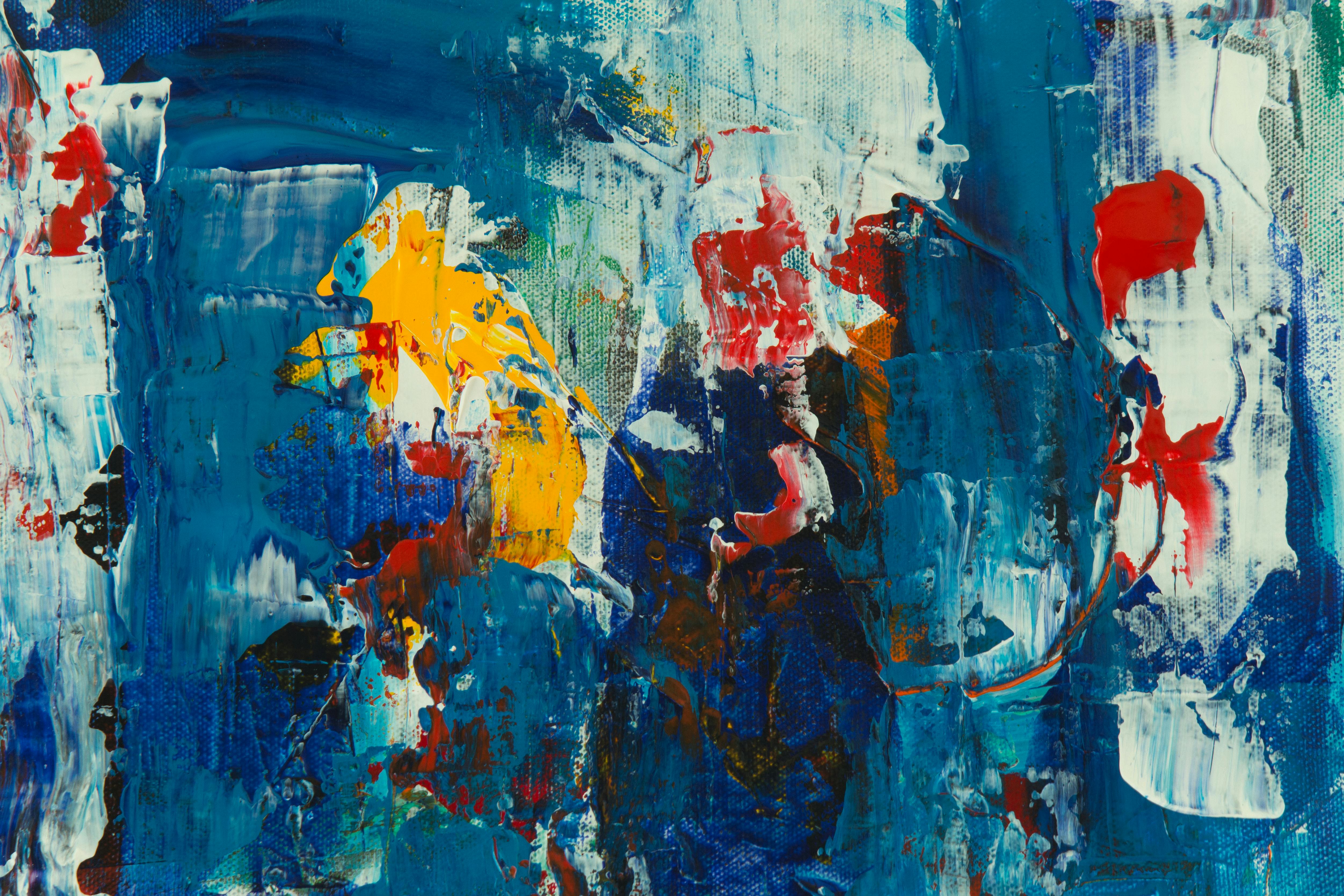
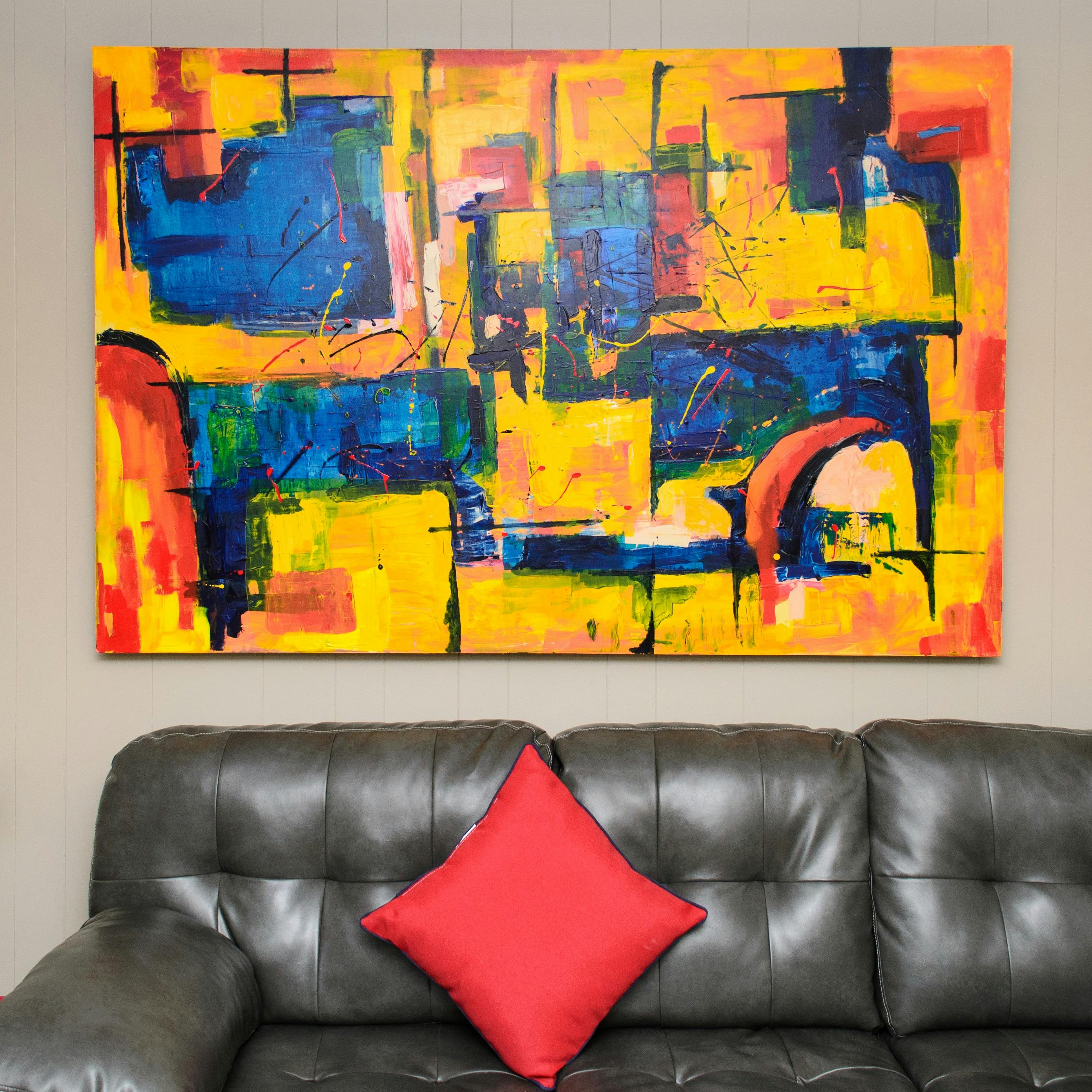
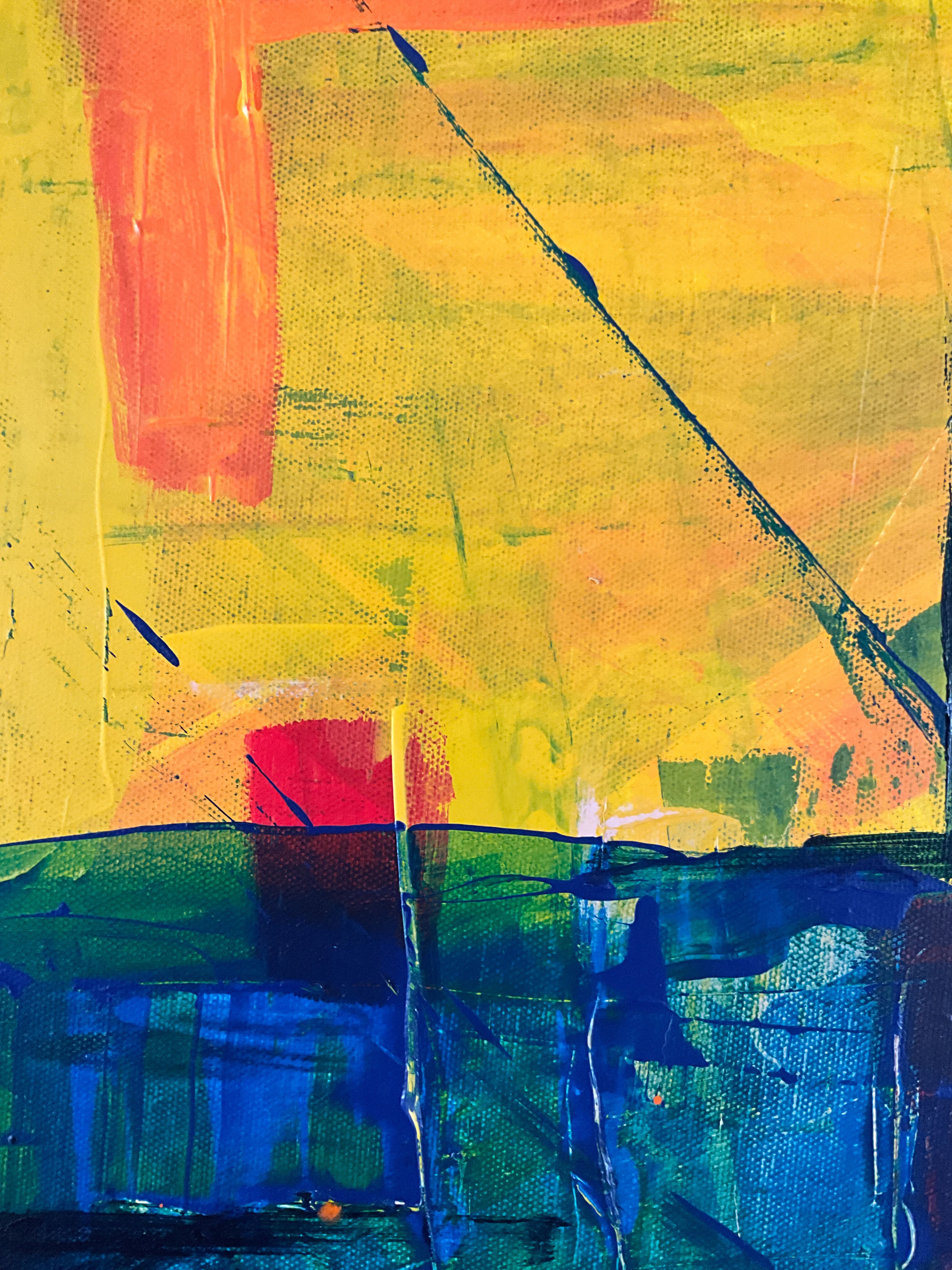

| Practice | How it Helps Intuition | My Personal Take (and a hint for you) ```
FAQ
What is intuition in abstract art?
Intuition in abstract art is the subconscious mind processing years of experience, observation, and internalized knowledge. It guides creative decisions, from color choices to compositional balance, and is the voice that whispers, 'This is the right path,' even when logic can't explain why.
How can I cultivate my intuition?
Cultivating intuition is like exercising a muscle. Practices such as mindfulness, journaling, and engaging in creative activities can help. Trusting your instincts and allowing yourself to make decisions without overthinking can also strengthen your intuitive abilities.
Why is intuition important in abstract art?
Intuition is essential in abstract art because it allows the artist to explore emotions, ideas, and energies beyond literal representation. It drives the creative process, enabling the artist to take risks and create unique, meaningful works.
How do I know when my artwork is finished?
Knowing when your artwork is finished is often an intuitive process. It's about listening to the artwork itself and recognizing when it feels whole, balanced, and true to its own journey. Overworking a piece can sometimes diminish its initial spark, so trusting your intuition is key.
Can intuition be learned?
Yes, intuition can be developed and honed over time. It's about learning to trust your inner voice, listening to your instincts, and embracing the unknown. Practices that encourage mindfulness and self-awareness can help strengthen your intuitive abilities.
What role does intuition play in overcoming creative blocks?
Intuition can be a powerful tool in overcoming creative blocks. By stepping away from conscious pressure and allowing your subconscious to guide you, you can find new ideas and fresh perspectives. Trusting the process and allowing intuition to lead the way can help you navigate through creative challenges.
How does intuition differ from intent in abstract art?
Intuition provides the spark of creativity and spontaneity in abstract art, while intent gives it direction and purpose. The dynamic interplay between intuition and intent is what transforms a simple mark on a canvas into a powerful work of art. Intuition is about spontaneity and emotion, while intent is about structure and technique.
What are some techniques to enhance intuition in art?
Techniques to enhance intuition in art include practicing mindfulness, engaging in creative exercises, and allowing yourself to experiment without overthinking. Trusting your instincts and embracing happy accidents can also help you tap into your intuitive abilities and create more meaningful art.
How can I use intuition to choose colors for my abstract art?
Using intuition to choose colors involves tapping into your emotional understanding of color. It's about trusting your instincts and allowing your subconscious to guide your choices. This intuitive understanding can help you create a color palette that evokes the desired feelings and emotions in your artwork.
What is the relationship between intuition and the creative process?
Intuition is the thread that weaves everything together in the creative process. It guides the artist from the first mark on the canvas to the final brushstroke, allowing for a dynamic and engaging dialogue between the artist and the artwork. Intuition is what makes the creative process so unique and meaningful.
How can I apply intuition in my daily life?
Applying intuition in daily life involves listening to your inner voice and trusting your instincts. Whether it's making decisions, solving problems, or navigating relationships, intuition can provide valuable insights and guidance. It's about being present and open to the subtle cues and signals that your subconscious mind is constantly processing.