Robert Delaunay & Orphism: Unlocking the Rhythmic Power of Pure Color in Art
Dive deep into Orphism, the vibrant art movement pioneered by Robert and Sonia Delaunay. Explore how it liberated color from form, learn its crucial distinctions from Cubism, and discover its enduring legacy in modern abstraction and design, all through an artist's personal journey.

The Rhythm of Color: Your Ultimate Guide to Robert Delaunay and Orphism
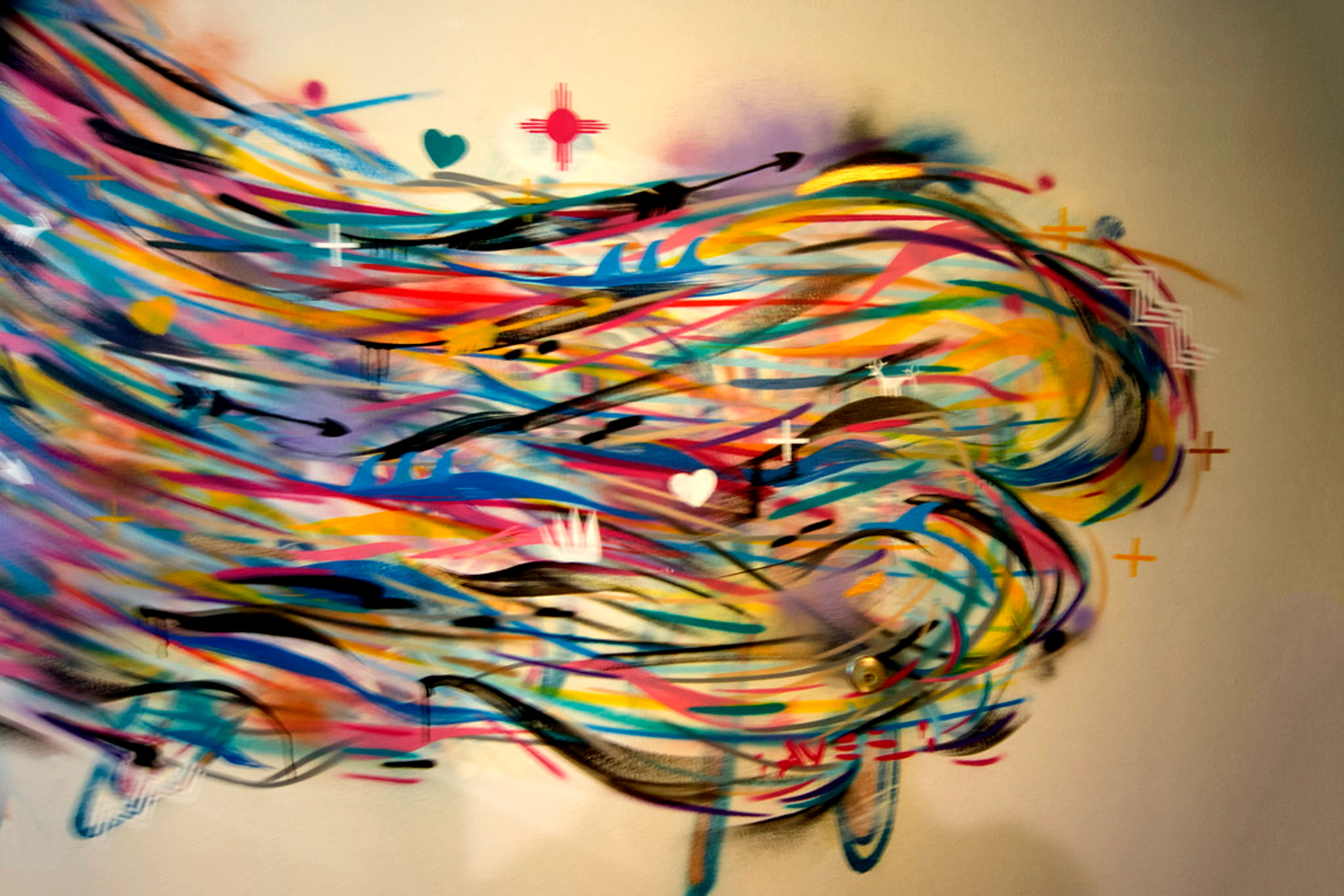
I remember the first time I saw a Robert Delaunay painting in person. It wasn't one of his famous Eiffel Towers, but a smaller, circular piece. And my first thought wasn't academic, it was just... a feeling. Have you ever stood before a canvas and felt an almost tangible vibration, a silent symphony of pure, unapologetic color that seemed to hum with its own inner life? That, in a nutshell, is the magic of Orphism. For me, it was the beginning of a personal quest to understand how color itself could become the subject, the sole protagonist of an artwork – a quest that has fundamentally shaped my own approach to how artists use color and the vibrant pieces you see in my collection today. The principles of simultaneous contrast and rhythmic vibration, which Orphism championed, are truly paramount in the abstract art in my own collection, where hues don't just describe but resonate. In this deep dive, we'll explore the origins, key artists, defining artworks, and enduring legacy of this vibrant movement, aiming to be the most comprehensive source you'll find.
It's an art movement that often gets, I think, mistakenly tucked away as a colorful cousin of Cubism, but to me, that sells it so, so short. This comparison, while understandable given their proximity in time and the Parisian art scene, misses the fundamental philosophical divergence. Cubism sought to understand and reconstruct reality through intellectual analysis of form; Orphism sought to evoke and create sensory experience through the inherent power of color. While the Cubists, like Picasso and Braque, were busy dissecting form with a nearly monochrome, often subdued, earthy, and almost clinical palette – a serious, almost academic endeavor – Robert Delaunay, along with his brilliant wife and collaborator Sonia Delaunay, was on a completely different quest. They wanted to make color the subject itself. Not color of something, like the blue of a vase, but color as the thing – a pure, emotive force. It was a radical idea that took immense courage to pursue, fundamentally shifting art's focus from objective reality to subjective sensation – a move that echoed broader early 20th-century intellectual currents valuing personal experience and inner truth over rigid scientific observation. I find this philosophical underpinning fascinating, almost a precursor to modern psychology in art.
So, What Exactly Is Orphism? Breaking Down the Vibe
The name itself sounds a bit mystical, doesn't it? It was coined in 1912 by the poet Guillaume Apollinaire, a visionary critic known for his own adventurous artistic sensibilities. Apollinaire was a central figure in the Parisian avant-garde, actively promoting groundbreaking artists like Picasso and Matisse, and his influential writings were crucial in shaping the reception of new movements. He named it after Orpheus, the mythic musician of the Greek gods. Apollinaire, a true visionary, saw a profound connection between the Delaunays' revolutionary use of color and the lyrical, harmonious, almost musical nature of Orpheus's art. They weren't just painting pictures; they were composing visual symphonies, where color was the instrument and light the conductor.
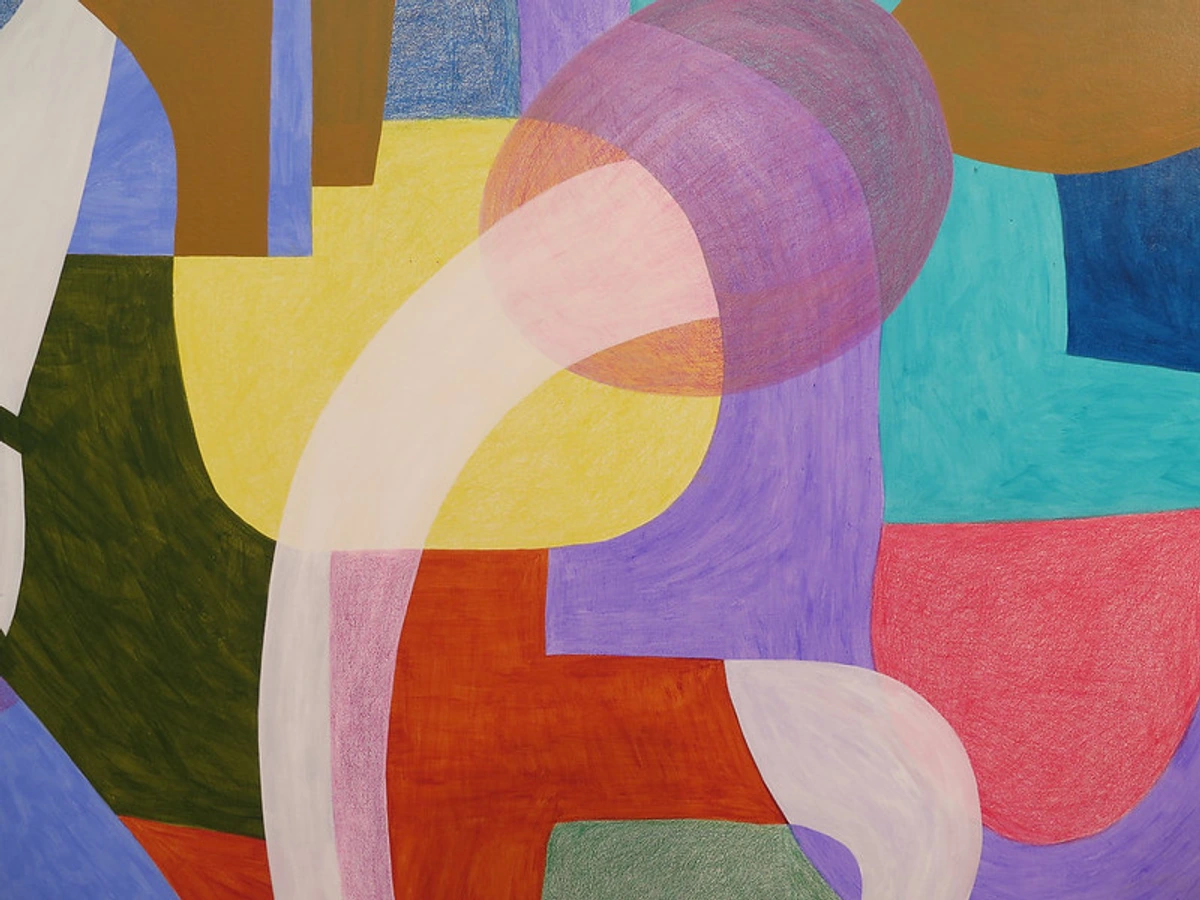
At its heart, Orphism is about the idea that color, when liberated from describing objects, can create its own sense of form, depth, and movement. It's one of the earliest steps into pure, joyous abstraction, a bold declaration that color itself possessed inherent power to evoke emotion and construct visual reality.
Orphism vs. Analytical Cubism: A Quick Comparison
To truly grasp Orphism's unique contribution, it's essential to see it in contrast to the art movement it emerged from and, in many ways, reacted against: Cubism. I often tell people, if Cubism was a dissecting scientist, Orphism was a joyous musician.
Feature  | Orphism (Delaunay) | Analytical Cubism (Picasso/Braque) |
|---|---|---|
| Primary Focus | Color and its emotional, rhythmic power; light and simultaneous contrast. | Form and deconstructing objects into geometric planes; objective reality. |
| Palette | Vibrant, dynamic, pure hues. Think rainbows on steroids. | Monochromatic (browns, grays, ochres). Subdued, earthy, almost clinical palettes. |
| Subject Matter | Often abstract; light, windows, cosmic circles; the sensation of color itself. | Traditional subjects; still lifes, portraits, figures; the deconstruction of recognizable forms. |
| Approach to Space & Depth | Created through vibrating color contrasts, emphasizing inherent light. | Achieved through geometric fragmentation and shifting viewpoints. |
| Overall Feeling / Viewer Experience | Lyrical, musical, vibrant, emotional, joyous, subjective sensation, optical delight. | Intellectual, analytical, subdued, introspective, objective deconstruction, formal rigor. |
| Philosophical Underpinning | Exploring the inherent emotional, spiritual, and sensory qualities of color and light, often echoing broader philosophical shifts towards subjective experience (e.g., Bergson's emphasis on lived experience). | Intellectual deconstruction of objective reality and traditional perspective, aiming to represent multiple viewpoints simultaneously; often influenced by early scientific thought. |
Key Concepts of Orphism: Color as the Core
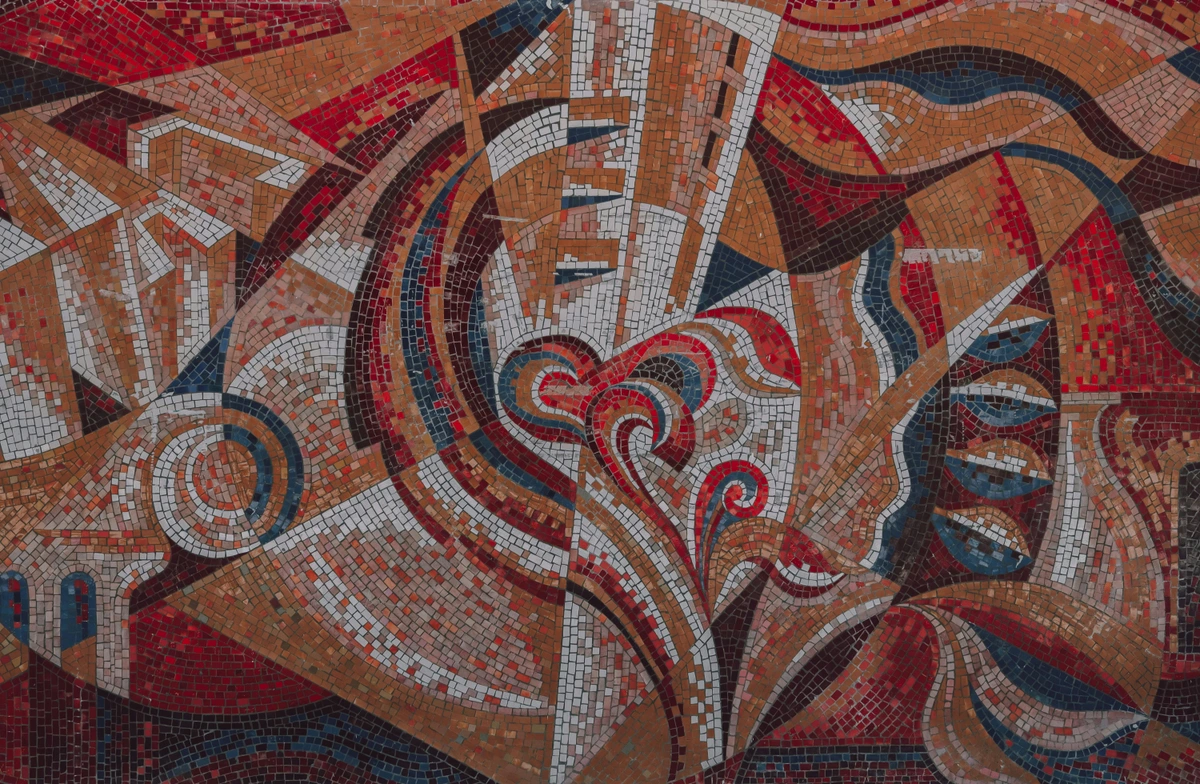
For Orphism, color wasn't just a descriptive tool; it was the entire language of the painting, a way to build a visual reality from scratch. Here are the core ideas that, for me, really define the movement:
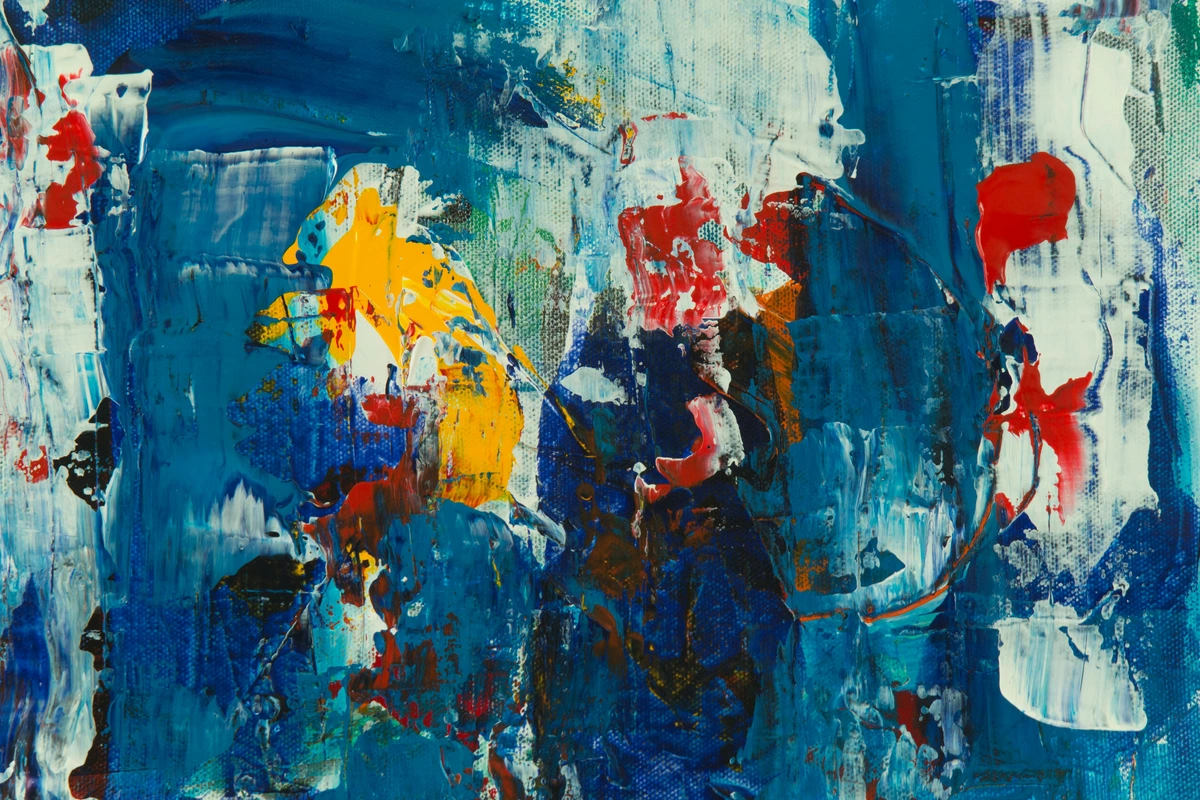
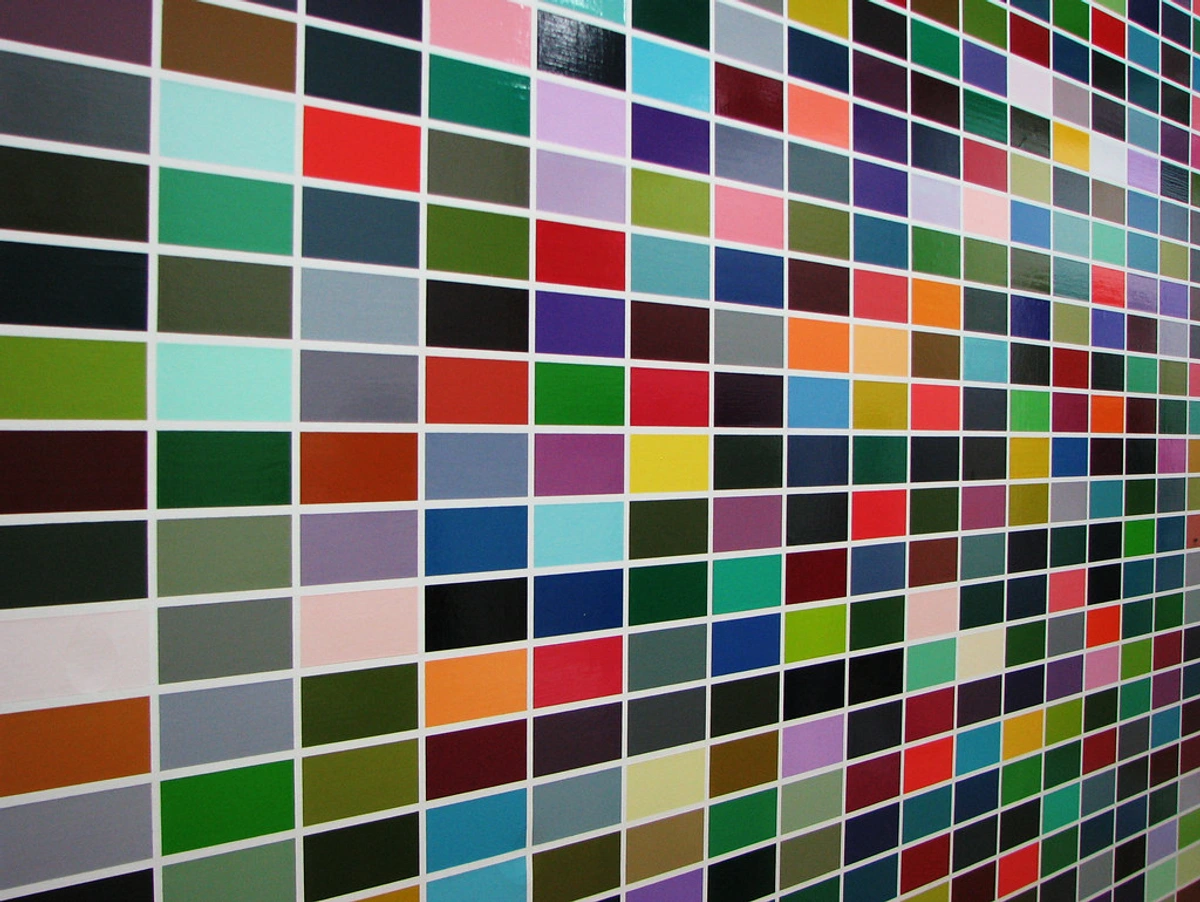
- Simultaneous Contrast: This is huge. It refers to the way colors affect each other when placed side-by-side. Have you ever noticed how certain colors seem to make others 'pop' more dramatically? Imagine placing a pure cadmium yellow circle next to an intense ultramarine blue circle; the yellow might appear to pulse with greater energy, almost vibrating off the canvas. It's like how a dull gray object can appear startlingly bright when placed next to a neon pink; the pink 'enhances' the perception of brightness in the gray, even though the gray hasn't changed. I see it as colors literally talking to each other, shaping each other's presence, creating an optical push-and-pull. The Delaunays deeply studied the scientific color theories of people like Michel Eugène Chevreul, using these interactions to create dynamism and a sense of light without relying on traditional perspective or outlines. When I'm working on a piece and trying to get that perfect 'hum,' it's always simultaneous contrast I'm wrestling with – trying to make those hues sing together, or sometimes, clash gloriously. This concept is fundamental to how artists use color effectively.
- Rhythm and Movement: They believed that the right arrangement of contrasting colors could create a pulsating, rhythmic effect on the canvas, akin to music. This wasn't about depicting movement but creating it through pure visual energy – a kinetic energy of hue and tone that guides the viewer's eye across the canvas. For the viewer, this means the eye isn't static; it dances across the canvas, guided by the intensity and interplay of colors, creating a dynamic, almost hypnotic experience. It’s less about what a color looks like and more about what it does to your perception, a visual echo of synesthesia, where senses cross. This is something I actively explore in my own work, aiming for that visual resonance and a kind of silent composition.
- Non-Representational Form: While early Orphism still had hints of recognizable objects (like the Eiffel Tower or windows), the ultimate goal was for form to emerge from color itself, leading to completely abstract compositions. For instance, when I look at a purely abstract Orphist piece, I see how a dominant blue can suggest vastness or coolness, while juxtaposed reds and yellows could create a sense of energy or heat, thus forming a compositional structure entirely from color interactions. Imagine a large expanse of saturated blue; it doesn't need an outline to feel like a solid presence. Then, a jagged line of vibrant orange appears. The orange doesn't just sit there; it creates a sense of energetic movement against the blue, defining its edge and adding a dynamic tension, a compositional structure built solely from their relationship. Color wasn't just filling outlines; it was the outline, the mass, the depth. It's a profound shift, understanding that luminosity and saturation can create positive and negative spaces, implying depth and structure purely through chromatic relationships. This radical approach paved the way for future movements focused on how to abstract art and pure chromatic expression.
- Cosmic and Spiritual Dimensions: Delaunay's choice of circular forms, particularly in his Disques series, was deliberate. He saw them as inherently harmonious, universal, and reflective of cosmic order and the sun. These forms echo the scientific understanding of celestial bodies and hold deep cultural symbolism for wholeness and infinity. This wasn't merely an aesthetic choice; it hinted at a spiritual ambition for Orphism – to connect viewers with universal rhythms and the profound, almost divine, energy of light and color, echoing early 20th-century movements seeking deeper spiritual meaning in abstraction. It was art seeking to reveal the hidden harmony of the universe, a kind of visual cosmic music.
The Pioneers: Robert, Sonia, and the Parisian Intellectual Ferment
Early 20th-century Paris was a crucible of intellectual and artistic experimentation. Think about it: ideas from philosophers like Henri Bergson (who emphasized intuition and lived experience over objective analysis), new scientific theories about light and perception, and even groundbreaking musical ideas (like atonality and the concept of Gesamtkunstwerk from Wagner) were all buzzing. This vibrant atmosphere, much like a fertile ground, allowed Orphism's radical ideas about subjective sensation and color's autonomy to blossom. It was in this electrifying environment that the Delaunays found their voice, and frankly, their courage to break away.
Influences on Orphism: A Legacy of Light and Color
Orphism didn't emerge from a vacuum. It was built upon a rich tapestry of artistic and scientific explorations that preceded it:
- Neo-Impressionism (Pointillism): Artists like Georges Seurat meticulously applied small dots of pure color, allowing the viewer's eye to blend them optically. Delaunay, in his early training, was deeply influenced by this systematic approach to color, seeing its potential for luminosity and vibration. He took this scientific rigor and pushed it further, liberating color from mere description.
- Fauvism: Led by artists like Henri Matisse, Fauvism unleashed color from its representational duties, using bold, non-naturalistic hues to express emotion. This emphasis on color as an emotive force directly paved the way for Orphism's even more radical embrace of color's autonomy.
- Color Theory: The scientific studies of color, particularly those of Michel Eugène Chevreul on simultaneous contrast, were foundational. Chevreul's work explained how colors intensify or neutralize each other when placed side-by-side, providing a theoretical framework that the Delaunays meticulously applied to achieve their dynamic, vibrating compositions.
- Early Abstract Art: While Orphism itself was a pioneer of abstraction, it existed within a broader contemporary surge towards non-representational art, with artists like Wassily Kandinsky also exploring spiritual and emotional abstraction simultaneously, albeit through different stylistic means.
Robert Delaunay: The Quest for Pure Color
You can't really get Orphism without understanding the guy who was obsessed with circles. Robert Delaunay (1885-1941) started out influenced by the Pointillists, like Georges Seurat, who were already breaking down color into little dots. You could see he was searching for something, a way to make color do more than just describe. Early on, he also flirted with Fauvism's bold hues, always pushing towards a more expressive and autonomous use of color.
He had his Cubist phase, for sure. His paintings of the Eiffel Tower from that time are fantastic—they fracture and dissect the iconic structure. But you can feel him straining against the limitations of a muted palette. He kept adding more and more color, not to make the tower more realistic, but to explore how light shimmered and shifted around it, how the structure itself seemed to vibrate with pure, vibrant hues. This was evident in his early exhibition at the Salon des Indépendants, where critics started to notice his unique chromatic explorations. Eventually, the color became more important than the tower itself, marking his bold departure. This all happened in the vibrant artistic melting pot of early 20th-century Paris, a city that fostered an explosion of new ideas and movements. Think of the cafes buzzing with radical conversations, salons showcasing revolutionary works, and the sheer concentration of artistic genius – it was an electrifying environment that pushed boundaries and celebrated innovation.
Sonia Delaunay: Color in Design and Life
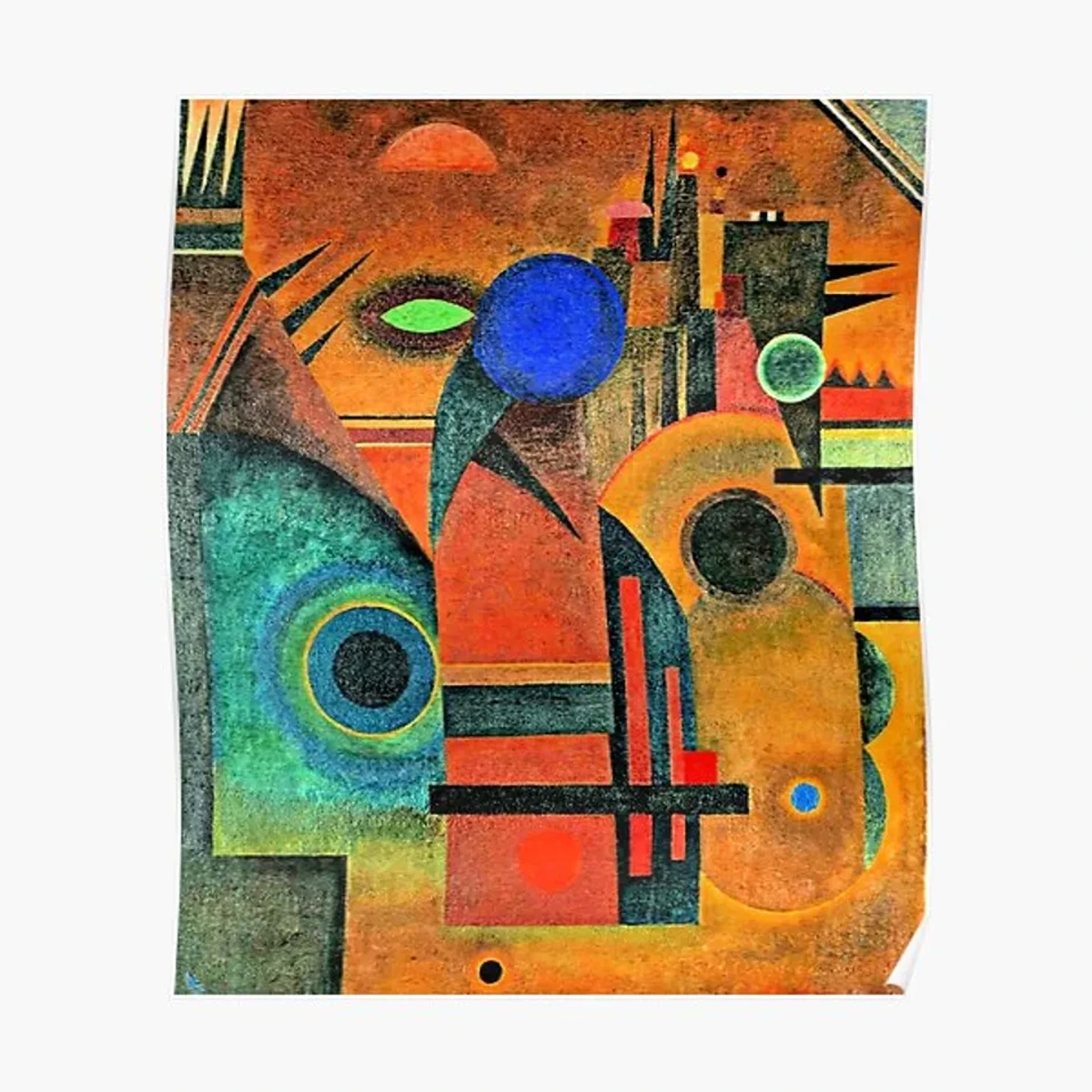
And we absolutely have to talk about Sonia Delaunay (1885-1979). She wasn't just his wife; she was his artistic equal and a co-founder of the movement. Sonia took the principles of Orphism – particularly simultaneous contrast and the rhythmic power of pure color – and exploded them into the world of design. She created vibrant fabrics, avant-garde clothing (her 'simultaneous dresses' were legendary, challenging the staid fashion norms of the day with bold geometric patterns and clashing hues), theatrical costumes, and even car designs and bookbindings. Her practical application of Orphist theory, such as her famous textile patterns for the Dutch department store Metz & Co., demonstrated its immense versatility. Imagine a dress that was a walking abstract painting, a symphony of reds, yellows, and blues colliding to create a sense of movement and joy. Her work proved that this new language of color wasn't just for a canvas on a wall; it was a way of seeing and living, deeply connecting fine art with everyday life and design. For me, her work is a powerful reminder that art isn't confined to a gallery; it's everywhere you let it be.
credit, licence
Other Voices in Orphism: Kupka, Léger, and Futurism's Echoes
While the Delaunays are undeniably at the core, others flirted with or deeply explored Orphist ideas.
František Kupka (1871-1957), a Czech pioneer of abstract art, developed his own unique path toward abstraction around the same time. His works, like Amorpha, Fugue in Two Colors (1912), intensely investigated the depiction of movement and the harmonious interplay of pure color, creating compositions that evoked musicality, often preceding Delaunay's purely abstract discs. Kupka's Amorpha pieces often feature swirling, concentric lines and vibrant, interpenetrating planes of color that seem to rotate or expand, creating a sensation of dynamic flow and optical vibration. He shared Orphism's ambition to create art from color and movement alone, pursuing his own unique, scientifically-informed path to abstraction.
Fernand Léger (1881-1955) also showed a temporary alignment with Orphist principles, particularly in his early 1910s work. His paintings from this period, characterized by bold, geometric forms and strong color contrasts, shared the Orphist interest in dynamism and the structural power of color. His style was often referred to as 'Tubism' due to his focus on cylindrical and conical forms, which, while simplifying objects, still retained a concrete sense of mass and volume. However, Léger's work generally remained tethered to figuration and a more concrete sense of objects, eventually diverging from the Delaunays' complete leap into pure lyrical abstraction. He used color to emphasize structure, but his forms, even when fragmented, usually retained a palpable sense of the real-world object.
It's also worth noting the broader currents of Futurism, an Italian movement that also emphasized dynamism, speed, and the fragmentation of objects to convey movement. While distinct, there were overlaps in their shared desire to capture the energy of the modern world and the sensation of motion, though Futurists often did so to glorify technology and urban life, while Orphists focused on the inherent, often spiritual, qualities of color and light.
Orphism in Action: Key Artworks You Need to See
Seeing is believing, right? These are a few of the pieces that really define the movement for me, showing how Delaunay brought his radical ideas to life. If you get the chance to see them in person, trust me, it’s an experience.
The Fenêtres (Windows) Series (1912)
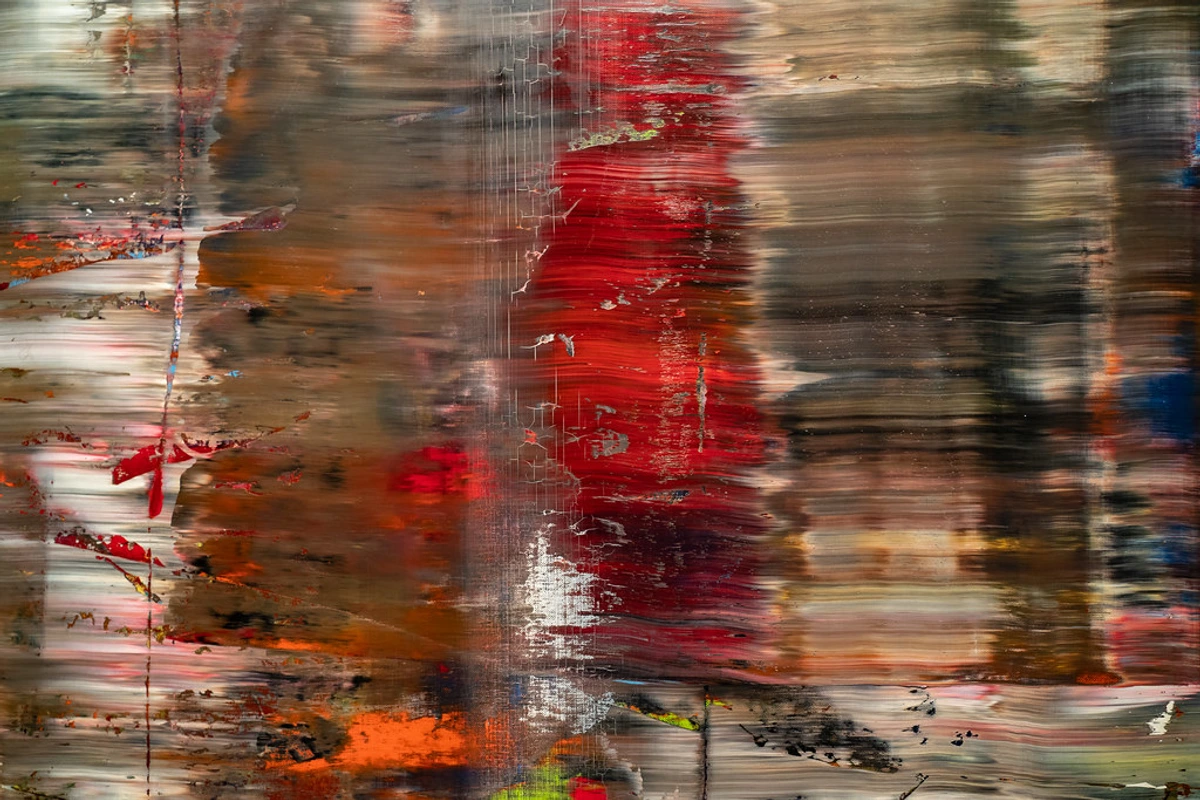
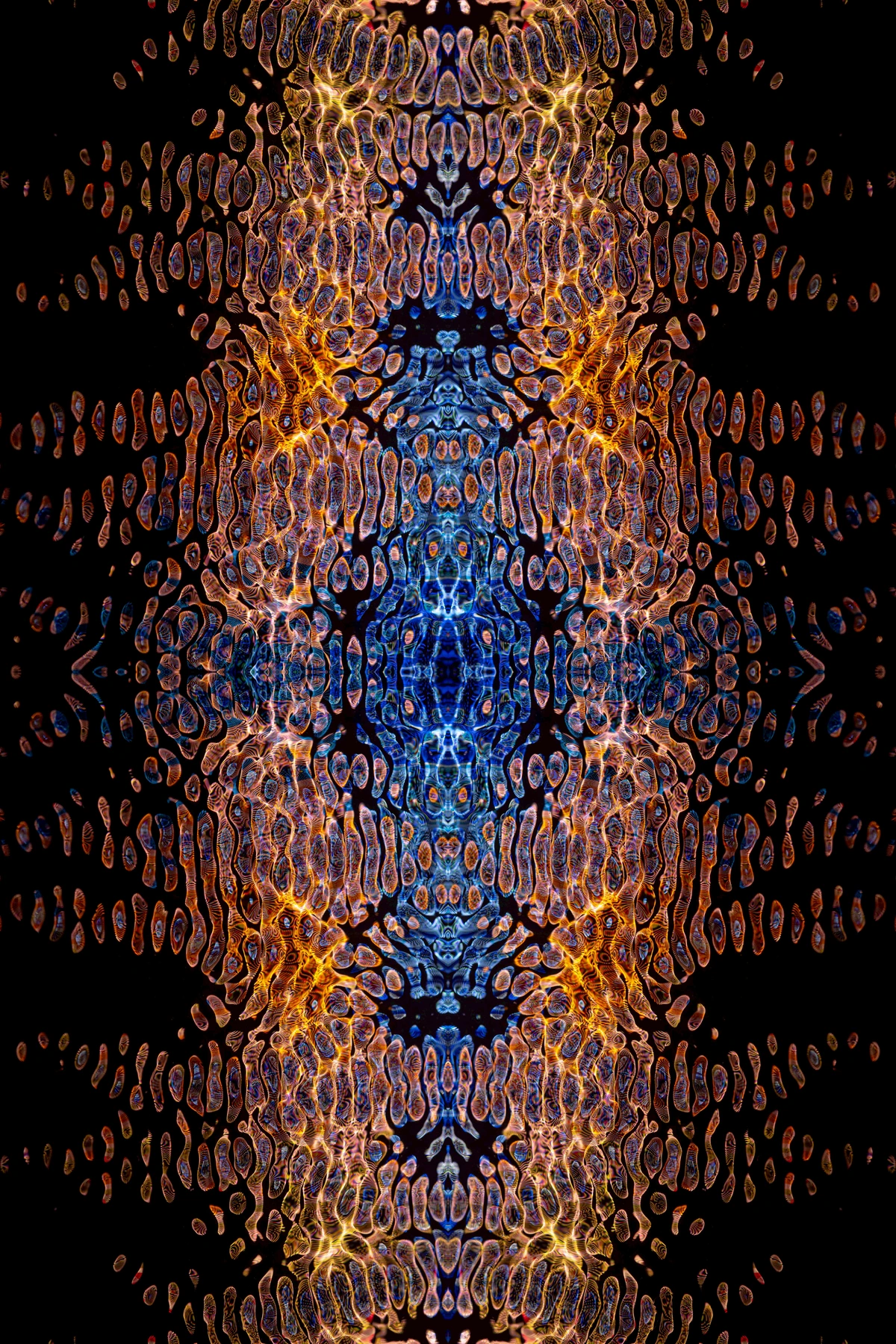
This is where Delaunay really breaks free. He's painting the view from his window overlooking Paris, but he's not painting the buildings as we usually see them. He's painting the light itself—how it refracts, overlaps, and dissolves forms. The canvases are fractured into translucent planes of color—intense blues against vibrant oranges, shifting greens, and warm yellows—that interact to create a shimmering, prismatic effect, a joyful dissonance of hues. It’s like looking at the world through a prism, where the solid world dissolves into a symphony of light and color, creating a visual exhilaration. For instance, the electric jolt of a luminous emerald green next to a deep violet wouldn't just sit there; they would activate each other, causing the eye to perceive a subtle shimmer or pulse. It's pure poetry, and it’s a brilliant demonstration of simultaneous contrast and the idea of color creating form and depth rather than merely filling it.
credit, licence
The Disques (Disks) and Formes Circulaires (Circular Forms) Series (1913-1930s)
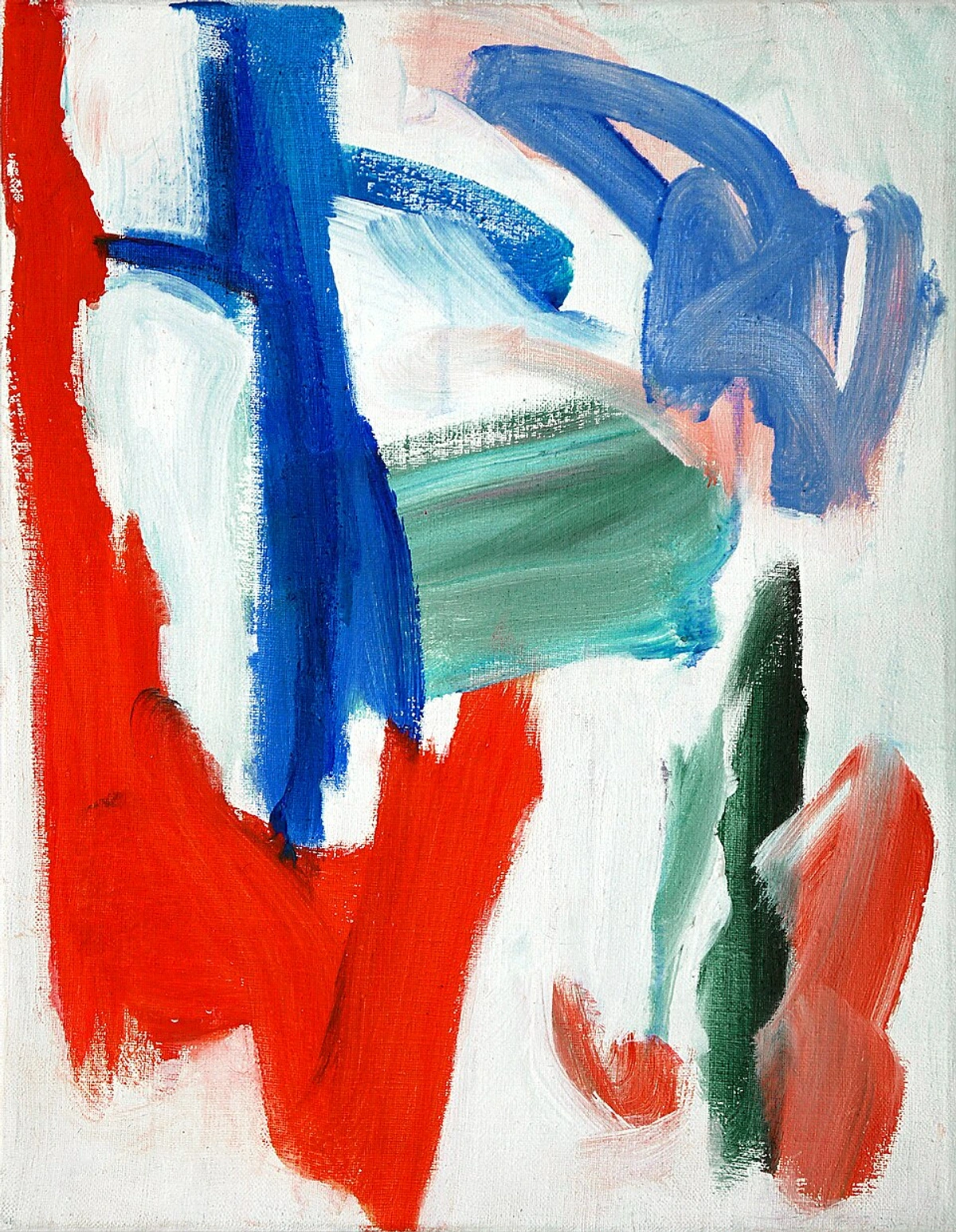
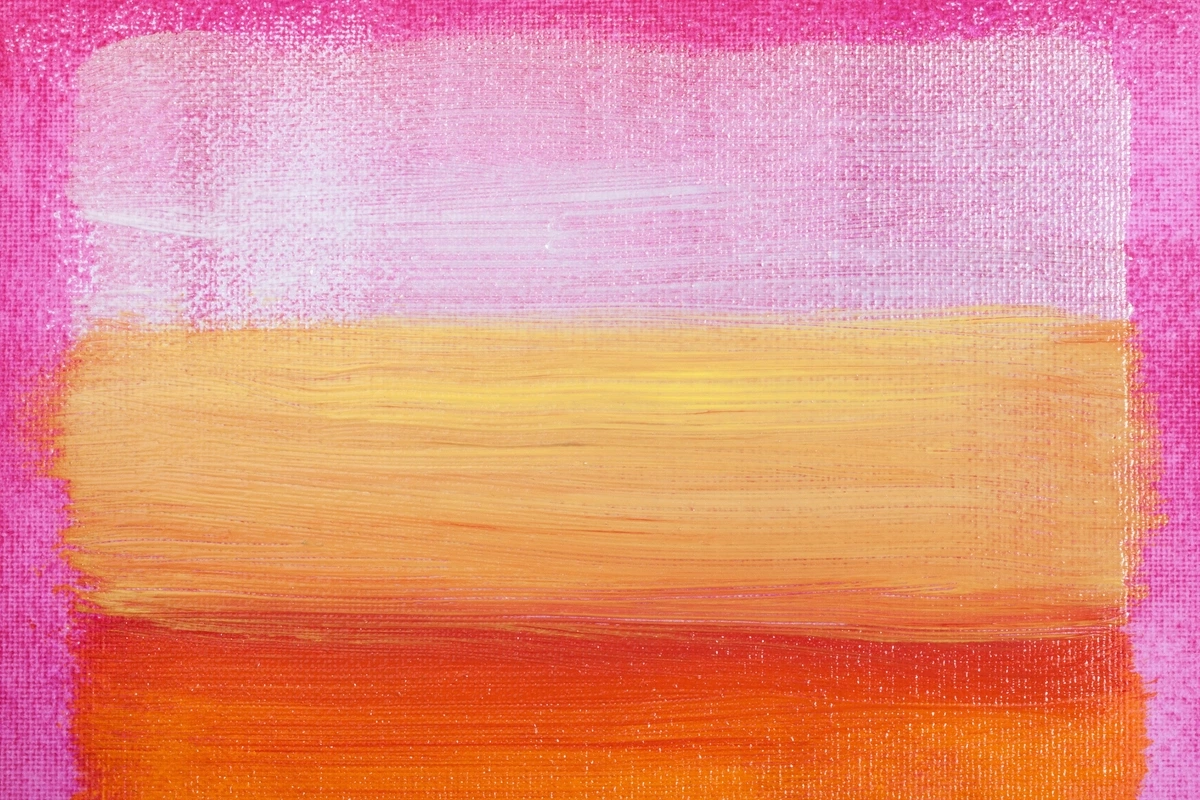
This is where he goes full abstract. His Premier Disque (1913) is considered one of the first non-representational paintings in modern French art. It's just a composition of concentric circles in contrasting colors. There's no window, no tower, nothing but the rhythm of color itself. Delaunay chose the circular form for its inherent wholeness, its cosmic connotations, and its ability to focus and intensify color interactions. These forms echo the scientific understanding of celestial bodies and hold deep cultural symbolism for wholeness and infinity. Unlike the straight lines and sharp angles of Cubism, the circle offered a softer, more fluid path to abstraction, allowing colors to blend and collide in an endless, rhythmic dance without harsh interruption. He believed these simultaneous contrasts created a profound sense of movement and depth, pulling the viewer into a meditative experience. It's an idea that many later artists, especially those exploring pure color interaction, like Josef Albers, would spend their entire careers exploring, demonstrating the profound depth and complexity color could hold when freed from representation.
credit, licence
The Legacy: Why Orphism Still Matters
Orphism as a formal movement was pretty short-lived, largely disrupted by the outbreak of World War I. The war scattered artists, making international exhibitions difficult, led to financial hardships, and shifted cultural focus from aesthetic experimentation to survival. Many of the artists involved, like Léger, found their focus turning to depicting machines and industry, a stark contrast to Orphism's lyrical abstraction. This contributed significantly to its decline as a cohesive group, yet its radical ideas persisted. At the time, Orphism was both lauded for its innovation and criticized. Some critics dismissed its vibrant colors and pure abstraction as frivolous or merely decorative, arguing it lacked the 'serious' subject matter or intellectual rigor of movements like Cubism. Yet, others, including Apollinaire, recognized its profound shift in artistic thought, paving the way for future explorations of color and light.
But despite its brevity, its impact was massive. It opened the door for a kind of lyrical, color-based abstraction that influenced countless artists and subsequent modern art movements. Its emphasis on color theory, simultaneous contrast, and the inherent emotional power of color also left a lasting mark on art education and theoretical discussions about chromatic relationships.
For me, you can see its echoes everywhere:
- German Expressionism: Artists like Ernst Ludwig Kirchner used heightened, non-naturalistic colors to convey raw emotional states, a direct link to Orphism's belief in color as an emotive force. In works like his street scenes, vibrant, clashing hues capture the anxiety and alienation of modern urban life. They weren't just showing what they saw, but how they felt it.
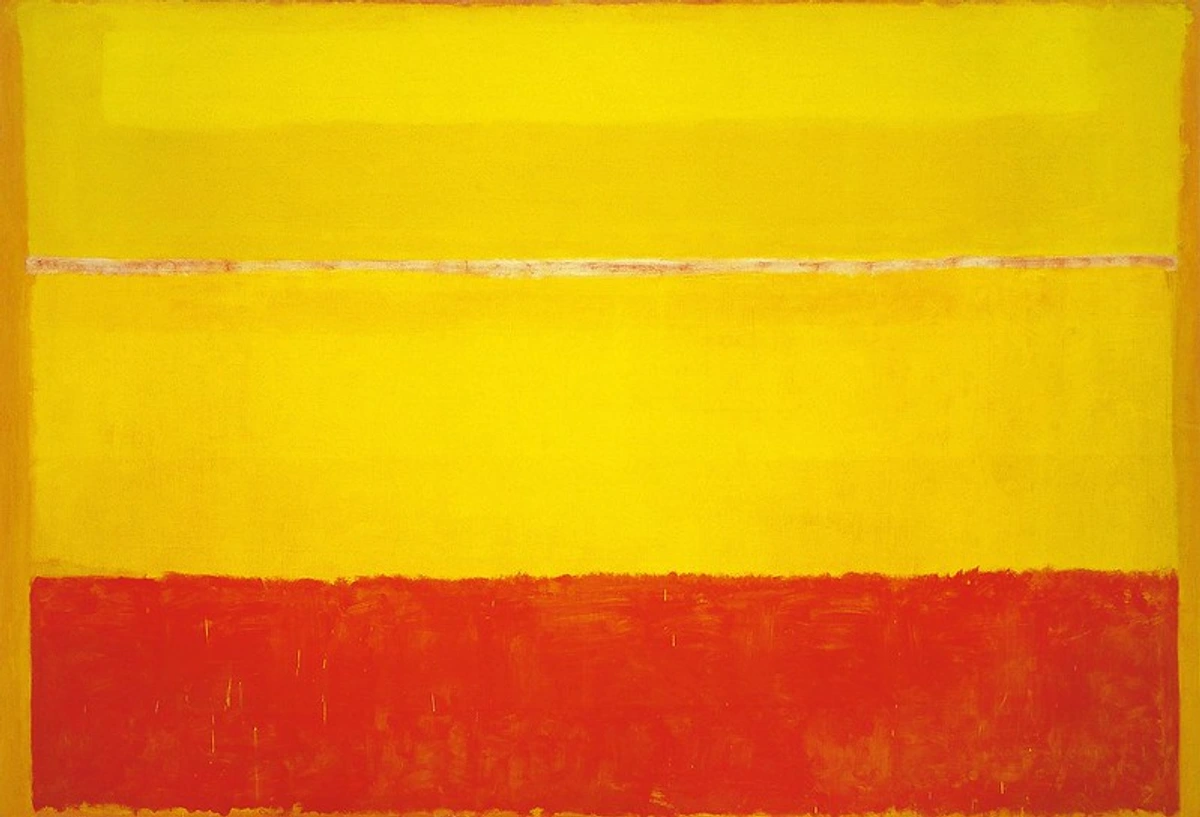
- Abstract Expressionism: In America, artists like Jackson Pollock (in his later, more color-focused works, where dense, overlapping layers of hue create profound optical depth and movement) and Mark Rothko (with his luminous color fields, whose vibrating edges and immersive scale evoke deep spiritual resonance) explored emotional depth and spiritual resonance through color alone, creating vast, immersive chromatic experiences. It's like Orphism scaled up to monumental proportions.
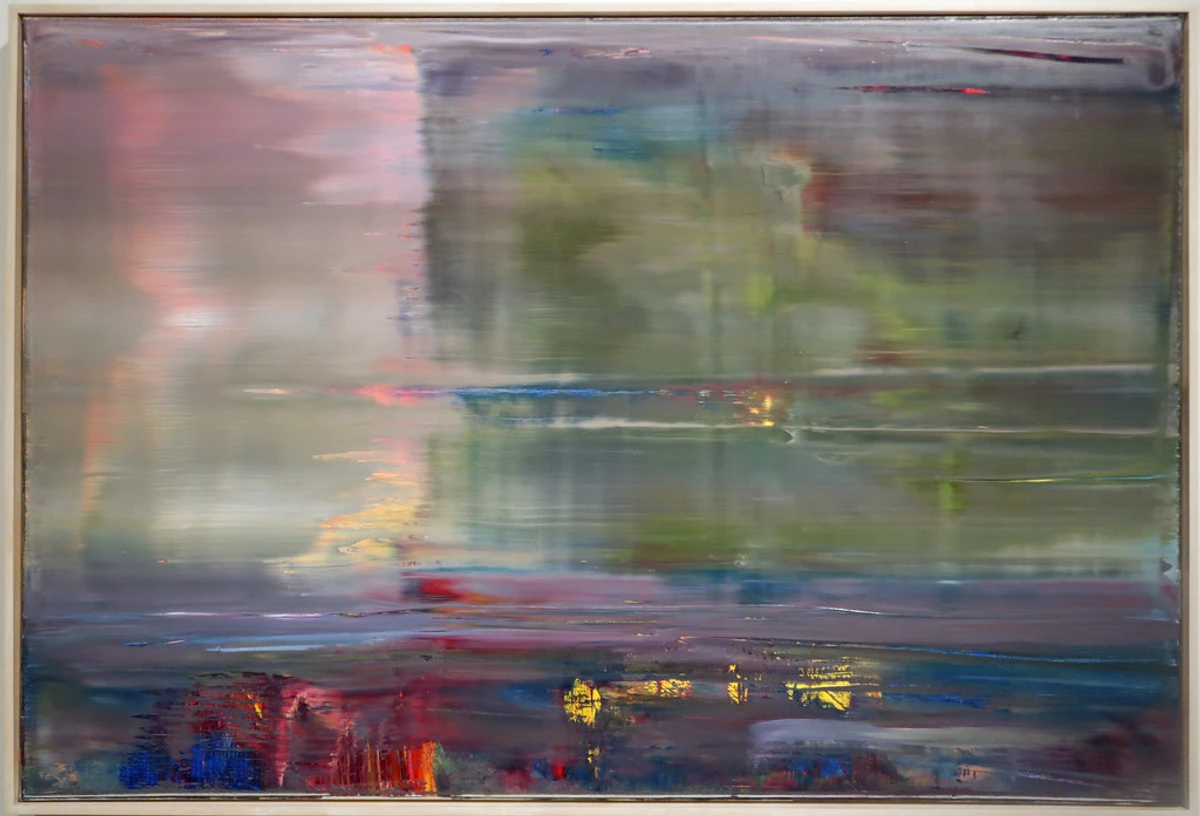
- Op Art: Artists like Victor Vasarely and Bridget Riley directly built upon Orphism's optical principles, creating illusions of movement and depth purely through geometric patterns and color interaction, making the canvas literally vibrate. The precise arrangement of contrasting colors in Op Art generates kinetic effects, directly echoing Orphist simultaneous contrast. It's the scientific, precise evolution of Orphist optical delight.
- Contemporary Art and Design: Even today, artists exploring color field painting, digitally generated abstract forms, or the use of vibrant color in graphic design and advertising, owe a debt to Orphism's foundational belief in color's inherent expressive power. It's a reminder that art doesn't have to be about something to be powerful. It can just be about the pure joy and emotional power of color.
This notion validates the simple act of putting one color next to another to see what happens, to create a vibration, a silent hum. That's a core part of my personal artistic vision, where the interplay of hues creates visual resonance, a principle that resonates deeply with the vibrant contemporary pieces found in my own collection, an invitation to truly see. I owe a debt to the Delaunays for being among the first to shout it from the rooftops.
Frequently Asked Questions (FAQ)
Before we wrap things up, let's address some common questions I hear about Orphism. It's a movement that often sparks curiosity, and these answers might clarify a few lingering thoughts. After all, a little clarity can go a long way when wading into these vibrant waters.
What is the main difference between Orphism and Cubism?
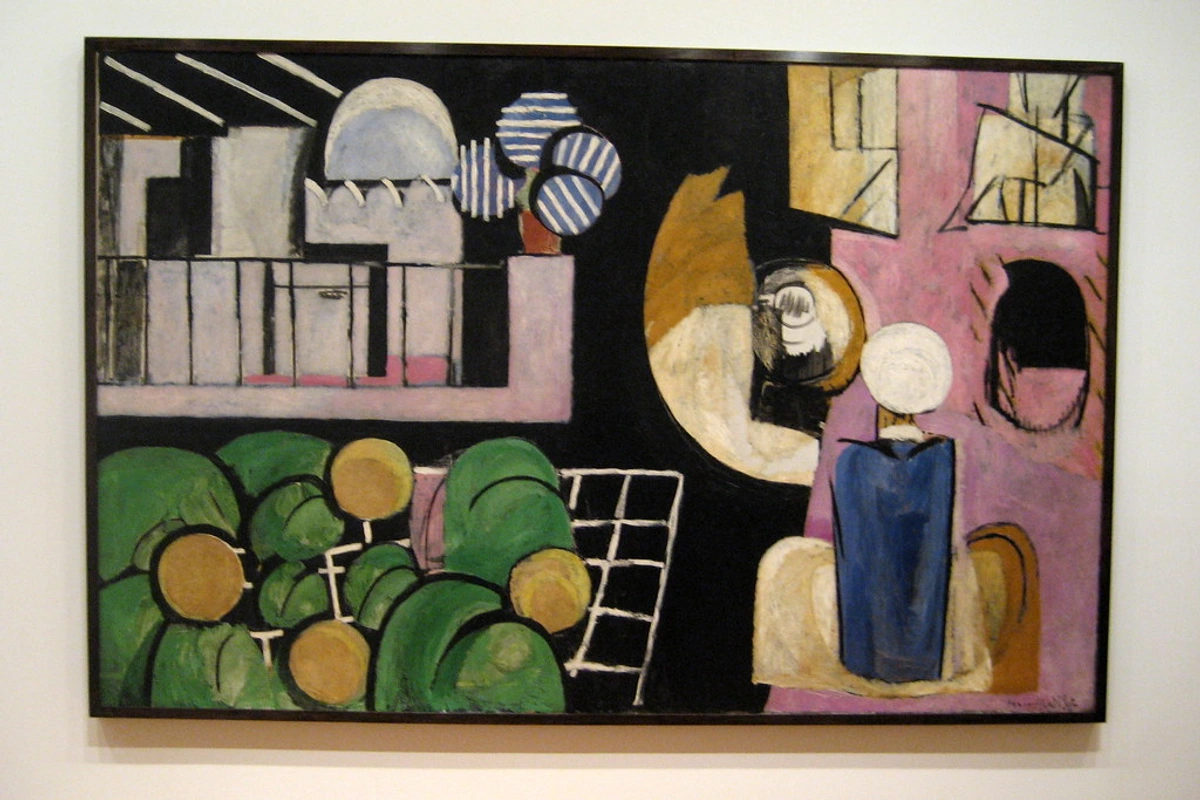
The fundamental distinction lies in Color vs. Form. Cubism, especially in its early Analytical phase, deconstructed form and used a very limited, monochromatic color palette, focusing on objective reality. Orphism embraced vibrant, pure color as the primary subject and tool for creating form and emotion, often leading to full abstraction focused on the inherent qualities and subjective sensation of color itself. It's the difference between a detailed anatomical study and a joyous musical composition.
credit, licence
Who were the main artists of Orphism?
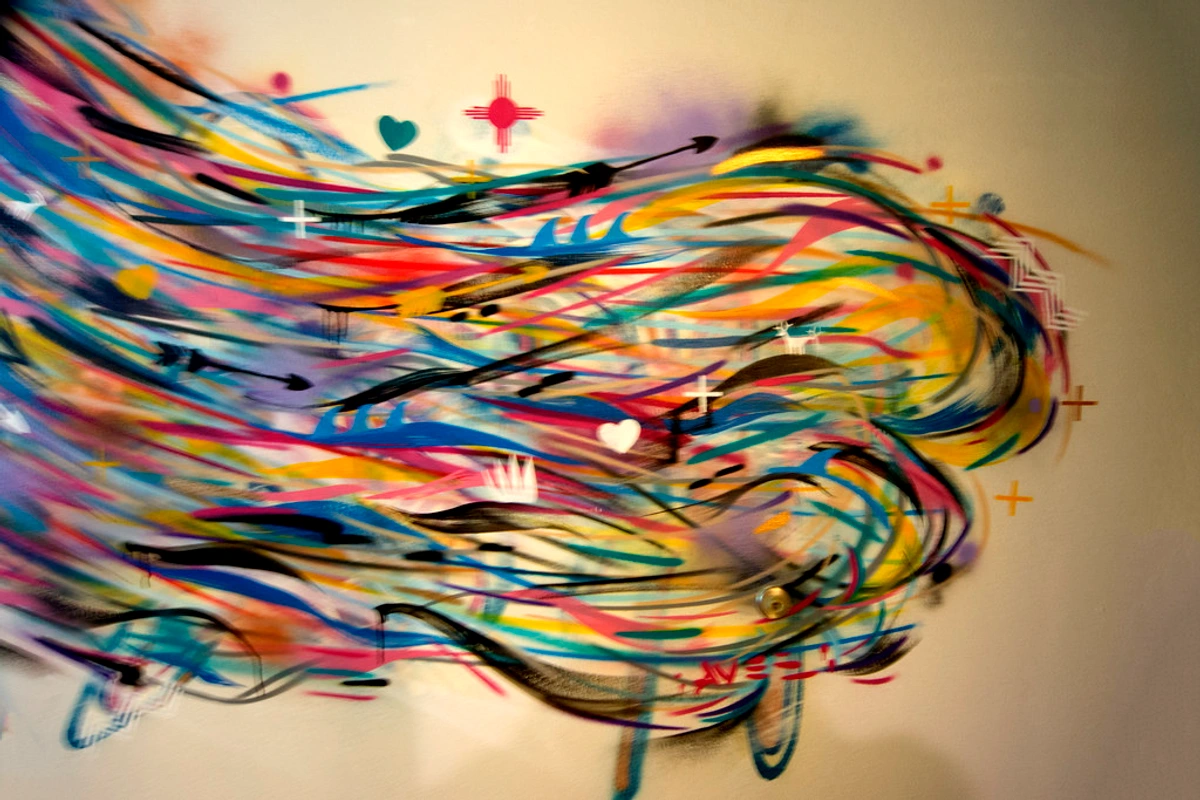
The absolute key figures were Robert Delaunay and Sonia Delaunay. Other artists associated with the style, at least for a time, include František Kupka, known for his early abstract works exploring movement and color, and Fernand Léger, whose work showed a period of strong color contrasts and geometric forms, albeit often still tethered to figuration. Think of it as a family of artists, with the Delaunays as the undeniable parents.





Why is it called Orphism?
The name comes from the Greek myth of Orpheus, a legendary musician and poet. The poet Guillaume Apollinaire coined the term to link the harmonious, lyrical, and musical qualities of the Delaunays' color compositions to Orpheus's art, emphasizing the visual 'music' created by color. Apollinaire, a key figure in the Parisian avant-garde, saw in their work a profound connection between the senses, where color literally sang on the canvas, a synesthetic experience brought to life.
Is Orphism a form of abstract art?
Yes, absolutely. It is considered one of the very first movements to push into pure abstraction, where the artwork has no direct reference to the visible world. Robert Delaunay's Premier Disque (First Disc) is a landmark example of this, often cited as one of the earliest purely abstract works in modern art movements. Orphism’s move to abstraction was specifically driven by the desire to explore the inherent qualities and emotional power of color itself, rather than abstracting from representational forms, focusing on chromatic relationships and optical effects to create its own reality. It was less about simplifying reality and more about creating a new one.
What are Robert Delaunay's most famous paintings?
His most famous works include his iconic series of paintings of the Eiffel Tower, which show his transition from Cubist fragmentation to color dynamism; the Fenêtres sur la ville (Windows on the City) series, where he explored light and simultaneous contrast; and his purely abstract Premier Disque (First Disc), a foundational piece of modern abstraction. These are the pieces that, for me, truly capture his revolutionary spirit.
My Final Thought
I hope these answers have shed some light on the vibrant world of Orphism. But the best way to truly understand it is to experience it yourself. So next time you see pure, unabashed color clashing and singing on a canvas, maybe you'll think of the Delaunays and their humming disks. It’s a beautiful reminder that sometimes, the most profound thing art can do is simply exist as a rhythm of light and feeling. It’s not just paint; it’s a vibration. And that, I think, is a pretty powerful thing to experience. How might this rhythm change the way you see the colors around you? I encourage you to look at the world, and at art, with this new lens, seeking out the silent symphonies that color creates—whether in a sunset, a bright advertisement, or even in the quiet interplay of colors in your own home. You might just discover a new appreciation for the silent music of the world that echoes in the abstract art in my own collection, an invitation to truly see.