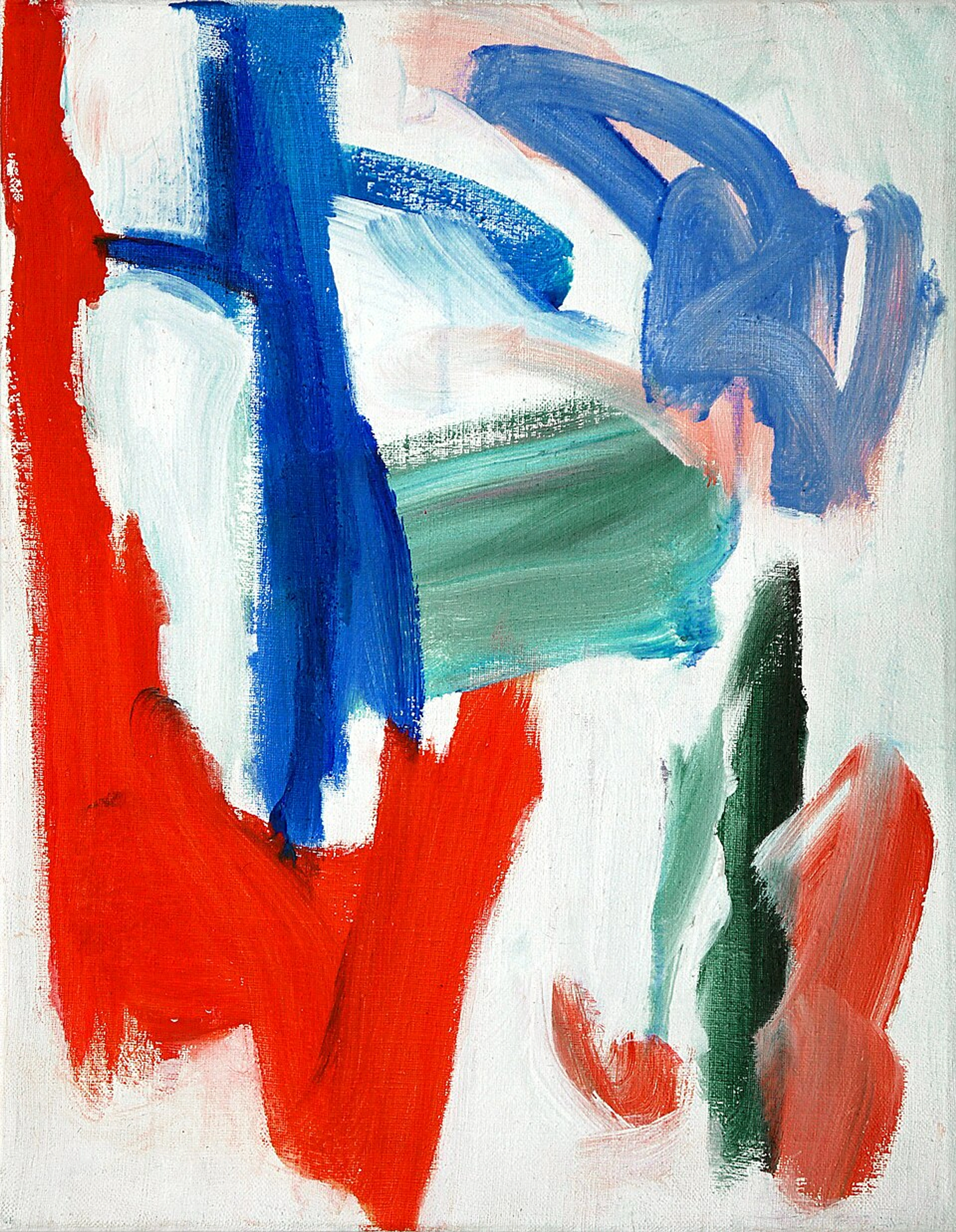
Machine Age Art Movement: A Comprehensive Exploration
Dive into the Machine Age art movement, its origins, key artists, and lasting impact on modern abstract art.

Machine Age Art Movement: A Comprehensive Exploration
Introduction
I remember the first time I saw a piece of Machine Age art. It was like looking into a futuristic dream, where the cold, hard lines of industry met the boundless creativity of human expression. The Machine Age art movement, emerging in the early 20th century, was a response to the rapid industrialization and technological advancements of the time. It was an era where artists sought to capture the essence of modernity, blending the mechanical with the artistic.
The movement was not just about celebrating progress; it was also a reflection of the societal shifts that came with industrialization. Artists were grappling with the tension between tradition and innovation, and their work often mirrored the complexities of this transition. For many, the Machine Age represented both a promise and a challenge—a world where human creativity could thrive alongside technological advancement, but also one where the soul of artistry risked being overshadowed by the cold efficiency of machines.
As I delved deeper into the movement, I realized it wasn't just about the aesthetics of machinery and industry. It was about the human experience in an increasingly mechanized world. The artists of this era were not just observers; they were participants in a dialogue about what it meant to be human in the age of machines.
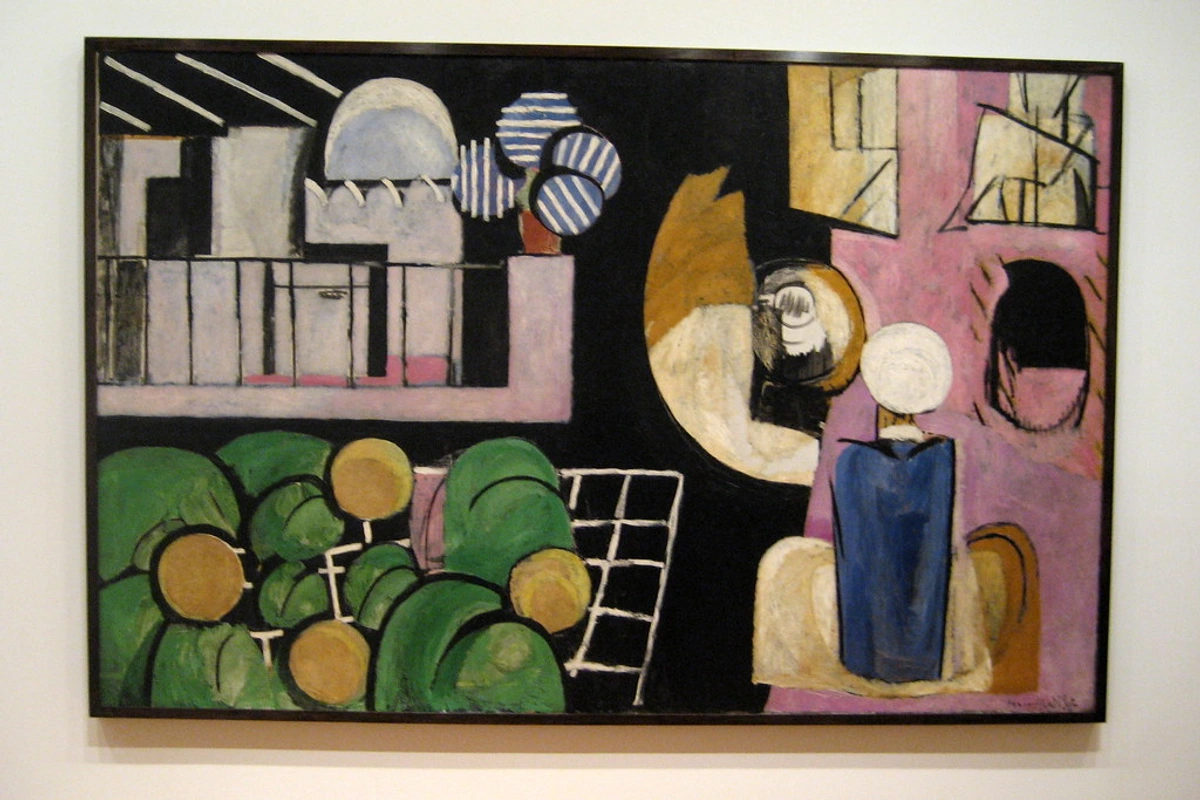
Key Concepts
Origins and Influences
The Machine Age art movement was heavily influenced by the industrial revolution. Artists were fascinated by the new technologies and the changing landscape of cities. They sought to reflect these changes in their work, creating pieces that were both a celebration and a critique of the modern world.
The movement was also shaped by broader cultural and philosophical ideas. The rise of futurism, with its emphasis on speed, technology, and the future, played a significant role. Additionally, the movement was influenced by the Bauhaus school, which emphasized the integration of art, craft, and technology.
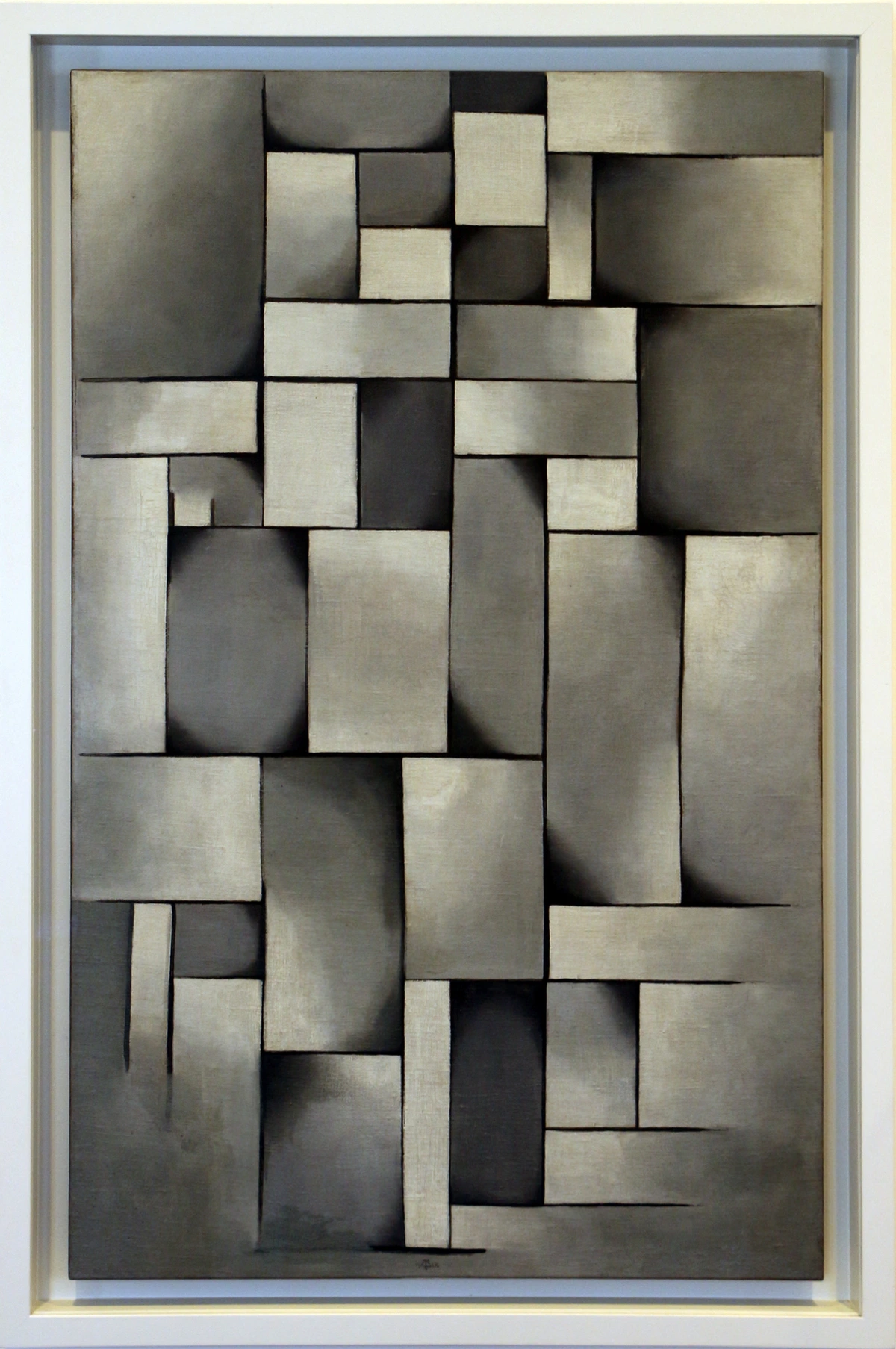
Characteristics
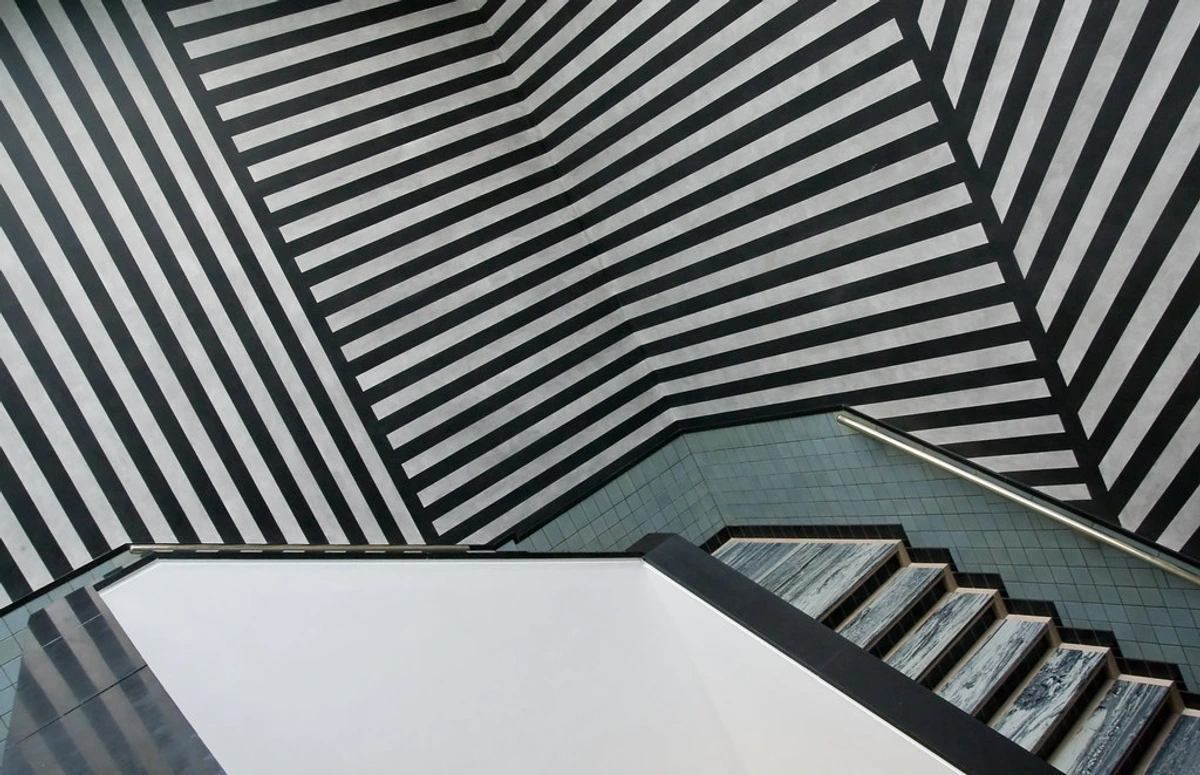
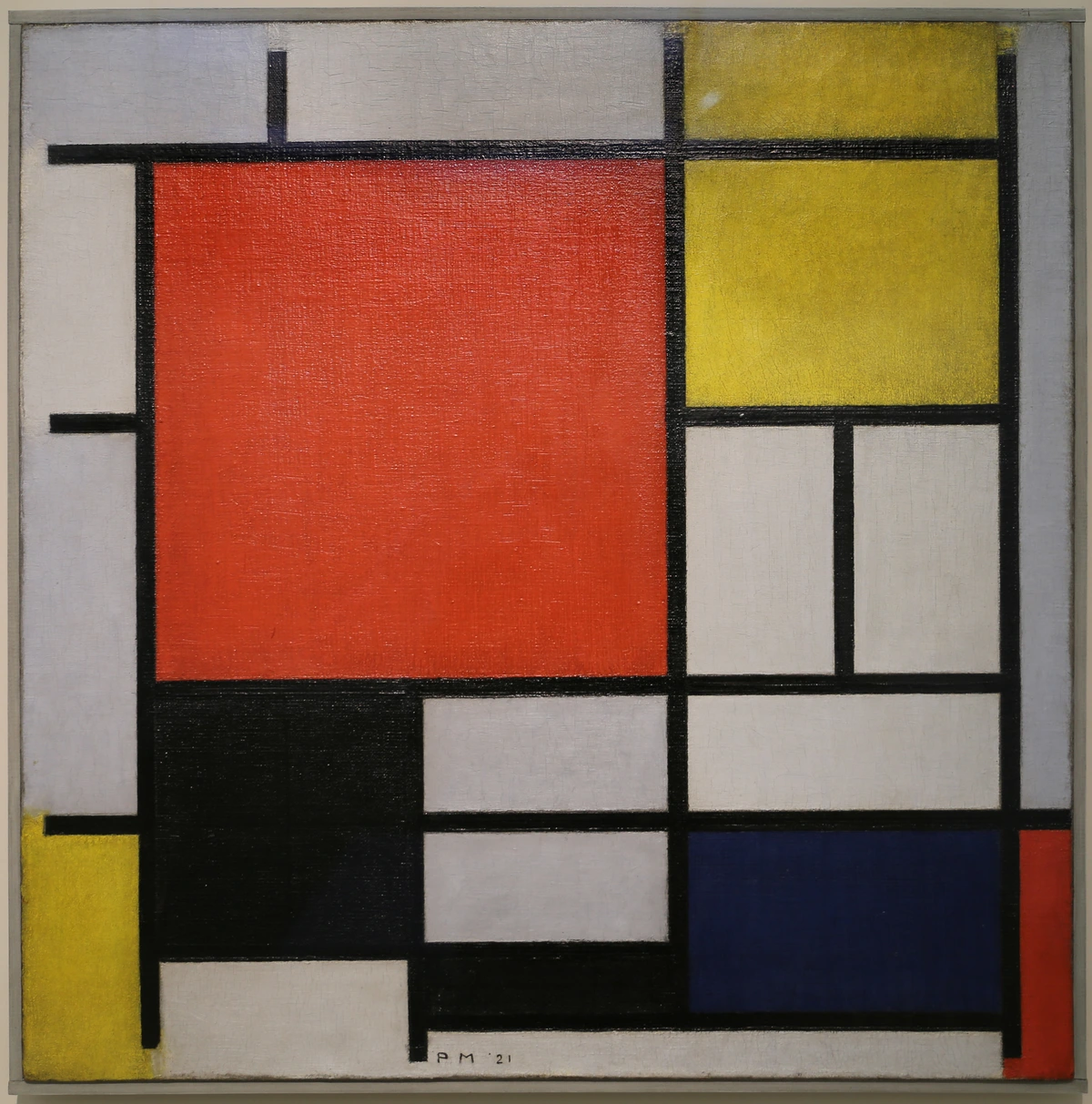
Machine Age art is characterized by its use of geometric shapes, bold lines, and a focus on the mechanical. Artists often used materials like steel, glass, and concrete, reflecting the industrial materials of the time. The movement also saw a shift towards abstraction, as artists sought to capture the essence of the machine age rather than its literal representation.
The aesthetic of the Machine Age was not just about the visual representation of machines but also about the ideas they symbolized. The movement embraced the concept of functionality, where form followed function, and the beauty of an object was derived from its purpose. This philosophy was a departure from traditional art, which often prioritized ornamentation and decoration over utility.
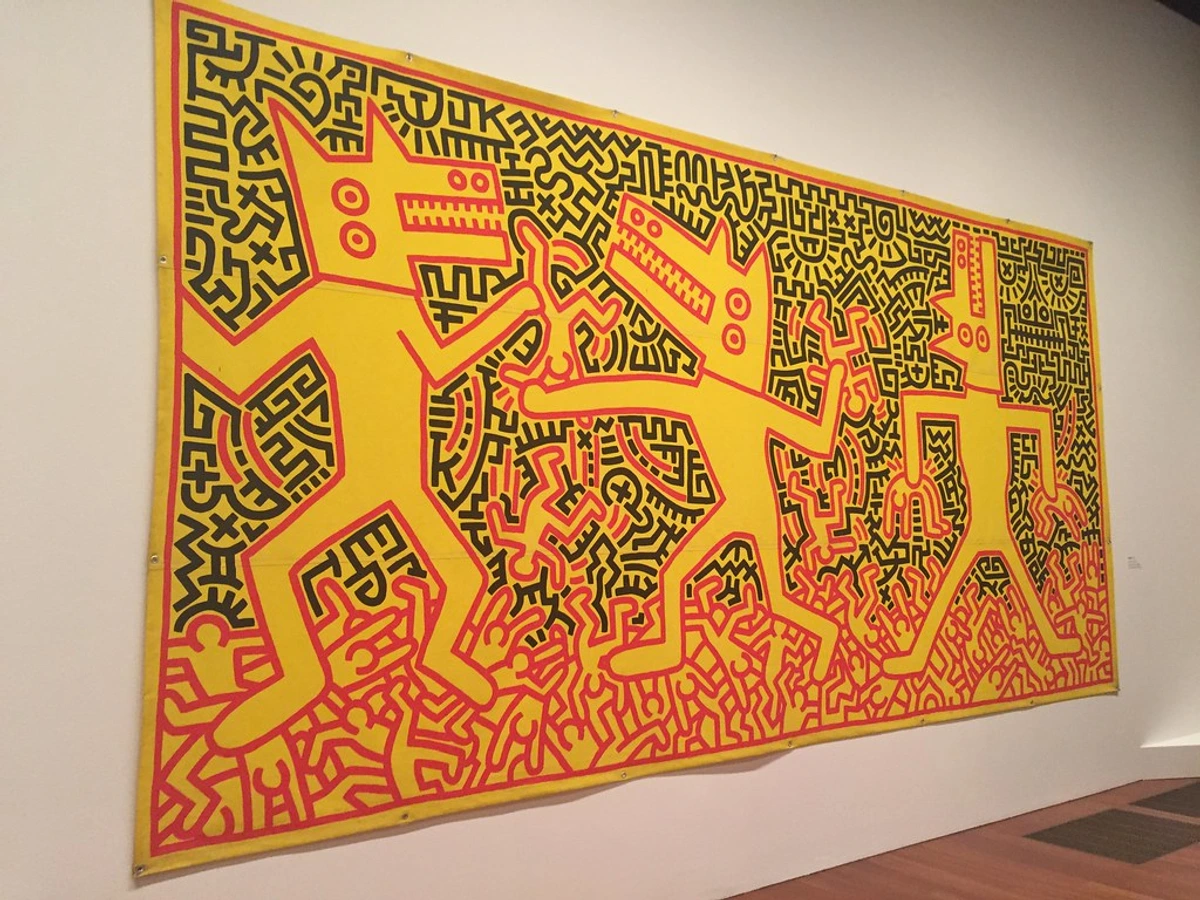
Examples
Key Artists
Some of the most notable artists of the Machine Age movement include:
- Charles Sheeler: Known for his precise, geometric paintings of industrial landscapes. His work often depicted factories and machinery with a sense of awe and reverence.
- Charles Demuth: Famous for his "poster portraits" of industrial subjects. His pieces often combined text and imagery to create a dynamic visual experience.
- Joseph Stella: Renowned for his futuristic depictions of the Brooklyn Bridge. His work captured the energy and dynamism of urban life.
- Fernand Léger: A French artist who embraced the Machine Age aesthetic, creating works that celebrated the beauty of modern machinery and industrial forms.
- Gerrit Rietveld: A Dutch designer and architect whose work embodied the principles of the Machine Age, particularly in his use of geometric forms and industrial materials.
These artists were not just creators; they were visionaries who saw the potential for beauty in the industrial world. Their work challenged traditional notions of art and paved the way for future movements.

Notable Works
- "American Landscape" by Charles Sheeler: A painting that captures the essence of industrial America. The piece reflects the artist's fascination with the interplay between nature and industry.
- "I Saw the Figure 5 in Gold" by Charles Demuth: A tribute to the poet William Carlos Williams, blending text and industrial imagery. The work is a striking example of how text and visual art can merge to create a powerful statement.
- "The Brooklyn Bridge" by Joseph Stella: A futuristic, almost surreal depiction of the iconic bridge. The painting captures the bridge's towering presence and the sense of movement and energy that surrounded it.
- "The City" by Fernand Léger: A dynamic composition that reflects the artist's fascination with urban life and the mechanical world.
- "Red and Blue Chair" by Gerrit Rietveld: A piece of furniture that embodies the Machine Age aesthetic, with its use of geometric forms and industrial materials.
These works are not just examples of the Machine Age aesthetic; they are testaments to the movement's enduring influence on art and design. Each piece tells a story of innovation, creativity, and the intersection of technology and human expression.
How-To: Incorporating Machine Age Aesthetics
In Your Home
If you're looking to bring a touch of the Machine Age into your home, consider the following:
- Use Industrial Materials: Incorporate materials like steel, glass, and concrete into your decor. These materials evoke the raw, unpolished beauty of industrial spaces.
- Geometric Shapes: Opt for furniture and decor with bold, geometric lines. Think of angular tables, rectangular shelving units, and sharp-edged lighting fixtures.
- Abstract Art: Hang pieces of abstract art that reflect the Machine Age aesthetic. Look for works that emphasize geometric forms and dynamic compositions.
- Neutral Color Palette: Stick to a palette of grays, blacks, whites, and metallic tones to create a sleek, modern look.
- Functional Design: Choose furniture and decor that are not only visually striking but also functional, reflecting the Machine Age emphasis on utility.
Incorporating these elements into your home can create a space that feels both modern and timeless. The Machine Age aesthetic is about more than just looks; it's about creating a functional and inspiring environment.
In Your Art
For artists looking to explore the Machine Age style, try the following:
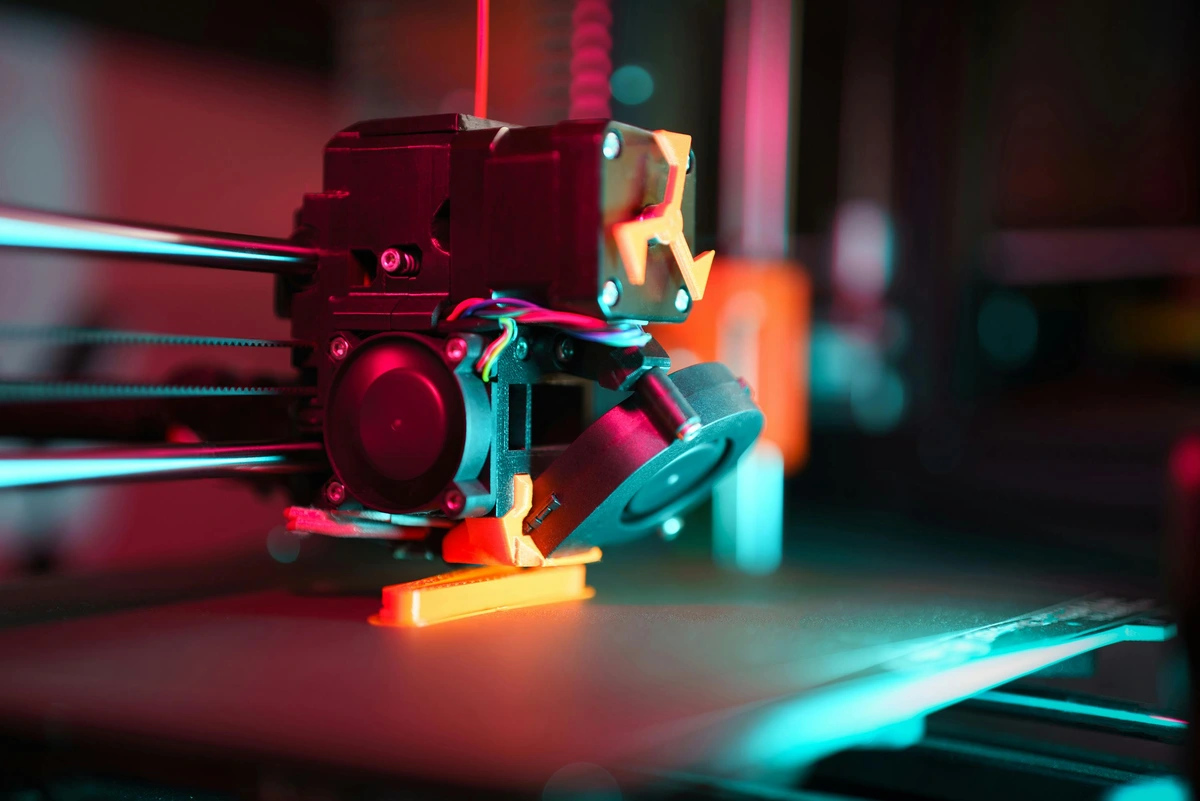
- Focus on Industry: Draw inspiration from industrial landscapes and machinery. Visit factories, bridges, and urban environments to capture the essence of the Machine Age.
- Experiment with Materials: Use unconventional materials like metal and glass in your work. These materials can add texture and depth to your pieces.
- Embrace Abstraction: Don't be afraid to abstract your subjects, focusing on the essence rather than the literal representation. Play with geometric shapes and bold lines to create dynamic compositions.
- Incorporate Movement: Use techniques like overlapping shapes and diagonal lines to suggest movement and energy in your work.
- Explore Mixed Media: Combine different materials and techniques to create layered, textured pieces that reflect the complexity of the Machine Age.
Exploring the Machine Age style in your art can be a journey of discovery. It's about finding beauty in the unexpected and expressing the essence of modernity through your unique perspective.
Considerations
Critiques and Controversies
The Machine Age art movement was not without its critics. Some argued that it was too focused on the mechanical, losing the human touch. Others saw it as a celebration of industrialization, which had its own set of controversies, including labor issues and environmental concerns.
Critics also pointed out that the movement's emphasis on industrial materials and geometric forms could sometimes feel cold and impersonal. There was a concern that the Machine Age aesthetic, while visually striking, lacked the emotional depth and warmth of more traditional art forms.
Despite these critiques, the movement sparked important conversations about the role of art in society and the relationship between technology and human creativity. It challenged artists and viewers alike to think differently about the world around them.
Legacy and Influence
Despite the critiques, the Machine Age art movement has had a lasting impact on modern art. Its focus on abstraction and the use of industrial materials paved the way for movements like Abstract Expressionism and Minimalism.
The movement's influence can be seen in a variety of contemporary art forms, from architecture to graphic design. Its emphasis on simplicity, functionality, and the beauty of industrial materials continues to inspire artists and designers today.
The legacy of the Machine Age is not just in its aesthetic contributions but also in its philosophical impact. It challenged artists to think about the role of technology in their work and to explore new ways of expressing the human experience in a mechanized world.
Machine Age and Contemporary Art
The Machine Age aesthetic has found new life in contemporary art, particularly in the work of artists who explore the intersection of technology and creativity. Many contemporary artists draw inspiration from the Machine Age, using digital tools and industrial materials to create works that reflect the complexities of modern life.
The movement's legacy is also evident in the rise of minimalist design, which emphasizes clean lines, geometric forms, and a focus on functionality. This aesthetic can be seen in everything from furniture design to web design, demonstrating the enduring appeal of the Machine Age.
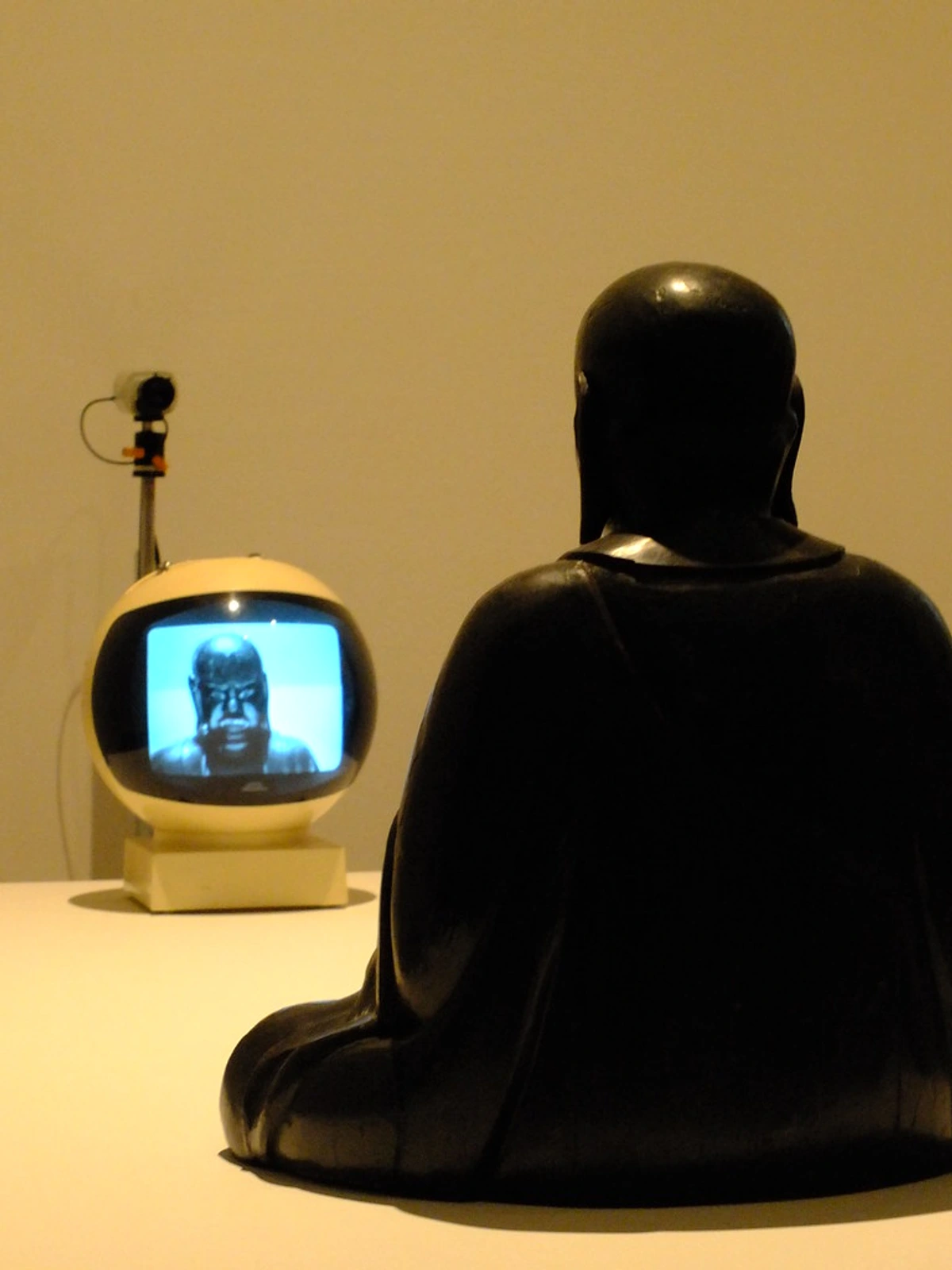
In contemporary art, the Machine Age aesthetic is often reinterpreted through the lens of digital technology. Artists use digital tools to create works that explore the relationship between humans and machines, reflecting the ongoing evolution of this dynamic.
FAQ
What is the Machine Age art movement?
The Machine Age art movement was an artistic response to the industrial revolution, characterized by its use of geometric shapes, bold lines, and a focus on the mechanical. It emerged in the early 20th century as artists sought to capture the essence of modernity and the rapid technological advancements of the time.
This movement was not just about aesthetics; it was a reflection of the societal changes brought about by industrialization. Artists explored the tension between tradition and innovation, creating works that were both a celebration and a critique of the modern world.

Who were the key artists of the Machine Age movement?
Some of the most notable artists include Charles Sheeler, Charles Demuth, Joseph Stella, Fernand Léger, and Gerrit Rietveld. These artists were known for their innovative use of industrial materials and geometric forms.
Each of these artists brought a unique perspective to the movement, contributing to its diversity and richness. Their work continues to inspire artists and designers today, demonstrating the enduring influence of the Machine Age aesthetic.
How can I incorporate Machine Age aesthetics into my home?
You can incorporate Machine Age aesthetics by using industrial materials like steel and glass, opting for furniture with geometric shapes, and hanging abstract art that reflects the movement's aesthetic. A neutral color palette and functional design are also key elements.

Incorporating these elements into your home can create a space that feels both modern and timeless. The Machine Age aesthetic is about more than just looks; it's about creating a functional and inspiring environment that reflects the beauty of industrial design.
What are some notable works of Machine Age art?
Notable works include "American Landscape" by Charles Sheeler, "I Saw the Figure 5 in Gold" by Charles Demuth, "The Brooklyn Bridge" by Joseph Stella, "The City" by Fernand Léger, and "Red and Blue Chair" by Gerrit Rietveld.

What is the legacy of the Machine Age art movement?
The Machine Age art movement has had a lasting impact on modern art, influencing movements like Abstract Expressionism and Minimalism. Its emphasis on abstraction, industrial materials, and geometric forms continues to inspire contemporary artists and designers.
How did the Machine Age movement influence contemporary art?
The Machine Age movement's focus on simplicity, functionality, and the beauty of industrial materials has had a profound influence on contemporary art. Many artists today draw inspiration from the movement, using digital tools and industrial materials to create works that reflect the complexities of modern life.
What were some of the critiques of the Machine Age art movement?
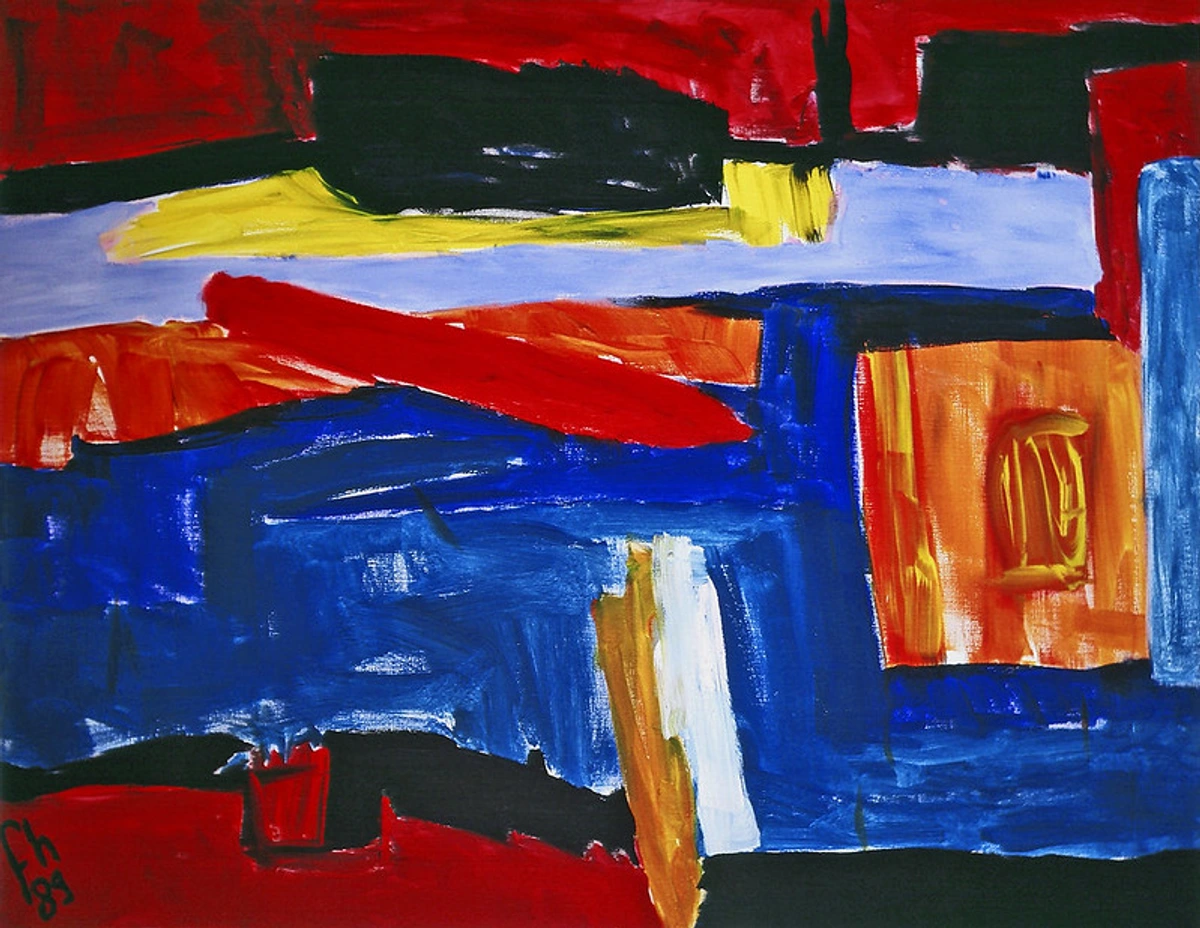
Critics of the Machine Age art movement argued that it was too focused on the mechanical, losing the human touch. Others saw it as a celebration of industrialization, which had its own set of controversies, including labor issues and environmental concerns. There was also a concern that the movement's emphasis on industrial materials and geometric forms could feel cold and impersonal.
How can artists explore the Machine Age style in their work?
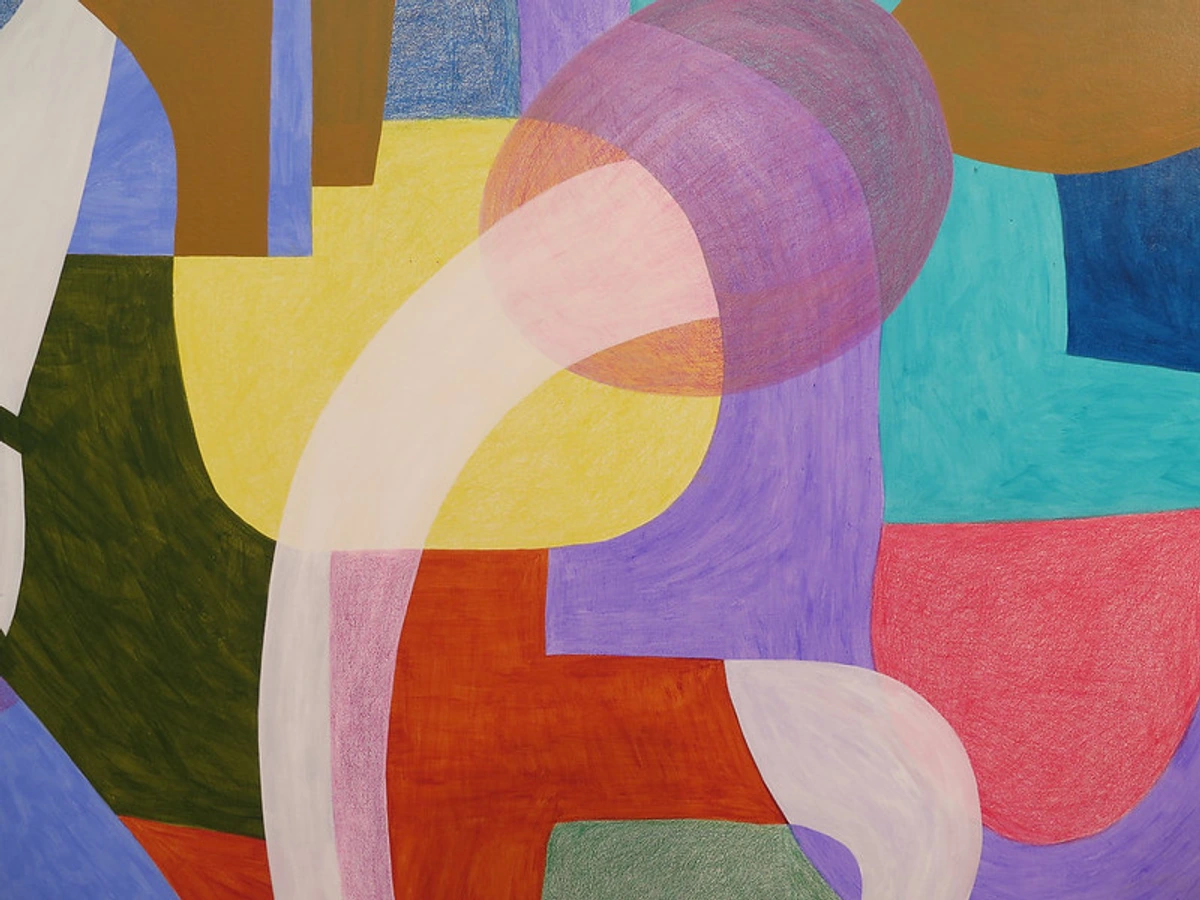
Artists can explore the Machine Age style by focusing on industrial landscapes and machinery, experimenting with unconventional materials like metal and glass, and embracing abstraction. Incorporating movement and exploring mixed media are also key techniques.
Conclusion
The Machine Age art movement was a fascinating blend of industry and artistry. It captured the essence of a rapidly changing world and left a lasting legacy on the art world. Whether you're an artist looking to explore this style or simply someone who appreciates the aesthetic, there's much to learn and admire about the Machine Age movement.
The movement's influence extends far beyond its time, shaping the way we think about art, design, and the intersection of technology and creativity. It reminds us that even in a world dominated by machines, there is always room for human expression and innovation.
As we continue to navigate the complexities of the modern world, the Machine Age movement serves as a reminder of the power of art to reflect, challenge, and inspire. It invites us to explore the intersection of technology and creativity and to find beauty in the unexpected.









If you're interested in exploring more about art movements and their influences, consider visiting our timeline or browsing our collection of contemporary art at buy.