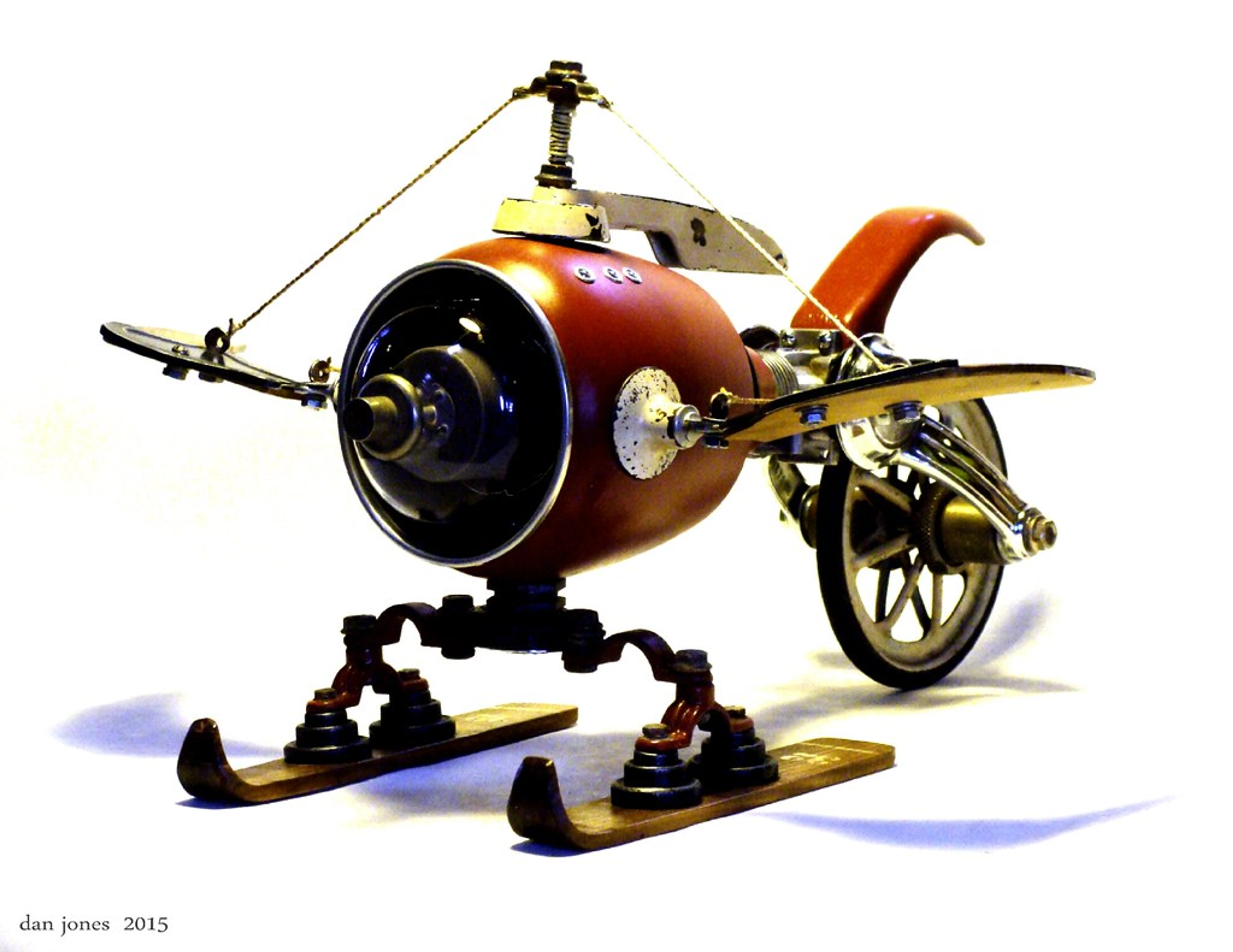
Machine Age Art Techniques in Modern Art: A Comprehensive Guide
Explore how Machine Age aesthetics influence modern art, with practical techniques, historical context, and tips for creating your own industrial-inspired abstract works.

Machine Age Art Techniques in Modern Art: A Comprehensive Guide
I remember the first time I walked into a gallery and saw a piece that felt like it was humming with the energy of a factory floor. It wasn’t just a painting; it was a celebration of gears, steel, and the relentless march of progress. That moment stuck with me, and it’s why I’m so fascinated by how Machine Age aesthetics continue to shape modern art.
But what exactly defines Machine Age art, and how has it evolved into the modern era? Let’s dive deeper into its origins, characteristics, and the ways it continues to inspire artists today.
The Machine Age wasn’t just about the rise of factories and machinery; it was a cultural shift that redefined how we perceive beauty, functionality, and even human identity. It’s a legacy that still resonates today, not just in art, but in design, architecture, and even our daily lives.
This era was marked by a fascination with the mechanical world, where artists sought to capture the essence of progress and innovation. It was a time when the boundaries between art and industry blurred, giving rise to new forms of expression that celebrated the marriage of form and function.
But what exactly defines Machine Age art, and how has it evolved into the modern era? Let’s dive deeper into its origins, characteristics, and the ways it continues to inspire artists today.
The Origins of Machine Age Art
The roots of Machine Age art can be traced back to the late 19th and early 20th centuries, a time when industrialization was transforming societies across the globe. Artists were captivated by the rapid changes brought about by machinery, urbanization, and technological advancements. This fascination led to the emergence of movements like Precisionism, Constructivism, and Futurism, each offering a unique perspective on the intersection of art and industry.
The Industrial Revolution and Its Impact
The Industrial Revolution was a pivotal moment in history, marking the transition from hand production methods to machines. This shift not only changed the way goods were produced but also influenced the way people lived and worked. Artists of the time were deeply affected by these changes, and their work began to reflect the new realities of industrial life. The Machine Age was born out of this transformation, as artists sought to capture the essence of a world that was rapidly changing.
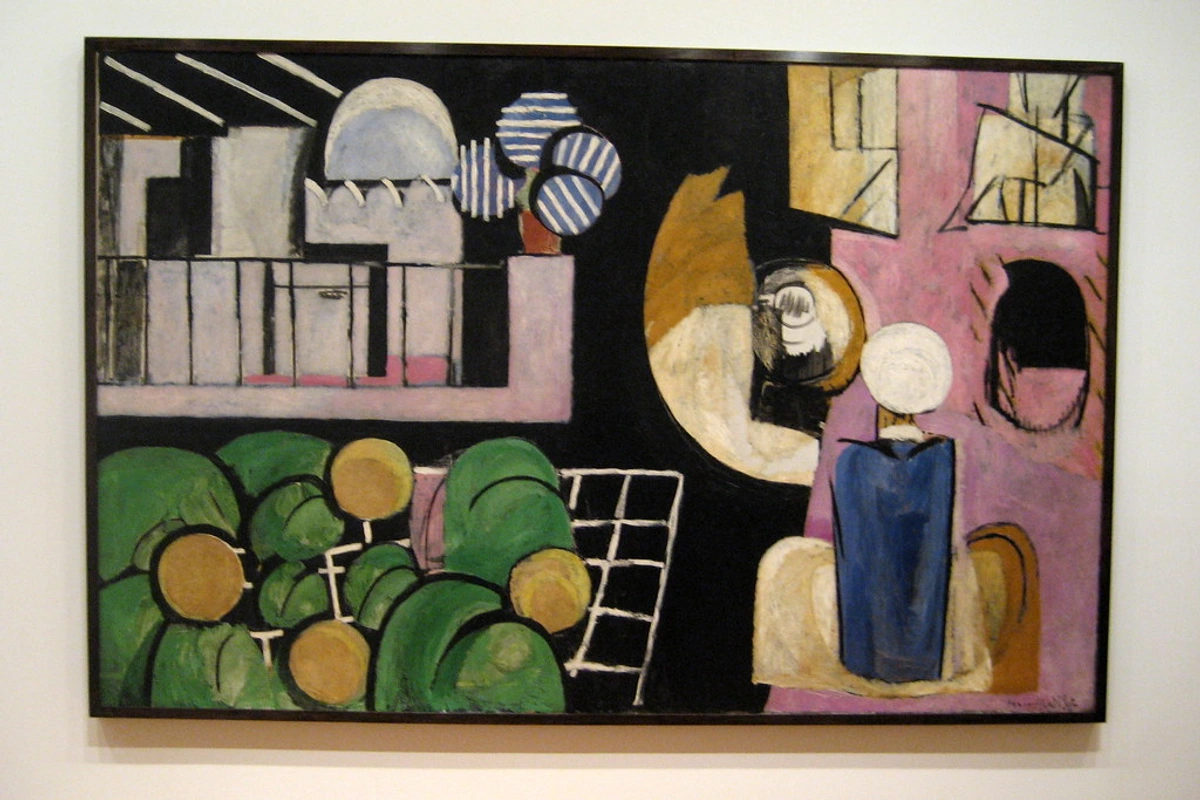
The Evolution of Machine Age Art
The Machine Age was more than an artistic movement; it was a reflection of society’s transformation during the early 20th century. As factories and machinery became ubiquitous, artists sought to capture the essence of this new world. This period saw the emergence of movements like Precisionism, Constructivism, and Futurism, each offering a unique perspective on industrialization and mechanization.
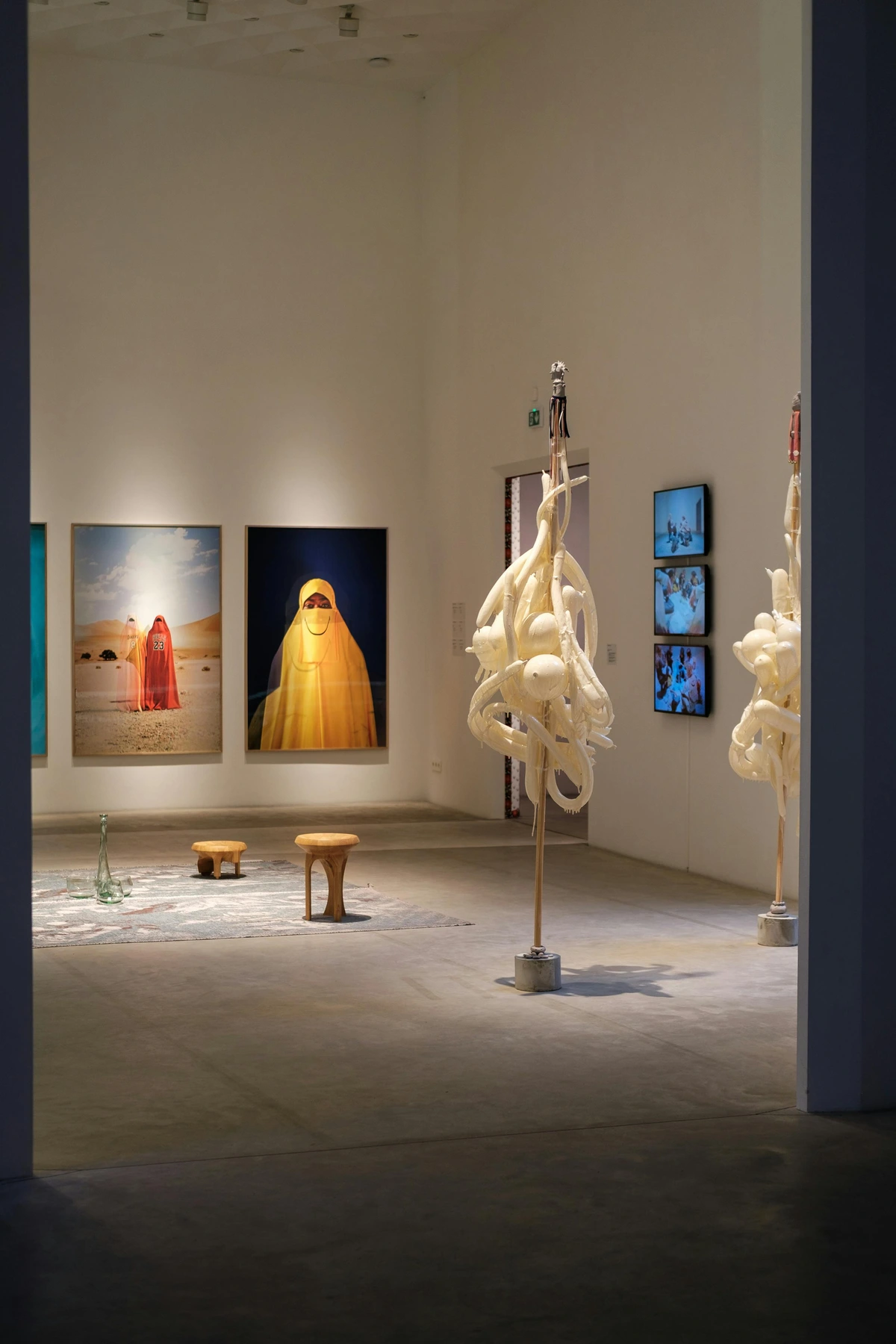
Key Movements and Their Contributions
- Precisionism: Known for its sharp lines and geometric forms, Precisionism celebrated the beauty of industrial landscapes and machinery. Artists like Charles Sheeler and Charles Demuth were key figures in this movement.
- Constructivism: Originating in Russia, Constructivism emphasized the use of industrial materials and abstract forms to reflect the modern world. Artists like Vladimir Tatlin and Alexander Rodchenko were pioneers of this movement.
- Futurism: This Italian movement embraced the dynamism and energy of modern life, often depicting machines and technology in motion. Umberto Boccioni and Giacomo Balla were notable Futurist artists.
The Influence of Bauhaus
The Bauhaus movement, founded in Germany in 1919, also played a significant role in the evolution of Machine Age art. Bauhaus artists sought to unite art, craft, and technology, creating a new aesthetic that emphasized functionality and simplicity. This approach had a lasting impact on modern design and architecture, further cementing the influence of the Machine Age.
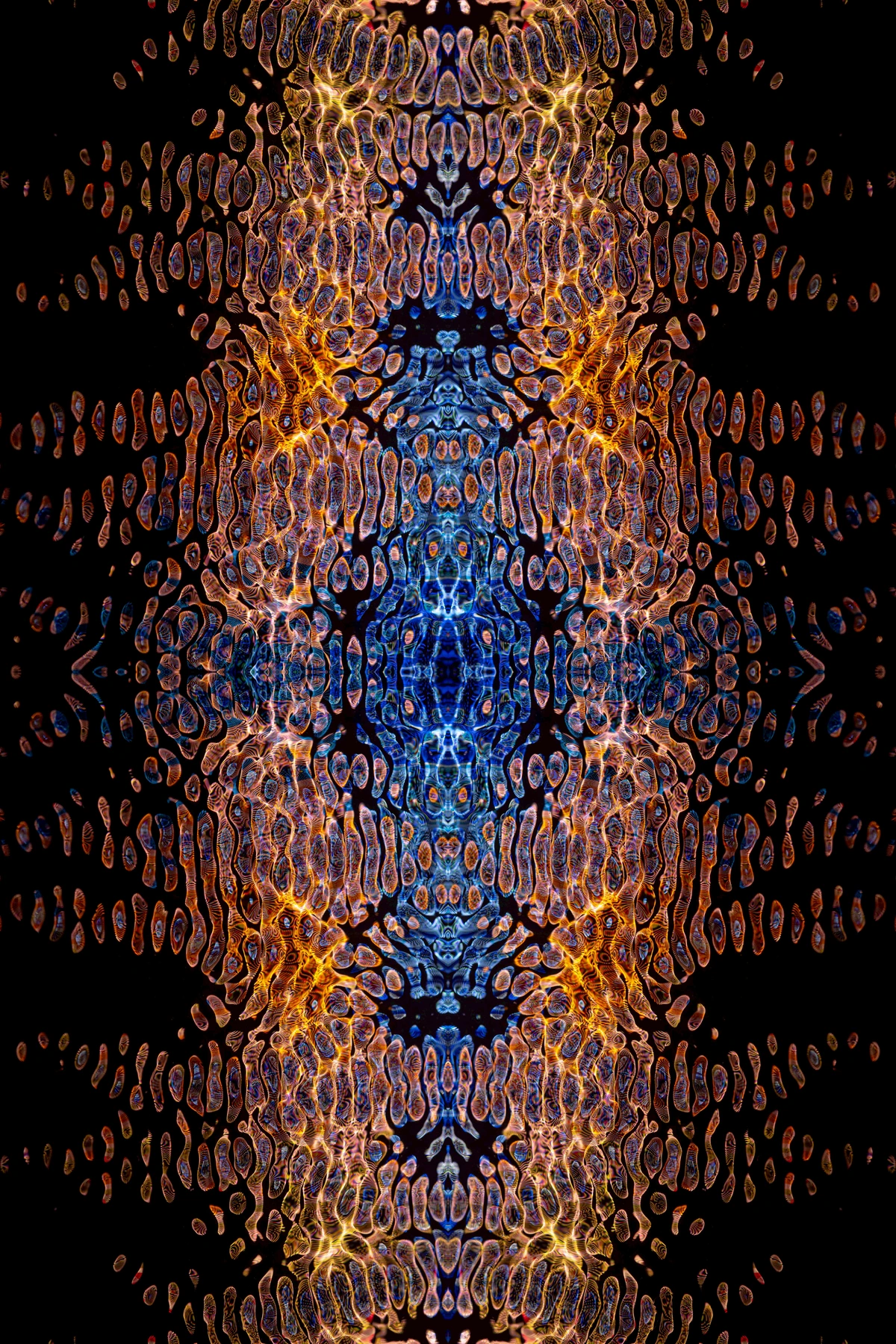
What Is Machine Age Art?
The Machine Age, roughly spanning the early 20th century, was a period obsessed with industrialization, mechanization, and the promise of technology. Art from this era—think Precisionism, Constructivism, and Futurism—often featured sharp lines, geometric shapes, and a sense of mechanical precision. It was art that didn’t just depict machines; it felt like a machine.
The Philosophical Underpinnings
Machine Age art was not just about aesthetics; it was deeply philosophical. Artists explored themes of progress, the relationship between humans and machines, and the impact of technology on society. This period marked a shift in how art was perceived, moving away from traditional forms and embracing the modern world.
This movement wasn’t just about aesthetics; it was a reflection of society’s evolving relationship with technology. Artists sought to capture the essence of progress, the rhythm of factories, and the beauty of engineering. It was a time when art and industry became intertwined, each influencing the other in unexpected ways.
The Role of Technology in Art
Technology played a pivotal role in shaping Machine Age art. Artists were not only inspired by the visual aspects of machinery but also by the philosophical implications of technological advancements. The integration of technology into art was a way to explore the relationship between humans and machines, and how this relationship was transforming society.
The Impact of Industrialization
Industrialization brought about significant changes in society, and artists were quick to reflect these changes in their work. The rise of factories, the growth of cities, and the advent of new technologies all influenced the themes and styles of Machine Age art. Artists sought to capture the essence of this new world, often depicting the beauty and complexity of industrial landscapes.
Historical Context
The Machine Age emerged during a time of rapid industrialization, where factories and machinery began to dominate the landscape. This period saw the rise of urbanization, mass production, and technological advancements that reshaped society. Artists were inspired by the efficiency and power of machines, and they sought to reflect this in their work. The movement was not just about celebrating technology but also about exploring its impact on human life and culture.
The Influence of Urbanization
Urbanization played a crucial role in shaping Machine Age art. As cities grew and became more industrialized, artists were drawn to the dynamic energy of urban life. The architecture, the streets, and the people all became subjects of artistic exploration, reflecting the changing nature of society.
Key Characteristics of Machine Age Art
Machine Age art is defined by several key characteristics that reflect its industrial roots and modernist sensibilities:
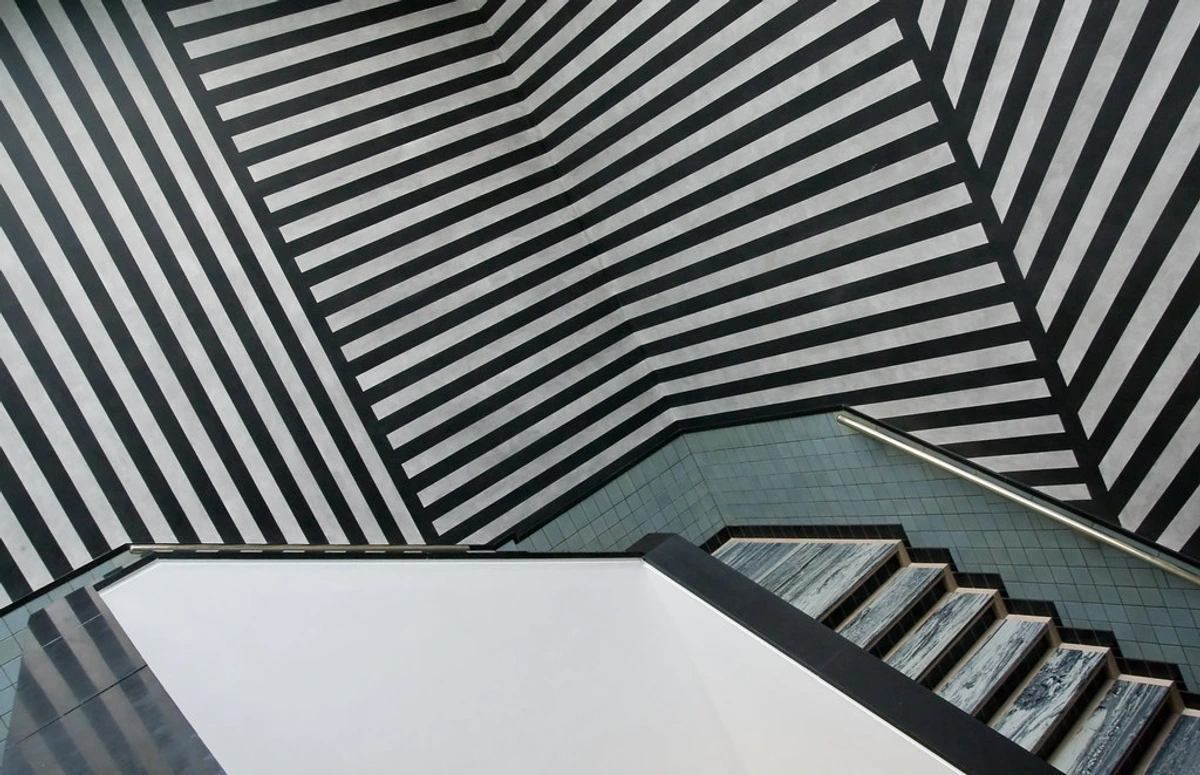
- Geometric Precision: Clean lines, sharp angles, and symmetrical compositions.
- Industrial Materials: Use of metals, steel, and other materials associated with manufacturing.
- Mechanical Themes: Depictions of gears, pipes, factories, and other industrial elements.
- Minimalism: A focus on simplicity and functionality over ornamentation.
These characteristics weren’t just stylistic choices; they were a response to the changing world. Artists embraced the idea that beauty could be found in functionality, and that art could be both visually striking and deeply meaningful.
The Role of Color in Machine Age Art
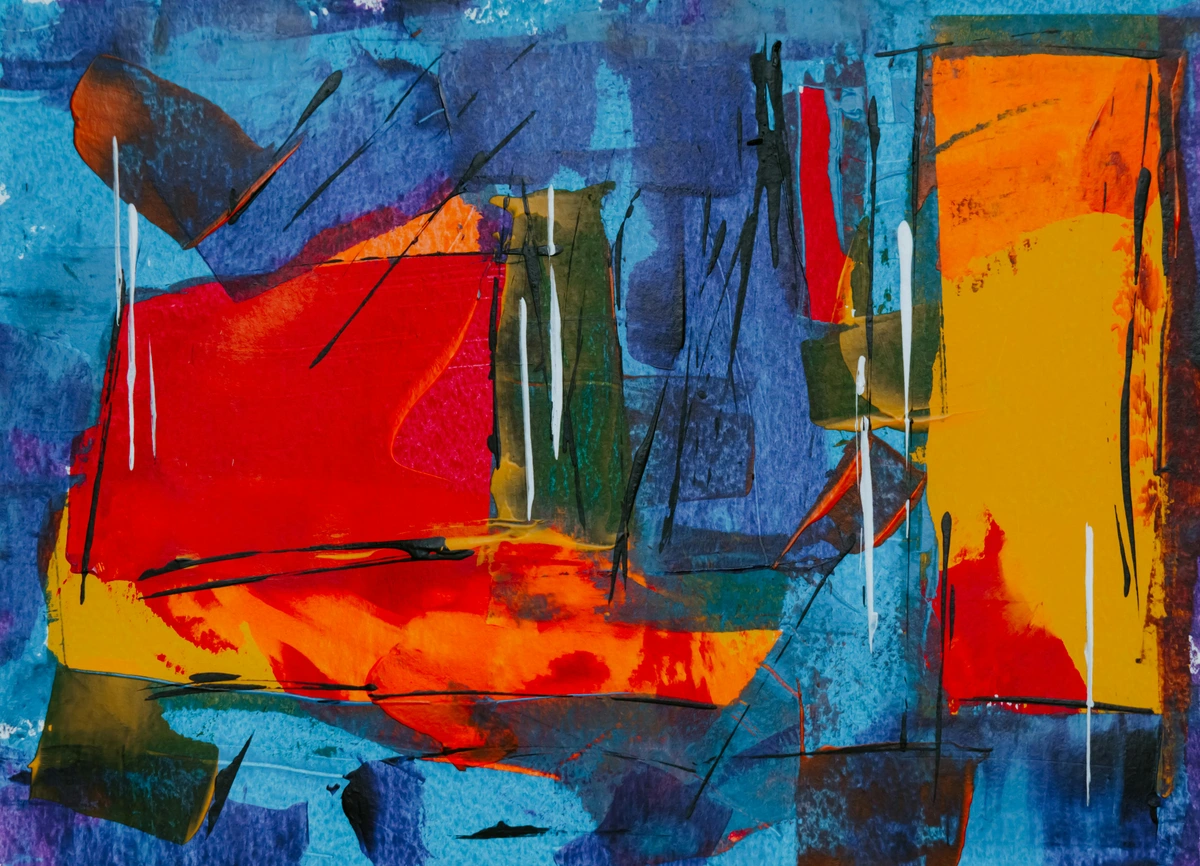
While early Machine Age art often favored grayscale and muted tones, color played a significant role in later interpretations. Artists experimented with bold colors to convey emotion and energy, adding a new dimension to their work. This evolution reflects the dynamic nature of the movement and its ability to adapt to changing artistic trends.

How Machine Age Aesthetics Influence Modern Art
Fast forward to today, and you’ll see echoes of the Machine Age everywhere—from abstract paintings with geometric patterns to sculptures that look like they belong in a sci-fi movie. Modern artists are taking those industrial roots and blending them with contemporary techniques, creating something entirely new.
The Evolution of Machine Age Aesthetics
The influence of Machine Age aesthetics extends beyond traditional art forms. It can be seen in graphic design, fashion, architecture, and even digital media. The clean lines, geometric shapes, and industrial themes of Machine Age art have become a language of their own, a way to communicate ideas about progress, innovation, and the future.
This influence isn’t limited to visual art. You can see it in graphic design, fashion, and even digital media. The Machine Age aesthetic has become a language of its own, a way to communicate ideas about progress, innovation, and the future.

Examples of Modern Machine Age Art
Machine Age aesthetics continue to inspire contemporary artists, who reinterpret its themes and techniques in innovative ways. Below are some notable examples:
Artist  | Work | Key Features |
|---|---|---|
| Charles Sheeler | "American Landscape" | Sharp lines, industrial structures |
| Fernanda Gomes | "Untitled" (2018) | Minimalist, geometric, industrial materials |
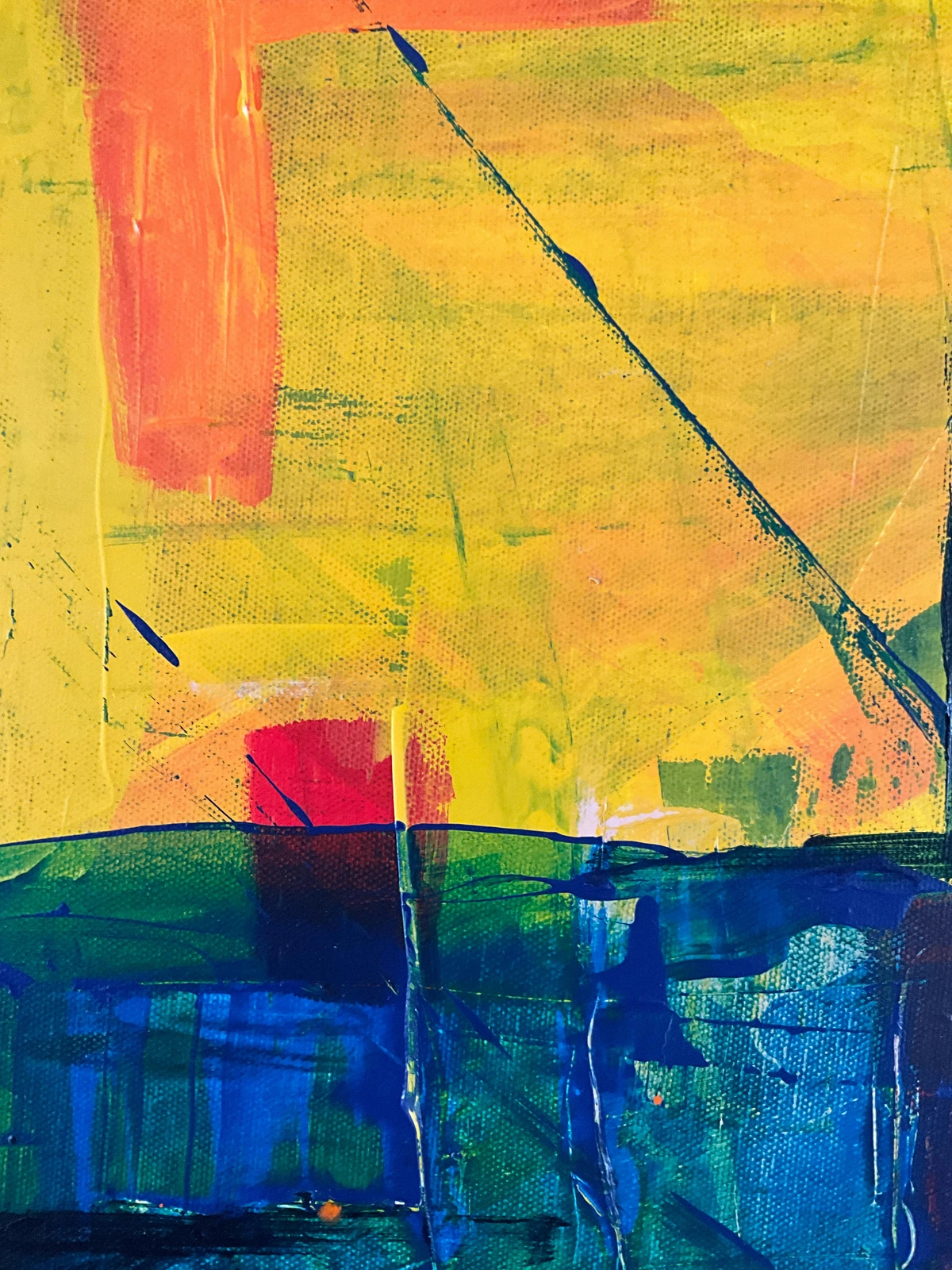
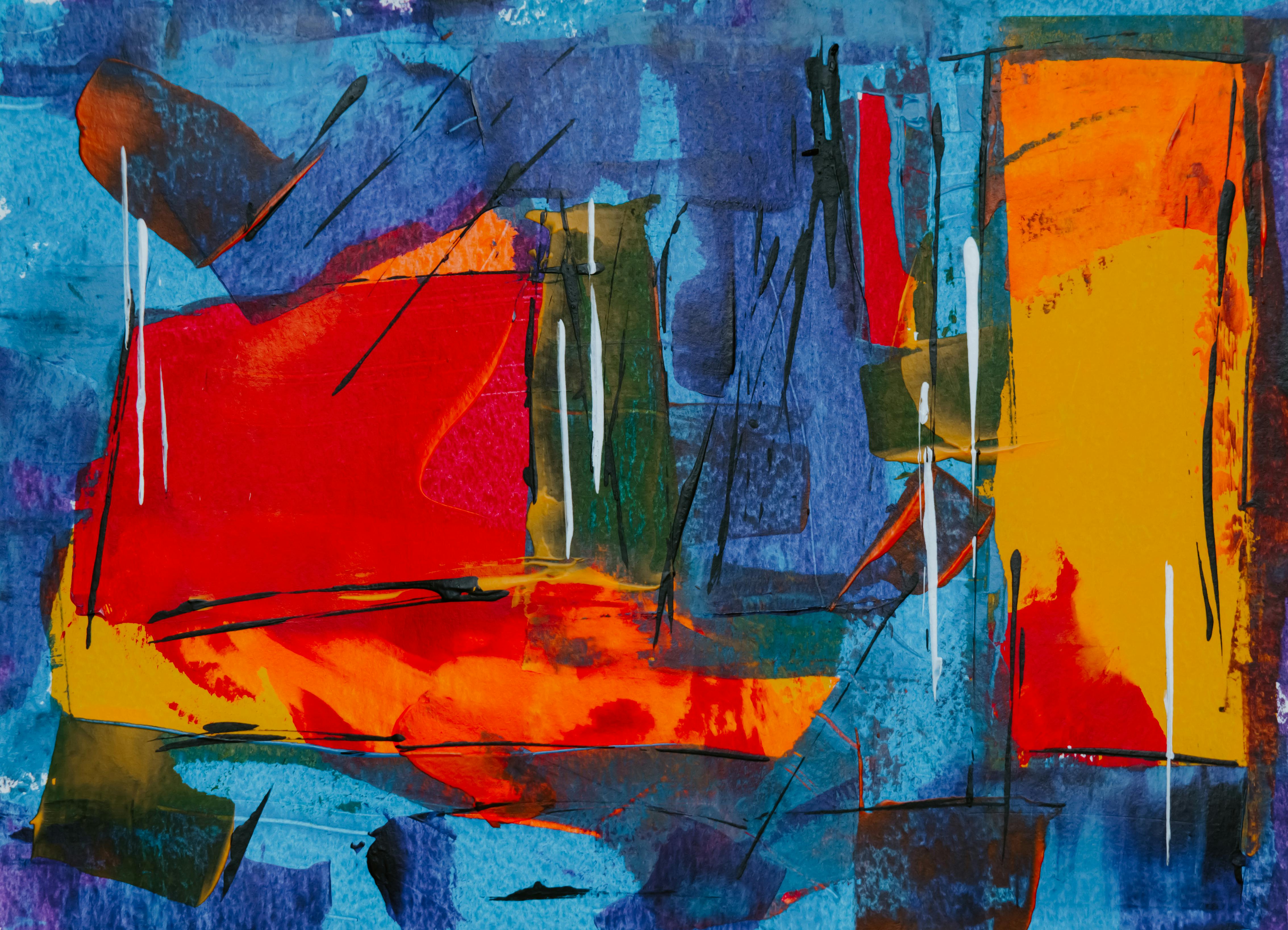
| Zen Dageraad Visser | Various Works | Colorful abstracts with mechanical precision |
| David Hockney | "A Bigger Splash" | Geometric patterns, industrial themes |
| Anish Kapoor | "Cloud Gate" | Reflective surfaces, mechanical precision |
| Pablo Picasso | "Guernica" | Industrial themes, geometric abstraction |
| Jean Tinguely | "Meta-Matics" | Kinetic sculptures, mechanical movement |
| Rachel Whiteread | "House" | Industrial materials, geometric forms |
| Olafur Eliasson | "The Weather Project" | Mechanical precision, industrial themes |
| Ai Weiwei | "Sunflower Seeds" | Repetitive patterns, industrial materials |
The Role of Digital Art
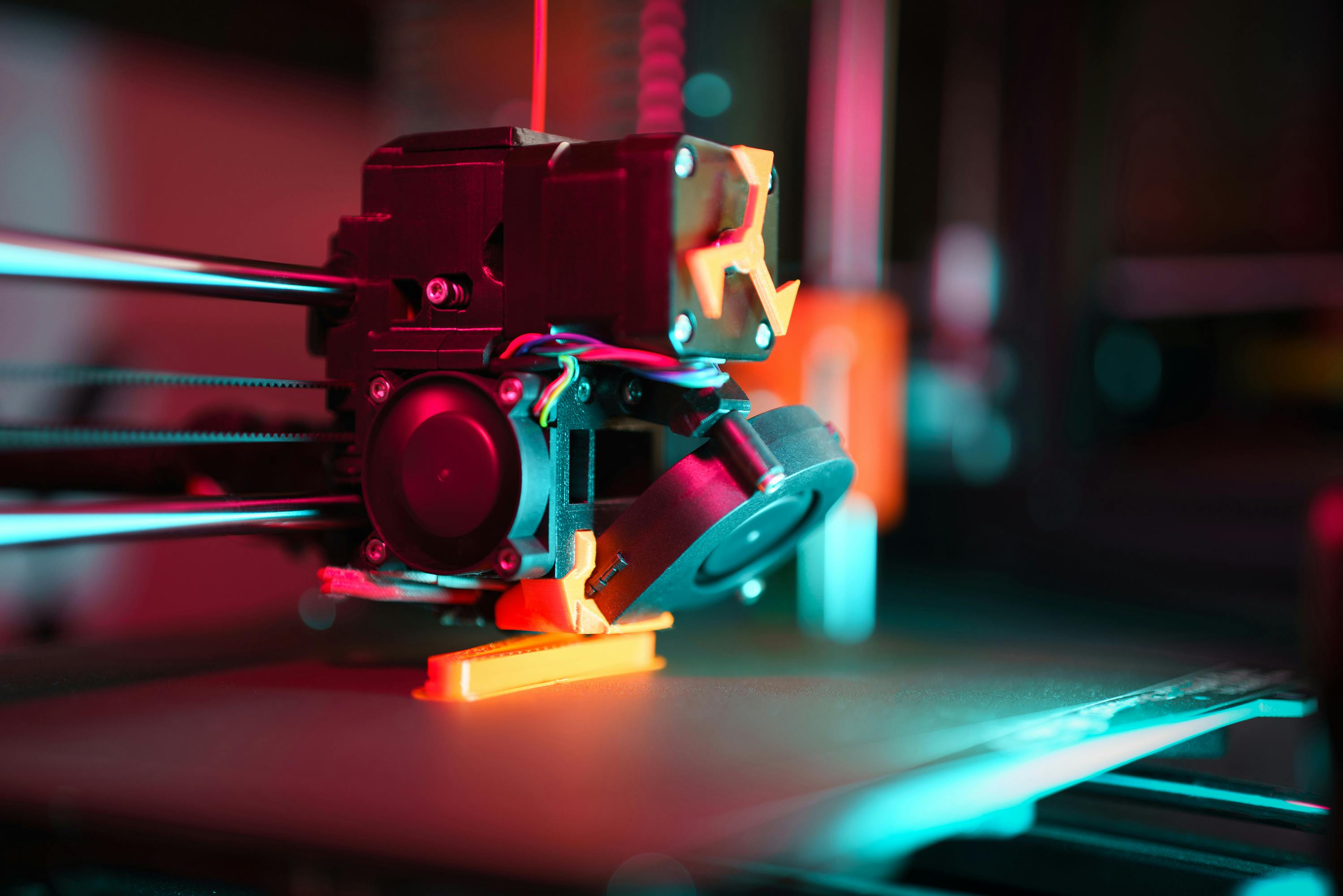
Digital art has opened up new possibilities for artists inspired by the Machine Age. Tools like Adobe Illustrator, Procreate, and Blender allow artists to create precise geometric shapes and experiment with industrial textures. This digital approach has expanded the reach of Machine Age aesthetics, making it accessible to a broader audience.
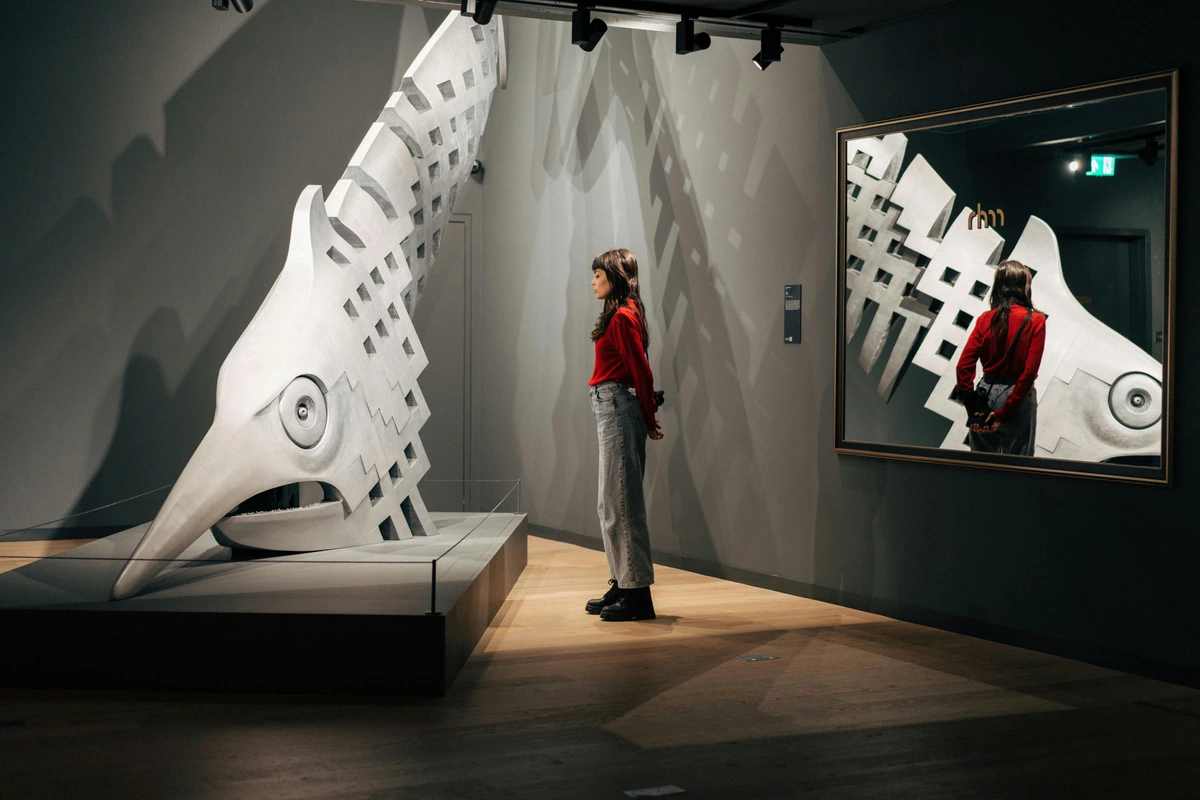
These artists have taken the core principles of Machine Age art and reimagined them for a contemporary audience. Their work serves as a bridge between the past and the present, showing how timeless these ideas truly are.
Credit, License
Techniques for Creating Machine Age-Inspired Art
Creating art inspired by the Machine Age is about more than just replicating its visual style; it’s about capturing its spirit. Here are some techniques to help you get started:

1. Start with Geometric Shapes
Begin by sketching out geometric forms—squares, circles, triangles—and arrange them in a way that feels mechanical. Think about how gears fit together or how a factory floor is laid out. The goal is to create a sense of order and structure.
2. Use Industrial Materials
Incorporate materials like metal, steel, or even recycled industrial parts into your work. If you’re working digitally, experiment with textures that mimic these materials. The tactile quality of these materials can add depth and authenticity to your pieces.
3. Play with Precision
Machine Age art is all about precision. Use rulers, protractors, or digital tools to ensure your lines are crisp and your angles are exact. This attention to detail is what gives Machine Age art its distinctive look.
4. Experiment with Color
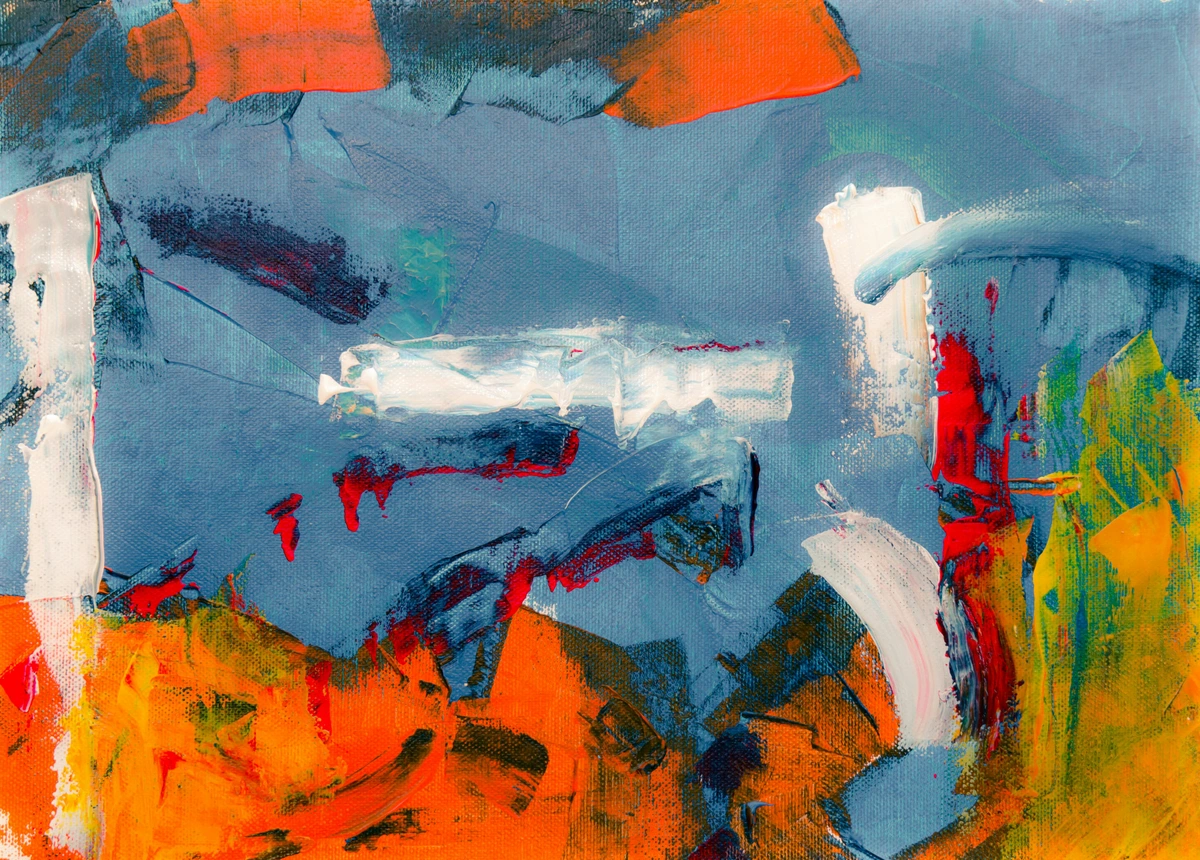
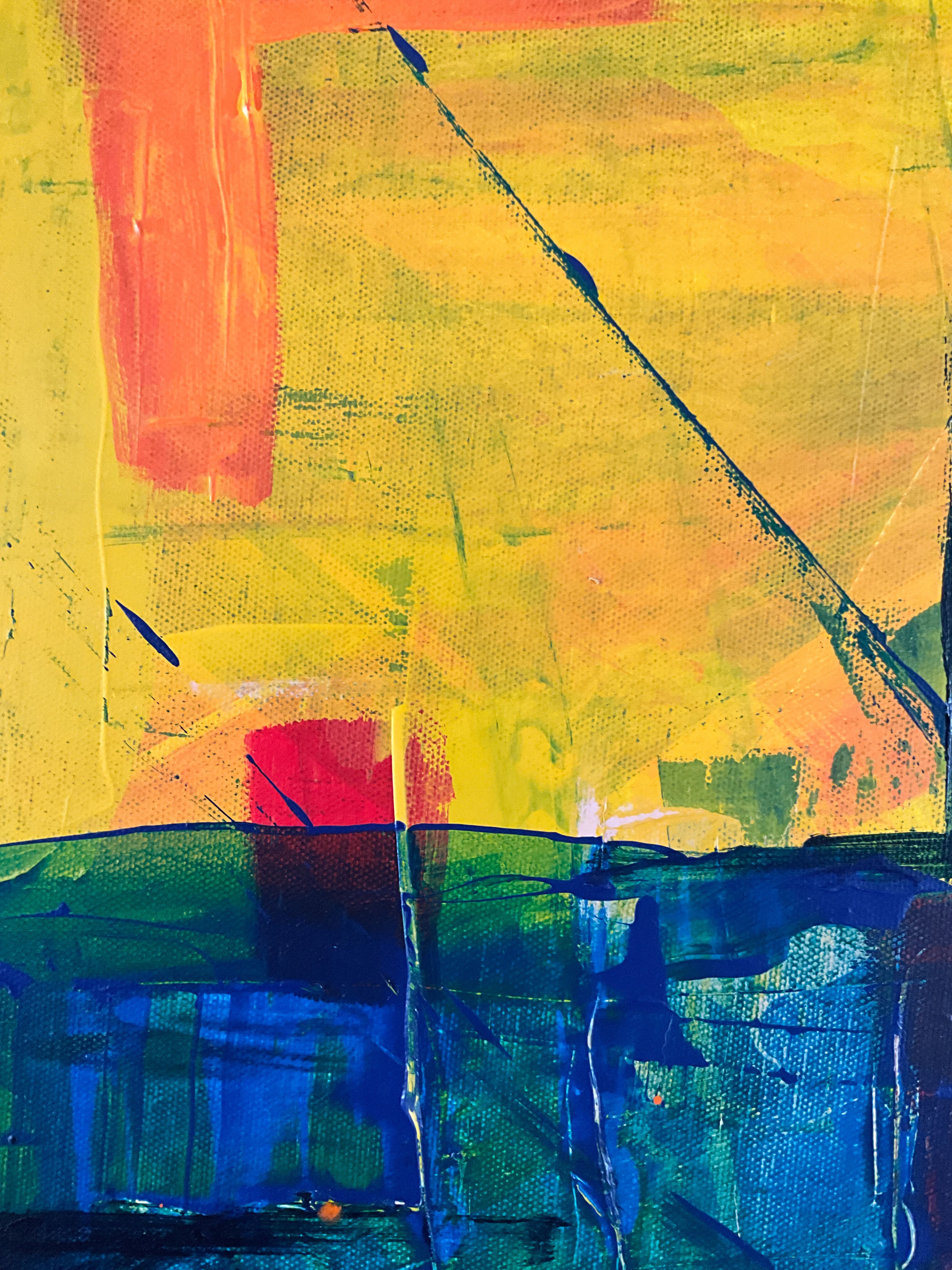
While the Machine Age often favored grayscale and muted tones, modern interpretations can be vibrant. Don’t be afraid to add bold colors to your industrial-inspired pieces. Color can be a powerful tool for conveying emotion and energy.
5. Add Mechanical Details
Include elements like gears, bolts, or pipes to reinforce the mechanical theme. These can be subtle or the focal point of your work. The key is to create a sense of movement and functionality.
6. Incorporate Mixed Media
Consider combining different mediums, such as painting, sculpture, and digital art, to create a multi-dimensional piece. This approach can add complexity and depth to your work, making it more engaging and thought-provoking.
7. Explore Digital Tools
Digital tools like Adobe Illustrator, Procreate, and Blender offer endless possibilities for creating Machine Age-inspired art. Experiment with digital brushes, textures, and effects to achieve the look and feel you want.
FAQ
What is the difference between Machine Age art and Steampunk art?
Machine Age art is rooted in the early 20th century and focuses on industrialization and mechanization. Steampunk, on the other hand, is a more recent genre that blends Victorian aesthetics with futuristic technology. While both celebrate machinery, Steampunk often incorporates a nostalgic, retro-futuristic vibe.
Can I create Machine Age-inspired art digitally?
Absolutely! Digital tools like Adobe Illustrator or Procreate allow you to create precise geometric shapes and experiment with industrial textures. These tools can also help you achieve a level of precision that might be difficult to replicate by hand.
Is Machine Age art only about black and white?
Not at all. While early Machine Age art often used grayscale, modern interpretations can be as colorful as you like. The key is maintaining the geometric and mechanical themes. Color can add a new dimension to your work, making it more dynamic and engaging.
How can I incorporate Machine Age aesthetics into abstract art?
Focus on geometric shapes, precision, and industrial themes. Even if your work is abstract, these elements can create a sense of mechanical energy. Consider using bold lines, sharp angles, and repetitive patterns to evoke the feeling of machinery and industry.
What are some famous Machine Age art movements?
Some of the most influential movements include Precisionism, Constructivism, and Futurism. Each of these movements had its own unique take on the Machine Age aesthetic, but they all shared a fascination with technology and industrialization.
How has Machine Age art influenced contemporary design?
Machine Age aesthetics have had a profound impact on contemporary design, from architecture to product design. The emphasis on clean lines, geometric shapes, and functionality can be seen in everything from modern furniture to digital interfaces.
Can Machine Age art be political?
Yes, Machine Age art can be deeply political. Many artists used their work to comment on the social and economic changes brought about by industrialization. Some celebrated progress and innovation, while others critiqued the dehumanizing effects of machinery and mass production.
What role did women play in the Machine Age art movement?
While the Machine Age art movement was predominantly male-dominated, women artists also made significant contributions. For example, artists like Georgia O’Keeffe and Sophie Taeuber-Arp explored themes of industrialization and mechanization in their work, bringing unique perspectives to the movement.
How can I learn more about Machine Age art?
To learn more about Machine Age art, consider visiting museums and galleries that feature works from this period. Additionally, books and online resources can provide in-depth insights into the movement’s history, key artists, and techniques.
What are some key exhibitions or museums to visit for Machine Age art?
Some notable exhibitions and museums include the Museum of Modern Art (MoMA) in New York, the Tate Modern in London, and the Centre Pompidou in Paris. These institutions often feature works from the Machine Age and provide valuable context and insights into the movement.
Conclusion
Machine Age aesthetics offer a rich source of inspiration for modern artists. Whether you’re drawn to the precision of geometric shapes or the raw energy of industrial materials, there’s endless potential to explore. And if you’re looking for more inspiration, check out the timeline of how these techniques have evolved over the years.
So, grab your tools—whether they’re paintbrushes, digital styluses, or actual gears—and start creating. The Machine Age might be over, but its influence is just getting started. The legacy of this era continues to shape the way we think about art, design, and the world around us. It’s a reminder that progress isn’t just about moving forward; it’s about understanding where we’ve been and how far we’ve come.






As you embark on your own creative journey, remember that the Machine Age wasn’t just about machines; it was about people, ideas, and the endless possibilities of the future. So go ahead, experiment, innovate, and create something truly extraordinary.
Final Thoughts
The Machine Age was a transformative period that reshaped the way we think about art, technology, and society. Its influence continues to inspire artists and designers today, proving that the ideas and aesthetics of this era are timeless. Whether you’re an artist, a designer, or simply someone who appreciates the beauty of industrial aesthetics, there’s always something new to discover and explore in the world of Machine Age art.