How to Hang a Tapestry: Your Ultimate Guide to Textile Art Display
Discover how to hang a tapestry with our personal, comprehensive guide! From rods to frames, learn the best methods for any wall type and size to elevate your home decor.

# How to Hang a Tapestry: Your Ultimate Guide to Textile Art Display Oh, tapestries! There’s just something utterly captivating about [textile art](/finder/page/decorating-with-textile-art-weaving-warmth-and-texture-into-your-home), isn't there? I mean, while I love a [good painting](/finder/page/what-are-the-final-touches-on-a-painting) (and let’s be honest, I spend a lot of time creating them!), there's a unique warmth and texture that only a woven piece can bring to a room. It’s like wrapping your walls in a hug. I remember once, I inherited a gorgeous, somewhat ancient tapestry from a distant relative, and for weeks it just sat in a box because I was completely stumped on how to display it. Nails felt too crude, and I worried about damaging the delicate fibers. Sound familiar? That’s why I put together this guide. It’s a bit of a journey through the practicalities and the poetry of hanging these beautiful pieces, designed to give you all the confidence you need to get your textile art up on the wall, no matter its size or your wall type. 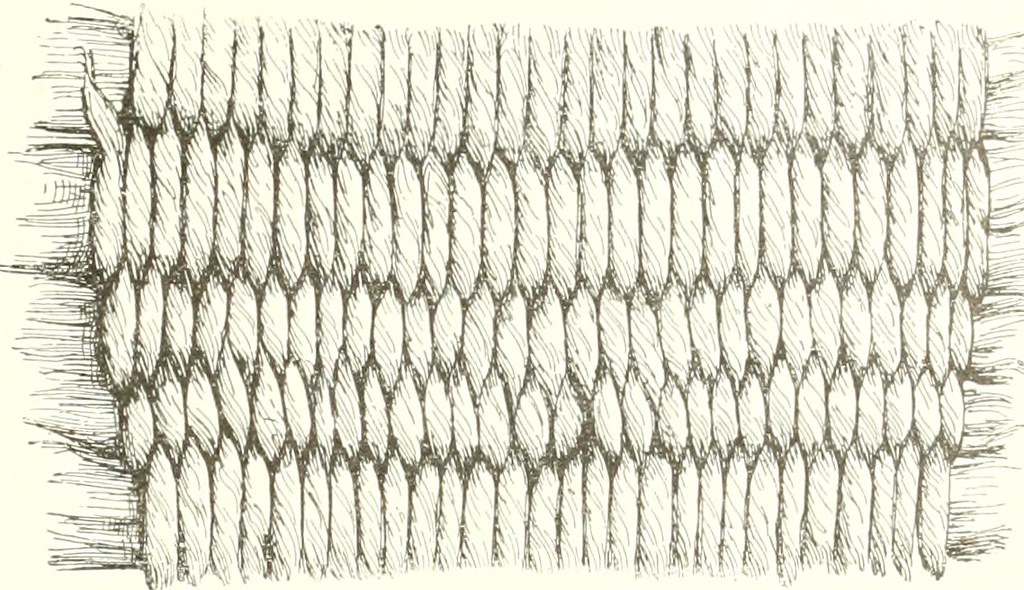 [credit](https://live.staticflickr.com/287/18250393699_15c3d34190_b.jpg), [licence](https://creativecommons.org/publicdomain/zero/1.0/) In this guide, we’ll explore everything from choosing the perfect spot for your tapestry to the best methods for hanging it, and even how to care for it over time. Whether you’re a [seasoned art collector](/finder/page/how-to-commission-pet-portrait-painting) or just starting out, this guide will help you make the most of your textile art. ## Why Tapestries? More Than Just Fabric on a Wall Honestly, a tapestry isn’t just another decorative item; it's a statement, a mood, sometimes even a quiet whisper of history. I’ve always been drawn to them because they absorb sound in a way hard surfaces can't, making a [room feel](/finder/page/using-art-make-small-room-feel-bigger) instantly cozier and more intimate. Plus, they’re incredibly versatile. Think about it: a vibrant abstract tapestry can anchor a [modern space](/finder/page/choosing-art-for-a-modern-living-room-style-and-placement-tips), while a rich, traditional weave can add depth to a more classic setting. They’re fantastic for adding texture and color without the commitment of paint, and they can even hide a multitude of sins (like that slightly cracked plaster wall I keep meaning to fix – don't tell anyone!). Tapestries also offer a unique way to express your personality and style. Whether you prefer bold, contemporary designs or intricate, historical patterns, there’s a tapestry out there that can reflect your taste and elevate your space. They’re not just decorative; they’re a form of self-expression. ## Planning Your Tapestry's Grand Entrance: Location, Size, and Wall Type Before we even think about hooks and hammers, let’s talk about strategy. This is where most people, myself included, tend to rush. But a little planning goes a long way, truly. Trust me, I’ve learned this the hard way with canvases too large for doorways and art hung just a *smidge* too high. Planning is the key to ensuring your tapestry looks its best and stays secure. It’s not just about aesthetics; it’s about practicality and longevity. Let’s dive into the essentials of location, size, and wall type to set you up for success.  [credit](https://images.pexels.com/photos/18631400/pexels-photo-18631400.jpeg?cs=srgb&dl=pexels-celine-3776818-18631400.jpg&fm=jpg), [licence](https://creativecommons.org/public-domain/) ### Location, Location, Location: Where Will It Shine? Where do you envision your tapestry? Is it a majestic focal point above your sofa, or a quiet accent in a reading nook? Consider the overall flow of your home and how the tapestry will interact with other elements. I often think about how it will look from different angles, and how the light will hit it throughout the day. Direct sunlight, by the way, is a textile's arch-nemesis, causing fading over time. So, if your chosen spot gets a lot of sun, think about UV-filtering window treatments or choose another wall. For more general advice on arranging your space, you might find some inspiration in our guide on [how to decorate a wall](/finder/page/how-to-decorate-a-wall) or even broader concepts in [decorating your home](/finder/page/decorating-your-home).  [credit](https://live.staticflickr.com/1666/26279184211_ba1d34d004_b.jpg), [licence](https://creativecommons.org/licenses/by-nc/2.0/) Additionally, consider the room’s function. A tapestry in a bedroom can create a serene atmosphere, while one in a [living room](/finder/page/how-to-choose-art-for-a-living-room) can serve as a conversation starter. The right location can transform your tapestry from a simple decoration into a focal point that ties the room together. ### Size and Scale: Getting it Just Right This is crucial for visual harmony. A tapestry should generally feel proportional to the wall space it occupies and the furniture below it. A good rule of thumb I often use for art above a sofa or bed is to aim for the tapestry to be about two-thirds to three-quarters the width of the furniture below it. For an empty wall, let it breathe! Don’t try to fill the entire expanse unless it's a truly massive piece. And before you even think about drilling, measure, measure, MEASURE! Hold it up, tape out the dimensions on the wall, live with it for a day if you can. It saves so much heartache. 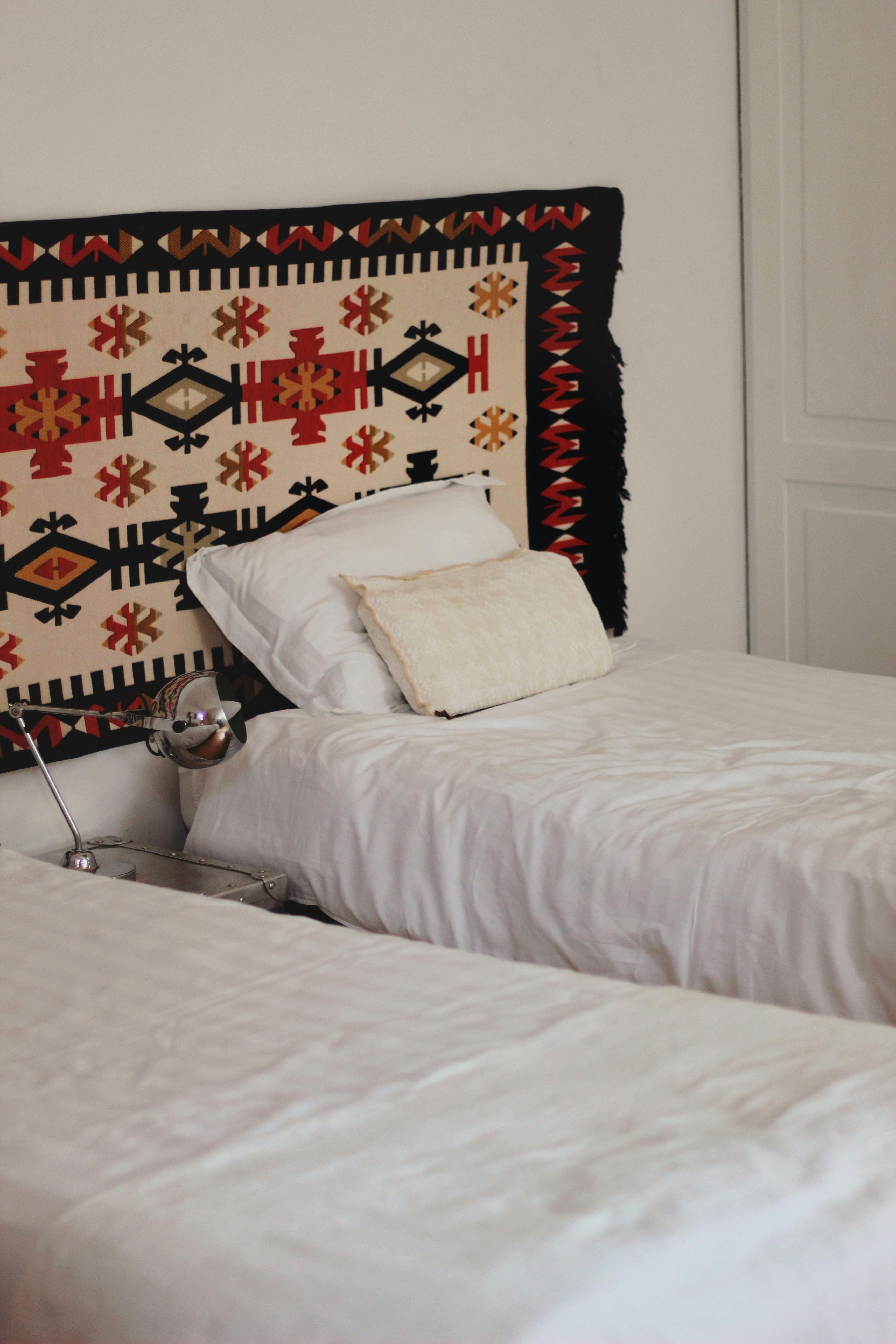 [credit](https://images.pexels.com/photos/12814962/pexels-photo-12814962.jpeg), [licence](https://creativecommons.org/public-domain/) If you’re unsure about the size, consider using painter’s tape to outline the dimensions on the wall. This will give you a visual sense of how the tapestry will fit into the space and allow you to adjust before making any permanent changes.  [credit](https://upload.wikimedia.org/wikipedia/commons/0/02/Tapestry%2C_Story_of_Perseus_and_Andromeda%2C_Netherlands%2C_early_16th_century.jpg), [licence](http://creativecommons.org/publicdomain/zero/1.0/deed.en) ### Wall Type Wisdom: What's Your Wall Made Of? This is probably the most practical, yet often overlooked, aspect. The method you choose for hanging really depends on your wall. Are we talking sturdy brick, standard drywall, or perhaps a more temperamental lath and plaster? Each requires a different approach to ensure your tapestry (and your wall) stays intact. Don't worry, we've got specific guides for tackling various surfaces, like [how to hang art on drywall](/finder/page/how-to-hang-art-on-drywall), [how to hang art on brick walls](/finder/page/how-to-hang-art-on-brick-walls), or even [how to hang art on concrete walls](/finder/page/how-to-hang-art-on-concrete-walls). For example, drywall may require anchors to support the weight of your tapestry, while brick walls might need specialized hardware like masonry screws. Understanding your wall type is the first step to ensuring a secure and long-lasting display. ## The Art of Hanging: Methods for Every Tapestry and Style Alright, now for the fun part – getting that beautiful textile up there! There are several tried-and-true methods, each with its own charm and suitability. I’ve experimented with most of them, often with varying degrees of success before I found my favorites. Here’s a quick overview, and then we’ll dive into the details. Choosing the right method depends on the weight, size, and style of your tapestry, as well as your personal preferences. Let’s explore each method in detail to help you find the perfect fit for your space. 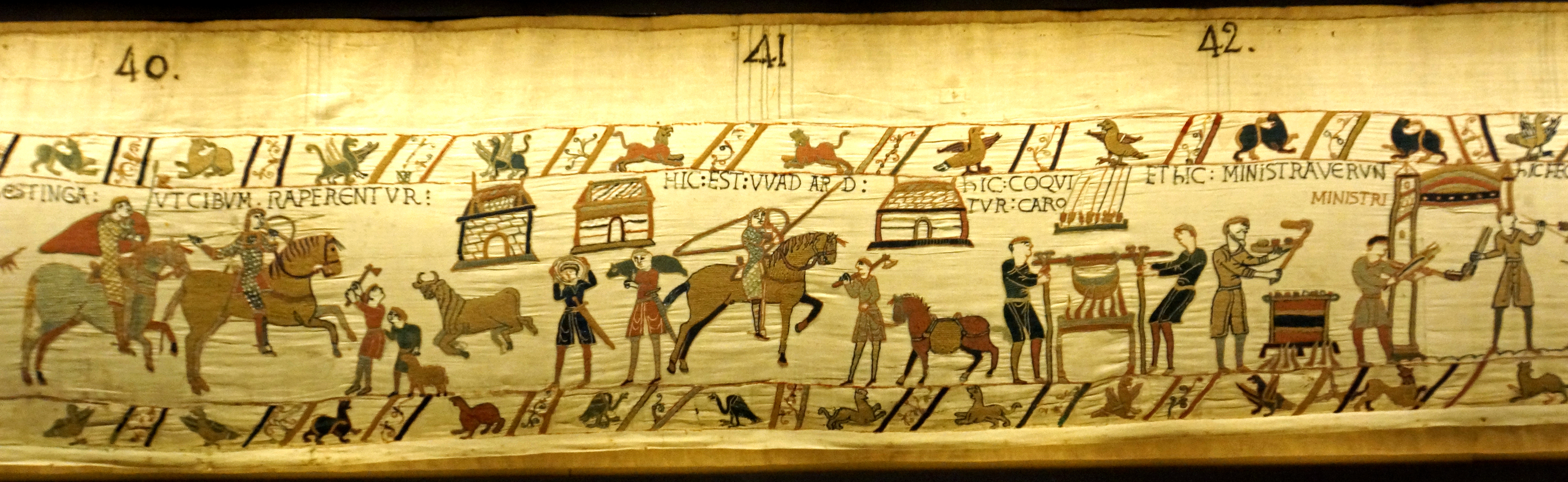 [credit](https://upload.wikimedia.org/wikipedia/commons/1/1f/France-000689_-_Tapestry_40-41-42_%2814869179099%29.jpg), [licence](https://creativecommons.org/licenses/by-sa/2.0) | Method | Pros | Cons | Best For | | :------------------ | :-------------------------------------- | :-------------------------------------------- | :--------------------------------------------- | | **Tapestry Rod** | Classic look, easy installation | Can be heavy/bulky, visible hardware | Medium to heavy tapestries, traditional styles | | **Velcro/Command** | Invisible, no-drill, easy repositioning | Not for very heavy pieces, can pull fibers | Lightweight tapestries, temporary displays | | **Frame Mounting** | Professional, protective, flat display | Expensive, irreversible for some tapestries | Valuable, delicate, or very flat textiles | | **Dowel & Clips** | Affordable, modern, simple | Clips might indent fabric, less secure for heavy | Lightweight to medium, casual style | | **Magnets** | Minimalist, no fabric damage | Requires metal strip, can be complex to align | Small, lightweight pieces, modern aesthetic | | **Adhesive Hooks** | Easy to use, no tools required | Limited weight capacity, may damage paint | Very lightweight tapestries, temporary use | | **Tension Rods** | No wall damage, adjustable | Not suitable for heavy tapestries | Lightweight tapestries, renters | ### The Classic: Tapestry Rods and Finials This is probably the most common method, and for good reason! It provides a beautiful, classic drape and can support a good amount of weight. Most tapestries designed for hanging will have a **sleeve** sewn into the top back. If yours doesn't, you can easily sew one on, or take it to a local tailor. 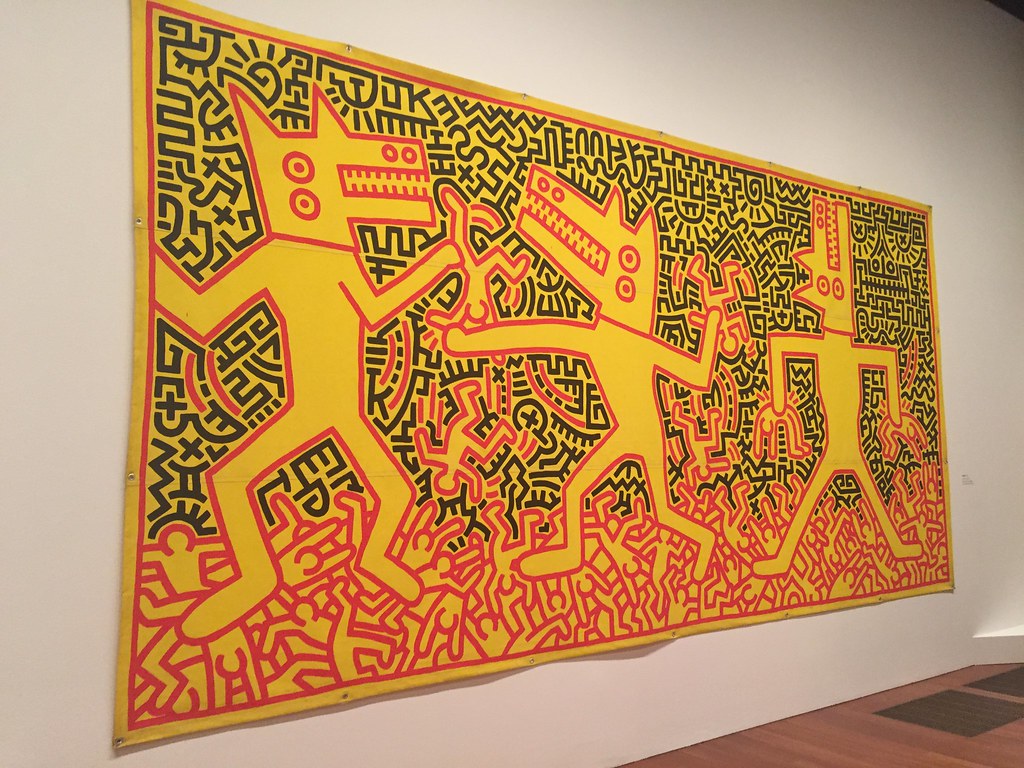 [credit](https://live.staticflickr.com/8684/16888847425_ded9228d94_b.jpg), [licence](https://creativecommons.org/licenses/by/2.0/) A detailed mural of a woman's face integrated into a wall art design, showcasing creative interior decoration techniques and artistic wall panels. Ideal for modern wall decor inspiration. **Keywords**: wall art mural, interior decor, artistic wall panels, wall art ideas, home decoration.](https://images.zenmuseum.com/article/decorating-large-walls-with-art/7790d1e0-eac2-11f0-b4b8-49b29ea43f10.jpg) [credit](https://live.staticflickr.com/4809/44596612920_dbd13d7273_b.jpg), [licence](https://creativecommons.org/publicdomain/mark/1.0/) **Steps:** 1. **Insert the Rod:** Slide your chosen tapestry rod through the sleeve. 2. **Attach Finials:** Screw on the decorative end pieces (**finials**). 3. **Mount Brackets:** Measure and mark where your brackets will go. Ensure they're level! Drill pilot holes (use wall anchors if you’re on drywall), and secure the brackets. 4. **Hang the Tapestry:** Gently place the rod (with the tapestry) onto the brackets. *My tip:* If your tapestry doesn't have a sleeve and you don't want to sew, you can use **tapestry clips** that slide onto the rod and clip onto the top edge of the fabric. Just be mindful of potential indentations. For a more rustic look, consider using a wooden dowel instead of a decorative rod. This can add a natural, organic feel to your display. ### The Invisible Touch: Velcro or Command Strips For lighter tapestries, especially those without sleeves, **Velcro** or **Command Strips** can be a game-changer. I particularly love Velcro because it gives you a clean, seamless look, making the tapestry appear to float on the wall.  [credit](https://live.staticflickr.com/4809/44596612920_dbd13d7273_b.jpg), [licence](https://creativecommons.org/publicdomain/mark/1.0/) **Velcro Method:** 1. **Prepare Velcro:** Purchase industrial-strength, sew-on or adhesive-backed Velcro. If sew-on, sew one strip along the top back edge of your tapestry. 2. **Attach to Wall:** Affix the other half of the Velcro strip to a thin wooden slat (paint it the color of your wall for invisibility). Then, secure the slat to the wall using small nails or screws. Alternatively, some adhesive Velcro can stick directly to the wall. 3. **Hang:** Press the tapestry firmly onto the wall-mounted Velcro. **Command Strips:** For very lightweight pieces, Command Strips are brilliant for their damage-free removal. Just apply them directly to the top corners and edges of the tapestry and press firmly onto the wall. Always check the weight limits! Both methods are ideal for renters or those who want to avoid permanent wall damage. They also allow for easy repositioning if you decide to change your decor.  [credit](https://images.pexels.com/photos/8488978/pexels-photo-8488978.jpeg), [licence](https://creativecommons.org/public-domain/) ### The Artistic Frame: Stretching or Framing Your Textile For those truly precious or delicate pieces, or if you want a more formal, art-gallery look, framing or stretching is the way to go. This protects the textile from dust, UV light, and general wear and tear. You can either have it professionally stretched over a [wooden frame](/finder/page/how-to-build-a-picture-frame) (like a canvas) or placed under glass in a traditional picture frame. This is a commitment, but it truly elevates the piece. I mean, look at this gorgeous [Frida Kahlo cross-stitch portrait](https://images.zenmuseum.com/article/frida-kahlo-museum-guide/d85cffc0-beef-11f0-a87e-61e9970d4ff7.jpeg) – imagine it beautifully framed, it just shines! Framing also allows you to incorporate your tapestry into a [gallery wall](/finder/page/what-is-a-gallery-wall) or mix it with other art pieces. It’s a great way to create a cohesive look in your space while protecting your textile investment.  [credit](https://images.pexels.com/photos/11274638/pexels-photo-11274638.jpeg), [licence](https://creativecommons.org/public-domain/) ### The DIY Approach: Dowels, Clips, and Magnets Feeling a bit more adventurous? There are plenty of creative, budget-friendly ways to hang a tapestry.  [credit](https://images.pexels.com/photos/2079670/pexels-photo-2079670.jpeg), [licence](https://creativecommons.org/public-domain/) * **Wooden Dowel & String:** Thread a simple wooden dowel through a top sleeve, then tie decorative string or twine to each end and hang it from a single nail or hook. It's wonderfully bohemian. * **Binder Clips:** For a truly minimalist, industrial look, use large **binder clips** along the top edge of the tapestry. You can then thread a thin rod or wire through the clip handles and hang that. * **Magnetic Strips:** This is a neat trick for a super clean look. Affix a thin metal strip (or two) to the wall. Then, attach small, strong magnets to the back of your tapestry (perhaps with a dab of fabric glue if it’s thick enough) and simply press it onto the metal strip. This allows for easy repositioning and no damage to the fabric itself. These [DIY](/finder/page/how-to-make-your-own-gesso-a-diy-guide-for-artists) methods are perfect for those who love to personalize their space and enjoy a hands-on approach to decorating. They’re also great for temporary displays or for those who like to change their decor frequently.  [credit](https://images.pexels.com/photos/15138850/pexels-photo-15138850/free-photo-of-exhibition-of-photographies.jpeg), [licence](https://creativecommons.org/public-domain/) ### Hanging on Tricky Walls: A Quick Note If you’re dealing with a particularly stubborn surface like [exposed brick](/finder/page/how-to-hang-art-on-brick-walls), don't despair! Specialized hardware is your friend. Think about concrete anchors, brick clips (for lighter pieces), or even masonry drill bits. Our guides on hanging art on various wall types will be a lifesaver here. It's all about choosing the right tools for the job, right? It reminds me of the time I tried to hang a [heavy mirror](/finder/page/how-to-hang-a-heavy-mirror) on an old plaster wall with just a tiny nail – let's just say gravity won that round! For walls with unique textures or materials, like cinder block or tile, consider consulting a professional or using a combination of methods to ensure your tapestry stays secure. The key is to match the hardware to the wall type for a safe and stable display.  [credit](https://images.pexels.com/photos/13558241/pexels-photo-13558241.jpeg), [licence](https://creativecommons.org/public-domain/) ## Maintenance and Care: Keeping Your Tapestry Timeless Once your tapestry is beautifully displayed, a little care goes a long way in preserving its beauty. * **Dusting:** Regularly dust your tapestry gently with a soft brush or a vacuum cleaner on its lowest setting with a mesh screen over the nozzle (to prevent sucking up fibers!). * **Cleaning:** For deeper cleaning, always consult a professional textile conservator. Spot cleaning can be tricky and sometimes cause more harm than good. * **UV Protection:** As mentioned, prolonged direct sunlight is a no-go. If you can’t avoid it, consider UV-filtering window films or rotating your tapestry's position periodically. Additionally, avoid placing your tapestry in high-humidity areas like bathrooms or kitchens, as moisture can damage the fibers over time. If you live in a humid climate, consider using a dehumidifier to protect your textile art.  [credit](https://images.pexels.com/photos/15988007/pexels-photo-15988007/free-photo-of-man-walking-in-art-gallery.jpeg), [licence](https://creativecommons.org/public-domain/) ## Beyond the Wall: Creative Display Ideas Who says tapestries are only for walls? I love experimenting with textiles in unexpected ways.  [credit](https://images.pexels.com/photos/6842189/pexels-photo-6842189.jpeg), [licence](https://creativecommons.org/public-domain/) * **Ceiling Art:** Imagine a lightweight, sheer tapestry draped elegantly from the ceiling, creating a canopy effect. Very dramatic! * **Room Divider:** A large tapestry can act as a soft, artistic room divider, especially in open-plan spaces. * **Draped Furniture:** For a more casual, bohemian vibe, a smaller tapestry can be artfully draped over a sofa, a bed, or even a table. It instantly adds a layer of texture and color. Consider how a beautiful tapestry could complete a room, much like finding the perfect [abstract piece](/finder/page/case-study-transforming-a-small-dark-hallway-with-a-vibrant-abstract-piece) for above a bed, as explored in articles like [how to hang art above a bed](/finder/page/how-to-hang-art-above-a-bed). You can also use tapestries to create a cozy reading nook or as a backdrop for a gallery wall. The possibilities are endless, and the key is to let your creativity guide you. ## Frequently Asked Questions (FAQ) ### How do I prepare a tapestry for hanging? First, gently unroll or unfold it. If it has creases, you can carefully steam it on a low setting from the back, or let it hang freely for a few days to relax. For an antique or delicate piece, consult a professional for proper preparation.  [credit](https://images.pexels.com/photos/14493083/pexels-photo-14493083.jpeg), [licence](https://creativecommons.org/public-domain/) ### Can I hang a tapestry without damaging the wall? Absolutely! Command Strips are excellent for lightweight tapestries on drywall for damage-free removal. For heavier pieces, using a wooden slat with Velcro and small nails (into studs if possible) can minimize wall damage compared to multiple direct attachments.  [credit](https://images.pexels.com/photos/4267774/pexels-photo-4267774.jpeg), [licence](https://creativecommons.org/public-domain/) ### How do I clean a tapestry? For regular maintenance, gentle dusting with a soft brush or a low-suction vacuum (with a screen) is usually sufficient. For stains or deeper cleaning, it's highly recommended to consult a professional textile conservator to avoid damage. ### What about very large or heavy tapestries? For substantial pieces, a sturdy tapestry rod mounted into wall studs (or using appropriate heavy-duty anchors) is essential. Framing and stretching by a professional are also excellent options for heavy textiles, distributing the weight evenly.  [credit](https://images.pexels.com/photos/2442904/pexels-photo-2442904.jpeg), [licence](https://creativecommons.org/public-domain/) ### How high should I hang a tapestry? A good general rule of thumb for wall art is to hang it so the center of the piece is at eye level (around 57-60 inches from the floor) for an average person. If it’s above furniture, ensure there’s about 6-12 inches of space between the bottom of the tapestry and the top of the furniture.  [credit](https://www.flickr.com/photos/fiveblondes/2488269660/), [licence](https://creativecommons.org/licenses/by-nc-sa/2.0/) ### Can I hang a tapestry outdoors? While tapestries are generally designed for indoor use, you can hang them outdoors in covered areas like porches or patios. However, ensure they are protected from direct sunlight, rain, and humidity to prevent damage.  [credit](https://images.pexels.com/photos/10599803/pexels-photo-10599803.jpeg), [licence](https://creativecommons.org/public-domain/) ### How do I store a tapestry when not in use? Store your tapestry in a cool, dry place, preferably rolled up rather than folded to avoid creases. Use acid-free tissue paper to protect the fibers and store it in a breathable fabric bag to prevent dust buildup. ## Final Thoughts: Your Tapestry, Your Story Ultimately, hanging a tapestry is about telling a story – your story, the textile’s story, the story of your home. Don’t be afraid to experiment, to try different methods, and to really make it your own. Whether it’s a treasured heirloom or a vibrant new acquisition, textile art adds a layer of soul to a space that few other mediums can. So go on, give that beautiful piece the wall it deserves! And if you’re ever looking for more ways to infuse your home with unique artistic flair, perhaps a piece from my own collection could be just the thing; you can always browse the latest [/buy](/buy), or even visit the [/den-bosch-museum](/den-bosch-museum) to see some works in person, and explore my [/timeline](/timeline) for inspiration. Happy hanging!  [credit](https://images.pexels.com/photos/18318322/pexels-photo-18318322/free-photo-of-art-deco-painting-on-brick-wall.jpeg), [licence](https://creativecommons.org/public-domain/) Remember, the beauty of textile art lies in its versatility and the personal touch it brings to your space. Whether you’re a seasoned collector or just starting out, there’s always something new to discover and explore in the world of tapestries.