
How to Turn Your Home's Architecture into a Gallery
Learn how architectural features can become dynamic stages for your art. Step-by-step guide with layouts, tips, and pro secrets.

How to Turn Your Home's Architecture into a Gallery
There’s this moment I often encounter when visiting homes—standing beneath a soaring ceiling or beside a curved archway, the owner sighs, ‘I just don’t know what to do with this space.’ I get it. Those beautiful architectural quirks feel like blank canvases begging for direction. But what if I told you you’ve been looking at the wrong canvas? What if your molding, columns, and nooks aren’t obstacles but opportunities? They’re the stages waiting for your art’s grand entrance.
Ready to turn your home’s bones into a dynamic exhibition? Let’s explore how your architecture becomes part of the art display itself.
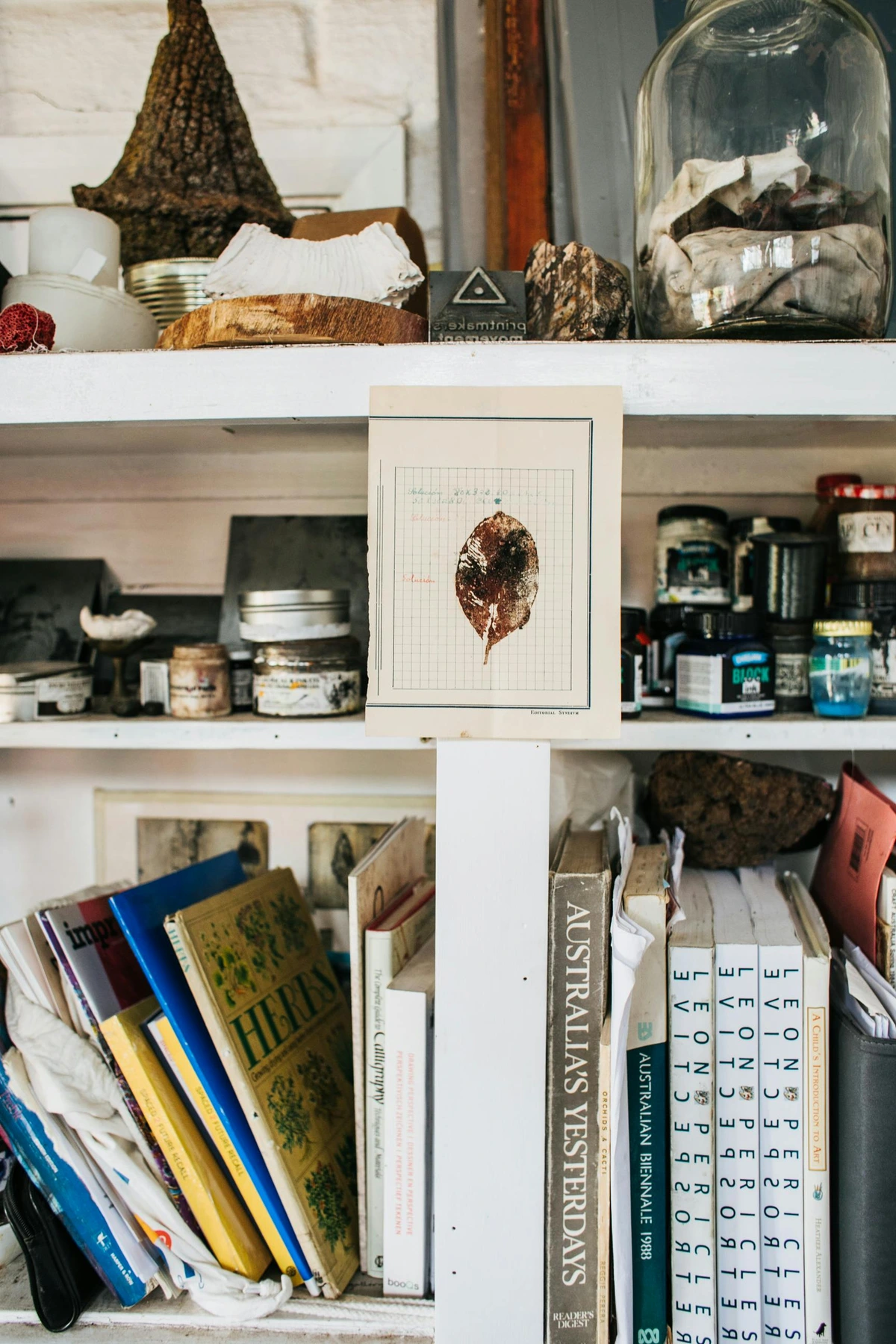
Understanding Your Architectural Palette
Before we hang anything, we need to see clearly. Your home isn’t just walls—it’s a collection of frames and pedestals already built-in. I remember this one client with a brutalist-inspired apartment. All those clean lines and concrete corners felt cold until we realized: those angles were minimalist sculptures waiting for color.
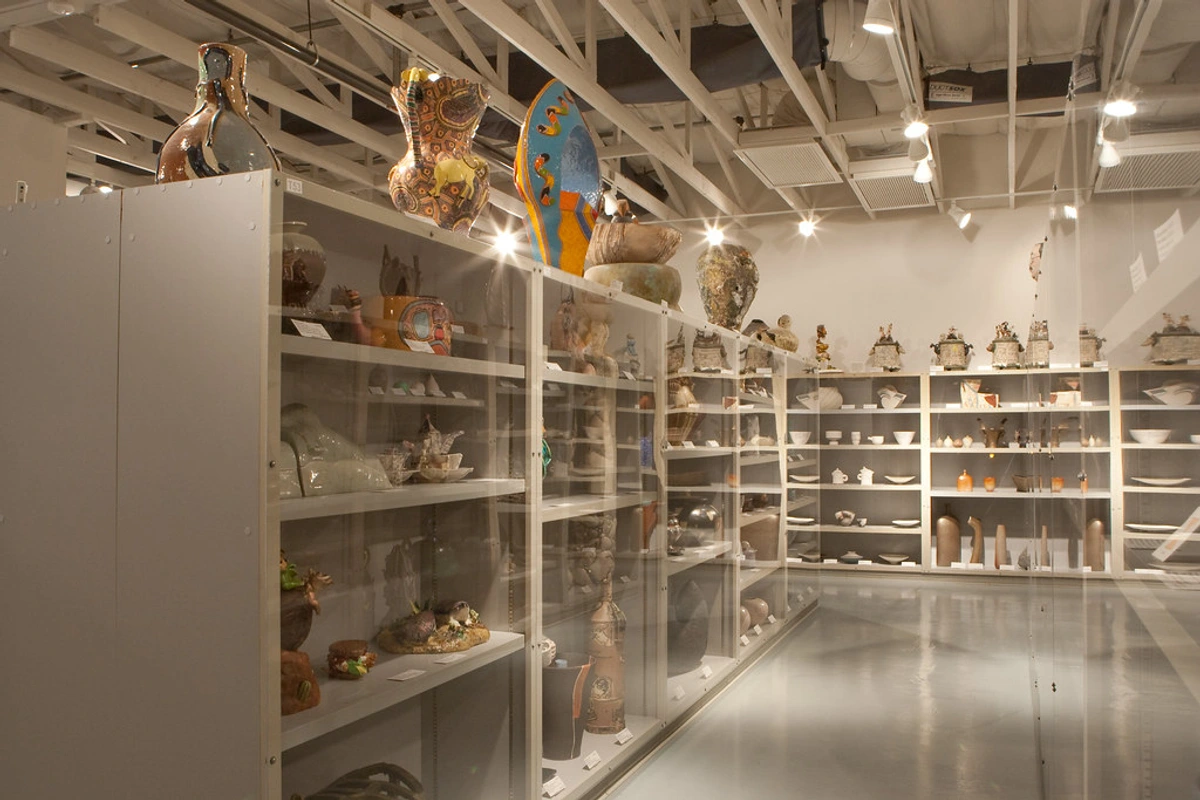
Key Architectural Features as Display Tools
Feature  | Display Opportunity | Pro Tip | Best Art Mediums |
|---|---|---|---|
| Arches & Doorways | Natural framing for focal points | Oversized abstract prints create dramatic entry moments | Large prints, canvas, acrylic |
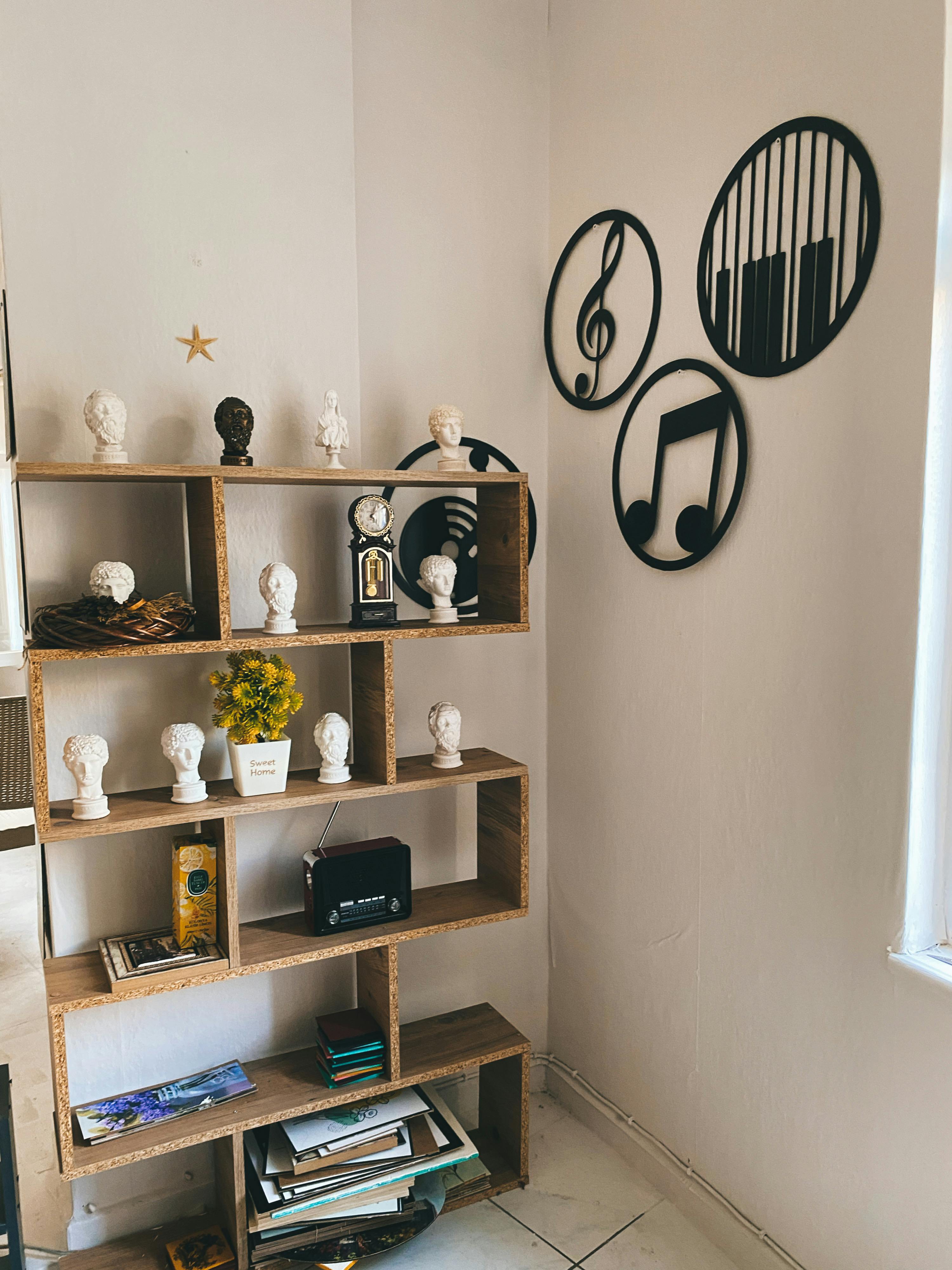
| Built-in Niches & Alcoves | Perfect for 3D sculptures or light installations | Use backlighting to cast shadows and create depth | Sculptures, glass art, framed pieces |
| Staircases & Railings | Linear pathways for gallery walls | Mix abstract shapes with directional hanging to guide the eye flow | Series of same-artist prints, progressive sizes |
| High Ceilings | Vertical storytelling opportunities | Install tiered displays to use verticality as compositional element | Vertical format pieces, installations |
| Exposed Beams & Columns | Textural contrast opportunities | Lean large canvases against beams for casual, curated effect | Textured pieces, mixed media |
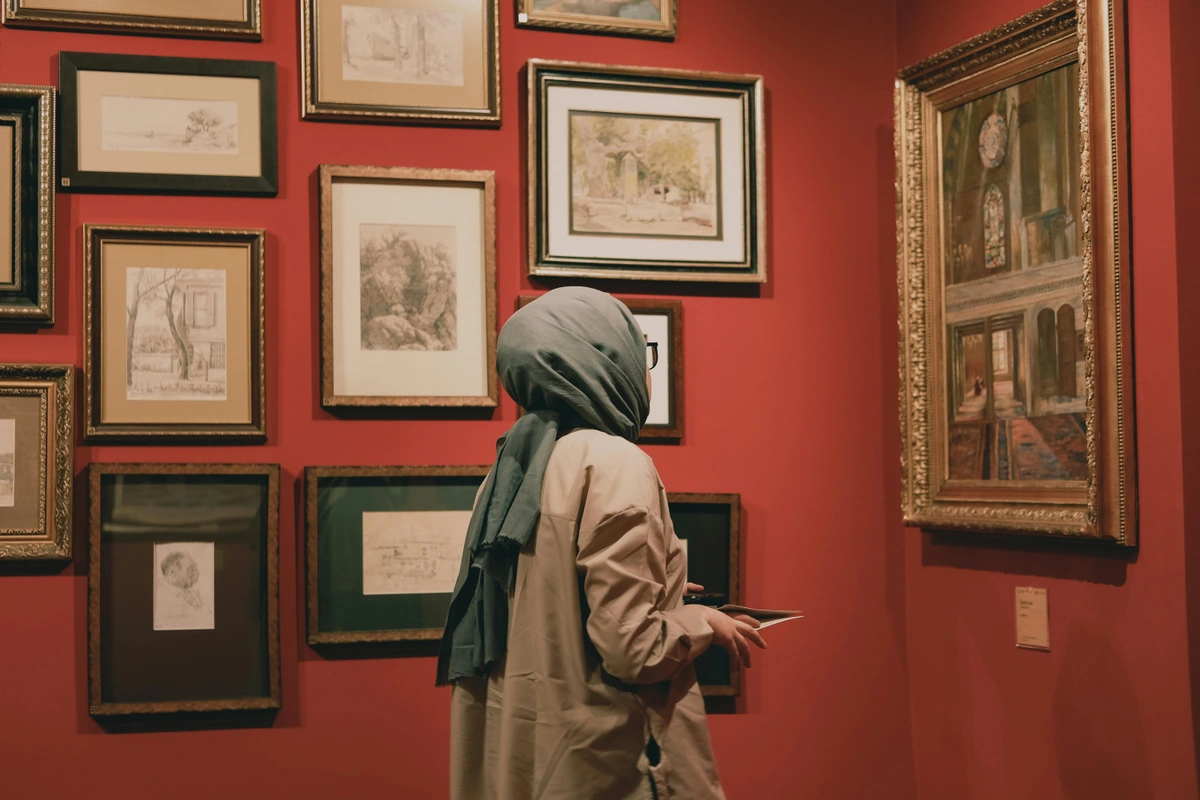
| Crown Molding & Trim | Built-in gallery frames | Use molding as natural frame borders, hang art 6-8 inches below molding | Smaller works, detailed pieces |
| Fireplaces | Natural focal points | Create mantel displays with varied heights, use fireplace as anchor for larger pieces | Statement pieces, warm color palettes |
| Bay Windows | Natural light studios | Use for translucent art or pieces that change with light conditions | Translucent pieces, watercolors, light-sensitive art |
| Closet Doors | Unexpected display surfaces | Treat like sliding gallery walls, use removable adhesive strips for renters | Lightweight prints, removable installations |
| Ceiling Medallions | Overlooked opportunities | Hang small, delicate pieces from ceiling medallions for dramatic effect | Delicate works, hanging sculptures |
| Floor Transitions | Visual pathways | Use art at floor level to create flow between different spaces | Floor art, base-height installations |
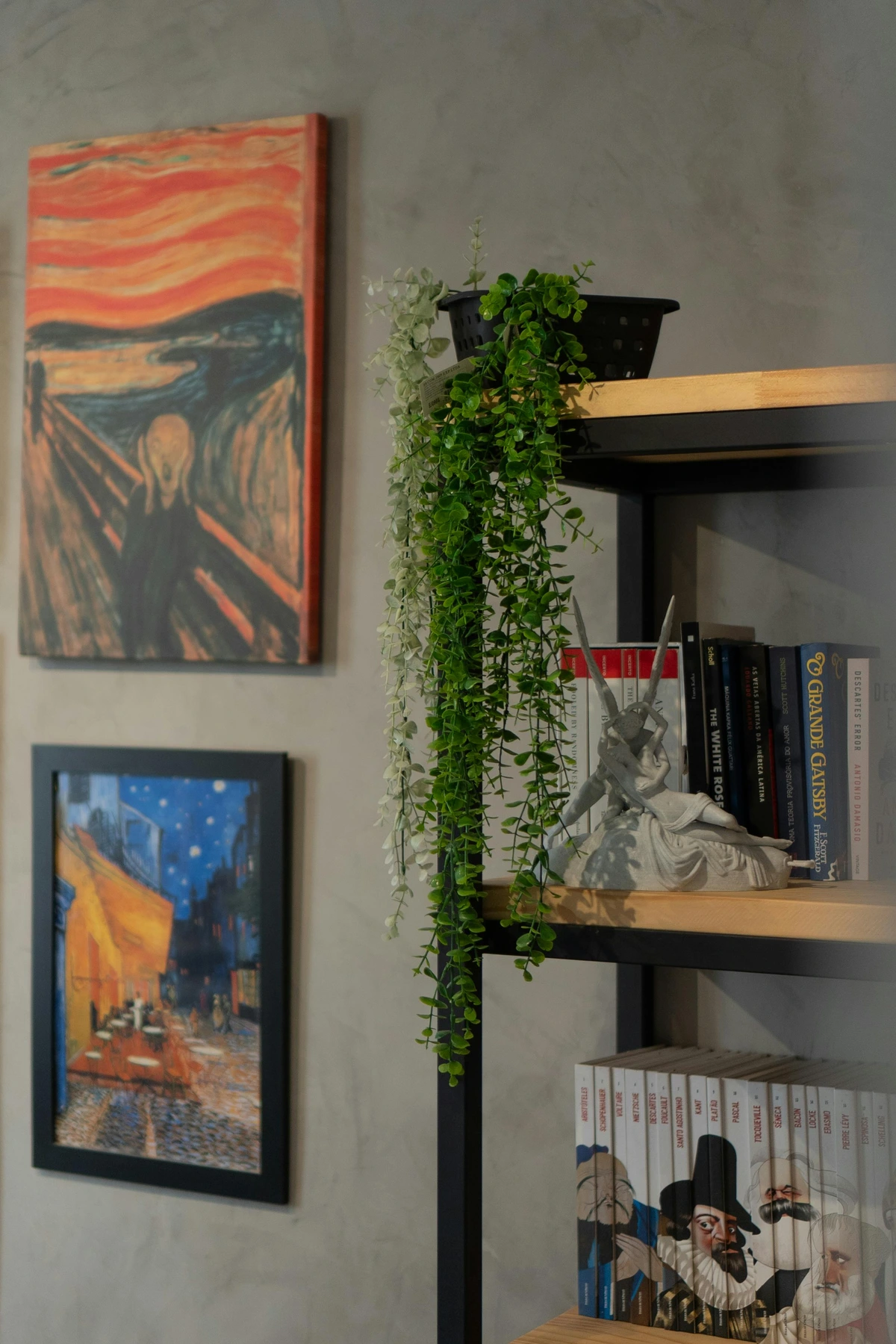
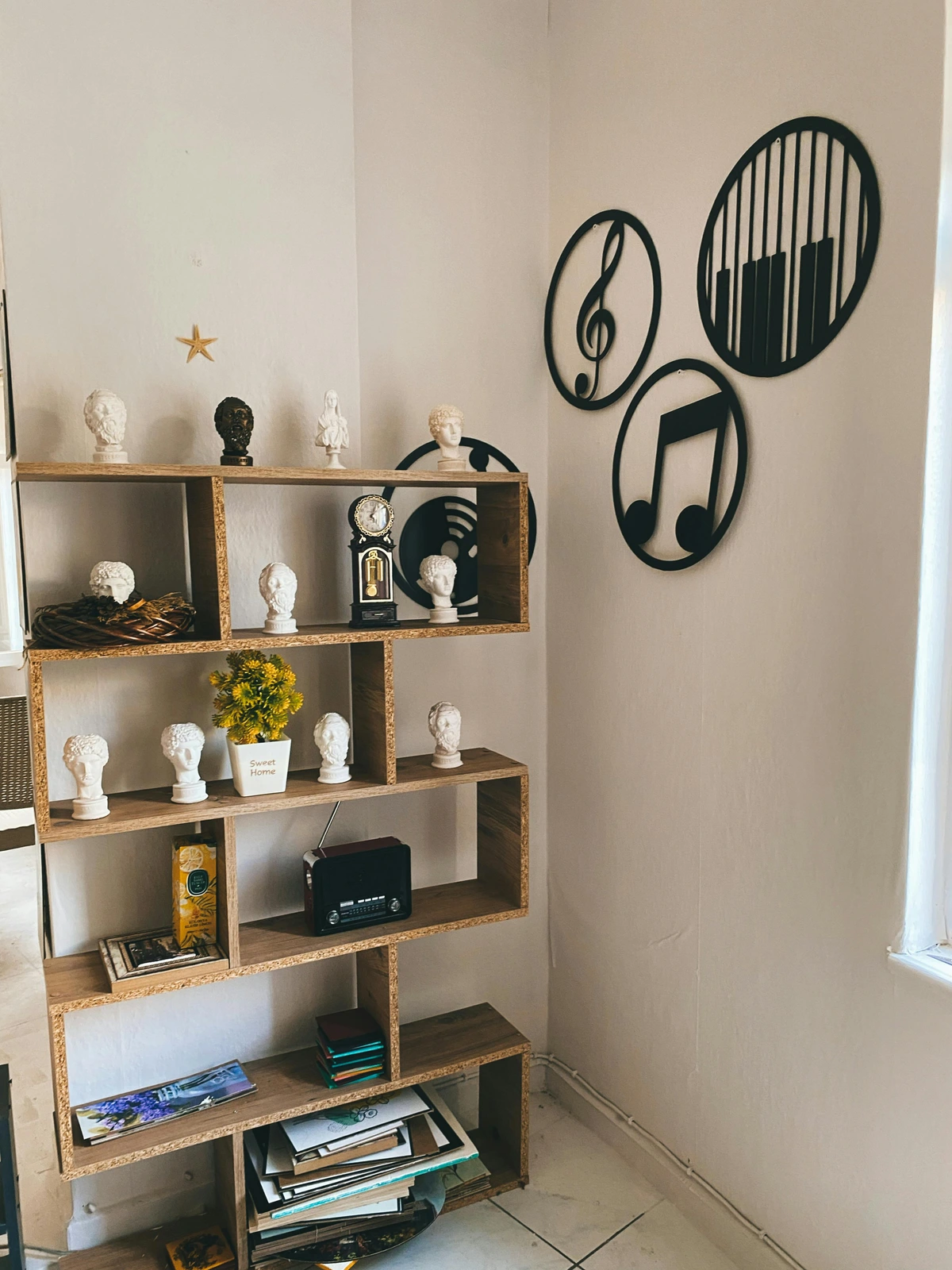
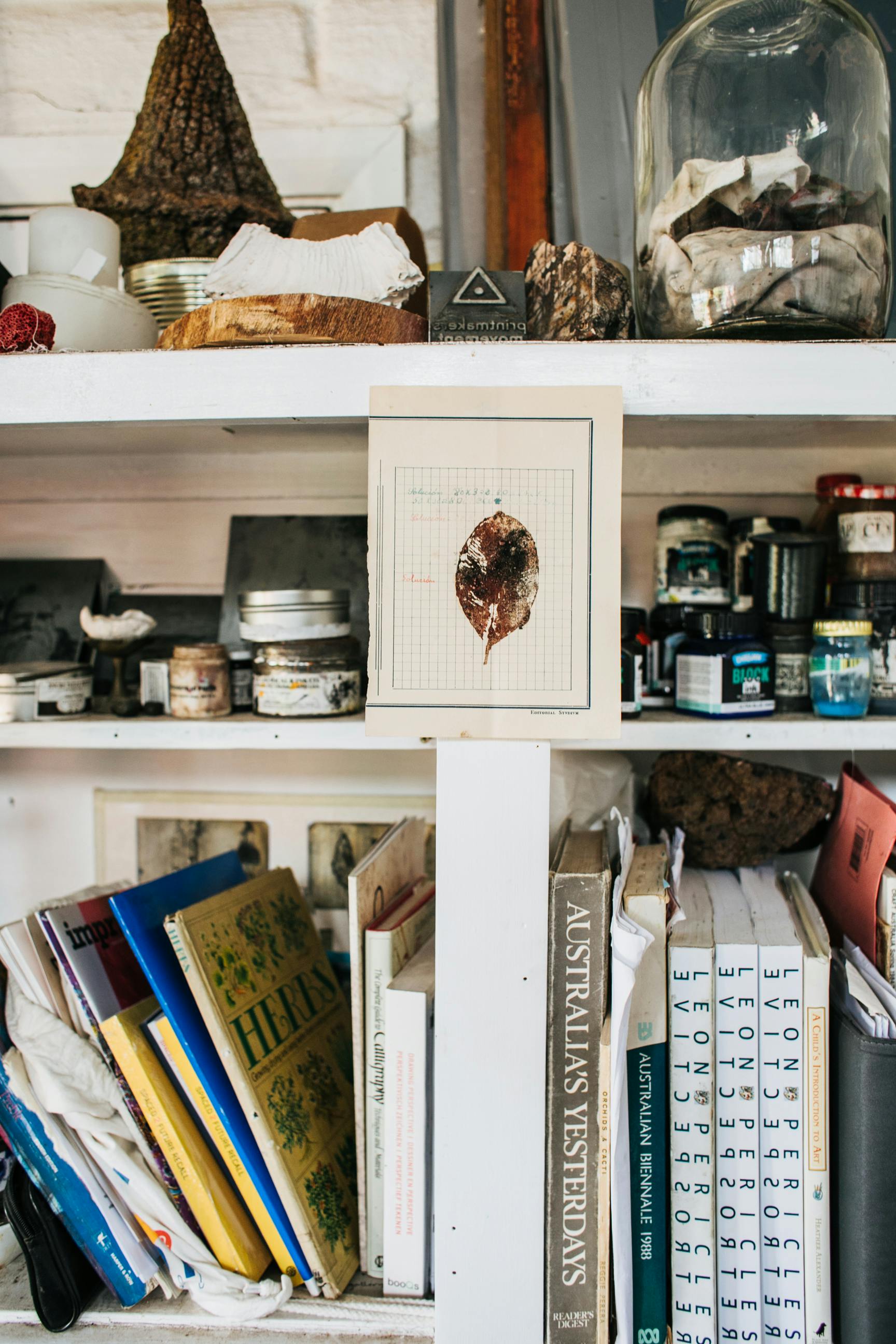
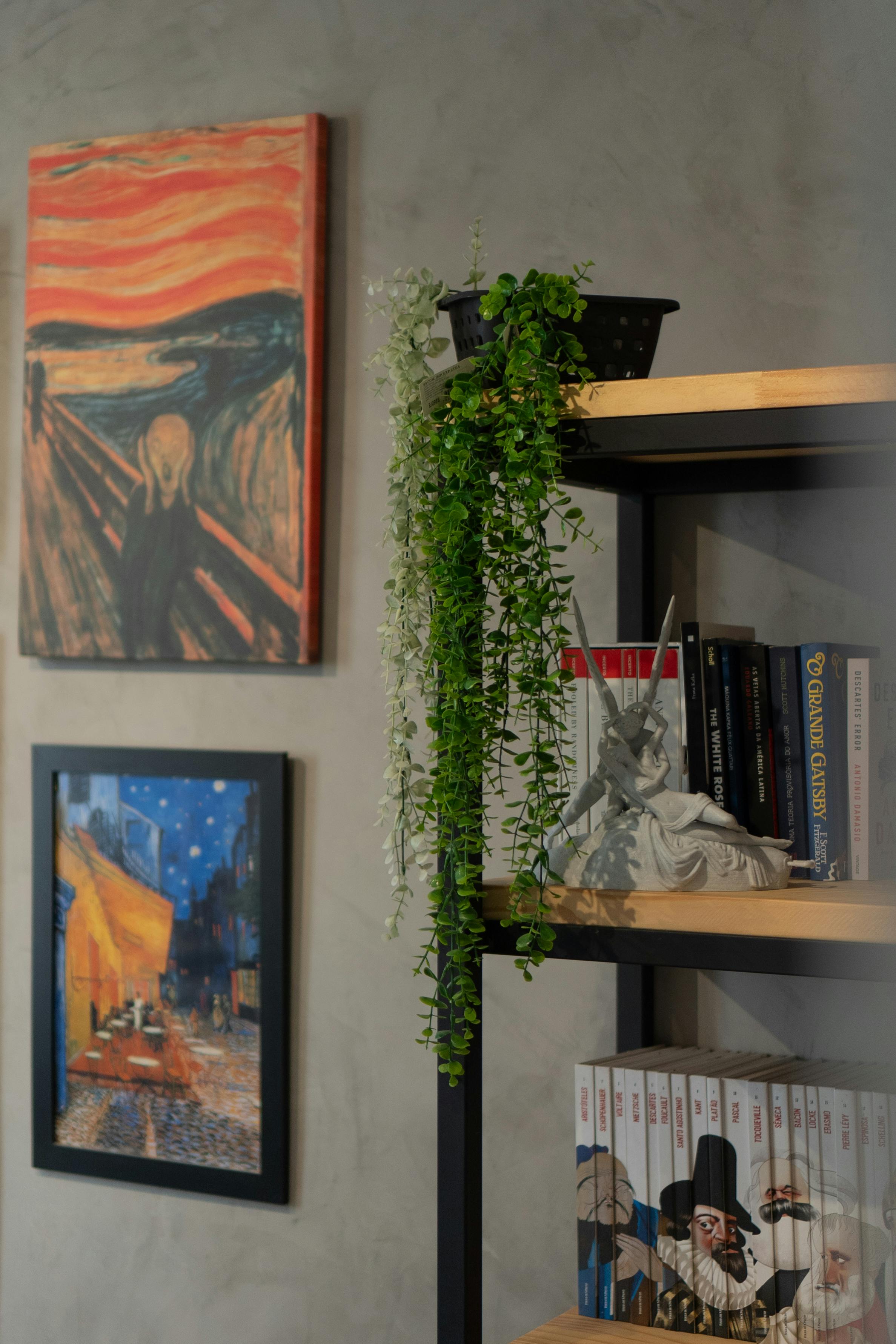
| Bookshelves | Multi-dimensional displays | Mix books with art pieces, use shelves as pedestals for 3D work | Mixed media, sculptural books, 3D art |
Art Mediums and Architectural Compatibility
Different art mediums work better with different architectural features. Here's a quick guide:

Canvas & Prints
- Best for: Most architectural features except high-humidity areas
- Architectural synergy: Works well with clean lines, modern spaces
- Installation: Easy to hang with standard hardware
- Care: UV protection essential for windows
- Weight Considerations: Light to medium weight, suitable for most standard hanging systems
- Climate Sensitivity: Avoid in bathrooms, kitchens, or areas with high humidity
- Size Flexibility: Available in virtually any size for different architectural scales
Acrylic & Glass Art
- Best for: Bay windows, built-in niches, modern spaces
- Architectural synergy: Complements contemporary architecture beautifully
- Installation: Often requires specialty hanging systems
- Care: Clean regularly to maintain clarity
- Light Interaction: Interacts dramatically with natural and artificial light
- Durability: Resistant to fading compared to traditional prints
- Cost Considerations: Generally more expensive than canvas prints
Sculpture & 3D Art
- Best for: Deep niches, floor spaces, mantelpieces
- Architectural synergy: Creates dynamic interaction with architectural forms
- Installation: May require pedestals or specialized mounting
- Care: Consider weight and stability
- Space Requirements: Needs adequate depth and viewing distance
- Material Variety: Wood, metal, ceramic, glass, recycled materials
- Maintenance: Regular dusting and structural integrity checks
Mixed Media & Textured Art
- Best for: Textured walls, exposed beams, eclectic spaces
- Architectural synergy: Creates rich, layered visual experiences
- Installation: May require custom framing or mounting
- Care: Dust regularly, avoid direct moisture
- Dimensional Impact: Adds physical depth to flat architectural surfaces
- Material Complexity: Combines multiple materials for tactile interest
- Cleaning Challenges: May require specialized cleaning methods
Advanced Art Mediums for Architectural Integration
Digital & LED Art
- Best for: Modern spaces, dark rooms, creating ambient atmosphere
- Architectural synergy: Can respond to environmental conditions
- Installation: Requires electrical access and mounting systems
- Care: Regular software updates and component checks
- Energy Efficiency: Modern LEDs consume minimal power
- Interactive Potential: Some pieces respond to movement or sound
Textile & Fiber Art
- Best for: Soft architectural spaces, bedrooms, living areas
- Architectural synergy: Adds warmth and texture to hard surfaces
- Installation: May require special hanging systems or mounting
- Care: Professional cleaning periodically, avoid direct sunlight
- Material Variety: Ranges from traditional weavings to modern installations
- Acoustic Benefits: Can help with room acoustics and sound absorption
Ceramic & Pottery
- Best for: Kitchen displays, dining areas, built-in shelves
- Architectural synergy: Creates connection between functional and artistic
- Installation: Stable bases or specialized shelving required
- Care: Handle with care, avoid extreme temperature changes
- Size Range: From small decorative pieces to large installations
- Durability: Generally very durable and long-lasting
Photography & Digital Prints
- Best for: All architectural features, especially large wall spaces
- Architectural synergy: Can capture and complement architectural elements
- Installation: Standard hanging systems, various mounting options
- Care: UV protective coating recommended for longevity
- Customization: Can be printed on various substrates (metal, canvas, paper)
- Subject Flexibility: Ranges from architectural photography to abstract compositions
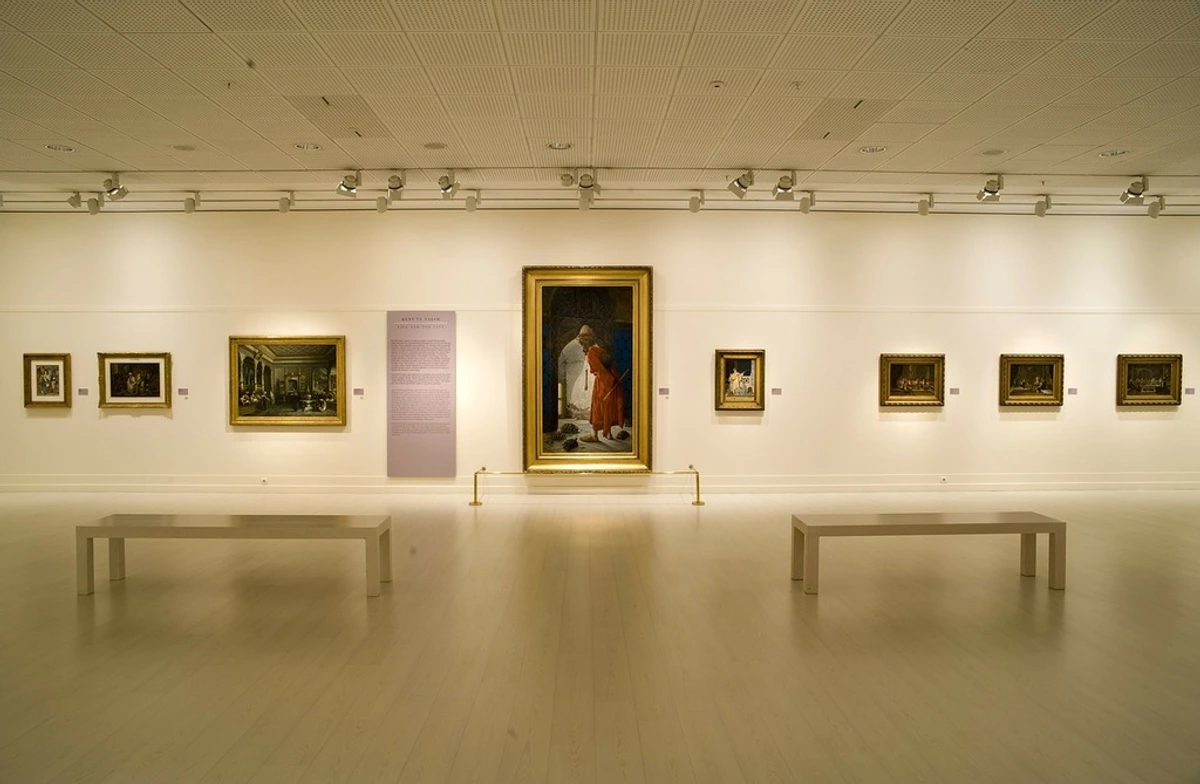
The Art of Architectural Framing
Imagine your home as a museum—every room has a different curatorial purpose. That bay window isn’t just a light source; it’s a proscenium arch for your watercolors. The trick is treating architectural elements as intentional compositional elements rather than passive backgrounds.
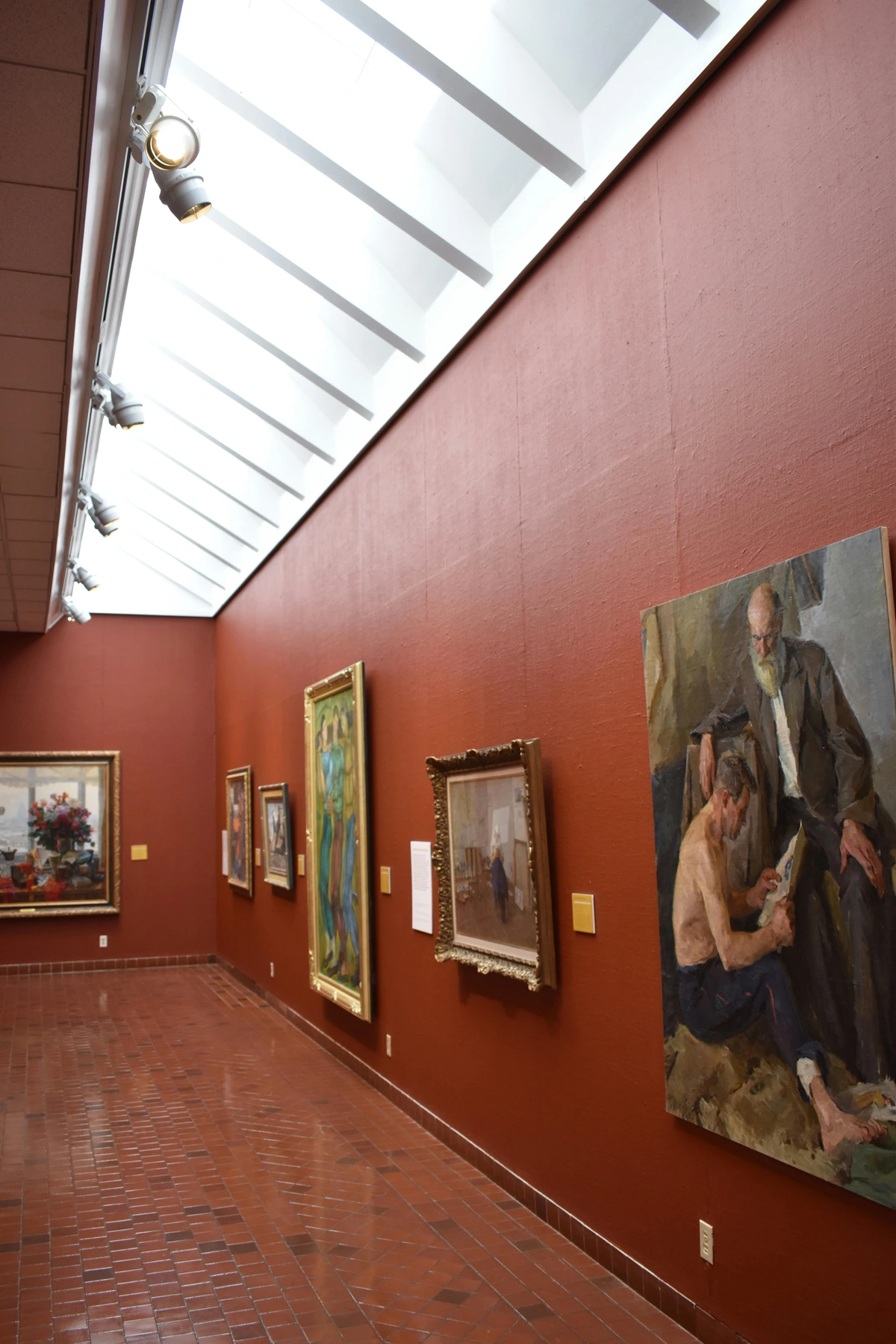
I learned this the hard way: I once hung a vibrant abstract piece against a beige wall and it disappeared. Repositioning it above a floor-to-ceiling bookshelf? Suddenly the books became part of the artwork’s context. The same print now vibrates against both architectural and literary lines.
Creating Dramatic Layouts
Here’s what works:
- Arch as Frame Technique
- Select an oversized abstract piece that echoes the curve of an archway
- Install it 6-8 inches within the arch’s recess
- Paint surrounding wall area 1-2 shades darker for separation
- Staircase Collage
- Use 3-5 same-artist prints with intentional color progression
- Vary frames (natural wood, metallic) but keep matting consistent
- Align centers vertically with stair risers
- Niche Spotlight
- For deep alcoves: Install a linear track light above
- Cluster 2-3 smaller works in asymmetric arrangement
- Leave 60% of niche empty—less is more in tight spaces
Practical Considerations
Light & Shadow Play
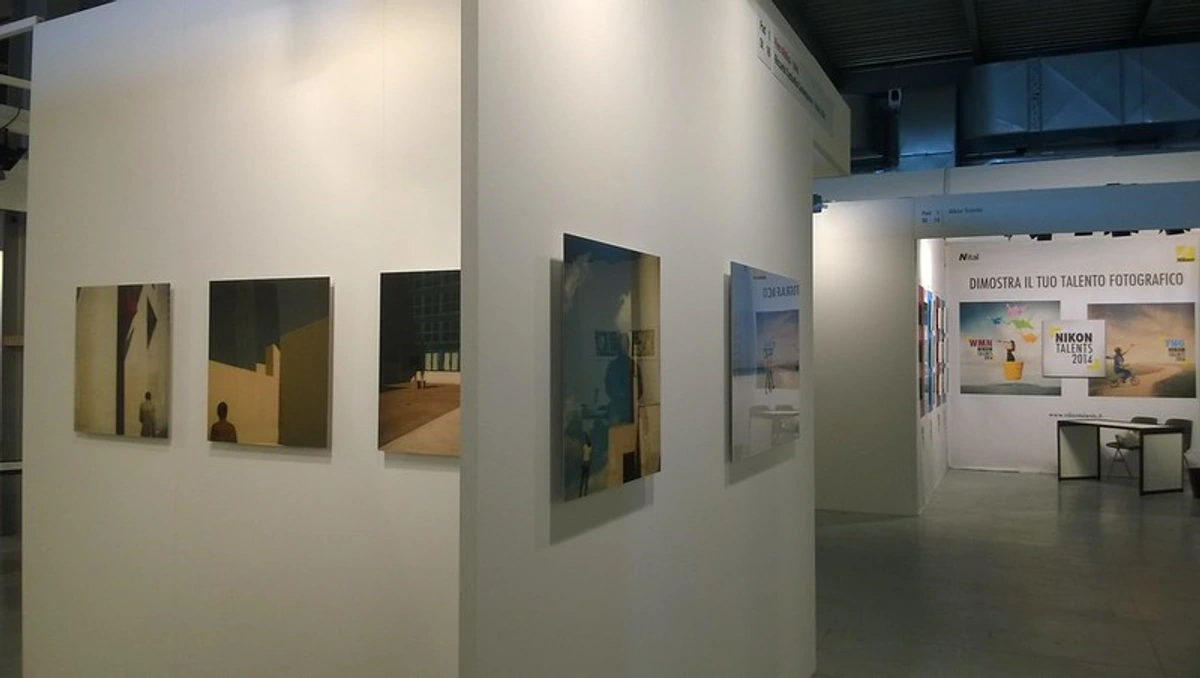
You’ve probably noticed how morning vs. evening light completely changes art perception. With architectural displays, this becomes an active tool. That vaulted ceiling? A built-in spotlight at noon becomes a dramatic silhouette creator at dusk. My advice: Install dimmable track lighting where you’ll display art—controlling illumination controls the emotional impact.
Protection & Maintenance
High-traffic architectural spots need love too. That corner column in your hallway? Protect base areas with clear acrylic barriers. For humid zones (like above kitchens), consider treated canvas prints instead of originals. I know, compromises sting—but preservation matters more than purity.
Detailed Protection Strategies
Physical Protection:
- Acrylic Covers: Clear overlays for vulnerable pieces in high-traffic areas
- Safety Cables: Metal cables that prevent pieces from falling
- Bumpers: Small felt pads on frame backs to prevent wall damage
- Barrier Systems: Custom acrylic barriers for particularly vulnerable areas
Environmental Protection:
- UV Filtering: Always use museum-quality UV-filtering glass
- Climate Control: Consider humidity control devices in extreme environments
- Air Quality: Avoid placing art near heating vents or air conditioning units
- Pest Prevention: Regular inspections for insects or rodents
Emergency Preparedness:
- Earthquake Safety: Use specialized earthquake hanging systems in seismic zones
- Fire Protection: Consider fire-resistant display cases for valuable pieces
- Flood Planning: Elevate valuable pieces above potential flood levels
- Theft Deterrence: Consider security systems for high-value displays
Budget-Friendly Solutions
You don’t need original masterpieces to make architecture sing. A single large print above a mantelpiece reads like a gallery piece when paired with empty frames elsewhere. Create focal points with one investment, then fill gaps creatively. That asymmetrical niche cluster we discussed? Start with one bold print and add small prints over time.
Expert Troubleshooting
Q: What if my home has boring, flat walls?
A: Create architectural features! Install shallow floating shelves or picture rail molding—both instantly add dimension. I’ve seen renters transform spaces with high-quality removable adhesive strips that create faux arch effects. Clever tape can become intentional visual elements.
Q: How do I avoid making spaces feel cluttered?
A: Negative space is your curator. For every art piece you add, create an equal ‘void’ zone. With architectural displays, the frame is often larger than the art—let the architecture breathe. That arched doorway? Display art in only the center third, leaving the sides bare.

Q: Can plants and art coexist in architectural displays?
A: Absolutely (but strategically). A large monstera’s vertical lines pair beautifully with abstract verticals. Just keep plants to 30% of composition maximum—too many living elements fight against static artwork. For niche displays: one dramatic plant + one sculptural art piece creates perfect balance.
Making it Personal
At its core, this isn’t about rules—it’s about dialogue. Your home tells stories through its architecture; your art tells stories through color and form. When they intersect, something magical happens. My studio bathroom sits below a skylight. Instead of fighting the awkward angle, I installed circular mirror art with gold leaf accents that catch the morning light like liquid sunshine. It’s impractical perfection.
So take a walk through your home today. See those moldings not as decorative but as directional. Notice those notches not as empty but as intentional pauses in visual rhythm. Your architecture isn’t just structure—it’s the beginning of a beautiful story waiting to be told. And the ending? Well, that’s where your art takes center stage.

Frequently Asked Questions About Architectural Art Displays
Q: How do I determine the right size art for my architectural features?
A: Start with proportions:
- Arches: Art should be 60-70% of arch width
- Niches: Fill 70-80% of depth, 50-60% of width
- Fireplaces: 60-80% of mantel width
- High ceilings: Consider multiple pieces rather than one oversized piece
- Built-in shelves: Art should be 1/2 to 2/3 of shelf depth
- Wall spaces: Leave 2-3 inches of space around pieces for visual breathing room
Advanced Sizing Considerations:
- Eye Level Placement: Center of artwork should be at 57-60 inches from floor
- Multiple Pieces: For groupings, center the entire grouping at eye level
- Furniture Integration: Art above furniture should be 2/3 the width of the furniture
- Ceiling Height Adjustments: Higher ceilings allow for larger pieces and more dramatic spacing
Q: What hanging hardware works best for different wall types?
A: Match hardware to your walls:
- Drywall: Toggle bolts for heavy pieces, anchors for lighter ones
- Plaster: Specialty plaster anchors (never use drywall anchors)
- Brick/Stone: Masonry screws with sleeve anchors
- **Concrete: Hammer-set concrete anchors
- Wood Paneling: Use longer screws that reach wall studs
- Tile: Special tile drill bits and adhesive anchors
- Metal Surfaces: Magnetic mounts or specialized metal anchors
Comprehensive Hardware Guide
Weight Categories:
- Light (under 10 lbs): Picture hooks, adhesive strips, small nails
- Medium (10-30 lbs): Toggle anchors, drywall screws with anchors
- Heavy (30-100 lbs): Heavy-duty toggles, wall anchors, stud mounting
- Extra-heavy (100+ lbs): Professional installation required, specialized systems
Professional vs DIY:
- DIY Friendly: Picture hanging kits, adhesive systems, light to medium pieces
- Professional Recommended: Heavy pieces, complex installations, valuable art
- Safety First: When in doubt about weight or complexity, hire professionals
Installation Tips:
- Always use a level for multiple pieces
- Mark holes with pencil before drilling
- Consider future rotation when choosing hardware
- Test hanging systems with lightweight pieces first
Q: How often should I rotate my architectural art displays?
A: Rotate based on:
- Seasonal changes: Every 3-4 months for fresh perspective
- Mood needs: When you want different emotional responses
- Art preservation: Every 6-12 months if in direct sunlight
- Special occasions: holidays, parties, or when you want a change
- Artist collections: Group works by the same artist for cohesive displays
- Color themes: Rotate based on seasonal color preferences
- New acquisitions: Integrate new pieces into existing displays
Rotation Systems and Strategies
Calendar-Based Rotation:
- Monthly Themes: Change displays on the first of each month
- Seasonal Transitions: Rotate during equinoxes and solstices
- Holiday Integration: Create special displays for major holidays
- Anniversary Celebrations: Rotate art for personal milestones
Condition-Based Rotation:
- Light Damage Monitoring: Track exposure and rotate accordingly n- Environmental Changes: Rotate when seasons affect home environment
- Art Condition Checks: Rotate during regular maintenance inspections
- Cleaning Cycles: Rotate while cleaning other areas
Storage Solutions for Rotation:
- Climate-Controlled Storage: Ideal for valuable pieces between rotations
- Archival Boxes: Protect pieces during storage
- Labeling System: Track rotation dates and display locations
- Inventory Management: Keep detailed records of all pieces and locations
Q: Can I display 3D art in architectural features?
A: Absolutely! Best architectural features for 3D art:
- Deep niches: Perfect for sculptures and installations
- Window sills: Great for smaller 3D pieces
- Stair landings: Create dramatic 3D focal points
- Built-in shelves: Mix 2D and 3D art for depth
- Fireplace mantles: Ideal for sculptural arrangements
- Floor transitions: Create low-profile 3D installations
- Ceiling features: Hanging sculptures and mobiles
3D Art Display Considerations
Weight Distribution:
- Heavy Sculptures: Require specialized mounting and structural support
- Mobile Pieces: Need stable hanging points and consideration for movement
- Fragile Items: Require secure mounting and protection from accidental contact
- Large Installations: May need professional installation and structural assessment
Lighting for 3D Art:
- Directional Lighting: Emphasizes texture and form
- Backlighting: Creates dramatic silhouettes
- Ambient Lighting: Provides overall illumination
- Spotlighting: Highlights specific features or elements
Maintenance for 3D Displays:
- Dusting: Regular cleaning to maintain appearance
- Inspection: Check mounting hardware regularly
- Climate Control: Important for delicate materials
- Rotation: Consider rotating pieces to prevent uneven wear
Q: What about art placement in small apartments?
A: Small spaces need strategic placement:
- Vertical displays: Use height rather than width
- Multipurpose areas: Art that works in multiple contexts
- Mirror integration: Use mirrors to create perception of space
- Space-saving hardware: Track systems that allow easy repositioning
- Multi-functional furniture: Choose pieces that double as display surfaces
- Door displays: Utilize closet doors and cabinet fronts
- Underutilized spaces: Corners, above doors, beside windows
- Temporary solutions: Removable adhesive systems for renters
Small Space Architectural Display Strategies
Maximizing Vertical Space:
- Floor-to-ceiling displays: Create dramatic impact in small footprints
- High placement: Draw eye upward to create perception of height
- Stacked arrangements: Use multiple smaller pieces vertically
- Ceiling-hung pieces: Install art from ceiling for unique display
Multi-functional Solutions:
- Furniture Integration: Use bookshelves, cabinets, and headboards as display surfaces
- Room Dividers: Use art screens or partitions that serve multiple purposes
- Storage + Display: Combine storage units with integrated art display
- Foldable Systems: Install pieces that can be folded away when not needed
Optical Illusion Techniques:
- Mirror Magic: Strategic mirror placement to double visual space
- Color Expansion: Use light colors and reflective surfaces
- Linear Perspective: Create depth with linear arrangements
- Scale Play: Mix different sized pieces for visual interest
Q: How do I protect art from damage in high-traffic areas?
A: Protection strategies:
- Acrylic barriers: Clear covers for vulnerable pieces
- Strategic placement: Avoid direct pathways and high-impact zones
- Secure hanging: Use safety cables and proper anchors
- Rotation system: Move valuable pieces during high-traffic periods
- Height considerations: Place fragile pieces higher out of reach
- Traffic flow analysis: Map movement patterns and avoid collision zones
- Protective materials: Use bumpers and padding on frame edges
- Education: Teach household members and guests about art care
High-Traffic Area Protection Systems
Physical Barriers:
- Custom Acrylic: Cut-to-fit protective covers for specific pieces
- Safety Screens: Decorative screens that protect while adding style
- Railing Systems: Physical barriers for particularly vulnerable areas
- Raised Platforms: Create elevated display areas away from traffic
Smart Protection:
- Motion Sensors: Alert systems for unauthorized approach
- Childproof Locks: Secure locking systems for valuable pieces
- Pet Barriers: Specialized systems to keep pets away from displays
- Climate Monitoring: Alerts for environmental changes that could damage art
Q: What colors work best with different architectural styles?
A: Color by architectural style:
- Modern/Minimalist: Bold colors create contrast
- Traditional/Victorian: Contemporary abstracts add freshness
- Industrial: Warm abstracts soften hard edges
- Coastal: Abstracts with blues and sandy tones
- Farmhouse: Modern pieces with rustic elements
- Mediterranean: Warm earth tones and vibrant accents
- Colonial: Classic palettes with modern interpretations
- Craftsman: Organic colors and natural materials
- Mid-century: Retro colors with contemporary flair
Color Psychology in Architectural Displays
Warm Colors (Reds, Oranges, Yellows):
- Emotional Impact: Energy, passion, warmth
- Best Architectural Features: Fireplaces, entryways, dining areas
- Color Combinations: Pair with neutrals to balance intensity
- Seasonal Use: Perfect for autumn and winter displays
Cool Colors (Blues, Greens, Purples):
- Emotional Impact: Calm, serenity, sophistication
- Best Architectural Features: Bathrooms, bedrooms, reading nooks
- Color Combinations: Work well with metallic accents
- Seasonal Use: Ideal for spring and summer displays
Neutral Colors (Whites, Grays, Beiges):
- Emotional Impact: Clean, modern, timeless
- Best Architectural Features: Modern spaces, minimalist areas
- Color Combinations: Serve as perfect backdrops for colorful art
- Seasonal Use: Versatile year-round foundation
Q: How do I create a cohesive look with multiple architectural displays?
A: Cohesion strategies:
- Color themes: Repeated colors across different spaces
- Artist consistency: Multiple pieces from same artist or movement
- Style consistency: Similar artistic styles throughout
- Scale relationships: Balanced proportions between spaces
- Material consistency: Similar frame materials and finishes
- Subject matter: Related themes or subjects throughout the home
- Historical periods: Art from the same era or movement
- Cultural influences: Art from the same cultural tradition
Comprehensive Cohesion Planning
Room-to-Room Flow:
- Entryway Impact: Create a strong first impression that sets the tone
- Living Room Focus: Use the largest pieces as the main focal point
- Bedroom Serenity: Choose calming pieces for restful spaces
- Kitchen/Bathroom: Use durable, practical pieces in functional areas
- Transitional Spaces: Hallways and staircases should connect themes
Cohesion Tools:
- Color Mapping: Create a master color plan for the entire home
- Style Matrix: Define consistent artistic parameters across spaces
- Scale Guidelines: Establish proportional relationships between rooms
- Theme Development: Create overarching themes that connect spaces
Progressive Implementation:
- Start with Focal Points: Begin with major architectural features
- Expand Gradually: Add pieces that connect to existing themes
- Balance Variation: Allow for some variation to avoid monotony
- Refine Over Time: Adjust and refine as your collection grows
Q: What lighting considerations should I think about?
A: Lighting is crucial:
- Natural light: UV protection essential for windows
- Artificial light: Consider color temperature (2700K-4000K)
- Accent lighting: Picture lights and spotlights for dramatic effect
- Dimming capabilities: Control intensity for different moods
- Light direction: Consider how shadows will affect the display
- Reflection control: Minimize glare on glass-covered pieces
- Even distribution: Avoid harsh shadows or bright spots
- Energy efficiency: Consider LED options for long-term cost savings
Advanced Lighting Design
Layered Lighting Approach:
- Ambient Layer: General room lighting for overall visibility
- Task Layer: Specific lighting for art viewing and appreciation
- Accent Layer: Highlighting individual pieces or features
- Decorative Layer: Aesthetic elements that complement the art
Smart Lighting Integration:
- Programmable Scenes: Preset lighting for different activities
- Motion Sensors: Automatic activation as people approach
- Daylight Sensors: Adjust based on natural light availability
- Voice Control: Hands-free operation for convenience
Professional Lighting Consultation:
- Custom Design: Tailored solutions for specific architectural features
- Technical Expertise: Knowledge of optimal placement and intensity
- Equipment Selection: Professional-grade fixtures and bulbs
- Installation Quality: Proper mounting and electrical work
Resources for Architectural Art Display
Essential Tools and Materials
- Hanging Hardware: Picture hooks, anchors, wire, and level
- Lighting: Track lighting, picture lights, dimmers
- Protection: UV-filtering glass, acrylic covers, climate control
- Frames: Custom framing services, frameless options
- Installation: Professional hanging services, DIY guides
Recommended Reading
- "The Art of Placement" by Sarah Johnson
- "Architectural Elements in Modern Design" by Michael Chen
- "Gallery Walls: Creating Impact at Home" by Emma Rodriguez
- "Light and Space: The Art of Display" by David Kim
- "The Curated Home: Personalizing Your Space" by Lisa Thompson
- "The Museum of the Home: Architectural Displays" by Thomas Wright
- "Art and Architecture: A Visual Dialogue" by Maria Gonzalez
- "Interior Design with Art" by Robert Chen
- "Lighting for Art Lovers" by Jennifer Martinez
- "The Psychology of Display" by David Wilson
- "Sustainable Art Display Practices" by Green Art Alliance
- "Digital Art in Architectural Spaces" by Tech in Art Series
- Beginner Guides:
- "Art Display Basics for Homeowners" by Home Art Series
- "First-Time Art Installation" by New Collector Press
- "Simple Architectural Displays" by DIY Art Masters
Online Learning Resources
Video Tutorials
- YouTube Channels: Art display tutorials, installation guides, curator interviews
- Masterclass Series: Professional artists and curators sharing their expertise
- DIY Project Videos: Step-by-step guides for various display techniques
- Virtual Museum Tours: Learn from professional installations worldwide
Online Courses
- Art Curation 101: Basic principles of display and arrangement
- Advanced Architectural Display: Complex installations and techniques
- Lighting Design for Art: Professional lighting strategies
- Conservation and Preservation: Best practices for art care
- Digital Art Integration: Modern technology in display systems
Online Resources
Calculators and Tools:
- Art Hanging Calculator - Determine proper spacing and sizing
- Architectural Display Guide - Comprehensive installation tutorials
- Lighting Calculator - Optimal illumination for different art types
- Weight Calculator - Determine appropriate hardware for your pieces
- Budget Planner - Cost estimation for display projects
Educational Resources:
- Lighting for Art - Professional lighting recommendations
- Art Conservation Tips - Preservation best practices
- Architectural Compatibility Guide - Matching art to building features
- Color Theory for Displays - Understanding color relationships
- Installation Video Tutorials - Step-by-step visual guides
Community and Support:
- Interior Design Forums - Community advice and inspiration
- Art Collector Groups - Peer recommendations and experiences
- Professional Networks - Expert advice and consultation
- Rental-Friendly Groups - Solutions for temporary installations
- Seasonal Display Communities - Theme-based inspiration
Mobile Apps and Software
- Planning Apps: Virtual room planning and art placement visualization
- Curator Tools: Digital tools for arranging and planning displays
- Lighting Simulators: Preview how different lighting will affect your art
- Size Calculators: Determine perfect art dimensions for your spaces
- Budget Trackers: Manage your art acquisition and display costs
- Inventory Management: Catalog and track your entire collection
Digital Archives and Inspiration
- Museum Collections: Access thousands of professional installations
- Artist Portfolios: Discover new artists and styles
- Historical Archives: Study classic display techniques from history
- Trend Analysis: See what's current in the world of architectural displays
- Style Galleries: Browse by architectural style, art medium, or theme
Professional Services
Installation and Maintenance:
- Custom Installation: Professional art installers for complex displays
- Consultation Services: Interior design specialists in architectural art
- Restoration Experts: Art conservation professionals for valuable pieces
- Custom Framing: Bespoke framing services for unique architectural features
- Lighting Design: Professional lighting designers for optimal art illumination
- Seasonal Rotation Services: Professional help for regular display changes
- Emergency Repair: Quick response for damaged displays or installations
- Climate Control Installation: Environmental management systems
Specialized Expertise:
- Architectural Art Consultants: Experts in building-integrated displays
- Large Format Installation: Handling oversized pieces and installations
- Technology Integration: Smart systems and digital displays
- Insurance Assessment: Valuation and coverage recommendations
- Educational Workshops: Learning sessions for DIY enthusiasts
Emerging Technologies in Art Display
- Smart Display Systems: Automated lighting and positioning
- Digital Integration: Blending physical and digital art experiences
- Interactive Displays: Art that responds to viewer presence
- Augmented Reality: Virtual previews of art in your space
- AI Curation: Artificial intelligence for optimal arrangement suggestions
- Climate Monitoring: Real-time environmental tracking for art protection
Emergency and Specialty Services:
- 24/7 Emergency Response: Immediate help for damaged art or installations
- International Shipping: Professional handling for relocating collections
- Insurance Claims Assistance: Support for damaged or lost pieces
- Temporary Storage: Climate-controlled options during renovations
- Disaster Recovery: Professional restoration after floods, fires, or storms
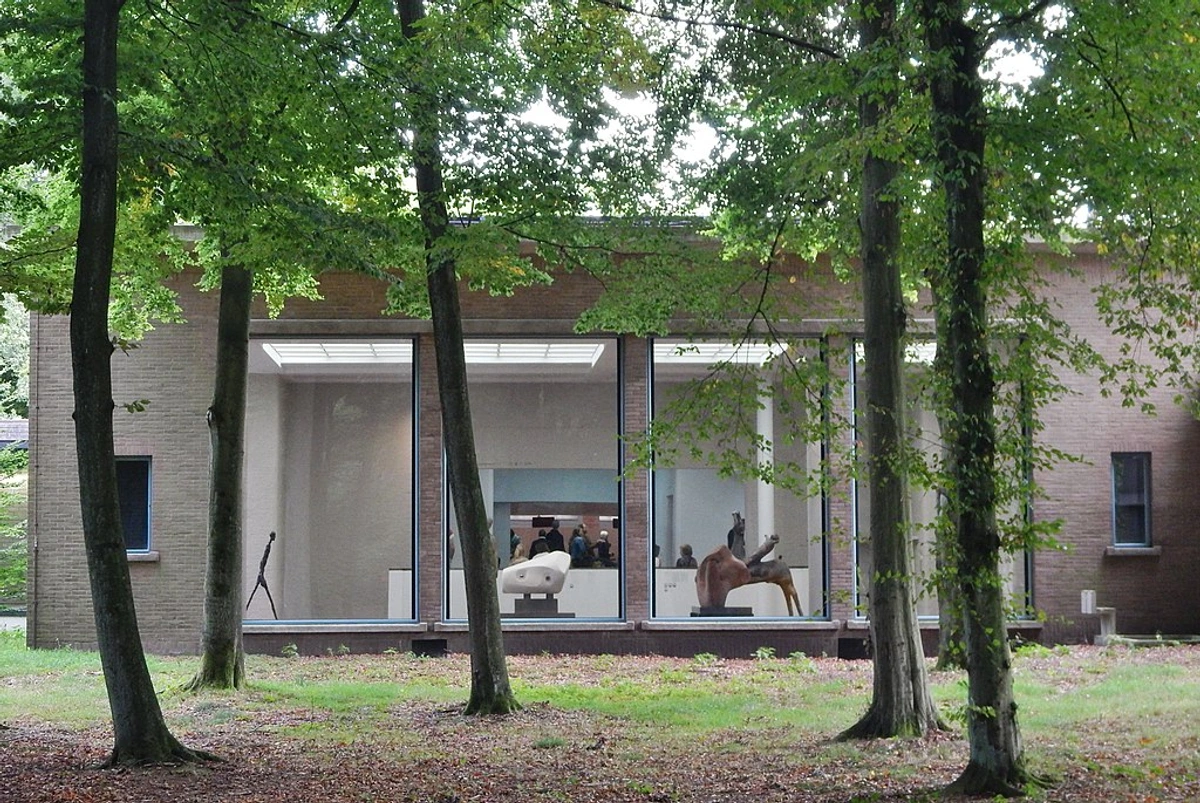
Explore artist collections or visit the Den Bosch Museum for architectural display inspiration.
Your Architectural Art Display Journey Begins Now
You've reached the end of this comprehensive guide, but you're really at the beginning of your own architectural art adventure. The transformation of your home's architecture into a gallery is not just about decorating walls—it's about creating spaces that tell your story, reflect your personality, and bring you joy every single day.
Sustainability and Eco-Friendly Art Display
As we become more environmentally conscious, sustainable art display practices are increasingly important. Here's how to create beautiful displays while minimizing environmental impact:
Eco-Friendly Materials
Sustainable Frame Options
- Reclaimed Wood Frames: Beautiful and environmentally responsible
- Bamboo and Rattan: Fast-growing renewable materials
- Recycled Metal: Contemporary look with minimal environmental impact
- FSC-Certified Wood: Responsibly harvested traditional options
- Biodegradable Composites: New materials that break down naturally
Green Art Mediums
- Recycled Canvas: Made from reclaimed textile fibers
- Plant-Based Inks: Non-toxic, water-based printing options
- Natural Pigments: Earth colors and mineral-based paints
- Upcycled Materials: Art created from repurposed objects
- Digital-Only Art: Eliminates physical production entirely
Energy-Efficient Display Systems
Smart Lighting Solutions
- LED Technology: 80% more efficient than traditional lighting
- Motion Sensors: Only illuminate when someone is present
- Daylight Harvesting: Automatically adjust artificial light based on natural availability
- Programmable Systems: Create energy-efficient lighting schedules
- Solar-Powered Options: For outdoor and some indoor applications
Climate Control Efficiency
- Smart Thermostats: Optimize energy usage for art preservation
- Humidity Management: Energy-efficient dehumidification systems
- Air Filtration: Clean air without excessive energy consumption
- Insulation: Proper building envelope reduces climate control needs
Green Display Technologies
- Smart Lighting Systems: Energy-efficient lighting with automated controls
- Solar-Powered Displays: Outdoor displays using renewable energy
- Digital Alternatives: Consider digital displays to reduce physical material use
- Modular Systems: Reusable components that can be reconfigured
- Biophilic Design: Incorporate living elements that purify air and improve well-being
Psychological Impact of Architectural Art
Art in architectural spaces isn't just about aesthetics—it affects our mood, behavior, and well-being in profound ways:
Emotional Response to Art Placement
- Entryway Impact: First impressions set emotional tone for entire space
- Calm Spaces: Bedrooms benefit from soothing, abstract pieces that reduce stress
- Social Areas: Living rooms benefit from engaging, conversation-starting art
- Work Spaces: Offices benefit from inspiring, focused pieces that enhance productivity
- Dining Areas: Spaces benefit from pieces that stimulate appetite and conversation
The Science of Visual Harmony
- Color Psychology: Different colors evoke specific emotional responses
- Visual Weight: Balanced arrangements create psychological comfort
- Rhythm and Repetition: Predictable patterns reduce cognitive load
- Scale and Proportion: Proper sizing creates visual stability
- Texture and Depth: Multi-dimensional displays engage more senses
Creating Therapeutic Spaces
- Healing Environments: Art can support mental health and recovery
- Memory Support: Familiar imagery can aid cognitive function
- Stress Reduction: Certain types of art can lower cortisol levels
- Focus and Concentration: Strategic placement can support work and study
- Social Connection: Shared art experiences can strengthen relationships
Historical Context of Architectural Art Displays
Understanding the evolution of architectural art display helps inform modern practices:
Traditional Historical Approaches
- Palatial Displays: Grand architecture with equally grand art collections
- Religious Integration: Art integrated into sacred architectural spaces
- Royal Collections: Personal collections displayed in domestic settings
- Museum Development: Transition from private to public display spaces
- Gallery Evolution: Specialized spaces designed specifically for art viewing
Modern Innovations
- Conceptual Integration: Art that responds to or challenges architecture
- Interactive Displays: Art that engages viewers physically and intellectually
- Digital Integration: Technology that enhances or transforms traditional display
- Sustainable Practices: Environmentally conscious display methods
- Democratization: Making art accessible to broader audiences
Future Trends in Architectural Art Display
- AI-Curated Displays: Artificial intelligence selecting and arranging art
- Augmented Reality: Digital overlays enhancing physical spaces
- Biophilic Integration: Living art integrated with architecture
- Modular Systems: Flexible, reconfigurable display systems
- Sensory Integration: Multi-sensory art experiences beyond visual
- Personalized Algorithms: Displays that adapt to individual preferences
- Climate-Responsive Art: Art that responds to environmental conditions
- Community Curation: Collaborative display decisions and installations
Final Encouragement
Remember that every great display starts with a single step. Whether you begin with one carefully chosen piece above your fireplace or completely reimagine your entire home's relationship with art, the most important thing is to start. Your home's architecture has been waiting for this moment—waiting to be transformed from structure into storytelling.
The Emotional Reward of Architectural Art
Beyond the visual appeal, architectural art displays create profound emotional connections:
- Daily Inspiration: Beautiful art can transform your mood and perspective
- Personal Expression: Your displays reflect your unique identity and story
- Social Connection: Art creates conversation points and shared experiences
- Therapeutic Benefits: Thoughtful spaces support mental and emotional well-being
- Legacy Building: Creating displays that can be passed through generations
- Joy of Discovery: Finding new beauty and meaning in familiar spaces
- Sense of Achievement: The satisfaction of creating something meaningful
- Connection to Culture: Art connects us to broader human experience
Practical Implementation Roadmap
Here's a step-by-step approach to implementing architectural art displays:
Phase 1: Foundation (Weeks 1-2)
- Space Assessment: Document all architectural features and their potential
- Style Discovery: Research and identify your artistic preferences
- Budget Setting: Determine realistic investment levels for different areas
- Resource Gathering: Collect tools, materials, and inspiration
- Professional Consultation: Consider expert advice for complex projects
Phase 2: Pilot Implementation (Weeks 3-6)
- Feature Selection: Choose 2-3 architectural features to start with
- Acquisition Strategy: Source or create appropriate art pieces
- Hardware Installation: Set up proper hanging and lighting systems
- Trial Displays: Implement initial arrangements and test them
- Gathering Feedback: Get input from household members and visitors
Phase 3: Expansion and Refinement (Months 2-4)
- Scale Up: Add more architectural features to your display plan
- Collection Building: Acquire additional complementary pieces
- Technical Improvements: Upgrade lighting, protection, and hardware
- Style Refinement: Fine-tune your overall aesthetic approach
- Documentation: Create systems for tracking and organizing displays
Phase 4: Mastery and Personalization (Months 5-12)
- Signature Development: Create unique approaches to your displays
- Advanced Techniques: Implement sophisticated lighting and protection
- Community Sharing: Share your knowledge and experiences with others
- Continuous Learning: Stay updated on new techniques and trends
- Personal Evolution: Allow your style to grow and change organically
Long-Term Maintenance and Evolution
- Regular Assessment: Quarterly reviews of display effectiveness
- Seasonal Updates: Rotate pieces to reflect changing conditions
- Technology Integration: Incorporate new display technologies as they emerge
- Professional Care: Annual conservation checks for valuable pieces
- Community Engagement: Share experiences and learn from others
- Continued Education: Stay informed about best practices and innovations
The Reward of Architectural Art
The true magic happens when you step back and see it all come together: the way the morning light catches your art just so, the way visitors pause to admire a particular display, the way your own mood lifts when you enter a room thoughtfully arranged. These are the moments that make architectural art display so rewarding.
Measuring Success and Satisfaction
Personal Fulfillment Metrics
- Daily Joy: How often do you pause to appreciate your displays?
- Visitor Reactions: What do others say about your architectural art integration?
- Personal Growth: How has your understanding and appreciation of art evolved?
- Space Transformation: How much more enjoyable are your living spaces?
- Creative Expression: How well do your displays reflect your personality and values?
Practical Success Indicators
- Maintenance Ease: How simple is it to care for your displays?
- Flexibility: How easily can you adapt displays for different occasions or seasons?
- Durability: How well have your installations held up over time?
- Budget Efficiency: Have you created maximum impact with reasonable investment?
- Technical Performance: Do your lighting and hanging systems work reliably?
Continuing Your Education
The world of architectural art display is constantly evolving. New techniques, technologies, and artistic approaches emerge all the time. Stay curious, keep learning, and don't be afraid to experiment. The most beautiful displays often come from the willingness to try something new and see what happens.
Advanced Display Techniques for Specialized Spaces
Outdoor Architectural Displays
Transforming exterior spaces requires special considerations:
- Weather-Resistant Materials: Choose art that can handle sun, rain, and temperature changes
- Strategic Placement: Consider prevailing winds, sun exposure, and viewing angles
- Lighting Integration: Solar-powered or low-voltage lighting for evening impact
- Seasonal Adaptation: Pieces that can be rotated or protected during harsh weather
- Security Considerations: Mounting systems that deter theft and vandalism
Commercial and Office Displays
Business spaces have unique requirements:
- Brand Integration: Art that reflects company values and identity
- Professional Appeal: Pieces that create appropriate business atmosphere
- Durability: High-traffic areas require robust display solutions
- Scalability: Systems that can grow with the business
- Client Experience: Art that enhances visitor perception and experience
Healthcare and Therapeutic Displays
Medical environments benefit from special approaches:
- Evidence-Based Selection: Art proven to reduce stress and improve outcomes
- Easy Maintenance: Materials that withstand frequent cleaning
- Accessibility: Considerations for patients with mobility or vision impairments
- Therapeutic Goals: Art supporting specific treatment objectives
- Staff Well-being: Displays that support healthcare providers
Educational and Institutional Displays
Schools and institutions need thoughtful approaches:
- Educational Value: Art that supports learning objectives
- Durability and Safety: Materials suitable for public use
- Age-Appropriate Content: Considerations for different age groups
- Interactive Elements: Engaging displays that encourage participation
- Accessibility: Universal design principles for all users
Your Personal Signature
Ultimately, your architectural displays should be as unique as you are. While guidelines and principles can help you get started, the most meaningful displays come from your personal vision, your artistic taste, and your willingness to take risks. Don't be afraid to break the rules—sometimes the most stunning displays come from unexpected combinations and bold choices.
Developing Your Unique Display Voice
Authenticity Over Perfection
The most successful displays aren't technically perfect—they're authentically you. Your personal history, preferences, and quirks should shine through in your choices. That piece that reminds you of your grandmother, the bold color that makes you smile, the unexpected combination that just works—these are the elements that make your displays meaningful.
Creative Risk-Taking
Don't be afraid to experiment:
- Unexpected Pairings: Mix styles, periods, or mediums that shouldn't work but do
- Personal Artifacts: Incorporate meaningful objects alongside traditional art
- Non-Traditional Spaces: Display art where you wouldn't normally think to
- Interactive Elements: Pieces that invite touch or participation
- Seasonal Surprises: Unexpected themes or pieces that surprise and delight
Evolution and Growth
Your display style should grow with you:
- Learning from Mistakes: Every "failed" experiment teaches you something valuable
- Building Confidence: Start small, then gradually take bigger creative risks
- Embracing Change: Be willing to adapt your style as your tastes evolve
- Sharing Knowledge: Help others discover their own creative voice
- Leaving Room for Surprise: Allow space for happy accidents and unexpected discoveries

Disaster Preparedness and Art Protection
Even with the best planning, unexpected events can threaten your art collection. Being prepared can make the difference between loss and preservation:
Emergency Planning
- Document Everything: Create detailed records of all pieces with photos and provenance
- Insurance Coverage: Ensure proper valuation and coverage for valuable items
- Emergency Contacts: Have conservation professionals on speed dial
- Evacuation Plans: Know how to quickly remove and transport valuable pieces
- Supply Readiness: Keep emergency supplies (boxes, tape, protective materials)
Natural Disaster Protection
- Earthquake Safety: Use specialized mounting systems and secure heavy pieces
- Flood Planning: Elevate critical pieces and use water-resistant materials
- Fire Protection: Install heat-resistant barriers and consider fire suppression
- Storm Preparation: Secure outdoor displays and protect vulnerable areas
- Power Outages: Have backup systems for climate control and security
Theft and Vandalism Prevention
- Security Systems: Professional monitoring with motion sensors and cameras
- Visible Deterrents: Security labels and anti-theft devices
- Discreet Protection: Hidden mounting systems and secure hanging methods
- Community Awareness: Build relationships with neighbors who can watch your displays
- Insurance Documentation: Keep current appraisals and documentation
Recovery and Restoration
- Professional Assessment: Have conservation experts evaluate damage
- Documentation: Before and after photos for insurance and historical records
- Conservation Priorities: Focus on saving the most valuable and sentimental pieces
- Preventive Measures: Learn from the experience to improve protection
- Community Support: Connect with others who have experienced similar losses
So go forth, explore your home's architectural potential, and create spaces that inspire, delight, and truly reflect who you are. Your journey into architectural art display awaits!

Your Invitation to Begin Today
Start Small, Dream Big
You don't need to transform your entire home at once. Begin with one architectural feature that excites you—a fireplace mantel, a special niche, or a favorite wall. Create one meaningful display, then build from there. The satisfaction of completing even a small, thoughtful arrangement will motivate you to continue.
The Perfect First Step
Wherever you are in your architectural art journey, remember that the perfect first step is simply to begin. Take a walk through your home today and see it with fresh eyes. Notice the architectural features that have always caught your attention, the spaces that feel incomplete, the potential waiting to be realized.
Your Story Awaits
Every home has a story to tell, and every piece of art has a story to share. When you bring them together thoughtfully, you create something greater than the sum of its parts—you create spaces that reflect who you are, what you love, and how you see the world.
The architecture of your home is the canvas, and your art is the brush. Together, they tell the story of you. And that, my friend, is the most beautiful story of all.
Next Steps: Your Architectural Art Journey
You've now seen the incredible potential of combining your home's architecture with art display. But where do you start? Here's your action plan:
Phase 3: Building Your Collection (Months 2-6)
- Expand Your Features: Gradually incorporate more architectural displays
- Strategic Acquisition: Add pieces that complement your existing displays
- Experiment with Arrangements: Try different combinations and layouts
- Gather External Feedback: Show your progress to trusted observers
- Document Your Progress: Take photos to track your evolution as a curator
Phase 4: Mastery and Evolution (Months 6+)
- Develop Your Signature Approach: Create unique display methodologies
- Community Engagement: Share your knowledge with others
- Continuous Learning: Stay current with new techniques and technologies
- Personal Growth: Allow your style to evolve naturally over time
- Legacy Building: Consider how your displays might be preserved or passed on
The journey from blank walls to stunning architectural art displays is incredibly rewarding. Every home has unique architectural features waiting to be transformed into galleries. Your personal taste, combined with the strategies we've discussed, will create spaces that are not just beautiful but deeply meaningful.
Creating Legacy Displays
Consider how your architectural art displays can become part of your legacy:






Family Heritage Integration
- Multi-Generational Displays: Include art from different family members
- Cultural Preservation: Incorporate art that reflects your family's heritage
- Storytelling Pieces: Art that tells important family stories
- Educational Elements: Displays that teach younger family members about art
- Passion Projects: Areas dedicated to family hobbies and interests
Community Impact
- Local Artist Support: Feature work from artists in your community
- Public Inspiration: Create displays that inspire visitors and neighbors
- Educational Outreach: Share your knowledge through workshops or talks
- Collaborative Projects: Work with local artists on site-specific installations
- Museum Partnerships: Consider loaning pieces for community exhibitions
Sustainable Legacy
- Environmentally Conscious: Create displays that minimize environmental impact
- Long-Term Planning: Design systems that will endure for decades
- Knowledge Preservation: Document your techniques and philosophy for others
- Adaptive Design: Create displays that can evolve with changing needs
- Resource Sharing: Contribute to the broader knowledge of architectural art
The Ongoing Journey
Remember that architectural art display is not a destination—it's an ongoing journey of discovery, creativity, and personal expression. What matters most is that your spaces bring you joy, inspiration, and a sense of connection to the world around you.
Final Words of Wisdom
- Trust Your Instincts: Your personal response to art is ultimately what matters
- Embrace Imperfection: Not every experiment will work, and that's okay
- Stay Curious: The world of art and architecture is endlessly fascinating
- Be Patient: Creating meaningful displays takes time and experimentation
- Share Your Passion: Your enthusiasm can inspire others to discover their own artistic vision
- Enjoy the Process: The journey of discovery is as rewarding as the final result
- Keep Learning: New techniques and ideas emerge constantly
- Live with Your Art: Let it become part of your daily life and experience
Resources for Continued Growth
Professional Development
- Art History Courses: Deepen your understanding of artistic movements
- Interior Design Classes: Learn professional space planning principles
- Conservation Workshops: Understand proper art preservation techniques
- Curatorial Studies: Develop professional exhibition skills
- Technology Training: Master digital tools for display planning
Community Engagement
- Art Collectors Groups: Connect with fellow enthusiasts
- Local Museum Programs: Access educational resources and events
- Artist Studio Visits: Gain insight into creative processes
- Design Community Events: Network with professionals and enthusiasts
- Online Forums: Participate in discussions and share knowledge
Continuing Education
- Industry Publications: Stay current with trends and best practices
- Webinars and Workshops: Access expert knowledge from anywhere
- Museum Resources: Learn from institutional expertise
- Professional Associations: Join organizations dedicated to art and design
- Online Courses: Flexible learning options for busy schedules
The world of architectural art display is vast and endlessly fascinating. Whether you're just beginning your journey or you're a seasoned collector, there's always something new to discover, new techniques to master, and new ways to express your unique vision through the integration of art and architecture.