Gustave Moreau's Symbolist Painting Style: A Journey into Myth and Mystery
Explore the enigmatic world of Gustave Moreau's symbolist paintings, where myth, color, and form intertwine to create timeless masterpieces.

Gustave Moreau's Symbolist Painting Style: A Journey into Myth and Mystery
I remember the first time I saw Gustave Moreau's The Apparition. It was like stepping into a dream—one where every color, every brushstroke, whispered secrets of ancient myths and hidden desires. Moreau's work isn't just art; it's an invitation to lose yourself in a world where reality and fantasy blur. If you've ever wondered what makes his paintings so mesmerizing, you're in the right place. Let's dive into the heart of his symbolist style.
Gustave Moreau's art is a gateway to a realm where the tangible and the intangible coexist. His paintings are not merely visual representations but narratives that invite viewers to explore the depths of their own subconscious. This article aims to unravel the layers of Moreau's symbolist style, from his early influences to his lasting impact on the art world.

Early Life and Influences
Gustave Moreau was born in Paris in 1826, a city that would later become the epicenter of the Symbolist movement. His early education was steeped in the classics, and his fascination with mythology and religion began at a young age. Moreau's artistic journey was shaped by his travels to Italy, where he studied the works of Renaissance masters like Leonardo da Vinci and Michelangelo. These influences would later manifest in his unique approach to color, form, and narrative.
Moreau's early exposure to the works of the Renaissance masters was pivotal. The grandeur and emotional depth of their works left an indelible mark on his artistic sensibilities. His travels to Italy were not just a study of technique but a journey into the heart of artistic expression, which he would later reinterpret through his own symbolic lens.
The Parisian Context
Paris in the 19th century was a hub of artistic innovation. Moreau's upbringing in this vibrant city exposed him to a myriad of artistic styles and movements. The cultural richness of Paris, combined with his classical education, provided a fertile ground for his artistic development. His early exposure to the works of Romantic and Neoclassical artists further shaped his artistic sensibilities.
The Parisian art scene was a melting pot of ideas, where artists from various movements converged and influenced each other. Moreau's immersion in this environment allowed him to absorb diverse artistic perspectives, which he would later synthesize into his unique symbolist style.
Family and Education
Moreau's family played a significant role in nurturing his artistic talents. His father, an architect, encouraged his son's interest in art, while his mother's love for literature and mythology deeply influenced his thematic choices. Moreau attended the École des Beaux-Arts in Paris, where he honed his skills and developed a lifelong passion for historical and mythological subjects.
The support of his family was instrumental in Moreau's artistic journey. Their encouragement provided him with the confidence to explore his creative instincts and pursue his passion for art. His education at the École des Beaux-Arts further refined his skills and exposed him to the techniques and philosophies of the time.
Mentors and Peers
At the École des Beaux-Arts, Moreau was mentored by François-Édouard Picot, a prominent academic painter. His interactions with fellow students and mentors exposed him to diverse artistic perspectives, further enriching his artistic vocabulary. This period of his life was crucial in shaping his artistic identity and laying the foundation for his future works.
Picot's guidance was particularly influential in Moreau's development. Under Picot's tutelage, Moreau learned the importance of discipline and precision in artistic execution. His interactions with peers also provided him with a broader understanding of the artistic trends and movements of the time.

The Essence of Symbolism in Moreau's Work
Symbolism, as an art movement, sought to express ideas and emotions through symbols rather than direct representation. Moreau was one of its pioneers, and his paintings are a testament to this philosophy. His works are rich with allegory, mythological figures, and a sense of the mystical.
Symbolism, as a movement, was a reaction against the literal representation of the world. It sought to delve into the deeper, often hidden meanings behind human experiences. Moreau's works embody this philosophy, using symbols to convey complex emotions and ideas that transcend the physical realm.
Symbolism vs. Realism
Unlike the Realist movement, which focused on depicting the world as it is, Symbolism aimed to transcend the physical realm. Moreau's works often delve into the subconscious, exploring themes that are not immediately visible but are deeply felt. This approach allowed him to create art that resonates on a spiritual and emotional level.
The contrast between Symbolism and Realism highlights the shift in artistic focus from the external to the internal. While Realism sought to capture the tangible aspects of life, Symbolism aimed to explore the intangible, the emotional, and the spiritual. Moreau's works exemplify this shift, offering viewers a glimpse into the deeper layers of human experience.
The Birth of Symbolism
Symbolism emerged in the late 19th century as a reaction against the naturalism and realism that dominated the art world. Artists like Moreau sought to explore the deeper, often hidden meanings behind human experiences. They believed that art should transcend the physical world and delve into the realm of dreams, emotions, and the subconscious.
The birth of Symbolism marked a significant shift in the artistic landscape. It represented a move away from the literal and towards the abstract, the emotional, and the spiritual. Moreau's works were at the forefront of this movement, embodying its core principles and inspiring a generation of artists to explore new realms of creativity.
Key Figures in Symbolism
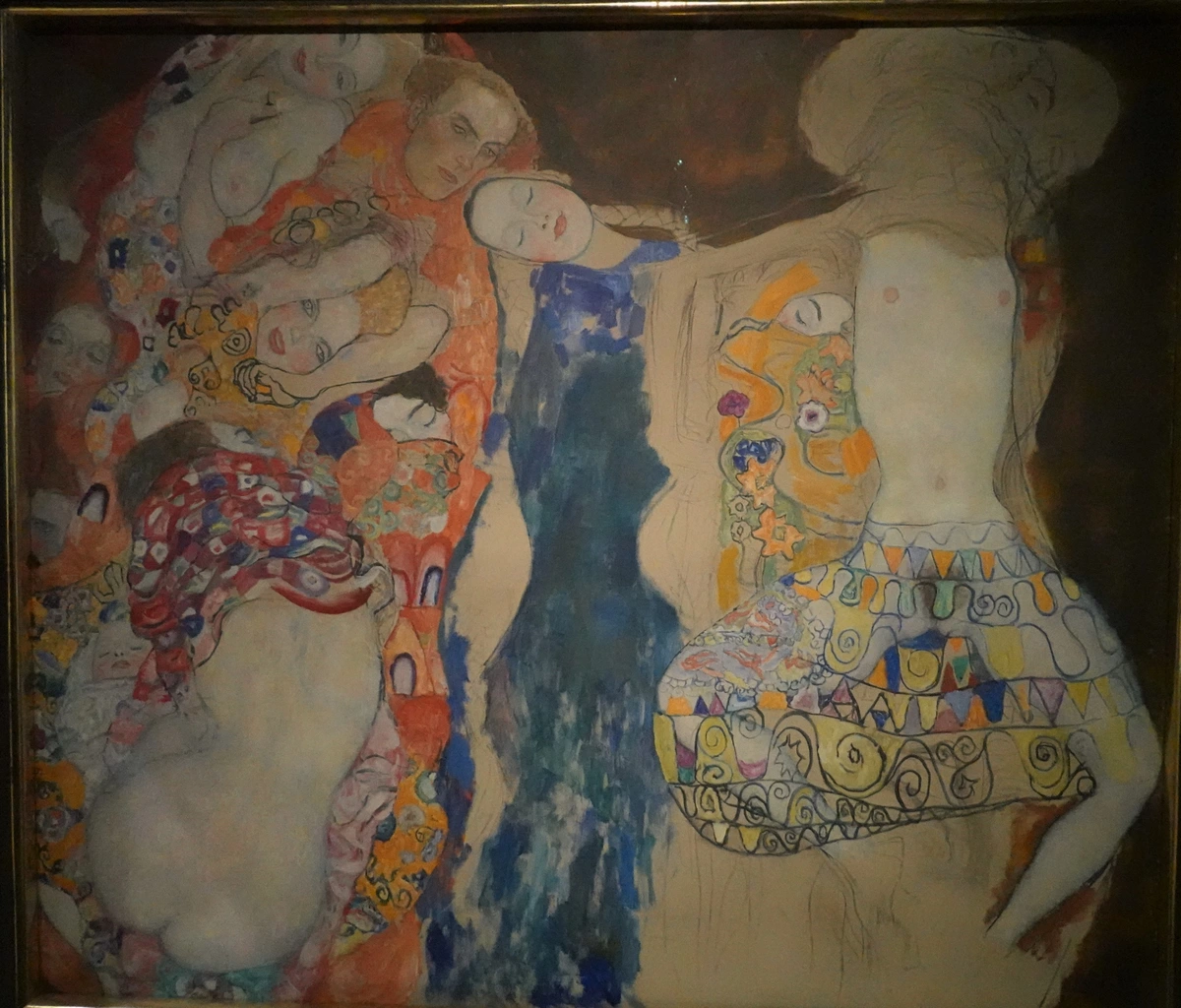
Moreau was not alone in his pursuit of Symbolist ideals. Other notable artists, such as Odilon Redon and Gustave Klimt, also contributed to the movement. Each artist brought their unique perspective, enriching the Symbolist canon with diverse interpretations of its core principles.
The Symbolist movement was a collective effort, with each artist contributing their unique vision and interpretation. Moreau's works, alongside those of Redon and Klimt, formed the backbone of the movement, inspiring future generations of artists to explore the depths of human emotion and experience.
Key Characteristics of Moreau's Symbolist Style
- Mythological Themes: Moreau drew heavily from Greek mythology, the Bible, and Eastern religions. His paintings often depict gods, goddesses, and mythical creatures, each imbued with deeper symbolic meanings.
- Rich Color Palette: Moreau's use of color is nothing short of breathtaking. He employed deep blues, vibrant reds, and luminous golds to create a sense of otherworldly beauty and drama.
- Detailed Composition: Every inch of Moreau's canvases is meticulously crafted. His paintings are filled with intricate details, from the folds of a robe to the expressions on a face, all contributing to the overall narrative.
- Symbolic Narratives: Moreau's works are not just visually stunning; they tell stories. Each painting is a narrative, often layered with multiple meanings and interpretations. This storytelling aspect is what makes his work so compelling and open to endless exploration.
- Emotional Depth: Moreau's paintings are not just visually striking but emotionally resonant. They evoke a sense of mystery and wonder, inviting viewers to explore the deeper layers of human experience.
The Role of Symbolism in Storytelling
Moreau's ability to weave complex narratives through symbols is one of his defining traits. His paintings often require viewers to engage actively, deciphering the layers of meaning embedded in each element. This interactive aspect of his work invites viewers to become part of the storytelling process, making each viewing experience unique.
The use of symbols in storytelling allows Moreau to create multi-layered narratives that resonate on both an emotional and intellectual level. His works are not just visual representations but invitations to explore the deeper meanings behind the symbols, making each viewing a unique and personal experience.
Influence of Literature
Moreau's deep connection to literature is evident in his paintings. He often drew inspiration from poetic works and literary themes, blending visual art with storytelling. This fusion of art and literature allowed him to create multi-layered narratives that resonate with viewers on both an emotional and intellectual level.
Literature played a crucial role in shaping Moreau's artistic vision. His works often reflect the poetic sensibilities of literary giants, adding depth and complexity to his visual narratives. This fusion of art and literature is a testament to Moreau's ability to transcend traditional artistic boundaries and explore new realms of creativity.
Literary Works That Inspired Moreau
Moreau was particularly influenced by the works of poets and writers such as Charles Baudelaire and Gustave Flaubert. Their exploration of themes like beauty, decay, and the human condition resonated with Moreau, inspiring him to translate these themes into visual form. His paintings often reflect the poetic sensibilities of these literary giants.
The influence of literature on Moreau's work is profound. Baudelaire's exploration of the darker aspects of human experience and Flaubert's focus on the complexities of human relationships provided Moreau with a rich tapestry of themes to explore in his paintings. This literary influence is evident in the emotional depth and complexity of Moreau's works.
Techniques and Innovations
Moreau's technique was as unique as his subject matter. He often used a method called "glazing," where thin layers of paint are applied to build up depth and luminosity. This technique gives his paintings a glowing, almost ethereal quality.
Moreau's innovative techniques were a reflection of his artistic vision. His use of glazing allowed him to create a sense of depth and luminosity that is characteristic of his works. This technique, combined with his unique approach to color and composition, set his paintings apart from those of his contemporaries.
The Glazing Technique
Glazing involves applying multiple layers of translucent paint over a dried base layer. This method allows light to pass through the layers, creating a luminous effect that is characteristic of Moreau's works. The technique requires patience and precision, as each layer must be allowed to dry before the next is applied.
The glazing technique is a testament to Moreau's dedication to his craft. It allowed him to create a sense of depth and luminosity that is unparalleled in his works. This technique, combined with his unique approach to color and composition, set his paintings apart from those of his contemporaries.
The Role of Sketching
Before committing to a final painting, Moreau would create numerous sketches and studies. These preparatory works allowed him to refine his compositions and experiment with different arrangements of figures and symbols. Many of these sketches are considered works of art in their own right and provide insight into his creative process.
Sketching was an integral part of Moreau's creative process. It allowed him to explore different compositions and refine his ideas before committing them to canvas. These preparatory works are not just studies but works of art in their own right, offering viewers a glimpse into the evolution of Moreau's artistic vision.
The Importance of Preparatory Works
Moreau's sketches are not just preliminary studies; they are a window into his creative mind. They reveal his thought process, his experimentation with forms and compositions, and his evolution as an artist. These works are often exhibited alongside his finished paintings, offering viewers a glimpse into the journey of creation.
The importance of preparatory works in Moreau's artistic process cannot be overstated. They provide a unique insight into his creative mind, revealing the evolution of his ideas and the refinement of his techniques. These works are a testament to Moreau's dedication to his craft and his commitment to exploring new realms of creativity.
The Role of Light and Shadow
Light and shadow play a crucial role in Moreau's work. He used them to create a sense of drama and mystery, often highlighting certain elements while leaving others in shadow. This interplay adds to the overall sense of enigma in his paintings.
The use of light and shadow in Moreau's works is a reflection of his artistic vision. It allows him to create a sense of drama and mystery, drawing viewers into the narrative of his paintings. This interplay of light and shadow is a testament to Moreau's ability to evoke emotion and create a sense of depth in his works.
Chiaroscuro in Moreau's Works
Moreau's use of chiaroscuro, the contrast between light and dark, is a defining feature of his style. This technique allows him to create depth and dimension, drawing the viewer's eye to specific elements within the painting. The interplay of light and shadow enhances the emotional impact of his works, adding to their mystique.
Chiaroscuro is a technique that Moreau mastered to perfection. It allowed him to create a sense of depth and dimension in his paintings, drawing viewers into the narrative and evoking a sense of emotion. This technique is a testament to Moreau's ability to use light and shadow to create a sense of drama and mystery in his works.
Use of Symbolic Objects
Moreau often incorporated symbolic objects into his paintings. These objects, such as flowers, jewels, and animals, were not merely decorative but carried deeper meanings. For example, a wilted flower might symbolize the fleeting nature of life, while a jewel could represent eternal beauty or spiritual enlightenment.
The use of symbolic objects in Moreau's works is a reflection of his artistic vision. It allows him to create multi-layered narratives that resonate on both an emotional and intellectual level. These objects are not just decorative elements but integral parts of the narrative, adding depth and complexity to his works.
Symbolism in Nature
Nature plays a significant role in Moreau's symbolism. Flowers, trees, and animals are often used to convey complex ideas and emotions. For instance, a serpent might represent temptation or wisdom, while a dove could symbolize peace or the soul. These natural elements add layers of meaning to his works, inviting viewers to explore their significance.
The use of nature in Moreau's symbolism is a testament to his ability to find meaning in the natural world. It allows him to create multi-layered narratives that resonate on both an emotional and intellectual level. These natural elements are not just decorative but integral parts of the narrative, adding depth and complexity to his works.
Thematic Explorations
Moreau's paintings are not just visually stunning; they are also deeply thematic. He explored themes of love, death, and the human condition, often through the lens of myth and allegory.
The thematic explorations in Moreau's works are a reflection of his artistic vision. They allow him to delve into the complexities of human experience, exploring themes that resonate across cultures and time periods. These themes are not just abstract concepts but integral parts of the narrative, adding depth and complexity to his works.
The Human Condition
Moreau's exploration of the human condition goes beyond the surface. His paintings delve into the complexities of human emotions, the struggles of existence, and the search for meaning. Through his use of mythological figures, he universalizes these themes, making them relatable across cultures and time periods.
The exploration of the human condition in Moreau's works is a testament to his ability to find meaning in the complexities of human experience. It allows him to create multi-layered narratives that resonate on both an emotional and intellectual level. These themes are not just abstract concepts but integral parts of the narrative, adding depth and complexity to his works.
Love and Desire
One of the most recurring themes in Moreau's work is love and desire. His paintings often depict passionate, almost obsessive love, as seen in works like The Apparition and Jupiter and Semele.
The exploration of love and desire in Moreau's works is a reflection of his artistic vision. It allows him to delve into the complexities of human relationships, exploring themes that resonate across cultures and time periods. These themes are not just abstract concepts but integral parts of the narrative, adding depth and complexity to his works.

The Duality of Love
Moreau's portrayal of love is multifaceted. It is not just a source of joy and fulfillment but also a force that can lead to destruction and despair. This duality is evident in his depictions of mythological figures who are both revered and feared, loved and loathed.
The duality of love in Moreau's works is a testament to his ability to explore the complexities of human relationships. It allows him to create multi-layered narratives that resonate on both an emotional and intellectual level. This duality is not just an abstract concept but an integral part of the narrative, adding depth and complexity to his works.
Death and Mortality
Death is another prominent theme in Moreau's paintings. He often depicted the inevitability of death and the fragility of life, using symbols like wilting flowers and fading light.
The exploration of death and mortality in Moreau's works is a reflection of his artistic vision. It allows him to delve into the complexities of human experience, exploring themes that resonate across cultures and time periods. These themes are not just abstract concepts but integral parts of the narrative, adding depth and complexity to his works.
The Cycle of Life and Death
Moreau's exploration of death is not just about the end of life but also about its cyclical nature. He often juxtaposed symbols of life and death to highlight the interconnectedness of these two forces. This cyclical view adds a layer of depth to his work, inviting viewers to contemplate the broader meaning of existence.
The exploration of the cycle of life and death in Moreau's works is a testament to his ability to find meaning in the complexities of human experience. It allows him to create multi-layered narratives that resonate on both an emotional and intellectual level. This cyclical view is not just an abstract concept but an integral part of the narrative, adding depth and complexity to his works.
Influence on the Symbolist Movement
Moreau's influence on the Symbolist movement cannot be overstated. His unique style and thematic explorations inspired a generation of artists, including Odilon Redon and Gustave Klimt. His work laid the foundation for the Symbolist movement, which sought to express the ineffable through art.
The influence of Moreau's work on the Symbolist movement is profound. His unique style and thematic explorations inspired a generation of artists to explore new realms of creativity. His work laid the foundation for the Symbolist movement, which sought to express the ineffable through art, and continues to inspire artists to this day.
Legacy and Impact
Moreau's impact extends beyond the Symbolist movement. His innovative techniques and bold use of color influenced later movements such as Surrealism and Expressionism. Artists like Salvador Dalí and Max Ernst drew inspiration from Moreau's dreamlike imagery and symbolic narratives.
The legacy and impact of Moreau's work are a testament to his ability to inspire future generations of artists. His innovative techniques and bold use of color continue to influence artistic movements, inspiring artists to explore new realms of creativity and expression.
FAQ
What is Symbolism in Art?
Symbolism in art is a movement that seeks to express ideas and emotions through symbols rather than direct representation. It often involves the use of allegory, mythological figures, and a sense of the mystical.
Symbolism is a movement that transcends the physical realm, delving into the deeper, often hidden meanings behind human experiences. It seeks to express the ineffable through art, using symbols to convey complex emotions and ideas.

Who Were Gustave Moreau's Influences?
Moreau was influenced by a variety of sources, including Greek mythology, the Bible, and Eastern religions. He also drew inspiration from the works of earlier artists like Leonardo da Vinci and Michelangelo.
The influences on Moreau's work are diverse and far-reaching. From the grandeur of Renaissance art to the complexities of Eastern religions, Moreau drew inspiration from a wide range of sources. These influences shaped his unique artistic vision and continue to inspire artists to this day.
What Techniques Did Moreau Use?
Moreau used a technique called "glazing," where thin layers of paint are applied to build up depth and luminosity. He also employed a rich color palette and detailed composition to create his unique style.
The techniques used by Moreau are a reflection of his artistic vision. His use of glazing allowed him to create a sense of depth and luminosity that is characteristic of his works. Combined with his unique approach to color and composition, these techniques set his paintings apart from those of his contemporaries.
What Are Some of Moreau's Most Famous Paintings?
Some of Moreau's most famous paintings include The Apparition, Jupiter and Semele, and Salome Dancing Before Herod. These works are renowned for their mythological themes, rich colors, and intricate details.
The famous paintings of Moreau are a testament to his artistic vision. They are renowned for their mythological themes, rich colors, and intricate details, which continue to captivate viewers and inspire artists to this day.
How Did Moreau Influence the Symbolist Movement?
Moreau's unique style and thematic explorations inspired a generation of artists and laid the foundation for the Symbolist movement. His work emphasized the use of symbols to express ideas and emotions, which became a hallmark of Symbolist art.

What is the Significance of Moreau's Use of Mythology?
Moreau's use of mythology allowed him to explore universal themes and emotions. By drawing on ancient myths, he created works that resonate across cultures and time periods, making his art both timeless and deeply personal.
The significance of Moreau's use of mythology is a testament to his ability to find meaning in ancient stories and themes. It allows him to create multi-layered narratives that resonate on both an emotional and intellectual level. This use of mythology is not just a decorative element but an integral part of the narrative, adding depth and complexity to his works.
How Did Moreau's Work Influence Later Art Movements?
Moreau's innovative techniques and symbolic narratives influenced later movements such as Surrealism and Expressionism. His emphasis on the subconscious and the use of dreamlike imagery paved the way for artists to explore new realms of creativity.
The influence of Moreau's work on later art movements is a testament to his ability to inspire future generations of artists. His innovative techniques and symbolic narratives continue to influence artistic movements, inspiring artists to explore new realms of creativity and expression.
Conclusion
Gustave Moreau's symbolist painting style is a journey into myth and mystery. His works are not just paintings; they are portals to another world, where ancient myths and hidden desires come to life. Whether you're an art enthusiast or just curious about the Symbolist movement, Moreau's paintings offer a rich and rewarding experience.
The legacy of Moreau's work is a testament to his ability to inspire and captivate viewers. His paintings are not just visual representations but narratives that invite viewers to explore the depths of their own subconscious. This article has aimed to unravel the layers of Moreau's symbolist style, from his early influences to his lasting impact on the art world.
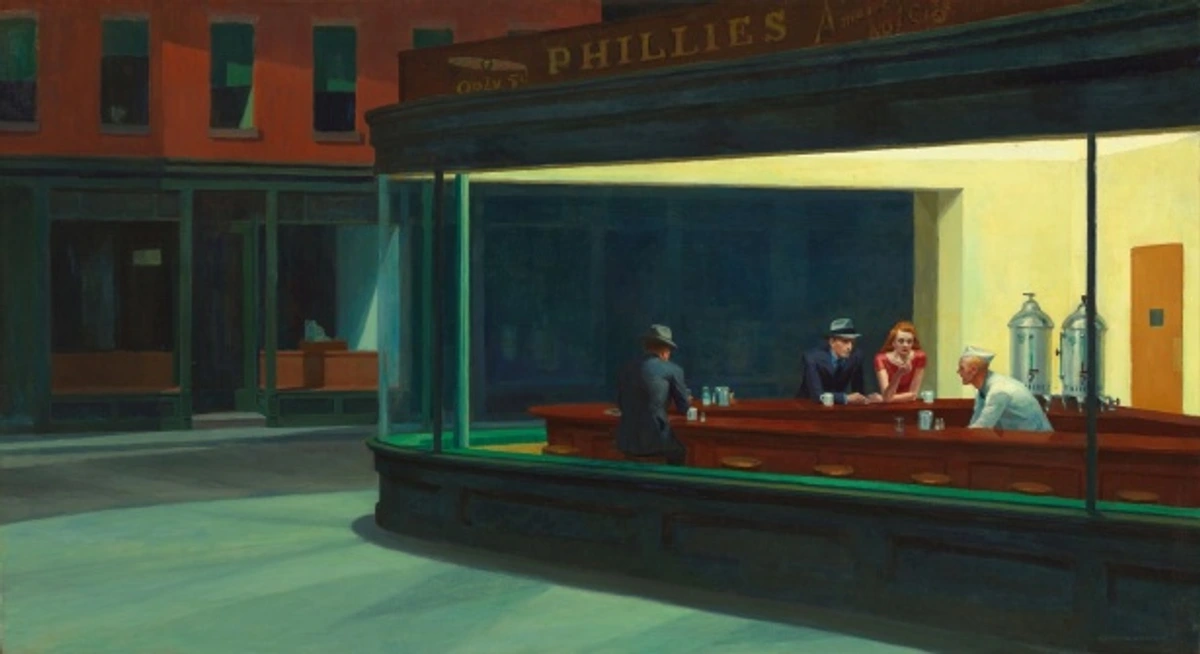
Exploring Moreau's Legacy Today
Moreau's influence can still be seen in contemporary art, where artists continue to explore themes of mythology, symbolism, and the human condition. His legacy is a testament to the power of art to transcend time and culture, offering new insights and inspirations to each generation.
The exploration of Moreau's legacy today is a testament to his enduring influence on the art world. His works continue to inspire artists to explore new realms of creativity and expression, making his legacy a timeless source of inspiration for future generations.











If you're inspired by Moreau's use of color and myth, you might also appreciate the vibrant and symbolic works available in our collection. For a deeper dive into the world of art, visit our museum in Den Bosch or explore our timeline of artistic movements.