Gustave Moreau's Influence on Modern Art
Explore how Gustave Moreau's mystical themes and experimental techniques shaped modern art movements.

Gustave Moreau's Influence on Modern Art
I remember the first time I encountered Gustave Moreau's work. It was like stepping into a dream—one filled with mythical creatures, rich colors, and a sense of mystery that lingered long after I turned away. If you've ever felt that way about art, you're not alone. Moreau's influence on modern art is profound, and it's worth diving into how his unique style and themes have shaped the art world.
Moreau's work is not just a visual feast; it's a gateway to understanding how art evolves and influences future generations. His ability to blend myth, symbolism, and innovation has left an indelible mark on the art world, inspiring movements and artists alike.
Introduction
Gustave Moreau (1826-1898) was a French painter whose work bridged the gap between the academic traditions of the 19th century and the avant-garde movements that followed. His paintings are known for their intricate detail, vibrant colors, and mystical themes. But what makes Moreau truly fascinating is how his work has influenced modern art in ways that are both obvious and subtle.
Moreau's journey as an artist was marked by a relentless pursuit of innovation. His ability to infuse his work with deep symbolism and mythological narratives set him apart from his contemporaries. This section will explore the foundational aspects of his life and work, providing a context for understanding his enduring legacy.
Key Concepts
Mystical Themes
Moreau's art is steeped in mythology and symbolism. He drew inspiration from ancient Greek and Roman myths, as well as religious and biblical stories. His paintings often depict scenes that are otherworldly, filled with gods, goddesses, and mythical creatures. This focus on the mystical and the symbolic was a departure from the more realistic and academic styles of his time.
Moreau's mystical themes were not just decorative; they were deeply symbolic, often reflecting his personal beliefs and philosophical musings. His work invites viewers to delve into the layers of meaning hidden within each piece.
Experimental Techniques
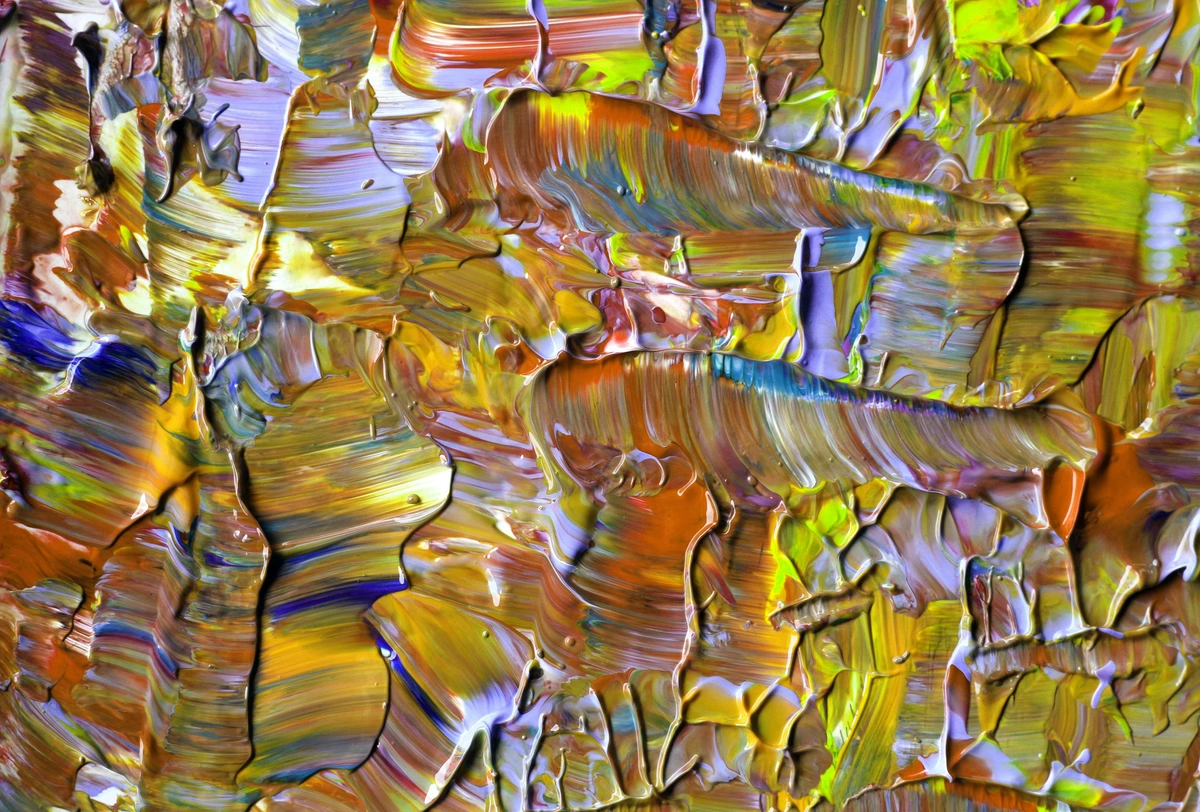
Moreau was not afraid to experiment with his techniques. He used layers of glazes to create a luminous effect, and his brushwork was meticulous, almost obsessive. This attention to detail and his willingness to push the boundaries of traditional painting techniques set him apart from his contemporaries.
His experimental approach extended to his use of color and texture. By layering glazes, Moreau achieved a depth and luminosity that gave his paintings an almost ethereal quality. This technique not only enhanced the visual appeal of his work but also contributed to its emotional resonance.

Departure from Academic Traditions
While Moreau was trained in the academic tradition, he quickly moved beyond its constraints. His work was often criticized for being too imaginative and not realistic enough. But this departure from academic norms paved the way for future artists to explore their own unique styles and themes.
Moreau's willingness to challenge the status quo was a defining characteristic of his career. His rejection of rigid academic standards allowed him to explore new artistic territories, inspiring future generations to do the same.
Examples
Symbolism
Moreau is often considered a precursor to the Symbolist movement, which emphasized the use of symbols and allegories to convey deeper meanings. Artists like Odilon Redon and Gustave Klimt were influenced by Moreau's use of symbolism and his focus on the mystical and the imaginary.
The Symbolist movement, with its emphasis on subjective experience and emotional resonance, found a kindred spirit in Moreau. His work laid the groundwork for artists who sought to express complex ideas and emotions through symbolic imagery.
Surrealism
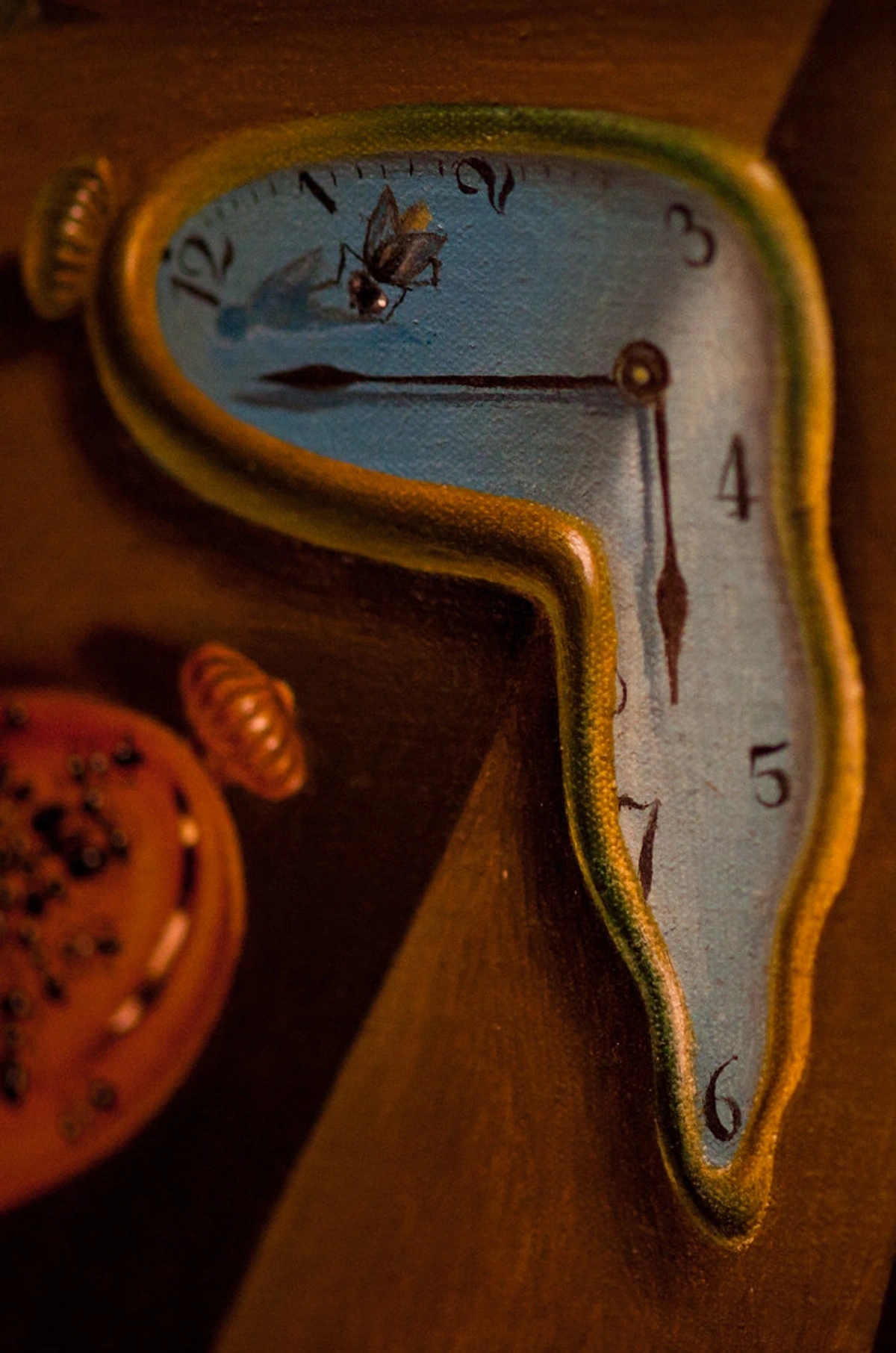
The Surrealist movement, which emerged in the early 20th century, also owes a debt to Moreau. His dreamlike scenes and fantastical imagery can be seen as early examples of surrealism. Artists like Salvador Dalí and René Magritte were inspired by Moreau's ability to create worlds that were both strange and beautiful.
Surrealism, with its focus on the subconscious and the irrational, found inspiration in Moreau's ability to blend reality and fantasy. His work challenged viewers to question their perceptions and explore the depths of their imagination.
Contemporary Art
Even today, Moreau's influence can be seen in the work of contemporary artists. His use of color, his attention to detail, and his focus on the mystical and the symbolic continue to inspire artists who are looking to push the boundaries of what art can be.
Contemporary artists often draw on Moreau's legacy to explore themes of identity, spirituality, and the human experience. His work serves as a reminder of the power of art to transcend time and connect with audiences across generations.
How-To
Appreciating Moreau's Work
If you're new to Moreau's work, here are a few tips to help you appreciate it:
- Look at the Details: Moreau's paintings are filled with intricate details. Take your time to explore each element of the painting.
- Embrace the Mystery: Moreau's paintings often leave room for interpretation. Don't be afraid to let your imagination run wild.
Exploring Moreau's Techniques
To truly appreciate Moreau's work, consider exploring his techniques:
- Layering and Glazing: Experiment with layering colors to achieve depth and luminosity in your own work.
- Mythological Research: Dive into the myths and stories that inspired Moreau to understand the context of his paintings.
- Symbolic Interpretation: Practice interpreting the symbolic elements in Moreau's work to uncover hidden meanings.
Considerations
Criticism and Controversy
Moreau's work was not always well-received during his lifetime. Some critics found his paintings too imaginative and not realistic enough. However, this criticism did not deter Moreau from pursuing his unique vision. Today, his work is celebrated for its originality and its influence on modern art.
The controversy surrounding Moreau's work highlights the challenges faced by artists who dare to defy conventions. His perseverance in the face of criticism serves as an inspiration to artists who seek to push the boundaries of their craft.
Legacy
Moreau's legacy is one of innovation and inspiration. His willingness to break away from academic traditions and explore new themes and techniques has left a lasting impact on the art world. His influence can be seen in the work of many modern and contemporary artists, and his paintings continue to captivate audiences around the world.
Moreau's legacy extends beyond his artistic contributions. His life and work serve as a testament to the power of creativity and the importance of staying true to one's vision. His influence continues to inspire artists to explore new horizons and challenge the status quo.
FAQ
What is Gustave Moreau known for?
Gustave Moreau is known for his intricate and mystical paintings that often depict scenes from ancient myths and religious stories. His work is characterized by its rich colors, detailed brushwork, and symbolic themes.
Moreau's ability to blend mythological narratives with deep symbolism has made his work a cornerstone of modern art. His paintings are celebrated for their emotional depth and visual complexity.
How did Gustave Moreau influence modern art?
Moreau's influence on modern art can be seen in his departure from academic traditions, his experimental techniques, and his focus on mystical and symbolic themes. His work paved the way for movements like Symbolism and Surrealism.
By challenging the norms of his time, Moreau inspired future generations of artists to explore new artistic territories. His legacy continues to shape the way we perceive and create art today.
What are some famous paintings by Gustave Moreau?
Some of Moreau's most famous paintings include "The Apparition," "Jupiter and Semele," and "Salome Dancing Before Herod." These paintings are known for their intricate details, vibrant colors, and mystical themes.
Each of these masterpieces showcases Moreau's unique ability to blend mythological narratives with deep symbolism. His work continues to captivate audiences with its emotional resonance and visual complexity.
Where can I see Gustave Moreau's work?
Moreau's work can be seen in museums around the world, including the Musée Gustave Moreau in Paris, which is dedicated to his life and work. Additionally, many of his paintings are part of the collections of major museums like the Louvre and the Metropolitan Museum of Art.
Visiting these museums offers a unique opportunity to experience Moreau's work firsthand. His paintings continue to inspire and captivate audiences with their emotional depth and visual complexity.
Conclusion
Gustave Moreau's influence on modern art is undeniable. His willingness to break away from academic traditions, his experimental techniques, and his focus on mystical and symbolic themes have left a lasting impact on the art world. Whether you're a fan of Symbolism, Surrealism, or contemporary art, Moreau's work is sure to inspire and captivate you.
If you're interested in exploring more about the influence of historical artists on modern art, you might want to check out our timeline or visit our museum in Den Bosch. And if you're inspired to add some art to your own collection, take a look at our buy page.





Remember, art is not just about what you see—it's about how it makes you feel. And Moreau's work is a testament to the power of art to transport us to other worlds and inspire our imaginations.
Further Exploration
For those who wish to delve deeper into Moreau's influence, consider exploring the following:
- Books and Publications: Numerous books and academic papers discuss Moreau's techniques and his impact on modern art.
- Online Resources: Websites and digital archives offer high-resolution images and detailed analyses of Moreau's paintings.
- Art Workshops: Participate in workshops that focus on Moreau's techniques to gain hands-on experience and insight into his artistic process.