What is the Turner Prize? The Ultimate Guide to Art's Biggest Buzz
Ever wondered what the Turner Prize is all about? Dive into our comprehensive guide on the UK's most talked-about art award, its history, controversies, and why it matters.

The Turner Prize: Your Ultimate Guide to Art's Most Debated Award – And Why It Still Matters More Than Ever
Ah, the Turner Prize. Just hearing those two words can conjure a whole maelstrom of emotions, couldn't it? Every year, as the seasons shift and a certain crispness enters the air, a particular buzz, almost electric, begins to ripple through the British art world. It’s a fascinating, sometimes maddening, concoction, isn't it? A generous splash of genuine excitement for groundbreaking ideas, a healthy dose of pure, unadulterated curiosity about the new, and, let's be honest, a potent shot of impending outrage for good measure. That, my friends, is the unmistakable Turner Prize effect, and it's a phenomenon I find utterly captivating. Consider this your definitive guide, a journey into the heart of an award that consistently challenges, provokes, and ultimately, enriches our understanding of contemporary art. I've always found it to be a cultural lightning rod, and I'm eager to demystify it for you.
I mean, you've likely encountered the name whispered (or, more often, shouted) in headlines, usually accompanied by images of something wonderfully, defiantly 'unusual.' An unmade bed strewn with personal detritus? A light switching on and off in an empty room? A garden shed transformed into a miniature art space? Yes, all of these have graced the hallowed halls of its exhibitions, and each time, the nation has reacted with a potent mix of bewilderment, fury, and, occasionally, profound understanding. This isn't merely an award; it's a vibrant, sometimes challenging, mirror reflecting our ever-evolving ideas of what art can be, and often, what it shouldn't be. It's a grand conversation starter, a fierce debate-provoker, and, yes, sometimes a real head-scratcher that leaves you pondering 'what is art?' long after you've left the gallery.
Now, it's tempting, so very tempting, to dismiss it all as just another media circus, a cynical exercise in controversy for controversy's sake. But I genuinely believe that perspective entirely misses the point. The Turner Prize, at its vibrant, sometimes infuriating core, is far more than an annual award; it's a yearly, unapologetic snapshot of precisely where contemporary British art stands at this very moment. It's a barometer of cultural shifts, a lightning rod for public opinion, and a powerful engine for artistic exploration. So, let's peel back the layers, set aside the easy scoffing, and truly figure out what this fascinating, often bewildering, phenomenon is really all about. It’s a journey worth taking, I promise you. It's about to get interesting.
So, What Exactly Is the Turner Prize?
At its core, the Turner Prize is an annual art award, a significant marker, presented to a British visual artist. It’s named after the utterly radical English painter J. M. W. Turner (1775-1851), a man who, let’s be honest, was stirring up quite the controversy in his own day. People of his era often found his loose, atmospheric, almost proto-abstract landscapes to be nothing short of a confusing mess of paint – a fitting, almost prophetic, namesake for a prize that so often challenges our perceptions, much like a good piece of contemporary art should! Turner's work, with its emphasis on light, atmosphere, and often dramatic abstraction, pushed the boundaries of what painting could be, paving the way for future artistic innovations, anticipating movements like Abstract Expressionism centuries before its time. He was, in essence, an original provocateur, refusing to be confined by the artistic conventions of his day, often blurring the lines between what was acceptable and what was revolutionary. His approach to light and emotion, rather than mere representation, set a precedent for centuries of artistic exploration, directly influencing movements that would follow. Can you imagine the uproar if he were alive today, nominated for a prize named after himself? The irony is almost too perfect, and a delightful thought experiment. I mean, the man was painting with light itself, dissolving traditional forms in a way that truly baffled his contemporaries. His audacious brushwork and daring use of color challenged the staid academic conventions of his time, just as contemporary artists challenge prevailing norms today. He was the art world's rebel long before the term was even coined, and that spirit, I think, perfectly encapsulates the very essence of the Turner Prize, consistently celebrating artists who dare to redefine the canvas and challenge prevailing norms, much like Turner did with his revolutionary seascapes and atmospheric studies. He wasn't just painting scenes; he was painting experiences of light and weather, a radical act that resonates deeply with the experiential focus of much contemporary art, proving that pushing boundaries is a timeless artistic endeavor.
The Visionary Founding: Patrons of New Art
The prize itself was founded in 1984 by a visionary group known as the Patrons of New Art. This independent charity, formed in 1957 to acquire challenging new art for the Tate, had a clear, almost audacious, mission with the prize: to stimulate public debate on new developments in contemporary British art and to encourage a wider interest in it. It was, from its very inception, about stirring the pot and shining a spotlight on the often-overlooked, yet vital, cutting edge of the art world. I often think of it as a brave, early attempt to drag modern art out of academic halls and into the public square, democratizing the discussion around challenging works. Today, it stands proudly under the stewardship of the iconic Tate gallery, solidifying its place in the national cultural landscape, but its rebellious spirit, I believe, remains intact, continuing to push boundaries and provoke discussion, just as its namesake did centuries ago. The Patrons of New Art, with their forward-thinking approach, essentially laid the groundwork for a prize that would consistently be at the forefront of artistic discourse. It's a testament to the foresight of its founders that an award designed to provoke still manages to do so with such consistent vigor, acting as a crucial barometer of cultural shifts, and the Tate's involvement has provided an invaluable institutional framework, ensuring its longevity and reach. They weren't just thinking about the next year's exhibition; they were investing in the future of British art, creating a legacy that continues to shape our cultural landscape. Their bold decision to focus on the 'new' and 'challenging' in 1984, an era when contemporary art was still far from mainstream, shows a remarkable vision for public engagement and artistic advancement. I often think about the courage it must have taken to establish such a prize at a time when 'modern art' was still often met with suspicion, let alone 'contemporary.' Their commitment to pushing the boundaries of what art could be, and who it was for, laid the philosophical and practical foundations for the prize's enduring impact.
The stated, and I think deeply impactful, aim of the Turner Prize is to 'promote public discussion of new developments in contemporary British art.' And boy, does it succeed at that – often beyond anyone's wildest expectations, sparking conversations in pubs, on prime-time news, and even around the dinner table. It genuinely takes art out of the often-insular gallery world and thrusts it into the national consciousness, forcing conversations we might otherwise avoid, or perhaps, were simply too intimidated to start. I've always seen it as a vital bridge between the avant-garde and the everyday, a powerful tool for cultural democracy that sparks dialogue in the most unexpected places, making even the most esoteric work accessible for public debate. It's a phenomenon that truly lives up to its mission, prompting everything from impassioned defenses in art journals to baffled (and sometimes hilarious) discussions in local pubs across the nation. This widespread engagement is, in my opinion, the prize's most remarkable achievement.
More Than Money: The True Value of the Prize
While the winner does receive a substantial £25,000, and the other shortlisted artists each take home £5,000, I’d argue the monetary reward is almost secondary. The true, invaluable prize is the unparalleled exposure, the intense scrutiny (both good and bad!), and the undeniable career boost that comes with being associated with such a globally recognized award. For many artists, it’s a career-defining moment, propelling them onto an international stage and opening doors to new opportunities and audiences, potentially even securing major gallery representation, significant public and private commissions, and a lasting legacy that extends far beyond the year of their nomination. It's a launchpad, a pressure cooker, and ultimately, a powerful validator of artistic vision – a veritable rocket fuel for an artist's career, even if it comes with a sometimes dizzying amount of public attention. I’ve seen careers utterly transformed by a Turner Prize nomination, turning artists from critically acclaimed but lesser-known figures into international sensations almost overnight. Beyond the monetary reward, the exposure offers a springboard that can lead to major gallery representation, significant public and private commissions, and inclusion in prestigious international exhibitions, solidifying an artist's place in the global art historical narrative. It's not just a prize; it's a potent validator and a powerful career accelerator. I've personally seen how a nomination, let alone a win, can shift an artist's trajectory from promising to globally recognized, opening up opportunities for teaching positions, public speaking engagements, and long-term artistic funding that might otherwise take decades to achieve. The validation from such an esteemed award provides not just financial stability but also critical recognition, encouraging further innovation and artistic risk-taking.
Beyond the Headlines: The True Exhibition Experience
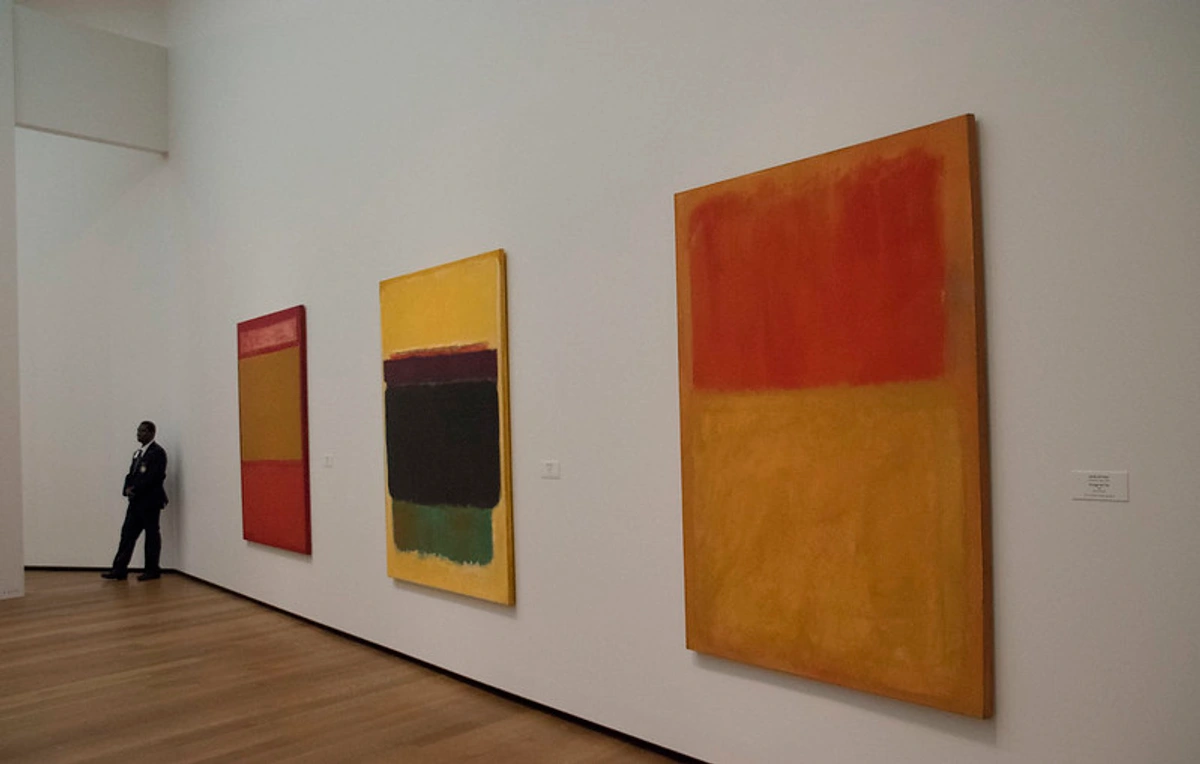
While the media often focuses on the controversies, the heart of the Turner Prize experience lies in the exhibition itself. This is where the public truly gets to engage, unmediated, with the works. I've always found it a unique opportunity to slow down, look, and think. The exhibition design, often a subtle artwork in itself, guides you through the distinct visions of the shortlisted artists, inviting you to compare, contrast, and form your own opinions. It's a journey of discovery, offering a vital space for contemplation away from the noise, and it's where the real dialogue about contemporary art truly begins.
Glimpsing the Inner Workings: How the Turner Prize Operates
Before we dive into the delicious controversies, it's worth understanding the actual mechanics of the Turner Prize. Because, honestly, it’s not just a cabal of art-world insiders picking something obscure to annoy the public, as the headlines might suggest (though I concede it often feels that way!). There’s a surprisingly robust and thoughtful system at play, a rigorous process designed to genuinely reflect and champion current artistic practice. I often hear people ask, 'Is it just a secret club picking their friends?' And while I can see why it might feel that way from the outside, the process is actually quite transparent and robust. It's designed to be a serious reflection of current artistic practice, not just a popularity contest. Let’s demystify it together, shall we? It's a process, I promise you, that's far more considered than many give it credit for. Understanding these steps can help illuminate why certain choices are made, and why, even when perplexing, they stem from a rigorous engagement with artistic practice and contemporary thought.

The Nitty-Gritty: How It Works
Stage  | What Happens? | Summary |
|---|---|---|
| Eligibility | Artists must be born or primarily based in Britain. The age limit (under 50) was scrapped in 2017. | Broadened the pool, acknowledging artistic maturity isn't bound by age. |
| Nomination | The public (that's right, you!) is invited to nominate artists. | Combines public engagement with expert curation for initial selection. |
| Jury Selection | An independent jury is assembled, changing annually. | Crucial for guiding the selection, reflecting contemporary art thought. |
| Shortlist | The jury sifts through nominations and their own insights to create a shortlist of four artists. | Sparks immediate debate and generates immense media attention. |
| Exhibition | A dedicated exhibition of the four shortlisted artists' work is held. | Traditionally at Tate Britain, now travels to other UK cities, democratizing access. |
| The Winner | The jury decides the winner based on the exhibition. | Announced at a televised ceremony, followed by critical analysis and public discussion. |
Eligibility: A Broadened Horizon and a Deeper Pool
This pivotal change, implemented after much discussion in 2017, significantly broadened the pool of eligible artists, allowing more established and diverse voices to be considered. It was a crucial acknowledgment that artistic maturity isn't bound by age, challenging the previous focus on emerging talent (artists under 50). Prior to 2017, the age limit often led to critiques that the prize overlooked significant mid-career or later-career artists who were still producing groundbreaking work, effectively narrowing its potential impact. Its removal was a forward-thinking move, acknowledging the varied trajectories of artistic careers and preventing the prize from becoming solely a launchpad for the very young, ensuring a richer, more nuanced selection. Prior to this, the age limit often led to critiques that the prize overlooked significant mid-career or later-career artists who were still producing groundbreaking work, effectively narrowing its potential impact and reinforcing a youth-centric bias. This move, I think, really showed the prize's commitment to reflecting the entire contemporary art landscape, not just one vibrant, but limited, slice of it. It diversified the conversation in a vital way, opening the door for profound contributions from artists at any stage of their journey, enriching the discourse immensely, and ensuring the prize remains a truly comprehensive barometer of British art. It was an acknowledgment that creativity doesn't diminish with age, and that some of the most profound artistic statements come from decades of experience and refinement, allowing the prize to truly capture the full spectrum of British artistic talent and challenging the notion that innovation is solely the domain of the young.

Nomination: Public Voice, Expert Ear – A Dynamic Blend
Nominations are typically submitted for artists who have had an outstanding exhibition or presentation of their work in the preceding year, showcasing new and challenging ideas. While this democratic element theoretically keeps the prize grounded, ensuring a wide net is cast and preventing total insularity, it's ultimately the independent jury that sifts through these suggestions. They combine public input with their own extensive knowledge, research, and countless gallery visits to make the final selection. So, think of it as a dynamic blend of public engagement and expert curation – a fascinating, sometimes fraught, tension, really, that keeps the prize connected to both popular sentiment and critical insight. It's not just a free-for-all; it's a carefully considered process that values both widespread observation and deep expertise, ensuring a robust and diverse initial pool for consideration. I find this dual approach fascinating, as it attempts to balance popular appeal with rigorous critical assessment. It creates a tension, certainly, between widespread public interest and specialized curatorial insight, but it's a tension that ultimately enriches the selection process, ensuring a diverse and sometimes unexpected initial pool of artists for the jury to consider. This careful calibration prevents the prize from becoming either an insular club or a mere popularity contest. It's a truly democratic gesture at its foundation, even if the ultimate selection is made by experts, reminding us that art, in its broadest sense, belongs to everyone, while also valuing deep knowledge and experience.
Jury Selection: The Architects of Debate and the Pulse of the Art World
Usually comprising influential museum directors, curators, critics, academics, and prominent art-world figures, the jury's composition is absolutely crucial as their collective taste, expertise, and prevailing intellectual currents guide the selection process. The dynamic within this small, annually changing group is, for me, one of the most intriguing aspects – a fascinating clash and confluence of contemporary art thought, often resulting in truly unexpected, and sometimes divisive, shortlists. I've often wondered about the heated debates, the passionate arguments, and the intellectual sparring that must happen behind those closed doors, and I like to imagine it's quite the spectacle of intellectual fireworks! It's a fascinating snapshot of the very people shaping the discourse around contemporary art, acting as both gatekeepers and champions of the avant-garde. Their choices, even when controversial, are always a reflection of serious, rigorous debate, aiming to genuinely push the boundaries of artistic recognition and challenge our preconceptions. The jury often represents the cutting edge of contemporary art theory and practice, bringing diverse academic, curatorial, and critical perspectives to the table, making their collective decision a significant statement about the prevailing intellectual currents within the art world. I like to imagine the heated debates, the passionate arguments, and the intellectual sparring that must happen behind those closed doors – a true battle of wits and artistic convictions, all in the service of identifying the most impactful art of the moment. This dynamic ensures that the prize remains responsive to new ideas, rather than beholden to past glories.
Shortlist: The Spark that Ignites a Nation's Conversation
Announced typically in the spring, the shortlist immediately sparks debate and generates immense media attention, turning niche art conversations into national headlines, often accompanied by bewildered editorials. This is where the initial public outcry or excitement really begins to build, and it's always fascinating to see which artists capture the public's imagination, and which, shall we say, raise an eyebrow or fifty. For me, it's a thrilling peek into what the art world's tastemakers deem important right now, a kind of cultural pulse-check. Crucially, the shortlist represents the jury's considered, and often courageous, view of the most significant and challenging art being made in Britain that year, often provoking discussion precisely by its unexpected choices. It's a moment when the esoteric becomes headline news, and I love that – it truly broadens the tent for contemporary art, inviting everyone to participate in the artistic dialogue. The shortlist, in essence, becomes a cultural mirror, reflecting back to the nation what the art world deems significant, and in doing so, often holds up a challenging reflection of our societal values and aesthetic preferences. It’s a moment when the esoteric becomes headline news, and I love that – it truly broadens the tent for contemporary art, inviting everyone to participate in the artistic dialogue, even if their participation initially takes the form of bewildered outrage!
Exhibition: Beyond the Capital – A Traveling Cultural Phenomenon
While traditionally hosted at Tate Britain in London, the exhibition now thoughtfully travels to other UK cities in alternate years (like Hull, Glasgow, Liverpool, or Coventry), democratizing access to contemporary art beyond the capital's confines and engaging wider, often underserved, audiences. I think this decentralization is absolutely crucial, allowing diverse communities to engage with challenging art on their home turf, sparking local conversations that often differ dramatically from the London-centric discourse. It fosters a sense of ownership and pride in hosting such a major cultural event, often drawing unprecedented visitor numbers, and, importantly, provides a significant boost to the local economy. This exhibition is often the public's first (and sometimes only) direct, unmediated encounter with the nominated works, offering a vital opportunity for personal reflection and engagement. It's a powerful statement about national cultural access, and I've observed its incredible positive impact on the host city's local economy, boosting tourism, cultural prestige, and often invigorating the local arts scene. The influx of visitors translates into increased revenue for local businesses, hotels, and restaurants, demonstrating the tangible economic benefits of investing in cultural accessibility.
The Winner: A National Verdict
The announcement, a highlight of the cultural calendar, is made at a televised ceremony in early December, often drawing a significant public audience, eager for the verdict and, let’s be real, a good discussion. The anticipation is palpable, and the reveal itself is always followed by a flurry of critical analysis, passionate defenses, and, yes, the occasional bewildered complaint on social media. The media circus surrounding the winner's announcement is, in itself, a testament to the prize's enduring grip on the national imagination. It's truly a national event, ensuring that contemporary art remains a topic of widespread interest, even if not always agreement. And it always, always generates passionate opinions, which is precisely the point – to keep the conversation about art alive and kicking. I sometimes think of it as the art world's equivalent of a sporting final – the tension, the speculation, and the inevitable post-game analysis are all part of the captivating spectacle. What follows is a flurry of interviews, critical essays, public forums, and often, retrospective analyses of the winning artist's entire oeuvre. This intense post-announcement period solidifies the winner's place in the art historical narrative and ensures the conversation around contemporary art continues to ripple outwards long after the ceremony lights have dimmed. It’s not just a fleeting moment of fame; it’s an enduring legacy, cementing an artist's contribution and sparking deeper academic and public engagement with their entire body of work, transforming them from a nominee into a significant figure in British art history.
Beyond the Mechanics: A Reflective and Evolving Process
One of the most impressive things about the Turner Prize is its adaptability. It isn't a static monument; it's a living, breathing entity that consistently tries to reflect the evolving art landscape, rather than dictating it. What I find most compelling about this entire structure is its inherent self-awareness. It's a system that, despite its critics, genuinely strives to reflect and champion artistic practice, adapting to the times while holding true to its core mission of sparking discussion. It's not perfect, and certainly has its moments of head-scratching, but I've always admired its willingness to evolve and its refusal to shy away from difficult conversations. That, to me, is a sign of true artistic integrity – a prize that isn't afraid to re-evaluate its own parameters and embrace new definitions of art, ensuring it remains a relevant and dynamic force in the cultural sphere. This constant self-assessment is, I believe, what keeps the prize fresh and vital, avoiding stagnation and ensuring it truly mirrors the ever-changing contemporary art world. It’s a powerful testament to the prize's maturity that it doesn’t shy away from self-critique, but rather, actively seeks to evolve, keeping it relevant and responsive to new artistic practices and societal shifts, rather than becoming a fossilized relic of past glories. This dynamic adaptability is, for me, its most compelling characteristic, ensuring that the award remains a living, breathing entity, always on the pulse of artistic innovation, rather than a static historical marker. It constantly asks itself, 'How can we continue to push boundaries and reflect the most vital art being made now?'

The Evolution of British Art: A Turner Prize Timeline – Decades of Defining Moments
I've often thought that the Turner Prize offers a kind of accelerated art history lesson, a quick-fire tour through the major shifts and provocations in British art over the past few decades. From the raw energy of the Young British Artists in the 90s to the more politically engaged and socially conscious practices of recent years, the prize's shortlists and winners serve as markers in a constantly evolving landscape. It's not just about individual artists; it's about the broader cultural conversation, reflecting and shaping trends, movements, and the very definition of what constitutes "art" in Britain. This section aims to trace some of those key moments, showing how the prize has both responded to and driven artistic change. It's a testament to the prize's dynamism that it has managed to stay relevant through so many shifts, always finding ways to push the boundaries of artistic discourse and public engagement. For a broader view of how art has changed over time, you might find our general timeline of art history intriguing. The prize has, in its sometimes chaotic but always captivating way, chronicled the very heartbeat of British artistic innovation, proving that art is rarely static and always a reflection of its tumultuous times.
I've often thought that the Turner Prize offers a kind of accelerated art history lesson, a quick-fire tour through the major shifts and provocations in British art over the past few decades. From the raw energy of the Young British Artists in the 90s to the more politically engaged and socially conscious practices of recent years, the prize's shortlists and winners serve as markers in a constantly evolving landscape. It's not just about individual artists; it's about the broader cultural conversation, reflecting and shaping trends, movements, and the very definition of what constitutes "art" in Britain. This section aims to trace some of those key moments, showing how the prize has both responded to and driven artistic change. It's a testament to the prize's dynamism that it has managed to stay relevant through so many shifts, always finding ways to push the boundaries of artistic discourse and public engagement. For a broader view of how art has changed over time, you might find our general timeline of art history intriguing.
Diving Deeper: The Perennial Power and Public Furore
Beyond the structured process, there’s an undeniable energy to the Turner Prize, a frisson of anticipation, and sometimes, outright scandal that keeps it firmly in the public eye. It’s a phenomenon that transcends the typical art award, embedding itself into the national conversation not just in dedicated art publications, but on breakfast television and national radio. And that, I believe, is its true genius: its ability to make art a topic of widespread, sometimes heated, public discourse. It's a conversation starter par excellence.

Why Does It Cause Such a Fuss?
Why Does It Cause Such a Fuss? The Intrinsic Nature of Contemporary Art
This, I think, is the million-dollar question, isn't it? And the answer is complex, wonderful, and utterly infuriating, often all at once. The controversy, you see, is essentially baked into its very DNA. It's not accidental; it's by design, a deliberate provocation to make us all think and feel. The prize unapologetically focuses on contemporary art, a term that for many still conjures images of the inscrutable or the outrageous. And I get it, I really do. My own initial encounters with some contemporary pieces left me scratching my head, wondering if I'd missed a crucial memo. But for me, contemporary art isn't just about shock; it’s about art that is actively pushing boundaries, fearlessly asking difficult, sometimes uncomfortable, questions, and boldly employing unconventional materials or processes. It's often less about traditional aesthetics or beautifully rendered landscapes (though J.M.W. Turner painted a few of those!) and more about ideas, experience, and provocation. The core idea is to challenge the viewer, to make them step outside their comfort zone and engage with new ways of seeing, feeling, and understanding the world around them – and sometimes, that simply means ruffling a few feathers, or indeed, igniting a full-blown national debate. It's about expanding our collective visual vocabulary and challenging our ingrained perceptions of beauty and meaning. It's a conversation that can feel like stepping into a cold shower – initially jarring, but ultimately invigorating and clarifying, and certainly never boring!
Think for a moment about the kind of work that has frequently been nominated, or even won. It almost always falls into categories that vigorously challenge traditional, often deeply ingrained, ideas of what art 'should' be. We're talking about forms like conceptual art (where the idea is paramount, sometimes more so than the finished object, often making you question the very nature of art itself – remember Martin Creed's lights going on and off, or Joseph Kosuth's chair definitions, or even John Cage's 4'33" which explored silence as composition?), installation art (transforming entire spaces into immersive experiences, often inviting participation and blurring the lines between artwork and environment, like many of Anish Kapoor's monumental, light-absorbing works or Rachel Whiteread's cast sculptures of negative space), or performance art (where the artist's actions are the artwork itself, fleeting and often ephemeral, forcing a direct, often uncomfortable, engagement, as seen in the early work of Marina Abramović or Gilbert & George). Then there's video art (like Steve McQueen's compelling moving images), photography (think Wolfgang Tillmans's intimate documentary style, or the powerful documentary works of Nan Goldin), and even socially engaged practice (where the art is the interaction itself, as often seen in Jeremy Deller's work, bridging the gap between artistic creation and community action). This can certainly feel a world away from the classical pieces, the kind you might admire in a museum dedicated to, say, the Renaissance or even the Impressionists. It's a shift from the purely visual to the experientially, intellectually, or emotionally engaging, prompting us to rethink our fundamental understanding of art's purpose and form.
Connecting to Broader Artistic Movements: A Lineage of Challenge
Sometimes, the contemporary works echo and expand upon historical movements. You'll see connections to Pop Art in its use of everyday objects and blurring of high and low culture, challenging the traditional hierarchy of art forms, much like Andy Warhol's iconic soup cans. Or Minimalism in its stark simplicity and focus on essential forms and experiences, pushing viewers to engage with space and perception itself. There's also the raw emotionality and psychological intensity of Expressionism, the playful subversion and anti-establishment spirit of Dadaism (think Marcel Duchamp's readymades, questioning art's very definition), and the dreamlike absurdity of Surrealism in many nominated works, delving into the subconscious and the irrational. But it doesn't stop there. You might find echoes of Cubism in fragmented perspectives and multi-faceted views of reality, or even the bold, often aggressive statements of Neo-Expressionism in a raw, gestural approach that prioritizes emotion over polished aesthetics. It's about expanding the very definition of art itself, sometimes in ways that initially feel alien, but ultimately enrich our understanding of human creativity. It's about breaking down the walls between art and life, and daring to see the artistic in the unexpected, proving that the urge to challenge and redefine is a constant in art's long timeline.

I think the intention, often, is to make us uncomfortable, to challenge our assumptions, and sometimes even to make us laugh. Art isn't always meant to be pretty; sometimes, it's meant to be a punch in the gut, a gentle nudge, or a quiet whisper that forces introspection. It pushes the boundaries of perception, making us question where the line between life and art truly lies. And in an increasingly complex world, I think art that makes us think is more vital than ever. And let's be honest, sometimes it's just meant to be genuinely thought-provoking, even if we don't 'like' it in the traditional sense – it's about the intellectual and emotional engagement it provokes. It's art that asks us to participate, to question, and to form our own opinions, rather than passively consume, and that active involvement is profoundly valuable. The challenge is often for us, the viewers, to meet the art where it is, not where we expect it to be. This discomfort, I've found, is often the first step towards a new understanding, a broadening of one's own artistic and intellectual horizons.
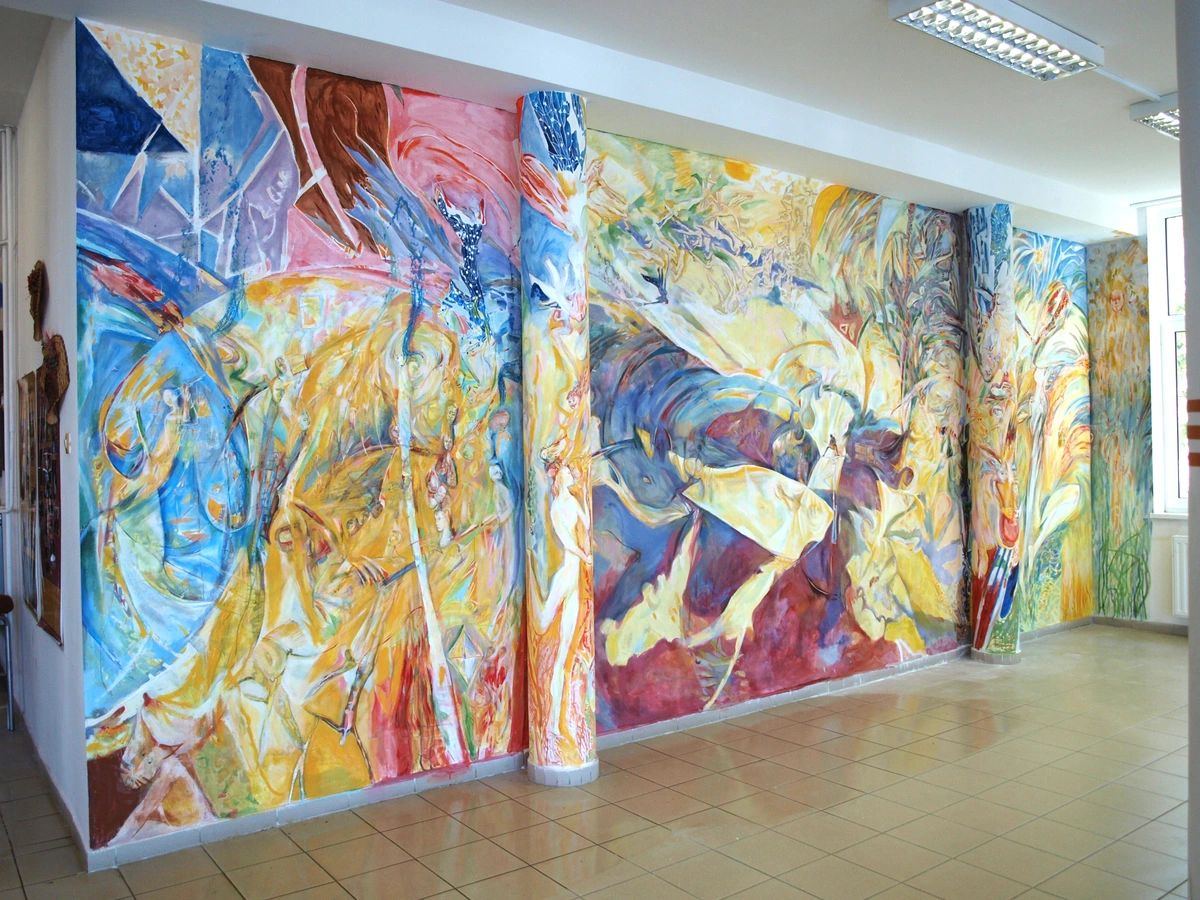
The Language of Shock: Why Discomfort is Part of the Point
I think it's crucial to acknowledge that much of the Turner Prize's enduring 'fuss' comes from its deliberate embrace of discomfort. Art isn't always meant to be beautiful or easily digestible; sometimes its most potent function is to disorient, to challenge, or even to disturb. This purposeful discomfort forces us to pause, question our assumptions, and engage on a deeper, often more visceral level. It's a kind of artistic wake-up call, shaking us out of complacency and inviting us into a more active, critical dialogue with the world around us. And while it might not always be 'pleasant,' it's rarely boring, which, for me, is a huge win in itself. This deliberate challenge to aesthetic norms is, in fact, a hallmark of much significant contemporary art, pushing us to expand our definitions and consider new forms of beauty and meaning. It's about intellectual friction, not just visual pleasure, and that friction is precisely what makes the prize so potent.

A Stroll Through Controversies, Triumphs, and Artistic Evolution

The history of the prize isn't just a list of winners; it's a highlight reel of memorable moments, both dazzling and divisive. It’s where some artists became household names overnight, catapulted into the public consciousness, while others created works that are still passionately debated decades later. This is where the prize truly earns its stripes as a cultural provocateur, shaping and reflecting the trajectory of British art. It's a vibrant tapestry woven with moments of artistic genius, public uproar, and quiet shifts in cultural understanding, all playing out on a national stage. I've always found it a fascinating lens through which to view the evolution of contemporary art in Britain, a dynamic narrative where each year writes a new, often unexpected, chapter. From the visceral shock of certain installations to the quiet power of a challenging photograph, the Turner Prize has never shied away from pushing the boundaries of what art can be, and in doing so, it has shaped the very landscape of contemporary British culture.
The Echo Chamber: Critical Reception and Public Outcry – The Media's Role
I always find it fascinating how much energy we, the public and critics alike, pour into debating the Turner Prize. It becomes a kind of national sport, doesn't it? This fervent discussion, whether in outrage or adoration, is precisely what the prize aims to ignite, pushing art out of the gallery confines and into everyday conversation. The media, both traditional and social, plays a huge role in amplifying this conversation, often framing the art in ways that generate headlines, which, for better or worse, contributes to the prize's widespread impact. I often chuckle at how a seemingly obscure artwork can suddenly dominate breakfast television discussions, precisely because the media understands the public's appetite for a good, old-fashioned art debate. This symbiotic relationship ensures the prize remains firmly in the national consciousness. In recent years, with the advent of social media, this 'echo chamber' has amplified exponentially. A single provocative artwork can now go viral, sparking global debates and memeification within hours. This has undoubtedly broadened the prize's reach, but it also brings challenges, as nuanced artistic intentions can sometimes be lost in the rush for instant, often superficial, commentary. It's a new, wild frontier for art criticism and public discourse.
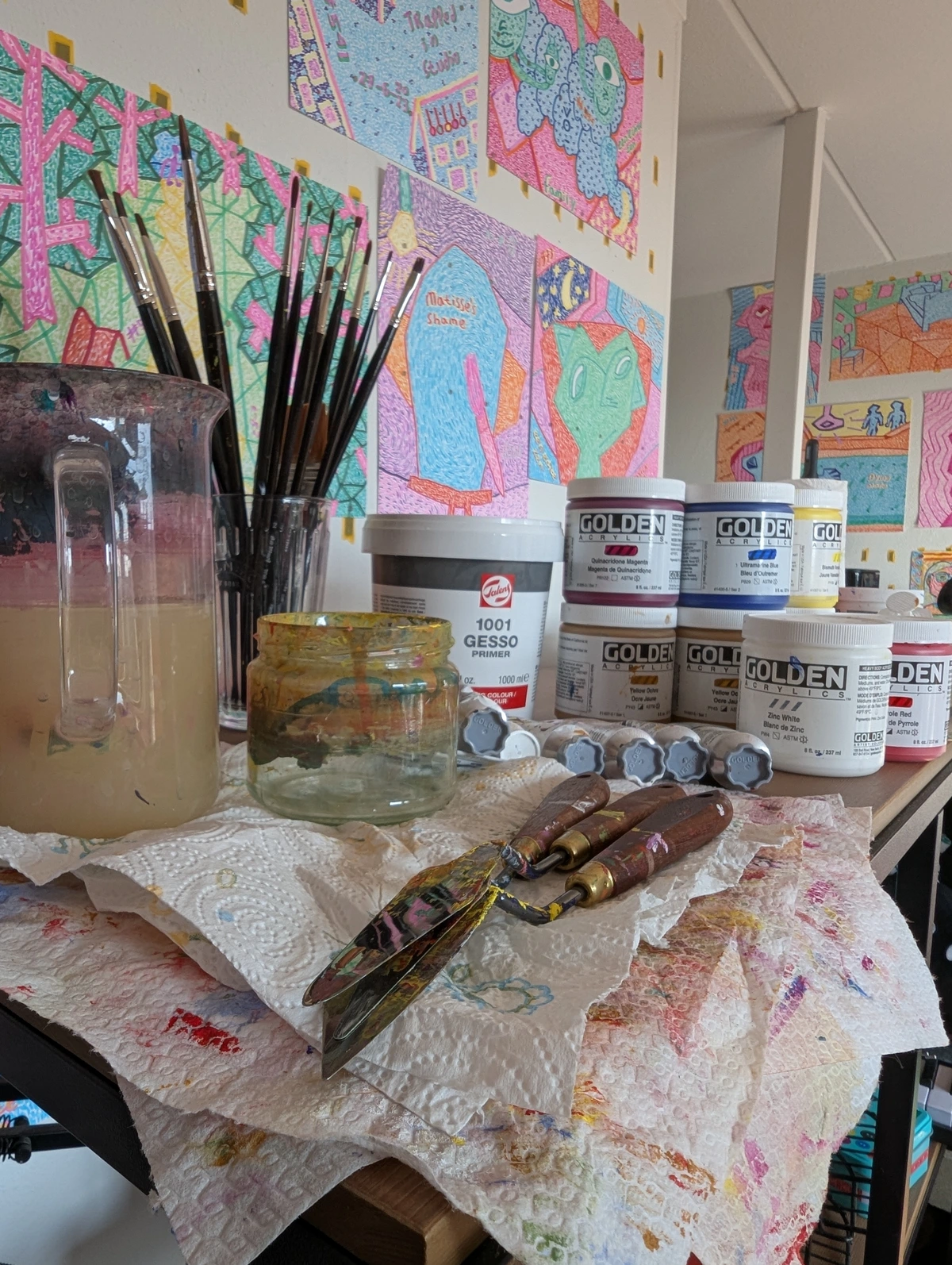
Notable Winners and Nominees
Let’s walk through some of the moments that have truly defined the prize, the artists who’ve stepped into the glare, and the works that have made us talk, argue, and perhaps even change our minds about what art can be.

- Damien Hirst (Winner, 1995): Hirst, a quintessential Young British Artist (YBA), cemented his notoriety with Mother and Child, Divided, a truly shocking piece featuring a cow and a calf bisected and preserved in huge tanks of formaldehyde. For many, it was a brutal, visceral encounter, a confronting spectacle that pushed the boundaries of taste and acceptability. I remember the sheer audacity of it, blending clinical science with primal themes of life and death, decay, and preservation, touching on ideas from Surrealism in its dreamlike absurdity and Minimalism in its stark, almost clinical, presentation. His win was a seismic event, defining an era of challenging, often confrontational, art, and solidifying his place as one of the most recognizable (and controversial) figures in contemporary art. You can delve deeper into his provocative career with our ultimate guide to Damien Hirst. I mean, who could forget other iconic works like The Physical Impossibility of Death in the Mind of Someone Living (the shark, a truly arresting image of mortality), For the Love of God (the diamond-encrusted skull, an opulent memento mori), and his ubiquitous spot paintings (seemingly simple, yet endlessly complex meditations on structure and randomness)? He truly mastered the art of provocation and the spectacle, becoming a defining figure of British art in the late 20th century, and his influence continues to reverberate through the art world, both in its audacious embrace of commercialism and its unflinching confrontation with mortality. His works, often pushing the boundaries of what is acceptable, forced a national conversation about the ethics of art, its value, and the very nature of authorship in an increasingly commercialized sphere. Love him or loathe him, Hirst undeniably redefined the role of the artist as a cultural brand and provocateur, blurring the lines between artist, entrepreneur, and philosopher of mortality.
- Anish Kapoor (Winner, 1991): Kapoor, a sculptor of immense international renown, won for his monumental and often perception-bending sculptures. Think deep, velvety voids that seem to absorb light, like the famous Marsyas installation at Tate Modern, or highly polished surfaces that reflect and distort the world around them, challenging our sense of space, reality, and physical presence – his Sky Mirror series being a prime example. His win helped cement his status as a truly major international artist, known for exploring universal themes of spirituality, the void, the sublime, and the phenomenological in forms that are both profoundly simple and architecturally ambitious. His work often encourages a meditative, almost spiritual engagement with form and color, inviting you to lose yourself in their depths, or to confront your own reflection in their polished surfaces. Explore his incredible body of work further in our ultimate guide to Anish Kapoor. His vision has consistently pushed the boundaries of material and perception, from the monumental scale of his public works to the intimate, meditative quality of his smaller pieces, solidifying his place as one of the most important sculptors of our time and an artist who transcends cultural boundaries. His exploration of forms and voids, often with a deep psychological and spiritual resonance, invites viewers into a profound engagement with space and their own sense of self. Kapoor's work consistently demonstrates that abstraction can be deeply resonant and universally understood, establishing him as a master of spatial and optical illusion.
- Wolfgang Tillmans (Winner, 2000): Tillmans was the first photographer to win the Turner Prize, a truly significant moment that unequivocally broadened the definition of 'visual art' embraced by the award. His work, often capturing intimate portraits, still lifes of mundane objects, and documentary scenes of youth culture and social life, brought a raw, unvarnished honesty to the everyday, challenging hierarchies of subject matter and traditional photographic presentation. His signature style, often presenting unframed prints taped directly to gallery walls, further blurred the lines between high art and everyday documentation, a radical act that emphasized the immediacy and accessibility of his vision. His win was a quiet revolution, highlighting the artistic power of photography and its ability to capture the zeitgeist with both immediacy and profound depth. I remember being struck by how his seemingly casual snapshots could hold so much weight and reveal so much about contemporary life. It underscored photography's legitimacy as a fine art medium, showing us the art in the ostensibly ordinary and the profound in the personal. Tillmans' work wasn't just about what he photographed; it was about how he presented it, challenging the very conventions of the exhibition space and proving that authenticity and intimacy could be just as powerful as grand gestures. His seemingly effortless ability to capture the fleeting moments of everyday life, often without hierarchical distinction between subjects, ushered in a new era of photographic legitimacy in the fine art world, elevating the personal and the quotidian to profound artistic statements. He made us see the art in our own lives, and in doing so, expanded the very language of contemporary photography.
- Gillian Wearing (Winner, 1997): Wearing, another prominent YBA, won for her compelling video installations and photographs that often explored themes of identity, public persona, and hidden emotions. Her seminal piece, Signs that say what you want them to say and not Signs that say what someone else wants you to say (1992-1993), for which she won, featured individuals holding handwritten signs revealing their innermost thoughts, desires, and anxieties, bridging the personal and the public in a profoundly moving way. Her work forces you to confront the complexities of human experience, inviting a unique blend of empathy, introspection, and sometimes, uncomfortable recognition. I've always found her work incredibly disarming, revealing the vulnerability and inner turmoil beneath the composed surface of everyday life, using the photographic and video medium to peel back layers of social convention and expose raw humanity. She makes us see ourselves in others, a powerful trick for any artist. Wearing's fearless exploration of the inner self, often through the voices and faces of others, cemented her reputation as a profoundly empathetic and insightful commentator on contemporary life and its many hidden struggles. Her ability to elicit such raw honesty from her subjects, often through simple but ingenious devices, creates a powerful bridge between the individual and the collective experience, making her work both deeply personal and universally resonant. She truly holds a mirror up to society's unspoken truths, using authenticity as her most potent artistic weapon.
- Tracey Emin (Nominee, 1999): While she didn't win the ultimate prize, her My Bed became the most famous, and perhaps most talked-about, work of the year, arguably one of the most iconic pieces of British art from the 90s. This deeply personal installation, featuring her own unmade bed surrounded by the detritus of a difficult period, laid bare her personal life in a raw, unflinching manner, embodying the confessional and often confrontational spirit of the YBAs. Its impact on the public consciousness far outstripped many winning works, cementing its place in art history as a potent symbol of vulnerability and artistic courage. You can't deny its power, even if you found it shocking – in fact, its shock value was precisely part of its power, sparking conversations about privacy, gender, and what constitutes art itself. My Bed became a touchstone for discussions about autobiography in art, the blurred lines between public and private, and the raw, often uncomfortable, honesty that art can demand. It was a cultural moment that, for better or worse, defined a generation's understanding of contemporary art, pushing the boundaries of confessional art and blurring the lines between artist, artwork, and personal narrative. Emin's work, often confronting themes of trauma, sexuality, and womanhood with brutal honesty, ensured that deeply personal experiences found a powerful voice on the international art stage, challenging traditional notions of female representation, and paving the way for a more emotionally raw and autobiographical approach to art-making.
- Chris Ofili (Winner, 1998): Ofili's victory was for his vibrant, richly textured paintings, which famously and controversially incorporated elephant dung alongside glitter, resin, and magazine cutouts. I can still recall the sheer furore around his work, particularly his piece 'The Holy Virgin Mary,' which depicted a black Madonna adorned with cut-out pornography and supported by two balls of varnished elephant dung, challenging notions of beauty, religion, and African identity head-on. This work sparked political condemnation from figures like New York mayor Rudy Giuliani and ignited a global discussion about censorship and artistic freedom. His work often pulls from a rich, diverse history of art, including the intense emotionality of Expressionism, the intricate patterns of African art, and the aesthetics of hip-hop culture, creating a unique visual language that is both beautiful and confrontational, dense with symbolism and material experimentation. Ofili didn't just push boundaries; he redefined the very palette of contemporary art, forcing us to confront our own preconceptions about materials and sacred imagery. His work, vibrant and complex, invited viewers into a rich dialogue about identity, post-colonialism, and the fusion of disparate cultural aesthetics, proving that art could be both challenging and breathtakingly beautiful. Ofili's audacious use of materials and iconography, particularly his recontextualization of religious imagery through an African diaspora lens, sparked profound international debates about cultural sensitivity, artistic freedom, and the power dynamics inherent in representing diverse identities within a Western art context. He didn't just provoke; he started vital, uncomfortable conversations, forcing a reconsideration of artistic materials and cultural symbolism.
- Martin Creed (Winner, 2001): Creed's winning piece, Work No. 227: The lights going on and off, was exactly that – an empty room where the lights simply, well, went on and off at five-second intervals. It famously infuriated a vast swathe of the public and critics alike (one disgruntled artist, Mark Bridger, even threw eggs at the gallery wall in protest, claiming it wasn't art!), but for me, it was a perfectly distilled example of conceptual minimalism, forcing you, the viewer, to actively engage with the space, the passage of time, and your own perception of art, presence, and emptiness. It wasn't about what was in the room, but what wasn't, and the subtle yet profound shift in perception caused by the most mundane of actions. It made you question everything you thought you knew about art, challenging the very definition of an 'artwork,' which, in my book, is a huge success. It was about pure experience, unadorned and unapologetic, and in its audacious simplicity, it made a profound statement about perception and expectation. Creed, through his seemingly simple acts, distilled art to its most fundamental elements, asking us to consider the very act of observation and the fleeting nature of presence. It's a piece that, once experienced, stays with you, forcing you to reconsider what you define as 'art' long after the lights have, well, gone on and off. Creed's practice, characterized by its playful yet rigorous interrogation of fundamental artistic concepts, often uses minimal interventions to generate maximum intellectual and sensory impact. His work champions the idea that art can be found in the simplest of gestures, demanding active participation from the viewer in the creation of meaning, challenging us to find profoundness in the ostensibly mundane, and redefining the boundaries of aesthetic experience.
- Peter Doig (Nominee, 1994): A truly fantastic painter, Doig's dreamy, enigmatic, and often haunting landscapes proved conclusively that painting, far from being dead, was very much alive, vibrant, and evolving, even in an era dominated by conceptual and installation art. His nomination showcased a different, more introspective facet of contemporary British art, one rooted in rich painterly traditions but infused with a unique, contemporary vision that blurred the lines between figuration and abstraction, often drawing on cinematic references and personal memories. You can dive even deeper into his fascinating world with our ultimate guide to Peter Doig. His nomination was a powerful statement that painting, far from being a relic of the past, continued to be a vital, evolving medium in the contemporary art dialogue, proving that sometimes, the 'old ways' can be the most revolutionary when re-imagined with fresh eyes and a profound sense of atmosphere. He reminds us that beauty and introspection have a fiercely contemporary edge. Doig's ability to imbue his dreamlike canvases with both personal narrative and universal resonance positioned him as a vital counterpoint to the more overtly conceptual works of his contemporaries, ensuring that the rich tradition of painting remained central to the prize's discourse. His evocative, often melancholic, landscapes, filled with hazy figures, snow, and cinematic grandeur, proved that painting could be both deeply traditional in its craft and utterly contemporary in its vision, creating worlds that are both familiar and unsettlingly mysterious. He brought a lyrical, introspective quality back to the forefront of British art, reminding us of painting's enduring power to transport and mesmerize, and demonstrating the profound potential of reimagining traditional genres.
- Steve McQueen (Winner, 1999): Before his acclaimed, Oscar-winning film career, McQueen won for his compelling video installations, which often explored themes of identity, race, history, and the body with a stark, poetic intensity. His work for the prize, like Deadpan (1997), a re-enactment of a famous Buster Keaton stunt, or Drumroll (1998), filmed by rolling a camera through the streets of New York inside a metal drum, was a powerful reminder of video art's capacity for profound storytelling, formal experimentation, and emotional impact. He brought a rigorous, cinematic quality to the gallery space, demonstrating the power of moving images to confront, challenge, and move an audience in new and unexpected ways, solidifying video art's place within the fine art canon. McQueen's profound visual storytelling and unflinching gaze at complex social and political issues transcended the medium, making his installations deeply immersive and emotionally resonant experiences. His meticulously crafted video works, often characterized by long takes, minimal dialogue, and a focus on the body, brought a powerful cinematic intelligence to the gallery space, confronting viewers with challenging narratives of race, identity, and injustice with a quiet, yet searing, intensity. He masterfully blurred the lines between art and cinema, demonstrating video art's capacity for profound social commentary and formal brilliance, and cementing his reputation as an artist whose work resonates deeply across different forms and platforms.
- Helen Marten (Winner, 2016): Marten's win was for her meticulously arranged, multi-component sculptures and installations that combine everyday objects with handmade elements, often blurring the lines between the familiar and the uncanny. Her work often plays with language, humor, and material associations, creating intricate visual puzzles that invite close looking, intellectual engagement, and a slow unraveling of meaning. It felt like a fresh, intricate voice in the contemporary landscape, a gentle, yet firm, push against the louder, more confrontational works that often grab headlines, instead opting for a quiet yet profound material poetry and a captivating exploration of the hidden narratives within objects, pushing the boundaries of what constitutes assemblage art and found object sculpture. Her meticulously crafted works often invite an almost forensic level of attention, rewarding close looking with a playful intellectual puzzle that challenges our assumptions about meaning and material. Marten's artistic language, characterized by its intricate assemblages of disparate objects – both found and fabricated – creates a delicate poetry that speaks to the overlooked narratives of everyday life. Her work encourages a slow, contemplative engagement, revealing layers of meaning and challenging the viewer to consider the relationships between objects, language, and perception in a truly unique and refreshing way.
- Jeremy Deller (Winner, 2004): Deller's work often explores British social history, popular culture, and frequently involves public participation, acting as a kind of cultural anthropologist. He won for Memory Bucket, a compelling video essay exploring the cultures and subcultures of Texas, including George W. Bush's hometown and the site of the Branch Davidian siege. His win highlighted the prize's embrace of documentary filmmaking, social commentary, and more expansive, often collaborative, forms of artistic practice that extend beyond traditional studio output, such as his famous The Battle of Orgreave (2001), a re-enactment of a violent clash between miners and police. He's a master at blurring the lines between art and everyday life, showing us the art in the mundane and the profound in the everyday, often through the lens of collective memory and social rituals. Deller's work consistently asks us to reconsider what constitutes a 'work of art' and how art can engage directly with society. He transforms historical events and cultural phenomena into living, breathing art, blurring the lines between artist, audience, and subject, making him a true pioneer of participatory and socially engaged practice. His projects, often involving historical reenactments, public parades, or collaborations with specific communities, foreground collective memory and cultural heritage, demonstrating art's powerful capacity to foster dialogue, community, and a deeper understanding of shared histories. He brings art out of the gallery and into the very fabric of social life.
Other Notable Figures: Expanding the Canvas of Controversy and Innovation
Beyond the headline-grabbing winners, many other artists have left an indelible mark on the Turner Prize narrative through their challenging nominations and subsequent careers. One such artist is Sarah Lucas.
- Douglas Gordon (Winner, 1996): Gordon won for his video installations, most famously 24 Hour Psycho (1993), which slowed down Alfred Hitchcock's classic film Psycho to last an entire day. This work brilliantly explored themes of time, memory, cinema, and the psychological impact of moving images, forcing viewers to confront the mechanics of perception and the endurance of an iconic cultural artifact. His victory highlighted the prize's expanding embrace of new media and conceptual approaches to familiar cultural touchstones, turning the act of viewing into a profound meditation on duration and attention. Gordon's work often manipulates time and perception, inviting viewers to question the nature of images, memory, and narrative. Through his astute re-contextualization of cinematic and photographic tropes, he explores the psychological undercurrents of culture, creating experiences that are both intellectually rigorous and deeply unsettling, revealing the hidden anxieties within familiar forms.
- Sarah Lucas (Nominee, 1993): A key figure among the Young British Artists (YBAs), Lucas became renowned for her provocative and often humorous sculptures and installations that explored gender, sexuality, and the everyday using found objects. Her work for the prize, or indeed her broader oeuvre of that period, often utilized commonplace materials like tights, furniture, and cigarettes to create raw, confrontational, and deeply feminist statements about British identity and the female form, often blurring the lines between the abject and the aesthetically compelling. She didn't just push boundaries; she dismantled them with a wry smile and an unflinching gaze. Her work, much like Emin's, was about taking the mundane and injecting it with a potent, often unsettling, commentary on contemporary life and social norms, firmly placing the female experience at the centre of a often male-dominated art world.
- Antony Gormley (Winner, 1994): Gormley, one of Britain's most celebrated sculptors, won for his profound and often monumental explorations of the human body and its relationship to space, time, and the cosmos. While his most famous work, the Angel of the North, came after his win, his Turner Prize recognition cemented his reputation for creating deeply contemplative, often haunting, figures that invite viewers to reflect on their own physical and existential presence. His work frequently uses his own body as a starting point, cast in lead, iron, or steel, to create universal symbols of the human condition, often placed in unexpected public locations to provoke encounter and introspection. He delves into themes of isolation, connection, and the individual's place within the vastness of existence, making his sculptures resonate on both a personal and collective level. His works are not just objects; they are meditations on being, often pushing the viewer to consider their own consciousness.
- Rachel Whiteread (Winner, 1993): Whiteread became the first woman to win the Turner Prize, recognized for her groundbreaking sculptures that cast the 'negative space' of everyday objects and architectural interiors. Her most famous work, House (1993), a concrete cast of the inside of an entire Victorian terraced house in East London, won her the prize and sparked both national acclaim and considerable controversy (it was controversially demolished shortly after its exhibition). Her work forces us to confront absence, memory, and the unseen presences within our built environment, transforming the void into solid form. She makes us look at the familiar with entirely new eyes, creating monumental ghostly imprints of domesticity that speak volumes about life, loss, and the silent histories contained within walls. Her unique approach to sculpture profoundly redefined our understanding of space and memory in art, demonstrating how the intangible can be made powerfully tangible.
- Grayson Perry (Winner, 2003): Perry, a truly unique and compelling figure in British art, won for his exquisite ceramic pots and tapestries which, deceptively traditional in form, are richly adorned with subversive imagery and biting social commentary. Often appearing as his female alter-ego, Claire, Perry uses his art to explore themes of class, taste, gender identity, and consumerism with wit, intelligence, and often a profound poignancy. His work challenges high-art/low-art distinctions, using craft media to tackle complex contemporary issues. He's a master storyteller, weaving intricate narratives into his surfaces that invite deep looking and critical reflection on the quirks and anxieties of modern British life. His triumph demonstrated the prize's willingness to embrace artists who deftly navigate diverse mediums while delivering powerful, culturally incisive messages, reminding us that beauty and craft can be powerful vehicles for social critique.
- Laure Prouvost (Winner, 2013): Prouvost won for her immersive and often disorienting video installations that combine film, sculpture, and found objects, creating playfully surreal narratives that challenge perception and language. Her work often invites the viewer into a fantastical, associative world, blurring the lines between fiction and reality, memory and invention. Through her distinctive use of voiceover, quick cuts, and a sense of fragmented storytelling, she explores themes of communication, misunderstanding, and the subjective nature of truth. Her win underscored the prize's embrace of increasingly complex, multi-media installations that require active viewer participation and a willingness to surrender to the artist's imaginative vision. It was a joyful, yet intellectually rigorous, exploration of narrative possibility.
- Lubaina Himid (Winner, 2017): Himid's win was historic, not only because she was the oldest artist to win at 63, but also as one of the first black women to be nominated and win, following the removal of the age limit. Her victory was a powerful statement about overlooked histories and artistic longevity. Known for her vibrant, often narrative paintings and installations that explore themes of black identity, colonialism, and social justice, Himid's work brings marginalized voices and experiences to the forefront. Her pieces often feature painted cut-outs and bold, graphic figures, challenging dominant historical narratives and celebrating black creativity. Her win felt like a long-overdue recognition of a deeply significant artist whose powerful, politically charged work has consistently pushed for greater visibility and discourse around issues of race and representation within the art world, proving that artistic impact knows no age limit.
- Mark Wallinger (Winner, 2007): Wallinger won for his impactful and often politically charged conceptual art, famously for State Britain (2007), a meticulous reconstruction of Brian Haw's anti-war protest camp outside the Houses of Parliament. This work, presented within the Tate, raised profound questions about freedom of speech, surveillance, and the role of art in political activism, blurring the lines between artistic representation and social reality. Earlier in his career, Wallinger had been shortlisted in 1995 and, rather famously, declared he would accept the prize but donate the money to a homeless charity if he won, making a powerful statement about artistic value and social responsibility. His work consistently interrogates British identity, history, and power structures with intellectual rigor and a keen eye for symbolism, often using performance, video, and sculpture to explore themes of authority, belief, and the individual's place within society. He's an artist who demands we think critically about the world we inhabit. Lucas's raw, often sexually explicit, and always darkly humorous sculptures challenge conventional representations of gender and identity. Using commonplace, often abject, materials, she confronts viewers with a working-class sensibility and an unapologetic gaze at the complexities of British society, dissecting stereotypes with a sharp wit and fearless directness. She truly embodies the confrontational spirit of the YBAs.
Impact Beyond the Trophy: The Artists' Journeys
What always strikes me about these notable figures is not just their winning moment, but the journey they take afterward. The Turner Prize is a launchpad, a crucible, but the true measure of an artist, I think, is what they do with that immense spotlight and scrutiny. Many go on to shape the international art scene for decades, forging remarkable and influential careers, becoming household names not just in Britain, but globally. The prize, in essence, acts as a powerful predictor of future art historical significance, spotlighting artists who are already poised to make lasting contributions. It's a testament to their enduring vision and resilience, proving that the spotlight of the Turner Prize can, indeed, illuminate a path to a long and impactful career.
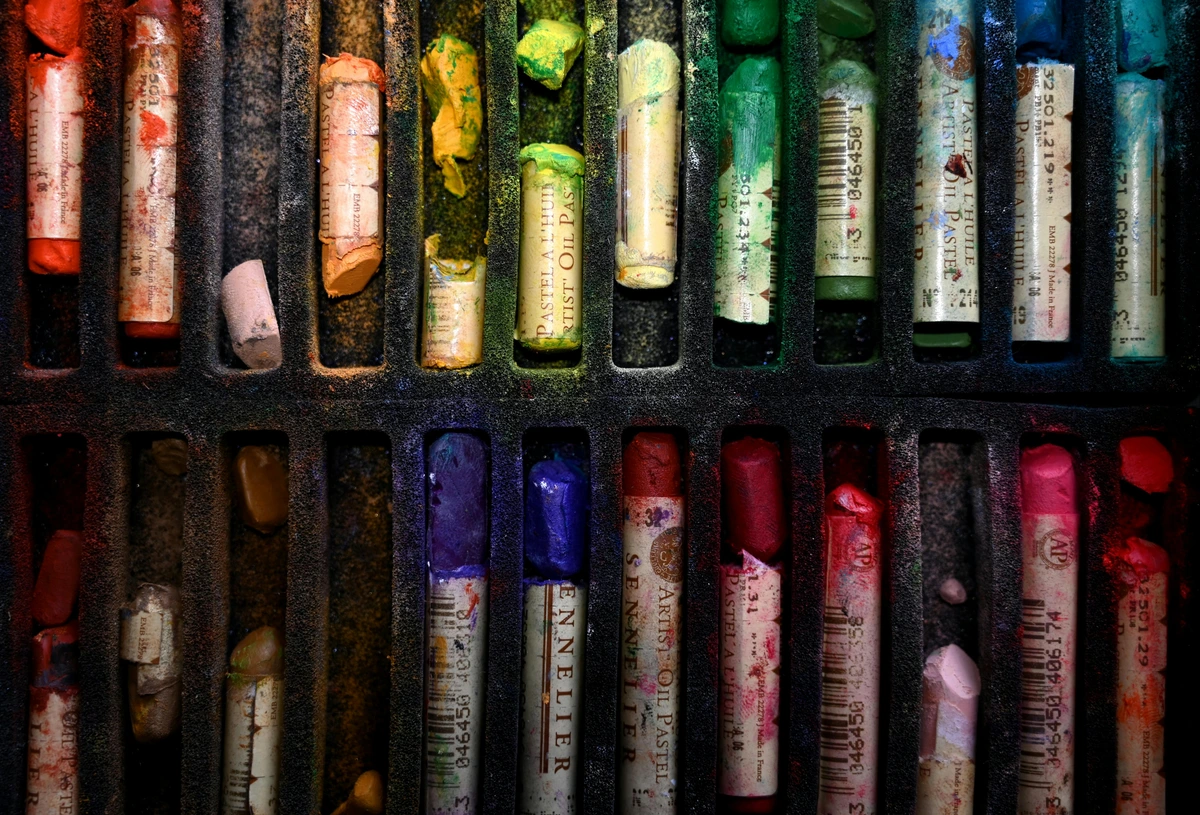
Beyond the Individual: The Collective Impact of a Shortlist
While we often focus on the winner, I think it's important to remember that the Turner Prize is also a powerful platform for the entire shortlist. Each nominated artist gains immense visibility, critical attention, and new audiences, regardless of the final verdict. The exhibition itself, bringing together four distinct artistic visions, creates a dynamic dialogue, offering a fascinating snapshot of contemporary British art. It's a collective affirmation of artistic excellence and innovation, where each artist contributes to a larger conversation, shaping the cultural landscape for years to come. The collective strength of the shortlist often provides a more comprehensive picture of the current art scene than any single winner could alone, showcasing the diversity and vibrancy of contemporary practice. It's a curated snapshot, a fascinating dialogue between disparate artistic visions that, when viewed together, offer a profound insight into the cutting edge of British art and the broader cultural conversations of our time.
The Young British Artists (YBAs) and Their Defining Era
It’s impossible to discuss the Turner Prize's formative years without acknowledging the profound impact of the Young British Artists (YBAs). This loose collective, emerging in the late 1980s and dominating the 1990s, redefined British art with their provocative, often shocking, and conceptually driven work. Figures like Damien Hirst, Tracey Emin, and Sarah Lucas (whose work often featured everyday objects in confrontational arrangements, often with a feminist edge) became household names, largely amplified by the Turner Prize's spotlight. They brought a raw, unvarnished energy to the art scene, often directly challenging notions of good taste and traditional craftsmanship, and forcing a re-evaluation of what constituted 'art.' The prize became almost synonymous with their rise, showcasing their audacious vision and sparking endless public debate. It was a thrilling, often infuriating, period that left an indelible mark on both the art world and popular culture. I remember thinking at the time that everything felt like a grand, messy, exciting experiment, a moment when British art truly exploded onto the international stage, fueled by a potent mix of irreverence and intellectual rigor, and forever changing the conversation around contemporary art. Their influence, from their audacious exhibitions like 'Sensation' to their pervasive media presence, fundamentally altered the public's perception of contemporary art and established Britain as a powerhouse in the global art scene. They were, in many ways, the perfect embodiment of the Turner Prize's disruptive spirit, forever altering the public's perception of what art could be and how artists could engage with mass media. Their audacious, often confrontational, approach to art-making, combined with a savvy understanding of self-promotion, created a unique cultural phenomenon that put British art firmly on the global map, influencing generations of artists to come and cementing the prize's reputation as a hotbed of controversy and innovation.
Is the Turner Prize Still Relevant?
Is the Turner Prize Still Relevant in Today's Art World?
It’s a profoundly fair question, and one I often find myself pondering. The art world has, without a doubt, transformed dramatically since the prize’s inception in 1984. The rise of the internet, the ubiquity of social media, and an increasingly globalized art market mean that artists now have myriad avenues to find an audience, build a reputation, and even sell their work, often without needing the validation of a major institutional prize. Indeed, some critics, and I’ve heard this myself, argue that the prize has, paradoxically, become too safe, too predictable, or even too academic, losing some of its initial boundary-pushing edge. They worry it’s settled into a comfortable rhythm, rather than genuinely challenging the status quo, becoming a reflection of the establishment rather than its disruptor. I've always felt that if it stops provoking, it stops being the Turner Prize – its very essence is tied to stirring the pot, to making us uncomfortable in the best possible way. But the question of its continued relevance is a complex one, and one that, I believe, deserves a nuanced exploration. Perhaps its role has shifted: from being the sole arbiter of contemporary art, it has become a powerful amplifier and a crucial forum for debate, a vital institution that ensures art continues to challenge and reflect our rapidly changing world, even if other avenues for artistic expression have proliferated.

But despite these valid critiques, I firmly believe it still serves an absolutely vital purpose. Think of it this way: for a few weeks every year, the Turner Prize drags contemporary art, kicking and screaming perhaps, but undeniably, into the national conversation. People who might otherwise never step foot into a modern art gallery find themselves debating a pile of bricks, a video installation, or a sound piece over their morning coffee. It sparks curiosity, forces engagement, and makes us all, if only for a moment, grapple with fundamental questions about creativity, meaning, and value. And for the shortlisted artists, regardless of who wins, it remains an unparalleled platform, an immense boost to visibility that can genuinely transform careers, opening doors to international exhibitions and new audiences. It forces a critical engagement, even from those who initially scoff, and that, I believe, is invaluable. It's a kind of national therapy session for our collective artistic anxieties, and I think that, in itself, is brilliant. It reminds us that art isn't just for a select few; it's a shared cultural experience, however challenging, and a powerful catalyst for cultural dialogue. I sometimes think of it as a cultural gym, where our collective critical muscles get a rigorous workout, even if some of us are just grumbling on the sidelines.
Defining the Zeitgeist: The Turner Prize as Cultural Mirror
I've always seen the Turner Prize as more than just an award; it's a kind of annual X-ray of the British psyche, a cultural barometer that reflects the prevailing anxieties, aspirations, and artistic innovations of its time. Each shortlist, with its often eclectic mix of media and themes, offers a profound insight into what artists are grappling with, and by extension, what society is confronting. It's a dynamic conversation between artists and the public, often sparked by works that are both deeply personal and universally resonant, addressing everything from social justice to environmental concerns, identity politics to technological advancements. This mirroring function, I believe, is where its true, enduring relevance lies, ensuring it remains a vital, if sometimes uncomfortable, touchstone for national cultural discourse.
Crucially, the prize itself hasn't remained static; it has evolved, demonstrating a remarkable capacity for self-reflection and adaptation. The strategic removal of the age limit in 2017, for instance, and the increasingly diverse nature of the shortlists, are clear indicators that it's actively striving to reflect the true, kaleidoscopic breadth of the contemporary British art scene. It's moving beyond the initial 'Young British Artist' phenomenon, embracing a wider, more inclusive community of artists whose practices are as varied as the society they reflect. This commitment to ongoing relevance is, I think, one of its greatest strengths, ensuring it stays vital and engaging for new generations of artists and audiences alike. We've seen it embrace new media, social commentary, politically charged works, and a broader range of artistic voices, always pushing for a more inclusive, dynamic definition of 'British art.' Its willingness to embrace change, to constantly question itself, is precisely why it remains so compelling and, dare I say, so essential to the ongoing artistic dialogue. This ongoing evolution is what keeps me personally invested, year after year, eager to see how it will continue to reinvent itself and reflect the ever-shifting artistic landscape.
More Than a Prize: A Catalyst for Dialogue and a Cultural Barometer
I often think of the Turner Prize as a kind of cultural barometer, measuring the pulse of contemporary society through the lens of art. It’s not just about who wins, but about the profound conversations it ignites: about identity, politics, environment, technology, social justice, and the very fabric of our shared human experience. It challenges us to look beyond the immediate aesthetic and consider the deeper ideas and societal structures that shape our world, offering a unique, artistic commentary on the times. It pushes us to confront uncomfortable truths and celebrate unexpected beauties, making it a truly invaluable cultural touchstone. It's a vibrant, living archive of contemporary concerns, interpreted by the most insightful artists of our generation, and I find that utterly compelling.
FAQ: Your Turner Prize Questions Answered – Diving Deeper into Common Queries
Welcome to the FAQ section, where I'll address some of the most common questions I hear about the Turner Prize. From its operational cycle to its most controversial moments, we'll delve into the details that truly illuminate this captivating award. It's a chance to clear up misconceptions and offer deeper insights into a phenomenon that continues to spark debate and inspire artistic exploration.
Common Queries and Insights

Common Queries and Insights
Q: What is the typical timeframe for the Turner Prize cycle?
A: The Turner Prize operates on a yearly cycle, a well-oiled machine of anticipation and revelation. Nominations are typically invited in late summer/early autumn for work presented in the preceding year, a crucial period where the art world collectively takes stock. The shortlist is announced in the spring of the following year, immediately igniting public debate. The exhibition then opens in the autumn, offering the public its first direct encounter with the nominated works, and the winner is finally announced in early December, often in a televised ceremony. It's a structured journey from artistic achievement to public recognition, culminating in that much-anticipated reveal. I always mark the announcement date on my calendar; it's like a cultural Christmas for me, albeit one that sometimes comes with a hefty dose of intellectual sparring! It’s a carefully choreographed process that builds anticipation throughout the year, ensuring that the art world, and indeed the wider public, is fully engaged every step of the way, from initial nominations to the final, often controversial, reveal. I always mark the announcement date on my calendar; it's like a cultural Christmas for me, albeit one that sometimes comes with a hefty dose of intellectual sparring! This structured rhythm allows for a continuous build-up of interest, keeping the conversation around contemporary art alive and kicking throughout the year.
Q: Are there any ethical controversies the Turner Prize has faced?
A: Absolutely. Beyond the aesthetic debates, the prize has, at times, faced profound ethical questions, particularly concerning the nature of some artworks. For instance, Damien Hirst's use of real animals in formaldehyde (as seen in Mother and Child, Divided) has repeatedly sparked intense discussions about animal welfare in art, a debate that continues to reverberate. Other artists have raised questions about ownership, exploitation, or the very boundaries of privacy in their work (Tracey Emin's My Bed being a prime example of challenging privacy). These controversies, while challenging and often deeply uncomfortable, frequently force us to confront uncomfortable truths about artistic freedom, public sensitivities, and the shifting boundaries of creative expression. It forces us to ask: where do we draw the line between artistic expression and ethical responsibility? Beyond the notorious debates around Damien Hirst's preserved animals, other artists have sparked discussions on cultural appropriation, the exploitation of communities in participatory works, or the blurring of lines between art and activism. It's never just about the art; it's about our values, and where we draw one, if we draw one at all – a crucial societal conversation that art can, and often does, instigate. Beyond the shock of materials, the prize has also grappled with questions of cultural appropriation, the boundaries of participatory art (especially when involving vulnerable communities), and the commercialization of artistic expression. Each ethical challenge pushes the boundaries of acceptable practice and forces us to refine our understanding of artistic responsibility in a complex world.
Q: How are artists supported beyond the prize nomination?
A: While the prize itself offers a significant platform, the true long-term support for artists often comes from the subsequent opportunities that cascade from such immense visibility. We're talking about prestigious gallery representation, major institutional exhibitions both nationally and internationally, significantly increased market demand for their work, and even lucrative public commissions. The prize acts as a huge validation, opening doors that might otherwise remain closed for years, effectively fast-tracking careers and solidifying an artist's place in the art historical narrative. It's far more than just a trophy; it's a profound career accelerator, a stamp of approval that resonates for decades, fostering a more sustainable and impactful artistic practice for those recognized. This includes not only increased exhibition opportunities and international acclaim but also access to crucial funding, residencies, and mentorship programs that can sustain an artist's practice for the long term, creating a ripple effect of support and inspiration throughout the artistic ecosystem. It's a profound transformation, moving artists from a potentially precarious existence to a more stable and influential position within the global art world, allowing them to focus on pushing their creative boundaries without constant financial anxieties.
Q: How does the Turner Prize foster new talent and emerging artists?
A: While the age limit for the prize was removed in 2017, broadening its scope considerably, the Turner Prize still plays a crucial, perhaps even more nuanced, role in fostering new talent. Its focus on recent exhibitions means it's always looking for contemporary, often emerging, work that is pushing boundaries and challenging established norms. For shortlisted artists, especially those earlier in their careers, the nomination acts as an incredible launchpad, providing unparalleled media exposure, critical attention, and access to a wider audience and potential collectors. It legitimizes their practice on a national and international stage, often leading to significant gallery representation, institutional commissions, and further exhibition opportunities, effectively fast-tracking their careers. It's a powerful accelerator for those who catch its eye, offering a platform that few other awards can match, and crucially, gives them the confidence and resources to continue to innovate. This often leads to significant commissions, public installations, and further academic and institutional recognition, enabling them to expand their practice and reach an even broader audience. The prize, in this sense, is an investment in the future of British art, providing a crucial bridge between emerging talent and established cultural institutions, ensuring a continuous pipeline of innovation and challenging artistic voices.
Q: How does the selection process ensure fairness?
A: While 'fairness' in art is inherently a tricky, subjective concept – art isn't a race with a clear finish line, after all – the Turner Prize strives for impartiality through its independent jury system. Each year, a new panel of prominent art world figures is selected, typically comprising influential museum directors, curators, critics, and academics. This annual rotation is crucial for ensuring fresh perspectives and mitigating potential biases that might arise from a static group. The jury deliberates based solely on the artists' exhibited work, focusing on innovation, impact, and relevance, rather than personal relationships or commercial success. It's a rigorous process, designed to champion artistic merit, even if the results sometimes feel... well, surprising, or even infuriating, to the wider public! I've always found it to be a fascinating glimpse into the current trends and critical perspectives of the art establishment, a snapshot of what the 'insiders' deem significant at a given moment, providing a valuable discourse on contemporary artistic values. The annual change in jury members ensures that different viewpoints and evolving criteria are brought to the table, preventing the prize from becoming stale or overly aligned with a single artistic ideology, and continually challenging existing power structures within the art world. This commitment to fresh perspectives, combined with a rigorous review of exhibited work, aims to create a selection process that, while inherently subjective, is as fair and representative of artistic excellence as possible, even if public opinion often wildly diverges from the jury's choices. It’s a constant negotiation between artistic merit and public accessibility, a fascinating balancing act that ensures the prize remains both critically respected and a subject of widespread fascination, even (or especially) when its choices are perplexing to the general public.
Q: Who is the Turner Prize named after?
A: The prize is named after the colossal figure of Joseph Mallord William Turner (1775-1851), an English Romantic painter whose work was revolutionary for its time. He was known for his expressive, almost proto-Abstract Expressionism landscapes, which, believe it or not, were considered incredibly radical and controversial in his own day. Critics often lambasted his 'messy' canvases, packed with light and atmosphere rather than crisp detail, finding them unsettlingly modern. He was a true visionary, pushing the boundaries of what painting could be, making him an absolutely fitting, almost prescient, namesake for a prize designed to celebrate artistic provocation. His radical approach to light and atmosphere, often dissolving solid forms and prioritising emotional impact over factual representation, laid groundwork for abstract art long before its formal recognition. The irony of a prize for contemporary provocation being named after a historical provocateur is a subtle nod to art's enduring cycle of challenge and redefinition – a beautiful, full-circle moment in art history. Turner, with his revolutionary approach to light, color, and emotional expression, was essentially pushing the same boundaries in his era that contemporary artists are challenging today. He proved that true artistic vision often requires a willingness to alienate or confound current sensibilities, a lesson the Turner Prize continues to embody. In a delightful twist of fate, the prize named after him upholds his spirit of radicalism, making him, in a way, a timeless patron of contemporary artistic defiance. His legacy reminds us that today's controversy can indeed be tomorrow's cornerstone of art history.

The Enduring Power of Abstraction
It's interesting to reflect on how J.M.W. Turner's proto-abstract tendencies connect with the contemporary abstract art often seen at the Turner Prize. Both, in their own ways, challenge literal representation, pushing viewers to engage with color, form, and emotion directly. The journey from Turner's atmospheric landscapes to the diverse abstract expressions of today's artists, whether in painting, sculpture, or digital media, highlights a continuous thread in art history: the desire to transcend the purely depictive and delve into deeper, often non-representational, truths. It's a reminder that abstraction isn't a modern invention but an enduring artistic impulse that finds new forms in every era. If you’re captivated by this idea, our ultimate guide to abstract art offers a fascinating journey through its evolution.
Q: Can a painter win the Turner Prize?
A: Absolutely, and I think it's important to emphatically dispel the myth that the prize only celebrates conceptual or installation art. While it has certainly become famous for those groundbreaking forms that challenge traditional notions, painters have not only been nominated but have also won many times. Artists like Peter Doig (whose dreamy, layered landscapes are a personal favourite, reminding us that beauty, introspection, and technical skill still have a profound place), Chris Ofili (with his vibrant, controversial canvases incorporating diverse materials), Howard Hodgkin (known for his intensely coloured abstract works that feel like captured emotional moments), and Tomma Abts (who won for her intricate, meticulously layered abstract paintings that draw you into their subtle complexities) are all testament to painting's enduring power and presence within the prize's scope. Even Abstract Expressionist-influenced painters, like those celebrated in our ultimate guide to Willem de Kooning, share that lineage of pushing the canvas. And let's not forget J.M.W. Turner himself, whose legacy reminds us that even 'traditional' mediums can be revolutionary when approached with a truly visionary spirit! The prize celebrates visual art in its widest sense, in all its glorious, messy, and magnificent forms, regardless of medium, constantly seeking out new ways to apply traditional techniques or entirely new approaches, proving that the canvas is far from exhausted. Artists like Gillian Carnegie, nominated for her evocative, often unsettling, still lifes and landscapes, or Dexter Dalwood, known for his large-scale paintings depicting historical events and celebrity deaths, further underscore painting's enduring vitality and its capacity for contemporary resonance within the prize's framework. It's truly a testament to painting's adaptability. The prize recognizes that painting, far from being a static or 'dead' medium, continues to be reinvented and pushed into new conceptual territories by artists who are masters of both tradition and innovation. From grand-scale canvases to intricate, multi-layered works, painting remains a vital and often powerful voice in the contemporary art conversation, proving its timeless appeal and endless capacity for renewal. So, if you've ever heard someone declare 'painting is dead,' you can confidently point to the Turner Prize as a vibrant rebuttal.
Q: What is the typical prize money for winners and nominees?
A: While the recognition and exposure are arguably the most valuable aspects – truly priceless, some might argue – the winner of the Turner Prize receives a substantial £25,000. Each of the other shortlisted artists also receives a respectable £5,000. This monetary award, while significant, is often seen as a secondary benefit compared to the immense career boost, increased visibility, and validation that comes with being associated with such a globally recognized award. For many, it's a financial aid that allows them to continue their artistic practice with renewed vigor, offering a tangible means to invest in new projects, secure studio space, or simply keep creating without immediate financial pressure. It's a boost, yes, but the real treasure is the spotlight and the enduring impact on an artist's career. This financial buffer, while modest in the grand scheme of the art market, can provide crucial breathing room for artists to dedicate themselves fully to their practice, experiment with new materials, or pursue ambitious projects without immediate commercial pressures, thereby allowing for greater artistic freedom and innovation. It's a tangible investment in the artist's future, enabling them to take risks and explore challenging ideas without the immediate burden of commercial viability, fostering true creative independence. It's a vote of confidence that extends beyond mere monetary value, allowing artists to continue to challenge and enrich our cultural landscape.
Q: What are some common misconceptions about the Turner Prize?
A: Oh, where to begin! One common misconception is that the prize only features installation or conceptual art, ignoring painting or sculpture – which, as we've discussed, isn't true at all. Another is that it's designed solely to provoke outrage, when in reality, the provocation is often a byproduct of genuinely pushing artistic boundaries and challenging societal norms, forcing deeper contemplation. A further misconception is that the artists are 'taking the mickey' – most are deeply serious about their work, even if the outcome appears humorous or absurd to some, or if they use unconventional materials like elephant dung! And perhaps the biggest myth is that the prize is fixed or merely an insider's game; while selection is by an expert jury, the process is robust, and the goal is always to highlight significant artistic practice, not just cause a stir for its own sake. It’s a serious endeavor, despite the occasional media sensationalism. Another myth is that the artists are trying to be controversial for controversy's sake; while media reaction is often controversial, the artists themselves are typically engaging with deeply serious themes and pushing formal boundaries. And finally, the idea that the prize is simply a 'London thing' ignores the profound impact of its traveling exhibitions on regional UK cities and wider audiences. I've always thought that if you strip away these misconceptions, what you're left with is an award that, at its heart, genuinely seeks to champion innovative art and spark meaningful dialogue, even if the public reception is often a glorious, messy entanglement of appreciation and bewilderment. It's a testament to the prize's resilience and its profound impact that it can withstand, and even thrive on, such a diversity of opinions and interpretations.
Q: What is the most controversial winner ever?
A: Ah, the million-dollar controversy question! That's genuinely up for passionate debate, and I think it depends on who you ask and when. For sheer visceral shock and ethical debate, Damien Hirst's bisected formaldehyde animals in 1995 undoubtedly ignited a firestorm. For pushing the very definition of art to its breaking point, Martin Creed's Work No. 227: The lights going on and off in 2001 caused such a stir that one disgruntled artist famously threw eggs at the gallery wall! And of course, Tracey Emin's My Bed, though a nominee and not a winner, probably remains the most famous controversial piece, etching itself into the public consciousness as the epitome of 'challenging' art with its raw, unflinching honesty. Each, in its own way, brilliantly (or infuriatingly, depending on your view!) provoked the nation, solidifying the prize's reputation as a cultural lightning rod. It's less about a single 'most controversial' and more about the diverse ways art can challenge and provoke, reflecting different societal anxieties at different times. From the explicit sexual content in some works to installations questioning the very nature of existence, the controversies serve as a mirror to public sentiment, revealing what society is (or isn't) ready to confront in the realm of artistic expression. It's a fascinating study in public tolerance, artistic boundaries, and the perennial tension between tradition and innovation that constantly defines the art world. Each 'controversial' moment is, in its own way, a testament to the prize's power to push cultural boundaries and instigate vital conversations.
Q: What common criticisms has the Turner Prize faced (beyond aesthetic controversy)?
A: Beyond the perennial debates about whether specific artworks are 'art' – a conversation I quite enjoy, actually – the Turner Prize has faced several recurring criticisms. Some argue it has become too commercialized, with its intense media attention overshadowing the art itself, turning it into a spectacle for headlines rather than serious artistic contemplation. Others suggest it has become too academic or predictable, favoring certain types of conceptual or installation art over more traditional mediums like painting or sculpture (though, as we've discussed, painters do win!). There are also critiques about its perceived 'London-centricity,' though the traveling exhibition has actively tried to counter this. And, occasionally, accusations of 'art world cronyism' bubble up, though the independent, annually changing jury aims to mitigate such biases. Ultimately, these criticisms are part of the prize's enduring dialogue, continually forcing it to re-examine its role and impact and ensuring it never truly settles into complacency, which I think is a sign of its strength. I've always viewed these debates, however heated, as evidence of the prize's continued cultural vitality – an award that no one talks about is an award that has become irrelevant, and the Turner Prize is anything but. These criticisms, while sometimes stinging, ensure the prize remains accountable, prompting continuous self-reflection and adaptation, which, for me, is the mark of a truly resilient and significant cultural institution. It's a healthy dialogue that, despite its occasional heated moments, ultimately strengthens the prize and its role as a cultural touchstone. After all, an award that no one talks about is an award that has become irrelevant, and the Turner Prize is anything but.
Q: Do I have to 'get' the art to appreciate the prize?
A: Not at all, and please, let me be very clear on this: you absolutely do not have to 'get' the art in a traditional sense to appreciate the prize's significance. In fact, I think the very best approach is to walk into the exhibition with an entirely open mind, shedding any preconceived notions and leaving your art history textbooks at home. You certainly don't have to like everything you see – I know I don't! Sometimes, the most interesting and impactful art is precisely the stuff that confuses you, challenges you, or even actively annoys you. The real magic happens when you start asking questions: What is the artist trying to say? Why did they choose these materials? How does this piece make me feel, even if that feeling is discomfort? The discussion, the internal grappling, the questioning of what art can be – that is the point, far more than achieving universal approval or finding something 'beautiful.' It's an invitation to engage, not a test of comprehension. I've had some of my most profound art experiences with pieces I initially found utterly baffling, but which, after some open-minded reflection, opened up entirely new ways of seeing the world – and isn't that what art is truly for? So, step in, be curious, ask questions, and allow yourself to be challenged. You might just surprise yourself with what you discover, and that, I believe, is the true gift of the Turner Prize exhibition. It’s an opportunity to expand your own visual and intellectual vocabulary, to confront your biases, and to revel in the sheer audacity of human creativity. The most profound experiences, after all, often come from stepping outside our comfort zones and embracing the unknown. So, step in, be curious, ask questions, and allow yourself to be challenged. You might just surprise yourself with what you discover, and that, I believe, is the true gift of the Turner Prize exhibition – an opportunity for genuine intellectual and emotional growth.
Q: What are some of the key themes explored by Turner Prize artists?
A: The themes are as varied and complex as contemporary society itself! You'll find artists grappling with everything from identity, race, gender, and social justice to environmental concerns, political upheaval, technology's impact, and the very nature of human connection. Many works delve into the personal and the autobiographical, while others offer incisive social commentary or explore philosophical questions about existence and perception. It's a microcosm of the pressing issues and profound questions of our time, filtered through the unique lens of contemporary artistic practice, making it a vibrant cultural commentary. You'll find everything from explorations of post-colonial identity and global migration to critiques of consumerism and digital culture, all presented with an artistic boldness that demands attention and encourages critical thought. It's truly a snapshot of our collective consciousness at any given moment. From the intimate explorations of personal identity and memory to grand statements on globalization, environmental degradation, and the digital age, Turner Prize artists consistently tackle the most pressing and complex issues of our era, translating them into compelling visual experiences that demand our attention and provoke deep reflection. It’s a powerful testament to art's ability to serve as both a mirror and a catalyst for societal change. From the intimate explorations of personal identity and memory to grand statements on globalization, environmental degradation, and the digital age, Turner Prize artists consistently tackle the most pressing and complex issues of our era, translating them into compelling visual experiences that demand our attention and provoke deep reflection. It’s a powerful testament to art's ability to serve as both a mirror and a catalyst for societal change. The prize, in its eclectic and often challenging selections, offers a unique lens through which to understand the anxieties, aspirations, and innovations shaping contemporary society, proving that art is not a luxury, but a fundamental human need, a vital space for reflection, critique, and collective understanding.
Q: Where can I see the exhibition and what is its impact on local economies?
A: The exhibition is a bit of a traveling show, which I think is wonderful for decentralizing art access and bringing it to a wider audience. It alternates between its traditional home at Tate Britain in London and various other prominent venues across the UK. It has, for instance, been hosted in fantastic cities like Derry, Glasgow, Hull, and Coventry, each time bringing world-class contemporary art to a new regional audience and sparking local conversations. When the Turner Prize exhibition travels outside of London, it has a surprisingly significant positive impact on the host city's local economy. Imagine thousands of art enthusiasts, critics, and curious members of the public descending upon a city – they fill hotels, eat in restaurants, shop in local stores, and explore other cultural attractions. It brings a massive boost in tourism and cultural prestige, drawing international attention and generating revenue that benefits the entire community. It's a brilliant way to spread the cultural and economic benefits of major art institutions beyond the capital. Always check the Tate's official website for the latest information on the current year's venue and dates – you don't want to miss it, both for the art and for the vibrant local atmosphere it creates, reinforcing the idea that art is for everyone, everywhere! The economic boost, encompassing everything from increased hotel bookings and restaurant patronage to boosted local retail and cultural spending, demonstrates a tangible, measurable benefit that extends far beyond the gallery walls, proving that art has a very real and positive impact on communities. This decentralization not only enriches regional cultural landscapes but also ensures that the economic benefits of major cultural events are shared more broadly, reinforcing the idea that art can be a powerful engine for local regeneration and national cultural cohesion. It's a win-win, really: more people get to experience world-class art, and local communities reap the rewards of increased cultural tourism and prestige.

Beyond the Buzz: The Enduring Legacy and Future of the Turner Prize
Q: How has the media landscape changed the Turner Prize's reception?
A: The media landscape has utterly transformed the Turner Prize's reception. In its early days, traditional print and broadcast media were the primary conduits for public reaction. Now, with the ubiquity of social media, online forums, and instant news cycles, public opinion can form and spread globally within minutes. This means more immediate, diverse, and often unfiltered reactions, both positive and negative. While it amplifies the prize's reach, it also means the nuances of the art can sometimes be lost in the rush for viral outrage or simplistic takes. It's a double-edged sword: unparalleled visibility, but also increased vulnerability to superficial interpretation. This evolving media environment constantly reshapes how we consume and react to contemporary art. The rise of social media in particular has meant that artists, critics, and the public can engage in real-time dialogue, sharing images, opinions, and analyses instantly. While this democratizes the conversation, it also means that superficial takes or sensationalist narratives can sometimes dominate, overshadowing deeper engagement with the artwork itself. It's a double-edged sword: unparalleled reach, but also a more fragmented and often less nuanced discourse. The challenge now lies in navigating this cacophony of voices, to find the spaces for meaningful engagement amidst the noise, and to encourage a deeper, more informed appreciation of the art beyond the initial, often sensationalist, headlines. It's a continuously evolving dance between artistic intent, media interpretation, and public perception, playing out in real-time on a global stage. This dynamic interplay ensures that the Turner Prize remains a vibrant, if sometimes chaotic, barometer of cultural shifts, forever adapting to how we consume and react to art in an interconnected world.
I often ponder what makes an award truly legendary, and for the Turner Prize, I think it's its capacity for reinvention and its unwavering commitment to the new. It's not just about celebrating; it's about shaping the future of art.
Q: How does the Turner Prize compare to other major art awards?
A: While many international awards celebrate artistic achievement, the Turner Prize stands out for its specific focus on British contemporary art and its unparalleled ability to generate public debate and media attention. Unlike some awards that might focus more on lifetime achievement or a particular medium (like the Archibald Prize for portraiture, or the Venice Biennale's broader international scope), the Turner Prize is uniquely geared towards showcasing and challenging current trends, making it a barometer of the contemporary moment. Its blend of high art and public spectacle truly sets it apart from more traditional accolades. I often see it as the rock star of art prizes; it's loud, it's controversial, and it gets everyone talking. I've seen it spark more passionate discussions than almost any other art prize globally, which, to me, is its greatest strength – it ensures art remains a topic of vital cultural importance. While awards like the Venice Biennale offer a broader international survey, or the Archibald Prize focuses on portraiture, the Turner Prize's unique concentration on British contemporary art, coupled with its consistent ability to ignite national debate, makes it a singular force. It's less about a quiet nod of approval and more about a loud, public declaration of artistic significance, something truly distinct in the global art calendar. It's the rock star of art prizes, I sometimes think; loud, often controversial, and always, always getting everyone talking, which, for me, is its greatest strength. While other prizes might focus on specific genres, geographical regions, or lifetime achievements, the Turner Prize is uniquely positioned to capture the zeitgeist of contemporary British art, making it an essential, and often audacious, marker of cultural innovation. It’s the award that dares to be divisive, and in doing so, sparks the most passionate conversations.
Q: What is the impact of the prize on the art market?
A: While the prize itself offers a modest monetary award, its real financial impact on shortlisted artists is in the massive, often immediate, boost to their profile and, consequently, their market value. Being nominated or winning the Turner Prize can significantly increase an artist's visibility, leading to more exhibitions globally, major public and private commissions, and a substantial rise in the demand and price for their work. It's a powerful endorsement that can transform an artist's career trajectory almost overnight, turning them into a household name, or at least a highly sought-after one in the art world. It creates a ripple effect, drawing collectors and institutions to artists who might otherwise remain in more niche circles, undeniably influencing market trends and artistic investment. The 'Turner Prize effect' is a well-documented phenomenon in the art market, often leading to a significant surge in demand and value for an artist's work, a testament to the prize's considerable commercial sway and its power to mint new art world stars. This commercial validation, while sometimes viewed critically, also provides artists with the financial security and exposure necessary to pursue more ambitious and experimental projects, further contributing to the dynamism of the contemporary art scene. It's a powerful feedback loop, where recognition fuels innovation, which in turn fuels further recognition, ensuring the art market remains vibrant and responsive to new artistic voices.
Q: What is the role of media in the Turner Prize's impact?
A: The media's role in the Turner Prize is absolutely central, almost a character in itself! From the moment the shortlist is announced, tabloids and broadsheets alike jump into action, often framing the art as shocking or incomprehensible, which in turn fuels public debate. This sensationalism, while sometimes frustrating for serious art critics who yearn for deeper analysis, undeniably propels contemporary art into homes and conversations it might never otherwise reach. The prize thrives on this dynamic, leveraging media attention to achieve its core mission of stimulating public discussion – for better or worse, it works! It's a masterclass in using the media to democratize a conversation that might otherwise remain confined to the ivory tower of the art world, ensuring its widespread cultural resonance. From critical reviews in national newspapers to lively (and often bemused) discussions on television chat shows, the media acts as the prize's indispensable amplifier, turning niche art discourse into a national talking point. This symbiotic relationship, however uneasy at times, is crucial to the prize's impact and its mission to bring contemporary art to the widest possible audience. The media, in its relentless pursuit of novelty and controversy, inadvertently becomes the prize's most powerful publicist, ensuring that conversations about challenging art permeate every corner of national life, from academic journals to tabloid headlines, reinforcing art's place as a central, debated, and undeniably vital aspect of British culture. It's a symbiotic relationship, sometimes uneasy, but ultimately essential to the prize's mission of stimulating public discussion and bringing contemporary art to the widest possible audience.
Q: Has any artist refused the Turner Prize or a nomination?
A: Yes, it has happened, though it's rare and always makes headlines! Perhaps the most notable instance was in 1999 when artist Mark Wallinger, who was shortlisted, stated that he would accept the prize but donate the money to a homeless charity if he won. More recently, in 2019, all four shortlisted artists (Lawrence Abu Hamdan, Helen Cammock, Oscar Murillo, and Tai Shani) collectively refused to accept the prize individually, requesting that the jury award the prize to the collective for the commonality and generosity of their practices. The jury, demonstrating its own flexibility and respect for artistic intent, honored their wishes, awarding the prize to 'the collective'. These moments, while controversial, powerfully highlight the artists' agency and sometimes, their use of the platform to make a broader statement, pushing back against the very system that celebrates them. It's a fascinating dynamic that reminds us art is never just about the object; it's about the ideas and statements it embodies, and sometimes, about the collective power of artistic solidarity. These instances of refusal or collective action serve as powerful counter-narratives to the individualistic nature of awards, highlighting the artists' agency and their willingness to challenge the very structures designed to celebrate them, often in the service of broader artistic or social statements. It's a reminder that artists, even when celebrated, remain provocateurs at heart. These acts of artistic solidarity and conscientious objection underscore a crucial tension at the heart of the art world: between individual recognition and collective ethos, between commercial success and artistic integrity. They demonstrate that the prize, far from being a simple accolade, can become a platform for broader political and social interventions, challenging the very structures that seek to define and celebrate art. These acts of refusal or collective solidarity underscore a crucial tension at the heart of the art world: between individual recognition and collective ethos, between commercial success and artistic integrity. They serve as powerful artistic statements in themselves, demonstrating that the prize, far from being a simple accolade, can become a platform for broader political and social interventions, challenging the very structures that seek to define and celebrate art.
In the end, the Turner Prize is more than just an art competition; it's a dynamic, occasionally volatile, but always illuminating cultural weather report. It tells us, with vivid clarity, what's brewing in the creative atmosphere of Britain, reflecting its anxieties, its innovations, and its enduring spirit, often holding a mirror to societal change. It can be stormy, unpredictable, and yes, occasionally utterly baffling (I certainly have my moments!), but one thing it demonstrably never is, is boring. And in a world that can sometimes feel a bit monochrome, a bit predictable, I think we desperately need that splash of vibrant color, that jolt of unexpected controversy, and that courageous push against the status quo. It’s not just an award; it's a vital, ongoing conversation, a dynamic thread in the long artistic timeline of challenging perceived norms and expanding our collective understanding of creativity and its place in society. It's a glorious mess, a cultural touchstone, and a consistent reminder that art isn't meant to be passively consumed; it's meant to be actively engaged with, debated, and even occasionally argued about with passionate intensity. And for me, that's always, always worth paying attention to, engaging with, and investing in. Perhaps that's why, year after year, I still find myself eagerly anticipating the shortlist, wondering what new conversations it will ignite, and how it will challenge my own perceptions. And who knows, maybe one day, your work will be lighting up those galleries, provoking discussion and delight in equal measure, proving that the power of art to inspire and provoke remains as strong as ever! The Turner Prize, in its glorious, messy, often baffling, but always brilliant way, ensures that art remains a living, breathing, and crucially, debated part of our national conversation. If you've been intrigued by this journey into the Turner Prize, I encourage you to explore more contemporary art, perhaps even find a piece that truly speaks to you, or even confounds you, at Zen Museum, or delve into the vibrant world of abstract art, where color and form tell their own stories, much like the audacious spirit of the Turner Prize artists. After all, art that makes you think is never a waste of time, and discovering new art is, I believe, one of life's great adventures, a journey that truly enriches the soul and expands the mind.