Freud & Surrealism: How Dreams and Desires Painted a Movement
A deep dive into how Sigmund Freud's psychoanalytic theories of the unconscious mind and dreams became the unlikely fuel for the Surrealist art of Dalí, Ernst, and Magritte.

Freud's Couch on Dalí's Canvas: The Unlikely Alliance That Sparked Surrealism
I remember the first time I saw a truly Surrealist painting. I was probably a teenager, and it felt like a prank. A beautiful, confusing, meticulously painted prank. Melting clocks, men with apples for faces, floating eyeballs... it all seemed brilliantly random. For years, I just accepted it as 'weird art for weird's sake.'
Then, in a second-hand bookshop, I stumbled on a dog-eared copy of Sigmund Freud's The Interpretation of Dreams. And suddenly, it wasn't random anymore. It was a map. A messy, confusing, and sometimes disturbing map, but a map nonetheless. The Surrealists weren't just throwing spaghetti at the canvas to see what stuck; they were deep-sea diving into the human mind, and Freud had just given them the scuba gear. They were actively trying to map the dream world onto waking life, and their success hinged on understanding the language of the subconscious.
At its heart, the story of Surrealism is a story of intellectual rebellion. It’s about how, in the smoking rubble of World War I, a generation of artists decided that the rational, orderly world they had been taught to believe in was a lie. They saw a civilization that prided itself on logic and progress produce industrialized slaughter, and they concluded that the only path to truth lay in the very opposite direction: in the irrational, the illogical, and the dreamlike. Freud's psychoanalysis didn't just offer them new themes for their art; it offered a scientific—or what felt like a scientific—justification for their rebellion. His exploration of the unconscious, of dream language, of slips of the tongue, and of repressed desires provided both the theoretical underpinning and the practical toolkit for their revolution.
This is the story of how a Viennese doctor, who was more interested in neuroses than canvases, accidentally became the godfather of one of the 20th century's most influential art movements. It's a story that begins not in an artist's studio, but in the sterile consultation rooms of fin-de-siècle Vienna, where a revolutionary idea about human nature was taking shape. It would travel across Europe to the cafés of Paris, where a new generation of artists and poets sought a radical break from a world they no longer recognized. It's a tale of psychology, rebellion, and the beautiful chaos of the subconscious. More than that, it’s about how a scientific theory can escape the lab, leak into popular culture, and fundamentally reshape our creative vision of reality itself. Freud didn't just give artists a subject; he handed them a mirror, turned it inward, and asked them to paint the reflection of a hidden universe.
So, Who Was This Freud Guy, Anyway?
Let's be honest, most of us know Sigmund Freud as the cigar-smoking caricature who blamed everything on our mothers. And while that's not entirely wrong, it's a bit like saying The Beatles were just four guys with bowl cuts (though, to be fair, their haircuts were a sign of the times). The reality is far more revolutionary. Before Freud, the Western world had a pretty straightforward view of the self: you are what you think. Our minds were considered rational, our actions deliberate. We were, in essence, the sole captains of our own internal ships.
Freud came along, a doctor working with patients suffering from "hysteria" in fin-de-siècle Vienna, and he shattered this cozy illusion. After listening to his patients talk, he began to notice patterns. Recurring dreams, inexplicable anxieties, slips of the tongue that seemed to reveal hidden truths. With the quiet confidence of a man who had seen too many patients' strange tics and forgotten traumas, he proposed a bombshell: "Actually, the person driving is just a chauffeur. The real boss is drunk in the back seat, shouting out directions you can't quite hear." That drunk boss is the unconscious mind, a seething cauldron of repressed memories, primal desires, and deep-seated fears that he believed dictated much of our behavior without us ever realizing it.
He proposed that our psyche was like an iceberg. The tiny tip floating above the water is our conscious awareness—the thoughts, feelings, and perceptions we acknowledge in our daily life. But the vast, hidden, and dangerous mass below the surface is the unconscious, a swirling abyss of repressed wishes, forgotten traumas, and charged emotions. He posited that this hidden self was the true engine of our personality, and the only time we get a direct, uncensored peek into its chaotic factory floor is through our dreams.
Freud's genius lay in recognizing that this chaos wasn't random. It had a syntax, a grammar, a twisted poetry all its own. He saw dreams not as mere noise, but as encrypted messages from the id, the primal, seething part of our mind where our most basic drives reside. He saw them as the "royal road to the unconscious." These messages were often too dangerous or too unsettling for the conscious mind to handle directly, so a sort of internal censor (which he called the "dream-work") would transform them. A forbidden sexual desire might become a steaming locomotive entering a tunnel. An Oedipal resentment might manifest as a faceless authority figure in a dream. Understanding this symbolic language, Freud believed, was the key to unlocking the conflicts that caused neuroses and mental disorders. The challenge—and the thrill—for the Surrealists was that they sought not to cure the neurosis, but to capture its raw, poetic force on canvas.
Freudian Concept  | Simple Explanation | How Surrealists Used It |
|---|---|---|
| The Unconscious | The hidden part of your mind, full of repressed desires, fears, and memories you don't actively think about. | The primary source of all artistic inspiration. The goal was to paint from it, not about it. They saw the unconscious not as a pathology to be cured, but as a creative wellspring. |
| Dream Logic | The bizarre, non-linear way things happen in dreams (condensation, displacement, symbolism). | A new kind of reality to depict, full of strange juxtapositions and symbolic imagery. They sought to replicate dream logic on canvas to bypass reason. |
| Free Association | Saying whatever comes to mind without censorship to reveal hidden thoughts. | Adapted into Automatism, a technique for drawing or writing without conscious control to let the subconscious speak. |
This chart is helpful, but it barely scratches the surface of the frenetic energy that defined the Surrealist project. Beyond these clinical definitions, the Surrealists were driven by a philosophy of radical freedom. They saw the unconscious not as a problem to be solved by a doctor on a couch, but as a vast, uncharted territory to be explored with the fervor of a poet and the precision of a scientist. This wasn't just about making art; it was a complete revolt against a society they saw as spiritually bankrupt. They organized séances, took turns waking each other from hypnotic trances to record their utterances, played bizarre games like "Exquisite Corpse," and practiced waking-sleep states to induce hallucinatory visions. I find it fascinating that they treated the mind like a laboratory, and psychoanalysis wasn't a dry scientific field for them; it was the ultimate adventure sport for the psyche.
The Surrealists Take the Bait: Breton's Manifesto
The Great War of 1914-1918 wasn't just a historical event for this generation; it was a profound psychological shock. They had been brought up on the glories of European rationalism, scientific progress, and nationalism. The war, with its machine guns, poison gas, and millions of corpses in muddy trenches, felt like the ultimate, grotesque punchline to that lie. Logic had led to slaughter. Reason had engineered insanity. A generation of artists and writers felt that everything they had been taught was a dead end. They were searching for a new way of seeing, something beyond the broken promises of civilization. The leader of this charge was a French writer and poet who had worked in psychiatric wards during the war, André Breton.
Breton's war experience was a crucible. Working with shell-shocked soldiers, he witnessed firsthand how the mind, under extreme duress, could fracture and defy logic. He saw that delirium and hallucination weren't mere symptoms of illness, but gateways to a reality unconstrained by social rules. This experience, combined with his study of Freud (whose The Interpretation of Dreams he called his "daily bread") and his fascination with radical poets like Arthur Rimbaud, who had famously demanded a "long, immense, and reasoned derangement of all the senses," led him to a powerful conviction. The world as it was presented was a sham, and true reality—a "super-reality," or sur-réalité—lay in the fusion of dream and waking life.
When Breton and his circle discovered Freud's writings, particularly through the French medical journals, it was like a lightning strike. Breton saw psychoanalysis not just as a therapy, but as a revolutionary tool for total artistic and personal liberation. He found Freud's case studies more compelling than most novels he'd read. If bourgeois reason was a cage that had led to the slaughterhouse of the war, the unconscious was the escape key, a direct line to a more authentic reality. This wasn't about mere escapism; it was a radical remaking of reality itself, a project he saw as inherently political.
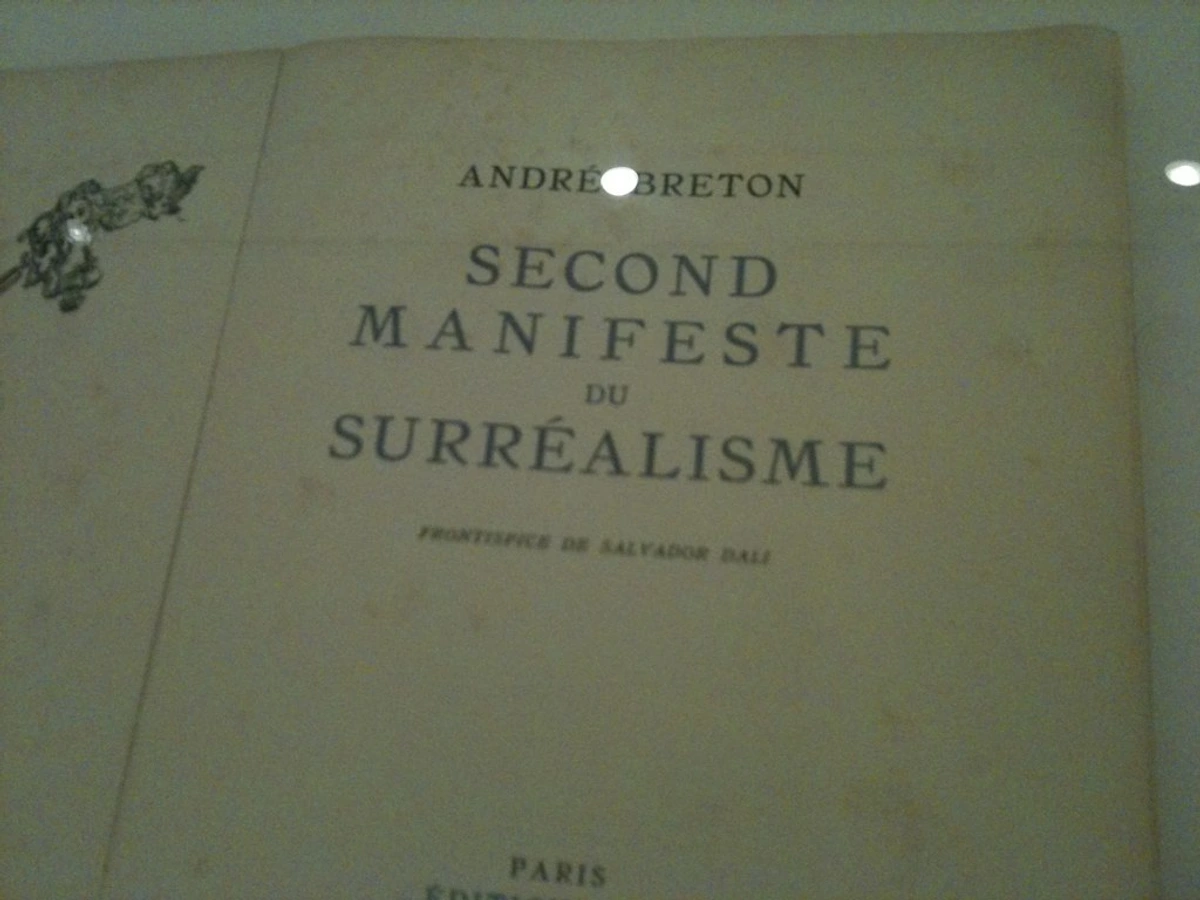
In his seminal 1924 Surrealist Manifesto, he laid out this new orthodoxy with the zeal of a prophet. He famously defined Surrealism as:
"Pure psychic automatism... intended to express... the actual functioning of thought... in the absence of any control exercised by reason, exempt from any aesthetic or moral concern."
This wasn't just an aesthetic; it was a call to arms. Breton viewed Surrealism as a tool for both individual and collective revolution, a way to dismantle the oppressive structures of capitalist society by first dismantling the dictatorship of the conscious mind. The manifesto was an open invitation to anyone willing to join this intellectual insurrection against the tyranny of logic, promising a complete spiritual and social overhaul.
In other words: let the drunk boss drive for a while and see where you end up. This became the central mission for a whole group of famous Surrealist artists, who would stop at nothing to unlock the doors of perception.
How to Paint a Dream: Deconstructing the Surrealist Toolbox
Okay, so you want to tap into your unconscious. It sounds grand, but how do you actually do that with a paintbrush or a pen? The Surrealists faced a practical problem: consciousness is a stubborn gatekeeper. So they developed a set of ingenious, and frankly, weird techniques to trick the guard, slip through the gate, and let the subconscious run wild. They saw these methods as revolutionary acts, ways to shatter the dictatorship of reason and uncover a purer, more profound reality beneath. It was a systematic effort to program their own minds for controlled malfunction, proving the seemingly paradoxical idea that the most profound creativity requires the abandonment of conscious control. They weren't just making art; they were conducting a series of audacious psychological experiments on themselves.
- Automatism: This is the most direct translation of Freud's free association into a visual medium. Artists like André Masson or Joan Miró would enter a trance-like state, sometimes aided by hunger or fatigue, and let their hands move randomly across the canvas. Starting with random doodles, lines, or smudges, they would then 'find' and develop images within the chaos, much like seeing shapes in clouds. It was about letting the hand move faster than the brain could censor it, creating a direct imprint of the psyche.
- Dream Imagery: This is the method most people associate with Surrealism, brought to its zenith by Salvador Dalí. It involves rendering bizarre, illogical dream scenes with the hyper-realistic precision of a Dutch Old Master. The goal wasn't abstraction, but to make the impossible seem tangibly real. Dalí called them "hand-painted dream photographs," and they were designed to unsettle our reliance on objective reality. To achieve this, Dalí developed his "paranoiac-critical method," where he would deliberately cultivate a state of paranoid delirium. He would sit for hours, staring at blank walls or ambiguous shapes until his mind began to project complex, multi-layered hallucinations. He would then meticulously render these visions with photographic precision, creating worlds that looked real but obeyed only the logic of psychosis. It was a conscious attempt to use insanity as a tool to break down the conscious mind's iron grip on reality.
- Frottage and Decalcomania: If you want to truly break from control, why not fully embrace chance? That was the itch these techniques scratched. Pioneered by the ever-inventive Max Ernst, these are often called "chance-based methods." Frottage, from the French word for "rubbing," involved placing paper over textured surfaces like wood grain, leaves, or worn fabric and rubbing it with a pencil or crayon. The resulting patterns would suggest fantastical landscapes or creatures to the artist. Decalcomania was even more chaotic: artists would spread thick paint on a canvas, press another surface like glass or paper against it, and then peel them apart, creating strange, blobby, organic shapes that formed the basis for otherworldly vistas. It was a way of collaborating directly with the unpredictable laws of physics, turning a random event into the seed of a new world.
But the Surrealist toolkit went even further. They also embraced Exquisite Corpse, or Cadavre Exquis, a collaborative drawing or writing game. One person would draw a head, fold the paper to hide their contribution, and pass it to the next person to draw a torso, and so on. The result was a disjointed, surprising final image—a creature with a bird's head, a woman's torso, and a fish's tail. This playful technique was a direct assault on individual ego and conscious intent, producing bizarre composites that could only be born from a collective subconscious effort. Artists like Yves Tanguy and Joan Miró also pioneered techniques where they would splash paint, let it dry, and then find images within the random stains, or 'smoke' a canvas to create ethereal, smoky forms. These methods weren't just about creating an image; they were a ritual, a deliberate surrender to randomness.
These methods weren't just artistic gimmicks; they were psychological experiments conducted with paint instead of patients. Each technique was a formal procedure designed to bypass the "ego," the gatekeeper of rational thought, and access a purer, more primal source of creativity. They were ways to trick the conscious mind into getting out of the way, allowing the true, uncensored self to emerge on the canvas. It was an effort to turn the artist into a medium, a conduit for the unpredictable energies of the psyche to flow directly into their work.
Case Studies in Psycho-Art: Dalí, Magritte, and the Unconscious Unveiled
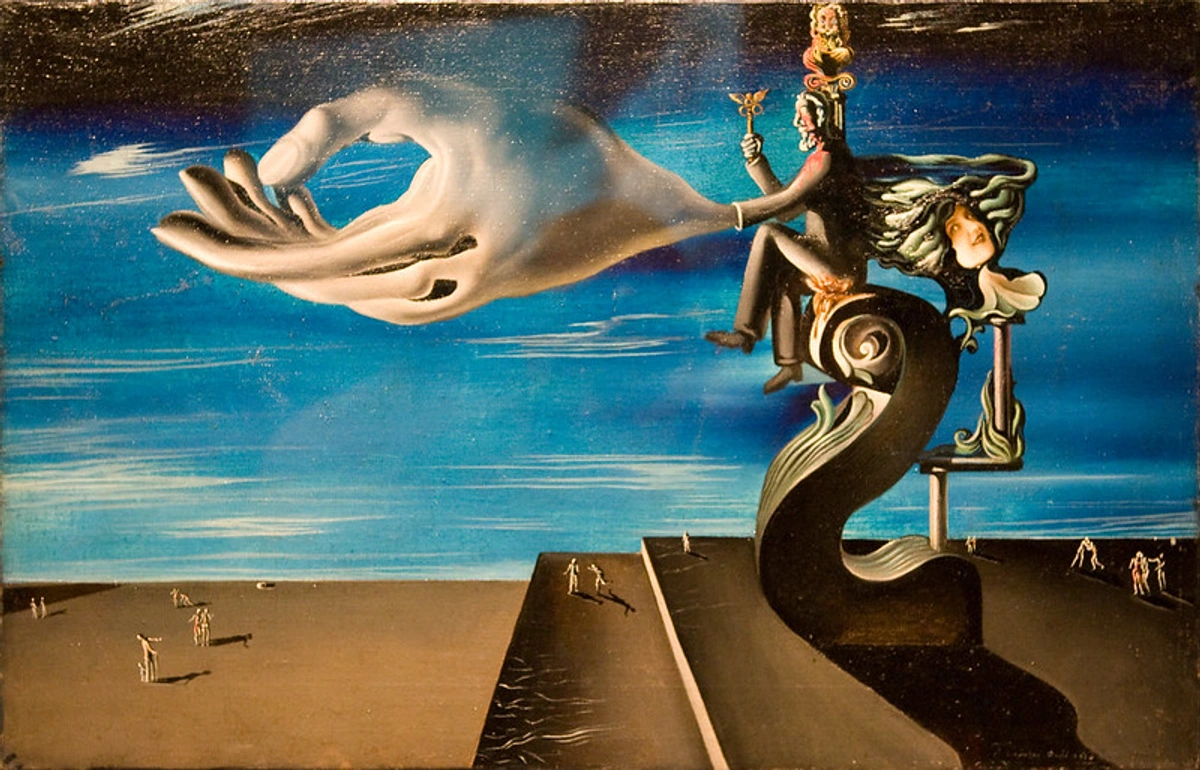
Theory is one thing, but how do you actually put Freudian ideas onto a canvas? The Surrealists each found their own answer, creating a movement of astonishing diversity. Let's dive into the minds and methods of a few iconic figures who approached the subconscious from entirely different angles. I've always found it fascinating how the same central idea could lead to such wildly different results. Salvador Dalí, for instance, turned inward to explore his own psychic obsessions, while René Magritte turned his gaze outward to fracture our perception of reality, and artists like Max Ernst delved into myth and archaeology to uncover a collective, primal unconscious.

Salvador Dalí: Master of the Hand-Painted Dream
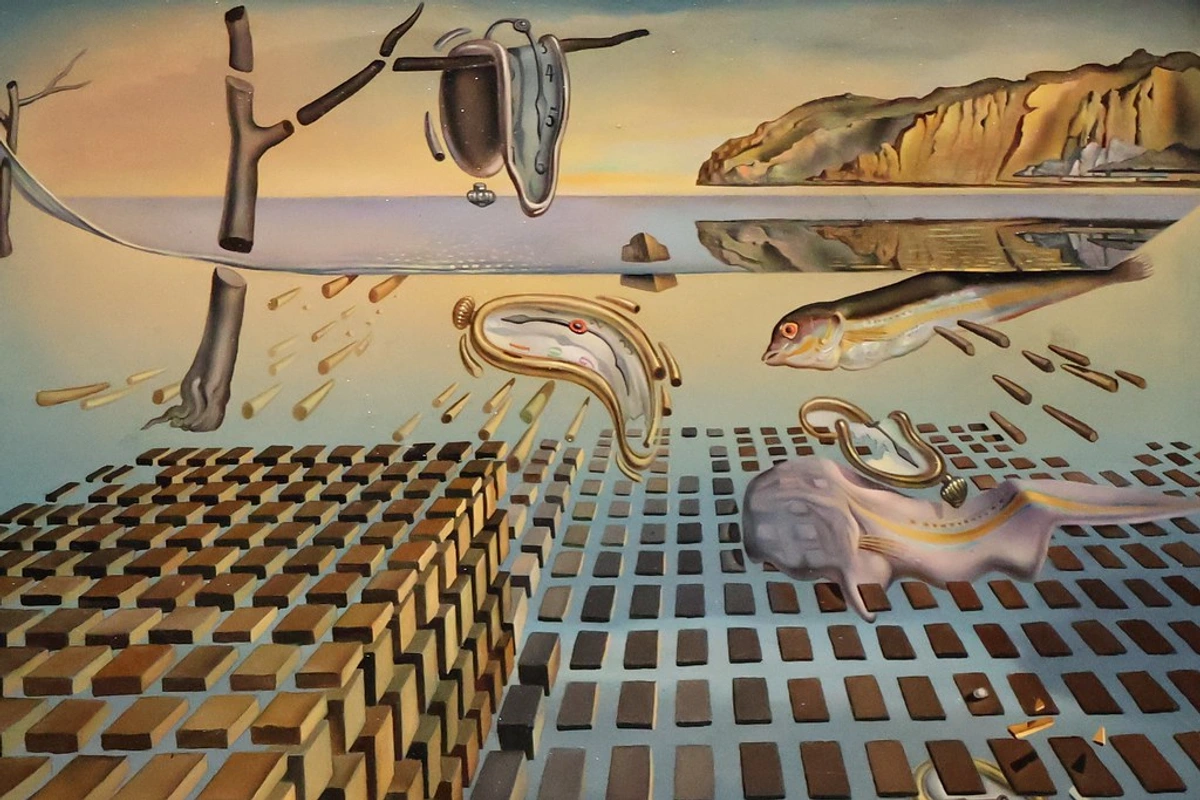
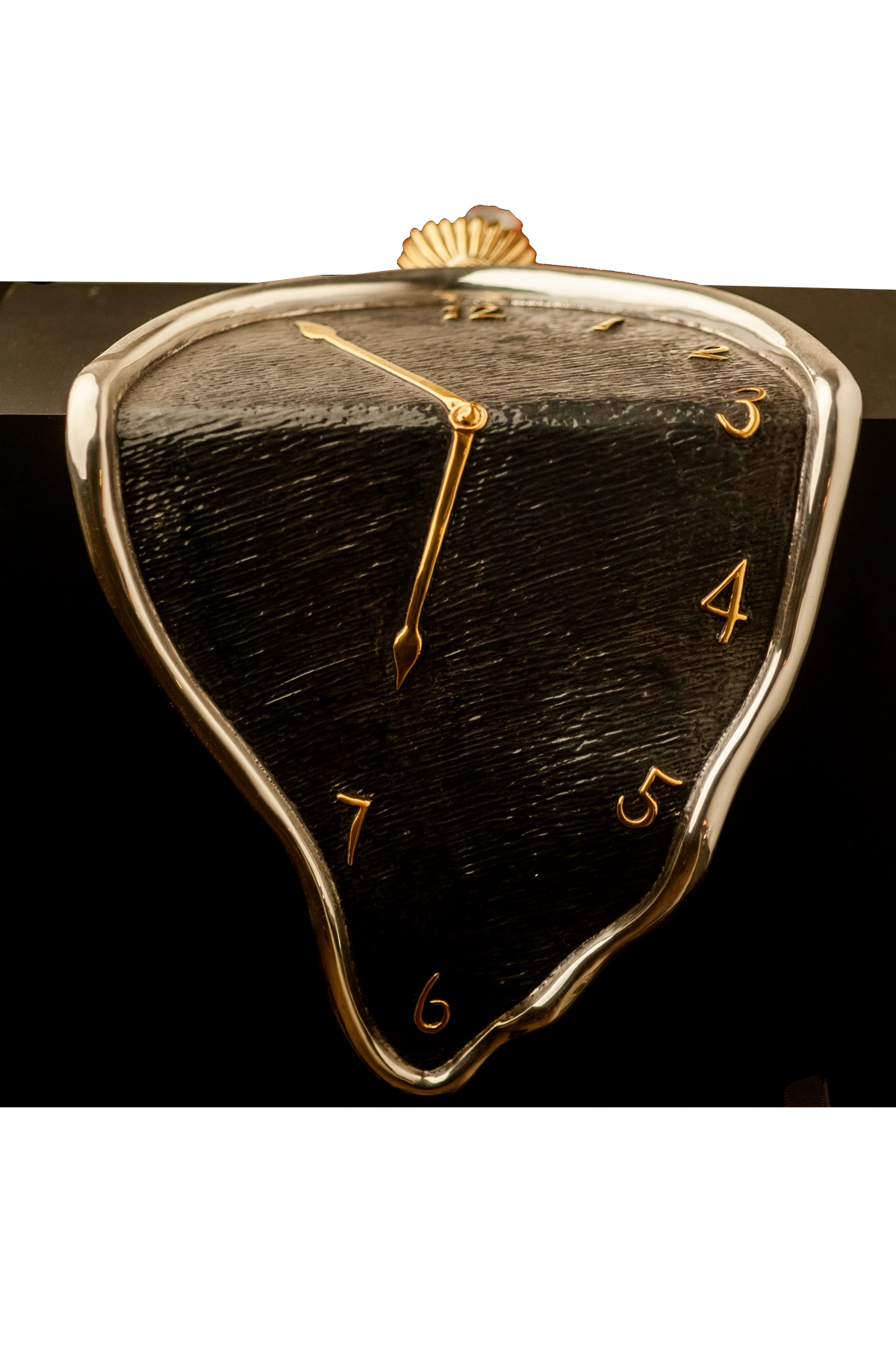
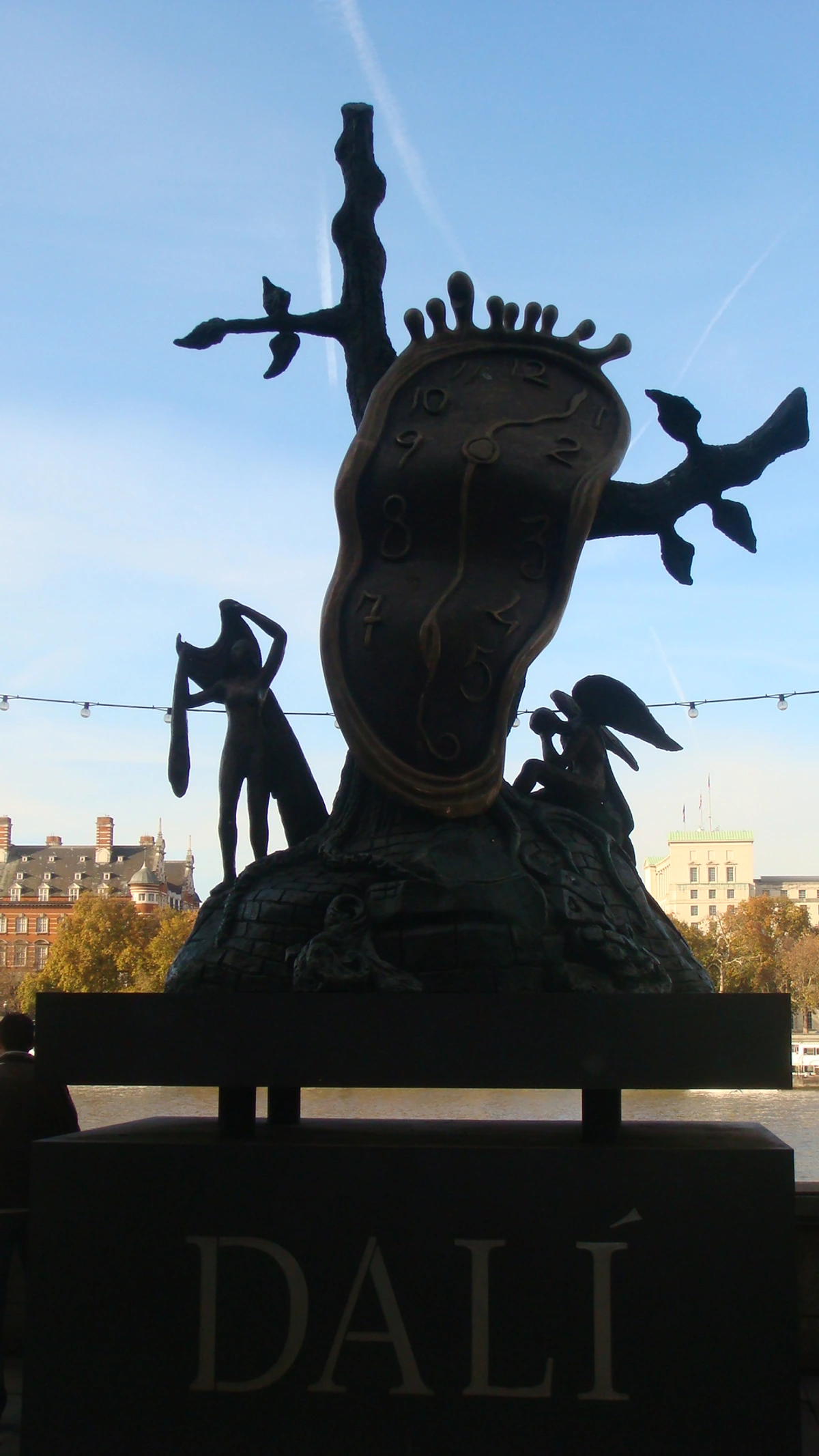
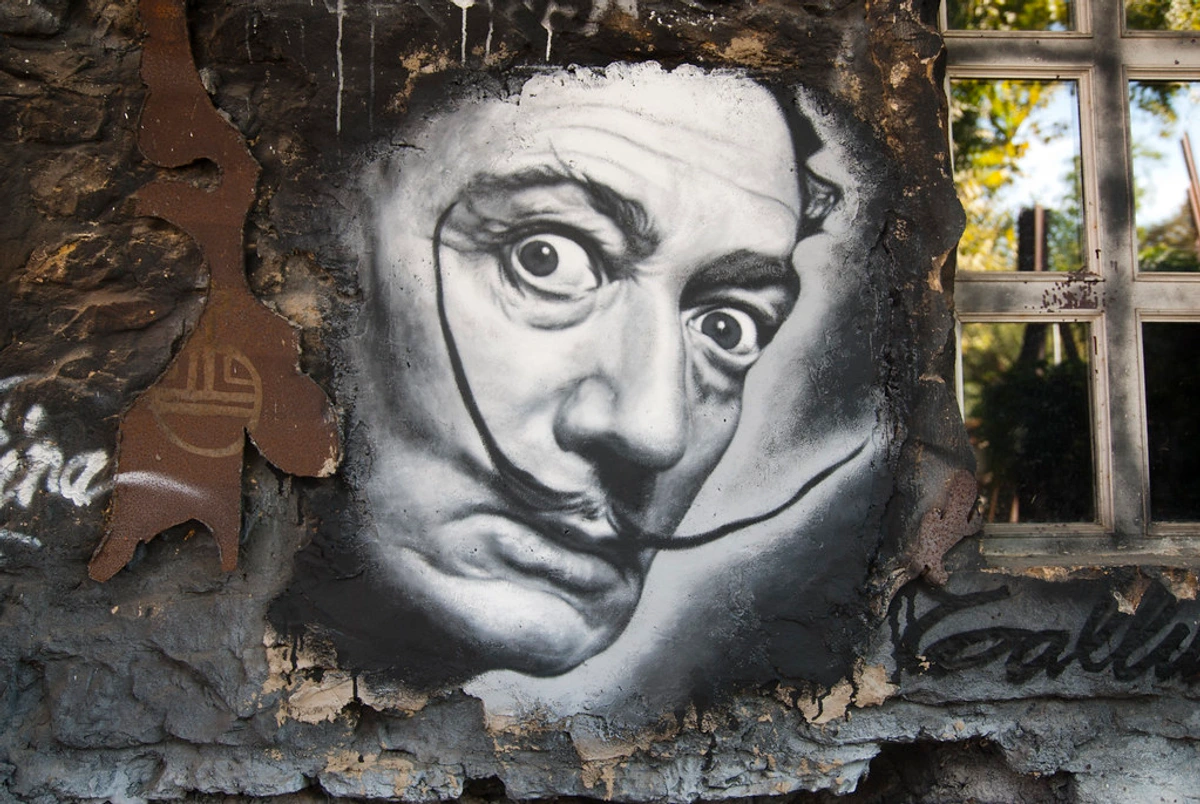
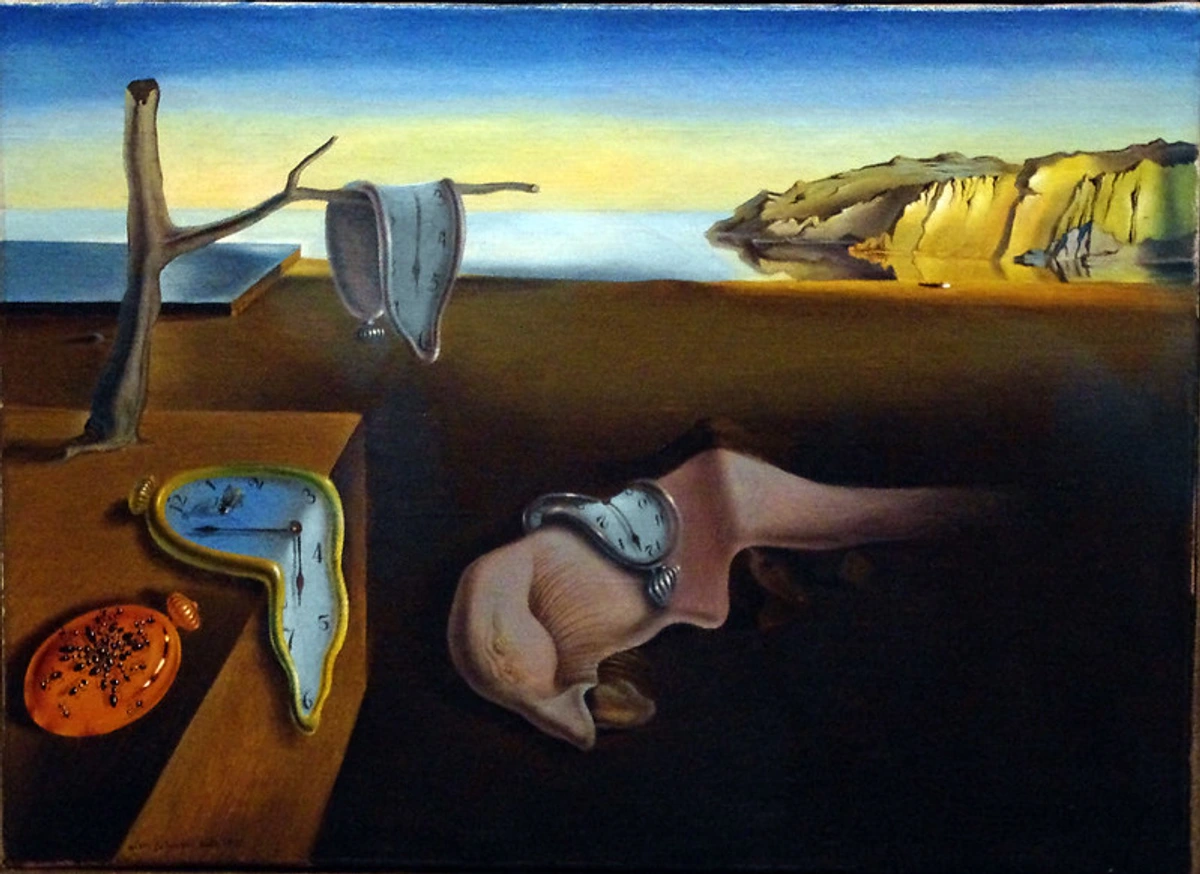
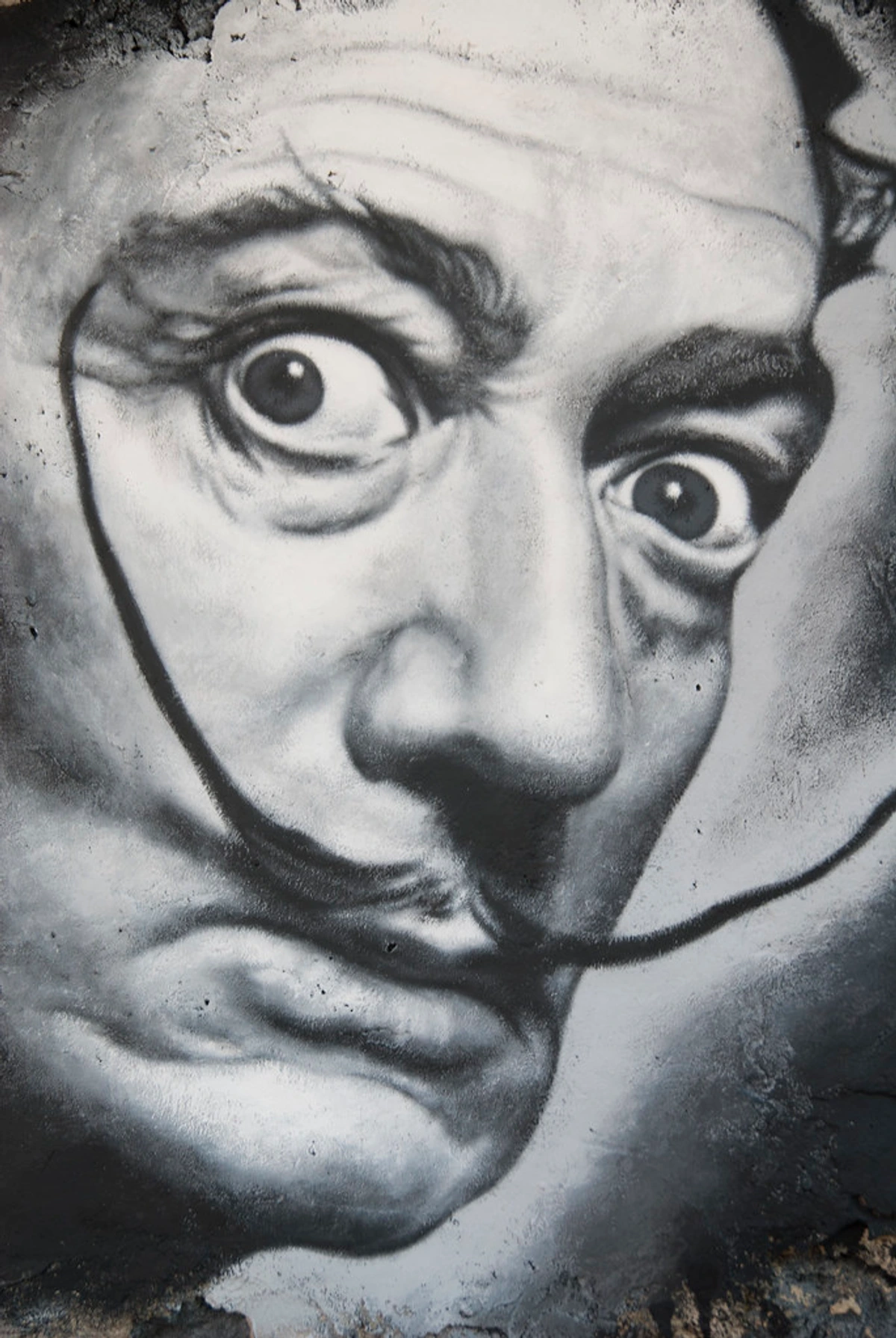
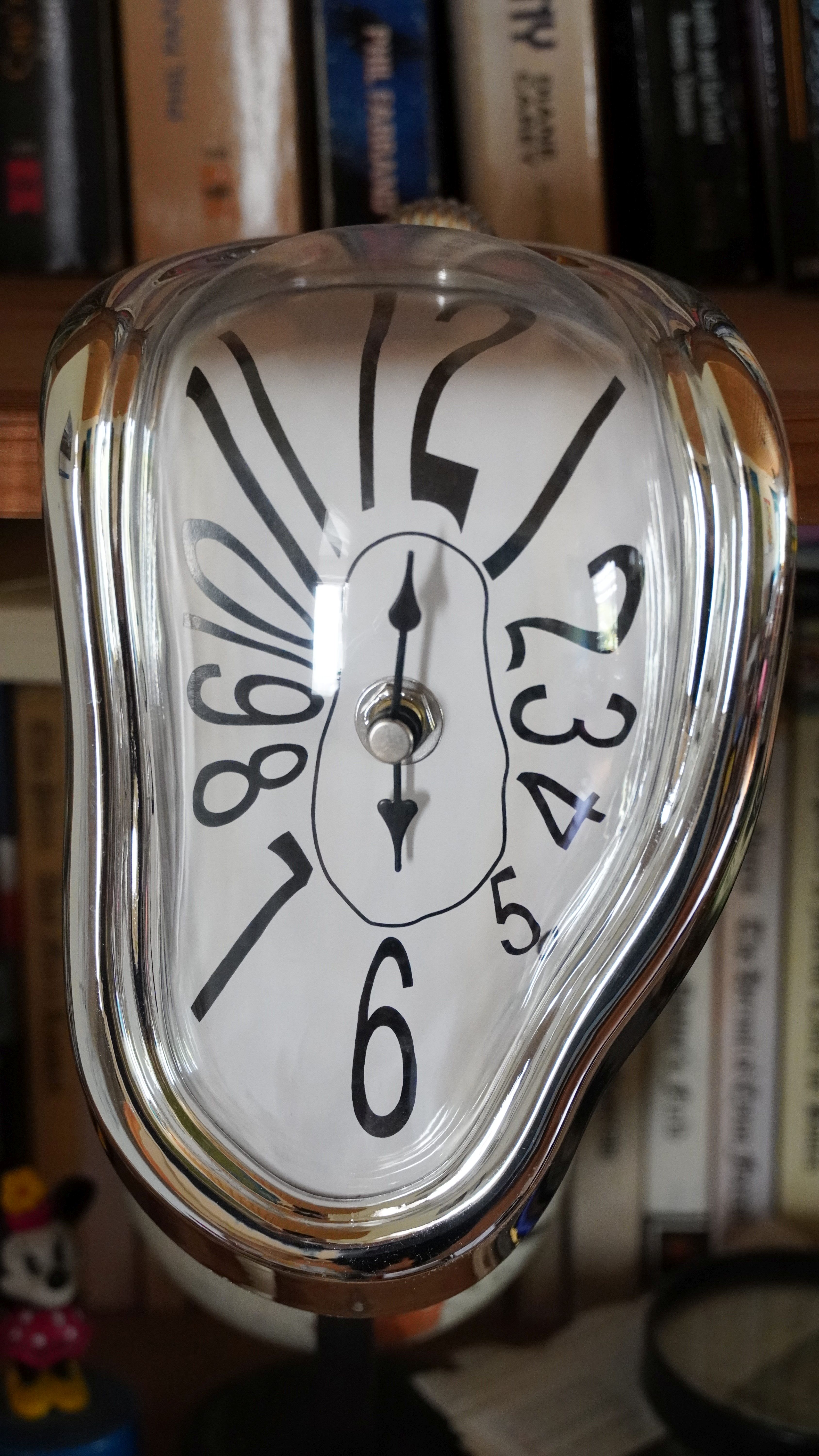
No artist is more synonymous with Surrealism than Salvador Dalí. He wasn't just influenced by Freud; he was positively obsessed, reading The Interpretation of Dreams with the devotion of a holy text. He even developed his own "paranoiac-critical method," a technique for self-induced psychosis. This involved staring at an object until his mind, through a kind of controlled delusion, began to project multiple, overlapping images onto it. He would then paint these paranoid visions with the hyper-realistic, trompe-l'œil precision of an Old Master. His famous painting, The Persistence of Memory, isn't just a painting of melting clocks; it's a Freudian landscape where the rigid, objective time of the conscious world dissolves into the fluid, subjective time of our dreams and memories.
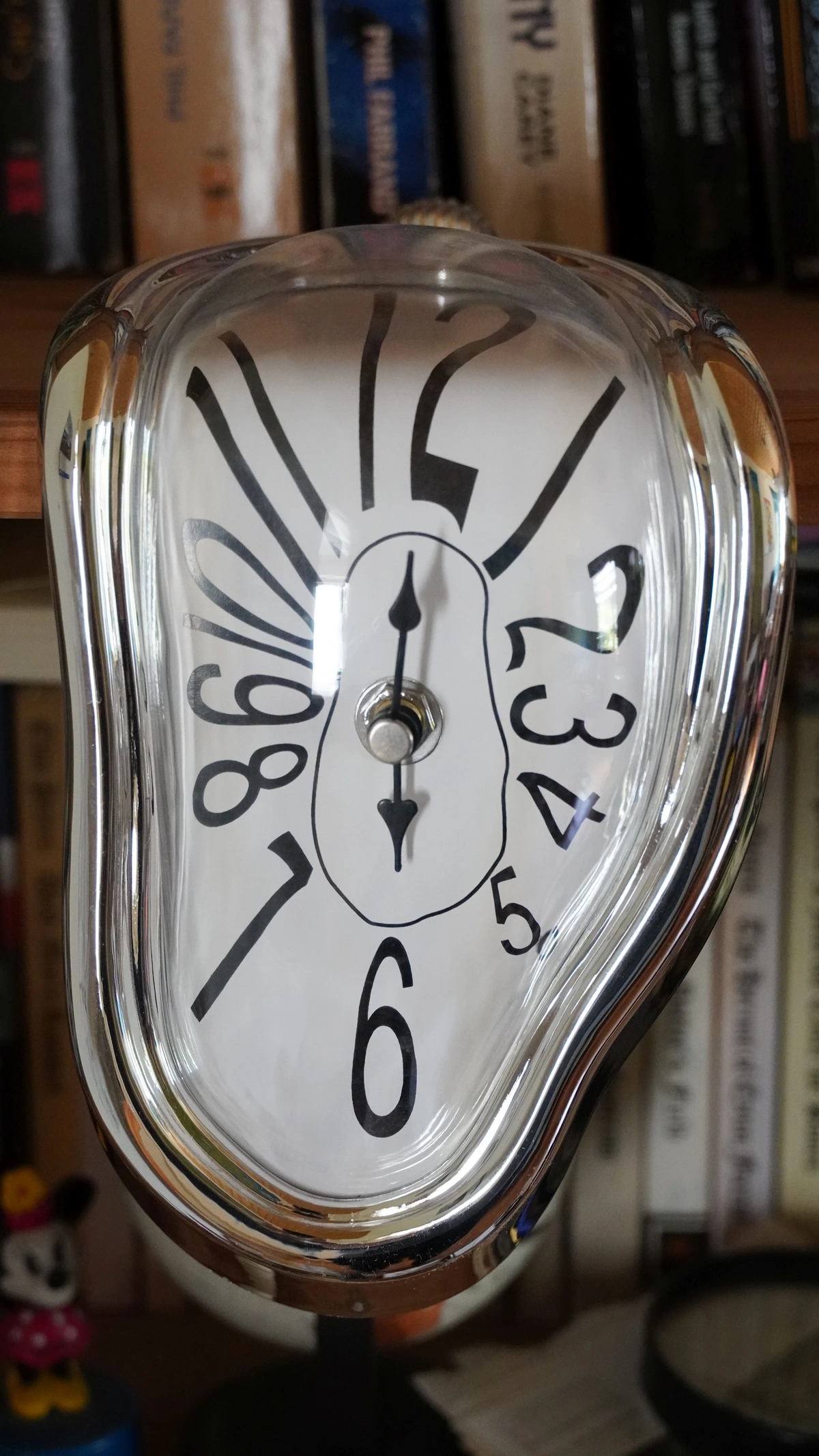
Dalí's art is a veritable encyclopedia of Freudian themes. Look closely, and you'll see the recurring soft, melting forms—clocks, figures, even landscapes—that seem to defy the laws of physics. To me, these evoke the fragility of human flesh and the instability of identity. His fascination with drawers protruding from human bodies, like in his Venus de Milo with Drawers, is a direct visual metaphor for the Freudian concept of the psyche as a collection of hidden compartments, each holding secret desires and traumas. His famous limp watches aren't just about time; they're about the anxiety of decay, the fear of entropy, and the ultimate impotence of the rational mind in the face of the irrational forces of life and death. His entire artistic persona was a calculated performance of eccentricity, designed to convince the world—and himself—that he was permanently connected to the delirious landscapes of his own mind.
René Magritte: The Philosopher of the Unseen
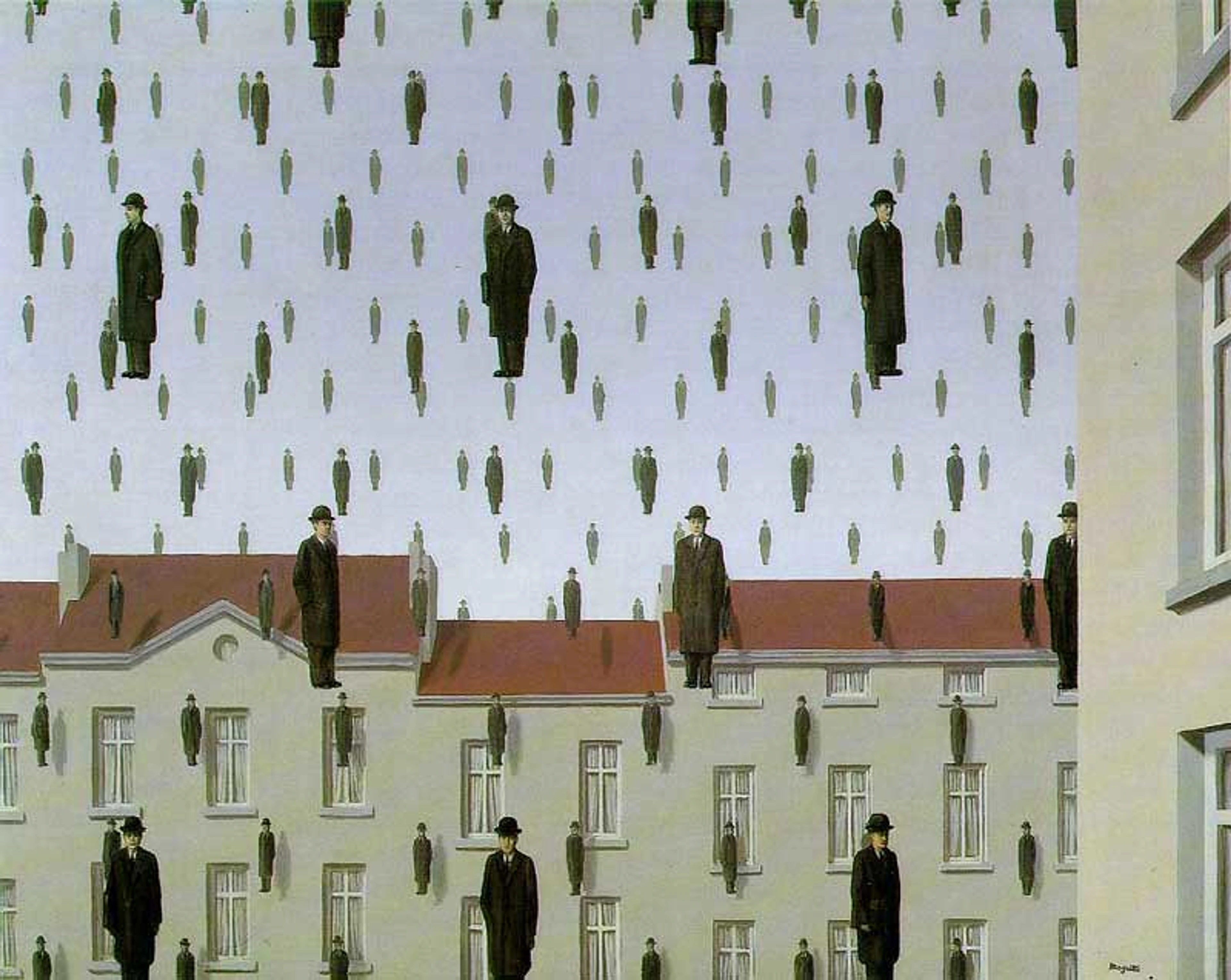
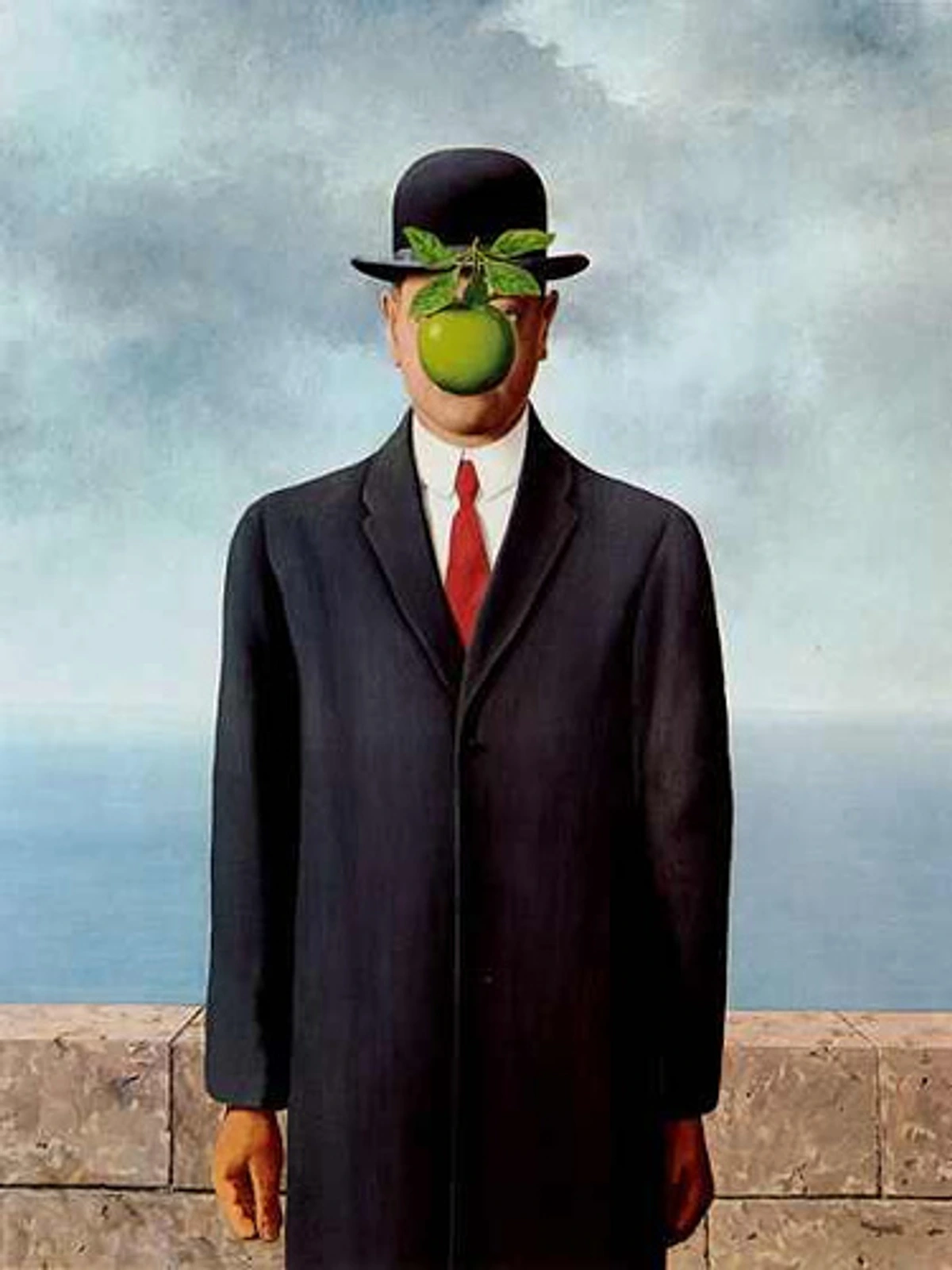
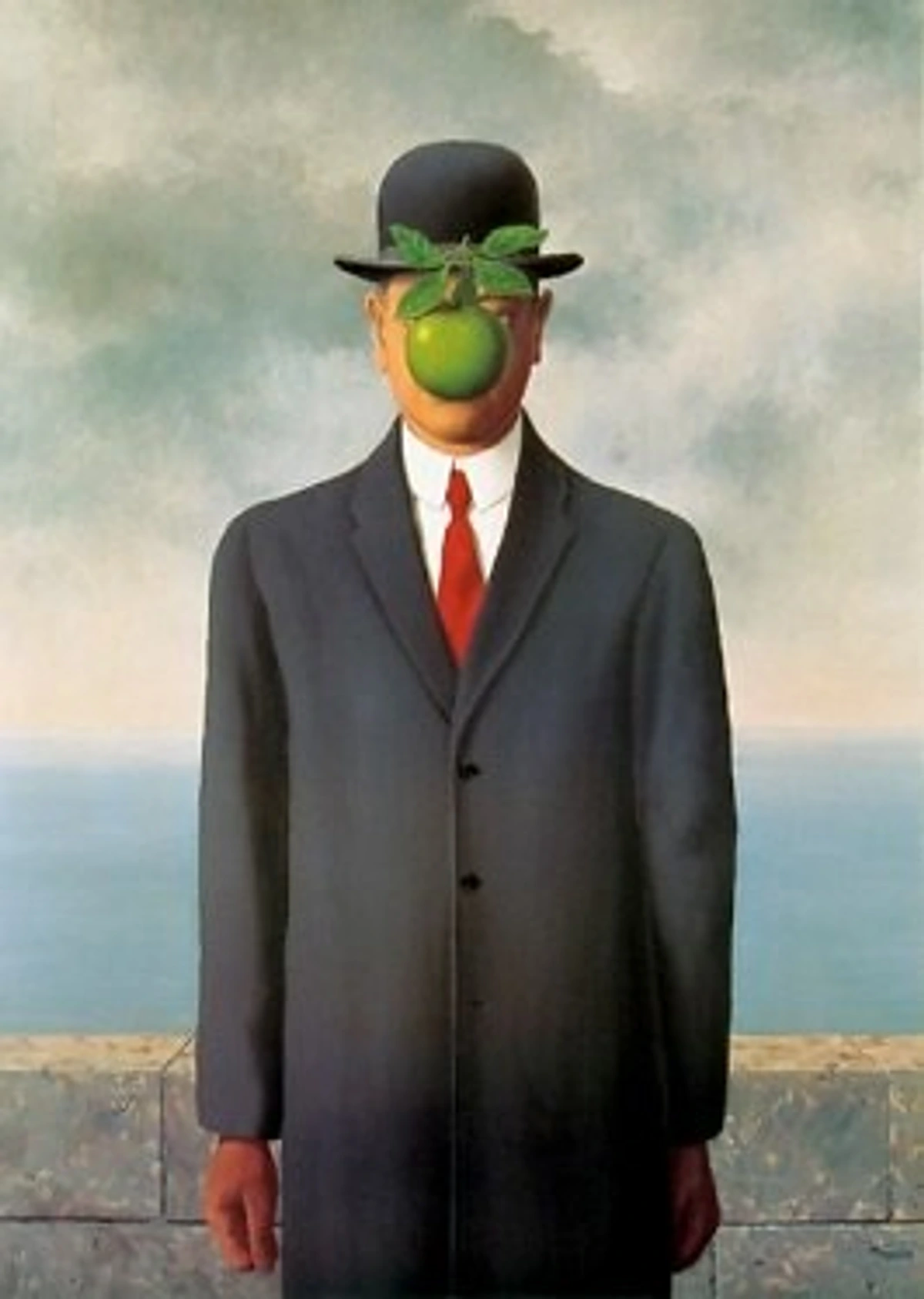
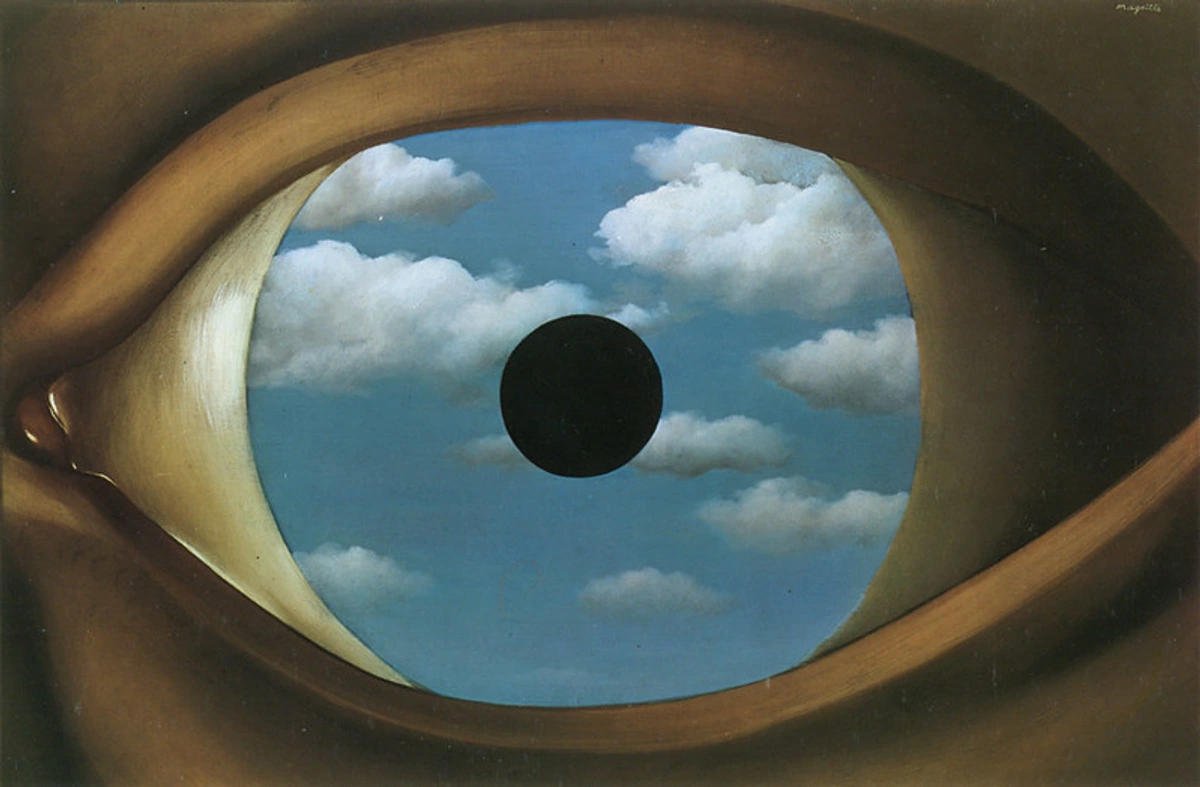
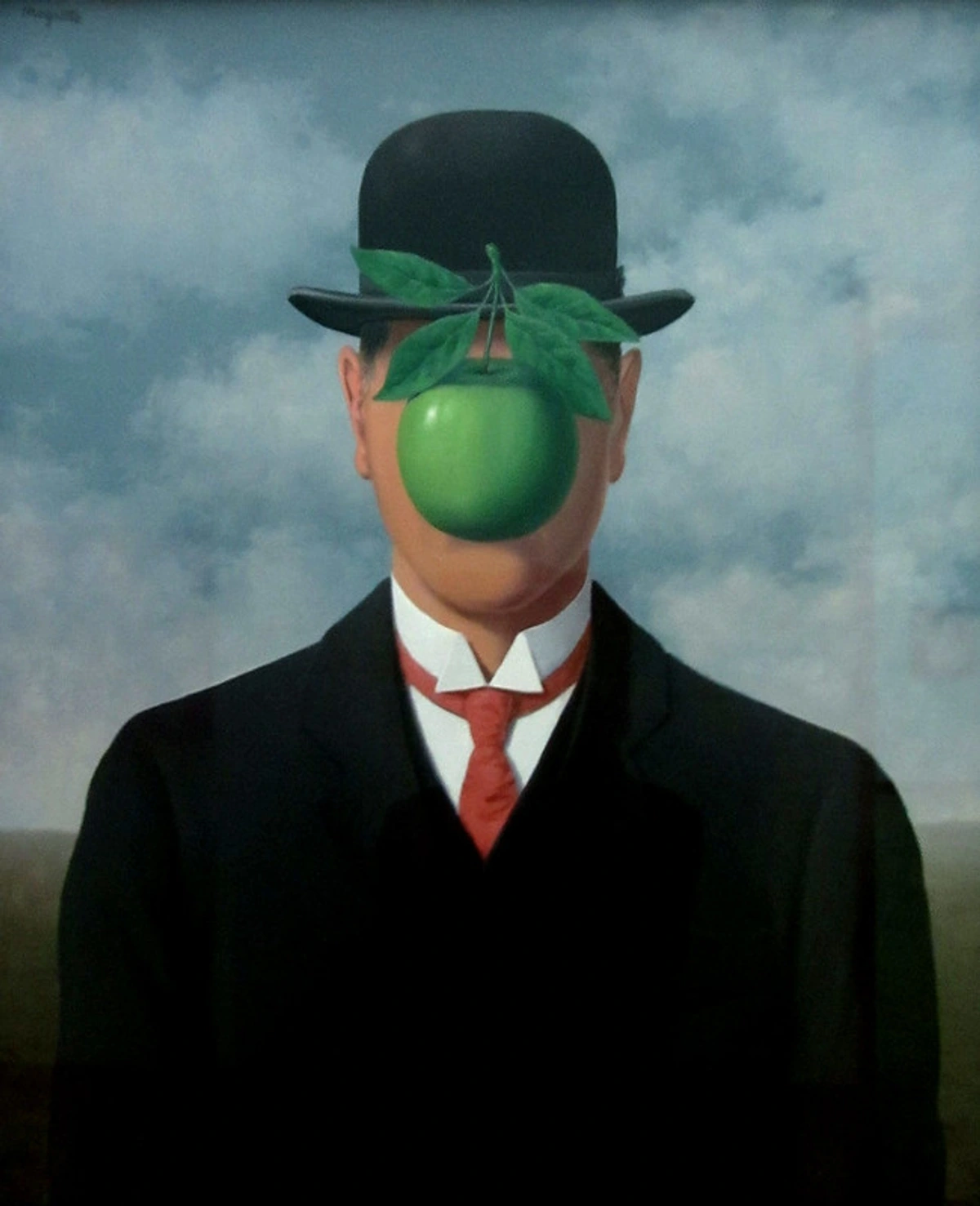
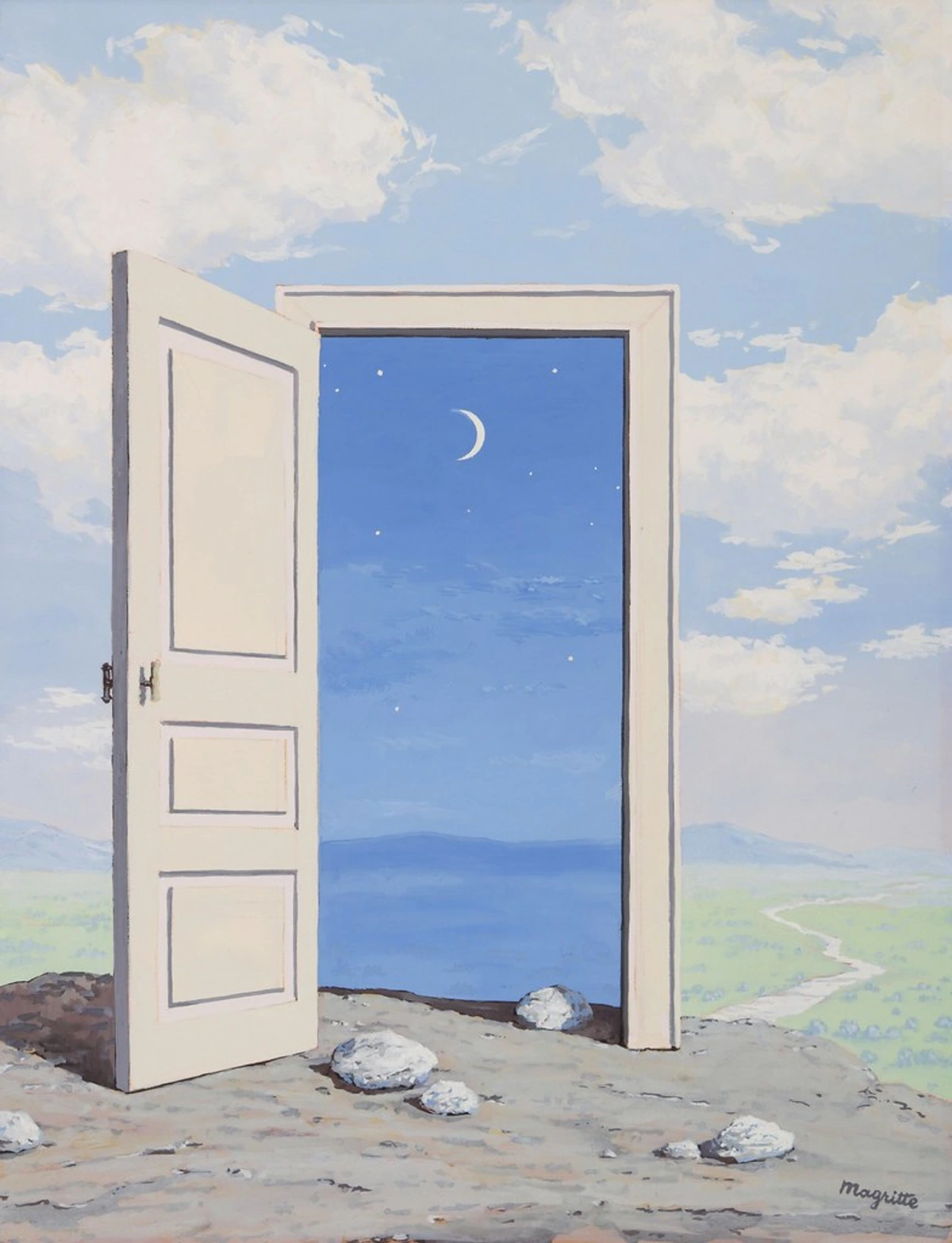
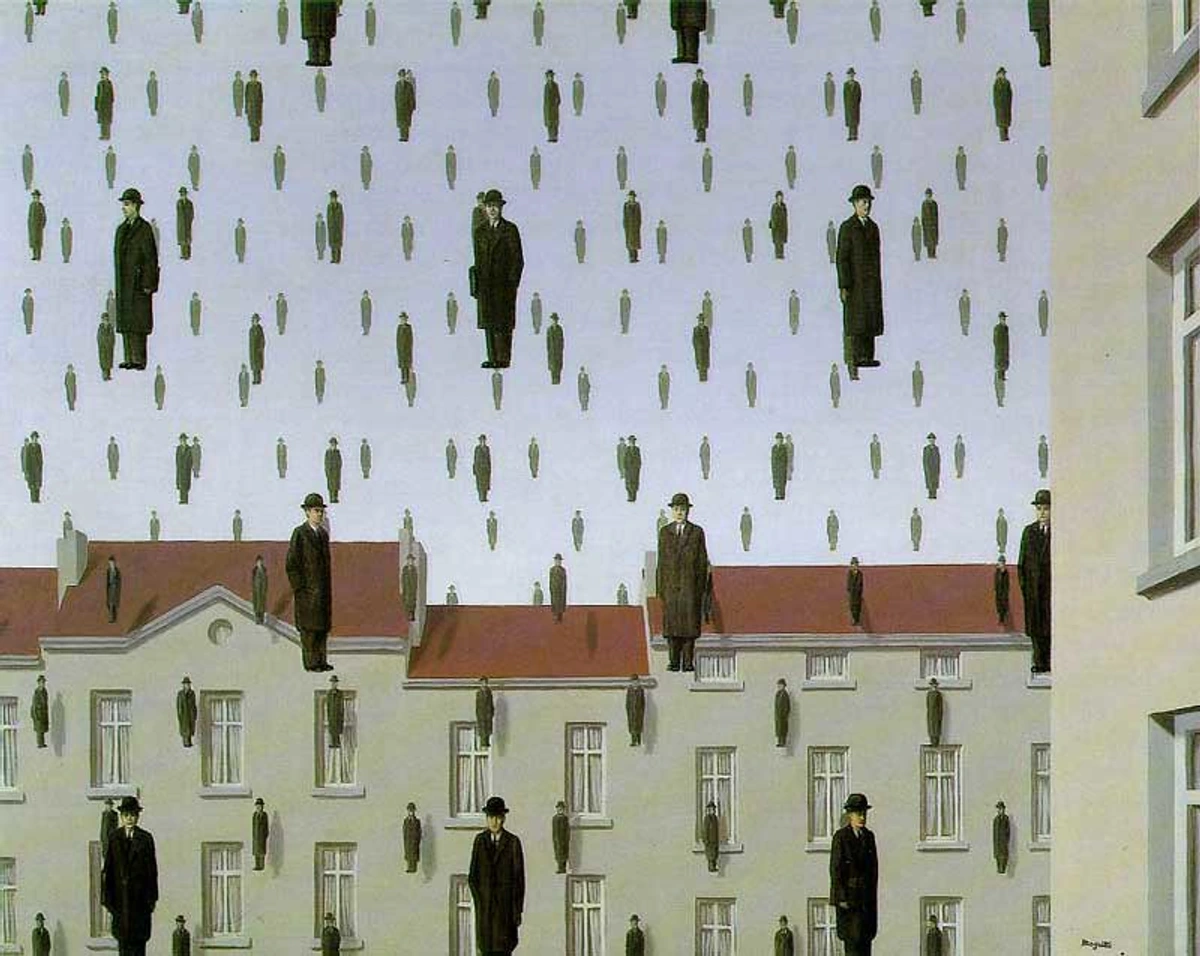
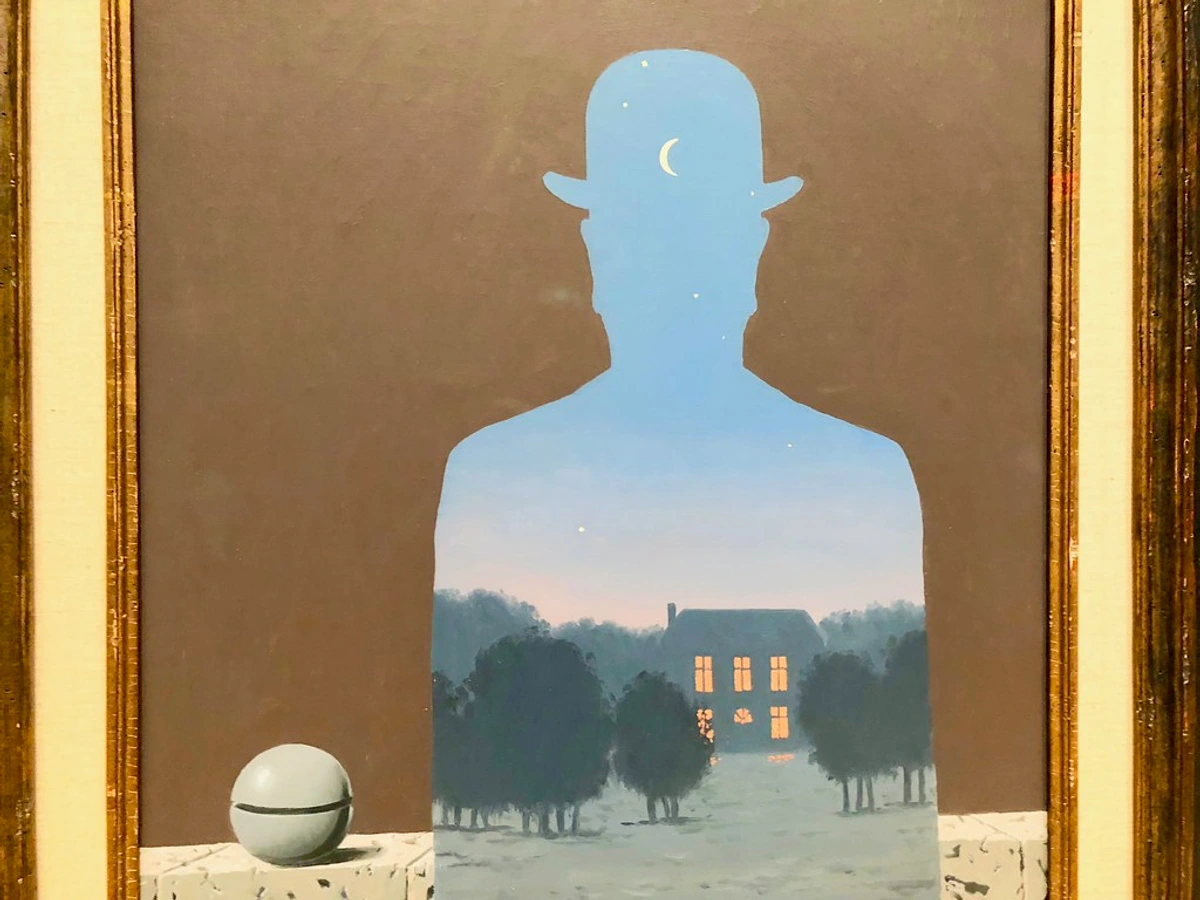
While Dalí painted his internal psyche with feverish intensity, the Belgian painter René Magritte turned his cool, analytical, and almost bureaucratic gaze outward. He was less interested in the chaotic content of his own dreams and more fascinated by the faulty mechanics of perception, language, and representation itself. If Dalí was painting the dream, Magritte was debugging the operating system of our waking reality.
The Awkward Family Dinner: What Did Freud Really Think of Surrealism?
Let's pause here, because this is one of my favorite parts of the whole story. It's a masterclass in how movements can be inspired by things their heroes never intended. After all this devotion, this near-deification, what did the master himself, Sigmund Freud, think of his most ardent artistic disciples? The man whose ideas had launched a thousand strange canvases? He was, to put it mildly, profoundly unimpressed.
Freud was a man of science, a doctor through and through. He was trying to methodically map the unconscious to understand and cure mental illness, to bring what was irrational into the light of rational analysis. From his perspective, the Surrealists were doing the exact opposite: they were gleefully jumping into the abyss, not trying to build a bridge across it. He saw their work not as a philosophical breakthrough, but as a symptom—the raw, unprocessed content of a neurotic mind. For him, looking at a Surrealist painting was like a doctor looking at a patient's rash—interesting clinically, perhaps, but not something to be celebrated as high art or revolutionary thought.
This isn't entirely surprising. Freud, born in 1856, was a product of 19th-century scientific positivism. He believed deeply in reason and analysis as the ultimate tools for human progress. His entire life's work was dedicated to taming the chaos of the unconscious, bringing its dark forces into the light of rational analysis so they could be understood and, hopefully, healed. He wasn't interested in celebrating the chaos; he wanted to cure it. He once wrote that the artist was 'midway between a neurotic and a daydreamer,' and his attitude towards the Surrealists was a clinical extension of that rather unflattering view. He saw their intense focus on the irrational as a dangerous indulgence, a reckless flirtation with the very forces he was trying to bring under scientific control.
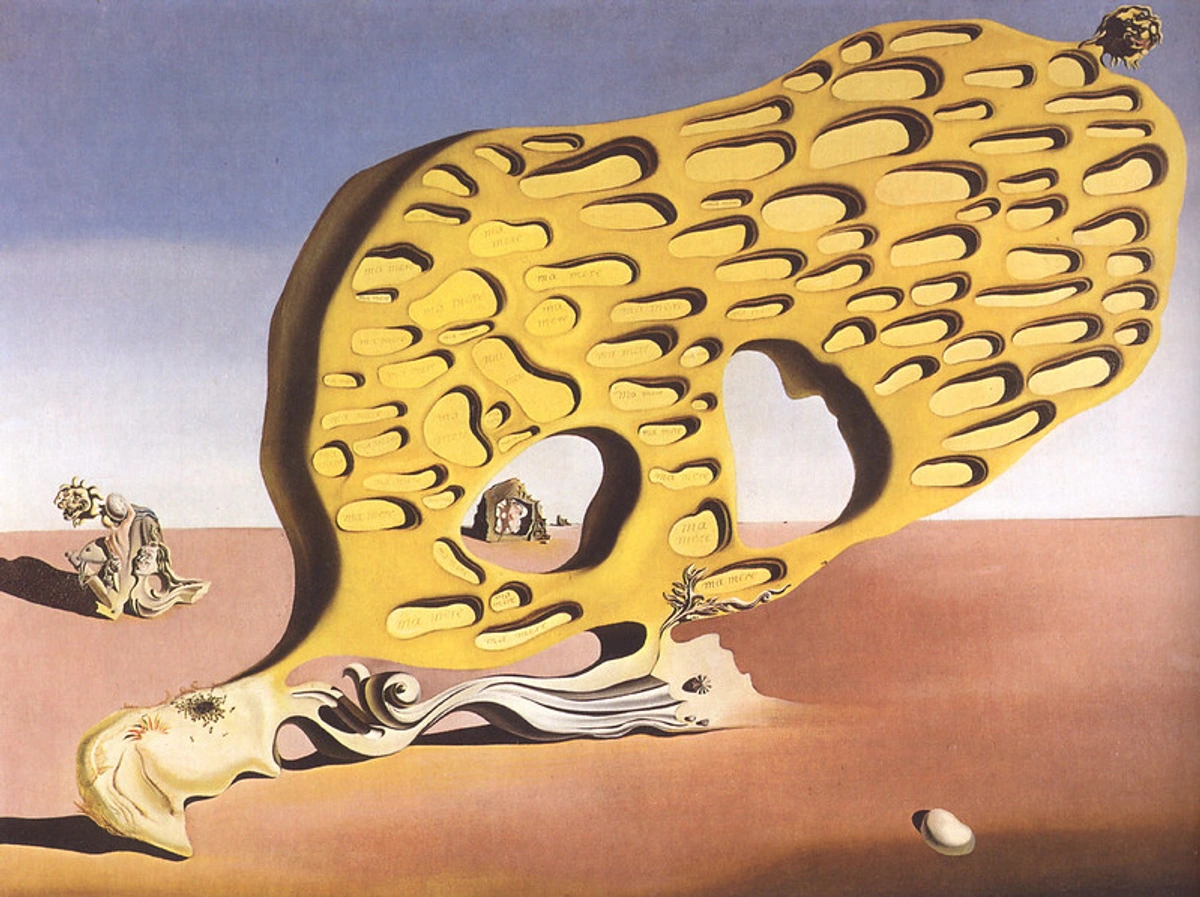
The one time he met Salvador Dalí, in London in 1938, this attitude was laid bare. Dalí, then at the height of his powers, arrived quivering with excitement, sketching his latest theories on a notepad. He brought with him his painting Metamorphosis of Narcissus, hoping its direct engagement with Greek myth through a psychoanalytic lens would be the key to unlock the great man's approval. Freud, an old man by then, was more intrigued by Dalí the person than by his art. He later wrote in a letter to his friend Stefan Zweig, with palpable condescension, that while he had previously seen the Surrealists as 'complete fools,' Dalí had made him reconsider. Yet, his interest was purely clinical. He was less interested in the paintings and more interested in Dalí himself as a psychological case study—a 'perfect prototype of a Spaniard' with his fanatical and megalomaniacal tendencies. For Dalí, it must have been a crushing disappointment. He had traveled all that way hoping to find a fellow traveler, a co-conspirator in the exploration of the psyche, only to be treated as an unusually interesting specimen. It's a classic, slightly condescending Freudian take, and the story perfectly captures the fundamental clash between the doctor and the artist: he didn't care for their art.
FAQ: Your Questions on Freud and Surrealism
Looking for a quick, authoritative rundown on the burning questions? Here’s a breakdown of the essentials, tackling the common curiosities that pop up when two massive worlds like psychoanalysis and modern art collide.
What is the main connection between Freud and Surrealism? The central link is Freud's theory of the unconscious mind as a primary driver of human behavior. The Surrealists, disillusioned by a world fractured by World War I, latched onto this idea with the zeal of converts. They saw the rational mind as a failed project—after all, it had produced industrialized slaughter—and the unconscious as a source of untapped creative and revolutionary power. They didn't just use his ideas for subject matter; they adopted his techniques, like free association, and reworked them into artistic methods like automatism to bypass logical thought and create from a more primal, authentic place.
Did Sigmund Freud invent Surrealism? No, absolutely not. The question is a bit like asking if the inventor of the steam engine invented the railway system. Freud was a psychoanalyst, a man of medicine who had little to no direct interest in the art movement he inadvertently inspired. He provided the intellectual blueprint—the understanding of the unconscious—but André Breton was the one who read those blueprints and decided to build a wildly ambitious, revolutionary new structure. Breton formally founded the movement, wrote its manifesto, and gathered the artists. He was simply profoundly inspired by Freud's psychological theories as a tool for aesthetic and political revolution.
Which Surrealist artist was most influenced by Freud? Salvador Dalí was arguably the most directly and obsessively influenced. He devoured Freud's writings, particularly The Interpretation of Dreams, and developed his entire 'paranoiac-critical method' as a direct homage to Freudian psychoanalysis. He consciously populated his canvases with Freudian symbols and, as mentioned earlier, desperately sought Freud's personal approval, a quest that ended in that single, famously disappointing meeting. Other artists like Max Ernst used Freudian concepts as creative starting points, but Dalí built his entire artistic persona—the showmanship, the madness, the technical precision—around them.
What are some examples of Freudian symbolism in Surrealist art? Inspired by Freud's The Interpretation of Dreams, the Surrealists filled their work with symbolic language. Keys and keyholes often symbolize unlocking repressed secrets or the female form. Staircases, elevators, and trains frequently appear, carrying strong sexual connotations. Birds and insects often represent freedom, the soul, or sometimes, anxiety. Eggs and rounded shapes could symbolize birth, potential, or the primordial state. These were not always hard-and-fast rules, but recurring motifs borrowed from the psychoanalytic toolkit to give visual form to the otherwise invisible world of the psyche.
It's also helpful to look at a few key symbols in context with a chart like this:
Symbol (Work) | Freudian Interpretation |
|---|---|
| Melting Clocks (Dalí) | The collapse of objective, rational time; the dominance of subjective, psychological time; a meditation on decay and the anxiety of mortality. |
| Hatted, Faceless Man (Magritte) | The unknowable nature of the self; the "id" hidden behind the public "ego"; the mystery of individual identity in a conformist society. |
| Bird-Human Hybrids (Ernst) | Primal, totemic figures representing a pre-logical, mythic state of consciousness; a return to the collective, archetypal imagery of the unconscious. |
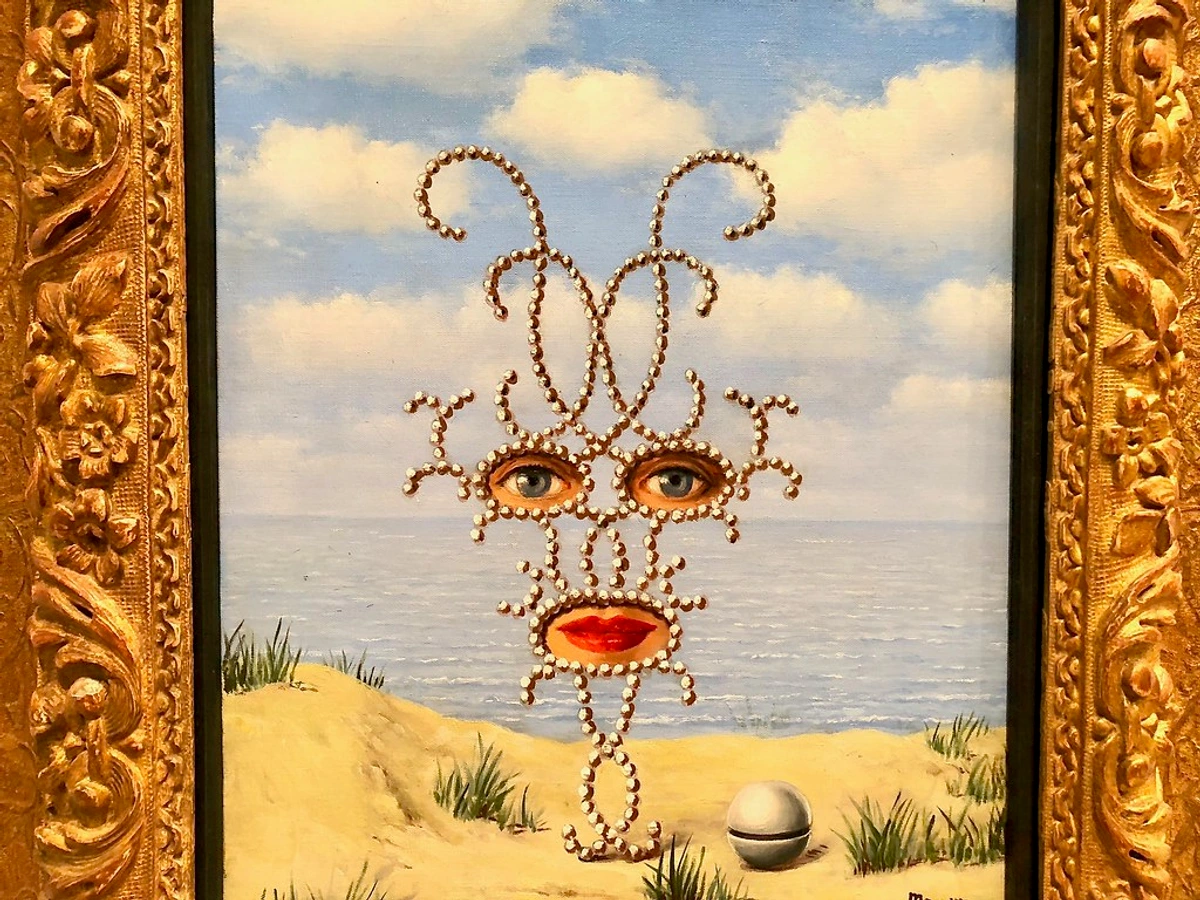
However, the Surrealists also created intensely personal symbols, so interpretation is always complex and rarely has a single, fixed meaning.
What is automatism in art? Often described as 'the dictation of thought, in the absence of all control exercised by reason,' Automatism is the foundation of Surrealist practice. It is the physical act of creating art without conscious thought, allowing the unconscious mind and chance to guide the hand. It's the visual equivalent of Freud's therapeutic technique of free association, where a patient says whatever comes to mind without censorship. Artists would attempt to silence their internal critic, sometimes by working quickly, while in trance-like or fatigued states, to produce marks, doodles, or text that flowed directly from the subconscious. The goal was to let the hidden self speak, with all its messy, illogical, and surprising impulses. The spontaneous 'automatic drawings' of André Masson are the purest example of this technique in action. You can explore a definitive guide to Surrealism to learn more.
Who were the key female Surrealist artists? While figures like Dalí and Breton dominate the popular narrative, the contributions of women to Surrealism were profound, offering a crucial counter-narrative to the often masculine-focused stories. Artists like Leonora Carrington created fantastical, deeply personal dreamscapes populated by mythical creatures. Dorothea Tanning crafted uncanny, psychological interiors that feel both familiar and deeply unsettling. Meret Oppenheim famously challenged Freudian readings of femininity with her Object (Luncheon in Fur), a teacup covered in fur. These women often explored themes of female identity, sexuality, and myth from a perspective the male artists could not, offering a richer and more complex dimension to the movement's exploration of the self.
Other Minds, Other Worlds: Key Figures We Haven't Met Yet
The story of Surrealism is often dominated by its loudest personalities, but it was a sprawling, multi-faceted movement. Several other towering figures approached the unconscious from entirely different angles, expanding the movement's vocabulary and proving that there was no single way to paint a dream.
Max Ernst: The Shaman of the Subconscious
If Dalí was the showman and Magritte the philosopher, Max Ernst was the movement's shaman. A German veteran of the First World War, Ernst was haunted by the conflict and channeled its trauma into his art. He saw the unconscious not as a personal space to be mined for symbols, but as a vast, collective repository of ancient myths and primeval fears.
Ernst pioneered many of the "chance-based" techniques that became Surrealist staples. His early work with collage was revolutionary; by cutting up 19th-century engravings and reassembling them into bizarre new narratives (a technique he called fatagaga), he created a new, unsettling reality born from the ruins of the old. This was more than just art; it was a metaphor for a shattered Europe being pieced back together in monstrous new forms. His later works often feel like archeological digs into a forgotten, dreamlike past, populated by strange bird-like creatures and primeval forests, reflecting his deep interest in psychology and mythology.
Joan Miró: The Poet of Unfettered Imagination
Joan Miró took Breton's call for "pure psychic automatism" perhaps more literally than anyone else. A Spanish painter from Catalonia, he wanted to move beyond painting altogether, aspiring to what he called "the murder of painting." His work is a world away from Dalí's hard-edged realism, plunging instead into a universe of abstract, often childlike forms, vibrant colors, and floating symbols.
For Miró, the goal was absolute freedom from rational constraint. He would often begin a painting with no preconceived idea, letting his brush wander the canvas in a trance-like state. The resulting works—filled with amoebic shapes, stars, ladders to nowhere, and strange, playful creatures—feel like direct transcriptions of a state of pure, unfiltered consciousness. Looking at a Miró is like looking at the 'operating system' of the subconscious before logic and language have formatted it. He was a master of making the conscious mind's desire to "find a picture" obsolete, forcing us to simply experience the raw, poetic output of the psyche.
The Forgotten Voices: Women in the Surrealist Circle
The official story of Surrealism, largely written by men, historically overshadowed its female members. To talk only of the men is to miss a crucial dimension of the movement. These women often explored themes of identity, sexuality, and transformation with a unique power.
- Leonora Carrington crafted wildly imaginative, autobiographical dreamscapes populated by mythical creatures and symbolic figures, creating a deeply personal mythology. Her writing, like her painting, is a powerful exploration of female consciousness.
- Dorothea Tanning created uncanny, psychological paintings of figures in domestic spaces, where reality seemed to be peeling away to reveal something strange and magical underneath. Her work often explored female desire and the boundaries between the familiar and the dreamlike.
- Meret Oppenheim famously challenged Freudian readings of femininity with her iconic Object (Luncheon in Fur)—a teacup, saucer, and spoon covered in fur. It's a deeply disquieting and unforgettable work that seems to mock both domesticity and the male gaze, becoming one of the most potent symbols of the entire movement.
These artists demonstrated that the exploration of the self could take countless forms, proving that the Surrealist revolution had many leaders.
Historically, Surrealism was a holistic intellectual project, not just a painting style. It blurred the rigid boundaries between creative disciplines, fusing poetry, painting, sculpture, film, and politics. Artists and writers met, played bizarre games, and created together. It proved that an art movement could be a total way of life, a comprehensive worldview centered on the radical pursuit of freedom.
Moreover, the Surrealists' fierce political commitment—their rejection of bourgeois values, their critique of colonialism, and their alliance for a time with the French Communist Party—embedded a powerful, subversive streak in modern art that echoes to this day. They were not interested in art for art's sake; they believed that by revolutionizing consciousness, they could revolutionize society. This ambition—to use the irrational to fight political and social oppression—remains one of their most potent and lasting contributions.




And for me, that's the enduring magic of it all. It's a reminder that sometimes the most profound creative revolutions don't start in a studio, but in a doctor's office, a laboratory, or a dusty old book. It proves that ideas are the most powerful medium of all.
It reminds me in my own work, which you can see at my gallery in Den Bosch, to look beyond the obvious. The legacy of Surrealism is the permission it gives all of us to mistrust our own certainties. It encourages us to question our perceptions, to listen to the whispers of our dreams, and to find the extraordinary in the ordinary. Every time we experience a moment of déjà vu, misread a sign, or laugh at a non sequitur, we're brushing up against the same irrational forces the Surrealists sought to harness. Keep a dream journal. Pay attention to your slips of the tongue. You never know what masterpiece is hiding in there, waiting for its chance to surface.