Understanding Modern Art: History and Major Styles.
A concise guide to modern art history, from its origins to its impact on contemporary art. Understand the key principles and influential artists. Read now!

Understanding Modern Art: History, Major Styles, and Enduring Influence
Modern Art is a transformative period in art history that spans roughly from the 1860s to the 1970s. It represents a radical departure from centuries of artistic tradition, fundamentally revolutionizing how we perceive, create, and understand art. This article explores the fundamentals of this influential era, its major movements, and its enduring impact on contemporary culture.
Modern Art is not just a historical movement; it is a living legacy that continues to inspire and challenge artists and viewers alike. It reflects the societal shifts, technological advancements, and philosophical changes that defined the modern era. By breaking away from traditional norms, Modern Art paved the way for new forms of expression and creativity, making it a vital and enduring part of our cultural landscape.
What exactly is Modern Art? This transformative period in art history, spanning roughly from the 1860s to the 1970s, represents more than just a chronological marker. It signifies a radical departure from centuries of artistic tradition, fundamentally revolutionizing how we perceive, create, and understand art. Let's explore the fundamentals of this influential era.
Modern Art is characterized by its emphasis on experimentation, innovation, and the exploration of new materials and techniques. It is a reflection of the human experience during a time of unprecedented change, capturing the essence of modernity and challenging us to think differently about the world around us.
Modern Art is not just a historical movement; it's a living legacy that continues to inspire and challenge artists and viewers alike. It's a testament to the power of creativity and the endless possibilities of human expression.
Modern Art is not just a historical movement; it's a living legacy that continues to inspire and challenge artists and viewers alike. It's a testament to the power of creativity and the endless possibilities of human expression.
I remember the first time I stood in front of a piece of Modern Art. It was confusing, exhilarating, and deeply personal all at once. That moment made me realize that Modern Art isn't just about aesthetics; it's about challenging perceptions and inviting viewers to see the world differently.
Why Modern Art Matters
Modern Art is more than just a collection of styles or movements; it's a reflection of the human experience during a time of unprecedented change. It captures the essence of modernity, from the industrial revolution to the digital age, and challenges us to think differently about the world around us. By breaking away from traditional norms, Modern Art has paved the way for new forms of expression and creativity, making it a vital and enduring part of our cultural landscape.
Modern Art is not just about the visual experience; it's about the emotional and intellectual journey it takes you on. It's about the questions it raises and the conversations it starts. It's about the way it makes you feel and the way it makes you think.
Modern Art is more than just a collection of styles or movements; it's a reflection of the human experience during a time of unprecedented change. It captures the essence of modernity, from the industrial revolution to the digital age, and challenges us to think differently about the world around us. By breaking away from traditional norms, Modern Art has paved the way for new forms of expression and creativity, making it a vital and enduring part of our cultural landscape.
Modern art is broadly defined as the diverse range of artistic styles and philosophies that emerged and developed during this period. It is characterized by a deliberate rejection of past conventions, particularly the traditions of realistic representation established during the Renaissance. Instead, Modern artists embraced a spirit of experimentation, innovation, and a focus on new ways of seeing the world, driven by profound societal shifts.
This period was marked by a shift from the academic norms of the past to a more personal and subjective approach to art. Artists began to explore the inner workings of the human mind, the complexities of modern life, and the boundaries of artistic expression. This exploration led to the creation of some of the most iconic and influential works of art in history.
The Evolution of Modern Art
Modern Art did not emerge in isolation. It was shaped by a series of historical, cultural, and technological developments that transformed the way artists approached their craft. From the Industrial Revolution to the advent of photography, these changes provided artists with new tools, materials, and perspectives, enabling them to push the boundaries of traditional art forms.
The advent of photography, for example, challenged painting's traditional role as the primary means of documenting reality. This freed painters to explore subjective viewpoints, emotions, and the formal elements of art itself, rather than striving for pure mimesis.
Modern Art is not just about the visual experience; it's about the emotional and intellectual journey it takes you on. It's about the questions it raises and the conversations it starts. It's about the way it makes you feel and the way it makes you think.
The World That Made Modern Art
Modern Art didn't arise in a vacuum. It was a response to a rapidly changing world:
- Industrial Revolution & Urbanization: Mass production, new technologies (like steel-frame construction, synthetic pigments), and the growth of cities created new landscapes, social structures, and experiences – both exhilarating and alienating – which artists sought to capture.
- The Advent of Photography: Photography challenged painting's traditional role as the primary means of documenting reality. This freed painters to explore subjective viewpoints, emotions, and the formal elements of art itself, rather than striving for pure mimesis.
- Social and Political Upheaval: Wars, revolutions, and shifting political ideologies led artists to question traditional values and authority, often using their art for social commentary or to envision new realities.
- New Philosophical and Psychological Ideas: Thinkers like Nietzsche, Freud, and Jung explored the subconscious, subjectivity, and the complexities of the modern human condition, providing fertile ground for artistic exploration beyond surface appearances.
These changes created a fertile environment for artistic innovation. Artists were no longer bound by the constraints of tradition and were free to explore new ideas, techniques, and forms of expression. This period of experimentation and discovery laid the foundation for the diverse range of artistic styles and movements that define Modern Art.
The Role of Technology in Modern Art
Technology played a pivotal role in shaping Modern Art. The advent of new materials and techniques allowed artists to experiment in ways previously unimaginable. For example, the introduction of synthetic pigments expanded the color palette available to artists, enabling them to create vibrant and expressive works. Additionally, the development of new printing techniques facilitated the mass production of art, making it more accessible to a broader audience.
The influence of technology extended beyond materials and techniques. The rise of the machine age and the increasing pace of life inspired artists to explore themes of speed, movement, and the dynamic nature of modern existence. This fascination with technology and its impact on society is evident in movements like Futurism, which celebrated the energy and dynamism of the modern world.
The Impact of Modern Art on Society
Modern Art was not just a reflection of societal changes; it also played an active role in shaping them. By challenging traditional norms and values, Modern Art encouraged viewers to question their assumptions and think critically about the world around them. This made it a powerful tool for social and political commentary, as well as a catalyst for cultural change.
Modern Art has influenced broader cultural and societal trends, shaping the way we think about creativity, expression, and the role of the artist in society. Its impact can be seen in everything from fashion and design to film and literature, making it a vital and enduring part of our cultural landscape.
Core Characteristics of Modern Art
While diverse, Modern Art shares several key characteristics that distinguish it from earlier periods:
- Rejection of Tradition: A conscious break from the historical styles, techniques, and subjects favored by academies. Realism and historical narratives were often abandoned.
- Emphasis on Subjectivity: Focus shifted from objective reality to the artist's unique perspective, inner world, emotions, and sensations. Art became a vehicle for personal expression.
- Experimentation: A hallmark of the era was the bold experimentation with form, materials, and techniques. Artists explored new ways to use paint (e.g., impasto, pointillism), incorporated found objects (collage, assemblage), and pushed the boundaries of traditional mediums.
- Abstraction: A significant trend involved moving away from representational accuracy towards abstraction. This ranged from simplifying forms to creating entirely non-objective art focused solely on color, shape, and line. Many contemporary abstract artists find inspiration in these pioneering efforts.
- Primacy of Formal Elements: Increased attention was paid to the formal qualities of the artwork – color, line, shape, texture, composition – often treating them as subjects in themselves. Color, for instance, was frequently used non-naturalistically for emotional or symbolic impact rather than descriptive accuracy.
- Exploration of Modern Life: Artists engaged with themes of modern existence, including technology, speed, urban life, alienation, and the subconscious.
These characteristics reflect the artists' engagement with the world around them and their desire to explore the human experience in all its facets.
Major Movements within Modern Art
Modern Art encompasses a succession of influential movements, each with its distinct focus and style. Here's a brief overview:
Movement  | Approx. Dates | Key Characteristics | Key Artists |
|---|---|---|---|
| Impressionism | 1860s-1880s | Capturing fleeting moments, effects of light & color, visible brushstrokes, plein air | Monet, Renoir, Degas, Pissarro |
| Post-Impressionism | 1880s-1905 | Extended Impressionism with more structure, symbolism, personal expression | Van Gogh, Gauguin, Cézanne, Seurat |
| Fauvism | 1905-1908 | Intense, arbitrary color, bold brushwork, simplification of form | Matisse, Derain, Vlaminck |
| Expressionism | 1905-1920s | Subjective experience, emotional intensity, distorted forms, strong colors | Munch, Kirchner, Kandinsky, Marc |
| Cubism | 1907-1914 | Fragmented objects, multiple viewpoints, geometric forms, muted palette | Picasso, Braque, Gris |
| Futurism | 1909-1914 | Glorification of dynamism, speed, technology, machines | Boccioni, Balla, Severini |
| Dada | 1916-1924 | Anti-art, irrationality, absurdity, ready-mades, protest against WWI | Duchamp, Arp, Tzara, Höch |
| Surrealism | 1924-1940s | Exploration of the subconscious, dreams, irrational juxtapositions | Dalí, Magritte, Ernst, Miró |
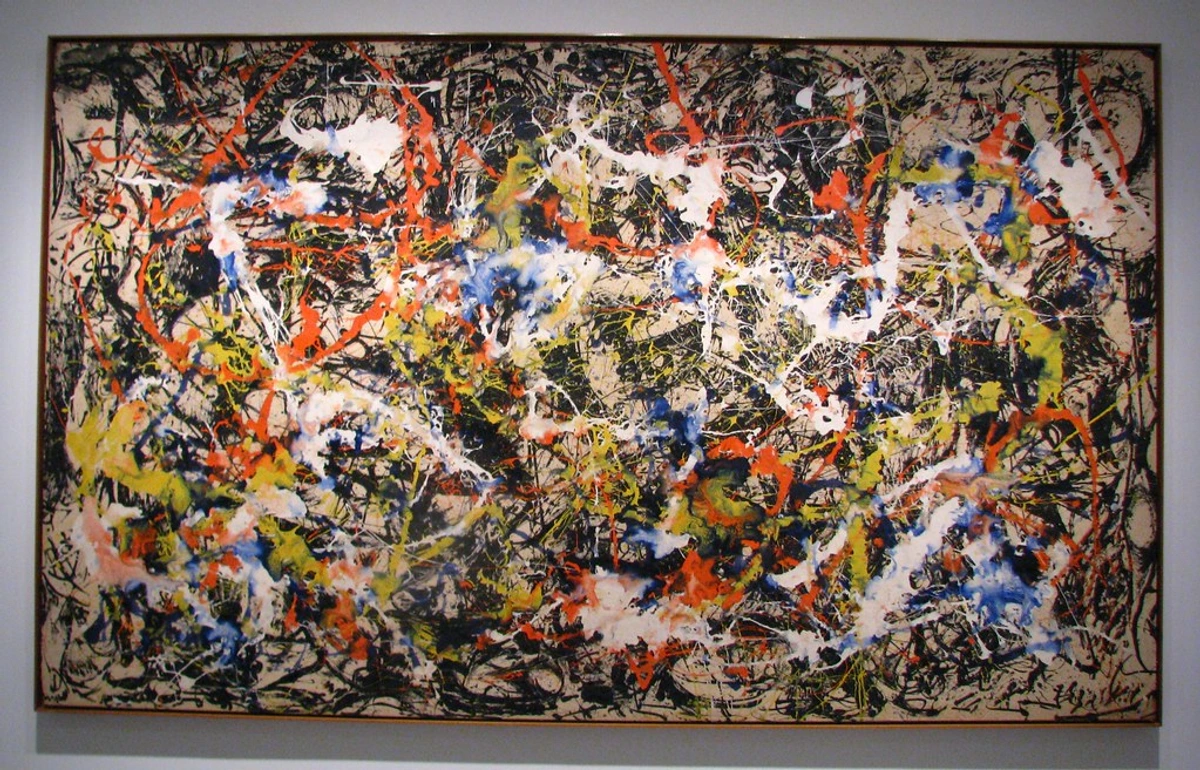
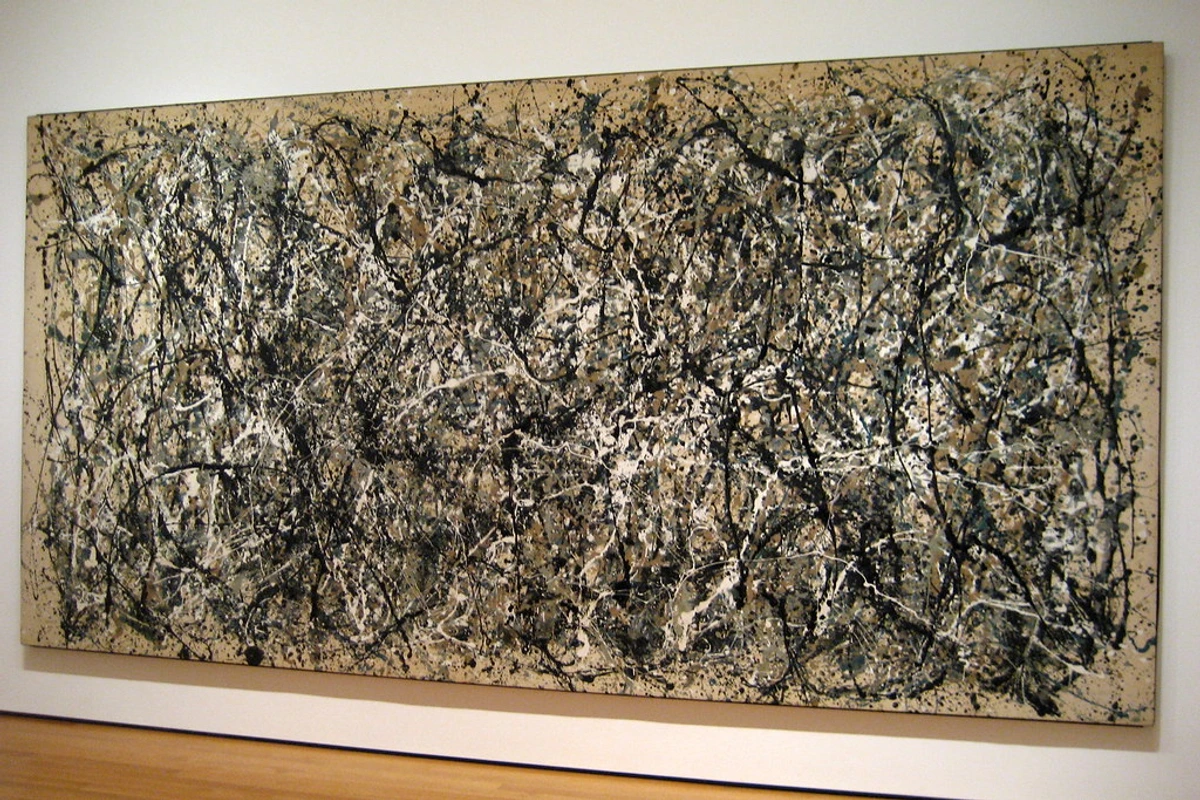
| Abstract Expressionism | 1940s-1950s | Large scale, non-representational, gestural brushwork (Action Painting), color fields | Pollock, de Kooning, Rothko, Kline |
| Pop Art | 1950s-1960s | Use of popular culture imagery, mass media, commercial techniques (often seen as bridging Modern and Contemporary) | Warhol, Lichtenstein, Oldenburg |
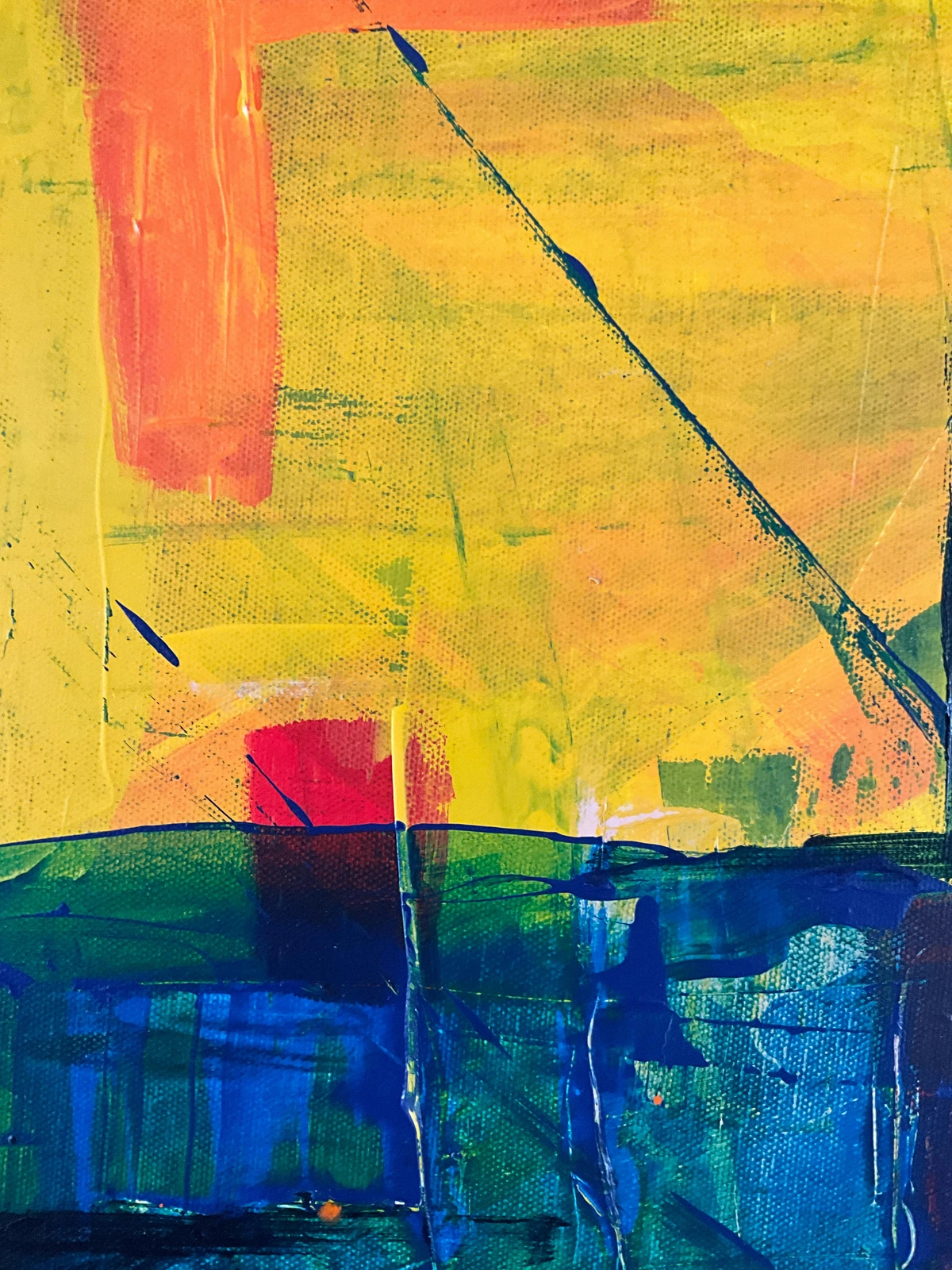
Each of these movements represents a unique response to the challenges and opportunities of the modern world. They reflect the diversity and complexity of the era, and their influence can still be seen in contemporary art today.
These movements not only shaped the trajectory of Modern Art but also laid the groundwork for the pluralism and conceptualism that define Contemporary Art. They continue to inspire artists and viewers alike, reminding us of the power of creativity and the endless possibilities of human expression.
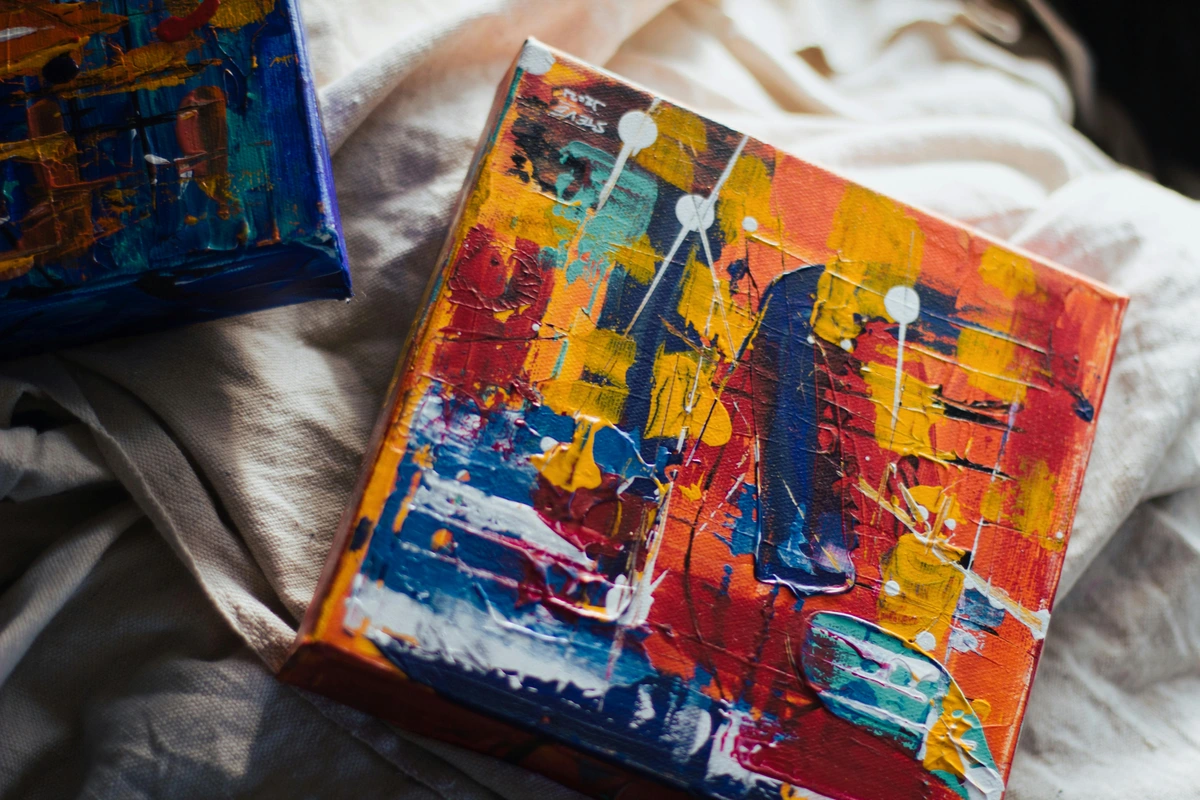
Note: Dates are approximate and movements often overlapped.
Recurring Themes in Modern Art
Beyond stylistic innovations, Modern artists often grappled with specific themes reflecting their time:
- The Experience of Modernity: Capturing the energy, speed, fragmentation, and alienation of urban life and the machine age.
- The Inner World: Exploring the subconscious mind, dreams, emotions, and psychological states, influenced by psychoanalysis.
- Primitivism: Interest in the art of non-Western cultures and folk traditions, seeking more direct or "authentic" forms of expression.
- The Nature of Perception: Questioning how we see and represent the world, breaking down objects and scenes into fundamental forms or sensations.
- Social and Political Commentary: Responding to historical events, critiquing societal norms, or advocating for change.
These themes are not just historical footnotes; they continue to resonate in contemporary art and culture. They remind us that art is not just about beauty, but about understanding and engaging with the world around us.
These recurring themes highlight the depth and complexity of Modern Art. They reflect the artists' engagement with the world around them and their desire to explore the human experience in all its facets.
The Role of Women in Modern Art
While Modern Art is often associated with male artists, women played a significant role in shaping its trajectory. Artists like Frida Kahlo, Georgia O'Keeffe, and Hilma af Klint made groundbreaking contributions to the movement, challenging societal norms and expanding the boundaries of artistic expression.
Frida Kahlo's deeply personal and symbolic works explored themes of identity, pain, and resilience, while Georgia O'Keeffe's abstract landscapes and floral paintings redefined the possibilities of modernist art. Hilma af Klint, often overlooked in her time, created some of the earliest abstract works, predating the more widely recognized male abstract artists.
These women, among many others, contributed to the richness and diversity of Modern Art. Their works continue to inspire and challenge viewers, reminding us of the importance of inclusivity and representation in the art world.
Modern Art vs. Contemporary Art
The term "Modern Art" typically ends around the 1970s. Art produced from roughly 1970 onwards is generally referred to as Contemporary Art. While Contemporary Art builds upon Modernism's legacy of experimentation, it often differs in its embrace of pluralism (a wider range of styles and approaches coexisting), conceptualism (where the idea is paramount), identity politics, globalization, digital media, and a more direct engagement with social issues. Many top living artists work in the Contemporary sphere, sometimes drawing inspiration from Modern masters.
The Transition from Modern to Contemporary Art
The transition from Modern to Contemporary Art reflects the evolving nature of artistic expression. While Modern Art challenged traditional norms and explored new forms of representation, Contemporary Art continues to push the boundaries of what art can be and how it can engage with the world. This shift has been driven by a range of factors, including technological advancements, cultural globalization, and the increasing diversity of artistic voices.
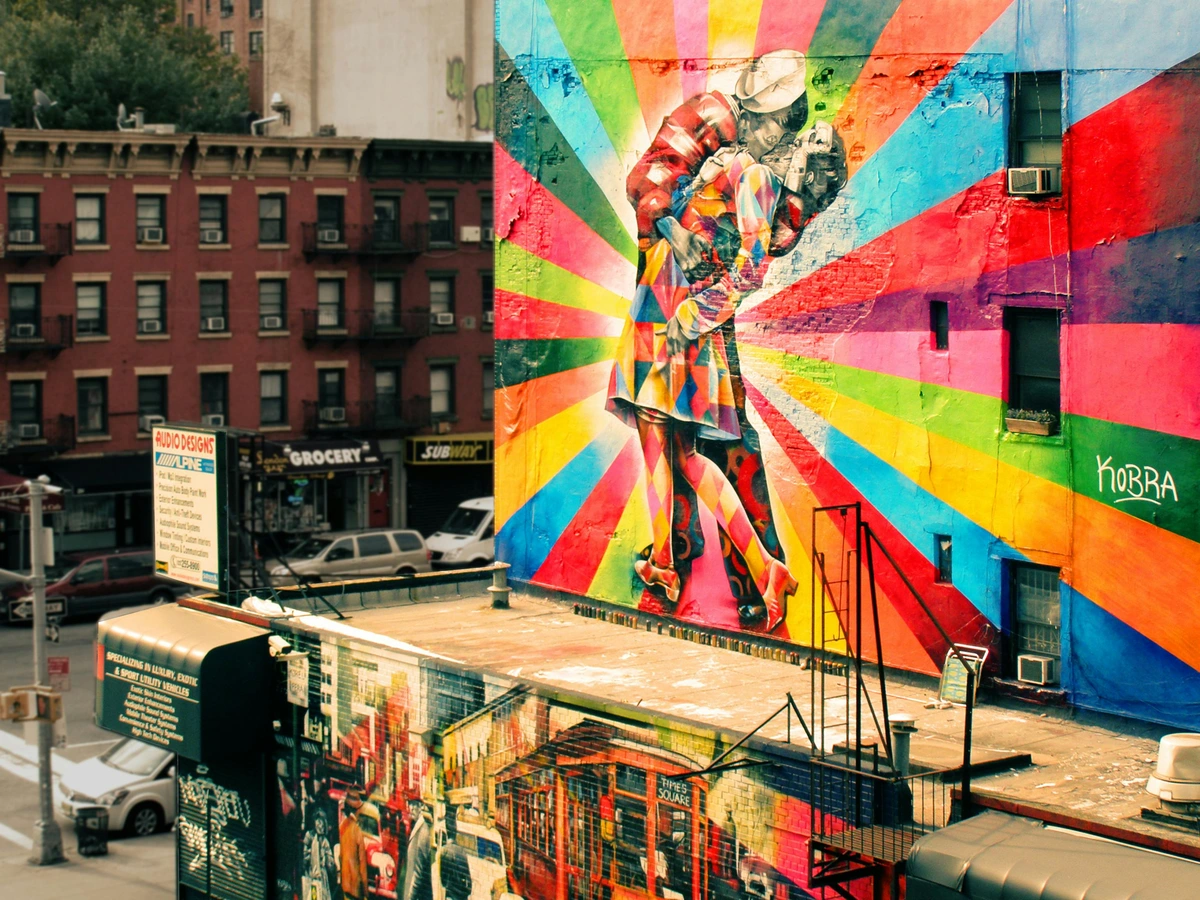
The transition from Modern to Contemporary Art reflects the evolving nature of artistic expression. While Modern Art challenged traditional norms and explored new forms of representation, Contemporary Art continues to push the boundaries of what art can be and how it can engage with the world.
Legacy and Influence
Modern Art fundamentally altered the course of art history. Its relentless questioning of tradition and its bold experiments paved the way for nearly all subsequent artistic developments, including Contemporary Art. Key contributions include:
- Establishing abstraction as a major form of artistic expression.
- Validating personal expression and subjective experience as legitimate subjects for art.
- Expanding the definition of art to include new media and approaches.
- Influencing design, architecture, and popular culture.
- Challenging viewers to engage with art actively, interpreting meaning beyond simple recognition (how to read a painting becomes essential).
The Future of Modern Art
As we look to the future, the principles and innovations of Modern Art continue to inspire new generations of artists. The emphasis on experimentation, personal expression, and the exploration of new materials and techniques remains relevant in contemporary artistic practice. The legacy of Modern Art is not static; it evolves and adapts to the changing cultural and technological landscape, ensuring its continued relevance and influence in the world of art and beyond.
Modern Art is not just a historical movement; it's a living legacy that continues to inspire and challenge artists and viewers alike. It reminds us of the power of creativity and the endless possibilities of human expression.
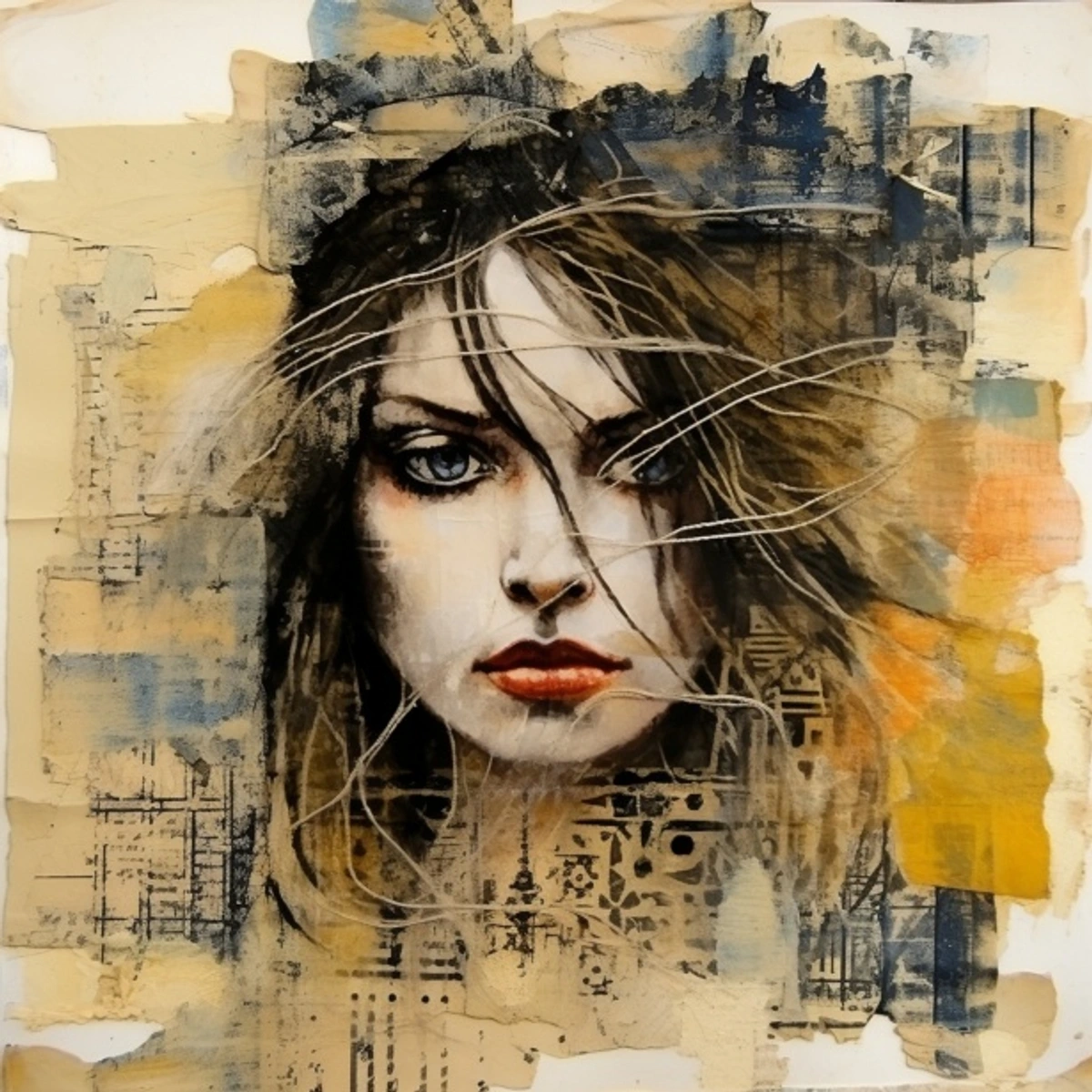
Understanding this period is crucial for anyone interested in buying modern art or appreciating the trajectory of art into the present day. The reasons why people like modern art often stem from its revolutionary spirit and lasting visual power.
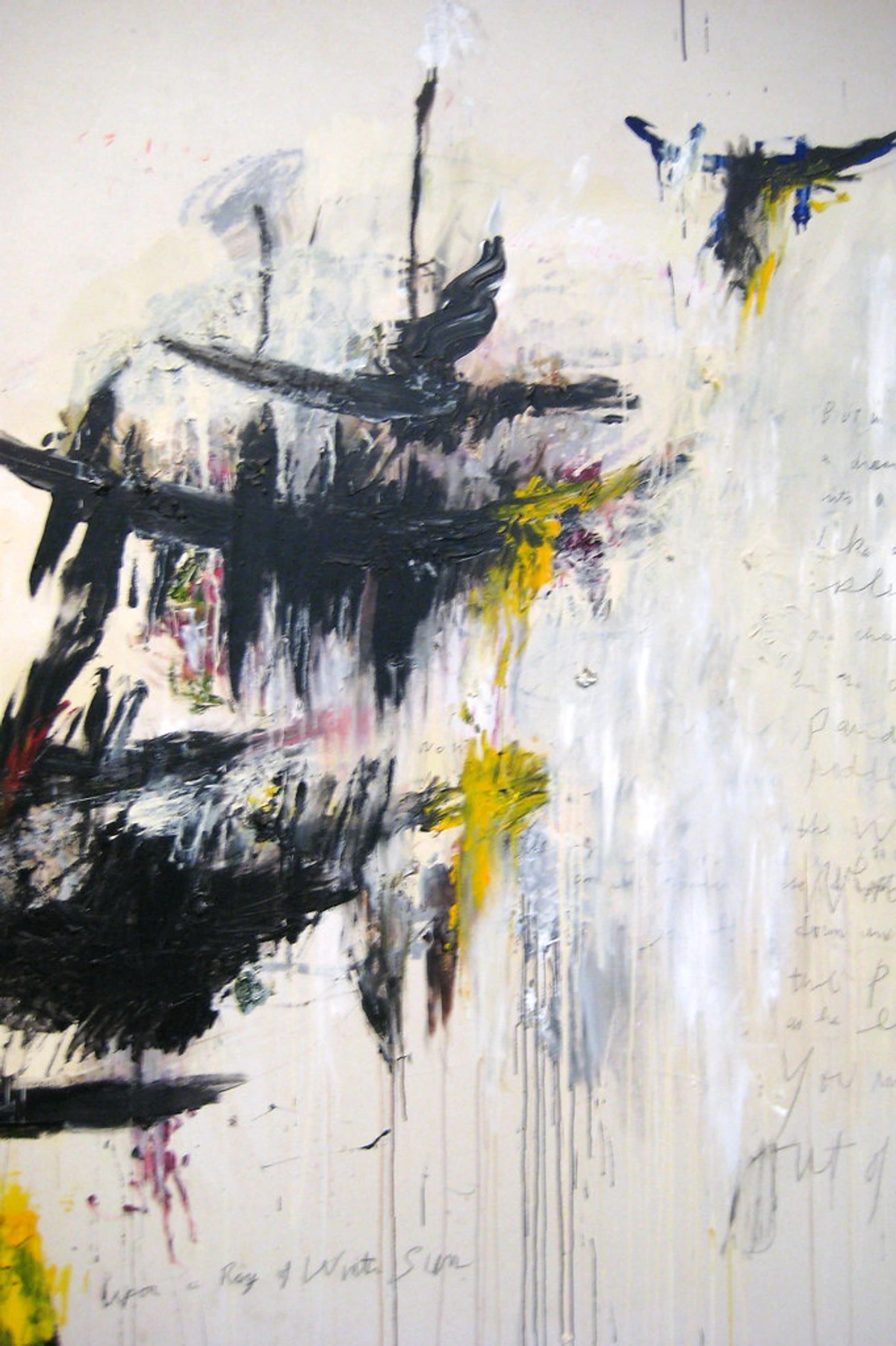
The legacy of Modern Art is not just confined to the art world. It has influenced broader cultural and societal trends, shaping the way we think about creativity, expression, and the role of the artist in society. Its impact can be seen in everything from fashion and design to film and literature, making it a vital and enduring part of our cultural landscape.
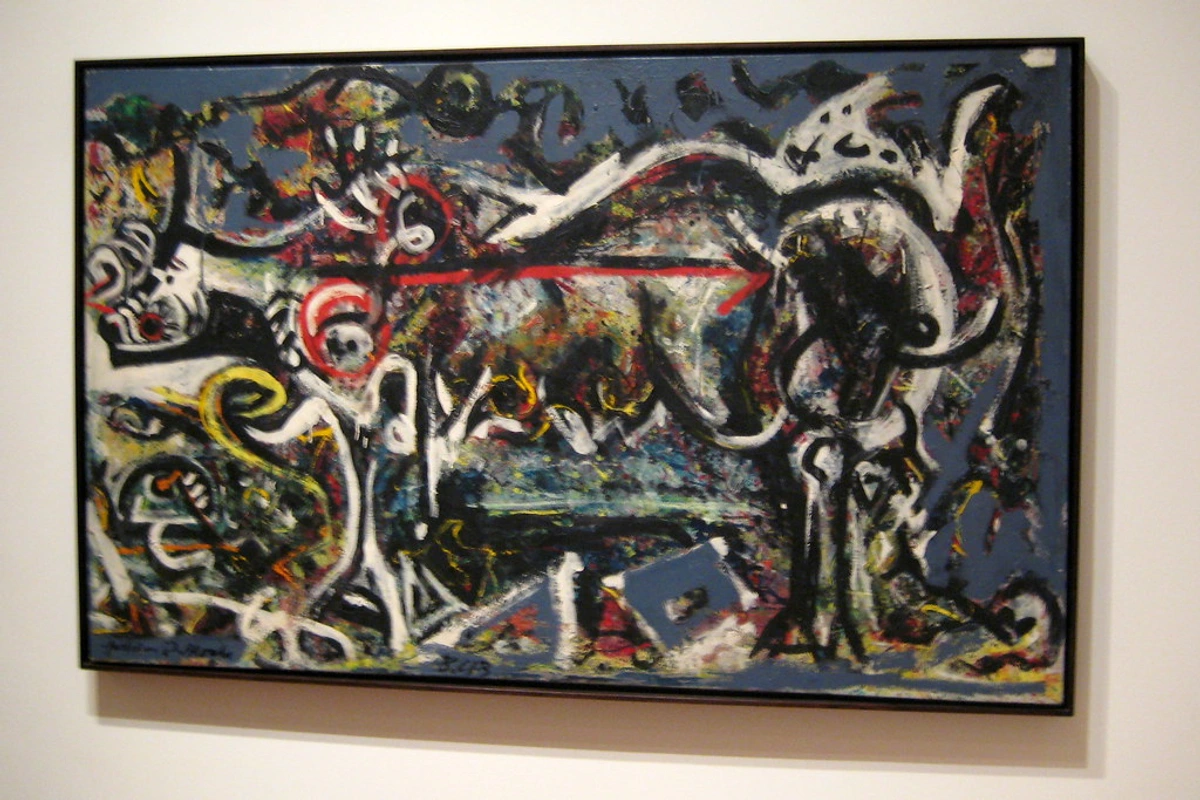
Modern Art is not just a historical movement; it's a living legacy that continues to inspire and challenge artists and viewers alike.
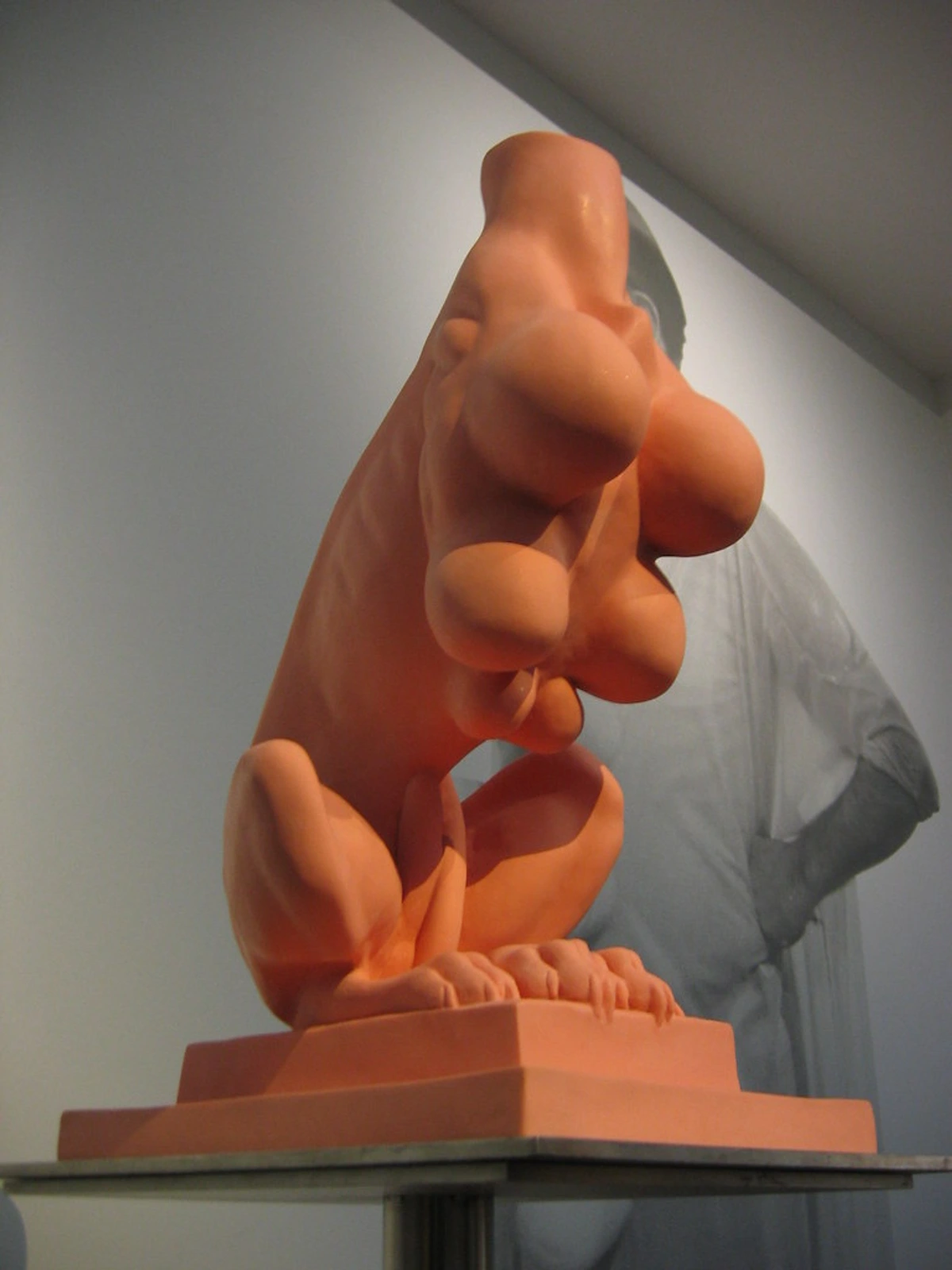
Experiencing Modern Art Today
You can experience the power and diversity of Modern Art in numerous places:
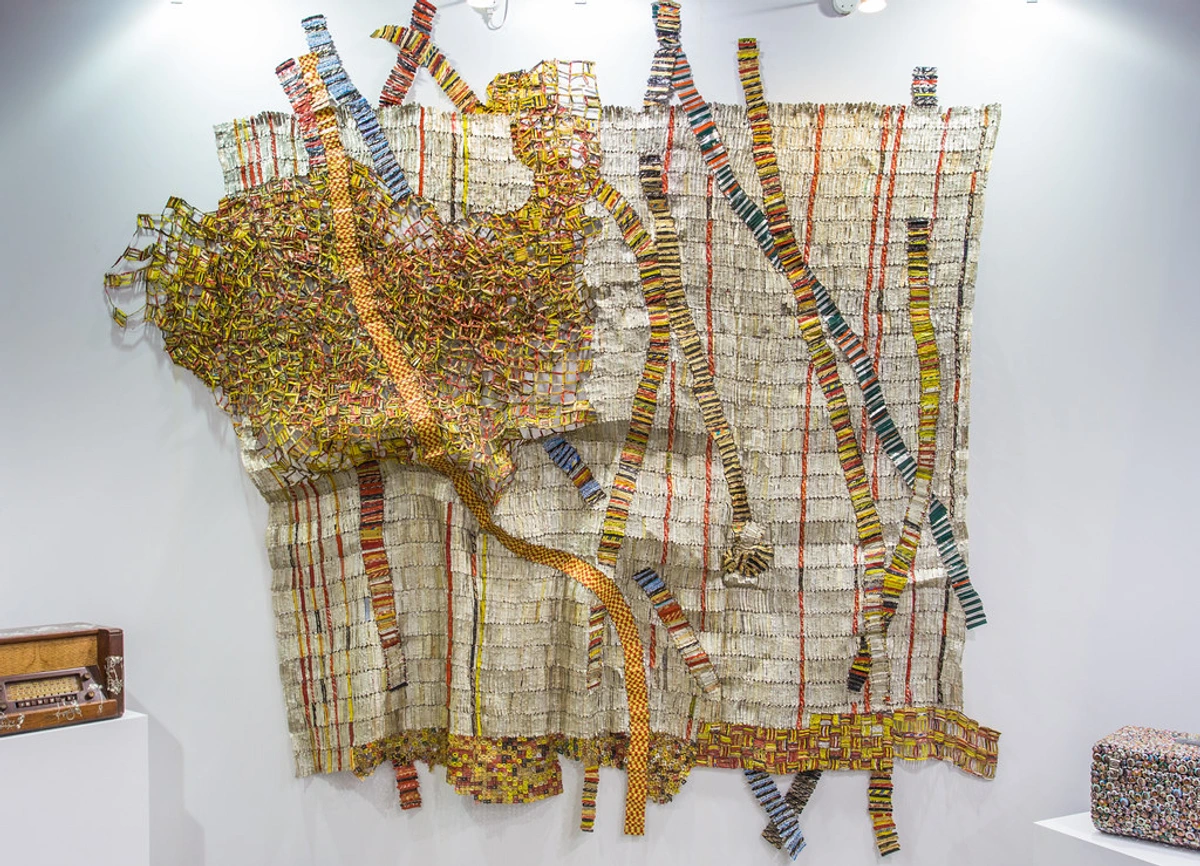
- Museums: Many major museums worldwide have extensive collections. Check guides for the best museums for modern art globally or in specific regions like Europe or the US. Even local museums, like the Zen Museum in 's-Hertogenbosch, may feature relevant works or temporary exhibitions.
- Galleries: Explore galleries specializing in 20th-century art or those representing artists influenced by Modernism. Find guides for top modern art galleries.
- Online: Many museum collections and archives are available online for virtual exploration.
When viewing Modern Art, try to consider the historical context, the artist's intent (if known), and the formal elements – how does the use of color, line, and shape make you feel or think?
Visiting a museum or gallery can be a transformative experience. It's not just about seeing art; it's about engaging with it on a personal level and discovering new perspectives.
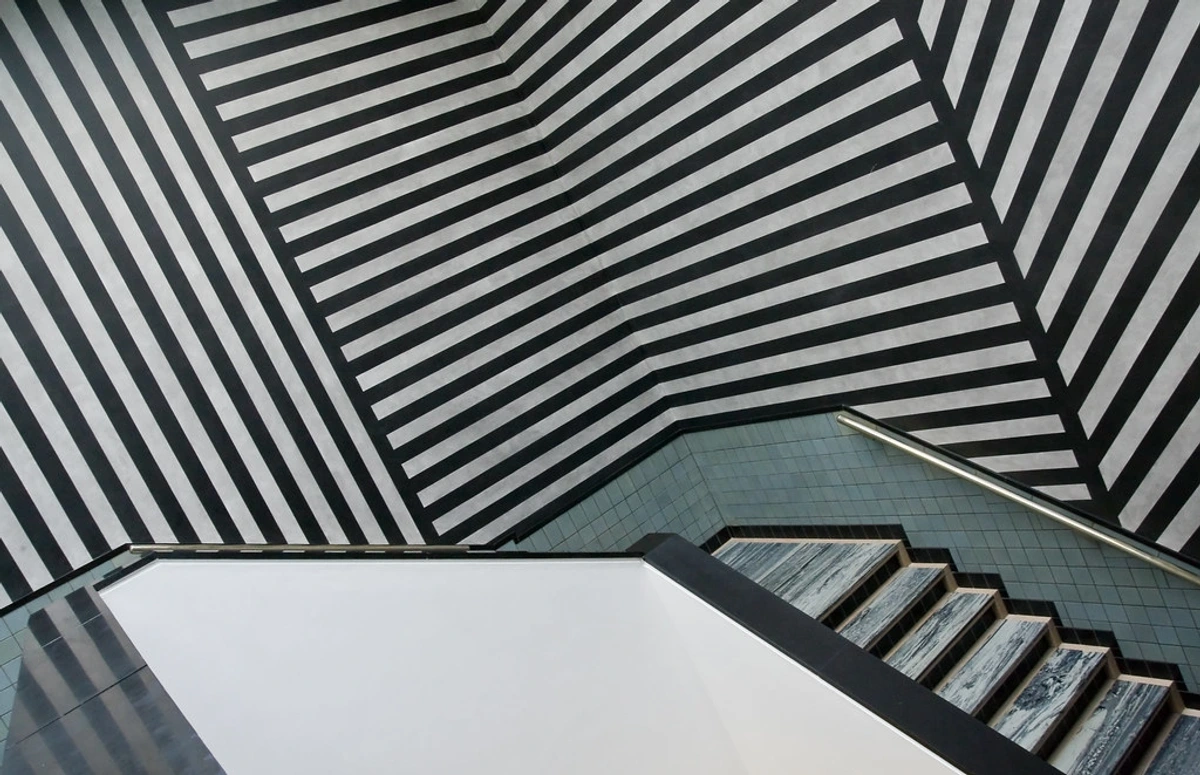
Modern Art in Your Space
The principles of Modern Art – bold color, abstract forms, emphasis on composition – can be powerful elements when decorating your home. Incorporating a piece of abstract art, whether a classic print or a contemporary work inspired by Modernism like those available here, can transform a room and serve as a vibrant focal point on a wall.
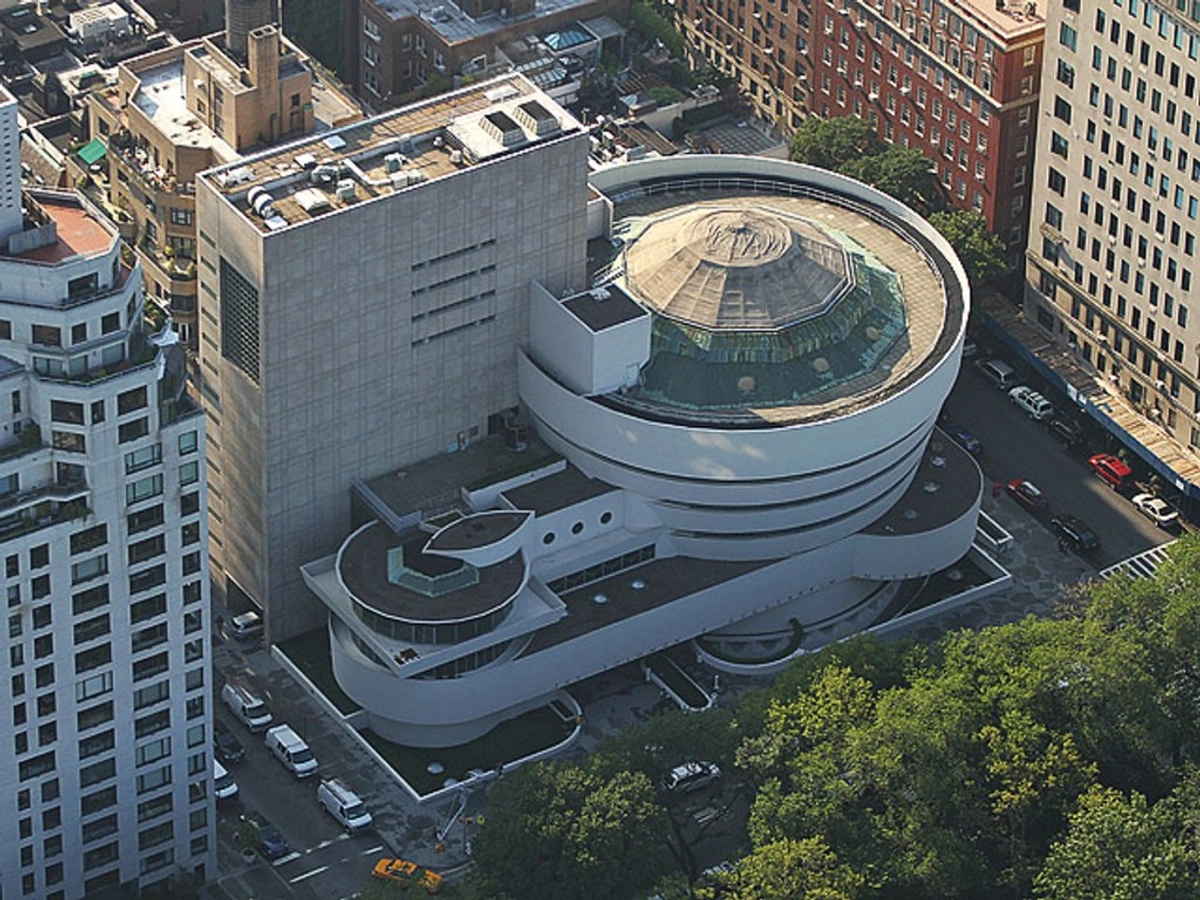
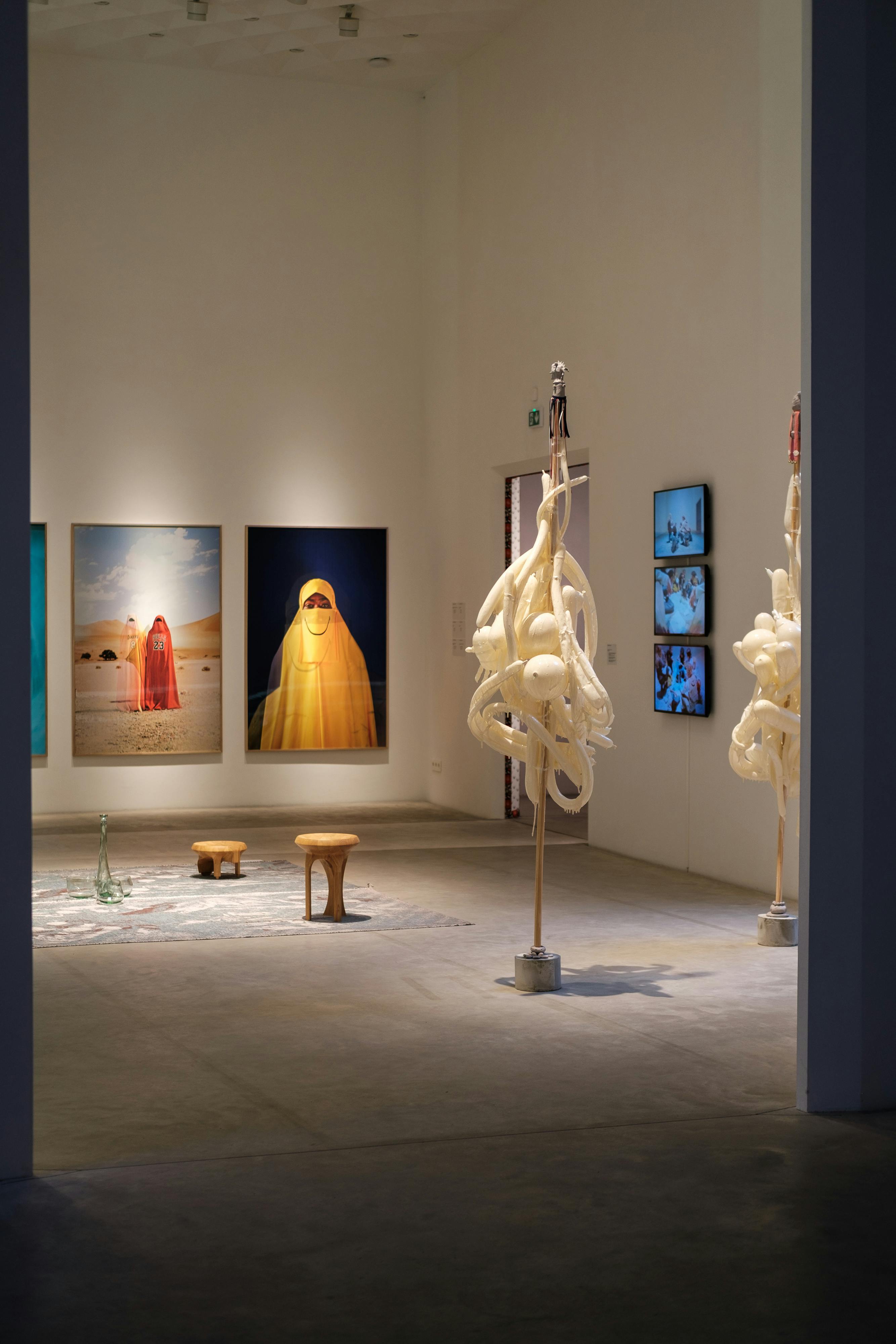
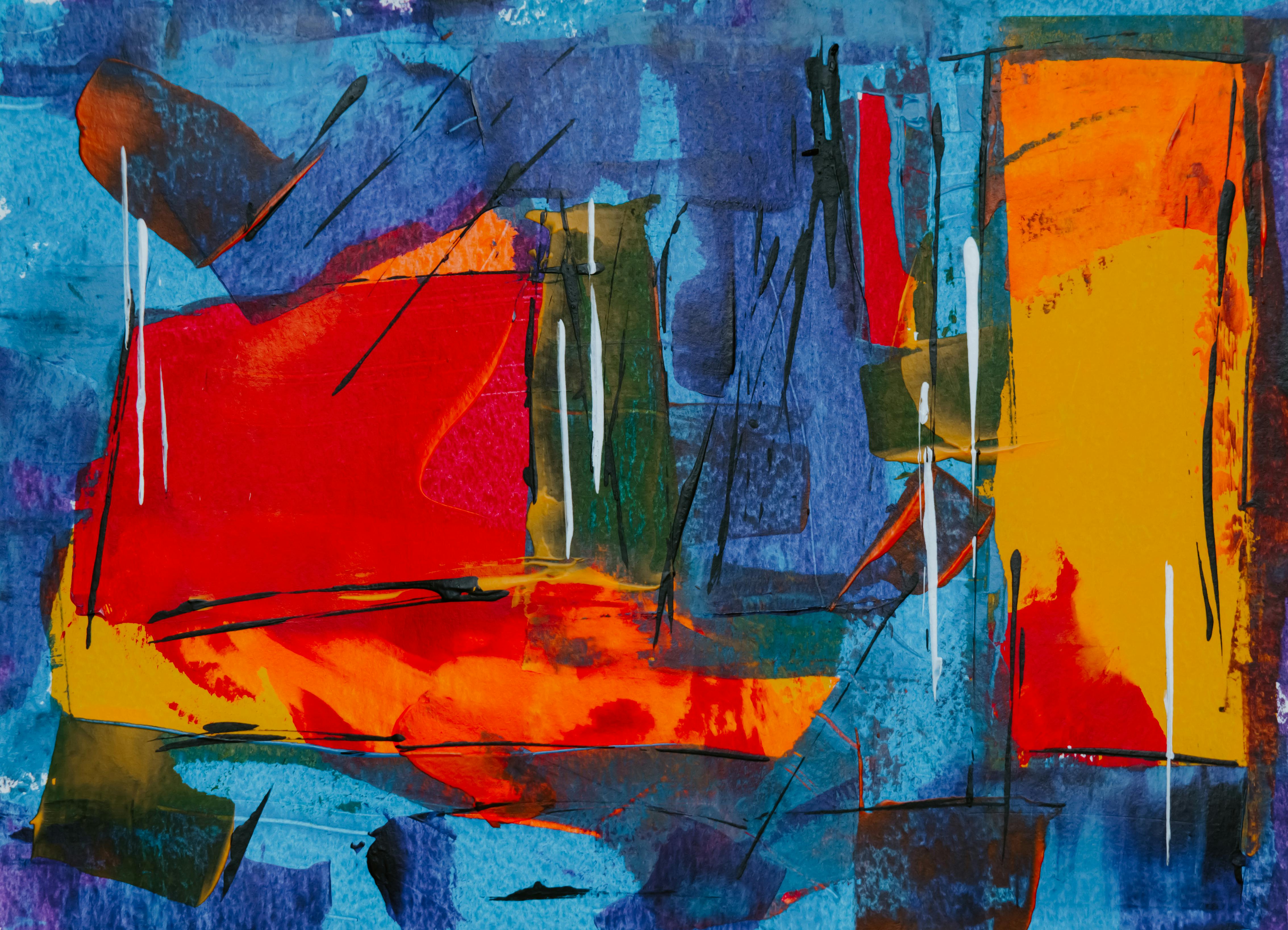
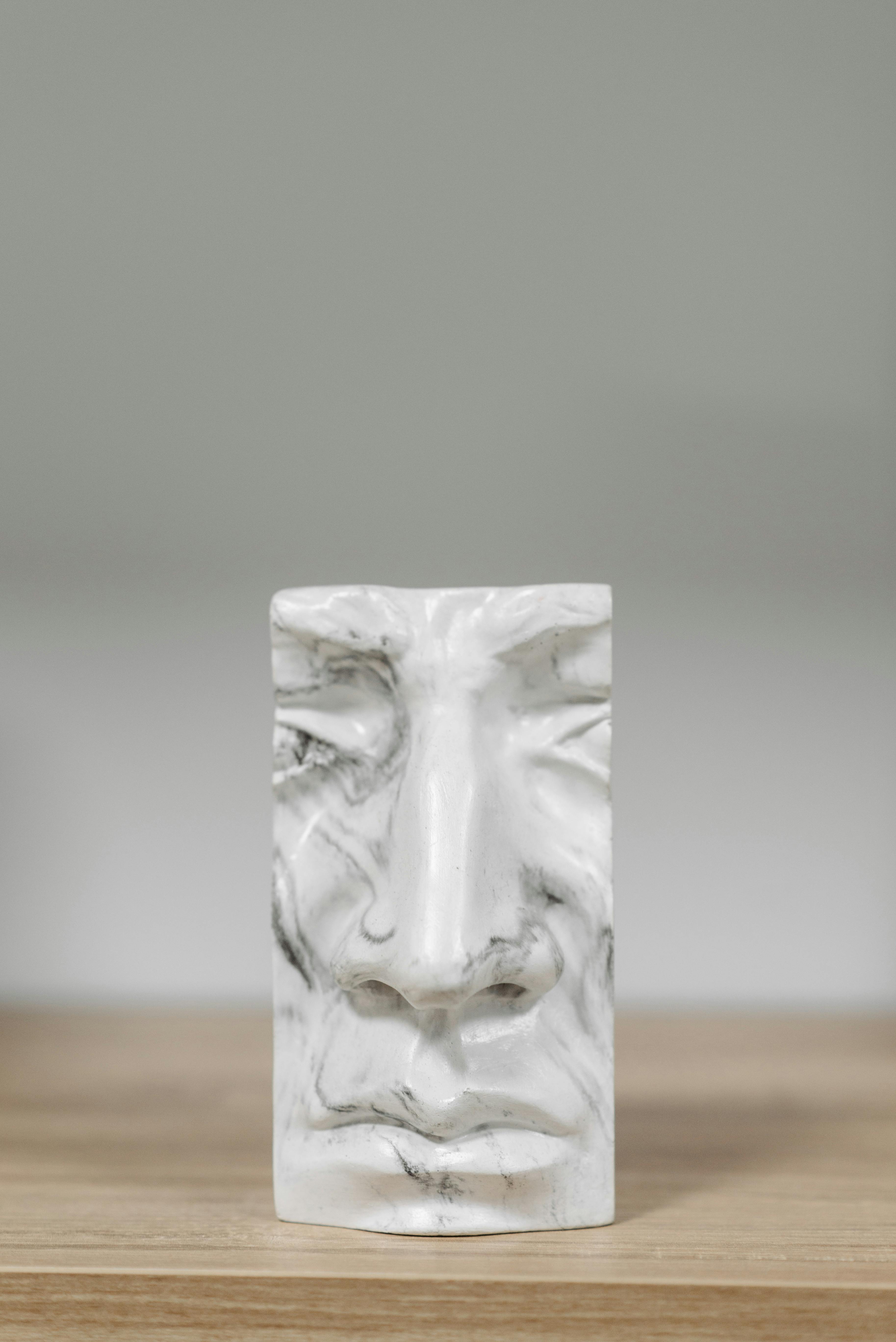


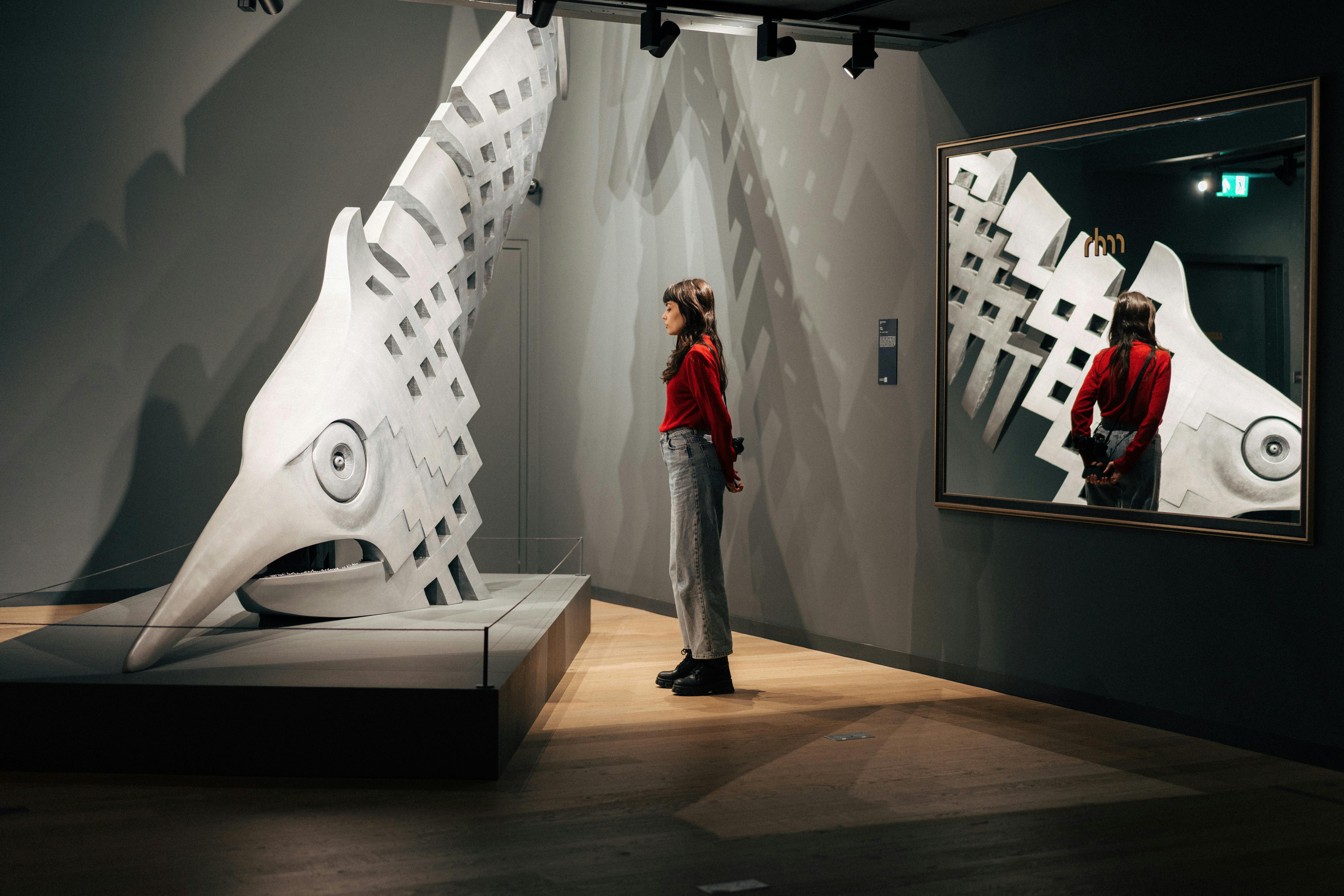
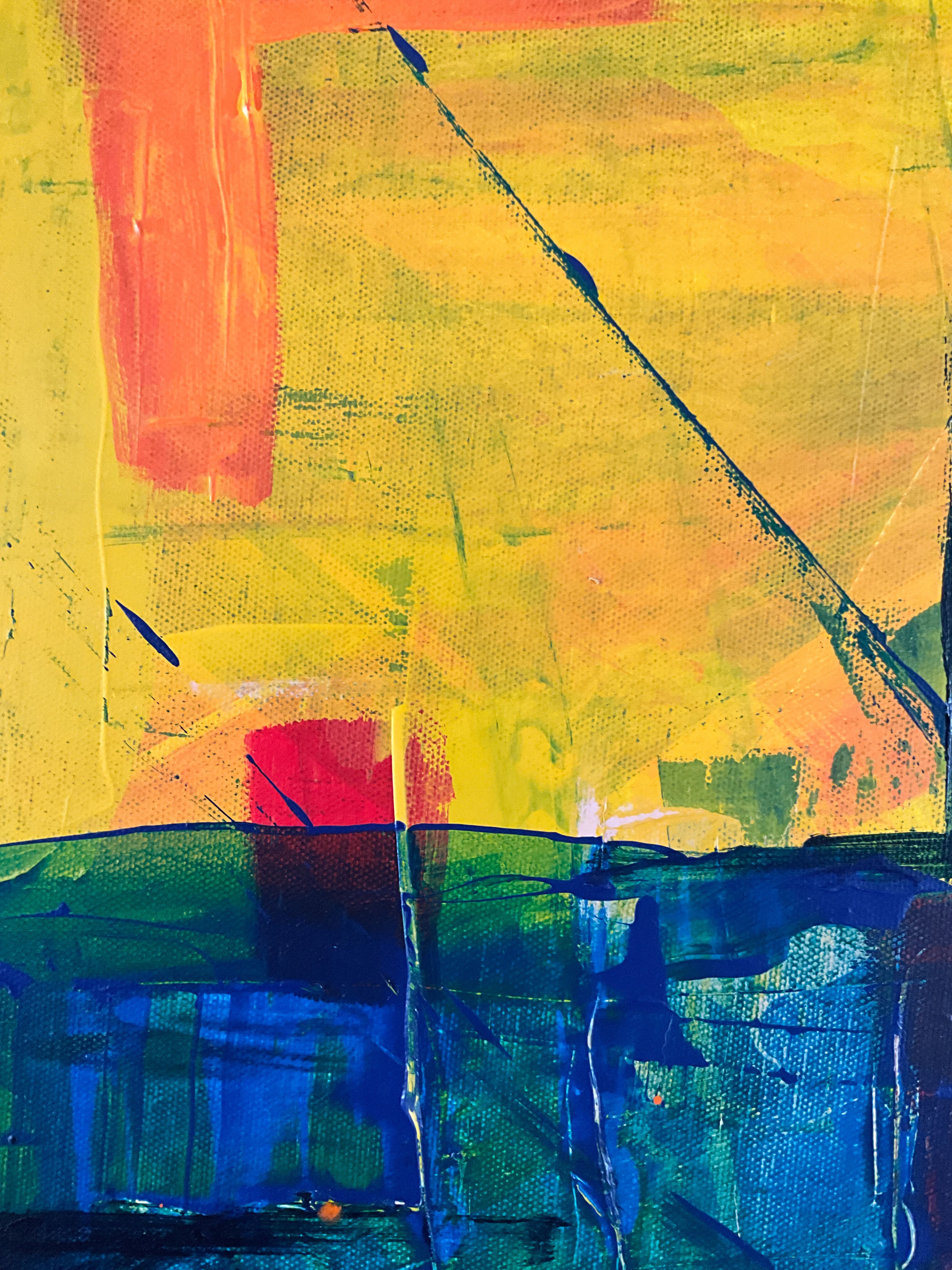


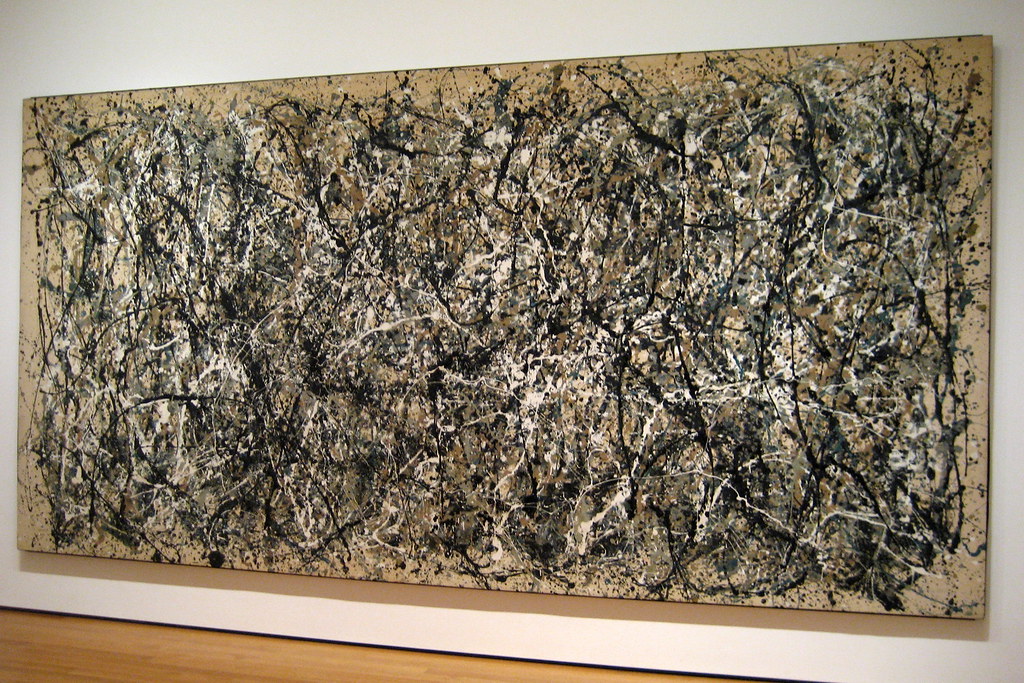


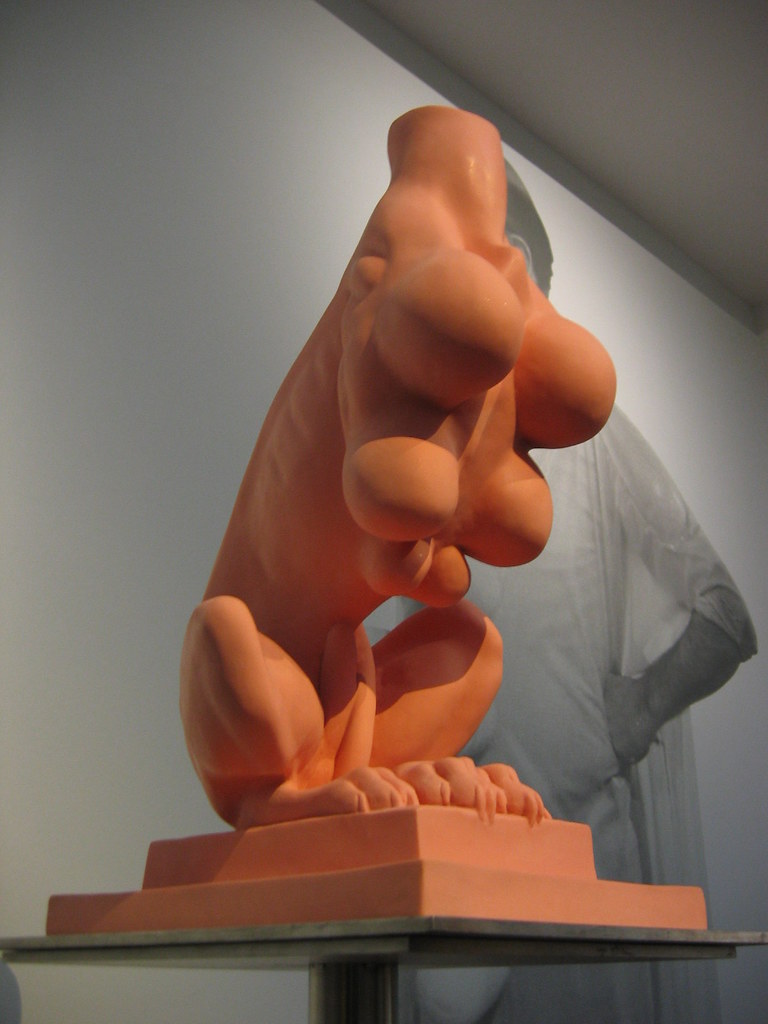

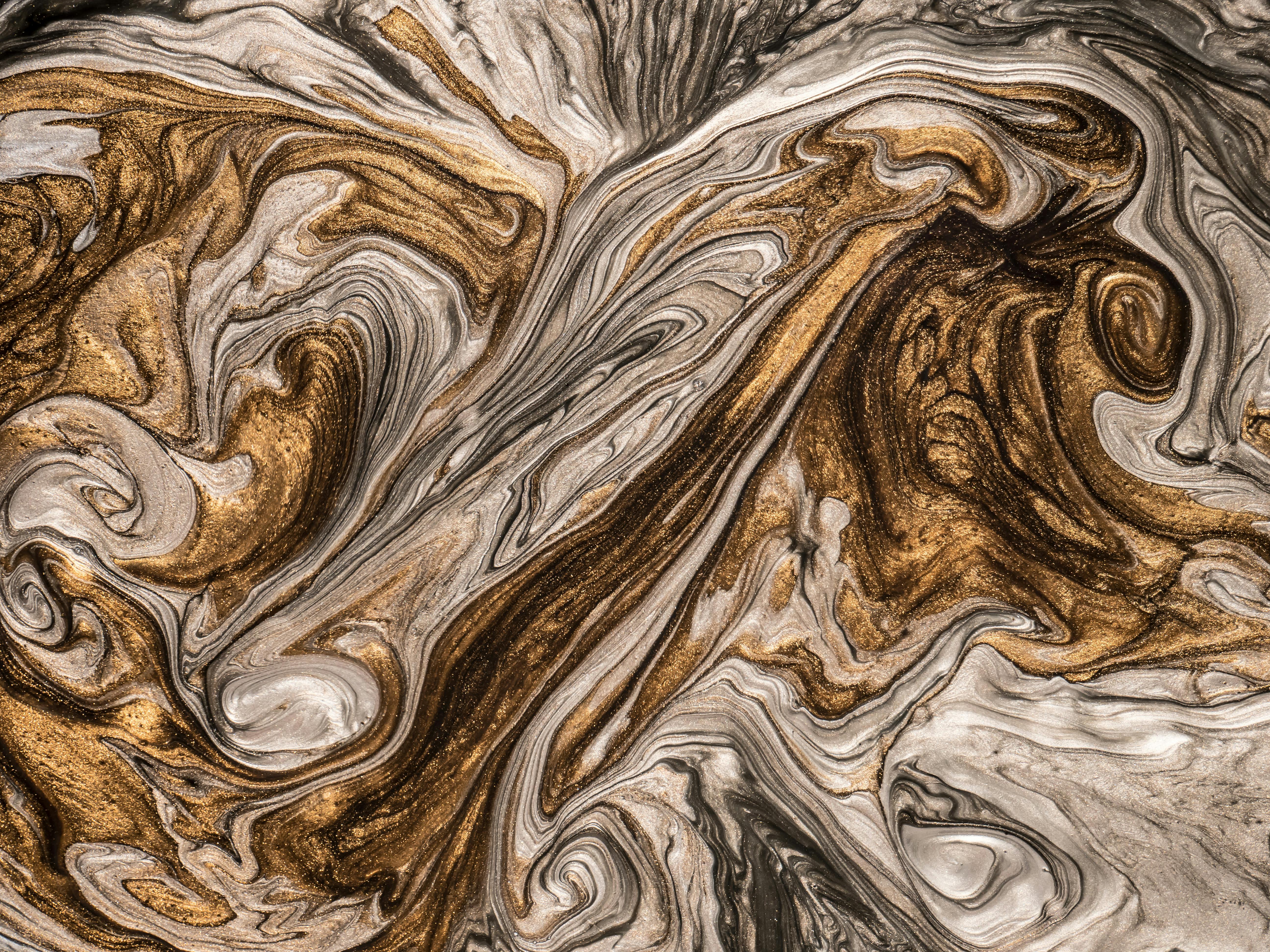
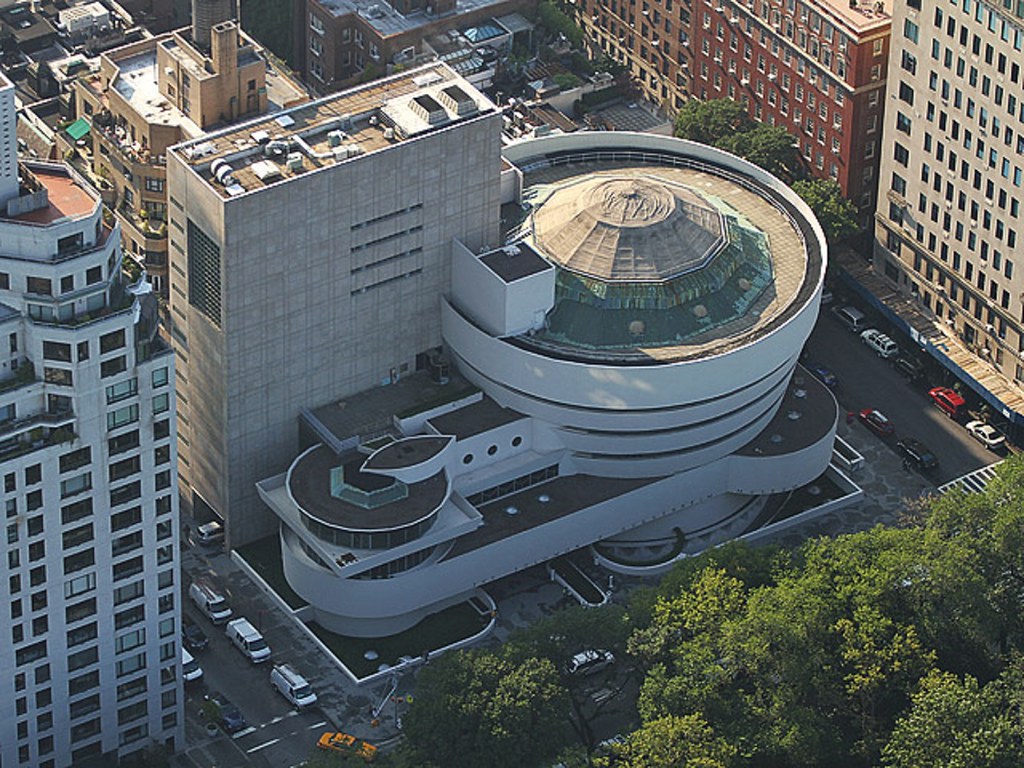
Modern art challenged established norms and paved the way for new forms of artistic expression, remaining a vital and influential aspect of our cultural landscape.
Incorporating Modern Art into your space is not just about aesthetics; it's about creating an environment that reflects your personality and values. Whether you choose a bold abstract painting or a subtle sculpture, Modern Art can add depth, meaning, and a touch of creativity to your home.
The Future of Modern Art
As we look to the future, the principles and innovations of Modern Art continue to inspire new generations of artists. The emphasis on experimentation, personal expression, and the exploration of new materials and techniques remains relevant in contemporary artistic practice.
The legacy of Modern Art is not static; it evolves and adapts to the changing cultural and technological landscape. By embracing the spirit of innovation and challenging conventional norms, Modern Art ensures its continued relevance and influence in the world of art and beyond.
FAQ
What is the difference between Modern Art and Contemporary Art?
Modern Art typically refers to the period from the 1860s to the 1970s, characterized by a break from traditional styles and an emphasis on experimentation and personal expression. Contemporary Art, on the other hand, refers to art produced from the 1970s to the present day. It builds on the legacy of Modernism but often includes a wider range of styles, approaches, and a focus on conceptualism and social issues.
How did the Industrial Revolution influence Modern Art?
The Industrial Revolution introduced new technologies and materials, such as synthetic pigments and steel-frame construction, which expanded the possibilities for artistic expression. It also led to urbanization and changes in social structures, which artists sought to capture in their works.
Why is Modern Art important?
Modern Art is important because it fundamentally changed the way we think about and create art. It introduced new forms of expression, challenged traditional norms, and paved the way for contemporary art. It also reflects the societal and technological changes of the modern world, making it a valuable historical and cultural record.
What role did women play in Modern Art?
Women played a significant role in shaping Modern Art, although their contributions have often been overlooked. Artists like Frida Kahlo, Georgia O'Keeffe, and Hilma af Klint made groundbreaking contributions to the movement, challenging societal norms and expanding the boundaries of artistic expression.
How can I appreciate Modern Art?
Appreciating Modern Art involves engaging with the artwork on a personal level. Consider the historical context, the artist's intent, and the formal elements of the artwork. Ask yourself how the use of color, line, and shape makes you feel or think. Visiting museums, galleries, and exploring online collections can also enhance your appreciation.
Who are some key figures in Modern Art?
Some key figures in Modern Art include Vincent van Gogh, Pablo Picasso, Henri Matisse, Salvador Dalí, and Jackson Pollock. Each of these artists made significant contributions to the development of Modern Art through their unique styles and innovative approaches.
How has Modern Art influenced contemporary culture?
Modern Art has had a profound influence on contemporary culture. It has shaped the way we think about art, design, and architecture. It has also influenced popular culture, from fashion to advertising, and continues to inspire artists and creators today. Its emphasis on personal expression and experimentation has become a cornerstone of contemporary artistic practice.
What are some key characteristics of Modern Art?
Modern Art is characterized by a rejection of tradition, an emphasis on subjectivity, bold experimentation with form and materials, a move towards abstraction, and a focus on the formal elements of art. It also explores themes of modern life, including technology, urbanization, and the subconscious mind.
How can I incorporate Modern Art into my home?
Incorporating Modern Art into your home can be as simple as choosing a piece that resonates with you personally. Whether it's a bold abstract painting, a subtle sculpture, or a classic print, Modern Art can add depth, meaning, and a touch of creativity to your space. Consider the principles of Modern Art – bold color, abstract forms, and emphasis on composition – when selecting and arranging your pieces.
What are some famous Modern Art movements?
Some famous Modern Art movements include Impressionism, Post-Impressionism, Fauvism, Expressionism, Cubism, Futurism, Dada, Surrealism, Abstract Expressionism, and Pop Art. Each of these movements represents a unique response to the challenges and opportunities of the modern world.
How can I learn more about Modern Art?
You can learn more about Modern Art by visiting museums, galleries, and exploring online collections. Many major museums worldwide have extensive collections of Modern Art, and there are numerous resources available online for virtual exploration. Additionally, reading books and articles about Modern Art can provide valuable insights into its history, key figures, and movements.
What role did women play in Modern Art?
Women played a significant role in shaping Modern Art, although their contributions have often been overlooked. Artists like Frida Kahlo, Georgia O'Keeffe, and Hilma af Klint made groundbreaking contributions to the movement, challenging societal norms and expanding the boundaries of artistic expression.
How has technology influenced Modern Art?
Technology played a pivotal role in shaping Modern Art. The advent of new materials and techniques allowed artists to experiment in ways previously unimaginable. Additionally, the rise of the machine age and the increasing pace of life inspired artists to explore themes of speed, movement, and the dynamic nature of modern existence.
What is the legacy of Modern Art?
Modern Art fundamentally altered the course of art history. Its relentless questioning of tradition and its bold experiments paved the way for nearly all subsequent artistic developments, including Contemporary Art. Key contributions include establishing abstraction as a major form of artistic expression, validating personal expression and subjective experience as legitimate subjects for art, and expanding the definition of art to include new media and approaches.