The Complete History of Art Museums and Galleries: From Private Cabinets to Public Trusts
A reflective journey through the history of museums and galleries, exploring how these institutions shape our relationship with art, from private curiosity cabinets to today's digital temples of culture.

From Palace to Public: A History of Where Art Lives
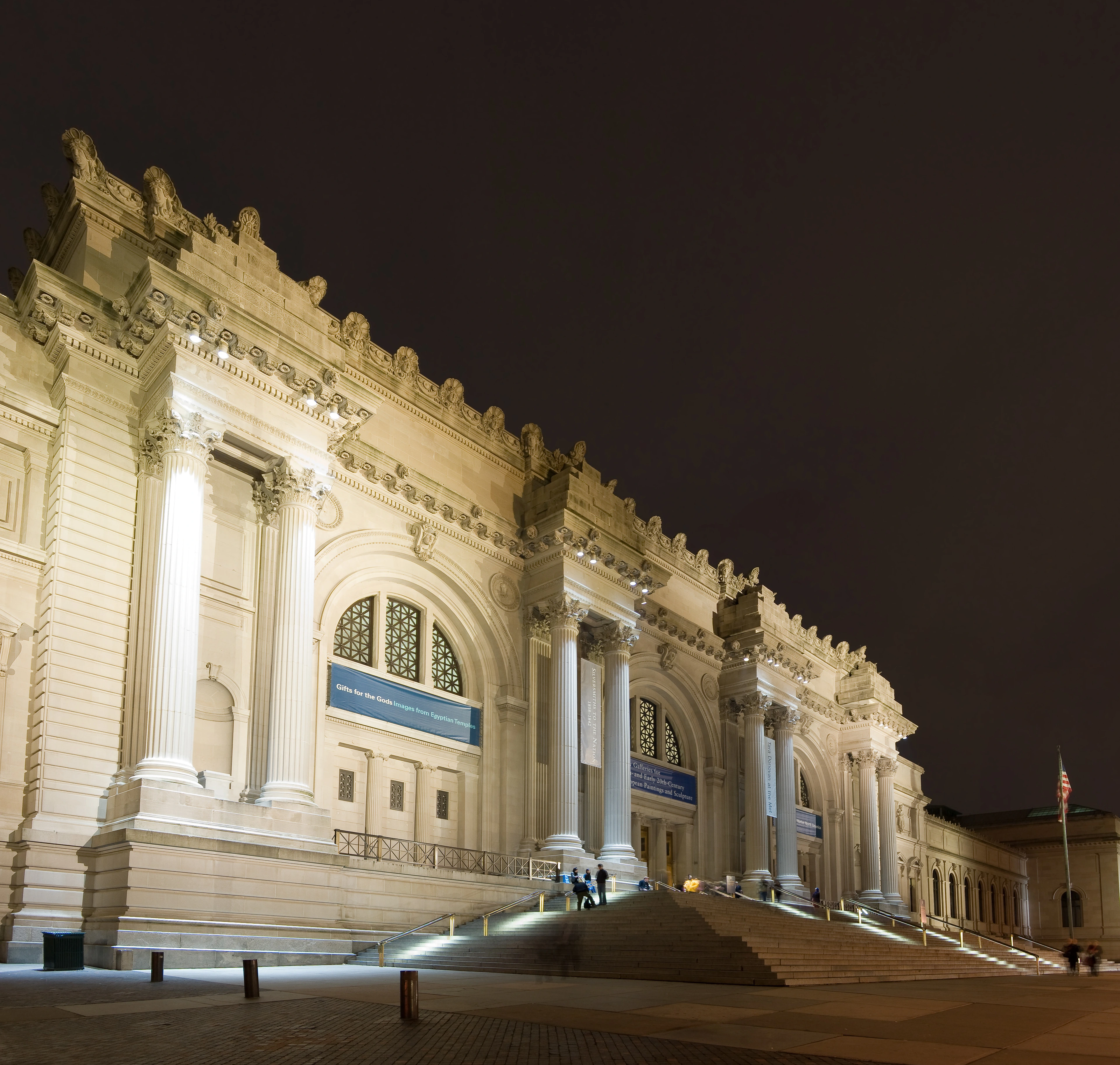
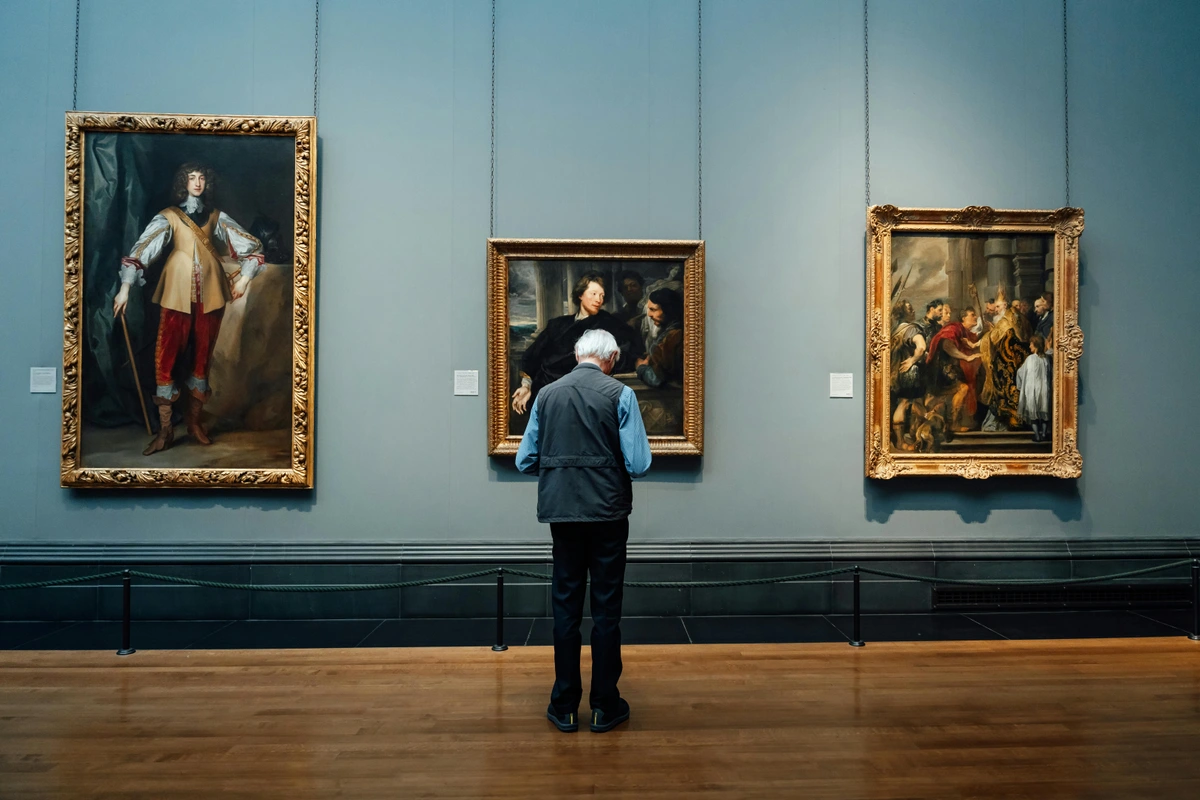
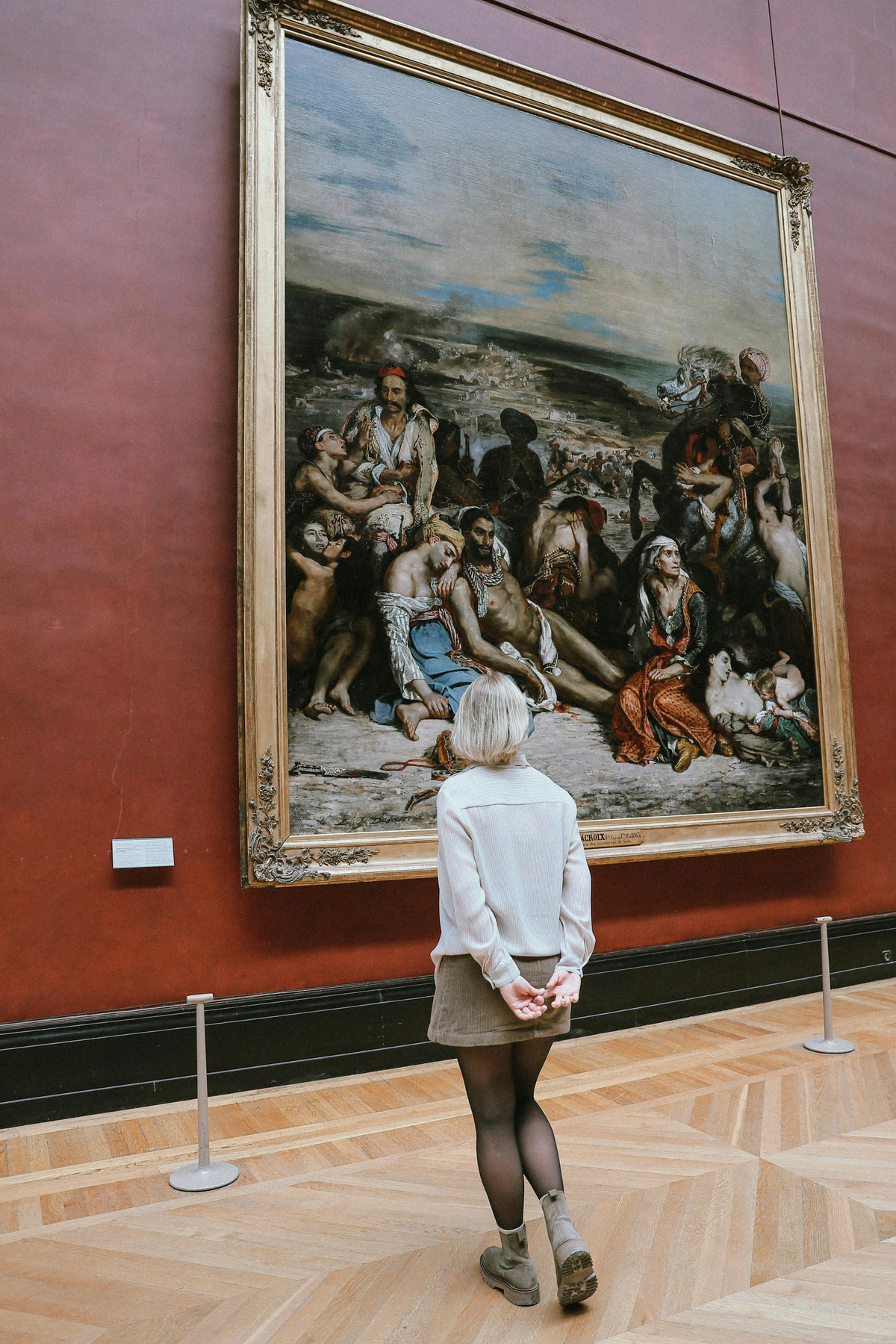
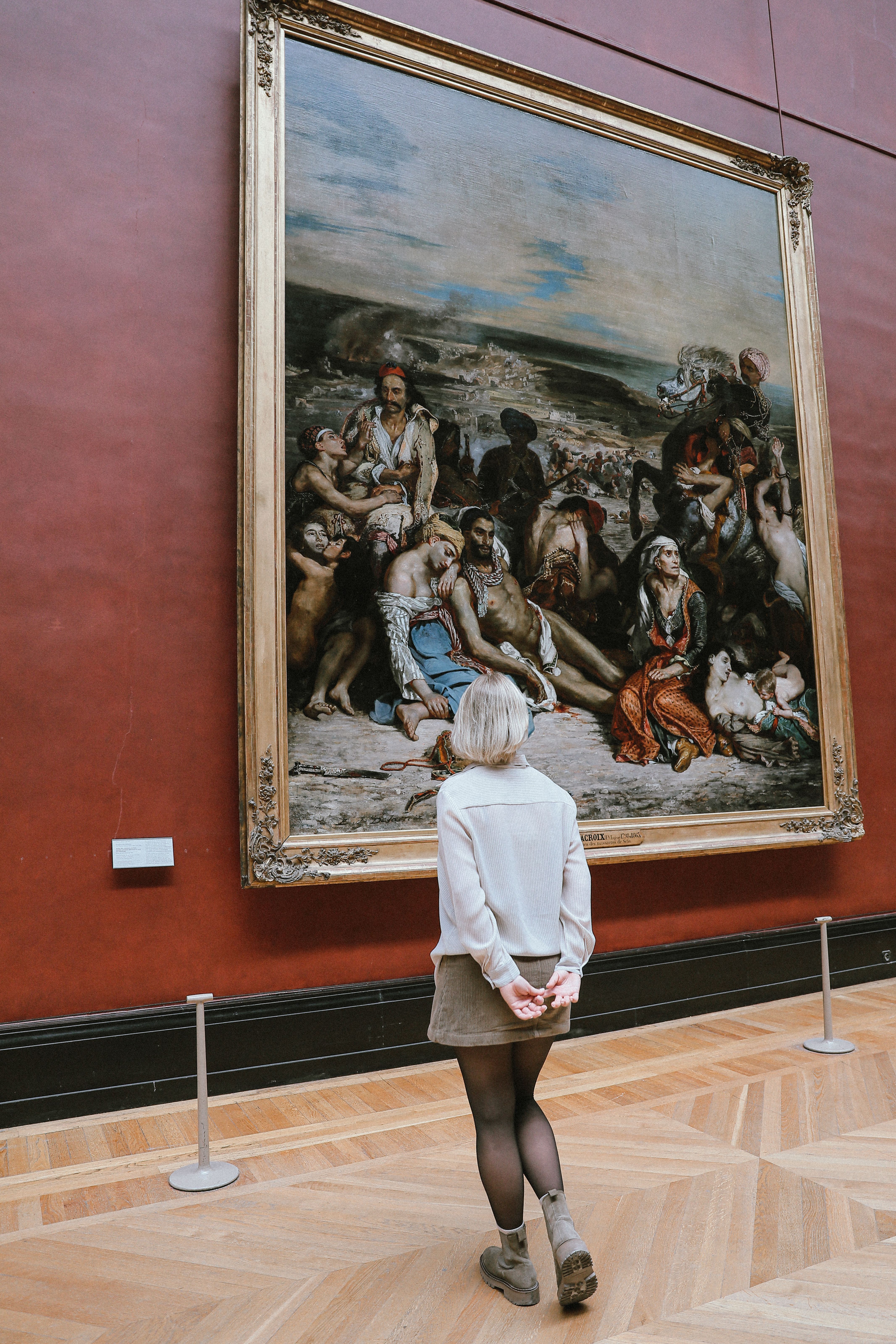
If you've ever stood in a vast, echoing museum hall, dwarfed by a canvas three times your size, you might have felt a twinge of intimidation. I know I have. The sheer weight of history, the polished marble floors, the quiet so profound you can hear your own heartbeat—it all creates this unspoken pressure to "understand" what you're seeing. But here's what I've realized after years of making and studying art: that feeling isn't accidental. It was carefully constructed over centuries. The story of where art lives is messier, more political, and far more fascinating than you might expect. It's not just about architecture; it's about power, exclusion, and the slow, ongoing struggle over who gets to decide what counts as "art" worth seeing.
The Original Art Hoarders: Cabinets of Curiosity and Princely Galleries
Our story doesn't start with a museum. It starts with something far stranger: a room jammed with jumbled treasures known as a Wunderkammer, or 'cabinet of curiosity'. I love imagining these spaces—they feel like the chaotic, wonderful opposite of today's minimalist galleries. Picture this: a 16th-century prince, or some other wealthy fanatic, whose hobby has gotten wildly out of control. In one corner, a preserved crocodile dangles from the ceiling. Next to it, a seashell from the Pacific, a Roman coin, a painting by a local master, a two-headed calf, and a mechanical astrolabe that supposedly predicts the movement of planets. These collections were less about displaying art and more about displaying dominion—over nature, over other cultures, over knowledge itself. The very act of acquisition was an exercise in power, a tangible demonstration that the collector commanded enough wealth and influence to possess fragments of the known world.
What strikes me most about these collections is how utterly foreign their logic feels today. They weren't about art as we've come to understand it. They were about something closer to magic—the wonder that comes from unexpected connections. A seashell next to a religious painting next to a scientific instrument created a kind of cognitive spark that we've since lost. This was a world before disciplinary boundaries hardened. The idea that a painting by a local master belonged in a different category than a two-headed calf or an ancient Roman coin simply hadn't occurred to anyone yet. Everything was part of one glorious, undifferentiated jumble of marvels—a physical manifestation of a worldview where everything was interconnected.
The Anatomy of a Wunderkammer
What made these spaces so compelling wasn't just the objects themselves, but their arrangement. Renaissance collectors operated on a philosophy called microcosm theory—the belief that a single room could mirror the entire cosmos. They weren't just hoarding treasures; they were creating miniature universes, bringing order to what appeared to be chaos through the willful imposition of a personal worldview. Every object held a symbolic weight, and its placement was a deliberate act of creating meaning, forging links between the terrestrial and the celestial, the ancient and the contemporary.

From Microcosm to Museum: How We Learned to Sort the World
What I find fascinating about these early collections is that they weren't completely random. Renaissance collectors operated on something called microcosm theory—the belief that a single, carefully arranged room could mirror and contain the entire universe. They weren't just hoarding; they were attempting a kind of magical thinking, creating order through proximity. This impulse to organize eventually led to the categories we recognize today, but in far cruder form. The transition from the Wunderkammer to the modern museum marks one of the most profound conceptual shifts in our relationship with objects: the move from magical association to rational classification.
A typical cabinet might be organized into four loose categories (though honestly, the boundaries were as fluid as the collector's whims):
- Naturalia: Objects from nature that seemed to defy explanation—dried plants, animal skeletons, exotic shells, rocks that looked like faces, fruits from unknown climbers. Anything that made you gasp at the variety and weirdness of the natural world.
- Artificialia: Man-made objects that showcased human ingenuity pushing against nature's limits. We're talking intricate clocks that told time and the phases of the moon, mechanical singing birds, musical automata that mimicked living creatures, scientific instruments that revealed hidden cosmic patterns.
- Exotica: Treasures from lands most Europeans would never see. Chinese porcelain so thin it was translucent, Turkish carpets woven with impossible precision, African ivory carvings depicting unknown animals, Pre-Columbian gold artifacts that seemed to glow with their own inner light. These weren't just beautiful; they were trophies of global reach.
- Scientifica: Tools for understanding—or claiming to understand—the world. Astrolabes for navigation, globes mapping territories more imagined than real, anatomical models showing the body's inner workings, early microscopes revealing the hidden life in a drop of pond water.
What's crucial to understand is that all four categories existed on equal footing. A painting wasn't inherently more valuable than a well-preserved crocodile. Both were marvels. Both were evidence of God's creation and human ingenuity. It would take several more centuries for us to decide that one deserved its own temple while the other belonged in a natural history museum. This radical separation of art from science, of aesthetic contemplation from empirical study, is the foundational act that created the museum as we know it—and it's an act whose consequences we're still grappling with today.
The sheer sensory overload was part of the point. Unlike today's museums where objects are spaced apart for contemplation, these cabinets assaulted visitors with visual information, forcing them to make unexpected connections between seemingly unrelated things—a practice that some art historians argue was an early form of surrealist thinking.
The Medici Revolution: When Collections Became Capital
The Medici family in Florence took this impulse and turned it into a weapon of mass seduction. By the 17th century, they weren't just wealthy people who happened to like art; they had cracked the code of how cultural authority translates directly into political power. They were the original system players, and they operated with ruthless genius. Art wasn't decoration; it was the soft power of the Renaissance state.
Their galleries served multiple overlapping functions, each more strategic than the last. This wasn't patronage as we might think of it today—a generous support of the arts. This was cultural strategy, a long-term investment in legitimacy that would pay dividends for generations.
- Diplomatic currency: A rare painting was worth more than gold—it could be loaned to an ally to cement a treaty, or strategically gifted to make a rival indebted. Art was bargaining chip and peace offering rolled into one.
- Status theater: Visiting dignitaries weren't just shown the collections; they were guided through them in carefully choreographed tours that showcased Medici sophistication, wealth, and—most importantly—their superiority over other ruling families. You left a Medici gallery feeling small, and that was precisely the point. The gallery was a stage for power, and every painting, every sculpture, was a prop in a grand performance of cultural dominance.
- Artist patronage as dynasty-building: By supporting artists like Donatello, Botticelli, and Michelangelo, they weren't just buying pretty things. They were systematically shaping the very definition of artistic genius, ensuring that future generations would remember their name as synonymous with the Renaissance's greatest achievements. It's marketing on a 500-year timescale.
- Living propaganda: Portraits of ancestors gazed down from walls, allegorical paintings subtly glorified Medici rule, classical sculptures positioned the family as heirs to ancient Roman emperors. Every object told a story, and every story served the same purpose: legitimizing their power.
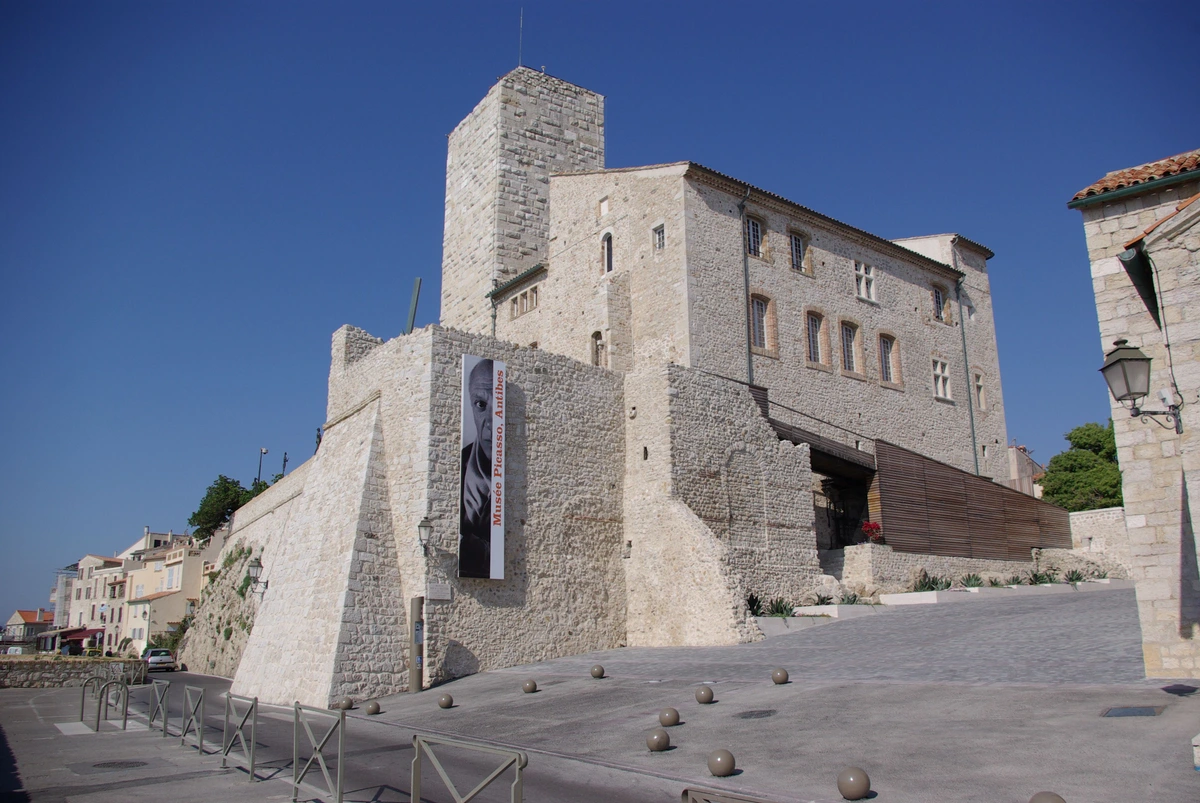
The Uffizi, which began as routine administrative offices (the name literally means 'offices'), gradually transformed into something unprecedented—a semi-public display space. By the late 16th century, if you were a scholar, artist, or aristocrat, you could request permission to view the collections. This was the crucial innovation: neither fully private nor truly public, but something in between. Access became a form of political currency, something to be earned or granted as a favor. This model—the private collection made selectively public for political leverage—became the template for aristocratic art display across Europe for the next two centuries.
The Enlightenment: When Private Collections Went Public
Something shifted in the 18th century. The 18th century brought an intellectual earthquake so profound we're still living in its aftershocks. The Enlightenment introduced a dangerously democratic idea: knowledge wasn't the private property of kings and aristocrats. The universe operated according to knowable laws, and that knowledge should be accessible to anyone capable of reason. Suddenly, keeping masterpieces locked away in private palaces wasn't just selfish—it was irrational, almost sinful. Art and artifacts belonged not to their owners, but to humanity itself, as tools for education and moral improvement. It was the beginning of what we now call the public museum movement—a fundamental reimagining of who art belonged to and what purpose it served. This intellectual ferment found its expression in concrete institutions that sought to embody these new ideals.
The first cracks in the old model came from the most interesting places. In 1677, Elias Ashmole donated his collection of curiosities to the University of Oxford, creating the Ashmolean Museum. He stipulated it must be open to the public. It was a stunningly progressive idea—though "public" in the 17th century meant educated gentlemen who could apply for admission, not exactly the democratic access we imagine today.
The real game-changer, however, was the British Museum. It was founded in 1753, but not by a king or a prince. It was born from the will of Sir Hans Sloane, a physician whose personal collection of over 71,000 objects was left to the nation. Parliament passed an act to create the museum, and in 1759, it opened its doors. Free. To the public (or at least, to the 'studious and curious' who could afford the time and had the social standing to request a ticket). But the principle was earth-shattering: the nation's treasures belonged to the nation. This act of transferring a private collection into a public trust was a radical redefinition of cultural property, establishing a precedent that would echo across Europe and America.
The French Revolution then took a sledgehammer to the old regime's privacy. Then came the moment that changed everything. In 1793, in the white heat of revolutionary fervor, the French government did the unthinkable: they nationalized the royal art collection and threw open the doors of the Louvre palace. For the first time, masterpieces that had belonged exclusively to the King of France were visible to anyone—a Parisian shoemaker could now stand before the same paintings as a Bourbon monarch. The psychological effect must have been electric. The public museum wasn't just an institution anymore; it was a political statement, a declaration that culture belonged to the citizens, not the crown. It was the ultimate symbolic act of the revolution: the people now owned the patrimony of their former rulers.
The Museum as Nation-Building Machine
This shift from private treasure to public heritage wasn't merely philosophical—it was fundamentally about power. Museums became instruments of statecraft in several crucial, often brutal, ways. They were the cultural arm of the nation-state, designed to forge citizens, legitimize authority, and project power both domestically and internationally.
- Creating National Identity: The British Museum presented Britain as the legitimate heir to classical civilization, while the Louvre positioned France as the new center of European culture. Museums told citizens who they were and where they came from—and, crucially, why their nation deserved to rule.
- Demonstrating Imperial Power: Let's be blunt: many objects in these early museums were war booty or colonial acquisitions. The Elgin Marbles weren't "saved"; they were taken. Egyptian artifacts weren't "collected"; they were plundered. Museums became visible proof of imperial reach—tangible evidence that these nations could go anywhere, take anything, and display it as evidence of their own superiority.
- Promoting Civic Virtue: Enlightenment thinkers genuinely believed that exposure to great art would morally improve citizens. The thinking went like this: if people saw depictions of heroic virtue, they would internalize those values. Museums weren't just educational; they were supposed to be factories for producing better, more docile citizens.
- Establishing Historical Narratives: Museums began organizing collections chronologically, creating linear stories of "progress" that conveniently ended with their own nation at the pinnacle. This wasn't neutral history; it was propaganda disguised as scholarship.
- Creating National Identity: The British Museum presented Britain as the heir to classical civilization, while the Louvre positioned France as the new center of European culture. By collecting and displaying ancient artifacts, these nations literally wrote themselves into the grand narrative of human history.
- Demonstrating Imperial Power: Many objects in these early museums were war booty or colonial acquisitions, tangible proof of imperial reach. The museum became a trophy case for conquest.
- Promoting Civic Virtue: Enlightenment thinkers believed that exposure to great art would morally improve citizens, creating a more virtuous populace by surrounding them with images of heroic virtue and noble ideals.
- Establishing Historical Narratives: Museums began organizing collections chronologically, creating linear narratives of "artistic progress" that conveniently culminated in their own nation's cultural achievements.
The Dark Side of Democratization
Of course, this new "public" access came with its own exclusions. Admission might be free, but museums enforced strict codes of conduct. Working-class visitors were often turned away for inappropriate dress or behavior. Women faced additional barriers—many museums restricted their access to certain days or required male chaperones. The ideal museum visitor was presumed to be educated, propertied, and male—a set of assumptions that shaped museum architecture, display strategies, and educational goals for over a century.
And then there was the question of where all these "public" collections came from. The British Museum's founding collection included thousands of artifacts acquired through colonial networks. The Louvre's masterpieces had been seized from churches, aristocrats, and conquered territories. The democratization of art for some meant dispossession for others—a tension that continues to fuel debates about repatriation and restitution today. The very foundation of the public museum is built on a fundamental contradiction: a commitment to universal access and education, financed and filled by the spoils of conquest and operated according to the rules of an exclusive class.
The Museum as a 19th-Century Machine for Looking
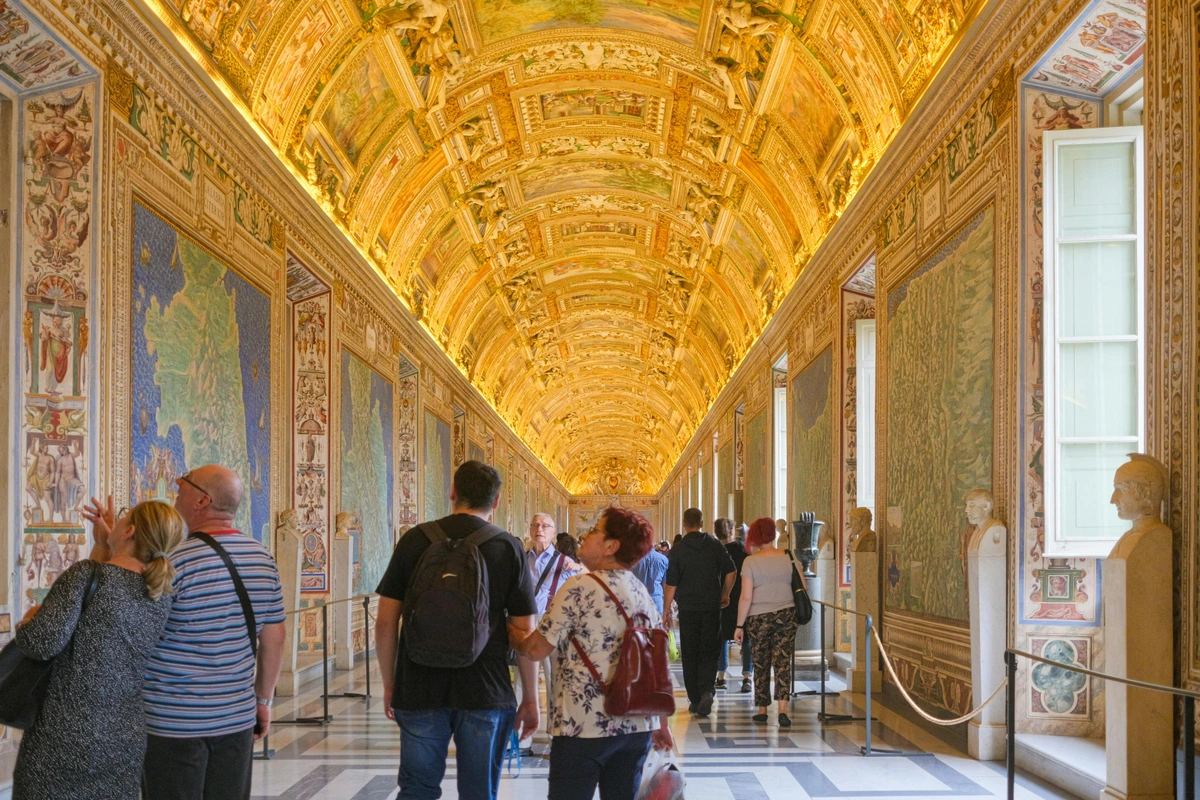
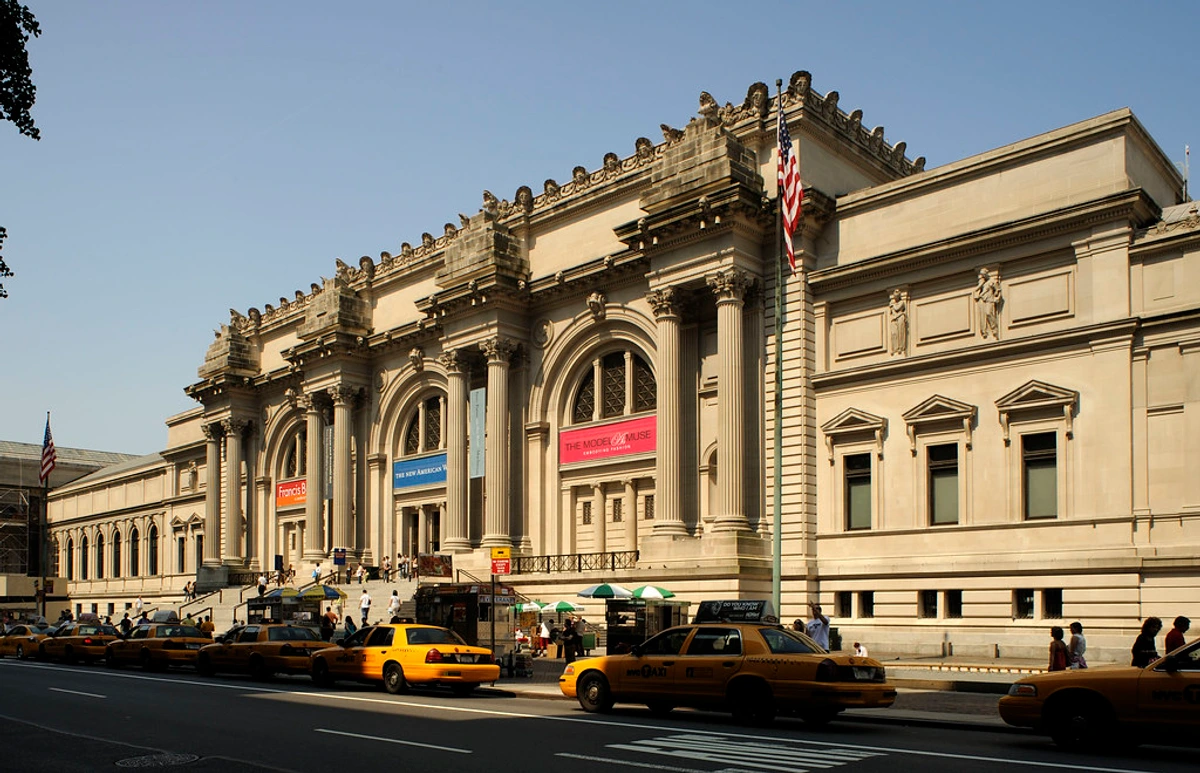
The 19th century was the great age of museum building. As nations grew in power and wealth, they poured their ambitions into brick and mortar. This was the era of the museum as cathedral—a sacred space designed not just to house art, but to transform visitors through carefully choreographed experiences.
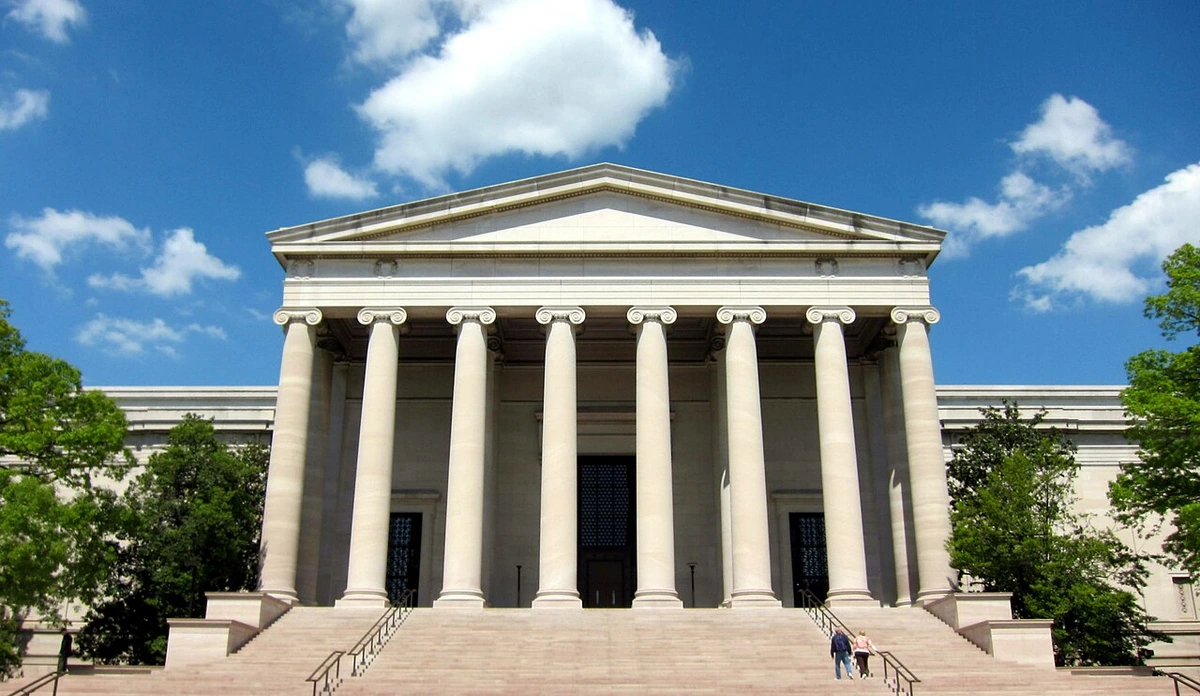
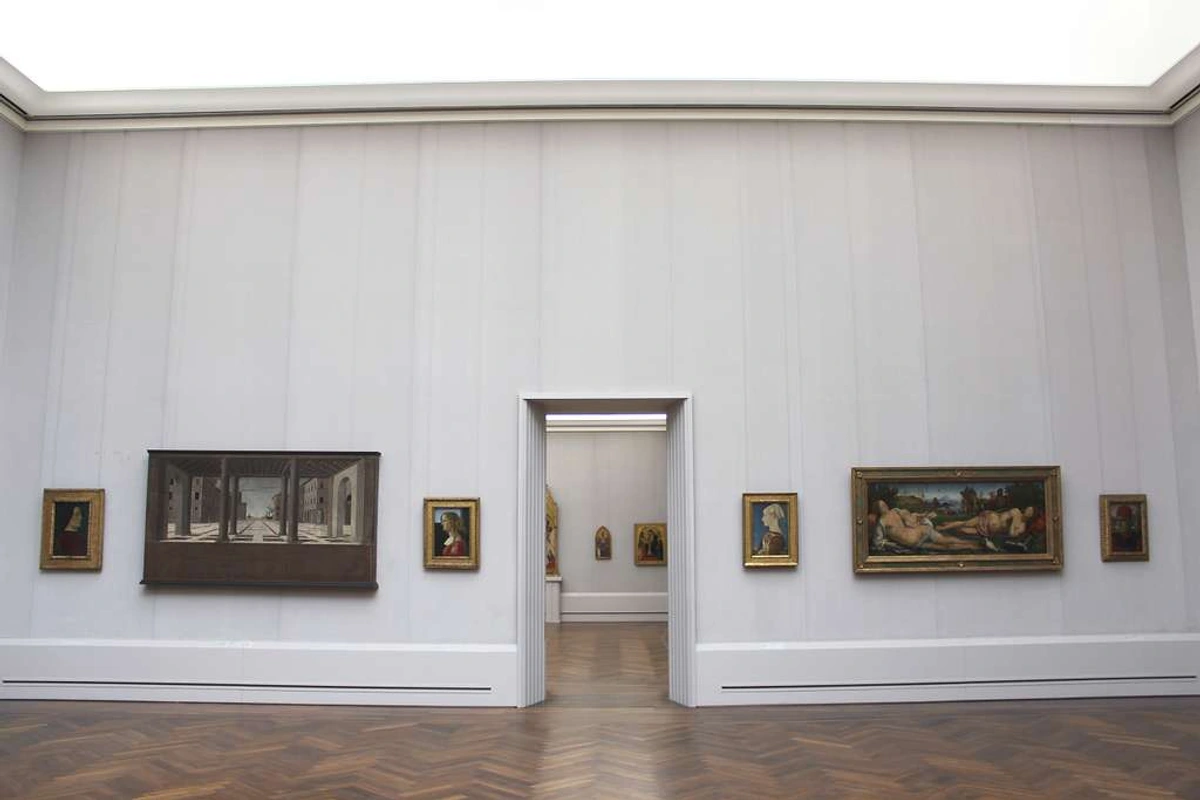
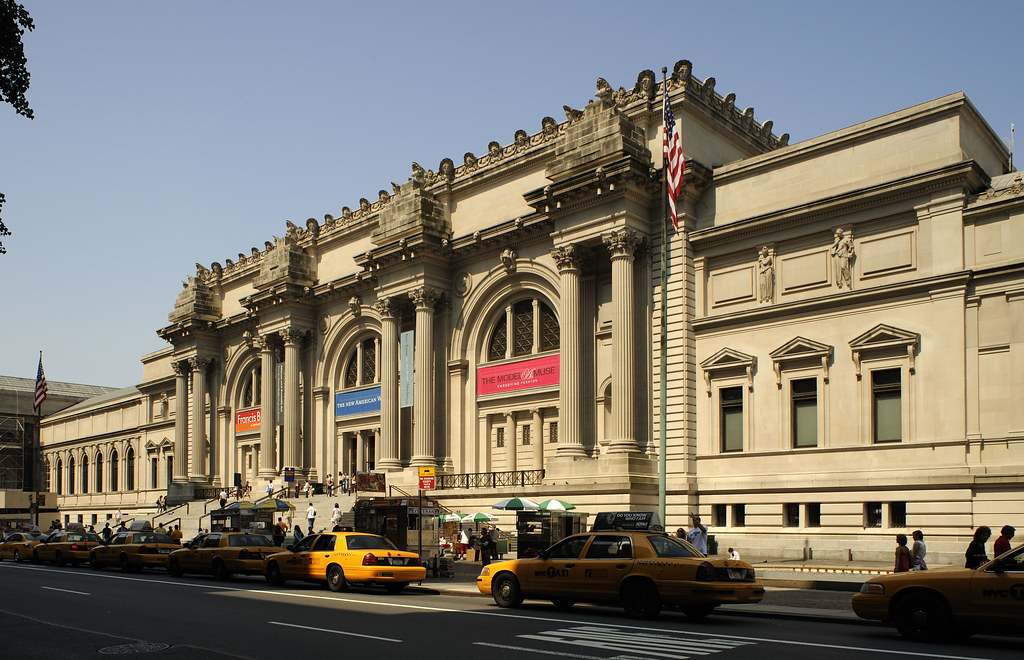
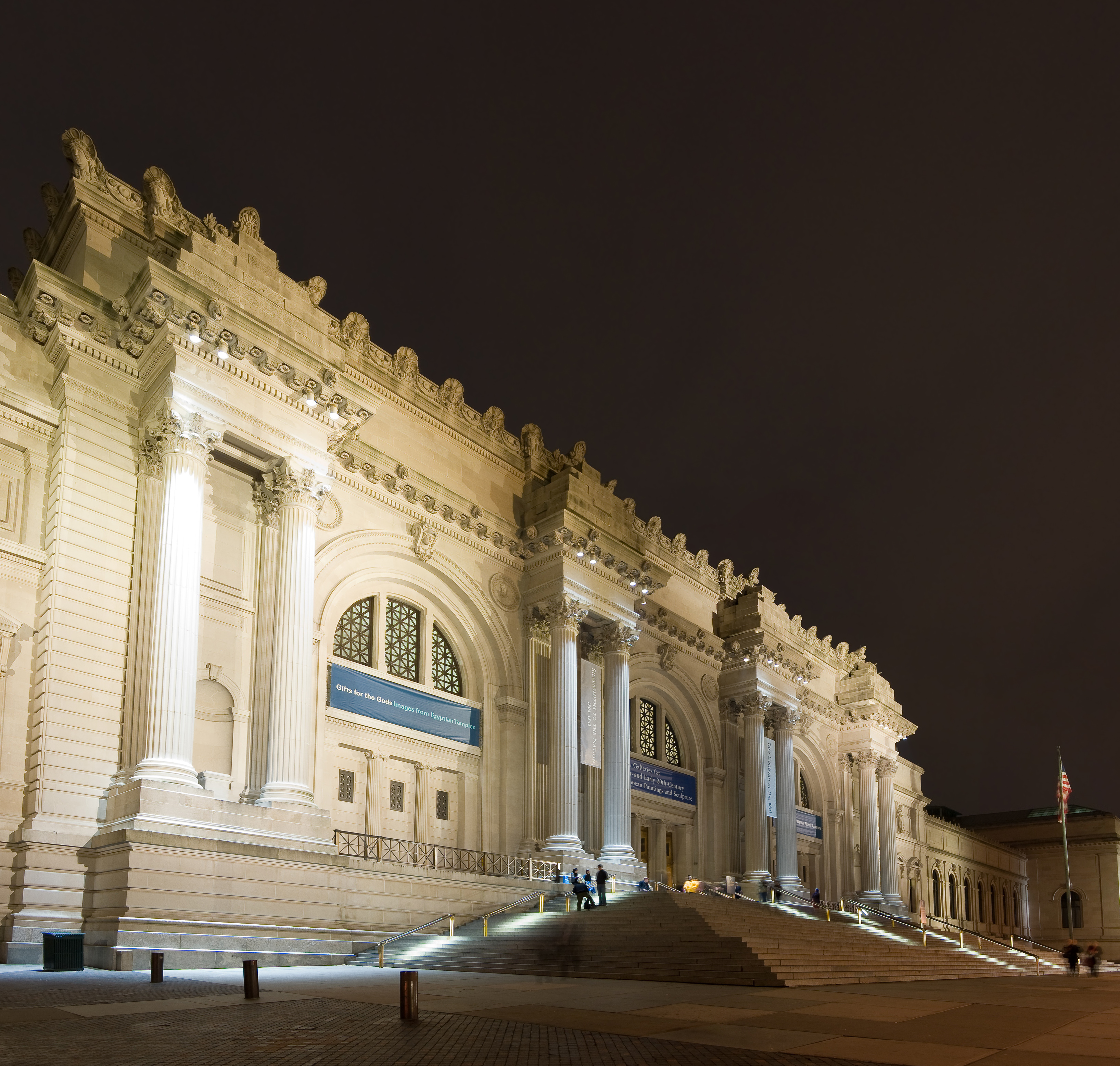
Grand, neoclassical temples to art like the Rijksmuseum in Amsterdam or the Altes Museum in Berlin were architectural statements. Their imposing facades, often modeled on Greek temples or Roman baths, signaled that this was no ordinary building. You didn't just walk in; you made a pilgrimage.
The Museum as a 19th-Century Machine for Looking
The 19th century was the great age of museum building, and it perfected something we now barely notice: the museum as a machine for producing specific kinds of looking. These buildings weren't neutral containers; they were psychological conditioning devices.
The Architecture of Awe
Art historian Carol Duncan brilliantly called these spaces 'ritual sites'—and once you see it, you can't unsee it. Every architectural choice was designed to prepare you, psychologically and physically, for an encounter with greatness. It was about stripping away the everyday and replacing it with reverence. You weren't just entering a building; you were undergoing a secular ritual, leaving behind the messy, commercial world of the street and preparing yourself for an encounter with timeless truth and beauty.
Architecture critic Justin Davidson once observed that museums are "machines for seeing," and nowhere is this more apparent than in the 19th-century museum. These buildings weren't neutral containers; they were psychological conditioning devices designed to transform the visitor's state of mind. Let's walk through the typical 19th-century museum experience, step by step, and notice how each phase is designed to produce a specific kind of state of mind:
- The Ascent: You approach the museum—often a massive structure modeled on a Greek temple or Roman bath—and climb a grand staircase. This vertical movement wasn't just practical; it was symbolic. You were literally rising above the mundane world outside, ascending to a higher cultural plane where commerce and daily life didn't intrude.
- The Threshold: You pass through imposing columns or massive bronze doors, often guarded by stone lions or heroic sculptures. This was the moment of transition, crossing from profane space (the city streets) into sacred space (the museum). The noise of traffic disappeared, replaced by an almost ecclesiastical hush. Your voice automatically dropped to a whisper.
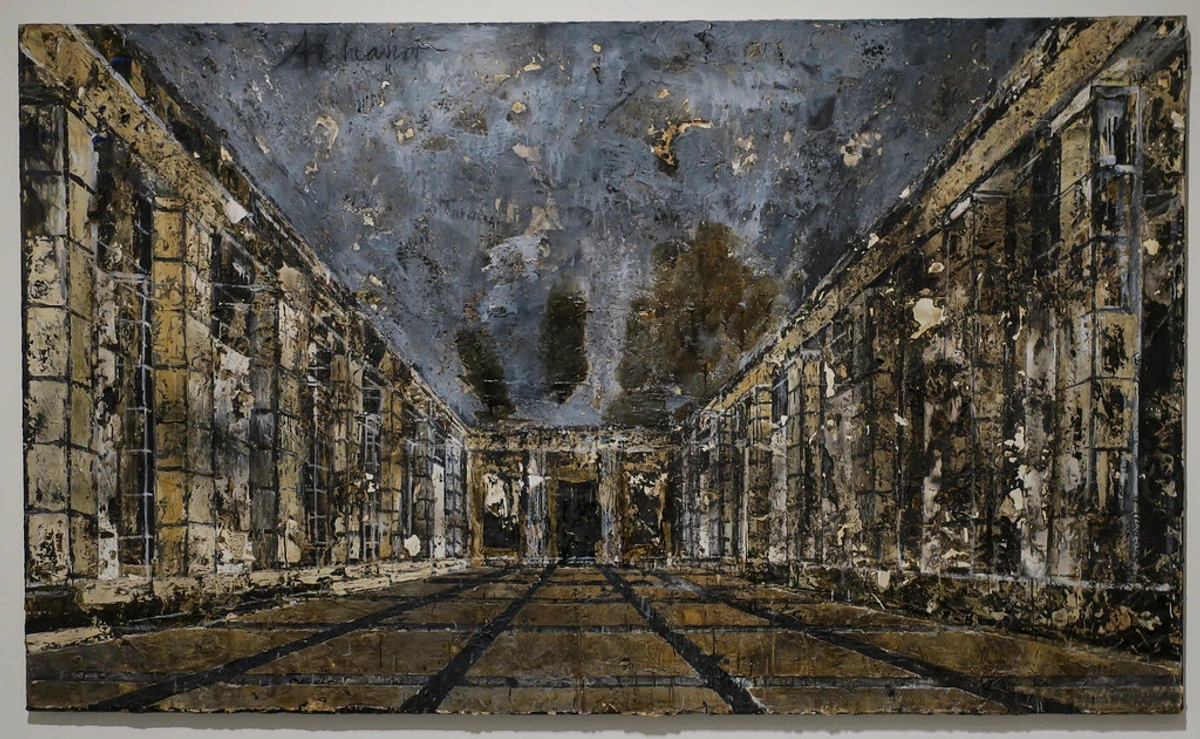
- The Processional Route: Inside, you're guided through enfilades of rooms—doorways aligned so you can see through multiple galleries at once, creating a sense of infinite progression through artistic history. You're not supposed to wander randomly; you're meant to follow a specific path, a narrative laid out by the architect and curator. It's a pilgrimage, not a stroll.
- The Chapel-like Galleries: Individual rooms are designed like religious chapels. Paintings are arranged as altarpieces, often with benches where you can sit and contemplate. Natural light streams down from above, like divine illumination. The art faces inward, demanding your full attention, erasing any connection to the world outside the frame. You're meant to lose yourself in what you're seeing, not wonder what's for lunch.
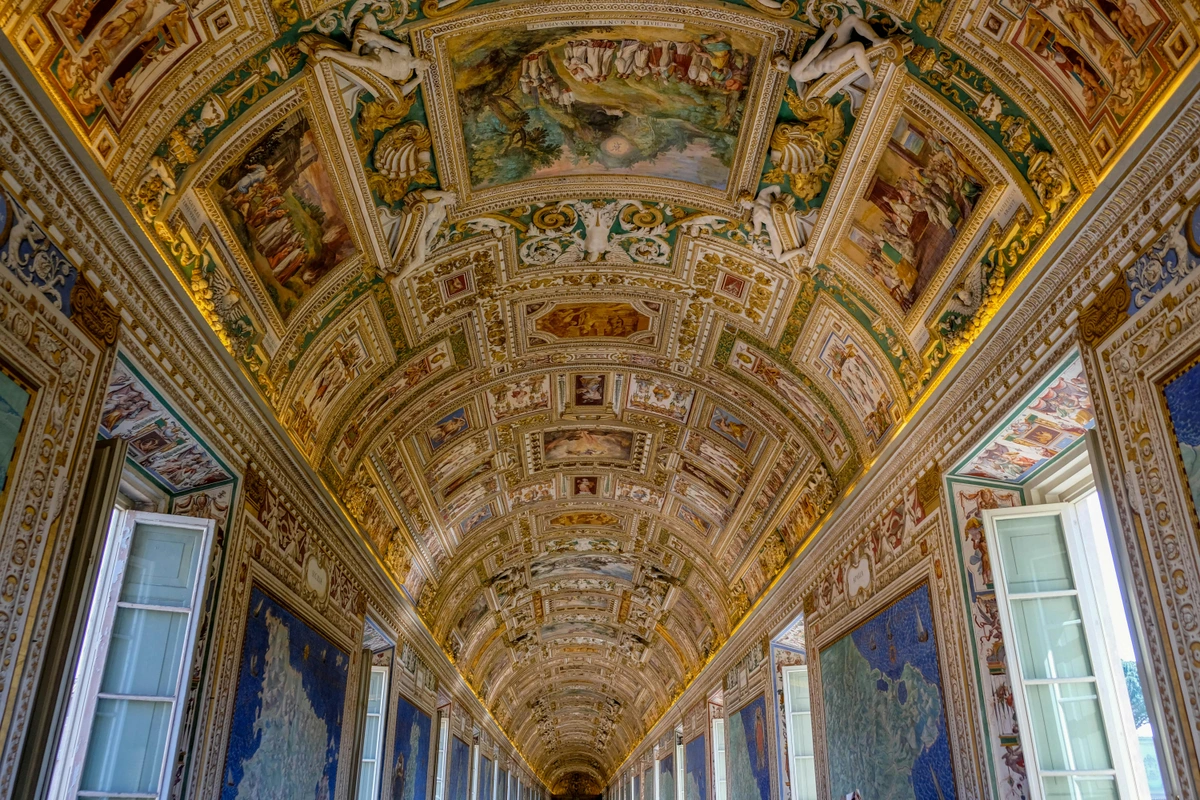
This was the era that perfected what we now call the 'white cube' aesthetic—though it wasn't called that yet. Walls were painted neutral colors (often deep red or green initially, later shifting to lighter tones). Natural light streamed down from skylights, sometimes supplemented by gas lamps. The goal was to create a timeless, sacred space where art could "speak for itself," free from the distracting clutter of the Wunderkammer. This aesthetic didn't just happen; it was a carefully engineered environment designed to produce a specific kind of contemplative, reverential spectator, completely focused on the isolated art object.
The Birth of Professional Curation
The 19th century also professionalized the role of the curator. No longer just aristocratic collectors or scholars, curators became institutional gatekeepers with enormous power to shape public taste. Their responsibilities expanded dramatically. They became the new priests of culture, mediating between the art and the public, deciding what was significant, authentic, and worthy of display.
- Classification and cataloging: Developing systems to organize thousands of objects by period, style, and national school
- Art historical narrative: Arranging galleries to tell specific stories about artistic "progress" (almost always culminating with their own nation's artists at the pinnacle of achievement)
- Authentication and connoisseurship: Determining which works were "genuine" and which were mere copies or forgeries
- Acquisition strategy: Deciding which new purchases would enhance the museum's prestige and educational mission
This was also the golden age of the museum director as impresario—figures like Wilhelm von Bode in Berlin or Luigi Palma di Cesnola in New York, who combined scholarly expertise with showmanship, turning their institutions into major cultural destinations.
The Educational Mission and Its Limitations
The museum's new educational mission was revolutionary, but it was also prescriptive. Visitors weren't invited to have their own responses to art; they were taught the "correct" way to appreciate it. Guidebooks proliferated, providing approved interpretations. Group tours became common, with docents explaining what to admire and why.
This top-down approach had consequences. It created the very sense of intimidation I mentioned at the start—the feeling that you need special knowledge to properly appreciate art, the anxiety about "not getting it." The museum had become a machine for looking, but it also became a machine for making people feel like outsiders in their own cultural heritage. The unspoken message was clear: this art belongs to those who have been educated to understand it, and if you lack that education, you are an intruder.
My friend, a museum educator, once told me about finding a visitor staring at a painting with tears in her eyes. When he approached, she apologized: "I'm sorry, I don't know anything about art." He responded, "You're having an emotional response—that IS knowing something about art." It's a moment that captures the tension between the museum's formal mission and the messy, human reality of encountering art.
The Modern Gallery and the Art Market
While museums were busy becoming grand temples to art history, a different kind of space was emerging—one that operated on an entirely different logic. The commercial art gallery wasn't about preserving the past; it was about selling the present. More than anything, it was about making contemporary art visible, knowable, and—crucially—ownable. This created a fundamental tension that continues to shape how we experience art today: the museum consecrates, the gallery circulates. One hands down judgment from on high, the other creates markets and makes careers. It's the crucial split between the art world as a site of cultural memory and the art world as a dynamic marketplace of new ideas and commodities.
The Salon System: Art as Bureaucracy
It started with the annual Salon in Paris, a huge, state-sponsored exhibition where artists could show their work to a mass audience. Getting into the Salon could make a career—or break it. The system was incredibly bureaucratic:
- Juried selection: Works were chosen by academicians who favored traditional techniques and morally edifying subjects
- Hierarchical hanging: The best placement went to established favorites, while newcomers were often "skyed"—hung near the ceiling where no one could see them properly
- Mass spectacle: Thousands of works were crammed into enormous halls, creating overwhelming visual cacophony The gatekeepers of the official art world held all the cards, creating a bottleneck that frustrated generations of artists who were told their work was too radical, too unfinished, or simply not in line with the prevailing academic taste.
The Salon des Refusés: When Artists Fought Back
This rigid system led to one of the most famous acts of rebellion in art history. In 1863, the Salon jury rejected an unprecedented number of works—over 3,000 paintings were refused. The artists protested so vigorously that Emperor Napoleon III, in a canny political move, allowed them to hold their own exhibition: the Salon des Refusés (Exhibition of the Rejects). It was a pivotal moment where the artists themselves seized control of their own narrative, refusing to be defined by the judgment of a conservative establishment.
Artists like Édouard Manet showed their radical, modern work there, and the art world was never the same. The Salon des Refusés accomplished something revolutionary:

- It legitimized alternative spaces: Proved that art could flourish outside official institutions
- It created new audiences: Parisians flocked to see the "rejects," often finding them more exciting than the official Salon
- It launched modernism: This was the moment when avant-garde art began to define itself in opposition to the establishment
The Salon des Refusés proved there was a hunger for new spaces and new models. More importantly, it demonstrated that gatekeepers could be bypassed.
The Rise of the Visionary Dealer
The Rise of the Visionary Dealer: When Selling Became an Art Form
Soon, private galleries run by visionary dealers began to champion artists the museums ignored. This was a radical shift—the power to determine what was "important" was no longer exclusively held by academic institutions or state-sponsored Salons. It now rested in the hands of entrepreneurs who could see talent where others saw only chaos. These dealers were more than just salesmen; they were impresarios, patrons, and cultural strategists who could create markets and shape tastes, often against considerable resistance.
The most famous of these trailblazers was Paul Durand-Ruel, who recognized the genius of the Impressionists when most critics dismissed them as madmen or hacks. He didn't just sell their paintings; he created an entire market for them out of thin air. Galleries like his weren't just shops; they were cultural laboratories, platforms that fundamentally changed how art moved through the world:
- They shaped taste, not just reflected it: A dealer like Durand-Ruel had to actively convince skeptical collectors that these strange, sketchy-looking paintings were worth buying. He didn't wait for audiences to catch up; he converted them, one collector at a time. It was a process of education and persuasion that required immense confidence and vision.
- They created markets where none existed: Before the 19th century, living artists had no stable pricing system. Dealers like Ambroise Vollard and Daniel-Henry Kahnweiler invented one, creating price lists, exhibition histories, and a whole infrastructure for contemporary art commerce.
- They launched movements, not just careers: A gallery could become the gathering place for an entire artistic community. The ideas that became Cubism, Fauvism, and Surrealism didn't just emerge spontaneously; they coalesced in gallery spaces where artists could see each other's work and argue about aesthetics.
- They offered financial stability in exchange for loyalty: Many dealers supported their artists with monthly stipends—essentially a salary—in exchange for first choice of their work. This gave artists the freedom to experiment without constantly worrying about sales. It was a new form of patronage, driven by commercial acumen rather than aristocratic whim, allowing artists to focus on their work while building a long-term career.
The modern commercial gallery became the incubator for the avant-garde, the testing ground where contemporary art found its audience and, yes, its price tag. Dealers became tastemakers—figures like Peggy Guggenheim didn't just sell art; they helped create art history, shaping which movements would be remembered and which forgotten.
The White Cube Transformation
By the mid-20th century, commercial galleries began adopting an aesthetic we now call the white cube. Inspired by modernist architecture and earlier museum design, these spaces featured a deliberately stripped-down, neutral environment that was intended to focus all attention on the art itself:
- White walls (obviously)
- Polished concrete floors or neutral carpeting
- Track lighting that could be precisely focused
- Minimal signage or architectural distraction
- A sense of timeless, neutral space The white cube claimed to be the ideal presentation space—one that didn't impose its own aesthetic on the art. But critics quickly noted that the white cube is far from neutral. It creates an aura of preciousness, separates art from everyday life, and demands a particular kind of reverent, contemplative viewing. As artist Brian O'Doherty observed in his classic essays, the white cube "defines the art it contains as art"—a tautology that became the gallery world's defining feature. The white cube presents itself as a neutral container, but it is actually a highly ideological space that shapes our perception of the art within it, framing it as autonomous, precious, and separate from the world of everyday life.
The 20th Century: Art Spills Out of the Box
By the 20th century, the system was pretty well established. Museums housed old art, and galleries sold new art. But artists have never been very good at following rules. In fact, the most interesting artists specialize in breaking them—and in the process, they redefine what's possible. The 20th century is the story of artists systematically dismantling the very structures that were supposed to contain them, asking a radical question: What if art doesn't need a frame, a pedestal, or even a building? What if it can happen anywhere?
MoMA: Making Modern Art Respectable
The Museum of Modern Art (MoMA), founded in New York in 1929, changed the game entirely. Think about how radical this was: an institution dedicated to art that most people considered chaotic, incomprehensible, or just plain ugly. MoMA declared that modern art wasn't just a passing fad; it was a vital part of the historical conversation.
Under directors like Alfred Barr Jr., MoMA did something unprecedented—it created a teleological narrative of modern art, tracing an inevitable progression from Post-Impressionism through Cubism and Surrealism to Abstract Expressionism. This wasn't just displaying art; it was writing history in real-time, and it cemented New York as the new centre of the art world.
MoMA also innovated in display techniques that seem so natural to us now we barely notice them. The museum pioneered what came to be called the "MoMA look"—an aesthetic that fundamentally shaped how we expect modern art to be shown:
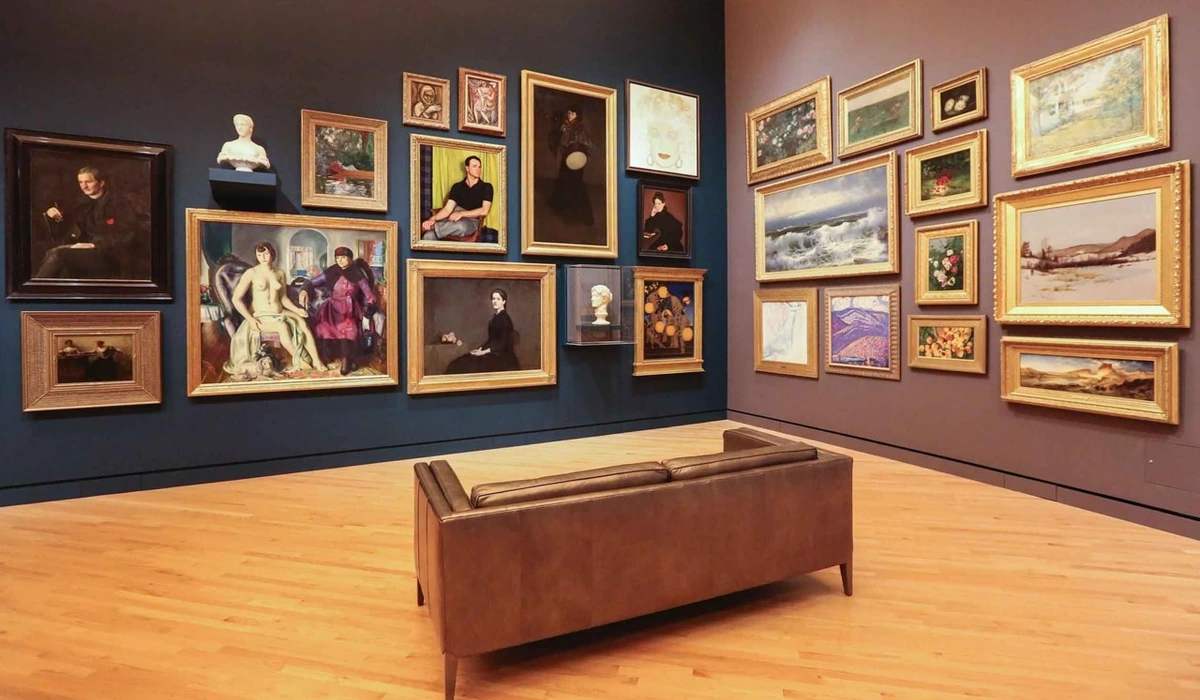
- Vast wall space for a few key works: Instead of the salon-style hanging where paintings covered every inch of wall, MoMA gave individual paintings room to breathe. You were meant to contemplate one work at a time, not be overwhelmed by visual noise.
- Minimal explanatory text: The art was supposed to "speak for itself," a deeply modernist idea that treats the artwork as an autonomous entity with its own internal logic, not something requiring elaborate historical explanation.
- Clean, modernist architecture: The building itself became a neutral container—white walls, simple lines, no architectural distractions. This framed the art as precious object, elevating it above everyday life.
- A narrative pathway through galleries: You didn't just wander; you were guided through a story of inevitable "progress" from Post-Impressionism to Cubism to Abstract Expressionism. This created a sense that the museum was revealing universal historical laws, not just one possible interpretation of art history.
This approach became the gold standard for modern art museums worldwide, creating the template we all recognize. It also created new kinds of exclusions—if you didn't already "get" the art, you were often left feeling stupid rather than educated.
The Dadaist Challenge: Making the Museum Absurd
But not everyone was happy with this institutionalization. The Dadaists of the 1910s and 1920s saw museums as graveyards—places where radical ideas went to die. Marcel Duchamp began placing everyday objects (a urinal, a bottle rack) in gallery contexts, challenging the very definition of art. His "readymades" asked: Can any object become art simply by being chosen by an artist and placed in a cultural space? And if the context is what makes it art, then what exactly is the museum, other than a fancy frame?
The Dada critique was simple but devastating: museums turn living culture into dead artifacts. They domesticate the radical, make the shocking respectable, and transform critique into commodity. It's a criticism that continues to echo whenever artists stage interventions in museums or create work that can't be easily collected. Duchamp's urinal, 'Fountain', was more than just a prank; it was a philosophical bomb intended to blow up the entire system of taste, value, and institutional authority.

Art Spills Out of the Frame
If Duchamp showed that any object could be art, the mid-20th century asked a more radical question: what if art didn't even need to be an object? What if it could be an experience? This question would fundamentally challenge the entire infrastructure of the art world, which was built on the buying, selling, and preserving of physical things.
The Fluxus movement of the 1960s took this idea and ran with it. Rather than making things to hang on walls, Fluxus artists created events—happenings, performances, scores, and situations that existed only in the moment of their occurrence and then disappeared forever. You couldn't hang a Fluxus work on your wall or store it in a museum basement. The artwork was ephemeral, participatory, and often deliberately absurd.
Yoko Ono's "Cut Piece" (1964) invited audience members to slowly cut away her clothing, exploring vulnerability and trust. Alison Knowles performed "The Identical Lunch" (1969), eating the same meal (a tunafish sandwich, at a specific NYC diner) repeatedly, turning a mundane routine into a public meditation on repetition and presence.
These weren't things you could easily display in a white cube—they were experiences that completely obliterated the boundaries between art and life. And they created a fundamental problem for the art market: how do you buy, sell, or preserve something that disappears the moment it's created?
The answer, for many artists, was that you don't—and that was precisely the point. By escaping the commodity economy, performance art could explore ideas that marketable objects couldn't touch.
Installation Art: When the Room Becomes the Canvas
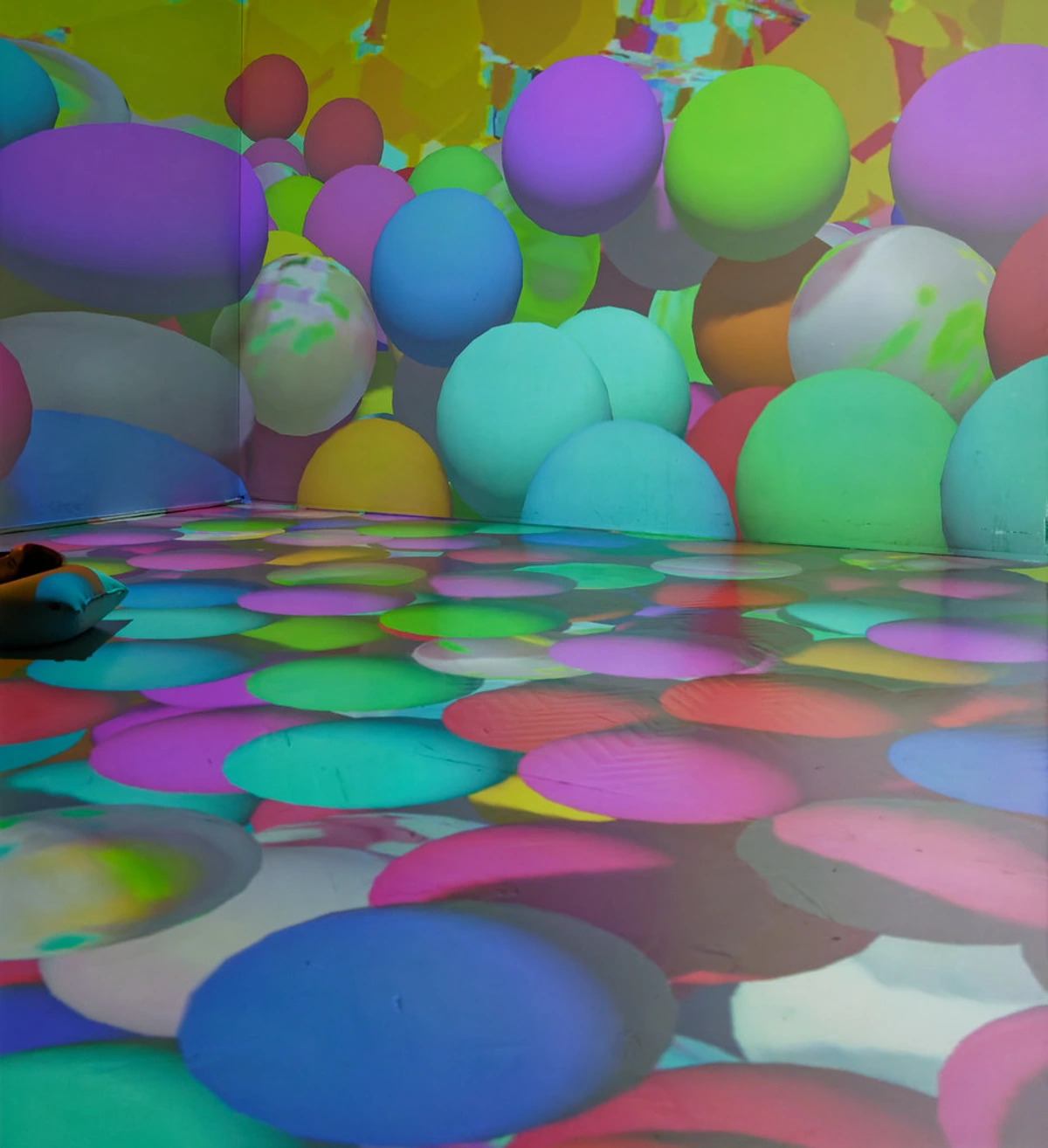
All these threads came together in what we now call installation art—a form where the artwork isn't an object you look at, but an environment you move through. The magic happens in the space between things, in how your body navigates the work. The art is no longer confined to a frame or on a pedestal; it surrounds you, creating a total, immersive environment that engages all your senses.
I remember walking into an early installation by the Swiss artist Pipilotti Rist, where you had to lie on the floor and look up at a lush, swirling video projected on the ceiling. It was immersive, strange, and completely violated the "look, don't touch" rules I'd internalized from museums. Your body had to participate—you didn't just stand and contemplate; you reclined, you gave up control, you experienced the work kinesthetically.
That's when it hit me: artists weren't just making objects for the gallery anymore; they were treating the gallery itself as their raw material, transforming the white cube into something entirely unexpected.
Installation art forced institutions to rethink everything:
- Conservation: How do you preserve an experience? Document it? Recreate it?
- Ownership: What does it mean to "own" an installation? The instructions? The documentation? The right to recreate?
- Display: How do you show something that was designed for a specific space and time? Installation art challenged the museum's fundamental model: that art consists of discrete, transportable, collectible objects.
The Rise of Alternative Spaces
By the 1970s, artists were creating their own venues—alternative spaces that operated outside the commercial gallery system. Places like New York's Artist's Space or London's ICA provided platforms for experimental work that mainstream institutions couldn't or wouldn't show.
These spaces developed new models:
- Artist-run centers: Controlled by artists, focused on experimentation rather than sales
- Non-profit galleries: Funded by grants and donations, prioritizing artistic merit over market viability
- Public art programs: Taking art out of institutions entirely and placing it in streets, parks, and community spaces I've shown work in both commercial galleries and artist-run spaces, and I can tell you the difference is palpable. In a commercial space, you're always aware of the market. In an alternative space, there's a freedom to fail, to experiment, to create work that might not have obvious commercial value but has genuine artistic urgency.
Alternative spaces became incubators for every significant art movement of the late 20th century, from Conceptual Art to Video Art to Identity Politics-based work. They proved that you don't need institutional permission to make significant art—you just need space, community, and audacity.
The Digital Age and the Reimagined Museum
The Digital Transformation: Art in the Age of the Screen
And now, here we are in the strangest chapter yet. If you want to see the Sistine Chapel ceiling, you no longer have to save up for a flight to Rome or navigate crowds of tourists. You can explore it in ultra-high resolution from your couch, zooming in on details that would be invisible to the naked eye from the chapel floor. The internet has become the world's largest, most accessible museum, archive, and curiosity cabinet all at once—a Wunderkammer on a scale those Renaissance princes could never have imagined, and one that is collectively curated by millions of users.
Institutions like the Google Cultural Institute have digitized millions of artworks, making them available to anyone with an internet connection. The potential for education and democratization is staggering. A student in Mumbai can study Vermeer with the same access as a curator in Amsterdam. An aspiring artist in rural Nebraska can explore contemporary galleries in Berlin without leaving home. The barriers of geography, cost, and social class that have historically kept people away from high culture are finally—theoretically, at least—crumbling. This represents the next great evolutionary leap in the idea of the museum, fulfilling the Enlightenment promise of universal access on a truly global scale.
But here's the uncomfortable truth: something fundamental is lost in translation from physical to digital. It's one thing to see a van Gogh on your phone; it's another entirely to stand two feet from one of his paintings and feel the paint's thick impasto, to see how the colors vibrate, to sense the frantic energy in every brushstroke. The digital image is information, but it isn't presence. It lacks the aura, the physical scale, the 'thingness' of the original—all those qualities that Walter Benjamin warned us would be lost in the age of mechanical reproduction. I think often about a visit to see a Rothko, one of his enormous, dark, brooding canvases from the late period. On a screen, it's just a dark rectangle, maybe even slightly boring. In person, it's a vortex of color and emotion—a physical encounter, a confrontation between your body and the object. The digital museum gives us infinite access, but it flattens that sacred sense of presence, that irreplaceable feeling of being in the same room as something made by human hands.
This is the central tension for museums today: how do you stay relevant in a world of instant digital access? How do you translate the power of physical presence for a generation raised on screens? The answer, increasingly, is that museums are becoming something more than repositories of objects. They're becoming event spaces, community hubs, sites for performance and debate—places you visit not just to see art, but to do things, to have experiences that can't be replicated online. In the digital age, the unique value proposition of the museum is no longer its collection, but its capacity to create unique, embodied, collective encounters.
This is the central tension for museums and galleries today. How do they stay relevant in a world of instant digital access? How do they translate the power of physical presence for a generation raised on screens? They are becoming event spaces, community hubs, sites for performance and debate—more than just repositories of objects.

For me, as an artist, this history is both inspiring and daunting. I see that where art is shown is never neutral. A painting in a royal gallery, a sculpture in a white cube, an installation in a repurposed warehouse—each space whispers a different story to the viewer about what they're looking at. The institution frames the art, and in turn, the art has the power to redefine the institution.
Van Paleis naar Publiek: Veelgestelde Vragen
Van Paleis naar Publiek: Veelgestelde Vragen over Kunstinstellingen
Wat is het oudste museum ter wereld?
Dat hangt ervan af hoe je 'museum' definieert. Het Capitoline Museums in Rome, geopend in 1734, wordt vaak genoemd als het eerste museum in de moderne zin van het woord. Het was namelijk de eerste Europese collectie die eigendom was van een stad en open was voor het publiek. De Ashmolean in Oxford (1683) was echter eerder open voor 'bezoekers'. Meestal krijgt het Capitoline de officiële eer, al was de ervaring voor een 18e-eeuwse bezoeker heel anders dan vandaag de dag.
Wat is het verschil tussen een museum en een galerie?
Het is een klassieke vraag, en het antwoord is simpel, maar de lijnen worden vager. Een museum is een non-profit instelling die is toegewijd aan het verzamelen, behouden, bestuderen en tentoonstellen van kunst voor educatieve doeleinden. Het gaat om de openbare dienst. Een commerciële galerie (of kunstgalerie) is een bedrijf dat kunst verkoopt om winst te maken. Het vertegenwoordigt levende kunstenaars en promoot hun werk. Het is de plek waar de kunstmarkt floreert.
Haarscherp is het onderscheid niet meer. Veel musea verkopen prints in hun winkel, en veel toonaangevende galerieën organiseren tentoonstellingen die even goed curateuren als musea, puur uit liefde voor de kunst.
Heb ik een museum of galerie nodig om mijn kunst te verkopen?
Nee, absoluut niet. We leven in een tijdperk waarin kunstenaars hun eigen publiek kunnen opbouwen, direct via sociale media, eigen websites en online marktplaatsen. Je kunt je kunst direct verkopen via mijn website op mijn pagina, bijvoorbeeld op /buy. De galerie vertegenwoordigt nog steeds een krachtig model, maar het monopolie op het ontdekken en verkopen van kunst is voorbij. Het is een democratisering van de markt.
Waarom zijn musea zo streng met "niet aanraken"?
Dit is een van de meest gestelde vragen van bezoekers, en het antwoord is een combinatie van conservering en culturele normen.
Conservering: Iedere aanraking, hoe voorzichtig ook, veroorzaakt schade:
- Vet en zuur: Je huid produceert natuurlijke oliën en zuren die het oppervlak van kunstwerken aantasten. Wat onzichtbaar is voor het blote oog, kan over jaren ernstige schade veroorzaken.
- Micro-schrammen: Zelfs stofdeeltjes op je vingers kunnen microscopische krassen veroorzaken, vooral op onverharde oppervlakken of oud papier.
- Mechanische stress: Sculpturen, vooral oude of fragiele, kunnen scheuren of breken door de minste druk.
Culturele normen: Het "niet aanraken" verbod is ook een relatief modern fenomeen. In de 18e en 19e eeuw was het niet ongewoon dat bezoekers beeldhouwwerken aanraakten—er werden zelfs afgietsels gemaakt speciaal zodat mensen de textuur konden voelen. Pas in de 20e eeuw werd dit streng verboden, toen kunst steeds meer als kwetsbaar en onvervangbaar werd gezien.
Interessant genoeg experimenteren sommige musea nu met "touchable" replica's of speciale tentoonstellingen waar aanraken juist wordt aangemoedigd—een terugkeer naar een meer zintuiglijke ervaring, maar dan op een gecontroleerde manier.
Hoe kiezen musea welke kunst ze kopen?
Het aankoopbeleid van musea is een complex proces van curatoriële visie, financiële realiteit en institutionele politiek. Het is geen kwestie van een curator die zomaar iets moois vindt en het koopt.
Curatoriële strategie: Elke aankoop moet passen in de bredere missie van het museum. Een curator zal zich afvragen:
- Vult dit een gat in onze collectie?
- Vertegenwoordigt het een belangrijke kunstenaar, periode of stroming die we nog niet hebben?
- Voegt het iets toe aan ons verhaal? Financiële middelen: Musea hebben verschillende budgetten. De grote hebben zowel aankoopbudgetten als schenkingen van fondsenwerving. Kleine musea zijn vaak afhankelijk van giften of schenkingen van kunstenaars/verzamelaars.
- Acceptatiecommissies: De meeste musea hebben een commissie van experts, bestuursleden en soms externe adviseurs die grote aankopen moeten goedkeuren.
- Kunstenaarsrelaties: Soms koopt een museum werk van een kunstenaar die al in de collectie zit om hun oeuvre te verdiepen.
- Marktwaarderingen: Prijzen worden bepaald door vraag en aanbod, veilingresultaten, de reputatie van de kunstenaar, en de handelaar.
Het is een mix van academische interesse, marktwerking en pragmatische overwegingen. Een tip voor kunstenaars: probeer niet te gokken wat een museum wil, maar focus op het maken van werk dat authentiek en integer is. Curatoren waarderen meestal artistieke visionairs, niet trendvolgers.
Waarom zijn openbare kunsttentoonstellingen belangrijk voor mijn kunstcarrière?
Openbare tentoonstellingen, of ze nu in musea, galeries of alternatieve ruimtes zijn, zijn cruciaal voor je ontwikkeling als kunstenaar. Zelfs als je voorlopig je werk direct via mijn pagina /buy verkoopt, hebben tentoonstellingen enorme voordelen:
- Exposure: Ze brengen je werk onder de aandacht van potentiële kopers, critici en andere kunstenaars.
- Feedback: Je ziet hoe verschillende mensen op je werk reageren.
- CV opbouw: Tentoonstellingsgeschiedenis geeft je professionaliteit en legitimiteit.
- Netwerkmogelijkheden: Je ontmoet curatoren, galeriehouders en andere kunstprofessionals.
- Artistieke ontwikkeling: Een solo of groepstentoonstelling dwingt je na te denken over hoe individuele werken functioneren in een groter geheel.
Zelfs als je niet direct verkoopt, kan een succesvolle tentoonstelling leiden tot nieuwe kansen, recensies, en uiteindelijk meer verkoop via je eigen kanalen.
Wat is het verschil tussen een curator en een galeriehouder?
Hoewel hun rollen soms overlappen, zijn dit verschillende functies:
Curator  | Galeriehouder |
|---|---|
| Werkt voor een museum of onafhankelijk | Exploiteert een commerciële galerie |
| Doel: educatie, onderzoek, kunstgeschiedenis | Doel: kunstenaars promoten en verkopen |
| Selecteert kunst op basis van conceptuele/thematische relevantie | Selecteert kunst om commercieel succes |
| Meestal salaris of projecthonorarium | Leeft van commissies op verkopen |
| Doet onderzoek, schrijft teksten | Bouwt relaties met verzamelaars |
| Creëert tentoonstellingsconcepten | Beheert kunstenaarsportefeuille |
Een curator kan een tentoonstelling maken in een galerie, en een galeriehouder kan curatoriële keuzes maken, maar hun primaire motivaties zijn verschillend.
Hoe werkt de kunstmarkt vandaag voor nieuwe kunstenaars?
De kunstmarkt is de afgelopen tien jaar drastisch veranderd. Waar kunstenaars vroeger bijna volledig afhankelijk waren van galeries voor hun carrière, zijn er nu veel meer routes mogelijk:
Traditionele route: Kunstacademie → groepstentoonstellingen → ontdekt door galerie → solo tentoonstellingen → museumtentoonstellingen. Deze route is nog steeds belangrijk, maar niet de enige.
Hedendaagse routes:
- Direct-to-collector: via sociale media (Instagram, TikTok), eigen website, online kunstplatformen, zoals je werk op mijn pagina /buy
- De hedendaagse routes die kunstenaars kunnen bewandelen omvatten:
- Direct-to-collector: via sociale media (Instagram, TikTok), eigen website, online kunstplatformen, zoals je werk op mijn pagina /buy
- Artist-in-residence programma's: zoals die worden aangeboden op platforms waaronder onze /buy pagina en collecties
- Kunstbeurzen: Zelfstandig of via een galerie deelnemen aan kunstbeurzen
- Artist-run spaces: Mede-oprichter zijn van een artist-run initiatief
- Open calls: Reageren op open oproepen voor tentoonstellingen of residenties
- Online communities: Op platforms zoals ArtStation, DeviantArt of specialistische online gemeenschappen zoals /finder/page/artists hier op onze site
- Artist-run spaces: Mede-oprichter zijn van een artist-run initiatief
- Open calls: Reageren op open oproepen voor tentoonstellingen of residenties
- Online communities: Op platforms zoals ArtStation, DeviantArt of specialistische online gemeenschappen zoals /finder/page/artists hier op onze site
De sleutel is om niet te vertrouwen op één enkele strategie, maar een portfolio-benadering te hanteren. Dat is de weg naar succes. Verkoop via je website, maar werk ook aan je tentoonstellingsgeschiedenis. Bouw je online aanwezigheid op, maar blijf fysieke ervaringen creëren.
Belangrijkste tip: Diversificatie. Een gezonde kunstpraktijk heeft meerdere verkoopkanalen, tentoonstellingsmogelijkheden en inkomstenbronnen (verkopen via mijn pagina /buy, commissies, residenties, beurzen). Tal van kunstenaars die je hier ziet, hebben deze weg bewandeld.
Hoe kun je je voorbereiden op het bezoeken van een groot museum?
Een bezoek aan een groot museum kan overweldigend zijn. Hier zijn enkele strategieën:
Voorbereiding:
- Check de website: Bekijk welke tentoonstellingen momenteel lopen en wat de hoogtepunten van de collectie zijn.
- Plan je route: Grote musea hebben vaak plattegronden online. Bepaal wat je wilt zien om vermoeidheid te voorkomen.
- Less is more: Plan maximaal 2-3 uur, het concentratievermogen neemt snel af.
- Tijdslots: Vermijd piekuren als je rustig wilt kijken.
- Eten en drinken: Zorg dat je niet met een lege maag het museum in gaat.
Tijdens je bezoek:
- Kies je focus: Verdiep je in een paar werken in plaats van alles vluchtig te bekijken.
- Luister naar audio-tours: Ze geven context die je anders zou missen.
- Neem pauzes: Ga af en toe zitten, of bezoek het museumcafé.
- Maak foto's (indien toegestaan): Maar neem daarna de tijd om echt te kijken.
- Lees de bordjes: Korte beschrijvingen kunnen enorm helpen om een werk te begrijpen.
- Praat met anderen: Wissel indrukken uit.
Na je bezoek:
- Koop een catalogus of boekje: Om je ervaring te verdiepen.
- Bezoek de winkel: Vaak bieden ze interessante kunstboeken en artistieke merchandise.
Musea zijn niet bedoeld om te "consumeren", maar om te ervaren. Soms is één werk dat je echt raakt waardevoller dan het zien van honderden andere.
De toekomst van kunst bekijken: Fysiek of virtueel?
De vraag of virtuele ervaringen ooit fysieke museumbezoeken zullen vervangen, is complex. Het antwoord is waarschijnlijk: beide zullen naast elkaar bestaan.
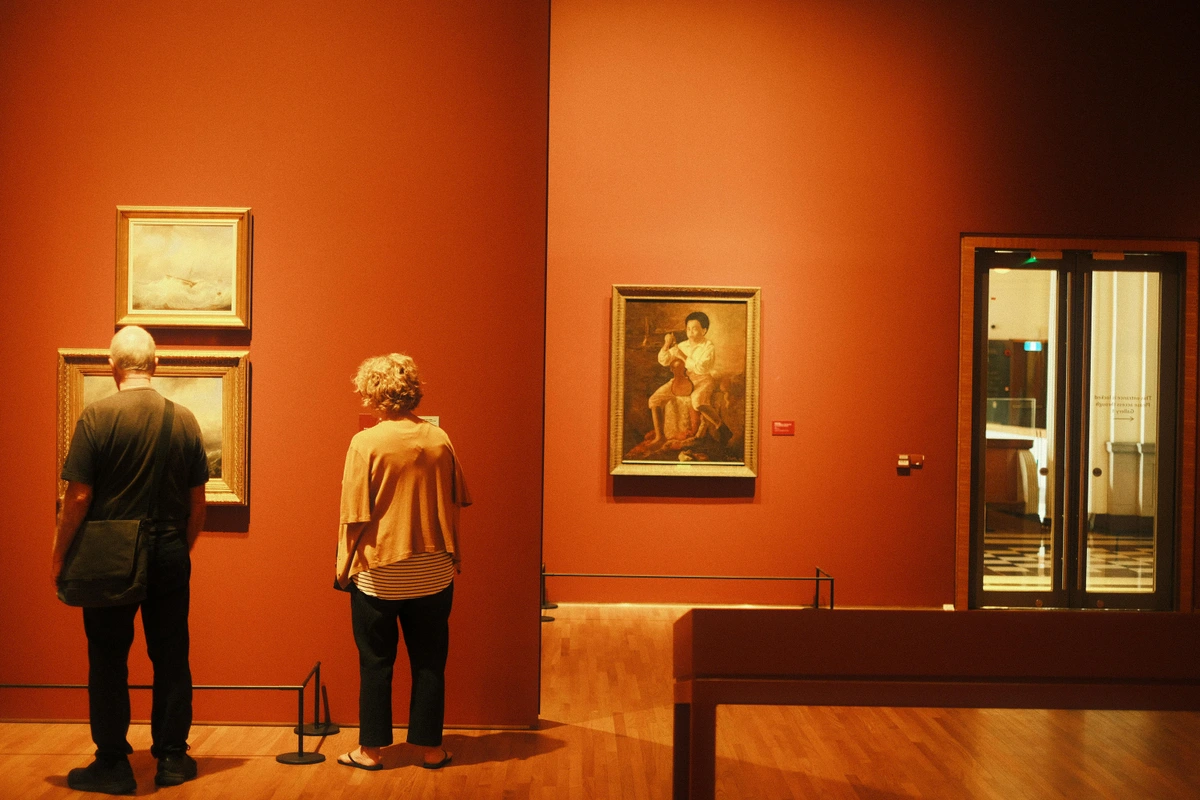
Voordelen van virtueel:
- Toegankelijkheid: Kunst is nu voor iedereen met internet beschikbaar, ongeacht locatie of fysieke beperkingen.
- Detailstudie: Je kunt verder inzoomen dan met het blote oog mogelijk is.
- Context: Online kun je direct informatie, video's en audio-opnames vinden.
- Kosten: Bezoek is gratis.
Beperkingen van virtueel:
- Schaal en ruimte: De fysieke ervaring van een groot werk gaat volledig verloren.
- Materialiteit: De textuur van verf, de glans van marmer, de fragiliteit van papier—alles wordt gereduceerd tot pixels.
- Atmosfeer: De unieke gevoel van een ruimte, de akoestiek, zelfs de geur van een museum.
- Sociale ervaring: Het delen van kunstervaring met anderen is anders online.
Mijn voorspelling: virtuele toegang zal fysieke bezoeken niet vervangen, maar versterken. Mensen zullen online kunst ontdekken en vervolgens besluiten om het in het echt te zien. Musea zullen hun fysieke ervaringen steeds meer verrijken met digitale technologie, zoals augmented reality en interactieve displays.
De toekomst is hybride. Net zoals streamingdiensten concerten niet hebben vervangen, maar de muziekervaring hebben verbreed, zo zal virtuele toegang onze relatie met kunst verdiepen—mits we de unieke waarde van fysieke aanwezigheid blijven erkennen. De collecties hier op onze site, toegankelijk via /buy, zijn onderdeel van deze nieuwe, hybride kunstwereld.

Conclusion: Finding Your Place in the Story
Conclusie: Kunstgeschiedenis Als Levend Verhaal
We've traveled a long road together, from crowded cabinets of curiosities to the infinite scroll of digital collections. What strikes me most about this history isn't just how much has changed, but how many of the same fundamental questions keep returning, generation after generation. The names and technologies change, but the core struggles remain remarkably consistent:
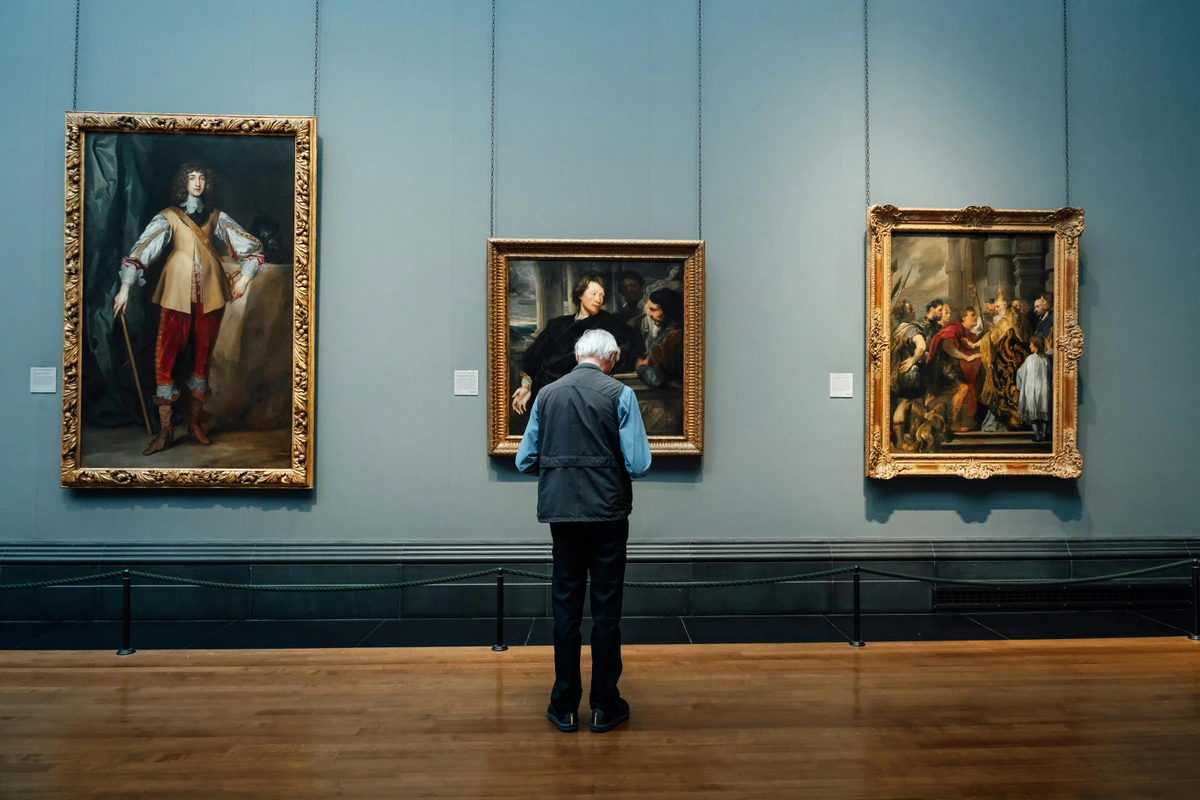
- Who gets to see art, and on what terms?
- How do we balance preservation with access?
- What role should money play in determining what gets seen and remembered?
- How do we make space for the new and challenging while honoring tradition?
- Whose stories get told, and whose get erased?
These aren't just questions for museum directors and gallery owners—they're questions for all of us who care about art. They're questions about power, about voice, about who gets to participate in culture and who gets left outside looking in.
To the artists reading this, I hope you see something liberating in this messy, unpredictable history. The spaces where art lives aren't fixed; they're constantly being reinvented by people who refuse to accept the status quo. The system might feel impenetrable, but history shows us it's anything but permanent. Every generation gets to imagine new ways of showing, seeing, and sharing art.
Are you frustrated by the exclusivity of commercial galleries? You're part of a long tradition of artists who created their own alternatives—from the Salon des Refusés to artist-run cooperatives to today's direct-to-collector models via platforms like my page /buy.
Do you wonder if digital art will ever be taken seriously? Remember that photography, video art, and installation were all once dismissed as not "real art." The definitions are always expanding.
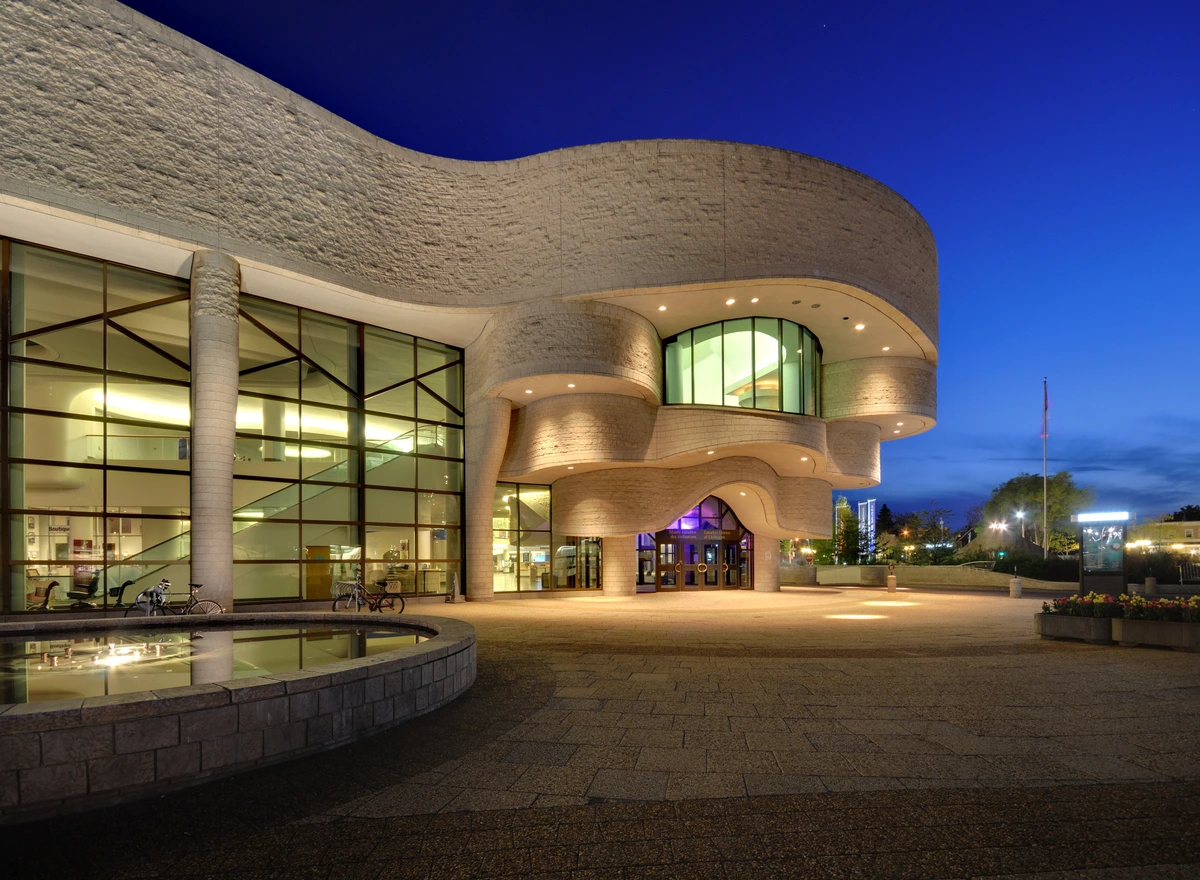
Are you intimidated by the grand temple-like spaces of major museums? So were a lot of people in the 19th century—and their discomfort led to new, more democratic approaches to displaying art.
The point isn't that one way is inherently better than another. A white cube gallery serves different purposes than a street art mural, which serves different purposes than a virtual reality art experience. The richness comes from this diversity of spaces and approaches.
What matters is that we keep asking: What do we want our art spaces to do? Who do we want them to serve? How do we make them more generous, more surprising, more alive?
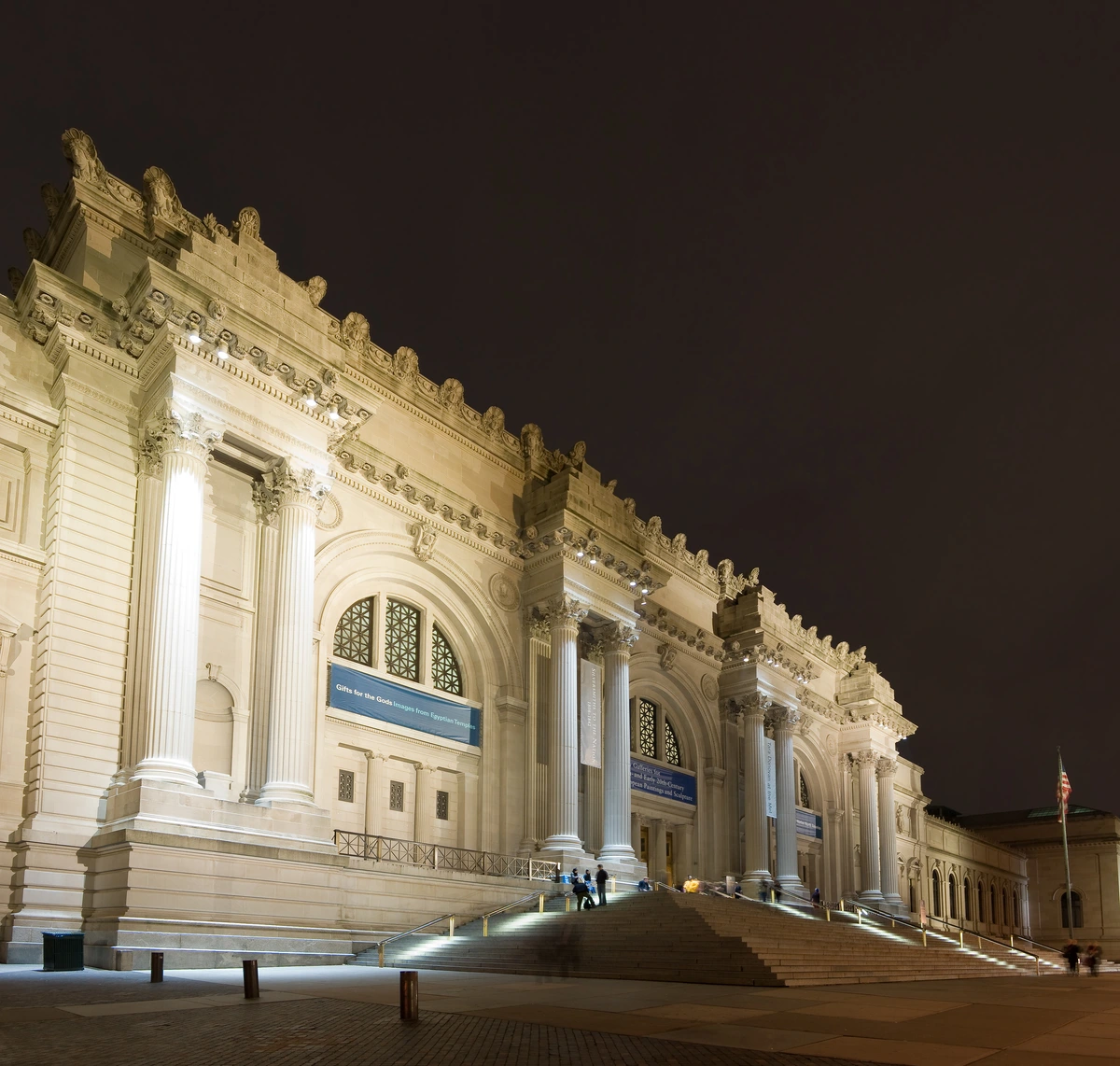











The history of where art lives is far from finished. In fact, I'd argue we're living through one of its most exciting—and most unsettling—chapters. New technologies are creating possibilities our ancestors couldn't have imagined. New voices (too long excluded) are demanding not just access but transformation. New audiences are bringing new expectations, expecting institutions to be more responsive, more accountable, more alive to the world we actually inhabit.
Where will art live next? That's a question each of us gets to help answer—artists, viewers, curators, and citizens who believe that art matters, not as luxury or status symbol, but as essential oxygen for any decent society.
Maybe the answer is a pop-up gallery in an abandoned warehouse, hosting artists who'll never show in Chelsea. Maybe it's an augmented reality layer over your neighborhood, turning everyday streets into sites of encounter with the unexpected. Maybe it's a digital platform that finally figures out how to compensate artists fairly for their work, building sustainable careers outside the gallery system—platforms that prioritize artists' economic viability, like our own /buy page where works can be acquired directly from contemporary creators. Maybe it's a museum that truly belongs to its community, where decisions are made not by distant boards but by the people who walk through its doors every day.
Whatever it is, it's being invented right now, by people who refuse to accept that the way things are is the way they have to be. That's always been how the best art spaces come into being—not through grand decrees or official plans, but through someone's stubborn insistence that art deserves better, that culture belongs to everyone, and that a truly democratic society is impossible without a truly democratic cultural life.
Let's keep insisting. The future of art is too important to leave to chance.