The Bowler Hat: A Timeless Muse in Art History
Explore how the bowler hat has shaped iconic artworks across centuries—from enigmatic portraits to surreal masterpieces. Discover its cultural symbolism and artistic significance.

The Bowler Hat: A Timeless Muse in Art History
Imagine this: you’re strolling through a museum, eyes scanning canvases for that one captivating detail that makes you stop dead in your tracks. For me, it’s often a bowler hat—those smooth, rounded silhouettes that cut through chaos with quiet authority. There’s something magnetic about this humble piece of headwear, isn’t there? It’s not just fashion; it’s a character, a statement, a tiny universe condensed into felt and brim. Let’s unravel why the bowler hat has haunted the halls of art history like a loyal, mysterious companion.
The Bowler Hat: A Historical Journey
Before we dive into its artistic significance, let's understand what makes this hat so special. The bowler hat, also known as a derby in American English, emerged in 1849 London as a practical solution for British gamekeepers. Designed by Thomas and William Bowler to protect horsemen from low-hanging branches during fox hunts, this sturdy hat was revolutionary. Unlike the fragile top hats of the era, the bowler's round, hard-crown design made it durable while maintaining a sophisticated silhouette.
What's fascinating is how quickly it transcended its practical origins. By the 1860s, it had become the headwear of choice for Britain's middle class—a symbol of respectability and upward mobility. The working class adopted it as aspirational wear, while the aristocracy viewed it with disdain. This duality is precisely what made it such a potent artistic symbol. It was simultaneously accessible and aspirational, traditional and modern—a walking contradiction that artists couldn't resist.
The Anatomy of Iconic Bowler Hats
To truly appreciate how artists have interpreted this headwear, it helps to understand its physical characteristics:
Feature  | Description | Artistic Significance |
|---|---|---|
| Hard Crown | Perfectly rounded, stiff felt construction | Represents structure, formality, and psychological containment |
| Brim | Narrow, curled edge around the crown | Creates a frame for the face, suggesting mystery or revelation |
| Material | Wool felt, historically stiffened with shellac | Connects to industrial-era craftsmanship and mass production |
| Color | Traditionally black, but appears in various shades | Black represents formality, while colors can subvert expectations |
| Fit | Snug, sitting level on the head | Suggests conformity or psychological constraint |
Understanding these elements helps decode why artists chose this particular hat over others. The hard crown, for instance, provides a perfect geometric anchor in abstract compositions, while the brim creates natural framing devices.
Why Artists Can't Resist the Bowler Hat
The bowler hat (or derby, as our American friends call it) first strutted onto the scene in 1849. Designed for British gamekeepers seeking protection from low-hanging branches, it quickly became the crown of the urban middle class. But artists? They saw something deeper. It’s the perfect artistic vessel: universally recognizable yet infinitely interpretable. Whether symbolizing conformity, intellect, or the enigmatic “everyman,” it’s a blank canvas that invites storytelling. I’ve spent hours staring at René Magritte’s work, wondering what goes on inside that bowler-hatted head—it’s a psychological rabbit hole. And isn’t that what great art does? It makes you ask questions.
Iconic Artworks Embracing the Bowler Hat
Let’s walk through some masterpieces where this little hat took center stage. I’ll admit, compiling this felt like flipping through my personal art journal—each piece stirs a different emotion.
Bowler Hats Across Art Movements
The bowler hat's versatility shines through its interpretation across different artistic movements. Each movement brings its own lens to this iconic headwear:
Impressionist Interpretations
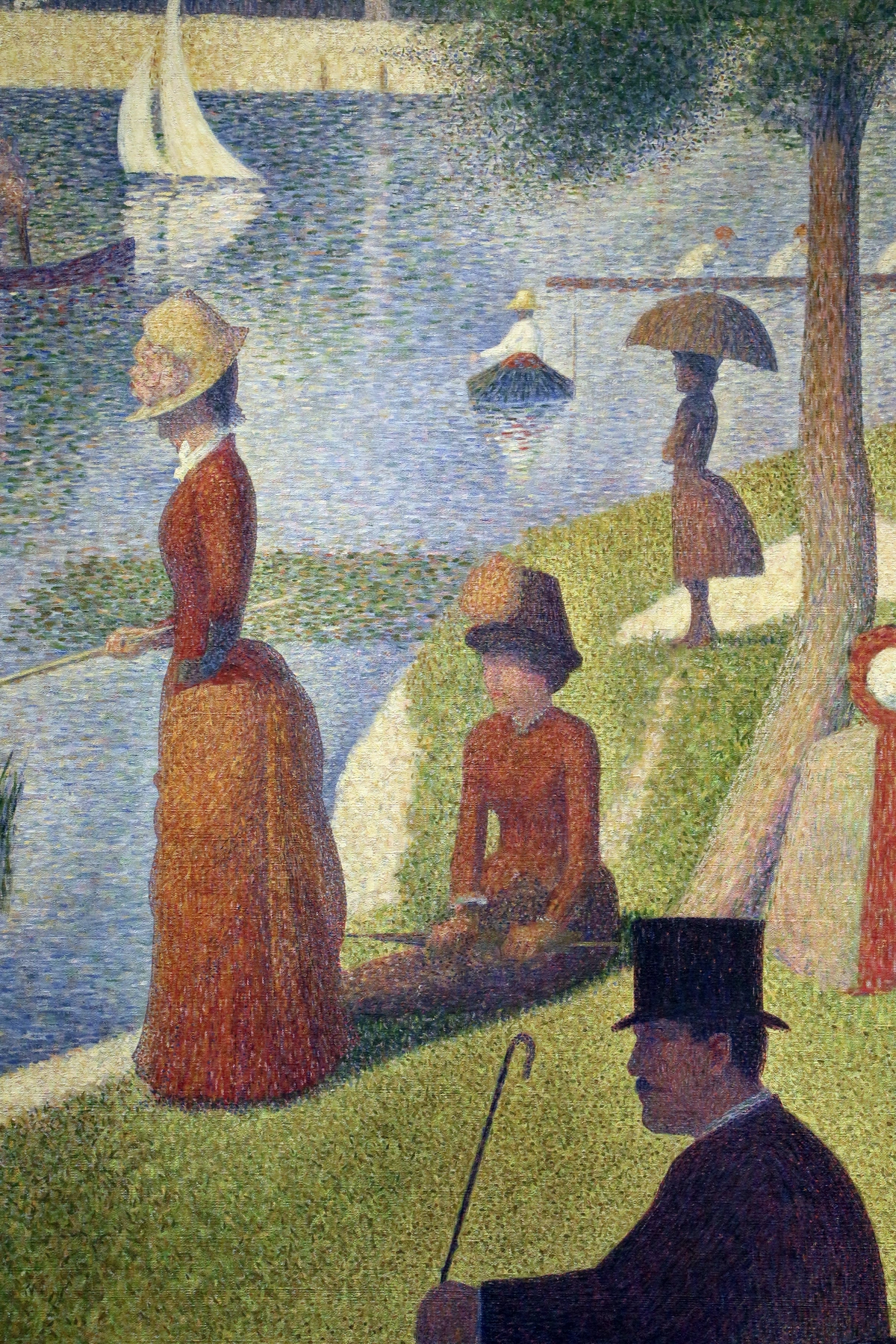
In the late 19th century, Impressionists like Pierre-Auguste Renoir captured the bowler hat as part of modern urban life. These hats appeared in scenes of Parisian leisure, their dark forms creating contrast against bright skies and colorful crowds. Renoir's "Dance in the City" (1883) shows how the bowler hat could represent both social propriety and the joy of movement—a paradox that fascinated the Impressionists.
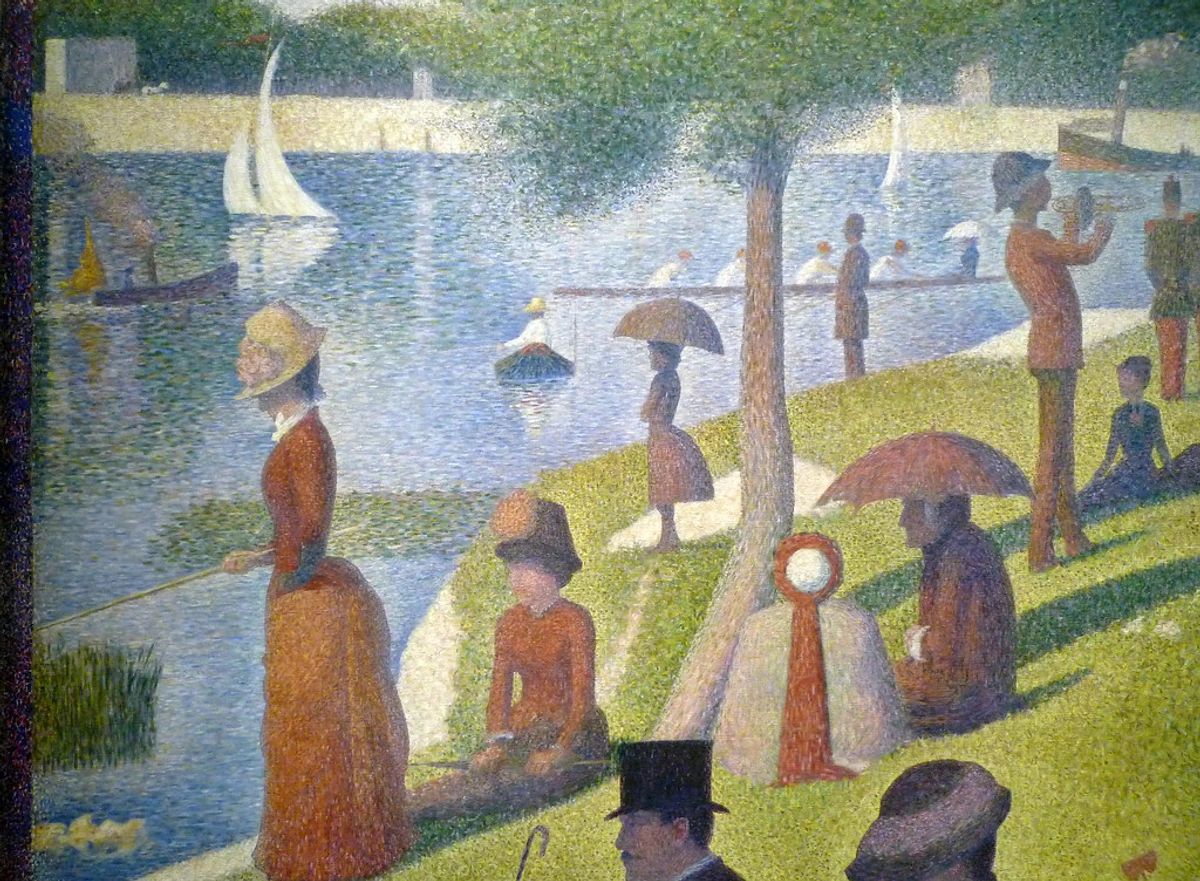
Cubist Deconstructions
Pablo Picasso and Georges Braque took the bowler hat apart in their Cubist experiments. In "Portrait of Daniel-Henry Kahnweiler" (1910), Picasso reduces the art dealer to geometric forms, yet that bowler hat remains a solid, recognizable presence. It's as if the artist is saying: "Even in this deconstructed world, some things remain constant." The hat becomes an anchor point in the chaos of Cubist fragmentation.
Surrealist Enigmas
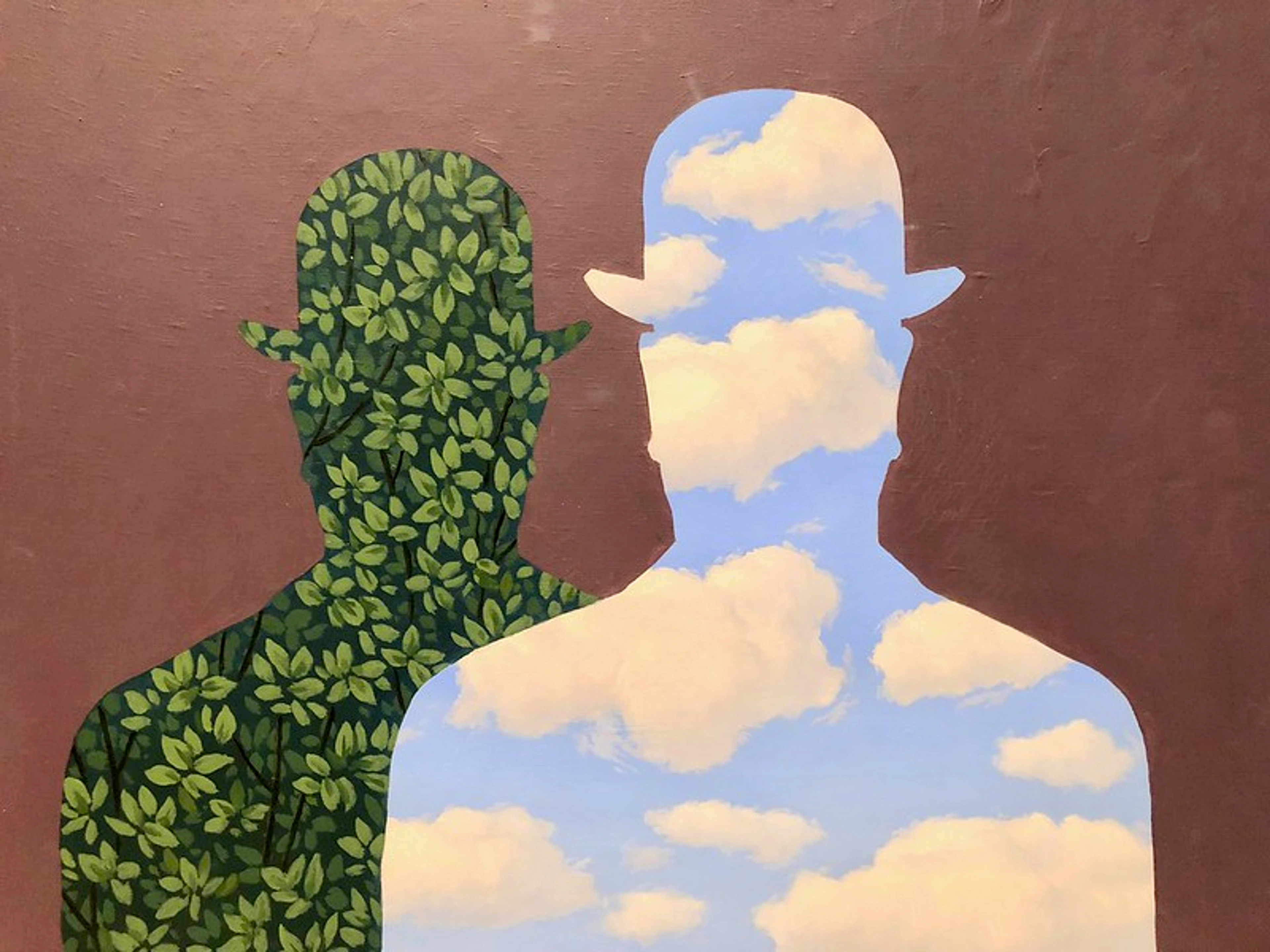
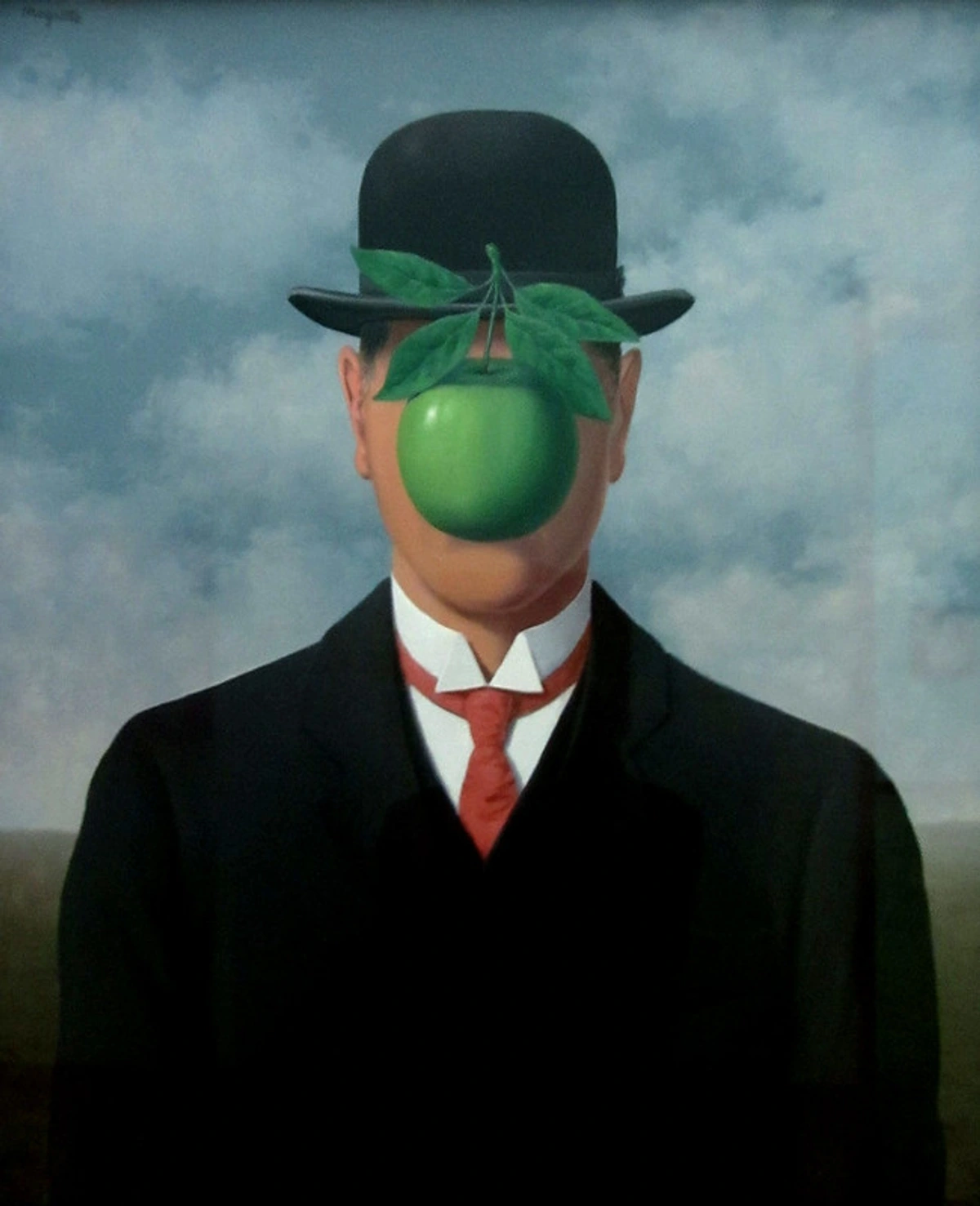
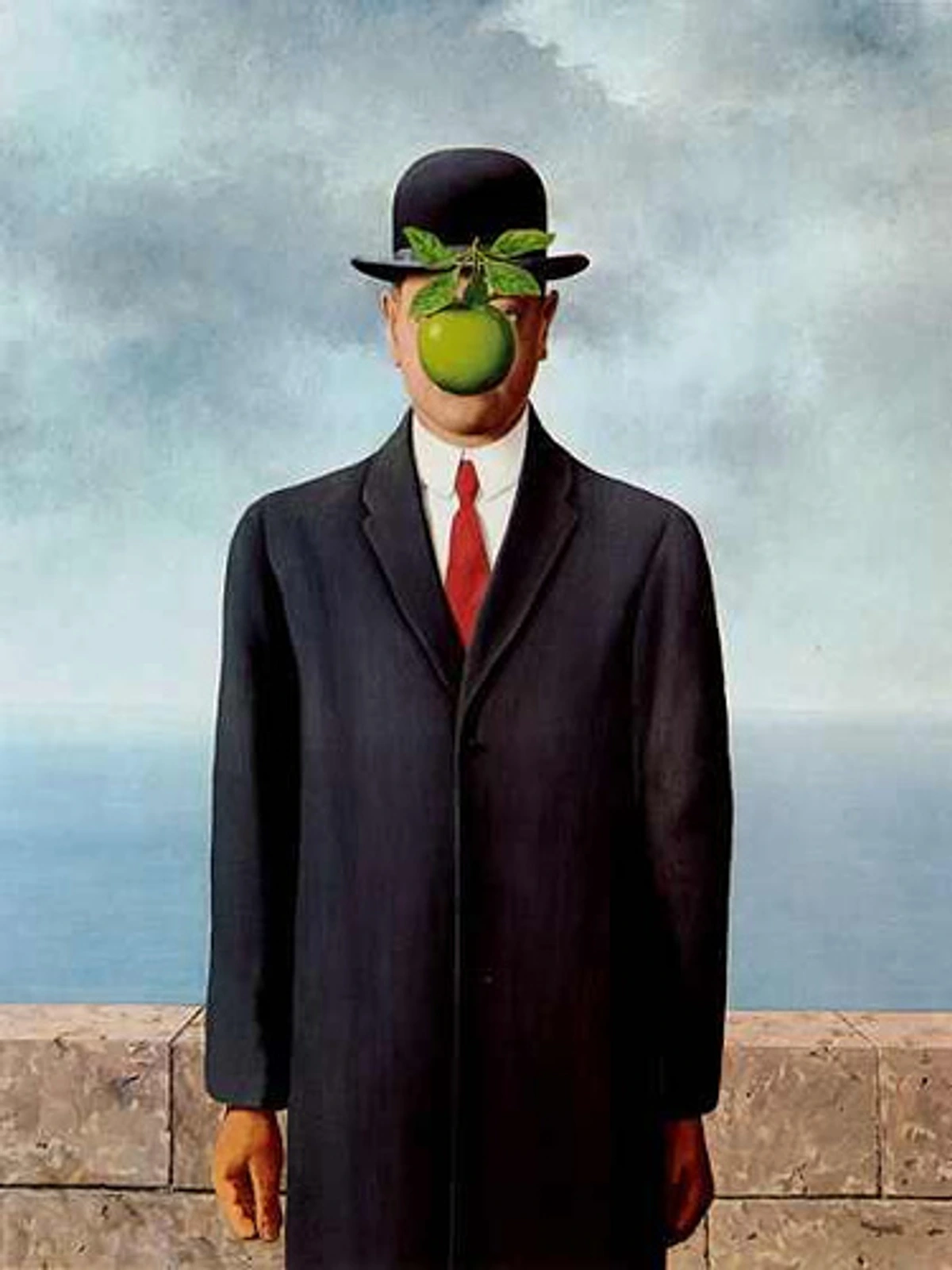
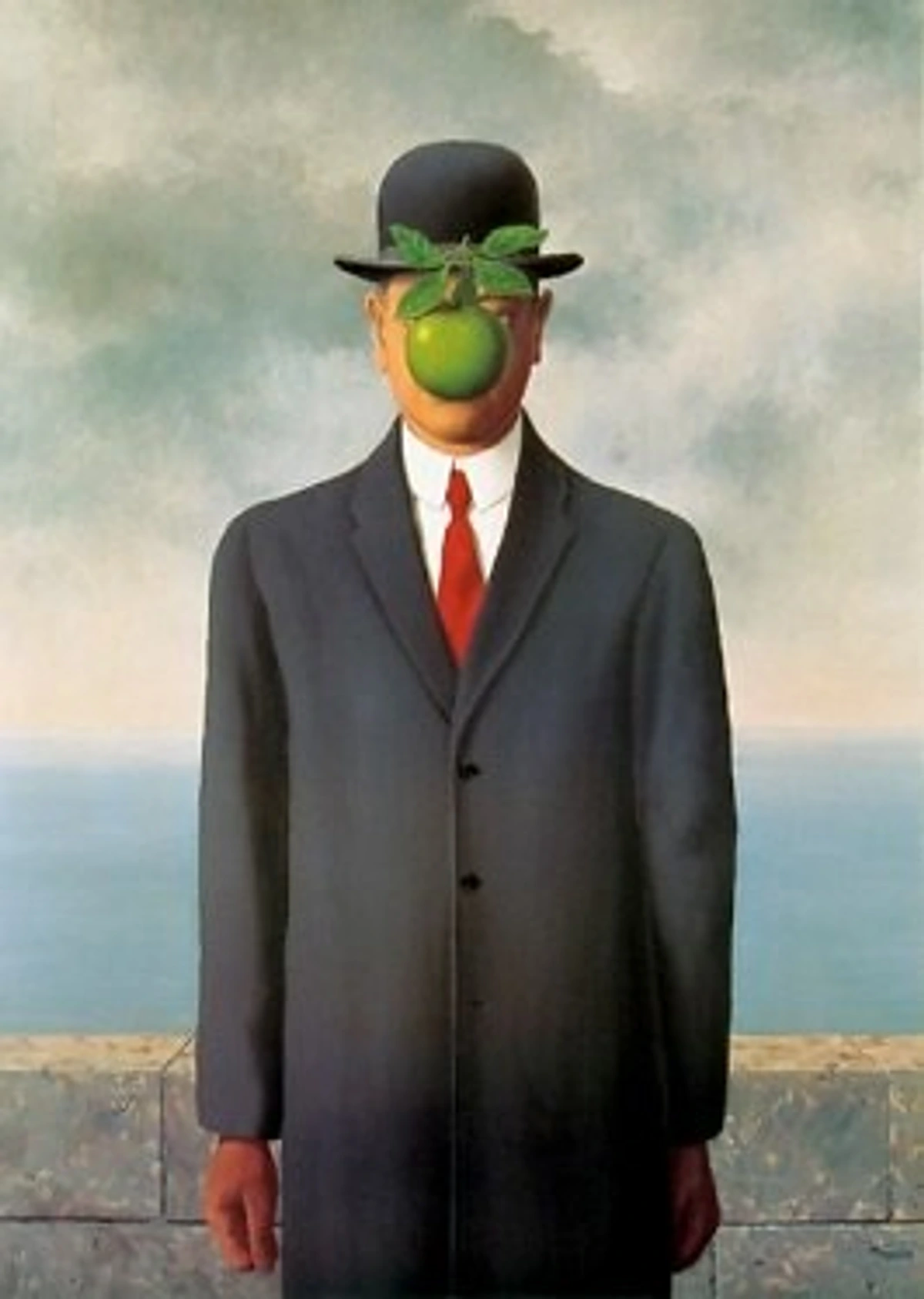
Surrealists seized upon the bowler hat's inherent mystery. René Magritte made it his signature motif, using it to explore the gap between appearance and reality. In "The Son of Man" (1964), the hat hides the face entirely, suggesting that our professional personas conceal our true selves. For Magritte, the bowler hat represented the "every secrecy"—those hidden thoughts and identities we carry behind our public facades.
Pop Art Commentary
Pop artists like Andy Warhol and Peter Blake used bowler hats to comment on mass culture and celebrity. Blake's "Sgt. Pepper's Lonely Hearts Club Band" album cover features bowler-hatted figures that blur the line between real people and cultural icons. The hat here becomes a symbol of both individuality and conformity—a perfect metaphor for the Pop Art fascination with mass-produced identity.
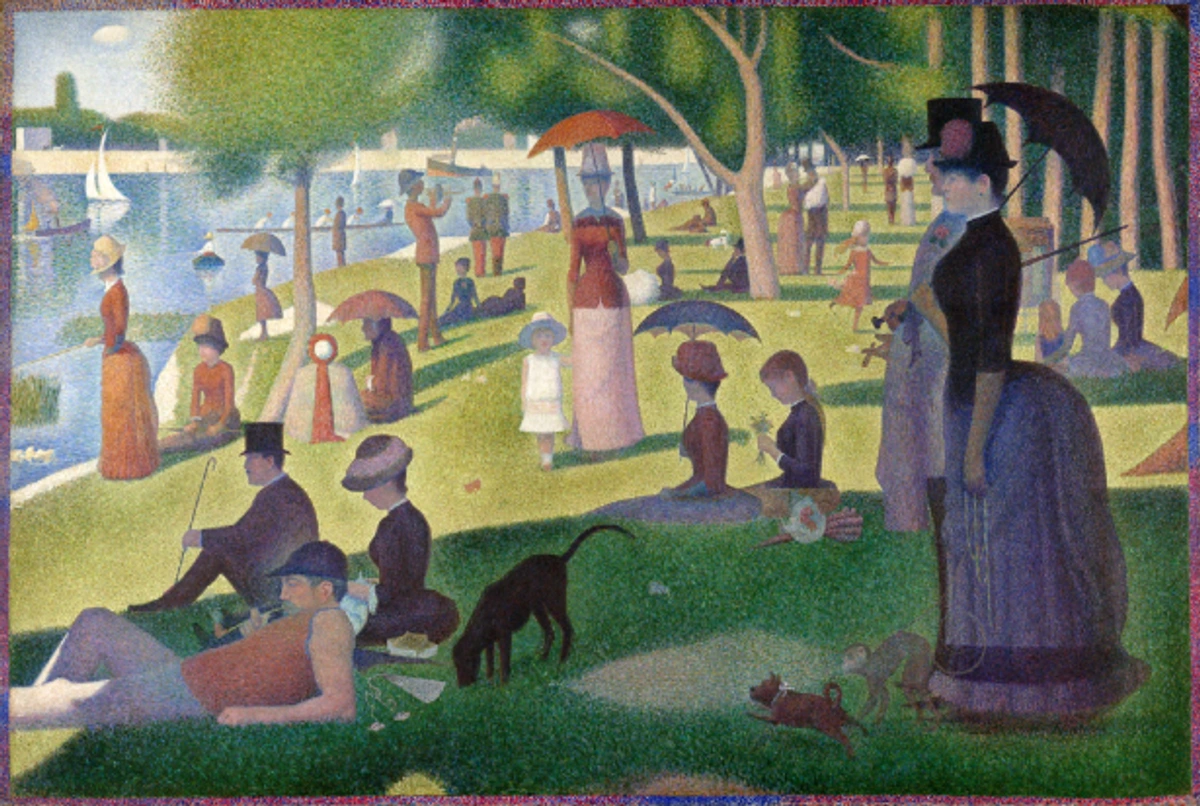
Surreal Visions of Mystery
Take René Magritte’s “The Son of Man” (1964). That floating green apple? It’s practically a sideshow. The real star’s the bowler hat, peeking from behind like a curious bystander in its own mystery. Magritte called it “every secrecy,” and he’s not wrong. It’s the ultimate symbol of the unseen—what’s hidden beneath the surface? Makes you wonder what your hat might be hiding, doesn’t it?
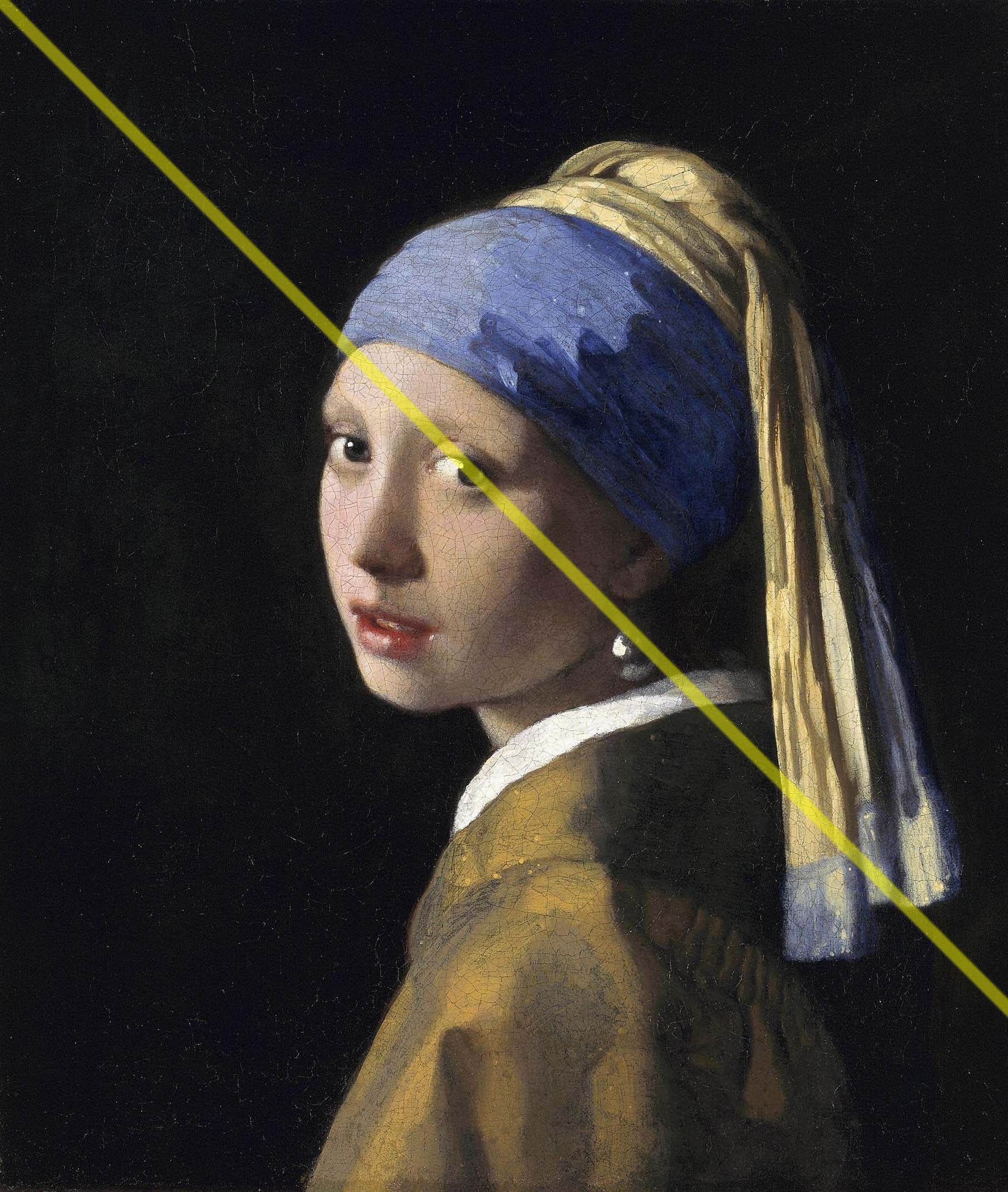
[credit](https://upload.wikimedia.org/wikipedia/commons/3/38/Diagonal_on_Girl_with_Pearl_Earring.jpg),
[licence](http://creativecommons.org/publicdomain/zero/1.0/deed.en)
René Magritte, [Public Domain](https://creativecommons.org/publicdomain/zero/1.0/)Portraits of Power and Personality
Pablo Picasso’s “Portrait of Daniel-Henry Kahnweiler” (1910) reduces the art dealer to abstract forms—but that bowler hat? A solid black circle anchoring the chaos. It’s the visual anchor in a sea of Cubist mayhem. Renoir’s “Dance in the City” (1883) gives us a dapper gent mid-waltz, the hat tilted with effortless charm. Both show how the bowler hat grounds abstract worlds or romantic scenes in reality. It’s the quiet hero in every composition.
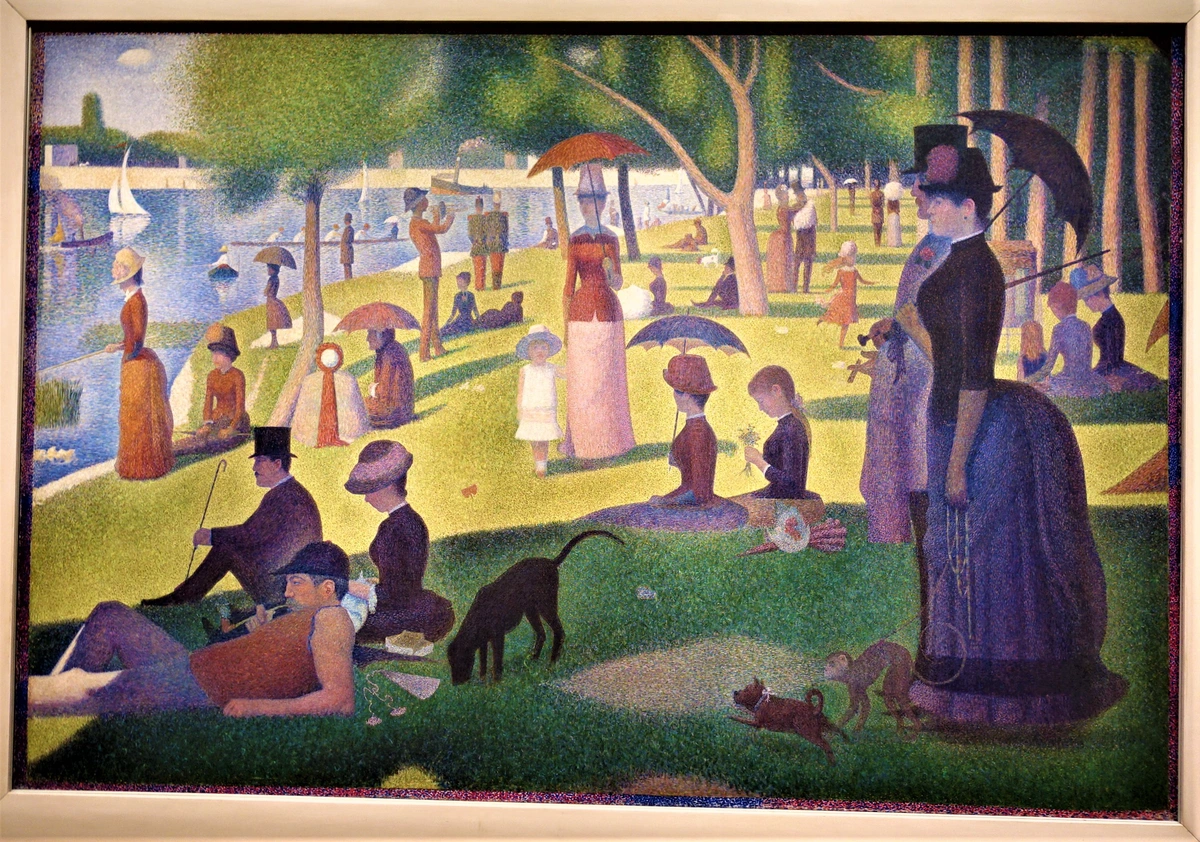
The Modern Everyman Speaks
Fast-forward to contemporary art. Julie Mehretu’s massive canvases blend maps, graffiti, and architectural fragments, but figures often wear bowler hats—universal markers of human presence. They’re not people; they’re ideas, archetypes. And isn’t that brilliant? In an age of digital chaos, these hats remind us we’re all part of the same narrative. Explore my timeline to see how this theme echoes in my own work, where color and abstraction collide with human forms.
Cultural Symbolism: Beyond the Brim
The bowler hat is chock-full of contradictions. It’s both elite and proletarian, traditional and subversive. Here’s how artists have leveraged this duality:
Symbolism | Meaning in Art | Example Artists |
|---|---|---|
| Conformity | Middle-class respectability, societal expectations. | David Hockney’s 1960s portraits |
| Mystery | The unknown, intellect, repressed identities. | René Magritte, Giorgio de Chirico |
| Resistance | Rebellion against norms (e.g., mods in 1960s UK). | Peter Blake |
| Modernity | Urban sophistication, industrial-era progress. | Edward Hopper |
I once read an interview where an artist said the bowler hat is a “mask of the bourgeoisie.” I love that—it’s not just clothing; it’s a stage. When I paint abstract figures, I often give them bowler hats as a nod to this legacy. It’s a shorthand for “Here is a person, yet they’re more than a person.”
Why It Still Captivates Us Today
In a world saturated with trends, the bowler hat’s endurance is fascinating. It’s visual shorthand for timelessness. Filmmakers use it (think Charlie Chaplin or the iconic “Mad Men” silhouette), designers reinvent it, but in art? It remains a shorthand for the human condition. My theory? It’s the perfect balance of structure and anonymity. Round, solid, and yet—like all good art—it invites interpretation.
You might even spot bowler hats in my abstract surrealism prints, like this one: Check out my collections. They’re not just hats; they’re tiny anchors for color and emotion.
FAQ: Your Bowler Hat Art Questions Answered
Q: Why is the bowler hat such a recurring motif in art?
A: It’s versatile and symbolic. Artists use it to represent everything from conformity and mystery to modernity. Its simple shape blends with any style—realistic, abstract, surreal—which makes it a go-to tool for visual storytelling.
Q: Are there famous female artists who used bowler hats in their work?
A: Absolutely! Sonia Delaunay, Alice Neel, and Julie Mehretu all incorporated bowler hats to explore themes of identity and modernity. Neel’s portraits, for instance, use hats to subvert traditional gender roles.
Q: What does a bowler hat symbolize in contemporary art?
A: Today, it often represents the universal human experience—the idea of individuality within shared culture. Artists like me use it as a focal point in abstract work to ground chaos or question societal norms.
Q: Can I buy art inspired by bowler hats here?
A: Yes! My original pieces and prints frequently reimagine bowler hats through an abstract lens. Explore the gallery for modern takes on this timeless icon.

Q: Is there a physical museum where I can see these artworks?
A: You can visit my studio-museum in Den Bosch for immersive encounters with these themes. Plan your visit to see how the bowler hat’s legacy unfolds in contemporary spaces.
The Bowler Hat’s Legacy: A Final Thought
So there you have it—the bowler hat, a tiny felt dome that’s carried the weight of modernity, identity, and artistic rebellion for over 170 years. It’s a testament to how a single object can become a mirror for our society, fears, and dreams. Next time you see one in a painting, don’t just glance. Ask: What’s it really saying? That’s the magic.





Beyond the Canvas: Bowler Hats in Contemporary Culture
The bowler hat's influence extends far beyond traditional art galleries. Today, it appears in various cultural contexts, each adding new layers to its symbolic meaning:
Fashion and Design
Contemporary fashion designers continue to reinvent the bowler hat:
- Alexander McQueen: Used bowler hats in runway shows to comment on British identity and class
- Vivienne Westwood: Incorporates punk elements into traditional bowler shapes
- Comme des Garçons: Creates deconstructed, conceptual bowler hats that challenge traditional notions of headwear
- Streetwear Brands: Merge bowler hat aesthetics with urban fashion for a modern twist
Film and Television
The bowler hat remains a powerful visual device in film:
- Wes Anderson: Uses bowler hats to create signature, whimsical characters
- Christopher Nolan: Employs bowler hats in period pieces to establish historical authenticity
- Animated Films: Often uses bowler hats to represent eccentric or intellectual characters
- Music Videos: Directors use bowler hats to create specific moods and character types
Literature and Poetry
Writers have been inspired by the bowler hat's symbolic power:
- Poetry: The hat appears as a metaphor for conformity, identity, and social masks
- Novels: Used to characterize individuals and establish social context
- Graphic Novels: Visual artists incorporate bowler hats to add depth to characters
- Creative Non-Fiction: The hat serves as a symbol to explore themes of belonging and otherness
Digital and New Media
In the digital realm, the bowler hat takes on new meanings:
- Video Games: Characters wear bowler hats to establish personality and backstory
- Digital Art: Artists manipulate bowler hat imagery in digital compositions
- Social Media Memes: The hat becomes a symbol of internet culture and digital identity
- NFT Art: While skeptical of the NFT market, some artists use bowler hats in digital collectibles
And hey—if you’ve ever spotted a bowler hat in a piece of art that made you stop, drop a note below. I’d love to add it to my collection of art-based rabbit holes. Until next time, stay curious.